Search results
1000 results found for “Glucagon”
Name
Description
Product #
Price
Quantity
Shipping Method
- View Data Sheet
Name :
VEGI Human, HisDescription:
Vascular Endothelial Growth InhibitorHuman Recombinant, His Tag
Tumor necrosis factor ligand superfamily member 15, TNFSF-15, TNFSF15, TNF ligand-related molecule 1, VEGI, TL-1, TL1, TL1A, VEGI192A, VEGI-192, MGC129934, MGC129935.
Product # :
CYT-589Price :
Quantity :
Shipping Method :
Shipped with Ice Packs
More Info
- description
- source
- formulation
- purity
- More Info
- Citations
Description
VEGI Human Recombinant fused with a 21 amino acid His tag at N-terminus produced in E.Coli is a single, non-glycosylated, polypeptide chain containing 201 amino acids(72-251a.a.) and having a molecular mass of 22.7kDa. The VEGI is purified by proprietary chromatographic techniques.
Source
Escherichia Coli.
Formulation
The VEGI solution (1mg/1ml) contains 20mM Tris-HCl buffer (pH 8.0), 50% glycerol, 1mM DTT and 0.2M NaCl.
Purity
Greater than 95.0% as determined by SDS-PAGE.
Citations
More Info
-
Introduction
TNFSF15 is a cytokine that belongs to the tumor necrosis factor (TNF) ligand family. This protein is abundantly expressed in endothelial cells, but is not expressed in either B or T cells. The expression of TNFSF15 is inducible by TNF and IL-1 alpha. This cytokine is a ligand for receptor TNFRSF25 and decoy receptor TNFRSF21/DR6. It can activate NF-kappaB and MAP kinases, and acts as an autocrine factor to induce apoptosis in endothelial cells. TNFSF15 is also found to inhibit endothelial cell proliferation, and thus may function as an angiogenesis inhibitor. An additional isoform encoded by an alternatively spliced transcript variant has been reported but the sequence of this transcript has not been determined.
-
Synonyms
Tumor necrosis factor ligand superfamily member 15, TNFSF-15, TNFSF15, TNF ligand-related molecule 1, VEGI, TL-1, TL1, TL1A, VEGI192A, VEGI-192, MGC129934, MGC129935.
-
Physical Appearance
Sterile Filtered colorless solution.
-
Stability
Store at 4°C if entire vial will be used within 2-4 weeks. Store, frozen at -20°C for longer periods of time. For long term storage it is recommended to add a carrier protein (0.1% HSA or BSA).Avoid multiple freeze-thaw cycles.
-
Amino Acid Sequence
MGSSHHHHHH SSGLVPRGSH MLKGQEFAPS HQQVYAPLRA DGDKPRAHLT VVRQTPTQHF KNQFPALHWE HELGLAFTKN RMNYTNKFLL IPESGDYFIY SQVTFRGMTS ECSEIRQAGR PNKPDSITVV ITKVTDSYPE PTQLLMGTKS VCEVGSNWFQ PIYLGAMFSL QEGDKLMVNV SDISLVDYTK EDKTFFGAFL L
ProSpec's products are furnished for LABORATORY RESEARCH USE ONLY. The product may not be used as drugs, agricultural or pesticidal products, food additives or household chemicals.
- View Data Sheet
Name :
MVD HumanDescription:
Mevalonate Decarboxylase Human Recombinant
Diphosphomevalonate decarboxylase, Mevalonate (diphospho)decarboxylase, MDDase, Mevalonate pyrophosphate decarboxylase, MVD, MPD, FP17780.
Product # :
ENZ-226Price :
Quantity :
Shipping Method :
Shipped with Ice Packs
More Info
- description
- source
- formulation
- purity
- More Info
- Citations
Description
MVD Human Recombinant produced in E.coli is a single, non-glycosylated polypeptide chain containing 420 amino acids (1-400) and having a molecular mass of 45.6kDa.MVD is fused to a 20 amino acid His-tag at N-terminus & purified by proprietary chromatographic techniques.
Source
E.coli.
Formulation
The MVD solution (0.5mg/ml) contains 20mM Tris-HCl buffer (pH8.0), 20% glycerol and 1mM DTT.
Purity
Greater than 85% as determined by SDS-PAGE.
Citations
More Info
-
Introduction
Diphosphomevalonate decarboxylase (MVD) catalyzes the conversion of mevalonate pyrophosphate into isopentenyl pyrophosphate in one of the early steps in cholesterol biosynthesis. MVD decarboxylates and dehydrates its substrate while hydrolyzing ATP. MVD is expressed in the heart, skeletal muscle, lung, liver, brain, pancreas, kidney and placenta.
-
Synonyms
Diphosphomevalonate decarboxylase, Mevalonate (diphospho)decarboxylase, MDDase, Mevalonate pyrophosphate decarboxylase, MVD, MPD, FP17780.
-
Physical Appearance
Sterile Filtered colorless solution.
-
Stability
Store at 4°C if entire vial will be used within 2-4 weeks. Store, frozen at -20°C for longer periods of time. For long term storage it is recommended to add a carrier protein (0.1% HSA or BSA).Avoid multiple freeze-thaw cycles.
-
Amino Acid Sequence
MGSSHHHHHH SSGLVPRGSH MASEKPLAAV TCTAPVNIAV IKYWGKRDEE LVLPINSSLS VTLHQDQLKT TTTAVISKDF TEDRIWLNGR EEDVGQPRLQ ACLREIRCLA RKRRNSRDGD PLPSSLSCKV HVASVNNFPT AAGLASSAAG YACLAYTLAR VYGVESDLSE VARRGSGSAC RSLYGGFVEW QMGEQADGKD SIARQVAPES HWPELRVLIL VVSAEKKLTG STVGMRASVE TSPLLRFRAE SVVPARMAEM ARCIRERDFP SFAQLTMKDS NQFHATCLDT FPPISYLNAI SWRIIHLVHR FNAHHGDTKV AYTFDAGPNA VIFTLDDTVA EFVAAVWHGF PPGSNGDTFL KGLQVRPAPL SAELQAALAM EPTPGGVKYI IVTQVGPGPQ ILDDPCAHLL GPDGLPKPAA.
ProSpec's products are furnished for LABORATORY RESEARCH USE ONLY. The product may not be used as drugs, agricultural or pesticidal products, food additives or household chemicals.
- View Data Sheet
Name :
NDRG3 HumanDescription:
N-Myc Downstream Regulated 3 Human Recombinant
Protein NDRG3, N-myc downstream-regulated gene 3 protein, NDRG3, N-Myc Downstream Regulated 3.
Product # :
PRO-2100Price :
Quantity :
Shipping Method :
Shipped with Ice Packs
More Info
- description
- source
- formulation
- purity
- More Info
- Citations
Description
NDRG3 Human Recombinant produced in E. coli is a single polypeptide chain containing 386 amino acids (1-363) and having a molecular mass of 42.4 kDa.NDRG3 is fused to a 23 amino acid His-tag at N-terminus & purified by proprietary chromatographic techniques.
Source
E.coli.
Formulation
The NDRG3 solution (0.25mg/1ml) contains Phosphate buffered saline (pH7.4), 20% glycerol and 1mM DTT.
Purity
Greater than 90% as determined by SDS-PAGE.
Citations
More Info
-
Introduction
N-Myc Downstream Regulated 3, also known as NDRG3, is a protein coding gene which is a part of the NDRG family and is expressed greatly in brain. NDRG2 is an important paralog of NDRG3.
-
Synonyms
Protein NDRG3, N-myc downstream-regulated gene 3 protein, NDRG3, N-Myc Downstream Regulated 3.
-
Physical Appearance
Sterile Filtered colorless solution.
-
Stability
Store at 4°C if entire vial will be used within 2-4 weeks. Store, frozen at -20°C for longer periods of time. For long term storage it is recommended to add a carrier protein (0.1% HSA or BSA).Avoid multiple freeze-thaw cycles.
-
Amino Acid Sequence
MGSSHHHHHH SSGLVPRGSH MGSMDELQDV QLTEIKPLLN DKEHDIETTH GVVHVTIRGL PKGNRPVILT YHDIGLNHKS CFNAFFNFED MQEITQHFAV CHVDAPGQQE GAPSFPTGYQ YPTMDELAEM LPPVLTHLSL KSIIGIGVGA GAYILSRFAL NHPELVEGLV LINVDPCAKG WIDWAASKLS GLTTNVVDII LAHHFGQEEL QANLDLIQTY RMHIAQDINQ DNLQLFLNSY NGRRDLEIER PILGQNDNKS KTLKCSTLLV VGDNSPAVEA VVECNSRLNP INTTLLKMAD CGGLPQVVQP GKLTEAFKYF LQGMGYIPSA SMTRLARSRT HSTSSSLGSG ESPFSRSVTS NQSDGTQESC ESPDVLDRHQ TMEVSC.
ProSpec's products are furnished for LABORATORY RESEARCH USE ONLY. The product may not be used as drugs, agricultural or pesticidal products, food additives or household chemicals.
- View Data Sheet
Name :
STX17 HumanDescription:
Syntaxin-17 Human Recombinant
Syntaxin 17
Product # :
PRO-1712Price :
Quantity :
Shipping Method :
Shipped with Ice Packs
More Info
- description
- source
- formulation
- purity
- More Info
- Citations
Description
STX17 Human Recombinant produced in E.coli is a single, non-glycosylated polypeptide chain containing 252 amino acids (1-229) and having a molecular mass of 28.6kDa.STX17 is fused to a 23 amino acid His-tag at N-terminus & purified by proprietary chromatographic techniques.
Source
Escherichia Coli.
Formulation
The STX17 solution (0.25mg/ml) contains 20mM Tris-HCl buffer (pH8.0), 0.15M NaCl, 1mM DTT and 30% glycerol.
Purity
Greater than 85.0% as determined by SDS-PAGE.
Citations
More Info
-
Introduction
STX17 is a member of to the syntaxin family and contains 1 t-SNARE coiled-coil homology domain. STX17 is involved in vesicle trafficking to lysosomes and takes part in procedures associated with cell division.
-
Synonyms
Syntaxin 17
-
Physical Appearance
Sterile Filtered clear solution.
-
Stability
Store at 4°C if entire vial will be used within 2-4 weeks. Store, frozen at -20°C for longer periods of time. For long term storage it is recommended to add a carrier protein (0.1% HSA or BSA).Avoid multiple freeze-thaw cycles.
-
Amino Acid Sequence
MGSSHHHHHH SSGLVPRGSH MGSMSEDEEK VKLRRLEPAI QKFIKIVIPT DLERLRKHQI NIEKYQRCRI WDKLHEEHIN AGRTVQQLRS NIREIEKLCL KVRKDDLVLL KRMIDPVKEE ASAATAEFLQ LHLESVEELK KQFNDEETLL QPPLTRSMTV GGAFHTTEAE ASSQSLTQIY ALPEIPQDQN AAESWETLEA DLIELSQLVT DFSLLVNSQQ EKIDSIADHV NSAAVNVEEG TKNLGKAAKY KL
ProSpec's products are furnished for LABORATORY RESEARCH USE ONLY. The product may not be used as drugs, agricultural or pesticidal products, food additives or household chemicals.
- View Data Sheet
Name :
CA8 Human, ActiveDescription:
Carbonic Anhydrase 8 Human Recombinant, BioActive
Carbonic anhydrase-related protein, CA-VIII, CALS, CAMRQ3, CARP.
Product # :
ENZ-1139Price :
Quantity :
Shipping Method :
Shipped with Ice Packs
More Info
- description
- source
- formulation
- purity
- biological activity
- More Info
- Citations
Description
CA8 Human Recombinant produced in E.Coli is a single, non-glycosylated polypeptide chain containing 314 amino acids (1-290) and having a molecular mass of 35.5kDa. CA8 Humanis fused to a 24 amino acid His-Tag at N-terminus and purified by proprietary chromatographic techniques.
Source
Escherichia Coli.
Formulation
CA8 Human protein (1mg/ml) is formulated in 20mM Tris-HCl buffer (pH8.0) containing 20% glycerol, 1mM DTT.
Purity
Greater than 90.0% as determined by SDS-PAGE.
Biological Activity
Specific activity is > 450 pmol/min/ug, and is defined as the amount of enzyme that hydrolyze 1.0 pmole of4-nitrophenyl acetate to 4-nitrophenol per minute at pH 7.5 at 37C.
Citations
More Info
-
Introduction
Carbonic Anhydrase VIII or CA8 was previously called CA-related protein due to its sequence resemblance to additional recognized carbonic anhydrase genes. Nonetheless CA8 doesn’t have carbonic anhydrase function. This protein keeps bearing a carbonic anhydrase classification because of coherent sequence similarity to additional proteins in carbonic anhydrase family. Mutations in this protein may lead to cerebellar dysequilibrium syndrome type 3 or ataxia mental retardation.
-
Synonyms
Carbonic anhydrase-related protein, CA-VIII, CALS, CAMRQ3, CARP.
-
Physical Appearance
Sterile Filtered clear solution.
-
Stability
Store at 4°C if entire vial will be used within 2-4 weeks. Store, frozen at -20°C for longer periods of time. For long term storage it is recommended to add a carrier protein (0.1% HSA or BSA).Avoid multiple freeze-thaw cycles.
-
Amino Acid Sequence
MGSSHHHHHH SSGLVPRGSH MGSHMADLSF IEDTVAFPEK EEDEEEEEEG VEWGYEEGVE
WGLVFPDANG EYQSPINLNS REARYDPSLL DVRLSPNYVV CRDCEVTNDG HTIQVILKSK
SVLSGGPLPQ GHEFELYEVR FHWGRENQRG SEHTVNFKAF PMELHLIHWN STLFGSIDEA
VGKPHGIAII ALFVQIGKEH VGLKAVTEIL QDIQYKGKSK TIPCFNPNTL LPDPLLRDYW
VYEGSLTIPP CSEGVTWILF RYPLTISQLQ IEEFRRLRTH VKGAELVEGC DGILGDNFRP TQPLSDRVIR AAFQ
ProSpec's products are furnished for LABORATORY RESEARCH USE ONLY. The product may not be used as drugs, agricultural or pesticidal products, food additives or household chemicals.
- View Data Sheet
Name :
KLK1 Human, HEKDescription:
Kallikrein-1 Human Recombinant, HEK
KLK1, KLK-1, HK1, HK-1, KLKR, KLK6, Tissue Kallikrein, hKLK1, EC 3.4.21.35, Kidney/pancreas/salivary gland kallikrein, Kallikrein-1.
Product # :
ENZ-293Price :
Quantity :
Shipping Method :
Shipped with Ice Packs
More Info
- description
- source
- formulation
- purity
- More Info
- Citations
Description
KLK1 Human Recombinant produced in HEK293 cells is a single, glycosylated, polypeptide chain containing 244 amino acids ( Pro19-Ser262 ).KLK-1 is expressed with an 6 amino acid His tag at C-Terminus and purified by proprietary chromatographic techniques.
Source
HEK293 cells
Formulation
Provided as a solution in 20mM TrisHCl, 150mM NaCl, 2mM CaCl2, pH- 8.
Purity
Greater than 95.0% as determined by SDS-PAGE.
Citations
More Info
-
Introduction
Kallikreins are serine protease enzymes having various physiological functions.
Kallikreins are implicated in carcinogenesis and have potenital as novel cancer disease biomarkers. KLK1 is one of the fifteen kallikrein subfamily members located in a cluster on chromosome 19. KLK1 is functionally conserved in its ability to release the vasoactive peptide, Lys-bradykinin, from low molecular weight kininogen.
Human Kallikrein-1, also called as Kallidinogenase, Kininogenase or Kininogenin, is an active protein enzyme present in saliva, pancreatic juices, and urine that catalyzes the proteolysis of bradykininogen to bradykinin.
Kallikrein-1, which derived from human or porcine, have been used as drugs for a long time, they are mainly used in the treatment f light to medium hypertension and occlusion of cerebral and surrounding blood vessels.
KLK1 demonstrates both trypsin- and chymotrypsin-like selectivities with Tyr/Arg preferred at site P1, Ser/Arg strongly preferred at P1', and Phe/Leu at P2.
rs5517 in the KLK1 gene is considerably connected with hypertension in a Chinese Han population. KLK1 is expressed de novo in endothelial cells and mediates relaxation of human umbilical veins. The K allele of KLK1 promoter and TT genotype of TGF-beta1 are a genetic KLK1 -130 GN and -128 G-C, and the defenselessness factor contributing to progressive renal descent in Taiwanese primary vesicoureteric reflux children.
Induction of KLK1 in carotid arteriosclerosis doesn’t lead to kallikrein-kinins pathway activation. Transgenic rats expressing KLK1 have impaired renal response to acute volume expansion Endothelial cells synthesize and release active form of KLK1on the surface which is important function in maintenance of circulation homeostasis.
KLK1 participates in epidermal desquamation through cleavage of desmoglein 1 and regulation by lympho-epithelial Kazal-type-related inhibitor (LEKTI). -
Synonyms
KLK1, KLK-1, HK1, HK-1, KLKR, KLK6, Tissue Kallikrein, hKLK1, EC 3.4.21.35, Kidney/pancreas/salivary gland kallikrein, Kallikrein-1.
-
Physical Appearance
Sterile Filtered clear solution.
-
Stability
Store KLK1 at 4°C if entire vial will be used within 2-4 weeks.Store, frozen at -20°C for longer periods of time.For long term storage it is recommended to add a carrier protein (0.1% HSA or BSA). Please avoid freeze thaw cycles.
ProSpec's products are furnished for LABORATORY RESEARCH USE ONLY. The product may not be used as drugs, agricultural or pesticidal products, food additives or household chemicals.
- View Data Sheet
Name :
POMC HumanDescription:
Proopiomelanocortin Human Recombinant
Pro-opiomelanocortin, POMC, LPH, MSH, NPP, POC, ACTH, CLIP.
Product # :
PRO-236Price :
Quantity :
Shipping Method :
Shipped with Ice Packs
More Info
- description
- source
- formulation
- purity
- More Info
- Citations
Description
POMC produced in E.Coli is a single, non-glycosylated polypeptide chain containing 262 amino acids (27-267 a.a) and having a molecular mass of 28.9kDa (molecular weight on SDS-PAGE will appear higher).POMC is fused to a 21 amino acid His-tag at N-terminus & purified by proprietary chromatographic techniques.
Source
Escherichia Coli.
Formulation
POMC protein solution (0.25mg/ml) containing 20mM Tris-HCl buffer (pH 8.5), 1mM DTT, 50% glycerol, 0.1mM PMSF, 0.1M Imidazole and 0.2M NaCl.
Purity
Greater than 85.0% as determined by SDS-PAGE.
Citations
More Info
-
Introduction
Pro-opiomelanocortin preproprotein (POMC) is a polypeptide hormone precursor which experiences extensive, tissue-specific, post-translational processing via cleavage by subtilisin-like enzymes known as prohormone convertases. POMC regulates the corticosteroid production in the adrenal cortex. Furthermore, POMC is cleaved into ten hormone chains named NPP, g-MSH, ACTH, a-MSH, CLIP, Lipotropin b, Lipotropin g, b-MSH,b endorphin and Met-enkephalin. POMC gene defects are the cause of POMC deficiency, which is characterized by red hair and adrenal insufficiency.
-
Synonyms
Pro-opiomelanocortin, POMC, LPH, MSH, NPP, POC, ACTH, CLIP.
-
Physical Appearance
Sterile Filtered colorless solution.
-
Stability
Store at 4°C if entire vial will be used within 2-4 weeks. Store, frozen at -20°C for longer periods of time. For long term storage it is recommended to add a carrier protein (0.1% HSA or BSA).Avoid multiple freeze-thaw cycles.
-
Amino Acid Sequence
MGSSHHHHHH SSGLVPRGSH MWCLESSQCQ DLTTESNLLE CIRACKPDLS AETPMFPGNG DEQPLTENPR KYVMGHFRWD RFGRRNSSSS GSSGAGQKRE DVSAGEDCGP LPEGGPEPRS DGAKPGPREG KRSYSMEHFR WGKPVGKKRR PVKVYPNGAE DESAEAFPLE FKRELTGQRL
REGDGPDGPA DDGAGAQADL EHSLLVAAEK KDEGPYRMEH FRWGSPPKDK RYGGFMTSEK SQTPLVTLFK NAIIKNAYKK GE.
ProSpec's products are furnished for LABORATORY RESEARCH USE ONLY. The product may not be used as drugs, agricultural or pesticidal products, food additives or household chemicals.
- View Data Sheet
Name :
PRTN3 HumanDescription:
Proteinase-3 Human
AGP7, P29, PR-3, ACPA, C-ANCA, MBT, MBN, Leukocyte proteinase 3, Neutrophil proteinase 4, Wegener granulomatosis autoantigen, Azurophil granule protein 7, myeloblastin, Serine proteinase neutrophil.
Product # :
ENZ-075Price :
Quantity :
Shipping Method :
Shipped with Ice Packs
More Info
- description
- source
- formulation
- purity
- More Info
- Citations
Description
PRTN3 is a natural antigen having a molecular mass of 25kDa. PRTN3 is isolated from human peripheral blood leukocytes.
Source
Native.
Formulation
PRTN3 is supplied in 20mM Sodium Phosphate pH-6.2, 300mM NaCl, and 0.02% Lubrol.
Purity
Greater than 95% in the sum of different glycosylation isoforms according to following section as determined by SDS-PAGE and capillary electrophoresis.
Citations
More Info
-
Introduction
PRTN3 is a polymorphonuclear leukocyte serine protease which degrades elastin, fibronectin, laminin, vitronectin, and collagen types I, III, and IV (in vitro) and causes emphysema once managed by tracheal insufflation to hamsters.
-
Synonyms
AGP7, P29, PR-3, ACPA, C-ANCA, MBT, MBN, Leukocyte proteinase 3, Neutrophil proteinase 4, Wegener granulomatosis autoantigen, Azurophil granule protein 7, myeloblastin, Serine proteinase neutrophil.
-
Stability
Store at 4°C if entire vial will be used within 2-4 weeks. Store, frozen at -20°C for longer periods of time. Avoid multiple freeze-thaw cycles.
-
Immunological Functions
1. Binds IgG-type human auto-antibodies. Auto-antibodies to PR3 recognize conformation-dependent epitopes. 2. Standard ELISA test (checker-board analysis of positive/negative samples), immunodot analysis with positive/negative samples.
-
coating concentration
0.5-1.0 µg/ml (depending on the type of ELISA plate and coating buffer). Suitable for labeling of functional groups.
-
Applications
Western blot with rabbit anti-PR3 antisera and mouse anti-PR3 monoclonal antibodies.
ProSpec's products are furnished for LABORATORY RESEARCH USE ONLY. The product may not be used as drugs, agricultural or pesticidal products, food additives or household chemicals.
- View Data Sheet
Name :
PSAP HumanDescription:
Prosaposin Human Recombinant
Prosaposin, Proactivator polypeptide, PSAP, GLBA, SAP1.
Product # :
PRO-1600Price :
Quantity :
Shipping Method :
Shipped at Room temp
More Info
- description
- source
- formulation
- purity
- More Info
- Citations
Description
PSAP Human Recombinant produced in HEK cells is a single, glycosylated, polypeptide chain (a.a 17-524) containing a total of 518 amino acids, having a molecular mass of 57.7kDa (calculated), though it migrates at approximately 65kDa on SDS PAGE, the PSAP is fused to a 2 a.a N-terminal linker, a 2 a.a C-terminal linker and a 6 a.a His tag at C-Terminus.The Human PSAP is purified by proprietary chromatographic techniques.
Source
HEK 293.
Formulation
Filtered (0.4µm) and lyophilized from 0.5mg/ml in phosphate buffer, pH 7.4.
Purity
Greater than 95.0% as determined by SDS-PAGE.
Citations
More Info
-
Introduction
Prosaposin (PSAP) is a precursor of 4 lysosomal saposin proteins (saposin A, B, C and D). Saposins are heat-stable glycoproteins which facilitate the catabolism of glycosphingolipids with short oligosaccharide groups. PSAP stimulates neurite outgrowth and increases choline acetyltransferase activity. Prosaposin exists both as a secretory protein and as an integral membrane protein and has neurotrophic activities. The secreted prosaposin is assumed to have additional functions in human milk, cerebrospinal fluid and seminal plasma. PSAP gene mutations are linked with Gaucher disease, Tay-Sachs disease, and metachromatic leukodystrophy.
-
Synonyms
Prosaposin, Proactivator polypeptide, PSAP, GLBA, SAP1.
-
Physical Appearance
Filtered White lyophilized (freeze-dried) powder.
-
Stability
Store lyophilized protein at -20°C. Aliquot the product after reconstitution to avoid repeated freezing/thawing cycles. Reconstituted protein can be stored at 4°C for a limited period of time; it does not show any change after two weeks at 4°C.
-
Solubility
It is recommended to add deionized water to prepare a working stock solution of approximately 0.5mg/ml and let the lyophilized pellet dissolve completely. PSAP is not sterile! Please filter the product by an appropriate sterile filter before using it in the cell culture.
-
Amino Acid Sequence
ASGPVLGLKE CTRGSAVWCQ NVKTASDCGA VKHCLQTVWN KPTVKSLPCD ICKDVVTAAG DMLKDNATEE EILVYLEKTC DWLPKPNMSA SCKEIVDSYL PVILDIIKGE MSRPGEVCSA LNLCESLQKH LAELNHQKQL ESNKIPELDM TEVVAPFMAN IPLLLYPQDG PRSKPQPKDN GDVCQDCIQM VTDIQTAVRT NSTFVQALVE HVKEECDRLG PGMADICKNY ISQYSEIAIQ MMMHMQPKEI CALVGFCDEV KEMPMQTLVP AKVASKNVIP ALELVEPIKK HEVPAKSDVY CEVCEFLVKE VTKLIDNNKT EKEILDAFDK MCSKLPKSLS EECQEVVDTY GSSILSILLE EVSPELVCSM LHLCSGTRLP ALTVHVTQPK DGGFCEVCKK LVGYLDRNLE KNSTKQEILA ALEKGCSFLP DPYQKQCDQF VAEYEPVLIE ILVEVMDPSF VCLKIGACPS AHKPLLGTEK CIWGPSYWCQ NTETAAQCNA VEHCKRHVWN KLHHHHHH.
ProSpec's products are furnished for LABORATORY RESEARCH USE ONLY. The product may not be used as drugs, agricultural or pesticidal products, food additives or household chemicals.
- View Data Sheet
Name :
UBLCP1 HumanDescription:
Ubiquitin-Like Domain Containing CTD Phosphatase 1 Human Recombinant
CPUB1, Ubiquitin-like domain-containing CTD phosphatase 1, Nuclear proteasome inhibitor UBLCP1.
Product # :
PRO-151Price :
Quantity :
Shipping Method :
Shipped with Ice Packs
More Info
- description
- source
- formulation
- purity
- More Info
- Citations
Description
UBLCP1 Human Recombinant produced in E.Coli is a single, non-glycosylated polypeptide chain containing 341 amino acids (1-318 a.a) and having a molecular mass of 39.2kDa.UBLCP1 is fused to a 23 amino acid His-tag at N-terminus & purified by proprietary chromatographic techniques.
Source
Escherichia Coli.
Formulation
UBLCP1 protein solution (0.25mg/ml) in Phosphate buffered saline (pH7.4), 10% glycerol and 1mM DTT.
Purity
Greater than 85.0% as determined by SDS-PAGE.
Citations
More Info
-
Introduction
Ubiquitin-like domain-containing CTD phosphatase 1 (UBLCP1) dephosphorylates 26S nuclear proteasomes, thereby decreasing their proteolytic activity. The dephosphorylation averts assembly of the core and regulatory particles (CP and RP) into mature 26S proteasome.
-
Synonyms
CPUB1, Ubiquitin-like domain-containing CTD phosphatase 1, Nuclear proteasome inhibitor UBLCP1.
-
Physical Appearance
Sterile Filtered clear solution.
-
Stability
Store at 4°C if entire vial will be used within 2-4 weeks. Store, frozen at -20°C for longer periods of time. For long term storage it is recommended to add a carrier protein (0.1% HSA or BSA).Avoid multiple freeze-thaw cycles.
-
Amino Acid Sequence
MGSSHHHHHH SSGLVPRGSH MGSMALPIIV KWGGQEYSVT TLSEDDTVLD LKQFLKTLTG VLPERQKLLG LKVKGKPAEN DVKLGALKLK PNTKIMMMGT REESLEDVLG PPPDNDDVVN DFDIEDEVVE VENREENLLK ISRRVKEYKV EILNPPREGK KLLVLDVDYT LFDHRSCAET GVELMRPYLH EFLTSAYEDY DIVIWSATNM KWIEAKMKEL GVSTNANYKI TFMLDSAAMI TVHTPRRGLI DVKPLGVIWG KFSEFYSKKN TIMFDDIGRN FLMNPQNGLK IRPFMKAHLN RDKDKELLKL TQYLKEIAKL DDFLDLNHKY WERYLSKKQG Q.
ProSpec's products are furnished for LABORATORY RESEARCH USE ONLY. The product may not be used as drugs, agricultural or pesticidal products, food additives or household chemicals.
- View Data Sheet
Name :
ULBP4 HumanDescription:
UL16 Binding Protein 4 Human Recombinant
Retinoic Acid Early Transcript 1E, Lymphocyte Effector Toxicity Activation Ligand, RAE-1-Like Transcript 4, NKG2DL4, N2DL-4, LETAL, ULBP4, RL-4, NKG2D Ligand 4, BA350J20.7, RAET1E2, N2DL4, RAET1E.
Product # :
PRO-2040Price :
Quantity :
Shipping Method :
Shipped at Room temp
More Info
- description
- source
- formulation
- purity
- More Info
- Citations
Description
ULBP4 Human Recombinant produced in E.Coli is a single, non-glycosylated, polypeptide chain (Isoform 3 of Q8TD07) containing 192 amino acids including a 10 aa His tag at N-terminus. The total calculated molecular mass is 22kDa.
Source
Escherichia Coli.
Formulation
ULBP4 was filtered (0.4 µm) and lyophilized in 0.05M Acetate buffer pH 4.0, 1% (w/v) Sucrose and 4% (w/v) Mannitol.
Purity
Greater than 85.0% as determined by SDS-PAGE.
Citations
More Info
-
Introduction
UL16 Binding Protein 4 (ULBP4) is a member of the RAET1 family, which is comprised of major histocompatibility complex (MHC) class I-related genes located in a cluster on chromosome 6q24.2-q25.3. ULBP4 functions as a ligand for the NKG2D receptor on the surface of NK cells. ULBP4 binding to the receptor induces expansion of anti-tumor cytotoxic lymphocytes. ULBP4 is expressed mainly in the skin, but also in the testis or trachea. ULBP4 is upregulated in different tumors. ULBP4 doesn’t interact with the CMV glycoprotein UL16. ULBP4 is also a ligand for the KLRK1 receptor. ULBP4 distributes activating signals to NK cells and stimulates tumor immune surveillance by inducing the expansion of anti-tumor cytotoxic lymphocytes.
-
Synonyms
Retinoic Acid Early Transcript 1E, Lymphocyte Effector Toxicity Activation Ligand, RAE-1-Like Transcript 4, NKG2DL4, N2DL-4, LETAL, ULBP4, RL-4, NKG2D Ligand 4, BA350J20.7, RAET1E2, N2DL4, RAET1E.
-
Physical Appearance
Filtered White lyophilized (freeze-dried) powder.
-
Stability
Store lyophilized protein at -20°C. Aliquot the product after reconstitution to avoid repeated freezing/thawing cycles. Reconstituted protein can be stored at 4°C for a limited period of time; it does not show any change after two weeks at 4°C.
-
Solubility
It is recommended to add 0.1M acetate buffer pH 4.0 to prepare a working stock solution of approximately 0.5mg/ml and let the lyophilized pellet dissolve completely. For conversion into higher pH value, we recommend intensive dilution by relevant buffer to a concentration of 10µg/ml. In higher concentrations the solubility of this antigen is limited. ULBP4 is not sterile! Please filter the product by an appropriate sterile filter before using it in the cell culture.
-
Amino Acid Sequence
MKHHHHHHASHSLCFNFTIK SLSRPGQPWC EAQVFLNKNL FLQYNSDNNM VKPLGLLGKK VYATSTWGEL TQTLGEVGRD LRMLLCDIKP QIKTSDPSTL QVEMFCQREA ERCTGASWQF ATNGEKSLLF DAMNMTWTVI NHEASKIKET WKKDRGLEKY FRKLSKGDCD HWLREFLGHW EAMPEPTGRR ST.
ProSpec's products are furnished for LABORATORY RESEARCH USE ONLY. The product may not be used as drugs, agricultural or pesticidal products, food additives or household chemicals.
- View Data Sheet
Name :
APP Human, HEKDescription:
Amyloid beta (A4) Precursor Protein Human Recombinant, HEK
ABPP, APPI, Alzheimer disease amyloid A4 protein homolog, Alzheimer disease amyloid protein, Amyloid precursor protein, Amyloid-beta precursor protein, Amyloid-beta A4 protein, Cerebral vascular amyloid peptide, CVAP, PreA4, Protease nexin-II, PN-II, A4, AD1, beta-amyloid peptide, beta-amyloid precursor protein, testicular tissue protein Li 2, AAA, ABETA, alpha-sApp, CTF gamma, PN2.
Product # :
PRO-2777Price :
Quantity :
Shipping Method :
Shipped with Ice Packs
More Info
- description
- source
- formulation
- purity
- biological activity
- More Info
- Citations
Description
APP Human Recombinant is a single, glycosylated, polypeptide chain (18-701 a.a) containing a total of 690 amino acids, having a molecular mass of 78.2 kDa. APP is fused to a 6 amino acid His-tag at C-terminus and is purified by proprietary chromatographic techniques.
Source
HEK293 Cells.
Formulation
The APP solution (0.5mg/ml) contains 10% Glycerol and Phosphate-Buffered Saline (pH 7.4).
Purity
> 90% by SDS-PAGE.
Biological Activity
The inhibitory function of APP on activity of trypsin was measured by a fluorometric
assay using Mca-RPKPVE-Nval-WRK(Dnp)-NH2 at pH 7.5 at 37C. The IC50 ≤ 1 nM.
Citations
More Info
-
Synonyms
ABPP, APPI, Alzheimer disease amyloid A4 protein homolog, Alzheimer disease amyloid protein, Amyloid precursor protein, Amyloid-beta precursor protein, Amyloid-beta A4 protein, Cerebral vascular amyloid peptide, CVAP, PreA4, Protease nexin-II, PN-II, A4, AD1, beta-amyloid peptide, beta-amyloid precursor protein, testicular tissue protein Li 2, AAA, ABETA, alpha-sApp, CTF gamma, PN2.
-
Physical Appearance
Sterile Filtered colorless solution.
-
Stability
Store at 4°C if entire vial will be used within 2-4 weeks. Store, frozen at -20°C for longer periods of time. For long term storage it is recommended to add a carrier protein (0.1% HSA or BSA). Avoid multiple freeze-thaw cycles.
-
Amino Acid Sequence
LEVPTDGNAG LLAEPQIAMF CGRLNMHMNV QNGKWDSDPS GTKTCIDTKE GILQYCQEVY PELQITNVVE ANQPVTIQNW CKRGRKQCKT HPHFVIPYRC LVGEFVSDAL LVPDKCKFLH QERMDVCETH LHWHTVAKET CSEKSTNLHD YGMLLPCGID KFRGVEFVCC PLAEESDNVD SADAEEDDSD VWWGGADTDY ADGSEDKVVE VAEEEEVAEV EEEEADDDED DEDGDEVEEE AEEPYEEATE RTTSIATTTT TTTESVEEVV REVCSEQAET GPCRAMISRW YFDVTEGKCA PFFYGGCGGN RNNFDTEEYC MAVCGSAMSQ SLLKTTQEPL ARDPVKLPTT AASTPDAVDK YLETPGDENE HAHFQKAKER LEAKHRERMS QVMREWEEAE RQAKNLPKAD KKAVIQHFQE KVESLEQEAA NERQQLVETH MARVEAMLND RRRLALENYI TALQAVPPRP RHVFNMLKKY VRAEQKDRQH TLKHFEHVRM VDPKKAAQIR SQVMTHLRVI YERMNQSLSL LYNVPAVAEE IQDEVDELLQ KEQNYSDDVL ANMISEPRIS YGNDALMPSL TETKTTVELL PVNGEFSLDD LQPWHSFGAD SVPANTENEV EPVDARPAAD RGLTTRPGSG LTNIKTEEIS EVKMDAEFRH DSGYEVHHQK LVFFAEDVGS NKGA HHHHHH.
-
Background
Alzheimer's disease (AD) is a neurodegenerative disorder characterized by the accumulation of amyloid plaques and neurofibrillary tangles in the brain, leading to cognitive decline and memory loss. The amyloid beta (Aβ) peptide, derived from the amyloid beta (A4) precursor protein, has been identified as a key player in the pathogenesis of AD. This research aims to explore the significance of the amyloid beta precursor protein, its processing, and the implications it holds for understanding and treating Alzheimer's disease.
The amyloid beta precursor protein (APP) is a transmembrane protein widely expressed in various tissues, with higher concentrations found in the brain. APP undergoes sequential proteolytic processing by enzymes known as secretases, leading to the generation of Aβ peptides of different lengths. Of particular importance is the production of the Aβ42 peptide, which has a propensity to aggregate and form the characteristic amyloid plaques in AD.
Understanding the processing and metabolism of APP is crucial for unraveling the mechanisms underlying AD pathology. Mutations in the APP gene and dysregulation of its processing have been associated with familial forms of AD, highlighting the pivotal role of APP in disease development. Investigating the function of APP and its proteolytic fragments can provide valuable insights into the molecular events leading to AD and potentially lead to the identification of therapeutic targets.
This research will delve into the processing of the amyloid beta precursor protein, shedding light on the different cleavage pathways mediated by α-, β-, and γ-secretases. The paper will discuss the impact of these proteolytic events on the generation of Aβ peptides and how alterations in these pathways contribute to AD pathogenesis. Furthermore, it will explore the aggregation properties of Aβ peptides and their role in the formation of amyloid plaques, as well as their impact on neuronal function and viability.
The study will also examine the potential of APP and Aβ as biomarkers for AD diagnosis and progression monitoring. Investigating the levels of APP and Aβ peptides in biological fluids and utilizing imaging techniques to detect amyloid plaques could enhance early diagnosis and facilitate the development of novel therapeutic interventions.
By elucidating the molecular mechanisms involving APP and Aβ in AD, this research aims to contribute to the understanding of the disease pathogenesis and identify potential therapeutic targets. Additionally, it underscores the importance of ongoing research in this field to develop effective strategies for early diagnosis, disease modification, and improved patient outcomes.
ProSpec's products are furnished for LABORATORY RESEARCH USE ONLY. The product may not be used as drugs, agricultural or pesticidal products, food additives or household chemicals.
- View Data Sheet
Name :
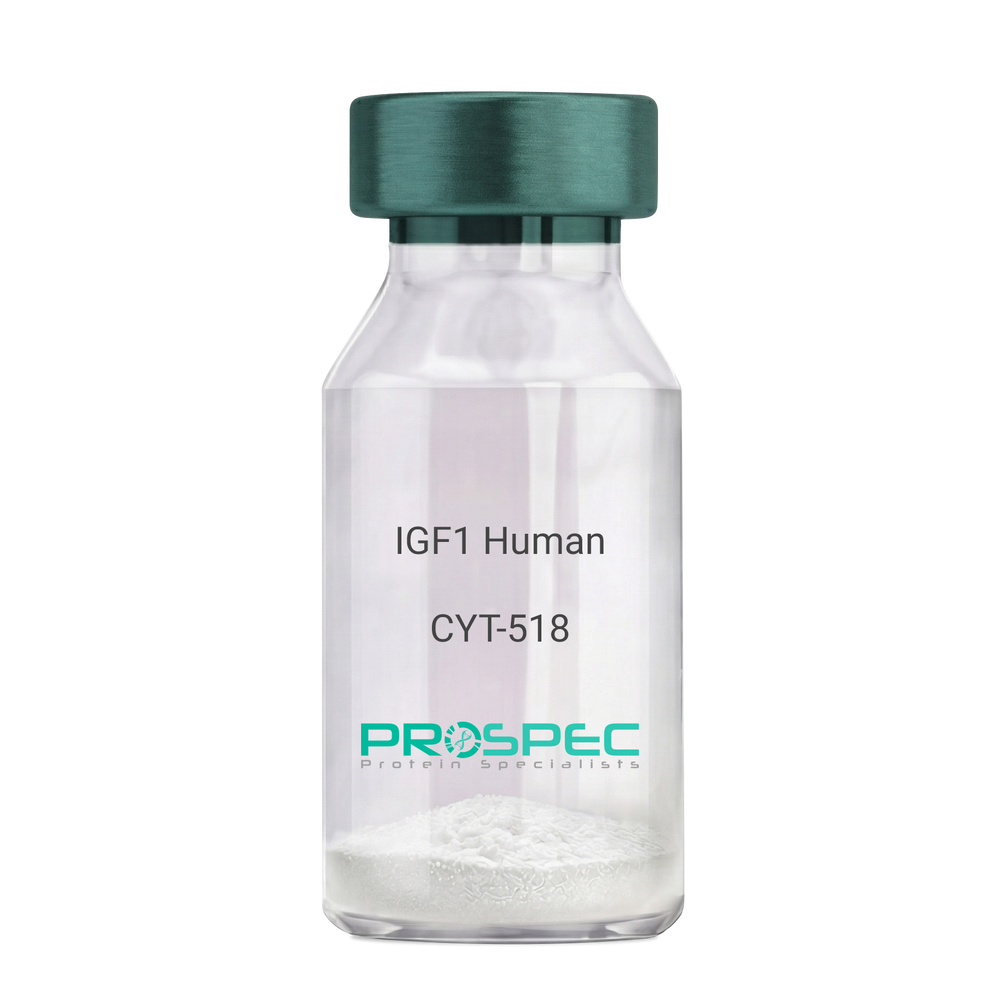
IGF1 Human Des1-3Description:
Insulin-Like Growth Factor 1 Des (1-3) Human Recombinant
Somatomedin C, IGF-I, IGFI, IGF1, IGF-IA, Mechano growth factor, MGF, Des(1-3), Des1-3, Des 1-3, Des (1-3), IGF-1 (4-70).
Product # :
CYT-518Price :
Quantity :
Shipping Method :
Shipped at Room temp
More Info
- description
- source
- formulation
- purity
- biological activity
- More Info
- Citations
Description
IGF-I Des(1-3) Human Recombinant produced in E.Coli is a single, non-glycosylated, polypeptide chain containing 67 amino acids (aa 4-70) and having a molecular mass of 7368.5 Dalton. IGF-1 Des1-3 is purified by proprietary chromatographic techniques.
Source
Escherichia Coli.
Formulation
The protein (1mg/ml) was lyophilized was lyophilized from a 0.2µm filtered concentrated solution in 20mM PBS, pH 7.0.
Purity
Greater than 97% as determined by:
(a) Analysis by RP-HPLC.
(b) Analysis by SDS-PAGE.Biological Activity
The ED50 as determined by a cell proliferation assay using FDC-P1 cells is less than 2.0 ng/ml, corresponding to a specific activity of > 5×10⁵ units/mg.Citations
More Info
-
Introduction
The somatomedins, or insulin-like growth factors (IGFs), comprise a family of peptides that play important roles in mammalian growth and development. IGF1 mediates many of the growth-promoting effects of growth hormone (GH; MIM 139250). Early studies showed that growth hormone did not directly stimulate the incorporation of sulfate into cartilage, but rather acted through a serum factor, termed 'sulfation factor,' which later became known as 'somatomedin' (Daughaday et al., 1972). Three main somatomedins have been characterized: somatomedin C (IGF1), somatomedin A (IGF2; MIM 147470), and somatomedin B (MIM 193190) (Rotwein, 1986; Rosenfeld, 2003).
-
Synonyms
Somatomedin C, IGF-I, IGFI, IGF1, IGF-IA, Mechano growth factor, MGF, Des(1-3), Des1-3, Des 1-3, Des (1-3), IGF-1 (4-70).
-
Physical Appearance
Sterile Filtered White lyophilized (freeze-dried) powder.
-
Stability
Lyophilized IGF-I des(1-3) although stable at room temperature for 3 weeks, should be stored desiccated below -18°C. Upon reconstitution IGF1 des-1-3 should be stored at 4°C between 2-7 days and for future use below -18°C.For long term storage it is recommended to add a carrier protein (0.1% HSA or BSA).Please prevent freeze-thaw cycles.
-
Solubility
It is recommended to reconstitute the IGF-I des(1-3) in sterile 18M-cm H2O not less than 100µg/ml, which can then be further diluted to other aqueous solutions.
-
Amino Acid Sequence
TLCGAELVDA LQFVCGDRGF YFNKPTGYGS SSRRAPQTGI VDECCFRSCD LRRLEMYCAP LKPAKSA.
-
Background
What is the molecular weight/Mw of IGF1 HUMAN DES1-3 Protein?
IGF1 HUMAN DES1-3 Protein has a total Mw of 7.3kDa.
What is the source or expression system of IGF1 HUMAN DES1-3 Protein?
Escherichia Coli.
What is the Purity of IGF1 HUMAN DES1-3 Protein?
IGF1 HUMAN DES1-3 Protein is >97% pure as determined by SDS-PAGE.
What is the Biological Activity of IGF1 HUMAN DES1-3 Protein?
The ED50 as determined by a cell proliferation assay using FDC-P1 cells is less than 2.0 ng/ml, corresponding to a specific activity of > 5×10⁵ units/mg.
What is the amino acid sequence of IGF1 HUMAN DES1-3 Protein?
TLCGAELVDA LQFVCGDRGF YFNKPTGYGS SSRRAPQTGI VDECCFRSCD LRRLEMYCAP LKPAKSA.
What applications can IGF1 HUMAN DES1-3 Protein be used in?
IGF1 HUMAN DES1-3 Protein can probably be used in western blot, ELISA and Lateral Flow.
What is the endotoxin level for IGF1 HUMAN DES1-3 Protein?
The endotoxin level is minimal, IGF1 HUMAN DES1-3 Protein was purified using conventional chromatography techniques.
ProSpec's products are furnished for LABORATORY RESEARCH USE ONLY. The product may not be used as drugs, agricultural or pesticidal products, food additives or household chemicals.
- View Data Sheet
Name :
RRAGC HumanDescription:
Ras-Related GTP Binding C Human Recombinant
Ras-related GTP-binding protein C, Rag C, RagC, GTPase-interacting protein 2, TIB929, RRAGC, GTR2.
Product # :
PRO-1050Price :
Quantity :
Shipping Method :
Shipped with Ice Packs
More Info
- description
- source
- formulation
- purity
- More Info
- Citations
Description
RRAGC Human Recombinant produced in E.Coli is a single, non-glycosylated polypeptide chain containing 423 amino acids (1-399 a.a) and having a molecular mass of 46.7kDa.RRAGC is fused to a 24 amino acid His-tag at N-terminus & purified by proprietary chromatographic techniques.
Source
Escherichia Coli.
Formulation
RRAGC protein solution (0.5mg/ml) containing 20mM Tris-HCl buffer (pH 8.0), 1mM DTT, 10% glycerol and 0.1M NaCl.
Purity
Greater than 85.0% as determined by SDS-PAGE.
Citations
More Info
-
Introduction
Ras-related GTP binding C (RRAGC) is a monomeric guanine nucleotide-binding protein, or G protein. As a result of binding GTP or GDP, small G proteins act as molecular regulators in various cell processes and signaling pathways. RRAGC regulates the organization of the actin cytoskeleton and has an intrinsic GTPase activity. RRAGC is possibly necessary for the amino acid-induced relocalization of mTORC1 to the lysosomes and its succeeding activation by the GTPase RHEB, which is key step in the activation of the TOR signaling cascade by amino acids.
-
Synonyms
Ras-related GTP-binding protein C, Rag C, RagC, GTPase-interacting protein 2, TIB929, RRAGC, GTR2.
-
Physical Appearance
Sterile Filtered clear solution.
-
Stability
Store at 4°C if entire vial will be used within 2-4 weeks. Store, frozen at -20°C for longer periods of time. For long term storage it is recommended to add a carrier protein (0.1% HSA or BSA).Avoid multiple freeze-thaw cycles.
-
Amino Acid Sequence
MGSSHHHHHH SSGLVPRGSH MGSHMSLQYG AEETPLAGSY GAADSFPKDF GYGVEEEEEE AAAAGGGVGA GAGGGCGPGG ADSSKPRILL MGLRRSGKSS IQKVVFHKMS PNETLFLEST NKIYKDDISN SSFVNFQIWD FPGQMDFFDP TFDYEMIFRG TGALIYVIDA QDDYMEALTR
LHITVSKAYK VNPDMNFEVF IHKVDGLSDD HKIETQRDIH QRANDDLADA GLEKLHLSFY LTSIYDHSIF EAFSKVVQKL IPQLPTLENL LNIFISNSGI EKAFLFDVVS KIYIATDSSP VDMQSYELCC DMIDVVIDVS CIYGLKEDGS GSAYDKESMA IIKLNNTTVL YLKEVTKFLA
LVCILREESF ERKGLIDYNF HCFRKAIHEV FEVGVTSHRS CGHQTSASSL KALTHNGTPR NAI.
ProSpec's products are furnished for LABORATORY RESEARCH USE ONLY. The product may not be used as drugs, agricultural or pesticidal products, food additives or household chemicals.
- View Data Sheet
Name :
CCL14 Human, HisDescription:
HCC-1 (CCL14) Human Recombinant, His Tag
Small inducible cytokine A14, CCL14, Chemokine CC-1/CC-3, HCC-1/HCC-3, HCC-1(1-74), NCC-2, chemokine (C-C motif) ligand 14, CC-1, CC-3, CKb1, MCIF, SY14, HCC-1, HCC-3, SCYL2, SCYA14.
Product # :
CHM-253Price :
Quantity :
Shipping Method :
Shipped with Ice Packs
More Info
- description
- source
- formulation
- purity
- More Info
- Citations
Description
HCC-1 Human Recombinant fused with a 21 amino acid His tag at N-terminus produced in E.Coli is a single, non-glycosylated, polypeptide chain containing 95 amino acids (20-93 a.a.) and having a molecular mass of 10.9kDa. The HCC-1 is purified by proprietary chromatographic techniques.
Source
Escherichia Coli.
Formulation
The HCC-1 solution (0.5 mg/ml) contains Phosphate Buffered Saline pH7.4 containing 10% glycerol.
Purity
Greater than 95.0% as determined by SDS-PAGE.
Citations
More Info
-
Introduction
Chemokine (C-C motif) ligand 14 (CCL14) is a small cytokine belonging to the CC chemokine family. It is also commonly known as HCC-1. It is produced as a protein precursor that is procesed to generate a mature active protein containing 74 amino acids that and is 46% identical in amino acid composition to CCL3 and CCL4. This chemokine is expressed in various tissues including spleen, bone marrow, liver, muscle, and gut. CCL13 activates monocytes, but does not induce their chemotaxis. Human CCL13 is located on chromosome 17 within a cluster of other chemokines belonging to the CC family.
-
Synonyms
Small inducible cytokine A14, CCL14, Chemokine CC-1/CC-3, HCC-1/HCC-3, HCC-1(1-74), NCC-2, chemokine (C-C motif) ligand 14, CC-1, CC-3, CKb1, MCIF, SY14, HCC-1, HCC-3, SCYL2, SCYA14.
-
Physical Appearance
Sterile Filtered colorless solution.
-
Stability
Store at 4°C if entire vial will be used within 2-4 weeks. Store, frozen at -20°C for longer periods of time. For long term storage it is recommended to add a carrier protein (0.1% HSA or BSA).Avoid multiple freeze-thaw cycles.
-
Amino Acid Sequence
MGSSHHHHHH SSGLVPRGSH MTKTESSSRG PYHPSECCFT YTTYKIPRQR IMDYYETNSQ CSKPGIVFIT KRGHSVCTNP SDKWVQDYIK DMKEN.
-
Background
What is the molecular weight/Mw of CCL14 HUMAN, HIS Protein?
CCL14 HUMAN, HIS Protein has a total Mw of 10.9kDa.
What is the source or expression system of CCL14 HUMAN, HIS Protein?
Escherichia Coli.
What is the Purity of CCL14 HUMAN, HIS Protein?
CCL14 HUMAN, HIS Protein is >95% pure as determined by SDS-PAGE.
What is the Biological Activity of CCL14 HUMAN, HIS Protein?
The biological functionality of CCL14 HUMAN, HIS Protein will be determined in the future.
What is the amino acid sequence of CCL14 HUMAN, HIS Protein?
MGSSHHHHHH SSGLVPRGSH MTKTESSSRG PYHPSECCFT YTTYKIPRQR IMDYYETNSQ CSKPGIVFIT KRGHSVCTNP SDKWVQDYIK DMKEN.
What applications can CCL14 HUMAN, HIS Protein be used in?
CCL14 HUMAN, HIS Protein can probably be used in western blot, ELISA and Lateral Flow.
What is the endotoxin level for CCL14 HUMAN, HIS Protein?
The endotoxin level is minimal, CCL14 HUMAN, HIS Protein was purified using conventional chromatography techniques.
Who supplies recombinant CCL14 HUMAN, HIS that is in stock and available to order?
ProSpec has the protein in stock and available for immediate delivery.
Where can I order bulk mg quantities of CCL14 HUMAN, HIS?
ProSpec supplies bulk mg quantities at affordable prices that meets research and academic budgets.
ProSpec's products are furnished for LABORATORY RESEARCH USE ONLY. The product may not be used as drugs, agricultural or pesticidal products, food additives or household chemicals.
- View Data Sheet
Name :
MIEN1 HumanDescription:
Migration And Invasion Enhancer 1 Human Recombinant
C17orf37, C35, ORB3, RDX12, XTP4, HBV X-transactivated gene 4 protein, HBV XAg-transactivated protein 4, Protein C35, Migration and invasion enhancer 1.
Product # :
PRO-1657Price :
Quantity :
Shipping Method :
Shipped with Ice Packs
More Info
- description
- source
- formulation
- purity
- More Info
- Citations
Description
MIEN1 Human Recombinant produced in E.Coli is a single, non-glycosylated polypeptide chain containing 135 amino acids (1-112 a.a.) and having a molecular mass of 14.5kDa.MIEN1 is fused to a 23 amino acid His-tag at N-terminus & purified by proprietary chromatographic techniques.
Source
Escherichia Coli.
Formulation
MIEN1 protein solution (0.5mg/ml) contains 20mM Tris-HCl buffer (pH 8.0), 0.15M NaCl, 10% glycerol and 1mM DTT.
Purity
Greater than 95.0% as determined by SDS-PAGE.
Citations
More Info
-
Introduction
Migration And Invasion Enhancer 1 (MIEN1) is a member of the SelWTH family. MIEN1 enhances cell migration by stimulating filopodia formation at the leading edge of migrating cells and takes parts in regulation of apoptosis, probably via control of CASP3. MIEN1 participates in a redox-related process as well.
-
Synonyms
C17orf37, C35, ORB3, RDX12, XTP4, HBV X-transactivated gene 4 protein, HBV XAg-transactivated protein 4, Protein C35, Migration and invasion enhancer 1.
-
Physical Appearance
Sterile Filtered clear solution.
-
Stability
Store at 4°C if entire vial will be used within 2-4 weeks. Store, frozen at -20°C for longer periods of time. For long term storage it is recommended to add a carrier protein (0.1% HSA or BSA).Avoid multiple freeze-thaw cycles.
-
Amino Acid Sequence
MGSSHHHHHH SSGLVPRGSH MGSMSGEPGQ TSVAPPPEEV EPGSGVRIVV EYCEPCGFEA TYLELASAVK EQYPGIEIES RLGGTGAFEI EINGQLVFSK LENGGFPYEK DLIEAIRRAS NGETLEKITN SRPPC.
ProSpec's products are furnished for LABORATORY RESEARCH USE ONLY. The product may not be used as drugs, agricultural or pesticidal products, food additives or household chemicals.
- View Data Sheet
Name :
CTLA4 Human, IgG-His, ActiveDescription:
CTLA4 Human Recombinant, igG-His Tag, Active
CTLA4, ALPS5, CD, CD152, CELIAC3, CTLA-4, GRD4, GSE, IDDM12, CD152, Cytotoxic T-Lymphocyte Associated Antigen-4, igG-His Tag.
Product # :
CYT-1144Price :
Quantity :
Shipping Method :
Shipped with Ice Packs
More Info
- description
- source
- formulation
- purity
- biological activity
- More Info
- Citations
Description
CTLA4 Human produced in Sf9 Baculovirus cells is a single, glycosylated polypeptide chain containing 368 amino acids (36-161aa) and having a molecular mass of 40.8kDa.CTLA4 is fused to a 242 amino acid hIgG-His-Tag at C-terminus and purified by proprietary chromatographic techniques.
Source
Sf9, Baculovirus cells.
Formulation
The CTLA4 solution (0.5mg/ml) contains 10% Glycerol and Phosphate-Buffered Saline (pH 7.4).
Purity
Greater than 95.0% as determined by SDS-PAGE.
Biological Activity
Determined by the IL-2 ELISA in a using Jurkat human acute T cell leukemia cells. ED50 range for this is ≤ 150 ng/ml with Human B7 1/CD80.
Citations
More Info
-
Introduction
Cytotoxic T-lymphocyte-associated protein 4 or CTLA4 or CD152 is a receptor that takes part in the immune checkpoint and inhibits immune response. This protein is fundamentally found in regulatory T cells; however, it acts as an enhancer in regular T cells following its activation, this is eminent in cancers. CTLA4 bounds to CD80 or CD86 on the membrane of antigen presenting cells and downregulates transductions.
-
Synonyms
CTLA4, ALPS5, CD, CD152, CELIAC3, CTLA-4, GRD4, GSE, IDDM12, CD152, Cytotoxic T-Lymphocyte Associated Antigen-4, igG-His Tag.
-
Physical Appearance
Sterile Filtered colorless solution.
-
Stability
Store at 4°C if entire vial will be used within 2-4 weeks. Store, frozen at -20°C for longer periods of time. For long term storage it is recommended to add a carrier protein (0.1% HSA or BSA).Avoid multiple freeze-thaw cycles.
-
Amino Acid Sequence
ADLKAMHVAQ PAVVLASSRG IASFVCEYAS PGKATEVRVT VLRQADSQVT EVCAATYMMG
NELTFLDDSI CTGTSSGNQV NLTIQGLRAM DTGLYICKVE LMYPPPYYLG IGNGTQIYVI
DPEPCPDSDL EPKSCDKTHT CPPCPAPELL GGPSVFLFPP KPKDTLMISR TPEVTCVVVD
VSHEDPEVKF NWYVDGVEVH NAKTKPREEQ YNSTYRVVSV LTVLHQDWLN GKEYKCKVSN
KALPAPIEKT ISKAKGQPRE PQVYTLPPSR DELTKNQVSL TCLVKGFYPS DIAVEWESNG
QPENNYKTTP PVLDSDGSFF LYSKLTVDKS RWQQGNVFSC SVMHEALHNH YTQKSLSLSP GKHHHHHH -
Background
What is the molecular weight/Mw of CTLA4 Protein?
CTLA4 Protein has a total Mw of 40.8kDa.
What is the source or expression system of CTLA4 Protein?
Sf9, Baculovirus cells.
What is the Purity of CTLA4 Protein?
CTLA4 Protein is >95% pure as determined by SDS-PAGE.
What is the Biological Activity of CTLA4 Protein?
Determined by the IL-2 ELISA in a using Jurkat human acute T cell leukemia cells. ED50 range for this is ≤ 150 ng/ml with Human B7 1/CD80.
What is the amino acid sequence of CTLA4 Protein?
ADLKAMHVAQ PAVVLASSRG IASFVCEYAS PGKATEVRVT VLRQADSQVT EVCAATYMMG
NELTFLDDSI CTGTSSGNQV NLTIQGLRAM DTGLYICKVE LMYPPPYYLG IGNGTQIYVI
DPEPCPDSDL EPKSCDKTHT CPPCPAPELL GGPSVFLFPP KPKDTLMISR TPEVTCVVVD
VSHEDPEVKF NWYVDGVEVH NAKTKPREEQ YNSTYRVVSV LTVLHQDWLN GKEYKCKVSN
KALPAPIEKT ISKAKGQPRE PQVYTLPPSR DELTKNQVSL TCLVKGFYPS DIAVEWESNG
QPENNYKTTP PVLDSDGSFF LYSKLTVDKS RWQQGNVFSC SVMHEALHNH YTQKSLSLSP GKHHHHHH
What applications can CTLA4 Protein be used in?
CTLA4 Protein can probably be used in western blot, ELISA and Lateral Flow.
What is the endotoxin level for CTLA4 Protein?
The endotoxin level is minimal, CTLA4 Protein was purified using conventional chromatography techniques.
ProSpec's products are furnished for LABORATORY RESEARCH USE ONLY. The product may not be used as drugs, agricultural or pesticidal products, food additives or household chemicals.
- View Data Sheet
Name :
MTPN HumanDescription:
Myotrophin Human Recombinant
Protein V-1, GCDP, Myotrophin, FLJ31098, FLJ99857.
Product # :
CYT-723Price :
Quantity :
Shipping Method :
Shipped with Ice Packs
More Info
- description
- source
- formulation
- purity
- More Info
- Citations
Description
MTPN Recombinant Human produced in E.Coli is a single, non-glycosylated polypeptide chain containing 138 amino acids (1-118 a.a.) and having a molecular mass of 15 kDa. The MTPN is fused to 20 amino acid His-Tag at N-terminus and purified by proprietary chromatographic techniques.
Source
Escherichia Coli.
Formulation
MTPN Human solution containing 20mM Tris-HCl pH-8 and 10% glycerol.
Purity
Greater than 90.0% as determined by SDS-PAGE.
Citations
More Info
-
Introduction
MTPN is an ankyrin repeat protein, that stimulates protein synthesis and cardiomyocyte growth to commence cardiac hypertrophy by activating the NF-kappaB signaling cascade. Myotrophin participates in cerebellar morphogenesis and takes part in differentiation of cerebellar neurons, particularly of granule cells. High levels of MTPN are expressed in human dilated cardiomyopathic and ischemic hearts.
-
Synonyms
Protein V-1, GCDP, Myotrophin, FLJ31098, FLJ99857.
-
Physical Appearance
Sterile filtered colorless solution.
-
Stability
Store at 4°C if entire vial will be used within 2-4 weeks. Store, frozen at -20°C for longer periods of time. For long term storage it is recommended to add a carrier protein (0.1% HSA or BSA).Avoid multiple freeze-thaw cycles.
-
Amino Acid Sequence
MGSSHHHHHH SSGLVPRGSH MCDKEFMWAL KNGDLDEVKD YVAKGEDVNR TLEGGRKPLH YAADCGQLEI LEFLLLKGAD INAPDKHHIT PLLSAVYEGH VSCVKLLLSK GADKTVKGPD GLTAFEATDN QAIKALLQ.
ProSpec's products are furnished for LABORATORY RESEARCH USE ONLY. The product may not be used as drugs, agricultural or pesticidal products, food additives or household chemicals.
- View Data Sheet
Name :
DPY30 HumanDescription:
DPY30 Human Recombinant
Dpy-30 Homolog (C. Elegans), Dpy-30-Like Protein, Dpy-30L, Protein Dpy-30 Homolog, HDPY-30, Cps25, Saf19, Protein dpy-30 homolog.
Product # :
PRO-2069Price :
Quantity :
Shipping Method :
Shipped with Ice Packs
More Info
- description
- source
- formulation
- purity
- More Info
- Citations
Description
DPY30 Human Recombinant produced in E.Coli is a single, non-glycosylated polypeptide chain containing 122 amino acids (1-99 a.a) and having a molecular mass of 13.6 kDa. DPY30 is fused to a 23 amino acid His-tag at N-terminus & purified by proprietary chromatographic techniques.
Source
Escherichia Coli.
Formulation
DPY30 protein solution (1mg/ml) containing 20mM Tris-HCl buffer (pH 8.0), 0.2M NaCl, 30% glycerol and 2mM DTT.
Purity
Greater than 95.0% as determined by SDS-PAGE.
Citations
More Info
-
Introduction
DPY30 is implicated in the methylation of histone H3 at Lys-4, mainly trimethylation. Histone H3 Lys-4 methylation symbolize a specific tag for epigenetic transcriptional activation. DPY30 takes part in histone H3 acetylation. In a teratocarcinoma cell, DPY30 plays a criticalrole in retinoic acid-induced differentiation along the neural lineage, regulating gene induction and H3 Lys-4 methylation at key developmental loci. DPY30 also plays an indirect or direct part in endosomal transport.
-
Synonyms
Dpy-30 Homolog (C. Elegans), Dpy-30-Like Protein, Dpy-30L, Protein Dpy-30 Homolog, HDPY-30, Cps25, Saf19, Protein dpy-30 homolog.
-
Physical Appearance
Sterile Filtered clear solution.
-
Stability
Store at 4°C if entire vial will be used within 2-4 weeks. Store, frozen at -20°C for longer periods of time. For long term storage it is recommended to add a carrier protein (0.1% HSA or BSA).Avoid multiple freeze-thaw cycles.
-
Amino Acid Sequence
MGSSHHHHHH SSGLVPRGSH MGSMEPEQML EGQTQVAENP HSEYGLTDNV ERIVENEKIN AEKSSKQKVD LQSLPTRAYL DQTVVPILLQ GLAVLAKERP PNPIEFLASY LLKNKAQFED RN.
ProSpec's products are furnished for LABORATORY RESEARCH USE ONLY. The product may not be used as drugs, agricultural or pesticidal products, food additives or household chemicals.
- View Data Sheet
Name :
SNCA Delta-NAC HumanDescription:
Alpha Synuclein Delta-NAC Human Recombinant
Alpha-synuclein, Non-A beta component of AD amyloid, Non-A4 component of amyloid precursor, NACP, PD1, PARK1, PARK4, MGC110988, a-Synuclein, SNCA.
Product # :
PRO-161Price :
Quantity :
Shipping Method :
Shipped with Ice Packs
More Info
- description
- source
- formulation
- purity
- More Info
- Citations
Description
A-Synuclein Delta-NAC Human Recombinant which is a deletion mutant of the a-synuclein that lacks the NAC region (amino acid 61-95), produced in E.Coli is a single, non-glycosylated polypeptide chain of 111 amino acids having a molecular mass of 11.9kDa (molecular size on SDS-PAGE will appear higher), with 6 amino acids added as a linker. The Recombinant Human a-Synuclein Delta-NAC is purified by proprietary chromatographic techniques.
Source
Escherichia Coli.
Formulation
The SNCA Delta-NAC protein solution (1mg/ml) contains 20mM Tris-HCl buffer pH 7.5 and 100mM NaCl.
Purity
Greater than 95.0% as determined by SDS-PAGE.
Citations
More Info
-
Introduction
a-Synuclein (amino acids 1-140), an acidic neuronal protein of 140 amino acids, is extremely heat-resistant and is natively unfolded with an extended structure primarily composed of random coils. a-synuclein has been suggested to be implicated in the pathogenesis of Parkinson’s disease and related neurodegenerative disorders, and more recently, to be an important regulatory component of vesicular transport in neuronal cells. Moreover, recent studies have shown that a-synuclein has chaperone activity and that this activity is lost upon removing its C-terminal acidic tail (amino acids 96-140).
-
Synonyms
Alpha-synuclein, Non-A beta component of AD amyloid, Non-A4 component of amyloid precursor, NACP, PD1, PARK1, PARK4, MGC110988, a-Synuclein, SNCA.
-
Physical Appearance
Sterile filtered colorless solution.
-
Stability
Store at 4°C if entire vial will be used within 2-4 weeks. Store, frozen at -20°C for longer periods of time. For long term storage it is recommended to add a carrier protein (0.1% HSA or BSA). Avoid multiple freeze-thaw cycles.
-
Amino Acid Sequence
MDVFMKGLSK AKEGVVAAAE KTKQGVAEAA GKTKEGVLYV GSKTKEGVVH GVATVAEKTK GTEIWMKKDQ LGKNEEGAPQ EGILEDMPVD PDNEAYEMPS EEGYQDYEPE A.
ProSpec's products are furnished for LABORATORY RESEARCH USE ONLY. The product may not be used as drugs, agricultural or pesticidal products, food additives or household chemicals.
- View Data Sheet
Name :
IgG Mouse, HisDescription:
Immunoglobulin Heavy Chain Constant Region Gamma 2a Mouse Recombinant, His Tag
Ig gamma-2A chain C region, A allele, Immunoglobulin heavy chain gamma polypeptide, Ighg, Igh-1, Igh-1a, 1810060O09Rik.
Product # :
PRO-1086Price :
Quantity :
Shipping Method :
Shipped with Ice Packs
More Info
- description
- source
- formulation
- purity
- More Info
- Citations
Description
IgG Mouse Recombinant produced in Hi-5 cells is a single polypeptide chain containing 242 amino acids (98-330 a.a) and having a molecular mass of 27.5kDa.IgG is fused to a 6 amino acid His-tag at C-terminus & purified by proprietary chromatographic techniques.
Source
Hi-5 cells.
Formulation
IgG protein solution (1mg/ml) containing 20mM Tris-HCl buffer (pH8.0) and 10% glycerol.
Purity
Greater than 90.0% as determined by SDS-PAGE.
Citations
More Info
-
Introduction
Immunoglobulin G (IgG) are antibody molecules. Each IgG is composed of four peptide chains - 2 heavy chains g and 2 light chains. Also, each IgG has 2 antigen binding sites. IgG antibodies are involved in primarily the secondary immune response. The presence of specific IgG, generally, relates to maturation of the antibody response. IgG also has an imperative role in Antibody-dependent cell-mediated cytotoxicity (ADCC) and Intracellular antibody-mediated proteolysis, in which it binds to TRIM21 (the receptor with greatest affinity to IgG in humans) in order to direct marked virions to the proteasome in the cytosol.
-
Synonyms
Ig gamma-2A chain C region, A allele, Immunoglobulin heavy chain gamma polypeptide, Ighg, Igh-1, Igh-1a, 1810060O09Rik.
-
Physical Appearance
Sterile Filtered colorless solution.
-
Stability
Store at 4°C if entire vial will be used within 2-4 weeks. Store, frozen at -20°C for longer periods of time. For long term storage it is recommended to add a carrier protein (0.1% HSA or BSA).Avoid multiple freeze-thaw cycles.
-
Amino Acid Sequence
ADPEPRGPTI KPCPPCKCPA PNLLGGPSVF IFPPKIKDVL MISLSPIVTC VVVDVSEDDP DVQISWFVNN VEVHTAQTQT HREDYNSTLR VVSALPIQHQ DWMSGKEFKC KVNNKDLPAP IERTISKPKG SVRAPQVYVL PPPEEEMTKK QVTLTCMVTD FMPEDIYVEW TNNGKTELNY
KNTEPVLDSD GSYFMYSKLR VEKKNWVERN SYSCSVVHEG LHNHHTTKSF SRTPGKHHHH HH.
ProSpec's products are furnished for LABORATORY RESEARCH USE ONLY. The product may not be used as drugs, agricultural or pesticidal products, food additives or household chemicals.
- View Data Sheet
Name :
PCOLCE HumanDescription:
Procollagen C-Endopeptidase Enhancer Human Recombinant
Procollagen C-Endopeptidase Enhancer, Procollagen C-Proteinase Enhancer 1, Type I Procollagen COOH-Terminal Proteinase Enhancer, Type 1 Procollagen C-Proteinase Enhancer Protein, Procollagen COOH-Terminal Proteinase Enhancer 1, PCPE-1, PCPE1, Procollagen, Type 1, COOH-Terminal Proteinase Enhancer, Procollagen C-Endopeptidase Enhancer 1, COOH-Terminal Proteinase Enhancer, Procollagen, Type 1, PCPE, Procollagen C-endopeptidase enhancer 1.
Product # :
ENZ-863Price :
Quantity :
Shipping Method :
Shipped with Ice Packs
More Info
- description
- source
- formulation
- purity
- More Info
- Citations
Description
PCOLCE Human Recombinant produced in E.Coli is a single, non-glycosylated polypeptide chain containing 447 amino acids (26-449 a.a) and having a molecular mass of 47.9kDa. PCOLCE is fused to a 23 amino acid His-tag at N-terminus & purified by proprietary chromatographic techniques.
Source
Escherichia Coli.
Formulation
PCOLCE protein solution (1mg/ml) containing 20mM Tris-HCl buffer (pH 8.0) and 10% glycerol.
Purity
Greater than 85.0% as determined by SDS-PAGE.
Citations
More Info
-
Introduction
Procollagen C-endopeptidase enhancer 1, also known as PCOLCE binds to the C-terminal propeptide of type I procollagen and enhances procollagen C-proteinase activity. In addition, C-terminal processed part of PCPE (CT-PCPE) has a metalloproteinase inhibitory activity. Among the diseases which are associated with PCOLCE: bone fracture & oculopharyngeal muscular dystrophy.
-
Synonyms
Procollagen C-Endopeptidase Enhancer, Procollagen C-Proteinase Enhancer 1, Type I Procollagen COOH-Terminal Proteinase Enhancer, Type 1 Procollagen C-Proteinase Enhancer Protein, Procollagen COOH-Terminal Proteinase Enhancer 1, PCPE-1, PCPE1, Procollagen, Type 1, COOH-Terminal Proteinase Enhancer, Procollagen C-Endopeptidase Enhancer 1, COOH-Terminal Proteinase Enhancer, Procollagen, Type 1, PCPE, Procollagen C-endopeptidase enhancer 1.
-
Physical Appearance
Sterile filtered colorless solution.
-
Stability
Store at 4°C if entire vial will be used within 2-4 weeks. Store, frozen at -20°C for longer periods of time. For long term storage it is recommended to add a carrier protein (0.1% HSA or BSA).Avoid multiple freeze-thaw cycles.
-
Amino Acid Sequence
MGSSHHHHHH SSGLVPRGSH MGSQTPNYTR PVFLCGGDVK GESGYVASEG FPNLYPPNKE CIWTITVPEG QTVSLSFRVF DLELHPACRY DALEVFAGSG TSGQRLGRFC GTFRPAPLVA PGNQVTLRMT TDEGTGGRGF LLWYSGRATS GTEHQFCGGR LEKAQGTLTT PNWPESDYPP GISCSWHIIA PPDQVIALTF EKFDLEPDTY CRYDSVSVFN GAVSDDSRRL GKFCGDAVPG SISSEGNELL VQFVSDLSVT ADGFSASYKT LPRGTAKEGQ GPGPKRGTEP KVKLPPKSQP PEKTEESPSA PDAPTCPKQC RRTGTLQSNF CASSLVVTAT VKSMVREPGE GLAVTVSLIG AYKTGGLDLP SPPTGASLKF YVPCKQCPPM KKGVSYLLMG QVEENRGPVL PPESFVVLHR PNQDQILTNL SKRKCPSQPV RAAASQD.
ProSpec's products are furnished for LABORATORY RESEARCH USE ONLY. The product may not be used as drugs, agricultural or pesticidal products, food additives or household chemicals.
- View Data Sheet
Name :
CCL17 HumanDescription:
Thymus & Activation Regulated Chemokine Human Recombinant (CCL17)
C-C motif chemokine 17, Small-inducible cytokine A17, Thymus and activation-regulated chemokine, CC chemokine TARC, ABCD-2, CCL17, CCL-17, SCYA17, TARC, A-152E5.3, MGC138271, MGC138273.
Product # :
CHM-240Price :
Quantity :
Shipping Method :
Shipped at Room temp
More Info
- description
- source
- formulation
- purity
- biological activity
- More Info
- Citations
Description
CCL17 Human Recombinant produced in E.Coli is a single,non-glycosylated, polypeptide chain containing 71 amino acids and having a molecular mass of 8 kDa. The TARC is purified by proprietary chromatographic techniques.
Source
Escherichia Coli.
Formulation
The protein was lyophilized from a concentrated (0.5mg/ml) solution containing 20mM PBS & 150mM NaCl pH-7.4.
Purity
Greater than 97.0% as determined by:
(a) Analysis by RP-HPLC.
(b) Analysis by SDS-PAGE.Biological Activity
Determined by its ability to chemoattract human T-Lymphocytes using a concentration range of 1.0-10.0 ng/ml corresponding to a Specific Activity of 100,000-1,000,000IU/mg.Citations
More Info
-
Introduction
TARC cDNA encodes a 94 amino acid precursor protein with a 23 amino acid residue signal peptide that is cleaved off to generate the 71 amino acid residue mature secreted protein. Along with CC chemokine family members, CCL-17 has approximately 24-29% amino acid sequence identity with RANTES, MIP-1a, MIP-1b, MCP-1, MCP-2, MCP-3 and I-309. TARC is expressed in thymus, and at a lower level in the lung, colon, and small intestine. TARC is in addition transiently expressed in stimulated peripheral blood mononuclear cells. Recombinant TARC has been shown to be chemotactic for T cell lines but not monocytes or neutrophils. CCL-17 was recently identified to be a specific functional ligand for CCR4, a receptor that is selectively expressed on T cells. CCL17 is one of quite a few Cys-Cys (CC) cytokine genes clustered on the q arm of chromosome 16. CCL17 shows chemotactic activity for T lymphocytes, but not monocytes or granulocytes. CCL17 binds to chemokine receptors CCR4 and CCR8. This chemokine plays important roles in T cell development in thymus as well as in trafficking and activation of mature T cells.
-
Synonyms
C-C motif chemokine 17, Small-inducible cytokine A17, Thymus and activation-regulated chemokine, CC chemokine TARC, ABCD-2, CCL17, CCL-17, SCYA17, TARC, A-152E5.3, MGC138271, MGC138273.
-
Physical Appearance
Sterile Filtered White lyophilized (freeze-dried) powder.
-
Stability
Lyophilized TARC although stable at room temperature for 3 weeks, should be stored desiccated below -18°C. Upon reconstitution TARC should be stored at 4°C between 2-7 days and for future use below -18°C.For long term storage it is recommended to add a carrier protein (0.1% HSA or BSA).Please prevent freeze-thaw cycles.
-
Solubility
It is recommended to reconstitute the lyophilized CCL17 in sterile 18MΩ-cm H2O not less than 100µg/ml, which can then be further diluted to other aqueous solutions.
-
Amino Acid Sequence
ARGTNVGRECCLEYFKGAIPLRKLKTWYQTSEDCSRD
AIVFVTVQGRAICSDPNNK RVKNAVKYLQSLERS. -
Background
What is the molecular weight/Mw of CCL17 HUMAN Protein?
CCL17 HUMAN Protein has a total Mw of 8kDa.
What is the source or expression system of CCL17 HUMAN Protein?
Escherichia Coli.
What is the Purity of CCL17 HUMAN Protein?
CCL17 HUMAN Protein is > 97% pure as determined by SDS-PAGE.
What is the Biological Activity of CCL17 HUMAN Protein?
Determined by its ability to chemoattract human T-Lymphocytes using a concentration range of 1.0-10.0 ng/ml corresponding to a Specific Activity of 100,000-1,000,000IU/mg.
What is the amino acid sequence of CCL17 HUMAN Protein?
ARGTNVGRECCLEYFKGAIPLRKLKTWYQTSEDCSRD
AIVFVTVQGRAICSDPNNK RVKNAVKYLQSLERS.
What applications can CCL17 HUMAN Protein be used in?
CCL17 HUMAN Protein can probably be used in western blot, ELISA and Lateral Flow.
What is the endotoxin level for CCL17 HUMAN Protein?
The endotoxin level is minimal, CCL17 HUMAN Protein was purified using conventional chromatography techniques.
Who supplies recombinant CCL17 HUMAN that is in stock and available to order?
ProSpec has the protein in stock and available for immediate delivery.
Where can I order bulk mg quantities of CCL17 HUMAN?
ProSpec supplies bulk mg quantities at affordable prices that meets research and academic budgets.
ProSpec's products are furnished for LABORATORY RESEARCH USE ONLY. The product may not be used as drugs, agricultural or pesticidal products, food additives or household chemicals.
- View Data Sheet
Name :
TCL1A HumanDescription:
T-cell Leukemia/Lymphoma 1A Human Recombinant
T-cell leukemia/lymphoma protein 1A, Protein p14 TCL1, Oncogene TCL-1, Oncogene TCL1, TCL1A, TCL1.
Product # :
PRO-726Price :
Quantity :
Shipping Method :
Shipped with Ice Packs
More Info
- description
- source
- formulation
- purity
- More Info
- Citations
Description
TCL1A Human Recombinant produced in E.Coli is a single, non-glycosylated, polypeptide chain containing 114 amino acids (1-114 a.a.) and having a molecular mass of 13.4kDa.The TCL1A is purified by proprietary chromatographic techniques.
Source
Escherichia Coli.
Formulation
The TCL1A protein solution contains 50mM Tris-HCl buffer (pH7.5) and 10% glycerol.
Purity
Greater than 90.0% as determined by SDS-PAGE.
Citations
More Info
-
Introduction
TCL1A (T-cell leukemia/lymphoma 1A) is a protein with a possible role in intracellular regulation of T cell signaling. TCL1A enhances cell proliferation, stabilizes mitochondrial membrane potential and promotes cell survival. TCL1A is restricted in the T-cell lineage to immature thymocytes and activated peripheral lymphocytes. TCL1A is preferentially expressed early in T and B-lymphocyte differentiation. Chromosomal anomalies activating TCL1A are found in chronic T-cell leukemias (T-CLL).
TCL1A enhances the phosphorylation and activation of AKT1, AKT2 and AKT3. TCL1A promotes nuclear translocation of AKT1. TCL1A binds to the pleckstrin homology domain of Akt (protein kinase B) family proteins, which facilitates Akt dimerization and activity. By increasing Akt activity, TCL1A can enhance the serine/threonine phosphorylation of major Akt signaling substrates, for example Ikk complex, mTOR, BAD, p70S6 kinase, FOXO transcription factors and GSK3b. These substrates regulate cellular differentiation, growth, survival, and metabolism. -
Synonyms
T-cell leukemia/lymphoma protein 1A, Protein p14 TCL1, Oncogene TCL-1, Oncogene TCL1, TCL1A, TCL1.
-
Physical Appearance
Sterile Filtered colorless solution.
-
Stability
Store at 4°C if entire vial will be used within 2-4 weeks. Store, frozen at -20°C for longer periods of time. For long term storage it is recommended to add a carrier protein (0.1% HSA or BSA).Avoid multiple freeze-thaw cycles.
-
Amino Acid Sequence
MAECPTLGEA VTDHPDRLWA WEKFVYLDEK QHAWLPLTIE IKDRLQLRVL LRREDVVLGR PMTPTQIGPS LLPIMWQLYP DGRYRSSDSS FWRLVYHIKI DGVEDMLLEL LPDD.
ProSpec's products are furnished for LABORATORY RESEARCH USE ONLY. The product may not be used as drugs, agricultural or pesticidal products, food additives or household chemicals.