Skip to content

High-quality research proteins.

  • 1-800-805-6531

  • Mon - Sat 8.00-18.00, Sun - Closed

  • info@prospecbio.com

  • PO Box 6591 East Brunswick NJ 08816

  • Products
    • Cytokines
    • Growth factors
    • Chemokines
    • Cd antigens
    • Neurotrophins
    • Hormones
    • Enzymes
    • Viral antigens
    • Recombinant proteins
    • Natural proteins
    • Monoclonal antibodies
    • Polyclonal antibodies
    • Thermal Packaging
  • About
    • Company
    • Founder
    • Contribution
  • Customers
    • Eastern Asia
    • Eastern Europe
    • North America
    • South America
    • South East Asia
    • Southern Asia
    • Western Europe
  • Ordering
    • Ordering Method
    • Ordering - Credit Card
    • Ordering - PO
    • Shipping Fees
    • FAQs
  • Services
    • DNA Cloning
    • Protein Expression
    • Monoclonal Antibody
    • Fermentation
    • Technology License
  • Contact us
Log in

Country/region

  • USD $ | Albania
  • USD $ | Andorra
  • USD $ | Argentina
  • USD $ | Armenia
  • USD $ | Australia
  • USD $ | Austria
  • USD $ | Azerbaijan
  • USD $ | Belarus
  • USD $ | Belgium
  • USD $ | Bolivia
  • USD $ | Brazil
  • USD $ | Bulgaria
  • USD $ | Cambodia
  • USD $ | Canada
  • USD $ | Chile
  • USD $ | China
  • USD $ | Colombia
  • USD $ | Costa Rica
  • USD $ | Croatia
  • USD $ | Cyprus
  • USD $ | Czechia
  • USD $ | Denmark
  • USD $ | Estonia
  • USD $ | Finland
  • USD $ | France
  • USD $ | Georgia
  • USD $ | Germany
  • USD $ | Greece
  • USD $ | Hong Kong SAR
  • USD $ | Hungary
  • USD $ | Iceland
  • USD $ | India
  • USD $ | Ireland
  • USD $ | Israel
  • USD $ | Italy
  • USD $ | Japan
  • USD $ | Kazakhstan
  • USD $ | Latvia
  • USD $ | Liechtenstein
  • USD $ | Lithuania
  • USD $ | Madagascar
  • USD $ | Malta
  • USD $ | Mexico
  • USD $ | Moldova
  • USD $ | Monaco
  • USD $ | Netherlands
  • USD $ | New Zealand
  • USD $ | North Macedonia
  • USD $ | Norway
  • USD $ | Panama
  • USD $ | Paraguay
  • USD $ | Peru
  • USD $ | Philippines
  • USD $ | Poland
  • USD $ | Portugal
  • USD $ | Romania
  • USD $ | Singapore
  • USD $ | Slovakia
  • USD $ | Slovenia
  • USD $ | South Africa
  • USD $ | South Korea
  • USD $ | Spain
  • USD $ | Sri Lanka
  • USD $ | Sweden
  • USD $ | Switzerland
  • USD $ | Taiwan
  • USD $ | Thailand
  • USD $ | Türkiye
  • USD $ | Ukraine
  • USD $ | United Kingdom
  • USD $ | United States
  • USD $ | Uruguay
  • USD $ | Vatican City
  • USD $ | Venezuela
  • USD $ | Vietnam
  • Facebook
  • Instagram
logoProSpec - Recombinant Protein Manufacturer for academic and R&D industry
Become a distributor
Account Log in
Wishlist
Cart Cart(0)
  • Products
    +
    • Cytokines
    • Growth factors
    • Chemokines
    • Cd antigens
    • Neurotrophins
    • Hormones
    • Enzymes
    • Viral antigens
    • Recombinant proteins
    • Natural proteins
    • Monoclonal antibodies
    • Polyclonal antibodies
    • Thermal Packaging
  • About
    +
    • Company
    • Founder
    • Contribution
  • Customers
    +
    • Eastern Asia
    • Eastern Europe
    • North America
    • South America
    • South East Asia
    • Southern Asia
    • Western Europe
  • Ordering
    +
    • Ordering Method
    • Ordering - Credit Card
    • Ordering - PO
    • Shipping Fees
    • FAQs
  • Services
    +
    • DNA Cloning
    • Protein Expression
    • Monoclonal Antibody
    • Fermentation
    • Technology License
  • Contact us

Item added to your cart

View cart
View All
  • Cytokines
  • Growth factors
  • Chemokines
  • Cd antigens
  • Neurotrophins
  • Hormones
  • Enzymes
  • Viral antigens
  • Recombinant proteins
  • Natural proteins
  • Monoclonal antibodies
  • Polyclonal antibodies
  • Thermal Packaging
  • Tumor Necrosis Factor

    Tumor Necrosis Factor

    View All
  • 4-1BB

    4-1BB

    View All
  • Adiponectin

    Adiponectin

    View All
  • AIF1

    AIF1

    View All
  • Other Cytokines

    Other Cytokines

    View All
  • AITRL

    AITRL

    View All
  • Angiopoietin

    Angiopoietin

    View All
  • Apolipoprotein

    Apolipoprotein

    View All
  • B-Cell Activating Factor

    B-Cell Activating Factor

    View All
  • Beta Defensin

    Beta Defensin

    View All
  • Bone Morphogenetic Protein

    Bone Morphogenetic Protein

    View All
  • B type Natriuretic Peptide

    B type Natriuretic Peptide

    View All
  • BST

    BST

    View All
  • Betacellulin

    Betacellulin

    View All
  • Cardiotrophin

    Cardiotrophin

    View All
  • Activin

    Activin

    View All
  • Fibroblast Growth Factor

    Fibroblast Growth Factor

    View All
  • Other Growth Factors

    Other Growth Factors

    View All
  • CSF

    CSF

    View All
  • CTGF

    CTGF

    View All
  • IGFBP

    IGFBP

    View All
  • VEGF Protein

    VEGF Protein

    View All
  • EGF

    EGF

    View All
  • Epigen

    Epigen

    View All
  • Erythropoietin

    Erythropoietin

    View All
  • Insulin-Like Growth Factor

    Insulin-Like Growth Factor

    View All
  • Growth Hormone

    Growth Hormone

    View All
  • HDGF

    HDGF

    View All
  • Hepatocyte Growth Factor

    Hepatocyte Growth Factor

    View All
  • Insulin

    Insulin

    View All
  • BCA-1/ BLC (CXCL13)

    BCA-1/ BLC (CXCL13)

    View All
  • BRAK (CXCL14)

    BRAK (CXCL14)

    View All
  • C-10 (CCL6)

    C-10 (CCL6)

    View All
  • Other Chemokines

    Other Chemokines

    View All
  • MEC (CCL28)

    MEC (CCL28)

    View All
  • LD78-beta (CCL3L1)

    LD78-beta (CCL3L1)

    View All
  • CTACK (CCL27)

    CTACK (CCL27)

    View All
  • CXCL16

    CXCL16

    View All
  • CXCL17

    CXCL17

    View All
  • Platelet Factor-4 (CXCL4)

    Platelet Factor-4 (CXCL4)

    View All
  • ENA-78 (CXCL5)

    ENA-78 (CXCL5)

    View All
  • Eotaxin (CCL11,24,26)

    Eotaxin (CCL11,24,26)

    View All
  • Exodus-2 (CCL21)

    Exodus-2 (CCL21)

    View All
  • Fractalkine (CX3CL1)

    Fractalkine (CX3CL1)

    View All
  • CXCL6

    CXCL6

    View All
  • Other CD Antigens

    Other CD Antigens

    View All
  • CD14

    CD14

    View All
  • CD164

    CD164

    View All
  • CD1

    CD1

    View All
  • CD2

    CD2

    View All
  • CD200

    CD200

    View All
  • CD207

    CD207

    View All
  • CD226

    CD226

    View All
  • CD23

    CD23

    View All
  • CD244

    CD244

    View All
  • CD247

    CD247

    View All
  • CD27

    CD27

    View All
  • CD274

    CD274

    View All
  • CD300

    CD300

    View All
  • CD33

    CD33

    View All
  • Other Neurotrophins

    Other Neurotrophins

    View All
  • Beta-NGF

    Beta-NGF

    View All
  • BDNF

    BDNF

    View All
  • CDNF

    CDNF

    View All
  • CNTF

    CNTF

    View All
  • GDNF

    GDNF

    View All
  • Glia Maturation Factor

    Glia Maturation Factor

    View All
  • MANF

    MANF

    View All
  • Midkine

    Midkine

    View All
  • Neuroglobin

    Neuroglobin

    View All
  • Neurotrophic factors

    Neurotrophic factors

    View All
  • Neuregulin

    Neuregulin

    View All
  • Neuropilin

    Neuropilin

    View All
  • Pigment Epithelium-Derived Factor

    Pigment Epithelium-Derived Factor

    View All
  • Pleiotrophin

    Pleiotrophin

    View All
  • Peptide Hormones

    Peptide Hormones

    View All
  • Other Hormones

    Other Hormones

    View All
  • HCG

    HCG

    View All
  • Endothelin

    Endothelin

    View All
  • Exendin

    Exendin

    View All
  • FSH

    FSH

    View All
  • Glucagon

    Glucagon

    View All
  • GHRP

    GHRP

    View All
  • GLP

    GLP

    View All
  • Thyrostimulin

    Thyrostimulin

    View All
  • Inhibin A

    Inhibin A

    View All
  • LHRH

    LHRH

    View All
  • Melanotan

    Melanotan

    View All
  • Procalcitonin

    Procalcitonin

    View All
  • PTH

    PTH

    View All
  • Peroxiredoxin

    Peroxiredoxin

    View All
  • Peptidase

    Peptidase

    View All
  • Synthetase

    Synthetase

    View All
  • Transferase

    Transferase

    View All
  • Hydrolase

    Hydrolase

    View All
  • Dehydrogenase

    Dehydrogenase

    View All
  • ACE2

    ACE2

    View All
  • Esterase

    Esterase

    View All
  • Protein Kinases

    Protein Kinases

    View All
  • Other Enzymes

    Other Enzymes

    View All
  • Phosphatase

    Phosphatase

    View All
  • Deaminase

    Deaminase

    View All
  • Oxygenase

    Oxygenase

    View All
  • Adenylate Kinase

    Adenylate Kinase

    View All
  • Lyase

    Lyase

    View All
  • Chagas

    Chagas

    View All
  • SARS

    SARS

    View All
  • Influenza

    Influenza

    View All
  • ASFV

    ASFV

    View All
  • Astrovirus

    Astrovirus

    View All
  • Borrelia

    Borrelia

    View All
  • Helicobacter Pylori

    Helicobacter Pylori

    View All
  • Chikungunya

    Chikungunya

    View All
  • Chlamydia

    Chlamydia

    View All
  • Cytomegalo

    Cytomegalo

    View All
  • Dengue

    Dengue

    View All
  • EBV

    EBV

    View All
  • Ebola

    Ebola

    View All
  • Feline Leukemia Virus

    Feline Leukemia Virus

    View All
  • Hepatitis A

    Hepatitis A

    View All
  • Other

    Other

    View All
  • Actin

    Actin

    View All
  • ADAM

    ADAM

    View All
  • Complement Component

    Complement Component

    View All
  • Ag85

    Ag85

    View All
  • Eukaryotic Translation Initiation Factor

    Eukaryotic Translation Initiation Factor

    View All
  • Anterior Gradient Protein

    Anterior Gradient Protein

    View All
  • Heat Shock Protein

    Heat Shock Protein

    View All
  • Alpha-2-HS-Glycoprotein

    Alpha-2-HS-Glycoprotein

    View All
  • Hemoglobin

    Hemoglobin

    View All
  • Allergy

    Allergy

    View All
  • Anaplasma

    Anaplasma

    View All
  • Angiogenin

    Angiogenin

    View All
  • Ankyrin Repeat Domain

    Ankyrin Repeat Domain

    View All
  • Annexin

    Annexin

    View All
  • Other Natural Proteins

    Other Natural Proteins

    View All
  • Aprotinin

    Aprotinin

    View All
  • Transferrin

    Transferrin

    View All
  • Avidin

    Avidin

    View All
  • Anti Coagulation Factors

    Anti Coagulation Factors

    View All
  • Natural Albumin

    Natural Albumin

    View All
  • Natural Coagulation Factors

    Natural Coagulation Factors

    View All
  • Fibronectin

    Fibronectin

    View All
  • Thrombin

    Thrombin

    View All
  • Anti Human Enzyme

    Anti Human Enzyme

    View All
  • Other Monoclonal Antibodies

    Other Monoclonal Antibodies

    View All
  • Anti Human Cytokine

    Anti Human Cytokine

    View All
  • Anti Human Heat Shock Protein

    Anti Human Heat Shock Protein

    View All
  • Anti Mouse Lymphocyte

    Anti Mouse Lymphocyte

    View All
  • Anti Human Chemokine

    Anti Human Chemokine

    View All
  • Anti Human Lymphocyte

    Anti Human Lymphocyte

    View All
  • Anti Viral Monoclonal

    Anti Viral Monoclonal

    View All
  • Anti Mouse Cytokine

    Anti Mouse Cytokine

    View All
  • Anti-GST Monoclonal

    Anti-GST Monoclonal

    View All
  • Other Polyclonal Antibodies

    Other Polyclonal Antibodies

    View All
  • Anti Viral

    Anti Viral

    View All
  • Anti-GST Monoclonal

    Anti-GST Monoclonal

    View All
Back

Search results

1000 results found for “Bartonella H.”

Name

Description

Product #

Price

Quantity

Shipping Method

  • View Data Sheet

    Name :

    TPO Human, His

    Description:

    Thrombopoietin Human Recombinant, His Tag

    MPL Ligand, THCYT1, MPLLG, TPO, ML, Thrombopoietin Nirs Variant 1, MKCSF, Thrombopoietin, Myeloproliferative Leukemia Virus Oncogene Ligand, Megakaryocyte Growth and Development Factor, Megakaryocyte Colony-Stimulating Factor, C-Mpl Ligand, MGDF, Megakaryocyte Stimulating Factor, Prepro-Thrombopoietin.

    Product # :

    CYT-890

    Price :

    Quantity :

    Shipping Method :

    Ice Icon

    Shipped with Ice Packs

    Add To Cart

    More Info

    • description
    • source
    • formulation
    • purity
    • More Info

    Description

    TPO produced in Sf9 Baculovirus cells is a single, glycosylated polypeptide chain containing 340 amino acids (22-353aa.) and having a molecular mass of 36.5kDa. (Molecular size on SDS-PAGE will appear at approximately 40-57KDa).TPO is expressed with an 8 amino acid His tag at C-Terminus and purified by proprietary chromatographic techniques..

    Source

    Sf9, Insect cell.

    Formulation

    TPO protein solution (0.25mg/ml) contains phosphate buffered saline (pH7.4) and 10% glycerol.

    Purity

    Greater than 85% as determined by SDS-PAGE.

    More Info

    • Introduction

      Thrombopoietin is a glycoprotein hormone produced mainly by the liver and the kidney which regulates the production of platelets by the bone marrow. TPO stimulates the production as well as differentiation of megakaryocytes, the bone marrow cells which fragment into large numbers of platelets.

    • Synonyms

      MPL Ligand, THCYT1, MPLLG, TPO, ML, Thrombopoietin Nirs Variant 1, MKCSF, Thrombopoietin, Myeloproliferative Leukemia Virus Oncogene Ligand, Megakaryocyte Growth and Development Factor, Megakaryocyte Colony-Stimulating Factor, C-Mpl Ligand, MGDF, Megakaryocyte Stimulating Factor, Prepro-Thrombopoietin.

    • Physical Appearance

      Sterile Filtered clear solution.

    • Stability

      Store at 4°C if entire vial will be used within 2-4 weeks. Store, frozen at -20°C for longer periods of time. For long term storage it is recommended to add a carrier protein (0.1% HSA or BSA).Avoid multiple freeze-thaw cycles.

    • Amino Acid Sequence

      SPAPPACDLR VLSKLLRDSH VLHSRLSQCP EVHPLPTPVL LPAVDFSLGE WKTQMEETKA QDILGAVTLL LEGVMAARGQ LGPTCLSSLL GQLSGQVRLL LGALQSLLGT QLPPQGRTTA HKDPNAIFLS FQHLLRGKVR FLMLVGGSTL CVRRAPPTTA VPSRTSLVLT LNELPNRTSG
      LLETNFTASA RTTGSGLLKW QQGFRAKIPG LLNQTSRSLD QIPGYLNRIH ELLNGTRGLF PGPSRRTLGA PDISSGTSDT GSLPPNLQPG YSPSPTHPPT GQYTLFPLPP TLPTPVVQLH PLLPDPSAPT PTPTSPLLNT SYTHSQNLSQ EGLEHHHHHH.

    ProSpec's products are furnished for LABORATORY RESEARCH USE ONLY. The product may not be used as drugs, agricultural or pesticidal products, food additives or household chemicals.

    Tpo Human His
  • View Data Sheet

    Name :

    GHBP Human, His

    Description:

    Growth Hormone Binding Protein Human Recombinant, His Tag

    Growth Hormone Receptor, Growth Hormone Binding Protein, Somatotropin Receptor GH Receptor, Serum Binding Protein, GHBP, GHIP.

    Product # :

    CYT-921

    Price :

    Quantity :

    Shipping Method :

    Ice Icon

    Shipped with Ice Packs

    Add To Cart

    More Info

    • description
    • source
    • formulation
    • purity
    • biological activity
    • More Info

    Description

    GHBP produced in Sf9 Insect cells is a single, glycosylated polypeptide chain containing 254 amino acids (19-264a.a.) and having a molecular mass of 29.4kDa.GHBP is expressed with an 8 amino acid His tag at C-Terminus and purified by proprietary chromatographic techniques.

    Source

    Sf9, Insect cells.

    Formulation

    GHBP protein solution (1mg/ml) contains phosphate buffered saline (pH7.4) and 10% glycerol.

    Purity

    Greater than 95.0% as determined by SDS-PAGE.

    Biological Activity

    The ED50 range ≤ 10ng/ml and is measured by ability to inhibit GH-induced proliferation assay using Nb2-11 Rat lymphoma cells in the presence of 1.25ng/ml of human growth hormone.

    More Info

    • Introduction

      Growth hormone receptor, also known as GHR is part of the cytokine receptor family. GHR binds 2 receptor molecules and in this manner induces signal transduction through receptor dimerization. Furthermore, at high concentrations, growth hormone performs as an antagonist since there is a large difference in affinities at the respective binding sites. The antagonist action can be enhanced further by reducing binding in the low affinity binding site.

    • Synonyms

      Growth Hormone Receptor, Growth Hormone Binding Protein, Somatotropin Receptor GH Receptor, Serum Binding Protein, GHBP, GHIP.

    • Physical Appearance

      Sterile filtered colorless solution.

    • Stability

      Store at 4°C if entire vial will be used within 2-4 weeks.Store, frozen at -20°C for longer periods of time. For long term storage it is recommended to add a carrier protein (0.1% HSA or BSA).Avoid multiple freeze-thaw cycles.

    • Amino Acid Sequence

      FSGSEATAAI LSRAPWSLQS VNPGLKTNSS KEPKFTKCRS PERETFSCHW TDEVHHGTKN LGPIQLFYTR RNTQEWTQEW KECPDYVSAG ENSCYFNSSF TSIWIPYCIK LTSNGGTVDE KCFSVDEIVQ PDPPIALNWT LLNVSLTGIH ADIQVRWEAP RNADIQKGWM VLEYELQYKE
      VNETKWKMMD PILTTSVPVY SLKVDKEYEV RVRSKQRNSG NYGEFSEVLY VTLPQMSQFT CEEDFYLEHH HHHH.

    ProSpec's products are furnished for LABORATORY RESEARCH USE ONLY. The product may not be used as drugs, agricultural or pesticidal products, food additives or household chemicals.

    Ghr Human
  • View Data Sheet

    Name :

    GKN3P Human

    Description:

    Gastrokine 3 Human Recombinant

    Gastrokine 3 Pseudogene, Gastrokine-3, GKN3P.

    Product # :

    PRO-2033

    Price :

    Quantity :

    Shipping Method :

    Ice Icon

    Shipped with Ice Packs

    Add To Cart

    More Info

    • description
    • source
    • formulation
    • purity
    • More Info

    Description

    GKN3P Human Recombinant produced in E.Coli is a single, non-glycosylated, polypeptide chain (Met21-Leu181) containing 171 amino acids including a 10 aa His tag at N-terminus. The total calculated molecular mass is 19.4kDa.

    Source

    Escherichia Coli.

    Formulation

    GKN3P filtered (0.4µm) solution at a concentration of 0.3mg/ml in 0.03M acetate buffer, pH 4.0 and 20% glycerol.

    Purity

    Greater than 95.0% as determined by SDS-PAGE.

    More Info

    • Introduction

      Gastrokine 3 (GKN3P) is a Pseudogene, which May inhibit gastric epithelial cell proliferation.

    • Synonyms

      Gastrokine 3 Pseudogene, Gastrokine-3, GKN3P.

    • Physical Appearance

      Filtered colorless solution.

    • Stability

      Store at 4°C if entire vial will be used within 2-4 weeks. Store, frozen at -20°C for longer periods of time. For long term storage it is recommended to add a carrier protein (0.1% HSA or BSA).Avoid multiple freeze-thaw cycles.

    • Amino Acid Sequence

      MKHHHHHHASMMNIRFNHPL YGSFGTQIIH IGAFQGMVSI RDNNIFSEWD GILDYKNALL VAKVFNKMAC VLARMDKAVF PSLDDISKAL DKQAFKYYPS TRGLTYTVLP SWVKNLAQYG KPIKNMCRDD PTYFAQQQKE GTALAIDSNS CFEIQLLSFM GLFICGETPG L.

    ProSpec's products are furnished for LABORATORY RESEARCH USE ONLY. The product may not be used as drugs, agricultural or pesticidal products, food additives or household chemicals.

    Gkn3P Human
  • View Data Sheet

    Name :

    Prolactin Human, His

    Description:

    Prolactin Human Recombinant, His Tag

    Mammotropin, Luteotropic hormone, Luteotropin, PRL.

    Product # :

    CYT-493

    Price :

    Quantity :

    Shipping Method :

    Ice Icon

    Shipped with Ice Packs

    Add To Cart

    More Info

    • description
    • source
    • formulation
    • purity
    • More Info

    Description

    Prolactin-His Human Recombinant produced in E.Coli is a single, non-glycosylated polypeptide chain containing 199 amino acids fragment (29-227) and having a molecular mass of 23 kDa with an amino-terminal hexahistidine tag. The Prolactin is purified by proprietary chromatographic techniques.

    Source

    Escherichia Coli.

    Formulation

    Prolactin His is supplied in 1x PBS and 50% glycerol.

    Purity

    Greater than 95.0% as determined by(a) Analysis by RP-HPLC.
    (b) Analysis by SDS-PAGE.

    More Info

    • Introduction

      Prolactin is a neuroendocrine hormone synthesized primarily by the pituitary gland but also a variety of other cell types including the placenta, brain and uterus. Its primary function is to promote and maintain lactation but has also been shown to have a role in breast cancer development, regulation of reproductive function and immunoregulation.

    • Synonyms

      Mammotropin, Luteotropic hormone, Luteotropin, PRL.

    • Physical Appearance

      Sterile Filtered clear solution.

    • Stability

      Store at 4°C if entire vial will be used within 2-4 weeks. Store, frozen at -20°C for longer periods of time. Please avoid freeze thaw cycles.

    ProSpec's products are furnished for LABORATORY RESEARCH USE ONLY. The product may not be used as drugs, agricultural or pesticidal products, food additives or household chemicals.

    Prolactin Human His
  • View Data Sheet

    Name :

    CHGA Human, HEK

    Description:

    Chromogranin A Human Recombinant, HEK

    CHGA, CGA, Chromogranin-A, Vasostatin I, SP-I, Pituitary secretory protein I.

    Product # :

    PRO-2664

    Price :

    Quantity :

    Shipping Method :

    Room Temp Icon

    Shipped at Room temp

    Add To Cart

    More Info

    • description
    • source
    • formulation
    • purity
    • More Info

    Description

    CHGA Human Recombinant is a single, glycosylated polypeptide chain containing 445 amino acids (19-457a.a) and having a molecular mass of 49.7kDa (calculated). CHGA is fused to a 6 a.a His tag at C-terminal.

    Source

    HEK293 cells.

    Formulation

    CHGA filtered (0.4 µm) and lyophilized from 0.5mg/ml in PBS, pH 7.0.

    Purity

    Greater than 95.0% as determined by SDS-PAGE.

    More Info

    • Introduction

      Chromogranin A is a 439 amino acid protein which is encoded on chromosome 14 and is present in neuroendocrine cells throughout the body, including the neuroendocrine cells of the large and small intestine, adrenal medulla and pancreatic islets. It is an excellent marker for carcinoid tumors, phenochromocytomas, paragangliomas, and other neuroendocrine tumors.
      Coexpression of chromogranin A and neuron specific enolase (NSE) is common in neuroendocrine neoplasms.

    • Synonyms

      CHGA, CGA, Chromogranin-A, Vasostatin I, SP-I, Pituitary secretory protein I.

    • Physical Appearance

      Filtered White lyophilized (freeze-dried) powder.

    • Stability

      Store lyophilized protein at -20°C. Aliquot the product after reconstitution to avoid repeated freezing/thawing cycles. Reconstituted protein can be stored at 4°C for a limited period of time; it does not show any change after two weeks at 4°C.

    • Solubility

      It is recommended to add deionized water to prepare a working stock solution of approximately 0.5mg/ml and let the lyophilized pellet dissolve completely.

    • Amino Acid Sequence

      LPVNSPMNKG DTEVMKCIVE VISDTLSKPS PMPVSQECFE TLRGDERILS ILRHQNLLKE LQDLALQGAK ERAHQQKKHS GFEDELSEVL ENQSSQAELK EAVEEPSSKD VMEKREDSKE AEKSGEATDG ARPQALPEPM QESKAEGNNQ APGEEEEEEE EATNTHPPAS LPSQKYPGPQ AEGDSEGLSQ GLVDREKGLS AEPGWQAKRE EEEEEEEEAE AGEEAVPEEE GPTVVLNPHP SLGYKEIRKG ESRSEALAVD GAGKPGAEEA QDPEGKGEQE HSQQKEEEEE MAVVPQGLFR GGKSGELEQE EERLSKEWED SKRWSKMDQL AKELTAEKRL EGQEEEEDNR DSSMKLSFRA RAYGFRGPGP QLRRGWRPSS REDSLEAGLP LQVRGYPEEK KEEEGSANRR PEDQELESLS AIEAELEKVA HQLQALRRGH HHHHH

    ProSpec's products are furnished for LABORATORY RESEARCH USE ONLY. The product may not be used as drugs, agricultural or pesticidal products, food additives or household chemicals.

    Chga Human
  • View Data Sheet

    Name :

    GNMT Human, Active

    Description:

    Glycine N-Methyltransferase Human Recombinant , Active

    Glycine N-methyltransferase, GNMT, Glycine N-Methyltransferase, EC 2.1.1.20Epididymis Secretory Sperm Binding Protein Li 182mP, HEL-S-182mP.

    Product # :

    ENZ-1059

    Price :

    Quantity :

    Shipping Method :

    Ice Icon

    Shipped with Ice Packs

    Add To Cart

    More Info

    • description
    • source
    • formulation
    • purity
    • biological activity
    • More Info

    Description

    GNMT Human Recombinant produced in E.Coli is a single, non-glycosylated polypeptide chain containing 315 amino acids (1-295 a.a) and having a molecular mass of 34.9kDa.GNMT is fused to a 20 amino acid His-tag at N-terminus & purified by proprietary chromatographic techniques.

    Source

    Escherichia Coli.

    Formulation

    GNMT protein solution (1mg/ml) containing 20 mM Tris-HCl buffer (pH 8.0) and 20% glycerol.

    Purity

    Greater than 95.0% as determined by SDS-PAGE.

    Biological Activity

    Specific activity is > 100 nmol/min/mg, and is defined as the amount of enzyme that transfer 1.0 nmole of methyl group per minute at 37C.

    More Info

    • Introduction

      GNMT is an enzyme that catalyzes the conversion of S-adenosyl-L-methionine with glycine to S-adenosyl-L-homocysteine and sarcosine. GNMT is located in the cytoplasm and acts as a homotetramer. Defects in the GNMT gene causes of GNMT deficiency (hypermethioninemia). GNMT affects DNA methylation by regulating the ratio of S-adenosylmethionine to S-adenosylhomocystine and is involved in the detoxification pathway in liver cells. GNMT expression is diminished in human hepatocellular carcinoma (HCC). GNMT catalyzes the methylation of glycine by using s- adenosylmethionine (adomet) to form n-methylglycine (sarcosine) with the concomitant production of s-adenosylhomocysteine (adohcy). GNMT plays an essential role in the regulation of tissue concentration of adomet and of metabolism of methionine.

    • Synonyms

      Glycine N-methyltransferase, GNMT, Glycine N-Methyltransferase, EC 2.1.1.20
      Epididymis Secretory Sperm Binding Protein Li 182mP, HEL-S-182mP.

    • Physical Appearance

      Sterile filtered colorless solution.

    • Stability

      Store at 4°C if entire vial will be used within 2-4 weeks. Store, frozen at -20°C for longer periods of time. For long term storage it is recommended to add a carrier protein (0.1% HSA or BSA).Avoid multiple freeze-thaw cycles.

    • Amino Acid Sequence

      MGSSHHHHHH SSGLVPRGSH MVDSVYRTRS LGVAAEGLPD QYADGEAARV WQLYIGDTRS RTAEYKAWLL GLLRQHGCQR VLDVACGTGV DSIMLVEEGF SVTSVDASDK MLKYALKERW NRRHEPAFDK WVIEEANWMT LDKDVPQSAE GGFDAVICLG NSFAHLPDCK GDQSEHRLAL KNIASMVRAG GLLVIDHRNY DHILSTGCAP PGKNIYYKSD LTKDVTTSVL IVNNKAHMVT LDYTVQVPGA GQDGSPGLSK FRLSYYPHCL ASFTELLQAA FGGKCQHSVL GDFKPYKPGQ TYIPCYFIHV LKRTD.

    ProSpec's products are furnished for LABORATORY RESEARCH USE ONLY. The product may not be used as drugs, agricultural or pesticidal products, food additives or household chemicals.

    Gnmt Human Active
  • View Data Sheet

    Name :

    CXCL3 Human, His

    Description:

    GRO-Gamma Human Recombinant (CXCL3), His Tag

    Macrophage inflammatory protein 2-beta, MIP2-beta, CXCL3, Growth-regulated protein gamma, GRO-gamma, GRO-gamma(1-73), GRO3, GROg, MIP2B, SCYB3, MIP-2b, CINC-2b, MGSA gamma.

    Product # :

    CHM-244

    Price :

    Quantity :

    Shipping Method :

    Ice Icon

    Shipped with Ice Packs

    Add To Cart

    More Info

    • description
    • source
    • formulation
    • purity
    • More Info

    Description

    GRO-Gamma Human Recombinant produced in E.Coli is a single,non-glycosylated, polypeptide chain containing 94 amino acids (35-107) and having a molecular mass of 7902 Dalton. The GRO-g is fused to 20 amino acid His-Tag at N-Terminus and purified by proprietary chromatographic techniques.

    Source

    Escherichia Coli.

    Formulation

    The CXCL3 protein is formulated in 20mM Tris-HCl buffer pH-8, 1mM DTT and 20% glycerol.

    Purity

    Greater than 95.0% as determined by SDS-PAGE.

    More Info

    • Introduction

      Chemokine (C-X-C motif) ligand 3 (CXCL3) is a small cytokine belonging to the CXC chemokine family that is also known as GRO3 oncogene (GRO3), GRO protein gamma (GROg) and macrophage inflammatory protein-2-beta (MIP2b). CXCL3 controls migration and adhesion of monocytes and mediates it effects on its target cell by interacting with a cell surface chemokine receptor called CXCR2. The gene for CXCL3 is located on chromosome 4 in a cluster of other CXC chemokines.

    • Synonyms

      Macrophage inflammatory protein 2-beta, MIP2-beta, CXCL3, Growth-regulated protein gamma, GRO-gamma, GRO-gamma(1-73), GRO3, GROg, MIP2B, SCYB3, MIP-2b, CINC-2b, MGSA gamma.

    • Physical Appearance

      Sterile Filtered colorless solution.

    • Stability

      Liquid CXCL3 although stable at 10°C for 1 week, should be stored below -18°C. For long term storage it is recommended to add a carrier protein (0.1% HSA or BSA).Please prevent freeze-thaw cycles.

    • Amino Acid Sequence

      MGSSHHHHHH SSGLVPRGSH MASVVTELRC QCLQTLQGIH LKNIQSVNVR SPGPHCAQTE VIATLKNGKK ACLNPASPMV QKIIEKILNKGSTN.

    • Background

      What is the molecular weight/Mw of CXCL3 HUMAN, HIS Protein?
      CXCL3 HUMAN, HIS Protein has a total Mw of 7.9kDa.

      What is the source or expression system of CXCL3 HUMAN, HIS Protein?
      Escherichia Coli.

      What is the Purity of CXCL3 HUMAN, HIS Protein?
      CXCL3 HUMAN, HIS Protein is >95% pure as determined by SDS-PAGE.

      What is the Biological Activity of CXCL3 HUMAN, HIS Protein?
      The biological functionality of CXCL3 HUMAN, HIS Protein will be determined in the future.

      What is the amino acid sequence of CXCL3 HUMAN, HIS Protein?
      MGSSHHHHHH SSGLVPRGSH MASVVTELRC QCLQTLQGIH LKNIQSVNVR SPGPHCAQTE VIATLKNGKK ACLNPASPMV QKIIEKILNKGSTN.

      What applications can CXCL3 HUMAN, HIS Protein be used in?
      CXCL3 HUMAN, HIS Protein can probably be used in western blot, ELISA and Lateral Flow.

      What is the endotoxin level for CXCL3 HUMAN, HIS Protein?
      The endotoxin level is minimal, CXCL3 HUMAN, HIS Protein was purified using conventional chromatography techniques.


    ProSpec's products are furnished for LABORATORY RESEARCH USE ONLY. The product may not be used as drugs, agricultural or pesticidal products, food additives or household chemicals.

    Gro G His
  • View Data Sheet

    Name :

    LYVE1 Human

    Description:

    Lymphatic Vessel Endothelial Hyaluronic Acid Receptor 1 Human Recombinant

    Lymphatic vessel endothelial hyaluronic acid receptor 1 precursor, LYVE-1, Cell surface retention sequence-binding protein 1, CRSBP-1, Hyaluronic acid receptor, Extracellular link domain-containing protein 1.

    Product # :

    PKA-250

    Price :

    Quantity :

    Shipping Method :

    Room Temp Icon

    Shipped at Room temp

    Add To Cart

    More Info

    • description
    • source
    • formulation
    • purity
    • More Info

    Description

    Soluble LYVE1 Human Recombinant fused to a C-terminal His-tag (6xHis) produced in baculovirus is a monomeric, glycosylated, polypeptide containing 232 amino acids (Met-1 to Gly 232) and having a total molecular mass of 25 kDa but as a result of glycosilation the Mw is 40 kDa. The LYVE-1 is purified by proprietary chromatographic techniques.

    Source

    Insect Cells.

    Formulation

    LYVE1 was lyophilized from a concentrated (1 mg/ml) sterile solution containing no additives.

    Purity

    Greater than 95.0% as determined by(a)Analysis by RP-HPLC.
    (b)Analysis by SDS-PAGE.

    More Info

    • Introduction

      LYVE-1 has been identified as a major receptor for HA (extracellular matrix glycosaminoglycan hyaluronan) on the lymph vessel wall. The deduced amino acid sequence of LYVE-1 predicts a 322-residue type I integral membrane polypeptide 41% similar to the CD44 HA receptor with a 212-residue extracellular domain containing a single Link module the prototypic HA binding domain of the Link protein superfamily. Like CD44, the LYVE-1 molecule binds both soluble and immobilized HA. However, unlike CD44, the LYVE-1 molecule colocalizes with HA on the luminal face of the lymph vessel wall and is completely absent from blood vessels. Hence, LYVE-1 is the first lymph-specific HA receptor to be characterized and is a uniquely powerful marker for lymph vessels themselves.

    • Synonyms

      Lymphatic vessel endothelial hyaluronic acid receptor 1 precursor, LYVE-1, Cell surface retention sequence-binding protein 1, CRSBP-1, Hyaluronic acid receptor, Extracellular link domain-containing protein 1.

    • Physical Appearance

      Sterile Filtered White lyophilized (freeze-dried) powder.

    • Stability

      Lyophilized sLYVE-1 although stable at room temperature for 3 weeks, should be stored desiccated below -18°C. Upon reconstitution sLYVE-1 should be stored at 4°C between 2-7 days and for future use below -18°C.For long term storage it is recommended to add a carrier protein (0.1% HSA or BSA).Please prevent freeze-thaw cycles.

    • Solubility

      It is recommended to reconstitute the lyophilized LYVE1 in sterile water not less than 100µg/ml, which can then be further diluted to other aqueous solutions.

    ProSpec's products are furnished for LABORATORY RESEARCH USE ONLY. The product may not be used as drugs, agricultural or pesticidal products, food additives or household chemicals.

    Lyve1 Human Sf9
  • View Data Sheet

    Name :

    GSTO1 Human

    Description:

    Glutathione S-Transferase Omega 1 Human Recombinant

    Glutathione S-transferase omega-1, GSTO 1-1, GSTO1, GSTTLP28, P28, DKFZp686H13163.

    Product # :

    ENZ-434

    Price :

    Quantity :

    Shipping Method :

    Ice Icon

    Shipped with Ice Packs

    Add To Cart

    More Info

    • description
    • source
    • formulation
    • purity
    • More Info

    Description

    GSTO1 Human Recombinant produced in E.Coli is single, a non-glycosylated, Polypeptide chain containing 241 amino acids fragment (1-241) having a Mw of 32.1 kDa.GSTO1 is fused with an amino-terminal hexahistidine tag having a total Mw of 36kDa and purified by proprietary chromatographic techniques.

    Source

    Escherichia Coli.

    Formulation

    GSTO1 protein is supplied in 20 mM Tris pH 8.0 and 50% glycerol.

    Purity

    Greater than 95.0% as determined by SDS-PAGE.

    More Info

    • Introduction

      GSTO1 belongs to the theta class glutathione S-transferase-like (GSTTL) protein family. GSTO1 is expressed in a broad array of human tissues and exhibits glutathione-dependent thiol transferase and dehydroascorbate reductase activities as well as catalyzing the reduction of monomethylarsonate which is an intermediate in the pathway of arsenic biotransformation. Furthermore, GSTO1 shields from oxidative stress which is a risk factor for Alzheimer disease, vascular dementia and stroke. GSTO1 is abundant in alveolar macrophages and airway secretions, with the levels reduced in chronic obstructive pulmonary disease patients. In mouse, the GSTO1 protein acts as a small stress response protein, probably involved in cellular redox homeostasis.

    • Synonyms

      Glutathione S-transferase omega-1, GSTO 1-1, GSTO1, GSTTLP28, P28, DKFZp686H13163.

    • Physical Appearance

      Sterile Filtered clear solution.

    • Stability

      Store at 4°C if entire vial will be used within 2-4 weeks. Store, frozen at -20°C for longer periods of time. Please avoid freeze thaw cycles.

    ProSpec's products are furnished for LABORATORY RESEARCH USE ONLY. The product may not be used as drugs, agricultural or pesticidal products, food additives or household chemicals.

    Gsto1 Human
  • View Data Sheet

    Name :

    H2AFZ Human

    Description:

    H2A Histone Family, Member Z Human Recombinant

    H2A Histone Family, Member Z, H2AZ, H2A/z, H2A.Z-1, H2A.z, H2AZ Histone, Histone H2A.Z.

    Product # :

    PRO-1908

    Price :

    Quantity :

    Shipping Method :

    Ice Icon

    Shipped with Ice Packs

    Add To Cart

    More Info

    • description
    • source
    • formulation
    • purity
    • More Info

    Description

    H2AFZ Human Recombinant produced in E.Coli is a single, non-glycosylated polypeptide chain containing 151 amino acids (1-128 a.a) and having a molecular mass of 15.9kDa.H2AFZ is fused to a 23 amino acid His-tag at N-terminus & purified by proprietary chromatographic techniques.

    Source

    Escherichia Coli.

    Formulation

    H2AFZ protein solution (0.25mg/ml) containing 20mM Tris-HCl buffer (pH 8.0), 0.4M Urea and 10% glycerol.

    Purity

    Greater than 85% as determined by SDS-PAGE.

    More Info

    • Introduction

      Histone H2A.Z (H2AFZ) belongs to the histone H2A family. Histones are basic nuclear proteins which are responsible for the nucleosome structure of the chromosomal fiber in eukaryotes. Nucleosomes consist of approximately 146 bp of DNA wrapped around a histone octamer composed of pairs of each of the four core histones (H2A, H2B, H3, and H4). H2AFZ is implicated in the formation of constitutive heterochromatin and vital for chromosome segregation during cell division. Moreover, variant Histone H2A, which takes the place of conventional H2A in a subset of nucleosomes. Studies in mice have demonstrated that this particular histone is essential for embryonic development and show that lack of functional histone H2A leads to embryonic lethality.

    • Synonyms

      H2A Histone Family, Member Z, H2AZ, H2A/z, H2A.Z-1, H2A.z, H2AZ Histone, Histone H2A.Z.

    • Physical Appearance

      Sterile Filtered clear solution.

    • Stability

      Store at 4°C if entire vial will be used within 2-4 weeks. Store, frozen at -20°C for longer periods of time.For long term storage it is recommended to add a carrier protein (0.1% HSA or BSA).Please avoid freeze thaw cycles.

    • Amino Acid Sequence

      MGSSHHHHHH SSGLVPRGSH MGSMAGGKAG KDSGKAKTKA VSRSQRAGLQ FPVGRIHRHL KSRTTSHGRV GATAAVYSAA ILEYLTAEVL ELAGNASKDL KVKRITPRHL QLAIRGDEEL DSLIKATIAG GGVIPHIHKS LIGKKGQQKT V

    ProSpec's products are furnished for LABORATORY RESEARCH USE ONLY. The product may not be used as drugs, agricultural or pesticidal products, food additives or household chemicals.

    H2Afz Human
  • View Data Sheet

    Name :

    WFDC2 Human, His

    Description:

    WAP Four-Disulfide Core Domain 2 Human Recombinant, His Tag

    WAP four-disulfide core domain protein 2, Epididymal secretory protein E4, Major epididymis-specific protein E4, Putative protease inhibitor WAP5, WFDC2, HE4, WAP5, EDDM4, dJ461P17.6.

    Product # :

    PRO-1609

    Price :

    Quantity :

    Shipping Method :

    Room Temp Icon

    Shipped at Room temp

    Add To Cart

    More Info

    • description
    • source
    • formulation
    • purity
    • More Info

    Description

    WFDC2 Human Recombinant produced in E.Coli is a single, non-glycosylated, polypeptide chain (31-124) containing 104 amino acids including a 10 a.a N-terminal His tag. The total molecular mass is 11.3kDa (calculated).

    Source

    Escherichia Coli.

    Formulation

    WFDC2 filtered (0.4µm) and lyophilized from 0.5mg/ml in PBS buffer, pH 7.5.

    Purity

    Greater than 90.0% as determined by SDS-PAGE.

    More Info

    • Introduction

      WAP four-disulfide core domain protein 2 (WFDC2) is a protease inhibitor, which belongs to the WFDC domain family. WFDC2 is effective with a broad range of proteases, e.g. aspartic, serine or thiol proteases. WFDC2 is expressed in several normal tissues, including the male reproductive system, regions of the respiratory tract and nasopharynx. WFDC2 may be involved in sperm maturation. WFDC2 is also highly expressed in a number of tumors cells lines, such ovarian, colon, breast, lung and renal cells lines.

    • Synonyms

      WAP four-disulfide core domain protein 2, Epididymal secretory protein E4, Major epididymis-specific protein E4, Putative protease inhibitor WAP5, WFDC2, HE4, WAP5, EDDM4, dJ461P17.6.

    • Physical Appearance

      Filtered White lyophilized (freeze-dried) powder.

    • Stability

      Store lyophilized protein at -20°C. Aliquot the product after reconstitution to avoid repeated freezing/thawing cycles. Reconstituted protein can be stored at 4°C for a limited period of time; it does not show any change after two weeks at 4°C.

    • Solubility

      It is recommended to add deionized water to prepare a working stock solution of approximately 0.5mg/ml and let the lyophilized pellet dissolve completely. WFDC2 is not sterile! Please filter the product by an appropriate sterile filter before using it in the cell culture.

    • Amino Acid Sequence

      MKHHHHHHASEKTGVCPELQ ADQNCTQECV SDSECADNLK CCSAGCATFC SLPNDKEGSC PQVNINFPQL GLCRDQCQVD SQCPGQMKCC RNGCGKVSCV TPNF.

    ProSpec's products are furnished for LABORATORY RESEARCH USE ONLY. The product may not be used as drugs, agricultural or pesticidal products, food additives or household chemicals.

    Wfdc2 Human
  • View Data Sheet

    Name :

    MDH2 Mouse

    Description:

    Malate Dehydrogenase 2 Mouse Recombinant

    M-MDH, MDH, MOR1.

    Product # :

    ENZ-1068

    Price :

    Quantity :

    Shipping Method :

    Ice Icon

    Shipped with Ice Packs

    Add To Cart

    More Info

    • description
    • source
    • formulation
    • purity
    • biological activity
    • More Info

    Description

    MDH2 Mouse Recombinant produced in E.Coli is a single, non-glycosylated polypeptide chain containing 335 amino acids (25-338a.a.) and having a molecular mass of 35.4kDa. MDH2 is fused to a 21 amino acid His-tag at N-terminus & purified by proprietary chromatographic techniques.

    Source

    Escherichia Coli.

    Formulation

    MDH2 protein solution (1mg/ml) containing Phosphate buffered saline (pH7.4) and 20% glycerol.

    Purity

    Greater than 95.0% as determined by SDS-PAGE.

    Biological Activity

    Specific activity is > 800 units/mg, and is defined as the amount of enzyme that cleaves 1umole of oxaloacetate and beta-NADH to Lmalate and beta-NAD per minute at pH8.0 at 37°C.

    More Info

    • Introduction

      MDH2 catalyzes the reversible oxidation of malate to oxaloacetate, utilizing the NAD/NADH cofactor system in the citric acid cycle. MDH2 is localized to the mitochondria and takes part in the malate-aspartate shuttle that functions in the metabolic coordination between cytosol and mitochondria. MDH2 is highy expressed in the adrenal system, small intestine, heart and pancreas.

    • Synonyms

      M-MDH, MDH, MOR1.

    • Physical Appearance

      Sterile Filtered colorless solution.

    • Stability

      Store at 4°C if entire vial will be used within 2-4 weeks. Store, frozen at -20°C for longer periods of time. For long term storage it is recommended to add a carrier protein (0.1% HSA or BSA). Please prevent freeze-thaw cycles.

    • Amino Acid Sequence

      MGSSHHHHHH SSGLVPRGSH MAKVAVLGAS GGIGQPLSLL LKNSPLVSRL TLYDIAHTPG VAADLSHIET RANVKGYLGP EQLPDCLKGC DVVVIPAGVP RKPGMTRDDL FNTNATIVAT LTAACAQHCP EAMVCIIANP VNSTIPITAE VFKKHGVYNP NKIFGVTTLD IVRANTFVAE LKGLDPARVN VPVIGGHAGK TIIPLISQCT PKVDFPQDQL ATLTGRIQEA GTEVVKAKAG AGSATLSMAY AGARFVFSLV DAMNGKEGVV ECSFVQSKET ECTYFSTPLL LGKKGLEKNL GIGKITPFEE KMIAEAIPEL KASIKKGEDF VKNMK.

    ProSpec's products are furnished for LABORATORY RESEARCH USE ONLY. The product may not be used as drugs, agricultural or pesticidal products, food additives or household chemicals.

    Mdh2 Mouse
  • View Data Sheet

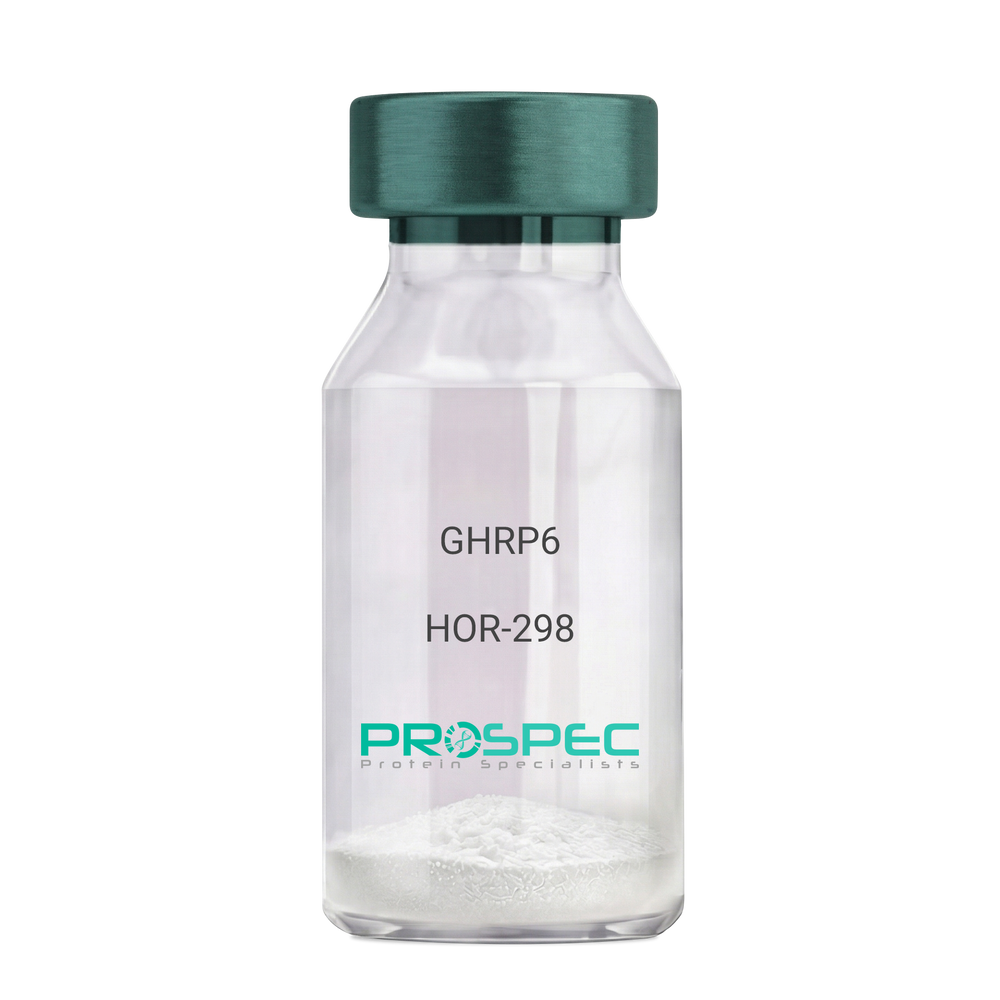
    Name :

    GHRP6

    Description:

    Growth Hormone Releasing Peptide-6

    GHRP-6, GHRP6

    Product # :

    HOR-298

    Price :

    Quantity :

    Shipping Method :

    Room Temp Icon

    Shipped at Room temp

    Add To Cart

    More Info

    • description
    • formulation
    • purity
    • More Info

    Description

    Growth Hormone Releasing Peptide-6 Synthetic is a single, non-glycosylated polypeptide chain containing 6 amino acids, having a molecular mass of 873 Dalton and a Molecular formula of C46H56N12O6.

    Formulation

    The GHRP-6 peptide was lyophilized with no additives.

    Purity

    Greater than 98.0% as determined by analysis by RP-HPLC.

    More Info

    • Introduction

      GH-releasing peptides (GHRPs) are synthetic peptides that like GHRH act directly on pituitary somatotrophs to stimulate GH release. Growth hormone (GH) release is stimulated by a variety of synthetic secretagogues, of which growth hormone-releasing hexapeptide (GHRP-6) has been most thoroughly studied; it is thought to have actions at both pituitary and hypothalamic site.

    • Synonyms

      GHRP-6, GHRP6

    • Physical Appearance

      Sterile Filtered White lyophilized (freeze-dried) powder.

    • Stability

      Lyophilized Growth Hormone Releasing Peptide-6 although stable at room temperature for 3 weeks, should be stored desiccated below -18°C. Upon reconstitution GHRP-6 should be stored at 4°C between 2-7 days and for future use below -18°C. For long term storage it is recommended to add a carrier protein (0.1% HSA or BSA).Please prevent freeze-thaw cycles.

    • Solubility

      It is recommended to reconstitute the lyophilized GHRP-6 in sterile 18MΩ-cm H2O not less than 100 µg/ml, which can then be further diluted to other aqueous solutions.

    • Amino Acid Sequence

      His-D-Trp-Ala-Trp-D-Phe-Lys-NH2.

    ProSpec's products are furnished for LABORATORY RESEARCH USE ONLY. The product may not be used as drugs, agricultural or pesticidal products, food additives or household chemicals.

    Ghrp 6
  • View Data Sheet

    Name :

    CCL14 Human

    Description:

    HCC-1 Human Recombinant (CCL14)

    Small inducible cytokine A14, CCL14, Chemokine CC-1/CC-3, HCC-1/HCC-3, HCC-1(1-74), NCC-2, chemokine (C-C motif) ligand 14, CC-1, CC-3, CKb1, MCIF, SY14, HCC-1, HCC-3, SCYL2, SCYA14.

    Product # :

    CHM-311

    Price :

    Quantity :

    Shipping Method :

    Room Temp Icon

    Shipped at Room temp

    Add To Cart

    More Info

    • description
    • source
    • formulation
    • purity
    • biological activity
    • More Info

    Description

    HCC-1 Human Recombinant produced in E.Coli is a single,non-glycosylated, polypeptide chain containing 72 amino acids and having a molecular mass of 8411 Dalton. The HCC-1 is purified by proprietary chromatographic techniques.

    Source

    Escherichia Coli.

    Formulation

    The CCL14 protein was lyophilized with 20mM PBS pH-7.4 and 150mM NaCl.

    Purity

    Greater than 97.0% as determined by:
    (a) Analysis by RP-HPLC.
    (b) Analysis by SDS-PAGE.

    Biological Activity

    The Biological activity is calculated by its ability to chemoattract Human monocytes at 5-20ng/ml corresponding to a Specific Activity of 50,000-200,000IU/mg.

    More Info

    • Introduction

      Chemokine (C-C motif) ligand 14 (CCL14) is a small cytokine belonging to the CC chemokine family. It is also commonly known as HCC-1. It is produced as a protein precursor that is procesed to generate a mature active protein containing 74 amino acids that and is 46% identical in amino acid composition to CCL3 and CCL4. This chemokine is expressed in various tissues including spleen, bone marrow, liver, muscle, and gut. CCL13 activates monocytes, but does not induce their chemotaxis. Human CCL13 is located on chromosome 17 within a cluster of other chemokines belonging to the CC family.

    • Synonyms

      Small inducible cytokine A14, CCL14, Chemokine CC-1/CC-3, HCC-1/HCC-3, HCC-1(1-74), NCC-2, chemokine (C-C motif) ligand 14, CC-1, CC-3, CKb1, MCIF, SY14, HCC-1, HCC-3, SCYL2, SCYA14.

    • Physical Appearance

      Sterile Filtered White lyophilized (freeze-dried) powder.

    • Stability

      Lyophilized HCC1 although stable at room temperature for 3 weeks, should be stored desiccated below -18°C. Upon reconstitution CCL14 should be stored at 4°C between 2-7 days and for future use below -18°C.For long term storage it is recommended to add a carrier protein (0.1% HSA or BSA).Please prevent freeze-thaw cycles.

    • Solubility

      It is recommended to reconstitute the lyophilized HCC-1 in sterile 18MΩ-cm H2O not less than 100µg/ml, which can then be further diluted to other aqueous solutions.

    • Amino Acid Sequence

      TESSSRGPYHPSECCFTYTTYKIPRQRIMDYYETNSQCSKPGIVFITKRGHS
      VCTNPSDKWVQDYIKDMKEN.

    • Background

      What is the molecular weight/Mw of CCL14 HUMAN Protein?
      CCL14 HUMAN Protein has a total Mw of 8.41kDa.

      What is the source or expression system of CCL14 HUMAN Protein?
      Escherichia Coli.

      What is the Purity of CCL14 HUMAN Protein?
      CCL14 HUMAN Protein is >97% pure as determined by SDS-PAGE.

      What is the Biological Activity of CCL14 HUMAN Protein?
      The Biological activity is calculated by its ability to chemoattract Human monocytes at 5-20ng/ml corresponding to a Specific Activity of 50,000-200,000IU/mg.

      What is the amino acid sequence of CCL14 HUMAN Protein?
      TESSSRGPYHPSECCFTYTTYKIPRQRIMDYYETNSQCSKPGIVFITKRGHS
      VCTNPSDKWVQDYIKDMKEN.

      What applications can CCL14 HUMAN Protein be used in?
      CCL14 HUMAN Protein can probably be used in western blot, ELISA and Lateral Flow.

      What is the endotoxin level for CCL14 HUMAN Protein?
      The endotoxin level is minimal, CCL14 HUMAN Protein was purified using conventional chromatography techniques.


    ProSpec's products are furnished for LABORATORY RESEARCH USE ONLY. The product may not be used as drugs, agricultural or pesticidal products, food additives or household chemicals.

    Hcc 1 Human
  • View Data Sheet

    Name :

    CRYAB Human, His

    Description:

    Crystallin Alpha B Human Recombinant, His Tag

    CRYA2, CTPP2, HSPB5, Crystallin Alpha B, CRYAB.

    Product # :

    HSP-088

    Price :

    Quantity :

    Shipping Method :

    Ice Icon

    Shipped with Ice Packs

    Add To Cart

    More Info

    • description
    • source
    • formulation
    • purity
    • More Info

    Description

    CRYAB Human Recombinant produced in E.coli is a single, non-glycosylated polypeptide chain containing 183 amino acids (1-175) and having a molecular mass of 21.2kDa. CRYAB is fused to an 8 a.a his-Tag at C-terminus and is purified by proprietary chromatographic techniques.

    Source

    Escherichia Coli.

    Formulation

    The CRYAB solution (1mg/ml) contains 10% glycerol & Phosphate-Buffered Saline (pH 7.4).

    Purity

    Greater than 90% as determined by SDS-PAGE.

    More Info

    • Synonyms

      CRYA2, CTPP2, HSPB5, Crystallin Alpha B, CRYAB.

    • Physical Appearance

      Sterile filtered colorless solution.

    • Stability

      Store at 4°C if entire vial will be used within 2-4 weeks. Store, frozen at -20°C for longer periods of time. For long term storage it is recommended to add a carrier protein (0.1% HSA or BSA). Avoid multiple freeze-thaw cycles.

    • Amino Acid Sequence

      MDIAIHHPWI RRPFFPFHSP SRLFDQFFGE HLLESDLFPT STSLSPFYLR PPSFLRAPSW FDTGLSEMRL EKDRFSVNLD VKHFSPEELK VKVLGDVIEV HGKHEERQDE HGFISREFHR KYRIPADVDP LTITSSLSSD GVLTVNGPRK QVSGPERTIP ITREEKPAVT AAPKKLEHHH HHH.

    • Background

      Alpha-B crystallin (CRYAB), a small heat shock protein, stands as a multifaceted molecular chaperone integral to cellular homeostasis and stress response. In its human recombinant form, CRYAB becomes a focal point in biomedical research, offering a controlled platform to explore its structural intricacies, cellular functions, and potential therapeutic applications. This research embarks on a comprehensive journey to unveil the diverse roles of CRYAB Human Recombinant, shedding light on its structural attributes, cellular interactions, and its implications in health and disease. By delving into the properties of CRYAB, scientists aim to deepen our understanding of cellular proteostasis and explore novel avenues in the treatment of protein misfolding disorders.

      Structural Insights into CRYAB Human Recombinant:

      CRYAB, forming oligomeric complexes, possesses a dynamic structural configuration crucial for its chaperone function. The human recombinant form, designed for controlled study, provides a unique window into the three-dimensional intricacies of CRYAB. Understanding its structure is fundamental for deciphering how CRYAB engages with client proteins, preventing their aggregation and maintaining cellular proteostasis.

      Cellular Functions in Proteostasis:

      As a molecular chaperone, CRYAB plays a pivotal role in preserving cellular proteostasis by preventing the aggregation of misfolded proteins. Beyond its chaperone function, CRYAB is implicated in diverse cellular processes, including modulation of apoptosis, regulation of cytoskeletal dynamics, and participation in cell signaling pathways. Elucidating the multifaceted functions of CRYAB Human Recombinant provides insights into its roles in health and disease.

      Implications in Neurodegenerative Disorders:

      CRYAB has garnered attention in the context of neurodegenerative disorders, where protein misfolding and aggregation are central pathological features. Studies involving CRYAB Human Recombinant have revealed its neuroprotective properties, suggesting its potential as a therapeutic target for conditions like Alzheimer's and Parkinson's diseases. Understanding the mechanisms by which CRYAB mitigates protein aggregation in neuronal cells holds promise for developing targeted interventions.

      CRYAB in Cardiovascular Health:

      The chaperone function of CRYAB extends to the cardiovascular system, where it safeguards against protein aggregation in cardiomyocytes. CRYAB Human Recombinant studies have illuminated its protective role in cardiac tissues, positioning it as a potential therapeutic avenue for heart diseases characterized by protein misfolding.

      Challenges and Future Directions:

      While the potential of CRYAB Human Recombinant in therapeutics is evident, challenges persist. Fine-tuning its applications, understanding its interactions with diverse client proteins, and exploring the intricacies of its roles in different cellular contexts are critical for translational success. Additionally, deciphering the specific mechanisms by which CRYAB contributes to the alleviation of protein misfolding disorders remains an active area of investigation.

      CRYAB Human Recombinant emerges as a linchpin in the cellular orchestra, orchestrating a symphony of functions vital for proteostasis. Its structural insights, diverse cellular functions, and therapeutic implications position it at the forefront of biomedical research. As researchers continue to unravel the molecular nuances of CRYAB, they not only deepen our understanding of cellular proteostasis but also pave the way for innovative treatments in neurodegenerative and cardiovascular disorders, shaping the future of precision medicine and protein folding therapeutics.

    ProSpec's products are furnished for LABORATORY RESEARCH USE ONLY. The product may not be used as drugs, agricultural or pesticidal products, food additives or household chemicals.

    Cryab Human His
  • View Data Sheet

    Name :

    MIF Mouse, His

    Description:

    Macrophage Migration Inhibitor Factor Mouse Recombinant, His Tag

    Macrophage migration inhibitory factor, MIF, Delayed early response protein 6, DER6, Glycosylation-inhibiting factor, GIF, L-dopachrome isomerase, L-dopachrome tautomerase, Phenylpyruvate tautomerase.

    Product # :

    CYT-896

    Price :

    Quantity :

    Shipping Method :

    Ice Icon

    Shipped with Ice Packs

    Add To Cart

    More Info

    • description
    • source
    • formulation
    • purity
    • More Info

    Description

    MIF Mouse Recombinant produced in E.Coli is a single, non-glycosylated polypeptide chain containing 138 amino acids (1-115 a.a) and having a molecular mass of 14.9kDa. MIF is fused to a 23 amino acid His-tag at N-terminus & purified by proprietary chromatographic techniques.

    Source

    Escherichia Coli.

    Formulation

    MIF protein solution (0.5mg/ml) containing Phosphate buffered saline , 10% glycerol and 1mM DTT.

    Purity

    Greater than 90.0% as determined by SDS-PAGE.

    More Info

    • Introduction

      The cytokine Macrophage migration inhibitory factor (MIF) has been identified to be secreted by the pituitary gland and the monocyte/macrophage and to play an important role in endotoxic shock. MIF has the unique property of being released from macrophages and T cells in response to physiological concentrations of glucocorticoids. The secretion of MIF is tightly regulated and decreases at high, anti-inflammatory steroid concentration.

    • Synonyms

      Macrophage migration inhibitory factor, MIF, Delayed early response protein 6, DER6, Glycosylation-inhibiting factor, GIF, L-dopachrome isomerase, L-dopachrome tautomerase, Phenylpyruvate tautomerase.

    • Physical Appearance

      Sterile Filtered colorless solution.

    • Stability

      Store at 4°C if entire vial will be used within 2-4 weeks. Store, frozen at -20°C for longer periods of time. For long term storage it is recommended to add a carrier protein (0.1% HSA or BSA). Avoid multiple freeze-thaw cycles.

    • Amino Acid Sequence

      MGSSHHHHHH SSGLVPRGSH MGSMPMFIVN TNVPRASVPE GFLSELTQQL AQATGKPAQY IAVHVVPDQL MTFSGTNDPC ALCSLHSIGK IGGAQNRNYS KLLCGLLSDR LHISPDRVYI NYYDMNAANV GWNGSTFA.

    ProSpec's products are furnished for LABORATORY RESEARCH USE ONLY. The product may not be used as drugs, agricultural or pesticidal products, food additives or household chemicals.

    Mif Mouse His
  • View Data Sheet

    Name :

    CTACK Mouse

    Description:

    CTACK Mouse Recombinant (CCL27)

    C-C motif chemokine 27, CC chemokine ILC, Cutaneous T-cell-attracting chemokine, CTACK, ESkine, IL-11 R-alpha-locus chemokine, ALP, mILC, Skinkine, Small-inducible cytokine A27, Ccl27, Ilc, Scya27.

    Product # :

    CHM-013

    Price :

    Quantity :

    Shipping Method :

    Room Temp Icon

    Shipped at Room temp

    Add To Cart

    More Info

    • description
    • source
    • formulation
    • purity
    • biological activity
    • More Info

    Description

    CTACK Mouse Recombinant produced in E.Coli is a single, non-glycosylated, polypeptide chain containing 95 amino acids and having a molecular mass of 10.9kDa. The CTACK is purified by proprietary chromatographic techniques.

    Source

    Escherichia Coli.

    Formulation

    Lyophilized from a 0.2µm filtered concentrated solution in 20mM PB, pH7.4 and 300mM NaCl.

    Purity

    Greater than 98.0% as determined by:
    (a) Analysis by RP-HPLC.
    (b) Analysis by SDS-PAGE.

    Biological Activity

    The biological activity determined by a chemotaxis bioassay using human peripheral blood lymphocytes is in a concentration range of 10-100 ng/ml.

    More Info

    • Introduction

      CTACK is a chemotactic factor that attracts skin-associated memory T-lymphocytes. CTACK is involved in mediating homing of lymphocytes to cutaneous sites. CTACK Binds to CCR10.

    • Synonyms

      C-C motif chemokine 27, CC chemokine ILC, Cutaneous T-cell-attracting chemokine, CTACK, ESkine, IL-11 R-alpha-locus chemokine, ALP, mILC, Skinkine, Small-inducible cytokine A27, Ccl27, Ilc, Scya27.

    • Physical Appearance

      Sterile Filtered White lyophilized (freeze-dried) powder.

    • Stability

      Lyophilized CTACK although stable at room temperature for 3 weeks, should be stored desiccated below -18°C. Upon reconstitution CTACK should be stored at 4°C between 2-7 days and for future use below -18°C. For long term storage it is recommended to add a carrier protein (0.1% HSA or BSA). Please prevent freeze-thaw cycles.

    • Solubility

      It is recommended to reconstitute the lyophilized CTACK in sterile 18MΩ-cm H2O not less than 100µg/ml, which can then be further diluted to other aqueous solutions.

    • Amino Acid Sequence

      LPLPSSTSCC TQLYRQPLPS RLLRRIVHME LQEADGDCHL QAVVLHLARR SVCVHPQNRS LARWLERQGK RLQGTVPSLN LVLQKKMYSN PQQQN.

    • Background

      What is the molecular weight/Mw of CTACK MOUSE Protein?
      CTACK MOUSE Protein has a total Mw of 10.9kDa.

      What is the source or expression system of CTACK MOUSE Protein?
      Escherichia Coli.

      What is the Purity of CTACK MOUSE Protein?
      CTACK MOUSE Protein is >98% pure as determined by SDS-PAGE.

      What is the Biological Activity of CTACK MOUSE Protein?
      The biological activity determined by a chemotaxis bioassay using human peripheral blood lymphocytes is in a concentration range of 10-100 ng/ml.

      What is the amino acid sequence of CTACK MOUSE Protein?
      LPLPSSTSCC TQLYRQPLPS RLLRRIVHME LQEADGDCHL QAVVLHLARR SVCVHPQNRS LARWLERQGK RLQGTVPSLN LVLQKKMYSN PQQQN.

      What applications can CTACK MOUSE Protein be used in?
      CTACK MOUSE Protein can probably be used in western blot, ELISA and Lateral Flow.

      What is the endotoxin level for CTACK MOUSE Protein?
      The endotoxin level is minimal, CTACK MOUSE Protein was purified using conventional chromatography techniques.


    ProSpec's products are furnished for LABORATORY RESEARCH USE ONLY. The product may not be used as drugs, agricultural or pesticidal products, food additives or household chemicals.

    Ctack Mouse
  • View Data Sheet

    Name :

    S100P Human, His

    Description:

    S100 Calcium Binding Protein P Human Recombinant, His Tag

    Protein S100-E, S100E, Migration-Inducing Gene 9, MIG9.

    Product # :

    PRO-830

    Price :

    Quantity :

    Shipping Method :

    Ice Icon

    Shipped with Ice Packs

    Add To Cart

    More Info

    • description
    • source
    • formulation
    • purity
    • More Info

    Description

    S100P Human Recombinant produced in E.Coli is a single, non-glycosylated, polypeptide chain containing 115 amino acids (1-95a.a.) and having a molecular mass of 12.6 kDa. S100P protein is fused to a 20 amino acid His tag at N-terminus and is purified by standard chromatography.

    Source

    Escherichia Coli.

    Formulation

    S100P Human solution (1mg/ml) containing 20mM Tris-HCl pH-8, 1mM DTT, 0.05M NaCl & 20% glycerol.

    Purity

    Greater than 90% as determined by SDS-PAGE.

    More Info

    • Introduction

      S100P is a Ca2+ binding protein that is part of the S100 family of proteins containing 2 EF-hand calcium-binding motifs. S100 proteins are found in the cytoplasm and/or nucleus of a large range of cells, and participates in the regulation of a number of cellular function such as cell cycle progression and differentiation. S100P participates in numerous biological functions but the exact functions or mechanism of its action is still mostly unknown. Once S100P binds calcium ions it goes through a conformational change that results in an exposure of a hydrophobic surface which permits the interaction with specific target proteins.

    • Synonyms

      Protein S100-E, S100E, Migration-Inducing Gene 9, MIG9.

    • Physical Appearance

      Sterile filtered colorless solution.

    • Stability

      Store at 4°C if entire vial will be used within 2-4 weeks. Store, frozen at -20°C for longer periods of time. For long term storage it is recommended to add a carrier protein (0.1% HSA or BSA). Avoid multiple freeze-thaw cycles.

    • Amino Acid Sequence

      MGSSHHHHHH SSGLVPRGSH MTELETAMGM IIDVFSRYSG SEGSTQTLTK GELKVLMEKE LPGFLQSGKD KDAVDKLLKD LDANGDAQVD FSEFIVFVAA ITSACHKYFE KAGLK.

    ProSpec's products are furnished for LABORATORY RESEARCH USE ONLY. The product may not be used as drugs, agricultural or pesticidal products, food additives or household chemicals.

    S100P Human His
  • View Data Sheet

    Name :

    MMAB Human

    Description:

    Methylmalonic Aciduria Type B Human Recombinant

    CBIB, Cob(I)alamin adenosyltransferase, EC 2.5.1.17.

    Product # :

    ENZ-248

    Price :

    Quantity :

    Shipping Method :

    Ice Icon

    Shipped with Ice Packs

    Add To Cart

    More Info

    • description
    • source
    • formulation
    • purity
    • More Info

    Description

    MMAB Recombinant Human produced in E.Coli is a single, non-glycosylated polypeptide chain containing 239 amino acids (33-250 a.a.) and having a molecular mass of 26.3 kDa. The MMAB is fused to 21 amino acid His-Tag at N-terminus and purified by proprietary chromatographic techniques.

    Source

    Escherichia Coli.

    Formulation

    MMAB 1mg/ml protein solution contains 20mM Tris pH-7.5 & 10% glycerol.

    Purity

    Greater than 95.0% as determined by SDS-PAGE.

    More Info

    • Introduction

      MMAB protein catalyzes the last step in the conversion of vitamin B(12) into adenosylcobalamin (AdoCbl), a vitamin B12 containing coenzyme for methylmalonyl-CoA mutase(MCM). Decreased MMAB activity leads to the inherited disorder vitamin B12 dependent methylmalonic aciduria linked to the cblB complementation group.

    • Synonyms

      CBIB, Cob(I)alamin adenosyltransferase, EC 2.5.1.17.

    • Physical Appearance

      Sterile Filtered clear solution.

    • Stability

      MMAB Human although stable at 4°C for 1 week, should be stored below -18°C. Please prevent freeze thaw cycles.

    • Amino Acid Sequence

      MGSSHHHHHH SSGLVPRGSH MQSRGPQGVE DGDRPQPSSK TPRIPKIYTK TGDKGFSSTF TGERRPKDDQ VFEAVGTTDE LSSAIGFALE LVTEKGHTFA EELQKIQCTL QDVGSALATP CSSAREAHLK YTTFKAGPIL ELEQWIDKYT SQLPPLTAFI LPSGGKISSA LHFCRAVCRR AERRVVPLVQ MGETDANVAK FLNRLSDYLF TLARYAAMKE GNQEKIYKKN DPSAESEGL.

    ProSpec's products are furnished for LABORATORY RESEARCH USE ONLY. The product may not be used as drugs, agricultural or pesticidal products, food additives or household chemicals.

    Mmab Human
  • View Data Sheet

    Name :

    HDGF Human

    Description:

    Hepatoma-Derived Growth Factor Human Recombinant

    High-mobility group protein 1-like 2, HMG1L2, HMG-1L2, Hepatoma-derived growth factor, HDGF, FLJ96580, DKFZp686J1764.

    Product # :

    CYT-681

    Price :

    Quantity :

    Shipping Method :

    Ice Icon

    Shipped with Ice Packs

    Add To Cart

    More Info

    • description
    • source
    • formulation
    • purity
    • More Info
    • SDS-PAGE

    Description

    The HDGF Human recombinant protein is a single, non-glycosylated polypeptide chain produced in E. coli, having a molecular weight of 11.5kDa and containing 100 amino acids.The HDGF is purified by proprietary chromatographic techniques.

    Source

    Escherichia Coli.

    Formulation

    The HDGF protein solution (1mg/ml) is formulated in 20mM Tris-HCl pH-7.5, 1mM DTT, 10% glycerol and 1mM EDTA.

    Purity

    Greater than 95% as determined by SDS-PAGE.

    SDS-PAGE

    HDGF Human - Product image 1

    More Info

    • Introduction

      HDGF is a member of the hepatoma-derived growth factor family. HDGF plays a role as a secreted mitogen from the human hepatoma cell line Huh-7. HDGF is a nuclear targeted vascular smooth muscle cell mitogen as well as a heparin-binding protein that is greatly expressed in tumor cells where it stimulates proliferation. HDGF takes part in organ development and lung remodeling after injury by promoting proliferation of lung epithelial cells. HDGF plays a role in the carcinogenesis of gastric epithelial cells through promotion of cell proliferation by Erk1/2 activation. HDGF is linked with tumorigenesis and the growth of cancer. HDGF is a self-regulating factor connected with the prognosis of liver cancer, non-small cell lung cancer and pancreatic cancer. HDGF has proliferative, angiogenic, and neurotrophic activity. HDGF is a distinctive nuclear targeting growth factor that is vastly expressed in HCC cells and is a prognostic factor for HCC.

    • Synonyms

      High-mobility group protein 1-like 2, HMG1L2, HMG-1L2, Hepatoma-derived growth factor, HDGF, FLJ96580, DKFZp686J1764.

    • Physical Appearance

      Sterile Filtered clear solution.

    • Stability

      Store at 4°C if entire vial will be used within 2-4 weeks. Store, frozen at -20°C for longer periods of time. For long term storage it is recommended to add a carrier protein (0.1% HSA or BSA).Avoid multiple freeze-thaw cycles.

    • Amino Acid Sequence

      MSRSNRQKEY KCGDLVFAKM KGYPHWPARI DEMPEAAVKS TANKYQVFFF GTHETAFLGP KDLFPYEESK EKFGKPNKRK GFSEGLWEIE NNPTVKASGY.

    • Background

      What is the molecular weight/Mw of HDGF HUMAN Protein?
      HDGF HUMAN Protein has a total Mw of 11.5kDa.

      What is the source or expression system of HDGF HUMAN Protein?
      Escherichia Coli.

      What is the Purity of HDGF HUMAN Protein?
      HDGF HUMAN Protein is >95% pure as determined by SDS-PAGE.

      What is the Biological Activity of HDGF HUMAN Protein?
      The biological functionality of HDGF HUMAN Protein will be determined in the future.

      What is the amino acid sequence of HDGF HUMAN Protein?
      MSRSNRQKEY KCGDLVFAKM KGYPHWPARI DEMPEAAVKS TANKYQVFFF GTHETAFLGP KDLFPYEESK EKFGKPNKRK GFSEGLWEIE NNPTVKASGY.

      What applications can HDGF HUMAN Protein be used in?
      HDGF HUMAN Protein can probably be used in western blot, ELISA and Lateral Flow.

      What is the endotoxin level for HDGF HUMAN Protein?
      The endotoxin level is minimal, HDGF HUMAN Protein was purified using conventional chromatography techniques.


    ProSpec's products are furnished for LABORATORY RESEARCH USE ONLY. The product may not be used as drugs, agricultural or pesticidal products, food additives or household chemicals.

    Hdgf Human
  • View Data Sheet

    Name :

    ADPRHL2 Human

    Description:

    ADP-Ribosylhydrolase Like 2 Human Recombinant

    Poly(ADP-ribose) glycohydrolase ARH3, ADP-ribosylhydrolase 3, [Protein ADP-ribosylarginine] hydrolase-like protein 2, ADPRHL2, ARH3.

    Product # :

    ENZ-638

    Price :

    Quantity :

    Shipping Method :

    Ice Icon

    Shipped with Ice Packs

    Add To Cart

    More Info

    • description
    • source
    • formulation
    • purity
    • More Info

    Description

    ADPRHL2 Human Recombinant produced in E. coli is a single polypeptide chain containing 387 amino acids (1-363) and having a molecular mass of 41.5kDa.ADPRHL2 is fused to a 24 amino acid His-tag at N-terminus & purified by proprietary chromatographic techniques.

    Source

    E.coli.

    Formulation

    The ADPRHL2 solution (0.5mg/ml) contains 20mM Tris-HCl buffer (pH 8.0), 0.1M NaCl, 30% glycerol and 1mM DTT.

    Purity

    Greater than 90% as determined by SDS-PAGE.

    More Info

    • Introduction

      ADP-ribosylhydrolase like 2 (ADPRHL2) belongs to the ADP-ribosylglycohydrolase family. ADPRHL2 catalyzes the removal of ADP-ribose from ADP-ribosylated proteins. ADPRHL2, which is ubiquitously expressed, uses magnesium as a cofactor to catalyze the hydrolysis of poly (ADP-ribose) that is synthesized after DNA damage. Furthermore, ADPRHL2 has an essential role in the maintenance of normal neuronal cell function. The ADPRHL2 enzyme localizes to the mitochondria, in addition to the nucleus and cytoplasm.

    • Synonyms

      Poly(ADP-ribose) glycohydrolase ARH3, ADP-ribosylhydrolase 3, [Protein ADP-ribosylarginine] hydrolase-like protein 2, ADPRHL2, ARH3.

    • Physical Appearance

      Sterile Filtered colorless solution.

    • Stability

      Store at 4°C if entire vial will be used within 2-4 weeks. Store, frozen at -20°C for longer periods of time. For long term storage it is recommended to add a carrier protein (0.1% HSA or BSA).Avoid multiple freeze-thaw cycles.

    • Amino Acid Sequence

      MGSSHHHHHH SSGLVPRGSH MGSHMAAAAM AAAAGGGAGA ARSLSRFRGC LAGALLGDCV GSFYEAHDTV DLTSVLRHVQ SLEPDPGTPG SERTEALYYT DDTAMARALV QSLLAKEAFD EVDMAHRFAQ EYKKDPDRGY GAGVVTVFKK LLNPKCRDVF EPARAQFNGK GSYGNGGAMR VAGISLAYSS VQDVQKFARL SAQLTHASSL GYNGAILQAL AVHLALQGES SSEHFLKQLL GHMEDLEGDA QSVLDARELG MEERPYSSRL KKIGELLDQA SVTREEVVSE LGNGIAAFES VPTAIYCFLR CMEPDPEIPS AFNSLQRTLI YSISLGGDTD TIATMAGAIA GAYYGMDQVP ESWQQSCEGY EETDILAQSL HRVFQKS.

    ProSpec's products are furnished for LABORATORY RESEARCH USE ONLY. The product may not be used as drugs, agricultural or pesticidal products, food additives or household chemicals.

    Adprhl2 Human
  • View Data Sheet

    Name :

    Cyclophilin A Human

    Description:

    Cyclophilin-A Human Recombinant

    Peptidylprolyl isomerase A, CYPA, CYPH, MGC12404, MGC23397, MGC117158, PPIase A, Rotamase A, PPIA, Peptidyl-prolyl cis-trans isomerase A, EC 5.2.1.8, Cyclophilin A, Cyclosporin A-binding protein.

    Product # :

    ENZ-359

    Price :

    Quantity :

    Shipping Method :

    Ice Icon

    Shipped with Ice Packs

    Add To Cart

    More Info

    • description
    • source
    • formulation
    • purity
    • biological activity
    • More Info

    Description

    Cyclophilin-A Human Recombinant fused with a 20 amino acid His tag at N-terminus produced in E.Coli is a single, non-glycosylated, polypeptide chain containing 185 amino acids (1-165 a.a.) and having a molecular mass of 20 kDa. PPIase-A is purified by proprietary chromatographic techniques.

    Source

    Escherichia Coli.

    Formulation

    1 mg/ml solution containing 20mM Tris-HCl 8.0, 20mM NaCl, 0.5mM DTT and 10% glycerol.

    Purity

    Greater than 95.0% as determined by SDS-PAGE.

    Biological Activity

    Specific activity is > 650 nmol/min/mg, and is defined as the amount of enzyme that cleaves 1nmole of suc-AAFP-PNA per minute at 37°C in Tris-HCl pH8.0 using chymotrypsin.

    More Info

    • Introduction

      PPIases catalyze the cis-trans isomerization of proline imidic peptide bonds in oligopeptides and accelerate the folding of proteins. Cyclophilin-A is a cyclosporin binding-protein and may play a role in cyclosporin A-mediated immunosuppression. Cyclophilin-A can also interact with several HIV proteins, including p55 gag, Vpr, and capsid protein, and has been shown to be necessary for the formation of infectious HIV virions. Multiple pseudogenes that map to different chromosomes have been reported.

    • Synonyms

      Peptidylprolyl isomerase A, CYPA, CYPH, MGC12404, MGC23397, MGC117158, PPIase A, Rotamase A, PPIA, Peptidyl-prolyl cis-trans isomerase A, EC 5.2.1.8, Cyclophilin A, Cyclosporin A-binding protein.

    • Physical Appearance

      Sterile filtered colorless solution.

    • Stability

      Store at 4°C if entire vial will be used within 2-4 weeks. Store, frozen at -20°C for longer periods of time. For long term storage it is recommended to add a carrier protein (0.1% HSA or BSA).Avoid multiple freeze-thaw cycles.

    • Amino Acid Sequence

      MGSSHHHHHH SSGLVPRGSH MVNPTVFFDI AVDGEPLGRV SFELFADKVP KTAENFRALSTGEKGFGYKG SCFHRIIPGF MCQGGDFTRH NGTGGKSIYG EKFEDENFIL KHTGPGILSMANAGPNTNGS QFFICTAKTE WLDGKHVVFG KVKEGMNIVE AMERFGSRNG KTSKKITIADCGQLE.

    ProSpec's products are furnished for LABORATORY RESEARCH USE ONLY. The product may not be used as drugs, agricultural or pesticidal products, food additives or household chemicals.

    Cyclophilin A Human
  • View Data Sheet

    Name :

    Cyclophilin B Human

    Description:

    Cyclophilin-B Human Recombinant

    Peptidylprolyl isomerase B, PPIase, Rotamase, S-cyclophilin, PPIB, cyclophilin-like protein, peptidyl-prolyl cis-trans isomerase B, Cyclophilin B, SCYLP, CYPB, CYP-S1, MGC2224, MGC14109.

    Product # :

    ENZ-313

    Price :

    Quantity :

    Shipping Method :

    Ice Icon

    Shipped with Ice Packs

    Add To Cart

    More Info

    • description
    • source
    • formulation
    • purity
    • biological activity
    • More Info

    Description

    Cyclophilin-B Human Recombinant produced in E.Coli is a single, non-glycosylated,polypeptide chain containing 192 amino acids (26-216) and having a molecular mass of 21.2 kDa. PPIB is purified by proprietary chromatographic techniques.

    Source

    Escherichia Coli.

    Formulation

    1 mg/ml solution containing 20mM Tris-HCl 8.0, 20mM NaCl, 0.5mM DTT and 10% glycerol.

    Purity

    Greater than 95.0% as determined by SDS-PAGE.

    Biological Activity

    Specific activity is > 220 nmoles/min/mg, and is defined as the amount of enzyme that cleaves 1umole of suc-AAFP-pNA per minute at 25C in Tris-Hcl pH8.0 using chymotrypsin.

    More Info

    • Introduction

      Cyclophilin B (also known as PPIB, peptidylpropyl isomerase B) is a cyclosporine-binding protein and is mainly located within the endoplasmic reticulum. It is associated with the secretory pathway and released in biological fluids. This protein can bind to cells derived from T- and B-lymphocytes, and may regulate cyclosporine A-mediated immunosuppression.

    • Synonyms

      Peptidylprolyl isomerase B, PPIase, Rotamase, S-cyclophilin, PPIB, cyclophilin-like protein, peptidyl-prolyl cis-trans isomerase B, Cyclophilin B, SCYLP, CYPB, CYP-S1, MGC2224, MGC14109.

    • Physical Appearance

      Sterile filtered colorless solution.

    • Stability

      Store at 4°C if entire vial will be used within 2-4 weeks. Store, frozen at -20°C for longer periods of time. For long term storage it is recommended to add a carrier protein (0.1% HSA or BSA).Avoid multiple freeze-thaw cycles.

    • Amino Acid Sequence

      MLLPGPSAAD EKKKGPKVTV KVYFDLRIGD EDVGRVIFGL FGKTVPKTVD NFVALATGEKGFGYKNSKFH RVIKDFMIQG GDFTRGDGTG GKSIYGERFP DENFKLKHYG PGWVSMANAGKDTNGSQFFI TTVKTAWLDG KHVVFGKVLE GMEVVRKVES TKTDSRDKPL KDVIIADCGK IEVEKPFAIA KE.

    ProSpec's products are furnished for LABORATORY RESEARCH USE ONLY. The product may not be used as drugs, agricultural or pesticidal products, food additives or household chemicals.

    Cyclophilin B Human
  • View Data Sheet

    Name :

    AHSG Human

    Description:

    Alpha-2-HS-Glycoprotein Human Recombinant

    PRO2743, A2HS, AHS, FETUA, HSGA, Alpha-2-HS-glycoprotein, Alpha-2-Z-globulin, Ba-alpha-2-glycoprotein, Fetuin-A.

    Product # :

    PRO-1450

    Price :

    Quantity :

    Shipping Method :

    Ice Icon

    Shipped with Ice Packs

    Add To Cart

    More Info

    • description
    • source
    • formulation
    • purity
    • More Info

    Description

    AHSG Human Recombinant produced in E.Coli is a single, non-glycosylated polypeptide chain containing 372 amino acids (19-367 a.a) and having a molecular mass of 39.7kDa (Molecular size on SDS-PAGE will appear higher).AHSG is fused to a 23 amino acid His-tag at N-terminus & purified by proprietary chromatographic techniques.

    Source

    Escherichia Coli.

    Formulation

    AHSG protein solution (0.5mg/ml) containing 20mM Tris-HCl buffer (pH8.0), 10% glycerol 0.1M NaCl and 1mM DTT.

    Purity

    Greater than 90.0% as determined by SDS-PAGE.

    More Info

    • Introduction

      AHSG (fetuin-A) which is a glycoprotein present in the serum, is synthesized by hepatocytes. AHSG is one of the fetuin class of plasma binding proteins. It is involved in a number of functions, such as endocytosis, brain development and the formation of bone tissue. It is usually present in the cortical plate of the immature cerebral cortex and bone marrow hemopoietic matrix, hence it has been postulated that it participates in the development of the tissues. Yet, its exact significance is still vague. AHSG promotes endocytosis, hold opsonic properties and influences the mineral phase of the bone. Affinity for calcium and barium ions has been shown.

    • Synonyms

      PRO2743, A2HS, AHS, FETUA, HSGA, Alpha-2-HS-glycoprotein, Alpha-2-Z-globulin, Ba-alpha-2-glycoprotein, Fetuin-A.

    • Physical Appearance

      Sterile Filtered colorless solution.

    • Stability

      Store at 4°C if entire vial will be used within 2-4 weeks. Store, frozen at -20°C for longer periods of time. For long term storage it is recommended to add a carrier protein (0.1% HSA or BSA).Avoid multiple freeze-thaw cycles.

    • Amino Acid Sequence

      MGSSHHHHHH SSGLVPRGSH MGSAPHGPGL IYRQPNCDDP ETEEAALVAI DYINQNLPWG YKHTLNQIDE VKVWPQQPSG ELFEIEIDTL ETTCHVLDPT PVARCSVRQL KEHAVEGDCD FQLLKLDGKF SVVYAKCDSS PDSAEDVRKV CQDCPLLAPL NDTRVVHAAK AALAAFNAQN NGSNFQLEEI SRAQLVPLPP STYVEFTVSG TDCVAKEATE AAKCNLLAEK QYGFCKATLS EKLGGAEVAV TCTVFQTQPV TSQPQPEGAN EAVPTPVVDP DAPPSPPLGA PGLPPAGSPP DSHVLLAAPP GHQLHRAHYD LRHTFMGVVS LGSPSGEVSH PRKTRTVVQP SVGAAAGPVV PPCPGRIRHF KV.

    ProSpec's products are furnished for LABORATORY RESEARCH USE ONLY. The product may not be used as drugs, agricultural or pesticidal products, food additives or household chemicals.

    Ahsg Human
  • 1
  • …
  • 36
  • 37
  • 38
  • 39
  • 40
  • …
  • 42
Your browser does not support the video tag.

Products

  • Cytokines
  • Growth Factors
  • Chemokines
  • CD Antigens
  • Neurotrophins
  • Hormones
  • Enzymes
  • Viral Antigens
  • Recombinant Proteins
  • Natural Proteins
  • Monoclonal Antibodies
  • Polyclonal Antibodies
  • Thermal Packaging

About

  • Company
  • Founder
  • Contribution
  • Contact Us
  • My Account

Ordering

  • Ordering Method
  • Ordering - Credit Card
  • Ordering PO
  • Shipping Fees
  • FAQ's

Legal

  • Terms & Conditions
  • Privacy
  • Site Map
  • info@prospecbio.com
  • Facebook
  • Instagram
  • Linkedin Profile

© 2026 ProSpec-Tany TechnoGene Ltd. All Rights Reserved.

  • Choosing a selection results in a full page refresh.
  • Opens in a new window.