Skip to content

High-quality research proteins.

  • 1-800-805-6531

  • Mon - Sat 8.00-18.00, Sun - Closed

  • info@prospecbio.com

  • PO Box 6591 East Brunswick NJ 08816

  • Products
    • Cytokines
    • Growth factors
    • Chemokines
    • Cd antigens
    • Neurotrophins
    • Hormones
    • Enzymes
    • Viral antigens
    • Recombinant proteins
    • Natural proteins
    • Monoclonal antibodies
    • Polyclonal antibodies
    • Thermal Packaging
  • About
    • Company
    • Founder
    • Contribution
  • Customers
    • Eastern Asia
    • Eastern Europe
    • North America
    • South America
    • South East Asia
    • Southern Asia
    • Western Europe
  • Ordering
    • Ordering Method
    • Ordering - Credit Card
    • Ordering - PO
    • Shipping Fees
    • FAQs
  • Services
    • DNA Cloning
    • Protein Expression
    • Monoclonal Antibody
    • Fermentation
    • Technology License
  • Contact us
Log in

Country/region

  • USD $ | Albania
  • USD $ | Andorra
  • USD $ | Argentina
  • USD $ | Armenia
  • USD $ | Australia
  • USD $ | Austria
  • USD $ | Azerbaijan
  • USD $ | Belarus
  • USD $ | Belgium
  • USD $ | Bolivia
  • USD $ | Brazil
  • USD $ | Bulgaria
  • USD $ | Cambodia
  • USD $ | Canada
  • USD $ | Chile
  • USD $ | China
  • USD $ | Colombia
  • USD $ | Costa Rica
  • USD $ | Croatia
  • USD $ | Cyprus
  • USD $ | Czechia
  • USD $ | Denmark
  • USD $ | Estonia
  • USD $ | Finland
  • USD $ | France
  • USD $ | Georgia
  • USD $ | Germany
  • USD $ | Greece
  • USD $ | Hong Kong SAR
  • USD $ | Hungary
  • USD $ | Iceland
  • USD $ | India
  • USD $ | Ireland
  • USD $ | Israel
  • USD $ | Italy
  • USD $ | Japan
  • USD $ | Kazakhstan
  • USD $ | Latvia
  • USD $ | Liechtenstein
  • USD $ | Lithuania
  • USD $ | Madagascar
  • USD $ | Malta
  • USD $ | Mexico
  • USD $ | Moldova
  • USD $ | Monaco
  • USD $ | Netherlands
  • USD $ | New Zealand
  • USD $ | North Macedonia
  • USD $ | Norway
  • USD $ | Panama
  • USD $ | Paraguay
  • USD $ | Peru
  • USD $ | Philippines
  • USD $ | Poland
  • USD $ | Portugal
  • USD $ | Romania
  • USD $ | Singapore
  • USD $ | Slovakia
  • USD $ | Slovenia
  • USD $ | South Africa
  • USD $ | South Korea
  • USD $ | Spain
  • USD $ | Sri Lanka
  • USD $ | Sweden
  • USD $ | Switzerland
  • USD $ | Taiwan
  • USD $ | Thailand
  • USD $ | Türkiye
  • USD $ | Ukraine
  • USD $ | United Kingdom
  • USD $ | United States
  • USD $ | Uruguay
  • USD $ | Vatican City
  • USD $ | Venezuela
  • USD $ | Vietnam
  • Facebook
  • Instagram
logoProSpec - Recombinant Protein Manufacturer for academic and R&D industry
Become a distributor
Account Log in
Wishlist
Cart Cart(0)
  • Products
    +
    • Cytokines
    • Growth factors
    • Chemokines
    • Cd antigens
    • Neurotrophins
    • Hormones
    • Enzymes
    • Viral antigens
    • Recombinant proteins
    • Natural proteins
    • Monoclonal antibodies
    • Polyclonal antibodies
    • Thermal Packaging
  • About
    +
    • Company
    • Founder
    • Contribution
  • Customers
    +
    • Eastern Asia
    • Eastern Europe
    • North America
    • South America
    • South East Asia
    • Southern Asia
    • Western Europe
  • Ordering
    +
    • Ordering Method
    • Ordering - Credit Card
    • Ordering - PO
    • Shipping Fees
    • FAQs
  • Services
    +
    • DNA Cloning
    • Protein Expression
    • Monoclonal Antibody
    • Fermentation
    • Technology License
  • Contact us

Item added to your cart

View cart
View All
  • Cytokines
  • Growth factors
  • Chemokines
  • Cd antigens
  • Neurotrophins
  • Hormones
  • Enzymes
  • Viral antigens
  • Recombinant proteins
  • Natural proteins
  • Monoclonal antibodies
  • Polyclonal antibodies
  • Thermal Packaging
  • Tumor Necrosis Factor

    Tumor Necrosis Factor

    View All
  • 4-1BB

    4-1BB

    View All
  • Adiponectin

    Adiponectin

    View All
  • AIF1

    AIF1

    View All
  • Other Cytokines

    Other Cytokines

    View All
  • AITRL

    AITRL

    View All
  • Angiopoietin

    Angiopoietin

    View All
  • Apolipoprotein

    Apolipoprotein

    View All
  • B-Cell Activating Factor

    B-Cell Activating Factor

    View All
  • Beta Defensin

    Beta Defensin

    View All
  • Bone Morphogenetic Protein

    Bone Morphogenetic Protein

    View All
  • B type Natriuretic Peptide

    B type Natriuretic Peptide

    View All
  • BST

    BST

    View All
  • Betacellulin

    Betacellulin

    View All
  • Cardiotrophin

    Cardiotrophin

    View All
  • Activin

    Activin

    View All
  • Fibroblast Growth Factor

    Fibroblast Growth Factor

    View All
  • Other Growth Factors

    Other Growth Factors

    View All
  • CSF

    CSF

    View All
  • CTGF

    CTGF

    View All
  • IGFBP

    IGFBP

    View All
  • VEGF Protein

    VEGF Protein

    View All
  • EGF

    EGF

    View All
  • Epigen

    Epigen

    View All
  • Erythropoietin

    Erythropoietin

    View All
  • Insulin-Like Growth Factor

    Insulin-Like Growth Factor

    View All
  • Growth Hormone

    Growth Hormone

    View All
  • HDGF

    HDGF

    View All
  • Hepatocyte Growth Factor

    Hepatocyte Growth Factor

    View All
  • Insulin

    Insulin

    View All
  • BCA-1/ BLC (CXCL13)

    BCA-1/ BLC (CXCL13)

    View All
  • BRAK (CXCL14)

    BRAK (CXCL14)

    View All
  • C-10 (CCL6)

    C-10 (CCL6)

    View All
  • Other Chemokines

    Other Chemokines

    View All
  • MEC (CCL28)

    MEC (CCL28)

    View All
  • LD78-beta (CCL3L1)

    LD78-beta (CCL3L1)

    View All
  • CTACK (CCL27)

    CTACK (CCL27)

    View All
  • CXCL16

    CXCL16

    View All
  • CXCL17

    CXCL17

    View All
  • Platelet Factor-4 (CXCL4)

    Platelet Factor-4 (CXCL4)

    View All
  • ENA-78 (CXCL5)

    ENA-78 (CXCL5)

    View All
  • Eotaxin (CCL11,24,26)

    Eotaxin (CCL11,24,26)

    View All
  • Exodus-2 (CCL21)

    Exodus-2 (CCL21)

    View All
  • Fractalkine (CX3CL1)

    Fractalkine (CX3CL1)

    View All
  • CXCL6

    CXCL6

    View All
  • Other CD Antigens

    Other CD Antigens

    View All
  • CD14

    CD14

    View All
  • CD164

    CD164

    View All
  • CD1

    CD1

    View All
  • CD2

    CD2

    View All
  • CD200

    CD200

    View All
  • CD207

    CD207

    View All
  • CD226

    CD226

    View All
  • CD23

    CD23

    View All
  • CD244

    CD244

    View All
  • CD247

    CD247

    View All
  • CD27

    CD27

    View All
  • CD274

    CD274

    View All
  • CD300

    CD300

    View All
  • CD33

    CD33

    View All
  • Other Neurotrophins

    Other Neurotrophins

    View All
  • Beta-NGF

    Beta-NGF

    View All
  • BDNF

    BDNF

    View All
  • CDNF

    CDNF

    View All
  • CNTF

    CNTF

    View All
  • GDNF

    GDNF

    View All
  • Glia Maturation Factor

    Glia Maturation Factor

    View All
  • MANF

    MANF

    View All
  • Midkine

    Midkine

    View All
  • Neuroglobin

    Neuroglobin

    View All
  • Neurotrophic factors

    Neurotrophic factors

    View All
  • Neuregulin

    Neuregulin

    View All
  • Neuropilin

    Neuropilin

    View All
  • Pigment Epithelium-Derived Factor

    Pigment Epithelium-Derived Factor

    View All
  • Pleiotrophin

    Pleiotrophin

    View All
  • Peptide Hormones

    Peptide Hormones

    View All
  • Other Hormones

    Other Hormones

    View All
  • HCG

    HCG

    View All
  • Endothelin

    Endothelin

    View All
  • Exendin

    Exendin

    View All
  • FSH

    FSH

    View All
  • Glucagon

    Glucagon

    View All
  • GHRP

    GHRP

    View All
  • GLP

    GLP

    View All
  • Thyrostimulin

    Thyrostimulin

    View All
  • Inhibin A

    Inhibin A

    View All
  • LHRH

    LHRH

    View All
  • Melanotan

    Melanotan

    View All
  • Procalcitonin

    Procalcitonin

    View All
  • PTH

    PTH

    View All
  • Peroxiredoxin

    Peroxiredoxin

    View All
  • Peptidase

    Peptidase

    View All
  • Synthetase

    Synthetase

    View All
  • Transferase

    Transferase

    View All
  • Hydrolase

    Hydrolase

    View All
  • Dehydrogenase

    Dehydrogenase

    View All
  • ACE2

    ACE2

    View All
  • Esterase

    Esterase

    View All
  • Protein Kinases

    Protein Kinases

    View All
  • Other Enzymes

    Other Enzymes

    View All
  • Phosphatase

    Phosphatase

    View All
  • Deaminase

    Deaminase

    View All
  • Oxygenase

    Oxygenase

    View All
  • Adenylate Kinase

    Adenylate Kinase

    View All
  • Lyase

    Lyase

    View All
  • Chagas

    Chagas

    View All
  • SARS

    SARS

    View All
  • Influenza

    Influenza

    View All
  • ASFV

    ASFV

    View All
  • Astrovirus

    Astrovirus

    View All
  • Borrelia

    Borrelia

    View All
  • Helicobacter Pylori

    Helicobacter Pylori

    View All
  • Chikungunya

    Chikungunya

    View All
  • Chlamydia

    Chlamydia

    View All
  • Cytomegalo

    Cytomegalo

    View All
  • Dengue

    Dengue

    View All
  • EBV

    EBV

    View All
  • Ebola

    Ebola

    View All
  • Feline Leukemia Virus

    Feline Leukemia Virus

    View All
  • Hepatitis A

    Hepatitis A

    View All
  • Other

    Other

    View All
  • Actin

    Actin

    View All
  • ADAM

    ADAM

    View All
  • Complement Component

    Complement Component

    View All
  • Ag85

    Ag85

    View All
  • Eukaryotic Translation Initiation Factor

    Eukaryotic Translation Initiation Factor

    View All
  • Anterior Gradient Protein

    Anterior Gradient Protein

    View All
  • Heat Shock Protein

    Heat Shock Protein

    View All
  • Alpha-2-HS-Glycoprotein

    Alpha-2-HS-Glycoprotein

    View All
  • Hemoglobin

    Hemoglobin

    View All
  • Allergy

    Allergy

    View All
  • Anaplasma

    Anaplasma

    View All
  • Angiogenin

    Angiogenin

    View All
  • Ankyrin Repeat Domain

    Ankyrin Repeat Domain

    View All
  • Annexin

    Annexin

    View All
  • Other Natural Proteins

    Other Natural Proteins

    View All
  • Aprotinin

    Aprotinin

    View All
  • Transferrin

    Transferrin

    View All
  • Avidin

    Avidin

    View All
  • Anti Coagulation Factors

    Anti Coagulation Factors

    View All
  • Natural Albumin

    Natural Albumin

    View All
  • Natural Coagulation Factors

    Natural Coagulation Factors

    View All
  • Fibronectin

    Fibronectin

    View All
  • Thrombin

    Thrombin

    View All
  • Anti Human Enzyme

    Anti Human Enzyme

    View All
  • Other Monoclonal Antibodies

    Other Monoclonal Antibodies

    View All
  • Anti Human Cytokine

    Anti Human Cytokine

    View All
  • Anti Human Heat Shock Protein

    Anti Human Heat Shock Protein

    View All
  • Anti Mouse Lymphocyte

    Anti Mouse Lymphocyte

    View All
  • Anti Human Chemokine

    Anti Human Chemokine

    View All
  • Anti Human Lymphocyte

    Anti Human Lymphocyte

    View All
  • Anti Viral Monoclonal

    Anti Viral Monoclonal

    View All
  • Anti Mouse Cytokine

    Anti Mouse Cytokine

    View All
  • Anti-GST Monoclonal

    Anti-GST Monoclonal

    View All
  • Other Polyclonal Antibodies

    Other Polyclonal Antibodies

    View All
  • Anti Viral

    Anti Viral

    View All
  • Anti-GST Monoclonal

    Anti-GST Monoclonal

    View All
Back

Search results

1000 results found for “inhibin a”

Name

Description

Product #

Price

Quantity

Shipping Method

  • View Data Sheet

    Name :

    CXCL13 Mouse

    Description:

    BCA-1/BLC Mouse Recombinant (CXCL13)

    C-X-C motif chemokine 13, B lymphocyte chemoattractant, CXC chemokine BLC, Small-inducible cytokine B13, Cxcl13, Blc, Scyb13.

    Product # :

    CHM-030

    Price :

    Quantity :

    Shipping Method :

    Room Temp Icon

    Shipped at Room temp

    Add To Cart

    More Info

    • description
    • source
    • formulation
    • purity
    • biological activity
    • More Info
    • Citations

    Description

    CXCL13 Mouse Recombinant (22-109) produced in E.Coli is a single, non-glycosylated, polypeptide chain containing 88 amino acids and having a molecular mass of 10kDa.The BCA-1 is purified by proprietary chromatographic techniques.

    Source

    Escherichia Coli.

    Formulation

    The BCA1 protein was lyophilized from a 0.2µm filtered solution in Acetonitrile and TFA.

    Purity

    Greater than 97.0% as determined by SDS-PAGE.

    Biological Activity

    The ED50, as measured by its ability to chemoattract human CXCR5-transfected mouse BaF3 cells, is less than 2µg/ml.

    Citations

    More Info

    • Introduction

      BCA-1 is a CXC chemokine that is highly expressed in thesecondary lymphoid organs, such as follicles of the spleen, lymph nodes, and Peyer's patches. CXCL13 promotes the migration of B lymphocytes (compared to T cells and macrophages), by stimulating calcium influx into, and chemotaxis of, cells expressing Burkitt's lymphoma receptor 1 (BLR1). BCA1 therefore function in the homing of B lymphocytes to follicles. Human BCA-1 shares a 64% amino acid sequence similarity with the mouse protein and 23 - 34% amino acid sequence identity with other known CXC chemokines. Recombinant or chemically synthesized BCA1 is a potent chemoattractant for B lymphocytes but not T lymphocytes, monocytes or neutrophils. BLR1, a G protein-coupled receptor originally isolated from Burkitt’s lymphoma cells, has now been shown to be the specific receptor for BCA1. Among cells of the hematopoietic lineages, the expression of BLR-1, now designated CXCR-5, is restricted to B lymphocytes and a subpopulation of T helper memory cells.

    • Synonyms

      C-X-C motif chemokine 13, B lymphocyte chemoattractant, CXC chemokine BLC, Small-inducible cytokine B13, Cxcl13, Blc, Scyb13.

    • Physical Appearance

      Sterile Filtered White lyophilized (freeze-dried) powder.

    • Stability

      Lyophilized BCA1 although stable at room temperature for 3 weeks, should be stored desiccated below -18°C. Upon reconstitution BCA1 should be stored at 4°C between 2-7 days and for future use below -18°C.For long term storage it is recommended to add a carrier protein (0.1% HSA or BSA).Please prevent freeze-thaw cycles.

    • Solubility

      It is recommended to reconstitute the lyophilized CXCL13 in sterile 18MΩ-cm H2O not less than 100µg/ml, which can then be further diluted to other aqueous solutions.

    • Amino Acid Sequence

      ILEAHYTNLK CRCSGVISTV VGLNIIDRIQ VTPPGNGCPK TEVVIWTKMK KVICVNPRAK WLQRLLRHVQ SKSLSSTPQA PVSKRRAA.

    • Background

      What is the molecular weight/Mw of CXCL13 MOUSE Protein?
      CXCL13 MOUSE Protein has a total Mw of 10kDa.

      What is the source or expression system of CXCL13 MOUSE Protein?
      Escherichia Coli.

      What is the Purity of CXCL13 MOUSE Protein?
      CXCL13 MOUSE Protein is >97% pure as determined by SDS-PAGE.

      What is the Biological Activity of CXCL13 MOUSE Protein?
      The ED50, as measured by its ability to chemoattract human CXCR5-transfected mouse BaF3 cells, is less than 2µg/ml.

      What is the amino acid sequence of CXCL13 MOUSE Protein?
      ILEAHYTNLK CRCSGVISTV VGLNIIDRIQ VTPPGNGCPK TEVVIWTKMK KVICVNPRAK WLQRLLRHVQ SKSLSSTPQA PVSKRRAA.

      What applications can CXCL13 MOUSE Protein be used in?
      CXCL13 MOUSE Protein can probably be used in western blot, ELISA and Lateral Flow.

      What is the endotoxin level for CXCL13 MOUSE Protein?
      The endotoxin level is minimal, CXCL13 MOUSE Protein was purified using conventional chromatography techniques.

      Who supplies recombinant CXCL13 MOUSE that is in stock and available to order?
      ProSpec has the protein in stock and available for immediate delivery.

      Where can I order bulk mg quantities of CXCL13 MOUSE?
      ProSpec supplies bulk mg quantities at affordable prices that meets research and academic budgets.

    ProSpec's products are furnished for LABORATORY RESEARCH USE ONLY. The product may not be used as drugs, agricultural or pesticidal products, food additives or household chemicals.

    Bca 1 Mouse
  • View Data Sheet

    Name :

    PDGF AA Human

    Description:

    Platelet-Derived Growth Factor AA Human Recombinant

    Glioma-derived growth factor, GDGF, Osteosarcoma-derived Growth Factor, ODGF, PDGF-AA, PDGF-1.

    Product # :

    CYT-341

    Price :

    Quantity :

    Shipping Method :

    Room Temp Icon

    Shipped at Room temp

    Add To Cart

    More Info

    • description
    • source
    • formulation
    • purity
    • biological activity
    • More Info
    • Citations

    Description

    Platelet-Derived Growth Factor AA Human Recombinant is a homodimeric, non-glycosylated, polypeptide chain containing 2 x 125 amino acids and having a total molecular mass of 28511 Dalton. PDGF-AA is purified by proprietary chromatographic techniques.

    Source

    Escherichia Coli.

    Formulation

    Lyophilized without any additives.

    Purity

    Greater than 95.0% as determined by SDS-PAGE.

    Biological Activity

    The ED50, calculated by the dose-dependent proliferation of murine 3T3 indicator cells is < 0.32ng/ml, corresponding to a Specific Activity of 3,125x103units/mg.

    Citations

    More Info

    • Introduction

      PDGF-AA, PDGF-BB and PDGF-AB, are potent mitogens for a variety of cell types including smooth muscle cells, connective tissue cells, bone and cartilage cells, and some blood cells. The PDGF is stored in platelet alpha-granules and released upon platelet activation. The PDGF is involved in a number of biological processes, including hyperplasia, chemotaxis, embryonic neuron development, and respiratory tubule epithelial cell development. Two distinct signaling receptors used by PDGF
      have been identified and named PDGFR-alpha and PDGFR-beta. PDGFR-alpha is high-affinity receptor for each of the three PDGF forms. On the other hand, PDGFR-beta interacts with only PDGF-BB and PDGF-AB.

    • Synonyms

      Glioma-derived growth factor, GDGF, Osteosarcoma-derived Growth Factor, ODGF, PDGF-AA, PDGF-1.

    • Physical Appearance

      Sterile Filtered White lyophilized (freeze-dried) powder.

    • Stability

      Lyophilized Platelet-Derived Growth Factor AA although stable at room temperature for 3 weeks, should be stored desiccated below -18°C. Upon reconstitution PDGF-AA should be stored at 4°C between 2-7 days and for future use below -18°C.For long term storage it is recommended to add a carrier protein (0.1% HSA or BSA).Please prevent freeze-thaw cycles.

    • Solubility

      It is recommended to reconstitute the lyophilized Platelet-derived Growth Factor-AA in sterile 18MΩ-cm H2O not less than 100µg/ml, which can then be further diluted to other aqueous solutions.

    • Amino Acid Sequence

      SIEEAVPAVC KTRTVIYEIP RSQVDPTSAN FLIWPPCVEV KRCTGCCNTS SVKCQPSRVH HRSVKVAKVE YVRKKPKLKE VQVRLEEHLE CACATTSLNP DYREEDTGRP RESGKKRKRK RLKPT.

    ProSpec's products are furnished for LABORATORY RESEARCH USE ONLY. The product may not be used as drugs, agricultural or pesticidal products, food additives or household chemicals.

    Pdgf Aa Human
  • View Data Sheet

    Name :

    LIF Human, Yeast

    Description:

    LIF Human Recombinant, Yeast

    CDF, HILDA, D-FACTOR, Differentiation- stimulating factor, Melanoma-derived LPL inhibitor, MLPLI, Emfilermin, Leukemia inhibitory factor, LIF, DIA.

    Product # :

    CYT-191

    Price :

    Quantity :

    Shipping Method :

    Room Temp Icon

    Shipped at Room temp

    Add To Cart

    More Info

    • description
    • source
    • formulation
    • purity
    • biological activity
    • More Info
    • Citations

    Description

    LIF Human Recombinant produced in yeast is a single, glycosylated polypeptide chain containing 180 amino acids and having a molecular mass of 58.5 kDa. The LIF is purified by proprietary chromatographic techniques.

    Source

    Pichia pastoris.

    Formulation

    The protein was lyophilized from a 0.2 µm filtered PBS.

    Purity

    Greater than 98.0% as determined by:
    (a) Analysis by RP-HPLC.
    (b) Analysis by SDS-PAGE.

    Biological Activity

    The biological activity of recombinant human LIF was measured by the ability to induce differentiation of murine M1 myeloid leukemic cells. The minimal detectable concentration of human LIF in this assay is <0.05 ng/mL. The specific activity is > 1 x 10⁸ units/mg.

    Citations

    More Info

    • Introduction

      Leukemia Inhibitory Factor also called LIF is a lymphoid factor that promotes long-term maintenance of embryonic stem cells by suppressing spontaneous differentiation. Leukemia Inhibitory Factor has several functions such as cholinergic neuron differentiation, control of stem cell pluripotency, bone & fat metabolism, mitogenesis of factor dependent cell lines & promotion of megakaryocyte production in vivo. Human and mouse LIF exhibit a 78% identity in its amino acid sequence.

    • Synonyms

      CDF, HILDA, D-FACTOR, Differentiation- stimulating factor, Melanoma-derived LPL inhibitor, MLPLI, Emfilermin, Leukemia inhibitory factor, LIF, DIA.

    • Physical Appearance

      Sterile Filtered White lyophilized (freeze-dried) powder.

    • Stability

      Lyophilized LIF although stable at room temperature for 3 weeks, should be stored desiccated below -18°C. Upon reconstitution LIF should be stored at 4°C between 2-7 days and for future use below -18°C. Please prevent freeze-thaw cycles.

    • Solubility

      It is recommended to reconstitute the lyophilized LIF in sterile 18M-cm H2O not less than 100µg/ml, which can then be further diluted to other aqueous solutions.

    • Amino Acid Sequence

      S P L P I T P V N A T C A I R H P C H N N L M N Q I R S Q L A Q L N G S A N A L F I L Y Y T A Q G E P F P N N L D K L C G P N V T D F P P F H A N G T E K A K L V E L Y R I V V Y L G T S L G N I T R D Q K I L N P S A L S L H S K L N A T A D I L R G L L S N V L C R L C S K Y H V G H V D V T Y G P D T S G K D V F Q K K K L G C Q L L G K Y K Q I I A V L A Q A F.

    ProSpec's products are furnished for LABORATORY RESEARCH USE ONLY. The product may not be used as drugs, agricultural or pesticidal products, food additives or household chemicals.

    Lif Human Yeast
  • View Data Sheet

    Name :

    Lymphotactin Rat

    Description:

    Lymphotactin (XCL1) Rat Recombinant

    XCL1, Cytokine SCM-1, ATAC, Lymphotaxin, SCM-1-alpha, Small inducible cytokine C1, XC chemokine ligand 1, LTN, LPTN, SCM1, SCM-1, SCYC1, SCM-1a.

    Product # :

    CHM-038

    Price :

    Quantity :

    Shipping Method :

    Room Temp Icon

    Shipped at Room temp

    Add To Cart

    More Info

    • description
    • source
    • formulation
    • purity
    • biological activity
    • More Info
    • Citations

    Description

    Lymphotactin (XCL1) Rat Recombinant produced in E.Coli is a non-glycosylated polypeptide chain containing 93 amino acids and having a molecular mass of approximately 10.0kDa.Lymphotactin is purified by proprietary chromatographic techniques.

    Source

    Escherichia Coli.

    Formulation

    Lyophilized from a 0.2μm filtered concentrated solution in PBS, pH 7.4.

    Purity

    Greater than 97.0% as determined by:
    (a) Analysis by RP-HPLC.
    (b) Analysis by SDS-PAGE.

    Biological Activity

    The ED50 as determined by a chemotaxis bioassay using human XCR1 transfected murine BaF3 cells < 100 ng/ml, corresponding to a specific activity of > 1.0 × 10⁴ IU/mg.

    Citations

    More Info

    • Introduction

      XCL1 is a small cytokine belongs to the XC chemokine family that is also known as lymphotactin. XCL1 is found in high levels in spleen, thymus, intestine and peripheral blood leukocytes, and at lower levels in lung, prostate gland and ovary. Cellular sources for XCL1 include activated thymic and peripheral blood CD8+ T cells. This chemokine attracts T cells. In humans, XCL1 is closely related to XCL2, whose gene is found at the same locus on chromosome 1. XCL1 induces it chemotactic function by binding to a chemokine receptor called XCR1.

    • Synonyms

      XCL1, Cytokine SCM-1, ATAC, Lymphotaxin, SCM-1-alpha, Small inducible cytokine C1, XC chemokine ligand 1, LTN, LPTN, SCM1, SCM-1, SCYC1, SCM-1a.

    • Physical Appearance

      Sterile Filtered White lyophilized (freeze-dried) powder.

    • Stability

      Lyophilized XCL1 although stable at room temperature for 3 weeks, should be stored desiccated below -18°C. Upon reconstitution Lymphotactin should be stored at 4°C between 2-7 days and for future use below -18°C.Please prevent freeze-thaw cycles.

    • Solubility

      It is recommended to reconstitute the lyophilized Lymphotactin in sterile 18MΩ-cm H2O not less than 100µg/ml, which can then be further diluted to other aqueous solutions.

    • Amino Acid Sequence

      VGTEVLQESI CVSLRTQRLP VQKIKTYTIK EGAMRAVIFV TKRGLRICAD PQAKWVKTAI KTVDGRASAS KSKAETIPTQ AQRSASTAVT LTG.

    • Background

      What is the molecular weight/Mw of LYMPHOTACTIN RAT Protein?
      LYMPHOTACTIN RAT Protein has a total Mw of 10kDa.

      What is the source or expression system of LYMPHOTACTIN RAT Protein?
      Escherichia Coli.

      What is the Purity of LYMPHOTACTIN RAT Protein?
      LYMPHOTACTIN RAT Protein is >97% pure as determined by SDS-PAGE.

      What is the Biological Activity of LYMPHOTACTIN RAT Protein?
      The ED50 as determined by a chemotaxis bioassay using human XCR1 transfected murine BaF3 cells < 100 ng/ml, corresponding to a specific activity of > 1.0 × 10⁴ IU/mg.

      What is the amino acid sequence of LYMPHOTACTIN RAT Protein?
      VGTEVLQESI CVSLRTQRLP VQKIKTYTIK EGAMRAVIFV TKRGLRICAD PQAKWVKTAI KTVDGRASAS KSKAETIPTQ AQRSASTAVT LTG.

      What applications can LYMPHOTACTIN RAT Protein be used in?
      LYMPHOTACTIN RAT Protein can probably be used in western blot, ELISA and Lateral Flow.

      What is the endotoxin level for LYMPHOTACTIN RAT Protein?
      The endotoxin level is minimal, LYMPHOTACTIN RAT Protein was purified using conventional chromatography techniques.

      Who supplies recombinant LYMPHOTACTIN RAT that is in stock and available to order?
      ProSpec has the protein in stock and available for immediate delivery.

      Where can I order bulk mg quantities of LYMPHOTACTIN RAT?
      ProSpec supplies bulk mg quantities at affordable prices that meets research and academic budgets.

    ProSpec's products are furnished for LABORATORY RESEARCH USE ONLY. The product may not be used as drugs, agricultural or pesticidal products, food additives or household chemicals.

    Lymphotactin Rat
  • View Data Sheet

    Name :

    HCV Core Genotype-1a

    Description:

    Hepatitis C Virus Core Genotype-1a Recombinant

    Product # :

    HCV-203

    Price :

    Quantity :

    Shipping Method :

    Ice Icon

    Shipped with Ice Packs

    Add To Cart

    More Info

    • description
    • formulation
    • purity
    • More Info
    • Citations

    Description

    The E.coli derived recombinant protein fused to a His tag at C-terminus contains the HCV core nucleocapsid immunodominant regions, amino acids 2-119.

    Formulation

    1.5M urea, 25mM Tris-HCl pH 8.0, 0.2% tween-20 and 50% Glycerol.

    Purity

    HCV Core Genotype-1a protein is >95% pure as determined by 10% PAGE (coomassie staining).

    Citations

    More Info

    • Introduction

      HCV is a small 50nm, enveloped, single-stranded, positive sense RNAvirus in the family Flaviviridae.
      HCV has a high rate of replication with approximately one trillion particles produced each day in an infected individual. Due to lack of proofreading by the HCV RNA polymerase, the HCV has an exceptionally high mutation rate, a factor that may help it elude the host's immune response. Hepatitis C virus is classified into six genotypes(1-6) with several subtypes within each genotype. The preponderance and distribution of HCV genotypes varies globally. Genotype is clinically important in determining potential response to interferon-based therapy and the required duration of such therapy. Genotypes 1 and 4 are less responsive to interferon-based treatment than are the other genotypes (2, 3, 5 and 6).

    • Stability

      HCV Core Genotype-1a although stable at 4°C for 1 week, should be stored below -18°C. Please prevent freeze thaw cycles.

    • Specificity

      Immunoreactive with sera of HCV-infected individuals.

    • Purification Method

      HCV Core Genotype-1a protein was purified by proprietary chromatographic technique.

    ProSpec's products are furnished for LABORATORY RESEARCH USE ONLY. The product may not be used as drugs, agricultural or pesticidal products, food additives or household chemicals.

    Hcv Core Genotype 1A
  • View Data Sheet

    Name :

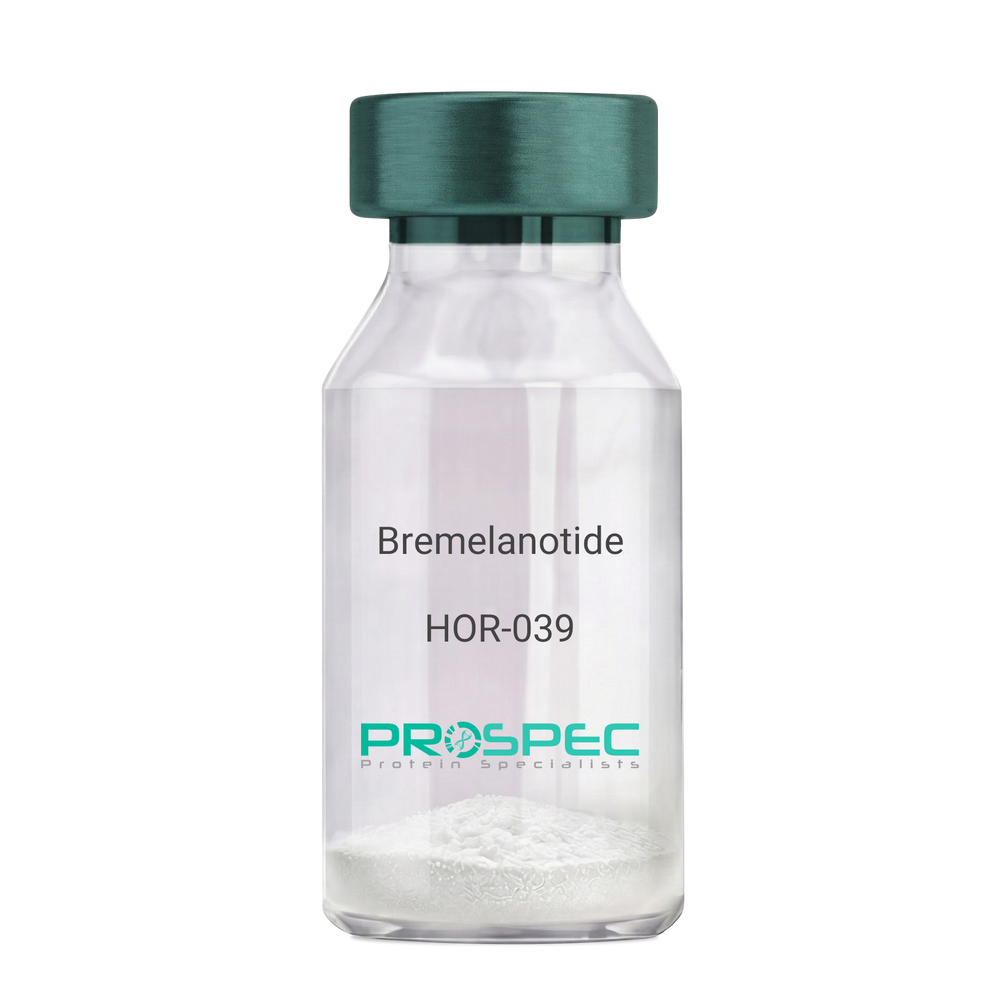
    Bremelanotide

    Description:

    Bremelanotide

    PT-141, Rekynda, bremelanotide acetate.

    Product # :

    HOR-039

    Price :

    Quantity :

    Shipping Method :

    Room Temp Icon

    Shipped at Room temp

    Add To Cart

    More Info

    • description
    • formulation
    • purity
    • More Info
    • Citations

    Description

    Bremelanotide Synthetic is a single, non-glycosylated polypeptide chain containing 6 amino acids, having a molecular mass of 1025.16 Dalton and a Molecular formula of C50H68N40O10.

    Formulation

    The protein was lyophilized with no additives.

    Purity

    Greater than 97.0% as determined by analysis by RP-HPLC.

    Citations

    More Info

    • Synonyms

      PT-141, Rekynda, bremelanotide acetate.

    • Physical Appearance

      Sterile Filtered White lyophilized (freeze-dried) powder.

    • Stability

      Lyophilized Bremelanotide although stable at room temperature for 3 weeks, should be stored desiccated below -18°C. Upon reconstitution Bremelanotide should be stored at 4°C between 2-7 days and for future use below -18°C. For long term storage it is recommended to add a carrier protein (0.1% HSA or BSA). Please prevent freeze-thaw cycles.

    • Solubility

      It is recommended to reconstitute the lyophilized Bremelanotide in sterile 18MΩ-cm H2O not less than 100 µg/ml, which can then be further diluted to other aqueous solutions.

    • Amino Acid Sequence

      Ac-Nle-cyclo(-Asp-His-D-Phe-Arg-Trp-Lys)-OH.

    • Background

      Bremelanotide (PT-141), a synthetic heptapeptide, is a novel therapeutic agent primarily utilized for the treatment of sexual dysfunction. This paper provides an exhaustive review of Bremelanotide, detailing its biochemical structure, mechanism of action, therapeutic applications, and future prospects in clinical medicine.

      Bremelanotide (PT-141), derived from Melanotan II, is a synthetic peptide developed for its role in treating sexual dysfunction in both men and women (Clayton et al., 2016). This paper presents a comprehensive examination of Bremelanotide, its biological properties, and potential therapeutic uses.

      Bremelanotide acts as a non-selective agonist of the melanocortin receptors, primarily MC3R and MC4R, present in the central nervous system. The peptide initiates its action in the hypothalamus, leading to downstream effects on sexual desire and arousal (King et al., 2007).

      The US Food and Drug Administration approved Bremelanotide for the treatment of premenopausal women with hypoactive sexual desire disorder (HSDD) in 2019. In clinical trials, it demonstrated efficacy in enhancing sexual desire and reducing distress associated with HSDD (Kingsberg et al., 2019).

      While the current focus of Bremelanotide is on treating sexual dysfunction, its future potential may extend to other areas due to its unique mechanism of action. Further research is needed to explore the full therapeutic potential of this intriguing peptide. In conclusion, Bremelanotide represents a significant advance in sexual dysfunction therapeutics, with potential implications extending beyond this realm.

    ProSpec's products are furnished for LABORATORY RESEARCH USE ONLY. The product may not be used as drugs, agricultural or pesticidal products, food additives or household chemicals.

    Bremelanotide
  • View Data Sheet

    Name :

    HBV core (1-186)

    Description:

    Hepatitis B Virus Core (1-186 a.a.) Recombinant

    Product # :

    HBV-232

    Price :

    Quantity :

    Shipping Method :

    Ice Icon

    Shipped with Ice Packs

    Add To Cart

    More Info

    • description
    • formulation
    • purity
    • More Info
    • Citations

    Description

    The E.coli derived recombinant protein contains the HBV core immunodominant region amino acids 1-186, and fused to a His tag at N- terminus.

    Formulation

    25mM Tris-HCl pH-8.0, 1.5mM EDTA, 1.5mM Urea and 50% glycerol.

    Purity

    HBV Core protein is >90% pure as determined by 10% PAGE (Coomassie staining).

    Citations

    More Info

    • Introduction

      Hepatitis B is one of a few known non-retroviralviruses which employ reverse transcriptionas a part of its replication process. (HIV, a completely unrelated virus, also uses reverse transcription, but it is a retrovirus.) HBV invades the cell by binding to surface receptor and become internalized. The viral core particles then migrate to the hepatocyte nucleus and the partially double-stranded, relaxed circular genomes (RC-DNA) are repaired to form a covalently closed circular DNA (cccDNA), which is the template for viral genomic and sub-genomic RNAs by cellular RNA polymerase II. Of these, the pregenomic RNA(pgRNA is selectively packaged into progeny capsids and is then reverse-transcribed into new RC-DNA. The core can either bud into the endoplasmic reticulum to be enveloped or exported from the cell or recycled back into the genome for conversion to cccDNA.

    • Stability

      HBV Core protein although stable at 4°C for 1 week, should be stored below -18°C. Please prevent freeze thaw cycles.

    • Specificity

      Immunoreactive with sera HBV-infected individuals.

    • Purification Method

      HBV Core protein was purified by proprietary chromatographic technique.

    ProSpec's products are furnished for LABORATORY RESEARCH USE ONLY. The product may not be used as drugs, agricultural or pesticidal products, food additives or household chemicals.

    HBV core (1-186)
  • View Data Sheet

    Name :

    Vitamin-D3 Antibody

    Description:

    Vitamin D3, Mouse Anti Human

    Product # :

    ANT-780

    Price :

    Quantity :

    Shipping Method :

    Ice Icon

    Shipped with Ice Packs

    Add To Cart

    More Info

    • description
    • formulation
    • purity
    • More Info
    • Citations

    Description

    Monoclonal antibody to Vitamin D3.

    Formulation

    PBS, sodium chloride and 0.095 % NaN3 as a preservative.

    Purity

    Protein is >95% pure.

    Citations

    More Info

    • Introduction

      Vitamin D3, also known as cholecalciferol, is a fat-soluble vitamin which takes a great part in maintaining bone health, immune function, and muscle strength. It is often called the sun vitamin as our body produces it naturally when our skin is exposed to UVB rays from sunlight.

    • Physical Appearance

      Sterile filtered colorless solution.

    • Stability

      Vitamin-D3 Antibody although stable at 4°C for 1 week, should be stored below -18°C.
      Please prevent freeze thaw cycles.

    • Applications

      Immunoassay.

    • Type

      Mouse antibody Monoclonal.

    • Purification Method

      Purified monoclonal IgG1 by protein A chromatography.

    ProSpec's products are furnished for LABORATORY RESEARCH USE ONLY. The product may not be used as drugs, agricultural or pesticidal products, food additives or household chemicals.

    Vitamin D3 Antibody
  • View Data Sheet

    Name :

    TNNI1 Paired Antibody

    Description:

    Mouse Anti Human Troponin I Type 1 Paired

    DKFZp451O223, SSTNI, TNN1, Troponin I, slow skeletal muscle ,Troponin I, slow-twitch isoform.

    Product # :

    ANT-724

    Price :

    Quantity :

    Shipping Method :

    Ice Icon

    Shipped with Ice Packs

    Add To Cart

    More Info

    • description
    • formulation
    • purity
    • More Info
    • Citations

    Description

    TNNI1 conjugation antibody and TNNI1 coating antibody are used to develop rapid test for TNNI1 rapid test.

    Please note that when ordering for example: 100µg antibody we ship 50µg from each of the antibodies (100µg in total).

    Formulation

    * TNNI1 conjugation in 50mM Na-citrate, pH 6.0, 0.9% NaCl and 0.095 % NaN3.

    * TNNI1 coating antibody in 50mM Na-citrate, pH 6.0 0.9% NaCl and 0.095 % NaN3.

    Purity

    Greater than 95%.

    Citations

    More Info

    • Introduction

      Troponin I, (TNNI1) is a member of the troponin I family. Troponin complex has 3 subunits, TNNI1 known as the inhibitory Subunit which prevents the actin-myosin interactions and thus mediating striated muscle relaxation. TNNI1 combines with tropomyosin and regulates calcium sensitivity of striated muscles by structural modifications in actin-myosin complexes.

    • Synonyms

      DKFZp451O223, SSTNI, TNN1, Troponin I, slow skeletal muscle ,Troponin I, slow-twitch isoform.

    • Physical Appearance

      2 vials of sterile Filtered clear colorless solution.

    • Applications

      Lateral flow immunoassay.

    • Type

      Mouse Anti Human Monoclonal.

    • Purification Method

      Purified monoclonal IgG by protein A chromatography.

    ProSpec's products are furnished for LABORATORY RESEARCH USE ONLY. The product may not be used as drugs, agricultural or pesticidal products, food additives or household chemicals.

    Tnni1 Paired Antibody
  • View Data Sheet

    Name :

    TIMP2 Human, Sf9

    Description:

    Tissue Inhibitor of Metalloprotease 2 Human Recombinant, Sf9

    TIMP Metallopeptidase Inhibitor 2, Tissue Inhibitor Of Metalloproteinases 2, CSC-21K, Tissue Inhibitor Of Metalloproteinase 2, TIMP-2, DDC8, Metalloproteinase inhibitor 2.

    Product # :

    ENZ-936

    Price :

    Quantity :

    Shipping Method :

    Ice Icon

    Shipped with Ice Packs

    Add To Cart

    More Info

    • description
    • source
    • formulation
    • purity
    • More Info
    • Citations

    Description

    TIMP2 produced in Sf9 Baculovirus cells is a single, glycosylated polypeptide chain containing 200 amino acids (27-220a.a.) and having a molecular mass of 22.5kDa. (Molecular size on SDS-PAGE will appear at approximately 18-28kDa). TIMP2 is expressed with a 6 amino acid His tag at C-Terminus and purified by proprietary chromatographic techniques.

    Source

    Sf9, Baculovirus cells.

    Formulation

    TIMP2 protein solution (0.25mg/ml) contains Phosphate Buffered Saline (pH 7.4) and 10% glycerol.

    Purity

    Greater than 95.0% as determined by SDS-PAGE.

    Citations

    More Info

    • Introduction

      TIMP2 belongs to the TIMP gene family. The proteins encoded by this gene family are natural inhibitors of the matrix metalloproteinases, a group of peptidases that take part in degradation of the extracellular matrix. Besides having an inhibitory role against metalloproteinases, the encoded protein has a exclusive part among TIMP family members in its capability to directly suppress the proliferation of endothelial cells. Consequently, the encoded protein is crucial to the conservation of tissue homeostasis by suppressing the production of quiescent tissues as an answer to angiogenic factors, and by inhibiting protease activity in tissues undergoing renovation of the extracellular matrix.

    • Synonyms

      TIMP Metallopeptidase Inhibitor 2, Tissue Inhibitor Of Metalloproteinases 2, CSC-21K, Tissue Inhibitor Of Metalloproteinase 2, TIMP-2, DDC8, Metalloproteinase inhibitor 2.

    • Physical Appearance

      Sterile Filtered clear solution.

    • Stability

      Store at 4°C if entire vial will be used within 2-4 weeks. Store, frozen at -20°C for longer periods of time.For long term storage it is recommended to add a carrier protein (0.1% HSA or BSA). Avoid multiple freeze-thaw cycles.

    • Amino Acid Sequence

      CSCSPVHPQQ AFCNADVVIR AKAVSEKEVD SGNDIYGNPI KRIQYEIKQI KMFKGPEKDI EFIYTAPSSA VCGVSLDVGG KKEYLIAGKA EGDGKMHITL CDFIVPWDTL STTQKKSLNH RYQMGCECKI TRCPMIPCYI SSPDECLWMD WVTEKNINGH QAKFFACIKR SDGSCAWYRG AAPPKQEFLD IEDPHHHHHH.

    ProSpec's products are furnished for LABORATORY RESEARCH USE ONLY. The product may not be used as drugs, agricultural or pesticidal products, food additives or household chemicals.

    Timp2 Human Sf9
  • View Data Sheet

    Name :

    ITGB3BP Human

    Description:

    Integrin Beta 3 Binding Protein Human Recombinant

    CENP-R, CENPR, HSU37139, NRIF3, TAP20, Centromere protein R, Beta-3-endonexin, Integrin beta-3-binding protein, Nuclear receptor-interacting factor 3, ITGB3BP.

    Product # :

    PRO-1435

    Price :

    Quantity :

    Shipping Method :

    Ice Icon

    Shipped with Ice Packs

    Add To Cart

    More Info

    • description
    • source
    • formulation
    • purity
    • More Info
    • Citations

    Description

    ITGB3BP Human Recombinant produced in E. coli is a single polypeptide chain containing 239 amino acids (1-216) and having a molecular mass of 27.1kDa. ITGB3BP is fused to a 23 amino acid His-tag at N-terminus & purified by proprietary chromatographic techniques.

    Source

    E.coli.

    Formulation

    The ITGB3BP solution (0.5mg/ml) contains 20mM Tris-HCl buffer (pH 8.0), 0.4M Urea and 10% glycerol.

    Purity

    Greater than 90% as determined by SDS-PAGE.

    Citations

    More Info

    • Introduction

      Integrin Beta 3 Binding Protein (ITGB3BP1) is a broadly expressed protein which contains a DD1 or RepD1 domain and an LXXLL motif. ITGB3BP1 functions as a nuclear receptor coactivator while induced by estrogen. ITGB3BP1 is also relates with the CENP-A-CAD complex that is engaged in mitotic progression, the assembly of kinetochore proteins and chromosome segregation. ITGB3BP1 behave s as a transcriptional corepressor via its interaction with the NFKB1 NF-kappa-B subunit by interfering with the transactivation domain of NFKB1.

    • Synonyms

      CENP-R, CENPR, HSU37139, NRIF3, TAP20, Centromere protein R, Beta-3-endonexin, Integrin beta-3-binding protein, Nuclear receptor-interacting factor 3, ITGB3BP.

    • Physical Appearance

      Sterile Filtered colorless solution.

    • Stability

      Store at 4°C if entire vial will be used within 2-4 weeks. Store, frozen at -20°C for longer periods of time. For long term storage it is recommended to add a carrier protein (0.1% HSA or BSA).Avoid multiple freeze-thaw cycles.

    • Amino Acid Sequence

      MGSSHHHHHH SSGLVPRGSH MGSMPFAPVA QARVQWHDFR SLQHLLPAFK RFSCLSLGSS WDYSVKRSLK LDGLLEENSF DPSKITRKKS VITYSPTTGT CQMSLFASPT SSEEQKHRNG LSNEKRKKLN HPSLTESKES TTKDNDEFMM LLSKVEKLSE EIMEIMQNLS SIQALEGSRE LENLIGISCA SHFLKREMQK TKELMTKVNK QKLFEKSTGL PHKASRHLDS YEFLKAILN.

    ProSpec's products are furnished for LABORATORY RESEARCH USE ONLY. The product may not be used as drugs, agricultural or pesticidal products, food additives or household chemicals.

    Itgb3Bp Human
  • View Data Sheet

    Name :

    HPRT PAT1D9AT Antibody

    Description:

    Hypoxanthine-Guanine Phosphoribosyltransferase Clone PAT1D9AT, Mouse Anti Human

    Hypoxanthine-Guanine Phosphoribosyltransferase , EC 2.4.2.8, HGPRT, HGPRTase, HPRT, HPRT1.

    Product # :

    ANT-727

    Price :

    Quantity :

    Shipping Method :

    Ice Icon

    Shipped with Ice Packs

    Add To Cart

    More Info

    • formulation
    • More Info
    • Citations

    Formulation

    1mg/ml containing PBS, pH-7.4, 10% Glycerol and 0.02% Sodium Azide.

    Citations

    More Info

    • Introduction

      HPRT1 has a main part in the generation of purine nucleotides through the purine salvage pathway. HPRT1 primarily functions to salvage purines from degraded DNA to renewed purine synthesis. Therefore, it performs as a catalyst in the reaction between guanine and phosphoribosyl pyrophosphate to form GMP.

    • Synonyms

      Hypoxanthine-Guanine Phosphoribosyltransferase , EC 2.4.2.8, HGPRT, HGPRTase, HPRT, HPRT1.

    • Physical Appearance

      Sterile filtered colorless solution.

    • Immunogen

      Anti-human HPRT mAb, is derived from hybridization of mouse F0 myeloma cells with spleen cells from BALB/c mice immunized with recombinant human HPRT amino acids 1-218 purified from E. coli.

    • Ig Subclass

      Mouse IgG2b heavy chain and κ light chain.

    • Clone

      PAT1D9AT.

    • Applications

      HPRT antibody has been tested by ELISA, Western blot analysis, ICC/IF and Flow cytometry to assure specificity and reactivity. Since application varies, however, each investigation should be titrated by the reagent to obtain optimal results.

    • Type

      Mouse Anti Human Monoclonal.

    • Storage Procedures

      For periods up to 1 month store at 4°C, for longer periods of time, store at -20°C. Prevent freeze thaw cycles.

    • Purification Method

      HPRT antibody was purified from mouse ascitic fluids by protein-A affinity chromatography.

    ProSpec's products are furnished for LABORATORY RESEARCH USE ONLY. The product may not be used as drugs, agricultural or pesticidal products, food additives or household chemicals.

    Hprt1 Antibody
  • View Data Sheet

    Name :

    STK16 Antibody

    Description:

    Serine/Threonine Kinase 16, Mouse Anti Human

    Serine/threonine-protein kinase 16, Myristoylated and palmitoylated serine/threonine-protein kinase, MPSK, Protein kinase PKL12, TGF-beta-stimulated factor 1, TSF-1, Tyrosine-protein kinase STK16, hPSK, STK16, MPSK1, PKL12, TSF1, KRCT.

    Product # :

    ANT-521

    Price :

    Quantity :

    Shipping Method :

    Ice Icon

    Shipped with Ice Packs

    Add To Cart

    More Info

    • formulation
    • More Info
    • Citations

    Formulation

    1mg/ml containing PBS, pH-7.4, 10% Glycerol and 0.02% Sodium Azide.

    Citations

    More Info

    • Introduction

      Serine/threonine-protein kinase 16 (STK16) is a membrane-associated protein kinase which phosphorylates on serine and threonine residues. STK16 is involved in secretory vesicle trafficking or intracellular signaling. Furthermore, the STK16 protein may have a role in regulating stromal-epithelial interactions which occur during ductal morphogenesis in the mammary gland. STK16 can autophosphorylate on Tyr residue; it is however unclear whether STK16 has tyrosine-protein kinase toward other proteins. STK16 may also be involved in TGF-beta signaling.

    • Synonyms

      Serine/threonine-protein kinase 16, Myristoylated and palmitoylated serine/threonine-protein kinase, MPSK, Protein kinase PKL12, TGF-beta-stimulated factor 1, TSF-1, Tyrosine-protein kinase STK16, hPSK, STK16, MPSK1, PKL12, TSF1, KRCT.

    • Physical Appearance

      Sterile filtered colorless solution.

    • Immunogen

      Anti-human STK16 mAb, clone PAT4A1AT, is derived from hybridization of mouse F0 myeloma cells with spleen cells from BALB/c mice immunized with a recombinant human STK16 protein 1-305 amino acids purified from E. coli.

    • Ig Subclass

      Mouse IgG1 heavy chain and k light chain.

    • Clone

      PAT4A1AT.

    • Applications

      The antibody has been tested by ELISA, Western blot analysis to assure specificity and reactivity. Since application varies, however, each investigation should be titrated by the reagent to obtain optimal results. Recommended starting dilution is 1:1000.

    • Type

      Mouse Anti Human Monoclonal.

    • Storage Procedures

      For periods up to 1 month store at 4°C, for longer periods of time, store at -20°C. Prevent freeze thaw cycles.

    • Purification Method

      STK16 antibody was purified from mouse ascitic fluids by protein-A affinity chromatography.

    ProSpec's products are furnished for LABORATORY RESEARCH USE ONLY. The product may not be used as drugs, agricultural or pesticidal products, food additives or household chemicals.

    Stk16 Antibody
  • View Data Sheet

    Name :

    CBR1 Antibody

    Description:

    Carbonyl Reductase-1, Monoclonal Mouse Anti Human Antibody

    Carbonyl Reductase 1, SDR21C1, Prostaglandin-E(2) 9-reductase, NADPH-dependent carbonyl reductase 1, CBR, hCBR1, 15-hydroxyprostaglandin dehydrogenase, CRN.

    Product # :

    ANT-032

    Price :

    Quantity :

    Shipping Method :

    Ice Icon

    Shipped with Ice Packs

    Add To Cart

    More Info

    • formulation
    • More Info
    • Citations

    Formulation

    1mg/ml containing Phosphate-Buffered Saline (pH 7.4) with 0.1% Sodium Azide.

    Citations

    More Info

    • Introduction

      CBR1 is a NADPH-dependent, monomeric, and cytosolic enzyme which is related to a family of short-chain dehydrogenases/reductases. CBR1 protein (277 a.a.) is broadly spread in human tissues such as liver, epidermis, stomach, small intestine, kidney, neuronal cells, and smooth muscle fiber. CBR1 metabolizes numerous toxic environmental quinones and pharmacological relevant substrates such as the anticancer drug, doxorubicin. The best substrates of CBR1 are quinones, including ubiquinone-1 and tocophrolquinone (vitamin E).

    • Synonyms

      Carbonyl Reductase 1, SDR21C1, Prostaglandin-E(2) 9-reductase, NADPH-dependent carbonyl reductase 1, CBR, hCBR1, 15-hydroxyprostaglandin dehydrogenase, CRN.

    • Immunogen

      Anti-human CBR1 mAb is derived from hybridization of mouse SP2/0 myeloma cells with spleen cells from BALB/c mice immunized with a recombinant human CBR1 protein.

    • Ig Subclass

      Mouse IgG2a heavy chain and Kappa light chain

    • Clone

      4E12.

    • Applications

      The antibody has been tested by ELISA, Western blot analysis to assure specificity and reactivity. Since application varies, however, each investigation should be titrated by the reagent to obtain optimal results. Recommended dilution range for Western blot analysis is 1:500 ~ 1:1,000.

    • Type

      Mouse Anti Human Monoclonal.

    • Storage Procedures

      For periods up to 1 month store at 4°C, for longer periods of time, store at -20°C. Prevent freeze thaw cycles.

    • Purification Method

      Recombinant human CBR1 (1-277 aa ) purified from E. coli

    ProSpec's products are furnished for LABORATORY RESEARCH USE ONLY. The product may not be used as drugs, agricultural or pesticidal products, food additives or household chemicals.

    Cbr1 Antibody
  • View Data Sheet

    Name :

    IRF7 Antibody

    Description:

    Interferon Regulatory Factor-7, Mouse Anti Human

    Interferon regulatory factor 7, IRF-7, IRF7.

    Product # :

    ANT-418

    Price :

    Quantity :

    Shipping Method :

    Ice Icon

    Shipped with Ice Packs

    Add To Cart

    More Info

    • formulation
    • More Info
    • Citations

    Formulation

    1mg/ml containing PBS, pH-7.4, & 0.1% Sodium Azide.

    Citations

    More Info

    • Introduction

      IRF7 belongs to the interferon regulatory transcription factor (IRF) family. IRF7 plays a role in the transcriptional activation of virus-inducible cellular genes, including interferon beta chain genes. Inducible expression of IRF7 is largely restricted to lymphoid tissue.

    • Synonyms

      Interferon regulatory factor 7, IRF-7, IRF7.

    • Physical Appearance

      Sterile Filtered clear solution.

    • Immunogen

      Anti-human IRF7 mAb, is derived from hybridization of mouse F0 myeloma cells with spleen cells from BALB/c mice immunized with Recombinant human IRF7 amino acids 1-150 purified from E. coli.

    • Ig Subclass

      Mouse IgG1 heavy chain and κ light chain.

    • Clone

      P3D9AT.

    • Applications

      IRF7 antibody has been tested by ELISA and Western blot analysis to assure specificity and reactivity. Since application varies, however, each investigation should be titrated by the reagent to obtain optimal results. Recommended dilution range for Western blot analysis is 1:1,000~ 2,000. Recommended starting dilution is 1:1,000.

    • Type

      Mouse Anti Human Monoclonal.

    • Storage Procedures

      For periods up to 1 month store at 4°C, for longer periods of time, store at -20°C. Prevent freeze thaw cycles.

    • Purification Method

      IRF7 antibody was purified from mouse ascitic fluids by protein-G affinity chromatography.

    ProSpec's products are furnished for LABORATORY RESEARCH USE ONLY. The product may not be used as drugs, agricultural or pesticidal products, food additives or household chemicals.

    Irf7 Antibody
  • View Data Sheet

    Name :

    GSTP1 Antibody

    Description:

    Glutathione S-Transferase pi 1, Mouse Anti Human

    Glutathione S-transferase P 1, Gst P1, GST YF-YF, GST class-pi, GST-piB, Preadipocyte growth factor.

    Product # :

    ANT-729

    Price :

    Quantity :

    Shipping Method :

    Ice Icon

    Shipped with Ice Packs

    Add To Cart

    More Info

    • formulation
    • More Info
    • Citations

    Formulation

    1mg/ml containing PBS, pH-7.4, 10% Glycerol and 0.02% Sodium Azide.

    Citations

    More Info

    • Introduction

      GSTP1 is a polymorphic gene encoding active, functionally different GSTP1 variant proteins that are believed to function in xenobiotic metabolism and have a part in susceptibility to cancer, and other diseases. GSTP1 is a glutathione S-transferase belonging to the pi class. GST family enzymes play a significant role in detoxification by catalyzing the conjugation of many hydrophobic and electrophilic compounds with reduced glutathione. Based upon the biochemical, immunologic and structural properties of the soluble GSTs they are grouped into 4 main classes: alpha, mu, pi, and theta. The GSTP1 enzyme acts by catalyzing the reaction of glutathione with an acceptor molecule to form a Sulfur-substituted glutathione. The reactions employing glutathione contribute the transformation of a broad range of electrophiles, including reactive products of lipid, protein, carcinogens, therapeutic drugs, environmental toxins, and products of oxidative stress.
      The GSTP1 inactivation through CpG hypermethylation is frequent in pituitary adenomas and may be a factor in aggressive pituitary tumor behavior. GSTP1 is may be a transcriptional target of the p53 tumor suppressor gene. Single-nucleotide polymorphism in GSTP1 is linked to modified protein binding, which influence GSTP1's contribution to carcinogen and drug metabolism, and possibly disease pathogenesis and/or drug response. GST-pi might have central roles in proliferation of androgen-independent human prostate cancer cells.

    • Synonyms

      Glutathione S-transferase P 1, Gst P1, GST YF-YF, GST class-pi, GST-piB, Preadipocyte growth factor.

    • Physical Appearance

      Sterile filtered colorless solution.

    • Immunogen

      Anti-human GSTP1 mAb, is derived from hybridization of mouse F0 myeloma cells with spleen cells from BALB/c mice immunized with recombinant human GSTP1 amino acids 1-210 purified from E. coli.

    • Ig Subclass

      Mouse IgG1 heavy chain and κ light chain.

    • Clone

      PAT12C10AT

    • Applications

      GSTP1 antibody has been tested by ELISA, Western blot analysis, ICC/IF and Flow cytometry to assure specificity and reactivity. Since application varies, however, each investigation should be titrated by the reagent to obtain optimal results.

    • Type

      Mouse Anti Human Monoclonal.

    • Storage Procedures

      For periods up to 1 month store at 4°C, for longer periods of time, store at -20°C. Prevent freeze thaw cycles.

    • Purification Method

      GSTP1 antibody was purified from mouse ascitic fluids by protein-A affinity chromatography.

    ProSpec's products are furnished for LABORATORY RESEARCH USE ONLY. The product may not be used as drugs, agricultural or pesticidal products, food additives or household chemicals.

    Gstp1 Antibody
  • View Data Sheet

    Name :

    HAX1 Antibody

    Description:

    HCLS1-associated protein X-1, Mouse Anti Human

    HCLS1-associated protein X-1, HS1-associating protein X-1, HS1-binding protein 1, HAX-1, HSP1BP-1, HAX1, HS1BP1.

    Product # :

    ANT-446

    Price :

    Quantity :

    Shipping Method :

    Ice Icon

    Shipped with Ice Packs

    Add To Cart

    More Info

    • formulation
    • More Info
    • Citations

    Formulation

    1mg/ml containing PBS, pH-7.4, & 0.1% Sodium Azide.

    Citations

    More Info

    • Introduction

      HAX1 associates with hematopoietic cell-specific Lyn substrate 1, which is a substrate of Src family tyrosine kinases. HAX1 also interacts with the product of the polycystic kidney disease 2 gene, mutations in which are associated with autosomal-dominant polycystic kidney disease, and with the F-actin-binding protein, cortactin. It was earlier thought HAX1 is mainly localized to the mitochondria, however, recent studies indicate it to be localized in the cell body. Mutations in the HAX1 gene result in autosomal recessive severe congenital neutropenia, aka Kostmann disease.

    • Synonyms

      HCLS1-associated protein X-1, HS1-associating protein X-1, HS1-binding protein 1, HAX-1, HSP1BP-1, HAX1, HS1BP1.

    • Immunogen

      Anti-human HAX1 mAb is derived from hybridization of mouse F0 myeloma cells with spleen cells from BALB/c mice immunized with recombinant human HAX1 amino acids 1-279 purified from E. coli.

    • Ig Subclass

      Mouse IgG2b heavy chain and κ light chain.

    • Clone

      PAT3C5AT.

    • Applications

      HAX1 antibody has been tested by ELISA and Western blot analysis to assure specificity and reactivity. Since application varies, however, each investigation should be titrated by the reagent to obtain optimal results. Recommended dilution range for Western blot analysis is 1:1000 ~ 2000. Recommended starting dilution is 1:1000.

    • Type

      Mouse Anti Human Monoclonal.

    • Storage Procedures

      For periods up to 1 month store at 4°C, for longer periods of time, store at -20°C. Prevent freeze thaw cycles.

    • Purification Method

      HAX1 antibody was purified from mouse ascitic fluids by protein-G affinity chromatography.

    ProSpec's products are furnished for LABORATORY RESEARCH USE ONLY. The product may not be used as drugs, agricultural or pesticidal products, food additives or household chemicals.

    Hax1 Antibody
  • View Data Sheet

    Name :

    HBcAg (1-149)

    Description:

    Hepatitis B Virus Core (1-149 a.a) Recombinant

    Product # :

    HBV-234

    Price :

    Quantity :

    Shipping Method :

    Ice Icon

    Shipped with Ice Packs

    Add To Cart

    More Info

    • description
    • source
    • formulation
    • purity
    • More Info
    • Citations

    Description

    HBcAg subtype adw2 produced in E.Coli, is a single, non-glycosylated, polypeptide chain containing 1-149 amino acids and having a molecular weight of approximately 20kDa. HBcAg adw2 1-149 protamine-like domain was truncated in order to enhance the differentiation of anti-HBe in ELISA test. HBcAg is fused to a his tag and purified by proprietary chromatographic techniques.

    Source

    Escherichia Coli.

    Formulation

    Tris base and 10mM K2CO3.

    Purity

    Greater than 90% as determined by SDS-PAGE.

    Citations

    More Info

    • Introduction

      Hepatitis B is one of a few known non-retroviralviruses which employ reverse transcriptionas a part of its replication process. (HIV, a completely unrelated virus, also uses reverse transcription, but it is a retrovirus.) HBV invades the cell by binding to surface receptor and become internalized. The viral core particles then migrate to the hepatocyte nucleus and the partially double-stranded, relaxed circular genomes (RC-DNA) are repaired to form a covalently closed circular DNA (cccDNA), which is the template for viral genomic and sub-genomic RNAs by cellular RNA polymerase II. Of these, the pregenomic RNA(pgRNA is selectively packaged into progeny capsids and is then reverse-transcribed into new RC-DNA. The core can either bud into the endoplasmic reticulum to be enveloped or exported from the cell or recycled back into the genome for conversion to cccDNA.

    • Physical Appearance

      Sterile filtered colorless solution.

    • Stability

      Store at 4°C if entire vial will be used within 2-4 weeks. Store, frozen at -20°C for longer periods of time.For long term storage it is recommended to add a carrier protein (0.1% HSA or BSA). Avoid multiple freeze-thaw cycles.

    • Amino Acid Sequence

      MDIDPYKEFG ATVELLSFLP SDFFPSVRDL LDTASALYRE ALESPEHCSP HHTALRQAIL CWGELMTLAT WVGNNLEDPA SRDLVVNYVN TNVGLKIRQL LWFHISCLTF GRETVLEYLV SFGVWIRTPP AYRPPNAPIL

    ProSpec's products are furnished for LABORATORY RESEARCH USE ONLY. The product may not be used as drugs, agricultural or pesticidal products, food additives or household chemicals.

    Hbcag 1 149 Aa
  • View Data Sheet

    Name :

    Gly m 4.0101

    Description:

    Stress-Induced Protein SAM22 Recombinant

    Stress-induced protein SAM22, Starvation-associated message 22, Gly m 4.

    Product # :

    PRO-2278

    Price :

    Quantity :

    Shipping Method :

    Ice Icon

    Shipped with Ice Packs

    Add To Cart

    More Info

    • description
    • source
    • formulation
    • purity
    • More Info
    • Citations

    Description

    Recombinant Stress-Induced Protein SAM22 produced in SF9 is a glycosylated, polypeptide chain having a calculated molecular mass of 19,484 Dalton. Gly m 4.0101 is expressed with a 10xHis tag at N-terminus and purified by proprietary chromatographic techniques.

    Source

    Sf9 insect cells.

    Formulation

    Gly m 4.0101 is supplied in in 20mM HEPES buffer pH-7.9 and 6M Urea.

    Purity

    Greater than 80.0% as determined by SDS-PAGE.

    Citations

    More Info

    • Introduction

      Stress-Induced Protein SAM22 (Gly m 4.0101) causes an allergic reaction in humans. Gly m 4 is the main soy allergen for patients allergic to birch pollen with soy allergy.

    • Synonyms

      Stress-induced protein SAM22, Starvation-associated message 22, Gly m 4.

    • Physical Appearance

      Sterile Filtered clear solution.

    • Stability

      Store at 4°C if entire vial will be used within 2-4 weeks. Store, frozen at -20°C for longer periods of time. Avoid multiple freeze-thaw cycles.

    • Immunological Functions

      1. Binds IgE type human antibodies. 2. Immunodot test with positive/negative sera panels.

    ProSpec's products are furnished for LABORATORY RESEARCH USE ONLY. The product may not be used as drugs, agricultural or pesticidal products, food additives or household chemicals.

    Gly M 40101
  • View Data Sheet

    Name :

    tPA Human

    Description:

    Tissue Plasminogen Activator Human Recombinant

    Tissue-type plasminogen activator, EC 3.4.21.68, tPA, t-PA, t-plasminogen activator, TPA, T-PA, DKFZp686I03148.

    Product # :

    ENZ-263

    Price :

    Quantity :

    Shipping Method :

    Room Temp Icon

    Shipped at Room temp

    Add To Cart

    More Info

    • description
    • source
    • formulation
    • purity
    • More Info
    • Citations

    Description

    Tissue Plasminogen Activator Human Recombinant produced in CHO cells is a single, glycosylated polypeptide chain containing 527 amino acids and having a molecular mass of 59008.71 Dalton. tPA is a serine protease enzyme that converts plasminogen to plasmin. The tPA is purified by proprietary chromatographic techniques.

    Source

    Chinese Hamster Ovary Cells (CHO)

    Formulation

    Each mg of t-PA contains 1.7 gr L-arginine, 0.5 gr phosphoric acid and 4 mg tween 80.

    Purity

    Greater than 98.0% as determined by:
    (a) Analysis by RP-HPLC.
    (b) Analysis by SDS-PAGE.

    Citations

    More Info

    • Introduction

      Tissue plasminogen activator (abbreviated PLAT or tPA) is a secreted serine proteasewhich converts the proenzymeplasminogento plasmin, a fibrinolyticenzyme. Plasminogen is synthesized as a single chain which is cleaved by PLAT into the two chain disulfide linked plasmin.
      This enzyme plays a role in cell migrationand tissue remodeling. Increased enzymatic activity causes hyperfibrinolysis, which manifests as excessive bleeding; decreased activity leads to hypofibrinolysiswhich can result in thrombosisor embolism.

    • Synonyms

      Tissue-type plasminogen activator, EC 3.4.21.68, tPA, t-PA, t-plasminogen activator, TPA, T-PA, DKFZp686I03148.

    • Physical Appearance

      Sterile Filtered White lyophilized (freeze-dried) powder.

    • Stability

      Lyophilized t-PA although stable at room temperature for 3 weeks, should be stored desiccated below -18°C. Upon reconstitution tPA should be stored at 4°C between 2-7 days and for future use below -18°C.For long term storage it is recommended to add a carrier protein (0.1% HSA or BSA).Please prevent freeze-thaw cycles.

    • Solubility

      It is recommended to reconstitute the lyophilized t-PA in sterile 18MΩ-cm H2O not less than 100 µg/ml, which can then be further diluted to other aqueous solutions.

    • Enzymatic Activity

      580,000 IU/mg.

    ProSpec's products are furnished for LABORATORY RESEARCH USE ONLY. The product may not be used as drugs, agricultural or pesticidal products, food additives or household chemicals.

    T Pa Human
  • View Data Sheet

    Name :

    IL1A Mouse, His

    Description:

    Interleukin-1 alpha Mouse Recombinant, His Tag

    Interleukin-1 alpha, IL-1 alpha, Il1a.

    Product # :

    CYT-848

    Price :

    Quantity :

    Shipping Method :

    Ice Icon

    Shipped with Ice Packs

    Add To Cart

    More Info

    • description
    • source
    • formulation
    • purity
    • More Info
    • Citations

    Description

    IL 1 alpha Mouse Recombinant produced in E.Coli is a single, non-glycosylated polypeptide chain containing 179 amino acids (115-270 a.a) and having a molecular mass of 20.4kDa.IL 1 alpha is fused to a 23 amino acid His-tag at N-terminus & purified by proprietary chromatographic techniques.

    Source

    E.coli.

    Formulation

    IL 1 alpha protein solution (1mg/ml) containing Phosphate buffered saline (pH7.4) and 10% glycerol.

    Purity

    Greater than 85% as determined by SDS-PAGE.

    Citations

    More Info

    • Introduction

      Interleukin-1 alpha is a proinflammatory cytokine produced by a wide variety of cell types, including macrophages, osteoblasts, monocytes and hepatocytes. Circulating levels of are normally low and only rise after stimulation by agents such as those produced byinflammation, infection or microbial endotoxins. IL-1 alpha possesses a wide variety of biological activities and exerts its effects by binding to specific cell surface receptors.

    • Synonyms

      Interleukin-1 alpha, IL-1 alpha, Il1a.

    • Physical Appearance

      Sterile Filtered colorless solution.

    • Stability

      Store at 4°C if entire vial will be used within 2-4 weeks. Store, frozen at -20°C for longer periods of time. For long term storage it is recommended to add a carrier protein (0.1% HSA or BSA).Avoid multiple freeze-thaw cycles.

    • Amino Acid Sequence

      MGSSHHHHHH SSGLVPRGSH MGSSAPYTYQ SDLRYKLMKL VRQKFVMNDS LNQTIYQDVD KHYLSTTWLN DLQQEVKFDM YAYSSGGDDS KYPVTLKISD SQLFVSAQGE DQPVLLKELP ETPKLITGSE TDLIFFWKSI NSKNYFTSAA YPELFIATKE QSRVHLARGL PSMTDFQIS.

    • Background

      What is the molecular weight/Mw of IL1A MOUSE, HIS Protein?
      IL1A MOUSE, HIS Protein has a total Mw of 20.4kDa.

      What is the source or expression system of IL1A MOUSE, HIS Protein?
      Escherichia Coli.

      What is the Purity of IL1A MOUSE, HIS Protein?
      IL1A MOUSE, HIS Protein is >85% pure as determined by SDS-PAGE.

      What is the Biological Activity of IL1A MOUSE, HIS Protein?
      The biological functionality of IL1A MOUSE, HIS Protein will be determined in the future.

      What is the amino acid sequence of IL1A MOUSE, HIS Protein?
      MGSSHHHHHH SSGLVPRGSH MGSSAPYTYQ SDLRYKLMKL VRQKFVMNDS LNQTIYQDVD KHYLSTTWLN DLQQEVKFDM YAYSSGGDDS KYPVTLKISD SQLFVSAQGE DQPVLLKELP ETPKLITGSE TDLIFFWKSI NSKNYFTSAA YPELFIATKE QSRVHLARGL PSMTDFQIS.

      What applications can IL1A MOUSE, HIS Protein be used in?
      IL1A MOUSE, HIS Protein can probably be used in western blot, ELISA and Lateral Flow.

      What is the endotoxin level for IL1A MOUSE, HIS Protein?
      The endotoxin level is minimal, IL1A MOUSE, HIS Protein was purified using conventional chromatography techniques.

    ProSpec's products are furnished for LABORATORY RESEARCH USE ONLY. The product may not be used as drugs, agricultural or pesticidal products, food additives or household chemicals.

    Il 1 Alpha Mouse His
  • View Data Sheet

    Name :

    IL1A Rat, His

    Description:

    Interleukin-1 alpha Rat Recombinant, His Tag

    Interleukin-1 alpha, IL-1 alpha.

    Product # :

    CYT-913

    Price :

    Quantity :

    Shipping Method :

    Ice Icon

    Shipped with Ice Packs

    Add To Cart

    More Info

    • description
    • source
    • formulation
    • purity
    • biological activity
    • More Info
    • Citations

    Description

    IL 1 alpha Rat Recombinant produced in E.Coli is a single, non-glycosylated polypeptide chain containing 179 amino acids (115-270 a.a) and having a molecular mass of 20.2kDa. IL 1 alpha is fused to a 23 amino acid His-tag at N-terminus & purified by proprietary chromatographic techniques.

    Source

    Escherichia Coli.

    Formulation

    IL 1 alpha protein solution (1mg/ml) containing Phosphate Buffered Saline (pH 7.4) and 10% glycerol.

    Purity

    Greater than 95.0% as determined by SDS-PAGE.

    Biological Activity

    The biological activity was Rat IL1 alpha was measured in a cell proliferation assay using D10.G4.1 mouse helper T cell. The ED50 for this effect is less or equal to 20 pg/ml.

    Citations

    More Info

    • Introduction

      IL-1 alpha is produced by activated macrophages, stimulates thymocyte proliferation by inducing il-2 release, b-cell maturation and proliferation, and fibroblast growth factor activity. IL1A proteins are involved in the inflammatory response, being identified as endogenous pyrogens, and are reported to stimulate the release of prostaglandin and collagenase from synovial cells.

    • Synonyms

      Interleukin-1 alpha, IL-1 alpha.

    • Physical Appearance

      Sterile Filtered colorless solution.

    • Stability

      Store at 4°C if entire vial will be used within 2-4 weeks. Store, frozen at -20°C for longer periods of time. For long term storage it is recommended to add a carrier protein (0.1% HSA or BSA). Avoid multiple freeze-thaw cycles.

    • Amino Acid Sequence

      MGSSHHHHHH SSGLVPRGSH MGSSAPHSFQ NNLRYKLIRI VKQEFIMNDS LNQNIYVDMD RIHLKAASLN DLQLEVKFDM YAYSSGGDDS KYPVTLKVSN TQLFVSAQGE DKPVLLKEIP ETPKLITGSE TDLIFFWEKI NSKNYFTSAA FPELLIATKE QSQVHLARGL PSMIDFQIS.

    • Background

      What is the molecular weight/Mw of IL1A RAT, HIS Protein?
      IL1A RAT, HIS Protein has a total Mw of 20.2kDa.

      What is the source or expression system of IL1A RAT, HIS Protein?
      Escherichia Coli.

      What is the Purity of IL1A RAT, HIS Protein?
      IL1A RAT, HIS Protein is >95% pure as determined by SDS-PAGE.

      What is the Biological Activity of IL1A RAT, HIS Protein?
      The biological activity was Rat IL1 alpha was measured in a cell proliferation assay using D10.G4.1 mouse helper T cell. The ED50 for this effect is less or equal to 20 pg/ml.

      What is the amino acid sequence of IL1A RAT, HIS Protein?
      MGSSHHHHHH SSGLVPRGSH MGSSAPHSFQ NNLRYKLIRI VKQEFIMNDS LNQNIYVDMD RIHLKAASLN DLQLEVKFDM YAYSSGGDDS KYPVTLKVSN TQLFVSAQGE DKPVLLKEIP ETPKLITGSE TDLIFFWEKI NSKNYFTSAA FPELLIATKE QSQVHLARGL PSMIDFQIS.

      What applications can IL1A RAT, HIS Protein be used in?
      IL1A RAT, HIS Protein can probably be used in western blot, ELISA and Lateral Flow.

      What is the endotoxin level for IL1A RAT, HIS Protein?
      The endotoxin level is minimal, IL1A RAT, HIS Protein was purified using conventional chromatography techniques.

    ProSpec's products are furnished for LABORATORY RESEARCH USE ONLY. The product may not be used as drugs, agricultural or pesticidal products, food additives or household chemicals.

    Il 1 Alpha Rat His
  • View Data Sheet

    Name :

    Adiponectin Human, HEK

    Description:

    Adiponectin Human Recombinant, HEK

    Acrp30, AdipoQ, GBP-28, APM-1, ACDC.

    Product # :

    CYT-434

    Price :

    Quantity :

    Shipping Method :

    Room Temp Icon

    Shipped at Room temp

    Add To Cart

    More Info

    • description
    • source
    • formulation
    • purity
    • biological activity
    • More Info
    • sds-page
    • Citations

    Description

    Acrp30 Human Recombinant produced in HEK cells is a glycosylated polypeptide chain containing 234 amino acids (19-244a.a.) and having a molecular mass of 25.5kDa. Acrp30 is expressed with a FLAG tag at C-Terminus and purified by proprietary chromatographic techniques.

    Source

    HEK293 (Human Embryonic Kidney cell line).

    Formulation

    Filtered (0.4µm) and lyophilized from 0.5mg/ml in 50mM phosphate Buffer, 75mM NaCl, pH 7.4.

    Purity

    Greater than 98% as determined by HPLC and SDS PAGE.

    Biological Activity

    In vitro gluconeogenesis assay in primary hepatocytes was performed, showing the Adiponectin human derived from mammalian cells can inhibit glucose production. The ED50 was ~6 µg/ml.

    sds-page

    adiponectin human HEK sds-page - Product image 1

    Citations

    More Info

    • Introduction

      Adiponectin is a recently discovered 244 amino acid protein, the product of the apM1 gene, which is physiologically active and specifically and highly expressed in adipose cells (Adipokine). The protein belongs to the soluble defense collagen super family; it has a collagen-like domain structurally homologous with collagen VIII and X and complement factor C1q-like globular domain. APM-1 forms homotrimers, which are the building blocks for higher order complexes found circulating in serum.

    • Synonyms

      Acrp30, AdipoQ, GBP-28, APM-1, ACDC.

    • Physical Appearance

      White lyophilized (freeze-dried) powder.

    • Stability

      For long term, store lyophilized AdipoQ at -20°C. Aliquot the product after reconstitution to avoid repeated freezing/thawing cycles. Reconstituted protein can be stored at 4°C for a limited period of time; it does not show any change after two weeks at 4°C. The lyophilized protein remains stable for 24 months when stored at -20°C.

    • Solubility

      Add deionized water to prepare a working stock solution of approximately 0.5mg/ml and let the lyophilized pellet dissolve completely. Product not sterile! Please filter the product by an appropriate sterile filter before using it in cell culture.

    • Amino Acid Sequence

      ETTTQGPGVL LPLPKGACTG WMAGIPGHPG HNGAPGRDGR DGTPGEKGEK GDPGLIGPKG DIGETGVPGA EGPRGFPGIQ GRKGEPGEGA YVYRSAFSVG LETYVTIPNM PIRFTKIFYN QQNHYDGSTG KFHCNIPGLY YFAYHIVYMK DVKVSLFKKD KAMLFTYDQY QENNVDQASG SVLLHLEVGD QVWLQVYGEG ERNGLYADND NDSTFTGFLL YHDTNDYKDDDDK.

    • Background

      What is the molecular weight/Mw of adiponectin Protein?
      Adiponectin Protein has a total Mw of 25.5kDa.

      What is the source or expression system of adiponectin Protein?
      HEK293.

      What is the Purity of adiponectin Protein?
      adiponectin Protein is >98% pure as determined by SDS-PAGE.

      What is the Biological Activity of adiponectin Protein?
      In vitro gluconeogenesis assay in primary hepatocytes was performed, showing the Adiponectin human derived from mammalian cells can inhibit glucose production. The ED50 was ~6 µg/ml.

      What is the amino acid sequence of adiponectin Protein?
      ETTTQGPGVL LPLPKGACTG WMAGIPGHPG HNGAPGRDGR DGTPGEKGEK GDPGLIGPKG DIGETGVPGA EGPRGFPGIQ GRKGEPGEGA YVYRSAFSVG LETYVTIPNM PIRFTKIFYN QQNHYDGSTG KFHCNIPGLY YFAYHIVYMK DVKVSLFKKD KAMLFTYDQY QENNVDQASG SVLLHLEVGD QVWLQVYGEG ERNGLYADND NDSTFTGFLL YHDTNDYKDDDDK.

      What applications can adiponectin Protein be used in?
      adiponectin Protein can probably be used in western blot, ELISA and Lateral Flow.

      What is the endotoxin level for adiponectin Protein?
      The endotoxin level is minimal, adiponectin Protein was purified using conventional chromatography techniques.

    ProSpec's products are furnished for LABORATORY RESEARCH USE ONLY. The product may not be used as drugs, agricultural or pesticidal products, food additives or household chemicals.

    Adiponectin Human Hek
  • View Data Sheet

    Name :

    Adiponectin Human, Trimeric

    Description:

    Adiponectin Human Recombinant, Trimeric form

    Acrp30, AdipoQ, GBP-28, APM-1, ACDC.

    Product # :

    CYT-233

    Price :

    Quantity :

    Shipping Method :

    Room Temp Icon

    Shipped at Room temp

    Add To Cart

    More Info

    • description
    • source
    • formulation
    • purity
    • biological activity
    • More Info
    • Citations

    Description

    Trimeric form of Adiponectin Human trimeric form was expressed in HEK293 cells. The cysteine 39 was replaced with Alanine (C39A) 9. hAd-C39A can only form a trimer, but not a hexamer or an HMW form.

    Source

    HEK293 (Human embryonic kidney cell line).

    Formulation

    Filtered (0.4µm) and lyophilized from 0.5mg/ml in 0.05M phosphate buffer, 0.075M NaCl, pH 7.4.

    Purity

    Greater than 95% as determined by SDS-PAGE.

    Biological Activity

    ED50= 3-8.5 μg/ml, as determined by its ability to inhibit proliferation of HASMCs induced by HB EGF.

    Citations

    More Info

    • Introduction

      Adiponectin is a hormone exclusively expressed from adipose tissue.
      Many studies demonstrate that Adiponectin has direct anti-diabetic, anti-atherogenic and anti-inflammatory functions. APM-1 can increase insulin sensitivity of skeletal muscle. Attenuate hepatic lipogenesis and gluconeogenesis, regulate NO production in endothelial cells, inhibit proliferation of smooth muscle cells and prevent lipid accumulation of macrophage cells.
      In the circulation, Adiponectin is present as three different oligomeric complexes, including the high molecular weight (HMW), the middle molecular weight (MMW, also called hexamer) and low molecular weigh (MMW, also called trimer) forms 8. Different oligomeric complex of Adiponectin activates different signaling pathways and exerts distinct functions.

    • Synonyms

      Acrp30, AdipoQ, GBP-28, APM-1, ACDC.

    • Physical Appearance

      Filtered White lyophilized (freeze-dried) powder.

    • Stability

      Store lyophilized Adiponectin at -20°C. Aliquot the product after reconstitution to avoid repeated freezing/thawing cycles. Reconstituted protein can be stored at 4°C for a limited period of time; it does not show any change after two weeks at 4°C.

    • Solubility

      Add deionized water to a working volume of 0.5mg/ml and let the lyophilized pellet dissolve completely. Product is not sterile! Please filter the product by an appropriate sterile filter before using it in the cell culture.

    • Amino Acid Sequence

      ETTTQGPGVL LPLPKGAATG WMAGIPGHPG HNGAPGRDGR DGTPGEKGEK GDPGLIGPKG DIGETGVPGA EGPRGFPGIQ GRKGEPGEGA YVYRSAFSVG LETYVTIPNM PIRFTKIFYN QQNHYDGSTG KFHCNIPGLY YFAYHIVYMK DVKVSLFKKD KAMLFTYDQY QENNVDQASG SVLLHLEVGD QVWLQVYGEG ERNGLYADND NDSTFTGFLL YHDTNDYKDD DDK.

    • Background

      What is the molecular weight/Mw of ADIPONECTIN Protein?
      ADIPONECTIN Protein has a total Mw of 25 kDa.

      What is the source or expression system of ADIPONECTIN Protein?
      HEK293.

      What is the Purity of ADIPONECTIN Protein?
      ADIPONECTIN Protein is >95% pure as determined by SDS-PAGE.

      What is the Biological Activity of ADIPONECTIN Protein?
      ED50= 3-8.5 μg/ml, as determined by its ability to inhibit proliferation of HASMCs induced by HB EGF.

      What is the amino acid sequence of ADIPONECTIN Protein?
      ETTTQGPGVL LPLPKGAATG WMAGIPGHPG HNGAPGRDGR DGTPGEKGEK GDPGLIGPKG DIGETGVPGA EGPRGFPGIQ GRKGEPGEGA YVYRSAFSVG LETYVTIPNM PIRFTKIFYN QQNHYDGSTG KFHCNIPGLY YFAYHIVYMK DVKVSLFKKD KAMLFTYDQY QENNVDQASG SVLLHLEVGD QVWLQVYGEG ERNGLYADND NDSTFTGFLL YHDTNDYKDD DDK.

      What applications can ADIPONECTIN Protein be used in?
      ADIPONECTIN Protein can probably be used in western blot, ELISA and Lateral Flow.

      What is the endotoxin level for ADIPONECTIN Protein?
      The endotoxin level is minimal, ADIPONECTIN Protein was purified using conventional chromatography techniques.

    ProSpec's products are furnished for LABORATORY RESEARCH USE ONLY. The product may not be used as drugs, agricultural or pesticidal products, food additives or household chemicals.

    Adiponectin Human Trimeric
  • 1
  • …
  • 35
  • 36
  • 37
  • 38
  • 39
  • …
  • 42
Your browser does not support the video tag.

Products

  • Cytokines
  • Growth Factors
  • Chemokines
  • CD Antigens
  • Neurotrophins
  • Hormones
  • Enzymes
  • Viral Antigens
  • Recombinant Proteins
  • Natural Proteins
  • Monoclonal Antibodies
  • Polyclonal Antibodies
  • Thermal Packaging

About

  • Company
  • Founder
  • Contribution
  • Contact Us
  • My Account

Ordering

  • Ordering Method
  • Ordering - Credit Card
  • Ordering PO
  • Shipping Fees
  • FAQ's

Legal

  • Terms & Conditions
  • Privacy
  • Site Map
  • info@prospecbio.com
  • Facebook
  • Instagram
  • Linkedin Profile

© 2026 ProSpec-Tany TechnoGene Ltd. All Rights Reserved.

  • Choosing a selection results in a full page refresh.
  • Opens in a new window.