Skip to content

High-quality research proteins.

  • 1-800-805-6531

  • Mon - Sat 8.00-18.00, Sun - Closed

  • info@prospecbio.com

  • PO Box 6591 East Brunswick NJ 08816

  • Products
    • Cytokines
    • Growth factors
    • Chemokines
    • Cd antigens
    • Neurotrophins
    • Hormones
    • Enzymes
    • Viral antigens
    • Recombinant proteins
    • Natural proteins
    • Monoclonal antibodies
    • Polyclonal antibodies
    • Thermal Packaging
  • About
    • Company
    • Founder
    • Contribution
  • Customers
    • Eastern Asia
    • Eastern Europe
    • North America
    • South America
    • South East Asia
    • Southern Asia
    • Western Europe
  • Ordering
    • Ordering Method
    • Ordering - Credit Card
    • Ordering - PO
    • Shipping Fees
    • FAQs
  • Services
    • DNA Cloning
    • Protein Expression
    • Monoclonal Antibody
    • Fermentation
    • Technology License
  • Contact us
Log in

Country/region

  • USD $ | Albania
  • USD $ | Andorra
  • USD $ | Argentina
  • USD $ | Armenia
  • USD $ | Australia
  • USD $ | Austria
  • USD $ | Azerbaijan
  • USD $ | Belarus
  • USD $ | Belgium
  • USD $ | Bolivia
  • USD $ | Brazil
  • USD $ | Bulgaria
  • USD $ | Cambodia
  • USD $ | Canada
  • USD $ | Chile
  • USD $ | China
  • USD $ | Colombia
  • USD $ | Costa Rica
  • USD $ | Croatia
  • USD $ | Cyprus
  • USD $ | Czechia
  • USD $ | Denmark
  • USD $ | Estonia
  • USD $ | Finland
  • USD $ | France
  • USD $ | Georgia
  • USD $ | Germany
  • USD $ | Greece
  • USD $ | Hong Kong SAR
  • USD $ | Hungary
  • USD $ | Iceland
  • USD $ | India
  • USD $ | Ireland
  • USD $ | Israel
  • USD $ | Italy
  • USD $ | Japan
  • USD $ | Kazakhstan
  • USD $ | Latvia
  • USD $ | Liechtenstein
  • USD $ | Lithuania
  • USD $ | Madagascar
  • USD $ | Malta
  • USD $ | Mexico
  • USD $ | Moldova
  • USD $ | Monaco
  • USD $ | Netherlands
  • USD $ | New Zealand
  • USD $ | North Macedonia
  • USD $ | Norway
  • USD $ | Panama
  • USD $ | Paraguay
  • USD $ | Peru
  • USD $ | Philippines
  • USD $ | Poland
  • USD $ | Portugal
  • USD $ | Romania
  • USD $ | Singapore
  • USD $ | Slovakia
  • USD $ | Slovenia
  • USD $ | South Africa
  • USD $ | South Korea
  • USD $ | Spain
  • USD $ | Sri Lanka
  • USD $ | Sweden
  • USD $ | Switzerland
  • USD $ | Taiwan
  • USD $ | Thailand
  • USD $ | Türkiye
  • USD $ | Ukraine
  • USD $ | United Kingdom
  • USD $ | United States
  • USD $ | Uruguay
  • USD $ | Vatican City
  • USD $ | Venezuela
  • USD $ | Vietnam
  • Facebook
  • Instagram
logoProSpec - Recombinant Protein Manufacturer for academic and R&D industry
Become a distributor
Account Log in
Wishlist
Cart Cart(0)
  • Products
    +
    • Cytokines
    • Growth factors
    • Chemokines
    • Cd antigens
    • Neurotrophins
    • Hormones
    • Enzymes
    • Viral antigens
    • Recombinant proteins
    • Natural proteins
    • Monoclonal antibodies
    • Polyclonal antibodies
    • Thermal Packaging
  • About
    +
    • Company
    • Founder
    • Contribution
  • Customers
    +
    • Eastern Asia
    • Eastern Europe
    • North America
    • South America
    • South East Asia
    • Southern Asia
    • Western Europe
  • Ordering
    +
    • Ordering Method
    • Ordering - Credit Card
    • Ordering - PO
    • Shipping Fees
    • FAQs
  • Services
    +
    • DNA Cloning
    • Protein Expression
    • Monoclonal Antibody
    • Fermentation
    • Technology License
  • Contact us

Item added to your cart

View cart
View All
  • Cytokines
  • Growth factors
  • Chemokines
  • Cd antigens
  • Neurotrophins
  • Hormones
  • Enzymes
  • Viral antigens
  • Recombinant proteins
  • Natural proteins
  • Monoclonal antibodies
  • Polyclonal antibodies
  • Thermal Packaging
  • Tumor Necrosis Factor

    Tumor Necrosis Factor

    View All
  • 4-1BB

    4-1BB

    View All
  • Adiponectin

    Adiponectin

    View All
  • AIF1

    AIF1

    View All
  • Other Cytokines

    Other Cytokines

    View All
  • AITRL

    AITRL

    View All
  • Angiopoietin

    Angiopoietin

    View All
  • Apolipoprotein

    Apolipoprotein

    View All
  • B-Cell Activating Factor

    B-Cell Activating Factor

    View All
  • Beta Defensin

    Beta Defensin

    View All
  • Bone Morphogenetic Protein

    Bone Morphogenetic Protein

    View All
  • B type Natriuretic Peptide

    B type Natriuretic Peptide

    View All
  • BST

    BST

    View All
  • Betacellulin

    Betacellulin

    View All
  • Cardiotrophin

    Cardiotrophin

    View All
  • Activin

    Activin

    View All
  • Fibroblast Growth Factor

    Fibroblast Growth Factor

    View All
  • Other Growth Factors

    Other Growth Factors

    View All
  • CSF

    CSF

    View All
  • CTGF

    CTGF

    View All
  • IGFBP

    IGFBP

    View All
  • VEGF Protein

    VEGF Protein

    View All
  • EGF

    EGF

    View All
  • Epigen

    Epigen

    View All
  • Erythropoietin

    Erythropoietin

    View All
  • Insulin-Like Growth Factor

    Insulin-Like Growth Factor

    View All
  • Growth Hormone

    Growth Hormone

    View All
  • HDGF

    HDGF

    View All
  • Hepatocyte Growth Factor

    Hepatocyte Growth Factor

    View All
  • Insulin

    Insulin

    View All
  • BCA-1/ BLC (CXCL13)

    BCA-1/ BLC (CXCL13)

    View All
  • BRAK (CXCL14)

    BRAK (CXCL14)

    View All
  • C-10 (CCL6)

    C-10 (CCL6)

    View All
  • Other Chemokines

    Other Chemokines

    View All
  • MEC (CCL28)

    MEC (CCL28)

    View All
  • LD78-beta (CCL3L1)

    LD78-beta (CCL3L1)

    View All
  • CTACK (CCL27)

    CTACK (CCL27)

    View All
  • CXCL16

    CXCL16

    View All
  • CXCL17

    CXCL17

    View All
  • Platelet Factor-4 (CXCL4)

    Platelet Factor-4 (CXCL4)

    View All
  • ENA-78 (CXCL5)

    ENA-78 (CXCL5)

    View All
  • Eotaxin (CCL11,24,26)

    Eotaxin (CCL11,24,26)

    View All
  • Exodus-2 (CCL21)

    Exodus-2 (CCL21)

    View All
  • Fractalkine (CX3CL1)

    Fractalkine (CX3CL1)

    View All
  • CXCL6

    CXCL6

    View All
  • Other CD Antigens

    Other CD Antigens

    View All
  • CD14

    CD14

    View All
  • CD164

    CD164

    View All
  • CD1

    CD1

    View All
  • CD2

    CD2

    View All
  • CD200

    CD200

    View All
  • CD207

    CD207

    View All
  • CD226

    CD226

    View All
  • CD23

    CD23

    View All
  • CD244

    CD244

    View All
  • CD247

    CD247

    View All
  • CD27

    CD27

    View All
  • CD274

    CD274

    View All
  • CD300

    CD300

    View All
  • CD33

    CD33

    View All
  • Other Neurotrophins

    Other Neurotrophins

    View All
  • Beta-NGF

    Beta-NGF

    View All
  • BDNF

    BDNF

    View All
  • CDNF

    CDNF

    View All
  • CNTF

    CNTF

    View All
  • GDNF

    GDNF

    View All
  • Glia Maturation Factor

    Glia Maturation Factor

    View All
  • MANF

    MANF

    View All
  • Midkine

    Midkine

    View All
  • Neuroglobin

    Neuroglobin

    View All
  • Neurotrophic factors

    Neurotrophic factors

    View All
  • Neuregulin

    Neuregulin

    View All
  • Neuropilin

    Neuropilin

    View All
  • Pigment Epithelium-Derived Factor

    Pigment Epithelium-Derived Factor

    View All
  • Pleiotrophin

    Pleiotrophin

    View All
  • Peptide Hormones

    Peptide Hormones

    View All
  • Other Hormones

    Other Hormones

    View All
  • HCG

    HCG

    View All
  • Endothelin

    Endothelin

    View All
  • Exendin

    Exendin

    View All
  • FSH

    FSH

    View All
  • Glucagon

    Glucagon

    View All
  • GHRP

    GHRP

    View All
  • GLP

    GLP

    View All
  • Thyrostimulin

    Thyrostimulin

    View All
  • Inhibin A

    Inhibin A

    View All
  • LHRH

    LHRH

    View All
  • Melanotan

    Melanotan

    View All
  • Procalcitonin

    Procalcitonin

    View All
  • PTH

    PTH

    View All
  • Peroxiredoxin

    Peroxiredoxin

    View All
  • Peptidase

    Peptidase

    View All
  • Synthetase

    Synthetase

    View All
  • Transferase

    Transferase

    View All
  • Hydrolase

    Hydrolase

    View All
  • Dehydrogenase

    Dehydrogenase

    View All
  • ACE2

    ACE2

    View All
  • Esterase

    Esterase

    View All
  • Protein Kinases

    Protein Kinases

    View All
  • Other Enzymes

    Other Enzymes

    View All
  • Phosphatase

    Phosphatase

    View All
  • Deaminase

    Deaminase

    View All
  • Oxygenase

    Oxygenase

    View All
  • Adenylate Kinase

    Adenylate Kinase

    View All
  • Lyase

    Lyase

    View All
  • Chagas

    Chagas

    View All
  • SARS

    SARS

    View All
  • Influenza

    Influenza

    View All
  • ASFV

    ASFV

    View All
  • Astrovirus

    Astrovirus

    View All
  • Borrelia

    Borrelia

    View All
  • Helicobacter Pylori

    Helicobacter Pylori

    View All
  • Chikungunya

    Chikungunya

    View All
  • Chlamydia

    Chlamydia

    View All
  • Cytomegalo

    Cytomegalo

    View All
  • Dengue

    Dengue

    View All
  • EBV

    EBV

    View All
  • Ebola

    Ebola

    View All
  • Feline Leukemia Virus

    Feline Leukemia Virus

    View All
  • Hepatitis A

    Hepatitis A

    View All
  • Other

    Other

    View All
  • Actin

    Actin

    View All
  • ADAM

    ADAM

    View All
  • Complement Component

    Complement Component

    View All
  • Ag85

    Ag85

    View All
  • Eukaryotic Translation Initiation Factor

    Eukaryotic Translation Initiation Factor

    View All
  • Anterior Gradient Protein

    Anterior Gradient Protein

    View All
  • Heat Shock Protein

    Heat Shock Protein

    View All
  • Alpha-2-HS-Glycoprotein

    Alpha-2-HS-Glycoprotein

    View All
  • Hemoglobin

    Hemoglobin

    View All
  • Allergy

    Allergy

    View All
  • Anaplasma

    Anaplasma

    View All
  • Angiogenin

    Angiogenin

    View All
  • Ankyrin Repeat Domain

    Ankyrin Repeat Domain

    View All
  • Annexin

    Annexin

    View All
  • Other Natural Proteins

    Other Natural Proteins

    View All
  • Aprotinin

    Aprotinin

    View All
  • Transferrin

    Transferrin

    View All
  • Avidin

    Avidin

    View All
  • Anti Coagulation Factors

    Anti Coagulation Factors

    View All
  • Natural Albumin

    Natural Albumin

    View All
  • Natural Coagulation Factors

    Natural Coagulation Factors

    View All
  • Fibronectin

    Fibronectin

    View All
  • Thrombin

    Thrombin

    View All
  • Anti Human Enzyme

    Anti Human Enzyme

    View All
  • Other Monoclonal Antibodies

    Other Monoclonal Antibodies

    View All
  • Anti Human Cytokine

    Anti Human Cytokine

    View All
  • Anti Human Heat Shock Protein

    Anti Human Heat Shock Protein

    View All
  • Anti Mouse Lymphocyte

    Anti Mouse Lymphocyte

    View All
  • Anti Human Chemokine

    Anti Human Chemokine

    View All
  • Anti Human Lymphocyte

    Anti Human Lymphocyte

    View All
  • Anti Viral Monoclonal

    Anti Viral Monoclonal

    View All
  • Anti Mouse Cytokine

    Anti Mouse Cytokine

    View All
  • Anti-GST Monoclonal

    Anti-GST Monoclonal

    View All
  • Other Polyclonal Antibodies

    Other Polyclonal Antibodies

    View All
  • Anti Viral

    Anti Viral

    View All
  • Anti-GST Monoclonal

    Anti-GST Monoclonal

    View All
Back

Search results

1000 results found for “enolase”

Name

Description

Product #

Price

Quantity

Shipping Method

  • View Data Sheet

    Name :

    GLRX2 Human

    Description:

    Glutaredoxin 2 Human Recombinant

    Thioltransferase, Glutathione-dependent oxidoreductase 2, TTR, TTR1, GLRX2, GRX2, GRX-2, GLRX-2, Glutaredoxin 2, CGI133.

    Product # :

    ENZ-466

    Price :

    Quantity :

    Shipping Method :

    Ice Icon

    Shipped with Ice Packs

    Add To Cart

    More Info

    • description
    • source
    • formulation
    • purity
    • More Info

    Description

    Glutaredoxin-2 Human Recombinant produced in E.Coli is a single, non-glycosylated, Polypeptide chain containing 154 amino acids (20-164 a.a.) and having a molecular mass of 17 kDa. The GRX2 is fused to 9 amino acid His tag at C-Terminus.

    Source

    Escherichia Coli.

    Formulation

    Glutaredoxin-2 solution (0.5mg/ml) contains 20mM Tris-HCl Buffer (pH 8.0), 0.1mM PMSF and 10% glycerol.

    Purity

    Purity of GRX2 is greater than 90% as determined by SDS-PAGE.

    More Info

    • Introduction

      GLRX2 is a multifunctional enzyme with glutathione-dependent oxidoreductase, glutathione peroxidase and glutathione S-transferase (GST) activity. The disulfide bond functions as an electron carrier in the glutathione-dependent synthesis of deoxyribonucleotides by the enzyme ribonucleotide reductase. In addition, it is also involved in reducing cytosolic protein- and non-protein-disulfides in a coupled system with glutathione reductase. Required for resistance to reactive oxygen species (ROS) by directly reducing hydroperoxides and for the detoxification of ROS-mediated damage. Glutaredoxins are a family of glutathione-dependent hydrogen donors that participate in a variety of cellular redox reactions.

    • Synonyms

      Thioltransferase, Glutathione-dependent oxidoreductase 2, TTR, TTR1, GLRX2, GRX2, GRX-2, GLRX-2, Glutaredoxin 2, CGI133.

    • Physical Appearance

      Sterile Filtered clear colorless solution.

    • Stability

      Store at 4°C if entire vial will be used within 2-4 weeks. Store, frozen at -20°C for longer periods of time. For long term storage it is recommended to add a carrier protein (0.1% HSA or BSA).Avoid multiple freeze-thaw cycles.

    • Amino Acid Sequence

      MSAGWLDRAA GAAGAAAAAA SGMESNTSSS LENLATAPVN QIQETISDNC VVIFSKTSCS YCTMAKKLFH DMNVNYKVVE LDLLEYGNQF QDALYKMTGE RTVPRIFVNG TFIGGATDTH RLHKEGKLLP LVHQCYLKKS KRKEFQLEHH HHHH.

    ProSpec's products are furnished for LABORATORY RESEARCH USE ONLY. The product may not be used as drugs, agricultural or pesticidal products, food additives or household chemicals.

    Glrx2 Human
  • View Data Sheet

    Name :

    GOT1 Human

    Description:

    Glutamic-Oxaloacetic Transaminase 1 Human Recombinant

    EC 2.6.1.1, Aspartate aminotransferase 1, Transaminase A, GIG18.

    Product # :

    ENZ-528

    Price :

    Quantity :

    Shipping Method :

    Ice Icon

    Shipped with Ice Packs

    Add To Cart

    More Info

    • description
    • source
    • formulation
    • purity
    • More Info

    Description

    GOT1 Recombinant E.coli produced in E.Coli is a single, non-glycosylated polypeptide chain containing 433 amino acids (1-413 a.a.) and having a molecular mass of 48.4 kDa. The GOT1 is fused to a 20 amino acids His-Tag at N-terminus and purified by proprietary chromatographic techniques.

    Source

    Escherichia Coli.

    Formulation

    GOT1 Human solution containing 20mM Tris-HCl pH-8.0, 2mM DTT, 0.1M NaCl & 20% glycerol.

    Purity

    Greater than 95.0% as determined by SDS-PAGE.

    More Info

    • Introduction

      GOT1 is a pyridoxal phosphate-dependent enzyme which exists in cytoplasmic and mitochondrial forms, GOT1 and GOT2, which participate in amino acid metabolism and the urea and tricarboxylic acid cycles. Both enzymes are homodimeric and show close homology.

    • Synonyms

      EC 2.6.1.1, Aspartate aminotransferase 1, Transaminase A, GIG18.

    • Physical Appearance

      Sterile filtered colorless solution.

    • Stability

      Store at 4°C if entire vial will be used within 2-4 weeks. Store, frozen at -20°C for longer periods of time. For long term storage it is recommended to add a carrier protein (0.1% HSA or BSA).Avoid multiple freeze-thaw cycles.

    • Amino Acid Sequence

      MGSSHHHHHH SSGLVPRGSH MAPPSVFAEV PQAQPVLVFK LTADFREDPD PRKVNLGVGA YRTDDCHPWV LPVVKKVEQK IANDNSLNHE YLPILGLAEF RSCASRLALG DDSPALKEKR VGGVQSLGGT GALRIGADFL ARWYNGTNNK NTPVYVSSPT WENHNAVFSA AGFKDIRSYR YWDAEKRGLD LQGFLNDLEN APEFSIVVLH ACAHNPTGID PTPEQWKQIA SVMKHRFLFP FFDSAYQGFA SGNLERDAWA IRYFVSEGFE FFCAQSFSKN FGLYNERVGN LTVVGKEPES ILQVLSQMEK IVRITWSNPP AQGARIVAST LSNPELFEEW TGNVKTMADR ILTMRSELRA RLEALKTPGT WNHITDQIGM FSFTGLNPKQ VEYLVNEKHI YLLPSGRINV SGLTTKNLDY VATSIHEAVT KIQ.

    ProSpec's products are furnished for LABORATORY RESEARCH USE ONLY. The product may not be used as drugs, agricultural or pesticidal products, food additives or household chemicals.

    Got1 Human
  • View Data Sheet

    Name :

    GroEL E.Coli

    Description:

    GroEL (HSP60) E.Coli Recombinant

    CPN60, GROEL, HSP60, HSP65, SPG13, CHA60, GROL, crpA, mopA, 60 kDa chaperonin, Protein Cpn60, groEL protein, b4143, JW4103.

    Product # :

    HSP-004

    Price :

    Quantity :

    Shipping Method :

    Ice Icon

    Shipped with Ice Packs

    Add To Cart

    More Info

    • description
    • source
    • formulation
    • purity
    • More Info

    Description

    Recombinant GroEL produced in E.Coli is a single, non-glycosylated polypeptide chain containing 548 amino acids (1-548) and having a molecular mass of 57.3kDa. GroEL is purified by proprietary chromatographic techniques.

    Source

    Escherichia Coli.

    Formulation

    The groEL protein contains 25mM Tris buffer (pH 7.5), 100mM NaCl, 5mM DTT and 10% Glycerol.

    Purity

    Greater than 95.0% as determined by SDS-PAGE.

    More Info

    • Introduction

      GroEL protein is the major heat shock protein of E.coli and belongs to the chaperonin (HSP60) family. GroEL protein prevents misfolding of proteins and promotes the refolding and proper assembly of unfolded polypeptiedes generated under stress condition.

    • Synonyms

      CPN60, GROEL, HSP60, HSP65, SPG13, CHA60, GROL, crpA, mopA, 60 kDa chaperonin, Protein Cpn60, groEL protein, b4143, JW4103.

    • Physical Appearance

      Sterile filtered colorless solution.

    • Stability

      Store at 4°C if entire vial will be used within 2-4 weeks. Store, frozen at -20°C for longer periods of time. For long term storage it is recommended to add a carrier protein (0.1% HSA or BSA).Avoid multiple freeze-thaw cycles.

    • Amino Acid Sequence

      MAAKDVKFGN DARVKMLRGV NVLADAVKVT LGPKGRNVVL DKSFGAPTIT KDGVSVAREIELEDKFENMG AQMVKEVASK ANDAAGDGTT TATVLAQAII TEGLKAVAAG MNPMDLKRGIDKAVTAAVEE LKALSVPCSD SKAIAQVGTI SANSDETVGK LIAEAMDKVG KEGVITVEDGTGLQDELDVV EGMQFDRGYL SPYFINKPET GAVELESPFI LLADKKISNI REMLPVLEAVAKAGKPLLII AEDVEGEALA TAVVNTIRGI VKVAAVKAPG FGDRRKAMLQ DIATLTGGTVISEEIGMELE KATLEDLGQA KRVVINKDTT TIIDGVGEEA AIQGRVAQIR QQIEEATSDYDREKLQERVA KLAGGVAVIK VGAATEVEMK EKKARVEDAL HATRAAVEEG VVAGGGVALIRVASKLADLR GQNEDQNVGI KVALRAMEAP LRQIVLNCGE EPSVVANTVK GGDGNYGYNAATEEYGNMID MGILDPTKVT RSALQYAASV AGLMITTECM VTDLPKNDAA DLGAAGGMGG MGGMGGMM.

    ProSpec's products are furnished for LABORATORY RESEARCH USE ONLY. The product may not be used as drugs, agricultural or pesticidal products, food additives or household chemicals.

    Groel Ecoli
  • View Data Sheet

    Name :

    CA1 Human

    Description:

    Carbonic Anhydrase-1 Human Recombinant

    CA-1, CA1, CAI, CA-I, Carbonate dehydratase I, Carbonic anhydrase I, Carbonic anhydrase 1, Car1.

    Product # :

    ENZ-462

    Price :

    Quantity :

    Shipping Method :

    Ice Icon

    Shipped with Ice Packs

    Add To Cart

    More Info

    • description
    • source
    • formulation
    • purity
    • More Info

    Description

    Recombinant Human Carbonic anhydrase 1 produced in E.Coli is a single, non-glycosylated polypeptide chain containing 281 amino acids (1-261 a.a) and having a molecular mass of 31 kDa. Carbonic anhydrase 1 is fused to a 20 amino acids His-Tag at N-terminus and purified by conventional chromatography techniques.

    Source

    Escherichia Coli.

    Formulation

    The Carbonic Anhydrase-1 protein solution contains 20mM Tris-HCl, pH-8, 1mM DTT and 10% Glycerol.

    Purity

    Greater than 95.0% as determined by SDS-PAGE.

    More Info

    • Introduction

      Carbonic anhydrase 1 is a zinc metalloenzyme that catalyses reversible hydration of CO2 (CO2 + H2O ? HCO3- + H+). Carbonic anhydrase 1 is essential to many biological processes such as cellular respiration, calcification, acid-base balance, bone resorption, and the formation of aqueous humor, cerebrospinal fluid, salvia, and gastric acid. Carbonic anhydrase 1 is abundant in erythrocytes and an early marker for erythroid differentiation.

    • Synonyms

      CA-1, CA1, CAI, CA-I, Carbonate dehydratase I, Carbonic anhydrase I, Carbonic anhydrase 1, Car1.

    • Physical Appearance

      Sterile filtered colorless solution.

    • Stability

      Store at 4°C if entire vial will be used within 2-4 weeks. Store, frozen at -20°C for longer periods of time. For long term storage it is recommended to add a carrier protein (0.1% HSA or BSA). Avoid multiple freeze-thaw cycles.

    • Amino Acid Sequence

      MGSSHHHHHH SSGLVPRGSH MASPDWGYDD KNGPEQWSKL YPIANGNNQS PVDIKTSETK HDTSLKPISV SYNPATAKEI INVGHSFHVN FEDNDNRSVL KGGPFSDSYR LFQFHFHWGS TNEHGSEHTV DGVKYSAELH VAHWNSAKYS SLAEAASKAD GLAVIGVLMK VGEANPKLQK VLDALQAIKT KGKRAPFTNF DPSTLLPSSL DFWTYPGSLT HPPLYESVTW IICKESISVS SEQLAQFRSL LSNVEGDNAV PMQHNNRPTQ PLKGRTVRAS F.

    ProSpec's products are furnished for LABORATORY RESEARCH USE ONLY. The product may not be used as drugs, agricultural or pesticidal products, food additives or household chemicals.

    Carbonic Anhydrase 1 Human
  • View Data Sheet

    Name :

    GSTA1 Human

    Description:

    Glutathione S-Transferase Alpha-1 Human Recombinant

    GST2, GSTA1-1, GTH1, GSTA-1, GSTAI, GSTA-I, EC 2.5.1.18, Glutathione S-transferase A1, GST HA subunit 1, GST-epsilon, GST class-alpha member 1, GSTA1, MGC131939.

    Product # :

    ENZ-469

    Price :

    Quantity :

    Shipping Method :

    Ice Icon

    Shipped with Ice Packs

    Add To Cart

    More Info

    • description
    • source
    • formulation
    • purity
    • biological activity
    • More Info

    Description

    GSTA1 Human Recombinant produced in E.Coli is a single, non-glycosylated, polypeptide chain containing 222 amino acids (1-222 a.a.) and having a molecular mass of 25.6 kDa. The GSTA1 is purified by proprietary chromatographic techniques.

    Source

    Escherichia Coli.

    Formulation

    The GSTA1 solution (1mg/ml) contains 20mM Tris-HCl buffer (pH 8.0), 1mM DTT and 10% glycerol.

    Purity

    Greater than 90.0% as determined by SDS-PAGE.

    Biological Activity

    Specific activity is 35,000 pmol/min/ug, and is defined as the amount of enzyme that conjugate 1.0 u mole of 1-chloro-2,4-dinitrobenzene (CDNB) with reduced glutathione per minute at pH 6.5 at 25°C.

    More Info

    • Introduction

      Membrane-bound & Cytosolic forms of GST are encoded by 2 separate supergene families. These enzymes function in the detoxification of electrophilic compounds, including carcinogens, therapeutic drugs, environmental toxins and products of oxidative stress, by conjugation with glutathione. There are 8 different classes of soluble cytoplasmic mammalian GST: alpha, kappa, mu, omega, pi, sigma, theta and zeta. The GSTA1 is found in a cluster mapped to chromosome 6, and is highly expressed in the liver. GSTA1 protects the cells from reactive oxygen species.

    • Synonyms

      GST2, GSTA1-1, GTH1, GSTA-1, GSTAI, GSTA-I, EC 2.5.1.18, Glutathione S-transferase A1, GST HA subunit 1, GST-epsilon, GST class-alpha member 1, GSTA1, MGC131939.

    • Physical Appearance

      Sterile Filtered colorless solution.

    • Stability

      Store at 4°C if entire vial will be used within 2-4 weeks. Store, frozen at -20°C for longer periods of time. For long term storage it is recommended to add a carrier protein (0.1% HSA or BSA).Avoid multiple freeze-thaw cycles.

    • Amino Acid Sequence

      MAEKPKLHYF NARGRMESTR WLLAAAGVEF EEKFIKSAED LDKLRNDGYL MFQQVPMVEI DGMKLVQTRA ILNYIASKYN LYGKDIKERA LIDMYIEGIA DLGEMILLLP VCPPEEKDAK LALIKEKIKN RYFPAFEKVL KSHGQDYLVG NKLSRADIHL VELLYYVEEL DSSLISSFPL LKALKTRISN LPTVKKFLQP GSPRKPPMDE KSLEEARKIF RF.

    ProSpec's products are furnished for LABORATORY RESEARCH USE ONLY. The product may not be used as drugs, agricultural or pesticidal products, food additives or household chemicals.

    Gsta1 Human
  • View Data Sheet

    Name :

    NAT6 Human

    Description:

    N-Acetyltransferase 6 Human Recombinant

    Protein fusion-2, FUS2, FUS-2, NAT6, N-acetyltransferase 6, Protein fus-2.

    Product # :

    ENZ-410

    Price :

    Quantity :

    Shipping Method :

    Ice Icon

    Shipped with Ice Packs

    Add To Cart

    More Info

    • description
    • source
    • formulation
    • purity
    • More Info

    Description

    Recombinant Human NAT6 produced in E.Coli is a single, non-glycosylated polypeptide chain containing 328 amino acids (1-308 a.a.) and having a molecular mass of 35.9 kDa. NAT6 is fused to a 20 amino acid His Tag at N-terminus and purified by conventional chromatography techniques.

    Source

    Escherichia Coli.

    Formulation

    The NAT6 protein solution contains 20mM Tris-HCl, pH-8, 100mM NaCl and 20% Glycerol.

    Purity

    Greater than 95.0% as determined by SDS-PAGE.

    More Info

    • Introduction

      NAT6 is an enzyme that catalyzes the transfer of acetyl groups from acetyl-CoA to acrylamines. NAT6 is located mainly in the cytoplasm and its activity has been recognized by its feasibility to acetylate the N-terminus of proteins using a ping-pong-like mechanism and by its substrate specificity. Given that the NAT6 gene maps to the chromosomal region 3p21.3, which includes at least one tumor suppressor gene, the function of NAT6 plays an important role in cancer.

    • Synonyms

      Protein fusion-2, FUS2, FUS-2, NAT6, N-acetyltransferase 6, Protein fus-2.

    • Physical Appearance

      Sterile filtered colorless solution.

    • Stability

      Store at 4°C if entire vial will be used within 2-4 weeks. Store, frozen at -20°C for longer periods of time.For long term storage it is recommended to add a carrier protein (0.1% HSA or BSA).Avoid multiple freeze-thaw cycles.

    • Amino Acid Sequence

      MGSSHHHHHH SSGLVPRGSH MQELTLSPGP AKLTPTLDPT HRMELILSTS PAELTLDPAC QPKLPLDSTC QPEMTFNPGP TELTLDPEHQ PEETPAPSLA ELTLEPVHRR PELLDACADL INDQWPRSRT SRLHSLGQSS DAFPLCLMLL SPHPTLEAAP VVVGHARLSR VLNQPQSLLV ETVVVARALR GRGFGRRLME GLEVFARARG FRKLHLTTHD QVHFYTHLGY QLGEPVQGLV FTSRRLPATL LNAFPTAPSP RPPRKAPNLT AQAAPRGPKG PPLPPPPPLP ECLTISPPVP SGPPSKSLLE TQYQNVRGRP IFWMEKDI.

    ProSpec's products are furnished for LABORATORY RESEARCH USE ONLY. The product may not be used as drugs, agricultural or pesticidal products, food additives or household chemicals.

    Nat6 Human
  • View Data Sheet

    Name :

    B3GNT2 Human

    Description:

    Beta-1,3-N-Acetylglucosaminyltransferase 2 Human Recombinant

    B3GNT2, B3GN-T2, B3GNT, B3GNT-2, B3GNT1, BETA3GNT, BGnT-2, BGNT2, N-acetyllactosaminide beta-1,3-N-acetylglucosaminyltransferase 2, Beta-1,3-N-acetylglucosaminyltransferase 1, BGnT-1, Beta-1,3-Gn-T1, Beta3Gn-T1, Beta-1,3-galactosyltransferase 7, Beta-1,3-GalTase 7, Beta3Gal-T7, Beta3GalT7, b3Gal-T7, Beta-3-Gx-T7, beta-GlcNAc beta-1,3-galactosyltransferase 7, betaGal beta-1,3-N-acetylglucosaminyltransferase 2, BGnT-2, Beta-1,3-Gn-T2, Beta-1,3-N-acetylglucosaminyltransferase 2, Beta3Gn-T2, beta-N-acetylglucosamine beta-1,3-galactosyltransferase 7.

    Product # :

    ENZ-973

    Price :

    Quantity :

    Shipping Method :

    Ice Icon

    Shipped with Ice Packs

    Add To Cart

    More Info

    • description
    • source
    • formulation
    • purity
    • More Info

    Description

    B3GNT2 produced in Sf9 Baculovirus cells is a single, glycosylated polypeptide chain containing 375 amino acids (29-397a.a.) and having a molecular mass of 43.5kDa (Molecular size on SDS-PAGE will appear at approximately 40-57kDa). B3GNT2 is expressed with a 6 amino acid His tag at C-Terminus and purified by proprietary chromatographic techniques.

    Source

    Sf9, Baculovirus cells.

    Formulation

    B3GNT2 protein solution (0.5mg/ml) contains Phosphate Buffered Saline (pH 7.4) and 10% glycerol.

    Purity

    Greater than 90.0% as determined by SDS-PAGE.

    More Info

    • Introduction

      Beta-1,3-N-Acetylglucosaminyltransferase 2 (B3GNT2) is a part of the beta-1,3-N-acetylglucosaminyltransferase family which takes part in the synthesis of poly-N-acetyllactosamine. B3GNT2 is a type II transmembrane protein which prefers the substrate of lacto-N-neotetraose. B3GNT2 catalyzes the initiation and elongation of poly-N-acetyllactosamine chains and comprises the main polylactosamine synthase.

    • Synonyms

      B3GNT2, B3GN-T2, B3GNT, B3GNT-2, B3GNT1, BETA3GNT, BGnT-2, BGNT2, N-acetyllactosaminide beta-1,3-N-acetylglucosaminyltransferase 2, Beta-1,3-N-acetylglucosaminyltransferase 1, BGnT-1, Beta-1,3-Gn-T1, Beta3Gn-T1, Beta-1,3-galactosyltransferase 7, Beta-1,3-GalTase 7, Beta3Gal-T7, Beta3GalT7, b3Gal-T7, Beta-3-Gx-T7, beta-GlcNAc beta-1,3-galactosyltransferase 7, betaGal beta-1,3-N-acetylglucosaminyltransferase 2, BGnT-2, Beta-1,3-Gn-T2, Beta-1,3-N-acetylglucosaminyltransferase 2, Beta3Gn-T2, beta-N-acetylglucosamine beta-1,3-galactosyltransferase 7.

    • Physical Appearance

      Sterile Filtered colorless solution.

    • Stability

      Store at 4°C if entire vial will be used within 2-4 weeks. Store, frozen at -20°C for longer periods of time. For long term storage it is recommended to add a carrier protein (0.1% HSA or BSA). Avoid multiple freeze-thaw cycles.

    • Amino Acid Sequence

      ADPKSSSQEK NGKGEVIIPK EKFWKISTPP EAYWNREQEK LNRQYNPILS MLTNQTGEAG RLSNISHLNY CEPDLRVTSV VTGFNNLPDR FKDFLLYLRC RNYSLLIDQP DKCAKKPFLL LAIKSLTPHF ARRQAIRESW GQESNAGNQT VVRVFLLGQT PPEDNHPDLS DMLKFESEKH QDILMWNYRD TFFNLSLKEV LFLRWVSTSC PDTEFVFKGD DDVFVNTHHI LNYLNSLSKT KAKDLFIGDV IHNAGPHRDK KLKYYIPEVV YSGLYPPYAG GGGFLYSGHL ALRLYHITDQ VHLYPIDDVY TGMCLQKLGL VPEKHKGFRT FDIEEKNKNN ICSYVDLMLV HSRKPQEMID IWSQLQSAHL KCHHHHHH.

    ProSpec's products are furnished for LABORATORY RESEARCH USE ONLY. The product may not be used as drugs, agricultural or pesticidal products, food additives or household chemicals.

    B3Gnt2 Human
  • View Data Sheet

    Name :

    GCK Human, Active

    Description:

    Hexokinase-4 Human Recombinant, Active

    Glucokinase, Glucokinase (Hexokinase 4), Hexokinase Type IV, HK IV, HK4, Maturity Onset Diabetes of The Young 2, ATP:D-Hexose 6-Phosphotransferase, Hexokinase D, Pancreatic Isozyme, Hexokinase-4, Hexokinase-D, Hexokinase 4.

    Product # :

    PKA-116

    Price :

    Quantity :

    Shipping Method :

    Ice Icon

    Shipped with Ice Packs

    Add To Cart

    More Info

    • description
    • source
    • formulation
    • purity
    • biological activity
    • More Info

    Description

    GCK Human Recombinant produced in E.Coli is a single, non-glycosylated polypeptide chain containing 485 amino acids (1-465 a.a) and having a molecular mass of 54.3kDa. GCK is fused to a 20 amino acid His-tag at N-terminus & purified by proprietary chromatographic techniques.

    Source

    Escherichia Coli.

    Formulation

    GCK protein solution (1mg/ml) contains 20 mM Tris-HCl buffer (pH 8.0) and 10% glycerol.

    Purity

    Greater than 95% as determined by SDS-PAGE.

    Biological Activity

    Specific activity is > 2,000 pmol/min/ug. One unit will convert 1 pmoles of D-Glucose to D-Glucose-6-phosphate per minute at pH8.0 at 37C.

    More Info

    • Introduction

      GCK is an enzyme that expedite the formation of glucose-6-phosphate for glucose by phosphorylation. Humans and other vertebrates have GCK in the cells of the pancreas and liver. In both organs, the enzyme has an important role in carbohydrate metabolism regulation by sensing sugar levels and acting according to the change in glucose levels, that can rise after a meal or fall during fasting. Mutations in the gene that codes for this enzyme can cause hypoglycemia or diabetes.

      .

    • Synonyms

      Glucokinase, Glucokinase (Hexokinase 4), Hexokinase Type IV, HK IV, HK4, Maturity Onset Diabetes of The Young 2, ATP:D-Hexose 6-Phosphotransferase, Hexokinase D, Pancreatic Isozyme, Hexokinase-4, Hexokinase-D, Hexokinase 4.

    • Physical Appearance

      Sterile filtered colorless solution.

    • Stability

      Store at 4°C if entire vial will be used within 2-4 weeks. Store, frozen at -20°C for longer periods of time. For long term storage it is recommended to add a carrier protein (0.1% HSA or BSA).Avoid multiple freeze-thaw cycles.

    • Amino Acid Sequence

      MGSSHHHHHH SSGLVPRGSH MLDDRARMEA AKKEKVEQIL AEFQLQEEDL KKVMRRMQKE MDRGLRLETH EEASVKMLPT YVRSTPEGSE VGDFLSLDLG GTNFRVMLVK VGEGEEGQWS VKTKHQMYSI PEDAMTGTAE MLFDYISECI SDFLDKHQMK HKKLPLGFTF SFPVRHEDID KGILLNWTKG FKASGAEGNN VVGLLRDAIK RRGDFEMDVV AMVNDTVATM ISCYYEDHQC EVGMIVGTGC NACYMEEMQN VELVEGDEGR MCVNTEWGAF GDSGELDEFL LEYDRLVDES SANPGQQLYE KLIGGKYMGE LVRLVLLRLV DENLLFHGEA SEQLRTRGAF ETRFVSQVES DTGDRKQIYN ILSTLGLRPS TTDCDIVRRA CESVSTRAAH MCSAGLAGVI NRMRESRSED VMRITVGVDG SVYKLHPSFK ERFHASVRRL TPSCEITFIE SEEGSGRGAA LVSAVACKKA CMLGQ.

    ProSpec's products are furnished for LABORATORY RESEARCH USE ONLY. The product may not be used as drugs, agricultural or pesticidal products, food additives or household chemicals.

    Hexokinase 4
  • View Data Sheet

    Name :

    BLMH Mouse

    Description:

    Bleomycin Hydrolase Mouse Recombinant

    BMH, BH, BLM hydrolase, Bleomycin Hydrolase.

    Product # :

    ENZ-1109

    Price :

    Quantity :

    Shipping Method :

    Ice Icon

    Shipped with Ice Packs

    Add To Cart

    More Info

    • description
    • source
    • formulation
    • purity
    • biological activity
    • More Info

    Description

    BLMH Mouse Recombinant produced in E.Coli is a single, non-glycosylated polypeptide chain containing 478 amino acids (1-455 aa) and having a molecular mass of 54.9 kDa.BLMH is fused to a 23 amino acid His tag at N-terminus and purified by proprietary chromatographic techniques.

    Source

    Escherichia Coli.

    Formulation

    The BLMH solution (0.25 mg/ml) contains 1mM DTT, 30% Glycerol, 20mM Tris-HCl(pH8.0) and 0.1M NaCl.

    Purity

    Greater than 90.0% as determined by SDS-PAGE.

    Biological Activity

    Specific activity is > 1,500 pmole/min/ug. Measured by hydrolysis of 1pmole of Met-AMC to Methionine and AMC per minute at pH7.5 at 37C˚.

    More Info

    • Introduction

      BLMH is affiliate to the papain superfamily of the cysteine protease and the peptidase C1 family. BLMH is a cytoplasmic cysteinepeptidase usually found as a homohexamer. BLMH shields normal and malignant cells from the glycopeptide antitumor drug BLM. BLMH catalyzes the inactivation of the antitumor drug BLM (a glycopeptide) by hydrolyzing the carboxyamide bond of its B-aminoalaninamide moiety and in addition demonstrates general aminopeptidase activity.

    • Synonyms

      BMH, BH, BLM hydrolase, Bleomycin Hydrolase.

    • Physical Appearance

      Sterile Filtered colorless solution.

    • Stability

      Store at 4°C if entire vial will be used within 2-4 weeks. Store, frozen at -20°C for longer periods of time. For long term storage it is recommended to add a carrier protein (0.1% HSA or BSA).Avoid multiple freeze-thaw cycles.

    • Amino Acid Sequence

      MGSSHHHHHH SSGLVPRGSH MGSMNNAGLN SEKVSALIQK LNSDPQFVLA QNVGTTHDLL
      DICLRRATVQ GAQHVFQHVV PQEGKPVTNQ KSSGRCWIFS CLNVMRLPFM KKFNIEEFEF
      SQSYLFFWDK VERCYFFLNA FVDTAQKKEP EDGRLVQYLL MNPTNDGGQW DMLVNIVEKY
      GVVPKKCFPE SHTTEATRRM NDILNHKMRE FCIRLRNLVH SGATKGEISS TQDAMMEEIF
      RVVCICLGNP PETFTWEYRD KDKNYHKIGP ITPLQFYKEH VKPLFNMEDK ICFVNDPRPQ
      HKYNKLYTVD YLSNMVGGRK TLYNNQPIDF LKKMVAASIK DGEAVWFGCD VGKHFNGKLG
      LSDMNVYDHE LVFGVSLKNM NKAERLAFGE SLMTHAMTFT AVSEKDNQEG TFVKWRVENS
      WGEDHGHKGY LCMTDEWFSE YVYEVVVDKK HVPEEVLAVL EQEPIVLPAW DPMGALAE

    ProSpec's products are furnished for LABORATORY RESEARCH USE ONLY. The product may not be used as drugs, agricultural or pesticidal products, food additives or household chemicals.

    Blmh Mouse
  • View Data Sheet

    Name :

    GALNT1 Mouse

    Description:

    Polypeptide N-Acetylgalactosaminyltransferase 1 Mouse Recombinant

    Polypeptide N-acetylgalactosaminyltransferase 1, Polypeptide GalNAc transferase 1, GalNAc-T1, pp-GaNTase 1, Protein-UDP acetylgalactosaminyltransferase 1, polypeptide N-acetylgalactosaminyltransferase 1. 

    Product # :

    ENZ-1066

    Price :

    Quantity :

    Shipping Method :

    Ice Icon

    Shipped with Ice Packs

    Add To Cart

    More Info

    • description
    • source
    • formulation
    • purity
    • More Info

    Description

    GALNT1 produced in Sf9 Insect cells is a single, glycosylated polypeptide chain containing 528 amino acids (41-559 a.a.) and having a molecular mass of 60.5kDa (Molecular size on SDS-PAGE will appear at approximately 50-70kDa).GALNT1 is expressed with an 9 amino acid His tag at C-Terminus and purified by proprietary chromatographic techniques.

    Source

    Sf9, Insect cells.

    Formulation

    GALNT1 protein solution (0.25mg/ml) contains Phosphate Buffered Saline (pH 7.4) and 10% glycerol.

    Purity

    Greater than 90.0% as determined by SDS-PAGE.

    More Info

    • Introduction

      Polypeptide N-Acetylgalactosaminyltransferase 1 (Galnt1) , is part of the UDP-N-acetyl-alpha-D-galactosamine:polypeptide N-acetylgalactosaminyltransferase (GalNAc-T) family of enzymes. The initial reaction in O-linked oligosaccharide biosynthesis is catalyzed by Glant1, the transfer of an N-acetyl-D-galactosamine residue to a serine or threonine residue on the protein receptor. Moreover, Galnt1 is implicated in the glycosylation of proteins vital for bone formation for instance osteopontin and bone sialoprotein.

    • Synonyms

      Polypeptide N-acetylgalactosaminyltransferase 1, Polypeptide GalNAc transferase 1, GalNAc-T1, pp-GaNTase 1, Protein-UDP acetylgalactosaminyltransferase 1, polypeptide N-acetylgalactosaminyltransferase 1.

    • Physical Appearance

      Sterile filtered colorless solution.

    • Stability

      Store at 4°C if entire vial will be used within 2-4 weeks. Store, frozen at -20°C for longer periods of time. For long term storage it is recommended to add a carrier protein (0.1% HSA or BSA).Avoid multiple freeze-thaw cycles.

    • Amino Acid Sequence

      ADPGLPAGDV LELVQKPHEG PGEMGKPVVI PKEDQEKMKE MFKINQFNLM ASEMIALNRS LPDVRLEGCK TKVYPDNLPT TSVVIVFHNE AWSTLLRTVH SVINRSPRHM IEEIVLVDDA SERDFLKRPL ESYVKKLKVP VHVIRMEQRS GLIRARLKGA AVSRGQVITF LDAHCECTAG WLEPLLARIK HDRRTVVCPI IDVISDDTFE YMAGSDMTYG GFNWKLNFRW YPVPQREMDR RKGDRTLPVR TPTMAGGLFS IDRDYFQEIG TYDAGMDIWG GENLEISFRI WQCGGTLEIV TCSHVGHVFR KATPYTFPGG TGQIINKNNR RLAEVWMDEF KNFFYIISPG VTKVDYGDIS SRLGLRRKLQ CKPFSWYLEN IYPDSQIPRH YFSLGEIRNV ETNQCLDNMA RKENEKVGIF NCHGMGGNQV FSYTANKEIR TDDLCLDVSK LNGPVTMLKC HHLKGNQLWE YDPVKLTLQH VNSNQCLDKA TEEDSQVPSI RDCTGSRSQQ WLLRNVTLPE IFHHHHHH .

    ProSpec's products are furnished for LABORATORY RESEARCH USE ONLY. The product may not be used as drugs, agricultural or pesticidal products, food additives or household chemicals.

    Galnt1 Mouse
  • View Data Sheet

    Name :

    EIF2B1 Human

    Description:

    Eukaryotic Translation Initiation Factor 2B Subunit 1 Alpha Human Recombinant

    Translation initiation factor eIF-2B subunit alpha, eIF-2B GDP-GTP exchange factor subunit alpha, EIF2B1, EIF2BA, EIF2B.

    Product # :

    PRO-209

    Price :

    Quantity :

    Shipping Method :

    Ice Icon

    Shipped with Ice Packs

    Add To Cart

    More Info

    • description
    • source
    • formulation
    • purity
    • More Info

    Description

    EIF2B1 produced in E.Coli is a single, non-glycosylated polypeptide chain containing 325 amino acids (1-305 a.a.) and having a molecular mass of 35.8kDa.EIF2B1 is fused to a 20 amino acid His-tag at N-terminus & purified by proprietary chromatographic techniques.

    Source

    Escherichia Coli.

    Formulation

    The EIF2B1 solution (0.5 mg/ml) contains 20mM Tris-HCl buffer (pH8.0), 10% glycerol and 0.1M NaCl.

    Purity

    Greater than 90.0% as determined by SDS-PAGE.

    More Info

    • Introduction

      EIF2B1 is one of five subunits of eukaryotic translation initiation factor 2B (EIF2B), which is a GTP exchange factor for eukaryotic initiation factor 2 and an essential regulator for protein synthesis. Phosphorylation of eIF2 inhibits GEF activity of EIF2B, an inhibition which requires the eIF2B1 subunit. Defects in eIF2B1 are a cause of leukoencephalopathy with vanishing white matter (VWM), a brain disease which is characterized by head trauma and motor deterioration.

    • Synonyms

      Translation initiation factor eIF-2B subunit alpha, eIF-2B GDP-GTP exchange factor subunit alpha, EIF2B1, EIF2BA, EIF2B.

    • Physical Appearance

      Sterile Filtered colorless solution.

    • Stability

      Store at 4°C if entire vial will be used within 2-4 weeks. Store, frozen at -20°C for longer periods of time. For long term storage it is recommended to add a carrier protein (0.1% HSA or BSA).Avoid multiple freeze-thaw cycles.

    • Amino Acid Sequence

      MGSSHHHHHH SSGLVPRGSH MDDKELIEYF KSQMKEDPDM ASAVAAIRTL LEFLKRDKGE TIQGLRANLT SAIETLCGVD SSVAVSSGGE LFLRFISLAS LEYSDYSKCK KIMIERGELF LRRISLSRNK IADLCHTFIK DGATILTHAY SRVVLRVLEA AVAAKKRFSV YVTESQPDLS GKKMAKALCH LNVPVTVVLD AAVGYIMEKA DLVIVGAEGV VENGGIINKI GTNQMAVCAK AQNKPFYVVA ESFKFVRLFP LNQQDVPDKF KYKADTLKVA QTGQDLKEEH PWVDYTAPSL ITLLFTDLGV LTPSAVSDEL IKLYL.

    ProSpec's products are furnished for LABORATORY RESEARCH USE ONLY. The product may not be used as drugs, agricultural or pesticidal products, food additives or household chemicals.

    Eif2B1 Human
  • View Data Sheet

    Name :

    CA10 Human

    Description:

    Carbonic Anhydrase X Human Recombinant

    Carbonic anhydrase-related protein 10, Carbonic anhydrase-related protein X, CA-RP X, CARP X, carbonic anhydrase X, Cerebral protein 15, hucep-15, epididymis secretory sperm binding protein, UNQ533/PRO1076.

    Product # :

    ENZ-1189

    Price :

    Quantity :

    Shipping Method :

    Ice Icon

    Shipped with Ice Packs

    Add To Cart

    More Info

    • description
    • source
    • formulation
    • purity
    • biological activity
    • More Info

    Description

    CA10 Human Recombinant is a single, glycosylated polypeptide chain containing 317 amino acids (22-328a.a) and having a molecular mass of 36.3kDa (calculated). CA10 is fused to a 6 amino acid His-tag at C-terminus and is purified by proprietary chromatographic techniques.

    Source

    HEK293 Cells.

    Formulation

    CA10 protein solution (0.5mg/ml) is filtered in Phosphate-Buffered Saline pH 7.4 and 10% (w/v) glycerol.

    Purity

    Greater than 95.0% as determined by SDS-PAGE.

    Biological Activity

    Specific activity is > 150 pmol/min/ug, and is defined as the amount of enzyme that hydrolyze 1pmole of pnitrophenyl acetate to p-nitrophenol per minute at pH8.0 at 37℃.

    More Info

    • Synonyms

      Carbonic anhydrase-related protein 10, Carbonic anhydrase-related protein X, CA-RP X, CARP X, carbonic anhydrase X, Cerebral protein 15, hucep-15, epididymis secretory sperm binding protein, UNQ533/PRO1076.

    • Physical Appearance

      Sterile Filtered colorless solution.

    • Stability

      Store at 4°C if entire vial will be used within 2-4 weeks. Store, frozen at -20°C for longer periods of time. Avoid multiple freeze-thaw cycles.

    • Amino Acid Sequence

      DGSMQQNSPK IHEGWWAYKE VVQGSFVPVP SFWGLVNSAW NLCSVGKRQS PVNIETSHMI FDPFLTPLRI NTGGRKVSGT MYNTGRHVSL RLDKEHLVNI SGGPMTYSHR LEEIRLHFGS EDSQGSEHLL NGQAFSGEVQ LIHYNHELYT NVTEAAKSPN GLVVVSIFIK VSDSSNPFLN RMLNRDTITR ITYKNDAYLL QGLNIEELYP ETSSFITYDG SMTIPPCYET ASWIIMNKPV YITRMQMHSL RLLSQNQPSQ IFLSMSDNFR PVQPLNNRCI RTNINFSLQG KDCPNNRAQK LQYRVNEWLL KHHHHHH

    • Background

      Carbonic anhydrases (CAs) are a family of enzymes that play a crucial role in regulating pH balance and carbon dioxide transport in various tissues and organs. Carbonic anhydrase X (CA10) is a less-studied member of this family, and this research aims to explore its structure, function, and implications in metabolism and disease. Understanding the molecular mechanisms and regulatory roles of CA10 can provide valuable insights into its potential as a therapeutic target for various disorders.

      Structure and Expression of Carbonic Anhydrase X:

      CA10, also known as mitochondrial carbonic anhydrase, is a membrane-associated protein predominantly found in the mitochondria of various tissues, including the liver, kidney, and brain. It possesses the characteristic zinc-binding catalytic domain found in other CAs. However, CA10 has distinct features, including a unique N-terminal mitochondrial targeting sequence, suggesting its specific role within mitochondria.

      Role of Carbonic Anhydrase X in Metabolism:

      CA10 is involved in the regulation of pH and bicarbonate concentrations within the mitochondrial matrix, impacting mitochondrial metabolism. It catalyzes the reversible hydration of carbon dioxide to bicarbonate, facilitating the exchange of carbon dioxide between the mitochondria and the cytoplasm. This process is vital for maintaining acid-base homeostasis and efficient energy production through oxidative phosphorylation.

      Implications of Carbonic Anhydrase X in Disease:

      Emerging evidence suggests that CA10 may be implicated in various pathological conditions. Alterations in CA10 expression or activity have been associated with metabolic disorders, including obesity and diabetes. Furthermore, dysregulation of mitochondrial function and pH homeostasis, in which CA10 plays a role, have been linked to neurodegenerative diseases, cancer, and cardiovascular disorders. Elucidating the precise contributions of CA10 in these pathologies is an area of active investigation.

      Therapeutic Potential of Carbonic Anhydrase X:

      The unique properties and expression patterns of CA10 make it an intriguing target for therapeutic interventions. Modulating CA10 activity or expression could have implications in metabolic disorders, where the manipulation of mitochondrial function and pH regulation could offer therapeutic benefits. Developing selective inhibitors or activators of CA10 could be explored to regulate its enzymatic activity and modulate mitochondrial metabolism.

      Challenges and Future Directions:

      Although CA10 shows promise as a therapeutic target, several challenges remain. The elucidation of the precise regulatory mechanisms and signaling pathways involving CA10 within mitochondria is necessary for a comprehensive understanding of its function. Additionally, the development of specific modulators that selectively target CA10 without affecting other CAs or disrupting physiological processes is a critical consideration.

      Conclusion:

      The study of CA10 protein provides valuable insights into its distinct role in mitochondrial metabolism and disease pathogenesis. Understanding the molecular mechanisms and functional implications of CA10 opens avenues for the development of targeted therapies for metabolic disorders, neurodegenerative diseases, cancer, and cardiovascular disorders. Further research on CA10, its interactions, and its modulation in pathological conditions will contribute to the development of novel therapeutic interventions to improve patient outcomes.

    ProSpec's products are furnished for LABORATORY RESEARCH USE ONLY. The product may not be used as drugs, agricultural or pesticidal products, food additives or household chemicals.

    Ca10 Human
  • View Data Sheet

    Name :

    MMP 9 Human

    Description:

    Matrix Metalloproteinase-9 Human Recombinant

    Matrix metalloproteinase-9, MMP-9, 92 kDa gelatinase, Gelatinase B, GELB, MMP9, CLG4B.

    Product # :

    ENZ-438

    Price :

    Quantity :

    Shipping Method :

    Ice Icon

    Shipped with Ice Packs

    Add To Cart

    More Info

    • description
    • source
    • formulation
    • purity
    • More Info

    Description

    MMP-9 Human Recombinant produced in E.Coli is single, a non-glycosylated, Polypeptide chain containing 338 amino acids fragment (113-450) corresponding to the catalytic domain of the protein, having a total molecular mass of 42.03kDa and fused with a 4.5kDa amino-terminal hexahistidine tag. The MMP-9 is purified by proprietary chromatographic techniques.

    Source

    Escherichia Coli.

    Formulation

    MMP-9 protein is supplied in 20mM Tris-HCl pH 8.0 and 50% glycerol.

    Purity

    Greater than 95.0% as determined by SDS-PAGE.

    More Info

    • Introduction

      Matrix metalloproteinases are a family of zinc and calcium-dependent endopeptidases that break down extracellular matrix proteins. The MMP9 is secreted as a 92kDa zymogen. Cleavage of ProMMP-9 results in the active enzyme, having a molecular weight of approximately 82kDa. MMP9 is composed of the following domains: a gelatin-binding domain consisting of three fibronectin type II units, a catalytic domain containing the zinc-binding site, a proline-rich type V collagen-homologous domain and a hemopexin-like domain. MMP9 is produced by the several cell types: monocytes, macrophages, neutrophils, keratinocytes, fibroblasts, osteoclasts and endothelial cells. MMP9 is involved in inflammatory responses, tissue remodeling, wound healing, tumor growth and metastasis. MMP9 may also play an important part in local proteolysis of the extracellular matrix and in leukocyte migration, as well as in bone osteoclastic resorption. MMP9 cleaves type IV and type V collagens into large C-terminal three quarter fragments and shorter N-terminal one quarter fragments. MMP9 can also degrade fibronectin but not laminin or Pz-peptide.
      MMP9 defects may be a cause of susceptibility to intervertebral disc disease (IDD), also known as lumbar disk herniation (LDH).

    • Synonyms

      Matrix metalloproteinase-9, MMP-9, 92 kDa gelatinase, Gelatinase B, GELB, MMP9, CLG4B.

    • Physical Appearance

      Sterile Filtered clear solution.

    • Stability

      Store at 4°C if entire vial will be used within 2-4 weeks. Store, frozen at -20°C for longer periods of time. Please avoid freeze thaw cycles.

    • Amino Acid Sequence

      4.5kDa His Tag-DLKWHHHNITYWIQNYSEDLPRAVIDDAFARAFALWSAVTPLTFTRVYSRDAD
      IVIQFGVAEHGDGYPFDGKDGLLAHAFPPGPGIQGDAHFDDDELWSLGKGVVVPTRFGNADGAACHFP
      FIFEGRSYSACTTDGRSDGLPWCSTTANYDTDDRFGFCPSERLYTRDGNADGKPCQFPFIFQGQSYSA
      CTTDGRSDGYRWCATTANYDRDKLFGFCPTRADSTVMGGNSAGELCVFPFTFLGKEYSTCTSEGRGDG
      RLWCATTSNFDSDKKWGFCPDQGYSLFLVAAHEFGHALGLDHSSVPEALMYPMYRFTEGPPLHKDDVN
      GIRHLYGP.

    ProSpec's products are furnished for LABORATORY RESEARCH USE ONLY. The product may not be used as drugs, agricultural or pesticidal products, food additives or household chemicals.

    Mmp 9 Human
  • View Data Sheet

    Name :

    ALDH2 Mouse, Active

    Description:

    Aldehyde Dehydrogenase 2 Mouse Recombinant, Active

    Aldehyde dehydrogenase, mitochondrial, AHD-M1, ALDH class 2, ALDH-E2, ALDHI.

    Product # :

    ENZ-1093

    Price :

    Quantity :

    Shipping Method :

    Ice Icon

    Shipped with Ice Packs

    Add To Cart

    More Info

    • description
    • source
    • formulation
    • purity
    • biological activity
    • More Info

    Description

    ALDH2 Mouse Recombinant produced in E.Coli is a single, non-glycosylated polypeptide chain containing 523 amino acids (20-519) and having a molecular mass of 56.8kDa. ALDH2 Mouse is fused to a 23 amino acid His-Tag at N-terminus and purified by proprietary chromatographic techniques.

    Source

    Escherichia Coli.

    Formulation

    ALDH2 Mouse protein (0.5mg/ml) is formulated in Phosphate buffered saline (pH7.4), 20% glycerol and 1mM DTT.

    Purity

    Greater than 95% as determined by SDS-PAGE.

    Biological Activity

    Specific activity is > 180 pmol/min/ug, and was obtained by measuring the increase of NADH in absorbance at 340 nm resulting from the reduction of NAD at pH 8.0 at 25C.

    More Info

    • Introduction

      ALDH2 is part of the aldehyde dehydrogenase family of proteins which catalyze the chemical transformation from acetaldehyde to acetic acid. ALDH2 is the second enzyme of the major oxidative pathway of alcohol metabolism. ALDH2 has 2 major liver isoforms: cytosolic and mitochondrial, which differ by their electrophoretic mobilities, kinetic properties, and subcellular localizations. Nearly all Caucasians have 2 major isozymes, whereas roughly 50% of Orientals have only the cytosolic isozyme, omitting the mitochondrial isozyme. The extremely higher rate of acute alcohol intoxication with Orientals compared to Caucasians is due to the fact of the absence of mitochondrial isozyme. ALDH2 has a low Km for acetaldehydes, and is localized in mitochondrial matrix.

    • Synonyms

      Aldehyde dehydrogenase, mitochondrial, AHD-M1, ALDH class 2, ALDH-E2, ALDHI.

    • Physical Appearance

      Sterile Filtered clear solution.

    • Stability

      Store at 4°C if entire vial will be used within 2-4 weeks. Store, frozen at -20°C for longer periods of time. For long term storage it is recommended to add a carrier protein (0.1% HSA or BSA).Avoid multiple freeze-thaw cycles.

    • Amino Acid Sequence

      MGSSHHHHHH SSGLVPRGSH MGSSAAATSA VPAPNHQPEV FCNQIFINNE WHDAVSRKTF PTVNPSTGEV ICQVAEGNKE DVDKAVKAARAAFQLGSPWR RMDASDRGRL LYRLADLIER DRTYLAALET LDNGKPYVIS YLVDLDMVLK CLRYYAGWAD KYHGKTIPID GDFFSYTRHEPVGVCGQIIP WNFPLLMQAW KLGPALATGN VVVMKVAEQT PLTALYVANL IKEAGFPPGV VNIVPGFGPT AGAAIASHEG VDKVAFTGSTEVGHLIQVAA GSSNLKRVTL ELGGKSPNII MSDADMDWAV EQAHFALFFN QGQCCCAGSR TFVQENVYDE FVERSVARAK SRVVGNPFDSRTEQGPQVDE TQFKKILGYI KSGQQEGAKL LCGGGAAADR GYFIQPTVFG DVKDGMTIAK EEIFGPVMQI LKFKTIEEVV GRANDSKYGLAAAVFTKDLD KANYLSQALQ AGTVWINCYD VFGAQSPFGG YKMSGSGREL GEYGLQAYTE VKTVTVKVPQ KNS.

    ProSpec's products are furnished for LABORATORY RESEARCH USE ONLY. The product may not be used as drugs, agricultural or pesticidal products, food additives or household chemicals.

    Aldh2 Murine
  • View Data Sheet

    Name :

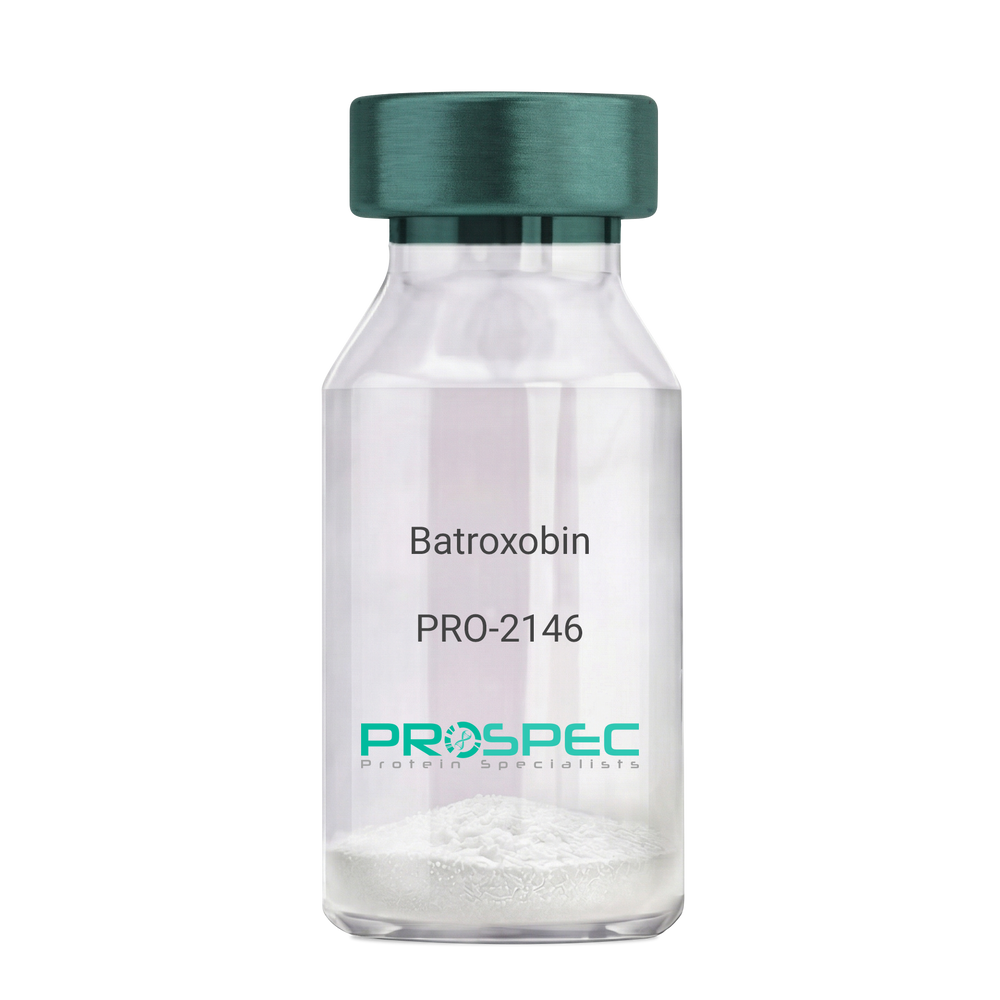
    Batroxobin

    Description:

    Batroxobin

    Thrombin-like enzyme batroxobin, EC 3.4.21.74, BX, Bothrops atrox serine proteinase, Venombin-A, Batroxobin.

    Product # :

    PRO-2146

    Price :

    Quantity :

    Shipping Method :

    Room Temp Icon

    Shipped at Room temp

    Add To Cart

    More Info

    • description
    • formulation
    • More Info

    Description

    Batroxobin, isolated from Bothrops atrox snake venom, has an Mw of approximately 43kDa.

    Formulation

    The Batroxobin protein was lyophilized from a concentrated (1mg/ml) solution with no additives.

    More Info

    • Introduction

      Batroxobin is a serin protease that reduces fibronogen levels and is originally extracted from snake venom of Bothrops Atrox. Batroxobin is used in defibrinogenation and thrombolysis and also has an effect on c-fos gene and growth factor.
      Batroxobin can efficiently restrain proliferation of VSMCs, by blocking the release and uptake of Ca2+, thus influencing [Ca2+]i.
      Batroxobin converts fibrinogen to fibrin through the restricted release of fibrinopeptide-A from fibrinogen to promote blood to clot. Unlike thrombin, it is not affected by heparin and hirudin.

    • Synonyms

      Thrombin-like enzyme batroxobin, EC 3.4.21.74, BX, Bothrops atrox serine proteinase, Venombin-A, Batroxobin.

    • Physical Appearance

      Sterile Filtered white lyophilized powder.

    • Stability

      Store the lyophilized Batroxobin between 2-8°C. Do not freeze!

    • Solubility

      It is recommended to reconstitute the lyophilized Batroxobin in sterile 18MΩ-cm H2O not less than 100µg/ml or more than 10mg/ml solutions.

    • Unit Definition

      100BU [Batroxobin Units]=1mg.

    ProSpec's products are furnished for LABORATORY RESEARCH USE ONLY. The product may not be used as drugs, agricultural or pesticidal products, food additives or household chemicals.

    Batroxobin Native
  • View Data Sheet

    Name :

    Eledoisin

    Description:

    Eledoisin

    Product # :

    PRO-281

    Price :

    Quantity :

    Shipping Method :

    Room Temp Icon

    Shipped at Room temp

    Add To Cart

    More Info

    • description
    • formulation
    • purity
    • More Info

    Description

    Eledoisin’s molecular weight is 1188.4 having an amino acid sequence of Glp-Pro-Ser-Lys-Asp-Ala-Phe-Ile-Gly-Leu-Met-NH2 and a molecular formula of C54H85N13O15S.

    Formulation

    The protein (1mg/ml) was lyophilized with no additives.

    Purity

    Greater than 98.0% as determined by:
    (a) Analysis by RP-HPLC.
    (b) Analysis by SDS-PAGE.

    More Info

    • Introduction

      Eledoisin is an undecapeptide formed in the venom gland of several species of octopuses and is used as a vasodilator and a contraction agent of extravascular smooth muscle.

    • Physical Appearance

      Sterile Filtered White lyophilized (freeze-dried) powder.

    • Stability

      Lyophilized Eledoisin although stable at room temperature for 3 weeks, should be stored desiccated below -18°C. Upon reconstitution Eledoisin should be stored at 4°C between 2-7 days and for future use below -18°C.For long term storage it is recommended to add a carrier protein (0.1% HSA or BSA).Please prevent freeze-thaw cycles.

    • Solubility

      It is recommended to reconstitute the lyophilized Eledoisin in sterile 18MΩ-cm H2O not less than 100µg/ml, which can then be further diluted to other aqueous solutions.

    ProSpec's products are furnished for LABORATORY RESEARCH USE ONLY. The product may not be used as drugs, agricultural or pesticidal products, food additives or household chemicals.

    Eledoisin
  • View Data Sheet

    Name :

    UBE2L6 Antibody

    Description:

    Ubiquitin Conjugating Enzyme E2L 6, Mouse Anti Human

    RIG-B, UBCH8, MGC40331, UBE2L6, Ubiquitin/ISG15-conjugating enzyme E2 L6, Ubiquitin-protein ligase L6, Ubiquitin carrier protein L6, Retinoic acid-induced gene B protein.

    Product # :

    ANT-386

    Price :

    Quantity :

    Shipping Method :

    Ice Icon

    Shipped with Ice Packs

    Add To Cart

    More Info

    • formulation
    • More Info

    Formulation

    1mg/ml containing PBS, pH-7.4, & 0.1% Sodium Azide.

    More Info

    • Introduction

      UBE2L6 belongs to the E2 ubiquitin-conjugating enzyme family. UBE2L6 enzyme is very similar in its primary structure to the enzyme encoded by UBE2L3 gene. UBE2L6 catalyzes the covalent attachment of ubiquitin to other proteins. UBE2L6 functions in the e6/e6-ap-induced ubiquitination of p53/tp53.

    • Synonyms

      RIG-B, UBCH8, MGC40331, UBE2L6, Ubiquitin/ISG15-conjugating enzyme E2 L6, Ubiquitin-protein ligase L6, Ubiquitin carrier protein L6, Retinoic acid-induced gene B protein.

    • Immunogen

      Anti-human UBE2L6 mAb is derived from hybridization of mouse F0 myeloma cells with spleen cells from BALB/c mice immunized with recombinant human UBE2L6 amino acids 1-152 purified from E. coli.

    • Ig Subclass

      Mouse IgG2b heavy chain and κ light chain.

    • Clone

      Pk1H3AT.

    • Applications

      UBE2L6 antibody has been tested by ELISA, Western blot and immunohistochemistry analysis to assure specificity and reactivity. Since application varies, however, each investigation should be titrated by the reagent to obtain optimal results. Recommended dilution range for Western blot is 1:1,000~1:3,000 and immunohistochemistry analysis is 1:50~100. Recommended starting dilution for Western blot is 1:2,000 and Immunohistochemistry is 1:50.

    • Type

      Mouse Anti Human Monoclonal.

    • Storage Procedures

      For periods up to 1 month store at 4°C, for longer periods of time, store at -20°C. Prevent freeze thaw cycles.

    • Purification Method

      UBE2L6 antibody was purified from mouse ascitic fluids by protein-G affinity chromatography.

    ProSpec's products are furnished for LABORATORY RESEARCH USE ONLY. The product may not be used as drugs, agricultural or pesticidal products, food additives or household chemicals.

    Ube2L6 Antibody
  • View Data Sheet

    Name :

    CTSS Antibody

    Description:

    Cathepsin-S, Mouse Anti Human

    Cathepsin S, MGC3886, CTSS, Cathepsin-S.

    Product # :

    ANT-485

    Price :

    Quantity :

    Shipping Method :

    Ice Icon

    Shipped with Ice Packs

    Add To Cart

    More Info

    • formulation
    • More Info

    Formulation

    1mg/ml containing PBS, pH-7.4, 10% Glycerol and 0.02% Sodium Azide.

    More Info

    • Introduction

      Cathepsin S (CTSS) belongs to the peptidase C1 family. CTSS is a lysosomal cysteine proteinase that participates in the degradation of antigenic proteins to peptides for presentation on MHC class II molecules. CTSS functions as an elastase over a broad pH range in alveolar macrophages.

    • Synonyms

      Cathepsin S, MGC3886, CTSS, Cathepsin-S.

    • Physical Appearance

      Sterile filtered colorless solution.

    • Immunogen

      Anti-human CTSS mAb, clone PAT1F9A, is derived from hybridization of mouse F0 myeloma cells with spleen cells from BALB/c mice immunized with a recombinant human CTSS protein 17-331 amino acids purified from E. coli.

    • Ig Subclass

      Mouse IgG2b heavy chain and Kappa light chain.

    • Clone

      PAT1F9AT.

    • Applications

      The antibody has been tested by ELISA, Western blot analysis to assure specificity and reactivity. Since application varies, however, each investigation should be titrated by the reagent to obtain optimal results. Recommended starting dilution is 1:500.

    • Type

      Mouse Anti Human Monoclonal.

    • Storage Procedures

      For periods up to 1 month store at 4°C, for longer periods of time, store at -20°C. Prevent freeze thaw cycles.

    • Purification Method

      CTSS antibody was purified from mouse ascitic fluids by protein-A affinity chromatography.

    ProSpec's products are furnished for LABORATORY RESEARCH USE ONLY. The product may not be used as drugs, agricultural or pesticidal products, food additives or household chemicals.

    Ctss Antibody
  • View Data Sheet

    Name :

    EEF1A1 Antibody

    Description:

    Eukaryotic Translation Elongation Factor 1 Alpha 1, Mouse Anti Human

    Eukaryotic Translation Elongation Factor 1 Alpha 1, EF1A, EEF1A, LENG7, Leukocyte Receptor Cluster (LRC) Member 7, Elongation Factor Tu, Eukaryotic Elongation Factor 1 A-1, Leukocyte Receptor Cluster Member 7, EF-1-alpha-1, EF-Tu, eEF1A-1, CCS-3, CCS3, EE1A1, EEF-1, GRAF-1EF, HNGC:16303, PTI1, Cervical Cancer Suppressor 3, CTCL Tumor Antigen, EF1a-Like Protein, Elongation Factor 1 Alpha Subunit, Elongation Factor 1-Alpha 1, Eukaryotic Translation Elongation Factor 1 Alpha 1-Like 14, Glucocorticoid Receptor AF-1 Specific Elongation Factor, Prostate Tumor-Inducing Protein 1, Translation Elongation Factor 1 Alpha 1-Like 14.

    Product # :

    ANT-578

    Price :

    Quantity :

    Shipping Method :

    Ice Icon

    Shipped with Ice Packs

    Add To Cart

    More Info

    • formulation
    • More Info

    Formulation

    1mg/ml containing PBS, pH-7.4, 10% Glycerol and 0.02% Sodium Azide.

    More Info

    • Introduction

      EEF1A1 is an isoform of the alpha subunit of the elongation factor-1 complex, which is responsible for the enzymatic release of aminoacyl tRNAs to the ribosome. EEF1A1 is expressed in brain, placenta, lung, liver, kidney, and pancreas, and the other isoform (alpha 2) is expressed in brain, heart and skeletal muscle.

    • Synonyms

      Eukaryotic Translation Elongation Factor 1 Alpha 1, EF1A, EEF1A, LENG7, Leukocyte Receptor Cluster (LRC) Member 7, Elongation Factor Tu, Eukaryotic Elongation Factor 1 A-1, Leukocyte Receptor Cluster Member 7, EF-1-alpha-1, EF-Tu, eEF1A-1, CCS-3, CCS3, EE1A1, EEF-1, GRAF-1EF, HNGC:16303, PTI1, Cervical Cancer Suppressor 3, CTCL Tumor Antigen, EF1a-Like Protein, Elongation Factor 1 Alpha Subunit, Elongation Factor 1-Alpha 1, Eukaryotic Translation Elongation Factor 1 Alpha 1-Like 14, Glucocorticoid Receptor AF-1 Specific Elongation Factor, Prostate Tumor-Inducing Protein 1, Translation Elongation Factor 1 Alpha 1-Like 14.

    • Physical Appearance

      Sterile filtered colorless solution.

    • Immunogen

      Anti-human EEF1A1 mAb, is derived from hybridization of mouse F0 myeloma cells with spleen cells from BALB/c mice immunized with a recombinant human EEF1A1 protein 1-462 amino acids purified from E. coli.

    • Ig Subclass

      Mouse IgG2a heavy chain and k light chain.

    • Clone

      PAT23C11AT.

    • Applications

      EEF1A1 antibody has been tested by ELISA, Western blot analysis and Flow cytometry to assure specificity and reactivity. Since application varies, however, each investigation should be titrated by the reagent to obtain optimal results.

    • Type

      Mouse Anti Human Monoclonal.

    • Storage Procedures

      For periods up to 1 month store at 4°C, for longer periods of time, store at -20°C. Prevent freeze thaw cycles.

    • Purification Method

      EEF1A1 antibody was purified from mouse ascitic fluids by protein-A affinity chromatography.

    ProSpec's products are furnished for LABORATORY RESEARCH USE ONLY. The product may not be used as drugs, agricultural or pesticidal products, food additives or household chemicals.

    Eef1A1 Antibody
  • View Data Sheet

    Name :

    LYVE1 Antibody

    Description:

    Lymphatic Vessel Endothelial Hyaluronic Acid Receptor 1, Mouse Anti Human

    Lymphatic vessel endothelial hyaluronic acid receptor 1 precursor, LYVE-1, Cell surface retention sequence-binding protein 1, CRSBP-1, Hyaluronic acid receptor, Extracellular link domain-containing protein.

    Product # :

    ANT-322

    Price :

    Quantity :

    Shipping Method :

    Ice Icon

    Shipped with Ice Packs

    Add To Cart

    More Info

    • formulation
    • More Info

    Formulation

    1mg/ml containing PBS, pH-7.4, & 0.02% Sodium Azide and 10% Glycerol.

    More Info

    • Introduction

      LYVE-1 has been identified as a major receptor for HA (extracellular matrix glycosaminoglycan hyaluronan) on the lymph vessel wall. The deduced amino acid sequence of LYVE-1 predicts a 322-residue type I integral membrane polypeptide 41% similar to the CD44 HA receptor with a 212-residue extracellular domain containing a single Link module the prototypic HA binding domain of the Link protein superfamily. Like CD44, the LYVE-1 molecule binds both soluble and immobilized HA. However, unlike CD44, the LYVE-1 molecule colocalizes with HA on the luminal face of the lymph vessel wall and is completely absent from blood vessels. Hence, LYVE-1 is the first lymph-specific HA receptor to be characterized and is a uniquely powerful marker for lymph vessels themselves.

    • Synonyms

      Lymphatic vessel endothelial hyaluronic acid receptor 1 precursor, LYVE-1, Cell surface retention sequence-binding protein 1, CRSBP-1, Hyaluronic acid receptor, Extracellular link domain-containing protein.

    • Immunogen

      Anti-human LYVE1 mAb is derived from hybridization of mouse SP2/O myeloma cells with spleen cells from BALB/c mice immunized with recombinant human LYVE1 amino acids 25-235 purified from E. coli.

    • Ig Subclass

      Mouse IgG2b heavy chain and κ light chain.

    • Clone

      P4G1AT.

    • Applications

      LYVE1 antibody has been tested by ELISA and Western blot analysis to assure specificity and reactivity. Since application varies, however, each investigation should be titrated by the reagent to obtain optimal results. Recommended dilution range for Western blot analysis is 1:500 ~ 1,000. Recommended starting dilution is 1:1,000.

    • Type

      Mouse Anti Human Monoclonal.

    • Storage Procedures

      For periods up to 1 month store at 4°C, for longer periods of time, store at -20°C. Prevent freeze thaw cycles.

    • Purification Method

      LYVE1 antibody was purified from mouse ascitic fluids by protein-G affinity chromatography.

    ProSpec's products are furnished for LABORATORY RESEARCH USE ONLY. The product may not be used as drugs, agricultural or pesticidal products, food additives or household chemicals.

    Lyve1 Antibody
  • View Data Sheet

    Name :

    YWHAE Antibody

    Description:

    Tyr-3/Trp- 5 Monooxygenase Activation Protein Epsilon, Mouse Anti Human

    YWHAE, MDS, MDCR, KCIP-1, 14-3-3E, 14-3-3 Epsilon, FLJ45465, Tyr-3/Trp- 5 Monooxygenase Activation Protein Epsilon.

    Product # :

    ANT-379

    Price :

    Quantity :

    Shipping Method :

    Ice Icon

    Shipped with Ice Packs

    Add To Cart

    More Info

    • formulation
    • More Info

    Formulation

    1mg/ml containing PBS, pH-7.4, 10% Glycerol and 0.02% Sodium Azide.

    More Info

    • Introduction

      The 14-3-3 family of proteins plays a key regulatory role in signal transduction, checkpoint control, apoptotic and nutrient-sensing pathways. 14-3-3 proteins are highly conserved and ubiquitously expressed. There are at least seven isoforms, β, γ, ε, σ, ζ, τ and η that have been identified in mammals. The 14-3-3 epsilon, a subtype of the 14-3-3 family of proteins, was thought to be brain and neuron-specific. It has been shown to interact with CDC25 phosphatases, RAF1 and IRS1 proteins, suggesting its role in diverse biochemical activities related to signal transduction, such as cell division and regulation of insulin sensitivity. It has also been implicated in the pathogenesis of small cell lung cancer.

    • Synonyms

      YWHAE, MDS, MDCR, KCIP-1, 14-3-3E, 14-3-3 Epsilon, FLJ45465, Tyr-3/Trp- 5 Monooxygenase Activation Protein Epsilon.

    • Immunogen

      Anti-human YWHAE mAb is derived from hybridization of mouse FO myeloma cells with spleen cells from BALB/c mice immunized with recombinant human YWHAE amino acids 1-255 purified from E. coli.

    • Ig Subclass

      Mouse IgG2b heavy chain and k light chain

    • Clone

      PAT4F8AT.

    • Applications

      YWHAE antibody has been tested by ELISA, Western blot analysis, Flow cytometry and ICC/IF to assure specificity and reactivity. Since application varies, however, each investigation should be titrated by the reagent to obtain optimal results.

    • Type

      Mouse Anti Human Monoclonal.

    • Storage Procedures

      For periods up to 1 month store at 4°C, for longer periods of time, store at -20°C. Prevent freeze thaw cycles.

    • Purification Method

      YWHAE antibody was purified from mouse ascitic fluids by protein-A affinity chromatography.

    ProSpec's products are furnished for LABORATORY RESEARCH USE ONLY. The product may not be used as drugs, agricultural or pesticidal products, food additives or household chemicals.

    Ywhae Antibody
  • View Data Sheet

    Name :

    GSTM1 Mouse

    Description:

    Glutathione S-Transferase M1 Mouse Recombinant

    GST1, GTH4, GTM1, GSTM1-1, MGC26563, GSTM1a-1a, GSTM1b-1b, GSTM1, Glutathione S-transferase Mu 1, GST class-mu 1, Glutathione S-transferase GT8.7, pmGT10, GST 1-1.

    Product # :

    ENZ-397

    Price :

    Quantity :

    Shipping Method :

    Ice Icon

    Shipped with Ice Packs

    Add To Cart

    More Info

    • description
    • source
    • formulation
    • purity
    • biological activity
    • More Info

    Description

    GSTM1 Mouse Recombinant produced in E.Coli is a single, non-glycosylated, polypeptide chain containing 218 amino acids and having a molecular mass of 25.9 kDa.The GTM1 is purified by proprietary chromatographic techniques.

    Source

    Escherichia Coli.

    Formulation

    The GSTM1 solution contains PBS pH-7.4 & 5mM glutathione.

    Purity

    Greater than 95.0% as determined by SDS-PAGE.

    Biological Activity

    Specific activity is 3 units/mg, and is defined as the amount of enzyme that conjugate 1.0 u mole of 1-chloro-2,4-dinitrobenzene (CDNB) with reduced glutathione per minute at pH 6.5 at 25°C.

    More Info

    • Introduction

      Cytosolic and membrane-bound types of GST are encoded by 2 different supergene families. There are 8 classes of the soluble cytoplasmic mammalian GST: alpha, kappa, mu, omega, pi, sigma, theta and zeta. The mu class of enzymes functions in the detoxification of electrophilic compounds, including carcinogens, therapeutic drugs, environmental toxins and products of oxidative stress, by conjugation with glutathione. The genes encoding the mu class of enzymes are arranged in a gene cluster on chromosome 1p13.3 and aare highly polymorphic. These genetic differences can change an individual's resistance to carcinogens and toxins as well as affect the toxicity and efficacy of certain drugs. Null mutations of this class mu gene have been linked with the rise in a number of cancers.

    • Synonyms

      GST1, GTH4, GTM1, GSTM1-1, MGC26563, GSTM1a-1a, GSTM1b-1b, GSTM1, Glutathione S-transferase Mu 1, GST class-mu 1, Glutathione S-transferase GT8.7, pmGT10, GST 1-1.

    • Physical Appearance

      Sterile Filtered colorless solution.

    • Stability

      Store at 4°C if entire vial will be used within 2-4 weeks. Store, frozen at -20°C for longer periods of time. For long term storage it is recommended to add a carrier protein (0.1% HSA or BSA).Avoid multiple freeze-thaw cycles.

    • Amino Acid Sequence

      MPMILGYWNV RGLTHPIRML LEYTDSSYDE KRYTMGDAPD FDRSQWLNEK FKLGLDFPNL PYLIDGSHKI TQSNAILRYL ARKHHLDGET EEERIRADIV ENQVMDTRMQ LIMLCYNPDF EKQKPEFLKT IPEKMKLYSE FLGKRPWFAG DKVTYVDFLA YDILDQYRMF EPKCLDAFPN LRDFLARFEG LKKISAYMKS SRYIATPIFS KMAHWSNK.

    ProSpec's products are furnished for LABORATORY RESEARCH USE ONLY. The product may not be used as drugs, agricultural or pesticidal products, food additives or household chemicals.

    Gstm1 Mouse
  • View Data Sheet

    Name :

    CTSD Mouse

    Description:

    Cathepsin-D Mouse Recombinant

    Ctsd, CatD, CD, Cathepsin D.

    Product # :

    ENZ-1017

    Price :

    Quantity :

    Shipping Method :

    Ice Icon

    Shipped with Ice Packs

    Add To Cart

    More Info

    • description
    • source
    • formulation
    • purity
    • biological activity
    • More Info

    Description

    CTSD produced in Sf9 Baculovirus cells is a single, glycosylated polypeptide chain containing 398 amino acids (21-410 a.a.) and having a molecular mass of 44.0kDa (Molecular size on SDS-PAGE will appear at approximately 40-57kDa). CTSD is expressed with an 8 amino acid His tag at C-Terminus and purified by proprietary chromatographic techniques.

    Source

    Sf9, Baculovirus cells.

    Formulation

    CTSD protein solution (0.25mg/ml) contains Phosphate Buffered Saline (pH 7.4) and 10% glycerol.

    Purity

    Greater than 90.0% as determined by SDS-PAGE.

    Biological Activity

    Specific activity is > 1,000 pmol/min/ug in which one unit will convert 1.0 pmole of Mca-PLGL-Dpa-AR-NH2 to MCA- Pro-Leu-OH per minute at pH 3.5 at 25C.

    More Info

    • Introduction

      Cathepsin D is synthesized as a 54kDa precursor, which is proteolytically processed to an intermediate 48kDa single chain, which matures into more stable 34kDa and 14kDa two chain form. It is an estrogen-regulated lysosomal protease that has been suggested to facilitate cancer cell migration and invasion by digesting the basement membrane, extracellular matrix, and xonnective tissue. Because of its mitogenic and proteolytic activities, it has been implicated as a prognostic marker in many tumor types. Cathepsin D is expressed in epithelial cells as well as in macrophages.

    • Synonyms

      Ctsd, CatD, CD, Cathepsin D.

    • Physical Appearance

      Sterile Filtered colorless solution.

    • Stability

      Store at 4°C if entire vial will be used within 2-4 weeks. Store, frozen at -20°C for longer periods of time. For long term storage it is recommended to add a carrier protein (0.1% HSA or BSA). Avoid multiple freeze-thaw cycles.

    • Amino Acid Sequence

      IIRIPLRKFT SIRRTMTEVG GSVEDLILKG PITKYSMQSS PKTTEPVSEL LKNYLDAQYY GDIGIGTPPQ CFTVVFDTGS SNLWVPSIHC KILDIACWVH HKYNSDKSST YVKNGTSFDI HYGSGSLSGY LSQDTVSVPC KSDQSKARGI KVEKQIFGEA TKQPGIVFVA AKFDGILGMG YPHISVNNVL PVFDNLMQQK LVDKNIFSFY LNRDPEGQPG GELMLGGTDS KYYHGELSYL NVTRKAYWQV HMDQLEVGNE LTLCKGGCEA IVDTGTSLLV GPVEEVKELQ KAIGAVPLIQ GEYMIPCEKV SSLPTVYLKL GGKNYELHPD KYILKVSQGG KTICLSGFMG MDIPPPSGPL WILGDVFIGS YYTVFDRDNN RVGFANAVVL LEHHHHHH.

    ProSpec's products are furnished for LABORATORY RESEARCH USE ONLY. The product may not be used as drugs, agricultural or pesticidal products, food additives or household chemicals.

    Ctsd Mouse
  • View Data Sheet

    Name :

    ABHD10 Human

    Description:

    Abhydrolase Domain Containing 10 Human Recombinant

    Abhydrolase domain containing 10 mitochondrial2, FLJ11342, EC 3.4.-.-.

    Product # :

    ENZ-612

    Price :

    Quantity :

    Shipping Method :

    Ice Icon

    Shipped with Ice Packs

    Add To Cart

    More Info

    • description
    • source
    • formulation
    • purity
    • More Info

    Description

    ABHD10 Human Recombinant produced in E. coli is a single polypeptide chain containing 279 amino acids (53-306) and having a molecular mass of 30.9kDa.ABHD10 is fused to a 25 amino acid His-tag at N-terminus & purified by proprietary chromatographic techniques.

    Source

    E.coli.

    Formulation

    The ABHD10 solution (1mg/1ml) contains 20mM Tris-HCl buffer (pH 8.0), 1mM DTT, 100mM NaCl and 20% glycerol.

    Purity

    Greater than 85% as determined by SDS-PAGE.

    More Info

    • Introduction

      Abhydrolase domain-containing protein 10 (ABHD10) is a member of the AB hydrolase superfamily.

    • Synonyms

      Abhydrolase domain containing 10 mitochondrial2, FLJ11342, EC 3.4.-.-.

    • Physical Appearance

      Sterile Filtered colorless solution.

    • Stability

      Store at 4°C if entire vial will be used within 2-4 weeks. Store, frozen at -20°C for longer periods of time. For long term storage it is recommended to add a carrier protein (0.1% HSA or BSA).Avoid multiple freeze-thaw cycles.

    • Amino Acid Sequence

      MGSSHHHHHH SSGLVPRGSH MGSHMTSLSF LNRPDLPNLA YKKLKGKSPG IIFIPGYLSY MNGTKALAIE EFCKSLGHAC IRFDYSGVGS SDGNSEESTL GKWRKDVLSI IDDLADGPQI LVGSSLGGWL MLHAAIARPE KVVALIGVAT AADTLVTKFN QLPVELKKEV EMKGVWSMPS KYSEEGVYNV QYSFIKEAEH HCLLHSPIPV NCPIRLLHGM KDDIVPWHTS MQVADRVLST DVDVILRKHS DHRMREKADI QLLVYTIDDL IDKLSTIVN

    ProSpec's products are furnished for LABORATORY RESEARCH USE ONLY. The product may not be used as drugs, agricultural or pesticidal products, food additives or household chemicals.

    Abhd10 Human
  • 1
  • …
  • 35
  • 36
  • 37
  • 38
  • 39
  • …
  • 42
Your browser does not support the video tag.

Products

  • Cytokines
  • Growth Factors
  • Chemokines
  • CD Antigens
  • Neurotrophins
  • Hormones
  • Enzymes
  • Viral Antigens
  • Recombinant Proteins
  • Natural Proteins
  • Monoclonal Antibodies
  • Polyclonal Antibodies
  • Thermal Packaging

About

  • Company
  • Founder
  • Contribution
  • Contact Us
  • My Account

Ordering

  • Ordering Method
  • Ordering - Credit Card
  • Ordering PO
  • Shipping Fees
  • FAQ's

Legal

  • Terms & Conditions
  • Privacy
  • Site Map
  • info@prospecbio.com
  • Facebook
  • Instagram
  • Linkedin Profile

© 2026 ProSpec-Tany TechnoGene Ltd. All Rights Reserved.

  • Choosing a selection results in a full page refresh.
  • Opens in a new window.