Search results
1000 results found for “Synaptotagmin”
Name
Description
Product #
Price
Quantity
Shipping Method
- View Data Sheet
Name :
ICAM1 MouseDescription:
Intercellular Adhesion Molecule-1 Mouse Recombinant
Intercellular adhesion molecule 1, ICAM-1, Major group rhinovirus receptor, CD54 antigen, ICAM1, BB2, CD54, P3.58
Product # :
PRO-2636Price :
Quantity :
Shipping Method :
Shipped with Ice Packs
More Info
- description
- source
- formulation
- purity
- biological activity
- More Info
Description
ICAM1 Mouse Recombinant produced in Sf9 Baculovirus cells is a single, glycosylated polypeptide chain containing 466 amino acids (28-485 a.a) and having a molecular mass of 51.2kDa.ICAM1 is fused to an 8 amino acid His-tag at C-terminus & purified by proprietary chromatographic techniques.
Source
Sf9, Baculovirus cells.
Formulation
The ICAM1 solution (0.5mg/1ml) contains Phosphate-Buffered Saline (pH 7.4) and 10% glycerol.
Purity
Greater than 95.0% as determined by SDS-PAGE.
Biological Activity
The Biological Activity is measured by the ability of the immobilized protein to support the adhesion of HSB2 human peripheral blood acute lymphoblastic leukemia cells. ICAM-1/CD54 coated plates 5ug/ml when cells are added to. This effect is more to 60%.More Info
-
Introduction
Intercellular adhesion molecule 1 or ICAM1 is a protein, part of the ICAM family of proteins. ICAM1 acts as ligand for integrin alpha-L/beta-2 which is a leukocyte adhesion peptide. Amid migration of leukocytes ICAM1 promotes endothelial apical assembly cups via activation of ARHGEF26/SGEF & RHOG.
-
Synonyms
Intercellular adhesion molecule 1, ICAM-1, Major group rhinovirus receptor, CD54 antigen, ICAM1, BB2, CD54, P3.58
-
Physical Appearance
Sterile Filtered colorless solution.
-
Stability
Store at 4°C if entire vial will be used within 2-4 weeks. Store, frozen at -20°C for longer periods of time. For long term storage it is recommended to add a carrier protein (0.1% HSA or BSA).Avoid multiple freeze-thaw cycles.
-
Amino Acid Sequence
QVSIHPREAF LPQGGSVQVN CSSSCKEDLS LGLETQWLKD ELESGPNWKL FELSEIGEDS SPLCFENCGT VQSSASATIT VYSFPESVEL RPLPAWQQVG KDLTLRCHVD GGAPRTQLSA VLLRGEEILS RQPVGGHPKD PKEITFTVLA SRGDHGANFS CRTELDLRPQ GLALFSNVSE ARSLRTFDLP ATIPKLDTPD LLEVGTQQKL FCSLEGLFPA SEARIYLELG GQMPTQESTN SSDSVSATAL VEVTEEFDRT LPLRCVLELA DQILETQRTL TVYNFSAPVL TLSQLEVSEG SQVTVKCEAH SGSKVVLLSG VEPRPPTPQV QFTLNASSED HKRSFFCSAA LEVAGKFLFK NQTLELHVLY GPRLDETDCL GNWTWQEGSQ QTLKCQAWGN PSPKMTCRRK ADGALLPIGV VKSVKQEMNG TYVCHAFSSH GNVTRNVYLT VLYHSQNNVE HHHHHH
ProSpec's products are furnished for LABORATORY RESEARCH USE ONLY. The product may not be used as drugs, agricultural or pesticidal products, food additives or household chemicals.
- View Data Sheet
Name :
SNRPA HumanDescription:
Small Nuclear Ribonucleoprotein Polypeptide A Human Recombinant
U1 small nuclear ribonucleoprotein A, U1 snRNP A, U1-A, U1A, SNRPA, Mud1.
Product # :
PRO-1509Price :
Quantity :
Shipping Method :
Shipped with Ice Packs
More Info
- description
- source
- formulation
- purity
- More Info
Description
SNRPA Human Recombinant produced in SF9 is a glycosylated, polypeptide chain having a calculated molecular mass of 34 kDa. SNRPA is expressed with a -6x His tag at N-terminus and purified by proprietary chromatographic techniques.
Source
Sf9 insect cells.
Formulation
SNRPA is supplied in 16mM HEPES buffer pH-7.6, 400mM NaCl and 20% glycerol.
Purity
Greater than 95.0% as determined by SDS-PAGE
More Info
-
Introduction
SNRPA associates with stem loop II of the U1 small nuclear ribonucleoprotein, which binds the 5' splice site of precursor mRNAs and is essential for splicing. The SNRPA protein autoregulates itself by polyadenylation inhibition of its own pre-mRNA via dimerization and is involved in the coupling of splicing and polyadenylation. SNRPA binds stem loop II of U1 snRNA. SNRPA is the first snRNP to interact with pre-mRNA. This interaction is vital for the subsequent binding of U2 snRNP and the U4/U6/U5 tri-snRNP.
-
Synonyms
U1 small nuclear ribonucleoprotein A, U1 snRNP A, U1-A, U1A, SNRPA, Mud1.
-
Physical Appearance
Sterile Filtered clear solution.
-
Stability
Store at 4°C if entire vial will be used within 2-4 weeks. Store, frozen at -20°C for longer periods of time. Avoid multiple freeze-thaw cycles.
ProSpec's products are furnished for LABORATORY RESEARCH USE ONLY. The product may not be used as drugs, agricultural or pesticidal products, food additives or household chemicals.
- View Data Sheet
Name :
NRGN HumanDescription:
Neurogranin Human Recombinant
hng, RC3, Neurogranin, Ng, NRGN.
Product # :
CYT-293Price :
Quantity :
Shipping Method :
Shipped with Ice Packs
More Info
- description
- source
- formulation
- purity
- More Info
Description
NRGN Human Recombinant produced in E.Coli is a single, non-glycosylated polypeptide chain containing 101 amino acids (1-78 a.a.) and having a molecular mass of 10.0kDa (molecular size on SDS-PAGE will appear higher). NRGN is fused to a 23 amino acid His-tag at N-terminus & purified by proprietary chromatographic techniques.
Source
Escherichia Coli.
Formulation
NRGN protein solution (0.5mg/ml) contains 20mM Tris-HCl buffer (pH7.0), 30% glycerol 0.1mM PMSF and 1mM EDTA.
Purity
Greater than 90% as determined by SDS-PAGE.
More Info
-
Introduction
Neurogranin (NRGN) is a calmodulin-binding protein which is expressed solely in the brain, mainly in dendritic spines. NRGN is also taking part in the protein kinase C signaling pathway by being a "third messenger" substrate of protein kinase C-mediated molecular cascades during synaptic development and remodeling. NRGN binds to calmodulin in the absence of calcium. NRGN protein’s phosphorylation by protein kinase C lowers its binding ability.
-
Synonyms
hng, RC3, Neurogranin, Ng, NRGN.
-
Physical Appearance
Sterile filtered colorless solution.
-
Stability
Store at 4°C if entire vial will be used within 2-4 weeks. Store, frozen at -20°C for longer periods of time. For long term storage it is recommended to add a carrier protein (0.1% HSA or BSA).Avoid multiple freeze-thaw cycles.
-
Amino Acid Sequence
MGSSHHHHHH SSGLVPRGSH MGSMDCCTEN ACSKPDDDIL DIPLDDPGAN AAAAKIQASF RGHMARKKIK SGERGRKGPG PGGPGGAGVA RGGAGGGPSG D.
ProSpec's products are furnished for LABORATORY RESEARCH USE ONLY. The product may not be used as drugs, agricultural or pesticidal products, food additives or household chemicals.
- View Data Sheet
Name :
Bax Mouse, GSTDescription:
Bax Mouse Recombinant, GST
Apoptosis regulator BAX membrane isoform alpha, Bax, Bcl2-associated X protein.
Product # :
PRO-647Price :
Quantity :
Shipping Method :
Shipped with Ice Packs
More Info
- description
- source
- formulation
- purity
- More Info
Description
Bax Mouse Recombinant amino acid 1-171 produced in E.Coli is a single, non-glycosylated polypeptide chain. The Mouse Bax is purified by proprietary chromatographic techniques.
Source
Escherichia Coli.
Formulation
The 1mg/ml protein contains 10mM Tris-HCl pH-8, 1mM EDTA and 150mM NaCl, 10% glycerol, 0.1% tween & 10mM glutathione.
Purity
Greater than 95.0% as determined by SDS-PAGE.
More Info
-
Introduction
Bcl-2–associated X protein (Bax) belongs to the Bcl-2 protein family.
Bax is a pro-apoptotic Bcl-2 protein containing BH1, BH2 and BH3 domains.
Bax accelerates programmed cell death by binding to, and antagonizing the apoptosis repressor bcl2 or its adenovirus homolog e1b 19k protein. Bax induces the release of cytochrome c, activation of casp3, and thereby apoptosis. Bax is expressed in a wide variety of tissues, with highest levels in the testis and ovary.
Tumor suppressor protein p53 upregulates the expression of BAX. Bax has been shown to be involved in p53-mediated apoptosis. -
Synonyms
Apoptosis regulator BAX membrane isoform alpha, Bax, Bcl2-associated X protein.
-
Physical Appearance
Sterile Filtered colorless solution.
-
Stability
Store at 4°C if entire vial will be used within 2-4 weeks. Store, frozen at -20°C for longer periods of time. For long term storage it is recommended to add a carrier protein (0.1% HSA or BSA).Avoid multiple freeze-thaw cycles.
ProSpec's products are furnished for LABORATORY RESEARCH USE ONLY. The product may not be used as drugs, agricultural or pesticidal products, food additives or household chemicals.
- View Data Sheet
Name :
TFB1M HumanDescription:
Transcription Factor B1, Mitochondrial Human Recombinant
Dimethyladenosine transferase 1 mitochondrial, Mitochondrial 12S rRNA dimethylase 1, Mitochondrial transcription factor B1, h-mtTFB, h-mtTFB1, hTFB1M, mtTFB1, S-adenosylmethionine-6-N'-N'-adenosyl(rRNA) dimethyltransferase 1, TFB1M, CGI-75, CGI75, mtTFB.
Product # :
PRO-903Price :
Quantity :
Shipping Method :
Shipped with Ice Packs
More Info
- description
- source
- formulation
- purity
- More Info
Description
TFB1M Human Recombinant produced in E.Coli is a single, non-glycosylated polypeptide chain containing 340 amino acids (28-346 a.a.) and having a molecular mass of 38.8kDa.TFB1M is fused to a 21 amino acid His-tag at N-terminus & purified by proprietary chromatographic techniques.
Source
Escherichia Coli.
Formulation
TFB1M protein solution (0.5mg/ml) containing 20mM Tris-HCl buffer (pH8.0), 20% glycerol, 0.1M NaCl and 1mM DTT.
Purity
Greater than 90.0% as determined by SDS-PAGE.
More Info
-
Introduction
TFB1M is a member of the methyltransferase superfamily. TFB1M is a dimethyltransferase which methylates mitochondrial 12S rRNA at the conserved stem loop. The TFB1M protein also is part of the basal mitochondrial transcription complex and is required for mitochondrial gene expression. TFB1M stimulates transcription independently of the methyltransferase activity.
-
Synonyms
Dimethyladenosine transferase 1 mitochondrial, Mitochondrial 12S rRNA dimethylase 1, Mitochondrial transcription factor B1, h-mtTFB, h-mtTFB1, hTFB1M, mtTFB1, S-adenosylmethionine-6-N'-N'-adenosyl(rRNA) dimethyltransferase 1, TFB1M, CGI-75, CGI75, mtTFB.
-
Physical Appearance
Sterile Filtered clear solution.
-
Stability
Store at 4°C if entire vial will be used within 2-4 weeks. Store, frozen at -20°C for longer periods of time. For long term storage it is recommended to add a carrier protein (0.1% HSA or BSA).Avoid multiple freeze-thaw cycles.
-
Amino Acid Sequence
MGSSHHHHHH SSGLVPRGSH MQAAKQLSQN FLLDLRLTDK IVRKAGNLTN AYVYEVGPGP GGITRSILNA DVAELLVVEK DTRFIPGLQM LSDAAPGKLR IVHGDVLTFK VEKAFSESLK RPWEDDPPNV HIIGNLPFSV STPLIIKWLE NISCRDGPFV YGRTQMTLTF QKEVAERLAA NTGSKQRSRL SVMAQYLCNV RHIFTIPGQA FVPKPEVDVG VVHFTPLIQP KIEQPFKLVE KVVQNVFQFR RKYCHRGLRM LFPEAQRLES TGRLLELADI DPTLRPRQLS ISHFKSLCDV YRKMCDEDPQ LFAYNFREEL KRRKSKNEEK EEDDAENYRL.
ProSpec's products are furnished for LABORATORY RESEARCH USE ONLY. The product may not be used as drugs, agricultural or pesticidal products, food additives or household chemicals.
- View Data Sheet
Name :
JAM2 Human, Sf9Description:
Junctional Adhesion Molecule 2 Human Recombinant, Sf9
Junctional Adhesion Molecule 2, Vascular Endothelial Junction-Associated Molecule, C21orf43, VE-JAM, JAM-2, JAM-B, VEJAM, Junctional Adhesion Molecule B, JAM-IT/VE-JAM, CD322 Antigen, PRO245, CD322, JAMB, Junctional adhesion molecule B.
Product # :
PRO-2509Price :
Quantity :
Shipping Method :
Shipped with Ice Packs
More Info
- description
- source
- formulation
- purity
- More Info
Description
JAM2 produced in Sf9 Baculovirus cells is a single, glycosylated polypeptide chain containing 452 amino acids (29-238a.a.) and having a molecular mass of 50.7kDa. (Molecular size on SDS-PAGE will appear at approximately 50-70kDa).JAM2 is expressed with a 239 amino acid hIgG-His-tag at C-Terminus and purified by proprietary chromatographic techniques.
Source
Sf9, Baculovirus cells.
Formulation
JAM2 protein solution (0.5mg/ml) contains 50% glycerol, 1mM DTT & Phosphate Buffered Saline (pH 7.4).
Purity
Greater than 90.0% as determined by SDS-PAGE.
More Info
-
Introduction
Junctional Adhesion Molecule 2 (JAM2) is a member of the immunoglobulin superfamily, and the junctional adhesion molecule (JAM) family. JAM2 is a type I membrane protein which is localized at the tight junctions of both epithelial and endothelial cells. JAM2 functions as an adhesive ligand for interacting with various immune cell types, and may have a role in lymphocyte homing to secondary lymphoid organs.
-
Synonyms
Junctional Adhesion Molecule 2, Vascular Endothelial Junction-Associated Molecule, C21orf43, VE-JAM, JAM-2, JAM-B, VEJAM, Junctional Adhesion Molecule B, JAM-IT/VE-JAM, CD322 Antigen, PRO245, CD322, JAMB, Junctional adhesion molecule B.
-
Physical Appearance
Sterile Filtered colorless solution.
-
Stability
Store at 4°C if entire vial will be used within 2-4 weeks. Store, frozen at -20°C for longer periods of time. For long term storage it is recommended to add a carrier protein (0.1% HSA or BSA).Avoid multiple freeze-thaw cycles.
-
Amino Acid Sequence
ADPFSAPKDQ QVVTAVEYQE AILACKTPKK TVSSRLEWKK LGRSVSFVYY QQTLQGDFKN RAEMIDFNIR IKNVTRSDAG KYRCEVSAPS EQGQNLEEDT VTLEVLVAPA VPSCEVPSSA LSGTVVELRC QDKEGNPAPE YTWFKDGIRL LENPRLGSQS TNSSYTMNTK TGTLQFNTVS KLDTGEYSCE ARNSVGYRRC PGKRMQVDDL NISLEPKSCD KTHTCPPCPA PELLGGPSVF LFPPKPKDTL MISRTPEVTC VVVDVSHEDP EVKFNWYVDG VEVHNAKTKP REEQYNSTYR VVSVLTVLHQ DWLNGKEYKC KVSNKALPAP IEKTISKAKG QPREPQVYTL PPSRDELTKN QVSLTCLVKG FYPSDIAVEW ESNGQPENNY KTTPPVLDSD GSFFLYSKLT VDKSRWQQGN VFSCSVMHEA LHNHYTQKSL SLSPGKHHHH HH.
ProSpec's products are furnished for LABORATORY RESEARCH USE ONLY. The product may not be used as drugs, agricultural or pesticidal products, food additives or household chemicals.
- View Data Sheet
Name :
FZD4 HumanDescription:
Frizzled Class Receptor 4 Human Recombinant
Frizzled-4, Fz-4, hFz4, FzE4, CD344, FZD4.
Product # :
PRO-2464Price :
Quantity :
Shipping Method :
Shipped with Ice Packs
More Info
- description
- source
- formulation
- purity
- More Info
Description
FZD4 Human Recombinant produced in Sf9 Insect cells is a single, glycosylated polypeptide chain containing 428 amino acids (37-222 a.a.) and having a molecular mass of 48.3kDa (Molecular size on SDS-PAGE will appear at approximately 50-70kDa). FZD4 is expressed with a 239 amino acids hIgG-His tag at C-Terminus and purified by proprietary chromatographic techniques.
Source
Sf9, Baculovirus cells.
Formulation
FZD4 protein solution (0.5mg/ml) contains Phosphate Buffered Saline (pH 7.4) and 10% glycerol.
Purity
Greater than 90.0% as determined by SDS-PAGE.
More Info
-
Introduction
Frizzled-4, also known as FZD4 is a 7 transmembrane glycoprotein which belongs to the Frizzled family within the G-protein coupled receptor superfamily. FZD4 acts as a positive regulator of the Wingless type MMTV integration site signaling pathway. These pathways appear to include interactions with G-proteins. FZD4 is implicated in transduction as well as intercellular transmission of polarity information in the course of tissue morphogenesis and differentiated tissues.
-
Synonyms
Frizzled-4, Fz-4, hFz4, FzE4, CD344, FZD4.
-
Physical Appearance
Sterile Filtered colorless solution.
-
Stability
Store at 4°C if entire vial will be used within 2-4 weeks. Store, frozen at -20°C for longer periods of time. For long term storage it is recommended to add a carrier protein (0.1% HSA or BSA). Avoid multiple freeze-thaw cycles.
-
Amino Acid Sequence
ADPFGDEEER RCDPIRISMC QNLGYNVTKM PNLVGHELQT DAELQLTTFT PLIQYGCSSQ LQFFLCSVYV PMCTEKINIP IGPCGGMCLS VKRRCEPVLK EFGFAWPESL NCSKFPPQND HNHMCMEGPG DEEVPLPHKT PIQPGEECHS VGTNSDQYIW VKRSLNCVLK CGYDAGLYSR
SAKEFTDIWL EPKSCDKTHT CPPCPAPELL GGPSVFLFPP KPKDTLMISR TPEVTCVVVD VSHEDPEVKF NWYVDGVEVH NAKTKPREEQ YNSTYRVVSV LTVLHQDWLN GKEYKCKVSN KALPAPIEKT ISKAKGQPRE PQVYTLPPSR DELTKNQVSL TCLVKGFYPS DIAVEWESNG
QPENNYKTTP PVLDSDGSFF LYSKLTVDKS RWQQGNVFSC SVMHEALHNH YTQKSLSLSP GKHHHHHH
ProSpec's products are furnished for LABORATORY RESEARCH USE ONLY. The product may not be used as drugs, agricultural or pesticidal products, food additives or household chemicals.
- View Data Sheet
Name :
GCSF RatDescription:
Granulocyte-Colony Stimulating Factor Rat Recombinant
Granulocyte colony stimulating factor, Protein Csf3, Csf3.
Product # :
CYT-940Price :
Quantity :
Shipping Method :
Shipped at Room temp
More Info
- description
- source
- formulation
- purity
- biological activity
- More Info
Description
GCSF Rat Recombinant produced in E.Coli is a single, non-glycosylated, polypeptide chain containing 195 amino acids and having a molecular mass of 21.5kDa.The G-CSF is purified by proprietary chromatographic techniques.
Source
Escherichia Coli.
Formulation
Lyophilized from a 0.2µm filtered solution in 5mM Sodium Citrate, pH 4.0.
Purity
Greater than 97.0% as determined by:
(a)Analysis by RP-HPLC.
(b)Analysis by SDS-PAGE.Biological Activity
The ED50 determined by a cell proliferation assay using murine NFS-60 cells is less than 0.05ng/ml, corresponding to a specific activity of > 2.0× 10⁷ IU/mg.More Info
-
Introduction
GCSF is a cytokine that controls the production, differentiation, and function of granulocytes. The active protein is found extracellularly. Three transcript variants encoding three different isoforms have been found for the GCSF gene. Granulocyte/macrophage colony-stimulating factors are cytokines that act in hematopoiesis by controlling the production, differentiation, and function of 2 related white cell populations of the blood, the granulocytes and the monocytes-macrophages. This csf induces granulocytes.
-
Synonyms
Granulocyte colony stimulating factor, Protein Csf3, Csf3.
-
Physical Appearance
Sterile Filtered White lyophilized (freeze-dried) powder.
-
Stability
Lyophilized G-CSF although stable at room temperature for 3 weeks, should be stored desiccated below -18°C. Upon reconstitution GCSF should be stored at 4°C between 2-7 days and for future use below -18°C.For long term storage it is recommended to add a carrier protein (0.1% HSA or BSA).Please prevent freeze-thaw cycles.
-
Solubility
It is recommended to reconstitute the lyophilized GCSF in sterile 18M-cm H2O not less than 100µg/ml, which can then be further diluted to other aqueous solutions.
-
Amino Acid Sequence
KKIPLLTVSS LPPSLPLPRS FLLKSLEQVR KIQARNTELL EQLCATYKLC HPEELVLFGH SLGIPKASLS SCSSQALQQT KCLSQLHSGL FLYQGLLQAL AGISSELAPT LDMLHLDVDN FATTIWQQME SLGVAPTVQP TQSTMPIFTS AFQRRAGGVL VTSYLQSFLE TAHHALHHLP RPAQKHFPES LFISI.
-
Background
What is the molecular weight/Mw of G CSF RAT Protein?
G CSF RAT Protein has a total Mw of 21.5kDa.
What is the source or expression system of G CSF RAT Protein?
Escherichia Coli.
What is the Purity of G CSF RAT Protein?
G CSF RAT Protein is >97% pure as determined by SDS-PAGE.
What is the Biological Activity of G CSF RAT Protein?
The ED50 determined by a cell proliferation assay using murine NFS-60 cells is less than 0.05ng/ml, corresponding to a specific activity of > 2.0× 10⁷ IU/mg.
What is the amino acid sequence of G CSF RAT Protein?
KKIPLLTVSS LPPSLPLPRS FLLKSLEQVR KIQARNTELL EQLCATYKLC HPEELVLFGH SLGIPKASLS SCSSQALQQT KCLSQLHSGL FLYQGLLQAL AGISSELAPT LDMLHLDVDN FATTIWQQME SLGVAPTVQP TQSTMPIFTS AFQRRAGGVL VTSYLQSFLE TAHHALHHLP RPAQKHFPES LFISI.
What applications can G CSF RAT Protein be used in?
G CSF RAT Protein can probably be used in western blot, ELISA and Lateral Flow.
What is the endotoxin level for G CSF RAT Protein?
The endotoxin level is minimal, G CSF RAT Protein was purified using conventional chromatography techniques.
ProSpec's products are furnished for LABORATORY RESEARCH USE ONLY. The product may not be used as drugs, agricultural or pesticidal products, food additives or household chemicals.
- View Data Sheet
Name :
L Selectin HumanDescription:
L-selectin Human Recombinant
L-selectin, Lymph node homing receptor, Leukocyte adhesion molecule 1, LAM-1, Leukocyte surface antigen Leu-8, TQ1, gp90-MEL, Leukocyte-endothelial cell adhesion molecule 1, LECAM1, CD62 antigen-like family member L, CD62L antigen, LAM1, LNHR, LSEL, CD62L, LYAM1, Leu-8, PLNHR, hLHRc, Lyam-1, L-Sel.
Product # :
PRO-381Price :
Quantity :
Shipping Method :
Shipped with Ice Packs
More Info
- description
- source
- formulation
- purity
- More Info
Description
L-Selectin Human Recombinant is expressed in E. coli containing 294 amino acids 39-332 fused to an amino terminal hexahistidine tag, having a total molecular weight of 37.55kDa.
Source
Escherichia Coli.
Formulation
L-Sel is supplied in 1x PBS and 50% Glycerol.
Purity
Greater than 95% as determined by SDS-PAGE.
Single band on Western Blot.More Info
-
Introduction
L-Selectin belongs to a family of divalent cation-dependent carbohydrate-binding glycoproteins or adhesion molecules. The L-Selectin molecule is composed of various domains: one homologous to lectins, one to epidermal growth factor, and two to the consensus repeat units found in C3/C4 binding proteins.
L-selectin is expressed constitutively on lymphocytes, monocytes and granulocytes and interacts specifically with carbohydrate groups on activated endothelial cells. L-Selectin may be shed by proteolytic cleavage and circulating levels in biological fluids may be used as an indicator of various pathological conditions. L-Selectin is cleaved by ADAM17.
L-selectin works as a "homing receptor" for leukocytes to enter secondary lymphoid tissues via the high endothelial venules. Ligands present on endothelial cells will attach to leukocytes expressing L-selectin, which causes the leukocytes to become localized at that juncture. The receptor is also located on the cell surfaces of "naive" T cells, which have not yet encountered their particular antigen. This surface expression is lost following the cells activation. -
Synonyms
L-selectin, Lymph node homing receptor, Leukocyte adhesion molecule 1, LAM-1, Leukocyte surface antigen Leu-8, TQ1, gp90-MEL, Leukocyte-endothelial cell adhesion molecule 1, LECAM1, CD62 antigen-like family member L, CD62L antigen, LAM1, LNHR, LSEL, CD62L, LYAM1, Leu-8, PLNHR, hLHRc, Lyam-1, L-Sel.
-
Physical Appearance
Sterile filtered colorless solution.
-
Stability
Store at 4°C if entire vial will be used within 1-2 weeks. Store, frozen at -20°C for longer periods of time. Avoid multiple freeze-thaw cycles.
-
Applications
L-Selectin can be used directly as a positive control in Western blotting, ELISA, immunoprecipitation and other immunological experiments.
The biological activity of this product has not yet been tested.
ProSpec's products are furnished for LABORATORY RESEARCH USE ONLY. The product may not be used as drugs, agricultural or pesticidal products, food additives or household chemicals.
- View Data Sheet
Name :
LAMP3 HumanDescription:
Lysosomal-Associated Membrane Protein 3 Human Recombinant
Lysosomal-Associated Membrane Protein 3, DC-Lysosome-Associated Membrane Glycoprotein, DC LAMP, LAMP-3, DCLAMP, TSC403, Protein TSC403, CD208 Antigen, DC-LAMP, CD208, LAMP, Lysosome-associated membrane glycoprotein 3.
Product # :
PRO-2263Price :
Quantity :
Shipping Method :
Shipped with Ice Packs
More Info
- description
- source
- formulation
- purity
- More Info
Description
LAMP3 produced in Sf9 Baculovirus cells is a single, glycosylated polypeptide chain containing 362 amino acids (28-381a.a.) and having a molecular mass of 38.8kDa. (Molecular size on SDS-PAGE will appear at approximately 57-70kDa). LAMP3 is expressed with an 8 amino acid His tag at C-Terminus and purified by proprietary chromatographic techniques.
Source
Sf9, Baculovirus cells.
Formulation
LAMP3 protein solution (0.5mg/ml) contains Phosphate Buffered Saline (pH 7.4) and 10% glycerol.
Purity
Greater than 90.0% as determined by SDS-PAGE.
More Info
-
Introduction
Lysosomal-Associated Membrane Protein 3, also known as LAMP3 is part of the lysosome-associated membrane protein family. LAMP3 and CD68 share an extremely similar predicted structure. LAMP3 performs in dendritic cell function and in adaptive immunity as well. Furthermore, LAMP3 overexpression is actively involved in tumor invasion via increased migration into lymph-vascular spaces.
-
Synonyms
Lysosomal-Associated Membrane Protein 3, DC-Lysosome-Associated Membrane Glycoprotein, DC LAMP, LAMP-3, DCLAMP, TSC403, Protein TSC403, CD208 Antigen, DC-LAMP, CD208, LAMP, Lysosome-associated membrane glycoprotein 3.
-
Physical Appearance
Sterile Filtered colorless solution.
-
Stability
Store at 4°C if entire vial will be used within 2-4 weeks. Store, frozen at -20°C for longer periods of time. For long term storage it is recommended to add a carrier protein (0.1% HSA or BSA).Avoid multiple freeze-thaw cycles.
-
Amino Acid Sequence
KAFPETRDYS QPTAAATVQD IKKPVQQPAK QAPHQTLAAR FMDGHITFQT AATVKIPTTT PATTKNTATT SPITYTLVTT QATPNNSHTA PPVTEVTVGP SLAPYSLPPT ITPPAHTTGT SSSTVSHTTG NTTQPSNQTT LPATLSIALH KSTTGQKPVQ PTHAPGTTAA AHNTTRTAAP ASTVPGPTLA PQPSSVKTGI YQVLNGSRLC IKAEMGIQLI VQDKESVFSP RRYFNIDPNA TQASGNCGTR KSNLLLNFQG GFVNLTFTKD EESYYISEVG AYLTVSDPET IYQGIKHAVV MFQTAVGHSF KCVSEQSLQL SAHLQVKTTD VQLQAFDFED DHFGNVDECS SDYTLEHHHH HH.
ProSpec's products are furnished for LABORATORY RESEARCH USE ONLY. The product may not be used as drugs, agricultural or pesticidal products, food additives or household chemicals.
- View Data Sheet
Name :
TRDMT1 HumanDescription:
tRNA Aspartic Acid Methyltransferase 1 Human Recombinant
tRNA (cytosine(38)-C(5))-methyltransferase, DNA (cytosine-5)-methyltransferase-like protein 2, Dnmt2, DNA methyltransferase homolog HsaIIP, DNA MTase homolog HsaIIP, M.HsaIIP, PuMet, TRDMT1, DNMT2, DMNT2, RNMT1, MHSAIIP.
Product # :
ENZ-599Price :
Quantity :
Shipping Method :
Shipped with Ice Packs
More Info
- description
- source
- formulation
- purity
- More Info
Description
TRDMT1 Human Recombinant produced in E.coli is a single, non-glycosylated polypeptide chain containing 415 amino acids (1-391) and having a molecular mass of 47.2kDa.TRDMT1 is fused to a 24 amino acid His-tag at N-terminus & purified by proprietary chromatographic techniques.
Source
Escherichia Coli.
Formulation
The TRDMT1 solution (1mg/ml) contains 20mM Tris-HCl buffer (pH8.0), 20% glycerol, 0.1M NaCl and 1mM DTT.
Purity
Greater than 90.0% as determined by SDS-PAGE.
More Info
-
Introduction
tRNA aspartic acid methyltransferase 1 (TRDMT1) is a member of the C5-methyltransferase family. TRDMT1 specifically methylates cytosine 38 in the anticodon loop of tRNA(Asp). TRDMT1 is a protein responsible for the methylation of aspartic acid transfer RNA, particularly at the cytosine-38 residue in the anticodon loop. In addition, the TRDMT1 enzyme has residual DNA-(cytosine-C5) methyltransferase activity. TRDMT1 is expressed ubiquitously; however it has a higher expression in the testis, ovary and thymus and at much lower levels in the spleen, prostate, colon, small intestine, and peripheral blood leukocytes. Though similar in sequence and structure to DNA cytosine methyltransferases, the TRDMT1 gene is distinctive and extremely conserved in its function between taxa.
-
Synonyms
tRNA (cytosine(38)-C(5))-methyltransferase, DNA (cytosine-5)-methyltransferase-like protein 2, Dnmt2, DNA methyltransferase homolog HsaIIP, DNA MTase homolog HsaIIP, M.HsaIIP, PuMet, TRDMT1, DNMT2, DMNT2, RNMT1, MHSAIIP.
-
Physical Appearance
Sterile Filtered colorless solution.
-
Stability
Store at 4°C if entire vial will be used within 2-4 weeks. Store, frozen at -20°C for longer periods of time. For long term storage it is recommended to add a carrier protein (0.1% HSA or BSA).Avoid multiple freeze-thaw cycles.
-
Amino Acid Sequence
MGSSHHHHHH SSGLVPRGSH MGSHMEPLRV LELYSGVGGM HHALRESCIP AQVVAAIDVN TVANEVYKYN FPHTQLLAKT IEGITLEEFD RLSFDMILMS PPCQPFTRIG RQGDMTDSRT NSFLYILDIL PRLQKLPKYI LLENVKGFEV SSTRDLLIQT IENCGFQYQE FLLSPTSLGI PNSRLRYFLI AKLQSEPLPF QAPGQVLMEF PKIESVHPQK YAMDVENKIQ EKNVEPNISF DGSIQCSGKD AILFKLETAE EIHRKNQQDS DLSVKMLKDF LEDDTDVNQY LLPPKSLLRY ALLLDIVQPT CRRSVCFTKG YGSYIEGTGS VLQTAEDVQV ENIYKSLTNL SQEEQITKLL ILKLRYFTPK EIANLLGFPP EFGFPEKITV KQRYRLLGNS LNVHVVAKLI KILYE.
ProSpec's products are furnished for LABORATORY RESEARCH USE ONLY. The product may not be used as drugs, agricultural or pesticidal products, food additives or household chemicals.
- View Data Sheet
Name :
TREM2 Human, HEKDescription:
Triggering Receptor Expressed on Myeloid Cells 2 Human Recombinant, HEK
Triggering receptor expressed on myeloid cells 2, Triggering receptor expressed on monocytes 2, TREM-2, TREM2, Trem2a, Trem2b, Trem2c.
Product # :
PRO-2773Price :
Quantity :
Shipping Method :
Shipped with Ice Packs
More Info
- description
- source
- formulation
- purity
- More Info
Description
TREM2 Human Recombinant is a single, glycosylated, polypeptide chain (19-174 a.a) containing a total of 162 amino acids, having a molecular mass of 18.2 kDa. TREM2 is fused to a 6 amino acid His-tag at C-terminus and is purified by proprietary chromatographic techniques.
Source
HEK293 Cells.
Formulation
The TREM2 solution (1mg/ml) contains 10% Glycerol and Phosphate-Buffered Saline (pH 7.4).
Purity
Greater than 95.0% as determined by SDS-PAGE.
More Info
-
Synonyms
Triggering receptor expressed on myeloid cells 2, Triggering receptor expressed on monocytes 2, TREM-2, TREM2, Trem2a, Trem2b, Trem2c.
-
Physical Appearance
Sterile Filtered colorless solution.
-
Stability
Store at 4°C if entire vial will be used within 2-4 weeks. Store, frozen at -20°C for longer periods of time. For long term storage it is recommended to add a carrier protein (0.1% HSA or BSA). Avoid multiple freeze-thaw cycles.
-
Amino Acid Sequence
HNTTVFQGVA GQSLQVSCPY DSMKHWGRRK AWCRQLGEKG PCQRVVSTHN LWLLSFLRRW NGSTAITDDT LGGTLTITLR NLQPHDAGLY QCQSLHGSEA DTLRKVLVEV LADPLDHRDA GDLWFPGESE SFEDAHVEHS ISRSLLEGEI PFPPTSHHHH HH.
-
Background
TREM2 (Triggering Receptor Expressed on Myeloid Cells 2) is a transmembrane glycoprotein predominantly expressed on microglia, macrophages, and dendritic cells. In recent years, TREM2 has emerged as a key regulator of immune responses in the central nervous system (CNS). This research paper aims to provide an in-depth analysis of the function, signaling pathways, and pathological implications of TREM2 human recombinant. Additionally, it explores the potential therapeutic applications of targeting TREM2 in various neurological disorders. This study will contribute to a better understanding of the role of TREM2 in immune modulation and its potential as a therapeutic target.
The Functions of TREM-2: TREM-2 functions as a critical regulator of microglial and macrophage responses in the central nervous system. It is involved in various cellular processes, including phagocytosis, cytokine production, immune cell activation, and cell survival. Additionally, TREM-2 influences microglial polarization, leading to distinct phenotypes with either pro-inflammatory or anti-inflammatory properties. Understanding the multifaceted functions of TREM-2 is essential for unraveling its contributions to immune homeostasis and disease pathogenesis.
Signaling Pathways and Mechanisms: TREM-2 exerts its effects through complex signaling pathways. Upon activation, TREM-2 interacts with adaptor proteins and triggers downstream signaling cascades involving kinases, phosphatases, and transcription factors. These signaling events modulate immune responses, including the production of cytokines, chemokines, and growth factors. Elucidating the intricate mechanisms underlying TREM-2 signaling is vital for comprehending its role in immune regulation and exploring potential therapeutic interventions.
Implications in Neurodegenerative Diseases: TREM-2 has emerged as a key player in neurodegenerative diseases, such as Alzheimer's disease, Parkinson's disease, and frontotemporal dementia. Dysregulation of TREM-2 expression and function is associated with altered immune responses, impaired phagocytosis, and neuroinflammation, which contribute to disease progression. Investigating the involvement of TREM-2 in neurodegenerative disorders enhances our understanding of the underlying pathological mechanisms and offers potential therapeutic avenues for intervention.
Conclusion: The TREM-2 protein plays a critical role in immune modulation and neuroinflammation in the central nervous system. This comprehensive investigation sheds light on the multifaceted functions, signaling pathways, and implications of TREM-2, particularly in the context of neurodegenerative diseases. Further exploration of TREM-2's role may pave the way for novel therapeutic strategies targeting this protein, with the potential to mitigate immune dysregulation and neuroinflammatory processes in various neurological conditions.
Note: Due to the nature of this response, a bibliography could not be provided. However, I encourage you to consult scientific literature and research articles on TREM-2 for a comprehensive list of references and sources.
ProSpec's products are furnished for LABORATORY RESEARCH USE ONLY. The product may not be used as drugs, agricultural or pesticidal products, food additives or household chemicals.
- View Data Sheet
Name :
CHGB HumanDescription:
Chromogranin B Human Recombinant
SCG1, Secretogranin 1, secretogranin B, CHGB, Sgl, CgB.
Product # :
PRO-824Price :
Quantity :
Shipping Method :
Shipped with Ice Packs
More Info
- description
- source
- formulation
- purity
- More Info
Description
CHGB Human Recombinant produced in E.Coli is a single, non-glycosylated, polypeptide chain containing 677 amino acids (21-677 a.a.) and having a molecular mass of 78.4kDa. CHGB protein is fused to a 20 amino acid His-Tag at N-terminus and purified by standard chromatography.
Source
Escherichia Coli.
Formulation
The CHGB protein 0.25mg/ml solution containing 20mM Tris-HCl pH-8, 0.15M NaCl & 10% glycerol.
Purity
Greater than 80% as determined by SDS-PAGE.
More Info
-
Introduction
CHGB is a neuroendocrine secretory granule protein, that is the precursor for other biologically active peptides. CHGB is part of the chromogranin/secretogranin protein family and is expressed in the adrenal medulla, and in pheochromocytoma.
-
Synonyms
SCG1, Secretogranin 1, secretogranin B, CHGB, Sgl, CgB.
-
Physical Appearance
Sterile filtered colorless solution.
-
Stability
Store at 4°C if entire vial will be used within 2-4 weeks. Store, frozen at -20°C for longer periods of time. For long term storage it is recommended to add a carrier protein (0.1% HSA or BSA).Avoid multiple freeze-thaw cycles.
-
Amino Acid Sequence
MGSSHHHHHH SSGLVPRGSH MPVDNRNHNE GMVTRCIIEV LSNALSKSSA PPITPECRQV LKTSRKDVKD KETTENENTK FEVRLLRDPA DASEAHESSS RGEAGAPGEE DIQGPTKADT EKWAEGGGHS RERADEPQWS LYPSDSQVSE EVKTRHSEKS QREDEEEEEG ENYQKGERGE DSSEEKHLEE PGETQNAFLN ERKQASAIKK EELVARSETH AAGHSQEKTH SREKSSQESG EEAGSQENHP QESKGQPRSQ EESEEGEEDA TSEVDKRRTR PRHHHGRSRP DRSSQGGSLP SEEKGHPQEE SEESNVSMAS LGEKRDHHST HYRASEEEPE YGEEIKGYPG VQAPEDLEWE RYRGRGSEEY RAPRPQSEES WDEEDKRNYP SLELDKMAHG YGEESEEERG LEPGKGRHHR GRGGEPRAYF MSDTREEKRF LGEGHHRVQE NQMDKARRHP QGAWKELDRN YLNYGEEGAP GKWQQQGDLQ DTKENREEAR FQDKQYSSHH TAEKRKRLGE LFNPYYDPLQ WKSSHFERRD NMNDNFLEGE EENELTLNEK NFFPEYNYDW WEKKPFSEDV NWGYEKRNLA RVPKLDLKRQ YDRVAQLDQL LHYRKKSAEF PDFYDSEEPV STHQEAENEK DRADQTVLTE DEKKELENLA AMDLELQKIA EKFSQRG.
ProSpec's products are furnished for LABORATORY RESEARCH USE ONLY. The product may not be used as drugs, agricultural or pesticidal products, food additives or household chemicals.
- View Data Sheet
Name :
Resistin Mouse, FlagDescription:
Resistin Mouse Recombinant, Flag Tag
Cysteine-rich secreted protein FIZZ3, Adipose tissue-specific secretory factor, ADSF, C/EBP-epsilon-regulated myeloid-specific secreted cysteine-rich protein, Cysteine-rich secreted protein A12-alpha-like 2, RSTN, XCP1, RETN1, MGC126603, MGC126609.
Product # :
CYT-457Price :
Quantity :
Shipping Method :
Shipped at Room temp
More Info
- description
- source
- formulation
- purity
- More Info
Description
Resistin Mouse is manufactured with signal sequence of phage fd (21aa) and C-terminal fusion of flagTag (10aa). Resistin Mouse Recombinant Flag-Tagged Fusion Protein is 13.7 kDa protein containing 93 amino acid residues of the Resistin Mouse and 31 additional amino acid residues - signal sequence of phage fd, flagTag (underlined).
Source
Escherichia Coli.
Formulation
Filtered (0.4µm) and lyophilized from 0.5 mg/ml in 0.05M Acetate buffer pH-4.
Purity
Greater than 95% as determined by SDS-PAGE.
More Info
-
Introduction
Resistin, a product of the RSTN gene, is a peptide hormone belonging to the class of cysteine-rich secreted proteins which is termed the RELM family, and is also described as ADSF (Adipose Tissue- Specific Secretory Factor) and FIZZ3 (Found in Inflammatory Zone). Human resistin contains 108 amino acids as a prepeptide, and its hydrofobic signal peptide is cleaved before its secretion. Resistin circulates in human blood as a dimeric protein consisting of two 92 amino acid polypeptides, which are disulfide-linked via Cys26.
Resistin may be an important link between obesity resistance. Mouse resistin, specifically produced and secreted by adipocyte, acts on skeletal muscle myocytes, hepatocytes and adipocytes themselves so that it reduces their sensitivity. They have also suggested that resistin is present at elevated levels in blood of obese mice, and is down regulated by fasting and antidiabetic drugs. Way et al., on the other hand, have found that resistin expression is severly suppressed in obesity and is stimulated by several antidiabetic drugs.
Other studies have shown that mouse resistin increases during the differentiation of adipocytes, but it also seems to inhibit adipogenesis. In contrast, the human adipogenic differentiation is likely to be associated with a down regulation of resistin gene expression. -
Synonyms
Cysteine-rich secreted protein FIZZ3, Adipose tissue-specific secretory factor, ADSF, C/EBP-epsilon-regulated myeloid-specific secreted cysteine-rich protein, Cysteine-rich secreted protein A12-alpha-like 2, RSTN, XCP1, RETN1, MGC126603, MGC126609.
-
Physical Appearance
Filtered White lyophilized (freeze-dried) powder.
-
Stability
Store lyophilized protein at -20°C. Aliquot the product after reconstitution to avoid repeated freezing/thawing cycles. Reconstituted protein can be stored at 4°C for a limited period of time; it does not show any change after two weeks at 4°C.
-
Solubility
It is recommended to add 0.1M Acetate buffer pH4 to prepare a working stock solution of approximately 0.5 mg/mL and let the lyophilized pellet dissolve completely. For conversion into higher pH value, we recommend intensive dilution by relevant buffer to a concentration of 10μg/ml. In higher concentrations the solubility of this antigen is limited. Product is not sterile! Please filter the product by an appropriate sterile filter before using it in the cell culture.
-
Amino Acid Sequence
MKKLLFAIPL VVPFYSHSTM ASMPLCPIDE AIDKKIKQDF NSLFPNAIKN IGLNCWTVSS RGKLASCPEG TAVLSCSCGS ACGSWDIREE KVCHCQCARI DWTAARCCKL QVASLEDYKD DDDK.
ProSpec's products are furnished for LABORATORY RESEARCH USE ONLY. The product may not be used as drugs, agricultural or pesticidal products, food additives or household chemicals.
- View Data Sheet
Name :
Borrelia Afzelii BmpADescription:
Borrelia Afzelii Basic Membrane Protein A Recombinant
Product # :
BOR-012Price :
Quantity :
Shipping Method :
Shipped with Ice Packs
More Info
- description
- source
- formulation
- purity
- More Info
Description
Recombinant Borrelia Afzelii Basic Membrane Protein A produced in E.coli is a non-glycosylated, polypeptide chain having a calculated molecular mass of 36,227 Dalton. Borrelia Afzelii BmpA is expressed with a -6x His tag at N-terminus and purified by proprietary chromatographic techniques.
Source
Escherichia Coli.
Formulation
Borrelia Afzelii BmpA is supplied in 20mM HEPES buffer pH-7.6, 250mM NaCl and 20% glycerol.
Purity
Greater than 80.0% as determined by SDS-PAGE.
More Info
-
Introduction
Borrelia belongs to a genus of bacteria of the spirochete phylum. Borrelia causes borreliosis, which is a zoonotic, vector-borne disease transmitted mainly by ticks and some by lice, depending on the species. Of the 36 known species of Borrelia, 12 are distinguished to cause Lyme disease or borreliosis and are transmitted by ticks. The main Borrelia species causing Lyme disease are Borrelia burgdorferi, Borrelia afzelii, and Borrelia garinii. The Borrelia genus members have a linear chromosome which is about 900 kbp in length as well as an excess of both linear and circular plasmids in the 5-220 kbp size range. The plasmids are atypical, as compared to most bacterial plasmids, since they contain many paralogous sequences, a large number of pseudogenes and, in some cases, essential genes. Moreover, a number of the plasmids have features suggesting that they are prophages.
-
Physical Appearance
Sterile Filtered clear solution.
-
Stability
Store at 4°C if entire vial will be used within 2-4 weeks. Store, frozen at -20°C for longer periods of time. Avoid multiple freeze-thaw cycles.
-
Immunological Functions
1. Binds IgG- and IgM-type human antibodies.2. Immunodot test with Lyme disease positive/negative plasma; suitable for LTT (lymphocyte transformation test).
-
Applications
Western blot with Lyme positive plasma.
ProSpec's products are furnished for LABORATORY RESEARCH USE ONLY. The product may not be used as drugs, agricultural or pesticidal products, food additives or household chemicals.
- View Data Sheet
Name :
Bartonella 26kDaDescription:
Bartonella Henselae 26kDa Recombinant
Product # :
PRO-2569Price :
Quantity :
Shipping Method :
Shipped with Ice Packs
More Info
- description
- source
- formulation
- purity
- More Info
Description
Recombinant Bartonella Henselae 26kDa produced in E.Coli is a single, non-glycosylated polypeptide chain having a molecular mass of 25kDa. Bartonella 26kDa is expressed with a -10x His tag at N-terminus and purified by proprietary chromatographic techniques.
Source
Escherichia Coli.
Formulation
Bartonella 26kDa is supplied at a 20mM HEPES buffer pH-8.0, 200mM NaCl and 20% Glycerol.
Purity
Greater than 95% as determined by SDS-PAGE.
More Info
-
Introduction
Numerous forms of Bartonellosis are caused by Bartonella henselae as well as Cat Scratch Disease & Bacillary Angiomatosis. It has been found that up to 95% of patients with Cat Scratch Disease show antibodies against Bartonella henselae antigens.
Highly immunoreactive proteins which are produced by the Bartonella henselae are the most important antigens used for the diagnosis of Cat Scratch Disease.
Bartonella henselae of outer membrane protein p26 has an important nucleotide identity with orthologs in Bartonella spp, Brucella spp in addition to more than a few plant-associated bacteria.
-
Physical Appearance
Sterile Filtered solution.
-
Stability
Store at 4°C if entire vial will be used within 2-4 weeks. Store, frozen at -20°C for longer periods of time. Avoid multiple freeze-thaw cycles.
ProSpec's products are furnished for LABORATORY RESEARCH USE ONLY. The product may not be used as drugs, agricultural or pesticidal products, food additives or household chemicals.
- View Data Sheet
Name :
CRYGC HumanDescription:
Crystallin, Gamma C Human Recombinant
Crystallin, gamma C, Gamma-crystallin 2-1, Gamma-crystallin 3, CRYG3, CCL.
Product # :
PRO-1095Price :
Quantity :
Shipping Method :
Shipped with Ice Packs
More Info
- description
- source
- formulation
- purity
- More Info
Description
CRYGC Human Recombinant produced in E. coli is a single polypeptide chain containing 198 amino acids (1-174) and having a molecular mass of 23.5kDa.CRYGC is fused to a 24 amino acid His-tag at N-terminus & purified by proprietary chromatographic techniques.
Source
E.coli.
Formulation
The CRYGC solution (1mg/1ml) contains 20mM Tris-HCl buffer (pH 8.0), 200mM NaCl, 2mM DTT and 10% glycerol.
Purity
Greater than 95% as determined by SDS-PAGE.
More Info
-
Introduction
CRYGC is a member of the beta/gamma-crystallin family. Mammalian lens crystallins are distributed into alpha, beta, and gamma families; beta and gamma crystallins are also considered as a superfamily. Gamma-crystallins are a homogeneous group of extremely symmetrical, monomeric proteins usually missing connecting peptides and terminal extensions and are differentially regulated after early development. Three pseudogenes (gamma-E,F,G) and four gamma-crystallin genes (gamma-A,B,C,D) are structured in a genomic sector as a gene cluster. Gamma-crystallins are involved in cataract formation as a result of aging or mutations in specific genes. Mutations in CRYGC result in cataract Coppock-like (CCL) and cataract autosomal dominant (ADC).
-
Synonyms
Crystallin, gamma C, Gamma-crystallin 2-1, Gamma-crystallin 3, CRYG3, CCL.
-
Physical Appearance
Sterile Filtered colorless solution.
-
Stability
Store at 4°C if entire vial will be used within 2-4 weeks. Store, frozen at -20°C for longer periods of time. For long term storage it is recommended to add a carrier protein (0.1% HSA or BSA).Avoid multiple freeze-thaw cycles.
-
Amino Acid Sequence
MGSSHHHHHH SSGLVPRGSH MGSHMGKITF YEDRAFQGRS YETTTDCPNL QPYFSRCNSI RVESGCWMLY ERPNYQGQQY LLRRGEYPDY QQWMGLSDSI RSCCLIPQTV SHRLRLYERE DHKGLMMELS EDCPSIQDRF HLSEIRSLHV LEGCWVLYEL PNYRGRQYLL RPQEYRRCQD WGAMDAKAGS LRRVVDLY
ProSpec's products are furnished for LABORATORY RESEARCH USE ONLY. The product may not be used as drugs, agricultural or pesticidal products, food additives or household chemicals.
- View Data Sheet
Name :
Adipsin HumanDescription:
Complement Factor D Human Recombinant
Complement factor D, EC 3.4.21.46, Adipsin, C3 convertase activator, Properdin factor D, CFD, DF, PFD, ADN.
Product # :
PRO-1360Price :
Quantity :
Shipping Method :
Shipped with Ice Packs
More Info
- description
- source
- formulation
- purity
- More Info
Description
Adipsin Human Recombinant produced in E.Coli is a single, non-glycosylated polypeptide chain containing 249 amino acids (26-253 a.a) and having a molecular mass of 26.6kDa.Adipsin is fused to a 21 amino acid His-tag at N-terminus.
Source
Escherichia Coli.
Formulation
Adipsin protein solution (1mg/ml) containing 20mM Tris-HCl buffer (pH8.0), 10% glycerol and 0.4M Urea.
Purity
Greater than 85.0% as determined by SDS-PAGE.
More Info
-
Introduction
Complement Factor D (Adipsin), which belongs to the trypsin family of peptidases, is involved in the alternative complement pathway of the complement system where it cleaves factor B. In the alternative complement pathway, Adipsin is best known for its role in humoral suppression of infectious agents. In addition, Adipsin is a serine protease which is secreted by adipocytes into the bloodstream. Ultimately, Adipsin has a high level of expression in fat, proposing a role for adipose tissue in immune system biology.
-
Synonyms
Complement factor D, EC 3.4.21.46, Adipsin, C3 convertase activator, Properdin factor D, CFD, DF, PFD, ADN.
-
Physical Appearance
Sterile Filtered colorless solution.
-
Stability
Store at 4°C if entire vial will be used within 2-4 weeks. Store, frozen at -20°C for longer periods of time. For long term storage it is recommended to add a carrier protein (0.1% HSA or BSA).Avoid multiple freeze-thaw cycles.
-
Amino Acid Sequence
MGSSHHHHHH SSGLVPRGSH MILGGREAEA HARPYMASVQ LNGAHLCGGV LVAEQWVLSA AHCLEDAADG KVQVLLGAHS LSQPEPSKRL YDVLRAVPHP DSQPDTIDHD LLLLQLSEKA TLGPAVRPLP WQRVDRDVAP GTLCDVAGWG IVNHAGRRPD SLQHVLLPVL DRATCNRRTH HDGAITERLM CAESNRRDSC KGDSGGPLVC GGVLEGVVTS GSRVCGNRKK PGIYTRVASY AAWIDSVLA.
ProSpec's products are furnished for LABORATORY RESEARCH USE ONLY. The product may not be used as drugs, agricultural or pesticidal products, food additives or household chemicals.
- View Data Sheet
Name :
CXCL7 95 a.a HumanDescription:
Neutrophil Activating Protein-2 (CXCL7) Human Recombinant, 95 a.a.
Platelet basic protein, PBP, Small inducible cytokine B7, CXCL7, Leukocyte-derived growth factor, LDGF, Macrophage-derived growth factor, MDGF, pro-platelet basic protein (chemokine (C-X-C motif) ligand 7), TC1, TC2, TGB, TGB1, B-TG1, CTAP3, NAP-2, SCYB7, THBGB, LA-PF4, THBGB1, Beta-TG, CTAPIII, CTAP-III.
Product # :
CHM-277Price :
Quantity :
Shipping Method :
Shipped with Ice Packs
More Info
- description
- source
- formulation
- purity
- More Info
Description
NAP 2 Human Recombinant produced in E.coli is a single, non-glycosylated polypeptide chain containing 95 amino acids (35-128) and having a molecular mass of 10.3 kDa.The NAP 2 is purified by proprietary chromatographic techniques.
Source
Escherichia Coli.
Formulation
NAP 2 protein 1mg/ml is supplied in 20mM Tris-HCL, pH-7.5, 1mM DTT and 10% Glycerol.
Purity
Greater than 90.0% as determined by SDS-PAGE.
More Info
-
Introduction
Chemokine (C-X-C motif) ligand (CXCL7) is a small cytokine belonging to the CXC chemokine family. It is a protein that is released in large amounts from platelets following their activation. It stimulates various processes including mitogenesis, synthesis of extracellular matrix, glucose metabolism and synthesis of plasminogen activator.
-
Synonyms
Platelet basic protein, PBP, Small inducible cytokine B7, CXCL7, Leukocyte-derived growth factor, LDGF, Macrophage-derived growth factor, MDGF, pro-platelet basic protein (chemokine (C-X-C motif) ligand 7), TC1, TC2, TGB, TGB1, B-TG1, CTAP3, NAP-2, SCYB7, THBGB, LA-PF4, THBGB1, Beta-TG, CTAPIII, CTAP-III.
-
Physical Appearance
NAP 2 is supplied as a sterile filtered clear solution.
-
Stability
Store at 4°C if entire vial will be used within 2-4 weeks. Store, frozen at -20°C for longer periods of time. For long term storage it is recommended to add a carrier protein (0.1% HSA or BSA).Avoid multiple freeze-thaw cycles.
-
Amino Acid Sequence
MSSTKGQTKR NLAKGKEESL DSDLYAELRC MCIKTTSGIH PKNIQSLEVI GKGTHCNQVE VIATLKDGRK ICLDPDAPRI KKIVQKKLAG DESAD
-
Background
What is the molecular weight/Mw of CXCL7 95 A.A HUMAN Protein?
CXCL7 95 A.A HUMAN Protein has a total Mw of 10.3kDa.
What is the source or expression system of CXCL7 95 A.A HUMAN Protein?
Escherichia Coli.
What is the Purity of CXCL7 95 A.A HUMAN Protein?
CXCL7 95 A.A HUMAN Protein is > 90% pure as determined by SDS-PAGE.
What is the Biological Activity of CXCL7 95 A.A HUMAN Protein?
The biological functionality of CXCL7 95 A.A HUMAN Protein will be determined in the future.
What is the amino acid sequence of CXCL7 95 A.A HUMAN Protein?
MSSTKGQTKR NLAKGKEESL DSDLYAELRC MCIKTTSGIH PKNIQSLEVI GKGTHCNQVE VIATLKDGRK ICLDPDAPRI KKIVQKKLAG DESAD
What applications can CXCL7 95 A.A HUMAN Protein be used in?
CXCL7 95 A.A HUMAN Protein can probably be used in western blot, ELISA and Lateral Flow.
What is the endotoxin level for CXCL7 95 A.A HUMAN Protein?
The endotoxin level is minimal, CXCL7 95 A.A HUMAN Protein was purified using conventional chromatography techniques.
ProSpec's products are furnished for LABORATORY RESEARCH USE ONLY. The product may not be used as drugs, agricultural or pesticidal products, food additives or household chemicals.
- View Data Sheet
Name :
SKP1 Alpha HumanDescription:
S-phase Kinase-Associated Protein 1 Isoform A Human Recombinant
SKP-1, EMC19, MGC34403, OCP-II, OCP2, p19A, SKP1A, TCEB1L, S-phase kinase-associated protein 1, Cyclin-A/CDK2-associated protein p19, p19skp1, RNA polymerase II elongation factor-like protein, Organ of Corti protein 2, OCP-2, Organ of Corti protein II, Transcription elongation factor B, SIII, SKP1.
Product # :
PKA-356Price :
Quantity :
Shipping Method :
Shipped with Ice Packs
More Info
- description
- source
- formulation
- purity
- More Info
Description
Recombinant Human SKP1 produced in E.Coli is a single, non-glycosylated polypeptide chain containing 160 amino acids (1-160 a.a.) and having a molecular mass of 18kDa.SKP1 is purified by proprietary chromatographic techniques.
Source
Escherichia Coli.
Formulation
The SKP1 protein solution contains 20mM Tris-HCl, pH-8, 10% glycerol and 50mM NaCl.
Purity
Greater than 90.0% as determined by(a) Analysis by RP-HPLC.
(b) Analysis by SDS-PAGE.More Info
-
Introduction
SKP1 is a F-box enzyme which functions as a substrate recognition component of the SCF ubiquitin ligase complex which controls the ubiquitination of proteins involved in cell cycle progression, signal transduction and transcription. SKP1 binds to proteins containing an F-box motif, such as cyclin F, S-phase kinase-associated protein 2, and other regulatory proteins involved in ubiquitin dependent proteolysis. SKP1 takes part in the control of beta-catenin levels and the activity of beta-catenin dependent TCF transcription factors. SKP1 serves as an adapter that links the F-box protein to CUL1 in the SCF complex.
-
Synonyms
SKP-1, EMC19, MGC34403, OCP-II, OCP2, p19A, SKP1A, TCEB1L, S-phase kinase-associated protein 1, Cyclin-A/CDK2-associated protein p19, p19skp1, RNA polymerase II elongation factor-like protein, Organ of Corti protein 2, OCP-2, Organ of Corti protein II, Transcription elongation factor B, SIII, SKP1.
-
Physical Appearance
Sterile filtered colorless solution.
-
Stability
Store at 4°C if entire vial will be used within 2-4 weeks. Store, frozen at -20°C for longer periods of time. For long term storage it is recommended to add a carrier protein (0.1% HSA or BSA).Avoid multiple freeze-thaw cycles.
-
Amino Acid Sequence
MPSIKLQSSD GEIFEVDVEI AKQSVTIKTM LEDLGMDDEG DDDPVPLPNV NAAILKKVIQ WCTHHKDDPP PPEDDENKEK RTDDIPVWDQ EFLKVDQGTL FELILAANYL DIKGLLDVTC KTVANMIKGK TPEEIRKTFN IKNDFTEEEE AQVGSTQFCL.
ProSpec's products are furnished for LABORATORY RESEARCH USE ONLY. The product may not be used as drugs, agricultural or pesticidal products, food additives or household chemicals.
- View Data Sheet
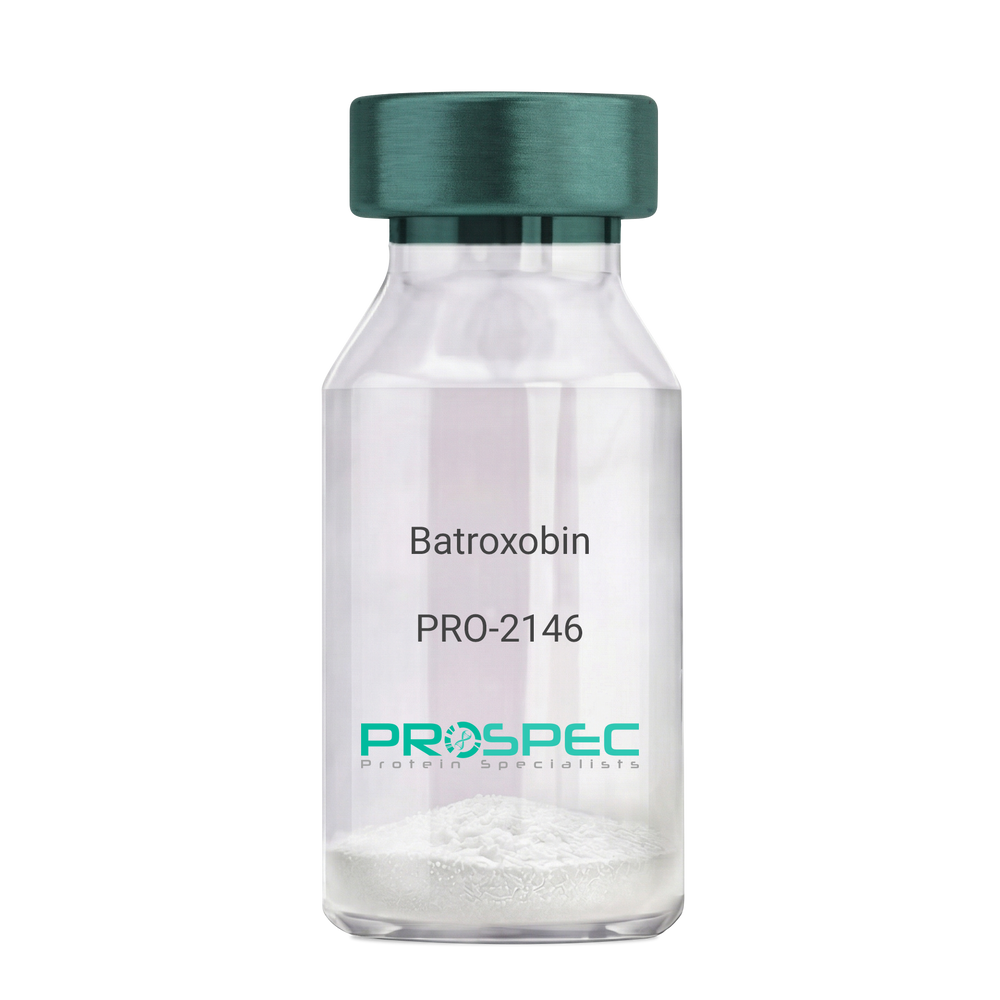
Name :
BatroxobinDescription:
Batroxobin
Thrombin-like enzyme batroxobin, EC 3.4.21.74, BX, Bothrops atrox serine proteinase, Venombin-A, Batroxobin.
Product # :
PRO-2146Price :
Quantity :
Shipping Method :
Shipped at Room temp
More Info
- description
- formulation
- More Info
Description
Batroxobin, isolated from Bothrops atrox snake venom, has an Mw of approximately 43kDa.
Formulation
The Batroxobin protein was lyophilized from a concentrated (1mg/ml) solution with no additives.
More Info
-
Introduction
Batroxobin is a serin protease that reduces fibronogen levels and is originally extracted from snake venom of Bothrops Atrox. Batroxobin is used in defibrinogenation and thrombolysis and also has an effect on c-fos gene and growth factor.
Batroxobin can efficiently restrain proliferation of VSMCs, by blocking the release and uptake of Ca2+, thus influencing [Ca2+]i.
Batroxobin converts fibrinogen to fibrin through the restricted release of fibrinopeptide-A from fibrinogen to promote blood to clot. Unlike thrombin, it is not affected by heparin and hirudin. -
Synonyms
Thrombin-like enzyme batroxobin, EC 3.4.21.74, BX, Bothrops atrox serine proteinase, Venombin-A, Batroxobin.
-
Physical Appearance
Sterile Filtered white lyophilized powder.
-
Stability
Store the lyophilized Batroxobin between 2-8°C. Do not freeze!
-
Solubility
It is recommended to reconstitute the lyophilized Batroxobin in sterile 18MΩ-cm H2O not less than 100µg/ml or more than 10mg/ml solutions.
-
Unit Definition
100BU [Batroxobin Units]=1mg.
ProSpec's products are furnished for LABORATORY RESEARCH USE ONLY. The product may not be used as drugs, agricultural or pesticidal products, food additives or household chemicals.
- View Data Sheet
Name :
CCL24 RatDescription:
Eotaxin-2 Rat Recombinant (CCL24)
C-C motif chemokine 24, Small-inducible cytokine A24, Myeloid progenitor inhibitory factor 2, CK-beta-6, Eosinophil chemotactic protein 2, Eotaxin-2, CCL24, Ckb-6, MPIF2, MPIF-2, SCYA24, Eotaxin2, CCL-24.
Product # :
CHM-282Price :
Quantity :
Shipping Method :
Shipped at Room temp
More Info
- description
- source
- formulation
- purity
- biological activity
- More Info
Description
CCL24 Rat Recombinant produced in E.Coli is a single, non-glycosylated polypeptide chain containing 93 amino acids and having a molecular mass of 10.2kDa. The CCL24 is purified by proprietary chromatographic techniques.
Source
Escherichia Coli.
Formulation
Lyophilized from a 0.2µm filtered concentrated solution in 1×PBS, pH 7.4.
Purity
Greater than 97.0% as determined by:
(a) Analysis by RP-HPLC.
(b) Analysis by SDS-PAGE.Biological Activity
Determined by its ability to chemoattract murine lymphocytes using a concentration range of 10-100ng/ml corresponding to a Specific Activity of 10,000-100,000IU/mg.More Info
-
Introduction
Eotaxin-2, also called MPIF2 & Ckb6, is a novel CC chemokine produced by activated monocytes and T lymphocytes. Eotaxin-2 selectively chemoattracts cells expressing CCR3 including eosinophils, basophils, Th2 T cells, mast cells, and certain subsets of dendritic cells. Furthermore, Eotaxin-2 inhibits the proliferation of multipotential hematopoietic progenitor cells. The mature protein, which includes C-terminal truncation, contains 78 amino acids (92 amino acids for the mouse homolog, without C-terminal truncation).
CCL24 functions as a chemotactic chemokine for resting t-lymphocytes, and eosinophils. CCL24 has lower chemotactic activity for neutrophils but none for monocytes and activated lymphocytes. CCL24 is a strong suppressor of colony formation by a multipotential hematopoietic progenitor cell line and binds to CCR3. -
Synonyms
C-C motif chemokine 24, Small-inducible cytokine A24, Myeloid progenitor inhibitory factor 2, CK-beta-6, Eosinophil chemotactic protein 2, Eotaxin-2, CCL24, Ckb-6, MPIF2, MPIF-2, SCYA24, Eotaxin2, CCL-24.
-
Physical Appearance
Sterile Filtered White lyophilized (freeze-dried) powder.
-
Stability
Lyophilized Eotaxin-2 although stable at room temperature for 3 weeks, should be stored desiccated below -18°C. Upon reconstitution CCL24 should be stored at 4°C between 2-7 days and for future use below -18°C. For long term storage it is recommended to add a carrier protein (0.1% HSA or BSA).Please prevent freeze-thaw cycles.
-
Solubility
It is recommended to reconstitute the lyophilized CCL24 Rat Recombinant in sterile 18M-cm H2O not less than 100µg/ml, which can then be further diluted to other aqueous solutions.
-
Amino Acid Sequence
VTIPSSCCVT FISKKIPVNR VISYQLANGS ICPKAGVIFI TKKGHKICTD PKLPWVQKHI KNLDAKRNQP SEGAKALGPK FVIQKLRGNS TKV.
-
Background
What is the molecular weight/Mw of CCL24 RAT Protein?
CCL24 RAT Protein has a total Mw of 10.2kDa.
What is the source or expression system of CCL24 RAT Protein?
Escherichia Coli.
What is the Purity of CCL24 RAT Protein?
CCL24 RAT Protein is >97% pure as determined by SDS-PAGE.
What is the Biological Activity of CCL24 RAT Protein?
Determined by its ability to chemoattract murine lymphocytes using a concentration range of 10-100ng/ml corresponding to a Specific Activity of 10,000-100,000IU/mg.
What is the amino acid sequence of CCL24 RAT Protein?
VTIPSSCCVT FISKKIPVNR VISYQLANGS ICPKAGVIFI TKKGHKICTD PKLPWVQKHI KNLDAKRNQP SEGAKALGPK FVIQKLRGNS TKV.
What applications can CCL24 RAT Protein be used in?
CCL24 RAT Protein can probably be used in western blot, ELISA and Lateral Flow.
What is the endotoxin level for CCL24 RAT Protein?
The endotoxin level is minimal, CCL24 RAT Protein was purified using conventional chromatography techniques.
ProSpec's products are furnished for LABORATORY RESEARCH USE ONLY. The product may not be used as drugs, agricultural or pesticidal products, food additives or household chemicals.
- View Data Sheet
Name :
BRD3 HumanDescription:
Bromodomain Containing 3 Human Recombinant
ORFX, RING3L, Bromodomain-containing protein 3, RING3-like protein, KIAA0043, RING3L.
Product # :
PRO-2143Price :
Quantity :
Shipping Method :
Shipped with Ice Packs
More Info
- description
- source
- formulation
- purity
- More Info
Description
BRD3 Human Recombinant produced in E.Coli is a single, non-glycosylated polypeptide chain containing 439 amino acids (1-416 a.a) and having a molecular mass of 48.1kDa.BRD3 is fused to a 23 amino acid His-tag at N-terminus & purified by proprietary chromatographic techniques.
Source
Escherichia Coli.
Formulation
BRD3 protein solution (0.5mg/ml) containing PBS buffer (pH 7.4) and 10% glycerol.
Purity
Greater than 90.0% as determined by SDS-PAGE.
More Info
-
Introduction
Bromodomain Containing 3 (BRD3) was classified based on its homology to the gene encoding the RING3 protein, which is a serine/threonine kinase. The BRD3 protein localizes to 9q34, a region which contains a number of major histocompatibility complex (MHC) genes. The function of the BRD3 protein is unknown.
-
Synonyms
ORFX, RING3L, Bromodomain-containing protein 3, RING3-like protein, KIAA0043, RING3L.
-
Physical Appearance
Sterile Filtered clear solution.
-
Stability
Store at 4°C if entire vial will be used within 2-4 weeks. Store, frozen at -20°C for longer periods of time. For long term storage it is recommended to add a carrier protein (0.1% HSA or BSA).Avoid multiple freeze-thaw cycles.
-
Amino Acid Sequence
MGSSHHHHHH SSGLVPRGSH MGSMSTATTV APAGIPATPG PVNPPPPEVS NPSKPGRKTN QLQYMQNVVV KTLWKHQFAW PFYQPVDAIK LNLPDYHKII KNPMDMGTIK KRLENNYYWS ASECMQDFNT MFTNCYIYNK PTDDIVLMAQ ALEKIFLQKV AQMPQEEVEL LPPAPKGKGR KPAAGAQSAG TQQVAAVSSV SPATPFQSVP PTVSQTPVIA ATPVPTITAN VTSVPVPPAA APPPPATPIV PVVPPTPPVV KKKGVKRKAD TTTPTTSAIT ASRSESPPPL SDPKQAKVVA RRESGGRPIK PPKKDLEDGE VPQHAGKKGK LSEHLRYCDS ILREMLSKKH AAYAWPFYKP VDAEALELHD YHDIIKHPMD LSTVKRKMDG REYPDAQGFA ADVRLMFSNC YKYNPPDHEV VAMARKLQDV FEMRFAKMP.
ProSpec's products are furnished for LABORATORY RESEARCH USE ONLY. The product may not be used as drugs, agricultural or pesticidal products, food additives or household chemicals.
- View Data Sheet
Name :
PDCD6IP HumanDescription:
Programmed Cell Death 6 Interacting Protein Human Recombinant
AIP1, Alix, PDCD6-Interacting Protein, DRIP4, ALG-2 interacting protein 1, Programmed cell death 6-interacting protein, Hp95, PDCD6IP, KIAA1375, MGC17003.
Product # :
PRO-792Price :
Quantity :
Shipping Method :
Shipped with Ice Packs
More Info
- description
- source
- formulation
- purity
- More Info
Description
PDCD6IP Human Recombinant produced in E.Coli is a single, non-glycosylated polypeptide chain containing 412 amino acids (1-392 a.a.) and having a molecular mass of 45.8 kDa. The PDCD6IP is fused to a 20 amino acid His-tag at N-terminus and purified by conventional chromatography.
Source
Escherichia Coli.
Formulation
The protein solution (1mg/ml) contains 20mM Tris-HCl pH-8, 1mM DTT and 10% glycerol.
Purity
Greater than 95.0% as determined by SDS-PAGE.
More Info
-
Introduction
PDCD6IP is a Class E VPS protein which participates in concentration and sorting of cargo proteins of the multivesicular body or incorporation into intralumenal vesicles that are generated by invagination and scission from the limiting membrane of the endosome. PDCD6IP binds to the phospholipid lysobisphosphatidic acid which is abundant in MVBs internal membranes. The MVB pathway appears to require the sequential function of ESCRT-O, -I,-II and -III complexes. PDCD6IP is an adapter for a subset of ESCRT-III proteins, such as CHMP4, to function at distinct membranes. PDCD6IP is mandatory for completion of cytokinesis. PDCD6IP takes part in HIV-1 virus budding. PDCD6IP replaces TSG101 in its function of supporting HIV-1 release. PDCD6IP takes part in the regulation of both apoptosis and cell proliferation. PDCD6IP is a cytoplasmic protein that cooperates with apoptosis-associated proteins (ALG-2 and PDCD6) and with the endocytosis-regulator CIN85. Overexpression of PDCD6IP and endophilin
-
Synonyms
AIP1, Alix, PDCD6-Interacting Protein, DRIP4, ALG-2 interacting protein 1, Programmed cell death 6-interacting protein, Hp95, PDCD6IP, KIAA1375, MGC17003.
-
Physical Appearance
Sterile Filtered colorless solution.
-
Stability
Store at 4°C if entire vial will be used within 2-4 weeks. Store, frozen at -20°C for longer periods of time. For long term storage it is recommended to add a carrier protein (0.1% HSA or BSA).Avoid multiple freeze-thaw cycles.
-
Amino Acid Sequence
MGSSHHHHHH SSGLVPRGSH MATFISVQLK KTSEVDLAKP LVKFIQQTYP SGGEEQAQYC RAAEELSKLR RAAVGRPLDK HEGALETLLR YYDQICSIEP KFPFSENQIC LTFTWKDAFD KGSLFGGSVK LALASLGYEK SCVLFNCAAL ASQIAAEQNL DNDEGLKIAA KHYQFASGAF LHIKETVLSA LSREPTVDIS PDTVGTLSLI MLAQAQEVFF LKATRDKMKD AIIAKLANQA ADYFGDAFKQ CQYKDTLPKE VFPVLAAKHC IMQANAEYHQ SILAKQQKKF GEEIARLQHA AELIKTVASR YDEYVNVKDF SDKINRALAA AKKDNDFIYH DRVPDLKDLD PIGKATLVKS TPVNVPISQK FTDLFEKMVP VSVQQSLAAY NQRKADLVNR SIAQMREATT LA.
ProSpec's products are furnished for LABORATORY RESEARCH USE ONLY. The product may not be used as drugs, agricultural or pesticidal products, food additives or household chemicals.