Skip to content

High-quality research proteins.

  • 1-800-805-6531

  • Mon - Sat 8.00-18.00, Sun - Closed

  • info@prospecbio.com

  • PO Box 6591 East Brunswick NJ 08816

  • Products
    • Cytokines
    • Growth factors
    • Chemokines
    • Cd antigens
    • Neurotrophins
    • Hormones
    • Enzymes
    • Viral antigens
    • Recombinant proteins
    • Natural proteins
    • Monoclonal antibodies
    • Polyclonal antibodies
    • Thermal Packaging
  • About
    • Company
    • Founder
    • Contribution
  • Customers
    • Eastern Asia
    • Eastern Europe
    • North America
    • South America
    • South East Asia
    • Southern Asia
    • Western Europe
  • Ordering
    • Ordering Method
    • Ordering - Credit Card
    • Ordering - PO
    • Shipping Fees
    • FAQs
  • Services
    • DNA Cloning
    • Protein Expression
    • Monoclonal Antibody
    • Fermentation
    • Technology License
  • Contact us
Log in

Country/region

  • USD $ | Albania
  • USD $ | Andorra
  • USD $ | Argentina
  • USD $ | Armenia
  • USD $ | Australia
  • USD $ | Austria
  • USD $ | Azerbaijan
  • USD $ | Belarus
  • USD $ | Belgium
  • USD $ | Bolivia
  • USD $ | Brazil
  • USD $ | Bulgaria
  • USD $ | Cambodia
  • USD $ | Canada
  • USD $ | Chile
  • USD $ | China
  • USD $ | Colombia
  • USD $ | Costa Rica
  • USD $ | Croatia
  • USD $ | Cyprus
  • USD $ | Czechia
  • USD $ | Denmark
  • USD $ | Estonia
  • USD $ | Finland
  • USD $ | France
  • USD $ | Georgia
  • USD $ | Germany
  • USD $ | Greece
  • USD $ | Hong Kong SAR
  • USD $ | Hungary
  • USD $ | Iceland
  • USD $ | India
  • USD $ | Ireland
  • USD $ | Israel
  • USD $ | Italy
  • USD $ | Japan
  • USD $ | Kazakhstan
  • USD $ | Latvia
  • USD $ | Liechtenstein
  • USD $ | Lithuania
  • USD $ | Madagascar
  • USD $ | Malta
  • USD $ | Mexico
  • USD $ | Moldova
  • USD $ | Monaco
  • USD $ | Netherlands
  • USD $ | New Zealand
  • USD $ | North Macedonia
  • USD $ | Norway
  • USD $ | Panama
  • USD $ | Paraguay
  • USD $ | Peru
  • USD $ | Philippines
  • USD $ | Poland
  • USD $ | Portugal
  • USD $ | Romania
  • USD $ | Singapore
  • USD $ | Slovakia
  • USD $ | Slovenia
  • USD $ | South Africa
  • USD $ | South Korea
  • USD $ | Spain
  • USD $ | Sri Lanka
  • USD $ | Sweden
  • USD $ | Switzerland
  • USD $ | Taiwan
  • USD $ | Thailand
  • USD $ | Türkiye
  • USD $ | Ukraine
  • USD $ | United Kingdom
  • USD $ | United States
  • USD $ | Uruguay
  • USD $ | Vatican City
  • USD $ | Venezuela
  • USD $ | Vietnam
  • Facebook
  • Instagram
logoProSpec - Recombinant Protein Manufacturer for academic and R&D industry
Become a distributor
Account Log in
Wishlist
Cart Cart(0)
  • Products
    +
    • Cytokines
    • Growth factors
    • Chemokines
    • Cd antigens
    • Neurotrophins
    • Hormones
    • Enzymes
    • Viral antigens
    • Recombinant proteins
    • Natural proteins
    • Monoclonal antibodies
    • Polyclonal antibodies
    • Thermal Packaging
  • About
    +
    • Company
    • Founder
    • Contribution
  • Customers
    +
    • Eastern Asia
    • Eastern Europe
    • North America
    • South America
    • South East Asia
    • Southern Asia
    • Western Europe
  • Ordering
    +
    • Ordering Method
    • Ordering - Credit Card
    • Ordering - PO
    • Shipping Fees
    • FAQs
  • Services
    +
    • DNA Cloning
    • Protein Expression
    • Monoclonal Antibody
    • Fermentation
    • Technology License
  • Contact us

Item added to your cart

View cart
View All
  • Cytokines
  • Growth factors
  • Chemokines
  • Cd antigens
  • Neurotrophins
  • Hormones
  • Enzymes
  • Viral antigens
  • Recombinant proteins
  • Natural proteins
  • Monoclonal antibodies
  • Polyclonal antibodies
  • Thermal Packaging
  • Tumor Necrosis Factor

    Tumor Necrosis Factor

    View All
  • 4-1BB

    4-1BB

    View All
  • Adiponectin

    Adiponectin

    View All
  • AIF1

    AIF1

    View All
  • Other Cytokines

    Other Cytokines

    View All
  • AITRL

    AITRL

    View All
  • Angiopoietin

    Angiopoietin

    View All
  • Apolipoprotein

    Apolipoprotein

    View All
  • B-Cell Activating Factor

    B-Cell Activating Factor

    View All
  • Beta Defensin

    Beta Defensin

    View All
  • Bone Morphogenetic Protein

    Bone Morphogenetic Protein

    View All
  • B type Natriuretic Peptide

    B type Natriuretic Peptide

    View All
  • BST

    BST

    View All
  • Betacellulin

    Betacellulin

    View All
  • Cardiotrophin

    Cardiotrophin

    View All
  • Activin

    Activin

    View All
  • Fibroblast Growth Factor

    Fibroblast Growth Factor

    View All
  • Other Growth Factors

    Other Growth Factors

    View All
  • CSF

    CSF

    View All
  • CTGF

    CTGF

    View All
  • IGFBP

    IGFBP

    View All
  • VEGF Protein

    VEGF Protein

    View All
  • EGF

    EGF

    View All
  • Epigen

    Epigen

    View All
  • Erythropoietin

    Erythropoietin

    View All
  • Insulin-Like Growth Factor

    Insulin-Like Growth Factor

    View All
  • Growth Hormone

    Growth Hormone

    View All
  • HDGF

    HDGF

    View All
  • Hepatocyte Growth Factor

    Hepatocyte Growth Factor

    View All
  • Insulin

    Insulin

    View All
  • BCA-1/ BLC (CXCL13)

    BCA-1/ BLC (CXCL13)

    View All
  • BRAK (CXCL14)

    BRAK (CXCL14)

    View All
  • C-10 (CCL6)

    C-10 (CCL6)

    View All
  • Other Chemokines

    Other Chemokines

    View All
  • MEC (CCL28)

    MEC (CCL28)

    View All
  • LD78-beta (CCL3L1)

    LD78-beta (CCL3L1)

    View All
  • CTACK (CCL27)

    CTACK (CCL27)

    View All
  • CXCL16

    CXCL16

    View All
  • CXCL17

    CXCL17

    View All
  • Platelet Factor-4 (CXCL4)

    Platelet Factor-4 (CXCL4)

    View All
  • ENA-78 (CXCL5)

    ENA-78 (CXCL5)

    View All
  • Eotaxin (CCL11,24,26)

    Eotaxin (CCL11,24,26)

    View All
  • Exodus-2 (CCL21)

    Exodus-2 (CCL21)

    View All
  • Fractalkine (CX3CL1)

    Fractalkine (CX3CL1)

    View All
  • CXCL6

    CXCL6

    View All
  • Other CD Antigens

    Other CD Antigens

    View All
  • CD14

    CD14

    View All
  • CD164

    CD164

    View All
  • CD1

    CD1

    View All
  • CD2

    CD2

    View All
  • CD200

    CD200

    View All
  • CD207

    CD207

    View All
  • CD226

    CD226

    View All
  • CD23

    CD23

    View All
  • CD244

    CD244

    View All
  • CD247

    CD247

    View All
  • CD27

    CD27

    View All
  • CD274

    CD274

    View All
  • CD300

    CD300

    View All
  • CD33

    CD33

    View All
  • Other Neurotrophins

    Other Neurotrophins

    View All
  • Beta-NGF

    Beta-NGF

    View All
  • BDNF

    BDNF

    View All
  • CDNF

    CDNF

    View All
  • CNTF

    CNTF

    View All
  • GDNF

    GDNF

    View All
  • Glia Maturation Factor

    Glia Maturation Factor

    View All
  • MANF

    MANF

    View All
  • Midkine

    Midkine

    View All
  • Neuroglobin

    Neuroglobin

    View All
  • Neurotrophic factors

    Neurotrophic factors

    View All
  • Neuregulin

    Neuregulin

    View All
  • Neuropilin

    Neuropilin

    View All
  • Pigment Epithelium-Derived Factor

    Pigment Epithelium-Derived Factor

    View All
  • Pleiotrophin

    Pleiotrophin

    View All
  • Peptide Hormones

    Peptide Hormones

    View All
  • Other Hormones

    Other Hormones

    View All
  • HCG

    HCG

    View All
  • Endothelin

    Endothelin

    View All
  • Exendin

    Exendin

    View All
  • FSH

    FSH

    View All
  • Glucagon

    Glucagon

    View All
  • GHRP

    GHRP

    View All
  • GLP

    GLP

    View All
  • Thyrostimulin

    Thyrostimulin

    View All
  • Inhibin A

    Inhibin A

    View All
  • LHRH

    LHRH

    View All
  • Melanotan

    Melanotan

    View All
  • Procalcitonin

    Procalcitonin

    View All
  • PTH

    PTH

    View All
  • Peroxiredoxin

    Peroxiredoxin

    View All
  • Peptidase

    Peptidase

    View All
  • Synthetase

    Synthetase

    View All
  • Transferase

    Transferase

    View All
  • Hydrolase

    Hydrolase

    View All
  • Dehydrogenase

    Dehydrogenase

    View All
  • ACE2

    ACE2

    View All
  • Esterase

    Esterase

    View All
  • Protein Kinases

    Protein Kinases

    View All
  • Other Enzymes

    Other Enzymes

    View All
  • Phosphatase

    Phosphatase

    View All
  • Deaminase

    Deaminase

    View All
  • Oxygenase

    Oxygenase

    View All
  • Adenylate Kinase

    Adenylate Kinase

    View All
  • Lyase

    Lyase

    View All
  • Chagas

    Chagas

    View All
  • SARS

    SARS

    View All
  • Influenza

    Influenza

    View All
  • ASFV

    ASFV

    View All
  • Astrovirus

    Astrovirus

    View All
  • Borrelia

    Borrelia

    View All
  • Helicobacter Pylori

    Helicobacter Pylori

    View All
  • Chikungunya

    Chikungunya

    View All
  • Chlamydia

    Chlamydia

    View All
  • Cytomegalo

    Cytomegalo

    View All
  • Dengue

    Dengue

    View All
  • EBV

    EBV

    View All
  • Ebola

    Ebola

    View All
  • Feline Leukemia Virus

    Feline Leukemia Virus

    View All
  • Hepatitis A

    Hepatitis A

    View All
  • Other

    Other

    View All
  • Actin

    Actin

    View All
  • ADAM

    ADAM

    View All
  • Complement Component

    Complement Component

    View All
  • Ag85

    Ag85

    View All
  • Eukaryotic Translation Initiation Factor

    Eukaryotic Translation Initiation Factor

    View All
  • Anterior Gradient Protein

    Anterior Gradient Protein

    View All
  • Heat Shock Protein

    Heat Shock Protein

    View All
  • Alpha-2-HS-Glycoprotein

    Alpha-2-HS-Glycoprotein

    View All
  • Hemoglobin

    Hemoglobin

    View All
  • Allergy

    Allergy

    View All
  • Anaplasma

    Anaplasma

    View All
  • Angiogenin

    Angiogenin

    View All
  • Ankyrin Repeat Domain

    Ankyrin Repeat Domain

    View All
  • Annexin

    Annexin

    View All
  • Other Natural Proteins

    Other Natural Proteins

    View All
  • Aprotinin

    Aprotinin

    View All
  • Transferrin

    Transferrin

    View All
  • Avidin

    Avidin

    View All
  • Anti Coagulation Factors

    Anti Coagulation Factors

    View All
  • Natural Albumin

    Natural Albumin

    View All
  • Natural Coagulation Factors

    Natural Coagulation Factors

    View All
  • Fibronectin

    Fibronectin

    View All
  • Thrombin

    Thrombin

    View All
  • Anti Human Enzyme

    Anti Human Enzyme

    View All
  • Other Monoclonal Antibodies

    Other Monoclonal Antibodies

    View All
  • Anti Human Cytokine

    Anti Human Cytokine

    View All
  • Anti Human Heat Shock Protein

    Anti Human Heat Shock Protein

    View All
  • Anti Mouse Lymphocyte

    Anti Mouse Lymphocyte

    View All
  • Anti Human Chemokine

    Anti Human Chemokine

    View All
  • Anti Human Lymphocyte

    Anti Human Lymphocyte

    View All
  • Anti Viral Monoclonal

    Anti Viral Monoclonal

    View All
  • Anti Mouse Cytokine

    Anti Mouse Cytokine

    View All
  • Anti-GST Monoclonal

    Anti-GST Monoclonal

    View All
  • Other Polyclonal Antibodies

    Other Polyclonal Antibodies

    View All
  • Anti Viral

    Anti Viral

    View All
  • Anti-GST Monoclonal

    Anti-GST Monoclonal

    View All
Back

Search results

1000 results found for “Insulin”

Name

Description

Product #

Price

Quantity

Shipping Method

  • View Data Sheet

    Name :

    ZNF32 Human

    Description:

    Zinc Finger Protein 32 Human Recombinant

    KOX30, Zinc finger protein 32, C2H2-546, Zinc finger protein KOX30, ZNF32.

    Product # :

    PRO-1983

    Price :

    Quantity :

    Shipping Method :

    Ice Icon

    Shipped with Ice Packs

    Add To Cart

    More Info

    • description
    • source
    • formulation
    • purity
    • More Info

    Description

    ZNF32 Human Recombinant produced in E.Coli is a single, non-glycosylated polypeptide chain containing 296 amino acids (1-273 a.a) and having a molecular mass of 33.4kDa. ZNF32 is fused to a 23 amino acid His-tag at N-terminus & purified by proprietary chromatographic techniques.

    Source

    Escherichia Coli.

    Formulation

    ZNF32 protein solution (1mg/ml) containing 20mM Tris-HCl buffer (pH 8.0), 10% glycerol and 0.4M Urea.

    Purity

    Greater than 85.0% as determined by SDS-PAGE.

    More Info

    • Introduction

      Zinc Finger Protein 32 (ZNF32) is a part of the krueppel C2H2-type zinc-finger protein family. ZNF32 which contains seven C2H2-type zinc fingers takes part in transcriptional regulation.

    • Synonyms

      KOX30, Zinc finger protein 32, C2H2-546, Zinc finger protein KOX30, ZNF32.

    • Physical Appearance

      Sterile Filtered colorless solution.

    • Stability

      Store at 4°C if entire vial will be used within 2-4 weeks. Store, frozen at -20°C for longer periods of time. For long term storage it is recommended to add a carrier protein (0.1% HSA or BSA).Avoid multiple freeze-thaw cycles.

    • Amino Acid Sequence

      MGSSHHHHHH SSGLVPRGSH MGSMFGFPTA TLLDCHGRYA QNVAFFNVMT EAHHKYDHSE ATGSSSWDIQ NSFRREKLEQ KSPDSKTLQE DSPGVRQRVY ECQECGKSFR QKGSLTLHER IHTGQKPFEC THCGKSFRAK GNLVTHQRIH TGEKPYQCKE CGKSFSQRGS LAVHERLHTG QKPYECAICQ RSFRNQSNLA VHRRVHSGEK PYRCDQCGKA FSQKGSLIVH IRVHTGLKPY ACTQCRKSFH TRGNCILHGK IHTGETPYLC GQCGKSFTQR GSLAVHQRSC SQRLTL.

    ProSpec's products are furnished for LABORATORY RESEARCH USE ONLY. The product may not be used as drugs, agricultural or pesticidal products, food additives or household chemicals.

    Znf32 Human
  • View Data Sheet

    Name :

    HIV-2 gp160

    Description:

    HIV-2 gp160 Recombinant

    Product # :

    HIV-013

    Price :

    Quantity :

    Shipping Method :

    Ice Icon

    Shipped with Ice Packs

    Add To Cart

    More Info

    • description
    • source
    • formulation
    • purity
    • More Info

    Description

    HIV-2 gp160 produced in E. coli having a Mw of 42kDa.

    Source

    Escherichia Coli.

    Formulation

    HIV-2 gp160 solution contains 25mM K2₂CO₃, PBS & 8M urea.

    Purity

    Protein is >90% pure as determined by 10% PAGE (coomassie staining).

    More Info

    • Introduction

      HIV-1 and HIV-2 appear to package their RNA differently. HIV-1 binds to any appropriate RNA whereas HIV-2 preferentially binds to mRNA which creates the Gag protein itself. This means that HIV-1 is better able to mutate. HIV-2 is transmitted in the same ways as HIV-1: Through exposure to bodily fluids such as blood, semen, tears and vaginal fluids. Immunodeficiency develops more slowly with HIV-2. HIV-2 is less infectious in the early stages of the virus than with HIV-1. The infectiousness of HIV-2 increases as the virus progresses. Major differences include reduced pathogenicity of HIV-2 relative to HIV-1, enhanced immune control of HIV-2 infection and often some degree of CD4-independence. Despite considerable sequence and phenotypic differences between HIV-1 and 2 envelopes, structurally they are quite similar. Both membrane-anchored proteins eventually form the 6-helix bundles from the N-terminal and C-terminal regions of the ectodomain, which is common to many viral and cellular fusion proteins and which seems to drive fusion.

      HIV2 gp160 protein contains HIV2 Subtype A sequence, covering C4, V5, and C5 from HIV2 gp120 and extending to HIV2 gp36.

    • Physical Appearance

      Sterile Filtered clear solution.

    • Stability

      Store at 4°C if entire vial will be used within 2-4 weeks. Store, frozen at -20°C for longer periods of time. For long term storage it is recommended to add a carrier protein (0.1% HSA or BSA).Avoid multiple freeze-thaw cycles.

    • Applications

      Lateral flow immunoassay and ELISA test.

    ProSpec's products are furnished for LABORATORY RESEARCH USE ONLY. The product may not be used as drugs, agricultural or pesticidal products, food additives or household chemicals.

    Hiv2 Gp160
  • View Data Sheet

    Name :

    HIV-1 gp41 Subtype-b&c

    Description:

    HIV-1 gp41 Subtype-b&c Recombinant

    Product # :

    HIV-012

    Price :

    Quantity :

    Shipping Method :

    Ice Icon

    Shipped with Ice Packs

    Add To Cart

    More Info

    • description
    • source
    • formulation
    • purity
    • More Info

    Description

    Recombinant mosaic HIV-1 gp41 Subtype-c & subtype-b produced in E. coli having a Mw of 38kDa.Recombinant HIV-1 gp41 Subtype-c and subtype-b is fused to GST tag at its N-terminus and purified by proprietary chromatographic technique.

    Source

    Escherichia Coli.

    Formulation

    HIV-1 gp41 Subtype-c solution contains PBS & 25mM K2CO3.

    Purity

    Protein is >90% pure as determined by 10% PAGE (coomassie staining).

    More Info

    • Introduction

      Human immunodeficiency virus (HIV) is a retrovirusthat can lead to a condition in which the immune systembegins to fail, leading to opportunistic infections. HIV primarily infects vital cells in the humanimmune systemsuch as helper T cells(specifically CD4+ T cells), macrophagesand dendritic cells. HIV infection leads to low levels of CD4+ T cells through three main mechanisms: firstly, direct viral killing of infected cells; secondly, increased rates of apoptosisin infected cells; and thirdly, killing of infected CD4+ T cells by CD8 cytotoxic lymphocytesthat recognize infected cells. When CD4+ T cell numbers decline below a critical level, cell-mediated immunityis lost, and the body becomes progressively more susceptible to opportunistic infections. HIV was classified as a member of the genus Lentivirus, part of the family of Retroviridae. Lentiviruses have many common morphologies and biological properties. Many species are infected by lentiviruses, which are characteristically responsible for long-duration illnesses with a long incubation period.HIV-1 gp41 Subtype-c reacts to the specific antibody from HIV1 infection, in lateral flow assay, it is usually coated on the membrane to capture the specific antibody from HIV1 infection.

    • Physical Appearance

      Sterile Filtered clear solution.

    • Stability

      Store at 4°C if entire vial will be used within 2-4 weeks.Store, frozen at -20°C for longer periods of time.For long term storage it is recommended to add a carrier protein (0.1% HSA or BSA).Avoid multiple freeze-thaw cycles.

    • Applications

      ELISA, lateral flow assay.

    ProSpec's products are furnished for LABORATORY RESEARCH USE ONLY. The product may not be used as drugs, agricultural or pesticidal products, food additives or household chemicals.

    Hiv 1 Gp41
  • View Data Sheet

    Name :

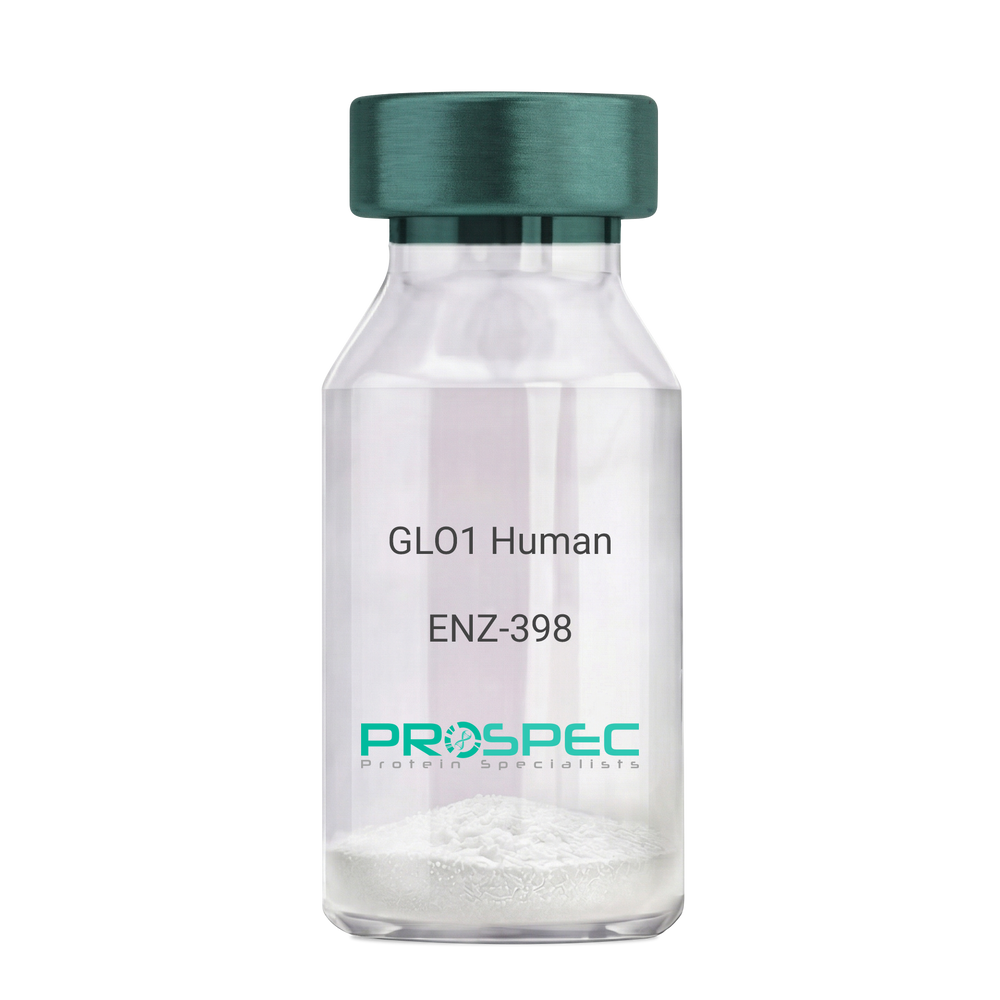
    GLO1 Human

    Description:

    Glyoxalase-I Human Recombinant

    GLYI, GLOD1, GLO1, Glyoxalase-1, Lactoylglutathione lyase, Methylglyoxalase, Aldoketomutase, Ketone-aldehyde mutase, Glyoxalase I, S-D-lactoylglutathione methylglyoxal lyase, Glx I.

    Product # :

    ENZ-398

    Price :

    Quantity :

    Shipping Method :

    Ice Icon

    Shipped with Ice Packs

    Add To Cart

    More Info

    • description
    • source
    • formulation
    • purity
    • More Info

    Description

    Glyoxalase-I Human Recombinant produced in E.Coli is a single, non-glycosylated, polypeptide chain containing 184 amino acids and having a molecular mass of 20.7 kDa. Glyoxalase-1 is purified by proprietary chromatographic techniques.

    Source

    Escherichia Coli.

    Formulation

    Glyoxalase-1 solution containing 20mM Tris-HCl pH-8, 1mM DTT and 10% glycerol.

    Purity

    Greater than 90.0% as determined by SDS-PAGE.

    More Info

    • Introduction

      GLO1 is involved in the catalysis and formation of S-lactoyl-glutathione from methylglyoxal condensation and reduced glutatione. GLO1 is linked to HLA and is localized to 6p21.3-p21.1, between HLA and the centromere. GLO1 enzyme is ubundantly expressed and present in numerous tumor cell lines, in which its concentration is often upregulated ubiquitisly. GLO1 is a major susceptible gene for autism in an ethnic Chinese population from Taiwan. GLO1 might be involved in the pathophysiology of mood disorders. GLO1 plays a role in the pathophysiology of mood disorders. Overexpression of GLO1 is associated with kidney tumor.

    • Synonyms

      GLYI, GLOD1, GLO1, Glyoxalase-1, Lactoylglutathione lyase, Methylglyoxalase, Aldoketomutase, Ketone-aldehyde mutase, Glyoxalase I, S-D-lactoylglutathione methylglyoxal lyase, Glx I.

    • Physical Appearance

      Sterile filtered colorless solution.

    • Stability

      Store at 4°C if entire vial will be used within 2-4 weeks. Store, frozen at -20°C for longer periods of time. For long term storage it is recommended to add a carrier protein (0.1% HSA or BSA).Avoid multiple freeze-thaw cycles.

    • Amino Acid Sequence

      MAEPQPPSGG LTDEAALSCC SDADPSTKDF LLQQTMLRVK DPKKSLDFYT RVLGMTLIQK CDFPIMKFSL YFLAYEDKND IPKEKDEKIAWALSRKATLE LTHNWGTEDD ETQSYHNGNS DPRGFGHIGI AVPDVYSACK RFEELGVKFV KKPDDGKMKG LAFIQDPDGY WIEILNPNKM ATLM.

    ProSpec's products are furnished for LABORATORY RESEARCH USE ONLY. The product may not be used as drugs, agricultural or pesticidal products, food additives or household chemicals.

    Glo1 Human
  • View Data Sheet

    Name :

    CXCL8 Human (1-72)

    Description:

    Interleukin-8 (1-72 a.a.) Human Recombinant (CXCL8)

    IL-8, CXCL8, Monocyte-derived neutrophil chemotactic factor, MDNCF, T-cell chemotactic factor, Neutrophil-activating protein 1, NAP-1, Protein 3-10C, Granulocyte chemotactic protein 1, GCP-1, Monocyte-derived neutrophil-activating peptide, MONAP, Emoctakin, K60, NAF, LECT, LUCT, 3-10C, LYNAP, SCYB8, TSG-1, AMCF-I, b-ENAP.

    Product # :

    CHM-231

    Price :

    Quantity :

    Shipping Method :

    Room Temp Icon

    Shipped at Room temp

    Add To Cart

    More Info

    • description
    • source
    • formulation
    • purity
    • biological activity
    • More Info

    Description

    Interleukin-8 Human Recombinant produced in E.Coli is a single, non-glycosylated polypeptide chain containing 72 amino acids and having a molecular mass of 8452 Dalton. The IL-8 is purified by proprietary chromatographic techniques.

    Source

    Escherichia Coli.

    Formulation

    The IL-8 was lyophilized from a concentrated (1mg/ml) solution in water containing no additives.

    Purity

    Greater than 98.0% as determined by:
    (a) Analysis by RP-HPLC.
    (b) Analysis by SDS-PAGE.

    Biological Activity

    Specific Activity of IL8 in chemotaxis of donor PBL neutrophils, threshold concentration corresponding to 10-100 ng/ml corresponding to a Specific Activity of 10,000-100,000IU/mg.

    More Info

    • Introduction

      Interleukin-8 (IL-8) is a chemokine produced by macrophages and other cell types such as epithelial cells. It is also synthesized by endothelial cells, which store IL-8 in their storage vesicles, the Weibel-Palade bodies. When first encountering an antigen, the primary cells to encounter it are the macrophages who phagocytose the particle. Upon processing, they release chemokines to signal other immune cells to come in to the site of inflammation. IL-8 is one such chemokine. It serves as a chemical signal that attracts neutrophils at the site of inflammation, and therefore is also known as Neutrophil Chemotactic Factor.

    • Synonyms

      IL-8, CXCL8, Monocyte-derived neutrophil chemotactic factor, MDNCF, T-cell chemotactic factor, Neutrophil-activating protein 1, NAP-1, Protein 3-10C, Granulocyte chemotactic protein 1, GCP-1, Monocyte-derived neutrophil-activating peptide, MONAP, Emoctakin, K60, NAF, LECT, LUCT, 3-10C, LYNAP, SCYB8, TSG-1, AMCF-I, b-ENAP.

    • Physical Appearance

      Sterile Filtered White lyophilized (freeze-dried) powder.

    • Stability

      Lyophilized Interleukin-8 although stable at room temperature for 3 weeks, should be stored desiccated below -18°C. Upon reconstitution CXCL8 should be stored at 4°C between 2-7 days and for future use below -18°C. For long term storage it is recommended to add a carrier protein (0.1% HSA or BSA).Please prevent freeze-thaw cycles.

    • Solubility

      It is recommended to reconstitute the lyophilized Interleukin-8 in sterile 18MΩ-cm H2O not less than 100µg/ml, which can then be further diluted to other aqueous solutions.

    • Amino Acid Sequence

      The sequence of the first five N-terminal amino acids was determined and was found to be Ser-Ala-Lys-Glu-Leu.

    • Background

      What is the molecular weight/Mw of CXCL8 HUMAN (1-72) Protein?
      CXCL8 HUMAN (1-72) Protein has a total Mw of 8.45kDa.

      What is the source or expression system of CXCL8 HUMAN (1-72) Protein?
      Escherichia Coli.

      What is the Purity of CXCL8 HUMAN (1-72) Protein?
      CXCL8 HUMAN (1-72) Protein is >98% pure as determined by SDS-PAGE.

      What is the Biological Activity of CXCL8 HUMAN (1-72) Protein?
      Specific Activity of IL8 in chemotaxis of donor PBL neutrophils, threshold concentration corresponding to 10-100 ng/ml corresponding to a Specific Activity of 10,000-100,000IU/mg.

      What is the amino acid sequence of CXCL8 HUMAN (1-72) Protein?
      The sequence of the first five N-terminal amino acids was determined and was found to be Ser-Ala-Lys-Glu-Leu.

      What applications can CXCL8 HUMAN (1-72) Protein be used in?
      CXCL8 HUMAN (1-72) Protein can probably be used in western blot, ELISA and Lateral Flow.

      What is the endotoxin level for CXCL8 HUMAN (1-72) Protein?
      The endotoxin level is minimal, CXCL8 HUMAN (1-72) Protein was purified using conventional chromatography techniques.


    ProSpec's products are furnished for LABORATORY RESEARCH USE ONLY. The product may not be used as drugs, agricultural or pesticidal products, food additives or household chemicals.

    Il 8 72 Human
  • View Data Sheet

    Name :

    hCG Protein

    Description:

    Chorionic Gonadotropin Human

    Chorionic gonadotropin, hCG, CG.

    Product # :

    HOR-250

    Price :

    Quantity :

    Shipping Method :

    Room Temp Icon

    Shipped at Room temp

    Add To Cart

    More Info

    • description
    • source
    • formulation
    • biological activity
    • More Info
    • Activity Assay

    Description

    Human Chorionic Gonadotropin is produced from a sterile preparation of placental glucoprotein urine of pregnant women having a total molecular mass of 36,700 Dalton. The hCG consists of 237 amino acids, a chain-92 amino acids and b chain-145 amino acids. The hCG is purified by proprietary chromatographic techniques.

    Source

    Urine of pregnant women.

    Formulation

    The hCG was lyophilized with no additives.

    Biological Activity

    The activity was found to be 5212IU/mg.

    Activity Assay

    hcg activity assay - Product image 1
    hcg bioactivity assay - Product image 2

    More Info

    • Introduction

      Human chorionic gonadotropin (hCG) is a peptide hormone produced in pregnancy, that is made by the embryosoon after conception and later by the syncytiotrophoblast(part of the placenta). Its role is to prevent the disintegration of the corpus luteumof the ovaryand thereby maintain progesterone production that is critical for a pregnancy in humans. hCG may have additional functions, for instance it is thought that it affects the immune tolerance of the pregnancy. Early pregnancy testing generally is based on the detection or measurement of hCG.

    • Synonyms

      Chorionic gonadotropin, hCG, CG.

    • Physical Appearance

      Sterile Filtered White lyophilized (freeze-dried) powder.

    • Stability

      Lyophilized hCG although stable at room temperature for 3 weeks, should be stored desiccated below -18°C. Upon reconstitution CG-beta should be stored at 4°C between 2-7 days and for future use below -18°C. For long term storage it is recommended to add a carrier protein (0.1% HSA or BSA).Please prevent freeze-thaw cycles.

    • Solubility

      It is recommended to reconstitute the lyophilized Human Chorionic Gonadotropin in sterile 18MΩ-cm H2O not less than 100 µg/ml, which can then be further diluted to other aqueous solutions.

    • Contaminants

      Free of: HbsAg and antibodies to HIV and HCV.

    ProSpec's products are furnished for LABORATORY RESEARCH USE ONLY. The product may not be used as drugs, agricultural or pesticidal products, food additives or household chemicals.

    Hcg Human
  • View Data Sheet

    Name :

    ZWINT Human

    Description:

    ZW10 Interacting Kinetochore Protein Human Recombinant

    ZW10 Interacting Kinetochore Protein, ZWINT, ZW10 Interactor, HZwint-1, KNTC2AP, ZWINT1, Human ZW10 Interacting Protein-1, ZW10 Interactor Kinetochore Protein zwint-1, Zwint-1, ZW10-Interacting Protein 1.

    Product # :

    PRO-1944

    Price :

    Quantity :

    Shipping Method :

    Ice Icon

    Shipped with Ice Packs

    Add To Cart

    More Info

    • description
    • source
    • formulation
    • purity
    • More Info

    Description

    ZWINT Human Recombinant produced in E.coli is a single, non-glycosylated polypeptide chain containing 253 amino acids (1-230) and having a molecular mass of 27.9 kDa (Molecular size on SDS-PAGE will appear higher).ZWINT is fused to a 23 amino acid His-tag at N-terminus & purified by proprietary chromatographic techniques.

    Source

    Escherichia Coli.

    Formulation

    The ZWINT solution (0.25mg/ml) contains 20mM Tris-HCl buffer (pH 8.0), 0.15M NaCl, 20% glycerol and 1mM DTT.

    Purity

    Greater than 85.0% as determined by SDS-PAGE.

    More Info

    • Introduction

      ZW10 Interacting Kinetochore Protein (ZWINT) is involved in kinetochore function. ZWINT is part of the MIS12 complex, which is essential for kinetochore formation and spindle checkpoint activity. ZWINT is localized to the cytoplasm during interphase and to kinetochores from late prophase to anaphase. ZWINT interacts with ZW10 (Zeste White 10) and regulates the association between ZW10 and kinetochores. ZWINT gene defects are linked with the pathogenesis of Roberts’s syndrome, an autosomal recessive disorder characterized by growth retardation due to premature chromosome separation.

    • Synonyms

      ZW10 Interacting Kinetochore Protein, ZWINT, ZW10 Interactor, HZwint-1, KNTC2AP, ZWINT1, Human ZW10 Interacting Protein-1, ZW10 Interactor Kinetochore Protein zwint-1, Zwint-1, ZW10-Interacting Protein 1.

    • Physical Appearance

      Sterile Filtered colorless solution.

    • Stability

      Store at 4°C if entire vial will be used within 2-4 weeks. Store, frozen at -20°C for longer periods of time. For long term storage it is recommended to add a carrier protein (0.1% HSA or BSA).Avoid multiple freeze-thaw cycles.

    • Amino Acid Sequence

      MGSSHHHHHH SSGLVPRGSH MGSMEAAETE AEAAALEVLA EVAGILEPVG LQEEAELPAK ILVEFVVDSQ KKDKLLCSQL QVADFLQNIL AQEDTAKGLD PLASEDTSRQ KAIAAKEQWK ELKATYREHV EAIKIGLTKA LTQMEEAQRK RTQLREAFEQ LQAKKQMAME KRRAVQNQWQ LQQEKHLQHL AEVSAEGKLL FPEAEAEAEN LPDDKPQQPT RPQEQSTGDT MGRDPGVSFK AVGLQPAGDV NLP.

    ProSpec's products are furnished for LABORATORY RESEARCH USE ONLY. The product may not be used as drugs, agricultural or pesticidal products, food additives or household chemicals.

    Zwint Human
  • View Data Sheet

    Name :

    HK1 Antibody

    Description:

    Hexokinase-1, Mouse Anti Human

    Hexokinase-1, EC 2.7.1.1, Hexokinase type I, HK I, Brain form hexokinase, HK1-ta, HK1-tb, HXK1, HK1.

    Product # :

    ANT-375

    Price :

    Quantity :

    Shipping Method :

    Ice Icon

    Shipped with Ice Packs

    Add To Cart

    More Info

    • formulation
    • More Info

    Formulation

    1mg/ml containing PBS, pH-7.4, & 0.1% Sodium Azide.

    More Info

    • Introduction

      Hexokinases phosphorylate glucose to produce glucose-6-phosphate, thus committing glucose to the glycolytic pathway. Hexokinase1 encodes a ubiquitous form of hexokinase which localizes to the outer membrane of mitochondria. Mutations in this gene have been associated with hemolytic anemia due to hexokinase deficiency. Alternative splicing of HXK1 results in five transcript variants which encode different isoforms, some of which are tissue-specific. Each isoform has a distinct N-terminus; the remainder of the protein is identical among all the isoforms. A sixth transcript variant has been described, but due to the presence of several stop codons, it is not thought to encode a protein.

    • Synonyms

      Hexokinase-1, EC 2.7.1.1, Hexokinase type I, HK I, Brain form hexokinase, HK1-ta, HK1-tb, HXK1, HK1.

    • Physical Appearance

      Sterile Filtered clear solution.

    • Immunogen

      Anti-human Hexokinase-1 mAb is derived from hybridization of mouse SP2/0 myeloma cells with spleen cells from BALB/c mice immunized with recombinant human Hexokinase-1 amino acids 1-917 purified from E. coli.

    • Ig Subclass

      Mouse IgG2a heavy chain and κ light chain.

    • Clone

      P4D7AT.

    • Applications

      Hexokinase-1 antibody has been tested by ELISA and Western blot analysis to assure specificity and reactivity. Since application varies, however, each investigation should be titrated by the reagent to obtain optimal results. Recommended dilution range for Western blot analysis is 1:1,000 ~ 2,000. Recommended starting dilution is 1:1,000.

    • Type

      Mouse Anti Human Monoclonal.

    • Storage Procedures

      For periods up to 1 month store at 4°C, for longer periods of time, store at -20°C. Prevent freeze thaw cycles.

    • Purification Method

      Hexokinase-1 antibody was purified from mouse ascitic fluids by protein-G affinity chromatography.

    ProSpec's products are furnished for LABORATORY RESEARCH USE ONLY. The product may not be used as drugs, agricultural or pesticidal products, food additives or household chemicals.

    Hk1 Antibody
  • View Data Sheet

    Name :

    CIB1 Antibody

    Description:

    Calcium and Integrin Binding 1, Mouse Anti Human

    Calcium and integrin-binding protein 1, Calmyrin, DNA-PKcs-interacting protein, Kinase-interacting protein, SNK-interacting protein 2-28, SIP2-28, CIB1, CIB, KIP, PRKDCIP.

    Product # :

    ANT-377

    Price :

    Quantity :

    Shipping Method :

    Ice Icon

    Shipped with Ice Packs

    Add To Cart

    More Info

    • formulation
    • More Info

    Formulation

    1mg/ml containing PBS, pH-7.4, & 0.1% Sodium Azide.

    More Info

    • Introduction

      CIB1 (Calcium and integrin binding 1) is regulatory protein with 50% homology to calmodulin and calcineurin B, that encodes a member of the calcium-binding protein family. CIB1 interacts with DNA-dependent protein kinase and may play a role in kinase-phosphatase regulation of DNA end joining. Also CIB1 is widely expressed and binds to a number of effectors, such as integrin αIIb, PAK1, and polo-like kinases, in different tissues.

    • Synonyms

      Calcium and integrin-binding protein 1, Calmyrin, DNA-PKcs-interacting protein, Kinase-interacting protein, SNK-interacting protein 2-28, SIP2-28, CIB1, CIB, KIP, PRKDCIP.

    • Immunogen

      Anti-human CIB1 mAb is derived from hybridization of mouse F0 myeloma cells with spleen cells from BALB/c mice immunized with recombinant human CIB1 amino acids 1-191 purified from E. coli.

    • Ig Subclass

      Mouse IgG2b heavy chain and κ light chain.

    • Clone

      P1D1AT.

    • Applications

      CIB1 antibody has been tested by ELISA and Western blot analysis to assure specificity and reactivity. Since application varies, however, each investigation should be titrated by the reagent to obtain optimal results. Recommended dilution range for Western blot analysis is 1:1,000 ~ 2,000. Recommended starting dilution is 1:1,000.

    • Type

      Mouse Anti Human Monoclonal.

    • Storage Procedures

      For periods up to 1 month store at 4°C, for longer periods of time, store at -20°C. Prevent freeze thaw cycles.

    • Purification Method

      CIB1 antibody was purified from mouse ascitic fluids by protein-G affinity chromatography.

    ProSpec's products are furnished for LABORATORY RESEARCH USE ONLY. The product may not be used as drugs, agricultural or pesticidal products, food additives or household chemicals.

    Cib1 Antibody
  • View Data Sheet

    Name :

    MMAB Human

    Description:

    Methylmalonic Aciduria Type B Human Recombinant

    CBIB, Cob(I)alamin adenosyltransferase, EC 2.5.1.17.

    Product # :

    ENZ-248

    Price :

    Quantity :

    Shipping Method :

    Ice Icon

    Shipped with Ice Packs

    Add To Cart

    More Info

    • description
    • source
    • formulation
    • purity
    • More Info

    Description

    MMAB Recombinant Human produced in E.Coli is a single, non-glycosylated polypeptide chain containing 239 amino acids (33-250 a.a.) and having a molecular mass of 26.3 kDa. The MMAB is fused to 21 amino acid His-Tag at N-terminus and purified by proprietary chromatographic techniques.

    Source

    Escherichia Coli.

    Formulation

    MMAB 1mg/ml protein solution contains 20mM Tris pH-7.5 & 10% glycerol.

    Purity

    Greater than 95.0% as determined by SDS-PAGE.

    More Info

    • Introduction

      MMAB protein catalyzes the last step in the conversion of vitamin B(12) into adenosylcobalamin (AdoCbl), a vitamin B12 containing coenzyme for methylmalonyl-CoA mutase(MCM). Decreased MMAB activity leads to the inherited disorder vitamin B12 dependent methylmalonic aciduria linked to the cblB complementation group.

    • Synonyms

      CBIB, Cob(I)alamin adenosyltransferase, EC 2.5.1.17.

    • Physical Appearance

      Sterile Filtered clear solution.

    • Stability

      MMAB Human although stable at 4°C for 1 week, should be stored below -18°C. Please prevent freeze thaw cycles.

    • Amino Acid Sequence

      MGSSHHHHHH SSGLVPRGSH MQSRGPQGVE DGDRPQPSSK TPRIPKIYTK TGDKGFSSTF TGERRPKDDQ VFEAVGTTDE LSSAIGFALE LVTEKGHTFA EELQKIQCTL QDVGSALATP CSSAREAHLK YTTFKAGPIL ELEQWIDKYT SQLPPLTAFI LPSGGKISSA LHFCRAVCRR AERRVVPLVQ MGETDANVAK FLNRLSDYLF TLARYAAMKE GNQEKIYKKN DPSAESEGL.

    ProSpec's products are furnished for LABORATORY RESEARCH USE ONLY. The product may not be used as drugs, agricultural or pesticidal products, food additives or household chemicals.

    Mmab Human
  • View Data Sheet

    Name :

    AITRL Human

    Description:

    AITRL Human Recombinant

    Osteostat, TNFSF18, Activation-induced TNFR member Ligand, GITRL,TL6, AITRL, Glucocorticoid-induced TNF-related ligand, hGITRL, Tumor necrosis factor ligand superfamily member 18, MGC138237.

    Product # :

    CYT-076

    Price :

    Quantity :

    Shipping Method :

    Ice Icon

    Shipped with Ice Packs

    Add To Cart

    More Info

    • description
    • source
    • formulation
    • purity
    • More Info
    • sds-page

    Description

    AITRL Human Recombinant produced in E.coli is a single, non-glycosylated polypeptide chain containing 129 amino acids (72-199) and having a molecular mass of 14.6 kDa.AITRL is purified by proprietary chromatographic techniques.

    Source

    E.coli.

    Formulation

    The AITRL solution (0.5mg/ml) contains 10mM sodium citrate (pH 3.5), 1mMDTT and 10% glycerol

    Purity

    Greater than 90% as determined by SDS-PAGE.

    sds-page

    AITRL-sds-page - Product image 1

    More Info

    • Synonyms

      Osteostat, TNFSF18, Activation-induced TNFR member Ligand, GITRL,TL6, AITRL, Glucocorticoid-induced TNF-related ligand, hGITRL, Tumor necrosis factor ligand superfamily member 18, MGC138237.

    • Physical Appearance

      Sterile Filtered colorless solution.

    • Stability

      Store at 4°C if entire vial will be used within 2-4 weeks. Store, frozen at -20°C for longer periods of time. For long term storage it is recommended to add a carrier protein (0.1% HSA or BSA).Avoid multiple freeze-thaw cycles.

    • Amino Acid Sequence

      MQLETAKEPC MAKFGPLPSK WQMASSEPPC VNKVSDWKLE ILQNGLYLIY GQVAPNANYN DVAPFEVRLY KNKDMIQTLT NKSKIQNVGG TYELHVGDTI DLIFNSEHQV LKNNTYWGII LLANPQFIS

    • Background

      AITRL Human Recombinant: Unraveling its Significance in Immune Modulation and Therapeutic Implications

      1. Abstract

      This research paper provides a comprehensive examination of AITRL Human Recombinant, an essential protein involved in immune modulation. By exploring its structure, signaling mechanisms, biological functions, and implications in disease pathology, we shed light on the potential therapeutic applications of AITRL in immune-related disorders.

      2. Introduction

      AITRL, also known as TNFSF18, is a receptor protein belonging to the tumor necrosis factor superfamily. It plays a crucial role in immune regulation and has emerged as an intriguing target for therapeutic interventions in various immune-mediated conditions.

      3. Structure and Signaling of AITRL

      AITRL is a transmembrane protein with a conserved TNF domain. It interacts with its receptor, AITR (TNFRSF18), leading to downstream signaling events that modulate immune cell function. The binding of AITRL to AITR promotes immune cell activation and cytokine production.

      4. Biological Functions of AITRL

      AITRL is involved in the regulation of immune responses by influencing T-cell activation, proliferation, and differentiation. It can stimulate effector T-cell responses while also promoting the development and function of regulatory T cells, thus maintaining immune homeostasis.

      5. AITRL in Disease Pathology

      Dysregulation of AITRL signaling has been implicated in various immune-related disorders, including autoimmune diseases, allergic reactions, and cancer. AITRL's involvement in disease pathology highlights its significance as a potential therapeutic target.

      6. Therapeutic Potential of AITRL

      The unique role of AITRL in immune modulation presents opportunities for therapeutic interventions. Modulating AITRL signaling holds promise for manipulating immune responses in the context of autoimmune diseases, allergic disorders, and cancer immunotherapy.

      7. Conclusion and Future Perspectives

      While our understanding of AITRL and its functions has advanced significantly, further research is needed to unravel its complex signaling pathways and therapeutic potential fully. Continued investigations into AITRL biology will pave the way for the development of targeted therapies for immune-related disorders.

      What is the molecular weight/Mw of AITRL Protein?
      AITRL Protein has a total Mw of 15.6kDa.

      What is the source or expression system of AITRL Protein?
      Escherichia Coli.

      What is the Purity of AITRL Protein?
      AITRL Protein is >85% pure as determined by SDS-PAGE.

      What is the Biological Activity of AITRL Protein?
      The biological functionality of AITRL Protein will be determined in the future.

      What is the amino acid sequence of AITRL Protein?
      MQLETAKEPC MAKFGPLPSK WQMASSEPPC VNKVSDWKLE ILQNGLYLIY GQVAPNANYN DVAPFEVRLY KNKDMIQTLT NKSKIQNVGG TYELHVGDTI DLIFNSEHQV LKNNTYWGII LIANPQEISL EHHHHHH.

      What applications can AITRL Protein be used in?
      AITRL Protein can probably be used in western blot, ELISA and Lateral Flow.

      What is the endotoxin level for AITRL Protein?
      The endotoxin level is minimal, AITRL Protein was purified using conventional chromatography techniques.

    ProSpec's products are furnished for LABORATORY RESEARCH USE ONLY. The product may not be used as drugs, agricultural or pesticidal products, food additives or household chemicals.

    Tnfsf18 Human
  • View Data Sheet

    Name :

    DCN Mouse

    Description:

    Decorin Mouse Recombinant

    Decorin, Bone proteoglycan II, PG-S2, PG40, DCN.

    Product # :

    PRO-2234

    Price :

    Quantity :

    Shipping Method :

    Ice Icon

    Shipped with Ice Packs

    Add To Cart

    More Info

    • description
    • source
    • formulation
    • purity
    • More Info

    Description

    DCN produced in Sf9 Baculovirus cells is a single, glycosylated polypeptide chain (17-354 a.a.) and fused to a 6 aa His Tag at C-terminus containing a total of 344 amino acids and having a molecular mass of 38.8kDa.DCN shows multiple bands between 40-57kDa on SDS-PAGE, reducing conditions and purified by proprietary chromatographic techniques.

    Source

    Sf9, Baculovirus cells.

    Formulation

    DCN protein solution (0.25mg/ml) contains Phosphate buffered saline (pH7.4), 30% glycerol and 0.1mM PMSF.

    Purity

    Greater than 90.0% as determined by SDS-PAGE.

    More Info

    • Introduction

      Decorin (DCN) is a small cellular or pericellular matrix proteoglycan which is closely related in structure to biglycan protein. Decorin is a secreted protein which binds to collagen and fibronectin in extracellular matrix. Decorin appears in different glycoforms, substituted with chondroitin sulfate or dermatan sulfate consistent with the original tissue. DCN contains one attached glycosaminoglycan chain. Decorin influences the rate of fibril formation. Decorin is capable of suppressing the growth of various tumor cell lines. DCN gene defects cause corneal dystrophy. The DCN gene is a candidate gene for Marfan syndrome.

    • Synonyms

      Decorin, Bone proteoglycan II, PG-S2, PG40, DCN.

    • Physical Appearance

      Sterile filtered colorless solution.

    • Stability

      Store at 4°C if entire vial will be used within 2-4 weeks. Store, frozen at -20°C for longer periods of time. For long term storage it is recommended to add a carrier protein (0.1% HSA or BSA).Avoid multiple freeze-thaw cycles.

    • Amino Acid Sequence

      GPFEQRGLFD FMLEDEASGI IPYDPDNPLI SMCPYRCQCH LRVVQCSDLG LDKVPWDFPP DTTLLDLQNN KITEIKEGAF KNLKDLHTLI LVNNKISKIS PEAFKPLVKL ERLYLSKNQL KELPEKMPRT LQELRVHENE ITKLRKSDFN GLNNVLVIEL GGNPLKNSGI ENGAFQGLKS LSYIRISDTN ITAIPQGLPT SLTEVHLDGN KITKVDAPSL KGLINLSKLG LSFNSITVME NGSLANVPHL RELHLDNNKL LRVPAGLAQH KYIQVVYLHN NNISAVGQND FCRAGHPSRK ASYSAVSLYG NPVRYWEIFP NTFRCVYVRS AIQLGNYKHH HHHH

    ProSpec's products are furnished for LABORATORY RESEARCH USE ONLY. The product may not be used as drugs, agricultural or pesticidal products, food additives or household chemicals.

    Dcn Mouse
  • View Data Sheet

    Name :

    SERPINA8 Human

    Description:

    Serpin Peptidase Inhibitor, Clade A Member 8 Human Recombinant

    Angiotensinogen, Serpin A8, AGT, SERPINA8, ANHU.

    Product # :

    PRO-1572

    Price :

    Quantity :

    Shipping Method :

    Room Temp Icon

    Shipped at Room temp

    Add To Cart

    More Info

    • description
    • source
    • formulation
    • purity
    • More Info

    Description

    SERPINA8 Human Recombinant produced in HEK cells is a single, glycosylated, polypeptide chain (a.a 34-485) containing a total of 462 amino acids, having a molecular mass of 51.0kDa (calculated) and fused to a 2 a.a C-terminal linker and an 8 a.a Flag tag at C-Terminus.The Human SERPINA8 is purified by proprietary chromatographic techniques.

    Source

    HEK 293.

    Formulation

    Filtered (0.4µm) and lyophilized from 0.5mg/ml in 20mM Tris buffer and 50mM NaCl, pH 7.5.

    Purity

    Greater than 95.0% as determined by SDS-PAGE.

    More Info

    • Introduction

      Serpin Peptidase Inhibitor, Clade A Member 8 (SERPINA8), which is a pre-angiotensinogen or angiotensinogen precursor, is expressed in the liver and cleaved by the enzyme renin in response to lowered blood pressure. The ensuing product, angiotensin I, is at that point cleaved by angiotensin converting enzyme (ACE) to produce the physiologically active enzyme angiotensin II. SERPINA8 protein is involved in maintaining blood pressure and in the pathogenesis of essential hypertension and preeclampsia. SERPINA8 gene mutations are linked with susceptibility to essential hypertension, and may cause renal tubular dysgenesis, which is a severe disorder of renal tubular development. Defects in the SERPINA8 gene are also linked with non-familial structural atrial fibrillation, and inflammatory bowel disease.

    • Synonyms

      Angiotensinogen, Serpin A8, AGT, SERPINA8, ANHU.

    • Physical Appearance

      Filtered White lyophilized (freeze-dried) powder.

    • Stability

      Store lyophilized protein at -20°C. Aliquot the product after reconstitution to avoid repeated freezing/thawing cycles. Reconstituted protein can be stored at 4°C for a limited period of time; it does not show any change after two weeks at 4°C.

    • Solubility

      It is recommended to add deionized water to a working concentration of 0.5mg/ml and let the lyophilized pellet dissolve completely. SERPINA8 is not sterile! Please filter the product by an appropriate sterile filter before using it in the cell culture.

    • Amino Acid Sequence

      DRVYIHPFHL VIHNESTCEQ LAKANAGKPK DPTFIPAPIQ AKTSPVDEKA LQDQLVLVAA KLDTEDKLRA AMVGMLANFL GFRIYGMHSE LWGVVHGATV LSPTAVFGTL ASLYLGALDH TADRLQAILG VPWKDKNCTS RLDAHKVLSA LQAVQGLLVA QGRADSQAQL LLSTVVGVFT APGLHLKQPF VQGLALYTPV VLPRSLDFTE LDVAAEKIDR FMQAVTGWKT GCSLTGASVD STLAFNTYVH FQGKMKGFSL LAEPQEFWVD NSTSVSVPML SGMGTFQHWS DIQDNFSVTQ VSFTESACLL LIQPHYASDL DKVEGLTFQQ NSLNWMKKLS PRTIHLTMPQ LVLQGSYDLQ DLLAQAELPA ILHTELNLQK LSNDRIRVGE VLNSIFFELE ADEREPTEST QQLNKPEVLE VTLNRPFLFA VYDQSATALH FLGRVANPLS TART DYKDDD DK.

    ProSpec's products are furnished for LABORATORY RESEARCH USE ONLY. The product may not be used as drugs, agricultural or pesticidal products, food additives or household chemicals.

    Serpina8 Human
  • View Data Sheet

    Name :

    NDUFS4 Human

    Description:

    Histidine NADH Dehydrogenase Fe-S Protein 4 Human Recombinant

    AQDQ, NDUFS4, NADH dehydrogenase [ubiquinone] iron-sulfur protein 4 mitochondrial, NADH-ubiquinone oxidoreductase 18 kDa subunit, Complex I-18 kDa, CI-18 kDa, Complex I-AQDQ, CI-AQDQ.

    Product # :

    ENZ-421

    Price :

    Quantity :

    Shipping Method :

    Ice Icon

    Shipped with Ice Packs

    Add To Cart

    More Info

    • description
    • source
    • formulation
    • purity
    • More Info

    Description

    NDUFS4 Human Recombinant produced in E.Coli is a single, non-glycosylated, polypeptide chain containing 134 amino acids (43-175 a.a.) and having a molecular mass of 15.5 kDa.The NDUFS4 is purified by proprietary chromatographic techniques.

    Source

    Escherichia Coli.

    Formulation

    The NDUFS4 solution contains 20mM Tris pH-8 & 30% glycerol.

    Purity

    Greater than 90.0% as determined by SDS-PAGE.

    More Info

    • Introduction

      NDUFS4 is a subunit of the mitochondrial membrane respiratory chain NADH dehydrogenase (Complex I), the primary multi-subunit enzyme complex of the mitochondrial respiratory chain. Complex I is involved in cellular ATP production, the main source of energy for numerous vital processes in living cells. NDUFS4 removes electrons from NADH and passes them by a series of diverse protein-coupled redox centers to the electron acceptor ubiquinone. NDUFS4 presents a hotspot of mutations in the genetic apparatus of oxidative phosphorylation and the correct assembly of the subunit it encodes is essential for completion of the assembly of complex I.

    • Synonyms

      AQDQ, NDUFS4, NADH dehydrogenase [ubiquinone] iron-sulfur protein 4 mitochondrial, NADH-ubiquinone oxidoreductase 18 kDa subunit, Complex I-18 kDa, CI-18 kDa, Complex I-AQDQ, CI-AQDQ.

    • Physical Appearance

      Sterile Filtered colorless solution.

    • Stability

      Store at 4°C if entire vial will be used within 2-4 weeks. Store, frozen at -20°C for longer periods of time. For long term storage it is recommended to add a carrier protein (0.1% HSA or BSA).Please prevent freeze-thaw cycles.

    • Amino Acid Sequence

      MAQDQTQDTQ LITVDEKLDI TTLTGVPEEH IKTRKVRIFV PARNNMQSGV NNTKKWKMEF DTRERWENPL MGWASTADPL SNMVLTFSTK EDAVSFAEKN GWSYDIEERK VPKPKSKSYG ANFSWNKRTR VSTK.

    ProSpec's products are furnished for LABORATORY RESEARCH USE ONLY. The product may not be used as drugs, agricultural or pesticidal products, food additives or household chemicals.

    Ndufs4 Human
  • View Data Sheet

    Name :

    I TAC Mouse

    Description:

    I-TAC (CXCL11) Mouse Recombinant

    C-X-C motif chemokine 11, I-TAC, Small-inducible cytokine B11, Cxcl11, Scyb11.

    Product # :

    CHM-026

    Price :

    Quantity :

    Shipping Method :

    Room Temp Icon

    Shipped at Room temp

    Add To Cart

    More Info

    • description
    • source
    • formulation
    • purity
    • biological activity
    • More Info

    Description

    I TAC Mouse Recombinant produced in E.Coli is a single, non-glycosylated, polypeptide chain containing 79 amino acids and having a molecular mass of 9.1kDa.

    Source

    Escherichia Coli.

    Formulation

    I TAC protein was lyophilized from a 0.2 µm filtered concentrated solution in 10 mM Sodium Citrate, pH 4.0, with 600 mM NaCl.

    Purity

    Greater than 98.0% as determined by:
    (a) Analysis by RP-HPLC.
    (b) Analysis by SDS-PAGE.

    Biological Activity

    Fully biologically active when compared to standard. The biological activity determined by a chemotaxis bioassay using murine CXCR3 transfected 293 cells is in a concentration of 10-100 ng/ml corresponding to a specific activity of 10,000-100,000 IU/mg.

    More Info

    • Introduction

      Chemokine (C-X-C motif) ligand 11 (CXCL11) is a small cytokine belonging to the CXC chemokinen family. I-TAC is highly expressed in peripheral blood leukocytes, pancreas and liver, with moderate levels in thymus, spleen and lung and low expression levels were in small intestine, placenta and prostate. Gene expression of CXCL11 is strongly induced by IFN-g and IFN-b, and weakly induced by IFN-a. The I-TACchemokine elicits its effects on its target cells by interacting with the cell surface chemokine receptor CXCR3, with a higher affinity than do the other ligands for this receptor, CXCL9 and CXCL10. I-TAC is chemotactic for activated T cells.The CXCL11 gene is located on human chromosome 4 along with many other members of the CXC chemokine family.

    • Synonyms

      C-X-C motif chemokine 11, I-TAC, Small-inducible cytokine B11, Cxcl11, Scyb11.

    • Physical Appearance

      Sterile Filtered White lyophilized (freeze-dried) powder.

    • Stability

      Lyophilized I TAC although stable at room temperature for 3 weeks, should be stored desiccated below -18°C. Upon reconstitution I TAC should be stored at 4°C between 2-7 days and for future use below -18°C. For long term storage it is recommended to add a carrier protein (0.1% HSA or BSA). Please prevent freeze-thaw cycles.

    • Solubility

      It is recommended to reconstitute the lyophilized I TAC in sterile 18M-cm H2O not less than 100µg/ml, which can then be further diluted to other aqueous solutions.

    • Amino Acid Sequence

      FLMFKQGRCL CIGPGMKAVK MAEIEKASVI YPSNGCDKVE VIVTMKAHKR QRCLDPRSKQ ARLIMQAIEK KNFLRRQNM.

    ProSpec's products are furnished for LABORATORY RESEARCH USE ONLY. The product may not be used as drugs, agricultural or pesticidal products, food additives or household chemicals.

    I Tac Mouse
  • View Data Sheet

    Name :

    SLPI Human

    Description:

    Secretory Leukocyte Peptidase Inhibitor Human Recombinant

    Antileukoproteinase, ALK1, ALP, BLPI, HUSI, HUSI-I, MPI, WAP4, WFDC4, WAP four-disulfide core domain protein 4, Protease inhibitor WAP4, Seminal proteinase inhibitor, Mucus proteinase inhibitor.

    Product # :

    PRO-849

    Price :

    Quantity :

    Shipping Method :

    Ice Icon

    Shipped with Ice Packs

    Add To Cart

    More Info

    • description
    • source
    • formulation
    • purity
    • More Info

    Description

    SLPI Recombinant E.coli produced in E.Coli is a single, non-glycosylated polypeptide chain containing 128 amino acids (26-132 a.a.) and having a molecular mass of 14 kDa. The SLPI is fused to a 21 amino acid His-Tag at N-terminus and purified by proprietary chromatographic techniques.

    Source

    Escherichia Coli.

    Formulation

    SLPI Human solution containing 20mM Tris-HCl pH-8.0, 2mM DTT, 0.1M NaCl & 20% glycerol.

    Purity

    Greater than 80.0% as determined by SDS-PAGE.

    More Info

    • Introduction

      SLPI is a secreted inhibitor which guards epithelial tissues from serine proteases. SLPI is localized in various secretions including seminal plasma, cervical mucus, and bronchial secretions, and has affinity for trypsin, leukocyte elastase, and cathepsin G. SLPI inhibitory effect contributes to the immune response by protecting epithelial surfaces from attack by endogenous proteolytic enzymes. SLPI protein has broad-spectrum anti-biotic activity. SLPI is an acid-stable proteinase inhibitor with strong affinities for trypsin, chymotrypsin, elastase, and cathepsin G. SLPI prevents elastase-mediated damage to oral and mucosal tissues.

    • Synonyms

      Antileukoproteinase, ALK1, ALP, BLPI, HUSI, HUSI-I, MPI, WAP4, WFDC4, WAP four-disulfide core domain protein 4, Protease inhibitor WAP4, Seminal proteinase inhibitor, Mucus proteinase inhibitor.

    • Physical Appearance

      Sterile filtered colorless solution.

    • Stability

      Store at 4°C if entire vial will be used within 2-4 weeks. Store, frozen at -20°C for longer periods of time. For long term storage it is recommended to add a carrier protein (0.1% HSA or BSA).Avoid multiple freeze-thaw cycles.

    • Amino Acid Sequence

      MGSSHHHHHH SSGLVPRGSH MSGKSFKAGV CPPKKSAQCL RYKKPECQSD WQCPGKKRCC PDTCGIKCLD PVDTPNPTRR KPGKCPVTYG QCLMLNPPNF CEMDGQCKRD LKCCMGMCGK SCVSPVKA.

    ProSpec's products are furnished for LABORATORY RESEARCH USE ONLY. The product may not be used as drugs, agricultural or pesticidal products, food additives or household chemicals.

    Slpi Human
  • View Data Sheet

    Name :

    ATG10 Human

    Description:

    Autophagy Related 10 Human Recombinant

    Autophagy Related Protein 10, ATG10 Autophagy Related 10 Homolog (S. Cerevisiae), Ubiquitin-Like-Conjugating Enzyme ATG10, APG10 Autophagy 10-Like (S. Cerevisiae), APG10-Like, APG10L, Pp12616, DKFZP586I0418, FLJ13954, EC 6.3.2.-.

    Product # :

    PRO-1234

    Price :

    Quantity :

    Shipping Method :

    Ice Icon

    Shipped with Ice Packs

    Add To Cart

    More Info

    • description
    • source
    • formulation
    • purity
    • More Info

    Description

    ATG10 Human Recombinant produced in E. coli is a single polypeptide chain containing 243 amino acids (1-220) and having a molecular mass of 27.7 kDa.ATG10 is fused to a 23 amino acid His-tag at N-terminus & purified by proprietary chromatographic techniques.

    Source

    E.coli.

    Formulation

    The ATG10 solution (1mg/1ml) contains 20mM Tris-HCl buffer (pH 8.0), 0.1M NaCl, 1mM DTT and 10% glycerol.

    Purity

    Greater than 95% as determined by SDS-PAGE.

    More Info

    • Introduction

      Ubiquitin-like-conjugating enzyme ATG10 (ATG10) is a 220 amino acid protein which localizes to the cytoplasm and has a role in autophagy, specifically acting as an E2-like enzyme providing Atg recognition sites during autophagosome synthesis. ATG10 functions as an E2-like enzyme which catalyzes the conjugation of ATG12 to ATG5, which is required for autophagy. In addition, ATG10 interacts with ATG12 in human embryonic kidney cells in the presence of ATG7. ATG10 probably serves as an ATG5-recognition molecule. Furthermore, ATG10 has a role in adenovirus-mediated cell lysis.

    • Synonyms

      Autophagy Related Protein 10, ATG10 Autophagy Related 10 Homolog (S. Cerevisiae), Ubiquitin-Like-Conjugating Enzyme ATG10, APG10 Autophagy 10-Like (S. Cerevisiae), APG10-Like, APG10L, Pp12616, DKFZP586I0418, FLJ13954, EC 6.3.2.-.

    • Physical Appearance

      Sterile Filtered colorless solution.

    • Stability

      Store at 4°C if entire vial will be used within 2-4 weeks. Store, frozen at -20°C for longer periods of time. For long term storage it is recommended to add a carrier protein (0.1% HSA or BSA).Avoid multiple freeze-thaw cycles.

    • Amino Acid Sequence

      MGSSHHHHHH SSGLVPRGSH MGSMEEDEFI GEKTFQRYCA EFIKHSQQIG DSWEWRPSKD CSDGYMCKIH FQIKNGSVMS HLGASTHGQT CLPMEEAFEL PLDDCEVIET AAASEVIKYE YHVLYSCSYQ VPVLYFRASF LDGRPLTLKD IWEGVHECYK MRLLQGPWDT ITQQEHPILG QPFFVLHPCK TNEFMTPVLK NSQKINKNVN YITSWLSIVG PVVGLNLPLS YAKATSQDER NVP

    ProSpec's products are furnished for LABORATORY RESEARCH USE ONLY. The product may not be used as drugs, agricultural or pesticidal products, food additives or household chemicals.

    Atg10 Human
  • View Data Sheet

    Name :

    NTS Human, sf9

    Description:

    Neurotensin Human Recombinant, sf9

    Neurotensin/neuromedin N, NTS, Neuromedin N, NN, NmN, NT, NmN-125.

    Product # :

    PRO-2374

    Price :

    Quantity :

    Shipping Method :

    Ice Icon

    Shipped with Ice Packs

    Add To Cart

    More Info

    • description
    • source
    • formulation
    • purity
    • More Info

    Description

    NTS Human Recombinant produced in Sf9 Baculovirus cells is a single, glycosylated polypeptide chain containing 134 amino acids (24-148) and having a molecular mass of 15.4kDa (Molecular size on SDS-PAGE will appear at approximately 13.5-18kDa).NTS is fused to 6 amino acid His-Tag at C-terminus and purified by proprietary chromatographic techniques.

    Source

    Sf9, Baculovirus cells.

    Formulation

    NTS protein solution (1mg/ml) containing Phosphate Buffered Saline (pH 7.4) and 10% glycerol.

    Purity

    Greater than 90.0% as determined by analysis by SDS-PAGE.

    More Info

    • Introduction

      Neurotensin (NTS) is a common precursor for 2 peptides, neuromedin N and neurotensin. Neurotensin is a secreted tridecapeptide, which is generally distributed throughout the central nervous system, and may serve as a neurotransmitter or a neuromodulator. NTS is involved in dopamine-associated pathophysiological events, in the maintenance of gut structure and function, and in the regulation of fat metabolism. Tissue-specific processing may initiate the formation in some tissues of larger forms of neuromedin N and neurotensin. The large forms may embody more stable peptides which are also biologically active.

    • Synonyms

      Neurotensin/neuromedin N, NTS, Neuromedin N, NN, NmN, NT, NmN-125.

    • Physical Appearance

      Sterile Filtered clear solution.

    • Stability

      Store at 4°C if entire vial will be used within 2-4 weeks. Store, frozen at -20°C for longer periods of time. For long term storage it is recommended to add a carrier protein (0.1% HSA or BSA).Avoid multiple freeze-thaw cycles.

    • Amino Acid Sequence

      ADPSDSEEEM KALEADFLTN MHTSKISKAH VPSWKMTLLN VCSLVNNLNS PAEETGEVHE EELVARRKLP TALDGFSLEA MLTIYQLHKI CHSRAFQHWE LIQEDILDTG NDKNGKEEVI KRKIPYILHH HHHH.

    ProSpec's products are furnished for LABORATORY RESEARCH USE ONLY. The product may not be used as drugs, agricultural or pesticidal products, food additives or household chemicals.

    Nts Human Sf9
  • View Data Sheet

    Name :

    IL 15 Human

    Description:

    Interleukin-15 Human Recombinant

    IL-15, MGC9721.

    Product # :

    CYT-230

    Price :

    Quantity :

    Shipping Method :

    Room Temp Icon

    Shipped at Room temp

    Add To Cart

    More Info

    • description
    • source
    • formulation
    • purity
    • biological activity
    • More Info

    Description

    Interleukin-15 Human Recombinant produced in E.Coli is a single, non-glycosylated polypeptide chain containing 114 amino acids and having a molecular mass of 12.9kDa. The IL-15 is purified by proprietary chromatographic techniques.

    Source

    Escherichia Coli.

    Formulation

    The protein was lyophilized from PBS pH 7.4.

    Purity

    Greater than 97.0% as determined by:
    (a) Analysis by RP-HPLC.
    (b) Analysis SDS-PAGE.

    Biological Activity

    The ED50 as determined by using the cell proliferation assay MO7e human megakaryocytic leukemic cells was found to be 0.3-2.6ng/ml corresponding to a specific activity greater than 1.5x10⁸U/mg.

    More Info

    • Introduction

      The protein encoded by this gene is a cytokine that regulates T and natural killer cell activation and proliferation. This cytokine and interleukine 2 share many biological activities. They are found to bind common hematopoietin receptor subunits, and may compete for the same receptor, and thus negatively regulate each other's activity. The number of CD8+ memory cells is shown to be controlled by a balance between this cytokine and IL2. This cytokine induces the activation of JAK kinases, as well as the phosphorylation and activation of transcription activators STAT3, STAT5, and STAT6. Studies of the mouse counterpart suggested that this cytokine may increase the expression of apoptosis inhibitor BCL2L1/BCL-x(L), possibly through the transcription activation activity of STAT6, and thus prevent apoptosis. Two alternatively spliced transcript variants of this gene encoding the same protein have been reported.

    • Synonyms

      IL-15, MGC9721.

    • Physical Appearance

      Sterile Filtered White lyophilized (freeze-dried) powder.

    • Stability

      Lyophilized Interleukin-15 although stable at room temperature for 3 weeks, should be stored desiccated below -18°C. Upon reconstitution IL15 should be stored at 4°C between 2-7 days and for future use below -18°C.For long term storage it is recommended to add a carrier protein (0.1% HSA or BSA).Please prevent freeze-thaw cycles.

    • Solubility

      It is recommended to reconstitute the lyophilized Interleukin-15 in sterile 18MΩ-cm H2O not less than 100µg/ml, which can then be further diluted to other aqueous solutions.

    • Amino Acid Sequence

      NWVNVISDLK KIEDLIQSMH IDATLYTESD VHPSCKVTAM KCFLLELQVI SLESGDASIH DTVENLIILA NNSLSSNGNV TESGCKECEE LEEKNIKEFL QSFVHIVQMF INTS.

    ProSpec's products are furnished for LABORATORY RESEARCH USE ONLY. The product may not be used as drugs, agricultural or pesticidal products, food additives or household chemicals.

    Il 15 Human
  • View Data Sheet

    Name :

    Osteocrin Human

    Description:

    Osteocrin Human Recombinant

    Osteocrin, Musclin, OSTN.

    Product # :

    PRO-420

    Price :

    Quantity :

    Shipping Method :

    Room Temp Icon

    Shipped at Room temp

    Add To Cart

    More Info

    • description
    • source
    • formulation
    • purity
    • More Info

    Description

    The recombinant Human Osteocrin is produced with N-terminal fusion of His Tag. The Human Osteocrin His-Tagged Fusion Protein is 13.6 kDa containing 106 amino acid residues of the human Osteocrin and 16 additional amino acid residues – His Tag (underlined).

    Source

    Escherichia Coli.

    Formulation

    Filtered (0.4µm) and lyophilized from 0.5 mg/ml in 0.05M Acetate buffer, pH 4.0.

    Purity

    Greater than 90% as determined by SDS-PAGE.

    More Info

    • Introduction

      Osteocrin is a recently identified secreted protein expression of which was only detected in bone, peaking just after birth and decreasing markedly with age. A 1280-bp mRNA encodes osteocrin producing a mature protein of 103 amino acids with a molecular mass of 11.4 kDa. In primary osteoblastic cell cultures osteocrin expression coincided with matrix formation then decreased in very mature cultures. Treatment of cultures with 1,25-dihydroxyvitamin D3 resulted in a rapid dose- dependent down-regulation of osteocrin expression, suggesting direct regulation. Chronic treatment of primary cultures with osteocrin-conditioned media inhibited mineralization and reduced osteocalcin and alkaline phosphatase expression. These results suggest that osteocrin represents a novel, unique vitamin D-regulated bone-specific protein that appears to act as a soluble osteoblast regulator.

    • Synonyms

      Osteocrin, Musclin, OSTN.

    • Physical Appearance

      Filtered White lyophilized (freeze-dried) powder.

    • Stability

      Store lyophilized protein at -20°C. Aliquot the product after reconstitution to avoid repeated freezing/thawing cycles. Reconstituted protein can be stored at 4°C for a limited period of time; it does not show any change after two weeks at 4°C.

    • Solubility

      It is recommended to add 0.1M Acetate buffer pH4 to prepare a working stock solution of approximately 0.5 mg/mL and let the lyophilized pellet dissolve completely. For conversion into higher pH value, we recommend intensive dilution by relevant buffer to a concentration of 10μg/ml. In higher concentrations the solubility of this antigen is limited. Product is not sterile! Please filter the product by an appropriate sterile filter before using it in the cell culture.

    • Amino Acid Sequence

      MRGSHHHHHH GMASHMVDVT TTEAFDSGVI DVQSTPTVRE EKSATDLTAK LLLLDELVSL ENDVIETKKK RSFSGFGSPL DRLSAGSVDH KGKQRKVVDH PKRRFGIPMD RIGRNRLSNS RG.

    ProSpec's products are furnished for LABORATORY RESEARCH USE ONLY. The product may not be used as drugs, agricultural or pesticidal products, food additives or household chemicals.

    Musclin Human
  • View Data Sheet

    Name :

    IL 6 Mouse, Sf9

    Description:

    Interleukin-6 Mouse Recombinant, Sf9

    Interleukin-6, IL-6, B-cell hybridoma growth factor, Interleukin HP-1.

    Product # :

    CYT-904

    Price :

    Quantity :

    Shipping Method :

    Ice Icon

    Shipped with Ice Packs

    Add To Cart

    More Info

    • description
    • source
    • formulation
    • purity
    • biological activity
    • More Info

    Description

    Interleukin-6 Mouse Recombinant produced in Sf9 Baculovirus cells is a single, glycosylated polypeptide chain containing 193 amino acids (25-211a.a.) and having a molecular mass of 22.5kDa (Molecular size on SDS-PAGE will appear at approximately 18-28kDa). IL6 is expressed with a 6 amino acid His tag at C-Terminus and purified by proprietary chromatographic techniques.

    Source

    Sf9, Baculovirus cells.

    Formulation

    IL 6 protein solution (0.5mg/ml) contains Phosphate Buffered Saline (pH 7.4) and 10% glycerol.

    Purity

    Greater than 95% as determined by SDS-PAGE.

    Biological Activity

    Measured in a cell proliferation assay using M-NFS-60 mouse B cell. The ED50 for this effect is less or equal to 0.1 ng/ml.

    More Info

    • Introduction

      Il-6 is a cytokine with a wide variety of biological functions: it plays an essential role in the final differentiation of b-cells into ig-secreting cells, it induces myeloma and plasmacytoma growth, it induces nerve cells differentiation, in hepatocytes it induces acute phase reactants.

    • Synonyms

      Interleukin-6, IL-6, B-cell hybridoma growth factor, Interleukin HP-1.

    • Physical Appearance

      Sterile Filtered colorless solution.

    • Stability

      Store at 4°C if entire vial will be used within 2-4 weeks. Store, frozen at -20°C for longer periods of time. For long term storage it is recommended to add a carrier protein (0.1% HSA or BSA).Avoid multiple freeze-thaw cycles.

    • Amino Acid Sequence

      FPTSQVRRGD FTEDTTPNRP VYTTSQVGGL ITHVLWEIVE MRKELCNGNS DCMNNDDALA ENNLKLPEIQ RNDGCYQTGY NQEICLLKIS SGLLEYHSYL EYMKNNLKDN KKDKARVLQR DTETLIHIFN QEVKDLHKIV LPTPISNALL TDKLESQKEW LRTKTIQFIL KSLEEFLKVT LRSTRQTHHH HHH.

    • Background

      Research Paper on Interleukin-6 Mouse Recombinant, Sf9

      Abstract:

      Exploring Interleukin-6 Mouse Recombinant, Sf9, a fascinating research topic! This paper provides an extensive description of Interleukin-6 (IL-6) Mouse Recombinant expressed in Sf9 insect cells. We delve into the molecular properties of IL-6, its significance in immune responses and inflammation, and its synonyms, including DIF, TNFA, and TNFSF2. Join us as we uncover the potential applications of IL-6 research using this novel recombinant mouse protein.

      Introduction:

      Introducing Interleukin-6 Mouse Recombinant, Sf9. This paper sheds light on the production and characteristics of IL-6 expressed in Sf9 insect cells. As researchers, we are intrigued by the versatility and applications of this recombinant protein in immunological studies.

      An Extensive Description of Interleukin-6 Mouse Recombinant:

      We present a comprehensive overview of Interleukin-6 Mouse Recombinant, focusing on its structure and functions. This recombinant protein enables us to explore IL-6's role in various cellular processes, making it a valuable tool for investigating immune regulation.

      Significance in Immune Responses:

      Marvel at IL-6's critical role in orchestrating immune responses! As a key cytokine, IL-6 plays a central role in immune cell activation and the regulation of inflammatory processes. Its pleiotropic effects contribute to maintaining homeostasis in the immune system.

      Interactions and Synonyms:

      Learn about the synonyms associated with IL-6, such as DIF, TNFA, and TNFSF2. Understanding these synonyms enhances our understanding of the interconnectedness of cytokine signaling. The complex interactions between IL-6 and other molecules further enrich our knowledge of immune responses.

      Potential Applications in Immunological Research:

      Explore the wide range of applications of Interleukin-6 Mouse Recombinant in immunological studies. From cell-based assays to therapeutic developments, this recombinant protein offers novel avenues for advancing immunology research. It serves as a valuable tool in deciphering the intricate immune system functions.

      Novel Production Method using Sf9 Insect Cells:

      Discover the innovative use of Sf9 insect cells for producing Interleukin-6. This expression system provides a scalable and efficient approach for obtaining large quantities of functional IL-6. The use of Sf9 cells opens up possibilities for large-scale protein production and downstream applications.

      Conclusion:

      Concluding our exploration of Interleukin-6 Mouse Recombinant, Sf9, we recognize its significance in immunological research. The extensive description of this recombinant protein broadens our understanding of IL-6 biology and its potential applications in various fields. As researchers, we are excited about the potential discoveries that lie ahead with the help of this valuable tool.

    ProSpec's products are furnished for LABORATORY RESEARCH USE ONLY. The product may not be used as drugs, agricultural or pesticidal products, food additives or household chemicals.

    Il 6 Mouse Sf9
  • View Data Sheet

    Name :

    BTLA Human

    Description:

    B And T Lymphocyte Associated Human Recombinant

    B- and T-lymphocyte attenuator, B- and T-lymphocyte-associated protein, CD272, B And T Lymphocyte Associated, B- And T-Lymphocyte-Associated Protein, B- And T, Lymphocyte Attenuator, CD272 Antigen, BTLA1.

    Product # :

    PRO-2505

    Price :

    Quantity :

    Shipping Method :

    Ice Icon

    Shipped with Ice Packs

    Add To Cart

    More Info

    • description
    • source
    • formulation
    • purity
    • More Info

    Description

    BTLA produced in Sf9 Insect cells is a single, glycosylated polypeptide chain containing 136 amino acids (31-157 a.a.) and having a molecular mass of 15.7kDa (Molecular size on SDS-PAGE will appear at approximately 18-28kDa).BTLA is expressed with a 9 amino acid His tag at C-Terminus and purified by proprietary chromatographic techniques.

    Source

    Sf9, Insect cells.

    Formulation

    BTLA protein solution (0.5mg/ml) contains Phosphate Buffered Saline (pH 7.4) and 10% glycerol.

    Purity

    Greater than 90.0% as determined by SDS-PAGE.

    More Info

    • Introduction

      BTLA, also known as B And T Lymphocyte Associated, is an inhibitory molecule which is part of the Ig superfamily. BTLA is a type 1 transmembrane glycoprotein in the CD28 family of T cell costimulatory molecules. BTLA is a 3rd inhibitory receptor on T lymphocytes with resemblances to CTLA-4 & PD-1. Moreover, BTLA is a ligand for TNF (receptor) superfamily, TNFRSF14, and HVEM. BTLA-HVEM complexes negatively regulate T-cell immune responses.

    • Synonyms

      B- and T-lymphocyte attenuator, B- and T-lymphocyte-associated protein, CD272, B And T Lymphocyte Associated, B- And T-Lymphocyte-Associated Protein, B- And T, Lymphocyte Attenuator, CD272 Antigen, BTLA1.

    • Physical Appearance

      Sterile filtered colorless solution.

    • Stability

      Store at 4°C if entire vial will be used within 2-4 weeks. Store, frozen at -20°C for longer periods of time. For long term storage it is recommended to add a carrier protein (0.1% HSA or BSA).Avoid multiple freeze-thaw cycles.

    • Amino Acid Sequence

      ADPKESCDVQ LYIKRQSEHS ILAGDPFELE CPVKYCANRP HVTWCKLNGT TCVKLEDRQT SWKEEKNISF FILHFEPVLP NDNGSYRCSA NFQSNLIESH STTLYVTDVK SASERPSKDE MASRPWLLYS HHHHHH.

    ProSpec's products are furnished for LABORATORY RESEARCH USE ONLY. The product may not be used as drugs, agricultural or pesticidal products, food additives or household chemicals.

    Btla Human
  • View Data Sheet

    Name :

    IMMP2L Human

    Description:

    IMP2 Inner Mitochondrial Membrane Peptidase-Like Human Recombinant

    IMP2 Inner Mitochondrial Membrane Peptidase-Like (S. Cerevisiae), IMP2, IMP2 Inner Mitochondrial Membrane Protease-Like (S. Cerevisiae), IMMP2L Intronic Transcript 1 (Non-Protein Coding), Mitochondrial Inner Membrane Protease Subunit, Inner Mitochondrial Membrane Peptidase 2 Like, IMP2-Like Protein, EC 3.4.21.- , IMMP2L-IT1, IMP2-LIKE, EC 3.4.21, Mitochondrial inner membrane protease subunit 2.

    Product # :

    ENZ-822

    Price :

    Quantity :

    Shipping Method :

    Ice Icon

    Shipped with Ice Packs

    Add To Cart

    More Info

    • description
    • source
    • formulation
    • purity
    • More Info

    Description

    IMMP2L Human Recombinant produced in E.Coli is a single, non-glycosylated polypeptide chain containing 161 amino acids (38-175aa) and having a molecular mass of 18.0kDa. IMMP2L is fused to a 23 amino acid His-tag at N-terminus & purified by proprietary chromatographic techniques.

    Source

    Escherichia Coli.

    Formulation

    IMMP2L protein solution (0.5mg/ml) containing 20mM Tris-HCl buffer (pH 8.0), 0.15M NaCl, 50% glycerol and 1mM DTT.

    Purity

    Greater than 95.0% as determined by SDS-PAGE.

    More Info

    • Introduction

      IMP2 Inner Mitochondrial Membrane Peptidase-Like (IMMP2L) is implicated in processing the signal peptide sequences, IMMP2L is used to direct mitochondrial proteins to the mitochondria. IMMP2L resides in the mitochondria and is one of the essential proteins for the catalytic activity of the mitochondrial inner membrane peptidase (IMP) complex. Two variants which encode the same protein have been found for IMMP2L.

    • Synonyms

      IMP2 Inner Mitochondrial Membrane Peptidase-Like (S. Cerevisiae), IMP2, IMP2 Inner Mitochondrial Membrane Protease-Like (S. Cerevisiae), IMMP2L Intronic Transcript 1 (Non-Protein Coding), Mitochondrial Inner Membrane Protease Subunit, Inner Mitochondrial Membrane Peptidase 2 Like, IMP2-Like Protein, EC 3.4.21.- , IMMP2L-IT1, IMP2-LIKE, EC 3.4.21, Mitochondrial inner membrane protease subunit 2.

    • Physical Appearance

      Sterile filtered colorless solution.

    • Stability

      Store at 4°C if entire vial will be used within 2-4 weeks. Store, frozen at -20°C for longer periods of time. For long term storage it is recommended to add a carrier protein (0.1% HSA or BSA).Avoid multiple freeze-thaw cycles.

    • Amino Acid Sequence

      MGSSHHHHHH SSGLVPRGSH MGSRVEGASM QPSLNPGGSQ SSDVVLLNHW KVRNFEVHRG DIVSLVSPKN PEQKIIKRVI ALEGDIVRTI GHKNRYVKVP RGHIWVEGDH HGHSFDSNSF GPVSLGLLHA HATHILWPPE RWQKLESVLP PERLPVQREE E.

    ProSpec's products are furnished for LABORATORY RESEARCH USE ONLY. The product may not be used as drugs, agricultural or pesticidal products, food additives or household chemicals.

    Immp2L Human
  • View Data Sheet

    Name :

    IMPACT Human

    Description:

    Impact RWD Domain Protein Human Recombinant

    RWDD5, Protein IMPACT, Imprinted and ancient gene protein homolog, IMPACT.

    Product # :

    PRO-1653

    Price :

    Quantity :

    Shipping Method :

    Ice Icon

    Shipped with Ice Packs

    Add To Cart

    More Info

    • description
    • source
    • formulation
    • purity
    • More Info

    Description

    IMPACT Human Recombinant produced in E.Coli is a single, non-glycosylated polypeptide chain containing 343 amino acids (1-320 a.a.) and having a molecular mass of 38.9kDa.IMPACT is fused to a 23 amino acid His-tag at N-terminus & purified by proprietary chromatographic techniques.

    Source

    Escherichia Coli.

    Formulation

    IMPACT protein solution (1mg/ml) contains 20mM Tris-HCl buffer, (pH 8.0), 0.15M NaCl, 10% glycerol and 1mM DTT.

    Purity

    Greater than 90.0% as determined by SDS-PAGE.

    More Info

    • Introduction

      Impact RWD Domain Protein (IMPACT) is a member of the IMPACT family which is comprised of 1 RWD domain. IMPACT is a translational regulator which certifies constant high levels of translation under amino acid starvation. IMPACT interacts with GCN1/GCN1L1, thus preventing activation of GCN2 protein kinases (EIF2AK1 to 4) and subsequent down-regulation of protein synthesis. IMPACT is highly expressed especially in brain.

    • Synonyms

      RWDD5, Protein IMPACT, Imprinted and ancient gene protein homolog, IMPACT.

    • Physical Appearance

      Sterile Filtered clear solution.

    • Stability

      Store at 4°C if entire vial will be used within 2-4 weeks. Store, frozen at -20°C for longer periods of time. For long term storage it is recommended to add a carrier protein (0.1% HSA or BSA).Avoid multiple freeze-thaw cycles.

    • Amino Acid Sequence

      MGSSHHHHHH SSGLVPRGSH MGSMAEGDAG SDQRQNEEIE AMAAIYGEEW CVIDDCAKIF CIRISDDIDD PKWTLCLQVM LPNEYPGTAP PIYQLNAPWL KGQERADLSN SLEEIYIQNI GESILYLWVE KIRDVLIQKS QMTEPGPDVK KKTEEEDVEC EDDLILACQP ESSVKALDFD ISETRTEVEV EELPPIDHGI PITDRRSTFQ AHLAPVVCPK QVKMVLSKLY ENKKIASATH NIYAYRIYCE DKQTFLQDCE DDGETAAGGR LLHLMEILNV KNVMVVVSRW YGGILLGPDR FKHINNCARN ILVEKNYTNS PEESSKALGK NKKVRKDKKR NEH.

    ProSpec's products are furnished for LABORATORY RESEARCH USE ONLY. The product may not be used as drugs, agricultural or pesticidal products, food additives or household chemicals.

    Impact Human
  • 1
  • …
  • 35
  • 36
  • 37
  • 38
  • 39
  • …
  • 42
Your browser does not support the video tag.

Products

  • Cytokines
  • Growth Factors
  • Chemokines
  • CD Antigens
  • Neurotrophins
  • Hormones
  • Enzymes
  • Viral Antigens
  • Recombinant Proteins
  • Natural Proteins
  • Monoclonal Antibodies
  • Polyclonal Antibodies
  • Thermal Packaging

About

  • Company
  • Founder
  • Contribution
  • Contact Us
  • My Account

Ordering

  • Ordering Method
  • Ordering - Credit Card
  • Ordering PO
  • Shipping Fees
  • FAQ's

Legal

  • Terms & Conditions
  • Privacy
  • Site Map
  • info@prospecbio.com
  • Facebook
  • Instagram
  • Linkedin Profile

© 2026 ProSpec-Tany TechnoGene Ltd. All Rights Reserved.

  • Choosing a selection results in a full page refresh.
  • Opens in a new window.