Skip to content

High-quality research proteins.

  • 1-800-805-6531

  • Mon - Sat 8.00-18.00, Sun - Closed

  • info@prospecbio.com

  • PO Box 6591 East Brunswick NJ 08816

  • Products
    • Cytokines
    • Growth factors
    • Chemokines
    • Cd antigens
    • Neurotrophins
    • Hormones
    • Enzymes
    • Viral antigens
    • Recombinant proteins
    • Natural proteins
    • Monoclonal antibodies
    • Polyclonal antibodies
    • Thermal Packaging
  • About
    • Company
    • Founder
    • Contribution
  • Customers
    • Eastern Asia
    • Eastern Europe
    • North America
    • South America
    • South East Asia
    • Southern Asia
    • Western Europe
  • Ordering
    • Ordering Method
    • Ordering - Credit Card
    • Ordering - PO
    • Shipping Fees
    • FAQs
  • Services
    • DNA Cloning
    • Protein Expression
    • Monoclonal Antibody
    • Fermentation
    • Technology License
  • Contact us
Log in

Country/region

  • USD $ | Albania
  • USD $ | Andorra
  • USD $ | Argentina
  • USD $ | Armenia
  • USD $ | Australia
  • USD $ | Austria
  • USD $ | Azerbaijan
  • USD $ | Belarus
  • USD $ | Belgium
  • USD $ | Bolivia
  • USD $ | Brazil
  • USD $ | Bulgaria
  • USD $ | Cambodia
  • USD $ | Canada
  • USD $ | Chile
  • USD $ | China
  • USD $ | Colombia
  • USD $ | Costa Rica
  • USD $ | Croatia
  • USD $ | Cyprus
  • USD $ | Czechia
  • USD $ | Denmark
  • USD $ | Estonia
  • USD $ | Finland
  • USD $ | France
  • USD $ | Georgia
  • USD $ | Germany
  • USD $ | Greece
  • USD $ | Hong Kong SAR
  • USD $ | Hungary
  • USD $ | Iceland
  • USD $ | India
  • USD $ | Ireland
  • USD $ | Israel
  • USD $ | Italy
  • USD $ | Japan
  • USD $ | Kazakhstan
  • USD $ | Latvia
  • USD $ | Liechtenstein
  • USD $ | Lithuania
  • USD $ | Madagascar
  • USD $ | Malta
  • USD $ | Mexico
  • USD $ | Moldova
  • USD $ | Monaco
  • USD $ | Netherlands
  • USD $ | New Zealand
  • USD $ | North Macedonia
  • USD $ | Norway
  • USD $ | Panama
  • USD $ | Paraguay
  • USD $ | Peru
  • USD $ | Philippines
  • USD $ | Poland
  • USD $ | Portugal
  • USD $ | Romania
  • USD $ | Singapore
  • USD $ | Slovakia
  • USD $ | Slovenia
  • USD $ | South Africa
  • USD $ | South Korea
  • USD $ | Spain
  • USD $ | Sri Lanka
  • USD $ | Sweden
  • USD $ | Switzerland
  • USD $ | Taiwan
  • USD $ | Thailand
  • USD $ | Türkiye
  • USD $ | Ukraine
  • USD $ | United Kingdom
  • USD $ | United States
  • USD $ | Uruguay
  • USD $ | Vatican City
  • USD $ | Venezuela
  • USD $ | Vietnam
  • Facebook
  • Instagram
logoProSpec - Recombinant Protein Manufacturer for academic and R&D industry
Become a distributor
Account Log in
Wishlist
Cart Cart(0)
  • Products
    +
    • Cytokines
    • Growth factors
    • Chemokines
    • Cd antigens
    • Neurotrophins
    • Hormones
    • Enzymes
    • Viral antigens
    • Recombinant proteins
    • Natural proteins
    • Monoclonal antibodies
    • Polyclonal antibodies
    • Thermal Packaging
  • About
    +
    • Company
    • Founder
    • Contribution
  • Customers
    +
    • Eastern Asia
    • Eastern Europe
    • North America
    • South America
    • South East Asia
    • Southern Asia
    • Western Europe
  • Ordering
    +
    • Ordering Method
    • Ordering - Credit Card
    • Ordering - PO
    • Shipping Fees
    • FAQs
  • Services
    +
    • DNA Cloning
    • Protein Expression
    • Monoclonal Antibody
    • Fermentation
    • Technology License
  • Contact us

Item added to your cart

View cart
View All
  • Cytokines
  • Growth factors
  • Chemokines
  • Cd antigens
  • Neurotrophins
  • Hormones
  • Enzymes
  • Viral antigens
  • Recombinant proteins
  • Natural proteins
  • Monoclonal antibodies
  • Polyclonal antibodies
  • Thermal Packaging
  • Tumor Necrosis Factor

    Tumor Necrosis Factor

    View All
  • 4-1BB

    4-1BB

    View All
  • Adiponectin

    Adiponectin

    View All
  • AIF1

    AIF1

    View All
  • Other Cytokines

    Other Cytokines

    View All
  • AITRL

    AITRL

    View All
  • Angiopoietin

    Angiopoietin

    View All
  • Apolipoprotein

    Apolipoprotein

    View All
  • B-Cell Activating Factor

    B-Cell Activating Factor

    View All
  • Beta Defensin

    Beta Defensin

    View All
  • Bone Morphogenetic Protein

    Bone Morphogenetic Protein

    View All
  • B type Natriuretic Peptide

    B type Natriuretic Peptide

    View All
  • BST

    BST

    View All
  • Betacellulin

    Betacellulin

    View All
  • Cardiotrophin

    Cardiotrophin

    View All
  • Activin

    Activin

    View All
  • Fibroblast Growth Factor

    Fibroblast Growth Factor

    View All
  • Other Growth Factors

    Other Growth Factors

    View All
  • CSF

    CSF

    View All
  • CTGF

    CTGF

    View All
  • IGFBP

    IGFBP

    View All
  • VEGF Protein

    VEGF Protein

    View All
  • EGF

    EGF

    View All
  • Epigen

    Epigen

    View All
  • Erythropoietin

    Erythropoietin

    View All
  • Insulin-Like Growth Factor

    Insulin-Like Growth Factor

    View All
  • Growth Hormone

    Growth Hormone

    View All
  • HDGF

    HDGF

    View All
  • Hepatocyte Growth Factor

    Hepatocyte Growth Factor

    View All
  • Insulin

    Insulin

    View All
  • BCA-1/ BLC (CXCL13)

    BCA-1/ BLC (CXCL13)

    View All
  • BRAK (CXCL14)

    BRAK (CXCL14)

    View All
  • C-10 (CCL6)

    C-10 (CCL6)

    View All
  • Other Chemokines

    Other Chemokines

    View All
  • MEC (CCL28)

    MEC (CCL28)

    View All
  • LD78-beta (CCL3L1)

    LD78-beta (CCL3L1)

    View All
  • CTACK (CCL27)

    CTACK (CCL27)

    View All
  • CXCL16

    CXCL16

    View All
  • CXCL17

    CXCL17

    View All
  • Platelet Factor-4 (CXCL4)

    Platelet Factor-4 (CXCL4)

    View All
  • ENA-78 (CXCL5)

    ENA-78 (CXCL5)

    View All
  • Eotaxin (CCL11,24,26)

    Eotaxin (CCL11,24,26)

    View All
  • Exodus-2 (CCL21)

    Exodus-2 (CCL21)

    View All
  • Fractalkine (CX3CL1)

    Fractalkine (CX3CL1)

    View All
  • CXCL6

    CXCL6

    View All
  • Other CD Antigens

    Other CD Antigens

    View All
  • CD14

    CD14

    View All
  • CD164

    CD164

    View All
  • CD1

    CD1

    View All
  • CD2

    CD2

    View All
  • CD200

    CD200

    View All
  • CD207

    CD207

    View All
  • CD226

    CD226

    View All
  • CD23

    CD23

    View All
  • CD244

    CD244

    View All
  • CD247

    CD247

    View All
  • CD27

    CD27

    View All
  • CD274

    CD274

    View All
  • CD300

    CD300

    View All
  • CD33

    CD33

    View All
  • Other Neurotrophins

    Other Neurotrophins

    View All
  • Beta-NGF

    Beta-NGF

    View All
  • BDNF

    BDNF

    View All
  • CDNF

    CDNF

    View All
  • CNTF

    CNTF

    View All
  • GDNF

    GDNF

    View All
  • Glia Maturation Factor

    Glia Maturation Factor

    View All
  • MANF

    MANF

    View All
  • Midkine

    Midkine

    View All
  • Neuroglobin

    Neuroglobin

    View All
  • Neurotrophic factors

    Neurotrophic factors

    View All
  • Neuregulin

    Neuregulin

    View All
  • Neuropilin

    Neuropilin

    View All
  • Pigment Epithelium-Derived Factor

    Pigment Epithelium-Derived Factor

    View All
  • Pleiotrophin

    Pleiotrophin

    View All
  • Peptide Hormones

    Peptide Hormones

    View All
  • Other Hormones

    Other Hormones

    View All
  • HCG

    HCG

    View All
  • Endothelin

    Endothelin

    View All
  • Exendin

    Exendin

    View All
  • FSH

    FSH

    View All
  • Glucagon

    Glucagon

    View All
  • GHRP

    GHRP

    View All
  • GLP

    GLP

    View All
  • Thyrostimulin

    Thyrostimulin

    View All
  • Inhibin A

    Inhibin A

    View All
  • LHRH

    LHRH

    View All
  • Melanotan

    Melanotan

    View All
  • Procalcitonin

    Procalcitonin

    View All
  • PTH

    PTH

    View All
  • Peroxiredoxin

    Peroxiredoxin

    View All
  • Peptidase

    Peptidase

    View All
  • Synthetase

    Synthetase

    View All
  • Transferase

    Transferase

    View All
  • Hydrolase

    Hydrolase

    View All
  • Dehydrogenase

    Dehydrogenase

    View All
  • ACE2

    ACE2

    View All
  • Esterase

    Esterase

    View All
  • Protein Kinases

    Protein Kinases

    View All
  • Other Enzymes

    Other Enzymes

    View All
  • Phosphatase

    Phosphatase

    View All
  • Deaminase

    Deaminase

    View All
  • Oxygenase

    Oxygenase

    View All
  • Adenylate Kinase

    Adenylate Kinase

    View All
  • Lyase

    Lyase

    View All
  • Chagas

    Chagas

    View All
  • SARS

    SARS

    View All
  • Influenza

    Influenza

    View All
  • ASFV

    ASFV

    View All
  • Astrovirus

    Astrovirus

    View All
  • Borrelia

    Borrelia

    View All
  • Helicobacter Pylori

    Helicobacter Pylori

    View All
  • Chikungunya

    Chikungunya

    View All
  • Chlamydia

    Chlamydia

    View All
  • Cytomegalo

    Cytomegalo

    View All
  • Dengue

    Dengue

    View All
  • EBV

    EBV

    View All
  • Ebola

    Ebola

    View All
  • Feline Leukemia Virus

    Feline Leukemia Virus

    View All
  • Hepatitis A

    Hepatitis A

    View All
  • Other

    Other

    View All
  • Actin

    Actin

    View All
  • ADAM

    ADAM

    View All
  • Complement Component

    Complement Component

    View All
  • Ag85

    Ag85

    View All
  • Eukaryotic Translation Initiation Factor

    Eukaryotic Translation Initiation Factor

    View All
  • Anterior Gradient Protein

    Anterior Gradient Protein

    View All
  • Heat Shock Protein

    Heat Shock Protein

    View All
  • Alpha-2-HS-Glycoprotein

    Alpha-2-HS-Glycoprotein

    View All
  • Hemoglobin

    Hemoglobin

    View All
  • Allergy

    Allergy

    View All
  • Anaplasma

    Anaplasma

    View All
  • Angiogenin

    Angiogenin

    View All
  • Ankyrin Repeat Domain

    Ankyrin Repeat Domain

    View All
  • Annexin

    Annexin

    View All
  • Other Natural Proteins

    Other Natural Proteins

    View All
  • Aprotinin

    Aprotinin

    View All
  • Transferrin

    Transferrin

    View All
  • Avidin

    Avidin

    View All
  • Anti Coagulation Factors

    Anti Coagulation Factors

    View All
  • Natural Albumin

    Natural Albumin

    View All
  • Natural Coagulation Factors

    Natural Coagulation Factors

    View All
  • Fibronectin

    Fibronectin

    View All
  • Thrombin

    Thrombin

    View All
  • Anti Human Enzyme

    Anti Human Enzyme

    View All
  • Other Monoclonal Antibodies

    Other Monoclonal Antibodies

    View All
  • Anti Human Cytokine

    Anti Human Cytokine

    View All
  • Anti Human Heat Shock Protein

    Anti Human Heat Shock Protein

    View All
  • Anti Mouse Lymphocyte

    Anti Mouse Lymphocyte

    View All
  • Anti Human Chemokine

    Anti Human Chemokine

    View All
  • Anti Human Lymphocyte

    Anti Human Lymphocyte

    View All
  • Anti Viral Monoclonal

    Anti Viral Monoclonal

    View All
  • Anti Mouse Cytokine

    Anti Mouse Cytokine

    View All
  • Anti-GST Monoclonal

    Anti-GST Monoclonal

    View All
  • Other Polyclonal Antibodies

    Other Polyclonal Antibodies

    View All
  • Anti Viral

    Anti Viral

    View All
  • Anti-GST Monoclonal

    Anti-GST Monoclonal

    View All
Back

Search results

1000 results found for “CTGF”

Name

Description

Product #

Price

Quantity

Shipping Method

  • View Data Sheet

    Name :

    sRANKL Human, GST

    Description:

    Soluble RANK Ligand Human Recombinant, GST tag

    Soluble Receptor Activator of NFkB Ligand, TNFSF11, TRANCE, TNF-related activation-induced cytokine, OPGL, ODF, Osteoclast differentiation factor, Tumor necrosis factor ligand superfamily member 11, Receptor activator of nuclear factor kappa B ligand, RANKL, Osteoprotegerin ligand, CD254 antigen, sRANKL, sOdf, hRANKL2.

    Product # :

    CYT-631

    Price :

    Quantity :

    Shipping Method :

    Ice Icon

    Shipped with Ice Packs

    Add To Cart

    More Info

    • description
    • source
    • formulation
    • purity
    • More Info
    • Citations

    Description

    RANKL Human Recombinant fused to GST tag produced in E.Coli is a single, non-glycosylated polypeptide having a molecular mass of 47 kDa. RANKL is purified by proprietary chromatographic techniques.

    Source

    Escherichia Coli.

    Formulation

    The soluble RANKL protein solution contains 1mM EDTA and PBS pH-7.4.

    Purity

    Greater than 95.0% as determined by SDS-PAGE.

    Citations

    More Info

    • Introduction

      RANKL binds to tnfrsf11b/opg and to tnfrsf11a/rank. Osteoclast differentiation and activation factor. Augments the ability of dendritic cells to stimulate naive t-cell proliferation. May be an important regulator of interactions between t-cells and dendritic cells and may play a role in the regulation of the t-cell-dependent immune response. sRANKL may also play an important role in enhanced bone-resorption in humoral hypercalcemia of malignancy. By injecting soluble RANKL, novel osteopenia model mice were established in only 50 hours. Degree of bone loss can be controlled by changing doses of sRANKL. RANKL can be used in establishing osteopenia model for in vivo screening of drugs for osteoporosis, determination of effect and mechanism, evaluation of bone anabolic drugs.

    • Synonyms

      Soluble Receptor Activator of NFkB Ligand, TNFSF11, TRANCE, TNF-related activation-induced cytokine, OPGL, ODF, Osteoclast differentiation factor, Tumor necrosis factor ligand superfamily member 11, Receptor activator of nuclear factor kappa B ligand, RANKL, Osteoprotegerin ligand, CD254 antigen, sRANKL, sOdf, hRANKL2.

    • Physical Appearance

      Sterile Filtered colorelss clear solution.

    • Stability

      Store at 4°C if entire vial will be used within 2-4 weeks. Store, frozen at -20°C for longer periods of time. Please avoid freeze thaw cycles.

    ProSpec's products are furnished for LABORATORY RESEARCH USE ONLY. The product may not be used as drugs, agricultural or pesticidal products, food additives or household chemicals.

    Rankl Human Gst
  • View Data Sheet

    Name :

    Troponin C-I-T Human

    Description:

    Cardiac Troponin C-I-T Complex Human Recombinant

    Troponin I cardiac muscle, Cardiac troponin I, TNNI3, TNNC1, CMH7, RCM1, cTnI, CMD2A, MGC116817, Troponin C slow skeletal and cardiac muscles, TN-C, TNNC1, TNNC, TNC, CMD1Z.

    Product # :

    PRO-344

    Price :

    Quantity :

    Shipping Method :

    Ice Icon

    Shipped with Ice Packs

    Add To Cart

    More Info

    • description
    • source
    • formulation
    • purity
    • More Info
    • Citations

    Description

    Recombinant Human Cardiac Troponin C-I-T complex produced in E.Coli is a single, non-glycosylated, polypeptide chain having the Molar ratio on cTnC to cTnI to cTnT of 1:1:1. Mw is approximately 90kDa.The Cardiac Troponin C-I-T complex is purified by proprietary chromatographic techniques

    Source

    Escherichia Coli.

    Formulation

    Human Cardiac Troponin C-I-T complex solution contains 500 mM NaCl, 20mM Tris-HCl, 4mM CaCl2, 4mM MgCl2and 60 mM B-mercaptoethanol, pH 7.5.

    Purity

    Greater than 90.0% as determined by SDS-PAGE.

    Citations

    More Info

    • Synonyms

      Troponin I cardiac muscle, Cardiac troponin I, TNNI3, TNNC1, CMH7, RCM1, cTnI, CMD2A, MGC116817, Troponin C slow skeletal and cardiac muscles, TN-C, TNNC1, TNNC, TNC, CMD1Z.

    • Physical Appearance

      Sterile Filtered colourless liquid formualtion.

    • Stability

      Store at 4°C if entire vial will be used within 2-4 weeks. Store, frozen at -20°C for longer periods of time. Avoid multiple freeze-thaw cycles.

    ProSpec's products are furnished for LABORATORY RESEARCH USE ONLY. The product may not be used as drugs, agricultural or pesticidal products, food additives or household chemicals.

    Troponin Ic Human
  • View Data Sheet

    Name :

    LECT2 Human

    Description:

    Leukocyte Cell-Derived Chemotaxin 2 Human Recombinant

    Leukocyte Cell-Derived Chemotaxin 2, Leukocyte Cell-Derived Chemotaxin-2, Chondromodulin-II, Chm-II, LECT-2, HLECT2, Chm2, LECT2.

    Product # :

    PRO-2037

    Price :

    Quantity :

    Shipping Method :

    Room Temp Icon

    Shipped at Room temp

    Add To Cart

    More Info

    • description
    • source
    • formulation
    • purity
    • More Info
    • Citations

    Description

    LECT2 Human Recombinant produced in E.Coli is a single, non-glycosylated, polypeptide chain (Gly19-Leu151) containing 143 amino acids including a 10 aa His tag at N-terminus. The total calculated molecular mass is 16kDa.

    Source

    Escherichia Coli.

    Formulation

    LECT2 was filtered (0.4 µm) and lyophilized in 20mM Tris buffer, 50mM NaCl & pH 7.5.

    Purity

    Greater than 95.0% as determined by SDS-PAGE.

    Citations

    More Info

    • Introduction

      Leukocyte Cell-Derived Chemotaxin 2 (LECT2) functions as a chemotactic factor to neutrophils. LECT2 stimulates the proliferation of chondrocytes and osteoblasts. LECT2 is strongly expressed in the liver and weakly in the testis. LECT2 is a secreted, 16kDa protein which serves as a chemotactic factor to neutrophils and stimulates the growth of chondrocytes and osteoblasts. LECT2 protein has a high sequence similarity to the chondromodulin repeat regions of the chicken myb-induced myeloid 1 protein. A polymorphism in the LECT2 gene is linked with rheumatoid arthritis.

    • Synonyms

      Leukocyte Cell-Derived Chemotaxin 2, Leukocyte Cell-Derived Chemotaxin-2, Chondromodulin-II, Chm-II, LECT-2, HLECT2, Chm2, LECT2.

    • Physical Appearance

      Filtered White lyophilized (freeze-dried) powder.

    • Stability

      Store lyophilized protein at -20°C. Aliquot the product after reconstitution to avoid repeated freezing/thawing cycles. Reconstituted protein can be stored at 4°C for a limited period of time; it does not show any change after two weeks at 4°C.

    • Solubility

      It is recommended to add deionized water to prepare a working stock solution of approximately 0.5mg/ml and let the lyophilized pellet dissolve completely. LECT2 is not sterile! Please filter the product by an appropriate sterile filter before using it in the cell culture.

    • Amino Acid Sequence

      MKHHHHHHASGPWANICAGK SSNEIRTCDR HGCGQYSAQR SQRPHQGVDI LCSAGSTVYA PFTGMIVGQE KPYQNKNAIN NGVRISGRGF CVKMFYIKPI KYKGPIKKGE KLGTLLPLQK VYPGIQSHVH IENCDSSDPT AYL.

    ProSpec's products are furnished for LABORATORY RESEARCH USE ONLY. The product may not be used as drugs, agricultural or pesticidal products, food additives or household chemicals.

    Lect2 Human
  • View Data Sheet

    Name :

    CMV Pp65, 561 a.a.

    Description:

    Cytomegalo Virus Pp65(UL83), 561 a.a.Recombinant

    Product # :

    CMV-218

    Price :

    Quantity :

    Shipping Method :

    Ice Icon

    Shipped with Ice Packs

    Add To Cart

    More Info

    • description
    • source
    • formulation
    • purity
    • More Info
    • Citations

    Description

    The E.Coli derived 62.8 kDa recombinant protein contains the CMV Pp65 (UL83) immunodominant regions, having 561 amino acids.

    Source

    Escherichia Coli.

    Formulation

    25mM Tris-Hcl pH 8, 8M Urea, 5mM bMe.

    Purity

    CMV Pp65 protein is >95% pure as determined by SDS-PAGE.

    Citations

    More Info

    • Introduction

      CMV is part of the Betaherpesvirinae subfamily of Herpesviridae; including herpes simplex virustypes 1 and 2, varicella-zoster virus, and Epstein-Barrvirus. The herpesviruses has the common ability to stay latentover long periods of time. CMV has the largest genome of the herpes viruses, ranging from 230-240 kilobase pairs. CMV is a double-stranded linear DNA virus with 162 hexagonal protein capsomeres surrounded by a lipid membrane. Human CMV is composed of unique and inverted repeats that include the existence of 4 genome isomers caused by inversion of L-S genome components (class E). Replication may be divided into immediate early, delayed early, and late gene expression based on time of synthesis after infection. The DNA is replicated by rolling circles. In vitro, CMV replicates in human fibroblasts.

    • Stability

      CMV Pp65 protein although stable at 4°C for 1 week, should be stored below -18°C. Please prevent freeze thaw cycles.

    • Applications

      CMV Pp65 antigen is suitable for ELISA and Western blots, excellent antigen for detection of CMV with minimal specificity problems.

    • Specificity

      Immunoreactive with sera of CMV-infected individuals.

    • Purification Method

      CMV Pp65 was purified by proprietary chromatographic technique.

    ProSpec's products are furnished for LABORATORY RESEARCH USE ONLY. The product may not be used as drugs, agricultural or pesticidal products, food additives or household chemicals.

    Cmv Pp65 Ul83
  • View Data Sheet

    Name :

    CCL28 Human, His

    Description:

    Mucosae-Associated Epithelial Chemokine Human Recombinant (CCL28), His Tag

    MEC, CCK1, SCYA28, MGC71902, CCL28, C-C motif chemokine 28, Small-inducible cytokine A28, Mucosae-associated epithelial chemokine, Protein CCK1.

    Product # :

    CHM-366

    Price :

    Quantity :

    Shipping Method :

    Ice Icon

    Shipped with Ice Packs

    Add To Cart

    More Info

    • description
    • source
    • formulation
    • purity
    • More Info
    • Citations

    Description

    CCL28 Human Recombinant produced in E.Coli is a non-glycosylated, Polypeptide chain containing 126 amino acids (23-127 a.a.) and having a molecular mass of 14.3 kDa. The CCL28 is fused to 20 amino acid His-Tag at N-terminus and purified by proprietary chromatographic techniques.

    Source

    Escherichia Coli.

    Formulation

    The CCL28 protein contains 10mM Sodium Citrate pH3.5 and 10% Glycerol.

    Purity

    Greater than 90% as determined by Analysis by SDS-PAGE.

    Citations

    More Info

    • Introduction

      CCL28 is part of the subfamily of small cytokine CC genes. CCL28 shows chemotactic activity for resting CD4 or CD8 T cells and eosinophils. CCL28 binds to chemokine receptors CCR3 and CCR10. CCL28 is involved in the physiology of extracutaneous epithelial tissues, including diverse mucosal organs. CCL28 mediates mucosal immunity in HIV exposure and infection. CCL28 is involved in the pathogenesis of inflammatory skin diseases.
      Human CCL28 cDNA encodes a 127 amino acid residue precursor protein with a putative 22 amino acid residue signal peptide that is cleaved to produce the 105 amino acid residue mature protein. Human and mouse CCL28 are highly conserved, sharing 83% amino acid identity in their mature regions. CCL28 shares the most homology with CCL27/CTACK. Human and mouse CCL28 RNA expression was found to be highest in normal and pathologic colon with the protein being expressed by epithelial cells. Human CCL28 RNA was also present in normal and asthmatic lung tissues.

    • Synonyms

      MEC, CCK1, SCYA28, MGC71902, CCL28, C-C motif chemokine 28, Small-inducible cytokine A28, Mucosae-associated epithelial chemokine, Protein CCK1.

    • Physical Appearance

      Sterile filtered colorless solution.

    • Stability

      Store at 4°C if entire vial will be used within 2-4 weeks. Store, frozen at -20°C for longer periods of time. For long term storage it is recommended to add a carrier protein (0.1% HSA or BSA). Avoid multiple freeze-thaw cycles.

    • Amino Acid Sequence

      MGSSHHHHHH SSGLVPRGSH MILPIASSCC TEVSHHISRR LLERVNMCRI QRADGDCDLA AVILHVKRRR ICVSPHNHTV KQWMKVQAAK KNGKGNVCHR KKHHGKRNSN RAHQGKHETY GHKTPY.

    • Background

      What is the molecular weight/Mw of CCL28 HUMAN, HIS Protein?
      CCL28 HUMAN, HIS Protein has a total Mw of 14.3kDa.

      What is the source or expression system of CCL28 HUMAN, HIS Protein?
      Escherichia Coli.

      What is the Purity of CCL28 HUMAN, HIS Protein?
      CCL28 HUMAN, HIS Protein is > 90% pure as determined by SDS-PAGE.

      What is the Biological Activity of CCL28 HUMAN, HIS Protein?
      The biological functionality of CCL28 HUMAN, HIS Protein will be determined in the future.

      What is the amino acid sequence of CCL28 HUMAN, HIS Protein?
      MGSSHHHHHH SSGLVPRGSH MILPIASSCC TEVSHHISRR LLERVNMCRI QRADGDCDLA AVILHVKRRR ICVSPHNHTV KQWMKVQAAK KNGKGNVCHR KKHHGKRNSN RAHQGKHETY GHKTPY.

      What applications can CCL28 HUMAN, HIS Protein be used in?
      CCL28 HUMAN, HIS Protein can probably be used in western blot, ELISA and Lateral Flow.

      What is the endotoxin level for CCL28 HUMAN, HIS Protein?
      The endotoxin level is minimal, CCL28 HUMAN, HIS Protein was purified using conventional chromatography techniques.

      Who supplies recombinant CCL28 HUMAN, HIS that is in stock and available to order?
      ProSpec has the protein in stock and available for immediate delivery.

      Where can I order bulk mg quantities of CCL28 HUMAN, HIS?
      ProSpec supplies bulk mg quantities at affordable prices that meets research and academic budgets.


    ProSpec's products are furnished for LABORATORY RESEARCH USE ONLY. The product may not be used as drugs, agricultural or pesticidal products, food additives or household chemicals.

    Ccl28 Human His
  • View Data Sheet

    Name :

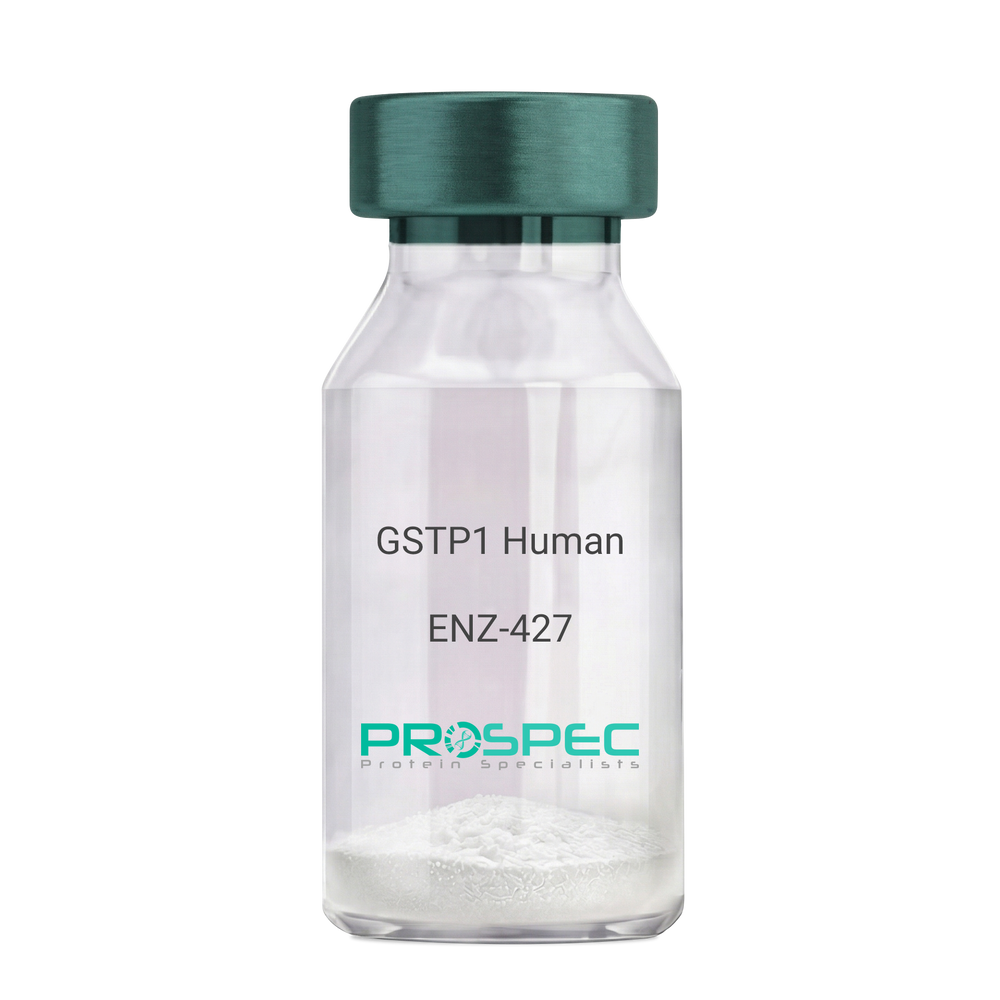
    GSTP1 Human

    Description:

    Glutathione S-Transferase pi 1 Human Recombinant

    Glutathione S-transferase P, GST class-pi, GSTP1-1, GSTP1, FAEES3, GST3, PI, DFN7.

    Product # :

    ENZ-427

    Price :

    Quantity :

    Shipping Method :

    Ice Icon

    Shipped with Ice Packs

    Add To Cart

    More Info

    • description
    • source
    • formulation
    • purity
    • biological activity
    • More Info
    • Citations

    Description

    GSTP1 Human Recombinant fused with 36 amino acid His tag at N-terminus produced in E.Coli is a single, non-glycosylated, polypeptide chain containing 246 amino acids (1-210 a.a.) And having a molecular mass of 27.4kDa. The GSTP1 is purified by proprietary chromatographic techniques.

    Source

    Escherichia Coli.

    Formulation

    The GSTP1 solution (0.5mg/ml) contains 20mM Tris-HCl buffer (pH7.0), 30% glycerol, 1mM EDTA and 0.1mM PMSF.

    Purity

    Greater than 95.0% as determined by SDS-PAGE.

    Biological Activity

    Specific activity is > 80 units/mg, and is defined as the amount of enzyme that conjugate 1.0 u mole of 1-chloro-2,4-dinitrobenzene (CDNB) with reduced glutathione per minute at pH 6.5 at 25°C.

    Citations

    More Info

    • Introduction

      GSTP1 is a polymorphic gene encoding active, functionally different GSTP1 variant proteins that are believed to function in xenobiotic metabolism and have a part in susceptibility to cancer, and other diseases. GSTP1 is a glutathione S-transferase belonging to the pi class. GST family enzymes play a significant role in detoxification by catalyzing the conjugation of many hydrophobic and electrophilic compounds with reduced glutathione. Based upon the biochemical, immunologic and structural properties of the soluble GSTs they are grouped into 4 main classes: alpha, mu, pi, and theta. The GSTP1 enzyme acts by catalyzing the reaction of glutathione with an acceptor molecule to form a Sulfur-substituted glutathione. The reactions employing glutathione contribute the transformation of a broad range of electrophiles, including reactive products of lipid, protein, carcinogens, therapeutic drugs, environmental toxins, and products of oxidative stress.
      The GSTP1 inactivation through CpG hypermethylation is frequent in pituitary adenomas and may be a factor in aggressive pituitary tumor behavior. GSTP1 is may be a transcriptional target of the p53 tumor suppressor gene. Single-nucleotide polymorphism in GSTP1 is linked to modified protein binding, which influence GSTP1's contribution to carcinogen and drug metabolism, and possibly disease pathogenesis and/or drug response. GST-pi might have central roles in proliferation of androgen-independent human prostate cancer cells.

    • Synonyms

      Glutathione S-transferase P, GST class-pi, GSTP1-1, GSTP1, FAEES3, GST3, PI, DFN7.

    • Physical Appearance

      Sterile Filtered colorless solution.

    • Stability

      Store at 4°C if entire vial will be used within 2-4 weeks. Store, frozen at -20°C for longer periods of time. For long term storage it is recommended to add a carrier protein (0.1% HSA or BSA). Avoid multiple freeze-thaw cycles.

    • Amino Acid Sequence

      MRGSHHHHHH GMASMTGGQQ MGRDLYDDDD KDRWGSMPPY TVVYFPVRGR CAALRMLLAD QGQSWKEEVV TVETWQEGSL KASCLYGQLP KFQDGDLTLY QSNTILRHLG RTLGLYGKDQ QEAALVDMVN DGVEDLRCKY ISLIYTNYEA GKDDYVKALP GQLKPFETLL SQNQGGKTFI VGDQISFADY NLLDLLLIHE VLAPGCLDAF PLLSAYVGRL SARPKLKAFL ASPEYVNLPI NGNGKQ.

    ProSpec's products are furnished for LABORATORY RESEARCH USE ONLY. The product may not be used as drugs, agricultural or pesticidal products, food additives or household chemicals.

    Gstp1 Human
  • View Data Sheet

    Name :

    EGF Mouse

    Description:

    Epidermal Growth Factor Mouse

    Urogastrone, URG, EGF.

    Product # :

    CYT-554

    Price :

    Quantity :

    Shipping Method :

    Room Temp Icon

    Shipped at Room temp

    Add To Cart

    More Info

    • description
    • source
    • formulation
    • purity
    • biological activity
    • More Info
    • Citations

    Description

    Epidermal Growth Factor Mouse purified from submaxillary gland is a single, glycosylated, polypeptide chain having a molecular mass of 6.1 kDa.The EGF is purified by proprietary chromatographic techniques.

    Source

    Mouse Submaxillary Gland.

    Formulation

    The protein was lyophilized from a concentrated (1mg/ml) solution containing 0.01M sodium acetate buffer.

    Purity

    Greater than 95.0% as determined by:
    (a) Analysis by RP-HPLC.
    (b) Analysis by SDS-PAGE.

    Biological Activity

    The biological activity is measured in a proliferation assay using BALB/MK cells.

    Citations

    More Info

    • Introduction

      Epidermal growth factor has a profound effect on the differentiation of specific cells in vivo and is a potent mitogenic factor for a variety of cultured cells of both ectodermal and mesodermal origin. The EGF precursor is believed to exist as a membrane-bound molecule which is proteolytically cleaved to generate the 53-amino acid peptide hormone that stimulates cells to divide.
      EGF stimulates the growth of various epidermal and epithelial tissues in vivo and in vitro and of some fibroblasts in cell culture.

    • Synonyms

      Urogastrone, URG, EGF.

    • Physical Appearance

      Sterile Filtered White lyophilized (freeze-dried) powder.

    • Stability

      Lyophilized Epidermal Growth Factor Mouse although stable at room temperature for 3 weeks, should be stored desiccated below -18°C. Upon reconstitution EGF should be stored at 4°C between 2-7 days and for future use below -18°C.For long term storage it is recommended to add a carrier protein (0.1% HSA or BSA).Please prevent freeze-thaw cycles.

    • Solubility

      It is recommended to reconstitute the lyophilized Epidermal Growth Factor in sterile 18MΩ-cm H2O not less than 100µg/ml, which can then be further diluted to other aqueous solutions.

    • Background

      Illuminating Novel Avenues: Epidermal Growth Factor Mouse Variant in Cellular Dynamics and Therapeutic Prospects

      Abstract:

      This research paper delves into unexplored dimensions of the Epidermal Growth Factor Mouse Variant (EGF-M), unraveling its intricate molecular attributes, signaling cascades, and therapeutic implications. Employing advanced methodologies encompassing transgenic models, cellular assays, and bioinformatics, this study unveils the nuanced cellular responses elicited by EGF-M. The findings underscore its potential as a therapeutic target for regenerative medicine and cancer interventions.

      Introduction:

      Epidermal Growth Factor (EGF) orchestrates pivotal cellular processes. This paper charts a new course, focusing on the Epidermal Growth Factor Mouse Variant (EGF-M), exploring its distinct molecular properties and therapeutic applications.

      Molecular Insights and Receptor Binding:

      EGF-M's interaction with the epidermal growth factor receptor (EGFR) initiates a cascade of intracellular events. Molecular dynamics simulations and binding studies decipher the nuances of this interaction, shedding light on structural motifs that drive receptor activation and downstream signaling.

      Cellular Signaling and Functional Responses:

      EGF-M engages canonical and non-canonical signaling pathways, including the mitogen-activated protein kinase (MAPK) pathway and phosphoinositide 3-kinase (PI3K)/Akt pathway. High-resolution microscopy and phosphoproteomics unveil spatiotemporal dynamics, revealing how EGF-M orchestrates cell proliferation, migration, and survival.

      Transgenic Mouse Models and In Vivo Implications:

      In transgenic mouse models, EGF-M's impact on tissue regeneration becomes evident. Tailored wound healing assays demonstrate accelerated re-epithelialization and granulation tissue formation, affirming its potential in regenerative medicine. Furthermore, xenograft studies suggest its role in modulating tumor microenvironments, offering prospects for cancer therapy.

      Bioinformatics in EGF-M Interactions:

      Advanced bioinformatics analyses deepen our understanding of EGF-M's cellular interactions. Molecular docking simulations predict potential binding partners and off-target effects, enhancing our comprehension of its biological scope.

      Therapeutic Implications and Future Directions:

      EGF-M's distinctive attributes open doors for therapeutic innovation. Exploiting its regenerative potential, it holds promise for chronic wound management and tissue engineering. Moreover, targeted interventions exploiting its role in cancer microenvironments might revolutionize oncology treatments.

      Challenges and Prospects:

      Despite promising strides, challenges linger, including deciphering cross-talk between signaling pathways. Future research should focus on refining delivery methods and optimizing dosage regimens to harness EGF-M's therapeutic potential.

      Conclusion:

      In a synthesis of intricate molecular insights and transformative therapeutic avenues, Epidermal Growth Factor Mouse Variant emerges as a captivating subject. Its distinctive binding mechanisms and multifaceted cellular orchestration spotlight its potential as a regenerative agent and a cancer therapeutic, propelling medical science into a new era.

      What is the molecular weight/Mw of EGF Protein?
      EGF Protein has a total Mw of 6.1Da.

      What is the source or expression system of EGF Protein?
      Mouse Submaxillary Gland.

      What is the Purity of EGF Protein?
      EGF Protein is >95% pure as determined by SDS-PAGE.

      What is the Biological Activity of EGF Protein?
      The biological activity is measured in a proliferation assay using BALB/MK cells.

      What is the amino acid sequence of EGF Protein?
      EGF Protein is composed from 53 amino acids.

      What applications can EGF Protein be used in?
      EGF Protein can probably be used in western blot, ELISA and Lateral Flow.

      What is the endotoxin level for EGF Protein?
      The endotoxin level is minimal, EGF Protein was purified using conventional chromatography techniques.

    ProSpec's products are furnished for LABORATORY RESEARCH USE ONLY. The product may not be used as drugs, agricultural or pesticidal products, food additives or household chemicals.

    Egf Mouse
  • View Data Sheet

    Name :

    CCNH Human

    Description:

    Cyclin-H Human Recombinant

    CCNH, CAK, p34, p37, Cyclin-H, MO15-associated protein.

    Product # :

    PKA-364

    Price :

    Quantity :

    Shipping Method :

    Ice Icon

    Shipped with Ice Packs

    Add To Cart

    More Info

    • description
    • source
    • formulation
    • purity
    • More Info
    • Citations

    Description

    CCNH Human Recombinant produced in E.Coli is a single, non-glycosylated, polypeptide chain containing 343 amino acids (1-323 a.a.) and having a molecular mass of 39.8 kDa. The CCNH is fused to a 20 amino acid His Tag and purified by proprietary chromatographic techniques.

    Source

    Escherichia Coli.

    Formulation

    The CCNH solution contains 20mM Tris-HCl pH-8, 2mM DTT, 2mM EDTA, 0.1M NaCl and 30% glycerol.

    Purity

    Greater than 90% as determined by SDS-PAGE.

    Citations

    More Info

    • Introduction

      CCNH is part of the cyclin family that is known for its protein abundance through the cell cycle. Cyclins act as regulators of CDK kinases. CCNH forms a complex with CDK7 kinase and ring finger protein MAT1. The kinase complex is able to phosphorylate CDK2 and CDC2 kinases, therefore it functions as a CDK-activating kinase (CAK). CCNH and its kinase collaborator are components of TFIIH, as well as RNA polymerase II protein complexes.

    • Synonyms

      CCNH, CAK, p34, p37, Cyclin-H, MO15-associated protein.

    • Physical Appearance

      Sterile Filtered clear colorless solution.

    • Stability

      Store at 4°C if entire vial will be used within 2-4 weeks. Store, frozen at -20°C for longer periods of time. For long term storage it is recommended to add a carrier protein (0.1% HSA or BSA).Avoid multiple freeze-thaw cycles.

    • Amino Acid Sequence

      MGSSHHHHHH SSGLVPRGSH MYHNSSQKRH WTFSSEEQLA RLRADANRKF RCKAVANGKV LPNDPVFLEP HEEMTLCKYY EKRLLEFCSV FKPAMPRSVV GTACMYFKRF YLNNSVMEYH PRIIMLTCAF LACKVDEFNV SSPQFVGNLR ESPLGQEKAL EQILEYELLL IQQLNFHLIV HNPYRPFEGF LIDLKTRYPI LENPEILRKT ADDFLNRIAL TDAYLLYTPS QIALTAILSS ASRAGITMES YLSESLMLKE NRTCLSQLLD IMKSMRNLVK KYEPPRSEEV AVLKQKLERC HSAELALNVI TKKRKGYEDD DYVSKKSKHE EEEWTDDDLV ESL.

    ProSpec's products are furnished for LABORATORY RESEARCH USE ONLY. The product may not be used as drugs, agricultural or pesticidal products, food additives or household chemicals.

    Ccnh Human
  • View Data Sheet

    Name :

    MCFD2 Human

    Description:

    Multiple Coagulation Factor Deficiency 2 Human Recombinant

    SDNSF, LMAN1IP, Multiple coagulation factor deficiency protein 2, Neural stem cell-derived neuronal survival protein, MCFD2, F5F8D, DKFZp686G21263.

    Product # :

    PRO-769

    Price :

    Quantity :

    Shipping Method :

    Ice Icon

    Shipped with Ice Packs

    Add To Cart

    More Info

    • description
    • source
    • formulation
    • purity
    • More Info
    • Citations

    Description

    MCFD2 Human Recombinant produced in E.Coli is a single, non-glycosylated polypeptide chain containing 136 amino acids (27-146 a.a.) and having a molecular wieght of 15.1kDa. The MCFD2 is is fused to 16 a.a. T7-Tag at N-terminus and purified by proprietary chromatographic techniques.

    Source

    Escherichia Coli.

    Formulation

    The MCFD2 protein solution contains 20mM Tris-HCl, pH-7.5, 100mM NaCl and 10% glycerol.

    Purity

    Greater than 90.0% as determined by SDS-PAGE.

    Citations

    More Info

    • Introduction

      The MCFD2-LMAN1 complex forms an explicit cargo receptor for the ER-to-Golgi transport of selected proteins. MCFD2 is involved in the secretion of coagulation factors. MCFD2 is expressed by neural stem/progenitor cells of the hippocampus, and localized to region where neurogenesis persists throughout life. MCFD2 prevents NSC cell death and maintains stem cell characteristics. MCFD2 forms a complex with LAMN1 that facilitates the transport of coagulation factors V and VIII from the endoplasmic reticulum to the Golgi apparatus through an endoplasmic reticulum Golgi intermediate compartment. Mutations in the MCFD2 cause Factor V and Factor VIII combined deficiency.

    • Synonyms

      SDNSF, LMAN1IP, Multiple coagulation factor deficiency protein 2, Neural stem cell-derived neuronal survival protein, MCFD2, F5F8D, DKFZp686G21263.

    • Physical Appearance

      Sterile filtered colorless solution.

    • Stability

      Store at 4°C if entire vial will be used within 2-4 weeks. Store, frozen at -20°C for longer periods of time. For long term storage it is recommended to add a carrier protein (0.1% HSA or BSA). Avoid multiple freeze-thaw cycles.

    • Amino Acid Sequence

      MASMTGGQQM GRGSHMEEPA ASFSQPGSMG LDKNTVHDQE HIMEHLEGVI NKPEAEMSPQ ELQLHYFKMH DYDGNNLLDG LELSTAITHV HKEEGSEQAP LMSEDELINI IDGVLRDDDK NNDGYIDYAE FAKSLQ.

    ProSpec's products are furnished for LABORATORY RESEARCH USE ONLY. The product may not be used as drugs, agricultural or pesticidal products, food additives or household chemicals.

    Mcfd2 Human
  • View Data Sheet

    Name :

    PFN1 Human

    Description:

    Profilin-1 Human Recombinant

    Profilin-1, Profilin I, PFN1.

    Product # :

    PRO-528

    Price :

    Quantity :

    Shipping Method :

    Ice Icon

    Shipped with Ice Packs

    Add To Cart

    More Info

    • description
    • source
    • formulation
    • purity
    • More Info
    • Citations

    Description

    PFN1 Human Recombinant produced in E.Coli is a single, non-glycosylated, polypeptide chain containing 140 amino acids (1-140 a.a.) and having a molecular mass of 15kDa.The PFN1 is purified by proprietary chromatographic techniques.

    Source

    Escherichia Coli.

    Formulation

    The PFN1 protein solution contains 20mM Tris-HCl buffer (pH8.0) and 10% glycerol.

    Purity

    Greater than 95.0% as determined by SDS-PAGE.

    Citations

    More Info

    • Introduction

      Profilin1 (PFN1) is a ubiquitous actin monomer-binding protein which is a member of the profilin family. PFN1 significantly boosts skin wound healing in-vitro and in-vivo which may be mediated by purinergic receptors. PFN1 is also active in endothelial cell migration and vessel sprouting. PFN1 is thought to control actin polymerization in response to extracellular signals. PFN1 binds to actin and affects the formation of the cytoskeleton. In addition, PFN1 has an important role in the regulation of epithelial cell-cell adhesion. At high concentrations, profilin averts the polymerization of actin, while at low concentrations it enhances the polymerization. PFN1 gene deletion is linked to Miller-Dieker syndrome.

    • Synonyms

      Profilin-1, Profilin I, PFN1.

    • Physical Appearance

      Sterile Filtered colorless solution.

    • Stability

      Store at 4°C if entire vial will be used within 2-4 weeks. Store, frozen at -20°C for longer periods of time. For long term storage it is recommended to add a carrier protein (0.1% HSA or BSA).Avoid multiple freeze-thaw cycles.

    • Amino Acid Sequence

      MAGWNAYIDN LMADGTCQDA AIVGYKDSPS VWAAVPGKTF VNITPAEVGV LVGKDRSSFY VNGLTLGGQK CSVIRDSLLQ DGEFSMDLRT KSTGGAPTFN VTVTKTDKTL VLLMGKEGVH GGLINKKCYE MASHLRRSQY.

    ProSpec's products are furnished for LABORATORY RESEARCH USE ONLY. The product may not be used as drugs, agricultural or pesticidal products, food additives or household chemicals.

    Pfn1 Human
  • View Data Sheet

    Name :

    PPIF Human

    Description:

    Cyclophilin-F Human Recombinant

    Oeptidylprolyl Isomerase F, PPIF, CYP-D, CYP3, SnuCyp-20, Peptidyl-prolyl cis-trans isomerase mitochondrial, Cyclophilin F, FLJ90798, MGC117207, peptidylprolyl isomerase F.

    Product # :

    ENZ-385

    Price :

    Quantity :

    Shipping Method :

    Ice Icon

    Shipped with Ice Packs

    Add To Cart

    More Info

    • description
    • source
    • formulation
    • purity
    • biological activity
    • More Info
    • Citations

    Description

    PPIF Human Recombinant produced in E.Coli is a single, non-glycosylated, polypeptide chain containing 198 amino acids (30-207) and having a molecular mass of 21 kDa. The PPIF is fused to a 20 amino acid His tag at N-terminus and is purified by proprietary chromatographic techniques.

    Source

    Escherichia Coli.

    Formulation

    PPIF solution containing 20mM Tris-HCl pH-7.5, 10% glycerol and 1mM DTT.

    Purity

    Greater than 95.0% as determined by SDS-PAGE.

    Biological Activity

    Specific activity is > 250 nmoles/min/mg, and is defined as the amount of enzyme that cleaves 1umole of suc-AAFP-pNA per minute at 25C in Tris-Hcl pH8.0 using chymotrypsin.

    Citations

    More Info

    • Introduction

      PPIF is a part of the peptidyl-prolyl cis-trans isomerase (PPIase) family. PPIF accelerates the folding of proteins. It catalyzes the cis-trans isomerization of proline imidic peptide bonds in oligopeptides. PPIF is key component of the mitochondrial permeability transition pore in the inner mitochondrial membrane. Activation of this pore is thought to be involved in the induction of apoptotic and necrotic cell death.

    • Synonyms

      Oeptidylprolyl Isomerase F, PPIF, CYP-D, CYP3, SnuCyp-20, Peptidyl-prolyl cis-trans isomerase mitochondrial, Cyclophilin F, FLJ90798, MGC117207, peptidylprolyl isomerase F.

    • Physical Appearance

      Sterile filtered colorless solution.

    • Stability

      Store at 4°C if entire vial will be used within 2-4 weeks. Store, frozen at -20°C for longer periods of time. For long term storage it is recommended to add a carrier protein (0.1% HSA or BSA).Avoid multiple freeze-thaw cycles.

    • Amino Acid Sequence

      MGSSHHHHHH SSGLVPRGSH CSKGSGDPSS SSSSGNPLVY LDVDANGKPL GRVVLELKAD VVPKTAENFR ALCTGEKGFG YKGSTFHRVI PSFMCQAGDF TNHNGTGGKS IYGSRFPDEN FTLKHVGPGV LSMANAGPNT NGSQFFICTI KTDWLDGKHV VFGHVKEGMD VVKKIESFGS KSGRTSKKIV ITDCGQLS.

    ProSpec's products are furnished for LABORATORY RESEARCH USE ONLY. The product may not be used as drugs, agricultural or pesticidal products, food additives or household chemicals.

    Ppif Human
  • View Data Sheet

    Name :

    CRYGS Human

    Description:

    Crystallin, Gamma S Human Recombinant

    Crystallin gamma S, Gamma-crystallin S, CRYG8, crystallin, gamma 8, Beta-crystallin S.

    Product # :

    PRO-963

    Price :

    Quantity :

    Shipping Method :

    Ice Icon

    Shipped with Ice Packs

    Add To Cart

    More Info

    • description
    • source
    • formulation
    • purity
    • More Info
    • Citations

    Description

    CRYGS Human Recombinant produced in E.coli is a single, non-glycosylated polypeptide chain containing 202 amino acids (1-178) and having a molecular mass of 23.6 kDa.The CRYGS is fused to a 24 amino acid His-Tag at N-terminus and purified by proprietary chromatographic techniques.

    Source

    E.coli.

    Formulation

    The CRYGS solution (1mg/ml) contains 20mM Tris-HCl buffer (pH 8.0), 1mM DTT, 0.1M NaCl and 10% glycerol.

    Purity

    Greater than 95% as determined by SDS-PAGE.

    Citations

    More Info

    • Introduction

      Mammalian crystallins which are water soluble structural proteins located in the vertebrate eye are classified in three forms, labeled alpha, beta and gamma. Crystallins, the primary components of the lens, raise the refractive index of the eye all through the accommodation by creating high-molecular weight aggregates that maintain transparency. CRYGS is a monomer that does not aggregate. CRYGS encodes the most substantial gamma-crystallin in adult eye lens tissue. Gamma-crystallins has a part in cataract formation due to aging or mutations in specific genes,

    • Synonyms

      Crystallin gamma S, Gamma-crystallin S, CRYG8, crystallin, gamma 8, Beta-crystallin S.

    • Physical Appearance

      Sterile Filtered colorless solution.

    • Stability

      Store at 4°C if entire vial will be used within 2-4 weeks. Store, frozen at -20°C for longer periods of time. For long term storage it is recommended to add a carrier protein (0.1% HSA or BSA).Avoid multiple freeze-thaw cycles.

    • Amino Acid Sequence

      MGSSHHHHHH SSGLVPRGSH MGSHMSKTGT KITFYEDKNF QGRRYDCDCD CADFHTYLSR CNSIKVEGGT WAVYERPNFA GYMYILPQGE YPEYQRWMGL NDRLSSCRAV HLPSGGQYKI QIFEKGDFSG QMYETTEDCP SIMEQFHMRE IHSCKVLEGV WIFYELPNYR GRQYLLDKKE YRKPIDWGAA SPAVQSFRRI VE

    ProSpec's products are furnished for LABORATORY RESEARCH USE ONLY. The product may not be used as drugs, agricultural or pesticidal products, food additives or household chemicals.

    Crygs Human
  • View Data Sheet

    Name :

    KRT8 Human, His

    Description:

    Cytokeratin 8 Human Recombinant, His Tag

    Keratin type II cytoskeletal 8, Cytokeratin-8, CK-8, Keratin-8, K8, KRT8, CYK8, KO, CK8, K2C8, CARD2.

    Product # :

    PRO-1567

    Price :

    Quantity :

    Shipping Method :

    Ice Icon

    Shipped with Ice Packs

    Add To Cart

    More Info

    • description
    • source
    • formulation
    • purity
    • More Info
    • Citations

    Description

    KRT8 Human Recombinant produced in E.Coli is a single, non-glycosylated polypeptide chain containing 506 amino acids (1-483 a.a) and having a molecular mass of 56kDa. KRT8 is fused to a 23 amino acid His-tag at N-terminus & purified by proprietary chromatographic techniques.

    Source

    Escherichia Coli.

    Formulation

    KRT8 protein solution (1mg/ml) containing 20mM Tris-HCl buffer (pH 8.0), 0.4M Urea and 10% glycerol.

    Purity

    Greater than 90.0% as determined by SDS-PAGE.

    Citations

    More Info

    • Introduction

      Cytokeratin 8 (KRT8) belongs to the type II keratin family clustered on the long arm of chromosome 12. Type I and type II keratins heteropolymerize to form intermediate-sized filaments in the cytoplasm of epithelial cells. KRT8 typically dimerizes with keratin 18 to form an intermediate filament in simple single-layered epithelial cells. KRT8 has a role in retaining cellular structural integrity and also functions in signal transduction and cellular differentiation. KRT8 gene mutations cause cryptogenic cirrhosis.

    • Synonyms

      Keratin type II cytoskeletal 8, Cytokeratin-8, CK-8, Keratin-8, K8, KRT8, CYK8, KO, CK8, K2C8, CARD2.

    • Physical Appearance

      Sterile Filtered colorless solution.

    • Stability

      Store at 4°C if entire vial will be used within 2-4 weeks. Store, frozen at -20°C for longer periods of time.For long term storage it is recommended to add a carrier protein (0.1% HSA or BSA).Avoid multiple freeze-thaw cycles.

    • Amino Acid Sequence

      MGSSHHHHHH SSGLVPRGSH MGSMSIRVTQ KSYKVSTSGP RAFSSRSYTS GPGSRISSSS FSRVGSSNFR GGLGGGYGGA SGMGGITAVT VNQSLLSPLV LEVDPNIQAV RTQEKEQIKT LNNKFASFID KVRFLEQQNK MLETKWSLLQ QQKTARSNMD NMFESYINNL RRQLETLGQE KLKLEAELGN MQGLVEDFKN KYEDEINKRT EMENEFVLIK KDVDEAYMNK VELESRLEGL TDEINFLRQL YEEEIRELQS QISDTSVVLS MDNSRSLDMD SIIAEVKAQY EDIANRSRAE AESMYQIKYE ELQSLAGKHG DDLRRTKTEI SEMNRNISRL QAEIEGLKGQ RASLEAAIAD AEQRGELAIK DANAKLSELE AALQRAKQDM ARQLREYQEL MNVKLALDIE IATYRKLLEG EESRLESGMQ NMSIHTKTTS GYAGGLSSAY GGLTSPGLSY SLGSSFGSGA GSSSFSRTSS SRAVVVKKIE TRDGKLVSES SDVLPK.

    ProSpec's products are furnished for LABORATORY RESEARCH USE ONLY. The product may not be used as drugs, agricultural or pesticidal products, food additives or household chemicals.

    Krt8 Human His
  • View Data Sheet

    Name :

    CXCL2 Mouse

    Description:

    GRO-Beta Mouse Recombinant (CXCL2)

    Macrophage inflammatory protein 2-alpha, MIP2-alpha, CXCL2, Growth- regulated protein beta, Gro-beta, chemokine (C-X-C motif) ligand 2, GRO2, GROb, MIP2, MIP2A, SCYB2, MGSA-b, MIP-2a, CINC-2a, MGSA beta.

    Product # :

    CHM-338

    Price :

    Quantity :

    Shipping Method :

    Room Temp Icon

    Shipped at Room temp

    Add To Cart

    More Info

    • description
    • source
    • formulation
    • purity
    • biological activity
    • More Info
    • Citations

    Description

    GRO-Beta Mouse Recombinant also caled mouse MIP-2 produced in E.Coli is a single,non-glycosylated, polypeptide chain containing 73 amino acids and having a molecular mass of 7849 Dalton. The CXCL2 is purified by proprietary chromatographic techniques.

    Source

    Escherichia Coli.

    Formulation

    The protein was lyophilized from a concentrated (1.0mg/ml) solution in 20mM PB, pH 7.4, 150mM NaCl.

    Purity

    Greater than 97.0% as determined by:
    (a) Analysis by RP-HPLC.
    (b) Analysis by SDS-PAGE.

    Biological Activity

    The Biological activity was determined by its ability to chemoattract total human neutrophils using a concentration range of 1.0-10.0 ng/ml, corresponding to a specific activity of 105-106units/mg.

    Citations

    More Info

    • Introduction

      Chemokine (C-X-C motif) ligand 2 (CXCL2) is a small cytokine belonging to the CXC chemokine family that is also called macrophage inflammatory protein 2-alpha (MIP2-alpha), Growth-regulated protein beta (Gro-beta) and Gro oncogene-2 (Gro-2). CXCL2 is 90% identical in amino acid sequence as a related chemokine, CXCL1. This chemokine is secreted by monocytes and macrophages and is chemotactic for polymorphonuclear leukocytes and hematopoietic stem cells. The gene for CXCL2 is located on human chromosome 4 in a cluster of other CXC chemokines. CXCL2 mobilizes cells by interacting with a cell surface chemokine receptor called CXCR2.

    • Synonyms

      Macrophage inflammatory protein 2-alpha, MIP2-alpha, CXCL2, Growth- regulated protein beta, Gro-beta, chemokine (C-X-C motif) ligand 2, GRO2, GROb, MIP2, MIP2A, SCYB2, MGSA-b, MIP-2a, CINC-2a, MGSA beta.

    • Physical Appearance

      Sterile Filtered White lyophilized (freeze-dried) powder.

    • Stability

      Lyophilized CXCL2 although stable at room temperature for 3 weeks, should be stored desiccated below -18°C. Upon reconstitution CXCL2 should be stored at 4°C between 2-7 days and for future use below -18°C. For long term storage it is recommended to add a carrier protein (0.1% HSA or BSA).Please prevent freeze-thaw cycles.

    • Solubility

      It is recommended to reconstitute the lyophilized GRO-beta Mouse in sterile 18MΩ-cm H2O not less than 100µg/ml, which can then be further diluted to other aqueous solutions.

    • Amino Acid Sequence

      AVVASELRCQ CLKTLPRVDF KNIQSLSVTP PGPHCAQTEV IATLKGGQKV CLDPEAPLVQ KIIQKILNKG KAN.

    • Background

      What is the molecular weight/Mw of CXCL2 MOUSE Protein?
      CXCL2 MOUSE Protein has a total Mw of 7.84kDa.

      What is the source or expression system of CXCL2 MOUSE Protein?
      Escherichia Coli.

      What is the Purity of CXCL2 MOUSE Protein?
      CXCL2 MOUSE Protein is >97% pure as determined by SDS-PAGE.

      What is the Biological Activity of CXCL2 MOUSE Protein?
      The Biological activity was determined by its ability to chemoattract total human neutrophils using a concentration range of 1.0-10.0 ng/ml, corresponding to a specific activity of 105-106units/mg.

      What is the amino acid sequence of CXCL2 MOUSE Protein?
      AVVASELRCQ CLKTLPRVDF KNIQSLSVTP PGPHCAQTEV IATLKGGQKV CLDPEAPLVQ KIIQKILNKG KAN.

      What applications can CXCL2 MOUSE Protein be used in?
      CXCL2 MOUSE Protein can probably be used in western blot, ELISA and Lateral Flow.

      What is the endotoxin level for CXCL2 MOUSE Protein?
      The endotoxin level is minimal, CXCL2 MOUSE Protein was purified using conventional chromatography techniques.

      Who supplies recombinant CXCL2 MOUSE that is in stock and available to order?
      ProSpec has the protein in stock and available for immediate delivery.

      Where can I order bulk mg quantities of CXCL2 MOUSE?
      ProSpec supplies bulk mg quantities at affordable prices that meets research and academic budgets.

    • Protein content

      Protein quantitation was carried out by two independent methods:1. UV spectroscopy at 280 nm using the absorbency value of 0.015 as the extinction coefficient for a 0.1% (1mg/ml) solution. This value is calculated by the PC GENE computer analysis program of protein sequences (IntelliGenetics). 2. Analysis by RP-HPLC, using a standard solution of GRO-b as a Reference Standard.

    ProSpec's products are furnished for LABORATORY RESEARCH USE ONLY. The product may not be used as drugs, agricultural or pesticidal products, food additives or household chemicals.

    Gro Beta Mouse
  • View Data Sheet

    Name :

    CMV Pp28

    Description:

    Cytomegalo Virus Pp28 (UL99) Recombinant

    Product # :

    CMV-212

    Price :

    Quantity :

    Shipping Method :

    Ice Icon

    Shipped with Ice Packs

    Add To Cart

    More Info

    • description
    • source
    • formulation
    • purity
    • More Info
    • Citations

    Description

    The E.Coli derived recombinant protein contains the CMV Pp28 (UL99) immunodominant regions, 130-160 amino acids.

    Source

    Escherichia Coli.

    Formulation

    50mM Tris-Hcl pH 7.2, 1mM EDTA and 50% glycerol.

    Purity

    CMV Pp28 protein is >95% pure as determined by 10% PAGE (coomassie staining).

    Citations

    More Info

    • Introduction

      The human cytomegalovirus UL99-encoded pp28 is a myristylated phosphoprotein that is a constituent of the virion. The pp28 protein is positioned within the tegument of the virus particle, a protein structure that resides between the capsid and envelope. In the infected cell, pp28 is found in a cytoplasmic compartment derived from the Golgi apparatus, where the virus buds into vesicles to acquire its final membrane.

    • Stability

      CMV Pp28 protein although stable at 4°C for 1 week, should be stored below -18°C. Please prevent freeze thaw cycles.

    • Applications

      CMV Pp28 antigen is suitable for ELISA and Western blots, excellent antigen for detection of CMV with minimal specificity problems.

    • Specificity

      Immunoreactive with sera of CMV-infected individuals.

    • Purification Method

      Purified by GS-4B Sepharose-Affinity Purification.

    ProSpec's products are furnished for LABORATORY RESEARCH USE ONLY. The product may not be used as drugs, agricultural or pesticidal products, food additives or household chemicals.

    Cmv Pp28
  • View Data Sheet

    Name :

    TNFSF8 Human, Sf9

    Description:

    CD30 Ligand Human Recombinant, Sf9

    Tumor Necrosis Factor Superfamily Member 8, Tumor Necrosis Factor (Ligand) Superfamily, Member 8, CD153 Antigen, CD30 Ligand, CD30LG, CD30-L, CD30L, Tumor Necrosis Factor (Ligand) Superfamily Member 8, Tumor Necrosis Factor Ligand 3A, CD30 Antigen Ligand, TNLG3A, CD153, Tumor necrosis factor ligand superfamily member 8, TNFSF8, CD30 ligand.

    Product # :

    CYT-954

    Price :

    Quantity :

    Shipping Method :

    Ice Icon

    Shipped with Ice Packs

    Add To Cart

    More Info

    • description
    • source
    • formulation
    • purity
    • More Info
    • Citations

    Description

    TNFSF8 produced in Sf9 Baculovirus cells is a single, glycosylated polypeptide chain containing 181 amino acids (63-234a.a.) and having a molecular mass of 20.7kDa (Molecular size on SDS-PAGE will appear at approximately 18-40kDa). TNFSF8 is expressed with a 6 amino acid His tag at C-Terminus and purified by proprietary chromatographic techniques.

    Source

    Sf9, Baculovirus cells.

    Formulation

    TNFSF8 protein solution (0.5mg/ml) contains Phosphate Buffered Saline (pH 7.4) and 10% glycerol.

    Purity

    Greater than 85% as determined by SDS-PAGE.

    Citations

    More Info

    • Introduction

      CD30 Ligand (TNFSF8) is a cytokine which is a member of the tumor necrosis factor (TNF) ligand family. The TNFSF8 cytokine is a ligand for TNFRSF8/CD30, which is a cell surface antigen and a marker for Hodgkin lymphoma and related hematologic malignancies. The employment of the TNFSF8 cytokine expressed on B cell surface has an inhibitory role in modulating Ig class switch. TNFSF8 enhances cell proliferation of some lymphoma cell lines, while inducing cell death and reducing cell proliferation of other lymphoma cell lines. The pleiotropic biological activities of the TNFSF8 cytokine on different CD30+ lymphoma cell lines has a pathophysiologic role in Hodgkin's and some non-Hodgkin's lymphomas.

    • Synonyms

      Tumor Necrosis Factor Superfamily Member 8, Tumor Necrosis Factor (Ligand) Superfamily, Member 8, CD153 Antigen, CD30 Ligand, CD30LG, CD30-L, CD30L, Tumor Necrosis Factor (Ligand) Superfamily Member 8, Tumor Necrosis Factor Ligand 3A, CD30 Antigen Ligand, TNLG3A, CD153, Tumor necrosis factor ligand superfamily member 8, TNFSF8, CD30 ligand.

    • Physical Appearance

      Sterile filtered colorless solution.

    • Stability

      Store at 4°C if entire vial will be used within 2-4 weeks. Store, frozen at -20°C for longer periods of time. For long term storage it is recommended to add a carrier protein (0.1% HSA or BSA).Avoid multiple freeze-thaw cycles.

    • Amino Acid Sequence

      ADPQRTDSIP NSPDNVPLKG GNCSEDLLCI LKRAPFKKSW AYLQVAKHLN KTKLSWNKDG ILHGVRYQDG NLVIQFPGLY FIICQLQFLV QCPNNSVDLK LELLINKHIK KQALVTVCES GMQTKHVYQN LSQFLLDYLQ VNTTISVNVD TFQYIDTSTF PLENVLSIFL YSNSDHHHHH H.

    ProSpec's products are furnished for LABORATORY RESEARCH USE ONLY. The product may not be used as drugs, agricultural or pesticidal products, food additives or household chemicals.

    Tnfsf8 Human Sf9
  • View Data Sheet

    Name :

    FCGR2A Human

    Description:

    CD32a Human Recombinant

    CD32, CD32A, CDw32, FcGR, IGFR2, MGC23887, MGC30032, Low affinity immunoglobulin gamma Fc region receptor II-a, IgG Fc receptor II-a, Fc-gamma-RIIa, FcRII-a, FCG2, FCGR2A1.

    Product # :

    PRO-029

    Price :

    Quantity :

    Shipping Method :

    Ice Icon

    Shipped with Ice Packs

    Add To Cart

    More Info

    • description
    • source
    • formulation
    • purity
    • More Info
    • Citations

    Description

    FCGR2A Human Recombinant produced in E.Coli is a single, non-glycosylated polypeptide chain containing 208 amino acids (34-216 a.a) and having a molecular mass of 23.0kDa. FCGR2A is fused to a 25 amino acid His-tag at N-terminus & purified by proprietary chromatographic techniques.

    Source

    E.coli.

    Formulation

    FCGR2A protein solution (0.25mg/ml) containing 20mM Tris-HCl buffer (pH 8.0), 0.1M NaCl, 50% glycerol and 1mM DTT.

    Purity

    Greater than 90% as determined by SDS-PAGE.

    Citations

    More Info

    • Introduction

      CD32a, also known as FCGR2A, belongs to a family of immunoglobulin Fc receptor genes located on the surface of various immune response cells. FCGR2A which is a cell surface receptor found on phagocytic cells like macrophages and neutrophils, takes part in the process of phagocytosis and clearing of immune complexes. FCGR2A initiates cellular responses against pathogens and soluble antigens by binding to IgG. FCGR2A, which is a low affinity receptor, binds to the Fc region of immunoglobulins gamma.

    • Synonyms

      CD32, CD32A, CDw32, FcGR, IGFR2, MGC23887, MGC30032, Low affinity immunoglobulin gamma Fc region receptor II-a, IgG Fc receptor II-a, Fc-gamma-RIIa, FcRII-a, FCG2, FCGR2A1.

    • Physical Appearance

      Sterile Filtered colorless solution.

    • Stability

      Store at 4°C if entire vial will be used within 2-4 weeks. Store, frozen at -20°C for longer periods of time. For long term storage it is recommended to add a carrier protein (0.1% HSA or BSA).Avoid multiple freeze-thaw cycles.

    • Amino Acid Sequence

      MGSSHHHHHH SSGLVPRGSH MGSHMQAAPP KAVLKLEPPW INVLQEDSVT LTCQGARSPE SDSIQWFHNG NLIPTHTQPS YRFKANNNDS GEYTCQTGQT SLSDPVHLTV LSEWLVLQTP HLEFQEGETI MLRCHSWKDK PLVKVTFFQN GKSQKFSRLD PTFSIPQANH SHSGDYHCTG NIGYTLFSSK PVTITVQVPS MGSSSPMG.

    ProSpec's products are furnished for LABORATORY RESEARCH USE ONLY. The product may not be used as drugs, agricultural or pesticidal products, food additives or household chemicals.

    Fcgr2A Human
  • View Data Sheet

    Name :

    ITGB4 Human

    Description:

    Integrin Beta 4 Human Recombinant

    Integrin beta-4, GP150, CD104, ITGB4, Integrin Subunit Beta 4, CD104 Antigen, Integrin, Beta 4, Integrin Beta-4.

    Product # :

    PRO-2528

    Price :

    Quantity :

    Shipping Method :

    Ice Icon

    Shipped with Ice Packs

    Add To Cart

    More Info

    • description
    • source
    • formulation
    • purity
    • More Info
    • Citations

    Description

    ITGB4 produced in Sf9 Baculovirus cells is a single, glycosylated polypeptide chain containing 691 amino acids (28-710a.a.) and having a molecular mass of 77.5kDa. (Molecular size on SDS-PAGE will appear at approximately 70-100kDa). ITGB4 is expressed with an 8 amino acid His tag at C-Terminus and purified by proprietary chromatographic techniques.

    Source

    Sf9, Baculovirus cells.

    Formulation

    ITGB4 protein solution (0.5mg/ml) contains Phosphate Buffered Saline (pH 7.4) & 10% glycerol.

    Purity

    Greater than 90.0% as determined by SDS-PAGE.

    Citations

    More Info

    • Introduction

      ITGB4 (integrin beta-4 isoform 1) belongs to the Integrin beta family. ITGB4 forms noncovalent heterodimers with Integrin alpha 6 and takes part in the formation of epithelial hemidesmosomes. ITGB4 has a vital structural role in the hemidesmosome of epithelial cells and is needed for the regulation of keratinocyte motility & polarity. ITGB4 leans towards the association with alpha 6 subunit and is expected to take a key role in the biology of invasive carcinoma.

    • Synonyms

      Integrin beta-4, GP150, CD104, ITGB4, Integrin Subunit Beta 4, CD104 Antigen, Integrin, Beta 4, Integrin Beta-4.

    • Physical Appearance

      Sterile Filtered colorless solution.

    • Stability

      Store at 4°C if entire vial will be used within 2-4 weeks. Store, frozen at -20°C for longer periods of time. For long term storage it is recommended to add a carrier protein (0.1% HSA or BSA). Avoid multiple freeze-thaw cycles.

    • Amino Acid Sequence

      NRCKKAPVKS CTECVRVDKD CAYCTDEMFR DRRCNTQAEL LAAGCQRESI VVMESSFQIT EETQIDTTLR RSQMSPQGLR VRLRPGEERH FELEVFEPLE SPVDLYILMD FSNSMSDDLD NLKKMGQNLA RVLSQLTSDY TIGFGKFVDK VSVPQTDMRP EKLKEPWPNS DPPFSFKNVI SLTEDVDEFR NKLQGERISG NLDAPEGGFD AILQTAVCTR DIGWRPDSTH LLVFSTESAF HYEADGANVL AGIMSRNDER CHLDTTGTYT QYRTQDYPSV PTLVRLLAKH NIIPIFAVTN YSYSYYEKLH TYFPVSSLGV LQEDSSNIVE LLEEAFNRIR SNLDIRALDS PRGLRTEVTS KMFQKTRTGS FHIRRGEVGI YQVQLRALEH VDGTHVCQLP EDQKGNIHLK PSFSDGLKMD AGIICDVCTC ELQKEVRSAR CSFNGDFVCG QCVCSEGWSG QTCNCSTGSL SDIQPCLREG EDKPCSGRGE CQCGHCVCYG EGRYEGQFCE YDNFQCPRTS GFLCNDRGRC SMGQCVCEPG WTGPSCDCPL SNATCIDSNG GICNGRGHCE CGRCHCHQQS LYTDTICEIN YSAIHPGLCE DLRSCVQCQA WGTGEKKGRT CEECNFKVKM VDELKRAEEV VVRCSFRDED DDCTYSYTME GDGAPGPNST VLVHKKKDCP PGSLEHHHHH H

    ProSpec's products are furnished for LABORATORY RESEARCH USE ONLY. The product may not be used as drugs, agricultural or pesticidal products, food additives or household chemicals.

    Itgb4 Human
  • View Data Sheet

    Name :

    KCTD5 Human

    Description:

    Potassium Channel Tetramerisation Domain Containing 5 Human Recombinant

    BTB/POZ domain-containing protein KCTD5, KCTD5.

    Product # :

    PRO-1276

    Price :

    Quantity :

    Shipping Method :

    Ice Icon

    Shipped with Ice Packs

    Add To Cart

    More Info

    • description
    • source
    • formulation
    • purity
    • More Info
    • Citations

    Description

    KCTD5 Human Recombinant produced in E. coli is a single polypeptide chain containing 257 amino acids (1-234) and having a molecular mass of 28.5 kDa. KCTD5 is fused to a 23 amino acid His-tag at N-terminus & purified by proprietary chromatographic techniques.

    Source

    E.coli.

    Formulation

    The KCTD5 solution (0.25mg/ml) contains 20mM Tris-HCl buffer (pH 8.0), 0.2M NaCl, 40% glycerol and 1mM DTT.

    Purity

    Greater than 90% as determined by SDS-PAGE.

    Citations

    More Info

    • Introduction

      BTB/POZ domain-containing protein KCTD5 (KCTD5), is a 234 amino acid protein which localizes mainly in the cytoplasm however translocates to the nucleus on interaction with REP proteins. The expression of KCTD5 is up regulated post-transcriptionally in peripheral blood lymphocytes stimulated via the T-cell receptor. KCTD5 interacts particularly with cullin3, attaches ubiquitinated proteins, and created oligomers through its BTB domain.

    • Synonyms

      BTB/POZ domain-containing protein KCTD5, KCTD5.

    • Physical Appearance

      Sterile Filtered colorless solution.

    • Stability

      Store at 4°C if entire vial will be used within 2-4 weeks. Store, frozen at -20°C for longer periods of time. For long term storage it is recommended to add a carrier protein (0.1% HSA or BSA).Avoid multiple freeze-thaw cycles.

    • Amino Acid Sequence

      MGSSHHHHHH SSGLVPRGSH MGSMAENHCE LLSPARGGIG AGLGGGLCRR CSAGLGALAQ RPGSVSKWVR LNVGGTYFLT TRQTLCRDPK SFLYRLCQAD PDLDSDKDET GAYLIDRDPT YFGPVLNYLR HGKLVINKDL AEEGVLEEAE FYNITSLIKL VKDKIRERDS KTSQVPVKHV YRVLQCQEEE LTQMVSTMSD GWKFEQLVSI GSSYNYGNED QAEFLCVVSK ELHNTPYGTA SEPSEKAKIL QERGSRM

    ProSpec's products are furnished for LABORATORY RESEARCH USE ONLY. The product may not be used as drugs, agricultural or pesticidal products, food additives or household chemicals.

    Kctd5 Human
  • View Data Sheet

    Name :

    FGFR2 Human, (22-289)

    Description:

    Fibroblast Growth Factor Receptor-2 (22-289 a.a.) Human Recombinant

    EC 2.7.10, FGFR-2, BFR-1, CD332, BBDS, CEK3, ECT1, TK14, TK25, CFD1, KSAM, JWS, Fibroblast Growth Factor Receptor 2, Keratinocyte Growth Factor Receptor, Bacteria-Expressed Kinase, EC 2.7.10.1, K-SAM, KGFR, BEK, Protein Tyrosine Kinase, Receptor Like 14, BEK Fibroblast Growth Factor Receptor, Craniofacial Dysostosis 1, Jackson-Weiss Syndrome, Pfeiffer Syndrome, Crouzon Syndrome, CD332 Antigen.

    Product # :

    PKA-118

    Price :

    Quantity :

    Shipping Method :

    Ice Icon

    Shipped with Ice Packs

    Add To Cart

    More Info

    • description
    • source
    • formulation
    • purity
    • More Info
    • Citations

    Description

    FGFR2 produced in Sf9 Baculovirus cells is a single, glycosylated polypeptide chain containing 507 amino acids (22-289a.a.) and having a molecular mass of 56.8kDa. FGFR2 is expressed with a 239 amino acid hIgG-His-Tag at C-Terminus and purified by proprietary chromatographic techniques.

    Source

    Sf9, Baculovirus cells.

    Formulation

    FGFR2 protein solution (0.5mg/ml) contains Phosphate Buffered Saline (pH 7.4) and 10% glycerol.

    Purity

    Greater than 95.0% as determined by SDS-PAGE.

    Citations

    More Info

    • Introduction

      Fibroblast Growth Factors (FGFs) comprise a family of at least 18 structurally related proteins that take part in a multitude of physiological and pathological cellular processes, includingdifferentiation, cell growth, angiogenesis, wound healing and tumorgenesis. The biological activities of the FGFs are mediated by a family if type I transmembrane tyrosine kinases which undergo dimerization and autophosphorylation after ligand binding. 4 different genes encoding related FGF receptors. Multiple forms of FGFR-1 to -3 are generated by alternative splicing of the mRNAs. A frequent splicing event involving FGFR-1 and -2 results in receptors containing all three Ig domains, referred to as the alpha isoform, or only IgII and IgIII. Only the alpha isoform has been identified for FGFR-3 and FGFR-4. Additional splicing events for FGFR-1 to -3, involving the C-terminal half of the IgIII domain encoded by 2 mutually exclusive alternative exons, generate FGF receptors with alternative IgIII domains (IIIb and IIIc). A IIIa isoform which is a secreted FGF binding protein containing only the N-terminal half of the IgIII domain plus some intron sequences has also been reported for FGFR-1.

    • Synonyms

      EC 2.7.10, FGFR-2, BFR-1, CD332, BBDS, CEK3, ECT1, TK14, TK25, CFD1, KSAM, JWS, Fibroblast Growth Factor Receptor 2, Keratinocyte Growth Factor Receptor, Bacteria-Expressed Kinase, EC 2.7.10.1, K-SAM, KGFR, BEK, Protein Tyrosine Kinase, Receptor Like 14, BEK Fibroblast Growth Factor Receptor, Craniofacial Dysostosis 1, Jackson-Weiss Syndrome, Pfeiffer Syndrome, Crouzon Syndrome, CD332 Antigen.

    • Physical Appearance

      Sterile Filtered colorless solution.

    • Stability

      Store at 4°C if entire vial will be used within 2-4 weeks. Store, frozen at -20°C for longer periods of time. For long term storage it is recommended to add a carrier protein (0.1% HSA or BSA). Avoid multiple freeze-thaw cycles.

    • Amino Acid Sequence

      RPSFSLVEDT TLEPEDAISS GDDEDDTDGA EDFVSENSNN KRAPYWTNTE KMEKRLHAVP
      AANTVKFRCP AGGNPMPTMR WLKNGKEFKQ EHRIGGYKVR NQHWSLIMES VVPSDKGNYT
      CVVENEYGSI NHTYHLDVVE RSPHRPILQA GLPANASTVV GGDVEFVCKV YSDAQPHIQW
      IKHVEKNGSK YGPDGLPYLK VLKHSGINSS NAEVLALFNV TEADAGEYIC KVSNYIGQAN
      QSAWLTVLPK QQAPGREKEI TASPDYLELE PKSCDKTHTC PPCPAPELLG GPSVFLFPPK
      PKDTLMISRT PEVTCVVVDV SHEDPEVKFN WYVDGVEVHN AKTKPREEQY NSTYRVVSVL
      TVLHQDWLNG KEYKCKVSNK ALPAPIEKTI SKAKGQPREP QVYTLPPSRD ELTKNQVSLT
      CLVKGFYPSD IAVEWESNGQ PENNYKTTPP VLDSDGSFFL YSKLTVDKSR WQQGNVFSCSVMHEALHNHY TQKSLSLSPG KHHHHHH.

    ProSpec's products are furnished for LABORATORY RESEARCH USE ONLY. The product may not be used as drugs, agricultural or pesticidal products, food additives or household chemicals.

    Fgfr 2 Human
  • View Data Sheet

    Name :

    GDF15 Human, His

    Description:

    Growth and Differentiation Factor 15 Human Recombinant, His Tag

    GDF-15, MIC1, MIC-1, NAG-1, PDF, PLAB, PTGFB, Growth/differentiation factor 15, Placental bone morphogenetic protein, Placental TGF-beta, Macrophage inhibitory cytokine 1, Prostate differentiation factor, NSAID-activated gene 1 protein, NSAID-regulated gene 1 protein, NRG-1, GDF15.

    Product # :

    CYT-691

    Price :

    Quantity :

    Shipping Method :

    Ice Icon

    Shipped with Ice Packs

    Add To Cart

    More Info

    • description
    • source
    • formulation
    • purity
    • More Info
    • Citations

    Description

    Recombinant Human GDF15 produced in E.Coli is a single, non-glycosylated polypeptide chain containing 151 amino acids (195-308) and having a molecular mass of 16.7 kDa(molecular weight on SDS-PAGE will appear higher).GDF15 is expressed with a 36 amino acid His tag fused at N-Terminus and purified by proprietary chromatographic techniques.

    Source

    Escherichia Coli.

    Formulation

    The GDF15 protein solution contains 10mM sodium citrate, pH-3.5 & 10% glycerol.

    Purity

    Greater than 95.0% as determined by SDS-PAGE.

    Citations

    More Info

    • Introduction

      GDF15 is part of the TGF-Beta superfamily that is involved in regulating inflammatory and apoptotic pathways in injured tissues and throughout disease processes. GDF15 is most abundant in the liver. Its expression in liver can be considerably up-regulated in during injury of organs such as liver, kidney, heart and lung. GDF-15 promotes proliferation or growth arrest and differentiation due to differences in cellular differentiation. GDF15 prevents apoptosis in cerebellar granule neurons by activating Akt and inhibiting endogenously active ERK. GDF15 is a novel autocrine/endocrine factor that antagonizes the hypertrophic response and loss of ventricular performance.

    • Synonyms

      GDF-15, MIC1, MIC-1, NAG-1, PDF, PLAB, PTGFB, Growth/differentiation factor 15, Placental bone morphogenetic protein, Placental TGF-beta, Macrophage inhibitory cytokine 1, Prostate differentiation factor, NSAID-activated gene 1 protein, NSAID-regulated gene 1 protein, NRG-1, GDF15.

    • Physical Appearance

      Sterile filtered colorless solution.

    • Stability

      Store at 4°C if entire vial will be used within 2-4 weeks. Store, frozen at -20°C for longer periods of time. For long term storage it is recommended to add a carrier protein (0.1% HSA or BSA). Avoid multiple freeze-thaw cycles.

    • Amino Acid Sequence

      MRGSHHHHHH GMASMTGGQQ MGRDLYDDDD KDRWGSMARA RNGDHCPLGP GRCCRLHTVR ASLEDLGWAD WVLSPREVQV TMCIGACPSQ FRAANMHAQI KTSLHRLKPD TVPAPCCVPA SYNPMVLIQK TDTGVSLQTY DDLLAKDCHC I.

    • Background

      What is the molecular weight/Mw of GDF15 HUMAN, HIS Protein?
      GDF15 HUMAN, HIS Protein has a total Mw of 16.7kDa.

      What is the source or expression system of GDF15 HUMAN, HIS Protein?
      Escherichia Coli.

      What is the Purity of GDF15 HUMAN, HIS Protein?
      GDF15 HUMAN, HIS Protein is >95% pure as determined by SDS-PAGE.

      What is the Biological Activity of GDF15 HUMAN, HIS Protein?
      The biological functionality of GDF15 HUMAN, HIS Protein will be determined in the future.

      What is the amino acid sequence of GDF15 HUMAN, HIS Protein?
      MRGSHHHHHH GMASMTGGQQ MGRDLYDDDD KDRWGSMARA RNGDHCPLGP GRCCRLHTVR ASLEDLGWAD WVLSPREVQV TMCIGACPSQ FRAANMHAQI KTSLHRLKPD TVPAPCCVPA SYNPMVLIQK TDTGVSLQTY DDLLAKDCHC I.

      What applications can GDF15 HUMAN, HIS Protein be used in?
      GDF15 HUMAN, HIS Protein can probably be used in western blot, ELISA and
      Lateral Flow.

      What is the endotoxin level for GDF15 HUMAN, HIS Protein?
      The endotoxin level is minimal, GDF15 HUMAN, HIS Protein was purified using conventional chromatography techniques.

    ProSpec's products are furnished for LABORATORY RESEARCH USE ONLY. The product may not be used as drugs, agricultural or pesticidal products, food additives or household chemicals.

    Gdf15 Human
  • View Data Sheet

    Name :

    Ara h 2.0201

    Description:

    Allergen Ara h 2.0201 (Conglutin-7) Recombinant

    Conglutin-7, 2S protein 1, Seed storage protein SSP1, Seed storage protein SSP2, Allergen Ara h 2.

    Product # :

    ALR-007

    Price :

    Quantity :

    Shipping Method :

    Ice Icon

    Shipped with Ice Packs

    Add To Cart

    More Info

    • description
    • source
    • formulation
    • purity
    • More Info
    • Citations

    Description

    Recombinant Allergen Ara h 2.0201 produced in SF9 is a glycosylated, polypeptide chain having a calculated molecular mass of 20,000 Dalton. Ara h 2.0201 is expressed with a 10xHis tag at N-terminus and purified by proprietary chromatographic techniques.

    Source

    Sf9 insect cells.

    Formulation

    Ara h 2.0201 is supplied in 20mM HEPES buffer pH-7.9 and 6M Urea.

    Purity

    Greater than 95.0% as determined by SDS-PAGE.

    Citations

    More Info

    • Introduction

      Ara h 2 comprises of 2 isoforms: Ara h 2.0101 and Ara h 2.0201. Ara h 2.0201 is the most important peanut allergen which binds IgE. Ara h 2.0201 is a Weak inhibitor of trypsin and is a conglutin storage protein which accounts together with Ara h 6.0101 for the majority of the IgE immune response.

    • Synonyms

      Conglutin-7, 2S protein 1, Seed storage protein SSP1, Seed storage protein SSP2, Allergen Ara h 2.

    • Physical Appearance

      Sterile Filtered clear solution.

    • Stability

      Store at 4°C if entire vial will be used within 2-4 weeks. Store, frozen at -20°C for longer periods of time. Avoid multiple freeze-thaw cycles.

    • Immunological Functions

      1. Binds IgE type human antibodies. 2. Immunodot test with positive/negative sera panels.

    ProSpec's products are furnished for LABORATORY RESEARCH USE ONLY. The product may not be used as drugs, agricultural or pesticidal products, food additives or household chemicals.

    Ara H 20201
  • View Data Sheet

    Name :

    CXCL8 Human (1-72)

    Description:

    Interleukin-8 (1-72 a.a.) Human Recombinant (CXCL8)

    IL-8, CXCL8, Monocyte-derived neutrophil chemotactic factor, MDNCF, T-cell chemotactic factor, Neutrophil-activating protein 1, NAP-1, Protein 3-10C, Granulocyte chemotactic protein 1, GCP-1, Monocyte-derived neutrophil-activating peptide, MONAP, Emoctakin, K60, NAF, LECT, LUCT, 3-10C, LYNAP, SCYB8, TSG-1, AMCF-I, b-ENAP.

    Product # :

    CHM-231

    Price :

    Quantity :

    Shipping Method :

    Room Temp Icon

    Shipped at Room temp

    Add To Cart

    More Info

    • description
    • source
    • formulation
    • purity
    • biological activity
    • More Info
    • sds-page
    • Citations

    Description

    Interleukin-8 Human Recombinant produced in E.Coli is a single, non-glycosylated polypeptide chain containing 72 amino acids and having a molecular mass of 8452 Dalton. The IL-8 is purified by proprietary chromatographic techniques.

    Source

    Escherichia Coli.

    Formulation

    The IL-8 was lyophilized from a concentrated (1mg/ml) solution in water containing no additives.

    Purity

    Greater than 98.0% as determined by:
    (a) Analysis by RP-HPLC.
    (b) Analysis by SDS-PAGE.

    Biological Activity

    Specific Activity of IL8 in chemotaxis of donor PBL neutrophils, threshold concentration corresponding to 10-100 ng/ml corresponding to a Specific Activity of 10,000-100,000IU/mg.

    sds-page

    CXCL8 Human SDS-PAGE - Product image 1

    Citations

    More Info

    • Introduction

      Interleukin-8 (IL-8) is a chemokine produced by macrophages and other cell types such as epithelial cells. It is also synthesized by endothelial cells, which store IL-8 in their storage vesicles, the Weibel-Palade bodies. When first encountering an antigen, the primary cells to encounter it are the macrophages who phagocytose the particle. Upon processing, they release chemokines to signal other immune cells to come in to the site of inflammation. IL-8 is one such chemokine. It serves as a chemical signal that attracts neutrophils at the site of inflammation, and therefore is also known as Neutrophil Chemotactic Factor.

    • Synonyms

      IL-8, CXCL8, Monocyte-derived neutrophil chemotactic factor, MDNCF, T-cell chemotactic factor, Neutrophil-activating protein 1, NAP-1, Protein 3-10C, Granulocyte chemotactic protein 1, GCP-1, Monocyte-derived neutrophil-activating peptide, MONAP, Emoctakin, K60, NAF, LECT, LUCT, 3-10C, LYNAP, SCYB8, TSG-1, AMCF-I, b-ENAP.

    • Physical Appearance

      Sterile Filtered White lyophilized (freeze-dried) powder.

    • Stability

      Lyophilized Interleukin-8 although stable at room temperature for 3 weeks, should be stored desiccated below -18°C. Upon reconstitution CXCL8 should be stored at 4°C between 2-7 days and for future use below -18°C. For long term storage it is recommended to add a carrier protein (0.1% HSA or BSA).Please prevent freeze-thaw cycles.

    • Solubility

      It is recommended to reconstitute the lyophilized Interleukin-8 in sterile 18MΩ-cm H2O not less than 100µg/ml, which can then be further diluted to other aqueous solutions.

    • Amino Acid Sequence

      The sequence of the first five N-terminal amino acids was determined and was found to be Ser-Ala-Lys-Glu-Leu.

    • Background

      What is the molecular weight/Mw of CXCL8 HUMAN (1-72) Protein?
      CXCL8 HUMAN (1-72) Protein has a total Mw of 8.45kDa.

      What is the source or expression system of CXCL8 HUMAN (1-72) Protein?
      Escherichia Coli.

      What is the Purity of CXCL8 HUMAN (1-72) Protein?
      CXCL8 HUMAN (1-72) Protein is >98% pure as determined by SDS-PAGE.

      What is the Biological Activity of CXCL8 HUMAN (1-72) Protein?
      Specific Activity of IL8 in chemotaxis of donor PBL neutrophils, threshold concentration corresponding to 10-100 ng/ml corresponding to a Specific Activity of 10,000-100,000IU/mg.

      What is the amino acid sequence of CXCL8 HUMAN (1-72) Protein?
      The sequence of the first five N-terminal amino acids was determined and was found to be Ser-Ala-Lys-Glu-Leu.

      What applications can CXCL8 HUMAN (1-72) Protein be used in?
      CXCL8 HUMAN (1-72) Protein can probably be used in western blot, ELISA and Lateral Flow.

      What is the endotoxin level for CXCL8 HUMAN (1-72) Protein?
      The endotoxin level is minimal, CXCL8 HUMAN (1-72) Protein was purified using conventional chromatography techniques.

      Who supplies recombinant CXCL8 HUMAN (1-72) that is in stock and available to order?
      ProSpec has the protein in stock and available for immediate delivery.

      Where can I order bulk mg quantities of CXCL8 HUMAN (1-72)?
      ProSpec supplies bulk mg quantities at affordable prices that meets research and academic budgets.

    ProSpec's products are furnished for LABORATORY RESEARCH USE ONLY. The product may not be used as drugs, agricultural or pesticidal products, food additives or household chemicals.

    Il 8 72 Human
  • View Data Sheet

    Name :

    HSPA9 Human

    Description:

    Heat Shock 70kDa Protein 9 Human Recombinant

    Mortalin, GRP75, MOT2, GSPA9B, PBP74, MOT-2, MTHSP75, Stress-70 protein mitochondrial, 75 kDa glucose-regulated protein, GRP 75, Heat shock 70 kDa protein 9, Peptide-binding protein 74, MOT, HSPA9, HSPA9B, CSA, MGC4500.

    Product # :

    HSP-023

    Price :

    Quantity :

    Shipping Method :

    Ice Icon

    Shipped with Ice Packs

    Add To Cart

    More Info

    • description
    • source
    • formulation
    • purity
    • More Info
    • Citations

    Description

    Recombinant Human HSPA9 produced in E.Coli is a single,non-glycosylated polypeptide chain containing 654 amino acids (47-679) and having a molecular mass of 71 kDa.HSP9A is expressed with a 20 amino acid His tag fused at N-Terminus and purified by proprietary chromatographic techniques.

    Source

    Escherichia Coli.

    Formulation

    The HSPA9 protein solution contains 20mM Tris-HCl, pH-8, 10% glycerol and 0.5mM DTT.

    Purity

    Greater than 95.0% as determined by SDS-PAGE.

    Citations

    More Info

    • Introduction

      HSPA9 is part of the heat shock protein 70 family which contains both heat-inducible and constitutively expressed members that are also called heat-shock cognate proteins. HSPA9 encodes a heat-shock cognate protein that is involved in the control of cell proliferation and acts as a chaperone. HSPA9 was restricted to chromosome 5, band q31, a region that is often deleted in myeloid leukemias and myelodysplasia (MDS), making it a candidate tumor suppressor gene, which is consistent with the biological function of its murine homologue. HSPA9 supresses nuclear translocation, transcriptional activation, and control of centrosome-duplication functions of p53.

    • Synonyms

      Mortalin, GRP75, MOT2, GSPA9B, PBP74, MOT-2, MTHSP75, Stress-70 protein mitochondrial, 75 kDa glucose-regulated protein, GRP 75, Heat shock 70 kDa protein 9, Peptide-binding protein 74, MOT, HSPA9, HSPA9B, CSA, MGC4500.

    • Physical Appearance

      Sterile filtered colorless solution.

    • Stability

      Store at 4°C if entire vial will be used within 2-4 weeks. Store, frozen at -20°C for longer periods of time. For long term storage it is recommended to add a carrier protein (0.1% HSA or BSA). Avoid multiple freeze-thaw cycles.

    • Amino Acid Sequence

      MGSSHHHHHH SSGLVPRGSH MASEAIKGAV VGIDLGTTNS CVAVMEGKQA KVLENAEGAR TTPSVVAFTA DGERLVGMPA KRQAVTNPNN TFYATKRLIG RRYDDPEVQK DIKNVPFKIV RASNGDAWVE AHGKLYSPSQ IGAFVLMKMK ETAENYLGHT AKNAVITVPA YFNDSQRQAT KDAGQISGLN VLRVINEPTA AALAYGLDKS EDKVIAVYDL GGGTFDISIL EIQKGVFEVK STNGDTFLGG EDFDQALLRH IVKEFKRETG VDLTKDNMAL QRVREAAEKA KCELSSSVQT DINLPYLTMD SSGPKHLNMK LTRAQFEGIV TDLIRRTIAP CQKAMQDAEV SKSDIGEVIL VGGMTRMPKV QQTVQDLFGR APSKAVNPDE AVAIGAAIQG GVLAGDVTDV LLLDVTPLSL GIETLGGVFT KLINRNTTIP TKKSQVFSTA ADGQTQVEIK VCQGEREMAG DNKLLGQFTL IGIPPAPRGV PQIEVTFDID ANGIVHVSAK DKGTGREQQI VIQSSGGLSK DDIENMVKNA EKYAEEDRRK KERVEAVNMA EGIIHDTETK MEEFKDQLPA DECNKLKEEI SKMRELLARK DSETGENIRQ AASSLQQASL KLFEMAYKKM ASEREGSGSS GTGEQKEDQK EEKQ.

    ProSpec's products are furnished for LABORATORY RESEARCH USE ONLY. The product may not be used as drugs, agricultural or pesticidal products, food additives or household chemicals.

    Hspa9 Human
  • 1
  • …
  • 35
  • 36
  • 37
  • 38
  • 39
  • …
  • 42
Your browser does not support the video tag.

Products

  • Cytokines
  • Growth Factors
  • Chemokines
  • CD Antigens
  • Neurotrophins
  • Hormones
  • Enzymes
  • Viral Antigens
  • Recombinant Proteins
  • Natural Proteins
  • Monoclonal Antibodies
  • Polyclonal Antibodies
  • Thermal Packaging

About

  • Company
  • Founder
  • Contribution
  • Contact Us
  • My Account

Ordering

  • Ordering Method
  • Ordering - Credit Card
  • Ordering PO
  • Shipping Fees
  • FAQ's

Legal

  • Terms & Conditions
  • Privacy
  • Site Map
  • info@prospecbio.com
  • Facebook
  • Instagram
  • Linkedin Profile

© 2026 ProSpec-Tany TechnoGene Ltd. All Rights Reserved.

  • Choosing a selection results in a full page refresh.
  • Opens in a new window.