Search results
1000 results found for “stathmin”
Name
Description
Product #
Price
Quantity
Shipping Method
- View Data Sheet
Name :
BRMS1 HumanDescription:
Breast Cancer Metastasis Suppressor 1 Human Recombinant
Breast Cancer Metastasis Suppressor 1.
Product # :
PRO-1828Price :
Quantity :
Shipping Method :
Shipped with Ice Packs
More Info
- description
- source
- formulation
- purity
- More Info
Description
BRMS1 Human Recombinant produced in E.coli is a single, non-glycosylated polypeptide chain containing 261 amino acids (1-246) and having a molecular mass of 29.9 kDa. BRMS1 is fused to a 15 amino acid T7-tag at N-terminus.
Source
Escherichia Coli.
Formulation
The BRMS1 solution (0.25mg/ml) contains 20mM Tris-HCl buffer (pH 8.0), 0.4M Urea and 10% glycerol.
Purity
Greater than 80% as determined by SDS-PAGE.
More Info
-
Introduction
BRMS1 protein, a member of the mSin3a family of HDAC (histone deacetylase complexes), is mainly restricted to the nucleus. BRMS1 holds two coiled-coil motifs and a few imperfect leucine zipper motifs. BRMS1 reduces the metastatic potential, but not the tumorogenicity, of melanoma cell lines and human breast cancer. Alternative splicing creates two transcript variants encoding different isoforms.
-
Synonyms
Breast Cancer Metastasis Suppressor 1.
-
Physical Appearance
Sterile Filtered clear solution.
-
Stability
Store at 4°C if entire vial will be used within 2-4 weeks. Store, frozen at -20°C for longer periods of time. For long term storage it is recommended to add a carrier protein (0.1% HSA or BSA).Avoid multiple freeze-thaw cycles.
-
Amino Acid Sequence
MASMTGGQQM GRGSHMPVQP PSKDTEEMEA EGDSAAEMNG EEEESEEERS GSQTESEEES SEMDDEDYER RRSECVSEML DLEKQFSELK EKLFRERLSQ LRLRLEEVGA ERAPEYTEPL GGLQRSLKIR IQVAGIYKGF CLDVIRNKYE CELQGAKQHL ESEKLLLYDT LQGELQERIQ RLEEDRQSLD LSSEWWDDKL HARGSSRSWD SLPPSKRKKA PLVSGPYIVY MLQEIDILED WTAIKKARAA VSPQKRKSDG P
ProSpec's products are furnished for LABORATORY RESEARCH USE ONLY. The product may not be used as drugs, agricultural or pesticidal products, food additives or household chemicals.
- View Data Sheet
Name :
CAMP HumanDescription:
Cathelicidin Antimicrobial Peptide Human Recombinant
CAP-18, CAP18, CRAMP, FALL-39, FALL39, HSD26, LL37, 18 kDa cationic antimicrobial protein, FALL-39 peptide antibiotic, Cathelicidin antimicrobial peptide.
Product # :
PRO-1405Price :
Quantity :
Shipping Method :
Shipped with Ice Packs
More Info
- description
- source
- formulation
- purity
- More Info
Description
CAMP Human Recombinant produced in E.Coli is a single, non-glycosylated polypeptide chain containing 163 amino acids (34-173 a.a.) and having a molecular mass of 18.4kDa.CAMP is fused to a 23 amino acid His-tag at N-terminus.
Source
Escherichia Coli.
Formulation
CAMP protein solution (0.5mg/ml) contains 20mM Tris-HCl buffer (pH 8.0), 0.4M UREA and 10% glycerol.
Purity
Greater than 85.0% as determined by SDS-PAGE.
More Info
-
Introduction
CAMP belongs to the antimicrobial peptide family, contains highly conserved N-terminal signal peptide, a cathelin domain and a structurally variable cationic antimicrobial peptide that produced by extracellular proteolysis from the C-terminus. CAMP has numerous functions besides the antimicrobial activity such as: cell chemotaxis, immune mediator induction and inflammatory response regulation.
-
Synonyms
CAP-18, CAP18, CRAMP, FALL-39, FALL39, HSD26, LL37, 18 kDa cationic antimicrobial protein, FALL-39 peptide antibiotic, Cathelicidin antimicrobial peptide.
-
Physical Appearance
Sterile Filtered clear solution.
-
Stability
Store at 4°C if entire vial will be used within 2-4 weeks. Store, frozen at -20°C for longer periods of time. For long term storage it is recommended to add a carrier protein (0.1% HSA or BSA).Avoid multiple freeze-thaw cycles.
-
Amino Acid Sequence
MGSSHHHHHH SSGLVPRGSH MGSQVLSYKE AVLRAIDGIN QRSSDANLYR LLDLDPRPTM DGDPDTPKPV SFTVKETVCP RTTQQSPEDC DFKKDGLVKR CMGTVTLNQA RGSFDISCDK DNKRFALLGD FFRKSKEKIG KEFKRIVQRI KDFLRNLVPR TES.
ProSpec's products are furnished for LABORATORY RESEARCH USE ONLY. The product may not be used as drugs, agricultural or pesticidal products, food additives or household chemicals.
- View Data Sheet
Name :
IL-9 Human, Sf9 ActiveDescription:
Interleukin 9 Human Recombinant, Sf9, Active
Interleukin 9, Protein Il9, Il9, HP40, Cytokine P40, T-cell growth factor P40
Product # :
CYT-1143Price :
Quantity :
Shipping Method :
Shipped with Ice Packs
More Info
- description
- source
- formulation
- purity
- biological activity
- More Info
Description
IL-9 Human produced in Sf9 Baculovirus cells is a single, glycosylated polypeptide chain containing 132 amino acids (19-144 aa) and having a molecular mass of 14.9kDa.IL-9 is fused to a 6 amino acid His tag at C-terminus and purified by proprietary chromatographic techniques.
Source
Sf9, Baculovirus cells.
Formulation
The IL-9 solution (0.5mg/ml) contains 10% Glycerol and Phosphate-Buffered Saline (pH 7.4).
Purity
Greater than 85.0% as determined by SDS-PAGE.
Biological Activity
Determined by cell proliferation assay using MO7e human megakaryocytic leukemic cells. ED50 range for this effect is ≤ 0.3 ng/ml.
More Info
-
Introduction
Interleukin-9 is a protein that acts as one of the regulators of hematopoiesis. IL-9 is an enhancer of cells and megakaryoblastic leukemic cells’ growth. Among this protein’s producers we can find cells like mast cells, Treg, NKT cells, Th17, Th2, ILC2, and Th9 cells in various amounts. Th9 are the primary CD4 cells (T cells) that IL-9 is produced in.
-
Synonyms
Interleukin 9, Protein Il9, Il9, HP40, Cytokine P40, T-cell growth factor P40
-
Physical Appearance
Sterile Filtered colorless solution.
-
Stability
Store at 4°C if entire vial will be used within 2-4 weeks. Store, frozen at -20°C for longer periods of time. For long term storage it is recommended to add a carrier protein (0.1% HSA or BSA).Avoid multiple freeze-thaw cycles.
-
Amino Acid Sequence
QGCPTLAGIL DINFLINKMQ EDPASKCHCS ANVTSCLCLG IPSDNCTRPC FSERLSQMTN
TTMQTRYPLI FSRVKKSVEV LKNNKCPYFS CEQPCNQTTA GNALTFLKSL LEIFQKEKMR GMRGKIHHHH HH
ProSpec's products are furnished for LABORATORY RESEARCH USE ONLY. The product may not be used as drugs, agricultural or pesticidal products, food additives or household chemicals.
- View Data Sheet
Name :
Flagellin FliA (H)Description:
Flagellin FliA (H) Recombinant
Product # :
PRO-2718Price :
Quantity :
Shipping Method :
Shipped at Room temp
More Info
- description
- source
- formulation
- purity
- More Info
Description
Flagellin FliA (H) Recombinant produced in E.Coli is a single, non-glycosylated, polypeptide chain containing 302 amino acids and having a molecular mass of approximately 33.1kDa.The Flagellin FliA (H) is purified by proprietary chromatographic techniques.
Source
Escherichia Coli.
Formulation
Lyophilized from a 0.2um filtered concentrated solution in PBS, pH 7.4.
Purity
Greater than 97.0% as determined by SDS-PAGE and HPLC analyses.
More Info
-
Introduction
Flagellin FliA (H), also known as RNA polymerase sigma factor for flagellar operon, Sigma F and Sigma-28, is a part of the FliA subfamily or sigma-70 factor family. This sigma factor controls the expression of flagella-related genes. Flagellin FliA (H) regulates the expression of genes involved in virulence. Flagellin FliA (H) is an initiation factors which endorses the attachment of RNA polymerase to specific initiation sites and are then released.
-
Physical Appearance
Sterile Filtered White lyophilized (freeze-dried) powder.
-
Stability
Lyophilized Flagellin FliA (H) although stable at room temperature for 3 weeks, should be stored desiccated below -18°C. Upon reconstitution Flagellin should be stored at 4°C between 2-7 days and for future use below -18°C.Please prevent freeze-thaw cycles.
-
Solubility
It is recommended to reconstitute the lyophilized Flagellin FliA (H) in sterile 18MΩ-cm H2O not less than 100µg/ml, which can then be further diluted to other aqueous solutions.
-
Amino Acid Sequence
MKGLKTGWIE KSVENIKTAY GIEPTGANKL KVTISDDGAY GVLASVTPKT GEFELHIDSS DFEKGDGESG NNIHGKLYDD RIIQHEMTHA VMNDALGIDK MNDLHDKNKL WFIEGTAEAM AGADERVKDI IGNDTQTGID NTKLSKLATR ADALLNGVSW NSSDEDYAAG YLMVKYIASK GIDLKAVMKE IKNTGASGLD NKIDLTNLKI DFKNNLENYI KDISKVHLDW DDDEKDVGSI LGSDHGHGDI KAEDVVKGTT PEKEQPLDKF KIIWPDDNSD NTTGKIQLQV GANEGQSITI LE
ProSpec's products are furnished for LABORATORY RESEARCH USE ONLY. The product may not be used as drugs, agricultural or pesticidal products, food additives or household chemicals.
- View Data Sheet
Name :
LBH HumanDescription:
Limb Bud And Heart Development Human Recombinant
Protein LBH, hLBH, Limb Bud And Heart Development Homolog.
Product # :
PRO-423Price :
Quantity :
Shipping Method :
Shipped with Ice Packs
More Info
- description
- source
- formulation
- purity
- More Info
Description
LBH Human Recombinant produced in E.Coli is a single, non-glycosylated polypeptide chain containing 128 amino acids (1-105 a.a) and having a molecular mass of 14.6kDa.LBH is fused to a 23 amino acid His-tag at N-terminus & purified by proprietary chromatographic techniques.
Source
Escherichia Coli.
Formulation
LBH protein solution (0.25mg/ml) containing 20mM Tris-HCl(pH 8.0), 20% glycerol, 0.15M NaCl and 1mM DTT.
Purity
Greater than 90.0% as determined by SDS-PAGE.
More Info
-
Introduction
Limb Bud And Heart Development, (LBH) belongs to the LBH family.LBH is highly expressed in the heart, and expressed at low levels in placenta, lung, skeletal muscle, kidney and liver. In addition, LBH protein is a transcriptional activator which may act in mitogen-activated protein kinase signaling pathway. Among the diseases associated with LBH are celiac disease, and rheumatoid arthritis.
-
Synonyms
Protein LBH, hLBH, Limb Bud And Heart Development Homolog.
-
Physical Appearance
Sterile Filtered clear solution.
-
Stability
Store at 4°C if entire vial will be used within 2-4 weeks. Store, frozen at -20°C for longer periods of time. For long term storage it is recommended to add a carrier protein (0.1% HSA or BSA).Avoid multiple freeze-thaw cycles.
-
Amino Acid Sequence
MGSSHHHHHH SSGLVPRGSH MGSMSIYFPI HCPDYLRSAK MTEVMMNTQP MEEIGLSPRK DGLSYQIFPD PSDFDRCCKL KDRLPSIVVE PTEGEVESGE LRWPPEEFLV QEDEQDNCEE TAKENKEQ
ProSpec's products are furnished for LABORATORY RESEARCH USE ONLY. The product may not be used as drugs, agricultural or pesticidal products, food additives or household chemicals.
- View Data Sheet
Name :
LCN2 RatDescription:
Neutrophil Gelatinase Associated Lipocalin/Lipocalin-2 Rat Recombinant
Neutrophil gelatinase-associated lipocalin, NGAL, Alpha-2-microglobulin-related protein, Alpha-2U globulin-related protein, Lipocalin-2, Siderocalin LCN2, p25.
Product # :
ENZ-920Price :
Quantity :
Shipping Method :
Shipped with Ice Packs
More Info
- description
- source
- formulation
- purity
- More Info
Description
LCN2 Rat Recombinant produced in E.Coli is a single, non-glycosylated polypeptide chain containing 201 amino acids (21-198 a.a) and having a molecular mass of 22.9kDa. LCN2 is fused to a 23 amino acid His-tag at N-terminus & purified by proprietary chromatographic techniques.
Source
Escherichia Coli.
Formulation
LCN2 protein solution (0.25mg/ml) containing Phosphate Buffered Saline (pH7.4) and 20% glycerol.
Purity
Greater than 95.0% as determined by SDS-PAGE.
More Info
-
Introduction
Lipocalin-2 also called Neutrophil Gelatinase Associated Lipocalin (NGAL) belongs to a family of lipocans which include 25 proteins (including a1-microglobulin and b-lactoglobulin), which are characterized by their ability to bind small lipophilic substances in their hydrophobic core. They thereby serve as transporters of substances like retinal, biliverdins & prostaglandins. There are indications that NGAL is involved in modulation of the inflammatory response and is found in the plasma of patients after stroke.
-
Synonyms
Neutrophil gelatinase-associated lipocalin, NGAL, Alpha-2-microglobulin-related protein, Alpha-2U globulin-related protein, Lipocalin-2, Siderocalin LCN2, p25.
-
Physical Appearance
Sterile Filtered colorless solution.
-
Stability
Store at 4°C if entire vial will be used within 2-4 weeks. Store, frozen at -20°C for longer periods of time. For long term storage it is recommended to add a carrier protein (0.1% HSA or BSA).Avoid multiple freeze-thaw cycles.
-
Amino Acid Sequence
MGSSHHHHHH SSGLVPRGSH MGSQDSTQNL IPAPPLISVP LQPGFWTERF QGRWFVVGLA ANAVQKERQS RFTMYSTIYE LQEDNSYNVT SILVRGQGCR YWIRTFVPSS RPGQFTLGNI HSYPQIQSYD VQVADTDYDQ FAMVFFQKTS ENKQYFKVTL YGRTKGLSDE LKERFVSFAK SLGLKDNNIV FSVPTDQCID N.
ProSpec's products are furnished for LABORATORY RESEARCH USE ONLY. The product may not be used as drugs, agricultural or pesticidal products, food additives or household chemicals.
- View Data Sheet
Name :
YWHAB Human, HisDescription:
Tyr-3/Trp-5 Monooxygenase Activation Protein, Beta, Human Recombinant, His Tag
14-3-3 protein beta/alpha, Protein kinase C inhibitor protein 1, Protein 1054, YWHAB, HS1, GW128, KCIP-1, Tyr-3/Trp- 5 Monooxygenase Activation Protein Beta, 14-3-3 Beta.
Product # :
PKA-096Price :
Quantity :
Shipping Method :
Shipped with Ice Packs
More Info
- description
- source
- formulation
- purity
- More Info
Description
YWHAB Human Recombinant produced in E. coli is a single polypeptide chain containing 270 amino acids (1-246) and having a molecular mass of 30.6kDa. YWHAB is fused to a 24 amino acid His-tag at N-terminus & purified by proprietary chromatographic techniques.
Source
Escherichia Coli.
Formulation
The YWHAB solution (1mg/1ml) contains phosphate buffered Saline (pH7.4) and 10% glycerol.
Purity
Greater than 90.0% as determined by SDS-PAGE.
More Info
-
Introduction
YWHAB belongs to the 14-3-3 family of proteins which are in charge for signal transduction by binding to phosphoserine-containing proteins. YWHAB is found in both plants and mammals. YWHAB protein interacts with RAF1 and CDC25 phosphatases,thus linking mitogenic signaling and the cell cycle machinery. YWHAB is an adapter protein involved in the regulation of a large spectrum of both general and specialized signaling pathway. YWHAB binds to a large number of proteins by recognition of a phosphoserine or phosphothreonine motif. Binding generally results in the modulation of the activity of the binding partner.
-
Synonyms
14-3-3 protein beta/alpha, Protein kinase C inhibitor protein 1, Protein 1054, YWHAB, HS1, GW128, KCIP-1, Tyr-3/Trp- 5 Monooxygenase Activation Protein Beta, 14-3-3 Beta.
-
Physical Appearance
Sterile Filtered colorless solution.
-
Stability
Store at 4°C if entire vial will be used within 2-4 weeks.Store, frozen at -20°C for longer periods of time. For long term storage it is recommended to add a carrier protein (0.1% HSA or BSA).Avoid multiple freeze-thaw cycles.
-
Amino Acid Sequence
MGSSHHHHHH SSGLVPRGSH MGSHMTMDKS ELVQKAKLAE QAERYDDMAA AMKAVTEQGH ELSNEERNLL SVAYKNVVGA RRSSWRVISS IEQKTERNEK KQQMGKEYRE KIEAELQDIC NDVLELLDKY LIPNATQPES KVFYLKMKGD YFRYLSEVAS GDNKQTTVSN SQQAYQEAFE ISKKEMQPTH PIRLGLALNF SVFYYEILNS PEKACSLAKT AFDEAIAELD TLNEESYKDS TLIMQLLRDN LTLWTSENQG DEGDAGEGEN.
ProSpec's products are furnished for LABORATORY RESEARCH USE ONLY. The product may not be used as drugs, agricultural or pesticidal products, food additives or household chemicals.
- View Data Sheet
Name :
IL19 Human, HEKDescription:
Interleukin-19 Human Recombinant, HEK
Melanoma differentiation association like protein, MDA1, NG.1, ZMDA1, IL-10C, IL-19
Product # :
CYT-1192Price :
Quantity :
Shipping Method :
Shipped with Ice Packs
More Info
- description
- source
- formulation
- purity
- More Info
Description
IL19 Human Recombinant produced in HEK293 cells is a single, glycosylated polypeptide chain (a.a 25-177) containing 164 amino acids and having a molecular mass of 19.1 kDa.IL19 is fused to a 6 amino acid His-tag at C-terminus & purified by proprietary chromatographic techniques.
Source
HEK293 cells.
Formulation
IL19 protein (0.5mg/ml) contains 10% glycerol and Phosphate-Buffered Saline (pH 7.4).
Purity
Greater than 95.0% as determined by SDS-PAGE.
More Info
-
Introduction
IL19 is a cytokine that belongs to the IL10 cytokine subfamily. IL-19 is found to be preferentially expressed in monocytes. IL19 binds the IL20 receptor complex and lead to the activation of the signal transducer and activator of transcription 3 (STAT3). A similar cytokine in mouse is reported to up-regulate the expression of IL6 and TNF-alpha and induce apoptosis, which suggests a role of this cytokine in inflammatory responses. Alternatively spliced transcript variants encoding the distinct isoforms have been described.
-
Synonyms
Melanoma differentiation association like protein, MDA1, NG.1, ZMDA1, IL-10C, IL-19
-
Physical Appearance
Sterile filtered colorless solution.
-
Stability
Store at 4°C if entire vial will be used within 2-4 weeks.Store, frozen at -20°C for longer periods of time.For long term storage it is recommended to add a carrier protein (0.1% HSA or BSA).Avoid multiple freeze-thaw cycles.
-
Amino Acid Sequence
DGSHMLRRCL ISTDMHHIEE SFQEIKRAIQ AKDTFPNVTI LSTLETLQII KPLDVCCVTK NLLAFYVDRV FKDHQEPNPK ILRKISSIAN SFLYMQKTLR QCQEQRQCHC RQEATNATRV IHDNYDQLEV HAAAIKSLGE LDVFLAWINK NHEVMFSAHH HHHH
ProSpec's products are furnished for LABORATORY RESEARCH USE ONLY. The product may not be used as drugs, agricultural or pesticidal products, food additives or household chemicals.
- View Data Sheet
Name :
LMO1 HumanDescription:
LIM Domain Only 1 Human Recombinant
Rhombotin-1, Cysteine-rich protein TTG-1, LIM domain only protein 1, T-cell translocation protein 1, RBTN1, RHOM1, TTG1, LMO-1, LMO1.
Product # :
PRO-1457Price :
Quantity :
Shipping Method :
Shipped with Ice Packs
More Info
- description
- source
- formulation
- purity
- More Info
Description
LMO1 Human Recombinant produced in E.Coli is a single, non-glycosylated polypeptide chain containing 179 amino acids (1-156 a.a) and having a molecular mass of 20.2kDa.LMO1 is fused to a 23 amino acid His-tag at N-terminus & purified by proprietary chromatographic techniques.
Source
Escherichia Coli.
Formulation
LMO1protein solution (0.25mg/ml) containing 20mM Tris-HCl buffer (pH 8.0), 0.4M UREA and 10% glycerol.
Purity
Greater than 85.0% as determined by SDS-PAGE.
More Info
-
Introduction
LIM domain only 1 (LMO1) is a protein-coding gene. LMO1 encodes a transcriptional regulator which contains two cysteine-rich LIM domains but lacks a DNA-binding domain. LIM domains might play a part in protein interactions; hence the protein may regulate transcription by competitively binding to specific DNA-binding transcription factors.
-
Synonyms
Rhombotin-1, Cysteine-rich protein TTG-1, LIM domain only protein 1, T-cell translocation protein 1, RBTN1, RHOM1, TTG1, LMO-1, LMO1.
-
Physical Appearance
Sterile Filtered colorless solution.
-
Stability
Store at 4°C if entire vial will be used within 2-4 weeks. Store, frozen at -20°C for longer periods of time. For long term storage it is recommended to add a carrier protein (0.1% HSA or BSA).Avoid multiple freeze-thaw cycles.
-
Amino Acid Sequence
MGSSHHHHHH SSGLVPRGSH MGSMMVLDKE DGVPMLSVQP KGKQKGCAGC NRKIKDRYLL KALDKYWHED CLKCACCDCR LGEVGSTLYT KANLILCRRD YLRLFGTTGN CAACSKLIPA FEMVMRARDN VYHLDCFACQ LCNQRFCVGD KFFLKNNMIL CQMDYEEGQL NGTFESQVQ
ProSpec's products are furnished for LABORATORY RESEARCH USE ONLY. The product may not be used as drugs, agricultural or pesticidal products, food additives or household chemicals.
- View Data Sheet
Name :
DEFB116 HumanDescription:
Beta Defensin 116 Human Recombinant
Beta-Defensin 16, DEFB-16, Beta 16, defensin, Beta-Defensin 116, Defensin, Beta 16, DEFB16.
Product # :
CYT-713Price :
Quantity :
Shipping Method :
Shipped with Ice Packs
More Info
- description
- source
- formulation
- purity
- More Info
- sds-page
Description
DEFB116 Human Recombinant produced in E.Coli is a single, non-glycosylated polypeptide chain containing 102 amino acids (24-102 a.a) and having a molecular mass of 11.5kDa.DEFB116 is fused to a 23 amino acid His-tag at N-terminus & purified by proprietary chromatographic techniques.
Source
Escherichia Coli.
Formulation
DEFB116 protein solution (0.5mg/ml) containing 20mM Tris-HCl buffer (pH8.0), 10% glycerol and 0.4M Urea.
Purity
Greater than 80.0% as determined by SDS-PAGE.
sds-page
More Info
-
Introduction
Beta Defensin 116, also known as DEFB116 is a member of the beta-defensin family.DEFB116 has antibacterial activity. The innate immune system includes antimicrobial peptides that protect multicellular organisms from a diverse spectrum of microorganisms. In addition, Beta-Defensins contain one important family of mammalian antimicrobial peptides.
-
Synonyms
Beta-Defensin 16, DEFB-16, Beta 16, defensin, Beta-Defensin 116, Defensin, Beta 16, DEFB16.
-
Physical Appearance
Sterile Filtered clear solution.
-
Stability
Store at 4°C if entire vial will be used within 2-4 weeks. Store, frozen at -20°C for longer periods of time. For long term storage it is recommended to add a carrier protein (0.1% HSA or BSA).Avoid multiple freeze-thaw cycles.
-
Amino Acid Sequence
MGSSHHHHHH SSGLVPRGSH MGSGLFRSHN GKSREPWNPC ELYQGMCRNA CREYEIQYLT CPNDQKCCLK LSVKITSSKN VKEDYDSNSN LSVTNSSSYS HI.
-
Background
Title: Beta Defensin 116 Human Recombinant: An Insight into its Antimicrobial Properties and Therapeutic Applications
Abstract:
Beta defensin 116 (BD116) is a key member of the beta defensin family, known for its potent antimicrobial activity against various pathogens. This research paper provides an in-depth analysis of human recombinant BD116, focusing on its production, characterization, and potential applications in antimicrobial therapy. The paper highlights the significance of BD116 in innate immunity and its role in combating microbial infections. Furthermore, it explores ongoing research and clinical trials investigating the therapeutic potential of recombinant BD116 in various infectious diseases. The information presented in this paper aims to enhance our understanding of human recombinant BD116 and its utility as a research tool and a potential antimicrobial agent.Introduction:
Beta defensin 116 (BD116) is a small cationic peptide that plays a crucial role in the innate immune response against microbial pathogens. Human recombinant BD116, produced through genetic engineering techniques, offers a valuable tool for studying its antimicrobial properties and exploring its therapeutic potential.Production and Characterization:
Recombinant BD116 is typically generated using expression systems such as bacteria or yeast. The protein is then purified and characterized to ensure its structural integrity and antimicrobial activity. Rigorous quality control measures are implemented to confirm the specificity and potency of the recombinant BD116.Antimicrobial Properties:
BD116 exhibits broad-spectrum antimicrobial activity against bacteria, fungi, and viruses. It functions by disrupting the microbial cell membrane and interfering with essential cellular processes. Recombinant BD116 serves as a valuable tool for investigating the mechanisms underlying its antimicrobial action and exploring its potential as an antimicrobial agent.Therapeutic Implications:
The emergence of multidrug-resistant pathogens poses a significant challenge in the treatment of infectious diseases. Recombinant BD116 holds promise as an alternative therapeutic option due to its potent antimicrobial properties. Ongoing research and clinical trials are investigating the therapeutic applications of recombinant BD116 in various infectious diseases, including bacterial skin infections and respiratory tract infections.Conclusion:
Human recombinant BD116 is a valuable research tool and a potential antimicrobial agent. Its production, characterization, and applications in antimicrobial therapy contribute to our understanding of innate immunity and the development of novel therapeutic interventions. Continued research and clinical trials exploring the therapeutic potential of recombinant BD116 offer promising prospects for combating multidrug-resistant pathogens and improving outcomes in infectious diseases.What is the molecular weight/Mw of DEFB116 Protein?
DEFB116 Protein has a total Mw of 11.5kDa.
What is the source or expression system of DEFB116 Protein?
Escherichia Coli.
What is the Purity of DEFB116 Protein?
DEFB116 Protein is >80% pure as determined by SDS-PAGE.
What is the Biological Activity of DEFB116 Protein?
The biological functionality of DEFB116 Protein will be determined in the future.
What is the amino acid sequence of DEFB116 Protein?
MGSSHHHHHH SSGLVPRGSH MGSGLFRSHN GKSREPWNPC ELYQGMCRNA CREYEIQYLT CPNDQKCCLK LSVKITSSKN VKEDYDSNSN LSVTNSSSYS HI.
What applications can DEFB116 Protein be used in?
DEFB116 Protein can probably be used in western blot, ELISA and Lateral Flow.
What is the endotoxin level for DEFB116 Protein?
The endotoxin level is minimal, DEFB116 Protein was purified using conventional chromatography techniques.
ProSpec's products are furnished for LABORATORY RESEARCH USE ONLY. The product may not be used as drugs, agricultural or pesticidal products, food additives or household chemicals.
- View Data Sheet
Name :
APOM HumanDescription:
Apolipoprotein-M Human Recombinant
G3a, HSPC336, NG20, Apolipoprotein M, APOM, Apo-M, MGC22400.
Product # :
CYT-715Price :
Quantity :
Shipping Method :
Shipped with Ice Packs
More Info
- description
- source
- formulation
- purity
- More Info
- sds-page
Description
APOM Human Recombinant produced in E.Coli is a single, non-glycosylated, polypeptide chain containing 187 amino acids (23-188 a.a.) and having a molecular mass of 20.9 kDa. APOM protein is fused to a 21 amino acid His-Tag at N-terminus and purified by standard chromatography.
Source
Escherichia Coli.
Formulation
APOM Human solution containing 20mM Tris-HCl pH-8 1mM DTT & 10% glycerol.
Purity
Greater than 90% as determined by SDS-PAGE.
sds-page
More Info
-
Introduction
APOM is belongs to the lipocalin protein family and is associated with high density lipoproteins and to a lesser extent with low density lipoproteins and triglyceride-rich lipoproteins. APOM is secreted through the plasma membrane but remains membrane-bound, where it takes part in lipid transport. .
-
Synonyms
G3a, HSPC336, NG20, Apolipoprotein M, APOM, Apo-M, MGC22400.
-
Physical Appearance
Sterile filtered colorless solution.
-
Stability
Store at 4°C if entire vial will be used within 2-4 weeks. Store, frozen at -20°C for longer periods of time. For long term storage it is recommended to add a carrier protein (0.1% HSA or BSA).Avoid multiple freeze-thaw cycles.
-
Amino Acid Sequence
MGSSHHHHHH SSGLVPRGSH MCPEHSQLTT LGVDGKEFPE VHLGQWYFIA GAAPTKEELA TFDPVDNIVF NMAAGSAPMQ LHLRATIRMK DGLCVPRKWI YHLTEGSTDL RTEGRPDMKT ELFSSSCPGG IMLNETGQGY QRFLLYNRSP HPPEKCVEEF KSLTSCLDSK AFLLTPRNQE ACELSNN.
-
Background
Apolipoprotein-M Human Recombinant: Insights into its Role in Lipid Metabolism and Cardiovascular Health
Abstract:
Apolipoprotein-M (ApoM), a unique member of the apolipoprotein family, has gained significant attention in the field of lipid metabolism and cardiovascular health. This research paper provides a comprehensive analysis of ApoM human recombinant, exploring its structure, function, and potential implications in cardiovascular diseases. Understanding the intricate nature of ApoM sheds light on its significance as a potential biomarker and therapeutic target in cardiovascular disorders. This article presents a concise yet comprehensive examination of ApoM, highlighting its impact on human health.Introduction:
Cardiovascular diseases remain a leading cause of global morbidity and mortality, underscoring the importance of understanding lipid metabolism and its association with cardiovascular health. ApoM, an intriguing apolipoprotein, has emerged as a key player in lipid metabolism and cardiovascular function. This paper delves into the intricate nature of ApoM, elucidating its structure, molecular interactions, and potential roles in cardiovascular diseases.Structure and Function of Apolipoprotein-M:
ApoM exhibits a unique structural configuration, comprising a single membrane-bound alpha-helix and a lipocalin-like domain. It predominantly associates with high-density lipoproteins (HDL) and plays a critical role in HDL metabolism and cholesterol transport. Additionally, ApoM has been implicated in endothelial function, inflammation, and modulation of sphingolipid metabolism.Apolipoprotein-M and Cardiovascular Diseases:
Studies have highlighted the potential involvement of ApoM in cardiovascular diseases, such as atherosclerosis and coronary artery disease. Genetic variations in the ApoM gene and alterations in ApoM levels have been associated with disease development and progression. Understanding the role of ApoM in cardiovascular diseases offers insights into potential therapeutic interventions and diagnostic strategies.Apolipoprotein-M Human Recombinant Production:
The production of ApoM human recombinant is made possible through advanced biotechnological techniques, including recombinant DNA technology and protein expression systems. These methods facilitate large-scale production, purification, and characterization of ApoM, providing opportunities for further research and potential therapeutic applications.Therapeutic Potential of Apolipoprotein-M Human Recombinant:
Exploring the therapeutic potential of ApoM holds promise in the field of cardiovascular disorders. Strategies aimed at modulating ApoM expression or function may contribute to the prevention or treatment of lipid metabolism-related diseases. Furthermore, ApoM may serve as a potential biomarker for risk assessment and monitoring of cardiovascular conditions.Conclusion:
Apolipoprotein-M human recombinant represents a fascinating area of research, shedding light on the role of this protein in lipid metabolism and cardiovascular health. Understanding the structure, function, and genetic implications of ApoM is pivotal in advancing our knowledge and exploring its potential as a therapeutic target. Continued investigation into the mechanisms and signaling pathways involving ApoM will likely pave the way for innovative strategies in the diagnosis, prevention, and treatment of cardiovascular diseases.What is the molecular weight/Mw of APOM Protein?
APOM Protein has a total Mw of 20.9kDa.
What is the source or expression system of APOM Protein?
Escherichia Coli.
What is the Purity of APOM Protein?
APOM Protein is >90% pure as determined by SDS-PAGE.
What is the Biological Activity of APOM Protein?
The biological functionality of APOM Protein will be determined in the future.
What is the amino acid sequence of APOM Protein?
MGSSHHHHHH SSGLVPRGSH MCPEHSQLTT LGVDGKEFPE VHLGQWYFIA GAAPTKEELA TFDPVDNIVF NMAAGSAPMQ LHLRATIRMK DGLCVPRKWI YHLTEGSTDL RTEGRPDMKT ELFSSSCPGG IMLNETGQGY QRFLLYNRSP HPPEKCVEEF KSLTSCLDSK AFLLTPRNQE ACELSNN.
What applications can APOM Protein be used in?
APOM Protein can probably be used in western blot, ELISA and Lateral Flow.
What is the endotoxin level for APOM Protein?
The endotoxin level is minimal, APOM Protein was purified using conventional chromatography techniques.
ProSpec's products are furnished for LABORATORY RESEARCH USE ONLY. The product may not be used as drugs, agricultural or pesticidal products, food additives or household chemicals.
- View Data Sheet
Name :
IL 1 alpha Rat, HisDescription:
Interleukin-1 alpha Rat Recombinant, His Tag
Interleukin-1 alpha, IL-1 alpha.
Product # :
CYT-913Price :
Quantity :
Shipping Method :
Shipped with Ice Packs
More Info
- description
- source
- formulation
- purity
- biological activity
- More Info
Description
IL 1 alpha Rat Recombinant produced in E.Coli is a single, non-glycosylated polypeptide chain containing 179 amino acids (115-270 a.a) and having a molecular mass of 20.2kDa. IL 1 alpha is fused to a 23 amino acid His-tag at N-terminus & purified by proprietary chromatographic techniques.
Source
Escherichia Coli.
Formulation
IL 1 alpha protein solution (1mg/ml) containing Phosphate Buffered Saline (pH 7.4) and 10% glycerol.
Purity
Greater than 95.0% as determined by SDS-PAGE.
Biological Activity
The biological activity was Rat IL1 alpha was measured in a cell proliferation assay using D10.G4.1 mouse helper T cell. The ED50 for this effect is less or equal to 20 pg/ml.
More Info
-
Introduction
IL-1 alpha is produced by activated macrophages, stimulates thymocyte proliferation by inducing il-2 release, b-cell maturation and proliferation, and fibroblast growth factor activity. IL1A proteins are involved in the inflammatory response, being identified as endogenous pyrogens, and are reported to stimulate the release of prostaglandin and collagenase from synovial cells.
-
Synonyms
Interleukin-1 alpha, IL-1 alpha.
-
Physical Appearance
Sterile Filtered colorless solution.
-
Stability
Store at 4°C if entire vial will be used within 2-4 weeks. Store, frozen at -20°C for longer periods of time. For long term storage it is recommended to add a carrier protein (0.1% HSA or BSA). Avoid multiple freeze-thaw cycles.
-
Amino Acid Sequence
MGSSHHHHHH SSGLVPRGSH MGSSAPHSFQ NNLRYKLIRI VKQEFIMNDS LNQNIYVDMD RIHLKAASLN DLQLEVKFDM YAYSSGGDDS KYPVTLKVSN TQLFVSAQGE DKPVLLKEIP ETPKLITGSE TDLIFFWEKI NSKNYFTSAA FPELLIATKE QSQVHLARGL PSMIDFQIS.
ProSpec's products are furnished for LABORATORY RESEARCH USE ONLY. The product may not be used as drugs, agricultural or pesticidal products, food additives or household chemicals.
- View Data Sheet
Name :
UBQLN2 HumanDescription:
Ubiquilin 2 Human Recombinant
UBQLN2, Ubiquilin 2, CHAP1, PLIC2, Protein Linking IAP With Cytoskeleton 2, Ubiquitin-Like Product Chap1/Dsk2, ALS15, N4BP4, NEDD4 Binding Protein 4, Nedd4 Binding Protein 4, DSK2 Homolog, Ubiquilin-2, HRIHFB2157, HPLIC-2, PLIC-2, DSK2.
Product # :
PRO-2228Price :
Quantity :
Shipping Method :
Shipped with Ice Packs
More Info
- description
- source
- formulation
- purity
- More Info
Description
UBQLN2 Human Recombinant produced in E.Coli is a single, non-glycosylated polypeptide chain containing 647 amino acids (1-624 a.a) and having a molecular mass of 68.1kDa. UBQLN2 is fused to a 23 amino acid His-tag at N-terminus & purified by proprietary chromatographic techniques.
Source
Escherichia Coli.
Formulation
UBQLN2 protein solution (0.25mg/ml) containing Phosphate Buffered Saline (pH7.4), 20% glycerol and 1mM DTT.
Purity
Greater than 90.0% as determined by SDS-PAGE.
More Info
-
Introduction
Ubiquilin-2, also known as UBQLN2 contains an N-terminal ubiquitin-like domain and a C-terminal ubiquitin-associated domain. UBQLN2 is physically linked with proteasomes as well as ubiquitin ligases, and therefore is considered to functionally connect the ubiquitination machinery to the proteasome in order to affect in vivo protein degradation. Furthermore, UBQLN2 binds the ATPase domain of the Hsp70-like Stch protein. Among the diseases which are associated with UBQLN2: Amyotrophic lateral sclerosis 15, with or without frontotemporal dementia as well as Amyotrophic lateral sclerosis type 15.
-
Synonyms
UBQLN2, Ubiquilin 2, CHAP1, PLIC2, Protein Linking IAP With Cytoskeleton 2, Ubiquitin-Like Product Chap1/Dsk2, ALS15, N4BP4, NEDD4 Binding Protein 4, Nedd4 Binding Protein 4, DSK2 Homolog, Ubiquilin-2, HRIHFB2157, HPLIC-2, PLIC-2, DSK2.
-
Physical Appearance
Sterile Filtered colorless solution.
-
Stability
Store at 4°C if entire vial will be used within 2-4 weeks. Store, frozen at -20°C for longer periods of time. For long term storage it is recommended to add a carrier protein (0.1% HSA or BSA).Avoid multiple freeze-thaw cycles.
-
Amino Acid Sequence
MGSSHHHHHH SSGLVPRGSH MGSMAENGES SGPPRPSRGP AAAQGSAAAP AEPKIIKVTV KTPKEKEEFA VPENSSVQQF KEAISKRFKS QTDQLVLIFA GKILKDQDTL IQHGIHDGLT VHLVIKSQNR PQGQSTQPSN AAGTNTTSAS TPRSNSTPIS TNSNPFGLGS LGGLAGLSSL GLSSTNFSEL QSQMQQQLMA SPEMMIQIME NPFVQSMLSN PDLMRQLIMA NPQMQQLIQR NPEISHLLNN PDIMRQTLEI ARNPAMMQEM MRNQDLALSN LESIPGGYNA LRRMYTDIQE PMLNAAQEQF GGNPFASVGS SSSSGEGTQP SRTENRDPLP NPWAPPPATQ SSATTSTTTS TGSGSGNSSS NATGNTVAAA NYVASIFSTP GMQSLLQQIT ENPQLIQNML SAPYMRSMMQ SLSQNPDLAA QMMLNSPLFT ANPQLQEQMR PQLPAFLQQM QNPDTLSAMS NPRAMQALMQ IQQGLQTLAT EAPGLIPSFT PGVGVGVLGT AIGPVGPVTP IGPIGPIVPF TPIGPIGPIG PTGPAAPPGS TGSGGPTGPT VSSAAPSETT SPTSESGPNQ QFIQQMVQAL AGANAPQLPN PEVRFQQQLE QLNAMGFLNR EANLQALIAT GGDINAAIER LLGSQPS.
ProSpec's products are furnished for LABORATORY RESEARCH USE ONLY. The product may not be used as drugs, agricultural or pesticidal products, food additives or household chemicals.
- View Data Sheet
Name :
PTH (7-84) N15 HumanDescription:
Parathyroid Hormone (7-84) N15 Labeled Human Recombinant
Parathyrin, PTH, Parathormone.
Product # :
HOR-013Price :
Quantity :
Shipping Method :
Shipped at Room temp
More Info
- description
- source
- formulation
- purity
- More Info
Description
PTH (7-84) N15 Human Recombinant produced in E.coli is a single, non-glycosylated polypeptide chain containing 78 amino acids and having a molecular mass of 8900 Dalton labeled by the stable isotope N15.The PTH (7-84) N15 is purified by proprietary chromatographic techniques.
Source
Escherichia Coli.
Formulation
PTH (7-84) N15 protein was lyophilized from a 0.2µm filtered concentrated solution in 1xPBS, pH 7.4.
Purity
Greater than 97.0% as determined by:
(a) Analysis by RP-HPLC.
(b) Analysis by SDS-PAGE.More Info
-
Introduction
Parathyroid hormone (PTH), or parathormone, is secreted by the parathyroid glands as a polypeptide containing 84 amino acids. It acts to increase the concentration of calcium in the blood, whereas calcitonin (a hormone produced by the parafollicular cells of the thyroid gland) acts to decrease calcium concentration. PTH acts to increase the concentration of calcium in the blood by acting upon parathyroid hormone receptor in three parts of the body: In the bones- It enhances the release of calcium from the large reservoir contained in the bones. Bone resorption is the normal destruction of bone by osteoclasts, which are indirectly stimulated by PTH. Stimulation is indirect since osteoclasts do not have a receptor for PTH; rather, PTH binds to osteoblasts, the cells responsible for creating bone. Binding stimulates osteoblasts to increase their expression of RANKL, which can bind to osteoclast precursors containing RANK, a receptor for RANKL. The binding of RANKL to RANK stimulates these precursors to fuse, forming new osteoclasts which ultimately enhances the resorption of bone. In the kidney- It enhances active reabsorption of calcium from distal tubules and the thick ascending limb. In the intestine- It enhances the absorption of calcium in the intestine by increasing the production of vitamin D and upregulating the enzyme responsible for 1-alpha hydroxylation of 25-hydroxy vitamin D, converting vitamin D to its active form (1,25-dihydroxy vitamin D) which effects the actual absorption of calcium (as Ca2+ ions) by the intestine via calbindin.
-
Synonyms
Parathyrin, PTH, Parathormone.
-
Physical Appearance
Sterile Filtered White lyophilized (freeze-dried) powder.
-
Stability
Lyophilized PTH (7-84) N15 although stable at room temperature for 3 weeks, should be stored desiccated below -18°C. Upon reconstitution PTH (7-84) N15 should be stored at 4°C between 2-7 days and for future use below -18°C. For long term storage it is recommended to add a carrier protein (0.1% HSA or BSA). Please prevent freeze-thaw cycles.
-
Solubility
It is recommended to reconstitute the lyophilized PTH (7-84) N15 in sterile water not less than 100µg/ml, which can then be further diluted to other aqueous solutions.
-
Amino Acid Sequence
LMHNLGKHLN SMERVEWLRK KLQDVHNFVA LGAPLAPRDA GSQRPRKKED NVLVESHEKS LGEADKADVN VLTKAKSQ
ProSpec's products are furnished for LABORATORY RESEARCH USE ONLY. The product may not be used as drugs, agricultural or pesticidal products, food additives or household chemicals.
- View Data Sheet
Name :
GDF11 Human, HisDescription:
Growth and Differentiation factor 11 Human Recombinant, His Tag
Growth Differentiation Factor 11, BMP11, Bone Morphogenetic Protein 11, BMP-11, GDF-11, Growth/Differentiation Factor 11, Growth/differentiation factor 11.
Product # :
CYT-887Price :
Quantity :
Shipping Method :
Shipped with Ice Packs
More Info
- description
- source
- formulation
- purity
- More Info
Description
GDF11 Human Recombinant produced in E.Coli is a single, non-glycosylated polypeptide chain containing 132 amino acids (299-407a.a) and having a molecular mass of 14.8kDa. GDF11 is fused to a 23 amino acid His-tag at N-terminus & purified by proprietary chromatographic techniques.
Source
Escherichia Coli.
Formulation
GDF11 protein solution (1mg/ml) containing 20mM Tris-HCl (pH8.0) and 10% glycerol.
Purity
Greater than 85.0% as determined by SDS-PAGE.
More Info
-
Introduction
GDF-11 belongs to the bone morphogenetic protein (BMP) family and the TGF-beta superfamily. GDF-11 is a central developmental factor which controls muscular and neural development. In adults, GDF-11 encourages cardiac hypertrophy reverse by the revival of cardiomyocytes.
-
Synonyms
Growth Differentiation Factor 11, BMP11, Bone Morphogenetic Protein 11, BMP-11, GDF-11, Growth/Differentiation Factor 11, Growth/differentiation factor 11.
-
Physical Appearance
Sterile Filtered colorless solution.
-
Stability
Store at 4°C if entire vial will be used within 2-4 weeks. Store, frozen at -20°C for longer periods of time. For long term storage it is recommended to add a carrier protein (0.1% HSA or BSA).Avoid multiple freeze-thaw cycles.
-
Amino Acid Sequence
MGSSHHHHHH SSGLVPRGSH MGSNLGLDCD EHSSESRCCR YPLTVDFEAF GWDWIIAPKR YKANYCSGQC EYMFMQKYPH THLVQQANPR GSAGPCCTPT KMSPINMLYF NDKQQIIYGK IPGMVVDRCG CS.
-
Background
What is the molecular weight/Mw of GDF11 HUMAN, HIS Protein?
GDF11 HUMAN, HIS Protein has a total Mw of 14.8kDa.
What is the source or expression system of GDF11 HUMAN, HIS Protein?
Escherichia Coli.
What is the Purity of GDF11 HUMAN, HIS Protein?
GDF11 HUMAN, HIS Protein is >85% pure as determined by SDS-PAGE.
What is the Biological Activity of GDF11 HUMAN, HIS Protein?
The biological functionality of GDF11 HUMAN, HIS Protein will be determined in the future.
What is the amino acid sequence of GDF11 HUMAN, HIS Protein?
MGSSHHHHHH SSGLVPRGSH MGSNLGLDCD EHSSESRCCR YPLTVDFEAF GWDWIIAPKR YKANYCSGQC EYMFMQKYPH THLVQQANPR GSAGPCCTPT KMSPINMLYF NDKQQIIYGK IPGMVVDRCG CS.
What applications can GDF11 HUMAN, HIS Protein be used in?
GDF11 HUMAN, HIS Protein can probably be used in western blot, ELISA and Lateral Flow.
What is the endotoxin level for GDF11 HUMAN, HIS Protein?
The endotoxin level is minimal, GDF11 HUMAN, HIS Protein was purified using conventional chromatography techniques.
ProSpec's products are furnished for LABORATORY RESEARCH USE ONLY. The product may not be used as drugs, agricultural or pesticidal products, food additives or household chemicals.
- View Data Sheet
Name :
SCGB1A1 HumanDescription:
Uteroglobin Human Recombinant
Uteroglobin, Clara cell phospholipid-binding protein, CCPBP, Clara cells 10 kDa secretory protein, CC10, Secretoglobin family 1A member 1, Urinary protein 1, UP-1, UP1, Urine protein 1, SCGB1A1, CCSP, UGB, CC16.
Product # :
CYT-743Price :
Quantity :
Shipping Method :
Shipped at Room temp
More Info
- description
- source
- formulation
- purity
- biological activity
- More Info
Description
Uteroglobin Human Recombinant produced in E.coli is a single, non-glycosylated polypeptide chain containing 70 amino acids and having a molecular mass of 15.8kDa.The SCGB1A1 is purified by proprietary chromatographic techniques.
Source
Escherichia Coli.
Formulation
The Uteroglobin protein was lyophilized from a 0.2µm filtered concentrated solution in PBS, pH 7.4.
Purity
Greater than 98.0% as determined by:
(a) Analysis by RP-HPLC.
(b) Analysis by SDS-PAGE.Biological Activity
The ED50 as determined by the ability of the immobilized protein to support the adhesion of the A549 human lung carcinoma cells is less than 5.0µg/ml, corresponding to a specific activity of > 200 IU/mg.More Info
-
Introduction
Uteroglobin (SCGB1A1) which belongs to the Secretoglobin (SCGBs) superfamily, is a multifunctional protein that exerts anti-inflammatory and anti-tumorigenic effects by binding small hydrophobic molecules such as phospholipids and prostaglandins. Uteroglobin is involved in numerous functions including anti-inflammation, inhibition of phospholipase A2 and the sequestering of hydrophobic ligands. SCGB1A1 is expressed by Clara cells, the non-ciliated, non-mucous secretory cells predominant in lung bronchioles, and by other epithelia which communicate with the external environment. On top of sequestering pro-inflammatory mediators and carcinogens, Uteroglobin is implicated in the inhibition of cell migration and invasion, platelet aggregation, and T cell differentiation. SCGB1A1 gene defects are associated with a susceptibility to asthma.
-
Synonyms
Uteroglobin, Clara cell phospholipid-binding protein, CCPBP, Clara cells 10 kDa secretory protein, CC10, Secretoglobin family 1A member 1, Urinary protein 1, UP-1, UP1, Urine protein 1, SCGB1A1, CCSP, UGB, CC16.
-
Physical Appearance
Sterile Filtered White lyophilized (freeze-dried) powder.
-
Stability
Lyophilized Uteroglobin although stable at room temperature for 3 weeks, should be stored desiccated below -18°C. Upon reconstitution SCGB1A1 should be stored at 4°C between 2-7 days and for future use below -18°C. For long term storage it is recommended to add a carrier protein (0.1% HSA or BSA). Please prevent freeze-thaw cycles.
-
Solubility
It is recommended to reconstitute the lyophilized SCGB1A1 in sterile 18M-cm H2O not less than 100µg/ml, which can then be further diluted to other aqueous solutions.
-
Amino Acid Sequence
EICPSFQRVI ETLLMDTPSS YEAAMELFSP DQDMREAGAQ LKKLVDTLPQ KPRESIIKLM EKIAQSSLCN.
ProSpec's products are furnished for LABORATORY RESEARCH USE ONLY. The product may not be used as drugs, agricultural or pesticidal products, food additives or household chemicals.
- View Data Sheet
Name :
PTH (1-34) HumanDescription:
Parathyroid Hormone (1-34) Human
Parathyrin, PTH, Parathormone.
Product # :
HOR-290Price :
Quantity :
Shipping Method :
Shipped at Room temp
More Info
- description
- formulation
- purity
- More Info
Description
Parathyroid Hormone Human Synthetic (C181H291N55O51S2) contains 34 amino acids and has a molecular mass of 4117.72 Dalton. The PTH is purified by proprietary chromatographic techniques.
Formulation
The protein (1mg/ml) was lyophilized without any additives.
Purity
Greater than 99.0% as determined by RP-HPLC.
More Info
-
Introduction
Parathyroid hormone (PTH), or parathormone, is secreted by the parathyroid glands as a polypeptide containing 84 amino acids. It acts to increase the concentration of calciumin the blood, whereas calcitonin (a hormone produced by the parafollicular cells of the thyroid gland) acts to decrease calcium concentration. PTH acts to increase the concentration of calcium in the blood by acting upon parathyroid hormone receptorin three parts of the body: In the bones- It enhances the release of calcium from the large reservoir contained in the bones. Bone resorption is the normal destruction of bone by osteoclasts, which are indirectly stimulated by PTH. Stimulation is indirect since osteoclasts do not have a receptor for PTH; rather, PTH binds to osteoblasts, the cells responsible for creating bone. Binding stimulates osteoblasts to increase their expression of RANKL, which can bind to osteoclast precursors containing RANK, a receptor for RANKL. The binding of RANKL to RANK stimulates these precursors to fuse, forming new osteoclasts which ultimately enhances the resorption of bone.
In the kidney- It enhances active reabsorption of calcium from distal tubules and the thick ascending limb.
In the intestine- It enhances the absorption of calcium in the intestine by increasing the production of vitamin D and upregulating the enzyme responsible for 1-alpha hydroxylationof 25-hydroxy vitamin D, converting vitamin D to its active form (1,25-dihydroxy vitamin D) which effects the actual absorption of calcium (as Ca2+ ions) by the intestine via calbindin.
Recombinant Human full length PTH 1-84 has potential as an anti-osteoporotic agent, due to its properties as a bone formation stimulant, it increases bone turnover, stimulating osteoblasts and reducing both vertebral and non vertebral fractures. -
Synonyms
Parathyrin, PTH, Parathormone.
-
Physical Appearance
Sterile Filtered White lyophilized (freeze-dried) powder.
-
Stability
Lyophilized Parathyrin although stable at room temperature for 3 weeks should be stored desiccated below -18°C. Upon reconstitution PTH should be stored at 4°C between 2-7 days and for future use below -18°C.For long term storage it is recommended to add a carrier protein (0.1% HSA or BSA).Please prevent freeze-thaw cycles.
-
Solubility
It is recommended to reconstitute the lyophilized Parathormone in sterile 18MΩ-cm H2O not less than 100 µg/ml, which can then be further diluted to other aqueous solutions.
-
Amino Acid Sequence
H-Ser-Val-Ser-Glu-Ile-Gln-Leu-Met-His-Asn-Leu-Gly-Lys-His-Leu-Asn-Ser-Met-Glu-Arg-Val-Glu-Trp-Leu-Arg-Lys-Lys-Leu-Gln-Asp-Val-His-Asn-Phe-OH.
ProSpec's products are furnished for LABORATORY RESEARCH USE ONLY. The product may not be used as drugs, agricultural or pesticidal products, food additives or household chemicals.
- View Data Sheet
Name :
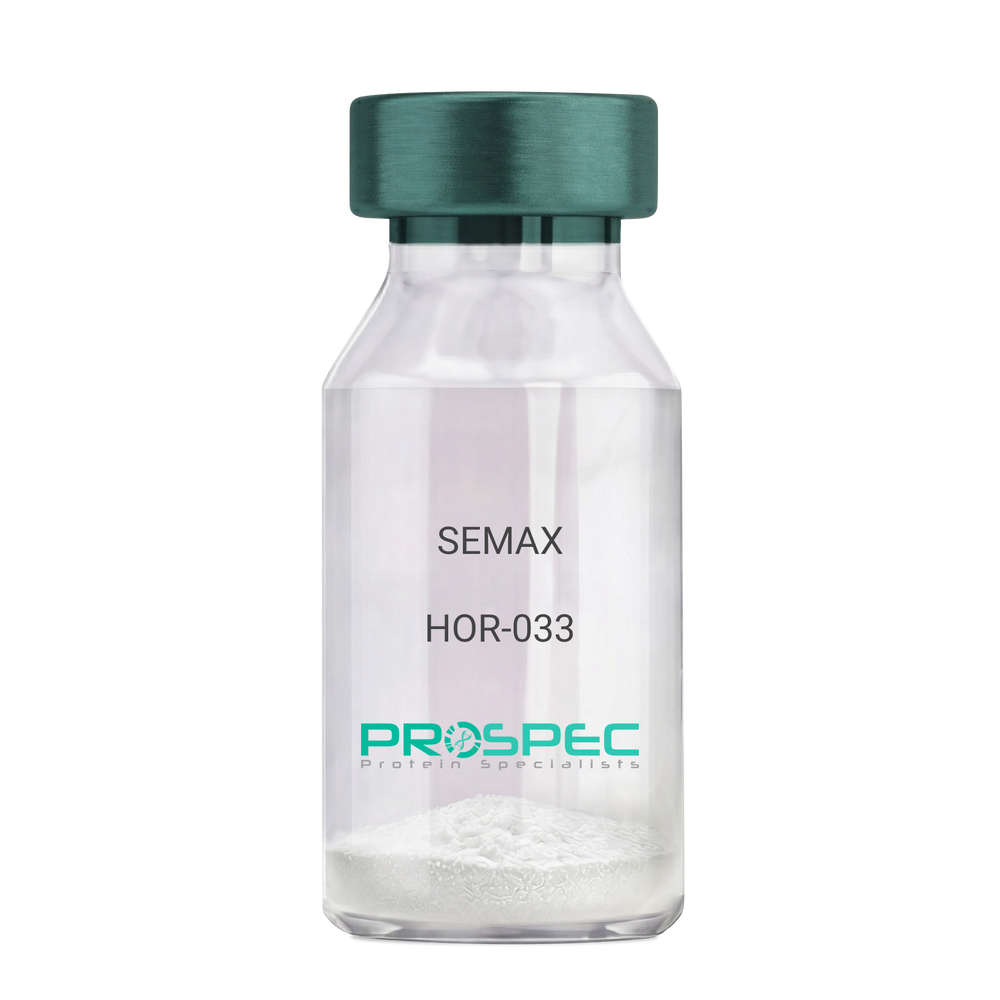
SEMAXDescription:
SEMAX
Product # :
HOR-033Price :
Quantity :
Shipping Method :
Shipped at Room temp
More Info
- description
- formulation
- purity
- More Info
Description
SEMAX Synthetic is a single, non-glycosylated polypeptide chain containing 7 amino acids, having a molecular mass of 813.92 Dalton and a Molecular formula of C37H51N19O1S.
Formulation
The protein was lyophilized with no additives.
Purity
Greater than 97.0% as determined by analysis by RP-HPLC.
More Info
-
Physical Appearance
Sterile Filtered White lyophilized (freeze-dried) powder.
-
Stability
Lyophilized SEMAX although stable at room temperature for 3 weeks, should be stored desiccated below -18°C. Upon reconstitution SEMAX should be stored at 4°C between 2-7 days and for future use below -18°C. For long term storage it is recommended to add a carrier protein (0.1% HSA or BSA). Please prevent freeze-thaw cycles.
-
Solubility
It is recommended to reconstitute the lyophilized SEMAX in sterile 18MΩ-cm H2O not less than 100 µg/ml, which can then be further diluted to other aqueous solutions.
-
Amino Acid Sequence
H-Met-Glu-His-Phe-Pro-Gly-Pro-OH.
-
Background
Semax, also known as ACTH(4-10) Pro-Gly-Pro, is a synthetic peptide that has been the subject of extensive research due to its potential neuroprotective and nootropic effects. This heptapeptide, derived from the adrenocorticotropic hormone (ACTH), has been shown to possess a wide range of biological activities, including enhancing memory, learning, and neurogenesis.
Semax is unique in its ability to cross the blood-brain barrier and exert its effects directly on the central nervous system. It has been shown to stimulate the release of brain-derived neurotrophic factor (BDNF), a protein that plays a crucial role in the survival of neurons and the growth of new neurons and synapses. Studies by Dolotov et al. (2006) have demonstrated that Semax can enhance memory and learning in rats, suggesting potential applications in cognitive enhancement and the treatment of cognitive disorders.
In addition to its nootropic effects, Semax has been shown to possess neuroprotective properties. Research by Stavchansky et al. (2008) found that Semax could protect neurons from oxidative stress and apoptosis, suggesting potential applications in the treatment of neurodegenerative diseases such as Alzheimer's and Parkinson's disease.
Given its nootropic and neuroprotective effects, Semax has been proposed as a potential therapeutic agent for a variety of conditions, including cognitive disorders, stroke, and optic nerve disease. For instance, a study by Myasoedov et al. (2010) found that Semax could improve outcomes in patients with ischemic stroke, indicating its potential as a therapeutic agent in stroke recovery.
While research on Semax is promising, it is important to note that most studies have been conducted in animals or in vitro. More research is needed to fully understand the potential effects and applications of Semax in humans. However, the existing body of research suggests that Semax could be a promising tool in the treatment of cognitive disorders and neurodegenerative diseases.
ProSpec's products are furnished for LABORATORY RESEARCH USE ONLY. The product may not be used as drugs, agricultural or pesticidal products, food additives or household chemicals.
- View Data Sheet
Name :
p16-INK4a Human, TATDescription:
Cyclin-Dependent Kinase Inhibitor 2A Human Recombinant, TAT
Cyclin-dependent kinase 4 inhibitor A, CDK4I, p16-INK4, p16-INK4a, p16INK4A, CDKN-2A, CDKN2, Multiple tumor suppressor 1, MTS1, CMM2, MLM, TP16, p16(INK4), p19.
Product # :
PKA-337Price :
Quantity :
Shipping Method :
Shipped at Room temp
More Info
- description
- source
- formulation
- purity
- More Info
Description
p16-INK4a Human Recombinant is a single, non-glycosylated, polypeptide chain produced in E.coli, containing a total of 168 amino acids, which includes the 156 residues of full-length p16-INK4a and a 13-residue C-terminal TAT peptide (GGYGRKKRRQRRR), having a total Mw of 18kDa. p16-INK4a is purified by proprietary chromatographic techniques.
Source
Escherichia Coli.
Formulation
Lyophilized from a 0.2µm filtered concentrated solution in 1xPBS, pH 7.4.
Purity
Greater than 95.0% as determined by:
(a) Analysis by RP-HPLC.
(b) Analysis by SDS-PAGE.More Info
-
Introduction
Cyclin-dependent kinase inhibitors (CDKIs) are proteins that bind to and inhibit the activity of CDKs. Two major classes of CDK inhibitors have been identified. The p16 family (p15, p16, p18 and p19) binds to and inhibits the activities of CDK4 and CDK6. The p21 family (p21, p27, p28 and p57) can bind to broad range of CDK-cyclin complexes and inhibit their activities. CDKIs are capable of suppressing growth, and several lines of evidence strongly suggest that at least some CDKIs may be tumor suppressor proteins.
-
Synonyms
Cyclin-dependent kinase 4 inhibitor A, CDK4I, p16-INK4, p16-INK4a, p16INK4A, CDKN-2A, CDKN2, Multiple tumor suppressor 1, MTS1, CMM2, MLM, TP16, p16(INK4), p19.
-
Physical Appearance
Sterile Filtered White lyophilized (freeze-dried) powder.
-
Stability
Lyophilized p16-INK4a although stable at room temperature for 3 weeks, should be stored desiccated below -18°C. Upon reconstitution p16-INK4a should be stored at 4°C between 2-7 days and for future use below -18°C. For long term storage it is recommended to add a carrier protein (0.1% HSA or BSA).Please prevent freeze-thaw cycles.
-
Solubility
It is recommended to reconstitute the lyophilized p16-INK4a in sterile 18MΩ-cm H2O not less than 100µg/ml, which can then be further diluted to other aqueous solutions.
-
Amino Acid Sequence
EPAAGSSMEP SADWLATAAA RGRVEEVRAL LEAGALPNAP NSYGRRPIQV MMMGSARVAE LLLLHGAEPN CADPATLTRP VHDAAREGFL DTLVVLHRAG ARLDVRDAWG RLPVDLAEEL GHRDVARYLR AAAGGTRGSN HARIDAAEGP SDIPDGGYGR KKRRQRRR.
ProSpec's products are furnished for LABORATORY RESEARCH USE ONLY. The product may not be used as drugs, agricultural or pesticidal products, food additives or household chemicals.
- View Data Sheet
Name :
LIN28 Human, TATDescription:
LIN28-TAT Human Recombinant
CSDD1, FLJ12457, LIN-28, LIN28A, Protein lin-28 homolog A, ZCCHC1, Zinc finger CCHC domain-containing protein 1, Lin-28A, LIN28.
Product # :
PRO-2495Price :
Quantity :
Shipping Method :
Shipped with Ice Packs
More Info
- description
- source
- formulation
- purity
- More Info
Description
Recombinant Human LIN28 produced in E.Coli is a single, non-glycosylated polypeptide chain containing 222 amino acids (including 13- residue C-terminal TAT peptide) and having a molecular mass of 24.4kDa. The LIN28 is purified by proprietary chromatographic techniques.
Source
Escherichia Coli.
Formulation
The LIN28 protein solution was formulated in PBS with 50mM arginine
Purity
Greater than 90% as determined by SDS-PAGE (coomassie staining).
More Info
-
Introduction
LIN28 is a marker of undifferentiated human embryonic stem cells and it increases the productivity of the formation of induced pluripotent stem cells from human fibroblasts. LIN28 acts as a 'translational enhancer and therefore leading specific mRNAs to polysomes and causes an increased protein synthesis. LIN28 binds let-7 pre-miRNA and blocks production of the mature let-7 microRNA in mouse embryonic stem cells.
-
Synonyms
CSDD1, FLJ12457, LIN-28, LIN28A, Protein lin-28 homolog A, ZCCHC1, Zinc finger CCHC domain-containing protein 1, Lin-28A, LIN28.
-
Physical Appearance
Sterile filtered colorless solution.
-
Stability
Store at 4°C if entire vial will be used within 2-4 weeks. Store, frozen at -20°C for longer periods of time. For long term storage it is recommended to add a carrier protein (0.1% HSA or BSA). Avoid multiple freeze-thaw cycles.
-
Amino Acid Sequence
GPSVSNQQFA GGCAKAAEEA PEEAPEDAAR AADEPQLLHG AGICKWFNVR MGFGFLSMTA RAGVALDPPV DVFVHQSKLH MEGFRSLKEG EAVEFTFKKS AKGLESIRVT GPGGVFCIGS ERRPKGKSMQ KRRSKGDRCY NCGGLDHHAK ECKLPPQPKK CHFCQSISHM VASCPLKAQQ GPSAQGKPTY FREEEEEIHS PTLLPEAQNG GYGRKKRRQR RR.
ProSpec's products are furnished for LABORATORY RESEARCH USE ONLY. The product may not be used as drugs, agricultural or pesticidal products, food additives or household chemicals.
- View Data Sheet
Name :
GSTA1 MouseDescription:
Glutathione S-Transferase Alpha 1 Mouse Recombinant
Glutathione S-transferase A1, GST class-alpha member 1, Glutathione S-transferase Ya , Glutathione S-transferase Ya1.
Product # :
ENZ-873Price :
Quantity :
Shipping Method :
Shipped with Ice Packs
More Info
- description
- source
- formulation
- purity
- biological activity
- More Info
Description
GSTA1 Mouse Recombinant produced in E.Coli is a single, non-glycosylated polypeptide chain containing 246 amino acids (1-223 a.a) and having a molecular mass of 28kDa.GSTA1 is fused to a 23 amino acid His-tag at N-terminus & purified by proprietary chromatographic techniques.
Source
Escherichia Coli.
Formulation
GSTA1 protein solution (1mg/ml) containing Phosphate buffered saline (pH7.4), 10% glycerol and 1mM DTT.
Purity
Greater than 95.0% as determined by SDS-PAGE.
Biological Activity
The specific activity is defined as the amount of enzyme that conjugate 1.0 pmole of 1-chloro-2,4-dinitrobenzene (CDNB) with reduced glutathione per minute at pH 6.5 at 25C and is > 4,000 pmol/min/ug.
More Info
-
Introduction
Membrane-bound & Cytosolic forms of GST are encoded by 2 separate supergene families. These enzymes function in the detoxification of electrophilic compounds, including carcinogens, therapeutic drugs, environmental toxins and products of oxidative stress, by conjugation with glutathione. There are 8 different classes of soluble cytoplasmic mammalian GST: alpha, kappa, mu, omega, pi, sigma, theta and zeta. The GSTA1 is found in a cluster mapped to chromosome 6, and is highly expressed in the liver. GSTA1 protects the cells from reactive oxygen species.
-
Synonyms
Glutathione S-transferase A1, GST class-alpha member 1, Glutathione S-transferase Ya , Glutathione S-transferase Ya1.
-
Physical Appearance
Sterile Filtered colorless solution.
-
Stability
Store at 4°C if entire vial will be used within 2-4 weeks. Store, frozen at -20°C for longer periods of time. For long term storage it is recommended to add a carrier protein (0.1% HSA or BSA).Avoid multiple freeze-thaw cycles.
-
Amino Acid Sequence
MGSSHHHHHH SSGLVPRGSH MGSMAGKPVL HYFNARGRME CIRWLLAAAG VEFEEKFIQS PEDLEKLKKD GNLMFDQVPM VEIDGMKLAQ TRAILNYIAT KYDLYGKDMK ERALIDMYSE GILDLTEMIG QLVLCPPDQR EAKTALAKDR TKNRYLPAFE KVLKSHGQDY LVGNRLTRVD IHLLEVLLYV EEFDASLLTP FPLLKAFKSR ISSLPNVKKF LQPGSQRKPP MDAKQIQEAR KAFKIQ.
ProSpec's products are furnished for LABORATORY RESEARCH USE ONLY. The product may not be used as drugs, agricultural or pesticidal products, food additives or household chemicals.
- View Data Sheet
Name :
Prelamin-ADescription:
Prelamin-A Recombinant
Prelamin-A/C, LMNA, LMN1, FPL, IDC, LFP, CDDC, EMD2, FPLD, HGPS, LDP1, LMNC, PRO1, CDCD1, CMD1A, FPLD2, LMNL1, CMT2B1, LGMD1B.
Product # :
PRO-689Price :
Quantity :
Shipping Method :
Shipped with Ice Packs
More Info
- description
- source
- formulation
- purity
- More Info
Description
Recombinant Prelamin-A is a 74kDa precursor of the nuclear lamin A protein. Prelamin-A is a structural component of the nuclear lamina and it is encoded by lamin A/C gene (LMNA). Due to the presence of a CAAX box sequence at carboxyl terminus, Prelamin-A in vivo goes through a serial of post-translational modifications, resulting in the farnesylation of the cysteine thiol, removal of the AAX tripeptide, carboxyl-methylation of the cysteinyl carboxy group and proteolysis of 18 C-terminal amino acids residues that lead to mature lamin A. Diverse mutations in the lamin A/C gene are associated with different deseases that are collectively called laminophaties, including Emery-Dreifuss muscular dystrophy, familial partial lipodystrophy, limb girdle muscular dystrophy, dilated cardiomyopathy, Charcot-Marie-Tooth disease, and Hutchinson-Gilford progeria syndrome. Recombinant human prelamin A is fused to a 6 Histidine tag at the N-terminus.
Source
Escherichia Coli.
Formulation
The Prelamin-A solution (0.1mg/ml) contains 10% Glycerol.
Purity
Greater than 90% as determined by SDS-PAGE.
More Info
-
Synonyms
Prelamin-A/C, LMNA, LMN1, FPL, IDC, LFP, CDDC, EMD2, FPLD, HGPS, LDP1, LMNC, PRO1, CDCD1, CMD1A, FPLD2, LMNL1, CMT2B1, LGMD1B.
-
Physical Appearance
Sterile filtered colorless solution.
-
Stability
Store at 4°C if entire vial will be used within 2-4 weeks. Store, frozen at -20°C for longer periods of time. For long term storage it is recommended to add a carrier protein (0.1% HSA or BSA).Avoid multiple freeze-thaw cycles.
-
Amino Acid Sequence
HHHHHH-METPSQRRATRSGAQASSTPLSPTRITRLQEKEDLQELNDRLAVYIDRVHSLETENAGLRLRITES
EEVVSREVSGIKAAYEAELGDARKTLDSVAKERARLQLELSKVREEFKELKARNTKKEGDLIAAQA
RLKDLEALLNSKEAALSTALSEKRTLEGELHDLRGQVAKLEAALGEAKKQLQDEMLRRVDAENRL
QTMKEELDFQKNIYSEELRETKRRHETRLVEIDNGKQREFESRLADALQELRAQHEDQVEQYKKE
LEKTYSAKLDNARQSAERNSNLVGAAHEELQQSRIRIDSLSAQLSQLQKQLAAKEAKLRDLEDSLA
RERDTSRRLLAEKEREMAEMRARMQQQLDEYQELLDIKLALDMEIHAYRKLLEGEEERLRLSPSP
TSQRSRGRASSHSSQTQGGGSVTKKRKLESTESRSSFSQHARTSGRVAVEEVDEEGKFVRLRN
KSNEDQSMGNWQIKRQNGDDPLLTYRFPPKFTLKAGQVVTIWAAGAGATHSPPTDLVWKAQNT
WGCGNSLRTALINSTGEEVAMRKLVRSVTVVEDDEDEDGDDLLHHHHGSHCSSSGDPAEYNLRS
RTVLCGTCGQPADKASASGSGAQVGGPISSGSSASSVTVTRSYRSVGGSGGGSFGDNLVTRSYL
LGNSSPRTQSPQNCSIM
ProSpec's products are furnished for LABORATORY RESEARCH USE ONLY. The product may not be used as drugs, agricultural or pesticidal products, food additives or household chemicals.
- View Data Sheet
Name :
GM- CSF Human, Sf9Description:
Granulocyte Macrophage-Colony Stimulating Factor Human Recombinant, Sf9
CSF-2, MGI-1GM, GMCSF, Pluripoietin-alpha, Molgramostin, Sargramostim.
Product # :
CYT-416Price :
Quantity :
Shipping Method :
Shipped at Room temp
More Info
- description
- source
- formulation
- purity
- biological activity
- More Info
Description
GM-CSF Human Recombinant produced in insect cells is a single, glycosylated, polypeptide chain containing 127 amino acids (18-144) and having a molecular mass of 14.6kDa. GM-CSF is fused to a C-terminal His -tag (6x His) and purified by proprietary chromatographic techniques.
Source
Insect Cells.
Formulation
The protein was lyophilized with PBS.
Purity
Greater than 98.0% as determined by SDS-PAGE.
Biological Activity
The ED50 as determined by the dose-dependant stimulation of the proliferation of human TF-1 cells (human erythroleukemic indicator cell line) is < 0.1 ng/ml, corresponding to a Specific Activity of 10,000,000IU/mg.More Info
-
Introduction
GMCSF is a cytokine that controls the production, differentiation, and function of granulocytes and macrophages. The active form of the protein is found extracellularly as a homodimer. This gene has been localized to a cluster of related genes at chromosome region 5q31, which is known to be associated with interstitial deletions in the 5q- syndrome and acute myelogenous leukemia. Other genes in the cluster include those encoding interleukins 4, 5, and 13.
GM-CSF stimulates the growth and differentiation of hematopoietic precursor cells from various lineages, including granulocytes, macrophages, eosinophils and erythrocytes. -
Synonyms
CSF-2, MGI-1GM, GMCSF, Pluripoietin-alpha, Molgramostin, Sargramostim.
-
Physical Appearance
Sterile Filtered White lyophilized (freeze-dried) powder.
-
Stability
Lyophilized Granulocyte Macrophage Colony Stimulating Factor although stable at room temperature for 3 weeks, should be stored desiccated below -18°C. Upon reconstitution GMCSF should be stored at 4°C between 2-7 days and for future use below -18°C.For long term storage it is recommended to add a carrier protein (0.1% HSA or BSA).Please prevent freeze-thaw cycles.
-
Solubility
It is recommended to reconstitute the lyophilized Granulocyte Macrophage Colony Stimulating Factor in sterile 18MΩ-cm H2O not less than 100µg/ml, which can then be further diluted to other aqueous solutions.
-
Amino Acid Sequence
The sequence of the first five N-terminal amino acids was determined and was found to be Ala-Pro-Ala-Arg-Ser.
-
Background
Recombinant Granulocyte-Macrophage Colony-Stimulating Factor (GMCSF) is a protein that plays a crucial role in the production and differentiation of white blood cells, including granulocytes and macrophages. It is a potent stimulator of hematopoietic stem cells, which are responsible for the production of all blood cells in the body. Recombinant GMCSF is a synthetic version of the protein that is produced using recombinant DNA technology.
Recombinant GMCSF has been extensively studied for its potential therapeutic applications in a variety of medical conditions, including cancer, autoimmune diseases, and infectious diseases. In cancer, GMCSF is used as an immunostimulatory agent to enhance the immune response against cancer cells. By stimulating the production and differentiation of white blood cells, GM-CSF can increase the number of immune cells that can recognize and attack cancer cells. This approach has been successfully used in the treatment of several types of cancer, including melanoma and leukemia.
In autoimmune diseases, recombinant GMCSF has been investigated as a potential treatment for conditions such as rheumatoid arthritis and multiple sclerosis. These diseases are characterized by an overactive immune response that attacks healthy tissues in the body. By modulating the immune response, GMCSF may be able to reduce inflammation and prevent further damage to affected tissues.
In infectious diseases, recombinant GMCSF has been studied as a potential treatment for conditions such as sepsis and HIV/AIDS. In sepsis, a severe bacterial infection, GMCSF may be able to stimulate the production of white blood cells and improve the immune response against the infection. In HIV/AIDS, GMCSF may be able to enhance the immune response against the virus and reduce the risk of opportunistic infections.
Recombinant GMCSF is typically administered by injection, either directly into the affected tissue or into the bloodstream. It is generally well-tolerated, although some patients may experience side effects such as fever, fatigue, and muscle pain.
In conclusion, recombinant GMCSF is a promising therapeutic agent with potential applications in a variety of medical conditions. Its ability to stimulate the production and differentiation of white blood cells makes it a valuable tool in the treatment of cancer, autoimmune diseases, and infectious diseases. Ongoing research is likely to uncover new uses for this protein and further refine its therapeutic potential.
What is the molecular weight/Mw of GM- CSF HUMAN, SF9 Protein?
GM- CSF HUMAN, SF9 Protein has a total Mw of 14.6kDa.
What is the source or expression system of GM- CSF HUMAN, SF9 Protein?
Insect Cells.
What is the Purity of GM- CSF HUMAN, SF9 Protein?
GM- CSF HUMAN, SF9 Protein is >98% pure as determined by SDS-PAGE.
What is the Biological Activity of GM- CSF HUMAN, SF9 Protein?
The ED50 as determined by the dose-dependant stimulation of the proliferation of human TF-1 cells (human erythroleukemic indicator cell line) is < 0.1 ng/ml, corresponding to a Specific Activity of 10,000,000IU/mg.
What is the amino acid sequence of GM- CSF HUMAN, SF9 Protein?
The sequence of the first five N-terminal amino acids was determined and was found to be Ala-Pro-Ala-Arg-Ser.
What applications can GM- CSF HUMAN, SF9 Protein be used in?
GM- CSF HUMAN, SF9 Protein can probably be used in western blot, ELISA and Lateral Flow.
What is the endotoxin level for GM- CSF HUMAN, SF9 Protein?
The endotoxin level is minimal, GM- CSF HUMAN, SF9 Protein was purified using conventional chromatography techniques.
ProSpec's products are furnished for LABORATORY RESEARCH USE ONLY. The product may not be used as drugs, agricultural or pesticidal products, food additives or household chemicals.
- View Data Sheet
Name :
Dengue NS1 ST1, InsectDescription:
Dengue Virus NS1 Subtype 1 Recombinant, Insect Cells
Product # :
DEN-029Price :
Quantity :
Shipping Method :
Shipped with Ice Packs
More Info
- description
- source
- formulation
- purity
- More Info
Description
Recombinant Dengue Virus NS1 Subtype 1 produced in Insect Cells is a polypeptide chain containing amino acids 777-1131 and having a molecular weight of approximately 50kDa. Dengue NS1 ST1 is purified by proprietary chromatographic technique.
Source
Insect cells.
Formulation
Dengue NS1 ST1 protein solution (1mg/ml) in 1xPBS, pH7.4, 0.1% Thimerosal, 5mM EDTA, 1µg/ml of Leupeptin, Aprotinin and Pepstatin A.
Purity
Protein is >95% pure as determined by 12.5% SDS-PAGE.
More Info
-
Introduction
Caused by one of four closely related virus serotypes of the genus Flavivirus, family Flaviviridae, each serotype is sufficiently different that there is no cross-protection and epidemics caused by multiple serotypes (hyperendemicity) can occur. In cell culture experiments and mice Morpholino antisense oligos have shown specific activity against Dengue virus.
-
Physical Appearance
Sterile filtered colorless solution.
-
Stability
Store at 4°C if entire vial will be used within 2-4 weeks. Store, frozen at -20°C for longer periods of time. For long term storage it is recommended to add a carrier protein (0.1% HSA or BSA).Avoid multiple freeze-thaw cycles.
-
Applications
Ag test control.
ProSpec's products are furnished for LABORATORY RESEARCH USE ONLY. The product may not be used as drugs, agricultural or pesticidal products, food additives or household chemicals.