Skip to content

High-quality research proteins.

  • 1-800-805-6531

  • Mon - Sat 8.00-18.00, Sun - Closed

  • info@prospecbio.com

  • PO Box 6591 East Brunswick NJ 08816

  • Products
    • Cytokines
    • Growth factors
    • Chemokines
    • Cd antigens
    • Neurotrophins
    • Hormones
    • Enzymes
    • Viral antigens
    • Recombinant proteins
    • Natural proteins
    • Monoclonal antibodies
    • Polyclonal antibodies
    • Thermal Packaging
  • About
    • Company
    • Founder
    • Contribution
  • Customers
    • Eastern Asia
    • Eastern Europe
    • North America
    • South America
    • South East Asia
    • Southern Asia
    • Western Europe
  • Ordering
    • Ordering Method
    • Ordering - Credit Card
    • Ordering - PO
    • Shipping Fees
    • FAQs
  • Services
    • DNA Cloning
    • Protein Expression
    • Monoclonal Antibody
    • Fermentation
    • Technology License
  • Contact us
Log in

Country/region

  • USD $ | Albania
  • USD $ | Andorra
  • USD $ | Argentina
  • USD $ | Armenia
  • USD $ | Australia
  • USD $ | Austria
  • USD $ | Azerbaijan
  • USD $ | Belarus
  • USD $ | Belgium
  • USD $ | Bolivia
  • USD $ | Brazil
  • USD $ | Bulgaria
  • USD $ | Cambodia
  • USD $ | Canada
  • USD $ | Chile
  • USD $ | China
  • USD $ | Colombia
  • USD $ | Costa Rica
  • USD $ | Croatia
  • USD $ | Cyprus
  • USD $ | Czechia
  • USD $ | Denmark
  • USD $ | Estonia
  • USD $ | Finland
  • USD $ | France
  • USD $ | Georgia
  • USD $ | Germany
  • USD $ | Greece
  • USD $ | Hong Kong SAR
  • USD $ | Hungary
  • USD $ | Iceland
  • USD $ | India
  • USD $ | Ireland
  • USD $ | Israel
  • USD $ | Italy
  • USD $ | Japan
  • USD $ | Kazakhstan
  • USD $ | Latvia
  • USD $ | Liechtenstein
  • USD $ | Lithuania
  • USD $ | Madagascar
  • USD $ | Malta
  • USD $ | Mexico
  • USD $ | Moldova
  • USD $ | Monaco
  • USD $ | Netherlands
  • USD $ | New Zealand
  • USD $ | North Macedonia
  • USD $ | Norway
  • USD $ | Panama
  • USD $ | Paraguay
  • USD $ | Peru
  • USD $ | Philippines
  • USD $ | Poland
  • USD $ | Portugal
  • USD $ | Romania
  • USD $ | Singapore
  • USD $ | Slovakia
  • USD $ | Slovenia
  • USD $ | South Africa
  • USD $ | South Korea
  • USD $ | Spain
  • USD $ | Sri Lanka
  • USD $ | Sweden
  • USD $ | Switzerland
  • USD $ | Taiwan
  • USD $ | Thailand
  • USD $ | Türkiye
  • USD $ | Ukraine
  • USD $ | United Kingdom
  • USD $ | United States
  • USD $ | Uruguay
  • USD $ | Vatican City
  • USD $ | Venezuela
  • USD $ | Vietnam
  • Facebook
  • Instagram
logoProSpec - Recombinant Protein Manufacturer for academic and R&D industry
Become a distributor
Account Log in
Wishlist
Cart Cart(0)
  • Products
    +
    • Cytokines
    • Growth factors
    • Chemokines
    • Cd antigens
    • Neurotrophins
    • Hormones
    • Enzymes
    • Viral antigens
    • Recombinant proteins
    • Natural proteins
    • Monoclonal antibodies
    • Polyclonal antibodies
    • Thermal Packaging
  • About
    +
    • Company
    • Founder
    • Contribution
  • Customers
    +
    • Eastern Asia
    • Eastern Europe
    • North America
    • South America
    • South East Asia
    • Southern Asia
    • Western Europe
  • Ordering
    +
    • Ordering Method
    • Ordering - Credit Card
    • Ordering - PO
    • Shipping Fees
    • FAQs
  • Services
    +
    • DNA Cloning
    • Protein Expression
    • Monoclonal Antibody
    • Fermentation
    • Technology License
  • Contact us

Item added to your cart

View cart
View All
  • Cytokines
  • Growth factors
  • Chemokines
  • Cd antigens
  • Neurotrophins
  • Hormones
  • Enzymes
  • Viral antigens
  • Recombinant proteins
  • Natural proteins
  • Monoclonal antibodies
  • Polyclonal antibodies
  • Thermal Packaging
  • Tumor Necrosis Factor

    Tumor Necrosis Factor

    View All
  • 4-1BB

    4-1BB

    View All
  • Adiponectin

    Adiponectin

    View All
  • AIF1

    AIF1

    View All
  • Other Cytokines

    Other Cytokines

    View All
  • AITRL

    AITRL

    View All
  • Angiopoietin

    Angiopoietin

    View All
  • Apolipoprotein

    Apolipoprotein

    View All
  • B-Cell Activating Factor

    B-Cell Activating Factor

    View All
  • Beta Defensin

    Beta Defensin

    View All
  • Bone Morphogenetic Protein

    Bone Morphogenetic Protein

    View All
  • B type Natriuretic Peptide

    B type Natriuretic Peptide

    View All
  • BST

    BST

    View All
  • Betacellulin

    Betacellulin

    View All
  • Cardiotrophin

    Cardiotrophin

    View All
  • Activin

    Activin

    View All
  • Fibroblast Growth Factor

    Fibroblast Growth Factor

    View All
  • Other Growth Factors

    Other Growth Factors

    View All
  • CSF

    CSF

    View All
  • CTGF

    CTGF

    View All
  • IGFBP

    IGFBP

    View All
  • VEGF Protein

    VEGF Protein

    View All
  • EGF

    EGF

    View All
  • Epigen

    Epigen

    View All
  • Erythropoietin

    Erythropoietin

    View All
  • Insulin-Like Growth Factor

    Insulin-Like Growth Factor

    View All
  • Growth Hormone

    Growth Hormone

    View All
  • HDGF

    HDGF

    View All
  • Hepatocyte Growth Factor

    Hepatocyte Growth Factor

    View All
  • Insulin

    Insulin

    View All
  • BCA-1/ BLC (CXCL13)

    BCA-1/ BLC (CXCL13)

    View All
  • BRAK (CXCL14)

    BRAK (CXCL14)

    View All
  • C-10 (CCL6)

    C-10 (CCL6)

    View All
  • Other Chemokines

    Other Chemokines

    View All
  • MEC (CCL28)

    MEC (CCL28)

    View All
  • LD78-beta (CCL3L1)

    LD78-beta (CCL3L1)

    View All
  • CTACK (CCL27)

    CTACK (CCL27)

    View All
  • CXCL16

    CXCL16

    View All
  • CXCL17

    CXCL17

    View All
  • Platelet Factor-4 (CXCL4)

    Platelet Factor-4 (CXCL4)

    View All
  • ENA-78 (CXCL5)

    ENA-78 (CXCL5)

    View All
  • Eotaxin (CCL11,24,26)

    Eotaxin (CCL11,24,26)

    View All
  • Exodus-2 (CCL21)

    Exodus-2 (CCL21)

    View All
  • Fractalkine (CX3CL1)

    Fractalkine (CX3CL1)

    View All
  • CXCL6

    CXCL6

    View All
  • Other CD Antigens

    Other CD Antigens

    View All
  • CD14

    CD14

    View All
  • CD164

    CD164

    View All
  • CD1

    CD1

    View All
  • CD2

    CD2

    View All
  • CD200

    CD200

    View All
  • CD207

    CD207

    View All
  • CD226

    CD226

    View All
  • CD23

    CD23

    View All
  • CD244

    CD244

    View All
  • CD247

    CD247

    View All
  • CD27

    CD27

    View All
  • CD274

    CD274

    View All
  • CD300

    CD300

    View All
  • CD33

    CD33

    View All
  • Other Neurotrophins

    Other Neurotrophins

    View All
  • Beta-NGF

    Beta-NGF

    View All
  • BDNF

    BDNF

    View All
  • CDNF

    CDNF

    View All
  • CNTF

    CNTF

    View All
  • GDNF

    GDNF

    View All
  • Glia Maturation Factor

    Glia Maturation Factor

    View All
  • MANF

    MANF

    View All
  • Midkine

    Midkine

    View All
  • Neuroglobin

    Neuroglobin

    View All
  • Neurotrophic factors

    Neurotrophic factors

    View All
  • Neuregulin

    Neuregulin

    View All
  • Neuropilin

    Neuropilin

    View All
  • Pigment Epithelium-Derived Factor

    Pigment Epithelium-Derived Factor

    View All
  • Pleiotrophin

    Pleiotrophin

    View All
  • Peptide Hormones

    Peptide Hormones

    View All
  • Other Hormones

    Other Hormones

    View All
  • HCG

    HCG

    View All
  • Endothelin

    Endothelin

    View All
  • Exendin

    Exendin

    View All
  • FSH

    FSH

    View All
  • Glucagon

    Glucagon

    View All
  • GHRP

    GHRP

    View All
  • GLP

    GLP

    View All
  • Thyrostimulin

    Thyrostimulin

    View All
  • Inhibin A

    Inhibin A

    View All
  • LHRH

    LHRH

    View All
  • Melanotan

    Melanotan

    View All
  • Procalcitonin

    Procalcitonin

    View All
  • PTH

    PTH

    View All
  • Peroxiredoxin

    Peroxiredoxin

    View All
  • Peptidase

    Peptidase

    View All
  • Synthetase

    Synthetase

    View All
  • Transferase

    Transferase

    View All
  • Hydrolase

    Hydrolase

    View All
  • Dehydrogenase

    Dehydrogenase

    View All
  • ACE2

    ACE2

    View All
  • Esterase

    Esterase

    View All
  • Protein Kinases

    Protein Kinases

    View All
  • Other Enzymes

    Other Enzymes

    View All
  • Phosphatase

    Phosphatase

    View All
  • Deaminase

    Deaminase

    View All
  • Oxygenase

    Oxygenase

    View All
  • Adenylate Kinase

    Adenylate Kinase

    View All
  • Lyase

    Lyase

    View All
  • Chagas

    Chagas

    View All
  • SARS

    SARS

    View All
  • Influenza

    Influenza

    View All
  • ASFV

    ASFV

    View All
  • Astrovirus

    Astrovirus

    View All
  • Borrelia

    Borrelia

    View All
  • Helicobacter Pylori

    Helicobacter Pylori

    View All
  • Chikungunya

    Chikungunya

    View All
  • Chlamydia

    Chlamydia

    View All
  • Cytomegalo

    Cytomegalo

    View All
  • Dengue

    Dengue

    View All
  • EBV

    EBV

    View All
  • Ebola

    Ebola

    View All
  • Feline Leukemia Virus

    Feline Leukemia Virus

    View All
  • Hepatitis A

    Hepatitis A

    View All
  • Other

    Other

    View All
  • Actin

    Actin

    View All
  • ADAM

    ADAM

    View All
  • Complement Component

    Complement Component

    View All
  • Ag85

    Ag85

    View All
  • Eukaryotic Translation Initiation Factor

    Eukaryotic Translation Initiation Factor

    View All
  • Anterior Gradient Protein

    Anterior Gradient Protein

    View All
  • Heat Shock Protein

    Heat Shock Protein

    View All
  • Alpha-2-HS-Glycoprotein

    Alpha-2-HS-Glycoprotein

    View All
  • Hemoglobin

    Hemoglobin

    View All
  • Allergy

    Allergy

    View All
  • Anaplasma

    Anaplasma

    View All
  • Angiogenin

    Angiogenin

    View All
  • Ankyrin Repeat Domain

    Ankyrin Repeat Domain

    View All
  • Annexin

    Annexin

    View All
  • Other Natural Proteins

    Other Natural Proteins

    View All
  • Aprotinin

    Aprotinin

    View All
  • Transferrin

    Transferrin

    View All
  • Avidin

    Avidin

    View All
  • Anti Coagulation Factors

    Anti Coagulation Factors

    View All
  • Natural Albumin

    Natural Albumin

    View All
  • Natural Coagulation Factors

    Natural Coagulation Factors

    View All
  • Fibronectin

    Fibronectin

    View All
  • Thrombin

    Thrombin

    View All
  • Anti Human Enzyme

    Anti Human Enzyme

    View All
  • Other Monoclonal Antibodies

    Other Monoclonal Antibodies

    View All
  • Anti Human Cytokine

    Anti Human Cytokine

    View All
  • Anti Human Heat Shock Protein

    Anti Human Heat Shock Protein

    View All
  • Anti Mouse Lymphocyte

    Anti Mouse Lymphocyte

    View All
  • Anti Human Chemokine

    Anti Human Chemokine

    View All
  • Anti Human Lymphocyte

    Anti Human Lymphocyte

    View All
  • Anti Viral Monoclonal

    Anti Viral Monoclonal

    View All
  • Anti Mouse Cytokine

    Anti Mouse Cytokine

    View All
  • Anti-GST Monoclonal

    Anti-GST Monoclonal

    View All
  • Other Polyclonal Antibodies

    Other Polyclonal Antibodies

    View All
  • Anti Viral

    Anti Viral

    View All
  • Anti-GST Monoclonal

    Anti-GST Monoclonal

    View All
Back

Search results

1000 results found for “gtp-binding protein”

Name

Description

Product #

Price

Quantity

Shipping Method

  • View Data Sheet

    Name :

    GCAT Human

    Description:

    Glycine C-Acetyltransferase Human Recombinant

    2-amino-3-ketobutyrate coenzyme A ligase mitochondrial, AKB ligase, EC 2.3.1.29, Aminoacetone synthase, Glycine acetyltransferase, GCAT, KBL.

    Product # :

    ENZ-705

    Price :

    Quantity :

    Shipping Method :

    Ice Icon

    Shipped with Ice Packs

    Add To Cart

    More Info

    • description
    • source
    • formulation
    • purity
    • More Info

    Description

    GCAT Human Recombinant produced in E.Coli is a single, non-glycosylated polypeptide chain containing 419 amino acids (22-419 a.a) and having a molecular mass of 45kDa.GCAT is fused to a 21 amino acid His-tag at N-terminus & purified by proprietary chromatographic techniques.

    Source

    Escherichia Coli.

    Formulation

    GCAT protein solution (1mg/ml) containing 20mM Tris-HCl buffer (pH 8.0), 0.4M urea and 10% glycerol.

    Purity

    Greater than 85.0% as determined by SDS-PAGE.

    More Info

    • Introduction

      L-threonine to glycine degradation consists of a two-step biochemical pathway which involvs the enzymes L-threonine dehydrogenase and 2-amino-3-ketobutyrate coenzyme A ligase. L-Threonine is initially converted into 2-amino-3-ketobutyrate by L-threonine dehydrogenase. Glycine C-Acetyltransferase (GCAT) is the 2nd enzyme in this pathway, which subsequently catalyzes the reaction between 2-amino-3-ketobutyrate and coenzyme A to form glycine and acetyl-CoA. The GCAT enzyme is regard as a class II pyridoxal-phosphate-dependent aminotransferase. GCAT is strongly expressed in the heart, brain, liver and pancreas. GCAT is also found in lung.

    • Synonyms

      2-amino-3-ketobutyrate coenzyme A ligase mitochondrial, AKB ligase, EC 2.3.1.29, Aminoacetone synthase, Glycine acetyltransferase, GCAT, KBL.

    • Physical Appearance

      Sterile Filtered clear solution.

    • Stability

      Store at 4°C if entire vial will be used within 2-4 weeks. Store, frozen at -20°C for longer periods of time. For long term storage it is recommended to add a carrier protein (0.1% HSA or BSA).Avoid multiple freeze-thaw cycles.

    • Amino Acid Sequence

      MGSSHHHHHH SSGLVPRGSH MSALAQLRGI LEGELEGIRG AGTWKSERVI TSRQGPHIRV DGVSGGILNF CANNYLGLSS HPEVIQAGLQ ALEEFGAGLS SVRFICGTQS IHKNLEAKIA RFHQREDAIL YPSCYDANAG LFEALLTPED AVLSDELNHA SIIDGIRLCK AHKYRYRHLD MADLEAKLQE AQKHRLRLVA TDGAFSMDGD IAPLQEICCL ASRYGALVFM DECHATGFLG PTGRGTDELL GVMDQVTIIN STLGKALGGA SGGYTTGPGP LVSLLRQRAR PYLFSNSLPP AVVGCASKAL DLLMGSNTIV QSMAAKTQRF RSKMEAAGFT ISGASHPICP VMLGDARLAS RMADDMLKRG IFVIGFSYPV VPKGKARIRV QISAVHSEED IDRCVEAFVE VGRLHGALP.

    ProSpec's products are furnished for LABORATORY RESEARCH USE ONLY. The product may not be used as drugs, agricultural or pesticidal products, food additives or household chemicals.

    Gcat Human
  • View Data Sheet

    Name :

    GSTM2 Human

    Description:

    Glutathione S-Transferase MU 2 Human Recombinant

    Glutathione S-transferase Mu 2, GST class-mu 2, GSTM2-2, GSTM2, GST4, GSTM, GTHMUS, MGC117303.

    Product # :

    ENZ-003

    Price :

    Quantity :

    Shipping Method :

    Ice Icon

    Shipped with Ice Packs

    Add To Cart

    More Info

    • description
    • source
    • formulation
    • purity
    • biological activity
    • More Info

    Description

    GSTM2 Human Recombinant fused with a 20 amino acid His tag at N-terminus produced in E.Coli is a single, non-glycosylated, polypeptide chain containing 238 amino acids (1-218 a.a.) and having a molecular mass of 27.9kDa. The GSTM2 is purified by proprietary chromatographic techniques.

    Source

    Escherichia Coli.

    Formulation

    The GSTM2 solution (0.5mg/ml) contains 20mM Tris-HCl buffer (pH8.0), 10% glycerol,
    0.1M NaCl and 1mM DTT.

    Purity

    Greater than 95.0% as determined by SDS-PAGE.

    Biological Activity

    Specific activity is < 25 units/mg, and is defined as the amount of enzyme that conjugate 1.0 µmole of 1-chloro-2,4-dinitrobenzene (CDNB) with reduced glutathione per minute at pH 6.5 at 25°C.

    More Info

    • Introduction

      Glutathione S-transferase Mu 2 (GSTM2) belongs to the glutathione s-transferase (GST) family of proteins. GSTM2 is a glutathione S-transferase that belongs to the mu class. There are 8 families of GST proteins, specifically: alpha, kappa, mu, omega, pi, sigma, theta and zeta, each of which is composed of proteins that have various functions throughout the cell. The mu class of enzymes functions in the detoxification of electrophilic compounds, including carcinogens, therapeutic drugs, environmental toxins and products of oxidative stress, by conjugation with glutathione. The genes encoding the mu class of enzymes are structured in a gene cluster on chromosome 1p13.3 and are proven to be highly polymorphic. These genetic variants can change an individual''s susceptibility to carcinogens and toxins as well as have an effect on the toxicity and efficacy of several drugs.

    • Synonyms

      Glutathione S-transferase Mu 2, GST class-mu 2, GSTM2-2, GSTM2, GST4, GSTM, GTHMUS, MGC117303.

    • Physical Appearance

      Sterile Filtered colorless solution.

    • Stability

      Store at 4°C if entire vial will be used within 2-4 weeks. Store, frozen at -20°C for longer periods of time. For long term storage it is recommended to add a carrier protein (0.1% HSA or BSA).Avoid multiple freeze-thaw cycles.

    • Amino Acid Sequence

      MGSSHHHHHH SSGLVPRGSH MPMTLGYWNI RGLAHSIRLL LEYTDSSYEE KKYTMGDAPD YDRSQWLNEK FKLGLDFPNL PYLIDGTHKI TQSNAILRYI ARKHNLCGES EKEQIREDIL ENQFMDSRMQ LAKLCYDPDF EKLKPEYLQA LPEMLKLYSQ FLGKQPWFLG DKITFVDFIA YDVLERNQVF EPSCLDAFPN LKDFISRFEG LEKISAYMKS SRFLPRPVFT KMAVWGNK.

    ProSpec's products are furnished for LABORATORY RESEARCH USE ONLY. The product may not be used as drugs, agricultural or pesticidal products, food additives or household chemicals.

    Gstm2 Human
  • View Data Sheet

    Name :

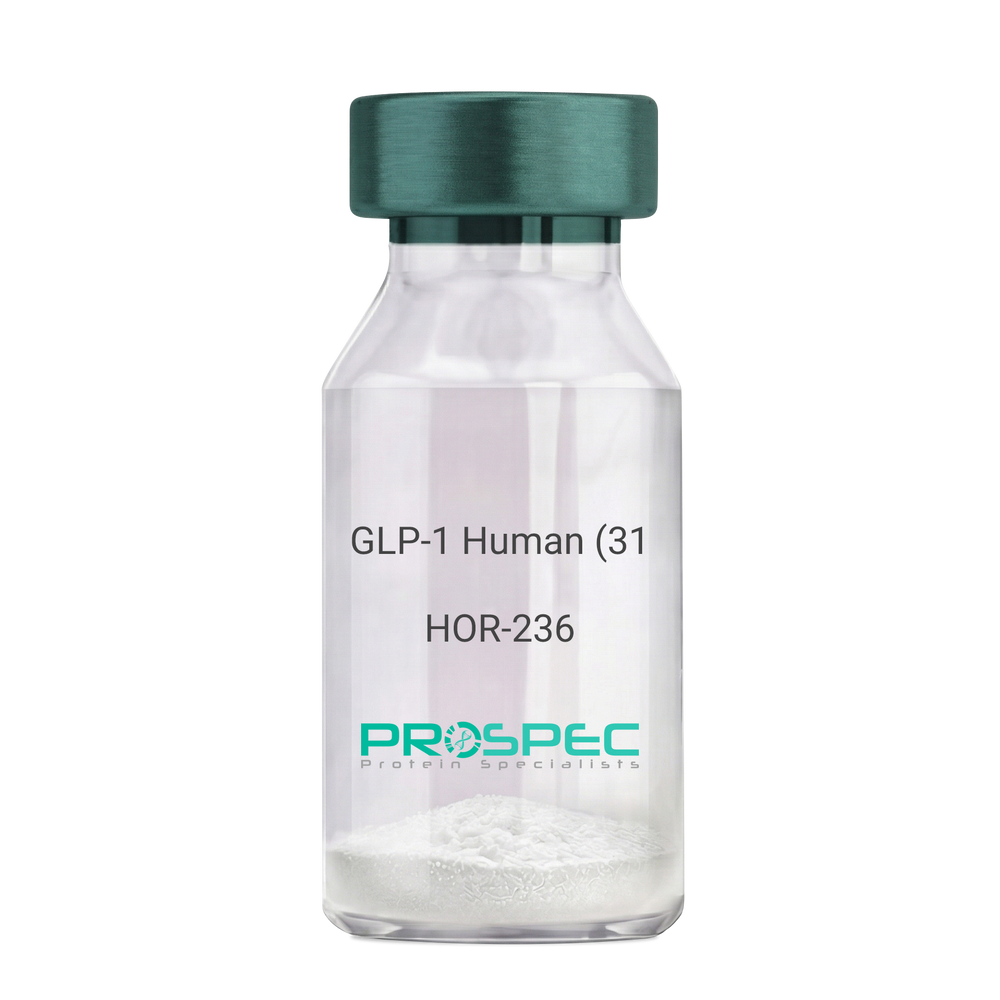
    GLP-1 Human (31 a.a.)

    Description:

    Glucagon Like Peptide-1 (31 a.a.) Human Recombinant

    GLP1, GLP2, GRPP.

    Product # :

    HOR-236

    Price :

    Quantity :

    Shipping Method :

    Room Temp Icon

    Shipped at Room temp

    Add To Cart

    More Info

    • description
    • source
    • formulation
    • purity
    • More Info

    Description

    Glucagon Like Peptide-1 Human Recombinant produced in E.Coli is a single, non-glycosylated, polypeptide chain containing 31 amino acids and having a molecular mass of 3.3 kDa. The GLP-1 is purified by proprietary chromatographic techniques.

    Source

    Escherichia Coli.

    Formulation

    The Recombinant GLP-1 concentrated solution (1mg/ml) was lyophilized after extensive dialyses against 0.1mg sodium phosphate monobasic & 1.6mg sodium phosphate dibasic.

    Purity

    Greater than 98.0% as determined by:
    (a) Analysis by RP-HPLC.
    (b) Analysis by SDS-PAGE.

    More Info

    • Introduction

      Glucagon-like peptide-1 (GLP-1) is derived from the transcription product of the proglucagon gene. The major source of GLP-1 in the body is the intestinal L cell that secretes GLP-1 as a guthormone. The biologically active forms of GLP-1 are: GLP-1-(7-37) and GLP-1-(7-36)NH2.
      GLP-1 secretion by L cells is dependent on the presence of nutrients in the lumen of the small intestine. The secretagogues (agents that causes or stimulates secretion) of this hormone include major nutrients like carbohydrate, proteinand lipid. Once in the circulation, GLP-1 has a half life of less than 2 minutes, due to rapid degradation by the enzyme dipeptidyl peptidase-4.
      GLP-1 possesses several physiological properties that make it a subject of intensive investigation as a potential treatment of diabetes mellitus. The known physiological functions of GLP-1 include: Increases insulin secretion from the pancreas in a glucose-dependent manner, decreases glucagon secretion from the pancreas, increases beta cells mass and insulin gene expression, inhibits acid secretion and gastric emptying in the stomach, decreases food intake by increasing satiety.

    • Synonyms

      GLP1, GLP2, GRPP.

    • Physical Appearance

      Sterile Filtered White lyophilized (freeze-dried) powder.

    • Stability

      Lyophilized Glucagon Like Peptide-1 although stable at room temperature for 3 weeks, should be stored desiccated below -18°C. Upon reconstitution GLP-1 should be stored at 4°C between 2-7 days and for future use below -18°C. For long term storage it is recommended to add a carrier protein (0.1% HSA or BSA).Please prevent freeze-thaw cycles.

    • Solubility

      It is recommended to reconstitute the lyophilized Glucagon Like Peptide-1 in sterile 18MΩ-cm H2O not less than 100µg/ml, which can then be further diluted to other aqueous solutions.

    • Amino Acid Sequence

      HAEGTFTSDV SSYLEGQAAK EFIAWLVKGR G.

    ProSpec's products are furnished for LABORATORY RESEARCH USE ONLY. The product may not be used as drugs, agricultural or pesticidal products, food additives or household chemicals.

    Glucagon Like Peptide 1 Human
  • View Data Sheet

    Name :

    GPT2 Mouse, Active

    Description:

    Glutamic-Pyruvate Transaminase 2, Active Mouse Recombinant

    ALT2, AAT2, Alanine aminotransferase 2, Glutamate pyruvate transaminase 2, Glutamic--alanine transaminase 2, Glutamic--pyruvic transaminase 2.

    Product # :

    ENZ-1110

    Price :

    Quantity :

    Shipping Method :

    Ice Icon

    Shipped with Ice Packs

    Add To Cart

    More Info

    • description
    • source
    • formulation
    • purity
    • biological activity
    • More Info

    Description

    GPT2 Mouse Recombinant produced in E.Coli is a single, non-glycosylated polypeptide chain containing 542 amino acids (1-522 aa) and having a molecular mass of 60.1kDa.GPT2 is fused to a 20 amino acid His tag at N-terminus and purified by proprietary chromatographic techniques.

    Source

    Escherichia Coli.

    Formulation

    The GPT2 solution (1 mg/ml) contains 2mM DTT, 20% Glycerol and 20mM Tris-HCl (pH7.5).

    Purity

    Greater than 85.0% as determined by SDS-PAGE.

    Biological Activity

    Specific activity is > 50 units/mg. Measured by the amount of enzyme that cleaves 1umole of L-Alanineto L-Glutamate per minute at pH7.5 at 37C˚.

    More Info

    • Introduction

      Glutamic-Pyruvate Transaminase 2 (GPT2) catalyzes the reversible transamination among alanine and 2-oxoglutarate to create pyruvate and glutamate. GPT2 expressed mainly in muscle, fat and kidney and participates in the intermediary metabolism of glucose and amino acids.

    • Synonyms

      ALT2, AAT2, Alanine aminotransferase 2, Glutamate pyruvate transaminase 2, Glutamic--alanine transaminase 2, Glutamic--pyruvic transaminase 2.

    • Physical Appearance

      Sterile Filtered colorless solution.

    • Stability

      Store at 4°C if entire vial will be used within 2-4 weeks. Store, frozen at -20°C for longer periods of time. For long term storage it is recommended to add a carrier protein (0.1% HSA or BSA).Avoid multiple freeze-thaw cycles.

    • Amino Acid Sequence

      MGSSHHHHHH SSGLVPRGSH MQRAAVLVRR GSCPRASGPW GRSHSSAAAE ASAALKVRPE
      RSPRDRILTL ESMNPQVKAV EYAVRGPIVL KAGEIEMELQ RGIKKPFTEV IRANIGDAHA
      MGQQPITFLR QVMALCTYPN LLNSPSFPED AKKRARRILQ ACGGNSLGSY SASQGVNCIR
      EDVAAFITRR DGVPADPDNI YLTTGASDGI STILKLLVSG GGKSRTGVMI PIPQYPLYSA
      VISELDAVQV NYYLDEENCW ALNVDELRRA LRQAKDHCDP KVLCIINPGN PTGQVQSRKC
      IEDVIHFAWE EKLFLLADEV YQDNVYSPDC RFHSFKKVLY QMGHEYSSNV ELASFHSTSK
      GYMGECGYRG GYMEVINLHP EIKGQLVKLL SVRLCPPVSG QAAMDIVVNP PEPGEESFEQ
      FSREKEFVLG NLAKKAKLTE DLFNQVPGIQ CNPLQGAMYA FPRILIPAKA VEAAQSHKMA
      PDMFYCMKLL EETGICVVPG SGFGQREGTY HFRMTILPPV DKLKTVLHKV KDFHLKFLEQ YS

    ProSpec's products are furnished for LABORATORY RESEARCH USE ONLY. The product may not be used as drugs, agricultural or pesticidal products, food additives or household chemicals.

    Gpt 2 Mouse
  • View Data Sheet

    Name :

    PGAM2 Antibody

    Description:

    Phosphoglycerate Mutase 2, Mouse Anti Human

    Phosphoglycerate mutase 2, BPG-dependent PGAM 2, Muscle-specific phosphoglycerate mutase, Phosphoglycerate mutase isozyme M, PGAM-M, PGAM2, PGAMM, GSD10.

    Product # :

    ANT-622

    Price :

    Quantity :

    Shipping Method :

    Ice Icon

    Shipped with Ice Packs

    Add To Cart

    More Info

    • formulation
    • More Info

    Formulation

    1mg/ml containing PBS, pH-7.4, 10% Glycerol and 0.02% Sodium Azide.

    More Info

    • Introduction

      Phosphoglycerate mutase 2 (PGAM2) is a member of the phosphoglycerate mutase family. PGAM is a dimeric enzyme which contains in separate tissues, different proportions of a slow-migrating muscle (MM) isozyme, a fast-migrating brain (BB) isozyme, and a hybrid form (MB). PGAM (Phosphoglycerate mutase) catalyzes the reversible reaction of 3-phosphoglycerate (3-PGA) to 2-phosphoglycerate (2-PGA) in the glycolytic pathway. PGAM2 gene mutations cause muscle phosphoglycerate mutase efficiency, otherwise known as glycogen storage disease X.

    • Synonyms

      Phosphoglycerate mutase 2, BPG-dependent PGAM 2, Muscle-specific phosphoglycerate mutase, Phosphoglycerate mutase isozyme M, PGAM-M, PGAM2, PGAMM, GSD10.

    • Physical Appearance

      Sterile filtered colorless solution.

    • Immunogen

      Anti-human PGAM2 mAb, is derived from hybridization of mouse F0 myeloma cells with spleen cells from BALB/c mice immunized with a recombinant human PGAM2 protein 1-253 amino acids purified from E. coli.

    • Ig Subclass

      Mouse IgG2b heavy chain and k light chain.

    • Clone

      PAT5A7AT.

    • Applications

      The antibody has been tested by ELISA, Western blot analysis, Flow cytometry and ICC/IF to assure specificity and reactivity. Since application varies, however, each investigation should be titrated by the reagent to obtain optimal results.

    • Type

      Mouse Anti Human Monoclonal.

    • Storage Procedures

      For periods up to 1 month store at 4°C, for longer periods of time, store at -20°C. Prevent freeze thaw cycles.

    • Purification Method

      PGAM2 antibody was purified from mouse ascitic fluids by protein-A affinity chromatography.

    ProSpec's products are furnished for LABORATORY RESEARCH USE ONLY. The product may not be used as drugs, agricultural or pesticidal products, food additives or household chemicals.

    Pgam2 Antibody
  • View Data Sheet

    Name :

    SERPINA5 Human

    Description:

    Serpin Peptidase Inhibitor Clade A Member 5 Human Recombinant

    PAI3, PCI, PROCI, PLANH3, Protein-C Inhibitor, Serpin A5, Plasminogen activator inhibitor 3, PAI-3, SERPINA5.

    Product # :

    PRO-749

    Price :

    Quantity :

    Shipping Method :

    Ice Icon

    Shipped with Ice Packs

    Add To Cart

    More Info

    • description
    • source
    • formulation
    • purity
    • More Info

    Description

    SERPINA5 Human Recombinant fused with a 20 amino acid His tag at N-terminus produced in E.Coli is a single, non-glycosylated, polypeptide chain containing 408 amino acids (20-406 a.a.) and having a molecular mass of 45.9 kDa.The SERPINA5 is purified by proprietary chromatographic techniques.

    Source

    Escherichia Coli.

    Formulation

    The SERPINA5 solution (0.5mg/ml) contains 20mM Tris-HCl buffer pH-8, 1mM DTT and 10% glycerol.

    Purity

    Greater than 90.0% as determined by SDS-PAGE.

    More Info

    • Introduction

      SERPINA5 up regulates TAFI activation by inhibiting the protein C activation. SERPINA5 is a significant regulator in the equilibrium between coagulation and fibrinolysis by differentially inhibiting the activation of TAFI and of Protein-C. SERPINA5 belongs to the serpin serine proteinase inhibitor family. SERPINA5 protein inhibits plasminogen activators as well as activated protein C.
      SERPINA5 is secreted in plasma & liver. SERPINA5 is involved in cell inflammation, proliferation, apoptosis, tumour cell migration, invasion, and metastasis. Moreover, SERPINA5 controls the invasive potential of renal cell carcinoma by inhibiting urinary plasminogen activator secreted by the cells. SERPINA5 participtes in regulating key serine proteases which are involved in metastatic prostate disease.

    • Synonyms

      PAI3, PCI, PROCI, PLANH3, Protein-C Inhibitor, Serpin A5, Plasminogen activator inhibitor 3, PAI-3, SERPINA5.

    • Physical Appearance

      Sterile Filtered colorless solution.

    • Stability

      Store at 4°C if entire vial will be used within 2-4 weeks.Store, frozen at -20°C for longer periods of time. For long term storage it is recommended to add a carrier protein (0.1% HSA or BSA).Avoid multiple freeze-thaw cycles.

    • Amino Acid Sequence

      MGSSHHHHHH SSGLVPRGSH MHRHHPREMK KRVEDLHVGA TVAPSSRRDF TFDLYRALAS AAPSQNIFFS PVSISMSLAM LSLGAGSSTK MQILEGLGLN LQKSSEKELH RGFQQLLQEL NQPRDGFQLS LGNALFTDLV VDLQDTFVSA MKTLYLADTF PTNFRDSAGA MKQINDYVAK QTKGKIVDLL KNLDSNAVVI MVNYIFFKAK WETSFNHKGT QEQDFYVTSE TVVRVPMMSR EDQYHYLLDR NLSCRVVGVP YQGNATALFI LPSEGKMQQV ENGLSEKTLR KWLKMFKKRQ LELYLPKFSI EGSYQLEKVL PSLGISNVFT SHADLSGISN HSNIQVSEMV HKAVVEVDES GTRAAAATGT IFTFRSARLN SQRLVFNRPF LMFIVDNNIL FLGKVNRP.

    ProSpec's products are furnished for LABORATORY RESEARCH USE ONLY. The product may not be used as drugs, agricultural or pesticidal products, food additives or household chemicals.

    Serpina5 Human
  • View Data Sheet

    Name :

    C19ORF80 Mouse

    Description:

    Chromosome 19 Open Reading Frame 80 Mouse Recombinant

    Betatrophin, Angiopoietin-like protein 8, Lipasin, Refeeding-induced fat and liver protein, Gm6484, Angptl8, Rifl, EG624219.

    Product # :

    PRO-1576

    Price :

    Quantity :

    Shipping Method :

    Room Temp Icon

    Shipped at Room temp

    Add To Cart

    More Info

    • description
    • source
    • formulation
    • purity
    • More Info

    Description

    C19ORF80 Mouse Recombinant produced in E.Coli is a single, non-glycosylated, polypeptide chain (a.a 16-198) containing 193 amino acids including a 10 a.a N-terminal His tag. The total molecular mass is 21.8kDa (calculated).

    Source

    Escherichia Coli.

    Formulation

    C19ORF80 filtered (0.4 µm) and lyophilized from 0.5mg/ml in 30mM acetate buffer, pH-4.

    Purity

    Greater than 95.0% as determined by SDS-PAGE.

    More Info

    • Introduction

      Chromosome 19 Open Reading Frame 80 (C19ORF80) is a significant new regulator of lipid metabolism which regulates serum triglyceride levels, possibly by promoting ANGPTL3 cleavage. C19ORF80 belongs to the ANGPTL protein family. C19ORF80 is a hormone which specifically promotes pancreatic beta cell proliferation and beta cell mass expansion, thus improving glucose tolerance. C19ORF80 is mainly expressed in the liver; it is also expressed in adipose tissues. C19ORF80 is expressed in response to food intake and stimulated by insulin.

    • Synonyms

      Betatrophin, Angiopoietin-like protein 8, Lipasin, Refeeding-induced fat and liver protein, Gm6484, Angptl8, Rifl, EG624219.

    • Physical Appearance

      Filtered White lyophilized (freeze-dried) powder.

    • Stability

      Store lyophilized protein at -20°C. Aliquot the product after reconstitution to avoid repeated freezing/thawing cycles. Reconstituted protein can be stored at 4°C for a limited period of time; it does not show any change after two weeks at 4°C.

    • Solubility

      It is recommended to add 0.1M Acetate buffer pH-4 to prepare a working stock solution of approximately 0.5mg/ml and let the lyophilized pellet dissolve completely. For conversion into higher pH value, we recommend intensive dilution by relevant buffer to a concentration of 10µg/ml. In higher concentrations the solubility of this antigen is limited. C19ORF80 is not sterile! Please filter the product by an appropriate sterile filter before using it in the cell culture.

    • Amino Acid Sequence

      MKHHHHHHASVRPAPVAPLG GPEPAQYEEL TLLFHGALQL GQALNGVYRA TEARLTEAGH SLGLYDRALE FLGTEVRQGQ DATQELRTSL SEIQVEEDAL HLRAEATARS LGEVARAQQA LRDTVRRLQV QLRGAWLGQA HQEFETLKAR ADKQSHLLWA LTGHVQRQQR EMAEQQQWLR QIQQRLHTAA LPA.

    ProSpec's products are furnished for LABORATORY RESEARCH USE ONLY. The product may not be used as drugs, agricultural or pesticidal products, food additives or household chemicals.

    C19Orf80 Mouse
  • View Data Sheet

    Name :

    SERTAD1 Human

    Description:

    SERTA Domain Containing 1 Human Recombinant

    SERTA domain-containing protein 1, CDK4-binding protein p34SEI1, SEI-1, Transcriptional regulator interacting with the PHD-bromodomain 1, TRIP-Br1, SERTAD1, SEI1.

    Product # :

    PRO-1157

    Price :

    Quantity :

    Shipping Method :

    Ice Icon

    Shipped with Ice Packs

    Add To Cart

    More Info

    • description
    • source
    • formulation
    • purity
    • More Info

    Description

    SERTAD1 Human Recombinant produced in E.Coli is a single, non-glycosylated polypeptide chain containing 260 amino acids (1-236 a.a) and having a molecular mass of 27.3kDa (Molecular weight on SDS-PAGE will appear higher).SERTAD1 is fused to a 24 amino acid His-tag at N-terminus & purified by proprietary chromatographic techniques.

    Source

    Escherichia Coli.

    Formulation

    SERTAD1 protein solution (0.5mg/ml) containing 20mM Tris-HCl buffer (pH8.0), 10% glycerol and 1mM DTT.

    Purity

    Greater than 85% as determined by SDS-PAGE.

    More Info

    • Introduction

      SERTA domain-containing protein (SERTAD1) functions with E2F-responsive promoters to integrate signals provided by PHD- and/or bromodomain-containing transcription factors. SERTAD1 stimulates E2F-1/DP-1 transcriptional activity. SERTAD1 reduces the activity of cyclin D1/CDK4 resistant to the inhibitory effects of p16(INK4a). In addition, SERTAD1 interacts with the PHD-bromodomain of TIF1, TRIM28/TIF1B and p300/CBP. Furthermore, SERTAD1 binds to DP1 and interacts with CDK4.

    • Synonyms

      SERTA domain-containing protein 1, CDK4-binding protein p34SEI1, SEI-1, Transcriptional regulator interacting with the PHD-bromodomain 1, TRIP-Br1, SERTAD1, SEI1.

    • Physical Appearance

      Sterile filtered colorless solution.

    • Stability

      Store at 4°C if entire vial will be used within 2-4 weeks. Store, frozen at -20°C for longer periods of time. For long term storage it is recommended to add a carrier protein (0.1% HSA or BSA).Avoid multiple freeze-thaw cycles.

    • Amino Acid Sequence

      MGSSHHHHHH SSGLVPRGSH MGSHMLSKGL KRKREEEEEK EPLAVDSWWL DPGHTAVAQA PPAVASSSLF DLSVLKLHHS LQQSEPDLRH LVLVVNTLRR IQASMAPAAA LPPVPSPPAA PSVADNLLAS SDAALSASMA SLLEDLSHIE GLSQAPQPLA DEGPPGRSIG GAAPSLGALD LLGPATGCLL DDGLEGLFED IDTSMYDNEL WAPASEGLKP GPEDGPGKEE APELDEAELD YLMDVLVGTQ ALERPPGPGR.

    ProSpec's products are furnished for LABORATORY RESEARCH USE ONLY. The product may not be used as drugs, agricultural or pesticidal products, food additives or household chemicals.

    Sertad1 Human
  • View Data Sheet

    Name :

    RARRES2 Human, Sf9

    Description:

    Retinoic Acid Receptor Responder 2 Human Recombinant, Sf9

    Retinoic Acid Receptor Responder 2, Chemerin, Retinoic Acid Receptor Responder (Tazarotene Induced) 2, Tazarotene-Induced Gene 2 Protein, RAR-Responsive Protein TIG2, TIG2, Retinoic Acid Receptor Responder Protein 2, HP10433, Retinoic acid receptor responder protein 2, Chemerin, RAR-responsive protein TIG2, Tazarotene-induced gene 2 protein.

    Product # :

    PRO-2382

    Price :

    Quantity :

    Shipping Method :

    Ice Icon

    Shipped with Ice Packs

    Add To Cart

    More Info

    • description
    • source
    • formulation
    • purity
    • More Info

    Description

    RARRES2 produced in Sf9 Baculovirus cells is a single, glycosylated polypeptide chain containing 146 amino acids (21-157a.a.) and having a molecular mass of 16.9kDa. (Molecular size on SDS-PAGE will appear at approximately 18-28kDa). RARRES2 is expressed with a 6 amino acid His tag at C-Terminus and purified by proprietary chromatographic techniques.

    Source

    Sf9, Baculovirus cells.

    Formulation

    RARRES2 protein solution (0.5mg/ml) contains Phosphate Buffered Saline (pH 7.4) and 10% glycerol.

    Purity

    Greater than 90.0% as determined by SDS-PAGE.

    More Info

    • Introduction

      RARRES2 is a secreted chemotactic protein that initiates chemotaxis through the ChemR23 G protein-coupled seven-transmembrane domain ligand. RARRES2 is upregulated by the synthetic retinoid tazarotene and found in a vast variety of tissues. RARRES2 acts as an adipokine, and is truncated on both termini from the proprotein. RARRES2 is structurally related to the cathelicidin precursors, cystatin C and kininogens. RARRES2 promotes calcium mobilization and chemotaxis of immature dendritic cells and macrophages. RARRES2 is secreted as a precursor of little biological activity, which requires proteolytic cleavage of its COOH-terminal domain to be exchangeed into a potent and highly specific agonist of ChemR23. RARRES2 signals via its receptor, ChemR23 (CMKLR1), as a positive regulator of adipocyte differentiation and metabolic function. The Chemerin receptor acts as a coreceptor for SIV and some primary HIV-1 strains. The Chemerin receptor has another ligand, called tazarotene-induced gene.

    • Synonyms

      Retinoic Acid Receptor Responder 2, Chemerin, Retinoic Acid Receptor Responder (Tazarotene Induced) 2, Tazarotene-Induced Gene 2 Protein, RAR-Responsive Protein TIG2, TIG2, Retinoic Acid Receptor Responder Protein 2, HP10433, Retinoic acid receptor responder protein 2, Chemerin, RAR-responsive protein TIG2, Tazarotene-induced gene 2 protein.

    • Physical Appearance

      Sterile Filtered colorless solution.

    • Stability

      Store at 4°C if entire vial will be used within 2-4 weeks. Store, frozen at -20°C for longer periods of time. For long term storage it is recommended to add a carrier protein (0.1% HSA or BSA).Avoid multiple freeze-thaw cycles.

    • Amino Acid Sequence

      ADPELTEAQR RGLQVALEEF HKHPPVQWAF QETSVESAVD TPFPAGIFVR LEFKLQQTSC RKRDWKKPEC KVRPNGRKRK CLACIKLGSE DKVLGRLVHC PIETQVLREA EEHQETQCLR VQRAGEDPHS FYFPGQFAFS HHHHHH.

    ProSpec's products are furnished for LABORATORY RESEARCH USE ONLY. The product may not be used as drugs, agricultural or pesticidal products, food additives or household chemicals.

    Rarres2 Human Sf9
  • View Data Sheet

    Name :

    TNNI3 Human, (1-210)

    Description:

    Cardiac Troponin-I Human Recombinant (1-210 a.a.)

    Troponin I cardiac muscle, Cardiac troponin I, TNNI3, TNNC1, CMH7, RCM1, cTnI, CMD2A, MGC116817.

    Product # :

    PRO-2591

    Price :

    Quantity :

    Shipping Method :

    Ice Icon

    Shipped with Ice Packs

    Add To Cart

    More Info

    • description
    • source
    • formulation
    • purity
    • More Info

    Description

    TNNI3 Human Recombinant produced in E.Coli is a single, non-glycosylated polypeptide chain containing 233 amino acids (1-210 a.a) and having a molecular mass of 26.4 kDa.TNNI3 is fused to a 23 amino acid His-tag at N-terminus & purified by proprietary chromatographic techniques.

    Source

    Escherichia Coli.

    Formulation

    TNNI3 protein solution (0.25mg/ml) contains 30% glycerol, 20mM Tris-HCl buffer (pH 7.5), 0.1M NaCl, 0.1mMPMSF & 1mM DTT.

    Purity

    Greater than 90.0% as determined by both SDS-PAGE.

    More Info

    • Introduction

      Troponin I (TnI), troponin T (TnT) and troponin C (TnC) form the troponin complex of the thin filaments of striated muscle. TnI acts as the inhibitory subunit by blocking actin-myosin interactions and thereby mediating striated muscle relaxation. The TnI subfamily contains 3 genes: TnI-skeletal-fast-twitch, TnI-skeletal-slow-twitch, and TnI-cardiac. The TNNI3 gene encodes the TnI-cardiac protein and isexpressed solely in cardiac muscle tissues. Mutations in the TNNI3 gene cause familial hypertrophic cardiomyopathy type 7 (CMH7) and familial restrictive cardiomyopathy (RCM).

    • Synonyms

      Troponin I cardiac muscle, Cardiac troponin I, TNNI3, TNNC1, CMH7, RCM1, cTnI, CMD2A, MGC116817.

    • Physical Appearance

      Sterile Filtered colorless liquid formulation.

    • Stability

      Store at 4°C if entire vial will be used within 2-4 weeks. Store, frozen at -20°C for longer periods of time. For long term storage it is recommended to add a carrier protein (0.1% HSA or BSA).Avoid multiple freeze-thaw cycles.

    • Amino Acid Sequence

      MGSSHHHHHH SSGLVPRGSH MGSMADGSSD AAREPRPAPA PIRRRSSNYR AYATEPHAKK KSKISASRKL QLKTLLLQIA KQELEREAEERRGEKGRALS TRCQPLELAG LGFAELQDLC RQLHARVDKV DEERYDIEAK VTKNITEIAD LTQKIFDLRG KFKRPTLRRV RISADAMMQALLGARAKESL DLRAHLKQVK KEDTEKENRE VGDWRKNIDA LSGMEGRKKK FES

    ProSpec's products are furnished for LABORATORY RESEARCH USE ONLY. The product may not be used as drugs, agricultural or pesticidal products, food additives or household chemicals.

    Cardiac Troponin I
  • View Data Sheet

    Name :

    VAMP1 Human

    Description:

    Synaptobrevin-1 Human Recombinant

    Vesicle-associated membrane protein 1, SYB1, VAMP-1, Synaptobrevin-1, VAMP1, DKFZp686H12131.

    Product # :

    PRO-577

    Price :

    Quantity :

    Shipping Method :

    Ice Icon

    Shipped with Ice Packs

    Add To Cart

    More Info

    • description
    • source
    • formulation
    • purity
    • More Info

    Description

    VAMP1 Human Recombinant produced in E.Coli is a single, non-glycosylated polypeptide chain containing 111 amino acids (1-91) and having a molecular mass of 11.9 kDa. The VAMP-1 contains 20 amino acids His-Tag fused at N-terminus and purified by standard chromatography techniques.

    Source

    Escherichia Coli.

    Formulation

    The protein solution (1mg/ml) contains 1X PBS and 1mM EDTA.

    Purity

    Greater than 95.0% as determined by SDS-PAGE.

    More Info

    • Introduction

      Synaptobrevin 1(Vehicle-associated membrane, VAMP1) is one of the key proteins in the SNARE complex which is involved in regulated exocytosis. Synaptobrevin1 binds to t-SNAREs, syntaxin (STX) and SNAP25, after the fusion of synaptic vesicles to plasma membrane.

    • Synonyms

      Vesicle-associated membrane protein 1, SYB1, VAMP-1, Synaptobrevin-1, VAMP1, DKFZp686H12131.

    • Physical Appearance

      Sterile Filtered colorless solution.

    • Stability

      Store at 4°C if entire vial will be used within 2-4 weeks. Store, frozen at -20°C for longer periods of time. For long term storage it is recommended to add a carrier protein (0.1% HSA or BSA).Avoid multiple freeze-thaw cycles.

    • Amino Acid Sequence

      MGSSHHHHHH SSGLVPRGSH MSAPAQPPAE GTEGTAPGGG PPGPPPNMTS NRRLQQTQAQVEEVVDIIRV NVDKVLERDQ KLSELDDRAD ALQAGASQFE SSAAKLKRKY W.

    ProSpec's products are furnished for LABORATORY RESEARCH USE ONLY. The product may not be used as drugs, agricultural or pesticidal products, food additives or household chemicals.

    Vamp1 Human
  • View Data Sheet

    Name :

    GFRA3 Human

    Description:

    GDNF Family Receptor Alpha 3 Human Recombinant

    GDNF Family Receptor Alpha3, GDNFR-alpha-3, GFR-alpha-3, GDNF Receptor Alpha-3, GDNFR3, GDNF Family Receptor Alpha-3, Glial Cell Line-Derived Neurotrophic Factor Receptor Alpha-3, GPI-Linked Receptor.

    Product # :

    CYT-399

    Price :

    Quantity :

    Shipping Method :

    Ice Icon

    Shipped with Ice Packs

    Add To Cart

    More Info

    • description
    • source
    • formulation
    • purity
    • More Info
    • sds-page

    Description

    GFRA3 Human Recombinant produced in E.Coli is a single, non-glycosylated polypeptide chain containing 366 amino acids (32-374a.a) and having a molecular mass of 40.7kDa.GFRA3 is fused to a 23 amino acid His-tag at N-terminus & purified by proprietary chromatographic techniques.

    Source

    Escherichia Coli.

    Formulation

    GFRA3 protein solution (1mg/ml) containing 20mM Tris-HCl buffer (pH 8.0) 0.4M urea and 10% glycerol.

    Purity

    Greater than 85% as determined by SDS-PAGE.

    sds-page

    GFRA3 Human - Product image 1

    More Info

    • Introduction

      GDNF Family Receptor Alpha 3 (GFRA3) belongs to the GDNF receptor family. GFRA3 creates a signaling receptor complex with RET tyrosine kinase receptor and binds the ligand, artemin (ARTN).

    • Synonyms

      GDNF Family Receptor Alpha3, GDNFR-alpha-3, GFR-alpha-3, GDNF Receptor Alpha-3, GDNFR3, GDNF Family Receptor Alpha-3, Glial Cell Line-Derived Neurotrophic Factor Receptor Alpha-3, GPI-Linked Receptor.

    • Physical Appearance

      Sterile Filtered clear solution.

    • Stability

      Store at 4°C if entire vial will be used within 2-4 weeks. Store, frozen at -20°C for longer periods of time.For long term storage it is recommended to add a carrier protein (0.1% HSA or BSA).Please avoid freeze thaw cycles.

    • Amino Acid Sequence

      MGSSHHHHHH SSGLVPRGSH MGSDPLPTES RLMNSCLQAR RKCQADPTCS AAYHHLDSCT SSISTPLPSE EPSVPADCLE AAQQLRNSSL IGCMCHRRMK NQVACLDIYW TVHRARSLGN YELDVSPYED TVTSKPWKMN LSKLNMLKPD SDLCLKFAML CTLNDKCDRL RKAYGEACSGPHCQRHVCLR QLLTFFEKAA EPHAQGLLLC PCAPNDRGCG ERRRNTIAPN CALPPVAPNC LELRRLCFSD PLCRSRLVDF QTHCHPMDIL GTCATEQSRC LRAYLGLIGT AMTPNFVSNV NTSVALSCTC RGSGNLQEEC EMLEGFFSHN PCLTEAIAAK MRFHSQLFSQ DWPHPTFAVMAHQNEN

    • Background

      What is the molecular weight/Mw of GFRA3 HUMAN Protein?
      GFRA3 HUMAN Protein has a total Mw of 40.7kDa.

      What is the source or expression system of GFRA3 HUMAN Protein?
      Escherichia Coli.

      What is the Purity of GFRA3 HUMAN Protein?
      GFRA3 HUMAN Protein is >85% pure as determined by SDS-PAGE.

      What is the Biological Activity of GFRA3 HUMAN Protein?
      The biological functionality of GFRA3 HUMAN Protein will be determined in the future.

      What is the amino acid sequence of GFRA3 HUMAN Protein?
      MGSSHHHHHH SSGLVPRGSH MGSDPLPTES RLMNSCLQAR RKCQADPTCS AAYHHLDSCT SSISTPLPSE EPSVPADCLE AAQQLRNSSL IGCMCHRRMK NQVACLDIYW TVHRARSLGN YELDVSPYED TVTSKPWKMN LSKLNMLKPD SDLCLKFAML CTLNDKCDRL RKAYGEACSGPHCQRHVCLR QLLTFFEKAA EPHAQGLLLC PCAPNDRGCG ERRRNTIAPN CALPPVAPNC LELRRLCFSD PLCRSRLVDF QTHCHPMDIL GTCATEQSRC LRAYLGLIGT AMTPNFVSNV NTSVALSCTC RGSGNLQEEC EMLEGFFSHN PCLTEAIAAK MRFHSQLFSQ DWPHPTFAVMAHQNEN

      What applications can GFRA3 HUMAN Protein be used in?
      GFRA3 HUMAN Protein can probably be used in western blot, ELISA and Lateral Flow.

      What is the endotoxin level for GFRA3 HUMAN Protein?
      The endotoxin level is minimal, GFRA3 HUMAN Protein was purified using conventional chromatography techniques.


    ProSpec's products are furnished for LABORATORY RESEARCH USE ONLY. The product may not be used as drugs, agricultural or pesticidal products, food additives or household chemicals.

    Gfra3 Human
  • View Data Sheet

    Name :

    CTF2P Mouse

    Description:

    Neuropoietin Mouse Recombinant

    Cardiotrophin-2, CT-2, Neuropoietin, Np, Ctf2, Gm494.

    Product # :

    CYT-1128

    Price :

    Quantity :

    Shipping Method :

    Room Temp Icon

    Shipped at Room temp

    Add To Cart

    More Info

    • description
    • source
    • formulation
    • purity
    • biological activity
    • More Info

    Description

    Neuropoietin Mouse Recombinant produced in E.Coli is a non-glycosylated polypeptide chain containing 182 amino acids and having a molecular mass of approximately 19.7kDa.CTF2P is purified by proprietary chromatographic techniques.

    Source

    Escherichia Coli.

    Formulation

    Lyophilized from a 0.2μm filtered concentrated solution in 20mM Tris-HCl, pH 8.0, 0.5mM DTT and 500mM NaCl.

    Purity

    Greater than 98.0% as determined by:
    (a) Analysis by RP-HPLC.
    (b) Analysis by SDS-PAGE.

    Biological Activity

    The ED50 as determined by a cell proliferation assay using human TF-1 cells is < 200 ng/ml, corresponding to a specific activity of > 5000 IU/mg.

    More Info

    • Introduction

      CTF2P, aka Neuropoietinis a part of the IL-6 family of cytokines. CTF2P is the outcome of a gene duplication event involving cardiotrophin-1 (CT-1) and it helps to define a subfamily within the IL-6 family that includes CT-1, CLC and CTNF. CTF2P Increases the platelet count associated with splenomegaly and takes part in neuronal precursor development and maturation.

    • Synonyms

      Cardiotrophin-2, CT-2, Neuropoietin, Np, Ctf2, Gm494.

    • Physical Appearance

      Sterile Filtered White lyophilized (freeze-dried) powder.

    • Stability

      Lyophilized CTF2P although stable at room temperature for 3 weeks, should be stored desiccated below -18°C. Upon reconstitution Neuropoietin should be stored at 4°C between 2-7 days and for future use below -18°C. Please prevent freeze-thaw cycles.

    • Solubility

      It is recommended to reconstitute the lyophilized Neuropoietin in sterile PBS not less than 100µg/ml, which can then be further diluted to other aqueous solutions.

    • Amino Acid Sequence

      APISPSEPIG QAYSLALYMQ KNTSALLQTY LQHQGSPFSD PGFSAPELQL STLPSAAVSF KTWHAMEDAE RLSRAQGAFL ALTQHLQLVG DDQSYLNPGS PILLAQLGAA RLRAQGLLGN MAAIMTALGL PIPPEEDTLG FVPFGASAFE RKCRGYIVTR EYGHWTDRAV RDLALLKAKY SA.

    • Background

      What is the molecular weight/Mw of CTF2P Protein?
      CTF2P Protein has a total Mw of 19.7kDa.

      What is the source or expression system of CTF2P Protein?
      Escherichia Coli.

      What is the Purity of CTF2P Protein?
      CTF2P Protein is >98% pure as determined by SDS-PAGE.

      What is the Biological Activity of CTF2P Protein?
      The ED50 as determined by a cell proliferation assay using human TF-1 cells is < 200 ng/ml, corresponding to a specific activity of > 5000 IU/mg.

      What is the amino acid sequence of CTF2P Protein?
      APISPSEPIG QAYSLALYMQ KNTSALLQTY LQHQGSPFSD PGFSAPELQL STLPSAAVSF KTWHAMEDAE RLSRAQGAFL ALTQHLQLVG DDQSYLNPGS PILLAQLGAA RLRAQGLLGN MAAIMTALGL PIPPEEDTLG FVPFGASAFE RKCRGYIVTR EYGHWTDRAV RDLALLKAKY SA.

      What applications can CTF2P Protein be used in?
      CTF2P Protein can probably be used in western blot, ELISA and Lateral Flow.

      What is the endotoxin level for CTF2P Protein?
      The endotoxin level is minimal, CTF2P Protein was purified using conventional chromatography techniques.

    ProSpec's products are furnished for LABORATORY RESEARCH USE ONLY. The product may not be used as drugs, agricultural or pesticidal products, food additives or household chemicals.

    Neuropoietin Mouse
  • View Data Sheet

    Name :

    GZMH Human, sf9

    Description:

    Granzyme-H Human Recombinant, sf9

    Granzyme H, Granzyme H (Cathepsin G-Like 2, Protein H-CCPX), Cytotoxic T-Lymphocyte Proteinase, Cathepsin G-Like 2, CTSGL2, CCP-X, CSP-C, Cytotoxic T-Lymphocyte-Associated Serine Esterase 1, Cathepsin G-Like 2, Protein H-CCPX, Cytotoxin Serine Protease-C, Cytotoxic Serine Protease C, Protein H-CCPX, EC 3.4.21.79, EC 3.4.21, EC 3.4.21, CTLA1, CGL-2 , CGL2.

    Product # :

    ENZ-961

    Price :

    Quantity :

    Shipping Method :

    Ice Icon

    Shipped with Ice Packs

    Add To Cart

    More Info

    • description
    • source
    • formulation
    • purity
    • More Info

    Description

    GZMH produced in Sf9 Baculovirus cells is a single, glycosylated polypeptide chain containing 234 amino acids (19-246 a.a.) and having a molecular mass of 26.2kDa (Molecular size on SDS-PAGE will appear at approximately 28-40kDa). GZMH is expressed with a 6 amino acid His tag at C-Terminus and purified by proprietary chromatographic techniques.

    Source

    Sf9, Baculovirus cells.

    Formulation

    GZMH protein solution (0.25mg/ml) contains Phosphate Buffered Saline (pH 7.4) and 10% glycerol.

    Purity

    Greater than 90.0% as determined by SDS-PAGE.

    More Info

    • Introduction

      Granzyme H also known as GZMH belongs to the peptidase S1 family. GZMH is an essential part for HBV eradication. The HBx protein, which is required for the replication of HBV, is cleaved at Met(79) by GZMH. Furthermore, GZMH inhibitor can abolish GZNH- as well as lymphokine-activated killer cell-mediated HBx degradation and HBV clearance. A HBx-deficient HBV is resistant to GzmH- in addition to lymphokine-activated killer cell-mediated viral clearance.

    • Synonyms

      Granzyme H, Granzyme H (Cathepsin G-Like 2, Protein H-CCPX), Cytotoxic T-Lymphocyte Proteinase, Cathepsin G-Like 2, CTSGL2, CCP-X, CSP-C, Cytotoxic T-Lymphocyte-Associated Serine Esterase 1, Cathepsin G-Like 2, Protein H-CCPX, Cytotoxin Serine Protease-C, Cytotoxic Serine Protease C, Protein H-CCPX, EC 3.4.21.79, EC 3.4.21, EC 3.4.21, CTLA1, CGL-2 , CGL2.

    • Physical Appearance

      Sterile Filtered colorless solution.

    • Stability

      Store at 4°C if entire vial will be used within 2-4 weeks. Store, frozen at -20°C for longer periods of time. For long term storage it is recommended to add a carrier protein (0.1% HSA or BSA). Avoid multiple freeze-thaw cycles.

    • Amino Acid Sequence

      EEIIGGHEAK PHSRPYMAFV QFLQEKSRKR CGGILVRKDF VLTAAHCQGS SINVTLGAHN IKEQERTQQF IPVKRPIPHP AYNPKNFSND IMLLQLERKA KWTTAVRPLR LPSSKAQVKP GQLCSVAGWG YVSMSTLATT LQEVLLTVQK DCQCERLFHG NYSRATEICV GDPKKTQTGF KGDSGGPLVC KDVAQGILSY GNKKGTPPGV YIKVSHFLPW IKRTMKRLHH HHHH.

    ProSpec's products are furnished for LABORATORY RESEARCH USE ONLY. The product may not be used as drugs, agricultural or pesticidal products, food additives or household chemicals.

    Gzmh Human Sf9
  • View Data Sheet

    Name :

    ATP1B1 Human

    Description:

    ATPase Transporting Beta 1 Human Recombinant

    Sodium/potassium-transporting ATPase subunit beta-1, ATPase, Na+/K+ transporting, beta 1 polypeptide, ATP1B, ATPBS, Sodium/potassium-dependent ATPase subunit beta-1, ATP1B1, ATPaseTransporting Beta 1.

    Product # :

    PRO-1665

    Price :

    Quantity :

    Shipping Method :

    Ice Icon

    Shipped with Ice Packs

    Add To Cart

    More Info

    • description
    • source
    • formulation
    • purity
    • More Info

    Description

    ATP1B1 Human Recombinant produced in E.coli is a single, non-glycosylated polypeptide chain containing 264 amino acids (63-303) and having a molecular mass of 30.4 kDa.ATP1B1 is fused to a 23 amino acid His-tag at N-terminus & purified by proprietary chromatographic techniques.

    Source

    Escherichia Coli.

    Formulation

    The ATP1B1 solution (1mg/ml) contains 20mM Tris-HCl buffer (pH 8.0), 10% glycerol and 0.4M Urea.

    Purity

    Greater than 90.0% as determined by SDS-PAGE.

    More Info

    • Introduction

      ATPaseTransporting Beta 1 (ATP1B1) is a part of the family of Na+/K+ and H+/K+ ATPases beta chain proteins, and the subfamily of Na+/K+ -ATPases. Na+/K+ -ATPase is an essential membrane protein accountable for establishing and maintaining the electrochemical gradients of Na and K ions over the plasma membrane. These gradients are vital for osmoregulation, for sodium-coupled transport of a range of organic and inorganic molecules, and for electrical excitability of muscle and nerve. ATP1B1is combined of 2 subunits, a large catalytic subunit (alpha) and a smaller glycoprotein subunit (beta). The beta subunit regulates the number of sodium pumps transported to the plasma membrane through assembly of alpha/beta heterodimers. ATP1B1 is a beta 1 subunit.

    • Synonyms

      Sodium/potassium-transporting ATPase subunit beta-1, ATPase, Na+/K+ transporting, beta 1 polypeptide, ATP1B, ATPBS, Sodium/potassium-dependent ATPase subunit beta-1, ATP1B1, ATPaseTransporting Beta 1.

    • Physical Appearance

      Sterile Filtered colorless solution.

    • Stability

      Store at 4°C if entire vial will be used within 2-4 weeks. Store, frozen at -20°C for longer periods of time. For long term storage it is recommended to add a carrier protein (0.1% HSA or BSA).Avoid multiple freeze-thaw cycles.

    • Amino Acid Sequence

      MGSSHHHHHH SSGLVPRGSH MGSEFKPTYQ DRVAPPGLTQ IPQIQKTEIS FRPNDPKSYE AYVLNIVRFL EKYKDSAQRD DMIFEDCGDV PSEPKERGDF NHERGERKVC RFKLEWLGNC SGLNDETYGY KEGKPCIIIK LNRVLGFKPK PPKNESLETY PVMKYNPNVL PVQCTGKRDE DKDKVGNVEY FGLGNSPGFP LQYYPYYGKL LQPKYLQPLL AVQFTNLTMD TEIRIECKAY GENIGYSEKD RFQGRFDVKI EVKS.

    ProSpec's products are furnished for LABORATORY RESEARCH USE ONLY. The product may not be used as drugs, agricultural or pesticidal products, food additives or household chemicals.

    Atp1B1 Human
  • View Data Sheet

    Name :

    TCEB1 Human

    Description:

    Transcription Elongation Factor B Polypeptide 1 Human Recombinant

    Transcription elongation factor B polypeptide 1, Elongin 15 kDa subunit, Elongin-C, EloC, RNA polymerase II transcription factor SIII subunit C, SIII p15, TCEB1, SIII.

    Product # :

    PRO-1017

    Price :

    Quantity :

    Shipping Method :

    Ice Icon

    Shipped with Ice Packs

    Add To Cart

    More Info

    • description
    • source
    • formulation
    • purity
    • More Info

    Description

    TCEB1 Human Recombinant produced in E.Coli is a single, non-glycosylated polypeptide chain containing 132 amino acids (1-112 a.a.) and having a molecular mass of 14.6kDa. TCEB1 is fused to a 20 amino acid His-tag at N-terminus & purified by proprietary chromatographic techniques.

    Source

    Escherichia Coli.

    Formulation

    TCEB1 protein solution (1mg/ml) containing 20mM Tris-HCl buffer (pH 8.0), 10% glycerol, 1mM DTT and 0.15M NaCl.

    Purity

    Greater than 90.0% as determined by SDS-PAGE.

    More Info

    • Introduction

      TCEB1 (elongin C) is a subunit of elongin, which is a common transcription elongation factor that increases the RNA polymerase II transcription elongation past template encoded arresting sites. The SIII complex is comprised of elongins A/A2, B and C. The SIII complex activates elongation by RNA polymerase II by curbing transient pausing of the polymerase at numerous sites within transcription units. Elongin A acts as the transcriptionally active component of the SIII complex, while elongins B and C are regulatory subunits. Elongin A2 is specifically expressed in the testis, and able to forming a stable complex with elongins B and C. The VHL (von Hippel-Lindau) tumor suppressor protein binds to elongins B and C, and thus inhibits transcription elongation.

    • Synonyms

      Transcription elongation factor B polypeptide 1, Elongin 15 kDa subunit, Elongin-C, EloC, RNA polymerase II transcription factor SIII subunit C, SIII p15, TCEB1, SIII.

    • Physical Appearance

      Sterile Filtered colorless solution.

    • Stability

      Store at 4°C if entire vial will be used within 2-4 weeks. Store, frozen at -20°C for longer periods of time. For long term storage it is recommended to add a carrier protein (0.1% HSA or BSA).Avoid multiple freeze-thaw cycles.

    • Amino Acid Sequence

      MGSSHHHHHH SSGLVPRGSH MDGEEKTYGG CEGPDAMYVK LISSDGHEFI VKREHALTSG TIKAMLSGPG QFAENETNEV NFREIPSHVL SKVCMYFTYK VRYTNSSTEI PEFPIAPEIA LELLMAANFL DC.

    ProSpec's products are furnished for LABORATORY RESEARCH USE ONLY. The product may not be used as drugs, agricultural or pesticidal products, food additives or household chemicals.

    Tceb1 Human
  • View Data Sheet

    Name :

    FHIT Human

    Description:

    Fragile Histidine Triad Human Recombinant

    EC 3.6.1.29, Dinucleosidetriphosphatase, Bis (5''-adenosyl)-triphosphatase , AP3Aase, AP3A hydrolase, Diadenosine 5'',5''''''-P1,P3-triphosphate hydrolase, FRA3B.

    Product # :

    PRO-828

    Price :

    Quantity :

    Shipping Method :

    Ice Icon

    Shipped with Ice Packs

    Add To Cart

    More Info

    • description
    • source
    • formulation
    • purity
    • More Info

    Description

    FHIT Human Recombinant produced in E.Coli is a single, non-glycosylated, polypeptide chain containing 155 amino acids (1-147 a.a.) and having a molecular mass of 17.9 kDa. FHIT protein is fused to an 8 amino acid His tag at C-terminus and is purified by standard chromatography.

    Source

    Escherichia Coli.

    Formulation

    FHIT Human solution containing 20mM Tris-HCl pH-8 & 10% glycerol.

    Purity

    Greater than 95% as determined by SDS-PAGE.

    More Info

    • Introduction

      FHIT enzyme cleaves adenosine 5'' PPP 5'' A to yield AMP and ADP. FHIT gene includees the regular fragile site FRA3B on chromosome 3. Alterations and deletions of the FHIT gene are highly linked to the genesis and establishment of human tumors of the lung, cervix, breast, colon, stomach and pancreas. In normal cells, FHIT functions as a tumor suppressor and physically relates with ubiquitin conjugating enzyme 9.

    • Synonyms

      EC 3.6.1.29, Dinucleosidetriphosphatase, Bis (5''-adenosyl)-triphosphatase , AP3Aase, AP3A hydrolase, Diadenosine 5'',5''''''-P1,P3-triphosphate hydrolase, FRA3B.

    • Physical Appearance

      Sterile filtered colorless solution.

    • Stability

      Store at 4°C if entire vial will be used within 2-4 weeks. Store, frozen at -20°C for longer periods of time. For long term storage it is recommended to add a carrier protein (0.1% HSA or BSA).Avoid multiple freeze-thaw cycles.

    • Amino Acid Sequence

      MSFRFGQHLI KPSVVFLKTE LSFALVNRKP VVPGHVLVCP LRPVERFHDL RPDEVADLFQ TTQRVGTVVE KHFHGTSLTF SMQDGPEAGQ TVKHVHVHVL PRKAGDFHRN DSIYEELQKH DKEDFPASWR SEEEMAAEAA ALRVYFQLEH HHHHH.

    ProSpec's products are furnished for LABORATORY RESEARCH USE ONLY. The product may not be used as drugs, agricultural or pesticidal products, food additives or household chemicals.

    Fhit Human
  • View Data Sheet

    Name :

    BMP3 Human

    Description:

    Bone Morphogenetic protein-3 Human Recombinant

    Bone Morphogenetic Protein 3, Osteogenin, Bone Morphogenetic Protein 3 (Osteogenic), Bone Morphogenetic Protein 3A, BMP-3A, BMP-3, Bone Morphogenetic Protein-3, BMP3A, BMP3.

    Product # :

    CYT-937

    Price :

    Quantity :

    Shipping Method :

    Room Temp Icon

    Shipped at Room temp

    Add To Cart

    More Info

    • description
    • source
    • formulation
    • purity
    • biological activity
    • More Info

    Description

    BMP3 Human Recombinant produced in E.coli is a non-glycosylated disulfide linked homodimer containing 2 chains of 110 amino acids and having a molecular mass of 24.8kDa.The BMP-3 is purified by proprietary chromatographic techniques.

    Source

    Escherichia Coli.

    Formulation

    BMP-3 protein was lyophilized from a 0.2µm filtered concentrated solution in 30% Acetonitrile and 0.1% TFA.

    Purity

    Greater than 95.0% as determined by: (a) Analysis by HPLC. (b) Analysis by SDS-PAGE.

    Biological Activity

    The ED50 as determined by its ability to inhibit BMP-2-induced activity in murine MC3T3- E1 cells.

    More Info

    • Introduction

      Bone Morphogenetic Protein 3 (BMP3) is one of the BMPs, some of which are members of the TGF-beta superfamily (BMP2-7). There are more than 13 BMPs, which are involved in inducing cartilage and bone formation, embryogenesis and morphogenesis of various tissues and organs. In addition, BMPs regulate the growth, differentiation, chemotaxis, and apoptosis of various cell types. Akin to most other TGF-beta family proteins, BMPs are extremely conserved across animal species. At the amino acid sequence level, mature human and rat BMP3 are 98% identical.

    • Synonyms

      Bone Morphogenetic Protein 3, Osteogenin, Bone Morphogenetic Protein 3 (Osteogenic), Bone Morphogenetic Protein 3A, BMP-3A, BMP-3, Bone Morphogenetic Protein-3, BMP3A, BMP3.

    • Physical Appearance

      Sterile Filtered White lyophilized (freeze-dried) powder.

    • Stability

      Lyophilized BMP3 although stable at room temperature for 3 weeks, should be stored desiccated below -18°C. Upon reconstitution BMP-3 should be stored at 4°C between 2-7 days and for future use below -18°C. For long term storage it is recommended to add a carrier protein (0.1% HSA or BSA). Please prevent freeze-thaw cycles.

    • Solubility

      It is recommended to reconstitute the lyophilized BMP3 in sterile 4mM HCl not less than 100µg/ml, which can then be further diluted to other aqueous solutions.

    • Amino Acid Sequence

      QWIEPRNCAR RYLKVDFADI GWSEWIISPK SFDAYYCSGA CQFPMPKSLK PSNHATIQSI VRAVGVVPGI PEPCCVPEKM SSLSILFFDE NKNVVLKVYP NMTVESCACR.

    • Background

      Bone Morphogenetic Protein-3 Human Recombinant: Unveiling the Potential of a Key Regulator in Tissue Regeneration

      Abstract:

      Bone Morphogenetic Protein-3 (BMP-3) human recombinant is a critical member of the bone morphogenetic protein family, known for its role in tissue development, repair, and regeneration. This research paper provides a comprehensive analysis of BMP-3, including its characteristics, signaling pathways, and potential therapeutic applications. Additionally, innovative methodologies for the production and optimization of BMP-3 human recombinant are proposed, shedding light on its future implications in the field of regenerative medicine.

      Introduction:

      Tissue regeneration is a complex biological process requiring precise molecular cues. BMP-3, a crucial member of the BMP family, plays a significant role in tissue development and regeneration. This paper explores the unique features of BMP-3 and presents novel approaches for its production and optimization, aiming to unlock its therapeutic potential in various regenerative contexts.

      Characteristics and Signaling Pathways:

      BMP-3 is a secreted protein that binds to cell surface receptors, initiating intracellular signaling cascades. It influences cell differentiation, proliferation, and extracellular matrix synthesis through both Smad-dependent and Smad-independent signaling pathways. BMP-3 signaling regulates critical processes involved in tissue regeneration, including chondrogenesis and osteogenesis.

      Production of BMP-3 Human Recombinant:

      Efficient production methodologies are essential for harnessing the therapeutic potential of BMP-3 human recombinant. Recombinant protein expression systems, such as Escherichia coli or mammalian cells, have been utilized to produce functional BMP-3. Optimization strategies, including codon optimization, signal peptide engineering, and protein folding optimization, have been employed to enhance the yield and activity of BMP-3 recombinant protein.

      Potential Therapeutic Applications:

      BMP-3 human recombinant holds significant promise in the field of regenerative medicine. It plays a crucial role in bone and cartilage regeneration, making it a potential candidate for the treatment of skeletal disorders and tissue injuries. Additionally, BMP-3 signaling influences tissue remodeling and wound healing, suggesting its broader therapeutic applications in other regenerative processes.

      Conclusion:

      BMP-3 human recombinant represents a key regulator in tissue regeneration, with immense potential in regenerative medicine. Optimizing production methodologies and further unraveling its signaling mechanisms will enhance its therapeutic applications. With its implications in bone and cartilage regeneration and its role in tissue remodeling, BMP-3 human recombinant emerges as a promising tool for promoting tissue repair and regeneration.

      What is the molecular weight/Mw of BMP3 Protein?
      BMP3 Protein has a total Mw of 24.8kDa.

      What is the source or expression system of BMP3 Protein?
      Escherichia Coli.

      What is the Purity of BMP3 Protein?
      BMP3 Protein is >95% pure as determined by SDS-PAGE.

      What is the Biological Activity of BMP3 Protein?
      The ED50 as determined by its ability to inhibit BMP-2-induced activity in murine MC3T3- E1 cells.

      What is the amino acid sequence of BMP3 Protein?
      QWIEPRNCAR RYLKVDFADI GWSEWIISPK SFDAYYCSGA CQFPMPKSLK PSNHATIQSI VRAVGVVPGI PEPCCVPEKM SSLSILFFDE NKNVVLKVYP NMTVESCACR.

      What applications can BMP3 Protein be used in?
      BMP3 Protein can probably be used in western blot, ELISA and Lateral Flow.

      What is the endotoxin level for BMP3 Protein?
      The endotoxin level is minimal, BMP3 Protein was purified using conventional chromatography techniques.

    ProSpec's products are furnished for LABORATORY RESEARCH USE ONLY. The product may not be used as drugs, agricultural or pesticidal products, food additives or household chemicals.

    Bmp3 Human
  • View Data Sheet

    Name :

    RNF7 Human

    Description:

    Ring Finger Protein 7 Human Recombinant

    RING-box protein 2 isoform 1, Ring finger protein 7, CKBBP1, ROC2, SAG, RING-box protein 2, Rbx2, CKII beta-binding protein 1, Regulator of cullins 2, Sensitive to apoptosis gene protein, RBX2, RNF7.

    Product # :

    PRO-1671

    Price :

    Quantity :

    Shipping Method :

    Ice Icon

    Shipped with Ice Packs

    Add To Cart

    More Info

    • description
    • source
    • formulation
    • purity
    • More Info

    Description

    RNF7 Human Recombinant produced in E.Coli is a single, non-glycosylated polypeptide chain containing 136 amino acids (1-113 a.a) and having a molecular mass of 15.1kDa.RNF7 is fused to a 23 amino acid His-tag at N-terminus & purified by proprietary chromatographic techniques.

    Source

    Escherichia Coli.

    Formulation

    RNF7 protein solution (1mg/ml) containing 20mM Tris-HCl buffer (pH 8.0), 10% glycerol and 0.4M Urea.

    Purity

    Greater than 90.0% as determined by SDS-PAGE.

    More Info

    • Introduction

      Ring Finger Protein 7, also known as RNF7, is an extremely conserved ring finger protein. RNF7 is a vital subunit of SKP1-cullin/CDC53-F box protein ubiquitin ligases that are a part of the protein degradation machinery important for cell cycle progression and signal transduction. RNF7 is a substrate of casein kinase II (CSNK2A1/CKII) and also interacts with it. The phosphorylation of RNF7 by CSNK2A1 promotes the degradation of IkappaBalpha (CHUK/IKK-alpha/IKBKA) and p27Kip1(CDKN1B).

    • Synonyms

      RING-box protein 2 isoform 1, Ring finger protein 7, CKBBP1, ROC2, SAG, RING-box protein 2, Rbx2, CKII beta-binding protein 1, Regulator of cullins 2, Sensitive to apoptosis gene protein, RBX2, RNF7.

    • Physical Appearance

      Sterile Filtered colorless solution.

    • Stability

      Store at 4°C if entire vial will be used within 2-4 weeks. Store, frozen at -20°C for longer periods of time. For long term storage it is recommended to add a carrier protein (0.1% HSA or BSA).Avoid multiple freeze-thaw cycles.

    • Amino Acid Sequence

      MGSSHHHHHH SSGLVPRGSH MGSMADVEDG EETCALASHS GSSGSKSGGD KMFSLKKWNA VAMWSWDVEC DTCAICRVQV MDACLRCQAE NKQEDCVVVW GECNHSFHNC CMSLWVKQNN RCPLCQQDWV VQRIGK.

    ProSpec's products are furnished for LABORATORY RESEARCH USE ONLY. The product may not be used as drugs, agricultural or pesticidal products, food additives or household chemicals.

    Rnf7 Human
  • View Data Sheet

    Name :

    TnT Human

    Description:

    Cardiac Troponin T Human

    Troponin T cardiac muscle, TnTc, Cardiac muscle troponin T, cTnT, TNNT2, CMH2, CMPD2, MGC3889.

    Product # :

    PRO-342

    Price :

    Quantity :

    Shipping Method :

    Room Temp Icon

    Shipped at Room temp

    Add To Cart

    More Info

    • description
    • source
    • formulation
    • purity
    • More Info

    Description

    Human Cardiac Troponin T produced from Human Cardiac Tissue, having a molecular weight of approximately 35 kDa.
    The Cardiac troponin-T is Immunogen for troponin biochemical, antibody production and immunochemical studies.

    Source

    Human skeletal muscle.

    Formulation

    Human Cardiac Troponin was lyophilized in 0.01 M HCl.

    Purity

    Greater than 95.0% as determined by SDS-PAGE.


    More Info

    • Introduction

      Troponin-T is one of three subunits that form the troponin complex of the thin filaments of striated muscle, it regulates muscle contraction in response to alterations in intracellular calcium ion concentration. TnTc is expressed only in the heart and has proved to be a specific biomarker for heart disease.
      Mutations in TNNT2 are associated with familial hypertrophic cardiomyopathy as well as with dilated cardiomyopathy.
      Alternative splicing results in many tissue-specific isoforms.

    • Synonyms

      Troponin T cardiac muscle, TnTc, Cardiac muscle troponin T, cTnT, TNNT2, CMH2, CMPD2, MGC3889.

    • Physical Appearance

      Sterile Filtered White lyophilized (freeze-dried) powder.

    • Stability

      Lyophilized TnT although stable at room temperature for 3 weeks, should be stored desiccated below -18°C. Upon reconstitution Cardiac Troponin T should be stored at 4°C between 2-7 days and for future use below -18°C.
      For long term storage it is recommended to add a carrier protein (0.1% HSA or BSA).
      Please prevent freeze-thaw cycles.

    • Solubility

      It is recommended to reconstitute the lyophilized TnT with urea /Tris buffer (20mM Tris, pH 7.5, 5 mM EDTA, 7 M urea and 15 mM 2-mercaptoethanol) not less than 100µg/ml, which can then be further diluted to other aqueous solutions.

    • Human Virus Test

      Blood sample from the tissue donor was tested and found negative for HBsAg, HIV-1 and HIV-2 antibodies, HCV, and syphilis.

    ProSpec's products are furnished for LABORATORY RESEARCH USE ONLY. The product may not be used as drugs, agricultural or pesticidal products, food additives or household chemicals.

    Troponin T Human
  • View Data Sheet

    Name :

    SNAPIN Human

    Description:

    SNAP Associated Protein Human Recombinant

    SNAPAP, SNARE-associated protein Snapin, Synaptosomal-associated protein 25-binding protein, SNAP-associated protein, SNAPIN, SNAP25BP.

    Product # :

    PRO-663

    Price :

    Quantity :

    Shipping Method :

    Ice Icon

    Shipped with Ice Packs

    Add To Cart

    More Info

    • description
    • source
    • formulation
    • purity
    • More Info

    Description

    SNAPIN Human Recombinant produced in E.Coli is a single, non-glycosylated polypeptide chain containing 156 amino acids (1-136) and having a molecular mass of 17 kDa. SNAPIN is fused to 20 amino acid His Tag at N-terminus and purified by standard chromatography techniques.

    Source

    Escherichia Coli.

    Formulation

    The protein solution contains 20mM Tris-HCl pH-8, 5mM DTT, 2mM EDTA, 0.2M NaCl, and 40% glycerol.

    Purity

    Greater than 90.0% as determined by SDS-PAGE.

    More Info

    • Introduction

      SNAPIN is involved in the neurotransmitter release process through its modulation of the sequential interactions between the SNAREs and synaptotagmin. SNAPIN is part of the SNARE complex of proteins that is needed for synaptic vesicle docking and fusion. SNAPAP is enriched in neurons and exclusively located on synaptic vesicle membrane protein. SNAPIN is also an important factor of the BLOC1 multisubunit protein complex. BLOC1 is required for normal biogenesis of specialized organelles of the endosomal-lysosomal system, such as melanosomes and platelet dense granules.

    • Synonyms

      SNAPAP, SNARE-associated protein Snapin, Synaptosomal-associated protein 25-binding protein, SNAP-associated protein, SNAPIN, SNAP25BP.

    • Physical Appearance

      Sterile Filtered colorless solution.

    • Stability

      Store at 4°C if entire vial will be used within 2-4 weeks. Store, frozen at -20°C for longer periods of time. For long term storage it is recommended to add a carrier protein (0.1% HSA or BSA).Avoid multiple freeze-thaw cycles.

    • Amino Acid Sequence

      MGSSHHHHHH SSGLVPRGSH MAGAGSAAVS GAGTPVAGPT GRDLFAEGLL EFLRPAVQQL DSHVHAVRES QVELREQIDN LATELCRINEDQKVALDLDP YVKKLLNARR RVVLVNNILQ NAQERLRRLN HSVAKETARR RAMLDSGIYP PGSPGK.

    ProSpec's products are furnished for LABORATORY RESEARCH USE ONLY. The product may not be used as drugs, agricultural or pesticidal products, food additives or household chemicals.

    Snapin Human
  • View Data Sheet

    Name :

    s100A11 Antibody

    Description:

    S100 Calcium Binding Protein A11, Mouse Anti Human

    Protein S100-A11, S100 calcium-binding protein A11, Calgizzarin, MLN 70, S100A11, MLN70, S100C.

    Product # :

    ANT-666

    Price :

    Quantity :

    Shipping Method :

    Ice Icon

    Shipped with Ice Packs

    Add To Cart

    More Info

    • formulation
    • More Info

    Formulation

    1mg/ml containing PBS, pH-7.4, 10% Glycerol and 0.02% Sodium Azide.

    More Info

    • Introduction

      S100A11 is a member of the S100 family of proteins which contains two EF-hand calcium-binding motifs and is thought to be involved in the regulation of a number of cellular processes including cell cycle progression and differentiation. S100A11 may function in motility, invasion and tubulin polymerisation. S100 proteins are localized either in the cytoplasm or the nucleus of a wide range of cells. There are at least 13 members in the S100 gene family, which are located as a cluster on chromosome 1q21. Chromosomal rearrangements and altered expression of S100A11 have been implicated in tumor metastasis.

    • Synonyms

      Protein S100-A11, S100 calcium-binding protein A11, Calgizzarin, MLN 70, S100A11, MLN70, S100C.

    • Physical Appearance

      Sterile filtered colorless solution.

    • Immunogen

      Anti-human s100A11 mAb, is derived from hybridization of mouse F0 myeloma cells with spleen cells from BALB/c mice immunized with a recombinant human s100A11 protein 1-105 amino acids purified from E. coli.

    • Ig Subclass

      Mouse IgG1 heavy chain and k light chain.

    • Clone

      PAT20D11AT.

    • Applications

      The antibody has been tested by ELISA, Western blot analysis, Flow cytometry and ICC/IF to assure specificity and reactivity. Since application varies, however, each investigation should be titrated by the reagent to obtain optimal results.

    • Type

      Mouse Anti Human Monoclonal.

    • Storage Procedures

      For periods up to 1 month store at 4°C, for longer periods of time, store at -20°C. Prevent freeze thaw cycles.

    • Purification Method

      s100A11 antibody was purified from mouse ascitic fluids by protein-A affinity chromatography.

    ProSpec's products are furnished for LABORATORY RESEARCH USE ONLY. The product may not be used as drugs, agricultural or pesticidal products, food additives or household chemicals.

    S100A11 Antibody
  • View Data Sheet

    Name :

    LGALS13 Human

    Description:

    Galectin-13 Human Recombinant

    Galactoside-binding soluble lectin 13, Galectin-13, Gal-13, Placental tissue protein 13, PP13, Placental protein 13, LGALS13, PLAC8, GAL13.

    Product # :

    CYT-004

    Price :

    Quantity :

    Shipping Method :

    Ice Icon

    Shipped with Ice Packs

    Add To Cart

    More Info

    • description
    • source
    • formulation
    • purity
    • More Info

    Description

    Recombinant Human LGALS13 produced in E.Coli is a single, non-glycosylated polypeptide chain having a molecular mass of 16kDa. The LGALS13 also might appear as a homodimer, having a total Mw of 32kDa. LGALS13 is fused to a 6xHis tag at n-terminal and purified using standard chromatography techniques.

    Source

    Escherichia Coli.

    Formulation

    LGALS13 protein solution (0.5mg/ml) is formulated in 1xPBS buffer pH 7.4.

    Purity

    Greater than 90.0% as determined by SDS-PAGE.

    More Info

    • Introduction

      Recombinant Galectin-13 is an E. coli expressed peptide, this protein is one of human placenta specific galectins, like all galectin family, it contains a carbohydrate recognition domain (CRD) as well. Increased blood concentration was found highly asscoaited with preeclampsia and HELLP syndrome in pregnant women. The molecular weight of galectin-13 is 16kDa.

    • Synonyms

      Galactoside-binding soluble lectin 13, Galectin-13, Gal-13, Placental tissue protein 13, PP13, Placental protein 13, LGALS13, PLAC8, GAL13.

    • Physical Appearance

      Sterile Filtered colorless solution.

    • Stability

      Store at 4°C if entire vial will be used within 2-4 weeks.Store, frozen at -20°C for longer periods of time. For long term storage it is recommended to add a carrier protein (0.1% HSA or BSA). Avoid multiple freeze-thaw cycles.

    • Amino Acid Sequence

      MSSLPVPYKLPVSLSVGSCVIIKGTPIHSFINDPQLQVDFYTDM DEDSDIAFRFRVHFGNHVVMNRREFGIWMLEETTDYVPFEDGK

      QFELCIYVHYNEYEIKVNGIRIYGFVHRIPPSFVKMVQVSRDISLTSVCVCN

    • Background

      What is the molecular weight/Mw of LGALS13 HUMAN Protein?
      LGALS13 HUMAN Protein has a total Mw of 32kDa.

      What is the source or expression system of LGALS13 HUMAN Protein?
      Escherichia Coli.

      What is the Purity of LGALS13 HUMAN Protein?
      LGALS13 HUMAN Protein is >90% pure as determined by SDS-PAGE.

      What is the Biological Activity of LGALS13 HUMAN Protein?
      The biological functionality of LGALS13 HUMAN Protein will be determined in the future.

      What is the amino acid sequence of LGALS13 HUMAN Protein?
      MSSLPVPYKLPVSLSVGSCVIIKGTPIHSFINDPQLQVDFYTDM DEDSDIAFRFRVHFGNHVVMNRREFGIWMLEETTDYVPFEDGK
      QFELCIYVHYNEYEIKVNGIRIYGFVHRIPPSFVKMVQVSRDISLTSVCVCN

      What applications can LGALS13 HUMAN Protein be used in?
      LGALS13 HUMAN Protein can probably be used in western blot, ELISA and Lateral Flow.

      What is the endotoxin level for LGALS13 HUMAN Protein?
      The endotoxin level is minimal, LGALS13 HUMAN Protein was purified using conventional chromatography techniques.


    ProSpec's products are furnished for LABORATORY RESEARCH USE ONLY. The product may not be used as drugs, agricultural or pesticidal products, food additives or household chemicals.

    Lgals13 Human
  • View Data Sheet

    Name :

    LDOC1L Human

    Description:

    Leucine Zipper, Down-Regulated in Cancer 1-Like Human Recombinant

    Protein LDOC1L, Leucine zipper protein down-regulated in cancer cells-like, Mammalian retrotransposon-derived protein 6, LDOC1L, MAR6, MART6, dJ1033E15.2.

    Product # :

    PRO-1153

    Price :

    Quantity :

    Shipping Method :

    Ice Icon

    Shipped with Ice Packs

    Add To Cart

    More Info

    • description
    • source
    • formulation
    • purity
    • More Info

    Description

    LDOC1L Human Recombinant produced in E.Coli is a single, non-glycosylated polypeptide chain containing 263 amino acids (1-239 a.a) and having a molecular mass of 28.7kDa.LDOC1L is fused to a 24 amino acid His-tag at N-terminus & purified by proprietary chromatographic techniques.

    Source

    Escherichia Coli.

    Formulation

    LDOC1L protein solution (0.5mg/ml) containing 20mM Tris-HCl buffer (pH 8.0), 0.1M NaCl, 40% glycerol, 2mM DTT, 0.1mM PMSF and 1mM EDTA.

    Purity

    Greater than 90% as determined by SDS-PAGE.

    More Info

    • Introduction

      Leucine zipper down-regulated in cancer 1-like (LDOC1L) is a member of the LDOC1 family. LDOC1L is a nuclear protein containing a leucine zipper-like motif and a proline-rich region that shares noticeable similarity with an SH3-binding domain. LDOC1L localizes to the nucleus and is downregulated in certain cancer cell lines. LDOC1L is believed to regulate the transcriptional response mediated by the nuclear factor kB (NFkB).

    • Synonyms

      Protein LDOC1L, Leucine zipper protein down-regulated in cancer cells-like, Mammalian retrotransposon-derived protein 6, LDOC1L, MAR6, MART6, dJ1033E15.2.

    • Physical Appearance

      Sterile filtered colorless solution.

    • Stability

      Store at 4°C if entire vial will be used within 2-4 weeks. Store, frozen at -20°C for longer periods of time. For long term storage it is recommended to add a carrier protein (0.1% HSA or BSA).Avoid multiple freeze-thaw cycles.

    • Amino Acid Sequence

      MGSSHHHHHH SSGLVPRGSH MGSHMVQPQT SKAESPALAA SPNAQMDDVI DTLTSLRLTN SALRREASTL RAEKANLTNM LESVMAELTL LRTRARIPGA LQITPPISSI TSNGTRPMTT PPTSLPEPFS GDPGRLAGFL MQMDRFMIFQ ASRFPGEAER VAFLVSRLTG EAEKWAIPHM QPDSPLRNNY QGFLAELRRT YKSPLRHARR AQIRKTSASN RAVRERQMLC RQLASAGTGP CPVHPASNGT SPAPALPARA RNL.

    ProSpec's products are furnished for LABORATORY RESEARCH USE ONLY. The product may not be used as drugs, agricultural or pesticidal products, food additives or household chemicals.

    Ldoc1L Human
  • 1
  • …
  • 33
  • 34
  • 35
  • 36
  • 37
  • …
  • 42
Your browser does not support the video tag.

Products

  • Cytokines
  • Growth Factors
  • Chemokines
  • CD Antigens
  • Neurotrophins
  • Hormones
  • Enzymes
  • Viral Antigens
  • Recombinant Proteins
  • Natural Proteins
  • Monoclonal Antibodies
  • Polyclonal Antibodies
  • Thermal Packaging

About

  • Company
  • Founder
  • Contribution
  • Contact Us
  • My Account

Ordering

  • Ordering Method
  • Ordering - Credit Card
  • Ordering PO
  • Shipping Fees
  • FAQ's

Legal

  • Terms & Conditions
  • Privacy
  • Site Map
  • info@prospecbio.com
  • Facebook
  • Instagram
  • Linkedin Profile

© 2026 ProSpec-Tany TechnoGene Ltd. All Rights Reserved.

  • Choosing a selection results in a full page refresh.
  • Opens in a new window.