Skip to content

High-quality research proteins.

  • 1-800-805-6531

  • Mon - Sat 8.00-18.00, Sun - Closed

  • info@prospecbio.com

  • PO Box 6591 East Brunswick NJ 08816

  • Products
    • Cytokines
    • Growth factors
    • Chemokines
    • Cd antigens
    • Neurotrophins
    • Hormones
    • Enzymes
    • Viral antigens
    • Recombinant proteins
    • Natural proteins
    • Monoclonal antibodies
    • Polyclonal antibodies
    • Thermal Packaging
  • About
    • Company
    • Founder
    • Contribution
  • Customers
    • Eastern Asia
    • Eastern Europe
    • North America
    • South America
    • South East Asia
    • Southern Asia
    • Western Europe
  • Ordering
    • Ordering Method
    • Ordering - Credit Card
    • Ordering - PO
    • Shipping Fees
    • FAQs
  • Services
    • DNA Cloning
    • Protein Expression
    • Monoclonal Antibody
    • Fermentation
    • Technology License
  • Contact us
Log in

Country/region

  • USD $ | Albania
  • USD $ | Andorra
  • USD $ | Argentina
  • USD $ | Armenia
  • USD $ | Australia
  • USD $ | Austria
  • USD $ | Azerbaijan
  • USD $ | Belarus
  • USD $ | Belgium
  • USD $ | Bolivia
  • USD $ | Brazil
  • USD $ | Bulgaria
  • USD $ | Cambodia
  • USD $ | Canada
  • USD $ | Chile
  • USD $ | China
  • USD $ | Colombia
  • USD $ | Costa Rica
  • USD $ | Croatia
  • USD $ | Cyprus
  • USD $ | Czechia
  • USD $ | Denmark
  • USD $ | Estonia
  • USD $ | Finland
  • USD $ | France
  • USD $ | Georgia
  • USD $ | Germany
  • USD $ | Greece
  • USD $ | Hong Kong SAR
  • USD $ | Hungary
  • USD $ | Iceland
  • USD $ | India
  • USD $ | Ireland
  • USD $ | Israel
  • USD $ | Italy
  • USD $ | Japan
  • USD $ | Kazakhstan
  • USD $ | Latvia
  • USD $ | Liechtenstein
  • USD $ | Lithuania
  • USD $ | Madagascar
  • USD $ | Malta
  • USD $ | Mexico
  • USD $ | Moldova
  • USD $ | Monaco
  • USD $ | Netherlands
  • USD $ | New Zealand
  • USD $ | North Macedonia
  • USD $ | Norway
  • USD $ | Panama
  • USD $ | Paraguay
  • USD $ | Peru
  • USD $ | Philippines
  • USD $ | Poland
  • USD $ | Portugal
  • USD $ | Romania
  • USD $ | Singapore
  • USD $ | Slovakia
  • USD $ | Slovenia
  • USD $ | South Africa
  • USD $ | South Korea
  • USD $ | Spain
  • USD $ | Sri Lanka
  • USD $ | Sweden
  • USD $ | Switzerland
  • USD $ | Taiwan
  • USD $ | Thailand
  • USD $ | Türkiye
  • USD $ | Ukraine
  • USD $ | United Kingdom
  • USD $ | United States
  • USD $ | Uruguay
  • USD $ | Vatican City
  • USD $ | Venezuela
  • USD $ | Vietnam
  • Facebook
  • Instagram
logoProSpec - Recombinant Protein Manufacturer for academic and R&D industry
Become a distributor
Account Log in
Wishlist
Cart Cart(0)
  • Products
    +
    • Cytokines
    • Growth factors
    • Chemokines
    • Cd antigens
    • Neurotrophins
    • Hormones
    • Enzymes
    • Viral antigens
    • Recombinant proteins
    • Natural proteins
    • Monoclonal antibodies
    • Polyclonal antibodies
    • Thermal Packaging
  • About
    +
    • Company
    • Founder
    • Contribution
  • Customers
    +
    • Eastern Asia
    • Eastern Europe
    • North America
    • South America
    • South East Asia
    • Southern Asia
    • Western Europe
  • Ordering
    +
    • Ordering Method
    • Ordering - Credit Card
    • Ordering - PO
    • Shipping Fees
    • FAQs
  • Services
    +
    • DNA Cloning
    • Protein Expression
    • Monoclonal Antibody
    • Fermentation
    • Technology License
  • Contact us

Item added to your cart

View cart
View All
  • Cytokines
  • Growth factors
  • Chemokines
  • Cd antigens
  • Neurotrophins
  • Hormones
  • Enzymes
  • Viral antigens
  • Recombinant proteins
  • Natural proteins
  • Monoclonal antibodies
  • Polyclonal antibodies
  • Thermal Packaging
  • Tumor Necrosis Factor

    Tumor Necrosis Factor

    View All
  • 4-1BB

    4-1BB

    View All
  • Adiponectin

    Adiponectin

    View All
  • AIF1

    AIF1

    View All
  • Other Cytokines

    Other Cytokines

    View All
  • AITRL

    AITRL

    View All
  • Angiopoietin

    Angiopoietin

    View All
  • Apolipoprotein

    Apolipoprotein

    View All
  • B-Cell Activating Factor

    B-Cell Activating Factor

    View All
  • Beta Defensin

    Beta Defensin

    View All
  • Bone Morphogenetic Protein

    Bone Morphogenetic Protein

    View All
  • B type Natriuretic Peptide

    B type Natriuretic Peptide

    View All
  • BST

    BST

    View All
  • Betacellulin

    Betacellulin

    View All
  • Cardiotrophin

    Cardiotrophin

    View All
  • Activin

    Activin

    View All
  • Fibroblast Growth Factor

    Fibroblast Growth Factor

    View All
  • Other Growth Factors

    Other Growth Factors

    View All
  • CSF

    CSF

    View All
  • CTGF

    CTGF

    View All
  • IGFBP

    IGFBP

    View All
  • VEGF Protein

    VEGF Protein

    View All
  • EGF

    EGF

    View All
  • Epigen

    Epigen

    View All
  • Erythropoietin

    Erythropoietin

    View All
  • Insulin-Like Growth Factor

    Insulin-Like Growth Factor

    View All
  • Growth Hormone

    Growth Hormone

    View All
  • HDGF

    HDGF

    View All
  • Hepatocyte Growth Factor

    Hepatocyte Growth Factor

    View All
  • Insulin

    Insulin

    View All
  • BCA-1/ BLC (CXCL13)

    BCA-1/ BLC (CXCL13)

    View All
  • BRAK (CXCL14)

    BRAK (CXCL14)

    View All
  • C-10 (CCL6)

    C-10 (CCL6)

    View All
  • Other Chemokines

    Other Chemokines

    View All
  • MEC (CCL28)

    MEC (CCL28)

    View All
  • LD78-beta (CCL3L1)

    LD78-beta (CCL3L1)

    View All
  • CTACK (CCL27)

    CTACK (CCL27)

    View All
  • CXCL16

    CXCL16

    View All
  • CXCL17

    CXCL17

    View All
  • Platelet Factor-4 (CXCL4)

    Platelet Factor-4 (CXCL4)

    View All
  • ENA-78 (CXCL5)

    ENA-78 (CXCL5)

    View All
  • Eotaxin (CCL11,24,26)

    Eotaxin (CCL11,24,26)

    View All
  • Exodus-2 (CCL21)

    Exodus-2 (CCL21)

    View All
  • Fractalkine (CX3CL1)

    Fractalkine (CX3CL1)

    View All
  • CXCL6

    CXCL6

    View All
  • Other CD Antigens

    Other CD Antigens

    View All
  • CD14

    CD14

    View All
  • CD164

    CD164

    View All
  • CD1

    CD1

    View All
  • CD2

    CD2

    View All
  • CD200

    CD200

    View All
  • CD207

    CD207

    View All
  • CD226

    CD226

    View All
  • CD23

    CD23

    View All
  • CD244

    CD244

    View All
  • CD247

    CD247

    View All
  • CD27

    CD27

    View All
  • CD274

    CD274

    View All
  • CD300

    CD300

    View All
  • CD33

    CD33

    View All
  • Other Neurotrophins

    Other Neurotrophins

    View All
  • Beta-NGF

    Beta-NGF

    View All
  • BDNF

    BDNF

    View All
  • CDNF

    CDNF

    View All
  • CNTF

    CNTF

    View All
  • GDNF

    GDNF

    View All
  • Glia Maturation Factor

    Glia Maturation Factor

    View All
  • MANF

    MANF

    View All
  • Midkine

    Midkine

    View All
  • Neuroglobin

    Neuroglobin

    View All
  • Neurotrophic factors

    Neurotrophic factors

    View All
  • Neuregulin

    Neuregulin

    View All
  • Neuropilin

    Neuropilin

    View All
  • Pigment Epithelium-Derived Factor

    Pigment Epithelium-Derived Factor

    View All
  • Pleiotrophin

    Pleiotrophin

    View All
  • Peptide Hormones

    Peptide Hormones

    View All
  • Other Hormones

    Other Hormones

    View All
  • HCG

    HCG

    View All
  • Endothelin

    Endothelin

    View All
  • Exendin

    Exendin

    View All
  • FSH

    FSH

    View All
  • Glucagon

    Glucagon

    View All
  • GHRP

    GHRP

    View All
  • GLP

    GLP

    View All
  • Thyrostimulin

    Thyrostimulin

    View All
  • Inhibin A

    Inhibin A

    View All
  • LHRH

    LHRH

    View All
  • Melanotan

    Melanotan

    View All
  • Procalcitonin

    Procalcitonin

    View All
  • PTH

    PTH

    View All
  • Peroxiredoxin

    Peroxiredoxin

    View All
  • Peptidase

    Peptidase

    View All
  • Synthetase

    Synthetase

    View All
  • Transferase

    Transferase

    View All
  • Hydrolase

    Hydrolase

    View All
  • Dehydrogenase

    Dehydrogenase

    View All
  • ACE2

    ACE2

    View All
  • Esterase

    Esterase

    View All
  • Protein Kinases

    Protein Kinases

    View All
  • Other Enzymes

    Other Enzymes

    View All
  • Phosphatase

    Phosphatase

    View All
  • Deaminase

    Deaminase

    View All
  • Oxygenase

    Oxygenase

    View All
  • Adenylate Kinase

    Adenylate Kinase

    View All
  • Lyase

    Lyase

    View All
  • Chagas

    Chagas

    View All
  • SARS

    SARS

    View All
  • Influenza

    Influenza

    View All
  • ASFV

    ASFV

    View All
  • Astrovirus

    Astrovirus

    View All
  • Borrelia

    Borrelia

    View All
  • Helicobacter Pylori

    Helicobacter Pylori

    View All
  • Chikungunya

    Chikungunya

    View All
  • Chlamydia

    Chlamydia

    View All
  • Cytomegalo

    Cytomegalo

    View All
  • Dengue

    Dengue

    View All
  • EBV

    EBV

    View All
  • Ebola

    Ebola

    View All
  • Feline Leukemia Virus

    Feline Leukemia Virus

    View All
  • Hepatitis A

    Hepatitis A

    View All
  • Other

    Other

    View All
  • Actin

    Actin

    View All
  • ADAM

    ADAM

    View All
  • Complement Component

    Complement Component

    View All
  • Ag85

    Ag85

    View All
  • Eukaryotic Translation Initiation Factor

    Eukaryotic Translation Initiation Factor

    View All
  • Anterior Gradient Protein

    Anterior Gradient Protein

    View All
  • Heat Shock Protein

    Heat Shock Protein

    View All
  • Alpha-2-HS-Glycoprotein

    Alpha-2-HS-Glycoprotein

    View All
  • Hemoglobin

    Hemoglobin

    View All
  • Allergy

    Allergy

    View All
  • Anaplasma

    Anaplasma

    View All
  • Angiogenin

    Angiogenin

    View All
  • Ankyrin Repeat Domain

    Ankyrin Repeat Domain

    View All
  • Annexin

    Annexin

    View All
  • Other Natural Proteins

    Other Natural Proteins

    View All
  • Aprotinin

    Aprotinin

    View All
  • Transferrin

    Transferrin

    View All
  • Avidin

    Avidin

    View All
  • Anti Coagulation Factors

    Anti Coagulation Factors

    View All
  • Natural Albumin

    Natural Albumin

    View All
  • Natural Coagulation Factors

    Natural Coagulation Factors

    View All
  • Fibronectin

    Fibronectin

    View All
  • Thrombin

    Thrombin

    View All
  • Anti Human Enzyme

    Anti Human Enzyme

    View All
  • Other Monoclonal Antibodies

    Other Monoclonal Antibodies

    View All
  • Anti Human Cytokine

    Anti Human Cytokine

    View All
  • Anti Human Heat Shock Protein

    Anti Human Heat Shock Protein

    View All
  • Anti Mouse Lymphocyte

    Anti Mouse Lymphocyte

    View All
  • Anti Human Chemokine

    Anti Human Chemokine

    View All
  • Anti Human Lymphocyte

    Anti Human Lymphocyte

    View All
  • Anti Viral Monoclonal

    Anti Viral Monoclonal

    View All
  • Anti Mouse Cytokine

    Anti Mouse Cytokine

    View All
  • Anti-GST Monoclonal

    Anti-GST Monoclonal

    View All
  • Other Polyclonal Antibodies

    Other Polyclonal Antibodies

    View All
  • Anti Viral

    Anti Viral

    View All
  • Anti-GST Monoclonal

    Anti-GST Monoclonal

    View All
Back

Search results

1000 results found for “Selectin”

Name

Description

Product #

Price

Quantity

Shipping Method

  • View Data Sheet

    Name :

    CD105 Human, His

    Description:

    Endoglin Human Recombinant, His-Tag

    CD105, ENG, END, ORW, HHT1, ORW1, FLJ41744, Endoglin.

    Product # :

    CYT-823

    Price :

    Quantity :

    Shipping Method :

    Ice Icon

    Shipped with Ice Packs

    Add To Cart

    More Info

    • description
    • source
    • formulation
    • purity
    • More Info
    • sds-page

    Description

    Endoglin Human Recombinant produced in E.coli is a single, non-glycosylated polypeptide chain containing 594 amino acids (26-586) and having a molecular mass of 64.9 kDa. Endoglin is fused to a 36 amino acid His-tag at N-terminus.

    Source

    Escherichia Coli.

    Formulation

    The Endoglin solution (0.25mg/ml) contains 20mM Tris-HCl buffer (pH 8.0), 1mM DTT, 150mM NaCl and 10% glycerol.

    Purity

    Greater than 85% as determined by SDS-PAGE.

    sds-page

    CD105-sds-page - Product image 1

    More Info

    • Introduction

      Endoglin is a type I membrane glycoprotein located on cell surfaces and is part of the TGF beta receptor complex.The Endoglin protein consists of a homodimer of 180 kDA with disulfide links. Endoglin has been found on endothelial cells, activated macrophages, fibroblasts, and smooth muscle cells. Furthermore, Endoglin has been found to be part of the TGF-beta1 receptor complex. Endoglin thus may be involved in the binding of TGF-beta1, TGF-beta3, activin-A, BMP-2, and BMP-7. Beside TGF-beta signaling endoglin may have other functions. It has been postulated that endoglin is involved in the cytoskeletal organization affecting cell morphology and migration. Endoglin has a role in the development of the cardiovascular system and in vascular remodeling. Endoglin expression is regulated during heart development . Experimental mice without the endoglin gene die due to cardiovascular abnormalities.

    • Synonyms

      CD105, ENG, END, ORW, HHT1, ORW1, FLJ41744, Endoglin.

    • Physical Appearance

      Sterile Filtered clear solution.

    • Stability

      Store at 4°C if entire vial will be used within 2-4 weeks. Store, frozen at -20°C for longer periods of time. For long term storage it is recommended to add a carrier protein (0.1% HSA or BSA).Avoid multiple freeze-thaw cycles.

    • Amino Acid Sequence

      MRGSHHHHHH GMASMTGGQQ MGRDLYDDDD KDRWGSETVH CDLQPVGPER DEVTYTTSQV SKGCVAQAPN AILEVHVLFL EFPTGPSQLE LTLQASKQNG TWPREVLLVL SVNSSVFLHL QALGIPLHLA YNSSLVTFQE PPGVNTTELP SFPKTQILEW AAERGPITSA AELNDPQSIL LRLGQAQGSL SFCMLEASQD MGRTLEWRPR TPALVRGCHL EGVAGHKEAH ILRVLPGHSA GPRTVTVKVE LSCAPGDLDA VLILQGPPYV SWLIDANHNM QIWTTGEYSF KIFPEKNIRG FKLPDTPQGL LGEARMLNAS IVASFVELPL ASIVSLHASS CGGRLQTSPA PIQTTPPKDT CSPELLMSLI QTKCADDAMT LVLKKELVAH LKCTITGLTF WDPSCEAEDR GDKFVLRSAY SSCGMQVSAS MISNEAVVNI LSSSSPQRKK VHCLNMDSLS FQLGLYLSPH FLQASNTIEP GQQSFVQVRV SPSVSEFLLQ LDSCHLDLGP EGGTVELIQG RAAKGNCVSL LSPSPEGDPR FSFLLHFYTV PIPKTGTLSC TVALRPKTGS QDQEVHRTVF MRLNIISPDL SGCTSKG

    • Background

      What is the molecular weight/Mw of CD105 Protein?
      CD105 Protein has a total Mw of 64.9kDa.

      What is the source or expression system of CD105 Protein?
      Escherichia Coli.

      What is the Purity of CD105 Protein?
      CD105 Protein is >85% pure as determined by SDS-PAGE.

      What is the Biological Activity of CD105 Protein?
      The biological functionality of CD105 Protein will be determined in the future.

      What is the amino acid sequence of CD105 Protein?
      MRGSHHHHHH GMASMTGGQQ MGRDLYDDDD KDRWGSETVH CDLQPVGPER DEVTYTTSQV SKGCVAQAPN AILEVHVLFL EFPTGPSQLE LTLQASKQNG TWPREVLLVL SVNSSVFLHL QALGIPLHLA YNSSLVTFQE PPGVNTTELP SFPKTQILEW AAERGPITSA AELNDPQSIL LRLGQAQGSL SFCMLEASQD MGRTLEWRPR TPALVRGCHL EGVAGHKEAH ILRVLPGHSA GPRTVTVKVE LSCAPGDLDA VLILQGPPYV SWLIDANHNM QIWTTGEYSF KIFPEKNIRG FKLPDTPQGL LGEARMLNAS IVASFVELPL ASIVSLHASS CGGRLQTSPA PIQTTPPKDT CSPELLMSLI QTKCADDAMT LVLKKELVAH LKCTITGLTF WDPSCEAEDR GDKFVLRSAY SSCGMQVSAS MISNEAVVNI LSSSSPQRKK VHCLNMDSLS FQLGLYLSPH FLQASNTIEP GQQSFVQVRV SPSVSEFLLQ LDSCHLDLGP EGGTVELIQG RAAKGNCVSL LSPSPEGDPR FSFLLHFYTV PIPKTGTLSC TVALRPKTGS QDQEVHRTVF MRLNIISPDL SGCTSKG

      What applications can CD105 Protein be used in?
      CD105 Protein can probably be used in western blot, ELISA and Lateral Flow.

      What is the endotoxin level for CD105 Protein?
      The endotoxin level is minimal, CD105 Protein was purified using conventional chromatography techniques.

    ProSpec's products are furnished for LABORATORY RESEARCH USE ONLY. The product may not be used as drugs, agricultural or pesticidal products, food additives or household chemicals.

    Endoglin Human His
  • View Data Sheet

    Name :

    SSSCA1 Human

    Description:

    Sjogren Syndrome/Scleroderma Autoantigen 1 Human Recombinant

    Sjogren Syndrome/Scleroderma Autoantigen 1, Sjogren'S Syndrome/Scleroderma Autoantigen 1, Autoantigen P27, Centromeric Autoantigen (27kD), p27, Sjoegren Syndrome/Scleroderma Autoantigen 1.

    Product # :

    PRO-1743

    Price :

    Quantity :

    Shipping Method :

    Ice Icon

    Shipped with Ice Packs

    Add To Cart

    More Info

    • description
    • source
    • formulation
    • purity
    • More Info

    Description

    SSSCA1 Human Recombinant produced in E.Coli is a single, non-glycosylated polypeptide chain containing 222 amino acids (1-199aa) and having a molecular mass of 23.9kDa. SSSCA1 is fused to a 23 amino acid His-tag at N-terminus & purified by proprietary chromatographic techniques.

    Source

    Escherichia Coli.

    Formulation

    SSSCA1 protein solution (0.5mg/ml) containing 20mM Tris-HCl buffer (pH 8.0), 0.4M urea and 10% glycerol.

    Purity

    Greater than 90.0% as determined by SDS-PAGE.

    More Info

    • Introduction

      Sjogren syndrome/scleroderma autoantigen 1, SSSCA1 is involved in mitosis. SSSCA1 is a centromere-associated protein which can induce anti-centromere antibodies. In addition SSSCA1 is recognized by a subset of anti-centromere antibodies from patients with sclerodermaand Sjogren's syndrome.

    • Synonyms

      Sjogren Syndrome/Scleroderma Autoantigen 1, Sjogren'S Syndrome/Scleroderma Autoantigen 1, Autoantigen P27, Centromeric Autoantigen (27kD), p27, Sjoegren Syndrome/Scleroderma Autoantigen 1.

    • Physical Appearance

      Sterile Filtered clear solution.

    • Stability

      Store at 4°C if entire vial will be used within 2-4 weeks. Store, frozen at -20°C for longer periods of time.For long term storage it is recommended to add a carrier protein (0.1% HSA or BSA).Please avoid freeze thaw cycles.

    • Amino Acid Sequence

      MGSSHHHHHH SSGLVPRGSH MGSMALNGAE VDDFSWEPPT EAETKVLQAR RERQDRISRL MGDYLLRGYR MLGETCADCG TILLQDKQRK IYCVACQELD SDVDKDNPAL NAQAALSQAR EHQLASASEL PLGSRPAPQP PVPRPEHCEG AAAGLKAAQG PPAPAVPPNT DVMACTQTAL LQKLTWASAE LGSSTSLETS IQLCGLIRAC AEALRSLQQL QH

    ProSpec's products are furnished for LABORATORY RESEARCH USE ONLY. The product may not be used as drugs, agricultural or pesticidal products, food additives or household chemicals.

    Sssca1 Human
  • View Data Sheet

    Name :

    FCER1A Human, HEK

    Description:

    Fc-Epsilon RI-Alpha Human Recombinant, HEK

    FCERIA, FCERA, Fc epsilon receptor Ia, Fcepsilon RI-alpha, Fc epsilon RI alpha chain, FcERI, High affinity immunoglobulin epsilon receptor subunit alpha isoform1, IgE Fc receptor subunit alpha, FCER1A, FCE1A.

    Product # :

    PRO-2779

    Price :

    Quantity :

    Shipping Method :

    Ice Icon

    Shipped with Ice Packs

    Add To Cart

    More Info

    • description
    • source
    • formulation
    • purity
    • biological activity
    • More Info

    Description

    FCER1A Human Recombinant produced in HEK293 Cells is a single, glycosylated polypeptide chain containing 186 amino acids (26-205aa) and having a molecular mass of 21.8kDa. FCER1A is fused to a 6 His-tag at C-terminus & purified by proprietary chromatographic techniques.

    Source

    HEK293.

    Formulation

    FCER1A protein solution (1mg/ml) containing 10% Glycerol and Phosphate-Buffered Saline (pH 7.4).

    Purity

    Greater than 90% as determined by SDS-PAGE.

    Biological Activity

    The ED50 range ≤ 0.01 ug/ml and is measured by its binding ability in a functional ELISA with Human IgE.

    More Info

    • Synonyms

      FCERIA, FCERA, Fc epsilon receptor Ia, Fcepsilon RI-alpha, Fc epsilon RI alpha chain, FcERI, High affinity immunoglobulin epsilon receptor subunit alpha isoform1, IgE Fc receptor subunit alpha, FCER1A, FCE1A.

    • Physical Appearance

      Sterile Filtered clear solution.

    • Stability

      Store at 4°C if entire vial will be used within 2-4 weeks. Store, frozen at -20°C for longer periods of time. For long term storage it is recommended to add a carrier protein (0.1% HSA or BSA). Avoid multiple freeze-thaw cycles.

    • Amino Acid Sequence

      VPQKPKVSLN PPWNRIFKGE NVTLTCNGNN FFEVSSTKWF HNGSLSEETN SSLNIVNAKF EDSGEYKCQH QQVNESEPVY LEVFSDWLLL QASAEVVMEG QPLFLRCHGW RNWDVYKVIY YKDGEALKYW YENHNISITN ATVEDSGTYY CTGKVWQLDY ESEPLNITVI KAPREKYWLQ HHHHHH

    • Background

      The FCER1A gene encodes the alpha subunit of the high-affinity immunoglobulin E (IgE) receptor, known as FCER1A. This receptor is primarily expressed on mast cells and basophils, and its activation plays a pivotal role in allergic and inflammatory responses. This research aims to explore the significance of FCER1A and its potential implications in allergic disorders and immune-mediated diseases. By investigating the functions and regulation of FCER1A, we can gain insights into its role in immune responses and identify potential therapeutic targets.

      The FCER1A receptor is responsible for the binding of IgE antibodies, initiating a cascade of signaling events upon allergen exposure. Crosslinking of IgE-bound FCER1A leads to the release of various inflammatory mediators, such as histamine, cytokines, and leukotrienes, which contribute to the clinical manifestations of allergic reactions. Understanding the molecular mechanisms underlying FCER1A activation and downstream signaling is crucial for comprehending allergic diseases.

      In addition to its role in allergies, FCER1A has been implicated in immune-mediated inflammatory diseases, including asthma, atopic dermatitis, and autoimmune conditions. Dysregulation of FCER1A expression and signaling pathways can lead to exaggerated immune responses and chronic inflammation. Investigating the genetic and epigenetic factors influencing FCER1A expression and the interplay between FCER1A and other immune molecules can provide valuable insights into disease pathogenesis.

      This research will delve into the molecular mechanisms governing FCER1A expression, activation, and downstream signaling pathways. The paper will explore the regulatory effects of FCER1A on mast cell and basophil activation, the release of inflammatory mediators, and the recruitment of other immune cells. Additionally, it will examine the impact of FCER1A dysregulation in allergic and immune-mediated diseases and discuss the potential of FCER1A as a therapeutic target for intervention.

      The study will also investigate the diagnostic and prognostic value of FCER1A in various allergic and immune disorders. Understanding the expression patterns and alterations of FCER1A in different diseases and patient populations may aid in disease stratification, treatment selection, and monitoring of treatment response.

      By unraveling the molecular mechanisms underlying FCER1A's functions in allergic and inflammatory responses, this research aims to contribute to our understanding of immune-mediated diseases. Furthermore, it highlights the potential of FCER1A as a target for therapeutic interventions and emphasizes the need for further investigations to develop novel treatments and improve patient outcomes.

    ProSpec's products are furnished for LABORATORY RESEARCH USE ONLY. The product may not be used as drugs, agricultural or pesticidal products, food additives or household chemicals.

    Fcer1A Protein
  • View Data Sheet

    Name :

    PECAM1 Mouse

    Description:

    Platelet Endothelial Cell Adhesion Molecule 1 MouseRecombinant

    Platelet endothelial cell adhesion molecule, PECAM1, CD31, CD31/EndoCAM, endoCAM, GPIIA', PECA1, PECAM-1, Platelet Endothelial Cell Adhesion Molecule 1.

    Product # :

    CYT-1211

    Price :

    Quantity :

    Shipping Method :

    Ice Icon

    Shipped with Ice Packs

    Add To Cart

    More Info

    • description
    • source
    • formulation
    • purity
    • More Info

    Description

    PECAM1 Mouse Recombinant produced in HEK293 is a single, non-glycosylated polypeptide chain containing 579 amino acids (18-590 a.a.) and having a molecular mass of 65.3 kDa. PECAM1 Mouse is fused to an 6 amino acid His-tag at C-terminus & purified by proprietary chromatographic techniques.

    Source

    Sf9, Baculovirus cells.

    Formulation

    PECAM1 Mouse protein solution (0.25mg/ml) containing Phosphate Buffered Saline (pH 7.4) and 10% glycerol.

    Purity

    Greater than 90% as determined by SDS-PAGE.

    More Info

    • Introduction

      Platelet endothelial cell adhesion molecule (PECAM1) induces susceptibility to atherosclerosis. PECAM1 averts phagocyte ingestion of closely apposed viable cells by transmitting detachment signals, and transforms function upon apoptosis, thus promoting tethering of dying cells to phagocytes. The encounter of a viable cell with a phagocyte via the homophilic interaction of PECAM1 on both cell surfaces as a result causing the viable cell's active repulsion from the phagocyte.

    • Synonyms

      Platelet endothelial cell adhesion molecule, PECAM1, CD31, CD31/EndoCAM, endoCAM, GPIIA', PECA1, PECAM-1, Platelet Endothelial Cell Adhesion Molecule 1.

    • Physical Appearance

      Sterile filtered colorless solution.

    • Stability

      Store at 4°C if entire vial will be used within 2-4 weeks. Store, frozen at -20°C for longer periods of time. For long term storage it is recommended to add a carrier protein (0.1% HSA or BSA).Avoid multiple freeze-thaw cycles.

    • Amino Acid Sequence

      EENSFTINSI HMESLPSWEV MNGQQLTLEC LVDISTTSKS RSQHRVLFYK DDAMVYNVTS REHTESYVIP QARVFHSGKY KCTVMLNNKE KTTIEYEVKV HGVSKPKVTL DKKEVTEGGV VTVNCSLQEE KPPIFFKIEK LEVGTKFVKR RIDKTSNENF VLMEFPIEAQ DHVLVFRCQA GILSGFKLQE SEPIRSEYVT VQESFSTPKF EIKPPGMIIE GDQLHIRCIV QVTHLVQEFT EIIIQKDKAI VATSKQSSEA VYSVMAMVEY SGHYTCKVES NRISKASSIM VNITELFPKP KLEFSSSRLD QGELLDLSCS VSGTPVANFT IQKEETVLSQ YQNFSKIAEE SDSGEYSCTA GIGKVVKRSG LVPIQVCEML SKPSIFHDAK SEIIKGHAIG ISCQSENGTA PITYHLMKAK SDFQTLEVTS NDPATFTDKP TRDMEYQCRA DNCHSHPAVF SEILRVRVIA PVDEVVISIL SSNEVQSGSE MVLRCSVKEG TSPITFQFYK EKEDRPFHQA VVNDTQAFWH NKQASKKQEG QYYCTASNRA SSMRTSPRSS TLAVRVFLAP WKK HHHHH

    ProSpec's products are furnished for LABORATORY RESEARCH USE ONLY. The product may not be used as drugs, agricultural or pesticidal products, food additives or household chemicals.

    Pecam1 Mouse
  • View Data Sheet

    Name :

    Flagellin FliA (H)

    Description:

    Flagellin FliA (H) Recombinant

    Product # :

    PRO-2718

    Price :

    Quantity :

    Shipping Method :

    Room Temp Icon

    Shipped at Room temp

    Add To Cart

    More Info

    • description
    • source
    • formulation
    • purity
    • More Info

    Description

    Flagellin FliA (H) Recombinant produced in E.Coli is a single, non-glycosylated, polypeptide chain containing 302 amino acids and having a molecular mass of approximately 33.1kDa.The Flagellin FliA (H) is purified by proprietary chromatographic techniques.

    Source

    Escherichia Coli.

    Formulation

    Lyophilized from a 0.2um filtered concentrated solution in PBS, pH 7.4.

    Purity

    Greater than 97.0% as determined by SDS-PAGE and HPLC analyses.

    More Info

    • Introduction

      Flagellin FliA (H), also known as RNA polymerase sigma factor for flagellar operon, Sigma F and Sigma-28, is a part of the FliA subfamily or sigma-70 factor family. This sigma factor controls the expression of flagella-related genes. Flagellin FliA (H) regulates the expression of genes involved in virulence. Flagellin FliA (H) is an initiation factors which endorses the attachment of RNA polymerase to specific initiation sites and are then released.

    • Physical Appearance

      Sterile Filtered White lyophilized (freeze-dried) powder.

    • Stability

      Lyophilized Flagellin FliA (H) although stable at room temperature for 3 weeks, should be stored desiccated below -18°C. Upon reconstitution Flagellin should be stored at 4°C between 2-7 days and for future use below -18°C.Please prevent freeze-thaw cycles.

    • Solubility

      It is recommended to reconstitute the lyophilized Flagellin FliA (H) in sterile 18MΩ-cm H2O not less than 100µg/ml, which can then be further diluted to other aqueous solutions.

    • Amino Acid Sequence

      MKGLKTGWIE KSVENIKTAY GIEPTGANKL KVTISDDGAY GVLASVTPKT GEFELHIDSS DFEKGDGESG NNIHGKLYDD RIIQHEMTHA VMNDALGIDK MNDLHDKNKL WFIEGTAEAM AGADERVKDI IGNDTQTGID NTKLSKLATR ADALLNGVSW NSSDEDYAAG YLMVKYIASK GIDLKAVMKE IKNTGASGLD NKIDLTNLKI DFKNNLENYI KDISKVHLDW DDDEKDVGSI LGSDHGHGDI KAEDVVKGTT PEKEQPLDKF KIIWPDDNSD NTTGKIQLQV GANEGQSITI LE

    ProSpec's products are furnished for LABORATORY RESEARCH USE ONLY. The product may not be used as drugs, agricultural or pesticidal products, food additives or household chemicals.

    Flagellin Flia H
  • View Data Sheet

    Name :

    KLRC1 Human

    Description:

    Killer Cell Lectin-Like Receptor Subfamily C, Member 1 Human Recombinant

    NKG2-A/NKG2-B type II integral membrane protein isoform NKG2-A, KLRC1, Killer Cell Lectin-Like Receptor Subfamily C, Member 1, KLRC1, CD159A, NKG2, NKG2A, CD159 antigen-like family member A, NK cell receptor A, NKG2-A/B-activating NK receptor.

    Product # :

    PRO-2440

    Price :

    Quantity :

    Shipping Method :

    Ice Icon

    Shipped with Ice Packs

    Add To Cart

    More Info

    • description
    • source
    • formulation
    • purity
    • More Info

    Description

    KLRC1 Human Recombinant produced in Sf9 Baculovirus cells is a single, glycosylated polypeptide chain containing 149 amino acids (94-233a.a.) and having a molecular mass of 17.1kDa. KLRC1 is expressed with a 9 amino acids His tag at C-Terminus and purified by proprietary chromatographic techniques.

    Source

    Sf9, Baculovirus cells.

    Formulation

    KLRC1 protein solution (0.25mg/ml) contains Phosphate Buffered Saline (pH 7.4) and 10% glycerol.

    Purity

    Greater than 90.0% as determined by SDS-PAGE.

    More Info

    • Introduction

      Killer Cell Lectin-Like Receptor Subfamily C, Member 1 (KLRC1) is a part of the killer cell lectin-like receptor family. KLRC1 functions as a receptor for the detection of MHC class I HLA-E molecules by NK cells and some cytotoxic T-cells. KLRC1 is also connects with CD94 and is expressed on NK cells and some activated T cell.

    • Synonyms

      NKG2-A/NKG2-B type II integral membrane protein isoform NKG2-A, KLRC1, Killer Cell Lectin-Like Receptor Subfamily C, Member 1, KLRC1, CD159A, NKG2, NKG2A, CD159 antigen-like family member A, NK cell receptor A, NKG2-A/B-activating NK receptor.

    • Physical Appearance

      Sterile Filtered colorless solution.

    • Stability

      Store at 4°C if entire vial will be used within 2-4 weeks. Store, frozen at -20°C for longer periods of time. For long term storage it is recommended to add a carrier protein (0.1% HSA or BSA).Avoid multiple freeze-thaw cycles.

    • Amino Acid Sequence

      ADPPSTLIQR HNNSSLNTRT QKARHCGHCP EEWITYSNSC YYIGKERRTW EESLLACTSK NSSLLSIDNE EEMKFLSIIS PSSWIGVFRN SSHHPWVTMN GLAFKHEIKD SDNAELNCAV LQVNRLKSAQ CGSSIIYHCK HKLHHHHHH

    ProSpec's products are furnished for LABORATORY RESEARCH USE ONLY. The product may not be used as drugs, agricultural or pesticidal products, food additives or household chemicals.

    Klrc1 Human
  • View Data Sheet

    Name :

    TSSK2 Human

    Description:

    Testis Specific Serine Kinase 2 Human Recombinant

    800x600 Testis-specific serine/threonine-protein kinase 2, DGS-G, SPOGA2, STK22B, TSK2, TSK-2, TSSK-2, TSSK2, DiGeorge syndrome protein G, Serine/threonine-protein kinase 22B, DGSG, Testis Specific Serine Kinase 2.

    Product # :

    PKA-057

    Price :

    Quantity :

    Shipping Method :

    Ice Icon

    Shipped with Ice Packs

    Add To Cart

    More Info

    • description
    • source
    • formulation
    • purity
    • More Info

    Description

    TSSK2 Human Recombinant produced in E.Coli is a single, non-glycosylated polypeptide chain containing 381 amino acids (1-358 a.a) and having a molecular mass of 43kDa.TSSK2 is fused to a 23 amino acid His-tag at N-terminus & purified by proprietary chromatographic techniques.

    Source

    E.coli.

    Formulation

    TSSK2 protein solution (0.25mg/ml) containing 20mM Tris-HCl buffer (pH 8.0), 0.4M Urea and 10% glycerol.

    Purity

    Greater than 85% as determined by SDS-PAGE.

    More Info

    • Introduction

      TSSK2 is a testis-specific serine/threonine-protein kinase required during spermatid development which phosphorylates TSKS at 'Ser-288' and SPAG16. TSSK2 takes part in the late stages of spermatogenesis, during the reconstruction of the cytoplasm. During spermatogenesis, TSSK2 is necessary for the transformation of a ring-shaped structure around the base of the flagellum originating from the chromatoid body.

    • Synonyms

      Testis-specific serine/threonine-protein kinase 2, DGS-G, SPOGA2, STK22B, TSK2, TSK-2, TSSK-2, TSSK2, DiGeorge syndrome protein G, Serine/threonine-protein kinase 22B, DGSG, Testis Specific Serine Kinase 2.

    • Physical Appearance

      Sterile Filtered colorless solution.

    • Stability

      Store at 4°C if entire vial will be used within 2-4 weeks. Store, frozen at -20°C for longer periods of time. For long term storage it is recommended to add a carrier protein (0.1% HSA or BSA).Avoid multiple freeze-thaw cycles.

    • Amino Acid Sequence

      MGSSHHHHHH SSGLVPRGSH MGSMDDATVL RKKGYIVGIN LGKGSYAKVK SAYSERLKFN VAVKIIDRKK TPTDFVERFL PREMDILATV NHGSIIKTYE IFETSDGRIY IIMELGVQGD LLEFIKCQGA LHEDVARKMF RQLSSAVKYC HDLDIVHRDL KCENLLLDKD FNIKLSDFGF SKRCLRDSNG RIILSKTFCG SAAYAAPEVL QSIPYQPKVY DIWSLGVILY IMVCGSMPYD DSDIRKMLRI QKEHRVDFPR SKNLTCECKD LIYRMLQPDV SQRLHIDEIL SHSWLQPPKP KATSSASFKR EGEGKYRAEC KLDTKTGLRP DHRPDHKLGA KTQHRLLVVP ENENRMEDRL AETSRAKDHH ISGAEVGKAS T.

    ProSpec's products are furnished for LABORATORY RESEARCH USE ONLY. The product may not be used as drugs, agricultural or pesticidal products, food additives or household chemicals.

    Tssk2 Human
  • View Data Sheet

    Name :

    ACVR1 Human

    Description:

    Activin A Receptor Type 1 Human Recombinant

    ACVR1A, ALK2, ACVR1, ACTRI, ACTR-I, ACVRLK2, FOP, SKR1, TSRI, Activin receptor type I, Activin receptor-like kinase 2, ALK-2, TSR-I, Serine/threonine-protein kinase receptor R1, TGF-B superfamily receptor type I.

    Product # :

    CYT-1140

    Price :

    Quantity :

    Shipping Method :

    Ice Icon

    Shipped with Ice Packs

    Add To Cart

    More Info

    • description
    • source
    • formulation
    • purity
    • More Info
    • sds-page

    Description

    ACVR1 produced in Sf9 Baculovirus cells is a single, glycosylated polypeptide chain containing 342 amino acids (21-123a.a.) and having a molecular mass of 38.4kDa. ACVR1 is expressed with a 239 amino acid hIgG-His-Tag at C-Terminus and purified by proprietary chromatographic techniques.

    Source

    Sf9, Baculovirus cells.

    Formulation

    ACVR1 protein solution (0.25mg/ml) contains Phosphate Buffered Saline (pH 7.4) and 10% glycerol.

    Purity

    Greater than 90.0% as determined by SDS-PAGE.

    sds-page

    ACVR1 Human sds-page - Product image 1

    More Info

    • Introduction

      Activin A Receptor Type 1 (ACVR1) is a member of TGF-beta serine/threonine kinase receptor family. ACVR1 forms a receptor complex contains2 type II and 2 type I transmembrane serine/threonine kinases. Type II receptors phosphorylate and activate type I receptors which autophosphorylate,bind and activate SMAD transcriptional regulators. ACVR1 takes part in left-right pattern formation during embryogenesis and is also essential in the BMP pathway which is responsible for the development and repair of the skeletal system.ACVR1 is linked to Fibrodysplasia Ossificans Progressiva which isknown for the formation of heterotopic bone throughout the body.

    • Synonyms

      ACVR1A, ALK2, ACVR1, ACTRI, ACTR-I, ACVRLK2, FOP, SKR1, TSRI, Activin receptor type I, Activin receptor-like kinase 2, ALK-2, TSR-I, Serine/threonine-protein kinase receptor R1, TGF-B superfamily receptor type I.

    • Physical Appearance

      Sterile filtered colorless solution.

    • Stability

      Store at 4°C if entire vial will be used within 2-4 weeks.Store, frozen at -20°C for longer periods of time. For long term storage it is recommended to add a carrier protein (0.1% HSA or BSA).Avoid multiple freeze-thaw cycles.

    • Amino Acid Sequence

      MEDEKPKVNP KLYMCVCEGL SCGNEDHCEG QQCFSSLSIN DGFHVYQKGC FQVYEQGKMT
      CKTPPSPGQA VECCQGDWCN RNITAQLPTK GKSFPGTQNF HLELEPKSCD KTHTCPPCPA
      PELLGGPSVF LFPPKPKDTL MISRTPEVTC VVVDVSHEDP EVKFNWYVDG VEVHNAKTKP
      REEQYNSTYR VVSVLTVLHQ DWLNGKEYKC KVSNKALPAP IEKTISKAKG QPREPQVYTL
      PPSRDELTKN QVSLTCLVKG FYPSDIAVEW ESNGQPENNY KTTPPVLDSD GSFFLYSKLT
      VDKSRWQQGN VFSCSVMHEA LHNHYTQKSL SLSPGKHHHH HH.

    • Background

      Functional Implications and Therapeutic Prospects of Activin A Receptor Type 1 Human Recombinant

      1. Abstract

      This study illuminates the functional roles and potential therapeutic applications of Activin A Receptor Type 1 Human Recombinant (ACVR1), a crucial protein in the TGF-beta superfamily signaling pathway. Through a comprehensive review of its structure, signaling mechanism, biological functions, and disease associations, this paper aims to elucidate the current understanding of ACVR1 and its potential therapeutic implications in various disease states.

      2. Introduction

      The Activin A Receptor Type 1 Human Recombinant, abbreviated as ACVR1, is a receptor protein vital for transmitting cellular signals in the Transforming Growth Factor-beta (TGF-beta) superfamily pathway. Known to play pivotal roles in organogenesis, bone growth, and cell differentiation, the ACVR1 and its functions present vast therapeutic potential.

      3. Structure and Signaling of ACVR1

      ACVR1 is a transmembrane serine/threonine kinase receptor, characterized by an extracellular ligand-binding domain and an intracellular kinase domain for signal transduction. Binding of ligands such as Activin A leads to the formation of heteromeric complexes with type II receptors, triggering phosphorylation events that activate downstream signaling pathways.

      4. Biological Functions of ACVR1

      Being a part of the TGF-beta superfamily signaling pathway, ACVR1 is implicated in a broad spectrum of biological processes. It is crucial for embryonic development, cellular proliferation, differentiation, apoptosis, and homeostasis. It also plays a significant role in bone morphogenesis, contributing to skeletal patterning and growth.

      5. ACVR1 in Disease Pathology

      The dysregulation of ACVR1 has been associated with various pathological conditions, including Fibrodysplasia Ossificans Progressiva (FOP), a rare genetic disorder characterized by progressive ossification of soft tissues. Mutations in ACVR1 lead to enhanced BMP signaling, causing aberrant bone formation. This highlights the critical role of ACVR1 in skeletal homeostasis and disease.

      6. Therapeutic Potential of ACVR1

      Given the central role of ACVR1 in cellular signaling and its association with disease, it presents a promising target for therapeutic intervention. Strategies to modulate ACVR1 signaling could potentially ameliorate symptoms of diseases like FOP, offering promising avenues for novel therapeutic approaches.

      7. Conclusion and Future Perspectives

      While our understanding of ACVR1's functional roles has expanded significantly over the years, much remains to be elucidated. Further research into the precise molecular mechanisms of ACVR1 and its pathway will pave the way for therapeutic advances, enhancing our capability to combat various diseases.

      What is the molecular weight / Mw of ACVR1 Protein?
      ACVR1 Protein has a total Mw of 38.4kDa.

      What is the source or expression system of ACVR1 Protein?
      Sf9, Baculovirus cells.

      What is the Purity of ACVR1 Protein?
      ACVR1 Protein is >90% pure as determined by SDS-PAGE.

      What is the Biological Activity of ACVR1 Protein?
      The biological functionality of ACVR1 Protein will be determined in the future.

      What is the endotoxin level for ACVR1 Protein?
      The endotoxin level is minimal, ACVR1 Protein was purified using conventional chromatography techniques.

      What is the amino acid sequence of ACVR1 Protein?
      MEDEKPKVNP KLYMCVCEGL SCGNEDHCEG QQCFSSLSIN DGFHVYQKGC FQVYEQGKMT
      CKTPPSPGQA VECCQGDWCN RNITAQLPTK GKSFPGTQNF HLELEPKSCD KTHTCPPCPA
      PELLGGPSVF LFPPKPKDTL MISRTPEVTC VVVDVSHEDP EVKFNWYVDG VEVHNAKTKP
      REEQYNSTYR VVSVLTVLHQ DWLNGKEYKC KVSNKALPAP IEKTISKAKG QPREPQVYTL
      PPSRDELTKN QVSLTCLVKG FYPSDIAVEW ESNGQPENNY KTTPPVLDSD GSFFLYSKLT
      VDKSRWQQGN VFSCSVMHEA LHNHYTQKSL SLSPGKHHHH HH.

      What applications can ACVR1 Protein be used in?
      ACVR1 Protein can probably be used in western blot, ELISA and Lateral Flow

    ProSpec's products are furnished for LABORATORY RESEARCH USE ONLY. The product may not be used as drugs, agricultural or pesticidal products, food additives or household chemicals.

    Acvr1 Human
  • View Data Sheet

    Name :

    TXN Mouse

    Description:

    Thioredoxin Mouse Recombinant

    TRX1, TRX2, Thioredoxin-1, Thioredoxin I, TR-I, Thioredoxin-2, Thioredoxin-1, ADF, Surface associated sulphydryl protein, TXN protein, ATL derived factor, DKFZp686B1993, MGC61975, SASP, Thioredoxin, TRDX, TRX, TRX 1, TXN.

    Product # :

    PRO-2607

    Price :

    Quantity :

    Shipping Method :

    Ice Icon

    Shipped with Ice Packs

    Add To Cart

    More Info

    • description
    • source
    • formulation
    • purity
    • biological activity
    • More Info

    Description

    TXN Mouse Recombinant produced in E.Coli is a single, non-glycosylated polypeptide chain containing 128 amino acids (1-105 a.a.) and having a molecular mass of 14.1kDa. TXN is fused to a 23 amino acid His-tag at N-terminus & purified by proprietary chromatographic techniques.

    Source

    Escherichia Coli.

    Formulation

    TXN protein solution (1mg/ml) containing Phosphate Buffered Saline (pH 7.4) and 10% glycerol.

    Purity

    Greater than 90.0% as determined by SDS-PAGE.

    Biological Activity

    Specific activity is >60 A650/cm/min/mg, obtained by measuring the increase of insulin precipitation in absorbance at 650 nm resulting from the reduction of insulin.

    More Info

    • Introduction

      Thioredoxin or TRX contains a single disulfide active site and serves as a general protein disulphide oxidoreductase.Thioredoxins are small disulphide-containing redox proteins (within the conserved Cys-Gly-Pro-Cys active site) that are found in all the kingdoms of living organisms. The proteinis involved in the first unique step in DNA synthesis; It interacts with a wide range of proteins by a redox mechanism based on reversible oxidation of two cysteine thiol groups to a disulphide, along with the transfer of two electrons and two protons. The net result is the covalent interconversion of a disulphide and a dithiol. It has been suggested that thioredoxin may catalyze the formation of correct disulfides during protein folding because of its ability to act as an efficient oxidoreductant.

    • Synonyms

      TRX1, TRX2, Thioredoxin-1, Thioredoxin I, TR-I, Thioredoxin-2, Thioredoxin-1, ADF, Surface associated sulphydryl protein, TXN protein, ATL derived factor, DKFZp686B1993, MGC61975, SASP, Thioredoxin, TRDX, TRX, TRX 1, TXN.

    • Physical Appearance

      Sterile filtered colorless solution.

    • Stability

      Store at 4°C if entire vial will be used within 2-4 weeks. Store, frozen at -20°C for longer periods of time. For long term storage it is recommended to add a carrier protein (0.1% HSA or BSA). Avoid multiple freeze-thaw cycles.

    • Amino Acid Sequence

      MGSSHHHHHH SSGLVPRGSH MGSMVKLIES KEAFQEALAA AGDKLVVVDF SATWCGPCKM IKPFFHSLCD KYSNVVFLEV DVDDCQDVAA DCEVKCMPTF QFYKKGQKVG EFSGANKEKL EASITEYA.

    ProSpec's products are furnished for LABORATORY RESEARCH USE ONLY. The product may not be used as drugs, agricultural or pesticidal products, food additives or household chemicals.

    Thioredoxin Mouse
  • View Data Sheet

    Name :

    Bivalirudin

    Description:

    Bivalirudin

    Product # :

    PRO-357

    Price :

    Quantity :

    Shipping Method :

    Room Temp Icon

    Shipped at Room temp

    Add To Cart

    More Info

    • description
    • formulation
    • purity
    • More Info

    Description

    The active of Bivalirudin substance is a synthetic 20 amino acid peptide. The amino acid sequence is Phe-Pro-Arg-Pro-Gly-Gly-Gly-Gly- Asn-Gly-Asp-Phe-Glu-Glu-Ile- Pro-Glu-Glu-Tyr-Leu. The Mw is 2180 dalton.

    Formulation

    The protein (1mg/ml) was lyophilized with 0.5mg Manntiol and sodium hydroxide 50µg pH-5.5.

    Purity

    Greater than 98.0% as determined by:
    (a) Analysis by RP-HPLC.
    (b) Analysis by SDS-PAGE.

    More Info

    • Introduction

      Bivalirudin directly inhibits thrombin by specifically binding as well to the catalytic site and to the anion-binding exosite of circulating and clot-bound thrombin. Bivalirudin is a specific and reversible direct thrombin inhibitor.
      Thrombin, which is a serine protease, plays a central role in the thrombotic process; it cleaves fibrinogen into fibrin monomers and activates Factor XIII to Factor XIIIa, allowing fibrin to develop a covalently cross-linked structure which stabilizes the thrombus. Thrombin also activates Factors V and VIII, which promotes further thrombin generation, activates platelets, stimulating aggregation and granule release.

    • Physical Appearance

      Sterile Filtered White lyophilized (freeze-dried) powder.

    • Stability

      Lyophilized Bivalirudin although stable at room temperature for 3 weeks, should be stored desiccated below -18°C. Upon reconstitution Bivalirudin should be stored at 4°C between 2-7 days and for future use below -18°C.For long term storage it is recommended to add a carrier protein (0.1% HSA or BSA).Please prevent freeze-thaw cycles.

    • Solubility

      It is recommended to reconstitute the lyophilized Bivalirudin in sterile 18MΩ-cm H2O not less than 100µg/ml, which can then be further diluted to other aqueous solutions.

    ProSpec's products are furnished for LABORATORY RESEARCH USE ONLY. The product may not be used as drugs, agricultural or pesticidal products, food additives or household chemicals.

    Bivalirudin
  • View Data Sheet

    Name :

    p59-Fyn Human

    Description:

    p59-Fyn Human Recombinant

    Proto-oncogene tyrosine-protein kinase Fyn, EC 2.7.10.2, p59-Fyn, Protooncogene Syn, SLK, FYN, MGC45350, Fyn p59.

    Product # :

    PRO-506

    Price :

    Quantity :

    Shipping Method :

    Ice Icon

    Shipped with Ice Packs

    Add To Cart

    More Info

    • description
    • source
    • formulation
    • More Info

    Description

    p59-Fyn Human Recombinant (a.a. 23-216) expressed in E.coli, shows a 50 kDa SDS-PAGE (Including GST tag).The p59-Fyn is purified by proprietary chromatographic techniques.

    Source

    Escherichia Coli.

    Formulation

    p59-Fyn in 50mM Tris-Acetate, pH7.5, 1mM EDTA and 20% Glycerol.

    More Info

    • Introduction

      p59-Fyn is a member of the protein-tyrosine kinase oncogene family. p59fyn is a membrane-associated non-receptor protein tyrosine kinase that belongs to the Src-family of kinases. p59-Fyn encodes a membrane-associated tyrosine kinase which is implicated in the control of cell growth. p59-Fyn associates with the p85 subunit of phosphatidylinositol 3-kinase and interacts with the fyn-binding protein. The unique N-terminal domain of p59fyn interacts with the CD3 and eta chains of the TcR. p59fyn can bind other proteins (p82 and p116) through its SH2 and SH3 domains, which may act as substrates or regulators of fyn activity. p59fyn is highly expressed in brain suggesting that it may have a role in the sensory nervous network and in myelination at early stages of CNS formation. Distinct isoforms exist due to alternative splicing.

    • Synonyms

      Proto-oncogene tyrosine-protein kinase Fyn, EC 2.7.10.2, p59-Fyn, Protooncogene Syn, SLK, FYN, MGC45350, Fyn p59.

    • Physical Appearance

      Sterile Filtered clear solution.

    • Stability

      Store vial at -20°C to -80°C. When stored at the recommended temperature, this protein is stable for 12 months.Please prevent freeze-thaw cycles.

    • Applications

      • ELISA
      • Inhibition Assays
      • Western Blotting.

    ProSpec's products are furnished for LABORATORY RESEARCH USE ONLY. The product may not be used as drugs, agricultural or pesticidal products, food additives or household chemicals.

    P59 Fyn Human
  • View Data Sheet

    Name :

    FHIT Human, GST

    Description:

    Fragile Histidine Triad Human Recombinant, GST Tag

    Bis(5'-adenosyl)-triphosphatase, EC 3.6.1.29, Diadenosine 5',5'''-P1,P3-triphosphate hydrolase, Dinucleosidetriphosphatase, AP3A hydrolase, AP3Aase, Fragile histidine triad protein, FHIT, FRA3B.

    Product # :

    PRO-297

    Price :

    Quantity :

    Shipping Method :

    Ice Icon

    Shipped with Ice Packs

    Add To Cart

    More Info

    • description
    • source
    • formulation
    • More Info

    Description

    FHIT Human Recombinant full length protein expressed in E.coli, shows a 43 kDa band on SDS-PAGE. The FHIT is fused to GST-Tag and purified by proprietary chromatographic techniques.

    Source

    Escherichia Coli.

    Formulation

    FHIT in 50mM Tris-Acetate, pH7.5, 1mM EDTA and 20% Glycerol.

    More Info

    • Introduction

      FHIT is a member of the histidine triad gene family. FHIT gene encodes a diadenosine 5',5'''-P1,P3-triphosphate hydrolase involved in purine metabolism. FHIT gene includes the common fragile site FRA3B on chromosome 3, where carcinogen-induced damage can lead to translocations and abnormal transcripts of this gene. The FHIT protein is a tumor suppressor with reduced or no expression in numerous types of cancer. FHIT may also act as a tumor suppressor in normal cells. Alterations and deletions of the FHIT (Fragile Histidine Triad) gene are strongly linked to the genesis and establishment of human tumors of the lung, cervix, breast, colon, stomach, and pancreas. The expression of FHIT is more often lost in cancers of individuals with familial mutations causing deficiency in DNA repair genes such as BRCA1, BRCA2 and MSH2. In vitro FHIT functions as a hydrolase that cleaves diadenosine triphosphate (Ap3A) to ADP and AMP. The FHIT -Ap3A enzyme-substrate complex seems to be the tumor suppressor signal. The restoration of FHIT expression in FHIT -deficient cancer cells leads to apoptosis, involving the intrinsic caspase pathway, in cancer-derived cells and in tumor xenografts.

    • Synonyms

      Bis(5'-adenosyl)-triphosphatase, EC 3.6.1.29, Diadenosine 5',5'''-P1,P3-triphosphate hydrolase, Dinucleosidetriphosphatase, AP3A hydrolase, AP3Aase, Fragile histidine triad protein, FHIT, FRA3B.

    • Physical Appearance

      Sterile Filtered clear solution.

    • Stability

      Store vial at -20°C to -80°C. When stored at the recommended temperature, this protein is stable for 12 months.Please prevent freeze-thaw cycles.

    • Applications

      • ELISA
      • Inhibition Assays
      • Western Blotting.

    ProSpec's products are furnished for LABORATORY RESEARCH USE ONLY. The product may not be used as drugs, agricultural or pesticidal products, food additives or household chemicals.

    Fhit Human Gst
  • View Data Sheet

    Name :

    KRT8 Human, GST

    Description:

    Cytokeratin 8 Human Recombinant, GST Tag

    Keratin type II cytoskeletal 8, Cytokeratin-8, CK-8, Keratin-8, K8, KRT8, CYK8, KO, CK8, K2C8, CARD2.

    Product # :

    PRO-298

    Price :

    Quantity :

    Shipping Method :

    Ice Icon

    Shipped with Ice Packs

    Add To Cart

    More Info

    • description
    • source
    • formulation
    • More Info

    Description

    Cytokeratin 8 Human Recombinant full length protein expressed in E.coli, shows a 78 kDa SDS-PAGE.The Cytokeratin 8 is fused to GST-Tag and purified by proprietary chromatographic techniques.

    Source

    Escherichia Coli.

    Formulation

    Cytokeratin-8 in 50mM Tris-HCl pH-7.5, 10mM L-glutathione (reduced).

    More Info

    • Introduction

      Cytokeratin 8 belongs to the type B (basic) subfamily of high molecular weight keratins and exists in combination with keratin 18. Cytokeratin 8 is primarily found in the non-squamous epithelia and is present in majority of adenocarcinomas and ductal carcinomas. It is absent in squamous cell carcinomas. Hepatocellular carcinomas are defined by the use of antibodies that recognize only cytokeratin polypeptides 8 and 18.

    • Synonyms

      Keratin type II cytoskeletal 8, Cytokeratin-8, CK-8, Keratin-8, K8, KRT8, CYK8, KO, CK8, K2C8, CARD2.

    • Physical Appearance

      Sterile Filtered clear solution.

    • Stability

      Store vial at -20°C to -80°C. When stored at the recommended temperature, this protein is stable for 12 months.Please prevent freeze-thaw cycles.

    ProSpec's products are furnished for LABORATORY RESEARCH USE ONLY. The product may not be used as drugs, agricultural or pesticidal products, food additives or household chemicals.

    Krt8 Human Gst
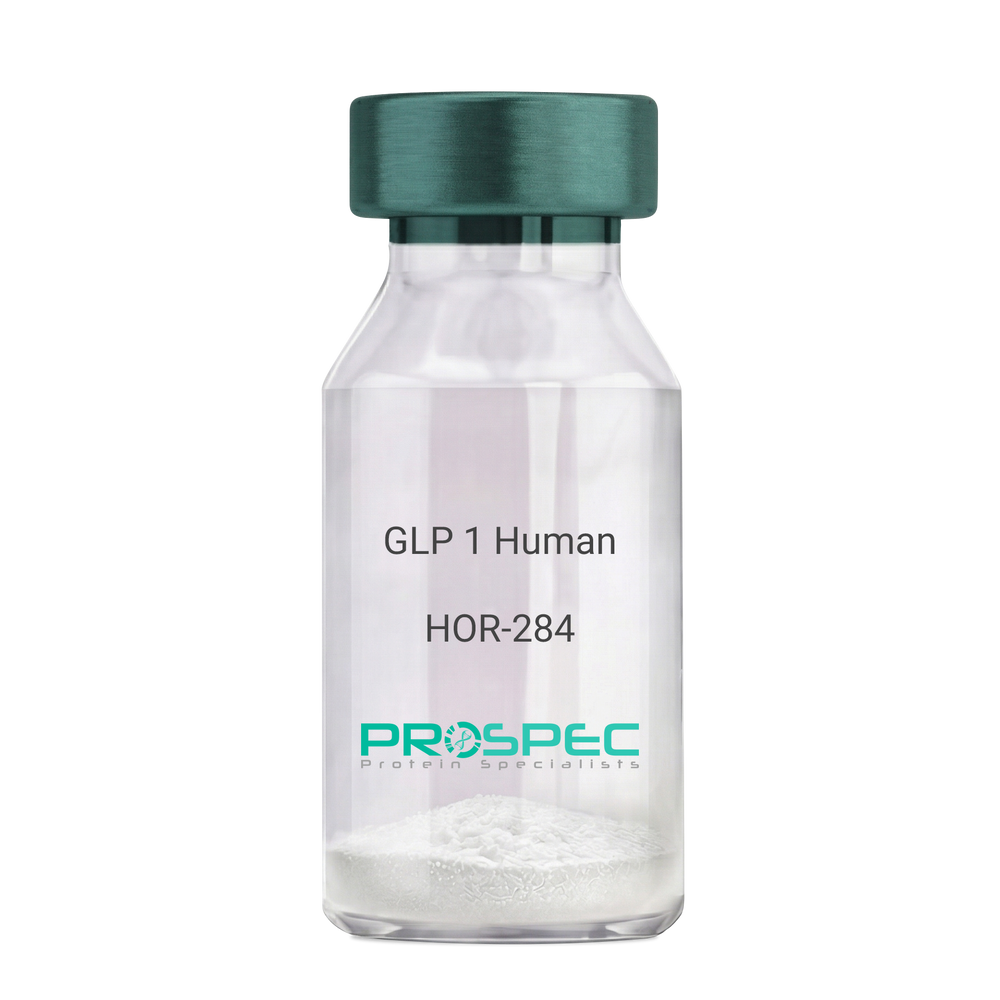
  • View Data Sheet

    Name :

    GLP 1 Human

    Description:

    Human Glucagon Like Peptide-1

    GLP1, Glucagon Like Peptide-1, Incretin hormone.

    Product # :

    HOR-284

    Price :

    Quantity :

    Shipping Method :

    Room Temp Icon

    Shipped at Room temp

    Add To Cart

    More Info

    • description
    • formulation
    • purity
    • More Info

    Description

    Glucagon Like Peptide-1 is a single, non-glycosylated, polypeptide chain containing 30 amino acids and having a molecular mass of 3297.7 Dalton.The GLP-1 is purified by proprietary chromatographic techniques.

    Formulation

    The GLP-1 peptide was lyophilized with no additives.

    Purity

    Greater than 96.0% as determined by RP-HPLC.

    More Info

    • Introduction

      Glucagon-like peptide-1 (GLP-1) is derived from the transcription product of the proglucagon gene. The major source of GLP-1 in the body is the intestinal L cell that secretes GLP-1 as a guthormone. The biologically active forms of GLP-1 are: GLP-1-(7-37) and GLP-1-(7-36)NH2.
      GLP-1 secretion by L cells is dependent on the presence of nutrients in the lumen of the small intestine. The secretagogues (agents that causes or stimulates secretion) of this hormone include major nutrients like carbohydrate, proteinand lipid. Once in the circulation, GLP-1 has a half life of less than 2 minutes, due to rapid degradation by the enzyme dipeptidyl peptidase-4.
      GLP-1 possesses several physiological properties that make it a subject of intensive investigation as a potential treatment of diabetes mellitus. The known physiological functions of GLP-1 include: Increases insulin secretion from the pancreas in a glucose-dependent manner, decreases glucagon secretion from the pancreas, increases beta cells mass and insulin gene expression, inhibits acid secretion and gastric emptying in the stomach, decreases food intake by increasing satiety.

    • Synonyms

      GLP1, Glucagon Like Peptide-1, Incretin hormone.

    • Physical Appearance

      Sterile Filtered White lyophilized (freeze-dried) powder.

    • Stability

      Lyophilized Glucagon Like Peptide-1 although stable at room temperature for 3 weeks, should be stored desiccated below -18°C. Upon reconstitution GLP-1 should be stored at 4°C between 2-7 days and for future use below -18°C. For long term storage it is recommended to add a carrier protein (0.1% HSA or BSA).Please prevent freeze-thaw cycles.

    • Solubility

      It is recommended to reconstitute the lyophilized Glucagon Like Peptide-1 in sterile H2O at 0.5mg/ml, which can then be further diluted to other aqueous solutions.

    • Amino Acid Sequence

      H-His-Ala-Glu-Gly-Thr-Phe-Thr-Ser-Asp-Val-Ser-Ser-Tyr-Leu-Glu-Gly-Gln-Ala-Ala-Lys-Glu-Phe-Ile-Ala-Trp-Leu-Val-Lys-Gly-Arg-NH2.

    ProSpec's products are furnished for LABORATORY RESEARCH USE ONLY. The product may not be used as drugs, agricultural or pesticidal products, food additives or household chemicals.

    Glp 1 Human
  • View Data Sheet

    Name :

    PSMD10 Antibody

    Description:

    Gankyrin, Mouse Anti Human

    26S proteasome non-ATPase regulatory subunit 10, 26S proteasome regulatory subunit p28, Gankyrin, PSMD10, p28, dJ889N15.2.

    Product # :

    ANT-609

    Price :

    Quantity :

    Shipping Method :

    Ice Icon

    Shipped with Ice Packs

    Add To Cart

    More Info

    • formulation
    • More Info

    Formulation

    1mg/ml containing PBS, pH-7.4, 10% Glycerol and 0.02% Sodium Azide.

    More Info

    • Introduction

      Gankyrin (proteasome 26S subunit) is a multicatalytic proteinase oncoprotein commonly overexpressed in most hepatocellular carcinomas. Proteasomes are found throughout eukaryotic cells at a high concentrations and cleave peptides in an ATP/ubiquitin-dependent process in a non-lysosomal pathway. Gankyrin interacts with S6 ATPase of the 19S regulatory particle of the 26S proteasome. Gankyrin is involved in theregulation of the phosphorylation of the retinoblastoma protein by CDK4, and to enhance the ubiquitinylation of p53 by MDM2. Gankyrin consists of 7 ankyrin repeats and is structurally similar to I kappa Bs. Gankyrin acts as a regulatory subunit of the 26s proteasome which is involved in the atp-dependent degradation of ubiquitinated proteins. Gankyrin is involved in progression of esophageal squamous cell carcinoma. gankyrin plays an oncogenic role especially in early stages of human epatocarcinogenesis. Gankyrin binds to NF-kappaB and suppresses its activity at the transcription level by modulating acetylation through SIRT1. Structural comparison between Gankyrin & p16(INK4A) identified numerous residues of gankyrin that are potentially important for CDK4 binding.

    • Synonyms

      26S proteasome non-ATPase regulatory subunit 10, 26S proteasome regulatory subunit p28, Gankyrin, PSMD10, p28, dJ889N15.2.

    • Physical Appearance

      Sterile filtered colorless solution.

    • Immunogen

      Anti-human PSMD10 mAb, is derived from hybridization of mouse F0 myeloma cells with spleen cells from BALB/c mice immunized with a recombinant human PSMD10 protein 1-226 amino acids purified from E.coli.

    • Ig Subclass

      Mouse IgG1 heavy chain and k light chain.

    • Clone

      PAT1F4AT.

    • Applications

      PSMD10 antibody has been tested by ELISA, Western blot analysis, Flow cytometry and ICC/IF to assure specificity and reactivity. Since application varies, however, each investigation should be titrated by the reagent to obtain optimal results.

    • Type

      Mouse Anti Human Monoclonal.

    • Storage Procedures

      For periods up to 1 month store at 4°C, for longer periods of time, store at -20°C. Prevent freeze thaw cycles.

    • Purification Method

      PSMD10 antibody was purified from mouse ascitic fluids by protein-A affinity chromatography.

    ProSpec's products are furnished for LABORATORY RESEARCH USE ONLY. The product may not be used as drugs, agricultural or pesticidal products, food additives or household chemicals.

    Psmd10 Antibody
  • View Data Sheet

    Name :

    VEGF (121 a.a.) Human

    Description:

    Vascular Endothelial Growth Factor (121 a.a.) Human Recombinant

    Vascular endothelial growth factor A, VEGF-A, Vascular permeability factor, VPF, VEGF, MGC70609.

    Product # :

    CYT-343

    Price :

    Quantity :

    Shipping Method :

    Room Temp Icon

    Shipped at Room temp

    Add To Cart

    More Info

    • description
    • source
    • formulation
    • purity
    • biological activity
    • More Info

    Description

    Vascular Endothelial Growth Factor-121 Human Recombinant produced in E.Coli is a non-glycosylated, polypeptide double chain containing 2x121 amino acids and having a molecular mass of 28.4kDa. VEGF121 circulates more freely than other VEGF forms, which bind more tightly with vascular heparin sulfates.

    Source

    Escherichia Coli.

    Formulation

    The protein was lyophilized from a concentrated (1mg/ml) solution with no additives.

    Purity

    Greater than 98.0% as determined by:
    (a) Analysis by RP-HPLC.
    (b) Analysis by SDS-PAGE.

    Biological Activity

    VEGF-121 has full biological activity when compared to standards. The activity is determined by the dose-dependent proliferation of HUVECs and is typically 1-6ng/ml corresponding to a specific activity of 166,667-1,000,000U/mg.

    More Info

    • Introduction

      Vascular endothelial growth factor is an important signaling protein involved in both vasculogenesis and angiogenesis. As its name implies, VEGF activity has been mostly studied on cells of the vascular endothelium, although it does have effects on a number of other cell types (e.g. stimulation monocyte/ macrophagemigration, neurons, cancer cells, kidney epithelial cells ).VEGF mediates increased vascular permeability, induces angiogenesis, vasculogenesis and endothelial cell growth, promotes cell migration, and inhibits apoptosis. In vitro, VEGF has been shown to stimulate endothelial cell mitogenesisand cell migration. VEGF is also a vasodilator and increases microvascular permeability and was originally referred to as vascular permeability factor.
      Elevated levels of this protein are linked to POEMS syndrome, also known as Crow-Fukase syndrome. Mutations in this gene have been associated with proliferative and nonproliferative diabetic retinopathy.

    • Synonyms

      Vascular endothelial growth factor A, VEGF-A, Vascular permeability factor, VPF, VEGF, MGC70609.

    • Physical Appearance

      Sterile Filtered White lyophilized (freeze-dried) powder.

    • Stability

      Lyophilized Vascular Endothelial Growth Factor 121 although stable at room temperature for 3 weeks, should be stored desiccated below -18°C. Upon reconstitution VEGF-121 should be stored at 4°C between 2-7 days and for future use below -18°C.For long term storage it is recommended to add a carrier protein (0.1% HSA or BSA).Please prevent freeze-thaw cycles.

    • Solubility

      It is recommended to reconstitute the lyophilized Vascular Endothelial Growth Factor -121 in sterile 18MΩ-cm H2O not less than 100µg/ml, which can then be further diluted to other aqueous solutions.

    • Amino Acid Sequence

      APMAEGGGQN HHEVVKFMDV YQRSYCHPIE TLVDIFQEYP DEIEYIFKPS CVPLMRCGGC CNDEGLECVP TEESNITMQI MRIKPHQGQH IGEMSFLQHN KCECRPKKDR ARQENCDKPR R

    ProSpec's products are furnished for LABORATORY RESEARCH USE ONLY. The product may not be used as drugs, agricultural or pesticidal products, food additives or household chemicals.

    Vegf121 Human
  • View Data Sheet

    Name :

    R-Spondin-1 Human

    Description:

    R-Spondin-1 Human Recombinant

    R-spondin-1, Cristin-3, mCristin-3, Roof plate-specific spondin-1, Rspo1, RSPO, R-spondin 1, R-spondin, Rspondin, CRISTIN3.

    Product # :

    PRO-2593

    Price :

    Quantity :

    Shipping Method :

    Room Temp Icon

    Shipped at Room temp

    Add To Cart

    More Info

    • description
    • source
    • formulation
    • purity
    • biological activity
    • More Info

    Description

    R-Spondin-1 Human Recombinant produced in CHO cells is a glycosylated monomer chain containing 243 amino acids and having a total molecular mass of 25.6kDa. RSPO1 is purified by proprietary chromatographic techniques.

    Source

    CHO cells.

    Formulation

    The protein was lyophilized from a sterile (0.2µm) filtered solution containing PBS.

    Purity

    Greater than 95.0% as determined by SDS-PAGE.

    Biological Activity

    The ED50, as calculated by the Luciferase induction in HEK-293 STF cells in the presence of Murine Wnt-3a is 47.99ng/ml corresponding to a specific activity of 2.1 x 10^4 units/mg.

    More Info

    • Introduction

      R-Spondin-1 (Rspo1) is a part of the Rspondin family. Rspo1 plays a role as an activator of the canonical Wnt signaling pathway by acting as a ligand for LGR4-6 receptors. Rspo1 induces the onset of crypt cell proliferation and increases intestinal epithelial healing effect. Rspo1 is negatively regulating the TGF-beta pathway.

    • Synonyms

      R-spondin-1, Cristin-3, mCristin-3, Roof plate-specific spondin-1, Rspo1, RSPO, R-spondin 1, R-spondin, Rspondin, CRISTIN3.

    • Physical Appearance

      Sterile Filtered White lyophilized (freeze-dried) powder.

    • Stability

      Lyophilized RSPO1 although stable at room temperature for 3 weeks, should be stored desiccated below -18°C. Upon reconstitution RSPO1 should be stored at 4°C between 2-7 days and for future use below -18°C. Please prevent freeze-thaw cycles.

    • Solubility

      It is recommended to reconstitute the lyophilized RSPO1in sterile 18MΩ-cm H2O not less than 100µg/ml, which can then be further diluted to other aqueous solutions.

    • Amino Acid Sequence

      SRGIKGKRQR RISAEGSQAC AKGCELCSEV NGCLKCSPKL FILLERNDIR QVGVCLPSCP PGYFDARNPD MNKCIKCKIE HCEACFSHNF CTKCKEGLYL HKGRCYPACP EGSSAANGTM ECSSPAQCEM SEWSPWGPCS KKQQLCGFRR GSEERTRRVL HAPVGDHAAC SDTKETRRCT VRRVPCPEGQ KRRKGGQGRR ENANRNLARK ESKEAGAGSR RRKGQQQQQQ QGTVGPLTSA GPA.

    ProSpec's products are furnished for LABORATORY RESEARCH USE ONLY. The product may not be used as drugs, agricultural or pesticidal products, food additives or household chemicals.

    R Spondin 1 Human
  • View Data Sheet

    Name :

    HSA, Pichia Pastoris

    Description:

    Human Serum Albumin Recombinant, Pichia

    Serum albumin, ALB, PRO0883, PRO0903, PRO1341, DKFZp779N1935, GIG20, GIG42, PRO1708, PRO2044, PRO2619, PRO2675, UNQ696, SA, HSA.

    Product # :

    PRO-2149

    Price :

    Quantity :

    Shipping Method :

    Ice Icon

    Shipped with Ice Packs

    Add To Cart

    More Info

    • description
    • source
    • formulation
    • purity
    • More Info

    Description

    HSA Human Recombinant produced in Pichia Pastoris is a polypeptide chain containing 585 amino acids and having a molecular mass of 67 kDa.The recombinant Albumin is purified by proprietary chromatographic techniques.

    Source

    Pichia Pastoris.

    Formulation

    The Recombinant Albumin having a concentration of 200mg/ml contains 140mM sodium chloride and 0.16mM octanoate.

    Purity

    Greater than 97% as determined by HPLC.

    More Info

    • Introduction

      Albumin is synthesized in the liver as preproalbumin which has an N-terminal peptide that is removed before the nascent protein is released from the rough endoplasmic reticulum. The product, proalbumin, is in turn cleaved in the Golgi vesicles to produce the secreted albumin. Albumin is a soluble, monomeric protein which comprises about one-half of the blood serum protein. Albumin functions primarily as a carrier protein for steroids, fatty acids, and thyroid hormones and plays a role in stabilizing extracellular fluid volume. Mutations in this gene on chromosome 4 result in various anomalous proteins. Albumin is a globular unglycosylated serum protein of molecular weight 65,000. The human albumin gene is 16,961 nucleotides long from the putative 'cap' site to the first poly (A) addition site. It is split into 15 exons which are symmetrically placed within the 3 domains that are thought to have arisen by triplication of a single primordial domain.
      HSA is widely used to stabilize blood volume generally from donors but the fear of contamination such as HIV & Hepatitis has enticed great interest in the recombinant form which is identical to the natural blood.

    • Synonyms

      Serum albumin, ALB, PRO0883, PRO0903, PRO1341, DKFZp779N1935, GIG20, GIG42, PRO1708, PRO2044, PRO2619, PRO2675, UNQ696, SA, HSA.

    • Physical Appearance

      Yellowish gel like solution.

    • Stability

      Recombinant Albumin although stable at 15°C for 1 week, should be stored at 4°C for longer periods of time.Please prevent freeze-thaw cycles.

    • Applications

      Recombinant Albumin can be used as a media culture supplement at concentrations up to 5 grams per liter. Gradual adaptation of cell lines over several passages to a concentration of 0.5gr to 2gr per liter.

    ProSpec's products are furnished for LABORATORY RESEARCH USE ONLY. The product may not be used as drugs, agricultural or pesticidal products, food additives or household chemicals.

    Hsa Pichia Pastoris
  • View Data Sheet

    Name :

    CXCL14 Human, His

    Description:

    BRAK Human Recombinant (CXCL14), His-Tag

    C-X-C motif chemokine 14, Small-inducible cytokine B14, Chemokine BRAK, Bolekine, NJAC, KS1, Kec, BMAC, MIP-2g, SCYB14, CXCL14, BRAK, MGC10687.

    Product # :

    CHM-239

    Price :

    Quantity :

    Shipping Method :

    Room Temp Icon

    Shipped at Room temp

    Add To Cart

    More Info

    • description
    • source
    • formulation
    • purity
    • More Info

    Description

    CXCL14 Human Recombinant produced in E.Coli is a single, non-glycosylated, polypeptide chain containing 88 amino acids and having a molecular mass of 10.66 kDa. The Human BRAK contains a 10 a.a. fusion His tag at N-Terminus. The BRAK is purified by proprietary chromatographic techniques.

    Source

    Escherichia Coli.

    Formulation

    CXCL14 filtered (0.4µm) and lyophilized from a concentrated (0.5mg/ml) solution containing 20mM Tris buffer & 20mM NaCl pH-7.5.

    Purity

    Greater than 95.0% as determined by:
    (a) Analysis by RP-HPLC.
    (b) Analysis by SDS-PAGE.

    More Info

    • Introduction

      CXCL14 is involved in immunoregulatory and inflammatory processes. BRAK protein is structurally related to the CXC (Cys-X-Cys) subfamily of cytokines. CXCL14 displays chemotactic activity for monocytes but not for lymphocytes, dendritic cells, neutrophils or macrophages. CXCL14 is involved in the homeostasis of monocyte-derived macrophages.

    • Synonyms

      C-X-C motif chemokine 14, Small-inducible cytokine B14, Chemokine BRAK, Bolekine, NJAC, KS1, Kec, BMAC, MIP-2g, SCYB14, CXCL14, BRAK, MGC10687.

    • Physical Appearance

      Filtered White lyophilized (freeze-dried) powder.

    • Stability

      Lyophilized BRAK although stable at room temperature for 3 weeks, should be stored desiccated below -18°C. Upon reconstitution BRAK should be stored at 4°C between 2-7 days and for future use below -18°C.For long term storage it is recommended to add a carrier protein (0.1% HSA or BSA).Please prevent freeze-thaw cycles.

    • Solubility

      It is recommended to reconstitute the lyophilized CXCL14 in sterile 18MΩ-cm H2O not less than 100µg/ml, which can then be further diluted to other aqueous solutions. Product is not sterile! Please filter the product by an appropriate sterile filter before using it in the cell culture.

    • Amino Acid Sequence

      MKHHHHHHAS SKCKCSRKGP KIRYSDVKKL EMKPKYPHCE EKMVIITTKS VSRYRGQEHC LHPKLQSTKR FIKWYNAWNE KRRVYEE.

    • Background

      What is the molecular weight/Mw of CXCL14 HUMAN, HIS Protein?
      CXCL14 HUMAN, HIS Protein has a total Mw of 10.66kDa.

      What is the source or expression system of CXCL14 HUMAN, HIS Protein?
      Escherichia Coli.

      What is the Purity of CXCL14 HUMAN, HIS Protein?
      CXCL14 HUMAN, HIS Protein is >95% pure as determined by SDS-PAGE.

      What is the Biological Activity of CXCL14 HUMAN, HIS Protein?
      The biological functionality of CXCL14 HUMAN, HIS Protein will be determined in the future.

      What is the amino acid sequence of CXCL14 HUMAN, HIS Protein?
      MKHHHHHHAS SKCKCSRKGP KIRYSDVKKL EMKPKYPHCE EKMVIITTKS VSRYRGQEHC LHPKLQSTKR FIKWYNAWNE KRRVYEE.

      What applications can CXCL14 HUMAN, HIS Protein be used in?
      CXCL14 HUMAN, HIS Protein can probably be used in western blot, ELISA and Lateral Flow.

      What is the endotoxin level for CXCL14 HUMAN, HIS Protein?
      The endotoxin level is minimal, CXCL14 HUMAN, HIS Protein was purified using conventional chromatography techniques.


    ProSpec's products are furnished for LABORATORY RESEARCH USE ONLY. The product may not be used as drugs, agricultural or pesticidal products, food additives or household chemicals.

    Cxcl14 Human His
  • View Data Sheet

    Name :

    Eotaxin Mouse

    Description:

    Eotaxin Mouse Recombinant (CCL11)

    Small inducible cytokine A11, CCL11, Eosinophil chemotactic protein, chemokine (C-C motif) ligand 11, SCYA11.

    Product # :

    CHM-308

    Price :

    Quantity :

    Shipping Method :

    Room Temp Icon

    Shipped at Room temp

    Add To Cart

    More Info

    • description
    • source
    • formulation
    • purity
    • biological activity
    • More Info

    Description

    Eotaxin Mouse Recombinant produced in E.Coli is a single, non-glycosylated polypeptide chain containing 74 amino acids and having a molecular mass of 8403.2 Dalton. The CCL11 is purified by proprietary chromatographic techniques.

    Source

    Escherichia Coli.

    Formulation

    Lyophilized from a concentrated (1mg/ml) solution in water containing no additives.

    Purity

    Greater than 95.0% as determined by:
    (a) Analysis by RP-HPLC.
    (b) Analysis by SDS-PAGE.

    Biological Activity

    The Biological activity was determined by measuring the dose dependent phosphorylation of ERK1 and ERK2 in CCR3 transfected 293 cells. Significant ERK phosphorylation is observed with >100 ng/ml (corresponding to a Specific Activity of 10,000IU/mg) of recombinant mouse eotaxin.

    More Info

    • Introduction

      Chemokine (C-C motif) ligand 11 (CCL11) is a small cytokine belonging to the CC chemokine family that is also known as eotaxin. CCL11 selectively recruits eosinophils by inducing their chemotaxis, and therefore, is implicated in allergic responses. The effects of CCL11 are mediated by its binding to a G-protein-linked receptor known as a chemokine receptor. Chemokine receptors for which CCL11 is a ligand include CCR2, CCR3 and CCR5. The gene for human CCL11 (scya11) is encoded on three exons and is located on chromosome 17.

    • Synonyms

      Small inducible cytokine A11, CCL11, Eosinophil chemotactic protein, chemokine (C-C motif) ligand 11, SCYA11.

    • Physical Appearance

      Sterile Filtered White lyophilized (freeze-dried) powder.

    • Stability

      Lyophilized Eotaxin although stable at room temperature for 3 weeks, should be stored desiccated below -18°C. Upon reconstitution CCL11 should be stored at 4°C between 2-7 days and for future use below -18°C. For long term storage it is recommended to add a carrier protein (0.1% HSA or BSA).Please prevent freeze-thaw cycles.

    • Solubility

      It is recommended to reconstitute the lyophilized Eotaxin in sterile 18MΩ-cm H2O not less than 100µg/ml, which can then be further diluted to other aqueous solutions.

    • Amino Acid Sequence

      The sequence of the first five N-terminal amino acids was determined and was found to be His-Pro-Gly-Ser-Ile.

    • Background

      What is the molecular weight/Mw of EOTAXIN MOUSE Protein?
      EOTAXIN MOUSE Protein has a total Mw of 8.4kDa.

      What is the source or expression system of EOTAXIN MOUSE Protein?
      Escherichia Coli.

      What is the Purity of EOTAXIN MOUSE Protein?
      EOTAXIN MOUSE Protein is >95% pure as determined by SDS-PAGE.

      What is the Biological Activity of EOTAXIN MOUSE Protein?
      The Biological activity was determined by measuring the dose dependent phosphorylation of ERK1 and ERK2 in CCR3 transfected 293 cells. Significant ERK phosphorylation is observed with >100 ng/ml (corresponding to a Specific Activity of 10,000IU/mg) of recombinant mouse eotaxin.

      What is the amino acid sequence of EOTAXIN MOUSE Protein?
      The sequence of the first five N-terminal amino acids was determined and was found to be His-Pro-Gly-Ser-Ile.

      What applications can EOTAXIN MOUSE Protein be used in?
      EOTAXIN MOUSE Protein can probably be used in western blot, ELISA and Lateral Flow.

      What is the endotoxin level for EOTAXIN MOUSE Protein?
      The endotoxin level is minimal, EOTAXIN MOUSE Protein was purified using conventional chromatography techniques.


    ProSpec's products are furnished for LABORATORY RESEARCH USE ONLY. The product may not be used as drugs, agricultural or pesticidal products, food additives or household chemicals.

    Eotaxin Mouse
  • View Data Sheet

    Name :

    Myostatin Human, His

    Description:

    Myostatin Human Recombinant, His Tag

    GDF-8, MSTN, Growth/Differentiation Factor 8,MSTN Muscle Hypertrophy.

    Product # :

    CYT-445

    Price :

    Quantity :

    Shipping Method :

    Room Temp Icon

    Shipped at Room temp

    Add To Cart

    More Info

    • description
    • source
    • formulation
    • purity
    • More Info

    Description

    Total 152AA. M.W. 16.7kDa (calculated). N-terminal His-tag and spacer (43AA – highlighted). The AA sequence of the human myostatin part of the fusion protein is corresponding to the UniProtKB/Swiss-Prot entry O14793.

    Source

    Escherichia Coli.

    Formulation

    Filtered (0.4µm) and lyophilized from 0.5mg/ml in 0.05M acetate buffer, pH 4.5.

    Purity

    Greater than 95% as determined by SDS-PAGE.

    More Info

    • Introduction

      Myostatin (GDF-8) is expressed uniquely in human skeletal muscle as a 12 kDa mature glycoprotein consisting of 113 amino acid residues and secreted into plasma. Myostatin is a member of the transforming growth factor ? superfamily of secreted growth and differentiation factors that is essential for proper regulation of skeletal muscle mass. Studies have shown that myostatin could play an important role in cardiac development and physiology.

    • Synonyms

      GDF-8, MSTN, Growth/Differentiation Factor 8,MSTN Muscle Hypertrophy.

    • Physical Appearance

      Filtered white lyophilized (freeze-dried) powder.

    • Stability

      Store lyophilized protein at -20°C. Aliquot the product after reconstitution to avoid repeated freezing/thawing cycles. Reconstituted protein can be stored at 4°C for a limited period of time; it does not show any change after two weeks at 4°C.

    • Solubility

      Add 0.1M Acetate buffer pH-4 to prepare a working stock solution of approximately 0.5 mg/mL and let the lyophilized pellet dissolve completely. For conversion into higher pH value, we recommend intensive dilution by relevant buffer to a concentration of 10μg/ml. In higher concentrations the solubility of this antigen is limited.

    • Amino Acid Sequence

      MRGSHHHHHH GMASMTGGQQ MGRDLYDDDD KDPSSRSAVR SRRDFGLDCD EHSTESRCCR YPLTVDFEAFGWDWIIAPKR YKANYCSGEC EFVFLQKYPH THLVHQANPR GSAGPCCTPT KMSPINMLYF NGKEQIIYGKIPAMVVDRCG CS.

    ProSpec's products are furnished for LABORATORY RESEARCH USE ONLY. The product may not be used as drugs, agricultural or pesticidal products, food additives or household chemicals.

    Myostatin Human Fc
  • View Data Sheet

    Name :

    S100A9 Mouse

    Description:

    S100 Calcium Binding Protein A9 Mouse Recombinant

    Calgranulin B, 60B8AG, CAGB, CFAG, CGLB, L1AG, LIAG, MAC387, MIF, MRP14, NIF, P14, Protein S100-A9, S100 calcium-binding protein A9.

    Product # :

    PRO-878

    Price :

    Quantity :

    Shipping Method :

    Ice Icon

    Shipped with Ice Packs

    Add To Cart

    More Info

    • description
    • source
    • formulation
    • purity
    • More Info

    Description

    S100A9 Mouse Recombinant produced in E.coli is a single, non-glycosylated polypeptide chain containing 133 amino acids (1-113) and having a molecular mass of 15.2 kDa.The S100A9 is fused to a 20 amino acid His-Tag at N-terminus and purified by proprietary chromatographic techniques.

    Source

    Escherichia Coli.

    Formulation

    S100A9 protein (0.5mg/ml) is supplied in 20mM Tris-HCL, pH-8, 1mM DTT and 20% Glycerol.

    Purity

    Greater than 90.0% as determined by SDS-PAGE.

    More Info

    • Introduction

      S100A9 is part of the S100 family of proteins containing 2 EF-hand calcium-binding motifs. S100A9 protein is localized in the cytoplasm and/or nucleus of a wide range of cells, and participates in the regulation of several cellular processes such as cell cycle progression and differentiation. S100 genes include no less than 13 proteins which are localized as a cluster on chromosome 1q21. S100A9 is involved in the inhibition of casein kinase and altered expression of this protein is associated with the disease cystic fibrosis.

    • Synonyms

      Calgranulin B, 60B8AG, CAGB, CFAG, CGLB, L1AG, LIAG, MAC387, MIF, MRP14, NIF, P14, Protein S100-A9, S100 calcium-binding protein A9.

    • Physical Appearance

      S100A9 is supplied as a sterile filtered yellowish solution.

    • Stability

      Store at 4°C if entire vial will be used within 2-4 weeks. Store, frozen at -20°C for longer periods of time. For long term storage it is recommended to add a carrier protein (0.1% HSA or BSA).Avoid multiple freeze-thaw cycles.

    • Amino Acid Sequence

      MGSSHHHHHH SSGLVPRGSH MANKAPSQME RSITTIIDTF HQYSRKEGHP DTLSKKEFRQ MVEAQLATFM KKEKRNEALI NDIMEDLDTN QDNQLSFEEC MMLMAKLIFA CHEKLHENNP RGHGHSHGKG CGK

    ProSpec's products are furnished for LABORATORY RESEARCH USE ONLY. The product may not be used as drugs, agricultural or pesticidal products, food additives or household chemicals.

    S100A9 Mouse
  • View Data Sheet

    Name :

    Aln G 4.0101

    Description:

    Polcalcin Aln g 4 Recombinant

    Polcalcin Aln g 4, Calcium-binding pollen allergen Aln g 4, Aln g 4.

    Product # :

    PRO-2281

    Price :

    Quantity :

    Shipping Method :

    Ice Icon

    Shipped with Ice Packs

    Add To Cart

    More Info

    • description
    • source
    • formulation
    • purity
    • More Info

    Description

    Recombinant Polcalcin Aln g 4 produced in SF9 is a glycosylated, polypeptide chain having a calculated molecular mass of 10,185 Dalton. Aln G 4.0101 is expressed with a 6xHis tag at N-terminus and purified by proprietary chromatographic techniques.

    Source

    Sf9 insect cells.

    Formulation

    Aln G 4.0101 is supplied in 20mM HEPES buffer pH-7.9 and 6M Urea.

    Purity

    Greater than 80.0% as determined by SDS-PAGE.

    More Info

    • Introduction

      Polcalcin Aln g 4 (Aln G 4.0101) causes an allergic reaction in humans.

    • Synonyms

      Polcalcin Aln g 4, Calcium-binding pollen allergen Aln g 4, Aln g 4.

    • Physical Appearance

      Sterile Filtered clear solution.

    • Stability

      Store at 4°C if entire vial will be used within 2-4 weeks. Store, frozen at -20°C for longer periods of time. Avoid multiple freeze-thaw cycles.

    • Immunological Functions

      1. Binds IgE type human antibodies. 2. Immunodot test with positive/negative sera panels.

    ProSpec's products are furnished for LABORATORY RESEARCH USE ONLY. The product may not be used as drugs, agricultural or pesticidal products, food additives or household chemicals.

    Aln G 40101
  • View Data Sheet

    Name :

    HSA Fatty Acid free

    Description:

    Human Serum Albumin Recombinant, Fatty Acid Free

    Serum albumin, ALB, PRO0883, PRO0903, PRO1341, DKFZp779N1935, GIG20, GIG42,   PRO1708, PRO2044, PRO2619, PRO2675, UNQ696, SA, HSA.

    Product # :

    PRO-1917

    Price :

    Quantity :

    Shipping Method :

    Ice Icon

    Shipped with Ice Packs

    Add To Cart

    More Info

    • description
    • source
    • formulation
    • purity
    • More Info

    Description

    HSA Human Recombinant Fatty Acid reduced produced in Plant contains 585 amino acids having a molecular mass of 67 kDa. The recombinant Albumin is purified by proprietary chromatographic techniques.

    Source

    Rice Grain.

    Formulation

    solution containing no additives.

    Purity

    Greater than 97% as determined by SDS-PAGE.

    More Info

    • Introduction

      Albumin is synthesized in the liver as preproalbumin which has an N-terminal peptide that is removed before the nascent protein is released from the rough endoplasmic reticulum. The product, proalbumin, is in turn cleaved in the Golgi vesicles to produce the secreted albumin. Albumin is a soluble, monomeric protein which comprises about one-half of the blood serum protein. Albumin functions primarily as a carrier protein for steroids, fatty acids, and thyroid hormones and plays a role in stabilizing extracellular fluid volume. Mutations in this gene on chromosome 4 result in various anomalous proteins. Albumin is a globular unglycosylated serum protein of molecular weight 65,000. The human albumin gene is 16,961 nucleotides long from the putative 'cap' site to the first poly (A) addition site. It is split into 15 exons which are symmetrically placed within the 3 domains that are thought to have arisen by triplication of a single primordial domain.
      HSA is widely used to stabilize

    • Synonyms

      Serum albumin, ALB, PRO0883, PRO0903, PRO1341, DKFZp779N1935, GIG20, GIG42, PRO1708, PRO2044, PRO2619, PRO2675, UNQ696, SA, HSA.

    • Physical Appearance

      Sterile Filtered clear yellowish solution.

    • Stability

      Recombinant Albumin stable at room temperature for 2 weeks should be stored at 4°C.

    ProSpec's products are furnished for LABORATORY RESEARCH USE ONLY. The product may not be used as drugs, agricultural or pesticidal products, food additives or household chemicals.

    Hsa Lipid Free
  • 1
  • …
  • 33
  • 34
  • 35
  • 36
  • 37
  • …
  • 42
Your browser does not support the video tag.

Products

  • Cytokines
  • Growth Factors
  • Chemokines
  • CD Antigens
  • Neurotrophins
  • Hormones
  • Enzymes
  • Viral Antigens
  • Recombinant Proteins
  • Natural Proteins
  • Monoclonal Antibodies
  • Polyclonal Antibodies
  • Thermal Packaging

About

  • Company
  • Founder
  • Contribution
  • Contact Us
  • My Account

Ordering

  • Ordering Method
  • Ordering - Credit Card
  • Ordering PO
  • Shipping Fees
  • FAQ's

Legal

  • Terms & Conditions
  • Privacy
  • Site Map
  • info@prospecbio.com
  • Facebook
  • Instagram
  • Linkedin Profile

© 2026 ProSpec-Tany TechnoGene Ltd. All Rights Reserved.

  • Choosing a selection results in a full page refresh.
  • Opens in a new window.