Skip to content

High-quality research proteins.

  • 1-800-805-6531

  • Mon - Sat 8.00-18.00, Sun - Closed

  • info@prospecbio.com

  • PO Box 6591 East Brunswick NJ 08816

  • Products
    • Cytokines
    • Growth factors
    • Chemokines
    • Cd antigens
    • Neurotrophins
    • Hormones
    • Enzymes
    • Viral antigens
    • Recombinant proteins
    • Natural proteins
    • Monoclonal antibodies
    • Polyclonal antibodies
    • Thermal Packaging
  • About
    • Company
    • Founder
    • Contribution
  • Customers
    • Eastern Asia
    • Eastern Europe
    • North America
    • South America
    • South East Asia
    • Southern Asia
    • Western Europe
  • Ordering
    • Ordering Method
    • Ordering - Credit Card
    • Ordering - PO
    • Shipping Fees
    • FAQs
  • Services
    • DNA Cloning
    • Protein Expression
    • Monoclonal Antibody
    • Fermentation
    • Technology License
  • Contact us
Log in

Country/region

  • USD $ | Albania
  • USD $ | Andorra
  • USD $ | Argentina
  • USD $ | Armenia
  • USD $ | Australia
  • USD $ | Austria
  • USD $ | Azerbaijan
  • USD $ | Belarus
  • USD $ | Belgium
  • USD $ | Bolivia
  • USD $ | Brazil
  • USD $ | Bulgaria
  • USD $ | Cambodia
  • USD $ | Canada
  • USD $ | Chile
  • USD $ | China
  • USD $ | Colombia
  • USD $ | Costa Rica
  • USD $ | Croatia
  • USD $ | Cyprus
  • USD $ | Czechia
  • USD $ | Denmark
  • USD $ | Estonia
  • USD $ | Finland
  • USD $ | France
  • USD $ | Georgia
  • USD $ | Germany
  • USD $ | Greece
  • USD $ | Hong Kong SAR
  • USD $ | Hungary
  • USD $ | Iceland
  • USD $ | India
  • USD $ | Ireland
  • USD $ | Israel
  • USD $ | Italy
  • USD $ | Japan
  • USD $ | Kazakhstan
  • USD $ | Latvia
  • USD $ | Liechtenstein
  • USD $ | Lithuania
  • USD $ | Madagascar
  • USD $ | Malta
  • USD $ | Mexico
  • USD $ | Moldova
  • USD $ | Monaco
  • USD $ | Netherlands
  • USD $ | New Zealand
  • USD $ | North Macedonia
  • USD $ | Norway
  • USD $ | Panama
  • USD $ | Paraguay
  • USD $ | Peru
  • USD $ | Philippines
  • USD $ | Poland
  • USD $ | Portugal
  • USD $ | Romania
  • USD $ | Singapore
  • USD $ | Slovakia
  • USD $ | Slovenia
  • USD $ | South Africa
  • USD $ | South Korea
  • USD $ | Spain
  • USD $ | Sri Lanka
  • USD $ | Sweden
  • USD $ | Switzerland
  • USD $ | Taiwan
  • USD $ | Thailand
  • USD $ | Türkiye
  • USD $ | Ukraine
  • USD $ | United Kingdom
  • USD $ | United States
  • USD $ | Uruguay
  • USD $ | Vatican City
  • USD $ | Venezuela
  • USD $ | Vietnam
  • Facebook
  • Instagram
logoProSpec - Recombinant Protein Manufacturer for academic and R&D industry
Become a distributor
Account Log in
Wishlist
Cart Cart(0)
  • Products
    +
    • Cytokines
    • Growth factors
    • Chemokines
    • Cd antigens
    • Neurotrophins
    • Hormones
    • Enzymes
    • Viral antigens
    • Recombinant proteins
    • Natural proteins
    • Monoclonal antibodies
    • Polyclonal antibodies
    • Thermal Packaging
  • About
    +
    • Company
    • Founder
    • Contribution
  • Customers
    +
    • Eastern Asia
    • Eastern Europe
    • North America
    • South America
    • South East Asia
    • Southern Asia
    • Western Europe
  • Ordering
    +
    • Ordering Method
    • Ordering - Credit Card
    • Ordering - PO
    • Shipping Fees
    • FAQs
  • Services
    +
    • DNA Cloning
    • Protein Expression
    • Monoclonal Antibody
    • Fermentation
    • Technology License
  • Contact us

Item added to your cart

View cart
View All
  • Cytokines
  • Growth factors
  • Chemokines
  • Cd antigens
  • Neurotrophins
  • Hormones
  • Enzymes
  • Viral antigens
  • Recombinant proteins
  • Natural proteins
  • Monoclonal antibodies
  • Polyclonal antibodies
  • Thermal Packaging
  • Tumor Necrosis Factor

    Tumor Necrosis Factor

    View All
  • 4-1BB

    4-1BB

    View All
  • Adiponectin

    Adiponectin

    View All
  • AIF1

    AIF1

    View All
  • Other Cytokines

    Other Cytokines

    View All
  • AITRL

    AITRL

    View All
  • Angiopoietin

    Angiopoietin

    View All
  • Apolipoprotein

    Apolipoprotein

    View All
  • B-Cell Activating Factor

    B-Cell Activating Factor

    View All
  • Beta Defensin

    Beta Defensin

    View All
  • Bone Morphogenetic Protein

    Bone Morphogenetic Protein

    View All
  • B type Natriuretic Peptide

    B type Natriuretic Peptide

    View All
  • BST

    BST

    View All
  • Betacellulin

    Betacellulin

    View All
  • Cardiotrophin

    Cardiotrophin

    View All
  • Activin

    Activin

    View All
  • Fibroblast Growth Factor

    Fibroblast Growth Factor

    View All
  • Other Growth Factors

    Other Growth Factors

    View All
  • CSF

    CSF

    View All
  • CTGF

    CTGF

    View All
  • IGFBP

    IGFBP

    View All
  • VEGF Protein

    VEGF Protein

    View All
  • EGF

    EGF

    View All
  • Epigen

    Epigen

    View All
  • Erythropoietin

    Erythropoietin

    View All
  • Insulin-Like Growth Factor

    Insulin-Like Growth Factor

    View All
  • Growth Hormone

    Growth Hormone

    View All
  • HDGF

    HDGF

    View All
  • Hepatocyte Growth Factor

    Hepatocyte Growth Factor

    View All
  • Insulin

    Insulin

    View All
  • BCA-1/ BLC (CXCL13)

    BCA-1/ BLC (CXCL13)

    View All
  • BRAK (CXCL14)

    BRAK (CXCL14)

    View All
  • C-10 (CCL6)

    C-10 (CCL6)

    View All
  • Other Chemokines

    Other Chemokines

    View All
  • MEC (CCL28)

    MEC (CCL28)

    View All
  • LD78-beta (CCL3L1)

    LD78-beta (CCL3L1)

    View All
  • CTACK (CCL27)

    CTACK (CCL27)

    View All
  • CXCL16

    CXCL16

    View All
  • CXCL17

    CXCL17

    View All
  • Platelet Factor-4 (CXCL4)

    Platelet Factor-4 (CXCL4)

    View All
  • ENA-78 (CXCL5)

    ENA-78 (CXCL5)

    View All
  • Eotaxin (CCL11,24,26)

    Eotaxin (CCL11,24,26)

    View All
  • Exodus-2 (CCL21)

    Exodus-2 (CCL21)

    View All
  • Fractalkine (CX3CL1)

    Fractalkine (CX3CL1)

    View All
  • CXCL6

    CXCL6

    View All
  • Other CD Antigens

    Other CD Antigens

    View All
  • CD14

    CD14

    View All
  • CD164

    CD164

    View All
  • CD1

    CD1

    View All
  • CD2

    CD2

    View All
  • CD200

    CD200

    View All
  • CD207

    CD207

    View All
  • CD226

    CD226

    View All
  • CD23

    CD23

    View All
  • CD244

    CD244

    View All
  • CD247

    CD247

    View All
  • CD27

    CD27

    View All
  • CD274

    CD274

    View All
  • CD300

    CD300

    View All
  • CD33

    CD33

    View All
  • Other Neurotrophins

    Other Neurotrophins

    View All
  • Beta-NGF

    Beta-NGF

    View All
  • BDNF

    BDNF

    View All
  • CDNF

    CDNF

    View All
  • CNTF

    CNTF

    View All
  • GDNF

    GDNF

    View All
  • Glia Maturation Factor

    Glia Maturation Factor

    View All
  • MANF

    MANF

    View All
  • Midkine

    Midkine

    View All
  • Neuroglobin

    Neuroglobin

    View All
  • Neurotrophic factors

    Neurotrophic factors

    View All
  • Neuregulin

    Neuregulin

    View All
  • Neuropilin

    Neuropilin

    View All
  • Pigment Epithelium-Derived Factor

    Pigment Epithelium-Derived Factor

    View All
  • Pleiotrophin

    Pleiotrophin

    View All
  • Peptide Hormones

    Peptide Hormones

    View All
  • Other Hormones

    Other Hormones

    View All
  • HCG

    HCG

    View All
  • Endothelin

    Endothelin

    View All
  • Exendin

    Exendin

    View All
  • FSH

    FSH

    View All
  • Glucagon

    Glucagon

    View All
  • GHRP

    GHRP

    View All
  • GLP

    GLP

    View All
  • Thyrostimulin

    Thyrostimulin

    View All
  • Inhibin A

    Inhibin A

    View All
  • LHRH

    LHRH

    View All
  • Melanotan

    Melanotan

    View All
  • Procalcitonin

    Procalcitonin

    View All
  • PTH

    PTH

    View All
  • Peroxiredoxin

    Peroxiredoxin

    View All
  • Peptidase

    Peptidase

    View All
  • Synthetase

    Synthetase

    View All
  • Transferase

    Transferase

    View All
  • Hydrolase

    Hydrolase

    View All
  • Dehydrogenase

    Dehydrogenase

    View All
  • ACE2

    ACE2

    View All
  • Esterase

    Esterase

    View All
  • Protein Kinases

    Protein Kinases

    View All
  • Other Enzymes

    Other Enzymes

    View All
  • Phosphatase

    Phosphatase

    View All
  • Deaminase

    Deaminase

    View All
  • Oxygenase

    Oxygenase

    View All
  • Adenylate Kinase

    Adenylate Kinase

    View All
  • Lyase

    Lyase

    View All
  • Chagas

    Chagas

    View All
  • SARS

    SARS

    View All
  • Influenza

    Influenza

    View All
  • ASFV

    ASFV

    View All
  • Astrovirus

    Astrovirus

    View All
  • Borrelia

    Borrelia

    View All
  • Helicobacter Pylori

    Helicobacter Pylori

    View All
  • Chikungunya

    Chikungunya

    View All
  • Chlamydia

    Chlamydia

    View All
  • Cytomegalo

    Cytomegalo

    View All
  • Dengue

    Dengue

    View All
  • EBV

    EBV

    View All
  • Ebola

    Ebola

    View All
  • Feline Leukemia Virus

    Feline Leukemia Virus

    View All
  • Hepatitis A

    Hepatitis A

    View All
  • Other

    Other

    View All
  • Actin

    Actin

    View All
  • ADAM

    ADAM

    View All
  • Complement Component

    Complement Component

    View All
  • Ag85

    Ag85

    View All
  • Eukaryotic Translation Initiation Factor

    Eukaryotic Translation Initiation Factor

    View All
  • Anterior Gradient Protein

    Anterior Gradient Protein

    View All
  • Heat Shock Protein

    Heat Shock Protein

    View All
  • Alpha-2-HS-Glycoprotein

    Alpha-2-HS-Glycoprotein

    View All
  • Hemoglobin

    Hemoglobin

    View All
  • Allergy

    Allergy

    View All
  • Anaplasma

    Anaplasma

    View All
  • Angiogenin

    Angiogenin

    View All
  • Ankyrin Repeat Domain

    Ankyrin Repeat Domain

    View All
  • Annexin

    Annexin

    View All
  • Other Natural Proteins

    Other Natural Proteins

    View All
  • Aprotinin

    Aprotinin

    View All
  • Transferrin

    Transferrin

    View All
  • Avidin

    Avidin

    View All
  • Anti Coagulation Factors

    Anti Coagulation Factors

    View All
  • Natural Albumin

    Natural Albumin

    View All
  • Natural Coagulation Factors

    Natural Coagulation Factors

    View All
  • Fibronectin

    Fibronectin

    View All
  • Thrombin

    Thrombin

    View All
  • Anti Human Enzyme

    Anti Human Enzyme

    View All
  • Other Monoclonal Antibodies

    Other Monoclonal Antibodies

    View All
  • Anti Human Cytokine

    Anti Human Cytokine

    View All
  • Anti Human Heat Shock Protein

    Anti Human Heat Shock Protein

    View All
  • Anti Mouse Lymphocyte

    Anti Mouse Lymphocyte

    View All
  • Anti Human Chemokine

    Anti Human Chemokine

    View All
  • Anti Human Lymphocyte

    Anti Human Lymphocyte

    View All
  • Anti Viral Monoclonal

    Anti Viral Monoclonal

    View All
  • Anti Mouse Cytokine

    Anti Mouse Cytokine

    View All
  • Anti-GST Monoclonal

    Anti-GST Monoclonal

    View All
  • Other Polyclonal Antibodies

    Other Polyclonal Antibodies

    View All
  • Anti Viral

    Anti Viral

    View All
  • Anti-GST Monoclonal

    Anti-GST Monoclonal

    View All
Back

Search results

1000 results found for “annexin”

Name

Description

Product #

Price

Quantity

Shipping Method

  • View Data Sheet

    Name :

    IL6ST Human

    Description:

    Interleukin-6 Signal Transducer Human Recombinant

    Interleukin 6 signal transducer, oncostatin M receptor, IL6ST, CD130, CDw130, GP130, GP130-RAPS, IL6R-beta

    Product # :

    CYT-1156

    Price :

    Quantity :

    Shipping Method :

    Ice Icon

    Shipped with Ice Packs

    Add To Cart

    More Info

    • description
    • source
    • formulation
    • purity
    • More Info
    • Citations

    Description

    IL6ST Human produced in Sf9 Baculovirus cells is a single, glycosylated polypeptide chain containing 605 amino acids (23-619 a.a) and having a molecular mass of 68.9kDa.IL6ST is fused to an 8 amino acid His tag at C-terminus and purified by proprietary chromatographic techniques.

    Source

    Sf9, Baculovirus cells.

    Formulation

    The IL6ST solution (0.25mg/ml) contains 10% Glycerol and Phosphate-Buffered Saline (pH 7.4).

    Purity

    Greater than 95% as determined by SDS-PAGE.

    Citations

    More Info

    • Introduction

      Interleukin-6 Signal Transducer or IL6ST is a receptor, part of the family of class 1 cytokine receptor. IL6ST binds to IL-6 through membrane-anchored or soluble IL-6R starts a connection between another complex of IL6ST and IL-6 , thus forming a homo-dimer and a signal transduction occurs.

    • Synonyms

      Interleukin 6 signal transducer, oncostatin M receptor, IL6ST, CD130, CDw130, GP130, GP130-RAPS, IL6R-beta

    • Physical Appearance

      Sterile Filtered colorless solution.

    • Stability

      Store at 4°C if entire vial will be used within 2-4 weeks. Store, frozen at -20°C for longer periods of time. For long term storage it is recommended to add a carrier protein (0.1% HSA or BSA).Avoid multiple freeze-thaw cycles.

    • Amino Acid Sequence

      ELLDPCGYIS PESPVVQLHS NFTAVCVLKE KCMDYFHVNA NYIVWKTNHF TIPKEQYTII NRTASSVTFT DIASLNIQLT CNILTFGQLE QNVYGITIIS GLPPEKPKNL SCIVNEGKKM RCEWDRGRET HLETNFTLKS EWATHKFADC KAKRDTPTSC TVDYSTVYFV NIEVWVEAEN ALGKVTSDHI NFDPVYKVKP NPPHNLSVIN SEELSSILKL TWTNPSIKSV IILKYNIQYR TKDASTWSQI PPEDTASTRS SFTVQDLKPF TEYVFRIRCM KEDGKGYWSD WSEEASGITY EDRPSKAPSF WYKIDPSHTQ GYRTVQLVWK TLPPFEANGK ILDYEVTLTR WKSHLQNYTV NATKLTVNLT NDRYVATLTV RNLVGKSDAA VLTIPACDFQ ATHPVMDLKA FPKDNMLWVE WTTPRESVKK YILEWCVLSD KAPCITDWQQ EDGTVHRTYL RGNLAESKCY LITVTPVYAD GPGSPESIKA YLKQAPPSKG PTVRTKKVGK NEAVLEWDQL PVDVQNGFIR NYTIFYRTII GNETAVNVDS SHTEYTLSSL TSDTLYMVRM AAYTDEGGKD GPEFTFTTPK FAQGEIELEH HHHHH

    • Background

      Significance of Human Recombinant Interleukin-6 Signal Transducer: Insights and Implications

      Abstract:

      The Interleukin-6 (IL-6) signal transducer holds a pivotal role in the complex IL-6 signaling pathway, orchestrating crucial cellular responses. This paper delves into the significance of Human Recombinant IL-6 Signal Transducer in unraveling IL-6-mediated cellular communication and highlights its potential applications in research and therapeutic development. The review sheds light on the methodology of producing this transducer and its relevance in advancing our understanding of cytokine signaling.

      Introduction:

      IL-6, a pleiotropic cytokine, is known to exert its diverse effects through a complex signaling cascade, wherein the signal transducer plays a crucial role. The availability of Human Recombinant IL-6 Signal Transducer enables the investigation of its role in health and disease. This transducer is vital for transmitting IL-6 signals, influencing processes like immune response, inflammation, and cell differentiation.

      IL-6 Signal Transduction Pathway:

      The IL-6 signal transduction pathway involves binding of IL-6 to its receptor, leading to the recruitment of the signal transducer and subsequent activation of downstream signaling molecules such as JAK/STAT pathway. This orchestrated response modulates gene expression, thereby impacting cellular behavior.

      Methods of Production:

      Human Recombinant IL-6 Signal Transducer is produced by expressing the corresponding gene in a suitable expression system, often utilizing bacterial or mammalian cells. Proper post-translational modifications are necessary to ensure its biological activity and appropriate functioning within the signaling cascade.

      Applications in Research:

      Human Recombinant IL-6 Signal Transducer serves as a fundamental tool in elucidating IL-6-mediated signaling mechanisms. Its availability facilitates the exploration of how aberrant signaling contributes to diseases such as autoimmune disorders, inflammatory conditions, and certain cancers. The transducer's interaction with other signaling pathways is also of interest for comprehensive pathway analysis.

      Therapeutic Implications:

      Understanding the IL-6 signal transduction pathway has led to the development of targeted therapies for IL-6-related diseases. Modulation of this pathway presents potential opportunities for novel therapeutic interventions, thereby offering a new dimension in precision medicine.

      Challenges and Future Directions:

      While the availability of Human Recombinant IL-6 Signal Transducer has significantly advanced our knowledge, challenges remain in deciphering the intricate nuances of IL-6 signaling. Developing strategies to selectively intervene in this pathway without disturbing physiological homeostasis presents an ongoing challenge.

      Conclusion:

      The Human Recombinant IL-6 Signal Transducer serves as a cornerstone in unraveling the complexities of IL-6 signaling, shedding light on its roles in health and disease. Its applications span from fundamental research to therapeutic development, showcasing its potential to shape the future of precision medicine.

      What is the molecular weight/Mw of IL6ST HUMAN Protein?
      IL6ST HUMAN Protein has a total Mw of 68.9kDa.

      What is the source or expression system of IL6ST HUMAN Protein?
      Sf9, Baculovirus cells.

      What is the Purity of IL6ST HUMAN Protein?
      IL6ST HUMAN Protein is >95% pure as determined by SDS-PAGE.

      What is the Biological Activity of IL6ST HUMAN Protein?
      The biological functionality of IL6ST HUMAN Protein will be determined in the future.

      What is the amino acid sequence of IL6ST HUMAN Protein?
      ELLDPCGYIS PESPVVQLHS NFTAVCVLKE KCMDYFHVNA NYIVWKTNHF TIPKEQYTII NRTASSVTFT DIASLNIQLT CNILTFGQLE QNVYGITIIS GLPPEKPKNL SCIVNEGKKM RCEWDRGRET HLETNFTLKS EWATHKFADC KAKRDTPTSC TVDYSTVYFV NIEVWVEAEN ALGKVTSDHI NFDPVYKVKP NPPHNLSVIN SEELSSILKL TWTNPSIKSV IILKYNIQYR TKDASTWSQI PPEDTASTRS SFTVQDLKPF TEYVFRIRCM KEDGKGYWSD WSEEASGITY EDRPSKAPSF WYKIDPSHTQ GYRTVQLVWK TLPPFEANGK ILDYEVTLTR WKSHLQNYTV NATKLTVNLT NDRYVATLTV RNLVGKSDAA VLTIPACDFQ ATHPVMDLKA FPKDNMLWVE WTTPRESVKK YILEWCVLSD KAPCITDWQQ EDGTVHRTYL RGNLAESKCY LITVTPVYAD GPGSPESIKA YLKQAPPSKG PTVRTKKVGK NEAVLEWDQL PVDVQNGFIR NYTIFYRTII GNETAVNVDS SHTEYTLSSL TSDTLYMVRM AAYTDEGGKD GPEFTFTTPK FAQGEIELEH HHHHH.

      What applications can IL6ST HUMAN Protein be used in?
      IL6ST HUMAN Protein can probably be used in western blot, ELISA and Lateral Flow.

      What is the endotoxin level for IL6ST HUMAN Protein?
      The endotoxin level is minimal, IL6ST HUMAN Protein was purified using conventional chromatography techniques.

      Who supplies recombinant IL6ST HUMAN that is in stock and available to order?
      ProSpec has the protein in stock and available for immediate delivery.

      Where can I order bulk mg quantities of IL6ST HUMAN?
      ProSpec supplies bulk mg quantities at affordable prices that meets research and academic budgets.

    ProSpec's products are furnished for LABORATORY RESEARCH USE ONLY. The product may not be used as drugs, agricultural or pesticidal products, food additives or household chemicals.

    Il6St Human
  • View Data Sheet

    Name :

    DKK3 Antibody

    Description:

    Mouse Anti Human Dickkopf-Related Protein 3

    Dickkopf 3 homolog (Xenopus laevis), dickkopf-related protein 3, regulated in glioma, RIG, RIG-like 7-1, RIG-like 5-6, Dkk-3, REIC.

    Product # :

    ANT-707

    Price :

    Quantity :

    Shipping Method :

    Ice Icon

    Shipped with Ice Packs

    Add To Cart

    More Info

    • formulation
    • More Info
    • Citations

    Formulation

    1mg/ml containing PBS, pH-7.4, 10% Glycerol and 0.02% Sodium Azide.

    Citations

    More Info

    • Introduction

      Dickkopf-related protein 3 (DKK3) belongs to the DKK protein family including Dkk-1, 2, 3 and -4. DKK3 is a 350 amino acid secreted glycoprotein which is comprised of an N-terminal signal peptide and 2 conserved cysteine-rich domains that are separated by a 12 amino acid linker region. DKK3 is involved in embryonic development through its inhibition of the WNT signaling pathway. DKK3 gene expression is decreased in a variety of cancer cell lines and it may act as a tumor suppressor gene.

    • Synonyms

      Dickkopf 3 homolog (Xenopus laevis), dickkopf-related protein 3, regulated in glioma, RIG, RIG-like 7-1, RIG-like 5-6, Dkk-3, REIC.

    • Physical Appearance

      Sterile filtered colorless solution.

    • Immunogen

      Anti-human DKK3 mAb, is derived from hybridization of mouse F0 myeloma cells with spleen cells from BALB/c mice immunized with a recombinant human DKK3 protein (22-350 amino acids purified from E. coli.

    • Ig Subclass

      Mouse IgG1 heavy chain and k light chain.

    • Clone

      PAT103B5AT.

    • Applications

      DKK3 antibody has been tested by ELISA and Western blot analysis to assure specificity and reactivity. Since application varies, however, each investigation should be titrated by the reagent to obtain optimal results.

    • Type

      Mouse Anti Human Monoclonal.

    • Storage Procedures

      For periods up to 1 month store at 4°C, for longer periods of time, store at -20°C. Prevent freeze thaw cycles.

    • Purification Method

      DKK3 antibody was purified from mouse ascitic fluids by protein-A affinity chromatography.

    ProSpec's products are furnished for LABORATORY RESEARCH USE ONLY. The product may not be used as drugs, agricultural or pesticidal products, food additives or household chemicals.

    Dkk3 Antibody
  • View Data Sheet

    Name :

    PNPO Antibody

    Description:

    Pyridoxamine 5'-Phosphate Oxidase, Mouse Anti Human

    Pyridoxine-5'-phosphate oxidase, Pyridoxamine-phosphate oxidase, PNPO, PDXPO, FLJ10535.

    Product # :

    ANT-063

    Price :

    Quantity :

    Shipping Method :

    Ice Icon

    Shipped with Ice Packs

    Add To Cart

    More Info

    • formulation
    • More Info
    • Citations

    Formulation

    1mg/ml containing PBS, pH-7.4, & 0.1% Sodium Azide.

    Citations

    More Info

    • Introduction

      Pyridoxine-5'-phosphate oxidase (PNPO) is the rate-limiting enzyme in vitamin B6 synthesis. Vitamin B6 (Pyridoxal 5-prime-phosphate or PLP) is vital for normal cellular function, and some cancer cells have notable differences in vitamin B6 metabolism compared to their normal counterparts.Vitamin B6 is an essential co-factor for enzymes involved in both homocysteine metabolism and synthesis of neurotransmitters such as catecholamine. Mutations in the PNPO gene result in PNPO deficiency, a form of neonatal epileptic encephalopathy.

    • Synonyms

      Pyridoxine-5'-phosphate oxidase, Pyridoxamine-phosphate oxidase, PNPO, PDXPO, FLJ10535.

    • Immunogen

      Anti-human PNPO mAb, is derived from hybridization of mouse FO myeloma cells with spleen cells from BALB/c mice immunized with recombinant human PNPO amino acids 57-261 purified from E. coli.

    • Ig Subclass

      Mouse IgG1 heavy chain and k light chain.

    • Clone

      PAT2C7AT.

    • Applications

      PNPO antibody has been tested by ELISA and Western blot analysis to assure specificity and reactivity. Since application varies, however, each investigation should be titrated by the reagent to obtain optimal results. Recommended dilution range for Western blot analysis is 1:500 ~ 1:5000.
      Recommended starting dilution is 1:1000.

    • Type

      Mouse Anti Human Monoclonal.

    • Storage Procedures

      For periods up to 1 month store at 4°C, for longer periods of time, store at -20°C. Prevent freeze thaw cycles.

    • Purification Method

      PNPO antibody was purified from mouse ascitic fluids by protein-G affinity chromatography.

    ProSpec's products are furnished for LABORATORY RESEARCH USE ONLY. The product may not be used as drugs, agricultural or pesticidal products, food additives or household chemicals.

    Pnpo Antibody
  • View Data Sheet

    Name :

    Enterokinase Bovine

    Description:

    Enteropeptidase/ Enterokinase Light Chain Bovine Recombinant

    Enteropeptidase, EC 3.4.21.9, Enterokinase, Serine protease 7, ENTK, MGC133046.

    Product # :

    ENZ-311

    Price :

    Quantity :

    Shipping Method :

    Ice Icon

    Shipped with Ice Packs

    Add To Cart

    More Info

    • description
    • source
    • formulation
    • purity
    • More Info
    • Citations

    Description

    Enterokinase (rEK) Bovine Recombinant is the catalytic subunit of bovine enterokinase, which is expressed by E. Coli and purified to yield a high enzyme activity preparation. EK recognizes the sequence Asp-Asp-Asp-Asp-Lys and cleaves the peptide bond after the lysine residue. The enzyme can be used to cleave any fusion protein that carries this sequence. Recombinant Bovine Enterokinase is a single glycosylated polypeptide chain containing 235 amino acids and having an MW of ~28kDa.

    Source

    E. Coli.

    Formulation

    Bovine EK in 50mM Tris-HCl, pH 8.0, 0.5M NaCl and 50% glycerol.

    Purity

    Greater than 95.0% as determined by SDS-PAGE.

    Citations

    More Info

    • Introduction

      Enteropeptidase or enterokinase is an enzyme involved in human digestion. It is produced by cells in the duodenum wall, and is secreted from duodenum's glands, the crypts of Lieberk?hn, whenever ingested food enters the duodenum from the stomach. Enteropeptidase has the critical job of turning trypsinogen (a zymogen) to trypsin, indirectly activating a number of pancreatic digestive enzymes. Enteropeptidase is a serine protease enzyme (EC 3.4.21.9). Enteropeptidase is a part of the Chymotrypsin-clan of serine proteases, and is structurally similar to these proteins.

    • Synonyms

      Enteropeptidase, EC 3.4.21.9, Enterokinase, Serine protease 7, ENTK, MGC133046.

    • Physical Appearance

      Sterile liquid solution.

    • Stability

      One year when stored at –20°C. Please avoid freeze-thaw cycles.

    • Unit Definition

      One unit is defined as the amount of enzyme needed to cleave 50µg of fusion protein in 16 hours to 95% completion at 25°C in a buffer containing 25mM Tris-HCl, pH 7.6, 50mM NaCl, and 2mM CaCl2.

    ProSpec's products are furnished for LABORATORY RESEARCH USE ONLY. The product may not be used as drugs, agricultural or pesticidal products, food additives or household chemicals.

    Enterokinase Bovine
  • View Data Sheet

    Name :

    IFN A Neut Antibody

    Description:

    Interferon-alpha Neutralizing, Mouse Anti-Human

    Product # :

    ANT-122

    Price :

    Quantity :

    Shipping Method :

    Room Temp Icon

    Shipped at Room temp

    Add To Cart

    More Info

    • formulation
    • More Info
    • Citations

    Formulation

    1mg/ml in PBS (after reconstitution).

    Citations

    More Info

    • Introduction

      IFN-alpha is produced by macrophages, IFN-alpha has antiviral activities and stimulates the production of two enzymes: a protein kinase and an oligoadenylate synthetase.

    • Solubility

      Reconstitute with sterile H20. Mix gently, wash the sides of the vial and wait 30-60 seconds before use.

    • Immunogen

      r.Human IFN Alpha.

    • Ig Subclass

      Mouse IgG1.

    • Clone

      NYRhIFN-A (neut).

    • Applications

      Direct ELISA (Does not work in Western Blotting). This is a Neutralizing antibody.

    • Note

      The antibody can be used for Capture ELISA together with ProSpec’s Mouse Anti Human IFN-alpha Western Blot antibody.

    • Titer

      By direct ELISA, 1:10,000 dilution will yield 0.5 O.D using alkaline phosphatase conjugated rabbit anti-mouse Ig (Jackson Laboratories).

    • Shipping Conditions

      Antibody is shipped lyophilized at ambient temperature.

    • Type

      Mouse Anti Human Monoclonal.

    • Storage Procedures

      In lyophilized form, for long periods, store at 4°C in a dry environment. After reconstitution, if not intended for use within a month, aliquot and store at -20°C.

    • Purification Method

      Ion exchange.

    ProSpec's products are furnished for LABORATORY RESEARCH USE ONLY. The product may not be used as drugs, agricultural or pesticidal products, food additives or household chemicals.

    Interferon Alpha Neutralizing Antibody
  • View Data Sheet

    Name :

    OX40L Human

    Description:

    OX40 Ligand Human Recombinant

    Tumor necrosis factor ligand superfamily member 4, OX40 ligand, OX40L, OX-40L, CD252, Tnfsf4, Ox40l, Txgp1l, gp3, OX4, Ath-1, Ath1, CD134L, gp34, Tnlg2b, Txgp1l.

    Product # :

    CYT-1226

    Price :

    Quantity :

    Shipping Method :

    Ice Icon

    Shipped with Ice Packs

    Add To Cart

    More Info

    • description
    • source
    • formulation
    • purity
    • biological activity
    • More Info
    • Citations

    Description

    OX40L Human Recombinant is a single, glycosylated, polypeptide chain (51-183 a.a) containing a total of139 amino acids and having a molecular mass of 16.2 kDa. OX40L is fused to a 6 a.a his-Tag at C-terminus and is purified by proprietary chromatographic techniques.

    Source

    HEK293 Cells.

    Formulation

    The OX40L solution (1mg/ml) contains 10% Glycerol and Phosphate-Buffered Saline (pH 7.4).

    Purity

    Greater than 90.0% as determined by SDS-PAGE.

    Biological Activity

    Measured by its binding ability in a functional ELISA with Human OX40/TNFRSF4.

    Citations

    More Info

    • Synonyms

      Tumor necrosis factor ligand superfamily member 4, OX40 ligand, OX40L, OX-40L, CD252, Tnfsf4, Ox40l, Txgp1l, gp3, OX4, Ath-1, Ath1, CD134L, gp34, Tnlg2b, Txgp1l.

    • Physical Appearance

      Sterile Filtered colorless solution.

    • Stability

      Store at 4°C if entire vial will be used within 2-4 weeks. Store, frozen at -20°C for longer periods of time. For long term storage it is recommended to add a carrier protein (0.1% HSA or BSA). Avoid multiple freeze-thaw cycles.

    • Amino Acid Sequence

      QVSHRYPRIQ SIKVQFTEYK KEKGFILTSQ KEDEIMKVQN NSVIINCDGF YLISLKGYFS QEVNISLHYQ KDEEPLFQLK KVRSVNSLMV ASLTYKDKVY LNVTTDNTSL DDFHVNGGEL ILIHQNPGEF CVLHHHHHH.

    • Background

      OX40 Ligand (OX40L), a member of the tumor necrosis factor (TNF) superfamily, plays a pivotal role in regulating immune responses and orchestrating the delicate balance between activation and tolerance. The human recombinant form of OX40L has emerged as a potent tool in immunology, offering insights into its molecular intricacies and potential applications in therapeutic interventions. This research embarks on a journey to unravel the multifaceted role of OX40L Human Recombinant, shedding light on its structural attributes, signaling pathways, and its promising avenues in immunotherapy. By delving into the properties of OX40L, scientists aim to expand our understanding of immune modulation and open new frontiers in the treatment of immune-related disorders.

      Structural Insights into OX40L Human Recombinant:

      OX40L, as a trimeric transmembrane protein, exhibits a unique structural configuration that governs its interactions with the OX40 receptor on T cells. The human recombinant form, engineered for controlled study, provides a window into the three-dimensional intricacies of the ligand. Understanding its structure is pivotal for deciphering how OX40L engages with its receptor and modulates immune responses.

      Immunomodulatory Signaling Pathways:

      OX40L binding to its cognate receptor OX40 on T cells triggers intricate signaling cascades that impact immune cell activation, proliferation, and cytokine production. The OX40-OX40L axis is a crucial regulator of T cell function, influencing both effector and regulatory T cell responses. Unraveling the specific pathways activated by OX40L Human Recombinant provides valuable insights into the modulation of immune responses in health and disease.

      Applications in Immunotherapy:

      The immunomodulatory properties of OX40L make it an attractive candidate for therapeutic interventions. OX40L Human Recombinant, in preclinical and clinical studies, is being explored for its potential in enhancing antitumor immune responses. By harnessing the ligand's ability to stimulate effector T cells and memory T cell formation, researchers aim to develop novel immunotherapies for cancer and other immune-related disorders.

      OX40L in Autoimmune Diseases:

      Conversely, OX40L's role in autoimmune diseases has spurred investigations into its inhibition as a therapeutic strategy. Blocking the OX40-OX40L interaction has shown promise in mitigating autoimmune responses, presenting a potential avenue for the development of treatments for conditions such as rheumatoid arthritis and inflammatory bowel disease.

      While the potential of OX40L Human Recombinant in immunotherapy is promising, challenges persist. Fine-tuning its applications, understanding potential side effects, and optimizing dosages are critical considerations for translational success. Additionally, comprehending the context-dependent nature of OX40L signaling is essential for tailoring therapeutic strategies to specific diseases and patient profiles.

      OX40L Human Recombinant stands at the forefront of immunomodulation research, offering a lens through which we can unravel the complexities of immune responses. Its structural insights, signaling pathways, and therapeutic applications position it as a key player in the evolving landscape of immunotherapy. As researchers continue to dissect the molecular nuances of OX40L, they not only expand our understanding of immune regulation but also pave the way for transformative advancements in the treatment of cancer and autoimmune diseases, shaping the future of precision medicine and immunotherapy.

    ProSpec's products are furnished for LABORATORY RESEARCH USE ONLY. The product may not be used as drugs, agricultural or pesticidal products, food additives or household chemicals.

    Ox40L Human
  • View Data Sheet

    Name :

    Tetanus antibody

    Description:

    Tetanus toxoid scFv Recombinant antibody

    Product # :

    ANT-195

    Price :

    Quantity :

    Shipping Method :

    Ice Icon

    Shipped with Ice Packs

    Add To Cart

    More Info

    • description
    • source
    • formulation
    • purity
    • More Info
    • Citations

    Description

    Tetanus toxin is the neurotoxin produced by the vegetative spore of Clostridium tetani in anaerobic conditions, causing tetanus.Recombinant Anti Tetanus produced in E.Coli is a non-glycosylated, polypeptide chain containing a hexahistidine tag and having a molecular weight of 37 kDa.Tetanus Antibody is purified by proprietary chromatographic techniques.

    Source

    Escherichia Coli.

    Formulation

    Tetanus is supplied in 1x PBS (pH 7.4) and 0.09% azide

    Purity

    Greater than 95.0% as determined byAnalysis by RP-HPLC.
    Analysis by SDS-PAGE.

    Citations

    More Info

    • Physical Appearance

      Sterile Filtered clear solution.

    • Stability

      Store at 4°C if entire vial will be used within 2-4 weeks. Store, frozen at -20°C for longer periods of time. Please avoid freeze thaw cycles.

    • Type

      Antibody Recombinant.

    ProSpec's products are furnished for LABORATORY RESEARCH USE ONLY. The product may not be used as drugs, agricultural or pesticidal products, food additives or household chemicals.

    Tetanus Antibody
  • View Data Sheet

    Name :

    SAE1/SAE2 Human

    Description:

    SAE1/SAE2 Human Recombinant

    Product # :

    ENZ-1161

    Price :

    Quantity :

    Shipping Method :

    Ice Icon

    Shipped with Ice Packs

    Add To Cart

    More Info

    • description
    • source
    • formulation
    • purity
    • More Info
    • Citations

    Description

    SAE1/SAE2 Human Recombinant produced in SF9 is glycosylated, polypeptide chain containing 2 subunits (SAE1 subunit molecular mass is 41kDa & SAE2 subunit molecular mass is 91kDa). The subunits associate to form a complex. The SAE1/SAE2 is expressed with a -10xHis tag and purified by proprietary chromatographic techniques.

    Source

    Sf9 insect cells.

    Formulation

    SAE1/SAE2 is supplied in 20mM HEPES buffer pH-8.0, 200mM NaCl and 20% glycerol.

    Purity

    Greater than 95.0% as determined by SDS-PAGE.

    Citations

    More Info

    • Introduction

      SAE1 and SAE2 form heterodimers which take part in the posttranslational modification of proteins (sumoylation). This process regulates protein structure as well as intracellular localization of the target. SAE1/SAE2 may indicate on dermatomyositis (DM) as autoantibodies against those 2 proteins have been found in patients.

    • Physical Appearance

      Sterile Filtered colorless solution.

    • Stability

      Store at 4°C if entire vial will be used within 2-4 weeks. Store, frozen at -20°C for longer periods of time. Avoid multiple freeze-thaw cycles.

    • Immunological Functions

      1. Binds IgG-type human auto-antibodies.2. Standard ELISA test (checkerboard analysis of positive/negative samples) and immunodot test with positive/negative samples.

    • coating concentration

      0.3-0.8 µg/ml (depending on the type of ELISA plate and coating buffer). Suitable for labeling of functional groups.

    • Applications

      Western blot with anti SAE1/SAE2 autoantibody positive sample & Polyclonal anti-SAE1 and anti-SAE2 antibodies.

    ProSpec's products are furnished for LABORATORY RESEARCH USE ONLY. The product may not be used as drugs, agricultural or pesticidal products, food additives or household chemicals.

    Sae1 Sae2
  • View Data Sheet

    Name :

    Prolactin Ovine Antagonist

    Description:

    Prolactin Ovine Antagonsit Recombinant

    Mammotropin, Luteotropic hormone, Luteotropin, PRL.

    Product # :

    CYT-311

    Price :

    Quantity :

    Shipping Method :

    Room Temp Icon

    Shipped at Room temp

    Add To Cart

    More Info

    • description
    • source
    • formulation
    • purity
    • biological activity
    • More Info
    • Citations

    Description

    Prolactin Ovine Antagonist Recombinant produced in E.Coli is a single, non-glycosylated polypeptide chain containing 199 amino acids and having a molecular mass of 23kDa. Ovine Prolactin Antagonist is purified by proprietary chromatographic techniques.

    Source

    Escherichia Coli.

    Formulation

    Ovine Prolactin was lyophilized from a concentrated (1mg/ml) solution with 0.02%-0.03% NaHCO3.

    Purity

    Greater than 99.0% as determined by SDS-PAGE.

    Biological Activity

    Ovine Prolactin Antagonist is devoid of agonistic activity and capable of inhibiting biological activity of Ovine Prolactin or other lactogenic hormones as evidenced by proliferation assay of Nb2 or other cells.

    Citations

    More Info

    • Introduction

      Prolactin is a lactogenic hormone secreted by the adenohypophysis .Besides its major action on lactation, in some species prolactin exerts effects on reproduction, maternal behavior, fat metabolism, immunomodulation and osmoregulation.Prolactin has been shown also to have cytokine-like activities and to have important immunoregulatory activities. It contributes to the development of lymphoid tissues and the maintenance of physiological immune function and also modulates a variety of T-cell immune responses. Prolactin has been reported to activate cellular proliferation in nonreproductive tissue, such as liver, spleen, and thymus. It induces significant proliferation in aortic smooth muscle cells and also enhances proliferation of these cells induced by PDGF . Prolactin also appears to be directly mitogenic for pancreatic beta cells. Prolactin is also mitogenic for cultured astrocytes.

    • Synonyms

      Mammotropin, Luteotropic hormone, Luteotropin, PRL.

    • Physical Appearance

      Sterile Filtered White lyophilized (freeze-dried) powder.

    • Stability

      Lyophilized Ovine Prolactin Antagonist although stable at room temperature for 3 weeks, should be stored desiccated below -18°C. Upon reconstitution Ovine Prolactin Antagonist should be stored at 4°C between 2-7 days and for future use below -18°C.For long term storage it is recommended to add a carrier protein (0.1% HSA or BSA).Please prevent freeze-thaw cycles.

    • Solubility

      It is recommended to reconstitute the lyophilized Ovine Prolactin Antagonist in sterile 18MΩ-cm H2O not less than 100µg/ml, which can then be further diluted to other aqueous solutions.

    • Amino Acid Sequence

      The sequence of the first five N-terminal amino acids was determined and was found to be Ala-Thr-Pro-Val-Cys-Pro.

    ProSpec's products are furnished for LABORATORY RESEARCH USE ONLY. The product may not be used as drugs, agricultural or pesticidal products, food additives or household chemicals.

    Prolactin Antagonist Ovine
  • View Data Sheet

    Name :

    Leptin Pufferfish

    Description:

    Leptin Pufferfish Recombinant

    OB Protein, Obesity Protein, OBS, Obesity factor.

    Product # :

    CYT-530

    Price :

    Quantity :

    Shipping Method :

    Room Temp Icon

    Shipped at Room temp

    Add To Cart

    More Info

    • description
    • source
    • formulation
    • purity
    • biological activity
    • More Info
    • Citations

    Description

    Leptin Pufferfish (Takifugu rubripes) Recombinant produced in E.Coli is a single, non-glycosylated, polypeptide chain having a molecular mass of 16 kDa. Bioactive Leptin Pufferfish (Takifugu rubripes) Recombinant was prepared according to the sequence published by Kurokawa et al. (2005)Peptides 26, 745-750 in two forms: monomer and covalent dimer. MS analysis revealed molecular masses of 15,291 and 30,585 Da, close to the theoretical values of 15,270 and 30,540 Da. CD spectra revealed high similarity to mammalian leptins. Other details of its preparation will be soon published by Yacobovitz et al (in press), General and Comparative Endocrinology.The Pufferfish Leptin is purified by proprietary chromatographic techniques.

    Source

    Escherichia Coli.

    Formulation

    The Pufferfish Leptin was lyophilized from a concentrated (0.85mg/ml) solution with 0.003mM NaHCO3.

    Purity

    Greater than 99.0% as determined by:
    (a) Analysis by SEC-HPLC.
    (b) Analysis by SDS-PAGE.

    Biological Activity

    Biological active as evidenced by inducing proliferation of BAF/3 cells stably transfected with the long form of human leptin receptor. The affinity of human leptin receptors is considerably lower campared to mammalian leptins.

    Citations

    More Info

    • Introduction

      A 16-kDa peptide hormone secreted from white adipocytes and implicated in the regulation of food intake and energy balance. Leptin provides the key afferent signal from fat cells in the feedback system that controls body fat stores.

    • Synonyms

      OB Protein, Obesity Protein, OBS, Obesity factor.

    • Physical Appearance

      Sterile Filtered White lyophilized (freeze-dried) powder.

    • Stability

      Lyophilized Pufferfish Leptin although stable at room temperature for 3 weeks, should be stored desiccated below -18°C. Upon reconstitution Leptin should be stored at 4°C between 2-7 days and for future use below -18°C.For long term storage it is recommended to add a carrier protein (0.1% HSA or BSA).Please prevent freeze-thaw cycles.

    • Solubility

      It is recommended to reconstitute the lyophilized Pufferfish Leptin in sterile 0.4% NaHCO3 pH-9 not less than 100µg/ml, which can then be further diluted to other aqueous solutions.

    • Amino Acid Sequence

      ALPGALDAMDVEKMKSKVTWKAQGLVARIDKHFPDRGLRFDTDKVE

      GSTSVVASLESYNNLISDRFGGVSQIKTEISSLAGYLNHWREGNCQE

      QQPKVWPRRNIFNHTVSLEALMRVREFLKLLQKNVDLLERC

    • Protein content

      Protein quantitation was carried out by UV spectroscopy at 280 nm using the absorbency value of 1.28 as the extinction coefficient for a 0.1% (1mg/ml) solution. This value is calculated by the PC GENE computer analysis program of protein sequences (IntelliGenetics).

    ProSpec's products are furnished for LABORATORY RESEARCH USE ONLY. The product may not be used as drugs, agricultural or pesticidal products, food additives or household chemicals.

    Leptin Pufferfish
  • View Data Sheet

    Name :

    Recombinant TNF-a Antibody

    Description:

    Recombinant Anti Human Tumor Necrosis Factor-Alpha

    Product # :

    ANT-599

    Price :

    Quantity :

    Shipping Method :

    Ice Icon

    Shipped with Ice Packs

    Add To Cart

    More Info

    • description
    • source
    • formulation
    • purity
    • biological activity
    • More Info
    • Citations

    Description

    Recombinant TNF-a Antibody is a recombinant human IgG1 monoclonal antibody specific for human tumor necrosis factor (TNF). Recombinant TNF-a Antibody is produced by recombinant DNA technology in a Chinese Hamster Ovary mammalian cell expression system in a serum-free medium and has a molecular weight of approximately 148 kDa.

    Source

    CHO.

    Formulation

    The Recombinant TNF-a Antibody 53mg/ml solution contains 6.16 mg/ml of sodium chloride, 0.86 mg/ml of monobasic sodium phosphate dihydrate, 1.53 mg/ml of dibasic sodium phosphate dihydrate, 0.3 mg/ml of sodium citrate, 1.30 mg/ml of citric acidmonohydrate, 12 mg/ml of mannitol, 1mg/ml of polysorbate 80, pH-5.

    Purity

    Greater than 98.0% as determined by:
    (a) Analysis by SEC-HPLC.
    (b) Analysis by SDS-PAGE.

    Biological Activity

    The EC50 as determined by L929 cell proliferation assay for neutralization reaction between TNF-a Antibody and TNFA, Perform a comparison of a dilution series of the Sample solution with a dilution series of the Standard solution, measured potency was found to be 1.2 X 10⁴EU/mg.

    Citations

    More Info

    • Introduction

      Tumor necrosis factor is a cytokine involved in systemic inflammation and is a member of a group of cytokines that all stimulate the acute phase reaction. TNF is mainly secreted by macrophages.
      TNF causes apoptotic cell death, cellular proliferation, differentiation, inflammation, tumorigenesisand viral replication, TNF is also involved in lipid metabolism, and coagulation. TNF's primary role is in the regulation of immune cells.
      Dysregulation and, in particular, overproduction of TNF have been implicated in a variety of human diseases- autoimmune diseases, insulin resistance, and cancer.

    • Physical Appearance

      Clear and colorless solution.

    • Stability

      Recombinant TNF-a Antibody should be stored between 2-8°C and should be protected from light. DO NOT FREEZE. DO NOT SHAKE.

    • Amino Acid Sequence

      LIGHT CHAIN
      DIQMTQSPSSLSASVGDRVTITCRASQGIRNYLAWYQQKPGKAPKLLIYAASTLQSGVPSRFSGSGSGTDF
      TLTISSLQPEDVATYYCQRYNRAPYTFGQGTKVEIKRTVAAPSVFIFPPSDEQLKSGTASVVCLLNNFYPR
      EAKVQWKVDNALQSGNSQESVTEQDSKDSTYSLSSTLTLSKADYEKHKVYACEVTHQGLSSPVTKSFNRGEC

      HEAVY CHAIN
      EVQLVESGGGLVQPGRSLRLSCAASGFTFDDYAMHWVRQAPGKGLEWVSAITWNSGHIDYADSVEGRFTISR
      DNAKNSLYLQMNSLRAEDTAVYYCAKVSYLSTASSLDYWGQGTLVTVSSASTKGPSVFPLAPSSKSTSGGTA
      ALGCLVKDYFPEPVTVSWNSGALTSGVHTFPAVLQSSGLYSLSSVVTVPSSSLGTQTYICNVNHKPSNTKVD
      KKVEPKSCDKTHTCPPCPAPELLGGPSVFLFPPKPKDTLMISRTPEVTCVVVDVSHEDPEVKFNWYVDGVEV
      HNAKTKPREEQYNSTYRVVSVLTVLHQDWLNGKEYKCKVSNKALPAPIEKTISKAKGQPREPQVYTLPPSRD
      ELTKNQVSLTCLVKGFYPSDIAVEWESNGQPENNYKTTPPVLDSDGSFFLYSKLTVDKSRWQQGNVFSCSVM
      HEALHNHYTQKSLSLSPGK.

    ProSpec's products are furnished for LABORATORY RESEARCH USE ONLY. The product may not be used as drugs, agricultural or pesticidal products, food additives or household chemicals.

    Recombinant Tnf A Antibody
  • View Data Sheet

    Name :

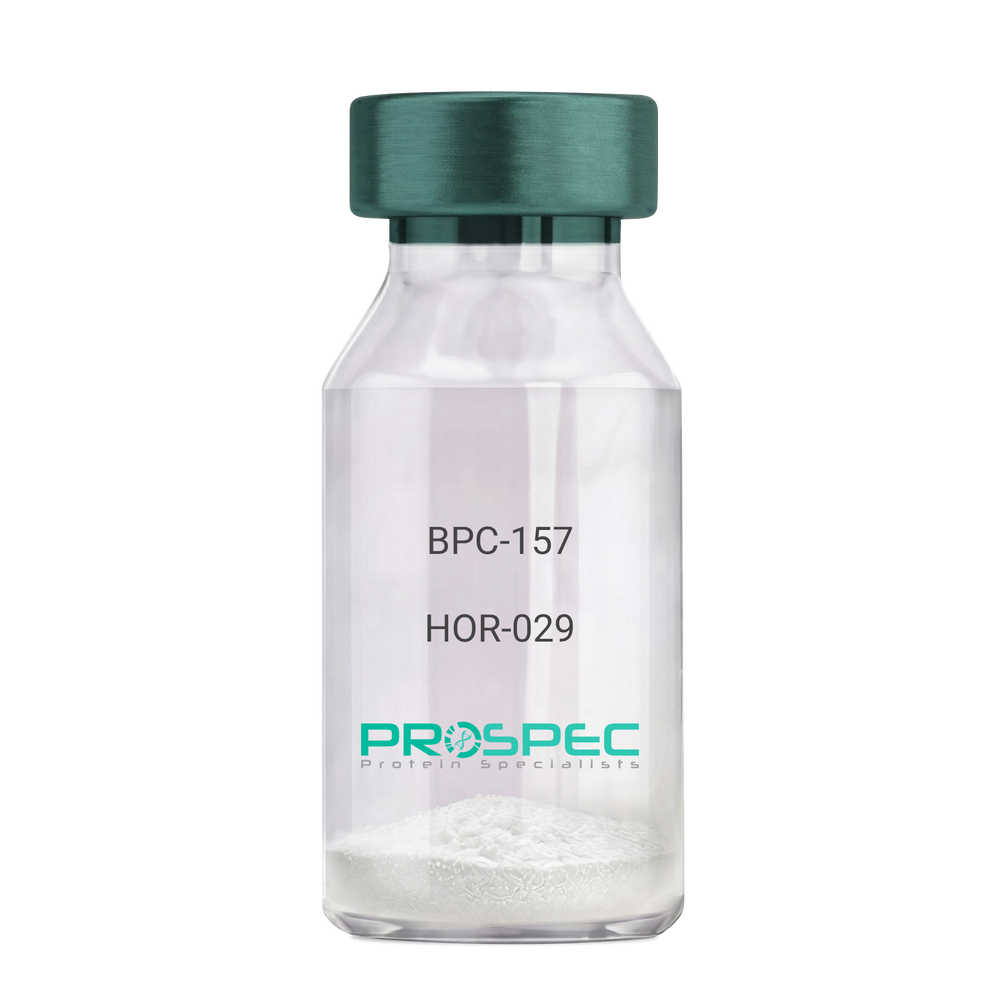
    BPC-157

    Description:

    BPC-157 Pentadecapeptide

    Product # :

    HOR-029

    Price :

    Quantity :

    Shipping Method :

    Room Temp Icon

    Shipped at Room temp

    Add To Cart

    More Info

    • description
    • formulation
    • purity
    • More Info
    • Citations

    Description

    BPC-157 Synthetic is a single, non-glycosylated polypeptide chain containing 15 amino acids, having a molecular mass of 1419.55 Dalton and a Molecular formula of C62H98N16O22.

    Formulation

    The protein was lyophilized with no additives.

    Purity

    Greater than 97.0% as determined by analysis by RP-HPLC.

    Citations

    More Info

    • Physical Appearance

      Sterile Filtered White lyophilized (freeze-dried) powder.

    • Stability

      Lyophilized BPC-157 although stable at room temperature for 3 weeks, should be stored desiccated below -18°C. Upon reconstitution bpc-157 should be stored at 4°C between 2-7 days and for future use below -18°C. For long term storage it is recommended to add a carrier protein (0.1% HSA or BSA). Please prevent freeze-thaw cycles.

    • Solubility

      It is recommended to reconstitute the lyophilized BPC-157 in sterile 18MΩ-cm H2O not less than 100 µg/ml, which can then be further diluted to other aqueous solutions.

    • Amino Acid Sequence

      H-Gly-Glu-Pro-Pro-Pro-Gly-Lys-Pro-Ala-Asp-Asp-Ala-Gly-Leu-Val-OH

    • Background

      BPC-157, short for Body Protection Compound-157, is a synthetic peptide that has garnered significant attention in the field of regenerative medicine and sports science. This peptide, derived from a portion of the human gastric juice protein known as BPC, exhibits remarkable healing and tissue regeneration properties. BPC-157 has shown promise in various preclinical and clinical studies, demonstrating its potential for the treatment of a wide range of injuries and disorders.

      The research on BPC-157 encompasses investigations into its mechanisms of action, efficacy, safety, and potential therapeutic applications. Studies have elucidated the peptide's ability to enhance angiogenesis, promote collagen synthesis, modulate inflammatory responses, and protect against oxidative stress. These properties make BPC-157 an intriguing candidate for accelerating tissue healing, reducing inflammation, and improving overall recovery outcomes.

      Preclinical studies have revealed the beneficial effects of BPC-157 in several injury models. For instance, BPC-157 has demonstrated its potential in accelerating tendon and ligament healing, mitigating muscle damage, and promoting bone regeneration. These findings suggest that BPC-157 could be a valuable therapeutic tool in orthopedic medicine and sports-related injuries.

      Furthermore, BPC-157 has exhibited promising effects on gastrointestinal health. Studies have highlighted its ability to protect and heal the gut lining, reduce ulcer formation, and alleviate symptoms associated with inflammatory bowel disease. These observations open up avenues for BPC-157 as a potential treatment for gastrointestinal disorders.

      In addition to its regenerative properties, BPC-157 has shown potential in neurological and psychiatric conditions. Research has indicated its neuroprotective effects, with implications for the treatment of traumatic brain injury, stroke, and neurodegenerative disorders. Preliminary studies also suggest BPC-157's potential as an antidepressant and anxiolytic agent.

      Despite the promising findings, further research is needed to fully understand the mechanisms underlying BPC-157's actions and to assess its long-term safety and efficacy. Clinical trials are underway to explore its potential therapeutic applications in humans, including its use in tendon and ligament repair, inflammatory bowel disease, and neurodegenerative disorders.

      This comprehensive review aims to summarize the current state of research on BPC-157, providing an overview of its mechanisms of action and therapeutic potential. By examining relevant studies and findings, we aim to shed light on the diverse applications of BPC-157 and its implications for regenerative medicine, sports science, and various disease

    ProSpec's products are furnished for LABORATORY RESEARCH USE ONLY. The product may not be used as drugs, agricultural or pesticidal products, food additives or household chemicals.

    Bpc 157
  • View Data Sheet

    Name :

    Gly m 4.0101

    Description:

    Stress-Induced Protein SAM22 Recombinant

    Stress-induced protein SAM22, Starvation-associated message 22, Gly m 4.

    Product # :

    PRO-2278

    Price :

    Quantity :

    Shipping Method :

    Ice Icon

    Shipped with Ice Packs

    Add To Cart

    More Info

    • description
    • source
    • formulation
    • purity
    • More Info
    • Citations

    Description

    Recombinant Stress-Induced Protein SAM22 produced in SF9 is a glycosylated, polypeptide chain having a calculated molecular mass of 19,484 Dalton. Gly m 4.0101 is expressed with a 10xHis tag at N-terminus and purified by proprietary chromatographic techniques.

    Source

    Sf9 insect cells.

    Formulation

    Gly m 4.0101 is supplied in in 20mM HEPES buffer pH-7.9 and 6M Urea.

    Purity

    Greater than 80.0% as determined by SDS-PAGE.

    Citations

    More Info

    • Introduction

      Stress-Induced Protein SAM22 (Gly m 4.0101) causes an allergic reaction in humans. Gly m 4 is the main soy allergen for patients allergic to birch pollen with soy allergy.

    • Synonyms

      Stress-induced protein SAM22, Starvation-associated message 22, Gly m 4.

    • Physical Appearance

      Sterile Filtered clear solution.

    • Stability

      Store at 4°C if entire vial will be used within 2-4 weeks. Store, frozen at -20°C for longer periods of time. Avoid multiple freeze-thaw cycles.

    • Immunological Functions

      1. Binds IgE type human antibodies. 2. Immunodot test with positive/negative sera panels.

    ProSpec's products are furnished for LABORATORY RESEARCH USE ONLY. The product may not be used as drugs, agricultural or pesticidal products, food additives or household chemicals.

    Gly M 40101
  • View Data Sheet

    Name :

    Prolactin Ovine Antagonist, Mutant

    Description:

    Prolactin Antagonist Ovine Recombinant, Mutant

    Mammotropin, Luteotropic hormone, Luteotropin, PRL, Prolactin.

    Product # :

    CYT-705

    Price :

    Quantity :

    Shipping Method :

    Room Temp Icon

    Shipped at Room temp

    Add To Cart

    More Info

    • description
    • source
    • formulation
    • purity
    • biological activity
    • More Info
    • Citations

    Description

    Prolactin Ovine Antagonist Recombinant produced in E.Coli is a single, non-glycosylated polypeptide chain containing 199 amino acids and an additional Ala at N-terminus and having a molecular mass of 23kDa. The mutant R129G is DES 9 amino acids truncated form from its N-terminus which has higher inhibitory activity. Ovine Prolactin Antagonist is purified by proprietary chromatographic techniques.

    Source

    Escherichia Coli.

    Formulation

    Ovine Prolactin was lyophilized from a concentrated (1mg/ml) solution with 0.02%-0.03% NaHCO3.

    Purity

    Greater than 99.0% as determined by Gel Filtration & SDS-PAGE.

    Biological Activity

    Ovine Prolactin Antagonist mutant form is devoid of agonistic activity and capable of inhibiting biological activity of oPRL or other lactogenic hormones as evidenced by proliferation assay of Nb2 or other cells. The truncated form is more potent inhibitor.

    Citations

    More Info

    • Introduction

      Prolactin is a lactogenic hormone secreted by the adenohypophysis .Besides its major action on lactation, in some species prolactin exerts effects on reproduction, maternal behavior, fat metabolism, immunomodulation and osmoregulation.Prolactin has been shown also to have cytokine-like activities and to have important immunoregulatory activities. It contributes to the development of lymphoid tissues and the maintenance of physiological immune function and also modulates a variety of T-cell immune responses. Prolactin has been reported to activate cellular proliferation in nonreproductive tissue, such as liver, spleen, and thymus. It induces significant proliferation in aortic smooth muscle cells and also enhances proliferation of these cells induced by PDGF . Prolactin also appears to be directly mitogenic for pancreatic beta cells. Prolactin is also mitogenic for cultured astrocytes.

    • Synonyms

      Mammotropin, Luteotropic hormone, Luteotropin, PRL, Prolactin.

    • Physical Appearance

      Sterile Filtered White lyophilized (freeze-dried) powder.

    • Stability

      Lyophilized Ovine Prolactin Antagonist although stable at room temperature for 3 weeks, should be stored desiccated below -18°C. Upon reconstitution Ovine Prolactin Antagonist should be stored at 4°C between 2-7 days and for future use below -18°C. For long term storage it is recommended to add a carrier protein (0.1% HSA or BSA). Please prevent freeze-thaw cycles.

    • Solubility

      It is recommended to reconstitute the lyophilized Ovine Prolactin Antagonist in sterile 18MΩ-cm H2O not less than 100µg/ml, which can then be further diluted to other aqueous solutions.

    • Amino Acid Sequence

      The sequence of the first five N-terminal amino acids was determined and was found to be Ala-Thr-Pro-Val-Cys-Pro.

    ProSpec's products are furnished for LABORATORY RESEARCH USE ONLY. The product may not be used as drugs, agricultural or pesticidal products, food additives or household chemicals.

    Prolactin Antagonist Ovine Mutant
  • View Data Sheet

    Name :

    S100A11 Human

    Description:

    S100 Calcium Binding Protein A11 Human Recombinant

    Protein S100-A11, S100 calcium-binding protein A11, Calgizzarin, MLN 70, S100A11, MLN70, S100C.

    Product # :

    PRO-385

    Price :

    Quantity :

    Shipping Method :

    Ice Icon

    Shipped with Ice Packs

    Add To Cart

    More Info

    • description
    • source
    • formulation
    • purity
    • More Info
    • Citations

    Description

    S100A11 Human Recombinant is expressed in E. coli having a molecular weight of 17kDa fused to an amino terminal hexahistidine tag.

    Source

    Escherichia Coli.

    Formulation

    S100A11 is supplied in PBS and 50% glycerol.

    Purity

    Greater than 95% as determined by SDS-PAGE.
    2 bands on Western blot at 17 and 34 kDa, respectively representing monomeric and dimeric form.

    Citations

    More Info

    • Introduction

      S100A11 is a member of the S100 family of proteins which contains two EF-hand calcium-binding motifs and is thought to be involved in the regulation of a number of cellular processes including cell cycle progression and differentiation. S100A11 may function in motility, invasion and tubulin polymerisation. S100 proteins are localized either in the cytoplasm or the nucleus of a wide range of cells. There are at least 13 members in the S100 gene family, which are located as a cluster on chromosome 1q21. Chromosomal rearrangements and altered expression of S100A11 have been implicated in tumor metastasis.

    • Synonyms

      Protein S100-A11, S100 calcium-binding protein A11, Calgizzarin, MLN 70, S100A11, MLN70, S100C.

    • Stability

      Store at 4°C if entire vial will be used within 1-2 weeks. Store, frozen at -20°C for longer periods of time. Avoid multiple freeze-thaw cycles.

    • Applications

      S100A11 can be used directly as a positive control in Western blotting, ELISA, immunoprecipitation and other immunological experiments.
      The biological activity of this product has not yet been tested.

    ProSpec's products are furnished for LABORATORY RESEARCH USE ONLY. The product may not be used as drugs, agricultural or pesticidal products, food additives or household chemicals.

    S100A11 Human
  • View Data Sheet

    Name :

    ADFP Human

    Description:

    Adipose Differentiation-Related Protein Human Recombinant

    Adipophilin, Adipose differentiation-related protein, ADRP, ADFP, MGC10598.

    Product # :

    PRO-405

    Price :

    Quantity :

    Shipping Method :

    Room Temp Icon

    Shipped at Room temp

    Add To Cart

    More Info

    • description
    • source
    • formulation
    • purity
    • More Info
    • Citations

    Description

    ADFP Human Recombinant produced in E.Coli is a signle, non-glycosylated, Polypeptide chain containing 444 amino acids and having a molecular mass of 49 kDa. The protein contains an extra 8 amino acid His tag at N-terminus. The ADFP amino acid sequence is identical to UniProtKB/Swiss-Prot entry Q99541 amino acids 4–437.The ADFP is purified by proprietary chromatographic techniques.

    Source

    Escherichia Coli.

    Formulation

    Human ADFP was lyophilized from 0.5mg/ml solution containing 20mM Tris pH-7.5, and 20mM NaCl.

    Purity

    Greater than 95% as determined by SDS PAGE.

    Citations

    More Info

    • Introduction

      ADFP is related with the globule surface membrane material. ADFP is a major constituent of the globule surface. Rise in mRNA levels is one of the initial indications of adipocyte differentiation. Mycobacterium leprae regulates ADFP expression to facilitate the accumulation of lipids within infected macrophages for intracellular survival. ADFP is expressed in lipid droplets of vitamin A-storing hepatic stellate cells and additionally in lipid droplets of steatotic hepatocytes. ADFP expression has a role in clear cell renal carcinoma differentiation. ADFP is a component of the lipid droplets in THP-1 cells.

    • Synonyms

      Adipophilin, Adipose differentiation-related protein, ADRP, ADFP, MGC10598.

    • Stability

      Store lyophilized protein at -20°C. Aliquot the product after reconstitution to avoid repeated freezing/thawing cycles. Reconstituted protein can be stored at 4°C for a limited period of time; it does not show any change after two weeks at 4°C.

    • Solubility

      Add deionized water to prepare a working stock solution of approximately 0.5mg/mL and let the lyophilized pellet dissolve completely. Product is not sterile! Please filter the product by an appropriate sterile filter before using it in the cell culture.

    • Amino Acid Sequence

      MKHHHHHHAS VAVDPQPSVV TRVVNLPLVS STYDLMSSAY LSTKDQYPYL KSVCEMAENG VKTITSVAMT SALPIIQKLE PQIAVANTYA CKGLDRIEER LPILNQPSTQ IVANAKGAVT GAKDAVTTTV TGAKDSVAST ITGVMDKTKG AVTGSVEKTK SVVSGSINTV LGSRMMQLVS SGVENALTKS ELLVEQYLPL TEEELEKEAK KVEGFDLVQK PSYYVRLGSL STKLHSRAYQ QALSRVKEAK QKSQQTISQL HSTVHLIEFA RKNVYSANQK IQDAQDKLYL SWVEWKRSIG YDDTDESHCA EHIESRTLAI ARNLTQQLQT TCHTLLSNIQ GVPQNIQDQA KHMGVMAGDI YSVFRNAASF KEVSDSLLTS SKGQLQKMKE SLDDVMDYLV NNTPLNWLVG PFYPQLTESQ NAQDQGAEMD KSSQETQRSEHKTH.

    ProSpec's products are furnished for LABORATORY RESEARCH USE ONLY. The product may not be used as drugs, agricultural or pesticidal products, food additives or household chemicals.

    Adfp Human
  • View Data Sheet

    Name :

    AHSG Mouse

    Description:

    Alpha-2-HS-Glycoprotein Mouse Recombinant

    Alpha-2-HS-glycoprotein, Countertrypin, Fetuin-A.

    Product # :

    PRO-2220

    Price :

    Quantity :

    Shipping Method :

    Ice Icon

    Shipped with Ice Packs

    Add To Cart

    More Info

    • description
    • source
    • formulation
    • purity
    • More Info
    • Citations

    Description

    AHSG produced in Sf9 Baculovirus cells is a single, glycosylated polypeptide chain containing 333 amino acids (19-345.a.) and having a molecular mass of 36.1kDa (Molecular size on SDS-PAGE will appear at approximately 40-57kDa). AHSG is expressed with a 6 amino acid His tag at C-Terminus and purified by proprietary chromatographic techniques.

    Source

    Sf9, Baculovirus cells.

    Formulation

    AHSG protein solution (0.25mg/ml) contains phosphate buffered saline (pH7.4) and 10% glycerol.

    Purity

    Greater than 90.0% as determined by SDS-PAGE.

    Citations

    More Info

    • Introduction

      AHSG (fetuin-A) which is a glycoprotein present in the serum, is synthesized by hepatocytes. AHSG is one of the fetuin class of plasma binding proteins. It is involved in a number of functions, such as endocytosis, brain development and the formation of bone tissue. It is usually present in the cortical plate of the immature cerebral cortex and bone marrow hemopoietic matrix, hence it has been postulated that it participates in the development of the tissues. Yet, its exact significance is still vague. AHSG promotes endocytosis, hold opsonic properties and influences the mineral phase of the bone. Affinity for calcium and barium ions has been shown.

    • Synonyms

      Alpha-2-HS-glycoprotein, Countertrypin, Fetuin-A.

    • Physical Appearance

      Sterile Filtered colorless solution.

    • Stability

      Store at 4°C if entire vial will be used within 2-4 weeks. Store, frozen at -20°C for longer periods of time. For long term storage it is recommended to add a carrier protein (0.1% HSA or BSA). Avoid multiple freeze-thaw cycles.

    • Amino Acid Sequence

      APQGTGLGFR ELACDDPEAE QVALLAVDYL NNHLLQGFKQ VLNQIDKVKV WSRRPFGVVY EMEVDTLETT CHALDPTPLA NCSVRQLTEH AVEGDCDFHI LKQDGQFRVM HTQCHSTPDS AEDVRKLCPR CPLLTPFNDT NVVHTVNTAL AAFNTQNNGT YFKLVEISRA QNVPLPVSTL VEFVIAATDC TAKEVTDPAK CNLLAEKQHG FCKANLMHNL GGEEVSVACK LFQTQPQPAN ANAVGPVPTA NAALPADPPA SVVVGPVVVP RGLSDHRTYH DLRHAFSPVA SVESASGETL HSPKVGQPGA AGPVSPMCPG RIRHFKIHHH HHH.

    ProSpec's products are furnished for LABORATORY RESEARCH USE ONLY. The product may not be used as drugs, agricultural or pesticidal products, food additives or household chemicals.

    Ahsg Mouse Sf9
  • View Data Sheet

    Name :

    SERPINB2 Human

    Description:

    Serpin Peptidase Inhibitor, Clade B Member 2 Human Recombinant

    Serpin Peptidase Inhibitor Clade B (Ovalbumin) Member 2, Serine (Or Cysteine) Proteinase Inhibitor Clade B (Ovalbumin) Member 2, Placental Plasminogen Activator Inhibitor, Plasminogen Activator Inhibitor Type II (Arginine-Serpin), PAI2, PLANH2, Monocyte Arg-Serpin, Serpin B2, HsT1201, PAI.

    Product # :

    PRO-1788

    Price :

    Quantity :

    Shipping Method :

    Room Temp Icon

    Shipped at Room temp

    Add To Cart

    More Info

    • description
    • source
    • formulation
    • purity
    • biological activity
    • More Info
    • Citations

    Description

    SERPINB2 Human Recombinant produced in E.Coli is a single, non-glycosylated, polypeptide chain containing 415 amino acids and having a molecular mass of 46.6kDa.The SERPINB2 is purified by proprietary chromatographic techniques.

    Source

    Escherichia Coli.

    Formulation

    Lyophilized from a 0.2µm filtered concentrated solution in 20mM Tris-HCl, pH8.0, 150mM NaCl, 1mM Cysteine, with 5% Trehalose.

    Purity

    Greater than 97.0% as determined by:
    (a) Analysis by RP-HPLC.
    (b) Analysis by SDS-PAGE.

    Biological Activity

    The biologically active was determined by its inhibitory effect against single chain tPA induced cleavage of a chromogenic substrate in Imidazole Buffer at 37°C. Half maximal inhibition against 1.0 µg/ml of single chain tPA was at a concentration of 1.0µg/ml. 

    Citations

    More Info

    • Introduction

      SERPINB2 is an inhibitory serpin produced primarily in keratinocytes, stimulated monocytes, and placental trophoblasts. SERPINB2 is found primarily as a 47 kDa non-glycosylated intracellular protein that is induced to be secreted as 60 kDa glycoprotein. The glycosylated and unglycosylated SERPINB2 are similarly effective as inhibitors of uPA, the only proven physiological target of SERPINB2.

    • Synonyms

      Serpin Peptidase Inhibitor Clade B (Ovalbumin) Member 2, Serine (Or Cysteine) Proteinase Inhibitor Clade B (Ovalbumin) Member 2, Placental Plasminogen Activator Inhibitor, Plasminogen Activator Inhibitor Type II (Arginine-Serpin), PAI2, PLANH2, Monocyte Arg-Serpin, Serpin B2, HsT1201, PAI.

    • Physical Appearance

      Sterile Filtered White lyophilized (freeze-dried) powder.

    • Stability

      Lyophilized SERPINB2 although stable at room temperature for 3 weeks, should be stored desiccated below -18°C. Upon reconstitution SERPINB2 should be stored at 4°C between 2-7 days and for future use below -18°C. For long term storage it is recommended to add a carrier protein (0.1% HSA or BSA). Please prevent freeze-thaw cycles.

    • Solubility

      It is recommended to reconstitute the lyophilized SERPINB2 in sterile 18MΩ-cm H2O not less than 100µg/ml, which can then be further diluted to other aqueous solutions.

    • Amino Acid Sequence

      MEDLCVANTL FALNLFKHLA KASPTQNLFL SPWSISSTMA MVYMGSRGST EDQMAKVLQF NEVGANAVTP MTPENFTSCG FMQQIQKGSY PDAILQAQAA DKIHSSFRSL SSAINASTGN YLLESVNKLF GEKSASFREE YIRLCQKYYS SEPQAVDFLE CAEEARKKIN SWVKTQTKGK IPNLLPEGSV DGDTRMVLVN AVYFKGKWKT PFEKKLNGLY PFRVNSAQRT PVQMMYLREK LNIGYIEDLK AQILELPYAG DVSMFLLLPD EIADVSTGLE LLESEITYDK LNKWTSKDKM AEDEVEVYIP QFKLEEHYEL RSILRSMGME DAFNKGRANF SGMSERNDLF LSEVFHQAMV DVNEEGTEAA AGTGGVMTGR TGHGGPQFVA DHPFLFLIMH KITNCILFFG RFSSP

    ProSpec's products are furnished for LABORATORY RESEARCH USE ONLY. The product may not be used as drugs, agricultural or pesticidal products, food additives or household chemicals.

    Serpinb2 Human
  • View Data Sheet

    Name :

    AOC3 Human

    Description:

    Amine Oxidase Copper Containing 3 Human Recombinant

    VAP-1, AOC3, HPAO, VAP1, Membrane primary amine oxidase, Copper amine oxidase, HPAO, Semicarbazidesensitive amine oxidase, SSAO, Vascular adhesion protein 1.

    Product # :

    ENZ-1152

    Price :

    Quantity :

    Shipping Method :

    Ice Icon

    Shipped with Ice Packs

    Add To Cart

    More Info

    • description
    • source
    • formulation
    • purity
    • More Info
    • Citations

    Description

    AOC3 Human produced in Sf9 Baculovirus cells is a single, glycosylated polypeptide chain containing 746 amino acids (27-763 aa) and having a molecular mass of 82.8kDa.AOC3 is fused to a 9 amino acid His tag at C-terminus and purified by proprietary chromatographic techniques.

    Source

    Sf9, Baculovirus cells.

    Formulation

    The AOC3 solution (0.25 mg/ml) contains 10% Glycerol and Phosphate-Buffered Saline (pH 7.4).

    Purity

    Greater than 90.0% as determined by SDS-PAGE.

    Citations

    More Info

    • Introduction

      Amine Oxidase Copper Containing 3 , also referred to AOC3, a copper amine oxidase with a topaquinone cofactor.
      AOC3 is a cell adhesion protein which participates in recirculation & extravasation of lymphocyte by mediating the binding of lymphocytes to peripheral lymph node vascular endothelial cells in an L-selectin independent fashion.
      Amine Oxidase Copper Containing 3 acts in adipogenesis.
      The protein catalyzes the oxidative deamination of small primary amines such as methylamine, benzylamine & aminoacetone in a reaction that produces an aldehyde, ammonia and H2O2.

    • Synonyms

      VAP-1, AOC3, HPAO, VAP1, Membrane primary amine oxidase, Copper amine oxidase, HPAO, Semicarbazidesensitive amine oxidase, SSAO, Vascular adhesion protein 1.

    • Physical Appearance

      Sterile Filtered colorless solution.

    • Stability

      Store at 4°C if entire vial will be used within 2-4 weeks. Store, frozen at -20°C for longer periods of time. For long term storage it is recommended to add a carrier protein (0.1% HSA or BSA).Avoid multiple freeze-thaw cycles.

    • Amino Acid Sequence

      ADPGRGGDGG EPSQLPHCPS VSPSAQPWTH PGQSQLFADL SREELTAVMR FLTQRLGPGL VDAAQARPSD NCVFSVELQL PPKAAALAHL DRGSPPPARE ALAIVFFGRQ PQPNVSELVV GPLPHPSYMR DVTVERHGGP LPYHRRPVLF QEYLDIDQMI FNRELPQASG LLHHCCFYKH RGRNLVTMTT APRGLQSGDR ATWFGLYYNI SGAGFFLHHV GLELLVNHKA LDPARWTIQK VFYQGRYYDS LAQLEAQFEA GLVNVVLIPD NGTGGSWSLK SPVPPGPAPP LQFYPQGPRF SVQGSRVASS LWTFSFGLGA FSGPRIFDVR FQGERLVYEI SLQEALAIYG GNSPAAMTTR YVDGGFGMGK YTTPLTRGVD CPYLATYVDW HFLLESQAPK TIRDAFCVFE QNQGLPLRRH HSDLYSHYFG GLAETVLVVR SMSTLLNYDY VWDTVFHPSG AIEIRFYATG YISSAFLFGA TGKYGNQVSE HTLGTVHTHS AHFKVDLDVA GLENWVWAED MVFVPMAVPW SPEHQLQRLQ VTRKLLEMEE QAAFLVGSAT PRYLYLASNH SNKWGHPRGY RIQMLSFAGE PLPQNSSMAR GFSWERYQLA VTQRKEEEPS SSSVFNQNDP WAPTVDFSDF INNETIAGKD LVAWVTAGFL HIPHAEDIPN TVTVGNGVGF FLRPYNFFDE DPSFYSADSI YFRGDQDAGA CEVNPLACLP QAAACAPDLP AFSHGGFSHN HHHHHH

    ProSpec's products are furnished for LABORATORY RESEARCH USE ONLY. The product may not be used as drugs, agricultural or pesticidal products, food additives or household chemicals.

    Aoc3 Human
  • View Data Sheet

    Name :

    APOH

    Description:

    Apolipoprotein-H Human Recombinant

    Beta-2-glycoprotein 1, APC inhibitor, Activated protein C-binding protein, Anticardiolipin cofactor, Apolipoprotein H, Apo-H, Beta-2-glycoprotein I, B2GPI, Beta(2)GPI, APOH, B2G1, BG, B2GP1.

    Product # :

    CYT-189

    Price :

    Quantity :

    Shipping Method :

    Ice Icon

    Shipped with Ice Packs

    Add To Cart

    More Info

    • description
    • source
    • formulation
    • purity
    • More Info
    • sds-page
    • Citations

    Description

    APOH Human Recombinant produced in E.Coli is a single, non-glycosylated polypeptide chain containing 349 amino acids (20-345 a.a.) and having a molecular mass of 38.6kDa.APOH is fused to a 23 amino acid His-tag at N-terminus & purified by proprietary chromatographic techniques.

    Source

    Escherichia Coli.

    Formulation

    APOH protein solution (0.5mg/ml) contains 20mM Tris-HCl buffer (pH 8.0), 2M urea and 10% glycerol.

    Purity

    Greater than 85.0% as determined by SDS-PAGE.

    sds-page

    APOH-sds-page - Product image 1

    Citations

    More Info

    • Synonyms

      Beta-2-glycoprotein 1, APC inhibitor, Activated protein C-binding protein, Anticardiolipin cofactor, Apolipoprotein H, Apo-H, Beta-2-glycoprotein I, B2GPI, Beta(2)GPI, APOH, B2G1, BG, B2GP1.

    • Physical Appearance

      Sterile filtered colorless solution.

    • Stability

      Store at 4°C if entire vial will be used within 2-4 weeks. Store, frozen at -20°C for longer periods of time. For long term storage it is recommended to add a carrier protein (0.1% HSA or BSA).Avoid multiple freeze-thaw cycles.

    • Amino Acid Sequence

      MGSSHHHHHH SSGLVPRGSH MGSGRTCPKP DDLPFSTVVP LKTFYEPGEE ITYSCKPGYV SRGGMRKFIC PLTGLWPINT LKCTPRVCPF AGILENGAVR YTTFEYPNTI SFSCNTGFYL NGADSAKCTE EGKWSPELPV CAPIICPPPS IPTFATLRVY KPSAGNNSLY RDTAVFECLP QHAMFGNDTI TCTTHGNWTK LPECREVKCP FPSRPDNGFV NYPAKPTLYY KDKATFGCHD GYSLDGPEEI ECTKLGNWSA MPSCKASCKV PVKKATVVYQ GERVKIQEKF KNGMLHGDKV SFFCKNKEKK CSYTEDAQCI DGTIEVPKCF KEHSSLAFWK TDASDVKPC.

    • Background

      Apolipoprotein-H Human Recombinant: Unleashing the Potential for Cardiovascular Health

      Abstract:

      Apolipoprotein-H (Apo-H) is a remarkable protein with diverse functions in lipid metabolism and thrombotic regulation. This research paper provides an in-depth analysis of Apo-H human recombinant, exploring its physiological roles, genetic implications, and potential therapeutic applications. Understanding the intricacies of Apo-H sheds light on its significance in cardiovascular health and highlights its potential as a therapeutic target. This article offers a concise yet comprehensive examination of Apo-H, emphasizing its impact on human well-being.

      Introduction:

      Cardiovascular health is of utmost importance in preventing and managing cardiovascular diseases. Apo-H, a multifunctional protein involved in lipid metabolism and thrombotic regulation, offers a unique perspective in understanding these processes. This paper explores the multifaceted nature of Apo-H, elucidating its genetic implications and its role as a potential guardian of cardiovascular well-being.

      Structure and Function of Apolipoprotein-H:

      Apo-H possesses a complex molecular structure, consisting of distinct domains that facilitate interactions with lipoproteins and coagulation factors. It plays a critical role in lipid transport, regulating triglyceride-rich lipoproteins. Additionally, Apo-H contributes to the delicate balance of thrombotic processes through its anticoagulant and fibrinolytic activities.

      Genetic Implications of Apolipoprotein-H:

      The APOH gene, responsible for encoding Apo-H, exhibits genetic variations that can influence an individual's susceptibility to cardiovascular diseases. Understanding these genetic variations helps identify potential risk factors and therapeutic targets for cardiovascular disorders.

      Apolipoprotein-H and Cardiovascular Diseases:

      Apo-H has garnered significant attention in the field of cardiovascular diseases, particularly in relation to atherosclerosis and thrombotic events. Its versatility allows modulation of inflammatory responses, maintenance of endothelial function, and regulation of coagulation pathways. Investigating the intricate interplay between Apo-H and cardiovascular processes may yield innovative therapeutic strategies.

      Production of Apolipoprotein-H Human Recombinant:

      Cutting-edge biotechnological techniques, such as recombinant DNA technology and protein expression systems, enable the production of Apo-H human recombinant. These methods facilitate large-scale production, purification, and characterization of Apo-H, providing opportunities for potential therapeutic applications.

      Therapeutic Potential of Apolipoprotein-H Human Recombinant:

      Leveraging the therapeutic potential of Apo-H holds promise in cardiovascular interventions. Strategies aimed at enhancing Apo-H expression or function may contribute to lipid homeostasis, prevent thrombotic events, and reduce the risk of cardiovascular diseases.

      Conclusion:

      Apolipoprotein-H human recombinant represents a fascinating area of research, bridging the realms of lipid metabolism and cardiovascular health. Understanding the genetic implications and cardiovascular protective properties of Apo-H is pivotal in advancing our knowledge and developing novel therapeutic approaches for cardiovascular diseases. Continued investigation into the functions and mechanisms of Apo-H will likely unveil innovative strategies for promoting cardiovascular well-being.

      What is the molecular weight/Mw of APOH Protein?
      APOH Protein has a total Mw of 38.6kDa.

      What is the source or expression system of APOH Protein?
      Escherichia Coli.

      What is the Purity of APOH Protein?
      APOH Protein is >85% pure as determined by SDS-PAGE.

      What is the Biological Activity of APOH Protein?
      The biological functionality of APOH Protein will be determined in the future.

      What is the amino acid sequence of APOH Protein?
      MGSSHHHHHH SSGLVPRGSH MGSGRTCPKP DDLPFSTVVP LKTFYEPGEE ITYSCKPGYV SRGGMRKFIC PLTGLWPINT LKCTPRVCPF AGILENGAVR YTTFEYPNTI SFSCNTGFYL NGADSAKCTE EGKWSPELPV CAPIICPPPS IPTFATLRVY KPSAGNNSLY RDTAVFECLP QHAMFGNDTI TCTTHGNWTK LPECREVKCP FPSRPDNGFV NYPAKPTLYY KDKATFGCHD GYSLDGPEEI ECTKLGNWSA MPSCKASCKV PVKKATVVYQ GERVKIQEKF KNGMLHGDKV SFFCKNKEKK CSYTEDAQCI DGTIEVPKCF KEHSSLAFWK TDASDVKPC.

      What applications can APOH Protein be used in?
      APOH Protein can probably be used in western blot, ELISA and Lateral Flow.

      What is the endotoxin level for APOH Protein?
      The endotoxin level is minimal, APOH Protein was purified using conventional chromatography techniques.

    ProSpec's products are furnished for LABORATORY RESEARCH USE ONLY. The product may not be used as drugs, agricultural or pesticidal products, food additives or household chemicals.

    Apoh Human Recombinant
  • View Data Sheet

    Name :

    DNAJC12 Human

    Description:

    DnaJ (Hsp40) Homolog, Subfamily C, Member 12 Human Recombinant

    DnaJ homolog subfamily C member 12, J domain-containing protein 1, DNAJC12, JDP1, RP11-57G10.2.

    Product # :

    HSP-053

    Price :

    Quantity :

    Shipping Method :

    Ice Icon

    Shipped with Ice Packs

    Add To Cart

    More Info

    • description
    • source
    • formulation
    • purity
    • More Info
    • Citations

    Description

    DNAJC12 Human Recombinant produced in E. coli is a single polypeptide chain containing 222 amino acids (1-198) and having a molecular mass of 26kDa (Molecular weight on SDS-PAGE will appear higher).DNAJC12 is fused to a 24 amino acid His-tag at N-terminus & purified by proprietary chromatographic techniques.

    Source

    E.coli.

    Formulation

    The DNAJC12 solution (0.5mg/ml) contains 20mM Tris-HCl buffer, pH8.0, 10% glycerol, 2mM DTT and 100mM NaCl.

    Purity

    Greater than 90% as determined by SDS-PAGE.

    Citations

    More Info

    • Introduction

      DnaJ (Hsp40) Homolog, Subfamily C, Member 12 (DNAJC12) belongs to the DnaJ/Hsp40 family. DnaJ/Hsp40 family members are linked with complex assembly, protein folding, and export. DnaJ/Hsp40 proteins are extremely conserved throughout evolution and function as co-chaperones regulating protein folding, transport, translational initiation and gene expression. DnaJC12 has a role in protein folding and export and is believed to be involved in estrogen control and the development of breast cancer. DNAJC12 is expressed at high levels in the brain, heart, and testis, and at reduced levels in the kidney and stomach.

    • Synonyms

      DnaJ homolog subfamily C member 12, J domain-containing protein 1, DNAJC12, JDP1, RP11-57G10.2.

    • Physical Appearance

      Sterile Filtered colorless solution.

    • Stability

      Store at 4°C if entire vial will be used within 2-4 weeks. Store, frozen at -20°C for longer periods of time. For long term storage it is recommended to add a carrier protein (0.1% HSA or BSA).Avoid multiple freeze-thaw cycles.

    • Amino Acid Sequence

      MGSSHHHHHH SSGLVPRGSH MGSHMDAILN YRSEDTEDYY TLLGCDELSS VEQILAEFKV RALECHPDKH PENPKAVETF QKLQKAKEIL TNEESRARYD HWRRSQMSMP FQQWEALNDS VKTSMHWVVR GKKDLMLEES DKTHTTKMEN EECNEQRERK KEELASTAEK TEQKEPKPLE KSVSPQNSDS SGFADVNGWH LRFRWSKDAP SELLRKFRNY EI.

    ProSpec's products are furnished for LABORATORY RESEARCH USE ONLY. The product may not be used as drugs, agricultural or pesticidal products, food additives or household chemicals.

    Dnajc12 Human
  • View Data Sheet

    Name :

    ATG5 Human

    Description:

    Autophagy Related 5 Human Recombinant

    Autophagy protein 5, APG5-like, Apoptosis-specific protein, ATG5, ASP, APG5, APG5L, hAPG5.

    Product # :

    PRO-454

    Price :

    Quantity :

    Shipping Method :

    Ice Icon

    Shipped with Ice Packs

    Add To Cart

    More Info

    • description
    • source
    • formulation
    • purity
    • More Info
    • Citations

    Description

    ATG5 produced in E.Coli is a single, non-glycosylated polypeptide chain containing 295 amino acids (1-275a.a.) and having a molecular mass of 34.6kDa.ATG5 is fused to a 20 amino acid His-tag at N-terminus & purified by proprietary chromatographic techniques.

    Source

    Escherichia Coli.

    Formulation

    ATG5 at a concentration of 0.25mg/ml containing 20mM Tris-HCl, pH 8.0, 1mM DTT , 0.2M NaCl and 40% glycerol.

    Purity

    Greater than 85.0% as determined by SDS-PAGE.

    Citations

    More Info

    • Introduction

      ATG5 is a member of the autophagy-related (ATG) genes family. Autophagy is a catabolic process for the autophagosomic-lysosomal degradation of bulk cytoplasmic contents. ATG5 protein is essential for autophagy. It conjugates to ATG12 and associates with isolation membrane to form autophagosomes. In addition ATG5 takes a vital part in the apoptotic process and it is expressed relatively late in the apoptotic process, downstream of caspase activity.

    • Synonyms

      Autophagy protein 5, APG5-like, Apoptosis-specific protein, ATG5, ASP, APG5, APG5L, hAPG5.

    • Physical Appearance

      Sterile Filtered clear solution.

    • Stability

      Store at 4°C if entire vial will be used within 2-4 weeks. Store, frozen at -20°C for longer periods of time. For long term storage it is recommended to add a carrier protein (0.1% HSA or BSA).Avoid multiple freeze-thaw cycles.

    • Amino Acid Sequence

      MGSSHHHHHH SSGLVPRGSH MTDDKDVLRD VWFGRIPTCF TLYQDEITER EAEPYYLLLPRVSYLTLVTD KVKKHFQKVM RQEDISEIWF EYEGTPLKWH YPIGLLFDLL ASSSALPWNITVHFKSFPEK DLLHCPSKDA IEAHFMSCMK EADALKHKSQ VINEMQKKDH KQLWMGLQND RFDQFWAINR KLMEYPAEEN GFRYIPFRIY QTTTERPFIQ KLFRPVAADG QLHTLGDLLKEVCPSAIDPE DGEKKNQVMI HGIEPMLETP LQWLSEHLSY PDNFLHISII PQPTD

    ProSpec's products are furnished for LABORATORY RESEARCH USE ONLY. The product may not be used as drugs, agricultural or pesticidal products, food additives or household chemicals.

    Atg5 Human
  • View Data Sheet

    Name :

    SOST Mouse

    Description:

    Sclerostin Mouse Recombinant

    SOST, Sclerostin, 5430411E23Rik.

    Product # :

    PRO-2670

    Price :

    Quantity :

    Shipping Method :

    Ice Icon

    Shipped with Ice Packs

    Add To Cart

    More Info

    • description
    • source
    • formulation
    • purity
    • More Info
    • Citations

    Description

    SOST Mouse Recombinant produced in HEK293 cells is a single, glycosylated polypeptide chain (24-211 a.a) containing 194 amino acids and having a molecular mass of 21.9 kDa.SOST is fused to a 6 amino acid His-tag at C-terminus & purified by proprietary chromatographic techniques.

    Source

    HEK293 cells.

    Formulation

    SOST protein (0.25mg/ml) contains 10% glycerol and Phosphate-Buffered Saline (pH 7.4).

    Purity

    Greater than 90.0% as determined by SDS-PAGE.

    Citations

    More Info

    • Introduction

      Sclerostin (SOST) is a secreted glycoprotein with a C-terminal cysteine knot-like (CTCK) domain and sequence similarity to the DAN (differential screening-selected gene aberrative in neuroblastoma) family of bone morphogenetic protein antagonists. Sclerostin functions as a negative regulator of bone growth, by inhibiting bone formation. SOST is expressed mainly in the bone, cartilage, kidney, liver, bone marrow and primary osteoblasts differentiated for 21 days. SOST gene defects cause sclerosteosis and bone dysplasia.

    • Synonyms

      SOST, Sclerostin, 5430411E23Rik.

    • Physical Appearance

      Sterile Filtered colorless solution.

    • Stability

      Store at 4°C if entire vial will be used within 2-4 weeks. Store, frozen at -20°C for longer periods of time. For long term storage it is recommended to add a carrier protein (0.1% HSA or BSA).Avoid multiple freeze-thaw cycles.

    • Amino Acid Sequence

      QGWQAFRNDA TEVIPGLGEY PEPPPENNQT MNRAENGGRP PHHPYDAKDV SEYSCRELHY TRFLTDGPCR SAKPVTELVC SGQCGPARLL PNAIGRVKWW RPNGPDFRCI PDRYRAQRVQ LLCPGGAAPR SRKVRLVASC KCKRLTRFHN QSELKDFGPE TARPQKGRKP RPGARGAKAN QAELENAYHH HHHH

    ProSpec's products are furnished for LABORATORY RESEARCH USE ONLY. The product may not be used as drugs, agricultural or pesticidal products, food additives or household chemicals.

    Sclerostin Mouse
  • View Data Sheet

    Name :

    Bax Mouse, GST

    Description:

    Bax Mouse Recombinant, GST

    Apoptosis regulator BAX membrane isoform alpha, Bax, Bcl2-associated X protein.

    Product # :

    PRO-647

    Price :

    Quantity :

    Shipping Method :

    Ice Icon

    Shipped with Ice Packs

    Add To Cart

    More Info

    • description
    • source
    • formulation
    • purity
    • More Info
    • Citations

    Description

    Bax Mouse Recombinant amino acid 1-171 produced in E.Coli is a single, non-glycosylated polypeptide chain. The Mouse Bax is purified by proprietary chromatographic techniques.

    Source

    Escherichia Coli.

    Formulation

    The 1mg/ml protein contains 10mM Tris-HCl pH-8, 1mM EDTA and 150mM NaCl, 10% glycerol, 0.1% tween & 10mM glutathione.

    Purity

    Greater than 95.0% as determined by SDS-PAGE.

    Citations

    More Info

    • Introduction

      Bcl-2–associated X protein (Bax) belongs to the Bcl-2 protein family.
      Bax is a pro-apoptotic Bcl-2 protein containing BH1, BH2 and BH3 domains.
      Bax accelerates programmed cell death by binding to, and antagonizing the apoptosis repressor bcl2 or its adenovirus homolog e1b 19k protein. Bax induces the release of cytochrome c, activation of casp3, and thereby apoptosis. Bax is expressed in a wide variety of tissues, with highest levels in the testis and ovary.
      Tumor suppressor protein p53 upregulates the expression of BAX. Bax has been shown to be involved in p53-mediated apoptosis.

    • Synonyms

      Apoptosis regulator BAX membrane isoform alpha, Bax, Bcl2-associated X protein.

    • Physical Appearance

      Sterile Filtered colorless solution.

    • Stability

      Store at 4°C if entire vial will be used within 2-4 weeks. Store, frozen at -20°C for longer periods of time. For long term storage it is recommended to add a carrier protein (0.1% HSA or BSA).Avoid multiple freeze-thaw cycles.

    ProSpec's products are furnished for LABORATORY RESEARCH USE ONLY. The product may not be used as drugs, agricultural or pesticidal products, food additives or household chemicals.

    Bax Mouse Gst
  • 1
  • …
  • 32
  • 33
  • 34
  • 35
  • 36
  • …
  • 42
Your browser does not support the video tag.

Products

  • Cytokines
  • Growth Factors
  • Chemokines
  • CD Antigens
  • Neurotrophins
  • Hormones
  • Enzymes
  • Viral Antigens
  • Recombinant Proteins
  • Natural Proteins
  • Monoclonal Antibodies
  • Polyclonal Antibodies
  • Thermal Packaging

About

  • Company
  • Founder
  • Contribution
  • Contact Us
  • My Account

Ordering

  • Ordering Method
  • Ordering - Credit Card
  • Ordering PO
  • Shipping Fees
  • FAQ's

Legal

  • Terms & Conditions
  • Privacy
  • Site Map
  • info@prospecbio.com
  • Facebook
  • Instagram
  • Linkedin Profile

© 2026 ProSpec-Tany TechnoGene Ltd. All Rights Reserved.

  • Choosing a selection results in a full page refresh.
  • Opens in a new window.