Search results
1000 results found for “DNA Polymerase”
Name
Description
Product #
Price
Quantity
Shipping Method
- View Data Sheet
Name :
PDIA4 Human, ActiveDescription:
Protein Disulfide Isomerase A4 Human Recombinant, Active
Endoplasmic reticulum resident protein 72, ERP70, ERP72.
Product # :
ENZ-993Price :
Quantity :
Shipping Method :
Shipped with Ice Packs
More Info
- description
- source
- formulation
- purity
- biological activity
- More Info
Description
PDIA4 Human Recombinant produced in E.Coli is a single, non-glycosylated polypeptide chain containing 646 amino acids (21-645 a.a.) and having a molecular weight of 72.9kDa. The PDIA4 is fused to 21 a.a. His-Tag at N-terminus and purified by proprietary chromatographic techniques.
Source
Escherichia Coli.
Formulation
The PDIA4 1mg/ml protein solution contains 20mM Tris-HCl, pH-8, 1mM DTT, 0.1M NaCl and 10% glycerol.
Purity
Greater than 90.0% as determined by SDS-PAGE.
Biological Activity
Specific activity > 10 A650/cm/min/mg. Enzymatic activity was confirmed by measuring the aggregation of insulin in the presence of DTT.More Info
-
Introduction
PDIA4 is an endoplasmic reticulum luminal protein that is a stress protein as well as a member of the protein disulfide isomerase family of proteins. PDIA4 participates in the catalysis of protein-S-S-bond rearrangement. PDIA4 and PDIA3 function as proteases, protein disulfide isomerases, phospholipases or an arrangement of these.
-
Synonyms
Endoplasmic reticulum resident protein 72, ERP70, ERP72.
-
Physical Appearance
Sterile filtered colorless solution.
-
Stability
Store at 4°C if entire vial will be used within 2-4 weeks. Store, frozen at -20°C for longer periods of time. For long term storage it is recommended to add a carrier protein (0.1% HSA or BSA). Avoid multiple freeze-thaw cycles.
-
Amino Acid Sequence
MGSSHHHHHH SSGLVPRGSH MVAGAEGPDE DSSNRENAIE DEEEEEEEDD DEEEDDLEVK EENGVLVLND ANFDNFVADK DTVLLEFYAP WCGHCKQFAP EYEKIANILK DKDPPIPVAK IDATSASVLA SRFDVSGYPT IKILKKGQAV DYEGSRTQEE IVAKVREVSQ PDWTPPPEVT LVLTKENFDE VVNDADIILV EFYAPWCGHC KKLAPEYEKA AKELSKRSPP IPLAKVDATA ETDLAKRFDV SGYPTLKIFR KGRPYDYNGP REKYGIVDYM IEQSGPPSKE ILTLKQVQEF LKDGDDVIII GVFKGESDPA YQQYQDAANN LREDYKFHHT FSTEIAKFLK VSQGQLVVMQ PEKFQSKYEP RSHMMDVQGS TQDSAIKDFV LKYALPLVGH RKVSNDAKRY TRRPLVVVYY SVDFSFDYRA ATQFWRSKVL EVAKDFPEYT FAIADEEDYA GEVKDLGLSE SGEDVNAAIL DESGKKFAME PEEFDSDTLR EFVTAFKKGK LKPVIKSQPV PKNNKGPVKV VVGKTFDSIV MDPKKDVLIE FYAPWCGHCK QLEPVYNSLA KKYKGQKGLV IAKMDATAND VPSDRYKVEG FPTIYFAPSG DKKNPVKFEG GDRDLEHLSK FIEEHATKLS RTKEEL.
ProSpec's products are furnished for LABORATORY RESEARCH USE ONLY. The product may not be used as drugs, agricultural or pesticidal products, food additives or household chemicals.
- View Data Sheet
Name :
ADH1C HumanDescription:
Alcohol Dehydrogenase 1C Human Recombinant
Alcohol dehydrogenase 1C (class I) gamma polypeptide, Alcohol dehydrogenase subunit gamma, alcohol dehydrogenase 3 (class I) gamma polypeptide, ADH gamma subunit, aldehyde reductase, ADH3, EC 1.1.1.1, EC 1.1.1.
Product # :
ENZ-622Price :
Quantity :
Shipping Method :
Shipped with Ice Packs
More Info
- description
- source
- formulation
- purity
- More Info
Description
ADH1C Human Recombinant produced in E. coli is a single polypeptide chain containing 399 amino acids (1-375) and having a molecular mass of 42.4 kDa.ADH1C is fused to a 24 amino acid His-tag at N-terminus & purified by proprietary chromatographic techniques.
Source
E.coli.
Formulation
The ADH1C solution (0.5mg/ml) contains 20mM Tris-HCl buffer (pH 8.0), 0.2M NaCl, 2mM DTT and 10% glycerol.
Purity
Greater than 90% as determined by SDS-PAGE.
More Info
-
Introduction
ADH1C is a member of the zinc-containing alcohol dehydrogenase family which metabolizes a large assortment of substrates, such as ethanol, retinol, other aliphatic alcohols, hydroxysteroids, and lipid peroxidation products. ADH1 is a monomorphic and a key factor in fetal and infant livers, becoming less active in gestation and only weakly active during adulthood.
-
Synonyms
Alcohol dehydrogenase 1C (class I) gamma polypeptide, Alcohol dehydrogenase subunit gamma, alcohol dehydrogenase 3 (class I) gamma polypeptide, ADH gamma subunit, aldehyde reductase, ADH3, EC 1.1.1.1, EC 1.1.1.
-
Physical Appearance
Sterile Filtered colorless solution.
-
Stability
Store at 4°C if entire vial will be used within 2-4 weeks. Store, frozen at -20°C for longer periods of time. For long term storage it is recommended to add a carrier protein (0.1% HSA or BSA).Avoid multiple freeze-thaw cycles.
-
Amino Acid Sequence
MGSSHHHHHH SSGLVPRGSH MGSHMSTAGK VIKCKAAVLW ELKKPFSIEE VEVAPPKAHE VRIKMVAAGI CRSDEHVVSG NLVTPLPVIL GHEAAGIVES VGEGVTTVKP GDKVIPLFTP QCGKCRICKN PESNYCLKND LGNPRGTLQD GTRRFTCSGK PIHHFVGVST FSQYTVVDEN AVAKIDAASP LEKVCLIGCG FSTGYGSAVK VAKVTPGSTC AVFGLGGVGL SVVMGCKAAG AARIIAVDIN KDKFAKAKEL GATECINPQD YKKPIQEVLK EMTDGGVDFS FEVIGRLDTM MASLLCCHEA CGTSVIVGVP PDSQNLSINP MLLLTGRTWK GAIFGGFKSK ESVPKLVADF MAKKFSLDAL ITNILPFEKI NEGFDLLRSG KSIRTVLTF.
ProSpec's products are furnished for LABORATORY RESEARCH USE ONLY. The product may not be used as drugs, agricultural or pesticidal products, food additives or household chemicals.
- View Data Sheet
Name :
LDHA HumanDescription:
Lactate Dehydrogenase A Human Recombinant
LDH-A, GSD11, LDH1, LDHM, PIG19, EC 1.1.1.27, lactate dehydrogenase M, LDH-M, LDH-1, L-lactate dehydrogenase A chain, LDH muscle subunit, Renal carcinoma antigen NY-REN-59, Cell proliferation-inducing gene 19 protein, LDHA.
Product # :
ENZ-491Price :
Quantity :
Shipping Method :
Shipped with Ice Packs
More Info
- description
- source
- formulation
- purity
- biological activity
- More Info
Description
LDHA Human Recombinant produced in E.Coli is a single, non-glycosylated polypeptide chain containing 352 amino acids (1-332 a.a.) and having a molecular mass of 38.8 kDa. The LDHA is fused to a 20 amino acid his tag at N-terminus and purified by conventional chromatography.
Source
Escherichia Coli.
Formulation
The LDHA protein solution (0.5mg/ml) contains 20mM Tris-HCl pH-8.0, 100mM NaCl and 20% glycerol.
Purity
Greater than 95.0% as determined by SDS-PAGE.
Biological Activity
Specific activity is > 20 units/mg. in which one unit will convert 1.0 umole of pyruvate to L-lactate and beta-NAD per minute at pH 7.5 at 37°C.More Info
-
Introduction
LDHA catalyzes the conversion of L-lactate and NAD to pyruvate and NADH in the final step of anaerobic glycolysis. LDHA is localized primarily in muscle tissue and is part of the lactate dehydrogenase family. Mutations in LDHA have been linked to exertional myoglobinuria. LDH1 is decreased in essential thrombocythemia. LDHA is induced through a non-genomic pathway of estrogen action. Reduction in LDH-A activity results in stimulation of mitochondrial respiration and decrease of mitochondrial membrane potential.
-
Synonyms
LDH-A, GSD11, LDH1, LDHM, PIG19, EC 1.1.1.27, lactate dehydrogenase M, LDH-M, LDH-1, L-lactate dehydrogenase A chain, LDH muscle subunit, Renal carcinoma antigen NY-REN-59, Cell proliferation-inducing gene 19 protein, LDHA.
-
Physical Appearance
Sterile Filtered colorless solution.
-
Stability
Store at 4°C if entire vial will be used within 2-4 weeks. Store, frozen at -20°C for longer periods of time. For long term storage it is recommended to add a carrier protein (0.1% HSA or BSA).Avoid multiple freeze-thaw cycles.
-
Amino Acid Sequence
MGSSHHHHHH SSGLVPRGSH MATLKDQLIY NLLKEEQTPQ NKITVVGVGA VGMACAISIL MKDLADELAL VDVIEDKLKG EMMDLQHGSL FLRTPKIVSG KDYNVTANSK LVIITAGARQ QEGESRLNLV QRNVNIFKFI IPNVVKYSPN CKLLIVSNPV DILTYVAWKI SGFPKNRVIG SGCNLDSARF RYLMGERLGV HPLSCHGWVL GEHGDSSVPV WSGMNVAGVS LKTLHPDLGT DKDKEQWKEV HKQVVESAYE VIKLKGYTSW AIGLSVADLA ESIMKNLRRV HPVSTMIKGL YGIKDDVFLS VPCILGQNGI SDLVKVTLTS EEEARLKKSA DTLWGIQKEL QF.
ProSpec's products are furnished for LABORATORY RESEARCH USE ONLY. The product may not be used as drugs, agricultural or pesticidal products, food additives or household chemicals.
- View Data Sheet
Name :
CNDP1 HumanDescription:
CNDP Dipeptidase 1 Human Recombinant
Carnosine Dipeptidase 1 (Metallopeptidase M20 Family), Glutamate Carboxypeptidase-Like Protein 2, CNDP Dipeptidase 1, Serum Carnosinase, Carnosinase 1, CPGL2, CN1, Carnosine Dipeptidase 1, EC 3.4.13.20, HsT2308.
Product # :
ENZ-927Price :
Quantity :
Shipping Method :
Shipped with Ice Packs
More Info
- description
- source
- formulation
- purity
- More Info
Description
CNDP1 produced in Sf9 Insect cells is a single, glycosylated polypeptide chain containing 489 amino acids (27-507a.a.) and having a molecular mass of 54.9kDa. (Molecular size on SDS-PAGE will appear at approximately 50-70kDa).CNDP1 is expressed with an 8 amino acid His tag at C-Terminus and purified by proprietary chromatographic techniques.
Source
Sf9, Insect cells.
Formulation
CNDP1 protein solution (0.25mg/ml) contains Phosphate Buffered Saline (pH 7.4) and 10% glycerol.
Purity
Greater than 95.0% as determined by SDS-PAGE.
More Info
-
Introduction
CNDP Dipeptidase 1, also known as CNDP1 is a member of the peptidase M20A family. CNDP1 Mannheim which is the shortest allelic form has been more common in the absence of nephropathy in addition to being associated with lower serum carnosinase levels. Furthermore, Carnosine inhibited the increased production of fibronectin as well as collagen type VI in podocytes and the increased production of TGF-beta in mesangial cells. Diabetic patients with the CNDP1 Mannheim variant are less at risk for nephropathy. In addition, on renal cells carnosine protects against the adverse effects of high glucose levels.
-
Synonyms
Carnosine Dipeptidase 1 (Metallopeptidase M20 Family), Glutamate Carboxypeptidase-Like Protein 2, CNDP Dipeptidase 1, Serum Carnosinase, Carnosinase 1, CPGL2, CN1, Carnosine Dipeptidase 1, EC 3.4.13.20, HsT2308.
-
Physical Appearance
Sterile filtered colorless solution.
-
Stability
Store at 4°C if entire vial will be used within 2-4 weeks.Store, frozen at -20°C for longer periods of time. For long term storage it is recommended to add a carrier protein (0.1% HSA or BSA).Avoid multiple freeze-thaw cycles.
-
Amino Acid Sequence
SPSPPPALLE KVFQYIDLHQ DEFVQTLKEW VAIESDSVQP VPRFRQELFR MMAVAADTLQ RLGARVASVD MGPQQLPDGQ SLPIPPVILA ELGSDPTKGT VCFYGHLDVQ PADRGDGWLT DPYVLTEVDG KLYGRGATDN KGPVLAWINA VSAFRALEQD LPVNIKFIIE GMEEAGSVAL EELVEKEKDR FFSGVDYIVI SDNLWISQRK PAITYGTRGN SYFMVEVKCR DQDFHSGTFG GILHEPMADL VALLGSLVDS SGHILVPGIY DEVVPLTEEE INTYKAIHLD LEEYRNSSRV
EKFLFDTKEE ILMHLWRYPS LSIHGIEGAF DEPGTKTVIP GRVIGKFSIR LVPHMNVSAV EKQVTRHLED VFSKRNSSNK MVVSMTLGLH PWIANIDDTQ YLAAKRAIRT VFGTEPDMIR DGSTIPIAKM FQEIVHKSVV LIPLGAVDDG EHSQNEKINR WNYIEGTKLF AAFFLEMAQL HLEHHHHHH.
ProSpec's products are furnished for LABORATORY RESEARCH USE ONLY. The product may not be used as drugs, agricultural or pesticidal products, food additives or household chemicals.
- View Data Sheet
Name :
TDP1 AntibodyDescription:
Tyrosyl-DNA phosphodiesterase 1, Mouse Anti Human
Tyrosyl-DNA phosphodiesterase 1, Tyr-DNA phosphodiesterase 1, TDP1, FLJ11090, MGC104252.
Product # :
ANT-447Price :
Quantity :
Shipping Method :
Shipped with Ice Packs
More Info
- formulation
- More Info
Formulation
1mg/ml containing PBS, pH-7.4, & 0.1% Sodium Azide.
More Info
-
Introduction
TDP1 belongs to the phospholipase D family and contains two PLD phosphodiesterase domains. TDP1 is involved in repairing stalled topoisomerase I-DNA complexes by catalyzing the hydrolysis of the phosphodiester bond between the tyrosine residue of topoisomerase I and the 3-prime phosphate of DNA. TDP1 may also remove glycolate from single-stranded DNA containing 3-prime phosphoglycolate, suggesting a role in repair of free-radical mediated DNA double-strand breaks. Mutations in the TDP1 gene are linked to the disease spinocerebellar ataxia with axonal neuropathy (SCAN1).
-
Synonyms
Tyrosyl-DNA phosphodiesterase 1, Tyr-DNA phosphodiesterase 1, TDP1, FLJ11090, MGC104252.
-
Immunogen
Anti-human TDP1 mAb, is derived from hybridization of mouse F0 myeloma cells with spleen cells from BALB/c mice immunized with recombinant human TDP1 amino acids 1-298 purified from E. coli.
-
Ig Subclass
Mouse IgG2b heavy chain and κ light chain.
-
Clone
PAT1F2AT.
-
Applications
TDP1 antibody has been tested by ELISA and Western blot analysis to assure specificity and reactivity. Since application varies, however, each investigation should be titrated by the reagent to obtain optimal results. Recommended dilution range for Western blot analysis is 1:1000 ~ 2000. Recommended starting dilution is 1:1000.
-
Type
Mouse Anti Human Monoclonal.
-
Storage Procedures
For periods up to 1 month store at 4°C, for longer periods of time, store at -20°C. Prevent freeze thaw cycles.
-
Purification Method
TDP1 antibody was purified from mouse ascitic fluids by protein-G affinity chromatography.
ProSpec's products are furnished for LABORATORY RESEARCH USE ONLY. The product may not be used as drugs, agricultural or pesticidal products, food additives or household chemicals.
- View Data Sheet
Name :
GARS Human, sf9Description:
Glycyl-TRNA Synthetase Human Recombinant, sf9
Glycine--tRNA ligase, EC 6.1.1.14, Diadenosine tetraphosphate synthetase, AP-4-A synthetase, Glycyl-tRNA synthetase, GlyRS, GARS, HMN5, CMT2D, DSMAV, SMAD1.
Product # :
ENZ-717Price :
Quantity :
Shipping Method :
Shipped with Ice Packs
More Info
- description
- source
- formulation
- purity
- More Info
Description
GARS Human Recombinant produced in SF9 is a glycosylated, polypeptide chain having a calculated molecular mass of 78,902 Dalton. GARS is expressed with a -10xHis tag at N-terminus and purified by proprietary chromatographic techniques.
Source
Sf9 Insect Cells.
Formulation
GARS is supplied in 20mM HEPES buffer pH-7.6, 250mM NaCl and 20% glycerol.
Purity
Greater than 80.0% as determined by SDS-PAGE.
More Info
-
Introduction
GARS is an (alpha)2 dimer which is a member of the class II family of tRNA synthetases. GARS is a glycyl-tRNA synthetase, one of the aminoacyl-tRNA synthetases which charge tRNAs with their cognate amino acids. GARS catalyzes the attachment of glycine to tRNA(Gly). In addition, GARS is able to produce diadenosine tetraphosphate (Ap4A), which is a universal pleiotropic signaling molecule required for cell regulation pathways, by direct condensation of two ATPs. GARS has been demonstrated to be a target of autoantibodies in the human autoimmune diseases, polymyositis or dermatomyositis.
-
Synonyms
Glycine--tRNA ligase, EC 6.1.1.14, Diadenosine tetraphosphate synthetase, AP-4-A synthetase, Glycyl-tRNA synthetase, GlyRS, GARS, HMN5, CMT2D, DSMAV, SMAD1.
-
Physical Appearance
Sterile Filtered clear solution.
-
Stability
Store at 4°C if entire vial will be used within 2-4 weeks. Store, frozen at -20°C for longer periods of time. Avoid multiple freeze-thaw cycles.
ProSpec's products are furnished for LABORATORY RESEARCH USE ONLY. The product may not be used as drugs, agricultural or pesticidal products, food additives or household chemicals.
- View Data Sheet
Name :
ASL HumanDescription:
Argininosuccinate Lyase Human Recombinant
Argininosuccinate lyase, ASAL, Arginosuccinase, ASL.
Product # :
ENZ-185Price :
Quantity :
Shipping Method :
Shipped with Ice Packs
More Info
- description
- source
- formulation
- purity
- More Info
Description
ASL Human Recombinant produced in E.coli is a single, non-glycosylated polypeptide chain containing 484 amino acids (1-464) and having a molecular mass of 53.8kDa.ASL is fused to a 20 amino acid His-tag at N-terminus & purified by proprietary chromatographic techniques.
Source
Escherichia Coli.
Formulation
The ASL solution (0.5mg/ml) contains 20mM Tris-HCl buffer (pH 8.0), 2mM DTT, 10% glycerol and 100mM NaCl.
Purity
Greater than 95.0% as determined by SDS-PAGE.
More Info
-
Introduction
Argininosuccinate lyase (ASL) is a member of the lyase 1 family. ASL is an enzyme which catalyzes the reversible breakdown of Argininosuccinate (ASA) yielding the amino acids arginine and fumarate. ASL which is located in the liver cytosol is the 4th enzyme of the urea cycle and involved in the biosynthesis of arginine in all species and the production of urea in ureotelic species. While Argininosuccinate synthetase (ASS) catalyzes the formation of argininosuccinate from citrulline and aspartate, ASL breaks down the newly formed argininosuccinate into L-arginine and fumarate. L-arginine continues within the urea cycle to form urea and orinthine, whereas fumarate can enter the citric acid cycle. ASL gene Mutations result in the autosomal recessive disorder argininosuccinic aciduria, or argininosuccinic acid lyase deficiency.
-
Synonyms
Argininosuccinate lyase, ASAL, Arginosuccinase, ASL.
-
Physical Appearance
Sterile Filtered colorless solution.
-
Stability
NPL Human Recombinant although stable at 4°C for 1 week, should be stored below -18°C. For long term storage it is recommended to add a carrier protein (0.1% HSA or BSA).Please prevent freeze thaw cycles.
-
Amino Acid Sequence
MGSSHHHHHH SSGLVPRGSH MASESGKLWG GRFVGAVDPI MEKFNASIAY DRHLWEVDVQ GSKAYSRGLE KAGLLTKAEM DQILHGLDKV AEEWAQGTFK LNSNDEDIHT ANERRLKELI GATAGKLHTG RSRNDQVVTD LRLWMRQTCS TLSGLLWELI RTMVDRAEAE RDVLFPGYTH LQRAQPIRWS HWILSHAVAL TRDSERLLEV RKRINVLPLG SGAIAGNPLG VDRELLRAEL NFGAITLNSM DATSERDFVA EFLFWASLCM THLSRMAEDL ILYCTKEFSF VQLSDAYSTG SSLMPQKKNP DSLELIRSKA GRVFGRCAGL LMTLKGLPST YNKDLQEDKE AVFEVSDTMS AVLQVATGVI STLQIHQENM GQALSPDMLA TDLAYYLVRK GMPFRQAHEA SGKAVFMAET KGVALNQLSL QELQTISPLF SGDVICVWDY GHSVEQYGAL GGTARSSVDW QIRQVRALLQ AQQA.
ProSpec's products are furnished for LABORATORY RESEARCH USE ONLY. The product may not be used as drugs, agricultural or pesticidal products, food additives or household chemicals.
- View Data Sheet
Name :
UBE2I Human HisDescription:
Ubiquitin-Conjugating Enzyme E2I Human Recombinant, His Tag
SUMO-conjugating enzyme UBC9, EC 6.3.2.-, SUMO-protein ligase, Ubiquitin-conjugating enzyme E2 I, Ubiquitin-protein ligase I, Ubiquitin carrier protein I, Ubiquitin carrier protein 9, p18, UBC9, C358B7.1.
Product # :
ENZ-274Price :
Quantity :
Shipping Method :
Shipped at Room temp
More Info
- description
- source
- formulation
- purity
- More Info
Description
Ubiquitin-Conjugating Enzyme E2I Human Recombinant produced in E.coli is a 19.5 kDa protein containing 171 amino acids.The UBE2I protein contains 6xHis tag and is purified by proprietary chromatographic techniques.
Source
Escherichia Coli.
Formulation
Lyophilized from a 0.2μm filtered concentrated (1mg/ml) solution in 1X PBS and 1mM DTT, pH 7.5.
Purity
Greater than 95.0% as determined by(a) Analysis by RP-HPLC.
(b) Analysis by SDS-PAGE.More Info
-
Introduction
Human Ubquitin Conjugating Enzyme 9 (Ubc9) is a member of the E2 family and is specific for the conjugation of SUMO to a variety of target proteins. SUMO conjugation to target proteins is mediated by a different, but analogous, pathway to ubiquitinylation. This E2 is unusual in that it interacts directly with protein substrates that are modified by sumolyation, and may play a role in substrate recognition. Ubc9 can mediate the conjugation of SUMO-1 to a variety of proteins including RanGAP1, I?B?, and PML without the requirement of an E3 ligase.
-
Synonyms
SUMO-conjugating enzyme UBC9, EC 6.3.2.-, SUMO-protein ligase, Ubiquitin-conjugating enzyme E2 I, Ubiquitin-protein ligase I, Ubiquitin carrier protein I, Ubiquitin carrier protein 9, p18, UBC9, C358B7.1.
-
Physical Appearance
Sterile Filtered white lyophilized powder.
-
Stability
Lyophilized UBE2I although stable at room temperature for 3 weeks, should be stored desiccated below -18°C. Upon reconstitution UBE2I should be stored at 4°C between 2-7 days and for future use below -18°C.For long term storage it is recommended to add a carrier protein (0.1% HSA or BSA).Please prevent freeze-thaw cycles.
-
Solubility
It is recommended to reconstitute the lyophilized UBE2I in sterile water not less than 100µg/ml, which can then be further diluted to other aqueous solutions.
-
Amino Acid Sequence
MHHHHHHAMGTLNMSGIALSRLAQERKAWRKDHPFGFVAVPTKNPDGT
MNLMNWECAIPGKKGTPWEGGLFKLRMLFKDDYPSSPPKCKFEPPLFH
PNVYPSGTVCLSILEEDKDWRPAITIKQILLGIQELLNEPNIQDPAQAEAYTI
YCQNRVEYEKRVRAQAKKFAPS.
ProSpec's products are furnished for LABORATORY RESEARCH USE ONLY. The product may not be used as drugs, agricultural or pesticidal products, food additives or household chemicals.
- View Data Sheet
Name :
BPGM AntibodyDescription:
2,3-Bisphosphoglycerate Mutase, Mouse Anti Human
Bisphosphoglycerate mutase, EC 5.4.2.4, BPGM, 2,3-bisphosphoglycerate mutase erythrocyte, 2,3-bisphosphoglycerate synthase, BPG-dependent PGAM.
Product # :
ANT-685Price :
Quantity :
Shipping Method :
Shipped with Ice Packs
More Info
- formulation
- More Info
Formulation
1mg/ml containing PBS, pH-7.4, 10% Glycerol and 0.02% Sodium Azide.
More Info
-
Introduction
BPGM is found at high concentrations in red blood cells where it binds to and decreases the oxygen affinity of hemoglobin. PGM deficiency increases the oxygen affinity of cells. BPGM is a multifunctional enzyme that catalyzes 2,3-DPG synthesis through its synthetase activity, and 2,3-DPG degradation using its phosphatase activity. BPGM has phosphoglycerate phosphomutase activity. Mutations in BPGM cause hemolytic anemia. BPGM catalyzes the reaction of EC 5.4.2.1 (mutase) and EC 3.1.3.13 (phosphatase), but with a reduced activity.
-
Synonyms
Bisphosphoglycerate mutase, EC 5.4.2.4, BPGM, 2,3-bisphosphoglycerate mutase erythrocyte, 2,3-bisphosphoglycerate synthase, BPG-dependent PGAM.
-
Physical Appearance
Sterile filtered colorless solution.
-
Immunogen
Anti-human BPGM mAb, is derived from hybridization of mouse F0 myeloma cells with spleen cells from BALB/c mice immunized with recombinant human BPGM amino acids 1-259 purified from E. coli.
-
Ig Subclass
Mouse IgG2a heavy chain and K light chain.
-
Clone
PA2E11AT.
-
Applications
BPGM antibody has been tested by ELISA, Western blot analysis, Flow cytometry and ICC/IF to assure specificity and reactivity. Since application varies, however, each investigation should be titrated by the reagent to obtain optimal results.
-
Type
Mouse Anti Human Monoclonal.
-
Storage Procedures
For periods up to 1 month store at 4°C, for longer periods of time, store at -20°C. Prevent freeze thaw cycles.
-
Purification Method
BPGM antibody was purified from mouse ascitic fluids by protein-A affinity chromatography.
ProSpec's products are furnished for LABORATORY RESEARCH USE ONLY. The product may not be used as drugs, agricultural or pesticidal products, food additives or household chemicals.
- View Data Sheet
Name :
Cyclophilin B MouseDescription:
Cyclophilin-B Mouse Recombinant
Peptidyl-prolyl cis-trans isomerase B, PPIase B, CYP-S1, Cyclophilin B, Rotamase B, S-cyclophilin, SCYLP.
Product # :
ENZ-1039Price :
Quantity :
Shipping Method :
Shipped with Ice Packs
More Info
- description
- source
- formulation
- purity
- biological activity
- More Info
Description
Cyclophilin B Mouse Recombinant produced in E.Coli is a single, non-glycosylated polypeptide chain containing 207 amino acids (34-216 a.a) and having a molecular mass of 22.7kDa.Cyclophilin B is fused to a 24 amino acid His-tag at N-terminus & purified by proprietary chromatographic techniques.
Source
Escherichia Coli.
Formulation
Cyclophilin B protein solution (1mg/ml) containing Phosphate Buffered Saline (pH7.4) and 10% glycerol.
Purity
Greater than 95.0% as determined by SDS-PAGE.
Biological Activity
Specific activity is > 1,000 nmol/min/mg, and is defined as the amount of enzyme that cleaves 1nmole of suc-AAFP-PNA per minute at 37C in Tris–HCl pH 8.0 using chymotrypsin.
More Info
-
Introduction
Cyclophilin B (also known as PPIB, peptidylpropyl isomerase B) is a cyclosporine-binding protein and is mainly located within the endoplasmic reticulum. It is associated with the secretory pathway and released in biological fluids. This protein can bind to cells derived from T- and B-lymphocytes, and may regulate cyclosporine A-mediated immunosuppression.
-
Synonyms
Peptidyl-prolyl cis-trans isomerase B, PPIase B, CYP-S1, Cyclophilin B, Rotamase B, S-cyclophilin, SCYLP.
-
Physical Appearance
Sterile filtered colorless solution.
-
Stability
Store at 4°C if entire vial will be used within 2-4 weeks. Store, frozen at -20°C for longer periods of time. For long term storage it is recommended to add a carrier protein (0.1% HSA or BSA).Avoid multiple freeze-thaw cycles.
-
Amino Acid Sequence
MGSSHHHHHH SSGLVPRGSH MGSMNDKKKG PKVTVKVYFD LQIGDESVGR VVFGLFGKTV PKTVDNFVAL ATGEKGFGYK NSKFHRVIKD FMIQGGDFTR GDGTGGKSIY GERFPDENFK LKHYGPGWVS MANAGKDTNG SQFFITTVKT SWLDGKHVVF GKVLEGMDVV RKVESTKTDS
RDKPLKDVII VDSGKIEVEK PFAIAKE.
ProSpec's products are furnished for LABORATORY RESEARCH USE ONLY. The product may not be used as drugs, agricultural or pesticidal products, food additives or household chemicals.
- View Data Sheet
Name :
BLMH HumanDescription:
BLM Hydrolase Human Recombinant
BMH, BH, BLM hydrolase.
Product # :
ENZ-018Price :
Quantity :
Shipping Method :
Shipped with Ice Packs
More Info
- description
- source
- formulation
- purity
- biological activity
- More Info
Description
BLMH produced in E.Coli is a single, non-glycosylated polypeptide chain containing 475 amino acids (1-455a.a.) and having a molecular mass of 54.7kDa.BLMH is fused to a 20 amino acid His-tag at N-terminus & purified by proprietary chromatographic techniques.
Source
Escherichia Coli.
Formulation
The BLMH protein solution (1mg/1ml) is formulated in 20mM Tris-HCl Buffer (pH 8.0) and 10% Glycerol.
Purity
Greater than 90% as determined by SDS-PAGE.
Biological Activity
Specific activity: > 1,000 pmole/min/ug. Measured by the hydrolysis of Met-AMC at pH 7.5, at 37C.More Info
-
Introduction
BLMH is affiliate to the papain superfamily of the cysteine protease and the peptidase C1 family. BLMH is a cytoplasmic cysteinepeptidase usually found as a homohexamer. The standard physiological role of BLMH has not been determined, but it shields normal and malignant cells from the glycopeptide antitumor drug BLM. BLMH catalyzes the inactivation of the antitumor drug BLM (a glycopeptide) by hydrolyzing the carboxyamide bond of its B-aminoalaninamide moiety and in addition demonstrates general aminopeptidase activity.
-
Synonyms
BMH, BH, BLM hydrolase.
-
Physical Appearance
Sterile Filtered clear solution.
-
Stability
Store at 4°C if entire vial will be used within 2-4 weeks. Store, frozen at -20°C for longer periods of time.Please avoid freeze thaw cycles.
-
Amino Acid Sequence
MGSSHHHHHH SSGLVPRGSH MSSSGLNSEK VAALIQKLNS DPQFVLAQNV GTTHDLLDIC LKRATVQRAQ HVFQHAVPQE GKPITNQKSS GRCWIFSCLN VMRLPFMKKL NIEEFEFSQS YLFFWDKVER CYFFLSAFVD TAQRKEPEDG RLVQFLLMNP ANDGGQWDML VNIVEKYGVI PKKCFPESYT TEATRRMNDI LNHKMREFCI RLRNLVHSGA TKGEISATQD VMMEEIFRVV CICLGNPPET FTWEYRDKDK NYQKIGPITP LEFYREHVKP LFNMEDKICL VNDPRPQHKY NKLYTVEYLS NMVGGRKTLY NNQPIDFLKK MVAASIKDGE AVWFGCDVGK HFNSKLGLSD MNLYDHELVF GVSLKNMNKA ERLTFGESLM THAMTFTAVS EKDDQDGAFT KWRVENSWGE DHGHKGYLCM TDEWFSEYVY EVVVDRKHVP EEVLAVLEQE PIILPAWDPM GALAE
ProSpec's products are furnished for LABORATORY RESEARCH USE ONLY. The product may not be used as drugs, agricultural or pesticidal products, food additives or household chemicals.
- View Data Sheet
Name :
CES1D MouseDescription:
Carboxylesterase 1D Mouse Recombinant
Carboxylesterase 1D, Carboxylesterase 3 (EC:3.1.1.1, EC:3.1.1.67), Fatty acid ethyl ester synthase, FAEE synthase, Triacylglycerol hydrolase, TGH, CES1D.
Product # :
ENZ-1007Price :
Quantity :
Shipping Method :
Shipped with Ice Packs
More Info
- description
- source
- formulation
- purity
- biological activity
- More Info
Description
CES1D Mouse Recombinant produced in Sf9 Baculovirus cells is a single, glycosylated polypeptide chain containing 555 amino acids (19-565 a.a) and having a molecular mass of 60.9kDa (Molecular size on SDS-PAGE will appear at approximately 50-70kDa).CES1D is fused to an 8 amino acid His-tag at C-terminus & purified by proprietary chromatographic techniques.
Source
Sf9, Baculovirus cells.
Formulation
CES1D protein solution (0.5mg/ml) contains Phosphate Buffered Saline (pH 7.4) and 10% glycerol.
Purity
Greater than 90.0% as determined by SDS-PAGE.
Biological Activity
Specific activity is > 80,000 pmol/min/ug and is defined as the amount of enzyme that hydrolyze 1pmole of p-nitrophenyl acetate to pnitrophenol per minute at pH 7.5 at 37C.More Info
-
Introduction
Carboxylesterase 1D, also known as CES1D is part of a big family of carboxylesterases which are responsible for the hydrolysis of ester in addition to amide bonds. CES1D is the principle lipase of white adipose tissue fat cake extracts. Partially purified white adipose tissue Ces1d had lipase activity in addition to lesser but detectable neutral cholesteryl ester hydrolase activity. CES1D demonstrates low catalytic efficiency for hydrolysis of CPT-11, a prodrugs for camptothecin used in cancer therapeutics.
-
Synonyms
Carboxylesterase 1D, Carboxylesterase 3 (EC:3.1.1.1, EC:3.1.1.67), Fatty acid ethyl ester synthase, FAEE synthase, Triacylglycerol hydrolase, TGH, CES1D.
-
Physical Appearance
Sterile Filtered colorless solution.
-
Stability
Store at 4°C if entire vial will be used within 2-4 weeks. Store, frozen at -20°C for longer periods of time. For long term storage it is recommended to add a carrier protein (0.1% HSA or BSA). Avoid multiple freeze-thaw cycles.
-
Amino Acid Sequence
YPSSPPVVNT VKGKVLGKYV NLEGFTQPVA VFLGVPFAKP PLGSLRFAPP QPAEPWSFVK NTTSYPPMCS QDAVGGQVLS ELFTNRKENI PLQFSEDCLY LNIYTPADLT KNSRLPVMVW IHGGGLVVGG ASTYDGLALS AHENVVVVTI QYRLGIWGFF STGDEHSRGN WGHLDQVAALRWVQDNIANF GGNPGSVTIF GESAGGFSVS VLVLSPLAKN LFHRAISESG VSLTAALITT DVKPIAGLVA TLSGCKTTTS AVMVHCLRQK TEDELLETSL KLNLFKLDLL GNPKESYPFL PTVIDGVVLP KAPEEILAEK SFSTVPYIVG INKQEFGWII PTLMGYPLAE GKLDQKTANSLLWKSYPTLK ISENMIPVVA EKYLGGTDDL TKKKDLFQDL MADVVFGVPS VIVSRSHRDA GASTYMYEFE YRPSFVSAMR PKAVIGDHGD EIFSVFGSPF LKDGASEEET NLSKMVMKFW ANFARNGNPN GGGLPHWPEY DQKEGYLKIG ASTQAAQRLK DKEVSFWAEL RAKESAQRPSHREHVELLEH HHHHH.
ProSpec's products are furnished for LABORATORY RESEARCH USE ONLY. The product may not be used as drugs, agricultural or pesticidal products, food additives or household chemicals.
- View Data Sheet
Name :
ECH1 HumanDescription:
Enoyl CoA Hydratase 1, Peroxisomal Human Recombinant
peroxisomal, enoyl Coenzyme A hydratase 1.
Product # :
ENZ-562Price :
Quantity :
Shipping Method :
Shipped with Ice Packs
More Info
- description
- source
- formulation
- purity
- More Info
Description
ECH1 produced in E.Coli is a single, non-glycosylated polypeptide chain containing 316 amino acids (34-328a.a.) and having a molecular mass of 34.4kDa.ECH1 is fused to a 21 amino acid His-tag at N-terminus & purified by proprietary chromatographic techniques.
Source
Escherichia Coli.
Formulation
The ECH1 protein solution (1mg/1ml) is formulated in 20mM Tris-HCl buffer (pH8.0) 1mM DTT, 50mM NaCl, and 10% glycerol.
Purity
Greater than 90% as determined by SDS-PAGE.
More Info
-
Introduction
ECH1 is a member of the hydratase/isomerase superfamily. ECH1 demonstrates high sequence similarity to enoyl-coenzyme A (CoA) hydratases of more than a few species, mostly within a conserved domain characteristic of these proteins. ECH1 contains a C-terminal peroxisomal targeting sequence, localizes to both the peroxisome and the mitochondria. peroxisomal takes part in the auxiliary step of the fatty acid beta-oxidation pathway specifically functioning to catalyze the isomerization of 3-trans, 5-cis-dienoyl-CoA to 2-trans, 4-transdienoyl-CoA.
-
Synonyms
peroxisomal, enoyl Coenzyme A hydratase 1.
-
Physical Appearance
Sterile Filtered clear solution.
-
Stability
Store at 4°C if entire vial will be used within 2-4 weeks. Store, frozen at -20°C for longer periods of time. For long term storage it is recommended to add a carrier protein (0.1% HSA or BSA).Avoid multiple freeze-thaw cycles.
-
Amino Acid Sequence
MGSSHHHHHH SSGLVPRGSH MTGSSAQEAA SGVALGEAPD HSYESLRVTS AQKHVLHVQL NRPNKRNAMN KVFWREMVEC FNKISRDADC RAVVISGAGK MFTAGIDLMD MASDILQPKG DDVARISWYL RDIITRYQET FNVIERCPKP VIAAVHGGCI GGGVDLVTAC DIRYCAQDAF FQVKEVDVGL AADVGTLQRL PKVIGNQSLV NELAFTARKM MADEALGSGL VSRVFPDKEV MLDAALALAA EISSKSPVAV QSTKVNLLYS RDHSVAESLN YVASWNMSML QTQDLVKSVQ ATTENKELKT VTFSKL.
ProSpec's products are furnished for LABORATORY RESEARCH USE ONLY. The product may not be used as drugs, agricultural or pesticidal products, food additives or household chemicals.
- View Data Sheet
Name :
Carbonic Anhydrase 2 HumanDescription:
Carbonic Anhydrase 2 Human Recombinant
Carbonic anhydrase 2, Carbonate dehydratase 2, Carbonic Anhydrase II, CA-II, Carbonic anhydrase C, CAC, CA2, CAII, Car2.
Product # :
ENZ-420Price :
Quantity :
Shipping Method :
Shipped with Ice Packs
More Info
- description
- source
- formulation
- purity
- biological activity
- More Info
Description
Carbonic anhydrase 2 Human Recombinant protein produced in E.Coli containing 260 amino acids (1-260) and having a molecular mass of 29.2 kDa. The Carbonic anhydrase 2 is purified by proprietary chromatographic techniques.
Source
Escherichia Coli.
Formulation
Carbonic Anhydrase 2 protein solution (1mg/ml) containing 20mM Tris-HCl buffer (pH 8.0), 1mM DTT, 50mM NaCl and 10% glycerol.
Purity
Greater than 95.0% as determined by SDS-PAGE.
Biological Activity
Specific activity is 50-70 nmoles/min/µg and was obtained by measuring the increase in the amount of p-nitrophenol by its esterase activity. Specific activity is defined as the amount ofp-nitrophenol that 1ug of enzyme can reduce at 25C for 1 minute.More Info
-
Introduction
The enzyme Carbonic anhydrase II having an accession number of NP_414668 is also called carbonate dehydratase which is part of the enzyme family that catalyses rapid inter-conversion of carbon dioxide & water to bicarbonate, carbonic acid and protons (CO2 + H2O ? HCO3? + H+), a reaction that occurs rather slowly in the absence of a catalyst. The majority of carbonic anhydrases enclose a zinc ion in their active site and therefore is classified as metalloenzymes.
The most important function of Carbonic anhydrase is known to preserve acid-base balance in blood and other tissues, and to help transport carbon dioxide of tissues. Carbonic anhydrases have been found in all kingdoms of life. Carbonic anhydrase has 3 different classes: alpha, beta and gamma which share very little sequence or structural similarity, thus far they all perform the same function and require a zinc ion at the active site. Mammalian carbonic anhydrase is monomeric and belongs to the alpha class. Plant carbonic anhydrase is dimeric and belongs to the beta class.
Methane-producing bacteria carbonic anhydrase is trimeric and grows in hot springs which forms the gamma class. -
Synonyms
Carbonic anhydrase 2, Carbonate dehydratase 2, Carbonic Anhydrase II, CA-II, Carbonic anhydrase C, CAC, CA2, CAII, Car2.
-
Physical Appearance
Sterile Filtered colorless solution.
-
Stability
Store at 4°C if entire vial will be used within 2-4 weeks. Store, frozen at -20°C for longer periods of time. For long term storage it is recommended to add a carrier protein (0.1% HSA or BSA).Avoid multiple freeze-thaw cycles.
-
Amino Acid Sequence
MSHHWGYGKH NGPEHWHKDF PIAKGERQSP VDIDTHTAKY DPSLKPLSVS YDQATSLRIL NNGHAFNVEF DDSQDKAVLK GGPLDGTYRL IQFHFHWGSL DGQGSEHTVD KKKYAAELHL VHWNTKYGDF GKAVQQPDGL AVLGIFLKVG SAKPGLQKVV DVLDSIKTKG KSADFTNFDP RGLLPESLDY WTYPGSLTTP PLLECVTWIV LKEPISVSSE QVLKFRKLNF NGEGEPEELM VDNWRPAQPL KNRQIKASFK
ProSpec's products are furnished for LABORATORY RESEARCH USE ONLY. The product may not be used as drugs, agricultural or pesticidal products, food additives or household chemicals.
- View Data Sheet
Name :
GCLM HumanDescription:
Glutamate-Cysteine Ligase, Modifier Subunit Human Recombinant
Glutamate--cysteine ligase regulatory subunit, GCS light chain, Gamma-ECS regulatory subunit, Gamma-glutamylcysteine synthetase regulatory subunit, Glutamate--cysteine ligase modifier subunit, GCLM, GLCLR.
Product # :
ENZ-636Price :
Quantity :
Shipping Method :
Shipped with Ice Packs
More Info
- description
- source
- formulation
- purity
- More Info
Description
GCLM Human Recombinant produced in E. coli is a single polypeptide chain containing 298 amino acids (1-274) and having a molecular mass of 33.3kDa.GCLM is fused to a 24 amino acid His-tag at N-terminus & purified by proprietary chromatographic techniques.
Source
Escherichia Coli.
Formulation
The GCLM solution (1mg/ml) contains 20mM Tris-HCl buffer (pH8.0), 10% glycerol and 0.15M NaCl.
Purity
Greater than 90.0% as determined by SDS-PAGE.
More Info
-
Introduction
Glutamate-cysteine ligase (GCLM) is the first rate limiting enzyme of glutathione synthesis. The GCLM enzyme is comprised of 2 subunits, a heavy catalytic subunit and a light regulatory subunit. GCLM deficiency is associated with some forms of hemolytic anemia.
-
Synonyms
Glutamate--cysteine ligase regulatory subunit, GCS light chain, Gamma-ECS regulatory subunit, Gamma-glutamylcysteine synthetase regulatory subunit, Glutamate--cysteine ligase modifier subunit, GCLM, GLCLR.
-
Physical Appearance
Sterile Filtered colorless solution.
-
Stability
Store at 4°C if entire vial will be used within 2-4 weeks. Store, frozen at -20°C for longer periods of time. For long term storage it is recommended to add a carrier protein (0.1% HSA or BSA).Avoid multiple freeze-thaw cycles.
-
Amino Acid Sequence
MGSSHHHHHH SSGLVPRGSH MGSHMGTDSR AAKALLARAR TLHLQTGNLL NWGRLRKKCP STHSEELHDC IQKTLNEWSS QINPDLVREF PDVLECTVSH AVEKINPDER EEMKVSAKLF IVESNSSSST RSAVDMACSV LGVAQLDSVI IASPPIEDGV NLSLEHLQPY WEELENLVQS KKIVAIGTSD LDKTQLEQLY QWAQVKPNSN QVNLASCCVM PPDLTAFAKQ FDIQLLTHND PKELLSEASF QEALQESIPD IQAHEWVPLW LLRYSVIVKS RGIIKSKGYI LQAKRRGS.
ProSpec's products are furnished for LABORATORY RESEARCH USE ONLY. The product may not be used as drugs, agricultural or pesticidal products, food additives or household chemicals.
- View Data Sheet
Name :
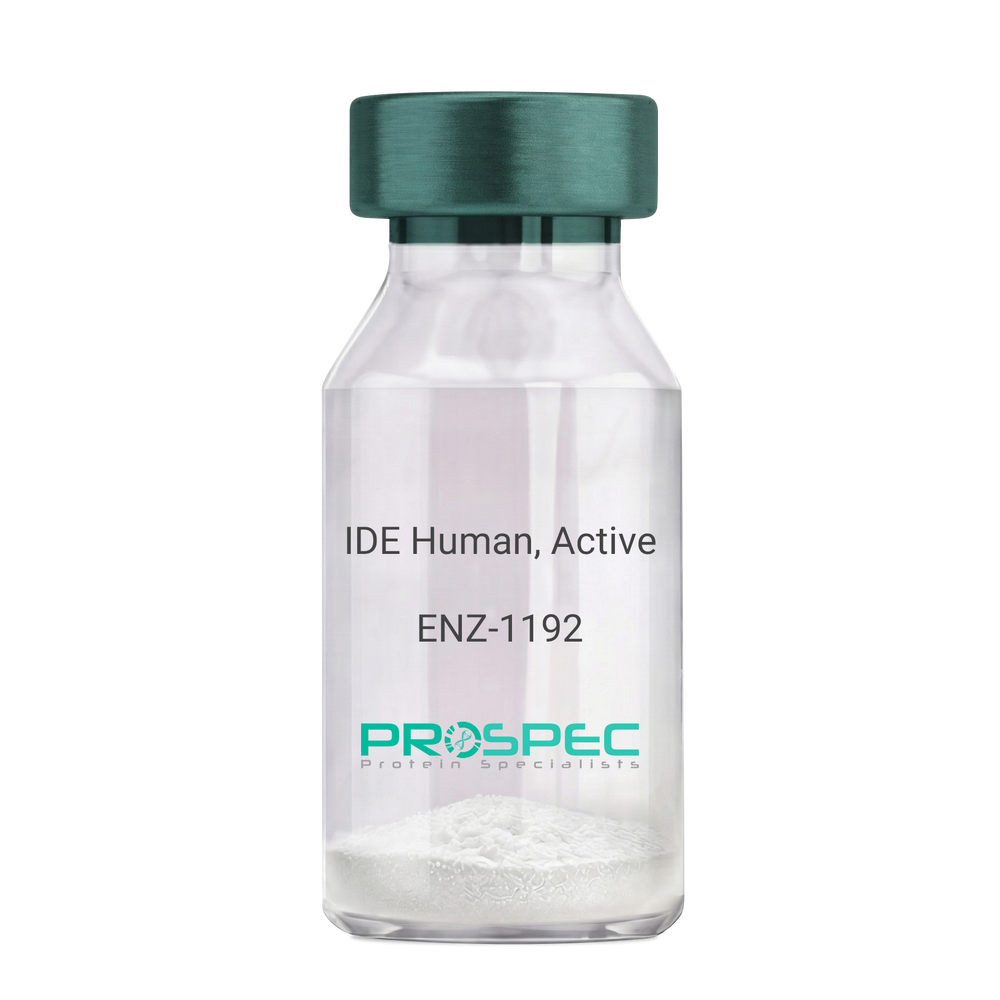
IDE Human, ActiveDescription:
Insulin-Degrading Enzyme Human Recombinant
Insulin-Degrading Enzyme, Abeta-Degrading Protease, Insulysin, EC 3.4.24.56, Insulinase, Insulin Protease, INSULYSIN, EC 3.4.24, IDE, insulin-degrading enzyme isoform 1.
Product # :
ENZ-1192Price :
Quantity :
Shipping Method :
Shipped with Ice Packs
More Info
- description
- source
- formulation
- purity
- biological activity
- More Info
Description
IDE Human, Active Human Recombinant produced in E.Coli is a single, non-glycosylated, polypeptide chain (42-1019 a.a) containing a total of 984 amino acids, having a molecular mass of 114 kDa. IDE is fused to a 6 amino acid His-tag at C-terminus and is purified by proprietary chromatographic techniques.
Source
Escherichia Coli.
Formulation
The IDE solution (0.5mg/ml) contains 10% Glycerol, 100mM NaCl, 0.05% Brij35 and 20mM Tris-HCl buffer (pH 7.5).
Purity
Greater than 90.0% as determined by SDS-PAGE.
Biological Activity
Specific activity is greater than 3,000 pmol/min/ug in which 1 unit will convert 1.0 pmole of Mca-RPPGFSAFK(Dnp)-OH to MCA-Pro-Leu-OH per minute at pH 7.5 at 25°C.
More Info
-
Synonyms
Insulin-Degrading Enzyme, Abeta-Degrading Protease, Insulysin, EC 3.4.24.56, Insulinase, Insulin Protease, INSULYSIN, EC 3.4.24, IDE, insulin-degrading enzyme isoform 1.
-
Physical Appearance
Filtered colorless solution.
-
Stability
Store at 4°C if entire vial will be used within 2-4 weeks. Store, frozen at -20°C for longer periods of time. For long term storage it is recommended to add a carrier protein (0.1% HSA or BSA). Avoid multiple freeze-thaw cycles.
-
Amino Acid Sequence
MNNPAIKRIG NHITKSPEDK REYRGLELAN GIKVLLISDP TTDKSSAALD VHIGSLSDPP NIAGLSHFCE HMLFLGTKKY PKENEYSQFL SEHAGSSNAF TSGEHTNYYF DVSHEHLEGA LDRFAQFFLC PLFDESCKDR EVNAVDSEHE KNVMNDAWRL FQLEKATGNP KHPFSKFGTG NKYTLETRPN QEGIDVRQEL LKFHSAYYSS NLMAVCVLGR ESLDDLTNLV VKLFSEVENK NVPLPEFPEH PFQEEHLKQL YKIVPIKDIR NLYVTFPIPD LQKYYKSNPG HYLGHLIGHE GPGSLLSELK SKGWVNTLVG GQKEGARGFM FFIINVDLTE EGLLHVEDII LHMFQYIQKL RAEGPQEWVF QECKDLNAVA FRFKDKERPR GYTSKIAGIL HYYPLEEVLT AEYLLEEFRP DLIEMVLDKL RPENVRVAIV SKSFEGKTDR TEEWYGTQYK QEAIPDEVIK KWQNADLNGK FKLPTKNEFI PTNFEILPLE KEATPYPALI KDTAMSKLWF KQDDKFFLPK ACLNFEFFSP FAYVDPLHCN MAYLYLELLK DSLNEYAYAA ELAGLSYDLQ NTIYGMYLSV KGYNDKQPIL LKKIIEKMAT FEIDEKRFEI IKEAYMRSLN NFRAEQPHQH AMYYLRLLMT EVAWTKDELK EALDDVTLPR LKAFIPQLLS RLHIEALLHG NITKQAALGI MQMVEDTLIE HAHTKPLLPS
QLVRYREVQL PDRGWFVYQQ RNEVHNNCGI EIYYQTDMQS TSENMFLELF CQIISEPCFN TLRTKEQLGY IVFSGPRRAN GIQGLRFIIQ SEKPPHYLES RVEAFLITME KSIEDMTEEA FQKHIQALAI RRLDKPKKLS AECAKYWGEI ISQQYNFDRD NTEVAYLKTL TKEDIIKFYK EMLAVDAPRR HKVSVHVLAR EMDSCPVVGE FPCQNDINLS QAPALPQPEV IQNMTEFKRG LPLFPLVKPH INFMAAKLHH HHHH. -
Background
Insulin-degrading enzyme (IDE) is a crucial protease that plays a significant role in maintaining glucose homeostasis by degrading insulin and other bioactive peptides. Dysregulation of IDE has been implicated in various metabolic disorders, particularly type 2 diabetes mellitus. IDE is also associated with the clearance of amyloid-beta peptides in the brain, making it relevant to Alzheimer's disease pathology. Studying the recombinant form of IDE is fundamental to understanding its functional mechanisms and exploring potential avenues for therapeutic interventions.
The primary goal of this research is to express and purify recombinant IDE using diverse expression systems. Recombinant DNA techniques will be employed to construct expression vectors containing the IDE gene, followed by expression in bacterial, yeast, or mammalian cell-based systems. The recombinant IDE will be purified using affinity chromatography or other appropriate methods, facilitating subsequent biochemical and biophysical characterization.
The second objective is to investigate the substrate specificity and catalytic activity of the purified IDE. In vitro enzymatic assays will be conducted to analyse the ability of the recombinant IDE to degrade insulin and other potential substrates. The effects of various factors, such as pH, temperature, and potential modulators, on IDE activity will be evaluated. Additionally, the interactions between IDE and its substrates will be explored using binding assays.
The third objective is to elucidate the three-dimensional structure of the IDE recombinant using techniques like X-ray crystallography or nuclear magnetic resonance (NMR) spectroscopy. Structural insights into the active site and binding pockets of IDE will provide valuable information for understanding its substrate recognition and catalytic mechanisms. This knowledge could be instrumental in designing targeted therapeutic compounds.
By characterizing the IDE recombinant, this research aims to contribute to our understanding of its role in insulin metabolism, glucose regulation, and potential therapeutic applications. The findings from this study may have implications for the development of novel treatments for diabetes and other related disorders.
ProSpec's products are furnished for LABORATORY RESEARCH USE ONLY. The product may not be used as drugs, agricultural or pesticidal products, food additives or household chemicals.
- View Data Sheet
Name :
HIV-1 TAT Clade-ADescription:
HIV-1 TAT Clade-A Recombinant
Product # :
HIV-105Price :
Quantity :
Shipping Method :
Shipped with Ice Packs
More Info
- description
- source
- formulation
- purity
- More Info
Description
HIV-1 TAT Clade-A Recombinant produced in E.coli is a single, non-glycosylated, polypeptide chain having the Accession number: AAL06113.1
Source
Escherichia Coli.
Formulation
Lyophilized with 10% glycerol.
Purity
Greater than 90.0% as determined by SDS-PAGE.
More Info
-
Introduction
Human immunodeficiency virus type-1 (HIV-1) regulatory Tat protein plays an essential role in viral replication (Jones KA, 1994) and infectivity (Arya SK, 1985; Fisher AG, 1986). In addition, during acute infection, Tat is released extracellularly by infected cells (Chang HC, 1997; Ensoli B, 1990) and is taken up by neighboring cells where it transactivates viral replication (Ensoli B, 1993) and increases virus infectivity.
HIV-1 Tat activates transcription of HIV-1 viral genes by inducing phosphorylation of the C-terminal domain (CTD) of RNA polymerase II (RNAPII). Tat can also disturb cellular metabolism by inhibiting proliferation of antigen-specific T lymphocytes and by inducing cellular apoptosis. Tat-induced apoptosis of T-cells is attributed, in part, to the distortion of microtubules polymerization. LIS1 is a microtubule-associated protein that facilitates microtubule polymerization. -
Physical Appearance
Sterile Filtered and lyophilized, though might appear as a solution as a result of the glycerol content.
-
Stability
Store at 4°C if entire vial will be used within 2-4 weeks. Store, frozen at -20°C for longer periods of time. Avoid multiple freeze-thaw cycles.
-
Solubility
It is recommended to reconstitute the lyophilized HIV-1 TAT in sterile 18MΩ-cm H2O not less than 100µg/ml, which can then be further diluted to other aqueous solutions.
ProSpec's products are furnished for LABORATORY RESEARCH USE ONLY. The product may not be used as drugs, agricultural or pesticidal products, food additives or household chemicals.
- View Data Sheet
Name :
SULT1A2 HumanDescription:
Sulfotransferase Family, Cytosolic, 1A, Member 2 Human Recombinant
Sulfotransferase 1A2, ST1A2, Aryl sulfotransferase 2, Phenol sulfotransferase 2, Phenol-sulfating phenol sulfotransferase 2, P-PST 2, SULT1A2, STP2, HAST4, TSPST2.
Product # :
ENZ-152Price :
Quantity :
Shipping Method :
Shipped with Ice Packs
More Info
- description
- source
- formulation
- purity
- More Info
Description
SULT1A2 Human Recombinant produced in E.Coli is a single, non-glycosylated polypeptide chain containing 315 amino acids (1-295 a.a.) and having a molecular mass of 36.4kDa.SULT1A2 is fused to a 20 amino acid His-tag at N-terminus & purified by proprietary chromatographic techniques.
Source
Escherichia Coli.
Formulation
SULT1A2 protein solution (1mg/ml) containing 20mM Tris-HCl buffer (pH 8.0), 1mM DTT, 10% glycerol and 0.1M NaCl.
Purity
Greater than 95.0% as determined by SDS-PAGE.
More Info
-
Introduction
Sulfotransferase 1A2 (SULT1A2) belongs to the sulfotransferase family. Sulfotransferase enzymes catalyze the sulfate conjugation of many hormones, neurotransmitters, drugs, and xenobiotic compounds. SULT1A2 mediates the metabolic activation of carcinogenic N-hydroxyarylamines to DNA binding products and might thus participate as a modulating factor of cancer risk.
-
Synonyms
Sulfotransferase 1A2, ST1A2, Aryl sulfotransferase 2, Phenol sulfotransferase 2, Phenol-sulfating phenol sulfotransferase 2, P-PST 2, SULT1A2, STP2, HAST4, TSPST2.
-
Physical Appearance
Sterile Filtered colorless solution.
-
Stability
Store at 4°C if entire vial will be used within 2-4 weeks. Store, frozen at -20°C for longer periods of time. For long term storage it is recommended to add a carrier protein (0.1% HSA or BSA).Avoid multiple freeze-thaw cycles.
-
Amino Acid Sequence
MGSSHHHHHH SSGLVPRGSH MELIQDISRP PLEYVKGVPL IKYFAEALGP LQSFQARPDD LLISTYPKSG TTWVSQILDM IYQGGDLEKC HRAPIFMRVP FLEFKVPGIP SGMETLKNTP APRLLKTHLP LALLPQTLLD QKVKVVYVAR NAKDVAVSYY HFYHMAKVYP HPGTWESFLE KFMAGEVSYG SWYQHVQEWW ELSRTHPVLY LFYEDMKENP KREIQKILEF VGRSLPEETV DLMVEHTSFK EMKKNPMTNY TTVRREFMDH SISPFMRKGM AGDWKTTFTV AQNERFDADY AEKMAGCSLS FRSEL.
ProSpec's products are furnished for LABORATORY RESEARCH USE ONLY. The product may not be used as drugs, agricultural or pesticidal products, food additives or household chemicals.
- View Data Sheet
Name :
CDK5 HumanDescription:
Cyclin-dependent Kinase 5 Human Recombinant
Cyclin-dependent kinase 5, Cell division protein kinase 5, Serine/threonine-protein kinase PSSALRE, Tau protein kinase II catalytic subunit, CDK5, CDKN5, TPKII catalytic subunit, cyclin dependent kinase 5.
Product # :
PKA-047Price :
Quantity :
Shipping Method :
Shipped with Ice Packs
More Info
- description
- source
- formulation
- purity
- More Info
Description
CDK5 Human Recombinant produced in E.coli is a single, non-glycosylated polypeptide chain containing 316 amino acids (1-292) and having a molecular mass of 35.8kDa. CDK5 is fused to a 24 amino acid His-tag at N-terminus & purified by proprietary chromatographic techniques.
Source
Escherichia Coli.
Formulation
The CDK5 solution (0.5 mg/ml) contains 20mM Tris-HCl buffer (pH 8.0), 10% glycerol 0.4M Urea.
Purity
Greater than 85% as determined by SDS-PAGE.
More Info
-
Introduction
Cell division protein kinase 5 (CDK5) belongs to the cyclin-dependent kinase family. CDK5 is essential for appropriate development of the brain and in order to be activated CDK5 must link to CDK5R1 or CDK5R2. CDK5 doesn't need phosphorylation on the T loop so that binding with the activator is enough to activate the kinase. CDK5 is engaged in the processes of neuronal maturation and migration, phosphorylating the central intracellular adaptor of the reeling signaling chain.
-
Synonyms
Cyclin-dependent kinase 5, Cell division protein kinase 5, Serine/threonine-protein kinase PSSALRE, Tau protein kinase II catalytic subunit, CDK5, CDKN5, TPKII catalytic subunit, cyclin dependent kinase 5.
-
Physical Appearance
Sterile filtered colorless solution.
-
Stability
Store at 4°C if entire vial will be used within 2-4 weeks. Store, frozen at -20°C for longer periods of time. For long term storage it is recommended to add a carrier protein (0.1% HSA or BSA).Avoid multiple freeze-thaw cycles.
-
Amino Acid Sequence
MGSSHHHHHH SSGLVPRGSH MGSHMQKYEK LEKIGEGTYG TVFKAKNRET HEIVALKRVR LDDDDEGVPS SALREICLLK ELKHKNIVRL HDVLHSDKKL TLVFEFCDQD LKKYFDSCNG DLDPEIVKSF LFQLLKGLGF CHSRNVLHRD LKPQNLLINR NGELKLADFG LARAFGIPVR CYSAEVVTLW YRPPDVLFGA KLYSTSIDMW SAGCIFAELA NAGRPLFPGN DVDDQLKRIF RLLGTPTEEQ WPSMTKLPDY KPYPMYPATT SLVNVVPKLN ATGRDLLQNL LKCNPVQRIS AEEALQHPYF SDFCPP.
ProSpec's products are furnished for LABORATORY RESEARCH USE ONLY. The product may not be used as drugs, agricultural or pesticidal products, food additives or household chemicals.
- View Data Sheet
Name :
GSTP1 MouseDescription:
Glutathione S-Transferase pi 1 Mouse Recombinant
Glutathione S-transferase P 1, Gst P1, GST YF-YF, GST class-pi, GST-piB, Preadipocyte growth factor.
Product # :
ENZ-909Price :
Quantity :
Shipping Method :
Shipped with Ice Packs
More Info
- description
- source
- formulation
- purity
- biological activity
- More Info
Description
GSTP1 Mouse Recombinant produced in E.Coli is a single, non-glycosylated polypeptide chain containing 233 amino acids (1-210 a.a) and having a molecular mass of 26kDa. GSTP1 is fused to a 23 amino acid His-tag at N-terminus & purified by proprietary chromatographic techniques.
Source
Escherichia Coli.
Formulation
GSTP1 protein solution (1mg/ml) containing Phosphate Buffered Saline (pH 7.4) and 10% glycerol.
Purity
Greater than 90.0% as determined by SDS-PAGE.
Biological Activity
Specific activity is > 40 units/mg, and is defined as the amount of enzyme that conjugate 1.0 umole of 1-chloro-2,4-dinitrobenzene (CDNB) with reduced glutathione per minute at pH 6.5 at 25C.More Info
-
Introduction
GSTP1 is a polymorphic gene encoding active, functionally different GSTP1 variant proteins that are believed to function in xenobiotic metabolism and have a part in susceptibility to cancer, and other diseases. GSTP1 is a glutathione S-transferase belonging to the pi class. GST family enzymes play a significant role in detoxification by catalyzing the conjugation of many hydrophobic and electrophilic compounds with reduced glutathione. Based upon the biochemical, immunologic and structural properties of the soluble GSTs they are grouped into 4 main classes: alpha, mu, pi, and theta. The GSTP1 enzyme acts by catalyzing the reaction of glutathione with an acceptor molecule to form a Sulfur-substituted glutathione. The reactions employing glutathione contribute the transformation of a broad range of electrophiles, including reactive products of lipid, protein, carcinogens, therapeutic drugs, environmental toxins, and products of oxidative stress.
The GSTP1 inactivation through CpG hypermethylation is frequent in pituitary adenomas and may be a factor in aggressive pituitary tumor behavior. GSTP1 is may be a transcriptional target of the p53 tumor suppressor gene. Single-nucleotide polymorphism in GSTP1 is linked to modified protein binding, which influence GSTP1's contribution to carcinogen and drug metabolism, and possibly disease pathogenesis and/or drug response. GST-pi might have central roles in proliferation of androgen-independent human prostate cancer cells. -
Synonyms
Glutathione S-transferase P 1, Gst P1, GST YF-YF, GST class-pi, GST-piB, Preadipocyte growth factor.
-
Physical Appearance
Sterile Filtered colorless solution.
-
Stability
Store at 4°C if entire vial will be used within 2-4 weeks. Store, frozen at -20°C for longer periods of time. For long term storage it is recommended to add a carrier protein (0.1% HSA or BSA).Avoid multiple freeze-thaw cycles.
-
Amino Acid Sequence
MGSSHHHHHH SSGLVPRGSH MGSMPPYTIV YFPVRGRCEA MRMLLADQGQ SWKEEVVTID TWMQGLLKPT CLYGQLPKFE DGDLTLYQSN AILRHLGRSL GLYGKNQREA AQMDMVNDGV EDLRGKYVTL IYTNYENGKN DYVKALPGHL KPFETLLSQN QGGKAFIVGD QISFADYNLL DLLLIHQVLA PGCLDNFPLL SAYVARLSAR PKIKAFLSSP EHVNRPINGN GKQ.
ProSpec's products are furnished for LABORATORY RESEARCH USE ONLY. The product may not be used as drugs, agricultural or pesticidal products, food additives or household chemicals.
- View Data Sheet
Name :
HMOX2 HumanDescription:
Heme Oxygenase-2 Human Recombinant
EC 1.14.99.3, HO2, Heme oxygenase 2, HO-2, HMOX2.
Product # :
ENZ-478Price :
Quantity :
Shipping Method :
Shipped with Ice Packs
More Info
- description
- source
- formulation
- purity
- More Info
Description
HMOX2 Human Recombinant produced in E.Coli is a single, non-glycosylated, polypeptide chain containing 264 amino acids (1-264 a.a.) and having a molecular mass of 30.5 kDa. HMOX2 is purified by proprietary chromatographic techniques.
Source
Escherichia Coli.
Formulation
HMOX2 solution containing 20mM Tris pH-8, 1mM DTT and 10% glycerol.
Purity
Greater than 90% as determined by SDS-PAGE.
More Info
-
Introduction
HMOX2 cleaves the heme ring at the alpha methene bridge to form biliverdin. Biliverdin is subsequently transferred to bilirubin by biliverdin reductase. Under physiological conditions, the activity of HMOX2 is highest in the spleen, where senescent erythrocytes are sequestrated and destroyed. HMOX2 participates in the production of carbon monoxide in the brain where it operates as a neurotransmitter. HMOX2 is an essential enzyme in heme catabolism and is involved in cellular response to oxidative stress.
-
Synonyms
EC 1.14.99.3, HO2, Heme oxygenase 2, HO-2, HMOX2.
-
Physical Appearance
Sterile filtered colorless solution.
-
Stability
HMOX2 Human Recombinant although stable at 4°C for 1 week, should be stored below -18°C. Please prevent freeze thaw cycles.
-
Amino Acid Sequence
SAEVETSEG VDESEKKNSG ALEKENQMRM ADLSELLKEG TKEAHDRAEN TQFVKDFLKG NIKKELFKLA TTALYFTYSA LEEEMERNKD HPAFAPLYFP MELHRKEALT KDMEYFFGEN WEEQVQCPKA AQKYVERIHY IGQNEPELLV AHAYTRYMGD LSGGQVLKKV AQRALKLPST GEGTQFYLFE NVDNAQQFKQ LYRARMNALD LNMKTKERIV EEANKAFEYN MQIFNELDQA GSTLARETLE DGFPVHDGKG DMRK.
ProSpec's products are furnished for LABORATORY RESEARCH USE ONLY. The product may not be used as drugs, agricultural or pesticidal products, food additives or household chemicals.
- View Data Sheet
Name :
tPA Human, Sf9Description:
Tissue Plasminogen Activator Human Recombinant, Sf9
Tissue-type plasminogen activator, EC 3.4.21.68, tPA, t-PA, t-plasminogen activator, TPA, T-PA, DKFZp686I03148, PLAT and tPA.
Product # :
ENZ-1011Price :
Quantity :
Shipping Method :
Shipped with Ice Packs
More Info
- description
- source
- formulation
- purity
- More Info
Description
tPA Human Recombinant produced in Sf9 Baculovirus cells is a single, glycosylated polypeptide chain containing 545 amino acids (24-562 a.a) and having a molecular mass of 61.3kDa (Molecular size on SDS-PAGE will appear at approximately 50-70kDa).tPA is fused to a 6 amino acid His-tag at C-terminus & purified by proprietary chromatographic techniques.
Source
Sf9, Baculovirus cells.
Formulation
tPA protein solution (0.25mg/ml) containing 50mM MES buffer(pH 5.5 ), 40% glycerol, 5mM CaCl2, 1mM DTT and 0.5M NaCl.
Purity
Greater than 90.0% as determined by SDS-PAGE.
More Info
-
Introduction
Tissue plasminogen activator (abbreviated PLAT or tPA) is a secreted serine proteasewhich converts the proenzymeplasminogento plasmin, a fibrinolyticenzyme. Plasminogen is synthesized as a single chain which is cleaved by PLAT into the two chain disulfide linked plasmin.
This enzyme plays a role in cell migrationand tissue remodeling. Increased enzymatic activity causes hyperfibrinolysis, which manifests as excessive bleeding; decreased activity leads to hypofibrinolysiswhich can result in thrombosisor embolism. -
Synonyms
Tissue-type plasminogen activator, EC 3.4.21.68, tPA, t-PA, t-plasminogen activator, TPA, T-PA, DKFZp686I03148, PLAT and tPA.
-
Physical Appearance
Sterile Filtered colorless solution.
-
Stability
Store at 4°C if entire vial will be used within 2-4 weeks. Store, frozen at -20°C for longer periods of time. For long term storage it is recommended to add a carrier protein (0.1% HSA or BSA).Avoid multiple freeze-thaw cycles.
-
Amino Acid Sequence
QEIHARFRRG ARSYQVICRD EKTQMIYQQH QSWLRPVLRS NRVEYCWCNS GRAQCHSVPV KSCSEPRCFN GGTCQQALYF SDFVCQCPEG FAGKCCEIDT RATCYEDQGI SYRGTWSTAE SGAECTNWNS SALAQKPYSG RRPDAIRLGL GNHNYCRNPD RDSKPWCYVF KAGKYSSEFC STPACSEGNS DCYFGNGSAY RGTHSLTESG ASCLPWNSMI LIGKVYTAQN PSAQALGLGK HNYCRNPDGD AKPWCHVLKN RRLTWEYCDV PSCSTCGLRQ YSQPQFRIKG GLFADIASHP WQAAIFAKHR RSPGERFLCG GILISSCWIL SAAHCFQERF PPHHLTVILG RTYRVVPGEE EQKFEVEKYI VHKEFDDDTY DNDIALLQLK SDSSRCAQES SVVRTVCLPP ADLQLPDWTE CELSGYGKHE ALSPFYSERL KEAHVRLYPS SRCTSQHLLN RTVTDNMLCA GDTRSGGPQA NLHDACQGDS GGPLVCLNDG RMTLVGIISW GLGCGQKDVP GVYTKVTNYL DWIRDNMRPHHHHHH.
ProSpec's products are furnished for LABORATORY RESEARCH USE ONLY. The product may not be used as drugs, agricultural or pesticidal products, food additives or household chemicals.
- View Data Sheet
Name :
Dopa Decarboxylase HumanDescription:
Dopa Decarboxylase Human Recombinant
DDC, AADC, Aromatic-L-amino-acid decarboxylase, DOPA decarboxylase.
Product # :
ENZ-413Price :
Quantity :
Shipping Method :
Shipped with Ice Packs
More Info
- description
- source
- formulation
- purity
- More Info
Description
Dopa decarboxylase human recombinant produced in E.Coli is a single, non-glycosylated, polypeptide chain containing 503 amino acids (1-480 a.a.) and having a molecular mass of 56.4 kDa. The Dopa decarboxylase is fused to a 23 amino acid His Tag at N-terminus and purified by conventional chromatpgraphy.
Source
Escherichia Coli.
Formulation
The Dopa decarboxylase protein solution (1mg/ml) contains 20mM Tris-HCl, pH-8, 2mM DTT and 10% glycerol.
Purity
Greater than 95.0% as determined by SDS-PAGE.
More Info
-
Introduction
Dopa decarboxylase is a homodimeric, pyridoxal phosphate dependent enzyme.
Dopa decarboxylase is involved in 2 metabolic pathways, synthesizing 2 significant neurotransmitters the take part in numerous clinical disorders, including Parkinson’s disease. Dopa decarboxylase is located in different areas of the brain and is mostly found in basal ganglia. Dopa decarboxylase catalyzes the decarboxylation of L-3,4-dihydroxyphenylalanine (DOPA) to dopa, L-5-hydroxytryptophan to serotonin and L-tryptophan to tryptamine. Defects in Dopa decarboxylase leads to aromatic L-amino-acid decarboxylase deficiency (AADCD). AADCD deficiency is an inborn error in neurotransmitter metabolism that causes combined serotonin and catecholamine deficiency. -
Synonyms
DDC, AADC, Aromatic-L-amino-acid decarboxylase, DOPA decarboxylase.
-
Physical Appearance
Sterile filtered colorless solution.
-
Stability
Store at 4°C if entire vial will be used within 2-4 weeks. Store, frozen at -20°C for longer periods of time. For long term storage it is recommended to add a carrier protein (0.1% HSA or BSA).Avoid multiple freeze-thaw cycles.
-
Amino Acid Sequence
MGSSHHHHHH SSGLVPRGSH TRSMNASEFR RRGKEMVDYV ANYMEGIEGR QVYPDVEPGY LRPLIPAAAP QEPDTFEDII NDVEKIIMPG VTHWHSPYFF AYFPTASSYP AMLADMLCGA IGCIGFSWAA SPACTELETV MMDWLGKMLE LPKAFLNEKA GEGGGVIQGS ASEATLVALL AARTKVIHRL QAASPELTQA AIMEKLVAYS SDQAHSSVER AGLIGGVKLK AIPSDGNFAM RASALQEALE RDKAAGLIPF FMVATLGTTT CCSFDNLLEV GPICNKEDIW LHVDAAYAGS AFICPEFRHL LNGVEFADSF NFNPHKWLLV NFDCSAMWVK KRTDLTGAFR LDPTYLKHSH QDSGLITDYR HWQIPLGRRF RSLKMWFVFR MYGVKGLQAY IRKHVQLSHE FESLVRQDPR FEICVEVILG LVCFRLKGSN KVNEALLQRI NSAKKIHLVP CHLRDKFVLR FAICSRTVES AHVQRAWEHI KELAADVLRA ERE.
ProSpec's products are furnished for LABORATORY RESEARCH USE ONLY. The product may not be used as drugs, agricultural or pesticidal products, food additives or household chemicals.
- View Data Sheet
Name :
HK2 HumanDescription:
Hexokinase-2 Human Recombinant
Hexokinase-2, EC 2.7.1.1, HK2, Hexokinase type II, HK II, Muscle form hexokinase, HXK2, DKFZp686M1669.
Product # :
PKA-227Price :
Quantity :
Shipping Method :
Shipped with Ice Packs
More Info
- description
- source
- formulation
- purity
- biological activity
- More Info
Description
HK2 Human Recombinant produced in E.Coli is a single, non-glycosylated, polypeptide chain (aa 1-917) fused to a 20 His tag at the N-terminal encoding the sequence of 937 amino acids in total and having a molecular mass of 104.1 kDa.HXK2 is purified by proprietary chromatographic techniques.
Source
Escherichia Coli.
Formulation
The protein (1mg/ml) contains 20mM Tris-HCl pH8.0 and 10% glycerol.
Purity
Greater than 85.0% as determined by SDS-PAGE.
Biological Activity
Specific activity is 3-4 units/ml obtained by measuring the increase of NADPH in absorbance at 340 nm resulting from the reduction of NADP. In the coupled mode, one unit will produce 1.0 umole of NADPH per minute as glucose is phosphorylated by ATP at pH 7.4 at 30C.More Info
-
Introduction
Hexokinases phosphorylate glucose to produce glucose-6-phosphate, thus committing glucose to the glycolytic pathway. Hexokinase 2 is the predominant form found in skeletal muscle. It localizes to the outer membrane of mitochondria. Expression of this gene is insulin-responsive, and studies in rat suggest that it is involved in the increased rate of glycolysis seen in rapidly growing cancer cells.
-
Synonyms
Hexokinase-2, EC 2.7.1.1, HK2, Hexokinase type II, HK II, Muscle form hexokinase, HXK2, DKFZp686M1669.
-
Physical Appearance
Sterile filtered colorless solution.
-
Stability
Store at 4°C if entire vial will be used within 2-4 weeks.Store, frozen at -20°C for longer periods of time. For long term storage it is recommended to add a carrier protein (0.1% HSA or BSA). Please avoid freeze-thaw cycles.
-
Amino Acid Sequence
MGSSHHHHHH SSGLVPRGSH MIASHLLAYF FTELNHDQVQ KVDQYLYHMR LSDETLLEIS KRFRKEMEKG LGATTHPTAA VKMLPTFVRS TPDGTEHGEF LALDLGGTNF RVLWVKVTDN GLQKVEMENQ IYAIPEDIMR GSGTQLFDHI AECLANFMDK LQIKDKKLPL GFTFSFPCHQTKLDESFLVS WTKGFKSSGV EGRDVVALIR KAIQRRGDFD IDIVAVVNDT VGTMMTCGYD DHNCEIGLIV GTGSNACYME EMRHIDMVEG DEGRMCINME WGAFGDDGSL NDIRTEFDQE IDMGSLNPGK QLFEKMISGM YMGELVRLIL VKMAKEELLF GGKLSPELLN TGRFETKDISDIEGEKDGIR KAREVLMRLG LDPTQEDCVA THRICQIVST RSASLCAATL AAVLQRIKENKGEERLRSTI GVDGSVYKKH PHFAKRLHKT VRRLVPGCDV RFLRSEDGSG KGAAMVTAVAYRLADQHRAR QKTLEHLQLS HDQLLEVKRR MKVEMERGLS KETHASAPVK MLPTYVCATPDGTEKGDFLA LDLGGTNFRV LLVRVRNGKW GGVEMHNKIY AIPQEVMHGT GDELFDHIVQ CIADFLEYMG MKGVSLPLGF TFSFPCQQNS LDESILLKWT KGFKASGCEG EDVVTLLKEA IHRREEFDLD VVAVVNDTVG TMMTCGFEDP HCEVGLIVGT GSNACYMEEM RNVELVEGEE GRMCVNMEWG AFGDNGCLDD FRTEFDVAVD ELSLNPGKQR FEKMISGMYL GEIVRNILID FTKRGLLFRG RISERLKTRG IFETKFLSQI ESDCLALLQV RAILQHLGLE STCDDSIIVK EVCTVVARRA AQLCGAGMAA VVDRIRENRG LDALKVTVGV DGTLYKLHPH FAKVMHETVK DLAPKCDVSF LQSEDGSGKG AALITAVACR IREAGQR.
ProSpec's products are furnished for LABORATORY RESEARCH USE ONLY. The product may not be used as drugs, agricultural or pesticidal products, food additives or household chemicals.