Search results
1000 results found for “Peroxiredoxin”
Name
Description
Product #
Price
Quantity
Shipping Method
- View Data Sheet
Name :
MMP 8 HumanDescription:
Matrix Metalloproteinase-8 Human Recombinant
EC 3.4.24.34, Matrix metalloproteinase-8, MMP-8, PMNL-CL, HNC, CLG1.
Product # :
ENZ-301Price :
Quantity :
Shipping Method :
Shipped with Ice Packs
More Info
- description
- source
- formulation
- purity
- biological activity
- More Info
Description
Matrix Metalloproteinase-8 Human Recombinant produced in E.Coli is a single, non-glycosylated, polypeptide chain having a molecular mass of 75 kDa.The MMP-8 is purified by proprietary chromatographic techniques.
Source
Escherichia Coli.
Formulation
The MMP-8 protein solution (100 units/ml) in 0.05M Tris-HCl buffer, pH 7.6, 0.2M NaCl, 5mM CaCl2, 0.0025% NaN3 and 0.1% BSA.
Purity
Greater than 90% as determined by SDS-PAGE.
Biological Activity
100 units/ml after activation with APMA by solution assay method.
One unit of collagenolytic activity is defined as the cleavage of 1µg of collagen per minute by the solution method.More Info
-
Introduction
Full-length recombinant human neutrophil MMP-8, latent form.
Matrix metalloproteinase 8 (MMP-8), degrades interstitial collagens, acting preferentially on collagen type I.
Increased full-length MMP-8 protein was associated with infiltration into the skin of neutrophils, which are the major cell type that expresses MMP-8.
MMP-8 is synthesized and stored in specific granules in neutrophil leukocytes. MMP-8 activity is therefore regulated by factors such as surface-bound ligands (IgG or complement components) that release it through degranulation.Once released and activated through proteolytic or oxidative mechanisms, MMP-8 plays a major role in the connective tissue turnover that accompanies inflammatory processes. -
Synonyms
EC 3.4.24.34, Matrix metalloproteinase-8, MMP-8, PMNL-CL, HNC, CLG1.
-
Physical Appearance
Sterile Filtered clear solution.
-
Stability
Store at 4°C if entire vial will be used within 2-4 weeks. Store, frozen at -20°C for longer periods of time. Avoid multiple freeze-thaw cycles.
-
Applications
Used as a standard for analyzing mammalian colagenase activity.
ProSpec's products are furnished for LABORATORY RESEARCH USE ONLY. The product may not be used as drugs, agricultural or pesticidal products, food additives or household chemicals.
- View Data Sheet
Name :
PI3Kb HumanDescription:
Phosphoinositide 3-kinase beta p110β/p85α Human Recombinant
Phosphoinositide 3-kinase beta p110b/p85a, PI3Kb, PI3Kb.
Product # :
PKA-333Price :
Quantity :
Shipping Method :
Shipped with Ice Packs
More Info
- description
- source
- formulation
- purity
- biological activity
- More Info
Description
Phosphoinositide 3-kinase beta Human Recombinant is a glycosilated protein having a molecular weight as follows: p85a chain 83.5 kDa, p110b chain 124.3 kDa.
Source
Sf9 insect cells.
Formulation
0.9 mg/ml solution in PBS and 2mM MgCl2.
Purity
Greater than 90.0% as determined by SDS Page.
Biological Activity
The specific activity was found to be 3,000 units/mg (1 unit is defined as 1 picomole phosphate transferred to PIP2 per minute).
More Info
-
Introduction
The PI3Kb isoform can be activated by insulin via the insulin receptor to initiate a cascade of events that control cell growth and metabolism. The activation of
PI3Kb is mediated by the p85 regulatory subunit binding to tyrosine phosphorylated insulin receptor substrate (IRS) proteins (e.g. IRS-1 and IRS-2).
It was also shown that PI3Kb is involved in apoptosis in human colon carcinoma cells. Injection of neutralizing antibodies specific to p110b in WiDr,
HCT116 and CO 115 adenocarcinoma cells inhibited de novo DNA synthesis.
PI3Kb is the major PI3K isoform required for apoptotic cell and Fc-g receptor mediated phagocytosis shown for primary mouse macrophages and the Jurkat human leukemia T cell line.
It was shown by several research groups that the catalytic subunit of PI3Kb can be activated by Gbg subunits of G-protein coupled receptors. -
Synonyms
Phosphoinositide 3-kinase beta p110b/p85a, PI3Kb, PI3Kb.
-
Physical Appearance
Sterile filtered liquid formualtion.
-
Stability
Store at 4°C if entire vial will be used within 2-4 weeks. Store, frozen at -20°C for longer periods of time. For long term storage it is recommended to add a carrier protein (0.1% HSA or BSA).Avoid multiple freeze-thaw cycles.
ProSpec's products are furnished for LABORATORY RESEARCH USE ONLY. The product may not be used as drugs, agricultural or pesticidal products, food additives or household chemicals.
- View Data Sheet
Name :
Epoetin Fc HumanDescription:
Erythropoietin-Alpha Fc-Chimera Human Recombinant
EPO-a, EPO-alpha, Epoetin, EP, MGC138142.
Product # :
CYT-325Price :
Quantity :
Shipping Method :
Shipped at Room temp
More Info
- description
- source
- formulation
- purity
- biological activity
- More Info
Description
Erythropoietin-alpha Fc-Chimera Human Recombinant is produced in Chinese hamster ovary (CHO) cells by recombinant DNA technology is a dimeric, glycosilated, polypeptide chain consisting of two mature human EPO molecules linked to the Fc portion of human IgG1. The Fc component contains the CH2 domain, the CH3 domain and hinge region, but not the CH1 domain of IgG1. As a result of glycosylation, the recombinant protein migrates with an apparent molecular mass of 140 kDa in non-reducing SDS-PAGE.
Source
Chinese Hamster Ovary Cells(CHO).
Formulation
Each mg of lyophilized powder contains 1x PBS pH-7.4.
Purity
Greater than 98.0% as determined by:
(a) Analysis by RP-HPLC.
(b) Analysis by SDS-PAGE.Biological Activity
The ED50 as determined by the dose-dependent stimulation of human megakaryoblastic leukemia cells is less than 2.0 ng/ml, corresponding to a Specific Activity of 5.0 x 10⁵ IU/mg.More Info
-
Introduction
This gene is a member of the EPO/TPO family and encodes a secreted, glycosylated cytokine composed of four alpha helical bundles. The protein is found in the plasma and regulates red cell production by promoting erythroid differentiation and initiating hemoglobin synthesis. This protein also has neuroprotective activity against a variety of potential brain injuries and antiapoptotic functions in several tissue types.
-
Synonyms
EPO-a, EPO-alpha, Epoetin, EP, MGC138142.
-
Physical Appearance
Sterile Filtered White lyophilized (freeze-dried) powder.
-
Stability
Lyophilized Erythropoietin-a although stable at room temperature for 3 weeks, should be stored desiccated below -18°C. Upon reconstitution EPO-alpha should be stored at 4°C between 2-7 days and for future use below -18°C.For long term storage it is recommended to add a carrier protein (0.1% HSA or BSA).Please prevent freeze-thaw cycles.
-
Solubility
It is recommended to reconstitute the lyophilized Erythropoietin in sterile 18MΩ-cm H2O not less than 100µg/ml, which can then be further diluted to other aqueous solutions.
-
Background
What is the molecular weight/Mw of EPOETIN Protein?
EPOETIN Protein has a total Mw of 140kDa.
What is the source or expression system of EPOETIN Protein?
Chinese Hamster Ovary Cells(CHO).
What is the Purity of EPOETIN Protein?
EPOETIN Protein is >98% pure as determined by SDS-PAGE.
What is the Biological Activity of EPOETIN Protein?
The ED50 as determined by the dose-dependent stimulation of human megakaryoblastic leukemia cells is less than 2.0 ng/ml, corresponding to a Specific Activity of 5.0 x 10⁵ IU/mg.
What applications can EPOETIN Protein be used in?
EPOETIN Protein can probably be used in western blot, ELISA and Lateral Flow.
What is the endotoxin level for EPOETIN Protein?
The endotoxin level is minimal, EPOETIN Protein was purified using conventional chromatography techniques.
ProSpec's products are furnished for LABORATORY RESEARCH USE ONLY. The product may not be used as drugs, agricultural or pesticidal products, food additives or household chemicals.
- View Data Sheet
Name :
YOD1 HumanDescription:
YOD1 Human Recombinant
DUBA8, OTUD2, PRO0907, RP11-164O23.1, Ubiquitin thioesterase OTU1, DUBA-8, HIN-7, HsHIN7, OTU domain-containing protein 2.
Product # :
ENZ-696Price :
Quantity :
Shipping Method :
Shipped with Ice Packs
More Info
- description
- source
- formulation
- purity
- More Info
Description
YOD1 Human Recombinant produced in E.coli is a single, non-glycosylated polypeptide chain containing 371 amino acids (1-348) and having a molecular mass of 40.7kDa.YOD1 is fused to a 23 amino acid His-tag at N-terminus & purified by proprietary chromatographic techniques.
Source
Escherichia Coli.
Formulation
The YOD1 solution (0.25mg/ml) contains 20mM Tris-HCl buffer (pH 8.0), 0.15M NaCl, 30% glycerol and 1mM DTT.
Purity
Greater than 90.0% as determined by SDS-PAGE.
More Info
-
Introduction
YOD1 is a Hydrolase which removes conjugated ubiquitin from proteins and takes part in endoplasmic reticulum-associated degradation (ERAD) for misfolded lumenal proteins. YOD1 is a highly conserved deubiquitinating enzyme belonging to the ovarian tumor (otubain) family, whose function has yet to be determined in mammalian cells. YOD1 is a component of a multiprotein complex with p97 as its nucleus, proposing a functional link to a pathway responsible for the dislocation of misfolded proteins from the endoplasmic reticulum. YOD1 variant xpression deprived of its deubiquitinating activity compels a halt on the dislocation reaction, as concluded by the stabilization of various dislocation substrates.
-
Synonyms
DUBA8, OTUD2, PRO0907, RP11-164O23.1, Ubiquitin thioesterase OTU1, DUBA-8, HIN-7, HsHIN7, OTU domain-containing protein 2.
-
Physical Appearance
Sterile Filtered colorless solution.
-
Stability
Store at 4°C if entire vial will be used within 2-4 weeks. Store, frozen at -20°C for longer periods of time. For long term storage it is recommended to add a carrier protein (0.1% HSA or BSA).Avoid multiple freeze-thaw cycles.
-
Amino Acid Sequence
MGSSHHHHHH SSGLVPRGSH MGSMFGPAKG RHFGVHPAPG FPGGVSQQAA GTKAGPAGAW PVGSRTDTMW RLRCKAKDGT HVLQGLSSRT RVRELQGQIA AITGIAPGGQ RILVGYPPEC LDLSNGDTIL EDLPIQSGDM LIIEEDQTRP RSSPAFTKRG ASSYVRETLP VLTRTVVPAD NSCLFTSVYY VVEGGVLNPA CAPEMRRLIA QIVASDPDFY SEAILGKTNQ EYCDWIKRDD TWGGAIEISI LSKFYQCEIC VVDTQTVRID RFGEDAGYTK RVLLIYDGIH YDPLQRNFPD PDTPPLTIFS SNDDIVLVQA LELADEARRR RQFTDVNRFT LRCMVCQKGL TGQAEAREHA KETGHTNFGE V.
ProSpec's products are furnished for LABORATORY RESEARCH USE ONLY. The product may not be used as drugs, agricultural or pesticidal products, food additives or household chemicals.
- View Data Sheet
Name :
PFDN1 HumanDescription:
Prefoldin Subunit 1 Human Recombinant
Prefoldin subunit 1, PFDN1, PFD1, PDF.
Product # :
PRO-277Price :
Quantity :
Shipping Method :
Shipped with Ice Packs
More Info
- description
- source
- formulation
- purity
- More Info
Description
PFDN1 Human Recombinant fused with a 20 amino acid His tag at N-terminus produced in E.Coli is a single, non-glycosylated, polypeptide chain containing 130 amino acids (14-122 a.a.) and having a molecular mass of 15kDa. The PFDN1 is purified by proprietary chromatographic techniques.
Source
Escherichia Coli.
Formulation
The PFDN1 solution (0.5 mg/ml) contains 20mM Tris-HCl Buffer (pH 8.0) and 20% Glycerol.
Purity
Greater than 90.0% as determined by SDS-PAGE.
More Info
-
Introduction
PFDN1 is one of 6 subunits of prefoldin, which is a heterohexameric chaperone protein that assists in the proper folding of other proteins. The PFDN1 protein delivers nonnative target proteins, primarily actins and tubulins, to the eukaryotic cytosolic chaperonin for facilitated folding. Defects in PFDN1 presented phenotypes typical of defects in cytoskeletal function, including manifestations of ciliary dyskinesia, neuronal loss, and defects in B and T cell development and function.
-
Synonyms
Prefoldin subunit 1, PFDN1, PFD1, PDF.
-
Physical Appearance
Sterile Filtered colorless solution.
-
Stability
Store at 4°C if entire vial will be used within 2-4 weeks. Store, frozen at -20°C for longer periods of time. For long term storage it is recommended to add a carrier protein (0.1% HSA or BSA).Avoid multiple freeze-thaw cycles.
-
Amino Acid Sequence
MGSSHHHHHH SSGLVPRGSH MTELQAKVID TQQKVKLADI QIEQLNRTKK HAHLTDTEIM TLVDETNMYE GVGRMFILQS KEAIHSQLLE KQKIAEEKIK ELEQKKSYLE RSVKEAEDNI REMLMARRAQ.
ProSpec's products are furnished for LABORATORY RESEARCH USE ONLY. The product may not be used as drugs, agricultural or pesticidal products, food additives or household chemicals.
- View Data Sheet
Name :
GCAT HumanDescription:
Glycine C-Acetyltransferase Human Recombinant
2-amino-3-ketobutyrate coenzyme A ligase mitochondrial, AKB ligase, EC 2.3.1.29, Aminoacetone synthase, Glycine acetyltransferase, GCAT, KBL.
Product # :
ENZ-705Price :
Quantity :
Shipping Method :
Shipped with Ice Packs
More Info
- description
- source
- formulation
- purity
- More Info
Description
GCAT Human Recombinant produced in E.Coli is a single, non-glycosylated polypeptide chain containing 419 amino acids (22-419 a.a) and having a molecular mass of 45kDa.GCAT is fused to a 21 amino acid His-tag at N-terminus & purified by proprietary chromatographic techniques.
Source
Escherichia Coli.
Formulation
GCAT protein solution (1mg/ml) containing 20mM Tris-HCl buffer (pH 8.0), 0.4M urea and 10% glycerol.
Purity
Greater than 85.0% as determined by SDS-PAGE.
More Info
-
Introduction
L-threonine to glycine degradation consists of a two-step biochemical pathway which involvs the enzymes L-threonine dehydrogenase and 2-amino-3-ketobutyrate coenzyme A ligase. L-Threonine is initially converted into 2-amino-3-ketobutyrate by L-threonine dehydrogenase. Glycine C-Acetyltransferase (GCAT) is the 2nd enzyme in this pathway, which subsequently catalyzes the reaction between 2-amino-3-ketobutyrate and coenzyme A to form glycine and acetyl-CoA. The GCAT enzyme is regard as a class II pyridoxal-phosphate-dependent aminotransferase. GCAT is strongly expressed in the heart, brain, liver and pancreas. GCAT is also found in lung.
-
Synonyms
2-amino-3-ketobutyrate coenzyme A ligase mitochondrial, AKB ligase, EC 2.3.1.29, Aminoacetone synthase, Glycine acetyltransferase, GCAT, KBL.
-
Physical Appearance
Sterile Filtered clear solution.
-
Stability
Store at 4°C if entire vial will be used within 2-4 weeks. Store, frozen at -20°C for longer periods of time. For long term storage it is recommended to add a carrier protein (0.1% HSA or BSA).Avoid multiple freeze-thaw cycles.
-
Amino Acid Sequence
MGSSHHHHHH SSGLVPRGSH MSALAQLRGI LEGELEGIRG AGTWKSERVI TSRQGPHIRV DGVSGGILNF CANNYLGLSS HPEVIQAGLQ ALEEFGAGLS SVRFICGTQS IHKNLEAKIA RFHQREDAIL YPSCYDANAG LFEALLTPED AVLSDELNHA SIIDGIRLCK AHKYRYRHLD MADLEAKLQE AQKHRLRLVA TDGAFSMDGD IAPLQEICCL ASRYGALVFM DECHATGFLG PTGRGTDELL GVMDQVTIIN STLGKALGGA SGGYTTGPGP LVSLLRQRAR PYLFSNSLPP AVVGCASKAL DLLMGSNTIV QSMAAKTQRF RSKMEAAGFT ISGASHPICP VMLGDARLAS RMADDMLKRG IFVIGFSYPV VPKGKARIRV QISAVHSEED IDRCVEAFVE VGRLHGALP.
ProSpec's products are furnished for LABORATORY RESEARCH USE ONLY. The product may not be used as drugs, agricultural or pesticidal products, food additives or household chemicals.
- View Data Sheet
Name :
ADK HumanDescription:
Adenosine Kinase Human Recombinant
Adenosine 5'-phosphotransferase, EC 2.7.1.20, AK, ADK.
Product # :
PKA-367Price :
Quantity :
Shipping Method :
Shipped with Ice Packs
More Info
- description
- source
- formulation
- purity
- More Info
Description
Adenosine Kinase Human Recombinant produced in E.Coli is a single, non-glycosylated, polypeptide chain containing 362 amino acids (22-362a.a.) and having a molecular mass of 40.5 kDa. Adenosine Kinase protein is fused to a 21 amino acid His tag at N-terminus and is purified by standard chromatography.
Source
Escherichia Coli.
Formulation
ADK protein solution (0.5mg/ml) containing 20mM Tris-HCl pH-8, 1mM DTT, 1mM EDTA, 50mM NaCl & 20% glycerol.
Purity
Greater than 95% as determined by SDS-PAGE.
More Info
-
Introduction
Adenosine Kinase is an abundant enzyme in mammalian tissues which catalyzes the transfer of the gamma-phosphate from ATP to adenosine, thus is as a regulator of concentrations of both extracellular adenosine and intracellular adenine nucleotides. Adenosine has extensive effects on the cardiovascular, nervous, respiratory, and immune systems and inhibitors of the enzyme take a crucial pharmacological part in growing intravascular adenosine concentrations and acting as anti-inflammatory agents.
-
Synonyms
Adenosine 5'-phosphotransferase, EC 2.7.1.20, AK, ADK.
-
Physical Appearance
Sterile filtered colorless solution.
-
Stability
Store at 4°C if entire vial will be used within 2-4 weeks. Store, frozen at -20°C for longer periods of time. For long term storage it is recommended to add a carrier protein (0.1% HSA or BSA).Avoid multiple freeze-thaw cycles.
-
Amino Acid Sequence
MGSSHHHHHH SSGLVPRGSH MRENILFGMG NPLLDISAVV DKDFLDKYSL KPNDQILAED KHKELFDELV KKFKVEYHAG GSTQNSIKVA QWMIQQPHKA ATFFGCIGID KFGEILKRKA AEAHVDAHYY EQNEQPTGTC AACITGDNRS LIANLAAANC YKKEKHLDLE KNWMLVEKAR VCYIAGFFLT VSPESVLKVA HHASENNRIF TLNLSAPFIS QFYKESLMKV MPYVDILFGN ETEAATFARE QGFETKDIKE IAKKTQALPK MNSKRQRIVI FTQGRDDTIM ATESEVTAFA VLDQDQKEII DTNGAGDAFV GGFLSQLVSD KPLTECIRAG HYAASIIIRR TGCTFPEKPD FH.
ProSpec's products are furnished for LABORATORY RESEARCH USE ONLY. The product may not be used as drugs, agricultural or pesticidal products, food additives or household chemicals.
- View Data Sheet
Name :
CUEDC1 HumanDescription:
CUE Domain Containing 1 Human Recombinant
CUE Domain Containing 1, CUE Domain-Containing Protein 1.
Product # :
PRO-1822Price :
Quantity :
Shipping Method :
Shipped with Ice Packs
More Info
- description
- source
- formulation
- purity
- More Info
Description
CUEDC1 Human Recombinant produced in E.Coli is a single, non-glycosylated polypeptide chain containing 409 amino acids (1-386 a.a) and having a molecular mass of 44.6kDa.CUEDC1 is fused to a 23 amino acid His-tag at N-terminus & purified by proprietary chromatographic techniques.
Source
Escherichia Coli.
Formulation
CUEDC1 protein solution (0.25mg/ml) containing 20mM Tris-HCl buffer (pH 8.0), 0.15M NaCl, 20% glycerol and 1mM DTT.
Purity
Greater than 85% as determined by SDS-PAGE.
More Info
-
Introduction
CUE Domain Containing 1, also know as CUEDC1 contains 1 CUE domain. The CUE domain is structurally associated to the ubiquitin-binding UBA domain and exists as a domain-swapped dimer which makes additional contacts with ubiquitin, and as a result, binds ubiquitin with higher affinity. The CUE domain is discovered in proteins with diverse functions including protein sorting and degradation of misfolded proteins in the endoplasmic reticulum.
-
Synonyms
CUE Domain Containing 1, CUE Domain-Containing Protein 1.
-
Physical Appearance
Sterile Filtered clear solution.
-
Stability
Store at 4°C if entire vial will be used within 2-4 weeks. Store, frozen at -20°C for longer periods of time.For long term storage it is recommended to add a carrier protein (0.1% HSA or BSA).Please avoid freeze thaw cycles.
-
Amino Acid Sequence
MGSSHHHHHH SSGLVPRGSH MGSMTSLFRR SSSGSGGGGT AGARGGGGGT AAPQELNNSR PARQVRRLEF NQAMDDFKTM FPNMDYDIIE CVLRANSGAV DATIDQLLQM NLEGGGSSGG VYEDSSDSED SIPPEILERT LEPDSSDEEP PPVYSPPAYH MHVFDRPYPL APPTPPPRID ALGSGAPTSQ RRYRNWNPPL LGNLPDDFLR ILPQQLDSIQ GNAGGPKPGS GEGCPPAMAG PGPGDQESRW KQYLEDERIA LFLQNEEFMK ELQRNRDFLL ALERDRLKYE SQKSKSSSVA VGNDFGFSSP VPGTGDANPA VSEDALFRDK LKHMGKSTRR KLFELARAFS EKTKMRKSKR KHLLKHQSLG AAASTANLLD DVEGHACDED FRGRRQEAPK VEEGLREGQ
ProSpec's products are furnished for LABORATORY RESEARCH USE ONLY. The product may not be used as drugs, agricultural or pesticidal products, food additives or household chemicals.
- View Data Sheet
Name :
MMP9 RatDescription:
Matrix Metalloproteinase-9 Rat Recombinant
Matrix metalloproteinase-9, MMP-9, 92 kDa gelatinase, Gelatinase B, GELB, MMP9, CLG4B.
Product # :
ENZ-1185Price :
Quantity :
Shipping Method :
Shipped with Ice Packs
More Info
- description
- source
- formulation
- purity
- biological activity
- More Info
Description
MMP9 Rat produced in HEK293 cells is a single, glycosylated polypeptide chain containing 695 amino acids (20-708 a.a.) and having a molecular mass of 77.2kDa. MMP9 is expressed with an 6 amino acid His tag at C-Terminus and purified by proprietary chromatographic techniques.
Source
HEK293 Cells.
Formulation
MMP9 Rat protein solution (0.5mg/ml) contains 20mM Tris-HCl pH-7.5, 100mM NaCl , 1mM CaCl2 and 10% glycerol.
Purity
Greater than 90.0% as determined by SDS-PAGE.
Biological Activity
> 2000 pmol/min/ug, defined as the amount of enzyme which cleaves 1pmol of Mca-PLGLDpa-AR-NH2/min at pH-7.5 at 25C.
More Info
-
Synonyms
Matrix metalloproteinase-9, MMP-9, 92 kDa gelatinase, Gelatinase B, GELB, MMP9, CLG4B.
-
Physical Appearance
Sterile filtered colorless solution.
-
Stability
Store at 4°C if entire vial will be used within 2-4 weeks. Store, frozen at -20°C for longer periods of time. For long term storage it is recommended to add a carrier protein (0.1% HSA or BSA). Avoid multiple freeze-thaw cycles.
-
Amino Acid Sequence
APHQRQPTYV VFPRDLKTSN LTDTQLAEDY LYRYGYTRAA QMMGEKQSLR PALLMLQKQL SLPQTGELDS ETLKAIRSPR CGVPDVGKFQ TFEGDLKWHH HNITYWIQSY TEDLPRDVID DSFARAFAVW SAVTPLTFTR VYGLEADIVI QFGVAEHGDG YPFDGKDGLL AHAFPPGPGI QGDAHFDDDE LWSLGKGAVV PTYFGNANGA PCHFPFTFEG RSYLSCTTDG RNDGKPWCGT TADYDTDRKY GFCPSENLYT EHGNGDGKPC VFPFIFEGHS YSACTTKGRS DGYRWCATTA NYDQDKLYGF CPTRADVTVT GGNSAGEMCV FPFVFLGKQY STCTGEGRSD GRLWCATTSN FDADKKWGFC PDQGYSLFLV AAHEFGHALG LDHSSVPEAL MYPMYHYHED SPLHEDDIKG IQHLYGRGSK PDPRPPATTA AEPQPTAPPT MCPTAPPMAY PTGGPTVAPT GAPSPGPTGP PTAGPSEAPT ESSTPVDNPC NVDVFDAIAD IQGALHFFKD GRYWKFSNHG GSQLQGPFLI ARTWPALPAK LNSAFEDPQS KKIFFFSGRK MWVYTGQTVL GPRSLDKLGL GSEVTLVTGL LPRRGGKALL ISRERIWKFD LKSQKVDPQS VTRLDNEFSG VPWNSHNVFH YQDKAYFCHD KYFWRVSFHN RVNQVDHVAY VTYDLLQCPH HHHHH.
-
Background
Matrix metalloproteinase-9 (MMP-9) is a key member of the matrix metalloproteinase family involved in the remodeling of the extracellular matrix (ECM). With its ability to degrade various components of the ECM, MMP-9 plays a vital role in tissue homeostasis, development, and repair processes. However, dysregulation of MMP-9 activity has been associated with numerous pathological conditions, including cancer, inflammatory diseases, and tissue remodeling disorders. This research paper aims to provide a comprehensive analysis of the functions, regulatory mechanisms, and implications of the MMP-9 protein. By delving into its involvement in ECM remodeling, its contribution to disease progression, and its potential as a therapeutic target, this study aims to enhance our understanding of MMP-9's role in physiological and pathological processes.
Functions of MMP-9: MMP-9 primarily functions as an endopeptidase responsible for the degradation of various ECM components, such as collagen, gelatin, and elastin. Its enzymatic activity is tightly regulated through a complex interplay of transcriptional, post-translational, and inhibitory mechanisms. Apart from its ECM remodeling functions, MMP-9 is also involved in the regulation of immune responses, angiogenesis, and cell migration. Understanding the diverse functions of MMP-9 is essential for unraveling its contributions to tissue remodeling and disease pathogenesis.
Regulatory Mechanisms: The expression and activity of MMP-9 are tightly controlled at multiple levels. Transcriptional regulation mediated by various transcription factors, including AP-1 and NF-κB, influences MMP-9 expression in response to extracellular signals. Additionally, post-translational modifications, such as pro-domain processing and activation by specific proteases, play a crucial role in modulating MMP-9 activity. Furthermore, the action of endogenous inhibitors, such as tissue inhibitors of metalloproteinases (TIMPs), serves as a regulatory mechanism to prevent excessive ECM degradation. Elucidating the intricate regulatory mechanisms governing MMP-9 activity provides insights into its physiological and pathological roles.
Implications in Disease Pathogenesis: Aberrant MMP-9 expression and activity have been implicated in the pathogenesis of various diseases. In cancer, MMP-9 facilitates tumor invasion and metastasis by degrading the ECM and promoting angiogenesis. Inflammatory diseases, such as rheumatoid arthritis and chronic obstructive pulmonary disease, exhibit increased MMP-9 activity, contributing to tissue damage and inflammation. Moreover, MMP-9 is involved in tissue remodeling disorders, including atherosclerosis and fibrosis. Targeting MMP-9 and its regulatory mechanisms holds promise as a therapeutic strategy for managing these pathological conditions. Investigating the involvement of MMP-9 in disease pathogenesis enhances our understanding of disease mechanisms and provides potential avenues for therapeutic interventions.
Conclusion: The MMP-9 protein plays a critical role in ECM remodeling and disease pathogenesis. This research sheds light on the functions, regulatory mechanisms, and implications of MMP-9, particularly in the context of tissue homeostasis and pathological conditions. Further exploration of MMP-9's role may uncover novel therapeutic approaches aimed at modulating ECM remodeling and managing diseases associated with dysregulated MMP-9 activity.
Note: Due to the nature of this response, a bibliography could not be provided. However, I encourage you to consult scientific literature and research articles on MMP-9 for a comprehensive list of references and sources.
ProSpec's products are furnished for LABORATORY RESEARCH USE ONLY. The product may not be used as drugs, agricultural or pesticidal products, food additives or household chemicals.
- View Data Sheet
Name :
BAT1 HumanDescription:
HLA-B Associated Transcript 1 Human Recombinant
HLA-B associated transcript 1, UAP56, D6S81E, DDX39B, ATP-dependent RNA helicase p47, DEAD-box protein UAP56
Product # :
ENZ-563Price :
Quantity :
Shipping Method :
Shipped with Ice Packs
More Info
- description
- source
- formulation
- purity
- More Info
Description
BAT1 Human Recombinant protein produced in E.Coli is a single, non-glycosylated, polypeptide chain containing 448 amino acids (1-428) and having a molecular mass of 51.1kDa. BAT1 is fused to 20 amino acid His Tag at N-terminus and is purified by proprietary chromatographic techniques.
Source
Escherichia Coli.
Formulation
BAT1 protein (0.5mg/ml) solution contains 20mM Tris-HCl buffer (pH8.0) 0.1M NaCl,1mM DTT and 20% glycerol.
Purity
Greater than 90.0% as determined by SDS-PAGE.
More Info
-
Introduction
BAT1 belongs to the DEAD box family of RNA-dependent ATPases that mediate ATP hydrolysis during pre-mRNA splicing. UAP56 protein is a vital splicing factor which is needed for connecting U2 small nuclear ribonucleoprotein with pre-mRNA, as well as takes a key part in mRNA export from the nucleus to the cytoplasm. Mutations in this protein may be connected to rheumatoid arthritis.
-
Synonyms
HLA-B associated transcript 1, UAP56, D6S81E, DDX39B, ATP-dependent RNA helicase p47, DEAD-box protein UAP56
-
Physical Appearance
Sterile filtered colorless solution.
-
Stability
Store at 4°C if entire vial will be used within 2-4 weeks. Store, frozen at -20°C for longer periods of time. For long term storage it is recommended to add a carrier protein (0.1% HSA or BSA).Avoid multiple freeze-thaw cycles.
-
Amino Acid Sequence
MGSSHHHHHH SSGLVPRGSH MAENDVDNEL LDYEDDEVET AAGGDGAEAP AKKDVKGSYV SIHSSGFRDF LLKPELLRAI VDCGFEHPSE VQHECIPQAI LGMDVLCQAK SGMGKTAVFV LATLQQLEPV TGQVSVLVMC HTRELAFQIS KEYERFSKYM PNVKVAVFFG GLSIKKDEEV LKKNCPHIVV GTPGRILALA RNKSLNLKHI KHFILDECDK MLEQLDMRRD VQEIFRMTPH EKQVMMFSAT LSKEIRPVCR KFMQDPMEIF VDDETKLTLH GLQQYYVKLK DNEKNRKLFD LLDVLEFNQV VIFVKSVQRC IALAQLLVEQ NFPAIAIHRG MPQEERLSRY QQFKDFQRRI LVATNLFGRG MDIERVNIAF NYDMPEDSDT YLHRVARAGR FGTKGLAITF VSDENDAKIL NDVQDRFEVN ISELPDEIDI SSYIEQTR
ProSpec's products are furnished for LABORATORY RESEARCH USE ONLY. The product may not be used as drugs, agricultural or pesticidal products, food additives or household chemicals.
- View Data Sheet
Name :
Borrelia p30Description:
Borrelia Burgdorferi p30 Recombinant
Product # :
BOR-028Price :
Quantity :
Shipping Method :
Shipped with Ice Packs
More Info
- description
- source
- formulation
- purity
- More Info
Description
Borrelia Burgdorferi p30 Recombinant produced in E.Coli is a single, non-glycosylated polypeptide chain having a molecular mass of 29kDa. Borrelia p30 is expressed with a 6xHis tag and purified by proprietary chromatographic techniques.
Source
Escherichia Coli.
Formulation
Borrelia p30 is supplied in 20mM HEPES buffer pH-7.5, 400mM NaCl and 20% glycerol.
Purity
Greater than 80.0% as determined by SDS-PAGE.
More Info
-
Introduction
Borrelia is a part of the genus of bacteria of the spirochete phylum. Borrelia causes borreliosis, which is a zoonotic, vector-borne disease transmitted mostly by ticks and some by lice, depending on the species. Of the 36 known species of Borrelia, 12 are distinguished to cause Lyme disease or borreliosis and are transmitted by ticks. The Gram-negative bacterium Borreliella spielmanii is one of the pathogens of the Borreliella burgdorferi sensu lato complex causing Lyme disease. DbpA, also known as p17 or Osp17, is a heterogeneous protein among the human pathogenic B. burgdorferi sensu lato species.
-
Physical Appearance
Sterile Filtered clear solution.
-
Stability
Store at 4°C if entire vial will be used within 2-4 weeks. Store, frozen at -20°C for longer periods of time. Avoid multiple freeze-thaw cycles.
-
Immunological Functions
1. Binds IgG- and IgM-type human antibodies.2. Immunodot test with Lyme disease positive/negative samples.
-
Applications
Western blot with Lyme positive plasma.
ProSpec's products are furnished for LABORATORY RESEARCH USE ONLY. The product may not be used as drugs, agricultural or pesticidal products, food additives or household chemicals.
- View Data Sheet
Name :
EXOSC10 HumanDescription:
Exosome Component 10 Human Recombinant
Exosome component 10, Polymyositis/scleroderma autoantigen 2, Autoantigen PM/Scl 2, Polymyositis/scleroderma autoantigen 100 kDa, PM/Scl-100, P100 polymyositis-scleroderma overlap syndrome-associated autoantigen, EXOSC10, PMSCL, PMSCL2, p2, p3, p4, RRP6, Rrp6p, PM-Scl.
Product # :
PRO-444Price :
Quantity :
Shipping Method :
Shipped with Ice Packs
More Info
- description
- source
- formulation
- purity
- More Info
Description
EXOSC10 Human Recombinant produced in SF9 is a glycosylated, polypeptide chain having a molecular mass of 102 kDa. EXOSC10 is expressed with a -6xHis tag and purified by proprietary chromatographic techniques.
Source
Sf9 insect cells.
Formulation
EXOSC10 is supplied in 20mM HEPES, pH-7.5, 100mM NaCl, 0.01mM EDTA, 0.02% SDS.
Purity
Greater than 93% as determined by SDS-PAGE.
More Info
-
Introduction
EXOSC10 is a nucleolar protein and represents one crucial component of the so-called "PM/Scl complex" or "nuclear exosome", which is an RNA-processing complex consisting of a number of exoribonucleases (not to be confused with certain multivesicular bodies which are shed by cultured cells into the culture fluid and are also called exosomes).
Autoantibodies against EXOSC10 occur in patients suffering from polymyositis, scleroderma or polymyositis/scleroderma overlap syndromes. While antibodies to other components of the exosome complex (PM/Scl 75, several Rrp proteins) can be found in some sera, practically all patients with autoantibodies against the PM/Scl complex are positive for EXOSC10 antibodies, making this specificity an important marker. The presence of EXOSC10 autoantibodies is a comparatively "good" prognostic sign in polymyositis/scleroderma overlap syndrome unlike the poor prognosis seen when other myositis and systemic sclerosis specific autoantibodies are present. -
Synonyms
Exosome component 10, Polymyositis/scleroderma autoantigen 2, Autoantigen PM/Scl 2, Polymyositis/scleroderma autoantigen 100 kDa, PM/Scl-100, P100 polymyositis-scleroderma overlap syndrome-associated autoantigen, EXOSC10, PMSCL, PMSCL2, p2, p3, p4, RRP6, Rrp6p, PM-Scl.
-
Physical Appearance
Sterile Filtered clear solution.
-
Stability
Store at 4°C if entire vial will be used within 2-4 weeks. Store, frozen at -20°C for longer periods of time.Avoid multiple freeze-thaw cycles.
-
Immunological Functions
1. Binds IgG-type human auto-antibodies.2. Standard ELISA test (checker-board analysis of positive/negative sera panels).
-
coating concentration
0.4-0.8 µg/ml (depending on the type of ELISA plate and coating buffer).Suitable for biotinylation and iodination.
-
Applications
Western-Blot with monoclonal anti-hexa-His-tag antibody & polymyositis patient sera.
ProSpec's products are furnished for LABORATORY RESEARCH USE ONLY. The product may not be used as drugs, agricultural or pesticidal products, food additives or household chemicals.
- View Data Sheet
Name :
PDCD1 HumanDescription:
Programmed Cell Death 1 Human Recombinant
Programmed Cell Death 1, Systemic Lupus Erythematosus Susceptibility 2, Protein PD-1, HPD-1, PD1, Programmed Cell Death 1 Protein, Programmed Cell Death Protein 1, CD279 Antigen, CD279, HPD-L, HSLE1, SLEB2, PD-1.
Product # :
PRO-2442Price :
Quantity :
Shipping Method :
Shipped with Ice Packs
More Info
- description
- source
- formulation
- purity
- More Info
Description
PDCD1 Human Recombinant produced in Sf9 Baculovirus cells is a single, glycosylated polypeptide chain containing 392 amino acids (21-170a.a.) and having a molecular mass of 44.0kDa (Molecular size on SDS-PAGE will appear at approximately 40-57kDa).PDCD1 is expressed with a 239 amino acids hIgG-His tag at C-Terminus and purified by proprietary chromatographic techniques.
Source
Sf9, Baculovirus cells.
Formulation
PDCD1 protein solution (0.5mg/ml) contains Phosphate Buffered Saline (pH 7.4) and 10% glycerol.
Purity
Greater than 90.0% as determined by SDS-PAGE.
More Info
-
Introduction
PDCD1 is a cell surface membrane protein of the immunoglobulin superfamily. PDCD1 is expressed in pro-B-cells and is thought to have a role in their differentiation. In mice, expression of PDCD1 gene is induced in the thymus when anti-CD3 antibodies are injected and large numbers of thymocytes undergo apoptosis. Mice deficient for the PDCD1 gene bred on a BALB/c background developed dilated cardiomyopathy and died from congestive heart failure. These studies suggest that the PDCD1 gene product may also be important in T cell function and contribute to the prevention of autoimmune diseases.
-
Synonyms
Programmed Cell Death 1, Systemic Lupus Erythematosus Susceptibility 2, Protein PD-1, HPD-1, PD1, Programmed Cell Death 1 Protein, Programmed Cell Death Protein 1, CD279 Antigen, CD279, HPD-L, HSLE1, SLEB2, PD-1.
-
Physical Appearance
Sterile Filtered colorless solution.
-
Stability
Store at 4°C if entire vial will be used within 2-4 weeks. Store, frozen at -20°C for longer periods of time. For long term storage it is recommended to add a carrier protein (0.1% HSA or BSA). Avoid multiple freeze-thaw cycles.
-
Amino Acid Sequence
ADPPGWFLDS PDRPWNPPTF SPALLVVTEG DNATFTCSFS NTSESFVLNW YRMSPSNQTD KLAAFPEDRS QPGQDCRFRV TQLPNGRDFH MSVVRARRND SGTYLCGAIS LAPKAQIKES LRAELRVTER RAEVPTAHPS PSPRPAGQFQ TLVLEPKSCD KTHTCPPCPA PELLGGPSVF LFPPKPKDTL MISRTPEVTC VVVDVSHEDP EVKFNWYVDG VEVHNAKTKP REEQYNSTYR VVSVLTVLHQ DWLNGKEYKC KVSNKALPAP IEKTISKAKG QPREPQVYTL PPSRDELTKN QVSLTCLVKG FYPSDIAVEW ESNGQPENNY KTTPPVLDSD GSFFLYSKLT VDKSRWQQGN VFSCSVMHEA LHNHYTQKSL SLSPGKHHHH HH.
ProSpec's products are furnished for LABORATORY RESEARCH USE ONLY. The product may not be used as drugs, agricultural or pesticidal products, food additives or household chemicals.
- View Data Sheet
Name :
PFDN6 HumanDescription:
Prefoldin Subunit 6 Human Recombinant
Prefoldin Subunit 6, PFD6, H2-KE2, KE-2, HKE2, HLA class II region expressed gene KE2, MGC70744.
Product # :
PRO-178Price :
Quantity :
Shipping Method :
Shipped with Ice Packs
More Info
- description
- source
- formulation
- purity
- More Info
Description
PFDN6 produced in E.Coli is a single, non-glycosylated polypeptide chain containing 149 amino acids (1-129a.a.) and having a molecular mass of 16.7 kDa. PFDN6 is fused to a 20 amino acid His-tag at N-terminus & purified by proprietary chromatographic techniques.
Source
Escherichia Coli.
Formulation
The PFDN6 protein solution (0.5mg/1ml) is formulated in 20 mM Tris-HCl buffer (pH8.0), 100mM NaCl, 1mM DTT and 10% glycerol.
Purity
Greater than 95% as determined by SDS-PAGE.
More Info
-
Introduction
PFDN6 is a subunit of the heteromeric prefoldin complex that chaperones developing actin and alpha- and beta-tubulin chains until they are transferred to the cytosolic chaperonin containing TCP1 (CCT) complex. PFDN6 binds specifically to cytosolic chaperonin (c-CPN), transfers target proteins to it and bind to developing polypeptide chain to promote folding in a setting where there are many competing pathways for nonnative proteins.
-
Synonyms
Prefoldin Subunit 6, PFD6, H2-KE2, KE-2, HKE2, HLA class II region expressed gene KE2, MGC70744.
-
Physical Appearance
Sterile Filtered clear solution.
-
Stability
Store at 4°C if entire vial will be used within 2-4 weeks. Store, frozen at -20°C for longer periods of time. For long term storage it is recommended to add a carrier protein (0.1% HSA or BSA).Avoid multiple freeze-thaw cycles.
-
Amino Acid Sequence
MGSSHHHHHH SSGLVPRGSH MAELIQKKLQ GEVEKYQQLQ KDLSKSMSGR QKLEAQLTEN NIVKEELALL DGSNVVFKLL GPVLVKQELG EARATVGKRL DYITAEIKRY ESQLRDLERQ SEQQRETLAQ LQQEFQRAQA AKAGAPGKA
ProSpec's products are furnished for LABORATORY RESEARCH USE ONLY. The product may not be used as drugs, agricultural or pesticidal products, food additives or household chemicals.
- View Data Sheet
Name :
PGAM1 Mouse, ActiveDescription:
Phosphoglycerate Mutase 1 Mouse Recombinant, Active
Phosphoglycerate mutase 1, BPG-dependent PGAM 1, Phosphoglycerate mutase isozyme B, PGAM-B, Pgam1, Pgam-1, 2310050F24Rik.
Product # :
ENZ-980Price :
Quantity :
Shipping Method :
Shipped with Ice Packs
More Info
- description
- source
- formulation
- purity
- biological activity
- More Info
Description
PGAM1 Mouse Recombinant produced in E.coli is a single, non-glycosylated polypeptide chain containing 278 amino acids (1-254) and having a molecular mass of 31.4kDa.PGAM1 is fused to a 24 amino acid His-tag at N-terminus & purified by proprietary chromatographic techniques.
Source
Escherichia Coli.
Formulation
The PGAM1 solution (1mg/ml) contains 20mM Tris-HCl buffer (pH8.0), 20% glycerol, 0.1M NaCl and 1mM DTT.
Purity
Greater than 95% as determined by SDS-PAGE.
Biological Activity
Specific activity is >150units/mg, in which One unit will convert 1.0 umole of 3-phosphoglycerate to 2-phosphoglcerate per minute at pH 7.6 at 37C.More Info
-
Introduction
PGAM1 is part of the phosphoglycerate mutase family. PGAM1 is an essential component of glucose and 2,3-BPGA (2,3-bisphosphoglycerate) metabolism and catalyzes the reversible reaction of 3-phosphoglycerate (3-PGA) to 2-phosphoglycerate (2-PGA) in the glycolytic pathway. PGAM1 is a dimeric enzyme containing, in different tissues, different proportions of a slow-migrating muscle (MM) isozyme, a fast-migrating brain (BB) isozyme, and a hybrid form (MB). PGAM1 mutations lead to muscle phosphoglycerate mutase deficiency, a.k.a. glycogen storage disease X.
-
Synonyms
Phosphoglycerate mutase 1, BPG-dependent PGAM 1, Phosphoglycerate mutase isozyme B, PGAM-B, Pgam1, Pgam-1, 2310050F24Rik.
-
Physical Appearance
Sterile Filtered clear colorless solution.
-
Stability
Store at 4°C if entire vial will be used within 2-4 weeks. Store, frozen at -20°C for longer periods of time. For long term storage it is recommended to add a carrier protein (0.1% HSA or BSA).Avoid multiple freeze-thaw cycles.
-
Amino Acid Sequence
MGSSHHHHHH SSGLVPRGSH MGSHMAAYKL VLIRHGESAW NLENRFSGWY DADLSPAGHE EAKRGGQALR DAGYEFDICF TSVQKRAIRT LWTVLDAIDQ MWLPVVRTWR LNERHYGGLT GLNKAETAAK HGEAQVKIWR RSYDVPPPPM EPDHPFYSNI SKDRRYADLT EDQLPSCESL KDTIARALPF WNEEIVPQIK EGKRVLIAAH GNSLRGIVKH LEGLSEEAIM ELNLPTGIPI VYELDKNLKP IKPMQFLGDE ETVRKAMEAV AAQGKVKK.
ProSpec's products are furnished for LABORATORY RESEARCH USE ONLY. The product may not be used as drugs, agricultural or pesticidal products, food additives or household chemicals.
- View Data Sheet
Name :
PHB HumanDescription:
Prohibitin Human Recombinant
PHB1, Prohibitin.
Product # :
PRO-1381Price :
Quantity :
Shipping Method :
Shipped with Ice Packs
More Info
- description
- source
- formulation
- purity
- More Info
Description
PHB Human Recombinant produced in E.Coli is a single, non-glycosylated polypeptide chain containing 292 amino acids (1-272a.a) and having a molecular mass of 31.9kDa. PHB is fused to a 20 amino acid His-tag at N-terminus & purified by proprietary chromatographic techniques.
Source
E.coli.
Formulation
PHB protein solution (1mg/ml) containing 20mM Tris-HCl buffer (pH8.0), 10% glycerol and 0.1M NaCl.
Purity
Greater than 85% as determined by SDS-PAGE.
More Info
-
Introduction
Prohibitin (PHB) is an evolutionarily conserved gene that is ubiquitously expressed and which Mutations have been linked to sporadic breast cancer. PHB is thought to be a negative regulator of cell proliferation and may be a tumor suppressor. Prohibitin is expressed as two transcripts with changeable lengths of 3' untranslated region. The longer transcript is present at higher levels in proliferating tissues and cells, proposing that this longer 3' untranslated region functions as a trans-acting regulatory RNA.
-
Synonyms
PHB1, Prohibitin.
-
Physical Appearance
Sterile Filtered colorless solution.
-
Stability
Store at 4°C if entire vial will be used within 2-4 weeks. Store, frozen at -20°C for longer periods of time. For long term storage it is recommended to add a carrier protein (0.1% HSA or BSA).Avoid multiple freeze-thaw cycles.
-
Amino Acid Sequence
MGSSHHHHHH SSGLVPRGSH MAAKVFESIG KFGLALAVAG GVVNSALYNV DAGHRAVIFD RFRGVQDIVV GEGTHFLIPW VQKPIIFDCR SRPRNVPVIT GSKDLQNVNI TLRILFRPVA SQLPRIFTSI GEDYDERVLP SITTEILKSV VARFDAGELI TQRELVSRQV SDDLTERAAT FGLILDDVSL THLTFGKEFT EAVEAKQVAQ QEAERARFVV EKAEQQKKAA IISAEGDSKA AELIANSLAT AGDGLIELRK LEAAEDIAYQ LSRSRNITYL PAGQSVLLQL PQ.
ProSpec's products are furnished for LABORATORY RESEARCH USE ONLY. The product may not be used as drugs, agricultural or pesticidal products, food additives or household chemicals.
- View Data Sheet
Name :
IP6K2 HumanDescription:
Inositol Hexakisphosphate Kinase 2 Human Recombinant
Inositol hexakisphosphate kinase 2 isoform a, IHPK2, PIUS, InsP6 kinase 2, P(i)-uptake stimulator, PiUS, IP6K2, TCCCIA00113.
Product # :
PKA-067Price :
Quantity :
Shipping Method :
Shipped with Ice Packs
More Info
- description
- source
- formulation
- purity
- More Info
Description
IP6K2 Human Recombinant produced in E.Coli is a single, non-glycosylated polypeptide chain containing 446 amino acids (1-426a.a) and having a molecular mass of 51.3kDa.IP6K2 is fused to a 20 amino acid His-tag at N-terminus & purified by proprietary chromatographic techniques.
Source
E.coli.
Formulation
IP6K2 solution (0.5mg/ml) contains Tris-HCl buffer (pH 8.0) and 10% glycerol.
Purity
Greater than 85% as determined by SDS-PAGE.
More Info
-
Introduction
Inositol Hexakisphosphate Kinase 2 (IP6K2) which is a part of the inositol IPK family converts inositol hexakisphosphate to diphosphoinositol pentakisphosphate. IP6K2 also converts 1, 3, 4, 5, 6-pentakisphosphate (InsP5) to PP-InsP4. IP6K2 is a protein coding gene which suppresses the growth and affects the apoptotic activities of IFN-beta in several ovarian cancers.
-
Synonyms
Inositol hexakisphosphate kinase 2 isoform a, IHPK2, PIUS, InsP6 kinase 2, P(i)-uptake stimulator, PiUS, IP6K2, TCCCIA00113.
-
Physical Appearance
Sterile Filtered colorless solution.
-
Stability
Store at 4°C if entire vial will be used within 2-4 weeks. Store, frozen at -20°C for longer periods of time. For long term storage it is recommended to add a carrier protein (0.1% HSA or BSA).Avoid multiple freeze-thaw cycles.
-
Amino Acid Sequence
MGSSHHHHHH SSGLVPRGSH MSPAFRAMDV EPRAKGVLLE PFVHQVGGHS CVLRFNETTL CKPLVPREHQ FYETLPAEMR KFTPQYKGVV SVRFEEDEDR NLCLIAYPLK GDHGIVDIVD NSDCEPKSKL LRWTTNKKHH VLETEKTPKD WVRQHRKEEK MKSHKLEEEF EWLKKSEVLY YTVEKKGNIS SQLKHYNPWS MKCHQQQLQR MKENAKHRNQ YKFILLENLT SRYEVPCVLD LKMGTRQHGD DASEEKAANQ IRKCQQSTSA VIGVRVCGMQ VYQAGSGQLM FMNKYHGRKL SVQGFKEALF QFFHNGRYLR RELLGPVLKK LTELKAVLER QESYRFYSSS LLVIYDGKER PEVVLDSDAE DLEDLSEESA DESAGAYAYK PIGASSVDVR MIDFAHTTCR LYGEDTVVHE GQDAGYIFGL QSLIDIVTEI SEESGE.
ProSpec's products are furnished for LABORATORY RESEARCH USE ONLY. The product may not be used as drugs, agricultural or pesticidal products, food additives or household chemicals.
- View Data Sheet
Name :
CX3CL1 Human, HisDescription:
Fractalkine Human Recombinant (CX3CL1), His Tag
Fractalkine, CX3CL1, Neurotactin, CX3C membrane-anchored chemokine, Small inducible cytokine D1, NTN, NTT, CXC3, CXC3C, SCYD1, ABCD-3, C3Xkine.
Product # :
CHM-360Price :
Quantity :
Shipping Method :
Shipped with Ice Packs
More Info
- description
- source
- formulation
- purity
- More Info
- SDS-PAGE
Description
Fractalkine Human Recombinant fused with a 20 amino acid His tag at N-terminus produced in E.Coli is a single, non-glycosylated, polypeptide chain containing 97 amino acids (25-100 a.a.) and having a molecular mass of 10.9kDa. The Fractalkine is purified by proprietary chromatographic techniques.
Source
Escherichia Coli.
Formulation
The Fractalkine solution (0.5 mg/ml) contains Phosphate Buffered Saline pH7.4 and 10% glycerol.
Purity
Greater than 90.0% as determined by SDS-PAGE.
SDS-PAGE
More Info
-
Introduction
Fractalkine soluble form is chemotactic for t-cells and monocytes, but not for neutrophils. Fractalkine membrane-bound form promotes adhesion of those leukocytes to endothelial cells. Fractalkine regulates leukocyte adhesion and migration processes at the endothelium and binds to CX3CR1. Natural Human Fractalkine is produced as a long protein (373-amino acid) with an extended mucin-like stalk and a chemokine domain on top. The mucin-like stalk permits it to bind to the cell surface. Fractalkine gene is located on human chromosome 16 along with some CC chemokines known as CCL17 and CCL22.
-
Synonyms
Fractalkine, CX3CL1, Neurotactin, CX3C membrane-anchored chemokine, Small inducible cytokine D1, NTN, NTT, CXC3, CXC3C, SCYD1, ABCD-3, C3Xkine.
-
Physical Appearance
Sterile Filtered clear solution.
-
Stability
Store at 4°C if entire vial will be used within 2-4 weeks.Store, frozen at -20°C for longer periods of time.For long term storage it is recommended to add a carrier protein (0.1% HSA or BSA).Avoid multiple freeze-thaw cycles.
-
Amino Acid Sequence
MGSSHHHHHH SSGLVPRGSH MQHHGVTKCN ITCSKMTSKI PVALLIHYQQ NQASCGKRAI ILETRQHRLF CADPKEQWVK DAMQHLDRQA AALTRNG.
-
Background
What is the molecular weight/Mw of CX3CL1 HUMAN, HIS Protein?
CX3CL1 HUMAN, HIS Protein has a total Mw of 10.9kDa.
What is the source or expression system of CX3CL1 HUMAN, HIS Protein?
Escherichia Coli.
What is the Purity of CX3CL1 HUMAN, HIS Protein?
CX3CL1 HUMAN, HIS Protein is >90% pure as determined by SDS-PAGE.
What is the Biological Activity of CX3CL1 HUMAN, HIS Protein?
The biological functionality of CX3CL1 HUMAN, HIS Protein will be determined in the future.
What is the amino acid sequence of CX3CL1 HUMAN, HIS Protein?
MGSSHHHHHH SSGLVPRGSH MQHHGVTKCN ITCSKMTSKI PVALLIHYQQ NQASCGKRAI ILETRQHRLF CADPKEQWVK DAMQHLDRQA AALTRNG.
What applications can CX3CL1 HUMAN, HIS Protein be used in?
CX3CL1 HUMAN, HIS Protein can probably be used in western blot, ELISA and Lateral Flow.
What is the endotoxin level for CX3CL1 HUMAN, HIS Protein?
The endotoxin level is minimal, CX3CL1 HUMAN, HIS Protein was purified using conventional chromatography techniques.
ProSpec's products are furnished for LABORATORY RESEARCH USE ONLY. The product may not be used as drugs, agricultural or pesticidal products, food additives or household chemicals.
- View Data Sheet
Name :
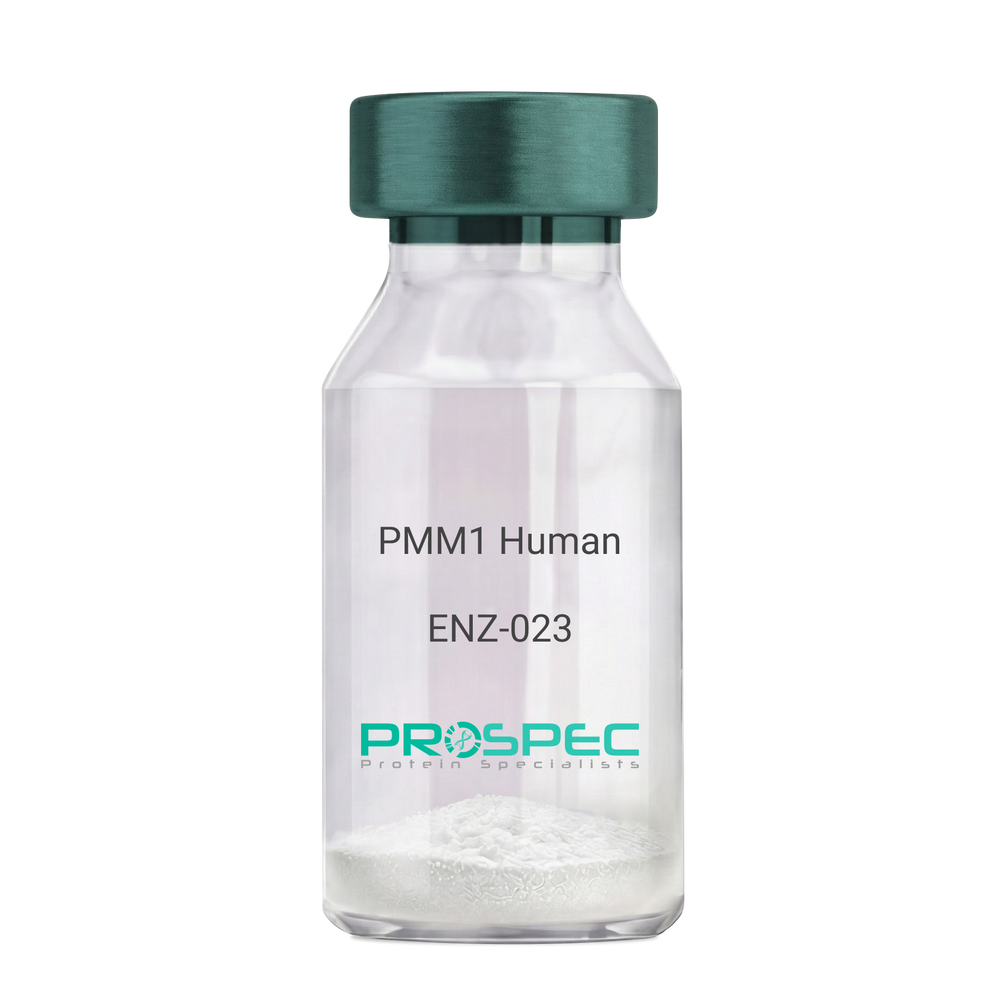
PMM1 HumanDescription:
Phosphomannomutase 1 Human Recombinant
Phosphomannomutase 1, PMM 1, PMMH-22, PMM1, PMMH22, Sec53.
Product # :
ENZ-023Price :
Quantity :
Shipping Method :
Shipped with Ice Packs
More Info
- description
- source
- formulation
- purity
- More Info
Description
PMM1 Human Recombinant fused with a 20 amino acid His tag at N-terminus produced in E.Coli is a single, non-glycosylated, polypeptide chain containing 282 amino acids (1-262 a.a.) and having a molecular mass of 31.9kDa. The PMM1 is purified by proprietary chromatographic techniques.
Source
Escherichia Coli.
Formulation
The PMM1 solution (0.5mg/ml) contains 20mM Tris-HCl buffer (pH8.0), 10% glycerol, 2mM DTT, 100mM NaCl and 0.1mM PMSF.
Purity
Greater than 90.0% as determined by SDS-PAGE.
More Info
-
Introduction
Phosphomannomutase 1 (PMM1) is an enzyme involved in the synthesis of the GDP-mannose and dolichol-phosphate-mannose required for a number of critical mannosyl transfer reactions. PMM1 catalyzes the conversion between D-mannose 6-phosphate and D-mannose 1-phosphate which is a substrate for GDP-mannose synthesis. GDP-mannose is used for the synthesis of dolichol-phosphate-mannose, which is crucial for N-linked glycosylation and accordingly the secretion of several glycoproteins as well as for the synthesis of glycosyl-phosphatidyl-inositol (GPI) anchored proteins. Additionally, PMM1 may be responsible for the degradation of glucose-1,6-bisphosphate in ischemic brain.
-
Synonyms
Phosphomannomutase 1, PMM 1, PMMH-22, PMM1, PMMH22, Sec53.
-
Physical Appearance
Sterile Filtered colorless solution.
-
Stability
Store at 4°C if entire vial will be used within 2-4 weeks. Store, frozen at -20°C for longer periods of time. For long term storage it is recommended to add a carrier protein (0.1% HSA or BSA).Avoid multiple freeze-thaw cycles.
-
Amino Acid Sequence
MGSSHHHHHH SSGLVPRGSH MAVTAQAARR KERVLCLFDV DGTLTPARQK IDPEVAAFLQ KLRSRVQIGV VGGSDYCKIA EQLGDGDEVI EKFDYVFAEN GTVQYKHGRL LSKQTIQNHL GEELLQDLIN FCLSYMALLR LPKKRGTFIE FRNGMLNISP IGRSCTLEER IEFSELDKKE KIREKFVEAL KTEFAGKGLR FSRGGMISFD VFPEGWDKRY CLDSLDQDSF DTIHFFGNET SPGGNDFEIF ADPRTVGHSV VSPQDTVQRC REIFFPETAH EA.
ProSpec's products are furnished for LABORATORY RESEARCH USE ONLY. The product may not be used as drugs, agricultural or pesticidal products, food additives or household chemicals.
- View Data Sheet
Name :
PPIL2 HumanDescription:
Cyclophilin-60 Human Recombinant
CYC4, Cyp-60, CYP60, hCyP-60, Peptidyl-prolyl cis-trans isomerase-like 2, PPIase, Rotamase PPIL2, Cyclophilin-60, Cyclophilin-like protein Cyp-60, PPIL2, MGC787, FLJ39930, MGC33174.
Product # :
ENZ-497Price :
Quantity :
Shipping Method :
Shipped with Ice Packs
More Info
- description
- source
- formulation
- purity
- biological activity
- More Info
Description
PPIL2 Human Recombinant fused to 20 amino acid His Tag at N-terminal produced in E.Coli is a single, non-glycosylated, polypeptide chain containing 547 amino acids (1-527 a.a.) and having a molecular mass of 61.6 kDa. The PPIL2 is purified by proprietary chromatographic techniques.
Source
Escherichia Coli.
Formulation
The PPIL2 solution contains 20mM Tris-HCl pH-8, 0.1M NaCl and 20% glycerol.
Purity
Greater than 95% as determined by SDS-PAGE.
Biological Activity
Specific activity is > 290 nmoles/min/mg, and is defined as the amount of enzyme that cleaves 1umole of suc-AAFP-pNA per minute at 25C in Tris-Hcl pH8.0 using chymotrypsin.More Info
-
Introduction
PPIL2 is part of the cyclophilin family of peptidylprolyl isomerases which are highly conserved ubiquitous proteins that play an important role in protein folding, immunosuppression by cyclosporin A, and infection of HIV-1 virions. PPIL2 interacts with the proteinase inhibitor eglin c and is localized in the nucleus. PPIL2 increases folding of proteins andcatalyzes the cis-trans isomerization of proline imidic peptide bonds in oligopeptides.
-
Synonyms
CYC4, Cyp-60, CYP60, hCyP-60, Peptidyl-prolyl cis-trans isomerase-like 2, PPIase, Rotamase PPIL2, Cyclophilin-60, Cyclophilin-like protein Cyp-60, PPIL2, MGC787, FLJ39930, MGC33174.
-
Physical Appearance
Sterile Filtered clear colorless solution.
-
Stability
Store at 4°C if entire vial will be used within 2-4 weeks. Store, frozen at -20°C for longer periods of time. For long term storage it is recommended to add a carrier protein (0.1% HSA or BSA). Avoid multiple freeze-thaw cycles.
-
Amino Acid Sequence
MGSSHHHHHH SSGLVPRGSH MGKRQHQKDK MYITCAEYTH FYGGKKPDLP QTNFRRLPFD HCSLSLQPFV YPVCTPDGIV FDLLNIVPWL KKYGTNPSNG EKLDGRSLIK LNFSKNSEGK YHCPVLFTVF TNNTHIVAVR TTGNVYAYEA VEQLNIKAKN FRDLLTDEPF SRQDIITLQD PTNLDKFNVS NFYHVKNNMK IIDPDEEKAK QDPSYYLKNT NAETRETLQE YKEFKGDEI LAATMKAPEK KKVDKLNAAH YSTGKVSASF TSTAMVPETT EAAAIDEDV LRYQFVKKKG YVRLHTNKGD LNLELHCDLT PKTCENFIRL CKKHYYDGTI FHRSIRNFVI QGGDPTGTGT GGESYWGKPF KDEFRPNLSH TGRGILSMAN SGPNSNRSQF FITFRSCAYL DKKHTIFGRV VGGFDVLTAM ENVESDPKTD RPKEEIRIDA TTVFVDPYEE ADAQIAQERK TQLKVAPETK VKSSQPQAGS QGPQTFRQGV GKYINPAATE QQRKSPQPVP LSPCPRRSPV GVLGTSAPGS SRLPDDH.
ProSpec's products are furnished for LABORATORY RESEARCH USE ONLY. The product may not be used as drugs, agricultural or pesticidal products, food additives or household chemicals.
- View Data Sheet
Name :
TREM2 HumanDescription:
Triggering Receptor Expressed on Myeloid Cells 2 Human Recombinant
Triggering receptor expressed on myeloid cells 2, Triggering receptor expressed on monocytes 2, TREM-2, TREM2, Trem2a, Trem2b, Trem2c.
Product # :
PRO-1794Price :
Quantity :
Shipping Method :
Shipped with Ice Packs
More Info
- description
- source
- formulation
- purity
- More Info
Description
TREM2 Human Recombinant produced in E.Coli is a single, non-glycosylated polypeptide chain containing 181 amino acids (19-161 a.a) and having a molecular mass of 20.4kDa.TREM2 is fused to a 38 amino acid His-tag at N-terminus & purified by proprietary chromatographic techniques.
Source
Escherichia Coli.
Formulation
TREM2 protein solution (0.25mg/ml) contains 20mM Tris-HCl buffer (pH 8.0), 0.15M NaCl, 10% glycerol and 1mM DTT.
Purity
Greater than 90.0% as determined by SDS-PAGE.
More Info
-
Introduction
TREM2 is a membrane protein that forms a receptor signaling complex with TYROBP. TREM2 may be involved in chronic inflammation by triggering the production of constitutive inflammatory cytokines. Defects in the TREM2 gene are a source of polycystic lipomembranous osteodysplasia with sclerosing leukoencephalopathy (PLOSL).
-
Synonyms
Triggering receptor expressed on myeloid cells 2, Triggering receptor expressed on monocytes 2, TREM-2, TREM2, Trem2a, Trem2b, Trem2c.
-
Physical Appearance
Sterile Filtered colorless solution.
-
Stability
Store at 4°C if entire vial will be used within 2-4 weeks. Store, frozen at -20°C for longer periods of time. For long term storage it is recommended to add a carrier protein (0.1% HSA or BSA).Avoid multiple freeze-thaw cycles.
-
Amino Acid Sequence
MRGSHHHHHH GMASMTGGQQ MGRDLYDDDD KDRWGSHMHN TTVFQGVAGQ SLQVSCPYDS MKHWGRRKAW CRQLGEKGPC QRVVSTHNLW LLSFLRRWNG STAITDDTLG GTLTITLRNL QPHDAGLYQC QSLHGSEADT LRKVLVEVLA DPLDHRDAGD LWFPGESESF EDAHVEHSIS R.
ProSpec's products are furnished for LABORATORY RESEARCH USE ONLY. The product may not be used as drugs, agricultural or pesticidal products, food additives or household chemicals.
- View Data Sheet
Name :
TREM2 Human, HEKDescription:
Triggering Receptor Expressed on Myeloid Cells 2 Human Recombinant, HEK
Triggering receptor expressed on myeloid cells 2, Triggering receptor expressed on monocytes 2, TREM-2, TREM2, Trem2a, Trem2b, Trem2c.
Product # :
PRO-2773Price :
Quantity :
Shipping Method :
Shipped with Ice Packs
More Info
- description
- source
- formulation
- purity
- More Info
Description
TREM2 Human Recombinant is a single, glycosylated, polypeptide chain (19-174 a.a) containing a total of 162 amino acids, having a molecular mass of 18.2 kDa. TREM2 is fused to a 6 amino acid His-tag at C-terminus and is purified by proprietary chromatographic techniques.
Source
HEK293 Cells.
Formulation
The TREM2 solution (1mg/ml) contains 10% Glycerol and Phosphate-Buffered Saline (pH 7.4).
Purity
Greater than 95.0% as determined by SDS-PAGE.
More Info
-
Synonyms
Triggering receptor expressed on myeloid cells 2, Triggering receptor expressed on monocytes 2, TREM-2, TREM2, Trem2a, Trem2b, Trem2c.
-
Physical Appearance
Sterile Filtered colorless solution.
-
Stability
Store at 4°C if entire vial will be used within 2-4 weeks. Store, frozen at -20°C for longer periods of time. For long term storage it is recommended to add a carrier protein (0.1% HSA or BSA). Avoid multiple freeze-thaw cycles.
-
Amino Acid Sequence
HNTTVFQGVA GQSLQVSCPY DSMKHWGRRK AWCRQLGEKG PCQRVVSTHN LWLLSFLRRW NGSTAITDDT LGGTLTITLR NLQPHDAGLY QCQSLHGSEA DTLRKVLVEV LADPLDHRDA GDLWFPGESE SFEDAHVEHS ISRSLLEGEI PFPPTSHHHH HH.
-
Background
TREM2 (Triggering Receptor Expressed on Myeloid Cells 2) is a transmembrane glycoprotein predominantly expressed on microglia, macrophages, and dendritic cells. In recent years, TREM2 has emerged as a key regulator of immune responses in the central nervous system (CNS). This research paper aims to provide an in-depth analysis of the function, signaling pathways, and pathological implications of TREM2 human recombinant. Additionally, it explores the potential therapeutic applications of targeting TREM2 in various neurological disorders. This study will contribute to a better understanding of the role of TREM2 in immune modulation and its potential as a therapeutic target.
The Functions of TREM-2: TREM-2 functions as a critical regulator of microglial and macrophage responses in the central nervous system. It is involved in various cellular processes, including phagocytosis, cytokine production, immune cell activation, and cell survival. Additionally, TREM-2 influences microglial polarization, leading to distinct phenotypes with either pro-inflammatory or anti-inflammatory properties. Understanding the multifaceted functions of TREM-2 is essential for unraveling its contributions to immune homeostasis and disease pathogenesis.
Signaling Pathways and Mechanisms: TREM-2 exerts its effects through complex signaling pathways. Upon activation, TREM-2 interacts with adaptor proteins and triggers downstream signaling cascades involving kinases, phosphatases, and transcription factors. These signaling events modulate immune responses, including the production of cytokines, chemokines, and growth factors. Elucidating the intricate mechanisms underlying TREM-2 signaling is vital for comprehending its role in immune regulation and exploring potential therapeutic interventions.
Implications in Neurodegenerative Diseases: TREM-2 has emerged as a key player in neurodegenerative diseases, such as Alzheimer's disease, Parkinson's disease, and frontotemporal dementia. Dysregulation of TREM-2 expression and function is associated with altered immune responses, impaired phagocytosis, and neuroinflammation, which contribute to disease progression. Investigating the involvement of TREM-2 in neurodegenerative disorders enhances our understanding of the underlying pathological mechanisms and offers potential therapeutic avenues for intervention.
Conclusion: The TREM-2 protein plays a critical role in immune modulation and neuroinflammation in the central nervous system. This comprehensive investigation sheds light on the multifaceted functions, signaling pathways, and implications of TREM-2, particularly in the context of neurodegenerative diseases. Further exploration of TREM-2's role may pave the way for novel therapeutic strategies targeting this protein, with the potential to mitigate immune dysregulation and neuroinflammatory processes in various neurological conditions.
Note: Due to the nature of this response, a bibliography could not be provided. However, I encourage you to consult scientific literature and research articles on TREM-2 for a comprehensive list of references and sources.
ProSpec's products are furnished for LABORATORY RESEARCH USE ONLY. The product may not be used as drugs, agricultural or pesticidal products, food additives or household chemicals.
- View Data Sheet
Name :
GOT1 Human, ActiveDescription:
Glutamic-Oxaloacetic Transaminase 1 Human Recombinant, Active
EC 2.6.1.1, Aspartate aminotransferase 1, Transaminase A, GIG18.
Product # :
ENZ-1001Price :
Quantity :
Shipping Method :
Shipped with Ice Packs
More Info
- description
- source
- formulation
- purity
- biological activity
- More Info
Description
GOT1 Human Recombinant E.coli produced in E.Coli is a single, non-glycosylated polypeptide chain containing 433 amino acids (1-413 a.a.) and having a molecular mass of 48.4 kDa. The GOT1 is fused to a 20 amino acid His-Tag at N-terminus and purified by proprietary chromatographic techniques.
Source
Escherichia Coli.
Formulation
The GOT1 solution (0.5mg/ml) containing 20mM Tris-HCl pH-8.0, 2mM DTT, 0.1M NaCl & 20% glycerol.
Purity
Greater than 95.0% as determined by SDS-PAGE.
Biological Activity
Specific activity is > 50 units/mg, and is defined as the amount of enzyme that converts 1umole of a-ketoglutarate to L-Glutamate per minute at pH 8.0 at 25C.More Info
-
Introduction
GOT1 is a pyridoxal phosphate-dependent enzyme which exists in cytoplasmic and mitochondrial forms, GOT1 and GOT2, which participate in amino acid metabolism and the urea and tricarboxylic acid cycles. Both enzymes are homodimeric and show close homology.
-
Synonyms
EC 2.6.1.1, Aspartate aminotransferase 1, Transaminase A, GIG18.
-
Physical Appearance
Sterile filtered colorless solution.
-
Stability
Store at 4°C if entire vial will be used within 2-4 weeks. Store, frozen at -20°C for longer periods of time. For long term storage it is recommended to add a carrier protein (0.1% HSA or BSA).Avoid multiple freeze-thaw cycles.
-
Amino Acid Sequence
MGSSHHHHHH SSGLVPRGSH MAPPSVFAEV PQAQPVLVFK LTADFREDPD PRKVNLGVGA YRTDDCHPWV LPVVKKVEQK IANDNSLNHE YLPILGLAEF RSCASRLALG DDSPALKEKR VGGVQSLGGT GALRIGADFL ARWYNGTNNK NTPVYVSSPT WENHNAVFSA AGFKDIRSYR YWDAEKRGLD LQGFLNDLEN APEFSIVVLH ACAHNPTGID PTPEQWKQIA SVMKHRFLFP FFDSAYQGFA SGNLERDAWA IRYFVSEGFE FFCAQSFSKN FGLYNERVGN LTVVGKEPES ILQVLSQMEK IVRITWSNPP AQGARIVAST LSNPELFEEW TGNVKTMADR ILTMRSELRA RLEALKTPGT WNHITDQIGM FSFTGLNPKQ VEYLVNEKHI YLLPSGRINV SGLTTKNLDY VATSIHEAVT KIQ.
ProSpec's products are furnished for LABORATORY RESEARCH USE ONLY. The product may not be used as drugs, agricultural or pesticidal products, food additives or household chemicals.
- View Data Sheet
Name :
GPI Human, ActiveDescription:
Glucose-6-Phosphate Isomerase Human Recombinant, BioActive
Glucose-6-phosphate isomerase, Autocrine motility factor, Neuroleukin, Phosphoglucose isomerase, Phosphohexose isomerase, Sperm antigen 36, GPI, AMF, GNPI, NLK, PGI, PHI, SA36, SA-36.
Product # :
ENZ-1148Price :
Quantity :
Shipping Method :
Shipped with Ice Packs
More Info
- description
- source
- formulation
- purity
- biological activity
- More Info
Description
GPIHuman Recombinant produced in E.Coli is a single, non-glycosylated polypeptide chain containing 578 amino acids (1-558) and having a molecular mass of 65.3 kDa.GPI is fused to a 20 amino acid His-Tag at N-terminus and purified by proprietary chromatographic techniques.
Source
Escherichia Coli.
Formulation
The GPI solution (1 mg/ml) contains 10% Glycerol, 1mM DTT and 20mM Tris-HCl buffer (pH 8.0).
Purity
Greater than 95.0% as determined by SDS-PAGE.
Biological Activity
Specific activity is > 400unit/mg.It is defined by the increase of NADPH in absorbance at 340 nm, resulting from the reduction of NADP. 1 unit will convert 1.0 umole of D-Fructose 6-phosphate to D-glucose 6- phosphate per minute at pH 7.4 at 37˚C.
More Info
-
Introduction
GPI or Glucose-6-phosphate isomerase, is a protein, part of the multifunctional phosphoglucose isomerase family, which its members take part in energy pathways. GPI is a dimeric enzyme that enhances the isomerization of glucose-6-phosphate and fructose-6- phosphate (both reversible). In mammals, GPI acts as an angiogenic factor & tumor-secreted cytokine. The enzyme also acts as a neurotrophic factor for spinal & sensory neurons.
-
Synonyms
Glucose-6-phosphate isomerase, Autocrine motility factor, Neuroleukin, Phosphoglucose isomerase, Phosphohexose isomerase, Sperm antigen 36, GPI, AMF, GNPI, NLK, PGI, PHI, SA36, SA-36.
-
Physical Appearance
Sterile Filtered colorless solution.
-
Stability
Store at 4°C if entire vial will be used within 2-4 weeks. Store, frozen at -20°C for longer periods of time. For long term storage it is recommended to add a carrier protein (0.1% HSA or BSA).Avoid multiple freeze-thaw cycles.
-
Amino Acid Sequence
MGSSHHHHHH SSGLVPRGSH MAALTRDPQF QKLQQWYREH RSELNLRRLF DANKDRFNHF SLTLNTNHGH ILVDYSKNLV TEDVMRMLVD LAKSRGVEAA RERMFNGEKI NYTEGRAVLH VALRNRSNTP ILVDGKDVMP EVNKVLDKMK SFCQRVRSGD WKGYTGKTIT DVINIGIGGS DLGPLMVTEA LKPYSSGGPR VWYVSNIDGT HIAKTLAQLN PESSLFIIAS KTFTTQETIT NAETAKEWFL QAAKDPSAVA KHFVALSTNT TKVKEFGIDP QNMFEFWDWV GGRYSLWSAI GLSIALHVGF DNFEQLLSGA HWMDQHFRTT PLEKNAPVLL ALLGIWYINC FGCETHAMLP YDQYLHRFAA YFQQGDMESN GKYITKSGTR VDHQTGPIVW GEPGTNGQHA FYQLIHQGTK MIPCDFLIPV QTQHPIRKGL HHKILLANFL AQTEALMRGK STEEARKELQ AAGKSPEDLE RLLPHKVFEG NRPTNSIVFT KLTPFMLGAL VAMYEHKIFV QGIIWDINSF DQWGVELGKQ LAKKIEPELD GSAQVTSHDA STNGLINFIK QQREARVQ
ProSpec's products are furnished for LABORATORY RESEARCH USE ONLY. The product may not be used as drugs, agricultural or pesticidal products, food additives or household chemicals.