Search results
1000 results found for “parvalbumin”
Name
Description
Product #
Price
Quantity
Shipping Method
- View Data Sheet
Name :
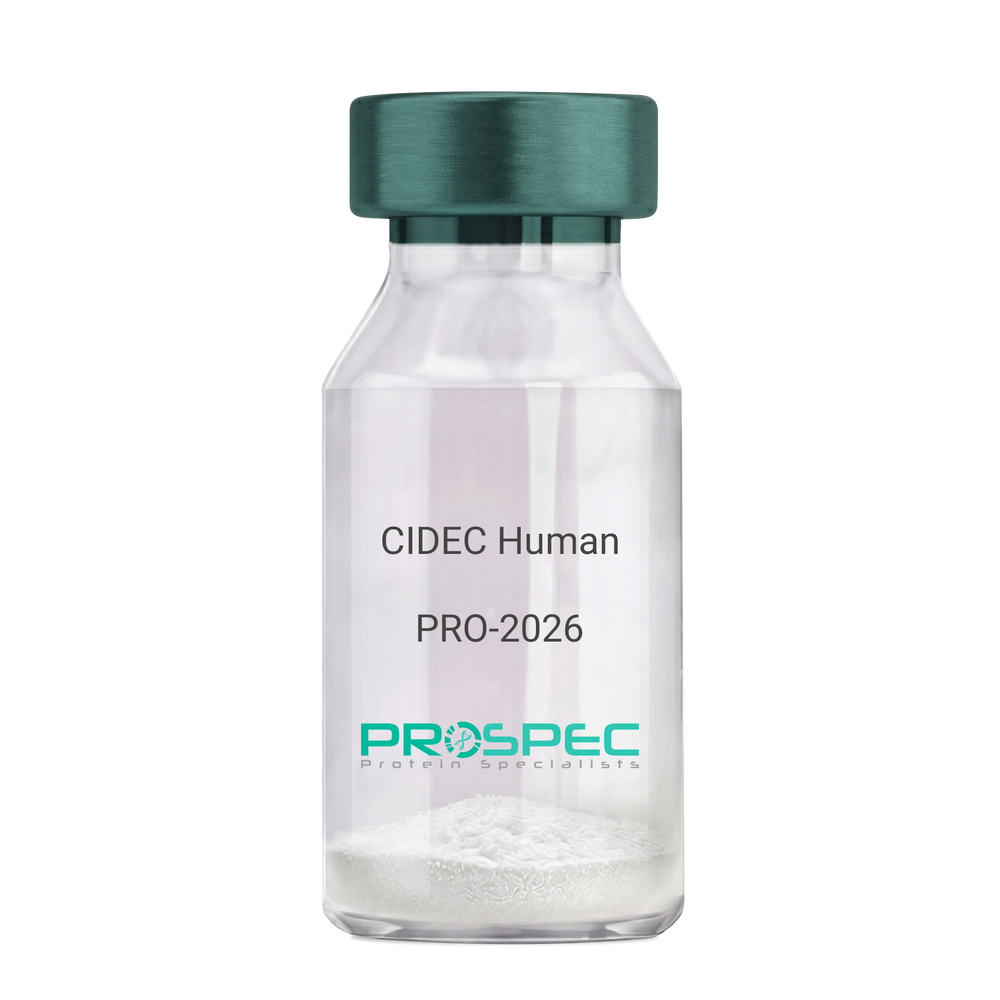
CIDEC HumanDescription:
Cell Death-Inducing DFFA-Like Effector C Human Recombinant
Cell Death-Inducing DFFA-Like Effector C, FSP27, CIDE3, FPLD5, Cell Death-Inducing DFFA-Like Effector Protein C, Fat-Specific Protein FSP27 Homolog, Cell Death Activator CIDE-3, Fat Specific Protein 27, CIDE-3, CIDEC.
Product # :
PRO-2026Price :
Quantity :
Shipping Method :
Shipped with Ice Packs
More Info
- description
- source
- formulation
- purity
- More Info
Description
CIDEC Human Recombinant produced in E.Coli is a single, non-glycosylated, polypeptide chain (Glu2-Gln238) containing 247 amino acids including a 10 aa His tag at N-terminus. The total calculated molecular mass is 28kDa.
Source
Escherichia Coli.
Formulation
CIDEC filtered (0.4µm) solution at a concentration of 0.4mg/ml in 30mM acetate buffer and 10mM dithiothreitol, pH 4.
Purity
Greater than 95.0% as determined by SDS-PAGE.
More Info
-
Introduction
Cell Death-Inducing DFFA-Like Effector C (CIDEC) belongs to the cell death-inducing DNA fragmentation factor-like effector family, whose members have significant roles in apoptosis. CIDEC is expressed mainly in adipocytes, intestine, heart, stomach, and weakly in the brain, kidney and liver. CIDEC overexpression in preadipocytes induces apoptosis. CIDEC regulates enlargement of lipid droplets.
-
Synonyms
Cell Death-Inducing DFFA-Like Effector C, FSP27, CIDE3, FPLD5, Cell Death-Inducing DFFA-Like Effector Protein C, Fat-Specific Protein FSP27 Homolog, Cell Death Activator CIDE-3, Fat Specific Protein 27, CIDE-3, CIDEC.
-
Physical Appearance
Filtered colorless solution.
-
Stability
Store at 4°C if entire vial will be used within 2-4 weeks. Store, frozen at -20°C for longer periods of time. For long term storage it is recommended to add a carrier protein (0.1% HSA or BSA).Avoid multiple freeze-thaw cycles.
-
Amino Acid Sequence
MKHHHHHHASEYAMKSLSLL YPKSLSRHVS VRTSVVTQQL LSEPSPKAPR ARPCRVSTAD RSVRKGIMAY SLEDLLLKVR DTLMLADKPF FLVLEEDGTT VETEEYFQAL AGDTVFMVLQ KGQKWQPPSE QGTRHPLSLS HKPAKKIDVA RVTFDLYKLN PQDFIGCLNV KATFYDTYSL SYDLHCCGAK RIMKEAFRWA LFSMQATGHV LLGTSCYLQQ LLDATEEGQP PKGKASSLIP TCLKILQ.
ProSpec's products are furnished for LABORATORY RESEARCH USE ONLY. The product may not be used as drugs, agricultural or pesticidal products, food additives or household chemicals.
- View Data Sheet
Name :
CoV-2 Spike S1 (200-800)Description:
Coronavirus 2019 Spike S1 (200-800 a.a.) Recombinant
Product # :
SARS-034Price :
Quantity :
Shipping Method :
Shipped with Ice Packs
More Info
- description
- source
- formulation
- purity
- More Info
Description
The E.Coli derived recombinant protein contains the Coronavirus 2019 Spike S1 (200-800 a.a.) region, fused to 6xHis tag at C-terminal
Source
Escherichia Coli.
Formulation
CoV 2019 Spike S1 (200-800 a a) Protein 1mg/ml solution is supplied in 1x PBS.
Purity
CoV 2019 Spike S1 Protein is >90% pure as determined SDS-PAGE.
More Info
-
Introduction
A human infecting coronavirus (viral pneumonia) called 2019 novel coronavirus, 2019-nCoV was found in the fish market at the city of Wuhan, Hubei province of China on December 2019.
The 2019-nCoV shares an 87% identity to the 2 bat-derived severe acute respiratory syndrome 2018 SARS-CoV-2 located in Zhoushan of eastern China. 2019-nCoV has an analogous receptor-BD-structure to that of 2018 SARS-CoV, even though there is a.a. diversity so thus the 2019-nCoV might bind to ACE2 receptor protein (angiotensin-converting enzyme 2) in humans.
While bats are possibly the host of 2019-nCoV, researchers suspect that animal from the ocean sold at the seafood market was an intermediate host. RSCU analysis proposes that the 2019-nCoV is a recombinant within the viral spike glycoprotein between the bat coronavirus and an unknown coronavirus.
-
Physical Appearance
Sterile Filtered clear solution.
-
Stability
CoV 2019 Spike S1 ( 200-800 a.a. ) Protein is shipped on ice packs. Upon arrival, Store at -20°C.
ProSpec's products are furnished for LABORATORY RESEARCH USE ONLY. The product may not be used as drugs, agricultural or pesticidal products, food additives or household chemicals.
- View Data Sheet
Name :
HBV core (1-183)Description:
Hepatitis B Virus Core (1-183 a.a.) Recombinant
Product # :
HBV-269Price :
Quantity :
Shipping Method :
Shipped with Ice Packs
More Info
- description
- formulation
- purity
- More Info
Description
The E.Coli derived 18 kDa recombinant protein contains the HBV core ayw immunodominant region, amino acids 1-183.
Formulation
1x PBS (pH 7.2), 75 mM NaCl, 0.05% Proclin 300 and 50% glycerol.
Purity
HBV Core protein is >95% pure as determined by SDS-PAGE.
More Info
-
Introduction
Hepatitis B is one of a few known non-retroviralviruses which employ reverse transcriptionas a part of its replication process. (HIV, a completely unrelated virus, also uses reverse transcription, but it is a retrovirus.) HBV invades the cell by binding to surface receptor and become internalized. The viral core particles then migrate to the hepatocyte nucleus and the partially double-stranded, relaxed circular genomes (RC-DNA) are repaired to form a covalently closed circular DNA (cccDNA), which is the template for viral genomic and sub-genomic RNAs by cellular RNA polymerase II. Of these, the pregenomic RNA (pgRNA is selectively packaged into progeny capsids and is then reverse-transcribed into new RC-DNA. The core can either bud into the endoplasmic reticulum to be enveloped or exported from the cell or recycled back into the genome for conversion to cccDNA.
-
Stability
HBV Core protein although stable at 4°C for 1 week, should be stored below -18°C. Please prevent freeze thaw cycles.
-
Amino Acid Sequence
MDIDPYKEFG ASVELLSFLP SDFFPSIRDL LDTASALYRE ALESPEHCSPHHTALRQAIL CWGELMNLAT WVGSNLEDPA SRELVVSYVN VNMGLKFRQL LWFHVSCLTF GRETVLEYLV SFGVWIRTPP AYRPPNAPIL STLPETTVVR RRGRSPRRRT PSPRRRRSQS PRRRRSQSRE SQC.
-
Specificity
Immunoreactive with sera HBV-infected individuals.
-
Purification Method
HBV Core protein was purified by proprietary chromatographic technique.
ProSpec's products are furnished for LABORATORY RESEARCH USE ONLY. The product may not be used as drugs, agricultural or pesticidal products, food additives or household chemicals.
- View Data Sheet
Name :
CBX3 HumanDescription:
Chromobox Homolog 3 Human Recombinant
Chromobox homolog 3 (Drosophila HP1 gamma), Heterochromatin protein 1 homolog gamma, Modifier 2 protein, HP1 gamma homolog, HECH, HP1Hs-gamma.
Product # :
PRO-1057Price :
Quantity :
Shipping Method :
Shipped with Ice Packs
More Info
- description
- source
- formulation
- purity
- More Info
Description
CBX3 Human Recombinant produced in E. coli is a single polypeptide chain containing 207 amino acids (1-183) and having a molecular mass of 23.4kDa.CBX3 is fused to a 24 amino acid His-tag at N-terminus & purified by proprietary chromatographic techniques.
Source
E.coli.
Formulation
The CBX3 solution (1mg/ml) contains 20mM Tris-HCl buffer (pH 8.0), 100mM Nacl, 1mM DTT and 20% glycerol.
Purity
Greater than 90% as determined by SDS-PAGE.
More Info
-
Introduction
CBX3 takes part in transcriptional silencing in heterochromatin-like complexes. CBX3 identifies and binds histone H3 tails methylated at 'Lys-9', thereby create an epigenetic repression. Additionally, CBX3 takes part in the formation of functional kinetochore by interacting with MIS12 complex proteins.
-
Synonyms
Chromobox homolog 3 (Drosophila HP1 gamma), Heterochromatin protein 1 homolog gamma, Modifier 2 protein, HP1 gamma homolog, HECH, HP1Hs-gamma.
-
Physical Appearance
Sterile Filtered colorless solution.
-
Stability
Store at 4°C if entire vial will be used within 2-4 weeks. Store, frozen at -20°C for longer periods of time. For long term storage it is recommended to add a carrier protein (0.1% HSA or BSA).Avoid multiple freeze-thaw cycles.
-
Amino Acid Sequence
MGSSHHHHHH SSGLVPRGSH MGSHMASNKT TLQKMGKKQN GKSKKVEEAE PEEFVVEKVL DRRVVNGKVE YFLKWKGFTD ADNTWEPEEN LDCPELIEAF LNSQKAGKEK DGTKRKSLSD SESDDSKSKK KRDAADKPRG FARGLDPERI IGATDSSGEL MFLMKWKDSD EADLVLAKEA NMKCPQIVIA FYEERLTWHS CPEDEAQ.
ProSpec's products are furnished for LABORATORY RESEARCH USE ONLY. The product may not be used as drugs, agricultural or pesticidal products, food additives or household chemicals.
- View Data Sheet
Name :
MMP14 HumanDescription:
Matrix Metalloproteinase-14 Recombinant Human
Matrix Metallopeptidase 14, Matrix Metallopeptidase 14 (Membrane-Inserted), Membrane-Type-1 Matrix Metalloproteinase, Membrane Type 1 Metalloprotease, EC 3.4.24.80, MT-MMP 1, MT1-MMP, MMP-14, MMP-X1, MT1MMP, MTMMP1, Matrix Metalloproteinase 14 (Membrane-Inserted), Membrane-Type Matrix Metalloproteinase 1, Matrix Metalloproteinase-14, EC 3.4.24, MT-MMP, WNCHRS, Matrix metalloproteinase-14, Membrane-type matrix metalloproteinase 1.
Product # :
ENZ-1101Price :
Quantity :
Shipping Method :
Shipped with Ice Packs
More Info
- description
- source
- formulation
- purity
- More Info
Description
Matrix Metalloproteinase-14 Human Recombinant produced in E.Coli is a single, non- glycosylated polypeptide chain containing 264 amino acids and having a molecular mass of 29.6kDa. MMP14 is purified by proprietary chromatographic techniques.
Source
Escherichia Coli.
Formulation
MMP14 is supplied as a 0.2 μm filtered solution conteining 20mM Tris-HCl, pH 7.4, 30 % glycerol, 300mM NaCl, 3mM CaCl2 and 10μM ZnCl2.
Purity
Greater than 95.0% as determined by:
(a) Analysis by RP-HPLC.
(b) Analysis by SDS-PAGE.More Info
-
Introduction
Matrix metalloproteinase-14 (MMP14), is a membrane-anchored zinc-binding endopeptidase which is expressed at the leading edge of different invasive carcinomas and also promotes tumor cell invasion through degradation of the extracellular matrix. MMP14 takes a vital part in extracellular matrix, ECM, remodeling by having the capability to degrade type I collagen, activate pro-MMP-2 and process cell adhesion molecules for instance CD44 and integrin alpha V. MMP14 is a key enzyme in many physiological as well as pathological processes for example angiogenesis & tumor invasion.
-
Synonyms
Matrix Metallopeptidase 14, Matrix Metallopeptidase 14 (Membrane-Inserted), Membrane-Type-1 Matrix Metalloproteinase, Membrane Type 1 Metalloprotease, EC 3.4.24.80, MT-MMP 1, MT1-MMP, MMP-14, MMP-X1, MT1MMP, MTMMP1, Matrix Metalloproteinase 14 (Membrane-Inserted), Membrane-Type Matrix Metalloproteinase 1, Matrix Metalloproteinase-14, EC 3.4.24, MT-MMP, WNCHRS, Matrix metalloproteinase-14, Membrane-type matrix metalloproteinase 1.
-
Physical Appearance
Sterile filtered colorless solution.
-
Stability
Store at 4°C if entire vial will be used within 2-4 weeks.Store, frozen at -20°C for longer periods of time.For long term storage it is recommended to add a carrier protein (0.1% HSA or BSA).Avoid multiple freeze-thaw cycles.
-
Amino Acid Sequence
ALASLGSAQS SSFSPEAWLQ QYGYLPPGDL RTHTQRSPQS LSAAIAAMQK FYGLQVTGKA DADTMKAMRR PRCGVPDKFG AEIKANVRRK RYAIQGLKWQ HNEITFCIQN YTPKVGEYAT YEAIRKAFRV WESATPLRFR EVPYAYIREG HEKQADIMIF FAEGFHGDST PFDGEGGFLA HAYFPGPNIG GDTHFDSAEP WTVRNEDLNG NDIFLVAVHE LGHALGLEHS SDPSAIMAPF YQWMDTENFV LPDDDRRGIQ QLYG.
ProSpec's products are furnished for LABORATORY RESEARCH USE ONLY. The product may not be used as drugs, agricultural or pesticidal products, food additives or household chemicals.
- View Data Sheet
Name :
HCV NS3 1aDescription:
Hepatitis C Virus NS3 Genotype-1a, (1356-1459 a.a.) Recombinant
Product # :
HCV-248Price :
Quantity :
Shipping Method :
Shipped with Ice Packs
More Info
- description
- formulation
- purity
- More Info
Description
The E.coli derived recombinant protein contains the HCV NS3 immunodominant regions, amino acids 1356-1459. The protein is fused to a GST tag at N-Terminus.
Formulation
1.5M urea, 25mM Tris-HCl pH-8, 0.2% Triton-X & 50% Glycerol.
Purity
HCV NS3 Genotype-1a protein is >95% pure as determined by 10% PAGE (coomassie staining).
More Info
-
Introduction
HCV is a small 50nm, enveloped, single-stranded, positive sense RNAvirus in the family Flaviviridae.
HCV has a high rate of replication with approximately one trillion particles produced each day in an infected individual. Due to lack of proofreading by the HCV RNA polymerase, the HCV has an exceptionally high mutation rate, a factor that may help it elude the host's immune response. Hepatitis C virus is classified into six genotypes(1-6) with several subtypes within each genotype. The preponderance and distribution of HCV genotypes varies globally. Genotype is clinically important in determining potential response to interferon-based therapy and the required duration of such therapy. Genotypes 1 and 4 are less responsive to interferon-based treatment than are the other genotypes (2, 3, 5 and 6). -
Stability
HCV NS3 Genotype-1a although stable at 4°C for 1 week, should be stored below -18°C. Please prevent freeze thaw cycles.
-
Applications
HCV NS3 Genotype-1a antigen is suitable for ELISA and Western blots, excellent antigen for detection of HCV with minimal specificity problems.
-
Specificity
Immunoreactive with sera of HCV-infected individuals.
-
Purification Method
HCV NS3 Genotype-1a was purified by proprietary chromatographic technique.
ProSpec's products are furnished for LABORATORY RESEARCH USE ONLY. The product may not be used as drugs, agricultural or pesticidal products, food additives or household chemicals.
- View Data Sheet
Name :
TNNI3 Human NativeDescription:
Cardiac Troponin-I Human
Troponin I cardiac muscle, Cardiac troponin I, TNNI3, TNNC1, CMH7, RCM1, cTnI, CMD2A, MGC116817.
Product # :
PRO-2788Price :
Quantity :
Shipping Method :
Shipped at Room temp
More Info
- description
- source
- formulation
- purity
- More Info
Description
TNNI3 Native produced in Human heart tissue is a full length protein which has an additional amino acid residues on its N terminus that are not present on the skeletal form, making this protein a promising analyte for indicating cardiac specificity.TNNI3 Native is purified by proprietary chromatographic technique.
Source
Human heart tissue.
Formulation
TNNI3 was lyophilized from 0.01M HCl.
Purity
Greater than 98.0% as determined by SDS-PAGE.
More Info
-
Synonyms
Troponin I cardiac muscle, Cardiac troponin I, TNNI3, TNNC1, CMH7, RCM1, cTnI, CMD2A, MGC116817.
-
Physical Appearance
Sterile Filtered White lyophilized (freeze-dried) powder.
-
Stability
Lyophilized Cardiac Troponin-I although stable at room temperature for 3 weeks, should be stored desiccated below -18°C. Upon reconstitution TNNI3 should be stored at 4°C between 2-7 days and for future use below -18°C.For long term storage it is recommended to add a carrier protein (0.1% HSA or BSA).Please prevent freeze-thaw cycles.
-
Solubility
It is recommended to reconstitute the lyophilized TNNI3 in Tris/urea buffer (20mM Tris, pH 7.5, 7M urea, 5mM EDTA, 15mM 2-mercaptoethanol) not less than 100µg/ml, which can then be further diluted to other aqueous solutions.
-
Background
Troponin I, encoded by the TNNI3 gene, is a critical component of the troponin complex in cardiac muscle cells. It plays a central role in the regulation of cardiac muscle contraction by modulating the interaction between actin and myosin filaments.
While extensive research has been conducted on troponin I in the context of cardiac diseases, there is a growing need to investigate native human troponin I (TNNI3) in its unmodified form to gain a deeper understanding of its functions, structural significance, and implications for heart health. This research aims to provide a comprehensive exploration of TNNI3 in its native state, shedding light on its various roles and potential applications in cardiology and biomedical research.
The primary objective of this research is to elucidate the physiological role of native human TNNI3 in cardiac muscle contraction. Experiments involving human cardiac tissue samples and isolated myocytes will be conducted to investigate how TNNI3 interacts with other components of the troponin complex and influences calcium-mediated muscle contraction. Understanding these mechanisms is fundamental for deciphering the complexities of cardiac muscle physiology and its implications for heart health.
The second objective is to assess the clinical relevance of native TNNI3 in cardiac diseases. Clinical studies involving patients with various cardiac conditions will be conducted to evaluate the diagnostic and prognostic value of TNNI3 as a biomarker. These investigations may provide valuable insights into the use of native TNNI3 in the early detection and management of heart diseases.
The third objective is to explore the potential applications of native TNNI3 in biomedical research and drug development. Research will investigate the use of native TNNI3-expressing cells as models for studying cardiac disorders and for developing novel therapeutic interventions targeting the troponin complex.
By delving into the functions and roles of native human TNNI3, this research aims to expand our knowledge of cardiac muscle physiology, its implications for cardiac diseases, and its potential applications in cardiology and biomedical research.
ProSpec's products are furnished for LABORATORY RESEARCH USE ONLY. The product may not be used as drugs, agricultural or pesticidal products, food additives or household chemicals.
- View Data Sheet
Name :
CHIKV E2Description:
Chikungunya E2 Recombinant
Product # :
CHI-003Price :
Quantity :
Shipping Method :
Shipped with Ice Packs
More Info
- description
- source
- formulation
- purity
- More Info
Description
Recombinant Chikungunya E2 produced in E.coli having a molecular weight of 38kDa (migrates at 38-40kDa on 10% SDS-PAGE).
Source
Escherichia Coli.
Formulation
Sterile Filtered solution containing PBS and 25mM K2CO3.
Purity
Protein is >95% pure as determined by SDS-PAGE.
More Info
-
Introduction
Chikungunya is an infection caused by the chikungunya virus which is passed to humans by two species of mosquito of the genus Aedes: A. albopictus and A. aegypti. Animal reservoirs of the virus include monkeys, birds, cattle, and rodents. The features of the disease are a sudden onset of fever 2-4 days after exposure. The fever typically lasts 2-7 days, while the associated joint pains usually last weeks or months but sometimes years. The mortality rate is a little less than 1 in 1,000. The disease has occurred in outbreaks in Asia, Europe and the Americas since 2004. CHIKV is a single-stranded positive-sense RNA genome, 11,800 nts long which encodes 2 open reading frames. The nucleocapsid is tightly enveloped by a host-derived lipid bilayer (envelope) supporting the virus-encoded envelope proteins. 80 glycoprotein spikes are C- terminally anchored within the viral envelope. The structural polyprotein is translated from a viral sub genomic mRNA, while as the 5 structural proteins (capsid, E3, E2, 6K, E1) are translated as a single polyprotein, from which capsid (C) is cleaved off to encapsidate. The envelope polyprotein precursor E3-E2-6K-E1 is translocated to the endoplasmatic reticulum. Polyprotein is processed by host signalases, resulting in E3, E2 & E1 forming viral hetero-trimeric spikes. The viral spikes majorly contains E2 and E1 facilitate cell receptor recognition, cell entry thru pH-dependent endocytosis and support viral budding.
-
Physical Appearance
Sterile filtered colorless solution.
-
Stability
CHIKV E2 although stable at 4°C for 1 week, should be stored below -18°C. Please prevent freeze thaw cycles.
-
Applications
Rapid test and Immunoassay.
-
Purification Method
Purified by proprietary chromatographic technique.
ProSpec's products are furnished for LABORATORY RESEARCH USE ONLY. The product may not be used as drugs, agricultural or pesticidal products, food additives or household chemicals.
- View Data Sheet
Name :
PFDN1 HumanDescription:
Prefoldin Subunit 1 Human Recombinant
Prefoldin subunit 1, PFDN1, PFD1, PDF.
Product # :
PRO-277Price :
Quantity :
Shipping Method :
Shipped with Ice Packs
More Info
- description
- source
- formulation
- purity
- More Info
Description
PFDN1 Human Recombinant fused with a 20 amino acid His tag at N-terminus produced in E.Coli is a single, non-glycosylated, polypeptide chain containing 130 amino acids (14-122 a.a.) and having a molecular mass of 15kDa. The PFDN1 is purified by proprietary chromatographic techniques.
Source
Escherichia Coli.
Formulation
The PFDN1 solution (0.5 mg/ml) contains 20mM Tris-HCl Buffer (pH 8.0) and 20% Glycerol.
Purity
Greater than 90.0% as determined by SDS-PAGE.
More Info
-
Introduction
PFDN1 is one of 6 subunits of prefoldin, which is a heterohexameric chaperone protein that assists in the proper folding of other proteins. The PFDN1 protein delivers nonnative target proteins, primarily actins and tubulins, to the eukaryotic cytosolic chaperonin for facilitated folding. Defects in PFDN1 presented phenotypes typical of defects in cytoskeletal function, including manifestations of ciliary dyskinesia, neuronal loss, and defects in B and T cell development and function.
-
Synonyms
Prefoldin subunit 1, PFDN1, PFD1, PDF.
-
Physical Appearance
Sterile Filtered colorless solution.
-
Stability
Store at 4°C if entire vial will be used within 2-4 weeks. Store, frozen at -20°C for longer periods of time. For long term storage it is recommended to add a carrier protein (0.1% HSA or BSA).Avoid multiple freeze-thaw cycles.
-
Amino Acid Sequence
MGSSHHHHHH SSGLVPRGSH MTELQAKVID TQQKVKLADI QIEQLNRTKK HAHLTDTEIM TLVDETNMYE GVGRMFILQS KEAIHSQLLE KQKIAEEKIK ELEQKKSYLE RSVKEAEDNI REMLMARRAQ.
ProSpec's products are furnished for LABORATORY RESEARCH USE ONLY. The product may not be used as drugs, agricultural or pesticidal products, food additives or household chemicals.
- View Data Sheet
Name :
Protein-A/G CysDescription:
Protein A/G Cys Recombinant
Product # :
PRO-1928Price :
Quantity :
Shipping Method :
Shipped at Room temp
More Info
- description
- source
- formulation
- purity
- More Info
- sds-page, HPLC
Description
Protein-A/G Recombinant produced in E.Coli is a single non-glycosylated polypeptide chain fused with a Cys at C-terminus. Protein-A/G is comprised of 5 IgG-binding regions of protein A (E-D-A-B-C) and 2 of protein G (C1-C3) containing 430 amino acids in total and having a molecular mass of 47.8kDa. Cell wall binding region, cell membrane binding region and albumin binding region have been eliminated from the recombinant Protein A/G to guarantee the maximum specific IgG binding.
Source
Escherichia Coli.
Formulation
Protein-A/G was lyophilized without any additives.
Purity
Greater than 96.0% as determined by:
(a) Analysis by HPLC.
(b) Analysis by SDS-PAGE.sds-page, HPLC
More Info
-
Introduction
The recombinant Protein A/G is a genetically engineered protein comprised of 7 IgG-binding domains EDABC-C1C3, corresponding to the Protein A and G domains which are included in the recombinant sequence. The Protein A part is from Staphylococcus aureus segments E, D, A, B and C. The Protein G part is from Streptococcus segments C1 and C3. The recombinant Protein A/G has a broader binding capacity than either Protein A or Protein G alone. The recombinant Protein A/G is ideal for purification of monoclonal or polyclonal IgG antibodies. Protein A/G binds to various human, mouse and rat IgG subclasses such as the human IgG1, IgG2, IgG3, IgG4; mouse IgG2a, IgG2b, IgG3 and rat IgG2a, IgG2c. In addition, Protein A/G binds to total IgG from cow, goat, sheep, horse, rabbit, guinea pig, pig, dog and cat.
-
Physical Appearance
Sterile Filtered White lyophilized (freeze-dried) powder.
-
Stability
Lyophilized Protein-A/G although stable at room temperature for 3 weeks, should be stored desiccated below -18°C. Upon reconstitution Protein-A/G should be stored at 4°C between 2-7 days and for future use below -18°C. For long term storage it is recommended to add a carrier protein (0.1% HSA or BSA). Please prevent freeze-thaw cycles.
-
Solubility
It is recommended to reconstitute the lyophilized Protein-A/G in sterile 18M-cm H2O not less than 0.1mg/ml, which can then be further diluted to other aqueous solutions.
-
Amino Acid Sequence
NAAQHDEAQQ NAFYQVLNMP NLNADQRNGF IQSLKDDPSQ SANVLGEAQK LNDSQAPKAD AQQNNFNKDQ QSAFYEILNM PNLNEAQRNG FIQSLKDDPS QSTNVLGEAK KLNESQAPKA DNNFNKEQQN AFYEILNMPN LNEEQRNGFI QSLKDDPSQS ANLLSEAKKL NESQAPKADN KFNKEQQNAF YEILHLPNLN EEQRNGFIQS LKDDPSQSAN LLAEAKKLND AQAPKADNKF NKEQQNAFYE ILHLPNLTEE QRNGFIQSLK DDPSVSKEIL AEAKKLNDAQ APKEEDSLEG SGSGTYKLIL NGKTLKGETT TEAVDAATAE KVFKQYANDN GVDGEWTYDD ATKTFTVTEK PEVIDASELT PAVTTYKLVI NGKTLKGETT TKAVDAETAE KAFKQYANDN GVDGVWTYDD ATKTFTVTEC.
ProSpec's products are furnished for LABORATORY RESEARCH USE ONLY. The product may not be used as drugs, agricultural or pesticidal products, food additives or household chemicals.
- View Data Sheet
Name :
Transferrin Human, CHODescription:
Transferrin Human Recombinant, CHO
Serotransferrin, Transferrin, Siderophilin, Beta-1-metal-binding globulin, TF, PRO1557, PRO2086, DKFZp781D0156, HTF.
Product # :
PRO-2782Price :
Quantity :
Shipping Method :
Shipped at Room temp
More Info
- description
- source
- formulation
- purity
- More Info
Description
Recombinant Human Transferrin produced in CHO cells is a glycosylated, polypeptide chain containing having a molecular mass of 76 kDa. Human Transferrin has homologous C and N-terminal domains, each of which binds one ion of ferric iron.
Source
Chinese Hamster Ovary cells.
Formulation
Transferrin solution contains 0.05% NaN3 and PBS.
Purity
Protein is >95% pure as determined by 10% PAGE (coomassie staining).
More Info
-
Synonyms
Serotransferrin, Transferrin, Siderophilin, Beta-1-metal-binding globulin, TF, PRO1557, PRO2086, DKFZp781D0156, HTF.
-
Physical Appearance
Sterile Filtered clear solution.
-
Stability
Store at 4°C if entire vial will be used within 2-4 weeks. Store, frozen at -20°C for longer periods of time. For long term storage it is recommended to add a carrier protein (0.1% HSA or BSA). Avoid multiple freeze-thaw cycles.
-
Applications
Immunoassay, cell culture.
-
Background
Human recombinant transferrin, a glycoprotein responsible for iron transport in the body, has gained increasing attention in the fields of biomedicine and health sciences. This multifaceted protein serves as an essential carrier of iron and is crucial for cellular growth, immunity, and various physiological processes. Its recombinant form, produced through advanced biotechnological methods, offers several advantages for therapeutic and research purposes. This study aims to provide a comprehensive exploration of human recombinant transferrin, shedding light on its various functions and potential applications in health and biomedicine.
The primary objective of this research is to elucidate the essential role of transferrin in iron homeostasis and its significance for human health. In vitro and in vivo experiments will be conducted to investigate how recombinant transferrin interacts with cellular receptors, regulates iron uptake, and influences cellular proliferation. Understanding these mechanisms is fundamental for deciphering the complexities of iron metabolism and its impact on health and disease.
The second objective is to assess the clinical relevance of human recombinant transferrin in medical interventions. Clinical trials and studies involving individuals with iron-related disorders, such as iron-deficiency anemia, will be conducted to evaluate the efficacy and safety of recombinant transferrin supplementation. These investigations may provide insights into the use of recombinant transferrin as a therapeutic agent in various clinical settings.
The third objective is to explore the broader implications of human recombinant transferrin in biomedicine and research. Research will investigate its potential roles in areas beyond iron transport, such as drug delivery, tissue engineering, and cell culture. Understanding the multifaceted properties of recombinant transferrin may open new avenues for innovative approaches in various medical specialties and scientific research.
By delving into the diverse functions of human recombinant transferrin, this research aims to expand our understanding of its physiological roles and clinical applications. The findings may contribute to the development of innovative strategies for the treatment of iron-related disorders and the advancement of biomedicine and scientific research.
ProSpec's products are furnished for LABORATORY RESEARCH USE ONLY. The product may not be used as drugs, agricultural or pesticidal products, food additives or household chemicals.
- View Data Sheet
Name :
PSG5 Human, Sf9Description:
Pregnancy Specific Beta-1-Glycoprotein 5 Human Recombinant, Sf9
Pregnancy Specific Beta-1-Glycoprotein 5, Pregnancy-Specific Beta-1 Glycoprotein, Fetal Liver Non-Specific Cross-Reactive Antigen 3, Pregnancy-Specific Beta-1-Glycoprotein 5, FL-NCA-3, PS-beta-G-5, PSBG-5, PSG.
Product # :
PRO-2459Price :
Quantity :
Shipping Method :
Shipped with Ice Packs
More Info
- description
- source
- formulation
- purity
- More Info
Description
PSG5 Human Recombinant produced in Sf9 Insect cells is a single, glycosylated polypeptide chain containing 310 amino acids (35-335 a.a.) and having a molecular mass of 35.1kDa (Molecular size on SDS-PAGE will appear at approximately 28-40kDa). PSG5 is expressed with a 6 amino acids His tag at C-Terminus and purified by proprietary chromatographic techniques.
Source
Sf9, Baculovirus cells.
Formulation
PSG5 protein solution (0.25mg/ml) contains 20mM Tris (pH6.8), 40% glycerol and 1mM DTT.
Purity
Greater than 90.0% as determined by SDS-PAGE.
More Info
-
Introduction
PSG5 belongs to the PSG family, which are a highly connected group of secreted glycoproteins, vastly expressed in fetal placental syncytiotrophoblast cells. PSGs are can be found in serum from the first 2-3 weeks of pregnancy and at higher levels as the pregnancy progresses, up to e point where they are the highest fetal protein found in maternal blood at term. PSG5’s role is inducing secretion of TH2-type cytokines from monocytes and modulating the maternal immune system throughout the pregnancy, thus defending the semi-allotypic fetus from rejection.
-
Synonyms
Pregnancy Specific Beta-1-Glycoprotein 5, Pregnancy-Specific Beta-1 Glycoprotein, Fetal Liver Non-Specific Cross-Reactive Antigen 3, Pregnancy-Specific Beta-1-Glycoprotein 5, FL-NCA-3, PS-beta-G-5, PSBG-5, PSG.
-
Physical Appearance
Sterile Filtered colorless solution.
-
Stability
Store at 4°C if entire vial will be used within 2-4 weeks. Store, frozen at -20°C for longer periods of time. For long term storage it is recommended to add a carrier protein (0.1% HSA or BSA).Avoid multiple freeze-thaw cycles.
-
Amino Acid Sequence
ADLQVTIEAL PPKVSEGKDV LLLVHNLPQN LAGYIWYKGQ LMDLYHYITS YVVDGQINIY GPAYTGRETV YSNASLLIQN VTREDAGSYT LHIIKRGDRT RGVTGYFTFN LYLKLPKPYI TINNSKPREN KDVLAFTCEP KSENYTYIWW LNGQSLPVSP RVKRPIENRI LILPSVTRNE
TGPYECEIRD RDGGMRSDPV TLNVLYGPDL PSIYPSFTYY RSGENLYLSC FAESNPPAEY FWTINGKFQQ SGQKLSIPQI TTKHRGLYTC SVRNSATGKE SSKSMTVEVS APSGIGRLPL LNPIHHHHHH
ProSpec's products are furnished for LABORATORY RESEARCH USE ONLY. The product may not be used as drugs, agricultural or pesticidal products, food additives or household chemicals.
- View Data Sheet
Name :
MX1 BovineDescription:
Myxovirus Resistance 1 Bovine Recombinant
Interferon-induced GTP-binding protein Mx1, Myxoma resistance protein 1, Myxovirus resistance protein 1, MX1, Interferon-Induced Protein P78, IFI-78K, IFI78, MxA.
Product # :
PRO-1662Price :
Quantity :
Shipping Method :
Shipped at Room temp
More Info
- description
- source
- formulation
- purity
- More Info
Description
MX1 Bovine Recombinant fused with a 20 amino acid His tag at N-terminus produced in E.Coli is a single, non-glycosylated, polypeptide chain (1-648 a.a) containing a total of 668 amino acids and having a molecular mass of 77kDa. The MX1 is purified by proprietary chromatographic techniques.
Source
Escherichia Coli.
Formulation
The MX1 protein was lyophilized from a (1mg/ml) 0.2µm filtered solution containing 20mM Tris-HCl, pH7.9, 500mM NaCl, 0.5mM Imidazole, 0.1mM DTT and 6M urea.
Purity
Greater than 90.0% as determined by:
(a) Analysis by RP-HPLC.
(b) Analysis by SDS-PAGE.More Info
-
Introduction
Myxoma Resistance Protein 1 (MX1) is a member of the dynamin family and contains 1 GED domain. MX1 is an Interferon-induced dynamin-like GTPase with antiviral activity against rabies virus (RABV), vesicular stomatitis virus (VSV) and murine pneumonia virus (MPV). MX1 is ubiquitously expressed. MX1 is induced by type I and type III interferons.
-
Synonyms
Interferon-induced GTP-binding protein Mx1, Myxoma resistance protein 1, Myxovirus resistance protein 1, MX1, Interferon-Induced Protein P78, IFI-78K, IFI78, MxA.
-
Physical Appearance
Sterile Filtered White lyophilized (freeze-dried) powder.
-
Stability
Lyophilized MX1 although stable at room temperature for 3 weeks, should be stored desiccated below -18°C. Upon reconstitution MX1 should be stored at 4°C between 2-7 days and for future use below -18°C.For long term storage it is recommended to add a carrier protein (0.1% HSA or BSA).Please prevent freeze-thaw cycles.
-
Solubility
It is recommended to reconstitute the lyophilized MX1 in sterile 18M-cm H2O not less than 100µg/ml, which can then be further diluted to other aqueous solutions.
-
Amino Acid Sequence
MGSSHHHHHHSSGLVPRGSHMVHSDLGIEELDSPESSLNGSEDMESKSNLYSQYEEKVRPCID
LIDSLRSLGVEQDLALPAIAVIGDQSSGKSSVLEALSGVALPRGSGIVTRCPLVLRLKKLGNE
DEWKGKVSFLDKEIEIPDASQVEKEISEAQIAIAGEGTGISHELISLEVSSPHVPDLTLIDLP
GITRVAVGNQPPDIEYQIKSLIRKYILRQETINLVVVPANVDIATTEALRMAQEVDPQGDRTI
GILTKPDLVDKGTEDKVVDVVRNLVFHLKKGYMIVKCRGQQDIKHRMSLDKALQRERIFFEDH
AHFRDLLEEGKATIPCLAERLTSELIMHICKTLPLLENQIKETHQRITEELQKYGKDIPEEES
EKMFCLIEKIDTFNKEIISTIEGEEFVEQYDSRLFTKVRAEFSKWSAVVEKNFEKGYEAIRKE
IKQFENRYRGRELPGFVNYKTFETIIKKQVRVLEEPAVDMLHTVTDIIRNTFTDVSGKHFNEF
FNLHRTAKSKIEDIRLEQENEAEKSIRLHFQMEQLVYCQDQVYRRALQQVREKEAEEEKNKKS
NHYFQSQVSEPSTDEIFQHLTAYQQEVSTRISGHIPLIIQFFVLRTYGEQLKKSMLQLLQDKD
QYDWLLKERTDTRDKRKFLKERLERLTRARQRLAKFPG.
ProSpec's products are furnished for LABORATORY RESEARCH USE ONLY. The product may not be used as drugs, agricultural or pesticidal products, food additives or household chemicals.
- View Data Sheet
Name :
SMAC/DIABLO HumanDescription:
SMAC/DIABLO Human Recombinant
Diablo homolog mitochondrial, Second mitochondria-derived activator of caspase, Smac protein, Direct IAP-binding protein with low pI, DIABLO, SMAC, SMAC3, DIABLO-S, FLJ10537, FLJ25049.
Product # :
PRO-614Price :
Quantity :
Shipping Method :
Shipped with Ice Packs
More Info
- description
- source
- formulation
- purity
- More Info
Description
Smac/Diablo Human Recombinant fused to N-terminal T7-Tag produced in E.Coli is a single, non-glycosylated polypeptide chain containing 199 amino acids and having a molecular mass of 22 kDa.
Source
Escherichia Coli.
Formulation
The Smac/Diablo solution contains 20mM Tris pH-7.5.
Purity
Greater than 95.0% as determined by:
(a) Analysis by RP-HPLC.
(b) Analysis by SDS-PAGE.More Info
-
Introduction
Smac/Diablo is a proapoptotic protein that increases caspase activation in the cytochrome c/Apaf-1/caspase-9 pathway by its binding to the inhibitor of apoptosis proteins (IAPs) and removing their inhibitory activity. Smac/Diablo is a mitochondrial protein which enters the cytosol when cells go through apoptosis, and it moderates the caspase inhibition of IAPs.
Smac/DIABLO expression is associated with the result of renal cell carcinoma.
Dimeric form of Smac/DIABLO implies that once expressed in the cell the protein has a little probability of dissociation and, thus, loss of function.
Survivin, Smac/DIABLO, & PKC-? play an important part in the inhibition of apoptosis by FGF-2 in human small cell lung cancer cells. Mitochondrial survivin associates with Smac/DIABLO, delaying its release. Decreased expression of Smac protein takes part in ovarian carcinogenesis and chemotherapeutic resistance. Smac/DIABLO plays a role in tumor cells during the pathway of apoptosis induction. SMAC protein is regulated by XIAP and degraded by proteasome. SMAC protein takes part inleukemic cell apoptosis.
Smac is released during stress-induced apoptosis in multiple myeloma cells. -
Synonyms
Diablo homolog mitochondrial, Second mitochondria-derived activator of caspase, Smac protein, Direct IAP-binding protein with low pI, DIABLO, SMAC, SMAC3, DIABLO-S, FLJ10537, FLJ25049.
-
Physical Appearance
Sterile Filtered colorless solution.
-
Stability
Store at 4°C if entire vial will be used within 2-4 weeks. Store, frozen at -20°C for longer periods of time. For long term storage it is recommended to add a carrier protein (0.1% HSA or BSA).Avoid multiple freeze-thaw cycles.
-
Amino Acid Sequence
MASMTGGQQM GRGSMAVPIA QKSEPHSLSS EALMRRAVSL VTDSTSTFLS QTTYALIEAI TEYTKAVYTL TSLYRQYTSL LGKMNSEEED EVWQVIIGAR AEMTSKHQEY LKLETTWMTA VGLSEMAAEA AYQTGADQAS ITARNHIQLV KLQVEEVHQL SRKAETKLAE AQIEELRQKT QEEGEERAES EQEAYLRED.
ProSpec's products are furnished for LABORATORY RESEARCH USE ONLY. The product may not be used as drugs, agricultural or pesticidal products, food additives or household chemicals.
- View Data Sheet
Name :
IP 10 Rhesus macaqueDescription:
IP-10 Rhesus macaque Recombinant (CXCL10)
C-X-C motif chemokine 10, 10 kDa, Gamma-IP10, IP-10, Small-inducible cytokine B10, CXCL10, SCYB10.
Product # :
CHM-010Price :
Quantity :
Shipping Method :
Shipped at Room temp
More Info
- description
- source
- formulation
- purity
- biological activity
- More Info
Description
IP-10 Rhesus macaque Recombinant produced in E.Coli is a single, non-glycosylated, polypeptide chain containing 77 amino acids and having a molecular mass of 8.7kDa. The IP-10 is purified by proprietary chromatographic techniques.
Source
Escherichia Coli.
Formulation
Lyophilized from a 0.2µm filtered concentrated solution in 1×PBS, pH 7.4.
Purity
Greater than 97.0% as determined by:
(a) Analysis by RP-HPLC.
(b) Analysis by SDS-PAGE.Biological Activity
Determined by its ability to chemoattract human peripheral blood T-Lymphocytes using a concentration range of 10.0-100.0 ng/ml.More Info
-
Introduction
Chemokine (C-X-C motif) ligand 10 (CXCL10) is a small cytokine belonging to the CXC chemokine family that is also known as 10 kDa IP-10. CXCL10 is secreted by several cell types in response to IFN-?. These cell types include monocytes, endothelial cells and fibroblasts. CXCL10 has been attributed to several roles, such as chemoattraction for monocytes and T cells, promotion of T cell adhesion to endothelial cells, antitumor activity, and inhibition of bone marrow colony formation and angiogenesis. The gene for CXCL10 is located on human chromosome 4 in a cluster among several other CXC chemokines. This chemokine elicits its effects by binding to the cell surface chemokine receptor CXCR3. The three-dimensional crystal structure of this chemokine has been determined under 3 different conditions to a resolution of up to 1.92A.
-
Synonyms
C-X-C motif chemokine 10, 10 kDa, Gamma-IP10, IP-10, Small-inducible cytokine B10, CXCL10, SCYB10.
-
Physical Appearance
Sterile Filtered White lyophilized (freeze-dried) powder.
-
Stability
Lyophilized IP-10 although stable at room temperature for 3 weeks, should be stored desiccated below -18°C. Upon reconstitution CXCL10 should be stored at 4°C between 2-7 days and for future use below -18°C. For long term storage it is recommended to add a carrier protein (0.1% HSA or BSA).Please prevent freeze-thaw cycles.
-
Solubility
It is recommended to reconstitute the lyophilized IP-10 in sterile 18MΩ-cm H2O not less than 100µg/ml, which can then be further diluted to other aqueous solutions.
-
Amino Acid Sequence
IPLSRTVRCT CISISNQPVN PRSLEKLEII PPSQFCPHVE IIATMKKKGE KRCLNPESKA IKNLLKAVSK ERSKRSP.
ProSpec's products are furnished for LABORATORY RESEARCH USE ONLY. The product may not be used as drugs, agricultural or pesticidal products, food additives or household chemicals.
- View Data Sheet
Name :
KRAS 2A HumanDescription:
Kirsten Rat Sarcoma Viral Oncogene, Isoform 2A Human Recombinant
GTPase KRas, K-Ras 2, Ki-Ras, c-K-ras, c-Ki-ras, KRAS, KRAS2, RASK2, C-K-RAS, CFC2, K-RAS2A, K-RAS2B, K-RAS4A, K-RAS4B, KI-RAS, KRAS1, NS, NS3, Kirsten rat sarcoma viral oncogene homolog.
Product # :
PRO-1446Price :
Quantity :
Shipping Method :
Shipped with Ice Packs
More Info
- description
- source
- formulation
- purity
- More Info
Description
KRAS 2A Human Recombinant produced in E.Coli is a single, non-glycosylated polypeptide chain containing 210 amino acids (1-186 a.a) and having a molecular mass of 23.8kDa.KRAS 2A is fused to a 24 amino acid His-tag at N-terminus & purified by proprietary chromatographic techniques.
Source
Escherichia Coli.
Formulation
KRAS 2A protein solution (0.5mg/ml) containing 20mM Tris-HCl buffer (pH8.0), 20% glycerol, 0.1M NaCl and 1mM DTT.
Purity
Greater than 90.0% as determined by SDS-PAGE.
More Info
-
Introduction
Kirsten Rat Sarcoma Viral Oncogene, Isoform 2A (KRAS-2A) belongs to the small GTPase superfamily. The KRAS-2A protein is involved in a variety of malignancies, including lung adenocarcinoma, mucinous adenoma, ductal carcinoma of the pancreas and colorectal carcinoma. Ras family members impact cell growth and differentiation events in a subcellular membrane compartmentalization-based signaling system under normal conditions. Oncogenic Ras can deregulate processes which control both cell proliferation and apoptosis.
-
Synonyms
GTPase KRas, K-Ras 2, Ki-Ras, c-K-ras, c-Ki-ras, KRAS, KRAS2, RASK2, C-K-RAS, CFC2, K-RAS2A, K-RAS2B, K-RAS4A, K-RAS4B, KI-RAS, KRAS1, NS, NS3, Kirsten rat sarcoma viral oncogene homolog.
-
Physical Appearance
Sterile Filtered colorless solution.
-
Stability
Store at 4°C if entire vial will be used within 2-4 weeks. Store, frozen at -20°C for longer periods of time. For long term storage it is recommended to add a carrier protein (0.1% HSA or BSA).Avoid multiple freeze-thaw cycles.
-
Amino Acid Sequence
MGSSHHHHHH SSGLVPRGSH MGSHMTEYKL VVVGAGGVGK SALTIQLIQN HFVDEYDPTI EDSYRKQVVI DGETCLLDIL DTAGQEEYSA MRDQYMRTGE GFLCVFAINN TKSFEDIHHY REQIKRVKDS EDVPMVLVGN KCDLPSRTVD TKQAQDLARS YGIPFIETSA KTRQRVEDAF YTLVREIRQY RLKKISKEEK TPGCVKIKKC.
ProSpec's products are furnished for LABORATORY RESEARCH USE ONLY. The product may not be used as drugs, agricultural or pesticidal products, food additives or household chemicals.
- View Data Sheet
Name :
Leptin tA RatDescription:
Leptin Antagonist Triple Mutant Rat Recombinant
Product # :
CYT-355Price :
Quantity :
Shipping Method :
Shipped at Room temp
More Info
- description
- source
- formulation
- purity
- biological activity
- More Info
Description
Leptin Antagonist Triple Mutant Rat Recombinant is a singly non-glycosilated polypeptide chain containing 146 amino and additional Ala at N-terminus acids and having a molecular mass of ~ 16 kDa, Leptin was mutated, resulting in L39A/D40A/F41A mutant. Leptin Antagonist Triple Mutant Rat Recombinant was purified by proprietary chromatographic techniques.
Source
Escherichia coli.
Formulation
The protein was lyophilized from a concentrated (0.85mg/ml) solution with 0.003mM NaHCO3.
Purity
Greater than 99.0% as determined by:
(a) Gel filtration analysis.
(b) Analysis by SDS-PAGE.Biological Activity
ProSpec’s Leptin Antagonist Triple Mutant Rat Recombinant is capable of inhibiting leptin-induced proliferation of BAF/3 cells stably transfected with the long form of human leptin receptor. It also inhibits various leptin effects in several in vitro bioassays.More Info
-
Physical Appearance
White lyophilized (freeze-dried) powder.
-
Stability
Lyophilized Leptin-Antagonist Triple Mutant Rat Recombinant although stable at room temperature for several weeks, should be stored desiccated below -18°C. Upon reconstitution at > 0.1 Leptin mutant mg/ml and up to 2 mM and filter sterilization LEP-tA mutant can be stored at 4°C or even room temperature for several weeks making it suitable for long term infusion studies using osmotic pumps. At lower concentration addition of a carrier protein (0.1% HSA or BSA) is suggested. Please prevent freeze-thaw cycles.
-
Solubility
It is recommended to reconstitute the lyophilized Leptin Antagonist Triple Mutant Rat Recombinant in sterile water or sterile 0.4% NaHCO3 adjusted to pH 8-9, not less than 100µg/ml, which can then be further diluted with other aqueous solutions.
-
Amino Acid Sequence
The sequence of the first five N-terminal amino acids was determined and was found to be Ala-Val-Pro-Ile-Gln.
-
Protein content
Protein quantization was carried out by UV spectroscopy at 280 nm using the absorbency value of 0.21 as the extinction coefficient for a 0.1% (1mg/ml) solution at pH 8.0. This value is calculated by the PC GENE computer analysis program of protein sequences (IntelliGenetics).
ProSpec's products are furnished for LABORATORY RESEARCH USE ONLY. The product may not be used as drugs, agricultural or pesticidal products, food additives or household chemicals.
- View Data Sheet
Name :
Lymphotactin HumanDescription:
Lymphotactin Human Recombinant (XCL1)
XCL1, Cytokine SCM-1, ATAC, Lymphotaxin, SCM-1-alpha, Small inducible cytokine C1, XC chemokine ligand 1, LTN, LPTN, SCM1, SCM-1, SCYC1, SCM-1a.
Product # :
CHM-314Price :
Quantity :
Shipping Method :
Shipped at Room temp
More Info
- description
- source
- formulation
- purity
- biological activity
- More Info
Description
Lymphotactin Human Recombinant produced in E.Coli is a single, non-glycosylated, polypeptide chain containing 92 amino acids and having a molecular mass of 10007 Dalton. The Lymphotactin is purified by proprietary chromatographic techniques.
Source
Escherichia Coli.
Formulation
The XCL1 was lyophilized from a concentrated (1mg/ml) solution in water containing no additives.
Purity
Greater than 99.0% as determined by:
(a) Analysis by RP-HPLC.
(b) Analysis by SDS-PAGE.Biological Activity
The Biological activity is calculated by its ability to chemoattract human T cells at 10-100ng/ml corresponding to a Specific Activity of 10,000-100,000IU/mg.More Info
-
Introduction
Chemokine (C motif) ligand (XCL1) is a small cytokine belonging to the XC chemokine family that is also known as lymphotactin. It is found in high levels in spleen, thymus, intestine and peripheral blood leukocytes, and at lower levels in lung, prostate gland and ovary. Cellular sources for XCL1 include activated thymic and peripheral blood CD8+ T cells. This chemokine attracts T cells. In humans, XCL1 is closely related to another chemokine called XCL2, whose geneis found at the same locus on chromosome 1. XCL1 induces it chemotactic function by binding to a chemokine receptor called XCR1.
-
Synonyms
XCL1, Cytokine SCM-1, ATAC, Lymphotaxin, SCM-1-alpha, Small inducible cytokine C1, XC chemokine ligand 1, LTN, LPTN, SCM1, SCM-1, SCYC1, SCM-1a.
-
Physical Appearance
Sterile Filtered White lyophilized (freeze-dried) powder.
-
Stability
Lyophilized Lymphotactin although stable at room temperature for 3 weeks, should be stored desiccated below -18°C. Upon reconstitution XCL1 should be stored at 4°C between 2-7 days and for future use below -18°C. For long term storage it is recommended to add a carrier protein (0.1% HSA or BSA). Please avoid freeze-thaw cycles.
-
Solubility
It is recommended to reconstitute the lyophilized Lymphotactin in sterile 18MΩ-cm H2O not less than 100µg/ml, which can then be further diluted to other aqueous solutions.
-
Amino Acid Sequence
The sequence of the first five N-terminal amino acids was determined and was found to be Gln-Ser-Glu-Val-Ser.
ProSpec's products are furnished for LABORATORY RESEARCH USE ONLY. The product may not be used as drugs, agricultural or pesticidal products, food additives or household chemicals.
- View Data Sheet
Name :
HEPACAM2 HumanDescription:
HEPACAM2 Human Recombinant
HEPACAM family member 2 isoform 1, MIKI, HEPACAM family member 2, Mitotic kinetics regulator, HEPACAM2, UNQ305/PRO346.
Product # :
PRO-1672Price :
Quantity :
Shipping Method :
Shipped with Ice Packs
More Info
- description
- source
- formulation
- purity
- More Info
Description
HEPACAM2 Human Recombinant produced in E.coli is a single, non-glycosylated polypeptide chain containing 343 amino acids (32-351) and having a molecular mass of 37.9 kDa.HEPACAM2 is fused to a 23 amino acid His-tag at N-terminus & purified by proprietary chromatographic techniques.
Source
Escherichia Coli.
Formulation
The HEPACAM2 solution (1mg/ml) contains 20mM Tris-HCl buffer (pH 8.0), 0.4M Urea and 10% glycerol.
Purity
Greater than 85.0% as determined by SDS-PAGE.
More Info
-
Introduction
HEPACAM2 is necessary during prometaphase for centrosome maturation. Following poly-ADP-ribosylation (PARsylation) by TNKS, HEPACAM2 translocates from the Golgi apparatus to mitotic centrosomes and takes a significant part in the formation of robust microtubules for quick movement of chromosomes.
-
Synonyms
HEPACAM family member 2 isoform 1, MIKI, HEPACAM family member 2, Mitotic kinetics regulator, HEPACAM2, UNQ305/PRO346.
-
Physical Appearance
Sterile Filtered colorless solution.
-
Stability
Store at 4°C if entire vial will be used within 2-4 weeks. Store, frozen at -20°C for longer periods of time. For long term storage it is recommended to add a carrier protein (0.1% HSA or BSA).Avoid multiple freeze-thaw cycles.
-
Amino Acid Sequence
MGSSHHHHHH SSGLVPRGSH MGSLKVTVPS HTVHGVRGQA LYLPVHYGFH TPASDIQIIW LFERPHTMPK YLLGSVNKSV VPDLEYQHKF TMMPPNASLL INPLQFPDEG NYIVKVNIQG NGTLSASQKI QVTVDDPVTK PVVQIHPPSG AVEYVGNMTL TCHVEGGTRL AYQWLKNGRP VHTSSTYSFS PQNNTLHIAP VTKEDIGNYS CLVRNPVSEM ESDIIMPIIY YGPYGLQVNS DKGLKVGEVF TVDLGEAILF DCSADSHPPN TYSWIRRTDN TTYIIKHGPR LEVASEKVAQ KTMDYVCCAY NNITGRQDET HFTVIITSVG LEKLAQKGKS LSP.
ProSpec's products are furnished for LABORATORY RESEARCH USE ONLY. The product may not be used as drugs, agricultural or pesticidal products, food additives or household chemicals.
- View Data Sheet
Name :
SCGB2A2 Human, HEKDescription:
Mammaglobin-A Human Recombinant, HEK
Mammaglobin-A, Mammaglobin-1, Secretoglobin family 2A member 2, SCGB2A2, MGB1, UGB2, MGC71974.
Product # :
PRO-2038Price :
Quantity :
Shipping Method :
Shipped at Room temp
More Info
- description
- source
- formulation
- purity
- More Info
Description
Mammaglobin-A Human Recombinant (Fc Chimera) produced in HEK cells is a single, glycosylated, polypeptide chain (Gly19-Phe93) containing a total of 321 amino acids, having a calculated molecular mass of 36.3kDa. The SCGB2A2 protein is fused to a 2 aa C-terminal linker, a 6 aa C-terminal His tag, a 7 aa TEV site and a 231 aa Human IgG1 fragment (Pro100-Lys330).
Source
HEK 293.
Formulation
SCGB2A2 was filtered (0,4µm) and lyophilized from 0.5mg/ml in PBS buffer and 5% (w/v) Threalose pH 7.4
Purity
Greater than 95.0% as determined by SDS-PAGE.
More Info
-
Introduction
The mammaglobin gene was first identified using a differential screening approach directed at the isolation of novel, human breast cancer-associated genes. Mammaglobin encodes a 10 kDa glycoprotein and is distantly relaetd to a family of epithelial secretory proteins that includes rat estramustine-binding protein/prostatein and human Clara cell 10 kDa protein (CC10)/uteroglobin. Mammaglobin, a mammary-specific member of the uterglobin family, is known to be overexpressed in human breast cancer. Studies suggest that mammaglobin is one of the first relatively mammary-specific and mammary-sensitive markers (85%). Mammaglobin may be valuable used in a panel with BRST-2 (GCDFP-15) and ER in evaluating tumors of unknown primary sites.
SCGB2A2 (the mammaglobin gene) is located on chromosome 11, at locus 11q13. SCGB2A2 is member of the secretoglobin superfamily of which is a group of small dimeric secreted and sometimes glycosylated proteins. Expressed mainly in mucosa, secretoglobins appear to be involved in cell signalling, immune response, chemotaxis, and might also serve as transporters for steroid hormones in humans. -
Synonyms
Mammaglobin-A, Mammaglobin-1, Secretoglobin family 2A member 2, SCGB2A2, MGB1, UGB2, MGC71974.
-
Physical Appearance
Sterile filtered lyophilized powder.
-
Stability
Store lyophilized protein at -20°C. Aliquot the product after reconstitution to avoid repeated freezing/thawing cycles. Reconstituted protein can be stored at 4°C for 5 days.
-
Solubility
It is recommended to add deionized water to prepare a working stock solution of approximately 0.5mg/ml and let the lyophilized pellet dissolve completely. Product is not sterile! Please filter the product by an appropriate sterile filter before using it on cell culture.
-
Amino Acid Sequence
GSGCPLLENV ISKTINPQVS KTEYKELLQE FIDDNATTNA IDELKECFLN QTDETLSNVE VFMQLIYDSS LCDLF KLENL YFQGPKSCDK THTCPPCPAP ELLGGPSVFL FPPKPKDTLM ISRTPEVTCV VVDVSHEDPE VKFNWYVDGV EVHNAKTKPR EEQYNSTYRV VSVLTVLHQD WLNGKEYKCK VSNKALPAPI EKTISKAKGQ PREPQVYTLP PSRDELTKNQ VSLTCLVKGF YPSDIAVEWE SNGQPENNYK TTPPVLDSDG SFFLYSKLTV DKSRWQQGNV FSCSVMHEAL HNHYTQKSLS LSPGKHHHHH H.
ProSpec's products are furnished for LABORATORY RESEARCH USE ONLY. The product may not be used as drugs, agricultural or pesticidal products, food additives or household chemicals.
- View Data Sheet
Name :
APOHDescription:
Apolipoprotein-H Human Recombinant
Beta-2-glycoprotein 1, APC inhibitor, Activated protein C-binding protein, Anticardiolipin cofactor, Apolipoprotein H, Apo-H, Beta-2-glycoprotein I, B2GPI, Beta(2)GPI, APOH, B2G1, BG, B2GP1.
Product # :
CYT-189Price :
Quantity :
Shipping Method :
Shipped with Ice Packs
More Info
- description
- source
- formulation
- purity
- More Info
- sds-page
Description
APOH Human Recombinant produced in E.Coli is a single, non-glycosylated polypeptide chain containing 349 amino acids (20-345 a.a.) and having a molecular mass of 38.6kDa.APOH is fused to a 23 amino acid His-tag at N-terminus & purified by proprietary chromatographic techniques.
Source
Escherichia Coli.
Formulation
APOH protein solution (0.5mg/ml) contains 20mM Tris-HCl buffer (pH 8.0), 2M urea and 10% glycerol.
Purity
Greater than 85.0% as determined by SDS-PAGE.
sds-page
More Info
-
Synonyms
Beta-2-glycoprotein 1, APC inhibitor, Activated protein C-binding protein, Anticardiolipin cofactor, Apolipoprotein H, Apo-H, Beta-2-glycoprotein I, B2GPI, Beta(2)GPI, APOH, B2G1, BG, B2GP1.
-
Physical Appearance
Sterile filtered colorless solution.
-
Stability
Store at 4°C if entire vial will be used within 2-4 weeks. Store, frozen at -20°C for longer periods of time. For long term storage it is recommended to add a carrier protein (0.1% HSA or BSA).Avoid multiple freeze-thaw cycles.
-
Amino Acid Sequence
MGSSHHHHHH SSGLVPRGSH MGSGRTCPKP DDLPFSTVVP LKTFYEPGEE ITYSCKPGYV SRGGMRKFIC PLTGLWPINT LKCTPRVCPF AGILENGAVR YTTFEYPNTI SFSCNTGFYL NGADSAKCTE EGKWSPELPV CAPIICPPPS IPTFATLRVY KPSAGNNSLY RDTAVFECLP QHAMFGNDTI TCTTHGNWTK LPECREVKCP FPSRPDNGFV NYPAKPTLYY KDKATFGCHD GYSLDGPEEI ECTKLGNWSA MPSCKASCKV PVKKATVVYQ GERVKIQEKF KNGMLHGDKV SFFCKNKEKK CSYTEDAQCI DGTIEVPKCF KEHSSLAFWK TDASDVKPC.
-
Background
Apolipoprotein-H Human Recombinant: Unleashing the Potential for Cardiovascular Health
Abstract:
Apolipoprotein-H (Apo-H) is a remarkable protein with diverse functions in lipid metabolism and thrombotic regulation. This research paper provides an in-depth analysis of Apo-H human recombinant, exploring its physiological roles, genetic implications, and potential therapeutic applications. Understanding the intricacies of Apo-H sheds light on its significance in cardiovascular health and highlights its potential as a therapeutic target. This article offers a concise yet comprehensive examination of Apo-H, emphasizing its impact on human well-being.
Introduction:
Cardiovascular health is of utmost importance in preventing and managing cardiovascular diseases. Apo-H, a multifunctional protein involved in lipid metabolism and thrombotic regulation, offers a unique perspective in understanding these processes. This paper explores the multifaceted nature of Apo-H, elucidating its genetic implications and its role as a potential guardian of cardiovascular well-being.
Structure and Function of Apolipoprotein-H:
Apo-H possesses a complex molecular structure, consisting of distinct domains that facilitate interactions with lipoproteins and coagulation factors. It plays a critical role in lipid transport, regulating triglyceride-rich lipoproteins. Additionally, Apo-H contributes to the delicate balance of thrombotic processes through its anticoagulant and fibrinolytic activities.
Genetic Implications of Apolipoprotein-H:
The APOH gene, responsible for encoding Apo-H, exhibits genetic variations that can influence an individual's susceptibility to cardiovascular diseases. Understanding these genetic variations helps identify potential risk factors and therapeutic targets for cardiovascular disorders.
Apolipoprotein-H and Cardiovascular Diseases:
Apo-H has garnered significant attention in the field of cardiovascular diseases, particularly in relation to atherosclerosis and thrombotic events. Its versatility allows modulation of inflammatory responses, maintenance of endothelial function, and regulation of coagulation pathways. Investigating the intricate interplay between Apo-H and cardiovascular processes may yield innovative therapeutic strategies.
Production of Apolipoprotein-H Human Recombinant:
Cutting-edge biotechnological techniques, such as recombinant DNA technology and protein expression systems, enable the production of Apo-H human recombinant. These methods facilitate large-scale production, purification, and characterization of Apo-H, providing opportunities for potential therapeutic applications.
Therapeutic Potential of Apolipoprotein-H Human Recombinant:
Leveraging the therapeutic potential of Apo-H holds promise in cardiovascular interventions. Strategies aimed at enhancing Apo-H expression or function may contribute to lipid homeostasis, prevent thrombotic events, and reduce the risk of cardiovascular diseases.
Conclusion:
Apolipoprotein-H human recombinant represents a fascinating area of research, bridging the realms of lipid metabolism and cardiovascular health. Understanding the genetic implications and cardiovascular protective properties of Apo-H is pivotal in advancing our knowledge and developing novel therapeutic approaches for cardiovascular diseases. Continued investigation into the functions and mechanisms of Apo-H will likely unveil innovative strategies for promoting cardiovascular well-being.
What is the molecular weight/Mw of APOH Protein?
APOH Protein has a total Mw of 38.6kDa.
What is the source or expression system of APOH Protein?
Escherichia Coli.
What is the Purity of APOH Protein?
APOH Protein is >85% pure as determined by SDS-PAGE.
What is the Biological Activity of APOH Protein?
The biological functionality of APOH Protein will be determined in the future.
What is the amino acid sequence of APOH Protein?
MGSSHHHHHH SSGLVPRGSH MGSGRTCPKP DDLPFSTVVP LKTFYEPGEE ITYSCKPGYV SRGGMRKFIC PLTGLWPINT LKCTPRVCPF AGILENGAVR YTTFEYPNTI SFSCNTGFYL NGADSAKCTE EGKWSPELPV CAPIICPPPS IPTFATLRVY KPSAGNNSLY RDTAVFECLP QHAMFGNDTI TCTTHGNWTK LPECREVKCP FPSRPDNGFV NYPAKPTLYY KDKATFGCHD GYSLDGPEEI ECTKLGNWSA MPSCKASCKV PVKKATVVYQ GERVKIQEKF KNGMLHGDKV SFFCKNKEKK CSYTEDAQCI DGTIEVPKCF KEHSSLAFWK TDASDVKPC.
What applications can APOH Protein be used in?
APOH Protein can probably be used in western blot, ELISA and Lateral Flow.
What is the endotoxin level for APOH Protein?
The endotoxin level is minimal, APOH Protein was purified using conventional chromatography techniques.
ProSpec's products are furnished for LABORATORY RESEARCH USE ONLY. The product may not be used as drugs, agricultural or pesticidal products, food additives or household chemicals.
- View Data Sheet
Name :
Omentin Human, HisDescription:
Omentin Human Recombinant, His Tag
Intelectin-1, HL1, LFR, HL-1, INTL, ITLN, hIntL.
Product # :
CYT-551Price :
Quantity :
Shipping Method :
Shipped at Room temp
More Info
- description
- source
- formulation
- purity
- More Info
Description
Omentin Human Recombinant is produced in E.Coli by recombinant DNA technology is a single, polypeptide chain containing 294 amino acids and having a molecular mass of 32.7 kDa. Recombinant Human Omentin contains His tag fused at N-Terminus.Intelectin is purified by proprietary chromatographic techniques.
Source
Escherichia Coli.
Formulation
Each mg of lyophilized powder contains 20mM Tris & 50mM NaCl pH-8.0.
Purity
Greater than 95.0% as determined by(a) Analysis by RP-HPLC.
(b) Analysis by SDS-PAGE.More Info
-
Introduction
Omentin is a recently recognized gene highly localized to the mental tissue (visceral adipose tissue). Omentin is present in the stromal vascular cells in the adipose tissue rather than in the adipocytes. Omentin is predominantly expressed in the visceral adipose tissue than the subcutaneous tissue, with the omentin mRNA being 150 times higher in the visceral adipose tissue. Omentin has also been detected in human blood using western blot analysis, and seems to increase insulin-stimulated glucose uptake in 3T3-L1 adipocytes in mice. Omentin seems to increase Akt phosphorylation irrespective of insulin presence. Its role in glucose metabolism and obesity remains to be described; an insulin-sensitizing action is possible.Differences in Omentin expression has been noted in adipose tissue from normals and patients with inflammatory bowel disease although its significance is unknown.
-
Synonyms
Intelectin-1, HL1, LFR, HL-1, INTL, ITLN, hIntL.
-
Physical Appearance
Sterile Filtered White lyophilized (freeze-dried) powder.
-
Stability
Lyophilized Intelectin His Tag although stable at room temperature for 3 weeks, should be stored desiccated below -18°C. Upon reconstitution Intelectin should be stored at 4°C between 2-7 days and for future use below -18°C.For long term storage it is recommended to add a carrier protein (0.1% HSA or BSA).Please prevent freeze-thaw cycles.
-
Solubility
It is recommended to reconstitute the lyophilized Omentin His Tag in sterile 18MΩ-cm H2O not less than 100µg/ml, which can then be further diluted to other aqueous solutions.
-
Amino Acid Sequence
MRGSHHHHHH GMASTDEANT YFKEWTCSSS PSLPRSCKEI KDECPSAFDG LYFLRTENGV IYQTFCDMTS GGGGWTLVAS VHENDMRGKC TVGDRWSSQQ GSKAVYPEGD GNWANYNTFG SAEAATSDDY KNPGYYDIQA KDLGIWHVPN KSPMQHWRNS SLLRYRTDTG FLQTLGHNLF GIYQKYPVKY GEGKCWTDNG PVIPVVYDFG DAQKTASYYS PYGQREFTAG FVQFRVFNNE RAANALCAGM RVTGCNTEHH CIGGGGYFPE ASPQQCGDFS GFDWSGYGTH VGYS.
-
Applications
Elisa
Western blot.
ProSpec's products are furnished for LABORATORY RESEARCH USE ONLY. The product may not be used as drugs, agricultural or pesticidal products, food additives or household chemicals.
- View Data Sheet
Name :
FHL3 HumanDescription:
Four And A Half LIM Domains 3 Human Recombinant
Four And A Half LIM Domains 3, SLIM2, Skeletal Muscle LIM-Protein 2, FHL-3, SLIM-2, Four And A Half LIM Domains Protein 3, LIM-Only Protein FHL3.
Product # :
PRO-1757Price :
Quantity :
Shipping Method :
Shipped with Ice Packs
More Info
- description
- source
- formulation
- purity
- More Info
Description
FHL3 Human Recombinant produced in E.Coli is a single, non-glycosylated polypeptide chain containing 303 amino acids (1-280 a.a) and having a molecular mass of 33.6kDa. FHL3 is fused to a 23 amino acid His-tag at N-terminus & purified by proprietary chromatographic techniques.
Source
Escherichia Coli.
Formulation
FHL3 protein solution (1mg/ml) containing 20mM Tris-HCl buffer (pH 8.0), 0.15M NaCl, 10% glycerol and 1mM DTT.
Purity
Greater than 90.0% as determined by SDS-PAGE.
More Info
-
Introduction
Four and a half LIM domains 3 (FHL3) belongs to a family of proteins containing a four-and-a-half LIM domain, which is a highly conserved double zinc finger motif. FHL3 has been shown to interact with the cancer developmental regulators SMAD2, SMAD3, and SMAD4, the skeletal muscle myogenesis protein MyoD, and the high-affinity IgE beta chain regulator MZF-1. FHL3 is involved in tumor suppression, repression of MyoD expression, and repression of IgE receptor expression. Two transcript variants encoding different isoforms have been found for this gene.
-
Synonyms
Four And A Half LIM Domains 3, SLIM2, Skeletal Muscle LIM-Protein 2, FHL-3, SLIM-2, Four And A Half LIM Domains Protein 3, LIM-Only Protein FHL3.
-
Physical Appearance
Sterile Filtered clear solution.
-
Stability
Store at 4°C if entire vial will be used within 2-4 weeks. Store, frozen at -20°C for longer periods of time.For long term storage it is recommended to add a carrier protein (0.1% HSA or BSA).Please avoid freeze thaw cycles.
-
Amino Acid Sequence
MGSSHHHHHH SSGLVPRGSH MGSMSESFDC AKCNESLYGR KYIQTDSGPY CVPCYDNTFA NTCAECQQLI GHDSRELFYE DRHFHEGCFR CCRCQRSLAD EPFTCQDSEL LCNDCYCSAF SSQCSACGET VMPGSRKLEY GGQTWHEHCF LCSGCEQPLG SRSFVPDKGA HYCVPCYENK FAPRCARCSK TLTQGGVTYR DQPWHRECLV CTGCQTPLAG QQFTSRDEDP YCVACFGELF APKCSSCKRP IVGLGGGKYV SFEDRHWHHN CFSCARCSTS LVGQGFVPDG DQVLCQGCSQ AGP.
ProSpec's products are furnished for LABORATORY RESEARCH USE ONLY. The product may not be used as drugs, agricultural or pesticidal products, food additives or household chemicals.
- View Data Sheet
Name :
PI3 HumanDescription:
Peptidase Inhibitor 3 Human Recombinant
Peptidase Inhibitor 3 Skin-Derived, Skin-Derived Antileukoproteinase, Protease Inhibitor 3 Skin-Derived (SKALP), WAP Four-Disulfide Core Domain Protein 14, WAP Four-Disulfide Core Domain 14, Elastase-Specific Inhibitor, Protease Inhibitor WAP3, ESI, trappin-2, cementoin, WFDC14, WAP3, elafin, pre-elafin, SKALP, Peptidase Inhibitor 3.
Product # :
PRO-1627Price :
Quantity :
Shipping Method :
Shipped with Ice Packs
More Info
- description
- source
- formulation
- purity
- More Info
Description
PI3 Human Recombinant produced in E.coli is a single, non-glycosylated polypeptide chain containing 118 amino acids (23-117) and having a molecular mass of 12.0kDa.PI3 is fused to a 23 amino acid His-tag at N-terminus & purified by proprietary chromatographic techniques.
Source
Escherichia Coli.
Formulation
The PI3 solution contains 20mM Tris-HCl buffer (pH 8.0), 0.15M NaCl, 1mM DTT and 10% glycerol.
Purity
Greater than 80% as determined by SDS-PAGE.
More Info
-
Introduction
PI3 is an elastase-specific protease inhibitor, which contains a WAP-type four-disulfide core (WFDC) domain, and is thus a member of the WFDC domain family. Most WFDC gene members are localized to chromosome 20q12-q13 in two clusters: centromeric and telomeric. PI3 belongs to the centromeric cluster.
-
Synonyms
Peptidase Inhibitor 3 Skin-Derived, Skin-Derived Antileukoproteinase, Protease Inhibitor 3 Skin-Derived (SKALP), WAP Four-Disulfide Core Domain Protein 14, WAP Four-Disulfide Core Domain 14, Elastase-Specific Inhibitor, Protease Inhibitor WAP3, ESI, trappin-2, cementoin, WFDC14, WAP3, elafin, pre-elafin, SKALP, Peptidase Inhibitor 3.
-
Physical Appearance
Sterile filtered colorless solution.
-
Stability
Store at 4°C if entire vial will be used within 2-4 weeks. Store, frozen at -20°C for longer periods of time. For long term storage it is recommended to add a carrier protein (0.1% HSA or BSA).Avoid multiple freeze-thaw cycles.
-
Amino Acid Sequence
MGSSHHHHHH SSGLVPRGSH MGSAVTGVPV KGQDTVKGRV PFNGQDPVKG QVSVKGQDKV KAQEPVKGPV STKPGSCPII LIRCAMLNPP NRCLKDTDCP GIKKCCEGSC GMACFVPQ
ProSpec's products are furnished for LABORATORY RESEARCH USE ONLY. The product may not be used as drugs, agricultural or pesticidal products, food additives or household chemicals.