Skip to content

High-quality research proteins.

  • 1-800-805-6531

  • Mon - Sat 8.00-18.00, Sun - Closed

  • info@prospecbio.com

  • PO Box 6591 East Brunswick NJ 08816

  • Products
    • Cytokines
    • Growth factors
    • Chemokines
    • Cd antigens
    • Neurotrophins
    • Hormones
    • Enzymes
    • Viral antigens
    • Recombinant proteins
    • Natural proteins
    • Monoclonal antibodies
    • Polyclonal antibodies
    • Thermal Packaging
  • About
    • Company
    • Founder
    • Contribution
  • Customers
    • Eastern Asia
    • Eastern Europe
    • North America
    • South America
    • South East Asia
    • Southern Asia
    • Western Europe
  • Ordering
    • Ordering Method
    • Ordering - Credit Card
    • Ordering - PO
    • Shipping Fees
    • FAQs
  • Services
    • DNA Cloning
    • Protein Expression
    • Monoclonal Antibody
    • Fermentation
    • Technology License
  • Contact us
Log in

Country/region

  • USD $ | Albania
  • USD $ | Andorra
  • USD $ | Argentina
  • USD $ | Armenia
  • USD $ | Australia
  • USD $ | Austria
  • USD $ | Azerbaijan
  • USD $ | Belarus
  • USD $ | Belgium
  • USD $ | Bolivia
  • USD $ | Brazil
  • USD $ | Bulgaria
  • USD $ | Cambodia
  • USD $ | Canada
  • USD $ | Chile
  • USD $ | China
  • USD $ | Colombia
  • USD $ | Costa Rica
  • USD $ | Croatia
  • USD $ | Cyprus
  • USD $ | Czechia
  • USD $ | Denmark
  • USD $ | Estonia
  • USD $ | Finland
  • USD $ | France
  • USD $ | Georgia
  • USD $ | Germany
  • USD $ | Greece
  • USD $ | Hong Kong SAR
  • USD $ | Hungary
  • USD $ | Iceland
  • USD $ | India
  • USD $ | Ireland
  • USD $ | Israel
  • USD $ | Italy
  • USD $ | Japan
  • USD $ | Kazakhstan
  • USD $ | Latvia
  • USD $ | Liechtenstein
  • USD $ | Lithuania
  • USD $ | Madagascar
  • USD $ | Malta
  • USD $ | Mexico
  • USD $ | Moldova
  • USD $ | Monaco
  • USD $ | Netherlands
  • USD $ | New Zealand
  • USD $ | North Macedonia
  • USD $ | Norway
  • USD $ | Panama
  • USD $ | Paraguay
  • USD $ | Peru
  • USD $ | Philippines
  • USD $ | Poland
  • USD $ | Portugal
  • USD $ | Romania
  • USD $ | Singapore
  • USD $ | Slovakia
  • USD $ | Slovenia
  • USD $ | South Africa
  • USD $ | South Korea
  • USD $ | Spain
  • USD $ | Sri Lanka
  • USD $ | Sweden
  • USD $ | Switzerland
  • USD $ | Taiwan
  • USD $ | Thailand
  • USD $ | Türkiye
  • USD $ | Ukraine
  • USD $ | United Kingdom
  • USD $ | United States
  • USD $ | Uruguay
  • USD $ | Vatican City
  • USD $ | Venezuela
  • USD $ | Vietnam
  • Facebook
  • Instagram
logoProSpec - Recombinant Protein Manufacturer for academic and R&D industry
Become a distributor
Account Log in
Wishlist
Cart Cart(0)
  • Products
    +
    • Cytokines
    • Growth factors
    • Chemokines
    • Cd antigens
    • Neurotrophins
    • Hormones
    • Enzymes
    • Viral antigens
    • Recombinant proteins
    • Natural proteins
    • Monoclonal antibodies
    • Polyclonal antibodies
    • Thermal Packaging
  • About
    +
    • Company
    • Founder
    • Contribution
  • Customers
    +
    • Eastern Asia
    • Eastern Europe
    • North America
    • South America
    • South East Asia
    • Southern Asia
    • Western Europe
  • Ordering
    +
    • Ordering Method
    • Ordering - Credit Card
    • Ordering - PO
    • Shipping Fees
    • FAQs
  • Services
    +
    • DNA Cloning
    • Protein Expression
    • Monoclonal Antibody
    • Fermentation
    • Technology License
  • Contact us

Item added to your cart

View cart
View All
  • Cytokines
  • Growth factors
  • Chemokines
  • Cd antigens
  • Neurotrophins
  • Hormones
  • Enzymes
  • Viral antigens
  • Recombinant proteins
  • Natural proteins
  • Monoclonal antibodies
  • Polyclonal antibodies
  • Thermal Packaging
  • Tumor Necrosis Factor

    Tumor Necrosis Factor

    View All
  • 4-1BB

    4-1BB

    View All
  • Adiponectin

    Adiponectin

    View All
  • AIF1

    AIF1

    View All
  • Other Cytokines

    Other Cytokines

    View All
  • AITRL

    AITRL

    View All
  • Angiopoietin

    Angiopoietin

    View All
  • Apolipoprotein

    Apolipoprotein

    View All
  • B-Cell Activating Factor

    B-Cell Activating Factor

    View All
  • Beta Defensin

    Beta Defensin

    View All
  • Bone Morphogenetic Protein

    Bone Morphogenetic Protein

    View All
  • B type Natriuretic Peptide

    B type Natriuretic Peptide

    View All
  • BST

    BST

    View All
  • Betacellulin

    Betacellulin

    View All
  • Cardiotrophin

    Cardiotrophin

    View All
  • Activin

    Activin

    View All
  • Fibroblast Growth Factor

    Fibroblast Growth Factor

    View All
  • Other Growth Factors

    Other Growth Factors

    View All
  • CSF

    CSF

    View All
  • CTGF

    CTGF

    View All
  • IGFBP

    IGFBP

    View All
  • VEGF Protein

    VEGF Protein

    View All
  • EGF

    EGF

    View All
  • Epigen

    Epigen

    View All
  • Erythropoietin

    Erythropoietin

    View All
  • Insulin-Like Growth Factor

    Insulin-Like Growth Factor

    View All
  • Growth Hormone

    Growth Hormone

    View All
  • HDGF

    HDGF

    View All
  • Hepatocyte Growth Factor

    Hepatocyte Growth Factor

    View All
  • Insulin

    Insulin

    View All
  • BCA-1/ BLC (CXCL13)

    BCA-1/ BLC (CXCL13)

    View All
  • BRAK (CXCL14)

    BRAK (CXCL14)

    View All
  • C-10 (CCL6)

    C-10 (CCL6)

    View All
  • Other Chemokines

    Other Chemokines

    View All
  • MEC (CCL28)

    MEC (CCL28)

    View All
  • LD78-beta (CCL3L1)

    LD78-beta (CCL3L1)

    View All
  • CTACK (CCL27)

    CTACK (CCL27)

    View All
  • CXCL16

    CXCL16

    View All
  • CXCL17

    CXCL17

    View All
  • Platelet Factor-4 (CXCL4)

    Platelet Factor-4 (CXCL4)

    View All
  • ENA-78 (CXCL5)

    ENA-78 (CXCL5)

    View All
  • Eotaxin (CCL11,24,26)

    Eotaxin (CCL11,24,26)

    View All
  • Exodus-2 (CCL21)

    Exodus-2 (CCL21)

    View All
  • Fractalkine (CX3CL1)

    Fractalkine (CX3CL1)

    View All
  • CXCL6

    CXCL6

    View All
  • Other CD Antigens

    Other CD Antigens

    View All
  • CD14

    CD14

    View All
  • CD164

    CD164

    View All
  • CD1

    CD1

    View All
  • CD2

    CD2

    View All
  • CD200

    CD200

    View All
  • CD207

    CD207

    View All
  • CD226

    CD226

    View All
  • CD23

    CD23

    View All
  • CD244

    CD244

    View All
  • CD247

    CD247

    View All
  • CD27

    CD27

    View All
  • CD274

    CD274

    View All
  • CD300

    CD300

    View All
  • CD33

    CD33

    View All
  • Other Neurotrophins

    Other Neurotrophins

    View All
  • Beta-NGF

    Beta-NGF

    View All
  • BDNF

    BDNF

    View All
  • CDNF

    CDNF

    View All
  • CNTF

    CNTF

    View All
  • GDNF

    GDNF

    View All
  • Glia Maturation Factor

    Glia Maturation Factor

    View All
  • MANF

    MANF

    View All
  • Midkine

    Midkine

    View All
  • Neuroglobin

    Neuroglobin

    View All
  • Neurotrophic factors

    Neurotrophic factors

    View All
  • Neuregulin

    Neuregulin

    View All
  • Neuropilin

    Neuropilin

    View All
  • Pigment Epithelium-Derived Factor

    Pigment Epithelium-Derived Factor

    View All
  • Pleiotrophin

    Pleiotrophin

    View All
  • Peptide Hormones

    Peptide Hormones

    View All
  • Other Hormones

    Other Hormones

    View All
  • HCG

    HCG

    View All
  • Endothelin

    Endothelin

    View All
  • Exendin

    Exendin

    View All
  • FSH

    FSH

    View All
  • Glucagon

    Glucagon

    View All
  • GHRP

    GHRP

    View All
  • GLP

    GLP

    View All
  • Thyrostimulin

    Thyrostimulin

    View All
  • Inhibin A

    Inhibin A

    View All
  • LHRH

    LHRH

    View All
  • Melanotan

    Melanotan

    View All
  • Procalcitonin

    Procalcitonin

    View All
  • PTH

    PTH

    View All
  • Peroxiredoxin

    Peroxiredoxin

    View All
  • Peptidase

    Peptidase

    View All
  • Synthetase

    Synthetase

    View All
  • Transferase

    Transferase

    View All
  • Hydrolase

    Hydrolase

    View All
  • Dehydrogenase

    Dehydrogenase

    View All
  • ACE2

    ACE2

    View All
  • Esterase

    Esterase

    View All
  • Protein Kinases

    Protein Kinases

    View All
  • Other Enzymes

    Other Enzymes

    View All
  • Phosphatase

    Phosphatase

    View All
  • Deaminase

    Deaminase

    View All
  • Oxygenase

    Oxygenase

    View All
  • Adenylate Kinase

    Adenylate Kinase

    View All
  • Lyase

    Lyase

    View All
  • Chagas

    Chagas

    View All
  • SARS

    SARS

    View All
  • Influenza

    Influenza

    View All
  • ASFV

    ASFV

    View All
  • Astrovirus

    Astrovirus

    View All
  • Borrelia

    Borrelia

    View All
  • Helicobacter Pylori

    Helicobacter Pylori

    View All
  • Chikungunya

    Chikungunya

    View All
  • Chlamydia

    Chlamydia

    View All
  • Cytomegalo

    Cytomegalo

    View All
  • Dengue

    Dengue

    View All
  • EBV

    EBV

    View All
  • Ebola

    Ebola

    View All
  • Feline Leukemia Virus

    Feline Leukemia Virus

    View All
  • Hepatitis A

    Hepatitis A

    View All
  • Other

    Other

    View All
  • Actin

    Actin

    View All
  • ADAM

    ADAM

    View All
  • Complement Component

    Complement Component

    View All
  • Ag85

    Ag85

    View All
  • Eukaryotic Translation Initiation Factor

    Eukaryotic Translation Initiation Factor

    View All
  • Anterior Gradient Protein

    Anterior Gradient Protein

    View All
  • Heat Shock Protein

    Heat Shock Protein

    View All
  • Alpha-2-HS-Glycoprotein

    Alpha-2-HS-Glycoprotein

    View All
  • Hemoglobin

    Hemoglobin

    View All
  • Allergy

    Allergy

    View All
  • Anaplasma

    Anaplasma

    View All
  • Angiogenin

    Angiogenin

    View All
  • Ankyrin Repeat Domain

    Ankyrin Repeat Domain

    View All
  • Annexin

    Annexin

    View All
  • Other Natural Proteins

    Other Natural Proteins

    View All
  • Aprotinin

    Aprotinin

    View All
  • Transferrin

    Transferrin

    View All
  • Avidin

    Avidin

    View All
  • Anti Coagulation Factors

    Anti Coagulation Factors

    View All
  • Natural Albumin

    Natural Albumin

    View All
  • Natural Coagulation Factors

    Natural Coagulation Factors

    View All
  • Fibronectin

    Fibronectin

    View All
  • Thrombin

    Thrombin

    View All
  • Anti Human Enzyme

    Anti Human Enzyme

    View All
  • Other Monoclonal Antibodies

    Other Monoclonal Antibodies

    View All
  • Anti Human Cytokine

    Anti Human Cytokine

    View All
  • Anti Human Heat Shock Protein

    Anti Human Heat Shock Protein

    View All
  • Anti Mouse Lymphocyte

    Anti Mouse Lymphocyte

    View All
  • Anti Human Chemokine

    Anti Human Chemokine

    View All
  • Anti Human Lymphocyte

    Anti Human Lymphocyte

    View All
  • Anti Viral Monoclonal

    Anti Viral Monoclonal

    View All
  • Anti Mouse Cytokine

    Anti Mouse Cytokine

    View All
  • Anti-GST Monoclonal

    Anti-GST Monoclonal

    View All
  • Other Polyclonal Antibodies

    Other Polyclonal Antibodies

    View All
  • Anti Viral

    Anti Viral

    View All
  • Anti-GST Monoclonal

    Anti-GST Monoclonal

    View All
Back

Search results

1000 results found for “Procalcitonin”

Name

Description

Product #

Price

Quantity

Shipping Method

  • View Data Sheet

    Name :

    IL13 Rat

    Description:

    Interleukin-13 Rat Recombinant

    NC300, ALRH, BHR1, P600, IL-13.

    Product # :

    CYT-391

    Price :

    Quantity :

    Shipping Method :

    Room Temp Icon

    Shipped at Room temp

    Add To Cart

    More Info

    • description
    • source
    • formulation
    • purity
    • biological activity
    • More Info
    • Citations

    Description

    Interleukin-13 Rat Recombinant produced in E.Coli is a single, non-glycosylated polypeptide chain containing 113 amino acids and having a molecular mass of 12.7 kDa.The IL-13 is purified by proprietary chromatographic techniques.

    Source

    Escherichia Coli.

    Formulation

    The protein (1mg/ml) was lyophilized with no additives.

    Purity

    Greater than 95% as determined by SDS-PAGE.

    Biological Activity

    ED50 range = 2-6 ng/mL as determined by the dose dependent proliferation of human TF-1 cells. Optimal concentration for individual application should be determined by a dose response assay.

    Citations

    More Info

    • Introduction

      IL13 is an immunoregulatory cytokine produced primarily by activated Th2 cells. IL-13 is involved in several stages of B-cell maturation and differentiation. It up-regulates CD23 and MHC class II expression, and promotes IgE isotype switching of B cells. This cytokine down-regulates macrophage activity, thereby inhibits the production of pro-inflammatory cytokines and chemokines. This cytokine is found to be critical to the pathogenesis of allergen-induced asthma but operates through mechanisms independent of IgE and eosinophils. This gene, IL3, IL5, IL4, and CSF2 form a cytokine gene cluster on chromosome 5q, with this gene particularly close to IL4.

    • Synonyms

      NC300, ALRH, BHR1, P600, IL-13.

    • Physical Appearance

      Sterile Filtered White lyophilized (freeze-dried) powder.

    • Stability

      Lyophilized Interleukin-13 although stable at room temperature for 3 weeks, should be stored desiccated below -18°C. Upon reconstitution IL13 should be stored at 4°C between 2-7 days and for future use below -18°C.For long term storage it is recommended to add a carrier protein (0.1% HSA or BSA).Please prevent freeze-thaw cycles.

    • Solubility

      It is recommended to reconstitute the lyophilized Interleukin 13 in sterile 18MΩ-cm H2O not less than 100µg/ml, which can then be further diluted to other aqueous solutions.

    • Background

      What is the molecular weight/Mw of IL13 RAT Protein?
      IL13 RAT Protein has a total Mw of 12.7kDa.

      What is the source or expression system of IL13 RAT Protein?
      Escherichia Coli.

      What is the Purity of IL13 RAT Protein?
      IL13 RAT Protein is >95% pure as determined by SDS-PAGE.

      What is the Biological Activity of IL13 RAT Protein?
      ED50 range = 2-6 ng/mL as determined by the dose dependent proliferation of human TF-1 cells. Optimal concentration for individual application should be determined by a dose response assay.

      What is the amino acid sequence of IL13 RAT Protein?
      IL13 RAT Protein is composed from 113 amino acids.

      What applications can IL13 RAT Protein be used in?
      IL13 RAT Protein can probably be used in western blot, ELISA and Lateral Flow.

      What is the endotoxin level for IL13 RAT Protein?
      The endotoxin level is minimal, IL13 RAT Protein was purified using conventional chromatography techniques.

      Who supplies recombinant IL13 RAT that is in stock and available to order?
      ProSpec has the protein in stock and available for immediate delivery.

      Where can I order bulk mg quantities of IL13 RAT?
      ProSpec supplies bulk mg quantities at affordable prices that meets research and academic budgets.

    • Protein content

      Protein quantitation was carried out by two independent methods:1. UV spectroscopy at 280 nm using the absorbency value of 0.69 as the extinction coefficient for a 0.1% (1mg/ml) solution. This value is calculated by the PC GENE computer analysis program of protein sequences (IntelliGenetics). 2. Analysis by RP-HPLC, using a calibrated solution of IL-13 as a Reference Standard.

    ProSpec's products are furnished for LABORATORY RESEARCH USE ONLY. The product may not be used as drugs, agricultural or pesticidal products, food additives or household chemicals.

    Il 13 Rat
  • View Data Sheet

    Name :

    IL 22 Rat

    Description:

    Interleukin-22 Rat Recombinant

    IL-TIF, TIFa, IL-10-related T-cell-derived-inducible factor, IL-22, ILTIF, IL-D110, zcyto18, MGC79382, MGC79384, TIFIL-23.

    Product # :

    CYT-173

    Price :

    Quantity :

    Shipping Method :

    Room Temp Icon

    Shipped at Room temp

    Add To Cart

    More Info

    • description
    • source
    • formulation
    • purity
    • biological activity
    • More Info
    • Citations

    Description

    IL-22 Rat Recombinant produced in E.Coli is a single, non-glycosylated, polypeptide chain containing 146 amino acids and having a molecular mass of 16.6kDa.The IL22 is purified by proprietary chromatographic techniques.

    Source

    Escherichia Coli.

    Formulation

    Lyophilized from a 0.2µm filtered concentrated solution in 1xPBS, pH 7.4.

    Purity

    Greater than 97.0% as determined by:
    (a) Analysis by RP-HPLC.
    (b) Analysis by SDS-PAGE.

    Biological Activity

    The biological activity is measured by its ability to induce IL-10 secretion in COLO 205 (human colon carcinoma cells). The expected ED50 for this effect is 0.15-0.75ng/ml.

    Citations

    More Info

    • Introduction

      IL-22 is a member of the IL-10 family of regulatory cytokines.Members of this family share partial homology in their amino acid sequences, but they are dissimilar in their biological functions. Produced by T lymphocytes, IL-22 inhibits IL-4 production by Th2 cells, and induces acute phase reactants in the liver and pancreas. IL-22 signals through a receptor system consisting of IL-10R-beta/CRF2-4 and IL-22R, both of which are members of the class II cytokine-receptor family.

    • Synonyms

      IL-TIF, TIFa, IL-10-related T-cell-derived-inducible factor, IL-22, ILTIF, IL-D110, zcyto18, MGC79382, MGC79384, TIFIL-23.

    • Physical Appearance

      Sterile Filtered White lyophilized (freeze-dried) powder.

    • Stability

      Lyophilized Interleukin-22 although stable at room temperature for 3 weeks, should be stored desiccated below -18°C. Upon reconstitution IL22 should be stored at 4°C between 2-7 days and for future use below -18°C.Please prevent freeze-thaw cycles.

    • Solubility

      It is recommended to reconstitute the lyophilized Interleukin -22 in sterile 18MΩ-cm H2O not less than 100µg/ml, which can then be further diluted to other aqueous solutions.

    • Amino Acid Sequence

      LPINSQCKLE AANFQQPYIV NRTFMLAKEA SLADNNTDVR LIGEELFRGV KAKDQCYLMK QVLNFTLEDV LLPQSDRFQP YMQEVVPFLT KLSIHLSPCH ISGDDQNIQK NVRQLKETVQ KLGESGEIKA IGELDLLFMS LRNACV.

    ProSpec's products are furnished for LABORATORY RESEARCH USE ONLY. The product may not be used as drugs, agricultural or pesticidal products, food additives or household chemicals.

    Il 22 Rat
  • View Data Sheet

    Name :

    TNFAIP8 Human

    Description:

    Tumor Necrosis Factor, Alpha-Induced Protein 8 Human Recombinant

    GG2-1; MDC-3.13, SCC-S2, SCCS2, Tumor necrosis factor alpha-induced protein 8, TNF alpha-induced protein 8, Head and neck tumor and metastasis-related protein, NF-kappa-B-inducible DED-containing protein, NDED, TNF-induced protein GG2-1, TNFAIP8.

    Product # :

    CYT-759

    Price :

    Quantity :

    Shipping Method :

    Ice Icon

    Shipped with Ice Packs

    Add To Cart

    More Info

    • description
    • source
    • formulation
    • purity
    • More Info
    • Citations

    Description

    TNFAIP8 Human Recombinant produced in E.Coli is a single, non-glycosylated polypeptide chain containing 221 amino acids (1-198a.a.) and having a molecular mass of 25kDa. TNFAIP8 is fused to a 23 amino acid His-tag at N-terminus & purified by proprietary chromatographic techniques.

    Source

    Escherichia Coli.

    Formulation

    TNFAIP8 protein solution (0.25mg/ml) contains 20mM Tris-HCl buffer (pH 8.0), 0.15M NaCl, 10% glycerol and 1mM DTT.

    Purity

    Greater than 90% as determined by SDS-PAGE.

    Citations

    More Info

    • Introduction

      TNFAIP8 which is a part of the TNFAIP8 family acts as a negative mediator of apoptosis and takes part in tumor progression. TNFAIP8 suppresses the TNF-mediated apoptosis by inhibiting caspase-8 activity but not the processing of procaspase-8, resulting in inhibition of BID cleavage and activation of caspase-3.

    • Synonyms

      GG2-1; MDC-3.13, SCC-S2, SCCS2, Tumor necrosis factor alpha-induced protein 8, TNF alpha-induced protein 8, Head and neck tumor and metastasis-related protein, NF-kappa-B-inducible DED-containing protein, NDED, TNF-induced protein GG2-1, TNFAIP8.

    • Physical Appearance

      Sterile filtered colorless solution.

    • Stability

      Store at 4°C if entire vial will be used within 2-4 weeks. Store, frozen at -20°C for longer periods of time. For long term storage it is recommended to add a carrier protein (0.1% HSA or BSA).Avoid multiple freeze-thaw cycles.

    • Amino Acid Sequence

      MGSSHHHHHH SSGLVPRGSH MGSMHSEAEE SKEVATDVFN SKNLAVQAQK KILGKMVSKS IATTLIDDTS SEVLDELYRV TREYTQNKKE AEKIIKNLIK TVIKLAILYR NNQFNQDELA LMEKFKKKVH QLAMTVVSFH QVDYTFDRNV LSRLLNECRE MLHQIIQRHL TAKSHGRVNN VFDHFSDCEF LAALYNPFGN FKPHLQKLCD GINKMLDEEN I.

    ProSpec's products are furnished for LABORATORY RESEARCH USE ONLY. The product may not be used as drugs, agricultural or pesticidal products, food additives or household chemicals.

    Tnfaip8 Human
  • View Data Sheet

    Name :

    BAFF Antibody

    Description:

    B-cell Activating Factor, Mouse Anti Human

    BAFF, BLYS, CD257, TALL1, THANK, ZTNF4, TALL-1, TNFSF20, TNFSF13B.

    Product # :

    ANT-367

    Price :

    Quantity :

    Shipping Method :

    Ice Icon

    Shipped with Ice Packs

    Add To Cart

    More Info

    • formulation
    • More Info
    • Citations

    Formulation

    1mg/ml containing PBS, pH-7.4, & 0.1% Sodium Azide.

    Citations

    More Info

    • Introduction

      Binds to tnfrsf13b/taci and tnfrsf17/bcma. tnfsf13/april binds to the same 2 receptors, together, they form a 2 ligands -2 receptors pathway involved in the stimulation of b- and t-cell function and the regulation of humoral immunity. A third b-cell specific baff-receptor (baffr/br3) promotes the survival of mature b-cells and the b-cell response. B Lymphocyte Stimulator functions as a potent B-cell growth factor in costimulation assays. Administration of BAFF Human recombinant to mice disrupts splenic B-cell and T-cell zones and results in elevated levels of serum immunoglobulin.

    • Synonyms

      BAFF, BLYS, CD257, TALL1, THANK, ZTNF4, TALL-1, TNFSF20, TNFSF13B.

    • Physical Appearance

      Sterile Filtered colorless solution.

    • Immunogen

      Anti-human BAFF mAb, is derived from hybridization of mouse F0 myeloma cells with spleen cells from BALB/c mice immunized with Recombinant human BAFF amino acids 134-285 purified from E. coli.

    • Ig Subclass

      Mouse IgG3 heavy chain and κ light chain.

    • Clone

      PH4C7AT.

    • Applications

      BAFF antibody has been tested by ELISA and Western blot analysis to assure specificity and reactivity. Since application varies, however, each investigation should be titrated by the reagent to obtain optimal results. Recommended dilution range for Western blot analysis is 1:500 ~ 1,000. Recommended starting dilution is 1:500.

    • Type

      Mouse Anti Human Monoclonal.

    • Storage Procedures

      For periods up to 1 month store at 4°C, for longer periods of time, store at -20°C. Prevent freeze thaw cycles.

    • Purification Method

      BAFF antibody was purified from mouse ascitic fluids by protein-G affinity chromatography.

    ProSpec's products are furnished for LABORATORY RESEARCH USE ONLY. The product may not be used as drugs, agricultural or pesticidal products, food additives or household chemicals.

    Baff Antibody
  • View Data Sheet

    Name :

    FLAG PAT3G6AT antibody

    Description:

    FLAG peptide Clone PAT3G6AT, Mouse Anti Human

    Product # :

    ANT-736

    Price :

    Quantity :

    Shipping Method :

    Ice Icon

    Shipped with Ice Packs

    Add To Cart

    More Info

    • formulation
    • More Info
    • Citations

    Formulation

    1mg/ml containing PBS, pH-7.4, 10% Glycerol and 0.02% Sodium Azide.

    Citations

    More Info

    • Introduction

      A fusion tag called FLAG consists of eight amino acids (AspTyrLysAspAspAspAspLys) including an enterokinase-cleavage site. FLAG is specifically designed for immunoaffinity chromatography. It allows elution under non-denaturing conditions. Several antibodies against this peptide have been developed. One antibody denoted as M1 binds the peptide in the presence of bivalent metal cations preferably Ca(+). Elution is effected by chelating agents. Another strategy is competitive elution with excess of free Flag Peptide. The FLAG peptide purifies and detects recombinant fusion proteins. FLAG peptide is useful in Western blotting, immunocytochemistry, immunoprecipitation, flow cytometry, protein purification, and in the study of protein-protein interactions, cell ultrastructure, and protein localization. Flag peptide is a hydrophilic tag which significantly improves the detection and purification of recombinant fusion proteins.

    • Physical Appearance

      Sterile filtered colorless solution.

    • Immunogen

      Anti-human FLAG mAb, is derived from hybridization of mouse F0 myeloma cells with spleen cells from BALB/c mice immunized with a Synthetic peptide (DYKDDDDKC)-KLH.

    • Ig Subclass

      Mouse IgG1 heavy chain and k light chain.

    • Clone

      PAT3G6AT.

    • Applications

      The antibody has been tested by ELISA, Western blot analysis, Flow cytometry and ICC/IF to assure specificity and reactivity. Since application varies, however, each investigation should be titrated by the reagent to obtain optimal results.

    • Type

      Mouse Anti Human Monoclonal.

    • Storage Procedures

      For periods up to 1 month store at 4°C, for longer periods of time, store at -20°C. Prevent freeze thaw cycles.

    • Purification Method

      FLAG antibody was purified from mouse ascitic fluids by protein-A affinity chromatography.

    ProSpec's products are furnished for LABORATORY RESEARCH USE ONLY. The product may not be used as drugs, agricultural or pesticidal products, food additives or household chemicals.

    Flag Antibody
  • View Data Sheet

    Name :

    Eotaxin 1 Antibody

    Description:

    Eotaxin-1, Mouse Anti-Human

    Small inducible cytokine A11, CCL11, Eosinophil chemotactic protein, chemokine (C-C motif) ligand 11, SCYA11, MGC22554.

    Product # :

    ANT-126

    Price :

    Quantity :

    Shipping Method :

    Room Temp Icon

    Shipped at Room temp

    Add To Cart

    More Info

    • formulation
    • More Info
    • Citations

    Formulation

    1mg/ml in PBS (after reconstitution).

    Citations

    More Info

    • Introduction

      Chemokine (C-C motif) ligand 11 (CCL11) is a small cytokine belonging to the CC chemokine family that is also known as eotaxin. CCL11 selectively recruits eosinophilsby inducing their chemotaxis, and therefore, is implicated in allergic responses. The effects of CCL11 are mediated by its binding to a G-protein-linked receptor known as a chemokine receptor. Chemokine receptors for which CCL11 is a ligandinclude CCR2, CCR3and CCR5. The gene for human CCL11 (scya11) is encoded on three exons and is located on chromosome 17.

    • Synonyms

      Small inducible cytokine A11, CCL11, Eosinophil chemotactic protein, chemokine (C-C motif) ligand 11, SCYA11, MGC22554.

    • Solubility

      Reconstitute with sterile H20. Mix gently, wash the sides of the vial and wait 30-60 seconds before use.

    • Immunogen

      r.Human Eotaxin-1.

    • Ig Subclass

      Mouse IgG1.

    • Clone

      YNRhEOT1.

    • Applications

      Direct ELISA, Western Blot, Immuneprecipitation.

    • Titer

      By direct ELISA, 1:10,000 dilution will yield 0.5 O.D using alkaline phosphatase conjugated rabbit anti-mouse Ig (Jackson Laboratories).

    • Shipping Conditions

      Antibody is shipped lyophilized at ambient temperature.

    • Type

      Mouse Anti Human Monoclonal.

    • Storage Procedures

      In lyophilized form, for long periods, store at 4oC in a dry environment. After reconstitution, if not intended for use within a month, aliquot and store at -20oC.

    • Purification Method

      Ion exchange.

    ProSpec's products are furnished for LABORATORY RESEARCH USE ONLY. The product may not be used as drugs, agricultural or pesticidal products, food additives or household chemicals.

    Eotaxin 1 Antibody
  • View Data Sheet

    Name :

    IL 2r Antibody, FITC

    Description:

    Mouse Anti Human Interleukin-2 receptor FITC

    CD25, IL2R, TCGFR, IL-2RA, sIL-2RA, TAC antigen, sIL-2R, IDDM10, p55 TypeMouse Anti Human Monoclonal.

    Product # :

    ANT-072

    Price :

    Quantity :

    Shipping Method :

    Room Temp Icon

    Shipped at Room temp

    Add To Cart

    More Info

    • formulation
    • More Info
    • Citations

    Formulation

    1mg/ml in PBS (after reconstitution).

    Citations

    More Info

    • Introduction

      IL2-Ra is one of the three constituent subunits of the IL2 receptor. IL-2Ra is released into the serum after increased cellular expression such as increased activation of B and T cells. Clinical manifestations of IL2-Ra elevation include autoimmune conditions and some leukemias and lymphomas.

    • Synonyms

      CD25, IL2R, TCGFR, IL-2RA, sIL-2RA, TAC antigen, sIL-2R, IDDM10, p55 TypeMouse Anti Human Monoclonal.

    • Solubility

      Reconstitute with sterile H20. Mix gently, wash the sides of the vial and wait 30-60 seconds before use.

    • Immunogen

      Con A-activated human T cells.

    • Ig Subclass

      Mouse IgG2a.

    • Clone

      YNRhIL2R.

    • Titer

      This antibody will stain 70% of PHA-activated human T cells (by FACS). 10µl will stain 106 IL-2R positive cells for FACS analysis or sorting.

    • Shipping Conditions

      Antibody is shipped lyophilized at ambient temperature.

    • Storage Procedures

      In lyophilized form, for long periods, store at 4°C in a dry environment. After reconstitution, if not intended for use within a month, aliquot and store at -20°C.

    • Purification Method

      Ion Exchange.

    ProSpec's products are furnished for LABORATORY RESEARCH USE ONLY. The product may not be used as drugs, agricultural or pesticidal products, food additives or household chemicals.

    Il 2R Antibody Fitc
  • View Data Sheet

    Name :

    C5a Protein

    Description:

    Complement C5a Human

    Complement Component 5, C3 and PZP-Like Alpha-2-Macroglobulin Domain-Containing Protein 4, C5a Anaphylatoxin, Prepro-C5, CPAMD4, Anaphylatoxin C5a Analog, ECLZB, C5A, C5D, C5b, C5.

    Product # :

    PRO-2692

    Price :

    Quantity :

    Shipping Method :

    Ice Icon

    Shipped with Ice Packs

    Add To Cart

    More Info

    • description
    • source
    • formulation
    • purity
    • More Info
    • Citations

    Description

    Human Complement C5a produced in Human plasma having a molecular mass of 10.4 kDa.

    Source

    Human Plasma.

    Formulation

    C5a protein solution contains 120 mM NaCl and 10mM HEPES, pH 7.2.

    Purity

    Greater than 95.0% as determined by SDS-PAGE.

    Citations

    More Info

    • Introduction

      Complement Component C5a (C5a) is involved in the complement system and it is encoded by the C5 gene in human. Complement C5 is cleaved into C5a and C5b. C5a has an imperative role in chemotaxis and C5b forms the 1st part of the complement membrane attack complex. Complement C5 is the 5th component of complement, which plays a central role in inflammatory and cell killing processes. C5a protein is composed of alpha and beta polypeptide chains, which are linked by a disulfide bridge. An activation peptide, C5a, which is an anaphylatoxin, which has potent spasmogenic and chemotactic activity, is derivative from the alpha polypeptide via cleavage with a convertase. The C5b macromolecular cleavage product forms a complex with the C6 complement component, and this complex is the basis for creation of the membrane attack complex, which includes supplementary complement components.

    • Synonyms

      Complement Component 5, C3 and PZP-Like Alpha-2-Macroglobulin Domain-Containing Protein 4, C5a Anaphylatoxin, Prepro-C5, CPAMD4, Anaphylatoxin C5a Analog, ECLZB, C5A, C5D, C5b, C5.

    • Physical Appearance

      Sterile filtered solution.

    • Stability

      C5a Human is stable at 4°C if entire vial will be used within 2-4 weeks.Store, frozen below -20°C for longer periods of time.For long term storage it is recommended to add a carrier protein (0.1% HSA or BSA).Avoid multiple freeze-thaw cycles.

    • Human Virus Test

      Plasma from each donor has been tested and found negative for antibody to HIV-1, HIV-2, HCV, HTLV-I &II, STS and HBSAG.

    ProSpec's products are furnished for LABORATORY RESEARCH USE ONLY. The product may not be used as drugs, agricultural or pesticidal products, food additives or household chemicals.

    Complement C5A
  • View Data Sheet

    Name :

    APIP Human

    Description:

    APAF1 interacting protein Human Recombinant

    APAF1 interacting protein, CGI-29, APIP2, Mmrp19, APAF1-interacting protein, MTRu-1-P dehydratase, probable methylthioribulose-1-phosphate dehydratase, CGI29, EC 4.2.1.109, dJ179L10.2, MMRP19.

    Product # :

    PRO-1186

    Price :

    Quantity :

    Shipping Method :

    Ice Icon

    Shipped with Ice Packs

    Add To Cart

    More Info

    • description
    • source
    • formulation
    • purity
    • More Info
    • Citations

    Description

    APIP Human Recombinant produced E. coli is a single polypeptide chain containing 266 amino acids (1-242) and having a molecular mass of 29.7kDa.APIP is fused to a 24 amino acid His-tag at N-terminus & purified by proprietary chromatographic techniques.

    Source

    E.coli.

    Formulation

    The APIP solution (0.5mg/1ml) contains 20mM Tris-HCl buffer (pH 8.0), 1mM DTT and 20% glycerol.

    Purity

    Greater than 85% as determined by SDS-PAGE.

    Citations

    More Info

    • Introduction

      APIP catalyzes the dehydration of methylthioribulose-1-phosphate (MTRu-1-P) into 2,3-diketo-5-methylthiopentyl-1-phosphate (DK-MTP-1-P). APIP has an anti-apoptotic function and inhibits muscle ischemic impairment. APIP inhibits the cytochrome c-dependent and APAF1-mediated cell death.

    • Synonyms

      APAF1 interacting protein, CGI-29, APIP2, Mmrp19, APAF1-interacting protein, MTRu-1-P dehydratase, probable methylthioribulose-1-phosphate dehydratase, CGI29, EC 4.2.1.109, dJ179L10.2, MMRP19.

    • Physical Appearance

      Sterile Filtered colorless solution.

    • Stability

      Store at 4°C if entire vial will be used within 2-4 weeks. Store, frozen at -20°C for longer periods of time. For long term storage it is recommended to add a carrier protein (0.1% HSA or BSA).Avoid multiple freeze-thaw cycles.

    • Amino Acid Sequence

      MGSSHHHHHH SSGLVPRGSH MGSHMSGCDA REGDCCSRRC GAQDKEHPRY LIPELCKQFY HLGWVTGTGG GISLKHGDEI YIAPSGVQKE RIQPEDMFVC DINEKDISGP SPSKKLKKSQ CTPLFMNAYT MRGAGAVIHT HSKAAVMATL LFPGREFKIT HQEMIKGIKK CTSGGYYRYD DMLVVPIIEN TPEEKDLKDR MAHAMNEYPD SCAVLVRRHG VYVWGETWEK AKTMCECYDY LFDIAVSMKK VGLDPSQLPV GENGIV

    ProSpec's products are furnished for LABORATORY RESEARCH USE ONLY. The product may not be used as drugs, agricultural or pesticidal products, food additives or household chemicals.

    Apip Human
  • View Data Sheet

    Name :

    IL1B Mouse, His

    Description:

    Interleukin-1 beta Mouse Recombinant, His Tag

    Catabolin, Lymphocyte-activating factor (LAF), Endogenous Pyrogen (EP), Leukocyte Endogenous Mediator (LEM), Mononuclear Cell Factor (MCF), IL1F2, IL-1 beta, Interleukin-1 beta.

    Product # :

    CYT-578

    Price :

    Quantity :

    Shipping Method :

    Ice Icon

    Shipped with Ice Packs

    Add To Cart

    More Info

    • description
    • source
    • formulation
    • purity
    • More Info
    • Citations

    Description

    Interleukin-1 beta Mouse Recombinant produced in E.Coli is a non-glycosylated, Polypeptide chain containing 189 amino acids and having a molecular mass of 21 kDa. The IL-1b is fused to His-Tag and purified by proprietary chromatographic techniques.

    Source

    Escherichia Coli.

    Formulation

    The IL-1B protein contains 20mM Tris pH-8 and 10% glycerol.

    Purity

    Greater than 90.0% as determined by SDS-PAGE.

    Citations

    More Info

    • Introduction

      Interleukin-1b is produced by activated macrophages, IL-1B stimulates thymocyte proliferation by inducing il-2 release, b-cell maturation and proliferation, and fibroblast growth factor activity. IL1B proteins are involved in the inflammatory response, being identified as endogenous pyrogens, and are reported to stimulate the release of prostaglandin and collagenase from synovial cells. IL-1b is an inflammatory cytokine which modulates angiogenesis by interacting directly with vascular endothelial cells & increasing the production of proangiogenic factors through paracrine control. IL-1 beta stimulates endothelial cell migration and proliferation, adhesion-molecule expression, inflammatory mediator production, and leukocyte recruitment. IL1B is essential for tumor growth, metastasis, and angiogenesis in quite a few animal models.

    • Synonyms

      Catabolin, Lymphocyte-activating factor (LAF), Endogenous Pyrogen (EP), Leukocyte Endogenous Mediator (LEM), Mononuclear Cell Factor (MCF), IL1F2, IL-1 beta, Interleukin-1 beta.

    • Physical Appearance

      Sterile Filtered colorless solution.

    • Stability

      Store at 4°C if entire vial will be used within 2-4 weeks. Store, frozen at -20°C for longer periods of time. For long term storage it is recommended to add a carrier protein (0.1% HSA or BSA).Avoid multiple freeze-thaw cycles.

    • Amino Acid Sequence

      MRGSHHHHHH GMASMTGGQQ MGRDLYDDDD KDRWGSMVPI RQLHYRLRDE QQKSLVLSDP YELKALHLNG QNINQQVIFS MSFVQGEPSN DKIPVALGLK GKNLYLSCVM KDGTPTLQLE SVDPKQYPKK KMEKRFVFNK IEVKSKVEFE SAEFPNWYIS TSQAEHKPVF LGNNSGQDII DFTMESVSS.

    • Background

      What is the molecular weight/Mw of IL1B MOUSE, HIS Protein?
      IL1B MOUSE, HIS Protein has a total Mw of 21kDa.

      What is the source or expression system of IL1B MOUSE, HIS Protein?
      Escherichia Coli.

      What is the Purity of IL1B MOUSE, HIS Protein?
      IL1B MOUSE, HIS Protein is >90% pure as determined by SDS-PAGE.

      What is the Biological Activity of IL1B MOUSE, HIS Protein?
      The biological functionality of IL1B MOUSE, HIS Protein will be determined in the future.

      What is the amino acid sequence of IL1B MOUSE, HIS Protein?
      MRGSHHHHHH GMASMTGGQQ MGRDLYDDDD KDRWGSMVPI RQLHYRLRDE QQKSLVLSDP YELKALHLNG QNINQQVIFS MSFVQGEPSN DKIPVALGLK GKNLYLSCVM KDGTPTLQLE SVDPKQYPKK KMEKRFVFNK IEVKSKVEFE SAEFPNWYIS TSQAEHKPVF LGNNSGQDII DFTMESVSS.

      What applications can IL1B MOUSE, HIS Protein be used in?
      IL1B MOUSE, HIS Protein can probably be used in western blot, ELISA and Lateral Flow.

      What is the endotoxin level for IL1B MOUSE, HIS Protein?
      The endotoxin level is minimal, IL1B MOUSE, HIS Protein was purified using conventional chromatography techniques.


    ProSpec's products are furnished for LABORATORY RESEARCH USE ONLY. The product may not be used as drugs, agricultural or pesticidal products, food additives or household chemicals.

    Il 1 Beta Mouse His
  • View Data Sheet

    Name :

    IL5 Human

    Description:

    Interleukin-5 Human Recombinant

    EDF, BCDFII, TRF, T-cell replacing factor, Eosinophil differentiation factor, B cell differentiation factor I, IL-5.

    Product # :

    CYT-212

    Price :

    Quantity :

    Shipping Method :

    Room Temp Icon

    Shipped at Room temp

    Add To Cart

    More Info

    • description
    • source
    • formulation
    • purity
    • biological activity
    • More Info
    • Citations

    Description

    Interleukin-5 Human Recombinant produced in E.Coli is a dimeric, non-glycosylated polypeptide chain containing two 113 amino acids chains, and having a molecular mass of 26522.84 Dalton. The IL-5 is purified by proprietary chromatographic techniques.

    Source

    Escherichia Coli.

    Formulation

    Lyophilized from a concentrated (1mg/ml) solution in water containing no additives.

    Purity

    Greater than 98.0% as determined by:
    (a) Analysis by RP-HPLC.
    (b) Analysis by SDS-PAGE.

    Biological Activity

    The ED50 as determined by the dose-dependant stimulation of the proliferation of TF-1 cells was found to be < 0.15ng/ml, corresponding to a Specific Activity of 6 x 10⁶ IU/mg.

    Citations

    More Info

    • Introduction

      The protein encoded by this gene is a cytokine that acts as a growth and differentiation factor for both B cells and eosinophils. This cytokine is a main regulator of eosinopoiesis, eosinophil maturation and activation. The elevated production of this cytokine is reported to be related to asthma or hypereosinophilic syndromes. The receptor of this cytokine is a heterodimer, whose beta subunit is shared with the receptors for interleukine 3 (IL3) and colony stimulating factor 2 (CSF2/GM-CSF). This gene, together with those for interleukin 4 (IL4), interleukin 13 (IL13), and CSF2, form a cytokine gene cluster on chromosome 5. This cytokine, IL4, and IL13 are found to be regulated coordinately by long-range regulatory elements spread over 120 kilobases on chromosome 5q31.

    • Synonyms

      EDF, BCDFII, TRF, T-cell replacing factor, Eosinophil differentiation factor, B cell differentiation factor I, IL-5.

    • Physical Appearance

      Sterile Filtered White lyophilized (freeze-dried) powder.

    • Stability

      Lyophilized Interleukin-5 although stable at room temperature for 3 weeks, should be stored desiccated below -18°C. Upon reconstitution IL5 should be stored at 4°C between 2-7 days and for future use below -18°C.Please avoid freeze thaw cycles.

    • Solubility

      It is recommended to reconstitute the lyophilized Interleikin-5 in sterile 18MΩ-cm H2O not less than 100µg/ml, which can then be further diluted to other aqueous solutions.

    • Amino Acid Sequence

      The sequence of the first five N-terminal amino acids was determined and was found to be Met-Ile-Pro-Thr-Glu.

    • Background

      What is the molecular weight/Mw of IL 5 HUMAN Protein?
      IL 5 HUMAN Protein has a total Mw of 26.5kDa.

      What is the source or expression system of IL 5 HUMAN Protein?
      Escherichia Coli.

      What is the Purity of IL 5 HUMAN Protein?
      IL 5 HUMAN Protein is >98% pure as determined by SDS-PAGE.

      What is the Biological Activity of IL 5 HUMAN Protein?
      The ED50 as determined by the dose-dependant stimulation of the proliferation of TF-1 cells was found to be < 0.15ng/ml, corresponding to a Specific Activity of 6 x 10⁶ IU/mg.

      What is the amino acid sequence of IL 5 HUMAN Protein?
      The sequence of the first five N-terminal amino acids was determined and was found to be Met-Ile-Pro-Thr-Glu.

      What applications can IL 5 HUMAN Protein be used in?
      IL 5 HUMAN Protein can probably be used in western blot, ELISA and Lateral Flow.

      What is the endotoxin level for IL 5 HUMAN Protein?
      The endotoxin level is minimal, IL 5 HUMAN Protein was purified using conventional chromatography techniques.

      Who supplies recombinant IL 5 HUMAN that is in stock and available to order?
      ProSpec has the protein in stock and available for immediate delivery.

      Where can I order bulk mg quantities of IL 5 HUMAN?
      ProSpec supplies bulk mg quantities at affordable prices that meets research and academic budgets.

    ProSpec's products are furnished for LABORATORY RESEARCH USE ONLY. The product may not be used as drugs, agricultural or pesticidal products, food additives or household chemicals.

    Il 5 Human
  • View Data Sheet

    Name :

    IL17F Rat

    Description:

    Interleukin-17F Rat Recombinant

    Cytokine ML-1, IL-17F, Interleukin-17F precursor, IL17F, ML1, ML-1.

    Product # :

    CYT-643

    Price :

    Quantity :

    Shipping Method :

    Room Temp Icon

    Shipped at Room temp

    Add To Cart

    More Info

    • description
    • source
    • formulation
    • purity
    • More Info
    • Citations

    Description

    IL17F Rat Recombinant produced in E.Coli is a homodimeric, non-glycosylated polypeptide chain containing a total of 270 amino acids and having a molecular mass of 30 kDa. The Rat IL-17F is purified by proprietary chromatographic techniques.

    Source

    Escherichia Coli.

    Formulation

    IL17F Rat was lyophilized from a concentrated (1mg/ml) solution containing no additives.

    Purity

    Greater than 97.0% as determined by(a) Analysis by RP-HPLC.
    (b) Analysis by SDS-PAGE.

    Citations

    More Info

    • Introduction

      IL-17F having an accession number of Q96PD4 is a cytokine that shares sequence similarity with IL17. IL-17F is expressed by activated T cells, and has been shown to stimulate the production of several other cytokines, including IL6, IL8, and CSF2/GM-CSF. IL-17F inhibits the angiogenesis of endothelial cells and induce endothelial cells to produce IL2, TGFB1/TGFB, and monocyte chemoattractant protein-1. IL-17F induces stromal cells to produce proinflammatory and hematopoietic cytokines. Intestinal IL17F gene expression is increased in active CD.
      IL-17A & IL-17F alleles influence the susceptibility to and pathophysiological features of ulcerative colitis independently. IL-17F and MIF gene polymorphisms are significantly associated with the development of functional dyspepsia.
      The initiation of IL-17F/IL-17R signaling pathway requires the receptor ubiquitination by TRAF6. IL-17F induces expression of IFN-gamma-inducible protein 10 (IP-10) by activating Raf1-mitogen-activated protein kinase 1/2-extracellular-regulated kinase 1/2-p90 ribosomal S6 kinase-cyclic AMP response element-binding protein signaling pathway.

    • Synonyms

      Cytokine ML-1, IL-17F, Interleukin-17F precursor, IL17F, ML1, ML-1.

    • Physical Appearance

      Sterile Filtered White lyophilized (freeze-dried) powder.

    • Stability

      Lyophilized Rat IL17F although stable at room temperature for 3 weeks, should be stored desiccated below -18°C. Upon reconstitution Rat IL17F should be stored at 4°C between 2-7 days and for future use below -18°C.For long term storage it is recommended to add a carrier protein (0.1% HSA or BSA).Please prevent freeze-thaw cycles.

    • Solubility

      It is recommended to reconstitute the lyophilized Rat IL17F in sterile 18MΩ-cm H2O not less than 100µg/ml, which can then be further diluted to other aqueous solutions.

    • Amino Acid Sequence

      MARRNPKVGL SALQKAGNCP PLEDNSVRVD IRIFNQNQGI SVPRDFQNRS SSPWDYNITR DPDRFPSEIA EAQCRHSGCI NAQGQEDGSM NSVPIQQEIL VLRREPQGCS NSFRLEKMLI KVGCTCVTPI VHHAA.

    ProSpec's products are furnished for LABORATORY RESEARCH USE ONLY. The product may not be used as drugs, agricultural or pesticidal products, food additives or household chemicals.

    Il17F Rat
  • View Data Sheet

    Name :

    Pentagastrin

    Description:

    Pentagastrin

    Product # :

    HOR-045

    Price :

    Quantity :

    Shipping Method :

    Room Temp Icon

    Shipped at Room temp

    Add To Cart

    More Info

    • description
    • formulation
    • purity
    • More Info
    • Citations

    Description

    Pentagastrin Synthetic is a single, non-glycosylated polypeptide chain containing 5 amino acids, having a molecular mass of 768 Dalton and a Molecular formula of C37H49N7O9S .

    Formulation

    The protein was lyophilized with no additives.

    Purity

    Greater than 97.0% as determined by analysis by RP-HPLC.

    Citations

    More Info

    • Physical Appearance

      Sterile Filtered White lyophilized (freeze-dried) powder.

    • Stability

      Lyophilized Pentagastrin although stable at room temperature for 3 weeks, should be stored desiccated below -18°C. Upon reconstitution Pentagastrin should be stored at 4°C between 2-7 days and for future use below -18°C. For long term storage it is recommended to add a carrier protein (0.1% HSA or BSA). Please prevent freeze-thaw cycles.

    • Solubility

      It is recommended to reconstitute the lyophilized Pentagastrin in sterile 18MΩ-cm H2O not less than 100 µg/ml, which can then be further diluted to other aqueous solutions.

    • Amino Acid Sequence

      Boc-β-Ala-Trp-Met-Asp-Phe-NH2.

    • Background

      Pentagastrin is a synthetic peptide that has long been recognized for its significant influence on gastric physiology. Its ability to stimulate gastric acid secretion and regulate various aspects of gastrointestinal function has made it a valuable tool in both basic research and clinical practice.

      This research aims to comprehensively investigate the multifaceted effects of pentagastrin on the gastrointestinal system, shedding light on its mechanisms of action and potential clinical applications.
      The primary objective of this study is to elucidate the mechanisms underlying pentagastrin-induced gastric acid secretion.

      In vitro experiments using isolated gastric cells or tissue preparations will be conducted to explore the signaling pathways activated by pentagastrin. This will include investigations into the role of intracellular messengers, such as cyclic AMP (cAMP), calcium ions (Ca2+), and protein kinases, in mediating the secretory response.

      The second objective is to assess the impact of pentagastrin on gastrointestinal motility. In vivo studies using animal models or human volunteers will be employed to investigate its effects on gastric emptying, intestinal transit, and colonic motility. These experiments may provide insights into the potential use of pentagastrin in the management of gastrointestinal motility disorders.

      The third objective is to explore the clinical applications of pentagastrin. Clinical trials and studies involving human subjects will be conducted to evaluate its potential therapeutic uses, such as in the diagnosis and treatment of gastric acid-related disorders, including peptic ulcers and gastroesophageal reflux disease (GERD). Additionally, the safety and efficacy of pentagastrin as an adjunct to medical imaging techniques, such as gastric scintigraphy, will be examined.

      By investigating the diverse effects of pentagastrin on the gastrointestinal system, this research aims to enhance our understanding of gastric physiology and its clinical relevance. The findings may lead to improved diagnostic and therapeutic strategies for gastrointestinal disorders, ultimately benefiting patients affected by these conditions.

    ProSpec's products are furnished for LABORATORY RESEARCH USE ONLY. The product may not be used as drugs, agricultural or pesticidal products, food additives or household chemicals.

    Pentagastrin
  • View Data Sheet

    Name :

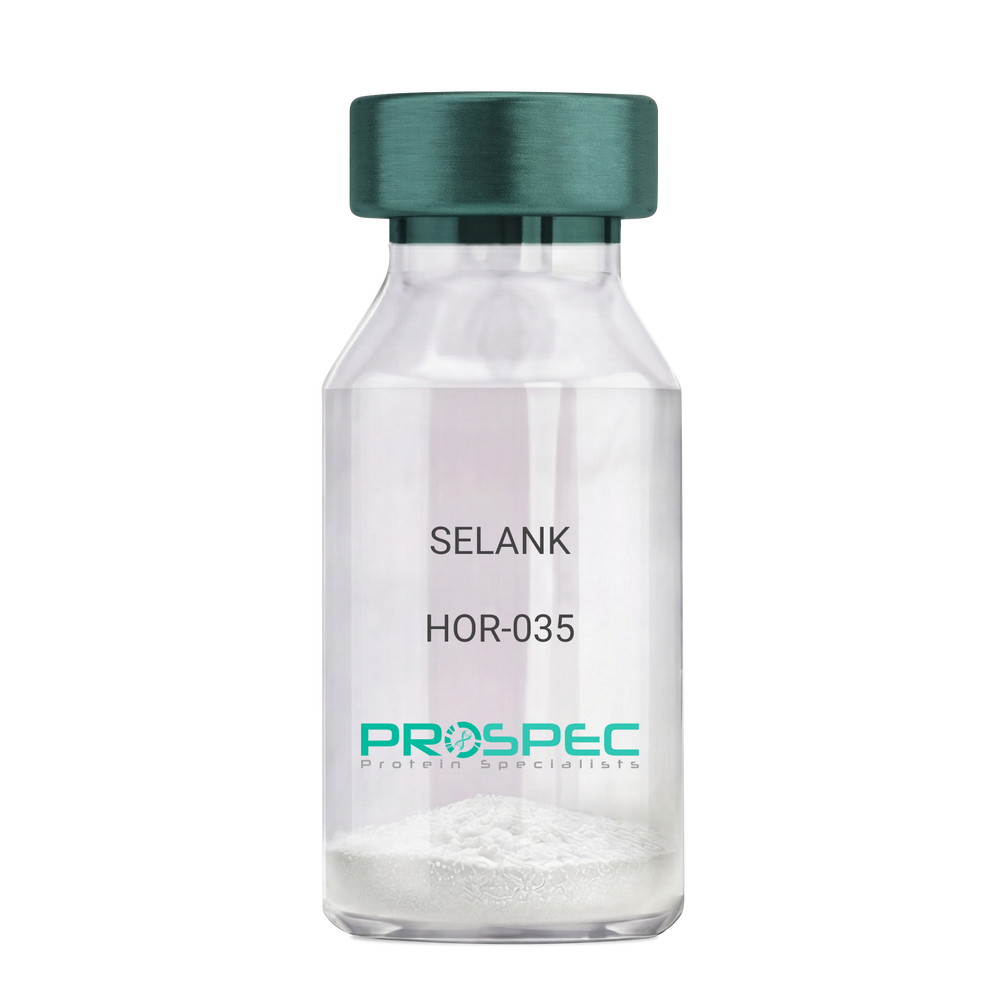
    SELANK

    Description:

    SELANK

    Product # :

    HOR-035

    Price :

    Quantity :

    Shipping Method :

    Room Temp Icon

    Shipped at Room temp

    Add To Cart

    More Info

    • description
    • formulation
    • purity
    • More Info
    • Citations

    Description

    SELANK Synthetic is a single, non-glycosylated polypeptide chain containing 7 amino acids, having a molecular mass of 751.89 Dalton and a Molecular formula of C33H57N11O9.

    Formulation

    The protein was lyophilized with no additives.

    Purity

    Greater than 97.0% as determined by analysis by RP-HPLC.

    Citations

    More Info

    • Physical Appearance

      Sterile Filtered White lyophilized (freeze-dried) powder.

    • Stability

      Lyophilized SELANK although stable at room temperature for 3 weeks, should be stored desiccated below -18°C. Upon reconstitution SELANK should be stored at 4°C between 2-7 days and for future use below -18°C. For long term storage it is recommended to add a carrier protein (0.1% HSA or BSA). Please prevent freeze-thaw cycles.

    • Solubility

      It is recommended to reconstitute the lyophilized SELANK in sterile 18MΩ-cm H2O not less than 100 µg/ml, which can then be further diluted to other aqueous solutions.

    • Amino Acid Sequence

      H-Thr-Lys-Pro-Arg-Pro-Gly-Pro-OH.

    • Background

      Selank, also known as TP-7, is a synthetic peptide that has garnered significant attention in the scientific community due to its potential anxiolytic, neuroprotective, and nootropic effects. This heptapeptide, derived from the naturally occurring human tetrapeptide Tuftsin, has been shown to possess a wide range of biological activities, including enhancing memory, reducing anxiety, and potentially mitigating the effects of neurodegenerative diseases.

      Selank's primary mechanism of action involves its interaction with the GABAergic system, the body's main inhibitory neurotransmitter system. By modulating the activity of GABA receptors, Selank can exert a calming effect on the brain, reducing anxiety and enhancing cognitive function. Studies by Semenova et al. (2014) have demonstrated that Selank can enhance memory and learning in rats, suggesting potential applications in cognitive enhancement and the treatment of cognitive disorders.

      In addition to its anxiolytic and nootropic effects, Selank has been shown to possess neuroprotective properties. Research by Ershov et al. (2016) found that Selank could protect neurons from oxidative stress, suggesting potential applications in the treatment of neurodegenerative diseases such as Alzheimer's and Parkinson's disease.

      Given its anxiolytic, nootropic, and neuroprotective effects, Selank has been proposed as a potential therapeutic agent for a variety of conditions, including anxiety disorders, cognitive disorders, and neurodegenerative diseases. For instance, a study by Medvedev et al. (2017) found that Selank could improve symptoms in patients with generalized anxiety disorder, indicating its potential as a therapeutic agent in the treatment of anxiety disorders.

      While research on Selank is promising, it is important to note that most studies have been conducted in animals or in vitro. More research is needed to fully understand the potential effects and applications of Selank in humans. However, the existing body of research suggests that Selank could be a promising tool in the treatment of anxiety disorders, cognitive disorders, and neurodegenerative diseases.

    ProSpec's products are furnished for LABORATORY RESEARCH USE ONLY. The product may not be used as drugs, agricultural or pesticidal products, food additives or household chemicals.

    Selank
  • View Data Sheet

    Name :

    BDNF Human

    Description:

    Brain-Derived Neurotrophic Factor Human Recombinant

    Brain-Derived Neurotrophic Factor, BDNF, MGC34632.

    Product # :

    CYT-207

    Price :

    Quantity :

    Shipping Method :

    Room Temp Icon

    Shipped at Room temp

    Add To Cart

    More Info

    • description
    • source
    • formulation
    • purity
    • biological activity
    • More Info
    • Activity
    • Citations

    Description

    BDNF Human Recombinant produced in E.Coli is a homodimer, non-glycosylated, polypeptide chain containing 2 x 119 amino acids (and an N-terminal Met) and having a total molecular mass of 28kDa. BDNF Human Recombinant is purified by proprietary chromatographic techniques.

    Source

    Escherichia Coli.

    Formulation

    The protein was lyophilized with 20mM PB and 400mM NaCl, pH 7.2.

    Purity

    BDNF is greater than 950% as determined SDS-PAGE.

    Biological Activity

    The activity was determined using Immobilized Human TrkB-His tag protein 2ug/ml (100 μl/well) for its binding to NHS-Biotin BDNF. The ED50 of was found to be ≤20ng/mL

    Activity

    bdnf activity - Product image 1

    Citations

    More Info

    • Introduction

      BDNF promotes the survival of neuronal populations that are all located either in the central nervous system or directly connected to it. BDNF is a major regulator of synaptic transmission and plasticity at adult synapses in many regions of the cns. The versatility of BDNF is emphasized by its contribution to a range of adaptive neuronal responses including long-term potentiation (ltp), long-term depression (ltd), certain forms of short-term synaptic plasticity, as well as homeostatic regulation of intrinsic neuronal excitability.

    • Synonyms

      Brain-Derived Neurotrophic Factor, BDNF, MGC34632.

    • Physical Appearance

      Sterile Filtered White lyophilized (freeze-dried) powder.

    • Stability

      Lyophilized BDNF although stable at room temperature for 3 weeks, should be stored desiccated below -18°C. Upon reconstitution BDNF should be stored at 4°C between 2-7 days and for future use below -18°C.For long term storage it is recommended to add a carrier protein (0.1% HSA or BSA).Please prevent freeze-thaw cycles.

    • Solubility

      It is recommended to reconstitute the lyophilized BDNF in sterile 18M-cm H2O not less than 100µg/ml, which can then be further diluted to other aqueous solutions.

    • Amino Acid Sequence

      HSDPARRGE LSVCDSISEW VTAADKKTAV DMSGGTVTVL EKVPVSKGQL KQYFYETKCN PMGYTKEGCR GIDKRHWNSQ CRTTQSYVRA LTMDSKKRIG WRFIRIDTSC VCTLTIKRGR.

    • Background

      Final Thoughts

      Although more research is needed on the safety and effectiveness of BDNF human recombinant, trials suggest that this laboratory-produced protein may be effective in managing and treating several neurological and psychiatric disorders. It's important for experts to stay up to date on the latest developments and research to learn more about potential risks and benefits.

      What is the molecular weight/Mw of BDNF Protein?
      BDNF Protein has a total Mw of 27kDa.

      What is the source or expression system of BDNF Protein?
      Escherichia Coli.

      What is the Purity of BDNF Protein?
      BDNF Protein is >97% pure as determined by SDS-PAGE.

      What is the Biological Activity of BDNF Protein?
      The ED50, as determined by the dose-dependent induction of C6 cells proliferation, is 1.3-2µg/ml.

      What is the amino acid sequence of BDNF Protein?
      MHSDPARRGE LSVCDSISEW VTAADKKTAV DMSGGTVTVL EKVPVSKGQL KQYFYETKCN PMGYTKEGCR GIDKRHWNSQ CRTTQSYVRA LTMDSKKRIG WRFIRIDTSC VCTLTIKRGR.

      What applications can BDNF Protein be used in?
      BDNF Protein can probably be used in western blot, ELISA and Lateral Flow.

      What is the endotoxin level for BDNF Protein?
      The endotoxin level is minimal, BDNF Protein was purified using conventional chromatography techniques.

    • Protein content

      BDNF quantitation was carried out by two independent methods:1. UV spectroscopy at 280 nm using the absorbency value of 1.6 as the extinction coefficient for a 0.1% (1mg/ml) solution. This value is calculated by the PC GENE computer analysis program of protein sequences (IntelliGenetics). 2. Analysis by RP-HPLC, using a standard solution of Brain-derived Neurotrophic Factor as a Reference Standard.

    ProSpec's products are furnished for LABORATORY RESEARCH USE ONLY. The product may not be used as drugs, agricultural or pesticidal products, food additives or household chemicals.

    Bdnf Human
  • View Data Sheet

    Name :

    CRTAM Human

    Description:

    Cytotoxic and Regulatory T Cell Molecule Human Recombinant

    Cytotoxic and Regulatory T Cell Molecule, Class I MHC Restricted T Cell Associated Molecule, Class-I MHC-Restricted T-Cell-Associated Molecule, Class-I MHC-Restricted T Cell Associated Molecule, Cytotoxic and Regulatory T-Cell Molecule, CD355 Antigen, CD355.

    Product # :

    PRO-2247

    Price :

    Quantity :

    Shipping Method :

    Ice Icon

    Shipped with Ice Packs

    Add To Cart

    More Info

    • description
    • source
    • formulation
    • purity
    • More Info
    • Citations

    Description

    CRTAM produced in Sf9 Insect cells is a single, glycosylated polypeptide chain containing 278 amino acids (18-287 a.a.) and having a molecular mass of 31.0kDa. (Molecular size on SDS-PAGE will appear at approximately 40-57kDa).CRTAM is expressed with an 8 amino acid His tag at C-Terminus and purified by proprietary chromatographic techniques.

    Source

    Sf9, Insect cells.

    Formulation

    CRTAM protein solution (1mg/ml) contains phosphate buffered saline (pH7.4) and 10% glycerol.

    Purity

    Greater than 90.0% as determined by SDS-PAGE.

    Citations

    More Info

    • Introduction

      Cytotoxic and Regulatory T Cell Molecule, also known as CRTAM belongs to the immunoglobulin superfamily which complies with the structural characteristics of the JAM family and is phylogenetically more closely related to nectin-like proteins. CRTAM is implicated in epithelial cell adhesion. Furthermore, CRTAM interacts with CADM1 as well as promotes natural killer (NK) cell cytotoxicity.

    • Synonyms

      Cytotoxic and Regulatory T Cell Molecule, Class I MHC Restricted T Cell Associated Molecule, Class-I MHC-Restricted T-Cell-Associated Molecule, Class-I MHC-Restricted T Cell Associated Molecule, Cytotoxic and Regulatory T-Cell Molecule, CD355 Antigen, CD355.

    • Physical Appearance

      Sterile filtered colorless solution.

    • Stability

      Store at 4°C if entire vial will be used within 2-4 weeks.Store, frozen at -20°C for longer periods of time. For long term storage it is recommended to add a carrier protein (0.1% HSA or BSA).Avoid multiple freeze-thaw cycles.

    • Amino Acid Sequence

      SLTNHTETIT VEEGQTLTLK CVTSLRKNSS LQWLTPSGFT IFLNEYPALK NSKYQLLHHS ANQLSITVPN VTLQDEGVYK CLHYSDSVST KEVKVIVLAT PFKPILEASV IRKQNGEEHV VLMCSTMRSK PPPQITWLLG NSMEVSGGTL HEFETDGKKC NTTSTLIIHT YGKNSTVDCI IRHRGLQGRK LVAPFRFEDL VTDEETASDA LERNSLSSQD PQQPTSTVSV TEDSSTSEID KEEKEQTTQD PDLTTEANPQ YLGLARKKSG LEHHHHHH.

    ProSpec's products are furnished for LABORATORY RESEARCH USE ONLY. The product may not be used as drugs, agricultural or pesticidal products, food additives or household chemicals.

    Crtam Human
  • View Data Sheet

    Name :

    CTF1 Mouse

    Description:

    Cardiotrophin-1 Mouse Recombinant

    CTF1, CT1, CT-1, Cardiophin 1.

    Product # :

    CYT-151

    Price :

    Quantity :

    Shipping Method :

    Room Temp Icon

    Shipped at Room temp

    Add To Cart

    More Info

    • description
    • source
    • formulation
    • purity
    • biological activity
    • More Info
    • Citations

    Description

    CTF1 Mouse Recombinant produced in E.Coli is a single, non-glycosylated, polypeptide chain containing 202 amino acids and having a molecular mass of 21.3kDa.The CTF1 Mouse is purified by proprietary chromatographic techniques.

    Source

    Escherichia Coli.

    Formulation

    Lyophilized from a 0.2µm filtered concentrated solution in PBS, pH 7.4.

    Purity

    Greater than 98.0% as determined by SDS-PAGE.

    Biological Activity

    The ED50 as determined by the dose-dependent proliferation of TF-1 cells was < 1.0ng/ml, corresponding to a specific activity of > 1,000,000units/mg.

    Citations

    More Info

    • Introduction

      Cardiotrophin 1 (CT-1) is a 201 amino acid member of the interleukin-6 superfamily. It was identified by its ability to induce hypertrophic response in cardiac myocytes. CT-1 mRNA levels were found both in cardiac myocytes and in cardiac nonmyocytes. CT 1 was also detected in abundance in normal adult human lung and was expressed in both fetal and adult airway smooth muscle cells. CT 1 activates gp130 dependent signaling and stimulates the Janus kinase/signal transducers and activators of transcription (JAK/STAT) pathway to transduce hypertrophic and cytoprotective signals in cardiac myocytes.
      CT 1 has also a neurotrophic function. CTF1 deficiency causes increased motoneuron cell death in spinal cord and brainstem nuclei of mice during a period between embryonic day 14 and the first postnatal week. Moreover, CT-1 is a hepatocyte survival factor that efficiently reduces hepatocellular damage in animal models of acute liver injury. Cardiotrophin 1 expression is augmented after hypoxic stimulation and it can protect cardiac cells when added either prior to simulated ischaemia or at the time of reoxygenation following simulated ischaemia. Cardiotrophin 1 can induce expression of the protective heat shock proteins (hsps) in cardiac cells.
      Cardiotrophin-1 increased ventricular expression of ANP, brain natriuretic peptide (BNP) and angiotensinogen mRNA.
      Cardiophin 1 levels were significantly elevated in patients with heart failure, patients with dilatative cardiomyopathy, moderate/severe mitral regurgitation, stable and unstable angina and after acute myocardial infarction.

    • Synonyms

      CTF1, CT1, CT-1, Cardiophin 1.

    • Physical Appearance

      Sterile Filtered White lyophilized (freeze-dried) powder.

    • Stability

      Lyophilized CTF1 although stable at room temperature for 3 weeks, should be stored desiccated below -18°C. Upon reconstitution CTF1 should be stored at 4°C between 2-7 days and for future use below -18°C.Please prevent freeze-thaw cycles.

    • Solubility

      It is recommended to reconstitute the lyophilized CTF1 in sterile 4mM HCl to a concentration of 0.1-0.5 mg/ml. Stock solutions should be apportioned into working aliquots and stored at <-200C. Further dilutions should be made in appropriate buffered solutions.

    • Amino Acid Sequence

      SQREGSLEDH QTDSSISFLP HLEAKIRQTH NLARLLTKYA EQLLEEYVQQ QGEPFGLPGF SPPRLPLAGL SGPAPSHAGL PVSERLRQDA AALSVLPALL DAVRRRQAEL NPRAPRLLRS LEDAARQVRA LGAAVETVLA ALGAAARGPG PEPVTVATLF TANSTAGIFS AKVLGFHVCG LYGEWVSRTE GDLGQLVPGG VA

    • Background

      What is the molecular weight/Mw of CTF1 Protein?
      CTF1 Protein has a total Mw of 21.3kDa.

      What is the source or expression system of CTF1 Protein?
      Escherichia Coli.

      What is the Purity of CTF1 Protein?
      CTF1 Protein is >98% pure as determined by SDS-PAGE.

      What is the Biological Activity of CTF1 Protein?
      The ED50 as determined by the dose-dependent proliferation of TF-1 cells was < 1.0ng/ml, corresponding to a specific activity of > 1,000,000units/mg.

      What is the amino acid sequence of CTF1 Protein?
      SQREGSLEDH QTDSSISFLP HLEAKIRQTH NLARLLTKYA EQLLEEYVQQ QGEPFGLPGF SPPRLPLAGL SGPAPSHAGL PVSERLRQDA AALSVLPALL DAVRRRQAEL NPRAPRLLRS LEDAARQVRA LGAAVETVLA ALGAAARGPG PEPVTVATLF TANSTAGIFS AKVLGFHVCG LYGEWVSRTE GDLGQLVPGG VA

      What applications can CTF1 Protein be used in?
      CTF1 Protein can probably be used in western blot, ELISA and Lateral Flow.

      What is the endotoxin level for CTF1 Protein?
      The endotoxin level is minimal, CTF1 Protein was purified using conventional chromatography techniques.

    ProSpec's products are furnished for LABORATORY RESEARCH USE ONLY. The product may not be used as drugs, agricultural or pesticidal products, food additives or household chemicals.

    Ct 1 Mouse
  • View Data Sheet

    Name :

    NPPA Human

    Description:

    Natriuretic Peptide A Human Recombinant

    Natriuretic peptides A, CDD-ANF, Cardiodilatin, CDD, Cardiodilatin-related peptide, CDP, N-terminal proatrial natriuretic peptide, ANP, PND. 

    Product # :

    CYT-1028

    Price :

    Quantity :

    Shipping Method :

    Room Temp Icon

    Shipped at Room temp

    Add To Cart

    More Info

    • description
    • source
    • formulation
    • purity
    • More Info
    • Citations

    Description

    NPPA Human Recombinant produced in E.Coli is a single, non-glycosylated, polypeptide chain (a.a 26-123) containing 106 amino acids including an 8 a.a N-terminal His tag. The total molecular mass is 11.7kDa (calculated).

    Source

    Escherichia Coli.

    Formulation

    NPPA filtered (0.4 µm) and lyophilized from 0.5mg/ml in 20 mM Tris buffer, 50 mM NaCl and 5% w/v trehalosa, pH 7.5.

    Purity

    Greater than 95.0% as determined by SDS-PAGE.

    Citations

    More Info

    • Introduction

      Natriuretic Peptide A (NPPA) is a part of the natriuretic peptide family and is involved in cardiovascular homeostasis through regulation of natriuresis, diuresis, and vasodilation. NPPA is synthesized as a great precursor which releases a peptide from the N-terminus with similarity to vasoactive peptide, cardiodilatin, and another peptide from the C-terminus with natriuretic-diuretic activity. In female pregnancy, NPPA is promoting trophoblast invasion and spiral artery remodeling in uterus.

    • Synonyms

      Natriuretic peptides A, CDD-ANF, Cardiodilatin, CDD, Cardiodilatin-related peptide, CDP, N-terminal proatrial natriuretic peptide, ANP, PND.

    • Physical Appearance

      Filtered White lyophilized (freeze-dried) powder.

    • Stability

      Store lyophilized protein at -20°C. Aliquot the product after reconstitution to avoid repeated freezing/thawing cycles. Reconstituted protein can be stored at 4°C for a limited period of time; it does not show any change after two weeks at 4°C.

    • Solubility

      It is recommended to add deionized water to prepare a working stock solution of approximately 0.5mg/ml and let the lyophilized pellet dissolve completely. NPPA is not sterile! Please filter the product by an appropriate sterile filter before using it in the cell culture.

    • Amino Acid Sequence

      MKHHHHHHNP MYNAVSNADL MDFKNLLDHL EEKMPLEDEV VPPQVLSEPN EEAGAALSPL PEVPPWTGEV SPAQRDGGAL GRGPWDSSDR SALLKSKLRA LLTAPR.

    ProSpec's products are furnished for LABORATORY RESEARCH USE ONLY. The product may not be used as drugs, agricultural or pesticidal products, food additives or household chemicals.

    Nppa Human
  • View Data Sheet

    Name :

    SRGN Human, HEK

    Description:

    Serglycin Human Recombinant, HEK

    Serglycin, PRG, PRG1, PPG, Proteoglycan 1 secretory granule, Hematopoetic proteoglycan core protein, Platelet proteoglycan core protein, proteoglycan protein core for mast cell secretory granule.

    Product # :

    PRO-2046

    Price :

    Quantity :

    Shipping Method :

    Ice Icon

    Shipped with Ice Packs

    Add To Cart

    More Info

    • description
    • source
    • formulation
    • purity
    • More Info
    • Citations

    Description

    Serglycin Human Recombinant produced in HEK cells is a single, glycosylated, polypeptide chain (Tyr28-Leu158) containing a total of 137 amino acids, having a calculated molecular mass of 15.5kDa and fused to a 6 aa His tag at C-Terminus.

    Source

    HEK 293.

    Formulation

    SRGN filtered (0.4µm) solution in phosphate buffered saline and 20% (w/v) glycerol.

    Purity

    Greater than 95.0% as determined by SDS-PAGE.

    Citations

    More Info

    • Introduction

      SRGN is identified as a hematopoietic cell granule proteoglycan. Proteoglycans stored in the secretory granules of various hematopoietic cells also hold a protease-resistant peptide core, and is vital for neutralizing hydrolytic enzymes. SRGN is related to the macromolecular complex of granzymes and perforin that acts as a intermediary of granule-mediated apoptosis.

    • Synonyms

      Serglycin, PRG, PRG1, PPG, Proteoglycan 1 secretory granule, Hematopoetic proteoglycan core protein, Platelet proteoglycan core protein, proteoglycan protein core for mast cell secretory granule.

    • Physical Appearance

      Filtered colorless solution.

    • Stability

      Store at 4°C if entire vial will be used within 2-4 weeks. Store, frozen at -20°C for longer periods of time. For long term storage it is recommended to add a carrier protein (0.1% HSA or BSA).Avoid multiple freeze-thaw cycles.

    • Amino Acid Sequence

      YPTRRARYQW VRCNPDSNSA NCLEEKGPMF ELLPGESNKI PRLRTDLFPK TRIQDLNRIF PLSEDYSGSG FGSGSGSGSG SGSGFLTEME QDYQLVDESD AFHDNLRSLD RNLPSDSQDL GQHGLEEDFM L HHHHHH.

    ProSpec's products are furnished for LABORATORY RESEARCH USE ONLY. The product may not be used as drugs, agricultural or pesticidal products, food additives or household chemicals.

    Srgn Human Hek
  • View Data Sheet

    Name :

    IL 13 Human

    Description:

    Interleukin-13 Human Recombinant

    NC30, ALRH, BHR1, P600, IL-13, MGC116786, MGC116788, MGC116789.

    Product # :

    CYT-446

    Price :

    Quantity :

    Shipping Method :

    Room Temp Icon

    Shipped at Room temp

    Add To Cart

    More Info

    • description
    • source
    • formulation
    • purity
    • biological activity
    • More Info
    • Citations

    Description

    Interleukin-13 Human Recombinant produced in E.Coli is a single, non-glycosylated polypeptide chain containing 112 amino acids and having a molecular mass of 12 kDa. The IL-13 is purified by proprietary chromatographic techniques.

    Source

    Escherichia Coli.

    Formulation

    The protein (1mg/ml) was lyophilized with 1xPBS pH-7.2 & 5% trehalose.

    Purity

    Greater than 95% as determined by:
    (a) Analysis by RP-HPLC.
    (b) Analysis by SDS-PAGE.

    Biological Activity

    The ED50 was determined by the dose dependent prolifiration of TF-1 cells and was found to be < 1ng/ml, corresponding to a specific activity of >1 x 10⁶units/mg.

    Citations

    More Info

    • Introduction

      IL13 is an immunoregulatory cytokine produced primarily by activated Th2 cells. IL-13 is involved in several stages of B-cell maturation and differentiation. It up-regulates CD23 and MHC class II expression, and promotes IgE isotype switching of B cells. This cytokine down-regulates macrophage activity, thereby inhibits the production of pro-inflammatory cytokines and chemokines. This cytokine is found to be critical to the pathogenesis of allergen-induced asthma but operates through mechanisms independent of IgE and eosinophils. This gene, IL3, IL5, IL4, and CSF2 form a cytokine gene cluster on chromosome 5q, with this gene particularly close to IL4.

    • Synonyms

      NC30, ALRH, BHR1, P600, IL-13, MGC116786, MGC116788, MGC116789.

    • Physical Appearance

      Sterile Filtered White lyophilized (freeze-dried) powder.

    • Stability

      Lyophilized Interleukin-13 although stable at room temperature for 3 weeks, should be stored desiccated below -18°C. Upon reconstitution IL13 should be stored at 4°C between 2-7 days and for future use below -18°C.For long term storage it is recommended to add a carrier protein (0.1% HSA or BSA).Please prevent freeze-thaw cycles.

    • Solubility

      It is recommended to reconstitute the lyophilized Interleukin 13 in sterile 18MΩ-cm H2O not less than 100µg/ml, which can then be further diluted to other aqueous solutions.

    • Amino Acid Sequence

      GPVPPSTALRELIEELVNITQNQKAPLCNGSMVWSINLTAGMYCAALESLINVS
      GCSAIEKTQRMLSGFCPHKVSAGQFSSLHVRDTKIEVAQFVKDLLLHLKKLFRE
      GRFN.

    • Protein content

      Protein quantitation was carried out by two independent methods:1. UV spectroscopy at 280 nm using the absorbency value of 0.57 as the extinction coefficient for a 0.1% (1mg/ml) solution. This value is calculated by the PC GENE computer analysis program of protein sequences (IntelliGenetics). 2. Analysis by RP-HPLC, using a calibrated solution of IL-13 as a Reference Standard.

    ProSpec's products are furnished for LABORATORY RESEARCH USE ONLY. The product may not be used as drugs, agricultural or pesticidal products, food additives or household chemicals.

    Il 13 Human
  • View Data Sheet

    Name :

    IL7 Mouse

    Description:

    Interleukin-7 Mouse Recombinant

    Lymphopoietin 1 (LP-1), pre-B cell factor, IL-7.

    Product # :

    CYT-372

    Price :

    Quantity :

    Shipping Method :

    Room Temp Icon

    Shipped at Room temp

    Add To Cart

    More Info

    • description
    • source
    • formulation
    • purity
    • biological activity
    • More Info
    • Citations

    Description

    Interleukin-7 Mouse Recombinant produced in E.Coli is a single, non-glycosylated polypeptide chain containing 129 amino acids and having a molecular mass of 14.9kDa.

    Source

    Escherichia Coli.

    Formulation

    Filtered (0.2µm) and lyophilized from a concentrated (1mg/ml) solution in 1×PBS, pH7.4 and 2% trehalose.

    Purity

    Greater than 96.0% as determined by:
    (a) Analysis by RP-HPLC.
    (b) Analysis by SDS-PAGE.

    Biological Activity

    The ED50was determined by the dose-dependent stimulation of the proliferation of murine 2E8 cells is less than 0.2 ng/ml, corresponding to a specific activity of >5.0×10⁶ IU/mg.

    Citations

    More Info

    • Introduction

      Interleukin-7 is a potent lymphoid cell growth factor produced primarily by stromal cells. IL-7 has been shown to support the proliferation and differentiation of pre B- and early T cells as well as displaying a biological effect on cells of NK and myeloid lineages.

    • Synonyms

      Lymphopoietin 1 (LP-1), pre-B cell factor, IL-7.

    • Physical Appearance

      Sterile Filtered White lyophilized (freeze-dried) powder.

    • Stability

      Lyophilized Interleukin-7 although stable at room temperature for 3 weeks, should be stored desiccated below -18°C. Upon reconstitution IL7 should be stored at 4°C between 2-7 days and for future use below -18°C.For long term storage it is recommended to add a carrier protein (0.1% HSA or BSA).Please prevent freeze-thaw cycles.

    • Solubility

      It is recommended to reconstitute the lyophilized Interleukin 7 in sterile 18MΩ-cm H2O not less than 100µg/ml, which can then be further diluted to other aqueous solutions.

    • Amino Acid Sequence

      ECHIKDKEGK AYESVLMISI DELDKMTGTD SNCPNNEPNF FRKHVCDDTK EAAFLNRAAR KLKQFLKMNI SEEFNVHLLT VSQGTQTLVN CTSKEEKNVK EQKKNDACFL KRLLREIKTC WNKILKGSI.

    • Background

      What is the molecular weight/Mw of IL7 MOUSE Protein?
      IL7 MOUSE Protein has a total Mw of 14.9kDa.

      What is the source or expression system of IL7 MOUSE Protein?
      Escherichia Coli.

      What is the Purity of IL7 MOUSE Protein?
      IL7 MOUSE Protein is >96% pure as determined by SDS-PAGE.

      What is the Biological Activity of IL7 MOUSE Protein?
      The ED50was determined by the dose-dependent stimulation of the proliferation of murine 2E8 cells is less than 0.2 ng/ml, corresponding to a specific activity of >5.0×10⁶ IU/mg.

      What is the amino acid sequence of IL7 MOUSE Protein?
      ECHIKDKEGK AYESVLMISI DELDKMTGTD SNCPNNEPNF FRKHVCDDTK EAAFLNRAAR KLKQFLKMNI SEEFNVHLLT VSQGTQTLVN CTSKEEKNVK EQKKNDACFL KRLLREIKTC WNKILKGSI.

      What applications can IL7 MOUSE Protein be used in?
      IL7 MOUSE Protein can probably be used in western blot, ELISA and Lateral Flow.

      What is the endotoxin level for IL7 MOUSE Protein?
      The endotoxin level is minimal, IL7 MOUSE Protein was purified using conventional chromatography techniques.

      Who supplies recombinant IL7 MOUSE that is in stock and available to order?
      ProSpec has the protein in stock and available for immediate delivery.

      Where can I order bulk mg quantities of IL7 MOUSE?
      ProSpec supplies bulk mg quantities at affordable prices that meets research and academic budgets

    ProSpec's products are furnished for LABORATORY RESEARCH USE ONLY. The product may not be used as drugs, agricultural or pesticidal products, food additives or household chemicals.

    Il 7 Mouse
  • View Data Sheet

    Name :

    IL17A Mouse, Sf9

    Description:

    Interleukin-17A, Sf9 Mouse Recombinant

    IL17A, Ctla-8, Ctla8, IL-17, IL-17A, Il17, Interleukin-17A, Cytotoxic T-lymphocyte-associated antigen 8, CTLA-8.

    Product # :

    CYT-1154

    Price :

    Quantity :

    Shipping Method :

    Ice Icon

    Shipped with Ice Packs

    Add To Cart

    More Info

    • description
    • source
    • formulation
    • purity
    • More Info
    • Citations

    Description

    IL17A Mouse produced in Sf9 Baculovirus cells is a single, glycosylated polypeptide chain containing 141 amino acids (26-158 a.a) and having a molecular mass of 16kDa.IL17A is fused to an 8 amino acid His tag at C-terminus and purified by proprietary chromatographic techniques.

    Source

    Sf9, Baculovirus cells.

    Formulation

    The IL17A solution (0.5mg/ml) contains 10% Glycerol and Phosphate-Buffered Saline (pH 7.4).

    Purity

    Greater than 95% as determined by SDS-PAGE.

    Citations

    More Info

    • Introduction

      Interleukin-17A or IL17A is a cytokine, that has a crucial part in chronic & anti-microbial inflammation. Mouse, rat and human share approximately 60% resemblance is the amino acid sequence. IL17A enhances mucosal & epidermal inflammation when an infection from bacteria occurs, it causes production of chemokines, influx of neutrophils & antibacterial proteins production.

    • Synonyms

      IL17A, Ctla-8, Ctla8, IL-17, IL-17A, Il17, Interleukin-17A, Cytotoxic T-lymphocyte-associated antigen 8, CTLA-8.

    • Physical Appearance

      Sterile Filtered colorless solution.

    • Stability

      Store at 4°C if entire vial will be used within 2-4 weeks. Store, frozen at -20°C for longer periods of time. For long term storage it is recommended to add a carrier protein (0.1% HSA or BSA).Avoid multiple freeze-thaw cycles.

    • Amino Acid Sequence

      AAIIPQSSAC PNTEAKDFLQ NVKVNLKVFN SLGAKVSSRR PSDYLNRSTS PWTLHRNEDP DRYPSVIWEA QCRHQRCVNA EGKLDHHMNS VLIQQEILVL KREPESCPFT FRVEKMLVGV GCTCVASIVR QAALEHHHHH H

    ProSpec's products are furnished for LABORATORY RESEARCH USE ONLY. The product may not be used as drugs, agricultural or pesticidal products, food additives or household chemicals.

    Il17 Mouse
  • View Data Sheet

    Name :

    C1QTNF7 Human

    Description:

    Complement C1q Tumor Necrosis Factor-Related Protein 7 Human Recombinant

    CTRP7, C1QTNF7, ZACRP7, Complement C1q tumor necrosis factor-related protein 7.

    Product # :

    PRO-514

    Price :

    Quantity :

    Shipping Method :

    Room Temp Icon

    Shipped at Room temp

    Add To Cart

    More Info

    • description
    • source
    • formulation
    • purity
    • More Info
    • Citations

    Description

    C1QTNF7 Human Recombinant produced in E.Coli is a signle, non-glycosylated, Polypeptide chain containing 283 amino acids and having a molecular mass of 30.22 kDa. The protein contains an extra 10 amino acid His tag at N-terminus. The C1QTNF7 amino acid sequence is identical to UniProtKB/Swiss-Prot entry Q9BXJ2 amino acids 17–289.The C1QTNF7 is purified by proprietary chromatographic techniques.

    Source

    Escherichia Coli.

    Formulation

    Human C1QTNF7 was filtered (0.4µm) and lyophilized from a 0.5mg/ml solution containing 30mM Acetate Buffer, pH-4 and 5% (w/v) trehalose.

    Purity

    Greater than 95% as determined by SDS PAGE.

    Citations

    More Info

    • Introduction

      C1QTNF7 is a collagen type-IV specific for basement membranes.

    • Synonyms

      CTRP7, C1QTNF7, ZACRP7, Complement C1q tumor necrosis factor-related protein 7.

    • Physical Appearance

      Filtered White lyophilized (freeze-dried) powder.

    • Stability

      Store lyophilized protein at -20°C. Aliquot the product after reconstitution to avoid repeated freezing/thawing cycles. Reconstituted protein can be stored at 4°C for a limited period of time; it does not show any change after two weeks at 4°C.

    • Solubility

      Add 0.1M Acetate buffer pH4 to prepare a working stock solution of approximately 0.5mg/mL and let the lyophilized pellet dissolve completely. For conversion into higher pH value, we recommend intensive dilution by relevant buffer to a concentration of 10μg/ml. In higher concentrations the solubility of this antigen is limited. Product is not sterile! Please filter the product by an appropriate sterile filter before using it in the cell culture.

    • Amino Acid Sequence

      MKHHHHHHAS QPRGNQLKGE NYSPRYICSI PGLPGPPGPP GANGSPGPHG RIGLPGRDGR DGRKGEKGEK GTAGLRGKTG PLGLAGEKGD QGETGKKGPI GPEGEKGEVG PIGPPGPKGD RGEQGDPGLP GVCRCGSIVL KSAFSVGITT SYPEERLPII FNKVLFNEGE HYNPATGKFI CAFPGIYYFS YDITLANKHL AIGLVHNGQY RIKTFDANTG NHDVASGSTV IYLQPEDEVW LEIFFTDQNG LFSDPGWADS LFSGFLLYVD TDYLDSISEDDEL.

    ProSpec's products are furnished for LABORATORY RESEARCH USE ONLY. The product may not be used as drugs, agricultural or pesticidal products, food additives or household chemicals.

    C1Qtnf7 Human
  • View Data Sheet

    Name :

    FCGRT Mouse

    Description:

    Fc Fragment Of IgG Receptor And Transporter Mouse Recombinant

    IgG receptor FcRn large subunit p51, FcRn, IgG Fc fragment receptor transporter alpha chain, Neonatal Fc receptor, Fcgrt, Fcrn.

    Product # :

    PRO-2376

    Price :

    Quantity :

    Shipping Method :

    Ice Icon

    Shipped with Ice Packs

    Add To Cart

    More Info

    • description
    • source
    • formulation
    • purity
    • More Info
    • Citations

    Description

    FCGRT Mouse Recombinant produced in Sf9 Baculovirus cells is a single, glycosylated polypeptide chain containing 285 amino acids (22-297 a.a) and having a molecular mass of 32.1kDa (Molecular size on SDS-PAGE will appear at approximately 40-57kDa).FCGRT is fused to a 6 amino acid His-tag at C-terminus & purified by proprietary chromatographic techniques.

    Source

    Sf9, Baculovirus cells.

    Formulation

    FCGRT protein solution (0.5mg/ml) contains Phosphate buffered saline (pH7.4) and 10% glycerol.

    Purity

    Greater than 85.0% as determined by SDS-PAGE.

    Citations

    More Info

    • Introduction

      Fc Fragment Of IgG Receptor And Transporter also known as FCGRT is a transmembrane glycoprotein with structural homology to MHC class 1 proteins. FCGRT is widely expressed in endothelial and epithelial cells and takes a vital part in IgG homeostasis. Moreover, FCGRT is expressed in neutrophils in addition myeloid antigen presenting cells. FCGRT can enhance IgG-meditated phagocytosis as well as antigen presentation by heses cells, however it promotes the degradation of opsonizing IgG rather than returning it to the circulation.

    • Synonyms

      IgG receptor FcRn large subunit p51, FcRn, IgG Fc fragment receptor transporter alpha chain, Neonatal Fc receptor, Fcgrt, Fcrn.

    • Physical Appearance

      Sterile filtered colorless solution.

    • Stability

      Store at 4°C if entire vial will be used within 2-4 weeks. Store, frozen at -20°C for longer periods of time. For long term storage it is recommended to add a carrier protein (0.1% HSA or BSA).Avoid multiple freeze-thaw cycles.

    • Amino Acid Sequence

      ADPSETRPPL MYHLTAVSNP STGLPSFWAT GWLGPQQYLT YNSLRQEADP CGAWMWENQV SWYWEKETTD LKSKEQLFLE ALKTLEKILN GTYTLQGLLG CELASDNSSV PTAVFALNGE EFMKFNPRIG NWTGEWPETE IVANLWMKQP DAARKESEFL LNSCPERLLG HLERGRRNLE WKEPPSMRLK ARPGNSGSSV LTCAAFSFYP PELKFRFLRN GLASGSGNCS TGPNGDGSFH AWSLLEVKRG DEHHYQCQVE HEGLAQPLTV DLDSSARSSH HHHHH.

    ProSpec's products are furnished for LABORATORY RESEARCH USE ONLY. The product may not be used as drugs, agricultural or pesticidal products, food additives or household chemicals.

    Fcgrt Mouse
  • 1
  • …
  • 30
  • 31
  • 32
  • 33
  • 34
  • …
  • 42
Your browser does not support the video tag.

Products

  • Cytokines
  • Growth Factors
  • Chemokines
  • CD Antigens
  • Neurotrophins
  • Hormones
  • Enzymes
  • Viral Antigens
  • Recombinant Proteins
  • Natural Proteins
  • Monoclonal Antibodies
  • Polyclonal Antibodies
  • Thermal Packaging

About

  • Company
  • Founder
  • Contribution
  • Contact Us
  • My Account

Ordering

  • Ordering Method
  • Ordering - Credit Card
  • Ordering PO
  • Shipping Fees
  • FAQ's

Legal

  • Terms & Conditions
  • Privacy
  • Site Map
  • info@prospecbio.com
  • Facebook
  • Instagram
  • Linkedin Profile

© 2026 ProSpec-Tany TechnoGene Ltd. All Rights Reserved.

  • Choosing a selection results in a full page refresh.
  • Opens in a new window.