Skip to content

High-quality research proteins.

  • 1-800-805-6531

  • Mon - Sat 8.00-18.00, Sun - Closed

  • info@prospecbio.com

  • PO Box 6591 East Brunswick NJ 08816

  • Products
    • Cytokines
    • Growth factors
    • Chemokines
    • Cd antigens
    • Neurotrophins
    • Hormones
    • Enzymes
    • Viral antigens
    • Recombinant proteins
    • Natural proteins
    • Monoclonal antibodies
    • Polyclonal antibodies
    • Thermal Packaging
  • About
    • Company
    • Founder
    • Contribution
  • Customers
    • Eastern Asia
    • Eastern Europe
    • North America
    • South America
    • South East Asia
    • Southern Asia
    • Western Europe
  • Ordering
    • Ordering Method
    • Ordering - Credit Card
    • Ordering - PO
    • Shipping Fees
    • FAQs
  • Services
    • DNA Cloning
    • Protein Expression
    • Monoclonal Antibody
    • Fermentation
    • Technology License
  • Contact us
Log in

Country/region

  • USD $ | Albania
  • USD $ | Andorra
  • USD $ | Argentina
  • USD $ | Armenia
  • USD $ | Australia
  • USD $ | Austria
  • USD $ | Azerbaijan
  • USD $ | Belarus
  • USD $ | Belgium
  • USD $ | Bolivia
  • USD $ | Brazil
  • USD $ | Bulgaria
  • USD $ | Cambodia
  • USD $ | Canada
  • USD $ | Chile
  • USD $ | China
  • USD $ | Colombia
  • USD $ | Costa Rica
  • USD $ | Croatia
  • USD $ | Cyprus
  • USD $ | Czechia
  • USD $ | Denmark
  • USD $ | Estonia
  • USD $ | Finland
  • USD $ | France
  • USD $ | Georgia
  • USD $ | Germany
  • USD $ | Greece
  • USD $ | Hong Kong SAR
  • USD $ | Hungary
  • USD $ | Iceland
  • USD $ | India
  • USD $ | Ireland
  • USD $ | Israel
  • USD $ | Italy
  • USD $ | Japan
  • USD $ | Kazakhstan
  • USD $ | Latvia
  • USD $ | Liechtenstein
  • USD $ | Lithuania
  • USD $ | Madagascar
  • USD $ | Malta
  • USD $ | Mexico
  • USD $ | Moldova
  • USD $ | Monaco
  • USD $ | Netherlands
  • USD $ | New Zealand
  • USD $ | North Macedonia
  • USD $ | Norway
  • USD $ | Panama
  • USD $ | Paraguay
  • USD $ | Peru
  • USD $ | Philippines
  • USD $ | Poland
  • USD $ | Portugal
  • USD $ | Romania
  • USD $ | Singapore
  • USD $ | Slovakia
  • USD $ | Slovenia
  • USD $ | South Africa
  • USD $ | South Korea
  • USD $ | Spain
  • USD $ | Sri Lanka
  • USD $ | Sweden
  • USD $ | Switzerland
  • USD $ | Taiwan
  • USD $ | Thailand
  • USD $ | Türkiye
  • USD $ | Ukraine
  • USD $ | United Kingdom
  • USD $ | United States
  • USD $ | Uruguay
  • USD $ | Vatican City
  • USD $ | Venezuela
  • USD $ | Vietnam
  • Facebook
  • Instagram
logoProSpec - Recombinant Protein Manufacturer for academic and R&D industry
Become a distributor
Account Log in
Wishlist
Cart Cart(0)
  • Products
    +
    • Cytokines
    • Growth factors
    • Chemokines
    • Cd antigens
    • Neurotrophins
    • Hormones
    • Enzymes
    • Viral antigens
    • Recombinant proteins
    • Natural proteins
    • Monoclonal antibodies
    • Polyclonal antibodies
    • Thermal Packaging
  • About
    +
    • Company
    • Founder
    • Contribution
  • Customers
    +
    • Eastern Asia
    • Eastern Europe
    • North America
    • South America
    • South East Asia
    • Southern Asia
    • Western Europe
  • Ordering
    +
    • Ordering Method
    • Ordering - Credit Card
    • Ordering - PO
    • Shipping Fees
    • FAQs
  • Services
    +
    • DNA Cloning
    • Protein Expression
    • Monoclonal Antibody
    • Fermentation
    • Technology License
  • Contact us

Item added to your cart

View cart
View All
  • Cytokines
  • Growth factors
  • Chemokines
  • Cd antigens
  • Neurotrophins
  • Hormones
  • Enzymes
  • Viral antigens
  • Recombinant proteins
  • Natural proteins
  • Monoclonal antibodies
  • Polyclonal antibodies
  • Thermal Packaging
  • Tumor Necrosis Factor

    Tumor Necrosis Factor

    View All
  • 4-1BB

    4-1BB

    View All
  • Adiponectin

    Adiponectin

    View All
  • AIF1

    AIF1

    View All
  • Other Cytokines

    Other Cytokines

    View All
  • AITRL

    AITRL

    View All
  • Angiopoietin

    Angiopoietin

    View All
  • Apolipoprotein

    Apolipoprotein

    View All
  • B-Cell Activating Factor

    B-Cell Activating Factor

    View All
  • Beta Defensin

    Beta Defensin

    View All
  • Bone Morphogenetic Protein

    Bone Morphogenetic Protein

    View All
  • B type Natriuretic Peptide

    B type Natriuretic Peptide

    View All
  • BST

    BST

    View All
  • Betacellulin

    Betacellulin

    View All
  • Cardiotrophin

    Cardiotrophin

    View All
  • Activin

    Activin

    View All
  • Fibroblast Growth Factor

    Fibroblast Growth Factor

    View All
  • Other Growth Factors

    Other Growth Factors

    View All
  • CSF

    CSF

    View All
  • CTGF

    CTGF

    View All
  • IGFBP

    IGFBP

    View All
  • VEGF Protein

    VEGF Protein

    View All
  • EGF

    EGF

    View All
  • Epigen

    Epigen

    View All
  • Erythropoietin

    Erythropoietin

    View All
  • Insulin-Like Growth Factor

    Insulin-Like Growth Factor

    View All
  • Growth Hormone

    Growth Hormone

    View All
  • HDGF

    HDGF

    View All
  • Hepatocyte Growth Factor

    Hepatocyte Growth Factor

    View All
  • Insulin

    Insulin

    View All
  • BCA-1/ BLC (CXCL13)

    BCA-1/ BLC (CXCL13)

    View All
  • BRAK (CXCL14)

    BRAK (CXCL14)

    View All
  • C-10 (CCL6)

    C-10 (CCL6)

    View All
  • Other Chemokines

    Other Chemokines

    View All
  • MEC (CCL28)

    MEC (CCL28)

    View All
  • LD78-beta (CCL3L1)

    LD78-beta (CCL3L1)

    View All
  • CTACK (CCL27)

    CTACK (CCL27)

    View All
  • CXCL16

    CXCL16

    View All
  • CXCL17

    CXCL17

    View All
  • Platelet Factor-4 (CXCL4)

    Platelet Factor-4 (CXCL4)

    View All
  • ENA-78 (CXCL5)

    ENA-78 (CXCL5)

    View All
  • Eotaxin (CCL11,24,26)

    Eotaxin (CCL11,24,26)

    View All
  • Exodus-2 (CCL21)

    Exodus-2 (CCL21)

    View All
  • Fractalkine (CX3CL1)

    Fractalkine (CX3CL1)

    View All
  • CXCL6

    CXCL6

    View All
  • Other CD Antigens

    Other CD Antigens

    View All
  • CD14

    CD14

    View All
  • CD164

    CD164

    View All
  • CD1

    CD1

    View All
  • CD2

    CD2

    View All
  • CD200

    CD200

    View All
  • CD207

    CD207

    View All
  • CD226

    CD226

    View All
  • CD23

    CD23

    View All
  • CD244

    CD244

    View All
  • CD247

    CD247

    View All
  • CD27

    CD27

    View All
  • CD274

    CD274

    View All
  • CD300

    CD300

    View All
  • CD33

    CD33

    View All
  • Other Neurotrophins

    Other Neurotrophins

    View All
  • Beta-NGF

    Beta-NGF

    View All
  • BDNF

    BDNF

    View All
  • CDNF

    CDNF

    View All
  • CNTF

    CNTF

    View All
  • GDNF

    GDNF

    View All
  • Glia Maturation Factor

    Glia Maturation Factor

    View All
  • MANF

    MANF

    View All
  • Midkine

    Midkine

    View All
  • Neuroglobin

    Neuroglobin

    View All
  • Neurotrophic factors

    Neurotrophic factors

    View All
  • Neuregulin

    Neuregulin

    View All
  • Neuropilin

    Neuropilin

    View All
  • Pigment Epithelium-Derived Factor

    Pigment Epithelium-Derived Factor

    View All
  • Pleiotrophin

    Pleiotrophin

    View All
  • Peptide Hormones

    Peptide Hormones

    View All
  • Other Hormones

    Other Hormones

    View All
  • HCG

    HCG

    View All
  • Endothelin

    Endothelin

    View All
  • Exendin

    Exendin

    View All
  • FSH

    FSH

    View All
  • Glucagon

    Glucagon

    View All
  • GHRP

    GHRP

    View All
  • GLP

    GLP

    View All
  • Thyrostimulin

    Thyrostimulin

    View All
  • Inhibin A

    Inhibin A

    View All
  • LHRH

    LHRH

    View All
  • Melanotan

    Melanotan

    View All
  • Procalcitonin

    Procalcitonin

    View All
  • PTH

    PTH

    View All
  • Peroxiredoxin

    Peroxiredoxin

    View All
  • Peptidase

    Peptidase

    View All
  • Synthetase

    Synthetase

    View All
  • Transferase

    Transferase

    View All
  • Hydrolase

    Hydrolase

    View All
  • Dehydrogenase

    Dehydrogenase

    View All
  • ACE2

    ACE2

    View All
  • Esterase

    Esterase

    View All
  • Protein Kinases

    Protein Kinases

    View All
  • Other Enzymes

    Other Enzymes

    View All
  • Phosphatase

    Phosphatase

    View All
  • Deaminase

    Deaminase

    View All
  • Oxygenase

    Oxygenase

    View All
  • Adenylate Kinase

    Adenylate Kinase

    View All
  • Lyase

    Lyase

    View All
  • Chagas

    Chagas

    View All
  • SARS

    SARS

    View All
  • Influenza

    Influenza

    View All
  • ASFV

    ASFV

    View All
  • Astrovirus

    Astrovirus

    View All
  • Borrelia

    Borrelia

    View All
  • Helicobacter Pylori

    Helicobacter Pylori

    View All
  • Chikungunya

    Chikungunya

    View All
  • Chlamydia

    Chlamydia

    View All
  • Cytomegalo

    Cytomegalo

    View All
  • Dengue

    Dengue

    View All
  • EBV

    EBV

    View All
  • Ebola

    Ebola

    View All
  • Feline Leukemia Virus

    Feline Leukemia Virus

    View All
  • Hepatitis A

    Hepatitis A

    View All
  • Other

    Other

    View All
  • Actin

    Actin

    View All
  • ADAM

    ADAM

    View All
  • Complement Component

    Complement Component

    View All
  • Ag85

    Ag85

    View All
  • Eukaryotic Translation Initiation Factor

    Eukaryotic Translation Initiation Factor

    View All
  • Anterior Gradient Protein

    Anterior Gradient Protein

    View All
  • Heat Shock Protein

    Heat Shock Protein

    View All
  • Alpha-2-HS-Glycoprotein

    Alpha-2-HS-Glycoprotein

    View All
  • Hemoglobin

    Hemoglobin

    View All
  • Allergy

    Allergy

    View All
  • Anaplasma

    Anaplasma

    View All
  • Angiogenin

    Angiogenin

    View All
  • Ankyrin Repeat Domain

    Ankyrin Repeat Domain

    View All
  • Annexin

    Annexin

    View All
  • Other Natural Proteins

    Other Natural Proteins

    View All
  • Aprotinin

    Aprotinin

    View All
  • Transferrin

    Transferrin

    View All
  • Avidin

    Avidin

    View All
  • Anti Coagulation Factors

    Anti Coagulation Factors

    View All
  • Natural Albumin

    Natural Albumin

    View All
  • Natural Coagulation Factors

    Natural Coagulation Factors

    View All
  • Fibronectin

    Fibronectin

    View All
  • Thrombin

    Thrombin

    View All
  • Anti Human Enzyme

    Anti Human Enzyme

    View All
  • Other Monoclonal Antibodies

    Other Monoclonal Antibodies

    View All
  • Anti Human Cytokine

    Anti Human Cytokine

    View All
  • Anti Human Heat Shock Protein

    Anti Human Heat Shock Protein

    View All
  • Anti Mouse Lymphocyte

    Anti Mouse Lymphocyte

    View All
  • Anti Human Chemokine

    Anti Human Chemokine

    View All
  • Anti Human Lymphocyte

    Anti Human Lymphocyte

    View All
  • Anti Viral Monoclonal

    Anti Viral Monoclonal

    View All
  • Anti Mouse Cytokine

    Anti Mouse Cytokine

    View All
  • Anti-GST Monoclonal

    Anti-GST Monoclonal

    View All
  • Other Polyclonal Antibodies

    Other Polyclonal Antibodies

    View All
  • Anti Viral

    Anti Viral

    View All
  • Anti-GST Monoclonal

    Anti-GST Monoclonal

    View All
Back

Search results

1000 results found for “CTGF”

Name

Description

Product #

Price

Quantity

Shipping Method

  • View Data Sheet

    Name :

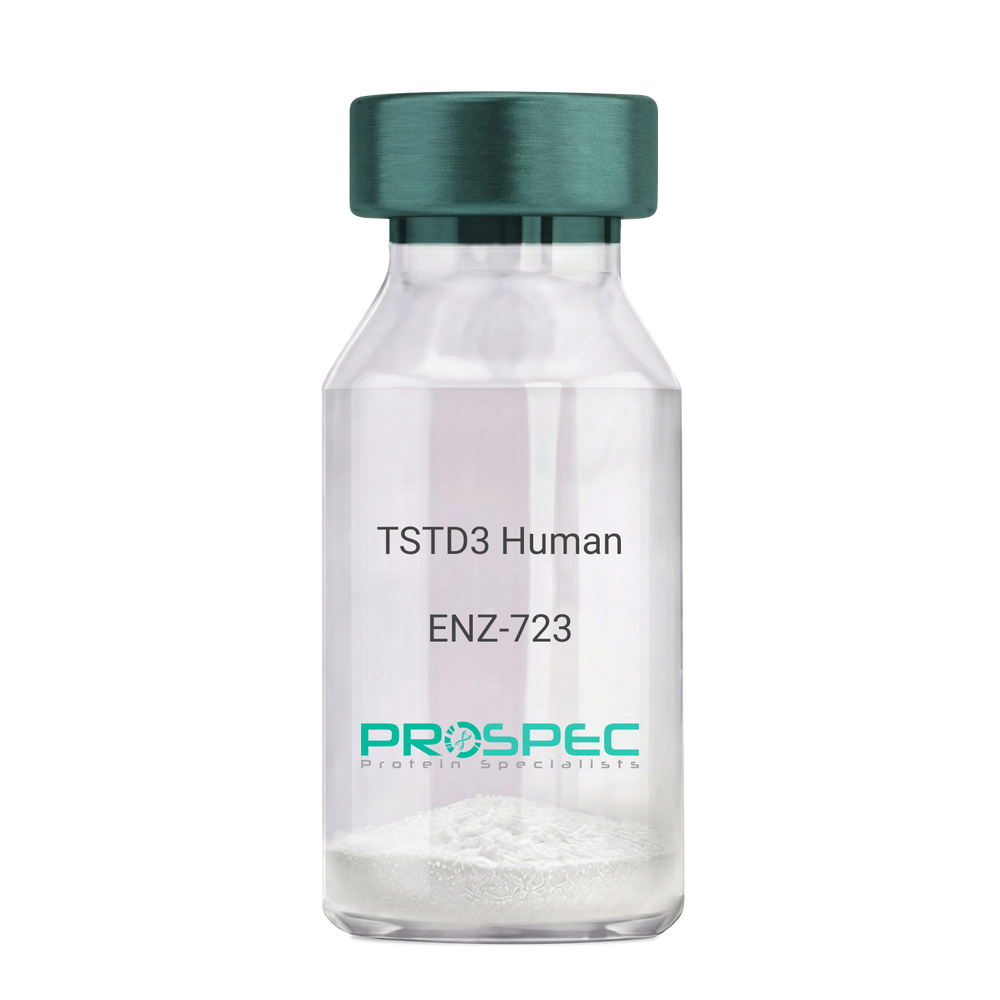
    TSTD3 Human

    Description:

    Thiosulfate Sulfurtransferase Like Domain Containing 3 Human Recombinant

    Thiosulfate Sulfurtransferase (Rhodanese)-Like Domain Containing 3, Rhodanese Domain-Containing Protein 3, Thiosulfate Sulfurtransferase/Rhodanese-Like Domain-Containing Protein 3.

    Product # :

    ENZ-723

    Price :

    Quantity :

    Shipping Method :

    Ice Icon

    Shipped with Ice Packs

    Add To Cart

    More Info

    • description
    • source
    • formulation
    • purity
    • More Info
    • Citations

    Description

    TSTD3 Human Recombinant produced in E.Coli is a single, non-glycosylated polypeptide chain containing 120 amino acids (1-97 a.a) and having a molecular mass of 13.7kDa.TSTD3 is fused to a 23 amino acid His-tag at N-terminus & purified by proprietary chromatographic techniques.

    Source

    Escherichia Coli.

    Formulation

    TSTD3 protein solution (1mg/ml) containing 20mM Tris-HCl buffer (pH 8.0), 0.15M NaCl, 10% glycerol and 1mM DTT.

    Purity

    Greater than 90.0% as determined by SDS-PAGE.

    Citations

    More Info

    • Introduction

      Thiosulfate Sulfurtransferase Like Domain Containing 3, also known as TSTD3 contains 1 rhodanese domain which is characterized by an active site cysteine residue that has the ability to bind sulfane sulfur and catalyse sulfur transfer.

    • Synonyms

      Thiosulfate Sulfurtransferase (Rhodanese)-Like Domain Containing 3, Rhodanese Domain-Containing Protein 3, Thiosulfate Sulfurtransferase/Rhodanese-Like Domain-Containing Protein 3.

    • Physical Appearance

      Sterile Filtered clear solution.

    • Stability

      Store at 4°C if entire vial will be used within 2-4 weeks. Store, frozen at -20°C for longer periods of time. For long term storage it is recommended to add a carrier protein (0.1% HSA or BSA).Avoid multiple freeze-thaw cycles.

    • Amino Acid Sequence

      MGSSHHHHHH SSGLVPRGSH MGSMKIEKCG WSEGLTSIKG NCHNFYTAIS KDVTYKELKN LLNSKNIMLI DVREIWEILE YQKIPESINV PLDEVGEALQ MNPRDFKEKY NEVKPSKSDS

    ProSpec's products are furnished for LABORATORY RESEARCH USE ONLY. The product may not be used as drugs, agricultural or pesticidal products, food additives or household chemicals.

    Tstd3 Human
  • View Data Sheet

    Name :

    PCOLCE Human, Sf9

    Description:

    Procollagen C-Endopeptidase Enhancer Human Recombinant, Sf9

    Procollagen C-endopeptidase enhancer 1,  Procollagen COOH-terminal proteinase enhancer 1,  PCPE-1,  Procollagen C-proteinase enhancer 1,  Type 1 procollagen C-proteinase enhancer protein,  Type I procollagen COOH-terminal proteinase enhancer,  PCOLCE,  PCPE1,  Procollagen C-Endopeptidase Enhancer, Procollagen C-Proteinase, Enhancer 1, Procollagen, Type 1, COOH-Terminal Proteinase Enhancer, Type I Procollagen COOH-Terminal Proteinase Enhancer, Type 1 Procollagen C-Proteinase Enhancer Protein, Procollagen COOH-Terminal Proteinase Enhancer 1.

    Product # :

    ENZ-1075

    Price :

    Quantity :

    Shipping Method :

    Ice Icon

    Shipped with Ice Packs

    Add To Cart

    More Info

    • description
    • source
    • formulation
    • purity
    • More Info
    • Citations

    Description

    PCOLCE produced in Sf9 Insect cells is a single, glycosylated polypeptide chain containing 433 amino acids (26-449 a.a.) and having a molecular mass of 46.6kDa (Molecular size on SDS-PAGE will appear at approximately 40-57kDa). PCOLCE is expressed with an 9 amino acid His tag at C-Terminus and purified by proprietary chromatographic techniques.

    Source

    Sf9, Insect cells.

    Formulation

    PCOLCE protein solution (0.25mg/ml) contains 20mM Tris-HCl (pH 8.0), 10% glycerol and 0.1M NaCl.

    Purity

    Greater than 95.0% as determined by SDS-PAGE.

    Citations

    More Info

    • Introduction

      Procollagen C-endopeptidase enhancer 1, also known as PCOLCE binds to the C-terminal propeptide of type I procollagen and enhances procollagen C-proteinase activity. In addition, C-terminal processed part of PCPE (CT-PCPE) has a metalloproteinase inhibitory activity. Among the diseases which are associated with PCOLCE: bone fracture & oculopharyngeal muscular dystrophy.

    • Synonyms

      Procollagen C-endopeptidase enhancer 1, Procollagen COOH-terminal proteinase enhancer 1, PCPE-1, Procollagen C-proteinase enhancer 1, Type 1 procollagen C-proteinase enhancer protein, Type I procollagen COOH-terminal proteinase enhancer, PCOLCE, PCPE1, Procollagen C-Endopeptidase Enhancer, Procollagen C-Proteinase, Enhancer 1, Procollagen, Type 1, COOH-Terminal Proteinase Enhancer, Type I Procollagen COOH-Terminal Proteinase Enhancer, Type 1 Procollagen C-Proteinase Enhancer Protein, Procollagen COOH-Terminal Proteinase Enhancer 1.

    • Physical Appearance

      Sterile filtered colorless solution.

    • Stability

      Store at 4°C if entire vial will be used within 2-4 weeks. Store, frozen at -20°C for longer periods of time. For long term storage it is recommended to add a carrier protein (0.1% HSA or BSA).Avoid multiple freeze-thaw cycles.

    • Amino Acid Sequence

      ADPQTPNYTR PVFLCGGDVK GESGYVASEG FPNLYPPNKE CIWTITVPEG QTVSLSFRVF DLELHPACRY DALEVFAGSG TSGQRLGRFC GTFRPAPLVA PGNQVTLRMT TDEGTGGRGF LLWYSGRATS GTEHQFCGGR LEKAQGTLTT PNWPESDYPP GISCSWHIIA PPDQVIALTF EKFDLEPDTY CRYDSVSVFN GAVSDDSRRL GKFCGDAVPG SISSEGNELL VQFVSDLSVT ADGFSASYKT LPRGTAKEGQ GPGPKRGTEP KVKLPPKSQP PEKTEESPSA PDAPTCPKQC RRTGTLQSNF CASSLVVTAT VKSMVREPGE GLAVTVSLIG AYKTGGLDLP SPPTGASLKF YVPCKQCPPM KKGVSYLLMG QVEENRGPVL PPESFVVLHR PNQDQILTNL SKRKCPSQPV RAAASQDHHH HHH.

    ProSpec's products are furnished for LABORATORY RESEARCH USE ONLY. The product may not be used as drugs, agricultural or pesticidal products, food additives or household chemicals.

    Pcolce Protein
  • View Data Sheet

    Name :

    TPST2 Human, sf9

    Description:

    Tyrosylprotein Sulfotransferase 2, sf9 Human Recombinant

    Tyrosylprotein Sulfotransferase 2, EC 2.8.2.20, TPST-2, Transport And Golgi Organization 13 Homolog B (Drosophila), Transport And Golgi Organization 13 Homolog B, Protein-Tyrosine Sulfotransferase 2, Tyrosylprotein Phosphotransferase 2, Tyrosylprotein Sulfotransferase-2, TANGO13B.

    Product # :

    ENZ-949

    Price :

    Quantity :

    Shipping Method :

    Ice Icon

    Shipped with Ice Packs

    Add To Cart

    More Info

    • description
    • source
    • formulation
    • purity
    • More Info
    • Citations

    Description

    TPST2 produced in Sf9 Baculovirus cells is a single, glycosylated polypeptide chain containing 361 amino acids (26-377 a.a.) and having a molecular mass of 40.4kDa (Migrates at 40-57kDa on SDS-PAGE under reducing conditions). TPST2 is expressed with a 6 amino acid His tag at C-Terminus and purified by proprietary chromatographic techniques.

    Source

    Sf9, Baculovirus cells.

    Formulation

    TPST2 protein solution (0.25mg/ml) contains Phosphate Buffered Saline (pH 7.4) and 10% glycerol.

    Purity

    Greater than 95.0% as determined by SDS-PAGE.

    Citations

    More Info

    • Introduction

      Tyrosylprotein Sulfotransferase 2 (TPST2) is a member of the protein sulfotransferase family. TPST2 is a widely expressed protein, which catalyzes the O-sulfation of tyrosine residues within acidic regions of proteins. The TPST2 protein is a type II integral membrane protein located in the Golgi body.

    • Synonyms

      Tyrosylprotein Sulfotransferase 2, EC 2.8.2.20, TPST-2, Transport And Golgi Organization 13 Homolog B (Drosophila), Transport And Golgi Organization 13 Homolog B, Protein-Tyrosine Sulfotransferase 2, Tyrosylprotein Phosphotransferase 2, Tyrosylprotein Sulfotransferase-2, TANGO13B.

    • Physical Appearance

      Sterile Filtered colorless solution.

    • Stability

      Store at 4°C if entire vial will be used within 2-4 weeks. Store, frozen at -20°C for longer periods of time. For long term storage it is recommended to add a carrier protein (0.1% HSA or BSA). Avoid multiple freeze-thaw cycles.

    • Amino Acid Sequence

      ADPQQVLECR AVLAGLRSPR GAMRPEQEEL VMVGTNHVEY RYGKAMPLIF VGGVPRSGTT LMRAMLDAHP EVRCGEETRI IPRVLAMRQA WSKSGREKLR LDEAGVTDEV LDAAMQAFIL EVIAKHGEPA RVLCNKDPFT LKSSVYLSRL FPNSKFLLMV RDGRASVHSM ITRKVTIAGF DLSSYRDCLT KWNKAIEVMY AQCMEVGKEK CLPVYYEQLV LHPRRSLKLI LDFLGIAWSD AVLHHEDLIG KPGGVSLSKI ERSTDQVIKP VNLEALSKWT GHIPGDVVRD MAQIAPMLAQ LGYDPYANPP NYGNPDPFVI NNTQRVLKGD YKTPANLKGY FQVNQNSTSS HLGSSHHHHH H.

    ProSpec's products are furnished for LABORATORY RESEARCH USE ONLY. The product may not be used as drugs, agricultural or pesticidal products, food additives or household chemicals.

    Tpst2 Human Sf9
  • View Data Sheet

    Name :

    LGALS2 Mouse, Active

    Description:

    Galectin-2, BioActive Mouse Recombinant

    Galectin-2, Gal-2, Lgals2, 2200008F12Rik, AI324147.

    Product # :

    CYT-1155

    Price :

    Quantity :

    Shipping Method :

    Ice Icon

    Shipped with Ice Packs

    Add To Cart

    More Info

    • description
    • source
    • formulation
    • purity
    • biological activity
    • More Info
    • Citations

    Description

    LGALS2 Mouse Recombinant produced in E.Coli is a single, non-glycosylated polypeptide chain containing 153 amino acids (1-130 a.a) and having a molecular mass of 17.3kDa.LGALS2 is fused to a 23 amino acid His-tag at N-terminus & purified by proprietary chromatographic techniques.

    Source

    E.coli.

    Formulation

    LGALS2 protein (1mg/ml) contains 10% glycerol, 0.1M NaCl, 1mM DTT and 20mM Tris-HCl buffer (pH 8.0).

    Purity

    Greater than 95% as determined by SDS-PAGE.

    Biological Activity

    Measured by its ability to agglutinate human red blood cells. The ED50 is ≥ 20ug/ml.

    Citations

    More Info

    • Introduction

      Galectin-2 or LGALS2 is a protein, part of the galectin proteins family. The galectin proteins family holds galectin proteins family lectins that mediates adhesion between cells or cells to ECM. This family also take part in pre-mRNA splicing, apoptosis & tumor progression. Galectin-2 induces apoptosis in T cells that are activated & binds to lymphotoxin-a, also can implicatate on myocardial infarction. LGALS2 from human and mouse share about 65% amino acid sequence resemblance.

    • Synonyms

      Galectin-2, Gal-2, Lgals2, 2200008F12Rik, AI324147.

    • Physical Appearance

      Sterile Filtered colorless solution.

    • Stability

      Store at 4°C if entire vial will be used within 2-4 weeks. Store, frozen at -20°C for longer periods of time. For long term storage it is recommended to add a carrier protein (0.1% HSA or BSA).Avoid multiple freeze-thaw cycles.

    • Amino Acid Sequence

      MGSSHHHHHH SSGLVPRGSH MGSMSEKFEV KDLNMKPGMS LKIKGKIHND VDRFLINLGQ GKETLNLHFN PRFDESTIVC NTSEGGRWGQ EQRENHMCFS PGSEVKITIT FQDKDFKVTL PDGHQLTFPN RLGHNQLHYL SMGGLQISSF KLE

    • Background

      What is the molecular weight/Mw of LGALS2 MOUSE, ACTIVE Protein?
      LGALS2 MOUSE, ACTIVE Protein has a total Mw of 17.3kDa.

      What is the source or expression system of LGALS2 MOUSE, ACTIVE Protein?
      Escherichia Coli.

      What is the Purity of LGALS2 MOUSE, ACTIVE Protein?
      LGALS2 MOUSE, ACTIVE Protein is >95% pure as determined by SDS-PAGE.

      What is the Biological Activity of LGALS2 MOUSE, ACTIVE Protein?
      Measured by its ability to agglutinate human red blood cells. The ED50 is ≥ 20ug/ml.

      What is the amino acid sequence of LGALS2 MOUSE, ACTIVE Protein?
      MGSSHHHHHH SSGLVPRGSH MGSMSEKFEV KDLNMKPGMS LKIKGKIHND VDRFLINLGQ GKETLNLHFN PRFDESTIVC NTSEGGRWGQ EQRENHMCFS PGSEVKITIT FQDKDFKVTL PDGHQLTFPN RLGHNQLHYL SMGGLQISSF KLE.

      What applications can LGALS2 MOUSE, ACTIVE Protein be used in?
      LGALS2 MOUSE, ACTIVE Protein can probably be used in western blot, ELISA and Lateral Flow.

      What is the endotoxin level for LGALS2 MOUSE, ACTIVE Protein?
      The endotoxin level is minimal, LGALS2 MOUSE, ACTIVE Protein was purified using conventional chromatography techniques.


    ProSpec's products are furnished for LABORATORY RESEARCH USE ONLY. The product may not be used as drugs, agricultural or pesticidal products, food additives or household chemicals.

    Galectin 2 Mouse
  • View Data Sheet

    Name :

    CLMP Human, SF9

    Description:

    CXADR-Like Membrane Protein, Sf9 Human Recombinant

    CXADR like membrane protein, ACAM, ASAM, CSBM, CSBS, Adipocyte adhesion molecule, Coxsackie- and adenovirus receptor-like membrane protein, CAR-like membrane protein.

    Product # :

    PRO-2519

    Price :

    Quantity :

    Shipping Method :

    Ice Icon

    Shipped with Ice Packs

    Add To Cart

    More Info

    • description
    • source
    • formulation
    • purity
    • More Info
    • Citations

    Description

    CLMP produced in Sf9 Baculovirus cells is a single, glycosylated polypeptide chain containing 226 amino acids (19-235a.a.) and having a molecular mass of 25.6kDa. (Molecular size on SDS-PAGE will appear at approximately 28-40kDa).CLMP is expressed with a 9 amino acid His tag at C-Terminus and purified by proprietary chromatographic techniques.

    Source

    Sf9, Baculovirus cells.

    Formulation

    CLMP protein solution (0.5mg/ml) contains phosphate buffered saline (pH7.4), 1mM DTT and 20%glycerol

    Purity

    Greater than 95.0% as determined by SDS-PAGE.

    Citations

    More Info

    • Introduction

      CXADR Like Membrane Protein or CLMP, part of the CTX family within the immunoglobulin superfamily, is a type 1 transmembrane peptide. CLMP is expressed in the placenta and small intensine, skeletal muscle, colon, lungs and heart. CLMP is located in junction complexes across endothelial and epithelial cells and can take part in cell adhesion. The protein has influence on development of obesity via adipocyte differentiation.

    • Synonyms

      CXADR like membrane protein, ACAM, ASAM, CSBM, CSBS, Adipocyte adhesion molecule, Coxsackie- and adenovirus receptor-like membrane protein, CAR-like membrane protein.

    • Physical Appearance

      Sterile Filtered clear solution.

    • Stability

      Store at 4°C if entire vial will be used within 2-4 weeks. Store, frozen at -20°C for longer periods of time. For long term storage it is recommended to add a carrier protein (0.1% HSA or BSA).Avoid multiple freeze-thaw cycles.

    • Amino Acid Sequence

      ADPTHTEIKR VAEEKVTLPC HHQLGLPEKD TLDIEWLLTD NEGNQKVVIT YSSRHVYNNL TEEQKGRVAF ASNFLAGDAS LQIEPLKPSD EGRYTCKVKN SGRYVWSHVI LKVLVRPSKP KCELEGELTE GSDLTLQCES SSGTEPIVYY WQRIREKEGE DERLPPKSRI DYNHPGRVLL
      QNLTMSYSGL YQCTAGNEAG KESCVVRVTV QYVQSIGMVA HHHHHH.

    ProSpec's products are furnished for LABORATORY RESEARCH USE ONLY. The product may not be used as drugs, agricultural or pesticidal products, food additives or household chemicals.

    Clmp Protein
  • View Data Sheet

    Name :

    Hepatocyte Growth Factor (32-285) Human

    Description:

    Hepatoma-Derived Growth Factor (32-285 a.a) Human Recombinant

    Scatter Factor (SF), Hepatopoietin (HPTA), HGF, HGFB, F-TCF, DFNB39.

    Product # :

    CYT-294

    Price :

    Quantity :

    Shipping Method :

    Ice Icon

    Shipped with Ice Packs

    Add To Cart

    More Info

    • description
    • source
    • formulation
    • purity
    • More Info
    • SDS-PAGE
    • Citations

    Description

    HGF Human Recombinant produced in E.Coli is a single, non-glycosylated polypeptide chain containing 255 amino acids (32-285 a.a.) and having a molecular mass of 29.8kDa. HGF is purified by proprietary chromatographic techniques.

    Source

    Escherichia Coli.

    Formulation

    HGF protein solution (1mg/ml) contains 20mM Tris-HCl buffer (pH 8.0), 10% glycerol and 0.4M Urea.

    Purity

    Greater than 80% as determined by SDS-PAGE.

    SDS-PAGE

    Hepatocyte Growth Factor  (32-285) Human - Product image 1

    Citations

    More Info

    • Introduction

      Hepatocyte Growth Factor (HGF) is a multifunctional growth factor which regulates both cell growth and cell motility. It exerts a strong mitogenic effect on hepatocytes and primary epithelial cells. HGF synergizes with Interleukin-3 and GM-CSF to stimulate colony formation of hematopoietic progenitor cells in vitro and may, therefore, also modulate hematopoiesis.

    • Synonyms

      Scatter Factor (SF), Hepatopoietin (HPTA), HGF, HGFB, F-TCF, DFNB39.

    • Physical Appearance

      Sterile filtered colorless solution.

    • Stability

      Store at 4°C if entire vial will be used within 2-4 weeks. Store, frozen at -20°C for longer periods of time. For long term storage it is recommended to add a carrier protein (0.1% HSA or BSA).Avoid multiple freeze-thaw cycles.

    • Amino Acid Sequence

      MQRKRRNTIH EFKKSAKTTL IKIDPALKIK TKKVNTADQC ANRCTRNKGL PFTCKAFVFD KARKQCLWFP FNSMSSGVKK EFGHEFDLYE NKDYIRNCII GKGRSYKGTV SITKSGIKCQ PWSSMIPHEH SYRGKDLQEN YCRNPRGEEG GPWCFTSNPE VRYEVCDIPQ CSEVECMTCN GESYRGLMDH TESGKICQRW DHQTPHRHKF LPERYPDKGF DDNYCRNPDG QPRPWCYTLD PHTRWEYCAI KTCET.

    • Background

      What is the molecular weight/Mw of HEPATOCYTE GROWTH FACTOR (32-285) HUMAN Protein?
      HEPATOCYTE GROWTH FACTOR (32-285) HUMAN Protein has a total Mw of 29.8kDa.

      What is the source or expression system of HEPATOCYTE GROWTH FACTOR (32-285) HUMAN Protein?
      Escherichia Coli.

      What is the Purity of HEPATOCYTE GROWTH FACTOR (32-285) HUMAN Protein?
      HEPATOCYTE GROWTH FACTOR (32-285) HUMAN Protein is >80% pure as determined by SDS-PAGE.

      What is the Biological Activity of HEPATOCYTE GROWTH FACTOR (32-285) HUMAN Protein?
      What is the molecular weight/Mw of HGF (32-285) HUMAN Protein? HGF (32-285) HUMAN Protein has a total Mw of 29.8kDa. What is the source or expression system of HGF (32-285) HUMAN Protein? Escherichia Coli. What is the Purity of HGF (32-285) HUMAN Protein? HGF (32-285) HUMAN Protein is >80% pure as determined by SDS-PAGE. What is the Biological Activity of HGF (32-285) HUMAN Protein? The biological functionality of HGF (32-285) HUMAN Protein will be determined in the future. What is the amino acid sequence of HGF (32-285) HUMAN Protein? MQRKRRNTIH EFKKSAKTTL IKIDPALKIK TKKVNTADQC ANRCTRNKGL PFTCKAFVFD KARKQCLWFP FNSMSSGVKK EFGHEFDLYE NKDYIRNCII GKGRSYKGTV SITKSGIKCQ PWSSMIPHEH SYRGKDLQEN YCRNPRGEEG GPWCFTSNPE VRYEVCDIPQ CSEVECMTCN GESYRGLMDH TESGKICQRW DHQTPHRHKF LPERYPDKGF DDNYCRNPDG QPRPWCYTLD PHTRWEYCAI KTCET. What applications can HGF (32-285) HUMAN Protein be used in? HGF (32-285) HUMAN Protein can probably be used in western blot, ELISA and Lateral Flow. What is the endotoxin level for HGF (32-285) HUMAN Protein? The endotoxin level is minimal, HGF (32-285) HUMAN Protein was purified using conventional chromatography techniques.


      What is the amino acid sequence of HEPATOCYTE GROWTH FACTOR (32-285) HUMAN Protein?
      MQRKRRNTIH EFKKSAKTTL IKIDPALKIK TKKVNTADQC ANRCTRNKGL PFTCKAFVFD KARKQCLWFP FNSMSSGVKK EFGHEFDLYE NKDYIRNCII GKGRSYKGTV SITKSGIKCQ PWSSMIPHEH SYRGKDLQEN YCRNPRGEEG GPWCFTSNPE VRYEVCDIPQ CSEVECMTCN GESYRGLMDH TESGKICQRW DHQTPHRHKF LPERYPDKGF DDNYCRNPDG QPRPWCYTLD PHTRWEYCAI KTCET.

      What applications can HEPATOCYTE GROWTH FACTOR (32-285) HUMAN Protein be used in?
      HEPATOCYTE GROWTH FACTOR (32-285) HUMAN Protein can probably be used in western blot, ELISA and Lateral Flow.

      What is the endotoxin level for HEPATOCYTE GROWTH FACTOR (32-285) HUMAN Protein?
      The endotoxin level is minimal, HEPATOCYTE GROWTH FACTOR (32-285) HUMAN Protein was purified using conventional chromatography techniques.


    ProSpec's products are furnished for LABORATORY RESEARCH USE ONLY. The product may not be used as drugs, agricultural or pesticidal products, food additives or household chemicals.

    Hgf 32 285 Human
  • View Data Sheet

    Name :

    CYTIP Human

    Description:

    Cytohesin 1 Interacting Protein Human Recombinant

    Cytohesin 1 Interacting Protein, Cytohesin Binder And Regulator, PSCDBP, Pleckstrin Homology, Sec7 And Coiled-Coil Domains, Binding Protein,Pleckstrin Homology Sec7 And Coiled-Coil Domains-Binding Protein, Cytohesin-Associated Scaffolding Protein, Cytohesin Binding Protein HE, Cytohesin-Binding Protein HE, Cbp HE, CASP, CYBR, HE Pleckstrin Homology, Sec7 And Coiled/Coil Domains, Binding Protein, Cytohesin-1 Interacting Protein, Cytohesin-Interacting Protein, CYTHIP, B3-1, CYTIP.

    Product # :

    PRO-2172

    Price :

    Quantity :

    Shipping Method :

    Ice Icon

    Shipped with Ice Packs

    Add To Cart

    More Info

    • description
    • source
    • formulation
    • purity
    • More Info
    • Citations

    Description

    CYTIP Human Recombinant produced in E.Coli is a single, non-glycosylated polypeptide chain containing 384 amino acids (1-359 a.a) and having a molecular mass of 42.6kDa.CYTIP is fused to a 25 amino acid His-tag at N-terminus & purified by proprietary chromatographic techniques.

    Source

    E.coli.

    Formulation

    CYTIP protein solution (1mg/ml) containing 20mM Tris-HCl (pH 8.0) and 10% glycerol.

    Purity

    Greater than 85% as determined by SDS-PAGE.

    Citations

    More Info

    • Introduction

      Cytohesin-interacting protein, also known as CYTIP contains 2 leucine zipper domains as well as a putative C-terminal nuclear targeting signal. However, CYTIP does not contain any hydrophobic regions. In addition, CYTIP is expressed weakly in resting NK and T cells. It also modulates the activation of ARF genes by CYTH1.

    • Synonyms

      Cytohesin 1 Interacting Protein, Cytohesin Binder And Regulator, PSCDBP, Pleckstrin Homology, Sec7 And Coiled-Coil Domains, Binding Protein,Pleckstrin Homology Sec7 And Coiled-Coil Domains-Binding Protein, Cytohesin-Associated Scaffolding Protein, Cytohesin Binding Protein HE, Cytohesin-Binding Protein HE, Cbp HE, CASP, CYBR, HE Pleckstrin Homology, Sec7 And Coiled/Coil Domains, Binding Protein, Cytohesin-1 Interacting Protein, Cytohesin-Interacting Protein, CYTHIP, B3-1, CYTIP.

    • Physical Appearance

      Sterile Filtered colorless solution.

    • Stability

      Store at 4°C if entire vial will be used within 2-4 weeks. Store, frozen at -20°C for longer periods of time. For long term storage it is recommended to add a carrier protein (0.1% HSA or BSA).Avoid multiple freeze-thaw cycles.

    • Amino Acid Sequence

      MGSSHHHHHH SSGLVPPGSH MGSEFMSLQR LLQHSSNGNL ADFCAGPAYS SYSTLTGSLT MDDNRRIQML ADTVATLPRG RKQLALTRSS SLSDFSWSQR KLVTVEKQDN ETFGFEIQSY RPQNQNACSS EMFTLICKIQ EDSPAHCAGL QAGDVLANIN GVSTEGFTYK QVVDLIRSSG NLLTIETLNG TMILKRTELE AKLQVLKQTL KQKWVEYRSL QLQEHRLLHG DAANCPSLEN MDLDELSLFG PLPGPGPALV DRNRLSSESS CKSWLSSMTM DSEDGYQTCV SEDSSRGAFS RQTSTDDECF IPKEGDDFLR RSSSRRNRSI SNTSSGSMSP LWEGNLSSMF GTLPRKSRKG SVRKQLLKFI PGLHRAVEEE ESRF

    ProSpec's products are furnished for LABORATORY RESEARCH USE ONLY. The product may not be used as drugs, agricultural or pesticidal products, food additives or household chemicals.

    Cytip Human
  • View Data Sheet

    Name :

    CXCL5 Rat

    Description:

    Epithelial Neutrophil-Activating Protein 78 Rat Recombinant (CXCL5)

    C-X-C motif chemokine 5, Small-inducible cytokine B5, Cytokine LIX, Cxcl5, Scyb5, LIX, GCP-2, Scyb6, ENA-78, AMCF-II.

    Product # :

    CHM-267

    Price :

    Quantity :

    Shipping Method :

    Room Temp Icon

    Shipped at Room temp

    Add To Cart

    More Info

    • description
    • source
    • formulation
    • purity
    • biological activity
    • More Info
    • Citations

    Description

    Epithelial Neutrophil-Activating Protein 78 Rat Recombinant produced in E.Coli is a single, non-glycosylated, polypeptide chain containing 93 amino acids and having a molecular mass of 10.0kDa.The CXCL5 is purified by proprietary chromatographic techniques.

    Source

    Escherichia Coli.

    Formulation

    Lyophilized from a 0.2µm filtered concentrated (1.0mg/ml) solution in 1×PBS, pH 7.4.

    Purity

    Greater than 97.0% as determined by
    (a) Analysis by RP-HPLC.
    (b) Analysis by SDS-PAGE.

    Biological Activity

    Determined by its ability to chemoattract human peripheral blood neutrophils using a concentration range of 10.0-100.0 ng/ml.

    Citations

    More Info

    • Introduction

      Chemokine (C-X-C motif) ligand 5 (CXCL5) is a small cytokine belonging to the CXC chemokine family that is also known as epithelial-derived neutrophil-activating peptide 78 (ENA-78). It is produced following stimulation of cells with the inflammatory cytokines interleukin-1 or tumor necrosis factor-alpha. Expression of CXCL5 has also been observed in eosinophils. This chemokine stimulates the chemotaxis of neutrophils possesses angiogenic properties. It elicits these effects by interacting with the cell surface chemokine receptor CXCR2. The gene for CXCL5 is encoded on four exons and is located on human chromosome 4 amongst several other CXC chemokine genes. CXCL5 has been implicated in connective tissue remodelling.

    • Synonyms

      C-X-C motif chemokine 5, Small-inducible cytokine B5, Cytokine LIX, Cxcl5, Scyb5, LIX, GCP-2, Scyb6, ENA-78, AMCF-II.

    • Physical Appearance

      Sterile Filtered White lyophilized (freeze-dried) powder.

    • Stability

      Lyophilized ENA-78 although stable at room temperature for 3 weeks, should be stored desiccated below -18°C. Upon reconstitution CXCL5 should be stored at 4°C between 2-7 days and for future use below -18°C.For long term storage it is recommended to add a carrier protein (0.1% HSA or BSA).Please prevent freeze-thaw cycles.

    • Solubility

      It is recommended to reconstitute the lyophilized ENA-78 in sterile 18M-cm H2O not less than 100µg/ml, which can then be further diluted to other aqueous solutions.

    • Amino Acid Sequence

      APFSAMVATE LRCVCLTLAP RINPKMIANL EVIPAGPHCP KVEVIAKLKN QKDNVCLDPQ APLIKKVIQK ILGSENKKTK RNALALVRSA STQ.

    • Background

      What is the molecular weight/Mw of CXCL5 RAT Protein?
      CXCL5 RAT Protein has a total Mw of 10.0kDa.

      What is the source or expression system of CXCL5 RAT Protein?
      Escherichia Coli.

      What is the Purity of CXCL5 RAT Protein?
      CXCL5 RAT Protein is >97% pure as determined by SDS-PAGE.

      What is the Biological Activity of CXCL5 RAT Protein?
      Determined by its ability to chemoattract human peripheral blood neutrophils using a concentration range of 10.0-100.0 ng/ml.

      What is the amino acid sequence of CXCL5 RAT Protein?
      APFSAMVATE LRCVCLTLAP RINPKMIANL EVIPAGPHCP KVEVIAKLKN QKDNVCLDPQ APLIKKVIQK ILGSENKKTK RNALALVRSA STQ.

      What applications can CXCL5 RAT Protein be used in?
      CXCL5 RAT Protein can probably be used in western blot, ELISA and Lateral Flow.

      What is the endotoxin level for CXCL5 RAT Protein?
      The endotoxin level is minimal, CXCL5 RAT Protein was purified using conventional chromatography techniques.

      Who supplies recombinant CXCL5 RAT that is in stock and available to order?
      ProSpec has the protein in stock and available for immediate delivery.

      Where can I order bulk mg quantities of CXCL5 RAT?
      ProSpec supplies bulk mg quantities at affordable prices that meets research and academic budgets.

    ProSpec's products are furnished for LABORATORY RESEARCH USE ONLY. The product may not be used as drugs, agricultural or pesticidal products, food additives or household chemicals.

    Ena 78 Rat
  • View Data Sheet

    Name :

    GSTT1 Human

    Description:

    Glutathione S-Transferase Theta-1 Human Recombinant

    Glutathione S-transferase theta-1, GST class-theta-1, Glutathione transferase T1-1, GSTT1.

    Product # :

    ENZ-429

    Price :

    Quantity :

    Shipping Method :

    Ice Icon

    Shipped with Ice Packs

    Add To Cart

    More Info

    • description
    • source
    • formulation
    • purity
    • More Info
    • Citations

    Description

    GSTT1 Human Recombinant fused with 37 amino acid His tag at N-terminus produced in E.Coli is a single, non-glycosylated, polypeptide chain containing 277 amino acids (1-240 a.a.) and having a molecular mass of 31.5kDa.The GSTT1 is purified by proprietary chromatographic techniques.

    Source

    Escherichia Coli.

    Formulation

    The GSTT1 solution contains 20mM Tris-HCl buffer (pH 8.0) and 10% glycerol.

    Purity

    Greater than 95.0% as determined by SDS-PAGE.

    Citations

    More Info

    • Introduction

      GSTT1 belongs to a superfamily of proteins which catalyze the conjugation of reduced glutathione to a variety of electrophilic and hydrophobic compounds. GSTT1 is one of the GSTs’ four main classes: alpha, mu, pi and theta (which includes GSTT1 and GSTT2). GSTT1 is involved in activation and detoxification reactions and catalyzes the conjugation of industrial chemicals, such as epoxybutane, ethylene oxides, halomethane with glutathione. GSTT1 is found in erythrocytes, at low levels in the liver as well as in Clara and ciliated cells at the alveolar/bronchiolar junction in the lung.
      The GSTT1 gene is deficient in 38% of the population. The GSTTI enzyme deficiency might influence the individual risk for development of acquired aplastic anemia and acute myeloid leukemia. The presence or absence of the GSTT1 gene is concurrent with GSST1+ (the conjugator) and GSTT1- (the non-conjugator) phenotypes correspondingly. The GSTT1+ phenotype is able to catalyze the glutathione conjugation of dichloromethane. GSTT1-null genotypes are seen as having a higher risk of developing leukoplakia. Germline genetic polymorphism in GSTT1 is linked to breast cancer.

    • Synonyms

      Glutathione S-transferase theta-1, GST class-theta-1, Glutathione transferase T1-1, GSTT1.

    • Physical Appearance

      Sterile Filtered colorless solution.

    • Stability

      Store at 4°C if entire vial will be used within 2-4 weeks. Store, frozen at -20°C for longer periods of time. For long term storage it is recommended to add a carrier protein (0.1% HSA or BSA).Avoid multiple freeze-thaw cycles.

    • Amino Acid Sequence

      MRGSHHHHHH GMASMTGGQQ MGRDLYDDDD KDRWGSHMGL ELYLDLLSQP CRAVYIFAKK NDIPFELRIV DLIKGQHLSD ACAQVNPLKK VPALKDGDFT LTESVAILLY LTRKYKVPDY WYPQDLQARA RVDEYLAWQH TTLRRSCLRA LWHKVMFPVF LGEPVSPQTL AATLAELDVT LQLLEDKFLQ NKAFLTGPHI SLADLVAITE LMHPVGAGCQ VFEGRPKLAT WRQRVEAAVG EDLFQEAHEV ILKAKDFPPA DPTIKQKLMP WVLAMIR.

    ProSpec's products are furnished for LABORATORY RESEARCH USE ONLY. The product may not be used as drugs, agricultural or pesticidal products, food additives or household chemicals.

    Gstt1 Human
  • View Data Sheet

    Name :

    KRT14 Human

    Description:

    Cytokeratin 14 Human Recombinant

    Keratin, type I cytoskeletal 14, Cytokeratin-14, CK-14, Keratin-14, K14, KRT14, NFJ, CK14, EBS3, EBS4.

    Product # :

    PRO-348

    Price :

    Quantity :

    Shipping Method :

    Room Temp Icon

    Shipped at Room temp

    Add To Cart

    More Info

    • description
    • source
    • formulation
    • purity
    • More Info
    • Citations

    Description

    Cytokeratin 14 Human Recombinant produced in E.Coli is a single, non-glycosylated polypeptide chain having a molecular mass of 51,530 Dalton. The KRT14 is purified by proprietary chromatographic techniques.

    Source

    Escherichia Coli.

    Formulation

    The protein (1mg/ml) was lyophilized after from a sterile solution containing 30mM Tris-HCl pH-8, 9.5M urea, 2mM DTT, 2mM EDTA and 10mM methylammonium chloride.

    Purity

    Greater than 95.0% as determined by SDS-PAGE.

    Citations

    More Info

    • Introduction

      Cytokeratin 14 is a member of the keratin family, the most diverse group of intermediate filaments. Cytokeratin 14 is a type I keratin, is usually found as a heterotetramer with two keratin 5 molecules, a type II keratin. Together they form the cytoskeleton of epithelial cells. Mutations in the genes for these keratins are associated with epidermolysis bullosa simplex. At least one pseudogene has been identified at 17p12-p11.

    • Synonyms

      Keratin, type I cytoskeletal 14, Cytokeratin-14, CK-14, Keratin-14, K14, KRT14, NFJ, CK14, EBS3, EBS4.

    • Physical Appearance

      Sterile Filtered White lyophilized (freeze-dried) powder.

    • Stability

      Lyophilized KRT14 although stable at room temperature for 3 weeks, should be stored desiccated below -18°C. Upon reconstitution KRT14 should be stored at 4°C between 2-7 days and for future use below -18°C.For long term storage it is recommended to add a carrier protein (0.1% HSA or BSA).Please prevent freeze-thaw cycles.

    • Solubility

      It is recommended to reconstitute the lyophilized CK-14 in sterile 18MΩ-cm H2O not less than 100µg/ml, which can then be further diluted to other aqueous solutions.

    • Reconstitution to filaments

      Performed by mixing equimolar amounts of cytokeratins of type I and type II at concentrations of approx. 0.5 mg/ml, both dissolved in 9.5M urea buffer (see above). Protofilaments and filament complexes are obtained by dialyzing the resulting polypeptide solution stepwise to a concentration of 4M urea and then to low salt condition (50mM NaCI, 2mM dithiothreitol, 10mM Tris-HCI, pH 7.4). For immunization purposes, the solution can be further dialyzed against PBS (phosphate buffered saline, e.g. Dulbecco's PBS).

    ProSpec's products are furnished for LABORATORY RESEARCH USE ONLY. The product may not be used as drugs, agricultural or pesticidal products, food additives or household chemicals.

    Krt14 Human
  • View Data Sheet

    Name :

    IL 22 Rat

    Description:

    Interleukin-22 Rat Recombinant

    IL-TIF, TIFa, IL-10-related T-cell-derived-inducible factor, IL-22, ILTIF, IL-D110, zcyto18, MGC79382, MGC79384, TIFIL-23.

    Product # :

    CYT-173

    Price :

    Quantity :

    Shipping Method :

    Room Temp Icon

    Shipped at Room temp

    Add To Cart

    More Info

    • description
    • source
    • formulation
    • purity
    • biological activity
    • More Info
    • Citations

    Description

    IL-22 Rat Recombinant produced in E.Coli is a single, non-glycosylated, polypeptide chain containing 146 amino acids and having a molecular mass of 16.6kDa.The IL22 is purified by proprietary chromatographic techniques.

    Source

    Escherichia Coli.

    Formulation

    Lyophilized from a 0.2µm filtered concentrated solution in 1xPBS, pH 7.4.

    Purity

    Greater than 97.0% as determined by:
    (a) Analysis by RP-HPLC.
    (b) Analysis by SDS-PAGE.

    Biological Activity

    The biological activity is measured by its ability to induce IL-10 secretion in COLO 205 (human colon carcinoma cells). The expected ED50 for this effect is 0.15-0.75ng/ml.

    Citations

    More Info

    • Introduction

      IL-22 is a member of the IL-10 family of regulatory cytokines.Members of this family share partial homology in their amino acid sequences, but they are dissimilar in their biological functions. Produced by T lymphocytes, IL-22 inhibits IL-4 production by Th2 cells, and induces acute phase reactants in the liver and pancreas. IL-22 signals through a receptor system consisting of IL-10R-beta/CRF2-4 and IL-22R, both of which are members of the class II cytokine-receptor family.

    • Synonyms

      IL-TIF, TIFa, IL-10-related T-cell-derived-inducible factor, IL-22, ILTIF, IL-D110, zcyto18, MGC79382, MGC79384, TIFIL-23.

    • Physical Appearance

      Sterile Filtered White lyophilized (freeze-dried) powder.

    • Stability

      Lyophilized Interleukin-22 although stable at room temperature for 3 weeks, should be stored desiccated below -18°C. Upon reconstitution IL22 should be stored at 4°C between 2-7 days and for future use below -18°C.Please prevent freeze-thaw cycles.

    • Solubility

      It is recommended to reconstitute the lyophilized Interleukin -22 in sterile 18MΩ-cm H2O not less than 100µg/ml, which can then be further diluted to other aqueous solutions.

    • Amino Acid Sequence

      LPINSQCKLE AANFQQPYIV NRTFMLAKEA SLADNNTDVR LIGEELFRGV KAKDQCYLMK QVLNFTLEDV LLPQSDRFQP YMQEVVPFLT KLSIHLSPCH ISGDDQNIQK NVRQLKETVQ KLGESGEIKA IGELDLLFMS LRNACV.

    ProSpec's products are furnished for LABORATORY RESEARCH USE ONLY. The product may not be used as drugs, agricultural or pesticidal products, food additives or household chemicals.

    Il 22 Rat
  • View Data Sheet

    Name :

    TNF a Antibody

    Description:

    Tumor Necrosis Factor-alpha, Mouse-Anti Human

    TNF-alpha, Tumor necrosis factor ligand superfamily member 2, TNF-a, Cachectin, DIF, TNFA, TNFSF2.

    Product # :

    ANT-124

    Price :

    Quantity :

    Shipping Method :

    Room Temp Icon

    Shipped at Room temp

    Add To Cart

    More Info

    • formulation
    • More Info
    • Citations

    Formulation

    1mg/ml in PBS (after reconstitution).

    Citations

    More Info

    • Introduction

      Tumor necrosis factor is a cytokine involved in systemic inflammation and is a member of a group of cytokines that all stimulate the acute phase reaction. TNF is mainly secreted by macrophages.
      TNF causes apoptotic cell death, cellular proliferation, differentiation, inflammation, tumorigenesisand viral replication, TNF is also involved in lipid metabolism, and coagulation. TNF's primary role is in the regulation of immune cells.
      Dysregulation and, in particular, overproduction of TNF have been implicated in a variety of human diseases- autoimmune diseases, insulin resistance, and cancer.

    • Synonyms

      TNF-alpha, Tumor necrosis factor ligand superfamily member 2, TNF-a, Cachectin, DIF, TNFA, TNFSF2.

    • Solubility

      Reconstitute with sterile H20. Mix gently, wash the sides of the vial and wait 30-60 seconds before use.

    • Immunogen

      r.Human TNF-a.

    • Ig Subclass

      Mouse IgG1.

    • Clone

      NYRhTNFa-E2.

    • Applications

      Direct ELISA, Western Blot, Immuneprecipitation, Intracellular staining.

    • Note

      This antibody will bind very well to protein A in a buffer (PBS) containing high salt concentration (3M Nacl).

    • Titer

      In direct ELISA, using alkaline phosphatase goat anti-mouse Ig (Jackson Laboratories) 1:10,000 dilution will yield 0.7 O.D within 10 minutes.

    • Shipping Conditions

      Antibody is shipped lyophilized at ambient temperature.

    • Type

      Mouse Anti Human Monoclonal.

    • Storage Procedures

      In lyophilized form, for long periods, store at 4oC in a dry environment. After reconstitution, if not intended for use within a month, aliquot and store at -20oC.

    • Purification Method

      ion exchange.

    ProSpec's products are furnished for LABORATORY RESEARCH USE ONLY. The product may not be used as drugs, agricultural or pesticidal products, food additives or household chemicals.

    Tnf Alpha Antibody
  • View Data Sheet

    Name :

    LGALS1 Human

    Description:

    Galectin-1 Human Recombinant

    Galectin-1, GAL1, GAL-1, Lectin galactoside-binding soluble 1, Beta-galactoside- binding lectin L-14-I, Lactose-binding lectin 1, S-Lac lectin 1, Galaptin, 14 kDa lectin, HPL, HBL, Putative MAPK-activating protein PM12, GBP, DKFZp686E23103.

    Product # :

    CYT-544

    Price :

    Quantity :

    Shipping Method :

    Room Temp Icon

    Shipped at Room temp

    Add To Cart

    More Info

    • description
    • source
    • formulation
    • purity
    • biological activity
    • More Info
    • Citations

    Description

    LGALS1 Human Recombinant produced in E.Coli is a single, non-glycosylated, polypeptide chain containing 135 amino acids and having a molecular mass of 14.7kDa.The LGALS1 is purified by proprietary chromatographic techniques.

    Source

    Escherichia Coli.

    Formulation

    The Galectin-1 protein was lyophilized from a concentrated (1mg/ml) containing 10mM sodium phosphate, pH-7.5.

    Purity

    Greater than 95.0% as determined by SDS-PAGE.

    Biological Activity

    The activity of Human Galectin-1 which is determined by the ability to induce chemotaxis of human THP-1 cells is detectable starting at 100ng/ml, corresponding to a specific activity of 1.0x10⁴ units/mg.

    Citations

    More Info

    • Introduction

      The galectins are a family of beta-galactoside-binding proteins implicated in modulating cell-cell and cell-matrix interactions. Galectin-1 is an autocrine negative growth factor that regulates cell proliferation. Galectin-1 regulates cell apoptosis and cell differentiation. Galectin-1 binds CD45, CD3 and CD4 & inhibits CD45 protein phosphatase activity and therefore the dephosphorylation of lyn kinase. Galectin-1 and its ligands are one of the master regulators of immune responses as T-cell homeostasis and survival, T-cell immune disorders, inflammation and allergies as well as host–pathogen interactions. Galectin-1 expression or overexpression in tumors and/or the tissue surrounding them must be considered as a sign of the malignant tumor progression that is often related to the long-range dissemination of tumoral cells (metastasis), to their dissemination into the surrounding normal tissue, and to tumor immune-escape. Galectin-1 in its oxidized form plays a number of important roles in the regeneration of the central nervous system after injury. The targeted overexpression (or delivery) of Galectin-1 should be considered as a method of choice for the treatment of some kinds of inflammation-related diseases, neurodegenerative pathologies and muscular dystrophies. In contrast, the targeted inhibition of Galectin-1 expression is what should be developed for therapeutic applications against cancer progression. Galectin-1 is thus a promising molecular target for the development of new and original therapeutic tools. There is 88% homology between the human and mouse galectin-1.

    • Synonyms

      Galectin-1, GAL1, GAL-1, Lectin galactoside-binding soluble 1, Beta-galactoside- binding lectin L-14-I, Lactose-binding lectin 1, S-Lac lectin 1, Galaptin, 14 kDa lectin, HPL, HBL, Putative MAPK-activating protein PM12, GBP, DKFZp686E23103.

    • Physical Appearance

      Sterile Filtered White lyophilized (freeze-dried) powder.

    • Stability

      Lyophilized Galectin-1 Recombinant although stable at room temperature for 3 weeks, should be stored desiccated below -18°C. Upon reconstitution Galectin-1 should be stored at 4°C between 2-7 days and for future use below -18°C.For long term storage it is recommended to add a carrier protein (0.1% HSA or BSA).Please prevent freeze-thaw cycles.

    • Solubility

      It is recommended to reconstitute the lyophilized LGALS1 in sterile 18MΩ-cm H2O not less than 100µg/ml, which can then be further diluted to other aqueous solutions.

    • Amino Acid Sequence

      MACGLVASNL NLKPGECLRV RGEVAPDAKS FVLNLGKDSN NLCLHFNPRF NAHGDANTIV CNSKDGGAWG TEQREAVFPF QPGSVAEVCI TFDQANLTVK LPDGYEFKFP NRLNLEAINY MAADGDFKIK CVAFD.

    • Background

      What is the molecular weight/Mw of LGALS1 HUMAN Protein?
      LGALS1 HUMAN Protein has a total Mw of 14.7kDa.

      What is the source or expression system of LGALS1 HUMAN Protein?
      Escherichia Coli.

      What is the Purity of LGALS1 HUMAN Protein?
      LGALS1 HUMAN Protein is >95% pure as determined by SDS-PAGE.

      What is the Biological Activity of LGALS1 HUMAN Protein?
      The activity of Human Galectin-1 which is determined by the ability to induce chemotaxis of human THP-1 cells is detectable starting at 100ng/ml, corresponding to a specific activity of 1.0x10⁴ units/mg.

      What is the amino acid sequence of LGALS1 HUMAN Protein?
      MACGLVASNL NLKPGECLRV RGEVAPDAKS FVLNLGKDSN NLCLHFNPRF NAHGDANTIV CNSKDGGAWG TEQREAVFPF QPGSVAEVCI TFDQANLTVK LPDGYEFKFP NRLNLEAINY MAADGDFKIK CVAFD.

      What applications can LGALS1 HUMAN Protein be used in?
      LGALS1 HUMAN Protein can probably be used in western blot, ELISA and Lateral Flow.

      What is the endotoxin level for LGALS1 HUMAN Protein?
      The endotoxin level is minimal, LGALS1 HUMAN Protein was purified using conventional chromatography techniques.


    • Protein content

      UV spectroscopy at 280 nm using the absorbency value of 0.59 as the extinction coefficient for a 0.1% (1mg/ml) solution. This value is calculated by the PC GENE computer analysis program of protein sequences (IntelliGenetics).

    ProSpec's products are furnished for LABORATORY RESEARCH USE ONLY. The product may not be used as drugs, agricultural or pesticidal products, food additives or household chemicals.

    Galectin 1 Human
  • View Data Sheet

    Name :

    FCGR2B Human

    Description:

    CD32 Human Recombinant

    CD32, CD32B, FCG2, FCGR2, IGFR2, Low affinity immunoglobulin gamma Fc region receptor II-b, CDw32, Fc-gamma-RIIb, FcRII-b.

    Product # :

    PRO-1295

    Price :

    Quantity :

    Shipping Method :

    Ice Icon

    Shipped with Ice Packs

    Add To Cart

    More Info

    • description
    • source
    • formulation
    • purity
    • More Info
    • Citations

    Description

    FCGR2B Human Recombinant produced in E.Coli is a single, non-glycosylated polypeptide chain containing 197 amino acids (46-217a.a.) and having a molecular mass of 22.0kDa. FCGR2Bis fused to a 25 amino acid His-tag at N-terminus & purified by proprietary chromatographic techniques.

    Source

    Escherichia Coli.

    Formulation

    FCGR2B protein solution (0.5mg/ml) contains 20mM Tris-HCl buffer (pH 8.0), 0.15M NaCl, 30% glycerol and 1mM DTT.

    Purity

    Greater than 95.0% as determined by SDS-PAGE.

    Citations

    More Info

    • Introduction

      FCGR2B is a low affinity receptor for the Fc region of immunoglobulin gamma complexes. FCGR2B participates in the phagocytosis of immune complexes and in the regulation of antibody production by B-cells. FCGR2B Expressed in monocyte, neutrophils, macrophages, basophils, eosinophils, Langerhans cells, B-cells, platelets cells and placenta (endothelial cells). Variants in FCGR2B may increase susceptibilty to systemic lupus erythematosus (SLE).

    • Synonyms

      CD32, CD32B, FCG2, FCGR2, IGFR2, Low affinity immunoglobulin gamma Fc region receptor II-b, CDw32, Fc-gamma-RIIb, FcRII-b.

    • Physical Appearance

      Sterile Filtered clear solution.

    • Stability

      Store at 4°C if entire vial will be used within 2-4 weeks. Store, frozen at -20°C for longer periods of time. For long term storage it is recommended to add a carrier protein (0.1% HSA or BSA).Avoid multiple freeze-thaw cycles.

    • Amino Acid Sequence

      MGSSHHHHHH SSGLVPRGSH MGSHMAPPKA VLKLEPQWIN VLQEDSVTLT CRGTHSPESD SIQWFHNGNL IPTHTQPSYR FKANNNDSGE YTCQTGQTSL SDPVHLTVLS EWLVLQTPHL EFQEGETIVL RCHSWKDKPL VKVTFFQNGK SKKFSRSDPN FSIPQANHSH SGDYHCTGNI GYTLYSSKPV TITVQAP.

    ProSpec's products are furnished for LABORATORY RESEARCH USE ONLY. The product may not be used as drugs, agricultural or pesticidal products, food additives or household chemicals.

    Fcgr2B Human
  • View Data Sheet

    Name :

    CXCL4 Variant 1 Human

    Description:

    Platelet Factor-4 Variant 1 Human Recombinant

    CXCL4, PF-4, PF4, Iroplact, Oncostatin-A, SCYB4, MGC138298.

    Product # :

    CHM-243

    Price :

    Quantity :

    Shipping Method :

    Room Temp Icon

    Shipped at Room temp

    Add To Cart

    More Info

    • description
    • source
    • formulation
    • purity
    • More Info
    • Citations

    Description

    CXCL4 Variant-1 Human Recombinant produced in E.Coli is a single, non-glycosylated polypeptide chain containing 77 amino acids and having a molecular mass of 8.7 kDa. The CXCL4 Variant-1 is fused to 6xHis tag at N-Terminus and purified by standard chromatography techniques.

    Source

    Escherichia Coli.

    Formulation


    The protein was lyophilized in PBS, pH 8.5.


    Purity

    Greater than 95.0% as determined by SDS-PAGE.

    Citations

    More Info

    • Introduction

      Platelet factor-4 is a 70-amino acid protein that is
      released from the alpha-granules of activated platelets. Its major physiologic
      role appears to be neutralization of molecules on the endothelial surface of
      blood vessels, thereby inhibiting local antithrombin III activity and promoting
      coagulation. As a strong chemoattractant for neutrophils and fibroblasts, PF4
      probably has a role in inflammation and wound repair. Oncostatin-A is a member
      of the CXC chemokine family. Furthermore it is used as an inhibitor in the
      angiogenesis during tumor therapy.

    • Synonyms

      CXCL4, PF-4, PF4, Iroplact, Oncostatin-A, SCYB4, MGC138298.

    • Physical Appearance

      Sterile Filtered white lyophilized powder.

    • Stability

      Human CXCL4 although stable at 25°C 1 week, should be stored desiccated below -18°C. Please prevent freeze-thaw cycles.

    • Solubility

      It is recommended to reconstitute the lyophilized CXCL4 in sterile 18MΩ-cm H2O not less than 100µg/ml, which can then be further diluted to other aqueous solutions.

    • Amino Acid Sequence

      MHHHHHHEAE EDGDLQCLCV KTTSQVRPRH ITSLEVIKAG PHCPTAQLIA TLKNGRKICL DLQALLYKKI IKEHLES.

    • Background

      What is the molecular weight/Mw of CXCL4 VARIANT 1 HUMAN Protein?
      CXCL4 VARIANT 1 HUMAN Protein has a total Mw of 8.7kDa.

      What is the source or expression system of CXCL4 VARIANT 1 HUMAN Protein?
      Escherichia Coli.

      What is the Purity of CXCL4 VARIANT 1 HUMAN Protein?
      CXCL4 VARIANT 1 HUMAN Protein is > 95% pure as determined by SDS-PAGE.

      What is the Biological Activity of CXCL4 VARIANT 1 HUMAN Protein?
      The biological functionality of CXCL4 VARIANT 1 HUMAN Protein will be determined in the future.

      What is the amino acid sequence of CXCL4 VARIANT 1 HUMAN Protein?
      MHHHHHHEAE EDGDLQCLCV KTTSQVRPRH ITSLEVIKAG PHCPTAQLIA TLKNGRKICL DLQALLYKKI IKEHLES.

      What applications can CXCL4 VARIANT 1 HUMAN Protein be used in?
      CXCL4 VARIANT 1 HUMAN Protein can probably be used in western blot, ELISA and Lateral Flow.

      What is the endotoxin level for CXCL4 VARIANT 1 HUMAN Protein?
      The endotoxin level is minimal, CXCL4 VARIANT 1 HUMAN Protein was purified using conventional chromatography techniques.

      Who supplies recombinant CXCL4 VARIANT 1 HUMAN that is in stock and available to order?
      ProSpec has the protein in stock and available for immediate delivery.

      Where can I order bulk mg quantities of CXCL4 VARIANT 1 HUMAN?
      ProSpec supplies bulk mg quantities at affordable prices that meets research and academic budgets.

    ProSpec's products are furnished for LABORATORY RESEARCH USE ONLY. The product may not be used as drugs, agricultural or pesticidal products, food additives or household chemicals.

    Cxcl4 Variant 1
  • View Data Sheet

    Name :

    Gliadin Gamma Wheat

    Description:

    Gliadin Gamma Wheat Recombinant

    Product # :

    PRO-2148

    Price :

    Quantity :

    Shipping Method :

    Ice Icon

    Shipped with Ice Packs

    Add To Cart

    More Info

    • description
    • source
    • formulation
    • purity
    • More Info
    • Citations

    Description

    Recombinant Wheat Gliadin Gamma protein produced in E.Coli and fused to a 6 His Tag at C-terminus, having a theoretical Mw of 37945.14 Dalton, pI 7.70.Purified by proprietary chromatographic technique.

    Source

    Escherichia Coli.

    Formulation

    Gliadin Gamma protein solution (1mg/ml) in 10mM Tris-HCl pH 7.2.

    Purity

    Protein is >90% pure.

    Citations

    More Info

    • Introduction

      Wheat Gliadin and related gluten components from barley, rye and possibly oats can cause an abnormal immune response called Celiac disease which is a chronic gastrointestinal disorder. Celiac disease characteristics are flattening of the jejunal mucosa and intestinal lesions of variable severity in hereditarily inclined individuals. Even though Celiac disease is not a classic autoimmune disease it is related to anti-tissue transglutaminase antibodies and gliadin antibodies tests are most recommended in screening populations at risk for CD and other gluten-sensitive enteropathies. In the past, serologic tests for gliadin antibodies usually were not very precise and were not enough for accurate diagnosis due to missing deamidated epitopes within the authentic gliadin fraction traditionally used in diagnostic test kits. ProSpec's deamidated Gliadin isoform matches to the deamidated neo-epitopes, which in the natural antigen are formed by transglutaminase-mediated glutamine side chain deamidation.

    • Physical Appearance

      Sterile Filtered clear solution.

    • Stability

      Gliadin Gamma although stable at 4°C for 1 week, should be stored below -18°C. Please prevent freeze thaw cycles.

    • Amino Acid Sequence

      MKTLLILTILAMAITIGTANIQVDPSGQVQWLQQQLVPQLQQPLSQQPQQTFPQPQQTFPH
      QPQQQVPQPQQPQQPFLQPQQPFPQQPQQPFPQTQQPQQPFPQQPQQPFPQTQQPQQ
      PFPQQPQQPFPQTQQPQQPFPQLQQPQQPFPQPQQQLPQPQQPQQSFPQQQRPFIQPSL
      QQQLNCKNILLQQSKPASLVSSLWSIIWPQSDCQVMRQQCCQQLAQIPQQLQCAAIHSVVH
      SIIMQQQQQQQQQQGIDIFLPLSQHEQVGQGSLVQGQGIIQPQQPAQLEAIRSLVLQTLPSM
      CNVYVPPECSIMRAPFASIVAGIGGQHHHHHH.

    ProSpec's products are furnished for LABORATORY RESEARCH USE ONLY. The product may not be used as drugs, agricultural or pesticidal products, food additives or household chemicals.

    Gliadin Gamma Wheat
  • View Data Sheet

    Name :

    FLT1 D3 Human, His

    Description:

    Vascular Endothelial Growth Factor Receptor-1 D3 Human Recombinant, His Tag

    FLT-1, FLT1, Tyrosine-protein kinase receptor FLT, Flt-1, Tyrosine-protein kinase FRT, Fms-like tyrosine kinase 1, VEGFR-1.

    Product # :

    PKA-338

    Price :

    Quantity :

    Shipping Method :

    Ice Icon

    Shipped with Ice Packs

    Add To Cart

    More Info

    • description
    • source
    • formulation
    • purity
    • More Info
    • Citations

    Description

    FLT1 D1-3 Human Recombinant produced in baculovirus is monomeric, glycosylated, polypeptide containing 298 amino acids fragment (31-328) and having a molecular mass of 38.16kDa. The receptor protein contains only the first 3 extracellular domains, which contain all the information necessary for binding of VEGF.The FLT1 is purified by proprietary chromatographic techniques.

    Source

    Insect Cells.

    Formulation

    FLT1 His (0.96mg/ml) is supplied in 25mM Na-Acetate pH 4.8 and 50% glycerol.

    Purity

    Greater than 95.0% as determined by:
    (a) Analysis by RP-HPLC.
    (b) Analysis by SDS-PAGE.

    Citations

    More Info

    • Introduction

      Endothelial cells express three different vascular endothelial growth factor (VEGF) receptors, belonging to the family of receptor tyrosine kinases (RTKs). They are named VEGFR-1 (Flt-1), VEGFR-2 (KDR/Flk-1), VEGFR-3 (Flt-4). Their expression is almost exclusively restricted to endothelial cells, but VEGFR-1 can also be found on monocytes, dendritic cells and on trophoblast cells. The flt-1 gene was first described in 1990. The receptor contains seven immunoglobulin-like extracellular domains, a single transmembrane region and an intracellular splited tyrosine kinase domain. Compared to VEGFR-2 the Flt-1 receptor has a higher affinity for VEGF but a weaker signaling activity. VEGFR-1 thus leads not to proliferation of endothelial cells, but mediates signals for differentiation. Interestingly a naturally occuring soluble variant of VEGFR-1 (sVEGFR-1) was found in HUVE supernatants in 1996, which is generated by alternative splicing of the flt-1 mRNA. The biological functions of sVEGFR-1 still are not clear, but it seems to be an endogenous regulator of angiogenesis, binding VEGF with the same affinity as the full-length receptor.

    • Synonyms

      FLT-1, FLT1, Tyrosine-protein kinase receptor FLT, Flt-1, Tyrosine-protein kinase FRT, Fms-like tyrosine kinase 1, VEGFR-1.

    • Physical Appearance

      Sterile Filtered clear solution.

    • Stability

      Store at 4°C if entire vial will be used within 2-4 weeks. Store, frozen at -20°C for longer periods of time. Please avoid freeze thaw cycles.

    ProSpec's products are furnished for LABORATORY RESEARCH USE ONLY. The product may not be used as drugs, agricultural or pesticidal products, food additives or household chemicals.

    Flt1 D3 Human His
  • View Data Sheet

    Name :

    GDF15 D Human

    Description:

    Growth and Differentiation Factor 15 D-Variant Human Recombinant

    GDF-15, MIC1, MIC-1, NAG-1, PDF, PLAB, PTGFB, Growth/differentiation factor 15, Placental bone morphogenetic protein, Placental TGF-beta, Macrophage inhibitory cytokine 1, Prostate differentiation factor, NSAID-activated gene 1 protein, NSAID-regulated gene 1 protein, NRG-1, GDF15.

    Product # :

    CYT-314

    Price :

    Quantity :

    Shipping Method :

    Room Temp Icon

    Shipped at Room temp

    Add To Cart

    More Info

    • description
    • source
    • formulation
    • purity
    • More Info
    • Citations

    Description

    GDF15 D-variant (His substitutes Asp at position 7) Human Recombinant produced in E.Coli is a homodimeric, non-glycosylated, Polypeptide chain containing 2x113 amino acids and having a molecular mass of 24.5kDa. The GDF15 D-variant is purified by proprietary chromatographic techniques.

    Source

    Escherichia Coli.

    Formulation

    GDF15 D-variant is lyophilized without additives.

    Purity

    Greater than 95.0% as determined by
    (a) Analysis by RP-HPLC.
    (b) Analysis by SDS-PAGE.

    Citations

    More Info

    • Introduction

      GDF15 is part of the TGF-Beta superfamily that is involved in regulating inflammatory and apoptotic pathways in injured tissues and throughout disease processes. GDF15 is most abundant in the liver. Its expression in liver can be considerably up-regulated in during injury of organs such as liver, kidney, heart and lung. GDF-15 promotes proliferation or growth arrest and differentiation due to differences in cellular differentiation. GDF15 prevents apoptosis in cerebellar granule neurons by activating Akt and inhibiting endogenously active ERK. GDF15 is a novel autocrine/endocrine factor that antagonizes the hypertrophic response and loss of ventricular performance.

    • Synonyms

      GDF-15, MIC1, MIC-1, NAG-1, PDF, PLAB, PTGFB, Growth/differentiation factor 15, Placental bone morphogenetic protein, Placental TGF-beta, Macrophage inhibitory cytokine 1, Prostate differentiation factor, NSAID-activated gene 1 protein, NSAID-regulated gene 1 protein, NRG-1, GDF15.

    • Physical Appearance

      Sterile Filtered White lyophilized (freeze-dried) powder.

    • Stability

      Lyophilized GDF15 D-variant although stable at room temperature for 3 weeks, should be stored desiccated below -18°C. Upon reconstitution GDF15 should be stored at 4°C between 2-7 days and for future use below -18°C.For long term storage it is recommended to add a carrier protein (0.1% HSA or BSA).Please prevent freeze-thaw cycles.

    • Solubility

      It is recommended to reconstitute the lyophilized GDF15 D-variant in sterile 5mM AcOH (acetic Acid) at a concentration of 100µg/ml, which can then be further diluted to other aqueous solutions.

    • Amino Acid Sequence

      MARNGDDCPL GPGRCCRLHT VRASLEDLGW ADWVLSPREV QVTMCIGACP SQFRAANMHA QIKTSLHRLK PDTVPAPCCV PASYNPMVLI QKTDTGVSLQ TYDDLLAKDC HCI.

    • Background

      What is the molecular weight/Mw of GDF15 D HUMAN Protein?
      GDF15 D HUMAN Protein has a total Mw of 24.5kDa.

      What is the source or expression system of GDF15 D HUMAN Protein?
      Escherichia Coli.

      What is the Purity of GDF15 D HUMAN Protein?
      GDF15 D HUMAN Protein is >95% pure as determined by SDS-PAGE.

      What is the Biological Activity of GDF15 D HUMAN Protein?
      The biological functionality of GDF15 D HUMAN Protein will be determined in the future.

      What is the amino acid sequence of GDF15 D HUMAN Protein?
      MARNGDDCPL GPGRCCRLHT VRASLEDLGW ADWVLSPREV QVTMCIGACP SQFRAANMHA QIKTSLHRLK PDTVPAPCCV PASYNPMVLI QKTDTGVSLQ TYDDLLAKDC HCI.

      What applications can GDF15 D HUMAN Protein be used in?
      GDF15 D HUMAN Protein can probably be used in western blot, ELISA and Lateral Flow.

      What is the endotoxin level for GDF15 D HUMAN Protein?
      The endotoxin level is minimal, GDF15 D HUMAN Protein was purified using conventional chromatography techniques.


    ProSpec's products are furnished for LABORATORY RESEARCH USE ONLY. The product may not be used as drugs, agricultural or pesticidal products, food additives or household chemicals.

    Gdf15 D Human
  • View Data Sheet

    Name :

    LGALS8 Mouse

    Description:

    Galectin-8 Mouse Recombinant

    Galectin-8, Gal-8, LGALS-8, AI326142, D13Ertd524e, 1200015E08Rik.

    Product # :

    CYT-185

    Price :

    Quantity :

    Shipping Method :

    Ice Icon

    Shipped with Ice Packs

    Add To Cart

    More Info

    • description
    • source
    • formulation
    • purity
    • biological activity
    • More Info
    • SDS-PAGE
    • Citations

    Description

    LGALS8 mouse Recombinant produced E. coli is a single polypeptide chain containing 339 amino acids (1-316) and having a molecular mass of 38kDa.LGALS8 is fused to a 23 amino acid His-tag at N-terminus & purified by proprietary chromatographic techniques.

    Source

    Escherichia Coli.

    Formulation

    The LGALS8 solution (0.5mg/ml) contains 20mM Tris-HCl buffer (pH 8.0), 0.15M NaCl, 20% glycerol and 1mM DTT.

    Purity

    Greater than 90.0% as determined by SDS-PAGE.

    Biological Activity

    The ED50 for this effect is ≤ 2ug/ml. Measured by its ability to agglutinate human red blood cells.

    SDS-PAGE

    LGALS8 Mouse-SDS-PAGE - Product image 1

    Citations

    More Info

    • Introduction

      LGALS8 is a prostate-specific antigen that is solely overexpressed in malignant tumors and thus is a supplementary specific identifier of malignancies. LGALS8 is part of the galectin gene family which facilitates both cell-cell and cell matrix interactions in a method parallel to the selectin subgroup of C-type lectins.

    • Synonyms

      Galectin-8, Gal-8, LGALS-8, AI326142, D13Ertd524e, 1200015E08Rik.

    • Physical Appearance

      Sterile Filtered colorless solution.

    • Stability

      Store at 4°C if entire vial will be used within 2-4 weeks. Store, frozen at -20°C for longer periods of time. For long term storage it is recommended to add a carrier protein (0.1% HSA or BSA).Avoid multiple freeze-thaw cycles.

    • Amino Acid Sequence

      MGSSHHHHHH SSGLVPRGSH MGSMLSLNNL QNIIYNPIIP YVGTITEQLK PGSLIVIRGH VPKDSERFQV DFQLGNSLKP RADVAFHFNP RFKRSSCIVC NTLTQEKWGW EEITYDMPFR KEKSFEIVFM VLKNKFQVAV NGRHVLLYAH RISPEQIDTV GIYGKVNIHS IGFRFSSDLQ
      SMETSALGLT QINRENIQKP GKLQLSLPFE ARLNASMGPG RTVVIKGEVN TNARSFNVDL VAGKTRDIAL HLNPRLNVKA FVRNSFLQDA WGEEERNITC FPFSSGMYFE MIIYCDVREF KVAINGVHSL EYKHRFKDLS SIDTLSVDGD IRLLDVRSW.

    • Background

      What is the molecular weight/Mw of LGALS8 MOUSE Protein?
      LGALS8 MOUSE Protein has a total Mw of 38kDa.

      What is the source or expression system of LGALS8 MOUSE Protein?
      Escherichia Coli.

      What is the Purity of LGALS8 MOUSE Protein?
      LGALS8 MOUSE Protein is >90% pure as determined by SDS-PAGE.

      What is the Biological Activity of LGALS8 MOUSE Protein?
      The biological functionality of LGALS8 MOUSE Protein will be determined in the future.

      What is the amino acid sequence of LGALS8 MOUSE Protein?
      MGSSHHHHHH SSGLVPRGSH MGSMLSLNNL QNIIYNPIIP YVGTITEQLK PGSLIVIRGH VPKDSERFQV DFQLGNSLKP RADVAFHFNP RFKRSSCIVC NTLTQEKWGW EEITYDMPFR KEKSFEIVFM VLKNKFQVAV NGRHVLLYAH RISPEQIDTV GIYGKVNIHS IGFRFSSDLQ
      SMETSALGLT QINRENIQKP GKLQLSLPFE ARLNASMGPG RTVVIKGEVN TNARSFNVDL VAGKTRDIAL HLNPRLNVKA FVRNSFLQDA WGEEERNITC FPFSSGMYFE MIIYCDVREF KVAINGVHSL EYKHRFKDLS SIDTLSVDGD IRLLDVRSW.

      What applications can LGALS8 MOUSE Protein be used in?
      LGALS8 MOUSE Protein can probably be used in western blot, ELISA and Lateral Flow.

      What is the endotoxin level for LGALS8 MOUSE Protein?
      The endotoxin level is minimal, LGALS8 MOUSE Protein was purified using conventional chromatography techniques.


    • Assay Conditions

      1. Mix equal volumes of human blood and Alsever’s solution (pH 7.0). (Alsever’s solution: NaCl 0.42g, Sodium citric acid 0.8g, Citric acid 0.055g, D-glucose 2.05g in DW100 ml).2. Centrifuge at 15000rpm for 10 minutes and wash 4 times with PBS.3. Dilute packed cells in a 0.5mg/ml trypsin-EDTA solution to give 4% red cell suspension.4. Incubate for 1 hour at 37°C and wash 4 times with PBS.5. Dilute packed cells in PBS to give a 4% red cell suspension.6. Load 50µl of 0.5%BSA-in-0.15M-NaCl solution and 25µl of 4%-Red-Cell-in-PBS in U shaped wells.7. Add 25µl of serial diluted galectin protein in PBS to each well plate (Round bottom 96 well plate).8. Incubate for 30 minutes at room temperature to observe visible agglutination.

    ProSpec's products are furnished for LABORATORY RESEARCH USE ONLY. The product may not be used as drugs, agricultural or pesticidal products, food additives or household chemicals.

    Lgals8 Mouse
  • View Data Sheet

    Name :

    IL10 Rat

    Description:

    Interleukin-10 Rat Recombinant

    B-TCGF, CSIF, TGIF, IL-10, IL10A, MGC126450, MGC126451, Cytokine synthesis inhibitory factor.

    Product # :

    CYT-465

    Price :

    Quantity :

    Shipping Method :

    Room Temp Icon

    Shipped at Room temp

    Add To Cart

    More Info

    • description
    • source
    • formulation
    • purity
    • biological activity
    • More Info
    • Citations

    Description

    IL-10 Recombinant Rat produced in E.coli is a single, glycosylated polypeptide chain containing 160 amino acids and having a molecular mass of 18.6 kDa. The Interleukin-10 Mouse is purified by proprietary chromatographic techniques.

    Source

    Escherichia Coli.

    Formulation

    The protein was lyophilized containing 20mM Tris-HCl pH-8.0 and 100mM NaCl.

    Purity

    Greater than 97.0% as determined by:
    (a) Analysis by RP-HPLC.
    (b) Analysis by SDS-PAGE.

    Biological Activity

    The ED50 as determined by the dose dependent inhibition of MC/9 proliferation is less than 10ng/ml concentration corresponding to a Specific Activity of 100,000IU/mg.

    Citations

    More Info

    • Introduction

      IL10 is a cytokine produced primarily by monocytes and to a lesser extent by lymphocytes. This cytokine has pleiotropic effects in immunoregulation and inflammation. It down-regulates the expression of Th1 cytokines, MHC class II Ags, and costimulatory molecules on macrophages. It also enhances B cell survival, proliferation, and antibody production. This cytokine can block NF-kappa B activity, and is involved in the regulation of the JAK-STAT signaling pathway. Knockout studies in mice suggested the function of this cytokine as an essential immunoregulator in the intestinal tract.

    • Synonyms

      B-TCGF, CSIF, TGIF, IL-10, IL10A, MGC126450, MGC126451, Cytokine synthesis inhibitory factor.

    • Physical Appearance

      Sterile Filtered White lyophilized (freeze-dried) powder.

    • Stability

      Lyophilized IL-10 Rat although stable at room temperature for 3 weeks, should be stored desiccated below -18°C. Upon reconstitution Interleukin10 Rat recombinant should be stored at 4°C between 2-7 days and for future use below -18°C.For long term storage it is recommended to add a carrier protein (0.1% HSA or BSA).Please prevent freeze-thaw cycles.

    • Solubility

      It is recommended to reconstitute the lyophilized IL-10 Rat Recombinant in sterile 18MΩ-cm H2O not less than 100 µg/ml, which can then be further diluted to other aqueous solutions.

    • Amino Acid Sequence

      SKGHSIRGDN NCTHFPVSQT HMLRELRAAF SQVKTFFQKK DQLDNILLTD SLLQDFKGYL GCQALSEMIK FYLVEVMPQA ENHGPEIKEH LNSLGEKLKT LWIQLRRCHR FLPCENKSKA VEQVKNDFNK LQDKGVYKAM NEFDIFINCI EAYVTLKMKN.

    • Background

      What is the molecular weight/Mw of IL10 RAT Protein?
      IL10 RAT Protein has a total Mw of 18.6kDa.

      What is the source or expression system of IL10 RAT Protein?
      Escherichia Coli.

      What is the Purity of IL10 RAT Protein?
      IL10 RAT Protein is >97% pure as determined by SDS-PAGE.

      What is the Biological Activity of IL10 RAT Protein?
      The ED50 as determined by the dose dependent inhibition of MC/9 proliferation is less than 10ng/ml concentration corresponding to a Specific Activity of 100,000IU/mg.

      What is the amino acid sequence of IL10 RAT Protein?
      SKGHSIRGDN NCTHFPVSQT HMLRELRAAF SQVKTFFQKK DQLDNILLTD SLLQDFKGYL GCQALSEMIK FYLVEVMPQA ENHGPEIKEH LNSLGEKLKT LWIQLRRCHR FLPCENKSKA VEQVKNDFNK LQDKGVYKAM NEFDIFINCI EAYVTLKMKN.

      What applications can IL10 RAT Protein be used in?
      IL10 RAT Protein can probably be used in western blot, ELISA and Lateral Flow.

      What is the endotoxin level for IL10 RAT Protein?
      The endotoxin level is minimal, IL10 RAT Protein was purified using conventional chromatography techniques.

      Who supplies recombinant IL10 RAT that is in stock and available to order?
      ProSpec has the protein in stock and available for immediate delivery.

      Where can I order bulk mg quantities of IL10 RAT?
      ProSpec supplies bulk mg quantities at affordable prices that meets research and academic budgets.

    ProSpec's products are furnished for LABORATORY RESEARCH USE ONLY. The product may not be used as drugs, agricultural or pesticidal products, food additives or household chemicals.

    Il 10 Rat
  • View Data Sheet

    Name :

    IGF1 Human, R36Q

    Description:

    Insulin Like Growth Factor-1, Mutant R36Q Human Recombinant

    Somatomedin C, IGF-I, IGFI, IGF1, IGF-IA, Mechano growth factor, MGF.

    Product # :

    CYT-1090

    Price :

    Quantity :

    Shipping Method :

    Room Temp Icon

    Shipped at Room temp

    Add To Cart

    More Info

    • description
    • source
    • formulation
    • purity
    • More Info
    • Citations

    Description

    IGF1 R36Q Human Recombinant produced in E.Coli is a single, non-glycosylated polypeptide chain containing 70 amino acids and having a molecular mass of Approximately 7.7kDa. The IGF1 R36Q is purified by proprietary chromatographic techniques.

    Source

    Escherichia Coli.

    Formulation

    IGF1 R36Q Lyophilized from a 0.2 µm filtered concentrated solution in 20 mM PB and 150 mM NaCl, pH 5.4.

    Purity

    Greater than 95.0% as determined by SDS-PAGE.

    Citations

    More Info

    • Introduction

      The somatomedins, or insulin-like growth factors (IGFs), comprise a family of peptides that takes part in mammalian growth and development. IGF1 mediates various growth-promoting effects of growth hormone (GH; MIM 139250). Early studies showed that growth hormone did not directly stimulate the incorporation of sulfate into cartilage, but rather acted through a serum factor, termed 'sulfation factor,' which later became known as 'somatomedin' (Daughaday et al., 1972). 3 main somatomedins have been characterized: somatomedin C (IGF1), somatomedin A (IGF2; MIM 147470), and somatomedin B (MIM 193190) (Rotwein, 1986; Rosenfeld, 2003).

    • Synonyms

      Somatomedin C, IGF-I, IGFI, IGF1, IGF-IA, Mechano growth factor, MGF.

    • Physical Appearance

      Sterile Filtered White lyophilized (freeze-dried) powder.

    • Stability

      Store at 4°C if entire vial will be used within 2-4 weeks. Store, frozen at -20°C for longer periods of time. For long term storage it is recommended to add a carrier protein (0.1% HSA or BSA). Avoid multiple freeze-thaw cycles.

    • Solubility

      It is recommended to reconstitute the lyophilized IGF1 R36Q in sterile 18MΩ-cm H2O not less than 100µg/ml, which can then be further diluted to other aqueous solutions.

    • Amino Acid Sequence

      GPETLCGAEL VDALQFVCGD RGFYFNKPTG YGSSSQRAPQ TGIVDECCFR SCDLRRLEMY CAPLKPAKSA.

    • Background

      What is the molecular weight/Mw of IGF1 HUMAN, R36Q Protein?
      IGF1 HUMAN, R36Q Protein has a total Mw of 7.7kDa.

      What is the source or expression system of IGF1 HUMAN, R36Q Protein?
      Escherichia Coli.

      What is the Purity of IGF1 HUMAN, R36Q Protein?
      IGF1 HUMAN, R36Q Protein is >95% pure as determined by SDS-PAGE.

      What is the Biological Activity of IGF1 HUMAN, R36Q Protein?
      The biological functionality of IGF1 HUMAN, R36Q Protein will be determined in the future.

      What is the amino acid sequence of IGF1 HUMAN, R36Q Protein?
      GPETLCGAEL VDALQFVCGD RGFYFNKPTG YGSSSQRAPQ TGIVDECCFR SCDLRRLEMY CAPLKPAKSA.

      What applications can IGF1 HUMAN, R36Q Protein be used in?
      IGF1 HUMAN, R36Q Protein can probably be used in western blot, ELISA and Lateral Flow.

      What is the endotoxin level for IGF1 HUMAN, R36Q Protein?
      The endotoxin level is minimal, IGF1 HUMAN, R36Q Protein was purified using conventional chromatography techniques.


    ProSpec's products are furnished for LABORATORY RESEARCH USE ONLY. The product may not be used as drugs, agricultural or pesticidal products, food additives or household chemicals.

    Igf1 R36Q
  • View Data Sheet

    Name :

    KRT18 Bovine

    Description:

    Cytokeratin-18 Bovine

    Keratin type I cytoskeletal 18, Cytokeratin-18, CK-18, Keratin-18, K18, KRT18,CYK18,Cell proliferation-inducing gene 46 protein.

    Product # :

    PRO-2785

    Price :

    Quantity :

    Shipping Method :

    Room Temp Icon

    Shipped at Room temp

    Add To Cart

    More Info

    • description
    • source
    • formulation
    • purity
    • More Info
    • Citations

    Description

    KRT18 Bovine having a calculated molecular mass of 45 kDa, pI-5.4.

    Source

    Bovine liver.

    Formulation

    KRT18 was lyophilized from a 1mg/ml solution containing 30mM Tris/HCI pH 8, 9M urea, 2mM EDTA, 2mM DTT and 10mM methylammonium chloride.

    Purity

    Greater than 95.0% as determined by SDS-PAGE.

    Citations

    More Info

    • Synonyms

      Keratin type I cytoskeletal 18, Cytokeratin-18, CK-18, Keratin-18, K18, KRT18,CYK18,Cell proliferation-inducing gene 46 protein.

    • Physical Appearance

      Sterile Filtered White lyophilized (freeze-dried) powder.

    • Stability

      Store the lyophilized KRT18 between 2-8°C, do not freeze. Upon reconstitution KRT18 should be stored at -20°C.Please prevent freeze-thaw cycles.

    • Solubility

      It is recommended to reconstitute the lyophilized KRT18 in sterile 18MΩ-cm H2O not less than 100µg/ml, which can then be further diluted to other aqueous solutions.

    • Background

      Keratin-18 (K18) is an intermediate filament protein that plays a vital role in maintaining the structural integrity of epithelial cells. Extensive research has been conducted on K18 in human and murine models, shedding light on its functions and implications for various epithelial tissues.

      However, the study of K18 in bovine tissues is an emerging area with potential for advancing our understanding of epithelial cell biology and its applications in veterinary medicine and biotechnology. Bovine tissues, such as the liver and gastrointestinal tract, are of particular interest due to their relevance in cattle production and food safety.

      This research aims to provide a comprehensive exploration of K18 in bovine tissues, elucidating its functions, structural significance, and potential applications.
      The primary objective of this research is to elucidate the role of K18 in bovine tissues, particularly in maintaining the structural integrity of epithelial cells.

      In vitro and ex vivo experiments, utilizing bovine epithelial cell cultures and tissue specimens, will be conducted to investigate how K18 contributes to cellular morphology, cytoskeletal organization, and tissue resilience. Understanding these mechanisms is fundamental for deciphering the complexities of epithelial cell biology in bovine species.
      The second objective is to assess the relevance of bovine K18 in veterinary medicine and cattle production. Studies involving bovine models will be conducted to evaluate the impact of K18 mutations or variations on tissue health, disease susceptibility, and meat quality. These investigations may provide valuable insights into potential applications in cattle breeding and food safety.


      The third objective is to explore the potential biotechnological applications of bovine K18. Research will investigate the use of K18-expressing bovine cells as models for studying epithelial-related diseases and for developing tissue engineering approaches for veterinary medicine and biotechnology.
      By delving into the functions and roles of K18 in bovine tissues, this research aims to expand our knowledge of epithelial cell biology, its implications for veterinary medicine, and its potential applications in biotechnology and cattle production.

    ProSpec's products are furnished for LABORATORY RESEARCH USE ONLY. The product may not be used as drugs, agricultural or pesticidal products, food additives or household chemicals.

    Keratin 18 Bovine
  • View Data Sheet

    Name :

    Omentin Human

    Description:

    Omentin Human Recombinant

    Intelectin-1, HL1, LFR, HL-1, INTL, ITLN, hIntL.

    Product # :

    CYT-301

    Price :

    Quantity :

    Shipping Method :

    Room Temp Icon

    Shipped at Room temp

    Add To Cart

    More Info

    • description
    • source
    • formulation
    • purity
    • More Info
    • Citations

    Description

    Omentin Human Recombinant is produced in E.Coli by recombinant DNA technology is a single, polypeptide chain containing 313 amino acids and having a molecular mass of 35 kDa. Intelectin is purified by proprietary chromatographic techniques.

    Source

    E.Coli.

    Formulation

    Each mg of lyophilized powder contains 10mM NaP, pH-7.5 and 5:1 mannitol to protein.

    Purity

    Greater than 95.0% as determined by SDS-PAGE.

    Citations

    More Info

    • Introduction

      Omentin is a recently recognized gene highly localized to the mental tissue (visceral adipose tissue). Omentin is present in the stromal vascular cells in the adipose tissue rather than in the adipocytes. Omentin is predominantly expressed in the visceral adipose tissue than the subcutaneous tissue, with the omentin mRNA being 150 times higher in the visceral adipose tissue. Omentin has also been detected in human blood using western blot analysis, and seems to increase INSstimulated glucose uptake in 3T3-L1 adipocytes in mice. Omentin seems to increase Akt phosphorylation irrespective of INS presence. Its role in glucose metabolism and obesity remains to be described; an INS-sensitizing action is possible.Differences in Omentin expression has been noted in adipose tissue from normals and patients with inflammatory bowel disease although its significance is unknown.

    • Synonyms

      Intelectin-1, HL1, LFR, HL-1, INTL, ITLN, hIntL.

    • Physical Appearance

      Sterile Filtered White lyophilized (freeze-dried) powder.

    • Stability

      Lyophilized Intelectin although stable at room temperature for 3 weeks, should be stored desiccated below -18°C. Upon reconstitution Intelectin should be stored at 4°C between 2-7 days and for future use below -18°C.For long term storage it is recommended to add a carrier protein (0.1% HSA or BSA).Please prevent freeze-thaw cycles.

    • Solubility

      It is recommended to reconstitute the lyophilized Omentin in sterile 18MΩ-cm H2O not less than 100µg/ml, which can then be further diluted to other aqueous solutions.

    • Amino Acid Sequence

      MNQLSFLLFL IATTRGWSTD EANTYFKEWTCSSSPSLPRS CKEIKDECPS AFDGLYFLRT ENGVIYQTFC DMTSGGGGWT LVASVHENDM RGKCTVGDRW SSQQGSKADY PEGDGNWANY NTFGSAEAAT SDDYKNPGYY DIQAKDLGIW HVPNKSPMQH WRNSSLLRYR TDTGFLQTLG HNLFGIYQKY PVKYGEGKCW TDNGPVIPVV YDFGDAQKTA SYYSPYGQRE FNNERAANAL CAGMRVTGCN TEHHCIGGGG YFPEASPQQC GDFSGFDWSG YGTHVGYSSS REITEAAVLLFYR.

    ProSpec's products are furnished for LABORATORY RESEARCH USE ONLY. The product may not be used as drugs, agricultural or pesticidal products, food additives or household chemicals.

    Omentin Human
  • View Data Sheet

    Name :

    Placental Lactogen Sf9, Human

    Description:

    Placental Lactogen Human Recombinant, Sf9

    Chorionic Somatomammotropin Hormone 1, CSH1, Choriomammotropin, Lactogen, CSH2, PL, CSA, CSMT, FLJ75407

    Product # :

    CYT-1164

    Price :

    Quantity :

    Shipping Method :

    Ice Icon

    Shipped with Ice Packs

    Add To Cart

    More Info

    • description
    • source
    • formulation
    • purity
    • biological activity
    • More Info
    • Citations

    Description

    Placental Lactogen Human produced in Sf9 Baculovirus cells is a single, glycosylated polypeptide chain containing 197 amino acids (27-217 aa) and having a molecular mass of 23.1kDa.Placental Lactogen is fused to a 6 amino acid His tag at C-terminus and purified by proprietary chromatographic techniques.

    Source

    Sf9, Baculovirus cells.

    Formulation

    The Placental Lactogen solution (0.25mg/ml) contains 30% Glycerol and Phosphate-Buffered Saline (pH 7.4).

    Purity

    Greater than 90.0% as determined by SDS-PAGE.

    Biological Activity

    Determined by cell proliferation assay using Nb2-11 Rat lymphoma cells. ED50 range for this effect is ≤ 0.8 ng/ml.

    Citations

    More Info

    • Introduction

      Placental Lactogen is a polypeptide hormone that is produced by the Syncytiotrophoblasts of the Placenta.Placental Lactogen has both GH and Prolactin activities on growth, lactation, and luteal steroid production. In women, placental lactogen secretion begins soon after implantation and increases to 1 g or more a day in late pregnancy. Placental Lactogen Bovine is also capable of activating human and other heterologous GH receptors.

    • Synonyms

      Chorionic Somatomammotropin Hormone 1, CSH1, Choriomammotropin, Lactogen, CSH2, PL, CSA, CSMT, FLJ75407

    • Physical Appearance

      Sterile Filtered colorless solution.

    • Stability

      Store at 4°C if entire vial will be used within 2-4 weeks. Store, frozen at -20°C for longer periods of time. For long term storage it is recommended to add a carrier protein (0.1% HSA or BSA).Avoid multiple freeze-thaw cycles.

    • Amino Acid Sequence

      VQTVPLSRLF DHAMLQAHRA HQLAIDTYQE FEETYIPKDQ KYSFLHDSQT SFCFSDSIPT PSNMEETQQK SNLELLRISL LLIESWLEPV RFLRSMFANN LVYDTSDSDD YHLLKDLEEG IQTLMGRLED GSRRTGQILK QTYSKFDTNS HNHDALLKNY GLLYCFRKDM DKVETFLRMV QCRSVEGSCG FHHHHHH

    ProSpec's products are furnished for LABORATORY RESEARCH USE ONLY. The product may not be used as drugs, agricultural or pesticidal products, food additives or household chemicals.

    Csh1 Human
  • 1
  • …
  • 30
  • 31
  • 32
  • 33
  • 34
  • …
  • 42
Your browser does not support the video tag.

Products

  • Cytokines
  • Growth Factors
  • Chemokines
  • CD Antigens
  • Neurotrophins
  • Hormones
  • Enzymes
  • Viral Antigens
  • Recombinant Proteins
  • Natural Proteins
  • Monoclonal Antibodies
  • Polyclonal Antibodies
  • Thermal Packaging

About

  • Company
  • Founder
  • Contribution
  • Contact Us
  • My Account

Ordering

  • Ordering Method
  • Ordering - Credit Card
  • Ordering PO
  • Shipping Fees
  • FAQ's

Legal

  • Terms & Conditions
  • Privacy
  • Site Map
  • info@prospecbio.com
  • Facebook
  • Instagram
  • Linkedin Profile

© 2026 ProSpec-Tany TechnoGene Ltd. All Rights Reserved.

  • Choosing a selection results in a full page refresh.
  • Opens in a new window.