Skip to content

High-quality research proteins.

  • 1-800-805-6531

  • Mon - Sat 8.00-18.00, Sun - Closed

  • info@prospecbio.com

  • PO Box 6591 East Brunswick NJ 08816

  • Products
    • Cytokines
    • Growth factors
    • Chemokines
    • Cd antigens
    • Neurotrophins
    • Hormones
    • Enzymes
    • Viral antigens
    • Recombinant proteins
    • Natural proteins
    • Monoclonal antibodies
    • Polyclonal antibodies
    • Thermal Packaging
  • About
    • Company
    • Founder
    • Contribution
  • Customers
    • Eastern Asia
    • Eastern Europe
    • North America
    • South America
    • South East Asia
    • Southern Asia
    • Western Europe
  • Ordering
    • Ordering Method
    • Ordering - Credit Card
    • Ordering - PO
    • Shipping Fees
    • FAQs
  • Services
    • DNA Cloning
    • Protein Expression
    • Monoclonal Antibody
    • Fermentation
    • Technology License
  • Contact us
Log in

Country/region

  • USD $ | Albania
  • USD $ | Andorra
  • USD $ | Argentina
  • USD $ | Armenia
  • USD $ | Australia
  • USD $ | Austria
  • USD $ | Azerbaijan
  • USD $ | Belarus
  • USD $ | Belgium
  • USD $ | Bolivia
  • USD $ | Brazil
  • USD $ | Bulgaria
  • USD $ | Cambodia
  • USD $ | Canada
  • USD $ | Chile
  • USD $ | China
  • USD $ | Colombia
  • USD $ | Costa Rica
  • USD $ | Croatia
  • USD $ | Cyprus
  • USD $ | Czechia
  • USD $ | Denmark
  • USD $ | Estonia
  • USD $ | Finland
  • USD $ | France
  • USD $ | Georgia
  • USD $ | Germany
  • USD $ | Greece
  • USD $ | Hong Kong SAR
  • USD $ | Hungary
  • USD $ | Iceland
  • USD $ | India
  • USD $ | Ireland
  • USD $ | Israel
  • USD $ | Italy
  • USD $ | Japan
  • USD $ | Kazakhstan
  • USD $ | Latvia
  • USD $ | Liechtenstein
  • USD $ | Lithuania
  • USD $ | Madagascar
  • USD $ | Malta
  • USD $ | Mexico
  • USD $ | Moldova
  • USD $ | Monaco
  • USD $ | Netherlands
  • USD $ | New Zealand
  • USD $ | North Macedonia
  • USD $ | Norway
  • USD $ | Panama
  • USD $ | Paraguay
  • USD $ | Peru
  • USD $ | Philippines
  • USD $ | Poland
  • USD $ | Portugal
  • USD $ | Romania
  • USD $ | Singapore
  • USD $ | Slovakia
  • USD $ | Slovenia
  • USD $ | South Africa
  • USD $ | South Korea
  • USD $ | Spain
  • USD $ | Sri Lanka
  • USD $ | Sweden
  • USD $ | Switzerland
  • USD $ | Taiwan
  • USD $ | Thailand
  • USD $ | Türkiye
  • USD $ | Ukraine
  • USD $ | United Kingdom
  • USD $ | United States
  • USD $ | Uruguay
  • USD $ | Vatican City
  • USD $ | Venezuela
  • USD $ | Vietnam
  • Facebook
  • Instagram
logoProSpec - Recombinant Protein Manufacturer for academic and R&D industry
Become a distributor
Account Log in
Wishlist
Cart Cart(0)
  • Products
    +
    • Cytokines
    • Growth factors
    • Chemokines
    • Cd antigens
    • Neurotrophins
    • Hormones
    • Enzymes
    • Viral antigens
    • Recombinant proteins
    • Natural proteins
    • Monoclonal antibodies
    • Polyclonal antibodies
    • Thermal Packaging
  • About
    +
    • Company
    • Founder
    • Contribution
  • Customers
    +
    • Eastern Asia
    • Eastern Europe
    • North America
    • South America
    • South East Asia
    • Southern Asia
    • Western Europe
  • Ordering
    +
    • Ordering Method
    • Ordering - Credit Card
    • Ordering - PO
    • Shipping Fees
    • FAQs
  • Services
    +
    • DNA Cloning
    • Protein Expression
    • Monoclonal Antibody
    • Fermentation
    • Technology License
  • Contact us

Item added to your cart

View cart
View All
  • Cytokines
  • Growth factors
  • Chemokines
  • Cd antigens
  • Neurotrophins
  • Hormones
  • Enzymes
  • Viral antigens
  • Recombinant proteins
  • Natural proteins
  • Monoclonal antibodies
  • Polyclonal antibodies
  • Thermal Packaging
  • Tumor Necrosis Factor

    Tumor Necrosis Factor

    View All
  • 4-1BB

    4-1BB

    View All
  • Adiponectin

    Adiponectin

    View All
  • AIF1

    AIF1

    View All
  • Other Cytokines

    Other Cytokines

    View All
  • AITRL

    AITRL

    View All
  • Angiopoietin

    Angiopoietin

    View All
  • Apolipoprotein

    Apolipoprotein

    View All
  • B-Cell Activating Factor

    B-Cell Activating Factor

    View All
  • Beta Defensin

    Beta Defensin

    View All
  • Bone Morphogenetic Protein

    Bone Morphogenetic Protein

    View All
  • B type Natriuretic Peptide

    B type Natriuretic Peptide

    View All
  • BST

    BST

    View All
  • Betacellulin

    Betacellulin

    View All
  • Cardiotrophin

    Cardiotrophin

    View All
  • Activin

    Activin

    View All
  • Fibroblast Growth Factor

    Fibroblast Growth Factor

    View All
  • Other Growth Factors

    Other Growth Factors

    View All
  • CSF

    CSF

    View All
  • CTGF

    CTGF

    View All
  • IGFBP

    IGFBP

    View All
  • VEGF Protein

    VEGF Protein

    View All
  • EGF

    EGF

    View All
  • Epigen

    Epigen

    View All
  • Erythropoietin

    Erythropoietin

    View All
  • Insulin-Like Growth Factor

    Insulin-Like Growth Factor

    View All
  • Growth Hormone

    Growth Hormone

    View All
  • HDGF

    HDGF

    View All
  • Hepatocyte Growth Factor

    Hepatocyte Growth Factor

    View All
  • Insulin

    Insulin

    View All
  • BCA-1/ BLC (CXCL13)

    BCA-1/ BLC (CXCL13)

    View All
  • BRAK (CXCL14)

    BRAK (CXCL14)

    View All
  • C-10 (CCL6)

    C-10 (CCL6)

    View All
  • Other Chemokines

    Other Chemokines

    View All
  • MEC (CCL28)

    MEC (CCL28)

    View All
  • LD78-beta (CCL3L1)

    LD78-beta (CCL3L1)

    View All
  • CTACK (CCL27)

    CTACK (CCL27)

    View All
  • CXCL16

    CXCL16

    View All
  • CXCL17

    CXCL17

    View All
  • Platelet Factor-4 (CXCL4)

    Platelet Factor-4 (CXCL4)

    View All
  • ENA-78 (CXCL5)

    ENA-78 (CXCL5)

    View All
  • Eotaxin (CCL11,24,26)

    Eotaxin (CCL11,24,26)

    View All
  • Exodus-2 (CCL21)

    Exodus-2 (CCL21)

    View All
  • Fractalkine (CX3CL1)

    Fractalkine (CX3CL1)

    View All
  • CXCL6

    CXCL6

    View All
  • Other CD Antigens

    Other CD Antigens

    View All
  • CD14

    CD14

    View All
  • CD164

    CD164

    View All
  • CD1

    CD1

    View All
  • CD2

    CD2

    View All
  • CD200

    CD200

    View All
  • CD207

    CD207

    View All
  • CD226

    CD226

    View All
  • CD23

    CD23

    View All
  • CD244

    CD244

    View All
  • CD247

    CD247

    View All
  • CD27

    CD27

    View All
  • CD274

    CD274

    View All
  • CD300

    CD300

    View All
  • CD33

    CD33

    View All
  • Other Neurotrophins

    Other Neurotrophins

    View All
  • Beta-NGF

    Beta-NGF

    View All
  • BDNF

    BDNF

    View All
  • CDNF

    CDNF

    View All
  • CNTF

    CNTF

    View All
  • GDNF

    GDNF

    View All
  • Glia Maturation Factor

    Glia Maturation Factor

    View All
  • MANF

    MANF

    View All
  • Midkine

    Midkine

    View All
  • Neuroglobin

    Neuroglobin

    View All
  • Neurotrophic factors

    Neurotrophic factors

    View All
  • Neuregulin

    Neuregulin

    View All
  • Neuropilin

    Neuropilin

    View All
  • Pigment Epithelium-Derived Factor

    Pigment Epithelium-Derived Factor

    View All
  • Pleiotrophin

    Pleiotrophin

    View All
  • Peptide Hormones

    Peptide Hormones

    View All
  • Other Hormones

    Other Hormones

    View All
  • HCG

    HCG

    View All
  • Endothelin

    Endothelin

    View All
  • Exendin

    Exendin

    View All
  • FSH

    FSH

    View All
  • Glucagon

    Glucagon

    View All
  • GHRP

    GHRP

    View All
  • GLP

    GLP

    View All
  • Thyrostimulin

    Thyrostimulin

    View All
  • Inhibin A

    Inhibin A

    View All
  • LHRH

    LHRH

    View All
  • Melanotan

    Melanotan

    View All
  • Procalcitonin

    Procalcitonin

    View All
  • PTH

    PTH

    View All
  • Peroxiredoxin

    Peroxiredoxin

    View All
  • Peptidase

    Peptidase

    View All
  • Synthetase

    Synthetase

    View All
  • Transferase

    Transferase

    View All
  • Hydrolase

    Hydrolase

    View All
  • Dehydrogenase

    Dehydrogenase

    View All
  • ACE2

    ACE2

    View All
  • Esterase

    Esterase

    View All
  • Protein Kinases

    Protein Kinases

    View All
  • Other Enzymes

    Other Enzymes

    View All
  • Phosphatase

    Phosphatase

    View All
  • Deaminase

    Deaminase

    View All
  • Oxygenase

    Oxygenase

    View All
  • Adenylate Kinase

    Adenylate Kinase

    View All
  • Lyase

    Lyase

    View All
  • Chagas

    Chagas

    View All
  • SARS

    SARS

    View All
  • Influenza

    Influenza

    View All
  • ASFV

    ASFV

    View All
  • Astrovirus

    Astrovirus

    View All
  • Borrelia

    Borrelia

    View All
  • Helicobacter Pylori

    Helicobacter Pylori

    View All
  • Chikungunya

    Chikungunya

    View All
  • Chlamydia

    Chlamydia

    View All
  • Cytomegalo

    Cytomegalo

    View All
  • Dengue

    Dengue

    View All
  • EBV

    EBV

    View All
  • Ebola

    Ebola

    View All
  • Feline Leukemia Virus

    Feline Leukemia Virus

    View All
  • Hepatitis A

    Hepatitis A

    View All
  • Other

    Other

    View All
  • Actin

    Actin

    View All
  • ADAM

    ADAM

    View All
  • Complement Component

    Complement Component

    View All
  • Ag85

    Ag85

    View All
  • Eukaryotic Translation Initiation Factor

    Eukaryotic Translation Initiation Factor

    View All
  • Anterior Gradient Protein

    Anterior Gradient Protein

    View All
  • Heat Shock Protein

    Heat Shock Protein

    View All
  • Alpha-2-HS-Glycoprotein

    Alpha-2-HS-Glycoprotein

    View All
  • Hemoglobin

    Hemoglobin

    View All
  • Allergy

    Allergy

    View All
  • Anaplasma

    Anaplasma

    View All
  • Angiogenin

    Angiogenin

    View All
  • Ankyrin Repeat Domain

    Ankyrin Repeat Domain

    View All
  • Annexin

    Annexin

    View All
  • Other Natural Proteins

    Other Natural Proteins

    View All
  • Aprotinin

    Aprotinin

    View All
  • Transferrin

    Transferrin

    View All
  • Avidin

    Avidin

    View All
  • Anti Coagulation Factors

    Anti Coagulation Factors

    View All
  • Natural Albumin

    Natural Albumin

    View All
  • Natural Coagulation Factors

    Natural Coagulation Factors

    View All
  • Fibronectin

    Fibronectin

    View All
  • Thrombin

    Thrombin

    View All
  • Anti Human Enzyme

    Anti Human Enzyme

    View All
  • Other Monoclonal Antibodies

    Other Monoclonal Antibodies

    View All
  • Anti Human Cytokine

    Anti Human Cytokine

    View All
  • Anti Human Heat Shock Protein

    Anti Human Heat Shock Protein

    View All
  • Anti Mouse Lymphocyte

    Anti Mouse Lymphocyte

    View All
  • Anti Human Chemokine

    Anti Human Chemokine

    View All
  • Anti Human Lymphocyte

    Anti Human Lymphocyte

    View All
  • Anti Viral Monoclonal

    Anti Viral Monoclonal

    View All
  • Anti Mouse Cytokine

    Anti Mouse Cytokine

    View All
  • Anti-GST Monoclonal

    Anti-GST Monoclonal

    View All
  • Other Polyclonal Antibodies

    Other Polyclonal Antibodies

    View All
  • Anti Viral

    Anti Viral

    View All
  • Anti-GST Monoclonal

    Anti-GST Monoclonal

    View All
Back

Search results

1000 results found for “follistatin”

Name

Description

Product #

Price

Quantity

Shipping Method

  • View Data Sheet

    Name :

    NKIRAS1 Human

    Description:

    NFKB Inhibitor Interacting Ras-Like 1 Human Recombinant

    NF-kappa-B inhibitor-interacting Ras-like protein 1, I-kappa-B-interacting Ras-like protein 1, Kappa B-Ras protein 1, KappaB-Ras1, NKIRAS1, KBRAS1.

    Product # :

    PRO-1039

    Price :

    Quantity :

    Shipping Method :

    Ice Icon

    Shipped with Ice Packs

    Add To Cart

    More Info

    • description
    • source
    • formulation
    • purity
    • More Info
    • Citations

    Description

    NKIRAS1 Human Recombinant produced in E.Coli is a single, non-glycosylated polypeptide chain containing 212 amino acids (1-192 a.a) and having a molecular mass of 23.8kDa (Molecular weight on SDS-PAGE will appear higher).NKIRAS1 is fused to a 20 amino acid His-tag at N-terminus & purified by proprietary chromatographic techniques.

    Source

    Escherichia Coli.

    Formulation

    NKIRAS1 protein solution (0.25mg/ml) containing 20mM Tris-HCl buffer (pH8.0), 20% glycerol and 1mM DTT.

    Purity

    Greater than 95.0% as determined by SDS-PAGE.

    Citations

    More Info

    • Introduction

      NF-kappa-B inhibitor-interacting Ras-like protein 1 (NKIRAS1) is a member of the small GTPase superfamily. NKIRAS1 is an unusual Ras-like protein which acts as a potent regulator of NF-kappa-B activity by thwarting the degradation of NF-kappa-B inhibitor beta (NFKBIB) by most signals, describing why NFKBIB is more resistant to degradation. NKIRAS1 functions by blocking phosphorylation of NFKBIB and mediating cytoplasmic retention of p65/RELA NF-kappa-B subunit. Both GTP- and GDP-bound forms block phosphorylation of NFKBIB.

    • Synonyms

      NF-kappa-B inhibitor-interacting Ras-like protein 1, I-kappa-B-interacting Ras-like protein 1, Kappa B-Ras protein 1, KappaB-Ras1, NKIRAS1, KBRAS1.

    • Physical Appearance

      Sterile Filtered clear solution.

    • Stability

      Store at 4°C if entire vial will be used within 2-4 weeks. Store, frozen at -20°C for longer periods of time. For long term storage it is recommended to add a carrier protein (0.1% HSA or BSA).Avoid multiple freeze-thaw cycles.

    • Amino Acid Sequence

      MGSSHHHHHH SSGLVPRGSH MGKGCKVVVC GLLSVGKTAI LEQLLYGNHT IGMEDCETME DVYMASVETD RGVKEQLHLY DTRGLQEGVE LPKHYFSFAD GFVLVYSVNN LESFQRVELL KKEIDKFKDK KEVAIVVLGN KIDLSEQRQV DAEVAQQWAK SEKVRLWEVT VTDRKTLIEP FTLLASKLSQ PQSKSSFPLP GRKNKGNSNS EN.

    ProSpec's products are furnished for LABORATORY RESEARCH USE ONLY. The product may not be used as drugs, agricultural or pesticidal products, food additives or household chemicals.

    Nkiras1 Human
  • View Data Sheet

    Name :

    CD105 (27-581) Mouse

    Description:

    Endoglin (27-581) Mouse Recombinant

    Endoglin, Cell surface MJ7/18 antigen, CD105, Eng, Edg.

    Product # :

    CYT-972

    Price :

    Quantity :

    Shipping Method :

    Ice Icon

    Shipped with Ice Packs

    Add To Cart

    More Info

    • description
    • source
    • formulation
    • purity
    • More Info
    • Citations

    Description

    Endoglin Mouse Recombinant produced in Sf9 Baculovirus cells is a single, glycosylated polypeptide chain containing 563 amino acids (27-581 a.a.) and having a molecular mass of 60.9kDa (Migrates at 50-70kDa on SDS-PAGE under reducing conditions).Endoglin is expressed with an 8 amino acid His tag at C-Terminus and purified by proprietary chromatographic techniques.

    Source

    Sf9, Baculovirus cells.

    Formulation

    Endoglin protein solution (0.5mg/ml) containing Phosphate Buffered Saline (pH 7.4) and 10% glycerol.

    Purity

    Greater than 95.0% as determined by SDS-PAGE.

    Citations

    More Info

    • Introduction

      Endoglin is a type I membrane glycoprotein located on cell surfaces and is part of the TGF beta receptor complex.
      The Endoglin protein consists of a homodimer of 180 kDA with disulfide links. Endoglin has been found on endothelial cells, activated macrophages, fibroblasts, and smooth muscle cells. Furthermore, Endoglin has been found to be part of the TGF-beta1 receptor complex. Endoglin thus may be involved in the binding of TGF-beta1, TGF-beta3, activin-A, BMP-2, and BMP-7. Beside TGF-beta signaling endoglin may have other functions. It has been postulated that endoglin is involved in the cytoskeletal organization affecting cell morphology and migration. Endoglin has a role in the development of the cardiovascular system and in vascular remodeling. Endoglin expression is regulated during heart development . Experimental mice without the endoglin gene die due to cardiovascular abnormalities.

    • Synonyms

      Endoglin, Cell surface MJ7/18 antigen, CD105, Eng, Edg.

    • Physical Appearance

      Sterile Filtered colorless solution.

    • Stability

      Store at 4°C if entire vial will be used within 2-4 weeks. Store, frozen at -20°C for longer periods of time. For long term storage it is recommended to add a carrier protein (0.1% HSA or BSA). Avoid multiple freeze-thaw cycles.

    • Amino Acid Sequence

      ERVGCDLQPV DPTRGEVTFT TSQVSEGCVA QAANAVREVH VLFLDFPGML SHLELTLQAS KQNGTETQEV FLVLVSNKNV FVKFQAPEIP LHLAYDSSLV IFQGQPRVNI TVLPSLTSRK QILDWAATKG AITSIAALDD PQSIVLQLGQ DPKAPFLCLP EAHKDMGATL EWQPRAQTPV QSCRLEGVSG HKEAYILRIL PGSEAGPRTV TVMMELSCTS GDAILILHGP PYVSWFIDIN HSMQILTTGE YSVKIFPGSK VKGVELPDTP QGLIAEARKL NASIVTSFVE LPLVSNVSLR ASSCGGVFQT TPAPVVTTPP KDTCSPVLLM SLIQPKCGNQ VMTLALNKKH VQTLQCTITG LTFWDSSCQA EDTDDHLVLS SAYSSCGMKV TAHVVSNEVI ISFPSGSPPL RKKVQCIDMD SLSFQLGLYL SPHFLQASNT IELGQQAFVQ VSVSPLTSEV TVQLDSCHLD LGPEGDMVEL IQSRTAKGSC VTLLSPSPEG DPRFSFLLRV YMVPTPTAGT LSCNLALRPS TLSQEVYKTV SMRLNIVSPD LSGKGLEHHH HHH

    • Background

      What is the molecular weight/Mw of CD105 Protein?
      CD105 Protein has a total Mw of 60.9kDa.

      What is the source or expression system of CD105 Protein?
      Sf9, Baculovirus cells.

      What is the Purity of CD105 Protein?
      CD105 Protein is >95% pure as determined by SDS-PAGE.

      What is the Biological Activity of CD105 Protein?
      The biological functionality of CD105 Protein will be determined in the future.

      What is the amino acid sequence of CD105 Protein?
      ERVGCDLQPV DPTRGEVTFT TSQVSEGCVA QAANAVREVH VLFLDFPGML SHLELTLQAS KQNGTETQEV FLVLVSNKNV FVKFQAPEIP LHLAYDSSLV IFQGQPRVNI TVLPSLTSRK QILDWAATKG AITSIAALDD PQSIVLQLGQ DPKAPFLCLP EAHKDMGATL EWQPRAQTPV QSCRLEGVSG HKEAYILRIL PGSEAGPRTV TVMMELSCTS GDAILILHGP PYVSWFIDIN HSMQILTTGE YSVKIFPGSK VKGVELPDTP QGLIAEARKL NASIVTSFVE LPLVSNVSLR ASSCGGVFQT TPAPVVTTPP KDTCSPVLLM SLIQPKCGNQ VMTLALNKKH VQTLQCTITG LTFWDSSCQA EDTDDHLVLS SAYSSCGMKV TAHVVSNEVI ISFPSGSPPL RKKVQCIDMD SLSFQLGLYL SPHFLQASNT IELGQQAFVQ VSVSPLTSEV TVQLDSCHLD LGPEGDMVEL IQSRTAKGSC VTLLSPSPEG DPRFSFLLRV YMVPTPTAGT LSCNLALRPS TLSQEVYKTV SMRLNIVSPD LSGKGLEHHH HHH

      What applications can CD105 Protein be used in?
      CD105 Protein can probably be used in western blot, ELISA and Lateral Flow.

      What is the endotoxin level for CD105 Protein?
      The endotoxin level is minimal, CD105 Protein was purified using conventional chromatography techniques.

    ProSpec's products are furnished for LABORATORY RESEARCH USE ONLY. The product may not be used as drugs, agricultural or pesticidal products, food additives or household chemicals.

    Endoglin 27 581 Mouse
  • View Data Sheet

    Name :

    FGF23 Human, Sf9

    Description:

    Fibroblast Growth Factor-23 Human Recombinant, Sf9

    Fibroblast growth factor 23, FGF-23, Phosphatonin, Tumor-derived hypophosphatemia-inducing factor, HYPF.

    Product # :

    CYT-1102

    Price :

    Quantity :

    Shipping Method :

    Ice Icon

    Shipped with Ice Packs

    Add To Cart

    More Info

    • description
    • source
    • formulation
    • purity
    • More Info
    • sds-page
    • Citations

    Description

    FGF23 produced in Sf9 Insect cells is a single, glycosylated polypeptide chain containing 236 amino acids (25-251a.a.) and having a molecular mass of 26.4kDa (Molecular size on SDS-PAGE will appear at approximately 13.5-18kDa).FGF23 is expressed with an 9 amino acid His tag at C-Terminus and purified by proprietary chromatographic techniques.

    Source

    Sf9, Insect cells.

    Formulation

    FGF23 protein solution (0.25mg/ml) containsPhosphate Buffered Saline (pH 7.4), 2mM DTT, 1mM EDTA and 10% glycerol.

    Purity

    Greater than 90.0% as determined by SDS-PAGE.

    sds-page

    FGF23 Human, Sf9 - Product image 1

    Citations

    More Info

    • Introduction

      FGF-23 is a member of the fibroblast growth factor (FGF) family. FGF family members possess broad mitogenic and cell survival activities and are involved in a variety of biological processes including embryonic development, cell growth, tissue repair, morphogenesis, tumor growth and invasion. FGF-23 inhibits renal tubular phosphate transport. This gene was identified by its mutations associated with autosomal dominant hypophosphatemic rickets (ADHR), an inherited phosphate wasting disorder. a high level expression of FGF23 was found in oncogenic hypophosphatemic osteomalacia (OHO), a phenotypically similar disease caused by abnormal phosphate metabolism.

    • Synonyms

      Fibroblast growth factor 23, FGF-23, Phosphatonin, Tumor-derived hypophosphatemia-inducing factor, HYPF.

    • Physical Appearance

      Sterile filtered colorless solution.

    • Stability

      Store at 4°C if entire vial will be used within 2-4 weeks. Store, frozen at -20°C for longer periods of time. For long term storage it is recommended to add a carrier protein (0.1% HSA or BSA).Avoid multiple freeze-thaw cycles.

    • Amino Acid Sequence

      ADPYPNASPL LGSSWGGLIH LYTATARNSY HLQIHKNGHV DGAPHQTIYS ALMIRSEDAG
      FVVITGVMSR RYLCMDFRGN IFGSHYFDPE NCRFQHQTLE NGYDVYHSPQ YHFLVSLGRA
      KRAFLPGMNP PPYSQFLSRR NEIPLIHFNT PIPRRHTRSA EDDSERDPLN VLKPRARMTP
      APASCSQELP SAEDNSPMAS DPLGVVRGGR VNTHAGGTGP EGCRPFAKFI HHHHHH.

    • Background

      What is the molecular weight/Mw of FGF23 HUMAN, SF9 Protein?
      FGF23 HUMAN, SF9 Protein has a total Mw of 26.4kDa.

      What is the source or expression system of FGF23 HUMAN, SF9 Protein?
      Sf9, Insect cells.
      What is the Purity of FGF23 HUMAN, SF9 Protein?
      FGF23 HUMAN, SF9 Protein is >90% pure as determined by SDS-PAGE.

      What is the Biological Activity of FGF23 HUMAN, SF9 Protein?
      The biological functionality of FGF23 HUMAN, SF9 Protein will be determined in the future.

      What is the amino acid sequence of FGF23 HUMAN, SF9 Protein?
      ADPYPNASPL LGSSWGGLIH LYTATARNSY HLQIHKNGHV DGAPHQTIYS ALMIRSEDAG
      FVVITGVMSR RYLCMDFRGN IFGSHYFDPE NCRFQHQTLE NGYDVYHSPQ YHFLVSLGRA
      KRAFLPGMNP PPYSQFLSRR NEIPLIHFNT PIPRRHTRSA EDDSERDPLN VLKPRARMTP
      APASCSQELP SAEDNSPMAS DPLGVVRGGR VNTHAGGTGP EGCRPFAKFI HHHHHH.
      What applications can FGF23 HUMAN, SF9 Protein be used in?
      FGF23 HUMAN, SF9 Protein can probably be used in western blot, ELISA and Lateral Flow.

      What is the endotoxin level for FGF23 HUMAN, SF9 Protein?
      The endotoxin level is minimal, FGF23 HUMAN, SF9 Protein was purified using conventional chromatography techniques.

    ProSpec's products are furnished for LABORATORY RESEARCH USE ONLY. The product may not be used as drugs, agricultural or pesticidal products, food additives or household chemicals.

    Fgf 23 Protein
  • View Data Sheet

    Name :

    INHBC Human

    Description:

    Inhibin-Beta C Chain Human Recombinant

    Inhibin Beta C, Actv Beta-C Chain, IHBC, Inhibin Beta C Chain.

    Product # :

    HOR-010

    Price :

    Quantity :

    Shipping Method :

    Ice Icon

    Shipped with Ice Packs

    Add To Cart

    More Info

    • description
    • source
    • formulation
    • purity
    • More Info
    • Citations

    Description

    INHBC Human Recombinant produced in E.coli is a single, non-glycosylated polypeptide chain containing 139 amino acids (237-352) and having a molecular mass of 14.9kDa.INHBC is fused to a 23 amino acid His-tag at N-terminus & purified by proprietary chromatographic techniques.

    Source

    E.coli.

    Formulation

    The INHBC solution (0.5mg/ml) contains 20mM Tris-HCl buffer (pH 8.0), 0.15M NaCl, 1mM DTT and 10% glycerol.

    Purity

    Greater than 85% as determined by SDS-PAGE.

    Citations

    More Info

    • Introduction

      INHBC, the beta C chain of inhibin, belongs to the TGF-beta superfamily. INHBC formulates heterodimers with beta A and beta B subunits. Other members of the TGF-beta superfamily are Actv's and Inhibins, hormones with contradictory roles which take part in pituitary, hypothalamic, and gonadal hormone secretion, as well as differentiation and growth of numerous cell types.

    • Synonyms

      Inhibin Beta C, Actv Beta-C Chain, IHBC, Inhibin Beta C Chain.

    • Physical Appearance

      Sterile Filtered colorless solution.

    • Stability

      Store at 4°C if entire vial will be used within 2-4 weeks. Store, frozen at -20°C for longer periods of time. For long term storage it is recommended to add a carrier protein (0.1% HSA or BSA).Avoid multiple freeze-thaw cycles.

    • Amino Acid Sequence

      MGSSHHHHHH SSGLVPRGSH MGSGIDCQGG SRMCCRQEFF VDFREIGWHD WIIQPEGYAM NFCIGQCPLH IAGMPGIAAS FHTAVLNLLK ANTAAGTTGG GSCCVPTARR PLSLLYYDRD SNIVKTDIPD MVVEACGCS

    ProSpec's products are furnished for LABORATORY RESEARCH USE ONLY. The product may not be used as drugs, agricultural or pesticidal products, food additives or household chemicals.

    Inhbc Human
  • View Data Sheet

    Name :

    PFDN1 Human

    Description:

    Prefoldin Subunit 1 Human Recombinant

    Prefoldin subunit 1, PFDN1, PFD1, PDF.

    Product # :

    PRO-277

    Price :

    Quantity :

    Shipping Method :

    Ice Icon

    Shipped with Ice Packs

    Add To Cart

    More Info

    • description
    • source
    • formulation
    • purity
    • More Info
    • Citations

    Description

    PFDN1 Human Recombinant fused with a 20 amino acid His tag at N-terminus produced in E.Coli is a single, non-glycosylated, polypeptide chain containing 130 amino acids (14-122 a.a.) and having a molecular mass of 15kDa. The PFDN1 is purified by proprietary chromatographic techniques.

    Source

    Escherichia Coli.

    Formulation

    The PFDN1 solution (0.5 mg/ml) contains 20mM Tris-HCl Buffer (pH 8.0) and 20% Glycerol.

    Purity

    Greater than 90.0% as determined by SDS-PAGE.

    Citations

    More Info

    • Introduction

      PFDN1 is one of 6 subunits of prefoldin, which is a heterohexameric chaperone protein that assists in the proper folding of other proteins. The PFDN1 protein delivers nonnative target proteins, primarily actins and tubulins, to the eukaryotic cytosolic chaperonin for facilitated folding. Defects in PFDN1 presented phenotypes typical of defects in cytoskeletal function, including manifestations of ciliary dyskinesia, neuronal loss, and defects in B and T cell development and function.

    • Synonyms

      Prefoldin subunit 1, PFDN1, PFD1, PDF.

    • Physical Appearance

      Sterile Filtered colorless solution.

    • Stability

      Store at 4°C if entire vial will be used within 2-4 weeks. Store, frozen at -20°C for longer periods of time. For long term storage it is recommended to add a carrier protein (0.1% HSA or BSA).Avoid multiple freeze-thaw cycles.

    • Amino Acid Sequence

      MGSSHHHHHH SSGLVPRGSH MTELQAKVID TQQKVKLADI QIEQLNRTKK HAHLTDTEIM TLVDETNMYE GVGRMFILQS KEAIHSQLLE KQKIAEEKIK ELEQKKSYLE RSVKEAEDNI REMLMARRAQ.

    ProSpec's products are furnished for LABORATORY RESEARCH USE ONLY. The product may not be used as drugs, agricultural or pesticidal products, food additives or household chemicals.

    Pfdn1 Human
  • View Data Sheet

    Name :

    MMP 9 Rabbit

    Description:

    Matrix Metalloproteinase-9 Rabbit Recombinant

    Matrix metalloproteinase-9, MMP-9, 92 kDa type IV collagenase, 92 kDa gelatinase, Gelatinase B, GELB, MMP9, CLG4B.

    Product # :

    ENZ-121

    Price :

    Quantity :

    Shipping Method :

    Ice Icon

    Shipped with Ice Packs

    Add To Cart

    More Info

    • description
    • source
    • formulation
    • purity
    • More Info
    • Citations

    Description

    MMP-9 Rabbit Recombinant is a full length secreted protein (688 amino acids - a.a. 20-707). The MMP-9 is expressed in insect cells and fused to a 30 aa C-terminal Myc-His tag, having a total MW of 79.94kDa. Purified MMP9 protein appears at 95kDa on SDS-PAGE gel due to protein modification.

    Source

    Baculovirus system, insect cells.

    Formulation

    The MMP-9 solution (0.3mg/ml) contains 50mM Tris, 150mM NaCl, 10% Glycerol, pH 7.5.

    Purity

    Greater than 85.0% as determined by SDS-PAGE.

    Citations

    More Info

    • Introduction

      Matrix metalloproteinases are a family of zinc and calcium-dependent endopeptidases that break down extracellular matrix proteins. The MMP9 is secreted as a 92kDa zymogen. Cleavage of ProMMP-9 results in the active enzyme, having a molecular weight of approximately 82kDa. MMP9 is composed of the following domains: a gelatin-binding domain consisting of three fibronectin type II units, a catalytic domain containing the zinc-binding site, a proline-rich type V collagen-homologous domain and a hemopexin-like domain. MMP9 is produced by the several cell types: monocytes, macrophages, neutrophils, keratinocytes, fibroblasts, osteoclasts and endothelial cells. MMP9 is involved in inflammatory responses, tissue remodeling, wound healing, tumor growth and metastasis. MMP9 may also play an important part in local proteolysis of the extracellular matrix and in leukocyte migration, as well as in bone osteoclastic resorption. MMP9 cleaves type IV and type V collagens into large C-terminal three qu

    • Synonyms

      Matrix metalloproteinase-9, MMP-9, 92 kDa type IV collagenase, 92 kDa gelatinase, Gelatinase B, GELB, MMP9, CLG4B.

    • Physical Appearance

      Sterile Filtered clear solution.

    • Stability

      Store at 4°C if entire vial will be used within 2-4 weeks. Store, frozen at -20°C for longer periods of time. For long term storage it is recommended to add a carrier protein (0.1% HSA or BSA).Avoid multiple freeze-thaw cycles.

    • Amino Acid Sequence

      APRRRQPTLVVFPGELRTRLTDRQLAEEYLFRYGYTRVASMHGDSQSLRLPLLLLQK
      HLSLPETGELDNATLEAMRAPRCGVPDVGKFQTFEGDLKWHHHNITYWIQNYSEDLP
      RDVIDDAFARAFALWSAVTPLTFTRVYSRDADIVIQFGVAEHGDGYPFDGKDGLLAHA
      FPPGPGIQGDAHFDDEELWSLGKGVVVPTYFGNADGAPCHFPFTFEGRSYTACTTD
      GRSDGMAWCSTTADYDTDRRFGFCPSERLYTQDGNADGKPCEFPFIFQGRTYSACT
      TDGRSDGHRWCATTASYDKDKLYGFCPTRADSTVVGGNSAGELCVFPFVFLGKEYS
      SCTSEGRRDGRLWCATTSNFDSDKKWGFCPDKGYSLFLVAAHEFGHALGLDHSSVP
      ERLMYPMYRYLEGSPLHEDDVRGIQHLYGPNPNPQPPATTTPEPQPTAPPTACPTWP
      ATVRPSEHPTTSPTGAPSAGPTGPPTASPSAAPTASLDPAEDVCNVNVFDAIAEIGNK
      LHVFKDGRYWRFSEGSGRRPQGPFLIADTWPALPAKLDSAFEEPLTKKLFFFSGRQV
      WVYTGASVLGPRRLDKLGLGPEVPHVTGALPRAGGKVLLFGAQRFWRFDVKTQTVD
      SRSGAPVDQMFPGVPLNTHDVFQYREKAYFCQDRFFWRVSTRNEVNLVDQVGYVS
      FDILHCPEDENLYFQGLEEQKLISEEDLNSAVDHHHHHH.

    ProSpec's products are furnished for LABORATORY RESEARCH USE ONLY. The product may not be used as drugs, agricultural or pesticidal products, food additives or household chemicals.

    Mmp 9 Rabbit
  • View Data Sheet

    Name :

    GHRP1

    Description:

    Growth Hormone Releasing Peptide-1

    GHRP-1, GHRP1.

    Product # :

    HOR-021

    Price :

    Quantity :

    Shipping Method :

    Room Temp Icon

    Shipped at Room temp

    Add To Cart

    More Info

    • description
    • formulation
    • purity
    • More Info
    • Citations

    Description

    Growth Hormone Releasing Peptide-1 Synthetic is a single, non-glycosylated polypeptide chain containing 5 amino acids, having a molecular mass of 955.11 Dalton and a Molecular formula of C51H62N12O7.

    Formulation

    The protein was lyophilized with no additives.

    Purity

    Greater than 97.0% as determined by analysis by RP-HPLC.

    Citations

    More Info

    • Introduction

      GH-releasing peptides (GHRPs) are synthetic peptides that like GHRH effect on pituitary somatotrophs to stimulate GH release. The GHRP1 is one of several synthetic met-enkephalin analogs that owns unnatural D-amino acids. They were developed for their growth hormone (GH) releasing activity and called GH secretatogues. They lack opioid activity but are potent stimulators of GH release. These secretatogues are distinct from the growth hormone releasing hormone (GHRH or GHRF) as they share no sequence relation and derive their function through action at a completely different receptor, the ghrelin receptor.

    • Synonyms

      GHRP-1, GHRP1.

    • Physical Appearance

      Sterile Filtered White lyophilized (freeze-dried) powder.

    • Stability

      Lyophilized Growth Hormone Releasing Peptide-1 although stable at room temperature for 3 weeks, should be stored desiccated below -18°C. Upon reconstitution GHRP1 should be stored at 4°C between 2-7 days and for future use below -18°C. For long term storage it is recommended to add a carrier protein (0.1% HSA or BSA). Please prevent freeze-thaw cycles.

    • Solubility

      It is recommended to reconstitute the lyophilized GHRP1 in sterile 18MΩ-cm H2O not less than 100 µg/ml, which can then be further diluted to other aqueous solutions.

    • Amino Acid Sequence

      Ala-His-(D-β-Nal)-Ala-Trp-(D-Phe)-Lys-NH2.

    • Background

      What is the molecular weight/Mw of GHRP-1 Protein?
      GHRP-1 Protein has a total Mw of 0.955kDa.

      What is the Purity of GHRP-1 Protein?
      GHRP-1 Protein is >97% pure as determined by SDS-PAGE.

      What is the Biological Activity of GHRP-1 Protein?
      The biological functionality of GHRP-1 Protein will be determined in the future.

      What is the amino acid sequence of GHRP-1 Protein?
      Ala-His-(D-β-Nal)-Ala-Trp-(D-Phe)-Lys-NH2

      What applications can GHRP-1 Protein be used in?
      GHRP-1 Protein can probably be used in western blot, ELISA and Lateral Flow.

      What is the endotoxin level for GHRP-1 Protein?
      The endotoxin level is minimal, GHRP-1 Protein was purified using conventional chromatography techniques.

      Who supplies GHRP-1 that is in stock and available to order?
      ProSpec has the protein in stock and available for immediate delivery.

      Where can I order bulk mg quantities of GHRP-1?
      ProSpec supplies bulk mg quantities at affordable prices that meets research and academic budgets.

    ProSpec's products are furnished for LABORATORY RESEARCH USE ONLY. The product may not be used as drugs, agricultural or pesticidal products, food additives or household chemicals.

    Ghrp1
  • View Data Sheet

    Name :

    GH Human

    Description:

    Growth Hormone Human Recombinant

    GH1, GH, GHN, GH-N, hGH-N,Pituitary growth hormone, Growth hormone 1, Somatotropin.

    Product # :

    CYT-202

    Price :

    Quantity :

    Shipping Method :

    Room Temp Icon

    Shipped at Room temp

    Add To Cart

    More Info

    • description
    • source
    • formulation
    • purity
    • biological activity
    • More Info
    • Citations

    Description

    GH Human Recombinant produced in E.Coli is a single, non-glycosylated, polypeptide chain containing 191 amino acids and having a molecular mass of 22kDa. Growth Hormone is purified by proprietary chromatographic techniques.

    Source

    Escherichia Coli.

    Formulation

    GH protein lyophilized from a 0.2µm filtered concentrated solution containing mannitol, and glycine.

    Purity

    Greater than 96.0% as determined by SDS-PAGE.

    Biological Activity

    The ED50 was determined by the proliferation assay of rat lymphoma NB2-11 cells and was found to be less than 0.1ng/ml.

    Citations

    More Info

    • Introduction

      GH is a member of the somatotropin/prolactin family of hormones which play an important role in growth control. The gene, along with four other related genes, is located at the growth hormone locus on chromosome 17 where they are interspersed in the same transcriptional orientation; an arrangement which is thought to have evolved by a series of gene duplications. The five genes share a remarkably high degree of sequence identity. Alternative splicing generates additional isoforms of each of the five growth hormones, leading to further diversity and potential for specialization. This particular family member is expressed in the pituitary but not in placental tissue as is the case for the other four genes in the growth hormone locus. Mutations in or deletions of the gene lead to growth hormone deficiency and short stature.

    • Synonyms

      GH1, GH, GHN, GH-N, hGH-N,Pituitary growth hormone, Growth hormone 1, Somatotropin.

    • Physical Appearance

      Sterile Filtered White lyophilized (freeze-dried) powder.

    • Stability

      Lyophilized GH although stable at room temperature for 3 weeks, should be stored desiccated below -18°C. Upon reconstitution HGH should be stored at 4°C between 2-7 days and for future use below -18°C.For long term storage it is recommended to add a carrier protein (0.1% HSA or BSA).Please prevent freeze-thaw cycles.

    • Solubility

      It is recommended to reconstitute the lyophilized HGH in sterile 18MΩ-cm H2O not less than 100µg/ml, which can then be further diluted to other aqueous solutions.

    • Amino Acid Sequence

      FPTIPLSRLF DNAMLRAHRL HQLAFDTYQE FEEAYIPKEQ KYSFLQNPQT SLCFSESIPT PSNREETQQK SNLELLRISL LLIQSWLEPV QFLRSVFANS LVYGASDSNV YDLLKDLEEG IQTLMGRLED GSPRTGQIFK QTYSKFDTNS HNDDALLKNY GLLYCFRKDM DKVETFLRIV QCRSVEGSCG F.

    ProSpec's products are furnished for LABORATORY RESEARCH USE ONLY. The product may not be used as drugs, agricultural or pesticidal products, food additives or household chemicals.

    Growth Hormone Human
  • View Data Sheet

    Name :

    Transferrin Human, CHO

    Description:

    Transferrin Human Recombinant, CHO

    Serotransferrin, Transferrin, Siderophilin, Beta-1-metal-binding globulin, TF, PRO1557, PRO2086, DKFZp781D0156, HTF.

    Product # :

    PRO-2782

    Price :

    Quantity :

    Shipping Method :

    Room Temp Icon

    Shipped at Room temp

    Add To Cart

    More Info

    • description
    • source
    • formulation
    • purity
    • More Info
    • Citations

    Description

    Recombinant Human Transferrin produced in CHO cells is a glycosylated, polypeptide chain containing having a molecular mass of 76 kDa. Human Transferrin has homologous C and N-terminal domains, each of which binds one ion of ferric iron.

    Source

    Chinese Hamster Ovary cells.

    Formulation

    Transferrin solution contains 0.05% NaN3 and PBS.

    Purity

    Protein is >95% pure as determined by 10% PAGE (coomassie staining).

    Citations

    More Info

    • Synonyms

      Serotransferrin, Transferrin, Siderophilin, Beta-1-metal-binding globulin, TF, PRO1557, PRO2086, DKFZp781D0156, HTF.

    • Physical Appearance

      Sterile Filtered clear solution.

    • Stability

      Store at 4°C if entire vial will be used within 2-4 weeks. Store, frozen at -20°C for longer periods of time. For long term storage it is recommended to add a carrier protein (0.1% HSA or BSA). Avoid multiple freeze-thaw cycles.

    • Applications

      Immunoassay, cell culture.

    • Background

      Human recombinant transferrin, a glycoprotein responsible for iron transport in the body, has gained increasing attention in the fields of biomedicine and health sciences. This multifaceted protein serves as an essential carrier of iron and is crucial for cellular growth, immunity, and various physiological processes. Its recombinant form, produced through advanced biotechnological methods, offers several advantages for therapeutic and research purposes. This study aims to provide a comprehensive exploration of human recombinant transferrin, shedding light on its various functions and potential applications in health and biomedicine.

      The primary objective of this research is to elucidate the essential role of transferrin in iron homeostasis and its significance for human health. In vitro and in vivo experiments will be conducted to investigate how recombinant transferrin interacts with cellular receptors, regulates iron uptake, and influences cellular proliferation. Understanding these mechanisms is fundamental for deciphering the complexities of iron metabolism and its impact on health and disease.

      The second objective is to assess the clinical relevance of human recombinant transferrin in medical interventions. Clinical trials and studies involving individuals with iron-related disorders, such as iron-deficiency anemia, will be conducted to evaluate the efficacy and safety of recombinant transferrin supplementation. These investigations may provide insights into the use of recombinant transferrin as a therapeutic agent in various clinical settings.

      The third objective is to explore the broader implications of human recombinant transferrin in biomedicine and research. Research will investigate its potential roles in areas beyond iron transport, such as drug delivery, tissue engineering, and cell culture. Understanding the multifaceted properties of recombinant transferrin may open new avenues for innovative approaches in various medical specialties and scientific research.

      By delving into the diverse functions of human recombinant transferrin, this research aims to expand our understanding of its physiological roles and clinical applications. The findings may contribute to the development of innovative strategies for the treatment of iron-related disorders and the advancement of biomedicine and scientific research.

    ProSpec's products are furnished for LABORATORY RESEARCH USE ONLY. The product may not be used as drugs, agricultural or pesticidal products, food additives or household chemicals.

    Transferrin Protein
  • View Data Sheet

    Name :

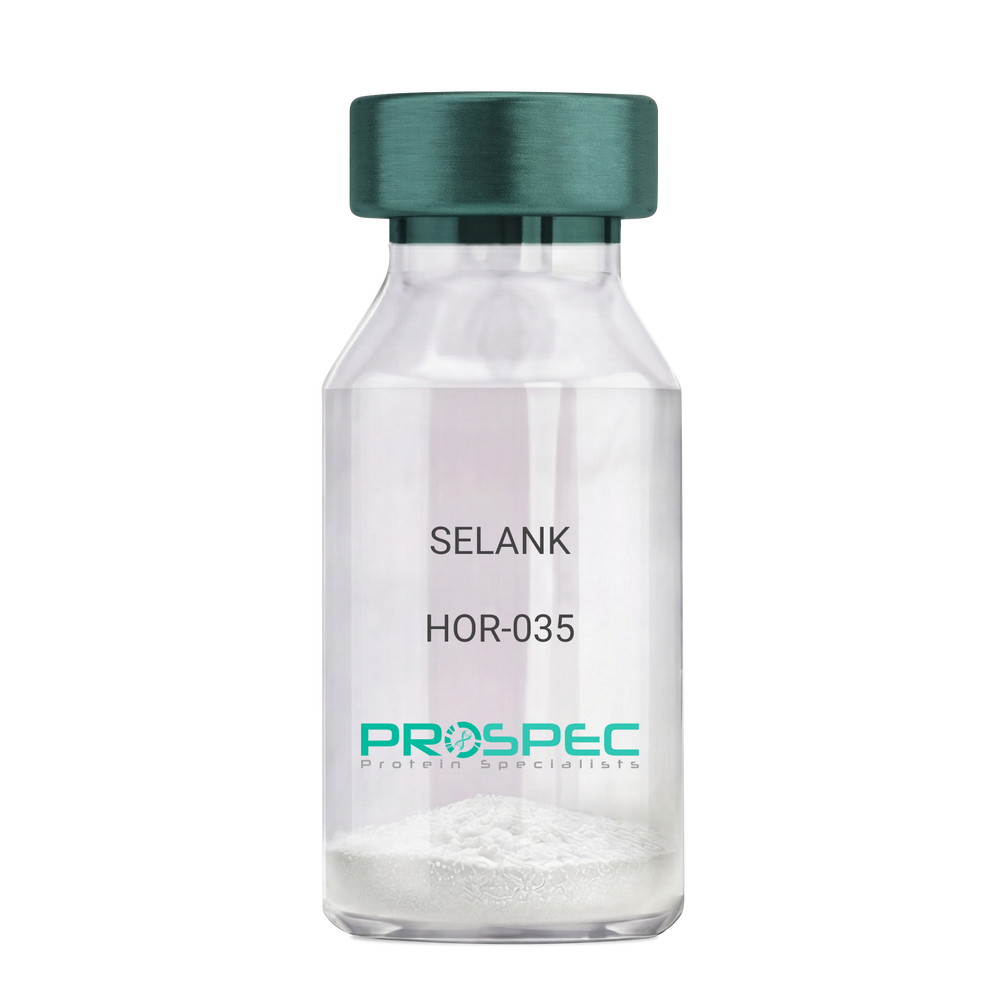
    SELANK

    Description:

    SELANK

    Product # :

    HOR-035

    Price :

    Quantity :

    Shipping Method :

    Room Temp Icon

    Shipped at Room temp

    Add To Cart

    More Info

    • description
    • formulation
    • purity
    • More Info
    • Citations

    Description

    SELANK Synthetic is a single, non-glycosylated polypeptide chain containing 7 amino acids, having a molecular mass of 751.89 Dalton and a Molecular formula of C33H57N11O9.

    Formulation

    The protein was lyophilized with no additives.

    Purity

    Greater than 97.0% as determined by analysis by RP-HPLC.

    Citations

    More Info

    • Physical Appearance

      Sterile Filtered White lyophilized (freeze-dried) powder.

    • Stability

      Lyophilized SELANK although stable at room temperature for 3 weeks, should be stored desiccated below -18°C. Upon reconstitution SELANK should be stored at 4°C between 2-7 days and for future use below -18°C. For long term storage it is recommended to add a carrier protein (0.1% HSA or BSA). Please prevent freeze-thaw cycles.

    • Solubility

      It is recommended to reconstitute the lyophilized SELANK in sterile 18MΩ-cm H2O not less than 100 µg/ml, which can then be further diluted to other aqueous solutions.

    • Amino Acid Sequence

      H-Thr-Lys-Pro-Arg-Pro-Gly-Pro-OH.

    • Background

      Selank, also known as TP-7, is a synthetic peptide that has garnered significant attention in the scientific community due to its potential anxiolytic, neuroprotective, and nootropic effects. This heptapeptide, derived from the naturally occurring human tetrapeptide Tuftsin, has been shown to possess a wide range of biological activities, including enhancing memory, reducing anxiety, and potentially mitigating the effects of neurodegenerative diseases.

      Selank's primary mechanism of action involves its interaction with the GABAergic system, the body's main inhibitory neurotransmitter system. By modulating the activity of GABA receptors, Selank can exert a calming effect on the brain, reducing anxiety and enhancing cognitive function. Studies by Semenova et al. (2014) have demonstrated that Selank can enhance memory and learning in rats, suggesting potential applications in cognitive enhancement and the treatment of cognitive disorders.

      In addition to its anxiolytic and nootropic effects, Selank has been shown to possess neuroprotective properties. Research by Ershov et al. (2016) found that Selank could protect neurons from oxidative stress, suggesting potential applications in the treatment of neurodegenerative diseases such as Alzheimer's and Parkinson's disease.

      Given its anxiolytic, nootropic, and neuroprotective effects, Selank has been proposed as a potential therapeutic agent for a variety of conditions, including anxiety disorders, cognitive disorders, and neurodegenerative diseases. For instance, a study by Medvedev et al. (2017) found that Selank could improve symptoms in patients with generalized anxiety disorder, indicating its potential as a therapeutic agent in the treatment of anxiety disorders.

      While research on Selank is promising, it is important to note that most studies have been conducted in animals or in vitro. More research is needed to fully understand the potential effects and applications of Selank in humans. However, the existing body of research suggests that Selank could be a promising tool in the treatment of anxiety disorders, cognitive disorders, and neurodegenerative diseases.

    ProSpec's products are furnished for LABORATORY RESEARCH USE ONLY. The product may not be used as drugs, agricultural or pesticidal products, food additives or household chemicals.

    Selank
  • View Data Sheet

    Name :

    ACVR2A Human

    Description:

    Actv Receptor Type 2A Human Recombinant

    ACVR2A, ACTRIIA, ACTR-IIA,

    Product # :

    CYT-976

    Price :

    Quantity :

    Shipping Method :

    Ice Icon

    Shipped with Ice Packs

    Add To Cart

    More Info

    • description
    • source
    • formulation
    • purity
    • More Info
    • sds-page
    • Citations

    Description

    ACVR2A Human Recombinant produced in Sf9 Baculovirus cells is a single, glycosylated polypeptide chain containing 124 amino acids (20-135a.a.) and having a molecular mass of 14.4kDa (Molecular size on SDS-PAGE will appear at approximately 28kDa.ACVR2A is fused to 6 amino acid His-tag at C-terminus & purified by proprietary chromatographic techniques.

    Source

    Sf9, Baculovirus cells.

    Formulation

    ACVR2A protein solution (0.5mg/ml) containing Phosphate Buffered Saline (pH 7.4) and 10% glycerol.

    Purity

    Greater than 95% as determined by SDS-PAGE.

    sds-page

    ACVR2A Human sds-page - Product image 1

    Citations

    More Info

    • Introduction

      ACVR2A takes part in various biological processes including mesoderm induction, neural cell differentiation, bone remodeling, hematopoiesis, carcinogenesis, and inflammation. ACVR2A which is a receptor for Actv A, Actv B and inhibin A mediates induction of adipogenesis by GDF6.

    • Synonyms

      ACVR2A, ACTRIIA, ACTR-IIA,

    • Physical Appearance

      Sterile Filtered colorless solution.

    • Stability

      Store at 4°C if entire vial will be used within 2-4 weeks. Store, frozen at -20°C for longer periods of time. For long term storage it is recommended to add a carrier protein (0.1% HSA or BSA).Avoid multiple freeze-thaw cycles.

    • Amino Acid Sequence

      AILGRSETQE CLFFNANWEK DRTNQTGVEP CYGDKDKRRH CFATWKNISG SIEIVKQGCW LDDINCYDRT DCVEKKDSPE VYFCCCEGNM CNEKFSYFPE MEVTQPTSNP VTPKPPLEHH HHHH.

    • Background

      A Comprehensive Examination of the Activin Receptor Type 2A Human Recombinant: Biological Functions and Therapeutic Possibilities

      1. Abstract

      This paper delves into the complex world of Activin Receptor Type 2A Human Recombinant (ACVR2A), a crucial element of the Transforming Growth Factor-beta (TGF-beta) signaling pathway. The structure, biological implications, and signaling pathway of ACVR2A are all extensively reviewed. The potential for ACVR2A as a therapeutic target in various pathological conditions is also explored.

      2. Introduction

      The ACVR2A, a receptor protein vital to the TGF-beta signaling pathway, plays a significant role in a multitude of biological processes, including embryogenesis, cell differentiation, and homeostasis. Understanding the intricate operations of ACVR2A could open the door to innovative therapeutic strategies.

      3. Structure and Signaling of ACVR2A

      As a transmembrane serine/threonine kinase receptor, ACVR2A is characterized by a ligand-binding extracellular domain and an intracellular domain responsible for signal transduction. Upon binding of specific ligands like activin, ACVR2A interacts with type I receptors to trigger phosphorylation events, leading to the activation of downstream SMAD signaling pathways.

      4. Biological Functions of ACVR2A

      ACVR2A plays a substantial role in a wide range of biological processes. These include embryonic development, cell differentiation, bone growth, immune responses, and homeostasis. Furthermore, ACVR2A is instrumental in follicle-stimulating hormone (FSH) regulation, highlighting its importance in reproduction.

      5. ACVR2A in Disease Pathology

      Impairments in ACVR2A signaling have been linked to several diseases, including various cancers and reproductive disorders. Mutations in the ACVR2A gene have been implicated in tumor progression, underscoring the receptor's role in cell proliferation and differentiation.

      6. Therapeutic Potential of ACVR2A

      The centrality of ACVR2A in critical biological processes and disease pathology suggests its therapeutic potential. By modulating ACVR2A signaling, it may be possible to intervene in diseases characterized by aberrant TGF-beta signaling. Additionally, ACVR2A antagonists are being studied for their potential in cancer treatment.

      7. Conclusion and Future Perspectives

      Our comprehension of ACVR2A's functions has substantially increased in recent years, yet much remains to be discovered. Further research into ACVR2A's precise molecular mechanisms and involvement in disease will undoubtedly yield new therapeutic strategies.

      What is the molecular weight / Mw of ACVR2A Protein?
      ACVR2A Protein has a total Mw of 14.4kDa.
      What is the source or expression system of ACVR2A Protein?
      Sf9, Baculovirus cells.

      What is the Purity of ACVR2A Protein?
      ACVR2A Protein is >95% pure as determined by SDS-PAGE.

      What is the Biological Activity of ACVR2A Protein?
      The biological functionality of ACVR2A Protein will be determined in the future.

      What is the amino acid sequence of ACVR2A Protein?
      AILGRSETQE CLFFNANWEK DRTNQTGVEP CYGDKDKRRH CFATWKNISG SIEIVKQGCW LDDINCYDRT DCVEKKDSPE VYFCCCEGNM CNEKFSYFPE MEVTQPTSNP VTPKPPLEHH HHHH.

      What applications can ACVR2A Protein be used in?
      ACVR2A Protein can probably be used in western blot, ELISA and Lateral Flow.

      What is the endotoxin level for ACVR2A Protein?
      The endotoxin level is minimal, ACVR2A Protein was purified using conventional chromatography techniques.

    ProSpec's products are furnished for LABORATORY RESEARCH USE ONLY. The product may not be used as drugs, agricultural or pesticidal products, food additives or household chemicals.

    Acvr2A Human
  • View Data Sheet

    Name :

    DCTN2 (1-401) Human

    Description:

    Dynactin 2 (1-401 a.a.) Human Recombinant

    DCTN2, Dynactin 2 (P50), DCTN50, Dynactin Complex 50 KDa Subunit, 50 KDa Dynein-Associated Polypeptide, P50 Dynamitin, 50 KD Dynein-Associated Polypeptide, DYNAMITIN, HEL-S-77, RBP50, Dynactin Complex 50 KD Subunit, Dynactin Subunit 2, Epididymis Secretory Protein Li 77, DCTN-50.

    Product # :

    PRO-1776

    Price :

    Quantity :

    Shipping Method :

    Ice Icon

    Shipped with Ice Packs

    Add To Cart

    More Info

    • description
    • source
    • formulation
    • purity
    • More Info
    • Citations

    Description

    Dynactin 2 Human Recombinant produced in E.Coli is a single, non-glycosylated polypeptide chain containing 424 amino acids (1-401 a.a) and having a molecular mass of 46.6kDa.DCTN2 is fused to a 23 amino acid His-tag at N-terminus & purified by proprietary chromatographic techniques.

    Source

    Escherichia Coli.

    Formulation

    DCTN2 protein solution (0.5mg/ml) containing 20mM Tris-HCl (pH8.0), 20% glycerol, 0.15M NaCl and 1mM DTT.

    Purity

    Greater than 90.0% as determined by SDS-PAGE.

    Citations

    More Info

    • Introduction

      DCTN2 is a 50kDa subunit of dynactin, which is a macromolecular complex consisting of 10-11 subunits ranging in size from 22 to 150 kDa. Dynactin binds to both microtubules and cytoplasmic dynein. Dynactin is involved in a various cellular functions, including ER-to-Golgi transport, the centripetal movement of lysosomes and endosomes, spindle formation, chromosome movement, nuclear positioning, and axonogenesis. The DCTN2 subunit is present in 4-5 copies per dynactin molecule. DCTN2 is comprised of 3 short alpha-helical coiled-coil domains which mediate association with self or other dynactin subunits. DCTN2 interacts directly with the largest subunit (p150) of dynactin and is able to affix p150 in place. DCTN2 modulates cytoplasmic dynein binding to an organelle, and plays a part in prometaphase chromosome alignment and spindle organization during mitosis. DCTN2 is involved in anchoring microtubules to centrosomes. DCTN2 has a role in synapse formation during brain development.

    • Synonyms

      DCTN2, Dynactin 2 (P50), DCTN50, Dynactin Complex 50 KDa Subunit, 50 KDa Dynein-Associated Polypeptide, P50 Dynamitin, 50 KD Dynein-Associated Polypeptide, DYNAMITIN, HEL-S-77, RBP50, Dynactin Complex 50 KD Subunit, Dynactin Subunit 2, Epididymis Secretory Protein Li 77, DCTN-50.

    • Physical Appearance

      Sterile Filtered colorless solution.

    • Stability

      Store at 4°C if entire vial will be used within 2-4 weeks. Store, frozen at -20°C for longer periods of time. For long term storage it is recommended to add a carrier protein (0.1% HSA or BSA).Avoid multiple freeze-thaw cycles.

    • Amino Acid Sequence

      MGSSHHHHHH SSGLVPRGSH MGSMADPKYA DLPGIARNEP DVYETSDLPE DDQAEFDAEE LTSTSVEHII VNPNAAYDKF KDKRVGTKGL DFSDRIGKTK RTGYESGEYE MLGEGLGVKE TPQQKYQRLL HEVQELTTEV EKIKTTVKES ATEEKLTPVL LAKQLAALKQ QLVASHLEKL LGPDAAINLT DPDGALAKRL LLQLEATKNS KGGSGGKTTG TPPDSSLVTY ELHSRPEQDK FSQAAKVAEL EKRLTELETA VRCDQDAQNP LSAGLQGACL METVELLQAK VSALDLAVLD QVEARLQSVL GKVNEIAKHK ASVEDADTQS KVHQLYETIQ RWSPIASTLP ELVQRLVTIK QLHEQAMQFG QLLTHLDTTQ QMIANSLKDN TTLLTQVQTT MRENLATVEG NFASIDERMK KLGK.

    ProSpec's products are furnished for LABORATORY RESEARCH USE ONLY. The product may not be used as drugs, agricultural or pesticidal products, food additives or household chemicals.

    Dctn2 1 401 Human
  • View Data Sheet

    Name :

    AMBP

    Description:

    Alpha-1 Microglobulin Human Recombinant

    Alpha-1-microglobulin/bikunin precursor, HCP, ITIL, ITI, EDC1, HI30, IATIL, ITILC, UTI, A1M, bikunin, complex-forming glycoprotein heterogeneous in charge, growth-inhibiting protein 19, inter-alpha-trypsin inhibitor light chain, protein AMBP, protein HC, trypstatin, uristatin, uronic-acid-rich protein.

    Product # :

    PRO-957

    Price :

    Quantity :

    Shipping Method :

    Ice Icon

    Shipped with Ice Packs

    Add To Cart

    More Info

    • description
    • source
    • formulation
    • purity
    • More Info
    • Citations

    Description

    AMBP Human Recombinant produced in E.coli is a single, non-glycosylated polypeptide chain containing 205 amino acids (20-203) and having a molecular mass of 23.1 kDa.AMBP is fused to a 21 amino acid His-tag at N-terminus & purified by proprietary chromatographic techniques.

    Source

    E.coli.

    Formulation

    The AMBP solution (0.5mg/ml) contains 20mM Tris-HCl buffer (pH 8.0), 1mM DTT, 0.1M NaCl and 10% glycerol.

    Purity

    Greater than 90% as determined by SDS-PAGE.

    Citations

    More Info

    • Introduction

      Alpha 1-microglobulin (A1M) is a lipocalin superfamily member (kernal lipocalins). A1M is a low molecular weight protein component of plasma. A1M is distributed in plasma and extravascular compartments of all organs. Alpha-1 Microglobulin is found in mammals, birds, amphibians and fish. The primary sites of A1M synthesis are the liver and the kidney. Around the opening of the lipocalin pocket three lysyl residues are situated; those residues carry yellow-brown modification derived from the binding and degradation of heme and kynurenin (a tryptophan metabolite). A1-Microglobulin’s reductase and dehydrogenase have broad biological substrate specificity properties due to its’ free cysteine side-chain which is located in a flexible loop. Alpha-1-microglobulin is glycosylated by three separate carbohydrate chains: two complex carbohydrates which are N-linked to asparagines at residues 17 and 96, and the other simple carbohydrate which is O-linked to threonine at position 5. The carbohydrates comprise 22% of the total molecular mass of the protein. The glycosylation varies between species.
      A1M exists in two forms- a free form and complexed to other macromolecules: in humans- complexed to immunoglobulin A (IgA), in rat- complexed to alpha-1-inhibitor-3. Free A1M is exceptionally heterogeneous in charge (therefore also known as protein HC), and is found tightly linked to a chromophore. The free Alpha-1-microglobulin is a monomeric protein composed of one 188 residue polypeptide and contains three cysteines, two of which (residues 75 and 173) form a conserved intra-molecular disulphide link. The chromophoric group is covalently bound to the free cysteine residue at position 34. A1M binds retinol as a major ligand, but this is probably distinct from its covalent chromophore.
      Half of all human plasma A1M (approximately 0.03mg/ml) forms a 1:1 complex with about 5% of plasma immunoglobulin A. The resulting macromolecular complexes’ molecular weight is 200000, and a plasma concentration of 0.3mg/ml. The complex can exhibit both antibody activity and affect many of the biological actions of free Alpha-1-microglobulin.
      Alpha-1-microglobulin was first discovered in pathological human urine.
      It was suggested that A1M might be involved in tissue defense against reactive oxygen species, oxidation by heme and kynurenin. Evidence also suggests that A1M functions in the regulation of the immune system. Other functions include inhibition of stimulation of cultured lymphocytes by protein antigens; induction of cell division of lymphocytes, a mitogenic effect that can either be enhanced or inhibited by the action of other plasma components; inhibition of neutrophil granulocyte migration in vitro; and inhibition of chemotaxis.

    • Synonyms

      Alpha-1-microglobulin/bikunin precursor, HCP, ITIL, ITI, EDC1, HI30, IATIL, ITILC, UTI, A1M, bikunin, complex-forming glycoprotein heterogeneous in charge, growth-inhibiting protein 19, inter-alpha-trypsin inhibitor light chain, protein AMBP, protein HC, trypstatin, uristatin,
      uronic-acid-rich protein.

    • Physical Appearance

      Sterile Filtered colorless solution.

    • Stability

      Store at 4°C if entire vial will be used within 2-4 weeks. Store, frozen at -20°C for longer periods of time. For long term storage it is recommended to add a carrier protein (0.1% HSA or BSA).Avoid multiple freeze-thaw cycles.

    • Amino Acid Sequence

      MGSSHHHHHH SSGLVPRGSH MGPVPTPPDN IQVQENFNIS RIYGKWYNLA IGSTCPWLKK IMDRMTVSTL VLGEGATEAE ISMTSTRWRK GVCEETSGAY EKTDTDGKFL YHKSKWNITM ESYVVHTNYD EYAIFLTKKF SRHHGPTITA KLYGRAPQLR ETLLQDFRVV AQGVGIPEDS IFTMADRGEC VPGEQEPEPI LIPRV.

    ProSpec's products are furnished for LABORATORY RESEARCH USE ONLY. The product may not be used as drugs, agricultural or pesticidal products, food additives or household chemicals.

    Ambp Human
  • View Data Sheet

    Name :

    HN1 Human

    Description:

    Hematological And Neurological Expressed 1 Human Recombinant

    ARM2, HN1A, Hematological and neurological expressed 1 protein, Androgen-regulated protein 2, HN1.

    Product # :

    PRO-1434

    Price :

    Quantity :

    Shipping Method :

    Ice Icon

    Shipped with Ice Packs

    Add To Cart

    More Info

    • description
    • source
    • formulation
    • purity
    • More Info
    • Citations

    Description

    HN1 Human Recombinant produced in E. coli is a single polypeptide chain containing 174 amino acids (1-154) and having a molecular mass of 18.1kDa. HN1 is fused to a 20 amino acid His-tag at N-terminus & purified by proprietary chromatographic techniques.

    Source

    E.coli.

    Formulation

    The HN1 solution (0.5mg/ml) contains 20mM Tris-HCl buffer (pH 8.0), 0.1M NaCl and 10% glycerol.

    Purity

    Greater than 90% as determined by SDS-PAGE.

    Citations

    More Info

    • Introduction

      Hematological and neurological expressed 1 protein (HN1) is a small protein which is extremely preserved among species. HN1 expression is upregulated in regenerating neural tissues, including the axotomized adult rodent facial motor nerve and dedifferentiating retinal pigment epithelial cells of the Japanese newt. HN1 is also expressed in several tissues during embryonic development as well as in regions of the adult brain which display high plasticity.

    • Synonyms

      ARM2, HN1A, Hematological and neurological expressed 1 protein, Androgen-regulated protein 2, HN1.

    • Physical Appearance

      Sterile Filtered colorless solution.

    • Stability

      Store at 4°C if entire vial will be used within 2-4 weeks. Store, frozen at -20°C for longer periods of time. For long term storage it is recommended to add a carrier protein (0.1% HSA or BSA).Avoid multiple freeze-thaw cycles.

    • Amino Acid Sequence

      MGSSHHHHHH SSGLVPRGSH MTTTTTFKGV DPNSRNSSRV LRPPGGGSNF SLGFDEPTEQ PVRKNKMASN IFGTPEENQA SWAKSAGAKS SGGREDLESS GLQRRNSSEA SSGDFLDLKG EGDIHENVDT DLPGSLGQSE EKPVPAAPVP SPVAPAPVPS RRNPPGGKSS LVLG.

    ProSpec's products are furnished for LABORATORY RESEARCH USE ONLY. The product may not be used as drugs, agricultural or pesticidal products, food additives or household chemicals.

    Hn1 Human
  • View Data Sheet

    Name :

    SERPINA8 Human

    Description:

    Serpin Peptidase Inhibitor, Clade A Member 8 Human Recombinant

    Angiotensinogen, Serpin A8, AGT, SERPINA8, ANHU.

    Product # :

    PRO-1572

    Price :

    Quantity :

    Shipping Method :

    Room Temp Icon

    Shipped at Room temp

    Add To Cart

    More Info

    • description
    • source
    • formulation
    • purity
    • More Info
    • Citations

    Description

    SERPINA8 Human Recombinant produced in HEK cells is a single, glycosylated, polypeptide chain (a.a 34-485) containing a total of 462 amino acids, having a molecular mass of 51.0kDa (calculated) and fused to a 2 a.a C-terminal linker and an 8 a.a Flag tag at C-Terminus.The Human SERPINA8 is purified by proprietary chromatographic techniques.

    Source

    HEK 293.

    Formulation

    Filtered (0.4µm) and lyophilized from 0.5mg/ml in 20mM Tris buffer and 50mM NaCl, pH 7.5.

    Purity

    Greater than 95.0% as determined by SDS-PAGE.

    Citations

    More Info

    • Introduction

      Serpin Peptidase Inhibitor, Clade A Member 8 (SERPINA8), which is a pre-angiotensinogen or angiotensinogen precursor, is expressed in the liver and cleaved by the enzyme renin in response to lowered blood pressure. The ensuing product, angiotensin I, is at that point cleaved by angiotensin converting enzyme (ACE) to produce the physiologically active enzyme angiotensin II. SERPINA8 protein is involved in maintaining blood pressure and in the pathogenesis of essential hypertension and preeclampsia. SERPINA8 gene mutations are linked with susceptibility to essential hypertension, and may cause renal tubular dysgenesis, which is a severe disorder of renal tubular development. Defects in the SERPINA8 gene are also linked with non-familial structural atrial fibrillation, and inflammatory bowel disease.

    • Synonyms

      Angiotensinogen, Serpin A8, AGT, SERPINA8, ANHU.

    • Physical Appearance

      Filtered White lyophilized (freeze-dried) powder.

    • Stability

      Store lyophilized protein at -20°C. Aliquot the product after reconstitution to avoid repeated freezing/thawing cycles. Reconstituted protein can be stored at 4°C for a limited period of time; it does not show any change after two weeks at 4°C.

    • Solubility

      It is recommended to add deionized water to a working concentration of 0.5mg/ml and let the lyophilized pellet dissolve completely. SERPINA8 is not sterile! Please filter the product by an appropriate sterile filter before using it in the cell culture.

    • Amino Acid Sequence

      DRVYIHPFHL VIHNESTCEQ LAKANAGKPK DPTFIPAPIQ AKTSPVDEKA LQDQLVLVAA KLDTEDKLRA AMVGMLANFL GFRIYGMHSE LWGVVHGATV LSPTAVFGTL ASLYLGALDH TADRLQAILG VPWKDKNCTS RLDAHKVLSA LQAVQGLLVA QGRADSQAQL LLSTVVGVFT APGLHLKQPF VQGLALYTPV VLPRSLDFTE LDVAAEKIDR FMQAVTGWKT GCSLTGASVD STLAFNTYVH FQGKMKGFSL LAEPQEFWVD NSTSVSVPML SGMGTFQHWS DIQDNFSVTQ VSFTESACLL LIQPHYASDL DKVEGLTFQQ NSLNWMKKLS PRTIHLTMPQ LVLQGSYDLQ DLLAQAELPA ILHTELNLQK LSNDRIRVGE VLNSIFFELE ADEREPTEST QQLNKPEVLE VTLNRPFLFA VYDQSATALH FLGRVANPLS TART DYKDDD DK.

    ProSpec's products are furnished for LABORATORY RESEARCH USE ONLY. The product may not be used as drugs, agricultural or pesticidal products, food additives or household chemicals.

    Serpina8 Human
  • View Data Sheet

    Name :

    SERPINB2 Human, His

    Description:

    Serpin Peptidase Inhibitor, Clade B Member 2 Human Recombinant, His Tag

    Plasminogen activator inhibitor 2, PAI-2, Plasminogen activator inhibitor 2, SERPINB2, Serpin Peptidase Inhibitor, Clade B Member 2, His Tag, PLANH2, Monocyte Arg-serpin, Placental plasminogen activator inhibitor, Serpin B2, Urokinase inhibitor, HsT1201, PAI, PAI2.

    Product # :

    PRO-2103

    Price :

    Quantity :

    Shipping Method :

    Ice Icon

    Shipped with Ice Packs

    Add To Cart

    More Info

    • description
    • source
    • formulation
    • purity
    • More Info
    • Citations

    Description

    SERPINB2 Human produced in E.Coli is a single, non-glycosylated polypeptide chain containing 438 amino acids (1-415 a.a.) and having a molecular mass of 49kDa.SERPINB2 is fused to a 23 amino acid His-tag at N-terminus & purified by proprietary chromatographic techniques.

    Source

    Escherichia Coli.

    Formulation

    SERPINB2 protein solution (0.5mg/ml) containing Phosphate Buffered Saline (pH7.4), 30% glycerol and 1mM DTT.

    Purity

    Greater than 80.0% as determined by SDS-PAGE.

    Citations

    More Info

    • Introduction

      SERPINB2 is an inhibitory serpin produced primarily in keratinocytes, stimulated monocytes, and placental trophoblasts. SERPINB2 is found primarily as a 47 kDa non-glycosylated intracellular protein that is induced to be secreted as 60 kDa glycoprotein. The glycosylated and unglycosylated SERPINB2 are similarly effective as inhibitors of urokinase-type plasminogen activator (uPA), the only proven physiological target of SERPINB2.

    • Synonyms

      Plasminogen activator inhibitor 2, PAI-2, Plasminogen activator inhibitor 2, SERPINB2, Serpin Peptidase Inhibitor, Clade B Member 2, His Tag, PLANH2, Monocyte Arg-serpin, Placental plasminogen activator inhibitor, Serpin B2, Urokinase inhibitor, HsT1201, PAI, PAI2.

    • Physical Appearance

      Sterile filtered colorless solution.

    • Stability

      Store at 4°C if entire vial will be used within 2-4 weeks. Store, frozen at -20°C for longer periods of time. For long term storage it is recommended to add a carrier protein (0.1% HSA or BSA).Avoid multiple freeze-thaw cycles.

    • Amino Acid Sequence

      MGSSHHHHHH SSGLVPRGSH MGSMEDLCVA NTLFALNLFK HLAKASPTQN LFLSPWSISS TMAMVYMGSR GSTEDQMAKV LQFNEVGANA VTPMTPENFT SCGFMQQIQK GSYPDAILQA QAADKIHSSF RSLSSAINAS TGNYLLESVN KLFGEKSASF REEYIRLCQK YYSSEPQAVD FLECAEEARK KINSWVKTQT KGKIPNLLPE GSVDGDTRMV LVNAVYFKGK WKTPFEKKLN GLYPFRVNSA QRTPVQMMYL REKLNIGYIE DLKAQILELP YAGDVSMFLL LPDEIADVST GLELLESEIT YDKLNKWTSK DKMAEDEVEV YIPQFKLEEH YELRSILRSM GMEDAFNKGR ANFSGMSERN DLFLSEVFHQ AMVDVNEEGT EAAAGTGGVM TGRTGHGGPQ FVADHPFLFL IMHKITNCIL FFGRFSSP.

    ProSpec's products are furnished for LABORATORY RESEARCH USE ONLY. The product may not be used as drugs, agricultural or pesticidal products, food additives or household chemicals.

    Serpinb2 Human His
  • View Data Sheet

    Name :

    ARMC10 Human

    Description:

    Armadillo Repeat Containing 10 Human Recombinant

    Armadillo repeat-containing protein 10, Splicing variant involved in hepatocarcinogenesis protein, ARMC10, SVH.

    Product # :

    PRO-1453

    Price :

    Quantity :

    Shipping Method :

    Ice Icon

    Shipped with Ice Packs

    Add To Cart

    More Info

    • description
    • source
    • formulation
    • purity
    • More Info
    • Citations

    Description

    ARMC10 Human Recombinant produced in E.Coli is a single, non-glycosylated polypeptide chain containing 304 amino acids (28-308 a.a) and having a molecular mass of 33.6 kDa.ARMC10 is fused to a 23 amino acid His-tag at N-terminus & purified by proprietary chromatographic techniques.

    Source

    Escherichia Coli.

    Formulation

    ARMC10 protein solution (1mg/ml) containing 20mM Tris-HCl buffer (pH 8.0), 0.15M NaCl, 10% glycerol and 1mM DTT.

    Purity

    Greater than 85.0% as determined by SDS-PAGE.

    Citations

    More Info

    • Introduction

      AMRC10 is a protein which contains an armadillo repeat and transmembrane domain. Upregulation of the AMRC10 gene has a role in hepatocellular carcinoma. AMRC10 decreases the transcriptional activity of the tumor suppressor protein p53 through direct interaction with the DNA-binding domain of p53, moreover it might play a role in cell growth and survival.

    • Synonyms

      Armadillo repeat-containing protein 10, Splicing variant involved in hepatocarcinogenesis protein, ARMC10, SVH.

    • Physical Appearance

      Sterile Filtered colorless solution.

    • Stability

      Store at 4°C if entire vial will be used within 2-4 weeks. Store, frozen at -20°C for longer periods of time. For long term storage it is recommended to add a carrier protein (0.1% HSA or BSA).Avoid multiple freeze-thaw cycles.

    • Amino Acid Sequence

      MGSSHHHHHH SSGLVPRGSH MGSTRGRRRG DRELGIRSSK SAEDLTDGSY DDVLNAEQLQ KLLYLLESTE DPVIIERALI TLGNNAAFSV NQAIIRELGG IPIVANKINH SNQSIKEKAL NALNNLSVNV ENQIKIKIYI SQVCEDVFSG PLNSAVQLAG LTLLTNMTVT NDHQHMLHSY ITDLFQVLLT GNGNTKVQVL KLLLNLSENP AMTEGLLRAQ VDSSFLSLYD SHVAKEILLR VLTLFQNIKN CLKIEGHLAV QPTFTEGSLF FLLHGEECAQ KIRALVDHHD AEVKEKVVTI IPKI.

    ProSpec's products are furnished for LABORATORY RESEARCH USE ONLY. The product may not be used as drugs, agricultural or pesticidal products, food additives or household chemicals.

    Armc10 Human
  • View Data Sheet

    Name :

    NKIRAS2 Human

    Description:

    NFKB Inhibitor Interacting Ras-Like 2 Human Recombinant

    NF-kappa-B inhibitor-interacting Ras-like protein 2, I-kappa-B-interacting Ras-like protein 2, Kappa B-Ras protein 2, KappaB-Ras2, NKIRAS2, KBRAS2.

    Product # :

    PRO-1091

    Price :

    Quantity :

    Shipping Method :

    Ice Icon

    Shipped with Ice Packs

    Add To Cart

    More Info

    • description
    • source
    • formulation
    • purity
    • More Info
    • Citations

    Description

    NKIRAS2 Human Recombinant produced in E.Coli is a single, non-glycosylated polypeptide chain containing 215 amino acids (1-191 a.a) and having a molecular mass of 24kDa.NKIRAS2 is fused to a 24 amino acid His-tag at N-terminus & purified by proprietary chromatographic techniques.

    Source

    Escherichia Coli.

    Formulation

    NKIRAS2 protein solution (1mg/ml) containing 20mM Tris-HCl buffer (pH 8.0), 1mM DTT, 10% glycerol and 0.1M NaCl.

    Purity

    Greater than 90.0% as determined by SDS-PAGE.

    Citations

    More Info

    • Introduction

      NFKB inhibitor interacting Ras-like 2 (NKIRAS2) is an inhibitor of the transcription factor NF-kappaB. NKIRAS2 is similar to the Ras-like small GTPases which associate with IkappaB. The Ras-like proteins- NKIRAS1 and NKIRAS2, interact with the PEST domains of I?B? and I?B? and reduce their rate of degradation. NKIRAS2 is an atypical Ras-like protein which functions as a potent regulator of NF-kappa-B activity by preventing the degradation of NF-kappa-B inhibitor beta (NFKBIB) by most signals, explaining why NFKBIB is more impervious to degradation.

    • Synonyms

      NF-kappa-B inhibitor-interacting Ras-like protein 2, I-kappa-B-interacting Ras-like protein 2, Kappa B-Ras protein 2, KappaB-Ras2, NKIRAS2, KBRAS2.

    • Physical Appearance

      Sterile Filtered colorless solution.

    • Stability

      Store at 4°C if entire vial will be used within 2-4 weeks. Store, frozen at -20°C for longer periods of time. For long term storage it is recommended to add a carrier protein (0.1% HSA or BSA).Avoid multiple freeze-thaw cycles.

    • Amino Acid Sequence

      MGSSHHHHHH SSGLVPRGSH MGSHMGKSCK VVVCGQASVG KTSILEQLLY GNHVVGSEMI ETQEDIYVGS IETDRGVREQ VRFYDTRGLR DGAELPRHCF SCTDGYVLVY STDSRESFQR VELLKKEIDK SKDKKEVTIV VLGNKCDLQE QRRVDPDVAQ HWAKSEKVKL WEVSVADRRS
      LLEPFVYLAS KMTQPQSKSA FPLSRKNKGS GSLDG.

    ProSpec's products are furnished for LABORATORY RESEARCH USE ONLY. The product may not be used as drugs, agricultural or pesticidal products, food additives or household chemicals.

    Nkiras2 Human
  • View Data Sheet

    Name :

    SPINK7 Human

    Description:

    Serine Peptidase Inhibitor Kazal Type 7 Human Recombinant

    Serine peptidase inhibitor Kazal type 7, ECG2, ECRG2, Serine protease inhibitor Kazal-type 7, Esophagus cancer-related gene 2 protein, ECRG-2, SPINK7.

    Product # :

    PRO-1507

    Price :

    Quantity :

    Shipping Method :

    Ice Icon

    Shipped with Ice Packs

    Add To Cart

    More Info

    • description
    • source
    • formulation
    • purity
    • More Info
    • Citations

    Description

    SPINK7 Human Recombinant produced in E.coli is a single, non-glycosylated polypeptide chain containing 89 amino acids (20-85) and having a molecular mass of 9.6 kDa.SPINK7 is fused to a 23 amino acid His-tag at N-terminus & purified by proprietary chromatographic techniques.

    Source

    Escherichia Coli.

    Formulation

    The SPINK7 solution (0.25mg/ml) contains 20mM Tris-HCl buffer (pH 8.0), 0.2M NaCl, 40% glycerol and 2mM DTT.

    Purity

    Greater than 85.0% as determined by SDS-PAGE.

    Citations

    More Info

    • Introduction

      Serine peptidase inhibitor Kazal type 7 (SPINK7) which includes one Kazal-like domain is most likely serine protease inhibitor. Diseases linked with SPINK7 include esophageal cancer, and oral squamous cell carcinoma

    • Synonyms

      Serine peptidase inhibitor Kazal type 7, ECG2, ECRG2, Serine protease inhibitor Kazal-type 7, Esophagus cancer-related gene 2 protein, ECRG-2, SPINK7.

    • Physical Appearance

      Sterile Filtered colorless solution.

    • Stability

      Store at 4°C if entire vial will be used within 2-4 weeks. Store, frozen at -20°C for longer periods of time. For long term storage it is recommended to add a carrier protein (0.1% HSA or BSA).Avoid multiple freeze-thaw cycles.

    • Amino Acid Sequence

      MGSSHHHHHH SSGLVPRGSH MGSSEAASLS PKKVDCSIYK KYPVVAIPCP ITYLPVCGSD YITYGNECHL CTESLKSNGR VQFLHDGSC.

    ProSpec's products are furnished for LABORATORY RESEARCH USE ONLY. The product may not be used as drugs, agricultural or pesticidal products, food additives or household chemicals.

    Spink7 Human
  • View Data Sheet

    Name :

    OLFM1 Human

    Description:

    Olfactomedin 1 Human Recombinant

    olfactomedin 1, NOE1, NOELIN1, OlfA, Noelin, Neuronal olfactomedin-related ER localized protein.

    Product # :

    PRO-1491

    Price :

    Quantity :

    Shipping Method :

    Ice Icon

    Shipped with Ice Packs

    Add To Cart

    More Info

    • description
    • source
    • formulation
    • purity
    • More Info
    • Citations

    Description

    OLFM1 Human Recombinant produced in E.Coli is a single, non-glycosylated polypeptide chain containing 125 amino acids (34-135 a.a.) and having a molecular mass of 14.3kDa.OLFM1 is fused to a 23 amino acid His-tag at N-terminus & purified by proprietary chromatographic techniques.

    Source

    Escherichia Coli.

    Formulation

    OLFM1 protein solution (0.25mg/ml) contains 20mM Tris-HCl buffer, (pH 7.5), 0.2M NaCl, 50% glycerol and 5mM DTT.

    Purity

    Greater than 90.0% as determined by SDS-PAGE.

    Citations

    More Info

    • Introduction

      Olfactomedin 1 (OLFM1), also known as noelin, shares expansive sequence similarity with the rat neuronal olfactomedin-related ER localized protein. OLFM1 plays a vital role in regulating the production of neural crest cells by the neural tube.

    • Synonyms

      olfactomedin 1, NOE1, NOELIN1, OlfA, Noelin, Neuronal olfactomedin-related ER localized protein.

    • Physical Appearance

      Sterile Filtered clear solution.

    • Stability

      Store at 4°C if entire vial will be used within 2-4 weeks. Store, frozen at -20°C for longer periods of time. For long term storage it is recommended to add a carrier protein (0.1% HSA or BSA).Avoid multiple freeze-thaw cycles.

    • Amino Acid Sequence

      MGSSHHHHHH SSGLVPRGSH MGSLPTNPEE SWQVYSSAQD SEGRCICTVV APQQTMCSRD ARTKQLRQLL EKVQNMSQSI EVLDRRTQRD LQYVEKMENQ MKGLESKFKQ VEESHKQHLA RQFKG.

    ProSpec's products are furnished for LABORATORY RESEARCH USE ONLY. The product may not be used as drugs, agricultural or pesticidal products, food additives or household chemicals.

    Olfm1 Human
  • View Data Sheet

    Name :

    EXOSC10 Human

    Description:

    Exosome Component 10 Human Recombinant

    Exosome component 10, Polymyositis/scleroderma autoantigen 2, Autoantigen PM/Scl 2, Polymyositis/scleroderma autoantigen 100 kDa, PM/Scl-100, P100 polymyositis-scleroderma overlap syndrome-associated autoantigen, EXOSC10, PMSCL, PMSCL2, p2, p3, p4, RRP6, Rrp6p, PM-Scl.

    Product # :

    PRO-444

    Price :

    Quantity :

    Shipping Method :

    Ice Icon

    Shipped with Ice Packs

    Add To Cart

    More Info

    • description
    • source
    • formulation
    • purity
    • More Info
    • Citations

    Description

    EXOSC10 Human Recombinant produced in SF9 is a glycosylated, polypeptide chain having a molecular mass of 102 kDa. EXOSC10 is expressed with a -6xHis tag and purified by proprietary chromatographic techniques.

    Source

    Sf9 insect cells.

    Formulation

    EXOSC10 is supplied in 20mM HEPES, pH-7.5, 100mM NaCl, 0.01mM EDTA, 0.02% SDS.

    Purity

    Greater than 93% as determined by SDS-PAGE.

    Citations

    More Info

    • Introduction

      EXOSC10 is a nucleolar protein and represents one crucial component of the so-called "PM/Scl complex" or "nuclear exosome", which is an RNA-processing complex consisting of a number of exoribonucleases (not to be confused with certain multivesicular bodies which are shed by cultured cells into the culture fluid and are also called exosomes).
      Autoantibodies against EXOSC10 occur in patients suffering from polymyositis, scleroderma or polymyositis/scleroderma overlap syndromes. While antibodies to other components of the exosome complex (PM/Scl 75, several Rrp proteins) can be found in some sera, practically all patients with autoantibodies against the PM/Scl complex are positive for EXOSC10 antibodies, making this specificity an important marker. The presence of EXOSC10 autoantibodies is a comparatively "good" prognostic sign in polymyositis/scleroderma overlap syndrome unlike the poor prognosis seen when other myositis and systemic sclerosis specific autoantibodies are present.

    • Synonyms

      Exosome component 10, Polymyositis/scleroderma autoantigen 2, Autoantigen PM/Scl 2, Polymyositis/scleroderma autoantigen 100 kDa, PM/Scl-100, P100 polymyositis-scleroderma overlap syndrome-associated autoantigen, EXOSC10, PMSCL, PMSCL2, p2, p3, p4, RRP6, Rrp6p, PM-Scl.

    • Physical Appearance

      Sterile Filtered clear solution.

    • Stability

      Store at 4°C if entire vial will be used within 2-4 weeks. Store, frozen at -20°C for longer periods of time.Avoid multiple freeze-thaw cycles.

    • Immunological Functions

      1. Binds IgG-type human auto-antibodies.2. Standard ELISA test (checker-board analysis of positive/negative sera panels).

    • coating concentration

      0.4-0.8 µg/ml (depending on the type of ELISA plate and coating buffer).Suitable for biotinylation and iodination.

    • Applications

      Western-Blot with monoclonal anti-hexa-His-tag antibody & polymyositis patient sera.

    ProSpec's products are furnished for LABORATORY RESEARCH USE ONLY. The product may not be used as drugs, agricultural or pesticidal products, food additives or household chemicals.

    Exosc10 Human
  • View Data Sheet

    Name :

    BST2 Human

    Description:

    Bone Marrow Stromal Cell Antigen 2 Human Recombinant

    Bone marrow stromal cell antigen 2, CD317 antigen, BST-2, HM1.24 antigen, Tetherin, NPC-A-7.

    Product # :

    CYT-059

    Price :

    Quantity :

    Shipping Method :

    Ice Icon

    Shipped with Ice Packs

    Add To Cart

    More Info

    • description
    • source
    • formulation
    • purity
    • More Info
    • sds-page
    • Citations

    Description

    BST2 Human Recombinant produced in E.coli is a single, non-glycosylated polypeptide chain containing 133 amino acids (50-161) and having a molecular mass of 14.8 kDa.The BST2 is fused to a 21 amino acid His-Tag at N-terminus and purified by proprietary chromatographic techniques.

    Source

    Escherichia Coli.

    Formulation

    BST2 protein 0.5mg/ml is supplied in 20mM Tris-HCl, pH-8, 0.1M NaCl, 1mM DTT and 20% Glycerol.

    Purity

    Greater than 80.0% as determined by SDS-PAGE.

    sds-page

    BST2-sds-page - Product image 1

    Citations

    More Info

    • Introduction

      BST2 takes part in the growth and development of B-cells. The human cellular protein BST2 inhibits retrovirus infection by maintaining the diffusion of virus particles after budding from infected cells. BST2 was originally discovered as an inhibitor to HIV-1 infection in the absence of Vpu, but it is also known to inhibit the release of other viruses such as the Lassa and Marburg virions. In addition, BST2 has a part in B-cell activation in rheumatoid arthritis.

    • Synonyms

      Bone marrow stromal cell antigen 2, CD317 antigen, BST-2, HM1.24 antigen, Tetherin,
      NPC-A-7.

    • Physical Appearance

      BST2 is supplied as a sterile filtered clear solution.

    • Stability

      Store at 4°C if entire vial will be used within 2-4 weeks. Store, frozen at -20°C for longer periods of time. For long term storage it is recommended to add a carrier protein (0.1% HSA or BSA).Avoid multiple freeze-thaw cycles.

    • Amino Acid Sequence

      MGSSHHHHHH SSGLVPRGSH MSEACRDGLR AVMECRNVTH LLQQELTEAQ KGFQDVEAQA ATCNHTVMAL MASLDAEKAQ GQKKVEELEG EITTLNHKLQ DASAEVERLR RENQVLSVRI ADKKYYPSSQ DSS

    • Background

      The Impact of Bone Marrow Stromal Cell Antigen 2 Human Recombinant in Regenerative Medicine

      Introduction

      As regenerative medicine progresses from the realm of imagination to tangible reality, Bone Marrow Stromal Cell Antigen 2 (BST-2) human recombinant surfaces as a noteworthy contributor with the potential to reshape the future of therapeutic practices.

      BST-2: The Cellular Virtuoso

      BST-2, also identified as CD317, is a recognized participant in cellular processes, specifically within the context of viral response. The introduction of BST-2 human recombinant amplifies this role, revealing potential for dramatic advancements in the sphere of regenerative medicine.

      Engineering a Cellular Maestro

      Capitalizing on the production capacity of E. coli, we successfully synthesized BST-2 human recombinant. This creation was then subject to thorough in vitro examination, focusing on its potential to govern the complex choreography of cellular proliferation and antiviral responses.

      Stepping into the Biological Arena

      Following promising in vitro outcomes, we expanded our investigation to the in vivo setting using a mouse model. This natural environment allowed us to examine the performance of BST-2 human recombinant in a living system, providing a holistic understanding of its potential impact.

      A Standing Ovation for Results

      Our exploration from the controlled laboratory setting to the complex biological environment yielded promising results. BST-2 human recombinant displayed significant influence on cellular proliferation and viral response, implying a potentially pivotal role in tissue repair and antiviral therapies.

      Conclusion

      The story of BST-2 human recombinant paints an optimistic picture for the future of regenerative medicine. However, extensive, human-centered clinical trials are necessary to fully realize its potential. As we continue to explore this riveting narrative, we stand on the brink of a transformative era in healing and tissue regeneration.

      What is the molecular weight/Mw of BST2 Protein?
      BST2 Protein has a total Mw of 14.8kDa.

      What is the source or expression system of BST2 Protein?
      Escherichia Coli.

      What is the Purity of BST2 Protein?
      BST2 Protein is >80% pure as determined by SDS-PAGE.

      What is the Biological Activity of BST2 Protein?
      The biological functionality of BST2 Protein will be determined in the future.

      What is the amino acid sequence of BST2 Protein?
      MGSSHHHHHH SSGLVPRGSH MSEACRDGLR AVMECRNVTH LLQQELTEAQ KGFQDVEAQA ATCNHTVMAL MASLDAEKAQ GQKKVEELEG EITTLNHKLQ DASAEVERLR RENQVLSVRI ADKKYYPSSQ DSS

      What applications can BST2 Protein be used in?
      BST2 Protein can probably be used in western blot, ELISA and Lateral Flow.

      What is the endotoxin level for BST2 Protein?
      The endotoxin level is minimal, BST2 Protein was purified using conventional chromatography techniques.

    ProSpec's products are furnished for LABORATORY RESEARCH USE ONLY. The product may not be used as drugs, agricultural or pesticidal products, food additives or household chemicals.

    Bst2 Human
  • View Data Sheet

    Name :

    FGF14 Human

    Description:

    Fibroblast Growth Factor 14 Human Recombinant

    Fibroblast growth factor 14, FGF-14, Fibroblast growth factor homologous factor 4, FHF-4, FGF14, FHF4, SCA27, bA397O8.2.

    Product # :

    CYT-756

    Price :

    Quantity :

    Shipping Method :

    Ice Icon

    Shipped with Ice Packs

    Add To Cart

    More Info

    • description
    • source
    • formulation
    • purity
    • More Info
    • sds-page
    • Citations

    Description

    FGF14 Human Recombinant produced in E.Coli is a single, non-glycosylated polypeptide chain containing 271 amino acids (1-247 a.a) and having a molecular mass of 30kDa.FGF14 is fused to a 24 amino acid His-tag at N-terminus & purified by proprietary chromatographic techniques.

    Source

    E.coli.

    Formulation

    FGF14 protein solution (0.25mg/ml) contains 20mM Tris-HCl buffer, (pH 8.0), 0.2M NaCl, 50% glycerol and 5mM DTT.

    Purity

    Greater than 90% as determined by SDS-PAGE.

    sds-page

    FGF14-sds-page - Product image 1

    Citations

    More Info

    • Introduction

      Fibroblast Growth Factor 14 (FGF14) belongs to the fibroblast growth factor (FGF) family. FGF family members have broad mitogenic and cell survival activities, and are involved in a various biological processes, including embryonic development, cell growth, morphogenesis, tissue repair, tumor growth and invasion. FGF14 gene mutation is linked with autosomal dominant cerebral ataxia.

    • Synonyms

      Fibroblast growth factor 14, FGF-14, Fibroblast growth factor homologous factor 4, FHF-4, FGF14, FHF4, SCA27, bA397O8.2.

    • Physical Appearance

      Sterile Filtered colorless solution.

    • Stability

      Store at 4°C if entire vial will be used within 2-4 weeks. Store, frozen at -20°C for longer periods of time. For long term storage it is recommended to add a carrier protein (0.1% HSA or BSA).Avoid multiple freeze-thaw cycles.

    • Amino Acid Sequence

      MGSSHHHHHH SSGLVPRGSH MGSHMAAAIA SGLIRQKRQA REQHWDRPSA SRRRSSPSKN RGLCNGNLVD IFSKVRIFGL KKRRLRRQDP QLKGIVTRLY CRQGYYLQMH PDGALDGTKD DSTNSTLFNL IPVGLRVVAI QGVKTGLYIA MNGEGYLYPS ELFTPECKFK ESVFENYYVI YSSMLYRQQE SGRAWFLGLN KEGQAMKGNR VKKTKPAAHF LPKPLEVAMY REPSLHDVGE TVPKPGVTPS KSTSASAIMN GGKPVNKSKT T.

    • Background

      What is the molecular weight/Mw of FGF14 Protein?
      FGF14 Protein has a total Mw of 30kDa.

      What is the source or expression system of FGF14 Protein?
      Escherichia Coli.

      What is the Purity of FGF14 Protein?
      FGF14 Protein is >90% pure as determined by SDS-PAGE.

      What is the Biological Activity of FGF14 Protein?
      The biological functionality of FGF14 Protein will be determined in the future.

      What is the amino acid sequence of FGF14 Protein?
      MGSSHHHHHH SSGLVPRGSH MGSHMAAAIA SGLIRQKRQA REQHWDRPSA SRRRSSPSKN RGLCNGNLVD IFSKVRIFGL KKRRLRRQDP QLKGIVTRLY CRQGYYLQMH PDGALDGTKD DSTNSTLFNL IPVGLRVVAI QGVKTGLYIA MNGEGYLYPS ELFTPECKFK ESVFENYYVI YSSMLYRQQE SGRAWFLGLN KEGQAMKGNR VKKTKPAAHF LPKPLEVAMY REPSLHDVGE TVPKPGVTPS KSTSASAIMN GGKPVNKSKT T.

      What applications can FGF14 Protein be used in?
      FGF14 Protein can probably be used in western blot, ELISA and Lateral Flow.

      What is the endotoxin level for FGF14 Protein?
      The endotoxin level is minimal, FGF14 Protein was purified using conventional chromatography techniques.

    ProSpec's products are furnished for LABORATORY RESEARCH USE ONLY. The product may not be used as drugs, agricultural or pesticidal products, food additives or household chemicals.

    Fgf14 Human
  • View Data Sheet

    Name :

    CARD18 Human

    Description:

    Caspase Recruitment Domain Family, Member 18 Human Recombinant

    Caspase recruitment domain family member 18, ICEBERG, pseudo-ICE, UNQ5804, Caspase-1 inhibitor Iceberg, ICEBERG caspase-1 inhibitor.

    Product # :

    PRO-1061

    Price :

    Quantity :

    Shipping Method :

    Ice Icon

    Shipped with Ice Packs

    Add To Cart

    More Info

    • description
    • source
    • formulation
    • purity
    • More Info
    • Citations

    Description

    CARD18 Human Recombinant produced in E. coli is a single polypeptide chain containing 110 amino acids (1-90) and having a molecular mass of 12.3kDa.CARD18 is fused to a 20 amino acid His-tag at N-terminus & purified by proprietary chromatographic techniques.

    Source

    E.coli.

    Formulation

    The LSM3 solution (0.5mg/1ml) contains 20mM Tris-HCl buffer (pH 8.0), 100mM Nacl, 1mM DTT and 10% glycerol.

    Purity

    Greater than 95% as determined by SDS-PAGE.

    Citations

    More Info

    • Introduction

      CARD18 belongs to the death-domain-fold superfamily which is induced by proinflammatory stimuli. CARD18 contains basically only a Caspase recruitment domain, inhibits generation of IL-1b by cooperating with caspase-1 and inhibiting connotation with RIP 2. The connotation of CARD18 to caspase-1 is enabled by the charge-charge interactions between the prodomain of caspase-1 and the surface charge of CARD18.

    • Synonyms

      Caspase recruitment domain family member 18, ICEBERG, pseudo-ICE, UNQ5804, Caspase-1 inhibitor Iceberg, ICEBERG caspase-1 inhibitor.

    • Physical Appearance

      Sterile Filtered colorless solution.

    • Stability

      Store at 4°C if entire vial will be used within 2-4 weeks. Store, frozen at -20°C for longer periods of time. For long term storage it is recommended to add a carrier protein (0.1% HSA or BSA).Avoid multiple freeze-thaw cycles.

    • Amino Acid Sequence

      MGSSHHHHHH SSGLVPRGSH MADQLLRKKR RIFIHSVGAG TINALLDCLL EDEVISQEDM NKVRDENDTV MDKARVLIDL VTGKGPKSCC KFIKHLCEED PQLASKMGLH

    ProSpec's products are furnished for LABORATORY RESEARCH USE ONLY. The product may not be used as drugs, agricultural or pesticidal products, food additives or household chemicals.

    Card18 Human
  • 1
  • …
  • 28
  • 29
  • 30
  • 31
  • 32
  • …
  • 42
Your browser does not support the video tag.

Products

  • Cytokines
  • Growth Factors
  • Chemokines
  • CD Antigens
  • Neurotrophins
  • Hormones
  • Enzymes
  • Viral Antigens
  • Recombinant Proteins
  • Natural Proteins
  • Monoclonal Antibodies
  • Polyclonal Antibodies
  • Thermal Packaging

About

  • Company
  • Founder
  • Contribution
  • Contact Us
  • My Account

Ordering

  • Ordering Method
  • Ordering - Credit Card
  • Ordering PO
  • Shipping Fees
  • FAQ's

Legal

  • Terms & Conditions
  • Privacy
  • Site Map
  • info@prospecbio.com
  • Facebook
  • Instagram
  • Linkedin Profile

© 2026 ProSpec-Tany TechnoGene Ltd. All Rights Reserved.

  • Choosing a selection results in a full page refresh.
  • Opens in a new window.