Search results
1000 results found for “PTH”
Name
Description
Product #
Price
Quantity
Shipping Method
- View Data Sheet
Name :
TNF alpha humanDescription:
Tumor Necrosis Factor-Alpha Human Recombinant
TNF-alpha, Tumor necrosis factor ligand superfamily member 2, TNF-a, Cachectin, DIF, TNFA, TNFSF2.
Product # :
CYT-223Price :
Quantity :
Shipping Method :
Shipped at Room temp
More Info
- description
- source
- formulation
- purity
- biological activity
- More Info
- Citations
Description
Tumor Necrosis Factor-a Human Recombinant produced in E.Coli is a single, non-glycosylated, polypeptide chain containing 158 amino acids (157 a.a. of the mature human TNF-alpha and an N-terminal methionine) and having a molecular mass of 17.5kDa. The TNF-alpha is purified by standard chromatographic techniques.
Source
Escherichia Coli.
Formulation
TNF-a Human was lyophilized from a concentrated 1mg/ml solution containing 20mM PB, pH-7.2, and 100mM NaCl.
Purity
Greater than 95.0% as determined by:
(a) Analysis by RP-HPLC.
(b) Analysis by SDS-PAGE.Biological Activity
The Specific Activity is >5.0×10⁷ IU/mg as determined by the cytolysis of murine L929 cells in the presence of Actinomycin D.Citations
More Info
-
Introduction
Tumor necrosis factor is a cytokine involved in systemic inflammation and is a member of a group of cytokines that all stimulate the acute phase reaction. TNF is mainly secreted by macrophages.
TNF causes apoptotic cell death, cellular proliferation, differentiation, inflammation, tumorigenesis and viral replication, TNF is also involved in lipid metabolism, and coagulation. TNF's primary role is in the regulation of immune cells.
Dysregulation and, in particular, overproduction of TNF have been implicated in a variety of human diseases- autoimmune diseases, INS resistance, and cancer. -
Synonyms
TNF-alpha, Tumor necrosis factor ligand superfamily member 2, TNF-a, Cachectin, DIF, TNFA, TNFSF2.
-
Physical Appearance
Sterile Filtered White lyophilized (freeze-dried) powder.
-
Stability
Lyophilized Tumor Necrosis Factor-a although stable at room temperature for 3 weeks, should be stored desiccated below -18°C. Upon reconstitution TNF-a should be stored at 4°C between 2-7 days and for future use below -18°C.For long term storage it is recommended to add a carrier protein (0.1% HSA or BSA).Please prevent freeze-thaw cycles.
-
Solubility
It is recommended to reconstitute the lyophilized Tumor Necrosis Factor-alpha in sterile 18MΩ-cm H2O not less than 100µg/ml, which can then be further diluted to other aqueous solutions.
-
Amino Acid Sequence
MVRSSSRTPS DKPVAHVVAN PQAEGQLQWL NRRANALLAN GVELRDNQLV VPSEGLYLIY SQVLFKGQGC PSTHVLLTHT ISRIAVSYQT KVNLLSAIKS PCQRETPEGA E AKPWYEPIY LGGVFQLEKG DRLSAEINRP DYLDFAESGQ VYFGIIAL.
-
Background
TNF Alpha Human: An Overview of Its Role and Importance in Immunology
TNF alpha human, also known as Tumor Necrosis Factor-alpha, is a critical cytokine in the immune system. Macrophages mainly produce this protein, and it plays a key role in inflammation and the acute phase reaction.
This protein is involved in various cellular functions, including cell death, differentiation, proliferation, and immune regulation.
Production and Properties
Tumor Necrosis Factor-alpha is produced recombinantly in E. coli and consists of a single, non-glycosylated polypeptide chain. It includes 157 amino acids of the mature human TNF-alpha and an N-terminal methionine, resulting in a molecular mass of approximately 17.5 kDa.
Furthermore, the protein is purified through standard chromatographic techniques to ensure high purity and biological activity.
Solubility and Usage
The lyophilized form of TNF appears as a sterile, white powder. It is recommended to reconstitute this powder in sterile water to achieve a solution of no less than 100µg/ml.
This solution can then be further diluted for various experimental applications. TNF alpha is used extensively in research, particularly for studying its effects on cell signaling and immune response.
Storage and Stability
For long-term storage, TNF should be kept desiccated below -18°C. Once reconstituted, it should be used within a week if stored at 4°C or kept below -18°C for future use. Avoiding freeze-thaw cycles is crucial to maintain the protein's functionality.
Biological Role and Implications
TNF alpha human is involved in the regulation of immune cells and is known for its role in inflammatory processes.
Dysregulation of TNF alpha production is linked to various diseases, such as autoimmune disorders, insulin resistance, and cancer. It is also a target for therapeutic interventions, particularly in conditions like rheumatoid arthritis and inflammatory bowel disease.
Mechanism of Action
TNF alpha can induce fever, apoptotic cell death, and can inhibit tumorigenesis and viral replication. Moreover, it is a potent mediator of the acute phase reaction, which influences the activity of various cells involved in systemic inflammation.
Research and Clinical Importance
Scientific research on TNF has provided insights into its complex role in disease mechanisms. Its interaction with receptors such as TNFRSF1A underscores its multifaceted effects across different organ systems, from liver function to brain activity.
Ongoing studies continue to explore its therapeutic potential, especially how it can be modulated to treat diseases without harmful side effects.
In essence, TNF alpha human is a versatile and powerful component of the immune system, important for both health and disease. Understanding its pathways and functions helps scientists develop better treatments for various inflammatory and autoimmune diseases.
ProSpec's products are furnished for LABORATORY RESEARCH USE ONLY. The product may not be used as drugs, agricultural or pesticidal products, food additives or household chemicals.
- View Data Sheet
Name :
OrnipressinDescription:
Ornipressin
Product # :
HOR-036Price :
Quantity :
Shipping Method :
Shipped at Room temp
More Info
- description
- formulation
- purity
- More Info
- Citations
Description
Ornipressin Synthetic is a single, non-glycosylated polypeptide chain containing 9 amino acids, having a molecular mass of 1042.19 Dalton and a Molecular formula of C45H63N13O12 S2.
Formulation
The protein was lyophilized with no additives.
Purity
Greater than 97.0% as determined by analysis by RP-HPLC.
Citations
More Info
-
Physical Appearance
Sterile Filtered White lyophilized (freeze-dried) powder.
-
Stability
Lyophilized Ornipressin although stable at room temperature for 3 weeks, should be stored desiccated below -18°C. Upon reconstitution Ornipressin should be stored at 4°C between 2-7 days and for future use below -18°C. For long term storage it is recommended to add a carrier protein (0.1% HSA or BSA). Please prevent freeze-thaw cycles.
-
Solubility
It is recommended to reconstitute the lyophilized Ornipressin in sterile 18MΩ-cm H2O not less than 100 µg/ml, which can then be further diluted to other aqueous solutions.
-
Amino Acid Sequence
H-Cys-Tyr-Phe-Gln-Asn-Cys-Pro-Orn-Gly-NH2.
-
Background
Ornipressin, a naturally occurring non-mammalian vasopressin analogue, has been recognized for its role in vasoconstriction and antidiuresis, making it an invaluable agent in certain clinical settings (Holmes et al., 2003). This paper aims to comprehensively review ornipressin's biochemical properties, its clinical applications, and potential future directions for therapeutic use.
Ornipressin is characterized by its strong vasopressin V1 receptor agonist activity, resulting in intense vasoconstriction. It also exhibits antidiuretic properties through the activation of V2 receptors in the renal collecting ducts, albeit to a lesser extent compared to vasopressin (Evans & Davidson, 1964).
Clinical applications of ornipressin are mainly driven by its potent vasoconstrictor activity. It has shown promise in managing esophageal variceal bleeding, where its vasoconstrictive properties help achieve hemostasis (Bosch et al., 2004).
Furthermore, it has been used as a rescue therapy in vasodilatory shock, where traditional vasoconstrictors may have limited effect (Morelli et al., 2005).
As our understanding of ornipressin continues to expand, future research is directed toward fine-tuning its application in various clinical scenarios and exploring potential new therapeutic roles. Current research is investigating the possible neuroprotective role of ornipressin in conditions such as cerebral ischemia (Uchida et al., 2010).Ornipressin, with its robust vasoconstrictor and antidiuretic properties, plays a crucial role in managing certain clinical situations. As we continue to explore this intriguing compound, its therapeutic potential appears to be far-reaching, warranting continued research in this field
ProSpec's products are furnished for LABORATORY RESEARCH USE ONLY. The product may not be used as drugs, agricultural or pesticidal products, food additives or household chemicals.
- View Data Sheet
Name :
PramlintideDescription:
Pramlintide
Product # :
HOR-300Price :
Quantity :
Shipping Method :
Shipped at Room temp
More Info
- description
- formulation
- purity
- More Info
- Citations
Description
Pramlintide Synthetic is a single, non-glycosylated polypeptide chain containing 37 amino acids, having a molecular mass of 3949.4 Dalton and a Molecular formula of C171H267N51O53S2.
Formulation
The protein was lyophilized with no additives.
Purity
Greater than 98.0% as determined by:
(a) Analysis by RP-HPLC.
(b) Analysis by SDS-PAGE.Citations
More Info
-
Introduction
Pramlintide acetate is a hormone that is released into the bloodstream, in a similar pattern as insulin. Pramlintide aids in the absorption of glucose by slowing gastric emptying, promoting satiety, and inhibiting inappropriate secretion of glucagon, a catabolic hormone that opposes the effects of insulin.
-
Physical Appearance
Sterile Filtered White lyophilized (freeze-dried) powder.
-
Stability
Lyophilized Pramlintide although stable at room temperature for 3 weeks, should be stored desiccated below -18°C. Upon reconstitution Pramlintide should be stored at 4°C between 2-7 days and for future use below -18°C.For long term storage it is recommended to add a carrier protein (0.1% HSA or BSA).Please prevent freeze-thaw cycles.
-
Solubility
It is recommended to reconstitute the lyophilized Pramlintide in sterile 18MΩ-cm H2O not less than 100 µg/ml, which can then be further diluted to other aqueous solutions. The Pramlintide is also soluble in 1% Acetic Acid.
-
Amino Acid Sequence
KCNTATCATNRLANFLVHSSNNFGPILPPTNVGSNTY-NH2.
ProSpec's products are furnished for LABORATORY RESEARCH USE ONLY. The product may not be used as drugs, agricultural or pesticidal products, food additives or household chemicals.
- View Data Sheet
Name :
BTF3 HumanDescription:
Basic Transcription Factor 3 Human Recombinant
Transcription factor BTF3, RNA polymerase B transcription factor 3, BTF3, NACB, BTF3a; BTF3b, BETA-NAC.
Product # :
PRO-1333Price :
Quantity :
Shipping Method :
Shipped with Ice Packs
More Info
- description
- source
- formulation
- purity
- More Info
- Citations
Description
BTF3 Human Recombinant produced in E.Coli is a single, non-glycosylated polypeptide chain containing 229 amino acids (1-206 a.a) and having a molecular mass of 24.6kDa.BTF3 is fused to a 23 amino acid His-tag at N-terminus & purified by proprietary chromatographic techniques.
Source
Escherichia Coli.
Formulation
BTF3 protein solution (0.25mg/ml) containing 20mM Tris-HCl buffer (pH 8.0), 0.2M NaCl, 50% glycerol and 2mM DTT.
Purity
Greater than 85.0% as determined by SDS-PAGE.
Citations
More Info
-
Introduction
Basic transcription factor 3 (BTF3), which is a member of the NAC-beta family, forms a stable complex with RNA polymerase II. The BTF3 protein is vital for the initiation of transcription.
-
Synonyms
Transcription factor BTF3, RNA polymerase B transcription factor 3, BTF3, NACB, BTF3a; BTF3b, BETA-NAC.
-
Physical Appearance
Sterile Filtered colorless solution.
-
Stability
Store at 4°C if entire vial will be used within 2-4 weeks. Store, frozen at -20°C for longer periods of time. For long term storage it is recommended to add a carrier protein (0.1% HSA or BSA).Avoid multiple freeze-thaw cycles.
-
Amino Acid Sequence
MGSSHHHHHH SSGLVPRGSH MGSMRRTGAP AQADSRGRGR ARGGCPGGEA TLSQPPPRGG TRGQEPQMKE TIMNQEKLAK LQAQVRIGGK GTARRKKKVV HRTATADDKK LQFSLKKLGV NNISGIEEVN MFTNQGTVIH FNNPKVQASL AANTFTITGH AETKQLTEML PSILNQLGAD SLTSLRRLAE ALPKQSVDGK APLATGEDDD DEVPDLVENF DEASKNEAN.
ProSpec's products are furnished for LABORATORY RESEARCH USE ONLY. The product may not be used as drugs, agricultural or pesticidal products, food additives or household chemicals.
- View Data Sheet
Name :
FLT1 Human, HEK ActiveDescription:
Vascular Endothelial Growth Factor receptor-1 Human Recombinant, HEK Active
FLT-1, FLT1, Tyrosine-protein kinase receptor FLT, Flt-1, Tyrosine-protein kinase FRT, Fms-like tyrosine kinase 1, VEGFR-1.
Product # :
PKA-134Price :
Quantity :
Shipping Method :
Shipped with Ice Packs
More Info
- description
- source
- formulation
- purity
- biological activity
- More Info
- Citations
Description
FLT1 Human Recombinant is a single, glycosylated polypeptide chain containing 535 amino acids (27-328a.a) and having a molecular mass of 60.3kDa (calculated). FLT1 is fused to a 233 amino acid hIgG-Tag at C-terminus and is purified by proprietary chromatographic techniques.
Source
HEK293
Formulation
FLT1 protein solution (0.5mg/ml) contains 10% Glycerol and Phosphate-Buffered Saline (pH 7.4).
Purity
Greater than 90.0% as determined by SDS-PAGE.
Biological Activity
The ED50 range ≤ 60ng/ml and is measured by its ability to inhibit proliferation using HUVEC human umbilical vein endothelial cells in the
presence of Human VEGF165.Citations
More Info
-
Synonyms
FLT-1, FLT1, Tyrosine-protein kinase receptor FLT, Flt-1, Tyrosine-protein kinase FRT, Fms-like tyrosine kinase 1, VEGFR-1.
-
Physical Appearance
Filtered clear solution.
-
Stability
Store at 4°C if entire vial will be used within 2-4 weeks.Store, frozen at -20°C for longer periods of time.Avoid multiple freeze-thaw cycles.
-
Amino Acid Sequence
SKLKDPELSL KGTQHIMQAG QTLHLQCRGE AAHKWSLPEM VSKESERLSI TKSACGRNGK QFCSTLTLNT AQANHTGFYS CKYLAVPTSK KKETESAIYI FISDTGRPFV EMYSEIPEII HMTEGRELVI PCRVTSPNIT VTLKKFPLDT LIPDGKRIIW DSRKGFIISN ATYKEIGLLT CEATVNGHLY KTNYLTHRQT NTIIDVQIST PRPVKLLRGH TLVLNCTATT PLNTRVQMTW SYPDEKNKRA SVRRRIDQSN SHANIFYSVL TIDKMQNKDK GLYTCRVRSG PSFKSVNTSV HILEPKSCDK THTCPPCPAP ELLGGPSVFL FPPKPKDTLM ISRTPEVTCV VVDVSHEDPE VKFNWYVDGV EVHNAKTKPR EEQYNSTYRV VSVLTVLHQD WLNGKEYKCK VSNKALPAPI EKTISKAKGQ PREPQVYTLP PSRDELTKNQ VSLTCLVKGF YPSDIAVEWE SNGQPENNYK TTPPVLDSDG SFFLYSKLTV DKSRWQQGNV FSCSVMHEAL HNHYTQKSLS LSPGK.
-
Background
VEGFR-1 (Vascular Endothelial Growth Factor Receptor-1), also known as Flt-1 (Fms-like tyrosine kinase 1), is a critical receptor involved in angiogenesis and vascular development. This research paper delves into the structure, function, and therapeutic implications of VEGFR-1, shedding light on its multifaceted role in various physiological and pathological processes.
VEGFR-1 is a transmembrane receptor tyrosine kinase belonging to the VEGF receptor family. It is primarily expressed on endothelial cells and plays a pivotal role in mediating the cellular responses to VEGF ligands. Upon ligand binding, VEGFR-1 initiates intracellular signaling cascades that regulate endothelial cell proliferation, migration, and survival, ultimately contributing to the formation of new blood vessels.
The structure of VEGFR-1 comprises distinct domains, including an extracellular ligand-binding domain, a transmembrane domain, and an intracellular tyrosine kinase domain. The extracellular domain facilitates the interaction between VEGF ligands and the receptor, while the intracellular domain transduces downstream signals by phosphorylating specific tyrosine residues.
VEGFR-1 exhibits not only ligand-dependent but also ligand-independent functions. In addition to its role as a VEGF receptor, it can act as a decoy receptor, sequestering VEGF and modulating the bioavailability of VEGF ligands. This unique property allows VEGFR-1 to regulate VEGF signaling and influence angiogenic processes.
The signaling pathways activated by VEGFR-1 are diverse and intricate, involving multiple downstream effectors, such as PI3K/AKT, MAPK/ERK, and STAT proteins. These pathways regulate endothelial cell behaviors, including proliferation, migration, and differentiation, which are crucial for angiogenesis. Perturbations in VEGFR-1 signaling have been implicated in various pathological conditions, including cancer, retinopathy, and inflammatory disorders.
The therapeutic targeting of VEGFR-1 has gained considerable attention for its potential in managing angiogenesis-related diseases. Inhibitors specifically designed to block VEGFR-1 have been developed to suppress aberrant angiogenesis and impede tumor growth. Moreover, VEGFR-1-based therapies have been explored for ocular diseases like wet age-related macular degeneration (AMD) and diabetic retinopathy, aiming to alleviate pathological neovascularization.
The availability of VEGFR-1 human recombinant proteins has facilitated in-depth research and the development of potential therapeutic interventions. Recombinant VEGFR-1 proteins serve as valuable tools for investigating VEGF-VEGFR-1 interactions, screening drug candidates, and elucidating the underlying molecular mechanisms of VEGFR-1-mediated signaling pathways.
ProSpec's products are furnished for LABORATORY RESEARCH USE ONLY. The product may not be used as drugs, agricultural or pesticidal products, food additives or household chemicals.
- View Data Sheet
Name :
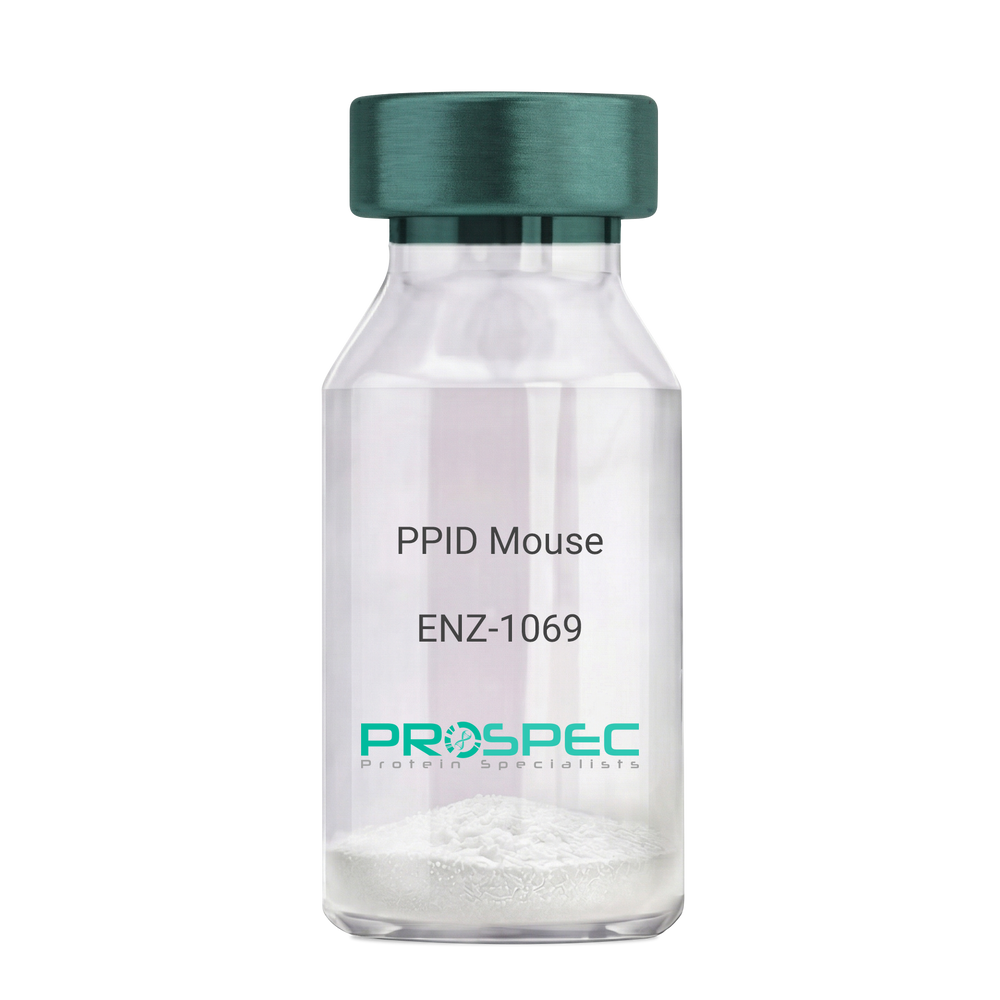
PPID MouseDescription:
Peptidylprolyl Isomerase D Mouse Recombinant
Peptidyl-prolyl cis-trans isomerase D, PPIase D, 40 kDa peptidyl-prolyl cis-trans isomerase, Cyclophilin-40, CYP-40, Cyclophilin-related protein, CYP40, CYPD, PPID, Peptidylprolyl Isomerase D.
Product # :
ENZ-1069Price :
Quantity :
Shipping Method :
Shipped with Ice Packs
More Info
- description
- source
- formulation
- purity
- biological activity
- More Info
- Citations
Description
PPID Mouse Recombinant produced in E.Coli is a single, non-glycosylated polypeptide chain containing 395 amino acids (1-370a.a.) and having a molecular mass of 43.4kDa. PPID is fused to a 25 amino acid His-tag at N-terminus & purified by proprietary chromatographic techniques.
Source
Escherichia Coli.
Formulation
PPID protein solution (1mg/ml) containing 20mM Tris-Hcl buffer (pH8.0), 10% glycerol and 1mM DTT.
Purity
Greater than 90.0% as determined by SDS-PAGE.
Biological Activity
Specific activity is > 700nmol/min/mg, and is defined as the amount of enzyme that cleaves 1umole of suc-AAFP-PNA per minute at 37°C in Tris–HCl pH 8.0 using chymotrypsin.
Citations
More Info
-
Introduction
Cyclophilin-D is a member of the peptidyl-prolyl cis-trans isomerase (PPIase) family. PPIases catalyze the cis-trans isomerization of proline imidic peptide bonds in oligopeptides and speeds up the protein folding. Cyclophilin-D possess PPIase activity and binds to the immunosuppressant cyclosporin-A. Cyclophilin-D is very well known that its overexpression suppresses the apoptosis in cancer cell. Cyclophilin-D suppresses apoptotic cell death by the use of mitochondrial hexokinase-2 dependent mechanism in cancer cells.
-
Synonyms
Peptidyl-prolyl cis-trans isomerase D, PPIase D, 40 kDa peptidyl-prolyl cis-trans isomerase, Cyclophilin-40, CYP-40, Cyclophilin-related protein, CYP40, CYPD, PPID, Peptidylprolyl Isomerase D.
-
Physical Appearance
Sterile Filtered colorless solution.
-
Stability
Store at 4°C if entire vial will be used within 2-4 weeks. Store, frozen at -20°C for longer periods of time. For long term storage it is recommended to add a carrier protein (0.1% HSA or BSA). Please prevent freeze-thaw cycles.
-
Amino Acid Sequence
MGSSHHHHHH SSGLVPRGSH MGSEFMSHAS PAAKPSNSKN PRVFFDVDIG GERVGRIVLE LFADIVPKTA ENFRALCTGE KGTGSTTGKP LHFKGCPFHR IIKKFMIQGG DFSNQNGTGG ESIYGEKFED ENFHYKHDRE GLLSMANAGP NTNGSQFFIT TVPTPHLDGK HVVFGQVIKG LGVARTLENV EVNGEKPAKL CVIAECGELK EGDDWGIFPK DGSGDSHPDF PEDADIDLKD VDKILLISED LKNIGNTFFK SQNWEMAIKK YAKVLRYVDS SKAVIEKADR SRLQPIALSC VLNIGACKLK MSNWQGAIDS CLEALEMDPS NTKALYRKAQ GWQGLKEYDQ ALADLKKAQE IAPGDKAIQA ELLKVKQMIK AQKDKEKAVY AKMFA.
ProSpec's products are furnished for LABORATORY RESEARCH USE ONLY. The product may not be used as drugs, agricultural or pesticidal products, food additives or household chemicals.
- View Data Sheet
Name :
Leptin Human, HisDescription:
Leptin Human Recombinant, His Tag
OB Protein, Obesity Protein, OBS, Obesity factor.
Product # :
CYT-287Price :
Quantity :
Shipping Method :
Shipped at Room temp
More Info
- description
- source
- formulation
- purity
- More Info
- Citations
Description
Leptin Human Recombinant produced in E.Coli is a single, non-glycosylated, polypeptide chain containing amino acids 48-167 and having a total molecular mass of 19 kDa including the 4 kDa His tag.The Leptin is purified by proprietary chromatographic techniques.
Source
Escherichia Coli.
Formulation
The protein was lyophilized from a concentrated (1mg/ml) solution with 1X PBS, 0.1% SDS and 1mM DTT.
Purity
Greater than 90.0% as determined by SDS-PAGE.
Citations
More Info
-
Introduction
Leptin is a protein hormone with important effects in regulating body weight, metabolism and reproductive function. The protein is approximately~16 kDa in mass and encoded by the obese (ob)gene. leptin is expressed predominantly by adipocytes, which fits with the idea that body weight is sensed as the total mass of fat in the body. Smaller amounts of leptin are also secreted by cellsin the epithelium of the stomach and in the placenta. Leptin receptors are highly expressed in areas of the hypothalamus known to be important in regulating body weight, as well as in T lymphocytes and vascular endothelial cells.
-
Synonyms
OB Protein, Obesity Protein, OBS, Obesity factor.
-
Physical Appearance
Sterile Filtered White lyophilized (freeze-dried) powder.
-
Stability
Lyophilized Leptin although stable at room temperature, should be stored desiccated below 0°C. Reconstituted Leptin is best stored refrigerated at 4°C.Please avoid freeze-thaw cycles.
-
Solubility
The lyophilized Leptin is very soluble in water and most aqueous buffers below and above the isoelectric point.
ProSpec's products are furnished for LABORATORY RESEARCH USE ONLY. The product may not be used as drugs, agricultural or pesticidal products, food additives or household chemicals.
- View Data Sheet
Name :
GP1BB HumanDescription:
Glycoprotein Ib Platelet Subunit Beta Human Recombinant
GPIBB, glycoprotein Ib platelet subunit beta, BDPLT1,GP-Ib beta, BS, CD42C ,GPIbbeta, Antigen CD42b-beta, GPIb-beta, GPIbB, Platelet glycoprotein Ib beta chain.
Product # :
PRO-2774Price :
Quantity :
Shipping Method :
Shipped with Ice Packs
More Info
- description
- source
- formulation
- purity
- More Info
- Citations
Description
GP1BB Human Recombinant is a single, glycosylated, polypeptide chain (26-147 a.a) containing a total of 131 amino acids, having a molecular mass of 14.0 kDa. GP1BB is fused to a 6 amino acid His-tag at C-terminus and is purified by proprietary chromatographic techniques.
Source
HEK293 Cells.
Formulation
The GP1BB solution (0.25mg/ml) contains 10% Glycerol and Phosphate-Buffered Saline (pH 7.4).
Purity
Greater than 95.0% as determined by SDS-PAGE.
Citations
More Info
-
Synonyms
GPIBB, glycoprotein Ib platelet subunit beta, BDPLT1,GP-Ib beta, BS, CD42C ,GPIbbeta, Antigen CD42b-beta, GPIb-beta, GPIbB, Platelet glycoprotein Ib beta chain.
-
Physical Appearance
Sterile Filtered colorless solution.
-
Stability
Store at 4°C if entire vial will be used within 2-4 weeks. Store, frozen at -20°C for longer periods of time. For long term storage it is recommended to add a carrier protein (0.1% HSA or BSA). Avoid multiple freeze-thaw cycles.
-
Amino Acid Sequence
DGSCPAPCSC AGTLVDCGRR GLTWASLPTA FPVDTTELVL TGNNLTALPP GLLDALPALR TAHLGANPWR CDCRLVPLRA WLAGRPERAP YRDLRCVAPP ALRGRLLPYL AEDELRAACA PGPLCHHHHH H.
-
Background
Glycoprotein 1b beta (GP1BB) is a crucial component of the platelet glycoprotein Ib-IX-V complex, playing a pivotal role in platelet function and hemostasis. This research aims to explore the structure, function, and implications of GP1BB protein in platelet adhesion, aggregation, and the development of thrombotic disorders. Understanding the molecular mechanisms and regulatory roles of GP1BB can provide valuable insights into its potential as a therapeutic target for thrombotic diseases.
Structure and Expression of GP1BB Protein:
GP1BB is a transmembrane protein consisting of an extracellular domain, a single transmembrane region, and a short cytoplasmic tail. It is predominantly expressed on the surface of platelets, where it interacts with von Willebrand factor (VWF) and other components of the glycoprotein Ib-IX-V complex. GP1BB is crucial for mediating platelet adhesion to damaged endothelium and the formation of stable platelet aggregates at the site of injury.
GP1BB and Platelet Adhesion:
GP1BB interacts with VWF, which is exposed upon vascular injury. This interaction facilitates the initial attachment of platelets to the damaged endothelium. GP1BB also participates in the formation of high-affinity bonds between platelets and VWF, contributing to the stabilization of platelet adhesion and the initiation of platelet aggregation. Dysregulation of GP1BB-mediated platelet adhesion can lead to abnormal clot formation and thrombotic disorders.
Implications of GP1BB in Thrombotic Disorders:
Defects or mutations in the GP1BB gene can result in Bernard-Soulier syndrome (BSS), a rare inherited bleeding disorder characterized by giant platelets, thrombocytopenia, and impaired platelet adhesion. BSS patients often experience excessive bleeding and bruising due to defective GP1BB function. On the other hand, abnormal activation or overexpression of GP1BB has been associated with increased risk of thrombotic events, such as myocardial infarction and stroke.
Therapeutic Strategies Targeting GP1BB:
Given its crucial role in platelet function and thrombotic disorders, GP1BB represents a potential target for therapeutic interventions. Strategies aimed at modulating GP1BB expression or function have been explored. This includes the development of monoclonal antibodies or small molecule inhibitors that selectively target GP1BB and interfere with its interaction with VWF or other binding partners. Such approaches aim to prevent excessive platelet adhesion and aggregation, reducing the risk of thrombotic events.
Challenges and Future Directions:
While targeting GP1BB shows promise, several challenges need to be addressed. The development of specific inhibitors or modulators of GP1BB that do not interfere with its physiological functions is crucial. Additionally, understanding the complex interplay between GP1BB and other platelet receptors and signaling pathways is essential for the development of effective therapeutic strategies.
Conclusion:
The study of GP1BB protein provides valuable insights into its central role in platelet adhesion, aggregation, and thrombotic disorders. Understanding the molecular mechanisms and functional implications of GP1BB opens avenues for the development of targeted therapies for thrombotic diseases. Further research on GP1BB protein, its interactions, and its modulation in pathological conditions will contribute to the development of novel therapeutic interventions to mitigate the risk of thrombotic events and improve patient outcomes.
ProSpec's products are furnished for LABORATORY RESEARCH USE ONLY. The product may not be used as drugs, agricultural or pesticidal products, food additives or household chemicals.
- View Data Sheet
Name :
VTI1B HumanDescription:
Vesicle Transport Through Interaction with t-SNAREs Homolog 1B Human Recombinant
Vesicle transport through interaction with t-SNAREs homolog 1B, Vesicle transport v-SNARE protein Vti1-like 1, Vti1-rp1, VTI1B, VTI1, VTI1L, VTI1L1, VTI2, v-SNARE, VTI1-LIKE.
Product # :
PRO-1115Price :
Quantity :
Shipping Method :
Shipped with Ice Packs
More Info
- description
- source
- formulation
- purity
- More Info
- Citations
Description
VTI1B Human Recombinant produced in E.Coli is a single, non-glycosylated polypeptide chain containing 231 amino acids (1-208 a.a) and having a molecular mass of 26.3kDa (Molecular weight on SDS-PAGE will appear higher).VTI1B is fused to a 23 amino acid His-tag at N-terminus & purified by proprietary chromatographic techniques.
Source
Escherichia Coli.
Formulation
VTI1B protein solution (0.25mg/ml) containing 20mM Tris-HCl buffer (pH8.0), 30% glycerol, 0.15M NaCl and 1mM DTT.
Purity
Greater than 85.0% as determined by SDS-PAGE.
Citations
More Info
-
Introduction
VTI1B (v-SNARE) mediates vesicle transport pathways via interactions with t-SNAREs on the target membrane. These interactions are meant to facilitate aspects of the specificity of vesicle trafficking and to stimulate fusion of the lipid bilayers. VTI1B may be involved in increased secretion of cytokines connected with cellular senescence.
-
Synonyms
Vesicle transport through interaction with t-SNAREs homolog 1B, Vesicle transport v-SNARE protein Vti1-like 1, Vti1-rp1, VTI1B, VTI1, VTI1L, VTI1L1, VTI2, v-SNARE, VTI1-LIKE.
-
Physical Appearance
Sterile Filtered colorless solution.
-
Stability
Store at 4°C if entire vial will be used within 2-4 weeks. Store, frozen at -20°C for longer periods of time. For long term storage it is recommended to add a carrier protein (0.1% HSA or BSA).Avoid multiple freeze-thaw cycles.
-
Amino Acid Sequence
MGSSHHHHHH SSGLVPRGSH MGSMASSAAS SEHFEKLHEI FRGLHEDLQG VPERLLGTAG TEEKKKLIRD FDEKQQEANE TLAEMEEELR YAPLSFRNPM MSKLRNYRKD LAKLHREVRS TPLTATPGGR GDMKYGIYAV ENEHMNRLQS QRAMLLQGTE SLNRATQSIE RSHRIATETD QIGSEIIEEL GEQRDQLERT KSRLVNTSEN LSKSRKILRS MSRKVTTNKL L.
ProSpec's products are furnished for LABORATORY RESEARCH USE ONLY. The product may not be used as drugs, agricultural or pesticidal products, food additives or household chemicals.
- View Data Sheet
Name :
ARHGDIB HumanDescription:
Rho GDP Dissociation Inhibitor (GDI) Beta Human Recombinant
Rho GDP dissociation inhibitor (GDI) beta, Rho GDI 2, Rho-GDI beta, GDIA2, GDID4, Ly-GDI, RAP1GN1.
Product # :
PRO-1067Price :
Quantity :
Shipping Method :
Shipped with Ice Packs
More Info
- description
- source
- formulation
- purity
- More Info
- Citations
Description
ARHGDIB Human Recombinant produced in E. coli is a single polypeptide chain containing 428 amino acids (1-201) and having a molecular mass of 49.4kDa.ARHGDIB is fused to a 227 amino acid GST-tag at N-terminus & purified by proprietary chromatographic techniques.
Source
E.coli.
Formulation
The ARHGDIB solution (1mg/1ml) contains phosphate-buffered Saline (pH 7.4) and 10% glycerol.
Purity
Greater than 90% as determined by SDS-PAGE.
Citations
More Info
-
Introduction
Members of the Rho (or ARH) protein family and other Ras-related small GTP-binding proteins are involved in various cellular procedures, such as cell cytoskeletal organization, secretion, proliferation, and signaling. The GTPBPs are active only in the GTP-bound state. At least 3 types of proteins firmly regulate cycling between the GTP-bound and GDP-bound states: GDP-dissociation inhibitors (GDIs), GTPase-activating proteins (GAPs) and guanine nucleotide-releasing factors (GRFs). ARHGDIB and the other GDIs lower the level of GDP dissociation from Ras-like GTPases.
-
Synonyms
Rho GDP dissociation inhibitor (GDI) beta, Rho GDI 2, Rho-GDI beta, GDIA2, GDID4, Ly-GDI, RAP1GN1.
-
Physical Appearance
Sterile Filtered colorless solution.
-
Stability
Store at 4°C if entire vial will be used within 2-4 weeks. Store, frozen at -20°C for longer periods of time. For long term storage it is recommended to add a carrier protein (0.1% HSA or BSA).Avoid multiple freeze-thaw cycles.
-
Amino Acid Sequence
MSPILGYWKI KGLVQPTRLL LEYLEEKYEE HLYERDEGDK WRNKKFELGL EFPNLPYYID GDVKLTQSMA IIRYIADKHN MLGGCPKERA EISMLEGAVL DIRYGVSRIA YSKDFETLKV DFLSKLPEML KMFEDRLCHK TYLNGDHVTH PDFMLYDALD VVLYMDPMCL DAFPKLVCFK KRIEAIPQID KYLKSSKYIA WPLQGWQATF GGGDHPPKSD LVPRGSHMTE KAPEPHVEED DDDELDSKLN YKPPPQKSLK ELQEMDKDDE SLIKYKKTLL GDGPVVTDPK APNVVVTRLT LVCESAPGPI TMDLTGDLEA LKKETIVLKE GSEYRVKIHF KVNRDIVSGL KYVQHTYRTG VKVDKATFMV GSYGPRPEEY EFLTPVEEAP KGMLARGTYH NKSFFTDDDK QDHLSWEWNL SIKKEWTE
ProSpec's products are furnished for LABORATORY RESEARCH USE ONLY. The product may not be used as drugs, agricultural or pesticidal products, food additives or household chemicals.
- View Data Sheet
Name :
GPT2 Human, ActiveDescription:
Glutamic-Pyruvate Transaminase 2 Human Recombinant, Active
ALT2, AAT2, Alanine aminotransferase 2, Glutamate pyruvate transaminase 2, Glutamic--alanine transaminase 2, Glutamic--pyruvic transaminase 2.
Product # :
ENZ-995Price :
Quantity :
Shipping Method :
Shipped with Ice Packs
More Info
- description
- source
- formulation
- purity
- biological activity
- More Info
- Citations
Description
GPT2 Human Recombinant produced in E. coli is a single polypeptide chain containing 546 amino acids (1-523) and having a molecular mass of 60.3 kDa. GPT2 is fused to a 23 amino acid His-tag at N-terminus & purified by proprietary chromatographic techniques.
Source
E.coli.
Formulation
The GPT2 solution (0.5mg/1ml) contains 20mM Tris-HCl buffer (pH7.5), 30% glycerol, 2mM DTT, 0.2M NaCl.
Purity
Greater than 90% as determined by SDS-PAGE.
Biological Activity
Specific activity is > 100units/mg, and is defined as the amount of enzyme that cleaves 1umole of L-Alanine to L-Glutamate per minute at pH 7.5 at 37C.Citations
More Info
-
Introduction
Alanine aminotransferase 2 (GPT2), catalyzes the reversible transamination among alanine and 2-oxoglutarate to create pyruvate and glutamate. GPT2 expressed mainly in muscle, fat and kidney and participates in the intermediary metabolism of glucose and amino acids. Multiple transcript variants encoding various isoforms have been found for GPT2.
-
Synonyms
ALT2, AAT2, Alanine aminotransferase 2, Glutamate pyruvate transaminase 2, Glutamic--alanine transaminase 2, Glutamic--pyruvic transaminase 2.
-
Physical Appearance
Sterile Filtered colorless solution.
-
Stability
Store at 4°C if entire vial will be used within 2-4 weeks. Store, frozen at -20°C for longer periods of time. For long term storage it is recommended to add a carrier protein (0.1% HSA or BSA).Avoid multiple freeze-thaw cycles.
-
Amino Acid Sequence
MGSSHHHHHH SSGLVPRGSH MGSMQRAAAL VRRGCGPRTP SSWGRSQSSA AAEASAVLKV RPERSRRERI LTLESMNPQV KAVEYAVRGP IVLKAGEIEL ELQRGIKKPF TEVIRANIGD AQAMGQQPIT FLRQVMALCT YPNLLDSPSF PEDAKKRARR ILQACGGNSL GSYSASQGVN CIREDVAAYI TRRDGGVPAD PDNIYLTTGA SDGISTILKI LVSGGGKSRT GVMIPIPQYP LYSAVISELD AIQVNYYLDE ENCWALNVNE LRRAVQEAKD HCDPKVLCII NPGNPTGQVQ SRKCIEDVIH FAWEEKLFLL ADEVYQDNVY SPDCRFHSFK KVLYEMGPEY SSNVELASFH STSKGYMGEC GYRGGYMEVI NLHPEIKGQL VKLLSVRLCP PVSGQAAMDI VVNPPVAGEE SFEQFSREKE SVLGNLAKKA KLTEDLFNQV PGIHCNPLQG AMYAFPRIFI PAKAVEAAQA HQMAPDMFYC MKLLEETGIC VVPGSGFGQR EGTYHFRMTI LPPVEKLKTV LQKVKDFHIN FLEKYA.
ProSpec's products are furnished for LABORATORY RESEARCH USE ONLY. The product may not be used as drugs, agricultural or pesticidal products, food additives or household chemicals.
- View Data Sheet
Name :
Protein-L, HisDescription:
Protein L Recombinant, His Tag
Product # :
PRO-1930Price :
Quantity :
Shipping Method :
Shipped at Room temp
More Info
- description
- source
- formulation
- purity
- More Info
- Citations
Description
Recombinant Protein-L produced in E.Coli is a single non-glycosylated polypeptide chain fused with a 6×His tag at N-terminus. Protein-L is comprised of 5 IgG-binding regions of protein L (B1-B2-B3-B4-B5) containing 372 amino acids in total and having a molecular mass of 41.5kDa, however, it migrates with an apparent molecular mass of 46kDa on SDS-PAGE. Cell wall binding region, cell membrane binding region and albumin binding region have been eliminated from the recombinant Protein-L to guarantee the maximum specific IgG binding.
Source
Escherichia Coli.
Formulation
Protein-L was lyophilized without any additives.
Purity
Greater than 97.0% as determined by:
(a) Analysis by SEC-HPLC.
(b) Analysis by SDS-PAGE.Citations
More Info
-
Introduction
The Recombinant Protein L is comprised of 5 kappa-binding domains. Protein L has the exceptional ability to bind through kappa light chain interactions without hindering with the antibody’s antigen-binding site. This gives Protein L the capacity to bind a broader range of Ig classes and subclasses than other antibody-binding proteins. The recombinant Protein L is perfect for purification of polyclonal or monoclonal IgG antibodies. Protein L binds to IgG from humans, mice, rats and pigs.
-
Physical Appearance
Sterile Filtered White lyophilized (freeze-dried) powder.
-
Stability
Lyophilized Protein-L although stable at room temperature for 3 weeks, should be stored desiccated below -18°C. Upon reconstitution Protein-L should be stored at 4°C between 2-7 days and for future use below -18°C. For long term storage it is recommended to add a carrier protein (0.1% HSA or BSA). Please prevent freeze-thaw cycles.
-
Solubility
It is recommended to reconstitute the lyophilized Protein-L in sterile 18M-cm H2O not less than 0.1mg/ml, which can then be further diluted to other aqueous solutions.
-
Amino Acid Sequence
MHHHHHHKEE TPETPETDSE EEVTIKANLI FANGSTQTAE FKGTFEKATS EAYAYADTLK KDNGEYTVDV ADKGYTLNIK FAGKEKTPEE PKEEVTIKAN LIYADGKTQT AEFKGTFEEA TAEAYRYADA LKKDNGEYTV DVADKGYTLN IKFAGKEKTP EEPKEEVTIK ANLIYADGKT QTAEFKGTFE EATAEAYRYA DLLAKENGKY TVDVADKGYT LNIKFAGKEK TPEEPKEEVT IKANLIYADG KTQTAEFKGT FAEATAEAYR YADLLAKENG KYTADLEDGG YTINIRFAGK KVDEKPEEKE QVTIKENIYF EDGTVQTATF KGTFAEATAE AYRYADLLSK EHGKYTADLE DGGYTINIRF AG.
ProSpec's products are furnished for LABORATORY RESEARCH USE ONLY. The product may not be used as drugs, agricultural or pesticidal products, food additives or household chemicals.
- View Data Sheet
Name :
HN1L HumanDescription:
Hematological and Neurological Expressed 1-Like Human Recombinant
C16orf34, L11, Hematological and neurological expressed 1-like protein, HN1-like protein.
Product # :
PRO-027Price :
Quantity :
Shipping Method :
Shipped with Ice Packs
More Info
- description
- source
- formulation
- purity
- More Info
- Citations
Description
HN1L Human Recombinant produced in E.Coli is a single, non-glycosylated polypeptide chain containing 213 amino acids (1-190 a.a.) and having a molecular mass of 22.5kDa.HN1L is fused to a 23 amino acid His-tag at N-terminus & purified by proprietary chromatographic techniques.
Source
Escherichia Coli.
Formulation
HN1L protein solution (1mg/ml) contains 20mM Tris-HCl buffer (pH 8.0), 0.15M NaCl, 10% glycerol and 1mM DTT.
Purity
Greater than 90.0% as determined by SDS-PAGE.
Citations
More Info
-
Introduction
Hematological and neurological expressed 1-like ( HN1L) is a member of the HN1 family.HN1L is anticipated to participate in embryo development. HN1L is expressed in a variety of tissues for example :liver, kidney, prostate, testis and uterus at different levels.
-
Synonyms
C16orf34, L11, Hematological and neurological expressed 1-like protein, HN1-like protein.
-
Physical Appearance
Sterile Filtered clear solution.
-
Stability
Store at 4°C if entire vial will be used within 2-4 weeks. Store, frozen at -20°C for longer periods of time. For long term storage it is recommended to add a carrier protein (0.1% HSA or BSA).Avoid multiple freeze-thaw cycles.
-
Amino Acid Sequence
MGSSHHHHHH SSGLVPRGSH MGSMFQVPDS EGGRAGSRAM KPPGGESSNL FGSPEEATPS SRPNRMASNI FGPTEEPQNI PKRTNPPGGK GSGIFDESTP VQTRQHLNPP GGKTSDIFGS PVTATSRLAH PNKPKDHVFL CEGEEPKSDL KAARSIPAGA EPGEKGSARK AGPAKEQEPM PTVDSHEPRL GPRPRSHNKV LNPPGGKSSI SFY.
ProSpec's products are furnished for LABORATORY RESEARCH USE ONLY. The product may not be used as drugs, agricultural or pesticidal products, food additives or household chemicals.
- View Data Sheet
Name :
TRAIL Human (114-281 a.a.)Description:
TRAIL/APO 2 Ligand (114-281 a.a.) Human Recombinant
Tumor necrosis factor ligand superfamily member 10, TNF-related apoptosis-inducing ligand, Protein TRAIL, Apo-2 ligand, Apo-2L, CD253 antigen, TL2, APO2L, TNFSF10.
Product # :
CYT-546Price :
Quantity :
Shipping Method :
Shipped with Ice Packs
More Info
- description
- source
- formulation
- purity
- More Info
- Citations
Description
Soluble TNF-related apoptosis-inducing ligand Human Recombinant produced in E.Coli is a single, non-glycosylated polypeptide chain containing 169 amino acids (114-281) and having a molecular mass of 19.6 kDa. The sTRAIL is purified by proprietary chromatographic techniques.
Source
Escherichia Coli.
Formulation
1mg/ml in 20mM Tris-HCl pH-7.5, 300mM NaCl, 0.1mM DTT & 10% glycerol.
Purity
Greater than 95.0% as determined by SDS-PAGE.
Citations
More Info
-
Introduction
TNF-related apoptosis-inducing ligand (TRAIL) is a ligand molecule which induces apoptosis. It is a type II transmembrane protein with homology to other members of the tumor necrosis factor family.
In humans, the gene that encodes for TRAIL is located at chromosome 3q26.
TRAIL binds to the death receptors, DR4 and DR5. The process of apoptosis is caspase-8-dependent. This protein preferentially induces apoptosis in transformed and tumor cells, but does not appear to kill normal cells although it is expressed at a significant level in most normal tissues. -
Synonyms
Tumor necrosis factor ligand superfamily member 10, TNF-related apoptosis-inducing ligand, Protein TRAIL, Apo-2 ligand, Apo-2L, CD253 antigen, TL2, APO2L, TNFSF10.
-
Physical Appearance
Sterile Filtered colorless liquid.
-
Stability
Store at 4°C if entire vial will be used within 2-4 weeks. Store, frozen at -20°C for longer periods of time. For long term storage it is recommended to add a carrier protein (0.1% HSA or BSA).Avoid multiple freeze-thaw cycles.
-
Amino Acid Sequence
MVRERGPQRV AAHITGTRGR SNTLSSPNSK NEKALGRKIN SWESSRSGHS FLSNLHLRNGELVIHEKGFY YIYSQTYFRF QEEIKENTKN DKQMVQYIYK YTSYPDPILL MKSARNSCWSKDAEYGLYSI YQGGIFELKE NDRIFVSVTN EHLIDMDHEA SFFGAFLVG.
ProSpec's products are furnished for LABORATORY RESEARCH USE ONLY. The product may not be used as drugs, agricultural or pesticidal products, food additives or household chemicals.
- View Data Sheet
Name :
IGF1 Human, A67TDescription:
Insulin Like Growth Factor-1, Mutant A67T Human Recombinant
Somatomedin C, IGF-I, IGFI, IGF1, IGF-IA, Mechano growth factor, MGF.
Product # :
CYT-1089Price :
Quantity :
Shipping Method :
Shipped at Room temp
More Info
- description
- source
- formulation
- purity
- More Info
- Citations
Description
IGF1 A67T Human Recombinant produced in E.Coli is a single, non-glycosylated polypeptide chain containing 70 amino acids and having a molecular mass of Approximately 7.7 kDa. The IGF1 A67T is purified by proprietary chromatographic techniques.
Source
Escherichia Coli.
Formulation
IGF1 A67T Lyophilized from a 0.2 µm filtered concentrated solution in 20 mM PB and 150 mM NaCl, pH 6.0.
Purity
Greater than 95.0% as determined by SDS-PAGE.
Citations
More Info
-
Introduction
The somatomedins, or insulin-like growth factors (IGFs), comprise a family of peptides that takes part in mammalian growth and development. IGF1 mediates various growth-promoting effects of growth hormone (GH; MIM 139250). Early studies showed that growth hormone did not directly stimulate the incorporation of sulfate into cartilage, but rather acted through a serum factor, termed 'sulfation factor,' which later became known as 'somatomedin' (Daughaday et al., 1972). 3 main somatomedins have been characterized: somatomedin C (IGF1), somatomedin A (IGF2; MIM 147470), and somatomedin B (MIM 193190) (Rotwein, 1986; Rosenfeld, 2003).
-
Synonyms
Somatomedin C, IGF-I, IGFI, IGF1, IGF-IA, Mechano growth factor, MGF.
-
Physical Appearance
Sterile Filtered White lyophilized (freeze-dried) powder.
-
Stability
Store at 4°C if entire vial will be used within 2-4 weeks. Store, frozen at -20°C for longer periods of time. For long term storage it is recommended to add a carrier protein (0.1% HSA or BSA). Avoid multiple freeze-thaw cycles.
-
Solubility
It is recommended to reconstitute the lyophilized IGF1 A67T in sterile 18MΩ-cm H2O not less than 100µg/ml, which can then be further diluted to other aqueous solutions.
-
Amino Acid Sequence
GPETLCGAEL VDALQFVCGD RGFYFNKPTG YGSSSRRAPQ TGIVDECCFR SCDLRRLEMY CAPLKPTKSA.
-
Background
What is the molecular weight/Mw of IGF1 HUMAN, A67T Protein?
IGF1 HUMAN, A67T Protein has a total Mw of 7.7kDa.
What is the source or expression system of IGF1 HUMAN, A67T Protein?
Escherichia Coli.
What is the Purity of IGF1 HUMAN, A67T Protein?
IGF1 HUMAN, A67T Protein is >95% pure as determined by SDS-PAGE.
What is the Biological Activity of IGF1 HUMAN, A67T Protein?
The biological functionality of IGF1 HUMAN, A67T Protein will be determined in the future.
What is the amino acid sequence of IGF1 HUMAN, A67T Protein?
GPETLCGAEL VDALQFVCGD RGFYFNKPTG YGSSSRRAPQ TGIVDECCFR SCDLRRLEMY CAPLKPTKSA.
What applications can IGF1 HUMAN, A67T Protein be used in?
IGF1 HUMAN, A67T Protein can probably be used in western blot, ELISA and Lateral Flow.
What is the endotoxin level for IGF1 HUMAN, A67T Protein?
The endotoxin level is minimal, IGF1 HUMAN, A67T Protein was purified using conventional chromatography techniques.
ProSpec's products are furnished for LABORATORY RESEARCH USE ONLY. The product may not be used as drugs, agricultural or pesticidal products, food additives or household chemicals.
- View Data Sheet
Name :
PSG5 Human, Sf9Description:
Pregnancy Specific Beta-1-Glycoprotein 5 Human Recombinant, Sf9
Pregnancy Specific Beta-1-Glycoprotein 5, Pregnancy-Specific Beta-1 Glycoprotein, Fetal Liver Non-Specific Cross-Reactive Antigen 3, Pregnancy-Specific Beta-1-Glycoprotein 5, FL-NCA-3, PS-beta-G-5, PSBG-5, PSG.
Product # :
PRO-2459Price :
Quantity :
Shipping Method :
Shipped with Ice Packs
More Info
- description
- source
- formulation
- purity
- More Info
- Citations
Description
PSG5 Human Recombinant produced in Sf9 Insect cells is a single, glycosylated polypeptide chain containing 310 amino acids (35-335 a.a.) and having a molecular mass of 35.1kDa (Molecular size on SDS-PAGE will appear at approximately 28-40kDa). PSG5 is expressed with a 6 amino acids His tag at C-Terminus and purified by proprietary chromatographic techniques.
Source
Sf9, Baculovirus cells.
Formulation
PSG5 protein solution (0.25mg/ml) contains 20mM Tris (pH6.8), 40% glycerol and 1mM DTT.
Purity
Greater than 90.0% as determined by SDS-PAGE.
Citations
More Info
-
Introduction
PSG5 belongs to the PSG family, which are a highly connected group of secreted glycoproteins, vastly expressed in fetal placental syncytiotrophoblast cells. PSGs are can be found in serum from the first 2-3 weeks of pregnancy and at higher levels as the pregnancy progresses, up to e point where they are the highest fetal protein found in maternal blood at term. PSG5’s role is inducing secretion of TH2-type cytokines from monocytes and modulating the maternal immune system throughout the pregnancy, thus defending the semi-allotypic fetus from rejection.
-
Synonyms
Pregnancy Specific Beta-1-Glycoprotein 5, Pregnancy-Specific Beta-1 Glycoprotein, Fetal Liver Non-Specific Cross-Reactive Antigen 3, Pregnancy-Specific Beta-1-Glycoprotein 5, FL-NCA-3, PS-beta-G-5, PSBG-5, PSG.
-
Physical Appearance
Sterile Filtered colorless solution.
-
Stability
Store at 4°C if entire vial will be used within 2-4 weeks. Store, frozen at -20°C for longer periods of time. For long term storage it is recommended to add a carrier protein (0.1% HSA or BSA).Avoid multiple freeze-thaw cycles.
-
Amino Acid Sequence
ADLQVTIEAL PPKVSEGKDV LLLVHNLPQN LAGYIWYKGQ LMDLYHYITS YVVDGQINIY GPAYTGRETV YSNASLLIQN VTREDAGSYT LHIIKRGDRT RGVTGYFTFN LYLKLPKPYI TINNSKPREN KDVLAFTCEP KSENYTYIWW LNGQSLPVSP RVKRPIENRI LILPSVTRNE
TGPYECEIRD RDGGMRSDPV TLNVLYGPDL PSIYPSFTYY RSGENLYLSC FAESNPPAEY FWTINGKFQQ SGQKLSIPQI TTKHRGLYTC SVRNSATGKE SSKSMTVEVS APSGIGRLPL LNPIHHHHHH
ProSpec's products are furnished for LABORATORY RESEARCH USE ONLY. The product may not be used as drugs, agricultural or pesticidal products, food additives or household chemicals.
- View Data Sheet
Name :
S.Typhi HDescription:
Salmonella Typhi H Antigen Recombinant
Product # :
STY-001Price :
Quantity :
Shipping Method :
Shipped with Ice Packs
More Info
- description
- source
- formulation
- purity
- More Info
- Citations
Description
Recombinant Salmonella Typhi H Antigen produced in E.coli is full length flagellin sequence and fused to a 6 His Tag at C-terminus, migrating as a 35kDa band on SDS-PAGE.S. typhi H antigen is a flagellin protein, which strongly reacts to specific IgM and IgG produced in infected patients.
Source
Escherichia Coli.
Formulation
Sterile Filtered solution containing PBS and 25mM arginine.
Purity
Protein is >95% pure as determined by 10% PAGE (coomassie staining).
Citations
More Info
-
Introduction
Salmonella Typhi is a pathogen causing typhoid fever, affecting over 17 million people with approximately 600,000 deaths annually worldwide. If untreated, typhoid fever cases result in mortality rates ranging from 12-30%.
-
Physical Appearance
Sterile Filtered solution.
-
Stability
S.Typhi H although stable at 4°C for 1 week, should be stored below -18°C. Please prevent freeze thaw cycles.
-
Applications
Immunoassay.
ProSpec's products are furnished for LABORATORY RESEARCH USE ONLY. The product may not be used as drugs, agricultural or pesticidal products, food additives or household chemicals.
- View Data Sheet
Name :
PODXL Human (335-387)Description:
Podocalyxin-Like (335-387 a.a) Human Recombinant
Product # :
PRO-2840Price :
Quantity :
Shipping Method :
Shipped at Room temp
More Info
- description
- source
- formulation
- purity
- More Info
- Citations
Description
The PODXL Human is created as a recombinant protein with a 4kda N-terminal fusion of His Tag. The PODXL His-Tagged Fusion Protein, produced in E. coli, is a 11kDa protein containing 53 amino acid residues of the PODXL Human, 335-387 amino acids.
Source
Escherichia Coli.
Formulation
Each mg was lyophilized with 1xPBS, 0.4% SDS and 4mM DTT.
Purity
Greater than 90% as determined by SDS-PAGE.
Citations
More Info
-
Physical Appearance
Filtered White lyophilized (freeze-dried) powder.
-
Stability
Store lyophilized PODXLat -20°C. Aliquot the product after reconstitution to avoid repeated freezing/thawing cycles. Reconstituted protein can be stored at 4°C for a limited period of time; it does not show any change after two weeks at 4°C.
-
Solubility
It is recommended to add deionized water to prepare a working stock solution of approximately 0.5mg/ml and let the lyophilized pellet dissolve completely. Product is not sterile! Please filter the product by an appropriate sterile filter before using it on cell culture.
-
Amino Acid Sequence
AGGASDEKLI SLICRAVKAT FNPAQDKCGI RLASVPGSQT VVVKEITIHS.
-
Background
Podocalyxin-Like also known as PODXL is a glycosylated transmembrane sialoprotein in the CD34 and endoglycan family. The PODXL protein takes part in the regulation of both adhesion and cell morphology and cancer progression. PODXL plays a role as an anti-adhesive molecule, which retains an open filtration pathway between neighboring foot processes in the podocyte by charge repulsion. PODXL also functions as a pro-adhesive molecule, enhancing the adherence of cells to immobilized ligand which leads to rate increase of migration and cell-cell contacts in an integrin-dependent manner.
ProSpec's products are furnished for LABORATORY RESEARCH USE ONLY. The product may not be used as drugs, agricultural or pesticidal products, food additives or household chemicals.
- View Data Sheet
Name :
GDF3 HumanDescription:
Growth Differentiation Factor-3 Human Recombinant
Growth Differentiation Factor 3, Growth/Differentiation Factor 3 , MCOPCB6, MCOP7, GDF-3, KFS3.
Product # :
CYT-694Price :
Quantity :
Shipping Method :
Shipped at Room temp
More Info
- description
- source
- formulation
- purity
- More Info
- Citations
Description
GDF3 Human Recombinant produced in E.Coli is a single, non-glycosylated, polypeptide chain containing 124 amino acids and having a total molecular mass of 14.15 kDa.GDF3 is fused to a 10 amino acid His Tag at N-terminus and purified by proprietary chromatographic techniques.
Source
Escherichia Coli.
Formulation
The protein was lyophilized from a concentrated solution (0.5mg/ml) containing 30mM Acetate buffer pH-4.
Purity
Greater than 90.0% as determined by SDS-PAGE.
Citations
More Info
-
Introduction
GDF3 is a member of the TGF-beta superfamily though it does not show similarity pattern of conserved cysteine residues. GDF3 is linked to Vg-1 and human BMP-4. GDF3 transcripts are identified mainly in adult bone marrow, spleen, thymus, and adipose tissue. GDF3 expression is upregulated strongly in high-fat-fed C57Bl/6J FABP4/aP2 null mice, which develop obesity but not the related hyperglycemia or hyperinsulinemia characteristic of type II diabetes. GDF3 expression therefore bonds fatty acid metabolism in adipocytes and the expression of a differentiation regulator belonging to the bone morphogenetic proteins.
-
Synonyms
Growth Differentiation Factor 3, Growth/Differentiation Factor 3 , MCOPCB6, MCOP7, GDF-3, KFS3.
-
Physical Appearance
Filtered White lyophilized (freeze-dried) powder.
-
Stability
Lyophilized GDF3 although stable at room temperature for 3 weeks, should be stored desiccated below -18°C. Upon reconstitution GDF3 should be stored at 4°C between 2-7 days and for future use below -18°C.For long term storage it is recommended to add a carrier protein (0.1% HSA or BSA).Please prevent freeze-thaw cycles.
-
Solubility
It is recommended to reconstitute the lyophilized GDF3 in sterile 100mM Acetate buffer pH-4 at a concentration of 0.5mg/ml. For the dilution into higher pH values, it is recommended to dilute the protein to a concentration of 10μg/ml. Please note that in higher concentrations the solubility of GDF3 is limited. The protein is not sterile! Please sterile filter before using it in the cell culture.
-
Amino Acid Sequence
MKHHHHHHAS AAIPVPKLSC KNLCHRHQLF INFRDLGWHK WIIAPKGFMA NYCHGECPFS LTISLNSSNY AFMQALMHAV DPEIPQAVCI PTKLSPISML YQDNNDNVIL RHYEDMVVDECGCG.
-
Background
What is the molecular weight/Mw of GDF3 HUMAN Protein?
GDF3 HUMAN Protein has a total Mw of 14.15XkDa.
What is the source or expression system of GDF3 HUMAN Protein?
Escherichia Coli.
What is the Purity of GDF3 HUMAN Protein?
GDF3 HUMAN Protein is >90% pure as determined by SDS-PAGE.
What is the Biological Activity of GDF3 HUMAN Protein?
The biological functionality of GDF3 HUMAN Protein will be determined in the future.
What is the amino acid sequence of GDF3 HUMAN Protein?
MKHHHHHHAS AAIPVPKLSC KNLCHRHQLF INFRDLGWHK WIIAPKGFMA NYCHGECPFS LTISLNSSNY AFMQALMHAV DPEIPQAVCI PTKLSPISML YQDNNDNVIL RHYEDMVVDECGCG.
What applications can GDF3 HUMAN Protein be used in?
GDF3 HUMAN Protein can probably be used in western blot, ELISA and Lateral Flow.
What is the endotoxin level for GDF3 HUMAN Protein?
The endotoxin level is minimal, GDF3 HUMAN Protein was purified using conventional chromatography techniques.
ProSpec's products are furnished for LABORATORY RESEARCH USE ONLY. The product may not be used as drugs, agricultural or pesticidal products, food additives or household chemicals.
- View Data Sheet
Name :
Prolactin Mouse, HisDescription:
Prolactin Mouse Recombinant, His Tag
AV290867, Gha1, Prl1a1, Growth hormone a1, Mammotropin, Luterotropic hormone, Lutetropin, PRL.
Product # :
CYT-1060Price :
Quantity :
Shipping Method :
Shipped with Ice Packs
More Info
- description
- source
- formulation
- purity
- More Info
- Citations
Description
Prolactin Mouse produced in E.Coli is a single, non-glycosylated, polypeptide chain containing 222 amino acids (30-228a.a.) and having a molecular mass of 25 kDa. Prolactin Mouse protein is fused to a 23 amino acid His tag at N-terminus and is purified by standard chromatography.
Source
Escherichia Coli.
Formulation
The Prolactin Mouse solution (0.25mg/ml) contains Phosphate Buffered Saline (pH 7.4) and 20% glycerol.
Purity
Greater than 90% as determined by SDS-PAGE.
Citations
More Info
-
Introduction
Prolactin is a neuroendocrine hormone synthesized primarily by the pituitary gland but also a variety of other cell types including the placenta, brain and uterus. Its primary function is to promote and maintain lactation but has also been shown to have a role in breast cancer development, regulation of reproductive function and immunoregulation.
-
Synonyms
AV290867, Gha1, Prl1a1, Growth hormone a1, Mammotropin, Luterotropic hormone, Lutetropin, PRL.
-
Physical Appearance
Sterile filtered colorless solution.
-
Stability
Store at 4°C if entire vial will be used within 2-4 weeks. Store, frozen at -20°C for longer periods of time. For long term storage it is recommended to add a carrier protein (0.1% HSA or BSA). Avoid multiple freeze-thaw cycles.
-
Amino Acid Sequence
MGSSHHHHHH SSGLVPRGSH MGSQPLPICS AGDCQTSLRE LFDRVVILSH YIHTLYTDMF IEFDKQYVQD REFMVKVIND CPTSSLATPE DKEQALKVPP EVLLNLILSL VQSSSDPLFQ LITGVGGIQE APEYILSRAK EIEEQNKQLL EGVEKIISQA YPEAKGNGIY VWSQLPSLQ GVDEESKILS LRNTIRCLRR DSHKVDNFLK VLRCQIAHQN NC.
ProSpec's products are furnished for LABORATORY RESEARCH USE ONLY. The product may not be used as drugs, agricultural or pesticidal products, food additives or household chemicals.
- View Data Sheet
Name :
KRT17 AntibodyDescription:
Cytokeratin 17, Mouse Anti Human
Keratin 17, PCHC1, 39.1, CK-17, K17, PC2, PC, cytokeratin-17, Keratin 17 Epitope S1, Keratin 17 Epitope S2, Keratin 17 Epitope S4, Keratin, Type I Cytoskeletal 1, keratin-17, Cytokeratin-17, Keratin-17.
Product # :
ANT-566Price :
Quantity :
Shipping Method :
Shipped with Ice Packs
More Info
- formulation
- More Info
- Citations
Formulation
1mg/ml containing PBS, pH-7.4, 10% Glycerol and 0.02% Sodium Azide.
Citations
More Info
-
Introduction
Cytokeratin 17 also known as KRT17 is a type I cytokeratin. KRT17 is found in nail beds, hair follicles, sebaceous glands, and other epidermal appendages. Mutations in KRT17 lead to Jackson-Lawler type pachyonychia congenita and steatocystoma multiplex. KRT17 takes part in the formation and maintenance of a variety of skin appendages, particularly in determining shape and orientation of hair. KRT17 also modulates the function of TNF-alpha in the precise context of hair cycling. Moreover, KRT17 regulates protein synthesis and epithelial cell growth all through binding to the adapter protein SFN and by stimulating Akt/mTOR pathway.
-
Synonyms
Keratin 17, PCHC1, 39.1, CK-17, K17, PC2, PC, cytokeratin-17, Keratin 17 Epitope S1, Keratin 17 Epitope S2, Keratin 17 Epitope S4, Keratin, Type I Cytoskeletal 1, keratin-17, Cytokeratin-17, Keratin-17.
-
Physical Appearance
Sterile filtered colorless solution.
-
Immunogen
Anti-human KRT17 mAb, is derived from hybridization of mouse F0 myeloma cells with spleen cells from BALB/c mice immunized with a recombinant human KRT17 protein 1-432 amino acids purified from E. coli.
-
Ig Subclass
Mouse IgG2a heavy chain and k light chain.
-
Clone
PAT9F3AT.
-
Applications
KRT17 antibody has been tested by ELISA, Western blot analysis to assure specificity and reactivity. Since application varies, however, each investigation should be titrated by the reagent to obtain optimal results. Recommended starting dilution is 1:1000.
-
Type
Mouse Anti Human Monoclonal.
-
Storage Procedures
For periods up to 1 month store at 4°C, for longer periods of time, store at -20°C. Prevent freeze thaw cycles.
-
Purification Method
KRT17 antibody was purified from mouse ascitic fluids by protein-A affinity chromatography.
ProSpec's products are furnished for LABORATORY RESEARCH USE ONLY. The product may not be used as drugs, agricultural or pesticidal products, food additives or household chemicals.
- View Data Sheet
Name :
HSA, Pichia PastorisDescription:
Human Serum Albumin Recombinant, Pichia
Serum albumin, ALB, PRO0883, PRO0903, PRO1341, DKFZp779N1935, GIG20, GIG42, PRO1708, PRO2044, PRO2619, PRO2675, UNQ696, SA, HSA.
Product # :
PRO-2149Price :
Quantity :
Shipping Method :
Shipped with Ice Packs
More Info
- description
- source
- formulation
- purity
- More Info
- Citations
Description
HSA Human Recombinant produced in Pichia Pastoris is a polypeptide chain containing 585 amino acids and having a molecular mass of 67 kDa.The recombinant Albumin is purified by proprietary chromatographic techniques.
Source
Pichia Pastoris.
Formulation
The Recombinant Albumin having a concentration of 200mg/ml contains 140mM sodium chloride and 0.16mM octanoate.
Purity
Greater than 97% as determined by HPLC.
Citations
More Info
-
Introduction
Albumin is synthesized in the liver as preproalbumin which has an N-terminal peptide that is removed before the nascent protein is released from the rough endoplasmic reticulum. The product, proalbumin, is in turn cleaved in the Golgi vesicles to produce the secreted albumin. Albumin is a soluble, monomeric protein which comprises about one-half of the blood serum protein. Albumin functions primarily as a carrier protein for steroids, fatty acids, and thyroid hormones and plays a role in stabilizing extracellular fluid volume. Mutations in this gene on chromosome 4 result in various anomalous proteins. Albumin is a globular unglycosylated serum protein of molecular weight 65,000. The human albumin gene is 16,961 nucleotides long from the putative 'cap' site to the first poly (A) addition site. It is split into 15 exons which are symmetrically placed within the 3 domains that are thought to have arisen by triplication of a single primordial domain.
HSA is widely used to stabilize blood volume generally from donors but the fear of contamination such as HIV & Hepatitis has enticed great interest in the recombinant form which is identical to the natural blood. -
Synonyms
Serum albumin, ALB, PRO0883, PRO0903, PRO1341, DKFZp779N1935, GIG20, GIG42, PRO1708, PRO2044, PRO2619, PRO2675, UNQ696, SA, HSA.
-
Physical Appearance
Yellowish gel like solution.
-
Stability
Recombinant Albumin although stable at 15°C for 1 week, should be stored at 4°C for longer periods of time.Please prevent freeze-thaw cycles.
-
Applications
Recombinant Albumin can be used as a media culture supplement at concentrations up to 5 grams per liter. Gradual adaptation of cell lines over several passages to a concentration of 0.5gr to 2gr per liter.
ProSpec's products are furnished for LABORATORY RESEARCH USE ONLY. The product may not be used as drugs, agricultural or pesticidal products, food additives or household chemicals.
- View Data Sheet
Name :
IGFBP 1 HumanDescription:
Insulin-Like Growth Factor Binding Protein-1 Human Recombinant
IBP-1, IGF-Binding Protein 1, AFBP, PP12, IGF-BP25, hIGFBP-1, IGFBP-1.
Product # :
CYT-299Price :
Quantity :
Shipping Method :
Shipped at Room temp
More Info
- description
- source
- formulation
- purity
- biological activity
- More Info
- Citations
Description
IGFBP-1 Human Recombinant (26-259 a.a.) produced in NS0 is a single, glycosylated, polypeptide chain containing 234 amino acids and having a molecular mass of 25kDa. The IGFBP1 is purified by proprietary chromatographic techniques.
Source
Mouse myeloma cell line, NS0.
Formulation
IGFBP-1 protein was lyophilized from a 0.2µm filtered concentrated solution in PBS.
Purity
Greater than 95.0% as determined by SDS-PAGE.
Biological Activity
The ED50, as determined by the inhibition of rHuIGF-I-induced proliferation of human MCF-7 cells, is less than 4µg/ml.Citations
More Info
-
Introduction
IGFBP1 is a member of the insulin-like growth factor binding protein (IGFBP) family and encodes a protein with an IGFBP domain and a thyroglobulin type-I domain. The protein binds both insulin-like growth factors (IGFs) I and II and circulates in the plasma. Binding of this protein prolongs the half-life of the IGFs and alters their interaction with cell surface receptors. Alternate transcriptional splice variants, encoding different isoforms, have been characterized.
-
Synonyms
IBP-1, IGF-Binding Protein 1, AFBP, PP12, IGF-BP25, hIGFBP-1, IGFBP-1.
-
Physical Appearance
Sterile Filtered White lyophilized (freeze-dried) powder.
-
Stability
Lyophilized IGFBP1 although stable at room temperature for 3 weeks, should be stored desiccated below -18°C. Upon reconstitution IGF-BP1 should be stored at 4°C between 2-7 days and for future use below -18°C.For long term storage it is recommended to add a carrier protein (0.1% HSA or BSA).Please prevent freeze-thaw cycles.
-
Solubility
It is recommended to reconstitute the lyophilized IBP-1 in sterile 18MΩ-cm H2O not less than 100µg/ml, which can then be further diluted to other aqueous solutions.
-
Amino Acid Sequence
APWQCAPCSA EKLALCPPVS ASCSEVTRSA GCGCCPMCAL PLGAACGVAT ARCARGLSCR ALPGEQQPLH ALTRGQGACV QESDASAPHA AEAGSPESPE STEITEEELL DNFHLMAPSE EDHSILWDAI STYDGSKALH VTNIKKWKEP CRIELYRVVE SLAKAQETSG EEISKFYLPN CNKNGFYHSR QCETSMDGEA GLCWCVYPWN GKRIPGSPEI RGDPNCQIYF NVQN.
-
Background
What is the molecular weight/Mw of IGFBP1 HUMAN Protein?
IGFBP1 HUMAN Protein has a total Mw of 25kDa.
What is the source or expression system of IGFBP1 HUMAN Protein?
Mouse myeloma cell line, NS0.
What is the Purity of IGFBP1 HUMAN Protein?
IGFBP1 HUMAN Protein is >95% pure as determined by SDS-PAGE.
What is the Biological Activity of IGFBP1 HUMAN Protein?
The ED50, as determined by the inhibition of rHuIGF-I-induced proliferation of human MCF-7 cells, is less than 4µg/ml.
What is the amino acid sequence of IGFBP1 HUMAN Protein?
APWQCAPCSA EKLALCPPVS ASCSEVTRSA GCGCCPMCAL PLGAACGVAT ARCARGLSCR ALPGEQQPLH ALTRGQGACV QESDASAPHA AEAGSPESPE STEITEEELL DNFHLMAPSE EDHSILWDAI STYDGSKALH VTNIKKWKEP CRIELYRVVE SLAKAQETSG EEISKFYLPN CNKNGFYHSR QCETSMDGEA GLCWCVYPWN GKRIPGSPEI RGDPNCQIYF NVQN.
What applications can IGFBP1 HUMAN Protein be used in?
IGFBP1 HUMAN Protein can probably be used in western blot, ELISA and Lateral Flow.
What is the endotoxin level for IGFBP1 HUMAN Protein?
The endotoxin level is minimal, IGFBP1 HUMAN Protein was purified using conventional chromatography techniques.
ProSpec's products are furnished for LABORATORY RESEARCH USE ONLY. The product may not be used as drugs, agricultural or pesticidal products, food additives or household chemicals.
- View Data Sheet
Name :
DPPA5 HumanDescription:
Developmental Pluripotency Associated 5 Human Recombinant
ESG1, Developmental pluripotency-associated 5 proteins, hDPPA5, Embryonal stem cell-specific gene 1 protein, ESG-1.
Product # :
PRO-2136Price :
Quantity :
Shipping Method :
Shipped with Ice Packs
More Info
- description
- source
- formulation
- purity
- More Info
- Citations
Description
DPPA5 Human Recombinant produced in E.Coli is a single, non-glycosylated polypeptide chain containing 139 amino acids (1-116 a.a) and having a molecular mass of 15.9kDa.DPPA5 is fused to a 23 amino acid His-tag at N-terminus & purified by proprietary chromatographic techniques.
Source
Escherichia Coli.
Formulation
DPPA5 protein solution (0.25mg/ml) containing 20mM Phosphate buffer (pH 8.0), and 10% glycerol.
Purity
Greater than 85.0% as determined by SDS-PAGE.
Citations
More Info
-
Introduction
Developmental pluripotency-associated 5 proteins (DPPA5) is a 116 amino acid protein, which localizes to the cytoplasm and contains one KH domain. DPPA5 is expressed in embryonic germ (EG), primordial germ (PG) and embryonic stem (ES) cells. DPPA5 has an imperative role in the maintenance of ES cell pluripotency and may be essential for proper embryogenesis.
-
Synonyms
ESG1, Developmental pluripotency-associated 5 proteins, hDPPA5, Embryonal stem cell-specific gene 1 protein, ESG-1.
-
Physical Appearance
Sterile Filtered clear solution.
-
Stability
Store at 4°C if entire vial will be used within 2-4 weeks. Store, frozen at -20°C for longer periods of time. For long term storage it is recommended to add a carrier protein (0.1% HSA or BSA).Avoid multiple freeze-thaw cycles.
-
Amino Acid Sequence
MGSSHHHHHH SSGLVPRGSH MGSMGTLPAR RHIPPWVKVP EDLKDPEVFQ VQTRLLKAIF GPDGSRIPYIEQVSKAMLEL KALESSDLTE VVVYGSYLYK LRTKWMLQSM AEWHRQRQER GMLKLAEAMN ALELGPWMK.
ProSpec's products are furnished for LABORATORY RESEARCH USE ONLY. The product may not be used as drugs, agricultural or pesticidal products, food additives or household chemicals.