Skip to content

High-quality research proteins.

  • 1-800-805-6531

  • Mon - Sat 8.00-18.00, Sun - Closed

  • info@prospecbio.com

  • PO Box 6591 East Brunswick NJ 08816

  • Products
    • Cytokines
    • Growth factors
    • Chemokines
    • Cd antigens
    • Neurotrophins
    • Hormones
    • Enzymes
    • Viral antigens
    • Recombinant proteins
    • Natural proteins
    • Monoclonal antibodies
    • Polyclonal antibodies
    • Thermal Packaging
  • About
    • Company
    • Founder
    • Contribution
  • Customers
    • Eastern Asia
    • Eastern Europe
    • North America
    • South America
    • South East Asia
    • Southern Asia
    • Western Europe
  • Ordering
    • Ordering Method
    • Ordering - Credit Card
    • Ordering - PO
    • Shipping Fees
    • FAQs
  • Services
    • DNA Cloning
    • Protein Expression
    • Monoclonal Antibody
    • Fermentation
    • Technology License
  • Contact us
Log in

Country/region

  • USD $ | Albania
  • USD $ | Andorra
  • USD $ | Argentina
  • USD $ | Armenia
  • USD $ | Australia
  • USD $ | Austria
  • USD $ | Azerbaijan
  • USD $ | Belarus
  • USD $ | Belgium
  • USD $ | Bolivia
  • USD $ | Brazil
  • USD $ | Bulgaria
  • USD $ | Cambodia
  • USD $ | Canada
  • USD $ | Chile
  • USD $ | China
  • USD $ | Colombia
  • USD $ | Costa Rica
  • USD $ | Croatia
  • USD $ | Cyprus
  • USD $ | Czechia
  • USD $ | Denmark
  • USD $ | Estonia
  • USD $ | Finland
  • USD $ | France
  • USD $ | Georgia
  • USD $ | Germany
  • USD $ | Greece
  • USD $ | Hong Kong SAR
  • USD $ | Hungary
  • USD $ | Iceland
  • USD $ | India
  • USD $ | Ireland
  • USD $ | Israel
  • USD $ | Italy
  • USD $ | Japan
  • USD $ | Kazakhstan
  • USD $ | Latvia
  • USD $ | Liechtenstein
  • USD $ | Lithuania
  • USD $ | Madagascar
  • USD $ | Malta
  • USD $ | Mexico
  • USD $ | Moldova
  • USD $ | Monaco
  • USD $ | Netherlands
  • USD $ | New Zealand
  • USD $ | North Macedonia
  • USD $ | Norway
  • USD $ | Panama
  • USD $ | Paraguay
  • USD $ | Peru
  • USD $ | Philippines
  • USD $ | Poland
  • USD $ | Portugal
  • USD $ | Romania
  • USD $ | Singapore
  • USD $ | Slovakia
  • USD $ | Slovenia
  • USD $ | South Africa
  • USD $ | South Korea
  • USD $ | Spain
  • USD $ | Sri Lanka
  • USD $ | Sweden
  • USD $ | Switzerland
  • USD $ | Taiwan
  • USD $ | Thailand
  • USD $ | Türkiye
  • USD $ | Ukraine
  • USD $ | United Kingdom
  • USD $ | United States
  • USD $ | Uruguay
  • USD $ | Vatican City
  • USD $ | Venezuela
  • USD $ | Vietnam
  • Facebook
  • Instagram
logoProSpec - Recombinant Protein Manufacturer for academic and R&D industry
Become a distributor
Account Log in
Wishlist
Cart Cart(0)
  • Products
    +
    • Cytokines
    • Growth factors
    • Chemokines
    • Cd antigens
    • Neurotrophins
    • Hormones
    • Enzymes
    • Viral antigens
    • Recombinant proteins
    • Natural proteins
    • Monoclonal antibodies
    • Polyclonal antibodies
    • Thermal Packaging
  • About
    +
    • Company
    • Founder
    • Contribution
  • Customers
    +
    • Eastern Asia
    • Eastern Europe
    • North America
    • South America
    • South East Asia
    • Southern Asia
    • Western Europe
  • Ordering
    +
    • Ordering Method
    • Ordering - Credit Card
    • Ordering - PO
    • Shipping Fees
    • FAQs
  • Services
    +
    • DNA Cloning
    • Protein Expression
    • Monoclonal Antibody
    • Fermentation
    • Technology License
  • Contact us

Item added to your cart

View cart
View All
  • Cytokines
  • Growth factors
  • Chemokines
  • Cd antigens
  • Neurotrophins
  • Hormones
  • Enzymes
  • Viral antigens
  • Recombinant proteins
  • Natural proteins
  • Monoclonal antibodies
  • Polyclonal antibodies
  • Thermal Packaging
  • Tumor Necrosis Factor

    Tumor Necrosis Factor

    View All
  • 4-1BB

    4-1BB

    View All
  • Adiponectin

    Adiponectin

    View All
  • AIF1

    AIF1

    View All
  • Other Cytokines

    Other Cytokines

    View All
  • AITRL

    AITRL

    View All
  • Angiopoietin

    Angiopoietin

    View All
  • Apolipoprotein

    Apolipoprotein

    View All
  • B-Cell Activating Factor

    B-Cell Activating Factor

    View All
  • Beta Defensin

    Beta Defensin

    View All
  • Bone Morphogenetic Protein

    Bone Morphogenetic Protein

    View All
  • B type Natriuretic Peptide

    B type Natriuretic Peptide

    View All
  • BST

    BST

    View All
  • Betacellulin

    Betacellulin

    View All
  • Cardiotrophin

    Cardiotrophin

    View All
  • Activin

    Activin

    View All
  • Fibroblast Growth Factor

    Fibroblast Growth Factor

    View All
  • Other Growth Factors

    Other Growth Factors

    View All
  • CSF

    CSF

    View All
  • CTGF

    CTGF

    View All
  • IGFBP

    IGFBP

    View All
  • VEGF Protein

    VEGF Protein

    View All
  • EGF

    EGF

    View All
  • Epigen

    Epigen

    View All
  • Erythropoietin

    Erythropoietin

    View All
  • Insulin-Like Growth Factor

    Insulin-Like Growth Factor

    View All
  • Growth Hormone

    Growth Hormone

    View All
  • HDGF

    HDGF

    View All
  • Hepatocyte Growth Factor

    Hepatocyte Growth Factor

    View All
  • Insulin

    Insulin

    View All
  • BCA-1/ BLC (CXCL13)

    BCA-1/ BLC (CXCL13)

    View All
  • BRAK (CXCL14)

    BRAK (CXCL14)

    View All
  • C-10 (CCL6)

    C-10 (CCL6)

    View All
  • Other Chemokines

    Other Chemokines

    View All
  • MEC (CCL28)

    MEC (CCL28)

    View All
  • LD78-beta (CCL3L1)

    LD78-beta (CCL3L1)

    View All
  • CTACK (CCL27)

    CTACK (CCL27)

    View All
  • CXCL16

    CXCL16

    View All
  • CXCL17

    CXCL17

    View All
  • Platelet Factor-4 (CXCL4)

    Platelet Factor-4 (CXCL4)

    View All
  • ENA-78 (CXCL5)

    ENA-78 (CXCL5)

    View All
  • Eotaxin (CCL11,24,26)

    Eotaxin (CCL11,24,26)

    View All
  • Exodus-2 (CCL21)

    Exodus-2 (CCL21)

    View All
  • Fractalkine (CX3CL1)

    Fractalkine (CX3CL1)

    View All
  • CXCL6

    CXCL6

    View All
  • Other CD Antigens

    Other CD Antigens

    View All
  • CD14

    CD14

    View All
  • CD164

    CD164

    View All
  • CD1

    CD1

    View All
  • CD2

    CD2

    View All
  • CD200

    CD200

    View All
  • CD207

    CD207

    View All
  • CD226

    CD226

    View All
  • CD23

    CD23

    View All
  • CD244

    CD244

    View All
  • CD247

    CD247

    View All
  • CD27

    CD27

    View All
  • CD274

    CD274

    View All
  • CD300

    CD300

    View All
  • CD33

    CD33

    View All
  • Other Neurotrophins

    Other Neurotrophins

    View All
  • Beta-NGF

    Beta-NGF

    View All
  • BDNF

    BDNF

    View All
  • CDNF

    CDNF

    View All
  • CNTF

    CNTF

    View All
  • GDNF

    GDNF

    View All
  • Glia Maturation Factor

    Glia Maturation Factor

    View All
  • MANF

    MANF

    View All
  • Midkine

    Midkine

    View All
  • Neuroglobin

    Neuroglobin

    View All
  • Neurotrophic factors

    Neurotrophic factors

    View All
  • Neuregulin

    Neuregulin

    View All
  • Neuropilin

    Neuropilin

    View All
  • Pigment Epithelium-Derived Factor

    Pigment Epithelium-Derived Factor

    View All
  • Pleiotrophin

    Pleiotrophin

    View All
  • Peptide Hormones

    Peptide Hormones

    View All
  • Other Hormones

    Other Hormones

    View All
  • HCG

    HCG

    View All
  • Endothelin

    Endothelin

    View All
  • Exendin

    Exendin

    View All
  • FSH

    FSH

    View All
  • Glucagon

    Glucagon

    View All
  • GHRP

    GHRP

    View All
  • GLP

    GLP

    View All
  • Thyrostimulin

    Thyrostimulin

    View All
  • Inhibin A

    Inhibin A

    View All
  • LHRH

    LHRH

    View All
  • Melanotan

    Melanotan

    View All
  • Procalcitonin

    Procalcitonin

    View All
  • PTH

    PTH

    View All
  • Peroxiredoxin

    Peroxiredoxin

    View All
  • Peptidase

    Peptidase

    View All
  • Synthetase

    Synthetase

    View All
  • Transferase

    Transferase

    View All
  • Hydrolase

    Hydrolase

    View All
  • Dehydrogenase

    Dehydrogenase

    View All
  • ACE2

    ACE2

    View All
  • Esterase

    Esterase

    View All
  • Protein Kinases

    Protein Kinases

    View All
  • Other Enzymes

    Other Enzymes

    View All
  • Phosphatase

    Phosphatase

    View All
  • Deaminase

    Deaminase

    View All
  • Oxygenase

    Oxygenase

    View All
  • Adenylate Kinase

    Adenylate Kinase

    View All
  • Lyase

    Lyase

    View All
  • Chagas

    Chagas

    View All
  • SARS

    SARS

    View All
  • Influenza

    Influenza

    View All
  • ASFV

    ASFV

    View All
  • Astrovirus

    Astrovirus

    View All
  • Borrelia

    Borrelia

    View All
  • Helicobacter Pylori

    Helicobacter Pylori

    View All
  • Chikungunya

    Chikungunya

    View All
  • Chlamydia

    Chlamydia

    View All
  • Cytomegalo

    Cytomegalo

    View All
  • Dengue

    Dengue

    View All
  • EBV

    EBV

    View All
  • Ebola

    Ebola

    View All
  • Feline Leukemia Virus

    Feline Leukemia Virus

    View All
  • Hepatitis A

    Hepatitis A

    View All
  • Other

    Other

    View All
  • Actin

    Actin

    View All
  • ADAM

    ADAM

    View All
  • Complement Component

    Complement Component

    View All
  • Ag85

    Ag85

    View All
  • Eukaryotic Translation Initiation Factor

    Eukaryotic Translation Initiation Factor

    View All
  • Anterior Gradient Protein

    Anterior Gradient Protein

    View All
  • Heat Shock Protein

    Heat Shock Protein

    View All
  • Alpha-2-HS-Glycoprotein

    Alpha-2-HS-Glycoprotein

    View All
  • Hemoglobin

    Hemoglobin

    View All
  • Allergy

    Allergy

    View All
  • Anaplasma

    Anaplasma

    View All
  • Angiogenin

    Angiogenin

    View All
  • Ankyrin Repeat Domain

    Ankyrin Repeat Domain

    View All
  • Annexin

    Annexin

    View All
  • Other Natural Proteins

    Other Natural Proteins

    View All
  • Aprotinin

    Aprotinin

    View All
  • Transferrin

    Transferrin

    View All
  • Avidin

    Avidin

    View All
  • Anti Coagulation Factors

    Anti Coagulation Factors

    View All
  • Natural Albumin

    Natural Albumin

    View All
  • Natural Coagulation Factors

    Natural Coagulation Factors

    View All
  • Fibronectin

    Fibronectin

    View All
  • Thrombin

    Thrombin

    View All
  • Anti Human Enzyme

    Anti Human Enzyme

    View All
  • Other Monoclonal Antibodies

    Other Monoclonal Antibodies

    View All
  • Anti Human Cytokine

    Anti Human Cytokine

    View All
  • Anti Human Heat Shock Protein

    Anti Human Heat Shock Protein

    View All
  • Anti Mouse Lymphocyte

    Anti Mouse Lymphocyte

    View All
  • Anti Human Chemokine

    Anti Human Chemokine

    View All
  • Anti Human Lymphocyte

    Anti Human Lymphocyte

    View All
  • Anti Viral Monoclonal

    Anti Viral Monoclonal

    View All
  • Anti Mouse Cytokine

    Anti Mouse Cytokine

    View All
  • Anti-GST Monoclonal

    Anti-GST Monoclonal

    View All
  • Other Polyclonal Antibodies

    Other Polyclonal Antibodies

    View All
  • Anti Viral

    Anti Viral

    View All
  • Anti-GST Monoclonal

    Anti-GST Monoclonal

    View All
Back

Search results

1000 results found for “ERCC”

Name

Description

Product #

Price

Quantity

Shipping Method

  • View Data Sheet

    Name :

    NTRK1 Rat

    Description:

    Neurotrophic Receptor Tyrosine Kinase 1 Rat Recombinant

    TRKA, TRK-A, NTRK-1.

    Product # :

    PKA-133

    Price :

    Quantity :

    Shipping Method :

    Ice Icon

    Shipped with Ice Packs

    Add To Cart

    More Info

    • description
    • source
    • formulation
    • purity
    • biological activity
    • More Info

    Description

    NTRK1 Rat Recombinant produced in HEK is a single, non-glycosylated polypeptide chain containing 623 amino acids (35-418 a.a) and having a molecular mass of 69 kDa. NTRK1 is fused to a 239 amino acid human IgG-His-tag at C-terminus & purified by proprietary chromatographic techniques.

    Source

    Escherichia Coli.

    Formulation

    NTRK1 protein solution (1mg/ml) in Phosphate-Buffered Saline (pH 7.4) and 10% Glycerol.

    Purity

    Greater than 90.0% as determined by SDS-PAGE.

    Biological Activity

    Measured by its ability to inhibit NGF-induced proliferation assay using TF1 human erythroleukemic cells in the presence of 0.5ng/ml of rat NGF. The ED50 range ≤ 5 ng/ml.

    More Info

    • Introduction

      NTRK1 plays a role in the development and survival of nerve cells (neurons), specifically those that transmit dataregarding senses such as touch, pain and temperatureie. sensory neurons. NTRK1 protein is located on surface cells, mainly such as sensory neurons. NTRK1 acts as a kinase enzyme that alters the activity of different proteins by adding anoxygen cluster and phosphorus atoms at precise positions ie. phosphorylation. NTRK1 activated by nerve growth factor beta which binds to it and signals the NTRK1 protein to phosphorylate itself. Post autophosphorylation, the activated NTRK1 protein phosphorylates other proteins which is required for cell growth and survival.

    • Synonyms

      TRKA, TRK-A, NTRK-1.

    • Physical Appearance

      Sterile filtered colorless solution.

    • Stability

      NTRK1 although stable at 4°C for 1 week, should be stored below -18°C. For long term storage it is recommended to add a carrier protein (0.1% HSA or BSA).Please prevent freeze thaw cycles.

    • Amino Acid Sequence

      SCRETCCPVG PSGLRCTRAG TLNTLRGLRG AGNLTELYVE NQRDLQRLEF EDLQGLGELR SLTIVKSGLR FVAPDAFHFT PRLSHLNLSS NALESLSWKT VQGLSLQDLT LSGNPLHCSC ALLWLQRWEQ EDLCGVYTQK LQGSGSGDQF LPLGHNNSCG VPSVKIQMPN DSVEVGDDVF LQCQVEGQAL QQADWILTEL EGTATMKKSG DLPSLGLTLV NVTSDLNKKN VTCWAENDVG RAEVSVQVSV SFPASVHLGK AVEQHHWCIP FSVDGQPAPS LRWFFNGSVL NETSFIFTQF LESALTNETM RHGCLRLNQP THVNNGNYTL LAANPYGQAA ASIMAAFMDN PFEFNPEDPI PVSFSPVDTN STSRDPVEKK DETP LEPKSC DKTHTCPPCP APELLGGPSV FLFPPKPKDT LMISRTPEVT CVVVDVSHED PEVKFNWYVD GVEVHNAKTK PREEQYNSTY RVVSVLTVLH QDWLNGKEYK CKVSNKALPA PIEKTISKAK GQPREPQVYT LPPSRDELTK NQVSLTCLVK GFYPSDIAVE WESNGQPENN YKTTPPVLDS DGSFFLYSKL TVDKSRWQQG NVFSCSVMHE ALHNHYTQKS LSLSPGKHHH HHH

    ProSpec's products are furnished for LABORATORY RESEARCH USE ONLY. The product may not be used as drugs, agricultural or pesticidal products, food additives or household chemicals.

    Ntrk1 Rat
  • View Data Sheet

    Name :

    EPHA3 Mouse

    Description:

    EPH Receptor A3 Mouse Recombinant

    Cek4, EK4, End3, ETK1, Hek, Hek4, Mek4, Tyro4, ephrin type-A receptor 3, ephrin type-A receptor 3 isoform1, receptor protein-tyrosine kinase, EPH-like kinase 4, tyrosine-protein kinase TYRO4, tyrosine-protein kinase receptor ETK1, Eph receptor A3, AW492086.

    Product # :

    PRO-2817

    Price :

    Quantity :

    Shipping Method :

    Ice Icon

    Shipped with Ice Packs

    Add To Cart

    More Info

    • description
    • source
    • formulation
    • purity
    • biological activity
    • More Info

    Description

    EPHA3 Mouse Recombinant produced in HEK293 cells is a single, polypeptide chain containing 527 amino acids (21-541 a.a.) and having a molecular mass of 59.5kDa. EPHA3 is expressed with a 6 amino acid His tag at C-Terminus and purified by proprietary chromatographic techniques.

    Source

    HEK293 Cells.

    Formulation

    EPHA3 protein solution (1mg/ml) containing Phosphate Buffered Saline (pH 7.4) and 10% glycerol.

    Purity

    Greater than 95% as determined by SDS-PAGE.

    Biological Activity

    Measured by its binding ability in a functional ELISA with cat#pro-2816.

    More Info

    • Synonyms

      Cek4, EK4, End3, ETK1, Hek, Hek4, Mek4, Tyro4, ephrin type-A receptor 3, ephrin type-A receptor 3 isoform1, receptor protein-tyrosine kinase, EPH-like kinase 4, tyrosine-protein kinase TYRO4, tyrosine-protein kinase receptor ETK1, Eph receptor A3, AW492086.

    • Physical Appearance

      Sterile Filtered colorless solution.

    • Stability

      Store at 4°C if entire vial will be used within 2-4 weeks. Store, frozen at -20°C for longer periods of time. For long term storage it is recommended to add a carrier protein (0.1% HSA or BSA). Avoid multiple freeze-thaw cycles.

    • Amino Acid Sequence

      ELSPQPSNEV NLLDSKTIQG ELGWISYPSH GWEEISGVDE HYTPIRTYQV CNVMDHSQNN WLRTNWVPRN SAQKIYVELK FTLRDCNSIP LVLGTCKETF NLYYMESDDD HGVKFREHQF TKIDTIAADE SFTQMDLGDR ILKLNTEIRE VGPVNKKGFY LAFQDVGACV ALVSVRVYFK KCPFTVKNLA MFPDTVPMDS QSLVEVRGSC VNNSKEEDPP RMYCSTEGEW LVPIGKCTCN AGYEERGFIC QACRPGFYKA SDGAAKCAKC PPHSSTQEDG SMNCRCENNY FRAEKDPPSM ACTRPPSAPR NVISNINETS VILDWSWPLD TGGRKDITFN IICKKCGWNV RQCEPCSPNV RFLPRQLGLT NTTVTVTDLL AHTNYTFEID AVNGVSELSS PPRQYAAVSI TTNQAAPSPV MTIKKDRTSR NSISLSWQEP EHPNGIILDY EVKYYEKQEQ ETSYTILRAR GTNVTISSLK PDTTYVFQIR ARTAAGYGTN SRKFEFETSP DSFSISGENS HHHHHHH.

    • Background

      Research on EphA3 in mice has highlighted its critical involvement in the development of the nervous system, cardiovascular system, and skeletal system. EphA3 signaling influences axon pathfinding, synaptic plasticity, and the formation of tissue boundaries, ensuring proper tissue and organ development. Dysregulation of EphA3 has been implicated in various pathologies, including cancer, where it contributes to tumor growth, angiogenesis, and metastasis.

    ProSpec's products are furnished for LABORATORY RESEARCH USE ONLY. The product may not be used as drugs, agricultural or pesticidal products, food additives or household chemicals.

    Epha3 Mouse
  • View Data Sheet

    Name :

    CAMP Human

    Description:

    Cathelicidin Antimicrobial Peptide Human Recombinant

    CAP-18, CAP18, CRAMP, FALL-39, FALL39, HSD26, LL37, 18 kDa cationic antimicrobial protein, FALL-39 peptide antibiotic, Cathelicidin antimicrobial peptide.

    Product # :

    PRO-1405

    Price :

    Quantity :

    Shipping Method :

    Ice Icon

    Shipped with Ice Packs

    Add To Cart

    More Info

    • description
    • source
    • formulation
    • purity
    • More Info

    Description

    CAMP Human Recombinant produced in E.Coli is a single, non-glycosylated polypeptide chain containing 163 amino acids (34-173 a.a.) and having a molecular mass of 18.4kDa.CAMP is fused to a 23 amino acid His-tag at N-terminus.

    Source

    Escherichia Coli.

    Formulation

    CAMP protein solution (0.5mg/ml) contains 20mM Tris-HCl buffer (pH 8.0), 0.4M UREA and 10% glycerol.

    Purity

    Greater than 85.0% as determined by SDS-PAGE.

    More Info

    • Introduction

      CAMP belongs to the antimicrobial peptide family, contains highly conserved N-terminal signal peptide, a cathelin domain and a structurally variable cationic antimicrobial peptide that produced by extracellular proteolysis from the C-terminus. CAMP has numerous functions besides the antimicrobial activity such as: cell chemotaxis, immune mediator induction and inflammatory response regulation.

    • Synonyms

      CAP-18, CAP18, CRAMP, FALL-39, FALL39, HSD26, LL37, 18 kDa cationic antimicrobial protein, FALL-39 peptide antibiotic, Cathelicidin antimicrobial peptide.

    • Physical Appearance

      Sterile Filtered clear solution.

    • Stability

      Store at 4°C if entire vial will be used within 2-4 weeks. Store, frozen at -20°C for longer periods of time. For long term storage it is recommended to add a carrier protein (0.1% HSA or BSA).Avoid multiple freeze-thaw cycles.

    • Amino Acid Sequence

      MGSSHHHHHH SSGLVPRGSH MGSQVLSYKE AVLRAIDGIN QRSSDANLYR LLDLDPRPTM DGDPDTPKPV SFTVKETVCP RTTQQSPEDC DFKKDGLVKR CMGTVTLNQA RGSFDISCDK DNKRFALLGD FFRKSKEKIG KEFKRIVQRI KDFLRNLVPR TES.

    ProSpec's products are furnished for LABORATORY RESEARCH USE ONLY. The product may not be used as drugs, agricultural or pesticidal products, food additives or household chemicals.

    Camp Human
  • View Data Sheet

    Name :

    PPP1CC Human

    Description:

    Protein Phosphatase 1, Catalytic Subunit Gamma Human Recombinant

    Protein phosphatase 1 catalytic subunit gamma isozyme/isoform, Protein phosphatase 1C catalytic subunit, serine/threonine phosphatase 1 gamma, serine/threonine-protein phosphatase PP1-gamma catalytic subunit, PP1gamma, PPP1G, EC 3.1.3.16.

    Product # :

    ENZ-613

    Price :

    Quantity :

    Shipping Method :

    Ice Icon

    Shipped with Ice Packs

    Add To Cart

    More Info

    • description
    • source
    • formulation
    • purity
    • More Info

    Description

    PPP1CC Human Recombinant produced in E. coli is a single polypeptide chain containing 343 amino acids (1-323) and having a molecular mass of 39.1kDa.PPP1CC is fused to a 20 amino acid His-tag at N-terminus & purified by proprietary chromatographic techniques.

    Source

    E.coli.

    Formulation

    The PPP1CC solution (0.25mg/1ml) contains 20mM Tris-HCl buffer (pH 8.0), 200mM NaCl, 2mM DTT and 50% glycerol.

    Purity

    Greater than 85% as determined by SDS-PAGE.

    More Info

    • Introduction

      PPP1CC is vital for cell division and takes part in the regulation of protein synthesis, muscle contractility and glycogen metabolism. Additionally, PPP1CC has a role in long-term synaptic plasticity and regulation of ionic conductance, and has a significant role in dephosphorylating substrates such as the postsynaptic density-associated Ca2+/calmodulin dependent protein kinase II.

    • Synonyms

      Protein phosphatase 1 catalytic subunit gamma isozyme/isoform, Protein phosphatase 1C catalytic subunit, serine/threonine phosphatase 1 gamma, serine/threonine-protein phosphatase PP1-gamma catalytic subunit, PP1gamma, PPP1G, EC 3.1.3.16.

    • Physical Appearance

      Sterile Filtered colorless solution.

    • Stability

      Store at 4°C if entire vial will be used within 2-4 weeks. Store, frozen at -20°C for longer periods of time. For long term storage it is recommended to add a carrier protein (0.1% HSA or BSA).Avoid multiple freeze-thaw cycles.

    • Amino Acid Sequence

      MGSSHHHHHH SSGLVPRGSH MADLDKLNID SIIQRLLEVR GSKPGKNVQL QENEIRGLCL KSREIFLSQP ILLELEAPLK ICGDIHGQYY DLLRLFEYGG FPPESNYLFL GDYVDRGKQS LETICLLLAY KIKYPENFFL LRGNHECASI NRIYGFYDEC KRRYNIKLWK TFTDCFNCLP IAAIVDEKIF CCHGGLSPDL QSMEQIRRIM RPTDVPDQGL LCDLLWSDPD KDVLGWGEND RGVSFTFGAE VVAKFLHKHD LDLICRAHQV VEDGYEFFAK RQLVTLFSAP NYCGEFDNAG AMMSVDETLM CSFQILKPAE KKKPNATRPV TPPRGMITKQ AKK.

    ProSpec's products are furnished for LABORATORY RESEARCH USE ONLY. The product may not be used as drugs, agricultural or pesticidal products, food additives or household chemicals.

    Ppp1Cc Human
  • View Data Sheet

    Name :

    MECOM Human

    Description:

    MDS1 And EVI1 Complex Locus Human Recombinant

    MDS1 And EVI1 Complex Locus, Ecotropic Virus Integration Site 1 Protein Homolog, Myelodysplasia Syndrome-Associated Protein 1, AML1-EVI-1, MDS1-EVI1, EVI1, MDS1, PRDM3, AML1-EVI-1 Fusion Protein, MDS1 And EVI1 Complex Locus Protein EVI1, MDS1 And EVI1 Complex Locus Protein MDS1, Oncogene EVI1, Zinc Finger Protein Evi1.

    Product # :

    PRO-1766

    Price :

    Quantity :

    Shipping Method :

    Ice Icon

    Shipped with Ice Packs

    Add To Cart

    More Info

    • description
    • source
    • formulation
    • purity
    • More Info

    Description

    MECOM Human Recombinant produced in E.Coli is a single, non-glycosylated polypeptide chain containing 192 amino acids (1-169 a.a) and having a molecular mass of 21.1kDa.MECOM is fused to a 23 amino acid His-tag at N-terminus & purified by proprietary chromatographic techniques.

    Source

    Escherichia Coli.

    Formulation

    MECOM protein solution (0.25mg/ml) containing 20mM Tris-HCl buffer (pH8.0), 0.4M Urea and 10% glycerol.

    Purity

    Greater than 85.0% as determined by SDS-PAGE.

    More Info

    • Introduction

      MDS1 is a transcriptional regulator and oncoprotein which takes part in hematopoiesis, development, cell differentiation, apoptosis and proliferation. MDS1 is able to interact with CTBP1, SMAD3, CREBBP, KAT2B, MAPK8, and MAPK9. Overexpression, as a result of translocation with the AML1 gene, is known to cause leukemia. A number of transcript variants encoding several different isoforms were found.

    • Synonyms

      MDS1 And EVI1 Complex Locus, Ecotropic Virus Integration Site 1 Protein Homolog, Myelodysplasia Syndrome-Associated Protein 1, AML1-EVI-1, MDS1-EVI1, EVI1, MDS1, PRDM3, AML1-EVI-1 Fusion Protein, MDS1 And EVI1 Complex Locus Protein EVI1, MDS1 And EVI1 Complex Locus Protein MDS1, Oncogene EVI1, Zinc Finger Protein Evi1.

    • Physical Appearance

      Sterile Filtered clear solution.

    • Stability

      Store at 4°C if entire vial will be used within 2-4 weeks. Store, frozen at -20°C for longer periods of time.For long term storage it is recommended to add a carrier protein (0.1% HSA or BSA).Please avoid freeze thaw cycles.

    • Amino Acid Sequence

      MGSSHHHHHH SSGLVPRGSH MGSMRSKGRA RKLATNNECV YGNYPEIPLE EMPDADGVAS TPSLNIQEPC SPATSSEAFT PKEGSPYKAP IYIPDDIPIP AEFELRESNM PGAGLGIWTK RKIEVGEKFG PYVGEQRSNL KDPSYGWEVH LPRSRRVSVH SWLYLGKRSS DVGIAFSQAD VYMPGLQCAF LS

    ProSpec's products are furnished for LABORATORY RESEARCH USE ONLY. The product may not be used as drugs, agricultural or pesticidal products, food additives or household chemicals.

    Mecom Human
  • View Data Sheet

    Name :

    CDCP1 Human

    Description:

    CUB Domain Containing Protein 1 Human Recombinant

    CUB Domain Containing Protein 1, Subtractive Immunization M Plus HEp3-Associated 135 KDa Protein, Transmembrane And Associated With Src Kinases, Membrane Glycoprotein Gp140, SIMA135, TRASK, CD318 Antigen, CD318, CUB domain-containing protein 1, Membrane glycoprotein gp140, Subtractive immunization M plus HEp3-associated 135 kDa protein, Transmembrane and associated with src kinases.

    Product # :

    PRO-2264

    Price :

    Quantity :

    Shipping Method :

    Ice Icon

    Shipped with Ice Packs

    Add To Cart

    More Info

    • description
    • source
    • formulation
    • purity
    • More Info

    Description

    CDCP1 produced in Sf9 Baculovirus cells is a single, glycosylated polypeptide chain containing 646 amino acids (30-667a.a.) and having a molecular mass of 72.8kDa (Molecular size on SDS-PAGE will appear at approximately 70-100kDa). CDCP1 is expressed with an 8 amino acid His tag at C-Terminus and purified by proprietary chromatographic techniques.

    Source

    Sf9, Baculovirus cells.

    Formulation

    CDCP1 protein solution (0.25mg/ml) contains Phosphate Buffered Saline (pH 7.4) and 10% glycerol.

    Purity

    Greater than 90.0% as determined by SDS-PAGE.

    More Info

    • Introduction

      CUB Domain Containing Protein 1, also known as CDCP1 is a transmembrane protein which contains three extracellular CUB domains. CDCP1 is implicated in cell adhesion and cell matrix association. In addition, CDCP1 takes part in the regulation of anchorage versus migration or proliferation versus differentiation through its phosphorylation. CDCP1 is also a novel marker for leukemia diagnosis as well as for immature hematopoietic stem cell subsets. Furthermore, the extracellular region of human CDCP1 shares amino acid identity sequence with the mouse CDCP1.

    • Synonyms

      CUB Domain Containing Protein 1, Subtractive Immunization M Plus HEp3-Associated 135 KDa Protein, Transmembrane And Associated With Src Kinases, Membrane Glycoprotein Gp140, SIMA135, TRASK, CD318 Antigen, CD318, CUB domain-containing protein 1, Membrane glycoprotein gp140, Subtractive immunization M plus HEp3-associated 135 kDa protein, Transmembrane and associated with src kinases.

    • Physical Appearance

      Sterile Filtered colorless solution.

    • Stability

      Store at 4°C if entire vial will be used within 2-4 weeks. Store, frozen at -20°C for longer periods of time. For long term storage it is recommended to add a carrier protein (0.1% HSA or BSA).Avoid multiple freeze-thaw cycles.

    • Amino Acid Sequence

      FEIALPRESN ITVLIKLGTP TLLAKPCYIV ISKRHITMLS IKSGERIVFT FSCQSPENHF VIEIQKNIDC MSGPCPFGEV QLQPSTSLLP TLNRTFIWDV KAHKSIGLEL QFSIPRLRQI GPGESCPDGV THSISGRIDA TVVRIGTFCS NGTVSRIKMQ EGVKMALHLP WFHPRNVSGF SIANRSSIKR LCIIESVFEG EGSATLMSAN YPEGFPEDEL MTWQFVVPAH LRASVSFLNF NLSNCERKEE RVEYYIPGST TNPEVFKLED KQPGNMAGNF NLSLQGCDQD AQSPGILRLQ FQVLVQHPQN ESNKIYVVDL SNERAMSLTI EPRPVKQSRK FVPGCFVCLE SRTCSSNLTL TSGSKHKISF LCDDLTRLWM NVEKTISCTD HRYCQRKSYS LQVPSDILHL PVELHDFSWK LLVPKDRLSL VLVPAQKLQQ HTHEKPCNTS FSYLVASAIP SQDLYFGSFC PGGSIKQIQV KQNISVTLRT FAPSFQQEAS RQGLTVSFIP YFKEEGVFTV TPDTKSKVYL RTPNWDRGLP SLTSVSWNIS VPRDQVACLT FFKERSGVVC QTGRAFMIIQ EQRTRAEEIF SLDEDVLPKP SFHHHSFWVN ISNCSPTSGK QLDLLFSVTL TPRTVDLTLE HHHHHH.

    ProSpec's products are furnished for LABORATORY RESEARCH USE ONLY. The product may not be used as drugs, agricultural or pesticidal products, food additives or household chemicals.

    Cdcp1 Human
  • View Data Sheet

    Name :

    LACTB E.Coli, His Active

    Description:

    Beta Lactamase E.Coli Recombinant, His Active

    Beta-lactamase, Cephalosporinase, ampC, ampA, b4150, JW4111.

    Product # :

    ENZ-1033

    Price :

    Quantity :

    Shipping Method :

    Ice Icon

    Shipped with Ice Packs

    Add To Cart

    More Info

    • description
    • source
    • formulation
    • purity
    • biological activity
    • More Info

    Description

    LACTB produced in E.Coli is a single, non-glycosylated polypeptide chain containing 379 amino acids (20-377 a.a) and having a molecular mass of 41.8kDa. LACTB is fused to a 20 amino acid His-tag at N-terminus & purified by proprietary chromatographic techniques.

    Source

    Escherichia Coli.

    Formulation

    The LACTB solution (1mg/ml) contains 20mM Tris-HCl buffer (pH 8.0) and 10% glycerol.

    Purity

    Greater than 95.0% as determined by SDS-PAGE.

    Biological Activity

    Specific activity is >700 units/mg, in which One unit will hydrolyze 1.0umole of Nitrocefin per minute at pH 7.0 at 37°C.

    More Info

    • Introduction

      Beta-lactamase is a type of enzyme (EC 3.5.2.6) produced by some bacteria that is responsible for their resistance to beta-lactam antibiotics like penicillins, cephalosporins, cephamycins and carbapenems. These antibiotics have a common element in their molecular structure: a four-atom ring known as a beta-lactam. The lactamase enzyme breaks that ring open, deactivating the molecule's antibacterial properties.

    • Synonyms

      Beta-lactamase, Cephalosporinase, ampC, ampA, b4150, JW4111.

    • Physical Appearance

      Sterile Filtered colorless solution.

    • Stability

      Store at 4°C if entire vial will be used within 2-4 weeks. Store, frozen at -20°C for longer periods of time. For long term storage it is recommended to add a carrier protein (0.1% HSA or BSA).Avoid multiple freeze-thaw cycles.

    • Amino Acid Sequence

      MGSSHHHHHH SSGLVPRGSH MAPQQINDIV HRTITPLIEQ QKIPGMAVAV IYQGKPYYFT WGYADIAKKQ PVTQQTLFEL GSVSKTFTGV LGGDAIARGE IKLSDPTTKY WPELTAKQWN GITLLHLATY TAGGLPLQVP DEVKSSSDLL RFYQNWQPAW APGTQRLYAN SSIGLFGALA VKPSGLSFEQ AMQTRVFQPL KLNHTWINVP PAEEKNYAWG YREGKAVHVS PGALDAEAYG VKSTIEDMAR WVQSNLKPLD INEKTLQQGI QLAQSRYWQT GDMYQGLGWE MLDWPVNPDS IINGSDNKIA LAARPVKAIT PPTPAVRASW VHKTGATGGF GSYVAFIPEK ELGIVMLANK NYPNPARVDA AWQILNALQ.

    ProSpec's products are furnished for LABORATORY RESEARCH USE ONLY. The product may not be used as drugs, agricultural or pesticidal products, food additives or household chemicals.

    Lactb Ecoli His Active
  • View Data Sheet

    Name :

    CCN1 Human

    Description:

    Cysteine-Rich Angiogenic Inducer 61 Human Recombinant

    CYR61, Protein CYR61, Cysteine-rich angiogenic inducer 61, IGF-binding protein 10, IGFBP-10, IBP-10, Protein GIG1, CCN family member 1, CCN1, GIG1, IGFBP10.

    Product # :

    CYT-164

    Price :

    Quantity :

    Shipping Method :

    Room Temp Icon

    Shipped at Room temp

    Add To Cart

    More Info

    • description
    • source
    • formulation
    • purity
    • biological activity
    • More Info

    Description

    CYR61 Human Recombinant produced in E.Coli is a single, non-glycosylated, polypeptide chain containing 357 amino acids and having a molecular mass of 39.5kDa.The CYR61 is purified by proprietary chromatographic techniques.

    Source

    Escherichia Coli.

    Formulation

    Lyophilized from a 0.2m filtered concentrated solution in PBS, pH 7.4.

    Purity

    Greater than 95.0% as determined by SDS-PAGE.

    Biological Activity

    The ED50 was determined by the proliferation of mouse 3T3 cells is < 2.0 ug/ml, corresponding to a specific activity of > 500 units/mg.

    More Info

    • Introduction

      CYR61 is a growth factor-inducible, immediate-early gene that has multifaceted activities in various cancers. CYR61 is a secreted, cysteine-rich, binding protein which is encoded by a growth factor-inducible immediate-early gene. Acting as an extracellular, matrix-associated signaling molecule, CYR61 promotes the adhesion of endothelial cells through interaction with integrin and enhances growth factor-induced DNA synthesis in the same cell type.

    • Synonyms

      CYR61, Protein CYR61, Cysteine-rich angiogenic inducer 61, IGF-binding protein 10, IGFBP-10, IBP-10, Protein GIG1, CCN family member 1, CCN1, GIG1, IGFBP10.

    • Physical Appearance

      Sterile Filtered White lyophilized (freeze-dried) powder.

    • Stability

      Lyophilized CYR61 Human although stable at room temperature for 3 weeks, should be stored desiccated below -18°C. Upon reconstitution CYR61 should be stored at 4°C between 2-7 days and for future use below -18°C.Please prevent freeze-thaw cycles.

    • Solubility

      It is recommended to reconstitute the lyophilized CYR61 in sterile 18M-cm H2O not less than 100µg/ml, which can then be further diluted to other aqueous solutions.

    • Amino Acid Sequence

      TCPAACHCPL EAPKCAPGVG LVRDGCGCCK VCAKQLNEDC SKTQPCDHTK GLECNFGASS TALKGICRAQ SEGRPCEYNS RIYQNGESFQ PNCKHQCTCI DGAVGCIPLC PQELSLPNLG CPNPRLVKVT GQCCEEWVCD EDSIKDPMED QDGLLGKELG FDASEVELTR NNELIAVGKG SSLKRLPVFG MEPRILYNPL QGQKCIVQTT SWSQCSKTCG TGISTRVTND NPECRLVKET RICEVRPCGQ PVYSSLKKGK KCSKTKKSPE PVRFTYAGCL SVKKYRPKYC GSCVDGRCCT
      PQLTRTVKMR FRCEDGETFS KNVMMIQSCK CNYNCPHANE AAFPFYRLFN DIHKFRD

    • Background

      Title: Cysteine-Rich Angiogenic Inducer 61 Human Recombinant: A Potential Regulator of Angiogenesis

      Abstract:


      Cysteine-rich angiogenic inducer 61 (CYR61) is an important extracellular matrix-associated protein that plays a significant role in angiogenesis and cell adhesion. This research paper provides a comprehensive analysis of human recombinant CYR61, focusing on its production, characterization, and potential applications in regulating angiogenesis. The paper discusses the significance of CYR61 in physiological and pathological angiogenesis, including wound healing, tumor development, and cardiovascular diseases. Furthermore, it explores ongoing research and clinical trials investigating the therapeutic potential of recombinant CYR61 in various pathological conditions. The information presented in this paper aims to enhance our understanding of human recombinant CYR61 and its utility as a research tool and a potential regulator of angiogenesis.

      Introduction:


      Cysteine-rich angiogenic inducer 61 (CYR61) is an extracellular matrix-associated protein that plays a crucial role in angiogenesis, the formation of new blood vessels from pre-existing ones. Human recombinant CYR61, produced through genetic engineering techniques, provides researchers with a valuable tool to study its biological functions and explore its therapeutic potential.

      Production and Characterization:


      Recombinant CYR61 is typically generated using expression systems such as mammalian cells or bacteria. The protein is then purified and characterized to ensure its structural integrity and functional activity. Quality control measures are implemented to confirm the specificity and bioactivity of the recombinant CYR61.

      Role in Angiogenesis:


      CYR61 is involved in various aspects of angiogenesis, including endothelial cell proliferation, migration, and tube formation. It interacts with integrins and other cell surface receptors to modulate signaling pathways involved in angiogenic processes. Recombinant CYR61 serves as a valuable tool for studying the mechanisms underlying angiogenesis and exploring its potential as a therapeutic target.

      Therapeutic Implications:


      The dysregulation of angiogenesis is associated with several pathological conditions, including cancer, cardiovascular diseases, and chronic wounds. Recombinant CYR61 has shown promise as a potential regulator of angiogenesis and a therapeutic agent. It can be used to promote or inhibit angiogenesis, depending on the specific context. Ongoing research and clinical trials are investigating the therapeutic applications of recombinant CYR61 in various diseases, including cancer and ischemic disorders.

      Conclusion:


      Human recombinant CYR61 is a valuable research tool and a potential regulator of angiogenesis. Its production, characterization, and applications in modulating angiogenic processes contribute to our understanding of angiogenesis and the development of novel therapeutic interventions. Continued research and clinical trials exploring the therapeutic potential of recombinant CYR61 offer promising prospects for improving outcomes in cancer, cardiovascular diseases, and wound healing.

      What is the molecular weight/Mw of CCN1 Protein?
      CCN1 Protein has a total Mw of 39.5kDa.

      What is the source or expression system of CCN1 Protein?
      Escherichia Coli.

      What is the Purity of CCN1 Protein?
      CCN1 Protein is >95% pure as determined by SDS-PAGE.

      What is the Biological Activity of CCN1 Protein?
      The ED50 was determined by the proliferation of mouse 3T3 cells is < 2.0 ug/ml, corresponding to a specific activity of > 500 units/mg.

      What is the amino acid sequence of CCN1 Protein?
      TCPAACHCPL EAPKCAPGVG LVRDGCGCCK VCAKQLNEDC SKTQPCDHTK GLECNFGASS TALKGICRAQ SEGRPCEYNS RIYQNGESFQ PNCKHQCTCI DGAVGCIPLC PQELSLPNLG CPNPRLVKVT GQCCEEWVCD EDSIKDPMED QDGLLGKELG FDASEVELTR NNELIAVGKG SSLKRLPVFG MEPRILYNPL QGQKCIVQTT SWSQCSKTCG TGISTRVTND NPECRLVKET RICEVRPCGQ PVYSSLKKGK KCSKTKKSPE PVRFTYAGCL SVKKYRPKYC GSCVDGRCCT
      PQLTRTVKMR FRCEDGETFS KNVMMIQSCK CNYNCPHANE AAFPFYRLFN DIHKFRD

      What applications can CCN1 Protein be used in?
      CCN1 Protein can probably be used in western blot, ELISA and Lateral Flow.

      What is the endotoxin level for CCN1 Protein?
      The endotoxin level is minimal, CCN1 Protein was purified using conventional chromatography techniques.

    ProSpec's products are furnished for LABORATORY RESEARCH USE ONLY. The product may not be used as drugs, agricultural or pesticidal products, food additives or household chemicals.

    Cyr61 Human
  • View Data Sheet

    Name :

    Fibronectin Recombinant, Oryza

    Description:

    Fibronectin, Oryza Human Recombinant

    Product # :

    PRO-2841

    Price :

    Quantity :

    Shipping Method :

    Room Temp Icon

    Shipped at Room temp

    Add To Cart

    More Info

    • description
    • source
    • formulation
    • purity
    • More Info

    Description

    Fibronectin Human Recombinant is a single, non-glycosylated polypeptide chain having a molecular mass of 216kDa. The Fibronectin is purified by proprietary chromatographic techniques.

    Source

    Oryza sativa (rice).

    Formulation

    The protein (1mg/ml) was lyophilized with no additives.

    Purity

    Greater than 95.0% as determined by SDS-PAGE.

    More Info

    • Physical Appearance

      Sterile Filtered White lyophilized (freeze-dried) powder.

    • Stability

      Lyophilized Fibronectin although stable at room temperature for 3 weeks, should be stored desiccated below -18°C. Upon reconstitution Fibronectin should be stored at 4°C between 2-7 days and for future use below -18°C. Please prevent freeze-thaw cycles.

    • Solubility

      It is recommended to reconstitute the lyophilized Fibronectin in sterile 18MΩ-cm H2O not less than 100µg/ml, which can then be further diluted to other aqueous solutions.

    • Background

      Fibronectin takes part in several cellular processes, including tissue repair, embryogenesis, blood clotting, and cell migration/adhesion.Plasma fibronectin level is elevated in severe coronary artery disease. Increased plasma fibronectin levels are related with venous thromboembolism mainly in males, and extend the probable association between biomarkers and risk factors for arterial atherothrombosis and VTE. Fibronectin consists in 2 main forms: 1) as an insoluble glycoprotein dimer that serves as a linker in the etracellular matrix and 2) as a soluble disulphide linked dimer found in the plasma. The plasma form is produced by hepatocytes, and the ECM form is synthesized by fibroblasts, chondrocytes, endothelial cells, macrophages, as well as certain epithelial cells. Fibronectin alos takes part as a general cell adhesion molecule by anchoring cells to collagen or proteoglycan substrates. Fibronectin organizes cellular interaction with the ECM by binding to different components of the extracellular matrix and to membrane-bound Fibronectin receptors on cell surfaces.

    ProSpec's products are furnished for LABORATORY RESEARCH USE ONLY. The product may not be used as drugs, agricultural or pesticidal products, food additives or household chemicals.

    Fibronectin Human Protein
  • View Data Sheet

    Name :

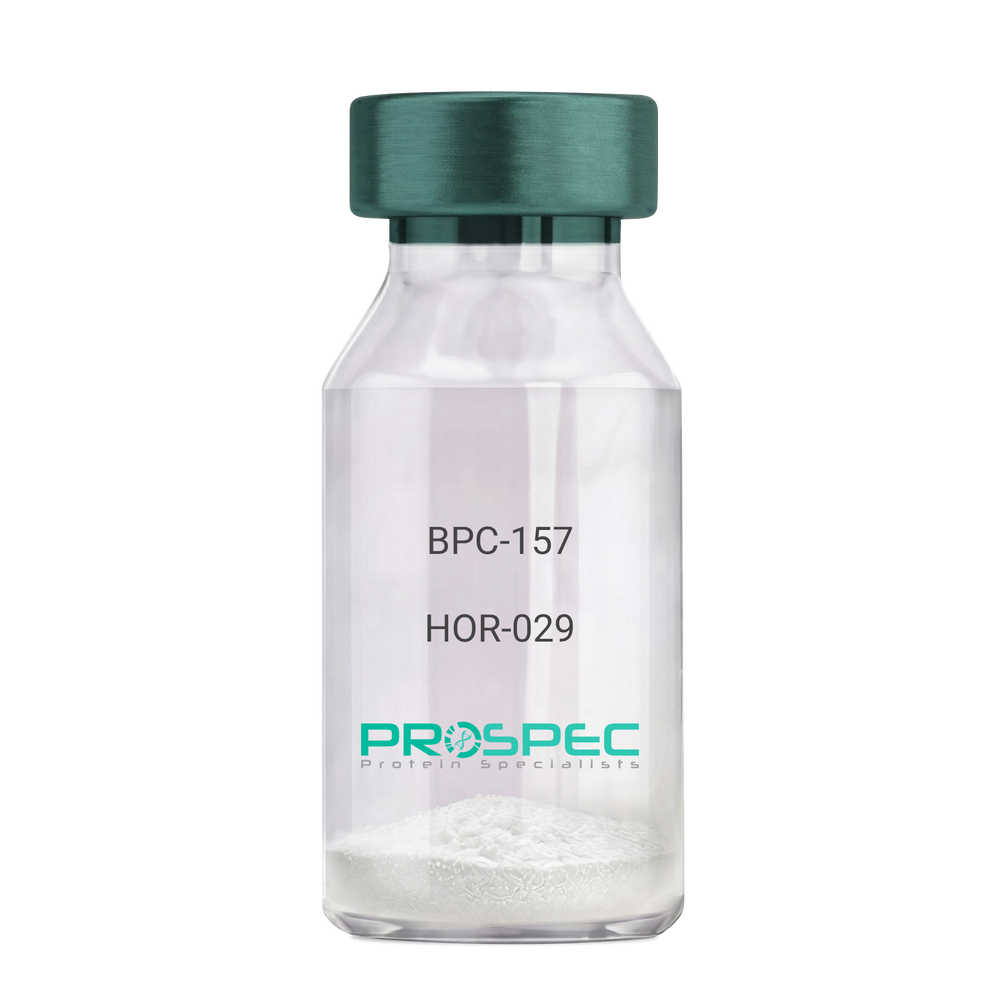
    BPC-157

    Description:

    BPC-157 Pentadecapeptide

    Product # :

    HOR-029

    Price :

    Quantity :

    Shipping Method :

    Room Temp Icon

    Shipped at Room temp

    Add To Cart

    More Info

    • description
    • formulation
    • purity
    • More Info

    Description

    BPC-157 Synthetic is a single, non-glycosylated polypeptide chain containing 15 amino acids, having a molecular mass of 1419.55 Dalton and a Molecular formula of C62H98N16O22.

    Formulation

    The protein was lyophilized with no additives.

    Purity

    Greater than 97.0% as determined by analysis by RP-HPLC.

    More Info

    • Physical Appearance

      Sterile Filtered White lyophilized (freeze-dried) powder.

    • Stability

      Lyophilized BPC-157 although stable at room temperature for 3 weeks, should be stored desiccated below -18°C. Upon reconstitution bpc-157 should be stored at 4°C between 2-7 days and for future use below -18°C. For long term storage it is recommended to add a carrier protein (0.1% HSA or BSA). Please prevent freeze-thaw cycles.

    • Solubility

      It is recommended to reconstitute the lyophilized BPC-157 in sterile 18MΩ-cm H2O not less than 100 µg/ml, which can then be further diluted to other aqueous solutions.

    • Amino Acid Sequence

      H-Gly-Glu-Pro-Pro-Pro-Gly-Lys-Pro-Ala-Asp-Asp-Ala-Gly-Leu-Val-OH

    • Background

      BPC-157, short for Body Protection Compound-157, is a synthetic peptide that has garnered significant attention in the field of regenerative medicine and sports science. This peptide, derived from a portion of the human gastric juice protein known as BPC, exhibits remarkable healing and tissue regeneration properties. BPC-157 has shown promise in various preclinical and clinical studies, demonstrating its potential for the treatment of a wide range of injuries and disorders.

      The research on BPC-157 encompasses investigations into its mechanisms of action, efficacy, safety, and potential therapeutic applications. Studies have elucidated the peptide's ability to enhance angiogenesis, promote collagen synthesis, modulate inflammatory responses, and protect against oxidative stress. These properties make BPC-157 an intriguing candidate for accelerating tissue healing, reducing inflammation, and improving overall recovery outcomes.

      Preclinical studies have revealed the beneficial effects of BPC-157 in several injury models. For instance, BPC-157 has demonstrated its potential in accelerating tendon and ligament healing, mitigating muscle damage, and promoting bone regeneration. These findings suggest that BPC-157 could be a valuable therapeutic tool in orthopedic medicine and sports-related injuries.

      Furthermore, BPC-157 has exhibited promising effects on gastrointestinal health. Studies have highlighted its ability to protect and heal the gut lining, reduce ulcer formation, and alleviate symptoms associated with inflammatory bowel disease. These observations open up avenues for BPC-157 as a potential treatment for gastrointestinal disorders.

      In addition to its regenerative properties, BPC-157 has shown potential in neurological and psychiatric conditions. Research has indicated its neuroprotective effects, with implications for the treatment of traumatic brain injury, stroke, and neurodegenerative disorders. Preliminary studies also suggest BPC-157's potential as an antidepressant and anxiolytic agent.

      Despite the promising findings, further research is needed to fully understand the mechanisms underlying BPC-157's actions and to assess its long-term safety and efficacy. Clinical trials are underway to explore its potential therapeutic applications in humans, including its use in tendon and ligament repair, inflammatory bowel disease, and neurodegenerative disorders.

      This comprehensive review aims to summarize the current state of research on BPC-157, providing an overview of its mechanisms of action and therapeutic potential. By examining relevant studies and findings, we aim to shed light on the diverse applications of BPC-157 and its implications for regenerative medicine, sports science, and various disease

    ProSpec's products are furnished for LABORATORY RESEARCH USE ONLY. The product may not be used as drugs, agricultural or pesticidal products, food additives or household chemicals.

    Bpc 157
  • View Data Sheet

    Name :

    RAC2 Antibody

    Description:

    Ras-Related C3 Botulinum Toxin Substrate 2, Mouse Anti Human

    Ras-related C3 botulinum toxin substrate 2, p21-Rac2, Small G protein, GX, RAC2, HSPC022, EN-7.

    Product # :

    ANT-067

    Price :

    Quantity :

    Shipping Method :

    Ice Icon

    Shipped with Ice Packs

    Add To Cart

    More Info

    • formulation
    • More Info

    Formulation

    1mg/ml containing PBS, pH-7.4, & 0.1% Sodium Azide.

    More Info

    • Introduction

      RAC2 is a small signaling G protein/GTPase which is part of the RAS superfamily of small GTP-binding proteins which regulate cell growth, actin cytoskeletal organization, cell proliferation, survival, cell cycle progression, gene transcription rgulation and the activation of protein kinases. RAC2 cycles between an active gtp-bound and inactive gdp-bound state. In active state, RAC2 binds to a variety of effector proteins to regulate cellular responses, such as secretory processes, phagocytose of apoptotic cells and epithelial cell polarization. RAC2 is involved in the regulation of the nadph oxidase.

    • Synonyms

      Ras-related C3 botulinum toxin substrate 2, p21-Rac2, Small G protein, GX, RAC2, HSPC022, EN-7.

    • Immunogen

      Anti-human RAC2, is derived from hybridization of mouse FO myeloma cells with spleen cells from BALB/c mice immunized with recombinant human RAC2 amino acids 1-189 purified from E. coli.

    • Ig Subclass

      Mouse IgG2b heavy chain and ? light chain.

    • Clone

      PAT2G11.

    • Applications

      The antibody has been tested by ELISA, Western blot analysis to assure specificity and reactivity. Since application varies, however, each investigation should be titrated by the reagent to obtain optimal results. Recommended dilution range for Western blot analysis is 1:1000.

    • Type

      Mouse Anti Human Monoclonal.

    • Storage Procedures

      For periods up to 1 month store at 4°C, for longer periods of time, store at -20°C. Prevent freeze thaw cycles.

    • Purification Method

      Rac2 antibody was purified from mouse ascitic fluids by protein-G affinity chromatography.

    ProSpec's products are furnished for LABORATORY RESEARCH USE ONLY. The product may not be used as drugs, agricultural or pesticidal products, food additives or household chemicals.

    Rac2 Antibody
  • View Data Sheet

    Name :

    CRADD Antibody

    Description:

    Caspase and RIP Adapter with Death Domain, Mouse Anti Human

    RAIDD, MGC9163, CRADD, Death domain-containing protein CRADD, Caspase and RIP adapter with death domain, RIP-associated protein with a death domain, CASP2 and RIPK1 domain containing adaptor with death domain.

    Product # :

    ANT-553

    Price :

    Quantity :

    Shipping Method :

    Ice Icon

    Shipped with Ice Packs

    Add To Cart

    More Info

    • formulation
    • More Info

    Formulation

    1mg/ml containing PBS, pH-7.4, 10% Glycerol and 0.02% Sodium Azide.

    More Info

    • Introduction

      CRADD is a 22kDa, widely-expressed cytosolic adaptor/signaling protein that induces cell apoptosis/cell death in numerous tissues. CRADD is a death domain (CARD) that recruits, caspase 2/ICH1 to the cell death signal transduction complex that includes TNFR1A, RIPK1/RIP kinase, and numbers of other CARD domain-containing proteins.

    • Synonyms

      RAIDD, MGC9163, CRADD, Death domain-containing protein CRADD, Caspase and RIP adapter with death domain, RIP-associated protein with a death domain, CASP2 and RIPK1 domain containing adaptor with death domain.

    • Physical Appearance

      Sterile filtered colorless solution.

    • Immunogen

      Anti-human CRADD mAb, is derived from hybridization of mouse F0 myeloma cells with spleen cells from BALB/c mice immunized with a recombinant human CRADD protein 1-199 amino acids purified from E. coli.

    • Ig Subclass

      Mouse IgG1 heavy chain and k light chain.

    • Clone

      PAT14G8AT.

    • Applications

      CRADD antibody has been tested by ELISA, Western blot and ICC/IF analysis to assure specificity and reactivity. Since application varies, however, each investigation should be titrated by the reagent to obtain optimal results.

    • Type

      Mouse Anti Human Monoclonal.

    • Storage Procedures

      For periods up to 1 month store at 4°C, for longer periods of time, store at -20°C. Prevent freeze thaw cycles.

    • Purification Method

      CRADD antibody was purified from mouse ascitic fluids by protein-A affinity chromatography.

    ProSpec's products are furnished for LABORATORY RESEARCH USE ONLY. The product may not be used as drugs, agricultural or pesticidal products, food additives or household chemicals.

    Cradd Antibody
  • View Data Sheet

    Name :

    HBsAg adw

    Description:

    Hepatitis B Surface Antigen, adw Recombinant

    Product # :

    HBS-872

    Price :

    Quantity :

    Shipping Method :

    Ice Icon

    Shipped with Ice Packs

    Add To Cart

    More Info

    • description
    • source
    • formulation
    • purity
    • More Info

    Description

    HbsAg adw produced Pichia Pastoris, having a molecular weight of approximately 24.0 kDa as shown on SDS-PAGE.

    Source

    Pichia Pastoris.

    Formulation

    Sterile Filtered solution containing 20mM Phosphate Buffer, 154mM sodium chloride, pH 7.1.

    Purity

    Greater than 95.0% as determined by SDS-PAGE.

    More Info

    • Introduction

      HBsAg is the surface antigenof the Hepatitis-B-Virus (HBV). The capsidof a virus has different surface proteins from the rest of the virus. The antigen is a protein that binds specifically on one of these surface proteins. It is commonly referred to as the Australian Antigen.

    • Physical Appearance

      Sterile Filtered pale solution.

    • Stability

      HBsAg Should be stored at 4°C.DO NOT FREEZE.

    ProSpec's products are furnished for LABORATORY RESEARCH USE ONLY. The product may not be used as drugs, agricultural or pesticidal products, food additives or household chemicals.

    Hbsag Adw
  • View Data Sheet

    Name :

    CD58 Antibody, FITC

    Description:

    CD58, Mouse Anti-Human, FITC

    CD58, LFA-3, Ag3, Surface glycoprotein LFA-3.

    Product # :

    ANT-279

    Price :

    Quantity :

    Shipping Method :

    Room Temp Icon

    Shipped at Room temp

    Add To Cart

    More Info

    • formulation
    • More Info

    Formulation

    1mg/ml in PBS (after reconstitution).

    More Info

    • Introduction

      CD58 is part of the immunoglobulin superfamily. CD58 is a ligand of the T lymphocyte CD2 protein, and is invloved in adhesion and activation of T lymphocytes. CD58 is localized to the plasma membrane.

    • Synonyms

      CD58, LFA-3, Ag3, Surface glycoprotein LFA-3.

    • Solubility

      Reconstitute with of H20. Mix gently, wash the sides of the vial and wait 30-60 seconds before use.

    • Immunogen

      Human Erythrocytes.

    • Ig Subclass

      Mouse IgG1.

    • Clone

      hCD58.

    • Applications

      Staining antibody. For staining, use 10µl/1,000,000 cells.

    • Available Conjugates

      This antibody is also available unconjugated to and conjugated to Biotin. For staining with biotin or FITC-conjugated antibody use 5-10µl/1,000,000 cells.

    • Type

      Mouse Anti Human Monoclonal.

    • Storage Procedures

      Lyophilized: store at 4°C. After reconstitution, if not intended for use within a month, aliquot and store at -20°C.

    • Purification Method

      Ion-Exchange Column.

    ProSpec's products are furnished for LABORATORY RESEARCH USE ONLY. The product may not be used as drugs, agricultural or pesticidal products, food additives or household chemicals.

    Cd58 Antibody Fitc
  • View Data Sheet

    Name :

    VEGF Human

    Description:

    Vascular Endothelial Growth Factor Human Recombinant

    Vascular endothelial growth factor A, VEGF-A, Vascular permeability factor, VPF, VEGF, MGC70609.

    Product # :

    CYT-241

    Price :

    Quantity :

    Shipping Method :

    Room Temp Icon

    Shipped at Room temp

    Add To Cart

    More Info

    • description
    • source
    • formulation
    • purity
    • biological activity
    • More Info

    Description

    Vascular Endothelial Growth Factor Human Recombinant produced in E.Coli is a double, non-glycosylated, polypeptide chain containing 165 amino acids and having a molecular mass of 38.2kDa.The VEGF is purified by proprietary chromatographic techniques.

    Source

    Escherichia Coli.

    Formulation

    The VEGF protein was lyophilized from a concentrated (1mg/ml) solution with no additives.

    Purity

    Greater than 95.0% as determined by:
    (a) Analysis by RP-HPLC.
    (b) Analysis by SDS-PAGE.

    Biological Activity

    Determined by the dose-dependent stimulation of the proliferation of human umbilical vein endothelial cells (HUVEC) using a concentration range of 3.7-5.6 ng/ml, corresponding to a Specific Activity of 178,570-270,270IU/mg.

    More Info

    • Introduction

      Vascular endothelial growth factor (VEGF) is an important signaling protein involved in vessel formation As its name implies, VEGF activity has been mostly studied on cells of the vascular endothelium, although it does have effects on a number of other cell types (e.g. stimulation monocyte/macrophage migration, neurons, cancer cells, kidney epithelial cells ). VEGF mediates increased vascular permeability, induces vasculogenesis and endothelial cell production, promotes cell migration, and inhibits apoptosis. In vitro, VEGF has been shown to stimulate endothelial cell mitogenesis and cell migration. VEGF is also a vasodilator and increases microvascular permeability and was originally referred to as vascular permeability factor. VEGF is located in normal cartilage though only osteoarthritic cartilage expresses the VEGF receptors, NP1, VEGFR1 and VEGFR2. The VEGF level in the culture media from OA chondrocytes was more than 3 folds higher than in media from normal chondrocytes

    • Synonyms

      Vascular endothelial growth factor A, VEGF-A, Vascular permeability factor, VPF, VEGF, MGC70609.

    • Physical Appearance

      Sterile Filtered White lyophilized (freeze-dried) powder.

    • Stability

      Lyophilized VEGF although stable at room temperature for 3 weeks, should be stored desiccated below -18°C. Upon reconstitution VEGF should be stored at 4°C between 2-7 days and for future use below -18°C.For long term storage it is recommended to add a carrier protein (0.1% HSA or BSA).Please prevent freeze-thaw cycles.

    • Solubility

      It is recommended to reconstitute the lyophilized VEGF in sterile 18M-cm H2O not less than 100µg/ml, which can then be further diluted to other aqueous solutions.

    • Amino Acid Sequence

      APMAEGGGQN HHEVVKFMDV YQRSYCHPIE TLVDIFQEYP DEIEYIFKPS CVPLMRCGGC CNDEGLECVP TEESNITMQI MRIKPHQGQH IGEMSFLQHN KCECRPKKDR ARQENPCGPC SERRKHLFVQ DPQTCKCSCK NTDSRCKARQ LELNERTCRC DKPRR

    • Protein content

      VEGF protein quantitation was carried out by two independent methods:1. UV spectroscopy at 280 nm using the absorbency value of 0.2875 as the extinction coefficient for a 0.1% (1mg/ml) solution. This value is calculated by the PC GENE computer analysis program of protein sequences (IntelliGenetics). 2. Analysis by RP-HPLC, using a calibrated solution of VEGF as a Reference Standard.

    ProSpec's products are furnished for LABORATORY RESEARCH USE ONLY. The product may not be used as drugs, agricultural or pesticidal products, food additives or household chemicals.

    Vegf Human
  • View Data Sheet

    Name :

    MCP 2 Mouse

    Description:

    Monocyte Chemotactic Protein-2 Mouse Recombinant (CCL8)

    Small inducible cytokine A8, CCL8, Monocyte chemotactic protein 2, MCP-2, Monocyte chemoattractant protein 2, HC14, chemokine (C-C motif) ligand 8, MCP2, SCYA8, SCYA10, AB023418, 1810063B20Rik.

    Product # :

    CHM-355

    Price :

    Quantity :

    Shipping Method :

    Room Temp Icon

    Shipped at Room temp

    Add To Cart

    More Info

    • description
    • source
    • formulation
    • purity
    • biological activity
    • More Info

    Description

    Monocyte Chemotactic Protein-2 Mouse Recombinant produced in E.Coli is a non-glycosylated, Polypeptide chain containing 74 amino acids and having a molecular mass of 8507 Dalton. The MCP-2 is purified by proprietary chromatographic techniques.

    Source

    Escherichia Coli.

    Formulation

    Lyophilized from a 0.2µm filtered concentrated (1.0mg/ml) solution in 20mM PB, pH 7.4, 150mM NaCl.

    Purity

    Greater than 97.0% as determined by:
    (a) Analysis by RP-HPLC.
    (b) Analysis by SDS-PAGE.

    Biological Activity

    Determined by its ability to chemoattract human peripheral blood monocytes using a concentration range of 10-100ng/ml corresponding to a Specific Activity of 10,000-100,000IU/mg.

    More Info

    • Introduction

      Chemokine (C-C motif) ligand 8 (CCL8) is a small cytokine belonging to the CC chemokine family that was once called monocyte chemotactic protein-2 (MCP-2). The CCL8 protein is produced as a precursor containing 109 amino acids, which is cleaved to produce mature CCL8 containing 75 amino acids. The gene for CCL8 is encoded by 3 exons and is located within a large cluster of CC chemokines on chromosome 17q11.2 in humans. MCP-2 is chemotactic for and activates a many different immune cells, including mast cells, eosinophils and basophils, (that are implicated in allergic responses), and monocytes, T cells, and NK cells that are involved in the inflammatory response. CCL8 elicits its effects by binding to several different cell surface receptors called chemokine receptors. These receptors include CCR1, CCR2B and CCR5.

    • Synonyms

      Small inducible cytokine A8, CCL8, Monocyte chemotactic protein 2, MCP-2, Monocyte chemoattractant protein 2, HC14, chemokine (C-C motif) ligand 8, MCP2, SCYA8, SCYA10, AB023418, 1810063B20Rik.

    • Physical Appearance

      Sterile Filtered White lyophilized (freeze-dried) powder.

    • Stability

      Lyophilized MCP-2 although stable at room temperature for 3 weeks, should be stored desiccated below -18°C. Upon reconstitution CCL8 should be stored at 4°C between 2-7 days and for future use below -18°C.For long term storage it is recommended to add a carrier protein (0.1% HSA or BSA).Please prevent freeze-thaw cycles.

    • Solubility

      It is recommended to reconstitute the lyophilized CCL8in sterile 18MΩ-cm H2O not less than 100µg/ml, which can then be further diluted to other aqueous solutions.

    • Amino Acid Sequence

      GPDKAPVTCC FHVLKLKIPL RVLKSYERIN NIQCPMEAVV FQTKQGMSLC VDPTQKWVSE YMEILDQKSQ ILQP.

    ProSpec's products are furnished for LABORATORY RESEARCH USE ONLY. The product may not be used as drugs, agricultural or pesticidal products, food additives or household chemicals.

    Mcp 2 Mouse
  • View Data Sheet

    Name :

    SEMA3C Human

    Description:

    Semaphorin 3C Human Recombinant

    Semaphorin 3C ,Semaphorin-3C, Semaphorin-3C isoform2, SEMA3C, Semaphorin-E, SEMAE, Sema E, SemE, SEME, Semaphorin E

    Product # :

    PRO-2750

    Price :

    Quantity :

    Shipping Method :

    Ice Icon

    Shipped with Ice Packs

    Add To Cart

    More Info

    • description
    • source
    • formulation
    • purity
    • More Info

    Description

    SEMA3C Human Recombinant produced in HEK cells is a single, glycosylated, polypeptide chain (21-738 a.a) containing a total of 951 amino acids, having a molecular mass of 107.2kDa. SEMA3C is fused to a 233 amino acid hIgG-Tag at C-terminus,and is purified by proprietary chromatographic techniques.

    Source

    HEK293 Cells.

    Formulation

    The SEMA3C solution (1mg/ml) contains 10% Glycerol and Phosphate-Buffered Saline (pH 7.4).

    Purity

    Greater than 90.0% as determined by SDS-PAGE.

    More Info

    • Introduction

      SEMA3C, also known as Semaphorin 3C, is a member of the semaphorin family 3 that are grouped into 8 major classes based on phylogenetic tree analyses and structure. Class 3 have an important function after traumatic central nervous system injuries. SEMA3C regulates neuronal and non-neuronal cells associated with the traumatic injury due to their presence in the scar tissue. SEMA3C is expressed in all somatic motor neurons, in cardiac neural crest cells during development and in lung buds. The SEMA3C functions are mediated through binding to the Plexin-D1 and Neuropilin 1 or Neuropilin 2 coreceptor complex. SEMA3C activates integrins in certain cells, so besides its repulsive activities, it also acts as a chemoattractant.

    • Synonyms

      Semaphorin 3C ,Semaphorin-3C, Semaphorin-3C isoform2, SEMA3C, Semaphorin-E, SEMAE, Sema E, SemE, SEME, Semaphorin E

    • Physical Appearance

      Sterile Filtered colorless solution.

    • Stability

      Store at 4°C if entire vial will be used within 2-4 weeks. Store, frozen at -20°C for longer periods of time. For long term storage it is recommended to add a carrier protein (0.1% HSA or BSA). Avoid multiple freeze-thaw cycles.

    • Amino Acid Sequence

      GSSQPQARVY LTFDELRETK TSEYFSLSHH PLDYRILLMD EDQDRIYVGS KDHILSLNIN NISQEALSVF WPASTIKVEE CKMAGKDPTH GCGNFVRVIQ TFNRTHLYVC GSGAFSPVCT YLNRGRRSED QVFMIDSKCE SGKGRCSFNP NVNTVSVMIN EELFSGMYID FMGTDAAIFR SLTKRNAVRT DQHNSKWLSE PMFVDAHVIP DGTDPNDAKV YFFFKEKLTD NNRSTKQIHS MIARICPNDT GGLRSLVNKW TTFLKARLVC SVTDEDGPET HFDELEDVFL LETDNPRTTL VYGIFTTSSS VFKGSAVCVY HLSDIQTVFN GPFAHKEGPN HQLISYQGRI PYPRPGTCPG GAFTPNMRTT KEFPDDVVTF IRNHPLMYNS IYPIHKRPLI VRIGTDYKYT KIAVDRVNAA DGRYHVLFLG TDRGTVQKVV VLPTNNSVSG ELILEELEVF KNHAPITTMK ISSKKQQLYV SSNEGVSQVS LHRCHIYGTA CADCCLARDP YCAWDGHSCS RFYPTGKRRS AAQDVRHGNP LTQCRGFNLK AYRNAAEIVQ YGVKNNTTFL ECAPKSPQAS IKWLLQKDKD AAKEVKLNER IIATSQGLLI RSVQGSDQGL YHCIATENSF KQTIAKINFK VLDSEMVAVV TDKWSPWTWA SSVRALPFHP KDIMGAFSHS EMQMINQYCK DTRQQHQQGD ESQKMRGDYG KLKALINSLE PKSCDKTHTC PPCPAPELLG GPSVFLFPPK PKDTLMISRT PEVTCVVVDV SHEDPEVKFN WYVDGVEVHN AKTKPREEQY NSTYRVVSVL TVLHQDWLNG KEYKCKVSNK ALPAPIEKTI SKAKGQPREP QVYTLPPSRD ELTKNQVSLT CLVKGFYPSD IAVEWESNGQ PENNYKTTPP VLDSDGSFFL YSKLTVDKSR WQQGNVFSCS VMHEALHNHY TQKSLSLSPG K

    ProSpec's products are furnished for LABORATORY RESEARCH USE ONLY. The product may not be used as drugs, agricultural or pesticidal products, food additives or household chemicals.

    Sema3C Human
  • View Data Sheet

    Name :

    EGFL6 Mouse

    Description:

    EGF Like Domain Multiple 6 Mouse Recombinant

    Epidermal growth factor-like protein 6, EGF-L6, Egfl6, Maeg.

    Product # :

    CYT-1105

    Price :

    Quantity :

    Shipping Method :

    Ice Icon

    Shipped with Ice Packs

    Add To Cart

    More Info

    • description
    • source
    • formulation
    • purity
    • More Info

    Description

    EGFL6 Mouse Recombinant produced in Sf9 Insect cells is a single, glycosylated polypeptide chain containing 273 amino acids (287-550a.a.) and having a molecular mass of 31.1kDa (Molecular size on SDS-PAGE will appear at approximately 28-40kDa).EGFL6 is expressed with a 9 amino acid His tag at C-Terminus and purified by proprietary chromatographic techniques.

    Source

    Sf9, Insect cells.

    Formulation

    EGFL6 protein solution ( 0.5mg/ml ) contains Phosphate Buffered Saline (pH 7.4) containing 10% glycerol.

    Purity

    Greater than 95.0% as determined by SDS-PAGE.

    More Info

    • Introduction

      Epidermal Growth Factor­like Domain Multiple 6 (EGFL6) belongs to the EGF repeat superfamily of proteins, whose members are involved in the regulation of cell cycle, proliferation, and developmental processes. EGFL6 gene product contains a signal peptide, suggesting that EGFL6 is secreted; an EGF repeat region consisting of four complete EGF-like repeats and 1 partial EGF-like repeat, 3 of which have a calcium-binding consensus sequence; an arg-gly-asp integrin association motif; and a MAM domain, which is assumed to have an adhesive function. Within shared regions, human EGFL6 shares 75% and 78% amino acid sequence identity with the mouse and rat orthologs, respectively. EGFL6 is expressed in various fetal tissues during early development such as the lung, heart, liver, spleen, cochlea and the placenta, as well as meningioma tumors.

    • Synonyms

      Epidermal growth factor-like protein 6, EGF-L6, Egfl6, Maeg.

    • Physical Appearance

      Sterile filtered colorless solution.

    • Stability

      Store at 4°C if entire vial will be used within 2-4 weeks. Store, frozen at -20°C for longer periods of time. For long term storage it is recommended to add a carrier protein (0.1% HSA or BSA).Avoid multiple freeze-thaw cycles.

    • Amino Acid Sequence

      ADLTMKKKVK LKMVTPRPAS TRVPKVNLPY SSEEGVSRGR NYDGEQKKKE EGKRERLEEE
      KGEKTLRNEV EQERTLRGDV FSPKVNEAED LDLVYVQRKE LNSKLKHKDL NISVDCSFDL
      GVCDWKQDRE DDFDWHPADR DNDVGYYMAV PALAGHKKNI GRLKLLLPNL TPQSNFCLLF
      DYRLAGDKVG KLRVFVKNSN NALAWEETKN EDGRWRTGKI QLYQGIDTTK SVIFEAERGK GKTGEIAVDG VLLVSGLCPD DFLSVEGHHH HHH.

    • Background

      Title: EGF-Like Domain Multiple 6 Mouse Recombinant: Insights into its Biological Significance and Potential Applications

      Abstract:


      EGF-Like Domain Multiple 6 (EGFL6) is a critical protein involved in various biological processes, including development, tissue homeostasis, and cancer progression. This research paper provides a comprehensive analysis of mouse recombinant EGFL6, focusing on its production, characterization, and potential applications in studying its biological functions. The paper highlights the significance of EGFL6 in cellular processes and its role in disease pathogenesis. Furthermore, it discusses ongoing research and potential therapeutic applications of recombinant EGFL6 in cancer and regenerative medicine. The information presented in this paper aims to enhance our understanding of mouse recombinant EGFL6 and its utility as a research tool and a potential therapeutic agent.

      Introduction:


      EGF-Like Domain Multiple 6 (EGFL6) is a secreted protein that belongs to the epidermal growth factor (EGF) family. Mouse recombinant EGFL6, produced through genetic engineering techniques, provides a valuable tool for investigating its biological functions and potential therapeutic applications.

      Production and Characterization:


      Recombinant EGFL6 is typically generated using expression systems such as bacteria or mammalian cells. The protein is then purified and characterized to ensure its structural integrity and functional activity. Rigorous quality control measures are implemented to confirm the specificity and potency of the recombinant EGFL6.

      Biological Significance:


      EGFL6 plays a crucial role in diverse cellular processes, including angiogenesis, tissue regeneration, and cell proliferation. It is involved in the modulation of signaling pathways, such as the Wnt/β-catenin pathway, and interacts with extracellular matrix components. Recombinant EGFL6 offers a valuable tool for investigating the molecular mechanisms underlying its biological functions and its involvement in disease pathogenesis.

      Role in Cancer:


      EGFL6 is implicated in cancer progression and metastasis. It promotes tumor angiogenesis, invasion, and resistance to chemotherapy. Studies utilizing recombinant EGFL6 can contribute to a better understanding of its role in tumor microenvironment remodeling and the development of targeted therapeutic strategies.

      Therapeutic Implications:


      Given its involvement in various cellular processes and disease pathogenesis, EGFL6 has emerged as a potential therapeutic target. Recombinant EGFL6-based therapies, such as antibody-based approaches or small molecule inhibitors, hold promise for cancer treatment and regenerative medicine. Ongoing research is focused on developing strategies to modulate EGFL6 activity for therapeutic benefit.

      Conclusion:


      Mouse recombinant EGFL6 serves as a valuable research tool for studying its biological functions and exploring its therapeutic potential. Its production, characterization, and applications in understanding cellular processes and disease pathogenesis contribute to our knowledge of EGFL6 biology and the development of targeted interventions. Continued research and clinical investigations exploring the therapeutic applications of recombinant EGFL6 offer promising avenues for improving outcomes in cancer and regenerative medicine.

      What is the molecular weight/Mw of EGFL6 MOUSE Protein?
      EGFL6 MOUSE Protein has a total Mw of 31.1kDa.

      What is the source or expression system of EGFL6 MOUSE Protein?
      Sf9, Insect cells.

      What is the Purity of EGFL6 MOUSE Protein?
      EGFL6 MOUSE Protein is >95% pure as determined by SDS-PAGE.

      What is the Biological Activity of EGFL6 MOUSE Protein?
      The biological functionality of EGFL6 MOUSE Protein will be determined in the future.

      What is the amino acid sequence of EGFL6 MOUSE Protein?
      EGFL6 MOUSE Protein is composed from 273 amino acids.

      What applications can EGFL6 MOUSE Protein be used in?
      EGFL6 MOUSE Protein can probably be used in western blot, ELISA and Lateral Flow.

      What is the endotoxin level for EGFL6 MOUSE Protein?
      The endotoxin level is minimal, EGFL6 MOUSE Protein was purified using conventional chromatography techniques.

    ProSpec's products are furnished for LABORATORY RESEARCH USE ONLY. The product may not be used as drugs, agricultural or pesticidal products, food additives or household chemicals.

    Egfl6 Mouse
  • View Data Sheet

    Name :

    GCK Human

    Description:

    Glucokinase/Hexokinase-4 Human Recombinant

    Glucokinase, EC 2.7.1.2, Hexokinase-4, Hexokinase type IV, HK IV, HK4, Hexokinase-D, GCK, GK, GLK, HHF3, HKIV, HXKP, MODY2.

    Product # :

    PKA-236

    Price :

    Quantity :

    Shipping Method :

    Ice Icon

    Shipped with Ice Packs

    Add To Cart

    More Info

    • description
    • source
    • formulation
    • purity
    • More Info

    Description

    Glucokinase Human Recombinant produced in E.Coli is a single, non-glycosylated, polypeptide chain (aa 1-465) fused to a 20aa His tag at the N-terminal encoding the sequence of 485 amino acids and having a molecular mass of 54.3 kDa.HK4 is purified by proprietary chromatographic techniques.

    Source

    Escherichia Coli.

    Formulation

    The protein (1mg/ml) contains 20mM Tris-HCl pH-8.0 and 10% glycerol.

    Purity

    Greater than 95.0% as determined by SDS-PAGE.

    More Info

    • Introduction

      Hexokinases phosphorylate glucose to produce glucose-6-phosphate, thus committing glucose to the glycolytic pathway. Alternative splicing of Glucokinase results in three tissue-specific forms of glucokinase, one found in pancreatic islet beta cells and two found in liver. The protein localizes to the outer membrane of mitochondria. In contrast to other forms of hexokinase, HK4 is not inhibited by its product glucose-6-phosphate but remains active while glucose is abundant. Mutations in this gene have been associated with non-insulin dependent diabetes mellitus (NIDDM), maturity onset diabetes of the young, type 2 (MODY2) and persistent hyperinsulinemic hypoglycemia of infancy (PHHI).

    • Synonyms

      Glucokinase, EC 2.7.1.2, Hexokinase-4, Hexokinase type IV, HK IV, HK4, Hexokinase-D, GCK, GK, GLK, HHF3, HKIV, HXKP, MODY2.

    • Physical Appearance

      Sterile filtered colorless solution.

    • Stability

      Store at 4°C if entire vial will be used within 2-4 weeks.Store, frozen at -20°C for longer periods of time. For long term storage it is recommended to add a carrier protein (0.1% HSA or BSA). Please avoid freeze-thaw cycles.

    • Amino Acid Sequence

      MGSSHHHHHH SSGLVPRGSH MLDDRARMEA AKKEKVEQIL AEFQLQEEDL KKVMRRMQKE MDRGLRLETH EEASVKMLPT YVRSTPEGSE VGDFLSLDLG GTNFRVMLVK VGEGEEGQWS VKTKHQMYSI PEDAMTGTAE MLFDYISECI SDFLDKHQMK HKKLPLGFTF SFPVRHEDID KGILLNWTKG FKASGAEGNN VVGLLRDAIK RRGDFEMDVV AMVNDTVATM ISCYYEDHQC EVGMIVGTGC NACYMEEMQN VELVEGDEGR MCVNTEWGAF GDSGELDEFL LEYDRLVDES SANPGQQLYE KLIGGKYMGE LVRLVLLRLV DENLLFHGEA SEQLRTRGAF ETRFVSQVES DTGDRKQIYN ILSTLGLRPS TTDCDIVRRA CESVSTRAAH MCSAGLAGVI NRMRESRSED VMRITVGVDG SVYKLHPSFK ERFHASVRRL TPSCEITFIE SEEGSGRGAA LVSAVACKKA CMLGQ.

    ProSpec's products are furnished for LABORATORY RESEARCH USE ONLY. The product may not be used as drugs, agricultural or pesticidal products, food additives or household chemicals.

    Glucokinase Human
  • View Data Sheet

    Name :

    CD5L Human, HEK

    Description:

    CD5 Molecule-Like Human Recombinant, HEK

    CD5 antigen-like, CT-2, IgM-associated peptide, SP-alpha, CD5L, API6, AIM, API6, PRO229, Spalpha.

    Product # :

    PRO-2025

    Price :

    Quantity :

    Shipping Method :

    Room Temp Icon

    Shipped at Room temp

    Add To Cart

    More Info

    • description
    • source
    • formulation
    • purity
    • More Info

    Description

    CD5L Human Recombinant produced in HEK cells is a single, glycosylated, polypeptide chain (Ser20-Gly347) containing a total of 334 amino acids, having a calculated molecular mass of 36.9kDa and fused to a 6 aa His tag at C-Terminus.

    Source

    HEK 293.

    Formulation

    CD5L was filtered (0.4 µm) and lyophilized from 0.5mg/ml solution in phosphate buffered saline pH 7.5.

    Purity

    Greater than 95.0% as determined by SDS-PAGE.

    More Info

    • Introduction

      CD5 antigen-like (CD5L) participates in the regulation of the immune system. CD5L functions as an inhibitor of apoptosis. CD5L is expressed in the spleen, lymph node, thymus and bone marrow.

    • Synonyms

      CD5 antigen-like, CT-2, IgM-associated peptide, SP-alpha, CD5L, API6, AIM, API6, PRO229, Spalpha.

    • Physical Appearance

      Filtered White lyophilized (freeze-dried) powder.

    • Stability

      Store lyophilized protein at -20°C. Aliquot the product after reconstitution to avoid repeated freezing/thawing cycles. Reconstituted protein can be stored at 4°C for a limited period of time.

    • Solubility

      It is recommended to add deionized water to prepare a working stock solution of approximately 0.5 mg/ml and let the lyophilized pellet dissolve completely. CD5L is not sterile! Please filter the product by an appropriate sterile filter before using it in the cell culture.

    • Amino Acid Sequence

      SPSGVRLVGG LHRCEGRVEV EQKGQWGTVC DDGWDIKDVA VLCRELGCGA ASGTPSGILY EPPAEKEQKV LIQSVSCTGT EDTLAQCEQE EVYDCSHDED AGASCENPES SFSPVPEGVR LADGPGHCKG RVEVKHQNQW YTVCQTGWSL RAAKVVCRQL GCGRAVLTQK RCNKHAYGRK PIWLSQMSCS GREATLQDCP SGPWGKNTCN HDEDTWVECE DPFDLRLVGG DNLCSGRLEV LHKGVWGSVC DDNWGEKEDQ VVCKQLGCGK SLSPSFRDRK CYGPGVGRIW LDNVRCSGEE QSLEQCQHRF WGFHDCTHQE DVAVICSGHH HHHH.

    ProSpec's products are furnished for LABORATORY RESEARCH USE ONLY. The product may not be used as drugs, agricultural or pesticidal products, food additives or household chemicals.

    Cd5L Human Hek
  • View Data Sheet

    Name :

    GLK E.Coli, Active

    Description:

    Glucokinase E.coli Recombinant, BioActive

    Glucokinase, ECK2384, JW2385.

    Product # :

    PKA-121

    Price :

    Quantity :

    Shipping Method :

    Ice Icon

    Shipped with Ice Packs

    Add To Cart

    More Info

    • description
    • source
    • formulation
    • purity
    • biological activity
    • More Info

    Description

    GLK E.Coli Recombinant produced in E.Coli is a single, non-glycosylated polypeptide chain containing 344 amino acids (1-321) and having a molecular mass of 37.1kDa.GLK is fused to a 23 amino acid His-Tag at N-terminus and purified by proprietary chromatographic techniques.

    Source

    Escherichia Coli.

    Formulation

    GLK protein solution (1mg/ml) contains 0.15M NaCl, 20mM Tris-HCl buffer (pH 8.0) and 10% glycerol.

    Purity

    Greater than 95.0% as determined by SDS-PAGE.

    Biological Activity

    Specific activity is > 70unit/mg obtained by measuring the increase of NADPH in absorbance at 340 nm resulting from the reduction of NADP. One unit will oxidize 1.0 umole of Glucose to D-glucose 6-phosphate per minute in the presence of Beta-NADP at pH 9.0 at 37C.


    More Info

    • Introduction

      Glucokinase or GLK, is a protein, part of the bacterial glucokinase superfamily. In the bacteria E. coli, glucose can be transported to the inner cell through a system called PTS as glucose 6-phosphate, therefore, GLK is less crucial to the bacteria.

    • Synonyms

      Glucokinase, ECK2384, JW2385.

    • Physical Appearance

      Sterile Filtered colorless solution.

    • Stability

      Store at 4°C if entire vial will be used within 2-4 weeks. Store, frozen at -20°C for longer periods of time. For long term storage it is recommended to add a carrier protein (0.1% HSA or BSA).Avoid multiple freeze-thaw cycles.

    • Amino Acid Sequence

      MGSSHHHHHH SSGLVPRGSH MGSMTKYALV GDVGGTNARL ALCDIASGEI SQAKTYSGLD YPSLEAVIRV YLEEHKVEVK DGCIAIACPI TGDWVAMTNH TWAFSIAEMK KNLGFSHLEI INDFTAVSMA IPMLKKEHLI QFGGAEPVEG KPIAVYGAGT GLGVAHLVHV DKRWVSLPGE GGHVDFAPNS EEEAIILEIL RAEIGHVSAE RVLSGPGLVN LYRAIVKADN RLPENLKPKD ITERALADSC TDCRRALSLF CVIMGRFGGN LALNLGTFGG VFIAGGIVPR FLEFFKASGF RAAFEDKGRF KEYVHDIPVY LIVHDNPGLL GSGAHLRQTL GHIL

    ProSpec's products are furnished for LABORATORY RESEARCH USE ONLY. The product may not be used as drugs, agricultural or pesticidal products, food additives or household chemicals.

    Glucokinase
  • View Data Sheet

    Name :

    ORM1 Human, HEK

    Description:

    Orosomucoid 1 Human Recombinant, HEK

    Orosomucoid 1, ORM, AGP1, OMD 1, AGP-A, alpha-1-acid glycoprotein 1.

    Product # :

    PRO-2764

    Price :

    Quantity :

    Shipping Method :

    Ice Icon

    Shipped with Ice Packs

    Add To Cart

    More Info

    • description
    • source
    • formulation
    • purity
    • More Info

    Description

    ORM1 Human Recombinant produced in HEK is a polypeptide chain containing 189 amino acids (19-201) and having a molecular mass of 22.4 kDa. The ORM1 is fused to a 6 a.a. amino acid His tag at C-terminus & purified by proprietary chromatographic techniques.

    Source

    HEK293

    Formulation

    The ORM1 solution (1mg/ml) contains 1x PBS pH-7 and 10% glycerol.

    Purity

    Greater than 90% as determined by SDS-PAGE.

    More Info

    • Introduction

      The acute phase plasma protein ORM1 synthesized by the liver mediates the interaction between blood cells and endothelial cells. In addition, together with haptoglobin and C reactive protein, ORM1 regulates the extravasation of the cells through infection and inflammation. Expression of ORM1 is induced by acute-phase stimulatory mediators such as bacterial lipopolysaccharides.

    • Synonyms

      Orosomucoid 1, ORM, AGP1, OMD 1, AGP-A, alpha-1-acid glycoprotein 1.

    • Physical Appearance

      Sterile Filtered colorless solution.

    • Stability

      Store at 4°C if entire vial will be used within 2-4 weeks. Store, frozen at -20°C for longer periods of time. For long term storage it is recommended to add a carrier protein (0.1% HSA or BSA).Avoid multiple freeze-thaw cycles.

    • Amino Acid Sequence

      QIPLCANLVP VPITNATLDR ITGKWFYIAS AFRNEEYNKS VQEIQATFFY FTPNKTEDTI FLREYQTRQD QCIYNTTYLN VQRENGTISR YVGGQEHFAH LLILRDTKTY MLAFDVNDEK NWGLSVYADK PETTKEQLGE FYEALDCLRI PKSDVVYTDW KKDKCEPLEK QHEKERKQEE GES HHHHHH

    ProSpec's products are furnished for LABORATORY RESEARCH USE ONLY. The product may not be used as drugs, agricultural or pesticidal products, food additives or household chemicals.

    Orm1 Protein
  • View Data Sheet

    Name :

    CRKL Human

    Description:

    V-crk Sarcoma Virus CT10 Oncogene Homolog (Avian)-Like Human Recombinant

    Crk-like protein, CRKL.

    Product # :

    PRO-063

    Price :

    Quantity :

    Shipping Method :

    Ice Icon

    Shipped with Ice Packs

    Add To Cart

    More Info

    • description
    • source
    • formulation
    • purity
    • More Info

    Description

    CRKL Human Recombinant fused with a 20 amino acid His tag at N-terminus produced in E.Coli is a single, non-glycosylated, polypeptide chain containing 323 amino acids (1-303 a.a.) and having a molecular mass of 35.9kDa (Molecular size on SDS-PAGE will appear higher). The CRKL is purified by proprietary chromatographic techniques.

    Source

    Escherichia Coli.

    Formulation

    The CRKL solution (1 mg/ml) 20mM Tris-HCl buffer (pH 8.0), 10% glycerol, 2mM DTT and 0.1M NaCl.

    Purity

    Greater than 90.0% as determined by SDS-PAGE.

    More Info

    • Introduction

      Crk-like protein (CRKL) is a protein kinase containing SH2 and SH3 (src homology) domains which activates the RAS and JUN kinase signaling pathways and transforms fibroblasts in a RAS-dependent manner. CRKL is a substitute of the BCR-ABL tyrosine kinase, it also has a role in fibroblast transformation by BCR-ABL, and has oncogenic potential.

    • Synonyms

      Crk-like protein, CRKL.

    • Physical Appearance

      Sterile Filtered colorless solution.

    • Stability

      Store at 4°C if entire vial will be used within 2-4 weeks. Store, frozen at -20°C for longer periods of time. For long term storage it is recommended to add a carrier protein (0.1% HSA or BSA).Avoid multiple freeze-thaw cycles.

    • Amino Acid Sequence

      MGSSHHHHHH SSGLVPRGSH MSSARFDSSD RSAWYMGPVS RQEAQTRLQG QRHGMFLVRDSSTCPGDYVL SVSENSRVSH YIINSLPNRR FKIGDQEFDH LPALLEFYKI HYLDTTTLIE PAPRYPSPPM GSVSAPNLPT AEDNLEYVRT LYDFPGNDAE DLPFKKGEIL VIIEKPEEQW WSARNKDGRV GMIPVPYVEK LVRSSPHGKH GNRNSNSYGI PEPAHAYAQP QTTTPLPAVS GSPGAAITPL PSTQNGPVFA KAIQKRVPCA YDKTALALEV GDIVKVTRMN INGQWEGEVN GRKGLFPFTH VKIFDPQNPD ENE.

    ProSpec's products are furnished for LABORATORY RESEARCH USE ONLY. The product may not be used as drugs, agricultural or pesticidal products, food additives or household chemicals.

    CRKL Human
  • View Data Sheet

    Name :

    DCK Human

    Description:

    Deoxycytidine Kinase Human Recombinant

    Deoxycytidine kinase, DCK, MGC117410, MGC138632.

    Product # :

    PKA-313

    Price :

    Quantity :

    Shipping Method :

    Ice Icon

    Shipped with Ice Packs

    Add To Cart

    More Info

    • description
    • source
    • formulation
    • purity
    • More Info

    Description

    DCK Human Recombinant fused with a 36 amino acid His tag at N-terminus produced in E.Coli is a single, non-glycosylated, polypeptide chain containing 296 amino acids (1-260 a.a.) and having a molecular mass of 34.6kDa. The DCK is purified by proprietary chromatographic techniques.

    Source

    Escherichia Coli.

    Formulation

    The DCK solution (0.5mg/ml) contains 20mM Tris-HCl Buffer (pH 7.5), 1mM DTT, 0.1mM PMSF, 2mM EDTA and 10% Glycerol.

    Purity

    Greater than 90.0% as determined by SDS-PAGE.

    More Info

    • Introduction

      DCK (Deoxycytidine kinase) is a key enzyme in the salvage of deoxyribonucleosides and in the activation of clinically relevant nucleoside analogues. DCK is responsible for the 5`-phosphorylation of purine and pyrimidine deoxynucleosides to the corresponding monophosphates using ATP or UTP as phosphate donors. Deficiency of the DCK enzyme activity is linked to resistance to antiviral and anticancer chemotherapeutic agents, whereas increased DCK enzyme activity is linked to increased activation of these compounds to cytotoxic nucleoside triphosphate derivatives.

    • Synonyms

      Deoxycytidine kinase, DCK, MGC117410, MGC138632.

    • Physical Appearance

      DCK is supplied as a sterile filtered clear solution.

    • Stability

      Store at 4°C if entire vial will be used within 2-4 weeks. Store, frozen at -20°C for longer periods of time. For long term storage it is recommended to add a carrier protein (0.1% HSA or BSA).Avoid multiple freeze-thaw cycles.

    • Amino Acid Sequence

      MRGSHHHHHH GMASMTGGQQ MGRDLYDDDD KDRWGSMATP PKRSCPSFSA SSEGTRIKKI SIEGNIAAGK STFVNILKQL CEDWEVVPEP VARWCNVQST QDEFEELTMS QKNGGNVLQM MYEKPERWSF TFQTYACLSR IRAQLASLNG KLKDAEKPVL FFERSVYSDR YIFASNLYES ECMNETEWTI YQDWHDWMNN QFGQSLELDG IIYLQATPET CLHRIYLRGR NEEQGIPLEY LEKLHYKHES WLLHRTLKTN FDYLQEVPIL TLDVNEDFKD KYESLVEKVK EFLSTL.

    ProSpec's products are furnished for LABORATORY RESEARCH USE ONLY. The product may not be used as drugs, agricultural or pesticidal products, food additives or household chemicals.

    Dck Human
  • 1
  • …
  • 28
  • 29
  • 30
  • 31
  • 32
  • …
  • 42
Your browser does not support the video tag.

Products

  • Cytokines
  • Growth Factors
  • Chemokines
  • CD Antigens
  • Neurotrophins
  • Hormones
  • Enzymes
  • Viral Antigens
  • Recombinant Proteins
  • Natural Proteins
  • Monoclonal Antibodies
  • Polyclonal Antibodies
  • Thermal Packaging

About

  • Company
  • Founder
  • Contribution
  • Contact Us
  • My Account

Ordering

  • Ordering Method
  • Ordering - Credit Card
  • Ordering PO
  • Shipping Fees
  • FAQ's

Legal

  • Terms & Conditions
  • Privacy
  • Site Map
  • info@prospecbio.com
  • Facebook
  • Instagram
  • Linkedin Profile

© 2026 ProSpec-Tany TechnoGene Ltd. All Rights Reserved.

  • Choosing a selection results in a full page refresh.
  • Opens in a new window.