Search results
1000 results found for “insulin”
Name
Description
Product #
Price
Quantity
Shipping Method
- View Data Sheet
Name :
TerlipressinDescription:
Terlipressin
Product # :
HOR-287Price :
Quantity :
Shipping Method :
Shipped at Room temp
More Info
- description
- formulation
- purity
- More Info
Description
Terlipressin contains 12 amino acids Gly-Gly-Gly-c[Cys-Tyr-Phe-Gln-Asn-Cys]-Pro-Lys-Gly-NH2 and having a molecular weight of 1227.37 Dalton.
Formulation
The protein (1 mg/ml) was lyophilized with no additives.
Purity
Greater than 98.0% as determined by:
(a) Analysis by RP-HPLC.
(b) Analysis by SDS-PAGE.More Info
-
Introduction
Terlipressin is similar to a naturally occurring hormone present in the body, known as antidiuretic hormone (ADH) or vasopressin. ADH has two main effects in the body. Firstly, it causes narrowing of blood vessels (vasoconstriction), thereby limiting blood flow to a particular area of the body. It also acts on receptors in the kidney to retain water in the body, which helps to prevent excessive loss of water in the urine. Terlipressin is commonly used to stop bleeding of varices in the food pipe (oesophagus). Varices are fragile distended veins that can occur in various parts of the body such as the oesophagus. This is caused by an increase in blood pressure in certain diseases such as severe liver disease. These fragile varices can rupture and lead to life threatening bleeding. Terlipressin is therefore given to narrow blood vessels, and so restricting blood flow to the varices and stopping the bleeding.
-
Physical Appearance
Sterile Filtered White lyophilized (freeze-dried) powder.
-
Stability
Lyophilized Terlipressin although stable at room temperature for 3 weeks, should be stored desiccated below -18°C. Upon reconstitution Terlipressin should be stored at 4°C between 2-7 days and for future use below -18°C.For long term storage it is recommended to add a carrier protein (0.1% HSA or BSA).Please prevent freeze-thaw cycles.
-
Solubility
It is recommended to reconstitute the lyophilized Terlipressin18MΩ-cm H2O not less than 100 µg/ml, which can then be further diluted to other aqueous solutions.
ProSpec's products are furnished for LABORATORY RESEARCH USE ONLY. The product may not be used as drugs, agricultural or pesticidal products, food additives or household chemicals.
- View Data Sheet
Name :
SemaglutideDescription:
Semaglutide
Product # :
HOR-048Price :
Quantity :
Shipping Method :
Shipped at Room temp
More Info
- description
- formulation
- purity
- More Info
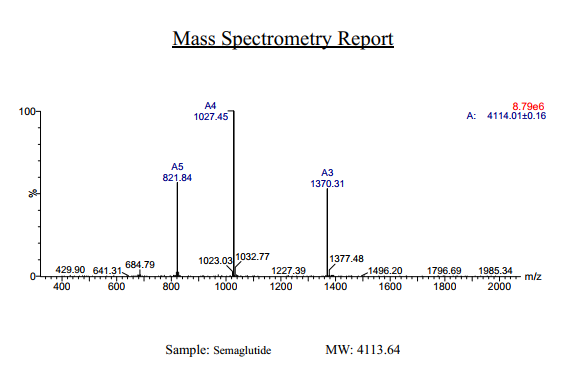
- HPLC, MS
Description
Semaglutide Synthetic is a single, non-glycosylated polypeptide chain containing 31 amino acids, having a molecular mass of 4113 Dalton and a Molecular formula of C187H291N45O59.
Formulation
The protein was lyophilized with no additives.
Purity
Greater than 97.0% as determined by analysis by RP-HPLC.
HPLC, MS
More Info
-
Physical Appearance
Sterile Filtered White lyophilized (freeze-dried) powder.
-
Stability
Lyophilized Semaglutide although stable at room temperature for 3 weeks, should be stored desiccated below -18°C. Upon reconstitution Semaglutide should be stored at 4°C between 2-7 days and for future use below -18°C. For long term storage it is recommended to add a carrier protein (0.1% HSA or BSA). Please prevent freeze-thaw cycles.
-
Solubility
It is recommended to reconstitute the lyophilized Semaglutide in sterile 18MΩ-cm H2O not less than 100 µg/ml, which can then be further diluted to other aqueous solutions.
-
Amino Acid Sequence
H-His-Aib-Glu-Gly-Thr-Phe-Thr-Ser-Asp-Val-Ser-Ser-Tyr-Leu-Glu-Gly-Gln-Ala-Ala-Lys(AEEAc-AEEAc-γ-Glu-17-carboxyheptadecanoyl)-Glu-Phe-Ile-Ala-Trp-Leu-Val-Arg-Gly-Arg-Gly-OH.
-
Background
Semaglutide, a glucagon-like peptide-1 receptor agonist (GLP-1 RA), has emerged as a breakthrough in the field of diabetes management and metabolic disorders. It is recognized for its potent glucose-lowering effects, weight management properties, and cardiovascular benefits. Beyond diabetes, semaglutide is under investigation for its potential applications in obesity treatment and other related conditions. This research aims to comprehensively explore semaglutide, shedding light on its multifaceted mechanisms of action and its broader therapeutic implications.
The primary objective of this research is to elucidate the mechanisms underlying the glucose-lowering and metabolic effects of semaglutide. In vitro and in vivo experiments will be conducted to investigate how semaglutide interacts with GLP-1 receptors, influences insulin secretion, and modulates glucose homeostasis. Understanding these mechanisms is crucial for harnessing the full therapeutic potential of semaglutide.
The second objective is to assess the clinical relevance of semaglutide in diabetes management. Clinical trials involving individuals with type 2 diabetes will be conducted to evaluate the efficacy, safety, and long-term outcomes of semaglutide treatment. These investigations may provide valuable insights into its use as a monotherapy or adjunct therapy in diabetes care.
The third objective is to explore the potential applications of semaglutide beyond diabetes. Research will investigate its role in obesity treatment, cardiovascular risk reduction, and non-alcoholic fatty liver disease (NAFLD) management. Understanding the multifaceted properties of semaglutide may open new avenues for therapeutic interventions in various metabolic and cardiovascular conditions.
By delving into the diverse functions of semaglutide, this research aims to expand our understanding of its therapeutic potential and clinical applications. The findings may contribute to improved treatment strategies for individuals affected by diabetes, obesity, and related metabolic disorders.
ProSpec's products are furnished for LABORATORY RESEARCH USE ONLY. The product may not be used as drugs, agricultural or pesticidal products, food additives or household chemicals.
- View Data Sheet
Name :
TesamorelinDescription:
Tesamorelin
Product # :
HOR-062Price :
Quantity :
Shipping Method :
Shipped at Room temp
More Info
- description
- formulation
- purity
- More Info
Description
Tesamorelin is a synthetic single, non-glycosylated polypeptide chain containing 44 amino acids, having a molecular mass of 5135.78 Dalton and a Molecular formula of C221H366N72O67S.
Formulation
The protein was lyophilized with no additives.
Purity
Greater than 97.0% as determined by analysis by RP-HPLC.
More Info
-
Physical Appearance
Sterile Filtered White lyophilized (freeze-dried) powder.
-
Stability
Lyophilized Tesamorelin although stable at room temperature for 3 weeks, should be stored desiccated below -18°C. Upon reconstitution Tesamorelin should be stored at 4°C between 2-7 days and for future use below -18°C.
For long term storage it is recommended to add a carrier protein (0.1% HSA or BSA).
Please prevent freeze-thaw cycles.
-
Solubility
It is recommended to reconstitute the lyophilized Tesamorelin in sterile 18MΩ-cm H2O not less than 100 µg/ml, which can then be further diluted to other aqueous solutions.
-
Amino Acid Sequence
trans-3-hexenoyl-Tyr-Ala-Asp-Ala-IlePhe-Thr-Asn-Ser-Tyr-Arg-Lys-Val-Leu-Gly-Gln-Leu-Ser-Ala-Arg-LysLeu-Leu-Gln-Asp-Ile-Met-Ser-Arg-Gln-Gln-Gly-Glu-Ser-Asn-Gln-GluArg-Gly-Ala-Arg-Ala-Arg-Leu-NH2.
-
Background
Tesamorelin is a growth hormone-releasing hormone (GHRH) analogue. Tesamorelin stimulates the pituitary gland to produce endogenous growth hormone, which targets visceral adipose tissue. Tesamorelin has evolved from a HIV treatment into an effective metabolic and regenerative therapy.
ProSpec's products are furnished for LABORATORY RESEARCH USE ONLY. The product may not be used as drugs, agricultural or pesticidal products, food additives or household chemicals.
- View Data Sheet
Name :
MT IDescription:
Melanotan-I
Melanotan-I, MT-I, Melanotan-1.
Product # :
HOR-306Price :
Quantity :
Shipping Method :
Shipped at Room temp
More Info
- description
- formulation
- purity
- More Info
Description
Melanotan-I has the amino acid sequence of Ser-Tyr-Ser-Nle-Glu-His-D-Phe-Arg-Trp-Gly-Lys-Pro-Val and a molecular weight of 1647.4 Dalton.
Formulation
The protein (1mg/ml) was lyophilized with no additives.
Purity
Greater than 98.0% as determined by RP-HPLC.
More Info
-
Synonyms
Melanotan-I, MT-I, Melanotan-1.
-
Physical Appearance
Sterile Filtered off-White lyophilized (freeze-dried) powder.
-
Stability
Lyophilized Melanotan-I although stable at room temperature for 3 weeks, should be stored desiccated below -18°C. Upon reconstitution MT-I should be stored at 4°C between 2-7 days and for future use below -18°C.For long term storage it is recommended to add a carrier protein (0.1% HSA or BSA).Please prevent freeze-thaw cycles.
-
Solubility
It is recommended to reconstitute the lyophilized Melanotan-I in sterile 1% acetic acid not less than 100 µg/ml, which can then be further diluted to other aqueous solutions.
ProSpec's products are furnished for LABORATORY RESEARCH USE ONLY. The product may not be used as drugs, agricultural or pesticidal products, food additives or household chemicals.
- View Data Sheet
Name :
GLP-1 Human (31 a.a.)Description:
Glucagon Like Peptide-1 (31 a.a.) Human Recombinant
GLP1, GLP2, GRPP.
Product # :
HOR-236Price :
Quantity :
Shipping Method :
Shipped at Room temp
More Info
- description
- source
- formulation
- purity
- More Info
Description
Glucagon Like Peptide-1 Human Recombinant produced in E.Coli is a single, non-glycosylated, polypeptide chain containing 31 amino acids and having a molecular mass of 3.3 kDa. The GLP-1 is purified by proprietary chromatographic techniques.
Source
Escherichia Coli.
Formulation
The Recombinant GLP-1 concentrated solution (1mg/ml) was lyophilized after extensive dialyses against 0.1mg sodium phosphate monobasic & 1.6mg sodium phosphate dibasic.
Purity
Greater than 98.0% as determined by:
(a) Analysis by RP-HPLC.
(b) Analysis by SDS-PAGE.More Info
-
Introduction
Glucagon-like peptide-1 (GLP-1) is derived from the transcription product of the proglucagon gene. The major source of GLP-1 in the body is the intestinal L cell that secretes GLP-1 as a guthormone. The biologically active forms of GLP-1 are: GLP-1-(7-37) and GLP-1-(7-36)NH2.
GLP-1 secretion by L cells is dependent on the presence of nutrients in the lumen of the small intestine. The secretagogues (agents that causes or stimulates secretion) of this hormone include major nutrients like carbohydrate, proteinand lipid. Once in the circulation, GLP-1 has a half life of less than 2 minutes, due to rapid degradation by the enzyme dipeptidyl peptidase-4.
GLP-1 possesses several physiological properties that make it a subject of intensive investigation as a potential treatment of diabetes mellitus. The known physiological functions of GLP-1 include: Increases insulin secretion from the pancreas in a glucose-dependent manner, decreases glucagon secretion from the pancreas, increases beta cells mass and insulin gene expression, inhibits acid secretion and gastric emptying in the stomach, decreases food intake by increasing satiety. -
Synonyms
GLP1, GLP2, GRPP.
-
Physical Appearance
Sterile Filtered White lyophilized (freeze-dried) powder.
-
Stability
Lyophilized Glucagon Like Peptide-1 although stable at room temperature for 3 weeks, should be stored desiccated below -18°C. Upon reconstitution GLP-1 should be stored at 4°C between 2-7 days and for future use below -18°C. For long term storage it is recommended to add a carrier protein (0.1% HSA or BSA).Please prevent freeze-thaw cycles.
-
Solubility
It is recommended to reconstitute the lyophilized Glucagon Like Peptide-1 in sterile 18MΩ-cm H2O not less than 100µg/ml, which can then be further diluted to other aqueous solutions.
-
Amino Acid Sequence
HAEGTFTSDV SSYLEGQAAK EFIAWLVKGR G.
ProSpec's products are furnished for LABORATORY RESEARCH USE ONLY. The product may not be used as drugs, agricultural or pesticidal products, food additives or household chemicals.
- View Data Sheet
Name :
IL2RA Human, sf9Description:
Interleukin-2 Receptor alpha Human Recombinant, sf9
Interleukin 2 Receptor Subunit Alpha, Interleukin 2 Receptor, Alpha, IL-2 Receptor Subunit Alpha, IL-2R Subunit Alpha, TAC Antigen, P55, Insulin-Dependent Diabetes Mellitus 10, Interleukin-2 Receptor Subunit Alpha, CD25 Antigen, IL-2-RA, IDDM10, IL2-RA, IMD41, TCGFR, CD25, IL2R.
Product # :
CYT-1020Price :
Quantity :
Shipping Method :
Shipped with Ice Packs
More Info
- description
- source
- formulation
- purity
- More Info
Description
IL2RA produced in Sf9 Baculovirus cells is a single, glycosylated polypeptide chain containing 461 amino acids (22-240 a.a.) and having a molecular mass of 52.1kDa (Molecular size on SDS-PAGE will appear at approximately 50-70kDa).IL2RA is expressed with a 239 amino acid hIgG-His tag at C-Terminus and purified by proprietary chromatographic techniques.
Source
Sf9, Baculovirus cells.
Formulation
IL2RA protein solution (0.5mg/ml) contains Phosphate Buffered Saline (pH 7.4) and 10% glycerol.
Purity
Greater than 90.0% as determined by SDS-PAGE.
More Info
-
Introduction
IL2-Ra is one of the three constituent subunits of the IL2 receptor.
IL-2Ra is released into the serum after increased cellular expression such as increased activation of B and T cells. Clinical manifestations of IL2-Ra elevation include autoimmune conditions and some leukemias and lymphomas. -
Synonyms
Interleukin 2 Receptor Subunit Alpha, Interleukin 2 Receptor, Alpha, IL-2 Receptor Subunit Alpha, IL-2R Subunit Alpha, TAC Antigen, P55, Insulin-Dependent Diabetes Mellitus 10, Interleukin-2 Receptor Subunit Alpha, CD25 Antigen, IL-2-RA, IDDM10, IL2-RA, IMD41, TCGFR, CD25, IL2R.
-
Physical Appearance
Sterile Filtered colorless solution.
-
Stability
Store at 4°C if entire vial will be used within 2-4 weeks. Store, frozen at -20°C for longer periods of time. For long term storage it is recommended to add a carrier protein (0.1% HSA or BSA). Avoid multiple freeze-thaw cycles.
-
Amino Acid Sequence
ADPELCDDDP PEIPHATFKA MAYKEGTMLN CECKRGFRRI KSGSLYMLCT GNSSHSSWDN QCQCTSSATR NTTKQVTPQP EEQKERKTTE MQSPMQPVDQ ASLPGHCREP PPWENEATER IYHFVVGQMV YYQCVQGYRA LHRGPAESVC KMTHGKTRWT QPQLICTGEM ETSQFPGEEK PQASPEGRPE SETSCLVTTT DFQIQTEMAA TMETSIFTTE YQLEPKSCDK THTCPPCPAP ELLGGPSVFL FPPKPKDTLM ISRTPEVTCV VVDVSHEDPE VKFNWYVDGV EVHNAKTKPR EEQYNSTYRV VSVLTVLHQD WLNGKEYKCK VSNKALPAPI EKTISKAKGQ PREPQVYTLP PSRDELTKNQ VSLTCLVKGF YPSDIAVEWE SNGQPENNYK TTPPVLDSDG SFFLYSKLTV DKSRWQQGNV FSCSVMHEAL HNHYTQKSLS LSPGKHHHHH H.
ProSpec's products are furnished for LABORATORY RESEARCH USE ONLY. The product may not be used as drugs, agricultural or pesticidal products, food additives or household chemicals.
- View Data Sheet
Name :
PramlintideDescription:
Pramlintide
Product # :
HOR-300Price :
Quantity :
Shipping Method :
Shipped at Room temp
More Info
- description
- formulation
- purity
- More Info
Description
Pramlintide Synthetic is a single, non-glycosylated polypeptide chain containing 37 amino acids, having a molecular mass of 3949.4 Dalton and a Molecular formula of C171H267N51O53S2.
Formulation
The protein was lyophilized with no additives.
Purity
Greater than 98.0% as determined by:
(a) Analysis by RP-HPLC.
(b) Analysis by SDS-PAGE.More Info
-
Introduction
Pramlintide acetate is a hormone that is released into the bloodstream, in a similar pattern as insulin. Pramlintide aids in the absorption of glucose by slowing gastric emptying, promoting satiety, and inhibiting inappropriate secretion of glucagon, a catabolic hormone that opposes the effects of insulin.
-
Physical Appearance
Sterile Filtered White lyophilized (freeze-dried) powder.
-
Stability
Lyophilized Pramlintide although stable at room temperature for 3 weeks, should be stored desiccated below -18°C. Upon reconstitution Pramlintide should be stored at 4°C between 2-7 days and for future use below -18°C.For long term storage it is recommended to add a carrier protein (0.1% HSA or BSA).Please prevent freeze-thaw cycles.
-
Solubility
It is recommended to reconstitute the lyophilized Pramlintide in sterile 18MΩ-cm H2O not less than 100 µg/ml, which can then be further diluted to other aqueous solutions. The Pramlintide is also soluble in 1% Acetic Acid.
-
Amino Acid Sequence
KCNTATCATNRLANFLVHSSNNFGPILPPTNVGSNTY-NH2.
ProSpec's products are furnished for LABORATORY RESEARCH USE ONLY. The product may not be used as drugs, agricultural or pesticidal products, food additives or household chemicals.
- View Data Sheet
Name :
GIP HumanDescription:
Gastric Inhibitory Polypeptide Human Recombinant
Gastric inhibitory polypeptide, GIP, Incretin hormone.
Product # :
PRO-1438Price :
Quantity :
Shipping Method :
Shipped with Ice Packs
More Info
- description
- source
- formulation
- purity
- More Info
Description
GIP Human Recombinant produced in E. coli is a single polypeptide chain containing 155 amino acids (22-153) and having a molecular mass of 17.3kDa. GIP is fused to a 23 amino acid His-tag at N-terminus & purified by proprietary chromatographic techniques.
Source
E.coli.
Formulation
The GIP solution (0.25mg/ml) contains 20mM Tris-HCl buffer (pH8.0), 50% glycerol 0.1M NaCl and 2mM DTT.
Purity
Greater than 90% as determined by SDS-PAGE.
More Info
-
Introduction
Gastric Inhibitory Polypeptide (GIP) which is a significant hormone of the enteroinsular axis has a functional profile of possible therapeutic value for type 2 diabetes. GIP is an important incretin hormone released into the circulation from endocrine K-cells of the duodenum and jejunum after ingestion of food1. GIP was evaluated for his ability to elevate cellular cAMP production. GIP promotes plasma triglyceride clearance in response to oral fat loading.
-
Synonyms
Gastric inhibitory polypeptide, GIP, Incretin hormone.
-
Physical Appearance
Sterile Filtered colorless solution.
-
Stability
Store at 4°C if entire vial will be used within 2-4 weeks. Store, frozen at -20°C for longer periods of time. For long term storage it is recommended to add a carrier protein (0.1% HSA or BSA).Avoid multiple freeze-thaw cycles.
-
Amino Acid Sequence
MGSSHHHHHH SSGLVPRGSH MGSEKKEGHF SALPSLPVGS HAKVSSPQPR GPRYAEGTFI SDYSIAMDKI HQQDFVNWLL AQKGKKNDWK HNITQREARA LELAGQANRK EEEAVEPQSS PAKNPSDEDL LRDLLIQELL ACLLDQTNLC RLRSR.
ProSpec's products are furnished for LABORATORY RESEARCH USE ONLY. The product may not be used as drugs, agricultural or pesticidal products, food additives or household chemicals.
- View Data Sheet
Name :
GLP 2 HumanDescription:
Human GLP-2
GLP2, GLP-2, GLP 2.
Product # :
HOR-305Price :
Quantity :
Shipping Method :
Shipped at Room temp
More Info
- description
- formulation
- purity
- More Info
Description
GLP-2 contains 34 amino acids having a molecular mass of 3922.35 Dalton.
Formulation
The protein (1mg/ml) was lyophilized with no additives.
Purity
Greater than 98.0% as determined by RP-HPLC.
More Info
-
Introduction
GLP-2 functions as an intestinal growth factor, which stimulates intestinal epithelial growth. GLP2 is involved in diabetes-associated bowel growth. GLP2 enhances cell differentiation, playing a role as a cytokine and in tissue regeneration, and mediating cytoprotection. GLP2 is invloded numerous therapeutic applications. GLP2 regulates signaling pathways coupled to cell proliferation and cell death by apoptosis.
GLP-2 is produced by specific post-translational proteolytic cleavage of proGLP. GLP-2 is manufactured by the intestinal endocrine L cell and by several neurons in the central nervous system. -
Synonyms
GLP2, GLP-2, GLP 2, Glucagon Like Peptide-2.
-
Physical Appearance
Sterile Filtered White lyophilized (freeze-dried) powder.
-
Stability
Lyophilized GLP2 although stable at room temperature for 3 weeks, should be stored desiccated below -18°C. Upon reconstitution GLP2 should be stored at 4°C between 2-7 days and for future use below -18°C.For long term storage it is recommended to add a carrier protein (0.1% HSA or BSA).Please prevent freeze-thaw cycles.
-
Solubility
It is recommended to reconstitute the lyophilized GLP-2 in sterile 18MΩ-cm H2O not less than 100 µg/ml, which can then be further diluted to other aqueous solutions.
-
Amino Acid Sequence
His-Ala-Asp-Gly-Ser-Phe-Ser-Asp-Glu-Met-Asn-Thr-Ile-Leu-Asp-Asn-Leu-Ala-Ala-Arg-Asp-Phe-Ile-Asn-Trp-Leu-Ile-Gln-Thr-Lys-Ile-Thr-Asp-Arg.
-
Background
What is the molecular weight/Mw of GLP 2 HUMAN Protein?
GLP 2 HUMAN Protein has a total Mw of 3.92kDa.
What is the Purity of GLP 2 HUMAN Protein?
GLP 2 HUMAN Protein is >95% pure as determined by SDS-PAGE.
What is the Biological Activity of GLP 2 HUMAN Protein?
The biological functionality of GLP 2 HUMAN Protein will be determined in the future.
What is the amino acid sequence of GLP 2 HUMAN Protein?
His-Ala-Asp-Gly-Ser-Phe-Ser-Asp-Glu-Met-Asn-Thr-Ile-Leu-Asp-Asn-Leu-Ala-Ala-Arg-Asp-Phe-Ile-Asn-Trp-Leu-Ile-Gln-Thr-Lys-Ile-Thr-Asp-Arg.
What applications can GLP 2 HUMAN Protein be used in?
GLP 2 HUMAN Protein can probably be used in western blot, ELISA and Lateral Flow.
What is the endotoxin level for GLP 2 HUMAN Protein?
The endotoxin level is minimal, GLP 2 HUMAN Protein was purified using conventional chromatography techniques.
ProSpec's products are furnished for LABORATORY RESEARCH USE ONLY. The product may not be used as drugs, agricultural or pesticidal products, food additives or household chemicals.
- View Data Sheet
Name :
IGFBP6 HumanDescription:
IGFBP-6 Human Recombinant
IGFBP-6, IBP-6, IGF-binding protein 6.
Product # :
CYT-258Price :
Quantity :
Shipping Method :
Shipped at Room temp
More Info
- description
- source
- formulation
- purity
- More Info
Description
IGFBP6 Human Recombinant produced in E.Coli is a single, non-glycosylated, polypeptide chain containing amino acids 148-240 and having a molecular mass of 20 kDa including 4kDa His tag. IGFBP6 is purified by proprietary chromatographic techniques.
Source
Escherichia Coli.
Formulation
IBP-6 was lyophilized from a concentrated (1mg/ml) solution containing 1xPBS, 0.1% SDS and 1mM DTT.
Purity
Greater than 80.0% as determined by SDS-PAGE.
More Info
-
Introduction
IGFBP6 plays a role in lipoprotein assembly and dietary cholesterol absorption. in addition to its acyltransferase activity, it may act as a ligase. may provide cholesteryl esters for lipoprotein secretion from hepatocytes and intestinal mucosa.
-
Synonyms
IGFBP-6, IBP-6, IGF-binding protein 6.
-
Physical Appearance
Sterile Filtered White lyophilized (freeze-dried) powder.
-
Stability
Lyophilized IBP6 although stable at room temperature for 3 weeks, should be stored desiccated below -18°C. Upon reconstitution IGFBP-6 should be stored at 4°C between 2-7 days and for future use below -18°C.For long term storage it is recommended to add a carrier protein (0.1% HSA or BSA).Please prevent freeze-thaw cycles.
-
Solubility
It is recommended to reconstitute the lyophilized IGFBP6 in sterile 18MΩ-cm H2O not less than 100µg/ml, which can then be further diluted to other aqueous solutions.
ProSpec's products are furnished for LABORATORY RESEARCH USE ONLY. The product may not be used as drugs, agricultural or pesticidal products, food additives or household chemicals.
- View Data Sheet
Name :
REG4 HumanDescription:
Regenerating Islet-Derived 4 Human Recombinant
Regenerating islet-derived protein 4, Reg IV, REG-like protein, Gastrointestinal secretory protein, REG4, GISP, RELP.
Product # :
PRO-424Price :
Quantity :
Shipping Method :
Shipped at Room temp
More Info
- description
- source
- formulation
- purity
- More Info
Description
The Recombinant Human REG-4 is manufactured with N-terminal fusion of His Tag. The Recombinant Human REG-IV His-Tagged Fusion Protein is 17.4 kDa protein containing 136 amino acid residues of the Human REG 4 and 12 additional amino acid residues – His Tag (underlined).
Source
Escherichia Coli.
Formulation
Filtered (0.4µm) and lyophilized from 0.5 mg/ml in 20mM Tris, pH 8.0.
Purity
Greater than 95% as determined by SDS-PAGE.
More Info
-
Introduction
REG protein was shown to be stimulated during the regeneration of pancreatic islets. Since then, many Reg-related proteins have been identified in humans and other animals. In human, the four REG family genes, i.e., REG 1 alpha, REG 1 beta, REG-related sequence (RS) and HIP/PAP, have so far been isolated. These Reg-related proteins are classified into four subfamilies according to their amino-acid sequences, but they share a similar structure and physiological function. Reg protein is a growth factor for pancreatic beta cells and also suggests that the administration of Reg protein could be used as another therapeutic approach for diabetes mellitus. Human REG cDNA which encodes a 166-amino acid protein with a 22-amino acid signal peptide. The amino acid sequence of human REG protein has 68% homology to that of rat Reg protein.
Reg I was found to be expressed mainly in pancreatic beta and acinoductular cells as well as gastric fundic enterochromaffin-like (ECL) cells. Reg I production in ECL cells is stimulated by gastrin, as well as by the proinflammatory cytokine, cytokine-induced neutrophil chemoattractant (CINC)-2Beta. In patients with chronic hypergastrinemia, Reg production is stimulated, with the increased proliferation of gastric mucosal cells. Patients with Helicobacter pylori infection also showed increased Reg production in the gastric mucosa, partly via increased plasma gastrin concentration and partly via increased proinflammatory cytokine production. The serum concentration of the reg-protein was significantly higher in patients with various pancreatic diseases than in normal controls, and was also significantly higher in patients with acute pancreatitis or chronic relapsing pancreatitis than in patients with chronic pancreatitis. Furthermore, the serum PSP/reg-protein concentration was also significantly increased in liver cirrhosis, choledocholithiasis, and various cancers of the digestive system. -
Synonyms
Regenerating islet-derived protein 4, Reg IV, REG-like protein, Gastrointestinal secretory protein, REG4, GISP, RELP.
-
Physical Appearance
Filtered White lyophilized (freeze-dried) powder.
-
Stability
Store lyophilized protein at -20°C. Aliquot the product after reconstitution to avoid repeated freezing/thawing cycles. Reconstituted protein can be stored at 4°C for a limited period of time; it does not show any change after two weeks at 4°C.
-
Solubility
Add deionized water to a working concentration approximately 0.5 mg/ml and let the lyophilized pellet dissolve completely. Product is not sterile! Please filter the product by appropriate sterile filter before using it in the cell culture.
-
Amino Acid Sequence
MKHHHHHHAS HMDIIMRPSC APGWFYHKSN CYGYFRKLRN WSDAELECQS YGNGAHLASI LSLKEASTIA EYISGYQRSQ PIWIGLHDPQ KRQQWQWIDG AMYLYRSWSG KSMGGNKHCA EMSSNNNFLT WSSNECNKRQ HFLCKYRP.
ProSpec's products are furnished for LABORATORY RESEARCH USE ONLY. The product may not be used as drugs, agricultural or pesticidal products, food additives or household chemicals.
- View Data Sheet
Name :
IGFBP3 Human, HisDescription:
Insulin Like Growth Factor Binding Protein-3 Human Recombinant, His Tag
Insulin-like growth factor-binding protein 3, Insulin Like Growth Factor Binding Protein-3, His Tag, IGFBP3, IBP-3, IGF-binding protein 3, IGFBP-3, IBP3, BP-53, Insulin-like growth factor binding protein 3 isoform b precursor.
Product # :
CYT-879Price :
Quantity :
Shipping Method :
Shipped with Ice Packs
More Info
- description
- source
- formulation
- purity
- More Info
Description
IGFBP3 Human Recombinant produced in E.Coli is a single, non-glycosylated polypeptide chain containing 285 amino acids (28-291a.a.) and having a molecular mass of 31kDa.IGFBP3 is fused to a 21 amino acid His-tag at N-terminus & purified by proprietary chromatographic techniques.
Source
Escherichia Coli.
Formulation
IGFBP3 protein solution (1mg/ml) containing 20mM Tris-HCl buffer (pH8.0) and 10% glycerol.
Purity
Greater than 90.0% as determined by analysis by SDS-PAGE.
More Info
-
Introduction
IGFBP3 is a member of the insulin-like growth factor binding protein (IGFBP) family and encodes a protein with an IGFBP domain and a thyroglobulin type-I domain. The protein forms a ternary complex with insulin-like growth factor acid-labile subunit (IGFALS) and either insulin-like growth factor (IGF) I or II. In this form, it circulates in the plasma, prolonging the half-life of IGFs and altering their interaction with cell surface receptors. Alternate transcriptional splice variants, encoding different isoforms, have been characterized.
-
Synonyms
Insulin-like growth factor-binding protein 3, Insulin Like Growth Factor Binding Protein-3, His Tag, IGFBP3, IBP-3, IGF-binding protein 3, IGFBP-3, IBP3, BP-53, Insulin-like growth factor binding protein 3 isoform b precursor.
-
Physical Appearance
Sterile Filtered clear solution.
-
Stability
Store at 4°C if entire vial will be used within 2-4 weeks. Store, frozen at -20°C for longer periods of time. For long term storage it is recommended to add a carrier protein (0.1% HSA or BSA).Avoid multiple freeze-thaw cycles.
-
Amino Acid Sequence
MGSSHHHHHH SSGLVPRGSH MGASSAGLGP VVRCEPCDAR ALAQCAPPPA VCAELVREPG CGCCLTCALS EGQPCGIYTE RCGSGLRCQP SPDEARPLQA LLDGRGLCVN ASAVSRLRAY LLPAPPAPGN ASESEEDRSA GSVESPSVSS THRVSDPKFH PLHSKIIIIK KGHAKDSQRY KVDYESQSTD TQNFSSESKR ETEYGPCRRE MEDTLNHLKF LNVLSPRGVH IPNCDKKGFY KKKQCRPSKG RKRGFCWCVD KYGQPLPGYT TKGKEDVHCY SMQSK.
ProSpec's products are furnished for LABORATORY RESEARCH USE ONLY. The product may not be used as drugs, agricultural or pesticidal products, food additives or household chemicals.
- View Data Sheet
Name :
Glucagon HumanDescription:
Glucagon Human Recombinant
GLP1, GLP2, GRPP.
Product # :
HOR-237Price :
Quantity :
Shipping Method :
Shipped at Room temp
More Info
- description
- source
- formulation
- purity
- biological activity
- More Info
Description
Glucagon Human Recombinant produced in E.Coli is a single, non-glycosylated, polypeptide chain containing 29 amino acids and having a molecular mass of 3483 Dalton. The Glucagon is purified by proprietary chromatographic techniques.
Source
Escherichia Coli.
Formulation
Each mg of recombinant Glucagon was formulated with 100mg of lactose.
Purity
Greater than 98.0% as determined by:
(a) Analysis by RP-HPLC.
(b) Analysis by SDS-PAGE.Biological Activity
The activity is determind by comparing, under certain conditions, the hyperglycemic effect it produces with that produced by the international standard or by reference preparation calibrated in IU and is found to be 1 IU/mg.More Info
-
Introduction
Glucagon is an important hormone involved in carbohydrate metabolism. The hormone is synthesized and secreted from alpha cells (a-cells) of the islets of Langerhans, which are located in the endocrine portion of the pancreas. Glucagon is released when the glucose level in the blood is low (hypoglycemia), causing the liver to convert stored glycogen into glucose and release it into the bloodstream. The action of glucagon is thus opposite to that of insulin, which instructs the body's cells to take in glucose from the blood in times of satiation.
Glucagon is beneficial for the culture of some cell types. It has been used in some biochemical regulation studies of glycogenolysis in hepatocytes. It has been also been found to induce DNA replication in primary cultures of adult rat hepatocytes when used in combinations with EGF and Insulin. Glucagon increases the blood glucose concentration by promoting rapid breakdown of liver glycogen, and also acts to relax smooth muscle such as the gastrointestinal tract. -
Synonyms
GLP1, GLP2, GRPP.
-
Physical Appearance
Sterile Filtered White lyophilized (freeze-dried) powder.
-
Stability
Lyophilized Glucagon although stable at room temperature for 3 weeks, should be stored at 40C.For long term storage it is recommended to add a carrier protein (0.1% HSA or BSA).
-
Solubility
It is recommended to reconstitute the lyophilized Glucagon sterile 18MΩ-cm H2O not less than 100 µg/ml, which can then be further diluted to other aqueous solutions.
-
Amino Acid Sequence
The sequence of the first five N-terminal amino acids was determined and was found to be His-Ser-Gln-Gly-Thr.
-
Background
What is the molecular weight/Mw of GLUCAGON HUMAN Protein?
GLUCAGON HUMAN Protein has a total Mw of 3.48kDa.
What is the source or expression system of GLUCAGON HUMAN Protein?
Escherichia Coli.
What is the Purity of GLUCAGON HUMAN Protein?
GLUCAGON HUMAN Protein is >98% pure as determined by SDS-PAGE.
What is the Biological Activity of GLUCAGON HUMAN Protein?
The activity is determind by comparing, under certain conditions, the hyperglycemic effect it produces with that produced by the international standard or by reference preparation calibrated in IU and is found to be 1 IU/mg.
What is the amino acid sequence of GLUCAGON HUMAN Protein?
The sequence of the first five N-terminal amino acids was determined and was found to be His-Ser-Gln-Gly-Thr.
What applications can GLUCAGON HUMAN Protein be used in?
GLUCAGON HUMAN Protein can probably be used in western blot, ELISA and Lateral Flow.
What is the endotoxin level for GLUCAGON HUMAN Protein?
The endotoxin level is minimal, GLUCAGON HUMAN Protein was purified using conventional chromatography techniques.
ProSpec's products are furnished for LABORATORY RESEARCH USE ONLY. The product may not be used as drugs, agricultural or pesticidal products, food additives or household chemicals.
- View Data Sheet
Name :
ExenatideDescription:
Exenatide
Exendin-4.
Product # :
HOR-246Price :
Quantity :
Shipping Method :
Shipped at Room temp
More Info
- description
- formulation
- purity
- More Info
Description
Exenatide is a single, non-glycosylated, peptide containing 39 amino acids and having a molecular mass of 4186.6 Dalton. Exenatide has the empirical formula C184H282N50O60S.
Formulation
The Exenatide peptide was lyophilized from a concentrated solution with no additives.
Purity
Greater than 99.0% as determined by:
(a) Analysis by RP-HPLC.
(b) Analysis by SDS-PAGE.More Info
-
Introduction
Exenatide Derived from the saliva of the gila monster, is a 39 amino acid peptide that mimics the GLP-1 incretin, an insulin secretagogue with glucoregulatory effects. Typical responses to exenatide include improvements in the initial rapid release of endogenous insulin, suppression of glucagon release by the pancreas, regulation of gastric empyting, and reduced appetite - all of which function to lower blood glucose. Exenatide is self-regulating in that it lowers blood sugar when levels are elevated but does not continue to lower blood sugar when levels return to normal, unlike with sulfonylureas or insulins.
-
Synonyms
Exendin-4.
-
Physical Appearance
Sterile Filtered White lyophilized (freeze-dried) powder.
-
Stability
Lyophilized Exenatide although stable at room temperature for 3 weeks, should be stored desiccated below -18°C. Upon reconstitution Exenatide should be stored at 4°C between 2-7 days and for future use below -18°C. For long term storage it is recommended to add a carrier protein (0.1% HSA or BSA).Please prevent freeze-thaw cycles.
-
Solubility
It is recommended to reconstitute the lyophilized Exenatide in sterile 18MΩ-cm H2O not less than 100 µg/ml, which can then be further diluted to other aqueous solutions.
-
Amino Acid Sequence
H-His-Gly-Glu-Gly-Thr-Phe-Thr-Ser-Asp-Leu-Ser-Lys-Gln-Met-Glu-Glu-Glu-Ala-Val-Arg-Leu-Phe-Ile-Glu-Trp-Leu-Lys-Asn-Gly-Gly-Pro-Ser-Ser-Gly-Ala-Pro-Pro-Pro-Ser-NH2.
ProSpec's products are furnished for LABORATORY RESEARCH USE ONLY. The product may not be used as drugs, agricultural or pesticidal products, food additives or household chemicals.
- View Data Sheet
Name :
CetrorelixDescription:
Cetrorelix
Product # :
HOR-277Price :
Quantity :
Shipping Method :
Shipped at Room temp
More Info
- description
- formulation
- purity
- More Info
Description
Cetrorelix acetate is a synthetic decapeptide with gonadotropin-releasing hormone (GnRH) antagonistic activity. Cetrorelix acetate is an analog of native GnRH with substitutions of amino acids at positions 1, 2, 3, 6, and 10. The molecular formula is C70H92CIN17O14 (Ac-D-Nal1-D-Cpa2-D-Pal3-Ser4-Tyr5- D-Cit6-Leu7-Arg8-Pro9-D -Ala10-NH2), and the molecular weight is 1431 Dalton, calculated as the anhydrous free base.
Formulation
The Cetrorelix peptide was lyophilized with no additives.
Purity
Greater than 98.0% as determined by:
(a) Analysis by RP-HPLC.
(b) Analysis by SDS-PAGE.More Info
-
Physical Appearance
Sterile Filtered White lyophilized (freeze-dried) powder.
-
Stability
Lyophilized Cetrorelix although stable at room temperature for 3 weeks, should be stored desiccated below -18°C. Upon reconstitution Cetrorelix should be stored at 4°C between 2-7 days and for future use below -18°C. For long term storage it is recommended to add a carrier protein (0.1% HSA or BSA).Please prevent freeze-thaw cycles.
-
Solubility
It is recommended to reconstitute the lyophilized Cetrorelix in sterile 18MΩ-cm H2O not less than 100 µg/ml, which can then be further diluted to other aqueous solutions.
ProSpec's products are furnished for LABORATORY RESEARCH USE ONLY. The product may not be used as drugs, agricultural or pesticidal products, food additives or household chemicals.
- View Data Sheet
Name :
ThymulinDescription:
Thymulin
Product # :
HOR-047Price :
Quantity :
Shipping Method :
Shipped at Room temp
More Info
- description
- formulation
- purity
- More Info
Description
Thymulin Synthetic is a single, non-glycosylated polypeptide chain containing 9 amino acids, having a molecular mass of 858 Dalton and a Molecular formula of C33H54N12O15.
Formulation
The protein was lyophilized with no additives.
Purity
Greater than 97.0% as determined by analysis by RP-HPLC.
More Info
-
Physical Appearance
Sterile Filtered White lyophilized (freeze-dried) powder.
-
Stability
Lyophilized Thymulin although stable at room temperature for 3 weeks, should be stored desiccated below -18°C. Upon reconstitution Thymulin should be stored at 4°C between 2-7 days and for future use below -18°C. For long term storage it is recommended to add a carrier protein (0.1% HSA or BSA). Please prevent freeze-thaw cycles.
-
Solubility
It is recommended to reconstitute the lyophilized Thymulin in sterile 18MΩ-cm H2O not less than 100 µg/ml, which can then be further diluted to other aqueous solutions.
-
Amino Acid Sequence
Pyr-Ala-Lys-Ser-Gln-Gly-Gly-Ser-Asn-OH.
-
Background
Thymulin, a nonapeptide hormone, is produced primarily by the thymus gland and has been recognized for its pivotal role in the immune system. It plays a significant role in the maturation and differentiation of T lymphocytes, which are crucial for immune function. Beyond its immune-related functions, research has increasingly unveiled the diverse physiological roles of thymulin. This study aims to comprehensively investigate thymulin, shedding light on its immunological functions and exploring its potential applications in various aspects of health and medicine.
The primary objective of this research is to elucidate the mechanisms underlying thymulin's role in immune regulation. In vitro and in vivo experiments will be conducted to explore thymulin's interactions with immune cells, its impact on T cell development and function, and its potential modulation of immune responses. Understanding these mechanisms is fundamental for harnessing thymulin's immunomodulatory properties.
The second objective is to assess the clinical relevance of thymulin in immune-related disorders. Clinical trials and studies involving individuals with autoimmune diseases, immunodeficiencies, and age-related immune decline will be conducted to evaluate the potential therapeutic applications of thymulin. These investigations may offer insights into the use of thymulin as an immunomodulatory agent in various clinical settings.
The third objective is to explore the broader implications of thymulin in health and medicine. Research will investigate its potential roles in areas beyond immunology, such as neuroprotection, wound healing, and tissue regeneration. Understanding the multifaceted properties of thymulin may open new avenues for therapeutic interventions in various medical specialties.
By delving into the diverse functions of thymulin, this research aims to expand our knowledge of its physiological roles and clinical applications. The findings may have implications for the development of innovative approaches in immunology and healthcare, ultimately benefiting patients affected by immune-related disorders and other medical conditions.
ProSpec's products are furnished for LABORATORY RESEARCH USE ONLY. The product may not be used as drugs, agricultural or pesticidal products, food additives or household chemicals.
- View Data Sheet
Name :
HumaninDescription:
Humanin
Product # :
HOR-042Price :
Quantity :
Shipping Method :
Shipped at Room temp
More Info
- description
- formulation
- purity
- More Info
Description
Humanin Synthetic is a single, non-glycosylated polypeptide chain containing 24 amino acids, having a molecular mass of 2687 Dalton and a Molecular formula of C119H204N34O32S2 .
Formulation
The protein was lyophilized with no additives.
Purity
Greater than 97.0% as determined by analysis by RP-HPLC.
More Info
-
Physical Appearance
Sterile Filtered White lyophilized (freeze-dried) powder.
-
Stability
Lyophilized Humanin although stable at room temperature for 3 weeks, should be stored desiccated below -18°C. Upon reconstitution Humanin should be stored at 4°C between 2-7 days and for future use below -18°C. For long term storage it is recommended to add a carrier protein (0.1% HSA or BSA). Please prevent freeze-thaw cycles.
-
Solubility
It is recommended to reconstitute the lyophilized Humanin in sterile 18MΩ-cm H2O not less than 100 µg/ml, which can then be further diluted to other aqueous solutions.
-
Amino Acid Sequence
H-Met-Ala-Pro-Arg-Gly-Phe-Ser-Cys-Leu-Leu-Leu-Leu-Thr-Ser-Glu-Ile-Asp-Leu-Pro-Val-Lys-Arg-Arg-Ala-OH.
-
Background
Humanin, a small peptide derived from the mitochondrial genome, has emerged as a remarkable molecule with diverse cellular protective functions. This research paper aims to provide a comprehensive analysis of Humanin, exploring its biochemical properties, mechanisms of action, and potential therapeutic applications in various disease contexts.
Humanin, initially discovered for its role in neuroprotection, has since garnered interest for its broad spectrum of cytoprotective effects. Derived from the mitochondrial 16S ribosomal RNA, this small peptide plays a critical role in safeguarding cells from various stressors (Harvey, 2008). This paper delves into the complexities of Humanin, uncovering its multifaceted nature and potential clinical applications.
Humanin is a 24-amino acid peptide with a unique secondary structure that contributes to its cellular protective functions. It localizes to both the cytoplasm and mitochondria, where it interacts with various proteins involved in apoptotic and oxidative stress pathways (Hoang et al., 2019). Additionally, Humanin can undergo post-translational modifications, further diversifying its actions.
Humanin exerts its protective effects through multiple mechanisms. It interacts with the pro-apoptotic protein Bax, inhibiting its translocation to the mitochondria and preventing the release of cytochrome c (Hashimoto et al., 2001). Humanin also modulates the activities of caspases, key mediators of cell death pathways, thereby promoting cell survival in stressful conditions (Nakagawa et al., 2002).
Beyond its initial recognition as a neuroprotective agent, Humanin has demonstrated cytoprotective effects in various cell types, including cardiomyocytes, neurons, and endothelial cells (Chai et al., 2019). It attenuates oxidative stress, reduces mitochondrial dysfunction, and promotes cell viability, thereby safeguarding cells from a multitude of insults.
The multifaceted protective functions of Humanin offer promising therapeutic potential in various disease contexts. Research has shown its efficacy in mitigating neurodegenerative disorders, cardiovascular diseases, and age-related pathologies (Muzumdar et al., 2009). Furthermore, Humanin's ability to attenuate inflammation and promote tissue repair opens new avenues for therapeutic interventions.
ProSpec's products are furnished for LABORATORY RESEARCH USE ONLY. The product may not be used as drugs, agricultural or pesticidal products, food additives or household chemicals.
- View Data Sheet
Name :
CJC-1295Description:
CJC-1295
Product # :
HOR-066Price :
Quantity :
Shipping Method :
Shipped at Room temp
More Info
- description
- formulation
- purity
- More Info
Description
CJC-1295 is a synthetic single, non-glycosylated polypeptide chain containing 29 amino acids, having a molecular mass of 3367.89 Dalton and a Molecular formula of C152H252N44O42.
Formulation
The protein was lyophilized with no additives.
Purity
Greater than 97.0% as determined by analysis by RP-HPLC.
More Info
-
Physical Appearance
Sterile Filtered White lyophilized (freeze-dried) powder.
-
Stability
Lyophilized CJC-1295 although stable at room temperature for 3 weeks, should be stored desiccated below -18°C. Upon reconstitution CJC-1295 should be stored at 4°C between 2-7 days and for future use below -18°C.
For long term storage it is recommended to add a carrier protein (0.1% HSA or BSA).
Please prevent freeze-thaw cycles. -
Solubility
It is recommended to reconstitute the lyophilized CJC-1295 in sterile 18MΩ-cm H2O not less than 100 µg/ml, which can then be further diluted to other aqueous solutions.
-
Amino Acid Sequence
H-Tyr-D-Ala-Asp-Ala-IlePhe-Thr-Gln-Ser-Tyr-Arg-Lys-Val-Leu-Ala-Gln-Leu-Ser-Ala-Arg-LysLeu-Leu-Gln-Asp-Ile-Leu-Ser-Arg-NH2.
-
Background
CJC-1295 is a synthetic growth hormone-releasing hormone (GHRH) analog which regulates the GH–IGF-1 axis, aging biology, metabolism and peptide pharmacology. CJC-1295 identifies serum protein biomarkers downstream of GH/IGF-1 activation. CJC-1295 plays a role as a bridge compound between modified peptide therapeutics, native hypothalamic peptides and long-acting biologic hormone regulators.
ProSpec's products are furnished for LABORATORY RESEARCH USE ONLY. The product may not be used as drugs, agricultural or pesticidal products, food additives or household chemicals.
- View Data Sheet
Name :
LypressinDescription:
Lypressin
Product # :
HOR-278Price :
Quantity :
Shipping Method :
Shipped at Room temp
More Info
- description
- formulation
- purity
- More Info
Description
Lypressin is a hormone used to prevent or control the frequent urination, increased thirst, and loss of water associated with diabetes insipidus (water diabetes). Its molecular weight is 1056.2 Dalton having an amino acid sequence of Cys-Tyr-Phe-Gln-Asn-Cys-Pro-Lys-Gly-NH2. The Molecular Formula is: C46H65N13O12S2. The CAS Number is: 50-57-7.
Formulation
The protein (1mg/ml) was lyophilized with no additives.
Purity
Greater than 99.0% as determined by RP-HPLC.
More Info
-
Physical Appearance
Sterile Filtered White lyophilized (freeze-dried) powder.
-
Stability
Store the lyophilized Lypressin between 2-8°C, do not freeze. Upon reconstitution Lypressin should be stored at 4°C between 2-7 days and for future use below -18°C. Please prevent freeze-thaw cycles.
-
Solubility
It is recommended to reconstitute the lyophilized Lypressin in sterile 18MΩ-cm H2O not less than 100 µg/ml, which can then be further diluted to other aqueous solutions.
Lypressin is also soluble in 1% Acetic Acid.
ProSpec's products are furnished for LABORATORY RESEARCH USE ONLY. The product may not be used as drugs, agricultural or pesticidal products, food additives or household chemicals.
- View Data Sheet
Name :
IpamorelinDescription:
Ipamorelin
Ipamorelin
Product # :
HOR-024Price :
Quantity :
Shipping Method :
Shipped at Room temp
More Info
- description
- formulation
- purity
- More Info
Description
Ipamorelin Synthetic is a single, non-glycosylated polypeptide chain containing 4 amino acids, having a molecular mass of 711.85 Dalton and a Molecular formula of C38H49N9O5.
Formulation
The protein was lyophilized with no additives.
Purity
Greater than 97.0% as determined by analysis by RP-HPLC.
More Info
-
Introduction
Ipamorelin is a peptide selective agonist of the ghrelin/growth hormone secretagogue receptor and a growth hormone secretagogue. Ipamorelin is a pentapeptide that was derived from GHRP1. Ipamorelin significantly increases plasma growth hormone levels in both animals and humans. Like pralmorelin and GHRP-6, ipamorelin does not affect prolactin, FSH, LH or TSH levels. However, unlike GHRP2 and GHRP6, but as growth hormone-releasing hormone (GHRH), ipamorelin does not stimulate the secretion of adrenocorticotropic hormone (ACTH) or cortisol, and is highly selective for inducing the secretion only of GH.
-
Synonyms
Ipamorelin
-
Physical Appearance
Sterile Filtered White lyophilized (freeze-dried) powder.
-
Stability
Lyophilized Ipamorelin although stable at room temperature for 3 weeks, should be stored desiccated below -18°C. Upon reconstitution Ipamorelin should be stored at 4°C between 2-7 days and for future use below -18°C. For long term storage it is recommended to add a carrier protein (0.1% HSA or BSA). Please prevent freeze-thaw cycles.
-
Solubility
It is recommended to reconstitute the lyophilized Ipamorelin in sterile 18MΩ-cm H2O not less than 100 µg/ml, which can then be further diluted to other aqueous solutions.
-
Amino Acid Sequence
Aib-His-D-2-Nal-D-Phe-Lys-NH2.
ProSpec's products are furnished for LABORATORY RESEARCH USE ONLY. The product may not be used as drugs, agricultural or pesticidal products, food additives or household chemicals.
- View Data Sheet
Name :
REG3A HumanDescription:
Regenerating Islet-Derived 3 Alpha Human Recombinant
Regenerating islet-derived protein 3 alpha, Reg III-alpha, Pancreatitis-associated protein 1, REG3A, HIP, PAP, PAP1, REG3, INGAP, PAP-H, PBCGF, REG-III.
Product # :
PRO-421Price :
Quantity :
Shipping Method :
Shipped at Room temp
More Info
- description
- source
- formulation
- purity
- More Info
Description
The Recombinant Human REG3A protein is produced with N-terminal fusion of His Tag. The REG3A His -Tagged Fusion Protein is an 18.4 kDa protein containing 149 amino acid residues of the Human REG3A and 16 additional amino acid residues- His Tag (underlined).
Source
Escherichia Coli.
Formulation
Filtered (0.4µm) and lyophilized from 0.5 mg/ml in 0.05M Acetate buffer pH-4.
Purity
Greater than 95.0% as determined by SDS-PAGE.
More Info
-
Introduction
Pancreatitis-associated protein (PAP) is a secretory protein not normally expressed in healthy pancreas but highly induced during acute pancreatitis. While PAP has been shown to be anti-bacterial and antiapoptotic in vitro, its definitive biological function in vivo is not clear. Using antisepse oligonucleotides, inhibition of PAP expression significantly worsened pancreatitis in a rat model. During pancreatitis, PAP released by the pancreas could mediate lung inflammation through induction of hepatic TNF- alpha expression and subsequent increase in circulating TNF-alpha.
PAP is activated in primary liver cancers. In normal liver, the protein is undetectable in normal mature hepatocytes and found only in some ductular cells, representing potential hepatic progenitor cells. PAP can be considered hepatic cytokine that combines mitogenic and anti-apoptotic functions regarding hepatocytes, and consequently acts as a growth factor in vivo to enhance liver regeneration. In pancreatic cancor, PAP was overexpressed in 79% (30 of 38) of pancreatic ductal adenocarcinoma, 19% (7 of 36) of chronic pancreatitis, and 29% (2 of 7) of mucinous cystadenoma. PAP was found in malignant ductular structures in pancreatic carcinomas as well as in benign proliferating ductules and acinar cells in chronic pancreatitis. Elevation of PAP in patients with pancreatic cancer is not merely explainable by concomitant pancreatitis, but seems to be due to increased PAP production by the cancer cells and is also correlated to tumour load as expressed by the UICC stages.
Epithelial expression of PAP was induced under intestinal mucosal inflammation initiated by exposure to commensal bacteria or DSS as well as inflamed IBD colon. Increased serum level of PAP diagnosed ileal location in active Crohn disease with a sensitivity of 60%, a specificity of 94%, a positive predictive value of 84% and a negative predictive value of 81%. Elevated serum PAP (> 50 ng/mL) is significantly associated with disease activity and ileal location of Crohn disease. -
Synonyms
Regenerating islet-derived protein 3 alpha, Reg III-alpha, Pancreatitis-associated protein 1, REG3A, HIP, PAP, PAP1, REG3, INGAP, PAP-H, PBCGF, REG-III.
-
Physical Appearance
Filtered White lyophilized (freeze-dried) powder.
-
Stability
Store lyophilized protein at -20°C. Aliquot the product after reconstitution to avoid repeated freezing/thawing cycles. Reconstituted protein can be stored at 4°C for a limited period of time; it does not show any change after two weeks at 4°C.
-
Solubility
It is recommended to add 0.1M Acetate buffer pH-4 to prepare a working stock solution of approximately 0.5mg/ml and let the lyophilized pellet dissolve completely. For conversion into higher pH value, we recommend intensive dilution by relevant buffer to a concentration of 10μg/ml. In higher concentrations the solubility of this antigen is limited. Product is not sterile! Please filter the product by an appropriate sterile filter before using it in the cell culture.
-
Amino Acid Sequence
MRGSHHHHHH GMASHMEEPQ RELPSARIRC PKGSKAYGSH CYALFLSPKS WTDADLACQK RPSGNLVSVL SGAEGSFVSS LVKSIGNSYS YVWIGLHDPT QGTEPNGEGW EWSSSDVMNY FAWERNPSTI SSPGHCASLS RSTAFLRWKD YNCNVRLPYV CKFTD.
-
Applications
Western blotting, ELISA.
ProSpec's products are furnished for LABORATORY RESEARCH USE ONLY. The product may not be used as drugs, agricultural or pesticidal products, food additives or household chemicals.
- View Data Sheet
Name :
PMSGDescription:
Pregnant Mare Serum Gonadotropin
Product # :
HOR-272Price :
Quantity :
Shipping Method :
Shipped at Room temp
More Info
- description
- source
- formulation
- More Info
Description
PMSG is a complex glycoprotein obtained from the serum of pregnant mares. This 43-63 kda protein is capable of supplementing and being substituted for the follicle stimulating and interstitial cell-stimulating hormone of the anterior pituitary gland in both the male and female. Thus PMSG-Intervet stimulates development of the ovarian follicle in the female.
Source
Serum of pregnant mares.
Formulation
The PMSG was lyophilized with no additives.
More Info
-
Introduction
PMSG Hormone is a well know used hormone together with progestogen to increase ovulation just before to artificial insemination. PMSG hormone is a placental glycoprotein produced from the serum of pregnant mares. PMSG comprises of an alfa subunit and a beta subunit. PMSG hormone is secreted from endometrial cups within the pregnant mare uterus aging from 40 to 130 days into their maturation, and once extracted, it can been used to promote artificially estrus in female animals. These assemblies produce PMSG hormone to induce mare's ovarian and repsouctive structures. PMSG can induce the growth of follicles by ovaries and results in ovulatation. PMSG hormone has an about a 4 day half-life of bioactivity in species other than horses. The extended biological activity can cause ovarian stimulation and ovulation. However, PMSG use alone often causes cystic ovarian disease because of the unrestrained ovarian stimulation and due to the sugar molecules which decrease clearance of the hormone. PMSG is more likely to be used than other pituitary hormones due to the extended circulatory half-life. PMSG solely exhibits luteinizing hormone like activity, however in other animal classes it has FSH & LH like activity.
-
Physical Appearance
Sterile Filtered White lyophilized (freeze-dried) powder.
-
Stability
Lyophilized PMSG although stable at room temperature for 3 weeks, should be stored between 2-8°C.
-
Solubility
It is recommended to reconstitute the lyophilized PMSG in sterile 18M-cm H2O at a concentration of 1000 IU/ml, which can then be further diluted to other aqueous solutions.
ProSpec's products are furnished for LABORATORY RESEARCH USE ONLY. The product may not be used as drugs, agricultural or pesticidal products, food additives or household chemicals.
- View Data Sheet
Name :
MAPK3 HumanDescription:
Mitogen-Activated Protein Kinase 3 Human Recombinant
Mitogen-activated protein kinase 3, EC 2.7.11.24, Extracellular signal-regulated kinase 1, ERK-1, Insulin-stimulated MAP2 kinase, MAP kinase 1, MAPK 1, p44-ERK1, ERT2, p44-MAPK, Microtubule-associated protein 2 kinase, ERK1, PRKM3, P44ERK1, P44MAPK, HS44KDAP, HUMKER1A, MGC20180.
Product # :
PKA-213Price :
Quantity :
Shipping Method :
Shipped with Ice Packs
More Info
- description
- source
- formulation
- purity
- More Info
Description
ERK1/MAPK3 Recombinant is a highly active form produced by phosphorylation of the purified ERK1/MAPK3 in vitro with MEK1 is a non-glycosylated polypeptide having a molecular mass of 43.6 kDa. ERK1/MAPK3 is purified by proprietary chromatographic techniques.
Source
Escherichia Coli.
Formulation
ERK1 is supplied containing 50mM Tris-HCl, 150mM NaCl, 2mM DTT, 5mM EDTA, pH 8.0.
Purity
Greater than 95% as determined by SDS-PAGE.
More Info
-
Introduction
Extracellular signal-regulated kinases (ERKs) or classical MAP kinases are widely expressed protein kinaseintracellular signalingmolecules which are involved in functions including the regulation of meiosis, mitosis, and postmitotic functions in differentiated cells. Many different stimuli, including growth factors, cytokines, virusinfection, ligands for heterotrimeric G protein-coupled receptors, transforming agents, and carcinogens, activate the ERK pathway.
The term, "extracellular signal-regulated kinases", is sometimes used as a synonym for mitogen-activated protein kinase(MAPK), but has more recently been adopted for a specific subset of the mammalianMAPK family. In the MAPK/ERK pathway, Rasactivates c-Raf, followed by MEKand then MAPK1/2 (below). Ras is typically activated by growth hormones through receptor tyrosine kinasesand GRB2/SOS, but may also receive other signals. ERKs are known to activate many transcription factors and some downstream protein kinases. Disruption of the ERK pathway is common in cancers, especially Ras, c-Raf and receptors such as HER2.
Mitogen-activated protein kinase 3 (MAPK3) is also known as "extracellular signal-regulated kinase 1" (ERK1). Transgenic gene knockoutmice lacking MAPK3 are viable and it is thought that MAPK1 can fulfill most MAPK3 functions in most cells. The main exception is in T cells. Mice lacking MAPK3 have reduced T cell development past the CD4+CD8+ stage. -
Synonyms
Mitogen-activated protein kinase 3, EC 2.7.11.24, Extracellular signal-regulated kinase 1, ERK-1, Insulin-stimulated MAP2 kinase, MAP kinase 1, MAPK 1, p44-ERK1, ERT2, p44-MAPK, Microtubule-associated protein 2 kinase, ERK1, PRKM3, P44ERK1, P44MAPK, HS44KDAP, HUMKER1A, MGC20180.
-
Physical Appearance
Sterile Filtered clear solution.
-
Stability
Store at 4°C if entire vial will be used within 2-4 weeks. Store, frozen at -20°C for longer periods of time. Avoid multiple freeze-thaw cycles.
-
Unit Definition
No protease activity detectable, specific activity > 200 U*/mg (*1 U = 1 pmol/min transferred to myelin basic protein at 30 degree C).
ProSpec's products are furnished for LABORATORY RESEARCH USE ONLY. The product may not be used as drugs, agricultural or pesticidal products, food additives or household chemicals.
- View Data Sheet
Name :
EpitalonDescription:
Epitalon
Product # :
HOR-031Price :
Quantity :
Shipping Method :
Shipped at Room temp
More Info
- description
- formulation
- purity
- More Info
Description
Epithalon Synthetic is a single, non-glycosylated polypeptide chain containing 4 amino acids, having a molecular mass of 390.35 Dalton and a Molecular formula of C14H22N4O9.
Formulation
The protein was lyophilized with no additives.
Purity
Greater than 97.0% as determined by analysis by RP-HPLC.
More Info
-
Physical Appearance
Sterile Filtered White lyophilized (freeze-dried) powder.
-
Stability
Lyophilized Epithalon although stable at room temperature for 3 weeks, should be stored desiccated below -18°C. Upon reconstitution Epithalon should be stored at 4°C between 2-7 days and for future use below -18°C.For long term storage it is recommended to add a carrier protein (0.1% HSA or BSA). Please prevent freeze-thaw cycles.
-
Solubility
It is recommended to reconstitute the lyophilized Epithalon in sterile 18MΩ-cm H2O not less than 100 µg/ml, which can then be further diluted to other aqueous solutions.
-
Amino Acid Sequence
H-Ala-Glu-Asp-Gly-OH .
-
Background
Epitalon, also known as Epithalon, is a synthetic tetrapeptide that has been a focal point in the field of aging and longevity research. This peptide, consisting of four amino acids, is derived from the pineal gland and has been associated with a variety of biological effects, most notably its potential role in extending the lifespan of cells.
Epitalon's primary function is its interaction with telomeres, the protective caps at the ends of chromosomes that shorten as cells divide. By stimulating the production of telomerase, an enzyme that can repair and lengthen telomeres, Epitalon may slow down the aging process at a cellular level.
Numerous studies have explored the potential of Epitalon in extending the lifespan of organisms. For instance, Khavinson and colleagues (2003) found that Epitalon increased the lifespan of fruit flies, while Anisimov et al. (2003) reported similar results in mice. These findings suggest that Epitalon could potentially have similar effects in humans.
Epitalon has also been studied for its role in regulating circadian rhythms. Korkushko et al. (2011) found that Epitalon could restore disrupted circadian rhythms in elderly people, suggesting potential applications in sleep disorders and other conditions related to circadian rhythm disruption.
Beyond its potential role in aging and longevity, Epitalon has been explored for its potential therapeutic applications. Anisimov et al. (2011) found that Epitalon could reduce the incidence of spontaneous tumors in mice, suggesting potential applications in cancer prevention.
While research on Epitalon is promising, it is important to note that most studies have been conducted in animals or in vitro. More research is needed to fully understand the potential effects and applications of Epitalon in humans. However, the existing body of research suggests that Epitalon could be a promising tool in the fight against aging and age-related diseases.
ProSpec's products are furnished for LABORATORY RESEARCH USE ONLY. The product may not be used as drugs, agricultural or pesticidal products, food additives or household chemicals.