Skip to content

High-quality research proteins.

  • 1-800-805-6531

  • Mon - Sat 8.00-18.00, Sun - Closed

  • info@prospecbio.com

  • PO Box 6591 East Brunswick NJ 08816

  • Products
    • Cytokines
    • Growth factors
    • Chemokines
    • Cd antigens
    • Neurotrophins
    • Hormones
    • Enzymes
    • Viral antigens
    • Recombinant proteins
    • Natural proteins
    • Monoclonal antibodies
    • Polyclonal antibodies
    • Thermal Packaging
  • About
    • Company
    • Founder
    • Contribution
  • Customers
    • Eastern Asia
    • Eastern Europe
    • North America
    • South America
    • South East Asia
    • Southern Asia
    • Western Europe
  • Ordering
    • Ordering Method
    • Ordering - Credit Card
    • Ordering - PO
    • Shipping Fees
    • FAQs
  • Services
    • DNA Cloning
    • Protein Expression
    • Monoclonal Antibody
    • Fermentation
    • Technology License
  • Contact us
Log in

Country/region

  • USD $ | Albania
  • USD $ | Andorra
  • USD $ | Argentina
  • USD $ | Armenia
  • USD $ | Australia
  • USD $ | Austria
  • USD $ | Azerbaijan
  • USD $ | Belarus
  • USD $ | Belgium
  • USD $ | Bolivia
  • USD $ | Brazil
  • USD $ | Bulgaria
  • USD $ | Cambodia
  • USD $ | Canada
  • USD $ | Chile
  • USD $ | China
  • USD $ | Colombia
  • USD $ | Costa Rica
  • USD $ | Croatia
  • USD $ | Cyprus
  • USD $ | Czechia
  • USD $ | Denmark
  • USD $ | Estonia
  • USD $ | Finland
  • USD $ | France
  • USD $ | Georgia
  • USD $ | Germany
  • USD $ | Greece
  • USD $ | Hong Kong SAR
  • USD $ | Hungary
  • USD $ | Iceland
  • USD $ | India
  • USD $ | Ireland
  • USD $ | Israel
  • USD $ | Italy
  • USD $ | Japan
  • USD $ | Kazakhstan
  • USD $ | Latvia
  • USD $ | Liechtenstein
  • USD $ | Lithuania
  • USD $ | Madagascar
  • USD $ | Malta
  • USD $ | Mexico
  • USD $ | Moldova
  • USD $ | Monaco
  • USD $ | Netherlands
  • USD $ | New Zealand
  • USD $ | North Macedonia
  • USD $ | Norway
  • USD $ | Panama
  • USD $ | Paraguay
  • USD $ | Peru
  • USD $ | Philippines
  • USD $ | Poland
  • USD $ | Portugal
  • USD $ | Romania
  • USD $ | Singapore
  • USD $ | Slovakia
  • USD $ | Slovenia
  • USD $ | South Africa
  • USD $ | South Korea
  • USD $ | Spain
  • USD $ | Sri Lanka
  • USD $ | Sweden
  • USD $ | Switzerland
  • USD $ | Taiwan
  • USD $ | Thailand
  • USD $ | Türkiye
  • USD $ | Ukraine
  • USD $ | United Kingdom
  • USD $ | United States
  • USD $ | Uruguay
  • USD $ | Vatican City
  • USD $ | Venezuela
  • USD $ | Vietnam
  • Facebook
  • Instagram
logoProSpec - Recombinant Protein Manufacturer for academic and R&D industry
Become a distributor
Account Log in
Wishlist
Cart Cart(0)
  • Products
    +
    • Cytokines
    • Growth factors
    • Chemokines
    • Cd antigens
    • Neurotrophins
    • Hormones
    • Enzymes
    • Viral antigens
    • Recombinant proteins
    • Natural proteins
    • Monoclonal antibodies
    • Polyclonal antibodies
    • Thermal Packaging
  • About
    +
    • Company
    • Founder
    • Contribution
  • Customers
    +
    • Eastern Asia
    • Eastern Europe
    • North America
    • South America
    • South East Asia
    • Southern Asia
    • Western Europe
  • Ordering
    +
    • Ordering Method
    • Ordering - Credit Card
    • Ordering - PO
    • Shipping Fees
    • FAQs
  • Services
    +
    • DNA Cloning
    • Protein Expression
    • Monoclonal Antibody
    • Fermentation
    • Technology License
  • Contact us

Item added to your cart

View cart
View All
  • Cytokines
  • Growth factors
  • Chemokines
  • Cd antigens
  • Neurotrophins
  • Hormones
  • Enzymes
  • Viral antigens
  • Recombinant proteins
  • Natural proteins
  • Monoclonal antibodies
  • Polyclonal antibodies
  • Thermal Packaging
  • Tumor Necrosis Factor

    Tumor Necrosis Factor

    View All
  • 4-1BB

    4-1BB

    View All
  • Adiponectin

    Adiponectin

    View All
  • AIF1

    AIF1

    View All
  • Other Cytokines

    Other Cytokines

    View All
  • AITRL

    AITRL

    View All
  • Angiopoietin

    Angiopoietin

    View All
  • Apolipoprotein

    Apolipoprotein

    View All
  • B-Cell Activating Factor

    B-Cell Activating Factor

    View All
  • Beta Defensin

    Beta Defensin

    View All
  • Bone Morphogenetic Protein

    Bone Morphogenetic Protein

    View All
  • B type Natriuretic Peptide

    B type Natriuretic Peptide

    View All
  • BST

    BST

    View All
  • Betacellulin

    Betacellulin

    View All
  • Cardiotrophin

    Cardiotrophin

    View All
  • Activin

    Activin

    View All
  • Fibroblast Growth Factor

    Fibroblast Growth Factor

    View All
  • Other Growth Factors

    Other Growth Factors

    View All
  • CSF

    CSF

    View All
  • CTGF

    CTGF

    View All
  • IGFBP

    IGFBP

    View All
  • VEGF Protein

    VEGF Protein

    View All
  • EGF

    EGF

    View All
  • Epigen

    Epigen

    View All
  • Erythropoietin

    Erythropoietin

    View All
  • Insulin-Like Growth Factor

    Insulin-Like Growth Factor

    View All
  • Growth Hormone

    Growth Hormone

    View All
  • HDGF

    HDGF

    View All
  • Hepatocyte Growth Factor

    Hepatocyte Growth Factor

    View All
  • Insulin

    Insulin

    View All
  • BCA-1/ BLC (CXCL13)

    BCA-1/ BLC (CXCL13)

    View All
  • BRAK (CXCL14)

    BRAK (CXCL14)

    View All
  • C-10 (CCL6)

    C-10 (CCL6)

    View All
  • Other Chemokines

    Other Chemokines

    View All
  • MEC (CCL28)

    MEC (CCL28)

    View All
  • LD78-beta (CCL3L1)

    LD78-beta (CCL3L1)

    View All
  • CTACK (CCL27)

    CTACK (CCL27)

    View All
  • CXCL16

    CXCL16

    View All
  • CXCL17

    CXCL17

    View All
  • Platelet Factor-4 (CXCL4)

    Platelet Factor-4 (CXCL4)

    View All
  • ENA-78 (CXCL5)

    ENA-78 (CXCL5)

    View All
  • Eotaxin (CCL11,24,26)

    Eotaxin (CCL11,24,26)

    View All
  • Exodus-2 (CCL21)

    Exodus-2 (CCL21)

    View All
  • Fractalkine (CX3CL1)

    Fractalkine (CX3CL1)

    View All
  • CXCL6

    CXCL6

    View All
  • Other CD Antigens

    Other CD Antigens

    View All
  • CD14

    CD14

    View All
  • CD164

    CD164

    View All
  • CD1

    CD1

    View All
  • CD2

    CD2

    View All
  • CD200

    CD200

    View All
  • CD207

    CD207

    View All
  • CD226

    CD226

    View All
  • CD23

    CD23

    View All
  • CD244

    CD244

    View All
  • CD247

    CD247

    View All
  • CD27

    CD27

    View All
  • CD274

    CD274

    View All
  • CD300

    CD300

    View All
  • CD33

    CD33

    View All
  • Other Neurotrophins

    Other Neurotrophins

    View All
  • Beta-NGF

    Beta-NGF

    View All
  • BDNF

    BDNF

    View All
  • CDNF

    CDNF

    View All
  • CNTF

    CNTF

    View All
  • GDNF

    GDNF

    View All
  • Glia Maturation Factor

    Glia Maturation Factor

    View All
  • MANF

    MANF

    View All
  • Midkine

    Midkine

    View All
  • Neuroglobin

    Neuroglobin

    View All
  • Neurotrophic factors

    Neurotrophic factors

    View All
  • Neuregulin

    Neuregulin

    View All
  • Neuropilin

    Neuropilin

    View All
  • Pigment Epithelium-Derived Factor

    Pigment Epithelium-Derived Factor

    View All
  • Pleiotrophin

    Pleiotrophin

    View All
  • Peptide Hormones

    Peptide Hormones

    View All
  • Other Hormones

    Other Hormones

    View All
  • HCG

    HCG

    View All
  • Endothelin

    Endothelin

    View All
  • Exendin

    Exendin

    View All
  • FSH

    FSH

    View All
  • Glucagon

    Glucagon

    View All
  • GHRP

    GHRP

    View All
  • GLP

    GLP

    View All
  • Thyrostimulin

    Thyrostimulin

    View All
  • Inhibin A

    Inhibin A

    View All
  • LHRH

    LHRH

    View All
  • Melanotan

    Melanotan

    View All
  • Procalcitonin

    Procalcitonin

    View All
  • PTH

    PTH

    View All
  • Peroxiredoxin

    Peroxiredoxin

    View All
  • Peptidase

    Peptidase

    View All
  • Synthetase

    Synthetase

    View All
  • Transferase

    Transferase

    View All
  • Hydrolase

    Hydrolase

    View All
  • Dehydrogenase

    Dehydrogenase

    View All
  • ACE2

    ACE2

    View All
  • Esterase

    Esterase

    View All
  • Protein Kinases

    Protein Kinases

    View All
  • Other Enzymes

    Other Enzymes

    View All
  • Phosphatase

    Phosphatase

    View All
  • Deaminase

    Deaminase

    View All
  • Oxygenase

    Oxygenase

    View All
  • Adenylate Kinase

    Adenylate Kinase

    View All
  • Lyase

    Lyase

    View All
  • Chagas

    Chagas

    View All
  • SARS

    SARS

    View All
  • Influenza

    Influenza

    View All
  • ASFV

    ASFV

    View All
  • Astrovirus

    Astrovirus

    View All
  • Borrelia

    Borrelia

    View All
  • Helicobacter Pylori

    Helicobacter Pylori

    View All
  • Chikungunya

    Chikungunya

    View All
  • Chlamydia

    Chlamydia

    View All
  • Cytomegalo

    Cytomegalo

    View All
  • Dengue

    Dengue

    View All
  • EBV

    EBV

    View All
  • Ebola

    Ebola

    View All
  • Feline Leukemia Virus

    Feline Leukemia Virus

    View All
  • Hepatitis A

    Hepatitis A

    View All
  • Other

    Other

    View All
  • Actin

    Actin

    View All
  • ADAM

    ADAM

    View All
  • Complement Component

    Complement Component

    View All
  • Ag85

    Ag85

    View All
  • Eukaryotic Translation Initiation Factor

    Eukaryotic Translation Initiation Factor

    View All
  • Anterior Gradient Protein

    Anterior Gradient Protein

    View All
  • Heat Shock Protein

    Heat Shock Protein

    View All
  • Alpha-2-HS-Glycoprotein

    Alpha-2-HS-Glycoprotein

    View All
  • Hemoglobin

    Hemoglobin

    View All
  • Allergy

    Allergy

    View All
  • Anaplasma

    Anaplasma

    View All
  • Angiogenin

    Angiogenin

    View All
  • Ankyrin Repeat Domain

    Ankyrin Repeat Domain

    View All
  • Annexin

    Annexin

    View All
  • Other Natural Proteins

    Other Natural Proteins

    View All
  • Aprotinin

    Aprotinin

    View All
  • Transferrin

    Transferrin

    View All
  • Avidin

    Avidin

    View All
  • Anti Coagulation Factors

    Anti Coagulation Factors

    View All
  • Natural Albumin

    Natural Albumin

    View All
  • Natural Coagulation Factors

    Natural Coagulation Factors

    View All
  • Fibronectin

    Fibronectin

    View All
  • Thrombin

    Thrombin

    View All
  • Anti Human Enzyme

    Anti Human Enzyme

    View All
  • Other Monoclonal Antibodies

    Other Monoclonal Antibodies

    View All
  • Anti Human Cytokine

    Anti Human Cytokine

    View All
  • Anti Human Heat Shock Protein

    Anti Human Heat Shock Protein

    View All
  • Anti Mouse Lymphocyte

    Anti Mouse Lymphocyte

    View All
  • Anti Human Chemokine

    Anti Human Chemokine

    View All
  • Anti Human Lymphocyte

    Anti Human Lymphocyte

    View All
  • Anti Viral Monoclonal

    Anti Viral Monoclonal

    View All
  • Anti Mouse Cytokine

    Anti Mouse Cytokine

    View All
  • Anti-GST Monoclonal

    Anti-GST Monoclonal

    View All
  • Other Polyclonal Antibodies

    Other Polyclonal Antibodies

    View All
  • Anti Viral

    Anti Viral

    View All
  • Anti-GST Monoclonal

    Anti-GST Monoclonal

    View All
Back

Search results

1000 results found for “inhibitor of growth family”

Name

Description

Product #

Price

Quantity

Shipping Method

  • View Data Sheet

    Name :

    LIF Human, His

    Description:

    Leukemia Inhibitory Factor Human Recombinant, His tag

    CDF, HILDA, D-FACTOR, Differentiation- stimulating factor, Melanoma-derived LPL inhibitor, MLPLI, Emfilermin, Leukemia inhibitory factor, LIF, DIA.

    Product # :

    CYT-1082

    Price :

    Quantity :

    Shipping Method :

    Room Temp Icon

    Shipped at Room temp

    Add To Cart

    More Info

    • description
    • source
    • formulation
    • purity
    • More Info
    • Citations

    Description

    LIF Human Recombinant produced in E.Coli is a single, non-glycosylated, polypeptide chain (a.a 23-202) containing 189 amino acids including a 9 a.a N-terminal His tag. The total molecular mass is 20.9kDa (calculated).

    Source

    Escherichia Coli.

    Formulation

    LIF filtered (0.4 µm) and lyophilized from 0.5mg/ml solution in 20 mM Tris buffer, 20 mM NaCl and 5% w/v trehalose, pH 7.5.

    Purity

    Greater than 95.0% as determined by SDS-PAGE.

    Citations

    More Info
    • Introduction

      Leukemia Inhibitory Factor also called LIF is a lymphoid factor that promotes long-term maintenance of embryonic stem cells by suppressing spontaneous differentiation. Leukemia Inhibitory Factor has several functions such as cholinergic neuron differentiation, control of stem cell pluripotency, bone & fat metabolism, mitogenesis of factor dependent cell lines & promotion of megakaryocyte production in vivo. Human and mouse LIF exhibit a 78% identity in its amino acid sequence.

    • Synonyms

      CDF, HILDA, D-FACTOR, Differentiation- stimulating factor, Melanoma-derived LPL inhibitor, MLPLI, Emfilermin, Leukemia inhibitory factor, LIF, DIA.

    • Physical Appearance

      Filtered White lyophilized (freeze-dried) powder.

    • Stability

      Store lyophilized protein at -20°C. Aliquot the product after reconstitution to avoid repeated freezing/thawing cycles. Reconstituted protein can be stored at 4°C for a limited period of time; it does not show any change after two weeks at 4°C.

    • Solubility

      It is recommended to add deionized water to prepare a working stock solution of approximately 0.5mg/ml and let the lyophilized pellet dissolve completely.

    • Amino Acid Sequence

      MKHHHHHHAS PLPITPVNAT CAIRHPCHNN LMNQIRSQLA QLNGSANALF ILYYTAQGEP FPNNLDKLCG PNVTDFPPFH ANGTEKAKLV ELYRIVVYLG TSLGNITRDQ KILNPSALSL HSKLNATADI LRGLLSNVLC RLCSKYHVGH VDVTYGPDTS GKDVFQKKKL GCQLLGKYKQ IIAVLAQAF.

    ProSpec's products are furnished for LABORATORY RESEARCH USE ONLY. The product may not be used as drugs, agricultural or pesticidal products, food additives or household chemicals.

    Lif Protein
  • View Data Sheet

    Name :

    MGP Human

    Description:

    Matrix Gla Protein Human Recombinant

    Matrix Gla protein, Cell growth-inhibiting gene 36 protein, MGLAP, NTI.

    Product # :

    PRO-922

    Price :

    Quantity :

    Shipping Method :

    Ice Icon

    Shipped with Ice Packs

    Add To Cart

    More Info

    • description
    • source
    • formulation
    • purity
    • More Info
    • Citations

    Description

    MGP Human Recombinant produced in E.coli is a single, non-glycosylated polypeptide chain containing 98 amino acids (20-96) and having a molecular mass of 11.8 kDa.The MGP is fused to a 21 amino acid His-Tag at N-terminus and purified by proprietary chromatographic techniques.

    Source

    E.coli.

    Formulation

    The MGP solution (1mg/ml) contains 20mM Tris-HCl buffer (pH 8.0) and 10% glycerol.

    Purity

    Greater than 90% as determined by SDS-PAGE.

    Citations

    More Info

    • Introduction

      MGP is vital for the regulation of calcification in the extracellular matrix, particularly in cartilage and arteries. The K-dependent vitamin MGP has five to six residues of Gla, a Ca2+ binding amino acid crucial for vitamin K-dependent gamma carboxylase for its formation. MGP is formed by COOH-terminal processing by carboxypeptidase B-like enzymatic activity and localized in the human bone.

    • Synonyms

      Matrix Gla protein, Cell growth-inhibiting gene 36 protein, MGLAP, NTI.

    • Physical Appearance

      Sterile Filtered colorless solution.

    • Stability

      Store at 4°C if entire vial will be used within 2-4 weeks. Store, frozen at -20°C for longer periods of time. For long term storage it is recommended to add a carrier protein (0.1% HSA or BSA).Avoid multiple freeze-thaw cycles.

    • Amino Acid Sequence

      MGSSHHHHHH SSGLVPRGSH MYESHESMES YELNPFINRR NANTFISPQQ RWRAKVQERI RERSKPVHEL NREACDDYRL CERYAMVYGY NAAYNRYF

    ProSpec's products are furnished for LABORATORY RESEARCH USE ONLY. The product may not be used as drugs, agricultural or pesticidal products, food additives or household chemicals.

    Mgp Human
  • View Data Sheet

    Name :

    RNH1 Antibody

    Description:

    Ribonuclease inhibitor, Mouse Anti Human

    Ribonuclease inhibitor, Ribonuclease/angiogenin inhibitor 1, Placental ribonuclease inhibitor, Placental RNase inhibitor, RAI, RNH, MGC4569, MGC18200, MGC54054, RNH1, PRI.

    Product # :

    ANT-445

    Price :

    Quantity :

    Shipping Method :

    Ice Icon

    Shipped with Ice Packs

    Add To Cart

    More Info

    • formulation
    • More Info
    • Citations

    Formulation

    1mg/ml containing PBS, pH-7.4, 0.02% Sodium Azide & 10% glycerol.

    Citations

    More Info

    • Introduction

      RNH1 belongs to the proteinaceous cytoplasmic RNase inhibitors family which occur in many tissues and binds to both intracellular and extracellular RNases. In addition to control of intracellular RNases, the inhibitor may have a part in the regulation of angiogenin. The 50kDa RNH1 binds to ribonucleases and holds them in a latent form. Since neutral and alkaline ribonucleases possibly play a critical role in the turnover of RNA in eukaryotic cells, RNH1 may be vital for control of mRNA turnover; the interaction of eukaryotic cells with ribonuclease may be reversible in vivo.

    • Synonyms

      Ribonuclease inhibitor, Ribonuclease/angiogenin inhibitor 1, Placental ribonuclease inhibitor, Placental RNase inhibitor, RAI, RNH, MGC4569, MGC18200, MGC54054, RNH1, PRI.

    • Immunogen

      Anti-human RNH1 mAb, is derived from hybridization of mouse F0 myeloma cells with spleen cells from BALB/c mice immunized with recombinant human RNH1 amino acids 7-461 purified from E. coli.

    • Ig Subclass

      Mouse IgG2a heavy chain and κ light chain.

    • Clone

      PAT1H23AT.

    • Applications

      RNH1 antibody has been tested by ELISA and Western blot analysis to assure specificity and reactivity. Since application varies, however, each investigation should be titrated by the reagent to obtain optimal results.

    • Type

      Mouse Anti Human Monoclonal.

    • Storage Procedures

      For periods up to 1 month store at 4°C, for longer periods of time, store at -20°C. Prevent freeze thaw cycles.

    • Purification Method

      RNH1 antibody was purified from mouse ascitic fluids by protein-G affinity chromatography.

    ProSpec's products are furnished for LABORATORY RESEARCH USE ONLY. The product may not be used as drugs, agricultural or pesticidal products, food additives or household chemicals.

    Rnh1 Antibody
  • View Data Sheet

    Name :

    TFPI Human, Sf9

    Description:

    Tissue Factor Pathway Inhibitor Human Recombinant, Sf9

    Tissue Factor Pathway Inhibitor (Lipoprotein-Associated Coagulation Inhibitor), Extrinsic Pathway Inhibitor, Tissue Factor Pathway Inhibitor, anti-convertin, TFPI1, EPI, LACI, TFI.

    Product # :

    PRO-2441

    Price :

    Quantity :

    Shipping Method :

    Ice Icon

    Shipped with Ice Packs

    Add To Cart

    More Info

    • description
    • source
    • formulation
    • purity
    • More Info
    • Citations

    Description

    TFPI Human Recombinant produced in Sf9 Baculovirus cells is a single, glycosylated polypeptide chain containing 285 amino acids (29-304a.a.) and having a molecular mass of 33kDa (Molecular size on SDS-PAGE will appear at approximately 40-57kDa). TFPI is expressed with a 9 amino acids His tag at C-Terminus and purified by proprietary chromatographic techniques.

    Source

    Sf9, Baculovirus cells.

    Formulation

    TFPI protein solution (0.25mg/ml) contains Phosphate Buffered Saline (pH 7.4) and 10% glycerol.

    Purity

    Greater than 90.0% as determined by SDS-PAGE.

    Citations

    More Info

    • Introduction

      TFPI is a protease inhibitor which controls the tissue factor (TF)-dependent pathway of blood coagulation. The coagulation process starts with the creation of a factor VIIa-TF complex, that proteolytically triggers additional proteases (factors IX and X) and eventually results in a fibrin clot. TFPI inhibits the activated factor X and VIIa-TF proteases in an autoregulatory loop. TFPI is glycosylated and predominantly located in the vascular endothelium and plasma in both free forms and complexed with plasma lipoproteins. A number of alternatively spliced transcript variants of this gene have are known, however the full-length nature of several of these variants were not yet established.

    • Synonyms

      Tissue Factor Pathway Inhibitor (Lipoprotein-Associated Coagulation Inhibitor), Extrinsic Pathway Inhibitor, Tissue Factor Pathway Inhibitor, anti-convertin, TFPI1, EPI, LACI, TFI.

    • Physical Appearance

      Sterile Filtered colorless solution.

    • Stability

      Store at 4°C if entire vial will be used within 2-4 weeks. Store, frozen at -20°C for longer periods of time. For long term storage it is recommended to add a carrier protein (0.1% HSA or BSA).Avoid multiple freeze-thaw cycles.

    • Amino Acid Sequence

      ADPDSEEDEE HTIITDTELP PLKLMHSFCA FKADDGPCKA IMKRFFFNIF TRQCEEFIYG GCEGNQNRFE SLEECKKMCT RDNANRIIKT TLQQEKPDFC FLEEDPGICR GYITRYFYNN QTKQCERFKY GGCLGNMNNF ETLEECKNIC EDGPNGFQVD NYGTQLNAVN NSLTPQSTKV PSLFEFHGPS WCLTPADRGL CRANENRFYY NSVIGKCRPF KYSGCGGNEN NFTSKQECLR ACKKGFIQRI SKGGLIKTKR KRKKQRVKIA YEEIFVKNMH HHHHH.

    ProSpec's products are furnished for LABORATORY RESEARCH USE ONLY. The product may not be used as drugs, agricultural or pesticidal products, food additives or household chemicals.

    Tfpi Protein
  • View Data Sheet

    Name :

    CFLAR Antibody

    Description:

    CASP8 and FADD-like apoptosis regulator, Mouse Anti Human

    CASP8 and FADD-like apoptosis regulator, Cellular FLICE-like inhibitory protein, Caspase-eight-related protein, Caspase-like apoptosis regulatory protein, MACH-related inducer of toxicity, Caspase homolog, Inhibitor of FLICE, FADD-like antiapoptotic molecule 1, Usurpin, c-FLIP, Casper, CLARP, MRIT, CASH, I-FLICE, FLAME-1, CFLAR, CASP8AP1.

    Product # :

    ANT-433

    Price :

    Quantity :

    Shipping Method :

    Ice Icon

    Shipped with Ice Packs

    Add To Cart

    More Info

    • formulation
    • More Info
    • Citations

    Formulation

    1mg/ml containing PBS, pH-7.4, & 0.1% Sodium Azide.

    Citations

    More Info

    • Introduction

      CFLAR contains two death effector domains (DEDs) and a caspase-like domain. CFLAR may play a critical role between cell survival and cell death pathway in mammalian cells. CFLAR also interacts with adapter protein FADD and caspase-8 and -10, and potently inhibits apoptosis induced by all known death receptors DR3 (death receptor 3), TRAIL-R (TNF-related apoptosis-inducing ligand receptor) and TNFR1 (tumor necrosis factor receptor 1).

    • Synonyms

      CASP8 and FADD-like apoptosis regulator, Cellular FLICE-like inhibitory protein, Caspase-eight-related protein, Caspase-like apoptosis regulatory protein, MACH-related inducer of toxicity, Caspase homolog, Inhibitor of FLICE, FADD-like antiapoptotic molecule 1, Usurpin, c-FLIP, Casper, CLARP, MRIT, CASH, I-FLICE, FLAME-1, CFLAR, CASP8AP1.

    • Immunogen

      Anti-human CFLAR mAb is derived from hybridization of mouse F0 myeloma cells with spleen cells from BALB/c mice immunized with recombinant human CFLAR amino acids 1-376 purified from E. coli.

    • Ig Subclass

      Mouse IgG3 heavy chain and κ light chain.

    • Clone

      P5D8AT.

    • Applications

      CFLAR antibody has been tested by ELISA and Western blot analysis to assure specificity and reactivity. Since application varies, however, each investigation should be titrated by the reagent to obtain optimal results. Recommended dilution range for Western blot analysis is 1:500 ~ 1,000. Recommended starting dilution is 1:500.

    • Type

      Mouse Anti Human Monoclonal.

    • Storage Procedures

      For periods up to 1 month store at 4°C, for longer periods of time, store at -20°C. Prevent freeze thaw cycles.

    • Purification Method

      CFLAR antibody was purified from mouse ascitic fluids by protein-G affinity chromatography.

    ProSpec's products are furnished for LABORATORY RESEARCH USE ONLY. The product may not be used as drugs, agricultural or pesticidal products, food additives or household chemicals.

    Cflar Antibody
  • View Data Sheet

    Name :

    NFKBID Human

    Description:

    NF-kappa-B Inhibitor Delta Human Recombinant

    NF-kappa-B inhibitor delta, I-kappa-B-delta, IkB-delta, IkappaBdelta, IkappaBNS, T-cell activation NFKB-like protein, TA-NFKBH, NFKBID, IKBNS.

    Product # :

    PRO-1684

    Price :

    Quantity :

    Shipping Method :

    Ice Icon

    Shipped with Ice Packs

    Add To Cart

    More Info

    • description
    • source
    • formulation
    • purity
    • More Info
    • Citations

    Description

    NFKBID Human Recombinant produced in E.coli is a single, non-glycosylated polypeptide chain containing 336 amino acids (1-313) and having a molecular mass of 35.9 kDa.NFKBID is fused to a 23 amino acid His-tag at N-terminus & purified by proprietary chromatographic techniques.

    Source

    Escherichia Coli.

    Formulation

    The NFKBID solution (0.5mg/ml) contains 20mM Tris-HCl buffer (pH 8.0), 0.15M NaCl, 10% glycerol and 1mM DTT.

    Purity

    Greater than 95.0% as determined by SDS-PAGE.

    Citations

    More Info

    • Introduction

      NFKBID belongs to the IkB family of proteins which contains four groups (IkB-alpha, IkB-beta, IkB-gamma, IkB-epsilon). NFKBID takes part in regulating inflammatory responses and cytokine, IL-2 and IL-6 expression through NFkB activity. NFKBID has 3 known alternative spliced isoforms, and is associated with RelB, NF?B p50 and NFkB p65 in nucleus. NFKBID is involeved in thymocyte selection in response to TCR induction.

    • Synonyms

      NF-kappa-B inhibitor delta, I-kappa-B-delta, IkB-delta, IkappaBdelta, IkappaBNS, T-cell activation NFKB-like protein, TA-NFKBH, NFKBID, IKBNS.

    • Physical Appearance

      Sterile Filtered colorless solution.

    • Stability

      Store at 4°C if entire vial will be used within 2-4 weeks. Store, frozen at -20°C for longer periods of time. For long term storage it is recommended to add a carrier protein (0.1% HSA or BSA).Avoid multiple freeze-thaw cycles.

    • Amino Acid Sequence

      MGSSHHHHHH SSGLVPRGSH MGSMEAGPWR VSAPPSGPPQ FPAVVPGPSL EVARAHMLAL GPQQLLAQDE EGDTLLHLFA ARGLRWAAYA AAEVLQVYRR LDIREHKGKT PLLVAAAANQ PLIVEDLLNL GAEPNAADHQ GRSVLHVAAT YGLPGVLLAV LNSGVQVDLE ARDFEGLTPL HTAILALNVA MRPSDLCPRV LSTQARDRLD CVHMLLQMGA NHTSQEIKSN KTVLHLAVQA ANPTLVQLLL ELPRGDLRTF VNMKAHGNTA LHMAAALPPG PAQEAIVRHL LAAGADPTLR NLENEQPVHL LRPGPGPEGL RQLLKRSRVA PPGLSS.

    ProSpec's products are furnished for LABORATORY RESEARCH USE ONLY. The product may not be used as drugs, agricultural or pesticidal products, food additives or household chemicals.

    Nfkbid Human
  • View Data Sheet

    Name :

    MIF Mouse, His

    Description:

    Macrophage Migration Inhibitor Factor Mouse Recombinant, His Tag

    Macrophage migration inhibitory factor, MIF, Delayed early response protein 6, DER6, Glycosylation-inhibiting factor, GIF, L-dopachrome isomerase, L-dopachrome tautomerase, Phenylpyruvate tautomerase.

    Product # :

    CYT-896

    Price :

    Quantity :

    Shipping Method :

    Ice Icon

    Shipped with Ice Packs

    Add To Cart

    More Info

    • description
    • source
    • formulation
    • purity
    • More Info
    • Citations

    Description

    MIF Mouse Recombinant produced in E.Coli is a single, non-glycosylated polypeptide chain containing 138 amino acids (1-115 a.a) and having a molecular mass of 14.9kDa. MIF is fused to a 23 amino acid His-tag at N-terminus & purified by proprietary chromatographic techniques.

    Source

    Escherichia Coli.

    Formulation

    MIF protein solution (0.5mg/ml) containing Phosphate buffered saline , 10% glycerol and 1mM DTT.

    Purity

    Greater than 90.0% as determined by SDS-PAGE.

    Citations

    More Info

    • Introduction

      The cytokine Macrophage migration inhibitory factor (MIF) has been identified to be secreted by the pituitary gland and the monocyte/macrophage and to play an important role in endotoxic shock. MIF has the unique property of being released from macrophages and T cells in response to physiological concentrations of glucocorticoids. The secretion of MIF is tightly regulated and decreases at high, anti-inflammatory steroid concentration.

    • Synonyms

      Macrophage migration inhibitory factor, MIF, Delayed early response protein 6, DER6, Glycosylation-inhibiting factor, GIF, L-dopachrome isomerase, L-dopachrome tautomerase, Phenylpyruvate tautomerase.

    • Physical Appearance

      Sterile Filtered colorless solution.

    • Stability

      Store at 4°C if entire vial will be used within 2-4 weeks. Store, frozen at -20°C for longer periods of time. For long term storage it is recommended to add a carrier protein (0.1% HSA or BSA). Avoid multiple freeze-thaw cycles.

    • Amino Acid Sequence

      MGSSHHHHHH SSGLVPRGSH MGSMPMFIVN TNVPRASVPE GFLSELTQQL AQATGKPAQY IAVHVVPDQL MTFSGTNDPC ALCSLHSIGK IGGAQNRNYS KLLCGLLSDR LHISPDRVYI NYYDMNAANV GWNGSTFA.

    ProSpec's products are furnished for LABORATORY RESEARCH USE ONLY. The product may not be used as drugs, agricultural or pesticidal products, food additives or household chemicals.

    Mif Mouse His
  • View Data Sheet

    Name :

    IGF1 Human

    Description:

    IGF-1 Human Recombinant

    Somatomedin C, IGF-I, IGFI, IGF1, IGF-IA MGF.

    Product # :

    CYT-216

    Price :

    Quantity :

    Shipping Method :

    Room Temp Icon

    Shipped at Room temp

    Add To Cart

    More Info

    • description
    • source
    • formulation
    • purity
    • biological activity
    • More Info
    • Citations

    Description

    IGF1 Human Recombinant produced in E.Coli is a single, non-glycosylated, polypeptide chain containing 70 amino acids and having a molecular mass of 7.6kDa.IGF-1 is purified by proprietary chromatographic techniques.

    Source

    Escherichia Coli.

    Formulation

    The protein was lyophilized from a concentrated solution in PBS, pH 7.0.

    Purity

    Greater than 97.0% as determined by:
    (a) Analysis by RP-HPLC.
    (b) Analysis by SDS-PAGE.

    Biological Activity

    The biological activity was determined by the cell proliferation assay using serum free human MCF-7 cells in <2ng/ml, corresponding to a Specific Activity of >5.0 x 10⁵IU/mg.

    Citations

    More Info

    • Introduction

      The somatomedins, IGFs, comprise a family of peptides that play important roles in mammalian growth and development. IGF1 mediates many of the growth-promoting effects of GH. Early studies showed that GH did not directly stimulate the incorporation of sulfate into cartilage, but rather acted through a serum factor, termed 'sulfation factor,' which later became known as 'somatomedin. Three main somatomedins have been characterized: somatomedin C (IGF1), somatomedin A (IGF2; MIM 147470), and somatomedin B.

    • Synonyms

      Somatomedin C, IGF-I, IGFI, IGF1, IGF-IA MGF.

    • Physical Appearance

      Sterile Filtered White lyophilized (freeze-dried) powder.

    • Stability

      Lyophilized IGF1 although stable at room temperature for 3 weeks, should be stored desiccated below -18°C. Upon reconstitution IGF1 should be stored at 4°C between 2-7 days and for future use below -18°C.For long term storage it is recommended to add a carrier protein (0.1% HSA or BSA).Please prevent freeze-thaw cycles.

    • Solubility

      It is recommended to reconstitute the lyophilized IGF-1 in sterile 18MΩ-cm H2O not less than 100µg/ml, which can then be further diluted to other aqueous solutions.

    • Amino Acid Sequence

      GPETLCGAEL VDALQFVCGD RGFYFNKPTG YGSSSRRAPQ TGIVDECCFR SCDLRRLEMY CAPLKPAKSA.

    • Background

      IGF stands for INS like growth factors, which are proteins that have a high similarity to INS. They are part of a complicated process that uses cells to communication with the physiologic environment around them. IGF’s complex system is often called the ‘axis’. This consists of:
      ● Two cell-surface receptors (IGF1R and IGF2R)
      ● Two ligands (IGF-1 and IGF-2)
      ● A family of six high-affinity IGF-binding proteins.
      ● Proteases.

      The Effect IGF Has On The Body
      Many unique tissue types express the IGF-1 receptor, and the effects can vary. It induces the survival of neurons, may catalyse skeletal muscle hypertrophy by inducing protein synthesis, and by blocking muscle atrophy. It works as a protector for cartilage cells, and may work to be an anabolic factor for the bones. When used in high concentrations, it can activate the INS receptor, and can even complement the effects that INS has on the body.

      Diseases And IGF
      Diseases and IGF are closely related, and a number of them can be affected. The INS IGF axis is thought to have an effect on aging, with an increased life span shown in fruit flies when used in studies.
      It is also important to note the crucial role that IGF plays in cancer and diabetes - IGF- 1 has been shown to stimulate growth in both prostate and breast cancer cells. The degree of risk that IGF-1 poses is up for debate, and many scientists are not in agreement. IGF has also shown to have the ability to decrease blood glucose levels, although not quite as effective as INS.

      How Was IGF Discovered?
      Investigators began studying the effects of biological substances on cells and tissues outside the body when IGFs were discovered. The name is self explanatory in the fact that IGF performs INS actions in some tissues, but is less potent than INS at decreasing blood sugar. Its fundamental action is to stimulate growth, whether that be within the epidermal growth factor or the nerve growth factor.

      What’s The Difference Between IGF-1 And IGF-2?
      The two types of IGF are IGF-1 and IGF-2. Although the names are similar, the specific actions that they take are different - they bind and activate completely difference receptors. The major actor in them both is the effect that they have on cell growth. Most of the actions of the pituitary GH are mediated by IGFs, but predominantly IGF-1. GH works to stimulate many tissues within the body, especially the liver which then secretes IGF-1. This then causes hypertrophy, or in layman's terms, an increase in cell size, as well as hyperplasia which is an increase in the number of cells.
      The IGF-1 concentration will increase during childhood and hit peak during puberty, but will then decrease afterwards, as does the hormone secretion itself. It has been proven that children and adults with a deficiency of the GH have low serum IGF-1 concentrations when put in comparison with others in the same age range. Patients who have conditions like acromegaly have been shown to have increased serum IGF-1 concentrations. The production of IGF-2 is less dependent on the secretion of GH than IGF-1, and is much less important for stimulating linear growth.

      What is the molecular weight/Mw of IGF1 HUMAN Protein?
      IGF1 HUMAN Protein has a total Mw of 7.6kDa.

      What is the source or expression system of IGF1 HUMAN Protein?
      Escherichia Coli.

      What is the Purity of IGF1 HUMAN Protein?
      IGF1 HUMAN Protein is >97% pure as determined by SDS-PAGE.

      What is the Biological Activity of IGF1 HUMAN Protein?
      The biological activity was determined by the cell proliferation assay using serum free human MCF-7 cells in <2ng/ml, corresponding to a Specific Activity of >5.0 x 10⁵IU/mg.
      What is the amino acid sequence of IGF1 HUMAN Protein?
      GPETLCGAEL VDALQFVCGD RGFYFNKPTG YGSSSRRAPQ TGIVDECCFR SCDLRRLEMY CAPLKPAKSA.

      What applications can IGF1 HUMAN Protein be used in?
      IGF1 HUMAN Protein can probably be used in western blot, ELISA and Lateral Flow.

      What is the endotoxin level for IGF1 HUMAN Protein?
      The endotoxin level is minimal, IGF1 HUMAN Protein was purified using conventional chromatography techniques.


    ProSpec's products are furnished for LABORATORY RESEARCH USE ONLY. The product may not be used as drugs, agricultural or pesticidal products, food additives or household chemicals.

    Igf 1 Human
  • View Data Sheet

    Name :

    CARD17 Human

    Description:

    Caspase Recruitment Domain Family, Member 17 Human Recombinant

    CARD17, Caspase Recruitment Domain Family, Member 17, Caspase recruitment domain-containing protein 17, INCA, Caspase-1 inhibitor INCA, Inhibitory caspase recruitment domain protein.

    Product # :

    PRO-1688

    Price :

    Quantity :

    Shipping Method :

    Ice Icon

    Shipped with Ice Packs

    Add To Cart

    More Info

    • description
    • source
    • formulation
    • purity
    • More Info
    • Citations

    Description

    CARD17 Human Recombinant produced in E.coli is a single, non-glycosylated polypeptide chain containing 133 amino acids (1-110) and having a molecular mass of 14.3 kDa.CARD17 is fused to a 23 amino acid His-tag at N-terminus & purified by proprietary chromatographic techniques.

    Source

    Escherichia Coli.

    Formulation

    The CARD17 solution (1mg/ml) contains 20mM Tris-HCl buffer (pH 8.0), 0.15M NaCl, 20% glycerol and 1mM DTT.

    Purity

    Greater than 95.0% as determined by SDS-PAGE.

    Citations

    More Info

    • Introduction

      Caspase Recruitment Domain Family, Member 17 (CARD17) is a regulator of procaspase-1/CASP1 activation involved in the regulation of the proteolytic maturation of pro-IL-1beta/IL1B and its release throughout inflammation. CARD17 inhibits the release of IL1B in reaction to LPS in monocytes. Though, unlike CASP1, CARD17 do not induce NF-kappa-B activation.

    • Synonyms

      CARD17, Caspase Recruitment Domain Family, Member 17, Caspase recruitment domain-containing protein 17, INCA, Caspase-1 inhibitor INCA, Inhibitory caspase recruitment domain protein.

    • Physical Appearance

      Sterile Filtered colorless solution.

    • Stability

      Store at 4°C if entire vial will be used within 2-4 weeks. Store, frozen at -20°C for longer periods of time. For long term storage it is recommended to add a carrier protein (0.1% HSA or BSA).Avoid multiple freeze-thaw cycles.

    • Amino Acid Sequence

      MGSSHHHHHH SSGLVPRGSH MGSMADKVLK EKRKQFIRSV GEGTINGLLG ELLETRVLSQ EEIEIVKCEN ATVMDKARAL LDSVIRKGAP ACQICITYIC EEDSHLAGTL GLSAGPTSGN HLTTQDSQIV LPS.

    ProSpec's products are furnished for LABORATORY RESEARCH USE ONLY. The product may not be used as drugs, agricultural or pesticidal products, food additives or household chemicals.

    Card17 Human
  • View Data Sheet

    Name :

    SERPINA9 Mouse

    Description:

    Serpin Peptidase Inhibitor, Clade A Mouse Recombinant

    Serpin A9, Serpina9, SERPINA9.

    Product # :

    PRO-2366

    Price :

    Quantity :

    Shipping Method :

    Ice Icon

    Shipped with Ice Packs

    Add To Cart

    More Info

    • description
    • source
    • formulation
    • purity
    • More Info
    • Citations

    Description

    SERPINA9 Mouse Recombinant produced in Sf9 Baculovirus cells is a single, glycosylated polypeptide chain containing 401 amino acids (26-418 a.a) and having a molecular mass of 45.2kDa (Molecular size on SDS-PAGE will appear at approximately 50-70kDa).SERPINA9 is fused to an 8 amino acid His-tag at C-terminus & purified by proprietary chromatographic techniques.

    Source

    Sf9, Baculovirus cells.

    Formulation

    SERPINA9 protein solution (0.25mg/ml) contains Phosphate Buffered Saline (pH 7.4) and 10% glycerol.

    Purity

    Greater than 85.0% as determined by SDS-PAGE.

    Citations

    More Info

    • Introduction

      Serpin Peptidase Inhibitor, Clade A Member 9, also known as serpin A9, belongs to the Serpin superfamily of serine protease inhibitors. Serpins are the most extensively distributed superfamily of protease inhibitors which use a conformational modification to inhibit target enzymes. Serpins are known to inhibit serine proteases as well as inhibiting caspases in addition to papain-like cysteine proteases. Serpins are conformational labile and numerous of the disease-linked mutations of serpins outcome in misfolding or in pathogenic, inactive polymers. serpin A9 demonstrates inhibition towards trypsin, thrombin, as well as plasmin and binds DNA and heparin.

    • Synonyms

      Serpin A9, Serpina9, SERPINA9.

    • Physical Appearance

      Sterile Filtered colorless solution.

    • Stability

      Store at 4°C if entire vial will be used within 2-4 weeks. Store, frozen at -20°C for longer periods of time. For long term storage it is recommended to add a carrier protein (0.1% HSA or BSA). Avoid multiple freeze-thaw cycles.

    • Amino Acid Sequence

      NPYNQESSHL PSMKKNPASQ VSPSNTRFSF LLYQRLAQEN PGQNILFSPV SISTSLAMLS LGARSATKTQ ILRTLGFNFT WVSEPTIHMG FEYLVRSLNK CHQGRELRMG SVLFIRKELQ LQATFLDRVK KLYGAKVFSE DFSNAATAQA QINSYVEKET KGKVVDVIQD LDSQTAMVLV NHIFFKANWT QPFSTANTNK SFPFLLSKGT TVHVPMMHQT ESFAFGVDKE LGCSILQMDY RGDAVAFFVL PGKGKMRQLE KSLSARRLRK WSRSLQKRWI KVFIPKFSIS ASYNLETILP KMGIRDAFNS NADFSGITKT HFLQVSKAAH KAVLDVSEEG TEAAAATTTK LIVRSRDTPS SIIAFKEPFL ILLLDKNTES VLFLGKVENP RKMLEHHHHH H

    ProSpec's products are furnished for LABORATORY RESEARCH USE ONLY. The product may not be used as drugs, agricultural or pesticidal products, food additives or household chemicals.

    Serpina9 Mouse
  • View Data Sheet

    Name :

    TGFB2 Human

    Description:

    Transforming Growth Factor Beta 2 Human Recombinant

    Transforming growth factor, beta 2, cetermin, Glioblastoma-derived T-cell suppressor factor, polyergin, G-TSF, TGF-beta2, TGF-beta-2, transforming growth factor beta-2, BSC-1 cell growth inhibitor, TGFB-2.

    Product # :

    CYT-441

    Price :

    Quantity :

    Shipping Method :

    Room Temp Icon

    Shipped at Room temp

    Add To Cart

    More Info

    • description
    • source
    • formulation
    • purity
    • biological activity
    • More Info
    • Citations

    Description

    TGFB2 Human Recombinant produced in plants is a homodimeric polypeptide chain containing 2 x 118 amino acids and having a total molecular mass of 27.08kDa. The TGFB2 is fused to 6xHis Tag at N-terminus and purified by proprietary chromatographic techniques.

    Source

    Nicotiana benthamiana.

    Formulation

    Lyophilized from a concentrated (1mg/ml) solution containing 50mM Tris-HCl pH-7.4.

    Purity

    Greater than 97.0% as determined by SDS-PAGE.

    Biological Activity

    The biological activity of TGFB2 is measured in culture by its ability to inhibit the mink lung epithelial (Mv1Lu) cells proliferation. ED50 < 40ng/ml, corresponding to a specific activity of 25,000 units/mg.

    Citations

    More Info

    • Introduction

      TGFB2 is a 27.08 kDa protein having two identical 118 amino acid peptide chains linked by a single disulfide bond. TGFB2 is part of a family of five related cytokines that have an extensive variation of normal and neoplastic cells, indicating the importance of these homo-dimmer proteins as multi-functional regulators of cellular activity. The three mammalian isoforms of TGF-β (TGFb1, TGFb2 and TGFb3) signal through the same receptor and stimulate similar biological responses. They are involved in physiological processes as embryogenesis, tissue remodelling and wound healing.

    • Synonyms

      Transforming growth factor, beta 2, cetermin, Glioblastoma-derived T-cell suppressor factor, polyergin, G-TSF, TGF-beta2, TGF-beta-2, transforming growth factor beta-2, BSC-1 cell growth inhibitor, TGFB-2.

    • Physical Appearance

      Sterile Filtered White lyophilized (freeze-dried) powder.

    • Stability

      Lyophilized TGFB2 although stable at room temperature for 3 weeks, should be stored desiccated below -18°C. Upon reconstitution TGFB2 Human should be stored at 4°C between 2-7 days and for future use below -18°C. For long term storage it is recommended to add a carrier protein (0.1% HSA or BSA). Please prevent freeze-thaw cycles.

    • Solubility

      It is recommended to reconstitute the lyophilized TGFB2 in sterile 18M-cm H2O not less than 1µg/40µl, which can then be further diluted to other aqueous solutions.

    • Amino Acid Sequence

      HHHHHHALDAAYCFRNVQDNCCLRPLYIDFKRDLGWKWIH
      EPKGYNANFCAGACPYLWSSDTQHSRVLSLYNTINPEASAS
      PCCVSQDLEPLTI LYYIGKTPKIEQLSNMIVKSCKCS.

    ProSpec's products are furnished for LABORATORY RESEARCH USE ONLY. The product may not be used as drugs, agricultural or pesticidal products, food additives or household chemicals.

    Tgfb2 Human
  • View Data Sheet

    Name :

    INHBC Human

    Description:

    Inhibin-Beta C Chain Human Recombinant

    Inhibin Beta C, Actv Beta-C Chain, IHBC, Inhibin Beta C Chain.

    Product # :

    HOR-010

    Price :

    Quantity :

    Shipping Method :

    Ice Icon

    Shipped with Ice Packs

    Add To Cart

    More Info

    • description
    • source
    • formulation
    • purity
    • More Info
    • Citations

    Description

    INHBC Human Recombinant produced in E.coli is a single, non-glycosylated polypeptide chain containing 139 amino acids (237-352) and having a molecular mass of 14.9kDa.INHBC is fused to a 23 amino acid His-tag at N-terminus & purified by proprietary chromatographic techniques.

    Source

    E.coli.

    Formulation

    The INHBC solution (0.5mg/ml) contains 20mM Tris-HCl buffer (pH 8.0), 0.15M NaCl, 1mM DTT and 10% glycerol.

    Purity

    Greater than 85% as determined by SDS-PAGE.

    Citations

    More Info

    • Introduction

      INHBC, the beta C chain of inhibin, belongs to the TGF-beta superfamily. INHBC formulates heterodimers with beta A and beta B subunits. Other members of the TGF-beta superfamily are Actv's and Inhibins, hormones with contradictory roles which take part in pituitary, hypothalamic, and gonadal hormone secretion, as well as differentiation and growth of numerous cell types.

    • Synonyms

      Inhibin Beta C, Actv Beta-C Chain, IHBC, Inhibin Beta C Chain.

    • Physical Appearance

      Sterile Filtered colorless solution.

    • Stability

      Store at 4°C if entire vial will be used within 2-4 weeks. Store, frozen at -20°C for longer periods of time. For long term storage it is recommended to add a carrier protein (0.1% HSA or BSA).Avoid multiple freeze-thaw cycles.

    • Amino Acid Sequence

      MGSSHHHHHH SSGLVPRGSH MGSGIDCQGG SRMCCRQEFF VDFREIGWHD WIIQPEGYAM NFCIGQCPLH IAGMPGIAAS FHTAVLNLLK ANTAAGTTGG GSCCVPTARR PLSLLYYDRD SNIVKTDIPD MVVEACGCS

    ProSpec's products are furnished for LABORATORY RESEARCH USE ONLY. The product may not be used as drugs, agricultural or pesticidal products, food additives or household chemicals.

    Inhbc Human
  • View Data Sheet

    Name :

    CAMK2N1 Human

    Description:

    Calcium/Calmodulin Dependent Protein Kinase II Inhibitor 1 Human Recombinant

    PRO1489; RP11-401M16.1, Calcium/calmodulin-dependent protein kinase II inhibitor 1, CaMKII inhibitory protein alpha, CaMKIIN-alpha, CAMK2N1.

    Product # :

    PRO-1873

    Price :

    Quantity :

    Shipping Method :

    Ice Icon

    Shipped with Ice Packs

    Add To Cart

    More Info

    • description
    • source
    • formulation
    • purity
    • More Info
    • Citations

    Description

    CAMK2N1 Human Recombinant produced in E.Coli is a single, non-glycosylated polypeptide chain containing 101 amino acids (1-78 a.a) and having a molecular mass of 10.9kDa. CAMK2N1 is fused to a 23 amino acid His-tag at N-terminus & purified by proprietary chromatographic techniques.

    Source

    Escherichia Coli.

    Formulation

    CAMK2N1 protein solution (0.25mg/ml) containing 20mM Tris-HCl buffer (pH 8.0), 0.15M NaCl, 20% glycerol and 1mM DTT.

    Purity

    Greater than 90.0% as determined by SDS-PAGE.

    Citations

    More Info

    • Introduction

      Calcium/Calmodulin Dependent Protein Kinase II Inhibitor 1 (CAMK2N1), which interacts with CAMK2B, is a part of the CAMK2N family. CAMK2N1 is also interacts with CAMK2A in a way which requires CAMK2A activation by Ca2+. CAMK2N1 is potent and specific inhibitor of CaM-kinase II (CAMK2).

    • Synonyms

      PRO1489; RP11-401M16.1, Calcium/calmodulin-dependent protein kinase II inhibitor 1, CaMKII inhibitory protein alpha, CaMKIIN-alpha, CAMK2N1.

    • Physical Appearance

      Sterile Filtered colorless solution.

    • Stability

      Store at 4°C if entire vial will be used within 2-4 weeks. Store, frozen at -20°C for longer periods of time. For long term storage it is recommended to add a carrier protein (0.1% HSA or BSA).Avoid multiple freeze-thaw cycles.

    • Amino Acid Sequence

      MGSSHHHHHH SSGLVPRGSH MGSMSEVLPY GDEKLSPYGD GGDVGQIFSC RLQDTNNFFG AGQNKRPPKL GQIGRSKRVV IEDDRIDDVL KNMTDKAPPG V.

    ProSpec's products are furnished for LABORATORY RESEARCH USE ONLY. The product may not be used as drugs, agricultural or pesticidal products, food additives or household chemicals.

    Camk2N1 Human
  • View Data Sheet

    Name :

    NOV Human

    Description:

    Nephroblastoma Overexpressed Human Recombinant

    Protein NOV homolog, NovH, CCN family member 3, nsulin-like growth factor-binding protein 9, IBP-9, IGF-binding protein 9, IGFBP-9, Nephroblastoma-overexpressed gene protein homolog, NOV, CCN3, IGFBP9, NOVH.

    Product # :

    CYT-805

    Price :

    Quantity :

    Shipping Method :

    Room Temp Icon

    Shipped at Room temp

    Add To Cart

    More Info

    • description
    • source
    • formulation
    • purity
    • biological activity
    • More Info
    • Citations

    Description

    Nephroblastoma Overexpressed Human Recombinant produced in E.Coli is a single, non-glycosylated, polypeptide chain containing 331 amino acids and having a molecular mass of 36.2 kDa. The NOV is purified by proprietary chromatographic techniques.

    Source

    Escherichia Coli.

    Formulation

    Lyophilized from a 0.2µm filtered concentrated solution in 20mM Tris-HCl, pH 8.6 and 150 mM NaCl.

    Purity

    Greater than 95.0% as determined by:(a) Analysis by RP-HPLC.(b) Analysis by SDS-PAGE.

    Biological Activity

    Determined by a cell proliferation assay using murine Balb/c 3T3 cells is less than 1.0 µg/ml, corresponding to a specific activity of > 1000 IU/mg. range of 10.0 -50.0 ng/ml, corresponding to a specific activity of 20,000-100,000units/mg.

    Citations

    More Info

    • Introduction

      Nephroblastoma Overexpressed (NOV) which is encoded by the NOV gene is a part of the CCN (CTGF/CYR61/NOV) family. NOV takes part in reducing tumorgenicity and proliferation of certain cancer cell lines. NOV interacts with numerous proteins and is involved in both internal and external cell signaling. NOV is expressed in particular tumors, including Wilm’s tumor and most nephroblastomas and is also exerts proangiogenic activities.

    • Synonyms

      Protein NOV homolog, NovH, CCN family member 3, nsulin-like growth factor-binding protein 9, IBP-9, IGF-binding protein 9, IGFBP-9, Nephroblastoma-overexpressed gene protein homolog, NOV, CCN3, IGFBP9, NOVH.

    • Physical Appearance

      Sterile Filtered White lyophilized (freeze-dried) powder.

    • Stability

      Lyophilized NOV although stable at room temperature for 3 weeks, should be stored desiccated below -18°C. Upon reconstitution NOV should be stored at 4°C between 2-7 days and for future use below -18°C. For long term storage it is recommended to add a carrier protein (0.1% HSA or BSA). Please prevent freeze-thaw cycles.

    • Solubility

      It is recommended to reconstitute the lyophilized NOV in sterile 18M-cm H2O not less than 100µg/ml, which can then be further diluted to other aqueous solutions.

    • Amino Acid Sequence

      MQVAATQRCP PQCPGRCPAT PPTCAPGVRA VLDGCSCCLV CARQRGESCS DLEPCDESSG LYCDRSADPS NQTGICTAVE GDNCVFDGVI YRSGEKFQPS CKFQCTCRDG QIGCVPRCQL DVLLPEPNCP APRKVEVPGE CCEKWICGPD EEDSLGGLTL AAYRPEATLG VEVSDSSVNC IEQTTEWTAC SKSCGMGFST RVTNRNRQCE MLKQTRLCMV RPCEQEPEQP TDKKGKKCLR TKKSLKAIHL QFKNCTSLHT YKPRFCGVCS DGRCCTPHNT KTIQAEFQCS PGQIVKKPVM VIGTCTCHTN CPKNNEAFLQ ELELKTTRGK M.

    ProSpec's products are furnished for LABORATORY RESEARCH USE ONLY. The product may not be used as drugs, agricultural or pesticidal products, food additives or household chemicals.

    Nov Human
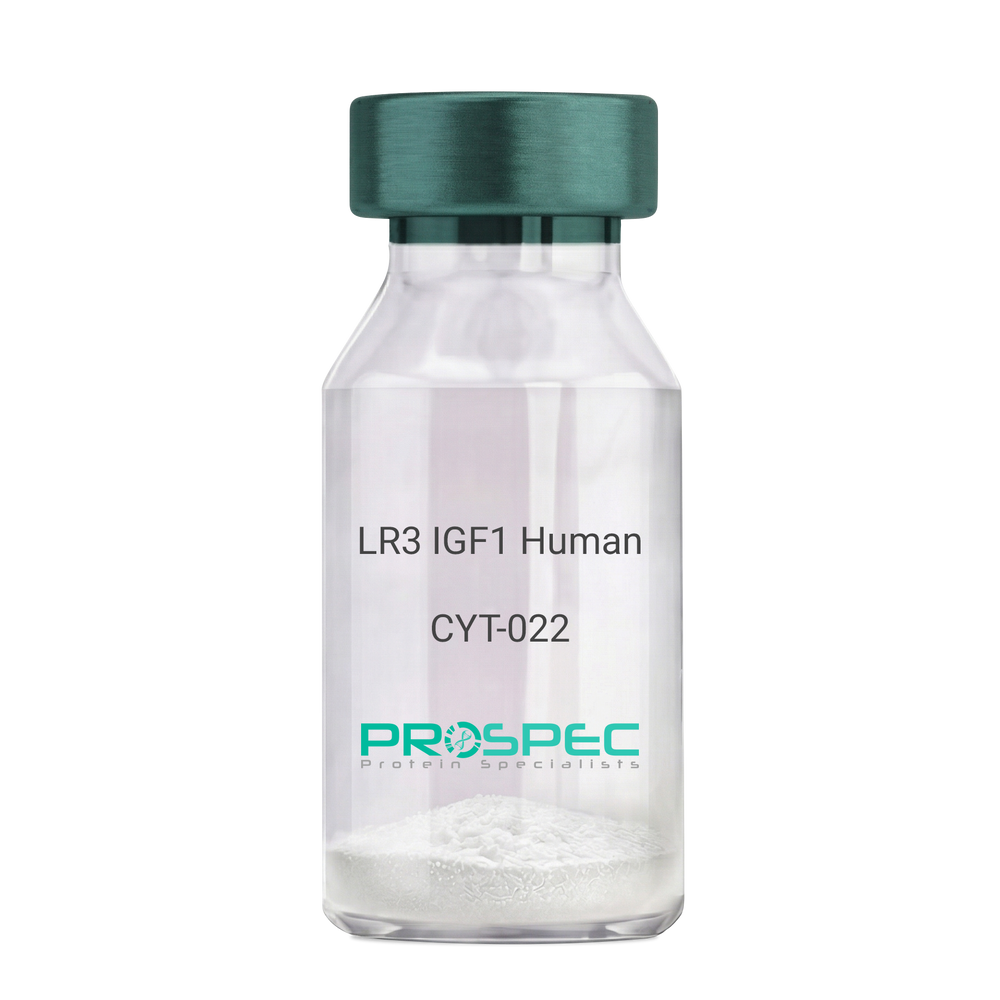
  • View Data Sheet

    Name :

    IGF1 LR3 Human

    Description:

    LR3 Insulin Like Growth Factor-1 Human Recombinant

    R3 IGF1, R3 IGF-1, R3IGF1, R3IGF-1, LONG IGF1, LONG IGF-1, LONG R3 IGF1, LONG R3IGF1, LONG R3 IGF-1, LONG R3IGF-1.

    Product # :

    CYT-022

    Price :

    Quantity :

    Shipping Method :

    Room Temp Icon

    Shipped at Room temp

    Add To Cart

    More Info

    • description
    • source
    • formulation
    • purity
    • biological activity
    • More Info
    • sds-page
    • Citations

    Description

    The LR3 is a long-term analog of human IGF-1, specifically designed and manufactured for mammalian cell culture to support large-scale manufacturing of recombinant biopharmaceuticals. Recombinant Human LR3 Insulin Like Growth Factor-1 produced in E.Coli is a single, non-glycosylated, polypeptide chain containing 83 amino acids and having a molecular mass of 9.1kDa.

    Source

    Escherichia Coli.

    Formulation

    Lyophilized from a 0.2µm filtered concentrated solution in 20mM PB, pH 7.2.

    Purity

    Greater than 97.0% as determined by SDS-PAGE.

    Biological Activity

    The ED50 as determined by the stimulation of protein synthesis in L6 myoblasts is less than 10ng/ml, corresponding to a specific activity of 100,000units/mg.

    sds-page

    LR3 IGF1 sds-page - Product image 1

    Citations

    More Info

    • Introduction

      IGF-1 (Insulin-like growth factor-1) is a major hormonal mediator of statural growth. Under regular circumstances, GH (growth hormone) binds to its receptor in the liver, and other tissues, and stimulates the synthesis/secretion of IGF-1. In target tissues, the Type 1 IGF receptor, that is homologous to the insulin receptor, is activated by IGF-1, leading to intracellular signaling which stimulates multiple processes leading to statural growth. IGF-1 metabolic actions are partly directed at stimulating the uptake of glucose, fatty acids, and amino acids so that metabolism supports growing tissues.

    • Synonyms

      R3 IGF1, R3 IGF-1, R3IGF1, R3IGF-1, LONG IGF1, LONG IGF-1, LONG R3 IGF1, LONG R3IGF1, LONG R3 IGF-1, LONG R3IGF-1.

    • Physical Appearance

      Sterile Filtered White lyophilized (freeze-dried) powder.

    • Stability

      Lyophilized LR3 IGF1 although stable at room temperature for 3 weeks, should be stored desiccated below -18°C. Upon reconstitution the LR3 IGF1 should be stored at 4°C between 2-7 days and for future use below -18°C.For long term storage it is recommended to add a carrier protein (0.1% HSA or BSA).Please prevent freeze-thaw cycles.

    • Solubility

      It is recommended to reconstitute the lyophilized LR3 IGF1 in sterile 18M-cm H2O at a concentration of 100µg/ml, which can then be further diluted to other aqueous solutions.

    • Amino Acid Sequence

      MFPAMPLSSLFVNGPRTLCGAELVDALQFVCGDRGFYFNKPTGYGSSSRRAPQTGIV DECCFRSCDLRRLEMYCAPLKPAKSA.

    • Background

      What is the molecular weight/Mw of IGF1 LR3 HUMAN Protein?
      IGF1 LR3 HUMAN Protein has a total Mw of 9.1kDa.

      What is the source or expression system of IGF1 LR3 HUMAN Protein?
      Escherichia Coli.

      What is the Purity of IGF1 LR3 HUMAN Protein?
      IGF1 LR3 HUMAN Protein is >98% pure as determined by SDS-PAGE.

      What is the Biological Activity of IGF1 LR3 HUMAN Protein?
      The ED50 as determined by the stimulation of protein synthesis in L6 myoblasts is less than 10ng/ml, corresponding to a specific activity of 100,000units/mg.

      What is the amino acid sequence of IGF1 LR3 HUMAN Protein?
      MFPAMPLSSLFVNGPRTLCGAELVDALQFVCGDRGFYFNKPTGYGSSSRRAPQTGIV DECCFRSCDLRRLEMYCAPLKPAKSA.

      What applications can IGF1 LR3 HUMAN Protein be used in?
      IGF1 LR3 HUMAN Protein can probably be used in western blot, ELISA and Lateral Flow.

      What is the endotoxin level for IGF1 LR3 HUMAN Protein?
      The endotoxin level is minimal, IGF1 LR3 HUMAN Protein was purified using conventional chromatography techniques.


    ProSpec's products are furnished for LABORATORY RESEARCH USE ONLY. The product may not be used as drugs, agricultural or pesticidal products, food additives or household chemicals.

    Long R3 Igf1 Human
  • View Data Sheet

    Name :

    GAS7 Antibody

    Description:

    Growth Arrest-Specific 7 Isoform b, Mouse Anti Human

    GAS7, GAS-7, Growth arrest-specific protein 7, KIAA0394, MGC1348, MLL/GAS7.

    Product # :

    ANT-358

    Price :

    Quantity :

    Shipping Method :

    Ice Icon

    Shipped with Ice Packs

    Add To Cart

    More Info

    • formulation
    • More Info
    • Citations

    Formulation

    1mg/ml containing PBS, pH-7.4, & 0.1% Sodium Azide.

    Citations

    More Info

    • Introduction

      GAS7 is mainly expressed in terminally differentiated brain cells and predominantly in mature cerebellar Purkinje neurons. GAS7 is involved in neuronal development by promoting maturation and morphological differentiation of cerebellar neurons. Inhibition of GAS7 production in terminally differentiating cultures of embryonic murine cerebellum impedes neurite outgrowth. Over-expression of GAS7 initiats the development of human osteosarcoma.

    • Synonyms

      GAS7, GAS-7, Growth arrest-specific protein 7, KIAA0394, MGC1348, MLL/GAS7.

    • Immunogen

      Anti-human GAS7 mAb is derived from hybridization of mouse F0 myeloma cells with spleen cells from BALB/c mice immunized with recombinant human GAS7 amino acids 1-416 purified from E. coli.

    • Ig Subclass

      Mouse IgG1 heavy chain and κ light chain.

    • Clone

      PAT4H8AT.

    • Applications

      GAS7 antibody has been tested by ELISA and Western blot analysis to assure specificity and reactivity. Since application varies, however, each investigation should be titrated by the reagent to obtain optimal results. Recommended dilution range for Western blot analysis is 1:500 ~ 1000. Recommended starting dilution is 1:500.

    • Type

      Mouse Anti Human Monoclonal.

    • Storage Procedures

      For periods up to 1 month store at 4°C, for longer periods of time, store at -20°C. Prevent freeze thaw cycles.

    • Purification Method

      GAS7 antibody was purified from mouse ascitic fluids by protein-G affinity chromatography.

    ProSpec's products are furnished for LABORATORY RESEARCH USE ONLY. The product may not be used as drugs, agricultural or pesticidal products, food additives or household chemicals.

    Gas7 Antibody
  • View Data Sheet

    Name :

    GHBP Human, His

    Description:

    Growth Hormone Binding Protein Human Recombinant, His Tag

    Growth Hormone Receptor, Growth Hormone Binding Protein, Somatotropin Receptor GH Receptor, Serum Binding Protein, GHBP, GHIP.

    Product # :

    CYT-921

    Price :

    Quantity :

    Shipping Method :

    Ice Icon

    Shipped with Ice Packs

    Add To Cart

    More Info

    • description
    • source
    • formulation
    • purity
    • biological activity
    • More Info
    • Citations

    Description

    GHBP produced in Sf9 Insect cells is a single, glycosylated polypeptide chain containing 254 amino acids (19-264a.a.) and having a molecular mass of 29.4kDa.GHBP is expressed with an 8 amino acid His tag at C-Terminus and purified by proprietary chromatographic techniques.

    Source

    Sf9, Insect cells.

    Formulation

    GHBP protein solution (1mg/ml) contains phosphate buffered saline (pH7.4) and 10% glycerol.

    Purity

    Greater than 95.0% as determined by SDS-PAGE.

    Biological Activity

    The ED50 range ≤ 10ng/ml and is measured by ability to inhibit GH-induced proliferation assay using Nb2-11 Rat lymphoma cells in the presence of 1.25ng/ml of human growth hormone.

    Citations

    More Info

    • Introduction

      Growth hormone receptor, also known as GHR is part of the cytokine receptor family. GHR binds 2 receptor molecules and in this manner induces signal transduction through receptor dimerization. Furthermore, at high concentrations, growth hormone performs as an antagonist since there is a large difference in affinities at the respective binding sites. The antagonist action can be enhanced further by reducing binding in the low affinity binding site.

    • Synonyms

      Growth Hormone Receptor, Growth Hormone Binding Protein, Somatotropin Receptor GH Receptor, Serum Binding Protein, GHBP, GHIP.

    • Physical Appearance

      Sterile filtered colorless solution.

    • Stability

      Store at 4°C if entire vial will be used within 2-4 weeks.Store, frozen at -20°C for longer periods of time. For long term storage it is recommended to add a carrier protein (0.1% HSA or BSA).Avoid multiple freeze-thaw cycles.

    • Amino Acid Sequence

      FSGSEATAAI LSRAPWSLQS VNPGLKTNSS KEPKFTKCRS PERETFSCHW TDEVHHGTKN LGPIQLFYTR RNTQEWTQEW KECPDYVSAG ENSCYFNSSF TSIWIPYCIK LTSNGGTVDE KCFSVDEIVQ PDPPIALNWT LLNVSLTGIH ADIQVRWEAP RNADIQKGWM VLEYELQYKE
      VNETKWKMMD PILTTSVPVY SLKVDKEYEV RVRSKQRNSG NYGEFSEVLY VTLPQMSQFT CEEDFYLEHH HHHH.

    ProSpec's products are furnished for LABORATORY RESEARCH USE ONLY. The product may not be used as drugs, agricultural or pesticidal products, food additives or household chemicals.

    Ghr Human
  • View Data Sheet

    Name :

    IGFBP7 Human

    Description:

    Insulin-Like Growth Factor Binding Protein-7 Human Recombinant

    Insulin-like growth factor-binding protein 7, IBP-7, IGF-binding protein 7, IGFBP-7, IGFBP-rP1, MAC25 protein, PGI2-stimulating factor, Prostacyclin-stimulating factor, Tumor-derived adhesion factor, TAF, IGFBP7, MAC25, PSF, AGM, FSTL2, RAMSVPS, IGFBP-7v, IGFBPRP1.

    Product # :

    CYT-788

    Price :

    Quantity :

    Shipping Method :

    Room Temp Icon

    Shipped at Room temp

    Add To Cart

    More Info

    • description
    • source
    • formulation
    • purity
    • More Info
    • Citations

    Description

    Recombinant Human IGFBP7 produced in E.coli cells is a non-glycosylated, homodimeric protein containing 2x256 amino acid chains and having a molecular mass of 26.4kDa. The IGFBP-7 is purified by proprietary chromatographic techniques.

    Source

    Escherichia Coli.

    Formulation

    The IGFBP7 was lyophilized from a 0.2µm filtered concentrated solution in 20mM Tris-HCl, pH 8.5 and 150mM NaCl.

    Purity

    Greater than 97.0% as determined by:
    (a) Analysis by RP-HPLC.
    (b) Analysis by SDS-PAGE.

    Citations

    More Info

    • Introduction

      Insulin-like Growth Factor-Binding Protein 7 (IGFBP7) is a member of the IGFBP family. IGFBP family members are all cysteine rich proteins with conserved cysteine and have an IGFBP domain, a Kazal-like domain and an Ig-like C2-type domain. IGFBP7 is expressed in a broad range of normal human tissues and it mostly shows reduced expression in cancer cell lines of prostate, breast, colon, and lung origin. IGFBP7 has a role in skeletal myogenesis by binding to IGF in a manner which inhibits IGF induced differentiation of skeletal myoblasts, without disturbing IGF induced proliferation. Moreover, IGFBP7 suppresses growth and colony formation of prostate and breast cancer cell lines via an IGF independent mechanism, which triggers a delay in the G1 phase of the cell cycle, and increased apoptosis.

    • Synonyms

      Insulin-like growth factor-binding protein 7, IBP-7, IGF-binding protein 7, IGFBP-7, IGFBP-rP1, MAC25 protein, PGI2-stimulating factor, Prostacyclin-stimulating factor, Tumor-derived adhesion factor, TAF, IGFBP7, MAC25, PSF, AGM, FSTL2, RAMSVPS, IGFBP-7v, IGFBPRP1.

    • Physical Appearance

      Sterile Filtered White lyophilized (freeze-dried) powder.

    • Stability

      Lyophilized IGFBP7 although stable at room temperature for 3 weeks, should be stored desiccated below -18°C. Upon reconstitution IGFBP-7 should be stored at 4°C between 2-7 days and for future use below -18°C. For long term storage it is recommended to add a carrier protein (0.1% HSA or BSA).Please prevent freeze-thaw cycles.

    • Solubility

      It is recommended to reconstitute the lyophilized IGFBP-7 in sterile 20mM AcOH (acetic Acid) not less than 100µg/ml, which can then be further diluted to other aqueous solutions.

    • Amino Acid Sequence

      SSSDTCGPCE PASCPPLPPL GCLLGETRDA CGCCPMCARG EGEPCGGGGA GRGYCAPGME CVKSRKRRKG KAGAAAGGPG VSGVCVCKSR YPVCGSDGTT YPSGCQLRAA SQRAESRGEK AITQVSKGTC EQGPSIVTPP KDIWNVTGAQ VYLSCEVIGI PTPVLIWNKV KRGHYGVQRT ELLPGDRDNL AIQTRGGPEK HEVTGWVLVS PLSKEDAGEY ECHASNSQGQ ASASAKITVV DALHEIPVKK GEGAEL.

    • Background

      What is the molecular weight/Mw of IGFBP7 HUMAN Protein?
      IGFBP7 HUMAN Protein has a total Mw of 26.4kDa.

      What is the source or expression system of IGFBP7 HUMAN Protein?
      Escherichia Coli.

      What is the Purity of IGFBP7 HUMAN Protein?
      IGFBP7 HUMAN Protein is >97% pure as determined by SDS-PAGE.

      What is the Biological Activity of IGFBP7 HUMAN Protein?
      The biological functionality of IGFBP7 HUMAN Protein will be determined in the future.

      What is the amino acid sequence of IGFBP7 HUMAN Protein?
      SSSDTCGPCE PASCPPLPPL GCLLGETRDA CGCCPMCARG EGEPCGGGGA GRGYCAPGME CVKSRKRRKG KAGAAAGGPG VSGVCVCKSR YPVCGSDGTT YPSGCQLRAA SQRAESRGEK AITQVSKGTC EQGPSIVTPP KDIWNVTGAQ VYLSCEVIGI PTPVLIWNKV KRGHYGVQRT ELLPGDRDNL AIQTRGGPEK HEVTGWVLVS PLSKEDAGEY ECHASNSQGQ ASASAKITVV DALHEIPVKK GEGAEL.

      What applications can IGFBP7 HUMAN Protein be used in?
      IGFBP7 HUMAN Protein can probably be used in western blot, ELISA and Lateral Flow.

      What is the endotoxin level for IGFBP7 HUMAN Protein?
      The endotoxin level is minimal, IGFBP7 HUMAN Protein was purified using conventional chromatography techniques.


    ProSpec's products are furnished for LABORATORY RESEARCH USE ONLY. The product may not be used as drugs, agricultural or pesticidal products, food additives or household chemicals.

    Igfbp7 Human
  • View Data Sheet

    Name :

    SERPINA5 Human, Active

    Description:

    Serpin Peptidase Inhibitor, Clade A Member 5 Human Recombinant, Active

    Serpin Family A Member 5, Serine (Or Cysteine) Proteinase Inhibitor, Clade A (Alpha-1 Antiproteinase, Antitrypsin), Member 5, Serpin Peptidase Inhibitor, Clade A (Alpha-1 Antiproteinase, Antitrypsin), Member 5, Acrosomal Serine Protease Inhibitor 3 4 Protein C Inhibitor, PLANH3, PAI-3, PROCI, PAI3, PCI, Plasminogen Activator Inhibitor III, Plasminogen Activator Inhibitor-3, Plasminogen Activator Inhibitor 3, Plasma Serine Protease Inhibitor, Serpin A5, PCI-B.

    Product # :

    PRO-2523

    Price :

    Quantity :

    Shipping Method :

    Ice Icon

    Shipped with Ice Packs

    Add To Cart

    More Info

    • description
    • source
    • formulation
    • purity
    • biological activity
    • More Info
    • Citations

    Description

    SERPINA5 Human Recombinant produced in E.Coli is a single, non-glycosylated polypeptide chain containing 408 amino acids (20-406 a.a) and having a molecular mass of 45.9kDa.SERPINA5 is fused to a 21 amino acid His-tag at N-terminus & purified by proprietary chromatographic techniques.

    Source

    Escherichia Coli.

    Formulation

    SERPINA5 protein solution (0.5mg/ml) contains 150mM NaCl, 10% glycerol & 20 mM MES buffer (pH6.0).

    Purity

    Greater than 90.0% as determined by SDS-PAGE.

    Biological Activity

    Measured by its ability to inhibit Thrombin cleavage of substrate Boc-VPR-AMC. The IC50 for this effect is less or equal to 2 nM.

    Citations

    More Info

    • Introduction

      SERPINA5 up regulates TAFI activation by inhibiting the protein C activation. SERPINA5 is a significant regulator in the equilibrium between coagulation and fibrinolysis by differentially inhibiting the activation of TAFI and of Protein-C. SERPINA5 belongs to the serpin serine proteinase inhibitor family. SERPINA5 protein inhibits plasminogen activators as well as activated protein C.
      SERPINA5 is secreted in plasma & liver. SERPINA5 is involved in cell inflammation, proliferation, apoptosis, tumour cell migration, invasion, and metastasis. Moreover, SERPINA5 controls the invasive potential of renal cell carcinoma by inhibiting urinary plasminogen activator secreted by the cells. SERPINA5 participtes in regulating key serine proteases which are involved in metastatic prostate disease.

    • Synonyms

      Serpin Family A Member 5, Serine (Or Cysteine) Proteinase Inhibitor, Clade A (Alpha-1 Antiproteinase, Antitrypsin), Member 5, Serpin Peptidase Inhibitor, Clade A (Alpha-1 Antiproteinase, Antitrypsin), Member 5, Acrosomal Serine Protease Inhibitor 3 4 Protein C Inhibitor, PLANH3, PAI-3, PROCI, PAI3, PCI, Plasminogen Activator Inhibitor III, Plasminogen Activator Inhibitor-3, Plasminogen Activator Inhibitor 3, Plasma Serine Protease Inhibitor, Serpin A5, PCI-B.

    • Physical Appearance

      Sterile Filtered colorless solution.

    • Stability

      Store at 4°C if entire vial will be used within 2-4 weeks.Store, frozen at -20°C for longer periods of time. For long term storage it is recommended to add a carrier protein (0.1% HSA or BSA).Avoid multiple freeze-thaw cycles.

    • Amino Acid Sequence

      MGSSHHHHHH SSGLVPRGSH MHRHHPREMK KRVEDLHVGA TVAPSSRRDF TFDLYRALAS AAPSQNIFFS PVSISMSLAM LSLGAGSSTK MQILEGLGLN LQKSSEKELH RGFQQLLQEL NQPRDGFQLS LGNALFTDLV VDLQDTFVSA MKTLYLADTF PTNFRDSAGA MKQINDYVAK QTKGKIVDLL KNLDSNAVVI MVNYIFFKAK WETSFNHKGT QEQDFYVTSE TVVRVPMMSR EDQYHYLLDR NLSCRVVGVP YQGNATALFI LPSEGKMQQV ENGLSEKTLR KWLKMFKKRQ LELYLPKFSI EGSYQLEKVL PSLGISNVFT SHADLSGISN HSNIQVSEMV HKAVVEVDES GTRAAAATGT IFTFRSARLN SQRLVFNRPF LMFIVDNNIL FLGKVNRP.

    ProSpec's products are furnished for LABORATORY RESEARCH USE ONLY. The product may not be used as drugs, agricultural or pesticidal products, food additives or household chemicals.

    Serpina5 Protein
  • View Data Sheet

    Name :

    IGF1 Human, GST

    Description:

    Insulin-Like Growth Factor 1 Human Recombinant, GST Tag

    Somatomedin C, IGF-I, IGFI, IGF1, IGF-IA, Mechano growth factor, MGF.

    Product # :

    CYT-690

    Price :

    Quantity :

    Shipping Method :

    Ice Icon

    Shipped with Ice Packs

    Add To Cart

    More Info

    • description
    • source
    • formulation
    • More Info
    • Citations

    Description

    IGF1 Human Recombinant produced in E.Coli is a single, non-glycosylated, Polypeptide chain fused to a GST tag and is purified by proprietary chromatographic techniques.

    Source

    Escherichia Coli.

    Formulation

    IGF1 is supplied in 50mM Tris-Acetate, pH-7.5, 1mM EDTA and 20% Glycerol.

    Citations

    More Info

    • Introduction

      The somatomedins, or insulin-like growth factors (IGFs), comprise a family of peptides that play important roles in mammalian growth and development. IGF1 mediates many of the growth-promoting effects of growth hormone (GH; MIM 139250). Early studies showed that growth hormone did not directly stimulate the incorporation of sulfate into cartilage, but rather acted through a serum factor, termed 'sulfation factor,' which later became known as 'somatomedin' (Daughaday et al., 1972). Three main somatomedins have been characterized: somatomedin C (IGF1), somatomedin A (IGF2; MIM 147470), and somatomedin B (MIM 193190) (Rotwein, 1986; Rosenfeld, 2003).

    • Synonyms

      Somatomedin C, IGF-I, IGFI, IGF1, IGF-IA, Mechano growth factor, MGF.

    • Physical Appearance

      Sterile Filtered clear solution.

    • Stability

      Store at 4°C if entire vial will be used within 2-4 weeks. Store, frozen at -20°C for longer periods of time. Please avoid freeze thaw cycles.

    ProSpec's products are furnished for LABORATORY RESEARCH USE ONLY. The product may not be used as drugs, agricultural or pesticidal products, food additives or household chemicals.

    Igf1 Human Gst
  • View Data Sheet

    Name :

    CDKN2C Human

    Description:

    Cyclin-Dependent Kinase Inhibitor 2C Human Recombinant

    Cyclin-dependent kinase inhibitor 2C (p18 inhibits CDK4), cyclin-dependent kinase 4 inhibitor C, cyclin-dependent kinase 6 inhibitor p18, INK4C, p18, p18-INK6, p18-INK4C, CDK6 inhibitor p18, cyclin-dependent inhibitor, CDKN6, p18-INK4c.

    Product # :

    PKA-020

    Price :

    Quantity :

    Shipping Method :

    Ice Icon

    Shipped with Ice Packs

    Add To Cart

    More Info

    • description
    • source
    • formulation
    • purity
    • More Info
    • Citations

    Description

    CDKN2C Human Recombinant produced in E.coli is a single, non-glycosylated polypeptide chain containing 192 amino acids (1-168 and having a molecular mass of 20.7kDa.CDKN2C is fused to a 24 amino acid His-tag at N-terminus & purified by proprietary chromatographic techniques.

    Source

    E.coli.

    Formulation

    The CDKN2C solution (0.5mg/ml) contains 20mM Tris-HCl buffer (pH 8.0), 200mM NaCl,
    2mM DTT and 10% glycerol.

    Purity

    Greater than 95% as determined by SDS-PAGE.

    Citations

    More Info

    • Introduction

      CDKN2C is a member of the CDKN2 cyclin-dependent kinase inhibitor family. CDKN2C cooperates with CDK4 or CDK6, and inhibits the activation of the CDK kinases, therefore acts as a cell growth regulator which regulates cell cycle G1 progression. CDKN2C suppresses the cell growth and proliferation with a correlated dependency on endogenous retinoblastoma protein RB. Studies in the knockout mice show CDKN2C takes part in regulating spermatogenesis, in addition to suppressing tumorigenesis.

    • Synonyms

      Cyclin-dependent kinase inhibitor 2C (p18 inhibits CDK4), cyclin-dependent kinase 4 inhibitor C, cyclin-dependent kinase 6 inhibitor p18, INK4C, p18, p18-INK6, p18-INK4C, CDK6 inhibitor p18, cyclin-dependent inhibitor, CDKN6, p18-INK4c.

    • Physical Appearance

      Sterile Filtered colorless solution.

    • Stability

      Store at 4°C if entire vial will be used within 2-4 weeks. Store, frozen at -20°C for longer periods of time. For long term storage it is recommended to add a carrier protein (0.1% HSA or BSA).Avoid multiple freeze-thaw cycles.

    • Amino Acid Sequence

      MGSSHHHHHH SSGLVPRGSH MGSHMAEPWG NELASAAARG DLEQLTSLLQ NNVNVNAQNG FGRTALQVMK LGNPEIARRL LLRGANPDLK DRTGFAVIHD AARAGFLDTL QTLLEFQADV NIEDNEGNLP LHLAAKEGHL RVVEFLVKHT ASNVGHRNHK GDTACDLARL YGRNEVVSLM QANGAGGATN LQ

    ProSpec's products are furnished for LABORATORY RESEARCH USE ONLY. The product may not be used as drugs, agricultural or pesticidal products, food additives or household chemicals.

    Cdkn2C Human
  • View Data Sheet

    Name :

    GH Antagonist Rat

    Description:

    Growth Hormone Anatagonist Rat Recombinant

    GH1, GH, GHN, GH-N, hGH-N, Pituitary growth hormone, Growth hormone 1, Somatotropin.

    Product # :

    CYT-1250

    Price :

    Quantity :

    Shipping Method :

    Room Temp Icon

    Shipped at Room temp

    Add To Cart

    More Info

    • description
    • source
    • formulation
    • purity
    • biological activity
    • More Info
    • Citations

    Description

    Rat Growth Hormone Anatagonist produced in E.Coli is a single, non-glycosylated polypeptide chain containing 191 amino acids and having a molecular mass of 22 kDa. GH Antagonist Rat is purified by proprietary chromatographic techniques.

    Source

    Escherichia coli.

    Formulation

    The protein was lyophilized from a concentrated (1mg/ml) solution with 0.0045M NaHCO3.

    Purity

    Greater than 98.0% as determined by:

    (a) Analysis by RP-HPLC

    (b) Analysis by Gel Filtration.

    (c) Analysis by SDS-PAGE.

    Biological Activity

    Plays a role as antagonist using an in vitro bioassay in PDF-P1 3B9 cells stably transfected with rabbit GH receptors. It is capable of forming a 1:1 complex with the recombinant ovine growth hormone receptor extracellular domain and binds to this ECD with affinity similar the the wild type rGH.

    Citations

    More Info

    • Synonyms

      GH1, GH, GHN, GH-N, hGH-N, Pituitary growth hormone, Growth hormone 1, Somatotropin.

    • Physical Appearance

      Sterile Filtered White lyophilized (freeze-dried) powder.

    • Stability

      Lyophilized GH Antagonist Rat although stable at room temperature for at least two weeks, should be stored desiccated below -18°C. Upon reconstitution and filter sterilization GH can be stored at 4°C, pH 9 for up to 4 weeks. For long term storage and more diluted solutions it is recommended to add a carrier protein (0.1% HSA or BSA). Please prevent freeze-thaw cycles.

    • Solubility

      It is recommended to reconstitute the lyophilized GH Antagonist Rat in 0.4% NaHCO3 or water adjusted to pH 9, not less than 100µg/ml, which can then be further diluted to other aqueous solutions, preferably in a presence of a carrier protein such as BSA or similar.

    • Amino Acid Sequence

      The sequence of the first five N-terminal amino acids was determined and was found to be Ala-Phe-Pro-Ala-Met.

    • Background

      GH is a member of the somatotropin/prolactin family of hormones which play an important role in growth control. The gene, along with 4 other related genes, is located at the growth hormone locus on chromosome 17 where they are interspersed in the same transcriptional orientation; an arrangement which was evolved by a series of gene duplications. The 5 genes share a remarkably high degree of sequence identity. Alternative splicing generates additional isoforms of each of the 5 growth hormones, leading to further diversity and potential for specialization. This particular family member is expressed in the pituitary but not in placental tissue as is the case for the other 4 genes in the growth hormone locus.

    • Protein content

      Protein quantitation was carried out by UV spectroscopy at 280 nm using the absorbency value of 0.69 as the extinction coefficient for a 0.1% (1mg/ml) solution. This value is calculated by the DNAman analysis program of protein sequences.

    ProSpec's products are furnished for LABORATORY RESEARCH USE ONLY. The product may not be used as drugs, agricultural or pesticidal products, food additives or household chemicals.

    Growth Hormone Antagonist Rat
  • View Data Sheet

    Name :

    PRLR Human, Antagonist

    Description:

    Prolactin Receptor Antagonist Human Recombinant

    Mammotropin, Luteotropic hormone, Luteotropin, PRL.

    Product # :

    CYT-1254

    Price :

    Quantity :

    Shipping Method :

    Room Temp Icon

    Shipped at Room temp

    Add To Cart

    More Info

    • description
    • source
    • formulation
    • purity
    • biological activity
    • More Info
    • Citations

    Description

    Prolactin Human Receptor Antagonist del 1-9, G129R mutant produced in E.Coli is a single, non-glycosylated polypeptide chain containing 190 amino acids + an additional Ala at n-terminal and having a molecular mass of ~ 22 kDa. The Human Prolactin Receptor Antagonist is purified by proprietary chromatographic techniques.

    Source

    Escherichia coli.

    Formulation

    The protein was lyophilized from a concentrated (1-2mg/ml) solution with 0.02% -0.03% NaHCO3.

    Purity

    Greater than 97.0% as determined by:

    (a) Analysis by Gel Filtration.

    (b) Analysis by SDS-PAGE.

    Biological Activity

    fully biologically active as evidenced by inhibiting PRLR-induced proliferation of Nb2 cells or Baf3 cells stably transfected with hPRL receptors. It also interacts at 1:1 molar ratio with human prolactin receptor extracellular domain as documented by SEC and SPR (Biacore analysis).

    Citations

    More Info

    • Synonyms

      Mammotropin, Luteotropic hormone, Luteotropin, PRL.

    • Physical Appearance

      Sterile Filtered White lyophilized (freeze-dried) powder.

    • Stability

      Lyophilized PRLR although stable at room temperature for 3 weeks, should be stored desiccated below -18°C. Upon reconstitution at > 0.1 mg/ml and up to 3 mg/ml and filter sterilization PRLR can be stored at 4C for several weeks. Please prevent freeze-thaw cycles.

    • Solubility

      It is recommended to reconstitute the lyophilized PRLR in sterile 0.4% NaHCO3 adjusted to pH 8-9 not less than 100µg/ml, which can then be further diluted to other aqueous solutions.

    • Amino Acid Sequence

      The sequence of the first six N-terminal amino acids was determined and was found to be Ala-Arg-Ser-Gln-Val-Thr

    • Background

      Prolactin is a pituitary hormone which takes part in the stimulation of milk production, salt and water regulation, development, growth and reproduction. The primary step in its action is binding a specific membrane receptor (prolactin receptor) which belongs to the superfamily of class 1 cytokine receptors. PRLR varies in size (short and long forms) with tissue source and species, from ~40 kDa to 100 kDa. The PRL-R consists of at least 3 separate domains: an extracellular region with 5 cysteines which contains the prolactin binding site, a single transmembrane domain and a cytoplasmic region, the length of which appears to influence ligand binding and regulate cellular function.

    ProSpec's products are furnished for LABORATORY RESEARCH USE ONLY. The product may not be used as drugs, agricultural or pesticidal products, food additives or household chemicals.

    Prolactin Receptor Antagonist
  • View Data Sheet

    Name :

    Hepatocyte Growth Factor (32-285) Human

    Description:

    Hepatoma-Derived Growth Factor (32-285 a.a) Human Recombinant

    Scatter Factor (SF), Hepatopoietin (HPTA), HGF, HGFB, F-TCF, DFNB39.

    Product # :

    CYT-294

    Price :

    Quantity :

    Shipping Method :

    Ice Icon

    Shipped with Ice Packs

    Add To Cart

    More Info

    • description
    • source
    • formulation
    • purity
    • More Info
    • SDS-PAGE
    • Citations

    Description

    HGF Human Recombinant produced in E.Coli is a single, non-glycosylated polypeptide chain containing 255 amino acids (32-285 a.a.) and having a molecular mass of 29.8kDa. HGF is purified by proprietary chromatographic techniques.

    Source

    Escherichia Coli.

    Formulation

    HGF protein solution (1mg/ml) contains 20mM Tris-HCl buffer (pH 8.0), 10% glycerol and 0.4M Urea.

    Purity

    Greater than 80% as determined by SDS-PAGE.

    SDS-PAGE

    Hepatocyte Growth Factor  (32-285) Human - Product image 1

    Citations

    More Info

    • Introduction

      Hepatocyte Growth Factor (HGF) is a multifunctional growth factor which regulates both cell growth and cell motility. It exerts a strong mitogenic effect on hepatocytes and primary epithelial cells. HGF synergizes with Interleukin-3 and GM-CSF to stimulate colony formation of hematopoietic progenitor cells in vitro and may, therefore, also modulate hematopoiesis.

    • Synonyms

      Scatter Factor (SF), Hepatopoietin (HPTA), HGF, HGFB, F-TCF, DFNB39.

    • Physical Appearance

      Sterile filtered colorless solution.

    • Stability

      Store at 4°C if entire vial will be used within 2-4 weeks. Store, frozen at -20°C for longer periods of time. For long term storage it is recommended to add a carrier protein (0.1% HSA or BSA).Avoid multiple freeze-thaw cycles.

    • Amino Acid Sequence

      MQRKRRNTIH EFKKSAKTTL IKIDPALKIK TKKVNTADQC ANRCTRNKGL PFTCKAFVFD KARKQCLWFP FNSMSSGVKK EFGHEFDLYE NKDYIRNCII GKGRSYKGTV SITKSGIKCQ PWSSMIPHEH SYRGKDLQEN YCRNPRGEEG GPWCFTSNPE VRYEVCDIPQ CSEVECMTCN GESYRGLMDH TESGKICQRW DHQTPHRHKF LPERYPDKGF DDNYCRNPDG QPRPWCYTLD PHTRWEYCAI KTCET.

    • Background

      What is the molecular weight/Mw of HEPATOCYTE GROWTH FACTOR (32-285) HUMAN Protein?
      HEPATOCYTE GROWTH FACTOR (32-285) HUMAN Protein has a total Mw of 29.8kDa.

      What is the source or expression system of HEPATOCYTE GROWTH FACTOR (32-285) HUMAN Protein?
      Escherichia Coli.

      What is the Purity of HEPATOCYTE GROWTH FACTOR (32-285) HUMAN Protein?
      HEPATOCYTE GROWTH FACTOR (32-285) HUMAN Protein is >80% pure as determined by SDS-PAGE.

      What is the Biological Activity of HEPATOCYTE GROWTH FACTOR (32-285) HUMAN Protein?
      What is the molecular weight/Mw of HGF (32-285) HUMAN Protein? HGF (32-285) HUMAN Protein has a total Mw of 29.8kDa. What is the source or expression system of HGF (32-285) HUMAN Protein? Escherichia Coli. What is the Purity of HGF (32-285) HUMAN Protein? HGF (32-285) HUMAN Protein is >80% pure as determined by SDS-PAGE. What is the Biological Activity of HGF (32-285) HUMAN Protein? The biological functionality of HGF (32-285) HUMAN Protein will be determined in the future. What is the amino acid sequence of HGF (32-285) HUMAN Protein? MQRKRRNTIH EFKKSAKTTL IKIDPALKIK TKKVNTADQC ANRCTRNKGL PFTCKAFVFD KARKQCLWFP FNSMSSGVKK EFGHEFDLYE NKDYIRNCII GKGRSYKGTV SITKSGIKCQ PWSSMIPHEH SYRGKDLQEN YCRNPRGEEG GPWCFTSNPE VRYEVCDIPQ CSEVECMTCN GESYRGLMDH TESGKICQRW DHQTPHRHKF LPERYPDKGF DDNYCRNPDG QPRPWCYTLD PHTRWEYCAI KTCET. What applications can HGF (32-285) HUMAN Protein be used in? HGF (32-285) HUMAN Protein can probably be used in western blot, ELISA and Lateral Flow. What is the endotoxin level for HGF (32-285) HUMAN Protein? The endotoxin level is minimal, HGF (32-285) HUMAN Protein was purified using conventional chromatography techniques.


      What is the amino acid sequence of HEPATOCYTE GROWTH FACTOR (32-285) HUMAN Protein?
      MQRKRRNTIH EFKKSAKTTL IKIDPALKIK TKKVNTADQC ANRCTRNKGL PFTCKAFVFD KARKQCLWFP FNSMSSGVKK EFGHEFDLYE NKDYIRNCII GKGRSYKGTV SITKSGIKCQ PWSSMIPHEH SYRGKDLQEN YCRNPRGEEG GPWCFTSNPE VRYEVCDIPQ CSEVECMTCN GESYRGLMDH TESGKICQRW DHQTPHRHKF LPERYPDKGF DDNYCRNPDG QPRPWCYTLD PHTRWEYCAI KTCET.

      What applications can HEPATOCYTE GROWTH FACTOR (32-285) HUMAN Protein be used in?
      HEPATOCYTE GROWTH FACTOR (32-285) HUMAN Protein can probably be used in western blot, ELISA and Lateral Flow.

      What is the endotoxin level for HEPATOCYTE GROWTH FACTOR (32-285) HUMAN Protein?
      The endotoxin level is minimal, HEPATOCYTE GROWTH FACTOR (32-285) HUMAN Protein was purified using conventional chromatography techniques.


    ProSpec's products are furnished for LABORATORY RESEARCH USE ONLY. The product may not be used as drugs, agricultural or pesticidal products, food additives or household chemicals.

    Hgf 32 285 Human
  • 1
  • 2
  • 3
  • 4
  • 5
  • …
  • 42
Your browser does not support the video tag.

Products

  • Cytokines
  • Growth Factors
  • Chemokines
  • CD Antigens
  • Neurotrophins
  • Hormones
  • Enzymes
  • Viral Antigens
  • Recombinant Proteins
  • Natural Proteins
  • Monoclonal Antibodies
  • Polyclonal Antibodies
  • Thermal Packaging

About

  • Company
  • Founder
  • Contribution
  • Contact Us
  • My Account

Ordering

  • Ordering Method
  • Ordering - Credit Card
  • Ordering PO
  • Shipping Fees
  • FAQ's

Legal

  • Terms & Conditions
  • Privacy
  • Site Map
  • info@prospecbio.com
  • Facebook
  • Instagram
  • Linkedin Profile

© 2026 ProSpec-Tany TechnoGene Ltd. All Rights Reserved.

  • Choosing a selection results in a full page refresh.
  • Opens in a new window.