Search results
1000 results found for “Pleiotrophin”
Name
Description
Product #
Price
Quantity
Shipping Method
- View Data Sheet
Name :
EIF4E MouseDescription:
Eukaryotic Translation Initiation Factor 4E Recombinant Mouse
eIF-4E, eIF4E, mRNA cap-binding protein, eIF-4F 25 kDa subunit, Eif4e.
Product # :
PRO-2411Price :
Quantity :
Shipping Method :
Shipped with Ice Packs
More Info
- description
- source
- formulation
- purity
- More Info
Description
EIF4E Mouse Recombinant produced in E.Coli is a single, non-glycosylated polypeptide chain containing 241 amino acids (1-217 a.a) and having a molecular mass of 27.6kDa. EIF4E is fused to a 24 amino acid His-tag at N-terminus & purified by proprietary chromatographic techniques.
Source
Escherichia Coli.
Formulation
EIF4E protein solution (1mg/ml) 20mM Tris-HCl Buffer (pH8.0), 10% glycerol, 1mM DTT, 0.1M NaCl and 0.1mM PMSF.
Purity
Greater than 95.0% as determined by SDS-PAGE.
More Info
-
Introduction
EIF4E is part of the eukaryotic initiation factor 4 families, controls translation of maternal mRNAs in early embryos before the onset of zygotic transcription. EIF4E identifies and binds to the 7 methyl GTP cap structure of eukaryotic mRNAs, thus modulates the initiation of translation. EIF4E enables ribosome binding by inducing the unwinding of the mRNAs secondary structures.
-
Synonyms
eIF-4E, eIF4E, mRNA cap-binding protein, eIF-4F 25 kDa subunit, Eif4e.
-
Physical Appearance
Sterile Filtered clear solution.
-
Stability
Store at 4°C if entire vial will be used within 2-4 weeks. Store, frozen at -20°C for longer periods of time. For long term storage it is recommended to add a carrier protein (0.1% HSA or BSA).Avoid multiple freeze-thaw cycles.
-
Amino Acid Sequence
MGSSHHHHHH SSGLVPRGSH MGSHMATVEP ETTPTTNPPP AEEEKTESNQ EVANPEHYIK HPLQNRWALW FFKNDKSKTW QANLRLISKF DTVEDFWALY NHIQLSSNLM PGCDYSLFKD GIEPMWEDEK NKRGGRWLIT LNKQQRRSDL DRFWLETLLC LIGESFDDYS DDVCGAVVNV RAKGDKIAIW TTECENRDAV THIGRVYKER LGLPPKIVIG YQSHADTATK SGSTTKNRFV V
ProSpec's products are furnished for LABORATORY RESEARCH USE ONLY. The product may not be used as drugs, agricultural or pesticidal products, food additives or household chemicals.
- View Data Sheet
Name :
LIF RatDescription:
Leukemia Inhibitory Factor Rat Recombinant
Leukemia inhibitory factor, Cholinergic neuronal differentiation factor, Lif.
Product # :
CYT-731Price :
Quantity :
Shipping Method :
Shipped at Room temp
More Info
- description
- source
- formulation
- purity
- biological activity
- More Info
Description
Leukemia Inhibitory Factor (LIF) Rat Recombinant produced in E.Coli is a single, non-glycosylated, polypeptide chain containing 180 amino acids and having a molecular mass of 19.8 kDa. The Leukemia Inhibitory Factor (LIF) is purified by proprietary chromatographic techniques.
Source
Escherichia Coli.
Formulation
LIF Rat was lyophilized from 0.2µm filtered concentrated solution in 1xPBS, pH 7.4.
Purity
Greater than 96.0% as determined by:
(a) Analysis by RP-HPLC.
(b) Analysis by SDS-PAGE.Biological Activity
The activity of rat LIF is determined by the ability to induce differentiation of M1 myeloid leukemic cells. The minimum detectable concentration of rat LIF in this assay is 0.5ng/mL.More Info
-
Introduction
Leukemia Inhibitory Factor also called LIF is a lymphoid factor that promotes long-term maintenance of embryonic stem cells by suppressing spontaneous differentiation. Leukemia Inhibitory Factor has several functions such as cholinergic neuron differentiation, control of stem cell pluripotency, bone & fat metabolism, mitogenesis of factor dependent cell lines & promotion of megakaryocyte production in vivo. Human and mouse LIF exhibit a 78% identity in its amino acid sequence.
-
Synonyms
Leukemia inhibitory factor, Cholinergic neuronal differentiation factor, Lif.
-
Physical Appearance
Sterile Filtered White lyophilized (freeze-dried) powder.
-
Stability
Lyophilized Leukemia Inhibitory Factor (LIF) although stable at room temperature for 3 weeks, should be stored desiccated below -18°C. Upon reconstitution Leukemia Inhibitory Factor (LIF) should be stored at 4°C between 2-7 days and for future use below -18°C. For long term storage it is recommended to add a carrier protein (0.1% HSA or BSA).Please prevent freeze-thaw cycles.
-
Solubility
It is recommended to reconstitute the lyophilized Leukemia Inhibitory Factor (LIF) in sterile water not less than 100µg/ml, which can then be further diluted to other aqueous solutions.
-
Amino Acid Sequence
SPLPITPVNA TCAIRHPCHG NLMNQIKSQL AQLNGSANAL FISYYTAQGE PFPNNVDKLC APNMTDFPPF HANGTEKTKL VELYRMVTYL GASLTNITWD QKNLNPTAVS LQIKLNATTD VMRGLLSSVL CRLCNKYHVG HVDVPCVPDN SSKEAFQRKK LGCQLLGTYK QVISVLAQAF .
ProSpec's products are furnished for LABORATORY RESEARCH USE ONLY. The product may not be used as drugs, agricultural or pesticidal products, food additives or household chemicals.
- View Data Sheet
Name :
TNFRSF10A HumanDescription:
TRAIL Receptor-1 Human Recombinant
TNFRSF10A, TNF Receptor Superfamily Member 10a, Tumor Necrosis Factor Receptor Superfamily, Member 10a, TNF-Related Apoptosis-Inducing Ligand Receptor 1, Death Receptor 4, TRAIL Receptor 1, TRAIL-R1, TRAILR1, APO2, DR4, Tumor Necrosis Factor Receptor Superfamily Member 10a Variant 2, Tumor Necrosis Factor Receptor Superfamily Member 10A, Cytotoxic TRAIL Receptor, CD261 Antigen, TRAILR-1, CD261.
Product # :
CYT-1043Price :
Quantity :
Shipping Method :
Shipped with Ice Packs
More Info
- description
- source
- formulation
- purity
- More Info
Description
TNFRSF10A produced in Sf9 Baculovirus cells is a single, glycosylated polypeptide chain containing 224 amino acids (24-239a.a.) and having a molecular mass of 23.9kDa. TNFRSF10A is expressed with an 6 amino acid His tag at C-Terminus and purified by proprietary chromatographic techniques.
Source
Sf9, Baculovirus cells.
Formulation
TNFRSF10A protein solution (0.5mg/ml) contains Phosphate Buffered Saline (pH 7.4) and 10% glycerol.
Purity
Greater than 90.0% as determined by SDS-PAGE.
More Info
-
Introduction
Human TNFRSF10A is a type 1 transmembrane protein in the TNF R superfamily. TNFRSF10A is not expressed in rodents. The trimeric ligand Trail binds TNFRSF10A and induces apoptosis, and recombinant, soluble forms of the receptor inhibit Trail-induced apoptosis. TNFRSF10A is expressed generally in damaged, infected, and malignant cells. TNFRSF10A functions in immune surveillance, inducing apoptosis in cancer cells but not normal cells.
-
Synonyms
TNFRSF10A, TNF Receptor Superfamily Member 10a, Tumor Necrosis Factor Receptor Superfamily, Member 10a, TNF-Related Apoptosis-Inducing Ligand Receptor 1, Death Receptor 4, TRAIL Receptor 1, TRAIL-R1, TRAILR1, APO2, DR4, Tumor Necrosis Factor Receptor Superfamily Member 10a Variant 2, Tumor Necrosis Factor Receptor Superfamily Member 10A, Cytotoxic TRAIL Receptor, CD261 Antigen, TRAILR-1, CD261.
-
Physical Appearance
Sterile Filtered colorless solution.
-
Stability
Store at 4°C if entire vial will be used within 2-4 weeks. Store, frozen at -20°C for longer periods of time. For long term storage it is recommended to add a carrier protein (0.1% HSA or BSA). Avoid multiple freeze-thaw cycles.
-
Amino Acid Sequence
ASGTEAAAAT PSKVWGSSAG RIEPRGGGRG ALPTSMGQHG PSARARAGRA PGPRPAREAS PRLRVHKTFK FVVVGVLLQV VPSSAATIKL HDQSIGTQQW EHSPLGELCP PGSHRSEHPG ACNRCTEGVG YTNASNNLFA CLPCTACKSD EEERSPCTTT RNTACQCKPG TFRNDNSAEM CRKCSRGCPR GMVKVKDCTP WSDIECVHKE SGNGHNLEHH HHHH
ProSpec's products are furnished for LABORATORY RESEARCH USE ONLY. The product may not be used as drugs, agricultural or pesticidal products, food additives or household chemicals.
- View Data Sheet
Name :
CTHRC1 Human, Sf9Description:
Collagen Triple Helix Repeat Containing 1 Human Recombinant, Sf9
Collagen triple helix repeat-containing protein 1 isoform 1, CTHRC1, Protein NMTC1.
Product # :
PRO-2606Price :
Quantity :
Shipping Method :
Shipped with Ice Packs
More Info
- description
- source
- formulation
- purity
- More Info
Description
CTHRC1 produced in Sf9 Baculovirus cells is a single, glycosylated polypeptide chain containing 222 amino acids (31-243a.a.) and having a molecular mass of 24.1kDa (Molecular size on SDS-PAGE will appear at approximately 28-40kDa). CTHRC1 is expressed with a 6 amino acid His tag at C-Terminus and purified by proprietary chromatographic techniques.
Source
Sf9, Baculovirus cells.
Formulation
CTHRC1 protein solution (0.5mg/ml) contains Phosphate Buffered Saline (pH 7.4) and 10% glycerol.
Purity
Greater than 90.0% as determined by SDS-PAGE.
More Info
-
Introduction
Collagen triple helix repeat-containing protein 1 or CTHRC1 acts as a negative regulator of collagen matrix deposition. The protein is secreted from a 28kDa protein which is glycosylated and very conserved from lower chordates to mammals. CTHRC1 is found qualitatively in plasma of healthy human subjects. CTHRC1 plasma levels are also significantly elevated during pregnancy, in diabetes, in inflammatory and infectious conditions, in subjects with acute myeloid leukemia but not in subjects with solid cancers.CTHRC1 is highly connected with calcified tissues and cartilaginous matrix, but not with endothelial cells.
-
Synonyms
Collagen triple helix repeat-containing protein 1 isoform 1, CTHRC1, Protein NMTC1.
-
Physical Appearance
Sterile Filtered colorless solution.
-
Stability
Store at 4°C if entire vial will be used within 2-4 weeks. Store, frozen at -20°C for longer periods of time. For long term storage it is recommended to add a carrier protein (0.1% HSA or BSA).Avoid multiple freeze-thaw cycles.
-
Amino Acid Sequence
ADPSEIPKGK QKAQLRQREV VDLYNGMCLQ GPAGVPGRDG SPGANGIPGT PGIPGRDGFK GEKGECLRES FEESWTPNYK QCSWSSLNYG IDLGKIAECT FTKMRSNSAL RVLFSGSLRL KCRNACCQRW YFTFNGAECS GPLPIEAIIY LDQGSPEMNS TINIHRTSSV EGLCEGIGAG LVDVAIWVGT CSDYPKGDAS TGWNSVSRII IEELPKHHHH HH.
ProSpec's products are furnished for LABORATORY RESEARCH USE ONLY. The product may not be used as drugs, agricultural or pesticidal products, food additives or household chemicals.
- View Data Sheet
Name :
PCOLCE Human, Sf9Description:
Procollagen C-Endopeptidase Enhancer Human Recombinant, Sf9
Procollagen C-endopeptidase enhancer 1, Procollagen COOH-terminal proteinase enhancer 1, PCPE-1, Procollagen C-proteinase enhancer 1, Type 1 procollagen C-proteinase enhancer protein, Type I procollagen COOH-terminal proteinase enhancer, PCOLCE, PCPE1, Procollagen C-Endopeptidase Enhancer, Procollagen C-Proteinase, Enhancer 1, Procollagen, Type 1, COOH-Terminal Proteinase Enhancer, Type I Procollagen COOH-Terminal Proteinase Enhancer, Type 1 Procollagen C-Proteinase Enhancer Protein, Procollagen COOH-Terminal Proteinase Enhancer 1.
Product # :
ENZ-1075Price :
Quantity :
Shipping Method :
Shipped with Ice Packs
More Info
- description
- source
- formulation
- purity
- More Info
Description
PCOLCE produced in Sf9 Insect cells is a single, glycosylated polypeptide chain containing 433 amino acids (26-449 a.a.) and having a molecular mass of 46.6kDa (Molecular size on SDS-PAGE will appear at approximately 40-57kDa). PCOLCE is expressed with an 9 amino acid His tag at C-Terminus and purified by proprietary chromatographic techniques.
Source
Sf9, Insect cells.
Formulation
PCOLCE protein solution (0.25mg/ml) contains 20mM Tris-HCl (pH 8.0), 10% glycerol and 0.1M NaCl.
Purity
Greater than 95.0% as determined by SDS-PAGE.
More Info
-
Introduction
Procollagen C-endopeptidase enhancer 1, also known as PCOLCE binds to the C-terminal propeptide of type I procollagen and enhances procollagen C-proteinase activity. In addition, C-terminal processed part of PCPE (CT-PCPE) has a metalloproteinase inhibitory activity. Among the diseases which are associated with PCOLCE: bone fracture & oculopharyngeal muscular dystrophy.
-
Synonyms
Procollagen C-endopeptidase enhancer 1, Procollagen COOH-terminal proteinase enhancer 1, PCPE-1, Procollagen C-proteinase enhancer 1, Type 1 procollagen C-proteinase enhancer protein, Type I procollagen COOH-terminal proteinase enhancer, PCOLCE, PCPE1, Procollagen C-Endopeptidase Enhancer, Procollagen C-Proteinase, Enhancer 1, Procollagen, Type 1, COOH-Terminal Proteinase Enhancer, Type I Procollagen COOH-Terminal Proteinase Enhancer, Type 1 Procollagen C-Proteinase Enhancer Protein, Procollagen COOH-Terminal Proteinase Enhancer 1.
-
Physical Appearance
Sterile filtered colorless solution.
-
Stability
Store at 4°C if entire vial will be used within 2-4 weeks. Store, frozen at -20°C for longer periods of time. For long term storage it is recommended to add a carrier protein (0.1% HSA or BSA).Avoid multiple freeze-thaw cycles.
-
Amino Acid Sequence
ADPQTPNYTR PVFLCGGDVK GESGYVASEG FPNLYPPNKE CIWTITVPEG QTVSLSFRVF DLELHPACRY DALEVFAGSG TSGQRLGRFC GTFRPAPLVA PGNQVTLRMT TDEGTGGRGF LLWYSGRATS GTEHQFCGGR LEKAQGTLTT PNWPESDYPP GISCSWHIIA PPDQVIALTF EKFDLEPDTY CRYDSVSVFN GAVSDDSRRL GKFCGDAVPG SISSEGNELL VQFVSDLSVT ADGFSASYKT LPRGTAKEGQ GPGPKRGTEP KVKLPPKSQP PEKTEESPSA PDAPTCPKQC RRTGTLQSNF CASSLVVTAT VKSMVREPGE GLAVTVSLIG AYKTGGLDLP SPPTGASLKF YVPCKQCPPM KKGVSYLLMG QVEENRGPVL PPESFVVLHR PNQDQILTNL SKRKCPSQPV RAAASQDHHH HHH.
ProSpec's products are furnished for LABORATORY RESEARCH USE ONLY. The product may not be used as drugs, agricultural or pesticidal products, food additives or household chemicals.
- View Data Sheet
Name :
TNFSF7 Human, sf9Description:
CD70 Human Recombinant, sf9
CD70 Molecule, Tumor Necrosis Factor (Ligand) Superfamily, Member 7, Tumor Necrosis Factor Ligand Superfamily Member 7 , CD27 Ligand, CD27LG, TNFSF7, CD27-L, CD27L, Tumor Necrosis Factor Ligand 8A, Surface Antigen CD70, Ki-24 Antigen, CD70 Antigen, TNLG8A.
Product # :
CYT-953Price :
Quantity :
Shipping Method :
Shipped with Ice Packs
More Info
- description
- source
- formulation
- purity
- More Info
Description
TNFSF7 produced in Sf9 Baculovirus cells is a single, glycosylated polypeptide chain containing 164 amino acids (39-193 a.a.) and having a molecular mass of 18.2kDa. TNFSF7 is expressed with a 6 amino acid His tag at C-Terminus and purified by proprietary chromatographic techniques.
Source
Sf9, Baculovirus cells.
Formulation
TNFSF7 protein solution (0.25mg/ml) contains Phosphate Buffered Saline (pH 7.4) and 10% glycerol.
Purity
Greater than 90.0% as determined by SDS-PAGE.
More Info
-
Introduction
CD70 also known as TNFSF7 is a cytokine which binds to CD27. TNFSF7 takes part in T-cell activation as well as induces the proliferation of costimulated T-cells. Moreover, TNFSF7 enhances the generation of cytolytic T-cells. Among the diseases which are associated with TNFSF7: Include acute myocarditis & Myocarditis.
-
Synonyms
CD70 Molecule, Tumor Necrosis Factor (Ligand) Superfamily, Member 7, Tumor Necrosis Factor Ligand Superfamily Member 7 , CD27 Ligand, CD27LG, TNFSF7, CD27-L, CD27L, Tumor Necrosis Factor Ligand 8A, Surface Antigen CD70, Ki-24 Antigen, CD70 Antigen, TNLG8A.
-
Physical Appearance
Sterile Filtered colorless solution.
-
Stability
Store at 4°C if entire vial will be used within 2-4 weeks. Store, frozen at -20°C for longer periods of time. For long term storage it is recommended to add a carrier protein (0.1% HSA or BSA). Avoid multiple freeze-thaw cycles.
-
Amino Acid Sequence
ADPQRFAQAQ QQLPLESLGW DVAELQLNHT GPQQDPRLYW QGGPALGRSF LHGPELDKGQ LRIHRDGIYM VHIQVTLAIC SSTTASRHHP TTLAVGICSP ASRSISLLRL SFHQGCTIAS QRLTPLARGD TLCTNLTGTL LPSRNTDETF FGVQWVRPHH HHHH.
ProSpec's products are furnished for LABORATORY RESEARCH USE ONLY. The product may not be used as drugs, agricultural or pesticidal products, food additives or household chemicals.
- View Data Sheet
Name :
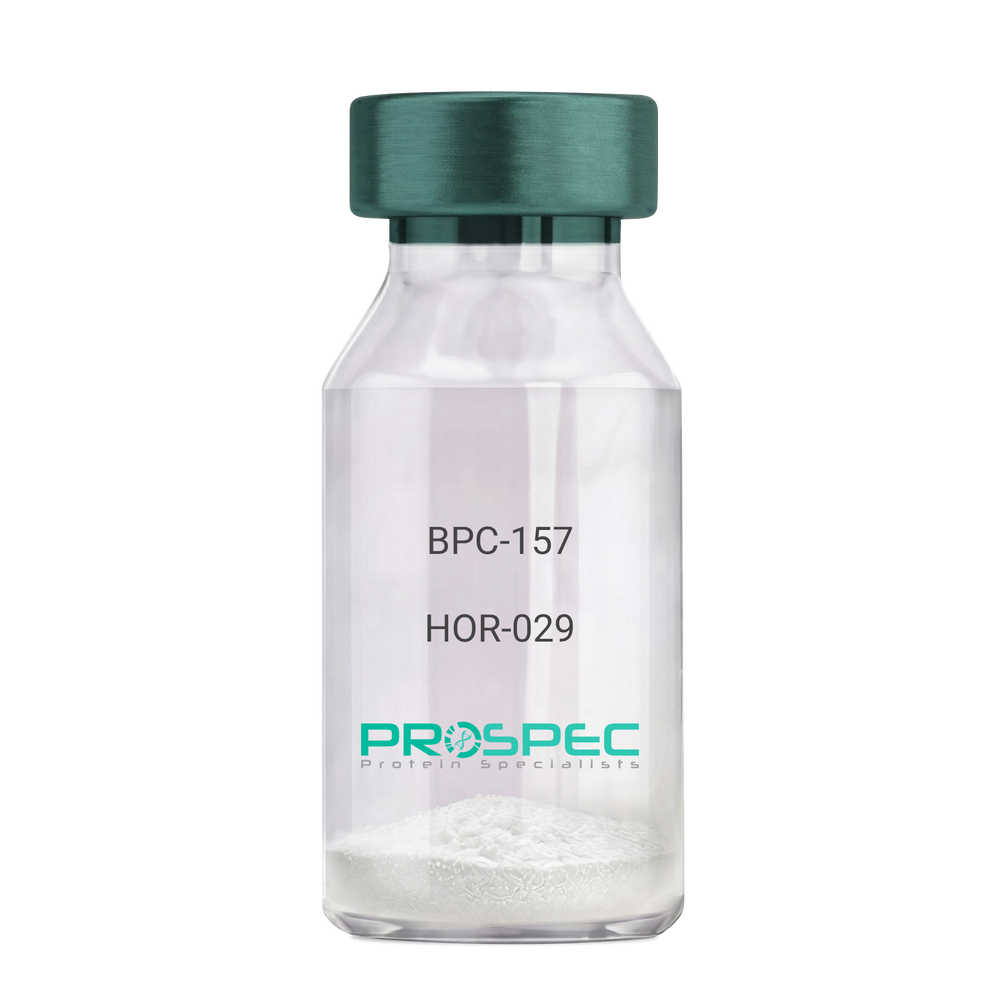
BPC-157Description:
BPC-157 Pentadecapeptide
Product # :
HOR-029Price :
Quantity :
Shipping Method :
Shipped at Room temp
More Info
- description
- formulation
- purity
- More Info
Description
BPC-157 Synthetic is a single, non-glycosylated polypeptide chain containing 15 amino acids, having a molecular mass of 1419.55 Dalton and a Molecular formula of C62H98N16O22.
Formulation
The protein was lyophilized with no additives.
Purity
Greater than 97.0% as determined by analysis by RP-HPLC.
More Info
-
Physical Appearance
Sterile Filtered White lyophilized (freeze-dried) powder.
-
Stability
Lyophilized BPC-157 although stable at room temperature for 3 weeks, should be stored desiccated below -18°C. Upon reconstitution bpc-157 should be stored at 4°C between 2-7 days and for future use below -18°C. For long term storage it is recommended to add a carrier protein (0.1% HSA or BSA). Please prevent freeze-thaw cycles.
-
Solubility
It is recommended to reconstitute the lyophilized BPC-157 in sterile 18MΩ-cm H2O not less than 100 µg/ml, which can then be further diluted to other aqueous solutions.
-
Amino Acid Sequence
H-Gly-Glu-Pro-Pro-Pro-Gly-Lys-Pro-Ala-Asp-Asp-Ala-Gly-Leu-Val-OH
-
Background
BPC-157, short for Body Protection Compound-157, is a synthetic peptide that has garnered significant attention in the field of regenerative medicine and sports science. This peptide, derived from a portion of the human gastric juice protein known as BPC, exhibits remarkable healing and tissue regeneration properties. BPC-157 has shown promise in various preclinical and clinical studies, demonstrating its potential for the treatment of a wide range of injuries and disorders.
The research on BPC-157 encompasses investigations into its mechanisms of action, efficacy, safety, and potential therapeutic applications. Studies have elucidated the peptide's ability to enhance angiogenesis, promote collagen synthesis, modulate inflammatory responses, and protect against oxidative stress. These properties make BPC-157 an intriguing candidate for accelerating tissue healing, reducing inflammation, and improving overall recovery outcomes.
Preclinical studies have revealed the beneficial effects of BPC-157 in several injury models. For instance, BPC-157 has demonstrated its potential in accelerating tendon and ligament healing, mitigating muscle damage, and promoting bone regeneration. These findings suggest that BPC-157 could be a valuable therapeutic tool in orthopedic medicine and sports-related injuries.
Furthermore, BPC-157 has exhibited promising effects on gastrointestinal health. Studies have highlighted its ability to protect and heal the gut lining, reduce ulcer formation, and alleviate symptoms associated with inflammatory bowel disease. These observations open up avenues for BPC-157 as a potential treatment for gastrointestinal disorders.
In addition to its regenerative properties, BPC-157 has shown potential in neurological and psychiatric conditions. Research has indicated its neuroprotective effects, with implications for the treatment of traumatic brain injury, stroke, and neurodegenerative disorders. Preliminary studies also suggest BPC-157's potential as an antidepressant and anxiolytic agent.
Despite the promising findings, further research is needed to fully understand the mechanisms underlying BPC-157's actions and to assess its long-term safety and efficacy. Clinical trials are underway to explore its potential therapeutic applications in humans, including its use in tendon and ligament repair, inflammatory bowel disease, and neurodegenerative disorders.
This comprehensive review aims to summarize the current state of research on BPC-157, providing an overview of its mechanisms of action and therapeutic potential. By examining relevant studies and findings, we aim to shed light on the diverse applications of BPC-157 and its implications for regenerative medicine, sports science, and various disease
ProSpec's products are furnished for LABORATORY RESEARCH USE ONLY. The product may not be used as drugs, agricultural or pesticidal products, food additives or household chemicals.
- View Data Sheet
Name :
STX11 HumanDescription:
Syntaxin-11 Human Recombinant
Syntaxin-11, STX11, FHL4, HLH4, HPLH4.
Product # :
PRO-1111Price :
Quantity :
Shipping Method :
Shipped with Ice Packs
More Info
- description
- source
- formulation
- purity
- More Info
Description
STX11 Human Recombinant produced in E.Coli is a single, non-glycosylated polypeptide chain containing 311 amino acids (1-287 a.a) and having a molecular mass of 35.8kDa.STX11 is fused to a 24 amino acid His-tag at N-terminus & purified by proprietary chromatographic techniques.
Source
E.coli.
Formulation
STX11 protein solution (1mg/ml) containing 20mM Tris-HCl buffer (pH8.0), 10% glycerol and 0.4M Urea.
Purity
Greater than 95% as determined by SDS-PAGE.
More Info
-
Introduction
Syntaxin-11 (STX11) belongs to the t-SNARE family. Syntaxin-11 regulates protein transport between late endosomes and the trans-Golgi network. STX11 interacts with the SNARE proteins SNAP-23 and VAMP. STX11 gene mutations are linked with familial hemophagocytic lymphohistiocytosis.
-
Synonyms
Syntaxin-11, STX11, FHL4, HLH4, HPLH4.
-
Physical Appearance
Sterile Filtered colorless solution.
-
Stability
Store at 4°C if entire vial will be used within 2-4 weeks. Store, frozen at -20°C for longer periods of time. For long term storage it is recommended to add a carrier protein (0.1% HSA or BSA).Avoid multiple freeze-thaw cycles.
-
Amino Acid Sequence
MGSSHHHHHH SSGLVPRGSH MGSHMKDRLA ELLDLSKQYD QQFPDGDDEF DSPHEDIVFE TDHILESLYR DIRDIQDENQ LLVADVKRLG KQNARFLTSM RRLSSIKRDT NSIAKAIKAR GEVIHCKLRA MKELSEAAEA QHGPHSAVAR ISRAQYNALT LTFQRAMHDY NQAEMKQRDN CKIRIQRQLE IMGKEVSGDQ IEDMFEQGKW DVFSENLLAD VKGARAALNE IESRHRELLR LESRIRDVHE LFLQMAVLVE KQADTLNVIE LNVQKTVDYT GQAKAQVRKA VQYEEKNPCR TLCCFCCPCL K.
ProSpec's products are furnished for LABORATORY RESEARCH USE ONLY. The product may not be used as drugs, agricultural or pesticidal products, food additives or household chemicals.
- View Data Sheet
Name :
SULT1B1 HumanDescription:
Sulfotransferase Family, Cytosolic, 1B, Member 1 Human Recombinant
Sulfotransferase family cytosolic 1B member 1, Thyroid hormone sulfotransferase, Sulfotransferase 1B1, Sulfotransferase 1B2, ST1B1, EC 2.8.2.-, SULT1B2.
Product # :
ENZ-610Price :
Quantity :
Shipping Method :
Shipped with Ice Packs
More Info
- description
- source
- formulation
- purity
- More Info
Description
SULT1B1 Human Recombinant produced in E. coli is a single polypeptide chain containing 320 amino acids (1-296) and having a molecular mass of 37.4kDa.SULT1B1 is fused to a 24 amino acid His-tag at N-terminus & purified by proprietary chromatographic techniques.
Source
E.coli.
Formulation
The SULT1B1 solution (1mg/1ml) contains 20mM Tris-HCl buffer (pH 8.0), 100mM NaCl and 10% glycerol.
Purity
Greater than 95% as determined by SDS-PAGE.
More Info
-
Introduction
SULT1B1 enzyme in humans is encoded by the SULT1B1 gene. SULT1B1 holds a binding site for 3-prime-phosphoadenosine 5-prime-phosphosulfate, a sulfate donor, in addition to a cysteine residue conserved in the ST1 gene family of sulfotransferases. Sulfotransferases like SULT1B1 catalyze the biotransformation of a great amount of endogenous amalgams such as bile acids, neurotransmitters, steroids, and thyroid hormones, in addition to drugs and xenobiotics.
-
Synonyms
Sulfotransferase family cytosolic 1B member 1, Thyroid hormone sulfotransferase, Sulfotransferase 1B1, Sulfotransferase 1B2, ST1B1, EC 2.8.2.-, SULT1B2.
-
Physical Appearance
Sterile Filtered colorless solution.
-
Stability
Store at 4°C if entire vial will be used within 2-4 weeks. Store, frozen at -20°C for longer periods of time. For long term storage it is recommended to add a carrier protein (0.1% HSA or BSA).Avoid multiple freeze-thaw cycles.
-
Amino Acid Sequence
MGSSHHHHHH SSGLVPRGSH MGSHMLSPKD ILRKDLKLVH GYPMTCAFAS NWEKIEQFHS RPDDIVIATY PKSGTTWVSE IIDMILNDGD IEKCKRGFIT EKVPMLEMTL PGLRTSGIEQ LEKNPSPRIV KTHLPTDLLP KSFWENNCKM IYLARNAKDV SVSYYHFDLM NNLQPFPGTW EEYLEKFLTG KVAYGSWFTH VKNWWKKKEE HPILFLYYED MKENPKEEIK KIIRFLEKNL NDEILDRIIH HTSFEVMKDN PLVNYTHLPT TVMDHSKSPF MRKGTAGDWK NYFTVAQNEK FDAIYETEMS KTALQFRTEI
ProSpec's products are furnished for LABORATORY RESEARCH USE ONLY. The product may not be used as drugs, agricultural or pesticidal products, food additives or household chemicals.
- View Data Sheet
Name :
pykF E.ColiDescription:
Pyruvate Kinase I E.Coli Recombinant
Pyruvate kinase I, PK-1, pykF, b1676, JW1666.
Product # :
PKA-028Price :
Quantity :
Shipping Method :
Shipped with Ice Packs
More Info
- description
- source
- formulation
- purity
- More Info
Description
pykF E.Coli Recombinant produced in E.Coli is a single, non-glycosylated polypeptide chain containing 494 amino acids (1-470 a.a) and having a molecular mass of 53.3kDa.pykF is fused to a 24 amino acid His-tag at N-terminus & purified by proprietary chromatographic techniques.
Source
E.coli.
Formulation
pykF protein solution (1mg/ml) containing 20mM Tris-HCl buffer (pH8.0) and 10% glycerol.
Purity
Greater than 95% as determined by SDS-PAGE.
More Info
-
Introduction
pykF (pyruvate kinase I) is a member of the pyruvate kinase family. pykF is an enzyme involved in glycolysis. pykF catalyzes the transfer of a phosphate group from phosphoenolpyruvate (PEP) to ADP, yielding one molecule of pyruvate and one molecule of ATP, a process which also requires a Magnesium ion. This is the final step in the glycolytic pathway, which produces pyruvate molecules, the ultimate product of aerobic glycolysis.
-
Synonyms
Pyruvate kinase I, PK-1, pykF, b1676, JW1666.
-
Physical Appearance
Sterile Filtered colorless solution.
-
Stability
Store at 4°C if entire vial will be used within 2-4 weeks. Store, frozen at -20°C for longer periods of time. For long term storage it is recommended to add a carrier protein (0.1% HSA or BSA).Avoid multiple freeze-thaw cycles.
-
Amino Acid Sequence
MGSSHHHHHH SSGLVPRGSH MGSHMKKTKI VCTIGPKTES EEMLAKMLDA GMNVMRLNFS HGDYAEHGQR IQNLRNVMSK TGKTAAILLD TKGPEIRTMK LEGGNDVSLK AGQTFTFTTD KSVIGNSEMV AVTYEGFTTD LSVGNTVLVD DGLIGMEVTA IEGNKVICKV LNNGDLGENK GVNLPGVSIA LPALAEKDKQ DLIFGCEQGV DFVAASFIRK RSDVIEIREH LKAHGGENIH IISKIENQEG LNNFDEILEA SDGIMVARGD LGVEIPVEEV IFAQKMMIEK CIRARKVVIT ATQMLDSMIK NPRPTRAEAG DVANAILDGT DAVMLSGESA KGKYPLEAVS IMATICERTD RVMNSRLEFN NDNRKLRITE AVCRGAVETA EKLDAPLIVV ATQGGKSARA VRKYFPDATI LALTTNEKTA HQLVLSKGVV PQLVKEITST DDFYRLGKEL ALQSGLAHKG DVVVMVSGAL VPSGTTNTAS VHVL.
ProSpec's products are furnished for LABORATORY RESEARCH USE ONLY. The product may not be used as drugs, agricultural or pesticidal products, food additives or household chemicals.
- View Data Sheet
Name :
TNFRSF8 MouseDescription:
CD30 Ligand Receptor Mouse Recombinant
Tumor Necrosis Factor Receptor Superfamily, Member 8, Lymphocyte Activation Antigen CD30, CD30L Receptor, Ki-1 Antigen, D1S166E, CD30, Cytokine Receptor CD30, CD30 Antigen, Ki-1
Product # :
CYT-1165Price :
Quantity :
Shipping Method :
Shipped with Ice Packs
More Info
- description
- source
- formulation
- purity
- More Info
Description
TNFRSF8 Mouse Recombinant produced in Baculovirus is a single glycosylated polypeptide chain containing 479 amino acids (19-258 aa) and having a molecular mass of 52.2kDa.TNFRSF8 is fused to a 239 amino acid hIgG-His tag at C-terminus and purified by proprietary chromatographic techniques.
Source
Sf9, Baculovirus cells.
Formulation
TNFRSF8 protein (1mg/ml) contains 10% glycerol and Phosphate-Buffered Saline (pH 7.4).
Purity
Greater than 90.0% as determined by SDS-PAGE.
More Info
-
Introduction
Tumor necrosis factor receptor superfamily member 8 (TNFRSF8) is a receptor for TNFSF8/CD30L. TNFRSF8 has a role in the regulation of cellular growth and transformation of activated lymphoblasts. In addition, the TNFRSF8 protein regulates gene expression via activation of NF-kappa-B. TNFRSF8 being a regulator of apoptosis, induces cell death or proliferation, depending on the cell type.
-
Synonyms
Tumor Necrosis Factor Receptor Superfamily, Member 8, Lymphocyte Activation Antigen CD30, CD30L Receptor, Ki-1 Antigen, D1S166E, CD30, Cytokine Receptor CD30, CD30 Antigen, Ki-1
-
Physical Appearance
Sterile Filtered colorless solution.
-
Stability
Store at 4°C if entire vial will be used within 2-4 weeks. Store, frozen at -20°C for longer periods of time. For long term storage it is recommended to add a carrier protein (0.1% HSA or BSA).Avoid multiple freeze-thaw cycles.
-
Amino Acid Sequence
FPTDRPLKTT CAGDLSHYPG EAARNCCYQC PSGLSPTQPC PRGPAHCRKQ CAPDYYVNED GKCTACVTCL PGLVEKAPCS GNSPRICECQ PGMHCCTPAV NSCARCKLHC SGEEVVKSPG TAKKDTICEL PSSGSGPNCS NPGDRKTLTS HATPQAMPTL ESPANDSARS LLPMRVTNLV QEDATELVKV PESSSSKARE PSPDPGNAEK NMTLELPSPG TLPDISTSEN SKEPASTAST LEPKSCDKTH TCPPCPAPEL LGGPSVFLFP PKPKDTLMIS RTPEVTCVVV DVSHEDPEVK FNWYVDGVEV HNAKTKPREE QYNSTYRVVS VLTVLHQDWL NGKEYKCKVS NKALPAPIEK TISKAKGQPR EPQVYTLPPS RDELTKNQVS LTCLVKGFYP SDIAVEWESN GQPENNYKTT PPVLDSDGSF FLYSKLTVDK SRWQQGNVFS CSVMHEALHN HYTQKSLSLS PGKHHHHHH
ProSpec's products are furnished for LABORATORY RESEARCH USE ONLY. The product may not be used as drugs, agricultural or pesticidal products, food additives or household chemicals.
- View Data Sheet
Name :
SDF 1a RatDescription:
Stromal Cell-Derived Factor-1 alpha Rat Recombinant (CXCL12)
SDF-1, CXCL12, Pre-B cell growth-stimulating factor, PBSF, hIRH, chemokine (C-X-C motif) ligand 12, SDF1, SDF1A, TPAR1, SCYB12, SDF-1a, TLSF-a, 12-O-tetradecanoylphorbol 13-acetate repressed protein 1, Thymic lymphoma cell-stimulating factor, TLSF.
Product # :
CHM-354Price :
Quantity :
Shipping Method :
Shipped at Room temp
More Info
- description
- source
- formulation
- purity
- biological activity
- More Info
Description
Stromal Cell-Derived Factor-1 alpha Rat Recombinant produced in E.Coli is a non-glycosylated, Polypeptide chain containing 68 amino acids and having a molecular mass of 7.9 kDa. The SDF-1a is purified by proprietary chromatographic techniques.
Source
Escherichia Coli.
Formulation
The CXCL12 protein was lyophilized from a concentrated (1 mg/ml) sterile solution containing 20mM Phosphate buffer pH-7.4 and 150mM NaCl.
Purity
Greater than 97.0% as determined by:
(a) Analysis by RP-HPLC.
(b) Analysis by SDS-PAGE.Biological Activity
The specific activity as determined by its ability to chemoattract human peripheral blood monocytes at 50-100ng/ml corresponding to a Specific Activity of 10,000-20,000IU/mg.More Info
-
Introduction
SDF-1 (stromal cell-derived factor-1) is small cytokine belonging to the chemokine family that is officially designated Chemokine (C-X-C motif) ligand 12 (CXCL12). It is produced in two forms, SDF-1?/CXCL12a and SDF-1?/CXCL12b, by alternate splicing of the same gene. Chemokines are characterized by the presence of four conserved cysteines, which form two disulfide bonds. The CXCL12 proteins belong to the group of CXC chemokines, whose initial pair of cysteines are separated by one intervening amino acid. CXCL12 is strongly chemotactic for lymphocytes and has been implicated as an important cell co-ordinator during development. During embryogenesis it directs the migration of hematopoietic cells from foetal liver to bone marrow. Mice which were knocked-out for CXCL12 gene were lethal before the birth or within just 1 hour of life. As another role, CXCL12a alters also the electrophysiology of neurons. CXCL12 was shown to be expressend in many tissues in mice (including brain, thymus, heart, lung, liver, kidney, spleen and bone marrow).
The receptor for this chemokine is CXCR4, which was previously called fusin. This CXCL12-CXCR4 interaction used to be considered exclusive (unlike for other chemokines and their receptors), but recently it was suggested that CXCL12 is also bound by CXCR7 receptor.
The gene for CXCL12 is located on human chromosome 10. In human and mouse both CXCL12 and CXCR4 show high identity of sequence: 99% and 90%, respectively. -
Synonyms
SDF-1, CXCL12, Pre-B cell growth-stimulating factor, PBSF, hIRH, chemokine (C-X-C motif) ligand 12, SDF1, SDF1A, TPAR1, SCYB12, SDF-1a, TLSF-a, 12-O-tetradecanoylphorbol 13-acetate repressed protein 1, Thymic lymphoma cell-stimulating factor, TLSF.
-
Physical Appearance
Sterile Filtered White lyophilized (freeze-dried) powder.
-
Stability
Lyophilized SDF-1a although stable at room temperature for 3 weeks, should be stored desiccated below -18°C. Upon reconstitution CXCL12 should be stored at 4°C between 2-7 days and for future use below -18°C.For long term storage it is recommended to add a carrier protein (0.1% HSA or BSA).Please prevent freeze-thaw cycles.
-
Solubility
It is recommended to reconstitute the lyophilized SDF-1a in sterile 18MΩ-cm H2O not less than 100µg/ml, which can then be further diluted to other aqueous solutions.
-
Amino Acid Sequence
KPVSLSYRCP CRFFESHVAR ANVKHLKILN TPNCALQIVA RLKSNNRQVC IDPKLKWIQE YLDKALNK.
ProSpec's products are furnished for LABORATORY RESEARCH USE ONLY. The product may not be used as drugs, agricultural or pesticidal products, food additives or household chemicals.
- View Data Sheet
Name :
NEFL HumanDescription:
Neurofilament Light Human Recombinant
Neurofilament light polypeptide, NF-L, NEFL, NF68, NFL, 68 kDa neurofilament protein.
Product # :
PRO-2584Price :
Quantity :
Shipping Method :
Shipped at Room temp
More Info
- description
- source
- formulation
- purity
- More Info
Description
NEFL Human Recombinant produced in E.Coli is a single, non-glycosylated, polypeptide chain (2-543 a.a) containing 551 amino acids including a 9 a.a N-terminal His tag. The total molecular mass is 62.5kDa (calculated).
Source
Escherichia Coli.
Formulation
NEFL filtered (0.4 µm) and lyophilized from 0.5mg/ml solution in 15mM Tris and 85mM Glycine, pH 8.5.
Purity
Greater than 90.0% as determined by SDS-PAGE.
More Info
-
Introduction
NEFL or Neurofilament light polypeptide is a protein that is encoded through the NEFL gene. NEFL is correlated to a disease called Charcot–Marie–Tooth. The protein’s light subunit is determined by immunoassays in the plasma and cerebrospinal fluid, if present, it can indicate on axonal damage in neurological diseases. By doing so, NEFL can act as a marker for Huntington's disease, Amyotrophic Lateral Sclerosis and multiple sclerosis.
-
Synonyms
Neurofilament light polypeptide, NF-L, NEFL, NF68, NFL, 68 kDa neurofilament protein.
-
Physical Appearance
Filtered White lyophilized (freeze-dried) powder.
-
Stability
Store lyophilized protein at -20°C. Aliquot the product after reconstitution to avoid repeated freezing/thawing cycles. Reconstituted protein can be stored at 4°C for a limited period of time; it does not show any change after two weeks at 4°C.
-
Solubility
It is recommended to add deionized water to prepare a working stock solution of approximately 0.5mg/ml and let the lyophilized pellet dissolve completely.
-
Amino Acid Sequence
MKHHHHHHAS SFSYEPYYST SYKRRYVETP RVHISSVRSG YSTARSAYSS YSAPVSSSLS VRRSYSSSSG SLMPSLENLD LSQVAAISND LKSIRTQEKA QLQDLNDRFA SFIERVHELE QQNKVLEAEL LVLRQKHSEP SRFRALYEQE IRDLRLAAED ATNEKQALQG EREGLEETLR NLQARYEEEV LSREDAEGRL MEARKGADEA ALARAELEKR IDSLMDEISF LKKVHEEEIA ELQAQIQYAQ ISVEMDVTKP DLSAALKDIR AQYEKLAAKN MQNAEEWFKS RFTVLTESAA KNTDAVRAAK DEVSESRRLL KAKTLEIEAC RGMNEALEKQ LQELEDKQNA DISAMQDTIN KLENELRTTK SEMARYLKEY QDLLNVKMAL DIEIAAYRKL LEGEETRLSF TSVGSITSGY SQSSQVFGRS AYGGLQTSSY LMSTRSFPSY YTSHVQEEQI EVEETIEAAK AEEAKDEPPS EGEAEEEEKD KEEAEEEEAA EEEEAAKEES EEAKEEEEGG EGEEGEETKE AEEEEKKVEG AGEEQAAKKK D.
ProSpec's products are furnished for LABORATORY RESEARCH USE ONLY. The product may not be used as drugs, agricultural or pesticidal products, food additives or household chemicals.
- View Data Sheet
Name :
IGFBP6 MouseDescription:
Insulin Like Growth Factor Binding Protein-6 Mouse Recombinant
Insulin-like growth factor-binding protein 6, Igfbp6, IGFBP-6, IBP-6, IGF-binding protein 6, IGFBP-6, Igfbp-6.
Product # :
CYT-987Price :
Quantity :
Shipping Method :
Shipped with Ice Packs
More Info
- description
- source
- formulation
- purity
- More Info
Description
IGFBP6 Mouse Recombinant produced in Sf9 Baculovirus cells is a single, glycosylated polypeptide chain containing 221 amino acids (26-238 a.a.) and having a molecular mass of 23.7kDa (Migrates at 28-40kDa on SDS-PAGE under reducing conditions).IGFBP6 is expressed with a 8 amino acid His tag at C-Terminus and purified by proprietary chromatographic techniques.
Source
Sf9, Baculovirus cells.
Formulation
IGFBP6 protein solution (0.25mg/ml) contains Phosphate Buffered Saline (pH 7.4) and 40% glycerol.
Purity
Greater than 90.0% as determined by SDS-PAGE.
More Info
-
Introduction
IGFBP6 plays a role in lipoprotein assembly and dietary cholesterol absorption. in addition to its acyltransferase activity, it may act as a ligase. may provide cholesteryl esters for lipoprotein secretion from hepatocytes and intestinal mucosa.
-
Synonyms
Insulin-like growth factor-binding protein 6, Igfbp6, IGFBP-6, IBP-6, IGF-binding protein 6, IGFBP-6, Igfbp-6.
-
Physical Appearance
Sterile Filtered colorless solution.
-
Stability
Store at 4°C if entire vial will be used within 2-4 weeks. Store, frozen at -20°C for longer periods of time. For long term storage it is recommended to add a carrier protein (0.1% HSA or BSA). Avoid multiple freeze-thaw cycles.
-
Amino Acid Sequence
ALAGCPGCGA GMQTGCRGGC VEEEDAGSPA DGCTEAGGCL RREGQPCGVY SPKCAPGLQC QPRENEEAPL RALLIGQGRC QRARGPSEET TKESKPQGGA SRSRDTNHRD RQKNPRTSAA PIRPNPVQDS EMGPCRRHLD SVLQQLQTEV FRGGARGLYV PNCDLRGFYR KQQCRSSQGN RRGPCWCVDP MGQPLPVSPD GQGSTQCSAR SSGLEHHHHH H.
ProSpec's products are furnished for LABORATORY RESEARCH USE ONLY. The product may not be used as drugs, agricultural or pesticidal products, food additives or household chemicals.
- View Data Sheet
Name :
BMP3 HumanDescription:
Bone Morphogenetic protein-3 Human Recombinant
Bone Morphogenetic Protein 3, Osteogenin, Bone Morphogenetic Protein 3 (Osteogenic), Bone Morphogenetic Protein 3A, BMP-3A, BMP-3, Bone Morphogenetic Protein-3, BMP3A, BMP3.
Product # :
CYT-937Price :
Quantity :
Shipping Method :
Shipped at Room temp
More Info
- description
- source
- formulation
- purity
- biological activity
- More Info
Description
BMP3 Human Recombinant produced in E.coli is a non-glycosylated disulfide linked homodimer containing 2 chains of 110 amino acids and having a molecular mass of 24.8kDa.The BMP-3 is purified by proprietary chromatographic techniques.
Source
Escherichia Coli.
Formulation
BMP-3 protein was lyophilized from a 0.2µm filtered concentrated solution in 30% Acetonitrile and 0.1% TFA.
Purity
Greater than 95.0% as determined by: (a) Analysis by HPLC. (b) Analysis by SDS-PAGE.
Biological Activity
The ED50 as determined by its ability to inhibit BMP-2-induced activity in murine MC3T3- E1 cells.More Info
-
Introduction
Bone Morphogenetic Protein 3 (BMP3) is one of the BMPs, some of which are members of the TGF-beta superfamily (BMP2-7). There are more than 13 BMPs, which are involved in inducing cartilage and bone formation, embryogenesis and morphogenesis of various tissues and organs. In addition, BMPs regulate the growth, differentiation, chemotaxis, and apoptosis of various cell types. Akin to most other TGF-beta family proteins, BMPs are extremely conserved across animal species. At the amino acid sequence level, mature human and rat BMP3 are 98% identical.
-
Synonyms
Bone Morphogenetic Protein 3, Osteogenin, Bone Morphogenetic Protein 3 (Osteogenic), Bone Morphogenetic Protein 3A, BMP-3A, BMP-3, Bone Morphogenetic Protein-3, BMP3A, BMP3.
-
Physical Appearance
Sterile Filtered White lyophilized (freeze-dried) powder.
-
Stability
Lyophilized BMP3 although stable at room temperature for 3 weeks, should be stored desiccated below -18°C. Upon reconstitution BMP-3 should be stored at 4°C between 2-7 days and for future use below -18°C. For long term storage it is recommended to add a carrier protein (0.1% HSA or BSA). Please prevent freeze-thaw cycles.
-
Solubility
It is recommended to reconstitute the lyophilized BMP3 in sterile 4mM HCl not less than 100µg/ml, which can then be further diluted to other aqueous solutions.
-
Amino Acid Sequence
QWIEPRNCAR RYLKVDFADI GWSEWIISPK SFDAYYCSGA CQFPMPKSLK PSNHATIQSI VRAVGVVPGI PEPCCVPEKM SSLSILFFDE NKNVVLKVYP NMTVESCACR.
-
Background
Bone Morphogenetic Protein-3 Human Recombinant: Unveiling the Potential of a Key Regulator in Tissue Regeneration
Abstract:
Bone Morphogenetic Protein-3 (BMP-3) human recombinant is a critical member of the bone morphogenetic protein family, known for its role in tissue development, repair, and regeneration. This research paper provides a comprehensive analysis of BMP-3, including its characteristics, signaling pathways, and potential therapeutic applications. Additionally, innovative methodologies for the production and optimization of BMP-3 human recombinant are proposed, shedding light on its future implications in the field of regenerative medicine.
Introduction:
Tissue regeneration is a complex biological process requiring precise molecular cues. BMP-3, a crucial member of the BMP family, plays a significant role in tissue development and regeneration. This paper explores the unique features of BMP-3 and presents novel approaches for its production and optimization, aiming to unlock its therapeutic potential in various regenerative contexts.
Characteristics and Signaling Pathways:
BMP-3 is a secreted protein that binds to cell surface receptors, initiating intracellular signaling cascades. It influences cell differentiation, proliferation, and extracellular matrix synthesis through both Smad-dependent and Smad-independent signaling pathways. BMP-3 signaling regulates critical processes involved in tissue regeneration, including chondrogenesis and osteogenesis.
Production of BMP-3 Human Recombinant:
Efficient production methodologies are essential for harnessing the therapeutic potential of BMP-3 human recombinant. Recombinant protein expression systems, such as Escherichia coli or mammalian cells, have been utilized to produce functional BMP-3. Optimization strategies, including codon optimization, signal peptide engineering, and protein folding optimization, have been employed to enhance the yield and activity of BMP-3 recombinant protein.
Potential Therapeutic Applications:
BMP-3 human recombinant holds significant promise in the field of regenerative medicine. It plays a crucial role in bone and cartilage regeneration, making it a potential candidate for the treatment of skeletal disorders and tissue injuries. Additionally, BMP-3 signaling influences tissue remodeling and wound healing, suggesting its broader therapeutic applications in other regenerative processes.
Conclusion:
BMP-3 human recombinant represents a key regulator in tissue regeneration, with immense potential in regenerative medicine. Optimizing production methodologies and further unraveling its signaling mechanisms will enhance its therapeutic applications. With its implications in bone and cartilage regeneration and its role in tissue remodeling, BMP-3 human recombinant emerges as a promising tool for promoting tissue repair and regeneration.
What is the molecular weight/Mw of BMP3 Protein?
BMP3 Protein has a total Mw of 24.8kDa.
What is the source or expression system of BMP3 Protein?
Escherichia Coli.
What is the Purity of BMP3 Protein?
BMP3 Protein is >95% pure as determined by SDS-PAGE.
What is the Biological Activity of BMP3 Protein?
The ED50 as determined by its ability to inhibit BMP-2-induced activity in murine MC3T3- E1 cells.
What is the amino acid sequence of BMP3 Protein?
QWIEPRNCAR RYLKVDFADI GWSEWIISPK SFDAYYCSGA CQFPMPKSLK PSNHATIQSI VRAVGVVPGI PEPCCVPEKM SSLSILFFDE NKNVVLKVYP NMTVESCACR.
What applications can BMP3 Protein be used in?
BMP3 Protein can probably be used in western blot, ELISA and Lateral Flow.
What is the endotoxin level for BMP3 Protein?
The endotoxin level is minimal, BMP3 Protein was purified using conventional chromatography techniques.
ProSpec's products are furnished for LABORATORY RESEARCH USE ONLY. The product may not be used as drugs, agricultural or pesticidal products, food additives or household chemicals.
- View Data Sheet
Name :
LGALS7 HumanDescription:
Galectin-7 Human Recombinant
Galectin-7, Gal-7, HKL-14, PI7, p53-induced gene 1 protein, LGALS7, PIG1, LGALS7B, GAL7, LGALS7A.
Product # :
CYT-016Price :
Quantity :
Shipping Method :
Shipped at Room temp
More Info
- description
- source
- formulation
- purity
- More Info
Description
Galectin-7 Human Recombinant produced in E.Coli is a single, non-glycosylated, Polypeptide chain containing 136 amino acids and having a molecular mass of 15kDa.The LGALS7 is purified by proprietary chromatographic techniques.
Source
Escherichia Coli.
Formulation
LGALS7 was lyophilized from a concentrated (1mg/ml) solution in 20mM Tris, 150mM NaCl, 1mM EDTA and 5% Trehalose, pH 8.
Purity
Greater than 95.0% as determined by SDS-PAGE.
More Info
-
Introduction
Galectins are a family of animal lectins with an affinity for beta-galactosides. This family has at least 14 identified members. Galectins share similarities in the CRD (the carbohydrate recognition domain). Galectins are synthesized as cytosolic proteins. Though localized principally in the cytoplasm and lacking a classical signal peptide, galectins can also be stimulated to secretion by non-classical pathways or alternatively targeted to the nucleus. Galectins are involved in modulating cell-cell and cell-matrix interactions. Human Galectin-7 belongs to the prototypical Galectins containing a single CRD, which is initially identified in human epidermis as a monomer. The Galectin-7 expression is induced by tumor suppressor protein p53 and associated with apoptosis. Galectin-7 is a pro-apoptotic protein which functions intracellularlly upstream of JNK activation and mitochondrial cytochrome c release. The correlation of Galectin-7 with the UV-induced apoptosis of keratinocytes presents a critical mechanism in the maintenance of epidermal homeostasis. Human Galectin-7 is localized in both nucleus and cytoplasm.
-
Synonyms
Galectin-7, Gal-7, HKL-14, PI7, p53-induced gene 1 protein, LGALS7, PIG1, LGALS7B, GAL7, LGALS7A.
-
Physical Appearance
Sterile Filtered White lyophilized (freeze-dried) powder.
-
Stability
Lyophilized LGALS7 although stable at room temperature for 3 weeks, should be stored desiccated below -18°C. Upon reconstitution Galectin-7 should be stored at 4°C between 2-7 days and for future use below -18°C.Please prevent freeze-thaw cycles.
-
Solubility
It is recommended to reconstitute the lyophilized Galectin-7 in sterile distilled H2O not less than 100µg/ml, which can then be further diluted to other aqueous solutions.
-
Amino Acid Sequence
MSNVPHKSSLPEGIRPGTVLRIRGLVPPNASRFHVNLLCGEEQGSDAALHFNP
RLDTSEVVFNSKEQGSWGREERGPGVPFQRGQPFEVLIIASDDGFKAVVGDAQ
YHHFRHRLPLARVRLVEVGGDVQLDSVRIF -
Background
What is the molecular weight/Mw of LGALS7 HUMAN Protein?
LGALS7 HUMAN Protein has a total Mw of 15kDa.
What is the source or expression system of LGALS7 HUMAN Protein?
Escherichia Coli.
What is the Purity of LGALS7 HUMAN Protein?
LGALS7 HUMAN Protein is >95% pure as determined by SDS-PAGE.
What is the Biological Activity of LGALS7 HUMAN Protein?
The biological functionality of LGALS7 HUMAN Protein will be determined in the future.
What is the amino acid sequence of LGALS7 HUMAN Protein?
MSNVPHKSSLPEGIRPGTVLRIRGLVPPNASRFHVNLLCGEEQGSDAALHFNP
RLDTSEVVFNSKEQGSWGREERGPGVPFQRGQPFEVLIIASDDGFKAVVGDAQ
YHHFRHRLPLARVRLVEVGGDVQLDSVRIF
What applications can LGALS7 HUMAN Protein be used in?
LGALS7 HUMAN Protein can probably be used in western blot, ELISA and Lateral Flow.
What is the endotoxin level for LGALS7 HUMAN Protein?
The endotoxin level is minimal, LGALS7 HUMAN Protein was purified using conventional chromatography techniques.
ProSpec's products are furnished for LABORATORY RESEARCH USE ONLY. The product may not be used as drugs, agricultural or pesticidal products, food additives or household chemicals.
- View Data Sheet
Name :
VEGFR2 Human, HisDescription:
Vascular Endothelial Growth Factor receptor-2 Human Recombinant, His Tag
KDR D1-7, sKDR D1-7, Kinase insert domain receptor, Protein-tyrosine kinase receptor Flk-1, CD309, type III receptor tyrosine kinase, FLK1, VEGFR-2.
Product # :
PKA-099Price :
Quantity :
Shipping Method :
Shipped with Ice Packs
More Info
- description
- source
- formulation
- purity
- More Info
Description
VEGFR2 Human Recombinant produced in Sf9 Baculovirus cells is a single, glycosylated polypeptide chain containing 987 amino acids (20-764a.a) and having a molecular mass of 110.5kDa (Molecular size on SDS-PAGE will appear at approximately 100-150kDa). VEGFR2 is fused to a 239 amino acids hIgG-His-tag at C-terminus & purified by proprietary chromatographic techniques.
Source
Sf9, Baculovirus cells.
Formulation
VEGFR2 solution (0.5mg/ml) contains Phosphate Buffered Saline (pH 7.4) and 10% glycerol.
Purity
Greater than 90% as determined by SDS-PAGE.
More Info
-
Introduction
Endothelial cells express three different vascular endothelial growth factor (VEGF) receptors, belonging to the family of receptor tyrosine kinases (RTKs). They are named VEGFR-1 (Flt-1), VEGFR-2 (KDR/Flk-1), VEGFR-3 (Flt-4). Their expression is almost exclusively restricted to endothelial cells, but VEGFR-1 can also be found on monocytes. All VEGF-receptors have seven immunoglobulin-like extracellular domains, a single transmembrane region and an intracellular split tyrosine kinase domain. VEGFR-2 has a lower affinity for VEGF than the Flt-1 receptor, but a higher signaling activity. Mitogenic activity in endothelial cells is mainly mediated by VEGFR-2 leading to their proliferation.
Differential splicing of the flt-1 gene leads to the formation of a secreted, soluble variant of VEGFR-1 (sVEGFR-1). No naturally occuring, secreted forms of VEGFR-2 have so far been reported. The binding of VEGF165 to VEGFR-2 is dependent on heparin. -
Synonyms
KDR D1-7, sKDR D1-7, Kinase insert domain receptor, Protein-tyrosine kinase receptor Flk-1, CD309, type III receptor tyrosine kinase, FLK1, VEGFR-2.
-
Physical Appearance
Sterile Filtered colorless solution.
-
Stability
Store at 4°C if entire vial will be used within 2-4 weeks. Store, frozen at -20°C for longer periods of time. For long term storage it is recommended to add a carrier protein (0.1% HSA or BSA).Avoid multiple freeze-thaw cycles.
-
Amino Acid Sequence
ADPASVGLPS VSLDLPRLSI QKDILTIKAN TTLQITCRGQ RDLDWLWPNN QSGSEQRVEV TECSDGLFCK TLTIPKVIGN DTGAYKCFYR ETDLASVIYV YVQDYRSPFI ASVSDQHGVV YITENKNKTV VIPCLGSISN LNVSLCARYP EKRFVPDGNR ISWDSKKGFT IPSYMISYAG MVFCEAKIND ESYQSIMYIV VVVGYRIYDV VLSPSHGIEL SVGEKLVLNC TARTELNVGI DFNWEYPSSK HQHKKLVNRD LKTQSGSEMK KFLSTLTIDG VTRSDQGLYT CAASSGLMTK KNSTFVRVHE KPFVAFGSGM ESLVEATVGE RVRIPAKYLG YPPPEIKWYK NGIPLESNHT IKAGHVLTIM EVSERDTGNY TVILTNPISK EKQSHVVSLV VYVPPQIGEK SLISPVDSYQ YGTTQTLTCT VYAIPPPHHI HWYWQLEEEC ANEPSQAVSV TNPYPCEEWR SVEDFQGGNK IEVNKNQFAL IEGKNKTVST LVIQAANVSA LYKCEAVNKV GRGERVISFH VTRGPEITLQ PDMQPTEQES VSLWCTADRS TFENLTWYKL GPQPLPIHVG ELPTPVCKNL DTLWKLNATM FSNSTNDILI MELKNASLQD QGDYVCLAQD RKTKKRHCVV RQLTVLERVA PTITGNLENQ TTSIGESIEV SCTASGNPPP QIMWFKDNET LVEDSGIVLK DGNRNLTIRR VRKEDEGLYT CQACSVLGCA KVEAFFIIEG AQEKTNLELE PKSCDKTHTC PPCPAPELLG GPSVFLFPPK PKDTLMISRT PEVTCVVVDV SHEDPEVKFN WYVDGVEVHN AKTKPREEQY NSTYRVVSVL TVLHQDWLNG KEYKCKVSNK ALPAPIEKTI SKAKGQPREP QVYTLPPSRD ELTKNQVSLT CLVKGFYPSD IAVEWESNGQ PENNYKTTPP VLDSDGSFFL YSKLTVDKSR WQQGNVFSCS VMHEALHNHY TQKSLSLSPG KHHHHHH.
ProSpec's products are furnished for LABORATORY RESEARCH USE ONLY. The product may not be used as drugs, agricultural or pesticidal products, food additives or household chemicals.
- View Data Sheet
Name :
TNFRSF10C HumanDescription:
TRAIL Receptor-3 Human Recombinant
Tumor Necrosis Factor Receptor Superfamily, Member 10c, Decoy Without An , Intracellular Domain, TRAILR3, DCR1, TRID, TNF-Related Apoptosis-Inducing Ligand Receptor, Antagonist Decoy Receptor For TRAIL/Apo-2L, Decoy TRAIL Receptor Without Death Domain, Lymphocyte Inhibitor Of TRAIL, Decoy Receptor,TRAIL-R, LIT,Tumor Necrosis Factor Receptor Superfamily Member 10C, TRAIL Receptor Without an Intracellular Domain, Cytotoxic TRAIL Receptor, TRAIL Receptor, CD263 Antigen, DCR1-TNFR, CD263.
Product # :
CYT-889Price :
Quantity :
Shipping Method :
Shipped with Ice Packs
More Info
- description
- source
- formulation
- purity
- More Info
Description
TNFRSF10C Human Recombinant produced in E. coli is a single, non-glycosylated polypeptide chain containing 234 amino acids (26-236 a.a) and having a molecular mass of 24.6 kDa.TNFRSF10C is fused to a 23 amino acid His-tag at N-terminus & purified by proprietary chromatographic techniques.
Source
Escherichia Coli.
Formulation
TNFRSF10C protein solution (1mg/ml) containing Phosphate buffered saline (pH7.4) and 10% glycerol.
Purity
Greater than 90.0% as determined by SDS-PAGE.
More Info
-
Introduction
TRAIL Receptor-3, also known as TNFRSF10C belongs to theTNF-receptor super family. TNFRSF10C contains an extracellular TRAIL-binding domain as well as a transmembranedomain, however no cytoplasmic death domain. Furthermore, TNFRSF10C is not capable of inducing apoptosis, and is considered toact as an antagonistic receptor which protects cells from TRAIL-induced apoptosis.
-
Synonyms
Tumor Necrosis Factor Receptor Superfamily, Member 10c, Decoy Without An , Intracellular Domain, TRAILR3, DCR1, TRID, TNF-Related Apoptosis-Inducing Ligand Receptor, Antagonist Decoy Receptor For TRAIL/Apo-2L, Decoy TRAIL Receptor Without Death Domain, Lymphocyte Inhibitor Of TRAIL, Decoy Receptor,TRAIL-R, LIT,Tumor Necrosis Factor Receptor Superfamily Member 10C, TRAIL Receptor Without an Intracellular Domain, Cytotoxic TRAIL Receptor, TRAIL Receptor, CD263 Antigen, DCR1-TNFR, CD263.
-
Physical Appearance
Sterile Filtered clear solution.
-
Stability
Store at 4°C if entire vial will be used within 2-4 weeks. Store, frozen at -20°C for longer periods of time.For long term storage it is recommended to add a carrier protein (0.1% HSA or BSA).Please avoid freeze thaw cycles.
-
Amino Acid Sequence
MGSSHHHHHH SSGLVPRGSH MGSATTARQE EVPQQTVAPQ QQRHSFKGEE CPAGSHRSEH TGACNPCTEG VDYTNASNNE PSCFPCTVCK SDQKHKSSCT MTRDTVCQCK EGTFRNENSP EMCRKCSRCP SGEVQVSNCT SWDDIQCVEE FGANATVETP AAEETMNTSP GTPAPAAEET MNTSPGTPAP AAEETMTTSP GTPAPAAEET MTTSPGTPAP AAEETMTTSP GTPA.
ProSpec's products are furnished for LABORATORY RESEARCH USE ONLY. The product may not be used as drugs, agricultural or pesticidal products, food additives or household chemicals.
- View Data Sheet
Name :
LGALS7 MouseDescription:
Galectin-7 Mouse Recombinant
Galectin-7, Gal-7, HKL-14, PI7, p53-induced gene 1 protein, LGALS7, PIG1, LGALS7B, GAL7, LGALS7A.
Product # :
CYT-184Price :
Quantity :
Shipping Method :
Shipped with Ice Packs
More Info
- description
- source
- formulation
- purity
- More Info
- SDS-PAGE
Description
LGALS7 mouse Recombinant produced E. coli is a single polypeptide chain containing 159 amino acids (1-136) and having a molecular mass of 17.6kDa.LGALS7 is fused to a 23 amino acid His-tag at N-terminus & purified by proprietary chromatographic techniques.
Source
Escherichia Coli.
Formulation
The LGALS7 solution (1mg/ml) contains 20mM Tris-HCl buffer (pH 8.0), 0.1M NaCl, 20% glycerol and 2mM DTT.
Purity
Greater than 95.0% as determined by SDS-PAGE.
SDS-PAGE
More Info
-
Introduction
Galectins are a family of animal lectins with an affinity for beta-galactosides. This family has at least 14 identified members. Galectins share similarities in the CRD (the carbohydrate recognition domain). Galectins are synthesized as cytosolic proteins. Though localized principally in the cytoplasm and lacking a classical signal peptide, galectins can also be stimulated to secretion by non-classical pathways or alternatively targeted to the nucleus. Galectins are involved in modulating cell-cell and cell-matrix interactions. Human Galectin-7 belongs to the prototypical Galectins containing a single CRD, which is initially identified in human epidermis as a monomer. The Galectin-7 expression is induced by tumor suppressor protein p53 and associated with apoptosis. Galectin-7 is a pro-apoptotic protein which functions intracellularlly upstream of JNK activation and mitochondrial cytochrome c release. The correlation of Galectin-7 with the UV-induced apoptosis of keratinocytes presents a critical mechanism in the maintenance of epidermal homeostasis. Human Galectin-7 is localized in both nucleus and cytoplasm.
-
Synonyms
Galectin-7, Gal-7, HKL-14, PI7, p53-induced gene 1 protein, LGALS7, PIG1, LGALS7B, GAL7, LGALS7A.
-
Physical Appearance
Sterile Filtered colorless solution.
-
Stability
Store at 4°C if entire vial will be used within 2-4 weeks. Store, frozen at -20°C for longer periods of time. For long term storage it is recommended to add a carrier protein (0.1% HSA or BSA).Avoid multiple freeze-thaw cycles.
-
Amino Acid Sequence
MGSSHHHHHH SSGLVPRGSH MGSMSATQHK TSLPQGVRVG TVMRIRGMVP DQAGRFHVNL LCGEEQGADA ALHFNPRLDT SEVVFNTKEQ GKWGREERGT GIPFERGQPF EVLLIATEEG FKAVVGDDEY LHFHHRMPPA RVRLVEVGGD VQLHSVKIF.
-
Background
What is the molecular weight/Mw of LGALS7 MOUSE Protein?
LGALS7 MOUSE Protein has a total Mw of 17.6kDa.
What is the source or expression system of LGALS7 MOUSE Protein?
Escherichia Coli.
What is the Purity of LGALS7 MOUSE Protein?
LGALS7 MOUSE Protein is >95% pure as determined by SDS-PAGE.
What is the Biological Activity of LGALS7 MOUSE Protein?
The biological functionality of LGALS7 MOUSE Protein will be determined in the future.
What is the amino acid sequence of LGALS7 MOUSE Protein?
MGSSHHHHHH SSGLVPRGSH MGSMSATQHK TSLPQGVRVG TVMRIRGMVP DQAGRFHVNL LCGEEQGADA ALHFNPRLDT SEVVFNTKEQ GKWGREERGT GIPFERGQPF EVLLIATEEG FKAVVGDDEY LHFHHRMPPA RVRLVEVGGD VQLHSVKIF.
What applications can LGALS7 MOUSE Protein be used in?
LGALS7 MOUSE Protein can probably be used in western blot, ELISA and Lateral Flow.
What is the endotoxin level for LGALS7 MOUSE Protein?
The endotoxin level is minimal, LGALS7 MOUSE Protein was purified using conventional chromatography techniques.
ProSpec's products are furnished for LABORATORY RESEARCH USE ONLY. The product may not be used as drugs, agricultural or pesticidal products, food additives or household chemicals.
- View Data Sheet
Name :
GHBP RatDescription:
GH Binding Protein Rat Recombinant
GHBP, GH receptor.
Product # :
CYT-933Price :
Quantity :
Shipping Method :
Shipped with Ice Packs
More Info
- description
- source
- formulation
- purity
- More Info
Description
GHBP produced in Sf9 Baculovirus cells is a single, glycosylated polypeptide chain containing 255 amino acids (19-265.a.) and having a molecular mass of 29.4kDa (Molecular size on SDS-PAGE will appear at approximately 28-40kDa).GHBP is expressed with an 8 amino acid His tag at C-Terminus and purified by proprietary chromatographic techniques.
Source
Sf9, Baculovirus cells.
Formulation
GHBP protein solution (0.5mg/ml) contains phosphate buffered saline (pH7.4) and 10% glycerol.
Purity
Greater than 95.0% as determined by SDS-PAGE.
More Info
-
Introduction
GH receptor, also known as GHR is part of the cytokine receptor family. GHR binds 2 receptor molecules and in this manner induces signal transduction through receptor dimerization. Furthermore, at high concentrations, GH performs as an antagonist since there is a large difference in affinities at the respective binding sites. The antagonist action can be enhanced further by reducing binding in the low affinity binding site.
-
Synonyms
GHBP, GH receptor.
-
Physical Appearance
Sterile filtered colorless solution.
-
Stability
Store at 4°C if entire vial will be used within 2-4 weeks.Store, frozen at -20°C for longer periods of time. For long term storage it is recommended to add a carrier protein (0.1% HSA or BSA).Avoid multiple freeze-thaw cycles.
-
Amino Acid Sequence
FPGSGATPAT LGKASPVLQR INPSLRESSS GKPRFTKCRS PELETFSCYW TEGDDHNLKV PGSIQLYYAR RIAHEWTPEW KECPDYVSAG ANSCYFNSSY TSIWIPYCIK LTTNGDLLKE KCFTVDEIVQ PDPPIGLNWT LLNISLPGIR GDIQVSWQPP PSADVLKGWI ILEYEIQYKE VNETKWKTMS PIWSTSVPLY SLRLDKEHEV RVRSRQRSFE KYSEFSEVLR VTFPQMDTLA ACEEDFRLEH HHHHH.
ProSpec's products are furnished for LABORATORY RESEARCH USE ONLY. The product may not be used as drugs, agricultural or pesticidal products, food additives or household chemicals.
- View Data Sheet
Name :
Flt3 Ligand PorcineDescription:
Flt3 Ligand Porcine Recombinant
Fms-related tyrosine kinase 3 ligand, FLK2, STK1, CD135, Stem Cell Tyrosine Kinase 1, FLT3LG, Flt3.
Product # :
CYT-1041Price :
Quantity :
Shipping Method :
Shipped at Room temp
More Info
- description
- source
- formulation
- purity
- More Info
Description
Flt3-Ligand Porcine Recombinant produced in E.Coli is a non-glycosylated, polypeptide chain containing 155 amino acids and having a molecular mass of approximately 17.3kDa. Flt3-Ligand is purified by proprietary chromatographic techniques.
Source
Escherichia Coli.
Formulation
The protein is lyophilized with 10mM Sodium Phosphate pH-7.5.
Purity
Greater than 95.0% as determined by SDS-PAGE.
More Info
-
Introduction
FLT3 ligand is a receptor for the fl cytokine has a tyrosine-protein kinase activity & a growth factor that regulates proliferation of early hematopoietic cells. Flt3-Ligand synergizes with other CSFs and interleukins to induce growth and differentiation.
-
Synonyms
Fms-related tyrosine kinase 3 ligand, FLK2, STK1, CD135, Stem Cell Tyrosine Kinase 1, FLT3LG, Flt3.
-
Physical Appearance
Sterile Filtered White lyophilized (freeze-dried) powder.
-
Stability
Lyophilized Porcine Flt3-Ligand although stable at room temperature for 3 weeks, should be stored desiccated below -18°C. Upon reconstitution Flt3-Ligand should be stored at 4°C between 2-7 days and for future use below -18°C. For long term storage it is recommended to add a carrier protein (0.1% HSA or BSA). Please prevent freeze-thaw cycles.
-
Solubility
It is recommended to reconstitute the lyophilized Flt3-L in sterile 18MΩ-cm H2O not less than 100µg/ml, which can then be further diluted to other aqueous solutions.
-
Amino Acid Sequence
MSPDCSFPHS PISSTFANTI RQLSDYLLQD YPVTVASNLQ DDELCGAFWR LVLAQRWMGQ LKTVAGSQMQ KLLEAVNTEI VFVTSCALQP LPSCLRFVQA NISHLLQDTS QQLVALKPWI TRRNFSRCLE LQCQPDPSTL LPPRSPGALE ATSLP.
-
Background
What is the molecular weight/Mw of FLT3 LIGAND PORCINE Protein?
FLT3 LIGAND PORCINE Protein has a total Mw of 17.3kDa.
What is the source or expression system of FLT3 LIGAND PORCINE Protein?
Escherichia Coli.
What is the Purity of FLT3 LIGAND PORCINE Protein?
FLT3 LIGAND PORCINE Protein is >95% pure as determined by SDS-PAGE.
What is the Biological Activity of FLT3 LIGAND PORCINE Protein?
The biological functionality of FLT3 LIGAND PORCINE Protein will be determined in the future.
What is the amino acid sequence of FLT3 LIGAND PORCINE Protein?
MSPDCSFPHS PISSTFANTI RQLSDYLLQD YPVTVASNLQ DDELCGAFWR LVLAQRWMGQ LKTVAGSQMQ KLLEAVNTEI VFVTSCALQP LPSCLRFVQA NISHLLQDTS QQLVALKPWI TRRNFSRCLE LQCQPDPSTL LPPRSPGALE ATSLP.
What applications can FLT3 LIGAND PORCINE Protein be used in?
FLT3 LIGAND PORCINE Protein can probably be used in western blot, ELISA and Lateral Flow.
What is the endotoxin level for FLT3 LIGAND PORCINE Protein?
The endotoxin level is minimal, FLT3 LIGAND PORCINE Protein was purified using conventional chromatography techniques.
ProSpec's products are furnished for LABORATORY RESEARCH USE ONLY. The product may not be used as drugs, agricultural or pesticidal products, food additives or household chemicals.
- View Data Sheet
Name :
VEGF Human, YeastDescription:
Vascular Endothelial Growth Factor Human Recombinant, Yeast
Vascular endothelial growth factor A, VEGF-A, Vascular permeability factor, VPF, VEGF, MGC70609.
Product # :
CYT-577Price :
Quantity :
Shipping Method :
Shipped with Ice Packs
More Info
- description
- source
- formulation
- purity
- biological activity
- More Info
Description
Vascular Endothelial Growth Factor Human Recombinant produced in Yeast is a double, glycosylated, polypeptide chain containing 165 amino acids and having a molecular mass of 42 kDa.
Source
Pichia Pastoris.
Formulation
The protein contains 20mM Phosphate- Buffered Saline, pH 7.4.
Purity
Greater than 90.0% as determined by SDS-PAGE.
Biological Activity
Determined by its ability to stimulate 3H-Thymidine incorporation in human umbilical vein endothelial cells, the ED50 for this effect was found to be 2-6ng/ml.More Info
-
Introduction
Vascular endothelial growth factor is an important signaling protein involved in both vasculogenesis and angiogenesis. As its name implies, VEGF activity has been mostly studied on cells of the vascular endothelium, although it does have effects on a number of other cell types (e.g. stimulation monocyte/macrophage migration, neurons, cancer cells, kidney epithelial cells ). VEGF mediates increased vascular permeability, induces angiogenesis, vasculogenesis and endothelial cell growth, promotes cell migration, and inhibits apoptosis. In vitro, VEGF has been shown to stimulate endothelial cell mitogenesis and cell migration. VEGF is also a vasodilator and increases microvascular permeability and was originally referred to as vascular permeability factor.
Elevated levels of this protein is linked to POEMS syndrome, also known as Crow-Fukase syndrome. Mutations in this gene have been associated with proliferative and nonproliferative diabetic retinopathy. -
Synonyms
Vascular endothelial growth factor A, VEGF-A, Vascular permeability factor, VPF, VEGF, MGC70609.
-
Physical Appearance
Sterile Filtered colorless liquid formulation.
-
Stability
Vascular Endothelial Growth Factor Human although stable at 15°C for 2 weeks, should be stored below -18°C. For long term storage it is recommended to add a carrier protein (0.1% HSA or BSA).Please prevent freeze-thaw cycles.
ProSpec's products are furnished for LABORATORY RESEARCH USE ONLY. The product may not be used as drugs, agricultural or pesticidal products, food additives or household chemicals.
- View Data Sheet
Name :
GH Human 20kDaDescription:
Growth Hormone Pituitary 20kDa Human Recombinant
GH1, GH, GHN, GH-N, hGH-N,Pituitary growth hormone, Growth hormone 1, Somatotropin.
Product # :
CYT-259Price :
Quantity :
Shipping Method :
Shipped with Ice Packs
More Info
- description
- source
- formulation
- purity
- More Info
Description
Growth Hormone 20KDa Pituitary Human Recombinant produced in E.Coli is a single, non-glycosylated, polypeptide chain containing 177 amino acids ( 27-202 a.a. ) and having a molecular mass of 20322 Dalton. HGH-20kDa is purified by proprietary chromatographic techniques.
Source
Escherichia Coli.
Formulation
HGH-20K solution contains PBS pH-7,4, and 10% glycerol.
Purity
Greater than 95% as determined by SDS-PAGE.
More Info
-
Introduction
GH is a member of the somatotropin/prolactin family of hormones which play an important role in growth control. The gene, along with four other related genes, is located at the growth hormone locus on chromosome 17 where they are interspersed in the same transcriptional orientation; an arrangement which is thought to have evolved by a series of gene duplications. The five genes share a remarkably high degree of sequence identity. Alternative splicing generates additional isoforms of each of the five growth hormones, leading to further diversity and potential for specialization. This particular family member is expressed in the pituitary but not in placental tissue as is the case for the other four genes in the growth hormone locus. Mutations in or deletions of the gene lead to growth hormone deficiency and short stature.
-
Synonyms
GH1, GH, GHN, GH-N, hGH-N,Pituitary growth hormone, Growth hormone 1, Somatotropin.
-
Physical Appearance
Sterile Filtered clear colorless solution.
-
Stability
Store at 4°C if entire vial will be used within 2-4 weeks. Store, frozen at -20°C for longer periods of time.For long term storage it is recommended to add a carrier protein (0.1% HSA or BSA).Avoid multiple freeze-thaw cycles.
-
Amino Acid Sequence
MFPTIPLSRL FDNAMLRAHR LHQLAFDTYQ EFNPQTSLCF SESIPTPSNR EETQQKSNLE LLRISLLLIQ SWLEPVQFLR SVFANSLVYG ASDSNVYDLL KDLEEGIQTL MGRLEDGSPR TGQIFKQTYS KFDTNSHNDD ALLKNYGLLY CFRKDMDKVE TFLRIVQCRS VEGSCGF
ProSpec's products are furnished for LABORATORY RESEARCH USE ONLY. The product may not be used as drugs, agricultural or pesticidal products, food additives or household chemicals.
- View Data Sheet
Name :
TRAIL HumanDescription:
TRAIL / APO2 Ligand Human Recombinant
Tumor necrosis factor ligand superfamily member 10, TNF-related apoptosis-inducing ligand, Protein TRAIL, Apo-2 ligand, Apo-2L, CD253 antigen, TL2, APO2L, TNFSF10.
Product # :
CYT-443Price :
Quantity :
Shipping Method :
Shipped at Room temp
More Info
- description
- source
- formulation
- purity
- biological activity
- More Info
Description
TRAIL/APO 2 Ligand Human Recombinant produced in E.Coli is a single, non-glycosylated polypeptide chain containing 168 amino acids (Met+Arg115-Gly281) and having a molecular mass of ~21kDa. The sTRAIL is purified by proprietary chromatographic techniques.
Source
Escherichia Coli.
Formulation
Lyophilized from a filtered (0.2µm) solution containing 20mM Tris-HCl pH 8.0 and 150mM NaCl.
Purity
Greater than 95.0% as determined by:
(a) Analysis by RP-HPLC.
(b) Analysis by SDS-PAGE.Biological Activity
The activity is determined by the cytolysis of Murine L929 cells in the presence of Actinomycin D, ED50 for this effect is less than 2ng/ml, corresponding to a specific activity of 5,000,000IU/mg.More Info
-
Introduction
TNF-related apoptosis-inducing ligand (TRAIL) is a ligand molecule which induces apoptosis. It is a type II transmembrane protein with homology to other members of the tumor necrosis factor family.
In humans, the gene that encodes for TRAIL is located at chromosome 3q26. TRAIL binds to the death receptors, DR4 and DR5. The process of apoptosis is caspase-8-dependent. This protein preferentially induces apoptosis in transformed and tumor cells, but does not appear to kill normal cells although it is expressed at a significant level in most normal tissues. -
Synonyms
Tumor necrosis factor ligand superfamily member 10, TNF-related apoptosis-inducing ligand, Protein TRAIL, Apo-2 ligand, Apo-2L, CD253 antigen, TL2, APO2L, TNFSF10.
-
Physical Appearance
Sterile Filtered White lyophilized (freeze-dried) powder.
-
Stability
Lyophilized APO 2 Ligand although stable at room temperature for 3 weeks, should be stored desiccated below -18°C. Upon reconstitution TRAIL should be stored at 4°C between 2-7 days and for future use below -18°C.For long term storage it is recommended to add a carrier protein (0.1% HSA or BSA).Please prevent freeze-thaw cycles.
-
Solubility
It is recommended to reconstitute the lyophilized TRAIL in sterile 18MΩ-cm H2O not less than 100µg/ml, which can then be further diluted to other aqueous solutions.
-
Amino Acid Sequence
MRERGPQRVA AHITGTRGRS NTLSSPNSKN EKALGRKINS WESSRSGHSF LSNLHLRNGE LVIHEKGFYY IYSQTYFRFQ EEIKENTKND KQMVQYIYKY TSYPDPILLM KSARNSCWSK DAEYGLYSIY QGGIFELKEN DRIFVSVTNE HLIDMDHEAS FFGAFLVG.
ProSpec's products are furnished for LABORATORY RESEARCH USE ONLY. The product may not be used as drugs, agricultural or pesticidal products, food additives or household chemicals.