Skip to content

High-quality research proteins.

  • 1-800-805-6531

  • Mon - Sat 8.00-18.00, Sun - Closed

  • info@prospecbio.com

  • PO Box 6591 East Brunswick NJ 08816

  • Products
    • Cytokines
    • Growth factors
    • Chemokines
    • Cd antigens
    • Neurotrophins
    • Hormones
    • Enzymes
    • Viral antigens
    • Recombinant proteins
    • Natural proteins
    • Monoclonal antibodies
    • Polyclonal antibodies
    • Thermal Packaging
  • About
    • Company
    • Founder
    • Contribution
  • Customers
    • Eastern Asia
    • Eastern Europe
    • North America
    • South America
    • South East Asia
    • Southern Asia
    • Western Europe
  • Ordering
    • Ordering Method
    • Ordering - Credit Card
    • Ordering - PO
    • Shipping Fees
    • FAQs
  • Services
    • DNA Cloning
    • Protein Expression
    • Monoclonal Antibody
    • Fermentation
    • Technology License
  • Contact us
Log in

Country/region

  • USD $ | Albania
  • USD $ | Andorra
  • USD $ | Argentina
  • USD $ | Armenia
  • USD $ | Australia
  • USD $ | Austria
  • USD $ | Azerbaijan
  • USD $ | Belarus
  • USD $ | Belgium
  • USD $ | Bolivia
  • USD $ | Brazil
  • USD $ | Bulgaria
  • USD $ | Cambodia
  • USD $ | Canada
  • USD $ | Chile
  • USD $ | China
  • USD $ | Colombia
  • USD $ | Costa Rica
  • USD $ | Croatia
  • USD $ | Cyprus
  • USD $ | Czechia
  • USD $ | Denmark
  • USD $ | Estonia
  • USD $ | Finland
  • USD $ | France
  • USD $ | Georgia
  • USD $ | Germany
  • USD $ | Greece
  • USD $ | Hong Kong SAR
  • USD $ | Hungary
  • USD $ | Iceland
  • USD $ | India
  • USD $ | Ireland
  • USD $ | Israel
  • USD $ | Italy
  • USD $ | Japan
  • USD $ | Kazakhstan
  • USD $ | Latvia
  • USD $ | Liechtenstein
  • USD $ | Lithuania
  • USD $ | Madagascar
  • USD $ | Malta
  • USD $ | Mexico
  • USD $ | Moldova
  • USD $ | Monaco
  • USD $ | Netherlands
  • USD $ | New Zealand
  • USD $ | North Macedonia
  • USD $ | Norway
  • USD $ | Panama
  • USD $ | Paraguay
  • USD $ | Peru
  • USD $ | Philippines
  • USD $ | Poland
  • USD $ | Portugal
  • USD $ | Romania
  • USD $ | Singapore
  • USD $ | Slovakia
  • USD $ | Slovenia
  • USD $ | South Africa
  • USD $ | South Korea
  • USD $ | Spain
  • USD $ | Sri Lanka
  • USD $ | Sweden
  • USD $ | Switzerland
  • USD $ | Taiwan
  • USD $ | Thailand
  • USD $ | Türkiye
  • USD $ | Ukraine
  • USD $ | United Kingdom
  • USD $ | United States
  • USD $ | Uruguay
  • USD $ | Vatican City
  • USD $ | Venezuela
  • USD $ | Vietnam
  • Facebook
  • Instagram
logoProSpec - Recombinant Protein Manufacturer for academic and R&D industry
Become a distributor
Account Log in
Wishlist
Cart Cart(0)
  • Products
    +
    • Cytokines
    • Growth factors
    • Chemokines
    • Cd antigens
    • Neurotrophins
    • Hormones
    • Enzymes
    • Viral antigens
    • Recombinant proteins
    • Natural proteins
    • Monoclonal antibodies
    • Polyclonal antibodies
    • Thermal Packaging
  • About
    +
    • Company
    • Founder
    • Contribution
  • Customers
    +
    • Eastern Asia
    • Eastern Europe
    • North America
    • South America
    • South East Asia
    • Southern Asia
    • Western Europe
  • Ordering
    +
    • Ordering Method
    • Ordering - Credit Card
    • Ordering - PO
    • Shipping Fees
    • FAQs
  • Services
    +
    • DNA Cloning
    • Protein Expression
    • Monoclonal Antibody
    • Fermentation
    • Technology License
  • Contact us

Item added to your cart

View cart
View All
  • Cytokines
  • Growth factors
  • Chemokines
  • Cd antigens
  • Neurotrophins
  • Hormones
  • Enzymes
  • Viral antigens
  • Recombinant proteins
  • Natural proteins
  • Monoclonal antibodies
  • Polyclonal antibodies
  • Thermal Packaging
  • Tumor Necrosis Factor

    Tumor Necrosis Factor

    View All
  • 4-1BB

    4-1BB

    View All
  • Adiponectin

    Adiponectin

    View All
  • AIF1

    AIF1

    View All
  • Other Cytokines

    Other Cytokines

    View All
  • AITRL

    AITRL

    View All
  • Angiopoietin

    Angiopoietin

    View All
  • Apolipoprotein

    Apolipoprotein

    View All
  • B-Cell Activating Factor

    B-Cell Activating Factor

    View All
  • Beta Defensin

    Beta Defensin

    View All
  • Bone Morphogenetic Protein

    Bone Morphogenetic Protein

    View All
  • B type Natriuretic Peptide

    B type Natriuretic Peptide

    View All
  • BST

    BST

    View All
  • Betacellulin

    Betacellulin

    View All
  • Cardiotrophin

    Cardiotrophin

    View All
  • Activin

    Activin

    View All
  • Fibroblast Growth Factor

    Fibroblast Growth Factor

    View All
  • Other Growth Factors

    Other Growth Factors

    View All
  • CSF

    CSF

    View All
  • CTGF

    CTGF

    View All
  • IGFBP

    IGFBP

    View All
  • VEGF Protein

    VEGF Protein

    View All
  • EGF

    EGF

    View All
  • Epigen

    Epigen

    View All
  • Erythropoietin

    Erythropoietin

    View All
  • Insulin-Like Growth Factor

    Insulin-Like Growth Factor

    View All
  • Growth Hormone

    Growth Hormone

    View All
  • HDGF

    HDGF

    View All
  • Hepatocyte Growth Factor

    Hepatocyte Growth Factor

    View All
  • Insulin

    Insulin

    View All
  • BCA-1/ BLC (CXCL13)

    BCA-1/ BLC (CXCL13)

    View All
  • BRAK (CXCL14)

    BRAK (CXCL14)

    View All
  • C-10 (CCL6)

    C-10 (CCL6)

    View All
  • Other Chemokines

    Other Chemokines

    View All
  • MEC (CCL28)

    MEC (CCL28)

    View All
  • LD78-beta (CCL3L1)

    LD78-beta (CCL3L1)

    View All
  • CTACK (CCL27)

    CTACK (CCL27)

    View All
  • CXCL16

    CXCL16

    View All
  • CXCL17

    CXCL17

    View All
  • Platelet Factor-4 (CXCL4)

    Platelet Factor-4 (CXCL4)

    View All
  • ENA-78 (CXCL5)

    ENA-78 (CXCL5)

    View All
  • Eotaxin (CCL11,24,26)

    Eotaxin (CCL11,24,26)

    View All
  • Exodus-2 (CCL21)

    Exodus-2 (CCL21)

    View All
  • Fractalkine (CX3CL1)

    Fractalkine (CX3CL1)

    View All
  • CXCL6

    CXCL6

    View All
  • Other CD Antigens

    Other CD Antigens

    View All
  • CD14

    CD14

    View All
  • CD164

    CD164

    View All
  • CD1

    CD1

    View All
  • CD2

    CD2

    View All
  • CD200

    CD200

    View All
  • CD207

    CD207

    View All
  • CD226

    CD226

    View All
  • CD23

    CD23

    View All
  • CD244

    CD244

    View All
  • CD247

    CD247

    View All
  • CD27

    CD27

    View All
  • CD274

    CD274

    View All
  • CD300

    CD300

    View All
  • CD33

    CD33

    View All
  • Other Neurotrophins

    Other Neurotrophins

    View All
  • Beta-NGF

    Beta-NGF

    View All
  • BDNF

    BDNF

    View All
  • CDNF

    CDNF

    View All
  • CNTF

    CNTF

    View All
  • GDNF

    GDNF

    View All
  • Glia Maturation Factor

    Glia Maturation Factor

    View All
  • MANF

    MANF

    View All
  • Midkine

    Midkine

    View All
  • Neuroglobin

    Neuroglobin

    View All
  • Neurotrophic factors

    Neurotrophic factors

    View All
  • Neuregulin

    Neuregulin

    View All
  • Neuropilin

    Neuropilin

    View All
  • Pigment Epithelium-Derived Factor

    Pigment Epithelium-Derived Factor

    View All
  • Pleiotrophin

    Pleiotrophin

    View All
  • Peptide Hormones

    Peptide Hormones

    View All
  • Other Hormones

    Other Hormones

    View All
  • HCG

    HCG

    View All
  • Endothelin

    Endothelin

    View All
  • Exendin

    Exendin

    View All
  • FSH

    FSH

    View All
  • Glucagon

    Glucagon

    View All
  • GHRP

    GHRP

    View All
  • GLP

    GLP

    View All
  • Thyrostimulin

    Thyrostimulin

    View All
  • Inhibin A

    Inhibin A

    View All
  • LHRH

    LHRH

    View All
  • Melanotan

    Melanotan

    View All
  • Procalcitonin

    Procalcitonin

    View All
  • PTH

    PTH

    View All
  • Peroxiredoxin

    Peroxiredoxin

    View All
  • Peptidase

    Peptidase

    View All
  • Synthetase

    Synthetase

    View All
  • Transferase

    Transferase

    View All
  • Hydrolase

    Hydrolase

    View All
  • Dehydrogenase

    Dehydrogenase

    View All
  • ACE2

    ACE2

    View All
  • Esterase

    Esterase

    View All
  • Protein Kinases

    Protein Kinases

    View All
  • Other Enzymes

    Other Enzymes

    View All
  • Phosphatase

    Phosphatase

    View All
  • Deaminase

    Deaminase

    View All
  • Oxygenase

    Oxygenase

    View All
  • Adenylate Kinase

    Adenylate Kinase

    View All
  • Lyase

    Lyase

    View All
  • Chagas

    Chagas

    View All
  • SARS

    SARS

    View All
  • Influenza

    Influenza

    View All
  • ASFV

    ASFV

    View All
  • Astrovirus

    Astrovirus

    View All
  • Borrelia

    Borrelia

    View All
  • Helicobacter Pylori

    Helicobacter Pylori

    View All
  • Chikungunya

    Chikungunya

    View All
  • Chlamydia

    Chlamydia

    View All
  • Cytomegalo

    Cytomegalo

    View All
  • Dengue

    Dengue

    View All
  • EBV

    EBV

    View All
  • Ebola

    Ebola

    View All
  • Feline Leukemia Virus

    Feline Leukemia Virus

    View All
  • Hepatitis A

    Hepatitis A

    View All
  • Other

    Other

    View All
  • Actin

    Actin

    View All
  • ADAM

    ADAM

    View All
  • Complement Component

    Complement Component

    View All
  • Ag85

    Ag85

    View All
  • Eukaryotic Translation Initiation Factor

    Eukaryotic Translation Initiation Factor

    View All
  • Anterior Gradient Protein

    Anterior Gradient Protein

    View All
  • Heat Shock Protein

    Heat Shock Protein

    View All
  • Alpha-2-HS-Glycoprotein

    Alpha-2-HS-Glycoprotein

    View All
  • Hemoglobin

    Hemoglobin

    View All
  • Allergy

    Allergy

    View All
  • Anaplasma

    Anaplasma

    View All
  • Angiogenin

    Angiogenin

    View All
  • Ankyrin Repeat Domain

    Ankyrin Repeat Domain

    View All
  • Annexin

    Annexin

    View All
  • Other Natural Proteins

    Other Natural Proteins

    View All
  • Aprotinin

    Aprotinin

    View All
  • Transferrin

    Transferrin

    View All
  • Avidin

    Avidin

    View All
  • Anti Coagulation Factors

    Anti Coagulation Factors

    View All
  • Natural Albumin

    Natural Albumin

    View All
  • Natural Coagulation Factors

    Natural Coagulation Factors

    View All
  • Fibronectin

    Fibronectin

    View All
  • Thrombin

    Thrombin

    View All
  • Anti Human Enzyme

    Anti Human Enzyme

    View All
  • Other Monoclonal Antibodies

    Other Monoclonal Antibodies

    View All
  • Anti Human Cytokine

    Anti Human Cytokine

    View All
  • Anti Human Heat Shock Protein

    Anti Human Heat Shock Protein

    View All
  • Anti Mouse Lymphocyte

    Anti Mouse Lymphocyte

    View All
  • Anti Human Chemokine

    Anti Human Chemokine

    View All
  • Anti Human Lymphocyte

    Anti Human Lymphocyte

    View All
  • Anti Viral Monoclonal

    Anti Viral Monoclonal

    View All
  • Anti Mouse Cytokine

    Anti Mouse Cytokine

    View All
  • Anti-GST Monoclonal

    Anti-GST Monoclonal

    View All
  • Other Polyclonal Antibodies

    Other Polyclonal Antibodies

    View All
  • Anti Viral

    Anti Viral

    View All
  • Anti-GST Monoclonal

    Anti-GST Monoclonal

    View All
Back

Search results

1000 results found for “phosphatase and tensin”

Name

Description

Product #

Price

Quantity

Shipping Method

  • View Data Sheet

    Name :

    TIPIN Human

    Description:

    TIMELESS Interacting Protein Human Recombinant

    TIMELESS Interacting Protein, CSM3 Homolog.

    Product # :

    PRO-1710

    Price :

    Quantity :

    Shipping Method :

    Ice Icon

    Shipped with Ice Packs

    Add To Cart

    More Info

    • description
    • source
    • formulation
    • purity
    • More Info

    Description

    TIPIN Human Recombinant produced in E.coli is a single, non-glycosylated polypeptide chain containing 324 amino acids (1-301) and having a molecular mass of 36.9kDa.TIPIN is fused to a 23 amino acid His-tag at N-terminus & purified by proprietary chromatographic techniques.

    Source

    Escherichia Coli.

    Formulation

    The TIPIN solution (0.5mg/ml) contains 20mM Tris-HCl buffer (pH8.0), 0.15M NaCl, 1mM DTT and 10% glycerol.

    Purity

    Greater than 85.0% as determined by SDS-PAGE.

    More Info

    • Introduction

      TIPIN is a member of the CSM3 family. TIPIN protein is essential for normal advancement of S-phase and vital for cell existence after DNA damage or replication stress. TIPIN is specifically necessary for the ATR - CHEK1 pathway in the replication checkpoint induced by ultraviolet light.

    • Synonyms

      TIMELESS Interacting Protein, CSM3 Homolog.

    • Physical Appearance

      Sterile Filtered clear solution.

    • Stability

      Store at 4°C if entire vial will be used within 2-4 weeks. Store, frozen at -20°C for longer periods of time. For long term storage it is recommended to add a carrier protein (0.1% HSA or BSA).Avoid multiple freeze-thaw cycles.

    • Amino Acid Sequence

      MGSSHHHHHH SSGLVPRGSH MGSMLEPQEN GVIDLPDYEH VEDETFPPFP PPASPERQDG EGTEPDEESG NGAPVPVPPK RTVKRNIPKL DAQRLISERG LPALRHVFDK AKFKGKGHEA EDLKMLIRHM EHWAHRLFPK LQFEDFIDRV EYLGSKKEVQ TCLKRIRLDL PILHEDFVSN NDEVAENNEH DVTSTELDPF LTNLSESEMF ASELSRSLTE EQQQRIERNK QLALERRQAK LLSNSQTLGN DMLMNTPRAH TVEEVNTDED QKEESNGLNE DILDNPCNDA IANTLNEEET LLDQSFKNVQ QQLDATSRNI TEAR

    ProSpec's products are furnished for LABORATORY RESEARCH USE ONLY. The product may not be used as drugs, agricultural or pesticidal products, food additives or household chemicals.

    Tipin Human
  • View Data Sheet

    Name :

    PPIH Human, His

    Description:

    Cyclophilin-H Human Recombinant, His Tag

    Oeptidylprolyl Isomerase H, PPIH, CYPH, CYP20, SnuCyp-20, Peptidyl-prolyl cis-trans isomerase H, PPIase H, Rotamase H, U-snRNP-associated cyclophilin SnuCyp-20, USA-CYP, Small nuclear ribonucleoprotein particle-specific cyclophilin H, peptidylprolyl isomerase H, CYP-20, MGC5016, Cyclophilin-H.

    Product # :

    ENZ-730

    Price :

    Quantity :

    Shipping Method :

    Room Temp Icon

    Shipped at Room temp

    Add To Cart

    More Info

    • description
    • source
    • formulation
    • purity
    • More Info

    Description

    PPIH Human Recombinant produced in E.Coli is a single, non-glycosylated, polypeptide chain (a.a 2-177) containing 186 amino acids and including a 10 a.a N-terminal His tag. The total molecular mass is 20.3kDa (calculated).

    Source

    Escherichia Coli.

    Formulation

    Filtered (0.4 µm) and lyophilized from 0.5 mg/ml in phosphate buffered saline pH 7.4.

    Purity

    Greater than 95.0% as determined by SDS-PAGE.

    More Info

    • Introduction

      PPIH is a part of the peptidyl-prolyl cis-trans isomerase (PPIase) family. PPIases catalyze the cis-trans isomerization of proline imidic peptide bonds in oligopeptides and increase protein folding. PPIH enzyme is a precise factor of the complex that comprises pre-mRNA processing factors PRPF3, PRPF4, and PRPF18, as well as U4/U5/U6 tri-snRNP. PPIH possess PPIase activity and acts as a protein chaperone that mediates the interactions between different proteins inside the spliceosome.

    • Synonyms

      Oeptidylprolyl Isomerase H, PPIH, CYPH, CYP20, SnuCyp-20, Peptidyl-prolyl cis-trans isomerase H, PPIase H, Rotamase H, U-snRNP-associated cyclophilin SnuCyp-20, USA-CYP, Small nuclear ribonucleoprotein particle-specific cyclophilin H, peptidylprolyl isomerase H, CYP-20, MGC5016, Cyclophilin-H.

    • Physical Appearance

      Filtered White lyophilized (freeze-dried) powder.

    • Stability

      Store lyophilized protein at -20°C. Aliquot the product after reconstitution to avoid repeated freezing/thawing cycles. Reconstituted protein can be stored at 4°C for a limited period of time; it does not show any change after two weeks at 4°C.

    • Solubility

      It is recommended to add deionized water to prepare a working stock solution of approximately 0.5mg/ml and let the lyophilized pellet dissolve completely. PPIH is not sterile! Please filter the product by an appropriate sterile filter before using it in the cell culture.

    • Amino Acid Sequence

      MKHHHHHHASAVANSSPVNP VVFFDVSIGG QEVGRMKIEL FADVVPKTAE NFRQFCTGEF RKDGVPIGYK GSTFHRVIKD FMIQGGDFVN GDGTGVASIY RGPFADENFK LRHSAPGLLS MANSGPSTNG CQFFITCSKC DWLDGKHVVF GKIIDGLLVM RKIENVPTGP NNKPKLPVVI SQCGEM.

    ProSpec's products are furnished for LABORATORY RESEARCH USE ONLY. The product may not be used as drugs, agricultural or pesticidal products, food additives or household chemicals.

    Ppih Human His
  • View Data Sheet

    Name :

    LAT Human

    Description:

    Linker for Activation of T Cells Human Recombinant

    Linker for activation of T cells, LAT1, 36 kDa phospho-tyrosine adapter protein, p36-38, pp36, linker for activation of T cells transmembrane adaptor, linker for activation of T-cells family member 1.

    Product # :

    PRO-948

    Price :

    Quantity :

    Shipping Method :

    Ice Icon

    Shipped with Ice Packs

    Add To Cart

    More Info

    • description
    • source
    • formulation
    • purity
    • More Info

    Description

    LAT Human Recombinant produced in E.coli is a single, non-glycosylated polypeptide chain containing 227 amino acids (28-233) and having a molecular mass of 24.4 kDa (Molecular weight on SDS-PAGE will appear higher).LAT is fused to a 21 amino acid His-tag at N-terminus & purified by proprietary chromatographic techniques.

    Source

    E.coli.

    Formulation

    The LAT solution (1mg/ml) contains 20mM Tris-HCl buffer (pH 8.0) and 1mM DTT.

    Purity

    Greater than 95% as determined by SDS-PAGE.

    More Info

    • Introduction

      LAT is a vital membrane protein that is phosphorylated by ZAP-70/Syk protein tyrosine kinases succeeding activation of the T-cell antigen receptor (TCR) signal transduction pathway. LAT is expressed in T lymphocytes in interstitial spaces, platelets and megakaryocytes.

    • Synonyms

      Linker for activation of T cells, LAT1, 36 kDa phospho-tyrosine adapter protein, p36-38, pp36, linker for activation of T cells transmembrane adaptor, linker for activation of T-cells family member 1.

    • Physical Appearance

      Sterile Filtered colorless solution.

    • Stability

      Store at 4°C if entire vial will be used within 2-4 weeks. Store, frozen at -20°C for longer periods of time. For long term storage it is recommended to add a carrier protein (0.1% HSA or BSA).Avoid multiple freeze-thaw cycles.

    • Amino Acid Sequence

      MGSSHHHHHH SSGLVPRGSH MHCHRLPGSY DSTSSDSLYP RGIQFKRPHT VAPWPPAYPP VTSYPPLSQP DLLPIPRSPQ PLGGSHRTPS SRRDSDGANS VASYENEEPA CEDADEDEDD YHNPGYLVVL PDSTPATSTA APSAPALSTP GIRDSAFSME SIDDYVNVPE SGESAEASLD GSREYVNVSQ ELHPGAAKTE PAALSSQEAE EVEEEGAPDY ENLQELN

    ProSpec's products are furnished for LABORATORY RESEARCH USE ONLY. The product may not be used as drugs, agricultural or pesticidal products, food additives or household chemicals.

    Lat Human
  • View Data Sheet

    Name :

    GPT2 Human

    Description:

    Glutamic-Pyruvate Transaminase 2 Human Recombinant

    ALT2, AAT2, Alanine aminotransferase 2, Glutamate pyruvate transaminase 2, Glutamic--alanine transaminase 2, Glutamic--pyruvic transaminase 2.

    Product # :

    ENZ-680

    Price :

    Quantity :

    Shipping Method :

    Ice Icon

    Shipped with Ice Packs

    Add To Cart

    More Info

    • description
    • source
    • formulation
    • purity
    • More Info

    Description

    GPT2 Human Recombinant produced in E. coli is a single polypeptide chain containing 546 amino acids (1-523) and having a molecular mass of 60.3 kDa. GPT2 is fused to a 23 amino acid His-tag at N-terminus & purified by proprietary chromatographic techniques.

    Source

    E.coli.

    Formulation

    The GPT2 solution (0.5mg/1ml) contains 20mM Tris-HCl buffer (pH 7.5), 30% glycerol, 0.2M NaCl and 2mM DTT.

    Purity

    Greater than 90% as determined by SDS-PAGE.

    More Info

    • Introduction

      Alanine aminotransferase 2 (GPT2), catalyzes the reversible transamination among alanine and 2-oxoglutarate to create pyruvate and glutamate. GPT2 expressed mainly in muscle, fat and kidney and participates in the intermediary metabolism of glucose and amino acids. Multiple transcript variants encoding various isoforms have been found for GPT2.

    • Synonyms

      ALT2, AAT2, Alanine aminotransferase 2, Glutamate pyruvate transaminase 2, Glutamic--alanine transaminase 2, Glutamic--pyruvic transaminase 2.

    • Physical Appearance

      Sterile Filtered colorless solution.

    • Stability

      Store at 4°C if entire vial will be used within 2-4 weeks. Store, frozen at -20°C for longer periods of time. For long term storage it is recommended to add a carrier protein (0.1% HSA or BSA).Avoid multiple freeze-thaw cycles.

    • Amino Acid Sequence

      MGSSHHHHHH SSGLVPRGSH MGSMQRAAAL VRRGCGPRTP SSWGRSQSSA AAEASAVLKV RPERSRRERI LTLESMNPQV KAVEYAVRGP IVLKAGEIEL ELQRGIKKPF TEVIRANIGD AQAMGQQPIT FLRQVMALCT YPNLLDSPSF PEDAKKRARR ILQACGGNSL GSYSASQGVN CIREDVAAYI TRRDGGVPAD PDNIYLTTGA SDGISTILKI LVSGGGKSRT GVMIPIPQYP LYSAVISELD AIQVNYYLDE ENCWALNVNE LRRAVQEAKD HCDPKVLCII NPGNPTGQVQ SRKCIEDVIH FAWEEKLFLL ADEVYQDNVY SPDCRFHSFK KVLYEMGPEY SSNVELASFH STSKGYMGEC GYRGGYMEVI NLHPEIKGQL VKLLSVRLCP PVSGQAAMDI VVNPPVAGEE SFEQFSREKE SVLGNLAKKA KLTEDLFNQV PGIHCNPLQG AMYAFPRIFI PAKAVEAAQA HQMAPDMFYC MKLLEETGIC VVPGSGFGQR EGTYHFRMTI LPPVEKLKTV LQKVKDFHIN FLEKYA.

    ProSpec's products are furnished for LABORATORY RESEARCH USE ONLY. The product may not be used as drugs, agricultural or pesticidal products, food additives or household chemicals.

    Gpt2 Human
  • View Data Sheet

    Name :

    Clusterin Mouse

    Description:

    Apolipoprotein-J Mouse Recombinant

    CLI, AAG4, KUB1, SGP2, SGP-2, SP-40, TRPM2, MGC24903, Clusterin, Apolipoprotein J, Apo-J.

    Product # :

    CYT-1172

    Price :

    Quantity :

    Shipping Method :

    Room Temp Icon

    Shipped at Room temp

    Add To Cart

    More Info

    • description
    • source
    • formulation
    • purity
    • More Info

    Description

    Clusterin Mouse Recombinant is a single, glycosylated polypeptide chain containing 433 amino acids (22-448a.a) and having a molecular mass of 50.2kDa (calculated). Clusterin is fused to a 6 a.a His tag at C-terminal.

    Source

    HEK293

    Formulation

    Clusterin filtered (0.4 µm) and lyophilized from 0.5mg/ml in 20 mM Tris buffer and 50 mM NaCl, pH 7.5.

    Purity

    Greater than 90.0% as determined by SDS-PAGE.

    More Info

    • Introduction

      Clusterin also known as Apolipoprotein J (APO-J) is a 75-80 kD disulfide-linked heterodimeric protein containing about 30% of N-linked carbohydrate rich in sialic acid but truncated forms targeted to the nucleus have also been identified.
      The precursor polypeptide chain is cleaved proteolytically to remove the 22-mer secretory signal peptide and subsequently between residues 227/228 to generate the a and b chains. These are assembled in anti-parallel to give a heterodimeric molecule in which the cysteine-rich centers are linked by 5 disulfide bridges and are flanked by 2 predicted coiled-coil a-helices and 3 predicted amphipathic a-helices.
      Across a broad range of species clusterin shows a high degree of sequence homology ranging from 70% -80%. It is nearly ubiquitously expressed in most mammalian tissues and can be found in plasma, milk, urine, cerebrospinal fluid and semen.
      It is able to bind and form complexes with numerous partners such as immunoglobulins, lipids, heparin, bacteria, complement components, paraoxonase, beta amyloid, leptin and others. Clusterin has been ascribed a plethora of functions such as phagocyte recruitment, aggregation induction, complement attack prevention, apoptosis inhibition, membrane remodeling, lipid transport, hormone transport and/or scavenging, matrix metalloproteinase inhibition.
      Clusterin is up/down regulated on the mRNA or protein level in many pathological and clinically relevant situations including cancer, organ regeneration, infection, Alzheimer disease, retinitis pigmentosa, myocardial infarction, renal tubular damage, autoimmunity and others.

    • Synonyms

      CLI, AAG4, KUB1, SGP2, SGP-2, SP-40, TRPM2, MGC24903, Clusterin, Apolipoprotein J, Apo-J.

    • Physical Appearance

      Filtered White lyophilized (freeze-dried) powder.

    • Stability

      Store lyophilized protein at -20°C. Aliquot the product after reconstitution to avoid repeated freezing/thawing cycles. Reconstituted protein can be stored at 4°C for a limited period of time; it does not show any change after two weeks at 4°C.

    • Solubility

      It is recommended to add deionized water to prepare a working stock solution of approximately 0.5mg/ml and let the lyophilized pellet dissolve completely.

    • Amino Acid Sequence

      EQEVSDNELQ ELSTQGSRYI NKEIQNAVQG VKHIKTLIEK TNAERKSLLN SLEEAKKKKE DALEDTRDSE MKLKAFPEVC NETMMALWEE CKPCLKHTCM KFYARVCRSG SGLVGQQLEE FLNQSSPFYF WMNGDRIDSL LESDRQQSQV LDAMQDSFAR ASGIIDTLFQ DRFFARELHD PHYFSPIGFP HKRPHFLYPK SRLVRSLMSP SHYGPPSFHN MFQPFFEMIH QAQQAMDVQL HSPAFQFPDV DFLREGEDDR TVCKEIRRNS TGCLKMKGQC EKCQEILSVD CSTNNPAQAN LRQELNDSLQ VAERLTEQYK ELLQSFQSKM LNTSSLLEQL NDQFNWVSQL ANLTQGEDKY YLRVSTVTTH SSDSEVPSRV TEVVVKLFDS DPITVVLPEE VSKDNPKFMD TVAEKALQEY RRKSRAEHHH HHH

    • Background

      What is the molecular weight/Mw of CLUSTERIN Protein?
      CLUSTERIN Protein has a total Mw of 50.2kDa.

      What is the source or expression system of CLUSTERIN Protein?
      HEK293

      What is the Purity of CLUSTERIN Protein?
      CLUSTERIN Protein is >90% pure as determined by SDS-PAGE.

      What is the Biological Activity of CLUSTERIN Protein?
      The biological functionality of CLUSTERIN Protein will be determined in the future.

      What is the amino acid sequence of CLUSTERIN Protein?
      EQEVSDNELQ ELSTQGSRYI NKEIQNAVQG VKHIKTLIEK TNAERKSLLN SLEEAKKKKE DALEDTRDSE MKLKAFPEVC NETMMALWEE CKPCLKHTCM KFYARVCRSG SGLVGQQLEE FLNQSSPFYF WMNGDRIDSL LESDRQQSQV LDAMQDSFAR ASGIIDTLFQ DRFFARELHD PHYFSPIGFP HKRPHFLYPK SRLVRSLMSP SHYGPPSFHN MFQPFFEMIH QAQQAMDVQL HSPAFQFPDV DFLREGEDDR TVCKEIRRNS TGCLKMKGQC EKCQEILSVD CSTNNPAQAN LRQELNDSLQ VAERLTEQYK ELLQSFQSKM LNTSSLLEQL NDQFNWVSQL ANLTQGEDKY YLRVSTVTTH SSDSEVPSRV TEVVVKLFDS DPITVVLPEE VSKDNPKFMD TVAEKALQEY RRKSRAEHHH HHH

      What applications can CLUSTERIN Protein be used in?
      CLUSTERIN Protein can probably be used in western blot, ELISA and Lateral Flow.

      What is the endotoxin level for CLUSTERIN Protein?
      The endotoxin level is minimal, CLUSTERIN Protein was purified using conventional chromatography techniques.

    ProSpec's products are furnished for LABORATORY RESEARCH USE ONLY. The product may not be used as drugs, agricultural or pesticidal products, food additives or household chemicals.

    Clusterin Mouse
  • View Data Sheet

    Name :

    ADAT2 Human

    Description:

    Adenosine Deaminase, tRNA-specific 2 Human Recombinant

    DEADC1, TAD2.

    Product # :

    ENZ-561

    Price :

    Quantity :

    Shipping Method :

    Ice Icon

    Shipped with Ice Packs

    Add To Cart

    More Info

    • description
    • source
    • formulation
    • purity
    • More Info

    Description

    Recombinant Human ADAT2 produced in E.Coli is a single, non-glycosylated polypeptide chain containing 211 amino acids (1-191 a.a) and having a molecular mass of 23.2 kDa. ADAT2 is fused to a 20 amino acid His Tag at N-terminus and purified by proprietary chromatographic techniques.

    Source

    Escherichia Coli.

    Formulation

    The ADAT2 (0.5mg/ml) protein contains 20mM Tris-HCl buffer pH-8, 2mM DTT, 50mM NaCl and 10% glycerol.

    Purity

    Greater than 90% as determined by Analysis by SDS-PAGE.

    More Info

    • Introduction

      Adenosine Deaminase (ADA), also recognized as ADAT2 is an enzyme that takes part in purine metabolism. ADAT2 is necessary for the breakdown of adenosine from food and for the turnover of nucleic acids in tissues. ADAT2 is involved in the deamination of adenosine-34 to inosine in numerous tRNAs. ADAT2 is part of the cytidine and deoxycytidylate deaminase protein family, ADAT2 employs zinc as a cofactor. ADAT2 is a 191 amino acid enzyme that exists as two isoforms formed by alternative splicing events.

    • Synonyms

      DEADC1, TAD2.

    • Physical Appearance

      Sterile filtered colorless solution.

    • Stability

      Store at 4°C if entire vial will be used within 2-4 weeks. Store, frozen at -20°C for longer periods of time. For long term storage it is recommended to add a carrier protein (0.1% HSA or BSA). Avoid multiple freeze-thaw cycles.

    • Amino Acid Sequence

      MGSSHHHHHH SSGLVPRGSH MEAKAAPKPA ASGACSVSAE ETEKWMEEAM HMAKEALENT EVPVGCLMVY NNEVVGKGRN EVNQTKNATR HAEMVAIDQV LDWCRQSGKS PSEVFEHTVL YVTVEPCIMC AAALRLMKIP LVVYGCQNER FGGCGSVLNI ASADLPNTGR PFQCIPGYRA EEAVEMLKTF YKQENPNAPK SKVRKKECQK S.

    ProSpec's products are furnished for LABORATORY RESEARCH USE ONLY. The product may not be used as drugs, agricultural or pesticidal products, food additives or household chemicals.

    Adat2 Human
  • View Data Sheet

    Name :

    GPD2 Human

    Description:

    Glycerol-3-Phosphate Dehydrogenase 2 Human Recombinant

    Glycerol-3-phosphate dehydrogenase mitochondrial, glycerol-3-phosphate dehydrogenase 2 (mitochondrial), GPDH-M, GPD-M, mtGPD, GPD2, GDH2, GPDM, mGPDH.

    Product # :

    ENZ-437

    Price :

    Quantity :

    Shipping Method :

    Ice Icon

    Shipped with Ice Packs

    Add To Cart

    More Info

    • description
    • source
    • formulation
    • purity
    • More Info

    Description

    GPD2 Human Recombinant produced in E.Coli is single, a non-glycosylated, Polypeptide chain containing 558 amino acids fragment (43-600) corresponding to the GlpA domain fragment of the mature protein, having a total molecular mass of 66.26kDa and fused with a 4.5kDa amino-terminal hexahistidine tag. The GPD2 is purified by proprietary chromatographic techniques.

    Source

    Escherichia Coli.

    Formulation

    GPD2 protein solution is supplied in 20mM Tris-HCl pH 8, 1mM EDTA and 50% glycerol.

    Purity

    Greater than 95.0% as determined by SDS-PAGE.

    More Info

    • Introduction

      GPD2 (Mitochondrial glycerol-3-phosphate dehydrogenase) is a Ca2+-sensitive, FAD-binding protein, which is located on the outer surface of the inner mitochondrial membrane. Two isoforms have been identified for mGPD: Isoform 1 is comprised of 727 a.a. residues, while isoform 2 lacks 126 a.a. residues of the N-terminus. GPD2 catalyses the oxidation of glycerol-3-phosphate to DHAP (dihydroxyacetone phosphate) with associated reduction of the enzyme-bound FAD. GPD2 is a testis-specific promoter of mitochondrial GPDH. GPD2 along with a cytosolic NAD-linked GPD forms the glycerol phosphate shuttle that uses the interconversion of G-3-P and DHAP to transfer reducing equivalents into mitochondria, which results in the reoxidation of NADH produced during glycolysis.
      GPD2 deficiency contributes to the impairment of glucose-stimulated INS discharge in a number of animal models of non-INS dependent diabetes mellitus. GPD2 up-regulation as a result of a highly glycolytic environment contributes to the general increase in ROS generation and may lead to the progression of prostate cancer.

    • Synonyms

      Glycerol-3-phosphate dehydrogenase mitochondrial, glycerol-3-phosphate dehydrogenase 2 (mitochondrial), GPDH-M, GPD-M, mtGPD, GPD2, GDH2, GPDM, mGPDH.

    • Physical Appearance

      Sterile Filtered clear solution.

    • Stability

      Store at 4°C if entire vial will be used within 2-4 weeks. Store, frozen at -20°C for longer periods of time. Please avoid freeze thaw cycles.

    ProSpec's products are furnished for LABORATORY RESEARCH USE ONLY. The product may not be used as drugs, agricultural or pesticidal products, food additives or household chemicals.

    Gpd2 Human
  • View Data Sheet

    Name :

    AK1 Human

    Description:

    Adenylate Kinase 1 Human Recombinant

    Adenylate kinase isoenzyme 1, AK 1, ATP-AMP transphosphorylase 1, Myokinase, AK1.

    Product # :

    PKA-316

    Price :

    Quantity :

    Shipping Method :

    Ice Icon

    Shipped with Ice Packs

    Add To Cart

    More Info

    • description
    • source
    • formulation
    • purity
    • biological activity
    • More Info

    Description

    AK1 Human Recombinant fused with a 20 amino acid His tag at N-terminus produced in E.Coli is a single, non-glycosylated, polypeptide chain containing 214 amino acids (1-194 a.a.) and having a molecular mass of 23.7kDa. The AK1 is purified by proprietary chromatographic techniques.

    Source

    Escherichia Coli.

    Formulation

    The AK1 protein solution (1mg/ml) contains 20mM Tris-HCl pH-7.5 and 10% glycerol.

    Purity

    Greater than 95.0% as determined by SDS-PAGE.

    Biological Activity

    Specific activity: > 600 units/mg. One unit will convert 2.0 umoles of ADP to ATP + AMP per minute at pH 7.5 at 25°C.

    More Info

    • Introduction

      AK1 is a small ubiquitous enzyme which is essential for maintenance and cell growth. It is involved in the regulation of adenine nucleotide composition within a cell by catalyzing the reversible transfer of the terminal phosphate group between ATP and AMP. The AK1 protein is found in the cytosol of skeletal muscle, brain and erythrocytes. Defects in the AK1 gene are the cause of a form of hemolytic anemia.

    • Synonyms

      Adenylate kinase isoenzyme 1, AK 1, ATP-AMP transphosphorylase 1, Myokinase, AK1.

    • Physical Appearance

      Sterile Filtered colorless solution.

    • Stability

      Store at 4°C if entire vial will be used within 2-4 weeks.Store, frozen at -20°C for longer periods of time. For long term storage it is recommended to add a carrier protein (0.1% HSA or BSA).Avoid multiple freeze-thaw cycles.

    • Amino Acid Sequence

      MGSSHHHHHH SSGLVPRGSH MEEKLKKTKI IFVVGGPGSG KGTQCEKIVQ KYGYTHLSTG DLLRSEVSSG SARGKKLSEI MEKGQLVPLE TVLDMLRDAM VAKVNTSKGF LIDGYPREVQ QGEEFERRIG QPTLLLYVDA GPETMTQRLL KRGETSGRVD DNEETIKKRL ETYYKATEPV IAFYEKRGIV RKVNAEGSVD SVFSQVCTHL DALK.

    ProSpec's products are furnished for LABORATORY RESEARCH USE ONLY. The product may not be used as drugs, agricultural or pesticidal products, food additives or household chemicals.

    Ak1 Human
  • View Data Sheet

    Name :

    NDUFA4 Human

    Description:

    NADH Dehydrogenase1 Alpha Subcomplex 4 Human Recombinant

    NDUFA4, Mitochondrial Complex Associated, NADH-Ubiquinone Oxidoreductase MLRQ Subunit, NADH Dehydrogenase (Ubiquinone) 1 Alpha Subcomplex, 4, 9kDa, Complex I 9kDa Subunit, Complex I-MLRQ, CI-MLRQ, NADH Dehydrogenase (Ubiquinone) 1 Alpha Subcomplex, 4 (9kD, MLRQ), NADH Dehydrogenase [Ubiquinone] 1 Alpha Subcomplex Subunit 4, CI-9k, MLRQ, Cytochrome c oxidase subunit NDUFA4.

    Product # :

    ENZ-803

    Price :

    Quantity :

    Shipping Method :

    Ice Icon

    Shipped with Ice Packs

    Add To Cart

    More Info

    • description
    • source
    • formulation
    • purity
    • More Info

    Description

    NDUFA4 Human Recombinant produced in E.Coli is a single, non-glycosylated polypeptide chain containing 104 amino acids (1-81 a.a) and having a molecular mass of 11.8kDa. NDUFA4 is fused to a 23 amino acid His-tag at N-terminus & purified by proprietary chromatographic techniques.

    Source

    E.coli.

    Formulation

    NDUFA4 protein solution (1mg/ml) containing 20mM Tris-HCl buffer (pH 8.0), 10% glycerol and 0.4M Urea.

    Purity

    Greater than 80% as determined by SDS-PAGE.

    More Info

    • Introduction

      NADH Dehydrogenase1 Alpha Subcomplex 4 (NDUFA4) is a member of the complex I 9kDa subunit family. Mammalian complex I of mitochondrial respiratory chain is comprised of 45 different subunits. NDUFA4 protein has NADH dehydrogenase activity and oxidoreductase activity. NDUFA4 transfers electrons from NADH to the respiratory chain. The immediate electron acceptor for the NDUFA4 enzyme is assumed to be ubiquinone.

    • Synonyms

      NDUFA4, Mitochondrial Complex Associated, NADH-Ubiquinone Oxidoreductase MLRQ Subunit, NADH Dehydrogenase (Ubiquinone) 1 Alpha Subcomplex, 4, 9kDa, Complex I 9kDa Subunit, Complex I-MLRQ, CI-MLRQ, NADH Dehydrogenase (Ubiquinone) 1 Alpha Subcomplex, 4 (9kD, MLRQ), NADH Dehydrogenase [Ubiquinone] 1 Alpha Subcomplex Subunit 4, CI-9k, MLRQ, Cytochrome c oxidase subunit NDUFA4.

    • Physical Appearance

      Sterile Filtered colorless solution.

    • Stability

      Store at 4°C if entire vial will be used within 2-4 weeks.Store, frozen at -20°C for longer periods of time. For long term storage it is recommended to add a carrier protein (0.1% HSA or BSA).Avoid multiple freeze-thaw cycles.

    • Amino Acid Sequence

      MGSSHHHHHH SSGLVPRGSH MGSMLRQIIG QAKKHPSLIP LFVFIGTGAT GATLYLLRLA LFNPDVCWDR NNPEPWNKLG PNDQYKFYSV NVDYSKLKKE RPDF.

    ProSpec's products are furnished for LABORATORY RESEARCH USE ONLY. The product may not be used as drugs, agricultural or pesticidal products, food additives or household chemicals.

    Ndufa4 Human
  • View Data Sheet

    Name :

    HTATIP2 Human

    Description:

    HIV-1 Tat Interactive Protein 2 Human Recombinant

    TIP30, CC3, SDR44U1, HTATIP2, EC=1.1.1.-, HIV-1 TAT-interactive protein 2, FLJ26963.

    Product # :

    ENZ-546

    Price :

    Quantity :

    Shipping Method :

    Ice Icon

    Shipped with Ice Packs

    Add To Cart

    More Info

    • description
    • source
    • formulation
    • purity
    • More Info

    Description

    HTATIP2 Recombinant Human produced in E.Coli is a single, non-glycosylated polypeptide chain containing 262 amino acids (1-242 a.a.) and having a molecular mass of 29.3 kDa. The HTATIP2 is fused to a 20 amino acid His-Tag at N-terminus and purified by proprietary chromatographic techniques.

    Source

    Escherichia Coli.

    Formulation

    HTATIP2 protein solution (1mg/ml) containing 20mM Tris-HCl pH-8, 1mM DTT & 10% glycerol.

    Purity

    Greater than 95.0% as determined by SDS-PAGE.

    More Info

    • Introduction

      HTATIP2 is part of the short-chain dehydrogenases/reductases (SDR) family which acts as a tumor suppressor in metabolic suppression, inhibition of angiogenesis and induces the expression of apoptosis related genes Bad and Siva. HTATIP2 cooperates with the activation domain of HIV-1 TAT and enhances its transcription by phosphorylating RNA polymerase II (Pol II). Defects in HTATIP2 are related with hepatocellular carcinomas and apoptotic resistant tumor cells, implicating a probable use for HTATIP2 in antitumor therapy.

    • Synonyms

      TIP30, CC3, SDR44U1, HTATIP2, EC=1.1.1.-, HIV-1 TAT-interactive protein 2, FLJ26963.

    • Physical Appearance

      Sterile filtered colorless solution.

    • Stability

      Store at 4°C if entire vial will be used within 2-4 weeks. Store, frozen at -20°C for longer periods of time. For long term storage it is recommended to add a carrier protein (0.1% HSA or BSA).Avoid multiple freeze-thaw cycles.

    • Amino Acid Sequence

      MGSSHHHHHH SSGLVPRGSH MAETEALSKL REDFRMQNKS VFILGASGET GRVLLKEILE QGLFSKVTLI GRRKLTFDEE AYKNVNQEVV DFEKLDDYAS AFQGHDVGFC CLGTTRGKAG AEGFVRVDRD YVLKSAELAK AGGCKHFNLL SSKGADKSSN FLYLQVKGEV EAKVEELKFD RYSVFRPGVL LCDRQESRPG EWLVRKFFGS LPDSWARGHS VPVVTVVRAM LNNVVRPRDK QMELLENKAI HDLGKAHGSL KP.

    ProSpec's products are furnished for LABORATORY RESEARCH USE ONLY. The product may not be used as drugs, agricultural or pesticidal products, food additives or household chemicals.

    Htatip2 Human
  • View Data Sheet

    Name :

    TNAA E.Coli

    Description:

    Tryptophanase E.Coli Recombinant

    Tryptophanase/L-cysteine desulfhydrase, PLP-dependent, Tryptophanase, TNAA, L-tryptophan indole-lyase, TNase, tnaA, ind.

    Product # :

    ENZ-852

    Price :

    Quantity :

    Shipping Method :

    Ice Icon

    Shipped with Ice Packs

    Add To Cart

    More Info

    • description
    • source
    • formulation
    • purity
    • More Info

    Description

    TNAA Recombinant produced in E.coli is a single, non-glycosylated polypeptide chain containing 494 amino acids (1-471) and having a molecular mass of 55.2kDa.TNAA is fused to a 23 amino acid His-tag at N-terminus & purified by proprietary chromatographic techniques.

    Source

    E.coli.

    Formulation

    The TNAA solution (0.5mg/ml) contains Phosphate buffered saline (pH7.4), 10% glycerol and 1mM DTT.

    Purity

    Greater than 95% as determined by SDS-PAGE.

    More Info

    • Introduction

      Tryptophanase, also known as tnaA, catalyzes chemical reaction using 2 substrates which are L-tryptophan and H2O. tnaA protein's three products are indole, pyruvate, and NH3.

    • Synonyms

      Tryptophanase/L-cysteine desulfhydrase, PLP-dependent, Tryptophanase, TNAA, L-tryptophan indole-lyase, TNase, tnaA, ind.

    • Physical Appearance

      Sterile Filtered colorless solution.

    • Stability

      Store at 4°C if entire vial will be used within 2-4 weeks. Store, frozen at -20°C for longer periods of time. For long term storage it is recommended to add a carrier protein (0.1% HSA or BSA).Avoid multiple freeze-thaw cycles.

    • Amino Acid Sequence

      MGSSHHHHHH SSGLVPRGSH MGSMENFKHL PEPFRIRVIE PVKRTTRAYR EEAIIKSGMN PFLLDSEDVF IDLLTDSGTG AVTQSMQAAM MRGDEAYSGS RSYYALAESV KNIFGYQYTI PTHQGRGAEQ IYIPVLIKKR EQEKGLDRSK MVAFSNYFFD TTQGHSQING CTVRNVYIKE AFDTGVRYDF KGNFDLEGLE RGIEEVGPNN VPYIVATITS NSAGGQPVSL ANLKAMYSIA KKYDIPVVMD SARFAENAYF IKQREAEYKD WTIEQITRET YKYADMLAMS AKKDAMVPMG GLLCMKDDSF FDVYTECRTL CVVQEGFPTY GGLEGGAMER LAVGLYDGMN LDWLAYRIAQ VQYLVDGLEE IGVVCQQAGG HAAFVDAGKL LPHIPADQFP AQALACELYK VAGIRAVEIG SFLLGRDPKT GKQLPCPAEL LRLTIPRATY TQTHMDFIIE AFKHVKENAA NIKGLTFTYE PKVLRHFTAK LKEV.

    ProSpec's products are furnished for LABORATORY RESEARCH USE ONLY. The product may not be used as drugs, agricultural or pesticidal products, food additives or household chemicals.

    Tnaa Ecoli
  • View Data Sheet

    Name :

    GIMAP6 Human

    Description:

    GTPase, IMAP Family Member 6 Human Recombinant

    GTPase IMAP Family Member 6, Immune Associated Nucleotide 2, Immune Associated Nucleotide 6, IAN6, IAN2, hIAN2, hIAN6.

    Product # :

    PRO-1628

    Price :

    Quantity :

    Shipping Method :

    Ice Icon

    Shipped with Ice Packs

    Add To Cart

    More Info

    • description
    • source
    • formulation
    • purity
    • More Info

    Description

    GIMAP6 Human Recombinant produced in E.coli is a single, non-glycosylated polypeptide chain containing 315 amino acids (1-292) and having a molecular mass of 35.0kDa.GIMAP6 is fused to a 23 amino acid His-tag at N-terminus & purified by proprietary chromatographic techniques.

    Source

    Escherichia Coli.

    Formulation

    The GIMAP6 solution contains 20mM Tris-HCl buffer (pH 8.0), 0.2M NaCl, 1mM DTT and 30% glycerol.

    Purity

    Greater than 85% as determined by SDS-PAGE.

    More Info

    • Introduction

      GIMAP6 is a member of the GTPases of immunity-associated proteins (GIMAP) family. GIMAP proteins contain GTP-binding and coiled-coil motifs, and may play roles in the regulation of cell survival. Decreased expression of this gene may play a role in non-small cell lung cancer. Alternatively spliced transcript variants encoding multiple isoforms have been observed for this gene, which is found in a cluster with seven additional GIMAP genes on the long arm of chromosome 7.

    • Synonyms

      GTPase IMAP Family Member 6, Immune Associated Nucleotide 2, Immune Associated Nucleotide 6, IAN6, IAN2, hIAN2, hIAN6.

    • Physical Appearance

      Sterile filtered colorless solution.

    • Stability

      Store at 4°C if entire vial will be used within 2-4 weeks. Store, frozen at -20°C for longer periods of time. For long term storage it is recommended to add a carrier protein (0.1% HSA or BSA).Avoid multiple freeze-thaw cycles.

    • Amino Acid Sequence

      MGSSHHHHHH SSGLVPRGSH MGSMEEEEYE QIPQENPPEE LSQDPVLELS GGLREKEQKT PRRLRLILMG KTGSGKSATG NSILGRDVFE SKLSTRPVTK TSQRRSREWA GKELEVIDTP NILSPQVSPE VADAICQAIV LSAPGPHAVL LVTQLGRFTD EDQQVVRRLQ EVFGVGVLGH TILVFTRKED LAGGSLEDYV RETNNQALAW LDVTLARRHC GFNNRAQGEE QEAQLRELME KVEAIMWENE GDYYSNKAYQ YTQQNFRLKE LQERQVSQGQ GSEDVPGEES WLEGLSQIQK ESEEAHRCLL GKADL

    ProSpec's products are furnished for LABORATORY RESEARCH USE ONLY. The product may not be used as drugs, agricultural or pesticidal products, food additives or household chemicals.

    Gimap6 Human
  • View Data Sheet

    Name :

    PRKAR1A

    Description:

    cAMP-Dependent Protein Kinase A regulatory subunit I a Recombinant

    cAMP-dependent protein kinase type I-alpha regulatory subunit, Tissue-specific extinguisher 1, TSE1, CAR, CNC, CNC1, PKR1, PPNAD1, PRKAR1, PRKAR1A, MGC17251, DKFZp779L0468.

    Product # :

    PKA-201

    Price :

    Quantity :

    Shipping Method :

    Ice Icon

    Shipped with Ice Packs

    Add To Cart

    More Info

    • description
    • source
    • formulation
    • purity
    • More Info

    Description

    cAMP-dependent PKA is an ubiquitous serine/theonine protein kinase present in a variety of tissues (e.g. brain, skeletal muscle, heart). The intracellular cAMP level regulates cellular responses by altering the interaction between the catatytic C and regulatory R subunits of PKA. The inactive tetrameric PKA holoenzyme R2C2 is activated when cAMP binds to R2, which dissociates the tetramer to R2 cAMP 4 and two active catalytic subunits. Free Catalytic subunits of PKA can phosphorylate a wide variety of intracellular target proteins. In response to hormone- induced high cAMP levels, PKA phosphorylates glycogen synthetase (inhibition of the enzyme activity) and phosphorylase kinase to block glycogen synthesis. Different isoforms of catalytic and regulatory subunits suggest specific functions. The recombinant PKA regulatory subunit I a is a dimeric 90kDa protein.

    Source

    Escherichia Coli.

    Formulation

    PKA regulatory subunit I a is supplied in 50% glycerol.

    Purity

    Greater than 90% as determined by SDS-PAGE.

    More Info

    • Synonyms

      cAMP-dependent protein kinase type I-alpha regulatory subunit, Tissue-specific extinguisher 1, TSE1, CAR, CNC, CNC1, PKR1, PPNAD1, PRKAR1, PRKAR1A, MGC17251, DKFZp779L0468.

    • Stability

      Store at 4°C if entire vial will be used within 2-4 weeks. Store, frozen at -20°C for longer periods of time. Avoid multiple freeze-thaw cycles.

    • Unit Definition

      Specifically inhibits PKA catalytic subunit (Ki about 0.1nM). Activity can be restored by adding cAMP (Kact about 100nM). The binding of the catalytic subunit is dependent on the presence of ATP and Mg.

    ProSpec's products are furnished for LABORATORY RESEARCH USE ONLY. The product may not be used as drugs, agricultural or pesticidal products, food additives or household chemicals.

    Prkar1A C Amp Dependant
  • View Data Sheet

    Name :

    UBE2E3 Human

    Description:

    Ubiquitin Conjugating Enzyme E2E3 Human Recombinant

    UBCH9, UbcM2, UBE2E3, Ubiquitin-Conjugating Enzyme E2E 3, UBCH9, Ubiquitin-Conjugating Enzyme E2E 3 (Homologous To Yeast UBC4/5), Ubiquitin-Conjugating Enzyme E2E 3 (UBC4/5 Homolog, Yeast), Ubiquitin-Conjugating Enzyme E2-23 KDa, Ubiquitin Carrier Protein E3, Ubiquitin-Protein Ligase E3, EC 6.3.2.19, Ubiquitin-Conjugating Enzyme E2 E3, UBCE4.

    Product # :

    ENZ-906

    Price :

    Quantity :

    Shipping Method :

    Ice Icon

    Shipped with Ice Packs

    Add To Cart

    More Info

    • description
    • source
    • formulation
    • purity
    • More Info

    Description

    UBE2E3 Human Recombinant produced in E.Coli is a single, non-glycosylated polypeptide chain containing 230 amino acids (1-207 a.a) and having a molecular mass of 25.3kDa.UBE2E3 is fused to a 23 amino acid His-tag at N-terminus & purified by proprietary chromatographic techniques.

    Source

    Escherichia Coli.

    Formulation

    UBE2E3 protein solution (1mg/ml) containing Phosphate buffered saline (pH7.4), 20% glycerol and 1mM DTT.

    Purity

    Greater than 80.0% as determined by SDS-PAGE.

    More Info

    • Introduction

      UBE2E3 or Ubiquitin-conjugating enzyme E2 E3 is part of the E2 ubiquitinconjugating enzyme family. UBE2E3 is needed for the destruction of mitotic cyclins and for cell cycle progression. The ubiquitination process covalently attaches to a short protein of 76 amino acids called ubiquitin, to a lysine residue on the target protein. When a protein has been tagged with one ubiquitin molecule, other rounds of ubiquitination form a polyubiquitin chain that is recognized by the proteasome's 19S regulatory particle, triggering the ATP-dependent unfolding of the target protein which grants passage into the proteasome's 20S core particle, where proteases degrade the target into short peptide fragments for recycling by the cell.

    • Synonyms

      UBCH9, UbcM2, UBE2E3, Ubiquitin-Conjugating Enzyme E2E 3, UBCH9, Ubiquitin-Conjugating Enzyme E2E 3 (Homologous To Yeast UBC4/5), Ubiquitin-Conjugating Enzyme E2E 3 (UBC4/5 Homolog, Yeast), Ubiquitin-Conjugating Enzyme E2-23 KDa, Ubiquitin Carrier Protein E3, Ubiquitin-Protein Ligase E3, EC 6.3.2.19, Ubiquitin-Conjugating Enzyme E2 E3, UBCE4.

    • Physical Appearance

      Sterile filtered colorless solution.

    • Stability

      Store at 4°C if entire vial will be used within 2-4 weeks. Store, frozen at -20°C for longer periods of time. For long term storage it is recommended to add a carrier protein (0.1% HSA or BSA).Avoid multiple freeze-thaw cycles.

    • Amino Acid Sequence

      MGSSHHHHHH SSGLVPRGSH MGSMSSDRQR SDDESPSTSS GSSDADQRDP AAPEPEEQEE RKPSATQQKK NTKLSSKTTA KLSTSAKRIQ KELAEITLDP PPNCSAGPKG DNIYEWRSTI LGPPGSVYEG GVFFLDITFS SDYPFKPPKV TFRTRIYHCN INSQGVICLD ILKDNWSPAL TISKVLLSIC SLLTDCNPAD PLVGSIATQY LTNRAEHDRI ARQWTKRYAT.

    ProSpec's products are furnished for LABORATORY RESEARCH USE ONLY. The product may not be used as drugs, agricultural or pesticidal products, food additives or household chemicals.

    Ube2E3 Human
  • View Data Sheet

    Name :

    PRSS3 Human

    Description:

    Protease Serine 3 Human Recombinant

    Protease Serine 3 (Mesotrypsin), Protease Serine 4 (Trypsin 4, Brain), Brain Trypsinogen, Mesotrypsinogen, Trypsin III, Trypsinogen IV, Trypsinogen 5, Pancreatic Trypsinogen III, MTG, TRY3, PRSS4, T9, EC 3.4.21.

    Product # :

    ENZ-735

    Price :

    Quantity :

    Shipping Method :

    Ice Icon

    Shipped with Ice Packs

    Add To Cart

    More Info

    • description
    • source
    • formulation
    • purity
    • More Info

    Description

    PRSS3 Human Recombinant produced in E.coli is a single, non-glycosylated polypeptide chain containing 247 amino acids (81-304) and having a molecular mass of 26.0kDa.PRSS3 is fused to a 23 amino acid His-tag at N-terminus & purified by proprietary chromatographic techniques.

    Source

    Escherichia Coli.

    Formulation

    The PRSS3 solution contains 20mM Tris-HCl buffer (pH 8.0), 0.4M Urea and 10% glycerol.

    Purity

    Greater than 90% as determined by SDS-PAGE.

    More Info

    • Introduction

      PRSS3 is a trypsinogen, and a member of the trypsin family of serine proteases. PRSS3 is expressed in the pancreas and brain and is unaffected by common trypsin inhibitors. It is active on peptide linkages involving the carboxyl group of lysine or arginine. PRSS3 is restricted to the locus of T cell receptor beta variable orphans on chromosome 9. 4 different isoforms encoded by 4 transcript variants were identified for this gene.

    • Synonyms

      Protease Serine 3 (Mesotrypsin), Protease Serine 4 (Trypsin 4, Brain), Brain Trypsinogen, Mesotrypsinogen, Trypsin III, Trypsinogen IV, Trypsinogen 5, Pancreatic Trypsinogen III, MTG, TRY3, PRSS4, T9, EC 3.4.21.

    • Physical Appearance

      Sterile filtered colorless solution.

    • Stability

      Store at 4°C if entire vial will be used within 2-4 weeks. Store, frozen at -20°C for longer periods of time. For long term storage it is recommended to add a carrier protein (0.1% HSA or BSA).Avoid multiple freeze-thaw cycles.

    • Amino Acid Sequence

      MGSSHHHHHH SSGLVPRGSH MGSIVGGYTC EENSLPYQVS LNSGSHFCGG SLISEQWVVS AAHCYKTRIQ VRLGEHNIKV LEGNEQFINA AKIIRHPKYN RDTLDNDIML IKLSSPAVIN ARVSTISLPT APPAAGTECL ISGWGNTLSF GADYPDELKC LDAPVLTQAE CKASYPGKIT NSMFCVGFLE GGKDSCQRDS GGPVVCNGQL QGVVSWGHGC AWKNRPGVYT KVYNYVDWIK DTIAANS

    ProSpec's products are furnished for LABORATORY RESEARCH USE ONLY. The product may not be used as drugs, agricultural or pesticidal products, food additives or household chemicals.

    Prss3 Human
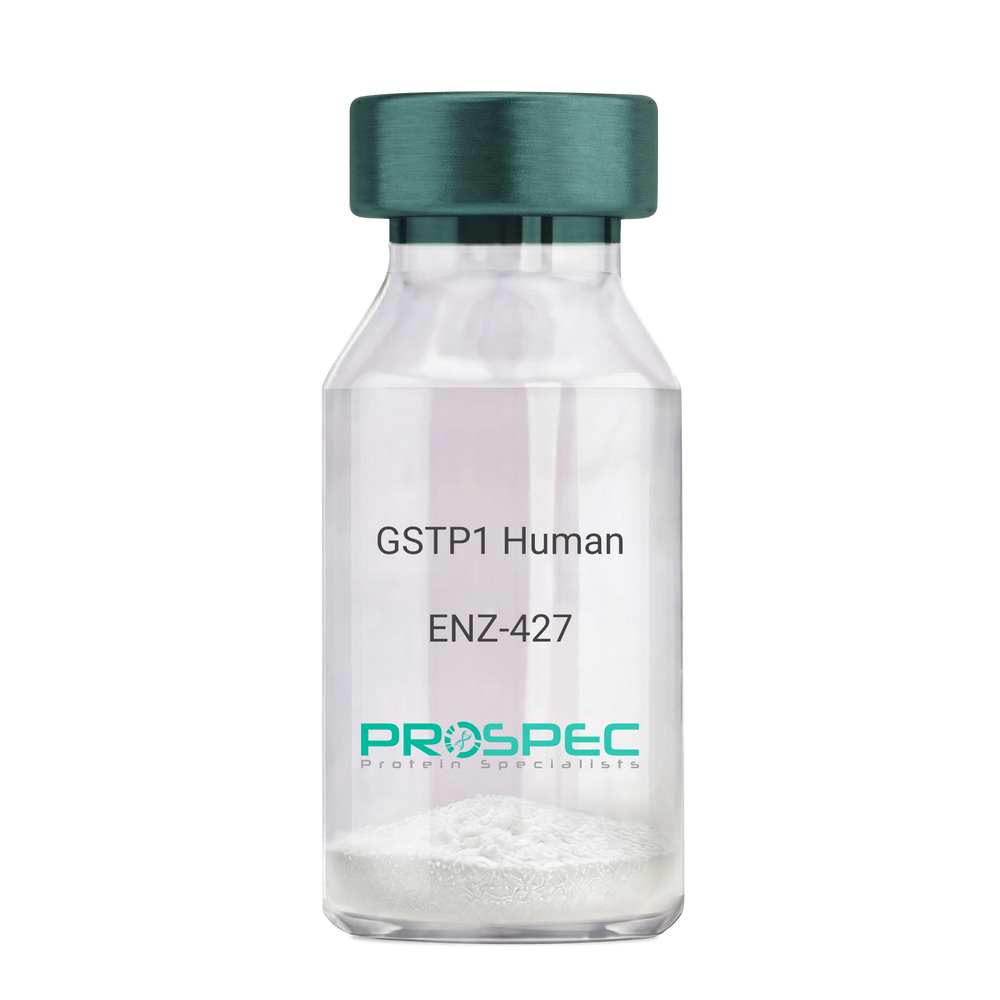
  • View Data Sheet

    Name :

    GSTP1 Human

    Description:

    Glutathione S-Transferase pi 1 Human Recombinant

    Glutathione S-transferase P, GST class-pi, GSTP1-1, GSTP1, FAEES3, GST3, PI, DFN7.

    Product # :

    ENZ-427

    Price :

    Quantity :

    Shipping Method :

    Ice Icon

    Shipped with Ice Packs

    Add To Cart

    More Info

    • description
    • source
    • formulation
    • purity
    • biological activity
    • More Info

    Description

    GSTP1 Human Recombinant fused with 36 amino acid His tag at N-terminus produced in E.Coli is a single, non-glycosylated, polypeptide chain containing 246 amino acids (1-210 a.a.) And having a molecular mass of 27.4kDa. The GSTP1 is purified by proprietary chromatographic techniques.

    Source

    Escherichia Coli.

    Formulation

    The GSTP1 solution (0.5mg/ml) contains 20mM Tris-HCl buffer (pH7.0), 30% glycerol, 1mM EDTA and 0.1mM PMSF.

    Purity

    Greater than 95.0% as determined by SDS-PAGE.

    Biological Activity

    Specific activity is > 80 units/mg, and is defined as the amount of enzyme that conjugate 1.0 u mole of 1-chloro-2,4-dinitrobenzene (CDNB) with reduced glutathione per minute at pH 6.5 at 25°C.

    More Info

    • Introduction

      GSTP1 is a polymorphic gene encoding active, functionally different GSTP1 variant proteins that are believed to function in xenobiotic metabolism and have a part in susceptibility to cancer, and other diseases. GSTP1 is a glutathione S-transferase belonging to the pi class. GST family enzymes play a significant role in detoxification by catalyzing the conjugation of many hydrophobic and electrophilic compounds with reduced glutathione. Based upon the biochemical, immunologic and structural properties of the soluble GSTs they are grouped into 4 main classes: alpha, mu, pi, and theta. The GSTP1 enzyme acts by catalyzing the reaction of glutathione with an acceptor molecule to form a Sulfur-substituted glutathione. The reactions employing glutathione contribute the transformation of a broad range of electrophiles, including reactive products of lipid, protein, carcinogens, therapeutic drugs, environmental toxins, and products of oxidative stress.
      The GSTP1 inactivation through CpG hypermethylation is frequent in pituitary adenomas and may be a factor in aggressive pituitary tumor behavior. GSTP1 is may be a transcriptional target of the p53 tumor suppressor gene. Single-nucleotide polymorphism in GSTP1 is linked to modified protein binding, which influence GSTP1's contribution to carcinogen and drug metabolism, and possibly disease pathogenesis and/or drug response. GST-pi might have central roles in proliferation of androgen-independent human prostate cancer cells.

    • Synonyms

      Glutathione S-transferase P, GST class-pi, GSTP1-1, GSTP1, FAEES3, GST3, PI, DFN7.

    • Physical Appearance

      Sterile Filtered colorless solution.

    • Stability

      Store at 4°C if entire vial will be used within 2-4 weeks. Store, frozen at -20°C for longer periods of time. For long term storage it is recommended to add a carrier protein (0.1% HSA or BSA). Avoid multiple freeze-thaw cycles.

    • Amino Acid Sequence

      MRGSHHHHHH GMASMTGGQQ MGRDLYDDDD KDRWGSMPPY TVVYFPVRGR CAALRMLLAD QGQSWKEEVV TVETWQEGSL KASCLYGQLP KFQDGDLTLY QSNTILRHLG RTLGLYGKDQ QEAALVDMVN DGVEDLRCKY ISLIYTNYEA GKDDYVKALP GQLKPFETLL SQNQGGKTFI VGDQISFADY NLLDLLLIHE VLAPGCLDAF PLLSAYVGRL SARPKLKAFL ASPEYVNLPI NGNGKQ.

    ProSpec's products are furnished for LABORATORY RESEARCH USE ONLY. The product may not be used as drugs, agricultural or pesticidal products, food additives or household chemicals.

    Gstp1 Human
  • View Data Sheet

    Name :

    ME2 Human

    Description:

    Malic Enzyme 2 Human Recombinant

    Malic enzyme 2 NAD(+)-dependent mitochondrial, NAD-ME, ODS1, Malate Dehydrogenase, NAD-dependent malic enzyme mitochondrial, pyruvic-malic carboxylase, Malic enzyme 2, EC 1.1.1.38, EC 1.1.1.

    Product # :

    ENZ-376

    Price :

    Quantity :

    Shipping Method :

    Room Temp Icon

    Shipped at Room temp

    Add To Cart

    More Info

    • description
    • source
    • formulation
    • purity
    • More Info

    Description

    ME2 Human Recombinant produced in E.coli is a single, non-glycosylated polypeptide chain containing 573 amino acids and having a total molecular mass of 64.4kDa.ME2 is purified by proprietary chromatographic techniques.

    Source

    Escherichia Coli.

    Formulation

    The protein was Lyophilized from a 0.2µm filtered concentrated solution in 20mM Tris, 150mM NaCl, 1mM b-mercaptoethanol, 1mM EDTA, pH8.0.

    Purity

    Greater than 95.0% as determined by
    (a) Analysis by HPLC.
    (b) Analysis by SDS-PAGE.

    More Info

    • Introduction

      ME2 catalyzes the oxidative decarboxylation of malate to pyruvate, malat + NAD(P)+? pyruvate + CO2 + NAD(P)H+, and is found both in eukaryotic and prokaryotic cells. Three different isoforms of ME are known to be in mammalian tissues: a strictly cytosolic NADP+-dependent enzyme, an NADP+-dependent mitochondriail isoform, and a mitochondrial isoenzyme that is able to use both NAD+ and NADP+ but is more effective with NAD+. The mammalian isoforms size is about 62-64 kDa. A native size of 240,000 Da proposes a tetrameric structure for the active enzyme.
      Mitochondrial NAD+-dependent ME 2 activity is seen in tissues that experience many cell divisions, like spleen, thymus, and the basal cells of the small intestinal mucosa. ME2 is also expressed all through the rapid cleavage stages of early Xenopus development. Activity for this isoform is low or nonexistent in brain, muscle, and normal and regenerating liver tissue from rat but was observed in rat adrenal cortex, pigeon and human skeletal muscle, and in heart muscle of some species. In addition, it is expressed in mitochondria of all tumor cells inspected to detain ascites tumors, hepatoma cells, and a variety of other tumors and transformed cell lines.

    • Synonyms

      Malic enzyme 2 NAD(+)-dependent mitochondrial, NAD-ME, ODS1, Malate Dehydrogenase, NAD-dependent malic enzyme mitochondrial, pyruvic-malic carboxylase, Malic enzyme 2, EC 1.1.1.38, EC 1.1.1.

    • Physical Appearance

      Sterile Filtered White lyophilized (freeze-dried) powder.

    • Stability

      Lyophilized ME2 although stable at room temperature for 3 weeks, should be stored desiccated below -18°C. Upon reconstitution ME2 should be stored at 4°C between 2-7 days and for future use below -18°C.Please prevent freeze-thaw cycles.

    • Solubility

      It is recommended to reconstitute the lyophilized ME2 in sterile 18M-cm H2O not less than 100µg/ml, which can then be further diluted to other aqueous solutions.

    • Amino Acid Sequence

      MLHIKEKGKPLMLNPRTNKGMAFTLQERQMLGLQGLLPPKIETQDIQALRFHRNLK
      KMTSPLEKYIYIMGIQERNEKLFYRILQDDIESLMPIVYTPTVGLACSQYGHIFRRPKGL
      FISISDRGHVRSIVDNWPENHVKAVVVTDGERILGLGDLGVYGMGIPVGKLCLYTAC
      AGIRPDRCLPVCIDVGTDNIALLKDPFYMGLYQKRDRTQQYDDLIDEFMKAITDRYG
      RNTLIQFEDFGNHNAFRFLRKYREKYCTFNDDIQGTAAVALAGLLAAQKVISKPISEH
      KILFLGAGEAALGIANLIVMSMVENGLSEQEAQKKIWMFDKYGLLVKGRKAKIDSYQ
      EPFTHSAPESIPDTFEDAVNILKPSTIIGVAGAGRLFTPDVIRAMASINERPVIFALSNPT
      AQAECTAEEAYTLTEGRCLFASGSPFGPVKLTDGRVFTPGQGNNVYIFPGVALAVILC
      NTRHISDSVFLEAAKALTSQLTDEELAQGRLYPPLANIQEVSINIAIKVTEYLYANKMAF
      RYPEPEDKAKYVKERTWRSEYDSLLPDVYEWPESASSPPVITEHHHHHH.

    ProSpec's products are furnished for LABORATORY RESEARCH USE ONLY. The product may not be used as drugs, agricultural or pesticidal products, food additives or household chemicals.

    Me2 Human
  • View Data Sheet

    Name :

    CPE Human

    Description:

    Carboxypeptidase-E Human Recombinant

    Carboxypeptidase E, Carboxypeptidase H, CPH, CPE, CPE Human, Enkephalin convertase, Prohormone-processing carboxypeptidase.

    Product # :

    ENZ-687

    Price :

    Quantity :

    Shipping Method :

    Ice Icon

    Shipped with Ice Packs

    Add To Cart

    More Info

    • description
    • source
    • formulation
    • purity
    • More Info

    Description

    CPE Human Recombinant produced in E.Coli is a single, non-glycosylated polypeptide chain containing 457 amino acids (43-476 a.a.) and having a molecular mass of 51.4kDa. CPE is fused to a 23 amino acid His-tag at N-terminus & purified by proprietary chromatographic techniques.

    Source

    Escherichia Coli.

    Formulation

    CPE protein solution (0.5mg/ml) contains 20mM Tris-HCl buffer (pH 8.0), 0.15M NaCl, 10% glycerol and 1mM DTT.

    Purity

    Greater than 85.0% as determined by SDS-PAGE.

    More Info

    • Introduction

      Carboxypeptidase-E (CPE ) is a carboxypeptidase that cleaves C-terminal amino acid residues and is involved in the biosynthesis of peptide hormones and neurotransmitters. CPE is a peripheral membrane protein. CPE specifically connects regulated secretory pathway proteins, including prohormones, but constitutively secreted proteins. Mutations in CPE are implicated in type II diabetes.

    • Synonyms

      Carboxypeptidase E, Carboxypeptidase H, CPH, CPE, CPE Human, Enkephalin convertase, Prohormone-processing carboxypeptidase.

    • Physical Appearance

      Sterile filtered colorless solution.

    • Stability

      Store at 4°C if entire vial will be used within 2-4 weeks. Store, frozen at -20°C for longer periods of time. For long term storage it is recommended to add a carrier protein (0.1% HSA or BSA).Avoid multiple freeze-thaw cycles.

    • Amino Acid Sequence

      MGSSHHHHHH SSGLVPRGSH MGSLQQEDGI SFEYHRYPEL REALVSVWLQ CTAISRIYTV GRSFEGRELL VIELSDNPGV HEPGEPEFKY IGNMHGNEAV GRELLIFLAQ YLCNEYQKGN ETIVNLIHST RIHIMPSLNP DGFEKAASQP GELKDWFVGR SNAQGIDLNR NFPDLDRIVY VNEKEGGPNN HLLKNMKKIV DQNTKLAPET KAVIHWIMDI PFVLSANLHG GDLVANYPYD ETRSGSAHEY SSSPDDAIFQ SLARAYSSFN PAMSDPNRPP CRKNDDDSSF VDGTTNGGAW YSVPGGMQDF NYLSSNCFEI TVELSCEKFP PEETLKTYWE DNKNSLISYL EQIHRGVKGF VRDLQGNPIA NATISVEGID HDVTSAKDGD YWRLLIPGNY KLTASAPGYL AITKKVAVPY SPAAGVDFEL ESFSERKEEE KEELMEWWKM MSETLNF.

    ProSpec's products are furnished for LABORATORY RESEARCH USE ONLY. The product may not be used as drugs, agricultural or pesticidal products, food additives or household chemicals.

    Cpe Human
  • View Data Sheet

    Name :

    CPPED1 Human

    Description:

    Calcineurin-Like Phosphoesterase Domain Containing 1 Human Recombinant

    CSTP1, Calcineurin-like phosphoesterase domain-containing protein 1, Complete S-transactivated protein 1, CPPED1.

    Product # :

    PRO-1500

    Price :

    Quantity :

    Shipping Method :

    Ice Icon

    Shipped with Ice Packs

    Add To Cart

    More Info

    • description
    • source
    • formulation
    • purity
    • More Info

    Description

    CPPED1 Human Recombinant produced in E. coli is a single polypeptide chain containing 337 amino acids (1-314) and having a molecular mass of 37.9kDa. CPPED1 is fused to a 23 amino acid His-tag at N-terminus & purified by proprietary chromatographic techniques.

    Source

    Escherichia Coli.

    Formulation

    The CPPED1 solution (0.5mg/ml) contains 20mM Tris-HCl buffer (pH 8.0), 0.15M NaCl and 20% glycerol.

    Purity

    Greater than 85% as determined by SDS-PAGE.

    More Info

    • Introduction

      CPPED1 which is a part of the metallophosphoesterase superfamily takes part in glucose uptake by adipocytes. CPPED1 binds two divalent metal cations and is transactivated by the great envelope protein of the hepatitis B virus.

    • Synonyms

      CSTP1, Calcineurin-like phosphoesterase domain-containing protein 1, Complete S-transactivated protein 1, CPPED1.

    • Physical Appearance

      Sterile Filtered clear solution.

    • Stability

      Store at 4°C if entire vial will be used within 2-4 weeks. Store, frozen at -20°C for longer periods of time. For long term storage it is recommended to add a carrier protein (0.1% HSA or BSA).Avoid multiple freeze-thaw cycles.

    • Amino Acid Sequence

      MGSSHHHHHH SSGLVPRGSH MGSMSAAEAG GVFHRARGRT LAAFPAEKES EWKGPFYFIL GADPQFGLIK AWSTGDCDNG GDEWEQEIRL TEQAVQAINK LNPKPKFFVL CGDLIHAMPG KPWRTEQTED LKRVLRAVDR AIPLVLVSGN HDIGNTPTAE TVEEFCRTWG DDYFSFWVGG VLFLVLNSQF YENPSKCPSL KQAQDQWLDE QLSIARQRHC QHAIVFQHIP LFLESIDEDD DYYFNLSKST RKKLADKFIH AGVKVVFSGH YHRNAGGTYQ NLDMVVSSAI GCQLGRDPHG LRVVVVTAEK IVHRYYSLDE LSEKGIEDDL MDLIKKK.

    ProSpec's products are furnished for LABORATORY RESEARCH USE ONLY. The product may not be used as drugs, agricultural or pesticidal products, food additives or household chemicals.

    Cpped1 Human
  • View Data Sheet

    Name :

    YWHAG Human

    Description:

    Tyr-3/Trp-5 Monooxygenase Activation Protein Gamma Human Recombinant

    14-3-3 protein gamma, Protein kinase C inhibitor protein 1, KCIP-1, YWHAG, Tyrosine 3-monooxygenase/tryptophan 5-monooxygenase activation protein, gamma polypeptide.

    Product # :

    PKA-238

    Price :

    Quantity :

    Shipping Method :

    Ice Icon

    Shipped with Ice Packs

    Add To Cart

    More Info

    • description
    • source
    • formulation
    • purity
    • More Info

    Description

    YWHAG Human Recombinant produced in E.Coli is a single, non-glycosylated, polypeptide chain containing 247 amino acids (1-247) and having a molecular mass of 28 kDa. YWHAG is purified by proprietary chromatographic techniques.

    Source

    Escherichia Coli.

    Formulation

    YWHAG solution containing 20mM Tris 7.5.

    Purity

    Greater than 95.0% as determined by SDS-PAGE.

    More Info

    • Introduction

      The 14-3-3 family of proteins plays a key regulatory role in signal transduction, checkpoint control, apoptotic and nutrient-sensing pathways. 14-3-3 proteins are highly conserved and ubiquitously expressed. There are at least seven isoforms that have been identified in mammals. The 14-3-3gamma, a subtype of the 14-3-3 family of proteins, was thought to be brain and neuron-specific. It has been shown to interact with RAF1 and protein kinase C, proteins involved in various signal transduction pathways.

    • Synonyms

      14-3-3 protein gamma, Protein kinase C inhibitor protein 1, KCIP-1, YWHAG, Tyrosine 3-monooxygenase/tryptophan 5-monooxygenase activation protein, gamma polypeptide.

    • Physical Appearance

      Sterile filtered colorless solution.

    • Stability

      Store at 4°C if entire vial will be used within 2-4 weeks. Store, frozen at -20°C for longer periods of time. For long term storage it is recommended to add a carrier protein (0.1% HSA or BSA).Avoid multiple freeze-thaw cycles.

    • Amino Acid Sequence

      MVDREQLVQK ARLAEQAERY DDMAAAMKNV TELNEPLSNE ERNLLSVAYK NVVGARRSSW RVISSIEQKT SADGNEKKIE MVRAYREKIE KELEAVCQDV LSLLDNYLIK NCSETQYESK VFYLKMKGDY YRYLAEVATG EKRATVVESS EKAYSEAHEI SKEHMQPTHP IRLGLALNYS VFYYEIQNAP EQACHLAKTA FDDAIAELDT LNEDSYKDST LIMQLLRDNL TLWTSDQQDD DGGEGNN.

    ProSpec's products are furnished for LABORATORY RESEARCH USE ONLY. The product may not be used as drugs, agricultural or pesticidal products, food additives or household chemicals.

    Ywhag Human
  • View Data Sheet

    Name :

    ALDOC Human, Active

    Description:

    Aldolase C Fructose-Bisphosphate Human Recombinant, Active

    Aldolase, Fructose-Bisphosphate C, Aldolase C, Fructose-Bisphosphate, Brain-Type Aldolase, EC 4.1.2.13, ALDC, Fructose-1,6-Biphosphate Triosephosphate Lyase, Fructose-Bisphosphate Aldolase C, Fructoaldolase C, Aldolase 3, ALDOC .

    Product # :

    ENZ-1065

    Price :

    Quantity :

    Shipping Method :

    Ice Icon

    Shipped with Ice Packs

    Add To Cart

    More Info

    • description
    • source
    • formulation
    • purity
    • biological activity
    • More Info

    Description

    ALDOC Human Recombinant produced in E.Coli is a single, non-glycosylated, polypeptide chain containing 364 amino acids (1-364 a.a.) and having a molecular mass of 39.4kDa.The ALDOC is purified by proprietary chromatographic techniques.

    Source

    Escherichia Coli.

    Formulation

    The ALDOC solution (1mg/ml) contains 20% glycerol, 20mM Tris-HCl buffer (pH 8.0) , 2mM DTT & 0.1M NaCl.

    Purity

    Greater than 90.0% as determined by SDS-PAGE.

    Biological Activity

    Specific activity is > 6 units/mg, one unit will convert 1.0 umol of fructose 1,6-diphosphate to dihydroxyacetone phosphate and glyceraldehydes 3- phosphate per minute at pH 7.5 at 37C.

    More Info

    • Introduction

      Aldolase C Fructose-Bisphosphate (ALDOC) belongs to the class I fructose-bisphosphate aldolase family. ALDOC is a glycolytic enzyme which catalyzes the reversible aldol cleavage of fructose-1,6-biphosphate and fructose 1-phosphate to dihydroxyacetone phosphate and either glyceraldehyde-3-phosphate or glyceraldehydes respectively. ALDOC is expressed exclusively in the hippocampus and Purkinje cells of the brain.

    • Synonyms

      Aldolase, Fructose-Bisphosphate C, Aldolase C, Fructose-Bisphosphate, Brain-Type Aldolase, EC 4.1.2.13, ALDC, Fructose-1,6-Biphosphate Triosephosphate Lyase, Fructose-Bisphosphate Aldolase C, Fructoaldolase C, Aldolase 3, ALDOC .

    • Physical Appearance

      Sterile Filtered clear solution.

    • Stability

      Store at 4°C if entire vial will be used within 2-4 weeks. Store, frozen at -20°C for longer periods of time. For long term storage it is recommended to add a carrier protein (0.1% HSA or BSA).Avoid multiple freeze-thaw cycles.

    • Amino Acid Sequence

      MPHSYPALSA EQKKELSDIA LRIVAPGKGI LAADESVGSM AKRLSQIGVE NTEENRRLYR QVLFSADDRV KKCIGGVIFF HETLYQKDDN GVPFVRTIQD KGIVVGIKVD KGVVPLAGTD GETTTQGLDG LSERCAQYKK DGADFAKWRC VLKISERTPS ALAILENANV LARYASICQQ NGIVPIVEPE ILPDGDHDLK RCQYVTEKVL AAVYKALSDH HVYLEGTLLK PNMVTPGHAC PIKYTPEEIA MATVTALRRT VPPAVPGVTF LSGGQSEEEA SFNLNAINRC PLPRPWALTF SYGRALQASA LNAWRGQRDN AGAATEEFIK RAEVNGLAAQ GKYEGSGEDG GAAAQSLYIA NHAY

    ProSpec's products are furnished for LABORATORY RESEARCH USE ONLY. The product may not be used as drugs, agricultural or pesticidal products, food additives or household chemicals.

    Aldoc Protein
  • View Data Sheet

    Name :

    PRSS28 Mouse

    Description:

    Protease Serine 28 Mouse Recombinant

    Serine protease 28, Implantation serine proteinase 1, ISP-1, Strypsin, Tryptase-like proteinase.

    Product # :

    ENZ-987

    Price :

    Quantity :

    Shipping Method :

    Ice Icon

    Shipped with Ice Packs

    Add To Cart

    More Info

    • description
    • source
    • formulation
    • purity
    • More Info

    Description

    PRSS28 Mouse Recombinant produced in Sf9 Baculovirus cells is a single, glycosylated polypeptide chain containing 256 amino acids (27-274a.a.) and having a molecular mass of 28.7kDa (Molecular size on SDS-PAGE will appear at approximately 28-40kDa). PRSS28 is expressed with an 8 amino acid His tag at C-Terminus and purified by proprietary chromatographic techniques.

    Source

    Sf9, Baculovirus cells.

    Formulation

    PRSS28 protein solution (0.25mg/ml) containing Phosphate Buffered Saline (pH 7.4) and 10% glycerol.

    Purity

    Greater than 90.0% as determined by SDS-PAGE.

    More Info

    • Introduction

      Serine protease 28, also known as Prss28, is a member of the S1 serine proteinase family with a conserved Histidine-Aspartic Acid-Serine catalytic triad. Prss28 shows mixed substrate specificity which silences signaling through proteinase-activated receptors. Furthermore, Prss28 is involved with embryo hatching and its activity is vital for successful implantation.

    • Synonyms

      Serine protease 28, Implantation serine proteinase 1, ISP-1, Strypsin, Tryptase-like proteinase.

    • Physical Appearance

      Sterile filtered colorless solution.

    • Stability

      Store at 4°C if entire vial will be used within 2-4 weeks.Store, frozen at -20°C for longer periods of time. For long term storage it is recommended to add a carrier protein (0.1% HSA or BSA).Avoid multiple freeze-thaw cycles.

    • Amino Acid Sequence

      KPVGIVGGQC TPPGKWPWQV SLRMYSYEVN SWVHICGGSI IHPQWILTAA HCIQSQDADP AVYRVQVGEV YLYKEQELLN ISRIIIHPDY NDVSKRFDLA LMQLTALLVT STNVSPVSLP KDSSTFDSTD QCWLVGWGNL LQRVPLQPPY QLHEVKIPIQ DNKSCKRAYR KKSSDEHKAV AIFDDMLCAG TSGRGPCFGD SGGPLVCWKS NKWIQVGVVS KGIDCSNNLP SIFSRVQSSL AWIHQHIQLE HHHHHH.

    ProSpec's products are furnished for LABORATORY RESEARCH USE ONLY. The product may not be used as drugs, agricultural or pesticidal products, food additives or household chemicals.

    Prss28 Mouse
  • View Data Sheet

    Name :

    KLK2 Human, sf9

    Description:

    Kallikrein-2 Human Recombinant, sf9

    hK2, KLK2A2, Kallikrein-2, Glandular kallikrein-1, hGK-1, issue kallikrein-2, KLK2.

    Product # :

    ENZ-971

    Price :

    Quantity :

    Shipping Method :

    Ice Icon

    Shipped with Ice Packs

    Add To Cart

    More Info

    • description
    • source
    • formulation
    • purity
    • More Info

    Description

    KLK2 Human Recombinant produced in Sf9 Baculovirus cells is a single, glycosylated polypeptide chain containing 246 amino acids (25-261 aa) and having a molecular mass of 27.2kDa (Migrates at 28-40kDa on SDS-PAGE under reducing conditions).KLK2 is expressed with a 6 amino acid His tag at C-Terminus and purified by proprietary chromatographic techniques.

    Source

    Sf9, Baculovirus cells.

    Formulation

    KLK2 protein solution (0.25mg/ml) containing Phosphate Buffered Saline (pH 7.4) and 10% glycerol.

    Purity

    Greater than 90.0% as determined by SDS-PAGE.

    More Info

    • Introduction

      KLK2 is a part of the grandular kallikrein protein family whose Members are engaged in a diverse array of biological functions. Kallikreins are a subgroup of serine proteases which are clustered on chromosome 19. KLK2 is a highly active trypsin-like serine protease which selectively cleaves at arginine remains. KLK2 is mostly expressed in prostatic tissue and is accountable for cleaving pro-prostate-specific antigen into its enzymatically active form. KLK2 is greatly expressed in prostate tumor cells and may possibly be a prognostic maker for prostate cancer risk.

    • Synonyms

      hK2, KLK2A2, Kallikrein-2, Glandular kallikrein-1, hGK-1, issue kallikrein-2, KLK2.

    • Physical Appearance

      Sterile Filtered colorless solution.

    • Stability

      Store at 4°C if entire vial will be used within 2-4 weeks. Store, frozen at -20°C for longer periods of time. For long term storage it is recommended to add a carrier protein (0.1% HSA or BSA).Avoid multiple freeze-thaw cycles.

    • Amino Acid Sequence

      ADPIVGGWEC EKHSQPWQVA VYSHGWAHCG GVLVHPQWVL TAAHCLKKNS QVWLGRHNLF EPEDTGQRVP VSHSFPHPLY NMSLLKHQSL RPDEDSSHDL MLLRLSEPAK ITDVVKVLGL PTQEPALGTT CYASGWGSIE PEEFLRPRSL QCVSLHLLSN DMCARAYSEK VTEFMLCAGL WTGGKDTCGG DSGGPLVCNG VLQGITSWGP EPCALPEKPA VYTKVVHYRK WIKDTIAANP HHHHHH

    ProSpec's products are furnished for LABORATORY RESEARCH USE ONLY. The product may not be used as drugs, agricultural or pesticidal products, food additives or household chemicals.

    Klk2 Human Sf9
  • View Data Sheet

    Name :

    TRAIL Human

    Description:

    TRAIL / APO2 Ligand Human Recombinant

    Tumor necrosis factor ligand superfamily member 10, TNF-related apoptosis-inducing ligand, Protein TRAIL, Apo-2 ligand, Apo-2L, CD253 antigen, TL2, APO2L, TNFSF10.

    Product # :

    CYT-443

    Price :

    Quantity :

    Shipping Method :

    Room Temp Icon

    Shipped at Room temp

    Add To Cart

    More Info

    • description
    • source
    • formulation
    • purity
    • biological activity
    • More Info

    Description

    TRAIL/APO 2 Ligand Human Recombinant produced in E.Coli is a single, non-glycosylated polypeptide chain containing 168 amino acids (Met+Arg115-Gly281) and having a molecular mass of ~21kDa. The sTRAIL is purified by proprietary chromatographic techniques.

    Source

    Escherichia Coli.

    Formulation

    Lyophilized from a filtered (0.2µm) solution containing 20mM Tris-HCl pH 8.0 and 150mM NaCl.

    Purity

    Greater than 95.0% as determined by:
    (a) Analysis by RP-HPLC.
    (b) Analysis by SDS-PAGE.

    Biological Activity

    The activity is determined by the cytolysis of Murine L929 cells in the presence of Actinomycin D, ED50 for this effect is less than 2ng/ml, corresponding to a specific activity of 5,000,000IU/mg.

    More Info

    • Introduction

      TNF-related apoptosis-inducing ligand (TRAIL) is a ligand molecule which induces apoptosis. It is a type II transmembrane protein with homology to other members of the tumor necrosis factor family.
      In humans, the gene that encodes for TRAIL is located at chromosome 3q26. TRAIL binds to the death receptors, DR4 and DR5. The process of apoptosis is caspase-8-dependent. This protein preferentially induces apoptosis in transformed and tumor cells, but does not appear to kill normal cells although it is expressed at a significant level in most normal tissues.

    • Synonyms

      Tumor necrosis factor ligand superfamily member 10, TNF-related apoptosis-inducing ligand, Protein TRAIL, Apo-2 ligand, Apo-2L, CD253 antigen, TL2, APO2L, TNFSF10.

    • Physical Appearance

      Sterile Filtered White lyophilized (freeze-dried) powder.

    • Stability

      Lyophilized APO 2 Ligand although stable at room temperature for 3 weeks, should be stored desiccated below -18°C. Upon reconstitution TRAIL should be stored at 4°C between 2-7 days and for future use below -18°C.For long term storage it is recommended to add a carrier protein (0.1% HSA or BSA).Please prevent freeze-thaw cycles.

    • Solubility

      It is recommended to reconstitute the lyophilized TRAIL in sterile 18MΩ-cm H2O not less than 100µg/ml, which can then be further diluted to other aqueous solutions.

    • Amino Acid Sequence

      MRERGPQRVA AHITGTRGRS NTLSSPNSKN EKALGRKINS WESSRSGHSF LSNLHLRNGE LVIHEKGFYY IYSQTYFRFQ EEIKENTKND KQMVQYIYKY TSYPDPILLM KSARNSCWSK DAEYGLYSIY QGGIFELKEN DRIFVSVTNE HLIDMDHEAS FFGAFLVG.

    ProSpec's products are furnished for LABORATORY RESEARCH USE ONLY. The product may not be used as drugs, agricultural or pesticidal products, food additives or household chemicals.

    Apo2L Human
  • 1
  • …
  • 26
  • 27
  • 28
  • 29
  • 30
  • …
  • 42
Your browser does not support the video tag.

Products

  • Cytokines
  • Growth Factors
  • Chemokines
  • CD Antigens
  • Neurotrophins
  • Hormones
  • Enzymes
  • Viral Antigens
  • Recombinant Proteins
  • Natural Proteins
  • Monoclonal Antibodies
  • Polyclonal Antibodies
  • Thermal Packaging

About

  • Company
  • Founder
  • Contribution
  • Contact Us
  • My Account

Ordering

  • Ordering Method
  • Ordering - Credit Card
  • Ordering PO
  • Shipping Fees
  • FAQ's

Legal

  • Terms & Conditions
  • Privacy
  • Site Map
  • info@prospecbio.com
  • Facebook
  • Instagram
  • Linkedin Profile

© 2026 ProSpec-Tany TechnoGene Ltd. All Rights Reserved.

  • Choosing a selection results in a full page refresh.
  • Opens in a new window.