Skip to content

High-quality research proteins.

  • 1-800-805-6531

  • Mon - Sat 8.00-18.00, Sun - Closed

  • info@prospecbio.com

  • PO Box 6591 East Brunswick NJ 08816

  • Products
    • Cytokines
    • Growth factors
    • Chemokines
    • Cd antigens
    • Neurotrophins
    • Hormones
    • Enzymes
    • Viral antigens
    • Recombinant proteins
    • Natural proteins
    • Monoclonal antibodies
    • Polyclonal antibodies
    • Thermal Packaging
  • About
    • Company
    • Founder
    • Contribution
  • Customers
    • Eastern Asia
    • Eastern Europe
    • North America
    • South America
    • South East Asia
    • Southern Asia
    • Western Europe
  • Ordering
    • Ordering Method
    • Ordering - Credit Card
    • Ordering - PO
    • Shipping Fees
    • FAQs
  • Services
    • DNA Cloning
    • Protein Expression
    • Monoclonal Antibody
    • Fermentation
    • Technology License
  • Contact us
Log in

Country/region

  • USD $ | Albania
  • USD $ | Andorra
  • USD $ | Argentina
  • USD $ | Armenia
  • USD $ | Australia
  • USD $ | Austria
  • USD $ | Azerbaijan
  • USD $ | Belarus
  • USD $ | Belgium
  • USD $ | Bolivia
  • USD $ | Brazil
  • USD $ | Bulgaria
  • USD $ | Cambodia
  • USD $ | Canada
  • USD $ | Chile
  • USD $ | China
  • USD $ | Colombia
  • USD $ | Costa Rica
  • USD $ | Croatia
  • USD $ | Cyprus
  • USD $ | Czechia
  • USD $ | Denmark
  • USD $ | Estonia
  • USD $ | Finland
  • USD $ | France
  • USD $ | Georgia
  • USD $ | Germany
  • USD $ | Greece
  • USD $ | Hong Kong SAR
  • USD $ | Hungary
  • USD $ | Iceland
  • USD $ | India
  • USD $ | Ireland
  • USD $ | Israel
  • USD $ | Italy
  • USD $ | Japan
  • USD $ | Kazakhstan
  • USD $ | Latvia
  • USD $ | Liechtenstein
  • USD $ | Lithuania
  • USD $ | Madagascar
  • USD $ | Malta
  • USD $ | Mexico
  • USD $ | Moldova
  • USD $ | Monaco
  • USD $ | Netherlands
  • USD $ | New Zealand
  • USD $ | North Macedonia
  • USD $ | Norway
  • USD $ | Panama
  • USD $ | Paraguay
  • USD $ | Peru
  • USD $ | Philippines
  • USD $ | Poland
  • USD $ | Portugal
  • USD $ | Romania
  • USD $ | Singapore
  • USD $ | Slovakia
  • USD $ | Slovenia
  • USD $ | South Africa
  • USD $ | South Korea
  • USD $ | Spain
  • USD $ | Sri Lanka
  • USD $ | Sweden
  • USD $ | Switzerland
  • USD $ | Taiwan
  • USD $ | Thailand
  • USD $ | Türkiye
  • USD $ | Ukraine
  • USD $ | United Kingdom
  • USD $ | United States
  • USD $ | Uruguay
  • USD $ | Vatican City
  • USD $ | Venezuela
  • USD $ | Vietnam
  • Facebook
  • Instagram
logoProSpec - Recombinant Protein Manufacturer for academic and R&D industry
Become a distributor
Account Log in
Wishlist
Cart Cart(0)
  • Products
    +
    • Cytokines
    • Growth factors
    • Chemokines
    • Cd antigens
    • Neurotrophins
    • Hormones
    • Enzymes
    • Viral antigens
    • Recombinant proteins
    • Natural proteins
    • Monoclonal antibodies
    • Polyclonal antibodies
    • Thermal Packaging
  • About
    +
    • Company
    • Founder
    • Contribution
  • Customers
    +
    • Eastern Asia
    • Eastern Europe
    • North America
    • South America
    • South East Asia
    • Southern Asia
    • Western Europe
  • Ordering
    +
    • Ordering Method
    • Ordering - Credit Card
    • Ordering - PO
    • Shipping Fees
    • FAQs
  • Services
    +
    • DNA Cloning
    • Protein Expression
    • Monoclonal Antibody
    • Fermentation
    • Technology License
  • Contact us

Item added to your cart

View cart
View All
  • Cytokines
  • Growth factors
  • Chemokines
  • Cd antigens
  • Neurotrophins
  • Hormones
  • Enzymes
  • Viral antigens
  • Recombinant proteins
  • Natural proteins
  • Monoclonal antibodies
  • Polyclonal antibodies
  • Thermal Packaging
  • Tumor Necrosis Factor

    Tumor Necrosis Factor

    View All
  • 4-1BB

    4-1BB

    View All
  • Adiponectin

    Adiponectin

    View All
  • AIF1

    AIF1

    View All
  • Other Cytokines

    Other Cytokines

    View All
  • AITRL

    AITRL

    View All
  • Angiopoietin

    Angiopoietin

    View All
  • Apolipoprotein

    Apolipoprotein

    View All
  • B-Cell Activating Factor

    B-Cell Activating Factor

    View All
  • Beta Defensin

    Beta Defensin

    View All
  • Bone Morphogenetic Protein

    Bone Morphogenetic Protein

    View All
  • B type Natriuretic Peptide

    B type Natriuretic Peptide

    View All
  • BST

    BST

    View All
  • Betacellulin

    Betacellulin

    View All
  • Cardiotrophin

    Cardiotrophin

    View All
  • Activin

    Activin

    View All
  • Fibroblast Growth Factor

    Fibroblast Growth Factor

    View All
  • Other Growth Factors

    Other Growth Factors

    View All
  • CSF

    CSF

    View All
  • CTGF

    CTGF

    View All
  • IGFBP

    IGFBP

    View All
  • VEGF Protein

    VEGF Protein

    View All
  • EGF

    EGF

    View All
  • Epigen

    Epigen

    View All
  • Erythropoietin

    Erythropoietin

    View All
  • Insulin-Like Growth Factor

    Insulin-Like Growth Factor

    View All
  • Growth Hormone

    Growth Hormone

    View All
  • HDGF

    HDGF

    View All
  • Hepatocyte Growth Factor

    Hepatocyte Growth Factor

    View All
  • Insulin

    Insulin

    View All
  • BCA-1/ BLC (CXCL13)

    BCA-1/ BLC (CXCL13)

    View All
  • BRAK (CXCL14)

    BRAK (CXCL14)

    View All
  • C-10 (CCL6)

    C-10 (CCL6)

    View All
  • Other Chemokines

    Other Chemokines

    View All
  • MEC (CCL28)

    MEC (CCL28)

    View All
  • LD78-beta (CCL3L1)

    LD78-beta (CCL3L1)

    View All
  • CTACK (CCL27)

    CTACK (CCL27)

    View All
  • CXCL16

    CXCL16

    View All
  • CXCL17

    CXCL17

    View All
  • Platelet Factor-4 (CXCL4)

    Platelet Factor-4 (CXCL4)

    View All
  • ENA-78 (CXCL5)

    ENA-78 (CXCL5)

    View All
  • Eotaxin (CCL11,24,26)

    Eotaxin (CCL11,24,26)

    View All
  • Exodus-2 (CCL21)

    Exodus-2 (CCL21)

    View All
  • Fractalkine (CX3CL1)

    Fractalkine (CX3CL1)

    View All
  • CXCL6

    CXCL6

    View All
  • Other CD Antigens

    Other CD Antigens

    View All
  • CD14

    CD14

    View All
  • CD164

    CD164

    View All
  • CD1

    CD1

    View All
  • CD2

    CD2

    View All
  • CD200

    CD200

    View All
  • CD207

    CD207

    View All
  • CD226

    CD226

    View All
  • CD23

    CD23

    View All
  • CD244

    CD244

    View All
  • CD247

    CD247

    View All
  • CD27

    CD27

    View All
  • CD274

    CD274

    View All
  • CD300

    CD300

    View All
  • CD33

    CD33

    View All
  • Other Neurotrophins

    Other Neurotrophins

    View All
  • Beta-NGF

    Beta-NGF

    View All
  • BDNF

    BDNF

    View All
  • CDNF

    CDNF

    View All
  • CNTF

    CNTF

    View All
  • GDNF

    GDNF

    View All
  • Glia Maturation Factor

    Glia Maturation Factor

    View All
  • MANF

    MANF

    View All
  • Midkine

    Midkine

    View All
  • Neuroglobin

    Neuroglobin

    View All
  • Neurotrophic factors

    Neurotrophic factors

    View All
  • Neuregulin

    Neuregulin

    View All
  • Neuropilin

    Neuropilin

    View All
  • Pigment Epithelium-Derived Factor

    Pigment Epithelium-Derived Factor

    View All
  • Pleiotrophin

    Pleiotrophin

    View All
  • Peptide Hormones

    Peptide Hormones

    View All
  • Other Hormones

    Other Hormones

    View All
  • HCG

    HCG

    View All
  • Endothelin

    Endothelin

    View All
  • Exendin

    Exendin

    View All
  • FSH

    FSH

    View All
  • Glucagon

    Glucagon

    View All
  • GHRP

    GHRP

    View All
  • GLP

    GLP

    View All
  • Thyrostimulin

    Thyrostimulin

    View All
  • Inhibin A

    Inhibin A

    View All
  • LHRH

    LHRH

    View All
  • Melanotan

    Melanotan

    View All
  • Procalcitonin

    Procalcitonin

    View All
  • PTH

    PTH

    View All
  • Peroxiredoxin

    Peroxiredoxin

    View All
  • Peptidase

    Peptidase

    View All
  • Synthetase

    Synthetase

    View All
  • Transferase

    Transferase

    View All
  • Hydrolase

    Hydrolase

    View All
  • Dehydrogenase

    Dehydrogenase

    View All
  • ACE2

    ACE2

    View All
  • Esterase

    Esterase

    View All
  • Protein Kinases

    Protein Kinases

    View All
  • Other Enzymes

    Other Enzymes

    View All
  • Phosphatase

    Phosphatase

    View All
  • Deaminase

    Deaminase

    View All
  • Oxygenase

    Oxygenase

    View All
  • Adenylate Kinase

    Adenylate Kinase

    View All
  • Lyase

    Lyase

    View All
  • Chagas

    Chagas

    View All
  • SARS

    SARS

    View All
  • Influenza

    Influenza

    View All
  • ASFV

    ASFV

    View All
  • Astrovirus

    Astrovirus

    View All
  • Borrelia

    Borrelia

    View All
  • Helicobacter Pylori

    Helicobacter Pylori

    View All
  • Chikungunya

    Chikungunya

    View All
  • Chlamydia

    Chlamydia

    View All
  • Cytomegalo

    Cytomegalo

    View All
  • Dengue

    Dengue

    View All
  • EBV

    EBV

    View All
  • Ebola

    Ebola

    View All
  • Feline Leukemia Virus

    Feline Leukemia Virus

    View All
  • Hepatitis A

    Hepatitis A

    View All
  • Other

    Other

    View All
  • Actin

    Actin

    View All
  • ADAM

    ADAM

    View All
  • Complement Component

    Complement Component

    View All
  • Ag85

    Ag85

    View All
  • Eukaryotic Translation Initiation Factor

    Eukaryotic Translation Initiation Factor

    View All
  • Anterior Gradient Protein

    Anterior Gradient Protein

    View All
  • Heat Shock Protein

    Heat Shock Protein

    View All
  • Alpha-2-HS-Glycoprotein

    Alpha-2-HS-Glycoprotein

    View All
  • Hemoglobin

    Hemoglobin

    View All
  • Allergy

    Allergy

    View All
  • Anaplasma

    Anaplasma

    View All
  • Angiogenin

    Angiogenin

    View All
  • Ankyrin Repeat Domain

    Ankyrin Repeat Domain

    View All
  • Annexin

    Annexin

    View All
  • Other Natural Proteins

    Other Natural Proteins

    View All
  • Aprotinin

    Aprotinin

    View All
  • Transferrin

    Transferrin

    View All
  • Avidin

    Avidin

    View All
  • Anti Coagulation Factors

    Anti Coagulation Factors

    View All
  • Natural Albumin

    Natural Albumin

    View All
  • Natural Coagulation Factors

    Natural Coagulation Factors

    View All
  • Fibronectin

    Fibronectin

    View All
  • Thrombin

    Thrombin

    View All
  • Anti Human Enzyme

    Anti Human Enzyme

    View All
  • Other Monoclonal Antibodies

    Other Monoclonal Antibodies

    View All
  • Anti Human Cytokine

    Anti Human Cytokine

    View All
  • Anti Human Heat Shock Protein

    Anti Human Heat Shock Protein

    View All
  • Anti Mouse Lymphocyte

    Anti Mouse Lymphocyte

    View All
  • Anti Human Chemokine

    Anti Human Chemokine

    View All
  • Anti Human Lymphocyte

    Anti Human Lymphocyte

    View All
  • Anti Viral Monoclonal

    Anti Viral Monoclonal

    View All
  • Anti Mouse Cytokine

    Anti Mouse Cytokine

    View All
  • Anti-GST Monoclonal

    Anti-GST Monoclonal

    View All
  • Other Polyclonal Antibodies

    Other Polyclonal Antibodies

    View All
  • Anti Viral

    Anti Viral

    View All
  • Anti-GST Monoclonal

    Anti-GST Monoclonal

    View All
Back

Search results

1000 results found for “gdnf”

Name

Description

Product #

Price

Quantity

Shipping Method

  • View Data Sheet

    Name :

    GSTM1 Mouse, His

    Description:

    Glutathione S-Transferase M1 Mouse Recombinant, His Tag

    GST1, GTH4, GTM1, GSTM1-1, MGC26563, GSTM1a-1a, GSTM1b-1b, GSTM1, Glutathione S-transferase Mu 1, GST class-mu 1, Glutathione S-transferase GT8.7, pmGT10, GST 1-1.

    Product # :

    ENZ-456

    Price :

    Quantity :

    Shipping Method :

    Ice Icon

    Shipped with Ice Packs

    Add To Cart

    More Info

    • description
    • source
    • formulation
    • purity
    • biological activity
    • More Info

    Description

    GSTM1 Mouse Recombinant produced in E.Coli is a single, non-glycosylated, polypeptide chain containing 238 amino acids (1-218 a.a.) and having a molecular mass of 28.1kDa. The GTM1 is fused to a 20 amino acid His-Tag at N-Terminus and purified by proprietary chromatographic techniques.

    Source

    Escherichia Coli.

    Formulation

    The GSTM1 solution contains 20 mM Tris-HCl buffer ( pH8.0), 1mM DTT and 10% glycerol

    Purity

    Greater than 95.0% as determined by SDS-PAGE.

    Biological Activity

    Specific activity is < 11 units/mg, and is defined as the amount of enzyme that conjugate 1.0 u mole of 1-chloro-2,4-dinitrobenzene (CDNB) with reduced glutathione per minute at pH 6.5 at 25C.

    More Info

    • Introduction

      Cytosolic and membrane-bound types of GST are encoded by 2 different supergene families. There are 8 classes of the soluble cytoplasmic mammalian GST: alpha, kappa, mu, omega, pi, sigma, theta and zeta. The mu class of enzymes functions in the detoxification of electrophilic compounds, including carcinogens, therapeutic drugs, environmental toxins and products of oxidative stress, by conjugation with glutathione. The genes encoding the mu class of enzymes are arranged in a gene cluster on chromosome 1p13.3 and aare highly polymorphic. These genetic differences can change an individual's resistance to carcinogens and toxins as well as affect the toxicity and efficacy of certain drugs. Null mutations of this class mu gene have been linked with the rise in a number of cancers.

    • Synonyms

      GST1, GTH4, GTM1, GSTM1-1, MGC26563, GSTM1a-1a, GSTM1b-1b, GSTM1, Glutathione S-transferase Mu 1, GST class-mu 1, Glutathione S-transferase GT8.7, pmGT10, GST 1-1.

    • Physical Appearance

      Sterile Filtered colorless solution.

    • Stability

      Store at 4°C if entire vial will be used within 2-4 weeks. Store, frozen at -20°C for longer periods of time. For long term storage it is recommended to add a carrier protein (0.1% HSA or BSA).Avoid multiple freeze-thaw cycles.

    • Amino Acid Sequence

      MGSSHHHHHH SSGLVPRGSH MPMILGYWNV RGLTHPIRML LEYTDSSYDE KRYTMGDAPD FDRSQWLNEK FKLGLDFPNL PYLIDGSHKI TQSNAILRYL ARKHHLDGET EEERIRADIV ENQVMDTRMQ LIMLCYNPDF EKQKPEFLKT IPEKMKLYSE FLGKRPWFAG DKVTYVDFLA YDILDQYRMF EPKCLDAFPN LRDFLARFEG LKKISAYMKS SRYIATPIFS KMAHWSNK.

    ProSpec's products are furnished for LABORATORY RESEARCH USE ONLY. The product may not be used as drugs, agricultural or pesticidal products, food additives or household chemicals.

    Gstm1 Mouse His
  • View Data Sheet

    Name :

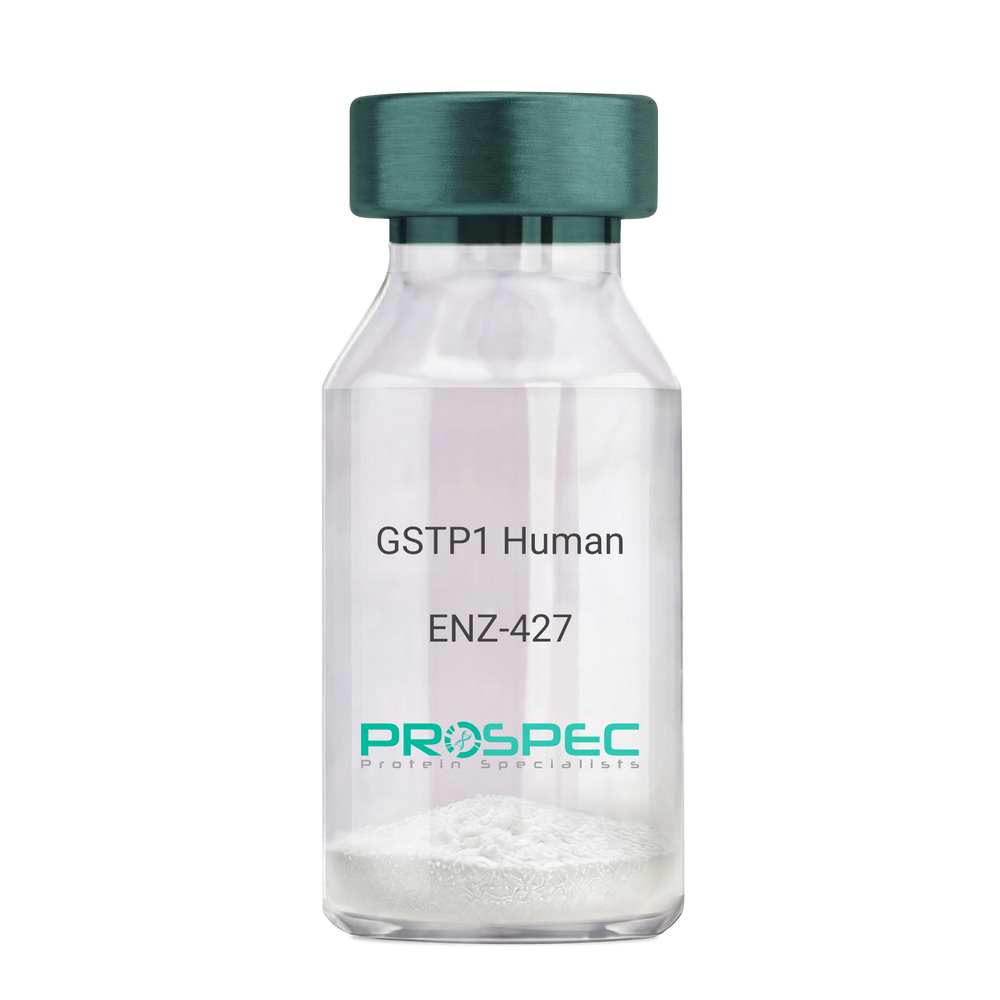
    GSTP1 Human

    Description:

    Glutathione S-Transferase pi 1 Human Recombinant

    Glutathione S-transferase P, GST class-pi, GSTP1-1, GSTP1, FAEES3, GST3, PI, DFN7.

    Product # :

    ENZ-427

    Price :

    Quantity :

    Shipping Method :

    Ice Icon

    Shipped with Ice Packs

    Add To Cart

    More Info

    • description
    • source
    • formulation
    • purity
    • biological activity
    • More Info

    Description

    GSTP1 Human Recombinant fused with 36 amino acid His tag at N-terminus produced in E.Coli is a single, non-glycosylated, polypeptide chain containing 246 amino acids (1-210 a.a.) And having a molecular mass of 27.4kDa. The GSTP1 is purified by proprietary chromatographic techniques.

    Source

    Escherichia Coli.

    Formulation

    The GSTP1 solution (0.5mg/ml) contains 20mM Tris-HCl buffer (pH7.0), 30% glycerol, 1mM EDTA and 0.1mM PMSF.

    Purity

    Greater than 95.0% as determined by SDS-PAGE.

    Biological Activity

    Specific activity is > 80 units/mg, and is defined as the amount of enzyme that conjugate 1.0 u mole of 1-chloro-2,4-dinitrobenzene (CDNB) with reduced glutathione per minute at pH 6.5 at 25°C.

    More Info

    • Introduction

      GSTP1 is a polymorphic gene encoding active, functionally different GSTP1 variant proteins that are believed to function in xenobiotic metabolism and have a part in susceptibility to cancer, and other diseases. GSTP1 is a glutathione S-transferase belonging to the pi class. GST family enzymes play a significant role in detoxification by catalyzing the conjugation of many hydrophobic and electrophilic compounds with reduced glutathione. Based upon the biochemical, immunologic and structural properties of the soluble GSTs they are grouped into 4 main classes: alpha, mu, pi, and theta. The GSTP1 enzyme acts by catalyzing the reaction of glutathione with an acceptor molecule to form a Sulfur-substituted glutathione. The reactions employing glutathione contribute the transformation of a broad range of electrophiles, including reactive products of lipid, protein, carcinogens, therapeutic drugs, environmental toxins, and products of oxidative stress.
      The GSTP1 inactivation through CpG hypermethylation is frequent in pituitary adenomas and may be a factor in aggressive pituitary tumor behavior. GSTP1 is may be a transcriptional target of the p53 tumor suppressor gene. Single-nucleotide polymorphism in GSTP1 is linked to modified protein binding, which influence GSTP1's contribution to carcinogen and drug metabolism, and possibly disease pathogenesis and/or drug response. GST-pi might have central roles in proliferation of androgen-independent human prostate cancer cells.

    • Synonyms

      Glutathione S-transferase P, GST class-pi, GSTP1-1, GSTP1, FAEES3, GST3, PI, DFN7.

    • Physical Appearance

      Sterile Filtered colorless solution.

    • Stability

      Store at 4°C if entire vial will be used within 2-4 weeks. Store, frozen at -20°C for longer periods of time. For long term storage it is recommended to add a carrier protein (0.1% HSA or BSA). Avoid multiple freeze-thaw cycles.

    • Amino Acid Sequence

      MRGSHHHHHH GMASMTGGQQ MGRDLYDDDD KDRWGSMPPY TVVYFPVRGR CAALRMLLAD QGQSWKEEVV TVETWQEGSL KASCLYGQLP KFQDGDLTLY QSNTILRHLG RTLGLYGKDQ QEAALVDMVN DGVEDLRCKY ISLIYTNYEA GKDDYVKALP GQLKPFETLL SQNQGGKTFI VGDQISFADY NLLDLLLIHE VLAPGCLDAF PLLSAYVGRL SARPKLKAFL ASPEYVNLPI NGNGKQ.

    ProSpec's products are furnished for LABORATORY RESEARCH USE ONLY. The product may not be used as drugs, agricultural or pesticidal products, food additives or household chemicals.

    Gstp1 Human
  • View Data Sheet

    Name :

    PLGF-1 Human

    Description:

    Placental Growth Factor-1 Human Recombinant

    PIGF, PGF, PLGF-1.

    Product # :

    CYT-1227

    Price :

    Quantity :

    Shipping Method :

    Ice Icon

    Shipped with Ice Packs

    Add To Cart

    More Info

    • description
    • source
    • formulation
    • purity
    • biological activity
    • More Info

    Description

    PLGF1 Human Recombinant produced in HEK293 cells is a single, glycosylated polypeptide chain (a.a 19-149) containing 137 amino acids and having a molecular mass of 15.5kDa. PLGF1 is fused to a 6 amino acid His tag at C-terminus and purified by proprietary chromatographic techniques.

    Source

    HEK293 cells.

    Formulation

    PLGF1 protein (0.5mg/ml) contains Phosphate-Buffered Saline (pH 7.4) and 10% glycerol.

    Purity

    Greater than 90.0% as determined by SDS-PAGE.

    Biological Activity

    Measured by its binding ability in a functional ELISA with Human VEGFR1/Flt-1.

    More Info

    • Synonyms

      PIGF, PGF, PLGF-1.

    • Physical Appearance

      Sterile Filtered colorless solution.

    • Stability

      Store at 4°C if entire vial will be used within 2-4 weeks. Store, frozen at -20°C for longer periods of time. For long term storage it is recommended to add a carrier protein (0.1% HSA or BSA). Avoid multiple freeze-thaw cycles.

    • Amino Acid Sequence

      LPAVPPQQWA LSAGNGSSEV EVVPFQEVWG RSYCRALERL VDVVSEYPSE VEHMFSPSCV SLLRCTGCCG DENLHCVPVE TANVTMQLLK IRSGDRPSYV ELTFSQHVRC ECRPLREKMK PERCGDAVPR RHHHHHH.

    • Background

      Implications in Pathological Angiogenesis:

      While PLGF1 is essential for normal vascular development, dysregulation of its expression is associated with pathological angiogenesis. In conditions such as cancer, PLGF1 can contribute to the formation of abnormal blood vessels that support tumor growth and metastasis. Investigations involving PLGF1 Human Recombinant provide insights into the mechanisms by which PLGF1 contributes to pathological angiogenesis, offering potential targets for anti-angiogenic therapies.

      Challenges and Future Directions:

      While the potential of PLGF1 Human Recombinant in understanding angiogenesis is evident, challenges persist. Fine-tuning its applications, understanding its interactions with other angiogenic factors, and deciphering the context-dependent nature of its functions are critical considerations for translational success. Additionally, developing strategies to selectively target PLGF1 in pathological conditions without compromising its physiological roles poses a challenge in the pursuit of therapeutic interventions.

      PLGF1 Human Recombinant stands at the forefront of angiogenesis research, offering a controlled platform for scientific exploration. Its structural insights, angiogenic signaling functions, and implications in both physiological and pathological contexts position it as a key player in the evolving landscape of vascular biology. As researchers continue to delve into the molecular intricacies of PLGF1, they not only enhance our understanding of angiogenesis but also pave the way for transformative advancements in vascular-targeted therapies, shaping the future of precision medicine and anti-angiogenic interventions.

    ProSpec's products are furnished for LABORATORY RESEARCH USE ONLY. The product may not be used as drugs, agricultural or pesticidal products, food additives or household chemicals.

    Plgf1 Human
  • View Data Sheet

    Name :

    IGF1 Gilthead Seabream

    Description:

    IGF1 Gilthead Seabream Recombinant

    Somatomedin C, IGF-I, IGFI.

    Product # :

    CYT-295

    Price :

    Quantity :

    Shipping Method :

    Room Temp Icon

    Shipped at Room temp

    Add To Cart

    More Info

    • description
    • source
    • formulation
    • purity
    • biological activity
    • More Info

    Description

    IGF1 Gilthead SeabreamRecombinant produced in E.Coli is a single, non-glycosylated, polypeptide chain containing 68 amino acids and having a molecular mass of 7545.4 Dalton, the predicted pI=7.72.IGF-1 is purified by proprietary chromatographic techniques.

    Source

    Escherichia Coli.

    Formulation

    The protein was lyophilized from a concentrated (1mg/ml) solution with 0.02% NaHCO3.

    Purity

    Greater than 98.0% as determined by:
    (a) Analysis by SEC-HPLC.
    (b) Analysis by SDS-PAGE.

    Biological Activity

    Binding assays of the 125I-Gealthead Seabream IGF1 to Gilthead Seabream or carp (Cyprinus carpio) sera resulted in high specific binding, indicating the existence of one or more IGF-binding proteins. In binding experiments to crude Gilthead Seabream brain homogenate, using human (h) IGF-I as a ligand, the respective IC50 value of hIGF1 was about fourfold lower than that of Gilthead Seabream IGF-1. Recombinant Gilthead Seabream IGF-1 exhibited mitogenic activity in a mouse mammary gland-derived MME-L1 cell line which was approximately 200-fold lower than that of hIGF1. Binding experiments to intact MME-L1 cells suggests that this difference most likely results from a correspondingly lower affinity for IGF1 receptor in these cells. In contrast, the activities of Gilthead Seabream IGF-I and hIGF-I measured by 35S uptake by gill arches from the goldfish (Carassius auratus) were identical, indicating that the recombinant Gilthead Seabream IGF-I is biologically active.

    More Info

    • Introduction

      The somatomedins, or IGFs, comprise a family of peptides that play important roles in mammalian growth and development. IGF1 mediates many of the growth-promoting effects of GH. Early studies showed that GH did not directly stimulate the incorporation of sulfate into cartilage, but rather acted through a serum factor, termed 'sulfation factor,' which later became known as somatomedin. Three main somatomedins have been characterized: somatomedin C (IGF1), somatomedin A (IGF2), and somatomedin B.

    • Synonyms

      Somatomedin C, IGF-I, IGFI.

    • Physical Appearance

      Sterile Filtered White lyophilized (freeze-dried) powder.

    • Stability

      Lyophilized IGF1 although stable at room temperature for 3 weeks, should be stored desiccated below -18°C. Upon reconstitution IGF1 should be stored at 4°C between 2-7 days and for future use below -18°C.For long term storage it is recommended to add a carrier protein (0.1% HSA or BSA).Please prevent freeze-thaw cycles.

    • Solubility

      It is recommended to reconstitute the lyophilized IGF-1 in sterile 0.4% NaHCO3 adjusted to ph 8-9, not less than 100µg/ml, which can then be further diluted to other aqueous solutions.

    • Amino Acid Sequence

      MSPETLCGAELVDTLQFVCGERGFYFSKPGYGPNARRSRGIVDECCFQSCELRRLEMYCAPAKTSK

    • Protein content

      Somatomedin C quantitation was carried out by two independent methods1. UV spectroscopy at 280 nm using the absorbency value of 0.60 as the extinction coefficient for a 0.1% (1mg/ml) solution at pH 8.0. This value is calculated by the PC GENE computer analysis program of protein sequences (IntelliGenetics). 2. Analysis by RP-HPLC, using a calibrated solution of IGF1 as a Reference Standard.

    ProSpec's products are furnished for LABORATORY RESEARCH USE ONLY. The product may not be used as drugs, agricultural or pesticidal products, food additives or household chemicals.

    Igf 1 Denis
  • View Data Sheet

    Name :

    BD5 Human

    Description:

    Beta Defensin-5 Human Recombinant

    Beta-defensin 105, eta-defensin 5, BD-5, DEFB-5, Defensin, beta 105, DEFB105A, BD5, DEFB105, DEFB5, DEFB105B.

    Product # :

    CYT-804

    Price :

    Quantity :

    Shipping Method :

    Room Temp Icon

    Shipped at Room temp

    Add To Cart

    More Info

    • description
    • source
    • formulation
    • purity
    • More Info

    Description

    BD5 Human Recombinant produced in E.Coli is a single, non-glycosylated, polypeptide chain containing 51 amino acids and having a molecular mass of 5.8 kDa. The Beta Defensin-5 is purified by proprietary chromatographic techniques.

    Source

    Escherichia Coli.

    Formulation

    Lyophilized from a 0.2µm filtered concentrated solution in PBS, pH 7.4.

    Purity

    Greater than 95.0% as determined by:(a) Analysis by RP-HPLC.(b) Analysis by SDS-PAGE.

    More Info

    • Introduction

      Defensins (alpha & beta) are cationic peptides with a wide spectrum of antimicrobial activity which include a significant arm of the innate immune system. There are 6 human beta-defensins, BD-1, BD-2, BD-3, BD-4, BD-5 and BD-6 which are expressed on some leukocytes and at epithelial surfaces. In addition to their direct antimicrobial activities, beta-defensins can act as chemoattractants towards immature dendritic cells and memory T cells. Beta-defensins contain a 6-cysteine motif which forms 3 intra-molecular disulfide bonds.

    • Synonyms

      Beta-defensin 105, eta-defensin 5, BD-5, DEFB-5, Defensin, beta 105, DEFB105A, BD5, DEFB105, DEFB5, DEFB105B.

    • Physical Appearance

      Sterile Filtered White lyophilized (freeze-dried) powder.

    • Stability

      Lyophilized Beta Defensin-5 although stable at room temperature for 3 weeks, should be stored desiccated below -18°C. Upon reconstitution BD5 should be stored at 4°C between 2-7 days and for future use below -18°C. For long term storage it is recommended to add a carrier protein (0.1% HSA or BSA). Please prevent freeze-thaw cycles.

    • Solubility

      It is recommended to reconstitute the lyophilized Beta Defensin-5 in sterile 18M-cm H2O not less than 100µg/ml, which can then be further diluted to other aqueous solutions.

    • Amino Acid Sequence

      GLDFSQPFPS GEFAVCESCK LGRGKCRKEC LENEKPDGNC RLNFLCCRQR I.

    • Background

      Beta Defensin-5 Human Recombinant: Unleashing the Potential of an Emerging Antimicrobial Peptide

      Abstract:

      Beta Defensin-5 (hBD-5) human recombinant is an intriguing antimicrobial peptide with diverse properties and promising therapeutic applications. This research paper aims to provide a comprehensive analysis of hBD-5, including its characteristics, mode of action, and potential uses. Furthermore, innovative methodologies for the production and optimization of hBD-5 human recombinant are proposed, offering insights into its future implications in the field of infectious disease management.

      Introduction:

      The emergence of drug-resistant infections demands innovative solutions to combat pathogens. Antimicrobial peptides, such as hBD-5, have attracted attention due to their broad-spectrum activity. This paper explores the unique features of hBD-5 and presents novel approaches for its production and optimization.

      Characteristics and Mode of Action:

      hBD-5 is a cationic peptide composed of 41 amino acids and possesses a distinctive structure that contributes to its antimicrobial properties. The mechanism of action involves the disruption of microbial membranes and subsequent destruction of pathogens. Additionally, hBD-5 exhibits immunomodulatory effects by stimulating immune cells and modulating the inflammatory response.

      Production of hBD-5 Human Recombinant:

      Efficient production methodologies are crucial for the therapeutic application of hBD-5 human recombinant. Various expression systems, including bacterial, yeast, and mammalian cell-based platforms, have been investigated. Each system presents unique advantages and challenges, requiring careful selection to achieve high yields and protein quality. Optimization strategies, such as codon optimization, fusion protein tags, and growth conditions, have been implemented to enhance production efficiency. Purification techniques, such as chromatography and ultrafiltration, have been optimized to isolate high-quality hBD-5 recombinant.

      Potential Applications:

      hBD-5 human recombinant holds great promise for the treatment of drug-resistant pathogens. Its broad-spectrum antimicrobial activity against bacteria, viruses, and fungi positions it as a valuable therapeutic agent for infectious disease management. Moreover, hBD-5 exhibits potential in wound healing and tissue regeneration, as it promotes cell migration and angiogenesis. Exploring its potential as an adjuvant therapy in combination with existing antibiotics is an exciting area for future research.

      Conclusion:

      hBD-5 human recombinant represents an emerging antimicrobial peptide with diverse therapeutic potential. Optimizing production methodologies and elucidating its mechanisms of action will further enhance its clinical utility. With its broad-spectrum antimicrobial activity and potential implications in wound healing and adjuvant therapy, hBD-5 human recombinant holds promise as an innovative therapeutic tool.

      What is the molecular weight/Mw of BD5 Protein?
      BD5 Protein has a total Mw of 5.8kDa.

      What is the source or expression system of BD5 Protein?
      Escherichia Coli.

      What is the Purity of BD5 Protein?
      BD5 Protein is >95% pure as determined by SDS-PAGE.

      What is the Biological Activity of BD5 Protein?
      The biological functionality of BD5 Protein will be determined in the future.

      What is the amino acid sequence of BD5 Protein?
      GLDFSQPFPS GEFAVCESCK LGRGKCRKEC LENEKPDGNC RLNFLCCRQR I.

      What applications can BD5 Protein be used in?
      BD5 Protein can probably be used in western blot, ELISA and Lateral Flow.

      What is the endotoxin level for BD5 Protein?
      The endotoxin level is minimal, BD5 Protein was purified using conventional chromatography techniques.

    ProSpec's products are furnished for LABORATORY RESEARCH USE ONLY. The product may not be used as drugs, agricultural or pesticidal products, food additives or household chemicals.

    Bd5 Human
  • View Data Sheet

    Name :

    IL 3 Rhesus Macaque

    Description:

    Interleukin-3 Rhesus Macaque Recombinant

    MCGF (Mast cell growth factor), Multi-CSF, HCGF, P-cell stimulation factor, IL-3, MGC79398, MGC79399

    Product # :

    CYT-156

    Price :

    Quantity :

    Shipping Method :

    Room Temp Icon

    Shipped at Room temp

    Add To Cart

    More Info

    • description
    • source
    • formulation
    • purity
    • biological activity
    • More Info

    Description

    IL 3 Rhesus Macaque Recombinant produced in E.Coli is a single, non-glycosylated, polypeptide chain containing 124 amino acids and having a molecular mass of 14.0kDa.The IL 3 Rhesus Macaque is purified by proprietary chromatographic techniques.

    Source

    Escherichia Coli.

    Formulation

    Lyophilized from a 0.2µm filtered concentrated solution in PBS, pH 7.4.

    Purity

    Greater than 97.0% as determined by SDS-PAGE.

    Biological Activity

    The ED50 as determined by the dose-dependant stimulation of the proliferation of human
    TF-1 cells is less than 0.1ng/ml, corresponding to a Specific Activity of 10,000,000IU/mg.

    More Info

    • Introduction

      IL3 is a potent growth promoting cytokine. This cytokine is capable of supporting the proliferation of a broad range of hematopoietic cell types. It is involved in a variety of cell activities such as cell growth, differentiation and apoptosis. This cytokine has been shown to also possess neurotrophic activity, and it may be associated with neurologic disorders.

    • Synonyms

      MCGF (Mast cell growth factor), Multi-CSF, HCGF, P-cell stimulation factor, IL-3, MGC79398, MGC79399

    • Physical Appearance

      Sterile Filtered White lyophilized (freeze-dried) powder.

    • Stability

      Lyophilized IL-3 although stable at room temperature for 3 weeks, should be stored desiccated below -18°C. Upon reconstitution IL-3 should be stored at 4°C between 2-7 days and for future use below -18°C.Please prevent freeze-thaw cycles.

    • Solubility

      It is recommended to reconstitute the lyophilized IL-3 in sterile 18M-cm H2O not less than 100µg/ml, which can then be further diluted to other aqueous solutions.

    • Amino Acid Sequence

      APMTQTTSLK TSWAKCSNMI DEIITHLNQP PLPSPDFNNL NEEDQTILVE KNLRRSNLEA FSKAVKSLQN ASAIESILKN LPPCLPMATA APTRPPIRIT NGDRNDFRRK LKFYLKTLEN EQAQ

    ProSpec's products are furnished for LABORATORY RESEARCH USE ONLY. The product may not be used as drugs, agricultural or pesticidal products, food additives or household chemicals.

    Il 3 Rhesus Macaque
  • View Data Sheet

    Name :

    TRAIL Human (114-281 a.a.)

    Description:

    TRAIL/APO 2 Ligand (114-281 a.a.) Human Recombinant

    Tumor necrosis factor ligand superfamily member 10, TNF-related apoptosis-inducing ligand, Protein TRAIL, Apo-2 ligand, Apo-2L, CD253 antigen, TL2, APO2L, TNFSF10.

    Product # :

    CYT-546

    Price :

    Quantity :

    Shipping Method :

    Ice Icon

    Shipped with Ice Packs

    Add To Cart

    More Info

    • description
    • source
    • formulation
    • purity
    • More Info

    Description

    Soluble TNF-related apoptosis-inducing ligand Human Recombinant produced in E.Coli is a single, non-glycosylated polypeptide chain containing 169 amino acids (114-281) and having a molecular mass of 19.6 kDa. The sTRAIL is purified by proprietary chromatographic techniques.

    Source

    Escherichia Coli.

    Formulation

    1mg/ml in 20mM Tris-HCl pH-7.5, 300mM NaCl, 0.1mM DTT & 10% glycerol.

    Purity

    Greater than 95.0% as determined by SDS-PAGE.

    More Info

    • Introduction

      TNF-related apoptosis-inducing ligand (TRAIL) is a ligand molecule which induces apoptosis. It is a type II transmembrane protein with homology to other members of the tumor necrosis factor family.
      In humans, the gene that encodes for TRAIL is located at chromosome 3q26.
      TRAIL binds to the death receptors, DR4 and DR5. The process of apoptosis is caspase-8-dependent. This protein preferentially induces apoptosis in transformed and tumor cells, but does not appear to kill normal cells although it is expressed at a significant level in most normal tissues.

    • Synonyms

      Tumor necrosis factor ligand superfamily member 10, TNF-related apoptosis-inducing ligand, Protein TRAIL, Apo-2 ligand, Apo-2L, CD253 antigen, TL2, APO2L, TNFSF10.

    • Physical Appearance

      Sterile Filtered colorless liquid.

    • Stability

      Store at 4°C if entire vial will be used within 2-4 weeks. Store, frozen at -20°C for longer periods of time. For long term storage it is recommended to add a carrier protein (0.1% HSA or BSA).Avoid multiple freeze-thaw cycles.

    • Amino Acid Sequence

      MVRERGPQRV AAHITGTRGR SNTLSSPNSK NEKALGRKIN SWESSRSGHS FLSNLHLRNGELVIHEKGFY YIYSQTYFRF QEEIKENTKN DKQMVQYIYK YTSYPDPILL MKSARNSCWSKDAEYGLYSI YQGGIFELKE NDRIFVSVTN EHLIDMDHEA SFFGAFLVG.

    ProSpec's products are furnished for LABORATORY RESEARCH USE ONLY. The product may not be used as drugs, agricultural or pesticidal products, food additives or household chemicals.

    Apo2L 114 281 Human
  • View Data Sheet

    Name :

    SDF 1b Human, His

    Description:

    Stromal Cell-Derived Factor-1 beta Human Recombinant (CXCL12), His Tag

    SDF-1, CXCL12, Pre-B cell growth-stimulating factor, PBSF, hIRH, chemokine (C-X-C motif) ligand 12, SDF1, SDF1B, TPAR1, SCYB12, SDF-1b, TLSF-b, 12-O-tetradecanoylphorbol 13-acetate repressed protein 1, Thymic lymphoma cell-stimulating factor, TLSF.

    Product # :

    CHM-249

    Price :

    Quantity :

    Shipping Method :

    Ice Icon

    Shipped with Ice Packs

    Add To Cart

    More Info

    • description
    • source
    • formulation
    • purity
    • More Info

    Description

    SDF-1 beta Human Recombinant produced in E.Coli is a non-glycosylated, Polypeptide chain containing 93 amino acids (22-93 a.a.) and having a molecular mass of 10.8 KDa. The SDF-1b is fused to 20 amino acid His-Tag at N-terminus and purified by proprietary chromatographic techniques.

    Source

    Escherichia Coli.

    Formulation

    The SDF-1 beta His Tag protein contains 20mM Tris-HCl buffer pH-8 and 10% glycerol.

    Purity

    Greater than 90% as determined by Analysis by SDS-PAGE.

    More Info

    • Introduction

      SDF-1 (stromal cell-derived factor-1) is small cytokine belonging to the chemokine family that is officially designated Chemokine (C-X-C motif) ligand 12 (CXCL12). It is produced in two forms, SDF-1?/CXCL12a and SDF-1?/CXCL12b, by alternate splicing of the same gene. Chemokines are characterized by the presence of four conserved cysteines, which form two disulfide bonds. The CXCL12 proteins belong to the group of CXC chemokines, whose initial pair of cysteines are separated by one intervening amino acid. CXCL12 is strongly chemotactic for lymphocytes and has been implicated as an important cell co-ordinator during development. During embryogenesis it directs the migration of hematopoietic cells from foetal liver to bone marrow. Mice which were knocked-out for CXCL12 gene were lethal before the birth or within just 1 hour of life. As another role, CXCL12a alters also the electrophysiology of neurons. CXCL12 was shown to be expressend in many tissues in mice (including brain, thymus, heart, lung, liver, kidney, spleen and bone marrow).
      The receptor for this chemokine is CXCR4, which was previously called fusin. This CXCL12-CXCR4 interaction used to be considered exclusive (unlike for other chemokines and their receptors), but recently it was suggested that CXCL12 is also bound by CXCR7 receptor. The gene for CXCL12 is located on human chromosome 10. In human and mouse both CXCL12 and CXCR4 show high identity of sequence: 99% and 90%, respectively.

    • Synonyms

      SDF-1, CXCL12, Pre-B cell growth-stimulating factor, PBSF, hIRH, chemokine (C-X-C motif) ligand 12, SDF1, SDF1B, TPAR1, SCYB12, SDF-1b, TLSF-b, 12-O-tetradecanoylphorbol 13-acetate repressed protein 1, Thymic lymphoma cell-stimulating factor, TLSF.

    • Physical Appearance

      Sterile filtered colorless solution.

    • Stability

      Store at 4°C if entire vial will be used within 2-4 weeks. Store, frozen at -20°C for longer periods of time. For long term storage it is recommended to add a carrier protein (0.1% HSA or BSA). Avoid multiple freeze-thaw cycles.

    • Amino Acid Sequence

      MGSSHHHHHH SSGLVPRGSH MKPVSLSYRC PCRFFESHVA RANVKHLKIL NTPNCALQIV ARLKNNNRQV CIDPKLKWIQ EYLEKALNKR FKM.

    ProSpec's products are furnished for LABORATORY RESEARCH USE ONLY. The product may not be used as drugs, agricultural or pesticidal products, food additives or household chemicals.

    Sdf 1B Human His
  • View Data Sheet

    Name :

    NDUFB9 Human

    Description:

    NADH Dehydrogenase 1 Beta Subcomplex 9 Human Recombinant

    NADH dehydrogenase (ubiquinone) 1 beta subcomplex subunit 9, B22, LYRM3, UQOR22, Complex I-B22, CI-B22, LYR motif-containing protein 3, NADH-ubiquinone oxidoreductase B22 subunit, NDUFB9.

    Product # :

    ENZ-740

    Price :

    Quantity :

    Shipping Method :

    Ice Icon

    Shipped with Ice Packs

    Add To Cart

    More Info

    • description
    • source
    • formulation
    • purity
    • More Info

    Description

    NDUFB9 Human Recombinant produced in E.coli is a single, non-glycosylated polypeptide chain containing 202 amino acids (1-179) and having a molecular mass of 24.2kDa.NDUFB9 is fused to a 23 amino acid His-tag at N-terminus & purified by proprietary chromatographic techniques.

    Source

    Escherichia Coli.

    Formulation

    The NDUFB9 solution (0.25mg/ml) contains 20mM Tris-HCl buffer (pH 8.0), 0.4M Urea and 10% glycerol.

    Purity

    Greater than 90.0% as determined by SDS-PAGE.

    More Info

    • Introduction

      NADH dehydrogenase (ubiquinone) 1 beta subcomplex subunit 9 (NDUFB9) which is a part of the complex I LYR family is localized to the internal mitochondrial membrane, as well as to the matrix side of the peripheral membrane. NDUFB9 serves as an accessory subunit of the multi-subunit mitochondrial membrane respiratory chain NADH dehydrogenase complex I. Complex I takes a crucial part in the transfer of electrons from NADH to the respiratory chain, a process which is vital for cellular respiration.

    • Synonyms

      NADH dehydrogenase (ubiquinone) 1 beta subcomplex subunit 9, B22, LYRM3, UQOR22, Complex I-B22, CI-B22, LYR motif-containing protein 3, NADH-ubiquinone oxidoreductase B22 subunit, NDUFB9.

    • Physical Appearance

      Sterile Filtered clear solution.

    • Stability

      Store at 4°C if entire vial will be used within 2-4 weeks. Store, frozen at -20°C for longer periods of time. For long term storage it is recommended to add a carrier protein (0.1% HSA or BSA).Avoid multiple freeze-thaw cycles.

    • Amino Acid Sequence

      MGSSHHHHHH SSGLVPRGSH MGSMAFLASG PYLTHQQKVL RLYKRALRHL ESWCVQRDKY RYFACLMRAR FEEHKNEKDM AKATQLLKEA EEEFWYRQHP QPYIFPDSPG GTSYERYDCY KVPEWCLDDW HPSEKAMYPD YFAKREQWKK LRRESWEREV KQLQEETPPG GPLTEALPPA RKEGDLPPLW WYIVTRPRER PM.

    ProSpec's products are furnished for LABORATORY RESEARCH USE ONLY. The product may not be used as drugs, agricultural or pesticidal products, food additives or household chemicals.

    Ndufb9 Human
  • View Data Sheet

    Name :

    NKIRAS2 Human

    Description:

    NFKB Inhibitor Interacting Ras-Like 2 Human Recombinant

    NF-kappa-B inhibitor-interacting Ras-like protein 2, I-kappa-B-interacting Ras-like protein 2, Kappa B-Ras protein 2, KappaB-Ras2, NKIRAS2, KBRAS2.

    Product # :

    PRO-1091

    Price :

    Quantity :

    Shipping Method :

    Ice Icon

    Shipped with Ice Packs

    Add To Cart

    More Info

    • description
    • source
    • formulation
    • purity
    • More Info

    Description

    NKIRAS2 Human Recombinant produced in E.Coli is a single, non-glycosylated polypeptide chain containing 215 amino acids (1-191 a.a) and having a molecular mass of 24kDa.NKIRAS2 is fused to a 24 amino acid His-tag at N-terminus & purified by proprietary chromatographic techniques.

    Source

    Escherichia Coli.

    Formulation

    NKIRAS2 protein solution (1mg/ml) containing 20mM Tris-HCl buffer (pH 8.0), 1mM DTT, 10% glycerol and 0.1M NaCl.

    Purity

    Greater than 90.0% as determined by SDS-PAGE.

    More Info

    • Introduction

      NFKB inhibitor interacting Ras-like 2 (NKIRAS2) is an inhibitor of the transcription factor NF-kappaB. NKIRAS2 is similar to the Ras-like small GTPases which associate with IkappaB. The Ras-like proteins- NKIRAS1 and NKIRAS2, interact with the PEST domains of I?B? and I?B? and reduce their rate of degradation. NKIRAS2 is an atypical Ras-like protein which functions as a potent regulator of NF-kappa-B activity by preventing the degradation of NF-kappa-B inhibitor beta (NFKBIB) by most signals, explaining why NFKBIB is more impervious to degradation.

    • Synonyms

      NF-kappa-B inhibitor-interacting Ras-like protein 2, I-kappa-B-interacting Ras-like protein 2, Kappa B-Ras protein 2, KappaB-Ras2, NKIRAS2, KBRAS2.

    • Physical Appearance

      Sterile Filtered colorless solution.

    • Stability

      Store at 4°C if entire vial will be used within 2-4 weeks. Store, frozen at -20°C for longer periods of time. For long term storage it is recommended to add a carrier protein (0.1% HSA or BSA).Avoid multiple freeze-thaw cycles.

    • Amino Acid Sequence

      MGSSHHHHHH SSGLVPRGSH MGSHMGKSCK VVVCGQASVG KTSILEQLLY GNHVVGSEMI ETQEDIYVGS IETDRGVREQ VRFYDTRGLR DGAELPRHCF SCTDGYVLVY STDSRESFQR VELLKKEIDK SKDKKEVTIV VLGNKCDLQE QRRVDPDVAQ HWAKSEKVKL WEVSVADRRS
      LLEPFVYLAS KMTQPQSKSA FPLSRKNKGS GSLDG.

    ProSpec's products are furnished for LABORATORY RESEARCH USE ONLY. The product may not be used as drugs, agricultural or pesticidal products, food additives or household chemicals.

    Nkiras2 Human
  • View Data Sheet

    Name :

    NRAS Human

    Description:

    Neuroblastoma RAS Viral Oncogene Homolog Human Recombinant

    GTPase NRas, HRAS1, ALPS4, N-ras, NRAS1, NS6, Transforming protein N-Ras.

    Product # :

    PRO-794

    Price :

    Quantity :

    Shipping Method :

    Ice Icon

    Shipped with Ice Packs

    Add To Cart

    More Info

    • description
    • source
    • formulation
    • purity
    • More Info

    Description

    NRAS Human Recombinant produced in E.Coli is a single, non-glycosylated polypeptide chain containing 186 amino acids (1-186 a.a.) and having a molecular mass of 20.8kDa. The NRAS is purified by conventional chromatography.

    Source

    Escherichia Coli.

    Formulation

    The NRAS protein solution contains 20mM Tris-HCl pH-7.5, 100mM NaCl, and 10% glycerol.

    Purity

    Greater than 95.0% as determined by SDS-PAGE.

    More Info

    • Introduction

      NRAS binds GDP/GTP and has intrinsic GTPase activity. NRAS is a membrane protein that shuttles between the Golgi apparatus and the plasma membrane. This transport is regulated through palmitoylation and depalmitoylation by the ZDHHC9-GOLGA7 complex. NRAS is activated to a GTP-bound form by a GTPase activating protein and inactivated to a GDP-bound form by a guanine nucleotide-exchange factor. Defects in this NRAS gene result in juvenile myelomonocytic leukemia.

    • Synonyms

      GTPase NRas, HRAS1, ALPS4, N-ras, NRAS1, NS6, Transforming protein N-Ras.

    • Physical Appearance

      Sterile Filtered colorless solution.

    • Stability

      Store at 4°C if entire vial will be used within 2-4 weeks.Store, frozen at -20°C for longer periods of time. For long term storage it is recommended to add a carrier protein (0.1% HSA or BSA). Avoid multiple freeze-thaw cycles.

    • Amino Acid Sequence

      MTEYKLVVVG AGGVGKSALT IQLIQNHFVD EYDPTIEDSY RKQVVIDGET CLLDILDTAG QEEYSAMRDQ YMRTGEGFLC VFAINNSKSF ADINLYREQI KRVKDSDDVP MVLVGNKCDL PTRTVDTKQA HELAKSYGIP FIETSAKTRQ GVEDAFYTLV REIRQYRMKK LNSSDDGTQG CMGLPC.

    ProSpec's products are furnished for LABORATORY RESEARCH USE ONLY. The product may not be used as drugs, agricultural or pesticidal products, food additives or household chemicals.

    Nras Human
  • View Data Sheet

    Name :

    NUDT3 Human

    Description:

    Nudix Type Motif 3 Human Recombinant

    Diphosphoinositol polyphosphate phosphohydrolase 1, DIPP-1, Diadenosine 5',5'''-P1,P6-hexaphosphate hydrolase 1, Nucleoside diphosphate-linked moiety X motif 3, Nudix motif 3, NUDT3, DIPP, DIPP1.

    Product # :

    ENZ-071

    Price :

    Quantity :

    Shipping Method :

    Ice Icon

    Shipped with Ice Packs

    Add To Cart

    More Info

    • description
    • source
    • formulation
    • purity
    • More Info

    Description

    NUDT3 Human Recombinant fused with a 20 amino acid His tag at N-terminus produced in E.Coli is a single, non-glycosylated, polypeptide chain containing 192 amino acids (1-172 a.a.) and having a molecular mass of 21.6kDa. The NUDT3 is purified by proprietary chromatographic techniques.

    Source

    Escherichia Coli.

    Formulation

    The NUDT3 solution (0.5 mg/ml) contains 20mM Tris-HCl buffer (pH8.0), 0.2M NaCl, 5mM DTT and 20% glycerol.

    Purity

    Greater than 95.0% as determined by SDS-PAGE.

    More Info

    • Introduction

      NUDT3 is a 172 amino acid cytoplasmic protein which is a member of the nudix hydrolase family and DIPP subfamily. NUDT3 functions as a negative regulator of the ERK 1/2 pathway and hydrolyzes 5-phosphoribose 1-diphosphate. NUDT3 is a monomer which binds magnesium as a cofactor. In addition, NUDT3 is widely expressed but can be found at highest levels in the liver, pancreas, brain and heart.

    • Synonyms

      Diphosphoinositol polyphosphate phosphohydrolase 1, DIPP-1, Diadenosine 5',5'''-P1,P6-hexaphosphate hydrolase 1, Nucleoside diphosphate-linked moiety X motif 3, Nudix motif 3, NUDT3, DIPP, DIPP1.

    • Physical Appearance

      Sterile Filtered colorless solution.

    • Stability

      Store at 4°C if entire vial will be used within 2-4 weeks. Store, frozen at -20°C for longer periods of time. For long term storage it is recommended to add a carrier protein (0.1% HSA or BSA).Avoid multiple freeze-thaw cycles.

    • Amino Acid Sequence

      MGSSHHHHHH SSGLVPRGSH MMKLKSNQTR TYDGDGYKKR AACLCFRSES EEEVLLVSSS RHPDRWIVPG GGMEPEEEPS VAAVREVCEE AGVKGTLGRL VGIFENQERK HRTYVYVLIV TEVLEDWEDS VNIGRKREWF KIEDAIKVLQ YHKPVQASYF ETLRQGYSAN NGTPVVATTY SVSAQSSMSG IR.

    ProSpec's products are furnished for LABORATORY RESEARCH USE ONLY. The product may not be used as drugs, agricultural or pesticidal products, food additives or household chemicals.

    Nudt3 Human
  • View Data Sheet

    Name :

    PDCD1LG2 Human, Sf9

    Description:

    Programmed Cell Death 1 Ligand 2 Human Recombinant, Sf9

    Programmed Cell Death 1 Ligand 2, B7 Dendritic Cell Molecule, Programmed Death Ligand 2, Butyrophilin B7-DC, PDCD1 Ligand 2, PDCD1L2, B7-DC, CD273, PD-L2,B7DC, PDL2, PD-1-Ligand 2, CD273 Antigen, PD-1 Ligand 2, BA574F11.2, Btdc.

    Product # :

    PRO-2434

    Price :

    Quantity :

    Shipping Method :

    Ice Icon

    Shipped with Ice Packs

    Add To Cart

    More Info

    • description
    • source
    • formulation
    • purity
    • More Info

    Description

    PDCD1LG2 Human Recombinant produced in Sf9 Baculovirus cells is a single, glycosylated polypeptide chain containing 423 amino acids (20-200a.a.) and having a molecular mass of 47.7kDa (Molecular size on SDS-PAGE will appear at approximately 40-57kDa).PDCD1LG2 is expressed with a 239 amino acids hIgG-His tag at C-Terminus and purified by proprietary chromatographic techniques.

    Source

    Sf9, Baculovirus cells.

    Formulation

    PDCD1LG2 protein solution (1mg/ml) contains Phosphate Buffered Saline (pH 7.4) and 10% glycerol.

    Purity

    Greater than 95.0% as determined by SDS-PAGE.

    More Info

    • Introduction

      Programmed cell death 1 ligand 2 (PDCD1LG2) which takes part in the costimulatory signal, is necessary for T-cell proliferation. PDCD1LG2 is also involved in IFNG production in a PDCD1-independent way. The interaction with PDCD1 inhibits T-cell proliferation by preventing cytokine production and cell cycle progression.

    • Synonyms

      Programmed Cell Death 1 Ligand 2, B7 Dendritic Cell Molecule, Programmed Death Ligand 2, Butyrophilin B7-DC, PDCD1 Ligand 2, PDCD1L2, B7-DC, CD273, PD-L2,B7DC, PDL2, PD-1-Ligand 2, CD273 Antigen, PD-1 Ligand 2, BA574F11.2, Btdc.

    • Physical Appearance

      Sterile Filtered colorless solution.

    • Stability

      Store at 4°C if entire vial will be used within 2-4 weeks. Store, frozen at -20°C for longer periods of time. For long term storage it is recommended to add a carrier protein (0.1% HSA or BSA).Avoid multiple freeze-thaw cycles.

    • Amino Acid Sequence

      ADPLFTVTVP KELYIIEHGS NVTLECNFDT GSHVNLGAIT ASLQKVENDT SPHRERATLL EEQLPLGKAS FHIPQVQVRD EGQYQCIIIY GVAWDYKYLT LKVKASYRKI NTHILKVPET DEVELTCQAT GYPLAEVSWP NVSVPANTSH SRTPEGLYQV TSVLRLKPPP GRNFSCVFWN THVRLEPKSC DKTHTCPPCP APELLGGPSV FLFPPKPKDT LMISRTPEVT CVVVDVSHED PEVKFNWYVD GVEVHNAKTK PREEQYNSTY RVVSVLTVLH QDWLNGKEYK CKVSNKALPA PIEKTISKAK GQPREPQVYT LPPSRDELTK NQVSLTCLVK GFYPSDIAVE WESNGQPENN YKTTPPVLDS DGSFFLYSKL TVDKSRWQQG NVFSCSVMHE ALHNHYTQKS LSLSPGKHHH HHH.

    ProSpec's products are furnished for LABORATORY RESEARCH USE ONLY. The product may not be used as drugs, agricultural or pesticidal products, food additives or household chemicals.

    Pdcd1Lg2 Human Sf9
  • View Data Sheet

    Name :

    FGFR4 Human

    Description:

    Fibroblast Growth Factor Receptor 4 Fc Chimera Human Recombinant

    Fibroblast Growth Factor Receptor 4, EC 2.7.10.1, JTK2, TKF, Tyrosine Kinase Related To Fibroblast Growth Factor Receptor, Hydroxyaryl-Protein Kinase, Protein-Tyrosine Kinase, Tyrosylprotein Kinase, CD334 Antigen, EC 2.7.10, FGFR-4, CD334, FGFR4.

    Product # :

    PKA-233

    Price :

    Quantity :

    Shipping Method :

    Room Temp Icon

    Shipped at Room temp

    Add To Cart

    More Info

    • description
    • source
    • formulation
    • purity
    • biological activity
    • More Info

    Description

    Soluble FGFR-4a (IIIc) Fc Chimera Human Recombinant fused with Xa cleavage site with the Fc part of human IgG1 produced in baculovirus is a heterodimeric, glycosylated, Polypeptide chain and having a molecular mass of 170 kDa. The FGFR4 is purified by proprietary chromatographic techniques.

    Source

    Insect Cells.

    Formulation

    CD334 was lyophilized from a concentrated (1mg/ml) sterile solution containing no additives.

    Purity

    Greater than 90.0% as determined by:
    (a) Analysis by RP-HPLC.
    (b) Analysis by SDS-PAGE.

    Biological Activity

    Determined by its ability to inhibit human FGF acidic-dependent proliferation on R1 cells. The ED50 for this effect is typically at 15.0-30.0 ng/ml.

    More Info

    • Introduction

      Fibroblast growth factors (FGFs) comprise a family of at least eighteen structurally related proteins that are involved in a multitude of physiological and pathological cellular processes, including cell growth, differentiation, angiogenesis, wound healing and tumorgenesis. The biological activities of the FGFs are mediated by a family of type I transmembrane tyrosine kinases which undergo dimerization and autophosphorylation after ligand binding. Four distinct genes encoding closely related FGF receptors, FGF R1 - 4, are known. All four genes for FGF Rs encode proteins with an N-terminal signal peptide, three immunoglobulin (Ig)-like domains, an acid-box region containing a run of acidic residues between the IgI and IgII domains, a transmembrane domain and the split tyrosine-kinase domain. Multiple forms of FGF R1 - 3 are generated by alternative splicing of the mRNAs. A frequent splicing event involving FGF R1 and 2 results in receptors containing all three Ig domains, referred to as the a isoform, or only IgII and IgIII, referred to as the b isoform. Only the a isoform has been identified for FGF R3 and FGF R4. Additional splicing events for FGF R1 - 3, involving the C-terminal half of the IgIII domain encoded by two mutually exclusive alternative exons, generate FGF receptors with alternative IgIII domains (IIIb and IIIc). A IIIa isoform which is a secreted FGF binding protein containing only the N-terminal half of the IgIII domain plus some intron sequences has also been reported for FGF R1. Mutations in FGF R1 - 3 have been found in patients with birth defects involving craniosynostosis. The complex patterns of expression of these receptors as well as the specificity of their interactions with the various FGF ligand family members are under investigation.

    • Synonyms

      Fibroblast Growth Factor Receptor 4, EC 2.7.10.1, JTK2, TKF, Tyrosine Kinase Related To Fibroblast Growth Factor Receptor, Hydroxyaryl-Protein Kinase, Protein-Tyrosine Kinase, Tyrosylprotein Kinase, CD334 Antigen, EC 2.7.10, FGFR-4, CD334, FGFR4.

    • Physical Appearance

      Sterile Filtered White lyophilized (freeze-dried) powder.

    • Stability

      Lyophilized FGFR4 although stable at room temperature for 3 weeks, should be stored desiccated below -18°C. Upon reconstitution FGFR4 should be stored at 4°C between 2-7 days and for future use below -18°C.For long term storage it is recommended to add a carrier protein (0.1% HSA or BSA).Please prevent freeze-thaw cycles.

    • Solubility

      It is recommended to reconstitute the lyophilized FGFR-4 in sterile PBS not less than 100 µg/ml, which can then be further diluted to other aqueous solutions.

    ProSpec's products are furnished for LABORATORY RESEARCH USE ONLY. The product may not be used as drugs, agricultural or pesticidal products, food additives or household chemicals.

    Fgfr4 Human
  • View Data Sheet

    Name :

    GABARAPL2 Human

    Description:

    GABA(A) Receptor-Associated Protein Like 2 Human Recombinant

    GABA(A) receptor-associated protein-like 2, GATE-16, GEF2, ATG8, ATG8C, Ganglioside expression factor 2, General protein transport factor p16, Golgi-associated ATPase enhancer of 16 kDa, MAP1 light chain 3-related protein, gamma-aminobutyric acid receptor-associated protein-like 2, MAP1 light chain 3 related protein, FLC3A.

    Product # :

    PRO-079

    Price :

    Quantity :

    Shipping Method :

    Ice Icon

    Shipped with Ice Packs

    Add To Cart

    More Info

    • description
    • source
    • formulation
    • purity
    • More Info

    Description

    GABARAPL2 produced in E.Coli is a single, non-glycosylated polypeptide chain containing 137 amino acids (1-117a.a.) and having a molecular mass of 15.8kDa. GABARAPL2 is fused to a 20 amino acid His-tag at N-terminus & purified by proprietary chromatographic techniques.

    Source

    Escherichia Coli.

    Formulation

    The GABARAPL2 protein solution (0.5mg/1ml) is formulated in 20mM Tris-HCl buffer (pH8.0), 0.2M NaCl, 5mM DTT and 20% glycerol.

    Purity

    Greater than 90% as determined by SDS-PAGE.

    More Info

    • Introduction

      GABARAPL2 takes part in intra Golgi traffic and modulates intra Golgi transport by coupling between NSF activity and SNAREs activation. GABARAPL2 first stimulates the ATPase activity of NSF which in turn stimulates the association with GOSR1.

    • Synonyms

      GABA(A) receptor-associated protein-like 2, GATE-16, GEF2, ATG8, ATG8C, Ganglioside expression factor 2, General protein transport factor p16, Golgi-associated ATPase enhancer of 16 kDa, MAP1 light chain 3-related protein, gamma-aminobutyric acid receptor-associated protein-like 2, MAP1 light chain 3 related protein, FLC3A.

    • Physical Appearance

      Sterile Filtered clear solution.

    • Stability

      Store at 4°C if entire vial will be used within 2-4 weeks. Store, frozen at -20°C for longer periods of time.Please avoid freeze thaw cycles.

    • Amino Acid Sequence

      MGSSHHHHHH SSGLVPRGSH MKWMFKEDHS LEHRCVESAK IRAKYPDRVP VIVEKVSGSQ IVDIDKRKYL VPSDITVAQF MWIIRKRIQL PSEKAIFLFV DKTVPQSSLT MGQLYEKEKD EDGFLYVAYS GENTFGF

    ProSpec's products are furnished for LABORATORY RESEARCH USE ONLY. The product may not be used as drugs, agricultural or pesticidal products, food additives or household chemicals.

    Gabarapl2 Human
  • View Data Sheet

    Name :

    CD68 Human, sf9

    Description:

    CD68 Human Recombinant, sf9

    Macrosialin, CD68, Gp110, Macrosialin isoform A, GP110, LAMP4, SCARD1.

    Product # :

    PRO-2375

    Price :

    Quantity :

    Shipping Method :

    Ice Icon

    Shipped with Ice Packs

    Add To Cart

    More Info

    • description
    • source
    • formulation
    • purity
    • More Info

    Description

    CD68 Human Recombinant produced in Sf9 Baculovirus cells is a single, glycosylated polypeptide chain containing 307 amino acids (22-319) and having a molecular mass of 32.6kDa (Molecular size on SDS-PAGE will appear at approximately 57-70kDa).CD68 is fused to 6 amino acid His-Tag at C-terminus and purified by proprietary chromatographic techniques.

    Source

    Sf9, Baculovirus cells.

    Formulation

    CD68 protein solution (1mg/ml) containing Phosphate Buffered Saline (pH 7.4) and 10% glycerol.

    Purity

    Greater than 95.0% as determined by analysis by SDS-PAGE.

    More Info

    • Introduction

      CD68 encodes a 110-kD transmembrane glycoprotein that is highly expressed by human monocytes and tissue macrophages. It is a member of the lysosomal/endosomal-associated membrane glycoprotein (LAMP) family. The protein primarily localizes to lysosomes and endosomes with a smaller fraction circulating to the cell surface. It is a type I integral membrane protein with a heavily glycosylated extracellular domain and binds to tissue- and organ-specific lectins or selectins. The protein is also a member of the scavenger receptor family. Scavenger receptors typically function to clear cellular debris, promote phagocytosis, and mediate the recruitment and activation of macrophages. Alternative splicing results in multiple transcripts encoding different isoforms.

    • Synonyms

      Macrosialin, CD68, Gp110, Macrosialin isoform A, GP110, LAMP4, SCARD1.

    • Physical Appearance

      Sterile Filtered clear solution.

    • Stability

      Store at 4°C if entire vial will be used within 2-4 weeks. Store, frozen at -20°C for longer periods of time. For long term storage it is recommended to add a carrier protein (0.1% HSA or BSA).Avoid multiple freeze-thaw cycles.

    • Amino Acid Sequence

      ADPNDCPHKK SATLLPSFTV TPTVTESTGT TSHRTTKSHK TTTHRTTTTG TTSHGPTTAT HNPTTTSHGN VTVHPTSNST ATSQGPSTAT HSPATTSHGN ATVHPTSNST ATSPGFTSSA HPEPPPPSPS PSPTSKETIG DYTWTNGSQP CVHLQAQIQI RVMYTTQGGG EAWGISVLNP NKTKVQGSCE GAHPHLLLSF PYGHLSFGFM QDLQQKVVYL SYMAVEYNVS FPHAAQWTFS AQNASLRDLQ APLGQSFSCS NSSIILSPAV HLDLLSLRLQ AAQLPHTGVF GQSFSCPSDR SHHHHHH.

    ProSpec's products are furnished for LABORATORY RESEARCH USE ONLY. The product may not be used as drugs, agricultural or pesticidal products, food additives or household chemicals.

    Cd68 Human Sf9
  • View Data Sheet

    Name :

    GPT2 Human

    Description:

    Glutamic-Pyruvate Transaminase 2 Human Recombinant

    ALT2, AAT2, Alanine aminotransferase 2, Glutamate pyruvate transaminase 2, Glutamic--alanine transaminase 2, Glutamic--pyruvic transaminase 2.

    Product # :

    ENZ-680

    Price :

    Quantity :

    Shipping Method :

    Ice Icon

    Shipped with Ice Packs

    Add To Cart

    More Info

    • description
    • source
    • formulation
    • purity
    • More Info

    Description

    GPT2 Human Recombinant produced in E. coli is a single polypeptide chain containing 546 amino acids (1-523) and having a molecular mass of 60.3 kDa. GPT2 is fused to a 23 amino acid His-tag at N-terminus & purified by proprietary chromatographic techniques.

    Source

    E.coli.

    Formulation

    The GPT2 solution (0.5mg/1ml) contains 20mM Tris-HCl buffer (pH 7.5), 30% glycerol, 0.2M NaCl and 2mM DTT.

    Purity

    Greater than 90% as determined by SDS-PAGE.

    More Info

    • Introduction

      Alanine aminotransferase 2 (GPT2), catalyzes the reversible transamination among alanine and 2-oxoglutarate to create pyruvate and glutamate. GPT2 expressed mainly in muscle, fat and kidney and participates in the intermediary metabolism of glucose and amino acids. Multiple transcript variants encoding various isoforms have been found for GPT2.

    • Synonyms

      ALT2, AAT2, Alanine aminotransferase 2, Glutamate pyruvate transaminase 2, Glutamic--alanine transaminase 2, Glutamic--pyruvic transaminase 2.

    • Physical Appearance

      Sterile Filtered colorless solution.

    • Stability

      Store at 4°C if entire vial will be used within 2-4 weeks. Store, frozen at -20°C for longer periods of time. For long term storage it is recommended to add a carrier protein (0.1% HSA or BSA).Avoid multiple freeze-thaw cycles.

    • Amino Acid Sequence

      MGSSHHHHHH SSGLVPRGSH MGSMQRAAAL VRRGCGPRTP SSWGRSQSSA AAEASAVLKV RPERSRRERI LTLESMNPQV KAVEYAVRGP IVLKAGEIEL ELQRGIKKPF TEVIRANIGD AQAMGQQPIT FLRQVMALCT YPNLLDSPSF PEDAKKRARR ILQACGGNSL GSYSASQGVN CIREDVAAYI TRRDGGVPAD PDNIYLTTGA SDGISTILKI LVSGGGKSRT GVMIPIPQYP LYSAVISELD AIQVNYYLDE ENCWALNVNE LRRAVQEAKD HCDPKVLCII NPGNPTGQVQ SRKCIEDVIH FAWEEKLFLL ADEVYQDNVY SPDCRFHSFK KVLYEMGPEY SSNVELASFH STSKGYMGEC GYRGGYMEVI NLHPEIKGQL VKLLSVRLCP PVSGQAAMDI VVNPPVAGEE SFEQFSREKE SVLGNLAKKA KLTEDLFNQV PGIHCNPLQG AMYAFPRIFI PAKAVEAAQA HQMAPDMFYC MKLLEETGIC VVPGSGFGQR EGTYHFRMTI LPPVEKLKTV LQKVKDFHIN FLEKYA.

    ProSpec's products are furnished for LABORATORY RESEARCH USE ONLY. The product may not be used as drugs, agricultural or pesticidal products, food additives or household chemicals.

    Gpt2 Human
  • View Data Sheet

    Name :

    M CSF Rat HEK

    Description:

    Macrophage Colony Stimulating Factor Rat Recombinant HEK

    CSF-1, Lanimostim, MCSF, MGC31930, M-CSF.

    Product # :

    CYT-046

    Price :

    Quantity :

    Shipping Method :

    Room Temp Icon

    Shipped at Room temp

    Add To Cart

    More Info

    • description
    • source
    • formulation
    • purity
    • biological activity
    • More Info

    Description

    MCSF Rat Recombinant produced in HEK-293 cells is a secreted protein (amino acids Glu33-Arg254). M-CSF is disulfide-linked homodimer containing 2 x 222 a.a chains.

    Source

    HEK293

    Formulation

    The recombinant MCSF was lyophilized after extensive dialysis against PBS.

    Purity

    Greater than 95.0% as determined by SDS-PAGE.

    Biological Activity

    The ED50 of 3-4ng/ml is measured by its ability to stimulate the proliferation of mouse M-NFS-60 cells.

    More Info

    • Introduction

      Granulocyte/Macrophage Colony-Stimulating Factors are cytokines that act in hematopoiesis by controlling the production, differentiation, and function of 2 related white cell populations of the blood, the granulocytes and the monocytes-macrophages. CSF-1 induces cells of the monocyte/macrophage lineage. It plays a role in immunological defenses, bone metabolism, lipoproteins clearance, fertility and pregnancy.

    • Synonyms

      CSF-1, Lanimostim, MCSF, MGC31930, M-CSF.

    • Physical Appearance

      Sterile Filtered White lyophilized (freeze-dried) powder.

    • Stability

      Lyophilized MCSF although stable at room temperature for 3 weeks, should be stored desiccated below -18°C. Upon reconstitution MCSF should be stored at 4°C between 2-7 days and for future use below -18°C.For long term storage it is recommended to add a carrier protein (0.1% HSA or BSA).Please prevent freeze-thaw cycles.

    • Solubility

      It is recommended to reconstitute the MCSF in sterile PBS not less than 100 µg/ml, which can then be further diluted to other aqueous solutions.

    ProSpec's products are furnished for LABORATORY RESEARCH USE ONLY. The product may not be used as drugs, agricultural or pesticidal products, food additives or household chemicals.

    M Csf Rat
  • View Data Sheet

    Name :

    GYPC Human

    Description:

    Glycophorin C Human Recombinant

    Glycophorin C (Gerbich Blood Group), Sialoglycoprotein D, Glycoprotein Beta, Glycoconnectin, Glycophorin-D, PAS-2, GPD 3 4, GPC, Glycophorin-C, CD236 Antigen, CD236R, CD236, GYPD, GLPC, GE, Glycophorin-C, Glycoconnectin, Glycophorin-D, GPD, Glycoprotein beta, PAS-2', Sialoglycoprotein D.

    Product # :

    PRO-2408

    Price :

    Quantity :

    Shipping Method :

    Ice Icon

    Shipped with Ice Packs

    Add To Cart

    More Info

    • description
    • source
    • formulation
    • purity
    • More Info

    Description

    GYPC Human Recombinant produced in Sf9 Baculovirus cells is a single, glycosylated polypeptide chain containing 66 amino acids (1-57a.a.) and having a molecular mass of 7.2kDa (Molecular size on SDS-PAGE will appear at approximately 18-28kDa). GYPC is expressed with a 6 amino acids His tag at C-Terminus and purified by proprietary chromatographic techniques.

    Source

    Sf9, Baculovirus cells.

    Formulation

    GYPC protein solution (1mg/ml) contains Phosphate Buffered Saline (pH 7.4) and 10% glycerol.

    Purity

    Greater than 95.0% as determined by SDS-PAGE.

    More Info

    • Introduction

      Glycophorin C, also known as GYPC, is an integral membrane glycoprotein. GYPC is a minor species which is carried by human erythrocytes, however plays an important role in regulating the mechanical stability of red cells. Numeral glycophorin C mutations have been described. The Gerbich and Yus phenotypes are due to deletion of exon 3 & 2, respectively. The Webb & Duch antigens, also identified as glycophorin D, result from single point mutations of the glycophorin C gene. The glycophorin C protein has very slight homology with glycophorins A & B.

    • Synonyms

      Glycophorin C (Gerbich Blood Group), Sialoglycoprotein D, Glycoprotein Beta, Glycoconnectin, Glycophorin-D, PAS-2, GPD 3 4, GPC, Glycophorin-C, CD236 Antigen, CD236R, CD236, GYPD, GLPC, GE, Glycophorin-C, Glycoconnectin, Glycophorin-D, GPD, Glycoprotein beta, PAS-2', Sialoglycoprotein D.

    • Physical Appearance

      Sterile Filtered colorless solution.

    • Stability

      Store at 4°C if entire vial will be used within 2-4 weeks. Store, frozen at -20°C for longer periods of time. For long term storage it is recommended to add a carrier protein (0.1% HSA or BSA).Avoid multiple freeze-thaw cycles.

    • Amino Acid Sequence

      ADPMWSTRSP NSTAWPLSLE PDPGMASAST TMHTTTIAEP DPGMSGWPDG RMETSTPTIM HHHHHH.

    ProSpec's products are furnished for LABORATORY RESEARCH USE ONLY. The product may not be used as drugs, agricultural or pesticidal products, food additives or household chemicals.

    Gypc Human
  • View Data Sheet

    Name :

    HCV NS4 Mosaic Genotype-2

    Description:

    Hepatitis C Virus NS4 Mosaic Genotype-2 Recombinant

    Product # :

    HCV-258

    Price :

    Quantity :

    Shipping Method :

    Ice Icon

    Shipped with Ice Packs

    Add To Cart

    More Info

    • description
    • formulation
    • purity
    • More Info

    Description

    The E.coli derived recombinant protein contains the HCV NS4 immunodominant regions, amino acids 1691-1710, 1712-1733 & 1921-1940, fused with a GST tag at N-terminus.

    Formulation

    1.5M urea, 25mM Tris-HCl, pH 8.0, 0.2% Triton-X & 50% glycerol.

    Purity

    Protein is >95% pure as determined by 10% PAGE (coomassie staining).

    More Info

    • Introduction

      HCV is a small 50nm, enveloped, single-stranded, positive sense RNAvirus in the family Flaviviridae.
      HCV has a high rate of replication with approximately one trillion particles produced each day in an infected individual. Due to lack of proofreading by the HCV RNA polymerase, the HCV has an exceptionally high mutation rate, a factor that may help it elude the host's immune response. Hepatitis C virus is classified into six genotypes(1-6) with several subtypes within each genotype. The preponderance and distribution of HCV genotypes varies globally. Genotype is clinically important in determining potential response to interferon-based therapy and the required duration of such therapy. Genotypes 1 and 4 are less responsive to interferon-based treatment than are the other genotypes (2, 3, 5 and 6).

    • Stability

      HCV NS4 Mosaic Genotype-2 although stable at 4°C for 1 week, should be stored below -18°C. Please prevent freeze thaw cycles.

    • Applications

      Antigen in ELISA and Western blots, excellent antigen for detection of HCV with minimal specificity problems.

    • Specificity

      Immunoreactive with sera of HCV-infected individuals.

    • Purification Method

      Purified by proprietary chromatographic technique

    ProSpec's products are furnished for LABORATORY RESEARCH USE ONLY. The product may not be used as drugs, agricultural or pesticidal products, food additives or household chemicals.

    Hcv Ns4 Mosaic Genotype 2
  • View Data Sheet

    Name :

    SDF 1a Human

    Description:

    Stromal Cell-Derived Factor-1 Alpha Human Recombinant (CXCL12)

    SDF-1, CXCL12, Pre-B cell growth-stimulating factor, PBSF, hIRH, chemokine (C-X-C motif) ligand 12, SDF1, SDF1A, TPAR1, SCYB12, SDF-1a, TLSF-a.

    Product # :

    CHM-262

    Price :

    Quantity :

    Shipping Method :

    Room Temp Icon

    Shipped at Room temp

    Add To Cart

    More Info

    • description
    • source
    • formulation
    • purity
    • biological activity
    • More Info

    Description

    Stromal Cell-Derived Factor-1 alpha Human Recombinant produced in E.Coli is a non-glycosylated, Polypeptide chain containing 68 amino acids and having a molecular mass of 8004 Dalton. The SDF-1a is purified by proprietary chromatographic techniques.

    Source

    Escherichia Coli.

    Formulation

    The protein was lyophilized from a concentrated (1 mg/ml) sterile solution containing no additives.

    Purity

    Greater than 98.0% as determined by:
    (a) Analysis by RP-HPLC.
    (b) Analysis by SDS-PAGE.

    Biological Activity

    The specific activity as determined by its ability to chemoattract human peripheral T cells activated with PHA and IL-2 using a concentation of 20-80 ng/ml corresponding to a Specific Activity of 12,500-50,000IU/mg.

    More Info

    • Introduction

      SDF-1 (stromal cell-derived factor-1) is small cytokine belonging to the chemokine family that is officially designated Chemokine (C-X-C motif) ligand 12 (CXCL12). It is produced in two forms, SDF-1?/CXCL12a and SDF-1?/CXCL12b, by alternate splicing of the same gene. Chemokines are characterized by the presence of four conserved cysteines, which form two disulfide bonds. The CXCL12 proteins belong to the group of CXC chemokines, whose initial pair of cysteines are separated by one intervening amino acid. CXCL12 is strongly chemotactic for lymphocytes and has been implicated as an important cell co-ordinator during development. During embryogenesis it directs the migration of hematopoietic cells from foetal liver to bone marrow. Mice which were knocked-out for CXCL12 gene were lethal before the birth or within just 1 hour of life. As another role, CXCL12a alters also the electrophysiology of neurons. CXCL12 was shown to be expressend in many tissues in mice (including brain, thymus, heart, lung, liver, kidney, spleen and bone marrow).
      The receptor for this chemokine is CXCR4, which was previously called fusin. This CXCL12-CXCR4 interaction used to be considered exclusive (unlike for other chemokines and their receptors), but recently it was suggested that CXCL12 is also bound by CXCR7 receptor.
      The gene for CXCL12 is located on human chromosome 10. In human and mouse both CXCL12 and CXCR4 show high identity of sequence: 99% and 90%, respectively.

    • Synonyms

      SDF-1, CXCL12, Pre-B cell growth-stimulating factor, PBSF, hIRH, chemokine (C-X-C motif) ligand 12, SDF1, SDF1A, TPAR1, SCYB12, SDF-1a, TLSF-a.

    • Physical Appearance

      Sterile Filtered White lyophilized (freeze-dried) powder.

    • Stability

      Lyophilized SDF-1a although stable at room temperature for 3 weeks, should be stored desiccated below -18°C. Upon reconstitution CXCL12 should be stored at 4°C between 2-7 days and for future use below -18°C. For long term storage it is recommended to add a carrier protein (0.1% HSA or BSA).Please prevent freeze-thaw cycles.

    • Solubility

      It is recommended to reconstitute the lyophilized Stromal Cell-Derived Factor-1a in sterile 18MΩ-cm H2O not less than 100µg/ml, which can then be further diluted to other aqueous solutions.

    • Amino Acid Sequence

      KPVSLSYRCP CRFFESHVAR ANVKHLKILN TPNCALQIVA RLKNNNRQVC IDPKLKWIQE YLEKALNK

    ProSpec's products are furnished for LABORATORY RESEARCH USE ONLY. The product may not be used as drugs, agricultural or pesticidal products, food additives or household chemicals.

    Sdf 1A Human
  • View Data Sheet

    Name :

    SDF2 Human

    Description:

    Stromal Cell-Derived Factor 2 Human Recombinant

    Stromal cell-derived factor 2, SDF-2.

    Product # :

    CHM-028

    Price :

    Quantity :

    Shipping Method :

    Ice Icon

    Shipped with Ice Packs

    Add To Cart

    More Info

    • description
    • source
    • formulation
    • purity
    • More Info

    Description

    SDF2 Human Recombinant produced in E.Coli is a single, non-glycosylated polypeptide chain containing 216 amino acids (19-211 a.a) and having a molecular mass of 23.7kDa. SDF2 is fused to a 23 amino acid His-tag at N-terminus & purified by proprietary chromatographic techniques.

    Source

    Escherichia Coli.

    Formulation

    SDF2 protein solution (1mg/ml) containing 20mM Tris-HCl buffer (pH 8.0), 10% glycerol and 0.4M Urea.

    Purity

    Greater than 85.0% as determined by SDS-PAGE.

    More Info

    • Introduction

      Stromal Cell-Derived Factor 2 (SDF2) is a secretory protein which is partly similar to the hydrophilic segments of yeast mannosyltransferases. SDF2 protein’s expression is ubiquitous and the gene is rather conserved among mammals. SDF2is a protein-coding gene whose alternative splicing results in coding and non-coding variants.

    • Synonyms

      Stromal cell-derived factor 2, SDF-2.

    • Physical Appearance

      Sterile Filtered colorless solution.

    • Stability

      Store at 4°C if entire vial will be used within 2-4 weeks. Store, frozen at -20°C for longer periods of time. For long term storage it is recommended to add a carrier protein (0.1% HSA or BSA).Avoid multiple freeze-thaw cycles.

    • Amino Acid Sequence

      MGSSHHHHHH SSGLVPRGSH MGSSSLGVVT CGSVVKLLNT RHNVRLHSHD VRYGSGSGQQ SVTGVTSVDD SNSYWRIRGK SATVCERGTP IKCGQPIRLT HVNTGRNLHS HHFTSPLSGN QEVSAFGEEG EGDYLDDWTV LCNGPYWVRD GEVRFKHSST EVLLSVTGEQ YGRPISGQKE VHGMAQPSQN NYWKAMEGIF MKPSELLKAE AHHAEL.

    ProSpec's products are furnished for LABORATORY RESEARCH USE ONLY. The product may not be used as drugs, agricultural or pesticidal products, food additives or household chemicals.

    Sdf2 Human
  • View Data Sheet

    Name :

    NDRG2 Human

    Description:

    N-Myc Downstream Regulated 2 Human Recombinant

    N-myc downstream-regulated gene 2 protein, NDR1-related protein NDR2, protein NDRG2, NDRG family member 2, cytoplasmic protein Ndr1, syld709613 protein, KIAA1248, SYLD.

    Product # :

    PRO-1198

    Price :

    Quantity :

    Shipping Method :

    Ice Icon

    Shipped with Ice Packs

    Add To Cart

    More Info

    • description
    • source
    • formulation
    • purity
    • More Info

    Description

    NDRG2 Human Recombinant produced in E. coli is a single polypeptide chain containing 381 amino acids (1-357) and having a molecular mass of 41.8 kDa.NDRG2 is fused to a 24 amino acid His-tag at N-terminus & purified by proprietary chromatographic techniques.

    Source

    E.coli.

    Formulation

    The NDRG2 solution (1mg/1ml) contains 20mM Tris-HCl buffer (pH 8.0), 0.1M NaCl, 0.4M Urea and 10% glycerol.

    Purity

    Greater than 90% as determined by SDS-PAGE.

    More Info

    • Introduction

      NDRG2 belongs to the N-myc downregulated gene family that is a part of the alpha/beta hydrolase superfamily. NDRG2 takes part in dendritic and neuronal cell differentiation and outgrowth and is found in large quantities in heart, dendritic cells, brain, salivary gland and skeletal muscle and in small quantities in kidney and liver. In Alzheimer Disease (AD)-affected patients NDRG2 is found in brain lesions and is believed to be related to the progression of AD.

    • Synonyms

      N-myc downstream-regulated gene 2 protein, NDR1-related protein NDR2, protein NDRG2, NDRG family member 2, cytoplasmic protein Ndr1, syld709613 protein, KIAA1248, SYLD.

    • Physical Appearance

      Sterile Filtered colorless solution.

    • Stability

      Store at 4°C if entire vial will be used within 2-4 weeks. Store, frozen at -20°C for longer periods of time. For long term storage it is recommended to add a carrier protein (0.1% HSA or BSA).Avoid multiple freeze-thaw cycles.

    • Amino Acid Sequence

      MGSSHHHHHH SSGLVPRGSH MGSHMAELQE VQITEEKPLL PGQTPEAAKT HSVETPYGSV TFTVYGTPKP KRPAILTYHD VGLNYKSCFQ PLFQFEDMQE IIQNFVRVHV DAPGMEEGAP VFPLGYQYPS LDQLADMIPC VLQYLNFSTI IGVGVGAGAY ILARYALNHP DTVEGLVLIN IDPNAKGWMD WAAHKLTGLT SSIPEMILGH LFSQEELSGN SELIQKYRNI ITHAPNLDNI ELYWNSYNNR RDLNFERGGD ITLRCPVMLV VGDQAPHEDA VVECNSKLDP TQTSFLKMAD SGGQPQLTQP GKLTEAFKYF LQGMGYMASS CMTRLSRSRT ASLTSAASVD GNRSRSRTLS QSSESGTLSS GPPGHTMEVS C.

    ProSpec's products are furnished for LABORATORY RESEARCH USE ONLY. The product may not be used as drugs, agricultural or pesticidal products, food additives or household chemicals.

    Ndrg2 Human
  • View Data Sheet

    Name :

    NFU1 Human

    Description:

    NFU1 Human Recombinant

    CGI-33, HIRIP, HIRIP5, MMDS1, Nfu, NifU, NIFUC, NFU1 iron-sulfur cluster scaffold homolog, mitochondrial, HIRA-interacting protein 5.

    Product # :

    PRO-2129

    Price :

    Quantity :

    Shipping Method :

    Ice Icon

    Shipped with Ice Packs

    Add To Cart

    More Info

    • description
    • source
    • formulation
    • purity
    • More Info

    Description

    NFU1 Human Recombinant produced in E.Coli is a single, non-glycosylated polypeptide chain containing 268 amino acids (10-254 a.a) and having a molecular mass of 29.9kDa.NFU1 is fused to a 23 amino acid His-tag at N-terminus & purified by proprietary chromatographic techniques.

    Source

    Escherichia Coli.

    Formulation

    NFU1 protein solution (0.5mg/ml) containing Phosphate buffer saline (pH 7.4), 20% glycerol and 1mM DTT.

    Purity

    Greater than 90.0% as determined by SDS-PAGE.

    More Info

    • Introduction

      NFU1 is a protein which is localized to mitochondria and plays a vital role in iron-sulfur cluster biogenesis. The NFU1 protein constructs and transfers 4Fe-4S clusters to target apoproteins including succinate dehydrogenase and lipoic acid synthase. NFU1 gene mutations cause multiple mitochondrial dysfunctions syndrome-1, and pseudogenes of the NFU1 gene are located on the short arms of chromosomes 1 and 3.

    • Synonyms

      CGI-33, HIRIP, HIRIP5, MMDS1, Nfu, NifU, NIFUC, NFU1 iron-sulfur cluster scaffold homolog, mitochondrial, HIRA-interacting protein 5.

    • Physical Appearance

      Sterile Filtered clear solution.

    • Stability

      Store at 4°C if entire vial will be used within 2-4 weeks. Store, frozen at -20°C for longer periods of time. For long term storage it is recommended to add a carrier protein (0.1% HSA or BSA).Avoid multiple freeze-thaw cycles.

    • Amino Acid Sequence

      MGSSHHHHHH SSGLVPRGSH MGSGAAAVAA GLRRRFCHML KNPYTIKKQP LHQFVQRPLF PLPAAFYHPV RYMFIQTQDT PNPNSLKFIP GKPVLETRTM DFPTPAAAFR SPLARQLFRI EGVKSVFFGP DFITVTKENE ELDWNLLKPD IYATIMDFFA SGLPLVTEET PSGEAGSEED DEVVAMIKEL LDTRIRPTVQ EDGGDVIYKG FEDGIVQLKL QGSCTSCPSS IITLKNGIQN MLQFYIPEVE GVEQVMDDES DEKEANSP.

    ProSpec's products are furnished for LABORATORY RESEARCH USE ONLY. The product may not be used as drugs, agricultural or pesticidal products, food additives or household chemicals.

    Nfu1 Human
  • 1
  • …
  • 26
  • 27
  • 28
  • 29
  • 30
  • …
  • 42
Your browser does not support the video tag.

Products

  • Cytokines
  • Growth Factors
  • Chemokines
  • CD Antigens
  • Neurotrophins
  • Hormones
  • Enzymes
  • Viral Antigens
  • Recombinant Proteins
  • Natural Proteins
  • Monoclonal Antibodies
  • Polyclonal Antibodies
  • Thermal Packaging

About

  • Company
  • Founder
  • Contribution
  • Contact Us
  • My Account

Ordering

  • Ordering Method
  • Ordering - Credit Card
  • Ordering PO
  • Shipping Fees
  • FAQ's

Legal

  • Terms & Conditions
  • Privacy
  • Site Map
  • info@prospecbio.com
  • Facebook
  • Instagram
  • Linkedin Profile

© 2026 ProSpec-Tany TechnoGene Ltd. All Rights Reserved.

  • Choosing a selection results in a full page refresh.
  • Opens in a new window.