Search results
1000 results found for “ATPase”
Name
Description
Product #
Price
Quantity
Shipping Method
- View Data Sheet
Name :
HEXA Human, Sf9Description:
Hexosaminidase A Human Recombinant, SF9
Hexosaminidase A (Alpha Polypeptide), N-Acetyl-Beta-Glucosaminidase Subunit Alpha, Beta-N-Acetylhexosaminidase Subunit Alpha, Hexosaminidase Subunit A, EC 3.2.1.52, TSD, Beta-Hexosaminidase Subunit Alpha, GM2 Gangliosidosis, Tay Sachs Disease, EC 3.2.1, Beta-hexosaminidase subunit alpha, Beta-N-acetylhexosaminidase subunit alpha, Hexosaminidase subunit A, N-acetyl-beta-glucosaminidase subunit alpha.
Product # :
ENZ-881Price :
Quantity :
Shipping Method :
Shipped with Ice Packs
More Info
- description
- source
- formulation
- purity
- More Info
Description
HEXA produced in Sf9 Baculovirus cells is a single, glycosylated polypeptide chain containing 513 amino acids (23-529a.a.) and having a molecular mass of 59.2kDa. (Molecular size on SDS-PAGE will appear at approximately 50-70kDa). HEXA is expressed with a 6 amino acid His tag at C-Terminus and purified by proprietary chromatographic techniques.
Source
Sf9, Baculovirus cells.
Formulation
HEXA protein solution (0. 5mg/ml) contains phosphate buffered saline (pH7.4).
Purity
Greater than 90% as determined by SDS-PAGE.
More Info
-
Introduction
HEXA is the alpha subunit of the lysosomal enzyme beta-hexosaminidase which, combined with the cofactor GM2 activator protein, catalyzes the degradation of the ganglioside GM2, and other molecules having N-acetyl hexosamines terminus. The two subunits composing Beta-hexosaminidase, alpha and beta, belong to the glycosyl hydrolases family and are encoded by distinct genes. Alpha subunit gene mutations can cause Tay-Sachs disease (GM2-gangliosidosis type I).
-
Synonyms
Hexosaminidase A (Alpha Polypeptide), N-Acetyl-Beta-Glucosaminidase Subunit Alpha, Beta-N-Acetylhexosaminidase Subunit Alpha, Hexosaminidase Subunit A, EC 3.2.1.52, TSD, Beta-Hexosaminidase Subunit Alpha, GM2 Gangliosidosis, Tay Sachs Disease, EC 3.2.1, Beta-hexosaminidase subunit alpha, Beta-N-acetylhexosaminidase subunit alpha, Hexosaminidase subunit A, N-acetyl-beta-glucosaminidase subunit alpha.
-
Physical Appearance
Sterile Filtered colorless solution.
-
Stability
Store at 4°C if entire vial will be used within 2-4 weeks. Store, frozen at -20°C for longer periods of time. For long term storage it is recommended to add a carrier protein (0.1% HSA or BSA).Avoid multiple freeze-thaw cycles.
-
Amino Acid Sequence
LWPWPQNFQT SDQRYVLYPN NFQFQYDVSS AAQPGCSVLD EAFQRYRDLL FGSGSWPRPY LTGKRHTLEK NVLVVSVVTP GCNQLPTLES VENYTLTIND DQCLLLSETV WGALRGLETF SQLVWKSAEG TFFINKTEIE DFPRFPHRGL LLDTSRHYLP LSSILDTLDV MAYNKLNVFH WHLVDDPSFP YESFTFPELM RKGSYNPVTH IYTAQDVKEV IEYARLRGIR VLAEFDTPGH TLSWGPGIPG LLTPCYSGSE PSGTFGPVNP SLNNTYEFMS TFFLEVSSVF PDFYLHLGGD EVDFTCWKSN PEIQDFMRKK GFGEDFKQLE SFYIQTLLDI VSSYGKGYVV WQEVFDNKVK IQPDTIIQVW REDIPVNYMK ELELVTKAGF RALLSAPWYL NRISYGPDWK DFYIVEPLAF EGTPEQKALV IGGEACMWGE YVDNTNLVPR LWPRAGAVAE RLWSNKLTSD LTFAYERLSH FRCELLRRGV QAQPLNVGFC EQEFEQTHHH HHH.
ProSpec's products are furnished for LABORATORY RESEARCH USE ONLY. The product may not be used as drugs, agricultural or pesticidal products, food additives or household chemicals.
- View Data Sheet
Name :
NDUFS2 HumanDescription:
Histidine NADH Dehydrogenase Fe-S Protein 2 Human Recombinant
CI-49 , NADH dehydrogenase [ubiquinone] iron-sulfur protein 2, mitochondrial, Complex I-49kD, CI-49kD, NADH-ubiquinone oxidoreductase 49 kDa subunit, NDUFS2.
Product # :
ENZ-737Price :
Quantity :
Shipping Method :
Shipped with Ice Packs
More Info
- description
- source
- formulation
- purity
- More Info
Description
NDUFS2 Human Recombinant produced in E.coli is a single, non-glycosylated polypeptide chain containing 410 amino acids (77-463a.a) and having a molecular mass of 46.5kDa. NDUFS2 is fused to a 23 amino acid His-tag at N-terminus & purified by proprietary chromatographic techniques.
Source
Escherichia Coli.
Formulation
The NDUFS2 solution (0.25mg/ml) contains 20mM Tris-HCl buffer (pH 8.0), 0.4M Urea and 10% glycerol.
Purity
Greater than 80% as determined by SDS-PAGE.
More Info
-
Introduction
NDUFS2 is a core subunit of the mitochondrial membrane respiratory chain NADH dehydrogenase (Complex I) which is a part of the minimal assembly required for catalysis. Complex I takes part in the transfer of electrons from NADH to the respiratory chain. Histidine NADH Dehydrogenase Fe-S Protein 2 (NDUFS2) is required for catalytic activity. Imperfections in NDUFS2 are the source of complex I mitochondrial respiratory chain deficiency, which is characterized by many symptoms including liver failure, cardiomyopathy and neurodegeneration.
-
Synonyms
CI-49 , NADH dehydrogenase [ubiquinone] iron-sulfur protein 2, mitochondrial, Complex I-49kD, CI-49kD, NADH-ubiquinone oxidoreductase 49 kDa subunit, NDUFS2.
-
Physical Appearance
Sterile Filtered clear solution.
-
Stability
Store at 4°C if entire vial will be used within 2-4 weeks. Store, frozen at -20°C for longer periods of time. For long term storage it is recommended to add a carrier protein (0.1% HSA or BSA).Avoid multiple freeze-thaw cycles.
-
Amino Acid Sequence
MGSSHHHHHH SSGLVPRGSH MGSVKNITLN FGPQHPAAHG VLRLVMELSG EMVRKCDPHI GLLHRGTEKL IEYKTYLQAL PYFDRLDYVS MMCNEQAYSL AVEKLLNIRP PPRAQWIRVL FGEITRLLNH IMAVTTHALD LGAMTPFFWL FEEREKMFEF YERVSGARMH AAYIRPGGVH QDLPLGLMDD IYQFSKNFSL RLDELEELLT NNRIWRNRTI DIGVVTAEEA LNYGFSGVML RGSGIQWDLR KTQPYDVYDQ VEFDVPVGSR GDCYDRYLCR VEEMRQSLRI IAQCLNKMPP GEIKVDDAKV SPPKRAEMKT SMESLIHHFK LYTEGYQVPP GATYTAIEAP KGEFGVYLVS DGSSRPYRCK IKAPGFAHLA GLDKMSKGHM LADVVAIIGT QDIVFGEVDR.
ProSpec's products are furnished for LABORATORY RESEARCH USE ONLY. The product may not be used as drugs, agricultural or pesticidal products, food additives or household chemicals.
- View Data Sheet
Name :
OGG1 MouseDescription:
8-Oxoguanine DNA Glycosylase Mouse Recombinant
HMMH, HOGG1, MUTM, OGH1, AP lyase, OGG1, 8-Oxoguanine DNA Glycosylase, OGG1.
Product # :
ENZ-1048Price :
Quantity :
Shipping Method :
Shipped with Ice Packs
More Info
- description
- source
- formulation
- purity
- More Info
Description
OGG1 Mouse Recombinant produced in E.Coli is a single, non-glycosylated polypeptide chain containing 368 amino acids (1-345 a.a) and having a molecular mass of 41.3kDa. OGG1 is fused to a 23 amino acid His-tag at N-terminus & purified by proprietary chromatographic techniques.
Source
Escherichia Coli.
Formulation
OGG1 protein solution (0.25mg/ml) containing Phosphate Buffered Saline (pH7.4) and 30% glycerol.
Purity
Greater than 90.0% as determined by SDS-PAGE.
More Info
-
Introduction
OGG1 is a DNA glycosylase enzyme which takes part in base excision repair. OGG1 protein is the main enzyme accountable for the excision of 7,8-dihydro-8-oxoguanine (8-oxoG), a mutagenic base byproduct which arises as a result of exposure to reactive oxygen species (ROS). OGG1 shows beta lyase activity that nicks DNA 3 to the lesion.
-
Synonyms
HMMH, HOGG1, MUTM, OGH1, AP lyase, OGG1, 8-Oxoguanine DNA Glycosylase, OGG1.
-
Physical Appearance
Sterile filtered colourless solution.
-
Stability
Store at 4°C if entire vial will be used within 2-4 weeks.Store, frozen at -20°C for longer periods of time. For long term storage it is recommended to add a carrier protein (0.1% HSA or BSA).Avoid multiple freeze-thaw cycles.
-
Amino Acid Sequence
MGSSHHHHHH SSGLVPRGSH MGSMLFRSWL PSSMRHRTLS SSPALWASIP CPRSELRLDL VLASGQSFRW KEQSPAHWSG VLADQVWTLT QTEDQLYCTV YRGDDSQVSR PTLEELETLH KYFQLDVSLA QLYSHWASVD SHFQRVAQKF QGVRLLRQDP TECLFSFICS SNNNIARITG MVERLCQAFG PRLIQLDDVT YHGFPNLHAL AGPEAETHLR KLGLGYRARY VRASAKAILE EQGGPAWLQQ LRVAPYEEAH KALCTLPGVG AKVADCICLM ALDKPQAVPV DVHVWQIAHR DYGWHPKTSQ AKGPSPLANK ELGNFFRNLW GPYAGWAQAV LFSADLRQPS LSREPPAKRK KGSKRPEG.
ProSpec's products are furnished for LABORATORY RESEARCH USE ONLY. The product may not be used as drugs, agricultural or pesticidal products, food additives or household chemicals.
- View Data Sheet
Name :
TDP1 Human, Sf9Description:
Tyrosyl-DNA Phosphodiesterase 1 Human Recombinant, Sf9
Tyrosyl-DNA phosphodiesterase 1, Tyr-DNA phosphodiesterase 1, TDP1, FLJ11090, MGC104252.
Product # :
ENZ-1038Price :
Quantity :
Shipping Method :
Shipped with Ice Packs
More Info
- description
- source
- formulation
- purity
- More Info
Description
TDP1 Human Recombinant produced in Sf9 Baculovirus cells is a single, glycosylated polypeptide chain containing 617 amino acids (1-608) and having a molecular mass of 69.5kDa. TDP1 is fused to 6 amino acid His-Tag at C-terminus and purified by proprietary chromatographic techniques.
Source
Sf9, Baculovirus cells.
Formulation
TDP1 protein solution (0.25mg/ml) containing Phosphate Buffered Saline (pH 7.4) and 10% glycerol.
Purity
Greater than 90.0% as determined by SDS-PAGE.
More Info
-
Introduction
TDP1 belongs to the phospholipase D family and contains two PLD phosphodiesterase domains. TDP1 is involved in repairing stalled topoisomerase I-DNA complexes by catalyzing the hydrolysis of the phosphodiester bond between the tyrosine residue of topoisomerase I and the 3-prime phosphate of DNA. TDP1 may also remove glycolate from single-stranded DNA containing 3-prime phosphoglycolate, suggesting a role in repair of free-radical mediated DNA double-strand breaks. Mutations in the TDP1 gene are linked to the disease spinocerebellar ataxia with axonal neuropathy (SCAN1).
-
Synonyms
Tyrosyl-DNA phosphodiesterase 1, Tyr-DNA phosphodiesterase 1, TDP1, FLJ11090, MGC104252.
-
Physical Appearance
Sterile Filtered clear solution.
-
Stability
Store at 4°C if entire vial will be used within 2-4 weeks. Store, frozen at -20°C for longer periods of time. For long term storage it is recommended to add a carrier protein (0.1% HSA or BSA).Avoid multiple freeze-thaw cycles.
-
Amino Acid Sequence
ADPMSQEGDY GRWTISSSDE SEEEKPKPDK PSTSSLLCAR QGAANEPRYT CSEAQKAAHK RKISPVKFSN TDSVLPPKRQ KSGSQEDLGW CLSSSDDELQ PEMPQKQAEK VVIKKEKDIS APNDGTAQRT ENHGAPACHR LKEEEDEYET SGEGQDIWDM LDKGNPFQFY LTRVSGVKPK YNSGALHIKD ILSPLFGTLV SSAQFNYCFD VDWLVKQYPP EFRKKPILLV HGDKREAKAH LHAQAKPYEN ISLCQAKLDI AFGTHHTKMM LLLYEEGLRV VIHTSNLIHA DWHQKTQGIW LSPLYPRIAD GTHKSGESPT HFKADLISYL MAYNAPSLKE WIDVIHKHDL SETNVYLIGS TPGRFQGSQK DNWGHFRLKK LLKDHASSMP NAESWPVVGQ FSSVGSLGAD ESKWLCSEFK ESMLTLGKES KTPGKSSVPL YLIYPSVENV RTSLEGYPAG GSLPYSIQTA EKQNWLHSYF HKWSAETSGR SNAMPHIKTY MRPSPDFSKI AWFLVTSANL SKAAWGALEK NGTQLMIRSY ELGVLFLPSA FGLDSFKVKQ KFFAGSQEPM ATFPVPYDLP PELYGSKDRP WIWNIPYVKA PDTHGNMWVP SHHHHHH.
ProSpec's products are furnished for LABORATORY RESEARCH USE ONLY. The product may not be used as drugs, agricultural or pesticidal products, food additives or household chemicals.
- View Data Sheet
Name :
TREM2 PAT1ETAT AntibodyDescription:
Triggering receptor expressed on myeloid cells 2 Clone PAT1ETAT, Mouse Anti Human
Triggering receptor expressed on myeloid cells 2, Triggering receptor expressed on monocytes 2, TREM-2, TREM2, Trem2a, Trem2b, Trem2c.
Product # :
ANT-777Price :
Quantity :
Shipping Method :
Shipped with Ice Packs
More Info
- formulation
- More Info
Formulation
1mg/ml containing PBS, pH-7.4, 10% Glycerol and 0.02% Sodium Azide.
More Info
-
Synonyms
Triggering receptor expressed on myeloid cells 2, Triggering receptor expressed on monocytes 2, TREM-2, TREM2, Trem2a, Trem2b, Trem2c.
-
Immunogen
Anti-human TREM2 mAb, is derived from hybridization of mouse F0 myeloma cells with spleen cells from BALB/c mice immunized with recombinant human TREM2 amino acids 19-161 purified from E. coli.
-
Ig Subclass
Mouse IgG1 heavy chain and κ light chain.
-
Clone
PAT1ETAT.
-
Applications
TREM2 antibody has been tested by ELISA, ICC/IF, FACS and Western blot analysis to assure specificity and reactivity. Since application varies, however, each investigation should be titrated by the reagent to obtain optimal results.
-
Background
TREM2 is a membrane protein which forms a receptor signaling complex with TYROBP. TREM2 takes part in chronic inflammation by triggering the production of constitutive inflammatory cytokines. TREM2 deficiency is a source of polycystic lipomembranous osteodysplasia with sclerosing leukoencephalopathy.
-
Type
Mouse Anti Human Monoclonal.
-
Storage Procedures
For periods up to 1 month store at 4°C, for longer periods of time, store at -20°C. Prevent freeze thaw cycles.
-
Purification Method
TREM2 antibody was purified from mouse ascitic fluids by protein-A affinity chromatography.
ProSpec's products are furnished for LABORATORY RESEARCH USE ONLY. The product may not be used as drugs, agricultural or pesticidal products, food additives or household chemicals.
- View Data Sheet
Name :
GOT1 AntibodyDescription:
Glutamic-Oxaloacetic Transaminase 1, Mouse Anti Human
EC 2.6.1.1, Aspartate aminotransferase 1, Transaminase A, GIG18.
Product # :
ANT-496Price :
Quantity :
Shipping Method :
Shipped with Ice Packs
More Info
- formulation
- More Info
Formulation
1mg/ml containing PBS, pH-7.4, 10% Glycerol and 0.02% Sodium Azide.
More Info
-
Introduction
GOT1 is a pyridoxal phosphate-dependent enzyme which exists in cytoplasmic and mitochondrial forms, GOT1 and GOT2, which participate in amino acid metabolism and the urea and tricarboxylic acid cycles. Both enzymes are homodimeric and show close homology.
-
Synonyms
EC 2.6.1.1, Aspartate aminotransferase 1, Transaminase A, GIG18.
-
Physical Appearance
Sterile filtered colorless solution.
-
Immunogen
Anti-human GOT1 mAb, is derived from hybridization of mouse F0 myeloma cells with spleen cells from BALB/c mice immunized with recombinant human GOT1 amino acids 1-413 purified from E. coli.
-
Ig Subclass
Mouse IgG2a heavy chain and ? light chain.
-
Clone
PAT3G11AT.
-
Applications
GOT1 antibody has been tested by ELISA, Western blot analysis, Flow cytometry and ICC/IF to assure specificity and reactivity. Since application varies, however, each investigation should be titrated by the reagent to obtain optimal results.
-
Type
Mouse Anti Human Monoclonal.
-
Storage Procedures
For periods up to 1 month store at 4°C, for longer periods of time, store at -20°C. Prevent freeze thaw cycles.
-
Purification Method
GOT1 antibody was purified from mouse ascitic fluids by protein-A affinity chromatography.
ProSpec's products are furnished for LABORATORY RESEARCH USE ONLY. The product may not be used as drugs, agricultural or pesticidal products, food additives or household chemicals.
- View Data Sheet
Name :
ALDH2 Mouse, ActiveDescription:
Aldehyde Dehydrogenase 2 Mouse Recombinant, Active
Aldehyde dehydrogenase, mitochondrial, AHD-M1, ALDH class 2, ALDH-E2, ALDHI.
Product # :
ENZ-1093Price :
Quantity :
Shipping Method :
Shipped with Ice Packs
More Info
- description
- source
- formulation
- purity
- biological activity
- More Info
Description
ALDH2 Mouse Recombinant produced in E.Coli is a single, non-glycosylated polypeptide chain containing 523 amino acids (20-519) and having a molecular mass of 56.8kDa. ALDH2 Mouse is fused to a 23 amino acid His-Tag at N-terminus and purified by proprietary chromatographic techniques.
Source
Escherichia Coli.
Formulation
ALDH2 Mouse protein (0.5mg/ml) is formulated in Phosphate buffered saline (pH7.4), 20% glycerol and 1mM DTT.
Purity
Greater than 95% as determined by SDS-PAGE.
Biological Activity
Specific activity is > 180 pmol/min/ug, and was obtained by measuring the increase of NADH in absorbance at 340 nm resulting from the reduction of NAD at pH 8.0 at 25C.
More Info
-
Introduction
ALDH2 is part of the aldehyde dehydrogenase family of proteins which catalyze the chemical transformation from acetaldehyde to acetic acid. ALDH2 is the second enzyme of the major oxidative pathway of alcohol metabolism. ALDH2 has 2 major liver isoforms: cytosolic and mitochondrial, which differ by their electrophoretic mobilities, kinetic properties, and subcellular localizations. Nearly all Caucasians have 2 major isozymes, whereas roughly 50% of Orientals have only the cytosolic isozyme, omitting the mitochondrial isozyme. The extremely higher rate of acute alcohol intoxication with Orientals compared to Caucasians is due to the fact of the absence of mitochondrial isozyme. ALDH2 has a low Km for acetaldehydes, and is localized in mitochondrial matrix.
-
Synonyms
Aldehyde dehydrogenase, mitochondrial, AHD-M1, ALDH class 2, ALDH-E2, ALDHI.
-
Physical Appearance
Sterile Filtered clear solution.
-
Stability
Store at 4°C if entire vial will be used within 2-4 weeks. Store, frozen at -20°C for longer periods of time. For long term storage it is recommended to add a carrier protein (0.1% HSA or BSA).Avoid multiple freeze-thaw cycles.
-
Amino Acid Sequence
MGSSHHHHHH SSGLVPRGSH MGSSAAATSA VPAPNHQPEV FCNQIFINNE WHDAVSRKTF PTVNPSTGEV ICQVAEGNKE DVDKAVKAARAAFQLGSPWR RMDASDRGRL LYRLADLIER DRTYLAALET LDNGKPYVIS YLVDLDMVLK CLRYYAGWAD KYHGKTIPID GDFFSYTRHEPVGVCGQIIP WNFPLLMQAW KLGPALATGN VVVMKVAEQT PLTALYVANL IKEAGFPPGV VNIVPGFGPT AGAAIASHEG VDKVAFTGSTEVGHLIQVAA GSSNLKRVTL ELGGKSPNII MSDADMDWAV EQAHFALFFN QGQCCCAGSR TFVQENVYDE FVERSVARAK SRVVGNPFDSRTEQGPQVDE TQFKKILGYI KSGQQEGAKL LCGGGAAADR GYFIQPTVFG DVKDGMTIAK EEIFGPVMQI LKFKTIEEVV GRANDSKYGLAAAVFTKDLD KANYLSQALQ AGTVWINCYD VFGAQSPFGG YKMSGSGREL GEYGLQAYTE VKTVTVKVPQ KNS.
ProSpec's products are furnished for LABORATORY RESEARCH USE ONLY. The product may not be used as drugs, agricultural or pesticidal products, food additives or household chemicals.
- View Data Sheet
Name :
PPM1A AntibodyDescription:
Protein Phosphatase 1A Alpha Isoform, Mouse Anti Human
Protein phosphatase 1A, EC 3.1.3.16, Protein phosphatase 2C isoform alpha, PP2C-alpha, IA, PPM1A, PP2CA, MGC9201.
Product # :
ANT-309Price :
Quantity :
Shipping Method :
Shipped with Ice Packs
More Info
- formulation
- More Info
Formulation
1mg/ml containing PBS, pH-7.4, & 0.1% Sodium Azide.
More Info
-
Introduction
Protein Phosphatase 2C alpha is a member of the PP2C family of Ser/Thr protein phosphatases. PP2C family members are known to be negative regulators of cell stress response pathways. This phosphatase dephosphorylates, and negatively regulates the activities of, MAP kinases and MAP kinase kinases. It has been shown to inhibit the activation of p38 and JNK kinase cascades induced by environmental stresses. This phosphatase can also dephosphorylate cyclin-dependent kinases, and thus may be involved in cell cycle control. Overexpression of this phosphatase is reported to activate the expression of the tumor suppressor gene TP53/p53, which leads to G2/M cell cycle arrest and apoptosis. Three alternatively spliced transcript variants encoding two distinct isoforms have been described. Protein phosphatase 2C(PP2Cα) is a Mn2+- or Mg2+-dependent protein serine/threonine phosphatase that is essential for regulating cellular stress response in eukaryotes.
-
Synonyms
Protein phosphatase 1A, EC 3.1.3.16, Protein phosphatase 2C isoform alpha, PP2C-alpha, IA, PPM1A, PP2CA, MGC9201.
-
Immunogen
Anti-human PPM1A mAb, is derived from hybridization of mouse SP2/O myeloma cells with spleen cells from BALB/c mice immunized with recombinant human PPM1A amino acids 1-382 purified from E. coli.
-
Ig Subclass
Mouse IgG2b heavy chain and κ light chain.
-
Clone
Pp6c7AT.
-
Applications
PPM1A antibody has been tested by ELISA and Western blot analysis to assure specificity and reactivity. Since application varies, however, each investigation should be titrated by the reagent to obtain optimal results. Recommended dilution range for Western blot analysis is 1:250 ~ 500. Recommended starting dilution is 1:250.
-
Type
Mouse Anti Human Monoclonal.
-
Storage Procedures
For periods up to 1 month store at 4°C, for longer periods of time, store at -20°C. Prevent freeze thaw cycles.
-
Purification Method
PPM1A antibody was purified from mouse ascitic fluids by protein-G affinity chromatography.
ProSpec's products are furnished for LABORATORY RESEARCH USE ONLY. The product may not be used as drugs, agricultural or pesticidal products, food additives or household chemicals.
- View Data Sheet
Name :
ARG1 Human, ActiveDescription:
Arginase-1, Active Human Recombinant
Arginase-1 liver, Arginase-1, liver, Arginase-1, liver A I, Al, ARG 1, ARG1, Arginase 1, Arginase liver, Arginase type I, Arginase1, Liver type arginase, Type I arginase.
Product # :
ENZ-1120Price :
Quantity :
Shipping Method :
Shipped with Ice Packs
More Info
- description
- source
- formulation
- purity
- biological activity
- More Info
Description
ARG1 Human Recombinant produced in E.Coli is a single, non-glycosylated, polypeptide chain containing 330 amino acids ( 1-322aa ) and having a molecular mass of 35.8 kDa. ARG1 is fused to a 8 amino acid His tag at C-terminus and purified by proprietary chromatographic techniques.
Source
Escherichia Coli.
Formulation
ARG1 protein solution (0.5mg/ml) containing 20mM Tris-HCl buffer (pH8.0) containing 20% glycerol, 2mM DTT and 100mM NaCl.
Purity
Greater than 85.0% as determined by SDS-PAGE.
Biological Activity
Specific activity is > 150,000 pmol/min/ug, and is defined as the amount of enzyme that hydrolyze 1.0 pmole of arginine to urea per minute at pH 10.5 at 37C.
More Info
-
Introduction
Arginase-1 is part of the urea cycle, it catalyzes the hydrolysis of arginine to ornithine and urea. There are two isoforms of mammalian arginase which differ in their tissue location, subcellular localization, immunologic crossreactivity & physiologic role. Arginase-1is a cytosolic enzyme and expressed primarily in the liver tissue. Inherited deficiency in this enzyme may lead toargininemia, which is an autosomal recessive disease in which hyperammonemia is detected.
-
Synonyms
Arginase-1 liver, Arginase-1, liver, Arginase-1, liver A I, Al, ARG 1, ARG1, Arginase 1, Arginase liver, Arginase type I, Arginase1, Liver type arginase, Type I arginase.
-
Physical Appearance
Sterile Filtered colorless solution.
-
Stability
Store at 4°C if entire vial will be used within 2-4 weeks. Store, frozen at -20°C for longer periods of time. For long term storage it is recommended to add a carrier protein (0.1% HSA or BSA).Avoid multiple freeze-thaw cycles.
-
Amino Acid Sequence
MSAKSRTIGI IGAPFSKGQP RGGVEEGPTV LRKAGLLEKL KEQECDVKDY GDLPFADIPN DSPFQIVKNP RSVGKASEQL AGKVAEVKKN GRISLVLGGD HSLAIGSISG HARVHPDLGV IWVDAHTDIN TPLTTTSGNL HGQPVSFLLK ELKGKIPDVP GFSWVTPCIS AKDIVYIGLR DVDPGEHYIL KTLGIKYFSM TEVDRLGIGK VMEETLSYLL GRKKRPIHLS FDVDGLDPSF TPATGTPVVG GLTYREGLYI TEEIYKTGLL SGLDIMEVNP SLGKTPEEVT RTVNTAVAIT LACFGLAREG NHKPIDYLNP PKLEHHHHHH.
ProSpec's products are furnished for LABORATORY RESEARCH USE ONLY. The product may not be used as drugs, agricultural or pesticidal products, food additives or household chemicals.
- View Data Sheet
Name :
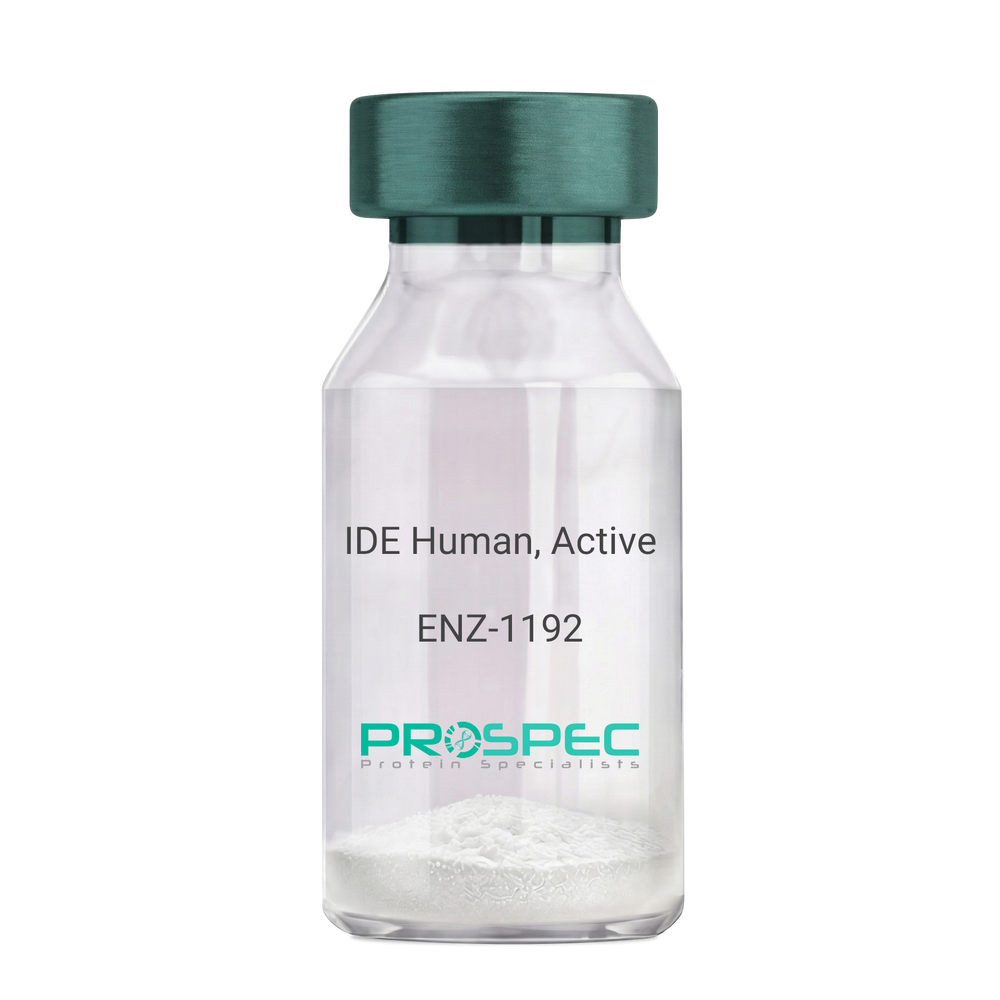
IDE Human, ActiveDescription:
Insulin-Degrading Enzyme Human Recombinant
Insulin-Degrading Enzyme, Abeta-Degrading Protease, Insulysin, EC 3.4.24.56, Insulinase, Insulin Protease, INSULYSIN, EC 3.4.24, IDE, insulin-degrading enzyme isoform 1.
Product # :
ENZ-1192Price :
Quantity :
Shipping Method :
Shipped with Ice Packs
More Info
- description
- source
- formulation
- purity
- biological activity
- More Info
Description
IDE Human, Active Human Recombinant produced in E.Coli is a single, non-glycosylated, polypeptide chain (42-1019 a.a) containing a total of 984 amino acids, having a molecular mass of 114 kDa. IDE is fused to a 6 amino acid His-tag at C-terminus and is purified by proprietary chromatographic techniques.
Source
Escherichia Coli.
Formulation
The IDE solution (0.5mg/ml) contains 10% Glycerol, 100mM NaCl, 0.05% Brij35 and 20mM Tris-HCl buffer (pH 7.5).
Purity
Greater than 90.0% as determined by SDS-PAGE.
Biological Activity
Specific activity is greater than 3,000 pmol/min/ug in which 1 unit will convert 1.0 pmole of Mca-RPPGFSAFK(Dnp)-OH to MCA-Pro-Leu-OH per minute at pH 7.5 at 25°C.
More Info
-
Synonyms
Insulin-Degrading Enzyme, Abeta-Degrading Protease, Insulysin, EC 3.4.24.56, Insulinase, Insulin Protease, INSULYSIN, EC 3.4.24, IDE, insulin-degrading enzyme isoform 1.
-
Physical Appearance
Filtered colorless solution.
-
Stability
Store at 4°C if entire vial will be used within 2-4 weeks. Store, frozen at -20°C for longer periods of time. For long term storage it is recommended to add a carrier protein (0.1% HSA or BSA). Avoid multiple freeze-thaw cycles.
-
Amino Acid Sequence
MNNPAIKRIG NHITKSPEDK REYRGLELAN GIKVLLISDP TTDKSSAALD VHIGSLSDPP NIAGLSHFCE HMLFLGTKKY PKENEYSQFL SEHAGSSNAF TSGEHTNYYF DVSHEHLEGA LDRFAQFFLC PLFDESCKDR EVNAVDSEHE KNVMNDAWRL FQLEKATGNP KHPFSKFGTG NKYTLETRPN QEGIDVRQEL LKFHSAYYSS NLMAVCVLGR ESLDDLTNLV VKLFSEVENK NVPLPEFPEH PFQEEHLKQL YKIVPIKDIR NLYVTFPIPD LQKYYKSNPG HYLGHLIGHE GPGSLLSELK SKGWVNTLVG GQKEGARGFM FFIINVDLTE EGLLHVEDII LHMFQYIQKL RAEGPQEWVF QECKDLNAVA FRFKDKERPR GYTSKIAGIL HYYPLEEVLT AEYLLEEFRP DLIEMVLDKL RPENVRVAIV SKSFEGKTDR TEEWYGTQYK QEAIPDEVIK KWQNADLNGK FKLPTKNEFI PTNFEILPLE KEATPYPALI KDTAMSKLWF KQDDKFFLPK ACLNFEFFSP FAYVDPLHCN MAYLYLELLK DSLNEYAYAA ELAGLSYDLQ NTIYGMYLSV KGYNDKQPIL LKKIIEKMAT FEIDEKRFEI IKEAYMRSLN NFRAEQPHQH AMYYLRLLMT EVAWTKDELK EALDDVTLPR LKAFIPQLLS RLHIEALLHG NITKQAALGI MQMVEDTLIE HAHTKPLLPS
QLVRYREVQL PDRGWFVYQQ RNEVHNNCGI EIYYQTDMQS TSENMFLELF CQIISEPCFN TLRTKEQLGY IVFSGPRRAN GIQGLRFIIQ SEKPPHYLES RVEAFLITME KSIEDMTEEA FQKHIQALAI RRLDKPKKLS AECAKYWGEI ISQQYNFDRD NTEVAYLKTL TKEDIIKFYK EMLAVDAPRR HKVSVHVLAR EMDSCPVVGE FPCQNDINLS QAPALPQPEV IQNMTEFKRG LPLFPLVKPH INFMAAKLHH HHHH. -
Background
Insulin-degrading enzyme (IDE) is a crucial protease that plays a significant role in maintaining glucose homeostasis by degrading insulin and other bioactive peptides. Dysregulation of IDE has been implicated in various metabolic disorders, particularly type 2 diabetes mellitus. IDE is also associated with the clearance of amyloid-beta peptides in the brain, making it relevant to Alzheimer's disease pathology. Studying the recombinant form of IDE is fundamental to understanding its functional mechanisms and exploring potential avenues for therapeutic interventions.
The primary goal of this research is to express and purify recombinant IDE using diverse expression systems. Recombinant DNA techniques will be employed to construct expression vectors containing the IDE gene, followed by expression in bacterial, yeast, or mammalian cell-based systems. The recombinant IDE will be purified using affinity chromatography or other appropriate methods, facilitating subsequent biochemical and biophysical characterization.
The second objective is to investigate the substrate specificity and catalytic activity of the purified IDE. In vitro enzymatic assays will be conducted to analyse the ability of the recombinant IDE to degrade insulin and other potential substrates. The effects of various factors, such as pH, temperature, and potential modulators, on IDE activity will be evaluated. Additionally, the interactions between IDE and its substrates will be explored using binding assays.
The third objective is to elucidate the three-dimensional structure of the IDE recombinant using techniques like X-ray crystallography or nuclear magnetic resonance (NMR) spectroscopy. Structural insights into the active site and binding pockets of IDE will provide valuable information for understanding its substrate recognition and catalytic mechanisms. This knowledge could be instrumental in designing targeted therapeutic compounds.
By characterizing the IDE recombinant, this research aims to contribute to our understanding of its role in insulin metabolism, glucose regulation, and potential therapeutic applications. The findings from this study may have implications for the development of novel treatments for diabetes and other related disorders.
ProSpec's products are furnished for LABORATORY RESEARCH USE ONLY. The product may not be used as drugs, agricultural or pesticidal products, food additives or household chemicals.
- View Data Sheet
Name :
MMP14 Human, HisDescription:
Matrix Metalloproteinase-14 Human Recombinant, His Tag
Matrix Metallopeptidase 14, Matrix Metallopeptidase 14 (Membrane-Inserted), Membrane-Type-1 Matrix Metalloproteinase, Membrane Type 1 Metalloprotease, EC 3.4.24.80, MT-MMP 1, MT1-MMP, MMP-14, MMP-X1, MT1MMP, MTMMP1, Matrix Metalloproteinase 14 (Membrane-Inserted), Membrane-Type Matrix Metalloproteinase 1, Matrix Metalloproteinase-14, EC 3.4.24, MT-MMP, WNCHRS, Matrix metalloproteinase-14, Membrane-type matrix metalloproteinase 1.
Product # :
ENZ-1003Price :
Quantity :
Shipping Method :
Shipped with Ice Packs
More Info
- description
- source
- formulation
- purity
- More Info
Description
MMP14 Human Recombinant produced in Sf9 Baculovirus cells is a single, non-glycosylated polypeptide chain containing 527 amino acids (21-538a.a) and having a molecular mass of 59.9kDa (Molecular size on SDS-PAGE will appear at approximately 35-70kDa). MMP14 is fused to a 6 amino acid His-tag at C-terminus & purified by proprietary chromatographic techniques.
Source
Sf9, Baculovirus cells.
Formulation
MMP14 protein solution (0.25mg/ml) containing Phosphate Buffered Saline (pH 7.4) and 10% glycerol.
Purity
Greater than 90% as determined by SDS-PAGE.
More Info
-
Introduction
Matrix metalloproteinase-14 (MMP14), is a membrane-anchored zinc-binding endopeptidase which is expressed at the leading edge of different invasive carcinomas and also promotes tumor cell invasion through degradation of the extracellular matrix. MMP14 takes a vital part in extracellular matrix, ECM, remodeling by having the capability to degrade type I collagen, activate pro-MMP-2 and process cell adhesion molecules for instance CD44 and integrin alpha V. MMP14 is a key enzyme in many physiological as well as pathological processes for example angiogenesis & tumor invasion.
-
Synonyms
Matrix Metallopeptidase 14, Matrix Metallopeptidase 14 (Membrane-Inserted), Membrane-Type-1 Matrix Metalloproteinase, Membrane Type 1 Metalloprotease, EC 3.4.24.80, MT-MMP 1, MT1-MMP, MMP-14, MMP-X1, MT1MMP, MTMMP1, Matrix Metalloproteinase 14 (Membrane-Inserted), Membrane-Type Matrix Metalloproteinase 1, Matrix Metalloproteinase-14, EC 3.4.24, MT-MMP, WNCHRS, Matrix metalloproteinase-14, Membrane-type matrix metalloproteinase 1.
-
Physical Appearance
Sterile Filtered colorless solution.
-
Stability
Store at 4°C if entire vial will be used within 2-4 weeks. Store, frozen at -20°C for longer periods of time. For long term storage it is recommended to add a carrier protein (0.1% HSA or BSA). Avoid multiple freeze-thaw cycles.
-
Amino Acid Sequence
ADLALASLGS AQSSSFSPEA WLQQYGYLPP GDLRTHTQRS PQSLSAAIAA MQKFYGLQVT GKADADTMKA MRRPRCGVPD KFGAEIKANV RRKRYAIQGL KWQHNEITFC IQNYTPKVGE YATYEAIRKA FRVWESATPL RFREVPYAYI REGHEKQADI MIFFAEGFHG DSTPFDGEGG FLAHAYFPGP NIGGDTHFDS AEPWTVRNED LNGNDIFLVA VHELGHALGL EHSSDPSAIM APFYQWMDTE NFVLPDDDRR GIQQLYGGES GFPTKMPPQP RTTSRPSVPD KPKNPTYGPN ICDGNFDTVA MLRGEMFVFK ERWFWRVRNN QVMDGYPMPI GQFWRGLPAS INTAYERKDG KFVFFKGDKH WVFDEASLEP GYPKHIKELG RGLPTDKIDA ALFWMPNGKT YFFRGNKYYR FNEELRAVDS EYPKNIKVWE GIPESPRGSF MGSDEVFTYF YKGNKYWKFN NQKLKVEPGY PKSALRDWMG CPSGGRPDEG TEEETEVIII EVDEEGGGAV SHHHHHH.
ProSpec's products are furnished for LABORATORY RESEARCH USE ONLY. The product may not be used as drugs, agricultural or pesticidal products, food additives or household chemicals.
- View Data Sheet
Name :
UNG Heat LabileDescription:
Recombinant Psychrophilic Marine Bacterium Uracil DNA Glycosylase, Heat Labile
UDG, b2580, JW2564, EC 3.2.2.27, DGU, UNG15, HIGM5, Uracil-DNA Glycosylase 1, EC 3.2.2, HIGM4, UNG2.
Product # :
ENZ-1183Price :
Quantity :
Shipping Method :
Shipped with Ice Packs
More Info
- description
- source
- formulation
- purity
- More Info
Description
UNG psychrophilic marine bacterium Recombinant produced in E.Coli is a single, non-glycosylated polypeptide. UNG is purified by proprietary chromatographic techniques.
Source
Escherichia Coli.
Formulation
UNG protein solution (1U/ul) 20mM Tris-HCl (25℃, pH 8.0), 100mM KCl, 0.1mM EDTA, 1mM DTT, 0.5% NP-40, 0.5% Tween-20 and 50% glycerol.
Purity
Greater than 97.0% as determined by SDS-PAGE.
More Info
-
Introduction
E. coli UDG is a valuable tool in molecular biology research for its ability to remove uracil from DNA templates. This enzyme is widely used in various applications, including site-directed mutagenesis, PCR amplification, and sequencing. UDG can remove uracil from the template strand of a DNA duplex, enabling the introduction of specific mutations or the creation of nicked DNA for downstream applications. Additionally, UDG is used in PCR amplification to prevent the amplification of any residual uracil-containing templates, which can lead to false-positive results. UDG has also been used in sequencing applications to remove uracil from DNA templates before sequencing, improving the accuracy and reliability of the results.
Conclusion: E. coli UDG is a highly conserved enzyme that plays a crucial role in maintaining genomic integrity by removing uracil from DNA. The crystal structure of E. coli UDG has been extensively studied, revealing the conserved catalytic mechanism and the interaction of the protein with DNA. E. coli UDG is a valuable enzyme with numerous applications in molecular biology research and potential applications in the medical field, such as cancer treatment. More research is needed to fully understand the therapeutic potential of targeting UDG. Overall, E. coli UDG is a valuable enzyme with numerous applications in molecular biology research and potential applications in the medical field.
-
Synonyms
UDG, b2580, JW2564, EC 3.2.2.27, DGU, UNG15, HIGM5, Uracil-DNA Glycosylase 1, EC 3.2.2, HIGM4, UNG2.
-
Physical Appearance
Sterile Filtered clear solution.
-
Stability
Store at 4°C if entire vial will be used within 2-4 weeks. Store, frozen at -20°C for longer periods of time. For long term storage it is recommended to add a carrier protein (0.1% HSA or BSA).Avoid multiple freeze-thaw cycles.
-
Applications
Treatment of 0.1μg of uracil containing DNA with 1U UDG for 10 min. at 37℃ renders the DNA incapable of being copied by DNA polymerase. The enzyme can be 95% heat killed by incubation at 95℃ for 10 minutes. Since UDG remains partially active following heat treatment at 95℃, it is recommended that uracil glycosylase inhibitor be added to prevent degradation of product DNA. Alternatively, reaction products can be immediately extracted with phenol/chloroform
-
Unit Definition
1 unit is defined as the amount of enzyme that releases 1 nmol of uracils from the DNA strand (containing dU) within 1 hour at 37°C in the reaction system containing 70mM TrisHCl, pH-7.5, 10mM NaCl, 1mM EDTA and 0.1mg/ml BSA reaction liquid.
-
Specific Activity
≥200,000 U/mg.
ProSpec's products are furnished for LABORATORY RESEARCH USE ONLY. The product may not be used as drugs, agricultural or pesticidal products, food additives or household chemicals.
- View Data Sheet
Name :
PKAkt1/PKBaDescription:
Protein Kinase Akt1/PKB alpha, Active enzyme Human Recombinant
RAC-alpha serine/threonine-protein kinase, EC 2.7.11.1, RAC-PK-alpha, Protein kinase B, PKB, C-AKT, AKT1, AKT, RAC, PRKBA, MGC99656, RAC-ALPHA.
Product # :
PKA-206Price :
Quantity :
Shipping Method :
Shipped with Ice Packs
More Info
- description
- source
- formulation
- More Info
Description
Recombinant Human Protein Kinase B is a glycosylated polypeptide having a molecular mass of 59.1 kDa. Recombinant Protein Kinase B is purified by proprietary chromatographic techniques.
Source
Sf9 insect cells.
Formulation
PKAkt1 1.9mg/ml, in 50mM NaCl, 1mM DTT, 25mM beta glycerophosphate, 50% glycerol, pH 8.5.
More Info
-
Introduction
Akt1, also known as "Akt" or protein kinaseB (PKB) is an important molecule in mammaliancellular signaling.
In humans, there are three genes in the "Akt family": Akt1, Akt2, and Akt3. These enzymesare members of the serine/threonine-specific protein kinasefamily (EC2.7.11.1).
Akt1 is involved in cellular survival pathways, by inhibiting apoptoticprocesses. Akt1 is also able to induce protein synthesispathways, and is therefore a key signaling protein in the cellular pathways that lead to skeletal muscle hypertrophy, and general tissue growth. Since it can block apoptosis, and thereby promote cell survival, Akt1 has been implicated as a major factor in many types of cancer. Akt (now also called Akt1) was originally identified as the oncogenein the transforming retrovirus, AKT8. -
Synonyms
RAC-alpha serine/threonine-protein kinase, EC 2.7.11.1, RAC-PK-alpha, Protein kinase B, PKB, C-AKT, AKT1, AKT, RAC, PRKBA, MGC99656, RAC-ALPHA.
-
Physical Appearance
Sterile Filtered clear solution.
-
Stability
Store at 4°C if entire vial will be used within 2-4 weeks. Store, frozen at -20°C for longer periods of time. Avoid multiple freeze-thaw cycles.
-
Unit Definition
20.000 Units/mg (1 Unit = 1 pmol/min transferred to synthetic peptide RPRAATF at 30 degree Celsius). No protease activity detectable.
ProSpec's products are furnished for LABORATORY RESEARCH USE ONLY. The product may not be used as drugs, agricultural or pesticidal products, food additives or household chemicals.
- View Data Sheet
Name :
XYLT2 HumanDescription:
Xylosyltransferase 2 Human Recombinant
Xylosyltransferase 2, Peptide O-xylosyltransferase 1, Xylosyltransferase II, XT-II, XylT-II, XYLT2, XT2.
Product # :
ENZ-1086Price :
Quantity :
Shipping Method :
Shipped at Room temp
More Info
- description
- source
- formulation
- purity
- More Info
Description
XYLT2 Human Recombinant is a single, glycosylated polypeptide chain containing 839 amino acids (Gly37-Arg865, luminal domain, isoform 1, natural variant with Thr305) and having a molecular mass of 94.0kDa. XYLT2 is fused to an N-terminal linker (2 extra a.a), C-terminal linker (2 extra a.a) and C-terminal His-tag (6 extra a.a).
Source
HEK293 Cells.
Formulation
XYLT2 filtered (0.4 µm) and lyophilized in 0.05 M PBS and 0.075 M NaCl, pH 7.4.
Purity
Greater than 95.0% as determined by SDS-PAGE.
More Info
-
Introduction
XYLT2 or Xylosyltransferase 2 is an enzyme which is expressed in ubiquitous and is part of the glycosyltransfe-rases family. XYLT2 promotes proteoglycans formation by attaching GAG chains to the substrate protein via transfer of xylose molecule from the donor (nucleoside diphosphate) to the protein’s serine residues. XYLT2 is present in the ER and the cis part of the Golgi, furthermore the protein is released to the extracellular matrix.
-
Synonyms
Xylosyltransferase 2, Peptide O-xylosyltransferase 1, Xylosyltransferase II, XT-II, XylT-II, XYLT2, XT2.
-
Physical Appearance
Filtered White lyophilized (freeze-dried) powder.
-
Stability
Store lyophilized protein at -20°C. Aliquot the product after reconstitution to avoid repeated freezing/thawing cycles. Reconstituted protein can be stored at 4°C for a limited period of time; it does not show any change after two weeks at 4°C.
-
Solubility
It is recommended to add deionized water to prepare a working stock solution of approximately 0.5mg/ml and let the lyophilized pellet dissolve completely. XYLT2 is not sterile! Please filter the product by an appropriate sterile filter before using it in the cell culture.
-
Amino Acid Sequence
ASGLEEDEAG EKGRQRKPRP LDPGEGSKDT DSSAGRRGST GRRHGRWRGR AESPGVPVAK VVRAVTSRQR ASRRVPPAPP PEAPGRQNLS GAAAGEALVG AAGFPPHGDT GSVEGAPQPT DNGFTPKCEI VGKDALSALA RASTKQCQQE IANVVCLHQA GSLMPKAVPR HCQLTGKMSP GIQWDESQAQ QPMDGPPVRI AYMLVVHGRA IRQLKRLLKA VYHEQHFFYI HVDKRSDYLH REVVELAQGY DNVRVTPWRM VTIWGGASLL TMYLRSMRDL LEVPGWAWDF FINLSATDYP TRTNEELVAF LSKNRDKNFL KSHGRDNSRF IKKQGLDRLF HECDSHMWRL GERQIPAGIV VDGGSDWFVL TRSFVEYVVY TDDPLVAQLR QFYTYTLLPA ESFFHTVLEN SLACETLVDN NLRVTNWNRK LGCKCQYKHI VDWCGCSPND FKPQDFLRLQ QVSRPTFFAR KFESTVNQEV LEILDFHLYG SYPPGTPALK AYWENTYDAA DGPSGLSDVM LTAYTAFARL SLHHAATAAP PMGTPLCRFE PRGLPSSVHL YFYDDHFQGY LVTQAVQPSA QGPAETLEMW LMPQGSLKLL GRSDQASRLQ SLEVGTDWDP KERLFRNFGG LLGPLDEPVA VQRWARGPNL TATVVWIDPT YVVATSYDIT VDTETEVTQY KPPLSRPLRP GPWTVRLLQF WEPLGETRFL VLPLTFNRKL PLRKDDASWL HAGPPHNEYM EQSFQGLSSI LNLPQPELAE EAAQRHTQLT GPALEAWTDR ELSSFWSVAG LCAIGPSPCP SLEPCRLTSW SSLSPDPKSE LGPVKADGRL RKLHHHHHH.
ProSpec's products are furnished for LABORATORY RESEARCH USE ONLY. The product may not be used as drugs, agricultural or pesticidal products, food additives or household chemicals.
- View Data Sheet
Name :
Cyclophilin F Rat BioactiveDescription:
Cyclophilin-F Rat Recombinant Bioactive
Peptidyl-prolyl cis-trans isomerase F, mitochondrial, PPIase F, Cyclophilin D, CyP-D, CypD, Cyclophilin F, Rotamase F.
Product # :
ENZ-1019Price :
Quantity :
Shipping Method :
Shipped with Ice Packs
More Info
- description
- source
- formulation
- purity
- biological activity
- More Info
Description
Cyclophilin F Rat Recombinant produced in E.Coli is a single, non-glycosylated polypeptide chain containing 200 amino acids (30-206 a.a) and having a molecular mass of 21.2Da. Cyclophilin F is fused to a 23 amino acid His-tag at N-terminus & purified by proprietary chromatographic techniques.
Source
Escherichia Coli.
Formulation
Cyclophilin F protein solution (1mg/ml) containing Phosphate Buffered Saline (pH 7.4), 10% glycerol and 1mM DTT.
Purity
Greater than 90.0% as determined by SDS-PAGE.
Biological Activity
Specific activity is > 1,300 nmol/min/mg, and is defined as the amount of enzyme that cleaves 1nmol of suc-AAFP-PNA per minute at 37C in Tris–HCl pH 8.0 using chymotrypsin.More Info
-
Introduction
PPIF is a part of the peptidyl-prolyl cis-trans isomerase (PPIase) family. PPIF accelerates the folding of proteins. It catalyzes the cis-trans isomerization of proline imidic peptide bonds in oligopeptides. PPIF is key component of the mitochondrial permeability transition pore in the inner mitochondrial membrane. Activation of this pore is thought to be involved in the induction of apoptotic and necrotic cell death.
-
Synonyms
Peptidyl-prolyl cis-trans isomerase F, mitochondrial, PPIase F, Cyclophilin D, CyP-D, CypD, Cyclophilin F, Rotamase F.
-
Physical Appearance
Sterile filtered colorless solution.
-
Stability
Store at 4°C if entire vial will be used within 2-4 weeks. Store, frozen at -20°C for longer periods of time. For long term storage it is recommended to add a carrier protein (0.1% HSA or BSA).Avoid multiple freeze-thaw cycles.
-
Amino Acid Sequence
MGSSHHHHHH SSGLVPRGSH MGSCSDGGAR GANSSSQNPL VYLDVGADGQ PLGRVVLELK ADVVPKTAEN FRALCTGEKG FGYKGSTFHR VIPAFMCQAG DFTNHNGTGG KSIYGSRFPD ENFTLKHVGP GVLSMANAGP NTNGSQFFIC TIKTDWLDGK HVVFGHVKEG MDVVKKIESF GSKSGKTSKK IVITDCGQLS.
ProSpec's products are furnished for LABORATORY RESEARCH USE ONLY. The product may not be used as drugs, agricultural or pesticidal products, food additives or household chemicals.
- View Data Sheet
Name :
APEX1 HumanDescription:
APEX Nuclease-1 Human Recombinant
APEX nuclease (multifunctional DNA repair enzyme) 1, APE, REF1, HAP1, APX, APEN, APEX, Apurinic-apyrimidinic endonuclease 1, Protein REF-1, AP endonuclease 1, APEX nuclease (multifunctional DNA repair enzyme), APE-1, deoxyribonuclease (apurinic or apyrimidinic), apurinic/apyrimidinic exonuclease, AP endonuclease class I, multifunctional DNA repair enzyme, redox factor 1, EC 4.2.99.18.
Product # :
ENZ-059Price :
Quantity :
Shipping Method :
Shipped with Ice Packs
More Info
- description
- source
- formulation
- purity
- More Info
Description
APEX1 Human Recombinant produced in E.Coli is a single, non-glycosylated, polypeptide chain containing 332 amino acids (1-318a.a.) and having a molecular mass of 36.9kDa.APEX1 protein is fused to a 14 amino acid T7-tag at N-terminus and is purified by standard chromatography.
Source
Escherichia Coli.
Formulation
APEX1 Human solution (1mg/ml) containing 20mM Tris-HCl pH-8, 2mM DTT, 0.2M NaCl, and 10% glycerol.
Purity
Greater than 90% as determined by SDS-PAGE.
More Info
-
Introduction
APEX1 is in charge of the incision of DNA basic sites during base excision repair. APEX1 also stimulates the DNA binding activity of numerous transcription factors which take part in cancer promotion and progression. APEX1 is part of the cellular response to oxidative stress and protects cells from the genotoxic and cytotoxic effect of oxidizing agents.
-
Synonyms
APEX nuclease (multifunctional DNA repair enzyme) 1, APE, REF1, HAP1, APX, APEN, APEX, Apurinic-apyrimidinic endonuclease 1, Protein REF-1, AP endonuclease 1, APEX nuclease (multifunctional DNA repair enzyme), APE-1, deoxyribonuclease (apurinic or apyrimidinic), apurinic/apyrimidinic exonuclease, AP endonuclease class I, multifunctional DNA repair enzyme, redox factor 1, EC 4.2.99.18.
-
Physical Appearance
Sterile filtered colorless solution.
-
Stability
Store at 4°C if entire vial will be used within 2-4 weeks. Store, frozen at -20°C for longer periods of time.Please avoid freeze thaw cycles.
-
Amino Acid Sequence
MASMTGGQQM GRGSMPKRGK KGAVAEDGDE LRTEPEAKKS KTAAKKNDKE AAGEGPALYE DPPDQKTSPS GKPATLKICS WNVDGLRAWI KKKGLDWVKE EAPDILCLQE TKCSENKLPA ELQELPGLSH QYWSAPSDKE GYSGVGLLSR QCPLKVSYGI GEEEHDQEGR VIVAEFDSFV LVTAYVPNAG RGLVRLEYRQ RWDEAFRKFL KGLASRKPLV LCGDLNVAHE EIDLRNPKGN KKNAGFTPQE RQGFGELLQA VPLADSFRHL YPNTPYAYTF WTYMMNARSK NVGWRLDYFL LSHSLLPALC DSKIRSKALG SDHCPITLYL AL.
ProSpec's products are furnished for LABORATORY RESEARCH USE ONLY. The product may not be used as drugs, agricultural or pesticidal products, food additives or household chemicals.
- View Data Sheet
Name :
AKR1C4 Human, HisDescription:
Aldo-Keto Reductase Family 1 Member C4 Human Recombinant, His Tag
Aldo-keto reductase family 1 member C4 (chlordecone reductase 3-alpha hydroxysteroid dehydrogenase type I dihydrodiol dehydrogenase 4), 3-alpha-hydroxysteroid dehydrogenase type I, MGC22581, HAKRA, 3 alpha-hydroxysteroid dehydrogenase/dihydrodiol dehydrogenase 4, CDR, DD4, CHDR, 3-alpha-HSD1, C11.
Product # :
ENZ-145Price :
Quantity :
Shipping Method :
Shipped with Ice Packs
More Info
- description
- source
- formulation
- purity
- biological activity
- More Info
Description
AKR1C4 Human Recombinant produced in E.coli is a single, non-glycosylated polypeptide chain containing 343 amino acids (1-323) and having a molecular mass of 39.2 kDa.The AKR1C4 is fused to a 20 amino acid His-Tag at N-terminus and purified by proprietary chromatographic techniques.
Source
Escherichia Coli.
Formulation
AKR1C4 protein 1mg/ml is supplied in 20mM Tris-HCl, pH-8, 0.1M NaCl, 1mM DTT and 20% Glycerol.
Purity
Greater than 90.0% as determined by SDS-PAGE.
Biological Activity
Specific activity is > 700 pmol/min/ug, and is defined as the amount of enzyme that catalyze the oxidation of 1.0 pmole 1-Acenaphthenol in the presence of NADP per minute at pH 8.8 at 25°C.More Info
-
Introduction
AKR1C4 is a member of the aldo/keto reductase superfamily that has over 40 known enzymes and proteins. AKR1C4 enables the conversion of aldehydes and ketones to their corresponding alcohols by using NADH and/or NADPH as cofactors. AKR1C4 takes part in the bioreduction of chlordecone, a toxic organochlorine pesticide, to chlordecone alcohol in liver.
-
Synonyms
Aldo-keto reductase family 1 member C4 (chlordecone reductase 3-alpha hydroxysteroid dehydrogenase type I dihydrodiol dehydrogenase 4), 3-alpha-hydroxysteroid dehydrogenase type I, MGC22581, HAKRA, 3 alpha-hydroxysteroid dehydrogenase/dihydrodiol dehydrogenase 4, CDR, DD4, CHDR, 3-alpha-HSD1, C11.
-
Physical Appearance
AKR1C4 is supplied as a sterile filtered clear solution.
-
Stability
Store at 4°C if entire vial will be used within 2-4 weeks. Store, frozen at -20°C for longer periods of time. For long term storage it is recommended to add a carrier protein (0.1% HSA or BSA).Avoid multiple freeze-thaw cycles.
-
Amino Acid Sequence
MGSSHHHHHH SSGLVPRGSH MDPKYQRVEL NDGHFMPVLG FGTYAPPEVP RNRAVEVTKL AIEAGFRHID SAYLYNNEEQ VGLAIRSKIA DGSVKREDIF YTSKLWCTFF QPQMVQPALE SSLKKLQLDY VDLYLLHFPM ALKPGETPLP KDENGKVIFD TVDLSATWEV MEKCKDAGLA
KSIGVSNFNC RQLEMILNKP GLKYKPVCNQ VECHPYLNQS KLLDFCKSKD IVLVAHSALG TQRHKLWVDP NSPVLLEDPV LCALAKKHKR TPALIALRYQ LQRGVVVLAK SYNEQRIREN IQVFEFQLTS EDMKVLDGLN RNYRYVVMDF LMDHPDYPFS DEY.
ProSpec's products are furnished for LABORATORY RESEARCH USE ONLY. The product may not be used as drugs, agricultural or pesticidal products, food additives or household chemicals.
- View Data Sheet
Name :
AKR1D1 HumanDescription:
Aldo-Keto Reductase Family 1 Member D1 Human Recombinant
3-oxo-5-beta-steroid 4-dehydrogenase, Aldo-Keto Reductase Family 1, Member D1, SRD5B1, Delta(4)-3-Ketosteroid 5-Beta-Reductase, Delta 4-3-Ketosteroid-5-Beta-Reductase, Delta(4)-3-Oxosteroid 5-Beta-Reductase, CBAS2, Steroid-5-Beta-Reductase, Beta Polypeptide 1 (3-Oxo-5 Beta-Steroid Delta 4-Dehydrogenase Beta 1), Aldo-Keto Reductase Family 1, Member D1 (Delta 4-3-Ketosteroid-5-Beta-Reductase), Aldo-Keto Reductase Family 1 Member D1, 3-Oxo-5-Beta-Steroid 4-Dehydrogenase, EC 1.3.1.3, 3o5bred.
Product # :
ENZ-931Price :
Quantity :
Shipping Method :
Shipped with Ice Packs
More Info
- description
- source
- formulation
- purity
- More Info
Description
AKR1D1 Human Recombinant produced in E.Coli is a single, non-glycosylated, polypeptide chain containing 326 amino acids (1-326 a.a.) and having a molecular mass of 37.3kDa. The AKR1D1 is purified by proprietary chromatographic techniques.
Source
Escherichia Coli.
Formulation
The AKR1D1 protein solution (1mg/ml) contains 20mM Tris-HCl buffer (pH 8.5), 1mM DTT, 0.1M NaCl and 10% glycerol.
Purity
Greater than 95.0% as determined by SDS-PAGE.
More Info
-
Introduction
Aldo-keto reductase family 1 member D1 (AKR1D1) belongs to the AKR superfamily. The AKR family proteins are soluble NADPH oxidoreductases, which have vital roles in the metabolism of drugs, carcinogens and reactive aldehydes. AKR1D1 is also responsible for the catalysis of the 5-beta-reduction of bile acid intermediates and steroid hormones that carry a delta (4)-3-1 structure. AKR1D1 is highly expressed in the liver, colon and testis. Deficiency of the AKR1D1 enzyme may contribute to hepatic dysfunction.
-
Synonyms
3-oxo-5-beta-steroid 4-dehydrogenase, Aldo-Keto Reductase Family 1, Member D1, SRD5B1, Delta(4)-3-Ketosteroid 5-Beta-Reductase, Delta 4-3-Ketosteroid-5-Beta-Reductase, Delta(4)-3-Oxosteroid 5-Beta-Reductase, CBAS2, Steroid-5-Beta-Reductase, Beta Polypeptide 1 (3-Oxo-5 Beta-Steroid Delta 4-Dehydrogenase Beta 1), Aldo-Keto Reductase Family 1, Member D1 (Delta 4-3-Ketosteroid-5-Beta-Reductase), Aldo-Keto Reductase Family 1 Member D1, 3-Oxo-5-Beta-Steroid 4-Dehydrogenase, EC 1.3.1.3, 3o5bred.
-
Physical Appearance
Sterile filtered colorless solution.
-
Stability
Store at 4°C if entire vial will be used within 2-4 weeks. Store, frozen at -20°C for longer periods of time. For long term storage it is recommended to add a carrier protein (0.1% HSA or BSA).Avoid multiple freeze-thaw cycles.
-
Amino Acid Sequence
MDLSAASHRI PLSDGNSIPI IGLGTYSEPK STPKGACATS VKVAIDTGYR HIDGAYIYQN EHEVGEAIRE KIAEGKVRRE DIFYCGKLWA TNHVPEMVRP TLERTLRVLQ LDYVDLYIIE VPMAFKPGDE IYPRDENGKW LYHKSNLCAT WEAMEACKDA GLVKSLGVSN FNRRQLELIL NKPGLKHKPV SNQVECHPYF TQPKLLKFCQ QHDIVITAYS PLGTSRNPIW VNVSSPPLLK DALLNSLGKR YNKTAAQIVL RFNIQRGVVV IPKSFNLERI KENFQIFDFS LTEEEMKDIE ALNKNVRFVE LLMWRDHPEY PFHDEY.
ProSpec's products are furnished for LABORATORY RESEARCH USE ONLY. The product may not be used as drugs, agricultural or pesticidal products, food additives or household chemicals.
- View Data Sheet
Name :
HYAL1 HumanDescription:
Hyaluronidase Human Recombinant
Hyaluronidase-1, Hyal-1,Hyaluronoglucosaminidase-1, Lung carcinoma protein 1, LuCa-1, HYAL1, Hyaluronidase 1, Hyaluronoglucosaminidase 1, Hyaluronoglucosaminidase1, LUCA 1,MPS9, NAT6, Plasma hyaluronidase, Tumor suppressor LUCA 1.
Product # :
ENZ-1155Price :
Quantity :
Shipping Method :
Shipped with Ice Packs
More Info
- description
- source
- formulation
- purity
- More Info
Description
HYAL1 Human Recombinant produced in HEK cells is a single, glycosylated, polypeptide chain (22-435 a.a) containing a total of 420 amino acids, having a molecular mass of 46.9 kDa. HYAL1 is fused to a 6 amino acid His-tag at C-terminus,and is purified by proprietary chromatographic techniques.
Source
HEK293 Cells.
Formulation
The HYAL1 solution (0.25mg/ml) contains 10% Glycerol and Phosphate-Buffered Saline (pH 7.4).
Purity
Greater than 90.0% as determined by SDS-PAGE.
More Info
-
Introduction
Hyaluronidase-1 or HYAL1 is a protein, part of the endolytic glycoside hydrolase proteins group. Human hyaluronidases proteins, are 5 endoβNacetylhexosaminidases (including HYAL1, HYAL2, HYAL3). Hyaluronidase-1 causes degradation to hyaluronic acid in the extracellular matrix of somatic tissues. HYAL1 needs an acidic environment and is the most common hyaluronidase in the plasma. Mutations in this protein can lead to mucopolysaccharidosis type IX and hyaluronidase deficiency.
-
Synonyms
Hyaluronidase-1, Hyal-1,Hyaluronoglucosaminidase-1, Lung carcinoma protein 1, LuCa-1, HYAL1, Hyaluronidase 1, Hyaluronoglucosaminidase 1, Hyaluronoglucosaminidase1, LUCA 1,MPS9, NAT6, Plasma hyaluronidase, Tumor suppressor LUCA 1.
-
Physical Appearance
Sterile Filtered colorless solution.
-
Stability
Store at 4°C if entire vial will be used within 2-4 weeks. Store, frozen at -20°C for longer periods of time. For long term storage it is recommended to add a carrier protein (0.1% HSA or BSA).Avoid multiple freeze-thaw cycles.
-
Amino Acid Sequence
FRGPLLPNRP FTTVWNANTQ WCLERHGVDV DVSVFDVVAN PGQTFRGPDM TIFYSSQLGT YPYYTPTGEP VFGGLPQNAS LIAHLARTFQ DILAAIPAPD FSGLAVIDWE AWRPRWAFNW DTKDIYRQRS RALVQAQHPD WPAPQVEAVA QDQFQGAARA WMAGTLQLGR ALRPRGLWGF YGFPDCYNYD FLSPNYTGQC PSGIRAQNDQ LGWLWGQSRA LYPSIYMPAV LEGTGKSQMY VQHRVAEAFR VAVAAGDPNL PVLPYVQIFY DTTNHFLPLD ELEHSLGESA AQGAAGVVLW VSWENTRTKE SCQAIKEYMD TTLGPFILNV TSGALLCSQA LCSGHGRCVR RTSHPKALLL LNPASFSIQL TPGGGPLSLR GALSLEDQAQ MAVEFKCRCY PGWQAPWCER KSMWHHHHHH
ProSpec's products are furnished for LABORATORY RESEARCH USE ONLY. The product may not be used as drugs, agricultural or pesticidal products, food additives or household chemicals.
- View Data Sheet
Name :
IDNK E.Coli, ActiveDescription:
Thermosensitive Gluconokinase E.Coli Recombinant, BioActive
Thermosensitive gluconokinase, Gluconate kinase 1, idnK, D-gluconate kinase thermosensitive, D-gluconate kinase, thermosensitive, ECK4261, gntV, JW4225, b4268
Product # :
PKA-122Price :
Quantity :
Shipping Method :
Shipped with Ice Packs
More Info
- description
- source
- formulation
- purity
- biological activity
- More Info
Description
IDNK Recombinant produced in E.Coli is a single, non-glycosylated polypeptide chain containing 210 amino acids (1-187) and having a molecular mass of 23.4 kDa.IDNK is fused to a 23 amino acid His-Tag at N-terminus and purified by proprietary chromatographic techniques.
Source
Escherichia Coli.
Formulation
The IDNK solution (1 mg/ml) contains 10% Glycerol, 1mM DTT, 0.15M NaCl and 20mM Tris-HCl buffer (pH 8.0).
Purity
Greater than 90.0% as determined by SDS-PAGE.
Biological Activity
Specific activity is > 80unit/mg. One unit will convert 1.0 umole of D-gluconate to 6-phospho-Dgluconate per minute at pH 8.0 at 37˚C.
More Info
-
Introduction
D-gluconate kinase or idnk is a thermosensitive protein, consists of 187 a.a and part of the gluconokinase gntK/gntV protein family. Idnk enhances the conversion of ATP + D-gluconate => ADP + 6-phospho-D-gluconate. Idnk has a crucial part in determination of gender, removal of a certain portion of 9p may result in the making of male to female (reversal of sex), that leads to a female that has the genotype of male X, Y.
-
Synonyms
Thermosensitive gluconokinase, Gluconate kinase 1, idnK, D-gluconate kinase thermosensitive, D-gluconate kinase, thermosensitive, ECK4261, gntV, JW4225, b4268
-
Physical Appearance
Sterile Filtered colorless solution.
-
Stability
Store at 4°C if entire vial will be used within 2-4 weeks. Store, frozen at -20°C for longer periods of time. For long term storage it is recommended to add a carrier protein (0.1% HSA or BSA).Avoid multiple freeze-thaw cycles.
-
Amino Acid Sequence
MGSSHHHHHH SSGLVPRGSH MGSMAGESFI LMGVSGSGKT LIGSKVAALL SAKFIDGDDL HPAKNIDKMS QGIPLSDEDR LPWLERLNDA SYSLYKKNET GFIVCSSLKK QYRDILRKGS PHVHFLWLDG DYETILARMQ RRAGHFMPVA LLKSQFEALE RPQADEQDIV RIDINHDIAN VTEQCRQAVL AIRQNRICAK EGSASDQRCE
ProSpec's products are furnished for LABORATORY RESEARCH USE ONLY. The product may not be used as drugs, agricultural or pesticidal products, food additives or household chemicals.
- View Data Sheet
Name :
PGD Human, ActiveDescription:
Phosphogluconate Dehydrogenase, Active Human Recombinant
EC 1.1.1.44, 6PGD, PGDH, 6-phosphogluconate dehydrogenase decarboxylating, PGD.
Product # :
ENZ-1128Price :
Quantity :
Shipping Method :
Shipped with Ice Packs
More Info
- description
- source
- formulation
- purity
- biological activity
- More Info
Description
PGD Human Recombinant produced in E.Coli is a single, non-glycosylated polypeptide chain containing 503 amino acids (1-483) and having a molecular mass of 55.3 kDa.PGD Human is fused to a 20 amino acid His-Tag at N-terminus and purified by proprietary chromatographic techniques.
Source
Escherichia Coli.
Formulation
The PGD solution (1mg/ml) contains 10% Glycerol, 1mM DTT, 0.1M NaCl, and 20mM Tris-HCl buffer (pH 8.0).
Purity
Greater than 90.0% as determined by SDS-PAGE.
Biological Activity
Specific activity is > 10unit/mg. One unit will oxidize 1.0 umole of 6-phospho-D-gluconate to D-ribulose 5- phosphate per minute at pH 8.0 at 25˚C, in the presence of beta-NADP.
More Info
-
Introduction
6PGD is the 2nd dehydrogenase in the pentose phosphate shift. Pentose is crucial for the biosynthesis of nucleic acid. The pentose phosphate cycle is a prominent source of NADPH. 6PGD deficiency is mostly asymptomatic, and the inheritance of this deasis is autosomal dominant. PGD deficiency elevate the erythrocyte pyruvate kinase levels of activity & decreases glutathione synthetase, which causes hemolysis.
-
Synonyms
EC 1.1.1.44, 6PGD, PGDH, 6-phosphogluconate dehydrogenase decarboxylating, PGD.
-
Physical Appearance
Sterile Filtered colorless solution.
-
Stability
Store at 4°C if entire vial will be used within 2-4 weeks. Store, frozen at -20°C for longer periods of time. For long term storage it is recommended to add a carrier protein (0.1% HSA or BSA).Avoid multiple freeze-thaw cycles.
-
Amino Acid Sequence
MGSSHHHHHH SSGLVPRGSH MAQADIALIG LAVMGQNLIL NMNDHGFVVC AFNRTVSKVD DFLANEAKGT KVVGAQSLKE MVSKLKKPRR IILLVKAGQA VDDFIEKLVP LLDTGDIIID GGNSEYRDTT RRCRDLKAKG ILFVGSGVSG GEEGARYGPS LMPGGNKEAW PHIKTIFQGI AAKVGTGEPC CDWVGDEGAG HFVKMVHNGI EYGDMQLICE AYHLMKDVLG MAQDEMAQAF EDWNKTELDS FLIEITANIL KFQDTDGKHL LPKIRDSAGQ KGTGKWTAIS ALEYGVPVTL IGEAVFARCL SSLKDERIQA SKKLKGPQKF QFDGDKKSFL EDIRKALYAS KIISYAQGFM LLRQAATEFG WTLNYGGIAL MWRGGCIIRS VFLGKIKDAF DRNPELQNLL LDDFFKSAVE NCQDSWRRAV STGVQAGIPM PCFTTALSFY DGYRHEMLPA SLIQAQRDYF GAHTYELLAK PGQFIHTNWT GHGGTVSSSS YNA
ProSpec's products are furnished for LABORATORY RESEARCH USE ONLY. The product may not be used as drugs, agricultural or pesticidal products, food additives or household chemicals.
- View Data Sheet
Name :
PGLS HumanDescription:
6-Phosphogluconolactonase Human Recombinant
6PGL, 6-Phosphogluconolactonase.
Product # :
ENZ-016Price :
Quantity :
Shipping Method :
Shipped with Ice Packs
More Info
- description
- source
- formulation
- purity
- More Info
Description
PGLS produced in E.Coli is a single, non-glycosylated polypeptide chain containing 278 amino acids (1-258a.a.) and having a molecular mass of 29.7kDa.PGLS is fused to a 20 amino acid His-tag at N-terminus & purified by proprietary chromatographic techniques.
Source
Escherichia Coli.
Formulation
The PGLS protein solution (1mg/1ml) is formulated in 20mM Tris-HCl buffer (pH 8.0) 1mM DTT, 100mM NaCl and 10% glycerol.
Purity
Greater than 95% as determined by SDS-PAGE.
More Info
-
Introduction
PGLS is an enzyme in the second step pentose phosphate pathway. 6-Phosphogluconolactonase is crucial for the synthesis of nucleotide sugars and NADPH, the key cause for decreasing power. PGLS transforms 6-phosphogluconolactone to 6-phosphogluconate.
-
Synonyms
6PGL, 6-Phosphogluconolactonase.
-
Physical Appearance
Sterile Filtered clear solution.
-
Stability
Store at 4°C if entire vial will be used within 2-4 weeks. Store, frozen at -20°C for longer periods of time.Please avoid freeze thaw cycles.
-
Amino Acid Sequence
MGSSHHHHHH SSGLVPRGSH MAAPAPGLIS VFSSSQELGA ALAQLVAQRA ACCLAGARAR FALGLSGGSL VSMLARELPA AVAPAGPASL ARWTLGFCDE RLVPFDHAES TYGLYRTHLL SRLPIPESQV ITINPELPVE EAAEDYAKKL RQAFQGDSIP VFDLLILGVG PDGHTCSLFP DHPLLQEREK IVAPISDSPK PPPQRVTLTL PVLNAARTVI FVATGEGKAA VLKRILEDQE ENPLPAALVQ PHTGKLCWFL DEAAARLLTV PFEKHSTL
ProSpec's products are furnished for LABORATORY RESEARCH USE ONLY. The product may not be used as drugs, agricultural or pesticidal products, food additives or household chemicals.
- View Data Sheet
Name :
TIMP2 Human HEKDescription:
Tissue Inhibitor of Metalloprotease 2 Human Recombinant, HEK
TIMP metallopeptidase inhibitor 2, CSC-21K, tissue inhibitor of metalloproteinase 2, TIMP-2, metalloproteinase inhibitor 2.
Product # :
ENZ-120Price :
Quantity :
Shipping Method :
Shipped at Room temp
More Info
- description
- source
- formulation
- purity
- biological activity
- More Info
Description
TIMP2 Human Recombinant produced in HEK-293 cells is a secreted protein with the sequence of Human TIMP-2 (amino acids Cys27-Pro220) and is fused to a polyhistidine tag at the C-terminus.
Source
HEK293 Cells.
Formulation
The TIMP2 protein was lyophilized after extensive dialysis against PBS.
Purity
Greater than 95.0% as determined by SDS-PAGE.
Biological Activity
The IC50 of 3 nM is measured by its ability to inhibit recombinant human MMP-2 cleavage of the colorimetric peptide substrate, Mca-PLGL-DpaAR-NH2.More Info
-
Introduction
TIMP2 belongs to the TIMP gene family. The proteins encoded by this gene family are natural inhibitors of the matrix metalloproteinases, a group of peptidases that take part in degradation of the extracellular matrix. Besides having an inhibitory role against metalloproteinases, the encoded protein has a exclusive part among TIMPfamily members in its capability to directly suppress the proliferation of endothelial cells. Consequently, the encoded protein is crucial to the conservation of tissue homeostasis by suppressing the production of quiescent tissues as an answer to angiogenic factors, and by inhibiting protease activity in tissues undergoing renovation of the extracellular matrix.
-
Synonyms
TIMP metallopeptidase inhibitor 2, CSC-21K, tissue inhibitor of metalloproteinase 2, TIMP-2, metalloproteinase inhibitor 2.
-
Physical Appearance
Sterile Filtered White lyophilized (freeze-dried) powder.
-
Stability
Lyophilized TIMP2 although stable at room temperature for 3 weeks, should be stored desiccated below -18°C. Upon reconstitution TIMP2 should be stored at 4°C between 2-7 days and for future use below -18°C.For long term storage it is recommended to add a carrier protein (0.1% HSA or BSA).Please prevent freeze-thaw cycles.
-
Solubility
It is recommended to reconstitute the lyophilized TIMP2 in sterile assay buffer (50mM Tris, 10mM CaCl2, 150mM NaCl, 0.05% Brij-35, PH 7.5) not less than 100µg/ml.
ProSpec's products are furnished for LABORATORY RESEARCH USE ONLY. The product may not be used as drugs, agricultural or pesticidal products, food additives or household chemicals.
- View Data Sheet
Name :
GLA HumanDescription:
Alpha-Galactosidase Human Recombinant
Alpha-galactosidase A, Alpha-D-galactosidase A, Alpha-D-galactoside galactohydrolase, Melibiase, GLA, GALA.
Product # :
ENZ-926Price :
Quantity :
Shipping Method :
Shipped with Ice Packs
More Info
- description
- source
- formulation
- purity
- More Info
Description
GLA produced in Sf9 Baculovirus cells is a single, glycosylated polypeptide chain containing 406 amino acids (32-429 a.a.) and having a molecular mass of 46.4kDa GLA is expressed with an 8 amino acid His tag at C-Terminus and purified by proprietary chromatographic techniques.
Source
Sf9, Baculovirus cells.
Formulation
GLA protein solution (0.5mg/ml) contains Phosphate Buffered Saline (pH 7.4) and 10% glycerol.
Purity
Greater than 90.0% as determined by SDS-PAGE.
More Info
-
Introduction
Alpha-galactosidase A (GLA) is a homodimeric glycoprotein which hydrolyses the terminal alpha-galactosyl moieties from glycolipids and glycoproteins. GLA catalyzes the hydrolysis of melibiose into galactose and glucose. Various mutations in the GLA gene affect the synthesis, processing, and stability of this enzyme, which causes Fabry disease (a rare lysosomal storage disorder which results from a failure to catabolize alpha-D-galactosyl glycolipid moieties).
-
Synonyms
Alpha-galactosidase A, Alpha-D-galactosidase A, Alpha-D-galactoside galactohydrolase, Melibiase, GLA, GALA.
-
Physical Appearance
Sterile Filtered colorless solution.
-
Stability
Store at 4°C if entire vial will be used within 2-4 weeks. Store, frozen at -20°C for longer periods of time. For long term storage it is recommended to add a carrier protein (0.1% HSA or BSA). Avoid multiple freeze-thaw cycles.
-
Amino Acid Sequence
LDNGLARTPT MGWLHWERFM CNLDCQEEPD SCISEKLFME MAELMVSEGW KDAGYEYLCI DDCWMAPQRD SEGRLQADPQ RFPHGIRQLA NYVHSKGLKL GIYADVGNKT CAGFPGSFGY YDIDAQTFAD WGVDLLKFDG CYCDSLENLA DGYKHMSLAL NRTGRSIVYS CEWPLYMWPF QKPNYTEIRQ YCNHWRNFAD IDDSWKSIKS ILDWTSFNQE RIVDVAGPGG WNDPDMLVIG NFGLSWNQQV TQMALWAIMA APLFMSNDLR HISPQAKALL QDKDVIAINQ DPLGKQGYQL RQGDNFEVWE RPLSGLAWAV AMINRQEIGG PRSYTIAVAS LGKGVACNPA CFITQLLPVK RKLGFYEWTS RLRSHINPTG TVLLQLENTM QMSLKDLLVE HHHHHH.
ProSpec's products are furnished for LABORATORY RESEARCH USE ONLY. The product may not be used as drugs, agricultural or pesticidal products, food additives or household chemicals.