Skip to content

High-quality research proteins.

  • 1-800-805-6531

  • Mon - Sat 8.00-18.00, Sun - Closed

  • info@prospecbio.com

  • PO Box 6591 East Brunswick NJ 08816

  • Products
    • Cytokines
    • Growth factors
    • Chemokines
    • Cd antigens
    • Neurotrophins
    • Hormones
    • Enzymes
    • Viral antigens
    • Recombinant proteins
    • Natural proteins
    • Monoclonal antibodies
    • Polyclonal antibodies
    • Thermal Packaging
  • About
    • Company
    • Founder
    • Contribution
  • Customers
    • Eastern Asia
    • Eastern Europe
    • North America
    • South America
    • South East Asia
    • Southern Asia
    • Western Europe
  • Ordering
    • Ordering Method
    • Ordering - Credit Card
    • Ordering - PO
    • Shipping Fees
    • FAQs
  • Services
    • DNA Cloning
    • Protein Expression
    • Monoclonal Antibody
    • Fermentation
    • Technology License
  • Contact us
Log in

Country/region

  • USD $ | Albania
  • USD $ | Andorra
  • USD $ | Argentina
  • USD $ | Armenia
  • USD $ | Australia
  • USD $ | Austria
  • USD $ | Azerbaijan
  • USD $ | Belarus
  • USD $ | Belgium
  • USD $ | Bolivia
  • USD $ | Brazil
  • USD $ | Bulgaria
  • USD $ | Cambodia
  • USD $ | Canada
  • USD $ | Chile
  • USD $ | China
  • USD $ | Colombia
  • USD $ | Costa Rica
  • USD $ | Croatia
  • USD $ | Cyprus
  • USD $ | Czechia
  • USD $ | Denmark
  • USD $ | Estonia
  • USD $ | Finland
  • USD $ | France
  • USD $ | Georgia
  • USD $ | Germany
  • USD $ | Greece
  • USD $ | Hong Kong SAR
  • USD $ | Hungary
  • USD $ | Iceland
  • USD $ | India
  • USD $ | Ireland
  • USD $ | Israel
  • USD $ | Italy
  • USD $ | Japan
  • USD $ | Kazakhstan
  • USD $ | Latvia
  • USD $ | Liechtenstein
  • USD $ | Lithuania
  • USD $ | Madagascar
  • USD $ | Malta
  • USD $ | Mexico
  • USD $ | Moldova
  • USD $ | Monaco
  • USD $ | Netherlands
  • USD $ | New Zealand
  • USD $ | North Macedonia
  • USD $ | Norway
  • USD $ | Panama
  • USD $ | Paraguay
  • USD $ | Peru
  • USD $ | Philippines
  • USD $ | Poland
  • USD $ | Portugal
  • USD $ | Romania
  • USD $ | Singapore
  • USD $ | Slovakia
  • USD $ | Slovenia
  • USD $ | South Africa
  • USD $ | South Korea
  • USD $ | Spain
  • USD $ | Sri Lanka
  • USD $ | Sweden
  • USD $ | Switzerland
  • USD $ | Taiwan
  • USD $ | Thailand
  • USD $ | Türkiye
  • USD $ | Ukraine
  • USD $ | United Kingdom
  • USD $ | United States
  • USD $ | Uruguay
  • USD $ | Vatican City
  • USD $ | Venezuela
  • USD $ | Vietnam
  • Facebook
  • Instagram
logoProSpec - Recombinant Protein Manufacturer for academic and R&D industry
Become a distributor
Account Log in
Wishlist
Cart Cart(0)
  • Products
    +
    • Cytokines
    • Growth factors
    • Chemokines
    • Cd antigens
    • Neurotrophins
    • Hormones
    • Enzymes
    • Viral antigens
    • Recombinant proteins
    • Natural proteins
    • Monoclonal antibodies
    • Polyclonal antibodies
    • Thermal Packaging
  • About
    +
    • Company
    • Founder
    • Contribution
  • Customers
    +
    • Eastern Asia
    • Eastern Europe
    • North America
    • South America
    • South East Asia
    • Southern Asia
    • Western Europe
  • Ordering
    +
    • Ordering Method
    • Ordering - Credit Card
    • Ordering - PO
    • Shipping Fees
    • FAQs
  • Services
    +
    • DNA Cloning
    • Protein Expression
    • Monoclonal Antibody
    • Fermentation
    • Technology License
  • Contact us

Item added to your cart

View cart
View All
  • Cytokines
  • Growth factors
  • Chemokines
  • Cd antigens
  • Neurotrophins
  • Hormones
  • Enzymes
  • Viral antigens
  • Recombinant proteins
  • Natural proteins
  • Monoclonal antibodies
  • Polyclonal antibodies
  • Thermal Packaging
  • Tumor Necrosis Factor

    Tumor Necrosis Factor

    View All
  • 4-1BB

    4-1BB

    View All
  • Adiponectin

    Adiponectin

    View All
  • AIF1

    AIF1

    View All
  • Other Cytokines

    Other Cytokines

    View All
  • AITRL

    AITRL

    View All
  • Angiopoietin

    Angiopoietin

    View All
  • Apolipoprotein

    Apolipoprotein

    View All
  • B-Cell Activating Factor

    B-Cell Activating Factor

    View All
  • Beta Defensin

    Beta Defensin

    View All
  • Bone Morphogenetic Protein

    Bone Morphogenetic Protein

    View All
  • B type Natriuretic Peptide

    B type Natriuretic Peptide

    View All
  • BST

    BST

    View All
  • Betacellulin

    Betacellulin

    View All
  • Cardiotrophin

    Cardiotrophin

    View All
  • Activin

    Activin

    View All
  • Fibroblast Growth Factor

    Fibroblast Growth Factor

    View All
  • Other Growth Factors

    Other Growth Factors

    View All
  • CSF

    CSF

    View All
  • CTGF

    CTGF

    View All
  • IGFBP

    IGFBP

    View All
  • VEGF Protein

    VEGF Protein

    View All
  • EGF

    EGF

    View All
  • Epigen

    Epigen

    View All
  • Erythropoietin

    Erythropoietin

    View All
  • Insulin-Like Growth Factor

    Insulin-Like Growth Factor

    View All
  • Growth Hormone

    Growth Hormone

    View All
  • HDGF

    HDGF

    View All
  • Hepatocyte Growth Factor

    Hepatocyte Growth Factor

    View All
  • Insulin

    Insulin

    View All
  • BCA-1/ BLC (CXCL13)

    BCA-1/ BLC (CXCL13)

    View All
  • BRAK (CXCL14)

    BRAK (CXCL14)

    View All
  • C-10 (CCL6)

    C-10 (CCL6)

    View All
  • Other Chemokines

    Other Chemokines

    View All
  • MEC (CCL28)

    MEC (CCL28)

    View All
  • LD78-beta (CCL3L1)

    LD78-beta (CCL3L1)

    View All
  • CTACK (CCL27)

    CTACK (CCL27)

    View All
  • CXCL16

    CXCL16

    View All
  • CXCL17

    CXCL17

    View All
  • Platelet Factor-4 (CXCL4)

    Platelet Factor-4 (CXCL4)

    View All
  • ENA-78 (CXCL5)

    ENA-78 (CXCL5)

    View All
  • Eotaxin (CCL11,24,26)

    Eotaxin (CCL11,24,26)

    View All
  • Exodus-2 (CCL21)

    Exodus-2 (CCL21)

    View All
  • Fractalkine (CX3CL1)

    Fractalkine (CX3CL1)

    View All
  • CXCL6

    CXCL6

    View All
  • Other CD Antigens

    Other CD Antigens

    View All
  • CD14

    CD14

    View All
  • CD164

    CD164

    View All
  • CD1

    CD1

    View All
  • CD2

    CD2

    View All
  • CD200

    CD200

    View All
  • CD207

    CD207

    View All
  • CD226

    CD226

    View All
  • CD23

    CD23

    View All
  • CD244

    CD244

    View All
  • CD247

    CD247

    View All
  • CD27

    CD27

    View All
  • CD274

    CD274

    View All
  • CD300

    CD300

    View All
  • CD33

    CD33

    View All
  • Other Neurotrophins

    Other Neurotrophins

    View All
  • Beta-NGF

    Beta-NGF

    View All
  • BDNF

    BDNF

    View All
  • CDNF

    CDNF

    View All
  • CNTF

    CNTF

    View All
  • GDNF

    GDNF

    View All
  • Glia Maturation Factor

    Glia Maturation Factor

    View All
  • MANF

    MANF

    View All
  • Midkine

    Midkine

    View All
  • Neuroglobin

    Neuroglobin

    View All
  • Neurotrophic factors

    Neurotrophic factors

    View All
  • Neuregulin

    Neuregulin

    View All
  • Neuropilin

    Neuropilin

    View All
  • Pigment Epithelium-Derived Factor

    Pigment Epithelium-Derived Factor

    View All
  • Pleiotrophin

    Pleiotrophin

    View All
  • Peptide Hormones

    Peptide Hormones

    View All
  • Other Hormones

    Other Hormones

    View All
  • HCG

    HCG

    View All
  • Endothelin

    Endothelin

    View All
  • Exendin

    Exendin

    View All
  • FSH

    FSH

    View All
  • Glucagon

    Glucagon

    View All
  • GHRP

    GHRP

    View All
  • GLP

    GLP

    View All
  • Thyrostimulin

    Thyrostimulin

    View All
  • Inhibin A

    Inhibin A

    View All
  • LHRH

    LHRH

    View All
  • Melanotan

    Melanotan

    View All
  • Procalcitonin

    Procalcitonin

    View All
  • PTH

    PTH

    View All
  • Peroxiredoxin

    Peroxiredoxin

    View All
  • Peptidase

    Peptidase

    View All
  • Synthetase

    Synthetase

    View All
  • Transferase

    Transferase

    View All
  • Hydrolase

    Hydrolase

    View All
  • Dehydrogenase

    Dehydrogenase

    View All
  • ACE2

    ACE2

    View All
  • Esterase

    Esterase

    View All
  • Protein Kinases

    Protein Kinases

    View All
  • Other Enzymes

    Other Enzymes

    View All
  • Phosphatase

    Phosphatase

    View All
  • Deaminase

    Deaminase

    View All
  • Oxygenase

    Oxygenase

    View All
  • Adenylate Kinase

    Adenylate Kinase

    View All
  • Lyase

    Lyase

    View All
  • Chagas

    Chagas

    View All
  • SARS

    SARS

    View All
  • Influenza

    Influenza

    View All
  • ASFV

    ASFV

    View All
  • Astrovirus

    Astrovirus

    View All
  • Borrelia

    Borrelia

    View All
  • Helicobacter Pylori

    Helicobacter Pylori

    View All
  • Chikungunya

    Chikungunya

    View All
  • Chlamydia

    Chlamydia

    View All
  • Cytomegalo

    Cytomegalo

    View All
  • Dengue

    Dengue

    View All
  • EBV

    EBV

    View All
  • Ebola

    Ebola

    View All
  • Feline Leukemia Virus

    Feline Leukemia Virus

    View All
  • Hepatitis A

    Hepatitis A

    View All
  • Other

    Other

    View All
  • Actin

    Actin

    View All
  • ADAM

    ADAM

    View All
  • Complement Component

    Complement Component

    View All
  • Ag85

    Ag85

    View All
  • Eukaryotic Translation Initiation Factor

    Eukaryotic Translation Initiation Factor

    View All
  • Anterior Gradient Protein

    Anterior Gradient Protein

    View All
  • Heat Shock Protein

    Heat Shock Protein

    View All
  • Alpha-2-HS-Glycoprotein

    Alpha-2-HS-Glycoprotein

    View All
  • Hemoglobin

    Hemoglobin

    View All
  • Allergy

    Allergy

    View All
  • Anaplasma

    Anaplasma

    View All
  • Angiogenin

    Angiogenin

    View All
  • Ankyrin Repeat Domain

    Ankyrin Repeat Domain

    View All
  • Annexin

    Annexin

    View All
  • Other Natural Proteins

    Other Natural Proteins

    View All
  • Aprotinin

    Aprotinin

    View All
  • Transferrin

    Transferrin

    View All
  • Avidin

    Avidin

    View All
  • Anti Coagulation Factors

    Anti Coagulation Factors

    View All
  • Natural Albumin

    Natural Albumin

    View All
  • Natural Coagulation Factors

    Natural Coagulation Factors

    View All
  • Fibronectin

    Fibronectin

    View All
  • Thrombin

    Thrombin

    View All
  • Anti Human Enzyme

    Anti Human Enzyme

    View All
  • Other Monoclonal Antibodies

    Other Monoclonal Antibodies

    View All
  • Anti Human Cytokine

    Anti Human Cytokine

    View All
  • Anti Human Heat Shock Protein

    Anti Human Heat Shock Protein

    View All
  • Anti Mouse Lymphocyte

    Anti Mouse Lymphocyte

    View All
  • Anti Human Chemokine

    Anti Human Chemokine

    View All
  • Anti Human Lymphocyte

    Anti Human Lymphocyte

    View All
  • Anti Viral Monoclonal

    Anti Viral Monoclonal

    View All
  • Anti Mouse Cytokine

    Anti Mouse Cytokine

    View All
  • Anti-GST Monoclonal

    Anti-GST Monoclonal

    View All
  • Other Polyclonal Antibodies

    Other Polyclonal Antibodies

    View All
  • Anti Viral

    Anti Viral

    View All
  • Anti-GST Monoclonal

    Anti-GST Monoclonal

    View All
Back

Search results

632 results found for “babesia microti”

Name

Description

Product #

Price

Quantity

Shipping Method

  • View Data Sheet

    Name :

    MEMO1 Antibody

    Description:

    Mediator of Cell Motility 1, Mouse Anti Human

    Protein MEMO1, C21orf19-like protein, Hepatitis C virus NS5A-transactivated protein 7, HCV NS5A-transactivated protein 7, Mediator of ErbB2-driven cell motility 1, Mediator of cell motility 1, Memo-1, MEMO1, C2orf4, MEMO, NS5ATP7, CGI-27.

    Product # :

    ANT-090

    Price :

    Quantity :

    Shipping Method :

    Ice Icon

    Shipped with Ice Packs

    Add To Cart

    More Info

    • formulation
    • More Info

    Formulation

    1mg/ml containing PBS, pH-7.4, & 0.1% Sodium Azide.

    More Info

    • Introduction

      Mediator of ErbB2-driven cell motility 1 (MEMO1) is a member of the UPF0103 family. MEMO1 regulates cell migration by transmitting extracellular chemotactic signals to the microtubule cytoskeleton. Furthermore, MEMO1 controls the localization of APC and CLASP2 to the cell membrane, using the regulation of GSK3B activity. MEMO1 is essential for breast carcinoma cell migration, suggesting a key role in tumorigenesis. MEMO1 is also a mediator of ERBB2 signaling.

    • Synonyms

      Protein MEMO1, C21orf19-like protein, Hepatitis C virus NS5A-transactivated protein 7, HCV NS5A-transactivated protein 7, Mediator of ErbB2-driven cell motility 1, Mediator of cell motility 1, Memo-1, MEMO1, C2orf4, MEMO, NS5ATP7, CGI-27.

    • Immunogen

      Anti-human MEMO1 mAb, is derived from hybridization of mouse FO myeloma cells with spleen cells from BALB/c mice immunized with recombinant human MEMO1 amino acids 1-297 purified from E. coli.

    • Ig Subclass

      Mouse IgG1 heavy chain and kappa light chain.

    • Clone

      P1E9AT.

    • Type

      Mouse Anti Human Monoclonal.

    • Storage Procedures

      For periods up to 1 month store at 4°C, for longer periods of time, store at -20°C. Prevent freeze thaw cycles.

    • Purification Method

      MEMO1 antibody was purified from mouse ascitic fluids by protein-G affinity chromatography.

    ProSpec's products are furnished for LABORATORY RESEARCH USE ONLY. The product may not be used as drugs, agricultural or pesticidal products, food additives or household chemicals.

    MEMO1 Antibody
  • View Data Sheet

    Name :

    HDAC8 Mouse

    Description:

    Histone Deacetylase 8 Mouse Recombinant

    Histone deacetylase 8, HD8, Hdac8.

    Product # :

    ENZ-1026

    Price :

    Quantity :

    Shipping Method :

    Ice Icon

    Shipped with Ice Packs

    Add To Cart

    More Info

    • description
    • source
    • formulation
    • purity
    • More Info

    Description

    HDAC8 Mouse Recombinant produced in Sf9 Baculovirus cells is a single, glycosylated polypeptide chain containing 383 amino acids (1-377 a.a.) and having a molecular mass of 42.5kDa (Migrates at 40-57kDa on SDS-PAGE under reducing conditions).HDAC8 is expressed with a 6 amino acid His tag at C-Terminus and purified by proprietary chromatographic techniques.

    Source

    Sf9, Baculovirus cells.

    Formulation

    HDAC8 protein solution (0.25mg/ml) contains Phosphate Buffered Saline (pH 7.4) and 10% glycerol.

    Purity

    Greater than 90.0% as determined by SDS-PAGE.

    More Info

    • Introduction

      Histone deacetylase 8 (HDAC8) is a member of the class 1 of the histone deacetylase/acuc/apha family. HDAC8 is biologically involved in skull morphogenesis and metabolic control of the ERR-alpha/PGC1-alpha transcriptional complex. Histones play a key role in transcriptional regulation, cell cycle progression, and developmental events. Histone acetylation/deacetylation modifies chromosome structure and affects transcription factor access to DNA.

    • Synonyms

      Histone deacetylase 8, HD8, Hdac8.

    • Physical Appearance

      Sterile Filtered colorless solution.

    • Stability

      Store at 4°C if entire vial will be used within 2-4 weeks. Store, frozen at -20°C for longer periods of time. For long term storage it is recommended to add a carrier protein (0.1% HSA or BSA). Avoid multiple freeze-thaw cycles.

    • Amino Acid Sequence

      MEMPEEPANS GHSLPPVYIY SPEYVSICDS LVKVPKRASM VHSLIEAYAL HKQMRIVKPK VASMEEMATF HTDAYLQHLQ KVSQEGDEDH PDSIEYGLGY DCPATEGIFD YAAAIGGGTI TAAQCLIDGK CKVAINWSGG WHHAKKDEAS GFCYLNDAVL GILRLRRKFD RILYVDLDLH HGDGVEDAFS FTSKVMTVSL HKFSPGFFPG TGDMSDVGLG KGRYYSVNVP IQDGIQDEKY YHICESVLKE VYQAFNPKAV VLQLGADTIA GDPMCSFNMT PVGIGKCLKY VLQWQLATLI LGGGGYNLAN TARCWTYLTG VILGKTLSSE IPDHEFFTAY GPDYVLEITP SCRPDRNEPH RIQQILNYIK GNLKHVVHHH HHH.

    ProSpec's products are furnished for LABORATORY RESEARCH USE ONLY. The product may not be used as drugs, agricultural or pesticidal products, food additives or household chemicals.

    Hdac8 Mouse
  • View Data Sheet

    Name :

    IL6 Human, Sf9

    Description:

    Interleukin-6 Human Recombinant, Sf9

    BSF2, HGF, HSF, IFNB2, IL-6.

    Product # :

    CYT-1150

    Price :

    Quantity :

    Shipping Method :

    Ice Icon

    Shipped with Ice Packs

    Add To Cart

    More Info

    • description
    • source
    • formulation
    • purity
    • biological activity
    • More Info

    Description

    IL6 Human Recombinant produced in Baculovirus is a single glycosylated polypeptide chain containing 189 amino acids (30-212aa) and having a molecular mass of 21.6kDa.(Migrates at 18-28kDa on SDS-PAGE under reducing conditions).IL6 is fused to a 6 amino acid His-Tag at C-terminus and purified by proprietary chromatographic techniques.

    Source

    Sf9, Baculovirus cells.

    Formulation

    IL6 protein (0.5mg/ml) contains Phosphate Buffered Saline (pH 7.4) and 10% glycerol.

    Purity

    Greater than 95.0% as determined by SDS-PAGE.

    Biological Activity

    The ED50, determined by cell proliferation assay using TF-1 human erythroleukemic cell, is 0.2 - 0.8 ng/ml . 

    More Info

    • Introduction

      Interleukin-6 or Il-6 is a cytokine with a large assortment of biological functions. IL-6 it has a crucial part in the last differentiation of b-cells into ig-secreting cells. This cytokine also induces myeloma and plasmacytoma growth. Interleukin-6 induces nerve cells differentiation, among hepatocytes it induces acute phase reactants.

    • Synonyms

      BSF2, HGF, HSF, IFNB2, IL-6.

    • Physical Appearance

      Sterile Filtered colorless solution.

    • Stability

      Store at 4°C if entire vial will be used within 2-4 weeks. Store, frozen at -20°C for longer periods of time. For long term storage it is recommended to add a carrier protein (0.1% HSA or BSA).Avoid multiple freeze-thaw cycles.

    • Amino Acid Sequence

      VPPGEDSKDV AAPHRQPLTS SERIDKQIRY ILDGISALRK ETCNKSNMCE SSKEALAENN
      LNLPKMAEKD GCFQSGFNEE TCLVKIITGL LEFEVYLEYL QNRFESSEEQ ARAVQMSTKV
      LIQFLQKKAK NLDAITTPDP TTNASLLTKL QAQNQWLQDM TTHLILRSFK EFLQSSLRAL RQMHHHHHH.

    • Background

      Production and Applications of Human Recombinant Interleukin-6 in Sf9 Cells

      Abstract:

      Interleukin-6 (IL-6) holds a central role in immune regulation, inflammation, and hematopoiesis. The production of Human Recombinant IL-6 using the Sf9 insect cell system presents a versatile approach for investigating its biological functions and potential therapeutic applications. This paper outlines the methodology of producing Human Recombinant IL-6 in Sf9 cells and explores its significance in immunological research and clinical studies.

      Introduction:

      IL-6 is a multifunctional cytokine pivotal in various physiological processes, making it a target of intensive research. The expression of Human Recombinant IL-6 facilitates investigations into its intricate mechanisms and offers potential avenues for therapeutic development. The Sf9 cell system, harnessed from Spodoptera frugiperda, enables efficient recombinant protein expression through baculovirus vectors.

      Methods:

      Production of Human Recombinant IL-6 involves cloning the human IL-6 gene into a baculovirus transfer vector, which is co-transfected with linearized baculovirus DNA into Sf9 cells. The resultant recombinant baculovirus generates and secretes IL-6 into the culture medium. Purification methods, such as chromatography, ensure the protein's quality and functionality.

      Applications:

      Human Recombinant IL-6 from Sf9 cells has broad applications. It serves as a critical tool for investigating IL-6's roles in immune responses, inflammation, and hematopoiesis. Additionally, it plays a crucial role in the development of therapies targeting IL-6-associated disorders like autoimmune diseases, chronic inflammatory conditions, and cancer.

      Sf9 Expression Advantages:

      The Sf9 system offers notable advantages, including post-translational modifications and protein folding, necessary for IL-6's biological activity. Sf9 cells provide a platform for generating properly folded and functional recombinant IL-6, reflecting its native structure and function.

      Challenges and Future Prospects:

      While Sf9-based expression of Human Recombinant IL-6 offers significant advantages, optimization of expression conditions and scale-up strategies remain challenges. Furthermore, the therapeutic potential of Human Recombinant IL-6 requires in-depth preclinical and clinical investigations.

      Conclusion:

      The production of Human Recombinant IL-6 in Sf9 cells through baculovirus expression offers a powerful tool to comprehend IL-6's multifaceted roles in health and disease. This technology is poised to expand our knowledge of IL-6-related conditions and catalyze the development of precision therapeutic interventions.

    ProSpec's products are furnished for LABORATORY RESEARCH USE ONLY. The product may not be used as drugs, agricultural or pesticidal products, food additives or household chemicals.

    Il6 Human
  • View Data Sheet

    Name :

    ANGPTL4 Human

    Description:

    Angiopoietin-like Protein 4 Human Recombinant

    ANGPTL4, NL2, ARP4, FIAF, PGAR, HFARP, pp1158, ANGPTL2, Fasting- Induced Adipose Factor, Hepatic Fibrinogen/Angiopoietin-Related Protein, PPARG Angiopoietin-Related Protein.

    Product # :

    CYT-249

    Price :

    Quantity :

    Shipping Method :

    Room Temp Icon

    Shipped at Room temp

    Add To Cart

    More Info

    • description
    • source
    • formulation
    • purity
    • More Info

    Description

    The ANGPTL4 Human Recombinant is manufactured with N-terminal fusion of His Tag. The Angiopoietin-like Protein 4 His -Tagged Fusion Protein is 25 kDa protein containing 204 amino acid residues of the Angiopoietin-like Protein 4 and 16 additional amino acid residues - His Tag (underlined).

    Source

    Escherichia Coli.

    Formulation

    Filtered and lyophilized from 0.5 mg/ml in 0.05M Acetate buffer pH-4.

    Purity

    Greater than 95% as determined by SDS-PAGE.

    More Info

    • Introduction

      FIAF (fasting-induced adipose factor) a.k.a ANGPTL4 or PGAR or HFARP is an adipocytokine up-regulated by fasting, by peroxisome proliferator-activated receptor agonists, and by hypoxia. ANGPTL4 is found in human and mouse blood plasma both as a native protein and in a truncated form. In human white adipose tissue and SGBS adipocytes, only the native form of ANGPTL4 could be detected, whereas in mice the differentiation of mouse 3T3-L1 adipocytes is associated with the production of truncated ANGPTL4. However, the truncated ANGPTL4 is produced by human liver. In human blood plasma FIAF is mainly presented in a truncated form (FIAF-S2), whose levels treatment increases (as shown by experimental data). There is an inter individual variation in ANGPTL4 levels of both the truncated and the native form, however those levels were not influenced by prolonged semistarvation and are not associated with body mass index.

    • Synonyms

      ANGPTL4, NL2, ARP4, FIAF, PGAR, HFARP, pp1158, ANGPTL2, Fasting- Induced Adipose Factor, Hepatic Fibrinogen/Angiopoietin-Related Protein, PPARG Angiopoietin-Related Protein.

    • Physical Appearance

      Filtered White lyophilized (freeze-dried) powder.

    • Stability

      Store lyophilized Angiopoietin-like Protein 4 Human recombinant at -20°C. Aliquot the ANGPTL4 after reconstitution to avoid repeated freezing/thawing cycles. Reconstituted ANGPTL4 can be stored at 4°C for a limited period of time; it does not show any change after two weeks at 4°C.

    • Solubility

      Add 0.1M Acetate buffer pH4 and let the lyophilized pellet dissolve completely. For conversion into higher pH value, we recommend intensive dilution by relevant buffer to a concentration of 10μg/ml. In higher concentrations the solubility of this antigen is limited.

    • Amino Acid Sequence

      MRGSHHHHHH GMASHMGPVQ SKSPRFASWD EMNVLAHGLL QLGQGLREHA ERTRSQLSAL ERRLSACGSA CQGTEGSTDL PLAPESRVDP EVLHSLQTQL KAQNSRIQQL FHKVAQQQRH LEKQHLRIQH LQSQFGLLDH KHLDHEVAKP ARRKRLPEMA QPVDPAHNVS RLHRLPRDCQ ELFQVGERQS GLFEIQPQGS PPFLVNCKMT SDGGWTVIQR.

    • Background

      Angiopoietin-like Protein 4 Human Recombinant: A Promising Therapeutic Approach for Metabolic Disorders

      Abstract:


      Angiopoietin-like protein 4 (ANGPTL4) is a multifunctional protein involved in the regulation of lipid metabolism and energy homeostasis. It has emerged as a potential therapeutic target for metabolic disorders, including obesity, dyslipidemia, and insulin resistance. The availability of human recombinant ANGPTL4 protein has provided researchers with a valuable tool to investigate its biological functions and explore its therapeutic potential. This concise review provides an overview of the role of ANGPTL4 in metabolic regulation and discusses the potential of ANGPTL4 human recombinant protein as a therapeutic intervention.

      Introduction:


      Metabolic disorders are a global health challenge with significant implications for cardiovascular health. ANGPTL4, a member of the angiopoietin-like protein family, has gained attention for its role in lipid metabolism and energy balance. ANGPTL4 influences the uptake, storage, and utilization of lipids, as well as glucose metabolism, making it an attractive target for therapeutic interventions.

      Mechanisms of ANGPTL4 Action:


      ANGPTL4 exerts its effects through multiple mechanisms. It inhibits lipoprotein lipase (LPL) activity, reducing the hydrolysis of triglycerides and leading to elevated plasma triglyceride levels. ANGPTL4 also promotes adipose tissue lipolysis, facilitating the release of fatty acids for energy utilization. Moreover, ANGPTL4 affects glucose metabolism by modulating insulin signaling and glucose uptake in various tissues.

      Role of ANGPTL4 in Metabolic Regulation:


      ANGPTL4 plays a critical role in lipid and glucose metabolism. It regulates plasma lipid levels by modulating LPL activity and lipid uptake in adipose tissue and skeletal muscle. ANGPTL4 also influences energy homeostasis by promoting lipid mobilization from adipocytes and regulating fatty acid oxidation. Additionally, ANGPTL4 impacts glucose metabolism by modulating insulin sensitivity and glucose uptake in skeletal muscle and adipose tissue.

      Therapeutic Potential of ANGPTL4 Human Recombinant Protein:


      The availability of ANGPTL4 human recombinant protein opens new avenues for therapeutic interventions targeting metabolic disorders. Administration of ANGPTL4 recombinant protein or modulation of ANGPTL4 activity offers potential strategies to improve lipid profiles, reduce adiposity, and enhance insulin sensitivity. Preclinical studies have shown promising results, demonstrating the potential of ANGPTL4 as a therapeutic target for metabolic disorders.

      Conclusion:


      ANGPTL4 represents a promising target for therapeutic interventions in metabolic disorders. Its involvement in the regulation of lipid and glucose metabolism makes it an attractive candidate for the development of novel treatment approaches. The availability of ANGPTL4 human recombinant protein enables further exploration of its therapeutic potential and may contribute to the development of effective interventions for metabolic disorders.

      What is the molecular weight/Mw of ANGPTL4 Protein?
      ANGPTL4 Protein has a total Mw of 25kDa.

      What is the source or expression system of ANGPTL4 Protein?
      Escherichia Coli.

      What is the Purity of ANGPTL4 Protein?
      ANGPTL4 Protein is >95% pure as determined by SDS-PAGE.

      What is the Biological Activity of ANGPTL4 Protein?
      The biological functionality of ANGPTL4 Protein will be determined in the future.

      What is the amino acid sequence of ANGPTL4 Protein?
      MRGSHHHHHH GMASHMGPVQ SKSPRFASWD EMNVLAHGLL QLGQGLREHA ERTRSQLSAL ERRLSACGSA CQGTEGSTDL PLAPESRVDP EVLHSLQTQL KAQNSRIQQL FHKVAQQQRH LEKQHLRIQH LQSQFGLLDH KHLDHEVAKP ARRKRLPEMA QPVDPAHNVS RLHRLPRDCQ ELFQVGERQS GLFEIQPQGS PPFLVNCKMT SDGGWTVIQR.

      What applications can ANGPTL4 Protein be used in?
      ANGPTL4 Protein can probably be used in western blot, ELISA and Lateral Flow.

      What is the endotoxin level for ANGPTL4 Protein?
      The endotoxin level is minimal, ANGPTL4 Protein was purified using conventional chromatography techniques.

    ProSpec's products are furnished for LABORATORY RESEARCH USE ONLY. The product may not be used as drugs, agricultural or pesticidal products, food additives or household chemicals.

    Angptl4 Human
  • View Data Sheet

    Name :

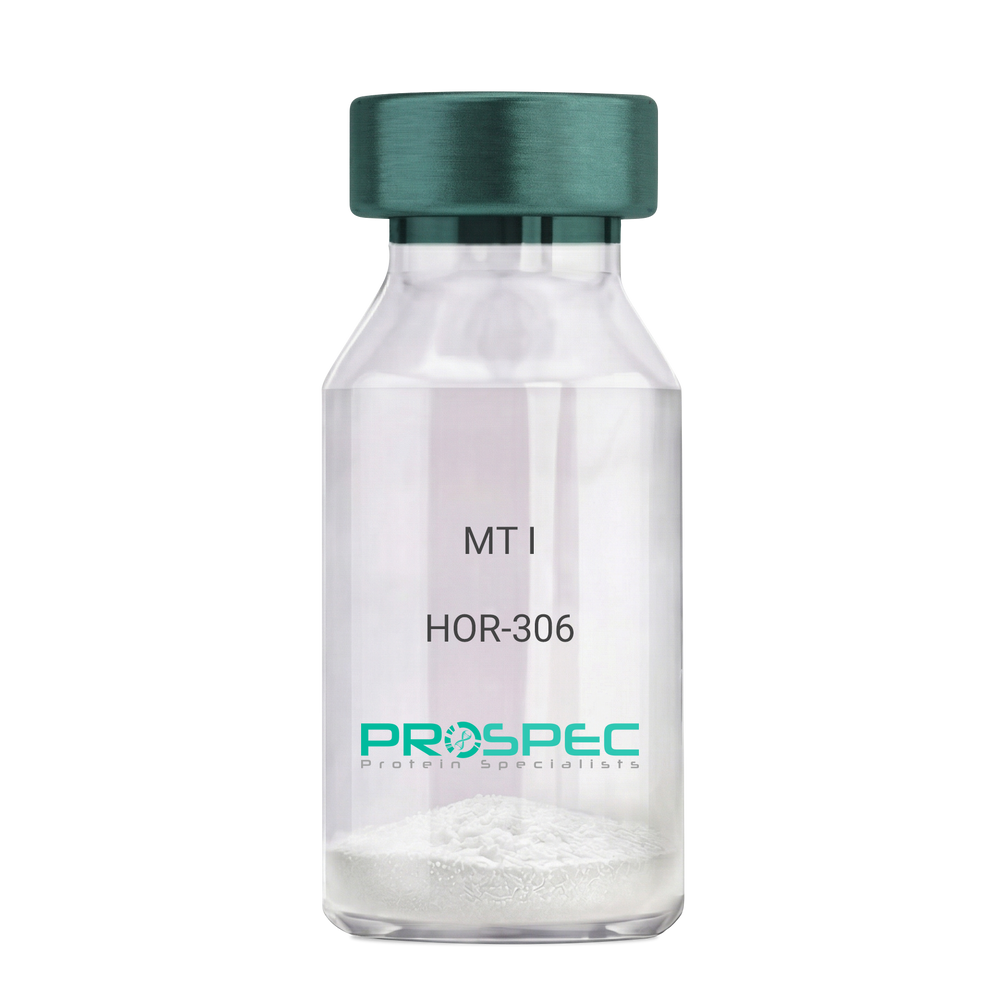
    MT I

    Description:

    Melanotan-I

    Melanotan-I, MT-I, Melanotan-1.

    Product # :

    HOR-306

    Price :

    Quantity :

    Shipping Method :

    Room Temp Icon

    Shipped at Room temp

    Add To Cart

    More Info

    • description
    • formulation
    • purity
    • More Info

    Description

    Melanotan-I has the amino acid sequence of Ser-Tyr-Ser-Nle-Glu-His-D-Phe-Arg-Trp-Gly-Lys-Pro-Val and a molecular weight of 1647.4 Dalton.

    Formulation

    The protein (1mg/ml) was lyophilized with no additives.

    Purity

    Greater than 98.0% as determined by RP-HPLC.

    More Info

    • Synonyms

      Melanotan-I, MT-I, Melanotan-1.

    • Physical Appearance

      Sterile Filtered off-White lyophilized (freeze-dried) powder.

    • Stability

      Lyophilized Melanotan-I although stable at room temperature for 3 weeks, should be stored desiccated below -18°C. Upon reconstitution MT-I should be stored at 4°C between 2-7 days and for future use below -18°C.For long term storage it is recommended to add a carrier protein (0.1% HSA or BSA).Please prevent freeze-thaw cycles.

    • Solubility

      It is recommended to reconstitute the lyophilized Melanotan-I in sterile 1% acetic acid not less than 100 µg/ml, which can then be further diluted to other aqueous solutions.

    ProSpec's products are furnished for LABORATORY RESEARCH USE ONLY. The product may not be used as drugs, agricultural or pesticidal products, food additives or household chemicals.

    Melanotan I
  • View Data Sheet

    Name :

    IL 32A Human

    Description:

    Interleukin-32 alpha Human Recombinant

    NK4, TAIF, TAIFa, TAIFb, TAIFc, TAIFd, IL-32beta, IL-32alpha, IL-32delta, IL-32gamma, Interleukin-32, IL-32, Natural killer cells protein 4, Tumor necrosis factor alpha-inducing factor, IL-32a, IL32a, IL32, Interleukin-32 alpha.

    Product # :

    CYT-584

    Price :

    Quantity :

    Shipping Method :

    Room Temp Icon

    Shipped at Room temp

    Add To Cart

    More Info

    • description
    • source
    • formulation
    • purity
    • biological activity
    • More Info

    Description

    Interleukin-32 human recombinant produced in E.Coli is a single, non-glycosylated, polypeptide chain containing 131 amino acids and having a molecular mass of 14.9 kDa.

    Source

    Escherichia Coli.

    Formulation

    IL-32 was lyophilized from a concentrated (1mg/ml) solution in water containing 50mM sodium Phosphate buffer pH=7.5.

    Purity

    Greater than 97.0% as determined by(a) Analysis by RP-HPLC.
    (b) Analysis by SDS-PAGE.

    Biological Activity

    Human IL-32 alpha activity is measured via the dose-dependent induction of TNF-alpha in the human THP-1 monocytic cell line.

    More Info

    • Introduction

      IL-32 is part of the cytokine family and contains a tyrosine sulfation site, 3 potential N-myristoylation sites, multiple putative phosphorylation sites, and an RGD cell-attachment sequence. IL-32 expression is elevated after the activation of T-cells by mitogens or the activation of NK cells by IL-2. IL-32 induces the production of TNF-a from macrophage cells. IL-32 pro-inflammatory pathway is activated in response to influenza A virus infection. Dysregulation of IL-32 in myelodysplastic syndrome and chronic myelomonocytic leukemia modulates apoptosis and impairs NK function.
      Induction of TNF, IL-1beta, and IL-6 by IL-32 is intervened by p38-MAPK. IL-32 induced monocyte-to-macrophage differentiation is mediated through nonapoptotic, caspase-3-dependent mechanisms. IL32 plays an important role in the pathogenesis of rheumatoid arthritis. IL-32 is involved in activation-induced cell death in T cells, through its intracellular actions. IL-32 is a cell-associated proinflammatory cytokine, which is particularly stimulated by mycobacteria through a caspase-1- and IL-18-dependent production of IFNgamma.
      IL-32 is associated with TNF-a, IL-1beta, and IL-18. IL32 is involved in human rheumatoid arthritis and is a novel target in autoimmune diseases.

    • Synonyms

      NK4, TAIF, TAIFa, TAIFb, TAIFc, TAIFd, IL-32beta, IL-32alpha, IL-32delta, IL-32gamma, Interleukin-32, IL-32, Natural killer cells protein 4, Tumor necrosis factor alpha-inducing factor, IL-32a, IL32a, IL32, Interleukin-32 alpha.

    • Physical Appearance

      Sterile Filtered White lyophilized (freeze-dried) powder.

    • Stability

      Lyophilized IL32 although stable at room temperature for 3 weeks, should be stored desiccated below -18°C. Upon reconstitution IL32 should be stored at 4°C between 2-7 days and for future use below -18°C.Please prevent freeze-thaw cycles.

    • Solubility

      It is recommended to reconstitute the lyophilized IL-32 in sterile 18MΩ-cm H2O not less than 100µg/ml, which can then be further diluted to other aqueous solutions.

    • Amino Acid Sequence

      MCFPKVLSDD MKKLKARMHQ AIERFYDKMQ NAESGRGQVM SSLAELEDDF KEGYLETVAA YYEEQHPELT PLLEKERDGL RCRGNRSPVP DVEDPATEEP GESFCDKSYG APRGDKEELT PQKCSEPQSS K.

    ProSpec's products are furnished for LABORATORY RESEARCH USE ONLY. The product may not be used as drugs, agricultural or pesticidal products, food additives or household chemicals.

    Il 32 Human
  • View Data Sheet

    Name :

    IL23R Human

    Description:

    Interleukin-23 Receptor Human Recombinant

    Interleukin 23 Receptor, IL-23 Receptor, IL-23R, IL23R.

    Product # :

    CYT-991

    Price :

    Quantity :

    Shipping Method :

    Ice Icon

    Shipped with Ice Packs

    Add To Cart

    More Info

    • description
    • source
    • formulation
    • purity
    • More Info

    Description

    Interleukin-23 Receptor Human Recombinant produced in Sf9 Baculovirus cells is a single, glycosylated polypeptide chain containing 574 amino acids (24-355a.a.) and having a molecular mass of 65.3kDa (Molecular size on SDS-PAGE will appear at approximately 70-100kDa).IL23R is fused with a 239 amino acids hIgG-His tag at C-Terminus and purified by proprietary chromatographic techniques.

    Source

    Sf9, Baculovirus cells.

    Formulation

    IL23R protein solution (0.25mg/ml) contains Phosphate Buffered Saline (pH7.4) and 10% glycerol.

    Purity

    Greater than 90.0% as determined by SDS-PAGE.

    More Info

    • Introduction

      Interleukin-23 receptor (IL23R) is a member of the type I cytokine receptor family, Type 2 subfamily. IL23R contains two fibronectin type-III domains and is expressed by monocytes, Th1, Th0, NK and dendritic cells. IL23R protein pairs with the receptor molecule IL12RB1/IL12Rbeta1, and both are necessary for IL23A signaling. IL23R protein associates constitutively with JAK2 (Janus kinase 2), and it also binds to transcription activator STAT3 in a ligand-dependent manner. IL23R binds IL23 and mediates T-cells, NK cells and perhaps certain macrophage/myeloid cells stimulation most likely by way of activation of the Jak-Stat signaling cascade. IL23R might be responsible for autoimmune inflammatory diseases and be vital for tumorigenesis.

    • Synonyms

      Interleukin 23 Receptor, IL-23 Receptor, IL-23R, IL23R.

    • Physical Appearance

      Sterile filtered colorless solution.

    • Stability

      Store at 4°C if entire vial will be used within 2-4 weeks. Store, frozen at -20°C for longer periods of time. For long term storage it is recommended to add a carrier protein (0.1% HSA or BSA).Avoid multiple freeze-thaw cycles.

    • Amino Acid Sequence

      ADPGITNINC SGHIWVEPAT IFKMGMNISI YCQAAIKNCQ PRKLHFYKNG IKERFQITRI NKTTARLWYK NFLEPHASMY CTAECPKHFQ ETLICGKDIS SGYPPDIPDE VTCVIYEYSG NMTCTWNAGK LTYIDTKYVV HVKSLETEEE QQYLTSSYIN ISTDSLQGGK KYLVWVQAAN ALGMEESKQL QIHLDDIVIP SAAVISRAET INATVPKTII YWDSQTTIEK VSCEMRYKAT TNQTWNVKEF DTNFTYVQQS EFYLEPNIKY VFQVRCQETG KRYWQPWSSL FFHKTPETVP QVTSKAFQHD TWNSGLTVAS ISTGHLTSDN RGDIGLEPKS CDKTHTCPPC PAPELLGGPS VFLFPPKPKD TLMISRTPEV TCVVVDVSHE DPEVKFNWYV DGVEVHNAKT KPREEQYNST YRVVSVLTVL HQDWLNGKEY KCKVSNKALP APIEKTISKA KGQPREPQVY TLPPSRDELT KNQVSLTCLV KGFYPSDIAV EWESNGQPEN NYKTTPPVLD SDGSFFLYSK LTVDKSRWQQ GNVFSCSVMH EALHNHYTQK SLSLSPGKHH HHHH.

    ProSpec's products are furnished for LABORATORY RESEARCH USE ONLY. The product may not be used as drugs, agricultural or pesticidal products, food additives or household chemicals.

    Il23R Human
  • View Data Sheet

    Name :

    Thrombopoietin Human

    Description:

    Thrombopoietin Human Recombinant

    Megakaryocyte colony-stimulating factor, Myeloproliferative leukemia virus oncogene ligand, C-mpl ligand, ML, Megakaryocyte growth and development factor, MGDF, TPO, MKCSF, MPLLG, MGC163194, THPO

    Product # :

    CYT-1178

    Price :

    Quantity :

    Shipping Method :

    Ice Icon

    Shipped with Ice Packs

    Add To Cart

    More Info

    • description
    • source
    • formulation
    • purity
    • biological activity
    • More Info

    Description

    TPO Human Recombinant produced in HEK293 cells is a single, glycosylated polypeptide chain containing 343 amino acids (22-353 a.a) and having a molecular mass of 36.8kDa.TPO is fused to a 6 amino acid His-tag at C-terminus & purified by proprietary chromatographic techniques.

    Source

    HEK293 cells.

    Formulation

    TPO protein (0.25mg/ml) contains 10% glycerol and Phosphate-Buffered Saline (pH 7.4).

    Purity

    Greater than 90.0% as determined by SDS-PAGE.

    Biological Activity

    The ED50 range is ≤10ng/ml. It is measured by cell proliferation assay using MO7e human megakaryocytic leukemic cells.

    More Info

    • Introduction

      Thrombopoietin is a glycoprotein hormone produced mainly by the liver and the kidney which regulates the production of platelets by the bone marrow. TPO stimulates the production as well as differentiation of megakaryocytes, the bone marrow cells which fragment into large numbers of platelets.

    • Synonyms

      Megakaryocyte colony-stimulating factor, Myeloproliferative leukemia virus oncogene ligand, C-mpl ligand, ML, Megakaryocyte growth and development factor, MGDF, TPO, MKCSF, MPLLG, MGC163194, THPO

    • Physical Appearance

      Sterile Filtered colorless solution.

    • Stability

      Store at 4°C if entire vial will be used within 2-4 weeks. Store, frozen at -20°C for longer periods of time. For long term storage it is recommended to add a carrier protein (0.1% HSA or BSA).Avoid multiple freeze-thaw cycles.

    • Amino Acid Sequence

      DGSHMSPAPP ACDLRVLSKL LRDSHVLHSR LSQCPEVHPL PTPVLLPAVD FSLGEWKTQM EETKAQDILG AVTLLLEGVM AARGQLGPTC LSSLLGQLSG QVRLLLGALQ SLLGTQLPPQ GRTTAHKDPN AIFLSFQHLL RGKVRFLMLV GGSTLCVRRA PPTTAVPSRT SLVLTLNELP NRTSGLLETN FTASARTTGS GLLKWQQGFR AKIPGLLNQT SRSLDQIPGY LNRIHELLNG TRGLFPGPSR RTLGAPDISS GTSDTGSLPP NLQPGYSPSP THPPTGQYTL FPLPPTLPTP VVQLHPLLPD PSAPTPTPTS PLLNTSYTHS QNLSQEGHHH HHH

    ProSpec's products are furnished for LABORATORY RESEARCH USE ONLY. The product may not be used as drugs, agricultural or pesticidal products, food additives or household chemicals.

    Thrombopoietin Protein
  • View Data Sheet

    Name :

    DCTD Human

    Description:

    dCMP Deaminase Human Recombinant

    Deoxycytidylate deaminase, EC 3.5.4.12, dCMP Deaminase, DCTD, MGC111062.

    Product # :

    ENZ-538

    Price :

    Quantity :

    Shipping Method :

    Ice Icon

    Shipped with Ice Packs

    Add To Cart

    More Info

    • description
    • source
    • formulation
    • purity
    • More Info

    Description

    DCTD Recombinant Human produced in E.Coli is a single, non-glycosylated polypeptide chain containing 198 amino acids (1-178 a.a.) and having a molecular mass of 22.1 kDa. The DCTD is fused to a 20 amino acid His-Tag at N-terminus and purified by proprietary chromatographic techniques.

    Source

    Escherichia Coli.

    Formulation

    The DCTD solution (0.5mg/ml) contains 20mM Tris-HCl pH-8, 1mM DTT, 1mM EDTA & 20% glycerol.

    Purity

    Greater than 90.0% as determined by SDS-PAGE.

    More Info

    • Introduction

      DCTD is an allosteric enzyme that exists as a homohexamer and is part of the cytidine and deoxycytidylate deaminase protein family. DTCD uses zinc as a cofactor to catalyze the deamination of dCMP to dUMP, thus making the nucleotide substrate (dUMP) that is used by thymidylate synthase.

    • Synonyms

      Deoxycytidylate deaminase, EC 3.5.4.12, dCMP Deaminase, DCTD, MGC111062.

    • Physical Appearance

      Sterile filtered colorless solution.

    • Stability

      Store at 4°C if entire vial will be used within 2-4 weeks. Store, frozen at -20°C for longer periods of time. For long term storage it is recommended to add a carrier protein (0.1% HSA or BSA).Avoid multiple freeze-thaw cycles.

    • Amino Acid Sequence

      MGSSHHHHHH SSGLVPRGSH MSEVSCKKRD DYLEWPEYFM AVAFLSAQRS KDPNSQVGAC IVNSENKIVG IGYNGMPNGC SDDVLPWRRT AENKLDTKYP YVCHAELNAI MNKNSTDVKG CSMYVALFPC NECAKLIIQA GIKEVIFMSD KYHDSDEATA ARLLFNMAGV TFRKFIPKCS KIVIDFDSIN SRPSQKLQ.

    ProSpec's products are furnished for LABORATORY RESEARCH USE ONLY. The product may not be used as drugs, agricultural or pesticidal products, food additives or household chemicals.

    Dctd Human
  • View Data Sheet

    Name :

    CCL1 Human

    Description:

    I-309 Human Recombinant (CCL1)

    Small inducible cytokine A1, CCL1, T lymphocyte-secreted protein I-309, chemokine (C-C motif) ligand 1, P500, SISe, TCA3, I-309, SCYA1.

    Product # :

    CHM-312

    Price :

    Quantity :

    Shipping Method :

    Room Temp Icon

    Shipped at Room temp

    Add To Cart

    More Info

    • description
    • source
    • formulation
    • purity
    • biological activity
    • More Info

    Description

    I-309 Human Recombinant produced in E.Coli is a single,non-glycosylated, polypeptide chain containing 74 amino acids and having a molecular mass of 8504 Dalton. The I-309 is purified by proprietary chromatographic techniques.

    Source

    Escherichia Coli.

    Formulation

    The CCL1 protein was lyophilized with no additives.

    Purity

    Greater than 99.0% as determined by:
    (a) Analysis by RP-HPLC.
    (b) Analysis by SDS-PAGE.

    Biological Activity

    The Biological activity is calculated by its ability to chemoattract human T cells at 10-100ng/ml corresponding to a Specific Activity of 10,000-100,000IU/mg.

    More Info

    • Introduction

      Chemokine (C-C motif) ligand 1 (CCL1) is a small glycoprotein secreted by activated T cells that belongs to a family inflammatory cytokines known as chemokines. CCL1 attracts monocytes, NK cells, and immature B cells and dendritic cells by interacting with a cell surface chemokine receptor called CCR8. This chemokine resides in a large cluster of CC chemokines on human chromosome 17.

    • Synonyms

      Small inducible cytokine A1, CCL1, T lymphocyte-secreted protein I-309, chemokine (C-C motif) ligand 1, P500, SISe, TCA3, I-309, SCYA1.

    • Physical Appearance

      Sterile Filtered White lyophilized (freeze-dried) powder.

    • Stability

      Lyophilized I-309 although stable at room temperature for 3 weeks, should be stored desiccated below -18°C. Upon reconstitution CCL1 should be stored at 4°C between 2-7 days and for future use below -18°C. For long term storage it is recommended to add a carrier protein (0.1% HSA or BSA).Please prevent freeze-thaw cycles.

    • Solubility

      It is recommended to reconstitute the lyophilized I-309 in sterile 18MΩ-cm H2O not less than 100µg/ml, which can then be further diluted to other aqueous solutions.

    • Amino Acid Sequence

      The sequence of the first five N-terminal amino acids was determined and was found to be Ser-Lys-Ser-Met-Gln.

    • Background

      What is the molecular weight/Mw of CCL1 HUMAN Protein?
      CCL1 HUMAN Protein has a total Mw of 8.5kDa.

      What is the source or expression system of CCL1 HUMAN Protein?
      Escherichia Coli.

      What is the Purity of CCL1 HUMAN Protein?
      CCL1 HUMAN Protein is >99% pure as determined by SDS-PAGE.

      What is the Biological Activity of CCL1 HUMAN Protein?
      The Biological activity is calculated by its ability to chemoattract human T cells at 10-100ng/ml corresponding to a Specific Activity of 10,000-100,000IU/mg.

      What is the amino acid sequence of CCL1 HUMAN Protein?
      The sequence of the first five N-terminal amino acids was determined and was found to be Ser-Lys-Ser-Met-Gln.

      What applications can CCL1 HUMAN Protein be used in?
      CCL1 HUMAN Protein can probably be used in western blot, ELISA and Lateral Flow.

      What is the endotoxin level for CCL1 HUMAN Protein?
      The endotoxin level is minimal, CCL1 HUMAN Protein was purified using conventional chromatography techniques.


    ProSpec's products are furnished for LABORATORY RESEARCH USE ONLY. The product may not be used as drugs, agricultural or pesticidal products, food additives or household chemicals.

    I 309 Human
  • View Data Sheet

    Name :

    IFIT3 Human

    Description:

    IFN-Induced Protein With Tetratricopeptide Repeats 3 Human Recombinant

    IFN-Induced Protein With Tetratricopeptide Repeats 3, IFN-Induced Protein With Tetratricopeptide Repeats 4, IFIT4, Retinoic Acid-Induced Gene G Protein, IFN-Induced 60 KDa Protein, IFI-60K, CIG-49, IFIT-3, IFIT-4, ISG-60, CIG49, IFI60, ISG60, RIG-G, P60, GARG-49, IRG2, IFN-induced protein with tetratricopeptide repeats 3.

    Product # :

    CYT-898

    Price :

    Quantity :

    Shipping Method :

    Ice Icon

    Shipped with Ice Packs

    Add To Cart

    More Info

    • description
    • source
    • formulation
    • purity
    • More Info
    • SDS-PAGE

    Description

    IFIT3 Human Recombinant produced in E.Coli is a single, non-glycosylated polypeptide chain containing 513 amino acids (1-490 a.a) and having a molecular mass of 58.4kDa. IFIT3 is fused to a 23 amino acid His-tag at N-terminus & purified by proprietary chromatographic techniques.

    Source

    E.coli.

    Formulation

    IFIT3 protein solution (1mg/ml) containing Phosphate buffered saline (pH7.4), 20% glycerol and 1mM DTT.

    Purity

    Greater than 85% as determined by SDS-PAGE.

    SDS-PAGE

    IFIT3 Human - Product image 1

    More Info

    • Introduction

      IFN-Induced Protein With Tetratricopeptide Repeats 3, also known as IFIT3 is a member of the IFIT family. IFN-induced antiviral protein which performs as an inhibitor of cellular and viral processes, cell migration, proliferation, signaling, as well as viral replication. Furthermore, IFIT3 is significantly induced upon RNA virus infection. Ectopic expression or alternatively knockdown of IFIT3 might, respectively, enhance or impair IRF3-mediated gene expression.

    • Synonyms

      IFN-Induced Protein With Tetratricopeptide Repeats 3, IFN-Induced Protein With Tetratricopeptide Repeats 4, IFIT4, Retinoic Acid-Induced Gene G Protein, IFN-Induced 60 KDa Protein, IFI-60K, CIG-49, IFIT-3, IFIT-4, ISG-60, CIG49, IFI60, ISG60, RIG-G, P60, GARG-49, IRG2, IFN-induced protein with tetratricopeptide repeats 3.

    • Physical Appearance

      Sterile Filtered colorless solution.

    • Stability

      Store at 4°C if entire vial will be used within 2-4 weeks. Store, frozen at -20°C for longer periods of time. For long term storage it is recommended to add a carrier protein (0.1% HSA or BSA).Avoid multiple freeze-thaw cycles.

    • Amino Acid Sequence

      MGSSHHHHHH SSGLVPRGSH MGSMSEVTKN SLEKILPQLK CHFTWNLFKE DSVSRDLEDR VCNQIEFLNT EFKATMYNLL AYIKHLDGNN EAALECLRQA EELIQQEHAD QAEIRSLVTW GNYAWVYYHL GRLSDAQIYV DKVKQTCKKF SNPYSIEYSE LDCEEGWTQL KCGRNERAKV CFEKALEEKP NNPEFSSGLA IAMYHLDNHP EKQFSTDVLK QAIELSPDNQ YVKVLLGLKL QKMNKEAEGE QFVEEALEKS PCQTDVLRSA AKFYRRKGDL DKAIELFQRV LESTPNNGYL YHQIGCCYKA KVRQMQNTGE SEASGNKEMI EALKQYAMDY SNKALEKGLN PLNAYSDLAE FLETECYQTP FNKEVPDAEK QQSHQRYCNL QKYNGKSEDT AVQHGLEGLS ISKKSTDKEE IKDQPQNVSE NLLPQNAPNY WYLQGLIHKQ NGDLLQAAKC YEKELGRLLR DAPSGIGSIF LSASELEDGS EEMGQGAVSS SPRELLSNSE QLN.

    • Background

      What is the molecular weight/Mw of IFIT3 HUMAN Protein?
      IFIT3 HUMAN Protein has a total Mw of 58.4kDa.

      What is the source or expression system of IFIT3 HUMAN Protein?
      Escherichia Coli.

      What is the Purity of IFIT3 HUMAN Protein?
      IFIT3 HUMAN Protein is >85% pure as determined by SDS-PAGE.

      What is the Biological Activity of IFIT3 HUMAN Protein?
      The biological functionality of IFIT3 HUMAN Protein will be determined in the future.

      What is the amino acid sequence of IFIT3 HUMAN Protein?
      MGSSHHHHHH SSGLVPRGSH MGSMSEVTKN SLEKILPQLK CHFTWNLFKE DSVSRDLEDR VCNQIEFLNT EFKATMYNLL AYIKHLDGNN EAALECLRQA EELIQQEHAD QAEIRSLVTW GNYAWVYYHL GRLSDAQIYV DKVKQTCKKF SNPYSIEYSE LDCEEGWTQL KCGRNERAKV CFEKALEEKP NNPEFSSGLA IAMYHLDNHP EKQFSTDVLK QAIELSPDNQ YVKVLLGLKL QKMNKEAEGE QFVEEALEKS PCQTDVLRSA AKFYRRKGDL DKAIELFQRV LESTPNNGYL YHQIGCCYKA KVRQMQNTGE SEASGNKEMI EALKQYAMDY SNKALEKGLN PLNAYSDLAE FLETECYQTP FNKEVPDAEK QQSHQRYCNL QKYNGKSEDT AVQHGLEGLS ISKKSTDKEE IKDQPQNVSE NLLPQNAPNY WYLQGLIHKQ NGDLLQAAKC YEKELGRLLR DAPSGIGSIF LSASELEDGS EEMGQGAVSS SPRELLSNSE QLN.

      What applications can IFIT3 HUMAN Protein be used in?
      IFIT3 HUMAN Protein can probably be used in western blot, ELISA and Lateral Flow.

      What is the endotoxin level for IFIT3 HUMAN Protein?
      The endotoxin level is minimal, IFIT3 HUMAN Protein was purified using conventional chromatography techniques.

    ProSpec's products are furnished for LABORATORY RESEARCH USE ONLY. The product may not be used as drugs, agricultural or pesticidal products, food additives or household chemicals.

    Ifit3 Human
  • View Data Sheet

    Name :

    IL 3 Rhesus Macaque

    Description:

    Interleukin-3 Rhesus Macaque Recombinant

    MCGF (Mast cell growth factor), Multi-CSF, HCGF, P-cell stimulation factor, IL-3, MGC79398, MGC79399

    Product # :

    CYT-156

    Price :

    Quantity :

    Shipping Method :

    Room Temp Icon

    Shipped at Room temp

    Add To Cart

    More Info

    • description
    • source
    • formulation
    • purity
    • biological activity
    • More Info

    Description

    IL 3 Rhesus Macaque Recombinant produced in E.Coli is a single, non-glycosylated, polypeptide chain containing 124 amino acids and having a molecular mass of 14.0kDa.The IL 3 Rhesus Macaque is purified by proprietary chromatographic techniques.

    Source

    Escherichia Coli.

    Formulation

    Lyophilized from a 0.2µm filtered concentrated solution in PBS, pH 7.4.

    Purity

    Greater than 97.0% as determined by SDS-PAGE.

    Biological Activity

    The ED50 as determined by the dose-dependant stimulation of the proliferation of human
    TF-1 cells is less than 0.1ng/ml, corresponding to a Specific Activity of 10,000,000IU/mg.

    More Info

    • Introduction

      IL3 is a potent growth promoting cytokine. This cytokine is capable of supporting the proliferation of a broad range of hematopoietic cell types. It is involved in a variety of cell activities such as cell growth, differentiation and apoptosis. This cytokine has been shown to also possess neurotrophic activity, and it may be associated with neurologic disorders.

    • Synonyms

      MCGF (Mast cell growth factor), Multi-CSF, HCGF, P-cell stimulation factor, IL-3, MGC79398, MGC79399

    • Physical Appearance

      Sterile Filtered White lyophilized (freeze-dried) powder.

    • Stability

      Lyophilized IL-3 although stable at room temperature for 3 weeks, should be stored desiccated below -18°C. Upon reconstitution IL-3 should be stored at 4°C between 2-7 days and for future use below -18°C.Please prevent freeze-thaw cycles.

    • Solubility

      It is recommended to reconstitute the lyophilized IL-3 in sterile 18M-cm H2O not less than 100µg/ml, which can then be further diluted to other aqueous solutions.

    • Amino Acid Sequence

      APMTQTTSLK TSWAKCSNMI DEIITHLNQP PLPSPDFNNL NEEDQTILVE KNLRRSNLEA FSKAVKSLQN ASAIESILKN LPPCLPMATA APTRPPIRIT NGDRNDFRRK LKFYLKTLEN EQAQ

    ProSpec's products are furnished for LABORATORY RESEARCH USE ONLY. The product may not be used as drugs, agricultural or pesticidal products, food additives or household chemicals.

    Il 3 Rhesus Macaque
  • View Data Sheet

    Name :

    CCBL1 Human

    Description:

    Cysteine Conjugate-Beta Lyase Cytoplasmic Human Recombinant

    Cysteine Conjugate-Beta Lyase, Cytoplasmic, Glutamine Transaminase K, Cysteine Conjugate-Beta Lyase; Cytoplasmic (Glutamine Transaminase K, Kyneurenine Aminotransferase), Kynurenine--Oxoglutarate Transaminase I, Glutamine--Phenylpyruvate Transaminase, Cysteine-S-Conjugate Beta-Lyase, Kynurenine Aminotransferase I, Kyneurenine Aminotransferase, KATI, GTK, Glutamine-Phenylpyruvate Aminotransferase, Kynurenine--Oxoglutarate Transaminase 1, Beta-Lysase, Kidney, EC 4.4.1.13, EC 2.6.1.64, EC 2.6.1.7, KAT1, Kynurenine--oxoglutarate transaminase 1.

    Product # :

    ENZ-878

    Price :

    Quantity :

    Shipping Method :

    Ice Icon

    Shipped with Ice Packs

    Add To Cart

    More Info

    • description
    • source
    • formulation
    • purity
    • More Info

    Description

    CCBL1 Human Recombinant produced in E.Coli is a single, non-glycosylated polypeptide chain containing 445 amino acids (1-422 a.a) and having a molecular mass of 50.3kDa. CCBL1 is fused to a 23 amino acid His-tag at N-terminus & purified by proprietary chromatographic techniques.

    Source

    Escherichia Coli.

    Formulation

    CCBL1 protein solution (1mg/ml) containing Phosphate buffered saline (pH7.4), 10% glycerol and 1mM DTT.

    Purity

    Greater than 90.0% as determined by SDS-PAGE.

    More Info

    • Introduction

      Cysteine Conjugate-Beta Lyase Cytoplasmic also known as CCBL1 is a member of the class-I pyridoxal-phosphate-dependent aminotransferase family. CCBL1 catalyzes the irreversible transamination of the L-tryptophan metabolite L-kynurenine to form kynurenic acid (KA) it also metabolizes the cysteine conjugates of certain halogenated alkenes and alkanes to form reactive metabolites. Furthermore, CCBL1 catalyzes the beta-elimination of S-conjugates and Se-conjugates of L-(seleno) cysteine, resulting in the cleavage of the C-S or C-Se bond.

    • Synonyms

      Cysteine Conjugate-Beta Lyase, Cytoplasmic, Glutamine Transaminase K, Cysteine Conjugate-Beta Lyase; Cytoplasmic (Glutamine Transaminase K, Kyneurenine Aminotransferase), Kynurenine--Oxoglutarate Transaminase I, Glutamine--Phenylpyruvate Transaminase, Cysteine-S-Conjugate Beta-Lyase, Kynurenine Aminotransferase I, Kyneurenine Aminotransferase, KATI, GTK, Glutamine-Phenylpyruvate Aminotransferase, Kynurenine--Oxoglutarate Transaminase 1, Beta-Lysase, Kidney, EC 4.4.1.13, EC 2.6.1.64, EC 2.6.1.7, KAT1, Kynurenine--oxoglutarate transaminase 1.

    • Physical Appearance

      Sterile Filtered colorless solution.

    • Stability

      Store at 4°C if entire vial will be used within 2-4 weeks. Store, frozen at -20°C for longer periods of time. For long term storage it is recommended to add a carrier protein (0.1% HSA or BSA).Avoid multiple freeze-thaw cycles.

    • Amino Acid Sequence

      MGSSHHHHHH SSGLVPRGSH MGSMAKQLQA RRLDGIDYNP WVEFVKLASE HDVVNLGQGF PDFPPPDFAV EAFQHAVSGD FMLNQYTKTF GYPPLTKILA SFFGELLGQE IDPLRNVLVT VGGYGALFTA FQALVDEGDE VIIIEPFFDC YEPMTMMAGG RPVFVSLKPG PIQNGELGSS SNWQLDPMEL AGKFTSRTKA LVLNTPNNPL GKVFSREELE LVASLCQQHD VVCITDEVYQ WMVYDGHQHI SIASLPGMWE RTLTIGSAGK TFSATGWKVG WVLGPDHIMK HLRTVHQNSV FHCPTQSQAA VAESFEREQL LFRQPSSYFV QFPQAMQRCR DHMIRSLQSV GLKPIIPQGS YFLITDISDF KRKMPDLPGA VDEPYDRRFV KWMIKNKGLV AIPVSIFYSV PHQKHFDHYI RFCFVKDEAT LQAMDEKLRK WKVEL.

    ProSpec's products are furnished for LABORATORY RESEARCH USE ONLY. The product may not be used as drugs, agricultural or pesticidal products, food additives or household chemicals.

    Ccbl1 Human
  • View Data Sheet

    Name :

    PSPN Mouse

    Description:

    Persephin Mouse Recombinant

    Persephin, PSPN.

    Product # :

    CYT-802

    Price :

    Quantity :

    Shipping Method :

    Room Temp Icon

    Shipped at Room temp

    Add To Cart

    More Info

    • description
    • source
    • formulation
    • purity
    • biological activity
    • More Info

    Description

    PSPN Mouse Recombinant produced in E.Coli is a disulfide-linked homodimer containing 2x96 amino acids and having a molecular mass of 20.7kDa. The PSPN is purified by proprietary chromatographic techniques.

    Source

    Escherichia Coli.

    Formulation

    Lyophilized from a 0.2?m filtered concentrated solution in 30 %ACN, 0.1 %TFA, 150mM NaCl.

    Purity

    Greater than 95.0% as determined by:
    (a) Analysis by RP-HPLC.
    (b) Analysis by SDS-PAGE.

    Biological Activity

    Fully biologically active when compared to standard. The ED50 as determined by a cell proliferation assay using human TT medullary thyroid cancer cells is less than 0.1ng/ml, corresponding to a specific activity of > 1.0 × 10,000,000 IU/mg. 

    More Info

    • Introduction

      Persephin is a member of the GDNF ligand subfamily of the TGF-beta superfamily. PSPN encourages the existence and growth of key dopaminergic and motor neurons, as well as taking part in kidney development. Nonetheless, persephin does not support existence of peripheral neurons.

    • Synonyms

      Persephin, PSPN.

    • Physical Appearance

      Sterile Filtered White lyophilized (freeze-dried) powder.

    • Stability

      Lyophilized PSPN although stable at room temperature for 3 weeks, should be stored desiccated below -18°C. Upon reconstitution PSPN should be stored at 4°C between 2-7 days and for future use below -18°C. For long term storage it is recommended to add a carrier protein (0.1% HSA or BSA). Please prevent freeze-thaw cycles.

    • Solubility

      It is recommended to reconstitute the lyophilized PSPN in sterile 18MΩ-cm H2O not less than 100µg/ml, which can then be further diluted to other aqueous solutions.

    • Amino Acid Sequence

      ALAGSCRLWS LTLPVAELGL GYASEEKVIF RYCAGSCPQE ARTQHSLVLA RLRGRGRAHG RPCCQPTSYA DVTFLDDQHH WQQLPQLSAA ACGCGG

    ProSpec's products are furnished for LABORATORY RESEARCH USE ONLY. The product may not be used as drugs, agricultural or pesticidal products, food additives or household chemicals.

    Pspn Mouse
  • View Data Sheet

    Name :

    ANTXR2 Mouse

    Description:

    Anthrax Toxin Receptor 2 Mouse Recombinant

    Anthrax toxin receptor 2, Antxr2.

    Product # :

    PRO-2315

    Price :

    Quantity :

    Shipping Method :

    Ice Icon

    Shipped with Ice Packs

    Add To Cart

    More Info

    • description
    • source
    • formulation
    • purity
    • More Info

    Description

    ANTXR2 produced in Sf9 Insect cells is a single, glycosylated polypeptide chain containing 295 amino acids (32-318aa) and having a molecular mass of 31.9kDa (Molecular size on SDS-PAGE will appear at approximately 28-40kDa).ANTXR2 is expressed with an 8 amino acid His tag at C-Terminus and purified by proprietary chromatographic techniques.

    Source

    Sf9 Insect cells.

    Formulation

    ANTXR2 protein solution (0.5mg/ml) contains Phosphate Buffered Saline (pH 7.4) and 10% glycerol.

    Purity

    Greater than 95% as determined by SDS-PAGE.

    More Info

    • Introduction

      Anthrax toxin receptor 2, also known as ANTXR2, takes part in the configuration of little blood vessels (capillaries). ANTXR2 helps the toxin that leads to anthrax to attach to cells and trigger illness. ANTXR2 is necessary for cellular interactions with laminin and the extracellular matrix.

    • Synonyms

      Anthrax toxin receptor 2, Antxr2.

    • Physical Appearance

      Sterile Filtered colorless solution.

    • Stability

      Store at 4°C if entire vial will be used within 2-4 weeks. Store, frozen at -20°C for longer periods of time. For long term storage it is recommended to add a carrier protein (0.1% HSA or BSA).Avoid multiple freeze-thaw cycles.

    • Amino Acid Sequence

      QAQEQPSCKK AFDLYFVLDK SGSVANNWIE IYNFVHQLTE RFVSPEMRLS FIVFSSQATI ILPLTGDRYK IGKGLEDLKA VKPVGETYIH EGLKLANEQI QNAGGLKASS IIIALTDGKL DGLVPSYAEN EAKKSRSLGA SVYCVGVLDF EQAQLERIAD SKDQVFPVKG GFQALKGIIN SILAQSCTEI LELSPSSVCV GEKFQVVLTG RAVTSISHDG SVLCTFTANS TYTKSEKPVS IQPSSILCPA PVLNKDGETL EVSISYNDGK SAVSRSLTIT ATECTNGLEH HHHHH.

    ProSpec's products are furnished for LABORATORY RESEARCH USE ONLY. The product may not be used as drugs, agricultural or pesticidal products, food additives or household chemicals.

    Antxr2 Mouse
  • View Data Sheet

    Name :

    IL5 Human, Sf9

    Description:

    Interleukin-5 Human Recombinant, Sf9

    EDF, BCDFII, TRF, T-cell replacing factor, Eosinophil differentiation factor, B cell differentiation factor I, IL-5.

    Product # :

    CYT-999

    Price :

    Quantity :

    Shipping Method :

    Ice Icon

    Shipped with Ice Packs

    Add To Cart

    More Info

    • description
    • source
    • formulation
    • purity
    • biological activity
    • More Info

    Description

    Interleukin-5 Human Recombinant produced in Sf9 Baculovirus cells is a single, glycosylated polypeptide chain containing 124 amino acids (20-134a.a.) and having a molecular mass of 14.2kDa (Molecular size on SDS-PAGE will appear at approximately 13.5-18kDa).IL5 is expressed with a 6 amino acid His-tag at C-Terminus and purified by proprietary chromatographic techniques.

    Source

    Sf9, Baculovirus cells.

    Formulation

    IL5 protein solution (0.5mg/ml) contains Phosphate Buffered Saline (pH 7.4) and 10% glycerol.

    Purity

    Greater than 90.0% as determined by SDS-PAGE.

    Biological Activity

    Measured in a cell proliferation assay using TF-1 human erythroleukemic cell. The ED50 for this effect is less or equal to 1.5 ng/ml.

    More Info

    • Introduction

      The protein encoded by this gene is a cytokine that acts as a growth and differentiation factor for both B cells and eosinophils. This cytokine is a main regulator of eosinopoiesis, eosinophil maturation and activation. The elevated production of this cytokine is reported to be related to asthma or hypereosinophilic syndromes. The receptor of this cytokine is a heterodimer, whose beta subunit is shared with the receptors for interleukine 3 (IL3) and colony stimulating factor 2 (CSF2/GM-CSF). This gene, together with those for interleukin 4 (IL4), interleukin 13 (IL13), and CSF2, form a cytokine gene cluster on chromosome 5. This cytokine, IL4, and IL13 are found to be regulated coordinately by long-range regulatory elements spread over 120 kilobases on chromosome 5q31.

    • Synonyms

      EDF, BCDFII, TRF, T-cell replacing factor, Eosinophil differentiation factor, B cell differentiation factor I, IL-5.

    • Physical Appearance

      Sterile filtered colorless solution.

    • Stability

      Store at 4°C if entire vial will be used within 2-4 weeks. Store, frozen at -20°C for longer periods of time. For long term storage it is recommended to add a carrier protein (0.1% HSA or BSA).Avoid multiple freeze-thaw cycles.

    • Amino Acid Sequence

      ADPIPTEIPT SALVKETLAL LSTHRTLLIA NETLRIPVPV HKNHQLCTEE IFQGIGTLES QTVQGGTVER LFKNLSLIKK YIDGQKKKCG EERRRVNQFL DYLQEFLGVM NTEWIIESHH HHHH.

    ProSpec's products are furnished for LABORATORY RESEARCH USE ONLY. The product may not be used as drugs, agricultural or pesticidal products, food additives or household chemicals.

    Il5 Human Sf9
  • View Data Sheet

    Name :

    CD80 Human

    Description:

    CD80 Human Recombinant

    CD80 Molecule, CD80 Antigen (CD28 Antigen Ligand 1, B7-1 Antigen), B-Lymphocyte Activation Antigen B7, CTLA-4 Counter-Receptor B7.1, Activation B7-1 Antigen, CD28LG1, CD28LG, LAB7, BB1, B7, Costimulatory Molecule Variant IgV-CD80, T-Lymphocyte Activation Antigen CD80, Costimulatory Factor CD80, CD80 Antigen, B7-1, B7.1.

    Product # :

    PRO-2473

    Price :

    Quantity :

    Shipping Method :

    Ice Icon

    Shipped with Ice Packs

    Add To Cart

    More Info

    • description
    • source
    • formulation
    • purity
    • More Info

    Description

    CD80 Human Recombinant produced in Sf9 Insect cells is a single, glycosylated polypeptide chain containing 216 amino acids (35-242a.a.) and having a molecular mass of 24.9kDa (Molecular size on SDS-PAGE will appear at approximately 28-40kDa).CD80 is expressed with an 8 amino acid His tag at C-Terminus and purified by proprietary chromatographic techniques.

    Source

    Sf9, Insect cells.

    Formulation

    CD80 protein solution (0.5mg/ml) contains Phosphate Buffered Saline (pH 7.4) and 10% glycerol.

    Purity

    Greater than 95.0% as determined by SDS-PAGE.

    More Info

    • Introduction

      CD80 which is a member of cell surface immunoglobulin superfamily takes part in the costimulatory signal essential for T-lymphocyte activation. CD80 binds to either human or mouse CD28 and CTLA-4 – binding to CD28 induces T-cell proliferation and cytokine production while binding to CTLA-4 inhibits T-cell activation. CD80 is expressed on activated B cells, activated T cells, and macrophages.

    • Synonyms

      CD80 Molecule, CD80 Antigen (CD28 Antigen Ligand 1, B7-1 Antigen), B-Lymphocyte Activation Antigen B7, CTLA-4 Counter-Receptor B7.1, Activation B7-1 Antigen, CD28LG1, CD28LG, LAB7, BB1, B7, Costimulatory Molecule Variant IgV-CD80, T-Lymphocyte Activation Antigen CD80, Costimulatory Factor CD80, CD80 Antigen, B7-1, B7.1.

    • Stability

      Store at 4°C if entire vial will be used within 2-4 weeks. Store, frozen at -20°C for longer periods of time. For long term storage it is recommended to add a carrier protein (0.1% HSA or BSA).Avoid multiple freeze-thaw cycles.

    • Amino Acid Sequence

      VIHVTKEVKE VATLSCGHNV SVEELAQTRI YWQKEKKMVL TMMSGDMNIW PEYKNRTIFD ITNNLSIVIL ALRPSDEGTY ECVVLKYEKD AFKREHLAEV TLSVKADFPT PSISDFEIPT SNIRRIICST SGGFPEPHLS WLENGEELNA INTTVSQDPE TELYAVSSKL DFNMTTNHSF MCLIKYGHLR VNQTFNWNTT KQEHFPDNLE HHHHHH.

    ProSpec's products are furnished for LABORATORY RESEARCH USE ONLY. The product may not be used as drugs, agricultural or pesticidal products, food additives or household chemicals.

    Cd80 Human
  • View Data Sheet

    Name :

    ACOT11 Antibody

    Description:

    Acyl-Coenzyme A Thioesterase 11, Mouse Anti Human

    Acyl-coenzyme A thioesterase 11, Acyl-CoA thioesterase 11, Acyl-CoA thioester hydrolase 11, Brown fat-inducible thioesterase, BFIT, Adipose-associated thioesterase, ACOT11, BFIT, KIAA0707, THEA, BFIT1, BFIT2, THEM1, STARD14.

    Product # :

    ANT-424

    Price :

    Quantity :

    Shipping Method :

    Ice Icon

    Shipped with Ice Packs

    Add To Cart

    More Info

    • formulation
    • More Info

    Formulation

    1mg/ml containing PBS, pH-7.4, 0.02% Sodium Azide & 10% Glycerol.

    More Info

    • Introduction

      ACOT11 is a protein with acyl-CoA thioesterase activity towards medium (C12) and long-chain (C18) fatty acyl-CoA substrates. Expression of a similar murine protein in brown adipose tissue is induced by cold exposure and repressed by warmth. Expression of the mouse ACOT11 has been linked to obesity, with higher expression found in obesity-resistant mice compared with obesity-prone mice.

    • Synonyms

      Acyl-coenzyme A thioesterase 11, Acyl-CoA thioesterase 11, Acyl-CoA thioester hydrolase 11, Brown fat-inducible thioesterase, BFIT, Adipose-associated thioesterase, ACOT11, BFIT, KIAA0707, THEA, BFIT1, BFIT2, THEM1, STARD14.

    • Immunogen

      Anti-human ACOT11 mAb, is derived from hybridization of mouse F0 myeloma cells with spleen cells from BALB/c mice immunized with recombinant human ACOT11 amino acids 19-250 purified from E. coli.

    • Ig Subclass

      Mouse IgG2b heavy chain and κ light chain.

    • Clone

      PJ4B2AT.

    • Applications

      ACOT11 antibody has been tested by ELISA, Western blot and immunohistochemistry analysis to assure specificity and reactivity. Since application varies, however, each investigation should be titrated by the reagent to obtain optimal results. Recommended dilution range for Western blot is 1:500 ~ 1:2,000 and immunohistochemistry analysis is 1:50~100. Recommended starting dilution for Western blot is 1:1,000 and Immunohistochemistry is 1:100.

    • Type

      Mouse Anti Human Monoclonal.

    • Storage Procedures

      For periods up to 1 month store at 4°C, for longer periods of time, store at -20°C. Prevent freeze thaw cycles.

    • Purification Method

      ACOT11 antibody was purified from mouse ascitic fluids by protein-G affinity chromatography.

    ProSpec's products are furnished for LABORATORY RESEARCH USE ONLY. The product may not be used as drugs, agricultural or pesticidal products, food additives or household chemicals.

    Acot11 Antibody
  • View Data Sheet

    Name :

    ATG3 Antibody

    Description:

    Autophagy Related 3, Mouse Anti Human

    APG3, APG3-LIKE, APG3L, PC3-96, Ubiquitin-like-conjugating enzyme ATG3, Autophagy-related protein 3, hApg3, PC3-96, ATG3.

    Product # :

    ANT-534

    Price :

    Quantity :

    Shipping Method :

    Ice Icon

    Shipped with Ice Packs

    Add To Cart

    More Info

    • formulation
    • More Info

    Formulation

    1mg/ml containing PBS, pH-7.4, 10% Glycerol and 0.02% Sodium Azide.

    More Info

    • Introduction

      Autophagy Related 3 (ATG3) is a conjugating enzyme essential for the cytoplasm to vacuole transport (Cvt), autophagy, and mitochondrial homeostasis. ATG3 is localizes to the cytoplasm and is expressed in tissues with predominant levels found in kidney, placenta, liver, heart and skeletal muscle. ATG3 catalyzes a reaction which is necessary for autophagy. That reaction is the formation of the Atg8-phosphatidylethanolamine (ATG-PE) conjugate.

    • Synonyms

      APG3, APG3-LIKE, APG3L, PC3-96, Ubiquitin-like-conjugating enzyme ATG3, Autophagy-related protein 3, hApg3, PC3-96, ATG3.

    • Physical Appearance

      Sterile filtered colorless solution.

    • Immunogen

      Anti-human ATG3mAb, clone PAT15F6AT, is derived from hybridization of mouse F0 myeloma cells with spleen cells from BALB/c mice immunized with a recombinant human ATG3 protein (1-314 amino acids purified from E. coli.

    • Ig Subclass

      Mouse IgG1 k.

    • Clone

      PAT15F6AT.

    • Applications

      The antibody has been tested by ELISA, Western blot analysis to assure specificity and reactivity. Since application varies, however, each investigation should be titrated by the reagent to obtain optimal results. Recommended starting dilution is 1:1000.

    • Type

      Mouse Anti Human Monoclonal.

    • Storage Procedures

      For periods up to 1 month store at 4°C, for longer periods of time, store at -20°C. Prevent freeze thaw cycles.

    • Purification Method

      ATG3 antibody was purified from mouse ascitic fluids by protein-A affinity chromatography.

    ProSpec's products are furnished for LABORATORY RESEARCH USE ONLY. The product may not be used as drugs, agricultural or pesticidal products, food additives or household chemicals.

    Atg3 Antibody
  • View Data Sheet

    Name :

    ALDH1A1 Human, Active

    Description:

    Aldehyde Dehydrogenase 1A1 Human Recombinant, Active

    ALDC, Aldehyde dehydrogenase cytosolic, Aldehyde dehydrogenase family 1 member A1, ALDH1, ALDH11, ALDH-E1, ALHDII, MGC2318, PUMB1, RalDH1, RALDH1, RALDH 1, Retinal dehydrogenase 1, ALDH1A1.

    Product # :

    ENZ-1179

    Price :

    Quantity :

    Shipping Method :

    Ice Icon

    Shipped with Ice Packs

    Add To Cart

    More Info

    • description
    • source
    • formulation
    • purity
    • biological activity
    • More Info

    Description

    The ALDH1A1 Human recombinant protein is a single, non-glycosilated polypeptide chain produced in E. coli, having a molecular weight of 54.8kDa and containing 501 amino acids (1-501 a.a.).

    Source

    Escherichia Coli.

    Formulation

    The ALDH1A1 protein solution is formulated at 1mg/ml in 50mM Tris-HCl pH-7.5 and 10% glycerol.

    Purity

    Greater than 90% as determined by SDS-PAGE.

    Biological Activity

    > 700 pmol/min/ug, as determined by the increase of NADH in absorbance at 340nm resulting from the reduction of NAD at pH 8.8 at 37C.                                                                 

    More Info

    • Introduction

      ALDH1A1 is part of the aldehyde dehydrogenases family.
      Aldehyde dehydrogenase is the 2nd protein of the main oxidative pathway of alcohol metabolism. Cytosolic and mitochondrial are 2 main liver isoforms of ALDH that are differentiateed by their electrophoretic mobility, kinetic property, & subcellular localization. The majority of Caucasians have two main isozymes, whereas just about 50% of Orientals have only the cytosolic form, excluding the mitochondrial form. ALDH1A1 is also a member of the group of corneal crystallins that assist the transparency of the cornea.
      (Retinal + NAD+ + H2O = retinoate + NADH).

    • Synonyms

      ALDC, Aldehyde dehydrogenase cytosolic, Aldehyde dehydrogenase family 1 member A1, ALDH1, ALDH11, ALDH-E1, ALHDII, MGC2318, PUMB1, RalDH1, RALDH1, RALDH 1, Retinal dehydrogenase 1, ALDH1A1.

    • Physical Appearance

      Sterile Filtered clear solution.

    • Stability

      Store at 4°C if entire vial will be used within 2-4 weeks. Store, frozen at -20°C for longer periods of time.Please avoid freeze thaw cycles.

    • Amino Acid Sequence

      MSSSGTPDLP VLLTDLKIQY TKIFINNEWH DSVSGKKFPV FNPATEEELC QVEEGDKEDV DKAVKAARQA FQIGSPWRTM DASERGRLLYKLADLIERDR LLLATMESMN GGKLYSNAYL NDLAGCIKTL RYCAGWADKI QGRTIPIDGN FFTYTRHEPI GVCGQIIPWN FPLVMLIWKIGPALSCGNTV VVKPAEQTPL TALHVASLIK EAGFPPGVVN IVPGYGPTAG AAISSHMDID KVAFTGSTEV GKLIKEAAGK SNLKRVTLEL GGKSPCIVLA DADLDNAVEF AHHGVFYHQG QCCIAASRIF VEESIYDEFV RRSVERAKKY ILGNPLTPGV TQGPQIDKEQ YDKILDLIES GKKEGAKLEC GGGPWGNKGY FVQPTVFSNV TDEMRIAKEE IFGPVQQIMK FKSLDDVIKR ANNTFYGLSA GVFTKDIDKA ITISSALQAG TVWVNCYGVV SAQCPFGGFK MSGNGRELGE YGFHEYTEVK TVTVKISQKN S.

    ProSpec's products are furnished for LABORATORY RESEARCH USE ONLY. The product may not be used as drugs, agricultural or pesticidal products, food additives or household chemicals.

    Aldh1A1 Protein
  • View Data Sheet

    Name :

    Activin-A Antibody

    Description:

    Activin-A, Polyclonal Rabbit Anti-Human Antibody

    Inhba, Inhibin beta A, FSH releasing protein.

    Product # :

    ANT-029

    Price :

    Quantity :

    Shipping Method :

    Room Temp Icon

    Shipped at Room temp

    Add To Cart

    More Info

    • formulation
    • More Info

    Formulation

    Lyophilized from a sterile filtered (0.2µm) solution containing phosphate buffered saline.

    More Info

    • Introduction

      Activins are homodimers or heterodimers of the different β subunit isoforms, part of the TGFβ family. Mature Activin A has two 116 amino acids residues βA subunits (βA-βA). Activin displays an extensive variety of biological activities, including mesoderm induction, neural cell differentiation, bone remodelling, haematopoiesis, and reproductive physiology. Activins takes part in the production and regulation of hormones such as FSH, LH, GnRH and ACTH. Cells that are identified to express Activin A include fibroblasts, endothelial cells, hepatocytes, vascular smooth muscle cells, macrophages, keratinocytes, osteoclasts, bone marrow monocytes, prostatic epithelium, neurons, chondrocytes, osteoblasts, Leydig cells, Sertoli cells, and ovarian granulosa cells.

    • Synonyms

      Inhba, Inhibin beta A, FSH releasing protein.

    • Physical Appearance

      Sterile Filtered White lyophilized (freeze-dried) powder.

    • Stability

      Store at -20ºC. For long term storage freezes in working aliquots at -20ºC. Repeated freezing and thawing is not recommended.

    • Solubility

      Add 0.1 ml of distilled water and let the lyophilized pellet dissolve completely.

    • Immunogen

      Recombinant human Activin-A produced in plants.

    • Applications

      Activin-A antibody has been tested by ELISA and Western blot analysis to assure specificity and reactivity. Since application varies, however, each investigation should be titrated by the reagent to obtain optimal results. In order to detect Human Activin A by indirect ELISA a dilution of at least 1:1,000 of the Activin A antibody is required. Activin A antibody, in conjunction with compatible secondary reagents (anti rabbit AP conjugated), allows the detection of 0.2-1 ng /well of Human Activin A. In order to detect human Activin A by WB analysis this IgG can be used in a dilution of 1:1,000.

    • Neutralization

      To yield one-half maximal inhibition (ND50) of the biological activity of Activin A (7.5ng/ml), a concentration of 60-200ng/ml of the Activin-A antibody is required.

    • Type

      Polyclonal Rabbit Antibody.

    • Purification Method

      Purified IgG prepared by affinity chromatography on protein G.

    ProSpec's products are furnished for LABORATORY RESEARCH USE ONLY. The product may not be used as drugs, agricultural or pesticidal products, food additives or household chemicals.

    Activin A Antibody
  • View Data Sheet

    Name :

    Myostatin Antibody

    Description:

    Myostatin Polyclonal Rabbit Anti Human Antibody

    GDF-8, MSTN, Growth Differentiation Factor 8, MSTN Muscle Hypertrophy.

    Product # :

    ANT-041

    Price :

    Quantity :

    Shipping Method :

    Room Temp Icon

    Shipped at Room temp

    Add To Cart

    More Info

    • formulation
    • purity
    • More Info

    Formulation

    Lyophilized from 1mg/ml solution in 0.2µm sterile filtered solution in phosphate buffered saline.

    Purity

    Greater than 98.0% as determined by Analysis by SDS-PAGE.

    More Info

    • Introduction

      GDF8 is a member of the bone morphogenetic protein (BMP) family and the TGF-beta superfamily. This group of proteins is characterized by a polybasic proteolytic processing site which is cleaved to produce a mature protein containing seven conserved cysteine residues. The members of this family are regulators of cell growth and differentiation in both embryonic and adult tissues. This gene is thought to encode a secreted protein which negatively regulates skeletal muscle growth.

    • Synonyms

      GDF-8, MSTN, Growth Differentiation Factor 8, MSTN Muscle Hypertrophy.

    • Stability

      Store at 4°C. For long term storage freezes in working aliquots at -20°C. Repeated freezing and thawing is not recommended.

    • Solubility

      Reconstitute with H20. Mix gently, wash the sides of the vial and wait 30-60 seconds before use.

    • Immunogen

      r.Human Myostatin

    • Ig Subclass

      Rabbit IgG

    • Applications

      To detect Human Myostatin by WB analysis this IgG can be used in a dilution of 1/500.
      To optimal usage we suggest overnight incubation.

    • Antigen Amino Acid Sequence

      HHHHHHDFGL DCDEHSTESR CCRYPLTVDF EAFGWDWIIA PKRYKANYCS GECEFVFLQKYPHTHLVHQA NPRGSAGPCC TPTKMSPINM LYFNGKEQII YGKIPAMVVD RCGCS

    • Type

      Polyclonal Rabbit Antibody.

    • Purification Method

      Purified IgG prepared by affinity chromatography on protein G.

    ProSpec's products are furnished for LABORATORY RESEARCH USE ONLY. The product may not be used as drugs, agricultural or pesticidal products, food additives or household chemicals.

    Myostatin Antibody
  • View Data Sheet

    Name :

    BCL2 Antibody

    Description:

    B-Cell Leukemia/Lymphoma 2, Mouse Anti Human

    Apoptosis regulator Bcl-2, BCL2, B-cell CLL/lymphoma 2, Bcl-2.

    Product # :

    ANT-022

    Price :

    Quantity :

    Shipping Method :

    Ice Icon

    Shipped with Ice Packs

    Add To Cart

    More Info

    • formulation
    • More Info

    Formulation

    1mg/ml containing PBS, pH-7.4, & 0.1% Sodium Azide.

    More Info

    • Introduction

      BCL2 gene encodes an integral outer mitochondrial membrane protein that blocks the apoptotic death of some cells such as lymphocytes. Constitutive expression of BCL2, such as in the case of translocation of BCL2 to Ig heavy chain locus, is thought to be the cause of follicular lymphoma. Two transcript variants, produced by alternate splicing, differ in their C-terminal ends.

    • Synonyms

      Apoptosis regulator Bcl-2, BCL2, B-cell CLL/lymphoma 2, Bcl-2.

    • Immunogen

      Anti-human BCL2 mAb, is derived from hybridization of mouse FO myeloma cells with spleen cells from BALB/c mice immunized with recombinant human BCL2 amino acids 1-211 purified from E. coli.

    • Ig Subclass

      Mouse IgG2b heavy chain and k light chain.

    • Clone

      PAT1B5AT.

    • Applications

      BCL2 antibody has been tested by ELISA, Western blot, and Immunofluorescence analyses to assure specificity and reactivity. Since applications vary, however, each investigation should be titrated by a reagent to obtain optimal results. Recommended dilution range for Western blot analysis and Immunofluorescence is 1:250 ~ 500.
      Recommended starting dilution is 1:500.

    • Type

      Mouse Anti Human Monoclonal.

    • Storage Procedures

      For periods up to 1 month store at 4°C, for longer periods of time, store at -20°C. Prevent freeze thaw cycles.

    • Purification Method

      BCL2 antibody was purified from mouse ascitic fluids by protein-G affinity chromatography.

    ProSpec's products are furnished for LABORATORY RESEARCH USE ONLY. The product may not be used as drugs, agricultural or pesticidal products, food additives or household chemicals.

    Bcl2 Antibody
  • View Data Sheet

    Name :

    C1QBP Antibody

    Description:

    Complement Component 1, Mouse Anti Human

    p32, HABP1, gC1Qr, GC1QBP, SF2p32, gC1Q-R, Complement component 1 Q subcomponent-binding protein mitochondrial, Glycoprotein gC1qBP, C1qBP, GC1q-R protein, Hyaluronan-binding protein 1, Mitochondrial matrix protein p32, p33, C1QBP.

    Product # :

    ANT-556

    Price :

    Quantity :

    Shipping Method :

    Ice Icon

    Shipped with Ice Packs

    Add To Cart

    More Info

    • formulation
    • More Info

    Formulation

    1mg/ml containing PBS, pH-7.4, 10% Glycerol and 0.02% Sodium Azide.

    More Info

    • Introduction

      C1QBP binds to the globular "heads" of c1q thus inhibiting c1 activation. C1QBP interacts with a wide range of ligands and is implicated in cell signaling. C1QBP associates with C1r and C1s in order to yield the first component of the serum complement system. C1QBP protein has been identified as the p32 subunit of pre-mRNA splicing factor SF2, as well as a hyaluronic acid-binding protein.
      C1QBP is a new marker of tumor cells and tumor-associated macrophages/myeloid cells in hypoxic/metabolically deprived areas of tumors.
      Mitochondrial C1QBP is a critical mediator of p14ARF-induced apoptosis.
      C1QBP functions as a chemotactic factor for immature dendritic cells, and migration is mediated through ligation of both C1QBP and cC1qR/CR.
      C1QBP overexpression successfully blocks mRNA accumulation from the adenovirus major late transcription unit (MLTU) and stimulates RNA polymerase II carboxy-terminal domain phosphorylation in virus-infected cells.
      C1QBP binds with Hepacivirus core protein on CD8+ and CD4+ positive t-cells and inactivates lck and akt.

    • Synonyms

      p32, HABP1, gC1Qr, GC1QBP, SF2p32, gC1Q-R, Complement component 1 Q subcomponent-binding protein mitochondrial, Glycoprotein gC1qBP, C1qBP, GC1q-R protein, Hyaluronan-binding protein 1, Mitochondrial matrix protein p32, p33, C1QBP.

    • Physical Appearance

      Sterile filtered colorless solution.

    • Immunogen

      Anti-human C1QBP mAb, is derived from hybridization of mouse F0 myeloma cells with spleen cells from BALB/c mice immunized with a recombinant human C1QBP protein 74-282 amino acids purified from E. coli.

    • Ig Subclass

      Mouse IgG1 heavy chain and k light chain.

    • Clone

      PAT1G7AT.

    • Applications

      C1QBP antibody has been tested by ELISA, Western blot analysis to assure specificity and reactivity. Since application varies, however, each investigation should be titrated by the reagent to obtain optimal results.

    • Type

      Mouse Anti Human Monoclonal.

    • Storage Procedures

      For periods up to 1 month store at 4°C, for longer periods of time, store at -20°C. Prevent freeze thaw cycles.

    • Purification Method

      C1QBP antibody was purified from mouse ascitic fluids by protein-A affinity chromatography.

    ProSpec's products are furnished for LABORATORY RESEARCH USE ONLY. The product may not be used as drugs, agricultural or pesticidal products, food additives or household chemicals.

    C1Qbp Antibody
  • 1
  • …
  • 24
  • 25
  • 26
  • 27
Your browser does not support the video tag.

Products

  • Cytokines
  • Growth Factors
  • Chemokines
  • CD Antigens
  • Neurotrophins
  • Hormones
  • Enzymes
  • Viral Antigens
  • Recombinant Proteins
  • Natural Proteins
  • Monoclonal Antibodies
  • Polyclonal Antibodies
  • Thermal Packaging

About

  • Company
  • Founder
  • Contribution
  • Contact Us
  • My Account

Ordering

  • Ordering Method
  • Ordering - Credit Card
  • Ordering PO
  • Shipping Fees
  • FAQ's

Legal

  • Terms & Conditions
  • Privacy
  • Site Map
  • info@prospecbio.com
  • Facebook
  • Instagram
  • Linkedin Profile

© 2026 ProSpec-Tany TechnoGene Ltd. All Rights Reserved.

  • Choosing a selection results in a full page refresh.
  • Opens in a new window.