Skip to content

High-quality research proteins.

  • 1-800-805-6531

  • Mon - Sat 8.00-18.00, Sun - Closed

  • info@prospecbio.com

  • PO Box 6591 East Brunswick NJ 08816

  • Products
    • Cytokines
    • Growth factors
    • Chemokines
    • Cd antigens
    • Neurotrophins
    • Hormones
    • Enzymes
    • Viral antigens
    • Recombinant proteins
    • Natural proteins
    • Monoclonal antibodies
    • Polyclonal antibodies
    • Thermal Packaging
  • About
    • Company
    • Founder
    • Contribution
  • Customers
    • Eastern Asia
    • Eastern Europe
    • North America
    • South America
    • South East Asia
    • Southern Asia
    • Western Europe
  • Ordering
    • Ordering Method
    • Ordering - Credit Card
    • Ordering - PO
    • Shipping Fees
    • FAQs
  • Services
    • DNA Cloning
    • Protein Expression
    • Monoclonal Antibody
    • Fermentation
    • Technology License
  • Contact us
Log in

Country/region

  • USD $ | Albania
  • USD $ | Andorra
  • USD $ | Argentina
  • USD $ | Armenia
  • USD $ | Australia
  • USD $ | Austria
  • USD $ | Azerbaijan
  • USD $ | Belarus
  • USD $ | Belgium
  • USD $ | Bolivia
  • USD $ | Brazil
  • USD $ | Bulgaria
  • USD $ | Cambodia
  • USD $ | Canada
  • USD $ | Chile
  • USD $ | China
  • USD $ | Colombia
  • USD $ | Costa Rica
  • USD $ | Croatia
  • USD $ | Cyprus
  • USD $ | Czechia
  • USD $ | Denmark
  • USD $ | Estonia
  • USD $ | Finland
  • USD $ | France
  • USD $ | Georgia
  • USD $ | Germany
  • USD $ | Greece
  • USD $ | Hong Kong SAR
  • USD $ | Hungary
  • USD $ | Iceland
  • USD $ | India
  • USD $ | Ireland
  • USD $ | Israel
  • USD $ | Italy
  • USD $ | Japan
  • USD $ | Kazakhstan
  • USD $ | Latvia
  • USD $ | Liechtenstein
  • USD $ | Lithuania
  • USD $ | Madagascar
  • USD $ | Malta
  • USD $ | Mexico
  • USD $ | Moldova
  • USD $ | Monaco
  • USD $ | Netherlands
  • USD $ | New Zealand
  • USD $ | North Macedonia
  • USD $ | Norway
  • USD $ | Panama
  • USD $ | Paraguay
  • USD $ | Peru
  • USD $ | Philippines
  • USD $ | Poland
  • USD $ | Portugal
  • USD $ | Romania
  • USD $ | Singapore
  • USD $ | Slovakia
  • USD $ | Slovenia
  • USD $ | South Africa
  • USD $ | South Korea
  • USD $ | Spain
  • USD $ | Sri Lanka
  • USD $ | Sweden
  • USD $ | Switzerland
  • USD $ | Taiwan
  • USD $ | Thailand
  • USD $ | Türkiye
  • USD $ | Ukraine
  • USD $ | United Kingdom
  • USD $ | United States
  • USD $ | Uruguay
  • USD $ | Vatican City
  • USD $ | Venezuela
  • USD $ | Vietnam
  • Facebook
  • Instagram
logoProSpec - Recombinant Protein Manufacturer for academic and R&D industry
Become a distributor
Account Log in
Wishlist
Cart Cart(0)
  • Products
    +
    • Cytokines
    • Growth factors
    • Chemokines
    • Cd antigens
    • Neurotrophins
    • Hormones
    • Enzymes
    • Viral antigens
    • Recombinant proteins
    • Natural proteins
    • Monoclonal antibodies
    • Polyclonal antibodies
    • Thermal Packaging
  • About
    +
    • Company
    • Founder
    • Contribution
  • Customers
    +
    • Eastern Asia
    • Eastern Europe
    • North America
    • South America
    • South East Asia
    • Southern Asia
    • Western Europe
  • Ordering
    +
    • Ordering Method
    • Ordering - Credit Card
    • Ordering - PO
    • Shipping Fees
    • FAQs
  • Services
    +
    • DNA Cloning
    • Protein Expression
    • Monoclonal Antibody
    • Fermentation
    • Technology License
  • Contact us

Item added to your cart

View cart
View All
  • Cytokines
  • Growth factors
  • Chemokines
  • Cd antigens
  • Neurotrophins
  • Hormones
  • Enzymes
  • Viral antigens
  • Recombinant proteins
  • Natural proteins
  • Monoclonal antibodies
  • Polyclonal antibodies
  • Thermal Packaging
  • Tumor Necrosis Factor

    Tumor Necrosis Factor

    View All
  • 4-1BB

    4-1BB

    View All
  • Adiponectin

    Adiponectin

    View All
  • AIF1

    AIF1

    View All
  • Other Cytokines

    Other Cytokines

    View All
  • AITRL

    AITRL

    View All
  • Angiopoietin

    Angiopoietin

    View All
  • Apolipoprotein

    Apolipoprotein

    View All
  • B-Cell Activating Factor

    B-Cell Activating Factor

    View All
  • Beta Defensin

    Beta Defensin

    View All
  • Bone Morphogenetic Protein

    Bone Morphogenetic Protein

    View All
  • B type Natriuretic Peptide

    B type Natriuretic Peptide

    View All
  • BST

    BST

    View All
  • Betacellulin

    Betacellulin

    View All
  • Cardiotrophin

    Cardiotrophin

    View All
  • Activin

    Activin

    View All
  • Fibroblast Growth Factor

    Fibroblast Growth Factor

    View All
  • Other Growth Factors

    Other Growth Factors

    View All
  • CSF

    CSF

    View All
  • CTGF

    CTGF

    View All
  • IGFBP

    IGFBP

    View All
  • VEGF Protein

    VEGF Protein

    View All
  • EGF

    EGF

    View All
  • Epigen

    Epigen

    View All
  • Erythropoietin

    Erythropoietin

    View All
  • Insulin-Like Growth Factor

    Insulin-Like Growth Factor

    View All
  • Growth Hormone

    Growth Hormone

    View All
  • HDGF

    HDGF

    View All
  • Hepatocyte Growth Factor

    Hepatocyte Growth Factor

    View All
  • Insulin

    Insulin

    View All
  • BCA-1/ BLC (CXCL13)

    BCA-1/ BLC (CXCL13)

    View All
  • BRAK (CXCL14)

    BRAK (CXCL14)

    View All
  • C-10 (CCL6)

    C-10 (CCL6)

    View All
  • Other Chemokines

    Other Chemokines

    View All
  • MEC (CCL28)

    MEC (CCL28)

    View All
  • LD78-beta (CCL3L1)

    LD78-beta (CCL3L1)

    View All
  • CTACK (CCL27)

    CTACK (CCL27)

    View All
  • CXCL16

    CXCL16

    View All
  • CXCL17

    CXCL17

    View All
  • Platelet Factor-4 (CXCL4)

    Platelet Factor-4 (CXCL4)

    View All
  • ENA-78 (CXCL5)

    ENA-78 (CXCL5)

    View All
  • Eotaxin (CCL11,24,26)

    Eotaxin (CCL11,24,26)

    View All
  • Exodus-2 (CCL21)

    Exodus-2 (CCL21)

    View All
  • Fractalkine (CX3CL1)

    Fractalkine (CX3CL1)

    View All
  • CXCL6

    CXCL6

    View All
  • Other CD Antigens

    Other CD Antigens

    View All
  • CD14

    CD14

    View All
  • CD164

    CD164

    View All
  • CD1

    CD1

    View All
  • CD2

    CD2

    View All
  • CD200

    CD200

    View All
  • CD207

    CD207

    View All
  • CD226

    CD226

    View All
  • CD23

    CD23

    View All
  • CD244

    CD244

    View All
  • CD247

    CD247

    View All
  • CD27

    CD27

    View All
  • CD274

    CD274

    View All
  • CD300

    CD300

    View All
  • CD33

    CD33

    View All
  • Other Neurotrophins

    Other Neurotrophins

    View All
  • Beta-NGF

    Beta-NGF

    View All
  • BDNF

    BDNF

    View All
  • CDNF

    CDNF

    View All
  • CNTF

    CNTF

    View All
  • GDNF

    GDNF

    View All
  • Glia Maturation Factor

    Glia Maturation Factor

    View All
  • MANF

    MANF

    View All
  • Midkine

    Midkine

    View All
  • Neuroglobin

    Neuroglobin

    View All
  • Neurotrophic factors

    Neurotrophic factors

    View All
  • Neuregulin

    Neuregulin

    View All
  • Neuropilin

    Neuropilin

    View All
  • Pigment Epithelium-Derived Factor

    Pigment Epithelium-Derived Factor

    View All
  • Pleiotrophin

    Pleiotrophin

    View All
  • Peptide Hormones

    Peptide Hormones

    View All
  • Other Hormones

    Other Hormones

    View All
  • HCG

    HCG

    View All
  • Endothelin

    Endothelin

    View All
  • Exendin

    Exendin

    View All
  • FSH

    FSH

    View All
  • Glucagon

    Glucagon

    View All
  • GHRP

    GHRP

    View All
  • GLP

    GLP

    View All
  • Thyrostimulin

    Thyrostimulin

    View All
  • Inhibin A

    Inhibin A

    View All
  • LHRH

    LHRH

    View All
  • Melanotan

    Melanotan

    View All
  • Procalcitonin

    Procalcitonin

    View All
  • PTH

    PTH

    View All
  • Peroxiredoxin

    Peroxiredoxin

    View All
  • Peptidase

    Peptidase

    View All
  • Synthetase

    Synthetase

    View All
  • Transferase

    Transferase

    View All
  • Hydrolase

    Hydrolase

    View All
  • Dehydrogenase

    Dehydrogenase

    View All
  • ACE2

    ACE2

    View All
  • Esterase

    Esterase

    View All
  • Protein Kinases

    Protein Kinases

    View All
  • Other Enzymes

    Other Enzymes

    View All
  • Phosphatase

    Phosphatase

    View All
  • Deaminase

    Deaminase

    View All
  • Oxygenase

    Oxygenase

    View All
  • Adenylate Kinase

    Adenylate Kinase

    View All
  • Lyase

    Lyase

    View All
  • Chagas

    Chagas

    View All
  • SARS

    SARS

    View All
  • Influenza

    Influenza

    View All
  • ASFV

    ASFV

    View All
  • Astrovirus

    Astrovirus

    View All
  • Borrelia

    Borrelia

    View All
  • Helicobacter Pylori

    Helicobacter Pylori

    View All
  • Chikungunya

    Chikungunya

    View All
  • Chlamydia

    Chlamydia

    View All
  • Cytomegalo

    Cytomegalo

    View All
  • Dengue

    Dengue

    View All
  • EBV

    EBV

    View All
  • Ebola

    Ebola

    View All
  • Feline Leukemia Virus

    Feline Leukemia Virus

    View All
  • Hepatitis A

    Hepatitis A

    View All
  • Other

    Other

    View All
  • Actin

    Actin

    View All
  • ADAM

    ADAM

    View All
  • Complement Component

    Complement Component

    View All
  • Ag85

    Ag85

    View All
  • Eukaryotic Translation Initiation Factor

    Eukaryotic Translation Initiation Factor

    View All
  • Anterior Gradient Protein

    Anterior Gradient Protein

    View All
  • Heat Shock Protein

    Heat Shock Protein

    View All
  • Alpha-2-HS-Glycoprotein

    Alpha-2-HS-Glycoprotein

    View All
  • Hemoglobin

    Hemoglobin

    View All
  • Allergy

    Allergy

    View All
  • Anaplasma

    Anaplasma

    View All
  • Angiogenin

    Angiogenin

    View All
  • Ankyrin Repeat Domain

    Ankyrin Repeat Domain

    View All
  • Annexin

    Annexin

    View All
  • Other Natural Proteins

    Other Natural Proteins

    View All
  • Aprotinin

    Aprotinin

    View All
  • Transferrin

    Transferrin

    View All
  • Avidin

    Avidin

    View All
  • Anti Coagulation Factors

    Anti Coagulation Factors

    View All
  • Natural Albumin

    Natural Albumin

    View All
  • Natural Coagulation Factors

    Natural Coagulation Factors

    View All
  • Fibronectin

    Fibronectin

    View All
  • Thrombin

    Thrombin

    View All
  • Anti Human Enzyme

    Anti Human Enzyme

    View All
  • Other Monoclonal Antibodies

    Other Monoclonal Antibodies

    View All
  • Anti Human Cytokine

    Anti Human Cytokine

    View All
  • Anti Human Heat Shock Protein

    Anti Human Heat Shock Protein

    View All
  • Anti Mouse Lymphocyte

    Anti Mouse Lymphocyte

    View All
  • Anti Human Chemokine

    Anti Human Chemokine

    View All
  • Anti Human Lymphocyte

    Anti Human Lymphocyte

    View All
  • Anti Viral Monoclonal

    Anti Viral Monoclonal

    View All
  • Anti Mouse Cytokine

    Anti Mouse Cytokine

    View All
  • Anti-GST Monoclonal

    Anti-GST Monoclonal

    View All
  • Other Polyclonal Antibodies

    Other Polyclonal Antibodies

    View All
  • Anti Viral

    Anti Viral

    View All
  • Anti-GST Monoclonal

    Anti-GST Monoclonal

    View All
Back

Search results

1000 results found for “Dynactin”

Name

Description

Product #

Price

Quantity

Shipping Method

  • View Data Sheet

    Name :

    Calcitonin Salmon

    Description:

    Calcitonin Acetate Salmon

    CT, KC, CGRP, CALC1, CGRP1, CGRP-I, MGC126648, katacalcin, Calcitonin gene-related peptide 1 precursor, Calcitonin gene-related peptide I.

    Product # :

    HOR-262

    Price :

    Quantity :

    Shipping Method :

    Room Temp Icon

    Shipped at Room temp

    Add To Cart

    More Info

    • description
    • formulation
    • purity
    • More Info

    Description

    Calcitonin Acetate (Salmon) is a synthetic polypeptide of 32 amino acids in the same linear sequence that is found in calcitonin of salmon origin. The Molecular Formula is C145H240N44O48S2. Calcitonin Molecular Weight: 3431.9 Dalton.

    Formulation

    The calcitonin peptide was lyophilized with no additives.

    Purity

    Greater than 98.0% as determined by:
    (a) Analysis by RP-HPLC.
    (b) Analysis by SDS-PAGE.

    More Info

    • Introduction

      Calcitonin (CT) is a peptide hormone produced by the parafollicular cells of the thyroid gland in mammals and by the ultimobranchial gland of birds and fish. Salmon calcitonin (sCT), which is more potent and longer lasting than human CT, has been used widely for the treatment of osteoporosis, paget's disease, hypercalcemic shock and chronic pain in terminal cancer patients. sCT is one of the many bioactive peptides that require C-terminal amidation for full biological activity.

    • Synonyms

      CT, KC, CGRP, CALC1, CGRP1, CGRP-I, MGC126648, katacalcin, Calcitonin gene-related peptide 1 precursor, Calcitonin gene-related peptide I.

    • Physical Appearance

      Sterile Filtered White lyophilized (freeze-dried) powder.

    • Stability

      Lyophilized Calcitonin although stable at room temperature for 3 weeks, should be stored desiccated below -18°C. Upon reconstitution CGRP should be stored at 4°C between 2-7 days and for future use below -18°C. For long term storage it is recommended to add a carrier protein (0.1% HSA or BSA).Please prevent freeze-thaw cycles.

    • Solubility

      It is recommended to reconstitute the lyophilized Calcitonin in sterile 18MΩ-cm H2O not less than 100 µg/ml, which can then be further diluted to other aqueous solutions.

    • Amino Acid Sequence

      Calcitonin Acetate (Salmon) has an amino acid sequence of: Cys-Ser-Asn-Leu-Ser-Thr-Cys-Val-Leu-Gly-Lys-Leu-Ser-Gln-Glu-Leu-His-Lys-Leu-Gln-Thr-Tyr-Pro-Arg-Thr-Asn-Thr-Gly-Ser-Gly-Thr-Pro-NH2.

    ProSpec's products are furnished for LABORATORY RESEARCH USE ONLY. The product may not be used as drugs, agricultural or pesticidal products, food additives or household chemicals.

    Calcitonin Salmon
  • View Data Sheet

    Name :

    GLUL Human, His Active

    Description:

    Glutamine Synthetase Human Recombinant, His Active

    GLNS, EC 6.3.1.2, EC 4.1.1.15, GLUL, Glutamine Synthetase, GS, Glutamate decarboxylase, Glutamate--ammonia ligase, PIG43, PIG59.

    Product # :

    ENZ-984

    Price :

    Quantity :

    Shipping Method :

    Ice Icon

    Shipped with Ice Packs

    Add To Cart

    More Info

    • description
    • source
    • formulation
    • purity
    • biological activity
    • More Info

    Description

    GLUL Recombinant Human produced in E.Coli is a single, non-glycosylated polypeptide chain containing 393 amino acids (1-373 a.a.) and having a molecular mass of 44.2 kDa. The GLUL is fused to a 20 amino acid His-Tag at N-terminus and purified by proprietary chromatographic techniques.

    Source

    Escherichia Coli.

    Formulation

    GLUL Human solution containing 20mM Tris-HCl pH-8, 5mM DTT, 0.2M NaCl & 20% glycerol.

    Purity

    Greater than 90.0% as determined by SDS-PAGE.

    Biological Activity

    Specific activity is > 2,800 pmol/min/ug, and is defined as the amount of enzyme that convert 1.0 pmole of L-glutamate to L-glutamine per miunte at pH 7.5 at 37C in coupled system with PK/LDH.

    More Info

    • Introduction

      GLUL catalyzes the synthesis of glutamine from glutamate and ammonia. Glutamine is a major source of energy and that takes part in cell proliferation, inhibition of apoptosis, and cell signaling. GLUL is expressed during early fetal stages, and has a role in maintaining body pH by removing ammonia from circulation. Mutations in GLUL gene are related with congenital glutamine deficiency.

    • Synonyms

      GLNS, EC 6.3.1.2, EC 4.1.1.15, GLUL, Glutamine Synthetase, GS, Glutamate decarboxylase, Glutamate--ammonia ligase, PIG43, PIG59.

    • Physical Appearance

      Sterile filtered colorless solution.

    • Stability

      Store at 4°C if entire vial will be used within 2-4 weeks. Store, frozen at -20°C for longer periods of time. For long term storage it is recommended to add a carrier protein (0.1% HSA or BSA).Avoid multiple freeze-thaw cycles.

    • Amino Acid Sequence

      MGSSHHHHHH SSGLVPRGSH MTTSASSHLN KGIKQVYMSL PQGEKVQAMY IWIDGTGEGL RCKTRTLDSE PKCVEELPEW NFDGSSTLQS EGSNSDMYLV PAAMFRDPFR KDPNKLVLCE VFKYNRRPAE TNLRHTCKRI MDMVSNQHPW FGMEQEYTLM GTDGHPFGWP SNGFPGPQGP YYCGVGADRA YGRDIVEAHY RACLYAGVKI AGTNAEVMPA QWEFQIGPCE GISMGDHLWV ARFILHRVCE DFGVIATFDP KPIPGNWNGA GCHTNFSTKA MREENGLKYI EEAIEKLSKR HQYHIRAYDP KGGLDNARRL TGFHETSNIN DFSAGVANRS ASIRIPRTVG QEKKGYFEDR RPSANCDPFS VTEALIRTCL LNETGDEPFQ YKN.

    ProSpec's products are furnished for LABORATORY RESEARCH USE ONLY. The product may not be used as drugs, agricultural or pesticidal products, food additives or household chemicals.

    Glul Human His Active
  • View Data Sheet

    Name :

    IFNG Human, His Active

    Description:

    Interferon-gamma Human Recombinant, His Tag Active

    Immune Interferon, type II interferon, T cell interferon, MAF, IFNG, IFG, IFI, IFN-gamma.

    Product # :

    CYT-1053

    Price :

    Quantity :

    Shipping Method :

    Ice Icon

    Shipped with Ice Packs

    Add To Cart

    More Info

    • description
    • source
    • formulation
    • purity
    • biological activity
    • More Info
    • SDS-PAGE

    Description

    IFNG Human Recombinant produced in E.Coli is a single, non-glycosylated polypeptide chain containing 159 amino acids (24-161 a.a) and having a molecular mass of 18.4kDa. IFNG is fused to a 21 amino acid His-tag at N-terminus & purified by proprietary chromatographic techniques.

    Source

    Escherichia Coli.

    Formulation

    IFNG protein solution (1mg/ml) containing Phosphate buffered saline (pH 7.4) and 20% glycerol.

    Purity

    Greater than 90.0% as determined by SDS-PAGE.

    Biological Activity

    Measured in a cytotoxicity assay using WiDr cells. The ED50 for this effect is ≤ 5 ng/ml.

    SDS-PAGE

    IFNG Human, His Active - Product image 1

    More Info

    • Introduction

      IFN-gamma produced by lymphocytes activated by specific antigens or mitogens.
      IFN-gamma, in addition to having antiviral activity, has important immunoregulatory functions, it is a potent activator of macrophages, and has antiproliferative effects on transformed cells and it can potentiate the antiviral and antitumor effects of the type I interferons.

    • Synonyms

      Immune Interferon, type II interferon, T cell interferon, MAF, IFNG, IFG, IFI, IFN-gamma.

    • Physical Appearance

      Sterile Filtered colorless liquid.

    • Stability

      Store at 4°C if entire vial will be used within 2-4 weeks. Store, frozen at -20°C for longer periods of time. For long term storage it is recommended to add a carrier protein (0.1% HSA or BSA).Avoid multiple freeze-thaw cycles.

    • Amino Acid Sequence

      MGSSHHHHHH SSGLVPRGSH MQDPYVKEAE NLKKYFNAGH SDVADNGTLF LGILKNWKEE SDRKIMQSQI VSFYFKLFKN FKDDQSIQKS VETIKEDMNV KFFNSNKKKR DDFEKLTNYS VTDLNVQRKA IHELIQVMAE LSPAAKTGKR KRSQMLFRG.

    • Background

      What is the molecular weight/Mw of IFNG HUMAN, HIS ACTIVE Protein?
      IFNG HUMAN, HIS ACTIVE Protein has a total Mw of 18.4kDa.

      What is the source or expression system of IFNG HUMAN, HIS ACTIVE Protein?
      Escherichia Coli.

      What is the Purity of IFNG HUMAN, HIS ACTIVE Protein?
      IFNG HUMAN, HIS ACTIVE Protein is >90% pure as determined by SDS-PAGE.

      What is the Biological Activity of IFNG HUMAN, HIS ACTIVE Protein?
      Measured in a cytotoxicity assay using WiDr cells. The ED50 for this effect is ≤ 5 ng/ml.

      What is the amino acid sequence of IFNG HUMAN, HIS ACTIVE Protein?
      MGSSHHHHHH SSGLVPRGSH MQDPYVKEAE NLKKYFNAGH SDVADNGTLF LGILKNWKEE SDRKIMQSQI VSFYFKLFKN FKDDQSIQKS VETIKEDMNV KFFNSNKKKR DDFEKLTNYS VTDLNVQRKA IHELIQVMAE LSPAAKTGKR KRSQMLFRG.

      What applications can IFNG HUMAN, HIS ACTIVE Protein be used in?
      IFNG HUMAN, HIS ACTIVE Protein can probably be used in western blot, ELISA and Lateral Flow.

      What is the endotoxin level for IFNG HUMAN, HIS ACTIVE Protein?
      The endotoxin level is minimal, IFNG HUMAN, HIS ACTIVE Protein was purified using conventional chromatography techniques.


    ProSpec's products are furnished for LABORATORY RESEARCH USE ONLY. The product may not be used as drugs, agricultural or pesticidal products, food additives or household chemicals.

    Ifn Gamma
  • View Data Sheet

    Name :

    CFD Human

    Description:

    Complement Factor D Human

    Complement factor D, Adipsin, C3 convertase activator, Properdin factor D, CFD, DF, PFD.

    Product # :

    PRO-2699

    Price :

    Quantity :

    Shipping Method :

    Ice Icon

    Shipped with Ice Packs

    Add To Cart

    More Info

    • description
    • source
    • formulation
    • purity
    • More Info

    Description

    Human Complement Factor D produced in Human plasma is glycosylated polypeptide chain having a total molecular mass of 24kDa.

    Source

    Human Plasma.

    Formulation

    CFD protein solution contains 10mM Sodium phosphate and 145mM NaCl, pH 7.3.

    Purity

    Greater than 95.0% as determined by SDS-PAGE.

    More Info

    • Introduction

      CFD is an important component of the alternative pathway of complement activation. CFD cleaves and activates factor B when it binds C3b or a C3b-like protein such as C3 or CVF. CFD is a serine protease that exists as a mature protease, but it exhibits a highly restricted specificity and it appears to be substrate activated. CFD cleaves factor B bound to C3b leading to the release of the Ba fragment and leaving the Bb fragment bound to C3b. The C3b,Bb complex is called a C3 or C5 convertase because it converts these proteins to their active forms by cleaving off the small peptides C3a and C5a, respectively.

    • Synonyms

      Complement factor D, Adipsin, C3 convertase activator, Properdin factor D, CFD, DF, PFD.

    • Physical Appearance

      Sterile filtered solution.

    • Stability

      CFD Human is stable at 4°C if entire vial will be used within 2-4 weeks.Store, frozen below -20°C for longer periods of time.For long term storage it is recommended to add a carrier protein (0.1% HSA or BSA).Avoid multiple freeze-thaw cycles.

    • Human Virus Test

      Plasma from each donor has been tested and found negative for antibody to HIV-1, HIV-2, HCV and HBSAG.

    ProSpec's products are furnished for LABORATORY RESEARCH USE ONLY. The product may not be used as drugs, agricultural or pesticidal products, food additives or household chemicals.

    Cfd Human
  • View Data Sheet

    Name :

    CSTB Human, Active

    Description:

    Cystatin-B, BioActive Human Recombinant

    Cystatin-B, Stefin-B, Liver thiol proteinase inhibitor, CPI-B, CSTB, CST6, EPM1, PME, STFB

    Product # :

    PRO-2631

    Price :

    Quantity :

    Shipping Method :

    Ice Icon

    Shipped with Ice Packs

    Add To Cart

    More Info

    • description
    • source
    • formulation
    • purity
    • biological activity
    • More Info

    Description

    CSTB Human Recombinant produced in E.Coli is a single, non-glycosylated polypeptide chain containing 118 amino acids (1-98 a.a.) and having a molecular mass of 13kDa.CSTB is fused to a 20 amino acid His tag at N-Terminus and purified by proprietary chromatographic techniques.

    Source

    E.coli.

    Formulation

    The CSTB solution (1mg/1ml) contains 50mM NaCl and 20mM Tris-HCl buffer (pH 8.0).

    Purity

    Greater than 95.0% as determined by SDS-PAGE.

    Biological Activity

    The IC50 value is < 3.0nM. The inhibitory function of Cystatin B on protease activity of papain was measured by a fluorometric assay using Z-FR-AMC at pH 7.5 at 25˚C.

    More Info

    • Introduction

      Cystatin B or CSTB, is an protein (anti-protease) that is suspected to be involved in myoclonus epilepsy. As part of the encompasses proteins family, it has many cystatin-like sequences. Part of the cystatin superfamily are cysteine protease inhibitors; part don’t have the ability. CSTB can create a dimer that is stable because of noncovalent bonds and has a crucial part in shielding from lysosomal proteases leaking. Cystatin B can be found in the lysosomes, nucleus & the cytoplasm in cells.

    • Synonyms

      Cystatin-B, Stefin-B, Liver thiol proteinase inhibitor, CPI-B, CSTB, CST6, EPM1, PME, STFB

    • Physical Appearance

      Sterile Filtered colorless solution.

    • Stability

      Store at 4°C if entire vial will be used within 2-4 weeks. Store, frozen at -20°C for longer periods of time. For long term storage it is recommended to add a carrier protein (0.1% HSA or BSA).Avoid multiple freeze-thaw cycles.

    • Amino Acid Sequence

      MGSSHHHHHH SSGLVPRGSH MMCGAPSATQ PATAETQHIA DQVRSQLEEK ENKKFPVFKA VSFKSQVVAG TNYFIKVHVG DEDFVHLRVF QSLPHENKPL TLSNYQTNKA KHDELTYF

    ProSpec's products are furnished for LABORATORY RESEARCH USE ONLY. The product may not be used as drugs, agricultural or pesticidal products, food additives or household chemicals.

    Ctsb Human
  • View Data Sheet

    Name :

    NME4 Human, Active

    Description:

    Non-Metastatic Cells 4 Human Recombinant, BioActive

    Nucleoside diphosphate kinase mitochondrial, Nucleoside diphosphate kinase, mitochondrial, NDK, NDPKD, nm23-H4, NM23D.

    Product # :

    PRO-2642

    Price :

    Quantity :

    Shipping Method :

    Ice Icon

    Shipped with Ice Packs

    Add To Cart

    More Info

    • description
    • source
    • formulation
    • purity
    • biological activity
    • More Info

    Description

    NME4 Human Recombinant produced in E.Coli is a single, non-glycosylated polypeptide chain containing 176 amino acids (33-187a.a.) and having a molecular mass of 19.6kDa.NME4 is fused to a 21 amino acid His tag at N-Terminus and purified by proprietary chromatographic techniques.

    Source

    E.coli.

    Formulation

    The NME4 solution (0.5mg/ml) contains 40% glycerol, 20mM Tris-HCl buffer (pH 8.0) and 0.2M NaCl.

    Purity

    Greater than 90.0% as determined by SDS-PAGE.

    Biological Activity

    Specific activity is > 120unit/mg, and is defined as the amount of enzyme that convert 1.0 umole each of ATP and TDP to ADP and TTP per minute at pH 7.5 at 25C in a couple system with PK/LDH.

    More Info

    • Introduction

      Non-Metastatic Cells 4 or NME4, is a nucleoside diphosphate kinase located in the mitochondria, and is part of the NDK family of proteins. NME4 ais a very common enzyme that enhances transfer of gamma-phosphates, through a phosphohistidine as a intermediate, between dioxynucleoside tri- and diphosphates. NME4 is originated from the nm23 gene. NME4 has a crucial part in the creation of nucleoside triphosphates that are not ATP.

    • Synonyms

      Nucleoside diphosphate kinase mitochondrial, Nucleoside diphosphate kinase, mitochondrial, NDK, NDPKD, nm23-H4, NM23D.

    • Physical Appearance

      Sterile Filtered colorless solution.

    • Stability

      Store at 4°C if entire vial will be used within 2-4 weeks. Store, frozen at -20°C for longer periods of time. For long term storage it is recommended to add a carrier protein (0.1% HSA or BSA).Avoid multiple freeze-thaw cycles.

    • Amino Acid Sequence

      MGSSHHHHHH SSGLVPRGSH MPSWTRERTL VAVKPDGVQR RLVGDVIQRF ERRGFTLVGM KMLQAPESVL AEHYQDLRRK PFYPALIRYM SSGPVVAMVW EGYNVVRASR AMIGHTDSAE AAPGTIRGDF SVHISRNVIH ASDSVEGAQR EIQLWFQSSE LVSWADGGQH SSIHPA

    ProSpec's products are furnished for LABORATORY RESEARCH USE ONLY. The product may not be used as drugs, agricultural or pesticidal products, food additives or household chemicals.

    Nme4 Protein
  • View Data Sheet

    Name :

    PGK2 Human, Active

    Description:

    Phosphoglycerate Kinase 2 Human Recombinant, BioActive

    Phosphoglycerate kinase 2, dJ417L20.2, PGKB, PGKPSS, Phosphoglycerate kinase, testis specific

    Product # :

    PKA-125

    Price :

    Quantity :

    Shipping Method :

    Ice Icon

    Shipped with Ice Packs

    Add To Cart

    More Info

    • description
    • source
    • formulation
    • purity
    • biological activity
    • More Info

    Description

    PGK2 Human Recombinant produced in E.Coli is a single, non-glycosylated polypeptide chain containing 437 amino acids (1-417a.a.) and having a molecular mass of 46.9kDa.PGK2 is fused to a 20 amino acid His tag at N-Terminus and purified by proprietary chromatographic techniques.

    Source

    Escherichia Coli.

    Formulation

    The PGK2 solution (0.5mg/ml) contains 20% glycerol, 20mM Tris-HCl buffer (pH 8.0), 1mM DTT and 0.1M NaCl.

    Purity

    Greater than 95.0% as determined by SDS-PAGE.

    Biological Activity

    Specific activity > 500unit/mg. One unit will convert 1 umole of 1,3-Bisphosphoglycerate to 3-PGA per minute at pH 8.0 at 37˚C.

    More Info

    • Introduction

      PGK2, also known as Phosphoglycerate kinase 2, is a testis-specific form of phosphoglycerate kinase.Originally, it was assumed that PGK2was a pseudogene. However, nowadays it is known that this protein is a functional phosphoglycerate kinase. During the Embden-Meyerhof-Parnas pathway of glycolysis, in thelater stages of spermatogenesis, the protein catalyses the reversible conversion of 1, 3- bisphosphoglycerate to 3-phosphoglycerate.

    • Synonyms

      Phosphoglycerate kinase 2, dJ417L20.2, PGKB, PGKPSS, Phosphoglycerate kinase, testis specific

    • Physical Appearance

      Sterile Filtered colorless solution.

    • Stability

      Store at 4°C if entire vial will be used within 2-4 weeks. Store, frozen at -20°C for longer periods of time. For long term storage it is recommended to add a carrier protein (0.1% HSA or BSA).Avoid multiple freeze-thaw cycles.

    • Amino Acid Sequence

      MGSSHHHHHH SSGLVPRGSH MSLSKKLTLD KLDVRGKRVI MRVDFNVPMK KNQITNNQRI KASIPSIKYC LDNGAKAVVL MSHLGRPDGV PMPDKYSLAP VAVELKSLLG KDVLFLKDCV GAEVEKACAN PAPGSVILLE NLRFHVEEEG KGQDPSGKKI KAEPDKIEAF RASLSKLGDV YVNDAFGTAH RAHSSMVGVN LPHKASGFLM KKELDYFAKA LENPVRPFLA ILGGAKVADK IQLIKNMLDK VNEMIIGGGM AYTFLKVLNN MEIGASLFDE EGAKIVKDIM AKAQKNGVRI TFPVDFVTGD KFDENAQVGK ATVASGISPG WMGLDCGPES NKNHAQVVAQ ARLIVWNGPL GVFEWDAFAK GTKALMDEIV KATSKGCITV IGGGDTATCC AKWNTEDKVS HVSTGGGASL ELLEGKILPG VEALSNM

    ProSpec's products are furnished for LABORATORY RESEARCH USE ONLY. The product may not be used as drugs, agricultural or pesticidal products, food additives or household chemicals.

    Pgk2 Enzyme
  • View Data Sheet

    Name :

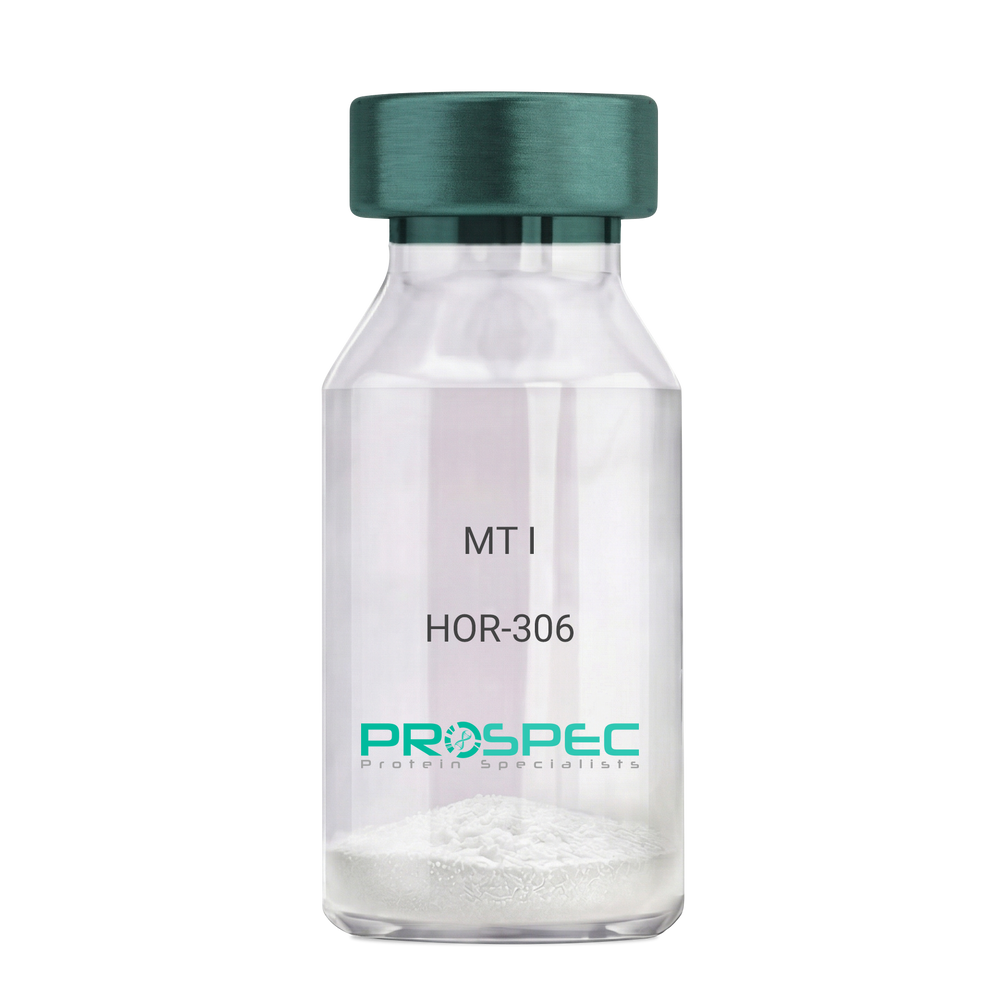
    MT I

    Description:

    Melanotan-I

    Melanotan-I, MT-I, Melanotan-1.

    Product # :

    HOR-306

    Price :

    Quantity :

    Shipping Method :

    Room Temp Icon

    Shipped at Room temp

    Add To Cart

    More Info

    • description
    • formulation
    • purity
    • More Info

    Description

    Melanotan-I has the amino acid sequence of Ser-Tyr-Ser-Nle-Glu-His-D-Phe-Arg-Trp-Gly-Lys-Pro-Val and a molecular weight of 1647.4 Dalton.

    Formulation

    The protein (1mg/ml) was lyophilized with no additives.

    Purity

    Greater than 98.0% as determined by RP-HPLC.

    More Info

    • Synonyms

      Melanotan-I, MT-I, Melanotan-1.

    • Physical Appearance

      Sterile Filtered off-White lyophilized (freeze-dried) powder.

    • Stability

      Lyophilized Melanotan-I although stable at room temperature for 3 weeks, should be stored desiccated below -18°C. Upon reconstitution MT-I should be stored at 4°C between 2-7 days and for future use below -18°C.For long term storage it is recommended to add a carrier protein (0.1% HSA or BSA).Please prevent freeze-thaw cycles.

    • Solubility

      It is recommended to reconstitute the lyophilized Melanotan-I in sterile 1% acetic acid not less than 100 µg/ml, which can then be further diluted to other aqueous solutions.

    ProSpec's products are furnished for LABORATORY RESEARCH USE ONLY. The product may not be used as drugs, agricultural or pesticidal products, food additives or household chemicals.

    Melanotan I
  • View Data Sheet

    Name :

    CST3 k9

    Description:

    Cystatin-C Canine Recombinant

    Cystatin-C, Cystatin-3, Neuroendocrine basic polypeptide, Gamma-trace, Post-gamma-globulin, CST3, MGC117328.

    Product # :

    PRO-138

    Price :

    Quantity :

    Shipping Method :

    Room Temp Icon

    Shipped at Room temp

    Add To Cart

    More Info

    • description
    • source
    • formulation
    • purity
    • More Info

    Description

    Cystatin-C Protein is a 14.85 kDa protein containing 133 amino acids fused to a 8 aa N-Terminal His-tag.

    Source

    E. coli

    Formulation

    K9 Cystatin-Cwas filtered (0.4µm) and lyophilized from 0.5mg/ml supplied in 20mM TRIS, 50mM NaCl, pH 7.5.

    Purity

    Purity is greater than 95% as visualized by SDS-PAGE.

    More Info

    • Introduction

      Cystatins are a superfamily of cysteine proteinase inhibitors found in both plants and animals. They comprise a group of proteinase inhibitors, widely distributed in tissues and body fluids, and form tight complexes with cysteine proteases such as cathepsin B, H, L and S. Cystatin C, a secreted molecule of this family, is of interest from biochemical, medicine and evolutionary points of view. Cystatin C, with molecular weight of 13260 Da, is composed of 120 amino acids, lacks carbohydrate and has two disulfide bridges located near the carboxyl terminus. Cystatin C is increased in patients with malignant diseases, and is related to the insufficiency of renal function and appears to be a better marker than creatinine. On the other hand, low levels of cystatin C involve cause the breakdown of the elastic laminae and, subsequently, the atherosclerosis and abdominal aortic aneurysm.

    • Synonyms

      Cystatin-C, Cystatin-3, Neuroendocrine basic polypeptide, Gamma-trace, Post-gamma-globulin, CST3, MGC117328.

    • Stability

      Store lyophilized Cystatin-C K9 at -20°C. Aliquot the product after reconstitution to avoid repeated freezing/thawing cycles. Reconstituted Cystatin-C can be stored at 4°C for a limited period of time; it does not show any change after two weeks at 4°C.

    • Solubility

      Add deionized water to prepare a working stock solution of 0.5 mg/ml and let the lyophilized pellet dissolve completely. Product is not sterile! Please filter the product by an appropriate sterile filter before using it in the cell culture.

    • Amino Acid Sequence

      MKHHHHHHAS PGAGRRGSRP GAVGGAVDAD VGEEGVQQAL DFAVREYNRA SNDAYHSRAL RVLRARKQVV SGMNYFLEVE IGRTRCTKSQ PNLDNCPFHD QPHLMRKTLC SFQIYTVPWL GKTSLVKSSC QDV.

    ProSpec's products are furnished for LABORATORY RESEARCH USE ONLY. The product may not be used as drugs, agricultural or pesticidal products, food additives or household chemicals.

    Cystatin C K9
  • View Data Sheet

    Name :

    DBI Mouse

    Description:

    Diazepam Binding Inhibitor Mouse Recombinant

    Acyl-CoA-binding protein, ACBP, Diazepam-binding inhibitor, DBI, Endozepine, EP, Dbi.  

    Product # :

    PRO-2527

    Price :

    Quantity :

    Shipping Method :

    Ice Icon

    Shipped with Ice Packs

    Add To Cart

    More Info

    • description
    • source
    • formulation
    • purity
    • More Info

    Description

    DBI Mouse Recombinant produced in E.Coli is a single, non-glycosylated polypeptide chain containing 110 amino acids (1-87 a.a) and having a molecular mass of 12.4kDa. DBI is fused to a 23 amino acid His-tag at N-terminus & purified by proprietary chromatographic techniques.

    Source

    Escherichia Coli.

    Formulation

    DBI protein solution (1mg/ml) contains Phosphate buffer saline (pH7.4).

    Purity

    Greater than 95.0% as determined by SDS-PAGE.

    More Info

    • Introduction

      DBI, also known as Acyl-CoA-binding protein isoform 2, is a diazepam binding inhibitor, which is regulated by hormones. DBI participates in lipid metabolism and in the displacement of beta-carbolines & benzodiazepines, which modulate signal transduction at type A gamma-aminobutyric acid receptors located in brain synapses. Moreover, during adipocyte differentiation the expression of DBI is significantly induced. DBI preforms as an acyl-CoA pool former and regulates LCFA (long-chain fatty acids) metabolism in peripheral tissues.

    • Synonyms

      Acyl-CoA-binding protein, ACBP, Diazepam-binding inhibitor, DBI, Endozepine, EP, Dbi.

    • Physical Appearance

      Sterile Filtered clear solution.

    • Stability

      Store at 4°C if entire vial will be used within 2-4 weeks. Store, frozen at -20°C for longer periods of time. For long term storage it is recommended to add a carrier protein (0.1% HSA or BSA).Avoid multiple freeze-thaw cycles.

    • Amino Acid Sequence

      MGSSHHHHHH SSGLVPRGSH MGSMSQAEFD KAAEEVKRLK TQPTDEEMLF IYSHFKQATV GDVNTDRPGL LDLKGKAKWD SWNKLKGTSK ESAMKTYVEK VDELKKKYGI

    ProSpec's products are furnished for LABORATORY RESEARCH USE ONLY. The product may not be used as drugs, agricultural or pesticidal products, food additives or household chemicals.

    Dbi Mouse
  • View Data Sheet

    Name :

    AFAP1 Human

    Description:

    Actin Filament Associated Protein 1 Human Recombinant

    Actin filament-associated protein 1, 110 kDa actin filament-associated protein, AFAP-110, AFAP1, AFAP, Actin Filament Associated Protein 1.

    Product # :

    PRO-1972

    Price :

    Quantity :

    Shipping Method :

    Ice Icon

    Shipped with Ice Packs

    Add To Cart

    More Info

    • description
    • source
    • formulation
    • purity
    • More Info

    Description

    AFAP1 Human Recombinant produced in E. coli is a single polypeptide chain containing 360 amino acids (250-588) and having a molecular mass of 39.2 kDa.AFAP1 is fused to a 21 amino acid His-tag at N-terminus & purified by proprietary chromatographic techniques.

    Source

    E.coli.

    Formulation

    The AFAP1 solution (0.5mg/1ml) contains 20mM Tris-HCl buffer (pH 8.0), 10% glycerol and 0.4M Urea.

    Purity

    Greater than 80% as determined by SDS-PAGE.

    More Info

    • Introduction

      Actin Filament Associated Protein 1 (AFAP1) is a Src binding partner. AFAP1 is a possible modulator of actin filament integrity in response to cellular signals, and is also playing a role as an adaptor protein by connecting Src family members to actin filaments. AFAP1 takes partin the development and progression of prostate adenocarcinoma by regulating cell-matrix adhesions and migration in the cancer cells.

    • Synonyms

      Actin filament-associated protein 1, 110 kDa actin filament-associated protein, AFAP-110, AFAP1, AFAP, Actin Filament Associated Protein 1.

    • Physical Appearance

      Sterile Filtered colorless solution.

    • Stability

      Store at 4°C if entire vial will be used within 2-4 weeks. Store, frozen at -20°C for longer periods of time. For long term storage it is recommended to add a carrier protein (0.1% HSA or BSA).Avoid multiple freeze-thaw cycles.

    • Amino Acid Sequence

      MGSSHHHHHH SSGLVPRGSH MGCSGPVDSE CPPPPSSPVH KAELEKKLSS ERPSSDGEGV VENGITTCNG KEQVKRKKSS KSEAKGTVSK VTGKKITKII SLGKKKPSTD EQTSSAEEDV PTCGYLNVLS NSRWRERWCR VKDNKLIFHK DRTDLKTHIV SIPLRGCEVI PGLDCKHPLT FRLLRNGQEV AVLEASSSED MGRWIGILLA ETGSSTDPEA LHYDYIDVEM SASVIQTAKQ TFCFMNRRVI SANPYLGGTS NGYAHPSGTA LHYDDVPCIN GSLRGKKPPV ASNGVTGKGK TLSSQPKKAD PAAVVKRTGS NAAQYKYGKN RVEADAKRLQ TKEEELLKRK EALRNRLAQL.

    ProSpec's products are furnished for LABORATORY RESEARCH USE ONLY. The product may not be used as drugs, agricultural or pesticidal products, food additives or household chemicals.

    Afap1 Human
  • View Data Sheet

    Name :

    DCPS Human

    Description:

    Decapping Enzyme, Scavenger Human Recombinant

    Scavenger mRNA-decapping enzyme DcpS, DCS-1, Hint-related 7meGMP-directed hydrolase, Histidine triad protein member 5, HINT-5, DCPS, DCS1, HINT5, HSPC015, HSL1.

    Product # :

    ENZ-159

    Price :

    Quantity :

    Shipping Method :

    Ice Icon

    Shipped with Ice Packs

    Add To Cart

    More Info

    • description
    • source
    • formulation
    • purity
    • More Info

    Description

    DCPS Human Recombinant produced in E.Coli is a single, non-glycosylated polypeptide chain containing 357 amino acids (1-337 a.a.) and having a molecular mass of 40.7kDa.DCPS is fused to a 20 amino acid His-tag at N-terminus & purified by proprietary chromatographic techniques.

    Source

    Escherichia Coli.

    Formulation

    DCPS protein solution (0.5mg/ml) containing 20mM Tris-HCl buffer (pH8.0), 20% glycerol and 1mM DTT.

    Purity

    Greater than 90% as determined by SDS-PAGE.

    More Info

    • Introduction

      Scavenger mRNA-decapping enzyme (DCPS) is a member of the HIT family. DCPS is required for the complete degradation of mRNAs, both in normal mRNA turnover and in nonsense-mediated mRNA decay. It was shown that DCPS hydrolyzes the residual m7GpppN cap structure after the complete 3'–5' degradation of the mRNA by the exosome. Furthermore, DCPS releases m7GMP and is incapable of cleaving cap structures attached to a long RNA chain.

    • Synonyms

      Scavenger mRNA-decapping enzyme DcpS, DCS-1, Hint-related 7meGMP-directed hydrolase, Histidine triad protein member 5, HINT-5, DCPS, DCS1, HINT5, HSPC015, HSL1.

    • Physical Appearance

      Sterile Filtered clear solution.

    • Stability

      Store at 4°C if entire vial will be used within 2-4 weeks. Store, frozen at -20°C for longer periods of time. For long term storage it is recommended to add a carrier protein (0.1% HSA or BSA).Avoid multiple freeze-thaw cycles.

    • Amino Acid Sequence

      MGSSHHHHHH SSGLVPRGSH MADAAPQLGK RKRELDVEEA HAASTEEKEA GVGNGTCAPV RLPFSGFRLQ KVLRESARDK IIFLHGKVNE ASGDGDGEDA VVILEKTPFQ VEQVAQLLTG SPELQLQFSN DIYSTYHLFP PRQLNDVKTT VVYPATEKHL QKYLRQDLRL IRETGDDYRN ITLPHLESQS LSIQWVYNIL DKKAEADRIV FENPDPSDGF VLIPDLKWNQ QQLDDLYLIA ICHRRGIRSL RDLTPEHLPL LRNILHQGQE AILQRYRMKG DHLRVYLHYL PSYYHLHVHF TALGFEAPGS GVERAHLLAE VIENLECDPR HYQQRTLTFA LRADDPLLKL LQEAQQS.

    ProSpec's products are furnished for LABORATORY RESEARCH USE ONLY. The product may not be used as drugs, agricultural or pesticidal products, food additives or household chemicals.

    Dcps Human
  • View Data Sheet

    Name :

    HMGA1 Human

    Description:

    High Mobility Group AT-Hook 1 Human Recombinant

    High mobility group protein HMG-I/HMG-Y, HMG-I(Y), High mobility group AT-hook protein 1, High mobility group protein A1, High mobility group protein R , HMGA1, HMGIY, HMG-R, HMGA1A.

    Product # :

    PRO-887

    Price :

    Quantity :

    Shipping Method :

    Ice Icon

    Shipped with Ice Packs

    Add To Cart

    More Info

    • description
    • source
    • formulation
    • purity
    • More Info

    Description

    HMGA1 Human Recombinant produced in E.Coli is a single, non-glycosylated polypeptide chain containing 115 amino acids (1-107 a.a.) and having a molecular mass of 12.7kDa (Molecular weight on SDS-PAGE will appear higher).HMGA1 is fused to an 8 amino acid His-tag at C-terminus & purified by proprietary chromatographic techniques.

    Source

    Escherichia Coli.

    Formulation

    HMGA1 protein solution (0.25mg/ml) containing 20mM Tris-HCl buffer (pH 8.0), 1mM DTT, 50% glycerol and 0.2M NaCl.

    Purity

    Greater than 90.0% as determined by SDS-PAGE.

    More Info

    • Introduction

      High mobility group protein HMG-I/HMG-Y (HMGA1) belongs to the non-histone chromosomal high mobility group protein (HMG) family. HMGA1 is composed of a highly conserved AT-hook DNA-binding domain which mediates binding to AT-rich sequences in the minor groove of chromosomal DNA. HMGA1 functions as an architectural chromatin-binding transcription factor modifying the conformation of DNA by modulating nuclear protein-DNA complexes. Furthermore, HMGA1 is involved in numerous cellular processes including growth regulation, viral induction of beta-IFN gene and regulation of inducible gene transcription.

    • Synonyms

      High mobility group protein HMG-I/HMG-Y, HMG-I(Y), High mobility group AT-hook protein 1, High mobility group protein A1, High mobility group protein R , HMGA1, HMGIY, HMG-R, HMGA1A.

    • Physical Appearance

      Sterile filtered colorless solution.

    • Stability

      Store at 4°C if entire vial will be used within 2-4 weeks. Store, frozen at -20°C for longer periods of time. For long term storage it is recommended to add a carrier protein (0.1% HSA or BSA).Avoid multiple freeze-thaw cycles.

    • Amino Acid Sequence

      MSESSSKSSQ PLASKQEKDG TEKRGRGRPR KQPPVSPGTA LVGSQKEPSE VPTPKRPRGR PKGSKNKGAA KTRKTTTTPG RKPRGRPKKL EKEEEEGISQ ESSEEEQLEH HHHHH.

    ProSpec's products are furnished for LABORATORY RESEARCH USE ONLY. The product may not be used as drugs, agricultural or pesticidal products, food additives or household chemicals.

    Hmga1 Human
  • View Data Sheet

    Name :

    HPCAL1 Human

    Description:

    Hippocalcin-Like 1 Human Recombinant

    Hippocalcin-Like 1, HLP2, BDR1, Calcium-Binding protein BDR-1, Visinin-Like protein 3, VILIP-3

    Product # :

    PRO-254

    Price :

    Quantity :

    Shipping Method :

    Ice Icon

    Shipped with Ice Packs

    Add To Cart

    More Info

    • description
    • source
    • formulation
    • purity
    • More Info

    Description

    HPCAL1 Human Recombinant produced in E.Coli is a single, non-glycosylated polypeptide chain containing 213amino acids (1-193a.a.) and having a molecular wieght of 24.4kDa. The HPCAL1 is fused to 20a.a. His-Tag at N-terminus and purified by proprietary chromatographic techniques.

    Source

    Escherichia Coli.

    Formulation

    The HPCAL1 protein solution (1mg/1ml) contains 20mM Tris-HCl buffer (pH8.0) containing 1mM DTT 0.2M NaCl and 10% glycerol.

    Purity

    Greater than 95.0% as determined by SDS-PAGE.

    More Info

    • Introduction

      HPCAL1, participates in neuron-specific calcium-binding proteins family found in the retina and brain. HPCAL1 is extremely comparable to human hippocalcin protein and almost equal to the rat and mouse hippocalcin like-1 proteins. HPCAL1 takes part in the calcium-dependent regulation of rhodopsin phosphorylation and can have importance in neuronal signalling in the central nervous system.

    • Synonyms

      Hippocalcin-Like 1, HLP2, BDR1, Calcium-Binding protein BDR-1, Visinin-Like protein 3,
      VILIP-3

    • Physical Appearance

      Sterile filtered colorless solution.

    • Stability

      Store at 4°C if entire vial will be used within 2-4 weeks. Store, frozen at -20°C for longer periods of time. For long term storage it is recommended to add a carrier protein (0.1% HSA or BSA). Avoid multiple freeze-thaw cycles.

    • Amino Acid Sequence

      MGSSHHHHHH SSGLVPRGSH MGKQNSKLRP EVLQDLRENT EFTDHELQEW YKGFLKDCPT GHLTVDEFKK IYANFFPYGD ASKFAEHVFR TFDTNGDGTI DFREFIIALS VTSRGKLEQK LKWAFSMYDL DGNGYISRSE MLEIVQAIYK MVSSVMKMPE DESTPEKRTD KIFRQMDTNN DGKLSLEEFI RGAKSDPSIV RLLQCDPSSA SQF

    ProSpec's products are furnished for LABORATORY RESEARCH USE ONLY. The product may not be used as drugs, agricultural or pesticidal products, food additives or household chemicals.

    Hpcal1 Human
  • View Data Sheet

    Name :

    SOST Human, HEK

    Description:

    Sclerostin Human Recombinant, HEK

    Sclerostin, SOST, CDD, VBCH.

    Product # :

    PRO-2481

    Price :

    Quantity :

    Shipping Method :

    Room Temp Icon

    Shipped at Room temp

    Add To Cart

    More Info

    • description
    • source
    • formulation
    • purity
    • More Info

    Description

    SOST Human Recombinant produced in HEK293 cells is a single, glycosylated polypeptide chain (a.a 24-213) containing 196 amino acids including a 6 a.a C-terminal His tag. The total molecular mass is 22.4kDa (calculated).

    Source

    HEK293 Cells.

    Formulation

    SOST filtered (0.4 µm) and lyophilized from 0.5mg/ml in PBS and 5 % (w/v) trehalose, pH 7.4.

    Purity

    Greater than 95.0% as determined by SDS-PAGE.

    More Info

    • Introduction

      Sclerostin (SOST) is a secreted glycoprotein with a C-terminal cysteine knot-like (CTCK) domain and sequence similarity to the DAN (differential screening-selected gene aberrative in neuroblastoma) family of bone morphogenetic protein (BMP) antagonists. Sclerostin functions as a negative regulator of bone growth, by inhibiting bone formation. SOST is widely expressed at low levels, with highest levels in the bone, cartilage, kidney, liver, bone marrow and primary osteoblasts differentiated for 21 days. SOST gene defects cause sclerosteosis and bone dysplasia.

    • Synonyms

      Sclerostin, SOST, CDD, VBCH.

    • Physical Appearance

      Filtered White lyophilized (freeze-dried) powder.

    • Stability

      Store lyophilized protein at -20°C. Aliquot the product after reconstitution to avoid repeated freezing/thawing cycles. Reconstituted protein can be stored at 4°C for a limited period of time; it does not show any change after one week at 4°C.

    • Solubility

      It is recommended to add deionized water to prepare a working stock solution of approximately 0.5mg/ml and let the lyophilized pellet dissolve completely. SOST is not sterile! Please filter the product by an appropriate sterile filter before using it in the cell culture.

    • Amino Acid Sequence

      QGWQAFKNDA TEIIPELGEY PEPPPELENN KTMNRAENGG RPPHHPFETK DVSEYSCREL HFTRYVTDGP CRSAKPVTEL VCSGQCGPAR LLPNAIGRGK WWRPSGPDFR CIPDRYRAQR VQLLCPGGEA PRARKVRLVA SCKCKRLTRF HNQSELKDFG TEAARPQKGR KPRPRARSAK ANQAELENAY HHHHHH.

    ProSpec's products are furnished for LABORATORY RESEARCH USE ONLY. The product may not be used as drugs, agricultural or pesticidal products, food additives or household chemicals.

    Sost Protein
  • View Data Sheet

    Name :

    EIF1AY Human

    Description:

    Eukaryotic Translation Initiation Factor 1A Y-linked Recombinant Human

    Eukaryotic translation initiation factor 1A Y chromosome, Eukaryotic translation initiation factor 4C, eIF-4C, eIF-1A Y isoform.

    Product # :

    PRO-098

    Price :

    Quantity :

    Shipping Method :

    Ice Icon

    Shipped with Ice Packs

    Add To Cart

    More Info

    • description
    • source
    • formulation
    • purity
    • More Info

    Description

    EIF1AY produced in E.Coli is a single, non-glycosylated polypeptide chain containing 167 amino acids (1-144.a.a) and having a molecular mass of 18.8kDa. EIF1AY is fused to a 23 amino acid His-tag at N-terminus & purified by proprietary chromatographic techniques.

    Source

    Escherichia Coli.

    Formulation

    The EIF1AY protein solution (0.5mg/1ml) is formulated in 20 mM Tris-HCl buffer (pH8.0), 0.1M NaCl, 1mM DTT and 20% glycerol.

    Purity

    Greater than 95% as determined by SDS-PAGE.

    More Info

    • Introduction

      EIF1AY is comparable to eukaryotic translation initiation factor 1A (EIF1A). EIF1AY protein is essential for highest rate of protein biosynthesis. EIF1AY increases ribosome dissociation into subunits and is obligatory for the binding of the 43S complex (a 40S subunit, eIF2/GTP/Met-tRNAi and eIF3) to the 5' end of capped RNA.

    • Synonyms

      Eukaryotic translation initiation factor 1A Y chromosome, Eukaryotic translation initiation factor 4C, eIF-4C, eIF-1A Y isoform.

    • Physical Appearance

      Sterile Filtered clear solution.

    • Stability

      Store at 4°C if entire vial will be used within 2-4 weeks. Store, frozen at -20°C for longer periods of time.Please avoid freeze thaw cycles.

    • Amino Acid Sequence

      MGSSHHHHHH SSGLVPRGSH MGSMPKNKGK GGKNRRRGKN ENESEKRELV FKEDGQEYAQ VIKMLGNGRL EALCFDGVKR LCHIRGKLRK KVWINTSDII LVGLRDYQDN KADVILKYNA DEARSLKAYG ELPEHAKINE TDTFGPGDDD EIQFDDIGDD DEDIDDI.

    ProSpec's products are furnished for LABORATORY RESEARCH USE ONLY. The product may not be used as drugs, agricultural or pesticidal products, food additives or household chemicals.

    Eif1Ay Human
  • View Data Sheet

    Name :

    SPARC Human, Sf9

    Description:

    Secreted Protein Acidic & Rich in Cysteine Human Recombinant, Sf9

    SPARC, Basement-membrane protein 40, BM-40, Osteonectin, ON, Secreted protein acidic and rich in cysteine, OI17.

    Product # :

    PRO-2623

    Price :

    Quantity :

    Shipping Method :

    Ice Icon

    Shipped with Ice Packs

    Add To Cart

    More Info

    • description
    • source
    • formulation
    • purity
    • More Info

    Description

    SPARC Human Recombinant produced in Sf9 Baculovirus cells is a single, glycosylated polypeptide chain containing 295 amino acids (18-303 a.a) and having a molecular mass of 33.8kDa.SPARC is fused to an 9 amino acid His-tag at C-terminus & purified by proprietary chromatographic techniques.

    Source

    Sf9, Baculovirus cells.

    Formulation

    SPARC protein solution (0.5mg/ml) Phosphate-Buffered Saline (pH 7.4) and 10% glycerol.

    Purity

    Greater than 90.0% as determined by SDS-PAGE.

    More Info

    • Introduction

      SPARC protein, or secreted protein acidic and rich in cysteine, or osteonectin or basement-membrane protein 40 is a protein that is coded by the SPARC gene in humans. It is a glycoprotein located in bones, that binds to calcium. The osteonectin is secreted from osteoblasts cells when boas are formed, mineralized and promotes the formation and creation of mineral crystals. Asides from calcium, it has been shown that this protein can also bind to collagen.

    • Synonyms

      SPARC, Basement-membrane protein 40, BM-40, Osteonectin, ON, Secreted protein acidic and rich in cysteine, OI17.

    • Physical Appearance

      Sterile Filtered colorless solution.

    • Stability

      Store at 4°C if entire vial will be used within 2-4 weeks. Store, frozen at -20°C for longer periods of time. For long term storage it is recommended to add a carrier protein (0.1% HSA or BSA).Avoid multiple freeze-thaw cycles.

    • Amino Acid Sequence

      ADPAPQQEAL PDETEVVEET VAEVTEVSVG ANPVQVEVGE FDDGAEETEE EVVAENPCQN
      HHCKHGKVCE LDENNTPMCV CQDPTSCPAP IGEFEKVCSN DNKTFDSSCH FFATKCTLEG
      TKKGHKLHLD YIGPCKYIPP CLDSELTEFP LRMRDWLKNV LVTLYERDED NNLLTEKQKL
      RVKKIHENEK RLEAGDHPVE LLARDFEKNY NMYIFPVHWQ FGQLDQHPID GYLSHTELAP
      LRAPLIPMEH CTTRFFETCD LDNDKYIALD EWAGCFGIKQ KDIDKDLVIH HHHHH

    ProSpec's products are furnished for LABORATORY RESEARCH USE ONLY. The product may not be used as drugs, agricultural or pesticidal products, food additives or household chemicals.

    Sparc Human
  • View Data Sheet

    Name :

    SPECC1 Human

    Description:

    Sperm Antigen With Calponin Homology And Coiled-Coil 1 Human Recombinant

    CYTSB, HCMOGT-1, HCMOGT1, NSP, Cytospin-B, Nuclear structure protein 5, NSP5, Sperm antigen HCMOGT-1, Sperm antigen with calponin homology and coiled-coil domains 1, SPECC1.

    Product # :

    PRO-2002

    Price :

    Quantity :

    Shipping Method :

    Ice Icon

    Shipped with Ice Packs

    Add To Cart

    More Info

    • description
    • source
    • formulation
    • purity
    • More Info

    Description

    SPECC1 Human Recombinant produced in E.Coli is a single, non-glycosylated polypeptide chain containing 327 amino acids (458-761a.a) and having a molecular mass of 37.7kDa. SPECC1 is fused to a 23 amino acid His-tag at N-terminus & purified by proprietary chromatographic techniques.

    Source

    Escherichia Coli.

    Formulation

    SPECC1 protein solution (0.25mg/ml) containing 20mM Tris-HCl buffer (pH8.0), 10% glycerol 1mM DTT and 0.1M NaCl.

    Purity

    Greater than 80.0% as determined by SDS-PAGE.

    More Info

    • Introduction

      Sperm Antigen With Calponin Homology And Coiled-Coil 1 (SPECC1) which is a part of the cytospin-A family takes part in cytokinesis and spindle organization. SPECC1 takes part in actin cytoskeleton organization and microtubule stabilization and therefore necessary for proper cell adhesion and migration.

    • Synonyms

      CYTSB, HCMOGT-1, HCMOGT1, NSP, Cytospin-B, Nuclear structure protein 5, NSP5, Sperm antigen HCMOGT-1, Sperm antigen with calponin homology and coiled-coil domains 1, SPECC1.

    • Physical Appearance

      Sterile Filtered colorless solution.

    • Stability

      Store at 4°C if entire vial will be used within 2-4 weeks. Store, frozen at -20°C for longer periods of time. For long term storage it is recommended to add a carrier protein (0.1% HSA or BSA).Avoid multiple freeze-thaw cycles.

    • Amino Acid Sequence

      MGSSHHHHHH SSGLVPRGSH MGSTQEGKII ELEQKCTGIL EQGRFEREKL LNIQQQLTCS LRKVEEENQG ALEMIKRLKE ENEKLNEFLE LERHNNNMMA KTLEECRVTL EGLKMENGSL KSHLQGEKQK ATEASAVEQT AESCEVQEML KVARAEKDLL ELSCNELRQE LLKANGEIKH VSSLLAKVEK DYSYLKEICD HQAEQLSRTS LKLQEKASES DAEIKDMKET IFELEDQVEQ HRAVKLHNNQ LISELESSVI KLEEQKSDLE RQLKTLTKQM KEETEEWRRF QADLQTAVVV ANDIKCEAQQ ELRTVKRKLL EEEEKNA.

    ProSpec's products are furnished for LABORATORY RESEARCH USE ONLY. The product may not be used as drugs, agricultural or pesticidal products, food additives or household chemicals.

    Specc1 Human
  • View Data Sheet

    Name :

    PDCD6 Human

    Description:

    Programmed Cell Death 6 Human Recombinant

    Programmed cell death 6, ALG-2, PEF1B, Apoptosis-linked gene 2 protein, Probable calcium-binding protein ALG-2, FLJ46208, MGC111017, MGC119050, MGC9123.

    Product # :

    PRO-184

    Price :

    Quantity :

    Shipping Method :

    Ice Icon

    Shipped with Ice Packs

    Add To Cart

    More Info

    • description
    • source
    • formulation
    • purity
    • More Info

    Description

    PDCD6 produced in E.Coli is a single, non-glycosylated polypeptide chain containing 211 amino acids (1-191a.a.) and having a molecular mass of 24.0 kDa. PDCD6 is fused to a 20 amino acid His-tag at N-terminus & purified by proprietary chromatographic techniques.

    Source

    Escherichia Coli.

    Formulation

    The PDCD6 protein solution (0.5mg/1ml) is formulated in 10mM sodium citrate (pH 3.5) and 40% glycerol.

    Purity

    Greater than 95% as determined by SDS-PAGE.

    More Info

    • Introduction

      PDCD6 is a calcium-binding protein and is a member of the penta-EF-hand protein family. Calcium binding is vital for homodimerization and for conformational changes essential for binding to other protein partners. PDCD6 takes part in T cell receptor-, Fas-, and glucocorticoid-induced programmed cell death. However, tests showed that in mice deficient for PDCD6, apoptosis was not blocked which suggests that PDCD6 is functionally redundant.

    • Synonyms

      Programmed cell death 6, ALG-2, PEF1B, Apoptosis-linked gene 2 protein, Probable calcium-binding protein ALG-2, FLJ46208, MGC111017, MGC119050, MGC9123.

    • Physical Appearance

      Sterile Filtered clear solution.

    • Stability

      Store at 4°C if entire vial will be used within 2-4 weeks. Store, frozen at -20°C for longer periods of time. For long term storage it is recommended to add a carrier protein (0.1% HSA or BSA).Avoid multiple freeze-thaw cycles.

    • Amino Acid Sequence

      MGSSHHHHHH SSGLVPRGSH MAAYSYRPGP GAGPGPAAGA ALPDQSFLWN VFQRVDKDRS GVISDTELQQ ALSNGTWTPF NPVTVRSIIS MFDRENKAGV NFSEFTGVWK YITDWQNVFR TYDRDNSGMI DKNELKQALS GFGYRLSDQF HDILIRKFDR QGRGQIAFDD FIQGCIVLQR LTDIFRRYDT DQDGWIQVSY EQYLSMVFSI V

    ProSpec's products are furnished for LABORATORY RESEARCH USE ONLY. The product may not be used as drugs, agricultural or pesticidal products, food additives or household chemicals.

    Pdcd6 Human
  • View Data Sheet

    Name :

    HPSE Active

    Description:

    Recombinant Human Heparanase-1 Active

    Product # :

    ENZ-1032

    Price :

    Quantity :

    Shipping Method :

    Ice Icon

    Shipped with Ice Packs

    Add To Cart

    More Info

    • description
    • formulation
    • purity
    • biological activity
    • More Info

    Description

    Heparanase Active Enzyme is produced in CHO cells.The protein is purified by several orthogonal chromatography steps.

    Formulation

    Heparanase Active Enzyme is supplied in20mM Acetate buffer and 750mM NaCl pH 5.4.

    Purity

    Greater than 95.0% as determined by:
    (a) Analysis by RP-HPLC.
    (b) Analysis by SDS-PAGE.

    Biological Activity

    The specific activity of Heparanase Active Enzyme in-house standard is about 0.7 Units (1 unit = 1 μmole of reducing ends of heparan sulfate substrate formed per minute per mg Heparanase Active Enzyme at 37°C). The enzymatic activity of each Heparanase Active Enzyme batch is comparable to the standard as determined by activity assay in which immobilized heparan, released due to heparanase activity, is quantified colorimetrically. Recommended reaction buffer: 20 mM Citrate Phosphate buffer, pH 5.4; 50mM NaCl; 1mM CaCl2.

    More Info

    • Introduction

      Heparanase is an endo β-D-glucuronidase, which degrades heparan sulfate side chains of heparan sulfate proteoglycans (HSPGs) in the extracellular matrix. Heparanase plays an important role in ECM degradation, facilitating the migration and extravasation of tumor cells and inflammatory leukocytes (1,2,3). Upon degradation, heparanase releases growth factors and cytokines that stimulate cell proliferation and chemotaxis (4,5). Heparanase is a heterodimer comprised of a 50 kDa subunit harboring the active site and a 8 kDa subunit. It is produced as a latent 65 kDa precursor and proteolytically processed to its active form (1,6). Heparanase is highly expressed in myeloid leukocytes (i.e. neutrophils) in platelets and in human placenta. Human heparanase was found to be upregulated in various types of primary tumors, correlating in some cases with increased tumor invasiveness and vascularity and with poor prospective survival (7,8).

    • Data Sheet

      To view the FULL VERSION data sheet click Heparanase-1 Active Enzyme

    • Specificity

      Heparanase Active Enzyme is identified by Western blot analysis with polyclonalrabbit anti-HPA1 antibodies as 2 subunits of 8-kDa and 50-kDa.

    • Shipping Conditions

      Heparanase Active Enzyme is shipped frozen on dry ice unless stated otherwise by the customer. Shipping fees to N. America and W. Europe is $400 Shipping fees to Asia, Australia and E. Europe is $500

    • Storage Procedures

      Store at –80ºC, avoid repeated freeze-thaw cycles.

    ProSpec's products are furnished for LABORATORY RESEARCH USE ONLY. The product may not be used as drugs, agricultural or pesticidal products, food additives or household chemicals.

    Heparanase Active
  • View Data Sheet

    Name :

    Resistin Rat

    Description:

    Resistin Rat Recombinant

    Cysteine-rich secreted protein FIZZ3, Adipose tissue-specific secretory factor, ADSF, C/EBP-epsilon-regulated myeloid-specific secreted cysteine-rich protein, Cysteine-rich secreted protein A12-alpha-like 2, RSTN, XCP1, RETN1, MGC126603, MGC126609.

    Product # :

    CYT-1129

    Price :

    Quantity :

    Shipping Method :

    Room Temp Icon

    Shipped at Room temp

    Add To Cart

    More Info

    • description
    • source
    • formulation
    • purity
    • More Info

    Description

    Resistin Rat Recombinant produced in E.Coli is disulfide-linked homodimer consisting of 2x95 amino acid polypeptide chains and having a molecular mass of approximately 20.2kDa.Resistin is purified by proprietary chromatographic techniques.

    Source

    Escherichia Coli.

    Formulation

    Lyophilized from a 0.2μm filtered concentrated solution in PBS, pH7.4 and 0.02 % Tween-20.

    Purity

    Greater than 97.0% as determined by:
    (a) Analysis by RP-HPLC.
    (b) Analysis by SDS-PAGE.

    More Info

    • Introduction

      Resistin, a product of the RSTN gene, is a peptide hormone belongs to the class of cysteine-rich secreted proteins (monomeric peptide contains 11 cysteine residues) referred to as the RELM family, and is also described as ADSF (Adipose Tissue-Specific Secretory Factor) or FIZZ3 (Found in Inflammatory Zone 3). Resistin may be an important link between obesity. Mouse resistin, specifically produced and secreted by adipocyte, acts on skeletal muscle myocytes, hepatocytes and adipocytes themselves so that it reduces their sensitivity. Steppan et al. have suggested that resistin suppressed the ability to stimulate glucose uptake. They have also suggested that resistin was present at elevated levels in blood of obese mice, and was down regulated by fasting and by antidiabetic drugs. Way et al., on the other hand, have found that resistin expression is severely suppressed in obesity.
      Other studies have shown that mouse resistin increases during the differentiation of adipocytes, but it also seems to inhibit adipogenesis. In contrast, the human adipogenic differentiation is likely to be associated with a down regulation of resistin gene expression.

    • Synonyms

      Cysteine-rich secreted protein FIZZ3, Adipose tissue-specific secretory factor, ADSF, C/EBP-epsilon-regulated myeloid-specific secreted cysteine-rich protein, Cysteine-rich secreted protein A12-alpha-like 2, RSTN, XCP1, RETN1, MGC126603, MGC126609.

    • Physical Appearance

      Sterile Filtered White lyophilized (freeze-dried) powder.

    • Stability

      Lyophilized Resistin although stable at room temperature for 3 weeks, should be stored desiccated below -18°C. Upon reconstitution Resistin should be stored at 4°C between 2-7 days and for future use below -18°C. Please prevent freeze-thaw cycles.

    • Solubility

      It is recommended to reconstitute the lyophilized Resistin in sterile PBS not less than 100µg/ml, which can then be further diluted to other aqueous solutions.

    • Amino Acid Sequence

      MPSMSLCPMD EAISKKINQD FSSLLPAAMK NTVLHCWSVS SRGRLASCPE GTTVTSCSCG SGCGSWDVRE DTMCHCQCGS IDWTAARCCT LRVGS.

    ProSpec's products are furnished for LABORATORY RESEARCH USE ONLY. The product may not be used as drugs, agricultural or pesticidal products, food additives or household chemicals.

    Rat Resistin Protein
  • View Data Sheet

    Name :

    Leptin Mouse (D23L)

    Description:

    Leptin D23L Mutant Mouse Recombinant

    Product # :

    CYT-1249

    Price :

    Quantity :

    Shipping Method :

    Room Temp Icon

    Shipped at Room temp

    Add To Cart

    More Info

    • description
    • source
    • formulation
    • purity
    • biological activity
    • More Info

    Description

    Leptin Mutant D23L Mouse Recombinant is a single non-glycosilated polypeptide chain containing 146 amino acids and additional Ala at N-terminus. The Mouse Leptin having a molecular mass of 16 kDa and was purified by proprietary chromatographic techniques.

    Source

    Escherichia coli.

    Formulation

    The Mouse Leptin was lyophilized from a concentrated (1mg/ml) solution with 0.0045mM NaHCO3.

    Purity

    Greater than 95.0% as determined by:

    (a) Gel filtration analysis.

    (b) Analysis by SDS-PAGE.

    Biological Activity

    Leptin Mouse is able to induce proliferation of BA/F3 cells stably transfected with the long form of human leptin receptor but its affinity toward this receptor was ~ 25-fold higher compared to non-mutated mouse leptin.

    More Info

    • Physical Appearance

      White lyophilized (freeze-dried) powder.

    • Stability

      Lyophilized Leptin Mouse Recombinant although stable at room temperature for several weeks, should be stored desiccated below -18°C. Upon reconstitution at > 0.1mg/ml and up to 2mM and filter sterilization Mouse Leptin can be stored at 4°C for 2-3 months. Please prevent freeze-thaw cycles.

    • Solubility

      It is recommended to reconstitute the lyophilized Leptin Mouse in sterile water or sterile 0.4% NaHCO3adjusted to pH 8-9, not less than 100µg/ml, which can then be further diluted with other aqueous solutions.

    • Amino Acid Sequence

      The sequence of the first five N-terminal amino acids is Ala-Val-Pro-Ile-Gln

    • Background

      Leptin’s main part is to regulate long-term energy balance. Leptin produced mainly by adipocytes and is encoded by the LEP gene. Leptin effects mainly on leptin receptors in the cell mambrane of different cells in the human body. The leptin receptor is found on various cell types. The leptin receptor is a single-transmembrane-domain type 1 cytokine receptor. leptin levels influence satiety, appetite and triggers behaviors which lead to energy savings High leptin levels are interpreted by the brain that energy reserves are high, whereas low leptin levels means that energy reserves are low, in the process adapting the organism to starvation through a variety of metabolic, neurobiochemical, endocrine and behavioral change.

    • Protein content

      Protein quantization was carried out by UV spectroscopy at 280 nm using the absorbency value of 0.2 as the extinction coefficient for a 0.1% (1mg/ml) solution. This value was calculated by DNA man program.

    ProSpec's products are furnished for LABORATORY RESEARCH USE ONLY. The product may not be used as drugs, agricultural or pesticidal products, food additives or household chemicals.

    Leptin Mouse Mutant
  • View Data Sheet

    Name :

    CST1 Human

    Description:

    Cystatin SN Human Recombinant

    Cystatin-SN, Cystain-SA-I, Cystatin-1, Salivary cystatin-SA-1, CST1.

    Product # :

    PRO-1006

    Price :

    Quantity :

    Shipping Method :

    Ice Icon

    Shipped with Ice Packs

    Add To Cart

    More Info

    • description
    • source
    • formulation
    • purity
    • More Info

    Description

    CST1 Human Recombinant produced in E.Coli is a single, non-glycosylated polypeptide chain containing 145 amino acids (21-141 a.a.) and having a molecular mass of 16.9kDa. CST1 is fused to a 24 amino acid His-tag at N-terminus & purified by proprietary chromatographic techniques.

    Source

    E.coli.

    Formulation

    CST1 protein solution (1mg/ml) containing 20mM Tris-HCl buffer (pH 8.0), 2mM DTT, 10% glycerol and 100mM NaCl.

    Purity

    Greater than 95% as determined by SDS-PAGE.

    More Info

    • Introduction

      Cystatin-SN (CST1) belongs to the type 2 salivary cystatin family found in a variety of fluids and secretions, including plasma, tears, and saliva. The cystatin superfamily includes proteins which contain multiple cystatin-like sequences. Some of the members are active cysteine protease inhibitors, whereas others have lost or possibly never developed this inhibitory activity. CST1 is up-regulated in cancerous lesions of gastric cancer tissues compared to noncancerous regions, in addition clinicopathological analysis revealed a significant correlation between high expression of CST1.

    • Synonyms

      Cystatin-SN, Cystain-SA-I, Cystatin-1, Salivary cystatin-SA-1, CST1.

    • Physical Appearance

      Sterile Filtered colorless solution.

    • Stability

      Store at 4°C if entire vial will be used within 2-4 weeks. Store, frozen at -20°C for longer periods of time. For long term storage it is recommended to add a carrier protein (0.1% HSA or BSA).Avoid multiple freeze-thaw cycles.

    • Amino Acid Sequence

      MGSSHHHHHH SSGLVPRGSH MGSMWSPKEE DRIIPGGIYN ADLNDEWVQR ALHFAISEYN KATKDDYYRR PLRVLRARQQ TVGGVNYFFD VEVGRTICTK SQPNLDTCAF HEQPELQKKQ LCSFEIYEVP WENRRSLVKS RCQES.

    ProSpec's products are furnished for LABORATORY RESEARCH USE ONLY. The product may not be used as drugs, agricultural or pesticidal products, food additives or household chemicals.

    Cst1 Human
  • View Data Sheet

    Name :

    Adipsin Human

    Description:

    Complement Factor D Human Recombinant

    Complement factor D, EC 3.4.21.46, Adipsin, C3 convertase activator, Properdin factor D, CFD, DF, PFD, ADN.

    Product # :

    PRO-1360

    Price :

    Quantity :

    Shipping Method :

    Ice Icon

    Shipped with Ice Packs

    Add To Cart

    More Info

    • description
    • source
    • formulation
    • purity
    • More Info

    Description

    Adipsin Human Recombinant produced in E.Coli is a single, non-glycosylated polypeptide chain containing 249 amino acids (26-253 a.a) and having a molecular mass of 26.6kDa.Adipsin is fused to a 21 amino acid His-tag at N-terminus.

    Source

    Escherichia Coli.

    Formulation

    Adipsin protein solution (1mg/ml) containing 20mM Tris-HCl buffer (pH8.0), 10% glycerol and 0.4M Urea.

    Purity

    Greater than 85.0% as determined by SDS-PAGE.

    More Info

    • Introduction

      Complement Factor D (Adipsin), which belongs to the trypsin family of peptidases, is involved in the alternative complement pathway of the complement system where it cleaves factor B. In the alternative complement pathway, Adipsin is best known for its role in humoral suppression of infectious agents. In addition, Adipsin is a serine protease which is secreted by adipocytes into the bloodstream. Ultimately, Adipsin has a high level of expression in fat, proposing a role for adipose tissue in immune system biology.

    • Synonyms

      Complement factor D, EC 3.4.21.46, Adipsin, C3 convertase activator, Properdin factor D, CFD, DF, PFD, ADN.

    • Physical Appearance

      Sterile Filtered colorless solution.

    • Stability

      Store at 4°C if entire vial will be used within 2-4 weeks. Store, frozen at -20°C for longer periods of time. For long term storage it is recommended to add a carrier protein (0.1% HSA or BSA).Avoid multiple freeze-thaw cycles.

    • Amino Acid Sequence

      MGSSHHHHHH SSGLVPRGSH MILGGREAEA HARPYMASVQ LNGAHLCGGV LVAEQWVLSA AHCLEDAADG KVQVLLGAHS LSQPEPSKRL YDVLRAVPHP DSQPDTIDHD LLLLQLSEKA TLGPAVRPLP WQRVDRDVAP GTLCDVAGWG IVNHAGRRPD SLQHVLLPVL DRATCNRRTH HDGAITERLM CAESNRRDSC KGDSGGPLVC GGVLEGVVTS GSRVCGNRKK PGIYTRVASY AAWIDSVLA.

    ProSpec's products are furnished for LABORATORY RESEARCH USE ONLY. The product may not be used as drugs, agricultural or pesticidal products, food additives or household chemicals.

    Adipsin Human
  • 1
  • …
  • 24
  • 25
  • 26
  • 27
  • 28
  • …
  • 42
Your browser does not support the video tag.

Products

  • Cytokines
  • Growth Factors
  • Chemokines
  • CD Antigens
  • Neurotrophins
  • Hormones
  • Enzymes
  • Viral Antigens
  • Recombinant Proteins
  • Natural Proteins
  • Monoclonal Antibodies
  • Polyclonal Antibodies
  • Thermal Packaging

About

  • Company
  • Founder
  • Contribution
  • Contact Us
  • My Account

Ordering

  • Ordering Method
  • Ordering - Credit Card
  • Ordering PO
  • Shipping Fees
  • FAQ's

Legal

  • Terms & Conditions
  • Privacy
  • Site Map
  • info@prospecbio.com
  • Facebook
  • Instagram
  • Linkedin Profile

© 2026 ProSpec-Tany TechnoGene Ltd. All Rights Reserved.

  • Choosing a selection results in a full page refresh.
  • Opens in a new window.