Skip to content

High-quality research proteins.

  • 1-800-805-6531

  • Mon - Sat 8.00-18.00, Sun - Closed

  • info@prospecbio.com

  • PO Box 6591 East Brunswick NJ 08816

  • Products
    • Cytokines
    • Growth factors
    • Chemokines
    • Cd antigens
    • Neurotrophins
    • Hormones
    • Enzymes
    • Viral antigens
    • Recombinant proteins
    • Natural proteins
    • Monoclonal antibodies
    • Polyclonal antibodies
    • Thermal Packaging
  • About
    • Company
    • Founder
    • Contribution
  • Customers
    • Eastern Asia
    • Eastern Europe
    • North America
    • South America
    • South East Asia
    • Southern Asia
    • Western Europe
  • Ordering
    • Ordering Method
    • Ordering - Credit Card
    • Ordering - PO
    • Shipping Fees
    • FAQs
  • Services
    • DNA Cloning
    • Protein Expression
    • Monoclonal Antibody
    • Fermentation
    • Technology License
  • Contact us
Log in

Country/region

  • USD $ | Albania
  • USD $ | Andorra
  • USD $ | Argentina
  • USD $ | Armenia
  • USD $ | Australia
  • USD $ | Austria
  • USD $ | Azerbaijan
  • USD $ | Belarus
  • USD $ | Belgium
  • USD $ | Bolivia
  • USD $ | Brazil
  • USD $ | Bulgaria
  • USD $ | Cambodia
  • USD $ | Canada
  • USD $ | Chile
  • USD $ | China
  • USD $ | Colombia
  • USD $ | Costa Rica
  • USD $ | Croatia
  • USD $ | Cyprus
  • USD $ | Czechia
  • USD $ | Denmark
  • USD $ | Estonia
  • USD $ | Finland
  • USD $ | France
  • USD $ | Georgia
  • USD $ | Germany
  • USD $ | Greece
  • USD $ | Hong Kong SAR
  • USD $ | Hungary
  • USD $ | Iceland
  • USD $ | India
  • USD $ | Ireland
  • USD $ | Israel
  • USD $ | Italy
  • USD $ | Japan
  • USD $ | Kazakhstan
  • USD $ | Latvia
  • USD $ | Liechtenstein
  • USD $ | Lithuania
  • USD $ | Madagascar
  • USD $ | Malta
  • USD $ | Mexico
  • USD $ | Moldova
  • USD $ | Monaco
  • USD $ | Netherlands
  • USD $ | New Zealand
  • USD $ | North Macedonia
  • USD $ | Norway
  • USD $ | Panama
  • USD $ | Paraguay
  • USD $ | Peru
  • USD $ | Philippines
  • USD $ | Poland
  • USD $ | Portugal
  • USD $ | Romania
  • USD $ | Singapore
  • USD $ | Slovakia
  • USD $ | Slovenia
  • USD $ | South Africa
  • USD $ | South Korea
  • USD $ | Spain
  • USD $ | Sri Lanka
  • USD $ | Sweden
  • USD $ | Switzerland
  • USD $ | Taiwan
  • USD $ | Thailand
  • USD $ | Türkiye
  • USD $ | Ukraine
  • USD $ | United Kingdom
  • USD $ | United States
  • USD $ | Uruguay
  • USD $ | Vatican City
  • USD $ | Venezuela
  • USD $ | Vietnam
  • Facebook
  • Instagram
logoProSpec - Recombinant Protein Manufacturer for academic and R&D industry
Become a distributor
Account Log in
Wishlist
Cart Cart(0)
  • Products
    +
    • Cytokines
    • Growth factors
    • Chemokines
    • Cd antigens
    • Neurotrophins
    • Hormones
    • Enzymes
    • Viral antigens
    • Recombinant proteins
    • Natural proteins
    • Monoclonal antibodies
    • Polyclonal antibodies
    • Thermal Packaging
  • About
    +
    • Company
    • Founder
    • Contribution
  • Customers
    +
    • Eastern Asia
    • Eastern Europe
    • North America
    • South America
    • South East Asia
    • Southern Asia
    • Western Europe
  • Ordering
    +
    • Ordering Method
    • Ordering - Credit Card
    • Ordering - PO
    • Shipping Fees
    • FAQs
  • Services
    +
    • DNA Cloning
    • Protein Expression
    • Monoclonal Antibody
    • Fermentation
    • Technology License
  • Contact us

Item added to your cart

View cart
View All
  • Cytokines
  • Growth factors
  • Chemokines
  • Cd antigens
  • Neurotrophins
  • Hormones
  • Enzymes
  • Viral antigens
  • Recombinant proteins
  • Natural proteins
  • Monoclonal antibodies
  • Polyclonal antibodies
  • Thermal Packaging
  • Tumor Necrosis Factor

    Tumor Necrosis Factor

    View All
  • 4-1BB

    4-1BB

    View All
  • Adiponectin

    Adiponectin

    View All
  • AIF1

    AIF1

    View All
  • Other Cytokines

    Other Cytokines

    View All
  • AITRL

    AITRL

    View All
  • Angiopoietin

    Angiopoietin

    View All
  • Apolipoprotein

    Apolipoprotein

    View All
  • B-Cell Activating Factor

    B-Cell Activating Factor

    View All
  • Beta Defensin

    Beta Defensin

    View All
  • Bone Morphogenetic Protein

    Bone Morphogenetic Protein

    View All
  • B type Natriuretic Peptide

    B type Natriuretic Peptide

    View All
  • BST

    BST

    View All
  • Betacellulin

    Betacellulin

    View All
  • Cardiotrophin

    Cardiotrophin

    View All
  • Activin

    Activin

    View All
  • Fibroblast Growth Factor

    Fibroblast Growth Factor

    View All
  • Other Growth Factors

    Other Growth Factors

    View All
  • CSF

    CSF

    View All
  • CTGF

    CTGF

    View All
  • IGFBP

    IGFBP

    View All
  • VEGF Protein

    VEGF Protein

    View All
  • EGF

    EGF

    View All
  • Epigen

    Epigen

    View All
  • Erythropoietin

    Erythropoietin

    View All
  • Insulin-Like Growth Factor

    Insulin-Like Growth Factor

    View All
  • Growth Hormone

    Growth Hormone

    View All
  • HDGF

    HDGF

    View All
  • Hepatocyte Growth Factor

    Hepatocyte Growth Factor

    View All
  • Insulin

    Insulin

    View All
  • BCA-1/ BLC (CXCL13)

    BCA-1/ BLC (CXCL13)

    View All
  • BRAK (CXCL14)

    BRAK (CXCL14)

    View All
  • C-10 (CCL6)

    C-10 (CCL6)

    View All
  • Other Chemokines

    Other Chemokines

    View All
  • MEC (CCL28)

    MEC (CCL28)

    View All
  • LD78-beta (CCL3L1)

    LD78-beta (CCL3L1)

    View All
  • CTACK (CCL27)

    CTACK (CCL27)

    View All
  • CXCL16

    CXCL16

    View All
  • CXCL17

    CXCL17

    View All
  • Platelet Factor-4 (CXCL4)

    Platelet Factor-4 (CXCL4)

    View All
  • ENA-78 (CXCL5)

    ENA-78 (CXCL5)

    View All
  • Eotaxin (CCL11,24,26)

    Eotaxin (CCL11,24,26)

    View All
  • Exodus-2 (CCL21)

    Exodus-2 (CCL21)

    View All
  • Fractalkine (CX3CL1)

    Fractalkine (CX3CL1)

    View All
  • CXCL6

    CXCL6

    View All
  • Other CD Antigens

    Other CD Antigens

    View All
  • CD14

    CD14

    View All
  • CD164

    CD164

    View All
  • CD1

    CD1

    View All
  • CD2

    CD2

    View All
  • CD200

    CD200

    View All
  • CD207

    CD207

    View All
  • CD226

    CD226

    View All
  • CD23

    CD23

    View All
  • CD244

    CD244

    View All
  • CD247

    CD247

    View All
  • CD27

    CD27

    View All
  • CD274

    CD274

    View All
  • CD300

    CD300

    View All
  • CD33

    CD33

    View All
  • Other Neurotrophins

    Other Neurotrophins

    View All
  • Beta-NGF

    Beta-NGF

    View All
  • BDNF

    BDNF

    View All
  • CDNF

    CDNF

    View All
  • CNTF

    CNTF

    View All
  • GDNF

    GDNF

    View All
  • Glia Maturation Factor

    Glia Maturation Factor

    View All
  • MANF

    MANF

    View All
  • Midkine

    Midkine

    View All
  • Neuroglobin

    Neuroglobin

    View All
  • Neurotrophic factors

    Neurotrophic factors

    View All
  • Neuregulin

    Neuregulin

    View All
  • Neuropilin

    Neuropilin

    View All
  • Pigment Epithelium-Derived Factor

    Pigment Epithelium-Derived Factor

    View All
  • Pleiotrophin

    Pleiotrophin

    View All
  • Peptide Hormones

    Peptide Hormones

    View All
  • Other Hormones

    Other Hormones

    View All
  • HCG

    HCG

    View All
  • Endothelin

    Endothelin

    View All
  • Exendin

    Exendin

    View All
  • FSH

    FSH

    View All
  • Glucagon

    Glucagon

    View All
  • GHRP

    GHRP

    View All
  • GLP

    GLP

    View All
  • Thyrostimulin

    Thyrostimulin

    View All
  • Inhibin A

    Inhibin A

    View All
  • LHRH

    LHRH

    View All
  • Melanotan

    Melanotan

    View All
  • Procalcitonin

    Procalcitonin

    View All
  • PTH

    PTH

    View All
  • Peroxiredoxin

    Peroxiredoxin

    View All
  • Peptidase

    Peptidase

    View All
  • Synthetase

    Synthetase

    View All
  • Transferase

    Transferase

    View All
  • Hydrolase

    Hydrolase

    View All
  • Dehydrogenase

    Dehydrogenase

    View All
  • ACE2

    ACE2

    View All
  • Esterase

    Esterase

    View All
  • Protein Kinases

    Protein Kinases

    View All
  • Other Enzymes

    Other Enzymes

    View All
  • Phosphatase

    Phosphatase

    View All
  • Deaminase

    Deaminase

    View All
  • Oxygenase

    Oxygenase

    View All
  • Adenylate Kinase

    Adenylate Kinase

    View All
  • Lyase

    Lyase

    View All
  • Chagas

    Chagas

    View All
  • SARS

    SARS

    View All
  • Influenza

    Influenza

    View All
  • ASFV

    ASFV

    View All
  • Astrovirus

    Astrovirus

    View All
  • Borrelia

    Borrelia

    View All
  • Helicobacter Pylori

    Helicobacter Pylori

    View All
  • Chikungunya

    Chikungunya

    View All
  • Chlamydia

    Chlamydia

    View All
  • Cytomegalo

    Cytomegalo

    View All
  • Dengue

    Dengue

    View All
  • EBV

    EBV

    View All
  • Ebola

    Ebola

    View All
  • Feline Leukemia Virus

    Feline Leukemia Virus

    View All
  • Hepatitis A

    Hepatitis A

    View All
  • Other

    Other

    View All
  • Actin

    Actin

    View All
  • ADAM

    ADAM

    View All
  • Complement Component

    Complement Component

    View All
  • Ag85

    Ag85

    View All
  • Eukaryotic Translation Initiation Factor

    Eukaryotic Translation Initiation Factor

    View All
  • Anterior Gradient Protein

    Anterior Gradient Protein

    View All
  • Heat Shock Protein

    Heat Shock Protein

    View All
  • Alpha-2-HS-Glycoprotein

    Alpha-2-HS-Glycoprotein

    View All
  • Hemoglobin

    Hemoglobin

    View All
  • Allergy

    Allergy

    View All
  • Anaplasma

    Anaplasma

    View All
  • Angiogenin

    Angiogenin

    View All
  • Ankyrin Repeat Domain

    Ankyrin Repeat Domain

    View All
  • Annexin

    Annexin

    View All
  • Other Natural Proteins

    Other Natural Proteins

    View All
  • Aprotinin

    Aprotinin

    View All
  • Transferrin

    Transferrin

    View All
  • Avidin

    Avidin

    View All
  • Anti Coagulation Factors

    Anti Coagulation Factors

    View All
  • Natural Albumin

    Natural Albumin

    View All
  • Natural Coagulation Factors

    Natural Coagulation Factors

    View All
  • Fibronectin

    Fibronectin

    View All
  • Thrombin

    Thrombin

    View All
  • Anti Human Enzyme

    Anti Human Enzyme

    View All
  • Other Monoclonal Antibodies

    Other Monoclonal Antibodies

    View All
  • Anti Human Cytokine

    Anti Human Cytokine

    View All
  • Anti Human Heat Shock Protein

    Anti Human Heat Shock Protein

    View All
  • Anti Mouse Lymphocyte

    Anti Mouse Lymphocyte

    View All
  • Anti Human Chemokine

    Anti Human Chemokine

    View All
  • Anti Human Lymphocyte

    Anti Human Lymphocyte

    View All
  • Anti Viral Monoclonal

    Anti Viral Monoclonal

    View All
  • Anti Mouse Cytokine

    Anti Mouse Cytokine

    View All
  • Anti-GST Monoclonal

    Anti-GST Monoclonal

    View All
  • Other Polyclonal Antibodies

    Other Polyclonal Antibodies

    View All
  • Anti Viral

    Anti Viral

    View All
  • Anti-GST Monoclonal

    Anti-GST Monoclonal

    View All
Back

Search results

1000 results found for “TSLP”

Name

Description

Product #

Price

Quantity

Shipping Method

  • View Data Sheet

    Name :

    GDNF Human

    Description:

    Glial-Derived Neurotrophic Factor Human Recombinant

    ATF1, ATF2, HFB1-GDNF, GDNF.

    Product # :

    CYT-305

    Price :

    Quantity :

    Shipping Method :

    Room Temp Icon

    Shipped at Room temp

    Add To Cart

    More Info

    • description
    • source
    • formulation
    • purity
    • biological activity
    • More Info
    • sds-page
    • Citations

    Description

    Glial derived Neurotrophic Factor Human Recombinant produced in E.Coli is a non-glycosylated disulfide-linked homodimer containing 2 x 135 amino acids and having a total molecular mass of approximately 30kDa. GDNF is purified by proprietary chromatographic techniques.

    Source

    Escherichia Coli.

    Formulation

    GDNF was lyophilized from a 0.2µm filtered concentrated solution in 1×PBS, pH 7.4 and 5% Trehalose.

    Purity

    Greater than 95.0% as determined by analysis by SDS-PAGE.

    Biological Activity

    The ED50 was determined by the proliferation of rat C6 cells is < 0.1 ng/ml, corresponding to a specific activity of > 1.0x10⁷ units/mg.

    sds-page

    GDNF sds-page - Product image 1

    Citations

    More Info

    • Introduction

      GDNF promotes the survival and differentiation of minergic neurons in culture, and is able to prevent apoptosis of motor neurons induced by axotomy. The encoded protein is processed to a mature secreted form that exists as a homodimer. The mature form of the protein is a ligand for the product of the RET (rearranged during transfection) protooncogene. In addition to the transcript encoding GDNF, two additional alternative transcripts encoding distinct proteins, referred to as astrocyte-derived trophic factors, have also been described. Mutations in this gene may be associated with Hirschsprung disease.
      GDNF enhances survival and morphological differentiation of minergic neurons and increases their high-affinity uptake.

    • Synonyms

      ATF1, ATF2, HFB1-GDNF, GDNF.

    • Physical Appearance

      Sterile Filtered White lyophilized (freeze-dried) powder.

    • Stability

      Lyophilized Glial-derived Neurotrophic Factor although stable at room temperature for 3 weeks, should be stored desiccated below -18°C. Upon reconstitution GDNF should be stored at 4°C between 2-7 days and for future use below -18°C.For long term storage it is recommended to add a carrier protein (0.1% HSA or BSA).Please prevent freeze-thaw cycles.

    • Solubility

      It is recommended to reconstitute the lyophilized Glial Derived Neurotrophic Factor in sterile 18MΩ-cm H2O not less than 100µg/ml, which can then be further diluted to other aqueous solutions.

    • Amino Acid Sequence

      SPDKQMAVLP RRERNRQAAA ANPENSRGKG RRGQRGKNRG CVLTAIHLNV TDLGLGYETK EELIFRYCSG SCDAAETTYD KILKNLSRNR RLVSDKVGQA CCRPIAFDDD LSFLDDNLVY HILRKHSAKR CGCI.

    • Background

      What is the molecular weight/Mw of GDNF HUMAN Protein?
      GDNF HUMAN Protein has a total Mw of 30kDa.

      What is the source or expression system of GDNF HUMAN Protein?
      Escherichia Coli.

      What is the Purity of GDNF HUMAN Protein?
      GDNF HUMAN Protein is >95% pure as determined by SDS-PAGE.

      What is the Biological Activity of GDNF HUMAN Protein?
      The ED50 was determined by the proliferation of rat C6 cells is < 0.1 ng/ml, corresponding to a specific activity of > 1.0x10⁷ units/mg.

      What is the amino acid sequence of GDNF HUMAN Protein?
      SPDKQMAVLP RRERNRQAAA ANPENSRGKG RRGQRGKNRG CVLTAIHLNV TDLGLGYETK EELIFRYCSG SCDAAETTYD KILKNLSRNR RLVSDKVGQA CCRPIAFDDD LSFLDDNLVY HILRKHSAKR CGCI.
      What applications can GDNF HUMAN Protein be used in?
      GDNF HUMAN Protein can probably be used in western blot, ELISA and Lateral Flow.

      What is the endotoxin level for GDNF HUMAN Protein?
      The endotoxin level is minimal, GDNF HUMAN Protein was purified using conventional chromatography techniques.


    ProSpec's products are furnished for LABORATORY RESEARCH USE ONLY. The product may not be used as drugs, agricultural or pesticidal products, food additives or household chemicals.

    Gdnf Human
  • View Data Sheet

    Name :

    HTATIP2 Antibody

    Description:

    HIV-1 Tat Interactive Protein 2, Mouse Anti Human

    TIP30, CC3, SDR44U1, HTATIP2, EC=1.1.1.-, HIV-1 TAT-interactive protein 2, FLJ26963.

    Product # :

    ANT-522

    Price :

    Quantity :

    Shipping Method :

    Ice Icon

    Shipped with Ice Packs

    Add To Cart

    More Info

    • formulation
    • More Info
    • Citations

    Formulation

    1mg/ml containing PBS, pH-7.4, 10% Glycerol and 0.02% Sodium Azide.

    Citations

    More Info

    • Introduction

      HTATIP2 is part of the short-chain dehydrogenases/reductases (SDR) family which acts as a tumor suppressor in metabolic suppression, inhibition of angiogenesis and induces the expression of apoptosis related genes Bad and Siva. HTATIP2 cooperates with the activation domain of HIV-1 TAT and enhances its transcription by phosphorylating RNA polymerase II (Pol II). Defects in HTATIP2 are related with hepatocellular carcinomas and apoptotic resistant tumor cells, implicating a probable use for HTATIP2 in antitumor therapy.

    • Synonyms

      TIP30, CC3, SDR44U1, HTATIP2, EC=1.1.1.-, HIV-1 TAT-interactive protein 2, FLJ26963.

    • Physical Appearance

      Sterile filtered colorless solution.

    • Immunogen

      Anti-human HTATIP2 mAb, is derived from hybridization of mouse F0 myeloma cells with spleen cells from BALB/c mice immunized with recombinant human HTATIP2 amino acids 1-242 purified from E. coli.

    • Ig Subclass

      Mouse IgG2a heavy chain and ? light chain.

    • Clone

      PAT5D6AT.

    • Applications

      HTATIP2 antibody has been tested by ELISA, Western blot analysis, Flow cytometry and ICC/IF to assure specificity and reactivity. Since application varies, however, each investigation should be titrated by the reagent to obtain optimal results.

    • Type

      Mouse Anti Human Monoclonal.

    • Storage Procedures

      For periods up to 1 month store at 4°C, for longer periods of time, store at -20°C. Prevent freeze thaw cycles.

    • Purification Method

      HTATIP2 antibody was purified from mouse ascitic fluids by protein-A affinity chromatography.

    ProSpec's products are furnished for LABORATORY RESEARCH USE ONLY. The product may not be used as drugs, agricultural or pesticidal products, food additives or household chemicals.

    Htatip2 Antibody
  • View Data Sheet

    Name :

    PLP antibody

    Description:

    Proteolipid Protein of Myelin, Mouse antibody

    PLP, LIPOPHILIN, PMD, MMPL, SPG2, PLP/DM20.

    Product # :

    ANT-200

    Price :

    Quantity :

    Shipping Method :

    Room Temp Icon

    Shipped at Room temp

    Add To Cart

    More Info

    • formulation
    • More Info
    • Citations

    Formulation

    1mg/ml in PBS (after reconstitution).

    Citations

    More Info

    • Introduction

      Lipophilin is a transmembrane proteolipid protein that is the predominant myelin protein present in the central nervous system. PLP functions in myelination. plays a role in the compaction, stabilization, and maintenance of myelin sheaths, as well as in oligodendrocyte development and axonal survival. Mutations associated with PLP gene cause X-linked Pelizaeus-Merzbacher disease and spastic paraplegia type 2. Two transcript variants encoding distinct isoforms have been identified for PLP gene.
      PLP is the major myelin protein from the central nervous system and plays an important role in the formation or maintenance of the multilamellar structure of myelin.

    • Synonyms

      PLP, LIPOPHILIN, PMD, MMPL, SPG2, PLP/DM20.

    • Solubility

      Reconstitute with H20. Mix gently, wash the sides of the vial and wait 30-60 seconds before use.

    • Immunogen

      synthetic pPLP 139-151.

    • Ig Subclass

      mouse IgG1.

    • Clone

      NYRPLP.

    • Titer

      By direct ELISA, 1:10,000 dilution will yield 0.5 O.D using alkaline phosphatase conjugated rabbit anti-mouse Ig (Jackson Laboratories).

    • Shipping Conditions

      Antibody is shipped lyophilized at ambient temperature.

    • Type

      Mouse Antibody Monoclonal.

    • Storage Procedures

      In lyophilized form, for long periods, store at 4°C in a dry environment. After reconstitution, if not intended for use within a month, aliquot and store at -20°C.

    • Purification Method

      Ion exchange column.

    ProSpec's products are furnished for LABORATORY RESEARCH USE ONLY. The product may not be used as drugs, agricultural or pesticidal products, food additives or household chemicals.

    Plp Antibody
  • View Data Sheet

    Name :

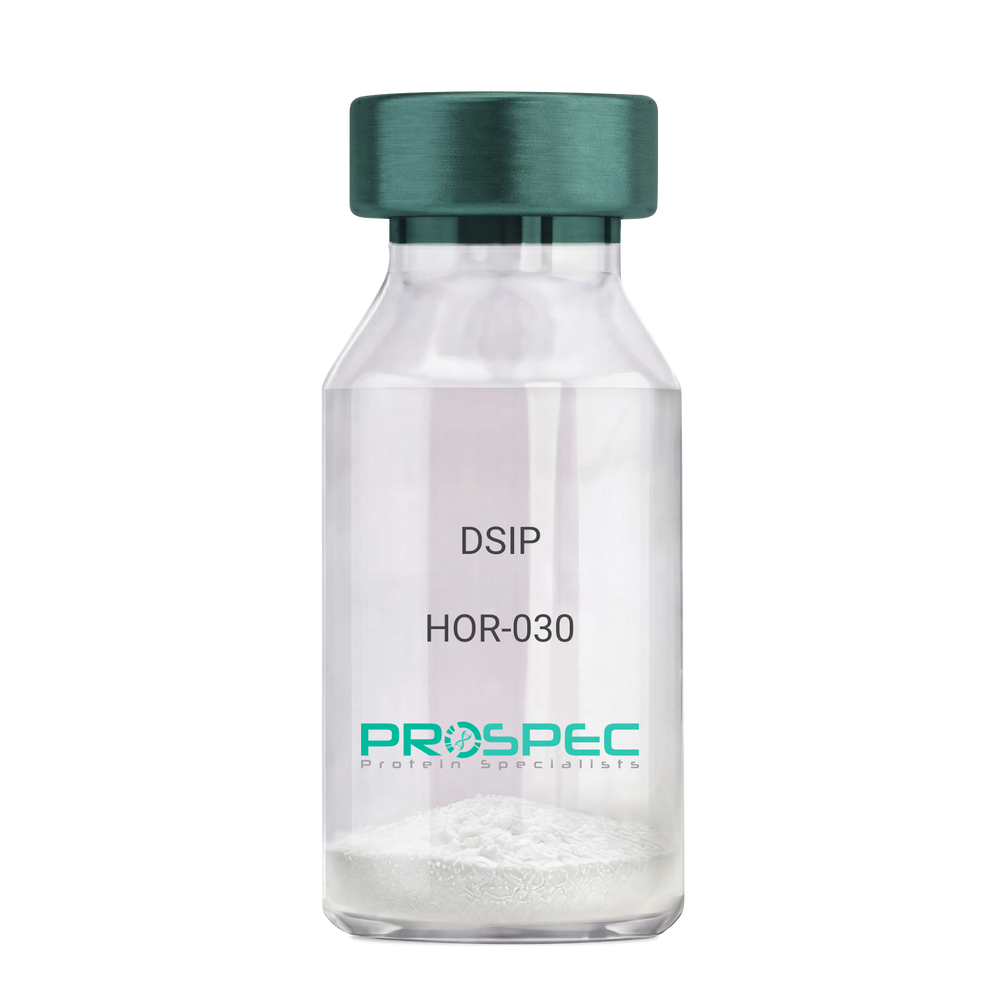
    DSIP

    Description:

    Delta Sleep Inducing Peptide

    Product # :

    HOR-030

    Price :

    Quantity :

    Shipping Method :

    Room Temp Icon

    Shipped at Room temp

    Add To Cart

    More Info

    • description
    • formulation
    • purity
    • More Info
    • Citations

    Description

    DSIP Synthetic is a single, non-glycosylated polypeptide chain containing 15 amino acids, having a molecular mass of 1419.55 Dalton and a Molecular formula of C62H98N16O22.

    Formulation

    The protein was lyophilized with no additives.

    Purity

    Greater than 97.0% as determined by analysis by RP-HPLC.

    Citations

    More Info

    • Physical Appearance

      Sterile Filtered White lyophilized (freeze-dried) powder.

    • Stability

      Lyophilized DSIP although stable at room temperature for 3 weeks, should be stored desiccated below -18°C. Upon reconstitution DSIP should be stored at 4°C between 2-7 days and for future use below -18°C. For long term storage it is recommended to add a carrier protein (0.1% HSA or BSA). Please prevent freeze-thaw cycles.

    • Solubility

      It is recommended to reconstitute the lyophilized DSIP in sterile 18MΩ-cm H2O not less than 100 µg/ml, which can then be further diluted to other aqueous solutions.

    • Amino Acid Sequence

      H-Gly-Glu-Pro-Pro-Pro-Gly-Lys-Pro-Ala-Asp-Asp-Ala-Gly-Leu-Val-OH

    • Background

      Delta Sleep-Inducing Peptide (DSIP), also known as Sleep-Promoting Peptide, is a neuropeptide that has been the subject of extensive research due to its potential role in sleep regulation, stress response, and neuroprotection. This nonapeptide, first isolated from the cerebral venous blood of rabbits during sleep, has been shown to induce slow-wave sleep, modulate pain perception, and exhibit potential antioxidant and immunomodulatory properties.

      DSIP's primary function is its interaction with the sleep regulatory system. By modulating the release of certain neurotransmitters, DSIP can influence sleep patterns, particularly promoting slow-wave sleep, the most restorative stage of sleep. Studies by Kovalzon et al. (2011) have demonstrated that DSIP can enhance sleep quality in rats, suggesting potential applications in sleep disorders and the promotion of healthy sleep patterns.

      In addition to its sleep-inducing effects, DSIP has been shown to possess neuroprotective properties. Research by Zolotarev et al. (2014) found that DSIP could protect neurons from oxidative stress, suggesting potential applications in the treatment of neurodegenerative diseases such as Alzheimer's and Parkinson's disease.

      Given its sleep-inducing and neuroprotective effects, DSIP has been proposed as a potential therapeutic agent for a variety of conditions, including sleep disorders, chronic pain, and neurodegenerative diseases. For instance, a study by Spong et al. (2016) found that DSIP could improve sleep quality in patients with chronic insomnia, indicating its potential as a therapeutic agent in the treatment of sleep disorders.

      While research on DSIP is promising, it is important to note that most studies have been conducted in animals or in vitro. More research is needed to fully understand the potential effects and applications of DSIP in humans. However, the existing body of research suggests that DSIP could be a promising tool in the treatment of sleep disorders, chronic pain, and neurodegenerative diseases.

    ProSpec's products are furnished for LABORATORY RESEARCH USE ONLY. The product may not be used as drugs, agricultural or pesticidal products, food additives or household chemicals.

    Dsip
  • View Data Sheet

    Name :

    TYMS Antibody

    Description:

    Thymidylate Synthetase, Mouse Anti Human

    TMS, EC 2.1.1.45, HST422, Thymidylate synthase, TSase, TS, TYMS, MGC88736.

    Product # :

    ANT-002

    Price :

    Quantity :

    Shipping Method :

    Ice Icon

    Shipped with Ice Packs

    Add To Cart

    More Info

    • formulation
    • More Info
    • Citations

    Formulation

    1mg/ml containing PBS, pH-7.4, & 0.1% Sodium Azide.

    Citations

    More Info

    • Introduction

      Thymidylate synthase catalyzes the methylation of deoxyuridylate to deoxythymidylate using 5,10-methylenetetrahydrofolate as a cofactor which maintains the dTMP (thymidine-5-prime monophosphate) pool vital for DNA replication and repair. Thymidylate synthase plays an important role as a cancer chemotherapeutic agent. Thymidylate synthase is the primary site of action for 5-fluorouracil, 5-fluoro-2-prime-deoxyuridine, and several folate analogs.

    • Synonyms

      TMS, EC 2.1.1.45, HST422, Thymidylate synthase, TSase, TS, TYMS, MGC88736.

    • Immunogen

      Anti-human TYMS mAb, is derived from hybridization of mouse F0 myeloma cells with spleen cells from BALB/c mice immunized with recombinant human TYMS amino acids 1-313 purified from E. coli.

    • Ig Subclass

      Mouse IgG2b heavy chain and κ light chain.

    • Clone

      PAT1S5AT.

    • Applications

      TYMS antibody has been tested by ELISA and Western blot analysis to assure specificity and reactivity. Since application varies, however, each investigation should be titrated by the reagent to obtain optimal results. Recommended dilution range for Western blot and Immunofluorescence analysis is 1:500 ~ 1000. Recommended starting dilution is 1:500.

    • Type

      Mouse Anti Human Monoclonal.

    • Storage Procedures

      For periods up to 1 month store at 4°C, for longer periods of time, store at -20°C. Prevent freeze thaw cycles.

    • Purification Method

      TYMS antibody was purified from mouse ascitic fluids by protein-G affinity chromatography.

    ProSpec's products are furnished for LABORATORY RESEARCH USE ONLY. The product may not be used as drugs, agricultural or pesticidal products, food additives or household chemicals.

    Tyms Antibody
  • View Data Sheet

    Name :

    TUBB3 Antibody

    Description:

    Tubulin beta-3, Mouse Anti Human

    Beta-4, CDCBM, CFEOM3A, TUBB4, Tubulin beta-3 chain, Tubulin beta-4 chain, Tubulin beta-III, TUBB3.

    Product # :

    ANT-569

    Price :

    Quantity :

    Shipping Method :

    Ice Icon

    Shipped with Ice Packs

    Add To Cart

    More Info

    • formulation
    • More Info
    • Citations

    Formulation

    1mg/ml containing PBS, pH-7.4, 10% Glycerol and 0.02% Sodium Azide.

    Citations

    More Info

    • Introduction

      Tubulin, beta 3 class III (TUBB3), which is the major constituent of microtubules, is primarily Expressed in neurons and is involved in neurogenesis and in axon guidance and maintenance. TUBB3 binds two moles of GTP, one at an exchangeable site on the beta chain and one at a non-exchangeable site on the alpha-chain.

    • Synonyms

      Beta-4, CDCBM, CFEOM3A, TUBB4, Tubulin beta-3 chain, Tubulin beta-4 chain, Tubulin beta-III, TUBB3.

    • Physical Appearance

      Sterile filtered colorless solution.

    • Immunogen

      Anti-human TUBB3 mAb, is derived from hybridization of mouse F0 myeloma cells with spleen cells from BALB/c mice immunized with a recombinant human TUBB3 protein 1-450 amino acids purified from E. coli.

    • Ig Subclass

      Mouse IgG1 heavy chain and k light chain.

    • Clone

      PAT2F5AT.

    • Applications

      TUBB3 antibody has been tested by ELISA, Western blot analysis, ICC/IF and Flow cytometry to assure specificity and reactivity. Since application varies, however, each investigation should be titrated by the reagent to obtain optimal results. Recommended dilution range for Western blot analysis is 1:1000. Recommended dilution range for ICC/IF and Flow cytometry is 1:200.

    • Type

      Mouse Anti Human Monoclonal.

    • Storage Procedures

      For periods up to 1 month store at 4°C, for longer periods of time, store at -20°C. Prevent freeze thaw cycles.

    • Purification Method

      TUBB3 antibody was purified from mouse ascitic fluids by protein-A affinity chromatography.

    ProSpec's products are furnished for LABORATORY RESEARCH USE ONLY. The product may not be used as drugs, agricultural or pesticidal products, food additives or household chemicals.

    Tubb3 Antibody
  • View Data Sheet

    Name :

    LA/SS-B Human, Biotin

    Description:

    LA / SS-B Human Recombinant, Biotinylated

    Lupus La protein, Sjoegren syndrome type B antigen, SS-B, La ribonucleoprotein, La autoantigen, SSB, La, LARP3, LA/SS-B, La(SS-B).

    Product # :

    PRO-2562

    Price :

    Quantity :

    Shipping Method :

    Ice Icon

    Shipped with Ice Packs

    Add To Cart

    More Info

    • description
    • source
    • formulation
    • purity
    • More Info
    • Citations

    Description

    LA/SS-B Human Recombinant produced in SF9 is a single, glycosylated, polypeptide chain having a calculated molecular mass of 48 kDa. The LA/SS-B is expressed with a -6x His tag at N-terminus and purified by proprietary chromatographic techniques.

    Source

    Sf9 insect cells.

    Formulation

    The protein solution contains 20mM HEPES, pH 7.5, 400mM NaCl, 20% Glycerol.

    Purity

    Greater than 80.0% as determined by SDS-PAGE.

    Citations

    More Info

    • Introduction

      The La protein is a 47 kDa polypeptide that frequently acts as an autoantigen in systemic lupus erythematosus and Sjogren's syndrome patients. La is involved in various aspects of RNA metabolism, including binding and protecting 3-prime UUU(OH) elements of newly RNA polymerase III - transcribed RNA, processing 5-prime and 3-prime ends of pre-tRNA precursors, acting as an RNA chaperone, and binding viral RNAs linked to hepatitis C virus. It occurs in both the nucleus and the cytoplasm, where it assumes different roles. In the nucleus, La protein facilitates the production of tRNAs, acting as an RNA polymerase III (RNAP III) transcription factor by attaching to the U-rich 3'UTR of nascent transcripts, aiding in their folding and maturation. In the cytoplasm, La protein facilitates the translation of specific mRNAs, acting as a translation factor. As an RNA binding protein (RBP), La protein associates with subsets of mRNAs which contain a 5'-terminal oligopyrimidine (5'TOP) motif known to direct protein synthesis. The binding of La protein to particular classes of RNA molecules regulates their downstream processing, guards them from endonuclease digestion, and organizes their export from the nucleus. La/SS-B appears to be readily disposed to proteolysis, which results in many smaller (42kD, 320, and 270) nevertheless still immunoreactive polypeptides. La/SS-B antigen is strongly conserved across species. Anti-La/SS-B autoantibodies were originally found as precipitating autoantibodies in sera of Sjogren's Syndrome patients and referred to as SjT. Anti-La/SS-B precipitins are most frequently found in Sjogren's Syndrome, Systemic Lupus Erythematosus (SLE) and Subacute Cutaneous Lupus. Also, there seems to be a correlation between anti-La/SS-B and the absence of nephritis in SLE patients.

    • Synonyms

      Lupus La protein, Sjoegren syndrome type B antigen, SS-B, La ribonucleoprotein, La autoantigen, SSB, La, LARP3, LA/SS-B, La(SS-B).

    • Physical Appearance

      Sterile Filtered clear solution.

    • Stability

      Store at 4°C if entire vial will be used within 2-4 weeks. Store, frozen at -20°C for longer periods of time. Avoid multiple freeze-thaw cycles.

    • Immunological Functions

      1. Binds IgG type human auto antibodies.2. Functional Streptavidin based ELISA test (analysis of positive/negative samples.)

    ProSpec's products are furnished for LABORATORY RESEARCH USE ONLY. The product may not be used as drugs, agricultural or pesticidal products, food additives or household chemicals.

    Ssb Protein
  • View Data Sheet

    Name :

    ANGPTL3 (17-460) Human

    Description:

    Angiopoietin-like Protein 3 (17-460 a.a.) Human Recombinant

    Angiopoietin Like 3, Angiopoietin 5, ANGPT5, ANG-5, Angiopoietin-Related Protein 3 , Angiopoietin-Like Protein 3, Angiopoietin-Like 3, Angiopoietin-5, FHBL2, ANL3.

    Product # :

    CYT-986

    Price :

    Quantity :

    Shipping Method :

    Ice Icon

    Shipped with Ice Packs

    Add To Cart

    More Info

    • description
    • source
    • formulation
    • purity
    • More Info
    • sds-page
    • Citations

    Description

    ANGPTL3 produced in Sf9 Baculovirus cells is a single, glycosylated polypeptide chain containing 453 amino acids (17-460 a.a.) and having a molecular mass of 52.9kDa (Migrates at 25-70kDa on SDS-PAGE under reducing conditions). ANGPTL3 is expressed with an 6 amino acid His tag at C-Terminus and purified by proprietary chromatographic techniques.

    Source

    Sf9, Baculovirus cells.

    Formulation

    ANGPTL3 protein solution (0.25mg/ml) contains Buffered Saline (pH 7.4),30% glycerol And 1mM DTT.

    Purity

    Greater than 90.0% as determined by SDS-PAGE.

    sds-page

    ANGPTL3-sds-page - Product image 1

    Citations

    More Info

    • Introduction

      ANGPTL3 and ANGPTL4 are angiopoietin-like proteins secreted and expressed mainly by the liver, their role being the regulation of triglyceride metabolism by inhibiting the lipolysis of triglyceride-rich lipoproteins. During different nutritional states (feeding/fasting) the levels of the circulating triglycerides are regulated by Angptl3 and Angptl4 through differential inhibition of Lipoprotein lipase (LPL) as shown by the experimental data. The molecular structure of ANGPTL3 is similar to that of the angiopoietins (vascular endothelial growth factors). Deletion mutants of human Angiopoietin 5 were used in order to demonstrate that the N-terminal domain (fragment 17-207) and not the C-terminal fibrinogen-like domain (fragment 207-460) increased the plasma triglyceride levels in mice.

    • Synonyms

      Angiopoietin Like 3, Angiopoietin 5, ANGPT5, ANG-5, Angiopoietin-Related Protein 3 , Angiopoietin-Like Protein 3, Angiopoietin-Like 3, Angiopoietin-5, FHBL2, ANL3.

    • Physical Appearance

      Sterile Filtered colorless solution.

    • Stability

      Store at 4°C if entire vial will be used within 2-4 weeks. Store, frozen at -20°C for longer periods of time. For long term storage it is recommended to add a carrier protein (0.1% HSA or BSA). Avoid multiple freeze-thaw cycles.

    • Amino Acid Sequence

      ADPSRIDQDN SSFDSLSPEP KSRFAMLDDV KILANGLLQL GHGLKDFVHK TKGQINDIFQ KLNIFDQSFY DLSLQTSEIK EEEKELRRTT YKLQVKNEEV KNMSLELNSK LESLLEEKIL LQQKVKYLEE QLTNLIQNQP ETPEHPEVTS LKTFVEKQDN SIKDLLQTVE DQYKQLNQQH SQIKEIENQL RRTSIQEPTE ISLSSKPRAP RTTPFLQLNE IRNVKHDGIP AECTTIYNRG EHTSGMYAIR PSNSQVFHVY CDVISGSPWT LIQHRIDGSQ NFNETWENYK YGFGRLDGEF WLGLEKIYSI VKQSNYVLRI ELEDWKDNKH YIEYSFYLGN HETNYTLHLV AITGNVPNAI PENKDLVFST WDHKAKGHFN CPEGYSGGWW WHDECGENNL NGKYNKPRAK SKPERRRGLS WKSQNGRLYS IKSTKMLIHP TDSESFEHHH HHH.

    • Background

      What is the molecular weight/Mw of ANGPTL3 Protein?
      ANGPTL3 Protein has a total Mw of 52.9kDa.

      What is the source or expression system of ANGPTL3 Protein?
      Sf9, Baculovirus cells.

      What is the Purity of ANGPTL3 Protein?
      ANGPTL3 Protein is >90% pure as determined by SDS-PAGE.

      What is the Biological Activity of ANGPTL3 Protein?
      The biological functionality of ANGPTL3 Protein will be determined in the future.

      What is the amino acid sequence of ANGPTL3 Protein?
      ADPSRIDQDN SSFDSLSPEP KSRFAMLDDV KILANGLLQL GHGLKDFVHK TKGQINDIFQ KLNIFDQSFY DLSLQTSEIK EEEKELRRTT YKLQVKNEEV KNMSLELNSK LESLLEEKIL LQQKVKYLEE QLTNLIQNQP ETPEHPEVTS LKTFVEKQDN SIKDLLQTVE DQYKQLNQQH SQIKEIENQL RRTSIQEPTE ISLSSKPRAP RTTPFLQLNE IRNVKHDGIP AECTTIYNRG EHTSGMYAIR PSNSQVFHVY CDVISGSPWT LIQHRIDGSQ NFNETWENYK YGFGRLDGEF WLGLEKIYSI VKQSNYVLRI ELEDWKDNKH YIEYSFYLGN HETNYTLHLV AITGNVPNAI PENKDLVFST WDHKAKGHFN CPEGYSGGWW WHDECGENNL NGKYNKPRAK SKPERRRGLS WKSQNGRLYS IKSTKMLIHP TDSESFEHHH HHH.

      What applications can ANGPTL3 Protein be used in?
      ANGPTL3 Protein can probably be used in western blot, ELISA and Lateral Flow.

      What is the endotoxin level for ANGPTL3 Protein?
      The endotoxin level is minimal, ANGPTL3 Protein was purified using conventional chromatography techniques.

    ProSpec's products are furnished for LABORATORY RESEARCH USE ONLY. The product may not be used as drugs, agricultural or pesticidal products, food additives or household chemicals.

    Angptl3 17 460 Human
  • View Data Sheet

    Name :

    T.pallidum p47 (Partial)

    Description:

    Treponema pallidum p47 (Partial) Recombinant

    Product # :

    TRP-249

    Price :

    Quantity :

    Shipping Method :

    Ice Icon

    Shipped with Ice Packs

    Add To Cart

    More Info

    • description
    • source
    • formulation
    • purity
    • More Info
    • Citations

    Description

    The E.Coli derived recombinant protein is fused at the C- terminus with a 6xHis Tag and contains the T.Pallidum p47 immunodominant regions.

    Source

    Escherichia Coli.

    Formulation

    70mM Tris-HCl pH8.0, 50mM NaCl, 50% Glycerol and 1.5M urea.

    Purity

    Treponema Pallidum protein is >95% pure as determined by 10% PAGE (coomassie staining).

    Citations

    More Info

    • Introduction

      Treponema pallidum is a gram-negative spirochaete bacterium and is considered to be metabolically crippled. There are at least four known subspecies: T. pallidum pallidum, T. pallidum pertenue, T. pallidum carateum and T. pallidum endemicum. The helical structure of T. pallidum pallidum allows it to move in a corkscrew motion through viscous mediums such as mucus. Treponema pallidum subsp. pallidum has one of the smallest bacterial genomes at 1.14 million base pairs (Mb) and has limited metabolic capabilities, reflecting its adaptation through genome reduction to the rich environment of mammalian tissue.

    • Stability

      Treponema Pallidum although stable at 4°C for 1 week, should be stored below -18°C. Please prevent freeze thaw cycles.

    • Applications

      Treponema Pallidum protein is suitable for ELISA and Western blots, excellent antigen for detection of T.Pallidum with minimal specificity problems.

    • Specificity

      Immunoreactive with sera of T.Pallidum infected individuals.

    • Purification Method

      Treponema Pallidum protein was purified by proprietary chromatographic technique.

    ProSpec's products are furnished for LABORATORY RESEARCH USE ONLY. The product may not be used as drugs, agricultural or pesticidal products, food additives or household chemicals.

    Tpallidum P47 Partial
  • View Data Sheet

    Name :

    TRIM33 Human

    Description:

    Tripartite Motif Containing 33 Human Recombinant

    E3 ubiquitin-protein ligase TRIM33, Ectodermin homolog, RET-fused gene 7 protein, Protein Rfg7, Transcription intermediary factor 1-gamma, TIF1-gamma, Tripartite motif-containing protein 33, TRIM33, KIAA1113, RFG7, TIF1G, ECTO, PTC7, TF1G, TIFGAMMA, TIF1GAMMA.

    Product # :

    PRO-1506

    Price :

    Quantity :

    Shipping Method :

    Ice Icon

    Shipped with Ice Packs

    Add To Cart

    More Info

    • description
    • source
    • formulation
    • purity
    • More Info
    • Citations

    Description

    TRIM33 Human Recombinant produced in SF9 is a glycosylated, polypeptide chain having a calculated molecular mass of 124,041 Dalton. TRIM33 is expressed with a -10xHis tag at N-terminus and purified by proprietary chromatographic techniques.

    Source

    Sf9 Insect Cells.

    Formulation

    TRIM33 is supplied in 20mM HEPES buffer pH-7.9, 550mM NaCl and 6M Urea.

    Purity

    Greater than 80.0% as determined by SDS-PAGE.

    Citations

    More Info

    • Introduction

      Tripartite Motif Containing 33 (TRIM33) belongs to the tripartite motif family. This motif includes 3 zinc-binding domains, a RING, a B-box type 1 and a B-box type 2, and a coiled-coil region. TRIM33 is assumed to be a transcriptional corepressor. TRIM33 functions as an E3 ubiquitin-protein ligase. TRIM33 also promotes SMAD4 ubiquitination, nuclear exclusion and degradation via the ubiquitin proteasome pathway. In addition, TRIM33 inhibits the transcriptional response to TGF-beta/BMP signaling cascade. Furthermore, TRIM33 has a role in the control of cell proliferation.

    • Synonyms

      E3 ubiquitin-protein ligase TRIM33, Ectodermin homolog, RET-fused gene 7 protein, Protein Rfg7, Transcription intermediary factor 1-gamma, TIF1-gamma, Tripartite motif-containing protein 33, TRIM33, KIAA1113, RFG7, TIF1G, ECTO, PTC7, TF1G, TIFGAMMA, TIF1GAMMA.

    • Physical Appearance

      Sterile Filtered clear solution.

    • Stability

      Store at 4°C if entire vial will be used within 2-4 weeks. Store, frozen at -20°C for longer periods of time. Avoid multiple freeze-thaw cycles.

    ProSpec's products are furnished for LABORATORY RESEARCH USE ONLY. The product may not be used as drugs, agricultural or pesticidal products, food additives or household chemicals.

    Trim33 Human
  • View Data Sheet

    Name :

    PRRT2 Human

    Description:

    Proline-Rich Transmembrane Protein 2 Human Recombinant

    Proline-Rich Transmembrane Protein 2, Infantile Convulsions And Paroxysmal Choreoathetosis, Dispanin Subfamily B Member 3, DSPB3, BFIC2, BFIS2, DYT10, EKD1, PKC, FICCA, IFITMD1, ICCA.

    Product # :

    PRO-1852

    Price :

    Quantity :

    Shipping Method :

    Ice Icon

    Shipped with Ice Packs

    Add To Cart

    More Info

    • description
    • source
    • formulation
    • purity
    • More Info
    • Citations

    Description

    PRRT2 Human Recombinant produced in E.coli is a single, non-glycosylated polypeptide chain containing 291 amino acids (1-268) and having a molecular mass of 29.7 kDa. PRRT2 is fused to a 23 amino acid His-tag at N-terminus.

    Source

    Escherichia Coli.

    Formulation

    The PRRT2 solution (0.25mg/ml) contains 20mM Tris-HCl buffer (pH 8.0), 0.15M NaCl, 1mM DTT and 10% glycerol.

    Purity

    Greater than 85% as determined by SDS-PAGE.

    Citations

    More Info

    • Introduction

      Transmembrane protein PRRT2 holds a proline-rich domain in its N-terminal half. PRRT2 is known to be primarily expressed in brain and spinal cord in embryonic and postnatal stages. Alterations in this gene are the cause for paroxysmal kinesigenic dyskinesia. PRRT2 mutations were found in nearly 30% of sporadic PKC patients.

    • Synonyms

      Proline-Rich Transmembrane Protein 2, Infantile Convulsions And Paroxysmal Choreoathetosis, Dispanin Subfamily B Member 3, DSPB3, BFIC2, BFIS2, DYT10, EKD1, PKC, FICCA, IFITMD1, ICCA.

    • Physical Appearance

      Sterile Filtered clear solution.

    • Stability

      Store at 4°C if entire vial will be used within 2-4 weeks. Store, frozen at -20°C for longer periods of time. For long term storage it is recommended to add a carrier protein (0.1% HSA or BSA).Avoid multiple freeze-thaw cycles.

    • Amino Acid Sequence

      MGSSHHHHHH SSGLVPRGSH MGSMAASSSE ISEMKGVEES PKVPGEGPGH SEAETGPPQV LAGVPDQPEA PQPGPNTTAA PVDSGPKAGL APETTETPAG ASETAQATDL SLSPGGESKA NCSPEDPCQE TVSKPEVSKE ATADQGSRLE SAAPPEPAPE PAPQPDPRPD SQPTPKPALQ PELPTQEDPT PEILSESVGE KQENGAVVPL QAGDGEEGPA PEPHSPPSKK SPPANGAPPR VLQQLVEEDR MRRAHSGHPG SPRGSLSRHP SSQLAGPGVE GGEGTQKPRD Y.

    ProSpec's products are furnished for LABORATORY RESEARCH USE ONLY. The product may not be used as drugs, agricultural or pesticidal products, food additives or household chemicals.

    Prrt2 Human
  • View Data Sheet

    Name :

    GYPA Human

    Description:

    Glycophorin A Human Recombinant

    Glycophorin A (MNS Blood Group), Glycophorin A (MN Blood Group), Sialoglycoprotein Alpha, MN Sialoglycoprotein, PAS-2, GPA, Erythroid-Lineage-Specific Membrane Sialoglycoprotein, Recombinant Glycophorin A-B Miltenberger-DR, Glycophorin A (Includes MN Blood Group),  Mi.V Glycoprotein (24 AA), Glycophorin Sta Type C, Glycophorin A, GPA, Glycophorin Erik, Glycophorin MiV, Glycophorin SAT, CD235a Antigen, Glycophorin-A, HGpSta(C),  HGpMiXI, CD235a, GPErik, HGpMiV, GPSAT, MNS, MN.

    Product # :

    PRO-2426

    Price :

    Quantity :

    Shipping Method :

    Ice Icon

    Shipped with Ice Packs

    Add To Cart

    More Info

    • description
    • source
    • formulation
    • purity
    • More Info
    • Citations

    Description

    GYPA Human Recombinant produced in Sf9 Insect cells is a single, glycosylated polypeptide chain containing 81 amino acids (20-91a.a.) and having a molecular mass of 9.1kDa. (Molecular size on SDS-PAGE under reducing conditions 18-28kDa).GYPA is expressed with a 9 amino acids His tag at C-Terminus and purified by proprietary chromatographic techniques.

    Source

    Sf9, Insect cells.

    Formulation

    GYPA protein solution (1mg/ml) containing Phosphate Buffered Saline (pH 7.4) and 10% glycerol.

    Purity

    Greater than 85.0% as determined by SDS-PAGE.

    Citations

    More Info

    • Introduction

      Glycophorins A & B (GYPA &GYPB) are the main sialoglycoproteins of the human erythrocyte membrane which carry the antigenic determinants for the MN and Ss blood groups. Along with the M or N and S or s antigens which normally occur in all populations, approximately 40 related variant phenotypes were identified. These variants comprise all the variants of the Miltenberger complex and some isoforms of Sta, as well as Dantu, Sat, He, Mg, and deletion variants Ena, S-s-U- and Mk. GYPA is significant for the function of SLC4A1 and is necessary for high activity of SLC4A1. GYPA is involved in translocation of SLC4A1 to the plasma membrane. GYPA is also a receptor for: the influenza virus, Plasmodium falciparum erythrocyte-binding antigen 175 (EBA-175); binding of EBA-175 is dependent on sialic acid residues of the O-linked glycans and is also a receptor for Hepatitis A virus (HAV).

    • Synonyms

      Glycophorin A (MNS Blood Group), Glycophorin A (MN Blood Group), Sialoglycoprotein Alpha, MN Sialoglycoprotein, PAS-2, GPA, Erythroid-Lineage-Specific Membrane Sialoglycoprotein, Recombinant Glycophorin A-B Miltenberger-DR, Glycophorin A (Includes MN Blood Group), Mi.V Glycoprotein (24 AA), Glycophorin Sta Type C, Glycophorin A, GPA, Glycophorin Erik, Glycophorin MiV, Glycophorin SAT, CD235a Antigen, Glycophorin-A, HGpSta(C), HGpMiXI, CD235a, GPErik, HGpMiV, GPSAT, MNS, MN.

    • Physical Appearance

      Sterile Filtered colorless solution.

    • Stability

      Store at 4°C if entire vial will be used within 2-4 weeks. Store, frozen at -20°C for longer periods of time. For long term storage it is recommended to add a carrier protein (0.1% HSA or BSA).Avoid multiple freeze-thaw cycles.

    • Amino Acid Sequence

      ADPLSTTEVA MHTSTSSSVT KSYISSQTND THKRDTYAAT PRAHEVSEIS VRTVYPPEEE TGERVQLAHH FSEPEHHHHH H

    ProSpec's products are furnished for LABORATORY RESEARCH USE ONLY. The product may not be used as drugs, agricultural or pesticidal products, food additives or household chemicals.

    Gypa Human
  • View Data Sheet

    Name :

    SSX1 Human

    Description:

    Synovial Sarcoma, X Breakpoint 1 Human Recombinant

    Synovial Sarcoma X Breakpoint 1, Cancer/Testis Antigen 5.1, CT5.1, SSRC Sarcoma Synovial X-Chromosome-Related 1, Cancer/Testis Antigen Family 5 Member 1, Cancer/Testis Antigen Family 5, Protein SSX1, Member 1, SSX1.

    Product # :

    PRO-1379

    Price :

    Quantity :

    Shipping Method :

    Ice Icon

    Shipped with Ice Packs

    Add To Cart

    More Info

    • description
    • source
    • formulation
    • purity
    • More Info
    • Citations

    Description

    SSX1 Human Recombinant produced in E.Coli is a single, non-glycosylated polypeptide chain containing 211 amino acids (1-188 a.a) and having a molecular mass of 24.3kDa.SSX1 is fused to a 23 amino acid His-tag at N-terminus & purified by proprietary chromatographic techniques.

    Source

    Escherichia Coli.

    Formulation

    SSX1 protein solution (1mg/ml) containing 20mM Tris-HCl buffer (pH 8.0), 0.4M Urea and 10% glycerol.

    Purity

    Greater than 85.0% as determined by SDS-PAGE.

    Citations

    More Info

    • Introduction

      Synovial Sarcoma, X Breakpoint 1 (SSX1) is a member of a family of highly homologous synovial sarcoma X (SSX) breakpoint proteins. SSX proteins are localized to the nucleus and expressed in testis and some types of cancers and, hence, they are classified as C/T (cancer/testis) antigens. These proteins may serve as transcriptional repressors. SSX1 genes are involved in the t (X;18) translocation typically found in all synovial sarcomas. This translocation leads to the fusion of the synovial sarcoma translocation gene on chromosome 18 to one of the SSX genes on chromosome X. These hybrid proteins are most likely responsible for transforming activity.

    • Synonyms

      Synovial Sarcoma X Breakpoint 1, Cancer/Testis Antigen 5.1, CT5.1, SSRC Sarcoma Synovial X-Chromosome-Related 1, Cancer/Testis Antigen Family 5 Member 1, Cancer/Testis Antigen Family 5, Protein SSX1, Member 1, SSX1.

    • Physical Appearance

      Sterile Filtered colorless solution.

    • Stability

      Store at 4°C if entire vial will be used within 2-4 weeks. Store, frozen at -20°C for longer periods of time. For long term storage it is recommended to add a carrier protein (0.1% HSA or BSA).Avoid multiple freeze-thaw cycles.

    • Amino Acid Sequence

      MGSSHHHHHH SSGLVPRGSH MGSMNGDDTF AKRPRDDAKA SEKRSKAFDD IATYFSKKEW KKMKYSEKIS YVYMKRNYKA MTKLGFKVTL PPFMCNKQAT DFQGNDFDND HNRRIQVEHP QMTFGRLHRI IPKIMPKKPA EDENDSKGVS EASGPQNDGK QLHPPGKANI SEKINKRSGP KRGKHAWTHR LRERKQLVIY EEISDPEEDD E.

    ProSpec's products are furnished for LABORATORY RESEARCH USE ONLY. The product may not be used as drugs, agricultural or pesticidal products, food additives or household chemicals.

    Ssx1 Human
  • View Data Sheet

    Name :

    T.pallidum p15

    Description:

    Treponema pallidum p15 Recombinant

    Product # :

    TRP-246

    Price :

    Quantity :

    Shipping Method :

    Ice Icon

    Shipped with Ice Packs

    Add To Cart

    More Info

    • description
    • source
    • formulation
    • purity
    • More Info
    • Citations

    Description

    The E.Coli derived recombinant protein contains the Trp. Pallidum p15 immunodominant regions. The protein contains beta-galactosidase (114 kDa) fused at the N-terminus.

    Source

    Escherichia Coli.

    Formulation

    20mM Tris-HCl pH-8, 10mM B-ME and 8M urea.

    Purity

    Treponema Pallidum protein is >95% pure as determined by 10% PAGE (coomassie staining).

    Citations

    More Info

    • Introduction

      Treponema pallidum is a gram-negative spirochaete bacterium and is considered to be metabolically crippled. There are at least four known subspecies: T. pallidum pallidum, T. pallidum pertenue, T. pallidum carateum and T. pallidum endemicum. The helical structure of T. pallidum pallidum allows it to move in a corkscrew motion through viscous mediums such as mucus. Treponema pallidum sub sp. pallidum has one of the smallest bacterial genomes at 1.14 million base pairs (Mb) and has limited metabolic capabilities, reflecting its adaptation through genome reduction to the rich environment of mammalian tissue.

    • Stability

      Protein should be stored at 4°C.Refrigerate Upon arrival. DO NOT FREEZE.

    • Applications

      Treponema Pallidum protein is suitable for ELISA and Western blots, excellent antigen for detection of Trp. Pallidum with minimal specificity problems.

    • Specificity

      Immunoreactive with sera of Trp. Pallidum infected individuals.

    • Purification Method

      Treponema Pallidum protein was purified by proprietary chromatographic technique.

    ProSpec's products are furnished for LABORATORY RESEARCH USE ONLY. The product may not be used as drugs, agricultural or pesticidal products, food additives or household chemicals.

    Tpallidum P15
  • View Data Sheet

    Name :

    TNFRSF12A Human

    Description:

    TNF Ligand Receptor Superfamily Member 12A Human Recombinant

    Tumor necrosis factor receptor superfamily member 12A, FN14, CD266 antigen, TweakR, tweak-receptor, Fibroblast growth factor-inducible immediate-early response protein 14, FGF-inducible 14, type I transmembrane protein Fn14.

    Product # :

    CYT-043

    Price :

    Quantity :

    Shipping Method :

    Room Temp Icon

    Shipped at Room temp

    Add To Cart

    More Info

    • description
    • source
    • formulation
    • purity
    • biological activity
    • More Info
    • Citations

    Description

    TNFRSF12A Human Recombinant produced in E.Coli is a single, non-glycosylated, polypeptide chain containing 53 amino acids and having a molecular mass of 5.6 KDa.The TNFRSF12A is purified by proprietary chromatographic techniques.

    Source

    Escherichia Coli.

    Formulation

    Lyophilized from a 0.2µm filtered concentrated solution in PBS, pH7.4.

    Purity

    Greater than 97.0% as determined by:
    (a) Analysis by RP-HPLC.
    (b) Analysis by SDS-PAGE.

    Biological Activity

    The TNFRSF12A biological activity is determined by its ability to inhibit TWEAK-induced weak cell death of HT29 cells. The expected ED50 for this effect is 1.0-5.0ug/ml in the presence of 1ug/ml rhTWEAK.

    Citations

    More Info

    • Introduction

      The gene for TNFRSF12A was initially recognized as a fibroblast growth factor inducible immediate early response gene Fn14 in mouse NIH 3T3 fibroblasts. Human TNFRSF12A cDNA encodes a 129 amino acid residue type I transmembrane protein with a 27 aa signal peptide, a 53 aa extracellular domain, a 21 aa transmembrane domain and a 28 aa cytoplasmic domain. Human and mouse TNFRSF12A hold 82% aa sequence identity. TNFRSF12 is the tiniest member of the TNF receptor superfamily and has only one cysteine rich region in its extracellular domain. The TNFRSF12A cytoplasmic domain holds one TRAF binding motif which binds TRAFs 1, 2, and 3. TNFRSF12A binds its ligand TWEAK/TNFSF12A with high affinity to initiate a signal transduction cascade which subject to the cell type, causes different cellular responses such as cell death, cell proliferation, and angiogenesis.

    • Synonyms

      Tumor necrosis factor receptor superfamily member 12A, FN14, CD266 antigen, TweakR, tweak-receptor, Fibroblast growth factor-inducible immediate-early response protein 14, FGF-inducible 14, type I transmembrane protein Fn14.

    • Physical Appearance

      Sterile Filtered White lyophilized (freeze-dried) powder.

    • Stability

      Lyophilized TNFRSF12A although stable at room temperature for 3 weeks, should be stored desiccated below -18°C. Upon reconstitution TNFRSF12A should be stored at 4°C between 2-7 days and for future use below -18°C.For long term storage it is recommended to add a carrier protein (0.1% HSA or BSA).Please prevent freeze-thaw cycles.

    • Solubility

      It is recommended to reconstitute the lyophilized TNFRSF12A in sterile 18M-cm H2O not less than 100µg/ml, which can then be further diluted to other aqueous solutions.

    • Amino Acid Sequence

      EQAPGTAPCS RGSSWSADLD KCMDCASCRA RPHSDFCLGC AAAPPAPFRL LWP.

    ProSpec's products are furnished for LABORATORY RESEARCH USE ONLY. The product may not be used as drugs, agricultural or pesticidal products, food additives or household chemicals.

    Tnfrsf12A Human
  • View Data Sheet

    Name :

    T.Vaginalis P65

    Description:

    Trichomonas Vaginalis P65 Recombinant

    Product # :

    PRO-1920

    Price :

    Quantity :

    Shipping Method :

    Ice Icon

    Shipped with Ice Packs

    Add To Cart

    More Info

    • description
    • source
    • formulation
    • purity
    • More Info
    • Citations

    Description

    The Recombinant Trichomonas vaginalis p65, E.Coli derived migrates around 67kda on SDS-PAGE. The full length protein is purified by standard chromatography techniques.

    Source

    Escherichia Coli.

    Formulation

    T. Vaginalis p65protein solution in PBS and 25Mm K2CO3.

    Purity

    Protein is >90% pure as determined by 10% PAGE (coomassie staining).

    Citations

    More Info

    • Introduction

      Trichomonas vaginalis, an anaerobic, flagellated protozoan parasite, is most dominant protozoan causing sexual transmitted disease. T. vaginalis induced vaginal tract infection occurs as multiple steps involving interactions between host macromolecules and protozoan virulent factor. Adhension protein P65 of T. vaginalis has a vital part in assisting the penetration into vaginal tract surface.

    • Physical Appearance

      Sterile Filtered clear solution.

    • Stability

      T. Vaginalis p65 Recombinant although stable at 4°C for 1 week, should be stored below -18°C. Please prevent freeze thaw cycles.

    ProSpec's products are furnished for LABORATORY RESEARCH USE ONLY. The product may not be used as drugs, agricultural or pesticidal products, food additives or household chemicals.

    Tvaginalis P65
  • View Data Sheet

    Name :

    Anaplasma Msp5

    Description:

    Anaplasma phagocytophilum Msp5 Recombinant

    Major surface protein 5, msp5.

    Product # :

    PRO-2565

    Price :

    Quantity :

    Shipping Method :

    Ice Icon

    Shipped with Ice Packs

    Add To Cart

    More Info

    • description
    • source
    • formulation
    • purity
    • More Info
    • Citations

    Description

    Recombinant Anaplasma Msp5 produced in SF9 is a glycosylated, polypeptide chain having a calculated molecular mass of 20kDa. Anaplasma Msp5 is expressed with a -6x His tag at N-terminus and purified by proprietary chromatographic techniques.

    Source

    Sf9 insect cells.

    Formulation

    Anaplasma Msp5 is supplied at a 20mM HEPES buffer pH-8.0, 200mM NaCl and 20% Glycerol.

    Purity

    Greater than 80% as determined by SDS-PAGE.

    Citations

    More Info

    • Introduction

      The granulocytic anaplasmosis disease is initiated by the Gram-negative bacterium Anaplasma phagocytophilum. Anaplasma Msp5 is preserved among the Anaplasma classes and expressed in the salivary glands of infected ticks.

    • Synonyms

      Major surface protein 5, msp5.

    • Physical Appearance

      Sterile Filtered solution.

    • Stability

      Store at 4°C if entire vial will be used within 2-4 weeks. Store, frozen at -20°C for longer periods of time. Avoid multiple freeze-thaw cycles.

    • Immunological Functions

      Binds IgG- and IgM-type human antibodies.

    ProSpec's products are furnished for LABORATORY RESEARCH USE ONLY. The product may not be used as drugs, agricultural or pesticidal products, food additives or household chemicals.

    Anaplasma Phagocytophilum Msps
  • View Data Sheet

    Name :

    FAS Blocking Antibody

    Description:

    FAS Blocking Antibody (CD95), Mouse anti Human

    FASLG receptor, Apoptosis-mediating surface antigen FAS, Apo-1 antigen, CD95, Tumor necrosis factor receptor superfamily member 6 TNR6, APT1, FAS1, TNFRSF6.

    Product # :

    ANT-205

    Price :

    Quantity :

    Shipping Method :

    Room Temp Icon

    Shipped at Room temp

    Add To Cart

    More Info

    • More Info
    • Citations

    Citations

    More Info

    • Introduction

      The Fas receptor (CD95) mediates apoptotic signaling by Fas-ligand expressed on the surface of other cells. The Fas-FasL interaction plays an important role in the immune system and lack of this system leads to autoimmunity, indicating that Fas-mediated apoptosis removes self-reactive lymphocytes. Fas signaling is also involved in immune surveillance to remove transformed cells and virus infected cells. Binding of FAS to oligimerized FasL on another cell activates apoptotic signaling through a cytoplasmic domain termed the death domain that interacts with signaling adaptors including FAF, FADD and DAX to activate the caspase proteolytic cascade. Caspase-8 and caspase-10 are first activated, to then cleave and activate downstream caspases, and a variety of cellular substrates that lead to cell death. Caspases cleave nuclear lamins, causing the nucleus to break down and lose its normal structure and another caspase substrate is DFF, inducing cleavage and degradation of the genome. Other caspase substrates are involved in cytoskeletal structure, cell cycle regulation and signaling pathways. Activation of JNK kinase, activation of Jun, and production of ceramide may also play roles in Fas-mediated apoptosis. Activation of fas-mediated apoptosis is opposed by I-FLICE and FAP. Viruses and tumors may escape immune surveillance in part through suppression of fas-mediated apoptosis using similar mechanisms.

    • Synonyms

      FASLG receptor, Apoptosis-mediating surface antigen FAS, Apo-1 antigen, CD95, Tumor necrosis factor receptor superfamily member 6 TNR6, APT1, FAS1, TNFRSF6.

    • Solubility

      Reconstitute with H20. Mix gently, wash the sides of the vial and wait 30-60 seconds before use.

    • Immunogen

      Recombinant Human FAS.

    • Ig Subclass

      mouse IgG1.

    • Clone

      NYRhFAS.

    • Note

      This is a BLOCKING antibody and will block FAS-mediated apoptosis.

    • Titer

      By direct ELISA, 1:10,000 dilution will yield 0.5 O.D using alkaline phosphatase conjugated rabbit anti-mouse Ig (Jackson Laboratories).

    • Shipping Conditions

      Antibody is shipped lyophilized at ambient temperature.

    • Type

      Mouse Anti Human Monoclonal.

    • Storage Procedures

      In lyophilized form, for long periods, store at 4°C in a dry environment. After reconstitution, if not intended for use within a month, aliquot and store at -20°C.

    • Purification Method

      Ion exchange column Protein concentration1 mg/ml in PBS (after reconstitution).

    ProSpec's products are furnished for LABORATORY RESEARCH USE ONLY. The product may not be used as drugs, agricultural or pesticidal products, food additives or household chemicals.

    Fas B Antibody
  • View Data Sheet

    Name :

    TnT Human

    Description:

    Cardiac Troponin T Human

    Troponin T cardiac muscle, TnTc, Cardiac muscle troponin T, cTnT, TNNT2, CMH2, CMPD2, MGC3889.

    Product # :

    PRO-342

    Price :

    Quantity :

    Shipping Method :

    Room Temp Icon

    Shipped at Room temp

    Add To Cart

    More Info

    • description
    • source
    • formulation
    • purity
    • More Info
    • Citations

    Description

    Human Cardiac Troponin T produced from Human Cardiac Tissue, having a molecular weight of approximately 35 kDa.
    The Cardiac troponin-T is Immunogen for troponin biochemical, antibody production and immunochemical studies.

    Source

    Human skeletal muscle.

    Formulation

    Human Cardiac Troponin was lyophilized in 0.01 M HCl.

    Purity

    Greater than 95.0% as determined by SDS-PAGE.


    Citations

    More Info

    • Introduction

      Troponin-T is one of three subunits that form the troponin complex of the thin filaments of striated muscle, it regulates muscle contraction in response to alterations in intracellular calcium ion concentration. TnTc is expressed only in the heart and has proved to be a specific biomarker for heart disease.
      Mutations in TNNT2 are associated with familial hypertrophic cardiomyopathy as well as with dilated cardiomyopathy.
      Alternative splicing results in many tissue-specific isoforms.

    • Synonyms

      Troponin T cardiac muscle, TnTc, Cardiac muscle troponin T, cTnT, TNNT2, CMH2, CMPD2, MGC3889.

    • Physical Appearance

      Sterile Filtered White lyophilized (freeze-dried) powder.

    • Stability

      Lyophilized TnT although stable at room temperature for 3 weeks, should be stored desiccated below -18°C. Upon reconstitution Cardiac Troponin T should be stored at 4°C between 2-7 days and for future use below -18°C.
      For long term storage it is recommended to add a carrier protein (0.1% HSA or BSA).
      Please prevent freeze-thaw cycles.

    • Solubility

      It is recommended to reconstitute the lyophilized TnT with urea /Tris buffer (20mM Tris, pH 7.5, 5 mM EDTA, 7 M urea and 15 mM 2-mercaptoethanol) not less than 100µg/ml, which can then be further diluted to other aqueous solutions.

    • Human Virus Test

      Blood sample from the tissue donor was tested and found negative for HBsAg, HIV-1 and HIV-2 antibodies, HCV, and syphilis.

    ProSpec's products are furnished for LABORATORY RESEARCH USE ONLY. The product may not be used as drugs, agricultural or pesticidal products, food additives or household chemicals.

    Troponin T Human
  • View Data Sheet

    Name :

    Streptolysin-O

    Description:

    Streptolysin-O Streptococcus Pyogenes Recombinant

    Streptolysin O, Thiol-activated cytolysin, slo.

    Product # :

    PRO-2302

    Price :

    Quantity :

    Shipping Method :

    Room Temp Icon

    Shipped at Room temp

    Add To Cart

    More Info

    • description
    • source
    • formulation
    • purity
    • More Info
    • Citations

    Description

    Recombinant Streptococcus Pyogenes Streptolysin-O produced in E.coli is a single, non-glycosylated, polypeptide chain containing 538 amino acids and having a molecular mass of 60.1kDa.The Streptolysin-O is purified by proprietary chromatographic techniques.

    Source

    Escherichia Coli.

    Formulation

    Streptolysin-O protein was lyophilized from a 0.2µm filtered concentrated solution in PBS, pH 7.4.

    Purity

    Greater than 97.0% as determined by
    (a) Analysis by RP-HPLC.
    (b) Analysis by SDS-PAGE.

    Citations

    More Info

    • Introduction

      Streptolysin-O is a sulfhydryl-activated toxin which causes cytolysis by forming pores in cholesterol containing host membranes. After binding to target membranes, the Streptolysin-O protein undergoes a major conformation change, leading to its insertion in the host membrane and creation of an oligomeric pore complex. Cholesterol may be needed for binding to host membranes, membrane insertion and pore formation. Streptolysin-O can be reversibly inactivated by oxidation.

    • Synonyms

      Streptolysin O, Thiol-activated cytolysin, slo.

    • Physical Appearance

      Sterile Filtered white lyophilized powder.

    • Stability

      Lyophilized Streptolysin-O although stable at room temperature for 3 weeks, should be stored desiccated below -18°C. Upon reconstitution Streptolysin-O should be stored at 4°C between 2-7 days and for future use below -18°C. For long term storage it is recommended to add a carrier protein (0.1% HSA or BSA). Please prevent freeze-thaw cycles.

    • Solubility

      It is recommended to reconstitute the lyophilized Streptolysin-O in sterile 18M-cm H2O not less than 100µg/ml, which can then be further diluted to other aqueous solutions.

    • Amino Acid Sequence

      NKQNTASTET TTTNEQPKPE SSELTTEKAG QKTDDMLNSN DMIKLAPKEM PLESAEKEEK KSEDKKKSEE DHTEEINDKI YSLNYNELEV LAKNGETIEN FVPKEGVKKA DKFIVIERKK KNINTTPVDI SIIDSVTDRT YPAALQLANK GFTENKPDAV VTKRNPQKIH IDLPGMGDKA TVEVNDPTYA NVSTAIDNLV NQWHDNYSGG NTLPARTQYT ESMVYSKSQI EAALNVNSKI LDGTLGIDFK SISKGEKKVM IAAYKQIFYT VSANLPNNPA DVFDKSVTFK ELQRKGVSNE APPLFVSNVA YGRTVFVKLE TSSKSNDVEA AFSAALKGTD VKTNGKYSDI LENSSFTAVV LGGDAAEHNK VVTKDFDVIR NVIKDNATFS RKNPAYPISY TSVFLKNNKI AGVNNRTEYV ETTSTEYTSG KINLSHQGAY VAQYEILWDE INYDDKGKEV ITKRRWDNNW YSKTSPFSTV IPLGANSRNI RIMARECTGL AWEWWRKVID ERDVKLSKEI NVNISGSTLS PYGSITYK.

    ProSpec's products are furnished for LABORATORY RESEARCH USE ONLY. The product may not be used as drugs, agricultural or pesticidal products, food additives or household chemicals.

    Streptolysin O
  • View Data Sheet

    Name :

    TNF a Mutant Human

    Description:

    Tumor Necrosis Factor-Alpha Mutant Human Recombinant

    TNF-alpha, Tumor necrosis factor ligand superfamily member 2, TNF-a, Cachectin, DIF, TNFA, TNFSF2.

    Product # :

    CYT-384

    Price :

    Quantity :

    Shipping Method :

    Room Temp Icon

    Shipped at Room temp

    Add To Cart

    More Info

    • description
    • source
    • formulation
    • purity
    • biological activity
    • More Info
    • Citations

    Description

    Tumor Necrosis Factor-a Variant Human Recombinant produced in E.Coli is a single, non-glycosylated, polypeptide chain containing 151 amino acids and having a molecular mass of 16598 Dalton. The TNF-alpha Variant is purified by standard chromatographic techniques.

    Source

    Escherichia Coli.

    Formulation

    The protein was lyophilized after extensive dialysis against 0.5x PBS pH -7.

    Purity

    Greater than 95.0% as determined by:
    (a) Analysis by RP-HPLC.
    (b) Analysis by SDS-PAGE.

    Biological Activity

    The ED50 as determined by the cytolysis of murine L929 cells in the presence of Actinomycin D is < 0.05ng/ml, corresponding to a Specific Activity of 20,000,000 units/mg.

    Citations

    More Info

    • Introduction

      The clinical use of the potent anti-tumor activity of TNF-a has been limited by the proinflammatory side effects including fever, dose-limiting hypotension, hepatotoxicity, intravascular thrombosis, and hemorrhage. Designing clinically applicable TNF-a mutants with low systemic toxicity has been an intense pharmacological interest. Human TNF-a, which binds to the murine TNF-R55 but not to the mouse TNF-R75, exhibits retained anti-tumor activity and reduced systemic toxicity in mice compared with murine TNF-a, which binds to both murine TNF receptors. Based on these results, many TNF-? mutants that selectively bind to TNF-R55 have been designed. These mutants displayed cytotoxic activities on tumor cell lines in vitro, and exhibited lower systemic toxicity in vivo.
      Recombinant Human TNF-a Variant/Mutant compared with the wild-type, has an amino acid sequence deletion from a.a. 1-7, and the following a.a. substitutes Arg8, Lys9, Arg10 and Phe157 which is proven tohave more activity and with less inflammatory side effect in vivo.

    • Synonyms

      TNF-alpha, Tumor necrosis factor ligand superfamily member 2, TNF-a, Cachectin, DIF, TNFA, TNFSF2.

    • Physical Appearance

      Sterile Filtered White lyophilized (freeze-dried) powder.

    • Stability

      Lyophilized Tumor Necrosis Factor-a Variant although stable at room temperature for 3 weeks, should be stored desiccated below -18°C. Upon reconstitution TNF-a Variant should be stored at 4°C between 2-7 days and for future use below -18°C.For long term storage it is recommended to add a carrier protein (0.1% HSA or BSA).Please prevent freeze-thaw cycles.

    • Solubility

      It is recommended to reconstitute the lyophilized Tumor Necrosis Factor-alpha Variant in sterile 18MΩ-cm H2O not less than 100µg/ml, which can then be further diluted to other aqueous solutions.

    • Amino Acid Sequence

      MRKRKPVAHV VANPQAEGQL QWLNRRANAL LANGVELRDN
      QLVVPSEGLY LIYSQVLFKG QGCPSTHVLL THTISRIAVS YQTKVNLLSA IKSPCQRETP EGAEAKPWYE PIYLGGVFQL EKGDRLSAEI NRPDYLDFAE SGQVYFGIIAF.

    ProSpec's products are furnished for LABORATORY RESEARCH USE ONLY. The product may not be used as drugs, agricultural or pesticidal products, food additives or household chemicals.

    Tnf Alpha Mutant Human
  • View Data Sheet

    Name :

    T.pallidum p15 (Partial)

    Description:

    Treponema pallidum p15 (Partial) Recombinant

    Product # :

    TRP-275

    Price :

    Quantity :

    Shipping Method :

    Ice Icon

    Shipped with Ice Packs

    Add To Cart

    More Info

    • description
    • source
    • formulation
    • purity
    • More Info
    • Citations

    Description

    The E.Coli derived recombinant protein is fused at N-terminus with GST tag and contains the Trp. Pallidum p15 immunodominant regions.

    Source

    Escherichia Coli.

    Formulation

    70mM Tris-HCl pH-8, 84mM NaCl, 14mM Glutathione, 30% Glycerol & 0.2% Sarcosil.

    Purity

    Treponema Pallidum protein is >95% pure as determined by 10% PAGE (coomassie staining).

    Citations

    More Info

    • Introduction

      Treponema pallidum is a gram-negative spirochaete bacterium and is considered to be metabolically crippled. There are at least four known subspecies: T. pallidum pallidum, T. pallidum pertenue, T. pallidum carateum and T. pallidum endemicum. The helical structure of T. pallidum pallidum allows it to move in a corkscrew motion through viscous mediums such as mucus. Treponema pallidum sub sp. pallidum has one of the smallest bacterial genomes at 1.14 million base pairs (Mb) and has limited metabolic capabilities, reflecting its adaptation through genome reduction to the rich environment of mammalian tissue.

    • Stability

      Treponema Pallidum protein although stable at 4°C for 1 week, should be stored below -18°C. Please prevent freeze thaw cycles.

    • Applications

      Treponema Pallidum protein is suitable for ELISA and Western blots, excellent antigen for detection of Trp. Pallidum with minimal specificity problems.

    • Specificity

      Immunoreactive with sera of Trp. Pallidum infected individuals.

    • Purification Method

      Treponema Pallidum protein was purified by proprietary chromatographic technique.

    ProSpec's products are furnished for LABORATORY RESEARCH USE ONLY. The product may not be used as drugs, agricultural or pesticidal products, food additives or household chemicals.

    Tpallidum P15 Partial
  • View Data Sheet

    Name :

    TNFSF8 Human, Sf9

    Description:

    CD30 Ligand Human Recombinant, Sf9

    Tumor Necrosis Factor Superfamily Member 8, Tumor Necrosis Factor (Ligand) Superfamily, Member 8, CD153 Antigen, CD30 Ligand, CD30LG, CD30-L, CD30L, Tumor Necrosis Factor (Ligand) Superfamily Member 8, Tumor Necrosis Factor Ligand 3A, CD30 Antigen Ligand, TNLG3A, CD153, Tumor necrosis factor ligand superfamily member 8, TNFSF8, CD30 ligand.

    Product # :

    CYT-954

    Price :

    Quantity :

    Shipping Method :

    Ice Icon

    Shipped with Ice Packs

    Add To Cart

    More Info

    • description
    • source
    • formulation
    • purity
    • More Info
    • Citations

    Description

    TNFSF8 produced in Sf9 Baculovirus cells is a single, glycosylated polypeptide chain containing 181 amino acids (63-234a.a.) and having a molecular mass of 20.7kDa (Molecular size on SDS-PAGE will appear at approximately 18-40kDa). TNFSF8 is expressed with a 6 amino acid His tag at C-Terminus and purified by proprietary chromatographic techniques.

    Source

    Sf9, Baculovirus cells.

    Formulation

    TNFSF8 protein solution (0.5mg/ml) contains Phosphate Buffered Saline (pH 7.4) and 10% glycerol.

    Purity

    Greater than 85% as determined by SDS-PAGE.

    Citations

    More Info

    • Introduction

      CD30 Ligand (TNFSF8) is a cytokine which is a member of the tumor necrosis factor (TNF) ligand family. The TNFSF8 cytokine is a ligand for TNFRSF8/CD30, which is a cell surface antigen and a marker for Hodgkin lymphoma and related hematologic malignancies. The employment of the TNFSF8 cytokine expressed on B cell surface has an inhibitory role in modulating Ig class switch. TNFSF8 enhances cell proliferation of some lymphoma cell lines, while inducing cell death and reducing cell proliferation of other lymphoma cell lines. The pleiotropic biological activities of the TNFSF8 cytokine on different CD30+ lymphoma cell lines has a pathophysiologic role in Hodgkin's and some non-Hodgkin's lymphomas.

    • Synonyms

      Tumor Necrosis Factor Superfamily Member 8, Tumor Necrosis Factor (Ligand) Superfamily, Member 8, CD153 Antigen, CD30 Ligand, CD30LG, CD30-L, CD30L, Tumor Necrosis Factor (Ligand) Superfamily Member 8, Tumor Necrosis Factor Ligand 3A, CD30 Antigen Ligand, TNLG3A, CD153, Tumor necrosis factor ligand superfamily member 8, TNFSF8, CD30 ligand.

    • Physical Appearance

      Sterile filtered colorless solution.

    • Stability

      Store at 4°C if entire vial will be used within 2-4 weeks. Store, frozen at -20°C for longer periods of time. For long term storage it is recommended to add a carrier protein (0.1% HSA or BSA).Avoid multiple freeze-thaw cycles.

    • Amino Acid Sequence

      ADPQRTDSIP NSPDNVPLKG GNCSEDLLCI LKRAPFKKSW AYLQVAKHLN KTKLSWNKDG ILHGVRYQDG NLVIQFPGLY FIICQLQFLV QCPNNSVDLK LELLINKHIK KQALVTVCES GMQTKHVYQN LSQFLLDYLQ VNTTISVNVD TFQYIDTSTF PLENVLSIFL YSNSDHHHHH H.

    ProSpec's products are furnished for LABORATORY RESEARCH USE ONLY. The product may not be used as drugs, agricultural or pesticidal products, food additives or household chemicals.

    Tnfsf8 Human Sf9
  • View Data Sheet

    Name :

    Thymopentin

    Description:

    Thymopentin

    Product # :

    HOR-241

    Price :

    Quantity :

    Shipping Method :

    Room Temp Icon

    Shipped at Room temp

    Add To Cart

    More Info

    • description
    • formulation
    • purity
    • biological activity
    • More Info
    • Citations

    Description

    Thymopentin has a molecular formula of C30H49N9O9, Arg-Lys-Asp-Val-Tyr-OH having an Mw of 679.8 Dalton.

    Formulation

    The protein (1mg/ml) was lyophilized with no additives.

    Purity

    Greater than 99.0% as determined by:
    (a) Analysis by RP-HPLC.
    (b) Analysis by SDS-PAGE.

    Biological Activity

    What is the molecular weight/Mw of THYMOPENTIN Protein? THYMOPENTIN Protein has a total Mw of 0.67kDa. What is the Purity of THYMOPENTIN Protein? THYMOPENTIN Protein is >99% pure as determined by SDS-PAGE. What is the Biological Activity of THYMOPENTIN Protein? The biological functionality of THYMOPENTIN Protein will be determined in the future. What applications can THYMOPENTIN Protein be used in? THYMOPENTIN Protein can probably be used in western blot, ELISA and Lateral Flow. What is the endotoxin level for THYMOPENTIN Protein? The endotoxin level is minimal, THYMOPENTIN Protein was purified using conventional chromatography techniques.

    Citations

    More Info

    • Introduction

      Thymopentin, also known as TP-5, is a synthetic pentapeptide which is the active site of the naturally occurring hormone thymopoietin with immunomodulating properties (corresponding to the amino acids 32-36 of thymopoietin). Thymopentin enhances the production of thymic T cells and may help restore immunocompetence in immunosuppressed subjects. This agent also augments the effects of ionizing radiation by arresting cancer cells in the G2/M phase of the cell cycle.

    • Physical Appearance

      Sterile Filtered White lyophilized (freeze-dried) powder.

    • Stability

      Lyophilized Thymopentin although stable at room temperature for 3 weeks, should be stored desiccated below -18°C. Upon reconstitution TP-5 should be stored at 4°C between 2-7 days and for future use below -18°C.For long term storage it is recommended to add a carrier protein (0.1% HSA or BSA).Please prevent freeze-thaw cycles.

    • Solubility

      It is recommended to reconstitute the lyophilized Thymopentin in sterile 18MΩ-cm H2O not less than 100 µg/ml, which can then be further diluted to other aqueous solutions.

    ProSpec's products are furnished for LABORATORY RESEARCH USE ONLY. The product may not be used as drugs, agricultural or pesticidal products, food additives or household chemicals.

    Thymopentin
  • 1
  • …
  • 23
  • 24
  • 25
  • 26
  • 27
  • …
  • 42
Your browser does not support the video tag.

Products

  • Cytokines
  • Growth Factors
  • Chemokines
  • CD Antigens
  • Neurotrophins
  • Hormones
  • Enzymes
  • Viral Antigens
  • Recombinant Proteins
  • Natural Proteins
  • Monoclonal Antibodies
  • Polyclonal Antibodies
  • Thermal Packaging

About

  • Company
  • Founder
  • Contribution
  • Contact Us
  • My Account

Ordering

  • Ordering Method
  • Ordering - Credit Card
  • Ordering PO
  • Shipping Fees
  • FAQ's

Legal

  • Terms & Conditions
  • Privacy
  • Site Map
  • info@prospecbio.com
  • Facebook
  • Instagram
  • Linkedin Profile

© 2026 ProSpec-Tany TechnoGene Ltd. All Rights Reserved.

  • Choosing a selection results in a full page refresh.
  • Opens in a new window.