Skip to content

High-quality research proteins.

  • 1-800-805-6531

  • Mon - Sat 8.00-18.00, Sun - Closed

  • info@prospecbio.com

  • PO Box 6591 East Brunswick NJ 08816

  • Products
    • Cytokines
    • Growth factors
    • Chemokines
    • Cd antigens
    • Neurotrophins
    • Hormones
    • Enzymes
    • Viral antigens
    • Recombinant proteins
    • Natural proteins
    • Monoclonal antibodies
    • Polyclonal antibodies
    • Thermal Packaging
  • About
    • Company
    • Founder
    • Contribution
  • Customers
    • Eastern Asia
    • Eastern Europe
    • North America
    • South America
    • South East Asia
    • Southern Asia
    • Western Europe
  • Ordering
    • Ordering Method
    • Ordering - Credit Card
    • Ordering - PO
    • Shipping Fees
    • FAQs
  • Services
    • DNA Cloning
    • Protein Expression
    • Monoclonal Antibody
    • Fermentation
    • Technology License
  • Contact us
Log in

Country/region

  • USD $ | Albania
  • USD $ | Andorra
  • USD $ | Argentina
  • USD $ | Armenia
  • USD $ | Australia
  • USD $ | Austria
  • USD $ | Azerbaijan
  • USD $ | Belarus
  • USD $ | Belgium
  • USD $ | Bolivia
  • USD $ | Brazil
  • USD $ | Bulgaria
  • USD $ | Cambodia
  • USD $ | Canada
  • USD $ | Chile
  • USD $ | China
  • USD $ | Colombia
  • USD $ | Costa Rica
  • USD $ | Croatia
  • USD $ | Cyprus
  • USD $ | Czechia
  • USD $ | Denmark
  • USD $ | Estonia
  • USD $ | Finland
  • USD $ | France
  • USD $ | Georgia
  • USD $ | Germany
  • USD $ | Greece
  • USD $ | Hong Kong SAR
  • USD $ | Hungary
  • USD $ | Iceland
  • USD $ | India
  • USD $ | Ireland
  • USD $ | Israel
  • USD $ | Italy
  • USD $ | Japan
  • USD $ | Kazakhstan
  • USD $ | Latvia
  • USD $ | Liechtenstein
  • USD $ | Lithuania
  • USD $ | Madagascar
  • USD $ | Malta
  • USD $ | Mexico
  • USD $ | Moldova
  • USD $ | Monaco
  • USD $ | Netherlands
  • USD $ | New Zealand
  • USD $ | North Macedonia
  • USD $ | Norway
  • USD $ | Panama
  • USD $ | Paraguay
  • USD $ | Peru
  • USD $ | Philippines
  • USD $ | Poland
  • USD $ | Portugal
  • USD $ | Romania
  • USD $ | Singapore
  • USD $ | Slovakia
  • USD $ | Slovenia
  • USD $ | South Africa
  • USD $ | South Korea
  • USD $ | Spain
  • USD $ | Sri Lanka
  • USD $ | Sweden
  • USD $ | Switzerland
  • USD $ | Taiwan
  • USD $ | Thailand
  • USD $ | Türkiye
  • USD $ | Ukraine
  • USD $ | United Kingdom
  • USD $ | United States
  • USD $ | Uruguay
  • USD $ | Vatican City
  • USD $ | Venezuela
  • USD $ | Vietnam
  • Facebook
  • Instagram
logoProSpec - Recombinant Protein Manufacturer for academic and R&D industry
Become a distributor
Account Log in
Wishlist
Cart Cart(0)
  • Products
    +
    • Cytokines
    • Growth factors
    • Chemokines
    • Cd antigens
    • Neurotrophins
    • Hormones
    • Enzymes
    • Viral antigens
    • Recombinant proteins
    • Natural proteins
    • Monoclonal antibodies
    • Polyclonal antibodies
    • Thermal Packaging
  • About
    +
    • Company
    • Founder
    • Contribution
  • Customers
    +
    • Eastern Asia
    • Eastern Europe
    • North America
    • South America
    • South East Asia
    • Southern Asia
    • Western Europe
  • Ordering
    +
    • Ordering Method
    • Ordering - Credit Card
    • Ordering - PO
    • Shipping Fees
    • FAQs
  • Services
    +
    • DNA Cloning
    • Protein Expression
    • Monoclonal Antibody
    • Fermentation
    • Technology License
  • Contact us

Item added to your cart

View cart
View All
  • Cytokines
  • Growth factors
  • Chemokines
  • Cd antigens
  • Neurotrophins
  • Hormones
  • Enzymes
  • Viral antigens
  • Recombinant proteins
  • Natural proteins
  • Monoclonal antibodies
  • Polyclonal antibodies
  • Thermal Packaging
  • Tumor Necrosis Factor

    Tumor Necrosis Factor

    View All
  • 4-1BB

    4-1BB

    View All
  • Adiponectin

    Adiponectin

    View All
  • AIF1

    AIF1

    View All
  • Other Cytokines

    Other Cytokines

    View All
  • AITRL

    AITRL

    View All
  • Angiopoietin

    Angiopoietin

    View All
  • Apolipoprotein

    Apolipoprotein

    View All
  • B-Cell Activating Factor

    B-Cell Activating Factor

    View All
  • Beta Defensin

    Beta Defensin

    View All
  • Bone Morphogenetic Protein

    Bone Morphogenetic Protein

    View All
  • B type Natriuretic Peptide

    B type Natriuretic Peptide

    View All
  • BST

    BST

    View All
  • Betacellulin

    Betacellulin

    View All
  • Cardiotrophin

    Cardiotrophin

    View All
  • Activin

    Activin

    View All
  • Fibroblast Growth Factor

    Fibroblast Growth Factor

    View All
  • Other Growth Factors

    Other Growth Factors

    View All
  • CSF

    CSF

    View All
  • CTGF

    CTGF

    View All
  • IGFBP

    IGFBP

    View All
  • VEGF Protein

    VEGF Protein

    View All
  • EGF

    EGF

    View All
  • Epigen

    Epigen

    View All
  • Erythropoietin

    Erythropoietin

    View All
  • Insulin-Like Growth Factor

    Insulin-Like Growth Factor

    View All
  • Growth Hormone

    Growth Hormone

    View All
  • HDGF

    HDGF

    View All
  • Hepatocyte Growth Factor

    Hepatocyte Growth Factor

    View All
  • Insulin

    Insulin

    View All
  • BCA-1/ BLC (CXCL13)

    BCA-1/ BLC (CXCL13)

    View All
  • BRAK (CXCL14)

    BRAK (CXCL14)

    View All
  • C-10 (CCL6)

    C-10 (CCL6)

    View All
  • Other Chemokines

    Other Chemokines

    View All
  • MEC (CCL28)

    MEC (CCL28)

    View All
  • LD78-beta (CCL3L1)

    LD78-beta (CCL3L1)

    View All
  • CTACK (CCL27)

    CTACK (CCL27)

    View All
  • CXCL16

    CXCL16

    View All
  • CXCL17

    CXCL17

    View All
  • Platelet Factor-4 (CXCL4)

    Platelet Factor-4 (CXCL4)

    View All
  • ENA-78 (CXCL5)

    ENA-78 (CXCL5)

    View All
  • Eotaxin (CCL11,24,26)

    Eotaxin (CCL11,24,26)

    View All
  • Exodus-2 (CCL21)

    Exodus-2 (CCL21)

    View All
  • Fractalkine (CX3CL1)

    Fractalkine (CX3CL1)

    View All
  • CXCL6

    CXCL6

    View All
  • Other CD Antigens

    Other CD Antigens

    View All
  • CD14

    CD14

    View All
  • CD164

    CD164

    View All
  • CD1

    CD1

    View All
  • CD2

    CD2

    View All
  • CD200

    CD200

    View All
  • CD207

    CD207

    View All
  • CD226

    CD226

    View All
  • CD23

    CD23

    View All
  • CD244

    CD244

    View All
  • CD247

    CD247

    View All
  • CD27

    CD27

    View All
  • CD274

    CD274

    View All
  • CD300

    CD300

    View All
  • CD33

    CD33

    View All
  • Other Neurotrophins

    Other Neurotrophins

    View All
  • Beta-NGF

    Beta-NGF

    View All
  • BDNF

    BDNF

    View All
  • CDNF

    CDNF

    View All
  • CNTF

    CNTF

    View All
  • GDNF

    GDNF

    View All
  • Glia Maturation Factor

    Glia Maturation Factor

    View All
  • MANF

    MANF

    View All
  • Midkine

    Midkine

    View All
  • Neuroglobin

    Neuroglobin

    View All
  • Neurotrophic factors

    Neurotrophic factors

    View All
  • Neuregulin

    Neuregulin

    View All
  • Neuropilin

    Neuropilin

    View All
  • Pigment Epithelium-Derived Factor

    Pigment Epithelium-Derived Factor

    View All
  • Pleiotrophin

    Pleiotrophin

    View All
  • Peptide Hormones

    Peptide Hormones

    View All
  • Other Hormones

    Other Hormones

    View All
  • HCG

    HCG

    View All
  • Endothelin

    Endothelin

    View All
  • Exendin

    Exendin

    View All
  • FSH

    FSH

    View All
  • Glucagon

    Glucagon

    View All
  • GHRP

    GHRP

    View All
  • GLP

    GLP

    View All
  • Thyrostimulin

    Thyrostimulin

    View All
  • Inhibin A

    Inhibin A

    View All
  • LHRH

    LHRH

    View All
  • Melanotan

    Melanotan

    View All
  • Procalcitonin

    Procalcitonin

    View All
  • PTH

    PTH

    View All
  • Peroxiredoxin

    Peroxiredoxin

    View All
  • Peptidase

    Peptidase

    View All
  • Synthetase

    Synthetase

    View All
  • Transferase

    Transferase

    View All
  • Hydrolase

    Hydrolase

    View All
  • Dehydrogenase

    Dehydrogenase

    View All
  • ACE2

    ACE2

    View All
  • Esterase

    Esterase

    View All
  • Protein Kinases

    Protein Kinases

    View All
  • Other Enzymes

    Other Enzymes

    View All
  • Phosphatase

    Phosphatase

    View All
  • Deaminase

    Deaminase

    View All
  • Oxygenase

    Oxygenase

    View All
  • Adenylate Kinase

    Adenylate Kinase

    View All
  • Lyase

    Lyase

    View All
  • Chagas

    Chagas

    View All
  • SARS

    SARS

    View All
  • Influenza

    Influenza

    View All
  • ASFV

    ASFV

    View All
  • Astrovirus

    Astrovirus

    View All
  • Borrelia

    Borrelia

    View All
  • Helicobacter Pylori

    Helicobacter Pylori

    View All
  • Chikungunya

    Chikungunya

    View All
  • Chlamydia

    Chlamydia

    View All
  • Cytomegalo

    Cytomegalo

    View All
  • Dengue

    Dengue

    View All
  • EBV

    EBV

    View All
  • Ebola

    Ebola

    View All
  • Feline Leukemia Virus

    Feline Leukemia Virus

    View All
  • Hepatitis A

    Hepatitis A

    View All
  • Other

    Other

    View All
  • Actin

    Actin

    View All
  • ADAM

    ADAM

    View All
  • Complement Component

    Complement Component

    View All
  • Ag85

    Ag85

    View All
  • Eukaryotic Translation Initiation Factor

    Eukaryotic Translation Initiation Factor

    View All
  • Anterior Gradient Protein

    Anterior Gradient Protein

    View All
  • Heat Shock Protein

    Heat Shock Protein

    View All
  • Alpha-2-HS-Glycoprotein

    Alpha-2-HS-Glycoprotein

    View All
  • Hemoglobin

    Hemoglobin

    View All
  • Allergy

    Allergy

    View All
  • Anaplasma

    Anaplasma

    View All
  • Angiogenin

    Angiogenin

    View All
  • Ankyrin Repeat Domain

    Ankyrin Repeat Domain

    View All
  • Annexin

    Annexin

    View All
  • Other Natural Proteins

    Other Natural Proteins

    View All
  • Aprotinin

    Aprotinin

    View All
  • Transferrin

    Transferrin

    View All
  • Avidin

    Avidin

    View All
  • Anti Coagulation Factors

    Anti Coagulation Factors

    View All
  • Natural Albumin

    Natural Albumin

    View All
  • Natural Coagulation Factors

    Natural Coagulation Factors

    View All
  • Fibronectin

    Fibronectin

    View All
  • Thrombin

    Thrombin

    View All
  • Anti Human Enzyme

    Anti Human Enzyme

    View All
  • Other Monoclonal Antibodies

    Other Monoclonal Antibodies

    View All
  • Anti Human Cytokine

    Anti Human Cytokine

    View All
  • Anti Human Heat Shock Protein

    Anti Human Heat Shock Protein

    View All
  • Anti Mouse Lymphocyte

    Anti Mouse Lymphocyte

    View All
  • Anti Human Chemokine

    Anti Human Chemokine

    View All
  • Anti Human Lymphocyte

    Anti Human Lymphocyte

    View All
  • Anti Viral Monoclonal

    Anti Viral Monoclonal

    View All
  • Anti Mouse Cytokine

    Anti Mouse Cytokine

    View All
  • Anti-GST Monoclonal

    Anti-GST Monoclonal

    View All
  • Other Polyclonal Antibodies

    Other Polyclonal Antibodies

    View All
  • Anti Viral

    Anti Viral

    View All
  • Anti-GST Monoclonal

    Anti-GST Monoclonal

    View All
Back

Search results

1000 results found for “resistin”

Name

Description

Product #

Price

Quantity

Shipping Method

  • View Data Sheet

    Name :

    M CSF Mouse

    Description:

    Macrophage-Colony Stimulating Factor Mouse Recombinant

    CSF-1, Lanimostim, MCSF, M-CSF.

    Product # :

    CYT-439

    Price :

    Quantity :

    Shipping Method :

    Room Temp Icon

    Shipped at Room temp

    Add To Cart

    More Info

    • description
    • source
    • formulation
    • purity
    • biological activity
    • More Info
    • Citations

    Description

    Macrophage Colony Stimulating Factor Mouse Recombinant produced in E.coli is a disulfide linked homodimer, non-glycosylated, polypeptide chain containing 2 x 156 amino acids and having a total molecular mass of 36.4 KD.MCSF is purified by proprietary chromatographic techniques.

    Source

    Escherichia Coli.

    Formulation

    The protein was lyophilized from a sterile (0.2µm) filtered solution containing 10mM sodium phosphate, 50mM sodium chloride, pH 7.5.

    Purity

    Greater than 95.0% as determined by SDS-PAGE.

    Biological Activity

    The ED50, as calculated by the dose-dependant stimulation of the proliferation of murine M-NFS-60 indicator cells is 1.33ng/ml corresponding to a specific activity of 7.5x10⁵ units/mg.

    Citations

    More Info
    • Introduction

      Granulocyte/Macrophage Colony-Stimulating Factors are cytokines that act in hematopoiesis by controlling the production, differentiation, and function of 2 related white cell populations of the blood, the granulocytes and the monocytes-macrophages. CSF-1 induces cells of the monocyte/macrophage lineage. It plays a role in immunological defenses, bone metabolism, lipoproteins clearance, fertility and pregnancy.

    • Synonyms

      CSF-1, Lanimostim, MCSF, M-CSF.

    • Physical Appearance

      Sterile Filtered White lyophilized (freeze-dried) powder.

    • Stability

      Lyophilized M-CSF although stable at room temperature for 3 weeks, should be stored desiccated below -18°C. Upon reconstitution MCSF should be stored at 4°C between 2-7 days and for future use below -18°C.Please prevent freeze-thaw cycles.

    • Solubility

      It is recommended to reconstitute the lyophilized M-CSF in sterile 18MΩ-cm H2O not less than 100µg/ml, which can then be further diluted to other aqueous solutions.

    • Amino Acid Sequence

      MKEVSEHCSH MIGNGHLKVL QQLIDSQMET SCQIAFEFVD QEQLDDPVCY LKKAFFLVQD IIDETMRFKD NTPNANATER LQELSNNLNS CFTKDYEEQN KACVRTFHET PLQLLEKIKN FFNETKNLLE KDWNIFTKNC NNSFAKCSSR DVVTKP.

    • Background

      Macrophage-Colony Stimulating Factor Mouse Recombinant: An In-Depth Analysis

      Abstract:

      Macrophage-Colony Stimulating Factor (M-CSF) is a crucial cytokine involved in the regulation of macrophage biology, including their differentiation, survival, and function. This research paper provides an in-depth analysis of M-CSF Mouse Recombinant, focusing on its structure, signaling pathways, and diverse functions in the context of human research. Additionally, the paper explores the therapeutic potential of M-CSF modulation in various diseases.

      Introduction:

      M-CSF plays a vital role in the development and maintenance of macrophages, key immune cells involved in innate immunity and tissue homeostasis. This paper aims to provide a comprehensive analysis of M-CSF Mouse Recombinant, highlighting its importance in human macrophage biology and its potential therapeutic applications.

      Structure and Function of M-CSF:

      M-CSF is a homodimeric protein that binds to its receptor, CSF-1R, leading to the activation of downstream signaling pathways. It regulates the proliferation, survival, and activation of macrophages, influencing immune responses and tissue remodeling processes.

      Signaling Pathways:

      Upon binding to CSF-1R, M-CSF triggers various intracellular signaling pathways, including the MAPK pathway, PI3K/Akt pathway, and JAK/STAT pathway. These pathways regulate gene expression and mediate cellular responses, impacting macrophage functions.

      Role in Macrophage Development and Function:

      M-CSF is essential for the differentiation and maturation of macrophages from hematopoietic progenitor cells. It promotes the survival, proliferation, and activation of macrophages, enhancing their phagocytic activity, cytokine production, and antigen presentation capabilities.

      Therapeutic Potential:

      Given its crucial role in macrophage biology, M-CSF modulation has emerged as a potential therapeutic strategy. M-CSF inhibitors and CSF-1R antagonists have shown promise in the treatment of inflammatory and autoimmune diseases, as well as certain cancers. Targeting M-CSF signaling can modulate immune responses and affect disease progression.

      Clinical Applications and Future Directions:

      The therapeutic potential of M-CSF modulation is being explored in various clinical settings. Clinical trials investigating M-CSF inhibitors as monotherapy or combination therapy are underway in diseases such as rheumatoid arthritis and cancer. Future research should focus on understanding the intricate mechanisms of M-CSF signaling, optimizing therapeutic strategies, and developing personalized treatment approaches.

    ProSpec's products are furnished for LABORATORY RESEARCH USE ONLY. The product may not be used as drugs, agricultural or pesticidal products, food additives or household chemicals.

    M Csf Mouse
  • View Data Sheet

    Name :

    STIP1 Human, His

    Description:

    Stress-Induced-Phosphoprotein 1 Human Recombinant, His Tag

    HOP, P60, STI1, STI1L, IEF-SSP-3521, STIP1, Stress-induced-phosphoprotein 1, Hsc70/Hsp90-organizing protein, Transformation-sensitive protein IEF SSP 3521, Renal carcinoma antigen NY-REN-11.

    Product # :

    PRO-753

    Price :

    Quantity :

    Shipping Method :

    Ice Icon

    Shipped with Ice Packs

    Add To Cart

    More Info

    • description
    • source
    • formulation
    • purity
    • More Info
    • Citations

    Description

    Recombinant Human STIP1 produced in E.Coli is a single, non-glycosylated polypeptide chain containing 563 amino acids (1-543 a.a) and having a molecular mass of 64.8kDa. STIP1 is fused to a 20 amino acid His-Tag at N-terminus and purified by conventional chromatography techniques.

    Source

    Escherichia Coli.

    Formulation

    The STIP1 protein solution (1mg/ml) contains 20mM Tris-HCl, pH-8, 1mM DTT, 1mM EDTA, 0.2mM PMSF and 20% Glycerol.

    Purity

    Greater than 90.0% as determined by SDS-PAGE.

    Citations

    More Info

    • Introduction

      STIP1 is an adaptor protein that mediates the functions of HSP70 & HSP90 in protein folding. STIP1 supports the transfer of proteins from HSP70 to HSP90 by binding together HSP90 and substrate-bound HSP70. STIP1 stimulates the ATPase activity of HSP70 and inhibits the ATPase activity of HSP90, suggesting that it regulates both the conformations and ATPase cycles of these chaperones. STIP1 genetic variations are involved in regulating corticosteroid response in asthmatic subjects with reduced lung function.

    • Synonyms

      HOP, P60, STI1, STI1L, IEF-SSP-3521, STIP1, Stress-induced-phosphoprotein 1, Hsc70/Hsp90-organizing protein, Transformation-sensitive protein IEF SSP 3521, Renal carcinoma antigen NY-REN-11.

    • Physical Appearance

      Sterile filtered colorless solution.

    • Stability

      Store at 4°C if entire vial will be used within 2-4 weeks. Store, frozen at -20°C for longer periods of time. For long term storage it is recommended to add a carrier protein (0.1% HSA or BSA). Avoid multiple freeze-thaw cycles.

    • Amino Acid Sequence

      MGSSHHHHHH SSGLVPRGSH MEQVNELKEK GNKALSVGNI DDALQCYSEA IKLDPHNHVL YSNRSAAYAK KGDYQKAYED GCKTVDLKPDWGKGYSRKAA ALEFLNRFEE AKRTYEEGLK HEANNPQLKE GLQNMEARLA ERKFMNPFNM PNLYQKLESD PRTRTLLSDP TYRELIEQLRNKPSDLGTKL QDPRIMTTLS VLLGVDLGSM DEEEEIATPP PPPPPKKETK PEPMEEDLPE NKKQALKEKE LGNDAYKKKD FDTALKHYDKAKELDPTNMT YITNQAAVYF EKGDYNKCRE LCEKAIEVGR ENREDYRQIA KAYARIGNSY FKEEKYKDAI HFYNKSLAEH TPDVLKKCQQAEKILKEQE RLAYINPDLA LEEKNKGNEC FQKGDYPQAM KHYTEAIKRN PKDAKLYSNR AACYTKLLEF QLALKDCEEC QLEPTFIKGYTRKAAALEA MKDYTKAMDV YQKALDLDSS CKEAADGYQR CMMAQYNRHD SPEDVKRRAM ADPEVQQIMS DPAMRLILEQ MQKDPQALSE HLKNPVIAQK IQKLMDVGLI AIR.

    ProSpec's products are furnished for LABORATORY RESEARCH USE ONLY. The product may not be used as drugs, agricultural or pesticidal products, food additives or household chemicals.

    Stip1 Human
  • View Data Sheet

    Name :

    Myostatin Propeptide Human

    Description:

    Myostatin Propeptide Human Recombinant

    GDF-8, MSTN, Growth Differentiation Factor 8, MSTN Muscle Hypertrophy.

    Product # :

    CYT-448

    Price :

    Quantity :

    Shipping Method :

    Room Temp Icon

    Shipped at Room temp

    Add To Cart

    More Info

    • description
    • source
    • formulation
    • purity
    • biological activity
    • More Info
    • Citations

    Description

    Recombinant Human Myostatin Propeptide is a 27.8kDa protein containing 244 amino acid residues of the human Myostatin Propeptide.

    Source

    Escherichia Coli.

    Formulation

    Lyophilized with no additives.

    Purity

    Greater than 95.0% as determined by SDS-PAGE.

    Biological Activity

    The protein has full biological activity when compared to a standard. The activity is determined by its ability to inhibit 50ng/ml of Myostatin on MPC-11 cells and is typically 0.13-0.2 μg/ml.

    Citations

    More Info

    • Introduction

      Myostatin (GDF-8), a member of the TGFbeta superfamily, is a potent and specific negative regulator of skeletal muscle mass. In serum, myostatin circulates as part of a latent complex containing myostatin propeptide and/or follistatin-related gene. The myostatin propeptide is known to bind and inhibit myostatin in vitro. This interaction is relevant in vivo, with a majority (>70%) of myostatin in serum bound to its propeptide. The myostatin propeptide is negative regulator of myostatin in vivo.

    • Synonyms

      GDF-8, MSTN, Growth Differentiation Factor 8, MSTN Muscle Hypertrophy.

    • Physical Appearance

      Sterile Filtered white lyophilized (freeze-dried) powder.

    • Stability

      Store lyophilized protein at -20°C. Aliquot the product after reconstitution to avoid repeated freezing/thawing cycles. Reconstituted protein can be stored at 4°C for a limited period of time.

    • Solubility

      It is recommended to reconstitute the lyophilized Myostatin Propeptide in sterile 20mM HCl at 0.1mg/ml, which can then be further diluted to other aqueous solutions.

    • Amino Acid Sequence

      MNENSEQKE NVEKEGLCNA CTWRQNTKSS RIEAIKIQIL SKLRLETAPN ISKDVIRQLL PKAPPLRELI DQYDVQRDDS SDGSLEDDDY HATTETIITM PTESDFLMQV DGKPKCCFFK FSSKIQYNKV VKAQLWIYLR PVETPTTVFV QILRLIKPMK DGTRYTGIRS LKLDMNPGTG IWQSIDVKTV LQNWLKQPES NLGIEIKALD ENGHDLAVTF PGPGEDGLNP FLEVKVTDTP KRSRR.

    ProSpec's products are furnished for LABORATORY RESEARCH USE ONLY. The product may not be used as drugs, agricultural or pesticidal products, food additives or household chemicals.

    Myostatin Propeptide Human
  • View Data Sheet

    Name :

    Adiponectin Human, HMW

    Description:

    Adiponectin glycosylated Human Recombinant, HMW Rich

    Acrp30, AdipoQ, GBP-28, APM-1, ACDC.

    Product # :

    CYT-764

    Price :

    Quantity :

    Shipping Method :

    Room Temp Icon

    Shipped at Room temp

    Add To Cart

    More Info

    • description
    • source
    • formulation
    • purity
    • More Info
    • Citations

    Description

    Adiponectin Human Recombinant HMW Rich produced in HEK cells is a single, glycosylated, polypeptide chain (19-244) containing a total of 226 amino acids, having a molecular mass of 24.6kDa (calculated). Human Acrp30 HMW Rich migrates on SDS-PAGE under non-reducing conditions at ~ 884 kDa.

    Source

    HEK293.

    Formulation

    Acrp30 was filtered (0.4µm) and lyophilized from 0.5mg/ml in 20mM Tris, 50mM NaCl, pH 7.5 and 1mM CaCl2.

    Purity

    Greater than 90% as determined by SDS-PAGE.

    Citations

    More Info

    • Introduction

      Adiponectin is a recently discovered 244 amino acid protein, the product of the apM1 gene, which is physiologically active and specifically and highly expressed in adipose cells (Adipokine). The protein belongs to the soluble defense collagen super family; it has a collagen-like domain structurally homologous with collagen VIII and X and complement factor C1q-like globular domain. APM-1 forms homotrimers, which are the building blocks for higher order complexes found circulating in serum.

    • Synonyms

      Acrp30, AdipoQ, GBP-28, APM-1, ACDC.

    • Physical Appearance

      Filtered White lyophilized (freeze-dried) powder.

    • Stability

      Store lyophilized protein at -20°C. Aliquot the product after reconstitution to avoid repeated freezing/thawing cycles. Reconstituted protein can be stored at 4°C for a limited period of time.

    • Solubility

      It is recommended to add deionized water to a working concentration of 0.5mg/ml and let the lyophilized pellet dissolve completely. Acrp30 is not sterile! Please filter the product by an appropriate sterile filter before using it in the cell culture.

    • Amino Acid Sequence

      ETTTQGPGVL LPLPKGACTG WMAGIPGHPG HNGAPGRDGR DGTPGEKGEK GDPGLIGPKG DIGETGVPGA EGPRGFPGIQ GRKGEPGEGA YVYRSAFSVG LETYVTIPNM PIRFTKIFYN QQNHYDGSTG KFHCNIPGLY YFAYHITVYM KDVKVSLFKK DKAMLFTYDQ YQENNVDQAS GSVLLHLEVG DQVWLQVYGE GERNGLYADN DNDSTFTGFL LYHDTN.

    • Background

      What is the molecular weight/Mw of ADIPONECTIN Protein?
      ADIPONECTIN Protein has a total Mw of 24.6 kDa.

      What is the source or expression system of ADIPONECTIN Protein?
      HEK293.


      What is the Purity of ADIPONECTIN Protein?
      ADIPONECTIN Protein is >90% pure as determined by SDS-PAGE.

      What is the Biological Activity of ADIPONECTIN Protein?
      The biological functionality of ADIPONECTIN Protein will be determined in the future.

      What is the amino acid sequence of ADIPONECTIN Protein?
      ETTTQGPGVL LPLPKGACTG WMAGIPGHPG HNGAPGRDGR DGTPGEKGEK GDPGLIGPKG DIGETGVPGA EGPRGFPGIQ GRKGEPGEGA YVYRSAFSVG LETYVTIPNM PIRFTKIFYN QQNHYDGSTG KFHCNIPGLY YFAYHITVYM KDVKVSLFKK DKAMLFTYDQ YQENNVDQAS GSVLLHLEVG DQVWLQVYGE GERNGLYADN DNDSTFTGFL LYHDTN.

      What applications can ADIPONECTIN Protein be used in?
      ADIPONECTIN Protein can probably be used in western blot, ELISA and Lateral Flow.

      What is the endotoxin level for ADIPONECTIN Protein?
      The endotoxin level is minimal, ADIPONECTIN Protein was purified using conventional chromatography techniques.

    ProSpec's products are furnished for LABORATORY RESEARCH USE ONLY. The product may not be used as drugs, agricultural or pesticidal products, food additives or household chemicals.

    Adiponectin Human Hmw
  • View Data Sheet

    Name :

    Adiponectin Mouse, HEK

    Description:

    Adiponectin Mouse Recombinant, HEK

    Acrp30, AdipoQ, GBP-28, APM-1, ACDC.

    Product # :

    CYT-435

    Price :

    Quantity :

    Shipping Method :

    Room Temp Icon

    Shipped at Room temp

    Add To Cart

    More Info

    • description
    • source
    • formulation
    • purity
    • biological activity
    • More Info
    • Citations

    Description

    The Acrp30 Mouse Recombinant is fused with FLAG tag having a total Mw of 26kDa.

    Source

    HEK293 (Human embryonic kidney cell line).

    Formulation

    Filtered (0.4µm) and lyophilized from 0.5 mg/ml in 0.05M PBS buffer,0.075M NaCl, pH7.4.

    Purity

    Greater than 98.0% as determined by SDS-PAGE.

    Biological Activity

    Full-length adiponectin activates AMP-activated protein kinase in hepatocyte. Adiponectin also activates AMPK in HepG2 human hepatocytes at the concentration of 1.0 µg/ml.  An in vitro gluconeogenesis assay which was performed in primary rat hepatocytes showed the murine adiponectin derived from mammalian cells can inhibit glucose production.

    Citations

    More Info

    • Introduction

      Adiponectin is an important negative regulator in hematopoiesis and immune systems. It may be involved in ending inflammatory responses through its inhibitory functions. Inhibits endothelial nf-kappa-b signaling through a camp-dependent pathway. Inhibits tnf-alpha- induced expression of endothelial adhesion molecules. Involved in the control of fat metabolism and insulin sensitivity.

    • Synonyms

      Acrp30, AdipoQ, GBP-28, APM-1, ACDC.

    • Stability

      Store lyophilized APM-1 at -20°C. Aliquot the product after reconstitution to avoid repeated freezing/thawing cycles. Reconstituted protein can be stored at 4°C for a limited period of time; it does not show any change after two weeks at 4°C.

    • Solubility

      It is recommended to reconstitute the lyophilized Acrp30 Mouse in sterile 18M-cm H2O at 0.5mg/ml, which can then be further diluted to other aqueous solutions.

    • Amino Acid Sequence

      EDDVTTTEEL APALVPPPKG TCAGWMAGIP GHPGHNGTPG RDGRDGTPGE KGEKGDAGLL GPKGETGDVG MTGAEGPRGF PGTPGRKGEP GEAAYMYRSA FSVGLETRVT VPNVPIRFTK IFYNQQNHYD GSTGKFYCNI PGLYYFSYHI TVYMKDVKVS LFKKDKAVLF TYDQYQEKNV DQASGSVLLH LEVGDQVWLQ VYGDGDHNGL YADNVNDSTF TGFLLYHDTN DYKDDDDK.

    • Background

      What is the molecular weight/Mw of ADIPONECTIN Protein?
      ADIPONECTIN Protein has a total Mw of 26kDa.

      What is the source or expression system of ADIPONECTIN Protein?
      HEK293.

      What is the Purity of ADIPONECTIN Protein?
      ADIPONECTIN Protein is >98% pure as determined by SDS-PAGE.

      What is the Biological Activity of ADIPONECTIN Protein?
      Full-length adiponectin activates AMP-activated protein kinase in hepatocyte. Adiponectin also activates AMPK in HepG2 human hepatocytes at the concentration of 1.0 µg/ml. An in vitro gluconeogenesis assay which was performed in primary rat hepatocytes showed the murine adiponectin derived from mammalian cells can inhibit glucose production.

      What is the amino acid sequence of ADIPONECTIN Protein?
      EDDVTTTEEL APALVPPPKG TCAGWMAGIP GHPGHNGTPG RDGRDGTPGE KGEKGDAGLL GPKGETGDVG MTGAEGPRGF PGTPGRKGEP GEAAYMYRSA FSVGLETRVT VPNVPIRFTK IFYNQQNHYD GSTGKFYCNI PGLYYFSYHI TVYMKDVKVS LFKKDKAVLF TYDQYQEKNV DQASGSVLLH LEVGDQVWLQ VYGDGDHNGL YADNVNDSTF TGFLLYHDTN DYKDDDDK.

      What applications can ADIPONECTIN Protein be used in?
      ADIPONECTIN Protein can probably be used in western blot, ELISA and Lateral Flow.

      What is the endotoxin level for ADIPONECTIN Protein?
      The endotoxin level is minimal, ADIPONECTIN Protein was purified using conventional chromatography techniques.

    ProSpec's products are furnished for LABORATORY RESEARCH USE ONLY. The product may not be used as drugs, agricultural or pesticidal products, food additives or household chemicals.

    Adiponectin Mouse Hek
  • View Data Sheet

    Name :

    Fibronectin Human

    Description:

    Fibronectin Human

    Product # :

    PRO-448

    Price :

    Quantity :

    Shipping Method :

    Room Temp Icon

    Shipped at Room temp

    Add To Cart

    More Info

    • description
    • source
    • formulation
    • purity
    • More Info
    • Citations

    Description

    Human Fibronectin produced purified from Human Plasma having a Molecular Weight of 440kDa.

    Source

    Human Plasma.

    Formulation

    The Fibronectin was lyophilized from a non sterile 2mg/ml buffer of 10mM sodium phosphate, pH 7.5 and 0.15M NaCl.

    Purity

    ≥ 95.0% as determined by SDS-PAGE.

    Citations

    More Info

    • Introduction

      Plasma fibronectin level is elevated in severe coronary artery disease. Increased plasma fibronectin levels are related with venous thromboembolism (VTE) particularly in males, and extend the probable association between biomarkers and risk factors for arterial atherothrombosis and VTE. Fibronectin plays a role in several cellular processes, including tissue repair, embryogenesis, blood clotting, and cell migration/adhesion. Fibronectin consists in two main forms: 1) as an insoluble glycoprotein dimer that serves as a linker in the extracellular matrix and 2) as a soluble disulphide linked dimer found in the plasma. The plasma form is produced by hepatocytes, and the ECM form is synthesized by fibroblasts, chondrocytes, endothelial cells, macrophages, as well as certain epithelial cells. Fibronectin also takes part as a general cell adhesion molecule by anchoring cells to collagen or proteoglycan substrates. Fibronectin organizes cellular interaction with the ECM by binding to different components of the extracellular matrix and to membrane-bound Fibronectin receptors on cell surfaces.

    • Physical Appearance

      Filtered White lyophilized (freeze-dried) powder.

    • Stability

      Lyophilized Fibronectin although stable at room temperature for 3 weeks, should be stored desiccated below -18°C. Upon reconstitution Fibronectin should be stored at 4°C between 2-7 days and for future use below -18°C.

    • Solubility

      We suggest reconstituting the 1mg Fibronectin with a chaotropic agent such as urea at room temperature at a concentration of 0.2mg/ml using sterile water. Let stand 1-2 hours. The recommended concentration is 4M-5M urea.

      When using the protein as an attachment factor, wash the urea off after attaching the fibronectin to the growth surface (plate or dish).

    ProSpec's products are furnished for LABORATORY RESEARCH USE ONLY. The product may not be used as drugs, agricultural or pesticidal products, food additives or household chemicals.

    Fibronectin Human
  • View Data Sheet

    Name :

    Der P1

    Description:

    Der P1 Protein Recombinant

    Peptidase 1, Major mite fecal allergen Der p 1, Allergen Der p I, Der p 1, DERP1, Der-P1.

    Product # :

    ALR-003

    Price :

    Quantity :

    Shipping Method :

    Ice Icon

    Shipped with Ice Packs

    Add To Cart

    More Info

    • description
    • source
    • formulation
    • purity
    • More Info
    • Citations

    Description

    The E.Coli derived recombinant protein contains the Dermatophagoides pteronyssinus Dust Mite Der P1 protein (a.a. 20-320) and fused to a 6 His Tag at C-terminus, having a total Mw of 34.5kDa, pI 5.6.

    Source

    Escherichia Coli.

    Formulation

    60mM NaCl and 50mM Tris-HCl pH 8.0.

    Purity

    Protein is >95% pure as determined by 10% SDS-PAGE (coomassie staining).

    Citations

    More Info

    • Introduction

      DERP1 is a thiol protease, with a preference for substrates with a large hydrophobic side chain in the P2 position, or with basic residues. DERP1 is a C1 peptidase family member. DERP1 has extensive endopeptidase specificity. DERP1 is N-glycosylated. N-glycanase treatment does not completely remove carbohydrates, suggesting that the protein contains additional glycosylation sites. DERP1 causes an allergic reaction in humans. Common symptoms of mite allergy are bronchial asthma, allergic rhinitis and conjunctivitis. DERP1 binds to IgE in 80% of patients with house dust allergy.

    • Synonyms

      Peptidase 1, Major mite fecal allergen Der p 1, Allergen Der p I, Der p 1, DERP1, Der-P1.

    • Physical Appearance

      Sterile filtered colorless solution.

    • Stability

      Der-P1 although stable at 4°C for 1 week, should be stored below -18°C. Please prevent freeze thaw cycles.

    • Amino Acid Sequence

      MSIKTFEEYKKAFNKSYATFEDEEAARKNFLESVKYVQSNGGAINHLSDLSLDEFKNRFLMSAEAFEHLKTQFDLNAETNACSINGNAPAEIDLRQMRTVTPIRMQGGCGSAWAFSGVAATESAYLAYRNQSLDLAEQELVDCASQHGCHGDTIPRGIEYIQHNGVVQESYYRYVAREQSCRRPNAQRFGISNYCQIYPPNVNKIREALAQTHSAIAVIIGIKDLDAFRHYDGRTIIQRDNGYQPNYHAVNIVGYSNAQGVDYWIVRNSWDTNWGDNGYGYFAANIDLMMIEEYPYVVILHHHHHH.

    • Purification Method

      Purified by proprietary chromatographic technique.

    ProSpec's products are furnished for LABORATORY RESEARCH USE ONLY. The product may not be used as drugs, agricultural or pesticidal products, food additives or household chemicals.

    Der P1
  • View Data Sheet

    Name :

    Insulin Human (20-110)

    Description:

    Insulin (20-110 a.a) Human Recombinant

    Product # :

    CYT-1237

    Price :

    Quantity :

    Shipping Method :

    Room Temp Icon

    Shipped at Room temp

    Add To Cart

    More Info

    • description
    • source
    • formulation
    • purity
    • More Info
    • Citations

    Description

    The Insulin Human is created as a recombinant protein with a 4kda N-terminal fusion of His Tag. The Insulin His-Tagged Fusion Protein, produced in E. coli, is a 13kDa protein containing 91 amino acid residues of the Insulin Human, 20-110 amino acids.

    Source

    Escherichia Coli.

    Formulation

    Each mg was lyophilized with 1xPBS, 0.4% SDS and 4mM DTT.

    Purity

    Greater than 90% as determined by SDS-PAGE.

    Citations

    More Info

    • Physical Appearance

      Filtered White lyophilized (freeze-dried) powder.

    • Stability

      Store lyophilized Insulin at -20°C. Aliquot the product after reconstitution to avoid repeated freezing/thawing cycles. Reconstituted protein can be stored at 4°C for a limited period of time; it does not show any change after two weeks at 4°C.

    • Solubility

      It is recommended to add deionized water to prepare a working stock solution of approximately 0.5mg/ml and let the lyophilized pellet dissolve completely. Product is not sterile! Please filter the product by an appropriate sterile filter before using it on cell culture.

    • Amino Acid Sequence

      MALWMRLLPL LALLALWGPD PAAAFVNQHL CGSHLVEALY LVCGERGFFY TPKTRREAED LQVGQVELGG GPGAGSLQPL ALEGSLQKRG IVEQCCTSIC SLYQLENYCN

    • Background

      Insulin participates in the metabolism of carbohydrates, proteins and fats by regulating glucose homeostasis in the body. Insulin decreases blood glucose concentration. Insulin hormone facilitates the uptake of glucose into cells, mainly in muscle and fat tissues, and stimulates the liver to store glucose as glycogen. Insulin also inhibits the production of gluconeogenesis and promotes the synthesis of proteins and lipids. Insulin increases cell permeability to monosaccharides, fatty acids and amino acids. Insulin accelerates glycolysis, the pentose phosphate cycle and glycogen synthesis in liver.

    ProSpec's products are furnished for LABORATORY RESEARCH USE ONLY. The product may not be used as drugs, agricultural or pesticidal products, food additives or household chemicals.

    Insulin Recombinant
  • View Data Sheet

    Name :

    LA/SS-B Human, Biotin

    Description:

    LA / SS-B Human Recombinant, Biotinylated

    Lupus La protein, Sjoegren syndrome type B antigen, SS-B, La ribonucleoprotein, La autoantigen, SSB, La, LARP3, LA/SS-B, La(SS-B).

    Product # :

    PRO-2562

    Price :

    Quantity :

    Shipping Method :

    Ice Icon

    Shipped with Ice Packs

    Add To Cart

    More Info

    • description
    • source
    • formulation
    • purity
    • More Info
    • Citations

    Description

    LA/SS-B Human Recombinant produced in SF9 is a single, glycosylated, polypeptide chain having a calculated molecular mass of 48 kDa. The LA/SS-B is expressed with a -6x His tag at N-terminus and purified by proprietary chromatographic techniques.

    Source

    Sf9 insect cells.

    Formulation

    The protein solution contains 20mM HEPES, pH 7.5, 400mM NaCl, 20% Glycerol.

    Purity

    Greater than 80.0% as determined by SDS-PAGE.

    Citations

    More Info

    • Introduction

      The La protein is a 47 kDa polypeptide that frequently acts as an autoantigen in systemic lupus erythematosus and Sjogren's syndrome patients. La is involved in various aspects of RNA metabolism, including binding and protecting 3-prime UUU(OH) elements of newly RNA polymerase III - transcribed RNA, processing 5-prime and 3-prime ends of pre-tRNA precursors, acting as an RNA chaperone, and binding viral RNAs linked to hepatitis C virus. It occurs in both the nucleus and the cytoplasm, where it assumes different roles. In the nucleus, La protein facilitates the production of tRNAs, acting as an RNA polymerase III (RNAP III) transcription factor by attaching to the U-rich 3'UTR of nascent transcripts, aiding in their folding and maturation. In the cytoplasm, La protein facilitates the translation of specific mRNAs, acting as a translation factor. As an RNA binding protein (RBP), La protein associates with subsets of mRNAs which contain a 5'-terminal oligopyrimidine (5'TOP) motif known to direct protein synthesis. The binding of La protein to particular classes of RNA molecules regulates their downstream processing, guards them from endonuclease digestion, and organizes their export from the nucleus. La/SS-B appears to be readily disposed to proteolysis, which results in many smaller (42kD, 320, and 270) nevertheless still immunoreactive polypeptides. La/SS-B antigen is strongly conserved across species. Anti-La/SS-B autoantibodies were originally found as precipitating autoantibodies in sera of Sjogren's Syndrome patients and referred to as SjT. Anti-La/SS-B precipitins are most frequently found in Sjogren's Syndrome, Systemic Lupus Erythematosus (SLE) and Subacute Cutaneous Lupus. Also, there seems to be a correlation between anti-La/SS-B and the absence of nephritis in SLE patients.

    • Synonyms

      Lupus La protein, Sjoegren syndrome type B antigen, SS-B, La ribonucleoprotein, La autoantigen, SSB, La, LARP3, LA/SS-B, La(SS-B).

    • Physical Appearance

      Sterile Filtered clear solution.

    • Stability

      Store at 4°C if entire vial will be used within 2-4 weeks. Store, frozen at -20°C for longer periods of time. Avoid multiple freeze-thaw cycles.

    • Immunological Functions

      1. Binds IgG type human auto antibodies.2. Functional Streptavidin based ELISA test (analysis of positive/negative samples.)

    ProSpec's products are furnished for LABORATORY RESEARCH USE ONLY. The product may not be used as drugs, agricultural or pesticidal products, food additives or household chemicals.

    Ssb Protein
  • View Data Sheet

    Name :

    LGALS8 Human, His

    Description:

    Galectin-8 Human Recombinant, His Tag

    Gal-8, PCTA1, Po66-CBP, Prostate carcinoma tumor antigen 1.

    Product # :

    CYT-727

    Price :

    Quantity :

    Shipping Method :

    Ice Icon

    Shipped with Ice Packs

    Add To Cart

    More Info

    • description
    • source
    • formulation
    • purity
    • biological activity
    • More Info
    • SDS-PAGE
    • Citations

    Description

    LGALS8 Human Recombinant produced in E.Coli is a single, non-glycosylated, polypeptide chain containing 337 amino acids (1-317 a.a.) and having a molecular mass of 37.9 kDa. The LGALS8 is fused to a 20 amino acid His-Tag at N-terminus and purified by proprietary chromatographic techniques.

    Source

    Escherichia Coli.

    Formulation

    The Galectin-8 His tag 0.5mg/ml protein solution contains 20mM Tris-HCl pH-8, 0.1M NaCl, 10% glycerol & 1mM DTT.

    Purity

    Greater than 90.0% as determined by SDS-PAGE.

    Biological Activity

    The ED50 for this effect is 5–10ug/ml. Measured by its ability to agglutinate human red blood cells corresponding to a specific activity of 100-200IU/mg.

    SDS-PAGE

    LGALS8 Human, His-SDS-PAGE - Product image 1

    Citations

    More Info

    • Introduction

      LGALS8 is a prostate-specific antigen that is solely overexpressed in malignant tumors and thus is a supplementary specific identifier of malignancies. LGALS8 is part of the galectin gene family which facilitates both cell-cell and cell matrix interactions in a method parallel to the selectin subgroup of C-type lectins.

    • Synonyms

      Gal-8, PCTA1, Po66-CBP, Prostate carcinoma tumor antigen 1.

    • Physical Appearance

      Sterile Filtered colorless solution.

    • Stability

      Store at 4°C if entire vial will be used within 2-4 weeks. Store, frozen at -20°C for longer periods of time. For long term storage it is recommended to add a carrier protein (0.1% HSA or BSA).Avoid multiple freeze-thaw cycles.

    • Amino Acid Sequence

      MGSSHHHHHH SSGLVPRGSH MMLSLNNLQN IIYNPVIPFV GTIPDQLDPG TLIVIRGHVP SDADRFQVDL QNGSSMKPRA DVAFHFNPRF
      KRAGCIVCNT LINEKWGREE ITYDTPFKRE KSFEIVIMVL KDKFQVAVNG KHTLLYGHRI GPEKIDTLGI YGKVNIHSIG FSFSSDLQST
      QASSLELTEI SRENVPKSGT PQLRLPFAAR LNTPMGPGRT VVVKGEVNAN AKSFNVDLLA GKSKDIALHL NPRLNIKAFV RNSFLQESWG
      EEERNITSFP FSPGMYFEMI IYCDVREFKV AVNGVHSLEY KHRFKELSSI DTLEINGDIH LLEVRSW.

    • Background

      What is the molecular weight/Mw of LGALS8 HUMAN, HIS Protein?
      LGALS8 HUMAN, HIS Protein has a total Mw of 37.9kDa.

      What is the source or expression system of LGALS8 HUMAN, HIS Protein?
      Escherichia Coli.

      What is the Purity of LGALS8 HUMAN, HIS Protein?
      LGALS8 HUMAN, HIS Protein is >90% pure as determined by SDS-PAGE.

      What is the Biological Activity of LGALS8 HUMAN, HIS Protein?
      The ED50 for this effect is 5–10ug/ml. Measured by its ability to agglutinate human red blood cells corresponding to a specific activity of 100-200IU/mg.What is the amino acid
      sequence of LGALS8 HUMAN, HIS Protein?
      MGSSHHHHHH SSGLVPRGSH MMLSLNNLQN IIYNPVIPFV GTIPDQLDPG TLIVIRGHVP SDADRFQVDL QNGSSMKPRA DVAFHFNPRF
      KRAGCIVCNT LINEKWGREE ITYDTPFKRE KSFEIVIMVL KDKFQVAVNG KHTLLYGHRI GPEKIDTLGI YGKVNIHSIG FSFSSDLQST
      QASSLELTEI SRENVPKSGT PQLRLPFAAR LNTPMGPGRT VVVKGEVNAN AKSFNVDLLA GKSKDIALHL NPRLNIKAFV RNSFLQESWG
      EEERNITSFP FSPGMYFEMI IYCDVREFKV AVNGVHSLEY KHRFKELSSI DTLEINGDIH LLEVRSW.

      What applications can LGALS8 HUMAN, HIS Protein be used in?
      LGALS8 HUMAN, HIS Protein can probably be used in western blot, ELISA and Lateral Flow.

      What is the endotoxin level for LGALS8 HUMAN, HIS Protein?
      The endotoxin level is minimal, LGALS8 HUMAN, HIS Protein was purified using conventional chromatography techniques.


    ProSpec's products are furnished for LABORATORY RESEARCH USE ONLY. The product may not be used as drugs, agricultural or pesticidal products, food additives or household chemicals.

    Lgals8 Human His
  • View Data Sheet

    Name :

    SOCS3 Human

    Description:

    Suppressor Of Cytokine Signaling 3 Human Recombinant

    Suppressor Of Cytokine Signaling 3, CIS3, SSI3, Cytokine-Inducible SH2 Protein 3, STAT-Induced STAT Inhibitor 3, ATOD4, Cish3, MGC71791, CIS-3.

    Product # :

    PRO-1891

    Price :

    Quantity :

    Shipping Method :

    Ice Icon

    Shipped with Ice Packs

    Add To Cart

    More Info

    • description
    • source
    • formulation
    • purity
    • More Info
    • Citations

    Description

    SOCS3 Human Recombinant produced in E.Coli is a single, non-glycosylated polypeptide chain containing 262 amino acids (1-225 a.a) and having a molecular mass of 29kDa.SOCS3 is fused to a 37 amino acid His-tag at N-terminus & purified by proprietary chromatographic techniques.

    Source

    Escherichia Coli.

    Formulation

    SOCS3 protein solution (0.5mg/ml) containing 20mM Tris-HCl buffer (pH 8.0), 0.4M Urea and 10% glycerol.

    Purity

    Greater than 90% as determined by SDS-PAGE.

    Citations

    More Info

    • Introduction

      Suppressor of Cytokine Signaling 3, also known as SOCS3 belongs to the SOCS family; in addition SOCS3 is a member of the STAT-induced STAT inhibitor (SSI). The SSI family members are cytokine-inducible negative regulators of cytokine signaling. The expression of SOCS3 is induced by different cytokines, including IL6 and IL10. SOCS3 can bind to JAK2 kinase, and inhibit the activity of JAK2 kinase. Studies of the mouse counterpart of SOCS3 have shown the roles of SOCS3 in the negative regulation of fetal liver hematopoiesis, and placental development.

    • Synonyms

      Suppressor Of Cytokine Signaling 3, CIS3, SSI3, Cytokine-Inducible SH2 Protein 3, STAT-Induced STAT Inhibitor 3, ATOD4, Cish3, MGC71791, CIS-3.

    • Physical Appearance

      Sterile Filtered clear solution.

    • Stability

      Store at 4°C if entire vial will be used within 2-4 weeks. Store, frozen at -20°C for longer periods of time.For long term storage it is recommended to add a carrier protein (0.1% HSA or BSA).Please avoid freeze thaw cycles.

    • Amino Acid Sequence

      MRGSHHHHHH GMASMTGGQQ MGRDLYDDDD KDRWGSHMVT HSKFPAAGMS RPLDTSLRLK TFSSKSEYQL VVNAVRKLQE SGFYWSAVTG GEANLLLSAE PAGTFLIRDS SDQRHFFTLS VKTQSGTKNL RIQCEGGSFS LQSDPRSTQP VPRFDCVLKL VHHYMPPPGA PSFPSPPTEP SSEVPEQPSA QPLPGSPPRR AYYIYSGGEK IPLVLSRPLS SNVATLQHLC RKTVNGHLDS YEKVTQLPGP IREFLDQYDA PL

    ProSpec's products are furnished for LABORATORY RESEARCH USE ONLY. The product may not be used as drugs, agricultural or pesticidal products, food additives or household chemicals.

    Socs3 Human
  • View Data Sheet

    Name :

    ENHO Human

    Description:

    Energy Homeostasis Associated Human Recombinant

    Adropin, Energy homeostasis-associated protein, ENHO, C9orf165, UNQ470.

    Product # :

    PRO-1569

    Price :

    Quantity :

    Shipping Method :

    Room Temp Icon

    Shipped at Room temp

    Add To Cart

    More Info

    • description
    • source
    • formulation
    • purity
    • More Info
    • Citations

    Description

    ENHO Human Recombinant produced in E.Coli is a single, non-glycosylated, polypeptide chain (a.a 34-76) containing 121 amino acids including extra 78 N-terminal amino acids. The total molecular mass is 13.05kDa (calculated).

    Source

    Escherichia Coli.

    Formulation

    ENHO filtered (0.4 µm) and lyophilized from 0.5mg/ml in phosphate buffered saline.

    Purity

    Greater than 90.0% as determined by SDS-PAGE.

    Citations

    More Info

    • Introduction

      Energy Homeostasis Associated (ENHO) participates in glucose homeostasis maintenance and lipid metabolism. ENHO is expressed in the liver and the brain. The role of ENHO in obesity or diabetes is studied.

    • Synonyms

      Adropin, Energy homeostasis-associated protein, ENHO, C9orf165, UNQ470.

    • Physical Appearance

      Filtered White lyophilized (freeze-dried) powder.

    • Stability

      Store lyophilized protein at -20°C. Aliquot the product after reconstitution to avoid repeated freezing/thawing cycles. Reconstituted protein can be stored at 4°C for a limited period of time; it does not show any change after two weeks at 4°C.

    • Solubility

      It is recommended to add deionized water to prepare a working stock solution of approximately 0.5mg/ml and let the lyophilized pellet dissolve completely. ENHO is not sterile! Please filter the product by an appropriate sterile filter before using it in the cell culture.

    • Amino Acid Sequence

      MGGKSNGEKK YIVGFKQGFK SCAKKEDVIS EKGGKLQKCF KYVDAASATL NEKAVEELKK DPSVAYVEED KLFKALTSCHSRSADVDSLS ESSPNSSPGP CPEKAPPPQK PSHEGSYLLQ P.

    ProSpec's products are furnished for LABORATORY RESEARCH USE ONLY. The product may not be used as drugs, agricultural or pesticidal products, food additives or household chemicals.

    Enho Human
  • View Data Sheet

    Name :

    EXOSC10 Human

    Description:

    Exosome Component 10 Human Recombinant

    Exosome component 10, Polymyositis/scleroderma autoantigen 2, Autoantigen PM/Scl 2, Polymyositis/scleroderma autoantigen 100 kDa, PM/Scl-100, P100 polymyositis-scleroderma overlap syndrome-associated autoantigen, EXOSC10, PMSCL, PMSCL2, p2, p3, p4, RRP6, Rrp6p, PM-Scl.

    Product # :

    PRO-444

    Price :

    Quantity :

    Shipping Method :

    Ice Icon

    Shipped with Ice Packs

    Add To Cart

    More Info

    • description
    • source
    • formulation
    • purity
    • More Info
    • Citations

    Description

    EXOSC10 Human Recombinant produced in SF9 is a glycosylated, polypeptide chain having a molecular mass of 102 kDa. EXOSC10 is expressed with a -6xHis tag and purified by proprietary chromatographic techniques.

    Source

    Sf9 insect cells.

    Formulation

    EXOSC10 is supplied in 20mM HEPES, pH-7.5, 100mM NaCl, 0.01mM EDTA, 0.02% SDS.

    Purity

    Greater than 93% as determined by SDS-PAGE.

    Citations

    More Info

    • Introduction

      EXOSC10 is a nucleolar protein and represents one crucial component of the so-called "PM/Scl complex" or "nuclear exosome", which is an RNA-processing complex consisting of a number of exoribonucleases (not to be confused with certain multivesicular bodies which are shed by cultured cells into the culture fluid and are also called exosomes).
      Autoantibodies against EXOSC10 occur in patients suffering from polymyositis, scleroderma or polymyositis/scleroderma overlap syndromes. While antibodies to other components of the exosome complex (PM/Scl 75, several Rrp proteins) can be found in some sera, practically all patients with autoantibodies against the PM/Scl complex are positive for EXOSC10 antibodies, making this specificity an important marker. The presence of EXOSC10 autoantibodies is a comparatively "good" prognostic sign in polymyositis/scleroderma overlap syndrome unlike the poor prognosis seen when other myositis and systemic sclerosis specific autoantibodies are present.

    • Synonyms

      Exosome component 10, Polymyositis/scleroderma autoantigen 2, Autoantigen PM/Scl 2, Polymyositis/scleroderma autoantigen 100 kDa, PM/Scl-100, P100 polymyositis-scleroderma overlap syndrome-associated autoantigen, EXOSC10, PMSCL, PMSCL2, p2, p3, p4, RRP6, Rrp6p, PM-Scl.

    • Physical Appearance

      Sterile Filtered clear solution.

    • Stability

      Store at 4°C if entire vial will be used within 2-4 weeks. Store, frozen at -20°C for longer periods of time.Avoid multiple freeze-thaw cycles.

    • Immunological Functions

      1. Binds IgG-type human auto-antibodies.2. Standard ELISA test (checker-board analysis of positive/negative sera panels).

    • coating concentration

      0.4-0.8 µg/ml (depending on the type of ELISA plate and coating buffer).Suitable for biotinylation and iodination.

    • Applications

      Western-Blot with monoclonal anti-hexa-His-tag antibody & polymyositis patient sera.

    ProSpec's products are furnished for LABORATORY RESEARCH USE ONLY. The product may not be used as drugs, agricultural or pesticidal products, food additives or household chemicals.

    Exosc10 Human
  • View Data Sheet

    Name :

    Procalcitonin Canine

    Description:

    Procalcitonin Canine Recombinant

    Calcitonin, Calca, Calc, CCALCI.

    Product # :

    HOR-015

    Price :

    Quantity :

    Shipping Method :

    Room Temp Icon

    Shipped at Room temp

    Add To Cart

    More Info

    • description
    • source
    • formulation
    • purity
    • More Info
    • Citations

    Description

    Procalcitonin Canine Recombinant produced in E.Coli is a single, non-glycosylated, polypeptide chain (Ala26-Arg130) containing 115 amino acids including a 10 aa His tag at N-terminus. The total calculated molecular mass is 12.7kDa.

    Source

    Escherichia Coli.

    Formulation

    Procalcitonin was filtered (0.4 µm) and lyophilized in 20mM TRIS and 50mM NaCl, pH 7.2.

    Purity

    Greater than 90.0% as determined by SDS-PAGE.

    Citations

    More Info

    • Introduction

      Procalcitonin is a peptide hormone mainly produced by the C cells of the thyroid and certain endocrine cells of the lung. Under normal expression conditions, procalcitonin is immediately cleaved into three specific fragments, an N terminal residue, calcitonin and katacalcin. Levels of unprocessed procalcitonin rise significantly after bacterial infection, trauma or shock.

    • Synonyms

      Calcitonin, Calca, Calc, CCALCI.

    • Physical Appearance

      Filtered White lyophilized (freeze-dried) powder.

    • Stability

      Store lyophilized protein at -20°C. Aliquot the product after reconstitution to avoid repeated freezing/thawing cycles. Reconstituted protein can be stored at 4°C for a limited period of time; it does not show any change after two weeks at 4°C.

    • Solubility

      It is recommended to add deionized water to prepare a working stock solution of approximately 0.5 mg/ml and let the lyophilized pellet dissolve completely. Procalcitonin is not sterile! Please filter the product by an appropriate sterile filter before using it in the cell culture.

    • Amino Acid Sequence

      MKHHHHHHASAPFRSALEGL PDPTALSEKE GRLLLAALVK AYVQRKNELE QEQEQETEGS SLDSSRAKRC SNLSTCVLGT YSKDLNNFHT FSGIGFGAET PGKKRDIASG LERGR.

    ProSpec's products are furnished for LABORATORY RESEARCH USE ONLY. The product may not be used as drugs, agricultural or pesticidal products, food additives or household chemicals.

    Procalcitonin Canine
  • View Data Sheet

    Name :

    CETN2 Human

    Description:

    Centrin-2 Human Recombinant

    Centrin-2, Caltractin isoform 1, CETN2, CALT, CEN2.

    Product # :

    PRO-060

    Price :

    Quantity :

    Shipping Method :

    Ice Icon

    Shipped with Ice Packs

    Add To Cart

    More Info

    • description
    • source
    • formulation
    • purity
    • More Info
    • Citations

    Description

    CETN2 Human Recombinant fused with a 20 amino acid His tag at N-terminus produced in E.Coli is a single, non-glycosylated, polypeptide chain containing 192 amino acids (1-172 a.a.) and having a molecular mass of 21.9kDa. The CETN2 is purified by proprietary chromatographic techniques.

    Source

    Escherichia Coli.

    Formulation

    The CETN2 solution (0.5 mg/ml) 20mM Tris-HCl buffer (pH8.0), 10% glycerol, 0.1M NaCl and 1mM DTT.

    Purity

    Greater than 90.0% as determined by SDS-PAGE.

    Citations

    More Info

    • Introduction

      Caltractin (CETN2) is a member of a family of calcium-binding proteins and is a structural component of the centrosome. CETN2 has a role in nucleotide excision repair via association with xeroderma pigmentosum group C protein, suggesting possible coupling of cell division and nucleotide excision repair.

    • Synonyms

      Centrin-2, Caltractin isoform 1, CETN2, CALT, CEN2.

    • Physical Appearance

      Sterile Filtered colorless solution.

    • Stability

      Store at 4°C if entire vial will be used within 2-4 weeks. Store, frozen at -20°C for longer periods of time. For long term storage it is recommended to add a carrier protein (0.1% HSA or BSA).Avoid multiple freeze-thaw cycles.

    • Amino Acid Sequence

      MGSSHHHHHH SSGLVPRGSH MASNFKKANM ASSSQRKRMS PKPELTEEQK QEIREAFDLF DADGTGTIDV KELKVAMRAL GFEPKKEEIK KMISEIDKEG TGKMNFGDFL TVMTQKMSEK DTKEEILKAF KLFDDDETGK ISFKNLKRVA KELGENLTDE ELQEMIDEAD RDGDGEVSEQ EFLRIMKKTS LY.

    ProSpec's products are furnished for LABORATORY RESEARCH USE ONLY. The product may not be used as drugs, agricultural or pesticidal products, food additives or household chemicals.

    Cetn2 Human
  • View Data Sheet

    Name :

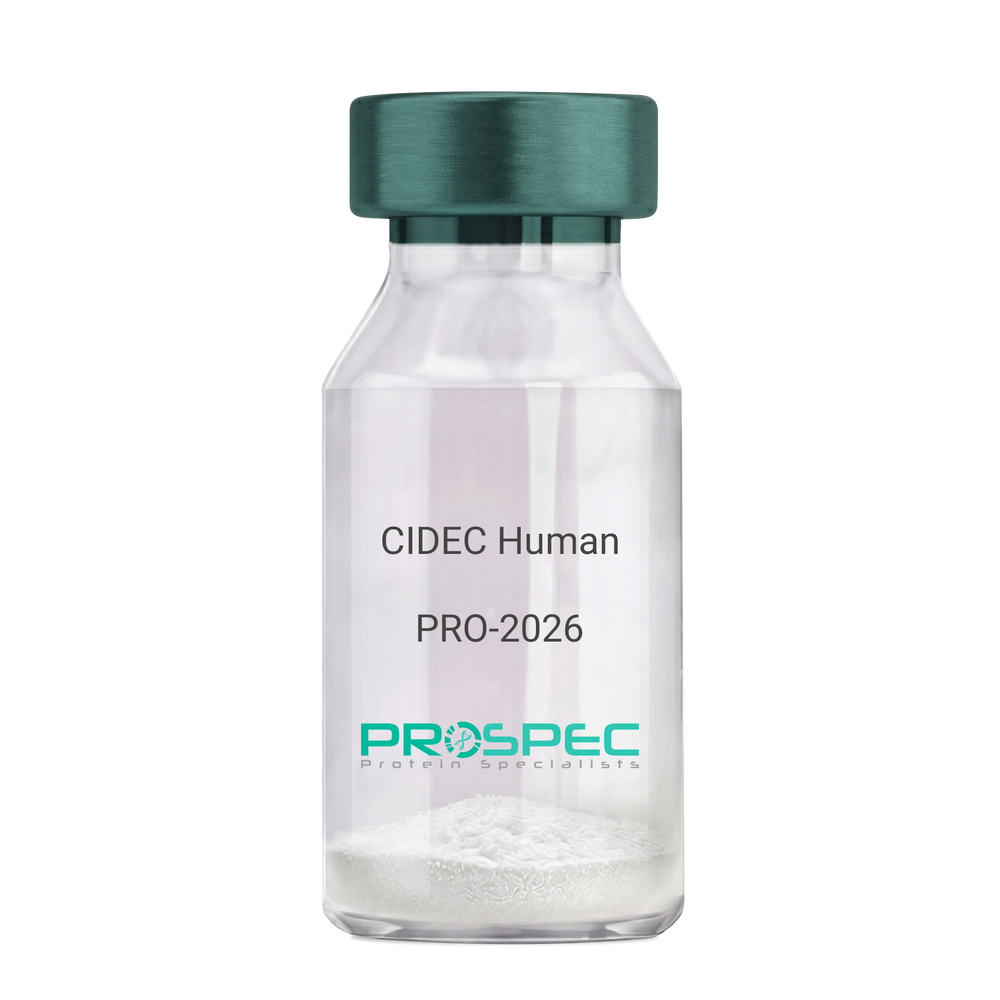
    CIDEC Human

    Description:

    Cell Death-Inducing DFFA-Like Effector C Human Recombinant

    Cell Death-Inducing DFFA-Like Effector C, FSP27, CIDE3, FPLD5, Cell Death-Inducing DFFA-Like Effector Protein C, Fat-Specific Protein FSP27 Homolog, Cell Death Activator CIDE-3, Fat Specific Protein 27, CIDE-3, CIDEC.

    Product # :

    PRO-2026

    Price :

    Quantity :

    Shipping Method :

    Ice Icon

    Shipped with Ice Packs

    Add To Cart

    More Info

    • description
    • source
    • formulation
    • purity
    • More Info
    • Citations

    Description

    CIDEC Human Recombinant produced in E.Coli is a single, non-glycosylated, polypeptide chain (Glu2-Gln238) containing 247 amino acids including a 10 aa His tag at N-terminus. The total calculated molecular mass is 28kDa.

    Source

    Escherichia Coli.

    Formulation

    CIDEC filtered (0.4µm) solution at a concentration of 0.4mg/ml in 30mM acetate buffer and 10mM dithiothreitol, pH 4.

    Purity

    Greater than 95.0% as determined by SDS-PAGE.

    Citations

    More Info

    • Introduction

      Cell Death-Inducing DFFA-Like Effector C (CIDEC) belongs to the cell death-inducing DNA fragmentation factor-like effector family, whose members have significant roles in apoptosis. CIDEC is expressed mainly in adipocytes, intestine, heart, stomach, and weakly in the brain, kidney and liver. CIDEC overexpression in preadipocytes induces apoptosis. CIDEC regulates enlargement of lipid droplets.

    • Synonyms

      Cell Death-Inducing DFFA-Like Effector C, FSP27, CIDE3, FPLD5, Cell Death-Inducing DFFA-Like Effector Protein C, Fat-Specific Protein FSP27 Homolog, Cell Death Activator CIDE-3, Fat Specific Protein 27, CIDE-3, CIDEC.

    • Physical Appearance

      Filtered colorless solution.

    • Stability

      Store at 4°C if entire vial will be used within 2-4 weeks. Store, frozen at -20°C for longer periods of time. For long term storage it is recommended to add a carrier protein (0.1% HSA or BSA).Avoid multiple freeze-thaw cycles.

    • Amino Acid Sequence

      MKHHHHHHASEYAMKSLSLL YPKSLSRHVS VRTSVVTQQL LSEPSPKAPR ARPCRVSTAD RSVRKGIMAY SLEDLLLKVR DTLMLADKPF FLVLEEDGTT VETEEYFQAL AGDTVFMVLQ KGQKWQPPSE QGTRHPLSLS HKPAKKIDVA RVTFDLYKLN PQDFIGCLNV KATFYDTYSL SYDLHCCGAK RIMKEAFRWA LFSMQATGHV LLGTSCYLQQ LLDATEEGQP PKGKASSLIP TCLKILQ.

    ProSpec's products are furnished for LABORATORY RESEARCH USE ONLY. The product may not be used as drugs, agricultural or pesticidal products, food additives or household chemicals.

    Cidec Human
  • View Data Sheet

    Name :

    Clusterin Mouse

    Description:

    Apolipoprotein-J Mouse Recombinant

    CLI, AAG4, KUB1, SGP2, SGP-2, SP-40, TRPM2, MGC24903, Clusterin, Apolipoprotein J, Apo-J.

    Product # :

    CYT-1172

    Price :

    Quantity :

    Shipping Method :

    Room Temp Icon

    Shipped at Room temp

    Add To Cart

    More Info

    • description
    • source
    • formulation
    • purity
    • More Info
    • Citations

    Description

    Clusterin Mouse Recombinant is a single, glycosylated polypeptide chain containing 433 amino acids (22-448a.a) and having a molecular mass of 50.2kDa (calculated). Clusterin is fused to a 6 a.a His tag at C-terminal.

    Source

    HEK293

    Formulation

    Clusterin filtered (0.4 µm) and lyophilized from 0.5mg/ml in 20 mM Tris buffer and 50 mM NaCl, pH 7.5.

    Purity

    Greater than 90.0% as determined by SDS-PAGE.

    Citations

    More Info

    • Introduction

      Clusterin also known as Apolipoprotein J (APO-J) is a 75-80 kD disulfide-linked heterodimeric protein containing about 30% of N-linked carbohydrate rich in sialic acid but truncated forms targeted to the nucleus have also been identified.
      The precursor polypeptide chain is cleaved proteolytically to remove the 22-mer secretory signal peptide and subsequently between residues 227/228 to generate the a and b chains. These are assembled in anti-parallel to give a heterodimeric molecule in which the cysteine-rich centers are linked by 5 disulfide bridges and are flanked by 2 predicted coiled-coil a-helices and 3 predicted amphipathic a-helices.
      Across a broad range of species clusterin shows a high degree of sequence homology ranging from 70% -80%. It is nearly ubiquitously expressed in most mammalian tissues and can be found in plasma, milk, urine, cerebrospinal fluid and semen.
      It is able to bind and form complexes with numerous partners such as immunoglobulins, lipids, heparin, bacteria, complement components, paraoxonase, beta amyloid, leptin and others. Clusterin has been ascribed a plethora of functions such as phagocyte recruitment, aggregation induction, complement attack prevention, apoptosis inhibition, membrane remodeling, lipid transport, hormone transport and/or scavenging, matrix metalloproteinase inhibition.
      Clusterin is up/down regulated on the mRNA or protein level in many pathological and clinically relevant situations including cancer, organ regeneration, infection, Alzheimer disease, retinitis pigmentosa, myocardial infarction, renal tubular damage, autoimmunity and others.

    • Synonyms

      CLI, AAG4, KUB1, SGP2, SGP-2, SP-40, TRPM2, MGC24903, Clusterin, Apolipoprotein J, Apo-J.

    • Physical Appearance

      Filtered White lyophilized (freeze-dried) powder.

    • Stability

      Store lyophilized protein at -20°C. Aliquot the product after reconstitution to avoid repeated freezing/thawing cycles. Reconstituted protein can be stored at 4°C for a limited period of time; it does not show any change after two weeks at 4°C.

    • Solubility

      It is recommended to add deionized water to prepare a working stock solution of approximately 0.5mg/ml and let the lyophilized pellet dissolve completely.

    • Amino Acid Sequence

      EQEVSDNELQ ELSTQGSRYI NKEIQNAVQG VKHIKTLIEK TNAERKSLLN SLEEAKKKKE DALEDTRDSE MKLKAFPEVC NETMMALWEE CKPCLKHTCM KFYARVCRSG SGLVGQQLEE FLNQSSPFYF WMNGDRIDSL LESDRQQSQV LDAMQDSFAR ASGIIDTLFQ DRFFARELHD PHYFSPIGFP HKRPHFLYPK SRLVRSLMSP SHYGPPSFHN MFQPFFEMIH QAQQAMDVQL HSPAFQFPDV DFLREGEDDR TVCKEIRRNS TGCLKMKGQC EKCQEILSVD CSTNNPAQAN LRQELNDSLQ VAERLTEQYK ELLQSFQSKM LNTSSLLEQL NDQFNWVSQL ANLTQGEDKY YLRVSTVTTH SSDSEVPSRV TEVVVKLFDS DPITVVLPEE VSKDNPKFMD TVAEKALQEY RRKSRAEHHH HHH

    • Background

      What is the molecular weight/Mw of CLUSTERIN Protein?
      CLUSTERIN Protein has a total Mw of 50.2kDa.

      What is the source or expression system of CLUSTERIN Protein?
      HEK293

      What is the Purity of CLUSTERIN Protein?
      CLUSTERIN Protein is >90% pure as determined by SDS-PAGE.

      What is the Biological Activity of CLUSTERIN Protein?
      The biological functionality of CLUSTERIN Protein will be determined in the future.

      What is the amino acid sequence of CLUSTERIN Protein?
      EQEVSDNELQ ELSTQGSRYI NKEIQNAVQG VKHIKTLIEK TNAERKSLLN SLEEAKKKKE DALEDTRDSE MKLKAFPEVC NETMMALWEE CKPCLKHTCM KFYARVCRSG SGLVGQQLEE FLNQSSPFYF WMNGDRIDSL LESDRQQSQV LDAMQDSFAR ASGIIDTLFQ DRFFARELHD PHYFSPIGFP HKRPHFLYPK SRLVRSLMSP SHYGPPSFHN MFQPFFEMIH QAQQAMDVQL HSPAFQFPDV DFLREGEDDR TVCKEIRRNS TGCLKMKGQC EKCQEILSVD CSTNNPAQAN LRQELNDSLQ VAERLTEQYK ELLQSFQSKM LNTSSLLEQL NDQFNWVSQL ANLTQGEDKY YLRVSTVTTH SSDSEVPSRV TEVVVKLFDS DPITVVLPEE VSKDNPKFMD TVAEKALQEY RRKSRAEHHH HHH

      What applications can CLUSTERIN Protein be used in?
      CLUSTERIN Protein can probably be used in western blot, ELISA and Lateral Flow.

      What is the endotoxin level for CLUSTERIN Protein?
      The endotoxin level is minimal, CLUSTERIN Protein was purified using conventional chromatography techniques.

    ProSpec's products are furnished for LABORATORY RESEARCH USE ONLY. The product may not be used as drugs, agricultural or pesticidal products, food additives or household chemicals.

    Clusterin Mouse
  • View Data Sheet

    Name :

    MALD1

    Description:

    Major Allergen Mal d 1 Recombinant (Mal d 1.0108)

    Major allergen Mal d 1, Ypr10 protein, MALD1, ypr10, Mal d 1.0108

    Product # :

    ALR-013

    Price :

    Quantity :

    Shipping Method :

    Ice Icon

    Shipped with Ice Packs

    Add To Cart

    More Info

    • description
    • source
    • formulation
    • purity
    • More Info
    • Citations

    Description

    Recombinant MALD1 produced in SF9 is a glycosylated, polypeptide chain having a calculated molecular mass of 17,492 Dalton. MALD1 purified by proprietary chromatographic techniques.

    Source

    Sf9 insect cells.

    Formulation

    MALD1 is supplied in 20mM HEPES buffer pH-7.6, 250mM NaCl and 20% glycerol.

    Purity

    Greater than 80.0% as determined by SDS-PAGE.

    Citations

    More Info

    • Introduction

      MALD1 is a ribonuclease and a heat-sensitive allergen which is a member of the pathogenesis-related protein class. MALD1 shares homologous IgE epitopes with major birch pollen allergen Bet v 1 and Cor a 1 from hazelnut pollen.

    • Synonyms

      Major allergen Mal d 1, Ypr10 protein, MALD1, ypr10, Mal d 1.0108

    • Physical Appearance

      Sterile Filtered clear solution.

    • Stability

      Store at 4°C if entire vial will be used within 2-4 weeks. Store, frozen at -20°C for longer periods of time. Avoid multiple freeze-thaw cycles.

    • Immunological Functions

      1. Binds IgE type human antibodies. 2. Immunodot test with positive/negative sera panels.

    ProSpec's products are furnished for LABORATORY RESEARCH USE ONLY. The product may not be used as drugs, agricultural or pesticidal products, food additives or household chemicals.

    Mald1
  • View Data Sheet

    Name :

    CRYGD Human

    Description:

    Crystallin, Gamma D Human Recombinant

    Gamma-crystallin D, Gamma-D-crystallin, Gamma-crystallin 4, CRYGD, CRYG4, CCP; CACA, CCA3, cry-g-D.

    Product # :

    PRO-913

    Price :

    Quantity :

    Shipping Method :

    Ice Icon

    Shipped with Ice Packs

    Add To Cart

    More Info

    • description
    • source
    • formulation
    • purity
    • More Info
    • Citations

    Description

    CRYGD Human Recombinant produced in E.Coli is a single, non-glycosylated polypeptide chain containing 194 amino acids (1-174 a.a.) and having a molecular mass of 22.9kDa.CRYGD is fused to a 20 amino acid His-tag at N-terminus & purified by proprietary chromatographic techniques.

    Source

    Escherichia Coli.

    Formulation

    CRYGD protein solution (1mg/ml) containing 20mM Tris-HCl buffer (pH 8.0), 5mM DTT, 10% glycerol and 200mM NaCl.

    Purity

    Greater than 95.0% as determined by SDS-PAGE.

    Citations

    More Info

    • Introduction

      CRYGD is a member of the beta/gamma-crystallin family. Crystallins are the principal structural components of the vertebrate eye lens. The mammalian lens crystallins are divided into alpha, beta, and gamma families. Gamma-crystallins are involved in cataract formation. Defects in the CRYGD gene are responsible for cataract autosomal dominant (ADC), cataract congenital non-nuclear polymorphic autosomal dominant (CCP), cataract congenital cerulean type 3 (CCA3) and cataract crystalline aculeiform (CACA).

    • Synonyms

      Gamma-crystallin D, Gamma-D-crystallin, Gamma-crystallin 4, CRYGD, CRYG4, CCP; CACA, CCA3, cry-g-D.

    • Physical Appearance

      Sterile filtered colorless solution.

    • Stability

      Store at 4°C if entire vial will be used within 2-4 weeks. Store, frozen at -20°C for longer periods of time. For long term storage it is recommended to add a carrier protein (0.1% HSA or BSA).Avoid multiple freeze-thaw cycles.

    • Amino Acid Sequence

      MGSSHHHHHH SSGLVPRGSH MGKITLYEDR GFQGRHYECS SDHPNLQPYL SRCNSARVDS GCWMLYEQPN YSGLQYFLRR GDYADHQQWM GLSDSVRSCR LIPHSGSHRI RLYEREDYRG QMIEFTEDCS CLQDRFRFNE IHSLNVLEGS WVLYELSNYR GRQYLLMPGD YRRYQDWGAT NARVGSLRRV IDFS.

    ProSpec's products are furnished for LABORATORY RESEARCH USE ONLY. The product may not be used as drugs, agricultural or pesticidal products, food additives or household chemicals.

    Crygd Human
  • View Data Sheet

    Name :

    S100A8 Mouse

    Description:

    S100 Calcium Binding Protein A8 Mouse Recombinant

    Calgranulin A, MRP8, CAGA, CGLA, CFAG, Protein S100-A8, S100 calcium-binding protein A8, Migration inhibitory factor-related protein 8, MRP-8, p8, Cystic fibrosis antigen, Leukocyte L1 complex light chain, Calprotectin L1L subunit, Urinary stone protein band A, S100A8, MIF, NIF, L1Ag, CP-10, MA387, 60B8AG.

    Product # :

    PRO-233

    Price :

    Quantity :

    Shipping Method :

    Ice Icon

    Shipped with Ice Packs

    Add To Cart

    More Info

    • description
    • source
    • formulation
    • purity
    • More Info
    • Citations

    Description

    S100A8 Mouse Recombinant produced in E.Coli is a single, non-glycosylated polypeptide chain containing 109 amino acids (1-89a.a) and having a molecular mass of 12.4kDa.S100A8 is fused to a 20 amino acid His-tag at N-terminus & purified by proprietary chromatographic techniques.

    Source

    Escherichia Coli.

    Formulation

    S100A8 protein solution (1mg/1ml) containing 20mM Tris-HCl buffer (pH8.0), 30% glycerol, 0.1M NaCl and 1mM DTT.

    Purity

    Greater than 95.0% as determined by SDS-PAGE.

    Citations

    More Info

    • Introduction

      S100A8 is a part of the S100 family of proteins containing 2 EF-hand calcium-binding motifs. S100 proteins are localized in the cytoplasm and/or nucleus of a broad range of cells, and participate in the regulation of cellular processes such as cell cycle progression and differentiation. S100A8 plays a role in the inhibition of casein kinase and as a cytokine. S100A8 altered expression is related with cystic fibrosis disease. S100A8 is a calcium-binding protein that has antimicrobial activity against bacteria and fungi.S100A8 is crucial for resistance towards invasion by pathogenic bacteria. S100A8 up-regulates transcription of genes that are under the control of NF-kappa-B. S100A8 plays a role in the development of endotoxic shock in response to bacterial lipopolysaccharide. S100A8 endorses tubulin polymerization and promotes phagocyte migration and infiltration of granulocytes at sites of wounding. S100A8 takes part as a pro-inflammatory mediator in acute and chronic inflammation and up-regulates the release of IL8 and cell-surface expression of ICAM1.

    • Synonyms

      Calgranulin A, MRP8, CAGA, CGLA, CFAG, Protein S100-A8, S100 calcium-binding protein A8, Migration inhibitory factor-related protein 8, MRP-8, p8, Cystic fibrosis antigen, Leukocyte L1 complex light chain, Calprotectin L1L subunit, Urinary stone protein band A, S100A8, MIF, NIF, L1Ag, CP-10, MA387, 60B8AG.

    • Physical Appearance

      Sterile Filtered clear solution.

    • Stability

      Store at 4°C if entire vial will be used within 2-4 weeks. Store, frozen at -20°C for longer periods of time. For long term storage it is recommended to add a carrier protein (0.1% HSA or BSA).Avoid multiple freeze-thaw cycles.

    • Amino Acid Sequence

      MGSSHHHHHH SSGLVPRGSH MPSELEKALS NLIDVYHNYS NIQGNHHALY KNDFKKMVTT ECPQFVQNIN IENLFRELDI NSDNAINFEE FLAMVIKVGV ASHKDSHKE

    ProSpec's products are furnished for LABORATORY RESEARCH USE ONLY. The product may not be used as drugs, agricultural or pesticidal products, food additives or household chemicals.

    S100A8 Mouse
  • View Data Sheet

    Name :

    CYTIP Human

    Description:

    Cytohesin 1 Interacting Protein Human Recombinant

    Cytohesin 1 Interacting Protein, Cytohesin Binder And Regulator, PSCDBP, Pleckstrin Homology, Sec7 And Coiled-Coil Domains, Binding Protein,Pleckstrin Homology Sec7 And Coiled-Coil Domains-Binding Protein, Cytohesin-Associated Scaffolding Protein, Cytohesin Binding Protein HE, Cytohesin-Binding Protein HE, Cbp HE, CASP, CYBR, HE Pleckstrin Homology, Sec7 And Coiled/Coil Domains, Binding Protein, Cytohesin-1 Interacting Protein, Cytohesin-Interacting Protein, CYTHIP, B3-1, CYTIP.

    Product # :

    PRO-2172

    Price :

    Quantity :

    Shipping Method :

    Ice Icon

    Shipped with Ice Packs

    Add To Cart

    More Info

    • description
    • source
    • formulation
    • purity
    • More Info
    • Citations

    Description

    CYTIP Human Recombinant produced in E.Coli is a single, non-glycosylated polypeptide chain containing 384 amino acids (1-359 a.a) and having a molecular mass of 42.6kDa.CYTIP is fused to a 25 amino acid His-tag at N-terminus & purified by proprietary chromatographic techniques.

    Source

    E.coli.

    Formulation

    CYTIP protein solution (1mg/ml) containing 20mM Tris-HCl (pH 8.0) and 10% glycerol.

    Purity

    Greater than 85% as determined by SDS-PAGE.

    Citations

    More Info

    • Introduction

      Cytohesin-interacting protein, also known as CYTIP contains 2 leucine zipper domains as well as a putative C-terminal nuclear targeting signal. However, CYTIP does not contain any hydrophobic regions. In addition, CYTIP is expressed weakly in resting NK and T cells. It also modulates the activation of ARF genes by CYTH1.

    • Synonyms

      Cytohesin 1 Interacting Protein, Cytohesin Binder And Regulator, PSCDBP, Pleckstrin Homology, Sec7 And Coiled-Coil Domains, Binding Protein,Pleckstrin Homology Sec7 And Coiled-Coil Domains-Binding Protein, Cytohesin-Associated Scaffolding Protein, Cytohesin Binding Protein HE, Cytohesin-Binding Protein HE, Cbp HE, CASP, CYBR, HE Pleckstrin Homology, Sec7 And Coiled/Coil Domains, Binding Protein, Cytohesin-1 Interacting Protein, Cytohesin-Interacting Protein, CYTHIP, B3-1, CYTIP.

    • Physical Appearance

      Sterile Filtered colorless solution.

    • Stability

      Store at 4°C if entire vial will be used within 2-4 weeks. Store, frozen at -20°C for longer periods of time. For long term storage it is recommended to add a carrier protein (0.1% HSA or BSA).Avoid multiple freeze-thaw cycles.

    • Amino Acid Sequence

      MGSSHHHHHH SSGLVPPGSH MGSEFMSLQR LLQHSSNGNL ADFCAGPAYS SYSTLTGSLT MDDNRRIQML ADTVATLPRG RKQLALTRSS SLSDFSWSQR KLVTVEKQDN ETFGFEIQSY RPQNQNACSS EMFTLICKIQ EDSPAHCAGL QAGDVLANIN GVSTEGFTYK QVVDLIRSSG NLLTIETLNG TMILKRTELE AKLQVLKQTL KQKWVEYRSL QLQEHRLLHG DAANCPSLEN MDLDELSLFG PLPGPGPALV DRNRLSSESS CKSWLSSMTM DSEDGYQTCV SEDSSRGAFS RQTSTDDECF IPKEGDDFLR RSSSRRNRSI SNTSSGSMSP LWEGNLSSMF GTLPRKSRKG SVRKQLLKFI PGLHRAVEEE ESRF

    ProSpec's products are furnished for LABORATORY RESEARCH USE ONLY. The product may not be used as drugs, agricultural or pesticidal products, food additives or household chemicals.

    Cytip Human
  • View Data Sheet

    Name :

    DCTN2 (1-406) Human

    Description:

    Dynactin 2 (1-406 a.a.) Human Recombinant

    DCTN2, Dynactin 2 (P50), DCTN50, Dynactin Complex 50 KDa Subunit, 50 KDa Dynein-Associated Polypeptide, P50 Dynamitin, 50 KD Dynein-Associated Polypeptide, DYNAMITIN, HEL-S-77, RBP50, Dynactin Complex 50 KD Subunit, Dynactin Subunit 2, Epididymis Secretory Protein Li 77, DCTN-50.

    Product # :

    PRO-1820

    Price :

    Quantity :

    Shipping Method :

    Ice Icon

    Shipped with Ice Packs

    Add To Cart

    More Info

    • description
    • source
    • formulation
    • purity
    • More Info
    • Citations

    Description

    Dynactin 2 Human Recombinant produced in E.Coli is a single, non-glycosylated polypeptide chain containing 429 amino acids (1-406 a.a) and having a molecular mass of 47.2kDa.DCTN2 is fused to a 23 amino acid His-tag at N-terminus & purified by proprietary chromatographic techniques.

    Source

    Escherichia Coli.

    Formulation

    DCTN2 protein solution (0.5mg/ml) containing 20mM Tris-HCl (pH8.0), 20% glycerol, 0.15M NaCl and 1mM DTT.

    Purity

    Greater than 90.0% as determined by SDS-PAGE.

    Citations

    More Info

    • Introduction

      DCTN2 is a 50kDa subunit of dynactin, which is a macromolecular complex consisting of 10-11 subunits ranging in size from 22 to 150 kDa. Dynactin binds to both microtubules and cytoplasmic dynein. Dynactin is involved in a various cellular functions, including ER-to-Golgi transport, the centripetal movement of lysosomes and endosomes, spindle formation, chromosome movement, nuclear positioning, and axonogenesis. The DCTN2 subunit is present in 4-5 copies per dynactin molecule. DCTN2 is comprised of 3 short alpha-helical coiled-coil domains which mediate association with self or other dynactin subunits. DCTN2 interacts directly with the largest subunit (p150) of dynactin and is able to affix p150 in place. DCTN2 modulates cytoplasmic dynein binding to an organelle, and plays a part in prometaphase chromosome alignment and spindle organization during mitosis. DCTN2 is involved in anchoring microtubules to centrosomes. DCTN2 has a role in synapse formation during brain development.

    • Synonyms

      DCTN2, Dynactin 2 (P50), DCTN50, Dynactin Complex 50 KDa Subunit, 50 KDa Dynein-Associated Polypeptide, P50 Dynamitin, 50 KD Dynein-Associated Polypeptide, DYNAMITIN, HEL-S-77, RBP50, Dynactin Complex 50 KD Subunit, Dynactin Subunit 2, Epididymis Secretory Protein Li 77, DCTN-50.

    • Physical Appearance

      Sterile Filtered colorless solution.

    • Stability

      Store at 4°C if entire vial will be used within 2-4 weeks. Store, frozen at -20°C for longer periods of time. For long term storage it is recommended to add a carrier protein (0.1% HSA or BSA).Avoid multiple freeze-thaw cycles.

    • Amino Acid Sequence

      MGSSHHHHHH SSGLVPRGSH MGSMADPKYA DLPGIARNEP DVYETSDLPE DDQAEFDAFA QELEELTSTS VEHIIVNPNA AYDKFKDKRV GTKGLDFSDR IGKTKRTGYE SGEYEMLGEG LGVKETPQQK YQRLLHEVQE LTTEVEKIKT TVKESATEEK LTPVLLAKQL AALKQQLVAS HLEKLLGPDA AINLTDPDGA LAKRLLLQLE ATKNSKGGSG GKTTGTPPDS SLVTYELHSR PEQDKFSQAA KVAELEKRLT ELETAVRCDQ DAQNPLSAGL QGACLMETVE LLQAKVSALD LAVLDQVEAR LQSVLGKVNE IAKHKASVED ADTQSKVHQL YETIQRWSPI ASTLPELVQR LVTIKQLHEQ AMQFGQLLTH LDTTQQMIAN SLKDNTTLLT QVQTTMRENL ATVEGNFASI DERMKKLGK.

    ProSpec's products are furnished for LABORATORY RESEARCH USE ONLY. The product may not be used as drugs, agricultural or pesticidal products, food additives or household chemicals.

    Dctn2 1 406 Human
  • View Data Sheet

    Name :

    SERPINB5 Human

    Description:

    Serpin Peptidase Inhibitor, Clade B Member 5 Human Recombinant

    PI5, maspin, SERPINB5, serpin peptidase inhibitor clade B (ovalbumin) member 5, Serpin B5, Protease inhibitor 5.

    Product # :

    PRO-202

    Price :

    Quantity :

    Shipping Method :

    Room Temp Icon

    Shipped at Room temp

    Add To Cart

    More Info

    • description
    • source
    • formulation
    • purity
    • More Info
    • Citations

    Description

    SERPINB5 Human Recombinant produced in E.Coli is a single, non-glycosylated, polypeptide chain containing 375 amino acids and having a molecular mass of 42.2 KDa.The SERPINB5 Human is purified by proprietary chromatographic techniques.

    Source

    Escherichia Coli.

    Formulation

    Lyophilized from a 0.2µm filtered concentrated solution in PBS, pH7.0.

    Purity

    Greater than 97.0% as determined by
    (a) Analysis by HPLC.
    (b) Analysis by SDS-PAGE.

    Citations

    More Info

    • Introduction

      SERPINB5 (Maspin) is a tumor suppressor protein of the serine proteinase inhibitor family. Maspin plays a vital role in embryonic development through critical functions in cell adhesion. In addition, Maspin is present in normal breast and prostatic epithelial cells although down regulated in the particular carcinomas. SERPINB5 impedes the growth, invasion, and metastatic properties of mammary tumors as well as the invasive ability of pancreatic ductal adenocarcinoma cells. SERPINB5 being a breast tumor suppressor gene is a significant marker of the disease progression in breast neoplasms. Furthermore, high expression of maspin is linked to squamous cell carcinoma in non-small-cell lung cancer. Moreover, maspin expression has been directly linked with the biological aggressiveness of ovarian carcinoma. Maspin exhibits no serine protease inhibitory activity since it does not undergo the stressed to relaxed conformational transition typical of active serpins.

    • Synonyms

      PI5, maspin, SERPINB5, serpin peptidase inhibitor clade B (ovalbumin) member 5, Serpin B5, Protease inhibitor 5.

    • Physical Appearance

      Sterile Filtered White lyophilized (freeze-dried) powder.

    • Stability

      Lyophilized SERPINB5 although stable at room temperature for 3 weeks, should be stored desiccated below -18°C. Upon reconstitution SERPINB5 should be stored at 4°C between 2-7 days and for future use below -18°C. For long term storage it is recommended to add a carrier protein (0.1% HSA or BSA).Please prevent freeze-thaw cycles.

    • Solubility

      It is recommended to reconstitute the lyophilized SERPINB5 in sterile 18M-cm H2O not less than 100µg/ml, which can then be further diluted to other aqueous solutions.

    • Amino Acid Sequence

      MDALQLANSA FAVDLFKQLC EKEPLGNVLF SPICLSTSLS LAQVGAKGDT ANEIGQVLHF ENVKDIPFGF QTVTSDVNKL SSFYSLKLIK RLYVDKSLNL STEFISSTKR PYAKELETVD FKDKLEETKG QINNSIKDLT DGHFENILAD NSVNDQTKIL VVNAAYFVGK WMKKFPESET KECPFRLNKT DTKPVQMMNM EATFCMGNID SINCKIIELP FQNKHLSMFI LLPKDVEDES TGLEKIEKQL NSESLSQWTN PSTMANAKVK LSIPKFKVEK MIDPKACLEN LGLKHIFSED TSDFSGMSET KGVALSNVIH KVCLEITEDG GDSIEVPGAR ILQHKDELNA DHPFIYIIRH NKTRNIIFFG KFCSP.

    ProSpec's products are furnished for LABORATORY RESEARCH USE ONLY. The product may not be used as drugs, agricultural or pesticidal products, food additives or household chemicals.

    Maspin Human
  • View Data Sheet

    Name :

    SERPINB8 Human

    Description:

    Serpin Peptidase Inhibitor, Clade B Member 8 Human Recombinant

    CAP2, PI8, Serpin B8, Cytoplasmic antiproteinase 2, Peptidase inhibitor 8, CAP-2.

    Product # :

    PRO-2142

    Price :

    Quantity :

    Shipping Method :

    Ice Icon

    Shipped with Ice Packs

    Add To Cart

    More Info

    • description
    • source
    • formulation
    • purity
    • More Info
    • Citations

    Description

    SERPINB8 Human Recombinant produced in E.Coli is a single, non-glycosylated polypeptide chain containing 397 amino acids (1-374 a.a) and having a molecular mass of 45.2kDa.SERPINB8 is fused to a 23 amino acid His-tag at N-terminus & purified by proprietary chromatographic techniques.

    Source

    Escherichia Coli.

    Formulation

    SERPINB8 protein solution (0.5mg/ml) containing 20mM Tris-HCl buffer (pH 8.0), 0.15M NaCl, 30% glycerol and 1mM DTT.

    Purity

    Greater than 95.0% as determined by SDS-PAGE.

    Citations

    More Info

    • Introduction

      Serpin Peptidase Inhibitor, Clade B Member 8 (SERPINB8) belongs to the ov-serpin subfamily, which, compared with the archetypal serpin PI1, is characterized by a high degree of homology to chicken ovalbumin, absence of N- and C-terminal extensions, lack of a signal peptide, and a serine instead of an asparagine residue at the penultimate position. The superfamily of high molecular weight serine proteinase inhibitors (serpins) control various intracellular and extracellular processes such as complement activation, fibrinolysis, coagulation, cellular differentiation, tumor suppression, apoptosis, and cell migration.

    • Synonyms

      CAP2, PI8, Serpin B8, Cytoplasmic antiproteinase 2, Peptidase inhibitor 8, CAP-2.

    • Physical Appearance

      Sterile Filtered clear solution.

    • Stability

      Store at 4°C if entire vial will be used within 2-4 weeks. Store, frozen at -20°C for longer periods of time. For long term storage it is recommended to add a carrier protein (0.1% HSA or BSA).Avoid multiple freeze-thaw cycles.

    • Amino Acid Sequence

      MGSSHHHHHH SSGLVPRGSH MGSMDDLCEA NGTFAISLFK ILGEEDNSRN VFFSPMSISS ALAMVFMGAK GSTAAQMSQA LCLYKDGDIH RGFQSLLSEV NRTGTQYLLR TANRLFGEKT CDFLPDFKEY CQKFYQAELE ELSFAEDTEE CRKHINDWVA EKTEGKISEV LDAGTVDPLT KLVLVNAIYF KGKWNEQFDR KYTRGMLFKT NEEKKTVQMM FKEAKFKMGY ADEVHTQVLE LPYVEEELSM VILLPDDNTD LAVVEKALTY EKFKAWTNSE KLTKSKVQVF LPRLKLEESY DLEPFLRRLG MIDAFDEAKA DFSGMSTEKN VPLSKVAHKC FVEVNEEGTE AAAATAVVRN SRCSRMEPRF CADHPFLFFI RHHKTNCILF CGRFSSP.

    ProSpec's products are furnished for LABORATORY RESEARCH USE ONLY. The product may not be used as drugs, agricultural or pesticidal products, food additives or household chemicals.

    Serpinb8 Human
  • 1
  • …
  • 22
  • 23
  • 24
  • 25
  • 26
  • …
  • 42
Your browser does not support the video tag.

Products

  • Cytokines
  • Growth Factors
  • Chemokines
  • CD Antigens
  • Neurotrophins
  • Hormones
  • Enzymes
  • Viral Antigens
  • Recombinant Proteins
  • Natural Proteins
  • Monoclonal Antibodies
  • Polyclonal Antibodies
  • Thermal Packaging

About

  • Company
  • Founder
  • Contribution
  • Contact Us
  • My Account

Ordering

  • Ordering Method
  • Ordering - Credit Card
  • Ordering PO
  • Shipping Fees
  • FAQ's

Legal

  • Terms & Conditions
  • Privacy
  • Site Map
  • info@prospecbio.com
  • Facebook
  • Instagram
  • Linkedin Profile

© 2026 ProSpec-Tany TechnoGene Ltd. All Rights Reserved.

  • Choosing a selection results in a full page refresh.
  • Opens in a new window.