Skip to content

High-quality research proteins.

  • 1-800-805-6531

  • Mon - Sat 8.00-18.00, Sun - Closed

  • info@prospecbio.com

  • PO Box 6591 East Brunswick NJ 08816

  • Products
    • Cytokines
    • Growth factors
    • Chemokines
    • Cd antigens
    • Neurotrophins
    • Hormones
    • Enzymes
    • Viral antigens
    • Recombinant proteins
    • Natural proteins
    • Monoclonal antibodies
    • Polyclonal antibodies
    • Thermal Packaging
  • About
    • Company
    • Founder
    • Contribution
  • Customers
    • Eastern Asia
    • Eastern Europe
    • North America
    • South America
    • South East Asia
    • Southern Asia
    • Western Europe
  • Ordering
    • Ordering Method
    • Ordering - Credit Card
    • Ordering - PO
    • Shipping Fees
    • FAQs
  • Services
    • DNA Cloning
    • Protein Expression
    • Monoclonal Antibody
    • Fermentation
    • Technology License
  • Contact us
Log in

Country/region

  • USD $ | Albania
  • USD $ | Andorra
  • USD $ | Argentina
  • USD $ | Armenia
  • USD $ | Australia
  • USD $ | Austria
  • USD $ | Azerbaijan
  • USD $ | Belarus
  • USD $ | Belgium
  • USD $ | Bolivia
  • USD $ | Brazil
  • USD $ | Bulgaria
  • USD $ | Cambodia
  • USD $ | Canada
  • USD $ | Chile
  • USD $ | China
  • USD $ | Colombia
  • USD $ | Costa Rica
  • USD $ | Croatia
  • USD $ | Cyprus
  • USD $ | Czechia
  • USD $ | Denmark
  • USD $ | Estonia
  • USD $ | Finland
  • USD $ | France
  • USD $ | Georgia
  • USD $ | Germany
  • USD $ | Greece
  • USD $ | Hong Kong SAR
  • USD $ | Hungary
  • USD $ | Iceland
  • USD $ | India
  • USD $ | Ireland
  • USD $ | Israel
  • USD $ | Italy
  • USD $ | Japan
  • USD $ | Kazakhstan
  • USD $ | Latvia
  • USD $ | Liechtenstein
  • USD $ | Lithuania
  • USD $ | Madagascar
  • USD $ | Malta
  • USD $ | Mexico
  • USD $ | Moldova
  • USD $ | Monaco
  • USD $ | Netherlands
  • USD $ | New Zealand
  • USD $ | North Macedonia
  • USD $ | Norway
  • USD $ | Panama
  • USD $ | Paraguay
  • USD $ | Peru
  • USD $ | Philippines
  • USD $ | Poland
  • USD $ | Portugal
  • USD $ | Romania
  • USD $ | Singapore
  • USD $ | Slovakia
  • USD $ | Slovenia
  • USD $ | South Africa
  • USD $ | South Korea
  • USD $ | Spain
  • USD $ | Sri Lanka
  • USD $ | Sweden
  • USD $ | Switzerland
  • USD $ | Taiwan
  • USD $ | Thailand
  • USD $ | Türkiye
  • USD $ | Ukraine
  • USD $ | United Kingdom
  • USD $ | United States
  • USD $ | Uruguay
  • USD $ | Vatican City
  • USD $ | Venezuela
  • USD $ | Vietnam
  • Facebook
  • Instagram
logoProSpec - Recombinant Protein Manufacturer for academic and R&D industry
Become a distributor
Account Log in
Wishlist
Cart Cart(0)
  • Products
    +
    • Cytokines
    • Growth factors
    • Chemokines
    • Cd antigens
    • Neurotrophins
    • Hormones
    • Enzymes
    • Viral antigens
    • Recombinant proteins
    • Natural proteins
    • Monoclonal antibodies
    • Polyclonal antibodies
    • Thermal Packaging
  • About
    +
    • Company
    • Founder
    • Contribution
  • Customers
    +
    • Eastern Asia
    • Eastern Europe
    • North America
    • South America
    • South East Asia
    • Southern Asia
    • Western Europe
  • Ordering
    +
    • Ordering Method
    • Ordering - Credit Card
    • Ordering - PO
    • Shipping Fees
    • FAQs
  • Services
    +
    • DNA Cloning
    • Protein Expression
    • Monoclonal Antibody
    • Fermentation
    • Technology License
  • Contact us

Item added to your cart

View cart
View All
  • Cytokines
  • Growth factors
  • Chemokines
  • Cd antigens
  • Neurotrophins
  • Hormones
  • Enzymes
  • Viral antigens
  • Recombinant proteins
  • Natural proteins
  • Monoclonal antibodies
  • Polyclonal antibodies
  • Thermal Packaging
  • Tumor Necrosis Factor

    Tumor Necrosis Factor

    View All
  • 4-1BB

    4-1BB

    View All
  • Adiponectin

    Adiponectin

    View All
  • AIF1

    AIF1

    View All
  • Other Cytokines

    Other Cytokines

    View All
  • AITRL

    AITRL

    View All
  • Angiopoietin

    Angiopoietin

    View All
  • Apolipoprotein

    Apolipoprotein

    View All
  • B-Cell Activating Factor

    B-Cell Activating Factor

    View All
  • Beta Defensin

    Beta Defensin

    View All
  • Bone Morphogenetic Protein

    Bone Morphogenetic Protein

    View All
  • B type Natriuretic Peptide

    B type Natriuretic Peptide

    View All
  • BST

    BST

    View All
  • Betacellulin

    Betacellulin

    View All
  • Cardiotrophin

    Cardiotrophin

    View All
  • Activin

    Activin

    View All
  • Fibroblast Growth Factor

    Fibroblast Growth Factor

    View All
  • Other Growth Factors

    Other Growth Factors

    View All
  • CSF

    CSF

    View All
  • CTGF

    CTGF

    View All
  • IGFBP

    IGFBP

    View All
  • VEGF Protein

    VEGF Protein

    View All
  • EGF

    EGF

    View All
  • Epigen

    Epigen

    View All
  • Erythropoietin

    Erythropoietin

    View All
  • Insulin-Like Growth Factor

    Insulin-Like Growth Factor

    View All
  • Growth Hormone

    Growth Hormone

    View All
  • HDGF

    HDGF

    View All
  • Hepatocyte Growth Factor

    Hepatocyte Growth Factor

    View All
  • Insulin

    Insulin

    View All
  • BCA-1/ BLC (CXCL13)

    BCA-1/ BLC (CXCL13)

    View All
  • BRAK (CXCL14)

    BRAK (CXCL14)

    View All
  • C-10 (CCL6)

    C-10 (CCL6)

    View All
  • Other Chemokines

    Other Chemokines

    View All
  • MEC (CCL28)

    MEC (CCL28)

    View All
  • LD78-beta (CCL3L1)

    LD78-beta (CCL3L1)

    View All
  • CTACK (CCL27)

    CTACK (CCL27)

    View All
  • CXCL16

    CXCL16

    View All
  • CXCL17

    CXCL17

    View All
  • Platelet Factor-4 (CXCL4)

    Platelet Factor-4 (CXCL4)

    View All
  • ENA-78 (CXCL5)

    ENA-78 (CXCL5)

    View All
  • Eotaxin (CCL11,24,26)

    Eotaxin (CCL11,24,26)

    View All
  • Exodus-2 (CCL21)

    Exodus-2 (CCL21)

    View All
  • Fractalkine (CX3CL1)

    Fractalkine (CX3CL1)

    View All
  • CXCL6

    CXCL6

    View All
  • Other CD Antigens

    Other CD Antigens

    View All
  • CD14

    CD14

    View All
  • CD164

    CD164

    View All
  • CD1

    CD1

    View All
  • CD2

    CD2

    View All
  • CD200

    CD200

    View All
  • CD207

    CD207

    View All
  • CD226

    CD226

    View All
  • CD23

    CD23

    View All
  • CD244

    CD244

    View All
  • CD247

    CD247

    View All
  • CD27

    CD27

    View All
  • CD274

    CD274

    View All
  • CD300

    CD300

    View All
  • CD33

    CD33

    View All
  • Other Neurotrophins

    Other Neurotrophins

    View All
  • Beta-NGF

    Beta-NGF

    View All
  • BDNF

    BDNF

    View All
  • CDNF

    CDNF

    View All
  • CNTF

    CNTF

    View All
  • GDNF

    GDNF

    View All
  • Glia Maturation Factor

    Glia Maturation Factor

    View All
  • MANF

    MANF

    View All
  • Midkine

    Midkine

    View All
  • Neuroglobin

    Neuroglobin

    View All
  • Neurotrophic factors

    Neurotrophic factors

    View All
  • Neuregulin

    Neuregulin

    View All
  • Neuropilin

    Neuropilin

    View All
  • Pigment Epithelium-Derived Factor

    Pigment Epithelium-Derived Factor

    View All
  • Pleiotrophin

    Pleiotrophin

    View All
  • Peptide Hormones

    Peptide Hormones

    View All
  • Other Hormones

    Other Hormones

    View All
  • HCG

    HCG

    View All
  • Endothelin

    Endothelin

    View All
  • Exendin

    Exendin

    View All
  • FSH

    FSH

    View All
  • Glucagon

    Glucagon

    View All
  • GHRP

    GHRP

    View All
  • GLP

    GLP

    View All
  • Thyrostimulin

    Thyrostimulin

    View All
  • Inhibin A

    Inhibin A

    View All
  • LHRH

    LHRH

    View All
  • Melanotan

    Melanotan

    View All
  • Procalcitonin

    Procalcitonin

    View All
  • PTH

    PTH

    View All
  • Peroxiredoxin

    Peroxiredoxin

    View All
  • Peptidase

    Peptidase

    View All
  • Synthetase

    Synthetase

    View All
  • Transferase

    Transferase

    View All
  • Hydrolase

    Hydrolase

    View All
  • Dehydrogenase

    Dehydrogenase

    View All
  • ACE2

    ACE2

    View All
  • Esterase

    Esterase

    View All
  • Protein Kinases

    Protein Kinases

    View All
  • Other Enzymes

    Other Enzymes

    View All
  • Phosphatase

    Phosphatase

    View All
  • Deaminase

    Deaminase

    View All
  • Oxygenase

    Oxygenase

    View All
  • Adenylate Kinase

    Adenylate Kinase

    View All
  • Lyase

    Lyase

    View All
  • Chagas

    Chagas

    View All
  • SARS

    SARS

    View All
  • Influenza

    Influenza

    View All
  • ASFV

    ASFV

    View All
  • Astrovirus

    Astrovirus

    View All
  • Borrelia

    Borrelia

    View All
  • Helicobacter Pylori

    Helicobacter Pylori

    View All
  • Chikungunya

    Chikungunya

    View All
  • Chlamydia

    Chlamydia

    View All
  • Cytomegalo

    Cytomegalo

    View All
  • Dengue

    Dengue

    View All
  • EBV

    EBV

    View All
  • Ebola

    Ebola

    View All
  • Feline Leukemia Virus

    Feline Leukemia Virus

    View All
  • Hepatitis A

    Hepatitis A

    View All
  • Other

    Other

    View All
  • Actin

    Actin

    View All
  • ADAM

    ADAM

    View All
  • Complement Component

    Complement Component

    View All
  • Ag85

    Ag85

    View All
  • Eukaryotic Translation Initiation Factor

    Eukaryotic Translation Initiation Factor

    View All
  • Anterior Gradient Protein

    Anterior Gradient Protein

    View All
  • Heat Shock Protein

    Heat Shock Protein

    View All
  • Alpha-2-HS-Glycoprotein

    Alpha-2-HS-Glycoprotein

    View All
  • Hemoglobin

    Hemoglobin

    View All
  • Allergy

    Allergy

    View All
  • Anaplasma

    Anaplasma

    View All
  • Angiogenin

    Angiogenin

    View All
  • Ankyrin Repeat Domain

    Ankyrin Repeat Domain

    View All
  • Annexin

    Annexin

    View All
  • Other Natural Proteins

    Other Natural Proteins

    View All
  • Aprotinin

    Aprotinin

    View All
  • Transferrin

    Transferrin

    View All
  • Avidin

    Avidin

    View All
  • Anti Coagulation Factors

    Anti Coagulation Factors

    View All
  • Natural Albumin

    Natural Albumin

    View All
  • Natural Coagulation Factors

    Natural Coagulation Factors

    View All
  • Fibronectin

    Fibronectin

    View All
  • Thrombin

    Thrombin

    View All
  • Anti Human Enzyme

    Anti Human Enzyme

    View All
  • Other Monoclonal Antibodies

    Other Monoclonal Antibodies

    View All
  • Anti Human Cytokine

    Anti Human Cytokine

    View All
  • Anti Human Heat Shock Protein

    Anti Human Heat Shock Protein

    View All
  • Anti Mouse Lymphocyte

    Anti Mouse Lymphocyte

    View All
  • Anti Human Chemokine

    Anti Human Chemokine

    View All
  • Anti Human Lymphocyte

    Anti Human Lymphocyte

    View All
  • Anti Viral Monoclonal

    Anti Viral Monoclonal

    View All
  • Anti Mouse Cytokine

    Anti Mouse Cytokine

    View All
  • Anti-GST Monoclonal

    Anti-GST Monoclonal

    View All
  • Other Polyclonal Antibodies

    Other Polyclonal Antibodies

    View All
  • Anti Viral

    Anti Viral

    View All
  • Anti-GST Monoclonal

    Anti-GST Monoclonal

    View All
Back

Search results

1000 results found for “Sclerostin”

Name

Description

Product #

Price

Quantity

Shipping Method

  • View Data Sheet

    Name :

    CRYBB1 Human

    Description:

    Crystallin Beta B1 Human Recombinant

    EC 1.17.4.1, RR2M, Beta-B1 crystallin, CATCN3.

    Product # :

    HSP-033

    Price :

    Quantity :

    Shipping Method :

    Ice Icon

    Shipped with Ice Packs

    Add To Cart

    More Info

    • description
    • source
    • formulation
    • purity
    • More Info

    Description

    CRYBB1 Recombinant Human produced in E.Coli is a single, non-glycosylated polypeptide chain containing 260 amino acids (1-252 a.a.) and having a molecular mass of 29.1 kDa. The CRYBB1 is fused to an 8 amino acid His-Tag at C-terminus and purified by proprietary chromatographic techniques.

    Source

    Escherichia Coli.

    Formulation

    The CRYBB1 solution (1mg/ml) contains 20mM Tris-HCl pH-8, 1mM DTT & 10% glycerol.

    Purity

    Greater than 90.0% as determined by SDS-PAGE.

    More Info

    • Introduction

      Crystallins are the main structural proteins of the vertebrate eye lens, where they maintain the transparency and refractive index of the lens. Crystallins are divided into 3 fprotein families, α, β, & γ families. Because lens central fiber cells lose their nuclei during development, these crystallins are prepared and then retained throughout life, making them extremely stable proteins. CRYBB1 is a beta basic group member and undergoes extensive cleavage at its N-terminal extension during lens maturation.

    • Synonyms

      EC 1.17.4.1, RR2M, Beta-B1 crystallin, CATCN3.

    • Physical Appearance

      Sterile filtered colorless solution.

    • Stability

      Store at 4°C if entire vial will be used within 2-4 weeks. Store, frozen at -20°C for longer periods of time.For long term storage it is recommended to add a carrier protein (0.1% HSA or BSA).Avoid multiple freeze-thaw cycles.

    • Amino Acid Sequence

      MSQAAKASAS ATVAVNPGPD TKGKGAPPAG TSPSPGTTLA PTTVPITSAK AAELPPGNYR LVVFELENFQ GRRAEFSGEC SNLADRGFDR VRSIIVSAGP WVAFEQSNFR GEMFILEKGE YPRWNTWSSS YRSDRLMSFR PIKMDAQEHK ISLFEGANFK GNTIEIQGDD APSLWVYGFS DRVGSVKVSS GTWVGYQYPG YRGYQYLLEP GDFRHWNEWG AFQPQMQSLR RLRDKQWHLE GSFPVLATEP PKRSHHHHHH.

    ProSpec's products are furnished for LABORATORY RESEARCH USE ONLY. The product may not be used as drugs, agricultural or pesticidal products, food additives or household chemicals.

    Crybb1 Human
  • View Data Sheet

    Name :

    RB1 Human

    Description:

    Retinoblastoma Associated Protein Human Recombinant

    RB, OSRC, RB-1, RB1, p105-Rb, OSTEOSARCOMA, RETINOBLASTOMA-RELATED,PP110, Retinoblastoma-associated protein.

    Product # :

    PRO-584

    Price :

    Quantity :

    Shipping Method :

    Room Temp Icon

    Shipped at Room temp

    Add To Cart

    More Info

    • description
    • source
    • formulation
    • purity
    • More Info

    Description

    Retinoblastoma Human Recombinant fused with 6X His tag produced in E.Coli is a single, non-glycosylated, polypeptide chain containing 146 amino acids and having a molecular mass of 16.5 kDa.The Retinoblastoma is purified by proprietary chromatographic techniques.

    Source

    Escherichia Coli.

    Formulation

    The RB1 was lyophilized from 1xPBS pH-7.4.

    Purity

    Greater than 95.0% as determined by:
    (a) Analysis by RP-HPLC.
    (b) Analysis by SDS-PAGE.

    More Info

    • Introduction

      Retinoblastoma (RB) is an embryonic malignant neoplasm of retinal origin. It almost always presents in early childhood and is often bilateral. Spontaneous regression ('cure') occurs in some cases. Retinoblastoma acts as a regulator of other genes and forms a complex with adenovirus e1a and with sv40 large t antigen. Retinoblastoma acts as a tumor suppressor and modulats functionally certain cellular proteins with which t and e1a compete for pocket binding. Retinoblastoma is potent inhibitor of e2f-mediated trans-activation, recruits and targets histone methyltransferase suv39h1 leading to epigenetic transcriptional repression, inhibits the intrinsic kinase activity of taf1.

    • Synonyms

      RB, OSRC, RB-1, RB1, p105-Rb, OSTEOSARCOMA, RETINOBLASTOMA-RELATED,PP110, Retinoblastoma-associated protein.

    • Physical Appearance

      Sterile Filtered White lyophilized (freeze-dried) powder.

    • Stability

      Lyophilized Retinoblastoma although stable at room temperature for 3 weeks, should be stored desiccated below -18°C. Upon reconstitution Retinoblastoma should be stored at 4°C between 2-7 days and for future use below -18°C.For long term storage it is recommended to add a carrier protein (0.1% HSA or BSA).Please prevent freeze-thaw cycles.

    • Solubility

      It is recommended to reconstitute the lyophilized Retinoblastoma in sterile 18MΩ-cm H2O not less than 100 µg/ml, which can then be further diluted to other aqueous solutions.

    • Amino Acid Sequence

      MASFPSSPLRIPGGNIYISPLKSPYKISEGLPTPTKMTPRSRILVSIGESFG
      TSEKFQKINQMVCNSDRVLKRSAEGSNPPKPLKKLRFDIEGSDEADGSK
      HLPGESKFQQKLAEMTSTRTRMQKQKMNDSMDTSNKEEKHHHHHH.

    ProSpec's products are furnished for LABORATORY RESEARCH USE ONLY. The product may not be used as drugs, agricultural or pesticidal products, food additives or household chemicals.

    Rb1 Human
  • View Data Sheet

    Name :

    Thyroglobulin Human, Biotin

    Description:

    Thyroglobulin Human, Biotinylated

    Thyroglobulin, TGN, AITD3, TG.

    Product # :

    PRO-2563

    Price :

    Quantity :

    Shipping Method :

    Ice Icon

    Shipped with Ice Packs

    Add To Cart

    More Info

    • description
    • source
    • formulation
    • purity
    • More Info

    Description

    Human Thyroglobulin is a biotinylated, glycosylated, polypeptide chain having a total molecular mass of 662 kDa (331 kDa per subunit).

    Source

    Native, Isolated from human thyroid glands.

    Formulation

    Human Thyroglobulin biotinylated is supplied at a 20mM HEPES buffer pH-7.6, 150mM NaCl and 40% Sucrose (w/v).

    Purity

    Greater than 80% as determined by SDS-PAGE.

    More Info

    • Introduction

      Thyroglobulin (TG) represents one of the main autoantigenic targets in autoimmune thyroid disease of humans. TG is a large globular dimeric glycoprotein with a total molecular weight of 660 kDa, which occupies a key precursor role in the biosynthesis of the thyroid hormones. Approximately 75% of the total protein content of the thyroid follicle consists of TG. The thyroid gland uses the Thyroglobulin in order to produce the thyroid hormones thyroxine (T4) and triiodothyronine (T3). Thyroglobulin is produced by the thyroid epithelial cells (thyrocytes) which form spherical follicles. Thyroglobulin is subsequently secreted and stored in the follicular lumen.
      Patients with Hashimoto's thyroiditis or Graves' disease, frequently develop antibodies against Thyroglobulin. Tg-specific antibodies help in the diagnosis of the above diseases, however they also may be present in apparently healthy euthyroid individuals. Blood Thyroglobulin levels can be used as a tumor marker for certain kinds of thyroid cancer, and the may also be elevated in cases of Graves' disease.

    • Synonyms

      Thyroglobulin, TGN, AITD3, TG.

    • Physical Appearance

      Sterile Filtered solution.

    • Stability

      Store at 4°C if entire vial will be used within 2-4 weeks. Store, frozen at -20°C for longer periods of time. Avoid multiple freeze-thaw cycles.

    • Immunological Functions

      1. Binds IgG type human auto antibodies.2. Auto antibodies to thyroglobulin recognize conformation dependent epitopes. 3.Functional Streptavidin based ELISA test (analysis of positive/negative samples.)

    ProSpec's products are furnished for LABORATORY RESEARCH USE ONLY. The product may not be used as drugs, agricultural or pesticidal products, food additives or household chemicals.

    Thyroglobulin Protein
  • View Data Sheet

    Name :

    CCR6 Antibody

    Description:

    C-C chemokine receptor type 6, Mouse Anti Human

    C-C chemokine receptor type 6, LARC receptor, GPR-CY4, Chemokine receptor-like 3, DRY6, G-protein coupled receptor 29, CD196, C-C CKR-6, CC-CKR-6, CCR-6, GPRCY4, CKR-L3, CCR6, CKRL3, CMKBR6, GPR29, STRL22, BN-1, CKR6, DCR2, DRY-6, GPRCY4, GPR-CY4.

    Product # :

    ANT-416

    Price :

    Quantity :

    Shipping Method :

    Ice Icon

    Shipped with Ice Packs

    Add To Cart

    More Info

    • formulation
    • More Info

    Formulation

    1mg/ml containing PBS, pH-7.4, 0.02% Sodium Azide and 10% Glycerol.

    More Info

    • Introduction

      CCR6 belongs to the beta chemokine receptor family, which is predicted to be a 7 transmembrane protein similar to G protein-coupled receptors. CCR6 is preferentially expressed by immature dendritic cells and memory T cells. The ligand of CCR6 receptor is macrophage inflammatory protein 3 alpha (MIP-3 alpha). CCR6 receptor has been shown to be vital for B-lineage maturation and antigen-driven B-cell differentiation, and it may regulate the migration and recruitment of dentritic and T cells during inflammatory and immunological responses.

    • Synonyms

      C-C chemokine receptor type 6, LARC receptor, GPR-CY4, Chemokine receptor-like 3, DRY6, G-protein coupled receptor 29, CD196, C-C CKR-6, CC-CKR-6, CCR-6, GPRCY4, CKR-L3, CCR6, CKRL3, CMKBR6, GPR29, STRL22, BN-1, CKR6, DCR2, DRY-6, GPRCY4, GPR-CY4.

    • Immunogen

      Anti-human CCR6 mAb , is derived from hybridization of mouse F0myeloma cells with spleen cells from BALB/c mice immunized with recombinant human CCR6 amino acids 1-46 purified from E. coli.

    • Ig Subclass

      Mouse IgG1 heavy chain and κ light chain.

    • Clone

      P4C6AT.

    • Applications

      CCR6 antibody has been tested by ELISA and Western blot analysis to assure specificity and reactivity. Since application varies, however, each investigation should be titrated by the reagent to obtain optimal results. Recommended dilution range for Western blot analysis is 1:500 ~ 1,000. Recommended starting dilution is 1:500.

    • Type

      Mouse Anti Human Monoclonal.

    • Storage Procedures

      For periods up to 1 month store at 4°C, for longer periods of time, store at -20°C. Prevent freeze thaw cycles.

    • Purification Method

      CCR6 antibody was purified from mouse ascitic fluids by protein-G affinity chromatography.

    ProSpec's products are furnished for LABORATORY RESEARCH USE ONLY. The product may not be used as drugs, agricultural or pesticidal products, food additives or household chemicals.

    Ccr6 Antibody
  • View Data Sheet

    Name :

    CSNK2B Human

    Description:

    Casein Kinase 2 beta Human Recombinant

    PKCK2 Beta, PKCK2B, CK2N, CSK2B, MGC138222, MGC138224, G5A, Phosvitin, Casein Kinase 2 beta, Casein Kinase 2B, Casein Kinase 2 beta, Casein kinase 2 beta polypeptide, Casein kinase II subunit beta, CK II beta, CK2B, CSNK 2B, CSNK2B, G5A

    Product # :

    PKA-129

    Price :

    Quantity :

    Shipping Method :

    Ice Icon

    Shipped with Ice Packs

    Add To Cart

    More Info

    • description
    • source
    • formulation
    • purity
    • More Info

    Description

    CSNK2B Human Recombinant produced in E.Coli is a single, non-glycosylated polypeptide chain containing 215 amino acids (1-215 a.a) and having a molecular mass of 24.9 kDa.CSNK2B is purified by proprietary chromatographic techniques.

    Source

    Escherichia Coli.

    Formulation

    CSNK2B protein solution (1mg/ml) in 0.2M NaCl, 20mM Tris-HCl buffer (pH 8.0), 1mM EDTA, 1mM DTT and 10% glycerol.

    Purity

    Greater than 95.0% as determined by SDS-PAGE.

    More Info

    • Introduction

      Casein Kinase 2 beta (CSNK2B) is a ubiquitous Ser/Thr kinase expressed in all eukaryotes. CSNK2Bis atetramer comprised of 2 catalytic kinase domains, alpha subunits and 2 identical regulatory beta subunits.CSNK2Btakes part incell cycle control, DNA repair,regulation of the circadian rhythm and other cellularprocesses. The beta subunit itself confers stability to the CK2 alpha subunitand is involved in activity and substrate specificity but does not have kinase activity.

    • Synonyms

      PKCK2 Beta, PKCK2B, CK2N, CSK2B, MGC138222, MGC138224, G5A, Phosvitin, Casein Kinase 2 beta, Casein Kinase 2B, Casein Kinase 2 beta, Casein kinase 2 beta polypeptide, Casein kinase II subunit beta, CK II beta, CK2B, CSNK 2B, CSNK2B, G5A

    • Physical Appearance

      Sterile Filtered colorless solution.

    • Stability

      Store at 4°C if entire vial will be used within 2-4 weeks.Store, frozen at -20°C for longer periods of time.For long term storage it is recommended to add a carrier protein (0.1% HSA or BSA).Avoid multiple freeze-thaw cycles.

    • Amino Acid Sequence

      MSSSEEVSWI SWFCGLRGNE FFCEVDEDYI QDKFNLTGLN EQVPHYRQAL DMILDLEPDE ELEDNPNQSD LIEQAAEMLY GLIHARYILT NRGIAQMLEK YQQGDFGYCP RVYCENQPML PIGLSDIPGE AMVKLYCPKC MDVYTPKSSR HHHTDGAYFG TGFPHMLFMV HPEYRPKRPA NQFVPRLYGF KIHPMAYQLQ LQAASNFKSP VKTIR

    ProSpec's products are furnished for LABORATORY RESEARCH USE ONLY. The product may not be used as drugs, agricultural or pesticidal products, food additives or household chemicals.

    Csnk2B Protein
  • View Data Sheet

    Name :

    Leptin-B Tilapia

    Description:

    Leptin-B Tilapia Recombinant

    Product # :

    CYT-1110

    Price :

    Quantity :

    Shipping Method :

    Room Temp Icon

    Shipped at Room temp

    Add To Cart

    More Info

    • description
    • source
    • formulation
    • purity
    • biological activity
    • More Info

    Description

    Leptin-B Tilapia Recombinant produced in E.Coli is a single, non-glycosylated polypeptide chain containing 152 amino acids and having a molecular mass of 15,243 Dalton. The Leptin-B Tilapia is purified by proprietary chromatographic techniques.

    Source

    Escherichia Coli.

    Formulation

    Lyophilized from a concentrated (1mg/ml) solution containing NaHCO3 at 1:2 salt: protein ratio.

    Purity

    Greater than 95.0% as determined by:
    (a) Gel filtration analysis.
    (b) Analysis by SDS-PAGE.

    Biological Activity

    Tilapia leptins were found to be biologically active in promoting proliferation of BAF/3 cells stably transfected with the long form of human leptin receptor, but their activity was lower than that of mammalian leptin. Furthermore, the Tilapia leptins were biologically active in promoting STAT‐LUC activation in COS7 cells transfected with Tilapia leptin receptor but not in cells transfected with human leptin receptor. Tilapia Leptin A was more active than Tilapia Leptin B.

    More Info

    • Introduction

      Leptin is a protein hormone. It is mainly produced in adipose cells that regulate energy homeostasis by restraining hunger. Leptin ties to nuclear receptors in the hypothalamus (arcuate nucleus). Similar to insulin resistance in type II diabetes, in obesity there is a decrease in the sensitivity towards leptin, ending in a failure to identify satiety, even in high levels of energy stores or leptin itself. Full-length cDNA encoding 2 leptin sequences (tLepA and tLepB) and 1 leptin receptor sequence (tLepR) exists in tilapia (Oreochromis niloticus). The full-length cDNA of tLepR is 3423 bp, encoding a protein of 1140 amino acid which contained all functionally important domains conserved among vertebrate leptin receptors. The cDNAs of tLepA and tLepB are 486 bp and 459 bp in length, encoding proteins of 161 aa and 152 aa, respectively. The three-dimensional structures of tLepA and tLepB demonstrates strong conservation of tertiary structure with that of human leptin comprised of 4 helixes.

    • Physical Appearance

      Sterile Filtered White lyophilized (freeze-dried) powder.

    • Stability

      Lyophilized Leptin-B Tilapia although stable at room temperature for 3 weeks, should be stored desiccated below -18°C. Upon reconstitution Leptin-B Tilapia should be stored at 4°C between 2-7 days and for future use below -18°C. For long term storage it is recommended to add a carrier protein (0.1% HSA or BSA). Please prevent freeze-thaw cycles.

    • Solubility

      It is recommended to reconstitute the lyophilized Leptin-B Tilapia in sterile water or 0.4% NaHCO3 adjusted to pH 8-9, not less than 100µg/ml, which can then be further diluted to other aqueous solutions.

    • Amino Acid Sequence

      The first six N-terminal amino acids of recombinant Tilapia leptin B are Ala-Leu-Leu-Thr-Lys-Gly.

    • Protein content

      Protein quantitation was carried out by UV spectroscopy at 280 nm using the absorbency value of 0.19 for 1 mg/ml Leptin-B Tilapia as the extinction coefficient for a 0.1% (1mg/ml) solution at pH 8.0. This value is calculated by the DNAman computer analysis program of protein sequences.

    ProSpec's products are furnished for LABORATORY RESEARCH USE ONLY. The product may not be used as drugs, agricultural or pesticidal products, food additives or household chemicals.

    Leptin B
  • View Data Sheet

    Name :

    LGALS16 Human

    Description:

    Galectin-16 Human Recombinant

    Lectin Galactoside Binding Soluble 16, Galectin16, Galectin-16, LGALS-16, LGALS16.

    Product # :

    CYT-993

    Price :

    Quantity :

    Shipping Method :

    Ice Icon

    Shipped with Ice Packs

    Add To Cart

    More Info

    • description
    • source
    • formulation
    • purity
    • More Info

    Description

    LGALS16 Human Recombinant produced in E.Coli is a non-glycosylated polypeptide chain having a molecular mass of 16kDa.The LGALS16 also appears as a homodimer and therefore a 32kDa band is observed as well. LGALS16 is fused to a 6xHis tag at n-terminal and purified using standard chromatography techniques.

    Source

    Escherichia Coli.

    Formulation

    1x PBS and 25mM arginine.

    Purity

    Greater than 95.0% as determined by SDS-PAGE.

    More Info

    • Introduction

      Galectin-16 (LGALS16) binds lactose with high affinity. LGALS16 is a strong inducer of T-cell apoptosis.

    • Synonyms

      Lectin Galactoside Binding Soluble 16, Galectin16, Galectin-16, LGALS-16, LGALS16.

    • Physical Appearance

      Sterile Filtered colorless solution.

    • Stability

      The Recombinant LGALS16 protein although stable at 4°C for 1 week, should be stored below -18°C. For long term storage it is recommended to add a carrier protein (0.1% HSA or BSA). Please prevent freeze-thaw cycles.

    • Background

      What is the molecular weight/Mw of LGALS16 HUMAN Protein?
      LGALS16 HUMAN Protein has a total Mw of 16kDa.

      What is the source or expression system of LGALS16 HUMAN Protein?
      Escherichia Coli.

      What is the Purity of LGALS16 HUMAN Protein?
      LGALS16 HUMAN Protein is >95% pure as determined by SDS-PAGE.

      What is the Biological Activity of LGALS16 HUMAN Protein?
      The biological functionality of LGALS16 HUMAN Protein will be determined in the future.


      What applications can LGALS16 HUMAN Protein be used in?
      LGALS16 HUMAN Protein can probably be used in western blot, ELISA and Lateral Flow.

      What is the endotoxin level for LGALS16 HUMAN Protein?
      The endotoxin level is minimal, LGALS16 HUMAN Protein was purified using conventional chromatography techniques.

    ProSpec's products are furnished for LABORATORY RESEARCH USE ONLY. The product may not be used as drugs, agricultural or pesticidal products, food additives or household chemicals.

    Lgals16 Human
  • View Data Sheet

    Name :

    MEK1 Human

    Description:

    Mitogen Activated Kinase Kinase 1 Human Recombinant

    Product # :

    PKA-256

    Price :

    Quantity :

    Shipping Method :

    Ice Icon

    Shipped with Ice Packs

    Add To Cart

    More Info

    • description
    • source
    • formulation
    • purity
    • biological activity
    • More Info

    Description

    MAP2K1 active Human Recombinant produced in Sf9 cells is a glycosylated, polypeptide chain containing amino acids 2-393 having a molecular mass of 47 kDa. MAP2K1 is fused to a polyhistidine tag and is purified by proprietary chromatographic techniques.

    Source

    Sf9 Insect Cells.

    Formulation

    MEK1 is supplied at a concentration of in 40mM Tris, pH-8, 0.15M NaCl, 0.27M sucrose, 1mM DTT, 0.2mM PMSF, 1mM benzamidine, 0.1mM sodium vanadate and 0.03% Brij-35.

    Purity

    Greater than 90% as determined by SDS-PAGE.

    Biological Activity

    ~125-175 units/mg. One unit of MEK1 activity transfers 1 nmol of phosphate to ERK1/2 peptide per minute at 30°C in a reaction containing 100µM ATP.
    Recombinant active MEK1 also phosphorylates ERK1, ERK2, and GSK-3?. Kinase activity may vary depending on the substrate and reaction conditions.
    The optimal concentration should be determined for each specific application.

    More Info

    • Introduction

      MAP2K1 is a member of the dual specificity protein kinase family, which plays a role as a mitogen-activated protein (MAP) kinase kinase. MAP kinases, are recognized as extracellular signal-regulated kinases (ERKs), that act as an integration position for multiple biochemical signals. MEK1 is located upstream of MAP kinases and stimulates the enzymatic activity of MAP kinases upon wide variety of extra- and intracellular signals. As a key player of MAP kinase signal transduction pathway, MEK1 is involved in many cellular processes such as proliferation, differentiation, transcription regulation and development. MAP2K1 catalyzes the concomitant phosphorylation of a threonine and a tyrosine residue in a thr-glu-tyr sequence located in map kinases. MEK1 activates erk1 and erk2 map kinases.

    • Physical Appearance

      Sterile Filtered clear solution.

    • Stability

      Store at 4°C if entire vial will be used within 1-2 weeks. Store frozen at -20°C for longer periods of time. Avoid multiple freeze-thaw cycles.

    ProSpec's products are furnished for LABORATORY RESEARCH USE ONLY. The product may not be used as drugs, agricultural or pesticidal products, food additives or household chemicals.

    Mek1 Human
  • View Data Sheet

    Name :

    CALB2 Mouse

    Description:

    Calbindin-2 Mouse Recombinant

    Calretinin, CR, Calb2, calbindin 2.

    Product # :

    PRO-290

    Price :

    Quantity :

    Shipping Method :

    Ice Icon

    Shipped with Ice Packs

    Add To Cart

    More Info

    • description
    • source
    • formulation
    • More Info

    Description

    Calretinin Mouse Recombinant full length protein expressed in E.coli, shows a 57 kDa band on SDS-PAGE.The Calretinin is purified by proprietary chromatographic techniques.

    Source

    Escherichia Coli.

    Formulation

    Calretinin protein at 100µg/ml in 50mM Tris-HCl, pH7.5 and 10mM L-glutathione (reduced).

    More Info

    • Introduction

      Calretinin is an intracellular calcium-binding protein belonging to the troponin C superfamily characterized by a structural motif described as the EF-hand domain. The immunohistochemical detection of calretinin in developing cerebellum is restricted to the later stages indicated by weak staining from week 21 of gestation, in Purkinje and basket cells and in neurons of the dentate nucleus. The intensity of staining increases as the cerebellum matures. In tumors, calretinin has been detected in mesotheliomas and some pulmonary adenocarcinomas.

    • Synonyms

      Calretinin, CR, Calb2, calbindin 2.

    • Physical Appearance

      Sterile Filtered clear solution.

    • Stability

      Store vial at -20°C to -80°C. When stored at the recommended temperature, this protein is stable for 12 months.Please prevent freeze-thaw cycles.

    ProSpec's products are furnished for LABORATORY RESEARCH USE ONLY. The product may not be used as drugs, agricultural or pesticidal products, food additives or household chemicals.

    Calmb2 Mouse
  • View Data Sheet

    Name :

    IGF1 Rat

    Description:

    IGF-1 Rat Recombinant

    Somatomedin C, IGF-I, IGFIA, IGF1.

    Product # :

    CYT-289

    Price :

    Quantity :

    Shipping Method :

    Room Temp Icon

    Shipped at Room temp

    Add To Cart

    More Info

    • description
    • source
    • formulation
    • purity
    • biological activity
    • More Info

    Description

    IGF-1 Rat Recombinant produced in E.Coli is a single, non-glycosylated, polypeptide chain containing 70 amino acids and having a molecular mass of 7.7kDa. IGF-I is purified by proprietary chromatographic techniques.

    Source

    Escherichia Coli.

    Formulation

    The protein was lyophilized with a 0.2µm filtered concentrated solution in 20mM PBS, pH 7.0.

    Purity

    Greater than 98.0% as determined by SDS-PAGE.

    Biological Activity

    The ED50 as determined by a cell proliferation assay using FDC-P1 cells is less than 2.0ng/ml, corresponding to a specific activity of >500,000units/mg.

    More Info

    • Introduction

      The somatomedins, or IGFs, comprise a family of peptides that play important roles in mammalian growth and development. IGF1 mediates many of the growth-promoting effects of GH. Early studies showed that GH did not directly stimulate the incorporation of sulfate into cartilage, but rather acted through a serum factor, termed 'sulfation factor,' which later became known as 'somatomedin' (Daughaday et al., 1972). Three main somatomedins have been characterized: somatomedin C (IGF1), somatomedin A (IGF2; MIM 147470), and somatomedin B (MIM 193190) (Rotwein, 1986; Rosenfeld, 2003).

    • Synonyms

      Somatomedin C, IGF-I, IGFIA, IGF1.

    • Physical Appearance

      Sterile Filtered White lyophilized (freeze-dried) powder.

    • Stability

      Lyophilized IGF-1 although stable at room temperature for 3 weeks, should be stored desiccated below -18°C. Upon reconstitution IGFI should be stored at 4°C between 2-7 days and for future use below -18°C.For long term storage it is recommended to add a carrier protein (0.1% HSA or BSA).Please prevent freeze-thaw cycles.

    • Solubility

      It is recommended to reconstitute the lyophilized IGF1 in sterile 18MΩ-cm H2O not less than 100µg/ml, which can then be further diluted to other aqueous solutions.

    • Amino Acid Sequence

      GPETLCGAEL VDALQFVCGP RGFYFNKPTG YGSSIRRAPQ TGIVDECCFR SCDLRRLEMY CAPLKPTKSA.

    • Background

      What is the molecular weight/Mw of IGF1 RAT Protein?
      IGF1 RAT Protein has a total Mw of 7.7kDa.

      What is the source or expression system of IGF1 RAT Protein?
      Escherichia Coli.

      What is the Purity of IGF1 RAT Protein?
      IGF1 RAT Protein is >98% pure as determined by SDS-PAGE.

      What is the Biological Activity of IGF1 RAT Protein?
      The ED50 as determined by a cell proliferation assay using FDC-P1 cells is less than 2.0ng/ml, corresponding to a specific activity of >500,000units/mg.

      What is the amino acid sequence of IGF1 RAT Protein?
      GPETLCGAEL VDALQFVCGP RGFYFNKPTG YGSSIRRAPQ TGIVDECCFR SCDLRRLEMY CAPLKPTKSA.

      What applications can IGF1 RAT Protein be used in?
      IGF1 RAT Protein can probably be used in western blot, ELISA and Lateral Flow.

      What is the endotoxin level for IGF1 RAT Protein?
      The endotoxin level is minimal, IGF1 RAT Protein was purified using conventional chromatography techniques.

    ProSpec's products are furnished for LABORATORY RESEARCH USE ONLY. The product may not be used as drugs, agricultural or pesticidal products, food additives or household chemicals.

    Igf 1 Rat
  • View Data Sheet

    Name :

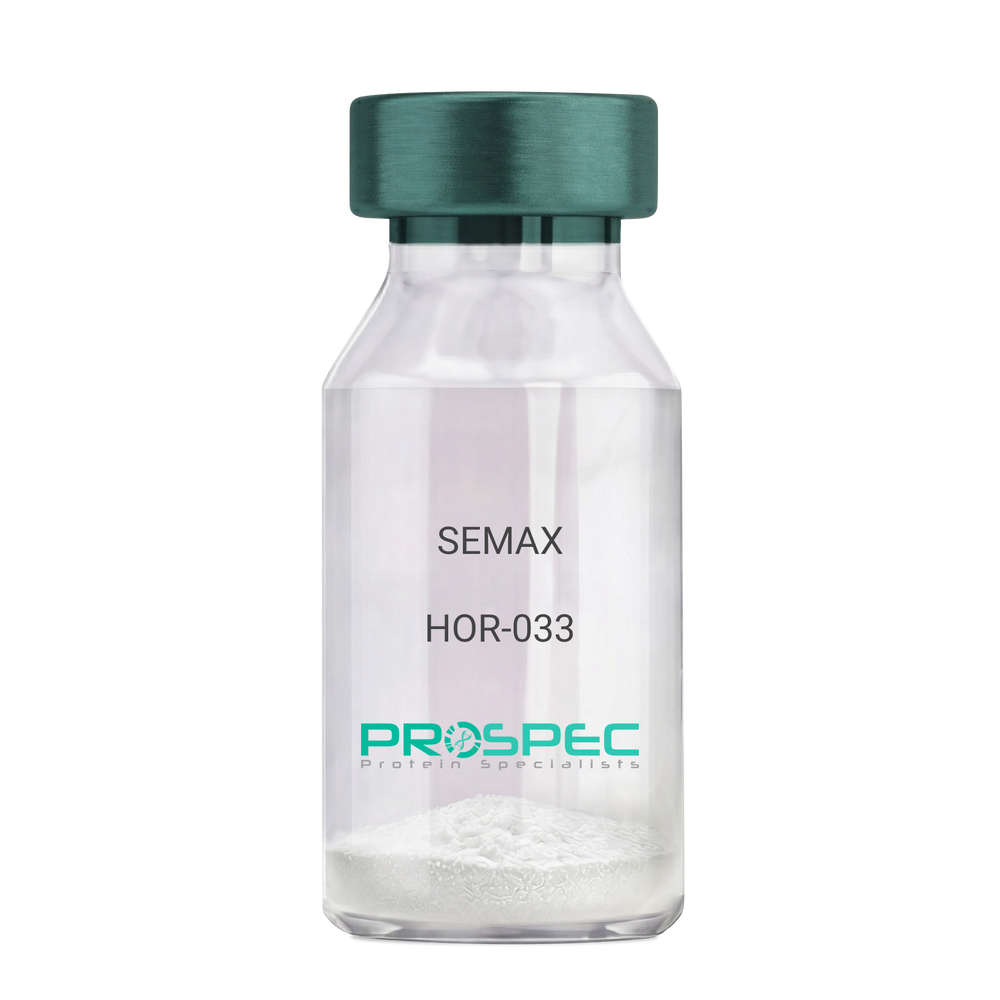
    SEMAX

    Description:

    SEMAX

    Product # :

    HOR-033

    Price :

    Quantity :

    Shipping Method :

    Room Temp Icon

    Shipped at Room temp

    Add To Cart

    More Info

    • description
    • formulation
    • purity
    • More Info

    Description

    SEMAX Synthetic is a single, non-glycosylated polypeptide chain containing 7 amino acids, having a molecular mass of 813.92 Dalton and a Molecular formula of C37H51N19O1S.

    Formulation

    The protein was lyophilized with no additives.

    Purity

    Greater than 97.0% as determined by analysis by RP-HPLC.

    More Info

    • Physical Appearance

      Sterile Filtered White lyophilized (freeze-dried) powder.

    • Stability

      Lyophilized SEMAX although stable at room temperature for 3 weeks, should be stored desiccated below -18°C. Upon reconstitution SEMAX should be stored at 4°C between 2-7 days and for future use below -18°C. For long term storage it is recommended to add a carrier protein (0.1% HSA or BSA). Please prevent freeze-thaw cycles.

    • Solubility

      It is recommended to reconstitute the lyophilized SEMAX in sterile 18MΩ-cm H2O not less than 100 µg/ml, which can then be further diluted to other aqueous solutions.

    • Amino Acid Sequence

      H-Met-Glu-His-Phe-Pro-Gly-Pro-OH.

    • Background

      Semax, also known as ACTH(4-10) Pro-Gly-Pro, is a synthetic peptide that has been the subject of extensive research due to its potential neuroprotective and nootropic effects. This heptapeptide, derived from the adrenocorticotropic hormone (ACTH), has been shown to possess a wide range of biological activities, including enhancing memory, learning, and neurogenesis.

      Semax is unique in its ability to cross the blood-brain barrier and exert its effects directly on the central nervous system. It has been shown to stimulate the release of brain-derived neurotrophic factor (BDNF), a protein that plays a crucial role in the survival of neurons and the growth of new neurons and synapses. Studies by Dolotov et al. (2006) have demonstrated that Semax can enhance memory and learning in rats, suggesting potential applications in cognitive enhancement and the treatment of cognitive disorders.

      In addition to its nootropic effects, Semax has been shown to possess neuroprotective properties. Research by Stavchansky et al. (2008) found that Semax could protect neurons from oxidative stress and apoptosis, suggesting potential applications in the treatment of neurodegenerative diseases such as Alzheimer's and Parkinson's disease.

      Given its nootropic and neuroprotective effects, Semax has been proposed as a potential therapeutic agent for a variety of conditions, including cognitive disorders, stroke, and optic nerve disease. For instance, a study by Myasoedov et al. (2010) found that Semax could improve outcomes in patients with ischemic stroke, indicating its potential as a therapeutic agent in stroke recovery.

      While research on Semax is promising, it is important to note that most studies have been conducted in animals or in vitro. More research is needed to fully understand the potential effects and applications of Semax in humans. However, the existing body of research suggests that Semax could be a promising tool in the treatment of cognitive disorders and neurodegenerative diseases.

    ProSpec's products are furnished for LABORATORY RESEARCH USE ONLY. The product may not be used as drugs, agricultural or pesticidal products, food additives or household chemicals.

    Semax
  • View Data Sheet

    Name :

    SPARCL1 Mouse

    Description:

    SPARC Like 1 Mouse Recombinant

    Sparcl1, Ecm2, hevin, mast9, Sc1, SPARC-like protein 1, Extracellular matrix protein 2, Matrix glycoprotein Sc1.

    Product # :

    PRO-2617

    Price :

    Quantity :

    Shipping Method :

    Ice Icon

    Shipped with Ice Packs

    Add To Cart

    More Info

    • description
    • source
    • formulation
    • purity
    • More Info

    Description

    SPARCL1 Mouse Recombinant produced in Sf9 Baculovirus cells is a single, glycosylated polypeptide chain containing 642 amino acids (17-650 a.a) and having a molecular mass of 71.7kDa.SPARCL1 is fused to an 8 amino acid His-tag at C-terminus & purified by proprietary chromatographic techniques.

    Source

    Sf9, Baculovirus cells.

    Formulation

    SPARCL1 protein solution (0.25mg/ml) containing Phosphate Buffered Saline (pH 7.4) and 10% glycerol.

    Purity

    Greater than 90.0% as determined by SDS-PAGE.

    More Info

    • Introduction

      SPARC-like protein 1 or SPARC1 is an anti-adhesive protein with a similarity to the SPARC protein’s structure. SPARC1 is highly expressed in several tissues such as brain, lungs, kidney, heart, although it is not found in the liver tissue. The protein inhibits spreading or adhesion of many substrates and is considered to lead to antiadhesive signaling that stops neuronal migration, that occurs during development or as a trauma response, consistent with production by glial and neuronal cells.

    • Synonyms

      Sparcl1, Ecm2, hevin, mast9, Sc1, SPARC-like protein 1, Extracellular matrix protein 2, Matrix glycoprotein Sc1.

    • Physical Appearance

      Sterile Filtered colorless solution.

    • Stability

      Store at 4°C if entire vial will be used within 2-4 weeks. Store, frozen at -20°C for longer periods of time. For long term storage it is recommended to add a carrier protein (0.1% HSA or BSA).Avoid multiple freeze-thaw cycles.

    • Amino Acid Sequence

      IPTSTRFLSD HSNPTTATLV TPEDATVPIA GVEATADIEN HPSDKAEKPS ALNSEEETHE
      QSTEQDKTYS FEVDLKDEED GDGDLSVDPT EGTLTLDLQE GTSEPQQKSL PENGDFPATV
      STSYVDPNQR ANITKGKESQ EQPVSDSHQQ PNESSKQTQD LKAEESQTQD PDIPNEEEEE
      EEDEEEEEEE EPEDIGAPSD NQEEGKEPLE EQPTSKWEGN REQSDDTLEE SSQPTQISKT
      EKHQSEQGNQ GQESDSEAEG EDKAAGSKEH IPHTEQQDQE GKAGLEAIGN QKDTDEKAVS
      TEPTDAAVVP RSHGGAGDNG GGDDSKHGAG DDYFIPSQEF LEAERMHSLS YYLKYGGGEE
      TTTGESENRR EAADNQEAKK AESSPNAEPS DEGNSREHSA GSCTNFQCKR GHICKTDPQG
      KPHCVCQDPE TCPPAKILDQ ACGTDNQTYA SSCHLFATKC RLEGTKKGHQ LQLDYFGACK
      SIPACTDFEV AQFPLRMRDW LKNILMQLYE PNPKHGGYLN EKQRSKVKKI YLDEKRLLAG
      HPIELLLRD FKKNYHMYVY PVHWQFNELD QHPADRILTH SELAPLRASL VPMEHCITRF
      FEECDPNKDK HITLKEWGHC FGIKEEDIDE NLLFLEHHHH HH

    ProSpec's products are furnished for LABORATORY RESEARCH USE ONLY. The product may not be used as drugs, agricultural or pesticidal products, food additives or household chemicals.

    Sparcl1 Mouse
  • View Data Sheet

    Name :

    ITAC (63-87) Human

    Description:

    ITAC (63-87 a.a.) Human Recombinant

    ITAC, I-TAC, CXCL-11, CXCL11.

    Product # :

    CHM-049

    Price :

    Quantity :

    Shipping Method :

    Room Temp Icon

    Shipped at Room temp

    Add To Cart

    More Info

    • description
    • source
    • formulation
    • purity
    • More Info

    Description

    The I-TAC Human is created as a recombinant protein with a 4kda N-terminal fusion of His Tag. The I-TAC His-Tagged Fusion Protein, produced in E. coli, is a 9kDa protein containing 25 amino acid residues of the I-TACHuman, 63-87 amino acids.

    Source

    Escherichia Coli.

    Formulation

    Each mg was lyophilized with 1xPBS, 0.4% SDS and 4mM DTT.

    Purity

    Greater than 90% as determined by SDS-PAGE.

    More Info

    • Synonyms

      ITAC, I-TAC, CXCL-11, CXCL11.

    • Physical Appearance

      Filtered White lyophilized (freeze-dried) powder.

    • Stability

      Store lyophilized I-TAC at -20°C. Aliquot the product after reconstitution to avoid repeated freezing/thawing cycles. Reconstituted protein can be stored at 4°C for a limited period of time; it does not show any change after two weeks at 4°C.

    • Solubility

      It is recommended to add deionized water to prepare a working stock solution of approximately 0.5mg/ml and let the lyophilized pellet dissolve completely. Product is not sterile! Please filter the product by an appropriate sterile filter before using it on cell culture.

    • Background

      I-TAC is a small cytokine belongs to the CXC chemokinen family which also called inducible T-cell alpha chemoattractant and IP-9. I-TAC is expressed mainly in peripheral blood leukocytes, liver and pancreas with moderate levels in spleen, thymus and lung and low levels in small intestine, placenta and prostate. IFN-g and IFN-b induces strongly gene expression of I-TAC. The I-TAC chemokine elicits its effects on its target cells by interacting with the cell surface chemokine receptor CXCR3, with a higher affinity than do the other ligands for this receptor, CXCL9 and CXCL10.

    ProSpec's products are furnished for LABORATORY RESEARCH USE ONLY. The product may not be used as drugs, agricultural or pesticidal products, food additives or household chemicals.

    Cxcl11 Human
  • View Data Sheet

    Name :

    Histrelin

    Description:

    Histrelin

    Product # :

    HOR-244

    Price :

    Quantity :

    Shipping Method :

    Room Temp Icon

    Shipped at Room temp

    Add To Cart

    More Info

    • description
    • formulation
    • purity
    • More Info

    Description

    Histrelin has a molecular formula of C66H86N18O12, a.a. sequence of Pyr-His-Trp-Ser-Tyr-D-His(Bzl)-Leu-Arg-Pro-NHEt and having a Mw of 1323.32 Dalton.

    Formulation

    The Histrelin peptide was lyophilized with no additives.

    Purity

    Greater than 99.0% as determined by(a) Analysis by RP-HPLC.
    (b) Analysis by SDS-PAGE.

    More Info

    • Introduction

      Histrelin is a hormone similar to one normally released from the hypothalamus gland in the brain. Histrelin works by decreasing the amount of estrogen and testosterone in the blood. Suppressing estrogen can cause thinning of the bones or slowing of their growth. Histrelin acetate is a potent LHRH agonist which stimulates LH and FSH release and inhibits the actions of sex steroids on the male and female reproductive tracts. After a transient increase, continuous administration results in down regulation of LH and FSH levels followed by a suppression of ovarian and testicular steroid biosynthesis. Histrelin potency in vivo and in vitro is similar to that of the D-Trp6-containing analog. Especially because of its high water solubility and greater lipophilic character, it appears promising for clinical application.

    • Physical Appearance

      Sterile Filtered White lyophilized (freeze-dried) powder.

    • Stability

      Lyophilized Histrelin although stable at room temperature for 3 weeks, should be stored desiccated below -18°C. Upon reconstitution Histrelin should be stored at 4°C between 2-7 days and for future use below -18°C. For long term storage it is recommended to add a carrier protein (0.1% HSA or BSA).Please prevent freeze-thaw cycles.

    • Solubility

      It is recommended to reconstitute the lyophilized Histrelin in sterile 18MΩ-cm H2O not less than 100 µg/ml, which can then be further diluted to other aqueous solutions.

    ProSpec's products are furnished for LABORATORY RESEARCH USE ONLY. The product may not be used as drugs, agricultural or pesticidal products, food additives or household chemicals.

    Histrelin
  • View Data Sheet

    Name :

    STK16 Antibody

    Description:

    Serine/Threonine Kinase 16, Mouse Anti Human

    Serine/threonine-protein kinase 16, Myristoylated and palmitoylated serine/threonine-protein kinase, MPSK, Protein kinase PKL12, TGF-beta-stimulated factor 1, TSF-1, Tyrosine-protein kinase STK16, hPSK, STK16, MPSK1, PKL12, TSF1, KRCT.

    Product # :

    ANT-521

    Price :

    Quantity :

    Shipping Method :

    Ice Icon

    Shipped with Ice Packs

    Add To Cart

    More Info

    • formulation
    • More Info

    Formulation

    1mg/ml containing PBS, pH-7.4, 10% Glycerol and 0.02% Sodium Azide.

    More Info

    • Introduction

      Serine/threonine-protein kinase 16 (STK16) is a membrane-associated protein kinase which phosphorylates on serine and threonine residues. STK16 is involved in secretory vesicle trafficking or intracellular signaling. Furthermore, the STK16 protein may have a role in regulating stromal-epithelial interactions which occur during ductal morphogenesis in the mammary gland. STK16 can autophosphorylate on Tyr residue; it is however unclear whether STK16 has tyrosine-protein kinase toward other proteins. STK16 may also be involved in TGF-beta signaling.

    • Synonyms

      Serine/threonine-protein kinase 16, Myristoylated and palmitoylated serine/threonine-protein kinase, MPSK, Protein kinase PKL12, TGF-beta-stimulated factor 1, TSF-1, Tyrosine-protein kinase STK16, hPSK, STK16, MPSK1, PKL12, TSF1, KRCT.

    • Physical Appearance

      Sterile filtered colorless solution.

    • Immunogen

      Anti-human STK16 mAb, clone PAT4A1AT, is derived from hybridization of mouse F0 myeloma cells with spleen cells from BALB/c mice immunized with a recombinant human STK16 protein 1-305 amino acids purified from E. coli.

    • Ig Subclass

      Mouse IgG1 heavy chain and k light chain.

    • Clone

      PAT4A1AT.

    • Applications

      The antibody has been tested by ELISA, Western blot analysis to assure specificity and reactivity. Since application varies, however, each investigation should be titrated by the reagent to obtain optimal results. Recommended starting dilution is 1:1000.

    • Type

      Mouse Anti Human Monoclonal.

    • Storage Procedures

      For periods up to 1 month store at 4°C, for longer periods of time, store at -20°C. Prevent freeze thaw cycles.

    • Purification Method

      STK16 antibody was purified from mouse ascitic fluids by protein-A affinity chromatography.

    ProSpec's products are furnished for LABORATORY RESEARCH USE ONLY. The product may not be used as drugs, agricultural or pesticidal products, food additives or household chemicals.

    Stk16 Antibody
  • View Data Sheet

    Name :

    SLAMF7 Human

    Description:

    SLAMF7 Human Recombinant

    SLAMF7, SLAM Family Member 7, CD2-Like Receptor-Activating Cytotoxic Cells, Membrane Protein FOAP-12, CD2 Subset 1, Protein 19A, CRACC, CS1, Novel LY9 (Lymphocyte Antigen 9) Like Protein, CD2-Like Receptor Activating Cytotoxic Cells, 19A24 Protein, CD319 Antigen, Novel Ly9, CD319, 19A.

    Product # :

    PRO-2261

    Price :

    Quantity :

    Shipping Method :

    Ice Icon

    Shipped with Ice Packs

    Add To Cart

    More Info

    • description
    • source
    • formulation
    • purity
    • More Info

    Description

    SLAMF7 produced in Sf9 Baculovirus cells is a single, glycosylated polypeptide chain containing 212 amino acids (23-226a.a.) and having a molecular mass of 23.4kDa (Molecular size on SDS-PAGE will appear at approximately 28-40kDa). SLAMF7 is expressed with an 8 amino acid His tag at C-Terminus and purified by proprietary chromatographic techniques.

    Source

    Sf9, Baculovirus cells.

    Formulation

    SLAMF7 protein solution (0.5mg/ml) contains Phosphate Buffered Saline (pH 7.4) and 10% glycerol.

    Purity

    Greater than 95.0% as determined by SDS-PAGE.

    More Info

    • Introduction

      SLAMF7 belongs to the CS2 family of cell surface receptors. SLAMF7 is a single-pass type 1 membrane protein, SLAMF7 Isoform 1 mediates NK cell activation via aSH2D1A-independent extracellular signal-regulated ERK-mediated pathway. SLAMF7 functions in lymphocyteadhesion. Furthermore, SLAMF7 can exert activating of inhibitory influences on cells of the immune system depending on cellular context as well as the availability of effector proteins.

    • Synonyms

      SLAMF7, SLAM Family Member 7, CD2-Like Receptor-Activating Cytotoxic Cells, Membrane Protein FOAP-12, CD2 Subset 1, Protein 19A, CRACC, CS1, Novel LY9 (Lymphocyte Antigen 9) Like Protein, CD2-Like Receptor Activating Cytotoxic Cells, 19A24 Protein, CD319 Antigen, Novel Ly9, CD319, 19A.

    • Physical Appearance

      Sterile Filtered clear solution.

    • Stability

      Store at 4°C if entire vial will be used within 2-4 weeks. Store, frozen at -20°C for longer periods of time. For long term storage it is recommended to add a carrier protein (0.1% HSA or BSA).Avoid multiple freeze-thaw cycles.

    • Amino Acid Sequence

      SGPVKELVGS VGGAVTFPLK SKVKQVDSIV WTFNTTPLVT IQPEGGTIIV TQNRNRERVD FPDGGYSLKL SKLKKNDSGI YYVGIYSSSL QQPSTQEYVL HVYEHLSKPK VTMGLQSNKN GTCVTNLTCC MEHGEEDVIY TWKALGQAAN ESHNGSILPI SWRWGESDMT FICVARNPVS RNFSSPILAR KLCEGAADDP DSSMLEHHHH HH.

    ProSpec's products are furnished for LABORATORY RESEARCH USE ONLY. The product may not be used as drugs, agricultural or pesticidal products, food additives or household chemicals.

    Slamf7 Human
  • View Data Sheet

    Name :

    GCSF Monkey

    Description:

    Granulocyte Colony Stimulating Factor Recombinant Rhesus Macaque

    CSF3, MGI-1G, GM-CSF beta, Pluripoietin, G-CSF, GCSF.

    Product # :

    CYT-1121

    Price :

    Quantity :

    Shipping Method :

    Room Temp Icon

    Shipped at Room temp

    Add To Cart

    More Info

    • description
    • source
    • formulation
    • purity
    • biological activity
    • More Info

    Description

    Granulocyte Colony Stimulating Rhesus Macaque Recombinant produced in E.Coli is a non-glycosylated polypeptide chain containing 174 amino acids and having a molecular mass of approximately 18.9kDa.GCSF is purified by proprietary chromatographic techniques.

    Source

    Escherichia Coli.

    Formulation

    Lyophilized from a 0.2μm filtered concentrated solution in PBS, pH7.4.

    Purity

    Greater than 98.0% as determined by:
    (a) Analysis by RP-HPLC.
    (b) Analysis by SDS-PAGE.

    Biological Activity

    The ED50 as determined by a cell proliferation assay using murine NFS-60 cells is <   0.05 ng/ml, corresponding to a specific activity of > 2.0 × 10⁷ IU/mg.

    More Info

    • Introduction

      GCSF is a cytokine that controls the production, differentiation, and function of granulocytes. The active protein is found extracellularly. 3 transcript variants encoding 3 different isoforms have been found for the GCSF gene. Granulocyte/macrophage colony-stimulating factors are cytokines that take part in hematopoiesis by controlling the production, differentiation, and function of 2 related white cell populations of the blood, the granulocytes and the monocytes-macrophages. This csf induces granulocytes.

    • Synonyms

      CSF3, MGI-1G, GM-CSF beta, Pluripoietin, G-CSF, GCSF.

    • Physical Appearance

      Sterile Filtered White lyophilized (freeze-dried) powder.

    • Stability

      Lyophilized GCSF although stable at room temperature for 3 weeks, should be stored desiccated below -18°C. Upon reconstitution Granulocyte Colony Stimulating Rhesus Macaque should be stored at 4°C between 2-7 days and for future use below -18°C.Please prevent freeze-thaw cycles.

    • Solubility

      It is recommended to reconstitute the lyophilized Granulocyte Colony Stimulating Rhesus Macaque in sterile 18MΩ-cm H2O not less than 100µg/ml, which can then be further diluted to other aqueous solutions.

    • Amino Acid Sequence

      TPLGPASSLP QSFLLKCLEQ VRKIQGDGAA LQEKLCATYK LCHPEELVLL RHSLGIPWAP LSSCPSQALQ LTGCLSQLHS SLFLYQGLLQ ALEGISPELS PTLDTLQLDI ADFATTIWQQ MEDLGMAPAL QPTQGAMPAF TSAFQRRAGG VLVASHLQRF LELAYRVLRH LAQS.

    • Background

      What is the molecular weight/Mw of GCSF MONKEY Protein?
      GCSF MONKEY Protein has a total Mw of 18.9kDa.

      What is the source or expression system of GCSF MONKEY Protein?
      Escherichia Coli.

      What is the Purity of GCSF MONKEY Protein?
      GCSF MONKEY Protein is >98% pure as determined by SDS-PAGE.

      What is the Biological Activity of GCSF MONKEY Protein?
      The ED50 as determined by a cell proliferation assay using murine NFS-60 cells is < 0.05 ng/ml, corresponding to a specific activity of > 2.0 × 10⁷ IU/mg.

      What is the amino acid sequence of GCSF MONKEY Protein?
      TPLGPASSLP QSFLLKCLEQ VRKIQGDGAA LQEKLCATYK LCHPEELVLL RHSLGIPWAP LSSCPSQALQ LTGCLSQLHS SLFLYQGLLQ ALEGISPELS PTLDTLQLDI ADFATTIWQQ MEDLGMAPAL QPTQGAMPAF TSAFQRRAGG VLVASHLQRF LELAYRVLRH LAQS.

      What applications can GCSF MONKEY Protein be used in?
      GCSF MONKEY Protein can probably be used in western blot, ELISA and Lateral Flow.

      What is the endotoxin level for GCSF MONKEY Protein?
      The endotoxin level is minimal, GCSF MONKEY Protein was purified using conventional chromatography techniques.


    ProSpec's products are furnished for LABORATORY RESEARCH USE ONLY. The product may not be used as drugs, agricultural or pesticidal products, food additives or household chemicals.

    Gcsf Monkey
  • View Data Sheet

    Name :

    M CSF Human, Baculovirus

    Description:

    Macrophage Colony Stimulating Factor Human Recombinant, Baculovirus

    CSF-1, Lanimostim, MCSF, MGC31930, M-CSF, Macrophage colony-stimulating factor 1, CSF1.

    Product # :

    CYT-637

    Price :

    Quantity :

    Shipping Method :

    Room Temp Icon

    Shipped at Room temp

    Add To Cart

    More Info

    • description
    • source
    • formulation
    • purity
    • biological activity
    • More Info

    Description

    Macrophage Colony Stimulating Factor Human Recombinant produced in Baculovirus is a disulfide linked homodimer, glycosylated, polypeptide chain containing 2 x 149 amino acids and having a total molecular mass of 42 kDa.MCSF is purified by proprietary chromatographic techniques.

    Source

    Baculovirus infected Silkworm.

    Formulation

    The lyophilized protein (1mg/ml) was lyophilized with 20mM phosphate buffer, 1% HSA and 3% manntiol.

    Purity

    Greater than 95.0% as determined by(a) Analysis by RP-HPLC.
    (b) Analysis by SDS-PAGE.

    Biological Activity

    The ED50, calculated by the dose-dependant stimulation of the proliferation of murine M-NFS-60 indicator cells was found < 3ng/ml, corresponding to a specific activity of less than 333,333.33units/mg.

    More Info

    • Introduction

      Granulocyte/Macrophage Colony-Stimulating Factors are cytokines that act in hematopoiesis by controlling the production, differentiation, and function of 2 related white cell populations of the blood, the granulocytes and the monocytes-macrophages. CSF-1 induces cells of the monocyte/macrophage lineage. It plays a role in immunological defenses, bone metabolism, lipoproteins clearance, fertility and pregnancy.

    • Synonyms

      CSF-1, Lanimostim, MCSF, MGC31930, M-CSF, Macrophage colony-stimulating factor 1, CSF1.

    • Physical Appearance

      Sterile Filtered White lyophilized (freeze-dried) powder.

    • Stability

      Lyophilized Macrophage Colony Stimulating Factor although stable at room temperature for 3 weeks, should be stored desiccated below -18°C. Upon reconstitution MCSF should be stored at 4°C between 2-7 days and for future use below -18°C.Please prevent freeze-thaw cycles.

    • Solubility

      It is recommended to reconstitute the lyophilized M-CSF in sterile 18MΩ-cm H2O not less than 100µg/ml, which can then be further diluted to other aqueous solutions.

    • Amino Acid Sequence

      EEVSEYCSHM IGSGHLQSLQ RLIDSQMETS CQITFEFVDQ EQLKDPVCYL KKAFLLVQDI MEDTMRFRDN TPNAIAIVQL QELSLRLKSC FTKDYEEHDK ACVRTFYETP LQLLEKVKNV FNETKNLLDK DWNIFSKNCN NSFAECSSQ.

    ProSpec's products are furnished for LABORATORY RESEARCH USE ONLY. The product may not be used as drugs, agricultural or pesticidal products, food additives or household chemicals.

    Mcsf Human Baculovirus
  • View Data Sheet

    Name :

    CLEC2B Human, Sf9

    Description:

    C-type Lectin Domain Family 2, Member B Human Recombinant, Sf9

    C-Type Lectin Domain Family 2 Member B, C-Type (Calcium Dependent, Carbohydrate-Recognition Domain) Lectin, Superfamily Member 2 (Activation-Induced), IFN-Alpha-2b-Inducing-Related Protein 1, C-Type Lectin Superfamily Member 2, Activation-Induced C-Type Lectin, CLECSF2, IFNRG1, AICL, C-Type Lectin Domain Family 2 Member B, IFN-Alpha2b-Inducing Related Protein 1, HP10085.

    Product # :

    PRO-2542

    Price :

    Quantity :

    Shipping Method :

    Ice Icon

    Shipped with Ice Packs

    Add To Cart

    More Info

    • description
    • source
    • formulation
    • purity
    • More Info

    Description

    CLEC2B produced in Sf9 Baculovirus cells is a single, glycosylated polypeptide chain containing 366 amino acids (26-149a.a.) and having a molecular mass of 41.7kDa. (Molecular size on SDS-PAGE will appear at approximately 40-57kDa).CLEC2B is expressed with a 242 amino acid hIgG-His tag at C-Terminus and purified by proprietary chromatographic techniques

    Source

    Sf9, Baculovirus cells.

    Formulation

    CLEC2B protein solution (0.25mg/ml) contains Phosphate Buffered Saline (pH 7.4) and 10% glycerol

    Purity

    Greater than 90.0% as determined by SDS-PAGE.

    More Info

    • Introduction

      C-type Lectin Domain Family 2, Member B (CLEC2B) belongs to the C-type lectin/C-type lectin-like domain (CTL/CTLD) superfamily. Members of the CTL/CTLD family share a common protein fold and have various functions, such as cell adhesion, cell-cell signaling, glycoprotein turnover, and roles in inflammation and immune response. The CLEC2B gene is closely connected to other CTL/CTLD superfamily members on chromosome 12p13 in the natural killer gene complex region. CLEC2B is expressed preferentially in lymphoid tissues, and in most hematopoietic cell types.

    • Synonyms

      C-Type Lectin Domain Family 2 Member B, C-Type (Calcium Dependent, Carbohydrate-Recognition Domain) Lectin, Superfamily Member 2 (Activation-Induced), IFN-Alpha-2b-Inducing-Related Protein 1, C-Type Lectin Superfamily Member 2, Activation-Induced C-Type Lectin, CLECSF2, IFNRG1, AICL, C-Type Lectin Domain Family 2 Member B, IFN-Alpha2b-Inducing Related Protein 1, HP10085.

    • Physical Appearance

      Sterile Filtered colorless solution.

    • Stability

      Store at 4°C if entire vial will be used within 2-4 weeks. Store, frozen at -20°C for longer periods of time. For long term storage it is recommended to add a carrier protein (0.1% HSA or BSA).Avoid multiple freeze-thaw cycles.

    • Amino Acid Sequence

      ADPKLTRDSQ SLCPYDWIGF QNKCYYFSKE EGDWNSSKYN CSTQHADLTI IDNIEEMNFL RRYKCSSDHW IGLKMAKNRT GQWVDGATFT KSFGMRGSEG CAYLSDDGAA TARCYTERKW ICRKRIHLEP KSCDKTHTCP PCPAPELLGG PSVFLFPPKP KDTLMISRTP EVTCVVVDVS HEDPEVKFNW YVDGVEVHNA KTKPREEQYN STYRVVSVLT VLHQDWLNGK EYKCKVSNKA LPAPIEKTIS KAKGQPREPQ VYTLPPSRDE LTKNQVSLTC LVKGFYPSDI AVEWESNGQP ENNYKTTPPV LDSDGSFFLY SKLTVDKSRW QQGNVFSCSV MHEALHNHYT QKSLSLSPGK HHHHHH.

    ProSpec's products are furnished for LABORATORY RESEARCH USE ONLY. The product may not be used as drugs, agricultural or pesticidal products, food additives or household chemicals.

    Clec2B Protein
  • View Data Sheet

    Name :

    STK3 Human

    Description:

    Serine/Threonine Kinase 3 Human Recombinant

    Serine/Threonine Kinase 3, Mammalian STE20-like protein kinase 2, MST-2, STE20-like kinase MST2, Serine/threonine-protein kinase Krs-1, MST2/N, MST2/C, KRS1,MST2.

    Product # :

    PKA-091

    Price :

    Quantity :

    Shipping Method :

    Ice Icon

    Shipped with Ice Packs

    Add To Cart

    More Info

    • description
    • source
    • formulation
    • purity
    • More Info

    Description

    STK3 Human Recombinant produced in Sf9 Insect cell is a single, non-glycosylated polypeptide chain containing 331 amino acids (1-322aa.a) and having a molecular mass of 37.6kDa (Migrates at 40-57kDa on SDS-PAGE under reducing conditions).STK3 is fused to a 6 amino acid His tag at C-Terminus and purified by proprietary chromatographic techniques.

    Source

    Sf9 Insect cells.

    Formulation

    STK3 protein solution (0.25mg/ml) containing Phosphate Buffered Saline (pH 7.4) and 10% glycerol.

    Purity

    Greater than 90% as determined by SDS-PAGE.

    More Info

    • Introduction

      Serine/threonine-protein kinase 3 (), is a mammalian Ste20-related protein kinases most closely related to Drosophila Hippo, which is a major regulator of cell proliferation as well as survival in the course of development. STK3 is a serine/threonine kinase which functions early in a pheromone responsive signal transduction cascade in yeast. Furthermore, STK3 activates the human large tumor suppressor kinase Lats1. STK3 also modulates stress-induced cardiac hypertrophy.

    • Synonyms

      Serine/Threonine Kinase 3, Mammalian STE20-like protein kinase 2, MST-2, STE20-like kinase MST2, Serine/threonine-protein kinase Krs-1, MST2/N, MST2/C, KRS1,MST2.

    • Physical Appearance

      Sterile Filtered colorless solution.

    • Stability

      Store at 4°C if entire vial will be used within 2-4 weeks. Store, frozen at -20°C for longer periods of time. For long term storage it is recommended to add a carrier protein (0.1% HSA or BSA).Avoid multiple freeze-thaw cycles.

    • Amino Acid Sequence

      ADPMEQPPAP KSKLKKLSED SLTKQPEEVF DVLEKLGEGS YGSVFKAIHK ESGQVVAIKQ VPVESDLQEI IKEISIMQQC DSPYVVKYYG SYFKNTDLWI VMEYCGAGSV SDIIRLRNKT LIEDEIATIL KSTLKGLEYL HFMRKIHRDI KAGNILLNTE GHAKLADFGV AGQLTDTMAK RNTVIGTPFW MAPEVIQEIG YNCVADIWSL GITSIEMAEG KPPYADIHPM RAIFMIPTNP PPTFRKPELW SDDFTDFVKK CLVKNPEQRA TATQLLQHPF IKNAKPVSIL RDLITEAMEI KAKRHEEQQR ELEEEEENSD EDELDHHHHH H.

    ProSpec's products are furnished for LABORATORY RESEARCH USE ONLY. The product may not be used as drugs, agricultural or pesticidal products, food additives or household chemicals.

    Stk3 Human
  • View Data Sheet

    Name :

    BMPR1A Human, IgG-His

    Description:

    Bone Morphogenetic protein Receptor-1A Human Recombinant, IgG-His

    BMPR1A, 10q23del, ACVRLK3, ALK3, CD292, SKR5, Bone Morphogenetic Protein Receptor Type 1A, Bone Morphogenetic Protein Receptor, Type IA, Serine/Threonine-Protein Kinase Receptor R5, Activin Receptor-Like Kinase 3, BMP Type-1A Receptor, EC 2.7.11.30, ALK-3, Bone Morphogenetic Protein Receptor Type-1A, Activin A Receptor, Type II-Like Kinase 3, CD292 Antigen, EC 2.7.1.

    Product # :

    CYT-1005

    Price :

    Quantity :

    Shipping Method :

    Ice Icon

    Shipped with Ice Packs

    Add To Cart

    More Info

    • description
    • source
    • formulation
    • purity
    • More Info

    Description

    BMPR1A Human Recombinant produced in Sf9 Baculovirus cells is a single, glycosylated polypeptide chain containing 371 amino acids (24-152a.a.) and having a molecular mass of 41.4kDa (Molecular size on SDS-PAGE will appear at approximately 40-57kDa).BMPR1A is fused with a 242 amino acids hIgG-His tag at C-Terminus and purified by proprietary chromatographic techniques.

    Source

    Sf9, Baculovirus cells.

    Formulation

    BMPR1A protein solution (1mg/ml) contains Phosphate Buffered Saline (pH7.4) and 10% glycerol.

    Purity

    Greater than 95.0% as determined by SDS-PAGE.

    More Info

    • Introduction

      The bone morphogenetic protein (BMP) receptors are a family of transmembrane serine/threonine kinases that include the type I receptors BMPR1A and BMPR1B and the type II receptor BMPR2. These receptors are also closely related to the activin receptors, ACVR1 and ACVR2. The ligands of these receptors are members of the TGF-beta superfamily. TGF-betas and activins transduce their signals through the formation of heteromeric complexes with 2 different types of serine (threonine) kinase receptors: type I receptors of about 50-55 kD and type II receptors of about 70-80 kD. Type II receptors bind ligands in the absence of type I receptors, but they require their respective type I receptors for signaling, whereas type I receptors require their respective type II receptors for ligand binding.

    • Synonyms

      BMPR1A, 10q23del, ACVRLK3, ALK3, CD292, SKR5, Bone Morphogenetic Protein Receptor Type 1A, Bone Morphogenetic Protein Receptor, Type IA, Serine/Threonine-Protein Kinase Receptor R5, Activin Receptor-Like Kinase 3, BMP Type-1A Receptor, EC 2.7.11.30, ALK-3, Bone Morphogenetic Protein Receptor Type-1A, Activin A Receptor, Type II-Like Kinase 3, CD292 Antigen, EC 2.7.1.

    • Physical Appearance

      Sterile Filtered colorless solution.

    • Stability

      Store at 4°C if entire vial will be used within 2-4 weeks. Store, frozen at -20°C for longer periods of time. For long term storage it is recommended to add a carrier protein (0.1% HSA or BSA).Avoid multiple freeze-thaw cycles.

    • Amino Acid Sequence

      ADPQNLDSML HGTGMKSDSD QKKSENGVTL APEDTLPFLK CYCSGHCPDD AINNTCITNG HCFAIIEEDD QGETTLASGC MKYEGSDFQC KDSPKAQLRR TIECCRTNLC NQYLQPTLPP VVIGPFFDGS IRLEPKSCDK THTCPPCPAP ELLGGPSVFL FPPKPKDTLM ISRTPEVTCV VVDVSHEDPE VKFNWYVDGV EVHNAKTKPR EEQYNSTYRV VSVLTVLHQD WLNGKEYKCK VSNKALPAPI EKTISKAKGQ PREPQVYTLP PSRDELTKNQ VSLTCLVKGF YPSDIAVEWE SNGQPENNYK TTPPVLDSDG SFFLYSKLTV DKSRWQQGNV FSCSVMHEAL HNHYTQKSLS LSPGKHHHHH H.

    • Background

      Research Paper on Bone Morphogenetic Protein Receptor-1A Human Recombinant, IgG-His, Monomer, HEK

      Abstract:

      Welcome to the fascinating world of Bone Morphogenetic Protein Receptor-1A Human Recombinant, IgG-His, Monomer (BMPR-1A HR) in Human Embryonic Kidney Cells (HEK). This paper explores the vital role of BMPR-1A HR in cellular responses. As a critical receptor in the transforming growth factor-beta (TGF-β) superfamily, BMPR-1A HR guides cellular differentiation and tissue development. Join us as we uncover the molecular mechanisms behind BMPR-1A HR signaling in HEK cells and explore its synonyms, along with its interactions with key cytokines, including Tumor Necrosis Factor-alpha (TNF-α) and Tumor Necrosis Factor-alpha Superfamily Member 2 (TNFα SF2 or TNFSF2).

      Introduction:

      Step into the captivating realm of BMPR-1A HR! This paper introduces the remarkable BMPR-1A HR and its crucial role in shaping cellular responses. As researchers, we are driven by curiosity to understand how BMPR-1A HR influences cellular behavior and contributes to tissue growth.

      BMPR-1A HR Signaling in HEK Cells:

      Unravel the intricate dance of BMPR-1A HR signaling within HEK cells! We explore the complex process of ligand-receptor binding, which initiates both the canonical SMAD-dependent and non-canonical SMAD-independent pathways, regulating gene transcription, cell proliferation, and differentiation.

      Extensive Description of BMPR-1A HR:

      As researchers, we provide a comprehensive overview of BMPR-1A HR's structural characteristics and unique attributes. With its Monomeric nature and the IgG-His tag, crucial for detection and purification, we delve into the intricacies of BMPR-1A HR.

      Influential Role in Cellular Responses:

      Marvel at BMPR-1A HR's influential role as a critical mediator of cellular responses within HEK cells! Witness how it skillfully modulates cellular differentiation, driving the expression of key differentiation markers like DIF, impacting diverse cellular pathways.

      Interplay with Key Cytokines:

      Uncover the intriguing interactions between BMPR-1A HR and key cytokines like TNF-α and TNFSF2, fostering efficient cellular responses.

      Therapeutic Implications and Tissue Development:

      Explore the potential therapeutic implications of BMPR-1A HR in tissue development. We envision exciting possibilities of utilizing BMPR-1A HR in regenerative medicine, offering hope for enhanced tissue development and repair.

      Conclusion:

      As we conclude our exploration of BMPR-1A HR in HEK cells, we anticipate a promising future where BMPR-1A HR with an IgG-His tag becomes an invaluable tool in biomedical research, promoting human well-being.

      What is the molecular weight/Mw of BMPR1A Protein?
      BMPR1A Protein has a total Mw of 41.4kDa.

      What is the source or expression system of BMPR1A Protein?
      Sf9, Baculovirus cells.

      What is the Purity of BMPR1A Protein?
      BMPR1A Protein is >95% pure as determined by SDS-PAGE.

      What is the Biological Activity of BMPR1A Protein?
      The biological functionality of BMPR1A Protein will be determined in the future.

      What is the amino acid sequence of BMPR1A Protein?
      ADPQNLDSML HGTGMKSDSD QKKSENGVTL APEDTLPFLK CYCSGHCPDD AINNTCITNG HCFAIIEEDD QGETTLASGC MKYEGSDFQC KDSPKAQLRR TIECCRTNLC NQYLQPTLPP VVIGPFFDGS IRLEPKSCDK THTCPPCPAP ELLGGPSVFL FPPKPKDTLM ISRTPEVTCV VVDVSHEDPE VKFNWYVDGV EVHNAKTKPR EEQYNSTYRV VSVLTVLHQD WLNGKEYKCK VSNKALPAPI EKTISKAKGQ PREPQVYTLP PSRDELTKNQ VSLTCLVKGF YPSDIAVEWE SNGQPENNYK TTPPVLDSDG SFFLYSKLTV DKSRWQQGNV FSCSVMHEAL HNHYTQKSLS LSPGKHHHHH H.

      What applications can BMPR1A Protein be used in?
      BMPR1A Protein can probably be used in western blot, ELISA and Lateral Flow.

      What is the endotoxin level for BMPR1A Protein?
      The endotoxin level is minimal, BMPR1A Protein was purified using conventional chromatography techniques.

    ProSpec's products are furnished for LABORATORY RESEARCH USE ONLY. The product may not be used as drugs, agricultural or pesticidal products, food additives or household chemicals.

    Bmpr1A Human Igg His
  • View Data Sheet

    Name :

    LGALS3 Mouse

    Description:

    Galectin-3 Mouse Recombinant

    CBP35, GAL3, GALBP, GALIG, LGALS2, MAC2, Galectin-3, Lectin, galactose binding, soluble 3, Lectin, galactose binding, soluble 3, isoform CRA_a, Lectin, galactose binding, soluble 3, isoform CRA_d, Lgals3.

    Product # :

    CYT-188

    Price :

    Quantity :

    Shipping Method :

    Ice Icon

    Shipped with Ice Packs

    Add To Cart

    More Info

    • description
    • source
    • formulation
    • purity
    • More Info
    • sds-page

    Description

    LGALS3 Mouse Recombinant produced in E. coli is a single polypeptide chain containing 287 amino acids (1-264) and having a molecular mass of 29.8 kDa. LGALS3 is fused to a 23 amino acid His-tag at N-terminus & purified by proprietary chromatographic techniques.

    Source

    E.coli.

    Formulation

    The LGALS3 solution (0.5mg/1ml) contains 20mM Tris-HCl buffer (pH 8.0), 0.15M NaCl, 50% glycerol, 1mM DTT and 2mM EDTA.

    Purity

    Greater than 95% as determined by SDS-PAGE.

    sds-page

    LGALS3-sds-page - Product image 1

    More Info

    • Introduction

      Galectin-3 mediates with the alpha-3, beta-1 integrin the stimulation by cspg4 of endothelial cells migration. Galectin-3 plays an necessary part during the acquisition of vasculogenic mimicry and angiogenic properties associated with melanoma progression. LGALS3 overexpression is highly expressed in early stages of papillary carcinoma, and its expression intensity declines during tumor progression. Serum levels of LGALS3 are high in patients with thyroid malignancy but there is considerable overlap in serum LGALS3 concentrations between those with benign and malignant nodular thyroid disease. LGLAS3 takes part as an immune regulator to inhibit T-cell immune responses and promote tumor growth, as a result providing a new mechanism for tumor immune tolerance.

    • Synonyms

      CBP35, GAL3, GALBP, GALIG, LGALS2, MAC2, Galectin-3, Lectin, galactose binding, soluble 3, Lectin, galactose binding, soluble 3, isoform CRA_a, Lectin, galactose binding, soluble 3, isoform CRA_d, Lgals3.

    • Physical Appearance

      Sterile Filtered colorless solution.

    • Stability

      Store at 4°C if entire vial will be used within 2-4 weeks. Store, frozen at -20°C for longer periods of time. For long term storage it is recommended to add a carrier protein (0.1% HSA or BSA).Avoid multiple freeze-thaw cycles.

    • Amino Acid Sequence

      MGSSHHHHHH SSGLVPRGSH MGSMADSFSL NDALAGSGNP NPQGYPGAWG NQPGAGGYPG AAYPGAYPGQ APPGAYPGQA PPGAYPGQAP PSAYPGPTAP GAYPGPTAPG AYPGSTAPGA FPGQPGAPGA YPSAPGGYPA AGPYGVPAGP LTVPYDLPLP GGVMPRMLIT IMGTVKPNAN RIVLDFRRGN DVAFHFNPRF NENNRRVIVC NTKQDNNWGK EERQSAFPFE SGKPFKIQVL VEADHFKVAV NDAHLLQYNH RMKNLREISQ LGISGDITLT SANHAMI.

    • Background

      What is the molecular weight/Mw of LGALS3 Protein?
      LGALS3 Protein has a total Mw of 29.8kDa.

      What is the source or expression system of LGALS3 Protein?
      Escherichia Coli.

      What is the Purity of LGALS3 Protein?
      LGALS3 Protein is >95% pure as determined by SDS-PAGE.

      What is the Biological Activity of LGALS3 Protein?
      The biological functionality of LGALS3 Protein will be determined in the future.

      What is the amino acid sequence of LGALS3 Protein?
      MGSSHHHHHH SSGLVPRGSH MGSMADSFSL NDALAGSGNP NPQGYPGAWG NQPGAGGYPG AAYPGAYPGQ APPGAYPGQA PPGAYPGQAP PSAYPGPTAP GAYPGPTAPG AYPGSTAPGA FPGQPGAPGA YPSAPGGYPA AGPYGVPAGP LTVPYDLPLP GGVMPRMLIT IMGTVKPNAN RIVLDFRRGN DVAFHFNPRF NENNRRVIVC NTKQDNNWGK EERQSAFPFE SGKPFKIQVL VEADHFKVAV NDAHLLQYNH RMKNLREISQ LGISGDITLT SANHAMI.

      What applications can LGALS3 Protein be used in?
      LGALS3 Protein can probably be used in western blot, ELISA and Lateral Flow.

      What is the endotoxin level for LGALS3 Protein?
      The endotoxin level is minimal, LGALS3 Protein was purified using conventional chromatography techniques.

    ProSpec's products are furnished for LABORATORY RESEARCH USE ONLY. The product may not be used as drugs, agricultural or pesticidal products, food additives or household chemicals.

    Lgals3 Mouse
  • View Data Sheet

    Name :

    RANK Human, Sf9

    Description:

    RANK Human Recombinant, Sf9

    TNFRSF11A, ODFR, RANK, Tumor Necrosis Factor Receptor Superfamily, Member 11a, Activator Of NFKB, Receptor Activator Of Nuclear Factor-Kappa B, CD265 Antigen, LOH18CR1, TRANCER, CD265

    Product # :

    CYT-932

    Price :

    Quantity :

    Shipping Method :

    Ice Icon

    Shipped with Ice Packs

    Add To Cart

    More Info

    • description
    • source
    • formulation
    • purity
    • More Info

    Description

    RANK produced in Sf9 Baculovirus cells is a single, glycosylated polypeptide chain containing 427 amino acids (28-212a.a.) and having a molecular mass of 47.6kDa. (Molecular size on SDS-PAGE will appear at approximately 40-57kDa). RANK is expressed with a 242 amino acid hIgG-His-tag at C-Terminus and purified by proprietary chromatographic techniques.

    Source

    Sf9, Baculovirus cells.

    Formulation

    RANK protein solution (1mg/ml) contains Phosphate Buffered Saline (pH 7.4) and 10% glycerol.

    Purity

    Greater than 90.0% as determined by SDS-PAGE.

    More Info

    • Introduction

      RANK, is part of the tumor necrosis factor receptor family. RANK is widely expressed with uppermost levels in the skeletal muscle, thymus, liver, colon, small intestine, adrenal gland as well as dendritic cells. Furthermore, in activated human peripheral blood T lymphocytes, RANK expression is induced by IL4 and TGF-b.

    • Synonyms

      TNFRSF11A, ODFR, RANK, Tumor Necrosis Factor Receptor Superfamily, Member 11a, Activator Of NFKB, Receptor Activator Of Nuclear Factor-Kappa B, CD265 Antigen, LOH18CR1, TRANCER, CD265

    • Physical Appearance

      Sterile Filtered colorless solution.

    • Stability

      Store at 4°C if entire vial will be used within 2-4 weeks. Store, frozen at -20°C for longer periods of time.For long term storage it is recommended to add a carrier protein (0.1% HSA or BSA).Avoid multiple freeze-thaw cycles.

    • Amino Acid Sequence

      ADPLQIAPPC TSEKHYEHLG RCCNKCEPGK YMSSKCTTTS DSVCLPCGPD EYLDSWNEED KCLLHKVCDT GKALVAVVAG NSTTPRRCAC TAGYHWSQDC ECCRRNTECA PGLGAQHPLQ LNKDTVCKPC LAGYFSDAFS STDKCRPWTN CTFLGKRVEH HGTEKSDAVC SSSLPARKPP NEPHVYLPLE PKSCDKTHTC PPCPAPELLG GPSVFLFPPK PKDTLMISRT PEVTCVVVDV SHEDPEVKFN WYVDGVEVHN AKTKPREEQY NSTYRVVSVL TVLHQDWLNG KEYKCKVSNK ALPAPIEKTI SKAKGQPREP QVYTLPPSRD ELTKNQVSLT CLVKGFYPSD IAVEWESNGQ PENNYKTTPP VLDSDGSFFL YSKLTVDKSR WQQGNVFSCS VMHEALHNHY TQKSLSLSPGKHHHHHH.

    ProSpec's products are furnished for LABORATORY RESEARCH USE ONLY. The product may not be used as drugs, agricultural or pesticidal products, food additives or household chemicals.

    Rank Human
  • View Data Sheet

    Name :

    Rantes Human, His

    Description:

    Rantes Human Recombinant (CCL5), His Tag

    Small inducible cytokine A5, CCL5, T-cell-specific RANTES protein, SIS-delta, T cell- specific protein P228, TCP228, chemokine (C-C motif) ligand 5, SISd, SCYA5, RANTES, D17S136E, MGC17164.

    Product # :

    CHM-361

    Price :

    Quantity :

    Shipping Method :

    Ice Icon

    Shipped with Ice Packs

    Add To Cart

    More Info

    • description
    • source
    • formulation
    • purity
    • More Info

    Description

    Rantes Human Recombinant produced in E.Coli is single, a non-glycosylated, Polypeptide chain containing 68 amino acids fragment (24-91) having a total molecular mass of 17.5kDa and fused with a 4.5kDa amino-terminal hexahistidine tag.The Rantes His is purified by proprietary chromatographic techniques.

    Source

    Escherichia Coli.

    Formulation

    Rantes His-Tag protein is supplied in 1x PBS and 50% glycerol.

    Purity

    Greater than 95.0% as determined by SDS-PAGE.

    More Info

    • Introduction

      Regulated upon Activation, Normal T-cell Expressed, and Secreted or RANTES is an 8 kDa protein classified as a chemotactic cytokine or chemokine. It has recently been renamed CCL5. RANTES is chemotactic for T cells, eosinophils and basophils and plays an active role in recruiting leukocytes into inflammatory sites. With the help of particular cytokines (i.e. IL-2 and IFN-?) that are released by T cells, RANTES also induces the proliferation and activation of certain natural killer (NK) cells to form CHAK (CC-Chemokine-activated killer) cells. It is also a HIV-suppressive factor released from CD8+ T cells. This chemokine has been localized to chromosome 17 in humans.

    • Synonyms

      Small inducible cytokine A5, CCL5, T-cell-specific RANTES protein, SIS-delta, T cell- specific protein P228, TCP228, chemokine (C-C motif) ligand 5, SISd, SCYA5, RANTES, D17S136E, MGC17164.

    • Physical Appearance

      Sterile Filtered clear solution.

    • Stability

      Store at 4°C if entire vial will be used within 2-4 weeks. Store, frozen at -20°C for longer periods of time. Please avoid freeze thaw cycles.

    ProSpec's products are furnished for LABORATORY RESEARCH USE ONLY. The product may not be used as drugs, agricultural or pesticidal products, food additives or household chemicals.

    Rantes Human His
  • 1
  • …
  • 22
  • 23
  • 24
  • 25
  • 26
  • …
  • 42
Your browser does not support the video tag.

Products

  • Cytokines
  • Growth Factors
  • Chemokines
  • CD Antigens
  • Neurotrophins
  • Hormones
  • Enzymes
  • Viral Antigens
  • Recombinant Proteins
  • Natural Proteins
  • Monoclonal Antibodies
  • Polyclonal Antibodies
  • Thermal Packaging

About

  • Company
  • Founder
  • Contribution
  • Contact Us
  • My Account

Ordering

  • Ordering Method
  • Ordering - Credit Card
  • Ordering PO
  • Shipping Fees
  • FAQ's

Legal

  • Terms & Conditions
  • Privacy
  • Site Map
  • info@prospecbio.com
  • Facebook
  • Instagram
  • Linkedin Profile

© 2026 ProSpec-Tany TechnoGene Ltd. All Rights Reserved.

  • Choosing a selection results in a full page refresh.
  • Opens in a new window.