Skip to content

High-quality research proteins.

  • 1-800-805-6531

  • Mon - Sat 8.00-18.00, Sun - Closed

  • info@prospecbio.com

  • PO Box 6591 East Brunswick NJ 08816

  • Products
    • Cytokines
    • Growth factors
    • Chemokines
    • Cd antigens
    • Neurotrophins
    • Hormones
    • Enzymes
    • Viral antigens
    • Recombinant proteins
    • Natural proteins
    • Monoclonal antibodies
    • Polyclonal antibodies
    • Thermal Packaging
  • About
    • Company
    • Founder
    • Contribution
  • Customers
    • Eastern Asia
    • Eastern Europe
    • North America
    • South America
    • South East Asia
    • Southern Asia
    • Western Europe
  • Ordering
    • Ordering Method
    • Ordering - Credit Card
    • Ordering - PO
    • Shipping Fees
    • FAQs
  • Services
    • DNA Cloning
    • Protein Expression
    • Monoclonal Antibody
    • Fermentation
    • Technology License
  • Contact us
Log in

Country/region

  • USD $ | Albania
  • USD $ | Andorra
  • USD $ | Argentina
  • USD $ | Armenia
  • USD $ | Australia
  • USD $ | Austria
  • USD $ | Azerbaijan
  • USD $ | Belarus
  • USD $ | Belgium
  • USD $ | Bolivia
  • USD $ | Brazil
  • USD $ | Bulgaria
  • USD $ | Cambodia
  • USD $ | Canada
  • USD $ | Chile
  • USD $ | China
  • USD $ | Colombia
  • USD $ | Costa Rica
  • USD $ | Croatia
  • USD $ | Cyprus
  • USD $ | Czechia
  • USD $ | Denmark
  • USD $ | Estonia
  • USD $ | Finland
  • USD $ | France
  • USD $ | Georgia
  • USD $ | Germany
  • USD $ | Greece
  • USD $ | Hong Kong SAR
  • USD $ | Hungary
  • USD $ | Iceland
  • USD $ | India
  • USD $ | Ireland
  • USD $ | Israel
  • USD $ | Italy
  • USD $ | Japan
  • USD $ | Kazakhstan
  • USD $ | Latvia
  • USD $ | Liechtenstein
  • USD $ | Lithuania
  • USD $ | Madagascar
  • USD $ | Malta
  • USD $ | Mexico
  • USD $ | Moldova
  • USD $ | Monaco
  • USD $ | Netherlands
  • USD $ | New Zealand
  • USD $ | North Macedonia
  • USD $ | Norway
  • USD $ | Panama
  • USD $ | Paraguay
  • USD $ | Peru
  • USD $ | Philippines
  • USD $ | Poland
  • USD $ | Portugal
  • USD $ | Romania
  • USD $ | Singapore
  • USD $ | Slovakia
  • USD $ | Slovenia
  • USD $ | South Africa
  • USD $ | South Korea
  • USD $ | Spain
  • USD $ | Sri Lanka
  • USD $ | Sweden
  • USD $ | Switzerland
  • USD $ | Taiwan
  • USD $ | Thailand
  • USD $ | Türkiye
  • USD $ | Ukraine
  • USD $ | United Kingdom
  • USD $ | United States
  • USD $ | Uruguay
  • USD $ | Vatican City
  • USD $ | Venezuela
  • USD $ | Vietnam
  • Facebook
  • Instagram
logoProSpec - Recombinant Protein Manufacturer for academic and R&D industry
Become a distributor
Account Log in
Wishlist
Cart Cart(0)
  • Products
    +
    • Cytokines
    • Growth factors
    • Chemokines
    • Cd antigens
    • Neurotrophins
    • Hormones
    • Enzymes
    • Viral antigens
    • Recombinant proteins
    • Natural proteins
    • Monoclonal antibodies
    • Polyclonal antibodies
    • Thermal Packaging
  • About
    +
    • Company
    • Founder
    • Contribution
  • Customers
    +
    • Eastern Asia
    • Eastern Europe
    • North America
    • South America
    • South East Asia
    • Southern Asia
    • Western Europe
  • Ordering
    +
    • Ordering Method
    • Ordering - Credit Card
    • Ordering - PO
    • Shipping Fees
    • FAQs
  • Services
    +
    • DNA Cloning
    • Protein Expression
    • Monoclonal Antibody
    • Fermentation
    • Technology License
  • Contact us

Item added to your cart

View cart
View All
  • Cytokines
  • Growth factors
  • Chemokines
  • Cd antigens
  • Neurotrophins
  • Hormones
  • Enzymes
  • Viral antigens
  • Recombinant proteins
  • Natural proteins
  • Monoclonal antibodies
  • Polyclonal antibodies
  • Thermal Packaging
  • Tumor Necrosis Factor

    Tumor Necrosis Factor

    View All
  • 4-1BB

    4-1BB

    View All
  • Adiponectin

    Adiponectin

    View All
  • AIF1

    AIF1

    View All
  • Other Cytokines

    Other Cytokines

    View All
  • AITRL

    AITRL

    View All
  • Angiopoietin

    Angiopoietin

    View All
  • Apolipoprotein

    Apolipoprotein

    View All
  • B-Cell Activating Factor

    B-Cell Activating Factor

    View All
  • Beta Defensin

    Beta Defensin

    View All
  • Bone Morphogenetic Protein

    Bone Morphogenetic Protein

    View All
  • B type Natriuretic Peptide

    B type Natriuretic Peptide

    View All
  • BST

    BST

    View All
  • Betacellulin

    Betacellulin

    View All
  • Cardiotrophin

    Cardiotrophin

    View All
  • Activin

    Activin

    View All
  • Fibroblast Growth Factor

    Fibroblast Growth Factor

    View All
  • Other Growth Factors

    Other Growth Factors

    View All
  • CSF

    CSF

    View All
  • CTGF

    CTGF

    View All
  • IGFBP

    IGFBP

    View All
  • VEGF Protein

    VEGF Protein

    View All
  • EGF

    EGF

    View All
  • Epigen

    Epigen

    View All
  • Erythropoietin

    Erythropoietin

    View All
  • Insulin-Like Growth Factor

    Insulin-Like Growth Factor

    View All
  • Growth Hormone

    Growth Hormone

    View All
  • HDGF

    HDGF

    View All
  • Hepatocyte Growth Factor

    Hepatocyte Growth Factor

    View All
  • Insulin

    Insulin

    View All
  • BCA-1/ BLC (CXCL13)

    BCA-1/ BLC (CXCL13)

    View All
  • BRAK (CXCL14)

    BRAK (CXCL14)

    View All
  • C-10 (CCL6)

    C-10 (CCL6)

    View All
  • Other Chemokines

    Other Chemokines

    View All
  • MEC (CCL28)

    MEC (CCL28)

    View All
  • LD78-beta (CCL3L1)

    LD78-beta (CCL3L1)

    View All
  • CTACK (CCL27)

    CTACK (CCL27)

    View All
  • CXCL16

    CXCL16

    View All
  • CXCL17

    CXCL17

    View All
  • Platelet Factor-4 (CXCL4)

    Platelet Factor-4 (CXCL4)

    View All
  • ENA-78 (CXCL5)

    ENA-78 (CXCL5)

    View All
  • Eotaxin (CCL11,24,26)

    Eotaxin (CCL11,24,26)

    View All
  • Exodus-2 (CCL21)

    Exodus-2 (CCL21)

    View All
  • Fractalkine (CX3CL1)

    Fractalkine (CX3CL1)

    View All
  • CXCL6

    CXCL6

    View All
  • Other CD Antigens

    Other CD Antigens

    View All
  • CD14

    CD14

    View All
  • CD164

    CD164

    View All
  • CD1

    CD1

    View All
  • CD2

    CD2

    View All
  • CD200

    CD200

    View All
  • CD207

    CD207

    View All
  • CD226

    CD226

    View All
  • CD23

    CD23

    View All
  • CD244

    CD244

    View All
  • CD247

    CD247

    View All
  • CD27

    CD27

    View All
  • CD274

    CD274

    View All
  • CD300

    CD300

    View All
  • CD33

    CD33

    View All
  • Other Neurotrophins

    Other Neurotrophins

    View All
  • Beta-NGF

    Beta-NGF

    View All
  • BDNF

    BDNF

    View All
  • CDNF

    CDNF

    View All
  • CNTF

    CNTF

    View All
  • GDNF

    GDNF

    View All
  • Glia Maturation Factor

    Glia Maturation Factor

    View All
  • MANF

    MANF

    View All
  • Midkine

    Midkine

    View All
  • Neuroglobin

    Neuroglobin

    View All
  • Neurotrophic factors

    Neurotrophic factors

    View All
  • Neuregulin

    Neuregulin

    View All
  • Neuropilin

    Neuropilin

    View All
  • Pigment Epithelium-Derived Factor

    Pigment Epithelium-Derived Factor

    View All
  • Pleiotrophin

    Pleiotrophin

    View All
  • Peptide Hormones

    Peptide Hormones

    View All
  • Other Hormones

    Other Hormones

    View All
  • HCG

    HCG

    View All
  • Endothelin

    Endothelin

    View All
  • Exendin

    Exendin

    View All
  • FSH

    FSH

    View All
  • Glucagon

    Glucagon

    View All
  • GHRP

    GHRP

    View All
  • GLP

    GLP

    View All
  • Thyrostimulin

    Thyrostimulin

    View All
  • Inhibin A

    Inhibin A

    View All
  • LHRH

    LHRH

    View All
  • Melanotan

    Melanotan

    View All
  • Procalcitonin

    Procalcitonin

    View All
  • PTH

    PTH

    View All
  • Peroxiredoxin

    Peroxiredoxin

    View All
  • Peptidase

    Peptidase

    View All
  • Synthetase

    Synthetase

    View All
  • Transferase

    Transferase

    View All
  • Hydrolase

    Hydrolase

    View All
  • Dehydrogenase

    Dehydrogenase

    View All
  • ACE2

    ACE2

    View All
  • Esterase

    Esterase

    View All
  • Protein Kinases

    Protein Kinases

    View All
  • Other Enzymes

    Other Enzymes

    View All
  • Phosphatase

    Phosphatase

    View All
  • Deaminase

    Deaminase

    View All
  • Oxygenase

    Oxygenase

    View All
  • Adenylate Kinase

    Adenylate Kinase

    View All
  • Lyase

    Lyase

    View All
  • Chagas

    Chagas

    View All
  • SARS

    SARS

    View All
  • Influenza

    Influenza

    View All
  • ASFV

    ASFV

    View All
  • Astrovirus

    Astrovirus

    View All
  • Borrelia

    Borrelia

    View All
  • Helicobacter Pylori

    Helicobacter Pylori

    View All
  • Chikungunya

    Chikungunya

    View All
  • Chlamydia

    Chlamydia

    View All
  • Cytomegalo

    Cytomegalo

    View All
  • Dengue

    Dengue

    View All
  • EBV

    EBV

    View All
  • Ebola

    Ebola

    View All
  • Feline Leukemia Virus

    Feline Leukemia Virus

    View All
  • Hepatitis A

    Hepatitis A

    View All
  • Other

    Other

    View All
  • Actin

    Actin

    View All
  • ADAM

    ADAM

    View All
  • Complement Component

    Complement Component

    View All
  • Ag85

    Ag85

    View All
  • Eukaryotic Translation Initiation Factor

    Eukaryotic Translation Initiation Factor

    View All
  • Anterior Gradient Protein

    Anterior Gradient Protein

    View All
  • Heat Shock Protein

    Heat Shock Protein

    View All
  • Alpha-2-HS-Glycoprotein

    Alpha-2-HS-Glycoprotein

    View All
  • Hemoglobin

    Hemoglobin

    View All
  • Allergy

    Allergy

    View All
  • Anaplasma

    Anaplasma

    View All
  • Angiogenin

    Angiogenin

    View All
  • Ankyrin Repeat Domain

    Ankyrin Repeat Domain

    View All
  • Annexin

    Annexin

    View All
  • Other Natural Proteins

    Other Natural Proteins

    View All
  • Aprotinin

    Aprotinin

    View All
  • Transferrin

    Transferrin

    View All
  • Avidin

    Avidin

    View All
  • Anti Coagulation Factors

    Anti Coagulation Factors

    View All
  • Natural Albumin

    Natural Albumin

    View All
  • Natural Coagulation Factors

    Natural Coagulation Factors

    View All
  • Fibronectin

    Fibronectin

    View All
  • Thrombin

    Thrombin

    View All
  • Anti Human Enzyme

    Anti Human Enzyme

    View All
  • Other Monoclonal Antibodies

    Other Monoclonal Antibodies

    View All
  • Anti Human Cytokine

    Anti Human Cytokine

    View All
  • Anti Human Heat Shock Protein

    Anti Human Heat Shock Protein

    View All
  • Anti Mouse Lymphocyte

    Anti Mouse Lymphocyte

    View All
  • Anti Human Chemokine

    Anti Human Chemokine

    View All
  • Anti Human Lymphocyte

    Anti Human Lymphocyte

    View All
  • Anti Viral Monoclonal

    Anti Viral Monoclonal

    View All
  • Anti Mouse Cytokine

    Anti Mouse Cytokine

    View All
  • Anti-GST Monoclonal

    Anti-GST Monoclonal

    View All
  • Other Polyclonal Antibodies

    Other Polyclonal Antibodies

    View All
  • Anti Viral

    Anti Viral

    View All
  • Anti-GST Monoclonal

    Anti-GST Monoclonal

    View All
Back

Search results

1000 results found for “Erythropoietin”

Name

Description

Product #

Price

Quantity

Shipping Method

  • View Data Sheet

    Name :

    LHRH Human

    Description:

    Luteinizing Hormone Releasing Hormone Human

    Progonadoliberin-1, Progonadoliberin I, LHRH, GRH, GNRH, LNRH.

    Product # :

    HOR-261

    Price :

    Quantity :

    Shipping Method :

    Room Temp Icon

    Shipped at Room temp

    Add To Cart

    More Info

    • description
    • formulation
    • purity
    • More Info

    Description

    Lutenizing Hormone Releasing Hormone Human Synthetic is a single, non-glycosylated, polypeptide chain containing 10 amino acids and having a molecular mass of 1182.2 Dalton. The molecular formula is C55H75N17O13.C2H4O2. The CAS Number is 71447-49-9.

    Formulation

    The LHRH was lyophilized from a concentrated (1 mg/ml) solution with no additives.

    Purity

    Greater than 98.0% as determined by RP-HPLC.

    More Info

    • Introduction

      Gonadotropin-releasing hormone 1 (GNRH1), also known as Luteinising-hormone releasing hormone (LHRH), is a peptide hormone responsible for the release of FSH and LH from the anterior pituitary. GNRH1 is synthesized and released by the hypothalamus.
      At the pituitary, GNRH1 stimulates the synthesis and secretion of the gonadotropins follicle-stimulating hormone (FSH) and luteinizing hormone (LH). These processes are controlled by the size and frequency of GNRH1 pulses, as well as by feedback from androgens and estrogens. Low requency GNRH1 pulses lead to FSH release, whereas high frequency GNRH1 pulses stimulate LH release.
      There are differences in GNRH1 secretion between males and females. In males, GNRH1 is secreted in pulses at a constant frequency, but in females the frequency of the pulses varies during the menstrual cycle and there is a large surge of GNRH1 just before ovulation.
      GNRH1 secretion is pulsatile in all vertebrates, and is necessary for correct reproductive function. Thus, a single hormone, GNRH1, controls a complex process of follicular growth, ovulation, and corpus luteum maintenance in the female, and spermatogenesis in the male.

    • Synonyms

      Progonadoliberin-1, Progonadoliberin I, LHRH, GRH, GNRH, LNRH.

    • Physical Appearance

      Sterile Filtered White lyophilized (freeze-dried) powder.

    • Stability

      Lyophilized LHRH although stable at room temperature for 3 weeks, should be stored desiccated below -18°C. Upon reconstitution LNRH should be stored at 4°C between 2-7 days and for future use below -18°C.For long term storage it is recommended to add a carrier protein (0.1% HSA or BSA).Please prevent freeze-thaw cycles.

    • Solubility

      It is recommended to reconstitute the lyophilized LHRH in sterile 18MΩ-cm H2O not less than 100µg/ml, which can then be further diluted to other aqueous solutions. The LHRH is also soluble in a 1% glacial acetic acid.

    • Amino Acid Sequence

      Pyr-His-Trp-Ser-Tyr-Gly-Leu-Arg-Pro-Gly-NH2.

    ProSpec's products are furnished for LABORATORY RESEARCH USE ONLY. The product may not be used as drugs, agricultural or pesticidal products, food additives or household chemicals.

    Lhrh Human
  • View Data Sheet

    Name :

    GIP Human

    Description:

    Gastric Inhibitory Polypeptide Human Recombinant

    Gastric inhibitory polypeptide, GIP, Incretin hormone.

    Product # :

    PRO-1438

    Price :

    Quantity :

    Shipping Method :

    Ice Icon

    Shipped with Ice Packs

    Add To Cart

    More Info

    • description
    • source
    • formulation
    • purity
    • More Info

    Description

    GIP Human Recombinant produced in E. coli is a single polypeptide chain containing 155 amino acids (22-153) and having a molecular mass of 17.3kDa. GIP is fused to a 23 amino acid His-tag at N-terminus & purified by proprietary chromatographic techniques.

    Source

    E.coli.

    Formulation

    The GIP solution (0.25mg/ml) contains 20mM Tris-HCl buffer (pH8.0), 50% glycerol 0.1M NaCl and 2mM DTT.

    Purity

    Greater than 90% as determined by SDS-PAGE.

    More Info

    • Introduction

      Gastric Inhibitory Polypeptide (GIP) which is a significant hormone of the enteroinsular axis has a functional profile of possible therapeutic value for type 2 diabetes. GIP is an important incretin hormone released into the circulation from endocrine K-cells of the duodenum and jejunum after ingestion of food1. GIP was evaluated for his ability to elevate cellular cAMP production. GIP promotes plasma triglyceride clearance in response to oral fat loading.

    • Synonyms

      Gastric inhibitory polypeptide, GIP, Incretin hormone.

    • Physical Appearance

      Sterile Filtered colorless solution.

    • Stability

      Store at 4°C if entire vial will be used within 2-4 weeks. Store, frozen at -20°C for longer periods of time. For long term storage it is recommended to add a carrier protein (0.1% HSA or BSA).Avoid multiple freeze-thaw cycles.

    • Amino Acid Sequence

      MGSSHHHHHH SSGLVPRGSH MGSEKKEGHF SALPSLPVGS HAKVSSPQPR GPRYAEGTFI SDYSIAMDKI HQQDFVNWLL AQKGKKNDWK HNITQREARA LELAGQANRK EEEAVEPQSS PAKNPSDEDL LRDLLIQELL ACLLDQTNLC RLRSR.

    ProSpec's products are furnished for LABORATORY RESEARCH USE ONLY. The product may not be used as drugs, agricultural or pesticidal products, food additives or household chemicals.

    Gip Human
  • View Data Sheet

    Name :

    CRH Human (13-87)

    Description:

    Corticotropin Releasing Hormone (13-87 a.a.) Human Recombinant

    CRF, Corticotropin-Releasing Factor.

    Product # :

    HOR-054

    Price :

    Quantity :

    Shipping Method :

    Room Temp Icon

    Shipped at Room temp

    Add To Cart

    More Info

    • description
    • source
    • formulation
    • purity
    • More Info

    Description

    The CRH Human is created as a recombinant protein with a 4kda N-terminal fusion of His Tag. The CRH His-Tagged Fusion Protein, produced in E. coli, is a 15kDa protein containing 75 amino acid residues of the CRH Human, 13-87 amino acids.

    Source

    Escherichia Coli.

    Formulation

    Each mg was lyophilized with 1xPBS, 0.4% SDS and 4mM DTT.

    Purity

    Greater than 90% as determined by SDS-PAGE.

    More Info

    • Synonyms

      CRF, Corticotropin-Releasing Factor.

    • Physical Appearance

      Filtered White lyophilized (freeze-dried) powder.

    • Stability

      Store lyophilized CRH at -20°C. Aliquot the product after reconstitution to avoid repeated freezing/thawing cycles. Reconstituted protein can be stored at 4°C for a limited period of time; it does not show any change after two weeks at 4°C.

    • Solubility

      It is recommended to add deionized water to prepare a working stock solution of approximately 0.5mg/ml and let the lyophilized pellet dissolve completely. Product is not sterile! Please filter the product by an appropriate sterile filter before using it on cell culture.

    • Background

      CRH is a neuropeptide which regulates body's response to stress. CRH stimulates the release of ACTH from the pituitary gland which triggers the adrenal glands to produce cortisol. CRH takes part in the hypothalamic-pituitary-adrenal axis which controls the production of cortisol and other glucocorticoids. CRH is synthesized in different tissues such as the brainstem, hypothalamus and peripheral organs. In Pregnancy, CRH regulates parturition and fetal development.

    ProSpec's products are furnished for LABORATORY RESEARCH USE ONLY. The product may not be used as drugs, agricultural or pesticidal products, food additives or household chemicals.

    Crh Protein
  • View Data Sheet

    Name :

    TBEV gE

    Description:

    Tick-Borne Encephalitis Virus gE Recombinant

    Product # :

    TBE-281

    Price :

    Quantity :

    Shipping Method :

    Ice Icon

    Shipped with Ice Packs

    Add To Cart

    More Info

    • description
    • source
    • formulation
    • purity
    • More Info

    Description

    The E.coli derived recombinant protein contains the Tick-borne Encephalitis Virus glycoprotein E regions, 95-229 amino acids.

    Source

    Escherichia Coli.

    Formulation

    20mM Tris-MES pH 6.5, 8M urea, 200mM NaCl and 0.05% Tween-20.

    Purity

    Protein is >90% pure as determined by SDS- PAGE.

    More Info

    • Introduction

      TBE is caused by tick-borne encephalitis virus (TBEV), a member of the family Flaviviridae.
      A closely related virus in Far Eastern Eurasia, Russian spring-summer encephalitis virus (RSSEV).
      The family Flaviviridae includes other tick-borne viruses are closely related to TBEV and RSSEV, such as Omsk hemorrhagic fever virus & Kyasanur Forest virus.
      Louping ill virus is also a member of this family.

    • Stability

      Encephalitis protein although stable at 4°C for 1 week, should be stored below -18°C. Please prevent freeze thaw cycles.

    • Applications

      Encephalitis antigen in ELISA and Western blots, excellent antigen for detection of Tick-borne encephalitis virus with minimal specificity problems.

    • Specificity

      Immunoreactive with sera of encephalitis virus infected individuals.

    • Purification Method

      Encephalitis protein was purified by proprietary chromatographic technique.

    ProSpec's products are furnished for LABORATORY RESEARCH USE ONLY. The product may not be used as drugs, agricultural or pesticidal products, food additives or household chemicals.

    Tbev Ge
  • View Data Sheet

    Name :

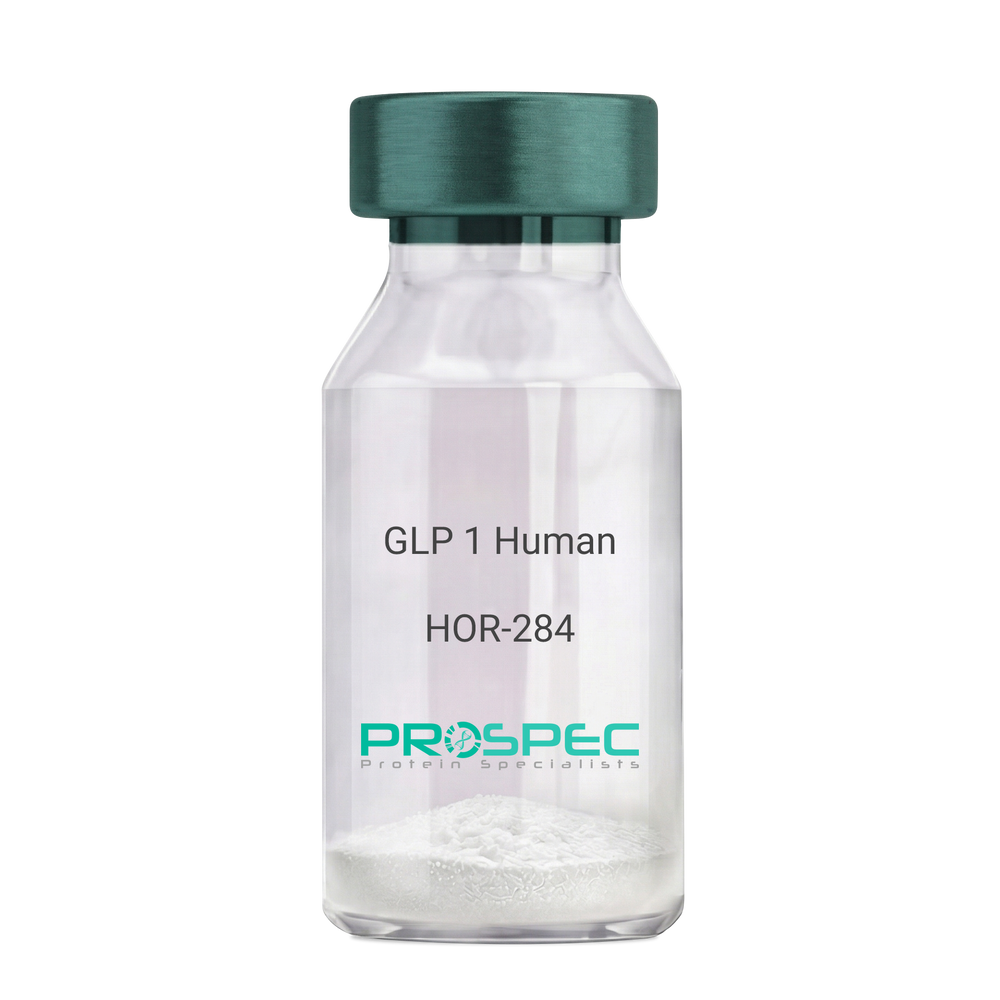
    GLP 1 Human

    Description:

    Human Glucagon Like Peptide-1

    GLP1, Glucagon Like Peptide-1, Incretin hormone.

    Product # :

    HOR-284

    Price :

    Quantity :

    Shipping Method :

    Room Temp Icon

    Shipped at Room temp

    Add To Cart

    More Info

    • description
    • formulation
    • purity
    • More Info

    Description

    Glucagon Like Peptide-1 is a single, non-glycosylated, polypeptide chain containing 30 amino acids and having a molecular mass of 3297.7 Dalton.The GLP-1 is purified by proprietary chromatographic techniques.

    Formulation

    The GLP-1 peptide was lyophilized with no additives.

    Purity

    Greater than 96.0% as determined by RP-HPLC.

    More Info

    • Introduction

      Glucagon-like peptide-1 (GLP-1) is derived from the transcription product of the proglucagon gene. The major source of GLP-1 in the body is the intestinal L cell that secretes GLP-1 as a guthormone. The biologically active forms of GLP-1 are: GLP-1-(7-37) and GLP-1-(7-36)NH2.
      GLP-1 secretion by L cells is dependent on the presence of nutrients in the lumen of the small intestine. The secretagogues (agents that causes or stimulates secretion) of this hormone include major nutrients like carbohydrate, proteinand lipid. Once in the circulation, GLP-1 has a half life of less than 2 minutes, due to rapid degradation by the enzyme dipeptidyl peptidase-4.
      GLP-1 possesses several physiological properties that make it a subject of intensive investigation as a potential treatment of diabetes mellitus. The known physiological functions of GLP-1 include: Increases insulin secretion from the pancreas in a glucose-dependent manner, decreases glucagon secretion from the pancreas, increases beta cells mass and insulin gene expression, inhibits acid secretion and gastric emptying in the stomach, decreases food intake by increasing satiety.

    • Synonyms

      GLP1, Glucagon Like Peptide-1, Incretin hormone.

    • Physical Appearance

      Sterile Filtered White lyophilized (freeze-dried) powder.

    • Stability

      Lyophilized Glucagon Like Peptide-1 although stable at room temperature for 3 weeks, should be stored desiccated below -18°C. Upon reconstitution GLP-1 should be stored at 4°C between 2-7 days and for future use below -18°C. For long term storage it is recommended to add a carrier protein (0.1% HSA or BSA).Please prevent freeze-thaw cycles.

    • Solubility

      It is recommended to reconstitute the lyophilized Glucagon Like Peptide-1 in sterile H2O at 0.5mg/ml, which can then be further diluted to other aqueous solutions.

    • Amino Acid Sequence

      H-His-Ala-Glu-Gly-Thr-Phe-Thr-Ser-Asp-Val-Ser-Ser-Tyr-Leu-Glu-Gly-Gln-Ala-Ala-Lys-Glu-Phe-Ile-Ala-Trp-Leu-Val-Lys-Gly-Arg-NH2.

    ProSpec's products are furnished for LABORATORY RESEARCH USE ONLY. The product may not be used as drugs, agricultural or pesticidal products, food additives or household chemicals.

    Glp 1 Human
  • View Data Sheet

    Name :

    Tesamorelin

    Description:

    Tesamorelin

    Product # :

    HOR-062

    Price :

    Quantity :

    Shipping Method :

    Room Temp Icon

    Shipped at Room temp

    Add To Cart

    More Info

    • description
    • formulation
    • purity
    • More Info

    Description

    Tesamorelin is a synthetic single, non-glycosylated polypeptide chain containing 44 amino acids, having a molecular mass of 5135.78 Dalton and a Molecular formula of C221H366N72O67S.

    Formulation

    The protein was lyophilized with no additives.

    Purity

    Greater than 97.0% as determined by analysis by RP-HPLC.

    More Info

    • Physical Appearance

      Sterile Filtered White lyophilized (freeze-dried) powder.

    • Stability

      Lyophilized Tesamorelin although stable at room temperature for 3 weeks, should be stored desiccated below -18°C. Upon reconstitution Tesamorelin should be stored at 4°C between 2-7 days and for future use below -18°C.
      For long term storage it is recommended to add a carrier protein (0.1% HSA or BSA).
      Please prevent freeze-thaw cycles.

    • Solubility

      It is recommended to reconstitute the lyophilized Tesamorelin in sterile 18MΩ-cm H2O not less than 100 µg/ml, which can then be further diluted to other aqueous solutions.

    • Amino Acid Sequence

      trans-3-hexenoyl-Tyr-Ala-Asp-Ala-IlePhe-Thr-Asn-Ser-Tyr-Arg-Lys-Val-Leu-Gly-Gln-Leu-Ser-Ala-Arg-LysLeu-Leu-Gln-Asp-Ile-Met-Ser-Arg-Gln-Gln-Gly-Glu-Ser-Asn-Gln-GluArg-Gly-Ala-Arg-Ala-Arg-Leu-NH2.

    • Background

      Tesamorelin is a growth hormone-releasing hormone (GHRH) analogue. Tesamorelin stimulates the pituitary gland to produce endogenous growth hormone, which targets visceral adipose tissue. Tesamorelin has evolved from a HIV treatment into an effective metabolic and regenerative therapy.

    ProSpec's products are furnished for LABORATORY RESEARCH USE ONLY. The product may not be used as drugs, agricultural or pesticidal products, food additives or household chemicals.

    Tesamorelin
  • View Data Sheet

    Name :

    DPP4 Human, HEK

    Description:

    Dipeptidyl-Peptidase 4 Human Recombinant, HEK

    CD26, ADABP, ADCP2, DPPIV, TP103, DPP4, Dipeptidyl peptidase 4, Dipeptidyl peptidase IV, DPP IV, T-cell activation antigen CD26, Adenosine deaminase complexing protein 2, CD26 antigen.

    Product # :

    ENZ-1187

    Price :

    Quantity :

    Shipping Method :

    Ice Icon

    Shipped with Ice Packs

    Add To Cart

    More Info

    • description
    • source
    • formulation
    • purity
    • biological activity
    • More Info

    Description

    DPP4 Human Recombinant is a single, glycosylated polypeptide chain containing 977 amino acids (29-766a.a) and having a molecular mass of 112.1kDa (calculated). DPP4 is fused to a 239 amino acid hIgG-Tag at C-terminus and is purified by proprietary chromatographic techniques.

    Source

    HEK293 Cells.

    Formulation

    DPP4 protein solution (0.25mg/ml) contains 10% Glycerol and Phosphate-Buffered Saline (pH 7.4).

    Purity

    Greater than 95.0% as determined by Analysis by SDS-PAGE.

    Biological Activity

    Specific activity is > 15,000 pmol/min/ug in which one unit defined as the amount of enzyme that hydrolyze 1pmole of H-Gly-Pro-AMC.HBr to H-Gly-Pro and AMC per minute at pH 8.0 at 37℃.

     The ED50 range ≤250 ng/ml is measured by its binding ability in a functional ELISA with MERS-CoV Spike S1 Subunit (CAT# sars-052)..

    The ED50 range ≤200 ng/ml is measured by its binding ability in a functional ELISA with MERS-CoV Spike RBD (CAT# sars-054).

    The ED50 range ≤120 ng/ml is measured by its binding ability in a functional ELISA with MERS-CoV Spike (CAT# sars-051).

    More Info

    • Synonyms

      CD26, ADABP, ADCP2, DPPIV, TP103, DPP4, Dipeptidyl peptidase 4, Dipeptidyl peptidase IV, DPP IV, T-cell activation antigen CD26, Adenosine deaminase complexing protein 2, CD26 antigen.

    • Physical Appearance

      Sterile Filtered colorless solution.

    • Stability

      Store at 4°C if entire vial will be used within 2-4 weeks. Store, frozen at -20°C for longer periods of time. For long term storage it is recommended to add a carrier protein (0.1% HSA or BSA).Avoid multiple freeze-thaw cycles.

    • Amino Acid Sequence

      DGSMNKGTDD ATADSRKTYT LTDYLKNTYR LKLYSLRWIS DHEYLYKQEN NILVFNAEYG NSSVFLENST FDEFGHSIND YSISPDGQFI LLEYNYVKQW RHSYTASYDI YDLNKRQLIT EERIPNNTQW VTWSPVGHKL AYVWNNDIYV KIEPNLPSYR ITWTGKEDII YNGITDWVYE EEVFSAYSAL WWSPNGTFLA YAQFNDTEVP LIEYSFYSDE SLQYPKTVRV PYPKAGAVNP TVKFFVVNTD SLSSVTNATS IQITAPASML IGDHYLCDVT WATQERISLQ WLRRIQNYSV MDICDYDESS GRWNCLVARQ HIEMSTTGWV GRFRPSEPHF TLDGNSFYKI ISNEEGYRHI CYFQIDKKDC TFITKGTWEV IGIEALTSDY LYYISNEYKG MPGGRNLYKI QLSDYTKVTC LSCELNPERC QYYSVSFSKE AKYYQLRCSG PGLPLYTLHS SVNDKGLRVL EDNSALDKML QNVQMPSKKL DFIILNETKF WYQMILPPHF DKSKKYPLLL DVYAGPCSQK ADTVFRLNWA TYLASTENII VASFDGRGSG YQGDKIMHAI NRRLGTFEVE DQIEAARQFS KMGFVDNKRI AIWGWSYGGY VTSMVLGSGS GVFKCGIAVA PVSRWEYYDS VYTERYMGLP TPEDNLDHYR NSTVMSRAEN FKQVEYLLIH GTADDNVHFQ QSAQISKALV DVGVDFQAMW YTDEDHGIAS STAHQHIYTH MSHFIKQCFS LPKLLEPKSC DKTHTCPPCP APELLGGPSV FLFPPKPKDT LMISRTPEVT CVVVDVSHED PEVKFNWYVD GVEVHNAKTK PREEQYNSTY RVVSVLTVLH QDWLNGKEYK CKVSNKALPA PIEKTISKAK GQPREPQVYT LPPSRDELTK NQVSLTCLVK GFYPSDIAVE WESNGQPENN YKTTPPVLDS DGSFFLYSKL TVDKSRWQQG NVFSCSVMHE ALHNHYTQKS LSLSPGK.

    • Background

      DPP4 protein, also known as Dipeptidyl peptidase-4 or CD26, is a cell surface protease with diverse functions in cell signaling and metabolism. This research aims to investigate the role of DPP4 protein in various physiological processes and its implications in disease pathogenesis. Understanding the biological significance of DPP4 can provide insights into its potential as a therapeutic target for several disorders.

      Function of DPP4 Protein:

      DPP4 protein is involved in the cleavage and regulation of several peptide hormones and chemokines, influencing their bioactivity and half-life. It is widely expressed in various tissues, including immune cells, endothelial cells, and epithelial cells. DPP4 can modulate immune responses, glucose metabolism, and neuropeptide signaling through enzymatic and non-enzymatic activities.

      Role of DPP4 Protein in Immune Regulation:

      DPP4 protein plays a role in immune cell activation and regulation. It is expressed on the surface of T cells, where it functions as a co-stimulatory molecule. DPP4 engagement on T cells promotes T cell activation, cytokine production, and adhesion to endothelial cells. Additionally, DPP4 can cleave and inactivate certain chemokines, thereby influencing chemotaxis and immune cell recruitment.

      Implications of DPP4 Protein in Metabolic Disorders:

      DPP4 protein is involved in glucose metabolism and insulin regulation. It cleaves incretin hormones, such as glucagon-like peptide-1 (GLP-1) and gastric inhibitory polypeptide (GIP), which play crucial roles in glucose homeostasis. Inhibition of DPP4 activity can enhance the action of these incretin hormones, leading to improved glycemic control. Therefore, DPP4 inhibitors have been developed as antidiabetic drugs.

      Association of DPP4 Protein with Cardiovascular Diseases:

      DPP4 protein has been implicated in the pathogenesis of cardiovascular diseases. Elevated DPP4 levels have been observed in patients with heart failure, atherosclerosis, and hypertension. DPP4 can contribute to endothelial dysfunction, inflammation, and vascular remodeling, which are key factors in the development and progression of cardiovascular disorders. Inhibition of DPP4 activity has shown potential as a therapeutic strategy in preclinical studies.

      Given its involvement in various biological processes and disease pathogenesis, DPP4 protein has emerged as a potential therapeutic target. DPP4 inhibitors, which prevent the enzymatic activity of DPP4, have been developed for the treatment of type 2 diabetes. These inhibitors enhance the action of incretin hormones, leading to improved glycemic control. Additionally, ongoing research aims to explore the therapeutic potential of DPP4 inhibitors in other conditions, such as immune-mediated disorders and cardiovascular diseases.

      Conclusion:

      The investigation of DPP4 protein provides insights into its diverse functions in cell signaling, immune regulation, and metabolism. Understanding the role of DPP4 in disease pathogenesis opens avenues for the development of targeted therapies for conditions such as diabetes, cardiovascular diseases, and immune-mediated disorders. Further research on DPP4 protein and its associated pathways may uncover new therapeutic opportunities and improve patient outcomes.

    ProSpec's products are furnished for LABORATORY RESEARCH USE ONLY. The product may not be used as drugs, agricultural or pesticidal products, food additives or household chemicals.

    Dpp4 Human Hek
  • View Data Sheet

    Name :

    HTATIP2 Human

    Description:

    HIV-1 Tat Interactive Protein 2 Human Recombinant

    TIP30, CC3, SDR44U1, HTATIP2, EC=1.1.1.-, HIV-1 TAT-interactive protein 2, FLJ26963.

    Product # :

    ENZ-546

    Price :

    Quantity :

    Shipping Method :

    Ice Icon

    Shipped with Ice Packs

    Add To Cart

    More Info

    • description
    • source
    • formulation
    • purity
    • More Info

    Description

    HTATIP2 Recombinant Human produced in E.Coli is a single, non-glycosylated polypeptide chain containing 262 amino acids (1-242 a.a.) and having a molecular mass of 29.3 kDa. The HTATIP2 is fused to a 20 amino acid His-Tag at N-terminus and purified by proprietary chromatographic techniques.

    Source

    Escherichia Coli.

    Formulation

    HTATIP2 protein solution (1mg/ml) containing 20mM Tris-HCl pH-8, 1mM DTT & 10% glycerol.

    Purity

    Greater than 95.0% as determined by SDS-PAGE.

    More Info

    • Introduction

      HTATIP2 is part of the short-chain dehydrogenases/reductases (SDR) family which acts as a tumor suppressor in metabolic suppression, inhibition of angiogenesis and induces the expression of apoptosis related genes Bad and Siva. HTATIP2 cooperates with the activation domain of HIV-1 TAT and enhances its transcription by phosphorylating RNA polymerase II (Pol II). Defects in HTATIP2 are related with hepatocellular carcinomas and apoptotic resistant tumor cells, implicating a probable use for HTATIP2 in antitumor therapy.

    • Synonyms

      TIP30, CC3, SDR44U1, HTATIP2, EC=1.1.1.-, HIV-1 TAT-interactive protein 2, FLJ26963.

    • Physical Appearance

      Sterile filtered colorless solution.

    • Stability

      Store at 4°C if entire vial will be used within 2-4 weeks. Store, frozen at -20°C for longer periods of time. For long term storage it is recommended to add a carrier protein (0.1% HSA or BSA).Avoid multiple freeze-thaw cycles.

    • Amino Acid Sequence

      MGSSHHHHHH SSGLVPRGSH MAETEALSKL REDFRMQNKS VFILGASGET GRVLLKEILE QGLFSKVTLI GRRKLTFDEE AYKNVNQEVV DFEKLDDYAS AFQGHDVGFC CLGTTRGKAG AEGFVRVDRD YVLKSAELAK AGGCKHFNLL SSKGADKSSN FLYLQVKGEV EAKVEELKFD RYSVFRPGVL LCDRQESRPG EWLVRKFFGS LPDSWARGHS VPVVTVVRAM LNNVVRPRDK QMELLENKAI HDLGKAHGSL KP.

    ProSpec's products are furnished for LABORATORY RESEARCH USE ONLY. The product may not be used as drugs, agricultural or pesticidal products, food additives or household chemicals.

    Htatip2 Human
  • View Data Sheet

    Name :

    Adiponectin Mouse

    Description:

    Adiponectin Mouse Recombinant

    Acrp30, AdipoQ, GBP-28, APM-1, ACDC.

    Product # :

    CYT-1168

    Price :

    Quantity :

    Shipping Method :

    Room Temp Icon

    Shipped at Room temp

    Add To Cart

    More Info

    • description
    • source
    • formulation
    • purity
    • biological activity
    • More Info

    Description

    Acrp30 Mouse Recombinant is a single, glycosylated polypeptide chain containing 230 amino acids (18-247a.a) and having a molecular mass of 24.9kDa (calculated).

    Source

    HEK293 cells.

    Formulation

    Acrp30 filtered (0.4 µm) and lyophilized from 0.5mg/ml in 20mM Tris 50mM NaCl and 1mM CaCl2, pH 7.5.

    Purity

    Greater than 90.0% as determined by SDS-PAGE.

    Biological Activity

    Measured by its ability to inhibit proliferation of mouse 3T3 fibroblasts stimulated by PDGF. The ED50 for the effect is typically 5-15 μg/mL.

    More Info

    • Introduction

      Adiponectin, also known as Acrp30, AdipoQ and GBP-28, is a 244 amino acid protein, the product of the apM1 gene, which is physiologically active and specifically and highly expressed in adipose cells (Adipokine). Adiponectin is a part of the soluble defense collagen super family; it has a collagen-like domain structurally homologous with collagen VIII and X and complement factor C1q-like globular domain. APM-1 forms homotrimers, which are the building blocks for higher order complexes found circulating in serum.

    • Synonyms

      Acrp30, AdipoQ, GBP-28, APM-1, ACDC.

    • Physical Appearance

      Filtered White lyophilized (freeze-dried) powder.

    • Stability

      Store lyophilized protein at -20°C. Aliquot the product after reconstitution to avoid repeated freezing/thawing cycles. Reconstituted protein can be stored at 4°C for a limited period of time; it does not show any change after two weeks at 4°C.

    • Solubility

      It is recommended to add deionized water to prepare a working stock solution of approximately 0.5mg/ml and let the lyophilized pellet dissolve completely.

    • Amino Acid Sequence

      EDDVTTTEEL APALVPPPKG TCAGWMAGIP GHPGHNGTPG RDGRDGTPGE KGEKGDAGLL GPKGETGDVG MTGAEGPRGF PGTPGRKGEP GEAAYVYRSA FSVGLETRVT VPNVPIRFTK IFYNQQNHYD GSTGKFYCNI PGLYYFSYHI TVYMKDVKVS LFKKDKAVLF TYDQYQEKNV DQASGSVLLH LEVGDQVWLQ VYGDGDHNGL YADNVNDSTF TGFLLYHDTN.

    • Background

      What is the molecular weight/Mw of ADIPONECTIN Protein?
      ADIPONECTIN Protein has a total Mw of 24.9kDa.

      What is the source or expression system of ADIPONECTIN Protein?
      HEK293 cells.

      What is the Purity of ADIPONECTIN Protein?
      ADIPONECTIN Protein is >90% pure as determined by SDS-PAGE.

      What is the Biological Activity of ADIPONECTIN Protein?
      The biological activity Measured by its ability to inhibit proliferation of mouse 3T3 fibroblasts stimulated by PDGF. The ED50 for the effect is typically 5-15 μg/mL.

      What is the amino acid sequence of ADIPONECTIN Protein?
      EDDVTTTEEL APALVPPPKG TCAGWMAGIP GHPGHNGTPG RDGRDGTPGE KGEKGDAGLL GPKGETGDVG MTGAEGPRGF PGTPGRKGEP GEAAYVYRSA FSVGLETRVT VPNVPIRFTK IFYNQQNHYD GSTGKFYCNI PGLYYFSYHI TVYMKDVKVS LFKKDKAVLF TYDQYQEKNV DQASGSVLLH LEVGDQVWLQ VYGDGDHNGL YADNVNDSTF TGFLLYHDTN.

      What applications can ADIPONECTIN Protein be used in?
      ADIPONECTIN Protein can probably be used in western blot, ELISA and Lateral Flow.

      What is the endotoxin level for ADIPONECTIN Protein?
      The endotoxin level is minimal, ADIPONECTIN Protein was purified using conventional chromatography techniques.

    ProSpec's products are furnished for LABORATORY RESEARCH USE ONLY. The product may not be used as drugs, agricultural or pesticidal products, food additives or household chemicals.

    Adiponectin Mouse
  • View Data Sheet

    Name :

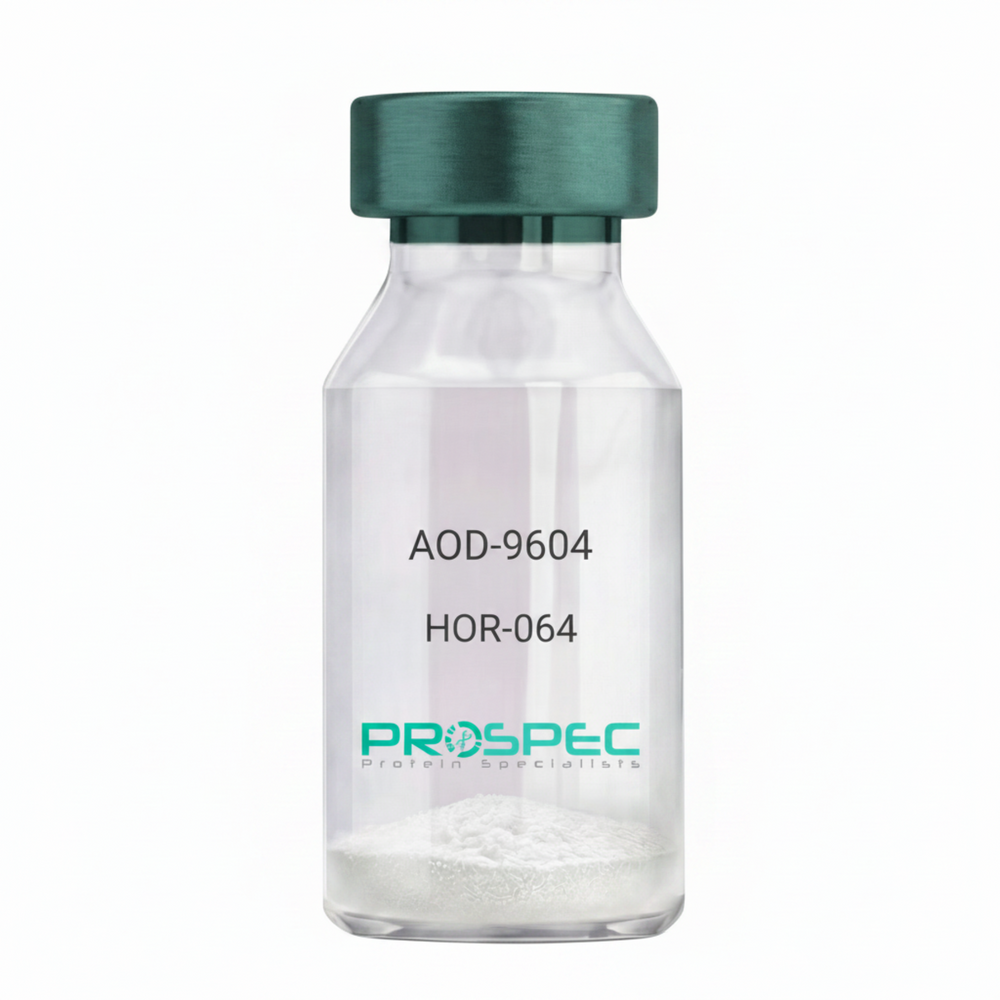
    AOD-9604

    Description:

    AOD-9604

    Product # :

    HOR-064

    Price :

    Quantity :

    Shipping Method :

    Room Temp Icon

    Shipped at Room temp

    Add To Cart

    More Info

    • description
    • formulation
    • purity
    • More Info

    Description

    AOD-9604 is a synthetic single, non-glycosylated polypeptide chain containing 16 amino acids, having a molecular mass of 1815 Dalton and a Molecular formula of C78H123N23O23 S2.

    Formulation

    The protein was lyophilized with no additives.

    Purity

    Greater than 97.0% as determined by analysis by RP-HPLC.

    More Info

    • Physical Appearance

      Sterile Filtered White lyophilized (freeze-dried) powder.

    • Stability

      Lyophilized AOD-9604 although stable at room temperature for 3 weeks, should be stored desiccated below -18°C. Upon reconstitution AOD-9604 should be stored at 4°C between 2-7 days and for future use below -18°C.
      For long term storage it is recommended to add a carrier protein (0.1% HSA or BSA).
      Please prevent freeze-thaw cycles.

    • Solubility

      It is recommended to reconstitute the lyophilized AOD-9604 in sterile 18MΩ-cm H2O not less than 100 µg/ml, which can then be further diluted to other aqueous solutions.

    • Amino Acid Sequence

      H-Tyr-Leu-Arg-Ile-Val-Gln-Cys-Arg-SerVal-Glu-Gly-Ser-Cys-Gly-Phe-OH (Disulfide bond).

    • Background

      AOD-9604 is a synthetic analog of the C-terminal fragment (177–191) AOD-9604 stimulates lipolysis (fat breakdown) without the unwanted growth-promoting or insulin-antagonizing effects of full-length hGH. AOD-9604 is a potent lipolytic tool in animal models and researchers focus on its regenerative properties in joint health and its ability to modulate beta3 adrenergic receptors without the systemic risks of growth hormone.

    ProSpec's products are furnished for LABORATORY RESEARCH USE ONLY. The product may not be used as drugs, agricultural or pesticidal products, food additives or household chemicals.

    AOD-9604
  • View Data Sheet

    Name :

    ENO3 Human

    Description:

    Enolase-3 Human Recombinant

    Enolase 3 (beta, muscle), Muscle-specific enolase, Skeletal muscle enolase, MSE, 2-phospho-D-glycerate hydrolyase, beta-enolase, GSD13, EC 4.2.1.11, EC 4.2.1.

    Product # :

    ENZ-183

    Price :

    Quantity :

    Shipping Method :

    Ice Icon

    Shipped with Ice Packs

    Add To Cart

    More Info

    • description
    • source
    • formulation
    • purity
    • More Info

    Description

    ENO3 Human Recombinant produced in E.coli is a single, non-glycosylated polypeptide chain containing 454 amino acids (1-434) and having a molecular mass of 49.0 kDa.ENO3 is fused to a 20 amino acid His-tag at N-terminus & purified by proprietary chromatographic techniques.

    Source

    E.coli.

    Formulation

    The ENO3 solution (0.5mg/ml) contains 20mM Tris-HCl buffer (pH 8.0), 1mM DTT, 0.1M NaCl and 20% glycerol.

    Purity

    Greater than 95% as determined by SDS-PAGE.

    More Info

    • Introduction

      ENO3 is one of three enolase isoenzymes in mammals. The homodimer ENO3 is located in skeletal muscle cells of adults and has a part in converting phosphoglyceric acid to phosphenolpyruvic acid in the glycolytic pathway. Mutations in ENO3 gene is linked to metabolic myopathies which is caused by low stability of the enzyme.

    • Synonyms

      Enolase 3 (beta, muscle), Muscle-specific enolase, Skeletal muscle enolase, MSE, 2-phospho-D-glycerate hydrolyase, beta-enolase, GSD13, EC 4.2.1.11, EC 4.2.1.

    • Physical Appearance

      Sterile Filtered colorless solution.

    • Stability

      Store at 4°C if entire vial will be used within 2-4 weeks. Store, frozen at -20°C for longer periods of time. For long term storage it is recommended to add a carrier protein (0.1% HSA or BSA).Avoid multiple freeze-thaw cycles.

    • Amino Acid Sequence

      MGSSHHHHHH SSGLVPRGSH MAMQKIFARE ILDSRGNPTV EVDLHTAKGR FRAAVPSGAS TGIYEALELR DGDKGRYLGK GVLKAVENIN STLGPALLQK KLSVADQEKV DKFMIELDGT ENKSKFGANA ILGVSLAVCK AGAAEKGVPL YRHIADLAGN PDLILPVPAF NVINGGSHAG NKLAMQEFMI LPVGASSFKE AMRIGAEVYH HLKGVIKAKY GKDATNVGDE GGFAPNILEN NEALELLKTA IQAAGYPDKV VIGMDVAASE FYRNGKYDLD FKSPDDPARH ITGEKLGELY KSFIKNYPVV SIEDPFDQDD WATWTSFLSG VNIQIVGDDL TVTNPKRIAQ AVEKKACNCL LLKVNQIGSV TESIQACKLA QSNGWGVMVS HRSGETEDTF IADLVVGLCT GQIKTGAPCR SERLAKYNQL MRIEEALGDK AIFAGRKFRN PKAK.

    • Unit Definition

      One unit will convert 1.0 umole of 2-phosphoglycerate to phospho(enol)pyruvate per minute at pH7.5 at 25°C.

    • Specific Activity

      > 1.5 units/ml.

    ProSpec's products are furnished for LABORATORY RESEARCH USE ONLY. The product may not be used as drugs, agricultural or pesticidal products, food additives or household chemicals.

    Eno3 Human
  • View Data Sheet

    Name :

    HIF1A Human

    Description:

    Hypoxia-Inducible Factor-1 Alpha Human Recombinant

    Hypoxia-inducible factor 1 alpha, HIF-1 alpha, HIF1 alpha, ARNT-interacting protein, Member of PAS protein 1, Basic-helix-loop-helix-PAS protein MOP1, HIF1A, MOP1, HIF1, PASD8, HIF-1A.

    Product # :

    PRO-477

    Price :

    Quantity :

    Shipping Method :

    Ice Icon

    Shipped with Ice Packs

    Add To Cart

    More Info

    • description
    • source
    • formulation
    • purity
    • More Info

    Description

    HIF1A Human Recombinant produced in E.Coli is a single, non-glycosylated polypeptide chain containing 298 amino acids (530-826) and having a molecular mass of 32.8kDa. The protein migrates as a 32.8kDa band on SDS-PAGE. The HIF1-A is purified by proprietary chromatographic techniques.

    Source

    Escherichia Coli.

    Formulation

    The HIF1A recombinant Human solution (1mg/ml) is formulated in PBS pH-7.4 and 10% glycerol.

    Purity

    Greater than 90.0% as determined by SDS-PAGE.

    More Info

    • Introduction

      Hypoxia-inducible factor-1 (HIF-1), identified as one of the transcription factors, has been found to play an essential role in cellular and systemic oxygen homeostasis. HIF-1 is a heterodimer composed of HIF-1b subunit and one of three subunits (Hif-1a, Hif-2 (or Hif-3)). The activation of Hif-1 (is closely associated with a variety of tumors and oncogenic pathways. Hif-1 (consists of DNA binding domain (DBD domain), Dimerization domain and C-terminal regulatory domains, including two transactivation domains (TAD), an oxygen-dependent degradation (ODD) domain, and inhibitory domains. Under hypoxic conditions HIF1A activates the transcription of more than 40 genes, including, erythropoietin, glucose transporters, glycolytic enzymes, VEGF, and other genes whose protein products increase oxygen delivery or facilitate metabolic adaptation to hypoxia. HIF-1A also plays a crucial role in embryonic vascularization, tumor angiogenesis and pathophysiology of ischemic disease. It binds to core DNA sequence 5'-[AG]CGTG-3' within the hypoxia response element (HRE) of target gene promoters. Activation involves recruitment of transcriptional coactivators such as CREBPB and EP300. Its activity is improved by interaction with both, NCOA1 or NCOA2. Interaction with redox regulatory protein APEX appears to activate CTAD and potentiates activation by NCOA1 and CREBBP. The induction is under reduced oxygen tension. HIF1A is also induced by a variety of receptor-mediated factors such as growth factors, cytokines, and circulatory factors for example PDGF, EGF, FGF-2, IGF-2, TGF-1 beta, HGF, TNF alpha, IL-1 beta, angiotensin-2 and thrombin. Nevertheless, this induction is less intense than that stimulated by hypoxia.

    • Synonyms

      Hypoxia-inducible factor 1 alpha, HIF-1 alpha, HIF1 alpha, ARNT-interacting protein, Member of PAS protein 1, Basic-helix-loop-helix-PAS protein MOP1, HIF1A, MOP1, HIF1, PASD8, HIF-1A.

    • Physical Appearance

      Sterile filtered colorless solution.

    • Stability

      Store at 4°C if entire vial will be used within 2-4 weeks. Store, frozen at -20°C for longer periods of time. For long term storage it is recommended to add a carrier protein (0.1% HSA or BSA).Avoid multiple freeze-thaw cycles.

    • Amino Acid Sequence

      MEFKLELVEK LFAEDTEAKN PFSTQDTDLD LEMLAPYIPM DDDFQLRSFD QLSPLESSSA SPESASPQST VTVFQQTQIQ EPTANATTTT ATTDELKTVT KDRMEDIKIL IASPSPTHIH KETTSATSSP YRDTQSRTAS PNRAGKGVIE QTEKSHPRSP NVLSVALSQR TTVPEEELNP KILALQNAQR KRKMEHDGSL FQAVGIGTLL QQPDDHAATT SLSWKRVKGC KSSEQNGMEQ KTIILIPSDL ACRLLGQSMD ESGLPQLTSY DCEVNAPIQG SRNLLQGEEL LRALDQVN.

    ProSpec's products are furnished for LABORATORY RESEARCH USE ONLY. The product may not be used as drugs, agricultural or pesticidal products, food additives or household chemicals.

    Hif1A Human
  • View Data Sheet

    Name :

    NFNB E.Coli

    Description:

    Dihydropteridine Reductase E.Coli Recombinant

    DPRA, NFSB, NFSI, NTR.

    Product # :

    ENZ-423

    Price :

    Quantity :

    Shipping Method :

    Ice Icon

    Shipped with Ice Packs

    Add To Cart

    More Info

    • description
    • source
    • formulation
    • purity
    • More Info

    Description

    NFNB Recombinant produced in E.Coli is a single, non-glycosylated polypeptide chain containing 237 amino acids (1-217 a.a.) and having a molecular mass of 26 kDa. The NFNB is fused to a 20 amino acid His-Tag at N-terminus and purified by proprietary chromatographic techniques.

    Source

    Escherichia Coli.

    Formulation

    1mg/ml solution containing 20mM Tris pH-8, 1mM DTT, 0.05M NaCl & 10% glycerol.

    Purity

    Greater than 95.0% as determined by SDS-PAGE.

    More Info

    • Introduction

      NFNB demonstrates the capability to reduce quinines. NFNB enzyme activates prodrugs in antibody directed enzyme prodrug therapy. NFNB reduces nitrofurazone, quinones and anti-tumor agent CB1954 (5-(aziridin-1-yl)-2,4-dinitrobenzamide). The reduction of CB1954 results in the generation of cytotoxic species.

    • Synonyms

      DPRA, NFSB, NFSI, NTR.

    • Physical Appearance

      Sterile filtered colorless solution.

    • Stability

      Store at 4°C if entire vial will be used within 2-4 weeks. Store, frozen at -20°C for longer periods of time. For long term storage it is recommended to add a carrier protein (0.1% HSA or BSA). Avoid multiple freeze-thaw cycles.

    • Amino Acid Sequence

      MGSSHHHHHH SSGLVPRGSH MDIISVALKR HSTKAFDASK KLTPEQAEQI KTLLQYSPSS TNSQPWHFIV ASTEEGKARV AKSAAGNYVF NERKMLDASH VVVFCAKTAM DDVWLKLVVD QEDADGRFAT PEAKAANDKG RKFFADMHRK DLHDDAEWMA KQVYLNVGNF LLGVAALGLD AVPIEGFDAA ILDAEFGLKE KGYTSLVVVP VGHHSVEDFN ATLPKSRLPQ NITLTEV.

    ProSpec's products are furnished for LABORATORY RESEARCH USE ONLY. The product may not be used as drugs, agricultural or pesticidal products, food additives or household chemicals.

    Nfnb Ecoli
  • View Data Sheet

    Name :

    PDCD6IP Human

    Description:

    Programmed Cell Death 6 Interacting Protein Human Recombinant

    AIP1, Alix, PDCD6-Interacting Protein, DRIP4, ALG-2 interacting protein 1, Programmed cell death 6-interacting protein, Hp95, PDCD6IP, KIAA1375, MGC17003.

    Product # :

    PRO-792

    Price :

    Quantity :

    Shipping Method :

    Ice Icon

    Shipped with Ice Packs

    Add To Cart

    More Info

    • description
    • source
    • formulation
    • purity
    • More Info

    Description

    PDCD6IP Human Recombinant produced in E.Coli is a single, non-glycosylated polypeptide chain containing 412 amino acids (1-392 a.a.) and having a molecular mass of 45.8 kDa. The PDCD6IP is fused to a 20 amino acid His-tag at N-terminus and purified by conventional chromatography.

    Source

    Escherichia Coli.

    Formulation

    The protein solution (1mg/ml) contains 20mM Tris-HCl pH-8, 1mM DTT and 10% glycerol.

    Purity

    Greater than 95.0% as determined by SDS-PAGE.

    More Info

    • Introduction

      PDCD6IP is a Class E VPS protein which participates in concentration and sorting of cargo proteins of the multivesicular body or incorporation into intralumenal vesicles that are generated by invagination and scission from the limiting membrane of the endosome. PDCD6IP binds to the phospholipid lysobisphosphatidic acid which is abundant in MVBs internal membranes. The MVB pathway appears to require the sequential function of ESCRT-O, -I,-II and -III complexes. PDCD6IP is an adapter for a subset of ESCRT-III proteins, such as CHMP4, to function at distinct membranes. PDCD6IP is mandatory for completion of cytokinesis. PDCD6IP takes part in HIV-1 virus budding. PDCD6IP replaces TSG101 in its function of supporting HIV-1 release. PDCD6IP takes part in the regulation of both apoptosis and cell proliferation. PDCD6IP is a cytoplasmic protein that cooperates with apoptosis-associated proteins (ALG-2 and PDCD6) and with the endocytosis-regulator CIN85. Overexpression of PDCD6IP and endophilin

    • Synonyms

      AIP1, Alix, PDCD6-Interacting Protein, DRIP4, ALG-2 interacting protein 1, Programmed cell death 6-interacting protein, Hp95, PDCD6IP, KIAA1375, MGC17003.

    • Physical Appearance

      Sterile Filtered colorless solution.

    • Stability

      Store at 4°C if entire vial will be used within 2-4 weeks. Store, frozen at -20°C for longer periods of time. For long term storage it is recommended to add a carrier protein (0.1% HSA or BSA).Avoid multiple freeze-thaw cycles.

    • Amino Acid Sequence

      MGSSHHHHHH SSGLVPRGSH MATFISVQLK KTSEVDLAKP LVKFIQQTYP SGGEEQAQYC RAAEELSKLR RAAVGRPLDK HEGALETLLR YYDQICSIEP KFPFSENQIC LTFTWKDAFD KGSLFGGSVK LALASLGYEK SCVLFNCAAL ASQIAAEQNL DNDEGLKIAA KHYQFASGAF LHIKETVLSA LSREPTVDIS PDTVGTLSLI MLAQAQEVFF LKATRDKMKD AIIAKLANQA ADYFGDAFKQ CQYKDTLPKE VFPVLAAKHC IMQANAEYHQ SILAKQQKKF GEEIARLQHA AELIKTVASR YDEYVNVKDF SDKINRALAA AKKDNDFIYH DRVPDLKDLD PIGKATLVKS TPVNVPISQK FTDLFEKMVP VSVQQSLAAY NQRKADLVNR SIAQMREATT LA.

    ProSpec's products are furnished for LABORATORY RESEARCH USE ONLY. The product may not be used as drugs, agricultural or pesticidal products, food additives or household chemicals.

    Pdcd6Ip Human
  • View Data Sheet

    Name :

    RANGRF Human

    Description:

    RAN Guanine Nucleotide Release Factor Human Recombinant

    Ran guanine nucleotide release factor, RanGNRF, Ran-binding protein MOG1, RANGRF, MOG1, HSPC165, HSPC236, MDS5.

    Product # :

    PRO-1149

    Price :

    Quantity :

    Shipping Method :

    Ice Icon

    Shipped with Ice Packs

    Add To Cart

    More Info

    • description
    • source
    • formulation
    • purity
    • More Info

    Description

    RANGRF Human Recombinant produced in E.Coli is a single, non-glycosylated polypeptide chain containing 210 amino acids (1-186 a.a) and having a molecular mass of 23kDa.RANGRF is fused to a 24 amino acid His-tag at N-terminus & purified by proprietary chromatographic techniques.

    Source

    Escherichia Coli.

    Formulation

    RANGRF protein solution (1mg/ml) containing 20mM Tris-HCl buffer (pH8.0), 10% glycerol, 0.15M NaCl and 1mM DTT.

    Purity

    Greater than 90% as determined by SDS-PAGE.

    More Info

    • Introduction

      RANGRF is a protein which acts as a guanine nucleotide release factor in mouse and regulates the expression and function of the Nav1.5 cardiac sodium channel in human. RANGRF also controls the intracellular trafficking of RAN. In cardiac cells, the RANGRF appears to regulate the cell surface localization of SCN5A.

    • Synonyms

      Ran guanine nucleotide release factor, RanGNRF, Ran-binding protein MOG1, RANGRF, MOG1, HSPC165, HSPC236, MDS5.

    • Physical Appearance

      Sterile filtered colorless solution.

    • Stability

      Store at 4°C if entire vial will be used within 2-4 weeks. Store, frozen at -20°C for longer periods of time. For long term storage it is recommended to add a carrier protein (0.1% HSA or BSA).Avoid multiple freeze-thaw cycles.

    • Amino Acid Sequence

      MGSSHHHHHH SSGLVPRGSH MGSHMEPTRD CPLFGGAFSA ILPMGAIDVS DLRPVPDNQE VFCHPVTDQS LIVELLELQA HVRGEAAARY HFEDVGGVQG ARAVHVESVQ PLSLENLALR GRCQEAWVLS GKQQIAKENQ QVAKDVTLHQ ALLRLPQYQT DLLLTFNQPP PDNRSSLGPE NLSPAPWSLG DFEQLVTSLT LHDPNIFGPQ.

    ProSpec's products are furnished for LABORATORY RESEARCH USE ONLY. The product may not be used as drugs, agricultural or pesticidal products, food additives or household chemicals.

    Rangrf Human
  • View Data Sheet

    Name :

    SERPINA1 Human, Active

    Description:

    Alpha-1 Antitrypsin, Active Human Recombinant

    Alpha-1-antitrypsin, Alpha-1 protease inhibitor, Alpha-1-antiproteinase, SERPINA1, A1AT, PI, A1A, AAT, PI1, MGC9222, PRO2275, MGC23330.

    Product # :

    PRO-907

    Price :

    Quantity :

    Shipping Method :

    Room Temp Icon

    Shipped at Room temp

    Add To Cart

    More Info

    • description
    • source
    • formulation
    • purity
    • biological activity
    • More Info

    Description

    SERPINA1 Human Recombinant produced in rice is a single, non-glycosylated polypeptide chain containing 384 amino acids and having a molecular mass of 43.1 kDa.The SERPINA1 protein is purified by proprietary chromatographic techniques.

    Source

    Rice Grain (Oryza Sativa).

    Formulation

    SERPINA1 was lyophilized from a concentrated solution containing recombinant Albumin.

    Purity

    Greater than 95% as determined by SDS-PAGE.

    Biological Activity

    3~5 mg SERPINA1 will inhibit 1 mg PPE with an activity of 10.8 units per mg protein

    More Info

    • Introduction

      SERPINA1 is secreted and is a serine protease inhibitor which its targets include elastase, plasmin, collagenase, leucocytic proteases, trypsin, chymotrypsin, and plasminogen activator. Defects in SERPINA1 gene can cause emphysema or liver disease. SERPINA1 is an endogenous inhibitor of serine proteases and inhibits the catalytic domain of human recombinant matriptase in vitro. Rise in SERPINA1 occurs as an acute phase response to tissue necrosis and inflammation. mutations in SERPINA1 and SLC11A1 genes change the balance between elastase produced by leukocytes during phagocytosis.

    • Synonyms

      Alpha-1-antitrypsin, Alpha-1 protease inhibitor, Alpha-1-antiproteinase, SERPINA1, A1AT, PI, A1A, AAT, PI1, MGC9222, PRO2275, MGC23330.

    • Physical Appearance

      Sterile Filtered White lyophilized (freeze-dried) powder.

    • Stability

      Lyophilized SERPINA1 although stable at room temperature for 3 weeks, should be stored desiccated below -18°C. Upon reconstitution SERPINA1 should be stored at 4°C between 2-7 days and for future use below -18°C.For long term storage it is recommended to add a carrier protein (0.1% HSA or BSA).Please prevent freeze-thaw cycles.

    • Solubility

      It is recommended to reconstitute the lyophilized SERPINA1 in sterile 18M-cm H2O not less than 100µg/ml, which can then be further diluted to other aqueous solutions.

    ProSpec's products are furnished for LABORATORY RESEARCH USE ONLY. The product may not be used as drugs, agricultural or pesticidal products, food additives or household chemicals.

    Serpina1 Human Active
  • View Data Sheet

    Name :

    CJC-1295

    Description:

    CJC-1295

    Product # :

    HOR-066

    Price :

    Quantity :

    Shipping Method :

    Room Temp Icon

    Shipped at Room temp

    Add To Cart

    More Info

    • description
    • formulation
    • purity
    • More Info

    Description

    CJC-1295 is a synthetic single, non-glycosylated polypeptide chain containing 29 amino acids, having a molecular mass of 3367.89 Dalton and a Molecular formula of C152H252N44O42.

    Formulation

    The protein was lyophilized with no additives.

    Purity

    Greater than 97.0% as determined by analysis by RP-HPLC.

    More Info

    • Physical Appearance

      Sterile Filtered White lyophilized (freeze-dried) powder.

    • Stability

      Lyophilized CJC-1295 although stable at room temperature for 3 weeks, should be stored desiccated below -18°C. Upon reconstitution CJC-1295 should be stored at 4°C between 2-7 days and for future use below -18°C.
      For long term storage it is recommended to add a carrier protein (0.1% HSA or BSA).
      Please prevent freeze-thaw cycles.

    • Solubility

      It is recommended to reconstitute the lyophilized CJC-1295 in sterile 18MΩ-cm H2O not less than 100 µg/ml, which can then be further diluted to other aqueous solutions.

    • Amino Acid Sequence

      H-Tyr-D-Ala-Asp-Ala-IlePhe-Thr-Gln-Ser-Tyr-Arg-Lys-Val-Leu-Ala-Gln-Leu-Ser-Ala-Arg-LysLeu-Leu-Gln-Asp-Ile-Leu-Ser-Arg-NH2.

    • Background

      CJC-1295 is a synthetic growth hormone-releasing hormone (GHRH) analog which regulates the GH–IGF-1 axis, aging biology, metabolism and peptide pharmacology. CJC-1295 identifies serum protein biomarkers downstream of GH/IGF-1 activation. CJC-1295 plays a role as a bridge compound between modified peptide therapeutics, native hypothalamic peptides and long-acting biologic hormone regulators.

    ProSpec's products are furnished for LABORATORY RESEARCH USE ONLY. The product may not be used as drugs, agricultural or pesticidal products, food additives or household chemicals.

    CJC-1295
  • View Data Sheet

    Name :

    NAIF1 Human

    Description:

    Nuclear Apoptosis Inducing Factor 1 Human Recombinant

    bA379C10.2, C9orf90, RP11-379C10.2, Nuclear apoptosis-inducing factor 1, NAIF1.

    Product # :

    PRO-1978

    Price :

    Quantity :

    Shipping Method :

    Ice Icon

    Shipped with Ice Packs

    Add To Cart

    More Info

    • description
    • source
    • formulation
    • purity
    • More Info

    Description

    NAIF1 Human Recombinant produced in E.Coli is a single, non-glycosylated polypeptide chain containing 350 amino acids (1-327 a.a) and having a molecular mass of 37.6kDa. NAIF1 is fused to a 23 amino acid His-tag at N-terminus & purified by proprietary chromatographic techniques.

    Source

    Escherichia Coli.

    Formulation

    NAIF1 protein solution (0.25mg/ml) containing 20mM Tris-HCl buffer (pH 8.0), 0.15M NaCl, 30% glycerol and 1mM DTT.

    Purity

    Greater than 90.0% as determined by SDS-PAGE.

    More Info

    • Introduction

      Nuclear Apoptosis Inducing Factor 1 (NAIF1) is a part of the NAIF1 family. NAIF1 Interacts with HARBI1 and Induces apoptosis.

    • Synonyms

      bA379C10.2, C9orf90, RP11-379C10.2, Nuclear apoptosis-inducing factor 1, NAIF1.

    • Physical Appearance

      Sterile Filtered colorless solution.

    • Stability

      Store at 4°C if entire vial will be used within 2-4 weeks. Store, frozen at -20°C for longer periods of time. For long term storage it is recommended to add a carrier protein (0.1% HSA or BSA).Avoid multiple freeze-thaw cycles.

    • Amino Acid Sequence

      MGSSHHHHHH SSGLVPRGSH MGSMAVPAKK RKMNFSEREV EIIVEELELK KHLLVNHFNA GVPLAAKSAA WHGILRRVNA VATCRRELPE VKKKWSDLKT EVRRKVAQVR AAVEGGEAPG PTEEDGAGGP GTGGGSGGGG PAVAPVLLTP MQQRICNLLG EATIISLPST TEIHPVALGP SATAAAATVT LTQIPTETTY HTLEEGVVEY CTAEAPPPLP PETPVDMMAQ HADTSVKPQA LKSRIALNSA KLIQEQRVTN LHVKEIAQHL EQQNDLLQMI RRSQEVQACA QERQAQAMEG TQAALSVLIQ VLRPMIKDFR RYLQSNTANP APASDPGQVA QNGQPDSIIQ.

    ProSpec's products are furnished for LABORATORY RESEARCH USE ONLY. The product may not be used as drugs, agricultural or pesticidal products, food additives or household chemicals.

    Naif1 Human
  • View Data Sheet

    Name :

    IFN A Neut Antibody

    Description:

    Interferon-alpha Neutralizing, Mouse Anti-Human

    Product # :

    ANT-122

    Price :

    Quantity :

    Shipping Method :

    Room Temp Icon

    Shipped at Room temp

    Add To Cart

    More Info

    • formulation
    • More Info

    Formulation

    1mg/ml in PBS (after reconstitution).

    More Info

    • Introduction

      IFN-alpha is produced by macrophages, IFN-alpha has antiviral activities and stimulates the production of two enzymes: a protein kinase and an oligoadenylate synthetase.

    • Solubility

      Reconstitute with sterile H20. Mix gently, wash the sides of the vial and wait 30-60 seconds before use.

    • Immunogen

      r.Human IFN Alpha.

    • Ig Subclass

      Mouse IgG1.

    • Clone

      NYRhIFN-A (neut).

    • Applications

      Direct ELISA (Does not work in Western Blotting). This is a Neutralizing antibody.

    • Note

      The antibody can be used for Capture ELISA together with ProSpec’s Mouse Anti Human IFN-alpha Western Blot antibody.

    • Titer

      By direct ELISA, 1:10,000 dilution will yield 0.5 O.D using alkaline phosphatase conjugated rabbit anti-mouse Ig (Jackson Laboratories).

    • Shipping Conditions

      Antibody is shipped lyophilized at ambient temperature.

    • Type

      Mouse Anti Human Monoclonal.

    • Storage Procedures

      In lyophilized form, for long periods, store at 4°C in a dry environment. After reconstitution, if not intended for use within a month, aliquot and store at -20°C.

    • Purification Method

      Ion exchange.

    ProSpec's products are furnished for LABORATORY RESEARCH USE ONLY. The product may not be used as drugs, agricultural or pesticidal products, food additives or household chemicals.

    Interferon Alpha Neutralizing Antibody
  • View Data Sheet

    Name :

    PNC-27

    Description:

    PNC-27

    Product # :

    HOR-038

    Price :

    Quantity :

    Shipping Method :

    Room Temp Icon

    Shipped at Room temp

    Add To Cart

    More Info

    • description
    • formulation
    • purity
    • More Info
    • HPLC, MS

    Description

    PNC-27 Synthetic is a single, non-glycosylated polypeptide chain containing 32 amino acids, having a molecular mass of 4031.72 Dalton and a Molecular formula of C188H293N53O44S.

    Formulation

    The protein was lyophilized with no additives.

    Purity

    Greater than 97.0% as determined by analysis by RP-HPLC.

    HPLC, MS

    PNC-27 HPLC - Product image 1
    pnc-27 mass spec - Product image 2

    More Info

    • Physical Appearance

      Sterile Filtered White lyophilized (freeze-dried) powder.

    • Stability

      Lyophilized PNC-27 although stable at room temperature for 3 weeks, should be stored desiccated below -18°C. Upon reconstitution PNC-27 should be stored at 4°C between 2-7 days and for future use below -18°C. For long term storage it is recommended to add a carrier protein (0.1% HSA or BSA). Please prevent freeze-thaw cycles.

    • Solubility

      It is recommended to reconstitute the lyophilized PNC-27 in sterile 18MΩ-cm H2O not less than 100 µg/ml, which can then be further diluted to other aqueous solutions.

    • Amino Acid Sequence

      H-Pro-Pro-Leu-Ser-Gln-Glu-Thr-Phe-Ser-Asp-Leu-Trp-Lys-Leu-Leu-Lys-Lys-Trp-Lys-Met-Arg-Arg-Asn-Gln-Phe-Trp-Val-Lys-Val-Gln-Arg-Gly-OH

    • Background

      PNC-27, a promising anticancer peptide, has gained attention due to its selective cytotoxicity against cancer cells without harming normal cells. This paper aims to elucidate the biochemical characteristics of PNC-27 and explore its potential therapeutic applications in the field of oncology.

      PNC-27, a novel anticancer peptide, holds great promise in the treatment of cancer due to its unique mechanism of action and selective cytotoxicity towards cancer cells (Goldberg et al., 2010). This paper seeks to delve into the biochemical attributes of PNC-27 and its therapeutic potential in cancer treatment.

      Derived from the p53 tumor-suppressor protein, PNC-27 exhibits a unique binding affinity for the MDM-2 protein found in the membranes of cancer cells. This binding triggers membrane pore formation, leading to cell lysis and death, leaving normal cells unaffected (Goldberg et al., 2010).

      Preclinical studies have highlighted the potential of PNC-27 in treating various types of cancers. Its ability to induce cell death in cancer cells without harming normal cells presents a promising direction for cancer therapeutics. For instance, studies have shown PNC-27 to be effective against lung and breast cancers (Hoshino et al., 2011; Sarafraz-Yazdi et al., 2010).

      The promising potential of PNC-27 warrants further exploration in clinical trials to evaluate its efficacy and safety in humans. Furthermore, investigation into its synergistic effects with other cancer treatments could provide a more holistic approach to cancer therapeutics. In conclusion, PNC-27 presents an exciting avenue for cancer research, offering a novel and targeted approach to cancer treatment.

    ProSpec's products are furnished for LABORATORY RESEARCH USE ONLY. The product may not be used as drugs, agricultural or pesticidal products, food additives or household chemicals.

    Pnc 27
  • View Data Sheet

    Name :

    GHK-Cu

    Description:

    GHK-Cu

    Copper Tripeptide-1

    Product # :

    HOR-063

    Price :

    Quantity :

    Shipping Method :

    Room Temp Icon

    Shipped at Room temp

    Add To Cart

    More Info

    • description
    • formulation
    • purity
    • More Info

    Description

    GHK-Cu is a synthetic single, non-glycosylated polypeptide chain containing 3 amino acids, having a molecular mass of 401.91 Dalton and a Molecular formula of C14H22N6O4Cu.

    Formulation

    The protein was lyophilized with no additives.

    Purity

    Greater than 97.0% as determined by analysis by RP-HPLC.

    More Info

    • Physical Appearance

      Sterile Filtered White lyophilized (freeze-dried) powder.

    • Stability

      Lyophilized GHK-Cu although stable at room temperature for 3 weeks, should be stored desiccated below -18°C. Upon reconstitution GHK-Cu should be stored at 4°C between 2-7 days and for future use below -18°C.
      For long term storage it is recommended to add a carrier protein (0.1% HSA or BSA).
      Please prevent freeze-thaw cycles.


    • Solubility

      It is recommended to reconstitute the lyophilized GHK-Cu in sterile 18MΩ-cm H2O not less than 100 µg/ml, which can then be further diluted to other aqueous solutions.

    • Amino Acid Sequence

      Gly-His-Lys.

    • Background

      GHK-Cu is located in human plasma and has an ability to modify gene expression to a healthier state, influencing more than 4,000 human genes. GHK-Cu can change pathological gene expression to a healthy mode, mainly in chronic conditions as metastatic cancer, COPD and Ulcerative Colitis. GHK-Cu was discovered to be effective in systemic repair and neuroprotection.

    ProSpec's products are furnished for LABORATORY RESEARCH USE ONLY. The product may not be used as drugs, agricultural or pesticidal products, food additives or household chemicals.

    GHK-Cu
  • View Data Sheet

    Name :

    TXN1 E.Coli

    Description:

    Thioredoxin E.Coli Recombinant

    Thioredoxin-1, Trx-1, trxA, fipA, tsnC, b3781, JW5856.

    Product # :

    PRO-334

    Price :

    Quantity :

    Shipping Method :

    Room Temp Icon

    Shipped at Room temp

    Add To Cart

    More Info

    • description
    • source
    • formulation
    • purity
    • biological activity
    • More Info

    Description

    Recombinant Thioredoxin was purified from E. coli harboring its gene.

    Source

    Escherichia Coli.

    Formulation

    Each mg of protein contains 20mM phosphate buffer pH 7.4.

    Purity

    Greater than 90.0% as determined by:
    (a) Analysis by RP-HPLC.
    (b) Analysis by SDS-PAGE.

    Biological Activity

    TRX activity is assayed by measuring the change in absorbance at 650 nm at 25°C using 0.13µM bovine insulin containing 0.33mM DTT (pH 6.5).
    The specific activity was found to be 3IU/mg.

    More Info

    • Introduction

      Thioredoxins are small disulphide-containing redox proteins (within the conserved Cys-Gly-Pro-Cys active site) that have been found in all the kingdoms of living organisms. Thioredoxin contains a single disulfide active site and serves as a general protein disulphide oxidoreductase. Thioredoxins are involved in the first unique step in DNA synthesis. It interacts with a broad range of proteins by a redox mechanism based on reversible oxidation of two cysteine thiol groups to a disulphide, accompanied by the transfer of two electrons and two protons. The net result is the covalent interconversion of a disulphide and a dithiol. Trx also provides control over a number of transcription factors affecting cell proliferation and death through a mechanism referred to as redox regulation. It has been suggested that thioredoxin may catalyze the formation of correct disulfides during protein folding because of its ability to act as an efficient oxidoreductant. This could be especially useful in refolding proteins expressed in E. coli. To this end, thioredoxin has been shown to act as a protein disulfide isomerase.Its Molecular Weight is 11.9kDa. and the pI is 4.67.

    • Synonyms

      Thioredoxin-1, Trx-1, trxA, fipA, tsnC, b3781, JW5856.

    • Physical Appearance

      Sterile Lyophilized Powder.

    • Stability

      TRX although stable at 4°C for 3 weeks, should be stored desiccated below -18°C. Please prevent freeze thaw cycles.

    • Solubility

      It is recommended to reconstitute the lyophilized TRX in sterile 18MΩ-cm H2O.

    • Amino Acid Sequence

      HMSDKIIHL TDDSFDTDVLKADGAIL VDFW AEWCGPCKMIAPILDEI GKLTVAKLNIDQNPGTAPKYGIRGIPTLLLFKNGEVAATKVGAL DANLA.

    ProSpec's products are furnished for LABORATORY RESEARCH USE ONLY. The product may not be used as drugs, agricultural or pesticidal products, food additives or household chemicals.

    Thioredoxin 1
  • View Data Sheet

    Name :

    TSH Human

    Description:

    Thyroid Stimulating Hormone Human

    Glycoprotein hormones alpha chain, Anterior pituitary glycoprotein hormones common subunit alpha, Follitropin alpha chain, Follicle-stimulating hormone alpha chain, FSH-alpha, Lutropin alpha chain, Luteinizing hormone alpha chain, LSH-alpha, Thyrotropin alpha chain, Thyroid-stimulating hormone alpha chain, TSH-alpha, Choriogonadotropin alpha chain, Chorionic gonadotrophin alpha subunit, CG-alpha, Thyrotropin subunit beta, Thyroid-stimulating hormone subunit beta, TSH-beta, TSH-B, Thyrotropin beta chain, Thyrotropin alfa.

    Product # :

    HOR-001

    Price :

    Quantity :

    Shipping Method :

    Room Temp Icon

    Shipped at Room temp

    Add To Cart

    More Info

    • description
    • source
    • formulation
    • purity
    • biological activity
    • More Info

    Description

    Thyroid Stimulating Hormone Human produced in Human pituitary glands is an important indicator of thyroid function.

    Source

    Human pituitary glands

    Formulation

    Lyophilized from a concentrated solution containing 50mM ammonium bicarbonate.

    Purity

    Greater than 95% as determined by SDS-PAGE.

    Biological Activity

    11.72 IU/mg vial by Centaur CP. Siemens Centaur CP is standardized against WHO 3rd IRP 81/565.

    More Info

    • Introduction

      Thyroid-stimulating hormone (also known as TSH or thyrotropin) is a hormone synthesized and secreted by thyrotrope cells in the anterior pituitary gland which regulates the endocrine function of the thyroid gland.
      TSH stimulates the thyroid gland to secrete the hormones thyroxine (T4) and triiodothyronine (T3). TSH production is controlled by a Thyrotropin Releasing Hormone, (TRH), which is manufactured in the hypothalamus and transported to the Anterior Pituitary gland, where it increases TSH production and release. Somatostatin is also produced by the hypothalamus, and has an opposite effect on the pituitary production of TSH, decreasing or inhibiting its release.
      The level of Thyroid hormones (T3 and T4) in the blood have an additional effect on the pituitary release of TSH, When the levels of T3 and T4 are low, the production of TSH is increased, and conversely, when levels of T3 and T4 are high, then TSH production is decreased. This effect creates a regulatory negative feedback loop.
      TSH is a glycoprotein and consists of two subunits, the alpha and the beta subunit.
      The a (alpha) subunit is identical to that of human chorionic gonadotropin (HCG), luteinising hormone (LH), follicle-stimulating hormone (FSH).
      The b (beta) subunit is unique to TSH, and therefore determines its function.

    • Synonyms

      Glycoprotein hormones alpha chain, Anterior pituitary glycoprotein hormones common subunit alpha, Follitropin alpha chain, Follicle-stimulating hormone alpha chain, FSH-alpha, Lutropin alpha chain, Luteinizing hormone alpha chain, LSH-alpha, Thyrotropin alpha chain, Thyroid-stimulating hormone alpha chain, TSH-alpha, Choriogonadotropin alpha chain, Chorionic gonadotrophin alpha subunit, CG-alpha, Thyrotropin subunit beta, Thyroid-stimulating hormone subunit beta, TSH-beta, TSH-B, Thyrotropin beta chain, Thyrotropin alfa.

    • Physical Appearance

      Sterile Filtered White lyophilized (freeze-dried) powder.

    • Stability

      Lyophilized TSH although stable at room temperature for 3 weeks, should be stored desiccated below -18°C. Upon reconstitution TSH should be stored at 4°C between 2-7 days and for future use below -18°C. For long term storage it is recommended to add a carrier protein (0.1% HSA or BSA).Please prevent freeze-thaw cycles.

    • Solubility

      It is recommended to reconstitute the lyophilized TSH in sterile 18MΩ-cm H2O not less than 100 µg/ml, which can then be further diluted to other aqueous solutions.

    • Background

      What is the source or expression system of TSH HUMAN Protein?
      Human pituitary glands

      What is the Purity of TSH HUMAN Protein?
      TSH HUMAN Protein is >95% pure as determined by SDS-PAGE.

      What is the Biological Activity of TSH HUMAN Protein?
      11.72 IU/mg vial by Centaur CP. Siemens Centaur CP is standardized against WHO 3rd IRP 81/565.

      What applications can TSH HUMAN Protein be used in?
      TSH HUMAN Protein can probably be used in western blot, ELISA and Lateral Flow.

      What is the endotoxin level for TSH HUMAN Protein?
      The endotoxin level is minimal, TSH HUMAN Protein was purified using conventional chromatography techniques.

    ProSpec's products are furnished for LABORATORY RESEARCH USE ONLY. The product may not be used as drugs, agricultural or pesticidal products, food additives or household chemicals.

    Tsh Human
  • View Data Sheet

    Name :

    GH Antibody

    Description:

    Growth Hormone, Mouse Anti Human

    GH1, GH, GHN, GH-N, hGH-N, Pituitary growth hormone, Growth hormone 1, Somatotropin.

    Product # :

    ANT-197

    Price :

    Quantity :

    Shipping Method :

    Room Temp Icon

    Shipped at Room temp

    Add To Cart

    More Info

    • formulation
    • More Info

    Formulation

    1mg/ml in PBS (after reconstitution).

    More Info

    • Introduction

      GH is a member of the somatotropin/prolactin family of hormones which play an important role in growth control. The gene, along with four other related genes, is located at the growth hormone locus on chromosome 17 where they are interspersed in the same transcriptional orientation; an arrangement which is thought to have evolved by a series of gene duplications. The five genes share a remarkably high degree of sequence identity. Alternative splicing generates additional isoforms of each of the five growth hormones, leading to further diversity and potential for specialization. This particular family member is expressed in the pituitary but not in placental tissue as is the case for the other four genes in the growth hormone locus. Mutations in or deletions of the gene lead to growth hormone deficiency and short stature.

    • Synonyms

      GH1, GH, GHN, GH-N, hGH-N, Pituitary growth hormone, Growth hormone 1, Somatotropin.

    • Solubility

      Reconstitute with sterile H20. Mix gently, wash the sides of the vial and wait 30-60 seconds before use.

    • Immunogen

      r.Human Growth Hormone.

    • Ig Subclass

      Mouse IgG1.

    • Clone

      NYRhGH.

    • Applications

      Direct ELISA, Western Blot, Immuneprecipitation.

    • Titer

      By direct ELISA, 1:10,000 dilution will yield 0.5 O.D using alkaline phosphatase conjugated rabbit anti-mouse Ig (Jackson Laboratories).

    • Shipping Conditions

      Antibody is shipped lyophilized at ambient temperature.

    • Type

      Mouse Anti Human Monoclonal.

    • Storage Procedures

      In lyophilized form, for long periods, store at 4C in a dry environment. After reconstitution, if not intended for use within a month, aliquot and store at -20C.

    • Purification Method

      Ion exchange.

    ProSpec's products are furnished for LABORATORY RESEARCH USE ONLY. The product may not be used as drugs, agricultural or pesticidal products, food additives or household chemicals.

    Growth Hormone Human Antibody
  • 1
  • …
  • 21
  • 22
  • 23
  • 24
  • 25
  • …
  • 42
Your browser does not support the video tag.

Products

  • Cytokines
  • Growth Factors
  • Chemokines
  • CD Antigens
  • Neurotrophins
  • Hormones
  • Enzymes
  • Viral Antigens
  • Recombinant Proteins
  • Natural Proteins
  • Monoclonal Antibodies
  • Polyclonal Antibodies
  • Thermal Packaging

About

  • Company
  • Founder
  • Contribution
  • Contact Us
  • My Account

Ordering

  • Ordering Method
  • Ordering - Credit Card
  • Ordering PO
  • Shipping Fees
  • FAQ's

Legal

  • Terms & Conditions
  • Privacy
  • Site Map
  • info@prospecbio.com
  • Facebook
  • Instagram
  • Linkedin Profile

© 2026 ProSpec-Tany TechnoGene Ltd. All Rights Reserved.

  • Choosing a selection results in a full page refresh.
  • Opens in a new window.