Search results
1000 results found for “regulator of g-protein signaling”
Name
Description
Product #
Price
Quantity
Shipping Method
- View Data Sheet
Name :
CIB2 HumanDescription:
Calcium and Integrin Binding 2 Human Recombinant
Calcium and integrin-binding family member 2, Kinase-interacting protein 2, KIP 2, CIB2, KIP2.
Product # :
PKA-268Price :
Quantity :
Shipping Method :
Shipped with Ice Packs
More Info
- description
- source
- formulation
- purity
- More Info
Description
CIB2 Human Recombinant fused with a 20 amino acid His tag at N-terminus produced in E.Coli is a single, non-glycosylated, polypeptide chain containing 207 amino acids (1-187a.a.) and having a molecular mass of 23.8kDa (Molecular weight on SDS-PAGE will appear higher). The CIB2 is purified by proprietary chromatographic techniques.
Source
Escherichia Coli.
Formulation
The CIB2 solution (0.5 mg/ml) contains 20mM Tris-HCl buffer (pH8.0), 10% glycerol, 2mM DTT, 100mM NaCl and 1mM PMSF.
Purity
Greater than 90.0% as determined by SDS-PAGE.
More Info
-
Introduction
CIB2 is a member of the calcium and integrin-binding family.CIB2 is possibly a Ca2+-binding regulatory protein which interacts with DNA-dependent protein kinase catalytic subunit (DNA-PKcs). In the skeletal muscle, CIB2 co-localizes with the integrin alpha7B subunit at the sarcolemma and at the neuromuscular and myotendinous junctions. CIB2 is closely related to CIB1.
-
Synonyms
Calcium and integrin-binding family member 2, Kinase-interacting protein 2, KIP 2, CIB2, KIP2.
-
Physical Appearance
Sterile Filtered colorless solution.
-
Stability
Store at 4°C if entire vial will be used within 2-4 weeks. Store, frozen at -20°C for longer periods of time. For long term storage it is recommended to add a carrier protein (0.1% HSA or BSA).Avoid multiple freeze-thaw cycles.
-
Amino Acid Sequence
MGSSHHHHHH SSGLVPRGSH MGNKQTIFTE EQLDNYQDCT FFNKKDILKL HSRFYELAPN LVPMDYRKSP IVHVPMSLII QMPELRENPF KERIVAAFSE DGEGNLTFND FVDMFSVLCE SAPRELKANY AFKIYDFNTD NFICKEDLEL TLARLTKSEL DEEEVVLVCD KVIEEADLDG DGKLGFADFE DMIAKAPDFL STFHIRI.
ProSpec's products are furnished for LABORATORY RESEARCH USE ONLY. The product may not be used as drugs, agricultural or pesticidal products, food additives or household chemicals.
- View Data Sheet
Name :
ELOB MouseDescription:
Elongin B Mouse Recombinant
Transcription elongation factor B polypeptide 2, TCEB2, RNA polymerase IItranscription factor SIII subunit B, SIII p18, EloB, Elongin 18 kDa subunit.
Product # :
PRO-2550Price :
Quantity :
Shipping Method :
Shipped with Ice Packs
More Info
- description
- source
- formulation
- purity
- More Info
Description
ELOB Mouse Recombinant produced in E.Coli is a single, non-glycosylated polypeptide chain of 141 amino acids ( 1-118 a.a.) having a molecular mass of 15.6 kDa. The Recombinant Mouse ELOB is fused to a 23 amino acid His-tag at N-terminus & purified by proprietary chromatographic techniques.
Source
Escherichia Coli.
Formulation
The protein (1mg/ml) contains PBS pH-7.4 containing 1mM DTT and 10% Glycerol.
Purity
Greater than 95.0% as determined by SDS-PAGE.
More Info
-
Introduction
Elongin B (Elob) is a subunit of the transcription factor B (SIII) complex. SIII complex is a general transcription elongation factor that increases the RNA polymerase II transcription elongation past template-encoded arresting sites. The SIII complex comprised of a transcriptionally active subunit (A) and 2 regulatory subunits (B and C). Subunit A is transcriptionally active and its transcription activity is enhanced by binding to the dimeric complex of the SIII regulatory subunits B and C. The von Hippel-Lindau tumor suppressor protein binds to elongin B and C and inhibits transcription elongation.
-
Synonyms
Transcription elongation factor B polypeptide 2, TCEB2, RNA polymerase IItranscription factor SIII subunit B, SIII p18, EloB, Elongin 18 kDa subunit.
-
Physical Appearance
Sterile filtered colorless solution.
-
Stability
Store at 4°C if entire vial will be used within 2-4 weeks. Store, frozen at -20°C for longer periods of time. For long term storage it is recommended to add a carrier protein (0.1% HSA or BSA). Avoid multiple freeze-thaw cycles.
-
Amino Acid Sequence
MGSSHHHHHH SSGLVPRGSH MGSMDVFLMI RRHKTTIFTD AKESSTVFEL KRIVEGILKR PPEEQRLYKD DQLLDDGKTL GECGFTSQTA RPQAPATVGL AFRADDTFEA LRIEPFSSPP ELPDVMKPQD SGGSANEQAV Q
ProSpec's products are furnished for LABORATORY RESEARCH USE ONLY. The product may not be used as drugs, agricultural or pesticidal products, food additives or household chemicals.
- View Data Sheet
Name :
ISG15 HumanDescription:
ISG15 Human Recombinant
ISG15, G1P2, IFI15, UCRP, ISG15 Ubiquitin-like modifier.
Product # :
PRO-611Price :
Quantity :
Shipping Method :
Shipped with Ice Packs
More Info
- description
- source
- formulation
- purity
- More Info
Description
ISG15 Human Recombinant fused to N-terminal Calmudulin Tag (151 a.a.) produced in E.Coli is a single, non-glycosylated polypeptide chain containing a total of 308 amino acids (157 a.a. without tag) and having a molecular mass of 34 kDa.
Source
Escherichia Coli.
Formulation
The ISG15 solution contains 20mM Tris-HCl pH-8, 100mM NaCl and 1mM DTT.
Purity
Greater than 98.0% as determined by SDS-PAGE.
More Info
-
Introduction
ISG15 ubiquitin-like Modifier is conjugated to the intracellular target proteins after IFN-alpha or IFN-beta stimulation. ISG15 enzymatic pathway is partially distinct from that of ubiquitin, differing in substrate specificity and interaction with ligating enzymes. ISG15 conjugation pathway uses a dedicated E1 enzyme, but seems to converge with the ub conjugation pathway at the level of a specific E2 enzyme. ISG15 protein targets include STAT1, SERPINA 3G/SPI2A, JAK1, MAPK3/ERK1, PLCG1, EIF2AK2/PKR, MX1/MXA, and RIG-1. Deconjugated by USP18/UBP43 shows specific chemotactic activity towards neutrophils and activates them to induce release of eosinophil chemotactic factors. ISG15 serves as a trans-acting binding factor directing the association of ligated target proteins to intermediate filaments. ISG15 plays a role in autocrine, paracrine and endocrine mechanisms, as in cell-to-cell signaling, possibly partly by inducing ifn-gamma secretion by monocytes and macrophages. ISG15 displays antiviral activity during viral infections. ISG15 in response to IFN-TAU secreted by the conceptus, ligates to and regulate proteins involved in the release of prostaglandin F2-alpha and thus prevent lysis of the corpus luteum and maintain the pregnancy. ISG15 shares several common properties with other ubiquitin-like molecules, but its activity is strongly regulated by precise signaling pathways that have a role in innate immunity.
-
Synonyms
ISG15, G1P2, IFI15, UCRP, ISG15 Ubiquitin-like modifier.
-
Physical Appearance
Sterile Filtered colorless solution.
-
Stability
Store at 4°C if entire vial will be used within 2-4 weeks. Store, frozen at -20°C for longer periods of time. For long term storage it is recommended to add a carrier protein (0.1% HSA or BSA).Avoid multiple freeze-thaw cycles.
-
Amino Acid Sequence
MADQLTEEQI AEFKEAFSLF DKDGDGTITT KELGTVMRSL GQNPTEAELQ DMINEVDADG NGTIDFPEFL TMMARKMKDT DSEEEIREAF RVFDKDGNGY ISAAELRHVM TNLGEKLTDE EVDEMIREAD IDGDGQVNYE EFVQMMTAKG SMGWDLTVKM LAGNEFQVSL SSSMSVSELK AQITQKIGVH AFQQRLAVHP SGVALQDRVP LASQGLGPGS TVLLVVDKCD EPLNILVRNN KGRSSTYEVR LTQTVAHLKQ QVSGLEGVQD DLFWLTFEGK PLEDQLPLGE YGLKPLSTVF MNLRLRGG.
ProSpec's products are furnished for LABORATORY RESEARCH USE ONLY. The product may not be used as drugs, agricultural or pesticidal products, food additives or household chemicals.
- View Data Sheet
Name :
GFER HumanDescription:
Growth Factor, Augmenter of Liver Regeneration Human Recombinant
FAD-linked sulfhydryl oxidase ALR, Augmenter of liver regeneration, Hepatopoietin, GFER, ALR, HERV1, HPO, ALR, HSS, ERV1, HPO1, HPO2.
Product # :
PRO-1326Price :
Quantity :
Shipping Method :
Shipped with Ice Packs
More Info
- description
- source
- formulation
- purity
- More Info
Description
GFER Human Recombinant produced in E.Coli is a single, non-glycosylated polypeptide chain containing 229 amino acids (1-205 a.a) and having a molecular mass of 26kDa.GFER is fused to a 24 amino acid His-tag at N-terminus & purified by proprietary chromatographic techniques.
Source
Escherichia Coli.
Formulation
GFER protein solution (0.25mg/ml) containing 20mM Tris-HCl buffer (pH 8.0), 0.2M NaCl, 50% glycerol and 2mM DTT.
Purity
Greater than 90.0% as determined by SDS-PAGE.
More Info
-
Introduction
FAD-linked sulfhydryl oxidase ALR (GFER) is a member of the Erv1/ALR family of proteins, which is found in higher and lower eukaryotes. GFER is a hepatotrophic growth factor and flavin-linked sulfhydryl oxidase expressed in a variety of tissues. Moreover, GFER induces the expression of S-adenosylmethionine decarboxyl-ase and ornithine decarboxylases (ODC), which each have a central role in the synthesis of polyamines. The hepatotrophic factor designated augmenter of liver regeneration (ALR) is assumed to be one of the factors responsible for the exceptional regenerative capacity of mammalian liver. The GFER gene is located on chromosome 16 in the interval containing the locus for polycystic kidney disease (PKD1).
-
Synonyms
FAD-linked sulfhydryl oxidase ALR, Augmenter of liver regeneration, Hepatopoietin, GFER, ALR, HERV1, HPO, ALR, HSS, ERV1, HPO1, HPO2.
-
Physical Appearance
Sterile Filtered colorless solution.
-
Stability
Store at 4°C if entire vial will be used within 2-4 weeks. Store, frozen at -20°C for longer periods of time. For long term storage it is recommended to add a carrier protein (0.1% HSA or BSA).Avoid multiple freeze-thaw cycles.
-
Amino Acid Sequence
MGSSHHHHHH SSGLVPRGSH MGSHMAAPGE RGRFHGGNLF FLPGGARSEM MDDLATDARG RGAGRRDAAA SASTPAQAPT SDSPVAEDAS RRRPCRACVD FKTWMRTQQK RDTKFREDCP PDREELGRHS WAVLHTLAAY YPDLPTPEQQ QDMAQFIHLF SKFYPCEECA EDLRKRLCRN HPDTRTRACF TQWLCHLHNE VNRKLGKPDF DCSKVDERWR DGWKDGSCD.
ProSpec's products are furnished for LABORATORY RESEARCH USE ONLY. The product may not be used as drugs, agricultural or pesticidal products, food additives or household chemicals.
- View Data Sheet
Name :
ANAPC13 HumanDescription:
Anaphase Promoting Complex Subunit 13 Human Recombinant
Anaphase-promoting complex subunit 13, APC13, Cylosome subunit 13, ANAPC13, SWM1.
Product # :
PRO-1037Price :
Quantity :
Shipping Method :
Shipped with Ice Packs
More Info
- description
- source
- formulation
- purity
- More Info
Description
ANAPC13 Human Recombinant produced in E.Coli is a single, non-glycosylated, polypeptide chain containing 89 amino acids (1-74) and having a molecular mass of 10kDa (Molecular weight on SDS-PAGE will appear higher).ANAPC13 protein is fused to a 15 amino acid T7-tag at N-terminus and is purified by standard chromatography.
Source
Escherichia Coli.
Formulation
The ANAPC13 solution (1mg/ml) contains 20mM Tris-HCl buffer (pH8.0), 20% glycerol, 1mM DTT and 0.1M NaCl.
Purity
Greater than 90.0% as determined by SDS-PAGE.
More Info
-
Introduction
Anaphase-promoting complex subunit 13 (ANAPC13) is a component of the anaphase promoting complex, which is a large ubiquitin-protein ligase that controls cell cycle progression by regulating the degradation of cell cycle regulators such as B-type cyclins. The ANAPC13 protein is evolutionarily conserved and is essential for the integrity and ubiquitin ligase activity of the anaphase promoting complex.
-
Synonyms
Anaphase-promoting complex subunit 13, APC13, Cylosome subunit 13, ANAPC13, SWM1.
-
Physical Appearance
Sterile Filtered clear solution.
-
Stability
Store at 4°C if entire vial will be used within 2-4 weeks. Store, frozen at -20°C for longer periods of time. For long term storage it is recommended to add a carrier protein (0.1% HSA or BSA).Avoid multiple freeze-thaw cycles.
-
Amino Acid Sequence
MASMTGGQQM GRGSHMDSEV QRDGRILDLI DDAWREDKLP YEDVAIPLNE LPEPEQDNGG TTESVKEQEM KWTDLALQYL HENVPPIGN.
ProSpec's products are furnished for LABORATORY RESEARCH USE ONLY. The product may not be used as drugs, agricultural or pesticidal products, food additives or household chemicals.
- View Data Sheet
Name :
DENR HumanDescription:
Density-Regulated Protein Human Recombinant
Density-regulated protein, DRP, Protein DRP1, Smooth muscle cell-associated protein 3, SMAP-3.
Product # :
PRO-926Price :
Quantity :
Shipping Method :
Shipped with Ice Packs
More Info
- description
- source
- formulation
- purity
- More Info
Description
DENR Human Recombinant produced in E.coli is a single, non-glycosylated polypeptide chain containing 218 amino acids (1-198) and having a molecular mass of 24.3 kDa.The DENR is fused to a 20 amino acid His-Tag at N-terminus and purified by proprietary chromatographic techniques.
Source
E.coli.
Formulation
The DENR solution (0.5mg/ml) contains 20mM Tris-HCl buffer (pH 8.0), 0.15M NaCl, 2mM DTT and 20% glycerol.
Purity
Greater than 85% as determined by SDS-PAGE.
More Info
-
Introduction
DENR takes part in the translation of target mRNAs by scanning and recognizing the initiation codon. DENR protein is involved in the intonation of the translational profile of a subset of cancer-related mRNAs when engaged to the translational initiation complex by the oncogene MCTS1.
-
Synonyms
Density-regulated protein, DRP, Protein DRP1, Smooth muscle cell-associated protein 3,
SMAP-3. -
Physical Appearance
Sterile Filtered colorless solution.
-
Stability
Store at 4°C if entire vial will be used within 2-4 weeks. Store, frozen at -20°C for longer periods of time. For long term storage it is recommended to add a carrier protein (0.1% HSA or BSA).Avoid multiple freeze-thaw cycles.
-
Amino Acid Sequence
MGSSHHHHHH SSGLVPRGSH MAADISESSG ADCKGDPRNS AKLDADYPLR VLYCGVCSLP TEYCEYMPDV AKCRQWLEKN FPNEFAKLTV ENSPKQEAGI SEGQGTAGEE EEKKKQKRGG RGQIKQKKKT VPQKVTIAKI PRAKKKYVTR VCGLATFEID LKEAQRFFAQ KFSCGASVTG EDEIIIQGDF TDDIIDVIQE KWPEVDDDSI EDLGEVKK
ProSpec's products are furnished for LABORATORY RESEARCH USE ONLY. The product may not be used as drugs, agricultural or pesticidal products, food additives or household chemicals.
- View Data Sheet
Name :
IHH HumanDescription:
Indian Hedgehog Human Recombinant
Indian hedgehog protein, IHH, HHG-2, BDA1.
Product # :
CYT-195Price :
Quantity :
Shipping Method :
Shipped at Room temp
More Info
- description
- source
- formulation
- purity
- biological activity
- More Info
Description
IHH Human Recombinant produced in E.Coli is a single, non-glycosylated polypeptide chain containing 176 amino acids and having a molecular mass of 19.8kDa. The IHH is purified by proprietary chromatographic techniques.
Source
Escherichia Coli.
Formulation
Lyophilized from a 0.2µm filtered concentrated solution in 1×PBS, pH 7.4.
Purity
Greater than 95.0% as determined by:
(a) Analysis by RP-HPLC.
(b) Analysis by SDS-PAGE.Biological Activity
Determined by its ability to induce alkaline phosphatase production by C3H/10T1/2 (CCL-226) cells. The expected ED50 for this effect is 3.0-10.0?g/ml corresponding to a specific activity of 100-334units/mg.More Info
-
Introduction
IHH belongs to the hedgehog family of secreted signaling molecules. Hedgehog proteins are vital regulators of various developmental processes including growth, patterning and morphogenesis. The vertebrate homologues of Hh comprise several proteins including sonic hedgehog (Shh), Indian hedgehog (Ihh), and Desert hedgehog (Dhh). IHH has a specific role in bone growth and differentiation. In addition, IHH is involved in yolk sac vasculogenesis, having a central role in differentiation of epiblast cells into endothelial and red blood cells. IHH mRNA expression is detected in fetal lung, gut, stomach, liver, kidney, pancreas and strongly in cartilage in growth regions of the developing bone. IHH gene mutations cause the brachydactyly type A1 which is characterized by shortening or malformation of the phalanges and also the acrocapitofemoral dysplasia.
-
Synonyms
Indian hedgehog protein, IHH, HHG-2, BDA1.
-
Physical Appearance
Sterile Filtered White lyophilized (freeze-dried) powder.
-
Stability
Lyophilized IHH although stable at room temperature for 3 weeks, should be stored desiccated below -18°C. Upon reconstitution IHH should be stored at 4°C between 2-7 days and for future use below -18°C. For long term storage it is recommended to add a carrier protein (0.1% HSA or BSA).Please prevent freeze-thaw cycles.
-
Solubility
It is recommended to reconstitute the lyophilized IHH in sterile 18MΩ-cm H2O not less than 100µg/ml, which can then be further diluted to other aqueous solutions.
-
Amino Acid Sequence
IIGPGRVVGS RRRPPRKLVP LAYKQFSPNV PEKTLGASGR YEGKIARSSE RFKELTPNYN PDIIFKDEEN TGADRLMTQR CKDRLNSLAI SVMNQWPGVK LRVTEGWDED GHHSEESLHY EGRAVDITTS DRDRNKYGLL ARLAVEAGFD WVYYESKAHV HCSVKSEHSA AAKTGG.
-
Background
What is the molecular weight/Mw of IHH HUMAN Protein?
IHH HUMAN Protein has a total Mw of 19.8kDa.
What is the source or expression system of IHH HUMAN Protein?
Escherichia Coli.
What is the Purity of IHH HUMAN Protein?
IHH HUMAN Protein is >95% pure as determined by SDS-PAGE.
What is the Biological Activity of IHH HUMAN Protein?
Determined by its ability to induce alkaline phosphatase production by C3H/10T1/2 (CCL-226) cells. The expected ED50 for this effect is 3.0-10.0?g/ml corresponding to a specific activity of 100-334units/mg.
What is the amino acid sequence of IHH HUMAN Protein?
IIGPGRVVGS RRRPPRKLVP LAYKQFSPNV PEKTLGASGR YEGKIARSSE RFKELTPNYN PDIIFKDEEN TGADRLMTQR CKDRLNSLAI SVMNQWPGVK LRVTEGWDED GHHSEESLHY EGRAVDITTS DRDRNKYGLL ARLAVEAGFD WVYYESKAHV HCSVKSEHSA AAKTGG.
What applications can IHH HUMAN Protein be used in?
IHH HUMAN Protein can probably be used in western blot, ELISA and Lateral Flow.
What is the endotoxin level for IHH HUMAN Protein?
The endotoxin level is minimal, IHH HUMAN Protein was purified using conventional chromatography techniques.
ProSpec's products are furnished for LABORATORY RESEARCH USE ONLY. The product may not be used as drugs, agricultural or pesticidal products, food additives or household chemicals.
- View Data Sheet
Name :
GDF15 MouseDescription:
Growth and Differentiation factor 15 Mouse Recombinant
Growth/differentiation factor 15, GDF-15.
Product # :
CYT-857Price :
Quantity :
Shipping Method :
Shipped with Ice Packs
More Info
- description
- source
- formulation
- purity
- More Info
- sds-page
Description
GDF15 Mouse Recombinant produced in E.Coli is a single, non-glycosylated polypeptide chain containing 138 amino acids (189-303 a.a) and having a molecular mass of 14.9kDa. GDF15 is fused to a 23 amino acid His-tag at N-terminus & purified by proprietary chromatographic techniques.
Source
Escherichia Coli.
Formulation
GDF15 protein solution (1.0mg/ml) containing 20mM Phosphate buffer (pH 8.0) and 10% glycerol.
Purity
Greater than 90.0% as determined by SDS-PAGE.
sds-page
More Info
-
Introduction
GDF15 is part of the TGF-Beta superfamily which is involved in regulating inflammatory and apoptotic pathways in injured tissues and throughout disease processes. GDF15 is most abundant in the liver. Its expression in liver can be considerably up-regulated in during injury of organs such as liver, kidney, heart and lung. GDF-15 promotes proliferation or growth arrest and differentiation due to differences in cellular differentiation. GDF15 prevents apoptosis in cerebellar granule neurons by activating Akt and inhibiting endogenously active ERK. GDF15 is a novel autocrine/endocrine factor that antagonizes the hypertrophic response and loss of ventricular performance.
-
Synonyms
Growth/differentiation factor 15, GDF-15.
-
Physical Appearance
Sterile Filtered colorless solution.
-
Stability
Store at 4°C if entire vial will be used within 2-4 weeks. Store, frozen at -20°C for longer periods of time. For long term storage it is recommended to add a carrier protein (0.1% HSA or BSA).Avoid multiple freeze-thaw cycles.
-
Amino Acid Sequence
MGSSHHHHHH SSGLVPRGSH MGSSAHAHPR DSCPLGPGRC CHLETVQATL EDLGWSDWVL SPRQLQLSMC VGECPHLYRS ANTHAQIKAR LHGLQPDKVP APCCVPSSYT PVVLMHRTDS GVSLQTYDDL VARGCHCA.
-
Background
What is the molecular weight/Mw of GDF15 MOUSE Protein?
GDF15 MOUSE Protein has a total Mw of 14.9kDa.
What is the source or expression system of GDF15 MOUSE Protein?
Escherichia Coli.
What is the Purity of GDF15 MOUSE Protein?
GDF15 MOUSE Protein is >90% pure as determined by SDS-PAGE.
What is the Biological Activity of GDF15 MOUSE Protein?
The biological functionality of GDF15 MOUSE Protein will be determined in the future.
What is the amino acid sequence of GDF15 MOUSE Protein?
MGSSHHHHHH SSGLVPRGSH MGSSAHAHPR DSCPLGPGRC CHLETVQATL EDLGWSDWVL SPRQLQLSMC VGECPHLYRS ANTHAQIKAR LHGLQPDKVP APCCVPSSYT PVVLMHRTDS GVSLQTYDDL VARGCHCA.
What applications can GDF15 MOUSE Protein be used in?
GDF15 MOUSE Protein can probably be used in western blot, ELISA and Lateral Flow.
What is the endotoxin level for GDF15 MOUSE Protein?
The endotoxin level is minimal, GDF15 MOUSE Protein was purified using conventional chromatography techniques.
ProSpec's products are furnished for LABORATORY RESEARCH USE ONLY. The product may not be used as drugs, agricultural or pesticidal products, food additives or household chemicals.
- View Data Sheet
Name :
GET4 HumanDescription:
Golgi To ER Traffic Protein 4 Human Recombinant
Golgi to ER traffic protein 4 homolog (S. cerevisiae), C7orf20, CEE, CGI-20, TRC35, Golgi to ER traffic protein 4 homolog, Conserved edge-expressed protein, Transmembrane domain recognition complex 35 kDa subunit, GET4.
Product # :
PRO-1868Price :
Quantity :
Shipping Method :
Shipped with Ice Packs
More Info
- description
- source
- formulation
- purity
- More Info
Description
GET4 Human Recombinant produced in E. coli is. a single polypeptide chain containing 350 amino acids (1-327) and having a molecular mass of 38.9kDa. GET4 is fused to a 23 amino acid His-tag at N-terminus & purified by proprietary chromatographic techniques.
Source
Escherichia Coli.
Formulation
The GET4 solution (0.5mg/ml) contains 20mM Tris-HCl buffer (pH 8.0), 10% glycerol and 0.4M Urea.
Purity
Greater than 90% as determined by SDS-PAGE.
More Info
-
Introduction
BAT3 complex is a multiprotein complex which takes part in the post-translational delivery of tail-anchored (TA) membrane proteins to the endoplasmic reticulum membrane. Golgi To ER Traffic Protein 4 (GET4) is a part of the BAT3 complex. The complex functions by helping TA proteins (which contain a single C-terminal transmembrane region) which are captured by ASNA1/TRC40. BAT3 complex synthesizes membrane proteins, interacts with the transmembrane area of recently released TA proteins, and transfers them to ASNA1/TRC40 for targeting.
-
Synonyms
Golgi to ER traffic protein 4 homolog (S. cerevisiae), C7orf20, CEE, CGI-20, TRC35, Golgi to ER traffic protein 4 homolog, Conserved edge-expressed protein, Transmembrane domain recognition complex 35 kDa subunit, GET4.
-
Physical Appearance
Sterile Filtered clear solution.
-
Stability
Store at 4°C if entire vial will be used within 2-4 weeks. Store frozen at -20°C for longer periods of time. For long term storage it is recommended to add a carrier protein (0.1% HSA or BSA).Avoid multiple freeze-thaw cycles.
-
Amino Acid Sequence
MGSSHHHHHH SSGLVPRGSH MGSMAAAAAM AEQESARNGG RNRGGVQRVE GKLRASVEKG DYYEAHQMYR TLFFRYMSQS KHTEARELMY SGALLFFSHG QQNSAADLSM LVLESLEKAE VEVADELLEN LAKVFSLMDP NSPERVTFVS RALKWSSGGS GKLGHPRLHQ LLALTLWKEQ NYCESRYHFL HSADGEGCAN MLVEYSTSRG FRSEVDMFVA QAVLQFLCLK NKSSASVVFT TYTQKHPSIE DGPPFVEPLL NFIWFLLLAV DGGKLTVFTV LCEQYQPSLR RDPMYNEYLD RIGQLFFGVP PKQTSSYGGL LGNLLTSLMG SSEQEDGEES PSDGSPIELD.
ProSpec's products are furnished for LABORATORY RESEARCH USE ONLY. The product may not be used as drugs, agricultural or pesticidal products, food additives or household chemicals.
- View Data Sheet
Name :
IL6ST HumanDescription:
Interleukin-6 Signal Transducer Human Recombinant
Interleukin 6 signal transducer, oncostatin M receptor, IL6ST, CD130, CDw130, GP130, GP130-RAPS, IL6R-beta
Product # :
CYT-1156Price :
Quantity :
Shipping Method :
Shipped with Ice Packs
More Info
- description
- source
- formulation
- purity
- More Info
Description
IL6ST Human produced in Sf9 Baculovirus cells is a single, glycosylated polypeptide chain containing 605 amino acids (23-619 a.a) and having a molecular mass of 68.9kDa.IL6ST is fused to an 8 amino acid His tag at C-terminus and purified by proprietary chromatographic techniques.
Source
Sf9, Baculovirus cells.
Formulation
The IL6ST solution (0.25mg/ml) contains 10% Glycerol and Phosphate-Buffered Saline (pH 7.4).
Purity
Greater than 95% as determined by SDS-PAGE.
More Info
-
Introduction
Interleukin-6 Signal Transducer or IL6ST is a receptor, part of the family of class 1 cytokine receptor. IL6ST binds to IL-6 through membrane-anchored or soluble IL-6R starts a connection between another complex of IL6ST and IL-6 , thus forming a homo-dimer and a signal transduction occurs.
-
Synonyms
Interleukin 6 signal transducer, oncostatin M receptor, IL6ST, CD130, CDw130, GP130, GP130-RAPS, IL6R-beta
-
Physical Appearance
Sterile Filtered colorless solution.
-
Stability
Store at 4°C if entire vial will be used within 2-4 weeks. Store, frozen at -20°C for longer periods of time. For long term storage it is recommended to add a carrier protein (0.1% HSA or BSA).Avoid multiple freeze-thaw cycles.
-
Amino Acid Sequence
ELLDPCGYIS PESPVVQLHS NFTAVCVLKE KCMDYFHVNA NYIVWKTNHF TIPKEQYTII NRTASSVTFT DIASLNIQLT CNILTFGQLE QNVYGITIIS GLPPEKPKNL SCIVNEGKKM RCEWDRGRET HLETNFTLKS EWATHKFADC KAKRDTPTSC TVDYSTVYFV NIEVWVEAEN ALGKVTSDHI NFDPVYKVKP NPPHNLSVIN SEELSSILKL TWTNPSIKSV IILKYNIQYR TKDASTWSQI PPEDTASTRS SFTVQDLKPF TEYVFRIRCM KEDGKGYWSD WSEEASGITY EDRPSKAPSF WYKIDPSHTQ GYRTVQLVWK TLPPFEANGK ILDYEVTLTR WKSHLQNYTV NATKLTVNLT NDRYVATLTV RNLVGKSDAA VLTIPACDFQ ATHPVMDLKA FPKDNMLWVE WTTPRESVKK YILEWCVLSD KAPCITDWQQ EDGTVHRTYL RGNLAESKCY LITVTPVYAD GPGSPESIKA YLKQAPPSKG PTVRTKKVGK NEAVLEWDQL PVDVQNGFIR NYTIFYRTII GNETAVNVDS SHTEYTLSSL TSDTLYMVRM AAYTDEGGKD GPEFTFTTPK FAQGEIELEH HHHHH
-
Background
Significance of Human Recombinant Interleukin-6 Signal Transducer: Insights and Implications
Abstract:
The Interleukin-6 (IL-6) signal transducer holds a pivotal role in the complex IL-6 signaling pathway, orchestrating crucial cellular responses. This paper delves into the significance of Human Recombinant IL-6 Signal Transducer in unraveling IL-6-mediated cellular communication and highlights its potential applications in research and therapeutic development. The review sheds light on the methodology of producing this transducer and its relevance in advancing our understanding of cytokine signaling.
Introduction:
IL-6, a pleiotropic cytokine, is known to exert its diverse effects through a complex signaling cascade, wherein the signal transducer plays a crucial role. The availability of Human Recombinant IL-6 Signal Transducer enables the investigation of its role in health and disease. This transducer is vital for transmitting IL-6 signals, influencing processes like immune response, inflammation, and cell differentiation.
IL-6 Signal Transduction Pathway:
The IL-6 signal transduction pathway involves binding of IL-6 to its receptor, leading to the recruitment of the signal transducer and subsequent activation of downstream signaling molecules such as JAK/STAT pathway. This orchestrated response modulates gene expression, thereby impacting cellular behavior.
Methods of Production:
Human Recombinant IL-6 Signal Transducer is produced by expressing the corresponding gene in a suitable expression system, often utilizing bacterial or mammalian cells. Proper post-translational modifications are necessary to ensure its biological activity and appropriate functioning within the signaling cascade.
Applications in Research:
Human Recombinant IL-6 Signal Transducer serves as a fundamental tool in elucidating IL-6-mediated signaling mechanisms. Its availability facilitates the exploration of how aberrant signaling contributes to diseases such as autoimmune disorders, inflammatory conditions, and certain cancers. The transducer's interaction with other signaling pathways is also of interest for comprehensive pathway analysis.
Therapeutic Implications:
Understanding the IL-6 signal transduction pathway has led to the development of targeted therapies for IL-6-related diseases. Modulation of this pathway presents potential opportunities for novel therapeutic interventions, thereby offering a new dimension in precision medicine.
Challenges and Future Directions:
While the availability of Human Recombinant IL-6 Signal Transducer has significantly advanced our knowledge, challenges remain in deciphering the intricate nuances of IL-6 signaling. Developing strategies to selectively intervene in this pathway without disturbing physiological homeostasis presents an ongoing challenge.
Conclusion:
The Human Recombinant IL-6 Signal Transducer serves as a cornerstone in unraveling the complexities of IL-6 signaling, shedding light on its roles in health and disease. Its applications span from fundamental research to therapeutic development, showcasing its potential to shape the future of precision medicine.
ProSpec's products are furnished for LABORATORY RESEARCH USE ONLY. The product may not be used as drugs, agricultural or pesticidal products, food additives or household chemicals.
- View Data Sheet
Name :
IP6K2 HumanDescription:
Inositol Hexakisphosphate Kinase 2 Human Recombinant
Inositol hexakisphosphate kinase 2 isoform a, IHPK2, PIUS, InsP6 kinase 2, P(i)-uptake stimulator, PiUS, IP6K2, TCCCIA00113.
Product # :
PKA-067Price :
Quantity :
Shipping Method :
Shipped with Ice Packs
More Info
- description
- source
- formulation
- purity
- More Info
Description
IP6K2 Human Recombinant produced in E.Coli is a single, non-glycosylated polypeptide chain containing 446 amino acids (1-426a.a) and having a molecular mass of 51.3kDa.IP6K2 is fused to a 20 amino acid His-tag at N-terminus & purified by proprietary chromatographic techniques.
Source
E.coli.
Formulation
IP6K2 solution (0.5mg/ml) contains Tris-HCl buffer (pH 8.0) and 10% glycerol.
Purity
Greater than 85% as determined by SDS-PAGE.
More Info
-
Introduction
Inositol Hexakisphosphate Kinase 2 (IP6K2) which is a part of the inositol IPK family converts inositol hexakisphosphate to diphosphoinositol pentakisphosphate. IP6K2 also converts 1, 3, 4, 5, 6-pentakisphosphate (InsP5) to PP-InsP4. IP6K2 is a protein coding gene which suppresses the growth and affects the apoptotic activities of IFN-beta in several ovarian cancers.
-
Synonyms
Inositol hexakisphosphate kinase 2 isoform a, IHPK2, PIUS, InsP6 kinase 2, P(i)-uptake stimulator, PiUS, IP6K2, TCCCIA00113.
-
Physical Appearance
Sterile Filtered colorless solution.
-
Stability
Store at 4°C if entire vial will be used within 2-4 weeks. Store, frozen at -20°C for longer periods of time. For long term storage it is recommended to add a carrier protein (0.1% HSA or BSA).Avoid multiple freeze-thaw cycles.
-
Amino Acid Sequence
MGSSHHHHHH SSGLVPRGSH MSPAFRAMDV EPRAKGVLLE PFVHQVGGHS CVLRFNETTL CKPLVPREHQ FYETLPAEMR KFTPQYKGVV SVRFEEDEDR NLCLIAYPLK GDHGIVDIVD NSDCEPKSKL LRWTTNKKHH VLETEKTPKD WVRQHRKEEK MKSHKLEEEF EWLKKSEVLY YTVEKKGNIS SQLKHYNPWS MKCHQQQLQR MKENAKHRNQ YKFILLENLT SRYEVPCVLD LKMGTRQHGD DASEEKAANQ IRKCQQSTSA VIGVRVCGMQ VYQAGSGQLM FMNKYHGRKL SVQGFKEALF QFFHNGRYLR RELLGPVLKK LTELKAVLER QESYRFYSSS LLVIYDGKER PEVVLDSDAE DLEDLSEESA DESAGAYAYK PIGASSVDVR MIDFAHTTCR LYGEDTVVHE GQDAGYIFGL QSLIDIVTEI SEESGE.
ProSpec's products are furnished for LABORATORY RESEARCH USE ONLY. The product may not be used as drugs, agricultural or pesticidal products, food additives or household chemicals.
- View Data Sheet
Name :
GRXB E.ColiDescription:
Glutaredoxin-2 E.Coli Recombinant
Glutaredoxin-2, Grx2, grxB, b1064, JW1051.
Product # :
ENZ-130Price :
Quantity :
Shipping Method :
Shipped with Ice Packs
More Info
- description
- source
- formulation
- purity
- More Info
Description
GRXB produced in E.Coli is a single, non-glycosylated polypeptide chain containing 235 amino acids (1-215 a.a.) and having a molecular mass of 26.5kDa.GRXB is fused to a 20 amino acid His-tag at N-terminus & purified by proprietary chromatographic techniques.
Source
Escherichia Coli.
Formulation
GRXB protein solution (1mg/ml) 20mM Tris-HCl buffer (pH 8.0), 1mM DTT, 10% glycerol and 50mM NaCl.
Purity
Greater than 95% as determined by SDS-PAGE.
More Info
-
Introduction
Glutaredoxin-2 (GrxB) is amember of the glutaredoxin family. Glutaredoxins are small redox enzymes of approximately 100 amino-acid residues which use glutathione as a cofactor. Glutaredoxins are oxidized by substrates, and reduced non-enzymatically by glutathione. GrxB is involved in reducing some disulfides in a coupled system with glutathione reductase. GrxB doesn’t act as hydrogen donor for ribonucleotide reductase.
-
Synonyms
Glutaredoxin-2, Grx2, grxB, b1064, JW1051.
-
Physical Appearance
Sterile filtered colorless solution.
-
Stability
Store at 4°C if entire vial will be used within 2-4 weeks.Store, frozen at -20°C for longer periods of time. For long term storage it is recommended to add a carrier protein (0.1% HSA or BSA).Avoid multiple freeze-thaw cycles.
-
Amino Acid Sequence
MGSSHHHHHH SSGLVPRGSH MKLYIYDHCP YCLKARMIFG LKNIPVELHV LLNDDAETPT RMVGQKQVPI LQKDDSRYMP ESMDIVHYVD KLDGKPLLTG KRSPAIEEWL RKVNGYANKL LLPRFAKSAF DEFSTPAARK YFVDKKEASA GNFADLLAHS DGLIKNISDD LRALDKLIVK PNAVNGELSE DDIQLFPLLR NLTLVAGINW PSRVADYRDN MAKQTQINLL SSMAI.
ProSpec's products are furnished for LABORATORY RESEARCH USE ONLY. The product may not be used as drugs, agricultural or pesticidal products, food additives or household chemicals.
- View Data Sheet
Name :
LGALS1 MouseDescription:
Galectin-1 Mouse Recombinant
Galectin-1, Gal-1, 14 kDa lectin, Beta-galactoside-binding lectin L-14-I, Galaptin, Lactose-binding lectin 1, Lectin galactoside-binding soluble 1, S-Lac lectin 1, Lgals1, Gbp, L14, Galbp, L-14.5, Lect14, AA410090.
Product # :
CYT-186Price :
Quantity :
Shipping Method :
Shipped with Ice Packs
More Info
- description
- source
- formulation
- purity
- More Info
- SDS-PAGE
Description
LGALS1 mouse Recombinant produced E. coli is a single polypeptide chain containing 159 amino acids (1-135) and having a molecular mass of 17kDa.LGALS1 is fused to a 24 amino acid His-tag at N-terminus & purified by proprietary chromatographic techniques.
Source
Escherichia Coli.
Formulation
The LGALS1 solution (1mg/ml) contains 20mM Tris-HCl buffer (pH 8.0), 0.15M NaCl and 10% glycerol.
Purity
Greater than 95.0% as determined by SDS-PAGE.
SDS-PAGE
More Info
-
Introduction
The galectins are a family of beta-galactoside-binding proteins implicated in modulating cell-cell and cell-matrix interactions. Galectin-1 is an autocrine negative growth factor that regulates cell proliferation. Galectin-1 regulates cell apoptosis and cell differentiation. Galectin-1 binds CD45, CD3 and CD4 & inhibits CD45 protein phosphatase activity and therefore the dephosphorylation of lyn kinase. Galectin-1 and its ligands are one of the master regulators of immune responses as T-cell homeostasis and survival, T-cell immune disorders, inflammation and allergies as well as host–pathogen interactions. Galectin-1 expression or overexpression in tumors and/or the tissue surrounding them must be considered as a sign of the malignant tumor progression that is often related to the long-range dissemination of tumoral cells (metastasis), to their dissemination into the surrounding normal tissue, and to tumor immune-escape. Galectin-1 in its oxidized form plays a number of important roles in the regeneration of the central nervous system after injury. The targeted overexpression (or delivery) of Galectin-1 should be considered as a method of choice for the treatment of some kinds of inflammation-related diseases, neurodegenerative pathologies and muscular dystrophies. In contrast, the targeted inhibition of Galectin-1 expression is what should be developed for therapeutic applications against cancer progression. Galectin-1 is thus a promising molecular target for the development of new and original therapeutic tools. There is 88% homology between the human and mouse galectin-1.
-
Synonyms
Galectin-1, Gal-1, 14 kDa lectin, Beta-galactoside-binding lectin L-14-I, Galaptin, Lactose-binding lectin 1, Lectin galactoside-binding soluble 1, S-Lac lectin 1, Lgals1, Gbp, L14, Galbp, L-14.5, Lect14, AA410090.
-
Physical Appearance
Sterile Filtered colorless solution.
-
Stability
Store at 4°C if entire vial will be used within 2-4 weeks. Store, frozen at -20°C for longer periods of time. For long term storage it is recommended to add a carrier protein (0.1% HSA or BSA).Avoid multiple freeze-thaw cycles.
-
Amino Acid Sequence
MGSSHHHHHH SSGLVPRGSH MGSHMACGLV ASNLNLKPGE CLKVRGEVAS DAKSFVLNLG KDSNNLCLHF NPRFNAHGDA NTIVCNTKED GTWGTEHREP AFPFQPGSIT EVCITFDQAD LTIKLPDGHE FKFPNRLNME AINYMAADGD FKIKCVAFE.
-
Background
What is the molecular weight/Mw of LGALS1 MOUSE Protein?
LGALS1 MOUSE Protein has a total Mw of 17kDa.
What is the source or expression system of LGALS1 MOUSE Protein?
Escherichia Coli.
What is the Purity of LGALS1 MOUSE Protein?
LGALS1 MOUSE Protein is >95% pure as determined by SDS-PAGE.
What is the Biological Activity of LGALS1 MOUSE Protein?
The biological functionality of LGALS1 MOUSE Protein will be determined in the future.
What is the amino acid sequence of LGALS1 MOUSE Protein?
MGSSHHHHHH SSGLVPRGSH MGSHMACGLV ASNLNLKPGE CLKVRGEVAS DAKSFVLNLG KDSNNLCLHF NPRFNAHGDA NTIVCNTKED GTWGTEHREP AFPFQPGSIT EVCITFDQAD LTIKLPDGHE FKFPNRLNME AINYMAADGD FKIKCVAFE.
What applications can LGALS1 MOUSE Protein be used in?
LGALS1 MOUSE Protein can probably be used in western blot, ELISA and Lateral Flow.
What is the endotoxin level for LGALS1 MOUSE Protein?
The endotoxin level is minimal, LGALS1 MOUSE Protein was purified using conventional chromatography techniques.
ProSpec's products are furnished for LABORATORY RESEARCH USE ONLY. The product may not be used as drugs, agricultural or pesticidal products, food additives or household chemicals.
- View Data Sheet
Name :
CALN1 HumanDescription:
Calnueron-1 Human Recombinant
Calcium-binding protein 8, CaBP8, Calneuron I, Calneuron-1, CALN1, CABP8.
Product # :
PRO-279Price :
Quantity :
Shipping Method :
Shipped with Ice Packs
More Info
- description
- source
- formulation
- purity
- More Info
Description
CALN1 Human Recombinant fused with a 20 amino acid His tag at N-terminus produced in E.Coli is a single, non-glycosylated, polypeptide chain containing 212 amino acids (1-192 a.a.) and having a molecular mass of 24kDa. The CALN1 is purified by proprietary chromatographic techniques.
Source
Escherichia Coli.
Formulation
The CALN1 solution (0.5 mg/ml) contains 20mM Tris-HCl buffer (pH8.0), 10% glycerol, 2mM DTT, 50mM NaCl and 0.1mM PMSF.
Purity
Greater than 90.0% as determined by SDS-PAGE.
More Info
-
Introduction
CALN1 is highly similar to the calcium-binding proteins of the calmodulin family. The CALN1 protein contains two EF-hand domains and potential calcium-binding sites. Also, CALN1 negatively regulates Golgi-to-plasma membrane trafficking by interacting with PI4KB and inhibiting its activity. CALN1 has a role in the physiology of neurons and is potentially significant in memory and learning.
-
Synonyms
Calcium-binding protein 8, CaBP8, Calneuron I, Calneuron-1, CALN1, CABP8.
-
Physical Appearance
Sterile Filtered colorless solution.
-
Stability
Store at 4°C if entire vial will be used within 2-4 weeks. Store, frozen at -20°C for longer periods of time. For long term storage it is recommended to add a carrier protein (0.1% HSA or BSA).Avoid multiple freeze-thaw cycles.
-
Amino Acid Sequence
MGSSHHHHHH SSGLVPRGSH MPFHHVTAGL LYKGNYLNRS LSAGSDSEQL ANISVEELDE IREAFRVLDR DGNGFISKQE LGMAMRSLGY MPSEVELAII MQRLDMDGDG QVDFDEFMTI LGPKLVSSEG RDGFLGNTID SIFWQFDMQR ITLEELKHIL YHAFRDHLTM KDIENIIINE EESLNETSGN CQTEFEGVHS QKQNRQTCVR KS.
ProSpec's products are furnished for LABORATORY RESEARCH USE ONLY. The product may not be used as drugs, agricultural or pesticidal products, food additives or household chemicals.
- View Data Sheet
Name :
GAP43 HumanDescription:
Growth Associated Protein 43 Human Recombinant
Growth associated protein 43, Axonal membrane protein GAP-43, Neural phosphoprotein B-50, calmodulin-binding protein P-57, nerve growth-related peptide GAP43, neuromodulin, protein F1, pp46, B-50.
Product # :
PRO-1126Price :
Quantity :
Shipping Method :
Shipped with Ice Packs
More Info
- description
- source
- formulation
- purity
- More Info
Description
GAP43 Human Recombinant produced in E. coli is a single polypeptide chain containing 262 amino acids (1-238) and having a molecular mass of 27.3kDa (Molecular size on SDS-PAGE will appear higher).GAP43 is fused to a 24 amino acid His-tag at N-terminus & purified by proprietary chromatographic techniques.
Source
E.coli.
Formulation
The GAP43 solution (0.5mg/ml) contains 20mM Tris-HCl buffer (pH 8.0), 100mM Nacl and 10% glycerol.
Purity
Greater than 90% as determined by SDS-PAGE.
More Info
-
Introduction
GAP43 is a phosphoprotein of the presynaptic membrane that takes part in synaptic reorganization and neural development. GAP43 is found in large quantities in neuronal growth cones all through the development and axonal regeneration. Additionally, GAP43 is involved in specific regions of the normal adult nervous system and has a vital part in the conservation mechanism of long-term potentiation (LTP).
-
Synonyms
Growth associated protein 43, Axonal membrane protein GAP-43, Neural phosphoprotein B-50, calmodulin-binding protein P-57, nerve growth-related peptide GAP43, neuromodulin, protein F1, pp46, B-50.
-
Physical Appearance
Sterile Filtered colorless solution.
-
Stability
Store at 4°C if entire vial will be used within 2-4 weeks. Store, frozen at -20°C for longer periods of time. For long term storage it is recommended to add a carrier protein (0.1% HSA or BSA).Avoid multiple freeze-thaw cycles.
-
Amino Acid Sequence
MGSSHHHHHH SSGLVPRGSH MGSHMLCCMR RTKQVEKNDD DQKIEQDGIK PEDKAHKAAT KIQASFRGHI TRKKLKGEKK DDVQAAEAEA NKKDEAPVAD GVEKKGEGTT TAEAAPATGS KPDEPGKAGE TPSEEKKGEG DAATEQAAPQ APASSEEKAG SAETESATKA STDNSPSSKA EDAPAKEEPK QADVPAAVTA AAATTPAAED AAAKATAQPP TETGESSQAE ENIEAVDETK PKESARQDEG KEEEPEADQE HA
ProSpec's products are furnished for LABORATORY RESEARCH USE ONLY. The product may not be used as drugs, agricultural or pesticidal products, food additives or household chemicals.
- View Data Sheet
Name :
FCGR3A Human, Sf9Description:
CD16a Human Recombinant, Sf9
Low affinity immunoglobulin gamma Fc region receptor III-A, CD16a antigen, Fc-gamma, RIII-alpha, Fc-gamma RIII, Fc-gamma RIIIa, FcRIII, FcRIIIa, FcR-10, IgG Fc receptor III-2, CD16a, FCGR3A, FCG3, FCGR3, IGFR3, CD16, FCGRIII.
Product # :
PRO-2360Price :
Quantity :
Shipping Method :
Shipped with Ice Packs
More Info
- description
- source
- formulation
- purity
- More Info
Description
FCGR3A Human Recombinant produced in Sf9 Baculovirus cells is a single, glycosylated polypeptide chain containing 200 amino acids (18-208 a.a.) and having a molecular mass of 22.8kDa (Molecular size on SDS-PAGE will appear at approximately 28-40kDa).FCGR3A is fused with a 6 amino acids His tag at C-Terminus and purified by proprietary chromatographic techniques.
Source
Sf9, Baculovirus cells.
Formulation
FCGR3A protein solution (0.25mg/ml) contains Phosphate buffered saline (pH7.4) and 10% glycerol.
Purity
Greater than 95.0% as determined by SDS-PAGE.
More Info
-
Introduction
Low affinity immunoglobulin gamma Fc region receptor III-A (FCGR3A) is a receptor for the Fc portion of immunoglobulin G, and is involved in the elimination of antigen-antibody complexes from the circulation, as well as other antibody-dependent responses. FCGR3A needs to associate with the gamma subunit of Fc epsilon. The FCGR3A receptor is expressed on natural killer (NK) cells as an integral membrane glycoprotein anchored through a transmembrane peptide, while FCGR3B is expressed on polymorphonuclear neutrophils (PMN) where the receptor is anchored through a phosphatidylinositol (PI) linkage. In addition, FCGR3A is expressed on macrophages, subpopulation of T-cells, immature thymocytes and placental trophoblasts. FCGR3A mediates antibody-dependent cellular cytotoxicity (ADCC) and other antibody-dependent responses, such as phagocytosis. FCGR3A gene mutations are linked with susceptibility to recurrent viral infections, susceptibility to systemic lupus erythematosus, and alloimmune neonatal neutropenia.
-
Synonyms
Low affinity immunoglobulin gamma Fc region receptor III-A, CD16a antigen, Fc-gamma, RIII-alpha, Fc-gamma RIII, Fc-gamma RIIIa, FcRIII, FcRIIIa, FcR-10, IgG Fc receptor III-2, CD16a, FCGR3A, FCG3, FCGR3, IGFR3, CD16, FCGRIII.
-
Physical Appearance
Sterile filtered colorless solution.
-
Stability
Store at 4°C if entire vial will be used within 2-4 weeks. Store, frozen at -20°C for longer periods of time. For long term storage it is recommended to add a carrier protein (0.1% HSA or BSA).Avoid multiple freeze-thaw cycles.
-
Amino Acid Sequence
ADPMRTEDLP KAVVFLEPQW YRVLEKDSVT LKCQGAYSPE DNSTQWFHNE SLISSQASSY FIDAATVDDS GEYRCQTNLS TLSDPVQLEV HIGWLLLQAP RWVFKEEDPI HLRCHSWKNT ALHKVTYLQN GKGRKYFHHN SDFYIPKATL KDSGSYFCRG LFGSKNVSSE TVNITITQGL AVSTISSFFP PGYQHHHHHH.
-
Background
CD16A, also known as Fc gamma receptor IIIA (FcγRIIIA), is a key receptor involved in immune responses and antibody-dependent cell-mediated cytotoxicity (ADCC). This research paper aims to explore the structure, function, and therapeutic implications of CD16A, shedding light on its diverse roles in immune regulation and targeted therapies.
CD16A is a transmembrane protein expressed primarily on natural killer (NK) cells, macrophages, and a subset of activated neutrophils. It interacts with the Fc portion of immunoglobulin G (IgG) antibodies, thereby mediating ADCC. Upon binding to IgG-coated target cells, CD16A triggers intracellular signaling cascades that initiate immune effector functions, leading to target cell destruction.
The structure of CD16A consists of an extracellular domain responsible for IgG binding, a transmembrane domain, and an intracellular domain involved in signal transduction. Genetic polymorphisms in CD16A have been identified, leading to variations in its affinity for IgG subclasses and influencing immune responses and disease susceptibility.
The function of CD16A extends beyond its role in ADCC. It also participates in immune cell activation, cytokine production, and regulation of immune responses. CD16A engagement on NK cells can trigger cytotoxicity and cytokine release, contributing to antiviral and antitumor immune responses. Moreover, CD16A-mediated cross-talk between immune cells modulates immune surveillance and inflammation.
Therapeutically, CD16A has emerged as a potential target for immunotherapy. Monoclonal antibodies designed to enhance CD16A-mediated ADCC have shown promising results in the treatment of cancer. By engaging CD16A on immune effector cells, these antibodies facilitate targeted cell killing and tumor eradication. Additionally, CD16A-based immunotherapies have been explored in infectious diseases and autoimmune disorders.
The availability of CD16A human recombinant proteins has facilitated extensive research and drug development efforts. Recombinant CD16A proteins serve as valuable tools for studying CD16A interactions, optimizing immunotherapeutic strategies, and evaluating the efficacy of novel therapeutic agents.
ProSpec's products are furnished for LABORATORY RESEARCH USE ONLY. The product may not be used as drugs, agricultural or pesticidal products, food additives or household chemicals.
- View Data Sheet
Name :
CHP HumanDescription:
Calcium Binding Protein P22 Human Recombinant
CHP, CHP Human, Calcium-binding protein p22, Calcium-binding protein CHP, Calcineurin homologous protein, Calcineurin B homolog, SLC9A1BP.
Product # :
PRO-847Price :
Quantity :
Shipping Method :
Shipped with Ice Packs
More Info
- description
- source
- formulation
- purity
- More Info
Description
CHP Recombinant E.coli produced in E.Coli is a single, non-glycosylated polypeptide chain containing 216 amino acids (1-195 a.a.) and having a molecular mass of 24.7 kDa. The CHP is fused to 21 amino acid His-Tag at N-terminus and purified by proprietary chromatographic techniques.
Source
Escherichia Coli.
Formulation
CHP Human solution containing 20mM Tris-HCl pH-7.5 & 10% glycerol.
Purity
Greater than 95.0% as determined by SDS-PAGE.
More Info
-
Introduction
Calcium-binding protein P22 is a phosphoprotein that binds to the sodium-hydrogen exchangers (NHEs). CHP is an essential cofactor which maintains the physiological activity of NHE family members. CHP has protein sequence resemblance to calcineurin B and it is also identified to be an endogenous inhibitor of calcineurin activity.CHP is necessary for constitutive membrane traffic. CHP Inhibits GTPase-stimulated Na(+)/H(+) exchange. CHP inhibits calcineurin phosphatase activity. Required for activity of SLC9A1/NHE1.
-
Synonyms
CHP, CHP Human, Calcium-binding protein p22, Calcium-binding protein CHP, Calcineurin homologous protein, Calcineurin B homolog, SLC9A1BP.
-
Physical Appearance
Sterile filtered colorless solution.
-
Stability
Store at 4°C if entire vial will be used within 2-4 weeks. Store, frozen at -20°C for longer periods of time. For long term storage it is recommended to add a carrier protein (0.1% HSA or BSA).Avoid multiple freeze-thaw cycles.
-
Amino Acid Sequence
MGSSHHHHHH SSGLVPRGSH MMGSRASTLL RDEELEEIKK ETGFSHSQIT RLYSRFTSLD KGENGTLSRE DFQRIPELAI NPLGDRIINA FFPEGEDQVN FRGFMRTLAH FRPIEDNEKS KDVNGPEPLN SRSNKLHFAF RLYDLDKDEK ISRDELLQVL RMMVGVNISD EQLGSIADRT IQEADQDGDS AISFTEFVKV LEKVDVEQKM SIRFLH.
ProSpec's products are furnished for LABORATORY RESEARCH USE ONLY. The product may not be used as drugs, agricultural or pesticidal products, food additives or household chemicals.
- View Data Sheet
Name :
C-PeptideDescription:
C-Peptide
Product # :
HOR-046Price :
Quantity :
Shipping Method :
Shipped at Room temp
More Info
- description
- formulation
- purity
- More Info
Description
C-Peptide Synthetic is a single, non-glycosylated polypeptide chain containing 31 amino acids, having a molecular mass of 3020 Dalton and a Molecular formula of C129H211N35O48S .
Formulation
The protein was lyophilized with no additives.
Purity
Greater than 97.0% as determined by analysis by RP-HPLC.
More Info
-
Physical Appearance
Sterile Filtered White lyophilized (freeze-dried) powder.
-
Stability
Lyophilized C-Peptide although stable at room temperature for 3 weeks, should be stored desiccated below -18°C. Upon reconstitution C-Peptide should be stored at 4°C between 2-7 days and for future use below -18°C. For long term storage it is recommended to add a carrier protein (0.1% HSA or BSA). Please prevent freeze-thaw cycles.
-
Solubility
It is recommended to reconstitute the lyophilized C-Peptide in sterile 18MΩ-cm H2O not less than 100 µg/ml, which can then be further diluted to other aqueous solutions.
-
Amino Acid Sequence
H-Glu-Ala-Glu-Asp-Leu-Gln-Val-Gly-Gln-Val-Glu-Leu-Gly-Gly-Gly-Pro-Gly-Ala-Gly-Ser-Leu-Gln-Pro-Leu-Ala-Leu-Glu-Gly-Ser-Leu-Gln-OH.
-
Background
C-peptide, a small peptide derived from proinsulin, has garnered increasing attention in recent years for its multifaceted physiological functions and clinical significance, particularly in the context of diabetes mellitus. While initially considered a mere byproduct of insulin synthesis, research has revealed that C-peptide exerts unique biological effects, extending beyond glycemic control. This research endeavors to comprehensively investigate the roles of C-peptide, shedding light on its diverse functions and potential applications in diabetes management and other areas of healthcare.
The primary objective of this study is to unravel the mechanisms underlying the physiological actions of C-peptide. In vitro experiments using cellular and tissue models will be conducted to explore how C-peptide interacts with cellular receptors and signaling pathways. This includes investigations into its influence on insulin secretion, glucose uptake, and endothelial function. Understanding these mechanisms is essential for delineating the potential therapeutic applications of C-peptide.
The second objective is to assess the clinical relevance of C-peptide in diabetes management. Clinical trials involving individuals with type 1 and type 2 diabetes will be conducted to evaluate the effects of exogenous C-peptide administration on glycemic control, insulin sensitivity, and microvascular complications. These studies may provide valuable insights into the use of C-peptide as an adjunct therapy in diabetes treatment.
The third objective is to explore the broader implications of C-peptide in healthcare. Research will investigate the potential role of C-peptide in conditions beyond diabetes, such as its effects on cardiovascular health, neuroprotection, and wound healing. Understanding the multifunctional properties of C-peptide may open up new avenues for therapeutic interventions in various medical specialties.
By delving into the diverse functions of C-peptide, this research aims to expand our knowledge of its physiological roles and clinical applications. The findings may lead to innovative approaches for diabetes management and offer insights into the broader healthcare implications of C-peptide.
ProSpec's products are furnished for LABORATORY RESEARCH USE ONLY. The product may not be used as drugs, agricultural or pesticidal products, food additives or household chemicals.
- View Data Sheet
Name :
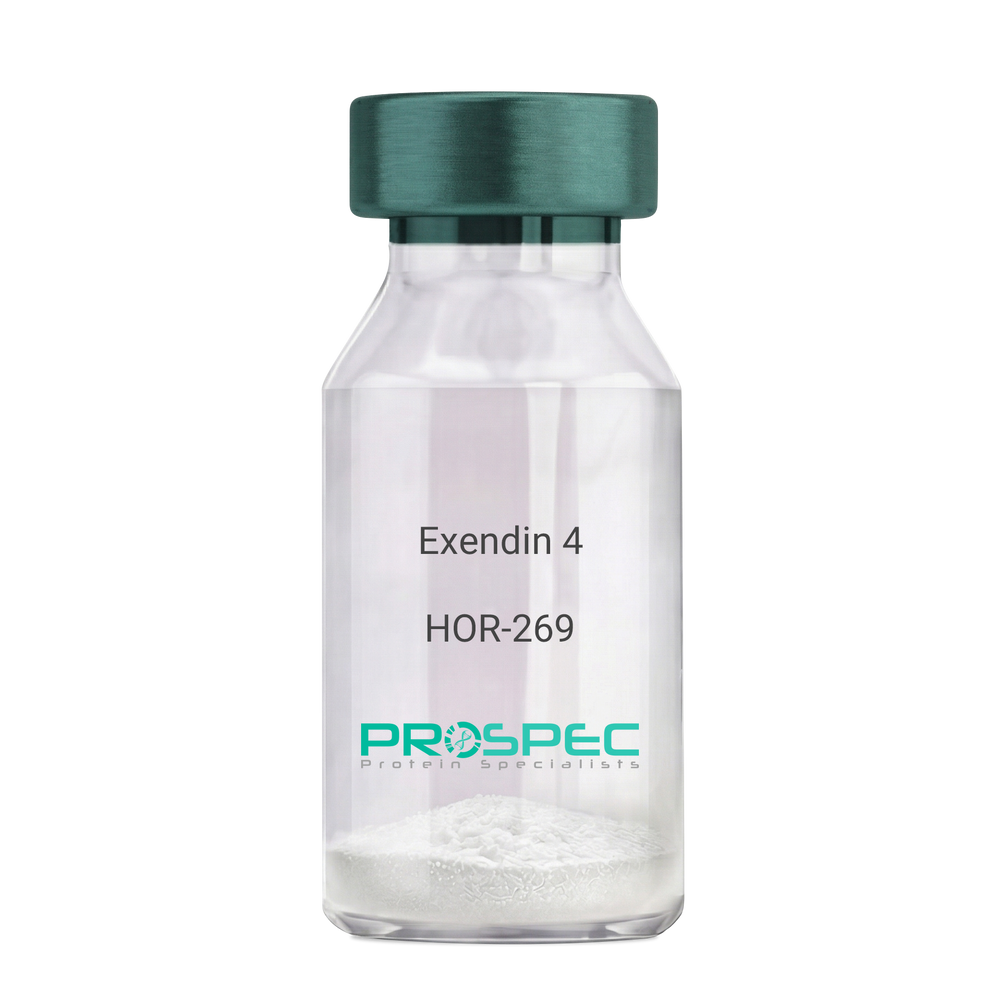
Exendin 4Description:
Exendin-4 Recombinant
Product # :
HOR-269Price :
Quantity :
Shipping Method :
Shipped at Room temp
More Info
- description
- source
- formulation
- purity
- biological activity
- More Info
Description
Exendin-4 Recombinant produced in E.Coli is a non-glycosylated polypeptide chain containing 39 amino acids and having a molecular mass of approximately 4.2kDa. Exendin-4 is purified by proprietary chromatographic techniques.
Source
Escherichia Coli.
Formulation
Lyophilized from a 0.2μm filtered concentrated solution in PBS, pH 7.4.
Purity
Greater than 96.0% as determined by:
(a) Analysis by RP-HPLC.
(b) Analysis by SDS-PAGE.Biological Activity
1. Regulates Glucose levels rapidly
2. Reduces Insulin resistance
3. Reduces Glucagon4. Stimulates beta cell growth production.
More Info
-
Introduction
Exedin-4 Recombinant is a like peptide-1 receptor agonist. The native hormone is produced in the gut of Gila monster Heloderma suspectrum (a type of reptile found in the desert) that stimulates production without causing threateningly low blood sugar, which can occur after using some anti-diabetes products. Recently, researchers used extracted saliva from gila monsters to create an unprecedented breakthrough in Diabetes Type 2 treatment. Unlike other products taken for type 2 diabetes, Exedin-4 has not been linked with weight gain and actually resulted in weight loss, according to the researchers. Exedin-4 enhances glucose-dependant secretion, suppresses inappropriately elevated secretion and slows gastric emptying in vivo. It also promotes B-cell proliferation and neogenesis in vitro and in animal models. Exedin-4 stimulates an increase in acinar cAMP, without stimulating the release of amylase.
-
Physical Appearance
Sterile Filtered White lyophilized (freeze-dried) powder.
-
Stability
Lyophilized Exendin Recombinant although stable at room temperature for 3 weeks, should be stored desiccated below -18°C. Upon reconstitution Exendin-4 should be stored at 4°C between 2-7 days and for future use below -18°C. For long term storage it is recommended to add a carrier protein (0.1% HSA or BSA).Please prevent freeze-thaw cycles.
-
Solubility
It is recommended to reconstitute the lyophilized Exendin Recombinant in sterile 18MΩ-cm H2O not less than 100 µg/ml, which can then be further diluted to other aqueous solutions.
-
Amino Acid Sequence
HGEGTFTSDL SKQMEEEAVR LFIEWLKNGG PSSGAPPPS.
ProSpec's products are furnished for LABORATORY RESEARCH USE ONLY. The product may not be used as drugs, agricultural or pesticidal products, food additives or household chemicals.
- View Data Sheet
Name :
HEXIM1 HumanDescription:
Hexamethylene Bis-Acetamide Inducible 1 Human Recombinant
CLP1, EDG1, HIS1, MAQ1, Protein HEXIM1, Hexamethylene bis-acetamide-inducible protein 1, Estrogen down-regulated gene 1 protein, Cardiac lineage protein 1, Menage a quatre protein 1, FLJ13562.
Product # :
PRO-789Price :
Quantity :
Shipping Method :
Shipped with Ice Packs
More Info
- description
- source
- formulation
- purity
- More Info
Description
HEXIM1 Human Recombinant produced in E.Coli is a single, non-glycosylated, polypeptide chain containing 396 amino acids (1-359a.a.) and having a molecular mass of 44.8 kDa. HEXIM1 is fused to a 37 amino acid His-Tag at N-Terminus and purified by proprietary chromatographic techniques.
Source
Escherichia Coli.
Formulation
HEXIM1 solution (0.5mg/ml) containing 20mM Tris-HCl pH-8, 0.1M NaCl and 10% glycerol.
Purity
Greater than 90% as determined by SDS-PAGE.
More Info
-
Introduction
HEXIM1 expression is induced by hexamethylene-bis-acetamide in vascular smooth muscle cells. HEXIM1 is a transcriptional regulator which acts as a universal RNA polymerase II transcription inhibitor. In cooperation with 7SK snRNA sequesters P-TEFb in a large inactive 7SK snRNP complex inhibits RNA polymerase II phosphorylation following transcriptional elongation. HEXIM1 regulates NF-kappa-B, ESR1, NR3C1 and CIITA-dependent transcriptional activity.
-
Synonyms
CLP1, EDG1, HIS1, MAQ1, Protein HEXIM1, Hexamethylene bis-acetamide-inducible protein 1, Estrogen down-regulated gene 1 protein, Cardiac lineage protein 1, Menage a quatre protein 1, FLJ13562.
-
Physical Appearance
Sterile filtered colorless solution.
-
Stability
Store at 4°C if entire vial will be used within 2-4 weeks.Store, frozen at -20°C for longer periods of time. For long term storage it is recommended to add a carrier protein (0.1% HSA or BSA).Avoid multiple freeze-thaw cycles.
-
Amino Acid Sequence
MRGSHHHHHH GMASMTGGQQ MGRDLYDDDD KDRWGSHMAE PFLSEYQHQP QTSNCTGAAA VQEELNPERP PGAEERVPEE DSRWQSRAFP QLGGRPGPEG EGSLESQPPP LQTQACPESS CLREGEKGQN GDDSSAGGDF PPPAEVEPTP EAELLAQPCH DSEASKLGAP AAGGEEEWGQ QQRQLGKKKH RRRPSKKKRH WKPYYKLTWE EKKKFDEKQS LRASRIRAEM FAKGQPVAPY NTTQFLMDDH DQEEPDLKTG LYSKRAAAKS DDTSDDDFME EGGEEDGGSD GMGGDGSEFL QRDFSETYER YHTESLQNMS KQELIKEYLE LEKCLSRMED ENNRLRLESK RLGGDDARVR ELELELDRLR AENLQLLTEN ELHRQQERAP LSKFGD.
ProSpec's products are furnished for LABORATORY RESEARCH USE ONLY. The product may not be used as drugs, agricultural or pesticidal products, food additives or household chemicals.
- View Data Sheet
Name :
FCGR3A HumanDescription:
CD16a Human Recombinant
Low affinity immunoglobulin gamma Fc region receptor III-A, CD16a antigen, Fc-gamma, RIII-alpha, Fc-gamma RIII, Fc-gamma RIIIa, FcRIII, FcRIIIa, FcR-10, IgG Fc receptor III-2, CD16a, FCGR3A, FCG3, FCGR3, IGFR3, CD16, FCGRIII.
Product # :
PRO-1150Price :
Quantity :
Shipping Method :
Shipped with Ice Packs
More Info
- description
- source
- formulation
- purity
- More Info
Description
FCGR3A Human Recombinant produced in E.Coli is a single, non-glycosylated polypeptide chain containing 228 amino acids (18-208 a.a) and having a molecular mass of 26kDa.FCGR3A is fused to a 37 amino acid His-tag at N-terminus & purified by proprietary chromatographic techniques.
Source
E.coli.
Formulation
FCGR3A protein solution (1mg/ml) containing 20mM Tris-HCl buffer (pH 8.0), 1M Urea and 10% glycerol.
Purity
Greater than 90% as determined by SDS-PAGE.
More Info
-
Introduction
Low affinity immunoglobulin gamma Fc region receptor III-A (FCGR3A) is a receptor for the Fc portion of immunoglobulin G, and is involved in the elimination of antigen-antibody complexes from the circulation, as well as other antibody-dependent responses. FCGR3A needs to associate with the gamma subunit of Fc epsilon. The FCGR3A receptor is expressed on natural killer (NK) cells as an integral membrane glycoprotein anchored through a transmembrane peptide, while FCGR3B is expressed on polymorphonuclear neutrophils (PMN) where the receptor is anchored through a phosphatidylinositol (PI) linkage. In addition, FCGR3A is expressed on macrophages, subpopulation of T-cells, immature thymocytes and placental trophoblasts. FCGR3A mediates antibody-dependent cellular cytotoxicity (ADCC) and other antibody-dependent responses, such as phagocytosis. FCGR3A gene mutations are linked with susceptibility to recurrent viral infections, susceptibility to systemic lupus erythematosus, and alloimmune neonatal neutropenia.
-
Synonyms
Low affinity immunoglobulin gamma Fc region receptor III-A, CD16a antigen, Fc-gamma, RIII-alpha, Fc-gamma RIII, Fc-gamma RIIIa, FcRIII, FcRIIIa, FcR-10, IgG Fc receptor III-2, CD16a, FCGR3A, FCG3, FCGR3, IGFR3, CD16, FCGRIII.
-
Physical Appearance
Sterile Filtered colorless solution.
-
Stability
Store at 4°C if entire vial will be used within 2-4 weeks. Store, frozen at -20°C for longer periods of time. For long term storage it is recommended to add a carrier protein (0.1% HSA or BSA).Avoid multiple freeze-thaw cycles.
-
Amino Acid Sequence
MRGSHHHHHH GMASMTGGQQ MGRDLYDDDD KDRWGSHMRT EDLPKAVVFL EPQWYRVLEK DSVTLKCQGA YSPEDNSTQW FHNESLISSQ ASSYFIDAAT VDDSGEYRCQ TNLSTLSDPV QLEVHIGWLL LQAPRWVFKE EDPIHLRCHS WKNTALHKVT YLQNGKGRKY FHHNSDFYIP KATLKDSGSY FCRGLFGSKN VSSETVNITI TQGLAVSTIS SFFPPGYQ.
ProSpec's products are furnished for LABORATORY RESEARCH USE ONLY. The product may not be used as drugs, agricultural or pesticidal products, food additives or household chemicals.
- View Data Sheet
Description:
Prolactin Antagonist Ovine Recombinant, Mutant
Mammotropin, Luteotropic hormone, Luteotropin, PRL, Prolactin.
Product # :
CYT-705Price :
Quantity :
Shipping Method :
Shipped at Room temp
More Info
- description
- source
- formulation
- purity
- biological activity
- More Info
Description
Prolactin Ovine Antagonist Recombinant produced in E.Coli is a single, non-glycosylated polypeptide chain containing 199 amino acids and an additional Ala at N-terminus and having a molecular mass of 23kDa. The mutant R129G is DES 9 amino acids truncated form from its N-terminus which has higher inhibitory activity. Ovine Prolactin Antagonist is purified by proprietary chromatographic techniques.
Source
Escherichia Coli.
Formulation
Ovine Prolactin was lyophilized from a concentrated (1mg/ml) solution with 0.02%-0.03% NaHCO3.
Purity
Greater than 99.0% as determined by Gel Filtration & SDS-PAGE.
Biological Activity
Ovine Prolactin Antagonist mutant form is devoid of agonistic activity and capable of inhibiting biological activity of oPRL or other lactogenic hormones as evidenced by proliferation assay of Nb2 or other cells. The truncated form is more potent inhibitor.More Info
-
Introduction
Prolactin is a lactogenic hormone secreted by the adenohypophysis .Besides its major action on lactation, in some species prolactin exerts effects on reproduction, maternal behavior, fat metabolism, immunomodulation and osmoregulation.Prolactin has been shown also to have cytokine-like activities and to have important immunoregulatory activities. It contributes to the development of lymphoid tissues and the maintenance of physiological immune function and also modulates a variety of T-cell immune responses. Prolactin has been reported to activate cellular proliferation in nonreproductive tissue, such as liver, spleen, and thymus. It induces significant proliferation in aortic smooth muscle cells and also enhances proliferation of these cells induced by PDGF . Prolactin also appears to be directly mitogenic for pancreatic beta cells. Prolactin is also mitogenic for cultured astrocytes.
-
Synonyms
Mammotropin, Luteotropic hormone, Luteotropin, PRL, Prolactin.
-
Physical Appearance
Sterile Filtered White lyophilized (freeze-dried) powder.
-
Stability
Lyophilized Ovine Prolactin Antagonist although stable at room temperature for 3 weeks, should be stored desiccated below -18°C. Upon reconstitution Ovine Prolactin Antagonist should be stored at 4°C between 2-7 days and for future use below -18°C. For long term storage it is recommended to add a carrier protein (0.1% HSA or BSA). Please prevent freeze-thaw cycles.
-
Solubility
It is recommended to reconstitute the lyophilized Ovine Prolactin Antagonist in sterile 18MΩ-cm H2O not less than 100µg/ml, which can then be further diluted to other aqueous solutions.
-
Amino Acid Sequence
The sequence of the first five N-terminal amino acids was determined and was found to be Ala-Thr-Pro-Val-Cys-Pro.
ProSpec's products are furnished for LABORATORY RESEARCH USE ONLY. The product may not be used as drugs, agricultural or pesticidal products, food additives or household chemicals.
- View Data Sheet
Name :
NRG1 HumanDescription:
Heregulin-B2 Human Recombinant
Neuregulin-1, NRG1, GGF, HGL, HRGA, NDF, SMDF, HRG, ARIA, GGF2, HRG1.
Product # :
CYT-407Price :
Quantity :
Shipping Method :
Shipped at Room temp
More Info
- description
- source
- formulation
- purity
- biological activity
- More Info
Description
Recombinant Human Neuregulin-1 beta 2 produced in E.Coli is a single, non-glycosylated, polypeptide chain containing 61 amino acids and having a total molecular mass of 7.0kDa. NRG-1 is purified by proprietary chromatographic techniques.
Source
Escherichia Coli.
Formulation
Lyophilized from a 0.2µm filtered solution in PBS, pH 7.4.
Purity
Greater than 96.0% as determined by:
(a) Analysis by RP-HPLC.
(b) Analysis by SDS-PAGE.Biological Activity
The ED50 as determined by a cell proliferation assay using serum free human MCF-7 cells is less than 5ng/ml, corresponding to a specific activity of > 2.0 × 10⁵ U/mg.
More Info
-
Introduction
Neuregulin is a signaling protein for ErbB2/ErbB4 receptor heterodimers on the cardiac muscle cells, playing an important role in heart structure and function through inducing ErbB2/ErbB4 receptor phosphorylation and cardiomyocyte differentiation. Research on molecular level discovered that neuregulin recombinant could make disturbed myocardial cell structure into order and strengthen the connection between myocardial cells by intercalated discs re-organization. Pharmacodynamic experiments in animals showed that neuregulin (NRG1) recombinant can reduce the degree of damage on myocardial cells caused by ischemia, hypoxia and viral infection.
-
Synonyms
Neuregulin-1, NRG1, GGF, HGL, HRGA, NDF, SMDF, HRG, ARIA, GGF2, HRG1.
-
Physical Appearance
Sterile Filtered White lyophilized (freeze-dried) powder.
-
Stability
Lyophilized NRG1 although stable at room temperature for 3 weeks, should be stored desiccated below -18°C. Upon reconstitution Heregulin should be stored at 4°C between 2-7 days and for future use below -18°C.Please prevent freeze-thaw cycles.
-
Solubility
It is recommended to reconstitute the lyophilized NRG1 in sterile 18MΩ-cm H2O not less than 100µg/ml, which can then be further diluted to other aqueous solutions.
-
Amino Acid Sequence
SHLVKCAEKEKTFCVNGGECFMVKDLSNPSRYLCKCPNEFTGDRCQNYVMASFYKAEELYQ.
ProSpec's products are furnished for LABORATORY RESEARCH USE ONLY. The product may not be used as drugs, agricultural or pesticidal products, food additives or household chemicals.
- View Data Sheet
Name :
TGFBR1 Human, ActiveDescription:
Transforming Growth Factor Beta Receptor 1 Human Recombinant, Active
TGFBR1, AAT5, ACVRLK4, ALK-5, ALK5, ESS1, LDS1, LDS1A, LDS2A, MSSE, SKR4, tbetaR-I, TGFR-1.
Product # :
PKA-135Price :
Quantity :
Shipping Method :
Shipped with Ice Packs
More Info
- description
- source
- formulation
- purity
- biological activity
- More Info
Description
TGFBR1 produced in Sf9 insect cells is a single, glycosylated polypeptide chain containing 342 amino acids (27-126a.a.) and having a molecular mass of 38kDa. TGFBR1 is expressed with 242 amino acid hIgG-His-Tag at C-Terminus and purified by proprietary chromatographic techniques.
Source
Sf9, Baculovirus cells.
Formulation
TGFBR1 protein solution (0.5mg/ml) Phosphate Buffered Saline (pH 7.4) containing 10% glycerol.
Purity
Greater than 90.0% as determined by SDS-PAGE.
Biological Activity
≤ 2 ug/ml, measured by its binding ability in a functional ELISA with Mouse CD105.
More Info
-
Synonyms
TGFBR1, AAT5, ACVRLK4, ALK-5, ALK5, ESS1, LDS1, LDS1A, LDS2A, MSSE, SKR4, tbetaR-I, TGFR-1.
-
Physical Appearance
Sterile filtered colorless solution.
-
Stability
Store at 4°C if entire vial will be used within 2-4 weeks. Store, frozen at -20°C for longer periods of time. For long term storage it is recommended to add a carrier protein (0.1% HSA or BSA).Avoid multiple freeze-thaw cycles.
-
Amino Acid Sequence
ADLLLPGATA LQCFCHLCTK DNFTCVTDGL CFVSVTETTD KVIHNSMCIA EIDLIPRDRP FVCAPSSKTG SVTTTYCCNQ DHCNKIELPT TVKSSPGLGP VELVEPKSCD KTHTCPPCPA PELLGGPSVF LFPPKPKDTL MISRTPEVTC VVVDVSHEDP EVKFNWYVDG VEVHNAKTKP REEQYNSTYR VVSVLTVLHQ DWLNGKEYKC KVSNKALPAP IEKTISKAKG QPREPQVYTL
PPSRDELTKN QVSLTCLVKG FYPSDIAVEW ESNGQPENNY KTTPPVLDSD GSFFLYSKLT VDKSRWQQGN VFSCSVMHEA LHNHYTQKSL SLSPGKHHHH HH. -
Background
Transforming Growth Factor Beta Receptor 1 (TGFBR1), a transmembrane protein crucial in the TGF-β signaling pathway, holds a paramount position in regulating diverse cellular processes. Its intricate involvement in development, immune responses, tissue homeostasis, and disease has elevated TGFBR1 to a central role in biology and medicine. This research embarks on a comprehensive exploration of the TGFBR1 protein, unraveling its structural complexities, signaling mechanisms, and its far-reaching implications in various physiological and pathological contexts. By dissecting the intricacies of TGFBR1, scientists aim to decode the fundamental cellular processes it governs and explore potential therapeutic avenues in the domains of cancer, fibrosis, and immunology.
Structural Complexity of TGFBR1:
TGFBR1 is a serine/threonine kinase receptor with an extracellular ligand-binding domain, a transmembrane domain, and an intracellular kinase domain. Its structure allows it to interact with TGF-β ligands and initiate downstream signaling cascades. Understanding the three-dimensional architecture of TGFBR1 is pivotal for deciphering its interactions with ligands, co-receptors, and intracellular signaling partners, shedding light on the molecular intricacies of its function.
Signaling Pathways and Physiological Functions:
Upon ligand binding, TGFBR1 phosphorylates downstream effectors, regulating processes like cell proliferation, differentiation, apoptosis, and immune responses. TGF-β signaling mediated by TGFBR1 is vital in embryogenesis, tissue repair, and immune tolerance. Dysregulation of this pathway is implicated in numerous diseases, including cancer, fibrosis, and autoimmune disorders, underscoring the significance of TGFBR1 in maintaining cellular and tissue homeostasis.
TGFBR1 in Cancer Biology:
TGFBR1's dual role as a tumor suppressor and a promoter of cancer progression reflects its complexity in cancer biology. In early stages, TGFBR1 signaling suppresses cell growth and promotes apoptosis, acting as a defense against tumorigenesis. However, in advanced stages, cancer cells exploit TGFBR1 signaling to facilitate invasion, metastasis, and immune evasion. Understanding the context-dependent nature of TGFBR1's functions in cancer is pivotal for developing targeted therapies.
Targeting TGFBR1 in Therapeutics:
Given its critical roles in various diseases, TGFBR1 has emerged as an attractive target for therapeutic interventions. In cancer, efforts are underway to develop small molecule inhibitors and monoclonal antibodies that modulate TGFBR1 signaling, aiming to curb tumor progression. Additionally, in fibrotic disorders, targeting TGFBR1 offers hope for halting the pathological tissue remodeling characteristic of these diseases, providing potential treatments for conditions such as pulmonary fibrosis and liver cirrhosis.
TGFBR1 Protein, with its intricate signaling mechanisms and diverse physiological roles, stands at the crossroads of fundamental cellular processes and disease pathogenesis. Its involvement in development, immune regulation, cancer, and tissue homeostasis underscores its significance in biology and medicine. As researchers delve deeper into the complexities of TGFBR1, they pave the way for innovative therapies and a deeper understanding of diseases, ultimately shaping the future of healthcare and scientific exploration. This research not only illuminates the pivotal role of TGFBR1 but also holds the promise of transformative advancements in medicine and our understanding of cellular signaling pathways.
ProSpec's products are furnished for LABORATORY RESEARCH USE ONLY. The product may not be used as drugs, agricultural or pesticidal products, food additives or household chemicals.