Skip to content

High-quality research proteins.

  • 1-800-805-6531

  • Mon - Sat 8.00-18.00, Sun - Closed

  • info@prospecbio.com

  • PO Box 6591 East Brunswick NJ 08816

  • Products
    • Cytokines
    • Growth factors
    • Chemokines
    • Cd antigens
    • Neurotrophins
    • Hormones
    • Enzymes
    • Viral antigens
    • Recombinant proteins
    • Natural proteins
    • Monoclonal antibodies
    • Polyclonal antibodies
    • Thermal Packaging
  • About
    • Company
    • Founder
    • Contribution
  • Customers
    • Eastern Asia
    • Eastern Europe
    • North America
    • South America
    • South East Asia
    • Southern Asia
    • Western Europe
  • Ordering
    • Ordering Method
    • Ordering - Credit Card
    • Ordering - PO
    • Shipping Fees
    • FAQs
  • Services
    • DNA Cloning
    • Protein Expression
    • Monoclonal Antibody
    • Fermentation
    • Technology License
  • Contact us
Log in

Country/region

  • USD $ | Albania
  • USD $ | Andorra
  • USD $ | Argentina
  • USD $ | Armenia
  • USD $ | Australia
  • USD $ | Austria
  • USD $ | Azerbaijan
  • USD $ | Belarus
  • USD $ | Belgium
  • USD $ | Bolivia
  • USD $ | Brazil
  • USD $ | Bulgaria
  • USD $ | Cambodia
  • USD $ | Canada
  • USD $ | Chile
  • USD $ | China
  • USD $ | Colombia
  • USD $ | Costa Rica
  • USD $ | Croatia
  • USD $ | Cyprus
  • USD $ | Czechia
  • USD $ | Denmark
  • USD $ | Estonia
  • USD $ | Finland
  • USD $ | France
  • USD $ | Georgia
  • USD $ | Germany
  • USD $ | Greece
  • USD $ | Hong Kong SAR
  • USD $ | Hungary
  • USD $ | Iceland
  • USD $ | India
  • USD $ | Ireland
  • USD $ | Israel
  • USD $ | Italy
  • USD $ | Japan
  • USD $ | Kazakhstan
  • USD $ | Latvia
  • USD $ | Liechtenstein
  • USD $ | Lithuania
  • USD $ | Madagascar
  • USD $ | Malta
  • USD $ | Mexico
  • USD $ | Moldova
  • USD $ | Monaco
  • USD $ | Netherlands
  • USD $ | New Zealand
  • USD $ | North Macedonia
  • USD $ | Norway
  • USD $ | Panama
  • USD $ | Paraguay
  • USD $ | Peru
  • USD $ | Philippines
  • USD $ | Poland
  • USD $ | Portugal
  • USD $ | Romania
  • USD $ | Singapore
  • USD $ | Slovakia
  • USD $ | Slovenia
  • USD $ | South Africa
  • USD $ | South Korea
  • USD $ | Spain
  • USD $ | Sri Lanka
  • USD $ | Sweden
  • USD $ | Switzerland
  • USD $ | Taiwan
  • USD $ | Thailand
  • USD $ | Türkiye
  • USD $ | Ukraine
  • USD $ | United Kingdom
  • USD $ | United States
  • USD $ | Uruguay
  • USD $ | Vatican City
  • USD $ | Venezuela
  • USD $ | Vietnam
  • Facebook
  • Instagram
logoProSpec - Recombinant Protein Manufacturer for academic and R&D industry
Become a distributor
Account Log in
Wishlist
Cart Cart(0)
  • Products
    +
    • Cytokines
    • Growth factors
    • Chemokines
    • Cd antigens
    • Neurotrophins
    • Hormones
    • Enzymes
    • Viral antigens
    • Recombinant proteins
    • Natural proteins
    • Monoclonal antibodies
    • Polyclonal antibodies
    • Thermal Packaging
  • About
    +
    • Company
    • Founder
    • Contribution
  • Customers
    +
    • Eastern Asia
    • Eastern Europe
    • North America
    • South America
    • South East Asia
    • Southern Asia
    • Western Europe
  • Ordering
    +
    • Ordering Method
    • Ordering - Credit Card
    • Ordering - PO
    • Shipping Fees
    • FAQs
  • Services
    +
    • DNA Cloning
    • Protein Expression
    • Monoclonal Antibody
    • Fermentation
    • Technology License
  • Contact us

Item added to your cart

View cart
View All
  • Cytokines
  • Growth factors
  • Chemokines
  • Cd antigens
  • Neurotrophins
  • Hormones
  • Enzymes
  • Viral antigens
  • Recombinant proteins
  • Natural proteins
  • Monoclonal antibodies
  • Polyclonal antibodies
  • Thermal Packaging
  • Tumor Necrosis Factor

    Tumor Necrosis Factor

    View All
  • 4-1BB

    4-1BB

    View All
  • Adiponectin

    Adiponectin

    View All
  • AIF1

    AIF1

    View All
  • Other Cytokines

    Other Cytokines

    View All
  • AITRL

    AITRL

    View All
  • Angiopoietin

    Angiopoietin

    View All
  • Apolipoprotein

    Apolipoprotein

    View All
  • B-Cell Activating Factor

    B-Cell Activating Factor

    View All
  • Beta Defensin

    Beta Defensin

    View All
  • Bone Morphogenetic Protein

    Bone Morphogenetic Protein

    View All
  • B type Natriuretic Peptide

    B type Natriuretic Peptide

    View All
  • BST

    BST

    View All
  • Betacellulin

    Betacellulin

    View All
  • Cardiotrophin

    Cardiotrophin

    View All
  • Activin

    Activin

    View All
  • Fibroblast Growth Factor

    Fibroblast Growth Factor

    View All
  • Other Growth Factors

    Other Growth Factors

    View All
  • CSF

    CSF

    View All
  • CTGF

    CTGF

    View All
  • IGFBP

    IGFBP

    View All
  • VEGF Protein

    VEGF Protein

    View All
  • EGF

    EGF

    View All
  • Epigen

    Epigen

    View All
  • Erythropoietin

    Erythropoietin

    View All
  • Insulin-Like Growth Factor

    Insulin-Like Growth Factor

    View All
  • Growth Hormone

    Growth Hormone

    View All
  • HDGF

    HDGF

    View All
  • Hepatocyte Growth Factor

    Hepatocyte Growth Factor

    View All
  • Insulin

    Insulin

    View All
  • BCA-1/ BLC (CXCL13)

    BCA-1/ BLC (CXCL13)

    View All
  • BRAK (CXCL14)

    BRAK (CXCL14)

    View All
  • C-10 (CCL6)

    C-10 (CCL6)

    View All
  • Other Chemokines

    Other Chemokines

    View All
  • MEC (CCL28)

    MEC (CCL28)

    View All
  • LD78-beta (CCL3L1)

    LD78-beta (CCL3L1)

    View All
  • CTACK (CCL27)

    CTACK (CCL27)

    View All
  • CXCL16

    CXCL16

    View All
  • CXCL17

    CXCL17

    View All
  • Platelet Factor-4 (CXCL4)

    Platelet Factor-4 (CXCL4)

    View All
  • ENA-78 (CXCL5)

    ENA-78 (CXCL5)

    View All
  • Eotaxin (CCL11,24,26)

    Eotaxin (CCL11,24,26)

    View All
  • Exodus-2 (CCL21)

    Exodus-2 (CCL21)

    View All
  • Fractalkine (CX3CL1)

    Fractalkine (CX3CL1)

    View All
  • CXCL6

    CXCL6

    View All
  • Other CD Antigens

    Other CD Antigens

    View All
  • CD14

    CD14

    View All
  • CD164

    CD164

    View All
  • CD1

    CD1

    View All
  • CD2

    CD2

    View All
  • CD200

    CD200

    View All
  • CD207

    CD207

    View All
  • CD226

    CD226

    View All
  • CD23

    CD23

    View All
  • CD244

    CD244

    View All
  • CD247

    CD247

    View All
  • CD27

    CD27

    View All
  • CD274

    CD274

    View All
  • CD300

    CD300

    View All
  • CD33

    CD33

    View All
  • Other Neurotrophins

    Other Neurotrophins

    View All
  • Beta-NGF

    Beta-NGF

    View All
  • BDNF

    BDNF

    View All
  • CDNF

    CDNF

    View All
  • CNTF

    CNTF

    View All
  • GDNF

    GDNF

    View All
  • Glia Maturation Factor

    Glia Maturation Factor

    View All
  • MANF

    MANF

    View All
  • Midkine

    Midkine

    View All
  • Neuroglobin

    Neuroglobin

    View All
  • Neurotrophic factors

    Neurotrophic factors

    View All
  • Neuregulin

    Neuregulin

    View All
  • Neuropilin

    Neuropilin

    View All
  • Pigment Epithelium-Derived Factor

    Pigment Epithelium-Derived Factor

    View All
  • Pleiotrophin

    Pleiotrophin

    View All
  • Peptide Hormones

    Peptide Hormones

    View All
  • Other Hormones

    Other Hormones

    View All
  • HCG

    HCG

    View All
  • Endothelin

    Endothelin

    View All
  • Exendin

    Exendin

    View All
  • FSH

    FSH

    View All
  • Glucagon

    Glucagon

    View All
  • GHRP

    GHRP

    View All
  • GLP

    GLP

    View All
  • Thyrostimulin

    Thyrostimulin

    View All
  • Inhibin A

    Inhibin A

    View All
  • LHRH

    LHRH

    View All
  • Melanotan

    Melanotan

    View All
  • Procalcitonin

    Procalcitonin

    View All
  • PTH

    PTH

    View All
  • Peroxiredoxin

    Peroxiredoxin

    View All
  • Peptidase

    Peptidase

    View All
  • Synthetase

    Synthetase

    View All
  • Transferase

    Transferase

    View All
  • Hydrolase

    Hydrolase

    View All
  • Dehydrogenase

    Dehydrogenase

    View All
  • ACE2

    ACE2

    View All
  • Esterase

    Esterase

    View All
  • Protein Kinases

    Protein Kinases

    View All
  • Other Enzymes

    Other Enzymes

    View All
  • Phosphatase

    Phosphatase

    View All
  • Deaminase

    Deaminase

    View All
  • Oxygenase

    Oxygenase

    View All
  • Adenylate Kinase

    Adenylate Kinase

    View All
  • Lyase

    Lyase

    View All
  • Chagas

    Chagas

    View All
  • SARS

    SARS

    View All
  • Influenza

    Influenza

    View All
  • ASFV

    ASFV

    View All
  • Astrovirus

    Astrovirus

    View All
  • Borrelia

    Borrelia

    View All
  • Helicobacter Pylori

    Helicobacter Pylori

    View All
  • Chikungunya

    Chikungunya

    View All
  • Chlamydia

    Chlamydia

    View All
  • Cytomegalo

    Cytomegalo

    View All
  • Dengue

    Dengue

    View All
  • EBV

    EBV

    View All
  • Ebola

    Ebola

    View All
  • Feline Leukemia Virus

    Feline Leukemia Virus

    View All
  • Hepatitis A

    Hepatitis A

    View All
  • Other

    Other

    View All
  • Actin

    Actin

    View All
  • ADAM

    ADAM

    View All
  • Complement Component

    Complement Component

    View All
  • Ag85

    Ag85

    View All
  • Eukaryotic Translation Initiation Factor

    Eukaryotic Translation Initiation Factor

    View All
  • Anterior Gradient Protein

    Anterior Gradient Protein

    View All
  • Heat Shock Protein

    Heat Shock Protein

    View All
  • Alpha-2-HS-Glycoprotein

    Alpha-2-HS-Glycoprotein

    View All
  • Hemoglobin

    Hemoglobin

    View All
  • Allergy

    Allergy

    View All
  • Anaplasma

    Anaplasma

    View All
  • Angiogenin

    Angiogenin

    View All
  • Ankyrin Repeat Domain

    Ankyrin Repeat Domain

    View All
  • Annexin

    Annexin

    View All
  • Other Natural Proteins

    Other Natural Proteins

    View All
  • Aprotinin

    Aprotinin

    View All
  • Transferrin

    Transferrin

    View All
  • Avidin

    Avidin

    View All
  • Anti Coagulation Factors

    Anti Coagulation Factors

    View All
  • Natural Albumin

    Natural Albumin

    View All
  • Natural Coagulation Factors

    Natural Coagulation Factors

    View All
  • Fibronectin

    Fibronectin

    View All
  • Thrombin

    Thrombin

    View All
  • Anti Human Enzyme

    Anti Human Enzyme

    View All
  • Other Monoclonal Antibodies

    Other Monoclonal Antibodies

    View All
  • Anti Human Cytokine

    Anti Human Cytokine

    View All
  • Anti Human Heat Shock Protein

    Anti Human Heat Shock Protein

    View All
  • Anti Mouse Lymphocyte

    Anti Mouse Lymphocyte

    View All
  • Anti Human Chemokine

    Anti Human Chemokine

    View All
  • Anti Human Lymphocyte

    Anti Human Lymphocyte

    View All
  • Anti Viral Monoclonal

    Anti Viral Monoclonal

    View All
  • Anti Mouse Cytokine

    Anti Mouse Cytokine

    View All
  • Anti-GST Monoclonal

    Anti-GST Monoclonal

    View All
  • Other Polyclonal Antibodies

    Other Polyclonal Antibodies

    View All
  • Anti Viral

    Anti Viral

    View All
  • Anti-GST Monoclonal

    Anti-GST Monoclonal

    View All
Back

Search results

1000 results found for “procalcitonin”

Name

Description

Product #

Price

Quantity

Shipping Method

  • View Data Sheet

    Name :

    4 1BBL Human, His

    Description:

    4-1BB Ligand Human Recombinant, His Tag

    CD137L, CD137-L, 4-1BBL, 4-1BB Ligand, TNFSF9, Tumor Necrosis Factor (ligand) Superfamily Member 9.

    Product # :

    CYT-649

    Price :

    Quantity :

    Shipping Method :

    Ice Icon

    Shipped with Ice Packs

    Add To Cart

    More Info

    • description
    • source
    • formulation
    • purity
    • More Info
    • sds-page
    • Citations

    Description

    TNFSF9 Human Recombinant fused to 37 amino acids His tag at N-terminus produced in E.Coli is a single, non-glycosylated polypeptide chain containing 222 amino acids (71-254 a.a.) and having a molecular mass of 23.8 kDa. The TNFSF9 37 aa His tag fusion protein is purified by proprietary chromatographic techniques.

    Source

    Escherichia Coli.

    Formulation

    Recombinant 4-1BBL solution (1mg/ml) contains 20mM Tris-HCl buffer pH-8, 100mM NaCl and 20% glycerol.

    Purity

    Greater than 95.0% as determined by SDS-PAGE

    sds-page

    4-1BBL-His-sds-page - Product image 1

    Citations

    More Info

    • Introduction

      4-1BBL is a transmembrane cytokine that is part of the tumor necrosis factor (TNF) ligand family. 4-1BBL is a bidirectional signal transducer that performs as a ligand for TNFRSF9, which is a costimulatory receptor molecule in T lymphocytes. TNFSF9 and its TNFRSF9 take part in the antigen presentation development and in the generation of cytotoxic T cells. 4-1BBR is absent from resting T lymphocytes but rapidly expressed upon antigenic stimulation. TNFSF9 reactivates anergic T lymphocytes as well as promoting T lymphocyte proliferation. 4-1BB Ligand is needed for the optimal CD8 responses in CD8 T cells. 4-1BBL is expressed in carcinoma cell lines, and is thought to be involved in T cell-tumor cell interaction. 4-1BBL is expressed by activated B cells, macrophages, dendritic cells, activated T cells, neurons and astrocytes. The interaction of 4-1BB with TNFRSF9 strongly regulates immunity and has been proposed to preferentially control T cell responses based on studies in various murin

    • Synonyms

      CD137L, CD137-L, 4-1BBL, 4-1BB Ligand, TNFSF9, Tumor Necrosis Factor (ligand) Superfamily Member 9.

    • Physical Appearance

      Sterile Filtered colorless solution.

    • Stability

      Store at 4°C if entire vial will be used within 2-4 weeks. Store, frozen at -20°C for longer periods of time. For long term storage it is recommended to add a carrier protein (0.1% HSA or BSA).Avoid multiple freeze-thaw cycles.

    • Amino Acid Sequence

      MRGSHHHHHH GMASMTGGQQ MGRDLYDDDD KDRWGSHMRE GPELSPDDPA GLLDLRQGMF AQLVAQNVLL IDGPLSWYSD PGLAGVSLTGGLSYKEDTKE LVVAKAGVYY VFFQLELRRV VAGEGSGSVS LALHLQPLRS AAGAAALALT VDLPPASSEA RNSAFGFQGR LLHLSAGQRL GVHLHTEARA RHAWQLTQGA TVLGLFRVTP EIPAGLPSPR SE.

    ProSpec's products are furnished for LABORATORY RESEARCH USE ONLY. The product may not be used as drugs, agricultural or pesticidal products, food additives or household chemicals.

    4-1Bbl Protein
  • View Data Sheet

    Name :

    L-Asparaginase

    Description:

    L-Asparaginase

    Product # :

    ENZ-287

    Price :

    Quantity :

    Shipping Method :

    Room Temp Icon

    Shipped at Room temp

    Add To Cart

    More Info

    • description
    • source
    • formulation
    • purity
    • biological activity
    • More Info
    • Citations

    Description

    L-asparaginase was purified from E.coli ASI.357.

    Source

    Escherichia Coli.

    Formulation

    The enzyme was lyophilized with no additives.

    Purity

    Greater than 96.0% as determined by SDS-PAGE.

    Biological Activity

    One IU of L- Asparaginase is defined as that amount of enzyme required to generate 1 µmol of ammonia per minute at pH 7.3 and 37°C.

    Citations

    More Info
    • Introduction

      L-Asparaginase is an enzyme that depletes L-Asparagine "an important nutrient for cancer cells" resulting in cancer/tumor cell starvation. L-asparaginase is an anti-tumor agent derived from E.coli.,which can inhibit the growth of malignant cells. It is used mainly for the induction of remission in acute lymphoblastic leukaemia. Because of the lymph node origin of malignant B cells in Multiple Myeloma, L-Asparagine is an essential amino acid for their cell metabolism, and, consequently, L-Asparaginase may be of value in managing the disease.
      The rationale behind asparaginase is that it takes advantage of the fact that ALL cellsare unable to synthesize the non-essential amino acidasparaginewhereas normal cells are able to make their own asparagine. These leukemic cells depend on circulating asparagine. Asparaginase however catalyzes the conversion of L-asparagine to aspartic acidand ammonia. This deprives the leukemic cell of circulating asparagine.

    • Physical Appearance

      Sterile Filtered White lyophilized (freeze-dried) powder.

    • Stability

      Lyophilized L-Asparaginase although stable at room temperature for 3 weeks, should be stored desiccated below -18°C. Upon reconstitution L-Asparaginase should be stored at 4°C between 2-7 days and for future use below -18°C. Please prevent freeze-thaw cycles.

    • Solubility

      It is recommended to reconstitute the lyophilized L-Asparaginase in 18M-cm H2O at 1mg/ml.

    • Background

      L-Asparaginase Enzyme: Unraveling Its Therapeutic Potential in Cancer Treatment

      Abstract: L-Asparaginase is an enzyme that plays a crucial role in cancer therapy by depleting the levels of asparagine in the blood, thereby inhibiting the growth of cancer cells.

      This research paper provides a comprehensive analysis of L-Asparaginase, including its biochemical properties, mechanisms of action, therapeutic applications, and clinical implications.

      The paper explores the significance of L-Asparaginase as a key enzyme in cancer treatment and highlights its potential for improving patient outcomes.

      1. Introduction L-Asparaginase is an enzyme widely used in cancer therapy, particularly in the treatment of acute lymphoblastic leukemia (ALL). This section introduces L-Asparaginase and its role in cancer treatment, emphasizing its importance in medical research and clinical practice.
      2. Biochemical Properties of L-Asparaginase L-Asparaginase belongs to the class of enzymes known as hydrolases and catalyzes the hydrolysis of asparagine to aspartic acid and ammonia. This section discusses the biochemical properties of L-Asparaginase, including its structure, catalytic mechanism, and factors influencing its activity and stability.
      3. Mechanisms of Action L-Asparaginase exerts its anti-cancer effects by depleting circulating asparagine, an essential amino acid for cancer cell survival. This section delves into the mechanisms of action of L-Asparaginase, including its ability to selectively target cancer cells and induce metabolic stress, leading to cell death. The impact of asparagine deprivation on cancer cell metabolism and survival is also explored.
      4. Therapeutic Applications of L-Asparaginase L-Asparaginase has demonstrated therapeutic efficacy in the treatment of various malignancies, including ALL and certain solid tumors. This section provides an overview of the therapeutic applications of L-Asparaginase, highlighting its use as a first-line treatment in ALL and its potential in other cancer types. The challenges and limitations associated with L-Asparaginase therapy are also discussed.
      5. Clinical Implications and Future Perspectives L-Asparaginase therapy has shown promising results in improving patient outcomes, but it is not without side effects and challenges. This section discusses the clinical implications of L-Asparaginase treatment, including its impact on patient survival, toxicity profile, and the development of resistance. Additionally, the future prospects of L-Asparaginase therapy, such as the development of novel formulations and combination strategies, are explored.
      6. Conclusion L-Asparaginase is a vital enzyme in cancer treatment, particularly in the management of ALL. This research paper has provided a comprehensive analysis of L-Asparaginase, highlighting its biochemical properties, mechanisms of action, therapeutic applications, and clinical implications. Further research on L-Asparaginase and its optimization in cancer therapy will enhance our understanding and pave the way for improved treatments.

    • Unit Definition

      One unit of enzyme catalyzes hydrolyzation of 10 nanomoles of dUTP to dUMP in one hour at 85 Centigrade.

    • Specific Activity

      250IU/mg.

    ProSpec's products are furnished for LABORATORY RESEARCH USE ONLY. The product may not be used as drugs, agricultural or pesticidal products, food additives or household chemicals.

    L Asparaginase
  • View Data Sheet

    Name :

    IL10 Mouse

    Description:

    Interleukin-10 Mouse Recombinant

    B-TCGF, CSIF, TGIF, IL-10, IL10A, MGC126450, MGC126451, Cytokine synthesis inhibitory factor.

    Product # :

    CYT-497

    Price :

    Quantity :

    Shipping Method :

    Room Temp Icon

    Shipped at Room temp

    Add To Cart

    More Info

    • description
    • source
    • formulation
    • purity
    • biological activity
    • More Info
    • Citations

    Description

    IL-10 Recombinant Mouse produced in E.coli is a single, non-glycosylated polypeptide chain containing 160 amino acids and having a molecular mass of 18.7kDa.
    The Interleukin-10 Mouse is purified by proprietary chromatographic techniques.

    Source

    Escherichia Coli.

    Formulation

    IL-10 Mouse lyophilized from a 0.2μm filtered solution in PBS, pH 7.4.

    Purity

    Greater than 97.0% as determined by:
    (a) Analysis by RP-HPLC.
    (b) Analysis by SDS-PAGE.

    Biological Activity

    The ED50 as determined by a cell proliferation assay using murine MC/9-2 cells is less than 1ng/ml, corresponding to a specific activity of > 1.0 ×10⁶ IU/mg.

    Citations

    More Info

    • Introduction

      IL10 is a cytokine produced primarily by monocytes and to a lesser extent by lymphocytes. This cytokine has pleiotropic effects in immunoregulation and inflammation. It down-regulates the expression of Th1 cytokines, MHC class II Ags, and costimulatory molecules on macrophages. It also enhances B cell survival, proliferation, and antibody production. This cytokine can block NF-kappa B activity, and is involved in the regulation of the JAK-STAT signaling pathway. Knockout studies in mice suggested the function of this cytokine as an essential immunoregulator in the intestinal tract.

    • Synonyms

      B-TCGF, CSIF, TGIF, IL-10, IL10A, MGC126450, MGC126451, Cytokine synthesis inhibitory factor.

    • Physical Appearance

      Sterile Filtered White lyophilized (freeze-dried) powder.

    • Stability

      Lyophilized IL-10 Mouse although stable at room temperature for 3 weeks, should be stored desiccated below -18°C. Upon reconstitution Interleukin10 Mouse recombinant should be stored at 4°C between 2-7 days and for future use below -18°C.For long term storage it is recommended to add a carrier protein (0.1% HSA or BSA).Please prevent freeze-thaw cycles.

    • Solubility

      It is recommended to reconstitute the lyophilized IL-10 Mouse Recombinant in sterile 10mM HCl not less than 100µg/ml, which can then be further diluted to other aqueous solutions.

    • Amino Acid Sequence

      SRGQYSREDN NCTHFPVGQS HMLLELRTAF SQVKTFFQTK DQLDNILLTD SLMQDFKGYL
      GCQALSEMIQ FYLVEVMPQA EKHGPEIKEH LNSLGEKLKT LRMRLRRCHR FLPCENKSKA
      VEQVKSDFNK LQDQGVYKAM NEFDIFINCI EAYMMIKMKS.

    • Background

      What is the molecular weight/Mw of IL10 MOUSE Protein?
      IL10 MOUSE Protein has a total Mw of 18.7kDa.

      What is the source or expression system of IL10 MOUSE Protein?
      Escherichia Coli.

      What is the Purity of IL10 MOUSE Protein?
      IL10 MOUSE Protein is >97% pure as determined by SDS-PAGE.

      What is the Biological Activity of IL10 MOUSE Protein?
      The ED50 as determined by a cell proliferation assay using murine MC/9-2 cells is less than 1ng/ml, corresponding to a specific activity of > 1.0 ×10⁶ IU/mg.

      What is the amino acid sequence of IL10 MOUSE Protein?
      SRGQYSREDN NCTHFPVGQS HMLLELRTAF SQVKTFFQTK DQLDNILLTD SLMQDFKGYL
      GCQALSEMIQ FYLVEVMPQA EKHGPEIKEH LNSLGEKLKT LRMRLRRCHR FLPCENKSKA
      VEQVKSDFNK LQDQGVYKAM NEFDIFINCI EAYMMIKMKS.

      What applications can IL10 MOUSE Protein be used in?
      IL10 MOUSE Protein can probably be used in western blot, ELISA and Lateral Flow.

      What is the endotoxin level for IL10 MOUSE Protein?
      The endotoxin level is minimal, IL10 MOUSE Protein was purified using conventional chromatography techniques.

      Who supplies recombinant IL10 MOUSE that is in stock and available to order?
      ProSpec has the protein in stock and available for immediate delivery.

      Where can I order bulk mg quantities of IL10 MOUSE?
      ProSpec supplies bulk mg quantities at affordable prices that meets research and academic budgets.

    ProSpec's products are furnished for LABORATORY RESEARCH USE ONLY. The product may not be used as drugs, agricultural or pesticidal products, food additives or household chemicals.

    Il 10 Mouse
  • View Data Sheet

    Name :

    IL13 Mouse

    Description:

    Interleukin-13 Mouse Recombinant

    Interleukin-13, NC300, ALRH, BHR1, P600, IL-13, IL13.

    Product # :

    CYT-375

    Price :

    Quantity :

    Shipping Method :

    Room Temp Icon

    Shipped at Room temp

    Add To Cart

    More Info

    • description
    • source
    • formulation
    • purity
    • biological activity
    • More Info
    • Citations

    Description

    Interleukin-13 Mouse Recombinant produced in E.Coli is a single, non-glycosylated polypeptide chain containing 111 amino acids and having a molecular mass of 12.3 kDa. The IL-13 is purified by proprietary chromatographic techniques.

    Source

    Escherichia Coli.

    Formulation

    The protein (1mg/ml) was lyophilized in PBS, pH 7.2 and 5% trehalose.

    Purity

    Greater than 95% as determined by SDS-PAGE.

    Biological Activity

    The ED50 range=4 ng/ml, corresponding to a specific activity of 250,000IU/mg as determined by the dose dependent proliferation of TF-1 cells.

    Citations

    More Info

    • Introduction

      IL13 is an immunoregulatory cytokine produced primarily by activated Th2 cells. IL-13 is involved in several stages of B-cell maturation and differentiation. It up-regulates CD23 and MHC class II expression, and promotes IgE isotype switching of B cells. This cytokine down-regulates macrophage activity, thereby inhibits the production of pro-inflammatory cytokines and chemokines. This cytokine is found to be critical to the pathogenesis of allergen-induced asthma but operates through mechanisms independent of IgE and eosinophils. This gene, IL3, IL5, IL4, and CSF2 form a cytokine gene cluster on chromosome 5q, with this gene particularly close to IL4.

    • Synonyms

      Interleukin-13, NC300, ALRH, BHR1, P600, IL-13, IL13.

    • Physical Appearance

      Sterile Filtered White lyophilized (freeze-dried) powder.

    • Stability

      Lyophilized Interleukin-13 although stable at room temperature for 3 weeks, should be stored desiccated below -18°C. Upon reconstitution IL13 should be stored at 4°C between 2-7 days and for future use below -18°C.For long term storage it is recommended to add a carrier protein (0.1% HSA or BSA).Please prevent freeze-thaw cycles.

    • Solubility

      It is recommended to reconstitute the lyophilized Interleukin 13 in sterile 18MΩ-cm H2O not less than 100µg/ml, which can then be further diluted to other aqueous solutions.

    • Amino Acid Sequence

      MPVPRSVSLP LTLKELIEEL SNITQDQTPL CNGSMVWSVD LAAGGFCVAL DSLTNISNCN AIYRTQRILH GLCNRKAPTT VSSLPDTKIE VAHFITKLLS YTKQLFRHGP F.

    • Background

      What is the molecular weight/Mw of IL13 MOUSE Protein?
      IL13 MOUSE Protein has a total Mw of 12.3kDa.

      What is the source or expression system of IL13 MOUSE Protein?
      Escherichia Coli.

      What is the Purity of IL13 MOUSE Protein?
      IL13 MOUSE Protein is >95% pure as determined by SDS-PAGE.

      What is the Biological Activity of IL13 MOUSE Protein?
      The ED50 range=4 ng/ml, corresponding to a specific activity of 250,000IU/mg as determined by the dose dependent proliferation of TF-1 cells.

      What is the amino acid sequence of IL13 MOUSE Protein?
      MPVPRSVSLP LTLKELIEEL SNITQDQTPL CNGSMVWSVD LAAGGFCVAL DSLTNISNCN AIYRTQRILH GLCNRKAPTT VSSLPDTKIE VAHFITKLLS YTKQLFRHGP F.

      What applications can IL13 MOUSE Protein be used in?
      IL13 MOUSE Protein can probably be used in western blot, ELISA and Lateral Flow.

      What is the endotoxin level for IL13 MOUSE Protein?
      The endotoxin level is minimal, IL13 MOUSE Protein was purified using conventional chromatography techniques.

      Who supplies recombinant IL13 MOUSE that is in stock and available to order?
      ProSpec has the protein in stock and available for immediate delivery.

      Where can I order bulk mg quantities of IL13 MOUSE?
      ProSpec supplies bulk mg quantities at affordable prices that meets research and academic budgets.

    • Protein content

      Protein quantitation was carried out by two independent methods:1. UV spectroscopy at 280 nm using the absorbency value of 0.69 as the extinction coefficient for a 0.1% (1mg/ml) solution. This value is calculated by the PC GENE computer analysis program of protein sequences (IntelliGenetics). 2. Analysis by RP-HPLC, using a calibrated solution of IL-13 as a Reference Standard.

    ProSpec's products are furnished for LABORATORY RESEARCH USE ONLY. The product may not be used as drugs, agricultural or pesticidal products, food additives or household chemicals.

    Il 13 Mouse
  • View Data Sheet

    Name :

    IL36B Mouse

    Description:

    Interleukin-36 Beta Mouse Recombinant

    Interleukin 36 beta, interleukin 1 family member 8 (eta), Interleukin-1 homolog 2, IL1F8 (Canonical product IL-1F8a), IL-1F8 (FIL1-eta), Interleukin-1 Superfamily e, IL1H2, MGC126880, MGC126882.

    Product # :

    CYT-165

    Price :

    Quantity :

    Shipping Method :

    Room Temp Icon

    Shipped at Room temp

    Add To Cart

    More Info

    • description
    • source
    • formulation
    • purity
    • biological activity
    • More Info
    • Citations

    Description

    IL36B Mouse Recombinant produced in E.Coli is a single, non-glycosylated, polypeptide chain containing 183 amino acids and having a molecular mass of 21.0kDa.The IL36B is purified by proprietary chromatographic techniques.

    Source

    Escherichia Coli.

    Formulation

    Lyophilized from a 0.2µm filtered concentrated solution in 1×PBS, pH 7.4.

    Purity

    Greater than 95.0% as determined by SDS-PAGE.

    Biological Activity

    Measured by its binding ability in a functional ELISA to bind recombinant mouse IL-1 Rrp2.

    Citations

    More Info

    • Introduction

      Mouse IL-36b belongs to the IL-1 family that includes IL-1b, IL-1a, IL-1ra, IL-18, IL-36ra (IL1F5), IL-36b (IL1F8), IL-36g (IL1F9), IL-37 (IL1F7) and IL-38 (IL-1F10). The IL-1 family members display a 12 b-strand, b-trefoil configuration, and are thought to have ascended from a mutual ancestral gene. Mouse IL-36b/IL-1F8 is a 183 amino acid protein which holds no signal sequence, no prosegment and no potential N-linked glycosylation site(s). Mouse IL-36b like its human homologue is actively secreted. Mouse IL-36?/IL-1F8 shares 61-74% aa homology with human IL-36?/IL-1F8 isoform 2 and rat IL-1F8.

    • Synonyms

      Interleukin 36 beta, interleukin 1 family member 8 (eta), Interleukin-1 homolog 2, IL1F8 (Canonical product IL-1F8a), IL-1F8 (FIL1-eta), Interleukin-1 Superfamily e, IL1H2, MGC126880, MGC126882.

    • Physical Appearance

      Sterile Filtered White lyophilized (freeze-dried) powder.

    • Stability

      Lyophilized IL36B Mouse although stable at room temperature for 3 weeks, should be stored desiccated below -18°C. Upon reconstitution IL36B should be stored at 4°C between 2-7 days and for future use below -18°C.Please prevent freeze-thaw cycles.

    • Solubility

      It is recommended to reconstitute the lyophilized IL36B in sterile 18M-cm H2O not less than 100µg/ml, which can then be further diluted to other aqueous solutions.

    • Amino Acid Sequence

      MMAFPPQSCV HVLPPKSIQM WEPNHNTMHG SSQSPRNYRV HDSQQMVWVL TGNTLTAVPA SNNVKPVILS LIACRDTEFQ DVKKGNLVFL GIKNRNLCFC CVEMEGKPTL QLKEVDIMNL YKERKAQKAF LFYHGIEGST SVFQSVLYPG WFIATSSIER QTIILTHQRG KLVNTNFYIE SEK

    ProSpec's products are furnished for LABORATORY RESEARCH USE ONLY. The product may not be used as drugs, agricultural or pesticidal products, food additives or household chemicals.

    Il36B Mouse
  • View Data Sheet

    Name :

    Clusterin Human

    Description:

    Clusterin Human Recombinant

    CLI, AAG4, KUB1, SGP2, SGP-2, SP-40, TRPM2, MGC24903, Clusterin, Apolipoprotein J, Apo-J.

    Product # :

    CYT-278

    Price :

    Quantity :

    Shipping Method :

    Room Temp Icon

    Shipped at Room temp

    Add To Cart

    More Info

    • description
    • source
    • formulation
    • purity
    • More Info
    • Citations

    Description

    Clusterin Human Recombinant produced in HEK is a glycosylated, polypeptide chain containing 438 amino acids and having a molecular mass of 51.27 kDa. Clusterin (1-427 a.a.) is fused to 11 a.a. flag tag at c-terminal and purified by proprietary chromatographic techniques.

    Source

    293 cell line (Human embryonic kidney).

    Formulation

    Filtered (0.4 micron) and lyophilized PBS, pH 7.5.

    Purity

    Greater than 95% as determined by SDS PAGE.

    Citations

    More Info

    • Introduction

      Clusterin also named Apolipoprotein J (APO-J) is a 75-80 kD disulfide-linked heterodimeric protein containing about 30% of N-linked carbohydrate rich in sialic acid but truncated forms targeted to the nucleus have also been identified.
      The precursor polypeptide chain is cleaved proteolytically to remove the 22-mer secretory signal peptide and subsequently between residues 227/228 to generate the a and b chains. These are assembled in anti-parallel to give a heterodimeric molecule in which the cysteine-rich centers are linked by five disulfide bridges and are flanked by two predicted coiled-coil a-helices and three predicted amphipathic a-helices.
      Across a broad range of species clusterin shows a high degree of sequence homology ranging from 70% to 80%. It is nearly ubiquitously expressed in most mammalian tissues and can be found in plasma, milk, urine, cerebrospinal fluid and semen.
      It is able to bind and form complexes with numerous partners such as immunoglobulins, lipids, bacteria, complement components, paraoxonase, beta amyloid, leptin and others. Clusterin has been ascribed a plethora of functions such as phagocyte recruitment, aggregation induction, complement attack prevention, apoptosis inhibition, membrane remodeling, lipid transport, hormone transport and/or scavenging, matrix metalloproteinase inhibition.
      A genuine function of clusterin has not been defined. One tempting hypothesis says that clusterin is an extracellular chaperone protecting cells from stress induced insults caused by degraded and misfolded protein precipitates.
      Clusterin is up- or down regulated on the mRNA or protein level in many pathological and clinically relevant situations including cancer, organ regeneration, infection, Alzheimer disease, retinitis pigmentosa, myocardial infarction, renal tubular damage, autoimmunity and others.

    • Synonyms

      CLI, AAG4, KUB1, SGP2, SGP-2, SP-40, TRPM2, MGC24903, Clusterin, Apolipoprotein J, Apo-J.

    • Physical Appearance

      Filtered, White, Lyophilized powder.

    • Stability

      Store lyophilized protein at -20°C. Aliquot the product after reconstitution to avoid repeated freezing/thawing cycles. Reconstituted protein can be stored at 4°C for a limited period of time; it does not show any change after two weeks at 4°C.

    • Solubility

      Add deionized water to prepare a working stock solution of approximately 0.5mg/ml and let the lyophilized pellet dissolve completely. Product not sterile! Please filter the product by an appropriate sterile filter before using it in cell culture.

    • Amino Acid Sequence

      DQTVSDNELQ EMSNQGSKYV NKEIQNAVNG VKQIKTLIEK TNEERKTLLS NLEEAKKKKE DALNETRESE TKLKELPGVC NETMMALWEE CKPCLKQTCM KFYARVCRSGS GLVGRQLEE FLNQSSPFYF WMNGDRIDSL LENDRQQTHM LDVMQDHFSRA SSIIDELFQ DRFFTREPQD TYHYLPFSLP HRRPHFFFPK SRIVRSLMPF SPYEPLNFHA MFQPFLEMIH EAQQAMDIHF HSPAFQHPPT EFIREGDDDR TVCREIRHNS TGCLRMKDQC DKCREILSVD CSTNNPSQAKLRRELDESLQ VAERLTRKYN ELLKSYQWKM LNTSSLLEQL NEQFNWVSRL ANLTQGEDQYYLRVTTVASH TSDSDVPSGV TEVVVKLFDS DPITVTVPVE VSRKNPKFME TVAEKALQEY RKKHREEAAA DYKDDDDK.

    • Background

      What is the molecular weight/Mw of CLUSTERIN Protein?
      CLUSTERIN Protein has a total Mw of 51.27kDa.

      What is the source or expression system of CLUSTERIN Protein?
      293 cell line
      What is the Purity of CLUSTERIN Protein?
      CLUSTERIN Protein is >95% pure as determined by SDS-PAGE.

      What is the Biological Activity of CLUSTERIN Protein?
      The biological functionality of CLUSTERIN Protein will be determined in the future.

      What is the amino acid sequence of CLUSTERIN Protein?
      DQTVSDNELQ EMSNQGSKYV NKEIQNAVNG VKQIKTLIEK TNEERKTLLS NLEEAKKKKE DALNETRESE TKLKELPGVC NETMMALWEE CKPCLKQTCM KFYARVCRSGS GLVGRQLEE FLNQSSPFYF WMNGDRIDSL LENDRQQTHM LDVMQDHFSRA SSIIDELFQ DRFFTREPQD TYHYLPFSLP HRRPHFFFPK SRIVRSLMPF SPYEPLNFHA MFQPFLEMIH EAQQAMDIHF HSPAFQHPPT EFIREGDDDR TVCREIRHNS TGCLRMKDQC DKCREILSVD CSTNNPSQAKLRRELDESLQ VAERLTRKYN ELLKSYQWKM LNTSSLLEQL NEQFNWVSRL ANLTQGEDQYYLRVTTVASH TSDSDVPSGV TEVVVKLFDS DPITVTVPVE VSRKNPKFME TVAEKALQEY RKKHREEAAA DYKDDDDK.

      What applications can CLUSTERIN Protein be used in?
      CLUSTERIN Protein can probably be used in western blot, ELISA and Lateral Flow.

      What is the endotoxin level for CLUSTERIN Protein?
      The endotoxin level is minimal, CLUSTERIN Protein was purified using conventional chromatography techniques.

    ProSpec's products are furnished for LABORATORY RESEARCH USE ONLY. The product may not be used as drugs, agricultural or pesticidal products, food additives or household chemicals.

    Clusterin Human Recombinant
  • View Data Sheet

    Name :

    IL6 Canine

    Description:

    Canine IL-6 Recombinant

    IL6, IL-6, Interleukin-6.

    Product # :

    CYT-1006

    Price :

    Quantity :

    Shipping Method :

    Ice Icon

    Shipped with Ice Packs

    Add To Cart

    More Info

    • description
    • source
    • formulation
    • purity
    • More Info
    • SDS-PAGE
    • Citations

    Description

    IL6 Canine Recombinant produced in Sf9 Baculovirus cells is a single, glycosylated polypeptide chain containing 195 amino acids (21-207a.a.) and having a molecular mass of 22.0kDa (Molecular size on SDS-PAGE will appear at approximately 18-28kDa).IL6 is expressed with an 8 amino acid His-tag at C-Terminus and purified by proprietary chromatographic techniques.

    Source

    Sf9, Baculovirus cells.

    Formulation

    IL6 protein solution (0.5mg/ml) contains Phosphate Buffered Saline (pH 7.4) and 10% glycerol.

    Purity

    Greater than 95.0% as determined by SDS-PAGE.

    SDS-PAGE

    IL6 Canine - Product image 1

    Citations

    More Info

    • Introduction

      Il-6 is a cytokine with a wide variety of biological functions: it plays an essential role in the final differentiation of b-cells into ig-secreting cells, it induces myeloma and plasmacytoma growth, it induces nerve cells differentiation, in hepatocytes it induces acute phase reactants.

    • Synonyms

      IL6, IL-6, Interleukin-6.

    • Physical Appearance

      Sterile Filtered colorless solution.

    • Stability

      Store at 4°C if entire vial will be used within 2-4 weeks. Store, frozen at -20°C for longer periods of time. For long term storage it is recommended to add a carrier protein (0.1% HSA or BSA).Avoid multiple freeze-thaw cycles.

    • Amino Acid Sequence

      FPTPGPLAGD SKDDATSNSL PLTSANKVEE LIKYILGKIS ALRKEMCDKF NKCEDSKEAL AENNLHLPKL EGKDGCFQSG FNQETCLTRI TTGLVEFQLH LNILQNNYEG DKENVKSVHM STKILVQMLK SKVKNQDEVT TPDPTTDASL QAILQSQDEC VKHTTIHLIL RSLEDFLQFS LRAVRIMLEH HHHHH.

    • Background

      Canine IL-6 Recombinant: Implications for Immunotherapy and Veterinary Medicine

      Abstract:

      Interleukin-6 (IL-6) plays a pivotal role in the immune response and inflammation regulation in various species, including canines. The advent of recombinant DNA technology has enabled the production of Canine IL-6 Recombinant (cIL-6r), opening new avenues for research in immunotherapy and veterinary medicine. This paper delves into the significance of cIL-6r, its production methods, and its potential applications in the treatment of inflammatory and autoimmune diseases in dogs.

      Introduction:

      Interleukin-6 is a multifunctional cytokine that exerts its effects on a wide range of physiological processes, including immune responses, hematopoiesis, and inflammation. In the canine immune system, IL-6 plays a crucial role in coordinating immune cell activation, antibody production, and acute phase responses. Recombinant IL-6 production has emerged as a promising strategy to harness its therapeutic potential.

      Methods:

      The production of cIL-6r involves recombinant DNA technology, where the canine IL-6 gene is inserted into an expression vector and transfected into a suitable host cell line, typically bacterial or mammalian cells. The recombinant protein is then purified using various chromatographic techniques to ensure high purity and biological activity.

      Applications:

      Canine IL-6 Recombinant holds immense promise in various applications within veterinary medicine. Its immunomodulatory properties make it a potential candidate for treating conditions such as immune-mediated diseases, inflammatory disorders, and certain types of cancer in dogs. Additionally, cIL-6r can be utilized to stimulate immune responses in vaccines, thereby enhancing their efficacy.

      Challenges and Future Directions:

      While cIL-6r shows great potential, its therapeutic use requires comprehensive studies to establish optimal dosages, safety profiles, and potential side effects. Long-term effects and potential interactions with existing treatments must also be explored.

      Conclusion:

      The advent of Canine IL-6 Recombinant marks a significant advancement in veterinary medicine, offering new avenues for immunotherapy and disease management in dogs. With further research and development, cIL-6r could become an invaluable tool in treating various conditions, ultimately enhancing the health and well-being of our canine companions.

      What is the molecular weight/Mw of IL6 CANINE Protein?
      IL6 CANINE Protein has a total Mw of 22kDa.

      What is the source or expression system of IL6 CANINE Protein?
      Sf9, Baculovirus cells.
      What is the Purity of IL6 CANINE Protein?
      IL6 CANINE Protein is >95% pure as determined by SDS-PAGE.

      What is the Biological Activity of IL6 CANINE Protein?
      The biological functionality of IL6 CANINE Protein will be determined in the future.

      What is the amino acid sequence of IL6 CANINE Protein?
      FPTPGPLAGD SKDDATSNSL PLTSANKVEE LIKYILGKIS ALRKEMCDKF NKCEDSKEAL AENNLHLPKL EGKDGCFQSG FNQETCLTRI TTGLVEFQLH LNILQNNYEG DKENVKSVHM STKILVQMLK SKVKNQDEVT TPDPTTDASL QAILQSQDEC VKHTTIHLIL RSLEDFLQFS LRAVRIMLEH HHHHH.

      What applications can IL6 CANINE Protein be used in?
      IL6 CANINE Protein can probably be used in western blot, ELISA and Lateral Flow.

      What is the endotoxin level for IL6 CANINE Protein?
      The endotoxin level is minimal, IL6 CANINE Protein was purified using conventional chromatography techniques.

      Who supplies recombinant IL6 CANINE that is in stock and available to order?
      ProSpec has the protein in stock and available for immediate delivery.

      Where can I order bulk mg quantities of IL6 CANINE?
      ProSpec supplies bulk mg quantities at affordable prices that meets research and academic budgets.

    ProSpec's products are furnished for LABORATORY RESEARCH USE ONLY. The product may not be used as drugs, agricultural or pesticidal products, food additives or household chemicals.

    Il6 Canine
  • View Data Sheet

    Name :

    STC 1 Human

    Description:

    Stanniocalcin-1 Human Recombinant

    Stanniocalcin-1, STC, STC-1.

    Product # :

    HOR-259

    Price :

    Quantity :

    Shipping Method :

    Room Temp Icon

    Shipped at Room temp

    Add To Cart

    More Info

    • description
    • source
    • formulation
    • purity
    • More Info
    • Citations

    Description

    Stanniocalcin-1 Human Recombinant produced in 293 cell line is a single, glycosylated, polypeptide chain containing 240 amino acids and having a total molecular mass of 25.9 kDa. The Stanniocalcin contains 10 residues form the C-Terminal Flag- tag. Stanniocalcin is purified by proprietary chromatographic techniques.

    Source

    293 cell line (Human embryonic kidney).

    Formulation

    Filtered (0.4µm) and lyophilized in 0.5mg/ml in 20mM Tris buffer, 50mM NaCl, pH 7.5.

    Purity

    Greater than 95.0% as determined by SDS-PAGE.

    Citations

    More Info

    • Introduction

      Stanniocalcin 1 (STC1) is the mammalian homologue of STC, which was originally identified as a calcium/phosphate-regulating hormone in bony fishes. In contrast, STC1 may play an autocrine and paracrine role with pleiotropic effects in mammals. It is expressed in a wide variety of tissues, but unexpectedly is not detected in the circulation under normal circumstances, which is possibly caused by its attaching to soluble and tethered forms of a high-affinity binding protein. STC-1 can affect calcium homeostasis, bone and muscle mass and structure, and angiogenesis through effects on osteoblasts, osteoclasts, myoblasts/myocytes, and endothelial cells in mouse model. Differential regulation of myocardial STC1 protein expression was reported in heart failure. In addition, STC1 may regulate calcium currents in cardiomyocytes and may contribute to the alterations in calcium homeostasis of the failing heart. STC1 was found to be a selective modulator of hepatocyte growth factor (HGF)-induced endothelial migration and morphogenesis, an inhibitor of macrophage chemotaxis and chemokinesis, suppressor of progesterone and luteinization inhibitor. Together with STC-2, it may play important roles in the processes of implantation and decidualization in the rat. In terminally differentiated adipocytes, it may function as a "survival factor", which contributes to the maintenance of the integrity of mature adipose tissue. In context with its possible role in gestation, a Big STC, a three highermolecular- mass variant has been described. STC1 was identified as one of hypoxia-responsive genes coupled to hypoxia-driven angiogenesis.
      Current research indicates that STC-1 might be a useful molecular marker to detect tumor cells in blood and bone marrow from patients with various types of malignancies.

    • Synonyms

      Stanniocalcin-1, STC, STC-1.

    • Physical Appearance

      White lyophilized (freeze-dried) powder.

    • Stability

      Lyophilized STC-1 although stable at room temperature for 3 weeks, should be stored desiccated below -18°C. Upon reconstitution Stanniocalcin should be stored at 4°C between 2-7 days and for future use below -18°C.For long term storage it is recommended to add a carrier protein (0.1% HSA or BSA).Please prevent freeze-thaw cycles.

    • Solubility

      Add deionized water to a working concentration approximately 0.5mg/ml and let the lyophilized pellet dissolve completely. Product is not sterile! Please filter the product by appropriate sterile filter before using it in the cell culture.

    • Amino Acid Sequence

      THEAEQNDSV SPRKSRVAAQ NSAEVVRCLN SALQVGCGAF ACLENSTCDT DGMYDICKSF LYSAAKFDTQ GKAFVKESLK CIANGVTSKV FLAIRRCSTF QRMIAEVQEE CYSKLNVCSI AKRNPEAITE VVQLPNHFSN RYYNRLVRSL LECDEDTVST IRDSLMEKIG PNMASLFHIL QTDHCAQTHP RADFNRRRTN EPQKLKVLLR NLRGEEDSPS HIKRTSHESA ASDYKDDDDK.

    ProSpec's products are furnished for LABORATORY RESEARCH USE ONLY. The product may not be used as drugs, agricultural or pesticidal products, food additives or household chemicals.

    Stc 1 Human
  • View Data Sheet

    Name :

    SPP1 Human, Active

    Description:

    Osteopontin Human Recombinant, BioActive

    OPN, SPP-1, BNSP, BSPI, ETA-1, Bone sialoprotein 1, BSP I.Early T lymphocyte activation 1, ETA 1, ETA1, MGC110940, Nephropontin, Secreted phosphoprotein 1, SPP 1, SPP1, urinary stone protein, uropontin.

    Product # :

    CYT-1166

    Price :

    Quantity :

    Shipping Method :

    Ice Icon

    Shipped with Ice Packs

    Add To Cart

    More Info

    • description
    • source
    • formulation
    • purity
    • biological activity
    • More Info
    • Citations

    Description

    SPP1 Human Recombinant produced in E.Coli is a single, non-glycosylated polypeptide chain containing 321 amino acids (17-314 a.a.) and having a molecular mass of 36.2kDa. SPP1 is fused to a 23 amino acid His tag at N-Terminus and purified by proprietary chromatographic techniques.

    Source

    Escherichia Coli.

    Formulation

    The SPP1 solution (1mg/ml) contains 20mM Tris-HCl buffer (pH 7.5), 1mM DTT, 10% glycerol and 2mM EDTA.

    Purity

    Greater than 90.0% as determined by SDS-PAGE.

    Biological Activity

    Measured by the ability of the immobilized protein to support the adhesion of HEK293 human embryonic kidney cells. When cells are added to OPN coated plates 10ug/ml. This effect is more to 40%.

    Citations

    More Info

    • Introduction

      Osteopontin is a glycoprotein that was primarilyfound in osteoblasts and takes part in bone remodeling, immune functions in fibroblasts, macrophages, & lymphocytes during inflammation and wound healing. SPP1 highlybinds to hydroxyapatite. SPP1 forms an integral part of the mineralized matrix. SPP1 is vital to cell-matrix interaction.
      Secreted Phosphoprotein-1 protects against cardiac ischemia-reperfusion injury through late preconditioning. Expression of Ostepontin and CD44 in hepatocellular carcinoma is linked to advanced tumor stage &leads to prognosis information. SPP1 is the most over-expressed gene in intrahepatic cholangiocarcinoma. Secreted Phosphoprotein-1 overexpression is related with interstitial lung diseases.

    • Synonyms

      OPN, SPP-1, BNSP, BSPI, ETA-1, Bone sialoprotein 1, BSP I.Early T lymphocyte activation 1, ETA 1, ETA1, MGC110940, Nephropontin, Secreted phosphoprotein 1, SPP 1, SPP1, urinary stone protein, uropontin.

    • Physical Appearance

      Sterile Filtered clear colorless solution.

    • Stability

      Store at 4°C if entire vial will be used within 2-4 weeks. Store, frozen at -20°C for longer periods of time. For long term storage it is recommended to add a carrier protein (0.1% HSA or BSA).Avoid multiple freeze-thaw cycles.

    • Amino Acid Sequence

      MGSSHHHHHH SSGLVPRGSH RSMIPVKQAD SGSSEEKQLY NKYPDAVATW LNPDPSQKQN LLAPQNAVSS EETNDFKQET LPSKSNESHD HMDDMDDEDD DDHVDSQDSI DSNDSDDVDD TDDSHQSDES HHSDESDELV TDFPTDLPAT EVFTPVVPTV DTYDGRGDSV VYGLRSKSKK FRRPDIQYPD ATDEDITSHM ESEELNGAYK AIPVAQDLNA PSDWDSRGKD SYETSQLDDQ SAETHSHKQS RLYKRKANDE SNEHSDVIDS QELSKVSREF HSHEFHSHED MLVVDPKSKE EDKHLKFRIS HELDSASSEV N.

    ProSpec's products are furnished for LABORATORY RESEARCH USE ONLY. The product may not be used as drugs, agricultural or pesticidal products, food additives or household chemicals.

    Osteopontin Human
  • View Data Sheet

    Name :

    IL 17F His Human

    Description:

    Interleukin-17F Human Recombinant, His Tag

    Cytokine ML-1, IL-17F, Interleukin-17F precursor, IL17F, ML1, ML-1.

    Product # :

    CYT-762

    Price :

    Quantity :

    Shipping Method :

    Ice Icon

    Shipped with Ice Packs

    Add To Cart

    More Info

    • description
    • source
    • formulation
    • purity
    • More Info
    • Citations

    Description

    IL 17F His Human Recombinant produced in E.coli is a single, non-glycosylated polypeptide chain containing 158 amino acids (31-163) and having a molecular mass of 17.6kDa.IL 17F His is fused to a 25 amino acid His-tag at N-terminus & purified by proprietary chromatographic techniques.

    Source

    Escherichia Coli.

    Formulation

    The IL 17F His solution (1mg/ml) contains 20mM Tris-HCl buffer (pH 8.0), 0.4M Urea and 10% glycerol.

    Purity

    Greater than 85% as determined by SDS-PAGE.

    Citations

    More Info

    • Introduction

      IL-17F having an accession number of Q96PD4 is a cytokine that shares sequence similarity with IL17. IL-17F is expressed by activated T cells, and has been shown to stimulate the production of several other cytokines, including IL6, IL8, and CSF2/GM_CSF. IL-17F inhibits the angiogenesis of endothelial cells and induce endothelial cells to produce IL2, TGFB1/TGFB, and monocyte chemoattractant protein-1. IL-17F induces stromal cells to produce proinflammatory and hematopoietic cytokines. Intestinal IL17F gene expression is increased in active CD.
      IL-17A & IL-17F alleles influence the susceptibility to and pathophysiological features of ulcerative colitis independently. IL-17F and MIF gene polymorphisms are significantly associated with the development of functional dyspepsia.
      The initiation of IL-17F/IL-17R signaling pathway requires the receptor ubiquitination by TRAF6. IL-17F induces expression of IFN-gamma-inducible protein 10 (IP-10) by activating Raf1-mitogen-activated protein kinase 1/2-extracellular-regulated kinase 1/2-p90 ribosomal S6 kinase-cyclic AMP response element-binding protein signaling pathway.

    • Synonyms

      Cytokine ML-1, IL-17F, Interleukin-17F precursor, IL17F, ML1, ML-1.

    • Physical Appearance

      Sterile Filtered clear solution.

    • Stability

      Store at 4°C if entire vial will be used within 2-4 weeks. Store, frozen at -20°C for longer periods of time. For long term storage it is recommended to add a carrier protein (0.1% HSA or BSA).Avoid multiple freeze-thaw cycles.

    • Amino Acid Sequence

      MGSSHHHHHH SSGLVPRGSH MGSHMRKIPK VGHTFFQKPE SCPPVPGGSM KLDIGIINEN QRVSMSRNIE SRSTSPWNYT VTWDPNRYPS EVVQAQCRNL GCINAQGKED ISMNSVPIQQ ETLVVRRKHQ GCSVSFQLEK VLVTVGCTCV TPVIHHVQ

    ProSpec's products are furnished for LABORATORY RESEARCH USE ONLY. The product may not be used as drugs, agricultural or pesticidal products, food additives or household chemicals.

    Il 17F Human His
  • View Data Sheet

    Name :

    IL1RA Porcine

    Description:

    Interleukin-1 Receptor Antagonist Porcine Recombinant

    IRAP, IL1F3, IL1RA, IL-1ra3, ICIL-1RA, IL1RN, IL1 inhibitor, IL-1ra, MGC10430.

    Product # :

    CYT-376

    Price :

    Quantity :

    Shipping Method :

    Room Temp Icon

    Shipped at Room temp

    Add To Cart

    More Info

    • description
    • source
    • formulation
    • purity
    • biological activity
    • More Info
    • Citations

    Description

    Recombinant IL 1RA Porcine produced in E.coli cells is a non-glycosylated, homodimeric protein containing 152 amino acid chain and having a molecular mass of 17.1kDa. The IL 1RA is purified by proprietary chromatographic techniques.

    Source

    Escherichia Coli.

    Formulation

    The IL 1RA was lyophilized from a 0.2µm filtered concentrated solution in 1×PBS, pH 7.4, containing 1mM DTT.

    Purity

    Greater than 97.0% as determined by:
    (a) Analysis by RP-HPLC.
    (b) Analysis by SDS-PAGE.

    Biological Activity

    The ED50 as determined by inhibiting IL-1a-dependent proliferation of murine D10S cells is less than 50 ng/ml, corresponding to a specific activity of > 2.0 × 10⁴ IU/mg in the presence of 75 pg/ml rPoIL-1a.

    Citations

    More Info

    • Introduction

      Interleukin-1 ra is a member of the interleukin 1 cytokine family. This protein inhibits the activities of interleukin 1, alpha (IL1A) and interleukin 1, beta (IL1B), and modulates a variety of interleukin 1 related immune and inflammatory responses. This gene and five other closely related cytokine genes form a gene cluster spanning approximately 400 kb on chromosome 2. A polymorphism of this gene is reported to be associated with increased risk of osteoporotic fractures and gastric cancer. Four alternatively spliced transcript variants encoding distinct isoforms have been reported.

    • Synonyms

      IRAP, IL1F3, IL1RA, IL-1ra3, ICIL-1RA, IL1RN, IL1 inhibitor, IL-1ra, MGC10430.

    • Physical Appearance

      Sterile Filtered White lyophilized (freeze-dried) powder.

    • Stability

      Lyophilized IL 1RA although stable at room temperature for 3 weeks, should be stored desiccated below -18°C. Upon reconstitution IL 1RA should be stored at 4°C between 2-7 days and for future use below -18°C.For long term storage it is recommended to add a carrier protein (0.1% HSA or BSA).Please prevent freeze-thaw cycles.

    • Solubility

      It is recommended to reconstitute the lyophilized IL 1RA in sterile distilled H2O not less than 100µg/ml, which can then be further diluted to other aqueous solutions.

    • Amino Acid Sequence

      HPLGKRPCRM QAFRIWDVNQ KTFYLRNNQL VAGYLQGPNT KLEEKIDVVP VEPHFVFLGI HGGKLCLSCV KSGDEMKLQL DAVNITDLRK NSEQDKRFTF IRSDSGPTTS FESAACPGWF LCTALEADQP VGLTNTPKAA VKVTKFYFQQ DQ

    • Background

      What is the molecular weight/Mw of IL1RA PORCINE Protein?
      IL1RA PORCINE Protein has a total Mw of 17.1kDa.

      What is the source or expression system of IL1RA PORCINE Protein?
      Escherichia Coli.

      What is the Purity of IL1RA PORCINE Protein?
      IL1RA PORCINE Protein is >97% pure as determined by SDS-PAGE.

      What is the Biological Activity of IL1RA PORCINE Protein?
      The ED50 as determined by inhibiting IL-1a-dependent proliferation of murine D10S cells is less than 50 ng/ml, corresponding to a specific activity of > 2.0 × 10⁴ IU/mg in the presence of 75 pg/ml rPoIL-1a.

      What is the amino acid sequence of IL1RA PORCINE Protein?
      HPLGKRPCRM QAFRIWDVNQ KTFYLRNNQL VAGYLQGPNT KLEEKIDVVP VEPHFVFLGI HGGKLCLSCV KSGDEMKLQL DAVNITDLRK NSEQDKRFTF IRSDSGPTTS FESAACPGWF LCTALEADQP VGLTNTPKAA VKVTKFYFQQ DQ.

      What applications can IL1RA PORCINE Protein be used in?
      IL1RA PORCINE Protein can probably be used in western blot, ELISA and Lateral Flow.

      What is the endotoxin level for IL1RA PORCINE Protein?
      The endotoxin level is minimal, IL1RA PORCINE Protein was purified using conventional chromatography techniques.

      Who supplies recombinant IL1RA PORCINE that is in stock and available to order?
      ProSpec has the protein in stock and available for immediate delivery.

      Where can I order bulk mg quantities of IL1RA PORCINE?
      ProSpec supplies bulk mg quantities at affordable prices that meets research and academic budgets.

    ProSpec's products are furnished for LABORATORY RESEARCH USE ONLY. The product may not be used as drugs, agricultural or pesticidal products, food additives or household chemicals.

    Il 1Ra Porcine
  • View Data Sheet

    Name :

    IL2 Mouse

    Description:

    Interleukin-2 Mouse Recombinant

    Interleukin-2, T-cell growth factor (TCGF),  Lymphokine, IL-2.

    Product # :

    CYT-370

    Price :

    Quantity :

    Shipping Method :

    Room Temp Icon

    Shipped at Room temp

    Add To Cart

    More Info

    • description
    • source
    • formulation
    • purity
    • biological activity
    • More Info
    • Citations

    Description

    Interleukin-2 Mouse Recombinant produced in E.Coli is a single, non-glycosylated polypeptide chain containing 148 amino acids and having a molecular mass of 17.2kDa. The IL-2 is purified by proprietary chromatographic techniques.

    Source

    Escherichia Coli.

    Formulation

    Lyophilized from a 0.2µm filtered concentrated solution (1mg/ml) in 20mM PBS, pH 7.4.

    Purity

    Greater than 97.0% as determined by:
    (a) Analysis by RP-HPLC.
    (b) Analysis by SDS-PAGE.

    Biological Activity

    The ED50 as determined by the dose-dependant stimulation of murine CTLL-2 cells is less than 0.2ng/ml corresponding to a Specific Activity of 5x10⁶IU/mg.

    Citations

    More Info

    • Introduction

      IL2 is a secreted cytokine that is important for the proliferation of T and B lymphocytes. The receptor of this cytokine is a heterotrimeric protein complex whose gamma chain is also shared by interleukin 4 (IL4) and interleukin 7 (IL7). The expression of this gene in mature thymocytes is monoallelic, which represents an unusual regulatory mode for controlling the precise expression of a single gene. The targeted disruption of a similar gene in mice leads to ulcerative colitis-like disease, which suggests an essential role of this gene in the immune response to antigenic stimuli.

    • Synonyms

      Interleukin-2, T-cell growth factor (TCGF), Lymphokine, IL-2.

    • Physical Appearance

      Sterile Filtered White lyophilized (freeze-dried) powder.

    • Stability

      Lyophilized Interleukin-2 although stable at room temperature for 3 weeks, should be stored desiccated below -18°C. Upon reconstitution IL2 should be stored at 4°C between 2-7 days and for future use below -18°C.For long term storage it is recommended to add a carrier protein (0.1% HSA or BSA).Please prevent freeze-thaw cycles.

    • Solubility

      It is recommended to reconstitute the lyophilized Mouse IL-2 in sterile 18MΩ-cm H2O not less than 100µg/ml, which can then be further diluted to other aqueous solutions.

    • Amino Acid Sequence

      PTSSSTSSST AEAQQQQQQQ QQQQQHLEQL LMDLQELLSR MENYRNLKLP RMLTFKFYLP KQATELKDLQ CLEDELGPLR HVLDLTQSKS FQLEDAENFI SNIRVTVVKL KGSDNTFECQ FDDESATVVD FLRRWIAFCQ SIISTSPQ.

    • Background

      What is the molecular weight/Mw of IL 2 MOUSE Protein?
      IL 2 MOUSE Protein has a total Mw of 17.2kDa.

      What is the source or expression system of IL 2 MOUSE Protein?
      Escherichia Coli.

      What is the Purity of IL 2 MOUSE Protein?
      IL 2 MOUSE Protein is >97% pure as determined by SDS-PAGE.

      What is the Biological Activity of IL 2 MOUSE Protein?
      The ED50 as determined by the dose-dependant stimulation of murine CTLL-2 cells is less than 0.2ng/ml corresponding to a Specific Activity of 5x10⁶IU/mg.

      What is the amino acid sequence of IL 2 MOUSE Protein?
      PTSSSTSSST AEAQQQQQQQ QQQQQHLEQL LMDLQELLSR MENYRNLKLP RMLTFKFYLP KQATELKDLQ CLEDELGPLR HVLDLTQSKS FQLEDAENFI SNIRVTVVKL KGSDNTFECQ FDDESATVVD FLRRWIAFCQ SIISTSPQ.

      What applications can IL 2 MOUSE Protein be used in?
      IL 2 MOUSE Protein can probably be used in western blot, ELISA and Lateral Flow.

      What is the endotoxin level for IL 2 MOUSE Protein?
      The endotoxin level is minimal, IL 2 MOUSE Protein was purified using conventional chromatography techniques.

      Who supplies recombinant IL 2 MOUSE that is in stock and available to order?
      ProSpec has the protein in stock and available for immediate delivery.

      Where can I order bulk mg quantities of IL 2 MOUSE?
      ProSpec supplies bulk mg quantities at affordable prices that meets research and academic budgets.

    • Protein content

      Protein quantitation was carried out by two independent methods:1. UV spectroscopy at 280 nm using the absorbency value of 0.482 as the extinction coefficient for a 0.1% (1mg/ml) solution. This value is calculated by the PC GENE computer analysis program of protein sequences (IntelliGenetics). 2. Analysis by RP-HPLC, using a calibrated solution of IL-2 as a Reference Standard.

    ProSpec's products are furnished for LABORATORY RESEARCH USE ONLY. The product may not be used as drugs, agricultural or pesticidal products, food additives or household chemicals.

    Il 2 Mouse
  • View Data Sheet

    Name :

    TPO Mouse

    Description:

    Thrombopoietin Mouse Recombinant

    Megakaryocyte colony-stimulating factor, Myeloproliferative leukemia virus oncogene ligand, C-mpl ligand, ML, Megakaryocyte growth and development factor, MGDF, TPO, MKCSF, MPLLG, MGC163194, THPO.

    Product # :

    CYT-346

    Price :

    Quantity :

    Shipping Method :

    Room Temp Icon

    Shipped at Room temp

    Add To Cart

    More Info

    • description
    • source
    • formulation
    • purity
    • biological activity
    • More Info
    • Citations

    Description

    Thrombopoietin Mouse Recombinant produced in E.Coli is a single, non-glycosylated soluble polypeptide chain containing 174 amino acids and having a molecular mass of 18704 Dalton. The TPO is purified by proprietary chromatographic techniques.

    Source

    Escherichia Coli.

    Formulation

    Lyophilized from a concentrated (1mg/ml) solution in water containing no additives.

    Purity

    Greater than 95.0% as determined by SDS-PAGE.

    Biological Activity

    ED50 range is less than 0.8ng/ml as determined by the dose dependent stimulation of Mo7e cells.

    Citations

    More Info

    • Introduction

      Thrombopoietin is a glycoprotein hormone produced mainly by the liver and the kidneyt hat regulates the production of platelets by the bone marrow. It stimulates the production and differentiation of megakaryocytes, the bone marrow cells that fragment into large numbers of platelets.

    • Synonyms

      Megakaryocyte colony-stimulating factor, Myeloproliferative leukemia virus oncogene ligand, C-mpl ligand, ML, Megakaryocyte growth and development factor, MGDF, TPO, MKCSF, MPLLG, MGC163194, THPO.

    • Physical Appearance

      Sterile Filtered White lyophilized (freeze-dried) powder.

    • Stability

      Lyophilized Thrombopoietin although stable at room temperature for 3 weeks, should be stored desiccated below -18°C. Upon reconstitution TPO Mouse should be stored at 4°C between 2-7 days and for future use below -18°C.For long term storage it is recommended to add a carrier protein (0.1% HSA or BSA).Please prevent freeze-thaw cycles.

    • Solubility

      It is recommended to reconstitute the lyophilized Thrombopoietin in sterile 18MΩ-cm H2O not less than 100µg/ml, which can then be further diluted to other aqueous solutions.

    • Amino Acid Sequence

      SPVAPACDPR LLNKLLRDSH LLHSRLSQCP DVDPLSIPVL LPAVDFSLGE WKTQTEQSKA QDILGAVSLL LEGVMAARGQ LEPSCLSSLL GQLSGQVRLL LGALQGLLGT QLPLQGRTTA HKDPNALFLS LQQLLRGKVR FLLLVEGPTL CVRRTLPTTA VPSSTSQLLT LNKF.

    ProSpec's products are furnished for LABORATORY RESEARCH USE ONLY. The product may not be used as drugs, agricultural or pesticidal products, food additives or household chemicals.

    Mouse Thrombopoietin
  • View Data Sheet

    Name :

    Mouse OX40L

    Description:

    OX40 Ligand Mouse Recombinant

    Tumor necrosis factor ligand superfamily member 4, OX40 ligand, OX40L, OX-40L, CD252, Tnfsf4, Ox40l, Txgp1l, gp3, OX4, Ath-1, Ath1, CD134L, gp34, Tnlg2b, Txgp1l

    Product # :

    CYT-1191

    Price :

    Quantity :

    Shipping Method :

    Ice Icon

    Shipped with Ice Packs

    Add To Cart

    More Info

    • description
    • source
    • formulation
    • purity
    • biological activity
    • More Info
    • Citations

    Description

    OX40L Mouse produced in Sf9 Baculovirus cells is a single, glycosylated polypeptide chain containing 157 amino acids (51-198 aa) and having a molecular mass of 17.7kDa.OX40L is fused to a 6 amino acid His tag at C-terminus and purified by proprietary chromatographic techniques.

    Source

    Sf9, Baculovirus cells.

    Formulation

    The OX40L solution (1mg/ml) contains 10% Glycerol and Phosphate-Buffered Saline (pH 7.4).

    Purity

    Greater than 90.0% as determined by SDS-PAGE.

    Biological Activity

    Determined by its binding ability in a functional ELISA with Human TNFRSF4 (CAT# cyt-1039).

    Citations

    More Info

    • Introduction

      OX40 Ligandis a part of the tumor necrosis factor (TNF)receptor family. OX40L receptor is OX40 which is expressed predominantly on activated CD4+ T cells.OX40 Ligandis expressed on various antigen-presenting cells such asmacrophages, DC2sand activated Blymphocytes. Expression of OX40 is momentary following engagement of T cell receptors. The ligation of OX40-OX40L stimulates proliferation anddifferentiation of activated B cells,increases immunoglobulin secretion and is also a sourceof survival signal for T cells and enables the development of memory T cells.

    • Synonyms

      Tumor necrosis factor ligand superfamily member 4, OX40 ligand, OX40L, OX-40L, CD252, Tnfsf4, Ox40l, Txgp1l, gp3, OX4, Ath-1, Ath1, CD134L, gp34, Tnlg2b, Txgp1l

    • Physical Appearance

      Sterile filtered colorless solution.

    • Stability

      Store at 4°C if entire vial will be used within 2-4 weeks.Store, frozen at -20°C for longer periods of time.For long term storage it is recommended to add a carrier protein (0.1% HSA or BSA).Avoid multiple freeze-thaw cycles.

    • Amino Acid Sequence

      ADPSSSPAKD PPIQRLRGAV TRCEDGQLFI SSYKNEYQTM EVQNNSVVIK CDGLYIIYLK GSFFQEVKID LHFREDHNPI SIPMLNDGRR IVFTVVASLA FKDKVYLTVN APDTLCEHLQ INDGELIVVQ LTPGYCAPEG SYHSTVNQVP LHHHHHH

    ProSpec's products are furnished for LABORATORY RESEARCH USE ONLY. The product may not be used as drugs, agricultural or pesticidal products, food additives or household chemicals.

    Ox40L Mouse
  • View Data Sheet

    Name :

    C4c Human

    Description:

    Complement Component C4c Human

    Complement C4c, Complement Component C4c, C4c.

    Product # :

    PRO-556

    Price :

    Quantity :

    Shipping Method :

    Ice Icon

    Shipped with Ice Packs

    Add To Cart

    More Info

    • description
    • source
    • formulation
    • purity
    • More Info
    • Citations

    Description

    Human C4c produced in Human plasma having a molecular mass of 210 kDa.

    Source

    Human Plasma.

    Formulation

    The Human Complement C4c solution is in Sodium Phosphate buffer pH 7.0 containing 0.15M NaCl and 0.09% NaN3.

    Purity

    Greater than 99.0%.

    Citations

    More Info

    • Introduction

      Complement C4c is a degradation product of C4b which is cleaved by C4b/C3b inactivator to yield C4d and C4c.
      Complement C4c interacts with C1 and C2 to form C3 convertase of the classic activation pathway. Systemic lupus erythematosus (SLE) is often associated with congenital C4 deficiency. Reduced levels of components of the classic pathway (C1, C2, C4, C3) are common after such activation, e.g. in SLE, acute serum sickness and conditions associated with circulating immune complexes.

    • Synonyms

      Complement C4c, Complement Component C4c, C4c.

    • Physical Appearance

      Sterile Filtered clear solution.

    • Stability

      Human C4c although stable at 4°C for 1 week, should be stored at -15°C.Please avoid freeze-thaw cycles.

    • Human Virus Test

      Plasma from each donor has been tested and found negative for HIV-1 & 2 antibodies, Hepatatis B surface antigen, and Hepatatis C antibodies.

    ProSpec's products are furnished for LABORATORY RESEARCH USE ONLY. The product may not be used as drugs, agricultural or pesticidal products, food additives or household chemicals.

    Complement C4C Human
  • View Data Sheet

    Name :

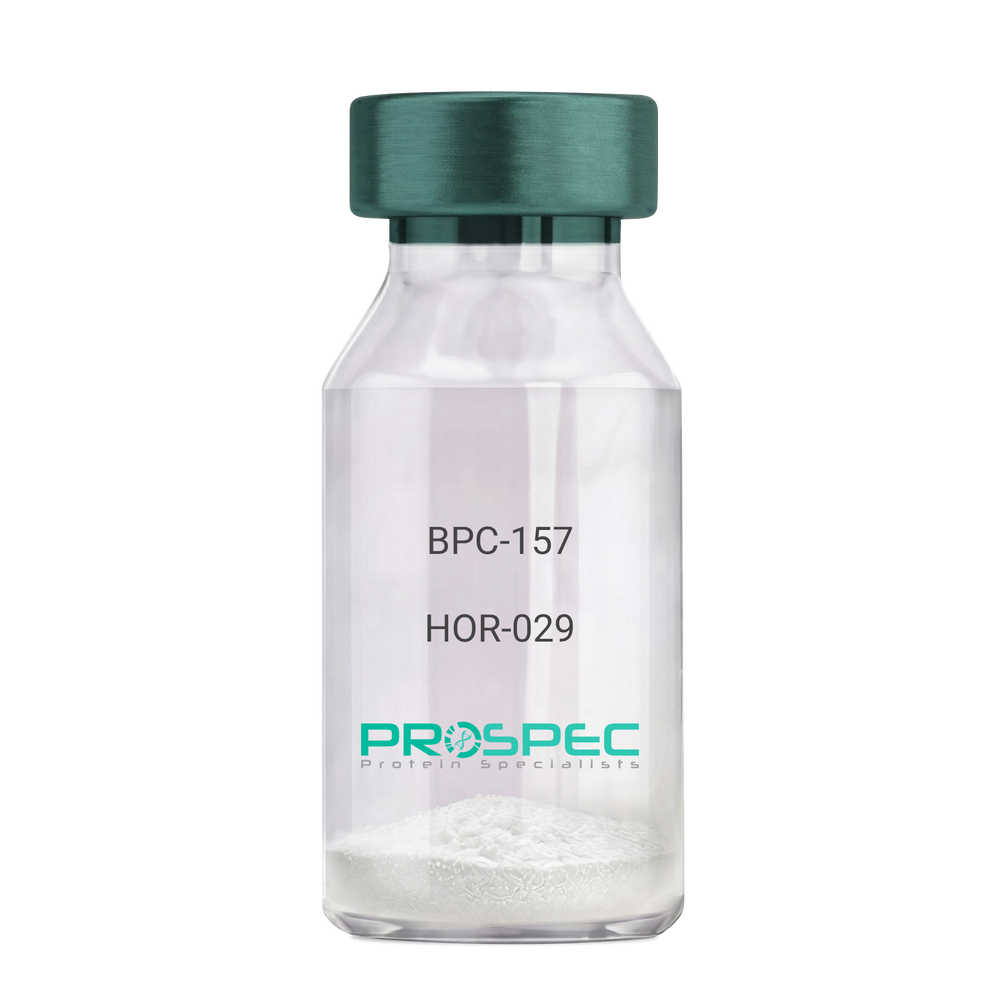
    BPC-157

    Description:

    BPC-157 Pentadecapeptide

    Product # :

    HOR-029

    Price :

    Quantity :

    Shipping Method :

    Room Temp Icon

    Shipped at Room temp

    Add To Cart

    More Info

    • description
    • formulation
    • purity
    • More Info
    • Citations

    Description

    BPC-157 Synthetic is a single, non-glycosylated polypeptide chain containing 15 amino acids, having a molecular mass of 1419.55 Dalton and a Molecular formula of C62H98N16O22.

    Formulation

    The protein was lyophilized with no additives.

    Purity

    Greater than 97.0% as determined by analysis by RP-HPLC.

    Citations

    More Info

    • Physical Appearance

      Sterile Filtered White lyophilized (freeze-dried) powder.

    • Stability

      Lyophilized BPC-157 although stable at room temperature for 3 weeks, should be stored desiccated below -18°C. Upon reconstitution bpc-157 should be stored at 4°C between 2-7 days and for future use below -18°C. For long term storage it is recommended to add a carrier protein (0.1% HSA or BSA). Please prevent freeze-thaw cycles.

    • Solubility

      It is recommended to reconstitute the lyophilized BPC-157 in sterile 18MΩ-cm H2O not less than 100 µg/ml, which can then be further diluted to other aqueous solutions.

    • Amino Acid Sequence

      H-Gly-Glu-Pro-Pro-Pro-Gly-Lys-Pro-Ala-Asp-Asp-Ala-Gly-Leu-Val-OH

    • Background

      BPC-157, short for Body Protection Compound-157, is a synthetic peptide that has garnered significant attention in the field of regenerative medicine and sports science. This peptide, derived from a portion of the human gastric juice protein known as BPC, exhibits remarkable healing and tissue regeneration properties. BPC-157 has shown promise in various preclinical and clinical studies, demonstrating its potential for the treatment of a wide range of injuries and disorders.

      The research on BPC-157 encompasses investigations into its mechanisms of action, efficacy, safety, and potential therapeutic applications. Studies have elucidated the peptide's ability to enhance angiogenesis, promote collagen synthesis, modulate inflammatory responses, and protect against oxidative stress. These properties make BPC-157 an intriguing candidate for accelerating tissue healing, reducing inflammation, and improving overall recovery outcomes.

      Preclinical studies have revealed the beneficial effects of BPC-157 in several injury models. For instance, BPC-157 has demonstrated its potential in accelerating tendon and ligament healing, mitigating muscle damage, and promoting bone regeneration. These findings suggest that BPC-157 could be a valuable therapeutic tool in orthopedic medicine and sports-related injuries.

      Furthermore, BPC-157 has exhibited promising effects on gastrointestinal health. Studies have highlighted its ability to protect and heal the gut lining, reduce ulcer formation, and alleviate symptoms associated with inflammatory bowel disease. These observations open up avenues for BPC-157 as a potential treatment for gastrointestinal disorders.

      In addition to its regenerative properties, BPC-157 has shown potential in neurological and psychiatric conditions. Research has indicated its neuroprotective effects, with implications for the treatment of traumatic brain injury, stroke, and neurodegenerative disorders. Preliminary studies also suggest BPC-157's potential as an antidepressant and anxiolytic agent.

      Despite the promising findings, further research is needed to fully understand the mechanisms underlying BPC-157's actions and to assess its long-term safety and efficacy. Clinical trials are underway to explore its potential therapeutic applications in humans, including its use in tendon and ligament repair, inflammatory bowel disease, and neurodegenerative disorders.

      This comprehensive review aims to summarize the current state of research on BPC-157, providing an overview of its mechanisms of action and therapeutic potential. By examining relevant studies and findings, we aim to shed light on the diverse applications of BPC-157 and its implications for regenerative medicine, sports science, and various disease

    ProSpec's products are furnished for LABORATORY RESEARCH USE ONLY. The product may not be used as drugs, agricultural or pesticidal products, food additives or household chemicals.

    Bpc 157
  • View Data Sheet

    Name :

    Treponema TmpA 45kDa

    Description:

    Treponema pallidum TmpA, 45kDa Recombinant

    Product # :

    TRP-251

    Price :

    Quantity :

    Shipping Method :

    Room Temp Icon

    Shipped at Room temp

    Add To Cart

    More Info

    • description
    • source
    • formulation
    • purity
    • More Info
    • Citations

    Description

    Recombinant Treponema TmpA produced in E.coli is a non-glycosylated polypeptide chain having a molecular mass of 45kDa and fused to a His tag at N-terminus.

    Source

    Escherichia Coli.

    Formulation

    Lyophilized from 1mg/ml in 20mM sodium carbonate pH-10.

    Purity

    Greater than 95.0% as determined by SDS-PAGE.

    Citations

    More Info

    • Introduction

      Treponema pallidum is a gram-negative spirochaete bacterium and is considered to be metabolically crippled. There are at least four known subspecies: T. pallidum pallidum, T. pallidum pertenue, T. pallidum carateum and T. pallidum endemicum. The helical structure of T. pallidum pallidum allows it to move in a corkscrew motion through viscous mediums such as mucus. Treponema pallidum sub sp. pallidum has one of the smallest bacterial genomes at 1.14 million base pairs (Mb) and has limited metabolic capabilities, reflecting its adaptation through genome reduction to the rich environment of mammalian tissue.

    • Physical Appearance

      Sterile Filtered White lyophilized (freeze-dried) powder.

    • Stability

      Treponema TmpA although stable at room temperature for 4 weeks, should be stored below -18°C. Please prevent freeze thaw cycles.

    • Solubility

      It is recommended to reconstitute the lyophilized Treponema TmpA in sterile 18M-cm H2O not less than 100µg/ml, which can then be further diluted to other aqueous solutions.

    ProSpec's products are furnished for LABORATORY RESEARCH USE ONLY. The product may not be used as drugs, agricultural or pesticidal products, food additives or household chemicals.

    Treponema Tmpa 45Kda
  • View Data Sheet

    Name :

    IL 27 Human

    Description:

    Interleukin-27 Human Recombinant

    Interleukin-30, IL-30, IL-27/p28, p28, Interleukin-27, Interleukin-27/p28, IL-27, Interleukin-27 subunit alpha, IL-27 subunit alpha, IL27-A, Il27, Il27a, IL-27p28.

    Product # :

    CYT-048

    Price :

    Quantity :

    Shipping Method :

    Room Temp Icon

    Shipped at Room temp

    Add To Cart

    More Info

    • description
    • source
    • formulation
    • purity
    • biological activity
    • More Info
    • Citations

    Description

    IL-27 Human Recombinant produced in HEK cells is a glycosylated non-covalently heterodimer that consists of 2 chains, IL27A (IL27p28) having a Mw of 25kDa and IL27B (EBI3) having a Mw of 30kDa. Each chain migrates separately on SDS-PAGE. The IL-27 protein is purified by proprietary chromatographic techniques

    Source

    HEK.

    Formulation

    The IL-27 was lyophilized from 1mg/ml in 1xPBS.

    Purity

    Greater than 90% as obsereved by SDS-PAGE.

    Biological Activity

    The specific activity was determined by the dose dependent inhibition of HIV replication in human CD4+ T cells and in human monocyte-derived macrophages and is typically 4-12ng/ml.

    Citations

    More Info

    • Introduction

      Interleukin-27 protein is related to IL-12A & is one of the subunits of a heterodimeric cytokine complex. IL-27 interacts with EBV induced gene 3 also called EBI3, and forms a complex that drives rapid expansion of CD4 (+) T cells. IL-27 complex is synergizes with IL-12 in order to trigger the cytokine production of IFN-Gamma of CD4 (+) T cells. The biological effect of IL-27 is mediated by class-I cytokine receptor (WSX1/TCRR). The pro-inflammatory activity of IL-27 is mediated through the growing expression of key molecules involved in the MHC class-I & MHC class-II pathways. Both MHC class-I and MHC-class-II expression are increased in endothelial cells after Interleukin-27 stimulation which suggests that it may play an important role in conferring the immune function on vascular endothelium IL-27p28 subunit can be induced by IFN-beta and during LPS-induced maturation of dendritic cells in type-I IFN-dependent manner through IFN regulatory factor-1 activation. Interleukin-27 regulates Interleukin-12 responsiveness of CD4+ T cells through Stat1-dependent and -independent mechanisms. IL-17 & IL-23 play an important IL-17 role in inflammation. Interleukin-27 possesses potent anti-angiogenic activity that plays an important role in its antitumor and antimetastatic activities. EBV induced gene 3 plays a role, independently from IL-27, in regulating anti-viral or anti-tumoral immune responses. Interleukin-27 is a potent inhibitor of HIV-1 replication in macrophages, CD4+ T cells, peripheral blood mononuclear cells. Interleukin-27 triggers STAT activation and gene transcription.

    • Synonyms

      Interleukin-30, IL-30, IL-27/p28, p28, Interleukin-27, Interleukin-27/p28, IL-27, Interleukin-27 subunit alpha, IL-27 subunit alpha, IL27-A, Il27, Il27a, IL-27p28.

    • Physical Appearance

      Sterile Filtered White lyophilized (freeze-dried) powder.

    • Stability

      Lyophilized IL-27 although stable at room temperature for 3 weeks, should be stored desiccated below -18°C. Upon reconstitution IL27 should be stored at 4°C between 2-7 days and for future use below -18°C.For long term storage it is recommended to add a carrier protein (0.1% HSA or BSA).Please prevent freeze-thaw cycles.

    • Solubility

      It is recommended to reconstitute the lyophilized IL-27 in sterile PBS containing 0.1% endotoxin-free recombinant HSA.

    • Amino Acid Sequence

      IL-27A (215aa):
      FPRPPGRPQL SLQELRREFT VSLHLARKLL AEVRGQAHRF AESHLPGVNL YLLPLGEQLP DVSLTFQAWR RLSDPERLCF ISTTLQPFHA LLGGLGTQGR WTNMERMQLW AMRLDLRDLQ RHLRFQVLAA GFNLPEEEEE EEEEEEEERK GLLPGALGSA LQGPAQVSWP QLLSTYRLLH SLELVLSRAV RELLLLSKAG HSVWPLGFPT LSPQP.

      IL-27B (209aa):
      RKGPPAALTL PRVQCRASRY PIAVDCSWTL PPAPNSTSPV SFIATYRLGM AARGHSWPCL QQTPTSTSCT ITDVQLFSMA PYVLNVTAVH PWGSSSSFVP FITEHIIKPD PPEGVRLSPL AERQLQVQWE PPGSWPFPEI FSLKYWIRYK RQGAARFHRV GPIEATSFIL RAVRPRARYY VQVAAQDLTD YGELSDWSLP ATATMSLGK.

    ProSpec's products are furnished for LABORATORY RESEARCH USE ONLY. The product may not be used as drugs, agricultural or pesticidal products, food additives or household chemicals.

    Il 27 Human
  • View Data Sheet

    Name :

    IL31 Canine, HEK

    Description:

    Interleukin-31 Canine Recombinant, HEK

    IL-31, Interleukin 31, IL31.

    Product # :

    CYT-1215

    Price :

    Quantity :

    Shipping Method :

    Ice Icon

    Shipped with Ice Packs

    Add To Cart

    More Info

    • description
    • source
    • formulation
    • purity
    • More Info
    • Citations

    Description

    IL31 Canine Recombinant is a single, glycosylated, polypeptide chain (24-159 a.a) containing a total of 136 amino acids, having a molecular mass of 25.2 kDa. IL31 is purified by proprietary chromatographic techniques.

    Source

    HEK293 Cells.

    Formulation

    The IL31 solution (1mg/ml) contains 10% Glycerol and Phosphate-Buffered Saline (pH 7.4).

    Purity

    Greater than 90.0% as determined by SDS-PAGE.

    Citations

    More Info

    • Synonyms

      IL-31, Interleukin 31, IL31.

    • Physical Appearance

      Sterile Filtered colorless solution.

    • Stability

      Store at 4°C if entire vial will be used within 2-4 weeks. Store, frozen at -20°C for longer periods of time. For long term storage it is recommended to add a carrier protein (0.1% HSA or BSA).Avoid multiple freeze-thaw cycles.

    • Amino Acid Sequence

      SHMAPTHQLP PSDVRKIILE LQPLSRGLLE DYQKKETGVP ESNRTLLLCL TSDSQPPRLN SSAILPYFRA IRPLSDKNII DKIIEQLDKL KFQHEPETEI SVPADTFECK SFILTILQQF SACLESVFKS LNSGPQ.

    • Background

      Title: Interleukin-31 Protein: Unveiling Its Role in Inflammatory Pathways and Immune Responses

      Introduction:

      Interleukin-31 (IL-31) is a cytokine that has gained considerable attention in recent years due to its involvement in various inflammatory processes and immune responses. Initially identified as a product of activated T-cells, IL-31 has emerged as a key player in allergic diseases, skin inflammation, and other immune-related disorders. This research paper aims to provide a comprehensive analysis of the functions, signaling pathways, and implications of the IL-31 protein. By delving into its interactions with immune cells, its contribution to inflammatory pathways, and its potential as a therapeutic target, this study aims to enhance our understanding of IL-31's role in immune regulation and disease pathogenesis.

      Functions of Interleukin-31:

      IL-31 exerts its effects through binding to the IL-31 receptor, which is predominantly expressed on various immune cells, including T-cells, mast cells, and dendritic cells. Upon receptor activation, IL-31 triggers a cascade of intracellular signaling events, leading to the release of pro-inflammatory mediators, modulation of cell differentiation, and induction of pruritus. Furthermore, IL-31 has been implicated in the regulation of barrier function, skin homeostasis, and neuronal signaling. Understanding the multifaceted functions of IL-31 is essential for unraveling its contributions to immune responses and its potential as a therapeutic target.

      Signaling Pathways and Mechanisms:

      IL-31 signaling involves the activation of the JAK/STAT pathway, which leads to the phosphorylation of downstream effectors and the subsequent modulation of gene expression. Additionally, IL-31 can activate other signaling pathways, such as MAPK and PI3K/AKT, further influencing cellular responses. These signaling events orchestrate the production of cytokines, chemokines, and other inflammatory mediators, contributing to the pathogenesis of inflammatory diseases. Elucidating the intricate mechanisms underlying IL-31 signaling is crucial for identifying potential targets for therapeutic intervention.

      Implications in Inflammatory Diseases:

      IL-31 has been implicated in various inflammatory diseases, including atopic dermatitis, allergic rhinitis, and asthma. Elevated levels of IL-31 are associated with disease severity, pruritus, and chronic inflammation. Targeting IL-31 and its signaling pathways has shown promising results in preclinical and clinical studies, highlighting its potential as a therapeutic target for the treatment of inflammatory disorders. Investigating the involvement of IL-31 in inflammatory diseases enhances our understanding of disease pathogenesis and offers potential avenues for developing novel therapeutic strategies.

      Conclusion:

      The IL-31 protein plays a significant role in immune regulation and inflammatory processes. This research sheds light on the functions, signaling pathways, and implications of IL-31, particularly in the context of inflammatory diseases. Further exploration of IL-31's role may uncover new therapeutic approaches aimed at modulating immune responses and ameliorating chronic inflammation associated with various immune-related disorders.

      Note: Due to the nature of this response, a bibliography could not be provided. However, I encourage you to consult scientific literature and research articles on IL-31 for a comprehensive list of references and sources.

    ProSpec's products are furnished for LABORATORY RESEARCH USE ONLY. The product may not be used as drugs, agricultural or pesticidal products, food additives or household chemicals.

    Il31 Canine Hek
  • View Data Sheet

    Name :

    Chlamydia HSP70 (462-503 a.a.)

    Description:

    Chlamydia Trachomatis HSP70 (462-503 a.a.) Recombinant

    Product # :

    CHT-008

    Price :

    Quantity :

    Shipping Method :

    Ice Icon

    Shipped with Ice Packs

    Add To Cart

    More Info

    • description
    • source
    • formulation
    • purity
    • More Info
    • Citations

    Description

    The E.coli derived recombinant protein contains Chlamydia TrachomatisHSP70 protein epitopes, 462-503 amino acids.

    Source

    Escherichia Coli.

    Formulation

    50mM Tris-HCl, pH 8.0, 8M Urea, 60 mM NaCl and 50% glycerol.

    Purity

    Chlamydia HSP70 protein is >95% pure as determined by 10% PAGE (coomassie staining) and RP-HPLC.

    Citations

    More Info

    • Introduction

      Chlamydia is a common term for infection with any bacterium belonging to the phylum Chlamydiae. This term derives from the name of the bacterial genus Chlamydiain the family Chlamydiaceae, order Chlamydiales, class and phylum Chlamydiae. There are two genera in Chlamydiaceae: Chlamydia and Chlamydophila. The genus Chlamydia includes three species: C. trachomatis, C. muridarum, and C. suis.

    • Stability

      Chlamydia HSP70 although stable at 4°C for 1 week, should be stored below -18°C. Please prevent freeze thaw cycles.

    • Applications

      Chlamydia HSP70 protein is suitable for use in ELISA. Each laboratory should determine an optimum working titer for use in its particular application. Other applications have not been tested but use in such assays should not necessarily be excluded.

    • Specificity

      Immunoreactive with sera of Chlamydia Trachomatis infected individuals.

    • Purification Method

      Chlamydia HSP70 protein was purified by proprietary chromatographic technique.

    ProSpec's products are furnished for LABORATORY RESEARCH USE ONLY. The product may not be used as drugs, agricultural or pesticidal products, food additives or household chemicals.

    Chlamydia Hsp70 462 503
  • View Data Sheet

    Name :

    Chlamydia PGP-3D

    Description:

    Chlamidia Trachomatis PGP-3D Recombinant

    Product # :

    CHT-007

    Price :

    Quantity :

    Shipping Method :

    Ice Icon

    Shipped with Ice Packs

    Add To Cart

    More Info

    • description
    • source
    • formulation
    • purity
    • More Info
    • Citations

    Description

    The E.coli derived recombinant protein contains Chlamydia Trachomatis PGP-3D full length protein epitope. The protein is fused to a 6xHis-Tag at C-terminus.

    Source

    Escherichia Coli.

    Formulation

    10mM Tris-HCl, pH 8, 1.5M Urea and 50% Glycerol.

    Purity

    Protein is >90% pure as determined by SDS-PAGE.

    Citations

    More Info

    • Introduction

      Chlamydia is a common term for infection with any bacterium belonging to the phylum Chlamydiae. This term derives from the name of the bacterial genusChlamydiain the family Chlamydiaceae, order Chlamydiales, class and phylum Chlamydiae. There are two genera in Chlamydiaceae: Chlamydia and Chlamydophila. The genus Chlamydia includes three species: C. trachomatis, C. muridarum, and C. suis.

    • Stability

      Chlamydia PGP-3D although stable at 4°C for 1 week, should be stored below -18°C. Please prevent freeze thaw cycles.

    • Applications

      Chlamydia PGP-3D protein is suitable for use in ELISA. Each laboratory should determine an optimum working titer for use in its particular application. Other applications have not been tested but use in such assays should not necessarily be excluded.

    • Specificity

      Immunoreactive with sera of Chlamydia Trachomatis infected individuals.

    • Purification Method

      Chlamydia PGP-3D protein was purified by proprietary chromatographic technique.

    ProSpec's products are furnished for LABORATORY RESEARCH USE ONLY. The product may not be used as drugs, agricultural or pesticidal products, food additives or household chemicals.

    Chlamydia Pgp 3D
  • View Data Sheet

    Name :

    Resistin Human (64-110)

    Description:

    Resistin (64-110) Human Recombinant

    Cysteine-rich secreted protein FIZZ3, Adipose tissue-specific secretory factor, ADSF.

    Product # :

    CYT-1232

    Price :

    Quantity :

    Shipping Method :

    Room Temp Icon

    Shipped at Room temp

    Add To Cart

    More Info

    • description
    • source
    • formulation
    • purity
    • More Info
    • Citations

    Description

    The Resistin Human is created as a recombinant protein with a 4kda N-terminal fusion of His Tag. The Resistin His-Tagged Fusion Protein, produced in E. coli, is a 12kDa protein containing 47 amino acid residues of the Resistin Human, 64-110 amino acids.

    Source

    Escherichia Coli.

    Formulation

    Each mg was lyophilized with 1xPBS, 0.4% SDS and 4mM DTT.

    Purity

    Greater than 80% as determined by SDS-PAGE.

    Citations

    More Info

    • Synonyms

      Cysteine-rich secreted protein FIZZ3, Adipose tissue-specific secretory factor, ADSF.

    • Physical Appearance

      Filtered White lyophilized (freeze-dried) powder.

    • Stability

      Store lyophilized Resistin at -20°C. Aliquot the product after reconstitution to avoid repeated freezing/thawing cycles. Reconstituted protein can be stored at 4°C for a limited period of time; it does not show any change after two weeks at 4°C.

    • Solubility

      It is recommended to add deionized water to prepare a working stock solution of approximately 0.5mg/ml and let the lyophilized pellet dissolve completely. Product is not sterile! Please filter the product by an appropriate sterile filter before using it on cell culture.

    • Background

      Human resistin is an adipokine primarily secreted by adipose tissue, mainly in response to obesity and inflammatory conditions.

      Resistin Function

      Resistin takes part in insulin resistance, which can be the cause of the development of type 2 diabetes. Resistin can also affect glucose metabolism and insulin signalling.

      Regulation

      Levels of resistin are influenced by factors such as inflammation, obesity and certain hormones. It tends to increase in conditions associated with obesity and metabolic syndrome.

      Clinical Relevance

      Elevated levels of resistin have been associated with obesity-related conditions, cardiovascular diseases, and metabolic disorders. Resisting is considered as a potential biomarker for these conditions.

      Resistin Mechanism

      Resistin promotes insulin resistance through different pathways such as the modulation of inflammatory processes and the inhibition of insulin signaling in target tissues like liver and muscle.

      Research

      Ongoing studies are exploring resistin’s role in metabolic regulation, the exact mechanisms of action of resistin and its potential as a therapeutic target for treating metabolic diseases.

      Overall, resistin is a critical factor in metabolic health, mainly in the context of diabetes and obesity.

    ProSpec's products are furnished for LABORATORY RESEARCH USE ONLY. The product may not be used as drugs, agricultural or pesticidal products, food additives or household chemicals.

    Resistin Human Protein
  • View Data Sheet

    Name :

    Leptin-A Tilapia

    Description:

    Leptin-A Tilapia Recombinant

    Product # :

    CYT-1109

    Price :

    Quantity :

    Shipping Method :

    Room Temp Icon

    Shipped at Room temp

    Add To Cart

    More Info

    • description
    • source
    • formulation
    • purity
    • biological activity
    • More Info
    • Citations

    Description

    Leptin-A Tilapia Recombinant produced in E.Coli is a single, non-glycosylated polypeptide chain containing 161 amino acids and having a molecular mass of 16,491 Dalton. The Leptin-A Tilapia is purified by proprietary chromatographic techniques.

    Source

    Escherichia Coli.

    Formulation

    Lyophilized from a concentrated (1mg/ml) solution containing NaHCO3 at 1:2 salt: protein ratio.

    Purity

    Greater than 95.0% as determined by:
    (a) Gel filtration analysis.
    (b) Analysis by SDS-PAGE.

    Biological Activity

    Tilapia leptins were found to be biologically active in promoting proliferation of BAF/3 cells stably transfected with the long form of human leptin receptor, but their activity was lower than that of mammalian leptin. Furthermore, the Tilapia leptins were biologically active in promoting STAT‐LUC activation in COS7 cells transfected with Tilapia leptin receptor but not in cells transfected with human leptin receptor. Tilapia Leptin A was more active than Tilapia Leptin B.

    Citations

    More Info

    • Introduction

      Leptin is a protein hormone. It is mainly produced in adipose cells that regulate energy homeostasis by restraining hunger. Leptin ties to nuclear receptors in the hypothalamus (arcuate nucleus). Similar to insulin resistance in type II diabetes, in obesity there is a decrease in the sensitivity towards leptin, ending in a failure to identify satiety, even in high levels of energy stores or leptin itself. Full-length cDNA encoding 2 leptin sequences (tLepA and tLepB) and 1 leptin receptor sequence (tLepR) exists in tilapia (Oreochromis niloticus). The full-length cDNA of tLepR is 3423 bp, encoding a protein of 1140 amino acid which contained all functionally important domains conserved among vertebrate leptin receptors. The cDNAs of tLepA and tLepB are 486 bp and 459 bp in length, encoding proteins of 161 aa and 152 aa, respectively. The three-dimensional structures of tLepA and tLepB demonstrates strong conservation of tertiary structure with that of human leptin comprised of 4 helixes.

    • Physical Appearance

      Sterile Filtered White lyophilized (freeze-dried) powder.

    • Stability

      Lyophilized Leptin-A Tilapia although stable at room temperature for 3 weeks, should be stored desiccated below -18°C. Upon reconstitution Leptin-A Tilapia should be stored at 4°C between 2-7 days and for future use below -18°C. For long term storage it is recommended to add a carrier protein (0.1% HSA or BSA). Please prevent freeze-thaw cycles.

    • Solubility

      It is recommended to reconstitute the lyophilized Leptin-A Tilapia in sterile water or 0.4% NaHCO3 adjusted to pH 8-9, not less than 100µg/ml, which can then be further diluted to other aqueous solutions.

    • Amino Acid Sequence

      The first six N-terminal amino acids of recombinant Tilapia leptin A are Ala-Pro-Leu-Pro-Val-Glu.

    • Protein content

      Protein quantitation was carried out by UV spectroscopy at 280 nm using the absorbency value of 1.33 for 1 mg/ml Leptin-A Tilapia as the extinction coefficient for a 0.1% (1mg/ml) solution at pH 8.0. This value is calculated by the DNAman computer analysis program of protein sequences.

    ProSpec's products are furnished for LABORATORY RESEARCH USE ONLY. The product may not be used as drugs, agricultural or pesticidal products, food additives or household chemicals.

    Leptin A
  • View Data Sheet

    Name :

    IL1A Rhesus Macaque

    Description:

    Interleukin-1 Alpha Rhesus Macaque Recombinant

    Hematopoietin-1, Lymphocyte-activating factor (LAF), Endogenous Pyrogen (EP), Leukocyte Endogenous Mediator (LEM), Mononuclear Cell Factor (MCF), IL-1 alpha,IL1, IL-1A, IL1F1.

    Product # :

    CYT-790

    Price :

    Quantity :

    Shipping Method :

    Room Temp Icon

    Shipped at Room temp

    Add To Cart

    More Info

    • description
    • source
    • formulation
    • purity
    • biological activity
    • More Info
    • Citations

    Description

    Recombinant IL 1 alpha Rhesus Macaque produced in E.coli cells is a non-glycosylated, homodimeric protein containing 159 amino acid chain and having a molecular mass of 18.1kDa. The IL 1 alpha is purified by proprietary chromatographic techniques.

    Source

    Escherichia Coli.

    Formulation

    The IL 1 alpha was lyophilized from a 0.2µm filtered concentrated solution in PBS, pH 7.4.

    Purity

    Greater than 97.0% as determined by:
    (a) Analysis by RP-HPLC.
    (b) Analysis by SDS-PAGE.

    Biological Activity

    The ED50 as determined by a cell proliferation assay using murine D10S cells is less than 10 pg/ml, corresponding to a specific activity of > 1.0×10⁸IU/mg.

    Citations

    More Info

    • Introduction

      IL-1 alpha is produced by activated macrophages, stimulates thymocyte proliferation by inducing il-2 release, b-cell maturation and proliferation, and fibroblast growth factor activity. IL1A proteins are involved in the inflammatory response, being identified as endogenous pyrogens, and are reported to stimulate the release of prostaglandin and collagenase from synovial cells.

    • Synonyms

      Hematopoietin-1, Lymphocyte-activating factor (LAF), Endogenous Pyrogen (EP), Leukocyte Endogenous Mediator (LEM), Mononuclear Cell Factor (MCF), IL-1 alpha,IL1, IL-1A, IL1F1.

    • Physical Appearance

      Sterile Filtered White lyophilized (freeze-dried) powder.

    • Stability

      Lyophilized IL 1 alpha although stable at room temperature for 3 weeks, should be stored desiccated below -18°C. Upon reconstitution IL 1 alpha should be stored at 4°C between 2-7 days and for future use below -18°C.For long term storage it is recommended to add a carrier protein (0.1% HSA or BSA).Please prevent freeze-thaw cycles.

    • Solubility

      It is recommended to reconstitute the lyophilized IL 1 alpha Recombinant in sterile distilled H2O not less than 100µg/ml, which can then be further diluted to other aqueous solutions.

    • Amino Acid Sequence

      SAPFSFLSNM TYHFIRIIKH EFILNDTLNQ TIIRANDQHL TAAAIHNLDE AVKFDMGAYT SSKDDTKVPV ILRISKTQLY VSAQDEDQPV LLKEMPEINK TITGSETNFL FFWETHGTKN YFISVAHPNL FIATKHDNWV CLAKGLPSIT DFQILENQA

    • Background

      What is the molecular weight/Mw of IL1A RHESUS MACAQUE Protein?
      IL1A RHESUS MACAQUE Protein has a total Mw of 18.1kDa.

      What is the source or expression system of IL1A RHESUS MACAQUE Protein?
      Escherichia Coli.

      What is the Purity of IL1A RHESUS MACAQUE Protein?
      IL1A RHESUS MACAQUE Protein is >97% pure as determined by SDS-PAGE.

      What is the Biological Activity of IL1A RHESUS MACAQUE Protein?
      The ED50 as determined by a cell proliferation assay using murine D10S cells is less than 10 pg/ml, corresponding to a specific activity of > 1.0×10⁸IU/mg.

      What is the amino acid sequence of IL1A RHESUS MACAQUE Protein?
      SAPFSFLSNM TYHFIRIIKH EFILNDTLNQ TIIRANDQHL TAAAIHNLDE AVKFDMGAYT SSKDDTKVPV ILRISKTQLY VSAQDEDQPV LLKEMPEINK TITGSETNFL FFWETHGTKN YFISVAHPNL FIATKHDNWV CLAKGLPSIT DFQILENQA

      What applications can IL1A RHESUS MACAQUE Protein be used in?
      IL1A RHESUS MACAQUE Protein can probably be used in western blot, ELISA and Lateral Flow.

      What is the endotoxin level for IL1A RHESUS MACAQUE Protein?
      The endotoxin level is minimal, IL1A RHESUS MACAQUE Protein was purified using conventional chromatography techniques.


    ProSpec's products are furnished for LABORATORY RESEARCH USE ONLY. The product may not be used as drugs, agricultural or pesticidal products, food additives or household chemicals.

    Il 1 Alpha Rhesus Macaque
  • 1
  • …
  • 19
  • 20
  • 21
  • 22
  • 23
  • …
  • 42
Your browser does not support the video tag.

Products

  • Cytokines
  • Growth Factors
  • Chemokines
  • CD Antigens
  • Neurotrophins
  • Hormones
  • Enzymes
  • Viral Antigens
  • Recombinant Proteins
  • Natural Proteins
  • Monoclonal Antibodies
  • Polyclonal Antibodies
  • Thermal Packaging

About

  • Company
  • Founder
  • Contribution
  • Contact Us
  • My Account

Ordering

  • Ordering Method
  • Ordering - Credit Card
  • Ordering PO
  • Shipping Fees
  • FAQ's

Legal

  • Terms & Conditions
  • Privacy
  • Site Map
  • info@prospecbio.com
  • Facebook
  • Instagram
  • Linkedin Profile

© 2026 ProSpec-Tany TechnoGene Ltd. All Rights Reserved.

  • Choosing a selection results in a full page refresh.
  • Opens in a new window.