Skip to content

High-quality research proteins.

  • 1-800-805-6531

  • Mon - Sat 8.00-18.00, Sun - Closed

  • info@prospecbio.com

  • PO Box 6591 East Brunswick NJ 08816

  • Products
    • Cytokines
    • Growth factors
    • Chemokines
    • Cd antigens
    • Neurotrophins
    • Hormones
    • Enzymes
    • Viral antigens
    • Recombinant proteins
    • Natural proteins
    • Monoclonal antibodies
    • Polyclonal antibodies
    • Thermal Packaging
  • About
    • Company
    • Founder
    • Contribution
  • Customers
    • Eastern Asia
    • Eastern Europe
    • North America
    • South America
    • South East Asia
    • Southern Asia
    • Western Europe
  • Ordering
    • Ordering Method
    • Ordering - Credit Card
    • Ordering - PO
    • Shipping Fees
    • FAQs
  • Services
    • DNA Cloning
    • Protein Expression
    • Monoclonal Antibody
    • Fermentation
    • Technology License
  • Contact us
Log in

Country/region

  • USD $ | Albania
  • USD $ | Andorra
  • USD $ | Argentina
  • USD $ | Armenia
  • USD $ | Australia
  • USD $ | Austria
  • USD $ | Azerbaijan
  • USD $ | Belarus
  • USD $ | Belgium
  • USD $ | Bolivia
  • USD $ | Brazil
  • USD $ | Bulgaria
  • USD $ | Cambodia
  • USD $ | Canada
  • USD $ | Chile
  • USD $ | China
  • USD $ | Colombia
  • USD $ | Costa Rica
  • USD $ | Croatia
  • USD $ | Cyprus
  • USD $ | Czechia
  • USD $ | Denmark
  • USD $ | Estonia
  • USD $ | Finland
  • USD $ | France
  • USD $ | Georgia
  • USD $ | Germany
  • USD $ | Greece
  • USD $ | Hong Kong SAR
  • USD $ | Hungary
  • USD $ | Iceland
  • USD $ | India
  • USD $ | Ireland
  • USD $ | Israel
  • USD $ | Italy
  • USD $ | Japan
  • USD $ | Kazakhstan
  • USD $ | Latvia
  • USD $ | Liechtenstein
  • USD $ | Lithuania
  • USD $ | Madagascar
  • USD $ | Malta
  • USD $ | Mexico
  • USD $ | Moldova
  • USD $ | Monaco
  • USD $ | Netherlands
  • USD $ | New Zealand
  • USD $ | North Macedonia
  • USD $ | Norway
  • USD $ | Panama
  • USD $ | Paraguay
  • USD $ | Peru
  • USD $ | Philippines
  • USD $ | Poland
  • USD $ | Portugal
  • USD $ | Romania
  • USD $ | Singapore
  • USD $ | Slovakia
  • USD $ | Slovenia
  • USD $ | South Africa
  • USD $ | South Korea
  • USD $ | Spain
  • USD $ | Sri Lanka
  • USD $ | Sweden
  • USD $ | Switzerland
  • USD $ | Taiwan
  • USD $ | Thailand
  • USD $ | Türkiye
  • USD $ | Ukraine
  • USD $ | United Kingdom
  • USD $ | United States
  • USD $ | Uruguay
  • USD $ | Vatican City
  • USD $ | Venezuela
  • USD $ | Vietnam
  • Facebook
  • Instagram
logoProSpec - Recombinant Protein Manufacturer for academic and R&D industry
Become a distributor
Account Log in
Wishlist
Cart Cart(0)
  • Products
    +
    • Cytokines
    • Growth factors
    • Chemokines
    • Cd antigens
    • Neurotrophins
    • Hormones
    • Enzymes
    • Viral antigens
    • Recombinant proteins
    • Natural proteins
    • Monoclonal antibodies
    • Polyclonal antibodies
    • Thermal Packaging
  • About
    +
    • Company
    • Founder
    • Contribution
  • Customers
    +
    • Eastern Asia
    • Eastern Europe
    • North America
    • South America
    • South East Asia
    • Southern Asia
    • Western Europe
  • Ordering
    +
    • Ordering Method
    • Ordering - Credit Card
    • Ordering - PO
    • Shipping Fees
    • FAQs
  • Services
    +
    • DNA Cloning
    • Protein Expression
    • Monoclonal Antibody
    • Fermentation
    • Technology License
  • Contact us

Item added to your cart

View cart
View All
  • Cytokines
  • Growth factors
  • Chemokines
  • Cd antigens
  • Neurotrophins
  • Hormones
  • Enzymes
  • Viral antigens
  • Recombinant proteins
  • Natural proteins
  • Monoclonal antibodies
  • Polyclonal antibodies
  • Thermal Packaging
  • Tumor Necrosis Factor

    Tumor Necrosis Factor

    View All
  • 4-1BB

    4-1BB

    View All
  • Adiponectin

    Adiponectin

    View All
  • AIF1

    AIF1

    View All
  • Other Cytokines

    Other Cytokines

    View All
  • AITRL

    AITRL

    View All
  • Angiopoietin

    Angiopoietin

    View All
  • Apolipoprotein

    Apolipoprotein

    View All
  • B-Cell Activating Factor

    B-Cell Activating Factor

    View All
  • Beta Defensin

    Beta Defensin

    View All
  • Bone Morphogenetic Protein

    Bone Morphogenetic Protein

    View All
  • B type Natriuretic Peptide

    B type Natriuretic Peptide

    View All
  • BST

    BST

    View All
  • Betacellulin

    Betacellulin

    View All
  • Cardiotrophin

    Cardiotrophin

    View All
  • Activin

    Activin

    View All
  • Fibroblast Growth Factor

    Fibroblast Growth Factor

    View All
  • Other Growth Factors

    Other Growth Factors

    View All
  • CSF

    CSF

    View All
  • CTGF

    CTGF

    View All
  • IGFBP

    IGFBP

    View All
  • VEGF Protein

    VEGF Protein

    View All
  • EGF

    EGF

    View All
  • Epigen

    Epigen

    View All
  • Erythropoietin

    Erythropoietin

    View All
  • Insulin-Like Growth Factor

    Insulin-Like Growth Factor

    View All
  • Growth Hormone

    Growth Hormone

    View All
  • HDGF

    HDGF

    View All
  • Hepatocyte Growth Factor

    Hepatocyte Growth Factor

    View All
  • Insulin

    Insulin

    View All
  • BCA-1/ BLC (CXCL13)

    BCA-1/ BLC (CXCL13)

    View All
  • BRAK (CXCL14)

    BRAK (CXCL14)

    View All
  • C-10 (CCL6)

    C-10 (CCL6)

    View All
  • Other Chemokines

    Other Chemokines

    View All
  • MEC (CCL28)

    MEC (CCL28)

    View All
  • LD78-beta (CCL3L1)

    LD78-beta (CCL3L1)

    View All
  • CTACK (CCL27)

    CTACK (CCL27)

    View All
  • CXCL16

    CXCL16

    View All
  • CXCL17

    CXCL17

    View All
  • Platelet Factor-4 (CXCL4)

    Platelet Factor-4 (CXCL4)

    View All
  • ENA-78 (CXCL5)

    ENA-78 (CXCL5)

    View All
  • Eotaxin (CCL11,24,26)

    Eotaxin (CCL11,24,26)

    View All
  • Exodus-2 (CCL21)

    Exodus-2 (CCL21)

    View All
  • Fractalkine (CX3CL1)

    Fractalkine (CX3CL1)

    View All
  • CXCL6

    CXCL6

    View All
  • Other CD Antigens

    Other CD Antigens

    View All
  • CD14

    CD14

    View All
  • CD164

    CD164

    View All
  • CD1

    CD1

    View All
  • CD2

    CD2

    View All
  • CD200

    CD200

    View All
  • CD207

    CD207

    View All
  • CD226

    CD226

    View All
  • CD23

    CD23

    View All
  • CD244

    CD244

    View All
  • CD247

    CD247

    View All
  • CD27

    CD27

    View All
  • CD274

    CD274

    View All
  • CD300

    CD300

    View All
  • CD33

    CD33

    View All
  • Other Neurotrophins

    Other Neurotrophins

    View All
  • Beta-NGF

    Beta-NGF

    View All
  • BDNF

    BDNF

    View All
  • CDNF

    CDNF

    View All
  • CNTF

    CNTF

    View All
  • GDNF

    GDNF

    View All
  • Glia Maturation Factor

    Glia Maturation Factor

    View All
  • MANF

    MANF

    View All
  • Midkine

    Midkine

    View All
  • Neuroglobin

    Neuroglobin

    View All
  • Neurotrophic factors

    Neurotrophic factors

    View All
  • Neuregulin

    Neuregulin

    View All
  • Neuropilin

    Neuropilin

    View All
  • Pigment Epithelium-Derived Factor

    Pigment Epithelium-Derived Factor

    View All
  • Pleiotrophin

    Pleiotrophin

    View All
  • Peptide Hormones

    Peptide Hormones

    View All
  • Other Hormones

    Other Hormones

    View All
  • HCG

    HCG

    View All
  • Endothelin

    Endothelin

    View All
  • Exendin

    Exendin

    View All
  • FSH

    FSH

    View All
  • Glucagon

    Glucagon

    View All
  • GHRP

    GHRP

    View All
  • GLP

    GLP

    View All
  • Thyrostimulin

    Thyrostimulin

    View All
  • Inhibin A

    Inhibin A

    View All
  • LHRH

    LHRH

    View All
  • Melanotan

    Melanotan

    View All
  • Procalcitonin

    Procalcitonin

    View All
  • PTH

    PTH

    View All
  • Peroxiredoxin

    Peroxiredoxin

    View All
  • Peptidase

    Peptidase

    View All
  • Synthetase

    Synthetase

    View All
  • Transferase

    Transferase

    View All
  • Hydrolase

    Hydrolase

    View All
  • Dehydrogenase

    Dehydrogenase

    View All
  • ACE2

    ACE2

    View All
  • Esterase

    Esterase

    View All
  • Protein Kinases

    Protein Kinases

    View All
  • Other Enzymes

    Other Enzymes

    View All
  • Phosphatase

    Phosphatase

    View All
  • Deaminase

    Deaminase

    View All
  • Oxygenase

    Oxygenase

    View All
  • Adenylate Kinase

    Adenylate Kinase

    View All
  • Lyase

    Lyase

    View All
  • Chagas

    Chagas

    View All
  • SARS

    SARS

    View All
  • Influenza

    Influenza

    View All
  • ASFV

    ASFV

    View All
  • Astrovirus

    Astrovirus

    View All
  • Borrelia

    Borrelia

    View All
  • Helicobacter Pylori

    Helicobacter Pylori

    View All
  • Chikungunya

    Chikungunya

    View All
  • Chlamydia

    Chlamydia

    View All
  • Cytomegalo

    Cytomegalo

    View All
  • Dengue

    Dengue

    View All
  • EBV

    EBV

    View All
  • Ebola

    Ebola

    View All
  • Feline Leukemia Virus

    Feline Leukemia Virus

    View All
  • Hepatitis A

    Hepatitis A

    View All
  • Other

    Other

    View All
  • Actin

    Actin

    View All
  • ADAM

    ADAM

    View All
  • Complement Component

    Complement Component

    View All
  • Ag85

    Ag85

    View All
  • Eukaryotic Translation Initiation Factor

    Eukaryotic Translation Initiation Factor

    View All
  • Anterior Gradient Protein

    Anterior Gradient Protein

    View All
  • Heat Shock Protein

    Heat Shock Protein

    View All
  • Alpha-2-HS-Glycoprotein

    Alpha-2-HS-Glycoprotein

    View All
  • Hemoglobin

    Hemoglobin

    View All
  • Allergy

    Allergy

    View All
  • Anaplasma

    Anaplasma

    View All
  • Angiogenin

    Angiogenin

    View All
  • Ankyrin Repeat Domain

    Ankyrin Repeat Domain

    View All
  • Annexin

    Annexin

    View All
  • Other Natural Proteins

    Other Natural Proteins

    View All
  • Aprotinin

    Aprotinin

    View All
  • Transferrin

    Transferrin

    View All
  • Avidin

    Avidin

    View All
  • Anti Coagulation Factors

    Anti Coagulation Factors

    View All
  • Natural Albumin

    Natural Albumin

    View All
  • Natural Coagulation Factors

    Natural Coagulation Factors

    View All
  • Fibronectin

    Fibronectin

    View All
  • Thrombin

    Thrombin

    View All
  • Anti Human Enzyme

    Anti Human Enzyme

    View All
  • Other Monoclonal Antibodies

    Other Monoclonal Antibodies

    View All
  • Anti Human Cytokine

    Anti Human Cytokine

    View All
  • Anti Human Heat Shock Protein

    Anti Human Heat Shock Protein

    View All
  • Anti Mouse Lymphocyte

    Anti Mouse Lymphocyte

    View All
  • Anti Human Chemokine

    Anti Human Chemokine

    View All
  • Anti Human Lymphocyte

    Anti Human Lymphocyte

    View All
  • Anti Viral Monoclonal

    Anti Viral Monoclonal

    View All
  • Anti Mouse Cytokine

    Anti Mouse Cytokine

    View All
  • Anti-GST Monoclonal

    Anti-GST Monoclonal

    View All
  • Other Polyclonal Antibodies

    Other Polyclonal Antibodies

    View All
  • Anti Viral

    Anti Viral

    View All
  • Anti-GST Monoclonal

    Anti-GST Monoclonal

    View All
Back

Search results

1000 results found for “Exendin”

Name

Description

Product #

Price

Quantity

Shipping Method

  • View Data Sheet

    Name :

    GPD1L Human

    Description:

    Glycerol-3-Phosphate Dehydrogenase 1 Like Human Recombinant

    Glycerol-3-phosphate dehydrogenase 1-like protein, GPD1-L, GPD1L, KIAA0089.

    Product # :

    ENZ-171

    Price :

    Quantity :

    Shipping Method :

    Ice Icon

    Shipped with Ice Packs

    Add To Cart

    More Info

    • description
    • source
    • formulation
    • purity
    • More Info
    • Citations

    Description

    GPD1L Human Recombinant produced in E.Coli is a single, non-glycosylated polypeptide chain containing 371 amino acids (1-351 a.a.) and having a molecular mass of 40.6kDa.GPD1L is fused to a 20 amino acid His-tag at N-terminus & purified by proprietary chromatographic techniques.

    Source

    Escherichia Coli.

    Formulation

    GPD1L protein solution (1mg/ml) containing 20mM Tris-HCl buffer (pH8.0), 20% glycerol and 1mM DTT.

    Purity

    Greater than 95.0% as determined by SDS-PAGE.

    Citations

    More Info

    • Introduction

      Glycerol-3-phosphate dehydrogenase 1-like protein (GPD1L) converts sn-glycerol 3-phosphate to glycerone phosphate. GPD1L is found in the cytoplasm, associated with the plasma membrane, where it binds the sodium channel, voltage-gated, type V, alpha subunit (SCN5A). Mutations in the GPD1L gene are the cause of SIDS (sudden infant death syndrome) and Brugada syndrome type 2 (an autosomal dominant tachyarrhythmia).

    • Synonyms

      Glycerol-3-phosphate dehydrogenase 1-like protein, GPD1-L, GPD1L, KIAA0089.

    • Physical Appearance

      Sterile Filtered colorless solution.

    • Stability

      Store at 4°C if entire vial will be used within 2-4 weeks. Store, frozen at -20°C for longer periods of time. For long term storage it is recommended to add a carrier protein (0.1% HSA or BSA).Avoid multiple freeze-thaw cycles.

    • Amino Acid Sequence

      MGSSHHHHHH SSGLVPRGSH MAAAPLKVCI VGSGNWGSAV AKIIGNNVKK LQKFASTVKM WVFEETVNGR KLTDIINNDH ENVKYLPGHK LPENVVAMSN LSEAVQDADL LVFVIPHQFI HRICDEITGR VPKKALGITL IKGIDEGPEG LKLISDIIRE KMGIDISVLM GANIANEVAA EKFCETTIGS KVMENGLLFK ELLQTPNFRI TVVDDADTVE LCGALKNIVA VGAGFCDGLR CGDNTKAAVI RLGLMEMIAF ARIFCKGQVS TATFLESCGV ADLITTCYGG RNRRVAEAFA RTGKTIEELE KEMLNGQKLQ GPQTSAEVYR ILKQKGLLDK FPLFTAVYQI CYESRPVQEM LSCLQSHPEH T.

    ProSpec's products are furnished for LABORATORY RESEARCH USE ONLY. The product may not be used as drugs, agricultural or pesticidal products, food additives or household chemicals.

    Gpd1L Human
  • View Data Sheet

    Name :

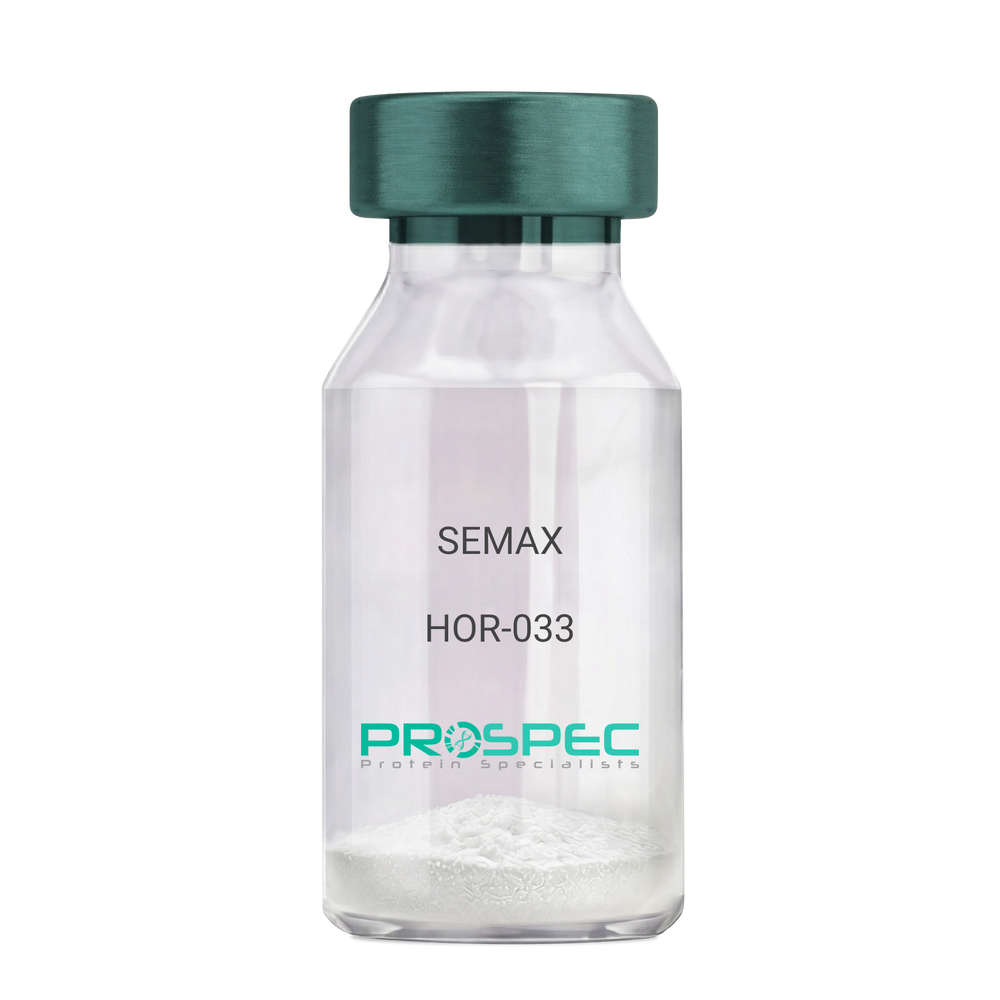
    SEMAX

    Description:

    SEMAX

    Product # :

    HOR-033

    Price :

    Quantity :

    Shipping Method :

    Room Temp Icon

    Shipped at Room temp

    Add To Cart

    More Info

    • description
    • formulation
    • purity
    • More Info
    • Citations

    Description

    SEMAX Synthetic is a single, non-glycosylated polypeptide chain containing 7 amino acids, having a molecular mass of 813.92 Dalton and a Molecular formula of C37H51N19O1S.

    Formulation

    The protein was lyophilized with no additives.

    Purity

    Greater than 97.0% as determined by analysis by RP-HPLC.

    Citations

    More Info

    • Physical Appearance

      Sterile Filtered White lyophilized (freeze-dried) powder.

    • Stability

      Lyophilized SEMAX although stable at room temperature for 3 weeks, should be stored desiccated below -18°C. Upon reconstitution SEMAX should be stored at 4°C between 2-7 days and for future use below -18°C. For long term storage it is recommended to add a carrier protein (0.1% HSA or BSA). Please prevent freeze-thaw cycles.

    • Solubility

      It is recommended to reconstitute the lyophilized SEMAX in sterile 18MΩ-cm H2O not less than 100 µg/ml, which can then be further diluted to other aqueous solutions.

    • Amino Acid Sequence

      H-Met-Glu-His-Phe-Pro-Gly-Pro-OH.

    • Background

      Semax, also known as ACTH(4-10) Pro-Gly-Pro, is a synthetic peptide that has been the subject of extensive research due to its potential neuroprotective and nootropic effects. This heptapeptide, derived from the adrenocorticotropic hormone (ACTH), has been shown to possess a wide range of biological activities, including enhancing memory, learning, and neurogenesis.

      Semax is unique in its ability to cross the blood-brain barrier and exert its effects directly on the central nervous system. It has been shown to stimulate the release of brain-derived neurotrophic factor (BDNF), a protein that plays a crucial role in the survival of neurons and the growth of new neurons and synapses. Studies by Dolotov et al. (2006) have demonstrated that Semax can enhance memory and learning in rats, suggesting potential applications in cognitive enhancement and the treatment of cognitive disorders.

      In addition to its nootropic effects, Semax has been shown to possess neuroprotective properties. Research by Stavchansky et al. (2008) found that Semax could protect neurons from oxidative stress and apoptosis, suggesting potential applications in the treatment of neurodegenerative diseases such as Alzheimer's and Parkinson's disease.

      Given its nootropic and neuroprotective effects, Semax has been proposed as a potential therapeutic agent for a variety of conditions, including cognitive disorders, stroke, and optic nerve disease. For instance, a study by Myasoedov et al. (2010) found that Semax could improve outcomes in patients with ischemic stroke, indicating its potential as a therapeutic agent in stroke recovery.

      While research on Semax is promising, it is important to note that most studies have been conducted in animals or in vitro. More research is needed to fully understand the potential effects and applications of Semax in humans. However, the existing body of research suggests that Semax could be a promising tool in the treatment of cognitive disorders and neurodegenerative diseases.

    ProSpec's products are furnished for LABORATORY RESEARCH USE ONLY. The product may not be used as drugs, agricultural or pesticidal products, food additives or household chemicals.

    Semax
  • View Data Sheet

    Name :

    ACE2 Mouse

    Description:

    Angiotensin Converting Enzyme 2 Mouse Recombinant

    ACE2, 2010305L05Rik, Angiotensin I Converting Enzyme, Angiotensin I Converting, Enzyme (Peptidyl-Dipeptidase A), Angiotensin-Converting Enzyme Homolog, Angiotensin-Converting Enzyme, ACE-Related Carboxypeptidase, Metalloprotease MPROT15, Peptidyl-Dipeptidase A, ACEH, EC 3.4.17.23, EC 3.4.17.

    Product # :

    ENZ-1123

    Price :

    Quantity :

    Shipping Method :

    Ice Icon

    Shipped with Ice Packs

    Add To Cart

    More Info

    • description
    • source
    • formulation
    • purity
    • biological activity
    • More Info
    • Citations

    Description

    ACE2 Mouse produced in Sf9 Baculovirus cells is a single, glycosylated polypeptide chain containing 731 amino acids (18-740 aa) and having a molecular mass of 84.5kDa. ACE2 is fused to a 6 amino acid His-Tag at C-terminus and purified by proprietary chromatographic techniques.

    Source

    Sf9, Baculovirus cells.

    Formulation

    The ACE2 solution contains 10% Glycerol and Phosphate-Buffered Saline (pH 7.4).

    Purity

    Greater than 95.0% as determined by SDS-PAGE.

    Biological Activity

    Greater than 200pmol/min/ug, and is defined as the amount of enzyme that hydrolysis 1 pmole of McaYVADAPK(Dnp)-OH per min. at pH-7.5, at 25C.

    Citations

    More Info

    • Introduction

      ACE-2 (Angiotensin converting enzyme 2) an enzyme bound to cell membranes in various organs such as intestines arteries , lungs, heart & kidney. ACE2 an entry receptor of SARS coronaviruses as well as SARS-CoV-2,.The coronavirus spike (S) glycoprotein is a class I viral fusion antigen located on the external envelope of the virion that takes part in a critical part in viral infection by identifying host cell receptors and facilitating fusion of the viral and cellular membranes. 2 main domains in coronavirus S1 have been recognized, the N-terminal domain and C-terminal domain. One or the other and/or both S1 domains function as a receptor-binding domain. SARS-CoV + MERS-CoV equally use C-domain to attach their receptors.ACE2 is a type I transmembrane antigen with an extracellular N-terminal domain having the catalytic site and an intracellular C-terminal tail. ACE2 obtains a signal peptide, a transmembrane domain, and a single metalloproteinase active site containing an HEXXH zinc-binding domain. ACE-2 plays a role as a mono-carboxypeptidase which degrades Ang I to produce the nonapeptide Ang 1–9 and Ang II to create the heptapeptide Ang 1–7.

    • Synonyms

      ACE2, 2010305L05Rik, Angiotensin I Converting Enzyme, Angiotensin I Converting, Enzyme (Peptidyl-Dipeptidase A), Angiotensin-Converting Enzyme Homolog, Angiotensin-Converting Enzyme, ACE-Related Carboxypeptidase, Metalloprotease MPROT15, Peptidyl-Dipeptidase A, ACEH, EC 3.4.17.23, EC 3.4.17.

    • Physical Appearance

      Sterile Filtered colorless solution.

    • Stability

      Store at 4°C if entire vial will be used within 2-4 weeks. Store, frozen at -20°C for longer periods of time. For long term storage it is recommended to add a carrier protein (0.1% HSA or BSA).Avoid multiple freeze-thaw cycles.

    • Amino Acid Sequence

      QSLTEENAKT FLNNFNQEAE DLSYQSSLAS WNYNTNITEE NAQKMSEAAA KWSAFYEEQS KTAQSFSLQE IQTPIIKRQL QALQQSGSSA LSADKNKQLN TILNTMSTIY STGKVCNPKN PQECLLLEPG LDEIMATSTD YNSRLWAWEG WRAEVGKQLR PLYEEYVVLK NEMARANNYN DYGDYWRGDY EAEGADGYNY NRNQLIEDVE RTFAEIKPLY EHLHAYVRRK LMDTYPSYIS PTGCLPAHLL GDMWGRFWTN LYPLTVPFAQ KPNIDVTDAM MNQGWDAERI FQEAEKFFVS VGLPHMTQGF WANSMLTEPA DGRKVVCHPT AWDLGHGDFR IKMCTKVTMD NFLTAHHEMG HIQYDMAYAR QPFLLRNGAN EGFHEAVGEI MSLSAATPKH LKSIGLLPSD FQEDSETEIN FLLKQALTIV GTLPFTYMLE KWRWMVFRGE IPKEQWMKKW WEMKREIVGV VEPLPHDETY CDPASLFHVS NDYSFIRYYT RTIYQFQFQE ALCQAAKYNG SLHKCDISNS TEAGQKLLKM LSLGNSEPWT KALENVVGAR NMDVKPLLNY FQPLFDWLKE QNRNSFVGWN TEWSPYADQS IKVRISLKSA LGANAYEWTN NEMFLFRSSV AYAMRKYFSI IKNQTVPFLE EDVRVSDLKP RVSFYFFVTS PQNVSDVIPR SEVEDAIRMS RGRINDVFGL NDNSLEFLGI HPTLEPPYQPPVTLEHHHHH H.

    ProSpec's products are furnished for LABORATORY RESEARCH USE ONLY. The product may not be used as drugs, agricultural or pesticidal products, food additives or household chemicals.

    Ace2 Mouse
  • View Data Sheet

    Name :

    DCN Mouse

    Description:

    Decorin Mouse Recombinant

    Decorin, Bone proteoglycan II, PG-S2, PG40, DCN.

    Product # :

    PRO-2234

    Price :

    Quantity :

    Shipping Method :

    Ice Icon

    Shipped with Ice Packs

    Add To Cart

    More Info

    • description
    • source
    • formulation
    • purity
    • More Info
    • Citations

    Description

    DCN produced in Sf9 Baculovirus cells is a single, glycosylated polypeptide chain (17-354 a.a.) and fused to a 6 aa His Tag at C-terminus containing a total of 344 amino acids and having a molecular mass of 38.8kDa.DCN shows multiple bands between 40-57kDa on SDS-PAGE, reducing conditions and purified by proprietary chromatographic techniques.

    Source

    Sf9, Baculovirus cells.

    Formulation

    DCN protein solution (0.25mg/ml) contains Phosphate buffered saline (pH7.4), 30% glycerol and 0.1mM PMSF.

    Purity

    Greater than 90.0% as determined by SDS-PAGE.

    Citations

    More Info

    • Introduction

      Decorin (DCN) is a small cellular or pericellular matrix proteoglycan which is closely related in structure to biglycan protein. Decorin is a secreted protein which binds to collagen and fibronectin in extracellular matrix. Decorin appears in different glycoforms, substituted with chondroitin sulfate or dermatan sulfate consistent with the original tissue. DCN contains one attached glycosaminoglycan chain. Decorin influences the rate of fibril formation. Decorin is capable of suppressing the growth of various tumor cell lines. DCN gene defects cause corneal dystrophy. The DCN gene is a candidate gene for Marfan syndrome.

    • Synonyms

      Decorin, Bone proteoglycan II, PG-S2, PG40, DCN.

    • Physical Appearance

      Sterile filtered colorless solution.

    • Stability

      Store at 4°C if entire vial will be used within 2-4 weeks. Store, frozen at -20°C for longer periods of time. For long term storage it is recommended to add a carrier protein (0.1% HSA or BSA).Avoid multiple freeze-thaw cycles.

    • Amino Acid Sequence

      GPFEQRGLFD FMLEDEASGI IPYDPDNPLI SMCPYRCQCH LRVVQCSDLG LDKVPWDFPP DTTLLDLQNN KITEIKEGAF KNLKDLHTLI LVNNKISKIS PEAFKPLVKL ERLYLSKNQL KELPEKMPRT LQELRVHENE ITKLRKSDFN GLNNVLVIEL GGNPLKNSGI ENGAFQGLKS LSYIRISDTN ITAIPQGLPT SLTEVHLDGN KITKVDAPSL KGLINLSKLG LSFNSITVME NGSLANVPHL RELHLDNNKL LRVPAGLAQH KYIQVVYLHN NNISAVGQND FCRAGHPSRK ASYSAVSLYG NPVRYWEIFP NTFRCVYVRS AIQLGNYKHH HHHH

    ProSpec's products are furnished for LABORATORY RESEARCH USE ONLY. The product may not be used as drugs, agricultural or pesticidal products, food additives or household chemicals.

    Dcn Mouse
  • View Data Sheet

    Name :

    OXSM Human

    Description:

    3-Oxoacyl-ACP Synthase, Mitochondrial Human Recombinant

    3-Oxoacyl-ACP Synthase Mitochondrial, Type II Mitochondrial Beta-Ketoacyl Synthase, 3-Ketoacyl-Acyl Carrier Protein Synthase, FASN2D, KASI, EC 2.3.1, Beta-Ketoacyl-ACP Synthase.

    Product # :

    ENZ-751

    Price :

    Quantity :

    Shipping Method :

    Ice Icon

    Shipped with Ice Packs

    Add To Cart

    More Info

    • description
    • source
    • formulation
    • purity
    • More Info
    • Citations

    Description

    OXSM Human Recombinant produced in E.coli is a single, non-glycosylated polypeptide chain containing 455 amino acids (28-459) and having a molecular mass of 48.1kDa.OXSM is fused to a 23 amino acid His-tag at N-terminus & purified by proprietary chromatographic techniques.

    Source

    Escherichia Coli.

    Formulation

    The OXSM solution (0.5mg/ml) contains 20mM Tris-HCl buffer (pH8.0), 0.15M NaCl, 1mM DTT and 10% glycerol.

    Purity

    Greater than 90.0% as determined by SDS-PAGE.

    Citations

    More Info

    • Introduction

      OXSM, a beta-ketoacyl synthetase, is essential for elongation of fatty acid chains in the mitochondria. Alternatively spliced transcript variants were found.

    • Synonyms

      3-Oxoacyl-ACP Synthase Mitochondrial, Type II Mitochondrial Beta-Ketoacyl Synthase, 3-Ketoacyl-Acyl Carrier Protein Synthase, FASN2D, KASI, EC 2.3.1, Beta-Ketoacyl-ACP Synthase.

    • Physical Appearance

      Sterile Filtered clear solution.

    • Stability

      Store at 4°C if entire vial will be used within 2-4 weeks. Store, frozen at -20°C for longer periods of time. For long term storage it is recommended to add a carrier protein (0.1% HSA or BSA).Avoid multiple freeze-thaw cycles.

    • Amino Acid Sequence

      MGSSHHHHHH SSGLVPRGSH MGSKRKFFGT VPISRLHRRV VITGIGLVTP LGVGTHLVWD RLIGGESGIV SLVGEEYKSI PCSVAAYVPR GSDEGQFNEQ NFVSKSDIKS MSSPTIMAIG AAELAMKDSG WHPQSEADQV ATGVAIGMGM IPLEVVSETA LNFQTKGYNK VSPFFVPKIL VNMAAGQVSI RYKLKGPNHA VSTACTTGAH AVGDSFRFIA HGDADVMVAG GTDSCISPLS LAGFSRARAL STNSDPKLAC RPFHPKRDGF VMGEGAAVLV LEEYEHAVQR RARIYAEVLG YGLSGDAGHI TAPDPEGEGA LRCMAAALKD AGVQPEEISY INAHATSTPL GDAAENKAIK HLFKDHAYAL AVSSTKGATG HLLGAAGAVE AAFTTLACYY QKLPPTLNLD CSEPEFDLNY VPLKAQEWKT EKRFIGLTNS FGFGGTNATL CIAGL.

    ProSpec's products are furnished for LABORATORY RESEARCH USE ONLY. The product may not be used as drugs, agricultural or pesticidal products, food additives or household chemicals.

    Oxsm Human
  • View Data Sheet

    Name :

    GCK Human

    Description:

    Glucokinase/Hexokinase-4 Human Recombinant

    Glucokinase, EC 2.7.1.2, Hexokinase-4, Hexokinase type IV, HK IV, HK4, Hexokinase-D, GCK, GK, GLK, HHF3, HKIV, HXKP, MODY2.

    Product # :

    PKA-236

    Price :

    Quantity :

    Shipping Method :

    Ice Icon

    Shipped with Ice Packs

    Add To Cart

    More Info

    • description
    • source
    • formulation
    • purity
    • More Info
    • Citations

    Description

    Glucokinase Human Recombinant produced in E.Coli is a single, non-glycosylated, polypeptide chain (aa 1-465) fused to a 20aa His tag at the N-terminal encoding the sequence of 485 amino acids and having a molecular mass of 54.3 kDa.HK4 is purified by proprietary chromatographic techniques.

    Source

    Escherichia Coli.

    Formulation

    The protein (1mg/ml) contains 20mM Tris-HCl pH-8.0 and 10% glycerol.

    Purity

    Greater than 95.0% as determined by SDS-PAGE.

    Citations

    More Info

    • Introduction

      Hexokinases phosphorylate glucose to produce glucose-6-phosphate, thus committing glucose to the glycolytic pathway. Alternative splicing of Glucokinase results in three tissue-specific forms of glucokinase, one found in pancreatic islet beta cells and two found in liver. The protein localizes to the outer membrane of mitochondria. In contrast to other forms of hexokinase, HK4 is not inhibited by its product glucose-6-phosphate but remains active while glucose is abundant. Mutations in this gene have been associated with non-insulin dependent diabetes mellitus (NIDDM), maturity onset diabetes of the young, type 2 (MODY2) and persistent hyperinsulinemic hypoglycemia of infancy (PHHI).

    • Synonyms

      Glucokinase, EC 2.7.1.2, Hexokinase-4, Hexokinase type IV, HK IV, HK4, Hexokinase-D, GCK, GK, GLK, HHF3, HKIV, HXKP, MODY2.

    • Physical Appearance

      Sterile filtered colorless solution.

    • Stability

      Store at 4°C if entire vial will be used within 2-4 weeks.Store, frozen at -20°C for longer periods of time. For long term storage it is recommended to add a carrier protein (0.1% HSA or BSA). Please avoid freeze-thaw cycles.

    • Amino Acid Sequence

      MGSSHHHHHH SSGLVPRGSH MLDDRARMEA AKKEKVEQIL AEFQLQEEDL KKVMRRMQKE MDRGLRLETH EEASVKMLPT YVRSTPEGSE VGDFLSLDLG GTNFRVMLVK VGEGEEGQWS VKTKHQMYSI PEDAMTGTAE MLFDYISECI SDFLDKHQMK HKKLPLGFTF SFPVRHEDID KGILLNWTKG FKASGAEGNN VVGLLRDAIK RRGDFEMDVV AMVNDTVATM ISCYYEDHQC EVGMIVGTGC NACYMEEMQN VELVEGDEGR MCVNTEWGAF GDSGELDEFL LEYDRLVDES SANPGQQLYE KLIGGKYMGE LVRLVLLRLV DENLLFHGEA SEQLRTRGAF ETRFVSQVES DTGDRKQIYN ILSTLGLRPS TTDCDIVRRA CESVSTRAAH MCSAGLAGVI NRMRESRSED VMRITVGVDG SVYKLHPSFK ERFHASVRRL TPSCEITFIE SEEGSGRGAA LVSAVACKKA CMLGQ.

    ProSpec's products are furnished for LABORATORY RESEARCH USE ONLY. The product may not be used as drugs, agricultural or pesticidal products, food additives or household chemicals.

    Glucokinase Human
  • View Data Sheet

    Name :

    Procalcitonin Rat

    Description:

    Procalcitonin Rat Recombinant

    Calcitonin, Calca, Calc.

    Product # :

    HOR-019

    Price :

    Quantity :

    Shipping Method :

    Room Temp Icon

    Shipped at Room temp

    Add To Cart

    More Info

    • description
    • source
    • formulation
    • purity
    • More Info
    • Citations

    Description

    Procalcitonin Rat Recombinant produced in E.Coli is a single, non-glycosylated, polypeptide chain (Val26-Asn136) containing 121 amino acids including a 10 aa His tag at N-terminus. The total calculated molecular mass is 13.6kDa.

    Source

    Escherichia Coli.

    Formulation

    Procalcitonin was filtered (0.4µm) and lyophilized in 20mM TRIS and 50mM NaCl, pH 8.0.

    Purity

    Greater than 95.0% as determined by SDS-PAGE.

    Citations

    More Info

    • Introduction

      Procalcitonin is a peptide hormone mainly produced by the C cells of the thyroid and certain endocrine cells of the lung. Under normal expression conditions, procalcitonin is immediately cleaved into three specific fragments, an N terminal residue, calcitonin and katacalcin. Levels of unprocessed procalcitonin rise significantly after bacterial infection, trauma or shock.

    • Synonyms

      Calcitonin, Calca, Calc.

    • Physical Appearance

      Filtered White lyophilized (freeze-dried) powder.

    • Stability

      Store lyophilized protein at -20°C. Aliquot the product after reconstitution to avoid repeated freezing/thawing cycles. Reconstituted protein can be stored at 4°C for a limited period of time; it does not show any change after two weeks at 4°C.

    • Solubility

      It is recommended to add deionized water to prepare a working stock solution of approximately 0.5 mg/ml and let the lyophilized pellet dissolve completely. Procalcitonin is not sterile! Please filter the product by an appropriate sterile filter before using it in the cell culture.

    • Amino Acid Sequence

      MKHHHHHHASVPLRSTLESS PGMATLSEEE ARLLAALVQN YMQMKVRELE QEEEQEAEGS SLDSPRSKRC GNLSTCMLGT YTQDLNKFHT FPQTSIGVGA PGKKRDMAKD LETNHHPYFG N.

    ProSpec's products are furnished for LABORATORY RESEARCH USE ONLY. The product may not be used as drugs, agricultural or pesticidal products, food additives or household chemicals.

    Procalcitonin Rat
  • View Data Sheet

    Name :

    TXNRD1 Human 161-649 a.a.

    Description:

    Thioredoxin Reductase 1 161-649 a.a. Human Recombinant

    Thioredoxin reductase 1 cytoplasmic, TR, Gene associated with retinoic and interferon-induced mortality 12 protein, GRIM-12, Gene associated with retinoic and IFN-induced mortality 12 protein, KM-102-derived reductase-like factor, Thioredoxin reductase TR1, TXNRD1, GRIM12, KDRF, TR1, TXNR, TRXR1, MGC9145.

    Product # :

    ENZ-042

    Price :

    Quantity :

    Shipping Method :

    Ice Icon

    Shipped with Ice Packs

    Add To Cart

    More Info

    • description
    • source
    • formulation
    • purity
    • More Info
    • Citations

    Description

    TXNRD1 Human Recombinant fused with a 21 amino acid His tag at N-terminus produced in E.Coli is a single, non-glycosylated, polypeptide chain containing 510 amino acids (161-649 a.a.) and having a molecular mass of 55.9kDa. The TXNRD1 is purified by proprietary chromatographic techniques.

    Source

    Escherichia Coli.

    Formulation

    The TXNRD1 solution (1 mg/ml) contains 20mM Tris-HCl buffer (pH8.0) and 10% Glycerol.

    Purity

    Greater than 90.0% as determined by SDS-PAGE.

    Citations

    More Info

    • Introduction

      TXNRD1 belongs to the selenium-containing pyridine nucleotide-disulphide oxidoreductase family, which has a conserved catalytic site of Cys-Val-Asn-Val-Gly-Cys. TXNRD1 decreases thioredoxins as well as other substrates, and participates in selenium metabolism and protection against oxidative stress. Inhibition of TXNRD1 activity serves as a potential treatment for cancer, AIDS and other autoimmune diseases as well as bacterial infections and parasitic diseases.

    • Synonyms

      Thioredoxin reductase 1 cytoplasmic, TR, Gene associated with retinoic and interferon-induced mortality 12 protein, GRIM-12, Gene associated with retinoic and IFN-induced mortality 12 protein, KM-102-derived reductase-like factor, Thioredoxin reductase TR1, TXNRD1, GRIM12, KDRF, TR1, TXNR, TRXR1, MGC9145.

    • Physical Appearance

      Sterile Filtered colorless solution.

    • Stability

      Store at 4°C if entire vial will be used within 2-4 weeks. Store, frozen at -20°C for longer periods of time. For long term storage it is recommended to add a carrier protein (0.1% HSA or BSA).Avoid multiple freeze-thaw cycles.

    • Amino Acid Sequence

      MGSSHHHHHH SSGLVPRGSH MYDYDLIIIG GGSGGLAAAK EAAQYGKKVM VLDFVTPTPL GTRWGLGGTC VNVGCIPKKL MHQAALLGQA LQDSRNYGWK VEETVKHDWD RMIEAVQNHI GSLNWGYRVA LREKKVVYEN AYGQFIGPHR IKATNNKGKE KIYSAERFLI ATGERPRYLG IPGDKEYCIS SDDLFSLPYC PGKTLVVGAS YVALECAGFL AGIGLDVTVM VRSILLRGFD QDMANKIGEH MEEHGIKFIR QFVPIKVEQI EAGTPGRLRV VAQSTNSEEI IEGEYNTVML AIGRDACTRK IGLETVGVKI NEKTGKIPVT DEEQTNVPYI YAIGDILEDK VELTPVAIQA GRLLAQRLYA GSTVKCDYEN VPTTVFTPLE YGACGLSEEK AVEKFGEENI EVYHSYFWPL EWTIPSRDNN KCYAKIICNT KDNERVVGFH VLGPNAGEVT QGFAAALKCG LTKKQLDSTI GIHPVCAEVF TTLSVTKRSG ASILQAGCCG.

    ProSpec's products are furnished for LABORATORY RESEARCH USE ONLY. The product may not be used as drugs, agricultural or pesticidal products, food additives or household chemicals.

    Txnrd1 Human 161 649 Aa
  • View Data Sheet

    Name :

    CNDP1 Human

    Description:

    CNDP Dipeptidase 1 Human Recombinant

    Carnosine Dipeptidase 1 (Metallopeptidase M20 Family), Glutamate Carboxypeptidase-Like Protein 2, CNDP Dipeptidase 1, Serum Carnosinase, Carnosinase 1, CPGL2, CN1, Carnosine Dipeptidase 1, EC 3.4.13.20, HsT2308.

    Product # :

    ENZ-927

    Price :

    Quantity :

    Shipping Method :

    Ice Icon

    Shipped with Ice Packs

    Add To Cart

    More Info

    • description
    • source
    • formulation
    • purity
    • More Info
    • Citations

    Description

    CNDP1 produced in Sf9 Insect cells is a single, glycosylated polypeptide chain containing 489 amino acids (27-507a.a.) and having a molecular mass of 54.9kDa. (Molecular size on SDS-PAGE will appear at approximately 50-70kDa).CNDP1 is expressed with an 8 amino acid His tag at C-Terminus and purified by proprietary chromatographic techniques.

    Source

    Sf9, Insect cells.

    Formulation

    CNDP1 protein solution (0.25mg/ml) contains Phosphate Buffered Saline (pH 7.4) and 10% glycerol.

    Purity

    Greater than 95.0% as determined by SDS-PAGE.

    Citations

    More Info

    • Introduction

      CNDP Dipeptidase 1, also known as CNDP1 is a member of the peptidase M20A family. CNDP1 Mannheim which is the shortest allelic form has been more common in the absence of nephropathy in addition to being associated with lower serum carnosinase levels. Furthermore, Carnosine inhibited the increased production of fibronectin as well as collagen type VI in podocytes and the increased production of TGF-beta in mesangial cells. Diabetic patients with the CNDP1 Mannheim variant are less at risk for nephropathy. In addition, on renal cells carnosine protects against the adverse effects of high glucose levels.

    • Synonyms

      Carnosine Dipeptidase 1 (Metallopeptidase M20 Family), Glutamate Carboxypeptidase-Like Protein 2, CNDP Dipeptidase 1, Serum Carnosinase, Carnosinase 1, CPGL2, CN1, Carnosine Dipeptidase 1, EC 3.4.13.20, HsT2308.

    • Physical Appearance

      Sterile filtered colorless solution.

    • Stability

      Store at 4°C if entire vial will be used within 2-4 weeks.Store, frozen at -20°C for longer periods of time. For long term storage it is recommended to add a carrier protein (0.1% HSA or BSA).Avoid multiple freeze-thaw cycles.

    • Amino Acid Sequence

      SPSPPPALLE KVFQYIDLHQ DEFVQTLKEW VAIESDSVQP VPRFRQELFR MMAVAADTLQ RLGARVASVD MGPQQLPDGQ SLPIPPVILA ELGSDPTKGT VCFYGHLDVQ PADRGDGWLT DPYVLTEVDG KLYGRGATDN KGPVLAWINA VSAFRALEQD LPVNIKFIIE GMEEAGSVAL EELVEKEKDR FFSGVDYIVI SDNLWISQRK PAITYGTRGN SYFMVEVKCR DQDFHSGTFG GILHEPMADL VALLGSLVDS SGHILVPGIY DEVVPLTEEE INTYKAIHLD LEEYRNSSRV
      EKFLFDTKEE ILMHLWRYPS LSIHGIEGAF DEPGTKTVIP GRVIGKFSIR LVPHMNVSAV EKQVTRHLED VFSKRNSSNK MVVSMTLGLH PWIANIDDTQ YLAAKRAIRT VFGTEPDMIR DGSTIPIAKM FQEIVHKSVV LIPLGAVDDG EHSQNEKINR WNYIEGTKLF AAFFLEMAQL HLEHHHHHH.

    ProSpec's products are furnished for LABORATORY RESEARCH USE ONLY. The product may not be used as drugs, agricultural or pesticidal products, food additives or household chemicals.

    Cndp1 Human
  • View Data Sheet

    Name :

    AGA Human, sf9

    Description:

    Aspartylglucosaminidase Human Recombinant, sf9

    Aspartylglucosaminidase, Glycosylasparaginase, N4-(N-Acetyl-Beta-Glucosaminyl)-L-Asparagine Amidase, N(4)-(Beta-N-Acetylglucosaminyl)-L-Asparaginase , EC 3.5.1.26, Aspartylglucosylamine Deaspartylase, EC 3.5.1, ASRG, AGU, GA.

    Product # :

    ENZ-990

    Price :

    Quantity :

    Shipping Method :

    Ice Icon

    Shipped with Ice Packs

    Add To Cart

    More Info

    • description
    • source
    • formulation
    • purity
    • More Info
    • Citations

    Description

    AGA produced in Sf9 Baculovirus cells is a single, glycosylated polypeptide chain containing 332 amino acids (24-346 a.a.) and having a molecular mass of 35.7kDa (Molecular size on SDS-PAGE will appear at approximately 18-57kDa). AGA is expressed with a 6 amino acid His tag at C-Terminus and purified by proprietary chromatographic techniques.

    Source

    Sf9, Baculovirus cells.

    Formulation

    AGA protein solution (0.25mg/ml) contains Phosphate Buffered Saline (pH 7.4) and 10% glycerol.

    Purity

    Greater than 90.0% as determined by SDS-PAGE.

    Citations

    More Info

    • Introduction

      Aspartylglucosaminidase, also known as AGA, takes part in the catabolism of Nlinked oligosaccharides of glycoproteins. AGA is a protein coding gene which cleaves asparagine from N-acetylglucosamines in the lysosomal breakdown of glycoproteins.

    • Synonyms

      Aspartylglucosaminidase, Glycosylasparaginase, N4-(N-Acetyl-Beta-Glucosaminyl)-L-Asparagine Amidase, N(4)-(Beta-N-Acetylglucosaminyl)-L-Asparaginase , EC 3.5.1.26, Aspartylglucosylamine Deaspartylase, EC 3.5.1, ASRG, AGU, GA.

    • Physical Appearance

      Sterile Filtered colorless solution.

    • Stability

      Store at 4°C if entire vial will be used within 2-4 weeks. Store, frozen at -20°C for longer periods of time. For long term storage it is recommended to add a carrier protein (0.1% HSA or BSA). Avoid multiple freeze-thaw cycles.

    • Amino Acid Sequence

      ADPSSPLPLV VNTWPFKNAT EAAWRALASG GSALDAVESG CAMCEREQCD GSVGFGGSPD ELGETTLDAM IMDGTTMDVG AVGDLRRIKN AIGVARKVLE HTTHTLLVGE SATTFAQSMG FINEDLSTTA SQALHSDWLA RNCQPNYWRN VIPDPSKYCG PYKPPGILKQ DIPIHKETED DRGHDTIGMV VIHKTGHIAA GTSTNGIKFK IHGRVGDSPI PGAGAYADDT AGAAAATGNG DILMRFLPSY QAVEYMRRGE DPTIACQKVI SRIQKHFPEF FGAVICANVT GSYGAACNKL STFTQFSFMV YNSEKNQPTE EKVDCIHHHH HH.

    ProSpec's products are furnished for LABORATORY RESEARCH USE ONLY. The product may not be used as drugs, agricultural or pesticidal products, food additives or household chemicals.

    Aga Human Sf9
  • View Data Sheet

    Name :

    EGF Mouse, Biotin

    Description:

    Epidermal Growth Factor Mouse Recombinant, Biotin

    Urogastrone, URG, EGF.

    Product # :

    CYT-841

    Price :

    Quantity :

    Shipping Method :

    Ice Icon

    Shipped with Ice Packs

    Add To Cart

    More Info

    • description
    • source
    • formulation
    • purity
    • biological activity
    • More Info
    • Citations

    Description

    EGF Mouse Recombinant, Biotin produced in E.Coli is a non-glycosylated polypeptide chain containing 61 amino acids and having a total molecular mass of 7.0kDa. This version of EGF has a N terminal leader sequence hosting a biotin conjugation. There are 0.5 biotins for each EGF protein.

    Source

    Escherichia Coli.

    Formulation

    The protein (0.5mg/ml) solution contains sterile PBS.

    Purity

    Greater than 95.0% as determined by analysis by SDS-PAGE.

    Biological Activity

    The ED50 as determined by the dose-dependent proliferation of mouse BALB/c 3T3 cells is 0.14-0.2ng/ml, corresponding to a specific activity of 7.1x10⁶units/mg.

    Citations

    More Info

    • Introduction

      Epidermal growth factor has a profound effect on the differentiation of specific cells in vivo and is a potent mitogenic factor for a variety of cultured cells of both ectodermal and mesodermal origin. The EGF precursor is believed to exist as a membrane-bound molecule which is proteolytically cleaved to generate the 53-amino acid peptide hormone that stimulates cells to divide. EGF stimulates the growth of various epidermal and epithelial tissues in vivo and in vitro and of some fibroblasts in cell culture.

    • Synonyms

      Urogastrone, URG, EGF.

    • Physical Appearance

      Sterile Filtered clear solution.

    • Stability

      Should be stored at 4°C.Please do not freeze.

    • Amino Acid Sequence

      MKKIDDDKNS YPGCPSSYDG YCLNGGVCMH IESLDSYTCN CVIGYSGDRC QTRDLEWWEL R.

    • Background

      Synergistic Explorations: Epidermal Growth Factor Mouse Recombinant and Biotin Conjugation for Enhanced Therapeutic Potential

      Abstract:

      This research paper delves into the innovative convergence of Epidermal Growth Factor Mouse Recombinant (EGF-MR) and biotin conjugation, unraveling their intricate interplay, molecular attributes, and therapeutic implications. By employing cutting-edge methodologies involving protein engineering, conjugation chemistry, and cellular assays, this study uncovers the augmented cellular responses driven by EGF-MR-biotin complex. The findings highlight a novel avenue for tailored regenerative medicine and targeted therapy.

      Introduction:

      Epidermal Growth Factor (EGF) governs pivotal cellular processes. This paper navigates the unexplored realm of Epidermal Growth Factor Mouse Recombinant (EGF-MR) in synergy with biotin conjugation, elucidating their combined molecular attributes and therapeutic potential.

      Protein Engineering and Biotin Conjugation:

      EGF-MR is strategically engineered to enable biotin conjugation, a process that enhances targeting and delivery. This paper delves into site-specific modification approaches, ensuring precise and controlled conjugation of biotin moieties to EGF-MR.

      Cellular Signaling Amplification:

      The EGF receptor (EGFR) activation triggers cascades of intracellular events. Structural studies and binding kinetics illuminate how the biotin-conjugated EGF-MR modulates EGFR interactions, amplifying downstream signaling pathways like the MAPK and PI3K/Akt cascades.

      Cellular Assays and Functional Responses:

      In vitro cellular assays, encompassing cell proliferation and migration studies, elucidate the effect of EGF-MR-biotin complex on cellular responses. Live-cell imaging techniques reveal enhanced cell motility and survival, underpinning the potential therapeutic impact.

      Tailored Delivery Strategies:

      The biotin-avidin interaction offers a strategic avenue for targeted drug delivery. Employing this interaction, EGF-MR-biotin complex can be directed to specific cell types, revolutionizing precision medicine and enabling tailored therapeutic interventions.

      Regenerative Medicine and Targeted Therapy:

      The augmented cellular responses initiated by EGF-MR-biotin complex hold significant promise. In regenerative medicine, the complex's potential to accelerate tissue regeneration becomes evident. Furthermore, in targeted therapy, the complex's enhanced cellular uptake offers a novel approach to modulate tumor microenvironments.

      Future Prospects and Challenges:

      While transformative, challenges persist, including optimizing conjugation efficiency and unraveling long-term effects. Future research should focus on refining delivery strategies and conducting comprehensive long-term studies to harness the full therapeutic potential.

      Conclusion:

      In a convergence of ingenious methodologies and visionary therapeutic approaches, the synergy between Epidermal Growth Factor Mouse Recombinant and biotin emerges as a captivating frontier. The molecular marriage between EGF-MR and biotin not only amplifies cellular responses but also opens doors for targeted interventions and precision therapies, revolutionizing the landscape of medical advancements.

      What is the molecular weight/Mw of MEGF, BIOTIN Protein?
      MEGF, BIOTIN Protein has a total Mw of 7kDa.

      What is the source or expression system of MEGF, BIOTIN Protein?
      Escherichia Coli.

      What is the Purity of MEGF, BIOTIN Protein?
      MEGF, BIOTIN Protein is >95% pure as determined by SDS-PAGE.

      What is the Biological Activity of MEGF, BIOTIN Protein?
      The ED50 as determined by the dose-dependent proliferation of mouse BALB/c 3T3 cells is 0.14-0.2ng/ml, corresponding to a specific activity of 7.1x10⁶units/mg.

      What is the amino acid sequence of MEGF, BIOTIN Protein?
      MKKIDDDKNS YPGCPSSYDG YCLNGGVCMH IESLDSYTCN CVIGYSGDRC QTRDLEWWEL R.

      What applications can MEGF, BIOTIN Protein be used in?
      MEGF, BIOTIN Protein can probably be used in western blot, ELISA and Lateral Flow.

      What is the endotoxin level for MEGF, BIOTIN Protein?
      The endotoxin level is minimal, MEGF, BIOTIN Protein was purified using conventional chromatography techniques.

    ProSpec's products are furnished for LABORATORY RESEARCH USE ONLY. The product may not be used as drugs, agricultural or pesticidal products, food additives or household chemicals.

    Egf Mouse Biotin
  • View Data Sheet

    Name :

    EGLN3 Human

    Description:

    Egl Nine Homolog 3 Human Recombinant

    Egl nine homolog 3 (C. elegans), Hypoxia-inducible factor prolyl hydroxylase 3, Prolyl hydroxylase domain-containing protein 3, HIF-PH3, PHD3, egl nine-like protein 3 isoform, HIF prolyl hydroxylase 3, EC 1.14.11.29, HPH-1, HPH-3.

    Product # :

    PRO-1143

    Price :

    Quantity :

    Shipping Method :

    Ice Icon

    Shipped with Ice Packs

    Add To Cart

    More Info

    • description
    • source
    • formulation
    • purity
    • More Info
    • Citations

    Description

    EGLN3 Human Recombinant produced in E. coli is a single polypeptide chain containing 263 amino acids (1-239) and having a molecular mass of 29.8 kDa.EGLN3 is fused to a 24 amino acid His-tag at N-terminus & purified by proprietary chromatographic techniques.

    Source

    E.coli.

    Formulation

    The EGLN3 solution (0.25mg/1ml) contains 20mM Tris-HCl buffer (pH 8.0), 300mM NaCl, 5mM DTT, 2mM EDTA and 50% glycerol.

    Purity

    Greater than 90% as determined by SDS-PAGE.

    Citations

    More Info

    • Introduction

      Egl Nine Homolog 3 (EGLN3) belongs to the EGLN family of prolyl hydroxylases. EGLN3 catalyzes hydroxylation of the ? subunit of hypoxia-inducible factor-?, which targets hypoxia-inducible factor-? for ubiquitination by a ubiquitin ligase complex containing the von Hippel-Lindau (VHL) tumor suppressor. EGLN3 is the most significant isozyme in limiting physiological activation of HIFs (especially HIF2A) in hypoxia. EGLN3 is activated in cardiovascular cells and Hela cells after exposure to hypoxia. In addition, EGLN3 hydroxylates PKM2 in hypoxia, thus limiting glycolysis. Under normoxia, EGLN3 hydroxylates and regulates the stability of ADRB2. EGLN3 is inhibited by polynitrogen compounds possibly by chelation to Fe2+ ions.

    • Synonyms

      Egl nine homolog 3 (C. elegans), Hypoxia-inducible factor prolyl hydroxylase 3, Prolyl hydroxylase domain-containing protein 3, HIF-PH3, PHD3, egl nine-like protein 3 isoform, HIF prolyl hydroxylase 3, EC 1.14.11.29, HPH-1, HPH-3.

    • Physical Appearance

      Sterile Filtered colorless solution.

    • Stability

      Store at 4°C if entire vial will be used within 2-4 weeks. Store, frozen at -20°C for longer periods of time. For long term storage it is recommended to add a carrier protein (0.1% HSA or BSA).Avoid multiple freeze-thaw cycles.

    • Amino Acid Sequence

      MGSSHHHHHH SSGLVPRGSH MGSHMPLGHI MRLDLEKIAL EYIVPCLHEV GFCYLDNFLG EVVGDCVLER VKQLHCTGAL RDGQLAGPRA GVSKRHLRGD QITWIGGNEE GCEAISFLLS LIDRLVLYCG SRLGKYYVKE RSKAMVACYP GNGTGYVRHV DNPNGDGRCI TCIYYLNKNW DAKLHGGILR IFPEGKSFIA DVEPIFDRLL FFWSDRRNPH EVQPSYATRY AMTVWYFDAE ERAEAKKKFR NLTRKTESAL TED

    ProSpec's products are furnished for LABORATORY RESEARCH USE ONLY. The product may not be used as drugs, agricultural or pesticidal products, food additives or household chemicals.

    Egln3 Human
  • View Data Sheet

    Name :

    ACAD8 Human

    Description:

    Acyl-Coenzyme A Dehydrogenase 8 Human Recombinant

    Acyl-CoA dehydrogenase family member 8 mitochondrial, ACAD-8, Isobutyryl-CoA dehydrogenase, Activator-recruited cofactor 42 kDa component, ARC42, FLJ22590.

    Product # :

    ENZ-294

    Price :

    Quantity :

    Shipping Method :

    Ice Icon

    Shipped with Ice Packs

    Add To Cart

    More Info

    • description
    • source
    • formulation
    • purity
    • More Info
    • Citations

    Description

    ACAD8 Human Recombinant produced in E.coli is a single, non-glycosylated polypeptide chain containing 416 amino acids (23-415) and having a molecular mass of 45.1kDa.ACAD8 is fused to a 23 amino acid His-tag at N-terminus & purified by proprietary chromatographic techniques.

    Source

    Escherichia Coli.

    Formulation

    The ACAD8 solution contains 20mM Tris-HCl buffer (pH 8.0), 0.15M NaCl, 1mM DTT and 30% glycerol.

    Purity

    Greater than 95% as determined by SDS-PAGE.

    Citations

    More Info

    • Introduction

      Acyl CoA dehydrogenase is the enzymeused to catalyzethe first step of ?-oxidationin Fatty acid metabolism.
      Acyl-coenzyme A (CoA) dehydrogenases (ACADs) are a family of mitochondrial enzymes that catalyze the first dehydrogenation step in the bets-oxidation of fatty acyl-CoA derivatives. Several human ACADs exist and all ACADs catalyze the same initial dehydrogenation of the substrate at the beta-carbon atom and require electron transfer flavoprotein as an alectron acceptor. The predicted 415-amino acid ACAD8 protein contains many of the residues conserved in most other ACADs, including an active site glutamic acid residue and residues important for tetramer formation.

    • Synonyms

      Acyl-CoA dehydrogenase family member 8 mitochondrial, ACAD-8, Isobutyryl-CoA dehydrogenase, Activator-recruited cofactor 42 kDa component, ARC42, FLJ22590.

    • Physical Appearance

      Sterile Filtered clear solution.

    • Stability

      Store at 4°C if entire vial will be used within 2-4 weeks. Store, frozen at -20°C for longer periods of time. For long term storage it is recommended to add a carrier protein (0.1% HSA or BSA).Avoid multiple freeze-thaw cycles.

    • Amino Acid Sequence

      MGSSHHHHHH SSGLVPRGSH MGSLVQTGHR SLTSCIDPSM GLNEEQKEFQ KVAFDFAARE MAPNMAEWDQ KELFPVDVMR KAAQLGFGGV YIQTDVGGSG LSRLDTSVIF EALATGCTST TAYISIHNMC AWMIDSFGNE EQRHKFCPPL CTMEKFASYC LTEPGSGSDA ASLLTSAKKQ GDHYILNGSK AFISGAGESD IYVVMCRTGG PGPKGISCIV VEKGTPGLSF GKKEKKVGWN SQPTRAVIFE DCAVPVANRI GSEGQGFLIA VRGLNGGRIN IASCSLGAAH ASVILTRDHL NVRKQFGEPL ASNQYLQFTL ADMATRLVAA RLMVRNAAVA LQEERKDAVA LCSMAKLFAT DECFAICNQA LQMHGGYGYL KDYAVQQYVR DSRVHQILEG SNEVMRILIS RSLLQE.

    ProSpec's products are furnished for LABORATORY RESEARCH USE ONLY. The product may not be used as drugs, agricultural or pesticidal products, food additives or household chemicals.

    Acad8 Human
  • View Data Sheet

    Name :

    Actin Rabbit

    Description:

    Actin Rabbit

    Product # :

    PRO-517

    Price :

    Quantity :

    Shipping Method :

    Room Temp Icon

    Shipped at Room temp

    Add To Cart

    More Info

    • description
    • source
    • formulation
    • purity
    • More Info
    • Citations

    Description

    Ultra pure Actin consists in the alpha-skeletal muscle isoform and is purified from rabbit striated muscle.The purification method used (according to Spudich & Watts) results in a highly purified protein having a Molecular mass of 43,000 dalton.

    Source

    Rabbit Muscle.

    Formulation

    The protein was lyophilized from a 1mg/ml solution containing 10mM Tris/HCl buffer pH 8.0, 0.2mM CaCl2, 0.2mM ATP, 1mM DTT and 0.5% (w/v) SDS.

    Purity

    Greater than 98.0% as determined by SDS-PAGE.

    Citations

    More Info

    • Introduction

      Actin is a muscle protein localized in the I band of the myofibrils; acting along with myosin, it is responsible for contraction and relaxation of muscle. Each actin protomer binds one molecule of ATP and has one high affinity site for either calcium or magnesium ions, as well as several low affinity sites. Actin exists as a monomer in low salt concentrations, but filaments form rapidly as salt concentration rises, with the consequent hydrolysis of ATP. It occurs in globular (G-actin) and fibrous (F-actin) forms. Actin is found in all eukaryotic cells (except for nematode sperm). Actin is one of the most highly-conserved proteins, differing by no more than 20% in species as diverse as algae and humans. Its other functions include cell motility, cell division and cytokinesis, vesicle and organelle movement, cell signaling, and the establishment and maintenance of cell junctions and cell shape.

    • Physical Appearance

      Sterile Filtered White lyophilized (freeze-dried) powder.

    • Stability

      Store the Lyophilized Actin between 2-8°C, do not freeze. Upon reconstitution Actin should be stored at 4°C between 2-7 days and for future use below -18°C. Please prevent freeze-thaw cycles.

    • Solubility

      It is recommended to reconstitute the lyophilized Actin in sterile 18MΩ-cm H2O not less than 1mg/ml, which can then be further diluted to other aqueous solutions.

    ProSpec's products are furnished for LABORATORY RESEARCH USE ONLY. The product may not be used as drugs, agricultural or pesticidal products, food additives or household chemicals.

    Actin
  • View Data Sheet

    Name :

    ACTN1 Human

    Description:

    Actinin Alpha 1 Human Recombinant

    ACTN1, Actinin, Alpha 1, Alpha-Actinin Cytoskeletal Isoform, F-Actin Cross-Linking Protein, Non-Muscle Alpha-Actinin-1, BDPLT15, Actinin 1 Smooth Muscle, Alpha-Actinin-1.

    Product # :

    PRO-2227

    Price :

    Quantity :

    Shipping Method :

    Ice Icon

    Shipped with Ice Packs

    Add To Cart

    More Info

    • description
    • source
    • formulation
    • purity
    • More Info
    • Citations

    Description

    ACTN1 Human Recombinant produced in E.Coli is a single, non-glycosylated polypeptide chain containing 274 amino acids (1-249 a.a) and having a molecular mass of 31.4kDa. ACTN1 is fused to a 25 amino acid His-tag at N-terminus & purified by proprietary chromatographic techniques.

    Source

    Escherichia Coli.

    Formulation

    ACTN1 protein solution (1mg/ml) containing Phosphate Buffered Saline (pH7.4) and 10% glycerol.

    Purity

    Greater than 95.0% as determined by SDS-PAGE.

    Citations

    More Info

    • Introduction

      ACTN1 encodes a nonmuscle, cytoskeletal, alpha actinin isoform and maps to the same site as the structurally similar erythroid beta spectrin gene. Alpha actinins belong to the spectrin gene superfamily which represents a diverse group of cytoskeletal proteins, including the alpha and beta spectrins and dystrophins. Alpha actinin is an actin-binding protein with multiple roles in different cell types. In nonmuscle cells, the cytoskeletal isoform is found along microfilament bundles and adherens-type junctions, where it is involved in binding actin to the membrane. In contrast, skeletal, cardiac, and smooth muscle isoforms are localized to the Z-disc and analogous dense bodies, where they help anchor the myofibrillar actin filaments.

    • Synonyms

      ACTN1, Actinin, Alpha 1, Alpha-Actinin Cytoskeletal Isoform, F-Actin Cross-Linking Protein, Non-Muscle Alpha-Actinin-1, BDPLT15, Actinin 1 Smooth Muscle, Alpha-Actinin-1.

    • Physical Appearance

      Sterile Filtered colorless solution.

    • Stability

      Store at 4°C if entire vial will be used within 2-4 weeks. Store, frozen at -20°C for longer periods of time. For long term storage it is recommended to add a carrier protein (0.1% HSA or BSA).Avoid multiple freeze-thaw cycles.

    • Amino Acid Sequence

      MGSSHHHHHH SSGLVPRGSH MGSEFMDHYD SQQTNDYMQP EEDWDRDLLL DPAWEKQQRK TFTAWCNSHL RKAGTQIENI EEDFRDGLKL MLLLEVISGE RLAKPERGKM RVHKISNVNK ALDFIASKGV KLVSIGAEEI VDGNVKMTLG MIWTIILRFA IQDISVEETS AKEGLLLWCQ RKTAPYKNVN IQNFHISWKD GLGFCALIHR HRPELIDYGK LRKDDPLTNL NTAFDVAEKY LDIPKMLDAE DIVGTARPDE KAIMTYVSSF YHAF.

    ProSpec's products are furnished for LABORATORY RESEARCH USE ONLY. The product may not be used as drugs, agricultural or pesticidal products, food additives or household chemicals.

    Actn1 Human
  • View Data Sheet

    Name :

    AKR1D1 Human, His

    Description:

    Aldo-Keto Reductase Family 1 Member D1 Human Recombinant, His Tag

    3-oxo-5-beta-steroid 4-dehydrogenase, Aldo-keto reductase family 1 member D1, Delta(4)-3-ketosteroid 5-beta-reductase, Delta(4)-3-oxosteroid 5-beta-reductase, KR1D1, SRD5B1, CBAS2, 3o5bred.

    Product # :

    ENZ-098

    Price :

    Quantity :

    Shipping Method :

    Ice Icon

    Shipped with Ice Packs

    Add To Cart

    More Info

    • description
    • source
    • formulation
    • purity
    • More Info
    • Citations

    Description

    AKR1D1 Human Recombinant fused with a 20 amino acid His tag at N-terminus produced in E.Coli is a single, non-glycosylated, polypeptide chain containing 346 amino acids (1-326 a.a.) and having a molecular mass of 39.5kDa. The AKR1D1 is purified by proprietary chromatographic techniques.

    Source

    Escherichia Coli.

    Formulation

    The AKR1D1 solution (0.5 mg/ml) contains 20mM Tris-HCl buffer (pH 8.0), 1mM DTT, 20% glycerol and 100mM NaCl.

    Purity

    Greater than 90.0% as determined by SDS-PAGE.

    Citations

    More Info

    • Introduction

      Aldo-keto reductase family 1 member D1 (AKR1D1) belongs to the AKR superfamily. The AKR family proteins are soluble NADPH oxidoreductases, which have vital roles in the metabolism of drugs, carcinogens and reactive aldehydes. AKR1D1 is also responsible for the catalysis of the 5-beta-reduction of bile acid intermediates and steroid hormones that carry a delta (4)-3-1 structure. AKR1D1 is highly expressed in the liver, colon and testis. Deficiency of the AKR1D1 enzyme may contribute to hepatic dysfunction.

    • Synonyms

      3-oxo-5-beta-steroid 4-dehydrogenase, Aldo-keto reductase family 1 member D1, Delta(4)-3-ketosteroid 5-beta-reductase, Delta(4)-3-oxosteroid 5-beta-reductase, KR1D1, SRD5B1, CBAS2, 3o5bred.

    • Physical Appearance

      Sterile Filtered colorless solution.

    • Stability

      Store at 4°C if entire vial will be used within 2-4 weeks. Store, frozen at -20°C for longer periods of time. For long term storage it is recommended to add a carrier protein (0.1% HSA or BSA).Avoid multiple freeze-thaw cycles.

    • Amino Acid Sequence

      MGSSHHHHHH SSGLVPRGSH MDLSAASHRI PLSDGNSIPI IGLGTYSEPK STPKGACATS VKVAIDTGYR HIDGAYIYQN EHEVGEAIRE KIAEGKVRRE DIFYCGKLWA TNHVPEMVRP TLERTLRVLQ LDYVDLYIIE VPMAFKPGDE IYPRDENGKW LYHKSNLCAT WEAMEACKDA GLVKSLGVSN FNRRQLELIL NKPGLKHKPV SNQVECHPYF TQPKLLKFCQ QHDIVITAYS PLGTSRNPIW VNVSSPPLLK DALLNSLGKR YNKTAAQIVL RFNIQRGVVV IPKSFNLERI KENFQIFDFS LTEEEMKDIE ALNKNVRFVE LLMWRDHPEY PFHDEY.

    ProSpec's products are furnished for LABORATORY RESEARCH USE ONLY. The product may not be used as drugs, agricultural or pesticidal products, food additives or household chemicals.

    Akr1D1 Human
  • View Data Sheet

    Name :

    DCXR Human

    Description:

    Dicarbonyl/L-Xylulose Reductase Human Recombinant

    DCR, HCR2, HCRII, KIDCR, P34H, SDR20C1, Dicarbonyl/L-Xylulose Reductase, EC=1.1.1.10, Carbonyl reductase II, Kidney dicarbonyl reductase, Sperm surface protein P34H.

    Product # :

    ENZ-540

    Price :

    Quantity :

    Shipping Method :

    Ice Icon

    Shipped with Ice Packs

    Add To Cart

    More Info

    • description
    • source
    • formulation
    • purity
    • More Info
    • Citations

    Description

    DCXR Recombinant Human produced in E.Coli is a single, non-glycosylated polypeptide chain containing 264 amino acids (1-244 a.a.) and having a molecular mass of 28 kDa. The DCXR is fused to a 20 amino acids His-Tag at N-terminus and purified by proprietary chromatographic techniques.

    Source

    Escherichia Coli.

    Formulation

    DCXR Human solution containing 20mM Tris-HCl pH-8, 1mM DTT, 50mM NaCl & 20% glycerol.

    Purity

    Greater than 95.0% as determined by SDS-PAGE.

    Citations

    More Info

    • Introduction

      DCXR catalyzes the NADPH-dependent reduction of numerous pentoses, tetroses, trioses, alpha-dicarbonyl molecules and L-xylulose. DCXR takes part in the uronate cycle of glucose metabolism. DCXR participates in the water absorption and cellular osmoregulation in the proximal renal tubules by producing xylitol, an osmolyte, thus preventing osmolytic stress from occurring in the renal tubules.

    • Synonyms

      DCR, HCR2, HCRII, KIDCR, P34H, SDR20C1, Dicarbonyl/L-Xylulose Reductase, EC=1.1.1.10, Carbonyl reductase II, Kidney dicarbonyl reductase, Sperm surface protein P34H.

    • Physical Appearance

      Sterile filtered colorless solution.

    • Stability

      Store at 4°C if entire vial will be used within 2-4 weeks. Store, frozen at -20°C for longer periods of time. For long term storage it is recommended to add a carrier protein (0.1% HSA or BSA).Avoid multiple freeze-thaw cycles.

    • Amino Acid Sequence

      MGSSHHHHHH SSGLVPRGSH MELFLAGRRV LVTGAGKGIG RGTVQALHAT GARVVAVSRT QADLDSLVRE CPGIEPVCVD LGDWEATERA LGSVGPVDLL VNNAAVALLQ PFLEVTKEAF DRSFEVNLRA VIQVSQIVAR GLIARGVPGA IVNVSSQCSQ RAVTNHSVYC STKGALDMLT KVMALELGPH KIRVNAVNPT VVMTSMGQAT WSDPHKAKTM LNRIPLGKFA EVEHVVNAIL FLLSDRSGMT TGSTLPVEGG FWAC.

    ProSpec's products are furnished for LABORATORY RESEARCH USE ONLY. The product may not be used as drugs, agricultural or pesticidal products, food additives or household chemicals.

    Dcxr Human
  • View Data Sheet

    Name :

    ASMT Human

    Description:

    Acetylserotonin O-Methyltransferase Human Recombinant

    HIOMT, HIOMTY, Acetylserotonin O-methyltransferase , Hydroxyindole O-methyltransferase , ASMT.

    Product # :

    ENZ-664

    Price :

    Quantity :

    Shipping Method :

    Ice Icon

    Shipped with Ice Packs

    Add To Cart

    More Info

    • description
    • source
    • formulation
    • purity
    • More Info
    • Citations

    Description

    ASMT Human Recombinant produced in E.coli is a single, non-glycosylated polypeptide chain containing 318 amino acids (1-298 a.a) and having a molecular mass of 35.3kDa.ASMT is fused to a 20 amino acid His-tag at N-terminus & purified by proprietary chromatographic techniques.

    Source

    Escherichia Coli.

    Formulation

    The ASMT solution (1mg/ml) contains 20mM Tris-HCl buffer (pH 8.0) , 1M Urea and 10% glycerol.

    Purity

    Greater than 90.0% as determined by SDS-PAGE.

    Citations

    More Info

    • Introduction

      ASMT is a member of the methyltransferase superfamily. ASMT participates in melatonin biosynthesis. ASMT Expressed in brain, retina and pineal gland, ASMT utilities to catalyze the final reaction in the synthesis of melatonin, particularly the conversion of S-adenosyl-L-methionine and N-acetylserotonin to S-adenosyl-Lhomocysteine and melatonin.

    • Synonyms

      HIOMT, HIOMTY, Acetylserotonin O-methyltransferase , Hydroxyindole O-methyltransferase , ASMT.

    • Physical Appearance

      Sterile Filtered clear solution.

    • Stability

      Store at 4°C if entire vial will be used within 2-4 weeks. Store, frozen at -20°C for longer periods of time. For long term storage it is recommended to add a carrier protein (0.1% HSA or BSA).Avoid multiple freeze-thaw cycles.

    • Amino Acid Sequence

      MGSSHHHHHH SSGLVPRGSH MGSSEDQAYR LLNDYANGFM VSQVLFAACE LGVFDLLAEA PGPLDVAAVA AGVRASAHGT ELLLDICVSL KLLKVETRGG KAFYRNTELS SDYLTTVSPT SQCSMLKYMG RTSYRCWGHL ADAVREGRNQ YLETFGVPAE ELFTAIYRSE GERLQFMQAL QEVWSVNGRS VLTAFDLSVF PLMCDLGGDF FKDPLPEADL YILARVLHDW ADGKCSHLLE RIYHTCKPGG GILVIESLLD EDRRGPLLTQ LYSLNMLVQT EGQERTPTHY HMLLSSAGFR DFQFKKTGAI YDAILARK

    ProSpec's products are furnished for LABORATORY RESEARCH USE ONLY. The product may not be used as drugs, agricultural or pesticidal products, food additives or household chemicals.

    Asmt Human
  • View Data Sheet

    Name :

    PFN1 Human

    Description:

    Profilin-1 Human Recombinant

    Profilin-1, Profilin I, PFN1.

    Product # :

    PRO-528

    Price :

    Quantity :

    Shipping Method :

    Ice Icon

    Shipped with Ice Packs

    Add To Cart

    More Info

    • description
    • source
    • formulation
    • purity
    • More Info
    • Citations

    Description

    PFN1 Human Recombinant produced in E.Coli is a single, non-glycosylated, polypeptide chain containing 140 amino acids (1-140 a.a.) and having a molecular mass of 15kDa.The PFN1 is purified by proprietary chromatographic techniques.

    Source

    Escherichia Coli.

    Formulation

    The PFN1 protein solution contains 20mM Tris-HCl buffer (pH8.0) and 10% glycerol.

    Purity

    Greater than 95.0% as determined by SDS-PAGE.

    Citations

    More Info

    • Introduction

      Profilin1 (PFN1) is a ubiquitous actin monomer-binding protein which is a member of the profilin family. PFN1 significantly boosts skin wound healing in-vitro and in-vivo which may be mediated by purinergic receptors. PFN1 is also active in endothelial cell migration and vessel sprouting. PFN1 is thought to control actin polymerization in response to extracellular signals. PFN1 binds to actin and affects the formation of the cytoskeleton. In addition, PFN1 has an important role in the regulation of epithelial cell-cell adhesion. At high concentrations, profilin averts the polymerization of actin, while at low concentrations it enhances the polymerization. PFN1 gene deletion is linked to Miller-Dieker syndrome.

    • Synonyms

      Profilin-1, Profilin I, PFN1.

    • Physical Appearance

      Sterile Filtered colorless solution.

    • Stability

      Store at 4°C if entire vial will be used within 2-4 weeks. Store, frozen at -20°C for longer periods of time. For long term storage it is recommended to add a carrier protein (0.1% HSA or BSA).Avoid multiple freeze-thaw cycles.

    • Amino Acid Sequence

      MAGWNAYIDN LMADGTCQDA AIVGYKDSPS VWAAVPGKTF VNITPAEVGV LVGKDRSSFY VNGLTLGGQK CSVIRDSLLQ DGEFSMDLRT KSTGGAPTFN VTVTKTDKTL VLLMGKEGVH GGLINKKCYE MASHLRRSQY.

    ProSpec's products are furnished for LABORATORY RESEARCH USE ONLY. The product may not be used as drugs, agricultural or pesticidal products, food additives or household chemicals.

    Pfn1 Human
  • View Data Sheet

    Name :

    Eotaxin Mouse

    Description:

    Eotaxin Mouse Recombinant (CCL11)

    Small inducible cytokine A11, CCL11, Eosinophil chemotactic protein, chemokine (C-C motif) ligand 11, SCYA11.

    Product # :

    CHM-308

    Price :

    Quantity :

    Shipping Method :

    Room Temp Icon

    Shipped at Room temp

    Add To Cart

    More Info

    • description
    • source
    • formulation
    • purity
    • biological activity
    • More Info
    • Citations

    Description

    Eotaxin Mouse Recombinant produced in E.Coli is a single, non-glycosylated polypeptide chain containing 74 amino acids and having a molecular mass of 8403.2 Dalton. The CCL11 is purified by proprietary chromatographic techniques.

    Source

    Escherichia Coli.

    Formulation

    Lyophilized from a concentrated (1mg/ml) solution in water containing no additives.

    Purity

    Greater than 95.0% as determined by:
    (a) Analysis by RP-HPLC.
    (b) Analysis by SDS-PAGE.

    Biological Activity

    The Biological activity was determined by measuring the dose dependent phosphorylation of ERK1 and ERK2 in CCR3 transfected 293 cells. Significant ERK phosphorylation is observed with >100 ng/ml (corresponding to a Specific Activity of 10,000IU/mg) of recombinant mouse eotaxin.

    Citations

    More Info

    • Introduction

      Chemokine (C-C motif) ligand 11 (CCL11) is a small cytokine belonging to the CC chemokine family that is also known as eotaxin. CCL11 selectively recruits eosinophils by inducing their chemotaxis, and therefore, is implicated in allergic responses. The effects of CCL11 are mediated by its binding to a G-protein-linked receptor known as a chemokine receptor. Chemokine receptors for which CCL11 is a ligand include CCR2, CCR3 and CCR5. The gene for human CCL11 (scya11) is encoded on three exons and is located on chromosome 17.

    • Synonyms

      Small inducible cytokine A11, CCL11, Eosinophil chemotactic protein, chemokine (C-C motif) ligand 11, SCYA11.

    • Physical Appearance

      Sterile Filtered White lyophilized (freeze-dried) powder.

    • Stability

      Lyophilized Eotaxin although stable at room temperature for 3 weeks, should be stored desiccated below -18°C. Upon reconstitution CCL11 should be stored at 4°C between 2-7 days and for future use below -18°C. For long term storage it is recommended to add a carrier protein (0.1% HSA or BSA).Please prevent freeze-thaw cycles.

    • Solubility

      It is recommended to reconstitute the lyophilized Eotaxin in sterile 18MΩ-cm H2O not less than 100µg/ml, which can then be further diluted to other aqueous solutions.

    • Amino Acid Sequence

      The sequence of the first five N-terminal amino acids was determined and was found to be His-Pro-Gly-Ser-Ile.

    • Background

      What is the molecular weight/Mw of EOTAXIN MOUSE Protein?
      EOTAXIN MOUSE Protein has a total Mw of 8.4kDa.

      What is the source or expression system of EOTAXIN MOUSE Protein?
      Escherichia Coli.

      What is the Purity of EOTAXIN MOUSE Protein?
      EOTAXIN MOUSE Protein is >95% pure as determined by SDS-PAGE.

      What is the Biological Activity of EOTAXIN MOUSE Protein?
      The Biological activity was determined by measuring the dose dependent phosphorylation of ERK1 and ERK2 in CCR3 transfected 293 cells. Significant ERK phosphorylation is observed with >100 ng/ml (corresponding to a Specific Activity of 10,000IU/mg) of recombinant mouse eotaxin.

      What is the amino acid sequence of EOTAXIN MOUSE Protein?
      The sequence of the first five N-terminal amino acids was determined and was found to be His-Pro-Gly-Ser-Ile.

      What applications can EOTAXIN MOUSE Protein be used in?
      EOTAXIN MOUSE Protein can probably be used in western blot, ELISA and Lateral Flow.

      What is the endotoxin level for EOTAXIN MOUSE Protein?
      The endotoxin level is minimal, EOTAXIN MOUSE Protein was purified using conventional chromatography techniques.

      Who supplies recombinant EOTAXIN MOUSE that is in stock and available to order?
      ProSpec has the protein in stock and available for immediate delivery.

      Where can I order bulk mg quantities of EOTAXIN MOUSE?
      ProSpec supplies bulk mg quantities at affordable prices that meets research and academic budgets.

    ProSpec's products are furnished for LABORATORY RESEARCH USE ONLY. The product may not be used as drugs, agricultural or pesticidal products, food additives or household chemicals.

    Eotaxin Mouse
  • View Data Sheet

    Name :

    ACADL Human

    Description:

    Acyl-CoA Dehydrogenase, Long Chain, Human Recombinant

    Acyl-CoA dehydrogenase long chain, Acyl-Coenzyme A dehydrogenase long chain, LCAD, ong-chain specific acyl-CoA dehydrogenase mitochondrial, ACAD4, EC 1.3.99.13.

    Product # :

    ENZ-190

    Price :

    Quantity :

    Shipping Method :

    Ice Icon

    Shipped with Ice Packs

    Add To Cart

    More Info

    • description
    • source
    • formulation
    • purity
    • More Info
    • Citations

    Description

    ACADL Human Recombinant produced in E.coli is a single, non-glycosylated polypeptide chain containing 421 amino acids (31-430) and having a molecular mass of 46.7 kDa.ACADL is fused to a 21 amino acid His-tag at N-terminus & purified by proprietary chromatographic techniques.

    Source

    E.coli.

    Formulation

    The ACADL solution (1mg/ml) contains 20mM Tris-HCl buffer (pH 8.0), 0.15M NaCl, 1mM DTT and 10% glycerol.

    Purity

    Greater than 85% as determined by SDS-PAGE.

    Citations

    More Info

    • Introduction

      ACADL is a homotetramer belonging to the acyl-CoA dehydrogenase family. ACADL takes part in the catabolism of fatty acids and amino acids and is a key source of energy for the heart and skeletal muscle. Mutation in the ACADL gene results in non-ketotic hypoglycemia and hypotonia (muscle weakness).

    • Synonyms

      Acyl-CoA dehydrogenase long chain, Acyl-Coenzyme A dehydrogenase long chain, LCAD, ong-chain specific acyl-CoA dehydrogenase mitochondrial, ACAD4, EC 1.3.99.13.

    • Physical Appearance

      Sterile Filtered colorless solution.

    • Stability

      Store at 4°C if entire vial will be used within 2-4 weeks. Store, frozen at -20°C for longer periods of time. For long term storage it is recommended to add a carrier protein (0.1% HSA or BSA).Avoid multiple freeze-thaw cycles.

    • Amino Acid Sequence

      MGSSHHHHHH SSGLVPRGSH MGGEERLETP SAKKLTDIGI RRIFSPEHDI FRKSVRKFFQ EEVIPHHSEW EKAGEVSREV WEKAGKQGLL GVNIAEHLGG IGGDLYSAAI VWEEQAYSNC SGPGFSIHSG IVMSYITNHG SEEQIKHFIP QMTAGKCIGA IAMTEPGAGS DLQGIKTNAK KDGSDWILNG SKVFISNGSL SDVVIVVAVT NHEAPSPAHG ISLFLVENGM KGFIKGRKLH KMGLKAQDTA ELFFEDIRLP ASALLGEENK GFYYIMKELP QERLLIADVA ISASEFMFEE TRNYVKQRKA FGKTVAHLQT VQHKLAELKT HICVTRAFVD NCLQLHEAKR LDSATACMAK YWASELQNSV AYDCVQLHGG WGYMWEYPIA KAYVDARVQP IYGGTNEIMK ELIAREIVFD K

    ProSpec's products are furnished for LABORATORY RESEARCH USE ONLY. The product may not be used as drugs, agricultural or pesticidal products, food additives or household chemicals.

    Acadl Human
  • View Data Sheet

    Name :

    DBNDD2 Human

    Description:

    Dysbindin (Dystrobrevin Binding Protein 1) Domain Containing 2 Human Recombinant

    Dysbindin domain-containing protein 2, Casein kinase-1 binding protein, CK1BP, HSMNP1, DBNDD2, C20orf35.

    Product # :

    PRO-1167

    Price :

    Quantity :

    Shipping Method :

    Ice Icon

    Shipped with Ice Packs

    Add To Cart

    More Info

    • description
    • source
    • formulation
    • purity
    • More Info
    • Citations

    Description

    DBNDD2 Human Recombinant produced in E.Coli is a single, non-glycosylated polypeptide chain containing 185 amino acids (1-161 a.a) and having a molecular mass of 20.1kDa (Molecular weight on SDS-PAGE will appear higher).DBNDD2 is fused to a 24 amino acid His-tag at N-terminus & purified by proprietary chromatographic techniques.

    Source

    Escherichia Coli.

    Formulation

    DBNDD2 protein solution (0.5mg/ml) containing 20mM Tris-HCl buffer (pH8.0), 20% glycerol, 0.1M NaCl and 1mM DTT.

    Purity

    Greater than 90% as determined by SDS-PAGE.

    Citations

    More Info

    • Introduction

      Dysbindin domain-containing protein 2 (DBNDD2) is a member of the dysbindin family. DBNDD2 regulates the activity of casein kinase-1 and inhibits CSNK1D autophosphorylation (in vitro). DBNDD2 also interacts with CSNK1D and CSNK1E. DBNDD2 is detected in brain.

    • Synonyms

      Dysbindin domain-containing protein 2, Casein kinase-1 binding protein, CK1BP, HSMNP1, DBNDD2, C20orf35.

    • Physical Appearance

      Sterile filtered colorless solution.

    • Stability

      Store at 4°C if entire vial will be used within 2-4 weeks. Store, frozen at -20°C for longer periods of time. For long term storage it is recommended to add a carrier protein (0.1% HSA or BSA).Avoid multiple freeze-thaw cycles.

    • Amino Acid Sequence

      MGSSHHHHHH SSGLVPRGSH MGSHMDPNPR AALERQQLRL RERQKFFEDI LQPETEFVFP LSHLHLESQR PPIGSISSME VNVDTLEQVE LIDLGDPDAA DVFLPCEDPP PTPQSSGMDN HLEELSLPVP TSDRTTSRTS SSSSSDSSTN LHSPNPSDDG ADTPLAQSDE EEERGDGGAE PGACS.

    ProSpec's products are furnished for LABORATORY RESEARCH USE ONLY. The product may not be used as drugs, agricultural or pesticidal products, food additives or household chemicals.

    Dbndd2 Human
  • View Data Sheet

    Name :

    HK2 Human

    Description:

    Hexokinase-2 Human Recombinant

    Hexokinase-2, EC 2.7.1.1, HK2, Hexokinase type II, HK II, Muscle form hexokinase, HXK2, DKFZp686M1669.

    Product # :

    PKA-227

    Price :

    Quantity :

    Shipping Method :

    Ice Icon

    Shipped with Ice Packs

    Add To Cart

    More Info

    • description
    • source
    • formulation
    • purity
    • biological activity
    • More Info
    • Citations

    Description

    HK2 Human Recombinant produced in E.Coli is a single, non-glycosylated, polypeptide chain (aa 1-917) fused to a 20 His tag at the N-terminal encoding the sequence of 937 amino acids in total and having a molecular mass of 104.1 kDa.HXK2 is purified by proprietary chromatographic techniques.

    Source

    Escherichia Coli.

    Formulation

    The protein (1mg/ml) contains 20mM Tris-HCl pH8.0 and 10% glycerol.

    Purity

    Greater than 85.0% as determined by SDS-PAGE.

    Biological Activity

    Specific activity is 3-4 units/ml obtained by measuring the increase of NADPH in absorbance at 340 nm resulting from the reduction of NADP. In the coupled mode, one unit will produce 1.0 umole of NADPH per minute as glucose is phosphorylated by ATP at pH 7.4 at 30C.

    Citations

    More Info

    • Introduction

      Hexokinases phosphorylate glucose to produce glucose-6-phosphate, thus committing glucose to the glycolytic pathway. Hexokinase 2 is the predominant form found in skeletal muscle. It localizes to the outer membrane of mitochondria. Expression of this gene is insulin-responsive, and studies in rat suggest that it is involved in the increased rate of glycolysis seen in rapidly growing cancer cells.

    • Synonyms

      Hexokinase-2, EC 2.7.1.1, HK2, Hexokinase type II, HK II, Muscle form hexokinase, HXK2, DKFZp686M1669.

    • Physical Appearance

      Sterile filtered colorless solution.

    • Stability

      Store at 4°C if entire vial will be used within 2-4 weeks.Store, frozen at -20°C for longer periods of time. For long term storage it is recommended to add a carrier protein (0.1% HSA or BSA). Please avoid freeze-thaw cycles.

    • Amino Acid Sequence

      MGSSHHHHHH SSGLVPRGSH MIASHLLAYF FTELNHDQVQ KVDQYLYHMR LSDETLLEIS KRFRKEMEKG LGATTHPTAA VKMLPTFVRS TPDGTEHGEF LALDLGGTNF RVLWVKVTDN GLQKVEMENQ IYAIPEDIMR GSGTQLFDHI AECLANFMDK LQIKDKKLPL GFTFSFPCHQTKLDESFLVS WTKGFKSSGV EGRDVVALIR KAIQRRGDFD IDIVAVVNDT VGTMMTCGYD DHNCEIGLIV GTGSNACYME EMRHIDMVEG DEGRMCINME WGAFGDDGSL NDIRTEFDQE IDMGSLNPGK QLFEKMISGM YMGELVRLIL VKMAKEELLF GGKLSPELLN TGRFETKDISDIEGEKDGIR KAREVLMRLG LDPTQEDCVA THRICQIVST RSASLCAATL AAVLQRIKENKGEERLRSTI GVDGSVYKKH PHFAKRLHKT VRRLVPGCDV RFLRSEDGSG KGAAMVTAVAYRLADQHRAR QKTLEHLQLS HDQLLEVKRR MKVEMERGLS KETHASAPVK MLPTYVCATPDGTEKGDFLA LDLGGTNFRV LLVRVRNGKW GGVEMHNKIY AIPQEVMHGT GDELFDHIVQ CIADFLEYMG MKGVSLPLGF TFSFPCQQNS LDESILLKWT KGFKASGCEG EDVVTLLKEA IHRREEFDLD VVAVVNDTVG TMMTCGFEDP HCEVGLIVGT GSNACYMEEM RNVELVEGEE GRMCVNMEWG AFGDNGCLDD FRTEFDVAVD ELSLNPGKQR FEKMISGMYL GEIVRNILID FTKRGLLFRG RISERLKTRG IFETKFLSQI ESDCLALLQV RAILQHLGLE STCDDSIIVK EVCTVVARRA AQLCGAGMAA VVDRIRENRG LDALKVTVGV DGTLYKLHPH FAKVMHETVK DLAPKCDVSF LQSEDGSGKG AALITAVACR IREAGQR.

    ProSpec's products are furnished for LABORATORY RESEARCH USE ONLY. The product may not be used as drugs, agricultural or pesticidal products, food additives or household chemicals.

    Hk2 Human
  • View Data Sheet

    Name :

    ENO3 Human

    Description:

    Enolase-3 Human Recombinant

    Enolase 3 (beta, muscle), Muscle-specific enolase, Skeletal muscle enolase, MSE, 2-phospho-D-glycerate hydrolyase, beta-enolase, GSD13, EC 4.2.1.11, EC 4.2.1.

    Product # :

    ENZ-183

    Price :

    Quantity :

    Shipping Method :

    Ice Icon

    Shipped with Ice Packs

    Add To Cart

    More Info

    • description
    • source
    • formulation
    • purity
    • More Info
    • Citations

    Description

    ENO3 Human Recombinant produced in E.coli is a single, non-glycosylated polypeptide chain containing 454 amino acids (1-434) and having a molecular mass of 49.0 kDa.ENO3 is fused to a 20 amino acid His-tag at N-terminus & purified by proprietary chromatographic techniques.

    Source

    E.coli.

    Formulation

    The ENO3 solution (0.5mg/ml) contains 20mM Tris-HCl buffer (pH 8.0), 1mM DTT, 0.1M NaCl and 20% glycerol.

    Purity

    Greater than 95% as determined by SDS-PAGE.

    Citations

    More Info

    • Introduction

      ENO3 is one of three enolase isoenzymes in mammals. The homodimer ENO3 is located in skeletal muscle cells of adults and has a part in converting phosphoglyceric acid to phosphenolpyruvic acid in the glycolytic pathway. Mutations in ENO3 gene is linked to metabolic myopathies which is caused by low stability of the enzyme.

    • Synonyms

      Enolase 3 (beta, muscle), Muscle-specific enolase, Skeletal muscle enolase, MSE, 2-phospho-D-glycerate hydrolyase, beta-enolase, GSD13, EC 4.2.1.11, EC 4.2.1.

    • Physical Appearance

      Sterile Filtered colorless solution.

    • Stability

      Store at 4°C if entire vial will be used within 2-4 weeks. Store, frozen at -20°C for longer periods of time. For long term storage it is recommended to add a carrier protein (0.1% HSA or BSA).Avoid multiple freeze-thaw cycles.

    • Amino Acid Sequence

      MGSSHHHHHH SSGLVPRGSH MAMQKIFARE ILDSRGNPTV EVDLHTAKGR FRAAVPSGAS TGIYEALELR DGDKGRYLGK GVLKAVENIN STLGPALLQK KLSVADQEKV DKFMIELDGT ENKSKFGANA ILGVSLAVCK AGAAEKGVPL YRHIADLAGN PDLILPVPAF NVINGGSHAG NKLAMQEFMI LPVGASSFKE AMRIGAEVYH HLKGVIKAKY GKDATNVGDE GGFAPNILEN NEALELLKTA IQAAGYPDKV VIGMDVAASE FYRNGKYDLD FKSPDDPARH ITGEKLGELY KSFIKNYPVV SIEDPFDQDD WATWTSFLSG VNIQIVGDDL TVTNPKRIAQ AVEKKACNCL LLKVNQIGSV TESIQACKLA QSNGWGVMVS HRSGETEDTF IADLVVGLCT GQIKTGAPCR SERLAKYNQL MRIEEALGDK AIFAGRKFRN PKAK.

    • Unit Definition

      One unit will convert 1.0 umole of 2-phosphoglycerate to phospho(enol)pyruvate per minute at pH7.5 at 25°C.

    • Specific Activity

      > 1.5 units/ml.

    ProSpec's products are furnished for LABORATORY RESEARCH USE ONLY. The product may not be used as drugs, agricultural or pesticidal products, food additives or household chemicals.

    Eno3 Human
  • 1
  • …
  • 19
  • 20
  • 21
  • 22
  • 23
  • …
  • 42
Your browser does not support the video tag.

Products

  • Cytokines
  • Growth Factors
  • Chemokines
  • CD Antigens
  • Neurotrophins
  • Hormones
  • Enzymes
  • Viral Antigens
  • Recombinant Proteins
  • Natural Proteins
  • Monoclonal Antibodies
  • Polyclonal Antibodies
  • Thermal Packaging

About

  • Company
  • Founder
  • Contribution
  • Contact Us
  • My Account

Ordering

  • Ordering Method
  • Ordering - Credit Card
  • Ordering PO
  • Shipping Fees
  • FAQ's

Legal

  • Terms & Conditions
  • Privacy
  • Site Map
  • info@prospecbio.com
  • Facebook
  • Instagram
  • Linkedin Profile

© 2026 ProSpec-Tany TechnoGene Ltd. All Rights Reserved.

  • Choosing a selection results in a full page refresh.
  • Opens in a new window.