Skip to content

High-quality research proteins.

  • 1-800-805-6531

  • Mon - Sat 8.00-18.00, Sun - Closed

  • info@prospecbio.com

  • PO Box 6591 East Brunswick NJ 08816

  • Products
    • Cytokines
    • Growth factors
    • Chemokines
    • Cd antigens
    • Neurotrophins
    • Hormones
    • Enzymes
    • Viral antigens
    • Recombinant proteins
    • Natural proteins
    • Monoclonal antibodies
    • Polyclonal antibodies
    • Thermal Packaging
  • About
    • Company
    • Founder
    • Contribution
  • Customers
    • Eastern Asia
    • Eastern Europe
    • North America
    • South America
    • South East Asia
    • Southern Asia
    • Western Europe
  • Ordering
    • Ordering Method
    • Ordering - Credit Card
    • Ordering - PO
    • Shipping Fees
    • FAQs
  • Services
    • DNA Cloning
    • Protein Expression
    • Monoclonal Antibody
    • Fermentation
    • Technology License
  • Contact us
Log in

Country/region

  • USD $ | Albania
  • USD $ | Andorra
  • USD $ | Argentina
  • USD $ | Armenia
  • USD $ | Australia
  • USD $ | Austria
  • USD $ | Azerbaijan
  • USD $ | Belarus
  • USD $ | Belgium
  • USD $ | Bolivia
  • USD $ | Brazil
  • USD $ | Bulgaria
  • USD $ | Cambodia
  • USD $ | Canada
  • USD $ | Chile
  • USD $ | China
  • USD $ | Colombia
  • USD $ | Costa Rica
  • USD $ | Croatia
  • USD $ | Cyprus
  • USD $ | Czechia
  • USD $ | Denmark
  • USD $ | Estonia
  • USD $ | Finland
  • USD $ | France
  • USD $ | Georgia
  • USD $ | Germany
  • USD $ | Greece
  • USD $ | Hong Kong SAR
  • USD $ | Hungary
  • USD $ | Iceland
  • USD $ | India
  • USD $ | Ireland
  • USD $ | Israel
  • USD $ | Italy
  • USD $ | Japan
  • USD $ | Kazakhstan
  • USD $ | Latvia
  • USD $ | Liechtenstein
  • USD $ | Lithuania
  • USD $ | Madagascar
  • USD $ | Malta
  • USD $ | Mexico
  • USD $ | Moldova
  • USD $ | Monaco
  • USD $ | Netherlands
  • USD $ | New Zealand
  • USD $ | North Macedonia
  • USD $ | Norway
  • USD $ | Panama
  • USD $ | Paraguay
  • USD $ | Peru
  • USD $ | Philippines
  • USD $ | Poland
  • USD $ | Portugal
  • USD $ | Romania
  • USD $ | Singapore
  • USD $ | Slovakia
  • USD $ | Slovenia
  • USD $ | South Africa
  • USD $ | South Korea
  • USD $ | Spain
  • USD $ | Sri Lanka
  • USD $ | Sweden
  • USD $ | Switzerland
  • USD $ | Taiwan
  • USD $ | Thailand
  • USD $ | Türkiye
  • USD $ | Ukraine
  • USD $ | United Kingdom
  • USD $ | United States
  • USD $ | Uruguay
  • USD $ | Vatican City
  • USD $ | Venezuela
  • USD $ | Vietnam
  • Facebook
  • Instagram
logoProSpec - Recombinant Protein Manufacturer for academic and R&D industry
Become a distributor
Account Log in
Wishlist
Cart Cart(0)
  • Products
    +
    • Cytokines
    • Growth factors
    • Chemokines
    • Cd antigens
    • Neurotrophins
    • Hormones
    • Enzymes
    • Viral antigens
    • Recombinant proteins
    • Natural proteins
    • Monoclonal antibodies
    • Polyclonal antibodies
    • Thermal Packaging
  • About
    +
    • Company
    • Founder
    • Contribution
  • Customers
    +
    • Eastern Asia
    • Eastern Europe
    • North America
    • South America
    • South East Asia
    • Southern Asia
    • Western Europe
  • Ordering
    +
    • Ordering Method
    • Ordering - Credit Card
    • Ordering - PO
    • Shipping Fees
    • FAQs
  • Services
    +
    • DNA Cloning
    • Protein Expression
    • Monoclonal Antibody
    • Fermentation
    • Technology License
  • Contact us

Item added to your cart

View cart
View All
  • Cytokines
  • Growth factors
  • Chemokines
  • Cd antigens
  • Neurotrophins
  • Hormones
  • Enzymes
  • Viral antigens
  • Recombinant proteins
  • Natural proteins
  • Monoclonal antibodies
  • Polyclonal antibodies
  • Thermal Packaging
  • Tumor Necrosis Factor

    Tumor Necrosis Factor

    View All
  • 4-1BB

    4-1BB

    View All
  • Adiponectin

    Adiponectin

    View All
  • AIF1

    AIF1

    View All
  • Other Cytokines

    Other Cytokines

    View All
  • AITRL

    AITRL

    View All
  • Angiopoietin

    Angiopoietin

    View All
  • Apolipoprotein

    Apolipoprotein

    View All
  • B-Cell Activating Factor

    B-Cell Activating Factor

    View All
  • Beta Defensin

    Beta Defensin

    View All
  • Bone Morphogenetic Protein

    Bone Morphogenetic Protein

    View All
  • B type Natriuretic Peptide

    B type Natriuretic Peptide

    View All
  • BST

    BST

    View All
  • Betacellulin

    Betacellulin

    View All
  • Cardiotrophin

    Cardiotrophin

    View All
  • Activin

    Activin

    View All
  • Fibroblast Growth Factor

    Fibroblast Growth Factor

    View All
  • Other Growth Factors

    Other Growth Factors

    View All
  • CSF

    CSF

    View All
  • CTGF

    CTGF

    View All
  • IGFBP

    IGFBP

    View All
  • VEGF Protein

    VEGF Protein

    View All
  • EGF

    EGF

    View All
  • Epigen

    Epigen

    View All
  • Erythropoietin

    Erythropoietin

    View All
  • Insulin-Like Growth Factor

    Insulin-Like Growth Factor

    View All
  • Growth Hormone

    Growth Hormone

    View All
  • HDGF

    HDGF

    View All
  • Hepatocyte Growth Factor

    Hepatocyte Growth Factor

    View All
  • Insulin

    Insulin

    View All
  • BCA-1/ BLC (CXCL13)

    BCA-1/ BLC (CXCL13)

    View All
  • BRAK (CXCL14)

    BRAK (CXCL14)

    View All
  • C-10 (CCL6)

    C-10 (CCL6)

    View All
  • Other Chemokines

    Other Chemokines

    View All
  • MEC (CCL28)

    MEC (CCL28)

    View All
  • LD78-beta (CCL3L1)

    LD78-beta (CCL3L1)

    View All
  • CTACK (CCL27)

    CTACK (CCL27)

    View All
  • CXCL16

    CXCL16

    View All
  • CXCL17

    CXCL17

    View All
  • Platelet Factor-4 (CXCL4)

    Platelet Factor-4 (CXCL4)

    View All
  • ENA-78 (CXCL5)

    ENA-78 (CXCL5)

    View All
  • Eotaxin (CCL11,24,26)

    Eotaxin (CCL11,24,26)

    View All
  • Exodus-2 (CCL21)

    Exodus-2 (CCL21)

    View All
  • Fractalkine (CX3CL1)

    Fractalkine (CX3CL1)

    View All
  • CXCL6

    CXCL6

    View All
  • Other CD Antigens

    Other CD Antigens

    View All
  • CD14

    CD14

    View All
  • CD164

    CD164

    View All
  • CD1

    CD1

    View All
  • CD2

    CD2

    View All
  • CD200

    CD200

    View All
  • CD207

    CD207

    View All
  • CD226

    CD226

    View All
  • CD23

    CD23

    View All
  • CD244

    CD244

    View All
  • CD247

    CD247

    View All
  • CD27

    CD27

    View All
  • CD274

    CD274

    View All
  • CD300

    CD300

    View All
  • CD33

    CD33

    View All
  • Other Neurotrophins

    Other Neurotrophins

    View All
  • Beta-NGF

    Beta-NGF

    View All
  • BDNF

    BDNF

    View All
  • CDNF

    CDNF

    View All
  • CNTF

    CNTF

    View All
  • GDNF

    GDNF

    View All
  • Glia Maturation Factor

    Glia Maturation Factor

    View All
  • MANF

    MANF

    View All
  • Midkine

    Midkine

    View All
  • Neuroglobin

    Neuroglobin

    View All
  • Neurotrophic factors

    Neurotrophic factors

    View All
  • Neuregulin

    Neuregulin

    View All
  • Neuropilin

    Neuropilin

    View All
  • Pigment Epithelium-Derived Factor

    Pigment Epithelium-Derived Factor

    View All
  • Pleiotrophin

    Pleiotrophin

    View All
  • Peptide Hormones

    Peptide Hormones

    View All
  • Other Hormones

    Other Hormones

    View All
  • HCG

    HCG

    View All
  • Endothelin

    Endothelin

    View All
  • Exendin

    Exendin

    View All
  • FSH

    FSH

    View All
  • Glucagon

    Glucagon

    View All
  • GHRP

    GHRP

    View All
  • GLP

    GLP

    View All
  • Thyrostimulin

    Thyrostimulin

    View All
  • Inhibin A

    Inhibin A

    View All
  • LHRH

    LHRH

    View All
  • Melanotan

    Melanotan

    View All
  • Procalcitonin

    Procalcitonin

    View All
  • PTH

    PTH

    View All
  • Peroxiredoxin

    Peroxiredoxin

    View All
  • Peptidase

    Peptidase

    View All
  • Synthetase

    Synthetase

    View All
  • Transferase

    Transferase

    View All
  • Hydrolase

    Hydrolase

    View All
  • Dehydrogenase

    Dehydrogenase

    View All
  • ACE2

    ACE2

    View All
  • Esterase

    Esterase

    View All
  • Protein Kinases

    Protein Kinases

    View All
  • Other Enzymes

    Other Enzymes

    View All
  • Phosphatase

    Phosphatase

    View All
  • Deaminase

    Deaminase

    View All
  • Oxygenase

    Oxygenase

    View All
  • Adenylate Kinase

    Adenylate Kinase

    View All
  • Lyase

    Lyase

    View All
  • Chagas

    Chagas

    View All
  • SARS

    SARS

    View All
  • Influenza

    Influenza

    View All
  • ASFV

    ASFV

    View All
  • Astrovirus

    Astrovirus

    View All
  • Borrelia

    Borrelia

    View All
  • Helicobacter Pylori

    Helicobacter Pylori

    View All
  • Chikungunya

    Chikungunya

    View All
  • Chlamydia

    Chlamydia

    View All
  • Cytomegalo

    Cytomegalo

    View All
  • Dengue

    Dengue

    View All
  • EBV

    EBV

    View All
  • Ebola

    Ebola

    View All
  • Feline Leukemia Virus

    Feline Leukemia Virus

    View All
  • Hepatitis A

    Hepatitis A

    View All
  • Other

    Other

    View All
  • Actin

    Actin

    View All
  • ADAM

    ADAM

    View All
  • Complement Component

    Complement Component

    View All
  • Ag85

    Ag85

    View All
  • Eukaryotic Translation Initiation Factor

    Eukaryotic Translation Initiation Factor

    View All
  • Anterior Gradient Protein

    Anterior Gradient Protein

    View All
  • Heat Shock Protein

    Heat Shock Protein

    View All
  • Alpha-2-HS-Glycoprotein

    Alpha-2-HS-Glycoprotein

    View All
  • Hemoglobin

    Hemoglobin

    View All
  • Allergy

    Allergy

    View All
  • Anaplasma

    Anaplasma

    View All
  • Angiogenin

    Angiogenin

    View All
  • Ankyrin Repeat Domain

    Ankyrin Repeat Domain

    View All
  • Annexin

    Annexin

    View All
  • Other Natural Proteins

    Other Natural Proteins

    View All
  • Aprotinin

    Aprotinin

    View All
  • Transferrin

    Transferrin

    View All
  • Avidin

    Avidin

    View All
  • Anti Coagulation Factors

    Anti Coagulation Factors

    View All
  • Natural Albumin

    Natural Albumin

    View All
  • Natural Coagulation Factors

    Natural Coagulation Factors

    View All
  • Fibronectin

    Fibronectin

    View All
  • Thrombin

    Thrombin

    View All
  • Anti Human Enzyme

    Anti Human Enzyme

    View All
  • Other Monoclonal Antibodies

    Other Monoclonal Antibodies

    View All
  • Anti Human Cytokine

    Anti Human Cytokine

    View All
  • Anti Human Heat Shock Protein

    Anti Human Heat Shock Protein

    View All
  • Anti Mouse Lymphocyte

    Anti Mouse Lymphocyte

    View All
  • Anti Human Chemokine

    Anti Human Chemokine

    View All
  • Anti Human Lymphocyte

    Anti Human Lymphocyte

    View All
  • Anti Viral Monoclonal

    Anti Viral Monoclonal

    View All
  • Anti Mouse Cytokine

    Anti Mouse Cytokine

    View All
  • Anti-GST Monoclonal

    Anti-GST Monoclonal

    View All
  • Other Polyclonal Antibodies

    Other Polyclonal Antibodies

    View All
  • Anti Viral

    Anti Viral

    View All
  • Anti-GST Monoclonal

    Anti-GST Monoclonal

    View All
Back

Search results

1000 results found for “haptoglobin”

Name

Description

Product #

Price

Quantity

Shipping Method

  • View Data Sheet

    Name :

    Myo Human w/o H

    Description:

    Myoglobin (Heme free) Human Recombinant

    Myoglobin, MB, PVALB, MGC13548.

    Product # :

    PRO-374

    Price :

    Quantity :

    Shipping Method :

    Ice Icon

    Shipped with Ice Packs

    Add To Cart

    More Info

    • description
    • source
    • formulation
    • purity
    • More Info

    Description

    Myoglobin heme free Human Recombinant produced in E.Coli is a non-glycosylated polypeptide chain having a molecular mass of 11.67 kDa. The Myoglobin heme free contains N-terminal T7 tag and purified by proprietary chromatographic techniques.

    Source

    Escherichia Coli.

    Formulation

    The sterile solution contains phosphate-buffered saline (pH 8.0) and 50mM phosphate-borate.

    Purity

    Greater than 95.0% as determined by SDS-PAGE.

    More Info

    • Introduction

      Myoglobin is a member of the globin superfamily and can be found in skeletal and cardiac muscles. It is a haemoprotein that contributs to intracellular oxygen storage and transcellular facilitated diffusion of oxygen. Myoglobin has a single-chain globular structure of 153 amino acids, containing a heme prosthetic group (iron-containing porphyrin) in the core around which the remaining apoprotein folds. Myoglobin has 8 alpha helices and a hydrophobic core. Myoglobin’s molecular weight is 16.7 kDa, and it is the primary oxygen-carrying pigment of muscle tissues. The binding of oxygen in myoglobin is different from the cooperative oxygen binding in hemoglobin, since positive collaboration is a property of multimeric/oligomeric proteins only. Instead, the binding of oxygen by myoglobin is uninfluenced by the oxygen pressure in the surrounding tissue. Myoglobin is frequently referred to as having an "instant binding tenacity" to oxygen given its hyperbolic oxygen dissociation curve. Different organisms are able to hold their breaths longer due to high concentrations of myoglobin in their muscle cells. Myoglobin is responsible for the pigments that make meat red. The color of the meat is partly determined by the charge of the iron atom in myoglobin and the oxygen attached to it. Myoglobin is found in Type I muscle, Type II A and Type II B, but it is mostly deemed that myoglobin is not found in smooth muscle. Myoglobin is discharged from damaged muscle tissue (rhabdomyolysis), which contains very high concentrations of myoglobin. Even though the released myoglobin is filtered by the kidneys, it is toxic to the renal tubular epithelium and thus may cause acute renal failure.

    • Synonyms

      Myoglobin, MB, PVALB, MGC13548.

    • Physical Appearance

      Sterile Filtered solution.

    • Stability

      Myoglobin heme free although stable at 15°C for 2 weeks, should be stored at 4°C. For long term storage it is recommended to add a carrier protein (0.1% HSA or BSA).Please do not freeze.

    ProSpec's products are furnished for LABORATORY RESEARCH USE ONLY. The product may not be used as drugs, agricultural or pesticidal products, food additives or household chemicals.

    Myoglobin Human Heme Free
  • View Data Sheet

    Name :

    HbA1c Human

    Description:

    Human Hemoglobin A1c

    Product # :

    PRO-299

    Price :

    Quantity :

    Shipping Method :

    Ice Icon

    Shipped with Ice Packs

    Add To Cart

    More Info

    • description
    • source
    • formulation
    • purity
    • More Info

    Description

    The Human Hemoglobin A1c was purified from Human Erythrocytes.

    Source

    Human Erythrocytes.

    Formulation

    The HbA1c is supplied in a proprietary buffer formulation having pH-8.0. The HbA1c was dispensed on the basis of HbA1c not total hemoglobin.

    Purity

    Greater than 96.0%.

    More Info

    • Introduction

      The HbA1c shows the average amount of glucose in the blood over a period of 3 months. Sugar in the bloodstream can become attached to the hemoglobin in red blood cells (glycosylation). Once the sugar is attached, it stays there for the life of the red blood cell, which is about 120 days. The higher the level of blood sugar, the more sugar attaches to red blood cells. The HbA1c is formed in a non-enzymatic pathway by hemoglobin's standard exposure to elevated plasma levels of glucose. HbA1c is tested to monitor nephropathy and retinopathy in diabetes mellitus.

    • Physical Appearance

      Clear red frozen solution.

    • Stability

      Human HbA1c although stable at 4°C for 1 week, should be stored at -20°C.

    • Human Virus Test

      Tissue sample tested and found negative for HIV-1 & 2 antibodies, HBsAg, and Hepatitis-C antibodies.

    ProSpec's products are furnished for LABORATORY RESEARCH USE ONLY. The product may not be used as drugs, agricultural or pesticidal products, food additives or household chemicals.

    Hba1C Human
  • View Data Sheet

    Name :

    HAPLN1 Human

    Description:

    Hyaluronan And Proteoglycan Link Protein 1 Human Recombinant

    Hyaluronan and proteoglycan link protein 1 precursor, CRTL1, Cartilage-linking protein 1, Cartilage-link protein, Proteoglycan link protein, HAPLN1.

    Product # :

    PRO-2012

    Price :

    Quantity :

    Shipping Method :

    Ice Icon

    Shipped with Ice Packs

    Add To Cart

    More Info

    • description
    • source
    • formulation
    • purity
    • More Info

    Description

    HAPLN1 Human Recombinant produced in E.Coli is a single, non-glycosylated polypeptide chain containing 362 amino acids (16-354 a.a.) and having a molecular mass of 40.9kDa.HAPLN1 is fused to a 23 amino acid His-tag at N-terminus & purified by proprietary chromatographic techniques.

    Source

    Escherichia Coli.

    Formulation

    HAPLN1 protein solution (1mg/ml) containing 20mM Tris-HCl buffer (pH 8.0), 0.4M Urea and 10% glycerol.

    Purity

    Greater than 80.0% as determined by SDS-PAGE.

    More Info

    • Introduction

      Hyaluronan And Proteoglycan Link Protein 1, which is also known as HAPLN1 is a part of the HAPLN family.HAPLN1 contains one Ig-like V-type domain and two Link domains. In the extracellular cartilage matrix, HAPLN1 stabilizes the aggregates of proteoglycan monomers by means of hyaluronic acid .

    • Synonyms

      Hyaluronan and proteoglycan link protein 1 precursor, CRTL1, Cartilage-linking protein 1, Cartilage-link protein, Proteoglycan link protein, HAPLN1.

    • Physical Appearance

      Sterile Filtered colorless solution.

    • Stability

      Store at 4°C if entire vial will be used within 2-4 weeks. Store, frozen at -20°C for longer periods of time. For long term storage it is recommended to add a carrier protein (0.1% HSA or BSA).Avoid multiple freeze-thaw cycles.

    • Amino Acid Sequence

      MGSSHHHHHH SSGLVPRGSH MGSDHLSDNY TLDHDRAIHI QAENGPHLLV EAEQAKVFSH RGGNVTLPCK FYRDPTAFGS GIHKIRIKWT KLTSDYLKEV DVFVSMGYHK KTYGGYQGRV FLKGGSDSDA SLVITDLTLE DYGRYKCEVI EGLEDDTVVV ALDLQGVVFP YFPRLGRYNL NFHEAQQACL DQDAVIASFD QLYDAWRGGL DWCNAGWLSD GSVQYPITKP REPCGGQNTV PGVRNYGFWD KDKSRYDVFC FTSNFNGRFY YLIHPTKLTY DEAVQACLND GAQIAKVGQI FAAWKILGYD RCDAGWLADG SVRYPISRPR RRCSPTEAAV RFVGFPDKKH KLYGVYCFRA YN.

    ProSpec's products are furnished for LABORATORY RESEARCH USE ONLY. The product may not be used as drugs, agricultural or pesticidal products, food additives or household chemicals.

    Hapln1 Human
  • View Data Sheet

    Name :

    Thyroglobulin Human

    Description:

    Thyroglobulin Human Recombinant

    Thyroglobulin, TGN, AITD3, TG.

    Product # :

    PRO-2803

    Price :

    Quantity :

    Shipping Method :

    Room Temp Icon

    Shipped at Room temp

    Add To Cart

    More Info

    • description
    • source
    • formulation
    • purity
    • More Info
    • sds-page

    Description

    Thyroglobulin Human produced in a mammalian cell line is a single, non-glycosylated polypeptide chain (1-2768 a.a.) and having a molecular mass of 304640 Dalton. Thyroglobulin Human is fused with GlyAlaProGly4SerHis10-tag at C-terminal and purified by proprietary chromatographic techniques.

    Source

    Mammalian cell line.

    Formulation

    Thyroglobulin was lyophilized from PBS, pH 7.4 and 5.4 % sucrose.

    Purity

    Greater than 95.0% as determined by SDS-PAGE.

    sds-page

    Thyroglobulin Recombinant Human SDS-PAGE - Product image 1

    More Info

    • Synonyms

      Thyroglobulin, TGN, AITD3, TG.

    • Physical Appearance

      Sterile Filtered White lyophilized (freeze-dried) powder.

    • Stability

      Lyophilized Thyroglobulin although stable at room temperature for 3 weeks, should be stored desiccated below -18°C. Upon reconstitution Thyroglobulin should be stored at 4°C between 2-7 days and for future use below -18°C. For long term storage it is recommended to add a carrier protein (0.1% HSA or BSA). Please prevent freeze-thaw cycles.

    • Solubility

      It is recommended to reconstitute the lyophilized Thyroglobulin in sterile 18MΩ-cm H2O not less than 100µg/ml, which can then be further diluted to other aqueous solutions.

    • Background

      Thyroglobulin, a glycoprotein primarily produced in the thyroid gland, stands at the center of thyroid hormone synthesis. Comprising a series of tyrosine residues, thyroglobulin serves as the scaffold upon which thyroid hormones are assembled. Beyond its pivotal role in thyroid physiology, thyroglobulin has garnered significant attention in the realm of thyroid disease diagnostics, offering valuable insights into thyroid function and disorders. This research delves into the intricacies of thyroglobulin human recombinant protein, exploring its biochemical properties, physiological significance, and its crucial applications in both clinical and research settings.

      Structural Complexity of Thyroglobulin:

      Thyroglobulin is a large, dimeric protein boasting an intricate structure composed of multiple domains. Within its structure lie tyrosine residues crucial for iodine incorporation, a process fundamental for thyroid hormone synthesis. Its size and complexity reflect the sophistication of thyroid hormone production, as thyroglobulin acts as a reservoir for thyroid hormones within the thyroid follicles.

      Physiological Significance in Thyroid Function:

      Thyroglobulin plays a central role in the synthesis of triiodothyronine (T3) and thyroxine (T4), the thyroid hormones essential for regulating metabolism and overall body homeostasis. During thyroid hormone synthesis, thyroglobulin is secreted into the follicular lumen, where it undergoes iodination and subsequent proteolysis, releasing T3 and T4. This process highlights the indispensable nature of thyroglobulin in thyroid hormone production, making it a key biomolecule in thyroid physiology.

    ProSpec's products are furnished for LABORATORY RESEARCH USE ONLY. The product may not be used as drugs, agricultural or pesticidal products, food additives or household chemicals.

    Thyroglobulin Antigen
  • View Data Sheet

    Name :

    OTOR Human, His

    Description:

    Otoraplin Human Recombinant, His Tag

    Otoraplin, Melanoma Inhibitory Activity-Like Protein, Fibrocyte-Derived Protein, FDP, MIAL1, MIAL, Melanoma inhibitory activity-like protein.

    Product # :

    CYT-884

    Price :

    Quantity :

    Shipping Method :

    Ice Icon

    Shipped with Ice Packs

    Add To Cart

    More Info

    • description
    • source
    • formulation
    • purity
    • More Info

    Description

    OTOR Human Recombinant produced in E.Coli is a single, non-glycosylated polypeptide chain containing 128 amino acids (26-128 a.a) and having a molecular mass of 14.3kDa. OTOR is fused to a 25 amino acid His-tag at N-terminus & purified by proprietary chromatographic techniques.

    Source

    Escherichia Coli.

    Formulation

    OTOR protein solution (0.25mg/ml) containing Phosphate buffered saline (pH7.4), 30% glycerol and 1mM DTT.

    Purity

    Greater than 90% as determined by SDS-PAGE.

    More Info

    • Introduction

      OTOR proteins is also known as fibrocyte-derived protein (Fdp) and Melanoma inhibitory activity-like (MIAL). Otoraplin is a member of the melanoma-inhibiting activity gene family. Otoraplin is a secreted 16 kDa globular protein that is expressed in the inner ear by periotic mesenchyme and developing and mature fibrocytes. OTOR is highly homologous to MIA/cartilage-derived retinoic acid-sensitive protein (CD-RAP), which is a cartilage-specific protein that is also expressed in malignant melanoma cells. The 111 amino acid mature human otoraplin contains 1 SH3 domain (46 – 107 amino acids) and a Tyr at position 50 that is reportedly sulfated. Otoraplin takes pasrt in the initiation of periotic mesenchyme chondrogenesis.
      Otoraplin is secreted through the Golgi apparatus and plays a role in cartilage development and maintenance. A frequent polymorphism in the translation start codon of OTOR can abolish translation and may be associated with forms of deafness.

    • Synonyms

      Otoraplin, Melanoma Inhibitory Activity-Like Protein, Fibrocyte-Derived Protein, FDP, MIAL1, MIAL, Melanoma inhibitory activity-like protein.

    • Physical Appearance

      Sterile Filtered clear solution.

    • Stability

      Store at 4°C if entire vial will be used within 2-4 weeks. Store, frozen at -20°C for longer periods of time. For long term storage it is recommended to add a carrier protein (0.1% HSA or BSA).Avoid multiple freeze-thaw cycles.

    • Amino Acid Sequence

      MGSSHHHHHH SSGLVPRGSH MGSHMLASKK LCADDECVYT ISLASAQEDY NAPDCRFINV KKGQQIYVYS KLVKENGAGE FWAGSVYGDG QDEMGVVGYF PRNLVKEQRV YQEATKEVPT TDIDFFCE.

    ProSpec's products are furnished for LABORATORY RESEARCH USE ONLY. The product may not be used as drugs, agricultural or pesticidal products, food additives or household chemicals.

    Otor Human His
  • View Data Sheet

    Name :

    NGB Human

    Description:

    Neuroglobin Human Recombinant

    NGB.

    Product # :

    CYT-450

    Price :

    Quantity :

    Shipping Method :

    Room Temp Icon

    Shipped at Room temp

    Add To Cart

    More Info

    • description
    • source
    • formulation
    • purity
    • More Info

    Description

    17kDa protein containing 151 amino acid residues of the Neuroglobin human.

    Source

    Escherichia Coli.

    Formulation

    Filtered and lyophilized from 0.5mg/ml in 0.05M phosphate buffer, 0.1M NaCl, pH 7.2.

    Purity

    Greater than 95% as determined by SDS-PAGE.

    More Info

    • Introduction

      Neuroglobin, 151 amino acid residue protein, mainly expressed in vertebrate brain and retina, is a recently identified member of the globin superfamily. Augmenting O (2) supply, neuroglobin promotes survival of neurons upon hypoxic injury, potentially limiting brain damage. Moreover, neuroglobin may be a novel oxidative stress-responsive sensor for signal transduction in the brain. Neuroglobin expression is increased by neuronal hypoxia in vitro and focal cerebral ischemia in vivo, and neuronal survival after hypoxia is reduced by inhibiting neuroglobin expression with an antisense oligodeoxynucleotide and enhanced by neuroglobin overexpression.

    • Synonyms

      NGB.

    • Physical Appearance

      Filtered White lyophilized (freeze-dried) powder.

    • Stability

      Store lyophilized protein at -20°C. Aliquot the product after reconstitution to avoid repeated freezing/thawing cycles. Reconstituted protein can be stored at 4°C for a limited period of time; it does not show any change after two weeks at 4°C.

    • Solubility

      Add H2O and let the lyophilized pellet dissolve completely.

    • Amino Acid Sequence

      MERPEPELIR QSWRAVSRSP LEHGTVLFAR LFALEPDLLP LFQYNCRQFS SPEDCLSSPE FLDHIRKVML VIDAAVTNVE DLSSLEEYLA SLGRKHRAVG VKLSSFSTVG ESLLYMLEKC LGPAFTPATR AAWSQLYGAV VQAMSRGWDG E.

    ProSpec's products are furnished for LABORATORY RESEARCH USE ONLY. The product may not be used as drugs, agricultural or pesticidal products, food additives or household chemicals.

    Neuroglobin Human
  • View Data Sheet

    Name :

    HTLV-1 gp21

    Description:

    HTLV-1 gp21 Recombinant

    Product # :

    HIV-141

    Price :

    Quantity :

    Shipping Method :

    Ice Icon

    Shipped with Ice Packs

    Add To Cart

    More Info

    • description
    • formulation
    • purity
    • More Info

    Description

    The E.Coli derived recombinant protein contains the gp21 immunodominant region, 1-152 amino acids, the MW is 17.9 kDa. Fused with a His tag at C-Terminus.

    Formulation

    1mg/ml solution in PBS

    Purity

    Protein is > 90% pure as determined by SDS-PAGE.

    More Info

    • Introduction

      Human T-lymphotropic virus (HTLV) is a human, single-stranded RNA retrovirus that causes T-cell leukemia and T-cell lymphoma. The virus activates a subset of T-helper cellscalled Th1cells. The result is a proliferation of Th1 cells and overproduction of Th1 related cytokines (mainly IFN-gamma and TNF-alpha). Feedback mechanisms of these cytokines cause a suppression of the Th2 lymphocytes and a reduction of Th2 cytokine production (mainly IL-4, IL-5, IL-10 and IL-13). The end result is a reduction in the ability of the infected host to mount an adequate immune response to invading organisms that require a predominantly Th2 dependant response (these include parasitic infections and production of mucosal and humoral antibodies).

    • Stability

      HTLV-1 gp21 although stable at 4°C for 1 week, should be stored below -18°C. Please prevent freeze thaw cycles.

    • Purification Method

      HTLV-1 gp21 was purified by proprietary chromatographic technique.

    ProSpec's products are furnished for LABORATORY RESEARCH USE ONLY. The product may not be used as drugs, agricultural or pesticidal products, food additives or household chemicals.

    Htlv 1 Gp21
  • View Data Sheet

    Name :

    HMGB3 Human

    Description:

    High-Mobility Group Box 3 Human Recombinant

    High Mobility Group Box 3, High-Mobility Group (Nonhistone Chromosomal) Protein 4, Non-Histone Chromosomal Protein, High Mobility Group Protein B3, High Mobility Group Protein 4, HMG-2a, HMG-4.

    Product # :

    PRO-1623

    Price :

    Quantity :

    Shipping Method :

    Ice Icon

    Shipped with Ice Packs

    Add To Cart

    More Info

    • description
    • source
    • formulation
    • purity
    • More Info

    Description

    HMGB3 Human Recombinant produced in E.coli is a single, non-glycosylated polypeptide chain containing 203 amino acids (1-180) and having a molecular mass of 22.8kDa.HMGB3 is fused to a 23 amino acid His-tag at N-terminus & purified by proprietary chromatographic techniques.

    Source

    Escherichia Coli.

    Formulation

    The HMGB3 solution (0.5mg/ml) contains 20mM Tris-HCl buffer (pH 8.0), 0.15M NaCl, 1mM DTT and 10% glycerol.

    Purity

    Greater than 85% as determined by SDS-PAGE.

    More Info

    • Introduction

      HMGB3 is a member of the high mobility group (HMG) protein superfamily. HMGB3 holds DNA-binding HMG box domains, as do HMG1 and HMG2, and like the rest of the HMG protein superfamily members has a vital part in DNA replication, transcription and nucleosome assembly.

    • Synonyms

      High Mobility Group Box 3, High-Mobility Group (Nonhistone Chromosomal) Protein 4, Non-Histone Chromosomal Protein, High Mobility Group Protein B3, High Mobility Group Protein 4, HMG-2a, HMG-4.

    • Physical Appearance

      Sterile filtered colorless solution.

    • Stability

      Store at 4°C if entire vial will be used within 2-4 weeks. Store, frozen at -20°C for longer periods of time. For long term storage it is recommended to add a carrier protein (0.1% HSA or BSA).Avoid multiple freeze-thaw cycles.

    • Amino Acid Sequence

      MGSSHHHHHH SSGLVPRGSH MGSMAKGDPK KPKGKMSAYA FFVQTCREEH KKKNPEVPVN FAEFSKKCSE RWKTMSGKEK SKFDEMAKAD KVRYDREMKD YGPAKGGKKK KDPNAPKRPP SGFFLFCSEF RPKIKSTNPG ISIGDVAKKL GEMWNNLNDS EKQPYITKAA KLKEKYEKDV ADYKSKGKFD GAKGPAKVAR KKV.

    ProSpec's products are furnished for LABORATORY RESEARCH USE ONLY. The product may not be used as drugs, agricultural or pesticidal products, food additives or household chemicals.

    Hmgb3 Human
  • View Data Sheet

    Name :

    HMGA1 Human

    Description:

    High Mobility Group AT-Hook 1 Human Recombinant

    High mobility group protein HMG-I/HMG-Y, HMG-I(Y), High mobility group AT-hook protein 1, High mobility group protein A1, High mobility group protein R , HMGA1, HMGIY, HMG-R, HMGA1A.

    Product # :

    PRO-887

    Price :

    Quantity :

    Shipping Method :

    Ice Icon

    Shipped with Ice Packs

    Add To Cart

    More Info

    • description
    • source
    • formulation
    • purity
    • More Info

    Description

    HMGA1 Human Recombinant produced in E.Coli is a single, non-glycosylated polypeptide chain containing 115 amino acids (1-107 a.a.) and having a molecular mass of 12.7kDa (Molecular weight on SDS-PAGE will appear higher).HMGA1 is fused to an 8 amino acid His-tag at C-terminus & purified by proprietary chromatographic techniques.

    Source

    Escherichia Coli.

    Formulation

    HMGA1 protein solution (0.25mg/ml) containing 20mM Tris-HCl buffer (pH 8.0), 1mM DTT, 50% glycerol and 0.2M NaCl.

    Purity

    Greater than 90.0% as determined by SDS-PAGE.

    More Info

    • Introduction

      High mobility group protein HMG-I/HMG-Y (HMGA1) belongs to the non-histone chromosomal high mobility group protein (HMG) family. HMGA1 is composed of a highly conserved AT-hook DNA-binding domain which mediates binding to AT-rich sequences in the minor groove of chromosomal DNA. HMGA1 functions as an architectural chromatin-binding transcription factor modifying the conformation of DNA by modulating nuclear protein-DNA complexes. Furthermore, HMGA1 is involved in numerous cellular processes including growth regulation, viral induction of beta-IFN gene and regulation of inducible gene transcription.

    • Synonyms

      High mobility group protein HMG-I/HMG-Y, HMG-I(Y), High mobility group AT-hook protein 1, High mobility group protein A1, High mobility group protein R , HMGA1, HMGIY, HMG-R, HMGA1A.

    • Physical Appearance

      Sterile filtered colorless solution.

    • Stability

      Store at 4°C if entire vial will be used within 2-4 weeks. Store, frozen at -20°C for longer periods of time. For long term storage it is recommended to add a carrier protein (0.1% HSA or BSA).Avoid multiple freeze-thaw cycles.

    • Amino Acid Sequence

      MSESSSKSSQ PLASKQEKDG TEKRGRGRPR KQPPVSPGTA LVGSQKEPSE VPTPKRPRGR PKGSKNKGAA KTRKTTTTPG RKPRGRPKKL EKEEEEGISQ ESSEEEQLEH HHHHH.

    ProSpec's products are furnished for LABORATORY RESEARCH USE ONLY. The product may not be used as drugs, agricultural or pesticidal products, food additives or household chemicals.

    Hmga1 Human
  • View Data Sheet

    Name :

    HA-HRP Antibody

    Description:

    HA Mouse Antibody, Peroxidase Conjugated

    Product # :

    ANT-226

    Price :

    Quantity :

    Shipping Method :

    Ice Icon

    Shipped with Ice Packs

    Add To Cart

    More Info

    • description
    • formulation
    • More Info

    Description

    Monoclonal antibodies are produced by immunizing mouse with synthetic peptide (YPYDVPDYA) coupled to KLH.

    Formulation

    1×PBS & 50% glycerol.

    More Info

    • Ig Subclass

      Mouse IgG1.

    • Clone

      PHAHRPSHG.

    • Applications

      Western Blot.

    • Titer

      Western Blotting: 1:1000.

    • Type

      Mouse Antibody Monoclonal.

    ProSpec's products are furnished for LABORATORY RESEARCH USE ONLY. The product may not be used as drugs, agricultural or pesticidal products, food additives or household chemicals.

    Ha Hrp Antibody
  • View Data Sheet

    Name :

    AMBP

    Description:

    Alpha-1 Microglobulin Human Recombinant

    Alpha-1-microglobulin/bikunin precursor, HCP, ITIL, ITI, EDC1, HI30, IATIL, ITILC, UTI, A1M, bikunin, complex-forming glycoprotein heterogeneous in charge, growth-inhibiting protein 19, inter-alpha-trypsin inhibitor light chain, protein AMBP, protein HC, trypstatin, uristatin, uronic-acid-rich protein.

    Product # :

    PRO-957

    Price :

    Quantity :

    Shipping Method :

    Ice Icon

    Shipped with Ice Packs

    Add To Cart

    More Info

    • description
    • source
    • formulation
    • purity
    • More Info

    Description

    AMBP Human Recombinant produced in E.coli is a single, non-glycosylated polypeptide chain containing 205 amino acids (20-203) and having a molecular mass of 23.1 kDa.AMBP is fused to a 21 amino acid His-tag at N-terminus & purified by proprietary chromatographic techniques.

    Source

    E.coli.

    Formulation

    The AMBP solution (0.5mg/ml) contains 20mM Tris-HCl buffer (pH 8.0), 1mM DTT, 0.1M NaCl and 10% glycerol.

    Purity

    Greater than 90% as determined by SDS-PAGE.

    More Info

    • Introduction

      Alpha 1-microglobulin (A1M) is a lipocalin superfamily member (kernal lipocalins). A1M is a low molecular weight protein component of plasma. A1M is distributed in plasma and extravascular compartments of all organs. Alpha-1 Microglobulin is found in mammals, birds, amphibians and fish. The primary sites of A1M synthesis are the liver and the kidney. Around the opening of the lipocalin pocket three lysyl residues are situated; those residues carry yellow-brown modification derived from the binding and degradation of heme and kynurenin (a tryptophan metabolite). A1-Microglobulin’s reductase and dehydrogenase have broad biological substrate specificity properties due to its’ free cysteine side-chain which is located in a flexible loop. Alpha-1-microglobulin is glycosylated by three separate carbohydrate chains: two complex carbohydrates which are N-linked to asparagines at residues 17 and 96, and the other simple carbohydrate which is O-linked to threonine at position 5. The carbohydrates comprise 22% of the total molecular mass of the protein. The glycosylation varies between species.
      A1M exists in two forms- a free form and complexed to other macromolecules: in humans- complexed to immunoglobulin A (IgA), in rat- complexed to alpha-1-inhibitor-3. Free A1M is exceptionally heterogeneous in charge (therefore also known as protein HC), and is found tightly linked to a chromophore. The free Alpha-1-microglobulin is a monomeric protein composed of one 188 residue polypeptide and contains three cysteines, two of which (residues 75 and 173) form a conserved intra-molecular disulphide link. The chromophoric group is covalently bound to the free cysteine residue at position 34. A1M binds retinol as a major ligand, but this is probably distinct from its covalent chromophore.
      Half of all human plasma A1M (approximately 0.03mg/ml) forms a 1:1 complex with about 5% of plasma immunoglobulin A. The resulting macromolecular complexes’ molecular weight is 200000, and a plasma concentration of 0.3mg/ml. The complex can exhibit both antibody activity and affect many of the biological actions of free Alpha-1-microglobulin.
      Alpha-1-microglobulin was first discovered in pathological human urine.
      It was suggested that A1M might be involved in tissue defense against reactive oxygen species, oxidation by heme and kynurenin. Evidence also suggests that A1M functions in the regulation of the immune system. Other functions include inhibition of stimulation of cultured lymphocytes by protein antigens; induction of cell division of lymphocytes, a mitogenic effect that can either be enhanced or inhibited by the action of other plasma components; inhibition of neutrophil granulocyte migration in vitro; and inhibition of chemotaxis.

    • Synonyms

      Alpha-1-microglobulin/bikunin precursor, HCP, ITIL, ITI, EDC1, HI30, IATIL, ITILC, UTI, A1M, bikunin, complex-forming glycoprotein heterogeneous in charge, growth-inhibiting protein 19, inter-alpha-trypsin inhibitor light chain, protein AMBP, protein HC, trypstatin, uristatin,
      uronic-acid-rich protein.

    • Physical Appearance

      Sterile Filtered colorless solution.

    • Stability

      Store at 4°C if entire vial will be used within 2-4 weeks. Store, frozen at -20°C for longer periods of time. For long term storage it is recommended to add a carrier protein (0.1% HSA or BSA).Avoid multiple freeze-thaw cycles.

    • Amino Acid Sequence

      MGSSHHHHHH SSGLVPRGSH MGPVPTPPDN IQVQENFNIS RIYGKWYNLA IGSTCPWLKK IMDRMTVSTL VLGEGATEAE ISMTSTRWRK GVCEETSGAY EKTDTDGKFL YHKSKWNITM ESYVVHTNYD EYAIFLTKKF SRHHGPTITA KLYGRAPQLR ETLLQDFRVV AQGVGIPEDS IFTMADRGEC VPGEQEPEPI LIPRV.

    ProSpec's products are furnished for LABORATORY RESEARCH USE ONLY. The product may not be used as drugs, agricultural or pesticidal products, food additives or household chemicals.

    Ambp Human
  • View Data Sheet

    Name :

    HSPB11 Human

    Description:

    Heat Shock Protein Family B Member 11 Human Recombinant

    Heat shock protein beta-11, Hspb11, Placental protein 25, PP25, C1orf41, HSPC034, IFT25.

    Product # :

    HSP-046

    Price :

    Quantity :

    Shipping Method :

    Ice Icon

    Shipped with Ice Packs

    Add To Cart

    More Info

    • description
    • source
    • formulation
    • purity
    • More Info

    Description

    HSPB11 produced in E.Coli is a single, non-glycosylated polypeptide chain containing 164 amino acids (1-144 a.a.) and having a molecular mass of 18.5kDa (Molecular weight on SDS-PAGE will appear higher).HSPB11 is fused to a 20 amino acid His-tag at N-terminus & purified by proprietary chromatographic techniques.

    Source

    Escherichia Coli.

    Formulation

    The HSPB11 protein (1mg/ml) solution contains 20mM Tris-HCl buffer (pH 8.0), 10% glycerol, 2mM DTT and 0.1M NaCl.

    Purity

    Greater than 90.0% as determined by SDS-PAGE.

    More Info

    • Introduction

      HSPB11 is a component of IFT complex B composed of IFT88, IFT57, TRAF3IP1, IFT52, IFT27, HSPB11 and IFT20. HSPB11 is detected in the placenta.

    • Synonyms

      Heat shock protein beta-11, Hspb11, Placental protein 25, PP25, C1orf41, HSPC034, IFT25.

    • Physical Appearance

      Sterile filtered colorless solution.

    • Stability

      HSPB11 Human Recombinant although stable at 4°C for 1 week, should be stored below -18°C. Please prevent freeze thaw cycles.

    • Amino Acid Sequence

      MGSSHHHHHH SSGLVPRGSH MRKIDLCLSS EGSEVILATS SDEKHPPENI IDGNPETFWT TTGMFPQEFI ICFHKHVRIE RLVIQSYFVQ TLKIEKSTSK EPVDFEQWIE KDLVHTEGQL QNEEIVAHDG SATYLRFIIV SAFDHFASVH SVSAEGTVVS NLSS.

    ProSpec's products are furnished for LABORATORY RESEARCH USE ONLY. The product may not be used as drugs, agricultural or pesticidal products, food additives or household chemicals.

    Hspb11 Human
  • View Data Sheet

    Name :

    FHIT Human, GST

    Description:

    Fragile Histidine Triad Human Recombinant, GST Tag

    Bis(5'-adenosyl)-triphosphatase, EC 3.6.1.29, Diadenosine 5',5'''-P1,P3-triphosphate hydrolase, Dinucleosidetriphosphatase, AP3A hydrolase, AP3Aase, Fragile histidine triad protein, FHIT, FRA3B.

    Product # :

    PRO-297

    Price :

    Quantity :

    Shipping Method :

    Ice Icon

    Shipped with Ice Packs

    Add To Cart

    More Info

    • description
    • source
    • formulation
    • More Info

    Description

    FHIT Human Recombinant full length protein expressed in E.coli, shows a 43 kDa band on SDS-PAGE. The FHIT is fused to GST-Tag and purified by proprietary chromatographic techniques.

    Source

    Escherichia Coli.

    Formulation

    FHIT in 50mM Tris-Acetate, pH7.5, 1mM EDTA and 20% Glycerol.

    More Info

    • Introduction

      FHIT is a member of the histidine triad gene family. FHIT gene encodes a diadenosine 5',5'''-P1,P3-triphosphate hydrolase involved in purine metabolism. FHIT gene includes the common fragile site FRA3B on chromosome 3, where carcinogen-induced damage can lead to translocations and abnormal transcripts of this gene. The FHIT protein is a tumor suppressor with reduced or no expression in numerous types of cancer. FHIT may also act as a tumor suppressor in normal cells. Alterations and deletions of the FHIT (Fragile Histidine Triad) gene are strongly linked to the genesis and establishment of human tumors of the lung, cervix, breast, colon, stomach, and pancreas. The expression of FHIT is more often lost in cancers of individuals with familial mutations causing deficiency in DNA repair genes such as BRCA1, BRCA2 and MSH2. In vitro FHIT functions as a hydrolase that cleaves diadenosine triphosphate (Ap3A) to ADP and AMP. The FHIT -Ap3A enzyme-substrate complex seems to be the tumor suppressor signal. The restoration of FHIT expression in FHIT -deficient cancer cells leads to apoptosis, involving the intrinsic caspase pathway, in cancer-derived cells and in tumor xenografts.

    • Synonyms

      Bis(5'-adenosyl)-triphosphatase, EC 3.6.1.29, Diadenosine 5',5'''-P1,P3-triphosphate hydrolase, Dinucleosidetriphosphatase, AP3A hydrolase, AP3Aase, Fragile histidine triad protein, FHIT, FRA3B.

    • Physical Appearance

      Sterile Filtered clear solution.

    • Stability

      Store vial at -20°C to -80°C. When stored at the recommended temperature, this protein is stable for 12 months.Please prevent freeze-thaw cycles.

    • Applications

      • ELISA
      • Inhibition Assays
      • Western Blotting.

    ProSpec's products are furnished for LABORATORY RESEARCH USE ONLY. The product may not be used as drugs, agricultural or pesticidal products, food additives or household chemicals.

    Fhit Human Gst
  • View Data Sheet

    Name :

    Glycinin

    Description:

    Allergen Ara h 3.0101 Recombinant

    Glycinin, Arah3.

    Product # :

    ALR-008

    Price :

    Quantity :

    Shipping Method :

    Ice Icon

    Shipped with Ice Packs

    Add To Cart

    More Info

    • description
    • source
    • formulation
    • purity
    • More Info

    Description

    Recombinant Glycinin produced in E. coli is a non- glycosylated, polypeptide chain having a calculated molecular mass of 63 kDa. Glycinin is expressed with a 10xHis tag at N-terminus and purified by proprietary chromatographic techniques.

    Source

    Escherichia Coli.

    Formulation

    Glycinin is supplied in 20mM HEPES buffer pH-8, 6M Urea and 0.25M NaCl.

    Purity

    Greater than 95% as determined by SDS-PAGE.

    More Info

    • Introduction

      Glycinin Ara h 3 is a seed storage protein, 11 S globulin and trypsin inhibitor from peanut. Each subunit of the hexamer is composed of an acidic and a basic chain derived from a single precursor and linked by a disulfide bond. Ara h 3 and Ara h 4 are isoforms. Glycinin is the source of sulfur-containing amino acids in seed meals and it exists in the seeds of many leguminous and non-leguminous plants.

    • Synonyms

      Glycinin, Arah3.

    • Physical Appearance

      Sterile Filtered clear solution.

    • Stability

      Store at 4°C if entire vial will be used within 2-4 weeks. Store, frozen at -20°C for longer periods of time. Avoid multiple freeze-thaw cycles.

    • Immunological Functions

      1. Binds IgE type human antibodies. 2. Immunodot test with positive/negative sera panels.

    ProSpec's products are furnished for LABORATORY RESEARCH USE ONLY. The product may not be used as drugs, agricultural or pesticidal products, food additives or household chemicals.

    Glycinin
  • View Data Sheet

    Name :

    GST-HRP Antibody

    Description:

    Glutathione-S-Transferase, Mouse Antibody Peroxidase Conjugated

    Product # :

    ANT-220

    Price :

    Quantity :

    Shipping Method :

    Ice Icon

    Shipped with Ice Packs

    Add To Cart

    More Info

    • description
    • formulation
    • More Info

    Description

    Monoclonal antibodies are produced by immunizing mouse with GST protein.

    Formulation

    1×PBS & 50% glycerol.

    More Info

    • Introduction

      GST family of enzymes comprises a long list of cytosolic, mitochondrial, and microsomal proteins that are 45-55 kDa (dimer form) size and are capable of multiple reactions with a multitude of substrates, both endogenous and xenobiotic. GST catalyses the conjugation of reduced glutathione meaning the sulfhydryl group, to electrophilic centers on a wide variety of substrates. This activity is useful in the detoxification of endogenous compounds such as peroxidised lipids, as well as the metabolism of xenobiotics. GST binds toxins and function as transport protein. Glutathione S-transferase is used to create the so-called 'GST gene fusion system'. The GST is used to purify and detect proteins of interest. In a GST gene fusion system, the GST sequence is incorporated into an expression vector alongside the gene sequence encoding the protein of interest. Induction of protein expression from the vector's multiple cloning sites results in expression of a fusion protein - the protein of interest fused to the GST protein. This GST-fusion protein can then be purified from cells via its high affinity for glutathione. Fusion proteins offer an important biological assay for direct protein-to-protein interactions. The GST tag has the size of 220 amino acids, which, compared to other tags like the myc- or the FLAG-tag, is quite big. It is fused to the N-terminus of a protein. However, many commercially-available sources of GST-tagged plasmids include a thrombin domain for cleavage of the GST tag during protein purification. A GST-tag is often used to separate and purify proteins that contain the GST-fusion. GST-fusion proteins can be produced in Escherichia coli, as recombinant proteins.

    • Ig Subclass

      Mouse IgG2b.

    • Clone

      PGSTHRPSHG.

    • Applications

      Western Blot.

    • Titer

      Western Blotting: 1:1000.

    • Type

      Mouse Antibody Monoclonal.

    ProSpec's products are furnished for LABORATORY RESEARCH USE ONLY. The product may not be used as drugs, agricultural or pesticidal products, food additives or household chemicals.

    Gst Hrp Antibody
  • View Data Sheet

    Name :

    MMADHC Human

    Description:

    Methylmalonic Aciduria cblD type, with Homocystinuria Human Recombinant

    Chromosome 2 Open Reading Frame 25, Methylmalonic Aciduria (Cobalamin Deficiency) CblD Type With Homocystinuria, Methylmalonic Aciduria And Homocystinuria Type D Protein Mitochondrial, Protein C2orf25 Mitochondrial, CL25022, C2orf25, cblD.

    Product # :

    PRO-1850

    Price :

    Quantity :

    Shipping Method :

    Ice Icon

    Shipped with Ice Packs

    Add To Cart

    More Info

    • description
    • source
    • formulation
    • purity
    • More Info

    Description

    MMADHC Human Recombinant produced in E.coli is a single, non-glycosylated polypeptide chain containing 281 amino acids (39-296) and having a molecular mass of 31.0 kDa. MMADHC is fused to a 23 amino acid His-tag at N-terminus.

    Source

    Escherichia Coli.

    Formulation

    The MMADHC solution (1mg/ml) contains 20mM Tris-HCl buffer (pH 8.0), 0.15M NaCl, 1mM DTT and 10% glycerol.

    Purity

    Greater than 90% as determined by SDS-PAGE.

    More Info

    • Introduction

      MMADHC is a mitochondrial protein which takes part in an early step of vitamin B1 2 metabolism. Vitamin B12 (cobalamin) is vital for regular development and existence in humans. Mutations in MMADHC can result in methylmalonic aciduria and homocystinuria type cblD, a cobalamin metabolism syndrome which is characterized by decreased levels of the coenzymes methylcobalamin and adenosylcobalamin.

    • Synonyms

      Chromosome 2 Open Reading Frame 25, Methylmalonic Aciduria (Cobalamin Deficiency) CblD Type With Homocystinuria, Methylmalonic Aciduria And Homocystinuria Type D Protein Mitochondrial, Protein C2orf25 Mitochondrial, CL25022, C2orf25, cblD.

    • Physical Appearance

      Sterile Filtered clear solution.

    • Stability

      Store at 4°C if entire vial will be used within 2-4 weeks. Store, frozen at -20°C for longer periods of time. For long term storage it is recommended to add a carrier protein (0.1% HSA or BSA).Avoid multiple freeze-thaw cycles.

    • Amino Acid Sequence

      MGSSHHHHHH SSGLVPRGSH MGSSDESHVA AAPPDICSRT VWPDETMGPF GPQDQRFQLP GNIGFDCHLN GTASQKKSLV HKTLPDVLAE PLSSERHEFV MAQYVNEFQG NDAPVEQEIN SAETYFESAR VECAIQTCPE LLRKDFESLF PEVANGKLMI LTVTQKTKND MTVWSEEVEI EREVLLEKFI NGAKEICYAL RAEGYWADFI DPSSGLAFFG PYTNNTLFET DERYRHLGFS VDDLGCCKVI RHSLWGTHVV VGSIFTNATP DSHIMKKLSG N

    ProSpec's products are furnished for LABORATORY RESEARCH USE ONLY. The product may not be used as drugs, agricultural or pesticidal products, food additives or household chemicals.

    Mmadhc Human
  • View Data Sheet

    Name :

    HTATIP2 Human

    Description:

    HIV-1 Tat Interactive Protein 2 Human Recombinant

    TIP30, CC3, SDR44U1, HTATIP2, EC=1.1.1.-, HIV-1 TAT-interactive protein 2, FLJ26963.

    Product # :

    ENZ-546

    Price :

    Quantity :

    Shipping Method :

    Ice Icon

    Shipped with Ice Packs

    Add To Cart

    More Info

    • description
    • source
    • formulation
    • purity
    • More Info

    Description

    HTATIP2 Recombinant Human produced in E.Coli is a single, non-glycosylated polypeptide chain containing 262 amino acids (1-242 a.a.) and having a molecular mass of 29.3 kDa. The HTATIP2 is fused to a 20 amino acid His-Tag at N-terminus and purified by proprietary chromatographic techniques.

    Source

    Escherichia Coli.

    Formulation

    HTATIP2 protein solution (1mg/ml) containing 20mM Tris-HCl pH-8, 1mM DTT & 10% glycerol.

    Purity

    Greater than 95.0% as determined by SDS-PAGE.

    More Info

    • Introduction

      HTATIP2 is part of the short-chain dehydrogenases/reductases (SDR) family which acts as a tumor suppressor in metabolic suppression, inhibition of angiogenesis and induces the expression of apoptosis related genes Bad and Siva. HTATIP2 cooperates with the activation domain of HIV-1 TAT and enhances its transcription by phosphorylating RNA polymerase II (Pol II). Defects in HTATIP2 are related with hepatocellular carcinomas and apoptotic resistant tumor cells, implicating a probable use for HTATIP2 in antitumor therapy.

    • Synonyms

      TIP30, CC3, SDR44U1, HTATIP2, EC=1.1.1.-, HIV-1 TAT-interactive protein 2, FLJ26963.

    • Physical Appearance

      Sterile filtered colorless solution.

    • Stability

      Store at 4°C if entire vial will be used within 2-4 weeks. Store, frozen at -20°C for longer periods of time. For long term storage it is recommended to add a carrier protein (0.1% HSA or BSA).Avoid multiple freeze-thaw cycles.

    • Amino Acid Sequence

      MGSSHHHHHH SSGLVPRGSH MAETEALSKL REDFRMQNKS VFILGASGET GRVLLKEILE QGLFSKVTLI GRRKLTFDEE AYKNVNQEVV DFEKLDDYAS AFQGHDVGFC CLGTTRGKAG AEGFVRVDRD YVLKSAELAK AGGCKHFNLL SSKGADKSSN FLYLQVKGEV EAKVEELKFD RYSVFRPGVL LCDRQESRPG EWLVRKFFGS LPDSWARGHS VPVVTVVRAM LNNVVRPRDK QMELLENKAI HDLGKAHGSL KP.

    ProSpec's products are furnished for LABORATORY RESEARCH USE ONLY. The product may not be used as drugs, agricultural or pesticidal products, food additives or household chemicals.

    Htatip2 Human
  • View Data Sheet

    Name :

    Thyroglobulin Human

    Description:

    Thyroglobulin Human

    Thyroglobulin, TGN, AITD3, TG.

    Product # :

    PRO-443

    Price :

    Quantity :

    Shipping Method :

    Room Temp Icon

    Shipped at Room temp

    Add To Cart

    More Info

    • description
    • source
    • formulation
    • purity
    • More Info
    • sds-page

    Description

    Human Thyroglobulin is a glycosylated, polypeptide chain having a total molecular mass of 660 kDa (330 kDa per subunit).

    Source

    Human thyroid glands.

    Formulation

    Lyophilized from 0.02M NH4HCO3. May contain traces of buffer salts.

    Purity

    Greater than 98.0%.

    sds-page

    Thyroglobulin Human Native SDS-PAGE - Product image 1

    More Info

    • Introduction

      Thyroglobulin (TG) represents one of the main autoantigenic targets in autoimmune thyroid disease of humans. TG is a large globular dimeric glycoprotein with a total molecular weight of 660 kDa, which occupies a key precursor role in the biosynthesis of the thyroid hormones. Approximately 75% of the total protein content of the thyroid follicle consists of TG. The thyroid gland uses the Thyroglobulin in order to produce the thyroid hormones thyroxine (T4) and triiodothyronine (T3). Thyroglobulin is produced by the thyroid epithelial cells (thyrocytes) which form spherical follicles. Thyroglobulin is subsequently secreted and stored in the follicular lumen.
      Patients with Hashimoto's thyroiditis or Graves' disease, frequently develop antibodies against Thyroglobulin. Tg-specific antibodies help in the diagnosis of the above diseases, however they also may be present in apparently healthy euthyroid individuals. Blood Thyroglobulin levels can be used as a tumor marker for certain kinds of thyroid cancer, and the may also be elevated in cases of Graves' disease.

    • Synonyms

      Thyroglobulin, TGN, AITD3, TG.

    • Physical Appearance

      Sterile Filtered Off-White lyophilized (freeze-dried) powder.

    • Stability

      Human Thyroglobulin although stable at room temperature for 3 weeks, should be stored between 2-8°C.

    • Solubility

      Use phosphate buffer, pH>7.0 containing 0.15M NaCl is recommended.

    • Human Virus Test

      Starting material tested and certified negative for HIV I & II antibodies, Hepatitis B surface antigen, Hepatitis C antibodies, Syphilis and HIV-1/HBV/HCV NAT.

    ProSpec's products are furnished for LABORATORY RESEARCH USE ONLY. The product may not be used as drugs, agricultural or pesticidal products, food additives or household chemicals.

    Thyroglobulin Human
  • View Data Sheet

    Name :

    HAVCR1 Human, HEK

    Description:

    Hepatitis A Virus Cellular Receptor 1 Human Recombinant, HEK

    Hepatitis A Virus Cellular Receptor 1, T-Cell Immunoglobulin Mucin Family Member 1, T-Cell Immunoglobulin Mucin Receptor 1, T-Cell Membrane Protein 1, Kidney Injury Molecule 1, HAVCR-1, TIMD-1, HAVCR, KIM-1, TIM-1, TIMD1, TIM1, KIM1, TIM, T-Cell Immunoglobulin And Mucin Domain-Containing Protein 1, T Cell Immunoglobin Domain And Mucin Domain Protein 1, HAVCR1.

    Product # :

    HAV-223

    Price :

    Quantity :

    Shipping Method :

    Room Temp Icon

    Shipped at Room temp

    Add To Cart

    More Info

    • description
    • source
    • formulation
    • purity
    • More Info

    Description

    HAVCR1 Human Recombinant produced in HEK cells is a single, glycosylated, polypeptide chain (Ser21-Thr288) containing a total of 283 amino acids, having a calculated molecular mass of 30.5kDa. HAVCR1 is fused to a 2 aa N-terminal linker, a 2 aa C-terminal linker and a 6 aa His tag at C-Terminus.

    Source

    HEK 293.

    Formulation

    HAVCR1 was filtered (0.4µm) and lyophilized from 0.5mg/ml solution in phosphate buffered saline and 5% (w/v) Trehalose.

    Purity

    Greater than 90.0% as determined by SDS-PAGE.

    More Info

    • Introduction

      Hepatitis A virus cellular receptor 1 (HAVCR1) is a membrane receptor for both human hepatitis A virus (HHAV) and TIMD4. HAVCR1 is a type I trans-membrane structural glycoprotein located in the renal proximal tubule epithelial cells. HAVCR1 protein may be involved in the control of asthma and allergic diseases. The reference genome represents an allele which retains a MTTVP amino acid segment that presents defense against atopy in HHAV seropositive individuals.

    • Synonyms

      Hepatitis A Virus Cellular Receptor 1, T-Cell Immunoglobulin Mucin Family Member 1, T-Cell Immunoglobulin Mucin Receptor 1, T-Cell Membrane Protein 1, Kidney Injury Molecule 1, HAVCR-1, TIMD-1, HAVCR, KIM-1, TIM-1, TIMD1, TIM1, KIM1, TIM, T-Cell Immunoglobulin And Mucin Domain-Containing Protein 1, T Cell Immunoglobin Domain And Mucin Domain Protein 1, HAVCR1.

    • Physical Appearance

      Filtered White lyophilized (freeze-dried) powder.

    • Stability

      Store lyophilized protein at -20°C. Aliquot the product after reconstitution to avoid repeated freezing/thawing cycles. Reconstituted protein can be stored at 4°C for a limited period of time; it does not show any change after two weeks at 4°C.

    • Solubility

      It is recommended to add deionized water to prepare a working stock solution of approximately 0.5 mg/ml and let the lyophilized pellet dissolve completely. HAVCR1 is not sterile! Please filter the product by an appropriate sterile filter before using it in the cell culture.

    • Amino Acid Sequence

      ASSVKVGGEA GPSVTLPCHY SGAVTSMCWN RGSCSLFTCQ NGIVWTNGTH VTYRKDTRYK LLGDLSRRDV SLTIENTAVS DSGVYCCRVE HRGWFNDMKI TVSLEIVPPK VTTTPIVTTV PTVTTVRTST TVPTTTTVPM TTVPTTTVPT TMSIPTTTTV LTTMTVSTTT SVPTTTSIPT TTSVPVTTTV STFVPPMPLP RQNHEPVATS PSSPQPAETH PTTLQGAIRR EPTSSPLYSY TTDGNDTVTE SSDGLWNNNQ TQLFLEHSLL TANTTKLHHH HHH.

    ProSpec's products are furnished for LABORATORY RESEARCH USE ONLY. The product may not be used as drugs, agricultural or pesticidal products, food additives or household chemicals.

    Havcr1 Human Hek
  • View Data Sheet

    Name :

    FHIT Human

    Description:

    Fragile Histidine Triad Human Recombinant

    EC 3.6.1.29, Dinucleosidetriphosphatase, Bis (5''-adenosyl)-triphosphatase , AP3Aase, AP3A hydrolase, Diadenosine 5'',5''''''-P1,P3-triphosphate hydrolase, FRA3B.

    Product # :

    PRO-828

    Price :

    Quantity :

    Shipping Method :

    Ice Icon

    Shipped with Ice Packs

    Add To Cart

    More Info

    • description
    • source
    • formulation
    • purity
    • More Info

    Description

    FHIT Human Recombinant produced in E.Coli is a single, non-glycosylated, polypeptide chain containing 155 amino acids (1-147 a.a.) and having a molecular mass of 17.9 kDa. FHIT protein is fused to an 8 amino acid His tag at C-terminus and is purified by standard chromatography.

    Source

    Escherichia Coli.

    Formulation

    FHIT Human solution containing 20mM Tris-HCl pH-8 & 10% glycerol.

    Purity

    Greater than 95% as determined by SDS-PAGE.

    More Info

    • Introduction

      FHIT enzyme cleaves adenosine 5'' PPP 5'' A to yield AMP and ADP. FHIT gene includees the regular fragile site FRA3B on chromosome 3. Alterations and deletions of the FHIT gene are highly linked to the genesis and establishment of human tumors of the lung, cervix, breast, colon, stomach and pancreas. In normal cells, FHIT functions as a tumor suppressor and physically relates with ubiquitin conjugating enzyme 9.

    • Synonyms

      EC 3.6.1.29, Dinucleosidetriphosphatase, Bis (5''-adenosyl)-triphosphatase , AP3Aase, AP3A hydrolase, Diadenosine 5'',5''''''-P1,P3-triphosphate hydrolase, FRA3B.

    • Physical Appearance

      Sterile filtered colorless solution.

    • Stability

      Store at 4°C if entire vial will be used within 2-4 weeks. Store, frozen at -20°C for longer periods of time. For long term storage it is recommended to add a carrier protein (0.1% HSA or BSA).Avoid multiple freeze-thaw cycles.

    • Amino Acid Sequence

      MSFRFGQHLI KPSVVFLKTE LSFALVNRKP VVPGHVLVCP LRPVERFHDL RPDEVADLFQ TTQRVGTVVE KHFHGTSLTF SMQDGPEAGQ TVKHVHVHVL PRKAGDFHRN DSIYEELQKH DKEDFPASWR SEEEMAAEAA ALRVYFQLEH HHHHH.

    ProSpec's products are furnished for LABORATORY RESEARCH USE ONLY. The product may not be used as drugs, agricultural or pesticidal products, food additives or household chemicals.

    Fhit Human
  • View Data Sheet

    Name :

    HBA2 Human

    Description:

    Hemoglobin, Alpha 2 Human Recombinant

    Hemoglobin alpha chain, hemoglobin alpha 2, hemoglobin subunit alpha, Alpha-globin, alpha-2 globin, HBH.

    Product # :

    PRO-1183

    Price :

    Quantity :

    Shipping Method :

    Ice Icon

    Shipped with Ice Packs

    Add To Cart

    More Info

    • description
    • source
    • formulation
    • purity
    • More Info

    Description

    HBA2 Human Recombinant produced in E. coli is a single polypeptide chain containing 179 amino acids (1-142) and having a molecular mass of 19.5 kDa.HBA2 is fused to a 37 amino acid His-tag at N-terminus & purified by proprietary chromatographic techniques.

    Source

    E.coli.

    Formulation

    The HBA2 solution (1mg/1ml) contains 20mM Tris-HCl buffer (pH 8.0), 100mM NaCl, 2mM DTT, 2M urea and 20% glycerol.

    Purity

    Greater than 90% as determined by SDS-PAGE.

    More Info

    • Introduction

      HBA2 is a member of the globin family. HBA2 takes part in oxygen transport from the lung to the different peripheral tissues. The coding sequences of HBA2 and HBA1 are equal but have a small difference over the 5' untranslated regions and the introns, and a large difference over the 3' untranslated regions. HbA is constituted from two alpha chains and two beta chains which in standard adult life hold about 97% of the total hemoglobin; alpha chains associate with delta chains to create HbA-2 that with HbF (fetal hemoglobin) form the remaining 3% of adult hemoglobin. Alpha thalassemia is caused by removal of each of the alpha genes or removal of both HBA2 and HBA1; nondeletion alpha thalassemias has also been reported.

    • Synonyms

      Hemoglobin alpha chain, hemoglobin alpha 2, hemoglobin subunit alpha, Alpha-globin, alpha-2 globin, HBH.

    • Physical Appearance

      Sterile Filtered colorless solution.

    • Stability

      Store at 4°C if entire vial will be used within 2-4 weeks. Store, frozen at -20°C for longer periods of time. For long term storage it is recommended to add a carrier protein (0.1% HSA or BSA).Avoid multiple freeze-thaw cycles.

    • Amino Acid Sequence

      MRGSHHHHHH GMASMTGGQQ MGRDLYDDDD KDRWGSHMVL SPADKTNVKA AWGKVGAHAG EYGAEALERM FLSFPTTKTY FPHFDLSHGS AQVKGHGKKV ADALTNAVAH VDDMPNALSA LSDLHAHKLR VDPVNFKLLS HCLLVTLAAH LPAEFTPAVH ASLDKFLASV STVLTSKYR

    ProSpec's products are furnished for LABORATORY RESEARCH USE ONLY. The product may not be used as drugs, agricultural or pesticidal products, food additives or household chemicals.

    Hba2 Human
  • View Data Sheet

    Name :

    Aln G 1.0101

    Description:

    Major pollen allergen Aln g 1 Recombinant

    Major pollen allergen Aln g 1, Allergen Aln g I, Aln g 1.

    Product # :

    PRO-2280

    Price :

    Quantity :

    Shipping Method :

    Ice Icon

    Shipped with Ice Packs

    Add To Cart

    More Info

    • description
    • source
    • formulation
    • purity
    • More Info

    Description

    Recombinant Major pollen allergen Aln g 1 produced in SF9 is a glycosylated, polypeptide chain having a calculated molecular mass of 18,710 Dalton. Aln G 1.0101 is expressed with a 10xHis tag at N-terminus and purified by proprietary chromatographic techniques.

    Source

    Sf9 insect cells.

    Formulation

    Aln G 1.0101 is supplied in 20mM HEPES buffer pH-7.9 and 6M Urea.

    Purity

    Greater than 80.0% as determined by SDS-PAGE.

    More Info

    • Introduction

      Major pollen allergen Aln g 1 (Aln G 1.0101) causes an allergic reaction in humans.

    • Synonyms

      Major pollen allergen Aln g 1, Allergen Aln g I, Aln g 1.

    • Physical Appearance

      Sterile Filtered clear solution.

    • Stability

      Store at 4°C if entire vial will be used within 2-4 weeks. Store, frozen at -20°C for longer periods of time. Avoid multiple freeze-thaw cycles.

    • Immunological Functions

      1. Binds IgE type human antibodies. 2. Immunodot test with positive/negative sera panels.

    • Molar extinction coefficient

      7450; A280(1mg/ml)=0.398

    ProSpec's products are furnished for LABORATORY RESEARCH USE ONLY. The product may not be used as drugs, agricultural or pesticidal products, food additives or household chemicals.

    Aln G 10101
  • View Data Sheet

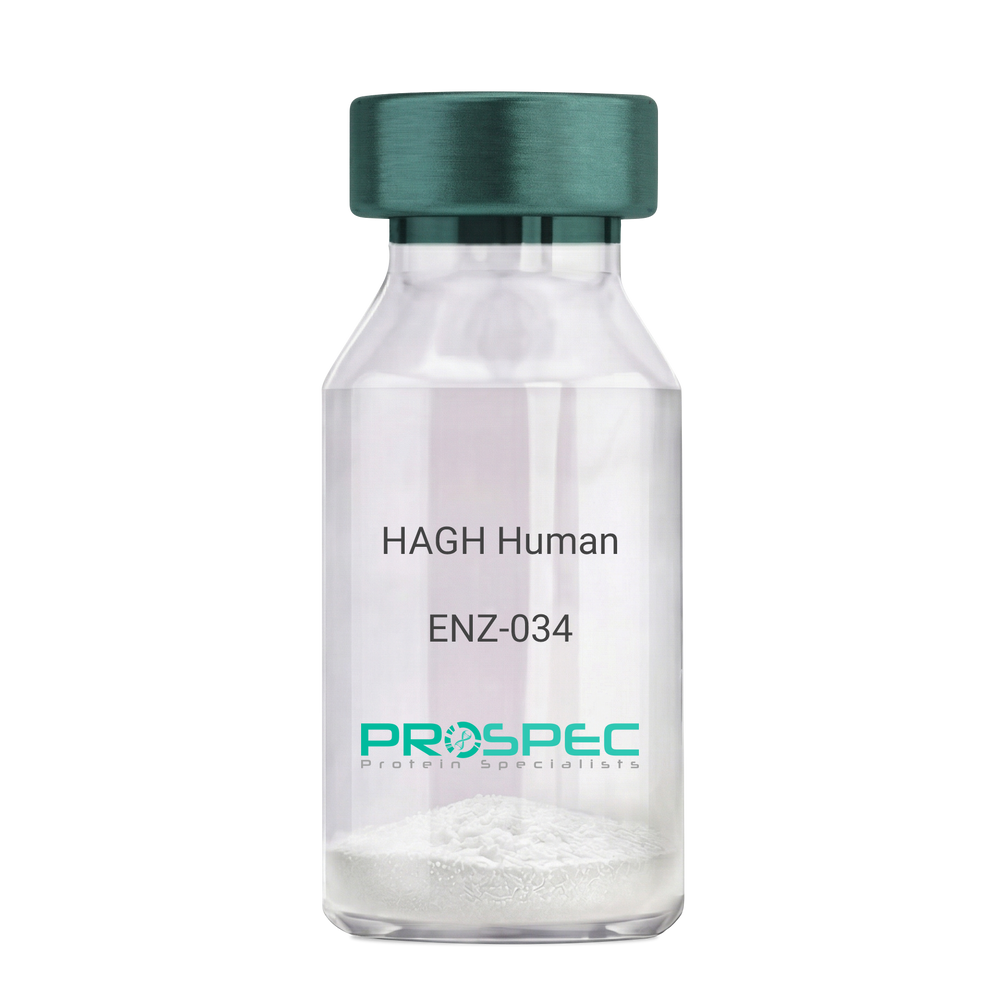
    Name :

    HAGH Human

    Description:

    Hydroxyacylglutathione Hydrolase Human Recombinant

    GLX2, Glyoxalase II, GLO2, Hydroxyacyl Glutathione Hydrolase, HAGH1, GLXII, Hydroxyacylglutathione Hydrolase, hydroxyacylglutathione hydroxylase.

    Product # :

    ENZ-034

    Price :

    Quantity :

    Shipping Method :

    Ice Icon

    Shipped with Ice Packs

    Add To Cart

    More Info

    • description
    • source
    • formulation
    • purity
    • More Info

    Description

    HAGH produced in E.Coli is a single, non-glycosylated polypeptide chain containing 284 amino acids (1-260a.a.) and having a molecular mass of 31.4kDa.HAGH is fused to a 24 amino acid His-tag at N-terminus & purified by proprietary chromatographic techniques.

    Source

    Escherichia Coli.

    Formulation

    The HAGH protein solution (0.5mg/1ml) is formulated in 20mM Tris-HCl Buffer (pH 8.5) and 10% Glycerol.

    Purity

    Greater than 95% as determined by SDS-PAGE.

    More Info

    • Introduction

      HAGH is a part of the glyoxalase family and a thiolesterase which hydrolyses S-lactoyl-glutathione to reduced glutathione and D-lactate. HAGH protein is a detoxifying enzyme of glycolysis byproduct methylglyoxal and a target of p63 and p73 and serves as a pro-survival factor of the p53 family. HAGH appears only as a monomer and binds two zinc ions per subunit.

    • Synonyms

      GLX2, Glyoxalase II, GLO2, Hydroxyacyl Glutathione Hydrolase, HAGH1, GLXII, Hydroxyacylglutathione Hydrolase, hydroxyacylglutathione hydroxylase.

    • Physical Appearance

      Sterile Filtered clear solution.

    • Stability

      Store at 4°C if entire vial will be used within 2-4 weeks. Store, frozen at -20°C for longer periods of time.For long term storage it is recommended to add a carrier protein (0.1% HSA or BSA).Please avoid freeze thaw cycles.

    • Amino Acid Sequence

      MGSSHHHHHH SSGLVPRGSH MGSHMKVEVL PALTDNYMYL VIDDETKEAA IVDPVQPQKV VDAARKHGVK LTTVLTTHHH WDHAGGNEKL VKLESGLKVY GGDDRIGALT HKITHLSTLQ VGSLNVKCLA TPCHTSGHIC YFVSKPGGSE PPAVFTGDTL FVAGCGKFYE GTADEMCKAL LEVLGRLPPD TRVYCGHEYT INNLKFARHV EPGNAAIREK LAWAKEKYSI GEPTVPSTLA EEFTYNPFMR VREKTVQQHA GETDPVTTMR AVRREKDQFK MPRD.

    ProSpec's products are furnished for LABORATORY RESEARCH USE ONLY. The product may not be used as drugs, agricultural or pesticidal products, food additives or household chemicals.

    Hagh Human
  • View Data Sheet

    Name :

    HAX1 Human

    Description:

    HCLS1 Associated Protein X-1 Human Recombinant

    HCLS1-associated protein X-1, HS1-associating protein X-1, HS1-binding protein 1, HAX-1, HSP1BP-1, HAX1, HS1BP1.

    Product # :

    PRO-1417

    Price :

    Quantity :

    Shipping Method :

    Ice Icon

    Shipped with Ice Packs

    Add To Cart

    More Info

    • description
    • source
    • formulation
    • purity
    • More Info

    Description

    HAX1 Human Recombinant produced in E. coli is a single polypeptide chain containing 299 amino acids (1-279) and having a molecular mass of 33.7kDa. HAX1 is fused to a 20 amino acid His-tag at N-terminus & purified by proprietary chromatographic techniques.

    Source

    E.coli.

    Formulation

    The HAX1 solution (0.5mg/ml) contains 20mM Tris-HCl buffer (pH8.0), 10% glycerol and 0.1M NaCl.

    Purity

    Greater than 80% as determined by SDS-PAGE.

    More Info

    • Introduction

      HAX1 associates with hematopoietic cell-specific Lyn substrate 1, which is a substrate of Src family tyrosine kinases. HAX1 also interacts with the product of the polycystic kidney disease 2 gene, mutations in which are associated with autosomal-dominant polycystic kidney disease, and with the F-actin-binding protein, cortactin. It was earlier thought HAX1 is mainly localized to the mitochondria, however, recent studies indicate it to be localized in the cell body. Mutations in the HAX1 gene result in autosomal recessive severe congenital neutropenia, aka Kostmann disease.

    • Synonyms

      HCLS1-associated protein X-1, HS1-associating protein X-1, HS1-binding protein 1, HAX-1, HSP1BP-1, HAX1, HS1BP1.

    • Physical Appearance

      Sterile Filtered colorless solution.

    • Stability

      Store at 4°C if entire vial will be used within 2-4 weeks. Store, frozen at -20°C for longer periods of time. For long term storage it is recommended to add a carrier protein (0.1% HSA or BSA).Avoid multiple freeze-thaw cycles.

    • Amino Acid Sequence

      MGSSHHHHHH SSGLVPRGSH MSLFDLFRGF FGFPGPRSHR DPFFGGMTRD EDDDEEEEEE GGSWGRGNPR FHSPQHPPEE FGFGFSFSPG GGIRFHDNFG FDDLVRDFNS IFSDMGAWTL PSHPPELPGP ESETPGERLR EGQTLRDSML KYPDSHQPRI FGGVLESDAR SESPQPAPDW GSQRPFHRFD DVWPMDPHPR TREDNDLDSQ VSQEGLGPVL QPQPKSYFKS ISVTKITKPD GIVEERRTVV DSEGRTETTV TRHEADSSPR GDPESPRPPA LDDAFSILDL FLGRWFRSR.

    ProSpec's products are furnished for LABORATORY RESEARCH USE ONLY. The product may not be used as drugs, agricultural or pesticidal products, food additives or household chemicals.

    Hax1 Human
  • 1
  • 2
  • 3
  • 4
  • …
  • 42
Your browser does not support the video tag.

Products

  • Cytokines
  • Growth Factors
  • Chemokines
  • CD Antigens
  • Neurotrophins
  • Hormones
  • Enzymes
  • Viral Antigens
  • Recombinant Proteins
  • Natural Proteins
  • Monoclonal Antibodies
  • Polyclonal Antibodies
  • Thermal Packaging

About

  • Company
  • Founder
  • Contribution
  • Contact Us
  • My Account

Ordering

  • Ordering Method
  • Ordering - Credit Card
  • Ordering PO
  • Shipping Fees
  • FAQ's

Legal

  • Terms & Conditions
  • Privacy
  • Site Map
  • info@prospecbio.com
  • Facebook
  • Instagram
  • Linkedin Profile

© 2026 ProSpec-Tany TechnoGene Ltd. All Rights Reserved.

  • Choosing a selection results in a full page refresh.
  • Opens in a new window.