Skip to content

High-quality research proteins.

  • 1-800-805-6531

  • Mon - Sat 8.00-18.00, Sun - Closed

  • info@prospecbio.com

  • PO Box 6591 East Brunswick NJ 08816

  • Products
    • Cytokines
    • Growth factors
    • Chemokines
    • Cd antigens
    • Neurotrophins
    • Hormones
    • Enzymes
    • Viral antigens
    • Recombinant proteins
    • Natural proteins
    • Monoclonal antibodies
    • Polyclonal antibodies
    • Thermal Packaging
  • About
    • Company
    • Founder
    • Contribution
  • Customers
    • Eastern Asia
    • Eastern Europe
    • North America
    • South America
    • South East Asia
    • Southern Asia
    • Western Europe
  • Ordering
    • Ordering Method
    • Ordering - Credit Card
    • Ordering - PO
    • Shipping Fees
    • FAQs
  • Services
    • DNA Cloning
    • Protein Expression
    • Monoclonal Antibody
    • Fermentation
    • Technology License
  • Contact us
Log in

Country/region

  • USD $ | Albania
  • USD $ | Andorra
  • USD $ | Argentina
  • USD $ | Armenia
  • USD $ | Australia
  • USD $ | Austria
  • USD $ | Azerbaijan
  • USD $ | Belarus
  • USD $ | Belgium
  • USD $ | Bolivia
  • USD $ | Brazil
  • USD $ | Bulgaria
  • USD $ | Cambodia
  • USD $ | Canada
  • USD $ | Chile
  • USD $ | China
  • USD $ | Colombia
  • USD $ | Costa Rica
  • USD $ | Croatia
  • USD $ | Cyprus
  • USD $ | Czechia
  • USD $ | Denmark
  • USD $ | Estonia
  • USD $ | Finland
  • USD $ | France
  • USD $ | Georgia
  • USD $ | Germany
  • USD $ | Greece
  • USD $ | Hong Kong SAR
  • USD $ | Hungary
  • USD $ | Iceland
  • USD $ | India
  • USD $ | Ireland
  • USD $ | Israel
  • USD $ | Italy
  • USD $ | Japan
  • USD $ | Kazakhstan
  • USD $ | Latvia
  • USD $ | Liechtenstein
  • USD $ | Lithuania
  • USD $ | Madagascar
  • USD $ | Malta
  • USD $ | Mexico
  • USD $ | Moldova
  • USD $ | Monaco
  • USD $ | Netherlands
  • USD $ | New Zealand
  • USD $ | North Macedonia
  • USD $ | Norway
  • USD $ | Panama
  • USD $ | Paraguay
  • USD $ | Peru
  • USD $ | Philippines
  • USD $ | Poland
  • USD $ | Portugal
  • USD $ | Romania
  • USD $ | Singapore
  • USD $ | Slovakia
  • USD $ | Slovenia
  • USD $ | South Africa
  • USD $ | South Korea
  • USD $ | Spain
  • USD $ | Sri Lanka
  • USD $ | Sweden
  • USD $ | Switzerland
  • USD $ | Taiwan
  • USD $ | Thailand
  • USD $ | Türkiye
  • USD $ | Ukraine
  • USD $ | United Kingdom
  • USD $ | United States
  • USD $ | Uruguay
  • USD $ | Vatican City
  • USD $ | Venezuela
  • USD $ | Vietnam
  • Facebook
  • Instagram
logoProSpec - Recombinant Protein Manufacturer for academic and R&D industry
Become a distributor
Account Log in
Wishlist
Cart Cart(0)
  • Products
    +
    • Cytokines
    • Growth factors
    • Chemokines
    • Cd antigens
    • Neurotrophins
    • Hormones
    • Enzymes
    • Viral antigens
    • Recombinant proteins
    • Natural proteins
    • Monoclonal antibodies
    • Polyclonal antibodies
    • Thermal Packaging
  • About
    +
    • Company
    • Founder
    • Contribution
  • Customers
    +
    • Eastern Asia
    • Eastern Europe
    • North America
    • South America
    • South East Asia
    • Southern Asia
    • Western Europe
  • Ordering
    +
    • Ordering Method
    • Ordering - Credit Card
    • Ordering - PO
    • Shipping Fees
    • FAQs
  • Services
    +
    • DNA Cloning
    • Protein Expression
    • Monoclonal Antibody
    • Fermentation
    • Technology License
  • Contact us

Item added to your cart

View cart
View All
  • Cytokines
  • Growth factors
  • Chemokines
  • Cd antigens
  • Neurotrophins
  • Hormones
  • Enzymes
  • Viral antigens
  • Recombinant proteins
  • Natural proteins
  • Monoclonal antibodies
  • Polyclonal antibodies
  • Thermal Packaging
  • Tumor Necrosis Factor

    Tumor Necrosis Factor

    View All
  • 4-1BB

    4-1BB

    View All
  • Adiponectin

    Adiponectin

    View All
  • AIF1

    AIF1

    View All
  • Other Cytokines

    Other Cytokines

    View All
  • AITRL

    AITRL

    View All
  • Angiopoietin

    Angiopoietin

    View All
  • Apolipoprotein

    Apolipoprotein

    View All
  • B-Cell Activating Factor

    B-Cell Activating Factor

    View All
  • Beta Defensin

    Beta Defensin

    View All
  • Bone Morphogenetic Protein

    Bone Morphogenetic Protein

    View All
  • B type Natriuretic Peptide

    B type Natriuretic Peptide

    View All
  • BST

    BST

    View All
  • Betacellulin

    Betacellulin

    View All
  • Cardiotrophin

    Cardiotrophin

    View All
  • Activin

    Activin

    View All
  • Fibroblast Growth Factor

    Fibroblast Growth Factor

    View All
  • Other Growth Factors

    Other Growth Factors

    View All
  • CSF

    CSF

    View All
  • CTGF

    CTGF

    View All
  • IGFBP

    IGFBP

    View All
  • VEGF Protein

    VEGF Protein

    View All
  • EGF

    EGF

    View All
  • Epigen

    Epigen

    View All
  • Erythropoietin

    Erythropoietin

    View All
  • Insulin-Like Growth Factor

    Insulin-Like Growth Factor

    View All
  • Growth Hormone

    Growth Hormone

    View All
  • HDGF

    HDGF

    View All
  • Hepatocyte Growth Factor

    Hepatocyte Growth Factor

    View All
  • Insulin

    Insulin

    View All
  • BCA-1/ BLC (CXCL13)

    BCA-1/ BLC (CXCL13)

    View All
  • BRAK (CXCL14)

    BRAK (CXCL14)

    View All
  • C-10 (CCL6)

    C-10 (CCL6)

    View All
  • Other Chemokines

    Other Chemokines

    View All
  • MEC (CCL28)

    MEC (CCL28)

    View All
  • LD78-beta (CCL3L1)

    LD78-beta (CCL3L1)

    View All
  • CTACK (CCL27)

    CTACK (CCL27)

    View All
  • CXCL16

    CXCL16

    View All
  • CXCL17

    CXCL17

    View All
  • Platelet Factor-4 (CXCL4)

    Platelet Factor-4 (CXCL4)

    View All
  • ENA-78 (CXCL5)

    ENA-78 (CXCL5)

    View All
  • Eotaxin (CCL11,24,26)

    Eotaxin (CCL11,24,26)

    View All
  • Exodus-2 (CCL21)

    Exodus-2 (CCL21)

    View All
  • Fractalkine (CX3CL1)

    Fractalkine (CX3CL1)

    View All
  • CXCL6

    CXCL6

    View All
  • Other CD Antigens

    Other CD Antigens

    View All
  • CD14

    CD14

    View All
  • CD164

    CD164

    View All
  • CD1

    CD1

    View All
  • CD2

    CD2

    View All
  • CD200

    CD200

    View All
  • CD207

    CD207

    View All
  • CD226

    CD226

    View All
  • CD23

    CD23

    View All
  • CD244

    CD244

    View All
  • CD247

    CD247

    View All
  • CD27

    CD27

    View All
  • CD274

    CD274

    View All
  • CD300

    CD300

    View All
  • CD33

    CD33

    View All
  • Other Neurotrophins

    Other Neurotrophins

    View All
  • Beta-NGF

    Beta-NGF

    View All
  • BDNF

    BDNF

    View All
  • CDNF

    CDNF

    View All
  • CNTF

    CNTF

    View All
  • GDNF

    GDNF

    View All
  • Glia Maturation Factor

    Glia Maturation Factor

    View All
  • MANF

    MANF

    View All
  • Midkine

    Midkine

    View All
  • Neuroglobin

    Neuroglobin

    View All
  • Neurotrophic factors

    Neurotrophic factors

    View All
  • Neuregulin

    Neuregulin

    View All
  • Neuropilin

    Neuropilin

    View All
  • Pigment Epithelium-Derived Factor

    Pigment Epithelium-Derived Factor

    View All
  • Pleiotrophin

    Pleiotrophin

    View All
  • Peptide Hormones

    Peptide Hormones

    View All
  • Other Hormones

    Other Hormones

    View All
  • HCG

    HCG

    View All
  • Endothelin

    Endothelin

    View All
  • Exendin

    Exendin

    View All
  • FSH

    FSH

    View All
  • Glucagon

    Glucagon

    View All
  • GHRP

    GHRP

    View All
  • GLP

    GLP

    View All
  • Thyrostimulin

    Thyrostimulin

    View All
  • Inhibin A

    Inhibin A

    View All
  • LHRH

    LHRH

    View All
  • Melanotan

    Melanotan

    View All
  • Procalcitonin

    Procalcitonin

    View All
  • PTH

    PTH

    View All
  • Peroxiredoxin

    Peroxiredoxin

    View All
  • Peptidase

    Peptidase

    View All
  • Synthetase

    Synthetase

    View All
  • Transferase

    Transferase

    View All
  • Hydrolase

    Hydrolase

    View All
  • Dehydrogenase

    Dehydrogenase

    View All
  • ACE2

    ACE2

    View All
  • Esterase

    Esterase

    View All
  • Protein Kinases

    Protein Kinases

    View All
  • Other Enzymes

    Other Enzymes

    View All
  • Phosphatase

    Phosphatase

    View All
  • Deaminase

    Deaminase

    View All
  • Oxygenase

    Oxygenase

    View All
  • Adenylate Kinase

    Adenylate Kinase

    View All
  • Lyase

    Lyase

    View All
  • Chagas

    Chagas

    View All
  • SARS

    SARS

    View All
  • Influenza

    Influenza

    View All
  • ASFV

    ASFV

    View All
  • Astrovirus

    Astrovirus

    View All
  • Borrelia

    Borrelia

    View All
  • Helicobacter Pylori

    Helicobacter Pylori

    View All
  • Chikungunya

    Chikungunya

    View All
  • Chlamydia

    Chlamydia

    View All
  • Cytomegalo

    Cytomegalo

    View All
  • Dengue

    Dengue

    View All
  • EBV

    EBV

    View All
  • Ebola

    Ebola

    View All
  • Feline Leukemia Virus

    Feline Leukemia Virus

    View All
  • Hepatitis A

    Hepatitis A

    View All
  • Other

    Other

    View All
  • Actin

    Actin

    View All
  • ADAM

    ADAM

    View All
  • Complement Component

    Complement Component

    View All
  • Ag85

    Ag85

    View All
  • Eukaryotic Translation Initiation Factor

    Eukaryotic Translation Initiation Factor

    View All
  • Anterior Gradient Protein

    Anterior Gradient Protein

    View All
  • Heat Shock Protein

    Heat Shock Protein

    View All
  • Alpha-2-HS-Glycoprotein

    Alpha-2-HS-Glycoprotein

    View All
  • Hemoglobin

    Hemoglobin

    View All
  • Allergy

    Allergy

    View All
  • Anaplasma

    Anaplasma

    View All
  • Angiogenin

    Angiogenin

    View All
  • Ankyrin Repeat Domain

    Ankyrin Repeat Domain

    View All
  • Annexin

    Annexin

    View All
  • Other Natural Proteins

    Other Natural Proteins

    View All
  • Aprotinin

    Aprotinin

    View All
  • Transferrin

    Transferrin

    View All
  • Avidin

    Avidin

    View All
  • Anti Coagulation Factors

    Anti Coagulation Factors

    View All
  • Natural Albumin

    Natural Albumin

    View All
  • Natural Coagulation Factors

    Natural Coagulation Factors

    View All
  • Fibronectin

    Fibronectin

    View All
  • Thrombin

    Thrombin

    View All
  • Anti Human Enzyme

    Anti Human Enzyme

    View All
  • Other Monoclonal Antibodies

    Other Monoclonal Antibodies

    View All
  • Anti Human Cytokine

    Anti Human Cytokine

    View All
  • Anti Human Heat Shock Protein

    Anti Human Heat Shock Protein

    View All
  • Anti Mouse Lymphocyte

    Anti Mouse Lymphocyte

    View All
  • Anti Human Chemokine

    Anti Human Chemokine

    View All
  • Anti Human Lymphocyte

    Anti Human Lymphocyte

    View All
  • Anti Viral Monoclonal

    Anti Viral Monoclonal

    View All
  • Anti Mouse Cytokine

    Anti Mouse Cytokine

    View All
  • Anti-GST Monoclonal

    Anti-GST Monoclonal

    View All
  • Other Polyclonal Antibodies

    Other Polyclonal Antibodies

    View All
  • Anti Viral

    Anti Viral

    View All
  • Anti-GST Monoclonal

    Anti-GST Monoclonal

    View All
Back

Search results

1000 results found for “coagulation factors”

Name

Description

Product #

Price

Quantity

Shipping Method

  • View Data Sheet

    Name :

    GM-CSF Rat

    Description:

    Granulocyte Macrophage-Colony Stimulating Factor Rat Recombinant

    CSF-2, MGI-1GM, GM-CSF, Pluripoietin-alpha, Molgramostin, Sargramostim.

    Product # :

    CYT-395

    Price :

    Quantity :

    Shipping Method :

    Room Temp Icon

    Shipped at Room temp

    Add To Cart

    More Info

    • description
    • source
    • formulation
    • purity
    • biological activity
    • More Info

    Description

    Granulocyte Macrophage Colony Stimulating Factor Rat Recombinant produced in E.Coli is a single, non-glycosylated, polypeptide chain containing 128 amino acids and having a molecular mass of 14590.65 Dalton. GM-CSF Rat Recombinant is purified by proprietary chromatographic techniques.

    Source

    Escherichia Coli.

    Formulation

    GM-CSF Rat was lyophilized with no additives.

    Purity

    Greater than 96.0% as determined by:
    (a)Analysis by RP-HPLC.
    (b)Analysis by SDS-PAGE.

    Biological Activity

    The ED50 as calculated by the dose-dependent stimulation of the proliferation of murine FDC-P1 cells is less than 0.01ng/ml, corresponding to a specific activity of > 1×10⁸units/mg.

    More Info

    • Introduction

      GMCSF is a cytokine that controls the production, differentiation, and function of granulocytes and macrophages. The active form of the protein is found extracellularly as a homodimer. This gene has been localized to a cluster of related genes at chromosome region 5q31, which is known to be associated with interstitial deletions in the 5q- syndrome and acute myelogenous leukemia. Other genes in the cluster include those encoding interleukins 4, 5, and 13.
      GM-CSF stimulates the growth and differentiation of hematopoietic precursor cells from various lineages, including granulocytes, macrophages, eosinophils and erythrocytes.

    • Synonyms

      CSF-2, MGI-1GM, GM-CSF, Pluripoietin-alpha, Molgramostin, Sargramostim.

    • Physical Appearance

      Sterile Filtered White lyophilized (freeze-dried) powder.

    • Stability

      Lyophilized Granulocyte Macrophage Colony Stimulating Factor although stable at room temperature for 3 weeks, should be stored desiccated below -18°C. Upon reconstitution GMCSF should be stored at 4°C between 2-7 days and for future use below -18°C.For long term storage it is recommended to add a carrier protein (0.1% HSA or BSA).Please prevent freeze-thaw cycles.

    • Solubility

      It is recommended to reconstitute the lyophilized Granulocyte Macrophage Colony Stimulating Factor in sterile 18MΩ-cm H2O not less than 100µg/ml, which can then be further diluted to other aqueous solutions.

    • Amino Acid Sequence

      MAPTRSPNPV TRPWKHVDAI KEALSLLNDM RALENEKNED VDIISNEFSI

      QRPTCVQTRL KLYKQGLRGN LTKLNGALTM IASHYQTNCP PTPETDCEIE

      VTTFEDFIKN LKGFLFDIPF DCWKPVQK.

    • Background

      What is the molecular weight/Mw of GM-CSF RAT Protein?
      GM-CSF RAT Protein has a total Mw of 14.59kDa.

      What is the source or expression system of GM-CSF RAT Protein?
      Escherichia Coli.

      What is the Purity of GM-CSF RAT Protein?
      GM-CSF RAT Protein is >96% pure as determined by SDS-PAGE.

      What is the Biological Activity of GM-CSF RAT Protein?
      The ED50 as calculated by the dose-dependent stimulation of the proliferation of murine FDC-P1 cells is less than 0.01ng/ml, corresponding to a specific activity of > 1×10⁸units/mg.

      What is the amino acid sequence of GM-CSF RAT Protein?
      MAPTRSPNPV TRPWKHVDAI KEALSLLNDM RALENEKNED VDIISNEFSI
      QRPTCVQTRL KLYKQGLRGN LTKLNGALTM IASHYQTNCP PTPETDCEIE
      VTTFEDFIKN LKGFLFDIPF DCWKPVQK.

      What applications can GM-CSF RAT Protein be used in?
      GM-CSF RAT Protein can probably be used in western blot, ELISA and Lateral Flow.

      What is the endotoxin level for GM-CSF RAT Protein?
      The endotoxin level is minimal, GM-CSF RAT Protein was purified using conventional chromatography techniques.


    ProSpec's products are furnished for LABORATORY RESEARCH USE ONLY. The product may not be used as drugs, agricultural or pesticidal products, food additives or household chemicals.

    Gm Csf Rat
  • View Data Sheet

    Name :

    EIF1 Human

    Description:

    Eukaryotic Translation Initiation Factor 1 Human Recombinant

    A121, EIF-1, EIF1A, ISO1, SUI1, Eukaryotic translation initiation factor 1, eIF1, Protein translation factor SUI1 homolog, Sui1iso1, EIF1.

    Product # :

    PRO-773

    Price :

    Quantity :

    Shipping Method :

    Ice Icon

    Shipped with Ice Packs

    Add To Cart

    More Info

    • description
    • source
    • formulation
    • purity
    • More Info

    Description

    EIF1 Human Recombinant produced in E.Coli is a single, non-glycosylated polypeptide chain containing 150 amino acids (1-113 a.a.) and having a molecular weight of 16.9kDa.The EIF1 is fused to 37 a.a. His-Tag at N-terminus and purified by proprietary chromatographic techniques.

    Source

    Escherichia Coli.

    Formulation

    The EIF1 protein solution contains 20mM Tris-HCl, pH-8, 100mM NaCl, 1mM DTT and 10% glycerol.

    Purity

    Greater than 90.0% as determined by SDS-PAGE.

    More Info

    • Introduction

      EIF1 is important for scanning and plays a role in initiation site selection. EIF1 promotes the assembly of 48S ribosomal at the authentic initiation codon of a conventional capped mRNA.

    • Synonyms

      A121, EIF-1, EIF1A, ISO1, SUI1, Eukaryotic translation initiation factor 1, eIF1, Protein translation factor SUI1 homolog, Sui1iso1, EIF1.

    • Physical Appearance

      Sterile filtered colorless solution.

    • Stability

      Store at 4°C if entire vial will be used within 2-4 weeks. Store, frozen at -20°C for longer periods of time. For long term storage it is recommended to add a carrier protein (0.1% HSA or BSA). Avoid multiple freeze-thaw cycles.

    • Amino Acid Sequence

      MRGSHHHHHH GMASMTGGQQ MGRDLYDDDD KDRWAGSMSA IQNLHSFDPF ADASKGDDLL PAGTEDYIHI RIQQRNGRKT LTTVQGIADD YDKKKLVKAF KKKFACNGTV IEHPEYGEVI QLQGDQRKNI CQFLVEIGLA KDDQLKVHGF.

    ProSpec's products are furnished for LABORATORY RESEARCH USE ONLY. The product may not be used as drugs, agricultural or pesticidal products, food additives or household chemicals.

    Eif1 Human
  • View Data Sheet

    Name :

    Omentin Human

    Description:

    Omentin Human Recombinant

    Intelectin-1, HL1, LFR, HL-1, INTL, ITLN, hIntL.

    Product # :

    CYT-301

    Price :

    Quantity :

    Shipping Method :

    Room Temp Icon

    Shipped at Room temp

    Add To Cart

    More Info

    • description
    • source
    • formulation
    • purity
    • More Info

    Description

    Omentin Human Recombinant is produced in E.Coli by recombinant DNA technology is a single, polypeptide chain containing 313 amino acids and having a molecular mass of 35 kDa. Intelectin is purified by proprietary chromatographic techniques.

    Source

    E.Coli.

    Formulation

    Each mg of lyophilized powder contains 10mM NaP, pH-7.5 and 5:1 mannitol to protein.

    Purity

    Greater than 95.0% as determined by SDS-PAGE.

    More Info

    • Introduction

      Omentin is a recently recognized gene highly localized to the mental tissue (visceral adipose tissue). Omentin is present in the stromal vascular cells in the adipose tissue rather than in the adipocytes. Omentin is predominantly expressed in the visceral adipose tissue than the subcutaneous tissue, with the omentin mRNA being 150 times higher in the visceral adipose tissue. Omentin has also been detected in human blood using western blot analysis, and seems to increase INSstimulated glucose uptake in 3T3-L1 adipocytes in mice. Omentin seems to increase Akt phosphorylation irrespective of INS presence. Its role in glucose metabolism and obesity remains to be described; an INS-sensitizing action is possible.Differences in Omentin expression has been noted in adipose tissue from normals and patients with inflammatory bowel disease although its significance is unknown.

    • Synonyms

      Intelectin-1, HL1, LFR, HL-1, INTL, ITLN, hIntL.

    • Physical Appearance

      Sterile Filtered White lyophilized (freeze-dried) powder.

    • Stability

      Lyophilized Intelectin although stable at room temperature for 3 weeks, should be stored desiccated below -18°C. Upon reconstitution Intelectin should be stored at 4°C between 2-7 days and for future use below -18°C.For long term storage it is recommended to add a carrier protein (0.1% HSA or BSA).Please prevent freeze-thaw cycles.

    • Solubility

      It is recommended to reconstitute the lyophilized Omentin in sterile 18MΩ-cm H2O not less than 100µg/ml, which can then be further diluted to other aqueous solutions.

    • Amino Acid Sequence

      MNQLSFLLFL IATTRGWSTD EANTYFKEWTCSSSPSLPRS CKEIKDECPS AFDGLYFLRT ENGVIYQTFC DMTSGGGGWT LVASVHENDM RGKCTVGDRW SSQQGSKADY PEGDGNWANY NTFGSAEAAT SDDYKNPGYY DIQAKDLGIW HVPNKSPMQH WRNSSLLRYR TDTGFLQTLG HNLFGIYQKY PVKYGEGKCW TDNGPVIPVV YDFGDAQKTA SYYSPYGQRE FNNERAANAL CAGMRVTGCN TEHHCIGGGG YFPEASPQQC GDFSGFDWSG YGTHVGYSSS REITEAAVLLFYR.

    ProSpec's products are furnished for LABORATORY RESEARCH USE ONLY. The product may not be used as drugs, agricultural or pesticidal products, food additives or household chemicals.

    Omentin Human
  • View Data Sheet

    Name :

    SF20 Human

    Description:

    MYDGF Human Recombinant

    C19orf10, Interleukin-25, IL-25, IL25, IL27, IL-27, IL27w, IL-27w, Stromal cell-derived growth factor SF20, UPF0556 protein C19orf10, chromosome 19 open reading frame 10.

    Product # :

    CYT-622

    Price :

    Quantity :

    Shipping Method :

    Ice Icon

    Shipped with Ice Packs

    Add To Cart

    More Info

    • description
    • source
    • formulation
    • purity
    • More Info
    • sds-page

    Description

    SF20 Human Recombinant produced in E.Coli is single, a non-glycosylated, Polypeptide chain containing 162 amino acids fragment (33-173) and having a total molecular mass of 18 kDa. C9orf10 is fused to 20 amino acids His tag at N-terminus and is purified by proprietary chromatographic techniques.

    Source

    Escherichia Coli.

    Formulation

    C9orf10 is supplied in 20mM Tris HCL pH-8 and 20% glycerol.

    Purity

    Greater than 95.0% by SDS-PAGE.

    sds-page

    SF20 Human SDS-PAGE - Product image 1

    More Info

    • Introduction

      SF20 plays a role in proliferation of lymphoid cells and is considered an interleukin. SF20 was initially identified as a product of bone marrow-derived stromal cells.

    • Synonyms

      C19orf10, Interleukin-25, IL-25, IL25, IL27, IL-27, IL27w, IL-27w, Stromal cell-derived growth factor SF20, UPF0556 protein C19orf10, chromosome 19 open reading frame 10.

    • Physical Appearance

      Sterile Filtered clear solution.

    • Stability

      Store at 4°C if entire vial will be used within 2-4 weeks. Store, frozen at -20°C for longer periods of time. Please avoid freeze thaw cycles.

    ProSpec's products are furnished for LABORATORY RESEARCH USE ONLY. The product may not be used as drugs, agricultural or pesticidal products, food additives or household chemicals.

    Sf20 Human
  • View Data Sheet

    Name :

    GFRA3 Human

    Description:

    GDNF Family Receptor Alpha 3 Human Recombinant

    GDNF Family Receptor Alpha3, GDNFR-alpha-3, GFR-alpha-3, GDNF Receptor Alpha-3, GDNFR3, GDNF Family Receptor Alpha-3, Glial Cell Line-Derived Neurotrophic Factor Receptor Alpha-3, GPI-Linked Receptor.

    Product # :

    CYT-399

    Price :

    Quantity :

    Shipping Method :

    Ice Icon

    Shipped with Ice Packs

    Add To Cart

    More Info

    • description
    • source
    • formulation
    • purity
    • More Info
    • sds-page

    Description

    GFRA3 Human Recombinant produced in E.Coli is a single, non-glycosylated polypeptide chain containing 366 amino acids (32-374a.a) and having a molecular mass of 40.7kDa.GFRA3 is fused to a 23 amino acid His-tag at N-terminus & purified by proprietary chromatographic techniques.

    Source

    Escherichia Coli.

    Formulation

    GFRA3 protein solution (1mg/ml) containing 20mM Tris-HCl buffer (pH 8.0) 0.4M urea and 10% glycerol.

    Purity

    Greater than 85% as determined by SDS-PAGE.

    sds-page

    GFRA3 Human - Product image 1

    More Info

    • Introduction

      GDNF Family Receptor Alpha 3 (GFRA3) belongs to the GDNF receptor family. GFRA3 creates a signaling receptor complex with RET tyrosine kinase receptor and binds the ligand, artemin (ARTN).

    • Synonyms

      GDNF Family Receptor Alpha3, GDNFR-alpha-3, GFR-alpha-3, GDNF Receptor Alpha-3, GDNFR3, GDNF Family Receptor Alpha-3, Glial Cell Line-Derived Neurotrophic Factor Receptor Alpha-3, GPI-Linked Receptor.

    • Physical Appearance

      Sterile Filtered clear solution.

    • Stability

      Store at 4°C if entire vial will be used within 2-4 weeks. Store, frozen at -20°C for longer periods of time.For long term storage it is recommended to add a carrier protein (0.1% HSA or BSA).Please avoid freeze thaw cycles.

    • Amino Acid Sequence

      MGSSHHHHHH SSGLVPRGSH MGSDPLPTES RLMNSCLQAR RKCQADPTCS AAYHHLDSCT SSISTPLPSE EPSVPADCLE AAQQLRNSSL IGCMCHRRMK NQVACLDIYW TVHRARSLGN YELDVSPYED TVTSKPWKMN LSKLNMLKPD SDLCLKFAML CTLNDKCDRL RKAYGEACSGPHCQRHVCLR QLLTFFEKAA EPHAQGLLLC PCAPNDRGCG ERRRNTIAPN CALPPVAPNC LELRRLCFSD PLCRSRLVDF QTHCHPMDIL GTCATEQSRC LRAYLGLIGT AMTPNFVSNV NTSVALSCTC RGSGNLQEEC EMLEGFFSHN PCLTEAIAAK MRFHSQLFSQ DWPHPTFAVMAHQNEN

    • Background

      What is the molecular weight/Mw of GFRA3 HUMAN Protein?
      GFRA3 HUMAN Protein has a total Mw of 40.7kDa.

      What is the source or expression system of GFRA3 HUMAN Protein?
      Escherichia Coli.

      What is the Purity of GFRA3 HUMAN Protein?
      GFRA3 HUMAN Protein is >85% pure as determined by SDS-PAGE.

      What is the Biological Activity of GFRA3 HUMAN Protein?
      The biological functionality of GFRA3 HUMAN Protein will be determined in the future.

      What is the amino acid sequence of GFRA3 HUMAN Protein?
      MGSSHHHHHH SSGLVPRGSH MGSDPLPTES RLMNSCLQAR RKCQADPTCS AAYHHLDSCT SSISTPLPSE EPSVPADCLE AAQQLRNSSL IGCMCHRRMK NQVACLDIYW TVHRARSLGN YELDVSPYED TVTSKPWKMN LSKLNMLKPD SDLCLKFAML CTLNDKCDRL RKAYGEACSGPHCQRHVCLR QLLTFFEKAA EPHAQGLLLC PCAPNDRGCG ERRRNTIAPN CALPPVAPNC LELRRLCFSD PLCRSRLVDF QTHCHPMDIL GTCATEQSRC LRAYLGLIGT AMTPNFVSNV NTSVALSCTC RGSGNLQEEC EMLEGFFSHN PCLTEAIAAK MRFHSQLFSQ DWPHPTFAVMAHQNEN

      What applications can GFRA3 HUMAN Protein be used in?
      GFRA3 HUMAN Protein can probably be used in western blot, ELISA and Lateral Flow.

      What is the endotoxin level for GFRA3 HUMAN Protein?
      The endotoxin level is minimal, GFRA3 HUMAN Protein was purified using conventional chromatography techniques.


    ProSpec's products are furnished for LABORATORY RESEARCH USE ONLY. The product may not be used as drugs, agricultural or pesticidal products, food additives or household chemicals.

    Gfra3 Human
  • View Data Sheet

    Name :

    Placental Lactogen Ovine

    Description:

    Placental Lactogen Ovine Recombinant

    Chorionic Somatomammotropin Hormone 1, CSH1, CS-1, hCS, PL.

    Product # :

    CYT-512

    Price :

    Quantity :

    Shipping Method :

    Room Temp Icon

    Shipped at Room temp

    Add To Cart

    More Info

    • description
    • source
    • formulation
    • purity
    • biological activity
    • More Info

    Description

    Placental Lactogen Ovine Recombinant, is a single polypeptide chain containing 199 amino acids and an additional Ala at the N-terminus having a molecular mass of 23 kDa. Placental Lactogen Recombinant is purified by proprietary chromatographic techniques.

    Source

    Escherichia Coli.

    Formulation

    The protein was lyophilized from a concentrated (1mg/ml) solution with 0.02-0.03% NaHCO3.

    Purity

    Greater than 97.0% as determined by:
    (a) Analysis gel filtration.
    (b) Analysis by SDS-PAGE.

    Biological Activity

    Placental Lactogen Ovine is biologically active as evidenced by inducing proliferation of Nb2 cells.

    More Info

    • Introduction

      Placental Lactogen is a polypeptide hormone that is produced by the Syncytiotrophoblasts of the Placenta, also known as chorionic somatomammotropin. It has both Growth Hormone and Prolactin activities on growth, lactation, and luteal steroid production. In women, placental lactogen secretion begins soon after implantation and increases to 1 g or more a day in late pregnancy. Placental lactogen is also an insulin antagonist.
      Placental Lactogen Ovine is also capable of activating human and other heterologous GH receptors but not ruminat GH receptors.

    • Synonyms

      Chorionic Somatomammotropin Hormone 1, CSH1, CS-1, hCS, PL.

    • Physical Appearance

      Sterile Filtered White lyophilized (freeze-dried) powder.

    • Stability

      Lyophilized Placental Lactogen Ovine Recombinant although stable at room temperature for 3 weeks, should be stored desiccated below -18°C. Upon reconstitution Placental Lactogen should be stored at 4°C between 2-7 days and for future use below -18°C.For long term storage it is recommended to add a carrier protein (0.1% HSA or BSA).Please prevent freeze-thaw cycles.

    • Solubility

      It is recommended to reconstitute the lyophilized Placental Lactogen in sterile 18MΩ-cm H2O not less than 100µg/ml, which can then be further diluted to other aqueous solutions.

    • Amino Acid Sequence

      The sequence of the first five N-terminal amino acids was determined and was found to be Ala-Gln-His-Pro-Pro.

    • Protein content

      UV spectroscopy at 280 nm using the absorbency value of 0.85 as the extinction coefficient for a 0.1% (1mg/ml) solution. This value is calculated by the PC GENE computer analysis program of protein sequences (IntelliGenetics).

    ProSpec's products are furnished for LABORATORY RESEARCH USE ONLY. The product may not be used as drugs, agricultural or pesticidal products, food additives or household chemicals.

    Placental Lactogen Ovine
  • View Data Sheet

    Name :

    TNF a Antibody

    Description:

    Tumor Necrosis Factor-alpha, Mouse-Anti Human

    TNF-alpha, Tumor necrosis factor ligand superfamily member 2, TNF-a, Cachectin, DIF, TNFA, TNFSF2.

    Product # :

    ANT-124

    Price :

    Quantity :

    Shipping Method :

    Room Temp Icon

    Shipped at Room temp

    Add To Cart

    More Info

    • formulation
    • More Info

    Formulation

    1mg/ml in PBS (after reconstitution).

    More Info

    • Introduction

      Tumor necrosis factor is a cytokine involved in systemic inflammation and is a member of a group of cytokines that all stimulate the acute phase reaction. TNF is mainly secreted by macrophages.
      TNF causes apoptotic cell death, cellular proliferation, differentiation, inflammation, tumorigenesisand viral replication, TNF is also involved in lipid metabolism, and coagulation. TNF's primary role is in the regulation of immune cells.
      Dysregulation and, in particular, overproduction of TNF have been implicated in a variety of human diseases- autoimmune diseases, insulin resistance, and cancer.

    • Synonyms

      TNF-alpha, Tumor necrosis factor ligand superfamily member 2, TNF-a, Cachectin, DIF, TNFA, TNFSF2.

    • Solubility

      Reconstitute with sterile H20. Mix gently, wash the sides of the vial and wait 30-60 seconds before use.

    • Immunogen

      r.Human TNF-a.

    • Ig Subclass

      Mouse IgG1.

    • Clone

      NYRhTNFa-E2.

    • Applications

      Direct ELISA, Western Blot, Immuneprecipitation, Intracellular staining.

    • Note

      This antibody will bind very well to protein A in a buffer (PBS) containing high salt concentration (3M Nacl).

    • Titer

      In direct ELISA, using alkaline phosphatase goat anti-mouse Ig (Jackson Laboratories) 1:10,000 dilution will yield 0.7 O.D within 10 minutes.

    • Shipping Conditions

      Antibody is shipped lyophilized at ambient temperature.

    • Type

      Mouse Anti Human Monoclonal.

    • Storage Procedures

      In lyophilized form, for long periods, store at 4oC in a dry environment. After reconstitution, if not intended for use within a month, aliquot and store at -20oC.

    • Purification Method

      ion exchange.

    ProSpec's products are furnished for LABORATORY RESEARCH USE ONLY. The product may not be used as drugs, agricultural or pesticidal products, food additives or household chemicals.

    Tnf Alpha Antibody
  • View Data Sheet

    Name :

    FLT1 D7 Mouse

    Description:

    Vascular Endothelial Growth Factor Receptor-1 D1-7 Mouse Recombinant

    FLT-1, FLT1, Tyrosine-protein kinase receptor FLT, Flt-1, Tyrosine-protein kinase FRT, Fms-like tyrosine kinase 1, VEGFR-1.

    Product # :

    PKA-312

    Price :

    Quantity :

    Shipping Method :

    Room Temp Icon

    Shipped at Room temp

    Add To Cart

    More Info

    • description
    • source
    • formulation
    • purity
    • biological activity
    • More Info

    Description

    Soluble FLT1 Mouse Recombinant fused with the Fc part of human IgG1 produced in baculovirus is disulfide-linked homodimeric , polypeptide containing 965 amino acids. The monomers have a molecular mass of 130 kDa. The soluble receptor protein contains all 7 extracellular domains (Tyr23-Asn757), which contain all the information necessary for high affinity ligand binding.

    Source

    Insect Cells.

    Formulation

    FLT1 D1-7 was lyophilized from a concentrated (1 mg/ml) sterile solution containing PBS Buffer.

    Purity

    Greater than 95.0% as determined by SDS-PAGE.

    Biological Activity

    The activity of sVEGFR-1/Fc was determined by its ability to inhibit the VEGF-dependent proliferation of human umbilical vein endothelial cells.

    More Info

    • Introduction

      Endothelial cells express three different vascular endothelial growth factor (VEGF) receptors, belonging to the family of receptor tyrosine kinases (RTKs). They are named VEGFR-1 (Flt-1), VEGFR-2 (KDR/Flk-1), and VEGFR-3 (Flt-4). Their expression is almost exclusively restricted to endothelial cells, but VEGFR-1 can also be found on monocytes. All VEGF-receptors have seven immunoglobulin-like extracellular domains, a single transmembrane region and an intracellular split tyrosine kinase domain. VEGFR-2 has a lower affinity for VEGF than the Flt-1 receptor, but a higher signalling activity. Mitogenic activity in endothelial cells is mainly mediated by VEGFR-2 leading to their proliferation. Differential splicing of the flt-1 gene leads to the formation of a secreted, soluble variant of VEGFR-1 (sVEGFR-1). No naturally occurring, secreted forms of VEGFR-2 have so far been reported. The binding of VEGF165 to VEGFR-2 is dependent on heparin.

    • Synonyms

      FLT-1, FLT1, Tyrosine-protein kinase receptor FLT, Flt-1, Tyrosine-protein kinase FRT, Fms-like tyrosine kinase 1, VEGFR-1.

    • Physical Appearance

      Sterile Filtered White lyophilized (freeze-dried) powder.

    • Stability

      Lyophilized FLT-1 although stable at room temperature for 3 weeks, should be stored desiccated below -18C. Upon reconstitution FLT1 should be stored at 4C between 2-7 days and for future use below -18C. For long term storage it is recommended to add a carrier protein (0.1% HSA or BSA). Please prevent freeze-thaw cycles.

    • Solubility

      It is recommended to reconstitute the lyophilized FLT1 Fc/Chimera in PBS not less than 50µg/ml, which can then be further diluted to other aqueous solutions.

    • Amino Acid Sequence

      YGSGSKLKVP ELSLKGTQHV MQAGQTLFLK CRGEAAHSWS LPTTVSQEDK RLSITPPSAC GRDNRQFCST LTLDTAQANH TGLYTCRYLP TSTSKKKKAE SSIYIFVSDA GSPFIEMHTD IPKLVHMTEG RQLIIPCRVT SPNVTVTLKK FPFDTLTPDG QRITWDSRRG FIIANATYKE IGLLNCEATV NGHLYQTNYL THRQTNTILD VQIRPPSPVR LLHGQTLVLN CTATTELNTR VQMSWNYPGK ATKRASIRQR IDRSHSHNNV FHSVLKINNV ESRDKGLYTC RVKSGSSFQS FNTSVHVYEK GFISVKHRKQ PVQETTAGRR SYRLSMKVKA FPSPEIVWLK DGSPATLKSA RYLVHGYSLI IKDVTTEDAG DYTILLGIKQ SRLFKNLTAT LIVNVKPQIY EKSVSSLPSP PLYPLGSRQV LTCTVYGIPR PTITWLWHPC HHNHSKERYD FCTENEESFI LDPSSNLGNR IESISQRMTV IEGTNKTVST LVVADSQTPG IYSCRAFNKI GTVERNIKFY VTDVPNGFHV SLEKMPAEGE DLKLSCVVNK FLYRDITWIL LRTVNNRTMH HSISKQKMAT TQDYSITLNL VIKNVSLEDS GTYACRARNI YTGEDILRKT EVLVRDSEAP HLLQNLSDYE VSISGSTTLD CQARGVPAPQ ITWFKNNHKI QQEPGIILGP GNSTLFIERV TEEDEGVYRC RATNQKGAVE SAAYLTVQGT SDKSNAASDK THTCPPCPAP ELLGGPSVFL FPPKPKDTLM ISRTPEVTCV VVDVSHEDPE VKFNWYVDGV EVHNAKTKPR EEQYNSTYRV VSVLTVLHQD WLNGKEYKCK VSNKALPAPI EKTISKAKGQ PREPQVYTLP PSREEMTKNQ VSLTCLVKGF YPSDIAVEWE SNGQPENNYK TTPPMLDSDG SFFLYSKLTV DKSRWQQGNV FSCSVMHEAL HNHYTQKSLS LSPGK

    ProSpec's products are furnished for LABORATORY RESEARCH USE ONLY. The product may not be used as drugs, agricultural or pesticidal products, food additives or household chemicals.

    Flt1 D7 Mouse
  • View Data Sheet

    Name :

    Leptin-A Tilapia

    Description:

    Leptin-A Tilapia Recombinant

    Product # :

    CYT-1109

    Price :

    Quantity :

    Shipping Method :

    Room Temp Icon

    Shipped at Room temp

    Add To Cart

    More Info

    • description
    • source
    • formulation
    • purity
    • biological activity
    • More Info

    Description

    Leptin-A Tilapia Recombinant produced in E.Coli is a single, non-glycosylated polypeptide chain containing 161 amino acids and having a molecular mass of 16,491 Dalton. The Leptin-A Tilapia is purified by proprietary chromatographic techniques.

    Source

    Escherichia Coli.

    Formulation

    Lyophilized from a concentrated (1mg/ml) solution containing NaHCO3 at 1:2 salt: protein ratio.

    Purity

    Greater than 95.0% as determined by:
    (a) Gel filtration analysis.
    (b) Analysis by SDS-PAGE.

    Biological Activity

    Tilapia leptins were found to be biologically active in promoting proliferation of BAF/3 cells stably transfected with the long form of human leptin receptor, but their activity was lower than that of mammalian leptin. Furthermore, the Tilapia leptins were biologically active in promoting STAT‐LUC activation in COS7 cells transfected with Tilapia leptin receptor but not in cells transfected with human leptin receptor. Tilapia Leptin A was more active than Tilapia Leptin B.

    More Info

    • Introduction

      Leptin is a protein hormone. It is mainly produced in adipose cells that regulate energy homeostasis by restraining hunger. Leptin ties to nuclear receptors in the hypothalamus (arcuate nucleus). Similar to insulin resistance in type II diabetes, in obesity there is a decrease in the sensitivity towards leptin, ending in a failure to identify satiety, even in high levels of energy stores or leptin itself. Full-length cDNA encoding 2 leptin sequences (tLepA and tLepB) and 1 leptin receptor sequence (tLepR) exists in tilapia (Oreochromis niloticus). The full-length cDNA of tLepR is 3423 bp, encoding a protein of 1140 amino acid which contained all functionally important domains conserved among vertebrate leptin receptors. The cDNAs of tLepA and tLepB are 486 bp and 459 bp in length, encoding proteins of 161 aa and 152 aa, respectively. The three-dimensional structures of tLepA and tLepB demonstrates strong conservation of tertiary structure with that of human leptin comprised of 4 helixes.

    • Physical Appearance

      Sterile Filtered White lyophilized (freeze-dried) powder.

    • Stability

      Lyophilized Leptin-A Tilapia although stable at room temperature for 3 weeks, should be stored desiccated below -18°C. Upon reconstitution Leptin-A Tilapia should be stored at 4°C between 2-7 days and for future use below -18°C. For long term storage it is recommended to add a carrier protein (0.1% HSA or BSA). Please prevent freeze-thaw cycles.

    • Solubility

      It is recommended to reconstitute the lyophilized Leptin-A Tilapia in sterile water or 0.4% NaHCO3 adjusted to pH 8-9, not less than 100µg/ml, which can then be further diluted to other aqueous solutions.

    • Amino Acid Sequence

      The first six N-terminal amino acids of recombinant Tilapia leptin A are Ala-Pro-Leu-Pro-Val-Glu.

    • Protein content

      Protein quantitation was carried out by UV spectroscopy at 280 nm using the absorbency value of 1.33 for 1 mg/ml Leptin-A Tilapia as the extinction coefficient for a 0.1% (1mg/ml) solution at pH 8.0. This value is calculated by the DNAman computer analysis program of protein sequences.

    ProSpec's products are furnished for LABORATORY RESEARCH USE ONLY. The product may not be used as drugs, agricultural or pesticidal products, food additives or household chemicals.

    Leptin A
  • View Data Sheet

    Name :

    FGF 18 Human, His

    Description:

    Fibroblast Growth Factor-18 Human Recombinant, His Tag

    Fibroblast growth factor 18, FGF-18, zFGF5, FGF18.

    Product # :

    CYT-935

    Price :

    Quantity :

    Shipping Method :

    Room Temp Icon

    Shipped at Room temp

    Add To Cart

    More Info

    • description
    • source
    • formulation
    • purity
    • More Info

    Description

    FGF18 Human Recombinant produced in E.Coli is a single, non-glycosylated, polypeptide chain (Glu28-Ala207) containing 190 amino acids including a 10 aa His tag at N-terminus. The total calculated molecular mass is 22.3kDa.

    Source

    Escherichia Coli.

    Formulation

    FGF18 was filtered (0.4µm) and lyophilized in phosphate buffered saline and 5% w/v trehalose.

    Purity

    Purity as determined by densitometric image analysis is greater than 95%.

    More Info

    • Introduction

      Fibroblast growth factor 18 (FGF18) is a member of the large FGF family which has at least 23 members. FGF18 is a binding growth factor with a core 120 amino acid FGF domain which allows for a common tertiary structure. FGFs are expressed in the course of the embryonic development and in restricted adult tissues. FGF-18 is an indispensable regulator of long bone and calvarial development. FGF-18 signals via FGFR 1c, 2c, 3c, and 4.

    • Synonyms

      Fibroblast growth factor 18, FGF-18, zFGF5, FGF18.

    • Physical Appearance

      Filtered White lyophilized (freeze-dried) powder.

    • Stability

      Store lyophilized protein at -20°C. Aliquot the product after reconstitution to avoid repeated freezing/thawing cycles. Reconstituted protein can be stored at 4°C for a limited period of time; it does not show any change after two weeks at 4°C.

    • Solubility

      It is recommended to add deionized water to prepare a working stock solution of approximately 0.5mg/ml and let the lyophilized pellet dissolve completely. FGF18 is not sterile! Please filter the product by an appropriate sterile filter before using it in the cell culture.

    • Amino Acid Sequence

      MKHHHHHHASEENVDFRIHV ENQTRARDDV SRKQLRLYQL YSRTSGKHIQ VLGRRISARG EDGDKYAQLL VETDTFGSQV RIKGKETEFY LCMNRKGKLV GKPDGTSKEC VFIEKVLENN YTALMSAKYS GWYVGFTKKG RPRKGPKTRE NQQDVHFMKR YPKGQPELQK PFKYTTVTKR SRRIRPTHPA.

    • Background

      What is the molecular weight/Mw of FGF18 HIS Protein?
      FGF18 HIS Protein has a total Mw of 22.3kDa.

      What is the source or expression system of FGF18 HIS Protein?
      Escherichia Coli.

      What is the Purity of FGF18 HIS Protein?
      FGF18 HIS Protein is >95% pure as determined by SDS-PAGE.

      What is the Biological Activity of FGF18 HIS Protein?
      The biological functionality of FGF18 HIS Protein will be determined in the future.

      What is the amino acid sequence of FGF18 HIS Protein?
      MKHHHHHHASEENVDFRIHV ENQTRARDDV SRKQLRLYQL YSRTSGKHIQ VLGRRISARG EDGDKYAQLL VETDTFGSQV RIKGKETEFY LCMNRKGKLV GKPDGTSKEC VFIEKVLENN YTALMSAKYS GWYVGFTKKG RPRKGPKTRE NQQDVHFMKR YPKGQPELQK PFKYTTVTKR SRRIRPTHPA.

      What applications can FGF18 HIS Protein be used in?
      FGF18 HIS Protein can probably be used in western blot, ELISA and Lateral Flow.

      What is the endotoxin level for FGF18 HIS Protein?
      The endotoxin level is minimal, FGF18 HIS Protein was purified using conventional chromatography techniques.

    ProSpec's products are furnished for LABORATORY RESEARCH USE ONLY. The product may not be used as drugs, agricultural or pesticidal products, food additives or household chemicals.

    Fgf 18 Human His
  • View Data Sheet

    Name :

    TFB2M Human

    Description:

    Transcription Factor B2, Mitochondrial Human Recombinant

    Dimethyladenosine transferase 2 mitochondrial, Hepatitis C virus NS5A-transactivated protein 5, HCV NS5A-transactivated protein 5, Mitochondrial 12S rRNA dimethylase 2, Mitochondrial transcription factor B2, h-mtTFB, h-mtTFB2, hTFB2M, mtTFB2, S-adenosylmethionine-6-N', N'-adenosyl(rRNA) dimethyltransferase 2, TFB2M, NS5ATP5, Hkp1.

    Product # :

    PRO-1259

    Price :

    Quantity :

    Shipping Method :

    Ice Icon

    Shipped with Ice Packs

    Add To Cart

    More Info

    • description
    • source
    • formulation
    • purity
    • More Info

    Description

    TFB2M Human Recombinant produced in E.Coli is a single, non-glycosylated polypeptide chain containing 401 amino acids (20-396 a.a) and having a molecular mass of 45.8kDa.TFB2M is fused to a 24 amino acid His-tag at N-terminus & purified by proprietary chromatographic techniques.

    Source

    Escherichia Coli.

    Formulation

    TFB2M protein solution (0.5mg/ml) containing 20mM Tris-HCl buffer (pH 8.0), 0.15M NaCl, 10% glycerol and 1mM DTT.

    Purity

    Greater than 90.0% as determined by SDS-PAGE.

    More Info

    • Introduction

      Transcription Factor B2, Mitochondrial (TFB2M) is an S-adenosyl-L-methionine-dependent methyltransferase which specifically dimethylates mitochondrial 12S rRNA at the conserved stem loop. In addition, TFB2M is essential for basal transcription of mitochondrial DNA, most likely via its interaction with POLRMT and TFAM. TFB2M promotes transcription independently of the methyltransferase activity. TFB2M like TFB1M, activates transcription of mitochondrial DNA more effectively, whilst having less methyltransferase activity.

    • Synonyms

      Dimethyladenosine transferase 2 mitochondrial, Hepatitis C virus NS5A-transactivated protein 5, HCV NS5A-transactivated protein 5, Mitochondrial 12S rRNA dimethylase 2, Mitochondrial transcription factor B2, h-mtTFB, h-mtTFB2, hTFB2M, mtTFB2, S-adenosylmethionine-6-N', N'-adenosyl(rRNA) dimethyltransferase 2, TFB2M, NS5ATP5, Hkp1.

    • Physical Appearance

      Sterile Filtered colorless solution.

    • Stability

      Store at 4°C if entire vial will be used within 2-4 weeks. Store, frozen at -20°C for longer periods of time. For long term storage it is recommended to add a carrier protein (0.1% HSA or BSA).Avoid multiple freeze-thaw cycles.

    • Amino Acid Sequence

      MGSSHHHHHH SSGLVPRGSH MGSMAGRFCI LGSEAATRKH LPARNHCGLS DSSPQLWPEP DFRNPPRKAS KASLDFKRYV TDRRLAETLA QIYLGKPSRP PHLLLECNPG PGILTQALLE AGAKVVALES DKTFIPHLES LGKNLDGKLR VIHCDFFKLD PRSGGVIKPP AMSSRGLFKN LGIEAVPWTA DIPLKVVGMF PSRGEKRALW KLAYDLYSCT SIYKFGRIEV NMFIGEKEFQ KLMADPGNPD LYHVLSVIWQ LACEIKVLHM EPWSSFDIYT RKGPLENPKR RELLDQLQQK LYLIQMIPRQ NLFTKNLTPM NYNIFFHLLK HCFGRRSATV IDHLRSLTPL DARDILMQIG KQEDEKVVNM HPQDFKTLFE TIERSKDCAY KWLYDETLED R.

    ProSpec's products are furnished for LABORATORY RESEARCH USE ONLY. The product may not be used as drugs, agricultural or pesticidal products, food additives or household chemicals.

    Tfb2M Human
  • View Data Sheet

    Name :

    EEF1B2 Human

    Description:

    Eukaryotic Translation Elongation Factor 1 Beta 2 Human Recombinant

    Elongation factor 1-beta, EF-1-beta, EEF1B2, EEF1B, EF1B, EEF1B1.

    Product # :

    PRO-167

    Price :

    Quantity :

    Shipping Method :

    Ice Icon

    Shipped with Ice Packs

    Add To Cart

    More Info

    • description
    • source
    • formulation
    • purity
    • More Info

    Description

    EEF1B2 Human Recombinant fused with an 8 amino acid His tag at C-terminus produced in E.Coli is a single, non-glycosylated, polypeptide chain containing 233 amino acids (1-225 a.a.) and having a molecular mass of 25.8kDa. The EEF1B2 is purified by proprietary chromatographic techniques.

    Source

    Escherichia Coli.

    Formulation

    The EEF1B2 solution (0.5 mg/ml) contains 20mM Tris-HCl buffer (pH8.0), 10% glycerol, 1mM DTT and 100mM NaCl.

    Purity

    Greater than 90.0% as determined by SDS-PAGE.

    More Info

    • Introduction

      Elongation factor 1-beta (EEF1B2) is a translation elongation factor. EEF1B2 is a guanine nucleotide exchange factor which is involved in the transfer of aminoacylated tRNAs to the ribosome. Both EEF1B2 and EEF1D stimulate the exchange of GDP bound to EEF1A to GTP.

    • Synonyms

      Elongation factor 1-beta, EF-1-beta, EEF1B2, EEF1B, EF1B, EEF1B1.

    • Physical Appearance

      Sterile Filtered colorless solution.

    • Stability

      Store at 4°C if entire vial will be used within 2-4 weeks. Store, frozen at -20°C for longer periods of time. For long term storage it is recommended to add a carrier protein (0.1% HSA or BSA).Avoid multiple freeze-thaw cycles.

    • Amino Acid Sequence

      MGFGDLKSPA GLQVLNDYLA DKSYIEGYVP SQADVAVFEA VSSPPPADLC HALRWYNHIK SYEKEKASLP GVKKALGKYG PADVEDTTGS GATDSKDDDD IDLFGSDDEE ESEEAKRLRE ERLAQYESKK AKKPALVAKS SILLDVKPWD DETDMAKLEE CVRSIQADGL VWGSSKLVPV GYGIKKLQIQ CVVEDDKVGT DMLEEQITAF EDYVQSMDVA AFNKILEHHH HHH.

    ProSpec's products are furnished for LABORATORY RESEARCH USE ONLY. The product may not be used as drugs, agricultural or pesticidal products, food additives or household chemicals.

    Eef1B2 Human
  • View Data Sheet

    Name :

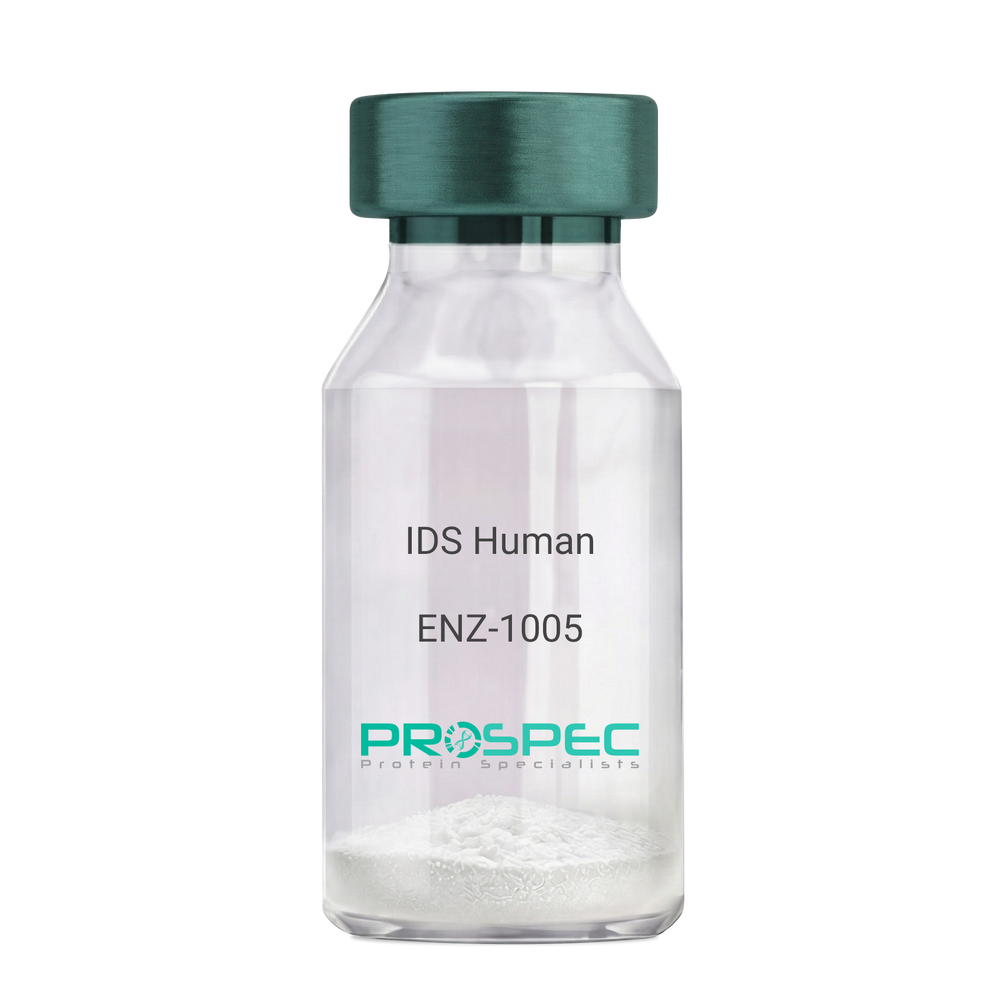
    IDS Human

    Description:

    Iduronate 2-Sulfatase Human Recombinant

    Iduronate 2-Sulfatase, Alpha-L-Iduronate Sulfate Sulfatase, SIDS, Iduronate 2-Sulfatase 14 KDa Chain, Iduronate 2-Sulfatase 42 KDa Chain, Hunter Syndrome, EC 3.1.6.13, MPS2, Iduronate 2-sulfatase, Alpha-L-iduronate sulfate sulfatase.

    Product # :

    ENZ-1005

    Price :

    Quantity :

    Shipping Method :

    Ice Icon

    Shipped with Ice Packs

    Add To Cart

    More Info

    • description
    • source
    • formulation
    • purity
    • More Info

    Description

    IDS Human Recombinant produced in Sf9 Baculovirus cells is a single, glycosylated polypeptide chain containing 533 amino acids (26-550a.a) and having a molecular mass of 60.3kDa. (Molecular size on SDS-PAGE will appear at approximately 35-70kDa). IDS is fused to an 8 amino acid His-tag at C-terminus & purified by proprietary chromatographic techniques.

    Source

    Sf9, Baculovirus cells.

    Formulation

    IDS protein solution (0.25mg/ml) containing Phosphate Buffered Saline (pH 7.4) and 10% glycerol.

    Purity

    Greater than 90% as determined by SDS-PAGE.

    More Info

    • Introduction

      Iduronate 2-Sulfatase also known as IDS, belongs to the highly-conserved sulfatase family of enzymes which catalyze the hydrolysis of O-sulfate and N-salfate esters from a variety of substrates. IDS is essential for the lysosomal degradation of the glycosaminoglycans (GAG) heparan sulfate as well as dermatan sulfate. Furthermore, IDS hydrolyzes the 2-sulfate group of the IDS units of the GAG.

    • Synonyms

      Iduronate 2-Sulfatase, Alpha-L-Iduronate Sulfate Sulfatase, SIDS, Iduronate 2-Sulfatase 14 KDa Chain, Iduronate 2-Sulfatase 42 KDa Chain, Hunter Syndrome, EC 3.1.6.13, MPS2, Iduronate 2-sulfatase, Alpha-L-iduronate sulfate sulfatase.

    • Physical Appearance

      Sterile Filtered clear solution.

    • Stability

      Store at 4°C if entire vial will be used within 2-4 weeks. Store, frozen at -20°C for longer periods of time. For long term storage it is recommended to add a carrier protein (0.1% HSA or BSA).Avoid multiple freeze-thaw cycles.

    • Amino Acid Sequence

      SETQANSTTD ALNVLLIIVD DLRPSLGCYG DKLVRSPNID QLASHSLLFQ NAFAQQAVCA PSRVSFLTGR RPDTTRLYDF NSYWRVHAGN FSTIPQYFKE NGYVTMSVGK VFHPGISSNH TDDSPYSWSF PPYHPSSEKY ENTKTCRGPD GELHANLLCP VDVLDVPEGT LPDKQSTEQA IQLLEKMKTS ASPFFLAVGY HKPHIPFRYP KEFQKLYPLE NITLAPDPEV PDGLPPVAYN PWMDIRQRED VQALNISVPY GPIPVDFQRK IRQSYFASVS YLDTQVGRLL SALDDLQLAN STIIAFTSDH GWALGEHGEW AKYSNFDVAT HVPLIFYVPG RTASLPEAGE KLFPYLDPFD SASQLMEPGR QSMDLVELVS LFPTLAGLAG LQVPPRCPVP SFHVELCREG KNLLKHFRFR DLEEDPYLPG NPRELIAYSQ YPRPSDIPQW NSDKPSLKDI KIMGYSIRTI DYRYTVWVGF NPDEFLANFS DIHAGELYFV DSDPLQDHNM YNDSQGGDLF QLLMPLEHHH HHH.

    ProSpec's products are furnished for LABORATORY RESEARCH USE ONLY. The product may not be used as drugs, agricultural or pesticidal products, food additives or household chemicals.

    Ids Human
  • View Data Sheet

    Name :

    LTF Human

    Description:

    Lactoferrin Human (Breast Milk)

    Lactotransferrin, Lactoferrin, Growth-inhibiting protein 12, Talalactoferrin, LTF, GIG12, LF, HLF2, Neutrophil Lactoferrin.

    Product # :

    PRO-1590

    Price :

    Quantity :

    Shipping Method :

    Room Temp Icon

    Shipped at Room temp

    Add To Cart

    More Info

    • description
    • source
    • formulation
    • purity
    • More Info

    Description

    The Human Lactoferrin produced from Human breast milk has a molecular mass of 76.165kDa (calculated without glycosylation) containing 691 amino acid residues.

    Source

    Human breast milk.

    Formulation

    LTF protein filtered (0.4µm) and lyophilized in 0.5 mg/ml in 0.05M phosphate buffer and 0.075M NaCl, pH 7.4.

    Purity

    Greater than 95.0% as determined by SDS-PAGE.

    More Info

    • Introduction

      Lactoferrin is a glycoprotein that belongs to the transferrin family of iron binding proteins. It is found in human breast milk as well as most epithelial surface secretions including tears, nasogastric, saliva, and bronchial. Lactoferrin binds 2 molecules of iron with very high affinity. Lactoferrin inhibits bacterial growth by withholding iron, its N-terminal region is an antimicrobial peptide. Lactotransferrin acts synergistically with lysozyme to potentiate the activity of both proteins. The multifunctional protein lactoferrin has many physiological possible roles. It is often referred to as an innate defense protein and frequently serves as the first line of defense in protection against pathogens. It has been shown to have the ability to bind iron, it is a natural anti-bacterial, anti-fungal and anti-viral, it is an antioxidant and it also has immunomodulatory properties. It has many beneficial properties, which make it a good candidate for a number of product applications. Considerable research is currently going on to explain the various suggested biological functions of lactoferrin.

    • Synonyms

      Lactotransferrin, Lactoferrin, Growth-inhibiting protein 12, Talalactoferrin, LTF, GIG12, LF, HLF2, Neutrophil Lactoferrin.

    • Physical Appearance

      Filtered White lyophilized (freeze-dried) powder.

    • Stability

      Store lyophilized protein at -20°C. Aliquot the product after reconstitution to avoid repeated freezing/thawing cycles. Reconstituted protein can be stored at 4°C for a limited period of time; it does not show any change after two weeks at 4°C.

    • Solubility

      It is recommended to add deionized water to prepare a working stock solution of approximately 0.5 mg/ml and let the lyophilized pellet dissolve completely. Product is not sterile! Please filter the product by an appropriate sterile filter before using it in the cell culture.

    • Amino Acid Sequence

      GRRRSVQWCA VSQPEATKCF QWQRNMRKVR GPPVSCIKRD SPIQCIQAIA ENRADAVTLD GGFIYEAGLA PYKLRPVAAE VYGTERQPRT HYYAVAVVKK GGSFQLNELQ GLKSCHTGLR RTAGWNVPIG TLRPFLNWTG PPEPIEAAVA RFFSASCVPG ADKGQFPNLC RLCAGTGENK CAFSSQEPYF SYSGAFKCLR DGAGDVAFIR ESTVFEDLSD EAERDEYELL CPDNTRKPVD KFKDCHLARV PSHAVVARSV NGKEDAIWNL LRQAQEKFGK DKSPKFQLFG SPSGQKDLLF KDSAIGFSRV PPRIDSGLYL GSGYFTAIQN LRKSEEEVAA RRARVVWCAV GEQELRKCNQ WSGLSEGSVT CSSASTTEDC IALVLKGEAD AMSLDGGYVY TAGKCGLVPV LAENYKSQQS SDPDPNCVDR PVEGYLAVAV VRRSDTSLTW NSVKGKKSCH TAVDRTAGWN IPMGLLFNQT GSCKFDEYFS QSCAPGSDPR SNLCALCIGD EQGENKCVPN SNERYYGYTG AFRCLAENAG DVAFVKDVTV LQNTDGNNNE AWAKDLKLAD FALLCLDGKR KPVTEARSCH LAMAPNHAVV SRMDKVERLK QVLLHQQAKF GRNGSDCPDK FCLFQSETKN LLFNDNTECL ARLHGKTTYE KYLGPQYVAG ITNLKKCSTS PLLEACEFLR K.

    ProSpec's products are furnished for LABORATORY RESEARCH USE ONLY. The product may not be used as drugs, agricultural or pesticidal products, food additives or household chemicals.

    Ltf Human
  • View Data Sheet

    Name :

    NRBF2 Human

    Description:

    Nuclear Receptor Binding Factor 2 Human Recombinant

    Nuclear receptor binding factor 2, COPR1, COPR2, NRBF-2, Nuclear receptor-binding factor 2, Comodulator of PPAR and RXR, NRBF2, COPR.

    Product # :

    PRO-1692

    Price :

    Quantity :

    Shipping Method :

    Ice Icon

    Shipped with Ice Packs

    Add To Cart

    More Info

    • description
    • source
    • formulation
    • purity
    • More Info

    Description

    NRBF2 Human Recombinant produced in E.coli is a single, non-glycosylated polypeptide chain containing 266 amino acids (45-287) and having a molecular mass of 29.9 kDa.NRBF2 is fused to a 23 amino acid His-tag at N-terminus & purified by proprietary chromatographic techniques.

    Source

    Escherichia Coli.

    Formulation

    The NRBF2 solution (0.5mg/ml) contains 20mM Tris-HCl buffer (pH 8.0), 0.15M NaCl, 20% glycerol and 1mM DTT.

    Purity

    Greater than 85.0% as determined by SDS-PAGE.

    More Info

    • Introduction

      Nuclear receptor binding factor 2 (NRBF2) which works as transcriptional activator, modulates transcriptional activation by target nuclear receptors.

    • Synonyms

      Nuclear receptor binding factor 2, COPR1, COPR2, NRBF-2, Nuclear receptor-binding factor 2, Comodulator of PPAR and RXR, NRBF2, COPR.

    • Physical Appearance

      Sterile Filtered colorless solution.

    • Stability

      Store at 4°C if entire vial will be used within 2-4 weeks. Store, frozen at -20°C for longer periods of time. For long term storage it is recommended to add a carrier protein (0.1% HSA or BSA).Avoid multiple freeze-thaw cycles.

    • Amino Acid Sequence

      MGSSHHHHHH SSGLVPRGSH MGSMKLTQSE QAHLSLELQR DSHMKQLLLI QERWKRAQRE ERLKAQQNTD KDAAAHLQTS HKPSAEDAEG QSPLSQKYSP STEKCLPEIQ GIFDRDPDTL LYLLQQKSEP AEPCIGSKAP KDDKTIIEEQ ATKIADLKRH VEFLVAENER LRKENKQLKA EKARLLKGPI EKELDVDADF VETSELWSLP PHAETATASS TWQKFAANTG KAKDIPIPNL PPLDFPSPEL PLMELSEDIL KGFMNN.

    ProSpec's products are furnished for LABORATORY RESEARCH USE ONLY. The product may not be used as drugs, agricultural or pesticidal products, food additives or household chemicals.

    Nrbf2 Human
  • View Data Sheet

    Name :

    TNFRSF10B Human, Sf9

    Description:

    TNF Ligand Receptor Superfamily Member 10B Human Recombinant, Sf9

    TNFRSF10B, CD262, DR5, KILLER, KILLER/DR5, TRAIL-R2, TRAILR2, TRICK2, TRICK2A, TRICK2B, TRICKB, ZTNFR9, Death receptor 5, TNF-related apoptosis-inducing ligand receptor 2.

    Product # :

    CYT-1055

    Price :

    Quantity :

    Shipping Method :

    Ice Icon

    Shipped with Ice Packs

    Add To Cart

    More Info

    • description
    • source
    • formulation
    • purity
    • biological activity
    • More Info

    Description

    TNFRSF10B produced in Sf9 Baculovirus cells is a single, glycosylated polypeptide chain containing 394 amino acids (56-210a.a.) and having a molecular mass of 43.9kDa. (Molecular size on SDS-PAGE will appear at approximately 40-57kDa).TNFRSF10B is expressed with a 239 amino acid hIgG-His tag at C-Terminus and purified by proprietary chromatographic techniques.

    Source

    Sf9, Insect cells.

    Formulation

    TNFRSF10B protein solution (1mg/ml) contains Phosphate Buffered Saline (pH 7.4) and 10% glycerol.

    Purity

    Greater than 90% as determined by SDS-PAGE.

    Biological Activity

    Measured by its ability to inhibit cytotoxicity assay using Jurkat human T lymphocyte. The ED50 for this effect ≤ to 5ng/ml with TRAIL


    .

    More Info

    • Introduction

      TRAIL Receptor-1 (DR4) and TRAIL Receptor-2(DR5) are members of the TNFR superfamily of transmembrane proteins and contain a cytoplasmic "death domain", which is capable of activating the cell's apoptotic machinery. These receptors are activated by binding to either membrane anchored or soluble TRAIL/Apo2L.

    • Synonyms

      TNFRSF10B, CD262, DR5, KILLER, KILLER/DR5, TRAIL-R2, TRAILR2, TRICK2, TRICK2A, TRICK2B, TRICKB, ZTNFR9, Death receptor 5, TNF-related apoptosis-inducing ligand receptor 2.

    • Physical Appearance

      Sterile Filtered colorless solution.

    • Stability

      Store at 4°C if entire vial will be used within 2-4 weeks. Store, frozen at -20°C for longer periods of time. For long term storage it is recommended to add a carrier protein (0.1% HSA or BSA).Avoid multiple freeze-thaw cycles.

    • Amino Acid Sequence

      ITQQDLAPQQ RAAPQQKRSS PSEGLCPPGH HISEDGRDCI SCKYGQDYST HWNDLLFCLR CTRCDSGEVE LSPCTTTRNT VCQCEEGTFR EEDSPEMCRK CRTGCPRGMV KVGDCTPWSD IECVHKESGT KHSGEVPAVE ETVTSSPGTP ASPCSLEPKS CDKTHTCPPC PAPELLGGPS
      VFLFPPKPKD TLMISRTPEV TCVVVDVSHE DPEVKFNWYV DGVEVHNAKT KPREEQYNST YRVVSVLTVL HQDWLNGKEY KCKVSNKALP APIEKTISKA KGQPREPQVY TLPPSRDELT KNQVSLTCLV KGFYPSDIAV EWESNGQPEN NYKTTPPVLD SDGSFFLYSK LTVDKSRWQQ
      GNVFSCSVMH EALHNHYTQK SLSLSPGKHH HHHH.

    ProSpec's products are furnished for LABORATORY RESEARCH USE ONLY. The product may not be used as drugs, agricultural or pesticidal products, food additives or household chemicals.

    Tnfrsf10B
  • View Data Sheet

    Name :

    HIF1A Human (85 a.a.)

    Description:

    Hypoxia-Inducible Factor-1 Alpha (85 a.a.) Human Recombinant

    Hypoxia-inducible factor 1 alpha, HIF-1 alpha, HIF1 alpha, ARNT-interacting protein, Member of PAS protein 1, Basic-helix-loop-helix-PAS protein MOP1, HIF1A, MOP1, HIF1, PASD8, HIF-1A.

    Product # :

    PRO-258

    Price :

    Quantity :

    Shipping Method :

    Ice Icon

    Shipped with Ice Packs

    Add To Cart

    More Info

    • description
    • source
    • formulation
    • purity
    • More Info

    Description

    HIF1A Recombinant Human produced in E.Coli is a single, non-glycosylated polypeptide chain containing 105 amino acids (1-85 a.a.) and having a molecular mass of 11.8 kDa. The HIF1A is fused to 20 amino acid His-Tag at N-terminus and purified by proprietary chromatographic techniques.

    Source

    Escherichia Coli.

    Formulation

    HIF1A Human (0.25mg/ml) solution containing 20mM Tris buffer(pH 8.0), 20% glycerol, 1mM DTT, 0.2M NaCl and 1mM EDTA.

    Purity

    Greater than 80.0% as determined by SDS-PAGE.

    More Info

    • Introduction

      HIF1A has a role as a master transcriptional monitor of the adaptive response to hypoxia. Under hypoxic conditions HIF1A activates the transcription of over 40 genes, including, erythropoietin, glucose transporters, glycolytic enzymes, vascular endothelial growth factor, and genes whose protein products increase oxygen release or facilitate metabolic adaptation to hypoxia. HIF1A functions as an essential role in embryonic vascularization, tumor angiogenesis and pathophysiology of ischemic disease.

    • Synonyms

      Hypoxia-inducible factor 1 alpha, HIF-1 alpha, HIF1 alpha, ARNT-interacting protein, Member of PAS protein 1, Basic-helix-loop-helix-PAS protein MOP1, HIF1A, MOP1, HIF1, PASD8, HIF-1A.

    • Physical Appearance

      Sterile filtered colorless solution.

    • Stability

      Store at 4°C if entire vial will be used within 2-4 weeks. Store, frozen at -20°C for longer periods of time. For long term storage it is recommended to add a carrier protein (0.1% HSA or BSA).Avoid multiple freeze-thaw cycles.

    • Amino Acid Sequence

      MGSSHHHHHH SSGLVPRGSH MEGAGGANDK KKISSERRKE KSRDAARSRR SKESEVFYEL AHQLPLPHNV SSHLDKASVM RLTISYLRVR KLLDAGDLDI EDDMK.

    ProSpec's products are furnished for LABORATORY RESEARCH USE ONLY. The product may not be used as drugs, agricultural or pesticidal products, food additives or household chemicals.

    Hif1A Human 85 Aa
  • View Data Sheet

    Name :

    EIF5A2 Human

    Description:

    Eukaryotic Translation Initiation Factor 5A2 Human Recombinant

    eIF-5A-2, EIF-5A2, eIF5AII, Eukaryotic translation initiation factor 5A-2, Eukaryotic initiation factor 5A isoform 2, EIF5A2.

    Product # :

    PRO-846

    Price :

    Quantity :

    Shipping Method :

    Ice Icon

    Shipped with Ice Packs

    Add To Cart

    More Info

    • description
    • source
    • formulation
    • purity
    • More Info

    Description

    EIF5A2 Recombinant E.coli produced in E.Coli is a single, non-glycosylated polypeptide chain containing 173 amino acids (1-153 a.a.) and having a molecular mass of 18.9 kDa. The EIF5A2 is fused to a 20 amino acid His-Tag at N-terminus and purified by proprietary chromatographic techniques.

    Source

    Escherichia Coli.

    Formulation

    EIF5A2 Human solution containing 20mM Tris-HCl pH-8 & 10% glycerol.

    Purity

    Greater than 85.0% as determined by SDS-PAGE.

    More Info

    • Introduction

      EIF5A2 is part of the eukaryotic initiation factor 5A subfamily, is an vital protein strongly linked to cellular polyamine homeostasis. EIF5A2 promotes the formation of the first peptide bond during the initial stage of protein synthesis. EIF5A2 is the single eukaryotic protein to have a hypusine residue, which is a post-translational modification of a lysine by the addition of a butylamino group.

    • Synonyms

      eIF-5A-2, EIF-5A2, eIF5AII, Eukaryotic translation initiation factor 5A-2, Eukaryotic initiation factor 5A isoform 2, EIF5A2.

    • Physical Appearance

      Sterile filtered colorless solution.

    • Stability

      Store at 4°C if entire vial will be used within 2-4 weeks. Store, frozen at -20°C for longer periods of time. For long term storage it is recommended to add a carrier protein (0.1% HSA or BSA).Avoid multiple freeze-thaw cycles.

    • Amino Acid Sequence

      MGSSHHHHHH SSGLVPRGSH MADEIDFTTG DAGASSTYPM QCSALRKNGF VVLKGRPCKI VEMSTSKTGK HGHAKVHLVG IDIFTGKKYE DICPSTHNMD VPNIKRNDYQ LICIQDGYLS LLTETGEVRE DLKLPEGELG KEIEGKYNAG EDVQVSVMCA MSEEYAVAIK PCK.

    ProSpec's products are furnished for LABORATORY RESEARCH USE ONLY. The product may not be used as drugs, agricultural or pesticidal products, food additives or household chemicals.

    Eif5A2 Human
  • View Data Sheet

    Name :

    BMP3 Human

    Description:

    Bone Morphogenetic protein-3 Human Recombinant

    Bone Morphogenetic Protein 3, Osteogenin, Bone Morphogenetic Protein 3 (Osteogenic), Bone Morphogenetic Protein 3A, BMP-3A, BMP-3, Bone Morphogenetic Protein-3, BMP3A, BMP3.

    Product # :

    CYT-937

    Price :

    Quantity :

    Shipping Method :

    Room Temp Icon

    Shipped at Room temp

    Add To Cart

    More Info

    • description
    • source
    • formulation
    • purity
    • biological activity
    • More Info

    Description

    BMP3 Human Recombinant produced in E.coli is a non-glycosylated disulfide linked homodimer containing 2 chains of 110 amino acids and having a molecular mass of 24.8kDa.The BMP-3 is purified by proprietary chromatographic techniques.

    Source

    Escherichia Coli.

    Formulation

    BMP-3 protein was lyophilized from a 0.2µm filtered concentrated solution in 30% Acetonitrile and 0.1% TFA.

    Purity

    Greater than 95.0% as determined by: (a) Analysis by HPLC. (b) Analysis by SDS-PAGE.

    Biological Activity

    The ED50 as determined by its ability to inhibit BMP-2-induced activity in murine MC3T3- E1 cells.

    More Info

    • Introduction

      Bone Morphogenetic Protein 3 (BMP3) is one of the BMPs, some of which are members of the TGF-beta superfamily (BMP2-7). There are more than 13 BMPs, which are involved in inducing cartilage and bone formation, embryogenesis and morphogenesis of various tissues and organs. In addition, BMPs regulate the growth, differentiation, chemotaxis, and apoptosis of various cell types. Akin to most other TGF-beta family proteins, BMPs are extremely conserved across animal species. At the amino acid sequence level, mature human and rat BMP3 are 98% identical.

    • Synonyms

      Bone Morphogenetic Protein 3, Osteogenin, Bone Morphogenetic Protein 3 (Osteogenic), Bone Morphogenetic Protein 3A, BMP-3A, BMP-3, Bone Morphogenetic Protein-3, BMP3A, BMP3.

    • Physical Appearance

      Sterile Filtered White lyophilized (freeze-dried) powder.

    • Stability

      Lyophilized BMP3 although stable at room temperature for 3 weeks, should be stored desiccated below -18°C. Upon reconstitution BMP-3 should be stored at 4°C between 2-7 days and for future use below -18°C. For long term storage it is recommended to add a carrier protein (0.1% HSA or BSA). Please prevent freeze-thaw cycles.

    • Solubility

      It is recommended to reconstitute the lyophilized BMP3 in sterile 4mM HCl not less than 100µg/ml, which can then be further diluted to other aqueous solutions.

    • Amino Acid Sequence

      QWIEPRNCAR RYLKVDFADI GWSEWIISPK SFDAYYCSGA CQFPMPKSLK PSNHATIQSI VRAVGVVPGI PEPCCVPEKM SSLSILFFDE NKNVVLKVYP NMTVESCACR.

    • Background

      Bone Morphogenetic Protein-3 Human Recombinant: Unveiling the Potential of a Key Regulator in Tissue Regeneration

      Abstract:

      Bone Morphogenetic Protein-3 (BMP-3) human recombinant is a critical member of the bone morphogenetic protein family, known for its role in tissue development, repair, and regeneration. This research paper provides a comprehensive analysis of BMP-3, including its characteristics, signaling pathways, and potential therapeutic applications. Additionally, innovative methodologies for the production and optimization of BMP-3 human recombinant are proposed, shedding light on its future implications in the field of regenerative medicine.

      Introduction:

      Tissue regeneration is a complex biological process requiring precise molecular cues. BMP-3, a crucial member of the BMP family, plays a significant role in tissue development and regeneration. This paper explores the unique features of BMP-3 and presents novel approaches for its production and optimization, aiming to unlock its therapeutic potential in various regenerative contexts.

      Characteristics and Signaling Pathways:

      BMP-3 is a secreted protein that binds to cell surface receptors, initiating intracellular signaling cascades. It influences cell differentiation, proliferation, and extracellular matrix synthesis through both Smad-dependent and Smad-independent signaling pathways. BMP-3 signaling regulates critical processes involved in tissue regeneration, including chondrogenesis and osteogenesis.

      Production of BMP-3 Human Recombinant:

      Efficient production methodologies are essential for harnessing the therapeutic potential of BMP-3 human recombinant. Recombinant protein expression systems, such as Escherichia coli or mammalian cells, have been utilized to produce functional BMP-3. Optimization strategies, including codon optimization, signal peptide engineering, and protein folding optimization, have been employed to enhance the yield and activity of BMP-3 recombinant protein.

      Potential Therapeutic Applications:

      BMP-3 human recombinant holds significant promise in the field of regenerative medicine. It plays a crucial role in bone and cartilage regeneration, making it a potential candidate for the treatment of skeletal disorders and tissue injuries. Additionally, BMP-3 signaling influences tissue remodeling and wound healing, suggesting its broader therapeutic applications in other regenerative processes.

      Conclusion:

      BMP-3 human recombinant represents a key regulator in tissue regeneration, with immense potential in regenerative medicine. Optimizing production methodologies and further unraveling its signaling mechanisms will enhance its therapeutic applications. With its implications in bone and cartilage regeneration and its role in tissue remodeling, BMP-3 human recombinant emerges as a promising tool for promoting tissue repair and regeneration.

      What is the molecular weight/Mw of BMP3 Protein?
      BMP3 Protein has a total Mw of 24.8kDa.

      What is the source or expression system of BMP3 Protein?
      Escherichia Coli.

      What is the Purity of BMP3 Protein?
      BMP3 Protein is >95% pure as determined by SDS-PAGE.

      What is the Biological Activity of BMP3 Protein?
      The ED50 as determined by its ability to inhibit BMP-2-induced activity in murine MC3T3- E1 cells.

      What is the amino acid sequence of BMP3 Protein?
      QWIEPRNCAR RYLKVDFADI GWSEWIISPK SFDAYYCSGA CQFPMPKSLK PSNHATIQSI VRAVGVVPGI PEPCCVPEKM SSLSILFFDE NKNVVLKVYP NMTVESCACR.

      What applications can BMP3 Protein be used in?
      BMP3 Protein can probably be used in western blot, ELISA and Lateral Flow.

      What is the endotoxin level for BMP3 Protein?
      The endotoxin level is minimal, BMP3 Protein was purified using conventional chromatography techniques.

    ProSpec's products are furnished for LABORATORY RESEARCH USE ONLY. The product may not be used as drugs, agricultural or pesticidal products, food additives or household chemicals.

    Bmp3 Human
  • View Data Sheet

    Name :

    EIF1B Human

    Description:

    Eukaryotic Translation Initiation Factor 1B Human Recombinant

    Eukaryotic translation initiation factor 1b, eIF1b, Protein translation factor SUI1 homolog GC20, EIF1B, GC20.

    Product # :

    PRO-175

    Price :

    Quantity :

    Shipping Method :

    Ice Icon

    Shipped with Ice Packs

    Add To Cart

    More Info

    • description
    • source
    • formulation
    • purity
    • More Info

    Description

    EIF1B Human Recombinant fused with a 20 amino acid His tag at N-terminus produced in E.Coli is a single, non-glycosylated, polypeptide chain containing 133 amino acids (1-113 a.a.) and having a molecular mass of 15kDa. The EIF1B is purified by proprietary chromatographic techniques.

    Source

    Escherichia Coli.

    Formulation

    The EIF1B solution (1 mg/ml) contains 20mM Tris-HCl buffer(pH 8.0), 10% glycerol, 2mM DTT and 0.1M NaCl.

    Purity

    Greater than 95.0% as determined by SDS-PAGE.

    More Info

    • Introduction

      EIF1B is critical for the scanning process in vitro. EIF1B is an element of a complex involved in recognition of the initiator codon during the scanning process. Translation is also initiated by the function of EIF1B in regulating the activity of ribosomal subunits 43S, 48S and 40S. EIF1B enables 43S ribosomal complexes to distinguish between cognate and near-cognate initiation codons, perceiving the nucleotide content of initiation codons.

    • Synonyms

      Eukaryotic translation initiation factor 1b, eIF1b, Protein translation factor SUI1 homolog GC20, EIF1B, GC20.

    • Physical Appearance

      Sterile Filtered colorless solution.

    • Stability

      Store at 4°C if entire vial will be used within 2-4 weeks. Store, frozen at -20°C for longer periods of time. For long term storage it is recommended to add a carrier protein (0.1% HSA or BSA).Avoid multiple freeze-thaw cycles.

    • Amino Acid Sequence

      MGSSHHHHHH SSGLVPRGSH MSTIQNLQSF DPFADATKGD DLLPAGTEDY IHIRIQQRNG RKTLTTVQGI ADDYDKKKLV KAFKKKFACN GTVIEHPEYG EVIQLQGDQR KNICQFLLEV GIVKEEQLKV HGF.

    ProSpec's products are furnished for LABORATORY RESEARCH USE ONLY. The product may not be used as drugs, agricultural or pesticidal products, food additives or household chemicals.

    Eif1B Human
  • View Data Sheet

    Name :

    TPST2 Human, sf9

    Description:

    Tyrosylprotein Sulfotransferase 2, sf9 Human Recombinant

    Tyrosylprotein Sulfotransferase 2, EC 2.8.2.20, TPST-2, Transport And Golgi Organization 13 Homolog B (Drosophila), Transport And Golgi Organization 13 Homolog B, Protein-Tyrosine Sulfotransferase 2, Tyrosylprotein Phosphotransferase 2, Tyrosylprotein Sulfotransferase-2, TANGO13B.

    Product # :

    ENZ-949

    Price :

    Quantity :

    Shipping Method :

    Ice Icon

    Shipped with Ice Packs

    Add To Cart

    More Info

    • description
    • source
    • formulation
    • purity
    • More Info

    Description

    TPST2 produced in Sf9 Baculovirus cells is a single, glycosylated polypeptide chain containing 361 amino acids (26-377 a.a.) and having a molecular mass of 40.4kDa (Migrates at 40-57kDa on SDS-PAGE under reducing conditions). TPST2 is expressed with a 6 amino acid His tag at C-Terminus and purified by proprietary chromatographic techniques.

    Source

    Sf9, Baculovirus cells.

    Formulation

    TPST2 protein solution (0.25mg/ml) contains Phosphate Buffered Saline (pH 7.4) and 10% glycerol.

    Purity

    Greater than 95.0% as determined by SDS-PAGE.

    More Info

    • Introduction

      Tyrosylprotein Sulfotransferase 2 (TPST2) is a member of the protein sulfotransferase family. TPST2 is a widely expressed protein, which catalyzes the O-sulfation of tyrosine residues within acidic regions of proteins. The TPST2 protein is a type II integral membrane protein located in the Golgi body.

    • Synonyms

      Tyrosylprotein Sulfotransferase 2, EC 2.8.2.20, TPST-2, Transport And Golgi Organization 13 Homolog B (Drosophila), Transport And Golgi Organization 13 Homolog B, Protein-Tyrosine Sulfotransferase 2, Tyrosylprotein Phosphotransferase 2, Tyrosylprotein Sulfotransferase-2, TANGO13B.

    • Physical Appearance

      Sterile Filtered colorless solution.

    • Stability

      Store at 4°C if entire vial will be used within 2-4 weeks. Store, frozen at -20°C for longer periods of time. For long term storage it is recommended to add a carrier protein (0.1% HSA or BSA). Avoid multiple freeze-thaw cycles.

    • Amino Acid Sequence

      ADPQQVLECR AVLAGLRSPR GAMRPEQEEL VMVGTNHVEY RYGKAMPLIF VGGVPRSGTT LMRAMLDAHP EVRCGEETRI IPRVLAMRQA WSKSGREKLR LDEAGVTDEV LDAAMQAFIL EVIAKHGEPA RVLCNKDPFT LKSSVYLSRL FPNSKFLLMV RDGRASVHSM ITRKVTIAGF DLSSYRDCLT KWNKAIEVMY AQCMEVGKEK CLPVYYEQLV LHPRRSLKLI LDFLGIAWSD AVLHHEDLIG KPGGVSLSKI ERSTDQVIKP VNLEALSKWT GHIPGDVVRD MAQIAPMLAQ LGYDPYANPP NYGNPDPFVI NNTQRVLKGD YKTPANLKGY FQVNQNSTSS HLGSSHHHHH H.

    ProSpec's products are furnished for LABORATORY RESEARCH USE ONLY. The product may not be used as drugs, agricultural or pesticidal products, food additives or household chemicals.

    Tpst2 Human Sf9
  • View Data Sheet

    Name :

    Placental Lactogen Sf9, Human

    Description:

    Placental Lactogen Human Recombinant, Sf9

    Chorionic Somatomammotropin Hormone 1, CSH1, Choriomammotropin, Lactogen, CSH2, PL, CSA, CSMT, FLJ75407

    Product # :

    CYT-1164

    Price :

    Quantity :

    Shipping Method :

    Ice Icon

    Shipped with Ice Packs

    Add To Cart

    More Info

    • description
    • source
    • formulation
    • purity
    • biological activity
    • More Info

    Description

    Placental Lactogen Human produced in Sf9 Baculovirus cells is a single, glycosylated polypeptide chain containing 197 amino acids (27-217 aa) and having a molecular mass of 23.1kDa.Placental Lactogen is fused to a 6 amino acid His tag at C-terminus and purified by proprietary chromatographic techniques.

    Source

    Sf9, Baculovirus cells.

    Formulation

    The Placental Lactogen solution (0.25mg/ml) contains 30% Glycerol and Phosphate-Buffered Saline (pH 7.4).

    Purity

    Greater than 90.0% as determined by SDS-PAGE.

    Biological Activity

    Determined by cell proliferation assay using Nb2-11 Rat lymphoma cells. ED50 range for this effect is ≤ 0.8 ng/ml.

    More Info

    • Introduction

      Placental Lactogen is a polypeptide hormone that is produced by the Syncytiotrophoblasts of the Placenta.Placental Lactogen has both GH and Prolactin activities on growth, lactation, and luteal steroid production. In women, placental lactogen secretion begins soon after implantation and increases to 1 g or more a day in late pregnancy. Placental Lactogen Bovine is also capable of activating human and other heterologous GH receptors.

    • Synonyms

      Chorionic Somatomammotropin Hormone 1, CSH1, Choriomammotropin, Lactogen, CSH2, PL, CSA, CSMT, FLJ75407

    • Physical Appearance

      Sterile Filtered colorless solution.

    • Stability

      Store at 4°C if entire vial will be used within 2-4 weeks. Store, frozen at -20°C for longer periods of time. For long term storage it is recommended to add a carrier protein (0.1% HSA or BSA).Avoid multiple freeze-thaw cycles.

    • Amino Acid Sequence

      VQTVPLSRLF DHAMLQAHRA HQLAIDTYQE FEETYIPKDQ KYSFLHDSQT SFCFSDSIPT PSNMEETQQK SNLELLRISL LLIESWLEPV RFLRSMFANN LVYDTSDSDD YHLLKDLEEG IQTLMGRLED GSRRTGQILK QTYSKFDTNS HNHDALLKNY GLLYCFRKDM DKVETFLRMV QCRSVEGSCG FHHHHHH

    ProSpec's products are furnished for LABORATORY RESEARCH USE ONLY. The product may not be used as drugs, agricultural or pesticidal products, food additives or household chemicals.

    Csh1 Human
  • View Data Sheet

    Name :

    Thrombin Porcine

    Description:

    Porcine Thrombin

    Product # :

    PRO-617

    Price :

    Quantity :

    Shipping Method :

    Room Temp Icon

    Shipped at Room temp

    Add To Cart

    More Info

    • source
    • formulation
    • More Info

    Source

    Porcine Blood.

    Formulation

    Lyophilized Powder from glycine, calcium chloride pH 7.0 containing 0.9% NaCl

    More Info

    • Introduction

      Thrombin enzyme (Activated Factor IIa) is an important clotting promoter that controls the transformation of soluble fibrinogen to insoluble active fibrin strands. Thrombin is a coagulation protein and a serine protease (EC 3.4.21.5) that catalyzes many coagulation-related reactions. Thrombin triggers factor-XI, factor-V, Factor-XIII and factor-VIII. Thrombin endorses platelet activation, using activation of protease-activated receptors on the platelet. As a result of its high proteolytic specificity, thrombin has become an important biochemical protein. The thrombin cleavage site (Leu-Val-Pro-Arg-Gly-Ser) is widely used in linker regions of recombinant fusion protein constructs. After the purification of the fusion protein, thrombin is used to cleave between the Arginine and Glycine residues of the cleavage site, efficiently removing the purification tag from the protein of interest with a high degree of specificity.

    • Physical Appearance

      Sterile Filtered White lyophilized (freeze-dried) powder.

    • Stability

      Lyophilized Porcine Thrombin although stable at room temperature for 3 weeks, should be stored desiccated below -18°C. Upon reconstitution IPF1 should be stored at 4°C between 2-7 days and for future use below -18°C.For long term storage it is recommended to add a carrier protein (0.1% HSA or BSA).Please prevent freeze-thaw cycles.

    • Solubility

      It is recommended to reconstitute the lyophilized porcine Thrombin in sterile 0.9% NaCl.

    ProSpec's products are furnished for LABORATORY RESEARCH USE ONLY. The product may not be used as drugs, agricultural or pesticidal products, food additives or household chemicals.

    Thrombin Porcine
  • View Data Sheet

    Name :

    EIF4EBP1 Human

    Description:

    Eukaryotic translation initiation factor 4E-binding protein 1 Human Recombinant

    Eukaryotic translation initiation factor 4E-binding protein 1, eIF4E-binding protein 1, 4E-BP1, PHAS-I, EIF4EBP1, BP-1, 4EBP1, MGC4316.

    Product # :

    PRO-532

    Price :

    Quantity :

    Shipping Method :

    Ice Icon

    Shipped with Ice Packs

    Add To Cart

    More Info

    • description
    • source
    • formulation
    • purity
    • More Info

    Description

    EIF4EBP1 Human Recombinant fused with a 20 amino acid His tag at N-terminus produced in E.Coli is a single, non-glycosylated, polypeptide chain containing 138 amino acids (1-118 a.a.) and having a molecular mass of 14.7kDa (molecular weight on SDS-PAGE will appear higher).The EIF4EBP1 is purified by proprietary chromatographic techniques.

    Source

    Escherichia Coli.

    Formulation

    The EIF4EBP1 solution (1mg/ml) contains 20mM Tris-HCl buffer (pH8.0) and 10% glycerol.

    Purity

    Greater than 95.0% as determined by SDS-PAGE.

    More Info

    • Introduction

      EIF4EBP1 (eukaryotic translation initiation factor 4E-binding protein 1) belongs to a family of translation repressor proteins. EIF4EBP1 regulates eIF4E (eukaryotic translation initiation factor 4E) activity by preventing its assembly into the eIF4F complex and mediates the regulation of protein translation by hormones, growth factors and other stimuli that signal through the MAP kinase and mTORC1 pathways. EIF4EBP1 is phosphorylated in response to various signals including UV irradiation, resulting in its dissociation from eIF4E and activation of mRNA translation. EIF4EBP1 C-terminus has domains which control function and phosphorylation. EIF4EBP1 has a role in progression of breast neoplasms through cell signaling.

    • Synonyms

      Eukaryotic translation initiation factor 4E-binding protein 1, eIF4E-binding protein 1, 4E-BP1, PHAS-I, EIF4EBP1, BP-1, 4EBP1, MGC4316.

    • Physical Appearance

      Sterile Filtered colorless solution.

    • Stability

      Store at 4°C if entire vial will be used within 2-4 weeks. Store, frozen at -20°C for longer periods of time. For long term storage it is recommended to add a carrier protein (0.1% HSA or BSA).Avoid multiple freeze-thaw cycles.

    • Amino Acid Sequence

      MGSSHHHHHH SSGLVPRGSH MSGGSSCSQT PSRAIPATRR VVLGDGVQLP PGDYSTTPGG TLFSTTPGGT RIIYDRKFLM ECRNSPVTKT PPRDLPTIPG VTSPSSDEPP MEASQSHLRN SPEDKRAGGE ESQFEMDI.

    ProSpec's products are furnished for LABORATORY RESEARCH USE ONLY. The product may not be used as drugs, agricultural or pesticidal products, food additives or household chemicals.

    Eif4Ebp1 Human
  • 1
  • …
  • 17
  • 18
  • 19
  • 20
  • 21
  • …
  • 42
Your browser does not support the video tag.

Products

  • Cytokines
  • Growth Factors
  • Chemokines
  • CD Antigens
  • Neurotrophins
  • Hormones
  • Enzymes
  • Viral Antigens
  • Recombinant Proteins
  • Natural Proteins
  • Monoclonal Antibodies
  • Polyclonal Antibodies
  • Thermal Packaging

About

  • Company
  • Founder
  • Contribution
  • Contact Us
  • My Account

Ordering

  • Ordering Method
  • Ordering - Credit Card
  • Ordering PO
  • Shipping Fees
  • FAQ's

Legal

  • Terms & Conditions
  • Privacy
  • Site Map
  • info@prospecbio.com
  • Facebook
  • Instagram
  • Linkedin Profile

© 2026 ProSpec-Tany TechnoGene Ltd. All Rights Reserved.

  • Choosing a selection results in a full page refresh.
  • Opens in a new window.