Skip to content

High-quality research proteins.

  • 1-800-805-6531

  • Mon - Sat 8.00-18.00, Sun - Closed

  • info@prospecbio.com

  • PO Box 6591 East Brunswick NJ 08816

  • Products
    • Cytokines
    • Growth factors
    • Chemokines
    • Cd antigens
    • Neurotrophins
    • Hormones
    • Enzymes
    • Viral antigens
    • Recombinant proteins
    • Natural proteins
    • Monoclonal antibodies
    • Polyclonal antibodies
    • Thermal Packaging
  • About
    • Company
    • Founder
    • Contribution
  • Customers
    • Eastern Asia
    • Eastern Europe
    • North America
    • South America
    • South East Asia
    • Southern Asia
    • Western Europe
  • Ordering
    • Ordering Method
    • Ordering - Credit Card
    • Ordering - PO
    • Shipping Fees
    • FAQs
  • Services
    • DNA Cloning
    • Protein Expression
    • Monoclonal Antibody
    • Fermentation
    • Technology License
  • Contact us
Log in

Country/region

  • USD $ | Albania
  • USD $ | Andorra
  • USD $ | Argentina
  • USD $ | Armenia
  • USD $ | Australia
  • USD $ | Austria
  • USD $ | Azerbaijan
  • USD $ | Belarus
  • USD $ | Belgium
  • USD $ | Bolivia
  • USD $ | Brazil
  • USD $ | Bulgaria
  • USD $ | Cambodia
  • USD $ | Canada
  • USD $ | Chile
  • USD $ | China
  • USD $ | Colombia
  • USD $ | Costa Rica
  • USD $ | Croatia
  • USD $ | Cyprus
  • USD $ | Czechia
  • USD $ | Denmark
  • USD $ | Estonia
  • USD $ | Finland
  • USD $ | France
  • USD $ | Georgia
  • USD $ | Germany
  • USD $ | Greece
  • USD $ | Hong Kong SAR
  • USD $ | Hungary
  • USD $ | Iceland
  • USD $ | India
  • USD $ | Ireland
  • USD $ | Israel
  • USD $ | Italy
  • USD $ | Japan
  • USD $ | Kazakhstan
  • USD $ | Latvia
  • USD $ | Liechtenstein
  • USD $ | Lithuania
  • USD $ | Madagascar
  • USD $ | Malta
  • USD $ | Mexico
  • USD $ | Moldova
  • USD $ | Monaco
  • USD $ | Netherlands
  • USD $ | New Zealand
  • USD $ | North Macedonia
  • USD $ | Norway
  • USD $ | Panama
  • USD $ | Paraguay
  • USD $ | Peru
  • USD $ | Philippines
  • USD $ | Poland
  • USD $ | Portugal
  • USD $ | Romania
  • USD $ | Singapore
  • USD $ | Slovakia
  • USD $ | Slovenia
  • USD $ | South Africa
  • USD $ | South Korea
  • USD $ | Spain
  • USD $ | Sri Lanka
  • USD $ | Sweden
  • USD $ | Switzerland
  • USD $ | Taiwan
  • USD $ | Thailand
  • USD $ | Türkiye
  • USD $ | Ukraine
  • USD $ | United Kingdom
  • USD $ | United States
  • USD $ | Uruguay
  • USD $ | Vatican City
  • USD $ | Venezuela
  • USD $ | Vietnam
  • Facebook
  • Instagram
logoProSpec - Recombinant Protein Manufacturer for academic and R&D industry
Become a distributor
Account Log in
Wishlist
Cart Cart(0)
  • Products
    +
    • Cytokines
    • Growth factors
    • Chemokines
    • Cd antigens
    • Neurotrophins
    • Hormones
    • Enzymes
    • Viral antigens
    • Recombinant proteins
    • Natural proteins
    • Monoclonal antibodies
    • Polyclonal antibodies
    • Thermal Packaging
  • About
    +
    • Company
    • Founder
    • Contribution
  • Customers
    +
    • Eastern Asia
    • Eastern Europe
    • North America
    • South America
    • South East Asia
    • Southern Asia
    • Western Europe
  • Ordering
    +
    • Ordering Method
    • Ordering - Credit Card
    • Ordering - PO
    • Shipping Fees
    • FAQs
  • Services
    +
    • DNA Cloning
    • Protein Expression
    • Monoclonal Antibody
    • Fermentation
    • Technology License
  • Contact us

Item added to your cart

View cart
View All
  • Cytokines
  • Growth factors
  • Chemokines
  • Cd antigens
  • Neurotrophins
  • Hormones
  • Enzymes
  • Viral antigens
  • Recombinant proteins
  • Natural proteins
  • Monoclonal antibodies
  • Polyclonal antibodies
  • Thermal Packaging
  • Tumor Necrosis Factor

    Tumor Necrosis Factor

    View All
  • 4-1BB

    4-1BB

    View All
  • Adiponectin

    Adiponectin

    View All
  • AIF1

    AIF1

    View All
  • Other Cytokines

    Other Cytokines

    View All
  • AITRL

    AITRL

    View All
  • Angiopoietin

    Angiopoietin

    View All
  • Apolipoprotein

    Apolipoprotein

    View All
  • B-Cell Activating Factor

    B-Cell Activating Factor

    View All
  • Beta Defensin

    Beta Defensin

    View All
  • Bone Morphogenetic Protein

    Bone Morphogenetic Protein

    View All
  • B type Natriuretic Peptide

    B type Natriuretic Peptide

    View All
  • BST

    BST

    View All
  • Betacellulin

    Betacellulin

    View All
  • Cardiotrophin

    Cardiotrophin

    View All
  • Activin

    Activin

    View All
  • Fibroblast Growth Factor

    Fibroblast Growth Factor

    View All
  • Other Growth Factors

    Other Growth Factors

    View All
  • CSF

    CSF

    View All
  • CTGF

    CTGF

    View All
  • IGFBP

    IGFBP

    View All
  • VEGF Protein

    VEGF Protein

    View All
  • EGF

    EGF

    View All
  • Epigen

    Epigen

    View All
  • Erythropoietin

    Erythropoietin

    View All
  • Insulin-Like Growth Factor

    Insulin-Like Growth Factor

    View All
  • Growth Hormone

    Growth Hormone

    View All
  • HDGF

    HDGF

    View All
  • Hepatocyte Growth Factor

    Hepatocyte Growth Factor

    View All
  • Insulin

    Insulin

    View All
  • BCA-1/ BLC (CXCL13)

    BCA-1/ BLC (CXCL13)

    View All
  • BRAK (CXCL14)

    BRAK (CXCL14)

    View All
  • C-10 (CCL6)

    C-10 (CCL6)

    View All
  • Other Chemokines

    Other Chemokines

    View All
  • MEC (CCL28)

    MEC (CCL28)

    View All
  • LD78-beta (CCL3L1)

    LD78-beta (CCL3L1)

    View All
  • CTACK (CCL27)

    CTACK (CCL27)

    View All
  • CXCL16

    CXCL16

    View All
  • CXCL17

    CXCL17

    View All
  • Platelet Factor-4 (CXCL4)

    Platelet Factor-4 (CXCL4)

    View All
  • ENA-78 (CXCL5)

    ENA-78 (CXCL5)

    View All
  • Eotaxin (CCL11,24,26)

    Eotaxin (CCL11,24,26)

    View All
  • Exodus-2 (CCL21)

    Exodus-2 (CCL21)

    View All
  • Fractalkine (CX3CL1)

    Fractalkine (CX3CL1)

    View All
  • CXCL6

    CXCL6

    View All
  • Other CD Antigens

    Other CD Antigens

    View All
  • CD14

    CD14

    View All
  • CD164

    CD164

    View All
  • CD1

    CD1

    View All
  • CD2

    CD2

    View All
  • CD200

    CD200

    View All
  • CD207

    CD207

    View All
  • CD226

    CD226

    View All
  • CD23

    CD23

    View All
  • CD244

    CD244

    View All
  • CD247

    CD247

    View All
  • CD27

    CD27

    View All
  • CD274

    CD274

    View All
  • CD300

    CD300

    View All
  • CD33

    CD33

    View All
  • Other Neurotrophins

    Other Neurotrophins

    View All
  • Beta-NGF

    Beta-NGF

    View All
  • BDNF

    BDNF

    View All
  • CDNF

    CDNF

    View All
  • CNTF

    CNTF

    View All
  • GDNF

    GDNF

    View All
  • Glia Maturation Factor

    Glia Maturation Factor

    View All
  • MANF

    MANF

    View All
  • Midkine

    Midkine

    View All
  • Neuroglobin

    Neuroglobin

    View All
  • Neurotrophic factors

    Neurotrophic factors

    View All
  • Neuregulin

    Neuregulin

    View All
  • Neuropilin

    Neuropilin

    View All
  • Pigment Epithelium-Derived Factor

    Pigment Epithelium-Derived Factor

    View All
  • Pleiotrophin

    Pleiotrophin

    View All
  • Peptide Hormones

    Peptide Hormones

    View All
  • Other Hormones

    Other Hormones

    View All
  • HCG

    HCG

    View All
  • Endothelin

    Endothelin

    View All
  • Exendin

    Exendin

    View All
  • FSH

    FSH

    View All
  • Glucagon

    Glucagon

    View All
  • GHRP

    GHRP

    View All
  • GLP

    GLP

    View All
  • Thyrostimulin

    Thyrostimulin

    View All
  • Inhibin A

    Inhibin A

    View All
  • LHRH

    LHRH

    View All
  • Melanotan

    Melanotan

    View All
  • Procalcitonin

    Procalcitonin

    View All
  • PTH

    PTH

    View All
  • Peroxiredoxin

    Peroxiredoxin

    View All
  • Peptidase

    Peptidase

    View All
  • Synthetase

    Synthetase

    View All
  • Transferase

    Transferase

    View All
  • Hydrolase

    Hydrolase

    View All
  • Dehydrogenase

    Dehydrogenase

    View All
  • ACE2

    ACE2

    View All
  • Esterase

    Esterase

    View All
  • Protein Kinases

    Protein Kinases

    View All
  • Other Enzymes

    Other Enzymes

    View All
  • Phosphatase

    Phosphatase

    View All
  • Deaminase

    Deaminase

    View All
  • Oxygenase

    Oxygenase

    View All
  • Adenylate Kinase

    Adenylate Kinase

    View All
  • Lyase

    Lyase

    View All
  • Chagas

    Chagas

    View All
  • SARS

    SARS

    View All
  • Influenza

    Influenza

    View All
  • ASFV

    ASFV

    View All
  • Astrovirus

    Astrovirus

    View All
  • Borrelia

    Borrelia

    View All
  • Helicobacter Pylori

    Helicobacter Pylori

    View All
  • Chikungunya

    Chikungunya

    View All
  • Chlamydia

    Chlamydia

    View All
  • Cytomegalo

    Cytomegalo

    View All
  • Dengue

    Dengue

    View All
  • EBV

    EBV

    View All
  • Ebola

    Ebola

    View All
  • Feline Leukemia Virus

    Feline Leukemia Virus

    View All
  • Hepatitis A

    Hepatitis A

    View All
  • Other

    Other

    View All
  • Actin

    Actin

    View All
  • ADAM

    ADAM

    View All
  • Complement Component

    Complement Component

    View All
  • Ag85

    Ag85

    View All
  • Eukaryotic Translation Initiation Factor

    Eukaryotic Translation Initiation Factor

    View All
  • Anterior Gradient Protein

    Anterior Gradient Protein

    View All
  • Heat Shock Protein

    Heat Shock Protein

    View All
  • Alpha-2-HS-Glycoprotein

    Alpha-2-HS-Glycoprotein

    View All
  • Hemoglobin

    Hemoglobin

    View All
  • Allergy

    Allergy

    View All
  • Anaplasma

    Anaplasma

    View All
  • Angiogenin

    Angiogenin

    View All
  • Ankyrin Repeat Domain

    Ankyrin Repeat Domain

    View All
  • Annexin

    Annexin

    View All
  • Other Natural Proteins

    Other Natural Proteins

    View All
  • Aprotinin

    Aprotinin

    View All
  • Transferrin

    Transferrin

    View All
  • Avidin

    Avidin

    View All
  • Anti Coagulation Factors

    Anti Coagulation Factors

    View All
  • Natural Albumin

    Natural Albumin

    View All
  • Natural Coagulation Factors

    Natural Coagulation Factors

    View All
  • Fibronectin

    Fibronectin

    View All
  • Thrombin

    Thrombin

    View All
  • Anti Human Enzyme

    Anti Human Enzyme

    View All
  • Other Monoclonal Antibodies

    Other Monoclonal Antibodies

    View All
  • Anti Human Cytokine

    Anti Human Cytokine

    View All
  • Anti Human Heat Shock Protein

    Anti Human Heat Shock Protein

    View All
  • Anti Mouse Lymphocyte

    Anti Mouse Lymphocyte

    View All
  • Anti Human Chemokine

    Anti Human Chemokine

    View All
  • Anti Human Lymphocyte

    Anti Human Lymphocyte

    View All
  • Anti Viral Monoclonal

    Anti Viral Monoclonal

    View All
  • Anti Mouse Cytokine

    Anti Mouse Cytokine

    View All
  • Anti-GST Monoclonal

    Anti-GST Monoclonal

    View All
  • Other Polyclonal Antibodies

    Other Polyclonal Antibodies

    View All
  • Anti Viral

    Anti Viral

    View All
  • Anti-GST Monoclonal

    Anti-GST Monoclonal

    View All
Back

Search results

1000 results found for “pth”

Name

Description

Product #

Price

Quantity

Shipping Method

  • View Data Sheet

    Name :

    Placental Lactogen Human

    Description:

    Placental Lactogen Human Recombinant

    Chorionic Somatomammotropin Hormone 1, CSH1, Choriomammotropin, Lactogen, CSH2, PL, CSA, CSMT, FLJ75407.

    Product # :

    CYT-656

    Price :

    Quantity :

    Shipping Method :

    Room Temp Icon

    Shipped at Room temp

    Add To Cart

    More Info

    • description
    • source
    • formulation
    • purity
    • biological activity
    • More Info
    • Citations

    Description

    Placental Lactogen Human Recombinant, is a single polypeptide chain containing 199 amino acids and an additional Ala at the N-terminus having a molecular mass of approximately 22.4 kDa. Placental Lactogen Recombinant is purified by proprietary chromatographic techniques.

    Source

    Escherichia Coli.

    Formulation

    The protein was lyophilized from a concentrated (1mg/ml) solution with 0.02-0.03% NaHCO3.

    Purity

    Greater than 99.0% as determined by:
    (a) Analysis by Gel Filtration.
    (b) Analysis by SDS-PAGE.

    Biological Activity

    Placental Lactogen Human is biologically active as evidenced by inducing proliferation of Nb2 cells.

    Citations

    More Info

    • Introduction

      Placental Lactogen is a polypeptide hormone that is produced by the Syncytiotrophoblasts of the Placenta, also known as chorionic somatomammotropin. It has both GH and Prolactin activities on growth, lactation, and luteal steroid production. In women, placental lactogen secretion begins soon after implantation and increases to 1 g or more a day in late pregnancy. Placental lactogen is also an ins. antagonist.
      Placental Lactogen Bovine is also capable of activating human and other heterologous GH receptors but not ruminat GH receptors.

    • Synonyms

      Chorionic Somatomammotropin Hormone 1, CSH1, Choriomammotropin, Lactogen, CSH2, PL, CSA, CSMT, FLJ75407.

    • Physical Appearance

      Sterile Filtered White lyophilized (freeze-dried) powder.

    • Stability

      Lyophilized Placental Lactogen Human Recombinant although stable at room temperature for 3 weeks, should be stored desiccated below -18°C. Upon reconstitution Placental Lactogen should be stored at 4°C between 2-7 days and for future use below -18°C. For long term storage it is recommended to add a carrier protein (0.1% HSA or BSA).Please prevent freeze-thaw cycles.

    • Solubility

      It is recommended to reconstitute the lyophilized Placental Lactogen in sterile water or 0.4% NaHCO3 adjusted to pH 8-9, not less than 100µg/ml, which can then be further diluted to other aqueous solutions, preferably in presence of carrier protein.

    • Amino Acid Sequence

      The sequence of the first 6 N-terminal amino acids was determined and was found to be Ala-Val-Gln-Thr-Val-Pro.

    • Protein content

      UV spectroscopy at 280 nm using the absorbency value of 0.73 as the extinction coefficient for a 0.1% (1mg/ml) solution. This value is calculated by the DNAman computer analysis program of protein sequences.

    ProSpec's products are furnished for LABORATORY RESEARCH USE ONLY. The product may not be used as drugs, agricultural or pesticidal products, food additives or household chemicals.

    Placental Lactogen Human
  • View Data Sheet

    Name :

    HPD Human

    Description:

    4-Hydroxyphenylpyruvate Dioxygenase Human Recombinant

    4HPPD, GLOD3, 4-HPPD, PPD, HPPDase, Glyoxalase Domain Containing 3, 4-HydroxyphenylpYruvate Dioxygenase.

    Product # :

    ENZ-015

    Price :

    Quantity :

    Shipping Method :

    Ice Icon

    Shipped with Ice Packs

    Add To Cart

    More Info

    • description
    • source
    • formulation
    • purity
    • More Info
    • Citations

    Description

    HPD produced in E.Coli is a single, non-glycosylated polypeptide chain containing 413 amino acids (1-393a.a.) and having a molecular mass of 47kDa.HPD is fused to a 20 amino acid His-tag at N-terminus & purified by proprietary chromatographic techniques.

    Source

    Escherichia Coli.

    Formulation

    The HPD protein solution (1mg/1ml) is formulated in 20mM Tris-HCl buffer (pH 8.0) 1mM DTT, 50mM NaCl and 20% glycerol.

    Purity

    Greater than 90% as determined by SDS-PAGE.

    Citations

    More Info

    • Introduction

      4-Hydroxyphenylpyruvate Dioxygenase Isoform-1 is an Fe-containing enzyme, which catalyzes the second reaction in the catabolism of tyrosine the conversion of 4-hydroxyphenylpyruvate to homogentisate. Present as a homodimer, HPD uses zinc as a cofactor to catalyze the third step in the conversion of L-phenylalanine to fumarate and acetoacetic acid. Flaws in the gene encoding HPD result in tyrosinemia type 3 and hawkinsinuria, two inborn defects of metabolism which are related to a number of symptoms, like mental retardation and seizures and hair and urine abnormalities.

    • Synonyms

      4HPPD, GLOD3, 4-HPPD, PPD, HPPDase, Glyoxalase Domain Containing 3, 4-HydroxyphenylpYruvate Dioxygenase.

    • Physical Appearance

      Sterile Filtered clear solution.

    • Stability

      Store at 4°C if entire vial will be used within 2-4 weeks. Store, frozen at -20°C for longer periods of time. For long term storage it is recommended to add a carrier protein (0.1% HSA or BSA).Avoid multiple freeze-thaw cycles.

    • Amino Acid Sequence

      MGSSHHHHHH SSGLVPRGSH MTTYSDKGAK PERGRFLHFH SVTFWVGNAK QAASFYCSKM GFEPLAYRGL ETGSREVVSH VIKQGKIVFV LSSALNPWNK EMGDHLVKHG DGVKDIAFEV EDCDYIVQKA RERGAKIMRE PWVEQDKFGK VKFAVLQTYG DTTHTLVEKM NYIGQFLPGY EAPAFMDPLL PKLPKCSLEM IDHIVGNQPD QEMVSASEWY LKNLQFHRFW SVDDTQVHTE YSSLRSIVVA NYEESIKMPI NEPAPGKKKS QIQEYVDYNG GAGVQHIALK TEDIITAIRH LRERGLEFLS VPSTYYKQLR EKLKTAKIKV KENIDALEEL KILVDYDEKG YLLQIFTKPV QDRPTLFLEV IQRHNHQGFG AGNFNSLFKA FEEEQNLRGN LTNMETNGVV PGM

    ProSpec's products are furnished for LABORATORY RESEARCH USE ONLY. The product may not be used as drugs, agricultural or pesticidal products, food additives or household chemicals.

    Hpd Human
  • View Data Sheet

    Name :

    CDH2 Human

    Description:

    Cadherin 2 Human Recombinant

    Cadherin 2, Cadherin 2, Type 1, N-Cadherin (Neuronal), Neural Cadherin, N-Cadherin, CDw325, NCAD, CDHN, Calcium-Dependent Adhesion Protein, Neuronal, CD325 Antigen, N-Cadherin 1, Cadherin-2, CD325.

    Product # :

    PRO-2455

    Price :

    Quantity :

    Shipping Method :

    Ice Icon

    Shipped with Ice Packs

    Add To Cart

    More Info

    • description
    • source
    • formulation
    • purity
    • More Info
    • Citations

    Description

    CDH2 Human Recombinant produced in Sf9 Baculovirus cells is a single, glycosylated polypeptide chain containing 574 amino acids (160-724a.a.) and having a molecular mass of 62.9kDa (Molecular size on SDS-PAGE will appear at approximately 70-100kDa).CDH2 is expressed with a 6 amino acids His tag at C-Terminus and purified by proprietary chromatographic techniques.

    Source

    Sf9, Baculovirus cells.

    Formulation

    CDH2 protein solution (0.5mg/ml) contains Phosphate Buffered Saline (pH 7.4) and 20% glycerol.

    Purity

    Greater than 90.0% as determined by SDS-PAGE.

    Citations

    More Info

    • Introduction

      Cadherin-2 isoform 1, also known as CDH2 is a transmembrane, homophilic glycoprotein which belongs to the calcium-dependent cell adhesion molecule family. CDH2 takes part in neurons and later on was discovered to participate in cardiac muscle and in cancer metastasis as well. The CDH2 loss promotes tumorigenesis through releasing membrane-bound β-catenin, and so stimulating Wnt signaling. Furthermore, CDH2 appears to be implicated in tumor development, however this discovery is limited in adrenocortical tumors-ACTs.

    • Synonyms

      Cadherin 2, Cadherin 2, Type 1, N-Cadherin (Neuronal), Neural Cadherin, N-Cadherin, CDw325, NCAD, CDHN, Calcium-Dependent Adhesion Protein, Neuronal, CD325 Antigen, N-Cadherin 1, Cadherin-2, CD325.

    • Physical Appearance

      Sterile Filtered colorless solution.

    • Stability

      Store at 4°C if entire vial will be used within 2-4 weeks. Store, frozen at -20°C for longer periods of time. For long term storage it is recommended to add a carrier protein (0.1% HSA or BSA).Avoid multiple freeze-thaw cycles.

    • Amino Acid Sequence

      ADPDWVIPPI NLPENSRGPF PQELVRIRSD RDKNLSLRYS VTGPGADQPP TGIFIINPIS GQLSVTKPLD REQIARFHLR AHAVDINGNQ VENPIDIVIN VIDMNDNRPE FLHQVWNGTV PEGSKPGTYV MTVTAIDADD PNALNGMLRY RIVSQAPSTP SPNMFTINNE TGDIITVAAG LDREKVQQYT LIIQATDMEG NPTYGLSNTA TAVITVTDVN DNPPEFTAMT FYGEVPENRV DIIVANLTVT DKDQPHTPAW NAVYRISGGD PTGRFAIQTD PNSNDGLVTV VKPIDFETNR MFVLTVAAEN QVPLAKGIQH PPQSTATVSV TVIDVNENPY FAPNPKIIRQ EEGLHAGTML TTFTAQDPDR YMQQNIRYTK LSDPANWLKI DPVNGQITTI AVLDRESPNV KNNIYNATFL ASDNGIPPMS GTGTLQIYLL DINDNAPQVL PQEAETCETP DPNSINITAL DYDIDPNAGP FAFDLPLSPV TIKRNWTITR LNGDFAQLNL KIKFLEAGIY EVPIIITDSG NPPKSNISIL RVKVCQCDSN GDCTDVDRIV GAGLGTGAHH HHHH.

    ProSpec's products are furnished for LABORATORY RESEARCH USE ONLY. The product may not be used as drugs, agricultural or pesticidal products, food additives or household chemicals.

    Cdh2 Human
  • View Data Sheet

    Name :

    PCC

    Description:

    Prothrombin Complex

    PCC, Prothrombin Complex.

    Product # :

    PRO-439

    Price :

    Quantity :

    Shipping Method :

    Room Temp Icon

    Shipped at Room temp

    Add To Cart

    More Info

    • description
    • formulation
    • More Info
    • Citations

    Description

    Prothrombin complex is a double virus–inactivated concentrate, containing equal concentrations of Factors II, VIII, IX, X and Heparin.

    Formulation

    Lyophilized Powder from 0.1M sodium chloride and 10mM sodium citrate buffer.

    Citations

    More Info

    • Introduction

      Prothrombin Complex Concentrate (PCC) is a combination of several blood clotting factors II, VII, IX and X. PCC is used in the treatment of the congenital bleeding disorders associated with Factors II, VII, IX, and X deficiencies. PCC reverses the effect of warfarin (a coumarin anti-coagulant) and is used in cases of significant bleeding in patients with a coagulopathy, for example, gastrointestinal haemorrhage or intracranial haemorrhage. The PCC is also extensively used in treating acquired coagulation abnormalities secondary to vitamin K deficiency, warfarin ingestion, and various types of liver disease.
      Hepatitis, anaphylaxis and thrombosis have been reported as complications of prothrombin complex concentrates administration.

    • Synonyms

      PCC, Prothrombin Complex.

    • Physical Appearance

      Sterile Filtered White lyophilized (freeze-dried) powder.

    • Stability

      Lyophilized Prothrombin-Complex although stable at room temperature for 3 weeks, should be stored desiccated below -18°C. Upon reconstitution Prothrombin-Complex should be stored at 4°C between 2-7 days and for future use below -18°C.For long term storage it is recommended to add a carrier protein (0.1% HSA or BSA).Please prevent freeze-thaw cycles.

    • Solubility

      It is recommended to reconstitute the lyophilized Prothrombin Complex in sterile 18MΩ-cm H2O.

    ProSpec's products are furnished for LABORATORY RESEARCH USE ONLY. The product may not be used as drugs, agricultural or pesticidal products, food additives or household chemicals.

    Prothrombin Complex
  • View Data Sheet

    Name :

    TIMP2 Human, His

    Description:

    Tissue Inhibitor of Metalloprotease 2 Human Recombinant, His Tag

    TIMP metallopeptidase inhibitor 2, metalloproteinase inhibitor 2, Tissue inhibitor of metalloproteinases 2, TIMP-2, CSC-21K.

    Product # :

    ENZ-646

    Price :

    Quantity :

    Shipping Method :

    Ice Icon

    Shipped with Ice Packs

    Add To Cart

    More Info

    • description
    • source
    • formulation
    • purity
    • More Info
    • Citations

    Description

    TIMP2 Human Recombinant produced in E. coli is a single polypeptide chain containing 232 amino acids (27-220) and having a molecular mass of 26.1 kDa.TIMP2 is fused to a 38 amino acid His-tag at N-terminus & purified by proprietary chromatographic techniques.

    Source

    E.coli.

    Formulation

    The TIMP2 solution (0.5mg/1ml) contains 20mM Tris-HCl buffer (pH 8.0), 0.15M NaCl, 1mM DTT and 10% glycerol.

    Purity

    Greater than 85% as determined by SDS-PAGE.

    Citations

    More Info

    • Introduction

      TIMP2 belongs to the TIMP gene family. The proteins encoded by this gene family are natural inhibitors of the matrix metalloproteinases, a group of peptidases that take part in degradation of the extracellular matrix. Besides having an inhibitory role against metalloproteinases, the encoded protein has a exclusive part among TIMP family members in its capability to directly suppress the proliferation of endothelial cells. Consequently, the encoded protein is crucial to the conservation of tissue homeostasis by suppressing the production of quiescent tissues as an answer to angiogenic factors, and by inhibiting protease activity in tissues undergoing renovation of the extracellular matrix.

    • Synonyms

      TIMP metallopeptidase inhibitor 2, metalloproteinase inhibitor 2, Tissue inhibitor of metalloproteinases 2, TIMP-2, CSC-21K.

    • Physical Appearance

      Sterile Filtered colorless solution.

    • Stability

      Store at 4°C if entire vial will be used within 2-4 weeks. Store, frozen at -20°C for longer periods of time. For long term storage it is recommended to add a carrier protein (0.1% HSA or BSA).Avoid multiple freeze-thaw cycles.

    • Amino Acid Sequence

      MRGSHHHHHH GMASMTGGQQ MGRDLYDDDD KDRWGSHM CS CSPVHPQQAF CNADVVIRAK AVSEKEVDSG NDIYGNPIKR IQYEIKQIKM FKGPEKDIEF IYTAPSSAVC GVSLDVGGKK EYLIAGKAEG DGKMHITLCD FIVPWDTLST TQKKSLNHRY QMGCECKITR CPMIPCYISS PDECLWMDWV TEKNINGHQA KFFACIKRSD GSCAWYRGAA PPKQEFLDIE DP

    ProSpec's products are furnished for LABORATORY RESEARCH USE ONLY. The product may not be used as drugs, agricultural or pesticidal products, food additives or household chemicals.

    Timp2 Human
  • View Data Sheet

    Name :

    PPA2 Human

    Description:

    Pyrophosphatase-2 Human Recombinant

    PPA2, Pyrophosphatase-2, Inorganic pyrophosphatase 2, mitochondrial, PPase 2, Pyrophosphatase SID6-306, Pyrophosphate phospho-hydrolase 2, HSPC124, Pyrophosphatase (inorganic) 2, SID6-306, Inorganic pyrophosphatase 2, mitochondrial isoform 1.

    Product # :

    ENZ-815

    Price :

    Quantity :

    Shipping Method :

    Ice Icon

    Shipped with Ice Packs

    Add To Cart

    More Info

    • description
    • source
    • formulation
    • purity
    • More Info
    • Citations

    Description

    PPA2 Human Recombinant produced in E.Coli is a single, non-glycosylated polypeptide chain containing 325 amino acids (33-334 a.a) and having a molecular mass of 37.1kDa.PPA2 is fused to a 23 amino acid His-tag at N-terminus & purified by proprietary chromatographic techniques.

    Source

    Escherichia Coli.

    Formulation

    PPA2 protein solution (1mg/ml) containing 20mM Tris-HCl buffer (pH 8.0), 0.15M NaCl, 10% glycerol, 1mM DTT.

    Purity

    Greater than 95.0% as determined by SDS-PAGE.

    Citations

    More Info

    • Introduction

      PPA2 shares great imagination with members of the inorganic pyrophosphatase (PPase) family. PPA2 is localized to the mitochondrion and owns the signature sequence necessary for the catalytic activity of PPase. PPases catalyze the hydrolysis of pyrophosphate to inorganic phosphate, which is vital for the phosphate metabolism of cells.

    • Synonyms

      PPA2, Pyrophosphatase-2, Inorganic pyrophosphatase 2, mitochondrial, PPase 2, Pyrophosphatase SID6-306, Pyrophosphate phospho-hydrolase 2, HSPC124, Pyrophosphatase (inorganic) 2, SID6-306, Inorganic pyrophosphatase 2, mitochondrial isoform 1.

    • Physical Appearance

      Sterile Filtered colorless solution.

    • Stability

      Store at 4°C if entire vial will be used within 2-4 weeks. Store, frozen at -20°C for longer periods of time. For long term storage it is recommended to add a carrier protein (0.1% HSA or BSA).Avoid multiple freeze-thaw cycles.

    • Amino Acid Sequence

      MGSSHHHHHH SSGLVPRGSH MGSALYHTEE RGQPCSQNYR LFFKNVTGHY ISPFHDIPLK VNSKEENGIP MKKARNDEYE NLFNMIVEIP RWTNAKMEIA TKEPMNPIKQ YVKDGKLRYV ANIFPYKGYI WNYGTLPQTW EDPHEKDKST NCFGDNDPID VCEIGSKILS CGEVIHVKIL GILALIDEGE TDWKLIAINA NDPEASKFHD IDDVKKFKPG YLEATLNWFR LYKVPDGKPE NQFAFNGEFK NKAFALEVIK STHQCWKALL MKKCNGGAIN CTNVQISDSP FRCTQEEARS LVESVSSSPN KESNEEEQVW HFLGK.

    ProSpec's products are furnished for LABORATORY RESEARCH USE ONLY. The product may not be used as drugs, agricultural or pesticidal products, food additives or household chemicals.

    Ppa2 Human
  • View Data Sheet

    Name :

    Leptin tA Mouse, PEG (D23L)

    Description:

    Leptin Triple Antagonist (D23L) Pegylated Mouse Recombinant

    OB Protein, Obesity Protein, OBS, Obesity factor.

    Product # :

    CYT-1242

    Price :

    Quantity :

    Shipping Method :

    Room Temp Icon

    Shipped at Room temp

    Add To Cart

    More Info

    • description
    • source
    • formulation
    • purity
    • biological activity
    • More Info
    • Citations

    Description

    Leptin Antagonist Triple Mutant D23L Mouse Recombinant is a single non-glycosilated polypeptide chain containing 146 amino and additional Ala at N-terminus. The Leptin antagonist was mutated, resulting in L39A/D40A/F41A mutant. The Mouse Leptin antagonist is bound to 20 kDa mono-PEG at N-terminus, resulting in 35.6 kDa. The Mouse Leptin triple anatagonist runs as a 48 kDa. Leptin Antagonist Triple Mutant Mouse Recombinant was purified by proprietary chromatographic techniques.

    Source

    Escherichia coli.

    Formulation

    The Mouse Leptin triple anatagonist was lyophilized from a concentrated (0.65mg/ml) solution with 0.003mM NaHCO3.

    Purity

    Greater than 99.0% as determined by:

    (a) Gel filtration analysis.

    (b) Analysis by SDS-PAGE.

    Biological Activity

    Leptin Antagonist Triple Mutant D23L Mouse Recombinant is capable of stimulating proliferation of BAF/3 cells stably transfected with the long form of human leptin receptor. Its in vitro activity is only slightly lower than the non-pegylated recombinant mouse leptin but in vivo it has profound weight reducing effect (as compared to the non-pegylated recombinant mouse leptin), resulting mainly from reduced food intake.

    Citations

    More Info

    • Synonyms

      OB Protein, Obesity Protein, OBS, Obesity factor.

    • Physical Appearance

      White lyophilized (freeze-dried) powder.

    • Stability

      Lyophilized Leptin Antagonist Triple Mutant Mouse Recombinant although stable at room temperature for several weeks, should be stored desiccated below -18°C. Upon reconstitution at > 0.1mg/ml and up to 2mM and filter sterilization LEP mutant can be stored at 4°C or even room temperature for several weeks making it suitable for long term infusion studies using osmotic pumps. At lower concentration addition of a carrier protein (0.1% HSA or BSA) is suggested. Please prevent freeze-thaw cycles.

    • Solubility

      It is recommended to reconstitute the lyophilized Leptin Antagonist Triple Mutant Mouse Recombinant in sterile water or sterile 0.4% NaHCO3adjusted to pH 8-9, not less than 100µg/ml, which can then be further diluted with other aqueous solutions.

    • Background

      Leptin is a hormone which mainly produced by adipocytes . Leptin’s main part is to regulate long-term energy balance. Leptin is encoded by the LEP gene. Leptin effects mainly on leptin receptors in the cell mambrane of various cells in the human body. The leptin receptor is found on a wide range of cell types. The leptin receptor is a single-transmembrane-domain type 1 cytokine receptor. leptin levels influence satiety, appetite and triggers behaviors which lead to energy savings High leptin levels are interpreted by the brain that energy reserves are high, whereas low leptin levels means that energy reserves are low, in the process adapting the organism to starvation through a variety of metabolic, neurobiochemical, endocrine and behavioral change.

    ProSpec's products are furnished for LABORATORY RESEARCH USE ONLY. The product may not be used as drugs, agricultural or pesticidal products, food additives or household chemicals.

    Leptin Mouse Peg Ta
  • View Data Sheet

    Name :

    PRMT1 Mouse

    Description:

    Protein Arginine Methyltransferase 1 Mouse Recombinant

    ANM1, HCP1, HRMT1L2, IR1B4, Interferon receptor 1-bound protein 4, EC 2.1.1, Protein arginine N-methyltransferase 1, Prmt1, AW214366, 6720434D09Rik.

    Product # :

    ENZ-365

    Price :

    Quantity :

    Shipping Method :

    Ice Icon

    Shipped with Ice Packs

    Add To Cart

    More Info

    • description
    • source
    • formulation
    • purity
    • biological activity
    • More Info
    • Citations

    Description

    PRMT1 Mouse Recombinant fused with His-MBP tag at N-terminus produced in E.Coli is a single, non-glycosylated, polypeptide chain containing 750 amino acids and having a molecular mass of 84 kDa.The PRMT1 is purified by proprietary chromatographic techniques.

    Source

    Escherichia Coli.

    Formulation

    The PRMT1 solution (1mg/ml) contains 40mM Tris-HCl pH 8.0, 100mM NaCl, 4mM MgCl2, 2mM DTT and 40% glycerol.

    Purity

    Greater than 90.0% as determined by SDS-PAGE.

    Biological Activity

    Specific activity is defined as the amount of enzyme that transfer 1.0nmole of methyl group per minute at 37C and was found to be > 30nmol/min/mg.

    Citations

    More Info

    • Introduction

      PRMT1 Methylates (mono & asymmetric dimethylation) the guanidino nitrogens of arginyl residues present in a glycine and arginine-rich domain (may methylate HNRNPA1 and histones). Methylates SUPT5H.
      The PRMT1 protein functions as a histone methyltransferase specific for H4.
      PRMT1 is an essential factor in oncogenesis and is a potential novel therapeutic target in cancer.
      PRMT1-mediated methylation serves as a positive modulator of IR/IRS-1/PI3K pathway and glucose uptake in skeletal muscle cells.
      CAF1 is a new regulator of PRMT1-dependent arginine methylation.
      PRMT1 arginine-methylates MRE11 therefore it regulates the activity of MRE11-RAD50-NBS1 complex during the intra-S-phase DNA damage checkpoint response.
      PRMT1 plays a post-translationally part in regulating the transcriptional activity.
      PRMT1is found predominantly in the cytoplasma though a fraction of PRMT1 is located in the nucleus.

    • Synonyms

      ANM1, HCP1, HRMT1L2, IR1B4, Interferon receptor 1-bound protein 4, EC 2.1.1, Protein arginine N-methyltransferase 1, Prmt1, AW214366, 6720434D09Rik.

    • Physical Appearance

      Sterile Filtered colorless solution.

    • Stability

      Store at 4°C if entire vial will be used within 2-4 weeks.Store, frozen at -20°C for longer periods of time. For long term storage it is recommended to add a carrier protein (0.1% HSA or BSA).Avoid multiple freeze-thaw cycles.

    • Amino Acid Sequence

      MHHHHHHMKI EEGKLVIWIN GDKGYNGLAE VGKKFEKDTG IKVTVEHPDK LEEKFPQVAA TGDGPDIIFW AHDRFGGYAQ SGLLAEITPD KAFQDKLYPF TWDAVRYNGK LIAYPIAVEA LSLIYNKDLL PNPPKTWEEI PALDKELKAK GKSALMFNLQ EPYFTWPLIA ADGGYAFKYE NGKYDIKDVG VDNAGAKAGL TFLVDLIKNK HMNADTDYSI AEAAFNKGET AMTINGPWAW SNIDTSKVNY GVTVLPTFKG QPSKPFVGVL SAGINAASPN KELAKEFLEN YLLTDEGLEA
      VNKDKPLGAV ALKSYEEELA KDPRIAATME NAQKGEIMPN IPQMSAFWYA VRTAVINAAS GRQTVDEALK DAQTNSSSNN NNNNNNNNLG IEGRGSHMAA AEAANCIMEV SCGQAESSEK PNAEDMTSKD YYFDSYAHFG IHEEMLKDEV RTLTYRNSMF HNRHLFKDKV VLDVGSGTGILCMFAAKAGA RKVIGIECSS ISDYAVKIVK ANKLDHVVTI IKGKVEEVEL PVEKVDIIIS EWMGYCLFYE SMLNTVLHAR DKWLAPDGLI FPDRATLYVT AIEDRQYKDY KIHWWENVYG
      FDMSCIKDVA IKEPLVDVVD PKQLVTNACL IKEVDIYTVK VEDLTFTSPF CLQVKRNDYVHALVAYFNIE FTRCHKRTGF STSPESPYTH WKQTVFYMED YLTVKTGEEI FGTIGMRPNA KNNRDLDFTI DLDFKGQLCE LSCSTDYRMR.

    ProSpec's products are furnished for LABORATORY RESEARCH USE ONLY. The product may not be used as drugs, agricultural or pesticidal products, food additives or household chemicals.

    Prmt1 Mouse
  • View Data Sheet

    Name :

    PSMG4 Human

    Description:

    Proteasome Assembly Chaperone 4 Human Recombinant

    Proteasome (prosome, macropain) assembly chaperone 4, C6orf86, hPAC4, chromosome 6 open reading frame 86, bA506K6.2.

    Product # :

    PRO-989

    Price :

    Quantity :

    Shipping Method :

    Ice Icon

    Shipped with Ice Packs

    Add To Cart

    More Info

    • description
    • source
    • formulation
    • purity
    • More Info
    • Citations

    Description

    PSMG4 Human Recombinant produced in E.Coli is a single, non-glycosylated polypeptide chain containing 143 amino acids (1-123 a.a.) and having a molecular mass of 15.9kDa.PSMG4 is fused to a 20 amino acid His-tag at N-terminus & purified by proprietary chromatographic techniques.

    Source

    E.coli.

    Formulation

    PSMG4 protein solution (0.5mg/ml) containing 20mM Tris-HCl buffer (pH8.0), 100mM NaCl, 1mM DTT and 10% glycerol.

    Purity

    Greater than 95% as determined by SDS-PAGE.

    Citations

    More Info

    • Introduction

      PSMG4 is a chaperone protein that enhances assembly of the 20S proteasome. PSMG4 cooperates with alpha and beta subunits of the 20S proteasome and with PSMG3 but disconnects when the POMP is recruited before the formation of half-proteasomes.

    • Synonyms

      Proteasome (prosome, macropain) assembly chaperone 4, C6orf86, hPAC4, chromosome 6 open reading frame 86, bA506K6.2.

    • Physical Appearance

      Sterile Filtered colorless solution.

    • Stability

      Store at 4°C if entire vial will be used within 2-4 weeks. Store, frozen at -20°C for longer periods of time. For long term storage it is recommended to add a carrier protein (0.1% HSA or BSA).Avoid multiple freeze-thaw cycles.

    • Amino Acid Sequence

      MGSSHHHHHH SSGLVPRGSH MEGLVVAAGG DVSLHNFSAR LWEQLVHFHV MRLTDSLFLW VGATPHLRNL AVAMCSRYDS IPVSTSLLGD TSDTTSTGLA QRLARKTNKQ VFVSYNLQNT DSNFALLVEN RIKEEMEAFP EKF

    ProSpec's products are furnished for LABORATORY RESEARCH USE ONLY. The product may not be used as drugs, agricultural or pesticidal products, food additives or household chemicals.

    Psmg4 Human
  • View Data Sheet

    Name :

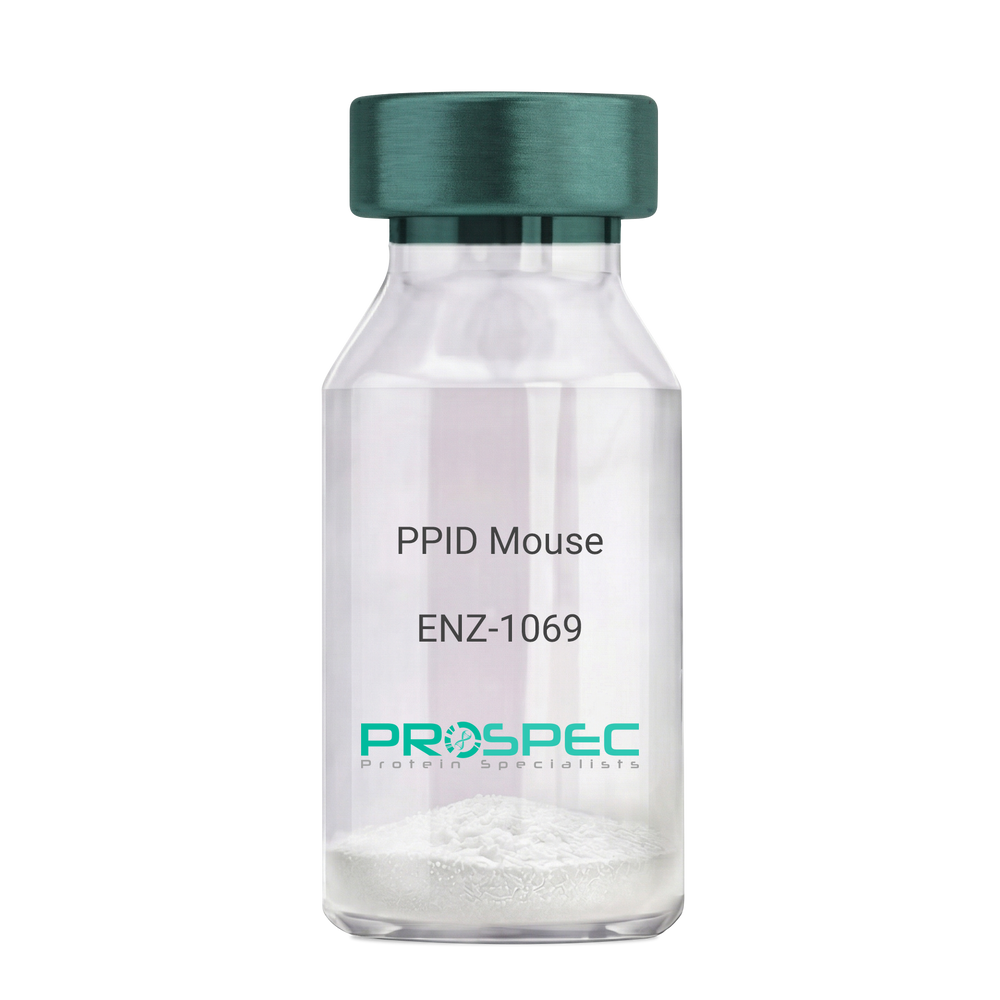
    PPID Mouse

    Description:

    Peptidylprolyl Isomerase D Mouse Recombinant

    Peptidyl-prolyl cis-trans isomerase D, PPIase D, 40 kDa peptidyl-prolyl cis-trans isomerase, Cyclophilin-40, CYP-40, Cyclophilin-related protein, CYP40, CYPD, PPID, Peptidylprolyl Isomerase D.

    Product # :

    ENZ-1069

    Price :

    Quantity :

    Shipping Method :

    Ice Icon

    Shipped with Ice Packs

    Add To Cart

    More Info

    • description
    • source
    • formulation
    • purity
    • biological activity
    • More Info
    • Citations

    Description

    PPID Mouse Recombinant produced in E.Coli is a single, non-glycosylated polypeptide chain containing 395 amino acids (1-370a.a.) and having a molecular mass of 43.4kDa. PPID is fused to a 25 amino acid His-tag at N-terminus & purified by proprietary chromatographic techniques.

    Source

    Escherichia Coli.

    Formulation

    PPID protein solution (1mg/ml) containing 20mM Tris-Hcl buffer (pH8.0), 10% glycerol and 1mM DTT.

    Purity

    Greater than 90.0% as determined by SDS-PAGE.

    Biological Activity

    Specific activity is > 700nmol/min/mg, and is defined as the amount of enzyme that cleaves 1umole of suc-AAFP-PNA per minute at 37°C in Tris–HCl pH 8.0 using chymotrypsin.

    Citations

    More Info

    • Introduction

      Cyclophilin-D is a member of the peptidyl-prolyl cis-trans isomerase (PPIase) family. PPIases catalyze the cis-trans isomerization of proline imidic peptide bonds in oligopeptides and speeds up the protein folding. Cyclophilin-D possess PPIase activity and binds to the immunosuppressant cyclosporin-A. Cyclophilin-D is very well known that its overexpression suppresses the apoptosis in cancer cell. Cyclophilin-D suppresses apoptotic cell death by the use of mitochondrial hexokinase-2 dependent mechanism in cancer cells.

    • Synonyms

      Peptidyl-prolyl cis-trans isomerase D, PPIase D, 40 kDa peptidyl-prolyl cis-trans isomerase, Cyclophilin-40, CYP-40, Cyclophilin-related protein, CYP40, CYPD, PPID, Peptidylprolyl Isomerase D.

    • Physical Appearance

      Sterile Filtered colorless solution.

    • Stability

      Store at 4°C if entire vial will be used within 2-4 weeks. Store, frozen at -20°C for longer periods of time. For long term storage it is recommended to add a carrier protein (0.1% HSA or BSA). Please prevent freeze-thaw cycles.

    • Amino Acid Sequence

      MGSSHHHHHH SSGLVPRGSH MGSEFMSHAS PAAKPSNSKN PRVFFDVDIG GERVGRIVLE LFADIVPKTA ENFRALCTGE KGTGSTTGKP LHFKGCPFHR IIKKFMIQGG DFSNQNGTGG ESIYGEKFED ENFHYKHDRE GLLSMANAGP NTNGSQFFIT TVPTPHLDGK HVVFGQVIKG LGVARTLENV EVNGEKPAKL CVIAECGELK EGDDWGIFPK DGSGDSHPDF PEDADIDLKD VDKILLISED LKNIGNTFFK SQNWEMAIKK YAKVLRYVDS SKAVIEKADR SRLQPIALSC VLNIGACKLK MSNWQGAIDS CLEALEMDPS NTKALYRKAQ GWQGLKEYDQ ALADLKKAQE IAPGDKAIQA ELLKVKQMIK AQKDKEKAVY AKMFA.

    ProSpec's products are furnished for LABORATORY RESEARCH USE ONLY. The product may not be used as drugs, agricultural or pesticidal products, food additives or household chemicals.

    Ppid Mouse
  • View Data Sheet

    Name :

    GSTP2 Mouse, His

    Description:

    Glutathione S-Transferase pi 2 Mouse Recombinant, His Tag

    Glutathione S-transferase P 2 (EC:2.5.1.18), Gst P2, GST YF-YF, GST class-pi, GST-piA, Gstp2, Gstpia.

    Product # :

    ENZ-928

    Price :

    Quantity :

    Shipping Method :

    Ice Icon

    Shipped with Ice Packs

    Add To Cart

    More Info

    • description
    • source
    • formulation
    • purity
    • More Info
    • Citations

    Description

    GSTP2 Mouse Recombinant produced in E.Coli is a single, non-glycosylated polypeptide chain containing 233 amino acids (1-210 a.a) and having a molecular mass of 25.9kDa. GSTP2 is fused to a 23 amino acid His-tag at N-terminus & purified by proprietary chromatographic techniques.

    Source

    Escherichia Coli.

    Formulation

    GSTP2 protein solution (1mg/ml) containing Phosphate Buffered Saline (pH 7.4) and 10% glycerol.

    Purity

    Greater than 95.0% as determined by SDS-PAGE.

    Citations

    More Info

    • Introduction

      Gltathione S-transferase PI 2, also known as GSTP2 is multifunctional enzyme which is involved in theprotection of cellular components against anti-cancer drugs or peroxidative stress. Furthermore, down regulation of GSTP2induces an increase of oxidative damage in the pyramidal cells of the CA1&CA3 regions as well as in the granular layer ofthe dentate gyrus, which at the end leads to structural and functional damage.

    • Synonyms

      Glutathione S-transferase P 2 (EC:2.5.1.18), Gst P2, GST YF-YF, GST class-pi, GST-piA, Gstp2, Gstpia.

    • Physical Appearance

      Sterile filtered colorless solution.

    • Stability

      Store at 4°C if entire vial will be used within 2-4 weeks. Store, frozen at -20°C for longer periods of time. For long term storage it is recommended to add a carrier protein (0.1% HSA or BSA).Avoid multiple freeze-thaw cycles.

    • Amino Acid Sequence

      MGSSHHHHHH SSGLVPRGSH MGSMPPYTIV YFPSPGRCEA MRMLLADQGQ SWKEEVVTID TWMQGLLKPT CLYGQLPKFE DGDLTLYQSN AILRHLGRSL GLYGKNQREA AQVDMVNDGV EDLRGKYGTM IYRNYENGKN DYVKALPGHL KPFETLLSQN QGGKAFIVGD QISFADYNLL DLLLIHQVLA PGCLDNFPLL SAYVARLSAR PKIKAFLSSP EHVNRPINGN GKQ.

    ProSpec's products are furnished for LABORATORY RESEARCH USE ONLY. The product may not be used as drugs, agricultural or pesticidal products, food additives or household chemicals.

    Gstp2 Mouse
  • View Data Sheet

    Name :

    GST-HRP Antibody

    Description:

    Glutathione-S-Transferase, Mouse Antibody Peroxidase Conjugated

    Product # :

    ANT-220

    Price :

    Quantity :

    Shipping Method :

    Ice Icon

    Shipped with Ice Packs

    Add To Cart

    More Info

    • description
    • formulation
    • More Info
    • Citations

    Description

    Monoclonal antibodies are produced by immunizing mouse with GST protein.

    Formulation

    1×PBS & 50% glycerol.

    Citations

    More Info

    • Introduction

      GST family of enzymes comprises a long list of cytosolic, mitochondrial, and microsomal proteins that are 45-55 kDa (dimer form) size and are capable of multiple reactions with a multitude of substrates, both endogenous and xenobiotic. GST catalyses the conjugation of reduced glutathione meaning the sulfhydryl group, to electrophilic centers on a wide variety of substrates. This activity is useful in the detoxification of endogenous compounds such as peroxidised lipids, as well as the metabolism of xenobiotics. GST binds toxins and function as transport protein. Glutathione S-transferase is used to create the so-called 'GST gene fusion system'. The GST is used to purify and detect proteins of interest. In a GST gene fusion system, the GST sequence is incorporated into an expression vector alongside the gene sequence encoding the protein of interest. Induction of protein expression from the vector's multiple cloning sites results in expression of a fusion protein - the protein of interest fused to the GST protein. This GST-fusion protein can then be purified from cells via its high affinity for glutathione. Fusion proteins offer an important biological assay for direct protein-to-protein interactions. The GST tag has the size of 220 amino acids, which, compared to other tags like the myc- or the FLAG-tag, is quite big. It is fused to the N-terminus of a protein. However, many commercially-available sources of GST-tagged plasmids include a thrombin domain for cleavage of the GST tag during protein purification. A GST-tag is often used to separate and purify proteins that contain the GST-fusion. GST-fusion proteins can be produced in Escherichia coli, as recombinant proteins.

    • Ig Subclass

      Mouse IgG2b.

    • Clone

      PGSTHRPSHG.

    • Applications

      Western Blot.

    • Titer

      Western Blotting: 1:1000.

    • Type

      Mouse Antibody Monoclonal.

    ProSpec's products are furnished for LABORATORY RESEARCH USE ONLY. The product may not be used as drugs, agricultural or pesticidal products, food additives or household chemicals.

    Gst Hrp Antibody
  • View Data Sheet

    Name :

    OCT Human

    Description:

    Octreotide Human

    Product # :

    HOR-265

    Price :

    Quantity :

    Shipping Method :

    Room Temp Icon

    Shipped at Room temp

    Add To Cart

    More Info

    • description
    • formulation
    • purity
    • More Info
    • Citations

    Description

    Octreotide Human Synthetic is a single, non-glycosylated, polypeptide chain containing 8 amino acids, having a molecular mass of 1019.26 Dalton and a molecular formula of C49H66N10O10S2.Octreotide is purified by proprietary chromatographic techniques.

    Formulation

    The Octreotide was lyophilized from a concentrated (1mg/ml) solution with no additives.

    Purity

    Greater than 98.0% as determined by RP-HPLC.

    Citations

    More Info

    • Introduction

      Octreotide acetate is a longer acting synthetic octapeptide analog of naturally occurring somatostatin. It inhibits the secretion of gastro-entero-pancreatic peptide hormones and the release of growth hormone.

    • Physical Appearance

      Sterile Filtered White lyophilized (freeze-dried) powder.

    • Stability

      Lyophilized Octreotide although stable at room temperature for 3 weeks, should be stored desiccated below -18°C. Upon reconstitution Octreotide should be stored at 4°C between 2-7 days and for future use below -18°C.For long term storage it is recommended to add a carrier protein (0.1% HSA or BSA).Please prevent freeze-thaw cycles.

    • Solubility

      It is recommended to reconstitute the lyophilized Octreotide in sterile 18MΩ-cm H2O not less than 100 µg/ml, which can then be further diluted to other aqueous solutions.

    • Amino Acid Sequence

      H-D-Phe-Cys-Phe-D-Trp-Lys-Thr-Cys-L-threoninol.

    ProSpec's products are furnished for LABORATORY RESEARCH USE ONLY. The product may not be used as drugs, agricultural or pesticidal products, food additives or household chemicals.

    Octreotide Human
  • View Data Sheet

    Name :

    PPM1D Human

    Description:

    Protein Phosphatase 1D Human Recombinant

    Protein phosphatase 1D magnesium-dependent, delta isoform, PPM1D, Protein Phosphatase 1D, PP2C-DELTA, WIP1.

    Product # :

    ENZ-861

    Price :

    Quantity :

    Shipping Method :

    Ice Icon

    Shipped with Ice Packs

    Add To Cart

    More Info

    • description
    • source
    • formulation
    • purity
    • More Info
    • Citations

    Description

    PPM1D Human Recombinant produced in E.Coli is a single, non-glycosylated polypeptide chain containing 299 amino acids (98-375a.a.) and having a molecular mass of 33.2kDa.PPM1D is fused to a 20 amino acid His-tag at N-terminus & purified by proprietary chromatographic techniques.

    Source

    Escherichia Coli.

    Formulation

    PPM1D protein solution (0.5mg/ml) containing 20mM Tris-HCl (pH8.0) and 10% glycerol.

    Purity

    Greater than 85.0% as determined by SDS-PAGE.

    Citations

    More Info

    • Introduction

      Protein Phosphatase 1D (PPM1D) belongs to the PP2C family of Ser/Thr protein phosphatases whose members are negative regulators of cell stress response pathways. PPM1D is induced by tumor suppressor protein TP53/p53 in response to multiple environmental stresses. PPM1D is a negative regulator of the activity of p38 MAP kinase through which it reduces the phosphorylation of p53 and suppresses p53-mediated transcription and apoptosis. PPM1D is located in a chromosomal area which enlarges in breast cancer.

    • Synonyms

      Protein phosphatase 1D magnesium-dependent, delta isoform, PPM1D, Protein Phosphatase 1D, PP2C-DELTA, WIP1.

    • Physical Appearance

      Sterile Filtered clear solution.

    • Stability

      Store at 4°C if entire vial will be used within 2-4 weeks. Store, frozen at -20°C for longer periods of time. For long term storage it is recommended to add a carrier protein (0.1% HSA or BSA).Avoid multiple freeze-thaw cycles.

    • Amino Acid Sequence

      MGSSHHHHHH SSGLVPRGSH MVAFFAVCDG HGGREAAQFA REHFWGFIKK QKGFTSSEPA KVCAAIRKGF LACHLAMWKK LAEWPKTMTG LPSTSGTTAS VVIIRGMKMY VAHVGDSGVV LGIQDDPKDD FVRAVEVTQD HKPELPKERE RIEGLGGSVM NKSGVNRVVW KRPRLTHNGP VRRSTVIDQI PFLAVARALG DLWSYDFFSG EFVVSPEPDT SVHTLDPQKH KYIILGSDGL WNMIPPQDAI SMCQDQEEKK YLMGEHGQSC AKMLVNRALG RWRQRMLRAD NTSAIVICI.

    ProSpec's products are furnished for LABORATORY RESEARCH USE ONLY. The product may not be used as drugs, agricultural or pesticidal products, food additives or household chemicals.

    Ppm1D Human
  • View Data Sheet

    Name :

    Thyroglobulin Human

    Description:

    Thyroglobulin Human Recombinant

    Thyroglobulin, TGN, AITD3, TG.

    Product # :

    PRO-2803

    Price :

    Quantity :

    Shipping Method :

    Room Temp Icon

    Shipped at Room temp

    Add To Cart

    More Info

    • description
    • source
    • formulation
    • purity
    • More Info
    • sds-page
    • Citations

    Description

    Thyroglobulin Human produced in a mammalian cell line is a single, non-glycosylated polypeptide chain (1-2768 a.a.) and having a molecular mass of 304640 Dalton. Thyroglobulin Human is fused with GlyAlaProGly4SerHis10-tag at C-terminal and purified by proprietary chromatographic techniques.

    Source

    Mammalian cell line.

    Formulation

    Thyroglobulin was lyophilized from PBS, pH 7.4 and 5.4 % sucrose.

    Purity

    Greater than 95.0% as determined by SDS-PAGE.

    sds-page

    Thyroglobulin Recombinant Human SDS-PAGE - Product image 1

    Citations

    More Info

    • Synonyms

      Thyroglobulin, TGN, AITD3, TG.

    • Physical Appearance

      Sterile Filtered White lyophilized (freeze-dried) powder.

    • Stability

      Lyophilized Thyroglobulin although stable at room temperature for 3 weeks, should be stored desiccated below -18°C. Upon reconstitution Thyroglobulin should be stored at 4°C between 2-7 days and for future use below -18°C. For long term storage it is recommended to add a carrier protein (0.1% HSA or BSA). Please prevent freeze-thaw cycles.

    • Solubility

      It is recommended to reconstitute the lyophilized Thyroglobulin in sterile 18MΩ-cm H2O not less than 100µg/ml, which can then be further diluted to other aqueous solutions.

    • Background

      Thyroglobulin, a glycoprotein primarily produced in the thyroid gland, stands at the center of thyroid hormone synthesis. Comprising a series of tyrosine residues, thyroglobulin serves as the scaffold upon which thyroid hormones are assembled. Beyond its pivotal role in thyroid physiology, thyroglobulin has garnered significant attention in the realm of thyroid disease diagnostics, offering valuable insights into thyroid function and disorders. This research delves into the intricacies of thyroglobulin human recombinant protein, exploring its biochemical properties, physiological significance, and its crucial applications in both clinical and research settings.

      Structural Complexity of Thyroglobulin:

      Thyroglobulin is a large, dimeric protein boasting an intricate structure composed of multiple domains. Within its structure lie tyrosine residues crucial for iodine incorporation, a process fundamental for thyroid hormone synthesis. Its size and complexity reflect the sophistication of thyroid hormone production, as thyroglobulin acts as a reservoir for thyroid hormones within the thyroid follicles.

      Physiological Significance in Thyroid Function:

      Thyroglobulin plays a central role in the synthesis of triiodothyronine (T3) and thyroxine (T4), the thyroid hormones essential for regulating metabolism and overall body homeostasis. During thyroid hormone synthesis, thyroglobulin is secreted into the follicular lumen, where it undergoes iodination and subsequent proteolysis, releasing T3 and T4. This process highlights the indispensable nature of thyroglobulin in thyroid hormone production, making it a key biomolecule in thyroid physiology.

    ProSpec's products are furnished for LABORATORY RESEARCH USE ONLY. The product may not be used as drugs, agricultural or pesticidal products, food additives or household chemicals.

    Thyroglobulin Antigen
  • View Data Sheet

    Name :

    ALDH2 Mouse

    Description:

    Aldehyde Dehydrogenase 2 Mouse Recombinant

    Aldehyde dehydrogenase, mitochondrial, AHD-M1, ALDH class 2, ALDH-E2, ALDHI.

    Product # :

    ENZ-879

    Price :

    Quantity :

    Shipping Method :

    Ice Icon

    Shipped with Ice Packs

    Add To Cart

    More Info

    • description
    • source
    • formulation
    • purity
    • More Info
    • Citations

    Description

    ALDH2 Mouse Recombinant produced in E.Coli is a single, non-glycosylated polypeptide chain containing 523 amino acids (20-519 a.a) and having a molecular mass of 56.8kDa. ALDH2 is fused to a 23 amino acid His-tag at N-terminus & purified by proprietary chromatographic techniques.

    Source

    Escherichia Coli.

    Formulation

    ALDH2 protein e solution (0.5mg/ml) containing Phosphate buffered salin(pH7.4), 20% glycerol and 1mM DTT.

    Purity

    Greater than 85% as determined by SDS-PAGE.

    Citations

    More Info

    • Introduction

      ALDH2 is part of the aldehyde dehydrogenase family of proteins which catalyze the chemical transformation from acetaldehyde to acetic acid. ALDH2 is the second enzyme of the major oxidative pathway of alcohol metabolism. ALDH2 has 2 major liver isoforms: cytosolic and mitochondrial, which differ by their electrophoretic mobilities, kinetic properties, and subcellular localizations. Nearly all Caucasians have 2 major isozymes, whereas roughly 50% of Orientals have only the cytosolic isozyme, omitting the mitochondrial isozyme. The extremely higher rate of acute alcohol intoxication with Orientals compared to Caucasians is due to the fact of the absence of mitochondrial isozyme. ALDH2 has a low Km for acetaldehydes, and is localized in mitochondrial matrix.

    • Synonyms

      Aldehyde dehydrogenase, mitochondrial, AHD-M1, ALDH class 2, ALDH-E2, ALDHI.

    • Physical Appearance

      Sterile Filtered clear solution.

    • Stability

      Store at 4°C if entire vial will be used within 2-4 weeks. Store, frozen at -20°C for longer periods of time. For long term storage it is recommended to add a carrier protein (0.1% HSA or BSA).Avoid multiple freeze-thaw cycles.

    • Amino Acid Sequence

      MGSSHHHHHH SSGLVPRGSH MGSSAAATSA VPAPNHQPEV FCNQIFINNE WHDAVSRKTF PTVNPSTGEV ICQVAEGNKE DVDKAVKAAR AAFQLGSPWR RMDASDRGRL LYRLADLIER DRTYLAALET LDNGKPYVIS YLVDLDMVLK CLRYYAGWAD KYHGKTIPID GDFFSYTRHE PVGVCGQIIP WNFPLLMQAW KLGPALATGN VVVMKVAEQT PLTALYVANL IKEAGFPPGV VNIVPGFGPT AGAAIASHEG VDKVAFTGST EVGHLIQVAA GSSNLKRVTL ELGGKSPNII MSDADMDWAV EQAHFALFFN QGQCCCAGSR TFVQENVYDE FVERSVARAK SRVVGNPFDS RTEQGPQVDE TQFKKILGYI KSGQQEGAKL LCGGGAAADR GYFIQPTVFG DVKDGMTIAK EEIFGPVMQI LKFKTIEEVV GRANDSKYGL AAAVFTKDLD KANYLSQALQ AGTVWINCYD VFGAQSPFGG YKMSGSGREL GEYGLQAYTE VKTVTVKVPQ KNS.

    ProSpec's products are furnished for LABORATORY RESEARCH USE ONLY. The product may not be used as drugs, agricultural or pesticidal products, food additives or household chemicals.

    Aldh2 Mouse
  • View Data Sheet

    Name :

    HSD17B8 Human

    Description:

    Hydroxysteroid (17-beta) Dehydrogenase 8 Human Recombinant

    E2 17-beta-dehydrogenase 8, 17-beta-hydroxysteroid dehydrogenase 8, 17-beta-HSD 8, 3-oxoacyl-[acyl-carrier-protein] reductase, Protein Ke6, Ke-6, Really interesting new gene 2 protein, Testosterone 17-beta-dehydrogenase 8, HSD17B8, FABGL, HKE6, RING2, KE6, FABG, H2-KE6, SDR30C1, D6S2245E, dJ1033B10.9.

    Product # :

    ENZ-108

    Price :

    Quantity :

    Shipping Method :

    Ice Icon

    Shipped with Ice Packs

    Add To Cart

    More Info

    • description
    • source
    • formulation
    • purity
    • More Info
    • Citations

    Description

    HSD17B8 Human Recombinant produced in E.Coli is a single, non-glycosylated polypeptide chain containing 281 amino acids (1-261 a.a.) and having a molecular mass of 29.1kDa.HSD17B8 is fused to a 20 amino acid His-tag at N-terminus & purified by proprietary chromatographic techniques.

    Source

    Escherichia Coli.

    Formulation

    HSD17B8 solution (0.5mg/ml) containing 20mM Tris-HCl buffer (pH8.0), 40% glycerol and 150mM NaCl.

    Purity

    Greater than 95.0% as determined by SDS-PAGE.

    Citations

    More Info

    • Introduction

      E2 17-beta-dehydrogenase 8 (HSD17B8) is a member of the short-chain dehydrogenases/reductases (SDR) family. In mice, the HSD17B8 protein is a 17-beta-hydroxysteroid dehydrogenase which can regulate the concentration of biologically active estrogens and androgens. HSD17B8 is preferentially an oxidative enzyme and inactivates E2, testosterone, and DHT. However, the HSD17B8 enzyme has some reductive activity and can synthesize E2 from E1. HSD17B8 may have a role in biosynthesis of fatty acids in mitochondria.

    • Synonyms

      E2 17-beta-dehydrogenase 8, 17-beta-hydroxysteroid dehydrogenase 8, 17-beta-HSD 8, 3-oxoacyl-[acyl-carrier-protein] reductase, Protein Ke6, Ke-6, Really interesting new gene 2 protein, Testosterone 17-beta-dehydrogenase 8, HSD17B8, FABGL, HKE6, RING2, KE6, FABG, H2-KE6, SDR30C1, D6S2245E, dJ1033B10.9.

    • Physical Appearance

      Sterile filtered colorless solution.

    • Stability

      Store at 4°C if entire vial will be used within 2-4 weeks. Store, frozen at -20°C for longer periods of time. For long term storage it is recommended to add a carrier protein (0.1% HSA or BSA).Avoid multiple freeze-thaw cycles.

    • Amino Acid Sequence

      MGSSHHHHHH SSGLVPRGSH MASQLQNRLR SALALVTGAG SGIGRAVSVR LAGEGATVAA CDLDRAAAQE TVRLLGGPGS KEGPPRGNHA AFQADVSEAR AARCLLEQVQ ACFSRPPSVV VSCAGITQDE FLLHMSEDDW DKVIAVNLKG TFLVTQAAAQ ALVSNGCRGS IINISSIVGK VGNVGQTNYA ASKAGVIGLT QTAARELGRH GIRCNSVLPG FIATPMTQKV PQKVVDKITE MIPMGHLGDP EDVADVVAFL ASEDSGYITG TSVEVTGGLF M.

    ProSpec's products are furnished for LABORATORY RESEARCH USE ONLY. The product may not be used as drugs, agricultural or pesticidal products, food additives or household chemicals.

    Hsd17B8 Human
  • View Data Sheet

    Name :

    PECR Human

    Description:

    Peroxisomal Trans-2-enoyl-CoA Reductase Human Recombinant

    Peroxisomal trans-2-enoyl-CoA reductase, TERP, HSA250303, SDR29C1, 2,4-dienoyl-CoA reductase-related protein, DCR-RP, pVI-ARL, EC 1.3.1.38, HPDHASE, putative short chain alcohol dehydrogenase, short chain dehydrogenase/reductase family 29C member 1.

    Product # :

    ENZ-177

    Price :

    Quantity :

    Shipping Method :

    Ice Icon

    Shipped with Ice Packs

    Add To Cart

    More Info

    • description
    • source
    • formulation
    • purity
    • More Info
    • Citations

    Description

    PECR Human Recombinant produced in E.coli is a single, non-glycosylated polypeptide chain containing 327 amino acids (1-303) and having a molecular mass of 35.1 kDa.PECR is fused to a 24 amino acid His-tag at N-terminus & purified by proprietary chromatographic techniques.

    Source

    E.coli.

    Formulation

    The PECR solution (1mg/ml) contains 20mM Tris-HCl buffer (pH 8.0), 0.15M NaCl, 2mM DTT and 10% glycerol.

    Purity

    Greater than 95% as determined by SDS-PAGE.

    Citations

    More Info

    • Introduction

      PECR is the main enzyme for a projected peroxisomal chain elongation pathway and is primarily expressed in kidney and liver.

    • Synonyms

      Peroxisomal trans-2-enoyl-CoA reductase, TERP, HSA250303, SDR29C1, 2,4-dienoyl-CoA reductase-related protein, DCR-RP, pVI-ARL, EC 1.3.1.38, HPDHASE, putative short chain alcohol dehydrogenase, short chain dehydrogenase/reductase family 29C member 1.

    • Physical Appearance

      Sterile Filtered colorless solution.

    • Stability

      Store at 4°C if entire vial will be used within 2-4 weeks. Store, frozen at -20°C for longer periods of time. For long term storage it is recommended to add a carrier protein (0.1% HSA or BSA).Avoid multiple freeze-thaw cycles.

    • Amino Acid Sequence

      MGSSHHHHHH SSGLVPRGSH MGSHMASWAK GRSYLAPGLL QGQVAIVTGG ATGIGKAIVK ELLELGSNVV IASRKLERLK SAADELQANL PPTKQARVIP IQCNIRNEEE VNNLVKSTLD TFGKINFLVN NGGGQFLSPA EHISSKGWHA VLETNLTGTF YMCKAVYSSW MKEHGGSIVN IIVPTKAGFP LAVHSGAARA GVYNLTKSLA LEWACSGIRI NCVAPGVIYS QTAVENYGSW GQSFFEGSFQ KIPAKRIGVP EEVSSVVCFL LSPAASFITG QSVDVDGGRS LYTHSYEVPD HDNWPKGAGD LSVVKKMKET FKEKAKL

    ProSpec's products are furnished for LABORATORY RESEARCH USE ONLY. The product may not be used as drugs, agricultural or pesticidal products, food additives or household chemicals.

    Pecr Human
  • View Data Sheet

    Name :

    PLA2G7 Human

    Description:

    Secreted Phospholipase A2-VII Human Recombinant

    Platelet-activating factor acetylhydrolase, PAF acetylhydrolase, PAF 2-acylhydrolase, LDL-associated phospholipase A2, LDL-PLA(2), 2-acetyl-1-alkylglycerophosphocholine esterase, 1-alkyl-2-acetylglycerophosphocholine esterase, PLA2G7, PAFAH, LP-PLA2, LDL-PLA2.

    Product # :

    ENZ-436

    Price :

    Quantity :

    Shipping Method :

    Ice Icon

    Shipped with Ice Packs

    Add To Cart

    More Info

    • description
    • source
    • formulation
    • purity
    • More Info
    • Citations

    Description

    PLA2G7 Human Recombinant produced in E.Coli is single, a non-glycosylated, Polypeptide chain containing 420 amino acids fragment (22-441) having a total molecular mass of 52.29kDa and fused with a 4.5kDa amino-terminal hexahistidine tag. The PLA2G7 is purified by proprietary chromatographic techniques.

    Source

    Escherichia Coli.

    Formulation

    PLA2G7 protein is supplied in 20mM Tris-HCl pH-8.0, 1mM EDTA and 50% glycerol.

    Purity

    Greater than 95.0% as determined by SDS-PAGE.

    Citations

    More Info

    • Introduction

      PLA2G7 is a secreted enzyme which catalyzes the degradation of platelet-activating factor to biologically inactive products. The PLA2G7 enzyme is produced by inflammatory cells and hydrolyzes oxidised phospholipids in LDL. In the blood, PLA2G7 goes mainly with LDL and less than 20% is coupled with HDL.
      PLA2G7 is implicated in the development of atherosclerosis and is also a marker for cardiac disease. PLA2G7 might have a major physiologic effect in the presence of inflammatory bodily responses.
      PLA2G7 alters the action of PAF (platelet-activating factor) by hydrolyzing the sn-2 ester bond to yield the biologically inactive lyso-PAF. PLA2G7 has specificity for substrates with a short residue at the sn-2 position. PLA2G7 is inactive against long-chain phospholipids.
      PLA2G7 gene defects are the source of platelet-activating factor acetylhydrolase deficiency, which is a trait that is present in 27% of the Japanese population.

    • Synonyms

      Platelet-activating factor acetylhydrolase, PAF acetylhydrolase, PAF 2-acylhydrolase, LDL-associated phospholipase A2, LDL-PLA(2), 2-acetyl-1-alkylglycerophosphocholine esterase, 1-alkyl-2-acetylglycerophosphocholine esterase, PLA2G7, PAFAH, LP-PLA2, LDL-PLA2.

    • Physical Appearance

      Sterile Filtered clear solution.

    • Stability

      Store at 4°C if entire vial will be used within 2-4 weeks. Store, frozen at -20°C for longer periods of time. Please avoid freeze thaw cycles.

    ProSpec's products are furnished for LABORATORY RESEARCH USE ONLY. The product may not be used as drugs, agricultural or pesticidal products, food additives or household chemicals.

    Pla2G7 Human
  • View Data Sheet

    Name :

    PMVK Human

    Description:

    Phosphomevalonate Kinase Human Recombinant

    Phosphomevalonate kinase, PMKase, hPMK, PMVK, PMKI, PMK, PMKA, PMKASE, HUMPMKI.

    Product # :

    PKA-308

    Price :

    Quantity :

    Shipping Method :

    Ice Icon

    Shipped with Ice Packs

    Add To Cart

    More Info

    • description
    • source
    • formulation
    • purity
    • More Info
    • Citations

    Description

    PMVK Human Recombinant fused with a 20 amino acid His tag at N-terminus produced in E.Coli is a single, non-glycosylated, polypeptide chain containing 212 amino acids (1-192 a.a.) and having a molecular mass of 24.1kDa. The PMVK is purified by proprietary chromatographic techniques.

    Source

    Escherichia Coli.

    Formulation

    The PMVK solution (1mg/ml) contains 20mM Tris-HCl buffer (pH 7.5), 1mM DTT, 10% glycerol and 0.1M NaCl.

    Purity

    Greater than 95.0% as determined by SDS-PAGE.

    Citations

    More Info

    • Introduction

      Phosphomevalonate kinase (PMVK) is a cytosolic enzyme. PMVK is expressed highly in the heart, liver, skeletal muscle, kidney and pancreas and slightly lower in the brain, placenta, and lung. PMVK catalyzes the conversion of mevalonate 5-phosphate into mevalonate 5-diphosphate in the fifth reaction of the cholesterol biosynthetic pathway. Induced by sterol, PMVK participates in isopentenyl diphosphate biosynthesis via the mevalonate pathway.

    • Synonyms

      Phosphomevalonate kinase, PMKase, hPMK, PMVK, PMKI, PMK, PMKA, PMKASE, HUMPMKI.

    • Physical Appearance

      Sterile Filtered colorless solution.

    • Stability

      Store at 4°C if entire vial will be used within 2-4 weeks. Store, frozen at -20°C for longer periods of time. For long term storage it is recommended to add a carrier protein (0.1% HSA or BSA). Avoid multiple freeze-thaw cycles.

    • Amino Acid Sequence

      MGSSHHHHHH SSGLVPRGSH MAPLGGAPRL VLLFSGKRKS GKDFVTEALQ SRLGADVCAV LRLSGPLKEQ YAQEHGLNFQ RLLDTSTYKE AFRKDMIRWG EEKRQADPGF FCRKIVEGIS QPIWLVSDTR RVSDIQWFRE AYGAVTQTVR VVALEQSRQQ RGWVFTPGVD DAESECGLDN FGDFDWVIEN HGVEQRLEEQ LENLIEFIRS RL.

    ProSpec's products are furnished for LABORATORY RESEARCH USE ONLY. The product may not be used as drugs, agricultural or pesticidal products, food additives or household chemicals.

    Pmvk Human
  • View Data Sheet

    Name :

    POLR2H Human

    Description:

    Polymerase (RNA) II (DNA directed) Polypeptide H Human Recombinant

    DNA-directed RNA polymerases I, II, and III subunit RPABC3, RNA polymerases I, II, and III subunit ABC3, DNA-directed RNA polymerase II subunit H, DNA-directed RNA polymerases I, II, and III 17.1 kDa polypeptide, RPB17, RPB8 homolog, hRPB8, POLR2H, polymerase (RNA) II (DNA directed) polypeptide H, RPB8, RPABC3.

    Product # :

    PRO-1443

    Price :

    Quantity :

    Shipping Method :

    Ice Icon

    Shipped with Ice Packs

    Add To Cart

    More Info

    • description
    • source
    • formulation
    • purity
    • More Info
    • Citations

    Description

    POLR2H Human Recombinant produced in E.Coli is a single, non-glycosylated polypeptide chain containing 173 amino acids (1-150 a.a) and having a molecular mass of 19.5kDa.POLR2H is fused to a 23 amino acid His-tag at N-terminus & purified by proprietary chromatographic techniques.

    Source

    Escherichia Coli.

    Formulation

    POLR2H protein solution (1mg/ml) containing 20mM Tris-HCl buffer (pH 8.0), 0.15M NaCl, 10% glycerol and 1mM DTT.

    Purity

    Greater than 90.0% as determined by SDS-PAGE.

    Citations

    More Info

    • Introduction

      POLR2H is an essential and highly conserved subunit of RNA polymerase II which is shared by the other 2 eukaryotic DNA-directed RNA polymerases, I and III. The three eukaryotic RNA polymerases are complex multisubunit enzymes which play a vital role in the transcription of nuclear genes. POLR2H encodes an essential and highly conserved subunit of RNA polymerase II which is shared by the other two eukaryotic DNA-directed RNA polymerases, I and III.

    • Synonyms

      DNA-directed RNA polymerases I, II, and III subunit RPABC3, RNA polymerases I, II, and III subunit ABC3, DNA-directed RNA polymerase II subunit H, DNA-directed RNA polymerases I, II, and III 17.1 kDa polypeptide, RPB17, RPB8 homolog, hRPB8, POLR2H, polymerase (RNA) II (DNA directed) polypeptide H, RPB8, RPABC3.

    • Physical Appearance

      Sterile Filtered colorless solution.

    • Stability

      Store at 4°C if entire vial will be used within 2-4 weeks. Store, frozen at -20°C for longer periods of time. For long term storage it is recommended to add a carrier protein (0.1% HSA or BSA).Avoid multiple freeze-thaw cycles.

    • Amino Acid Sequence

      MGSSHHHHHH SSGLVPRGSH MGSMAGILFE DIFDVKDIDP EGKKFDRVSR LHCESESFKM DLILDVNIQI YPVDLGDKFR LVIASTLYED GTLDDGEYNP TDDRPSRADQ FEYVMYGKVY RIEGDETSTE AATRLSAYVS YGGLLMRLQG DANNLHGFEV DSRVYLLMKK LAF.

    ProSpec's products are furnished for LABORATORY RESEARCH USE ONLY. The product may not be used as drugs, agricultural or pesticidal products, food additives or household chemicals.

    Polr2H Human
  • View Data Sheet

    Name :

    GCSH Human

    Description:

    Glycine Cleavage System Protein H Human Recombinant

    Glycine cleavage system protein H (aminomethyl carrier), NKH, GCE, Lipoic acid-containing protein, Mitochondrial glycine cleavage system H-protein.

    Product # :

    PRO-973

    Price :

    Quantity :

    Shipping Method :

    Ice Icon

    Shipped with Ice Packs

    Add To Cart

    More Info

    • description
    • source
    • formulation
    • purity
    • More Info
    • Citations

    Description

    GCSH Human Recombinant produced in E.coli is a single, non-glycosylated polypeptide chain containing 149 amino acids (48-173) and having a molecular mass of 16.4 kDa.GCSH is fused to a 24 amino acid His-tag at N-terminus & purified by proprietary chromatographic techniques.

    Source

    E.coli.

    Formulation

    The GCSH solution (1mg/ml) contains 20mM Tris-HCl buffer (pH 8.0), 1mM DTT, 0.15M NaCl and 10% glycerol.

    Purity

    Greater than 95% as determined by SDS-PAGE.

    Citations

    More Info

    • Introduction

      There are four mitochondrial proteins composing the enzyme system for cleavage of glycine (glycine cleavage system): P protein, H protein, T protein, and L protein. GCSH is the H protein. GCSH transfers the methylamine group of glycine from the P protein to the T protein. Mutations in this gene results in nonketotic hyperglycinemia (NKH).

    • Synonyms

      Glycine cleavage system protein H (aminomethyl carrier), NKH, GCE, Lipoic acid-containing protein, Mitochondrial glycine cleavage system H-protein.

    • Physical Appearance

      Sterile Filtered colorless solution.

    • Stability

      Store at 4°C if entire vial will be used within 2-4 weeks. Store, frozen at -20°C for longer periods of time. For long term storage it is recommended to add a carrier protein (0.1% HSA or BSA).Avoid multiple freeze-thaw cycles.

    • Amino Acid Sequence

      MGSSHHHHHH SSGLVPRGSH MGSMSVRKFT EKHEWVTTEN GIGTVGISNF AQEALGDVVY CSLPEVGTKL NKQDEFGALE SVKAASELYS PLSGEVTEIN EALAENPGLV NKSCYEDGWL IKMTLSNPSE LDELMSEEAY EKYIKSIEE

    ProSpec's products are furnished for LABORATORY RESEARCH USE ONLY. The product may not be used as drugs, agricultural or pesticidal products, food additives or household chemicals.

    Gcsh Human
  • View Data Sheet

    Name :

    PPP1R2 Human

    Description:

    Protein Phosphatase 1, Regulatory Subunit 2 Human Recombinant

    PPP1R2, Protein phosphatase inhibitor 2, IPP-2, IPP2, Protein phosphatase 1, regulatory (inhibitor) subunit 2, Protein Phosphatase 1, Regulatory Subunit 2.

    Product # :

    ENZ-757

    Price :

    Quantity :

    Shipping Method :

    Ice Icon

    Shipped with Ice Packs

    Add To Cart

    More Info

    • description
    • source
    • formulation
    • purity
    • More Info
    • Citations

    Description

    PPP1R2 Human Recombinant produced in E.Coli is a single, non-glycosylated polypeptide chain containing 189 amino acids (1-166 a.a) and having a molecular mass of 21kDa.PPP1R2 is fused to a 23 amino acid His-tag at N-terminus & purified by proprietary chromatographic techniques.

    Source

    Escherichia Coli.

    Formulation

    PPP1R2 protein solution (0. 25mg/ml) containing 20mM Tris-HCl buffer (pH 8.0), 30% glycerol, 0.15M NaCl and 1mM DTT.

    Purity

    Greater than 85.0% as determined by SDS-PAGE.

    Citations

    More Info

    • Introduction

      Protein Phosphatase 1, Regulatory Subunit 2 (PPP1R2) is an inhibitor of protein-phosphatase 1 which forms heterodimer with PP1. PPP1R2 is a part of the protein phosphatase inhibitor 2 family.

    • Synonyms

      PPP1R2, Protein phosphatase inhibitor 2, IPP-2, IPP2, Protein phosphatase 1, regulatory (inhibitor) subunit 2, Protein Phosphatase 1, Regulatory Subunit 2.

    • Physical Appearance

      Sterile Filtered colorless solution.

    • Stability

      Store at 4°C if entire vial will be used within 2-4 weeks. Store, frozen at -20°C for longer periods of time. For long term storage it is recommended to add a carrier protein (0.1% HSA or BSA).Avoid multiple freeze-thaw cycles.

    • Amino Acid Sequence

      MGSSHHHHHH SSGLVPRGSH MGSMAASTAS HRPIKGILKN KTSTTSSMVA SAEQPRGNVD EELSKKSQKW DEMNILATYH PADKDYGLMK IDEPSTPYHS MMGDDEDACS DTEATEAMAP DILARKLAAA EGLEPKYRIQ EQESSGEEDS DLSPEEREKK RQFEMKRKLH YNEGLNIKLA RQLISKDLH.

    ProSpec's products are furnished for LABORATORY RESEARCH USE ONLY. The product may not be used as drugs, agricultural or pesticidal products, food additives or household chemicals.

    Ppp1R2 Human
  • View Data Sheet

    Name :

    CDH1 Human, HEK

    Description:

    E-Cadherin Human Recombinant, HEK

    Epithelial cadherin, E-cadherin, Uvomorulin, Cadherin-1, CAM 120/80, CD324 antigen, CDH1, CDHE, UVO, ECAD, LCAM, Arc-1, CD324, Cadherin-E.

    Product # :

    PRO-2197

    Price :

    Quantity :

    Shipping Method :

    Room Temp Icon

    Shipped at Room temp

    Add To Cart

    More Info

    • description
    • source
    • formulation
    • purity
    • More Info
    • Citations

    Description

    E-Cadherin Human Recombinant produced in HEK cells is a secreted protein with the sequence of Human E-Cadherin (amino acids Asp155-Ile707) and fused to a 6xHis tag at the C-terminus.

    Source

    HEK cells.

    Formulation

    The CDH1 protein was lyophilized from a 0.2µm filtered solution in PBS, pH7.4.

    Purity

    Greater than 95.0% as determined by SDS-PAGE.

    Citations

    More Info

    • Introduction

      E-cadherin (uvomorulin, cell-CAM120/80) is a calcium dependent cell adhesion molecule expressed predominately in epithelial tissues. It plays an important role in the growth and development of cells via the mechanisms of control of tissue architecture and the maintenance of tissue integrity. Numerous studies have demonstrated that reduction and/or loss of Ecadherin expression in carcinomas correlates positively with the potential of these tumors for invasion and metastasis.

    • Synonyms

      Epithelial cadherin, E-cadherin, Uvomorulin, Cadherin-1, CAM 120/80, CD324 antigen, CDH1, CDHE, UVO, ECAD, LCAM, Arc-1, CD324, Cadherin-E.

    • Physical Appearance

      Sterile Filtered White lyophilized (freeze-dried) powder.

    • Stability

      Lyophilized E-Cadherin although stable at room temperature for 3 weeks, should be stored desiccated below -18°C. Upon reconstitution CDH1 should be stored at 4°C between 2-7 days and for future use below -18°C.For long term storage it is recommended to add a carrier protein (0.1% HSA or BSA).Please prevent freeze-thaw cycles.

    • Solubility

      It is recommended to reconstitute the lyophilized CDH1 in sterile 18M-cm H2O not less than 100µg/ml, which can then be further diluted to other aqueous solutions.

    • Amino Acid Sequence

      DWVIPPISCPENEKGPFPKNLVQIKSNKDKEGKVFYSITGQGADTPPVGVFIIERETGWL
      KVTEPLDRERIATYTLFSHAVSSNGNAVEDPMEILITVTDQNDNKPEFTQEVFKGSVME
      GALPGTSVMEVTATDADDDVNTYNAAIAYTILSQDPELPDKNMFTINRNTGVISVVTTG
      LDRESFPTYTLVVQAADLQGEGLSTTATAVITVTDTNDNPPIFNPTTYKGQVPENEANVV
      ITTLKVTDADAPNTPAWEAVYTILNDDGGQFVVTTNPVNNDGILKTAKGLDFEAKQQYIL
      HVAVTNVVPFEVSLTTSTATVTVDVLDVNEAPIFVPPEKRVEVSEDFGVGQEITSYTAQEP
      DTFMEQKITYRIWRDTANWLEINPDTGAISTRAELDREDFEHVKNSTYTALIIATDNGSPV
      ATGTGTLLLILSDVNDNAPIPEPRTIFFCERNPKPQVINIIDADLPPNTSPFTAELTHGASAN
      WTIQYNDPTQESIILKPKMALEVGDYKINLKLMDNQNKDQVTTLEVSVCDCEGAAGVCR
      KAQPVEAGLQIHHHHHH.

    ProSpec's products are furnished for LABORATORY RESEARCH USE ONLY. The product may not be used as drugs, agricultural or pesticidal products, food additives or household chemicals.

    Cdh1 Human Hek
  • 1
  • …
  • 16
  • 17
  • 18
  • 19
  • 20
  • …
  • 42
Your browser does not support the video tag.

Products

  • Cytokines
  • Growth Factors
  • Chemokines
  • CD Antigens
  • Neurotrophins
  • Hormones
  • Enzymes
  • Viral Antigens
  • Recombinant Proteins
  • Natural Proteins
  • Monoclonal Antibodies
  • Polyclonal Antibodies
  • Thermal Packaging

About

  • Company
  • Founder
  • Contribution
  • Contact Us
  • My Account

Ordering

  • Ordering Method
  • Ordering - Credit Card
  • Ordering PO
  • Shipping Fees
  • FAQ's

Legal

  • Terms & Conditions
  • Privacy
  • Site Map
  • info@prospecbio.com
  • Facebook
  • Instagram
  • Linkedin Profile

© 2026 ProSpec-Tany TechnoGene Ltd. All Rights Reserved.

  • Choosing a selection results in a full page refresh.
  • Opens in a new window.