Search results
1000 results found for “protein kinases”
Name
Description
Product #
Price
Quantity
Shipping Method
- View Data Sheet
Name :
Enterokinase PorcineDescription:
Enteropeptidase/ Enterokinase Porcine
Enteropeptidase, EC 3.4.21.9, Enterokinase, Serine protease 7, ENTK, MGC133046.
Product # :
ENZ-267Price :
Quantity :
Shipping Method :
Shipped with Ice Packs
More Info
- description
- source
- formulation
- More Info
Description
Porcine enteropeptidase is a specific protease which cleaves after the lysine at its recognition site: Asp-Asp-Asp-Asp-Lys. Enterokinase will not cleave a site followed by proline. Theoretical Mw is 21,880 Dalton, the apparent Mw on SDS-PAGE is about 40 kDa.If a fusion tag is located in the N-terminus with an enterokinase site, enterokinase will be able to remove the fusion tag and to generate the protein exactly as you need without adding any unwanted residues. ProSpec’s enterokinase is a highly purified enterokinase from porcine. The enzyme has been extensively purified and tested to ensure that there are no other contaminating proteases.
Source
Porcine.
Formulation
2 IU/µl, 50mM Tris-HCl, pH 8.0, 0.5M NaCl and 50% glycerol.
More Info
-
Introduction
Enteropeptidase or enterokinase is an enzymeinvolved in human digestion. It is produced by cells in the duodenum wall, and is secreted from duodenum's glands, the crypts of Lieberk?hn, whenever ingested food enters the duodenum from the stomach. Enteropeptidase has the critical job of turning trypsinogen(a zymogen) to trypsin, indirectly activating a number of pancreaticdigestive enzymes.
Enteropeptidase is a serine proteaseenzyme(EC3.4.21.9). Enteropeptidase is a part of the Chymotrypsin-clan of serine proteases, and is structurally similar to these proteins. -
Synonyms
Enteropeptidase, EC 3.4.21.9, Enterokinase, Serine protease 7, ENTK, MGC133046.
-
Physical Appearance
Sterile Liquid.
-
Stability
One year when stored at -20°C, one week at room temperature.
-
Unit Definition
One unit is defined as the amount of enzyme needed to cleave 50 ug of fusion protein in 16 hours to 95% completion at 25°C in a buffer containing 25mM Tris-HCl, pH 7.6, 50mM NaCl, and 2mM CaCl2.
ProSpec's products are furnished for LABORATORY RESEARCH USE ONLY. The product may not be used as drugs, agricultural or pesticidal products, food additives or household chemicals.
- View Data Sheet
Name :
BLNK HumanDescription:
B-Cell Linker Human Recombinant
B-cell linker protein, B-cell adapter containing a SH2 domain protein, B-cell adapter containing a Src homology 2 domain protein, Cytoplasmic adapter protein, Src homology 2 domain-containing leukocyte protein of 65 kDa, SLP-65, BLNK, BASH, SLP65, AGM4, LY57, BLNK-S, MGC111051.
Product # :
PRO-102Price :
Quantity :
Shipping Method :
Shipped with Ice Packs
More Info
- description
- source
- formulation
- purity
- More Info
Description
BLNK Human Recombinant fused with a 20 amino acid His tag at N-terminus produced in E.Coli is a single, non-glycosylated, polypeptide chain containing 476 amino acids (1-456 a.a.) and having a molecular mass of 52.6kDa (Molecular weight on SDS-PAGE will appear higher). The BLNK is purified by proprietary chromatographic techniques.
Source
Escherichia Coli.
Formulation
The BLNK solution (1 mg/ml) contains 20mM Tris-HCl buffer (pH8.0), 20% glycerol, 0.1M NaCl, 1mM DTT and 0.1mM PMSF.
Purity
Greater than 90.0% as determined by SDS-PAGE.
More Info
-
Introduction
BLNK is a cytoplasmic linker or adaptor protein which has a significant role in B cell development. B-cell linker (BLNK) is essential for normal B-cell development. BLNK bridges B cell receptor-associated kinase activation with downstream signaling pathways, thus affecting different biological functions. BLNK associates with the effector proteins GRB2, Vav, NCK and PLC-g following activation of the B cell receptor. BLNK is phosphorylated by the Syk tyrosine kinase, which in turn permits activation of downstream effector proteins including GRB2 and PLC-g. Mutations in the BLNK gene cause hypoglobulinemia and absent B cells, a disease in which the pro- to pre-B-cell transition is developmentally blocked. Deficiency in the BLNK protein is seen in some cases of pre-B acute lymphoblastic leukemia.
-
Synonyms
B-cell linker protein, B-cell adapter containing a SH2 domain protein, B-cell adapter containing a Src homology 2 domain protein, Cytoplasmic adapter protein, Src homology 2 domain-containing leukocyte protein of 65 kDa, SLP-65, BLNK, BASH, SLP65, AGM4, LY57, BLNK-S, MGC111051.
-
Physical Appearance
Sterile Filtered colorless solution.
-
Stability
Store at 4°C if entire vial will be used within 2-4 weeks. Store, frozen at -20°C for longer periods of time. For long term storage it is recommended to add a carrier protein (0.1% HSA or BSA).Avoid multiple freeze-thaw cycles.
-
Amino Acid Sequence
MGSSHHHHHH SSGLVPRGSH MDKLNKITVP ASQKLRQLQK MVHDIKNNEG GIMNKIKKLK VKAPPSVPRR DYASESPADE EQQWSDDFDS DYENPDEHSD SEMYVMPAEE NADDSYEPPP VEQETRPVHP ALPFARGEYI DNRSSQRHSP PFSKTLPSKP SWPSEKARLT STLPALTALQ KPQVPPKPKG LLEDEADYVV PVEDNDENYI HPTESSSPPP EKAPMVNRST KPNSSTPASP PGTASGRNSG AWETKSPPPA APSPLPRAGK KPTTPLKTTP VASQQNASSV CEEKPIPAER HRGSSHRQEA VQSPVFPPAQ KQIHQKPIPL PRFTEGGNPT VDGPLPSFSS NSTISEQEAG VLCKPWYAGA CDRKSAEEAL HRSNKDGSFL IRKSSGHDSK QPYTLVVFFN KRVYNIPVRF IEATKQYALG RKKNGEEYFG SVAEIIRNHQ HSPLVLIDSQ NNTKDSTRLK YAVKVS.
ProSpec's products are furnished for LABORATORY RESEARCH USE ONLY. The product may not be used as drugs, agricultural or pesticidal products, food additives or household chemicals.
- View Data Sheet
Name :
PRSS7 HumanDescription:
Protease Serine 7 Human Recombinant
PRSS7,ENTK,Protease, Serine, 7 (Enterokinase), Transmembrane Protease, Serine 15, Serine Protease 7, Enteropeptidase, EC 3.4.21.9, Transmembrane Protease Serine 15,Enterokinase Catalytic Subunit, Proenterokinase, Enterokinase, EC 3.4.21.
Product # :
ENZ-850Price :
Quantity :
Shipping Method :
Shipped with Ice Packs
More Info
- description
- source
- formulation
- purity
- More Info
Description
PRSS7 Human Recombinant produced in E.Coli is a single, non-glycosylated, polypeptide chain containing 237 amino acids (785-1019 a.a.) and having a molecular mass of 26.4kDa. The PRSS7 is purified by proprietary chromatographic techniques.
Source
Escherichia Coli.
Formulation
The PRSS7 protein solution (1mg/ml) contains 20mM Tris-HCl buffer (pH8.0) and 10% glycerol.
Purity
Greater than 85% as determined by SDS-PAGE.
More Info
-
Introduction
Protease Serine 7, also known as PRSS7, is in charge of initiating the activation of pancreatic proteolytic proenzymes such as trypsin, chymotrypsin and carboxypeptidase A. PRSS7 catalyzes the conversion of trypsinogen to trypsin which in turn activates other proenzymes including chymotrypsinogen, procarboxypeptidases, as well as proelastases.
-
Synonyms
PRSS7,ENTK,Protease, Serine, 7 (Enterokinase), Transmembrane Protease, Serine 15, Serine Protease 7, Enteropeptidase, EC 3.4.21.9, Transmembrane Protease Serine 15,Enterokinase Catalytic Subunit, Proenterokinase, Enterokinase, EC 3.4.21.
-
Physical Appearance
Sterile filtered colorless solution.
-
Stability
Store at 4°C if entire vial will be used within 2-4 weeks. Store, frozen at -20°C for longer periods of time. For long term storage it is recommended to add a carrier protein (0.1% HSA or BSA). Avoid multiple freeze-thaw cycles.
-
Amino Acid Sequence
MAIVGGSNAK EGAWPWVVGL YYGGRLLCGA SLVSSDWLVS AAHCVYGRNL EPSKWTAILG LHMKSNLTSP QTVPRLIDEI VINPHYNRRR KDNDIAMMHL EFKVNYTDYI QPICLPEENQ VFPPGRNCSI AGWGTVVYQG TTANILQEAD VPLLSNERCQ QQMPEYNITE NMICAGYEEG GIDSCQGDSG GPLMCQENNR WFLAGVTSFG YKCALPNRPG VYARVSRFTE WIQSFLH
ProSpec's products are furnished for LABORATORY RESEARCH USE ONLY. The product may not be used as drugs, agricultural or pesticidal products, food additives or household chemicals.
- View Data Sheet
Name :
CIB1 AntibodyDescription:
Calcium and Integrin Binding 1, Mouse Anti Human
Calcium and integrin-binding protein 1, Calmyrin, DNA-PKcs-interacting protein, Kinase-interacting protein, SNK-interacting protein 2-28, SIP2-28, CIB1, CIB, KIP, PRKDCIP.
Product # :
ANT-377Price :
Quantity :
Shipping Method :
Shipped with Ice Packs
More Info
- formulation
- More Info
Formulation
1mg/ml containing PBS, pH-7.4, & 0.1% Sodium Azide.
More Info
-
Introduction
CIB1 (Calcium and integrin binding 1) is regulatory protein with 50% homology to calmodulin and calcineurin B, that encodes a member of the calcium-binding protein family. CIB1 interacts with DNA-dependent protein kinase and may play a role in kinase-phosphatase regulation of DNA end joining. Also CIB1 is widely expressed and binds to a number of effectors, such as integrin αIIb, PAK1, and polo-like kinases, in different tissues.
-
Synonyms
Calcium and integrin-binding protein 1, Calmyrin, DNA-PKcs-interacting protein, Kinase-interacting protein, SNK-interacting protein 2-28, SIP2-28, CIB1, CIB, KIP, PRKDCIP.
-
Immunogen
Anti-human CIB1 mAb is derived from hybridization of mouse F0 myeloma cells with spleen cells from BALB/c mice immunized with recombinant human CIB1 amino acids 1-191 purified from E. coli.
-
Ig Subclass
Mouse IgG2b heavy chain and κ light chain.
-
Clone
P1D1AT.
-
Applications
CIB1 antibody has been tested by ELISA and Western blot analysis to assure specificity and reactivity. Since application varies, however, each investigation should be titrated by the reagent to obtain optimal results. Recommended dilution range for Western blot analysis is 1:1,000 ~ 2,000. Recommended starting dilution is 1:1,000.
-
Type
Mouse Anti Human Monoclonal.
-
Storage Procedures
For periods up to 1 month store at 4°C, for longer periods of time, store at -20°C. Prevent freeze thaw cycles.
-
Purification Method
CIB1 antibody was purified from mouse ascitic fluids by protein-G affinity chromatography.
ProSpec's products are furnished for LABORATORY RESEARCH USE ONLY. The product may not be used as drugs, agricultural or pesticidal products, food additives or household chemicals.
- View Data Sheet
Name :
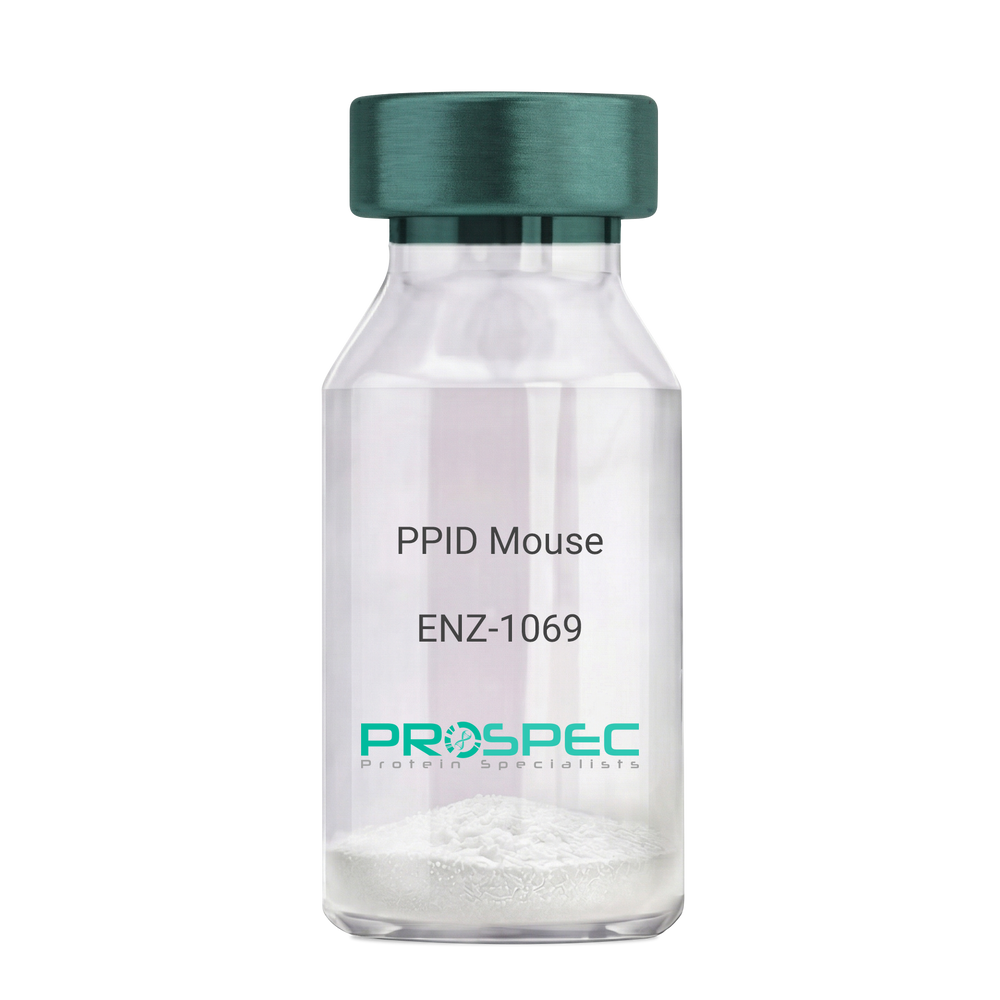
PPID MouseDescription:
Peptidylprolyl Isomerase D Mouse Recombinant
Peptidyl-prolyl cis-trans isomerase D, PPIase D, 40 kDa peptidyl-prolyl cis-trans isomerase, Cyclophilin-40, CYP-40, Cyclophilin-related protein, CYP40, CYPD, PPID, Peptidylprolyl Isomerase D.
Product # :
ENZ-1069Price :
Quantity :
Shipping Method :
Shipped with Ice Packs
More Info
- description
- source
- formulation
- purity
- biological activity
- More Info
Description
PPID Mouse Recombinant produced in E.Coli is a single, non-glycosylated polypeptide chain containing 395 amino acids (1-370a.a.) and having a molecular mass of 43.4kDa. PPID is fused to a 25 amino acid His-tag at N-terminus & purified by proprietary chromatographic techniques.
Source
Escherichia Coli.
Formulation
PPID protein solution (1mg/ml) containing 20mM Tris-Hcl buffer (pH8.0), 10% glycerol and 1mM DTT.
Purity
Greater than 90.0% as determined by SDS-PAGE.
Biological Activity
Specific activity is > 700nmol/min/mg, and is defined as the amount of enzyme that cleaves 1umole of suc-AAFP-PNA per minute at 37°C in Tris–HCl pH 8.0 using chymotrypsin.
More Info
-
Introduction
Cyclophilin-D is a member of the peptidyl-prolyl cis-trans isomerase (PPIase) family. PPIases catalyze the cis-trans isomerization of proline imidic peptide bonds in oligopeptides and speeds up the protein folding. Cyclophilin-D possess PPIase activity and binds to the immunosuppressant cyclosporin-A. Cyclophilin-D is very well known that its overexpression suppresses the apoptosis in cancer cell. Cyclophilin-D suppresses apoptotic cell death by the use of mitochondrial hexokinase-2 dependent mechanism in cancer cells.
-
Synonyms
Peptidyl-prolyl cis-trans isomerase D, PPIase D, 40 kDa peptidyl-prolyl cis-trans isomerase, Cyclophilin-40, CYP-40, Cyclophilin-related protein, CYP40, CYPD, PPID, Peptidylprolyl Isomerase D.
-
Physical Appearance
Sterile Filtered colorless solution.
-
Stability
Store at 4°C if entire vial will be used within 2-4 weeks. Store, frozen at -20°C for longer periods of time. For long term storage it is recommended to add a carrier protein (0.1% HSA or BSA). Please prevent freeze-thaw cycles.
-
Amino Acid Sequence
MGSSHHHHHH SSGLVPRGSH MGSEFMSHAS PAAKPSNSKN PRVFFDVDIG GERVGRIVLE LFADIVPKTA ENFRALCTGE KGTGSTTGKP LHFKGCPFHR IIKKFMIQGG DFSNQNGTGG ESIYGEKFED ENFHYKHDRE GLLSMANAGP NTNGSQFFIT TVPTPHLDGK HVVFGQVIKG LGVARTLENV EVNGEKPAKL CVIAECGELK EGDDWGIFPK DGSGDSHPDF PEDADIDLKD VDKILLISED LKNIGNTFFK SQNWEMAIKK YAKVLRYVDS SKAVIEKADR SRLQPIALSC VLNIGACKLK MSNWQGAIDS CLEALEMDPS NTKALYRKAQ GWQGLKEYDQ ALADLKKAQE IAPGDKAIQA ELLKVKQMIK AQKDKEKAVY AKMFA.
ProSpec's products are furnished for LABORATORY RESEARCH USE ONLY. The product may not be used as drugs, agricultural or pesticidal products, food additives or household chemicals.
- View Data Sheet
Name :
Protein-L CysDescription:
Protein L Cys Recombinant
Product # :
PRO-1931Price :
Quantity :
Shipping Method :
Shipped at Room temp
More Info
- description
- source
- formulation
- purity
- More Info
- sds-page, HPLC
Description
Recombinant Protein-L produced in E.Coli is a single non-glycosylated polypeptide chain fused with a Cys at C-terminus. Protein-L is comprised of 5 IgG-binding regions of protein L (B1-B2-B3-B4-B5) containing 366 amino acids in total and having a molecular mass of 40.6kDa, however, it migrates with an apparent molecular mass of 46kDa on SDS-PAGE. Cell wall binding region, cell membrane binding region and albumin binding region have been eliminated from the recombinant Protein-L to guarantee the maximum specific IgG binding.
Source
Escherichia Coli.
Formulation
Protein-L was lyophilized without any additives.
Purity
Greater than 96.0% as determined by:
(a) Analysis by SEC-HPLC.
(b) Analysis by SDS-PAGE.sds-page, HPLC
More Info
-
Introduction
The Recombinant Protein L is comprised of 5 kappa-binding domains. Protein L has the exceptional ability to bind through kappa light chain interactions without hindering with the antibody’s antigen-binding site. This gives Protein L the capacity to bind a broader range of Ig classes and subclasses than other antibody-binding proteins. The recombinant Protein L is perfect for purification of polyclonal or monoclonal IgG antibodies. Protein L binds to IgG from humans, mice, rats and pigs.
-
Physical Appearance
Sterile Filtered White lyophilized (freeze-dried) powder.
-
Stability
Lyophilized Protein-L although stable at room temperature for 3 weeks, should be stored desiccated below -18°C. Upon reconstitution Protein-L should be stored at 4°C between 2-7 days and for future use below -18°C. For long term storage it is recommended to add a carrier protein (0.1% HSA or BSA). Please prevent freeze-thaw cycles.
-
Solubility
It is recommended to reconstitute the lyophilized Protein-L in sterile 18M-cm H2O not less than 0.1mg/ml, which can then be further diluted to other aqueous solutions.
-
Amino Acid Sequence
KEETPETPET DSEEEVTIKA NLIFANGSTQ TAEFKGTFEK ATSEAYAYAD TLKKDNGEYT VDVADKGYTL NIKFAGKEKT PEEPKEEVTI KANLIYADGK TQTAEFKGTF EEATAEAYRY ADALKKDNGE YTVDVADKGY TLNIKFAGKE KTPEEPKEEV TIKANLIYAD GKTQTAEFKG TFEEATAEAY RYADLLAKEN GKYTVDVADK GYTLNIKFAG KEKTPEEPKE EVTIKANLIY ADGKTQTAEF KGTFAEATAE AYRYADLLAK ENGKYTADLE DGGYTINIRF AGKKVDEKPE EKEQVTIKEN IYFEDGTVQT ATFKGTFAEA TAEAYRYADL LSKEHGKYTA DLEDGGYTIN IRFAGC.
ProSpec's products are furnished for LABORATORY RESEARCH USE ONLY. The product may not be used as drugs, agricultural or pesticidal products, food additives or household chemicals.
- View Data Sheet
Name :
PCSK9 HumanDescription:
Proprotein Convertase Subtilisin/Kexin Type 9 Human Recombinant
Proprotein Convertase Subtilisin/Kexin Type 9, NARC1, Subtilisin/Kexin-Like Protease PC9, HCHOLA3, LDLCQ1, NARC-1, FH3, PC9, Convertase Subtilisin/Kexin Type 9 Preproprotein, Hypercholesterolemia, Autosomal Dominant 3, Neural Apoptosis Regulated Convertase 1, Neural Apoptosis-Regulated Convertase 1, Proprotein Convertase 9, EC 3.4.21.111, EC 3.4.21, EC 3.4.21, PCSK9.
Product # :
PRO-2043Price :
Quantity :
Shipping Method :
Shipped with Ice Packs
More Info
- description
- source
- formulation
- purity
- More Info
Description
PCSK9 Human Recombinant produced in HEK cells is a single, glycosylated, polypeptide chain (Gln31-Gln692) containing a total of 672 amino acids, having a calculated molecular mass of 72.4kDa and fused to a 10 aa His tag at C-Terminus.
Source
HEK 293.
Formulation
PCSK9 filtered (0.4µm) solution at a concentration of 0.25-0.7mg/ml in phosphate buffered saline and 20 % (w/v) glycerol.
Purity
Greater than 95.0% as determined by SDS-PAGE.
More Info
-
Introduction
Proprotein Convertase Subtilisin/Kexin Type 9 (PCSK9) belongs to the subtilisin-like proprotein convertase family, which includes proteases that process protein and peptide precursors trafficking via regulated or constitutive branches of the secretory pathway. PCSK9 protein goes through an autocatalytic processing event with its prosegment in the ER and is constitutively secreted as an inactive protease into the extracellular matrix and trans-Golgi network. PCSK9 is expressed in the liver, intestine and kidney tissues and escorts specific receptors for lysosomal degradation. PCSK has a role in cholesterol and fatty acid metabolism. PCSK9 gene mutations are linked with autosomal dominant familial hypercholesterolemia.
-
Synonyms
Proprotein Convertase Subtilisin/Kexin Type 9, NARC1, Subtilisin/Kexin-Like Protease PC9, HCHOLA3, LDLCQ1, NARC-1, FH3, PC9, Convertase Subtilisin/Kexin Type 9 Preproprotein, Hypercholesterolemia, Autosomal Dominant 3, Neural Apoptosis Regulated Convertase 1, Neural Apoptosis-Regulated Convertase 1, Proprotein Convertase 9, EC 3.4.21.111, EC 3.4.21, EC 3.4.21, PCSK9.
-
Physical Appearance
Filtered colorless solution.
-
Stability
Store at 4°C if entire vial will be used within 2-4 weeks. Store, frozen at -20°C for longer periods of time. For long term storage it is recommended to add a carrier protein (0.1% HSA or BSA).Avoid multiple freeze-thaw cycles.
-
Amino Acid Sequence
QEDEDGDYEE LVLALRSEED GLAEAPEHGT TATFHRCAKD PWRLPGTYVV VLKEETHLSQ SERTARRLQA QAARRGYLTK ILHVFHGLLP GFLVKMSGDL LELALKLPHV DYIEEDSSVF AQSIPWNLER ITPPRYRADE YQPPDGGSLV EVYLLDTSIQ SDHREIEGRV MVTDFENVPE EDGTRFHRQA SKCDSHGTHL AGVVSGRDAG VAKGASMRSL RVLNCQGKGT VSGTLIGLEF IRKSQLVQPV GPLVVLLPLA GGYSRVLNAA CQRLARAGVV LVTAAGNFRD DACLYSPASA PEVITVGATN AQDQPVTLGT LGTNFGRCVD LFAPGEDIIG ASSDCSTCFV SQSGTSQAAA HVAGIAAMML SAEPELTLAE LRQRLIHFSA KDVINEAWFP EDQRVLTPNL VAALPPSTHG AGWQLFCRTV WSAHSGPTRM ATAVARCAPD EELLSCSSFS RSGKRRGERM EAQGGKLVCR AHNAFGGEGV YAIARCCLLP QANCSVHTAP PAEASMGTRV HCHQQGHVLT GCSSHWEVED LGTHKPPVLR PRGQPNQCVG HREASIHASC CHAPGLECKV KEHGIPAPQE QVTVACEEGW TLTGCSALPG TSHVLGAYAV DNTCVVRSRD VSTTGSTSEG AVTAVAICCR SRHLAQASQE LQHHHHHHHH HH.
ProSpec's products are furnished for LABORATORY RESEARCH USE ONLY. The product may not be used as drugs, agricultural or pesticidal products, food additives or household chemicals.
- View Data Sheet
Name :
CEA ProteinDescription:
Carcinoembryonic Antigen Human
CEACAM5, Meconium Antigen 100, Carcinoembryonic Antigen, CD66e Antigen, CD66e, Carcinoembryonic Antigen, CEA, oncofetal antigen.
Product # :
PRO-2801Price :
Quantity :
Shipping Method :
Shipped with Ice Packs
More Info
- description
- source
- formulation
- purity
- More Info
Description
CEA produced from patient source colon carcinoma liver metastatic tissue can be used as general marker in screening and monitoring malignant disease states.
Source
Liver tissue.
Formulation
CEA protein solution contains 0.1M PBS, pH 7.4, 0.09 % NaN3 and 2 % methyl-mannoside.
Purity
Greater than 95.0% as determined by SDS-PAGE.
More Info
-
Synonyms
CEACAM5, Meconium Antigen 100, Carcinoembryonic Antigen, CD66e Antigen, CD66e, Carcinoembryonic Antigen, CEA, oncofetal antigen.
-
Physical Appearance
Sterile Filtered colorless solution.
-
Stability
Store at 4°C if entire vial will be used within 2-4 weeks. Store, frozen at -20°C for longer periods of time. For long term storage it is recommended to add a carrier protein (0.1% HSA or BSA). Avoid multiple freeze-thaw cycles.
-
Applications
Blood samples from tissue donors were tested and found to be negative for HBsAg, HIV-1 and HIV-2 antibodies and HCV.
-
Background
Carcinoembryonic Antigen, commonly known as CEA, is a glycoprotein that was initially identified as a tumor marker. Over the years, research into CEA has unveiled its intricate involvement in various physiological processes, not only in cancer but also in the context of normal development and inflammatory conditions. This research aims to delve into the multifaceted roles of CEA, exploring its structural intricacies, regulatory mechanisms, and its implications in health, disease, and beyond.
Structural Complexity of CEA:
CEA, belonging to the immunoglobulin superfamily, is a complex glycoprotein featuring multiple structural domains. Its diverse forms and glycosylation patterns contribute to its functional versatility. CEA is primarily expressed in fetal tissues, but its presence is often detected in adults under pathological conditions, especially in various types of cancer.
CEA in Cancer Biology:
CEA was first recognized as a biomarker for colorectal cancer, but its overexpression is not limited to this context. Elevated CEA levels have been associated with several other malignancies, including breast, lung, and pancreatic cancers. CEA’s involvement in cancer biology ranges from promoting angiogenesis and metastasis to inhibiting immune responses, making it a critical player in tumor progression and evasion.
Beyond Cancer: CEA in Development and Inflammation:
While CEA’s role in cancer is prominent, recent studies have uncovered its participation in normal physiological processes. During embryonic development, CEA is involved in cell adhesion, contributing to tissue organization and morphogenesis. Additionally, CEA expression can be induced in inflammatory conditions, suggesting its involvement in immune responses and tissue repair mechanisms.
CEA as a Diagnostic and Therapeutic Target:
The diverse expression patterns of CEA in various diseases make it a valuable diagnostic tool. CEA assays are widely used for cancer screening, monitoring disease progression, and assessing treatment efficacy. Moreover, CEA’s presence on the surface of cancer cells has made it a target for immunotherapy, enabling the development of targeted therapies aimed at specifically eradicating CEA-positive tumor cells.
ProSpec's products are furnished for LABORATORY RESEARCH USE ONLY. The product may not be used as drugs, agricultural or pesticidal products, food additives or household chemicals.
- View Data Sheet
Name :
PHLDA2 HumanDescription:
Pleckstrin homology-like domain family A member 2 Human Recombinant
Pleckstrin homology-like domain family A member 2, Imprinted in placenta and liver protein, Tumor-suppressing subchromosomal transferable fragment candidate gene 3 protein, Tumor-suppressing STF cDNA 3 protein, Beckwith-Wiedemann syndrome chromosomal region 1 candidate gene C protein, p17-Beckwith-Wiedemann region 1 C, PHLDA2, BWR1C, HLDA2, IPL, TSSC3, BRW1C.
Product # :
PRO-781Price :
Quantity :
Shipping Method :
Shipped with Ice Packs
More Info
- description
- source
- formulation
- purity
- More Info
Description
PHLDA2 Human Recombinant produced in E.Coli is a single, non-glycosylated, polypeptide chain containing 172 amino acids (1-152 a.a.) and having a molecular mass of 19.2 kDa. PHLDA2 is fused to 20 amino acid His Tag at N-terminus and purified by proprietary chromatographic techniques.
Source
Escherichia Coli.
Formulation
PHLDA2 solution (0.5mg/ml) containing 20mM Tris-HCl buffer (pH8.0), 20% glycerol 0.1M NaCl and 1mM DTT.
Purity
Greater than 85% as determined by SDS-PAGE.
More Info
-
Introduction
Pleckstrin homology-like domain family A member 2 (PHLDA2) is a cytoplasmic protein, which is involved in fetal and placental growth. PHLDA2 is an apoptosis-related protein, which acts as a negative growth regulator and is expressed during normal human development. PHLDA2 is imprinted on placenta, liver and fetal tissues during embryogenesis and is removed once development is complete. The PHLDA2 gene is one of a number of genes in the imprinted gene domain of 11p15.5 which is considered to be an important tumor suppressor gene region. Changes in this region may be linked to the Beckwith-Wiedemann syndrome, Wilms tumor, rhabdomyosarcoma, adrenocortical carcinoma, and lung, ovarian, and breast cancer. PHLDA2 is expressed in placenta (present in all cells of the villous cytotrophoblast) and adult prostate gland. Furthermore, PHLDA2 is expressed in adult brain and neuroblastoma, medullablastoma and glioblastoma cell lines and at low levels in adult liver and lung, and fetal liver.
-
Synonyms
Pleckstrin homology-like domain family A member 2, Imprinted in placenta and liver protein, Tumor-suppressing subchromosomal transferable fragment candidate gene 3 protein, Tumor-suppressing STF cDNA 3 protein, Beckwith-Wiedemann syndrome chromosomal region 1 candidate gene C protein, p17-Beckwith-Wiedemann region 1 C, PHLDA2, BWR1C, HLDA2, IPL, TSSC3, BRW1C.
-
Physical Appearance
Sterile filtered colorless solution.
-
Stability
PHLDA2 Human Recombinant although stable at 4°C for 1 week, should be stored below -18°C. Please prevent freeze thaw cycles.
-
Amino Acid Sequence
MGSSHHHHHH SSGLVPRGSH MKSPDEVLRE GELEKRSDSL FQLWKKKRGV LTSDRLSLFP ASPRARPKEL RFHSILKVDC VERTGKYVYF TIVTTDHKEI DFRCAGESCW NAAIALALID FQNRRALQDF RSRQERTAPA APAEDAVAAA AAAPSEPSEP SRPSPQPKPR TP.
ProSpec's products are furnished for LABORATORY RESEARCH USE ONLY. The product may not be used as drugs, agricultural or pesticidal products, food additives or household chemicals.
- View Data Sheet
Name :
Urokinase HumanDescription:
Urokinase Human
Urokinase, Abbokinase, Urokinase-type Plasminogen Activator,uPA, EC 3.4.21.73, UK.
Product # :
ENZ-264Price :
Quantity :
Shipping Method :
Shipped at Room temp
More Info
- description
- source
- formulation
- purity
- More Info
Description
Urokinase is a two-chain glycoprotein containing 411 amino acids with 12 disulfide bonds. Its molecular weight is 54,000 Dalton.
Source
Human urine.
Formulation
The Urokinase was lyophilized from a concentrated (1mg/ml) solution containing phosphate buffer.
Purity
Greater than 90.0%.
More Info
-
Introduction
Urokinase (UK) is a serine protease, which is one of biological plasminogen activators.
It is involved in a number of biological functions including fibrinolysis, embryogenesis, cell migration, tissue remodeling, ovulation, and wound healing.
It can be obtained from human urine or kidney cell culture. -
Synonyms
Urokinase, Abbokinase, Urokinase-type Plasminogen Activator,uPA, EC 3.4.21.73, UK.
-
Physical Appearance
Sterile Filtered White lyophilized (freeze-dried) powder.
-
Stability
Lyophilized Urokinase although stable at room temperature for 3 weeks, should be stored desiccated below -18°C. Upon reconstitution Urokinase should be stored at 4°C between 2-7 days and for future use below -18°C.Please prevent freeze-thaw cycles.
-
Solubility
It is recommended to reconstitute the lyophilized Urokinase in sterile 18MΩ-cm H2O not less than 100µg/ml, which can then be further diluted to other aqueous solutions.
-
Contaminants
Free of: Hepatitis B surface antigen, Hepatitis C antibody and HIV I and II.
-
Specific Activity
187,973IU/mg.
ProSpec's products are furnished for LABORATORY RESEARCH USE ONLY. The product may not be used as drugs, agricultural or pesticidal products, food additives or household chemicals.
- View Data Sheet
Name :
KRT18 HumanDescription:
Cytokeratin 18 Human Recombinant
Keratin type I cytoskeletal 18, Cytokeratin-18, CK-18, Keratin-18, K18, KRT18,CYK18,Cell proliferation-inducing gene 46 protein.
Product # :
PRO-349Price :
Quantity :
Shipping Method :
Shipped at Room temp
More Info
- description
- source
- formulation
- purity
- More Info
Description
Cytokeratin 18 Human Recombinant produced in E.Coli is a single, non-glycosylated polypeptide chain having a calculated molecular mass of 48,201 Dalton, showing a 45kDa band on SDS-page, pI-5.7.The KRT18 is purified by proprietary chromatographic techniques.
Source
Escherichia Coli.
Formulation
The protein (1mg/ml) was lyophilized from a sterile solution containing 30mM Tris-HCl pH-8, 9.5M urea, 2mM EDTA, 2mM DTT and 10mM methylammonium chloride.
Purity
Greater than 95.0% as determined by analysis by SDS-PAGE.
More Info
-
Introduction
KRT18 encodes the type I intermediate filament chain keratin 18. Keratin 18, together with its filament partner keratin 8, are perhaps the most commonly found members of the intermediate filament gene family. They are expressed in single layer epithelial tissues of the body. Mutations in this gene have been linked to cryptogenic cirrhosis. Two transcript variants encoding the same protein have been found for this gene.
-
Synonyms
Keratin type I cytoskeletal 18, Cytokeratin-18, CK-18, Keratin-18, K18, KRT18,CYK18,Cell proliferation-inducing gene 46 protein.
-
Physical Appearance
Sterile Filtered White lyophilized (freeze-dried) powder.
-
Stability
Lyophilized CK-18 although stable at room temperature for 3 weeks, should be stored between 2-8°C. Upon reconstitution CK-18 should be stored at 4°C between 2-7 days and for future use below -18°C. For long term storage it is recommended to add a carrier protein (0.1% HSA or BSA). Please prevent freeze-thaw cycles.
-
Solubility
It is recommended to reconstitute the lyophilized 1mg CK-18 in sterile 18MΩ-cm H2O not less than 700µl, which can then be further diluted to other aqueous solutions.
-
Reconstitution to filaments
Performed by mixing equimolar amounts of cytokeratins of type I and type II at concentrations of approx. 0.5 mg/ml, both dissolved in 9.5M urea buffer (see above). Protofilaments and filament complexes are obtained by dialyzing the resulting polypeptide solution stepwise to a concentration of 4M urea and then to low salt condition (50mM NaCl, 2mM dithiothreitol, 10mM Tris-HCI, pH 7.4). For immunization purposes, the solution can be further dialyzed against PBS (phosphate buffered saline, e.g. Dulbecco's PBS).
ProSpec's products are furnished for LABORATORY RESEARCH USE ONLY. The product may not be used as drugs, agricultural or pesticidal products, food additives or household chemicals.
- View Data Sheet
Name :
PSMD13 HumanDescription:
Proteasome 26S Subunit, Non-ATPase 13 Human Recombinant
HSPC027, p40.5, Rpn9, S11, 26S proteasome non-ATPase regulatory subunit 13, 26S proteasome regulatory subunit RPN9, 26S proteasome regulatory subunit S11, 26S proteasome regulatory subunit p40.5, PSMD13.
Product # :
ENZ-802Price :
Quantity :
Shipping Method :
Shipped with Ice Packs
More Info
- description
- source
- formulation
- purity
- More Info
Description
PSMD13 Human Recombinant produced in E.coli is a single, non-glycosylated polypeptide chain containing 399 amino acids (1-376a.a) and having a molecular mass of 45.3kDa. PSMD13 is fused to a 23 amino acid His-tag at N-terminus & purified by proprietary chromatographic techniques.
Source
Escherichia Coli.
Formulation
The PSMD13 solution (1mg/ml) contains 20mM Tris-HCl buffer (pH 8.0), 0.4M UREA and 10% glycerol.
Purity
Greater than 90% as determined by SDS-PAGE.
More Info
-
Introduction
Proteasome 26S Subunit, Non-ATPase 13 (PSMD13) is a part of the proteasome subunit S11 family and contains one PCI domain. PSMD13 plays a role as a regulatory subunit of the 26S proteasome which takes part in the ATP-dependent degradation of ubiquitinated proteins.
-
Synonyms
HSPC027, p40.5, Rpn9, S11, 26S proteasome non-ATPase regulatory subunit 13, 26S proteasome regulatory subunit RPN9, 26S proteasome regulatory subunit S11, 26S proteasome regulatory subunit p40.5, PSMD13.
-
Physical Appearance
Sterile Filtered colorless solution.
-
Stability
Store at 4°C if entire vial will be used within 2-4 weeks. Store, frozen at -20°C for longer periods of time. For long term storage it is recommended to add a carrier protein (0.1% HSA or BSA). Avoid multiple freeze-thaw cycles.
-
Amino Acid Sequence
MGSSHHHHHH SSGLVPRGSH MGSMKDVPGF LQQSQNSGPG QPAVWHRLEE LYTKKLWHQL TLQVLDFVQD PCFAQGDGLI KLYENFISEF EHRVNPLSLV EIILHVVRQM TDPNVALTFL EKTREKVKSS DEAVILCKTA IGALKLNIGD LQVTKETIED VEEMLNNLPG VTSVHSRFYD LSSKYYQTIG NHASYYKDAL RFLGCVDIKD LPVSEQQERA FTLGLAGLLG EGVFNFGELL MHPVLESLRN TDRQWLIDTL YAFNSGNVER FQTLKTAWGQ QPDLAANEAQ LLRKIQLLCL MEMTFTRPAN HRQLTFEEIA KSAKITVNEV ELLVMKALSV GLVKGSIDEV DKRVHMTWVQ PRVLDLQQIK GMKDRLEFWC TDVKSMEMLV EHQAHDILT.
ProSpec's products are furnished for LABORATORY RESEARCH USE ONLY. The product may not be used as drugs, agricultural or pesticidal products, food additives or household chemicals.
- View Data Sheet
Name :
EFNA3 HumanDescription:
Ephrin A3 Human Recombinant
Ephrin-A3, EFL2, Ehk1-L, EPLG3, LERK3, EPH-related receptor tyrosine kinase ligand 3.
Product # :
PRO-1460Price :
Quantity :
Shipping Method :
Shipped with Ice Packs
More Info
- description
- source
- formulation
- purity
- More Info
Description
EFNA3 Human Recombinant produced in E.Coli is a single, non-glycosylated polypeptide chain containing 217 amino acids (23-214 a.a) and having a molecular mass of 24kDa. EFNA3 is fused to a 25 amino acid His-tag at N-terminus & purified by proprietary chromatographic techniques.
Source
E.coli.
Formulation
EFNA3 protein solution (1mg/ml) containing 20mM Tris-HCl buffer (pH 8.0), 0.4M Urea and 10% glycerol.
Purity
Greater than 90% as determined by SDS-PAGE.
More Info
-
Introduction
EFNA3 belongs to the ephrin (EPH) family. The ephrins and EPH-related receptors include thelargest subfamily of receptor protein-tyrosine kinases which have been implicated in mediating developmental events, especially in the nervous system and in erythropoiesis. Ephrins are divided into the ephrin-A (EFNA) class and the ephrin-B (EFNB) class, based on their structures and sequence relationships. The Ephrins from the EFNA class are anchored to the membrane by aglycosylphosphatidylinositol linkage, while the others from the EFNB class are transmembrane proteins.
-
Synonyms
Ephrin-A3, EFL2, Ehk1-L, EPLG3, LERK3, EPH-related receptor tyrosine kinase ligand 3.
-
Physical Appearance
Sterile Filtered colorless solution.
-
Stability
Store at 4°C if entire vial will be used within 2-4 weeks. Store, frozen at -20°C for longer periods of time. For long term storage it is recommended to add a carrier protein (0.1% HSA or BSA).Avoid multiple freeze-thaw cycles.
-
Amino Acid Sequence
MGSSHHHHHH SSGLVPRGSH MGSHMQGPGG ALGNRHAVYW NSSNQHLRRE GYTVQVNVND YLDIYCPHYN SSGVGPGAGP GPGGGAEQYV LYMVSRNGYR TCNASQGFKR WECNRPHAPH SPIKFSEKFQ RYSAFSLGYE FHAGHEYYYI STPTHNLHWK CLRMKVFVCC ASTSHSGEKP VPTLPQFTMG PNVKINVLED FEGENPQVPK LEKSISG
ProSpec's products are furnished for LABORATORY RESEARCH USE ONLY. The product may not be used as drugs, agricultural or pesticidal products, food additives or household chemicals.
- View Data Sheet
Name :
BMP 2 Protein HumanDescription:
Bone Morphogenetic Protein-2 Human Recombinant
BMP-2, BMP2A.
Product # :
CYT-261Price :
Quantity :
Shipping Method :
Shipped at Room temp
More Info
- description
- source
- formulation
- purity
- biological activity
- More Info
Description
Bone Morphogenetic Protein-2 Human Recombinant produced in E.Coli is a homodimeric, non-glycosylated polypeptide chain containing 2x115 amino acids and having a molecular mass of 26kDa. The BMP-2 is purified by proprietary chromatographic techniques.
Source
Escherichia Coli.
Formulation
BMP2 was lyophilized from a concentrated (1mg/ml) sterile solution containing 10mM sodium citrate pH=3.5.
Purity
Greater than 95.0% as determined by:
(a) Analysis by RP-HPLC.
(b) Analysis by SDS-PAGE.Biological Activity
The ED50 as determined by its ability to induce alkaline phosphatase production by ATDC-5 cells is 0.5-1.0 µg/ml.More Info
-
Introduction
BMP2 belongs to the transforming growth factor-beta (TGFB) superfamily. Bone morphogenic protein induces bone formation. BMP2 is a candidate gene for the autosomal dominant disease of fibrodysplasia (myositis) ossificans progressiva.
-
Synonyms
BMP-2, BMP2A.
-
Physical Appearance
Sterile Filtered White lyophilized (freeze-dried) powder.
-
Stability
Lyophilized Bone Morphogenetic Protein-2 although stable at room temperature for 3 weeks, should be stored desiccated below -18°C. Upon reconstitution BMP2 should be stored at 4°C between 2-7 days and for future use below -18°C.For long term storage it is recommended to add a carrier protein (0.1% HSA or BSA).Please prevent freeze-thaw cycles.
-
Solubility
It is recommended to reconstitute the lyophilized Bone Morphogenetic Protein-2 in sterile 20mM AcOH (acetic Acid) not less than 100µg/ml, which can then be further diluted to other aqueous solutions.
-
Amino Acid Sequence
MQAKHKQRKR LKSSCKRHPL YVDFSDVGWN DWIVAPPGYH AFYCHGECPF PLADHLNSTN HAIVQTLVNS VNSKIPKACC VPTELSAISM LYLDENEKVV LKNYQDMVVE GCGCR.
-
Background
What is the molecular weight/Mw of BMP2 Protein?
BMP2 Protein has a total Mw of 26kDa.
What is the source or expression system of BMP2 Protein?
Escherichia Coli.
What is the Purity of BMP2 Protein?
BMP2 Protein is >95% pure as determined by SDS-PAGE.
What is the Biological Activity of BMP2 Protein?
The ED50 as determined by its ability to induce alkaline phosphatase production by ATDC-5 cells is 0.5-1.0 µg/ml.
What is the amino acid sequence of BMP2 Protein?
MQAKHKQRKR LKSSCKRHPL YVDFSDVGWN DWIVAPPGYH AFYCHGECPF PLADHLNSTN HAIVQTLVNS VNSKIPKACC VPTELSAISM LYLDENEKVV LKNYQDMVVE GCGCR.
What applications can BMP2 Protein be used in?
BMP2 Protein can probably be used in western blot, ELISA and Lateral Flow.
What is the endotoxin level for BMP2 Protein?
The endotoxin level is minimal, BMP2 Protein was purified using conventional chromatography techniques.
-
Protein content
Protein quantitation was carried out by two independent methods:1. UV spectroscopy at 280 nm using the absorbency value of 1.4 as the extinction coefficient for a 0.1% (1mg/ml) solution. This value is calculated by the PC GENE computer analysis program of protein sequences (IntelliGenetics). 2. Analysis by RP-HPLC, using a standard solution of BMP-2 as a Reference Standard.
ProSpec's products are furnished for LABORATORY RESEARCH USE ONLY. The product may not be used as drugs, agricultural or pesticidal products, food additives or household chemicals.
- View Data Sheet
Name :
CKBB AntibodyDescription:
Creatine Kinase Brain, Mouse Anti Human
Creatine kinase B-type, EC 2.7.3.2, Creatine kinase B chain, B-CK, CKB, CKBB, CKBBI.
Product # :
ANT-649Price :
Quantity :
Shipping Method :
Shipped with Ice Packs
More Info
- formulation
- More Info
Formulation
1mg/ml containing PBS, pH-7.4, 10% Glycerol and 0.02% Sodium Azide.
More Info
-
Introduction
Creatine Kinase BB is a cytoplasmic enzyme involved in energy homeostasis. The encoded protein reversibly catalyzes the transfer of phosphate between ATP and various phosphogens such as creatine phosphate. It acts as a homodimer in brain as well as in other tissues, and as a heterodimer with a similar muscle isozyme in heart. The encoded protein is a member of the ATP:guanido phosphotransferase protein family. A pseudogene of this gene has been characterized.
-
Synonyms
Creatine kinase B-type, EC 2.7.3.2, Creatine kinase B chain, B-CK, CKB, CKBB, CKBBI.
-
Physical Appearance
Sterile filtered colorless solution.
-
Immunogen
Anti-human CKB mAb, is derived from hybridization of mouse F0 myeloma cells with spleen cells from BALB/c mice immunized with recombinant human CKB amino acids 1-381 purified from E. coli.
-
Ig Subclass
Mouse IgG2a heavy chain and k light chain.
-
Clone
PAT8E4AT.
-
Applications
CKB antibody has been tested by ELISA, Western blot analysis, Flow cytometry and ICC/IF to assure specificity and reactivity. Since application varies, however, each investigation should be titrated by the reagent to obtain optimal results.
-
Type
Mouse Anti Human Monoclonal.
-
Storage Procedures
For periods up to 1 month store at 4°C, for longer periods of time, store at -20°C. Prevent freeze thaw cycles.
-
Purification Method
CKB antibody was purified from mouse ascitic fluids by protein-A affinity chromatography.
ProSpec's products are furnished for LABORATORY RESEARCH USE ONLY. The product may not be used as drugs, agricultural or pesticidal products, food additives or household chemicals.
- View Data Sheet
Name :
PAICS HumanDescription:
Phosphoribosylaminoimidazole Carboxylase Human Recombinant
PAICS, Phosphoribosylaminoimidazole Carboxylase Phosphoribosylaminoimidazole, Succinocarboxamide Synthetase, PAIS, AIRC, ADE2, ADE2H1, AIR Carboxylase, Multifunctional Protein ADE2, Multifunctional Protein ADE2H1, SAICAR Synthetase.
Product # :
ENZ-786Price :
Quantity :
Shipping Method :
Shipped with Ice Packs
More Info
- description
- source
- formulation
- purity
- More Info
Description
PAICS Human Recombinant produced in E.coli is a single, non-glycosylated polypeptide chain containing 448 amino acids (1-425) and having a molecular mass of 49.5kDa.PAICS is fused to a 23 amino acid His-tag at N-terminus & purified by proprietary chromatographic techniques.
Source
E.coli.
Formulation
The PAICS solution (0.25mg/ml) contains 20mM Tris-HCl buffer (pH8.0), 20% glycerol, 0.1M NaCl and 1mM DTT.
Purity
Greater than 90% as determined by SDS-PAGE.
More Info
-
Introduction
Phosphoribosylaminoimidazole Carboxylase (PAICS) is an enzyme involved in nucleotide biosynthesis and particularly in purine biosynthesis. PAICS is a bifunctional enzyme containing phosphoribosylaminoimidazole carboxylase activity at its N-terminal region and phosphoribosylaminoimidazole succinocarboxamide synthetase at its C-terminal region. PAICS catalyzes the conversion of 5'-phosphoribosyl-5-aminoimidazole(AIR) into 5'-phosphoribosyl-4-carboxy-5-aminoimidazole (CAIR) as described in the reaction. PAICS catalyzes steps six and seven of purine biosynthesis.
-
Synonyms
PAICS, Phosphoribosylaminoimidazole Carboxylase Phosphoribosylaminoimidazole, Succinocarboxamide Synthetase, PAIS, AIRC, ADE2, ADE2H1, AIR Carboxylase, Multifunctional Protein ADE2, Multifunctional Protein ADE2H1, SAICAR Synthetase.
-
Physical Appearance
Sterile Filtered colorless solution.
-
Stability
Store at 4°C if entire vial will be used within 2-4 weeks. Store, frozen at -20°C for longer periods of time. For long term storage it is recommended to add a carrier protein (0.1% HSA or BSA).Avoid multiple freeze-thaw cycles.
-
Amino Acid Sequence
MGSSHHHHHH SSGLVPRGSH MGSMATAEVL NIGKKLYEGK TKEVYELLDS PGKVLLQSKD QITAGNAARK NHLEGKAAIS NKITSCIFQL LQEAGIKTAF TRKCGETAFI APQCEMIPIE WVCRRIATGS FLKRNPGVKE GYKFYPPKVE LFFKDDANND PQWSEEQLIA AKFCFAGLLI GQTEVDIMSH ATQAIFEILE KSWLPQNCTL VDMKIEFGVD VTTKEIVLAD VIDNDSWRLW PSGDRSQQKD KQSYRDLKEV TPEGLQMVKK NFEWVAERVE LLLKSESQCR VVVLMGSTSD LGHCEKIKKA CGNFGIPCEL RVTSAHKGPD ETLRIKAEYE GDGIPTVFVA VAGRSNGLGP VMSGNTAYPV ISCPPLTPDW GVQDVWSSLR LPSGLGCSTV LSPEGSAQFA AQIFGLSNHL VWSKLRASIL NTWISLKQAD KKIRECNL.
ProSpec's products are furnished for LABORATORY RESEARCH USE ONLY. The product may not be used as drugs, agricultural or pesticidal products, food additives or household chemicals.
- View Data Sheet
Name :
Enterokinase Bovine HisDescription:
Enteropeptidase/ Enterokinase Bovine Recombinant His Tag
Enteropeptidase, EC 3.4.21.9, Enterokinase, Serine protease 7, ENTK, MGC133046.
Product # :
ENZ-655Price :
Quantity :
Shipping Method :
Shipped with Ice Packs
More Info
- description
- source
- formulation
- More Info
Description
Enterokinase Bovine Recombinant produced in E.Coli is a single, non-glycosylated, polypeptide chain containing 241 amino acids with a 6 × His at C-terminus and having a molecular mass of 28.0kDa.The Enterokinase Bovine is purified by proprietary chromatographic techniques.
Source
Escherichia Coli.
Formulation
Bovine EK is supplied in 50mM Tris-HCl, pH 8.0, 0.5M NaCl and 50% glycerol.
More Info
-
Introduction
Enteropeptidase or enterokinase is an enzymeinvolved in human digestion. It is produced by cells in the duodenum wall, and is secreted from duodenum's glands, the crypts of Lieberk?hn, whenever ingested food enters the duodenum from the stomach. Enteropeptidase has the critical job of turning trypsinogen(a zymogen) to trypsin, indirectly activating a number of pancreaticdigestive enzymes.
Enteropeptidase is a serine proteaseenzyme(EC3.4.21.9). Enteropeptidase is a part of the Chymotrypsin-clan of serine proteases, and is structurally similar to these proteins. -
Synonyms
Enteropeptidase, EC 3.4.21.9, Enterokinase, Serine protease 7, ENTK, MGC133046.
-
Physical Appearance
Sterile liquid solution.
-
Stability
One year when stored at -20°C. Please avoid freeze-thaw cycles.
-
Unit Definition
One unit is defined as the amount of enzyme needed to cleave 50ug of fusion protein in 16 hours to 95% completion at 25°C in a buffer containing 25mM Tris-HCl, pH 7.6, 50mM NaCl, and 2mM CaCl2.
ProSpec's products are furnished for LABORATORY RESEARCH USE ONLY. The product may not be used as drugs, agricultural or pesticidal products, food additives or household chemicals.
- View Data Sheet
Name :
PPM1G Human, 546 a.a.Description:
Protein Phosphatase 1G 546 a.a. Human Recombinant
Protein Phosphatase 1G, PP2CG, PPP2CG, MGC1675, MGC2870, PP2C GAMMA, EC 3.1.3.16, Protein phosphatase 2C isoform gamma, PP2C-gamma, Protein phosphatase magnesium-dependent 1 gamma, Protein phosphatase 1C, PPM1G, PPM1C.
Product # :
ENZ-156Price :
Quantity :
Shipping Method :
Shipped with Ice Packs
More Info
- description
- source
- formulation
- purity
- More Info
Description
PPM1G Human Recombinant produced in E.coli is a single, non-glycosylated polypeptide chain containing 566 amino acids (1-546) and having a molecular mass of 61.4 kDa. The PPM1G is fused to a 20 amino acid His-Tag at N-terminus and purified by proprietary chromatographic techniques.
Source
E.coli.
Formulation
The PPM1G solution (1mg/ml) contains 20mM Tris-HCl buffer (pH 8.0), 1mM DTT, 0.1M NaCl, 0.1mM PMSF and 20% glycerol.
Purity
Greater than 85% as determined by SDS-PAGE.
More Info
-
Introduction
PPM1G is part of the PP2C family of Ser/Thr protein phosphatases which are known to be negative regulators of cell stress response pathways. PPM1G is accountable for the dephosphorylation of Pre-mRNA splicing factors, an important factor for the formation of functional spliceosome. PPM1G regulates cell cycle progression.
PPM1G mediates histone dephosphorylation/exchange in response to DNA damage or checkpoint recovery in higher eukaryotes.
The degradation of p21/WAF1 induced by PPM1G is mediated in a proteasome-dependent manner.
Protein phosphatase 1G regulates assembly and function of the beta-catenin degradation complex. -
Synonyms
Protein Phosphatase 1G, PP2CG, PPP2CG, MGC1675, MGC2870, PP2C GAMMA, EC 3.1.3.16, Protein phosphatase 2C isoform gamma, PP2C-gamma, Protein phosphatase magnesium-dependent 1 gamma, Protein phosphatase 1C, PPM1G, PPM1C.
-
Physical Appearance
Sterile Filtered colorless solution.
-
Stability
Store at 4°C if entire vial will be used within 2-4 weeks. Store, frozen at -20°C for longer periods of time. For long term storage it is recommended to add a carrier protein (0.1% HSA or BSA).Avoid multiple freeze-thaw cycles.
-
Amino Acid Sequence
MGSSHHHHHH SSGLVPRGSH MGAYLSQPNT VKCSGDGVGA PRLPLPYGFS AMQGWRVSME DAHNCIPELD SETAMFSVYD GHGGEEVALY CAKYLPDIIK DQKAYKEGKL QKALEDAFLA IDAKLTTEEV IKELAQIAGR PTEDEDEKEK VADEDDVDNE EAALLHEEAT MTIEELLTRY GQNCHKGPPH SKSGGGTGEE PGSQGLNGEA GPEDSTRETP SQENGPTAKA YTGFSSNSER GTEAGQVGEP GIPTGEAGPS CSSASDKLPR VAKSKFFEDS EDESDEAEEE EEDSEECSEE EDGYSSEEAE NEEDEDDTEE AEEDDEEEEE EMMVPGMEGK EEPGSDSGTT AVVALIRGKQ LIVANAGDSR CVVSEAGKAL DMSYDHKPED EVELARIKNA GGKVTMDGRV NGGLNLSRAI GDHFYKRNKN LPPEEQMISA LPDIKVLTLT DDHEFMVIAC DGIWNVMSSQ EVVDFIQSKI SQRDENGELR LLSSIVEELL DQCLAPDTSG DGTGCDNMTC IIICFKPRNT AELQPESGKR KLEEVLSTEG AEENGNSDKK KKAKRD
ProSpec's products are furnished for LABORATORY RESEARCH USE ONLY. The product may not be used as drugs, agricultural or pesticidal products, food additives or household chemicals.
- View Data Sheet
Name :
PPP3R2 HumanDescription:
Protein Phosphatase 3 Regulatory subunit, Beta Isozyme Human Recombinant
Calcineurin subunit B type 2, Calcineurin B-like protein, CBLP, Calcineurin BII, CNBII, PPP3R1-like, Protein phosphatase 2B regulatory subunit 2, Protein phosphatase 3 regulatory subunit B beta isoform, PPP3R2, PPP3RL.
Product # :
ENZ-103Price :
Quantity :
Shipping Method :
Shipped with Ice Packs
More Info
- description
- source
- formulation
- purity
- More Info
Description
PPP3R2 Human Recombinant fused with a 20 a.a. His tag at N-terminus produced in E.Coli is a single, non-glycosylated, polypeptide chain (a.a. 1-173) containing 193 amino acids and having a molecular mass of 22kDa.The PPP3R2 is purified by proprietary chromatographic techniques.
Source
Escherichia Coli.
Formulation
The PPP3R2 solution (0.5mg/ml) contains 20mM Tris-HCl buffer(pH 8.0), 10% glycerol and 1mM DTT.
Purity
Greater than 95.0% as determined by SDS-PAGE.
More Info
-
Introduction
PPP3R2 is a calcium-dependent, calmodulin stimulated serine/threonine protein phosphatase. In eukaryotes, the phosphorylation and dephosphorylation of proteins on serine and threonine residues is a crucial means of regulating a wide range of cellular functions including division, homeostasis and apoptosis. Ordinarily the protein phosphatase (PP) holoenzyme is a trimeric complex composed of a regulatory subunit, a variable subunit and a catalytic subunit.
-
Synonyms
Calcineurin subunit B type 2, Calcineurin B-like protein, CBLP, Calcineurin BII, CNBII, PPP3R1-like, Protein phosphatase 2B regulatory subunit 2, Protein phosphatase 3 regulatory subunit B beta isoform, PPP3R2, PPP3RL.
-
Physical Appearance
Sterile Filtered colorless solution.
-
Stability
Store at 4°C if entire vial will be used within 2-4 weeks. Store, frozen at -20°C for longer periods of time. For long term storage it is recommended to add a carrier protein (0.1% HSA or BSA).Avoid multiple freeze-thaw cycles.
-
Amino Acid Sequence
MGSSHHHHHH SSGLVPRGSH MSTMGNEASY PAEMCSHFDN DEIKRLGRRF KKLDLDKSGS LSVEEFMSLP ELRHNPLVRR VIDVFDTDGD GEVDFKEFIL GTSQFSVKGD EEQKLRFAFS IYDMDKDGYI SNGELFQVLK MMVGNNLTDW QLQQLVDKTI IILDKDGDGK ISFEEFSAVV RDLEIHKKLV LIV.
ProSpec's products are furnished for LABORATORY RESEARCH USE ONLY. The product may not be used as drugs, agricultural or pesticidal products, food additives or household chemicals.
- View Data Sheet
Name :
HERC5 HumanDescription:
HECT and RLD Domain Containing E3 Ubiquitin Protein Ligase 5 Human Recombinant
HERC5, HECT and RLD Domain Containing E3 Ubiquitin Protein Ligase 5, CEB1, Hect Domain and RLD 5, Cyclin-E-Binding Protein 1, CEBP1, HECT Domain and RCC1-Like Domain-Containing Protein 5, E3 ISG15--Protein Ligase HERC5, Probable E3 Ubiquitin-Protein Ligase HERC5, EC 6.3.2.- , EC 6.3.2.
Product # :
ENZ-797Price :
Quantity :
Shipping Method :
Shipped with Ice Packs
More Info
- description
- source
- formulation
- purity
- More Info
Description
HERC5 Human Recombinant produced in E.Coli is a single, non-glycosylated polypeptide chain containing 367 amino acids (681-1024 a.a.) and having a molecular mass of 43kDa. HERC5 is fused to a 23 amino acid His-tag at N-terminus.
Source
Escherichia Coli.
Formulation
HERC5 protein solution (1mg/ml) contains 20mM Tris-HCl buffer (pH 8.0), 0.4M Urea and 10% glycerol.
Purity
Greater than 90.0% as determined by SDS-PAGE.
More Info
-
Introduction
HECT and RLD Domain Containing E3 Ubiquitin Protein Ligase 5 (HERC5) is a member of the HERC family of ubiquitin ligases, found in a cluster of HERC family genes on chromosome 4. HERC5 is a protein with a HECT domain and 5 RCC1 repeats. The HERC5 protein localizes to the cytoplasm and perinuclear region and serves as an INF-induced E3 protein ligase that mediates ISGylation of protein targets. HERC5 exhibits antiviral activity towards HIV-1, influenza A virus and human papillomavirus. HERC5 is a major E3 ligase for ISG15 conjugation. HERC5 also serves as a positive regulator of innate antiviral response in cells induced by INF. Pro-inflammatory cytokines upregulate HERC5 in endothelial cells. HERC5 is physically connected with polyribosomes, broadly modifies recently synthesized proteins in a cotranslational fashion.
-
Synonyms
HERC5, HECT and RLD Domain Containing E3 Ubiquitin Protein Ligase 5, CEB1, Hect Domain and RLD 5, Cyclin-E-Binding Protein 1, CEBP1, HECT Domain and RCC1-Like Domain-Containing Protein 5, E3 ISG15--Protein Ligase HERC5, Probable E3 Ubiquitin-Protein Ligase HERC5, EC 6.3.2.- , EC 6.3.2.
-
Physical Appearance
Sterile Filtered colorless solution.
-
Stability
Store at 4°C if entire vial will be used within 2-4 weeks. Store, frozen at -20°C for longer periods of time. For long term storage it is recommended to add a carrier protein (0.1% HSA or BSA).Avoid multiple freeze-thaw cycles.
-
Amino Acid Sequence
MGSSHHHHHH SSGLVPRGSH MGSFDLTVRR NHLIEDVLNQ LSQFENEDLR KELWVSFSGE IGYDLGGVKK EFFYCLFAEM IQPEYGMFMY PEGASCMWFP VKPKFEKKRY FFFGVLCGLS LFNCNVANLP FPLALFKKLL DQMPSLEDLK ELSPDLGKNL QTLLDDEGDN FEEVFYIHFN VHWDRNDTNL IPNGSSITVN QTNKRDYVSK YINYIFNDSV KAVYEEFRRG FYKMCDEDII KLFHPEELKD VIVGNTDYDW KTFEKNARYE PGYNSSHPTI VMFWKAFHKL TLEEKKKFLV FLTGTDRLQM KDLNNMKITF CCPESWNERD PIRALTCFSV LFLPKYSTME TVEEALQEAI NNNRGFG.
ProSpec's products are furnished for LABORATORY RESEARCH USE ONLY. The product may not be used as drugs, agricultural or pesticidal products, food additives or household chemicals.
- View Data Sheet
Name :
KLK5 Human, Sf9Description:
Kallikrein-5 Human Recombinant, Sf9
Kallikrein-5, Kallikrein-like protein 2, KLK-L2, Stratum corneum tryptic enzyme, KLK5, SCTE, UNQ570/PRO1132, KLKL2.
Product # :
ENZ-1021Price :
Quantity :
Shipping Method :
Shipped with Ice Packs
More Info
- description
- source
- formulation
- purity
- More Info
Description
Kallikrein-5 Human Recombinant produced in Sf9 Baculovirus cells is a single, glycosylated polypeptide chain containing 236 amino acids (67-293 a.a.) and having a molecular mass of 26.2kDa (Migrates at 28-40kDa on SDS-PAGE under reducing conditions).KLK5 is expressed with a 6 amino acid His tag at C-Terminus and purified by proprietary chromatographic techniques.
Source
Sf9, Baculovirus cells.
Formulation
KLK5 protein solution (0.5mg/ml) contains Phosphate Buffered Saline (pH 7.4) and 10% glycerol.
Purity
Greater than 95% as determined by SDS-PAGE.
More Info
-
Introduction
Kallikrein-5 (KLK5) is a member of the serine protease family of proteolytic enzymes. KLK5 is expressed in various tissues including the salivary gland, stomach, uterus, lung, thymus, prostate, colon, brain, thyroid, and trachea. KLK5 expression is up-regulated by estrogens and progestins. KLK5 is secreted and may be involved in desquamation in the epidermis. Kallikreins which are a subgroup of serine proteases, have distinct physiological functions. Many kallikreins are associated with carcinogenesis and some have potential as novel cancer and other disease biomarkers. The KLK5 gene is one of the 15 kallikrein subfamily members located in a cluster on chromosome 19.
-
Synonyms
Kallikrein-5, Kallikrein-like protein 2, KLK-L2, Stratum corneum tryptic enzyme, KLK5, SCTE, UNQ570/PRO1132, KLKL2.
-
Physical Appearance
Sterile Filtered colorless solution.
-
Stability
Store at 4°C if entire vial will be used within 2-4 weeks. Store, frozen at -20°C for longer periods of time. For long term storage it is recommended to add a carrier protein (0.1% HSA or BSA).Avoid multiple freeze-thaw cycles.
-
Amino Acid Sequence
ADLIINGSDC DMHTQPWQAA LLLRPNQLYC GAVLVHPQWL LTAAHCRKKV FRVRLGHYSL SPVYESGQQM FQGVKSIPHP GYSHPGHSND LMLIKLNRRI RPTKDVRPIN VSSHCPSAGT KCLVSGWGTT KSPQVHFPKV LQCLNISVLS QKRCEDAYPR QIDDTMFCAG DKAGRDSCQG DSGGPVVCNG SLQGLVSWGD YPCARPNRPG VYTNLCKFTK WIQETIQANS HHHHHH.
ProSpec's products are furnished for LABORATORY RESEARCH USE ONLY. The product may not be used as drugs, agricultural or pesticidal products, food additives or household chemicals.
- View Data Sheet
Name :
Enterokinase HumanDescription:
Enteropeptidase/ Enterokinase, Light Chain Human Recombinant
Enteropeptidase, EC 3.4.21.9, Enterokinase, Serine protease 7, ENTK,TMPRSS15, MGC133046, Transmembrane Protease Serine 15.
Product # :
ENZ-260Price :
Quantity :
Shipping Method :
Shipped with Ice Packs
More Info
- description
- source
- formulation
- purity
- More Info
Description
Enterokinase Human produced in E.Coli cells is a single, non-glycosylated polypeptide chain containing 237 amino acids (785-1019aa ) and having a molecular mass of 26.4kDa. Enterokinase is purified by proprietary chromatographic techniques
Source
Escherichia Coli.
Formulation
Enterokinase 1mg/ml is supplied in 20mM Tris-HCl, pH 8.0, and 10% glycerol.
Purity
Greater than 85.0% as determined by SDS-PAGE.
More Info
-
Introduction
Enteropeptidase or enterokinase is an enzymeinvolved in human digestion. It is produced by cells in the duodenum wall, and is secreted from duodenum's glands, the crypts of Lieberk?hn, whenever ingested food enters the duodenum from the stomach. Enteropeptidase has the critical job of turning trypsinogen(a zymogen) to trypsin, indirectly activating a number of pancreaticdigestive enzymes.
Enteropeptidase is a serine proteaseenzyme(EC3.4.21.9). Enteropeptidase is a part of the Chymotrypsin-clan of serine proteases, and is structurally similar to these proteins. -
Synonyms
Enteropeptidase, EC 3.4.21.9, Enterokinase, Serine protease 7, ENTK,TMPRSS15, MGC133046, Transmembrane Protease Serine 15.
-
Physical Appearance
Liquid solution.
-
Stability
Store at 4°C if entire vial will be used within 2-4 weeks.Store, frozen at -20°C for longer periods of time.For long term storage it is recommended to add a carrier protein (0.1% HSA or BSA).Avoid multiple freeze-thaw cycles.
-
Amino Acid Sequence
MAIVGGSNAK EGAWPWVVGL YYGGRLLCGA SLVSSDWLVS AAHCVYGRNL EPSKWTAILG LHMKSNLTSP QTVPRLIDEI VINPHYNRRR KDNDIAMMHL EFKVNYTDYI QPICLPEENQ VFPPGRNCSI AGWGTVVYQG TTANILQEAD VPLLSNERCQ QQMPEYNITE NMICAGYEEG GIDSCQGDSG GPLMCQENNR WFLAGVTSFG YKCALPNRPG VYARVSRFTE WIQSFLH
ProSpec's products are furnished for LABORATORY RESEARCH USE ONLY. The product may not be used as drugs, agricultural or pesticidal products, food additives or household chemicals.
- View Data Sheet
Name :
KLK10 HumanDescription:
Kallikrein-10 Human Recombinant
Kallikrein-Related Peptidase 10, KLK10, PRSSL1, NES1, Normal Epithelial Cell-Specific 1, Protease Serine-Like 1, Kallikrein 10, Breast Normal Epithelial Cell Associated Serine Protease, kallikrein-10, Protease, Serine-Like 1, EC 3.4.21.- , EC 3.4.21, EC 3.4.21.74.
Product # :
ENZ-795Price :
Quantity :
Shipping Method :
Shipped with Ice Packs
More Info
- description
- source
- formulation
- purity
- More Info
Description
KLK10 Human Recombinant produced in E.coli is a single, non-glycosylated polypeptide chain containing 266 amino acids (34-276) and having a molecular mass of 29.1kDa.KLK10 is fused to a 23 amino acid His-tag at N-terminus & purified by proprietary chromatographic techniques.
Source
Escherichia Coli.
Formulation
The KLK10 solution (1mg/ml) contains 20mM Tris-HCl buffer (pH 8.0), 0.4M Urea and 10% glycerol.
Purity
Greater than 85% as determined by SDS-PAGE.
More Info
-
Introduction
Kallikrein-10 (KLK10) is one of the 15 kallikrein subfamily members located in a cluster on chromosome 19. Kallikreins are a subgroup of serine proteases having various physiological functions. KLK10 is secreted and has a role in suppression of tumorigenesis in breast and prostate cancers.
-
Synonyms
Kallikrein-Related Peptidase 10, KLK10, PRSSL1, NES1, Normal Epithelial Cell-Specific 1, Protease Serine-Like 1, Kallikrein 10, Breast Normal Epithelial Cell Associated Serine Protease, kallikrein-10, Protease, Serine-Like 1, EC 3.4.21.- , EC 3.4.21, EC 3.4.21.74.
-
Physical Appearance
Sterile Filtered colorless solution.
-
Stability
Store at 4°C if entire vial will be used within 2-4 weeks. Store, frozen at -20°C for longer periods of time. For long term storage it is recommended to add a carrier protein (0.1% HSA or BSA).Avoid multiple freeze-thaw cycles.
-
Amino Acid Sequence
MGSSHHHHHH SSGLVPRGSH MGSALLPQND TRLDPEAYGS PCARGSQPWQ VSLFNGLSFH CAGVLVDQSW VLTAAHCGNK PLWARVGDDH LLLLQGEQLR RTTRSVVHPK YHQGSGPILP RRTDEHDLML LKLARPVVLG PRVRALQLPY RCAQPGDQCQ VAGWGTTAAR RVKYNKGLTC SSITILSPKE CEVFYPGVVT NNMICAGLDR GQDPCQSDSG GPLVCDETLQ GILSWGVYPC GSAQHPAVYT QICKYMSWIN KVIRSN.
ProSpec's products are furnished for LABORATORY RESEARCH USE ONLY. The product may not be used as drugs, agricultural or pesticidal products, food additives or household chemicals.
- View Data Sheet
Name :
KLK11 HumanDescription:
Kallikrein-11 Human Recombinant
Kallikrein-11, hK11, Hippostasin, Serine protease 20, Trypsin-like protease, Kallikrein-11 inactive chain 1, Kallikrein-11 inactive chain 2, KLK11, PRSS20, TLSP, UNQ649/PRO1279, Kallikrein 11.
Product # :
ENZ-816Price :
Quantity :
Shipping Method :
Shipped with Ice Packs
More Info
- description
- source
- formulation
- purity
- More Info
Description
KLK11 Human Recombinant produced in E.Coli is a single, non-glycosylated polypeptide chain containing 226 amino acids (54-278 a.a) and having a molecular mass of 24.8kDa.
Source
Escherichia Coli.
Formulation
KLK11 protein solution (1mg/ml) containing 20mM Tris-HCl buffer (pH 8.0), 10% glycerol and 0.4M Urea.
Purity
Greater than 85.0% as determined by SDS-PAGE.
More Info
-
Introduction
Kallikreins are a subgroup of serine proteases having various physiological functions. Numerous kallikreins are involved in carcinogenesis. Kallikrein-11 (KLK11) which is a multifunctional protease is 1 of the 15 kallikrein subfamily members found in a cluster on chromosome 19. KLK11 cleaves synthetic peptides after arginine but not lysine residues.
-
Synonyms
Kallikrein-11, hK11, Hippostasin, Serine protease 20, Trypsin-like protease, Kallikrein-11 inactive chain 1, Kallikrein-11 inactive chain 2, KLK11, PRSS20, TLSP, UNQ649/PRO1279, Kallikrein 11.
-
Physical Appearance
Sterile Filtered colorless solution.
-
Stability
Store at 4°C if entire vial will be used within 2-4 weeks. Store, frozen at -20°C for longer periods of time. For long term storage it is recommended to add a carrier protein (0.1% HSA or BSA).Avoid multiple freeze-thaw cycles.
-
Amino Acid Sequence
MIIKGFECKP HSQPWQAALF EKTRLLCGAT LIAPRWLLTA AHCLKPRYIV HLGQHNLQKE EGCEQTRTAT ESFPHPGFNN SLPNKDHRND IMLVKMASPV SITWAVRPLT LSSRCVTAGT SCLISGWGST SSPQLRLPHT LRCANITIIE HQKCENAYPG NITDTMVCAS VQEGGKDSC GDSGGPLVCN QSLQGIISWG QDPCAITRKP GVYTKVCKYV DWIQET.
ProSpec's products are furnished for LABORATORY RESEARCH USE ONLY. The product may not be used as drugs, agricultural or pesticidal products, food additives or household chemicals.