Search results
1000 results found for “Trypsin”
Name
Description
Product #
Price
Quantity
Shipping Method
- View Data Sheet
Name :
MMP9 MouseDescription:
Matrix Metalloproteinase-9 Mouse Recombinant
Matrix metalloproteinase-9, MMP-9, 92 kDa gelatinase, Gelatinase B, GELB, MMP9, CLG4B.
Product # :
ENZ-1177Price :
Quantity :
Shipping Method :
Shipped with Ice Packs
More Info
- description
- source
- formulation
- purity
- biological activity
- More Info
Description
MMP9 Mouse produced in Sf9 Insect cells is a single, glycosylated polypeptide chain containing 717 amino acids (20-730 a.a.) and having a molecular mass of 79.3 kDa. MMP9 is expressed with a 6 amino acid His tag at C-Terminus and purified by proprietary chromatographic techniques.
Source
Sf9, Baculovirus cells.
Formulation
MMP9 Mouse protein solution (0.25mg/ml) contains 20mM Tris-HCl pH-7.5, 10mM CaCl2, 100mM NaCl, 0.05% Brij35 and 10% glycerol.
Purity
Greater than 85% as determined by SDS-PAGE.
Biological Activity
Defined as the amount of enzyme that cleaves 1pmol of Mca-PLGLDpa-AR-NH2 per minute at pH 7.5 at 25C. Specific activity is > 500 pmol/min/ug.
More Info
-
Introduction
MMP9 is part of the matrix metalloproteinase family. MMP enzymes take part in the dismantle of extracellular matrix in different physiological pathways, for instance wound healing, bone development, reproduction etc. the enzyme is also involved in pathological pathways: metastasis, arthritis and intracerebral hemorrhage.
-
Synonyms
Matrix metalloproteinase-9, MMP-9, 92 kDa gelatinase, Gelatinase B, GELB, MMP9, CLG4B.
-
Physical Appearance
Sterile Filtered colorless solution.
-
Stability
Store at 4°C if entire vial will be used within 2-4 weeks. Store, frozen at -20°C for longer periods of time. For long term storage it is recommended to add a carrier protein (0.1% HSA or BSA).Avoid multiple freeze-thaw cycles.
-
Amino Acid Sequence
APYQRQPTFV VFPKDLKTSN LTDTQLAEAY LYRYGYTRAA QMMGEKQSLR PALLMLQKQL SLPQTGELDS QTLKAIRTPR CGVPDVGRFQ TFKGLKWDHH NITYWIQNYS EDLPRDMIDD AFARAFAVWG EVAPLTFTRV YGPEADIVIQ FGVAEHGDGY PFDGKDGLLA HAFPPGAGVQ GDAHFDDDEL WSLGKGVVIP TYYGNSNGAP CHFPFTFEGR SYSACTTDGR NDGTPWCSTT ADYDKDGKFG FCPSERLYTE HGNGEGKPCV FPFIFEGRSY SACTTKGRSD GYRWCATTAN YDQDKLYGFC PTRVDATVVG GNSAGELCVF PFVFLGKQYS SCTSDGRRDG RLWCATTSNF DTDKKWGFCP DQGYSLFLVA AHEFGHALGL DHSSVPEALM YPLYSYLEGF PLNKDDIDGI QYLYGRGSKP DPRPPATTTT EPQPTAPPTM CPTIPPTAYP TVGPTVGPTG APSPGPTSSP SPGPTGAPSP GPTAPPTAGS SEASTESLSP ADNPCNVDVF DAIAEIQGAL HFFKDGWYWK FLNHRGSPLQ GPFLTARTWP ALPATLDSAF EDPQTKRVFF FSGRQMWVYT GKTVLGPRSL DKLGLGPEVT HVSGLLPRRL GKALLFSKGR VWRFDLKSQK VDPQSVIRVD KEFSGVPWNS HDIFQYQDKA YFCHGKFFWR VSFQNEVNKV DHEVNQVDDV GYVTYDLLQC P-HHHHHH
ProSpec's products are furnished for LABORATORY RESEARCH USE ONLY. The product may not be used as drugs, agricultural or pesticidal products, food additives or household chemicals.
- View Data Sheet
Name :
T.pallidum TmpA partialDescription:
Treponema pallidum TmpA (partial) Recombinant
Product # :
TRP-245Price :
Quantity :
Shipping Method :
Shipped with Ice Packs
More Info
- description
- source
- formulation
- purity
- More Info
Description
The E.Coli derived 68kDa recombinant protein contains the Trp. Pallidum TmpA immunodominant regions, 23-41 amino acids and 288-325 amino acids.
Source
Escherichia Coli.
Formulation
10mM Tris-HCl pH8.0, 20mM DDT, 1mM EDTA and 8M urea.
Purity
Protein is >95% pure as determined by 10% PAGE (coomassie staining).
More Info
-
Introduction
Treponema pallidum is a gram-negative spirochaete bacterium and is considered to be metabolically crippled. There are at least four known subspecies: T. pallidum pallidum, T. pallidum pertenue, T. pallidum carateum and T. pallidum endemicum. The helical structure of T. pallidum pallidum allows it to move in a corkscrew motion through viscous mediums such as mucus. Treponema pallidum sub sp. pallidum has one of the smallest bacterial genomes at 1.14 million base pairs (Mb) and has limited metabolic capabilities, reflecting its adaptation through genome reduction to the rich environment of mammalian tissue.
-
Stability
T.pallidum TmpA partial although stable at 4°C for 1 week, should be stored below -18°C. Please prevent freeze thaw cycles.
-
Applications
This protein binds to murine anti-TmpA protein monoclonal antibodies and Treponema pallidum converted human serum polyclonal antibodies in ELISA and Western Elisa. Dot Blots and Lateral Flow immunochromatographic diagnostics test.
-
Specificity
Immunoreactive with sera of Trp. Pallidum infected individuals.
-
Purification Method
Purified by proprietary chromatographic technique.
ProSpec's products are furnished for LABORATORY RESEARCH USE ONLY. The product may not be used as drugs, agricultural or pesticidal products, food additives or household chemicals.
- View Data Sheet
Name :
GHK-CuDescription:
GHK-Cu
Copper Tripeptide-1
Product # :
HOR-063Price :
Quantity :
Shipping Method :
Shipped at Room temp
More Info
- description
- formulation
- purity
- More Info
Description
GHK-Cu is a synthetic single, non-glycosylated polypeptide chain containing 3 amino acids, having a molecular mass of 401.91 Dalton and a Molecular formula of C14H22N6O4Cu.
Formulation
The protein was lyophilized with no additives.
Purity
Greater than 97.0% as determined by analysis by RP-HPLC.
More Info
-
Physical Appearance
Sterile Filtered White lyophilized (freeze-dried) powder.
-
Stability
Lyophilized GHK-Cu although stable at room temperature for 3 weeks, should be stored desiccated below -18°C. Upon reconstitution GHK-Cu should be stored at 4°C between 2-7 days and for future use below -18°C.
For long term storage it is recommended to add a carrier protein (0.1% HSA or BSA).
Please prevent freeze-thaw cycles.
-
Solubility
It is recommended to reconstitute the lyophilized GHK-Cu in sterile 18MΩ-cm H2O not less than 100 µg/ml, which can then be further diluted to other aqueous solutions.
-
Amino Acid Sequence
Gly-His-Lys.
-
Background
GHK-Cu is located in human plasma and has an ability to modify gene expression to a healthier state, influencing more than 4,000 human genes. GHK-Cu can change pathological gene expression to a healthy mode, mainly in chronic conditions as metastatic cancer, COPD and Ulcerative Colitis. GHK-Cu was discovered to be effective in systemic repair and neuroprotection.
ProSpec's products are furnished for LABORATORY RESEARCH USE ONLY. The product may not be used as drugs, agricultural or pesticidal products, food additives or household chemicals.
- View Data Sheet
Name :
Der P1Description:
Der P1 Protein Recombinant
Peptidase 1, Major mite fecal allergen Der p 1, Allergen Der p I, Der p 1, DERP1, Der-P1.
Product # :
ALR-003Price :
Quantity :
Shipping Method :
Shipped with Ice Packs
More Info
- description
- source
- formulation
- purity
- More Info
Description
The E.Coli derived recombinant protein contains the Dermatophagoides pteronyssinus Dust Mite Der P1 protein (a.a. 20-320) and fused to a 6 His Tag at C-terminus, having a total Mw of 34.5kDa, pI 5.6.
Source
Escherichia Coli.
Formulation
60mM NaCl and 50mM Tris-HCl pH 8.0.
Purity
Protein is >95% pure as determined by 10% SDS-PAGE (coomassie staining).
More Info
-
Introduction
DERP1 is a thiol protease, with a preference for substrates with a large hydrophobic side chain in the P2 position, or with basic residues. DERP1 is a C1 peptidase family member. DERP1 has extensive endopeptidase specificity. DERP1 is N-glycosylated. N-glycanase treatment does not completely remove carbohydrates, suggesting that the protein contains additional glycosylation sites. DERP1 causes an allergic reaction in humans. Common symptoms of mite allergy are bronchial asthma, allergic rhinitis and conjunctivitis. DERP1 binds to IgE in 80% of patients with house dust allergy.
-
Synonyms
Peptidase 1, Major mite fecal allergen Der p 1, Allergen Der p I, Der p 1, DERP1, Der-P1.
-
Physical Appearance
Sterile filtered colorless solution.
-
Stability
Der-P1 although stable at 4°C for 1 week, should be stored below -18°C. Please prevent freeze thaw cycles.
-
Amino Acid Sequence
MSIKTFEEYKKAFNKSYATFEDEEAARKNFLESVKYVQSNGGAINHLSDLSLDEFKNRFLMSAEAFEHLKTQFDLNAETNACSINGNAPAEIDLRQMRTVTPIRMQGGCGSAWAFSGVAATESAYLAYRNQSLDLAEQELVDCASQHGCHGDTIPRGIEYIQHNGVVQESYYRYVAREQSCRRPNAQRFGISNYCQIYPPNVNKIREALAQTHSAIAVIIGIKDLDAFRHYDGRTIIQRDNGYQPNYHAVNIVGYSNAQGVDYWIVRNSWDTNWGDNGYGYFAANIDLMMIEEYPYVVILHHHHHH.
-
Purification Method
Purified by proprietary chromatographic technique.
ProSpec's products are furnished for LABORATORY RESEARCH USE ONLY. The product may not be used as drugs, agricultural or pesticidal products, food additives or household chemicals.
- View Data Sheet
Name :
GSTP1 AntibodyDescription:
Glutathione S-Transferase pi 1, Mouse Anti Human
Glutathione S-transferase P 1, Gst P1, GST YF-YF, GST class-pi, GST-piB, Preadipocyte growth factor.
Product # :
ANT-729Price :
Quantity :
Shipping Method :
Shipped with Ice Packs
More Info
- formulation
- More Info
Formulation
1mg/ml containing PBS, pH-7.4, 10% Glycerol and 0.02% Sodium Azide.
More Info
-
Introduction
GSTP1 is a polymorphic gene encoding active, functionally different GSTP1 variant proteins that are believed to function in xenobiotic metabolism and have a part in susceptibility to cancer, and other diseases. GSTP1 is a glutathione S-transferase belonging to the pi class. GST family enzymes play a significant role in detoxification by catalyzing the conjugation of many hydrophobic and electrophilic compounds with reduced glutathione. Based upon the biochemical, immunologic and structural properties of the soluble GSTs they are grouped into 4 main classes: alpha, mu, pi, and theta. The GSTP1 enzyme acts by catalyzing the reaction of glutathione with an acceptor molecule to form a Sulfur-substituted glutathione. The reactions employing glutathione contribute the transformation of a broad range of electrophiles, including reactive products of lipid, protein, carcinogens, therapeutic drugs, environmental toxins, and products of oxidative stress.
The GSTP1 inactivation through CpG hypermethylation is frequent in pituitary adenomas and may be a factor in aggressive pituitary tumor behavior. GSTP1 is may be a transcriptional target of the p53 tumor suppressor gene. Single-nucleotide polymorphism in GSTP1 is linked to modified protein binding, which influence GSTP1's contribution to carcinogen and drug metabolism, and possibly disease pathogenesis and/or drug response. GST-pi might have central roles in proliferation of androgen-independent human prostate cancer cells. -
Synonyms
Glutathione S-transferase P 1, Gst P1, GST YF-YF, GST class-pi, GST-piB, Preadipocyte growth factor.
-
Physical Appearance
Sterile filtered colorless solution.
-
Immunogen
Anti-human GSTP1 mAb, is derived from hybridization of mouse F0 myeloma cells with spleen cells from BALB/c mice immunized with recombinant human GSTP1 amino acids 1-210 purified from E. coli.
-
Ig Subclass
Mouse IgG1 heavy chain and κ light chain.
-
Clone
PAT12C10AT
-
Applications
GSTP1 antibody has been tested by ELISA, Western blot analysis, ICC/IF and Flow cytometry to assure specificity and reactivity. Since application varies, however, each investigation should be titrated by the reagent to obtain optimal results.
-
Type
Mouse Anti Human Monoclonal.
-
Storage Procedures
For periods up to 1 month store at 4°C, for longer periods of time, store at -20°C. Prevent freeze thaw cycles.
-
Purification Method
GSTP1 antibody was purified from mouse ascitic fluids by protein-A affinity chromatography.
ProSpec's products are furnished for LABORATORY RESEARCH USE ONLY. The product may not be used as drugs, agricultural or pesticidal products, food additives or household chemicals.
- View Data Sheet
Name :
GST antibodyDescription:
Glutathione-S-transferase, Mouse antibody
Product # :
ANT-164Price :
Quantity :
Shipping Method :
Shipped at Room temp
More Info
- formulation
- More Info
Formulation
Lyophilized with no salts.
More Info
-
Introduction
GST family of enzymescomprises a long list of cytosolic, mitochondrial, and microsomalproteinsthat are 45-55 kDa (dimer form) size and are capable of multiple reactions with a multitude of substrates, both endogenousand xenobiotic. GST catalyses the conjugation of reduced glutathione meaning the sulfhydryl group, to electrophilic centers on a wide variety of substrates. This activity is useful in the detoxification of endogenous compounds such as peroxidised lipids, as well as the metabolism of xenobiotics. GST binds toxins and function as transport protein. Glutathione S-transferase is used to create the so-called 'GST gene fusion system'. The GST is used to purify and detect proteins of interest. In a GST gene fusion system, the GST sequence is incorporated into an expression vector alongside the gene sequence encoding the protein of interest. Induction of protein expression from the vector's multiple cloning sites results in expression of a fusion protein - the protein of interest fused to the GST protein. This GST-fusion protein can then be purified from cells via its high affinity for glutathione. Fusion proteins offer an important biological assay for direct protein-to-protein interactions. The GST tag has the size of 220 amino acids, which, compared to other tags like the myc- or the FLAG-tag, is quite big. It is fused to the N-terminusof a protein. However, many commercially-available sources of GST-tagged plasmids include a thrombindomain for cleavage of the GST tag during protein purification. A GST-tag is often used to separate and purify proteins that contain the GST-fusion. GST-fusion proteins can be produced in Escherichia coli, as recombinant proteins.
-
Solubility
Reconstitute with 1.0 ml of PBS. Mix gently, wash the sides of the vial and wait 30-60 seconds before use. Protein after reconstitution is 2 mgs/ml.
-
Immunogen
glutathione-S-transferase (GST) of Schistosoma japonicum.
-
Ig Subclass
Mouse IgG1.
-
Clone
6C7.
-
Specificity
glutathione-S-transferase (GST) of Schistosoma japonicum.
-
Type
Mouse Antibody Monoclonal.
-
Purification Method
Protein A column.
ProSpec's products are furnished for LABORATORY RESEARCH USE ONLY. The product may not be used as drugs, agricultural or pesticidal products, food additives or household chemicals.
- View Data Sheet
Name :
TRIM21 Human BiotinDescription:
Tripartite Motif Containing 21 (RO52) Human Recombinant, Biotinylated
52 kDa Ro protein, Sjoegren syndrome type A antigen, SS-A, Ro(SS-A), 52 kDa ribonucleoprotein autoantigen Ro/SS-A, Tripartite motif-containing protein 21, RING finger protein 81, TRIM21, RNF81, RO52, SSA1, SSA, RO-52.
Product # :
PRO-2559Price :
Quantity :
Shipping Method :
Shipped with Ice Packs
More Info
- description
- source
- formulation
- purity
- More Info
Description
TRIM21 Human Recombinant, Biotin produced in SF9 is a glycosylated, polypeptide chain having a calculated molecular mass of 52kDa. TRIM21 is expressed with a -6x His tag at N-terminus and purified by proprietary chromatographic techniques.
Source
Sf9 insect cells.
Formulation
TRIM21 solution is supplied in 20mM HEPES pH-7.6, 0.01mM EDTA and 0.02% SDS.
Purity
Greater than 80% as determined by SDS-PAGE.
More Info
-
Introduction
TRIM21 is a member of the tripartite motif (TRIM) family. The TRIM motif includes three zinc-binding domains, a RING, a B-box type 1 and a B-box type 2, and a coiled-coil region. The 52 kDa Ro protein is part of the RoSSA ribonucleoprotein, which includes a single polypeptide and one of four small RNA molecules. The RoSSA particle localizes to both the cytoplasm and the nucleus. Ro/SSA interacts with autoantigens in patients with Sjogren syndrome and systemic lupus erythematosus. Ribonucleoprotein particle is composed of a single polypeptide and one of four small RNA molecules. The RoSSA is present in all mammalian cells studied but has no known function. At least 2 isoforms are present in nucleated and red blood cells, and tissue specific differences in Ro/SSA proteins were identified.
-
Synonyms
52 kDa Ro protein, Sjoegren syndrome type A antigen, SS-A, Ro(SS-A), 52 kDa ribonucleoprotein autoantigen Ro/SS-A, Tripartite motif-containing protein 21, RING finger protein 81, TRIM21, RNF81, RO52, SSA1, SSA, RO-52.
-
Physical Appearance
Sterile Filtered clear solution.
-
Stability
Store at 4°C if entire vial will be used within 2-4 weeks. Store, frozen at -20°C for longer periods of time. Avoid multiple freeze-thaw cycles.
-
Immunological Functions
1. Binds IgG type human auto antibodies.2. Functional Streptavidin based ELISA test (analysis of positive/negative samples.)
ProSpec's products are furnished for LABORATORY RESEARCH USE ONLY. The product may not be used as drugs, agricultural or pesticidal products, food additives or household chemicals.
- View Data Sheet
Name :
HEXA Human, Sf9Description:
Hexosaminidase A Human Recombinant, SF9
Hexosaminidase A (Alpha Polypeptide), N-Acetyl-Beta-Glucosaminidase Subunit Alpha, Beta-N-Acetylhexosaminidase Subunit Alpha, Hexosaminidase Subunit A, EC 3.2.1.52, TSD, Beta-Hexosaminidase Subunit Alpha, GM2 Gangliosidosis, Tay Sachs Disease, EC 3.2.1, Beta-hexosaminidase subunit alpha, Beta-N-acetylhexosaminidase subunit alpha, Hexosaminidase subunit A, N-acetyl-beta-glucosaminidase subunit alpha.
Product # :
ENZ-881Price :
Quantity :
Shipping Method :
Shipped with Ice Packs
More Info
- description
- source
- formulation
- purity
- More Info
Description
HEXA produced in Sf9 Baculovirus cells is a single, glycosylated polypeptide chain containing 513 amino acids (23-529a.a.) and having a molecular mass of 59.2kDa. (Molecular size on SDS-PAGE will appear at approximately 50-70kDa). HEXA is expressed with a 6 amino acid His tag at C-Terminus and purified by proprietary chromatographic techniques.
Source
Sf9, Baculovirus cells.
Formulation
HEXA protein solution (0. 5mg/ml) contains phosphate buffered saline (pH7.4).
Purity
Greater than 90% as determined by SDS-PAGE.
More Info
-
Introduction
HEXA is the alpha subunit of the lysosomal enzyme beta-hexosaminidase which, combined with the cofactor GM2 activator protein, catalyzes the degradation of the ganglioside GM2, and other molecules having N-acetyl hexosamines terminus. The two subunits composing Beta-hexosaminidase, alpha and beta, belong to the glycosyl hydrolases family and are encoded by distinct genes. Alpha subunit gene mutations can cause Tay-Sachs disease (GM2-gangliosidosis type I).
-
Synonyms
Hexosaminidase A (Alpha Polypeptide), N-Acetyl-Beta-Glucosaminidase Subunit Alpha, Beta-N-Acetylhexosaminidase Subunit Alpha, Hexosaminidase Subunit A, EC 3.2.1.52, TSD, Beta-Hexosaminidase Subunit Alpha, GM2 Gangliosidosis, Tay Sachs Disease, EC 3.2.1, Beta-hexosaminidase subunit alpha, Beta-N-acetylhexosaminidase subunit alpha, Hexosaminidase subunit A, N-acetyl-beta-glucosaminidase subunit alpha.
-
Physical Appearance
Sterile Filtered colorless solution.
-
Stability
Store at 4°C if entire vial will be used within 2-4 weeks. Store, frozen at -20°C for longer periods of time. For long term storage it is recommended to add a carrier protein (0.1% HSA or BSA).Avoid multiple freeze-thaw cycles.
-
Amino Acid Sequence
LWPWPQNFQT SDQRYVLYPN NFQFQYDVSS AAQPGCSVLD EAFQRYRDLL FGSGSWPRPY LTGKRHTLEK NVLVVSVVTP GCNQLPTLES VENYTLTIND DQCLLLSETV WGALRGLETF SQLVWKSAEG TFFINKTEIE DFPRFPHRGL LLDTSRHYLP LSSILDTLDV MAYNKLNVFH WHLVDDPSFP YESFTFPELM RKGSYNPVTH IYTAQDVKEV IEYARLRGIR VLAEFDTPGH TLSWGPGIPG LLTPCYSGSE PSGTFGPVNP SLNNTYEFMS TFFLEVSSVF PDFYLHLGGD EVDFTCWKSN PEIQDFMRKK GFGEDFKQLE SFYIQTLLDI VSSYGKGYVV WQEVFDNKVK IQPDTIIQVW REDIPVNYMK ELELVTKAGF RALLSAPWYL NRISYGPDWK DFYIVEPLAF EGTPEQKALV IGGEACMWGE YVDNTNLVPR LWPRAGAVAE RLWSNKLTSD LTFAYERLSH FRCELLRRGV QAQPLNVGFC EQEFEQTHHH HHH.
ProSpec's products are furnished for LABORATORY RESEARCH USE ONLY. The product may not be used as drugs, agricultural or pesticidal products, food additives or household chemicals.
- View Data Sheet
Name :
Chitinase ProteinDescription:
Chitinase Clostridium Paraputrificum Recombinant
Product # :
ENZ-031Price :
Quantity :
Shipping Method :
Shipped at Room temp
More Info
- description
- source
- formulation
- purity
- More Info
Description
Chitinase Clostridium Paraputrificum Recombinant fused with a His tag at N-terminus produced in E.Coli is a single, non-glycosylated, polypeptide chain containing 582 amino acids and having a molecular mass of 64.2kDa. The Chitinase is purified by proprietary chromatographic techniques.
Source
Escherichia Coli.
Formulation
Chitinase lyophilized from a 0.2µm filtered concentrated solution in PBS.
Purity
Greater than 95.0% as determined by SDS-PAGE.
More Info
-
Introduction
Chitinase is a digestive enzyme which breaks down glycosidic bonds in chitin. Due to chitin being a component of the cell walls of fungi and exoskeletal elements of some animals (including worms and arthropods), chitinases are usually found in organisms that either need to remake their own chitin or to dissolve and digest the chitin of fungi or animals. Chitinivorous organisms include many bacteria genuses such as Aeromonas, Bacillus, Vibrio, among others, which may be pathogenic or detritivorous. Chitinase expression is mediated by the NPR1 gene and the salicylic acid pathway, both of which are involved in resisting fungal and insect attack. Human chitinases appear in gastric juices. They are likely to be digestive chitinases, for catabolic activity. Chitinase activity is identified systemically in humans, in the blood, and possibly cartilage. Chitinase has been related to allergies, asthma in particular has been linked to enhanced chitinase expression levels, also dust mites and mold spores which are both chitin covered.
-
Physical Appearance
Sterile Filtered White lyophilized (freeze-dried) powder.
-
Stability
Lyophilized Chitinase although stable at room temperature for 3 weeks, should be stored desiccated below -18°C. Upon reconstitution Chitinase should be stored at 4°C between 2-7 days and for future use below -18°C.For long term storage it is recommended to add a carrier protein (0.1% HSA or BSA).Please prevent freeze-thaw cycles.
-
Solubility
It is recommended to reconstitute the lyophilized Chitinase in sterile 18MΩ-cm H2O not less than 100µg/ml, which can then be further diluted to other aqueous solutions.
-
Amino Acid Sequence
MRGSGSHHHH HHMYYGDWSI WGGQGNFYPK DIPADKLTHL NFAFMDFNSS GELIYCDKDA AIGHPLGNLG VTYGDVNGGI LNAFQVLKSE NPNLKIGVSL GGWSKSGDFS TIAATPSIRA KFVENVMKFI KYTNMDFVDI DWEYPGDYRE PDKTDNINDE GTPNASAGDK ENYILLLQDL KEALNKQGKE LGKVYELSVA LPAGVSKIEK GIDVDKLFNI VDFANIMTYD MAGAWSTTSG HQTALYTNPN APEEYKGLSV DESVKYYISQ GAEREKIVVG AAYYTRGWEQ VSDKGTDPNN PGLFGEAAVV NKDADLSPTP GALNEAPMKN GEGGRAGGVW GYNALDKLKS KYTGLKEYWD DSAKAPYLYN SETGAFFTYD NIRSIQEKAK YVKENNLGGI IGWMASQDAT TNSTKRDELT TATKESLFGK EDLPKYEIKY TENDITCTVT PVKQSWGSGG VLKMSITNNE KLDESGEVLS TVETSAKTVK NMKVYIKTDG IAITGSQYPA GPVTKEGDYY VIDFGKISDG KLMKAGITFT FDLNLDKAIE DTNNIISIEV SQRMYQTSPE FNRQTIWENT NS.
ProSpec's products are furnished for LABORATORY RESEARCH USE ONLY. The product may not be used as drugs, agricultural or pesticidal products, food additives or household chemicals.
- View Data Sheet
Name :
KLK2 HumanDescription:
Kallikrein-2 Human Recombinant
hK2, KLK2A2, Kallikrein-2, Glandular kallikrein-1, hGK-1, issue kallikrein-2, KLK2.
Product # :
ENZ-719Price :
Quantity :
Shipping Method :
Shipped with Ice Packs
More Info
- description
- source
- formulation
- purity
- More Info
Description
KLK2 Human Recombinant produced in E. coli is a single polypeptide chain containing 260 amino acids (25-261) and having a molecular mass of 28.5kDa. KLK2 is fused to a 23 amino acid His-tag at N-terminus & purified by proprietary chromatographic techniques.
Source
Escherichia Coli.
Formulation
The KLK2 solution (1mg/ml) contains 20mM Tris-HCl buffer (pH 8.0), 0.4M urea and 10% glycerol.
Purity
Greater than 90% as determined by SDS-PAGE.
More Info
-
Introduction
KLK2 is a part of the grandular kallikrein protein family whose Members are engaged in a diverse array of biological functions. Kallikreins are a subgroup of serine proteases which are clustered on chromosome 19. KLK2 is a highly active trypsin-like serine protease which selectively cleaves at arginine remains. KLK2 is mostly expressed in prostatic tissue and is accountable for cleaving pro-prostate-specific antigen into its enzymatically active form. KLK2 is greatly expressed in prostate tumor cells and may possibly be a prognostic maker for prostate cancer risk.
-
Synonyms
hK2, KLK2A2, Kallikrein-2, Glandular kallikrein-1, hGK-1, issue kallikrein-2, KLK2.
-
Physical Appearance
Sterile Filtered colorless solution.
-
Stability
Store at 4°C if entire vial will be used within 2-4 weeks. Store, frozen at -20°C for longer periods of time. For long term storage it is recommended to add a carrier protein (0.1% HSA or BSA).Avoid multiple freeze-thaw cycles.
-
Amino Acid Sequence
MGSSHHHHHH SSGLVPRGSH MGSIVGGWEC EKHSQPWQVA VYSHGWAHCG GVLVHPQWVL TAAHCLKKNS QVWLGRHNLF EPEDTGQRVP VSHSFPHPLY NMSLLKHQSL RPDEDSSHDL MLLRLSEPAK ITDVVKVLGL PTQEPALGTT CYASGWGSIE PEEFLRPRSL QCVSLHLLSN DMCARAYSEK VTEFMLCAGL WTGGKDTCGG DSGGPLVCNG VLQGITSWGP EPCALPEKPA VYTKVVHYRK WIKDTIAANP.
ProSpec's products are furnished for LABORATORY RESEARCH USE ONLY. The product may not be used as drugs, agricultural or pesticidal products, food additives or household chemicals.
- View Data Sheet
Name :
UBE2S HumanDescription:
Ubiquitin Conjugating Enzyme E2S Human Recombinant
Ubiquitin-conjugating enzyme E2 S, Ubiquitin-protein ligase S, Ubiquitin carrier protein S, Ubiquitin-conjugating enzyme E2-24 kDa, E2-EPF5, E2-EPF, UBE2S, E2EPF, EPF5.
Product # :
ENZ-444Price :
Quantity :
Shipping Method :
Shipped with Ice Packs
More Info
- description
- source
- formulation
- purity
- More Info
Description
UBE2S Human Recombinant fused with a 36 amino acids His tag at N-terminus produced in E.Coli is a single, non-glycosylated, polypeptide chain containing 258 amino acids (1-222 a.a.) and having a molecular mass of 27.9kDa.The UBE2S is purified by proprietary chromatographic techniques.
Source
Escherichia Coli.
Formulation
The UBE2S solution (1mg/ml) contains 20mM Tris-HCl buffer (pH8.0), 1mM DTT and 20% glycerol.
Purity
Greater than 90.0% as determined by SDS-PAGE.
More Info
-
Introduction
Ubiquitin-conjugating enzyme E2S (UBE2S) belongs to the ubiquitin-conjugating enzyme family. UBE2S is able to form a thiol ester linkage with ubiquitin in a ubiquitin activating enzyme-dependent manner, a typical property of ubiquitin carrier proteins. UBE2S catalyzes the covalent attachment of ubiquitin to other proteins. UBE2S acts as a crucial factor of the anaphase promoting complex/cyclosome (APC/C), which is a cell cycle-regulated ubiquitin ligase that controls progression through mitosis. UBE2S acts by purposely elongating 'Lys-11'-linked polyubiquitin chains initiated by the E2 enzyme UBE2C/UBCH10 on APC/C substrates, augmenting the degradation of APC/C substrates by the proteasome and promoting mitotic exit. UBE2S also acts by elongating ubiquitin chains initiated by the E2 enzyme UBE2D1/UBCH5 in vitro; it is nevertheless uncertain whether UBE2D1/UBCH5 acts as an E2 enzyme for the APC/C in vivo. UBE2S is also involved in ubiquitination and consequent degradation of VHL, resulting in an accumulation of HIF1A.
-
Synonyms
Ubiquitin-conjugating enzyme E2 S, Ubiquitin-protein ligase S, Ubiquitin carrier protein S, Ubiquitin-conjugating enzyme E2-24 kDa, E2-EPF5, E2-EPF, UBE2S, E2EPF, EPF5.
-
Physical Appearance
Sterile Filtered colorless solution.
-
Stability
Store at 4°C if entire vial will be used within 2-4 weeks. Store, frozen at -20°C for longer periods of time. For long term storage it is recommended to add a carrier protein (0.1% HSA or BSA).Avoid multiple freeze-thaw cycles.
-
Amino Acid Sequence
MRGSHHHHHH GMASMTGGQQ MGRDLYDDDD KDRWGSMNSN VENLPPHIIR LVYKEVTTLT ADPPDGIKVF PNEEDLTDLQ VTIEGPEGTP YAGGLFRMKL LLGKDFPASP PKGYFLTKIF HPNVGANGEI CVNVLKRDWT AELGIRHVLL TIKCLLIHPN PESALNEEAG RLLLENYEEY AARARLLTEI HGGAGGPSGR AEAGRALASG TEASSTDPGA PGGPGGAEGP MAKKHAGERD KKLAAKKKTD KKRALRRL.
ProSpec's products are furnished for LABORATORY RESEARCH USE ONLY. The product may not be used as drugs, agricultural or pesticidal products, food additives or household chemicals.
- View Data Sheet
Name :
MMP14 HumanDescription:
Matrix Metalloproteinase-14 Recombinant Human
Matrix Metallopeptidase 14, Matrix Metallopeptidase 14 (Membrane-Inserted), Membrane-Type-1 Matrix Metalloproteinase, Membrane Type 1 Metalloprotease, EC 3.4.24.80, MT-MMP 1, MT1-MMP, MMP-14, MMP-X1, MT1MMP, MTMMP1, Matrix Metalloproteinase 14 (Membrane-Inserted), Membrane-Type Matrix Metalloproteinase 1, Matrix Metalloproteinase-14, EC 3.4.24, MT-MMP, WNCHRS, Matrix metalloproteinase-14, Membrane-type matrix metalloproteinase 1.
Product # :
ENZ-1101Price :
Quantity :
Shipping Method :
Shipped with Ice Packs
More Info
- description
- source
- formulation
- purity
- More Info
Description
Matrix Metalloproteinase-14 Human Recombinant produced in E.Coli is a single, non- glycosylated polypeptide chain containing 264 amino acids and having a molecular mass of 29.6kDa. MMP14 is purified by proprietary chromatographic techniques.
Source
Escherichia Coli.
Formulation
MMP14 is supplied as a 0.2 μm filtered solution conteining 20mM Tris-HCl, pH 7.4, 30 % glycerol, 300mM NaCl, 3mM CaCl2 and 10μM ZnCl2.
Purity
Greater than 95.0% as determined by:
(a) Analysis by RP-HPLC.
(b) Analysis by SDS-PAGE.More Info
-
Introduction
Matrix metalloproteinase-14 (MMP14), is a membrane-anchored zinc-binding endopeptidase which is expressed at the leading edge of different invasive carcinomas and also promotes tumor cell invasion through degradation of the extracellular matrix. MMP14 takes a vital part in extracellular matrix, ECM, remodeling by having the capability to degrade type I collagen, activate pro-MMP-2 and process cell adhesion molecules for instance CD44 and integrin alpha V. MMP14 is a key enzyme in many physiological as well as pathological processes for example angiogenesis & tumor invasion.
-
Synonyms
Matrix Metallopeptidase 14, Matrix Metallopeptidase 14 (Membrane-Inserted), Membrane-Type-1 Matrix Metalloproteinase, Membrane Type 1 Metalloprotease, EC 3.4.24.80, MT-MMP 1, MT1-MMP, MMP-14, MMP-X1, MT1MMP, MTMMP1, Matrix Metalloproteinase 14 (Membrane-Inserted), Membrane-Type Matrix Metalloproteinase 1, Matrix Metalloproteinase-14, EC 3.4.24, MT-MMP, WNCHRS, Matrix metalloproteinase-14, Membrane-type matrix metalloproteinase 1.
-
Physical Appearance
Sterile filtered colorless solution.
-
Stability
Store at 4°C if entire vial will be used within 2-4 weeks.Store, frozen at -20°C for longer periods of time.For long term storage it is recommended to add a carrier protein (0.1% HSA or BSA).Avoid multiple freeze-thaw cycles.
-
Amino Acid Sequence
ALASLGSAQS SSFSPEAWLQ QYGYLPPGDL RTHTQRSPQS LSAAIAAMQK FYGLQVTGKA DADTMKAMRR PRCGVPDKFG AEIKANVRRK RYAIQGLKWQ HNEITFCIQN YTPKVGEYAT YEAIRKAFRV WESATPLRFR EVPYAYIREG HEKQADIMIF FAEGFHGDST PFDGEGGFLA HAYFPGPNIG GDTHFDSAEP WTVRNEDLNG NDIFLVAVHE LGHALGLEHS SDPSAIMAPF YQWMDTENFV LPDDDRRGIQ QLYG.
ProSpec's products are furnished for LABORATORY RESEARCH USE ONLY. The product may not be used as drugs, agricultural or pesticidal products, food additives or household chemicals.
- View Data Sheet
Name :
UCHL1 (1-126) HumanDescription:
Ubiquitin Carboxyl-Terminal Hydrolase L1 (1-126) Human Recombinant
PGP 9.5, UCHL1, PGP9.5, PARK5.
Product # :
PRO-2823Price :
Quantity :
Shipping Method :
Shipped at Room temp
More Info
- description
- source
- formulation
- purity
- More Info
Description
The UCHL1 Human is created as a recombinant protein with a 4kda N-terminal fusion of His Tag. The UCHL1 His-Tagged Fusion Protein, produced in E. coli, is a 19kDa protein containing 126 amino acid residues of the UCHL1 Human, 1-126 amino acids.
Source
Escherichia Coli.
Formulation
Each mg was lyophilized with 1xPBS, 0.4% SDS and 4mM DTT.
Purity
Greater than 90% as determined by SDS-PAGE.
More Info
-
Synonyms
PGP 9.5, UCHL1, PGP9.5, PARK5.
-
Physical Appearance
Filtered White lyophilized (freeze-dried) powder.
-
Stability
Store lyophilized UCHL1 at -20°C. Aliquot the product after reconstitution to avoid repeated freezing/thawing cycles. Reconstituted protein can be stored at 4°C for a limited period of time; it does not show any change after two weeks at 4°C.
-
Solubility
It is recommended to add deionized water to prepare a working stock solution of approximately 0.5mg/ml and let the lyophilized pellet dissolve completely. Product is not sterile! Please filter the product by an appropriate sterile filter before using it on cell culture.
-
Background
Human Ubiquitin Carboxyl-Terminal Hydrolase L1 (UCH-L1) is an important enzyme involved in the ubiquitin-proteasome system, which regulates protein degradation and turnover in cells.
UCHL1 Function:
UCHL1 mainly removes ubiquitin molecules from proteins, thereby recycling ubiquitin and regulating protein stability. This action is important for controlling various cellular processes and maintaining cellular homeostasis and.
UCHL1 Structure
UCHL1 is characterized by a catalytic domain which facilitates its hydrolase activity, allowing it to cleave ubiquitin from substrates.
UCHL1 Role in Neurodegeneration
UCHL1 has been implicated in neurodegenerative diseases, such as Parkinson’s and Alzheimer's disease. Its expression levels and activity can affect neuronal survival and function.
UCH-L1 is also studied in the context of cancer. Altered levels of UCHL1 may affect on tumour progression and response to therapy.
UCHL1 Biomarker Potential
UCHL1 is being investigated as a potential biomarker for diseases, especially neurodegenerative disorders due to its involvement in various pathologies.
UCHL1 Research
Ongoing studies focus on understanding its role in various cellular contexts, its regulation, and its potential as a therapeutic target.
In conclusion, UCHL1 is a very important component of cellular regulation, with implications in health and disease.
ProSpec's products are furnished for LABORATORY RESEARCH USE ONLY. The product may not be used as drugs, agricultural or pesticidal products, food additives or household chemicals.
- View Data Sheet
Name :
Streptavidin ProteinDescription:
Streptavidin
Product # :
PRO-283Price :
Quantity :
Shipping Method :
Shipped at Room temp
More Info
- description
- source
- formulation
- More Info
Description
Streptavidin is a protein produced by Streptomyces avidinii and isolated by purification from fermentation broth. The pure, homogeneous protein shows predominantly one single band in SDS PAGE. Streptavidin consists of 4 identical subunits, each bearing an active binding site for biotin. Streptavidin has a molecular weight of 55kDa.
Source
Bacterium Streptomyces avidinii.
Formulation
The Streptavidin was lyophilized from a 25mg/ml solution in 10 mM potassium phosphate buffer pH 6.5
More Info
-
Introduction
Streptavidin is a tetrameric protein secreted by Streptomyces avidinii which binds firmly to biotin. Streptavidin is wilyde used in molecular biology through its unique high affinity for the vitamin biotin. The dissociation constant (Kd) of the biotin-streptavidin complex is about ~10-15 mol/L. The strong affinity recognition of biotin and biotinylated molecules has made streptavidin one of the most important components in diagnostics and laboratory kits. The streptavidin/biotin system has one of the biggest free energies of association of yet observed for noncovalent binding of a protein and small ligand in aqueous solution (K_assoc = 10**14). The complexes are also extremely stable over a wide range of temperature and pH.
-
Physical Appearance
Sterile Filtered lyophilized powder.
-
Stability
Streptavidin although stable at 4°C for 3 weeks, should be stored desiccated below -18°C. For longer storage in dissolved form add 1mM EDTA and/or 0.02 % NaN3 or pass the solution through a sterile filter.Please prevent freeze-thaw cycles.
-
Solubility
Gives a clear solution at 10mg/ml in 4.0 mM potassium phosphate pH 6.5
-
Specific Activity
The biological activity is 16.8 U/mg, 1 unit binds 1µg biotin.
ProSpec's products are furnished for LABORATORY RESEARCH USE ONLY. The product may not be used as drugs, agricultural or pesticidal products, food additives or household chemicals.
- View Data Sheet
Name :
SAE1/SAE2 HumanDescription:
SAE1/SAE2 Human Recombinant
Product # :
ENZ-1161Price :
Quantity :
Shipping Method :
Shipped with Ice Packs
More Info
- description
- source
- formulation
- purity
- More Info
Description
SAE1/SAE2 Human Recombinant produced in SF9 is glycosylated, polypeptide chain containing 2 subunits (SAE1 subunit molecular mass is 41kDa & SAE2 subunit molecular mass is 91kDa). The subunits associate to form a complex. The SAE1/SAE2 is expressed with a -10xHis tag and purified by proprietary chromatographic techniques.
Source
Sf9 insect cells.
Formulation
SAE1/SAE2 is supplied in 20mM HEPES buffer pH-8.0, 200mM NaCl and 20% glycerol.
Purity
Greater than 95.0% as determined by SDS-PAGE.
More Info
-
Introduction
SAE1 and SAE2 form heterodimers which take part in the posttranslational modification of proteins (sumoylation). This process regulates protein structure as well as intracellular localization of the target. SAE1/SAE2 may indicate on dermatomyositis (DM) as autoantibodies against those 2 proteins have been found in patients.
-
Physical Appearance
Sterile Filtered colorless solution.
-
Stability
Store at 4°C if entire vial will be used within 2-4 weeks. Store, frozen at -20°C for longer periods of time. Avoid multiple freeze-thaw cycles.
-
Immunological Functions
1. Binds IgG-type human auto-antibodies.2. Standard ELISA test (checkerboard analysis of positive/negative samples) and immunodot test with positive/negative samples.
-
coating concentration
0.3-0.8 µg/ml (depending on the type of ELISA plate and coating buffer). Suitable for labeling of functional groups.
-
Applications
Western blot with anti SAE1/SAE2 autoantibody positive sample & Polyclonal anti-SAE1 and anti-SAE2 antibodies.
ProSpec's products are furnished for LABORATORY RESEARCH USE ONLY. The product may not be used as drugs, agricultural or pesticidal products, food additives or household chemicals.
- View Data Sheet
Name :
CK2a Zea MaysDescription:
Casein Kinase 2 alpha Zea Mays Recombinant
Casein kinase II subunit alpha, EC 2.7.11.1, CK II, CK2-alpha, CK2?.
Product # :
PKA-210Price :
Quantity :
Shipping Method :
Shipped with Ice Packs
More Info
- description
- source
- formulation
- purity
- More Info
Description
Casein Kinase 2 alpha Zea Mays Recombinant is a non-glycosylated polypeptide having a molecular mass of 39.2 kDa. Casein Kinase 2 is purified by proprietary chromatographic techniques.
Source
Escherichia Coli.
Formulation
CK2a is supplied in 50% glycerol.
Purity
Greater than 99% as determined by SDS-PAGE.
More Info
-
Introduction
The Casein kinase 2 (EC2.7.11.1) is a serine/threonine-selective protein kinasethat is a tetramer of two alpha subunits and two beta subunits. The alpha subunits have the catalytic kinase domain. Casein kinase 2 has been implicated in cell cyclecontrol, DNA repair, regulation of the circadian rhythmand other cellular processes.
Casein kinase 2 activity has been reported to be activated following Wnt signaling pathwayactivation. A Pertussis toxin-sensitive G proteinand Disheveled appear to be an intermediary between Wnt-mediated activation of the Frizzled receptor and activation of casein kinase 2. -
Synonyms
Casein kinase II subunit alpha, EC 2.7.11.1, CK II, CK2-alpha, CK2?.
-
Stability
Store at 4°C if entire vial will be used within 2-4 weeks. Store, frozen at -20°C for longer periods of time. Avoid multiple freeze-thaw cycles.
-
Unit Definition
No protease activity detectable, specific activity > 1U/mg (1U = 1µmol/min at 37 degree C) using the synthetic peptide RRRDDDSDDD.
ProSpec's products are furnished for LABORATORY RESEARCH USE ONLY. The product may not be used as drugs, agricultural or pesticidal products, food additives or household chemicals.
- View Data Sheet
Name :
EledoisinDescription:
Eledoisin
Product # :
PRO-281Price :
Quantity :
Shipping Method :
Shipped at Room temp
More Info
- description
- formulation
- purity
- More Info
Description
Eledoisin’s molecular weight is 1188.4 having an amino acid sequence of Glp-Pro-Ser-Lys-Asp-Ala-Phe-Ile-Gly-Leu-Met-NH2 and a molecular formula of C54H85N13O15S.
Formulation
The protein (1mg/ml) was lyophilized with no additives.
Purity
Greater than 98.0% as determined by:
(a) Analysis by RP-HPLC.
(b) Analysis by SDS-PAGE.More Info
-
Introduction
Eledoisin is an undecapeptide formed in the venom gland of several species of octopuses and is used as a vasodilator and a contraction agent of extravascular smooth muscle.
-
Physical Appearance
Sterile Filtered White lyophilized (freeze-dried) powder.
-
Stability
Lyophilized Eledoisin although stable at room temperature for 3 weeks, should be stored desiccated below -18°C. Upon reconstitution Eledoisin should be stored at 4°C between 2-7 days and for future use below -18°C.For long term storage it is recommended to add a carrier protein (0.1% HSA or BSA).Please prevent freeze-thaw cycles.
-
Solubility
It is recommended to reconstitute the lyophilized Eledoisin in sterile 18MΩ-cm H2O not less than 100µg/ml, which can then be further diluted to other aqueous solutions.
ProSpec's products are furnished for LABORATORY RESEARCH USE ONLY. The product may not be used as drugs, agricultural or pesticidal products, food additives or household chemicals.
- View Data Sheet
Name :
MMP 9 RabbitDescription:
Matrix Metalloproteinase-9 Rabbit Recombinant
Matrix metalloproteinase-9, MMP-9, 92 kDa type IV collagenase, 92 kDa gelatinase, Gelatinase B, GELB, MMP9, CLG4B.
Product # :
ENZ-121Price :
Quantity :
Shipping Method :
Shipped with Ice Packs
More Info
- description
- source
- formulation
- purity
- More Info
Description
MMP-9 Rabbit Recombinant is a full length secreted protein (688 amino acids - a.a. 20-707). The MMP-9 is expressed in insect cells and fused to a 30 aa C-terminal Myc-His tag, having a total MW of 79.94kDa. Purified MMP9 protein appears at 95kDa on SDS-PAGE gel due to protein modification.
Source
Baculovirus system, insect cells.
Formulation
The MMP-9 solution (0.3mg/ml) contains 50mM Tris, 150mM NaCl, 10% Glycerol, pH 7.5.
Purity
Greater than 85.0% as determined by SDS-PAGE.
More Info
-
Introduction
Matrix metalloproteinases are a family of zinc and calcium-dependent endopeptidases that break down extracellular matrix proteins. The MMP9 is secreted as a 92kDa zymogen. Cleavage of ProMMP-9 results in the active enzyme, having a molecular weight of approximately 82kDa. MMP9 is composed of the following domains: a gelatin-binding domain consisting of three fibronectin type II units, a catalytic domain containing the zinc-binding site, a proline-rich type V collagen-homologous domain and a hemopexin-like domain. MMP9 is produced by the several cell types: monocytes, macrophages, neutrophils, keratinocytes, fibroblasts, osteoclasts and endothelial cells. MMP9 is involved in inflammatory responses, tissue remodeling, wound healing, tumor growth and metastasis. MMP9 may also play an important part in local proteolysis of the extracellular matrix and in leukocyte migration, as well as in bone osteoclastic resorption. MMP9 cleaves type IV and type V collagens into large C-terminal three qu
-
Synonyms
Matrix metalloproteinase-9, MMP-9, 92 kDa type IV collagenase, 92 kDa gelatinase, Gelatinase B, GELB, MMP9, CLG4B.
-
Physical Appearance
Sterile Filtered clear solution.
-
Stability
Store at 4°C if entire vial will be used within 2-4 weeks. Store, frozen at -20°C for longer periods of time. For long term storage it is recommended to add a carrier protein (0.1% HSA or BSA).Avoid multiple freeze-thaw cycles.
-
Amino Acid Sequence
APRRRQPTLVVFPGELRTRLTDRQLAEEYLFRYGYTRVASMHGDSQSLRLPLLLLQK
HLSLPETGELDNATLEAMRAPRCGVPDVGKFQTFEGDLKWHHHNITYWIQNYSEDLP
RDVIDDAFARAFALWSAVTPLTFTRVYSRDADIVIQFGVAEHGDGYPFDGKDGLLAHA
FPPGPGIQGDAHFDDEELWSLGKGVVVPTYFGNADGAPCHFPFTFEGRSYTACTTD
GRSDGMAWCSTTADYDTDRRFGFCPSERLYTQDGNADGKPCEFPFIFQGRTYSACT
TDGRSDGHRWCATTASYDKDKLYGFCPTRADSTVVGGNSAGELCVFPFVFLGKEYS
SCTSEGRRDGRLWCATTSNFDSDKKWGFCPDKGYSLFLVAAHEFGHALGLDHSSVP
ERLMYPMYRYLEGSPLHEDDVRGIQHLYGPNPNPQPPATTTPEPQPTAPPTACPTWP
ATVRPSEHPTTSPTGAPSAGPTGPPTASPSAAPTASLDPAEDVCNVNVFDAIAEIGNK
LHVFKDGRYWRFSEGSGRRPQGPFLIADTWPALPAKLDSAFEEPLTKKLFFFSGRQV
WVYTGASVLGPRRLDKLGLGPEVPHVTGALPRAGGKVLLFGAQRFWRFDVKTQTVD
SRSGAPVDQMFPGVPLNTHDVFQYREKAYFCQDRFFWRVSTRNEVNLVDQVGYVS
FDILHCPEDENLYFQGLEEQKLISEEDLNSAVDHHHHHH.
ProSpec's products are furnished for LABORATORY RESEARCH USE ONLY. The product may not be used as drugs, agricultural or pesticidal products, food additives or household chemicals.
- View Data Sheet
Name :
ACP5 Human, HisDescription:
Acid Phosphatase-5 Human Recombinant, His Tag
Acid Phosphatase 5, Tartrate Resistant, Tartrate-Resistant Acid ATPase, EC 3.1.3.2, TrATPase, SPENCDI, Tartrate-Resistant Acid Phosphatase Type 5, Tartrate-Resistant Acid Phosphatase, Type 5 Acid Phosphatase, TR-AP, TRAP, ACP5.
Product # :
ENZ-913Price :
Quantity :
Shipping Method :
Shipped with Ice Packs
More Info
- description
- source
- formulation
- purity
- biological activity
- More Info
Description
ACP5 Human Recombinant produced in Sf9 Baculovirus cells is a single, glycosylated polypeptide chain containing 310 amino acids (22-325 a.a) and having a molecular mass of 35.1kDa.ACP5 is fused to a 6 amino acid His-tag at C-terminus & purified by proprietary chromatographic techniques.
Source
Sf9, Baculovirus cells.
Formulation
ACP5 protein solution (0.5mg/ml) containing Phosphate Buffered Saline (pH 7.4) and 10% glycerol.
Purity
Greater than 95.0% as determined by SDS-PAGE.
Biological Activity
Specific activity is > 5,000 units/mg, and is defined as the amount of enzyme that hydrolyze 1.0 nmoles of p-nitrophenyl phosphate (pNPP) per minute at pH 5.0 at 37C.More Info
-
Introduction
Acid Phosphatase-5, also known as ACP5 is a member of the Purple acid phosphatase family. ACP5 is implicated in osteopontin as well as bone sialoprotein dephosphorylation. ACP5 expression appears to increase in certain pathological states for instance Gaucher & Hodgkin diseases, the hairy cell, the B-cell, as well as the T-cell leukemias.
-
Synonyms
Acid Phosphatase 5, Tartrate Resistant, Tartrate-Resistant Acid ATPase, EC 3.1.3.2, TrATPase, SPENCDI, Tartrate-Resistant Acid Phosphatase Type 5, Tartrate-Resistant Acid Phosphatase, Type 5 Acid Phosphatase, TR-AP, TRAP, ACP5.
-
Physical Appearance
Sterile filtered colorless solution.
-
Stability
Store at 4°C if entire vial will be used within 2-4 weeks. Store, frozen at -20°C for longer periods of time. For long term storage it is recommended to add a carrier protein (0.1% HSA or BSA).Avoid multiple freeze-thaw cycles.
-
Amino Acid Sequence
ATPALRFVAV GDWGGVPNAP FHTAREMANA KEIARTVQIL GADFILSLGD NFYFTGVQDI NDKRFQETFE DVFSDRSLRK VPWYVLAGNH DHLGNVSAQI AYSKISKRWN FPSPFYRLHF KIPQTNVSVA IFMLDTVTLC GNSDDFLSQQ PERPRDVKLA RTQLSWLKKQ LAAAREDYVL VAGHYPVWSI AEHGPTHCLV KQLRPLLATY GVTAYLCGHD HNLQYLQDEN GVGYVLSGAG NFMDPSKRHQ RKVPNGYLRF HYGTEDSLGG FAYVEISSKE MTVTYIEASG KSLFKTRLPR RARPHHHHHH.
ProSpec's products are furnished for LABORATORY RESEARCH USE ONLY. The product may not be used as drugs, agricultural or pesticidal products, food additives or household chemicals.
- View Data Sheet
Name :
NAE1 HumanDescription:
NEDD8 Activating Enzyme E1 Subunit 1 Human Recombinant
NEDD8-activating enzyme E1 regulatory subunit, Amyloid beta precursor protein-binding protein 1 59 kDa, APP-BP1, Amyloid protein-binding protein 1, Proto-oncogene protein 1, NAE1, APPBP1, HPP1, ula-1, A-116A10.1.
Product # :
ENZ-227Price :
Quantity :
Shipping Method :
Shipped with Ice Packs
More Info
- description
- source
- formulation
- purity
- More Info
Description
NAE1 Human Recombinant produced in E.coli is a single, non-glycosylated polypeptide chain containing 557 amino acids (1-534) and having a molecular mass of 62.7kDa.NAE1 is fused to a 23 amino acid His-tag at N-terminus & purified by proprietary chromatographic techniques.
Source
Escherichia Coli.
Formulation
The NAE1 solution (0.5mg/ml) contains 20mM Tris-HCl buffer (pH 8.0), 2mM DTT, 10% glycerol and 200mM NaCl.
Purity
Greater than 90% as determined by SDS-PAGE.
More Info
-
Introduction
NEDD8-activating enzyme E1 regulatory subunit (NAE1) is a member of the ubiquitin-activating E1 family. NAE1 binds to the beta-amyloid precursor protein. Beta-amyloid precursor protein is a cell surface protein with signal-transducing properties, and it is believed to have a role in the pathogenesis of Alzheimer's disease. NAE1 participates in a unique ubiquitinylation-related pathway involving the ubiquitin-like molecule NEDD8. Furthermore, the NAE1 protein is essential for cell cycle progression through the S/M checkpoint.
-
Synonyms
NEDD8-activating enzyme E1 regulatory subunit, Amyloid beta precursor protein-binding protein 1 59 kDa, APP-BP1, Amyloid protein-binding protein 1, Proto-oncogene protein 1, NAE1, APPBP1, HPP1, ula-1, A-116A10.1.
-
Physical Appearance
Sterile Filtered clear solution.
-
Stability
Store at 4°C if entire vial will be used within 2-4 weeks. Store, frozen at -20°C for longer periods of time. For long term storage it is recommended to add a carrier protein (0.1% HSA or BSA).Avoid multiple freeze-thaw cycles.
-
Amino Acid Sequence
MGSSHHHHHH SSGLVPRGSH MGSMAQLGKL LKEQKYDRQL RLWGDHGQEA LESAHVCLIN ATATGTEILK NLVLPGIGSF TIIDGNQVSG EDAGNNFFLQ RSSIGKNRAE AAMEFLQELN SDVSGSFVEE SPENLLDNDP SFFCRFTVVV ATQLPESTSL RLADVLWNSQ IPLLICRTYG LVGYMRIIIK EHPVIESHPD NALEDLRLDK PFPELREHFQ SYDLDHMEKK DHSHTPWIVI IAKYLAQWYS ETNGRIPKTY KEKEDFRDLI RQGILKNENG APEDEENFEE AIKNVNTALN TTQIPSSIED IFNDDRCINI TKQTPSFWIL ARALKEFVAK EGQGNLPVRG TIPDMIADSG KYIKLQNVYR EKAKKDAAAV GNHVAKLLQS IGQAPESISE KELKLLCSNS AFLRVVRCRS LAEEYGLDTI NKDEIISSMD NPDNEIVLYL MLRAVDRFHK QQGRYPGVSN YQVEEDIGKL KSCLTGFLQE YGLSVMVKDD YVHEFCRYGA AEPHTIAAFL GGAAAQEVIK IITKQFVIFN NTYIYSGMSQ TSATFQL.
ProSpec's products are furnished for LABORATORY RESEARCH USE ONLY. The product may not be used as drugs, agricultural or pesticidal products, food additives or household chemicals.
- View Data Sheet
Name :
DUSP18 Human, ActiveDescription:
Dual Specificity Phosphatase 18 Human Recombinant, Active
Dual specificity protein phosphatase 18, Low molecular weight dual specificity phosphatase 20, LMW-DSP20, DUSP18, LMWDSP20, VHP, DUSP26.
Product # :
ENZ-1040Price :
Quantity :
Shipping Method :
Shipped with Ice Packs
More Info
- description
- source
- formulation
- purity
- biological activity
- More Info
Description
DUSP18 produced in E.Coli is a single, non-glycosylated polypeptide chain containing 212 amino acids (1-188a.a.) and having a molecular mass of 23.6kDa.DUSP18 is fused to a 24 amino acid His-tag at N-terminus & purified by proprietary chromatographic techniques.
Source
Escherichia Coli.
Formulation
The DUSP18 protein solution (0.5mg/ml) is formulated in 20mM Tris-HCl buffer (pH8.0), 0.1mM PMSF, 1mM DTT, 40% glycerol and 1mM EDTA.
Purity
Greater than 95.0% as determined by SDS-PAGE.
Biological Activity
Specific activity is > 300 units/mg, and is defined as the amount of enzyme that hydrolyze 1.0 nmole of p-nitrophenyl phosphate (pNPP) per minute at pH 7.5 at 37°C.
More Info
-
Introduction
Dual specificity phosphatase 18 (DUSP18) belongs to the dual-specificity phosphatase (DSP) family, which catalyzes dephosphorylation of phosphotyrosine and phosphothreonine residues. DUSP18 has a preferential enzymatic activity for phosphorylated tyrosine residues over threonine residues, in addition DUSP18 dephosphorylates p-nitrophenyl phosphate (pNPP) in vitro. Furthermore, DUSP18 is inhibited by iodoarectic acid and is activated by manganese ions. DUSP18 is extensively expressed with the highest levels in the liver, brain, ovary and testis.
-
Synonyms
Dual specificity protein phosphatase 18, Low molecular weight dual specificity phosphatase 20, LMW-DSP20, DUSP18, LMWDSP20, VHP, DUSP26.
-
Physical Appearance
Sterile Filtered clear solution.
-
Stability
Store at 4°C if entire vial will be used within 2-4 weeks. Store, frozen at -20°C for longer periods of time. For long term storage it is recommended to add a carrier protein (0.1% HSA or BSA).Avoid multiple freeze-thaw cycles.
-
Amino Acid Sequence
MGSSHHHHHH SSGLVPRGSH MGSHMTAPSC AFPVQFRQPS VSGLSQITKS LYISNGVAAN NKLMLSSNQI TMVINVSVEV VNTLYEDIQY MQVPVADSPN SRLCDFFDPI ADHIHSVEMK QGRTLLHCAA GVSRSAALCL AYLMKYHAMS LLDAHTWTKS CRPIIRPNSG FWEQLIHYEF QLFGKNTVHM VSSPVGMIPD IYEKEVRLMI PL
ProSpec's products are furnished for LABORATORY RESEARCH USE ONLY. The product may not be used as drugs, agricultural or pesticidal products, food additives or household chemicals.
- View Data Sheet
Name :
ARSA MouseDescription:
Arylsulfatase A Mouse Recombinant
Arylsulfatase A, ASA, Cerebroside-sulfatase.
Product # :
ENZ-814Price :
Quantity :
Shipping Method :
Shipped with Ice Packs
More Info
- description
- source
- formulation
- purity
- More Info
Description
ARSA Mouse Recombinant produced in Sf9 Baculovirus cells is a single, glycosylated polypeptide chain containing 498 amino acids (18-506 a.a.) and having a molecular mass of 53.2kDa (Molecular size on SDS-PAGE will appear at approximately 50-70kDa). ARSA is expressed with a 6 amino acid His tag at C-Terminus and purified by proprietary chromatographic techniques.
Source
Sf9, Baculovirus cells.
Formulation
ARSA protein solution (0.5mg/ml) containing Phosphate Buffered Saline (pH 7.4) and 10% glycerol.
Purity
Greater than 95% as determined by SDS-PAGE.
More Info
-
Introduction
Arylsulfatase A (ARSA) hydrolyzes cerebrosidesulfate to cerebroside and sulfate. ARSA is inhibited by phosphate. The phosphate develops a covalent bond with the active site 3-oxoalanine. ARSA gene defects cause metachromatic leucodystrophy (MLD), a progressive demyelination disease which results in various neurological symptoms and ultimately death.
-
Synonyms
Arylsulfatase A, ASA, Cerebroside-sulfatase.
-
Physical Appearance
Sterile Filtered clear solution.
-
Stability
Store at 4°C if entire vial will be used within 2-4 weeks. Store, frozen at -20°C for longer periods of time. For long term storage it is recommended to add a carrier protein (0.1% HSA or BSA).Avoid multiple freeze-thaw cycles.
-
Amino Acid Sequence
ADPSPPNILL IFADDLGYGD LGSYGHPSST TPNLDQLAEG GLRFTDFYVP VSLCTPSRAA LLTGRLPVRS GMYPGVLGPS SQGGLPLEEV TLAEVLAARG YLTGMAGKWH LGVGPEGAFL PPHQGFHRFL GIPYSHDQGP CQNLTCFPPD IPCKGGCDQG LVPIPLLANL TVEAQPPWLP GLEARYVSFS RDLMADAQRQ GRPFFLYYAS HHTHYPQFSG QSFTKRSGRG PFGDSLMELD GAVGALMTTV GDLGLLEETL VIFTADNGPE LMRMSNGGCS GLLRCGKGTT FEGGVREPAL VYWPGHITPG VTHELASSLD LLPTLAALTG APLPNVTLDG VDISPLLLGT GKSPRKSVFF YPPYPDEIHG VFAVRNGKYK AHFFTQGSAH SDTTSDPACH AANRLTAHEP PLLYDLSQDP GENYNVLESI EGVSPEALQA LKHIQLLKAQ YDAAMTFGPS QIAKGEDPAL QICCQPSCTP HPVCCHCPGS QSHHHHHH.
ProSpec's products are furnished for LABORATORY RESEARCH USE ONLY. The product may not be used as drugs, agricultural or pesticidal products, food additives or household chemicals.
- View Data Sheet
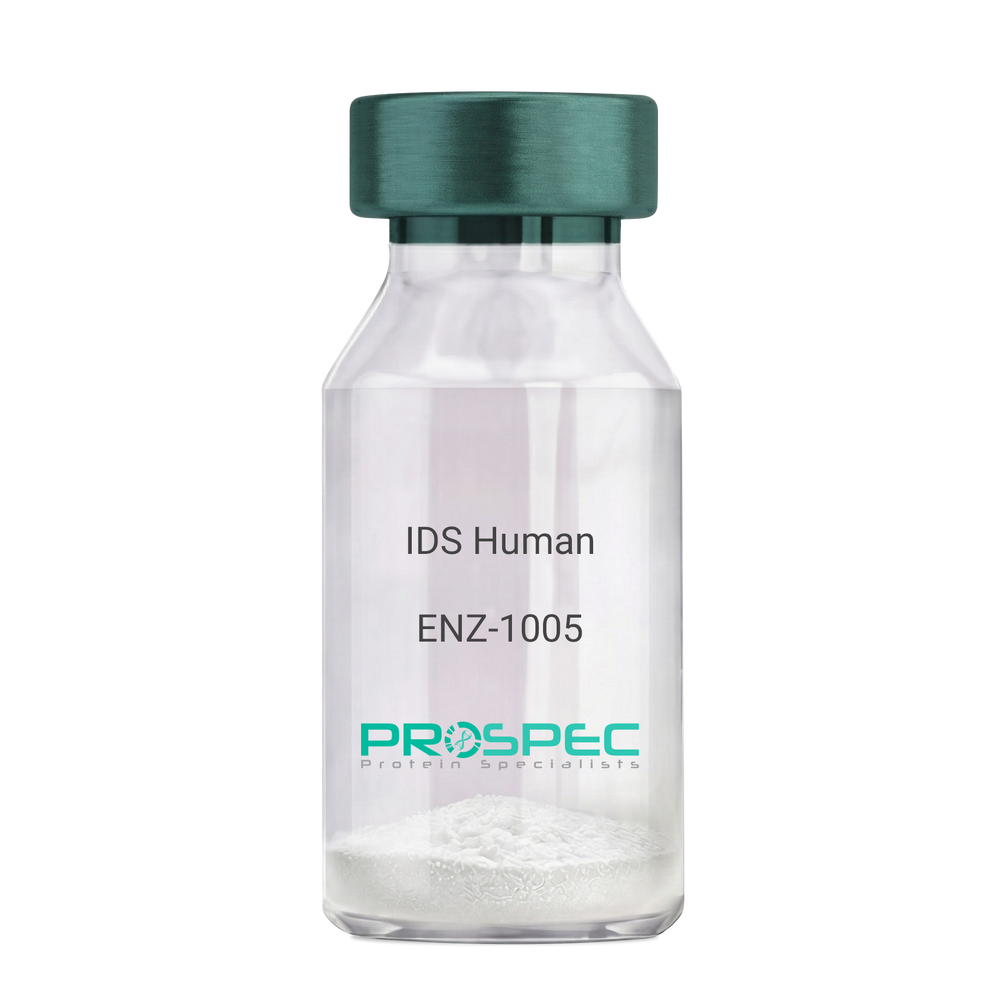
Name :
IDS HumanDescription:
Iduronate 2-Sulfatase Human Recombinant
Iduronate 2-Sulfatase, Alpha-L-Iduronate Sulfate Sulfatase, SIDS, Iduronate 2-Sulfatase 14 KDa Chain, Iduronate 2-Sulfatase 42 KDa Chain, Hunter Syndrome, EC 3.1.6.13, MPS2, Iduronate 2-sulfatase, Alpha-L-iduronate sulfate sulfatase.
Product # :
ENZ-1005Price :
Quantity :
Shipping Method :
Shipped with Ice Packs
More Info
- description
- source
- formulation
- purity
- More Info
Description
IDS Human Recombinant produced in Sf9 Baculovirus cells is a single, glycosylated polypeptide chain containing 533 amino acids (26-550a.a) and having a molecular mass of 60.3kDa. (Molecular size on SDS-PAGE will appear at approximately 35-70kDa). IDS is fused to an 8 amino acid His-tag at C-terminus & purified by proprietary chromatographic techniques.
Source
Sf9, Baculovirus cells.
Formulation
IDS protein solution (0.25mg/ml) containing Phosphate Buffered Saline (pH 7.4) and 10% glycerol.
Purity
Greater than 90% as determined by SDS-PAGE.
More Info
-
Introduction
Iduronate 2-Sulfatase also known as IDS, belongs to the highly-conserved sulfatase family of enzymes which catalyze the hydrolysis of O-sulfate and N-salfate esters from a variety of substrates. IDS is essential for the lysosomal degradation of the glycosaminoglycans (GAG) heparan sulfate as well as dermatan sulfate. Furthermore, IDS hydrolyzes the 2-sulfate group of the IDS units of the GAG.
-
Synonyms
Iduronate 2-Sulfatase, Alpha-L-Iduronate Sulfate Sulfatase, SIDS, Iduronate 2-Sulfatase 14 KDa Chain, Iduronate 2-Sulfatase 42 KDa Chain, Hunter Syndrome, EC 3.1.6.13, MPS2, Iduronate 2-sulfatase, Alpha-L-iduronate sulfate sulfatase.
-
Physical Appearance
Sterile Filtered clear solution.
-
Stability
Store at 4°C if entire vial will be used within 2-4 weeks. Store, frozen at -20°C for longer periods of time. For long term storage it is recommended to add a carrier protein (0.1% HSA or BSA).Avoid multiple freeze-thaw cycles.
-
Amino Acid Sequence
SETQANSTTD ALNVLLIIVD DLRPSLGCYG DKLVRSPNID QLASHSLLFQ NAFAQQAVCA PSRVSFLTGR RPDTTRLYDF NSYWRVHAGN FSTIPQYFKE NGYVTMSVGK VFHPGISSNH TDDSPYSWSF PPYHPSSEKY ENTKTCRGPD GELHANLLCP VDVLDVPEGT LPDKQSTEQA IQLLEKMKTS ASPFFLAVGY HKPHIPFRYP KEFQKLYPLE NITLAPDPEV PDGLPPVAYN PWMDIRQRED VQALNISVPY GPIPVDFQRK IRQSYFASVS YLDTQVGRLL SALDDLQLAN STIIAFTSDH GWALGEHGEW AKYSNFDVAT HVPLIFYVPG RTASLPEAGE KLFPYLDPFD SASQLMEPGR QSMDLVELVS LFPTLAGLAG LQVPPRCPVP SFHVELCREG KNLLKHFRFR DLEEDPYLPG NPRELIAYSQ YPRPSDIPQW NSDKPSLKDI KIMGYSIRTI DYRYTVWVGF NPDEFLANFS DIHAGELYFV DSDPLQDHNM YNDSQGGDLF QLLMPLEHHH HHH.
ProSpec's products are furnished for LABORATORY RESEARCH USE ONLY. The product may not be used as drugs, agricultural or pesticidal products, food additives or household chemicals.
- View Data Sheet
Name :
ENHO HumanDescription:
Energy Homeostasis Associated Human Recombinant
Adropin, Energy homeostasis-associated protein, ENHO, C9orf165, UNQ470.
Product # :
PRO-1569Price :
Quantity :
Shipping Method :
Shipped at Room temp
More Info
- description
- source
- formulation
- purity
- More Info
Description
ENHO Human Recombinant produced in E.Coli is a single, non-glycosylated, polypeptide chain (a.a 34-76) containing 121 amino acids including extra 78 N-terminal amino acids. The total molecular mass is 13.05kDa (calculated).
Source
Escherichia Coli.
Formulation
ENHO filtered (0.4 µm) and lyophilized from 0.5mg/ml in phosphate buffered saline.
Purity
Greater than 90.0% as determined by SDS-PAGE.
More Info
-
Introduction
Energy Homeostasis Associated (ENHO) participates in glucose homeostasis maintenance and lipid metabolism. ENHO is expressed in the liver and the brain. The role of ENHO in obesity or diabetes is studied.
-
Synonyms
Adropin, Energy homeostasis-associated protein, ENHO, C9orf165, UNQ470.
-
Physical Appearance
Filtered White lyophilized (freeze-dried) powder.
-
Stability
Store lyophilized protein at -20°C. Aliquot the product after reconstitution to avoid repeated freezing/thawing cycles. Reconstituted protein can be stored at 4°C for a limited period of time; it does not show any change after two weeks at 4°C.
-
Solubility
It is recommended to add deionized water to prepare a working stock solution of approximately 0.5mg/ml and let the lyophilized pellet dissolve completely. ENHO is not sterile! Please filter the product by an appropriate sterile filter before using it in the cell culture.
-
Amino Acid Sequence
MGGKSNGEKK YIVGFKQGFK SCAKKEDVIS EKGGKLQKCF KYVDAASATL NEKAVEELKK DPSVAYVEED KLFKALTSCHSRSADVDSLS ESSPNSSPGP CPEKAPPPQK PSHEGSYLLQ P.
ProSpec's products are furnished for LABORATORY RESEARCH USE ONLY. The product may not be used as drugs, agricultural or pesticidal products, food additives or household chemicals.