Skip to content

High-quality research proteins.

  • 1-800-805-6531

  • Mon - Sat 8.00-18.00, Sun - Closed

  • info@prospecbio.com

  • PO Box 6591 East Brunswick NJ 08816

  • Products
    • Cytokines
    • Growth factors
    • Chemokines
    • Cd antigens
    • Neurotrophins
    • Hormones
    • Enzymes
    • Viral antigens
    • Recombinant proteins
    • Natural proteins
    • Monoclonal antibodies
    • Polyclonal antibodies
    • Thermal Packaging
  • About
    • Company
    • Founder
    • Contribution
  • Customers
    • Eastern Asia
    • Eastern Europe
    • North America
    • South America
    • South East Asia
    • Southern Asia
    • Western Europe
  • Ordering
    • Ordering Method
    • Ordering - Credit Card
    • Ordering - PO
    • Shipping Fees
    • FAQs
  • Services
    • DNA Cloning
    • Protein Expression
    • Monoclonal Antibody
    • Fermentation
    • Technology License
  • Contact us
Log in

Country/region

  • USD $ | Albania
  • USD $ | Andorra
  • USD $ | Argentina
  • USD $ | Armenia
  • USD $ | Australia
  • USD $ | Austria
  • USD $ | Azerbaijan
  • USD $ | Belarus
  • USD $ | Belgium
  • USD $ | Bolivia
  • USD $ | Brazil
  • USD $ | Bulgaria
  • USD $ | Cambodia
  • USD $ | Canada
  • USD $ | Chile
  • USD $ | China
  • USD $ | Colombia
  • USD $ | Costa Rica
  • USD $ | Croatia
  • USD $ | Cyprus
  • USD $ | Czechia
  • USD $ | Denmark
  • USD $ | Estonia
  • USD $ | Finland
  • USD $ | France
  • USD $ | Georgia
  • USD $ | Germany
  • USD $ | Greece
  • USD $ | Hong Kong SAR
  • USD $ | Hungary
  • USD $ | Iceland
  • USD $ | India
  • USD $ | Ireland
  • USD $ | Israel
  • USD $ | Italy
  • USD $ | Japan
  • USD $ | Kazakhstan
  • USD $ | Latvia
  • USD $ | Liechtenstein
  • USD $ | Lithuania
  • USD $ | Madagascar
  • USD $ | Malta
  • USD $ | Mexico
  • USD $ | Moldova
  • USD $ | Monaco
  • USD $ | Netherlands
  • USD $ | New Zealand
  • USD $ | North Macedonia
  • USD $ | Norway
  • USD $ | Panama
  • USD $ | Paraguay
  • USD $ | Peru
  • USD $ | Philippines
  • USD $ | Poland
  • USD $ | Portugal
  • USD $ | Romania
  • USD $ | Singapore
  • USD $ | Slovakia
  • USD $ | Slovenia
  • USD $ | South Africa
  • USD $ | South Korea
  • USD $ | Spain
  • USD $ | Sri Lanka
  • USD $ | Sweden
  • USD $ | Switzerland
  • USD $ | Taiwan
  • USD $ | Thailand
  • USD $ | Türkiye
  • USD $ | Ukraine
  • USD $ | United Kingdom
  • USD $ | United States
  • USD $ | Uruguay
  • USD $ | Vatican City
  • USD $ | Venezuela
  • USD $ | Vietnam
  • Facebook
  • Instagram
logoProSpec - Recombinant Protein Manufacturer for academic and R&D industry
Become a distributor
Account Log in
Wishlist
Cart Cart(0)
  • Products
    +
    • Cytokines
    • Growth factors
    • Chemokines
    • Cd antigens
    • Neurotrophins
    • Hormones
    • Enzymes
    • Viral antigens
    • Recombinant proteins
    • Natural proteins
    • Monoclonal antibodies
    • Polyclonal antibodies
    • Thermal Packaging
  • About
    +
    • Company
    • Founder
    • Contribution
  • Customers
    +
    • Eastern Asia
    • Eastern Europe
    • North America
    • South America
    • South East Asia
    • Southern Asia
    • Western Europe
  • Ordering
    +
    • Ordering Method
    • Ordering - Credit Card
    • Ordering - PO
    • Shipping Fees
    • FAQs
  • Services
    +
    • DNA Cloning
    • Protein Expression
    • Monoclonal Antibody
    • Fermentation
    • Technology License
  • Contact us

Item added to your cart

View cart
View All
  • Cytokines
  • Growth factors
  • Chemokines
  • Cd antigens
  • Neurotrophins
  • Hormones
  • Enzymes
  • Viral antigens
  • Recombinant proteins
  • Natural proteins
  • Monoclonal antibodies
  • Polyclonal antibodies
  • Thermal Packaging
  • Tumor Necrosis Factor

    Tumor Necrosis Factor

    View All
  • 4-1BB

    4-1BB

    View All
  • Adiponectin

    Adiponectin

    View All
  • AIF1

    AIF1

    View All
  • Other Cytokines

    Other Cytokines

    View All
  • AITRL

    AITRL

    View All
  • Angiopoietin

    Angiopoietin

    View All
  • Apolipoprotein

    Apolipoprotein

    View All
  • B-Cell Activating Factor

    B-Cell Activating Factor

    View All
  • Beta Defensin

    Beta Defensin

    View All
  • Bone Morphogenetic Protein

    Bone Morphogenetic Protein

    View All
  • B type Natriuretic Peptide

    B type Natriuretic Peptide

    View All
  • BST

    BST

    View All
  • Betacellulin

    Betacellulin

    View All
  • Cardiotrophin

    Cardiotrophin

    View All
  • Activin

    Activin

    View All
  • Fibroblast Growth Factor

    Fibroblast Growth Factor

    View All
  • Other Growth Factors

    Other Growth Factors

    View All
  • CSF

    CSF

    View All
  • CTGF

    CTGF

    View All
  • IGFBP

    IGFBP

    View All
  • VEGF Protein

    VEGF Protein

    View All
  • EGF

    EGF

    View All
  • Epigen

    Epigen

    View All
  • Erythropoietin

    Erythropoietin

    View All
  • Insulin-Like Growth Factor

    Insulin-Like Growth Factor

    View All
  • Growth Hormone

    Growth Hormone

    View All
  • HDGF

    HDGF

    View All
  • Hepatocyte Growth Factor

    Hepatocyte Growth Factor

    View All
  • Insulin

    Insulin

    View All
  • BCA-1/ BLC (CXCL13)

    BCA-1/ BLC (CXCL13)

    View All
  • BRAK (CXCL14)

    BRAK (CXCL14)

    View All
  • C-10 (CCL6)

    C-10 (CCL6)

    View All
  • Other Chemokines

    Other Chemokines

    View All
  • MEC (CCL28)

    MEC (CCL28)

    View All
  • LD78-beta (CCL3L1)

    LD78-beta (CCL3L1)

    View All
  • CTACK (CCL27)

    CTACK (CCL27)

    View All
  • CXCL16

    CXCL16

    View All
  • CXCL17

    CXCL17

    View All
  • Platelet Factor-4 (CXCL4)

    Platelet Factor-4 (CXCL4)

    View All
  • ENA-78 (CXCL5)

    ENA-78 (CXCL5)

    View All
  • Eotaxin (CCL11,24,26)

    Eotaxin (CCL11,24,26)

    View All
  • Exodus-2 (CCL21)

    Exodus-2 (CCL21)

    View All
  • Fractalkine (CX3CL1)

    Fractalkine (CX3CL1)

    View All
  • CXCL6

    CXCL6

    View All
  • Other CD Antigens

    Other CD Antigens

    View All
  • CD14

    CD14

    View All
  • CD164

    CD164

    View All
  • CD1

    CD1

    View All
  • CD2

    CD2

    View All
  • CD200

    CD200

    View All
  • CD207

    CD207

    View All
  • CD226

    CD226

    View All
  • CD23

    CD23

    View All
  • CD244

    CD244

    View All
  • CD247

    CD247

    View All
  • CD27

    CD27

    View All
  • CD274

    CD274

    View All
  • CD300

    CD300

    View All
  • CD33

    CD33

    View All
  • Other Neurotrophins

    Other Neurotrophins

    View All
  • Beta-NGF

    Beta-NGF

    View All
  • BDNF

    BDNF

    View All
  • CDNF

    CDNF

    View All
  • CNTF

    CNTF

    View All
  • GDNF

    GDNF

    View All
  • Glia Maturation Factor

    Glia Maturation Factor

    View All
  • MANF

    MANF

    View All
  • Midkine

    Midkine

    View All
  • Neuroglobin

    Neuroglobin

    View All
  • Neurotrophic factors

    Neurotrophic factors

    View All
  • Neuregulin

    Neuregulin

    View All
  • Neuropilin

    Neuropilin

    View All
  • Pigment Epithelium-Derived Factor

    Pigment Epithelium-Derived Factor

    View All
  • Pleiotrophin

    Pleiotrophin

    View All
  • Peptide Hormones

    Peptide Hormones

    View All
  • Other Hormones

    Other Hormones

    View All
  • HCG

    HCG

    View All
  • Endothelin

    Endothelin

    View All
  • Exendin

    Exendin

    View All
  • FSH

    FSH

    View All
  • Glucagon

    Glucagon

    View All
  • GHRP

    GHRP

    View All
  • GLP

    GLP

    View All
  • Thyrostimulin

    Thyrostimulin

    View All
  • Inhibin A

    Inhibin A

    View All
  • LHRH

    LHRH

    View All
  • Melanotan

    Melanotan

    View All
  • Procalcitonin

    Procalcitonin

    View All
  • PTH

    PTH

    View All
  • Peroxiredoxin

    Peroxiredoxin

    View All
  • Peptidase

    Peptidase

    View All
  • Synthetase

    Synthetase

    View All
  • Transferase

    Transferase

    View All
  • Hydrolase

    Hydrolase

    View All
  • Dehydrogenase

    Dehydrogenase

    View All
  • ACE2

    ACE2

    View All
  • Esterase

    Esterase

    View All
  • Protein Kinases

    Protein Kinases

    View All
  • Other Enzymes

    Other Enzymes

    View All
  • Phosphatase

    Phosphatase

    View All
  • Deaminase

    Deaminase

    View All
  • Oxygenase

    Oxygenase

    View All
  • Adenylate Kinase

    Adenylate Kinase

    View All
  • Lyase

    Lyase

    View All
  • Chagas

    Chagas

    View All
  • SARS

    SARS

    View All
  • Influenza

    Influenza

    View All
  • ASFV

    ASFV

    View All
  • Astrovirus

    Astrovirus

    View All
  • Borrelia

    Borrelia

    View All
  • Helicobacter Pylori

    Helicobacter Pylori

    View All
  • Chikungunya

    Chikungunya

    View All
  • Chlamydia

    Chlamydia

    View All
  • Cytomegalo

    Cytomegalo

    View All
  • Dengue

    Dengue

    View All
  • EBV

    EBV

    View All
  • Ebola

    Ebola

    View All
  • Feline Leukemia Virus

    Feline Leukemia Virus

    View All
  • Hepatitis A

    Hepatitis A

    View All
  • Other

    Other

    View All
  • Actin

    Actin

    View All
  • ADAM

    ADAM

    View All
  • Complement Component

    Complement Component

    View All
  • Ag85

    Ag85

    View All
  • Eukaryotic Translation Initiation Factor

    Eukaryotic Translation Initiation Factor

    View All
  • Anterior Gradient Protein

    Anterior Gradient Protein

    View All
  • Heat Shock Protein

    Heat Shock Protein

    View All
  • Alpha-2-HS-Glycoprotein

    Alpha-2-HS-Glycoprotein

    View All
  • Hemoglobin

    Hemoglobin

    View All
  • Allergy

    Allergy

    View All
  • Anaplasma

    Anaplasma

    View All
  • Angiogenin

    Angiogenin

    View All
  • Ankyrin Repeat Domain

    Ankyrin Repeat Domain

    View All
  • Annexin

    Annexin

    View All
  • Other Natural Proteins

    Other Natural Proteins

    View All
  • Aprotinin

    Aprotinin

    View All
  • Transferrin

    Transferrin

    View All
  • Avidin

    Avidin

    View All
  • Anti Coagulation Factors

    Anti Coagulation Factors

    View All
  • Natural Albumin

    Natural Albumin

    View All
  • Natural Coagulation Factors

    Natural Coagulation Factors

    View All
  • Fibronectin

    Fibronectin

    View All
  • Thrombin

    Thrombin

    View All
  • Anti Human Enzyme

    Anti Human Enzyme

    View All
  • Other Monoclonal Antibodies

    Other Monoclonal Antibodies

    View All
  • Anti Human Cytokine

    Anti Human Cytokine

    View All
  • Anti Human Heat Shock Protein

    Anti Human Heat Shock Protein

    View All
  • Anti Mouse Lymphocyte

    Anti Mouse Lymphocyte

    View All
  • Anti Human Chemokine

    Anti Human Chemokine

    View All
  • Anti Human Lymphocyte

    Anti Human Lymphocyte

    View All
  • Anti Viral Monoclonal

    Anti Viral Monoclonal

    View All
  • Anti Mouse Cytokine

    Anti Mouse Cytokine

    View All
  • Anti-GST Monoclonal

    Anti-GST Monoclonal

    View All
  • Other Polyclonal Antibodies

    Other Polyclonal Antibodies

    View All
  • Anti Viral

    Anti Viral

    View All
  • Anti-GST Monoclonal

    Anti-GST Monoclonal

    View All
Back

Search results

402 results found for “eukaryotic translation initiation factor”

Name

Description

Product #

Price

Quantity

Shipping Method

  • View Data Sheet

    Name :

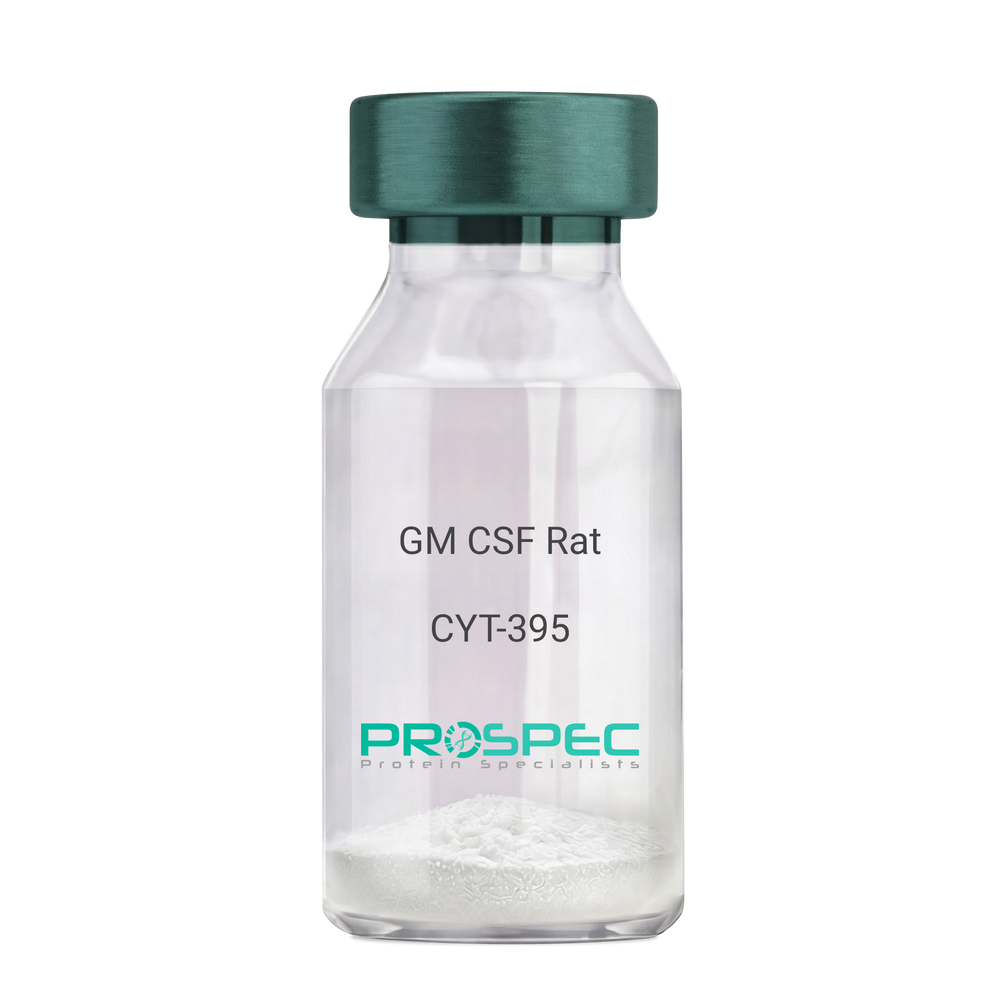
    GM-CSF Rat

    Description:

    Granulocyte Macrophage-Colony Stimulating Factor Rat Recombinant

    CSF-2, MGI-1GM, GM-CSF, Pluripoietin-alpha, Molgramostin, Sargramostim.

    Product # :

    CYT-395

    Price :

    Quantity :

    Shipping Method :

    Room Temp Icon

    Shipped at Room temp

    Add To Cart

    More Info

    • description
    • source
    • formulation
    • purity
    • biological activity
    • More Info
    • Citations

    Description

    Granulocyte Macrophage Colony Stimulating Factor Rat Recombinant produced in E.Coli is a single, non-glycosylated, polypeptide chain containing 128 amino acids and having a molecular mass of 14590.65 Dalton. GM-CSF Rat Recombinant is purified by proprietary chromatographic techniques.

    Source

    Escherichia Coli.

    Formulation

    GM-CSF Rat was lyophilized with no additives.

    Purity

    Greater than 96.0% as determined by:
    (a)Analysis by RP-HPLC.
    (b)Analysis by SDS-PAGE.

    Biological Activity

    The ED50 as calculated by the dose-dependent stimulation of the proliferation of murine FDC-P1 cells is less than 0.01ng/ml, corresponding to a specific activity of > 1×10⁸units/mg.

    Citations

    More Info

    • Introduction

      GMCSF is a cytokine that controls the production, differentiation, and function of granulocytes and macrophages. The active form of the protein is found extracellularly as a homodimer. This gene has been localized to a cluster of related genes at chromosome region 5q31, which is known to be associated with interstitial deletions in the 5q- syndrome and acute myelogenous leukemia. Other genes in the cluster include those encoding interleukins 4, 5, and 13.
      GM-CSF stimulates the growth and differentiation of hematopoietic precursor cells from various lineages, including granulocytes, macrophages, eosinophils and erythrocytes.

    • Synonyms

      CSF-2, MGI-1GM, GM-CSF, Pluripoietin-alpha, Molgramostin, Sargramostim.

    • Physical Appearance

      Sterile Filtered White lyophilized (freeze-dried) powder.

    • Stability

      Lyophilized Granulocyte Macrophage Colony Stimulating Factor although stable at room temperature for 3 weeks, should be stored desiccated below -18°C. Upon reconstitution GMCSF should be stored at 4°C between 2-7 days and for future use below -18°C.For long term storage it is recommended to add a carrier protein (0.1% HSA or BSA).Please prevent freeze-thaw cycles.

    • Solubility

      It is recommended to reconstitute the lyophilized Granulocyte Macrophage Colony Stimulating Factor in sterile 18MΩ-cm H2O not less than 100µg/ml, which can then be further diluted to other aqueous solutions.

    • Amino Acid Sequence

      MAPTRSPNPV TRPWKHVDAI KEALSLLNDM RALENEKNED VDIISNEFSI

      QRPTCVQTRL KLYKQGLRGN LTKLNGALTM IASHYQTNCP PTPETDCEIE

      VTTFEDFIKN LKGFLFDIPF DCWKPVQK.

    • Background

      What is the molecular weight/Mw of GM-CSF RAT Protein?
      GM-CSF RAT Protein has a total Mw of 14.59kDa.

      What is the source or expression system of GM-CSF RAT Protein?
      Escherichia Coli.

      What is the Purity of GM-CSF RAT Protein?
      GM-CSF RAT Protein is >96% pure as determined by SDS-PAGE.

      What is the Biological Activity of GM-CSF RAT Protein?
      The ED50 as calculated by the dose-dependent stimulation of the proliferation of murine FDC-P1 cells is less than 0.01ng/ml, corresponding to a specific activity of > 1×10⁸units/mg.

      What is the amino acid sequence of GM-CSF RAT Protein?
      MAPTRSPNPV TRPWKHVDAI KEALSLLNDM RALENEKNED VDIISNEFSI
      QRPTCVQTRL KLYKQGLRGN LTKLNGALTM IASHYQTNCP PTPETDCEIE
      VTTFEDFIKN LKGFLFDIPF DCWKPVQK.

      What applications can GM-CSF RAT Protein be used in?
      GM-CSF RAT Protein can probably be used in western blot, ELISA and Lateral Flow.

      What is the endotoxin level for GM-CSF RAT Protein?
      The endotoxin level is minimal, GM-CSF RAT Protein was purified using conventional chromatography techniques.


    ProSpec's products are furnished for LABORATORY RESEARCH USE ONLY. The product may not be used as drugs, agricultural or pesticidal products, food additives or household chemicals.

    Gm Csf Rat
  • View Data Sheet

    Name :

    SPP1 Human, Active

    Description:

    Osteopontin Human Recombinant, BioActive

    OPN, SPP-1, BNSP, BSPI, ETA-1, Bone sialoprotein 1, BSP I.Early T lymphocyte activation 1, ETA 1, ETA1, MGC110940, Nephropontin, Secreted phosphoprotein 1, SPP 1, SPP1, urinary stone protein, uropontin.

    Product # :

    CYT-1166

    Price :

    Quantity :

    Shipping Method :

    Ice Icon

    Shipped with Ice Packs

    Add To Cart

    More Info

    • description
    • source
    • formulation
    • purity
    • biological activity
    • More Info
    • Citations

    Description

    SPP1 Human Recombinant produced in E.Coli is a single, non-glycosylated polypeptide chain containing 321 amino acids (17-314 a.a.) and having a molecular mass of 36.2kDa. SPP1 is fused to a 23 amino acid His tag at N-Terminus and purified by proprietary chromatographic techniques.

    Source

    Escherichia Coli.

    Formulation

    The SPP1 solution (1mg/ml) contains 20mM Tris-HCl buffer (pH 7.5), 1mM DTT, 10% glycerol and 2mM EDTA.

    Purity

    Greater than 90.0% as determined by SDS-PAGE.

    Biological Activity

    Measured by the ability of the immobilized protein to support the adhesion of HEK293 human embryonic kidney cells. When cells are added to OPN coated plates 10ug/ml. This effect is more to 40%.

    Citations

    More Info

    • Introduction

      Osteopontin is a glycoprotein that was primarilyfound in osteoblasts and takes part in bone remodeling, immune functions in fibroblasts, macrophages, & lymphocytes during inflammation and wound healing. SPP1 highlybinds to hydroxyapatite. SPP1 forms an integral part of the mineralized matrix. SPP1 is vital to cell-matrix interaction.
      Secreted Phosphoprotein-1 protects against cardiac ischemia-reperfusion injury through late preconditioning. Expression of Ostepontin and CD44 in hepatocellular carcinoma is linked to advanced tumor stage &leads to prognosis information. SPP1 is the most over-expressed gene in intrahepatic cholangiocarcinoma. Secreted Phosphoprotein-1 overexpression is related with interstitial lung diseases.

    • Synonyms

      OPN, SPP-1, BNSP, BSPI, ETA-1, Bone sialoprotein 1, BSP I.Early T lymphocyte activation 1, ETA 1, ETA1, MGC110940, Nephropontin, Secreted phosphoprotein 1, SPP 1, SPP1, urinary stone protein, uropontin.

    • Physical Appearance

      Sterile Filtered clear colorless solution.

    • Stability

      Store at 4°C if entire vial will be used within 2-4 weeks. Store, frozen at -20°C for longer periods of time. For long term storage it is recommended to add a carrier protein (0.1% HSA or BSA).Avoid multiple freeze-thaw cycles.

    • Amino Acid Sequence

      MGSSHHHHHH SSGLVPRGSH RSMIPVKQAD SGSSEEKQLY NKYPDAVATW LNPDPSQKQN LLAPQNAVSS EETNDFKQET LPSKSNESHD HMDDMDDEDD DDHVDSQDSI DSNDSDDVDD TDDSHQSDES HHSDESDELV TDFPTDLPAT EVFTPVVPTV DTYDGRGDSV VYGLRSKSKK FRRPDIQYPD ATDEDITSHM ESEELNGAYK AIPVAQDLNA PSDWDSRGKD SYETSQLDDQ SAETHSHKQS RLYKRKANDE SNEHSDVIDS QELSKVSREF HSHEFHSHED MLVVDPKSKE EDKHLKFRIS HELDSASSEV N.

    ProSpec's products are furnished for LABORATORY RESEARCH USE ONLY. The product may not be used as drugs, agricultural or pesticidal products, food additives or household chemicals.

    Osteopontin Human
  • View Data Sheet

    Name :

    TNF a Canine

    Description:

    Tumor Necrosis Factor-Alpha Canine Recombinant

    Tumor necrosis factor, Cachectin, TNF-alpha, Tumor necrosis factor ligand superfamily member 2, TNF-a, TNF, TNFA, TNFSF2.

    Product # :

    CYT-140

    Price :

    Quantity :

    Shipping Method :

    Room Temp Icon

    Shipped at Room temp

    Add To Cart

    More Info

    • description
    • source
    • formulation
    • purity
    • biological activity
    • More Info
    • Citations

    Description

    TNF-a Canine Recombinant produced in E.Coli is a single, non-glycosylated polypeptide chain containing 157 amino acids and having a molecular mass of 17.3 kDa. The TNF-a is purified by proprietary chromatographic techniques.

    Source

    Escherichia Coli.

    Formulation

    Filtered (0.2µm) and lyophilized from a concentrated (1mg/ml) solution in 1×PBS, pH7.4.

    Purity

    Greater than 95.0% as determined by:
    (a) Analysis by RP-HPLC.
    (b) Analysis by SDS-PAGE.

    Biological Activity

    The Specific Activity is >3.3×10⁵ IU/mg as determined by the cytolysis of murine L929 cells in the presence of Actinomycin D.

    Citations

    More Info

    • Introduction

      Tumor necrosis factor is a cytokine involved in systemic inflammation and is a member of a group of cytokines that all stimulate the acute phase reaction. TNF is mainly secreted by macrophages.
      TNF causes apoptotic cell death, cellular proliferation, differentiation, inflammation, tumorigenesis and viral replication, TNF is also involved in lipid metabolism, and coagulation. TNF's primary role is in the regulation of immune cells.
      Dysregulation and, in particular, overproduction of TNF have been implicated in a variety of human diseases- autoimmune diseases, insulin resistance, and cancer.

    • Synonyms

      Tumor necrosis factor, Cachectin, TNF-alpha, Tumor necrosis factor ligand superfamily member 2, TNF-a, TNF, TNFA, TNFSF2.

    • Physical Appearance

      Sterile Filtered White lyophilized (freeze-dried) powder.

    • Stability

      Lyophilized Tumor Necrosis Factor-a although stable at room temperature for 3 weeks, should be stored desiccated below -18°C. Upon reconstitution TNF-a should be stored at 4°C between 2-7 days and for future use below -18°C.For long term storage it is recommended to add a carrier protein (0.1% HSA or BSA).Please prevent freeze-thaw cycles.

    • Solubility

      It is recommended to reconstitute the lyophilized Tumor Necrosis Factor-alpha in sterile 18M-cm H2O not less than 100µg/ml, which can then be further diluted to other aqueous solutions.

    • Amino Acid Sequence

      VKSSSRTPSD KPVAHVVANP EAEGQLQWLS RRANALLANG VELTDNQLIV PSDGLYLIYS QVLFKGQGCP STHVLLTHTI SRFAVSYQTK VNLLSAIKSP CQRETPEGTE AKPWYEPIYL GGVFQLEKGD RLSAEINLPN YLDFAESGQV YFGIIAL.

    ProSpec's products are furnished for LABORATORY RESEARCH USE ONLY. The product may not be used as drugs, agricultural or pesticidal products, food additives or household chemicals.

    Tnf A Canine
  • View Data Sheet

    Name :

    FGF 21 Rat

    Description:

    Fibroblast Growth Factor-21 Rat Recombinant

    Fibroblast growth factor 21, FGF-21.

    Product # :

    CYT-130

    Price :

    Quantity :

    Shipping Method :

    Room Temp Icon

    Shipped at Room temp

    Add To Cart

    More Info

    • description
    • source
    • formulation
    • purity
    • biological activity
    • More Info
    • Citations

    Description

    FGF 21 Rat Recombinant produced in E.Coli is a single, non-glycosylated polypeptide chain containing 180 amino acids and having a molecular mass of 19.7kDa. The FGF 21 is purified by proprietary chromatographic techniques.

    Source

    Escherichia Coli.

    Formulation

    Lyophilized from a 0.2µm filtered concentrated solution in 1×PBS, pH 7.4.

    Purity

    Greater than 95.0% as determined by:
    (a) Analysis by RP-HPLC.
    (b) Analysis by SDS-PAGE.

    Biological Activity

    The ED50 determined by a cell proliferation assay using murine NIH/3T3 cells is less than 700 ng/ml, corresponding to a specific activity of > 1.4 × 1000 IU/mg in the presence of 5µg/ml of rMuKlotho-beta.

    Citations

    More Info

    • Introduction

      The FGFs are a family of more than 20 small (~17–26 kDa) secreted peptides. The initial characterization of these proteins focused on their ability to stimulate fibroblast proliferation. This mitogenic activity was mediated through FGF receptors (FGFRs) 1, 2, or 3. A fourth closely related tyrosine kinase receptor (FGFR4) was able to bind the FGFs but did not lead to a mitogenic response.
      FGFs modulate cellular activity via at least 5 distinct subfamilies of high-affinity FGF receptors (FGFRs): FGFR-1, -2, -3, and -4, all with intrinsic tyrosine kinase activity and, except for FGFR-4, multiple splice isoforms, and FGFR-5, which lacks an intracellular kinase domain. There is growing evidence that FGFRs can be important for regulation of glucose and lipid homeostasis. The overexpression of a dominant negative form of FGFR-1 in cells leads to diabetes in mice, which thus implies that proper FGF signaling is required for normal ? cell function and glycemia maintenance. FGFR-2 appears to be a key molecule during pancreatic development. Moreover, FGFR-4 has been implicated in cholesterol metabolism and bile acid synthesis.
      FGF-19, has been shown to cause resistance to diet-induced obesity and desensitization and to improve glucose, and lipid profiles in diabetic rodents. Since these effects, at least in part, are mediated through the observed changes in metabolic rates, FGF-19 can be considered as a regulator of energy expenditure.
      FGF-21 is preferentially expressed in liver, but an exact knowledge of FGF-21 bioactivity and its mode of action have been lacking to date. FGF-21 is a potent activator of glucose uptake on adipocytes, protects animals from diet-induced obesity when overexpressed in transgenic mice, and lowers blood glucose and triglyceride levels when therapeutically administered to diabetic rodents.

    • Synonyms

      Fibroblast growth factor 21, FGF-21.

    • Physical Appearance

      Sterile Filtered White lyophilized (freeze-dried) powder.

    • Stability

      Lyophilized FGF 21 although stable at room temperature for 3 weeks, should be stored desiccated below -18°C. Upon reconstitution FGF 21 should be stored at 4°C between 2-7 days and for future use below -18°C. For long term storage it is recommended to add a carrier protein (0.1% HSA or BSA). Please prevent freeze-thaw cycles.

    • Solubility

      It is recommended to reconstitute the lyophilized FGF 21 Rat Recombinant in sterile 18M-cm H2O not less than 100µg/ml, which can then be further diluted to other aqueous solutions.

    • Amino Acid Sequence

      AYPISDSSPL LQFGGQVRQR YLYTDDDQDT EAHLEIREDG TVVGTAHRSP ESLLELKALK PGVIQILGVK ASRFLCQQPD GTLYGSPHFD PEACSFRELL LKDGYNVYQS EAHGLPLRLP QKDSQDPATR GPVRFLPMPG LPHEPQEQPG VLPPEPPDVG SSDPLSMVEP LQGRSPSYAS

    • Background

      What is the molecular weight/Mw of FGF21-RAT Protein?
      FGF21-RAT Protein has a total Mw of 19.7kDa.

      What is the source or expression system of FGF21-RAT Protein?
      Escherichia Coli.

      What is the Purity of FGF21-RAT Protein?
      FGF21-RAT Protein is >95% pure as determined by SDS-PAGE.

      What is the Biological Activity of FGF21-RAT Protein?
      The ED50 determined by a cell proliferation assay using murine NIH/3T3 cells is less than 700 ng/ml, corresponding to a specific activity of > 1.4 × 1000 IU/mg in the presence of 5µg/ml of rMuKlotho-beta.

      What is the amino acid sequence of FGF21-RAT Protein?
      AYPISDSSPL LQFGGQVRQR YLYTDDDQDT EAHLEIREDG TVVGTAHRSP ESLLELKALK PGVIQILGVK ASRFLCQQPD GTLYGSPHFD PEACSFRELL LKDGYNVYQS EAHGLPLRLP QKDSQDPATR GPVRFLPMPG LPHEPQEQPG VLPPEPPDVG SSDPLSMVEP LQGRSPSYAS

      What applications can FGF21-RAT Protein be used in?

      FGF21-RAT Protein can probably be used in western blot, ELISA and Lateral Flow.

      What is the endotoxin level for FGF21-RAT Protein?
      The endotoxin level is minimal, FGF21-RAT Protein was purified using conventional chromatography techniques.

    ProSpec's products are furnished for LABORATORY RESEARCH USE ONLY. The product may not be used as drugs, agricultural or pesticidal products, food additives or household chemicals.

    Fgf 21 Rat
  • View Data Sheet

    Name :

    FGF17 Human, His

    Description:

    Fibroblast Growth Factor 17 Human Recombinant, His Tag

    Fibroblast growth factor 17, FGF-17, FGF17, FGF-13, HH20.

    Product # :

    CYT-755

    Price :

    Quantity :

    Shipping Method :

    Ice Icon

    Shipped with Ice Packs

    Add To Cart

    More Info

    • description
    • source
    • formulation
    • purity
    • More Info
    • sds-page
    • Citations

    Description

    FGF17 Human Recombinant produced in E.Coli is a single, non-glycosylated polypeptide chain containing 219 amino acids (23-216 a.a) and having a molecular mass of 25.2kDa.FGF17 is fused to a 25 amino acid His-tag at N-terminus & purified by proprietary chromatographic techniques.

    Source

    E.coli.

    Formulation

    FGF17 protein solution (1mg/ml) contains 20mM Tris-HCl buffer (pH 8.0), 0.4M urea and 10% glycerol.

    Purity

    Greater than 90% as determined by SDS-PAGE.

    sds-page

    FGF17 SDS-PAGE - Product image 1

    Citations

    More Info

    • Introduction

      Fibroblast Growth Factor 17 (FGF17) belongs to the fibroblast growth factor (FGF) family. FGF family members have broad mitogenic and cell survival activities, and are involved in various biological processes including embryonic development cell growth, morphogenesis, tissue repair, tumor growth and invasion. The FGF17 gene is highly expressed in the cerebellum and cortex. The mouse homolog of the FGF17 gene is localized to specific sites in the midline structures of the forebrain, the midbrain-hindbrain junction, developing skeleton and developing arteries, suggesting a role in central nervous system, bone and vascular development.

    • Synonyms

      Fibroblast growth factor 17, FGF-17, FGF17, FGF-13, HH20.

    • Physical Appearance

      Sterile Filtered colorless solution.

    • Stability

      Store at 4°C if entire vial will be used within 2-4 weeks. Store, frozen at -20°C for longer periods of time. For long term storage it is recommended to add a carrier protein (0.1% HSA or BSA).Avoid multiple freeze-thaw cycles.

    • Amino Acid Sequence

      MGSSHHHHHH SSGLVPRGSH MGSHMTQGEN HPSPNFNQYV RDQGAMTDQL SRRQIREYQL YSRTSGKHVQ VTGRRISATA EDGNKFAKLI VETDTFGSRV RIKGAESEKY ICMNKRGKLI GKPSGKSKDC VFTEIVLENN YTAFQNARHE GWFMAFTRQG RPRQASRSRQ NQREAHFIKR LYQGQLPFPN HAEKQKQFEF VGSAPTRRTK RTRRPQPLT.

    • Background

      What is the molecular weight/Mw of FGF17 HIS Protein?
      FGF17 HIS Protein has a total Mw of 25.2kDa.

      What is the source or expression system of FGF17 HIS Protein?
      Escherichia Coli.

      What is the Purity of FGF17 HIS Protein?
      FGF17 HIS Protein is >90% pure as determined by SDS-PAGE.

      What is the Biological Activity of FGF17 HIS Protein?
      The biological functionality of FGF17 HIS Protein will be determined in the future.

      What is the amino acid sequence of FGF17 HIS Protein?
      MGSSHHHHHH SSGLVPRGSH MGSHMTQGEN HPSPNFNQYV RDQGAMTDQL SRRQIREYQL YSRTSGKHVQ VTGRRISATA EDGNKFAKLI VETDTFGSRV RIKGAESEKY ICMNKRGKLI GKPSGKSKDC VFTEIVLENN YTAFQNARHE GWFMAFTRQG RPRQASRSRQ NQREAHFIKR LYQGQLPFPN HAEKQKQFEF VGSAPTRRTK RTRRPQPLT.

      What applications can FGF17 HIS Protein be used in?
      FGF17 HIS Protein can probably be used in western blot, ELISA and Lateral Flow.

      What is the endotoxin level for FGF17 HIS Protein?
      The endotoxin level is minimal, FGF17 HIS Protein was purified using conventional chromatography techniques.

    ProSpec's products are furnished for LABORATORY RESEARCH USE ONLY. The product may not be used as drugs, agricultural or pesticidal products, food additives or household chemicals.

    Fgf17 Human
  • View Data Sheet

    Name :

    FGF 8 Mouse, 194 a.a.

    Description:

    Fibroblast Growth Factor-8 Mouse Recombinant, 194 a.a.

    FGF8B, FGF-8B, FGF8-B, KAL6, HBGF-8, HBGF8, AIGF, HBGF-8, MGC149376, fibroblast growth factor 8.

    Product # :

    CYT-840

    Price :

    Quantity :

    Shipping Method :

    Room Temp Icon

    Shipped at Room temp

    Add To Cart

    More Info

    • description
    • source
    • formulation
    • purity
    • biological activity
    • More Info
    • Citations

    Description

    FGF 8 Mouse Recombinant produced in E.Coli is a non-glycosylated polypeptide chain containing 194 amino acids and having a total molecular mass of 22.5kDa.

    Source

    Escherichia Coli.

    Formulation

    Lyophilized from a concentrated (1mg/ml) solution containing 5mM Na3PO4 and 50 mM NaCl, pH 7.5.

    Purity

    Greater than 97.0% as determined by analysis by SDS-PAGE.

    Biological Activity

    The activity is determined by its ability to induce proliferation of mouse 3T3 cells and is typically less than 20ng/ml corresponding to a specific activity of 50,000units/mg.

    Citations

    More Info

    • Introduction

      FGF8 is part of the fibroblast growth factor family. FGF family members have wide mitogenic and cell survival activities, and participate in a variety of biological processes, including embryonic development, cell growth, morphogenesis, tissue repair, tumor growth and invasion. FGF8 supports androgen and anchorage independent growth of mammary tumor cells. FGF8 over expression increases tumor growth and angiogensis. The adult expression of FGF-8 gene is restricted to testes and ovaries. FGF8 functions as an embryonic epithelial factor. FGF8 takes part in midbrain and limb development, organogenesis, embryo gastrulation and left-right axis determination.

    • Synonyms

      FGF8B, FGF-8B, FGF8-B, KAL6, HBGF-8, HBGF8, AIGF, HBGF-8, MGC149376, fibroblast growth factor 8.

    • Physical Appearance

      Sterile Filtered White lyophilized (freeze-dried) powder.

    • Stability

      Lyophilized FGF 8 although stable at room temperature for 3 weeks, should be stored desiccated below -18?C. Upon reconstitution FGF 8 should be stored at 4?C between 2-7 days and for future use below -18?C.For long term storage it is recommended to add a carrier protein (0.1% HSA or BSA).Please prevent freeze-thaw cycles.

    • Solubility

      It is recommended to reconstitute the lyophilized FGF 8 in sterile 18MΩ-cm H2O not less than 100µg/ml, which can then be further diluted to other aqueous solutions.

    • Amino Acid Sequence

      MQVTVQSSPN FTQHVREQSL VTDQLSRRLI RTYQLYSRTS GKHVQVLANK RINAMAEDGDPFAKLIVETD TFGSRVRVRG AETGLYICMN KKGKLIAKSN GKGKDCVFTE IVLENNYTAL QNAKYEGWYM AFTRKGRPRK GSKTRQHQRE VHFMKRLPRG HHTTEQSLRF EFLNYPPFTR SLRGSQRTWA PEPR

    • Background

      What is the molecular weight/Mw of FGF8 Protein?
      FGF8 Protein has a total Mw of 22.5kDa.

      What is the source or expression system of FGF8 Protein?
      Escherichia Coli.

      What is the Purity of FGF8 Protein?
      FGF8 Protein is >97% pure as determined by SDS-PAGE.

      What is the Biological Activity of FGF8 Protein?
      The activity is determined by its ability to induce proliferation of mouse 3T3 cells and is typically less than 20ng/ml corresponding to a specific activity of 50,000units/mg.

      What is the amino acid sequence of FGF8 Protein?
      MQVTVQSSPN FTQHVREQSL VTDQLSRRLI RTYQLYSRTS GKHVQVLANK RINAMAEDGDPFAKLIVETD TFGSRVRVRG AETGLYICMN KKGKLIAKSN GKGKDCVFTE IVLENNYTAL QNAKYEGWYM AFTRKGRPRK GSKTRQHQRE VHFMKRLPRG HHTTEQSLRF EFLNYPPFTR SLRGSQRTWA PEPR

      What applications can FGF8 Protein be used in?
      FGF8 Protein can probably be used in western blot, ELISA and Lateral Flow.

      What is the endotoxin level for FGF8 Protein?
      The endotoxin level is minimal, FGF8 Protein was purified using conventional chromatography techniques.

    ProSpec's products are furnished for LABORATORY RESEARCH USE ONLY. The product may not be used as drugs, agricultural or pesticidal products, food additives or household chemicals.

    Fgf 8 Mouse 194 Aa
  • View Data Sheet

    Name :

    FGF6 Human

    Description:

    Fibroblast Growth Factor-6 Human Recombinant

    Fibroblast Growth Factor 6, Heparin Secretory-Transforming Protein 2, Heparin-Binding Growth Factor 6, HBGF-6, HSTF-2, FGF-6, HST-2, HST2, HSTF2, FGF6.

    Product # :

    CYT-979

    Price :

    Quantity :

    Shipping Method :

    Room Temp Icon

    Shipped at Room temp

    Add To Cart

    More Info

    • description
    • source
    • formulation
    • purity
    • More Info
    • Citations

    Description

    FGF6 Human Recombinant produced in E.coli is a single, non-glycosylated polypeptide chain having containing 169 amino acids and having a molecular mass of 18.9kDa.The FGF-6 is purified by proprietary chromatographic techniques.

    Source

    Escherichia Coli.

    Formulation

    FGF-6 protein was lyophilized from a 0.2µm filtered solution in 10mM sodium phosphate and 50mM sodium chloride pH 7.5.

    Purity

    Greater than 95.0% as determined by SDS-PAGE.

    Citations

    More Info

    • Introduction

      Fibroblast Growth Factor-6 (FGF6) belongs to the fibroblast growth factor (FGF) family. FGF family members possess extensive mitogenic and cell survival functions, and are involved in various biological processes, including embryonic development, cell growth, morphogenesis, tissue repair, tumor growth and invasion. The FGF6 gene displayes oncogenic transforming activity when transfected into mammalian cells. The mouse homolog of the FGF6 gene displays a restricted expression profile predominantly in the myogenic lineage, suggesting a role in muscle regeneration or differentiation.

    • Synonyms

      Fibroblast Growth Factor 6, Heparin Secretory-Transforming Protein 2, Heparin-Binding Growth Factor 6, HBGF-6, HSTF-2, FGF-6, HST-2, HST2, HSTF2, FGF6.

    • Physical Appearance

      Sterile Filtered White lyophilized (freeze-dried) powder.

    • Stability

      Lyophilized FGF6 although stable at room temperature for 3 weeks, should be stored desiccated below -18°C. Upon reconstitution FGF-6 should be stored at 4°C between 2-7 days and for future use below -18°C. For long term storage it is recommended to add a carrier protein (0.1% HSA or BSA). Please prevent freeze-thaw cycles.

    • Solubility

      It is recommended to reconstitute the lyophilized FGF6 in sterile 18M-cm H2O not less than 100µg/ml, which can then be further diluted to other aqueous solutions.

    • Amino Acid Sequence

      MGTRANNTLL DSRGWGTLLS RSRAGLAGEI AGVNWESGYL VGIKRQRRLY CNVGIGFHLQ VLPDGRISGT HEENPYSLLE ISTVERGVVS LFGVRSALFV AMNSKGRLYA TPSFQEECKF RETLLPNNYN AYESDLYQGT YIALSKYGRV KRGSKVSPIM TVTHFLPRI.

    • Background

      What is the molecular weight/Mw of FGF6 Protein?
      FGF6 Protein has a total Mw of 18.9kDa.

      What is the source or expression system of FGF6 Protein?
      Escherichia Coli.

      What is the Purity of FGF6 Protein?
      FGF6 Protein is >95% pure as determined by SDS-PAGE.

      What is the Biological Activity of FGF6 Protein?
      The biological functionality of FGF6 Protein will be determined in the future.

      What is the amino acid sequence of FGF6 Protein?
      MGTRANNTLL DSRGWGTLLS RSRAGLAGEI AGVNWESGYL VGIKRQRRLY CNVGIGFHLQ VLPDGRISGT HEENPYSLLE ISTVERGVVS LFGVRSALFV AMNSKGRLYA TPSFQEECKF RETLLPNNYN AYESDLYQGT YIALSKYGRV KRGSKVSPIM TVTHFLPRI.

      What applications can FGF6 Protein be used in?
      FGF6 Protein can probably be used in western blot, ELISA and Lateral Flow.

      What is the endotoxin level for FGF6 Protein?
      The endotoxin level is minimal, FGF6 Protein was purified using conventional chromatography techniques.

    ProSpec's products are furnished for LABORATORY RESEARCH USE ONLY. The product may not be used as drugs, agricultural or pesticidal products, food additives or household chemicals.

    Fgf6 Human
  • View Data Sheet

    Name :

    Noggin Human, HEK

    Description:

    Noggin Human Recombinant, HEK

    Noggin, Symphalangism 1 (Proximal), Synostoses (Multiple) Syndrome 1, SYNS1A, SYNS1, SYM1.

    Product # :

    CYT-977

    Price :

    Quantity :

    Shipping Method :

    Ice Icon

    Shipped with Ice Packs

    Add To Cart

    More Info

    • description
    • source
    • formulation
    • purity
    • More Info
    • Citations

    Description

    Noggin produced in HEK293 cells is a polypeptide chain containing 211 amino acids (28-232a.a.) and having a molecular mass of 23.8kDa. (Molecular size on SDS-PAGE will appear at approximately 28-40kDa).Noggin is expressed with a 6 amino acid His tag at C-Terminus and purified by proprietary chromatographic techniques.

    Source

    HEK293 Cells.

    Formulation

    Recombinant Human Noggin hek293 derived protein is provided as a solution (0.25mg/ml) containing 50mM MES (pH 6.5) and 30% glycerol.

    Purity

    Greater than 90.0% as determined by SDS-PAGE.

    Citations

    More Info

    • Introduction

      The secreted polypeptide noggin, encoded by the NOG gene, binds and inactivates members of the transforming growth factor-beta (TGF-beta) superfamily signaling proteins, such as bone morphogenetic protein-4 (BMP4). By diffusing through extracellular matrices more efficiently than members of the TGF-beta superfamily, noggin may have a principal role in creating morphogenic gradients. Noggin appears to have pleiotropic effect, both early in development as well as in later stages. It was originally isolated from Xenopus based on its ability to restore normal dorsal-ventral body axis in embryos that had been artificially ventralized by UV treatment. The results of the mouse knockout of noggin suggest that it is involved in numerous developmental processes, such as neural tube fusion and joint formation. Recently, several dominant human NOG mutations in unrelated families with proximal symphalangism (SYM1) and multiple synostoses syndrome (SYNS1) were identified; both SYM1 and SYNS1 have multiple joint fusion as their principal feature, and map to the same region (17q22) as NOG. All NOG mutations altered evolutionarily conserved amino acid residues. The amino acid sequence of human noggin is highly homologous to that of Xenopus, rat and mouse.

    • Synonyms

      Noggin, Symphalangism 1 (Proximal), Synostoses (Multiple) Syndrome 1, SYNS1A, SYNS1, SYM1.

    • Physical Appearance

      Sterile filtered colorless solution.

    • Stability

      Store at 4°C if entire vial will be used within 2-4 weeks.Store, frozen at -20°C for longer periods of time. For long term storage it is recommended to add a carrier protein (0.1% HSA or BSA).Avoid multiple freeze-thaw cycles.

    • Amino Acid Sequence

      QHYLHIRPAP SDNLPLVDLI EHPDPIFDPK EKDLNETLLR SLLGGHYDPG FMATSPPEDR PGGGGGAAGG AEDLAELDQL LRQRPSGAMP SEIKGLEFSE GLAQGKKQRL SKKLRRKLQM WLWSQTFCPV LYAWNDLGSR FWPRYVKVGS CFSKRSCSVP EGMVCKPSKS VHLTVLRWRC QRRGGQRCGW IPIQYPIISE CKCSCHHHHH H.

    ProSpec's products are furnished for LABORATORY RESEARCH USE ONLY. The product may not be used as drugs, agricultural or pesticidal products, food additives or household chemicals.

    Noggin Human Sf9
  • View Data Sheet

    Name :

    PRLR Human, Antagonist

    Description:

    Prolactin Receptor Antagonist Human Recombinant

    Mammotropin, Luteotropic hormone, Luteotropin, PRL.

    Product # :

    CYT-1254

    Price :

    Quantity :

    Shipping Method :

    Room Temp Icon

    Shipped at Room temp

    Add To Cart

    More Info

    • description
    • source
    • formulation
    • purity
    • biological activity
    • More Info
    • Citations

    Description

    Prolactin Human Receptor Antagonist del 1-9, G129R mutant produced in E.Coli is a single, non-glycosylated polypeptide chain containing 190 amino acids + an additional Ala at n-terminal and having a molecular mass of ~ 22 kDa. The Human Prolactin Receptor Antagonist is purified by proprietary chromatographic techniques.

    Source

    Escherichia coli.

    Formulation

    The protein was lyophilized from a concentrated (1-2mg/ml) solution with 0.02% -0.03% NaHCO3.

    Purity

    Greater than 97.0% as determined by:

    (a) Analysis by Gel Filtration.

    (b) Analysis by SDS-PAGE.

    Biological Activity

    fully biologically active as evidenced by inhibiting PRLR-induced proliferation of Nb2 cells or Baf3 cells stably transfected with hPRL receptors. It also interacts at 1:1 molar ratio with human prolactin receptor extracellular domain as documented by SEC and SPR (Biacore analysis).

    Citations

    More Info

    • Synonyms

      Mammotropin, Luteotropic hormone, Luteotropin, PRL.

    • Physical Appearance

      Sterile Filtered White lyophilized (freeze-dried) powder.

    • Stability

      Lyophilized PRLR although stable at room temperature for 3 weeks, should be stored desiccated below -18°C. Upon reconstitution at > 0.1 mg/ml and up to 3 mg/ml and filter sterilization PRLR can be stored at 4C for several weeks. Please prevent freeze-thaw cycles.

    • Solubility

      It is recommended to reconstitute the lyophilized PRLR in sterile 0.4% NaHCO3 adjusted to pH 8-9 not less than 100µg/ml, which can then be further diluted to other aqueous solutions.

    • Amino Acid Sequence

      The sequence of the first six N-terminal amino acids was determined and was found to be Ala-Arg-Ser-Gln-Val-Thr

    • Background

      Prolactin is a pituitary hormone which takes part in the stimulation of milk production, salt and water regulation, development, growth and reproduction. The primary step in its action is binding a specific membrane receptor (prolactin receptor) which belongs to the superfamily of class 1 cytokine receptors. PRLR varies in size (short and long forms) with tissue source and species, from ~40 kDa to 100 kDa. The PRL-R consists of at least 3 separate domains: an extracellular region with 5 cysteines which contains the prolactin binding site, a single transmembrane domain and a cytoplasmic region, the length of which appears to influence ligand binding and regulate cellular function.

    ProSpec's products are furnished for LABORATORY RESEARCH USE ONLY. The product may not be used as drugs, agricultural or pesticidal products, food additives or household chemicals.

    Prolactin Receptor Antagonist
  • View Data Sheet

    Name :

    CCN1 Human

    Description:

    Cysteine-Rich Angiogenic Inducer 61 Human Recombinant

    CYR61, Protein CYR61, Cysteine-rich angiogenic inducer 61, IGF-binding protein 10, IGFBP-10, IBP-10, Protein GIG1, CCN family member 1, CCN1, GIG1, IGFBP10.

    Product # :

    CYT-164

    Price :

    Quantity :

    Shipping Method :

    Room Temp Icon

    Shipped at Room temp

    Add To Cart

    More Info

    • description
    • source
    • formulation
    • purity
    • biological activity
    • More Info
    • Citations

    Description

    CYR61 Human Recombinant produced in E.Coli is a single, non-glycosylated, polypeptide chain containing 357 amino acids and having a molecular mass of 39.5kDa.The CYR61 is purified by proprietary chromatographic techniques.

    Source

    Escherichia Coli.

    Formulation

    Lyophilized from a 0.2m filtered concentrated solution in PBS, pH 7.4.

    Purity

    Greater than 95.0% as determined by SDS-PAGE.

    Biological Activity

    The ED50 was determined by the proliferation of mouse 3T3 cells is < 2.0 ug/ml, corresponding to a specific activity of > 500 units/mg.

    Citations

    More Info

    • Introduction

      CYR61 is a growth factor-inducible, immediate-early gene that has multifaceted activities in various cancers. CYR61 is a secreted, cysteine-rich, binding protein which is encoded by a growth factor-inducible immediate-early gene. Acting as an extracellular, matrix-associated signaling molecule, CYR61 promotes the adhesion of endothelial cells through interaction with integrin and enhances growth factor-induced DNA synthesis in the same cell type.

    • Synonyms

      CYR61, Protein CYR61, Cysteine-rich angiogenic inducer 61, IGF-binding protein 10, IGFBP-10, IBP-10, Protein GIG1, CCN family member 1, CCN1, GIG1, IGFBP10.

    • Physical Appearance

      Sterile Filtered White lyophilized (freeze-dried) powder.

    • Stability

      Lyophilized CYR61 Human although stable at room temperature for 3 weeks, should be stored desiccated below -18°C. Upon reconstitution CYR61 should be stored at 4°C between 2-7 days and for future use below -18°C.Please prevent freeze-thaw cycles.

    • Solubility

      It is recommended to reconstitute the lyophilized CYR61 in sterile 18M-cm H2O not less than 100µg/ml, which can then be further diluted to other aqueous solutions.

    • Amino Acid Sequence

      TCPAACHCPL EAPKCAPGVG LVRDGCGCCK VCAKQLNEDC SKTQPCDHTK GLECNFGASS TALKGICRAQ SEGRPCEYNS RIYQNGESFQ PNCKHQCTCI DGAVGCIPLC PQELSLPNLG CPNPRLVKVT GQCCEEWVCD EDSIKDPMED QDGLLGKELG FDASEVELTR NNELIAVGKG SSLKRLPVFG MEPRILYNPL QGQKCIVQTT SWSQCSKTCG TGISTRVTND NPECRLVKET RICEVRPCGQ PVYSSLKKGK KCSKTKKSPE PVRFTYAGCL SVKKYRPKYC GSCVDGRCCT
      PQLTRTVKMR FRCEDGETFS KNVMMIQSCK CNYNCPHANE AAFPFYRLFN DIHKFRD

    • Background

      Title: Cysteine-Rich Angiogenic Inducer 61 Human Recombinant: A Potential Regulator of Angiogenesis

      Abstract:


      Cysteine-rich angiogenic inducer 61 (CYR61) is an important extracellular matrix-associated protein that plays a significant role in angiogenesis and cell adhesion. This research paper provides a comprehensive analysis of human recombinant CYR61, focusing on its production, characterization, and potential applications in regulating angiogenesis. The paper discusses the significance of CYR61 in physiological and pathological angiogenesis, including wound healing, tumor development, and cardiovascular diseases. Furthermore, it explores ongoing research and clinical trials investigating the therapeutic potential of recombinant CYR61 in various pathological conditions. The information presented in this paper aims to enhance our understanding of human recombinant CYR61 and its utility as a research tool and a potential regulator of angiogenesis.

      Introduction:


      Cysteine-rich angiogenic inducer 61 (CYR61) is an extracellular matrix-associated protein that plays a crucial role in angiogenesis, the formation of new blood vessels from pre-existing ones. Human recombinant CYR61, produced through genetic engineering techniques, provides researchers with a valuable tool to study its biological functions and explore its therapeutic potential.

      Production and Characterization:


      Recombinant CYR61 is typically generated using expression systems such as mammalian cells or bacteria. The protein is then purified and characterized to ensure its structural integrity and functional activity. Quality control measures are implemented to confirm the specificity and bioactivity of the recombinant CYR61.

      Role in Angiogenesis:


      CYR61 is involved in various aspects of angiogenesis, including endothelial cell proliferation, migration, and tube formation. It interacts with integrins and other cell surface receptors to modulate signaling pathways involved in angiogenic processes. Recombinant CYR61 serves as a valuable tool for studying the mechanisms underlying angiogenesis and exploring its potential as a therapeutic target.

      Therapeutic Implications:


      The dysregulation of angiogenesis is associated with several pathological conditions, including cancer, cardiovascular diseases, and chronic wounds. Recombinant CYR61 has shown promise as a potential regulator of angiogenesis and a therapeutic agent. It can be used to promote or inhibit angiogenesis, depending on the specific context. Ongoing research and clinical trials are investigating the therapeutic applications of recombinant CYR61 in various diseases, including cancer and ischemic disorders.

      Conclusion:


      Human recombinant CYR61 is a valuable research tool and a potential regulator of angiogenesis. Its production, characterization, and applications in modulating angiogenic processes contribute to our understanding of angiogenesis and the development of novel therapeutic interventions. Continued research and clinical trials exploring the therapeutic potential of recombinant CYR61 offer promising prospects for improving outcomes in cancer, cardiovascular diseases, and wound healing.

      What is the molecular weight/Mw of CCN1 Protein?
      CCN1 Protein has a total Mw of 39.5kDa.

      What is the source or expression system of CCN1 Protein?
      Escherichia Coli.

      What is the Purity of CCN1 Protein?
      CCN1 Protein is >95% pure as determined by SDS-PAGE.

      What is the Biological Activity of CCN1 Protein?
      The ED50 was determined by the proliferation of mouse 3T3 cells is < 2.0 ug/ml, corresponding to a specific activity of > 500 units/mg.

      What is the amino acid sequence of CCN1 Protein?
      TCPAACHCPL EAPKCAPGVG LVRDGCGCCK VCAKQLNEDC SKTQPCDHTK GLECNFGASS TALKGICRAQ SEGRPCEYNS RIYQNGESFQ PNCKHQCTCI DGAVGCIPLC PQELSLPNLG CPNPRLVKVT GQCCEEWVCD EDSIKDPMED QDGLLGKELG FDASEVELTR NNELIAVGKG SSLKRLPVFG MEPRILYNPL QGQKCIVQTT SWSQCSKTCG TGISTRVTND NPECRLVKET RICEVRPCGQ PVYSSLKKGK KCSKTKKSPE PVRFTYAGCL SVKKYRPKYC GSCVDGRCCT
      PQLTRTVKMR FRCEDGETFS KNVMMIQSCK CNYNCPHANE AAFPFYRLFN DIHKFRD

      What applications can CCN1 Protein be used in?
      CCN1 Protein can probably be used in western blot, ELISA and Lateral Flow.

      What is the endotoxin level for CCN1 Protein?
      The endotoxin level is minimal, CCN1 Protein was purified using conventional chromatography techniques.

    ProSpec's products are furnished for LABORATORY RESEARCH USE ONLY. The product may not be used as drugs, agricultural or pesticidal products, food additives or household chemicals.

    Cyr61 Human
  • View Data Sheet

    Name :

    SPP1 Mouse

    Description:

    Osteopontin 1 Mouse Recombinant

    Secreted Phosphoprotein-1, OPN, BNSP, BSPI, ETA-1, MGC110940, SPP-1, Osteopontin, Bone sialoprotein 1, Urinary stone protein, Nephropontin, Uropontin, SPP1

    Product # :

    CYT-1201

    Price :

    Quantity :

    Shipping Method :

    Ice Icon

    Shipped with Ice Packs

    Add To Cart

    More Info

    • description
    • source
    • formulation
    • purity
    • biological activity
    • More Info
    • Citations

    Description

    SPP1 Mouse Recombinant produced in HEK293 Cells is a single, glycosylated polypeptide chain containing 287 amino acids (17-294 a.a) and having a molecular mass of 31.8kDa.SPP1 is expressed with a 6 amino acid His tag at C-Terminus and purified by proprietary chromatographic techniques.

    Source

    HEK293 Cells.

    Formulation

    The SPP1 solution (0.25mg/1ml) contains phosphate buffered saline (pH7.4) and 10% glycerol.

    Purity

    Greater than 90.0% as determined by SDS-PAGE.

    Biological Activity

    Measured by the ability of the immobilized protein to support the adhesion of HEK293 HEK cells when the cells are added to mouse SPP1 coated plates.  The ED50 range is ≤ 1.5 ug/ml.

    Citations

    More Info

    • Introduction

      Osteopontin is a glycoprotein that was first identified in osteoblasts and is involved in bone remodeling, immune functions in fibroblasts, macrophages, and lymphocytes during inflammation and wound healing. SPP1 binds tightly to hydroxyapatite. SPP1 forms an integral part of the mineralized matrix. SPP1 is vital to cell-matrix interaction. Secreted Phosphoprotein-1 protects against cardiac ischemia-reperfusion injury via late preconditioning. Expression of both Ostepontin and CD44 in hepatocellular carcinoma is linked with advanced tumor stage and contributes to prognosis information. SPP1 is the most over-expressed gene in intrahepatic cholangiocarcinoma. Secreted Phosphoprotein-1 overexpression is related with interstitial lung diseases.

    • Synonyms

      Secreted Phosphoprotein-1, OPN, BNSP, BSPI, ETA-1, MGC110940, SPP-1, Osteopontin, Bone sialoprotein 1, Urinary stone protein, Nephropontin, Uropontin, SPP1

    • Physical Appearance

      Sterile Filtered colorless solution.

    • Stability

      Store at 4°C if entire vial will be used within 2-4 weeks.Store, frozen at -20°C for longer periods of time.For long term storage it is recommended to add a carrier protein (0.1% HSA or BSA).Avoid multiple freeze-thaw cycles.

    • Amino Acid Sequence

      DGSLPVKVTD SGSSEEKLYS LHPDPIATWL VPDPSQKQNL LAPQNAVSSE EKDDFKQETL PSNSNESHDH MDDDDDDDDD DGDHAESEDS VDSDESDESH HSDESDETVT ASTQADTFTP IVPTVDVPNG RGDSLAYGLR SKSRSFQVSD EQYPDATDED LTSHMKSGES KESLDVIPVA QLLSMPSDQD NNGKGSHESS QLDEPSLETH RLEHSKESQE SADQSDVIDS QASSKASLEH QSHKFHSHKD KLVLDPKSKE DDRYLKFRIS HELESSSSEV NHHHHHH

    ProSpec's products are furnished for LABORATORY RESEARCH USE ONLY. The product may not be used as drugs, agricultural or pesticidal products, food additives or household chemicals.

    Osteopontin Mouse
  • View Data Sheet

    Name :

    M CSF Human, His

    Description:

    Macrophage Colony Stimulating Factor Human Recombinant, His Tag

    CSF-1, Lanimostim, MCSF, MGC31930, M-CSF.

    Product # :

    CYT-695

    Price :

    Quantity :

    Shipping Method :

    Ice Icon

    Shipped with Ice Packs

    Add To Cart

    More Info

    • description
    • source
    • formulation
    • purity
    • More Info
    • Citations

    Description

    Macrophage Colony Stimulating Factor Human Recombinant produced in E.coli is a single, non-glycosylated, polypeptide chain containing 179 amino acids (33-190 a.a.) and having a total molecular mass of 20.7 kDa.MCSF is fused to a 20 amino acid His Tag at N-terminus and purified by proprietary chromatographic techniques.

    Source

    Escherichia Coli.

    Formulation

    The MCSF protein solution contains 20mM Tris-HCl, pH-8, 2mM DTT & 10% Glycerol.

    Purity

    Greater than 90.0% as determined by SDS-PAGE.

    Citations

    More Info

    • Introduction

      Granulocyte/Macrophage Colony-Stimulating Factors are cytokines that act in hematopoiesis by controlling the production, differentiation, and function of 2 related white cell populations of the blood, the granulocytes and the monocytes-macrophages. CSF-1 induces cells of the monocyte/macrophage lineage. It plays a role in immunological defenses, bone metabolism, lipoproteins clearance, fertility and pregnancy.

    • Synonyms

      CSF-1, Lanimostim, MCSF, MGC31930, M-CSF.

    • Physical Appearance

      Sterile filtered colorless solution.

    • Stability

      Store at 4°C if entire vial will be used within 2-4 weeks. Store, frozen at -20°C for longer periods of time. For long term storage it is recommended to add a carrier protein (0.1% HSA or BSA).Avoid multiple freeze-thaw cycles.

    • Amino Acid Sequence

      MGSSHHHHHH SSGLVPRGSH MEEVSEYCSH MIGSGHLQSL QRLIDSQMET SCQITFEFVD QEQLKDPVCY LKKAFLLVQD IMEDTMRFRD NTPNAIAIVQ LQELSLRLKS CFTKDYEEHD KACVRTFYET PLQLLEKVKN VFNETKNLLD KDWNIFSKNC NNSFAECSSQ DVVTKPDCN.

    ProSpec's products are furnished for LABORATORY RESEARCH USE ONLY. The product may not be used as drugs, agricultural or pesticidal products, food additives or household chemicals.

    M Csf Human His
  • View Data Sheet

    Name :

    RBP4 Mouse

    Description:

    Retinol Binding Protein-4 Mouse Recombinant, BioActive

    Retinol Binding Protein 4, RBP-4, RBP4, Plasma retinol-binding protein, PRBP, RBP.

    Product # :

    CYT-1158

    Price :

    Quantity :

    Shipping Method :

    Ice Icon

    Shipped with Ice Packs

    Add To Cart

    More Info

    • description
    • source
    • formulation
    • purity
    • More Info
    • Citations

    Description

    RBP4 Mouse produced in Sf9 Baculovirus cells is a single, glycosylated polypeptide chain containing 191 amino acids (19-201 a.a) and having a molecular mass of 22.4kDa. RBP4 is fused to an 8 amino acid His tag at C-terminus and purified by proprietary chromatographic techniques.

    Source

    Sf9, Baculovirus cells.

    Formulation

    The RBP4 solution (0.5mg/ml) contains 10% Glycerol and Phosphate-Buffered Saline (pH 7.4).

    Purity

    Greater than 95% as determined by SDS-PAGE.

    Citations

    More Info

    • Introduction

      Retinol Binding Protein-4 or RBP4, is the retinol currier protein in the plasma. RBP4 takes part on the conversion of retinol to the stable and soluble retinol complex in the plasma. RBP4 carries retinol from the liver tissue where its store to peripheral tissues. RBP-retinol complex has interactions with transthyretin in the plasma, thus prevents its loss by filtration in the kidney.

    • Synonyms

      Retinol Binding Protein 4, RBP-4, RBP4, Plasma retinol-binding protein, PRBP, RBP.

    • Physical Appearance

      Sterile Filtered colorless solution.

    • Stability

      Store at 4°C if entire vial will be used within 2-4 weeks. Store, frozen at -20°C for longer periods of time. For long term storage it is recommended to add a carrier protein (0.1% HSA or BSA).Avoid multiple freeze-thaw cycles.

    • Amino Acid Sequence

      ERDCRVSSFR VKENFDKARF SGLWYAIAKK DPEGLFLQDN IIAEFSVDEK GHMSATAKGR VRLLSNWEVC ADMVGTFTDT EDPAKFKMKY WGVASFLQRG NDDHWIIDTD YDTFALQYSC RLQNLDGTCA DSYSFVFSRD PNGLSPETRR LVRQRQEELC LERQYRWIEH NGYCQSRPSR NSLLEHHHHH H.

    ProSpec's products are furnished for LABORATORY RESEARCH USE ONLY. The product may not be used as drugs, agricultural or pesticidal products, food additives or household chemicals.

    Rbp4 Mouse
  • View Data Sheet

    Name :

    Activin-A Human Plant-Active

    Description:

    Activin-A Human Recombinant, Plant-Active

    Inhba, Inhibin beta A, FSH releasing protein.

    Product # :

    CYT-414

    Price :

    Quantity :

    Shipping Method :

    Room Temp Icon

    Shipped at Room temp

    Add To Cart

    More Info

    • description
    • source
    • formulation
    • purity
    • biological activity
    • More Info
    • Citations

    Description

    Active form Activin-A Human Recombinant produced in Plant is a homodimeric, glycosylated, polypeptide chain containing 2 x 116 amino acids and having a molecular weight of 27.4kDa.The Active form Activin-A is fused to a 6-His tag at N-terminus and purified by standard chromatographic techniques.

    Source

    Nicotiana benthamiana.

    Formulation

    Active form Activin-A was lyophilized from a concentrated 1mg/ml protein solution containing 50mM Tris-HCl pH-7.4

    Purity

    Greater than 98% as obsereved by SDS-PAGE.

    Biological Activity

    The biological activity of INHBA is measured by its ability to inhibit mouse plasmacytoma cell line (MPC-11) cells proliferation ([3H]thymidine incorporation). ED50<5ng/ml.

    Citations

    More Info

    • Introduction

      Activins are homodimers or heterodimers of the different β subunit isoforms, part of the TGFβ family. Mature Activin A has two 116 amino acids residues βA subunits (βA-βA). Activin displays an extensive variety of biological activities, including mesoderm induction, neural cell differentiation, bone remodelling, haematopoiesis, and reproductive physiology. Activins takes part in the production and regulation of hormones such as FSH, LH, GnRH and ACTH. Cells that are identified to express Activin A include fibroblasts, endothelial cells, hepatocytes, vascular smooth muscle cells, macrophages, keratinocytes, osteoclasts, bone marrow monocytes, prostatic epithelium, neurons, chondrocytes, osteoblasts, Leydig cells, Sertoli cells, and ovarian granulosa cells.

    • Synonyms

      Inhba, Inhibin beta A, FSH releasing protein.

    • Physical Appearance

      Lyophilized freeze dried powder.

    • Stability

      For long term storage it is recommended to add a carrier protein (0.1% HSA or BSA). Repeated freezing and thawing is not recommended.

    • Solubility

      INHBA protein should be reconstituted in distilled water to a concentration of 50 ug /ml. Due to the protein nature, dimmers and multimers may be observed.

    • Amino Acid Sequence

      HHHHHHGLECDGKVNICCKKQFFVSFKDIGWNDWIIAPSG
      YHANYCEGECPSHIAGTSGSSLSFHSTVINHYRMRGHSPFA
      NLKSCCVPTKLRPMSMLYYDDGQNIIKKDIQNMIVEECGCS.

    • Background

      What is the molecular weight / Mw of Activin A Protein?
      Activin A Protein has a total Mw of 27.4 kDa.

      What is the source or expression system of Activin A Protein?
      Nicotiana benthamiana.

      What is the Purity of Activin A Protein?
      Activin A Protein is >98% pure as determined by SDS-PAGE.

      What is the Biological Activity of Activin A Protein?
      The biological activity of INHBA is measured by its ability to inhibit mouse plasmacytoma cell line (MPC-11) cells proliferation ([3H]thymidine incorporation). ED50<5ng/ml.

      What is the endotoxin level for Activin A Protein?
      The endotoxin level is minimal, ACTIVIN A Protein was purified using conventional chromatography techniques.

      What is the amino acid sequence of ACTIVIN A Protein?HHHHHHGLECDGKVNICCKKQFFVSFKDIGWNDWIIAPSGYHANYCEGECPSHIAGTSGSSLSFHSTVINHYRMRGHSPFANLKSCCVPTKLRPMSMLYYDDGQNIIKKDIQNMIVEECGCS

      What applications can ACTIVIN-A Protein be used in?

      ACTIVIN A Protein can probably be used in western blot, ELISA and Lateral Flow.


    ProSpec's products are furnished for LABORATORY RESEARCH USE ONLY. The product may not be used as drugs, agricultural or pesticidal products, food additives or household chemicals.

    Activin A Active
  • View Data Sheet

    Name :

    TGFB2 Mouse

    Description:

    Transforming Growth Factor-Beta 2 Mouse Recombinant

    Transforming growth factor beta-2, TGF-beta-2, G-TSF, Tgfb-2, TGFbeta2.

    Product # :

    CYT-1266

    Price :

    Quantity :

    Shipping Method :

    Room Temp Icon

    Shipped at Room temp

    Add To Cart

    More Info

    • description
    • source
    • formulation
    • purity
    • biological activity
    • More Info
    • Citations

    Description

    Transforming Growth Factor-Beta 2 Mouse Recombinant produced in CHO is a homodimer, polypeptide chain containing 2 x 112 amino acids and having a total molecular mass of 25.4kDa.
    TGFB2 Mouse Recombinant is purified by proprietary chromatographic techniques.

    Source

    CHO Cells.

    Formulation

    The protein was lyophilized with 0.1% (v/v) TFA and 35% (v/v) Acetonitrile.

    Purity

    Greater than 97.0% as determined by SDS-PAGE and SEC-HPLC analyses.

    Biological Activity

    The biological activity was determined by TGFB2 ability to inhibit the mouse IL-4-dependent proliferation of mouse HT-2 cells. The expected ED50 for this effect is <0.05ng/ml, corresponding to a specific activity of ≥ 2.0 × 10⁷ units/mg.

    Citations

    More Info

    • Synonyms

      Transforming growth factor, beta 2, cetermin, Glioblastoma-derived T-cell suppressor factor, polyergin, G-TSF, TGF-beta2, TGF-beta-2, transforming growth factor beta-2, BSC-1 cell growth inhibitor, TGFB-2.

    • Physical Appearance

      Sterile Filtered White lyophilized (freeze-dried) powder.

    • Stability

      Lyophilized TGFB2 although stable at room temperature for 3 weeks, should be stored desiccated below -18°C. Upon reconstitution Transforming Growth Factor-Beta 2 should be stored at 4°C between 2-7 days and for future use below -18°C.
      For long term storage it is recommended to add a carrier protein (0.1% HSA or BSA).
      Please prevent freeze-thaw cycles.

    • Solubility

      It is recommended to reconstitute the lyophilized Transforming Growth Factor-Beta 2 in sterile 4mM HCl not less than 100µg/ml, which can then be further diluted to other aqueous solutions.

    • Amino Acid Sequence

      ALDAAYCFRN VQDNCCLRPL YIDFKRDLGW KWIHEPKGYN ANFCAGACPY LWSSDTQHTK VLSLYNTINP EASASPCCVS QDLEPLTILY YIGNTPKIEQ LSNMIVKSCK CS.

    • Background

      TGFB2 differ from TGFB1 in the tissue distribution, receptor interactions, and several biological roles.
      TGFB2 requires TGFBR3 for its binding to TGFBR2 while TGFB1 binds directly to the receptor TGFBR2.
      TGFB2 is crucial for embryonic development ocular biology, neural development, and tissue morphogenesis while TGFB1 is crucial for immune regulation and fibrosis.
      TGFB2 exhibits more tissue-specific developmental expression Vs TGFB1.


      What is the source or expression system of Mouse TGFB2 Protein?
      CHO Cells

      What is the Purity of Mouse TGFB2 Protein?
      Mouse TGFB2 Protein is >97% pure as determined by SDS-PAGE.

      What is the molecular weight / Mw of Mouse TGFB2 Protein?
      Mouse TGFB2 Protein having a total Mw of 25.6kDa.

      What is the Biological Activity of Mouse TGFB2 Protein?
      The biological functionality of Mouse TGFB2 Protein is determined by mouse HT-2 cells.

      What is the endotoxin level for Mouse TGFB2 Protein?
      The endotoxin level is minimal, Mouse TGFB2 Protein was purified using conventional chromatography techniques.

      What is the amino acid sequence of Mouse TGFB2 Protein?
      ALDAAYCFRN VQDNCCLRPL YIDFKRDLGW KWIHEPKGYN ANFCAGACPY LWSSDTQHTK VLSLYNTINP EASASPCCVS QDLEPLTILY YIGNTPKIEQ LSNMIVKSCK CS.

      Is TGFB2 a homodimer / homodimeric protein?
      Yes, TGFB2 is homo dimer consisting of 2 identical chains.

    ProSpec's products are furnished for LABORATORY RESEARCH USE ONLY. The product may not be used as drugs, agricultural or pesticidal products, food additives or household chemicals.

    tgfb2 mouse
  • View Data Sheet

    Name :

    Leptin Pufferfish

    Description:

    Leptin Pufferfish Recombinant

    OB Protein, Obesity Protein, OBS, Obesity factor.

    Product # :

    CYT-530

    Price :

    Quantity :

    Shipping Method :

    Room Temp Icon

    Shipped at Room temp

    Add To Cart

    More Info

    • description
    • source
    • formulation
    • purity
    • biological activity
    • More Info
    • Citations

    Description

    Leptin Pufferfish (Takifugu rubripes) Recombinant produced in E.Coli is a single, non-glycosylated, polypeptide chain having a molecular mass of 16 kDa. Bioactive Leptin Pufferfish (Takifugu rubripes) Recombinant was prepared according to the sequence published by Kurokawa et al. (2005)Peptides 26, 745-750 in two forms: monomer and covalent dimer. MS analysis revealed molecular masses of 15,291 and 30,585 Da, close to the theoretical values of 15,270 and 30,540 Da. CD spectra revealed high similarity to mammalian leptins. Other details of its preparation will be soon published by Yacobovitz et al (in press), General and Comparative Endocrinology.The Pufferfish Leptin is purified by proprietary chromatographic techniques.

    Source

    Escherichia Coli.

    Formulation

    The Pufferfish Leptin was lyophilized from a concentrated (0.85mg/ml) solution with 0.003mM NaHCO3.

    Purity

    Greater than 99.0% as determined by:
    (a) Analysis by SEC-HPLC.
    (b) Analysis by SDS-PAGE.

    Biological Activity

    Biological active as evidenced by inducing proliferation of BAF/3 cells stably transfected with the long form of human leptin receptor. The affinity of human leptin receptors is considerably lower campared to mammalian leptins.

    Citations

    More Info

    • Introduction

      A 16-kDa peptide hormone secreted from white adipocytes and implicated in the regulation of food intake and energy balance. Leptin provides the key afferent signal from fat cells in the feedback system that controls body fat stores.

    • Synonyms

      OB Protein, Obesity Protein, OBS, Obesity factor.

    • Physical Appearance

      Sterile Filtered White lyophilized (freeze-dried) powder.

    • Stability

      Lyophilized Pufferfish Leptin although stable at room temperature for 3 weeks, should be stored desiccated below -18°C. Upon reconstitution Leptin should be stored at 4°C between 2-7 days and for future use below -18°C.For long term storage it is recommended to add a carrier protein (0.1% HSA or BSA).Please prevent freeze-thaw cycles.

    • Solubility

      It is recommended to reconstitute the lyophilized Pufferfish Leptin in sterile 0.4% NaHCO3 pH-9 not less than 100µg/ml, which can then be further diluted to other aqueous solutions.

    • Amino Acid Sequence

      ALPGALDAMDVEKMKSKVTWKAQGLVARIDKHFPDRGLRFDTDKVE

      GSTSVVASLESYNNLISDRFGGVSQIKTEISSLAGYLNHWREGNCQE

      QQPKVWPRRNIFNHTVSLEALMRVREFLKLLQKNVDLLERC

    • Protein content

      Protein quantitation was carried out by UV spectroscopy at 280 nm using the absorbency value of 1.28 as the extinction coefficient for a 0.1% (1mg/ml) solution. This value is calculated by the PC GENE computer analysis program of protein sequences (IntelliGenetics).

    ProSpec's products are furnished for LABORATORY RESEARCH USE ONLY. The product may not be used as drugs, agricultural or pesticidal products, food additives or household chemicals.

    Leptin Pufferfish
  • View Data Sheet

    Name :

    IGF2 Human

    Description:

    IGF-2 Human Recombinant

    Somatomedin-A, IGF2, INSIGF, pp9974, C11orf43, FLJ22066, FLJ44734.

    Product # :

    CYT-265

    Price :

    Quantity :

    Shipping Method :

    Room Temp Icon

    Shipped at Room temp

    Add To Cart

    More Info

    • description
    • source
    • formulation
    • purity
    • biological activity
    • More Info
    • Citations

    Description

    Insulin-Like Growth Factor- II Human Recombinant produced in E.Coli is a single, non-glycosylated, polypeptide chain containing 67 amino acids and having a molecular mass of 7.5k Dalton. IGF-II is purified by proprietary chromatographic techniques.

    Source

    Escherichia Coli.

    Formulation

    The protein was lyophilized from a sterile filtered solution containing 0.1 % trifluoroacetic acid (TFA).

    Purity

    Greater than 95.0% as determined by SDS-PAGE.

    Biological Activity

    The activity is determined by the dose dependent proliferation of FDC-P1 cells and is typically 8.39ng/mL corresponding to a specific activity of 1.2x10⁵units/mg..

    Citations

    More Info

    • Introduction

      IGF-2 is a member of the INS family of polypeptide growth factors that is involved in development and growth. It is an imprinted gene and is expressed only from the paternally inherited allele. It is a candidate gene for eating disorders. There is a read-through, INS-IGF2, which aligns to this gene at the 3' region and to the upstream INS gene at the 5' region. Two alternatively spliced transcript variants encoding the same protein have been found for this gene.

    • Synonyms

      Somatomedin-A, IGF2, INSIGF, pp9974, C11orf43, FLJ22066, FLJ44734.

    • Physical Appearance

      Sterile Filtered White lyophilized (freeze-dried) powder.

    • Stability

      Lyophilized IGF-2 although stable at room temperature for 3 weeks, should be stored desiccated below -18°C. Upon reconstitution IGFII should be stored at 4°C between 2-7 days and for future use below -18°C.For long term storage it is recommended to add a carrier protein (0.1% HSA or BSA).Please prevent freeze-thaw cycles.

    • Solubility

      It is recommended to reconstitute the lyophilized IGF2 in sterile 18MΩ-cm H2O at a concentration of 100µg/ml, which can then be further diluted to other aqueous solutions.

    • Amino Acid Sequence

      AYRPSETLCG GELVDTLQFV CGDRGFYFSR PASRVSRRSR GIVEECCFRS CDLALLETYC ATPAKSE.

    • Background

      What is the molecular weight/Mw of IGF2 HUMAN Protein?
      IGF2 HUMAN Protein has a total Mw of 7.5kDa.

      What is the source or expression system of IGF2 HUMAN Protein?
      Escherichia Coli.

      What is the Purity of IGF2 HUMAN Protein?
      IGF2 HUMAN Protein is >95% pure as determined by SDS-PAGE.

      What is the Biological Activity of IGF2 HUMAN Protein?
      The activity is determined by the dose dependent proliferation of FDC-P1 cells and is typically 8.39ng/mL corresponding to a specific activity of 1.2x10⁵units/mg.

      What is the amino acid sequence of IGF2 HUMAN Protein?
      AYRPSETLCG GELVDTLQFV CGDRGFYFSR PASRVSRRSR GIVEECCFRS CDLALLETYC ATPAKSE.

      What applications can IGF2 HUMAN Protein be used in?
      IGF2 HUMAN Protein can probably be used in western blot, ELISA and Lateral Flow.

      What is the endotoxin level for IGF2 HUMAN Protein?
      The endotoxin level is minimal, IGF2 HUMAN Protein was purified using conventional chromatography techniques.


    ProSpec's products are furnished for LABORATORY RESEARCH USE ONLY. The product may not be used as drugs, agricultural or pesticidal products, food additives or household chemicals.

    Igf Ii Human
  • View Data Sheet

    Name :

    FGF 2 Bovine

    Description:

    Fibroblast Growth Factor-Basic Bovine Recombinant

    HBGH-2, HBGF-2, Prostatropin, FGF-2, FGB-b.

    Product # :

    CYT-288

    Price :

    Quantity :

    Shipping Method :

    Room Temp Icon

    Shipped at Room temp

    Add To Cart

    More Info

    • description
    • source
    • formulation
    • purity
    • biological activity
    • More Info
    • Citations

    Description

    FGF-2 Bovine Recombinant produced in E.Coli is a single, non-glycosylated, polypeptide chain containing 155 amino acids and having a molecular mass of 17250 Dalton. The Fibroblast Growth Factor 2 is purified by proprietary chromatographic techniques.

    Source

    Escherichia Coli.

    Formulation

    The FGF-b Bovine was lyophilized from a concentrated (1mg/ml) sterile solution containing 1% HSA.

    Purity

    Greater than 97.0% as determined by:
    (a) Analysis by RP-HPLC.
    (b) Analysis by SDS-PAGE.

    Biological Activity

    The ED50, measured in a mitogenic assay using quiescent NR6R-3T3 fibroblasts was found to be <0.1ng/ml, corresponding to a specific activity of 3 x 10⁶ Units/mg.

    Citations

    More Info

    • Introduction

      FGF-basic is a member of the fibroblast growth factor (FGF) family. FGF family members bind heparin and possess broad mitogenic and angiogenic activities. This protein has been implicated in diverse biological processes, such as limb and nervous system development, wound healing, and tumor growth. The mRNA for this gene contains multiple polyadenylation sites, and is alternatively translated from AUG and non-AUG (CUG) initiation codons resulting in five different isoforms with distinct properties. The CUG-initiated isoforms are localized in the nucleus and are responsible for the intracrine effect, whereas, the AUG-initiated form is mostly cytosolic and is responsible for the paracrine and autocrine effects of this FGF.
      The heparin-binding growth factors are angiogenic agents in vivo and are potent mitogens for a variety of cell types in vitro. there are differences in the tissue distribution and concentration of these 2 growth factors.

    • Synonyms

      HBGH-2, HBGF-2, Prostatropin, FGF-2, FGB-b.

    • Physical Appearance

      Sterile Filtered White lyophilized (freeze-dried) powder.

    • Stability

      Lyophilized Fibroblast Growth Factor 2 Bovine although stable at room temperature for 3 weeks, should be stored desiccated below -18°C. Upon reconstitution FGF-b Bovine Recombinant should be stored at 4°C between 2-7 days and for future use below -18°C.Please prevent freeze-thaw cycles.

    • Solubility

      It is recommended to reconstitute the lyophilized Fibroblast Growth Factor-2 Bovine Recombinant in sterile 18MΩ-cm H2O not less than 100µg/ml, which can then be further diluted to other aqueous solutions.

    • Amino Acid Sequence

      The sequence of the first five N-terminal amino acids was determined and was found to be Met-Ala-Ala-Gly-Ser.

    • Background

      What is the molecular weight/Mw of FGF-2 BOVINE Protein?
      FGF-2 BOVINE Protein has a total Mw of 17.5kDa.

      What is the source or expression system of FGF-2 BOVINE Protein?
      Escherichia Coli.

      What is the Purity of FGF-2 BOVINE Protein?
      FGF-2 BOVINE Protein is >97% pure as determined by SDS-PAGE.

      What is the Biological Activity of FGF-2 BOVINE Protein?
      The ED50, measured in a mitogenic assay using quiescent NR6R-3T3 fibroblasts was found to be <0.1ng/ml, corresponding to a specific activity of 3 x 10⁶ Units/mg.

      What is the amino acid sequence of FGF-2 BOVINE Protein?
      FGF-2 BOVINE Protein is composed from 155 amino acids.

      What applications can FGF-2 BOVINE Protein be used in?
      FGF-2 BOVINE Protein can probably be used in western blot, ELISA and Lateral Flow.

      What is the endotoxin level for FGF-2 BOVINE Protein?
      The endotoxin level is minimal, FGF-2 BOVINE Protein was purified using conventional chromatography techniques.

    • Protein content

      Protein quantitation was carried out by two independent methods:1. UV spectroscopy at 280 nm using the absorbency value of 0.85 as the extinction coefficient for a 0.1% (1mg/ml) solution. This value is calculated by the PC GENE computer analysis program of protein sequences (IntelliGenetics).2. Analysis by RP-HPLC, using a calibrated solution of FGF-2 Bovine as a Reference Standard.

    ProSpec's products are furnished for LABORATORY RESEARCH USE ONLY. The product may not be used as drugs, agricultural or pesticidal products, food additives or household chemicals.

    Fgf 2 Bovine Recombinant
  • 1
  • …
  • 15
  • 16
  • 17
Your browser does not support the video tag.

Products

  • Cytokines
  • Growth Factors
  • Chemokines
  • CD Antigens
  • Neurotrophins
  • Hormones
  • Enzymes
  • Viral Antigens
  • Recombinant Proteins
  • Natural Proteins
  • Monoclonal Antibodies
  • Polyclonal Antibodies
  • Thermal Packaging

About

  • Company
  • Founder
  • Contribution
  • Contact Us
  • My Account

Ordering

  • Ordering Method
  • Ordering - Credit Card
  • Ordering PO
  • Shipping Fees
  • FAQ's

Legal

  • Terms & Conditions
  • Privacy
  • Site Map
  • info@prospecbio.com
  • Facebook
  • Instagram
  • Linkedin Profile

© 2026 ProSpec-Tany TechnoGene Ltd. All Rights Reserved.

  • Choosing a selection results in a full page refresh.
  • Opens in a new window.