Skip to content

High-quality research proteins.

  • 1-800-805-6531

  • Mon - Sat 8.00-18.00, Sun - Closed

  • info@prospecbio.com

  • PO Box 6591 East Brunswick NJ 08816

  • Products
    • Cytokines
    • Growth factors
    • Chemokines
    • Cd antigens
    • Neurotrophins
    • Hormones
    • Enzymes
    • Viral antigens
    • Recombinant proteins
    • Natural proteins
    • Monoclonal antibodies
    • Polyclonal antibodies
    • Thermal Packaging
  • About
    • Company
    • Founder
    • Contribution
  • Customers
    • Eastern Asia
    • Eastern Europe
    • North America
    • South America
    • South East Asia
    • Southern Asia
    • Western Europe
  • Ordering
    • Ordering Method
    • Ordering - Credit Card
    • Ordering - PO
    • Shipping Fees
    • FAQs
  • Services
    • DNA Cloning
    • Protein Expression
    • Monoclonal Antibody
    • Fermentation
    • Technology License
  • Contact us
Log in

Country/region

  • USD $ | Albania
  • USD $ | Andorra
  • USD $ | Argentina
  • USD $ | Armenia
  • USD $ | Australia
  • USD $ | Austria
  • USD $ | Azerbaijan
  • USD $ | Belarus
  • USD $ | Belgium
  • USD $ | Bolivia
  • USD $ | Brazil
  • USD $ | Bulgaria
  • USD $ | Cambodia
  • USD $ | Canada
  • USD $ | Chile
  • USD $ | China
  • USD $ | Colombia
  • USD $ | Costa Rica
  • USD $ | Croatia
  • USD $ | Cyprus
  • USD $ | Czechia
  • USD $ | Denmark
  • USD $ | Estonia
  • USD $ | Finland
  • USD $ | France
  • USD $ | Georgia
  • USD $ | Germany
  • USD $ | Greece
  • USD $ | Hong Kong SAR
  • USD $ | Hungary
  • USD $ | Iceland
  • USD $ | India
  • USD $ | Ireland
  • USD $ | Israel
  • USD $ | Italy
  • USD $ | Japan
  • USD $ | Kazakhstan
  • USD $ | Latvia
  • USD $ | Liechtenstein
  • USD $ | Lithuania
  • USD $ | Madagascar
  • USD $ | Malta
  • USD $ | Mexico
  • USD $ | Moldova
  • USD $ | Monaco
  • USD $ | Netherlands
  • USD $ | New Zealand
  • USD $ | North Macedonia
  • USD $ | Norway
  • USD $ | Panama
  • USD $ | Paraguay
  • USD $ | Peru
  • USD $ | Philippines
  • USD $ | Poland
  • USD $ | Portugal
  • USD $ | Romania
  • USD $ | Singapore
  • USD $ | Slovakia
  • USD $ | Slovenia
  • USD $ | South Africa
  • USD $ | South Korea
  • USD $ | Spain
  • USD $ | Sri Lanka
  • USD $ | Sweden
  • USD $ | Switzerland
  • USD $ | Taiwan
  • USD $ | Thailand
  • USD $ | Türkiye
  • USD $ | Ukraine
  • USD $ | United Kingdom
  • USD $ | United States
  • USD $ | Uruguay
  • USD $ | Vatican City
  • USD $ | Venezuela
  • USD $ | Vietnam
  • Facebook
  • Instagram
logoProSpec - Recombinant Protein Manufacturer for academic and R&D industry
Become a distributor
Account Log in
Wishlist
Cart Cart(0)
  • Products
    +
    • Cytokines
    • Growth factors
    • Chemokines
    • Cd antigens
    • Neurotrophins
    • Hormones
    • Enzymes
    • Viral antigens
    • Recombinant proteins
    • Natural proteins
    • Monoclonal antibodies
    • Polyclonal antibodies
    • Thermal Packaging
  • About
    +
    • Company
    • Founder
    • Contribution
  • Customers
    +
    • Eastern Asia
    • Eastern Europe
    • North America
    • South America
    • South East Asia
    • Southern Asia
    • Western Europe
  • Ordering
    +
    • Ordering Method
    • Ordering - Credit Card
    • Ordering - PO
    • Shipping Fees
    • FAQs
  • Services
    +
    • DNA Cloning
    • Protein Expression
    • Monoclonal Antibody
    • Fermentation
    • Technology License
  • Contact us

Item added to your cart

View cart
View All
  • Cytokines
  • Growth factors
  • Chemokines
  • Cd antigens
  • Neurotrophins
  • Hormones
  • Enzymes
  • Viral antigens
  • Recombinant proteins
  • Natural proteins
  • Monoclonal antibodies
  • Polyclonal antibodies
  • Thermal Packaging
  • Tumor Necrosis Factor

    Tumor Necrosis Factor

    View All
  • 4-1BB

    4-1BB

    View All
  • Adiponectin

    Adiponectin

    View All
  • AIF1

    AIF1

    View All
  • Other Cytokines

    Other Cytokines

    View All
  • AITRL

    AITRL

    View All
  • Angiopoietin

    Angiopoietin

    View All
  • Apolipoprotein

    Apolipoprotein

    View All
  • B-Cell Activating Factor

    B-Cell Activating Factor

    View All
  • Beta Defensin

    Beta Defensin

    View All
  • Bone Morphogenetic Protein

    Bone Morphogenetic Protein

    View All
  • B type Natriuretic Peptide

    B type Natriuretic Peptide

    View All
  • BST

    BST

    View All
  • Betacellulin

    Betacellulin

    View All
  • Cardiotrophin

    Cardiotrophin

    View All
  • Activin

    Activin

    View All
  • Fibroblast Growth Factor

    Fibroblast Growth Factor

    View All
  • Other Growth Factors

    Other Growth Factors

    View All
  • CSF

    CSF

    View All
  • CTGF

    CTGF

    View All
  • IGFBP

    IGFBP

    View All
  • VEGF Protein

    VEGF Protein

    View All
  • EGF

    EGF

    View All
  • Epigen

    Epigen

    View All
  • Erythropoietin

    Erythropoietin

    View All
  • Insulin-Like Growth Factor

    Insulin-Like Growth Factor

    View All
  • Growth Hormone

    Growth Hormone

    View All
  • HDGF

    HDGF

    View All
  • Hepatocyte Growth Factor

    Hepatocyte Growth Factor

    View All
  • Insulin

    Insulin

    View All
  • BCA-1/ BLC (CXCL13)

    BCA-1/ BLC (CXCL13)

    View All
  • BRAK (CXCL14)

    BRAK (CXCL14)

    View All
  • C-10 (CCL6)

    C-10 (CCL6)

    View All
  • Other Chemokines

    Other Chemokines

    View All
  • MEC (CCL28)

    MEC (CCL28)

    View All
  • LD78-beta (CCL3L1)

    LD78-beta (CCL3L1)

    View All
  • CTACK (CCL27)

    CTACK (CCL27)

    View All
  • CXCL16

    CXCL16

    View All
  • CXCL17

    CXCL17

    View All
  • Platelet Factor-4 (CXCL4)

    Platelet Factor-4 (CXCL4)

    View All
  • ENA-78 (CXCL5)

    ENA-78 (CXCL5)

    View All
  • Eotaxin (CCL11,24,26)

    Eotaxin (CCL11,24,26)

    View All
  • Exodus-2 (CCL21)

    Exodus-2 (CCL21)

    View All
  • Fractalkine (CX3CL1)

    Fractalkine (CX3CL1)

    View All
  • CXCL6

    CXCL6

    View All
  • Other CD Antigens

    Other CD Antigens

    View All
  • CD14

    CD14

    View All
  • CD164

    CD164

    View All
  • CD1

    CD1

    View All
  • CD2

    CD2

    View All
  • CD200

    CD200

    View All
  • CD207

    CD207

    View All
  • CD226

    CD226

    View All
  • CD23

    CD23

    View All
  • CD244

    CD244

    View All
  • CD247

    CD247

    View All
  • CD27

    CD27

    View All
  • CD274

    CD274

    View All
  • CD300

    CD300

    View All
  • CD33

    CD33

    View All
  • Other Neurotrophins

    Other Neurotrophins

    View All
  • Beta-NGF

    Beta-NGF

    View All
  • BDNF

    BDNF

    View All
  • CDNF

    CDNF

    View All
  • CNTF

    CNTF

    View All
  • GDNF

    GDNF

    View All
  • Glia Maturation Factor

    Glia Maturation Factor

    View All
  • MANF

    MANF

    View All
  • Midkine

    Midkine

    View All
  • Neuroglobin

    Neuroglobin

    View All
  • Neurotrophic factors

    Neurotrophic factors

    View All
  • Neuregulin

    Neuregulin

    View All
  • Neuropilin

    Neuropilin

    View All
  • Pigment Epithelium-Derived Factor

    Pigment Epithelium-Derived Factor

    View All
  • Pleiotrophin

    Pleiotrophin

    View All
  • Peptide Hormones

    Peptide Hormones

    View All
  • Other Hormones

    Other Hormones

    View All
  • HCG

    HCG

    View All
  • Endothelin

    Endothelin

    View All
  • Exendin

    Exendin

    View All
  • FSH

    FSH

    View All
  • Glucagon

    Glucagon

    View All
  • GHRP

    GHRP

    View All
  • GLP

    GLP

    View All
  • Thyrostimulin

    Thyrostimulin

    View All
  • Inhibin A

    Inhibin A

    View All
  • LHRH

    LHRH

    View All
  • Melanotan

    Melanotan

    View All
  • Procalcitonin

    Procalcitonin

    View All
  • PTH

    PTH

    View All
  • Peroxiredoxin

    Peroxiredoxin

    View All
  • Peptidase

    Peptidase

    View All
  • Synthetase

    Synthetase

    View All
  • Transferase

    Transferase

    View All
  • Hydrolase

    Hydrolase

    View All
  • Dehydrogenase

    Dehydrogenase

    View All
  • ACE2

    ACE2

    View All
  • Esterase

    Esterase

    View All
  • Protein Kinases

    Protein Kinases

    View All
  • Other Enzymes

    Other Enzymes

    View All
  • Phosphatase

    Phosphatase

    View All
  • Deaminase

    Deaminase

    View All
  • Oxygenase

    Oxygenase

    View All
  • Adenylate Kinase

    Adenylate Kinase

    View All
  • Lyase

    Lyase

    View All
  • Chagas

    Chagas

    View All
  • SARS

    SARS

    View All
  • Influenza

    Influenza

    View All
  • ASFV

    ASFV

    View All
  • Astrovirus

    Astrovirus

    View All
  • Borrelia

    Borrelia

    View All
  • Helicobacter Pylori

    Helicobacter Pylori

    View All
  • Chikungunya

    Chikungunya

    View All
  • Chlamydia

    Chlamydia

    View All
  • Cytomegalo

    Cytomegalo

    View All
  • Dengue

    Dengue

    View All
  • EBV

    EBV

    View All
  • Ebola

    Ebola

    View All
  • Feline Leukemia Virus

    Feline Leukemia Virus

    View All
  • Hepatitis A

    Hepatitis A

    View All
  • Other

    Other

    View All
  • Actin

    Actin

    View All
  • ADAM

    ADAM

    View All
  • Complement Component

    Complement Component

    View All
  • Ag85

    Ag85

    View All
  • Eukaryotic Translation Initiation Factor

    Eukaryotic Translation Initiation Factor

    View All
  • Anterior Gradient Protein

    Anterior Gradient Protein

    View All
  • Heat Shock Protein

    Heat Shock Protein

    View All
  • Alpha-2-HS-Glycoprotein

    Alpha-2-HS-Glycoprotein

    View All
  • Hemoglobin

    Hemoglobin

    View All
  • Allergy

    Allergy

    View All
  • Anaplasma

    Anaplasma

    View All
  • Angiogenin

    Angiogenin

    View All
  • Ankyrin Repeat Domain

    Ankyrin Repeat Domain

    View All
  • Annexin

    Annexin

    View All
  • Other Natural Proteins

    Other Natural Proteins

    View All
  • Aprotinin

    Aprotinin

    View All
  • Transferrin

    Transferrin

    View All
  • Avidin

    Avidin

    View All
  • Anti Coagulation Factors

    Anti Coagulation Factors

    View All
  • Natural Albumin

    Natural Albumin

    View All
  • Natural Coagulation Factors

    Natural Coagulation Factors

    View All
  • Fibronectin

    Fibronectin

    View All
  • Thrombin

    Thrombin

    View All
  • Anti Human Enzyme

    Anti Human Enzyme

    View All
  • Other Monoclonal Antibodies

    Other Monoclonal Antibodies

    View All
  • Anti Human Cytokine

    Anti Human Cytokine

    View All
  • Anti Human Heat Shock Protein

    Anti Human Heat Shock Protein

    View All
  • Anti Mouse Lymphocyte

    Anti Mouse Lymphocyte

    View All
  • Anti Human Chemokine

    Anti Human Chemokine

    View All
  • Anti Human Lymphocyte

    Anti Human Lymphocyte

    View All
  • Anti Viral Monoclonal

    Anti Viral Monoclonal

    View All
  • Anti Mouse Cytokine

    Anti Mouse Cytokine

    View All
  • Anti-GST Monoclonal

    Anti-GST Monoclonal

    View All
  • Other Polyclonal Antibodies

    Other Polyclonal Antibodies

    View All
  • Anti Viral

    Anti Viral

    View All
  • Anti-GST Monoclonal

    Anti-GST Monoclonal

    View All
Back

Search results

1000 results found for “decorin”

Name

Description

Product #

Price

Quantity

Shipping Method

  • View Data Sheet

    Name :

    Insulin Human (20-110)

    Description:

    Insulin (20-110 a.a) Human Recombinant

    Product # :

    CYT-1237

    Price :

    Quantity :

    Shipping Method :

    Room Temp Icon

    Shipped at Room temp

    Add To Cart

    More Info

    • description
    • source
    • formulation
    • purity
    • More Info

    Description

    The Insulin Human is created as a recombinant protein with a 4kda N-terminal fusion of His Tag. The Insulin His-Tagged Fusion Protein, produced in E. coli, is a 13kDa protein containing 91 amino acid residues of the Insulin Human, 20-110 amino acids.

    Source

    Escherichia Coli.

    Formulation

    Each mg was lyophilized with 1xPBS, 0.4% SDS and 4mM DTT.

    Purity

    Greater than 90% as determined by SDS-PAGE.

    More Info

    • Physical Appearance

      Filtered White lyophilized (freeze-dried) powder.

    • Stability

      Store lyophilized Insulin at -20°C. Aliquot the product after reconstitution to avoid repeated freezing/thawing cycles. Reconstituted protein can be stored at 4°C for a limited period of time; it does not show any change after two weeks at 4°C.

    • Solubility

      It is recommended to add deionized water to prepare a working stock solution of approximately 0.5mg/ml and let the lyophilized pellet dissolve completely. Product is not sterile! Please filter the product by an appropriate sterile filter before using it on cell culture.

    • Amino Acid Sequence

      MALWMRLLPL LALLALWGPD PAAAFVNQHL CGSHLVEALY LVCGERGFFY TPKTRREAED LQVGQVELGG GPGAGSLQPL ALEGSLQKRG IVEQCCTSIC SLYQLENYCN

    • Background

      Insulin participates in the metabolism of carbohydrates, proteins and fats by regulating glucose homeostasis in the body. Insulin decreases blood glucose concentration. Insulin hormone facilitates the uptake of glucose into cells, mainly in muscle and fat tissues, and stimulates the liver to store glucose as glycogen. Insulin also inhibits the production of gluconeogenesis and promotes the synthesis of proteins and lipids. Insulin increases cell permeability to monosaccharides, fatty acids and amino acids. Insulin accelerates glycolysis, the pentose phosphate cycle and glycogen synthesis in liver.

    ProSpec's products are furnished for LABORATORY RESEARCH USE ONLY. The product may not be used as drugs, agricultural or pesticidal products, food additives or household chemicals.

    Insulin Recombinant
  • View Data Sheet

    Name :

    CX3CL1 Human, Sf9

    Description:

    Fractalkine (CX3CL1) Human Recombinant, Sf9

    Fractalkine, CX3CL1, Neurotactin, CX3C membrane-anchored chemokine, Small inducible cytokine D1, NTN, NTT, CXC3, CXC3C, SCYD1, ABCD-3, C3Xkine.

    Product # :

    CHM-042

    Price :

    Quantity :

    Shipping Method :

    Ice Icon

    Shipped with Ice Packs

    Add To Cart

    More Info

    • description
    • source
    • formulation
    • purity
    • More Info
    • SDS-PAGE

    Description

    Fractalkine Human Recombinant produced in Sf9 Baculovirus cells is a single, glycosylated polypeptide chain containing 323 amino acids (25-339aa) and having a molecular mass of 34.3kDa.Fractalkine is fused to a 8 amino acid His tag at C-terminus and purified by proprietary chromatographic techniques.

    Source

    Sf9, Baculovirus cells.

    Formulation

    The Fractalkine solution (1 mg/ml) contains 10% Glycerol and Phosphate Buffered Saline (pH 7.4).

    Purity

    Greater than 90.0% as determined by SDS-PAGE.

    SDS-PAGE

    CX3CL1 Human, Sf9-SDS-PAGE - Product image 1

    More Info

    • Introduction

      Fractalkine soluble form is chemotactic for t-cells and monocytes, but not for neutrophils. Fractalkine membrane-bound form promotes adhesion of those leukocytes to endothelial cells. Fractalkine regulates leukocyte adhesion and migration processes at the endothelium and binds to CX3CR1. Fractalkine gene is located on human chromosome 16 along with some CC chemokines known as CCL17 and CCL22.

    • Synonyms

      Fractalkine, CX3CL1, Neurotactin, CX3C membrane-anchored chemokine, Small inducible cytokine D1, NTN, NTT, CXC3, CXC3C, SCYD1, ABCD-3, C3Xkine.

    • Physical Appearance

      Sterile Filtered colorless solution.

    • Stability

      Store at 4°C if entire vial will be used within 2-4 weeks. Store, frozen at -20°C for longer periods of time. For long term storage it is recommended to add a carrier protein (0.1% HSA or BSA).Avoid multiple freeze-thaw cycles.

    • Amino Acid Sequence

      QHHGVTKCNI TCSKMTSKIP VALLIHYQQN QASCGKRAII LETRQHRLFC ADPKEQWVKD
      AMQHLDRQAA ALTRNGGTFE KQIGEVKPRT TPAAGGMDES VVLEPEATGE SSSLEPTPSS
      QEAQRALGTS PELPTGVTGS SGTRLPPTPK AQDGGPVGTE LFRVPPVSTA ATWQSSAPHQ
      PGPSLWAEAK TSEAPSTQDP STQASTASSP APEENAPSEG QRVWGQGQSP RPENSLEREE
      MGPVPAHTDA FQDWGPGSMA HVSVVPVSSE GTPSREPVAS GSWTPKAEEP IHATMDPQRL GVLITPVPDA QAATRLEHHH HHH

    • Background

      What is the molecular weight/Mw of CX3CL1 HUMAN, SF9 Protein?
      CX3CL1 HUMAN, SF9 Protein has a total Mw of 34.3kDa.

      What is the source or expression system of CX3CL1 HUMAN, SF9 Protein?
      Sf9, Baculovirus cells.

      What is the Purity of CX3CL1 HUMAN, SF9 Protein?
      CX3CL1 HUMAN, SF9 Protein is >90% pure as determined by SDS-PAGE.

      What is the Biological Activity of CX3CL1 HUMAN, SF9 Protein?
      The biological functionality of CX3CL1 HUMAN, SF9 Protein will be determined in the future.

      What is the amino acid sequence of CX3CL1 HUMAN, SF9 Protein?
      QHHGVTKCNI TCSKMTSKIP VALLIHYQQN QASCGKRAII LETRQHRLFC ADPKEQWVKD
      AMQHLDRQAA ALTRNGGTFE KQIGEVKPRT TPAAGGMDES VVLEPEATGE SSSLEPTPSS
      QEAQRALGTS PELPTGVTGS SGTRLPPTPK AQDGGPVGTE LFRVPPVSTA ATWQSSAPHQ
      PGPSLWAEAK TSEAPSTQDP STQASTASSP APEENAPSEG QRVWGQGQSP RPENSLEREE
      MGPVPAHTDA FQDWGPGSMA HVSVVPVSSE GTPSREPVAS GSWTPKAEEP IHATMDPQRL GVLITPVPDA QAATRLEHHH HHH

      What applications can CX3CL1 HUMAN, SF9 Protein be used in?
      CX3CL1 HUMAN, SF9 Protein can probably be used in western blot, ELISA and Lateral Flow.

      What is the endotoxin level for CX3CL1 HUMAN, SF9 Protein?
      The endotoxin level is minimal, CX3CL1 HUMAN, SF9 Protein was purified using conventional chromatography techniques.


    ProSpec's products are furnished for LABORATORY RESEARCH USE ONLY. The product may not be used as drugs, agricultural or pesticidal products, food additives or household chemicals.

    Cx3Cl1 Human
  • View Data Sheet

    Name :

    Adiponectin Protein

    Description:

    Adiponectin Human Recombinant

    Acrp30, AdipoQ, GBP-28, APM-1, ACDC.

    Product # :

    CYT-280

    Price :

    Quantity :

    Shipping Method :

    Ice Icon

    Shipped with Ice Packs

    Add To Cart

    More Info

    • description
    • source
    • formulation
    • purity
    • More Info
    • sds-page

    Description

    The Adiponectin Human recombinant protein is a single, non-glycosilated polypeptide chain produced in E. coli, having a molecular weight of 25.1 kDa and containing 231 amino acids (15-244).

    Source

    Escherichia Coli.

    Formulation

    Acrp30 protein solution contains Phosphate buffered saline pH 7.4 and 1mM DTT.

    Purity

    Acrp30 purity is greater than 90% as determined by SDS-PAGE.

    sds-page

    Adiponectin-sds-page - Product image 1

    More Info

    • Introduction

      The adipose tissue exclusively expresses and secretes Adiponectin (Acrp30). Acrp30 is involved in various physiological processes such as energy homeostasis, insulin sensitivity, hormonal processes, fatty acid metabolism and obesity.
      Adiponectin circulates in the plasma. Decreased levels of Adiponectin are associated with insulin resistance and hyperinsulinemia, as seen in people with obesity insulin resistance, and diabetes type 2, whose plasma levels of adiponectin are reduced.
      The modular structure of Acrp30 is comprised of N-terminal collagenous domain followed by a C-terminal globular domain.
      Acrp30 also acts as a significant negative regulator in hematopoiesis and immune systems; it may be involved in ending inflammatory responses through its inhibitory functions. Adiponectin inhibits endothelial NF-kappa-b signaling through a cAMP-dependent pathway, it also inhibits TNF-alpha- induced expression of endothelial adhesion molecules.

    • Synonyms

      Acrp30, AdipoQ, GBP-28, APM-1, ACDC.

    • Physical Appearance

      Sterile Filtered clear solution.

    • Stability

      Store at 4°C if entire vial will be used within 2-4 weeks. Store, frozen at -20°C for longer periods of time. For long term storage it is recommended to add a carrier protein (0.1% HSA or BSA).Avoid multiple freeze-thaw cycles.

    • Amino Acid Sequence

      MGHDQETTTQGPGVLLPLPKGACTGWMAGIPGHPGHNGAPGRDGRDGTPGE
      KGEKGDPGLIGPKGDIGETGVPGAEGPRGFPGIQGRKGEPGEGAYVYRSAFSV
      GLETYVTIPNMPIRFTKIFYNQQNHYDGSTGKFHCNIPGLYYFAYHITVYMKD
      VKVSLFKKDKAMLFTYDQYQENNVDQASGSVLLHLEVGDQVWLQVYGEGE
      RNGLYADNDNDSTFTGFLLYHDTN.

    • Background

      Adiponectin Human Recombinant: Unraveling its Potential in Therapeutic Applications

      1. Abstract

      This paper aims to deliver an extensive exploration into Adiponectin Human Recombinant, a vital adipokine implicated in a multitude of metabolic processes. By delving into the structure, biological roles, and signaling pathways of adiponectin, we elucidate its contribution to pathophysiological conditions. Moreover, we examine the potential therapeutic application of adiponectin in metabolic and cardiovascular diseases.

      2. Introduction

      Adiponectin, a protein predominantly secreted by adipose tissue, plays an integral part in regulating metabolic processes such as glucose regulation and fatty acid oxidation. Understanding the intricacies of adiponectin's actions could pave the way for innovative therapeutic interventions in diseases like obesity, diabetes, and cardiovascular disease.

      3. Structure and Signaling of Adiponectin

      Adiponectin is a 30kDa protein consisting of a collagen-like domain and a C-terminal globular domain. It signals through adiponectin receptors AdipoR1 and AdipoR2, which then activate several intracellular signaling pathways, including AMP-activated protein kinase (AMPK) and peroxisome proliferator-activated receptor-alpha (PPAR-α), regulating various metabolic processes.

      4. Biological Functions of Adiponectin

      Adiponectin has been shown to enhance insulin sensitivity, stimulate fatty acid oxidation, and exert anti-inflammatory effects. Additionally, it is involved in regulating energy homeostasis and has been linked to the regulation of food intake and body weight.

      5. Adiponectin in Disease Pathology

      Reduced levels of adiponectin have been associated with obesity, insulin resistance, type 2 diabetes, and cardiovascular disease. Moreover, adiponectin deficiency has been observed in metabolic syndrome, emphasizing the adipokine's crucial role in metabolic health.

      6. Therapeutic Potential of Adiponectin

      Given adiponectin's role in metabolic regulation, its potential as a therapeutic target is of considerable interest. Approaches to increase circulating adiponectin levels or enhance adiponectin signaling could offer potential therapeutic strategies for managing metabolic diseases and cardiovascular conditions.

      7. Conclusion and Future Perspectives

      While our understanding of adiponectin and its role in health and disease has greatly advanced in recent years, there is still much to uncover. Further research on the precise molecular mechanisms of adiponectin could pave the way for novel therapeutic approaches.

      What is the molecular weight / Mw of ADIPONECTIN Protein?
      ADIPONECTIN Protein has a total Mw of 25.1kDa.
      What is the source or expression system of ADIPONECTIN Protein?
      Escherichia Coli.

      What is the Purity of ADIPONECTIN Protein?
      ADIPONECTIN Protein is >90% pure as determined by SDS-PAGE.

      What is the Biological Activity of ADIPONECTIN Protein?
      The biological functionality of ADIPONECTIN Protein will be determined in the future.

      What is the amino acid sequence of ADIPONECTIN Protein?
      MGHDQETTTQGPGVLLPLPKGACTGWMAGIPGHPGHNGAPGRDGRDGTPGE
      KGEKGDPGLIGPKGDIGETGVPGAEGPRGFPGIQGRKGEPGEGAYVYRSAFSV
      GLETYVTIPNMPIRFTKIFYNQQNHYDGSTGKFHCNIPGLYYFAYHITVYMKD
      VKVSLFKKDKAMLFTYDQYQENNVDQASGSVLLHLEVGDQVWLQVYGEGE
      RNGLYADNDNDSTFTGFLLYHDTN..

      What applications can ADIPONECTIN Protein be used in?
      ADIPONECTIN Protein can probably be used in western blot, ELISA and Lateral Flow.

      What is the endotoxin level for ADIPONECTIN Protein?
      The endotoxin level is minimal, ADIPONECTIN Protein was purified using conventional chromatography techniques

    ProSpec's products are furnished for LABORATORY RESEARCH USE ONLY. The product may not be used as drugs, agricultural or pesticidal products, food additives or household chemicals.

    Adiponectin Human
  • View Data Sheet

    Name :

    CST3 Mouse, Active

    Description:

    Cystatin-C Mouse Recombinant, Active

    Cystatin-C, Cystatin-3,  Cst3,  CST3    

    Product # :

    PRO-2433

    Price :

    Quantity :

    Shipping Method :

    Ice Icon

    Shipped with Ice Packs

    Add To Cart

    More Info

    • description
    • source
    • formulation
    • purity
    • biological activity
    • More Info

    Description

    CST3 Mouse produced in Sf9 Insect cells is a single, glycosylated polypeptide chain containing 126 amino acids (21-140 a.a.) and having a molecular mass of 14.2kDa (Molecular size on SDS-PAGE will appear at approximately 13.5-18kDa).CST3 is expressed with a 6 amino acid His tag at C-Terminus and purified by proprietary chromatographic techniques.

    Source

    Sf9, Baculovirus cells.

    Formulation

    CST3 protein solution (1mg/ml) contains Phosphate Buffered Saline (pH 7.4) and 10% glycerol.

    Purity

    Greater than 95% as determined by SDS-PAGE.

    Biological Activity

    The IC50 value is < 1.0nM. The inhibitory function of Cystatin 3 on protease activity of papain was measured by a fluorometric assay using Z-FR-AMC at pH 7.5 at 25°C.

    More Info

    • Introduction

      Cystatins are a superfamily of cysteine proteinase inhibitors found in both plants and animals. They comprise a group of proteinase inhibitors, widely distributed in tissues and body fluids, and form tight complexes with cysteine proteases such as cathepsin B, H, L and S. Cystatin C, a secreted molecule of this family, is of interest from biochemical, medicine and evolutionary points of view. Cystatin C, with molecular weight of 13260 Da, is composed of 120 amino acids, lacks carbohydrate and has two disulfide bridges located near the carboxyl terminus. Cystatin C is increased in patients with malignant diseases, and is related to the insufficiency of renal function and appears to be a better marker than creatinine. On the other hand, low levels of cystatin C involve cause the breakdown of the elastic laminae and, subsequently, the atherosclerosis and abdominal aortic aneurysm.

    • Synonyms

      Cystatin-C, Cystatin-3, Cst3, CST3

    • Physical Appearance

      Sterile Filtered colorless solution.

    • Stability

      Store at 4°C if entire vial will be used within 2-4 weeks. Store, frozen at -20°C for longer periods of time. For long term storage it is recommended to add a carrier protein (0.1% HSA or BSA). Avoid multiple freeze-thaw cycles.

    • Amino Acid Sequence

      ATPKQGPRML GAPEEADANE EGVRRALDFA VSEYNKGSND AYHSRAIQVV RARKQLVAGV NYFLDVEMGR TTCTKSQTNL TDCPFHDQPH LMRKALCSFQ IYSVPWKGTH SLTKFSCKNA HHHHHH

    ProSpec's products are furnished for LABORATORY RESEARCH USE ONLY. The product may not be used as drugs, agricultural or pesticidal products, food additives or household chemicals.

    Cst3 Mouse Active
  • View Data Sheet

    Name :

    IL6ST Human

    Description:

    Interleukin-6 Signal Transducer Human Recombinant

    Interleukin 6 signal transducer, oncostatin M receptor, IL6ST, CD130, CDw130, GP130, GP130-RAPS, IL6R-beta

    Product # :

    CYT-1156

    Price :

    Quantity :

    Shipping Method :

    Ice Icon

    Shipped with Ice Packs

    Add To Cart

    More Info

    • description
    • source
    • formulation
    • purity
    • More Info

    Description

    IL6ST Human produced in Sf9 Baculovirus cells is a single, glycosylated polypeptide chain containing 605 amino acids (23-619 a.a) and having a molecular mass of 68.9kDa.IL6ST is fused to an 8 amino acid His tag at C-terminus and purified by proprietary chromatographic techniques.

    Source

    Sf9, Baculovirus cells.

    Formulation

    The IL6ST solution (0.25mg/ml) contains 10% Glycerol and Phosphate-Buffered Saline (pH 7.4).

    Purity

    Greater than 95% as determined by SDS-PAGE.

    More Info

    • Introduction

      Interleukin-6 Signal Transducer or IL6ST is a receptor, part of the family of class 1 cytokine receptor. IL6ST binds to IL-6 through membrane-anchored or soluble IL-6R starts a connection between another complex of IL6ST and IL-6 , thus forming a homo-dimer and a signal transduction occurs.

    • Synonyms

      Interleukin 6 signal transducer, oncostatin M receptor, IL6ST, CD130, CDw130, GP130, GP130-RAPS, IL6R-beta

    • Physical Appearance

      Sterile Filtered colorless solution.

    • Stability

      Store at 4°C if entire vial will be used within 2-4 weeks. Store, frozen at -20°C for longer periods of time. For long term storage it is recommended to add a carrier protein (0.1% HSA or BSA).Avoid multiple freeze-thaw cycles.

    • Amino Acid Sequence

      ELLDPCGYIS PESPVVQLHS NFTAVCVLKE KCMDYFHVNA NYIVWKTNHF TIPKEQYTII NRTASSVTFT DIASLNIQLT CNILTFGQLE QNVYGITIIS GLPPEKPKNL SCIVNEGKKM RCEWDRGRET HLETNFTLKS EWATHKFADC KAKRDTPTSC TVDYSTVYFV NIEVWVEAEN ALGKVTSDHI NFDPVYKVKP NPPHNLSVIN SEELSSILKL TWTNPSIKSV IILKYNIQYR TKDASTWSQI PPEDTASTRS SFTVQDLKPF TEYVFRIRCM KEDGKGYWSD WSEEASGITY EDRPSKAPSF WYKIDPSHTQ GYRTVQLVWK TLPPFEANGK ILDYEVTLTR WKSHLQNYTV NATKLTVNLT NDRYVATLTV RNLVGKSDAA VLTIPACDFQ ATHPVMDLKA FPKDNMLWVE WTTPRESVKK YILEWCVLSD KAPCITDWQQ EDGTVHRTYL RGNLAESKCY LITVTPVYAD GPGSPESIKA YLKQAPPSKG PTVRTKKVGK NEAVLEWDQL PVDVQNGFIR NYTIFYRTII GNETAVNVDS SHTEYTLSSL TSDTLYMVRM AAYTDEGGKD GPEFTFTTPK FAQGEIELEH HHHHH

    • Background

      Significance of Human Recombinant Interleukin-6 Signal Transducer: Insights and Implications

      Abstract:

      The Interleukin-6 (IL-6) signal transducer holds a pivotal role in the complex IL-6 signaling pathway, orchestrating crucial cellular responses. This paper delves into the significance of Human Recombinant IL-6 Signal Transducer in unraveling IL-6-mediated cellular communication and highlights its potential applications in research and therapeutic development. The review sheds light on the methodology of producing this transducer and its relevance in advancing our understanding of cytokine signaling.

      Introduction:

      IL-6, a pleiotropic cytokine, is known to exert its diverse effects through a complex signaling cascade, wherein the signal transducer plays a crucial role. The availability of Human Recombinant IL-6 Signal Transducer enables the investigation of its role in health and disease. This transducer is vital for transmitting IL-6 signals, influencing processes like immune response, inflammation, and cell differentiation.

      IL-6 Signal Transduction Pathway:

      The IL-6 signal transduction pathway involves binding of IL-6 to its receptor, leading to the recruitment of the signal transducer and subsequent activation of downstream signaling molecules such as JAK/STAT pathway. This orchestrated response modulates gene expression, thereby impacting cellular behavior.

      Methods of Production:

      Human Recombinant IL-6 Signal Transducer is produced by expressing the corresponding gene in a suitable expression system, often utilizing bacterial or mammalian cells. Proper post-translational modifications are necessary to ensure its biological activity and appropriate functioning within the signaling cascade.

      Applications in Research:

      Human Recombinant IL-6 Signal Transducer serves as a fundamental tool in elucidating IL-6-mediated signaling mechanisms. Its availability facilitates the exploration of how aberrant signaling contributes to diseases such as autoimmune disorders, inflammatory conditions, and certain cancers. The transducer's interaction with other signaling pathways is also of interest for comprehensive pathway analysis.

      Therapeutic Implications:

      Understanding the IL-6 signal transduction pathway has led to the development of targeted therapies for IL-6-related diseases. Modulation of this pathway presents potential opportunities for novel therapeutic interventions, thereby offering a new dimension in precision medicine.

      Challenges and Future Directions:

      While the availability of Human Recombinant IL-6 Signal Transducer has significantly advanced our knowledge, challenges remain in deciphering the intricate nuances of IL-6 signaling. Developing strategies to selectively intervene in this pathway without disturbing physiological homeostasis presents an ongoing challenge.

      Conclusion:

      The Human Recombinant IL-6 Signal Transducer serves as a cornerstone in unraveling the complexities of IL-6 signaling, shedding light on its roles in health and disease. Its applications span from fundamental research to therapeutic development, showcasing its potential to shape the future of precision medicine.

    ProSpec's products are furnished for LABORATORY RESEARCH USE ONLY. The product may not be used as drugs, agricultural or pesticidal products, food additives or household chemicals.

    Il6St Human
  • View Data Sheet

    Name :

    Chitodextrinase

    Description:

    Chitodextrinase Clostridium Botulinum Recombinant

    Product # :

    ENZ-032

    Price :

    Quantity :

    Shipping Method :

    Room Temp Icon

    Shipped at Room temp

    Add To Cart

    More Info

    • description
    • source
    • formulation
    • purity
    • More Info

    Description

    Chitodextrinase Clostridium Botulinum Recombinant fused with a 13 amino acid His tag at N-terminus produced in E.Coli is a single, non-glycosylated, polypeptide chain containing 590 amino acids and having a molecular mass of 66.9kDa. The Chitodextrinase is purified by proprietary chromatographic techniques.

    Source

    Escherichia Coli.

    Formulation

    Chitodextrinase lyophilized from a 0.2µm filtered concentrated solution in PBS.

    Purity

    Greater than 95.0% as determined by SDS-PAGE.

    More Info

    • Introduction

      Chitodextrinase is a unique membrane-bound endoenzyme. The chitodextrinase enzyme cleaves soluble oligomers, but not chitin, to the di- and trisaccharides. Chitodextrinase is unable to solubilize chitin, but it can catalyze the hydrolysis of high to low molecular weight soluble chitin oligosaccharides.

    • Physical Appearance

      Sterile Filtered White lyophilized (freeze-dried) powder.

    • Stability

      Lyophilized Chitodextrinase although stable at room temperature for 3 weeks, should be stored desiccated below -18°C. Upon reconstitution Chitodextrinase should be stored at 4°C between 2-7 days and for future use below -18°C.For long term storage it is recommended to add a carrier protein (0.1% HSA or BSA).Please prevent freeze-thaw cycles.

    • Solubility

      It is recommended to reconstitute the lyophilized Chitodextrinase in sterile 18MΩ-cm H2O not less than 100 µg/ml, which can then be further diluted to other aqueous solutions.

    • Amino Acid Sequence

      HMRGSGSHHHHHHKEKFKTTKIKNSSELNRKLVGYFPEWAYSSEAQGYFNVTD
      LQWDSLTHIQYSFAMVDPSTNKITLSNKHAAIEEDFSEFDLNYNGKKIELDPS
      LPYKGHFNVLQTMKKNYPDVSLLISVGGWTGTRCFYTMIDTDNRINTFADSCV
      DFIRKYGFDGVDIDFEYPSSTSQSGNPDDFDLSEPRRTKLNERYNILIKTLRE
      KIDMASKEDGKEYLLTAAVTASPWVLGGISDNTYAKYLDFLSIMSYDYHGGWN
      EYVEHLAGIYPNKEDRETVTQIMPTLCMDWAYRYYRGVLPAEKILMGIPYYTR
      GWENVQGGINGLHGSSKTPASGKYNILGDDLNNDGVLEPDGANPLWHVLNLME
      QDPNLKVYWDEISKVPYVWQNDKKVFVSFENEKSIDARLEYIQNKNLGGALIW
      VMNGDYGLNPNYVEGSNKINEGKYTFGDTLTKRLSQGLKKMGVCNKTPDDLNI
      SLEPINVDVKFNGKYDHPNYTYSIDITNYTDKEIKGGWNVSFDLPKSAVFKSS
      WGGTYSVTDNGDFNTITLTSGAWQNIAPNSTITVQGMIGLCFSGIRNVTFNGM
      NPIGNDK.

    ProSpec's products are furnished for LABORATORY RESEARCH USE ONLY. The product may not be used as drugs, agricultural or pesticidal products, food additives or household chemicals.

    Chitodextrinase
  • View Data Sheet

    Name :

    Dengue Envelope-1 22kDa

    Description:

    Dengue Virus Subtype-1 Envelope 22kDa Recombinant

    Product # :

    DEN-005

    Price :

    Quantity :

    Shipping Method :

    Ice Icon

    Shipped with Ice Packs

    Add To Cart

    More Info

    • description
    • formulation
    • purity
    • More Info

    Description

    The E.coli derived recombinant 22 kDa protein is genetically engineered peptide which is derived from Dengue Type-1 N-terminus Envelope immunodeterminant regions and fused with a 6 aa His Tag. This region also contains a common antigen for Dengue type 1, 2 and 3.

    Formulation

    Phosphate buffered saline, pH-7.4.

    Purity

    Protein is >95% pure as determined by 10% PAGE (coomassie staining).

    More Info

    • Introduction

      Caused by one of four closely related virus serotypes of the genus Flavivirus, family Flaviviridae, each serotype is sufficiently different that there is no cross-protection and epidemics caused by multiple serotypes (hyperendemicity) can occur. In cell culture experiments and mice Morpholino antisense oligos have shown specific activity against Dengue virus.

    • Stability

      Dengue Envelope ST1 although stable at 4°C for 1 week, should be stored below -18°C. Please prevent freeze thaw cycles.

    • Applications

      Each laboratory should determine an optimum working titer for use in its particular application.

    • Purification Method

      Purified by proprietary chromatographic technique.

    ProSpec's products are furnished for LABORATORY RESEARCH USE ONLY. The product may not be used as drugs, agricultural or pesticidal products, food additives or household chemicals.

    Dengue Envelope St1
  • View Data Sheet

    Name :

    ESAT6-CFP10

    Description:

    ESAT6-CFP10 Chimeric Recombinant

    Early Secretory Target Mycobacterium Tuberculosis, ESAT-6

    Product # :

    PRO-2737

    Price :

    Quantity :

    Shipping Method :

    Ice Icon

    Shipped with Ice Packs

    Add To Cart

    More Info

    • description
    • source
    • formulation
    • purity
    • More Info

    Description

    Recombinant Chimeric ESAT6-CFP10 produced in E. coli is fused to a 6 amino acid his tag at its C-terminus and purified by proprietary chromatographic technique.

    Source

    Escherichia Coli.

    Formulation

    ESAT6-CFP10 solution contains 25mM K2CO3, 0.02% NaN3 and PBS.

    Purity

    Protein is >95% pure as determined by 12% PAGE (coomassie staining).

    More Info

    • Introduction

      Mycobacterium antigen ESAT6 has been isolated from low molecular weight fractions of the shot-term-culture filtrate (ST-CF) and it can easily be detected in tuberculosis patients. The export of ESAT-6 which is a potent T-cell antigen, and related proteins requires a dedicated secretory apparatus that is encoded by a group of genes, several of which also code for proteins that are recognized strongly by T cells. The ESAT-6 systems can consequently be considered as immunogenicity islands and there is mounting evidence that the equivalent genes are subject to selective pressure imposed by the immune system of the host. This antigen includes many epitopes detectable in the serum of most patients with tuberculosis (more than 90%). By the attempts to obtain the vaccine on the basis of ESAT-6 it was demonstrated that the optimization of adjuvant is very important when using the combination of dioctadecylammonium bromide and monophosphoryllipide. ESAT-6 is very potential as diagnostic for differentiation between the mycobacterial infection and BCG vaccination. The main topic in ESAT-6 using is in antibody production and in test-systems for tuberculosis elaboration. Early secretory antigen 6 (ESAT6) and cell filtrate protein 10 (CFP10) are 2 antigens secreted as a complex by the replicating Mycobacterium tuberculosis complex (MTC).

    • Synonyms

      Early Secretory Target Mycobacterium Tuberculosis, ESAT-6

    • Physical Appearance

      Sterile Filtered clear solution.

    • Stability

      Store at 4°C if entire vial will be used within 2-4 weeks.Store, frozen at -20°C for longer periods of time.For long term storage it is recommended to add a carrier protein (0.1% HSA or BSA).Avoid multiple freeze-thaw cycles.

    • Applications

      Immunoassay.

    ProSpec's products are furnished for LABORATORY RESEARCH USE ONLY. The product may not be used as drugs, agricultural or pesticidal products, food additives or household chemicals.

    Esat6 Cfp10
  • View Data Sheet

    Name :

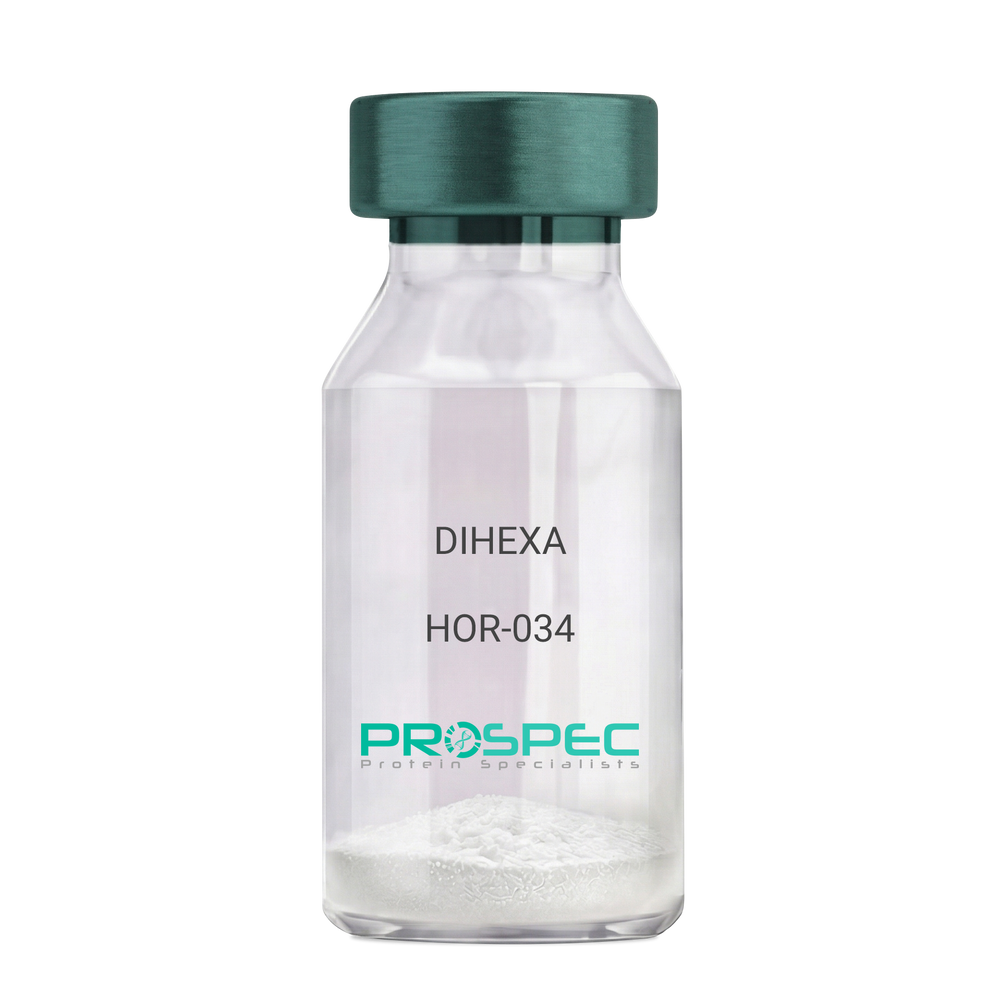
    DIHEXA

    Description:

    DIHEXA

    Product # :

    HOR-034

    Price :

    Quantity :

    Shipping Method :

    Room Temp Icon

    Shipped at Room temp

    Add To Cart

    More Info

    • description
    • formulation
    • purity
    • More Info

    Description

    DIHEXA Synthetic is a single, non-glycosylated polypeptide chain containing 3 amino acids, having a molecular mass of 504.28 Dalton and a Molecular formula of C27H44N4O5.

    Formulation

    The protein was lyophilized with no additives.

    Purity

    Greater than 97.0% as determined by analysis by RP-HPLC.

    More Info

    • Physical Appearance

      Sterile Filtered White lyophilized (freeze-dried) powder.

    • Stability

      Lyophilized DIHEXA although stable at room temperature for 3 weeks, should be stored desiccated below -18°C. Upon reconstitution DIHEXA should be stored at 4°C between 2-7 days and for future use below -18°C. For long term storage it is recommended to add a carrier protein (0.1% HSA or BSA). Please prevent freeze-thaw cycles.

    • Solubility

      It is recommended to reconstitute the lyophilized DIHEXA in sterile 18MΩ-cm H2O not less than 100 µg/ml, which can then be further diluted to other aqueous solutions.

    • Amino Acid Sequence

      Hexanoyl-Tyr-Ile-Ahx-NH2.

    • Background

      Dihexa, also known as N-hexanoic-Tyr-Ile-(6) aminohexanoic amide, is a potent and orally active small peptide that has been the focus of significant research due to its potential neurogenic and neuroprotective effects. This compound, derived from angiotensin IV, has been shown to possess a wide range of biological activities, including enhancing cognitive function, promoting neurogenesis, and potentially mitigating the effects of neurodegenerative diseases.

      Dihexa's primary mechanism of action involves its interaction with hepatocyte growth factor (HGF) and its receptor, c-Met. By mimicking the effects of HGF, Dihexa can stimulate the c-Met receptor, leading to a cascade of events that promote neurogenesis and synaptic plasticity. Studies by Benoist et al. (2014) have demonstrated that Dihexa can enhance cognitive function in rats, suggesting potential applications in cognitive enhancement and the treatment of cognitive disorders.

      In addition to its neurogenic effects, Dihexa has been shown to possess neuroprotective properties. Research by Kawas et al. (2017) found that Dihexa could protect neurons from apoptosis, suggesting potential applications in the treatment of neurodegenerative diseases such as Alzheimer's and Parkinson's disease.

      Given its neurogenic and neuroprotective effects, Dihexa has been proposed as a potential therapeutic agent for a variety of conditions, including cognitive disorders, neurodegenerative diseases, and stroke. For instance, a study by Harding et al. (2018) found that Dihexa could improve outcomes in animal models of stroke, indicating its potential as a therapeutic agent in stroke recovery.

      While research on Dihexa is promising, it is important to note that most studies have been conducted in animals or in vitro. More research is needed to fully understand the potential effects and applications of Dihexa in humans. However, the existing body of research suggests that Dihexa could be a promising tool in the treatment of cognitive disorders and neurodegenerative diseases.

    ProSpec's products are furnished for LABORATORY RESEARCH USE ONLY. The product may not be used as drugs, agricultural or pesticidal products, food additives or household chemicals.

    Dihexa
  • View Data Sheet

    Name :

    Calcitonin Salmon

    Description:

    Calcitonin Acetate Salmon

    CT, KC, CGRP, CALC1, CGRP1, CGRP-I, MGC126648, katacalcin, Calcitonin gene-related peptide 1 precursor, Calcitonin gene-related peptide I.

    Product # :

    HOR-262

    Price :

    Quantity :

    Shipping Method :

    Room Temp Icon

    Shipped at Room temp

    Add To Cart

    More Info

    • description
    • formulation
    • purity
    • More Info

    Description

    Calcitonin Acetate (Salmon) is a synthetic polypeptide of 32 amino acids in the same linear sequence that is found in calcitonin of salmon origin. The Molecular Formula is C145H240N44O48S2. Calcitonin Molecular Weight: 3431.9 Dalton.

    Formulation

    The calcitonin peptide was lyophilized with no additives.

    Purity

    Greater than 98.0% as determined by:
    (a) Analysis by RP-HPLC.
    (b) Analysis by SDS-PAGE.

    More Info

    • Introduction

      Calcitonin (CT) is a peptide hormone produced by the parafollicular cells of the thyroid gland in mammals and by the ultimobranchial gland of birds and fish. Salmon calcitonin (sCT), which is more potent and longer lasting than human CT, has been used widely for the treatment of osteoporosis, paget's disease, hypercalcemic shock and chronic pain in terminal cancer patients. sCT is one of the many bioactive peptides that require C-terminal amidation for full biological activity.

    • Synonyms

      CT, KC, CGRP, CALC1, CGRP1, CGRP-I, MGC126648, katacalcin, Calcitonin gene-related peptide 1 precursor, Calcitonin gene-related peptide I.

    • Physical Appearance

      Sterile Filtered White lyophilized (freeze-dried) powder.

    • Stability

      Lyophilized Calcitonin although stable at room temperature for 3 weeks, should be stored desiccated below -18°C. Upon reconstitution CGRP should be stored at 4°C between 2-7 days and for future use below -18°C. For long term storage it is recommended to add a carrier protein (0.1% HSA or BSA).Please prevent freeze-thaw cycles.

    • Solubility

      It is recommended to reconstitute the lyophilized Calcitonin in sterile 18MΩ-cm H2O not less than 100 µg/ml, which can then be further diluted to other aqueous solutions.

    • Amino Acid Sequence

      Calcitonin Acetate (Salmon) has an amino acid sequence of: Cys-Ser-Asn-Leu-Ser-Thr-Cys-Val-Leu-Gly-Lys-Leu-Ser-Gln-Glu-Leu-His-Lys-Leu-Gln-Thr-Tyr-Pro-Arg-Thr-Asn-Thr-Gly-Ser-Gly-Thr-Pro-NH2.

    ProSpec's products are furnished for LABORATORY RESEARCH USE ONLY. The product may not be used as drugs, agricultural or pesticidal products, food additives or household chemicals.

    Calcitonin Salmon
  • View Data Sheet

    Name :

    CST3 k9

    Description:

    Cystatin-C Canine Recombinant

    Cystatin-C, Cystatin-3, Neuroendocrine basic polypeptide, Gamma-trace, Post-gamma-globulin, CST3, MGC117328.

    Product # :

    PRO-138

    Price :

    Quantity :

    Shipping Method :

    Room Temp Icon

    Shipped at Room temp

    Add To Cart

    More Info

    • description
    • source
    • formulation
    • purity
    • More Info

    Description

    Cystatin-C Protein is a 14.85 kDa protein containing 133 amino acids fused to a 8 aa N-Terminal His-tag.

    Source

    E. coli

    Formulation

    K9 Cystatin-Cwas filtered (0.4µm) and lyophilized from 0.5mg/ml supplied in 20mM TRIS, 50mM NaCl, pH 7.5.

    Purity

    Purity is greater than 95% as visualized by SDS-PAGE.

    More Info

    • Introduction

      Cystatins are a superfamily of cysteine proteinase inhibitors found in both plants and animals. They comprise a group of proteinase inhibitors, widely distributed in tissues and body fluids, and form tight complexes with cysteine proteases such as cathepsin B, H, L and S. Cystatin C, a secreted molecule of this family, is of interest from biochemical, medicine and evolutionary points of view. Cystatin C, with molecular weight of 13260 Da, is composed of 120 amino acids, lacks carbohydrate and has two disulfide bridges located near the carboxyl terminus. Cystatin C is increased in patients with malignant diseases, and is related to the insufficiency of renal function and appears to be a better marker than creatinine. On the other hand, low levels of cystatin C involve cause the breakdown of the elastic laminae and, subsequently, the atherosclerosis and abdominal aortic aneurysm.

    • Synonyms

      Cystatin-C, Cystatin-3, Neuroendocrine basic polypeptide, Gamma-trace, Post-gamma-globulin, CST3, MGC117328.

    • Stability

      Store lyophilized Cystatin-C K9 at -20°C. Aliquot the product after reconstitution to avoid repeated freezing/thawing cycles. Reconstituted Cystatin-C can be stored at 4°C for a limited period of time; it does not show any change after two weeks at 4°C.

    • Solubility

      Add deionized water to prepare a working stock solution of 0.5 mg/ml and let the lyophilized pellet dissolve completely. Product is not sterile! Please filter the product by an appropriate sterile filter before using it in the cell culture.

    • Amino Acid Sequence

      MKHHHHHHAS PGAGRRGSRP GAVGGAVDAD VGEEGVQQAL DFAVREYNRA SNDAYHSRAL RVLRARKQVV SGMNYFLEVE IGRTRCTKSQ PNLDNCPFHD QPHLMRKTLC SFQIYTVPWL GKTSLVKSSC QDV.

    ProSpec's products are furnished for LABORATORY RESEARCH USE ONLY. The product may not be used as drugs, agricultural or pesticidal products, food additives or household chemicals.

    Cystatin C K9
  • View Data Sheet

    Name :

    Dengue NS1 ST3, Insect

    Description:

    Dengue Virus NS1 Subtype 3 Recombinant, Insect Cells

    Product # :

    DEN-031

    Price :

    Quantity :

    Shipping Method :

    Ice Icon

    Shipped with Ice Packs

    Add To Cart

    More Info

    • description
    • source
    • formulation
    • purity
    • More Info

    Description

    Recombinant Dengue Virus NS1 Subtype 3 produced in Insect Cells is a polypeptide chain containing amino acids 775-1129 and having a molecular weight of approximately 50kDa. Dengue NS1 ST3 is purified by proprietary chromatographic technique.

    Source

    Insect cells.

    Formulation

    Dengue NS1 ST3 protein solution (1mg/ml) in 1xPBS, pH7.4, 0.1% Thimerosal, 5mM EDTA, 1µg/ml of Leupeptin, Aprotinin and Pepstatin A.

    Purity

    Protein is >95% pure as determined by 12.5% SDS-PAGE.

    More Info

    • Introduction

      Caused by one of four closely related virus serotypes of the genus Flavivirus, family Flaviviridae, each serotype is sufficiently different that there is no cross-protection and epidemics caused by multiple serotypes (hyperendemicity) can occur. In cell culture experiments and mice Morpholino antisense oligos have shown specific activity against Dengue virus.

    • Physical Appearance

      Sterile filtered colorless solution.

    • Stability

      Store at 4°C if entire vial will be used within 2-4 weeks. Store, frozen at -20°C for longer periods of time. For long term storage it is recommended to add a carrier protein (0.1% HSA or BSA).Avoid multiple freeze-thaw cycles.

    • Applications

      Ag test control.

    ProSpec's products are furnished for LABORATORY RESEARCH USE ONLY. The product may not be used as drugs, agricultural or pesticidal products, food additives or household chemicals.

    Dengue Ns1 St3 Insect
  • View Data Sheet

    Name :

    SERPINE2 Mouse

    Description:

    Plasminogen Activator Inhibitor-2 Mouse Recombinant

    Serpnie2, B230326M24Rik, PAI-1, PI-7, PI7, PN-1, Spi4, Glia-derived nexin, GDN,Peptidase inhibitor 7, Protease nexin 1, Protease nexin I, Serine protease-inhibitor 4, Serpin E2.

    Product # :

    ENZ-972

    Price :

    Quantity :

    Shipping Method :

    Ice Icon

    Shipped with Ice Packs

    Add To Cart

    More Info

    • description
    • source
    • formulation
    • purity
    • More Info

    Description

    SERPINE2 produced in Sf9 Baculovirus cells is a single, glycosylated polypeptide chain containing 386 amino acids (20-397a.a.) and having a molecular mass of 42.9kDa. SERPINE2 is expressed with a 8 amino acid His tag at C-Terminus and purified by proprietary chromatographic techniques.

    Source

    Sf9, Baculovirus cells.

    Formulation

    SERPINE2 protein solution (0.5mg/ml) contains Phosphate Buffered Saline (pH 7.4) and 10% glycerol.

    Purity

    Greater than 95.0% as determined by SDS-PAGE.

    More Info

    • Introduction

      Plasminogen Activator Inhibitor-2 (Serpine2) which inhibits thrombin, plasmin and plasminogen activators is a part of the Serpin superfamily of the serine protease inhibitors. Serpine2 is able to transform human embryonic kidney cells into neuron-like cells. Furthermore, Serpine2's over expression in mice leads to progressive neuronal and motor dysfunction.

    • Synonyms

      Serpnie2, B230326M24Rik, PAI-1, PI-7, PI7, PN-1, Spi4, Glia-derived nexin, GDN,Peptidase inhibitor 7, Protease nexin 1, Protease nexin I, Serine protease-inhibitor 4, Serpin E2.

    • Physical Appearance

      Sterile Filtered colorless solution.

    • Stability

      Store at 4°C if entire vial will be used within 2-4 weeks. Store, frozen at -20°C for longer periods of time. For long term storage it is recommended to add a carrier protein (0.1% HSA or BSA). Avoid multiple freeze-thaw cycles.

    • Amino Acid Sequence

      SQFNSLSLEE LGSNTGIQVF NQIIKSRPHE NVVVSPHGIA SILGMLQLGA DGKTKKQLST VMRYNVNGVG KVLKKINKAI VSKKNKDIVT VANAVFLRNG FKMEVPFAVR NKDVFQCEVQ NVNFQDPASA SESINFWVKN ETRGMIDNLL SPNLIDGALT RLVLVNAVYF KGLWKSRFQP ESTKKRTFVA GDGKSYQVPM LAQLSVFRSG STRTPNGLWY NFIELPYHGE SISMLIALPT ESSTPLSAII PHITTKTIDS WMNTMVPKRM QLVLPKFTAV AQTDLKEPLK ALGITEMFEP SKANFTKITR SESLHVSHIL QKAKIEVSED GTKASAATTA ILIARSSPPW FIVDRPFLFS IRHNPTGAIL FLGQVNKPLE HHHHHH.

    ProSpec's products are furnished for LABORATORY RESEARCH USE ONLY. The product may not be used as drugs, agricultural or pesticidal products, food additives or household chemicals.

    Serpine2 Mouse
  • View Data Sheet

    Name :

    ID1 Human

    Description:

    Inhibitor of DNA Binding 1 Human Recombinant

    bHLHb24, ID, DNA-binding protein inhibitor ID-1, Class B basic helix-loop-helix protein 24, Inhibitor of DNA binding 1, ID1.

    Product # :

    PRO-1426

    Price :

    Quantity :

    Shipping Method :

    Ice Icon

    Shipped with Ice Packs

    Add To Cart

    More Info

    • description
    • source
    • formulation
    • purity
    • More Info

    Description

    ID1 Human Recombinant produced in E. coli is a single polypeptide chain containing 178 amino acids (1-155) and having a molecular mass of 18.5kDa. ID1 is fused to a 23 amino acid His-tag at N-terminus & purified by proprietary chromatographic techniques.

    Source

    E.coli.

    Formulation

    The ID1 solution (0.5mg/ml) contains 20mM Tris-HCl buffer (pH 8.0), 0.15M NaCl, 10% glycerol and 1mM DTT.

    Purity

    Greater than 85% as determined by SDS-PAGE.

    More Info

    • Introduction

      Inhibitor of DNA Binding 1 (ID1) is a helix-loop-helix protein which can form heterodimers with members of the basic HLH family of transcription factors. ID1 is lacking DNA binding activity and thus can inhibit the DNA binding and transcriptional activation ability of basic HLH proteins with which it interacts. ID1 participates in cell growth, senescence, and differentiation.

    • Synonyms

      bHLHb24, ID, DNA-binding protein inhibitor ID-1, Class B basic helix-loop-helix protein 24, Inhibitor of DNA binding 1, ID1.

    • Physical Appearance

      Sterile Filtered colorless solution.

    • Stability

      Store at 4°C if entire vial will be used within 2-4 weeks. Store, frozen at -20°C for longer periods of time. For long term storage it is recommended to add a carrier protein (0.1% HSA or BSA).Avoid multiple freeze-thaw cycles.

    • Amino Acid Sequence

      MGSSHHHHHH SSGLVPRGSH MGSMKVASGS TATAAAGPSC ALKAGKTASG AGEVVRCLSE QSVAISRCAG GAGARLPALL DEQQVNVLLY DMNGCYSRLK ELVPTLPQNR KVSKVEILQH VIDYIRDLQL ELNSESEVGT PGGRGLPVRA PLSTLNGEIS ALTAEAACVP ADDRILCR.

    ProSpec's products are furnished for LABORATORY RESEARCH USE ONLY. The product may not be used as drugs, agricultural or pesticidal products, food additives or household chemicals.

    Id1 Human
  • View Data Sheet

    Name :

    IL 10 Rat

    Description:

    Interleukin-10 Rat Recombinant

    B-TCGF, CSIF, TGIF, IL-10, IL10A, MGC126450, MGC126451, Cytokine synthesis inhibitory factor.

    Product # :

    CYT-465

    Price :

    Quantity :

    Shipping Method :

    Room Temp Icon

    Shipped at Room temp

    Add To Cart

    More Info

    • description
    • source
    • formulation
    • purity
    • biological activity
    • More Info

    Description

    IL-10 Recombinant Rat produced in E.coli is a single, glycosylated polypeptide chain containing 160 amino acids and having a molecular mass of 18.6 kDa. The Interleukin-10 Mouse is purified by proprietary chromatographic techniques.

    Source

    Escherichia Coli.

    Formulation

    The protein was lyophilized containing 20mM Tris-HCl pH-8.0 and 100mM NaCl.

    Purity

    Greater than 97.0% as determined by:
    (a) Analysis by RP-HPLC.
    (b) Analysis by SDS-PAGE.

    Biological Activity

    The ED50 as determined by the dose dependent inhibition of MC/9 proliferation is less than 10ng/ml concentration corresponding to a Specific Activity of 100,000IU/mg.

    More Info

    • Introduction

      IL10 is a cytokine produced primarily by monocytes and to a lesser extent by lymphocytes. This cytokine has pleiotropic effects in immunoregulation and inflammation. It down-regulates the expression of Th1 cytokines, MHC class II Ags, and costimulatory molecules on macrophages. It also enhances B cell survival, proliferation, and antibody production. This cytokine can block NF-kappa B activity, and is involved in the regulation of the JAK-STAT signaling pathway. Knockout studies in mice suggested the function of this cytokine as an essential immunoregulator in the intestinal tract.

    • Synonyms

      B-TCGF, CSIF, TGIF, IL-10, IL10A, MGC126450, MGC126451, Cytokine synthesis inhibitory factor.

    • Physical Appearance

      Sterile Filtered White lyophilized (freeze-dried) powder.

    • Stability

      Lyophilized IL-10 Rat although stable at room temperature for 3 weeks, should be stored desiccated below -18°C. Upon reconstitution Interleukin10 Rat recombinant should be stored at 4°C between 2-7 days and for future use below -18°C.For long term storage it is recommended to add a carrier protein (0.1% HSA or BSA).Please prevent freeze-thaw cycles.

    • Solubility

      It is recommended to reconstitute the lyophilized IL-10 Rat Recombinant in sterile 18MΩ-cm H2O not less than 100 µg/ml, which can then be further diluted to other aqueous solutions.

    • Amino Acid Sequence

      SKGHSIRGDN NCTHFPVSQT HMLRELRAAF SQVKTFFQKK DQLDNILLTD SLLQDFKGYL GCQALSEMIK FYLVEVMPQA ENHGPEIKEH LNSLGEKLKT LWIQLRRCHR FLPCENKSKA VEQVKNDFNK LQDKGVYKAM NEFDIFINCI EAYVTLKMKN.

    ProSpec's products are furnished for LABORATORY RESEARCH USE ONLY. The product may not be used as drugs, agricultural or pesticidal products, food additives or household chemicals.

    Il 10 Rat
  • View Data Sheet

    Name :

    BSG Human

    Description:

    Basigin Human Recombinant

    Basigin isoform 2, 5F7, CD147, EMMPRIN, OK, TCSF, Leukocyte activation antigen M6, OK blood group antigen.

    Product # :

    PRO-2516

    Price :

    Quantity :

    Shipping Method :

    Ice Icon

    Shipped with Ice Packs

    Add To Cart

    More Info

    • description
    • source
    • formulation
    • purity
    • More Info

    Description

    BSG produced in Sf9 Baculovirus cells is a single, glycosylated polypeptide chain containing 428 amino acids (22-207a.a.) and having a molecular mass of 47.5kDa. (Molecular size on SDS-PAGE will appear at approximately 40-57kDa).BSG is expressed with a 242 amino acid hIgG-His tag at C-Terminus and purified by proprietary chromatographic techniques.

    Source

    Sf9, Baculovirus cells.

    Formulation

    BSG protein solution (0.5mg/ml) contains phosphate buffered saline (pH7.4) and 10% glycerol.

    Purity

    Greater than 90.0% as determined by SDS-PAGE.

    More Info

    • Introduction

      Basigin Isoform 2 or BSG is a part of the immunoglobulin superfamily, it is a type 1 transmembrane protein which has a variety of Nand O- glycosylation. BSG has several ligands, such as integrins, cyclophilin proteins Cyp-A & CyP-B. The protein has a crucial role in intercellular recognition, it takes part in many immunologic processes, differentiation and cell development. Also, it regulates numerus cell processes such as production and release of expression of the mono-carboxylate transporter, spermatogenesis, etc. Basigin Isoform 2 promotes invasion, metastasis, growth and survival of malignant cells by producing and releasing matrix metalloproteinases nearby mesenchymal cells and tumor cells.

    • Synonyms

      Basigin isoform 2, 5F7, CD147, EMMPRIN, OK, TCSF, Leukocyte activation antigen M6, OK blood group antigen.

    • Physical Appearance

      Sterile Filtered colorless solution.

    • Stability

      Store at 4°C if entire vial will be used within 2-4 weeks. Store, frozen at -20°C for longer periods of time. For long term storage it is recommended to add a carrier protein (0.1% HSA or BSA).Avoid multiple freeze-thaw cycles.

    • Amino Acid Sequence

      ADPAAGTVFT TVEDLGSKIL LTCSLNDSAT EVTGHRWLKG GVVLKEDALP GQKTEFKVDS DDQWGEYSCV FLPEPMGTAN IQLHGPPRVK AVKSSEHINE GETAMLVCKS ESVPPVTDWA WYKITDSEDK ALMNGSESRF FVSSSQGRSE LHIENLNMEA DPGQYRCNGT SSKGSDQAII
      TLRVRSHLAL EPKSCDKTHT CPPCPAPELL GGPSVFLFPP KPKDTLMISR TPEVTCVVVD VSHEDPEVKF NWYVDGVEVH NAKTKPREEQ YNSTYRVVSV LTVLHQDWLN GKEYKCKVSN KALPAPIEKT ISKAKGQPRE PQVYTLPPSR DELTKNQVSL TCLVKGFYPS DIAVEWESNG
      QPENNYKTTP PVLDSDGSFF LYSKLTVDKS RWQQGNVFSC SVMHEALHNH YTQKSLSLSP GKHHHHHH.

    ProSpec's products are furnished for LABORATORY RESEARCH USE ONLY. The product may not be used as drugs, agricultural or pesticidal products, food additives or household chemicals.

    Basigin Human
  • View Data Sheet

    Name :

    Lymphotactin Human, His

    Description:

    Lymphotactin Human Recombinant (XCL1), His Tag

    XCL1, Cytokine SCM-1, ATAC, Lymphotaxin, SCM-1-alpha, Small inducible cytokine C1, XC chemokine ligand 1, LTN, LPTN, SCM1, SCM-1, SCYC1, SCM-1a.

    Product # :

    CHM-357

    Price :

    Quantity :

    Shipping Method :

    Ice Icon

    Shipped with Ice Packs

    Add To Cart

    More Info

    • description
    • source
    • formulation
    • purity
    • More Info

    Description

    XCL1 Human Recombinant produced in E.Coli is a single,non-glycosylated, polypeptide chain containing 114 amino acids (22-114 a.a.) and having a molecular mass of 12.5 kDa. The XCL1 is fused to a 20 amino acid His Tag at N-terminus and purified by proprietary chromatographic techniques.

    Source

    Escherichia Coli.

    Formulation

    Recombinant XCL1 contains 20mM Tris buffer pH-8, 200mM NaCl, 2mM DTT and 30% glycerol.

    Purity

    Greater than 95.0% as determined by SDS-PAGE.

    More Info

    • Introduction

      XCL1 is a small cytokine belonging to the XC chemokine family that is also known as lymphotactin. It is located in high levels in spleen, thymus, intestine and peripheral blood leukocytes, and at lower levels in lung, prostate gland and ovary. Cellular sources for XCL1 include activated thymic and peripheral blood CD8+ T cells. This chemokine attracts T cells. In humans, XCL1 is closely related to another chemokine called XCL2, whose gene is found at the same locus on chromosome 1. XCL1 induces it chemotactic function by binding to a chemokine receptor called XCR1.

    • Synonyms

      XCL1, Cytokine SCM-1, ATAC, Lymphotaxin, SCM-1-alpha, Small inducible cytokine C1, XC chemokine ligand 1, LTN, LPTN, SCM1, SCM-1, SCYC1, SCM-1a.

    • Physical Appearance

      Sterile Filtered colorless solution.

    • Stability

      Store at 4°C if entire vial will be used within 2-4 weeks. Store, frozen at -20°C for longer periods of time. For long term storage it is recommended to add a carrier protein (0.1% HSA or BSA).Avoid multiple freeze-thaw cycles.

    • Amino Acid Sequence

      MGSSHHHHHH SSGLVPRGSH MVGSEVSDKR TCVSLTTQRL PVSRIKTYTI TEGSLRAVIF ITKRGLKVCA DPQATWVRDV VRSMDRKSNT RNNMIQTKPT GTQQSTNTAV TLTG.

    ProSpec's products are furnished for LABORATORY RESEARCH USE ONLY. The product may not be used as drugs, agricultural or pesticidal products, food additives or household chemicals.

    Lymphotactin Human His
  • View Data Sheet

    Name :

    WIF1 Mouse

    Description:

    WNT Inhibitory Factor 1 Mouse Recombinant

    Wnt inhibitory factor 1, WIF-1, Wif1.

    Product # :

    PRO-2248

    Price :

    Quantity :

    Shipping Method :

    Ice Icon

    Shipped with Ice Packs

    Add To Cart

    More Info

    • description
    • source
    • formulation
    • purity
    • More Info

    Description

    WIF1 produced in Sf9 Insect cells is a single, glycosylated polypeptide chain containing 359 amino acids (29-379a.a.) and having a molecular mass of 39.4kDa. (Molecular size on SDS-PAGE will appear at approximately 40-57kDa).WIF1 is expressed with an 8 amino acid His tag at C-Terminus and purified by proprietary chromatographic techniques.

    Source

    Sf9, Insect cells.

    Formulation

    WIF1 protein solution (1mg/ml) contains 20mM MES (pH5.5), 1mM DTT, 1mM PMSF and 30% glycerol.

    Purity

    Greater than 90.0% as determined by SDS-PAGE.

    More Info

    • Introduction

      WIF1 binds to wnt proteins and inhibits their activities. WIF1 plays a role in mesoderm segmentation. WNT proteins are extracellular signaling molecules that take part in the control of embryonic development & cancer. WIF1 protein contains a WNT inhibitory factor (WIF) domain and 5 epidermal growth factor (EGF)-like domains. WIF1 takes part in mesoderm segmentation. WIF1 protein is found to be present in fish, amphibia and mammals. WIF1 is a recurrent target in human salivary gland oncogenesis. Downregulation of WIF1 takes part in the development and progression of pleomorphic adenomas. WIF1 is a tumor suppressor, specifically in nonfunctioning pituitary tumors.

    • Synonyms

      Wnt inhibitory factor 1, WIF-1, Wif1.

    • Physical Appearance

      Sterile filtered colorless solution.

    • Stability

      Store at 4°C if entire vial will be used within 2-4 weeks.Store, frozen at -20°C for longer periods of time. For long term storage it is recommended to add a carrier protein (0.1% HSA or BSA).Avoid multiple freeze-thaw cycles.

    • Amino Acid Sequence

      GQPPEESLYL WIDAHQARVL IGFEEDILIV SEGKMAPFTH DFRKAQQRMP AIPVNIHSMN FTWQAAGQAE YFYEFLSLRS LDKGIMADPT VNVPLLGTVP HKASVVQVGF PCLGKQDGVA AFEVNVIVMN SEGNTILRTP QNAIFFKTCQ QAECPGGCRN GGFCNERRVC ECPDGFYGPH
      CEKALCIPRC MNGGLCVTPG FCICPPGFYG VNCDKANCST TCFNGGTCFY PGKCICPPGL EGEQCELSKC PQPCRNGGKC IGKSKCKCPK GYQGDLCSKP VCEPGCGAHG TCHEPNKCQC REGWHGRHCN KRYGASLMHA PRPAGAGLER HTPSLKKAED RRDPPESNYI WVEHHHHHH.

    ProSpec's products are furnished for LABORATORY RESEARCH USE ONLY. The product may not be used as drugs, agricultural or pesticidal products, food additives or household chemicals.

    Wif1 Mouse
  • View Data Sheet

    Name :

    RDH12 Human

    Description:

    Retinol Dehydrogenase 12 Human Recombinant

    Retinol dehydrogenase 12 (all-trans/9-cis/11-cis), LCA3, LCA13, SDR7C2, All-trans and 9-cis retinol dehydrogenase, short chain dehydrogenase/reductase family 7C, member 2, FLJ30273, EC 1.1.1.100.

    Product # :

    ENZ-233

    Price :

    Quantity :

    Shipping Method :

    Ice Icon

    Shipped with Ice Packs

    Add To Cart

    More Info

    • description
    • source
    • formulation
    • purity
    • More Info

    Description

    RDH12 Human Recombinant produced in E.coli is a single, non-glycosylated polypeptide chain containing 303 amino acids (39-316) and having a molecular mass of 33.5kDa.RDH12 is fused to a 25 amino acid His-tag at N-terminus & purified by proprietary chromatographic techniques.

    Source

    E.coli.

    Formulation

    The RDH12 solution (0.25mg/ml) contains 20mM Tris-HCl buffer (pH 8.0), 200mM NaCl, 2mM DTT and 40% glycerol.

    Purity

    Greater than 90% as determined by SDS-PAGE.

    More Info

    • Introduction

      RDH12 is a member of the short-chain Dehydrogenases / Reductases (SDR) family. RDH12 is found generally in brain, stomach, eye, skeletal muscle and kidney. RDH12 is a NADPH-dependent retinal reductase whose main activity is toward 9-cis and all-trans-retinol. In addition, RDH12 takes part in the metabolism of short-chain aldehydes but does not display steroid dehydrogenase activity.

    • Synonyms

      Retinol dehydrogenase 12 (all-trans/9-cis/11-cis), LCA3, LCA13, SDR7C2, All-trans and 9-cis retinol dehydrogenase, short chain dehydrogenase/reductase family 7C, member 2, FLJ30273, EC 1.1.1.100.

    • Physical Appearance

      Sterile Filtered colorless solution.

    • Stability

      Store at 4°C if entire vial will be used within 2-4 weeks. Store, frozen at -20°C for longer periods of time. For long term storage it is recommended to add a carrier protein (0.1% HSA or BSA).Avoid multiple freeze-thaw cycles.

    • Amino Acid Sequence

      MGSSHHHHHH SSGLVPRGSH MGSHMGKVVV ITGANTGIGK ETARELASRG ARVYIACRDV LKGESAASEI RVDTKNSQVL VRKLDLSDTK SIRAFAEGFL AEEKQLHILI NNAGVMMCPY SKTADGFETH LGVNHLGHFL LTYLLLERLK VSAPARVVNV SSVAHHIGKI PFHDLQSEKR YSRGFAYCHS KLANVLFTRE LAKRLQGTGV TTYAVHPGVV RSELVRHSSL LCLLWRLFSP FVKTAREGAQ TSLHCALAEG LEPLSGKYFS DCKRTWVSPR ARNNKTAERL WNVSCELLGI RWE

    ProSpec's products are furnished for LABORATORY RESEARCH USE ONLY. The product may not be used as drugs, agricultural or pesticidal products, food additives or household chemicals.

    Rdh12 Human
  • View Data Sheet

    Name :

    Leptin Ovine

    Description:

    Leptin Ovine Recombinant

    OB Protein, Obesity Protein, OBS, Obesity factor.

    Product # :

    CYT-239

    Price :

    Quantity :

    Shipping Method :

    Room Temp Icon

    Shipped at Room temp

    Add To Cart

    More Info

    • description
    • source
    • formulation
    • purity
    • biological activity
    • More Info

    Description

    Leptin Ovine Recombinant produced in E.Coli is a single, non-glycosylated, polypeptide chain containing 146 amino acids and having a molecular mass of 16 kDa.The Leptin is purified by proprietary chromatographic techniques.

    Source

    Escherichia Coli.

    Formulation

    The protein was lyophilized from a concentrated (1mg/ml) solution with 0.0045mM NaHCO3.

    Purity

    Greater than 95.0% as determined by:
    (a) Analysis by SEC-HPLC.
    (b) Analysis by SDS-PAGE.

    Biological Activity

    Biological active as evidenced by inducing proliferation of BAF/3 cells stably transfected with the long form of human leptin receptor.

    More Info

    • Introduction

      A 16-kDa peptide hormone secreted from white adipocytes and implicated in the regulation of food intake and energy balance. Leptin provides the key afferent signal from fat cells in the feedback system that controls body fat stores.

    • Synonyms

      OB Protein, Obesity Protein, OBS, Obesity factor.

    • Physical Appearance

      Sterile Filtered White lyophilized (freeze-dried) powder.

    • Stability

      Lyophilized Leptin although stable at room temperature for 3 weeks, should be stored desiccated below -18°C. Upon reconstitution Leptin should be stored at 4°C between 2-7 days and for future use below -18°C.For long term storage it is recommended to add a carrier protein (0.1% HSA or BSA).Please prevent freeze-thaw cycles.

    • Solubility

      It is recommended to reconstitute the lyophilized Leptin in sterile 18MΩ-cm H2O not less than 100µg/ml, which can then be further diluted to other aqueous solutions.

    • Amino Acid Sequence

      The sequence of the first five N-terminal amino acids was determined and was found to be Ala-Val-Pro-Ile-Arg.

    • Protein content

      Protein quantitation was carried out by two independent methods1. UV spectroscopy at 280 nm using the absorbency value of 0.2 as the extinction coefficient for a 0.1% (1mg/ml) solution. This value is calculated by the PC GENE computer analysis program of protein sequences (IntelliGenetics). 2. Analysis by RP-HPLC,using calibrated solution of Leptin Ovine as a Reference Standard.

    ProSpec's products are furnished for LABORATORY RESEARCH USE ONLY. The product may not be used as drugs, agricultural or pesticidal products, food additives or household chemicals.

    Leptin Ovine
  • View Data Sheet

    Name :

    Leptin Rabbit

    Description:

    Leptin Rabbit Recombinant

    OB Protein, Obesity Protein, OBS, Obesity factor.

    Product # :

    CYT-507

    Price :

    Quantity :

    Shipping Method :

    Room Temp Icon

    Shipped at Room temp

    Add To Cart

    More Info

    • description
    • source
    • formulation
    • purity
    • biological activity
    • More Info

    Description

    Leptin Rabbit Recombinant produced in E.Coli is a single, non-glycosylated, polypeptide chain containing 146 amino acids and having a molecular mass of 16 kDa.The Leptin is purified by proprietary chromatographic techniques.

    Source

    Escherichia Coli.

    Formulation

    The protein was lyophilized from a concentrated (1mg/ml) solution with 0.02% NaHCO3.

    Purity

    Greater than 98.0% as determined by:
    (a) Analysis by SEC-HPLC.
    (b) Analysis by SDS-PAGE.

    Biological Activity

    Biological active as evidenced by inducing proliferation of BAF/3 cells stably transfected with the long form of human leptin receptor.

    More Info

    • Introduction

      A 16-kDa peptide hormone secreted from white adipocytes and implicated in the regulation of food intake and energy balance. Leptin provides the key afferent signal from fat cells in the feedback system that controls body fat stores.

    • Synonyms

      OB Protein, Obesity Protein, OBS, Obesity factor.

    • Physical Appearance

      Sterile Filtered White lyophilized (freeze-dried) powder.

    • Stability

      Lyophilized Leptin although stable at room temperature for 3 weeks, should be stored desiccated below -18°C. Upon reconstitution Leptin should be stored at 4°C between 2-7 days and for future use below -18°C.For long term storage it is recommended to add a carrier protein (0.1% HSA or BSA).Please prevent freeze-thaw cycles.

    • Solubility

      It is recommended to reconstitute the lyophilized Leptin in sterile 0.4% NaHCO3 adjusted to pH-8-9, not less than 100µg/ml, which can then be further diluted to other aqueous solutions.

    • Amino Acid Sequence

      The sequence of the first five N-terminal amino acids was determined and was found to be Ala-Val-Pro-Ile-Arg.

    • Protein content

      Protein quantitation was carried out by UV spectroscopy at 280 nm using the absorbency value of 0.505 as the extinction coefficient for a 0.1% (1mg/ml) solution at pH 8.0. This value is calculated by the PC GENE computer analysis program of protein sequences (IntelliGenetics).

    ProSpec's products are furnished for LABORATORY RESEARCH USE ONLY. The product may not be used as drugs, agricultural or pesticidal products, food additives or household chemicals.

    Leptin Rabbit
  • View Data Sheet

    Name :

    EREG Human

    Description:

    Epiregulin Human Recombinant

    EREG, Epiregulin, ER.

    Product # :

    CYT-609

    Price :

    Quantity :

    Shipping Method :

    Room Temp Icon

    Shipped at Room temp

    Add To Cart

    More Info

    • description
    • source
    • formulation
    • purity
    • biological activity
    • More Info

    Description

    Epiregulin Human Recombinant produced in E.Coli is a single, non-glycosylated, polypeptide chain containing 49 amino acids and having a molecular mass of 5.6 kDa. Epiregulin is purified by proprietary chromatographic techniques.

    Source

    Escherichia Coli.

    Formulation

    Epiregulin was lyophilized from 0.5mg/ml solution ciontaing 20mM PBS buffer pH-7.4 containing 20mM sodium chloride.

    Purity

    Greater than 97.0% as determined by:
    (a) Analysis by RP-HPLC.
    (b) Analysis by SDS-PAGE.

    Biological Activity

    The ED50 was determined by the dose-dependent stimulation of the proliferation of murine Balb/3T3 cells is < 2.0 ng/ml, corresponding to a specific activity of > 500,000 units/mg.

    More Info

    • Introduction

      Epiregulin is part of the EGF family. Epiregulin functions as a ligand of EGFR, as well as a ligand of most members of the ERBB (v-erb-b2 oncogene homolog) family of tyrosine-kinase receptors.Epiregulin is expressed mostly in the placenta and peripheral blood leukocytes and in specific carcinomas of the bladder, lung, kidney and colon. Epiregulin stimulates the proliferation of keratinocytes, hepatocytes, fibroblasts and vascular smooth muscle cells. Epiregulin inhibits the growth of several tumor-derived epithelial cell lines. Human Epiregulin is initially synthesized as a glycosylated 19.0 kDa transmembrane precursor protein, which is processed by proteolytic cleavage to produce a 6.0 kDa mature secreted sequence.

    • Synonyms

      EREG, Epiregulin, ER.

    • Physical Appearance

      Sterile Filtered White lyophilized (freeze-dried) powder.

    • Stability

      Lyophilized Epiregulin although stable at room temperature for 3 weeks, should be stored desiccated below -18°C. Upon reconstitution Epiregulin should be stored at 4°C between 2-7 days and for future use below -18°C.For long term storage it is recommended to add a carrier protein (0.1% HSA or BSA).Please prevent freeze-thaw cycles.

    • Solubility

      It is recommended to reconstitute the lyophilized Epiregulin in sterile 18MΩ-cm H2O not less than 100µg/ml, which can then be further diluted to other aqueous solutions.

    • Amino Acid Sequence

      VAQVSITKC SSDMNGYCLH GQCIYLVDMS QNYCRCEVGY TGVRCEHFFL.

    • Background

      What is the molecular weight/Mw of EREG Protein?
      EREG Protein has a total Mw of 5.6kDa.

      What is the source or expression system of EREG Protein?
      Escherichia Coli.

      What is the Purity of EREG Protein?
      EREG Protein is >97% pure as determined by SDS-PAGE.

      What is the Biological Activity of EREG Protein?
      The ED50 was determined by the dose-dependent stimulation of the proliferation of murine Balb/3T3 cells is < 2.0 ng/ml, corresponding to a specific activity of > 500,000 units/mg.

      What is the amino acid sequence of EREG Protein?
      VAQVSITKC SSDMNGYCLH GQCIYLVDMS QNYCRCEVGY TGVRCEHFFL.

      What applications can EREG Protein be used in?
      EREG Protein can probably be used in western blot, ELISA and Lateral Flow.

      What is the endotoxin level for EREG Protein?
      The endotoxin level is minimal, EREG Protein was purified using conventional chromatography techniques.

    ProSpec's products are furnished for LABORATORY RESEARCH USE ONLY. The product may not be used as drugs, agricultural or pesticidal products, food additives or household chemicals.

    Epiregulin Human
  • View Data Sheet

    Name :

    IP 10 Rhesus macaque

    Description:

    IP-10 Rhesus macaque Recombinant (CXCL10)

    C-X-C motif chemokine 10, 10 kDa, Gamma-IP10, IP-10, Small-inducible cytokine B10, CXCL10, SCYB10.

    Product # :

    CHM-010

    Price :

    Quantity :

    Shipping Method :

    Room Temp Icon

    Shipped at Room temp

    Add To Cart

    More Info

    • description
    • source
    • formulation
    • purity
    • biological activity
    • More Info

    Description

    IP-10 Rhesus macaque Recombinant produced in E.Coli is a single, non-glycosylated, polypeptide chain containing 77 amino acids and having a molecular mass of 8.7kDa. The IP-10 is purified by proprietary chromatographic techniques.

    Source

    Escherichia Coli.

    Formulation

    Lyophilized from a 0.2µm filtered concentrated solution in 1×PBS, pH 7.4.

    Purity

    Greater than 97.0% as determined by:
    (a) Analysis by RP-HPLC.
    (b) Analysis by SDS-PAGE.

    Biological Activity

    Determined by its ability to chemoattract human peripheral blood T-Lymphocytes using a concentration range of 10.0-100.0 ng/ml.

    More Info

    • Introduction

      Chemokine (C-X-C motif) ligand 10 (CXCL10) is a small cytokine belonging to the CXC chemokine family that is also known as 10 kDa IP-10. CXCL10 is secreted by several cell types in response to IFN-?. These cell types include monocytes, endothelial cells and fibroblasts. CXCL10 has been attributed to several roles, such as chemoattraction for monocytes and T cells, promotion of T cell adhesion to endothelial cells, antitumor activity, and inhibition of bone marrow colony formation and angiogenesis. The gene for CXCL10 is located on human chromosome 4 in a cluster among several other CXC chemokines. This chemokine elicits its effects by binding to the cell surface chemokine receptor CXCR3. The three-dimensional crystal structure of this chemokine has been determined under 3 different conditions to a resolution of up to 1.92A.

    • Synonyms

      C-X-C motif chemokine 10, 10 kDa, Gamma-IP10, IP-10, Small-inducible cytokine B10, CXCL10, SCYB10.

    • Physical Appearance

      Sterile Filtered White lyophilized (freeze-dried) powder.

    • Stability

      Lyophilized IP-10 although stable at room temperature for 3 weeks, should be stored desiccated below -18°C. Upon reconstitution CXCL10 should be stored at 4°C between 2-7 days and for future use below -18°C. For long term storage it is recommended to add a carrier protein (0.1% HSA or BSA).Please prevent freeze-thaw cycles.

    • Solubility

      It is recommended to reconstitute the lyophilized IP-10 in sterile 18MΩ-cm H2O not less than 100µg/ml, which can then be further diluted to other aqueous solutions.

    • Amino Acid Sequence

      IPLSRTVRCT CISISNQPVN PRSLEKLEII PPSQFCPHVE IIATMKKKGE KRCLNPESKA IKNLLKAVSK ERSKRSP.

    ProSpec's products are furnished for LABORATORY RESEARCH USE ONLY. The product may not be used as drugs, agricultural or pesticidal products, food additives or household chemicals.

    Ip 10 Rhesus Macaque
  • View Data Sheet

    Name :

    ACADVL Human

    Description:

    Acyl-CoA Dehydrogenase, Very Long Chain Human Recombinant

    ACAD6, LCACD, VLCAD.

    Product # :

    ENZ-250

    Price :

    Quantity :

    Shipping Method :

    Ice Icon

    Shipped with Ice Packs

    Add To Cart

    More Info

    • description
    • source
    • formulation
    • purity
    • More Info

    Description

    ACADVL Human Recombinant produced in E.Coli is a non-glycosylated, polypeptide chain containing 636 amino acids (41-655 a.a.) and having a molecular mass of 68.5 kda. ACADVL contains 21 amino acid His-Tag at the N-terminus and is purified by proprietary chromatographic techniques.

    Source

    Escherichia Coli.

    Formulation

    The 0.5mg/ml protein solution contains 20mM Tris-HCl buffer pH-8, 1mM DTT, 1mM EDTA, 10% glycerol and 100mM NaCl.

    Purity

    Greater than 90.0% as determined by SDS-PAGE.

    More Info

    • Introduction

      ACADVL is an inner mitochondrial membrane enzyme that is part of the family of acyl-CoA dehydrogenases. ACADVL protein participates in lipid metabolism and has catalytic activity toward esters of long chain and very long chain fatty acids such as palmitoyl-CoA and stearoyl-CoA, and is involved in the first step of the fatty acid β-oxidation pathway. ACADVL deficiency in reduces myocardial fatty acid beta-oxidation and is related with cardiomyopathy.

    • Synonyms

      ACAD6, LCACD, VLCAD.

    • Physical Appearance

      Sterile Filtered clear solution.

    • Stability

      Store ACADVL at 4°C if entire vial will be used within 2-4 weeks. Store, frozen at -20°C for longer periods of time. For long term storage it is recommended to add a carrier protein (0.1% HSA or BSA). Avoid multiple freeze-thaw cycles.

    • Amino Acid Sequence

      MGSSHHHHHH SSGLVPRGSH MAGGAAQLAL DKSDSHPSDA LTRKKPAKAE SKSFAVGMFK GQLTTDQVFP YPSVLNEEQT QFLKELVEPV SRFFEEVNDP AKNDALEMVE ETTWQGLKEL GAFGLQVPSE LGGVGLCNTQ YARLVEIVGM HDLGVGITLG AHQSIGFKGI LLFGTKAQKE KYLPKLASGE TVAAFCLTEP SSGSDAASIR TSAVPSPCGK YYTLNGSKLW ISNGGLADIF TVFAKTPVTD PATGAVKEKI TAFVVERGFG GITHGPPEKK MGIKASNTAE VFFDGVRVPS ENVLGEVGSG FKVAMHILNN GRFGMAAALA GTMRGIIAKA VDHATNRTQF GEKIHNFGLI QEKLARMVML QYVTESMAYM VSANMDQGAT DFQIEAAISK IFGSEAAWKV TDECIQIMGG MGFMKEPGVE RVLRDLRIFR IFEGTNDILR LFVALQGCMD KGKELSGLGS ALKNPFGNAG LLLGEAGKQL RRRAGLGSGL SLSGLVHPEL SRSGELAVRA LEQFATVVEA KLIKHKKGIV NEQFLLQRLA DGAIDLYAMV VVLSRASRSL SEGHPTAQHE KMLCDTWCIE AAARIREGMA ALQSDPWQQE LYRNFKSISK ALVERGGVVT SNPLGF.

    ProSpec's products are furnished for LABORATORY RESEARCH USE ONLY. The product may not be used as drugs, agricultural or pesticidal products, food additives or household chemicals.

    Acadvl Human
  • 1
  • …
  • 15
  • 16
  • 17
  • 18
  • 19
  • …
  • 42
Your browser does not support the video tag.

Products

  • Cytokines
  • Growth Factors
  • Chemokines
  • CD Antigens
  • Neurotrophins
  • Hormones
  • Enzymes
  • Viral Antigens
  • Recombinant Proteins
  • Natural Proteins
  • Monoclonal Antibodies
  • Polyclonal Antibodies
  • Thermal Packaging

About

  • Company
  • Founder
  • Contribution
  • Contact Us
  • My Account

Ordering

  • Ordering Method
  • Ordering - Credit Card
  • Ordering PO
  • Shipping Fees
  • FAQ's

Legal

  • Terms & Conditions
  • Privacy
  • Site Map
  • info@prospecbio.com
  • Facebook
  • Instagram
  • Linkedin Profile

© 2026 ProSpec-Tany TechnoGene Ltd. All Rights Reserved.

  • Choosing a selection results in a full page refresh.
  • Opens in a new window.