Search results
1000 results found for “Placental Lactogen”
Name
Description
Product #
Price
Quantity
Shipping Method
- View Data Sheet
Name :
Visfatin HumanDescription:
Visfatin Human Recombinant
PBEF, Pre-B cell colony-enhancing factor, Nicotinamide phosphoribosyltransferase NAmPRTase, Nampt, MGC117256, DKFZP666B131, 1110035O14Rik.
Product # :
CYT-318Price :
Quantity :
Shipping Method :
Shipped at Room temp
More Info
- description
- source
- formulation
- purity
- biological activity
- More Info
Description
Visfatin Human Recombinant produced in E.Coli is a single, non-glycosylated, polypeptide chain containing 466 amino acids. The total molecular mass is 52.6kDa (calculated). The Visfatin is purified by Flag-affinity chromatography.
Source
Escherichia Coli.
Formulation
Visfatin was lyophilized with no additives.
Purity
Greater than 90.0% as determined by SDS-PAGE.
Biological Activity
The activity is determined by its ability to induce IL-6, IL-1 beta and TNF alpha production from human PBMCs at 100ng/ml.More Info
-
Introduction
Excess adiposity is the most important risk in the development of type 2 diabetes mellitus (T2DM). Adipose tissue produces several proteins (adipocytokines) such as leptin, adiponectin, resistin, tumor necrosis factor-a, and IL-6, that modulate sensitivity and appear to play an important role in the pathogenesis, diabetes, dyslipidemia, inflammation, and atherosclerosis. Visfatin, also known as pre-B cell colony-enhancing factor (PBEF), is a cytokine that is highly expressed in visceral fat and was originally isolated as a secreted factor that synergizes with IL-7 and stem cell factors to promote the growth of B cell precursors. Visfatin homologs have been identified in carp, invertebrate mollusks, and bacteria, as well as in vertebrates, including humans and the mouse. It has been postulated to play a role in innate immunity.
Visfatin exerts mimetic effects that are dose-dependent and quantitatively similar to stimulating muscle and adipocyte glucose transport, and in inhibiting hepatocyte glucose production. Intravenous injection of recombinant visfatin in mice decreased plasma glucose in a dose-dependent fashion. In keeping with its mimetic effects, visfatin was as effective in reducing hyperglycemia in deficient diabetic mice. Visfatin was also found to be bound to and activate receptor, causing receptor phosphorylation and the activation of downstream signaling molecules. However, visfatin did not compete for binding to the receptor, indicating that the two proteins were recognized by different regions of the receptor. Thus, visfatin might play a role in glucose homeostasis and dysregulation in biosynthesis or signal transduction, and might contribute to the pathogenesis of diabetes. -
Synonyms
PBEF, Pre-B cell colony-enhancing factor, Nicotinamide phosphoribosyltransferase NAmPRTase, Nampt, MGC117256, DKFZP666B131, 1110035O14Rik.
-
Physical Appearance
Filtered White lyophilized (freeze-dried) powder.
-
Stability
Lyophilized Visfatin although stable at room temperature for 3 weeks, should be stored desiccated below -18°C. Upon reconstitution Visfatin should be stored at 4°C between 2-7 days and for future use below -18°C.For long term storage it is recommended to add a carrier protein (0.1% HSA or BSA).Please prevent freeze-thaw cycles.
-
Solubility
Centrifuge vial before opening. When reconstituting the product, gently pipet and wash down the sides of the vial to ensure full recovery of the protein into solution. It is recommended to reconstitute the lyophilized product with 20 mM HCl at a concentration of 0.1 mg/mL, which can be further diluted into other aqueous solutions. Wait several minutes for full reconstitution and solubility.
-
Amino Acid Sequence
MPPNTSKVYS YFECREKKTE NSKLRKVKYE ETVFYGLQYI LNKYLKGKVV TKEKIQEAKD VYKEHFQDDV FNEKGWNYIL EKYDGHLPIE IKAVPEGFVI PRGNVLFTVE NTDPECYWLT NWIETILVQS WYPITVATNS REQKKILAKY LLETSGNLDG LEYKLHDFGY RGVSSQETAG IGASAHLVNF KGTDTVAGLA LIKKYYGTKD PVPGYSVPAA EHSTITAWGK DHEKDAFEHI VTQFSSVPVS VVSDSYDIYN ACEKIWGEDL RHLIVSRSTQ APLIIRPDSG NPLDTVLKVL EILGKKFPVT ENSKGYKLLP PYLRVIQGDG VDINTLQEIV EGMKQKMWSI ENIAFGSGGG LLQKLTRDLL NCSFKCSYVV TNGLGINVFK DPVADPNKRS KKGRLSLHRT PAGNFVTLEE GKGDLEEYGQ DLLHTVFKNG KVTKSYSFDE IRKNAQLNIE LEAAHH.
-
Background
About Visfatin Human
Visfatin is a cytokine expressed in visceral fat that was originally isolated as a secreted
element that synergized with stem cell factors and IL-7. One of its main functions is to
enhance the development of B cell precursors.The cytokine is also known as the “Pre-B Cell Colony-Enhancing Factor (PBEF).” It has been
identified in vertebrates, including mice and humans, and it’s being studied due to its link
to inflammatory conditions, beta cell function, and cardiovascular disease.
What’s the Function of Visfatin Human Recombinant?Visfatin human recombinant is produced in E. Coli. It’s a single, non-glycosylated,
polypeptide chain that contains 466 amino acids, it’s purified by FLAG-affinity
chromatography, and it contains a total molecular mass of 52.6 kDa.
What Are the Main Applications of Visfatin Human Recombinant?The cytokine is being researched because of its involvement in glucose homeostasis,
dysregulation in biosynthesis and signal transduction, and the pathogenesis of diabetes.
Visfatin human recombinant is tailored exclusively for laboratory research, ensuring
experts can get further answers regarding the cytokine’s involvement in different
processes, including pathogenesis, diabetes, inflammation, dyslipidemia, and
atherosclerosis.Findings can also help during the identification of high-risk people for cardiovascular
disease and diabetes.
ProSpec's products are furnished for LABORATORY RESEARCH USE ONLY. The product may not be used as drugs, agricultural or pesticidal products, food additives or household chemicals.
- View Data Sheet
Name :
HexarelinDescription:
Hexarelin
Product # :
HOR-288Price :
Quantity :
Shipping Method :
Shipped at Room temp
More Info
- description
- formulation
- purity
- More Info
Description
Hexarelin has 7 amino acids H-His-D-2-Methyl-Trp-Ala-Trp-D-Phe-Lys-NH2 and having a molecular weight of 887 Dalton. The Molecular Formula is C47H58N12O6.
Formulation
The Hexarelin peptide was lyophilized with no additives.
Purity
Greater than 98.0% as determined by:
(a) Analysis by RP-HPLC.
(b) Analysis by SDS-PAGE.More Info
-
Introduction
Hexarelin stimulates GH secretion. Hexarelin is more resistant to proteolytic degradation than GHRP-6.
-
Physical Appearance
Sterile Filtered lyophilized (freeze-dried) powder.
-
Stability
Lyophilized Hexarelin although stable at room temperature for 3 weeks, should be stored desiccated below -18°C. Upon reconstitution Hexarelin should be stored at 4°C between 2-7 days and for future use below -18°C. For long term storage it is recommended to add a carrier protein (0.1% HSA or BSA).Please prevent freeze-thaw cycles.
-
Solubility
It is recommended to reconstitute the lyophilized Hexarelin 18MΩ-cm H2O not less than 100 µg/ml, which can then be further diluted to other aqueous solutions.
ProSpec's products are furnished for LABORATORY RESEARCH USE ONLY. The product may not be used as drugs, agricultural or pesticidal products, food additives or household chemicals.
- View Data Sheet
Name :
MOTS-CDescription:
MOTS-C
Product # :
HOR-032Price :
Quantity :
Shipping Method :
Shipped at Room temp
More Info
- description
- formulation
- purity
- More Info
Description
MOTS-C Synthetic is a single, non-glycosylated polypeptide chain containing 16 amino acids, having a molecular mass of 2174.59 Dalton and a Molecular formula of C10H152N280O22 S2.
Formulation
The protein was lyophilized with no additives.
Purity
Greater than 97.0% as determined by analysis by RP-HPLC.
More Info
-
Physical Appearance
Sterile Filtered White lyophilized (freeze-dried) powder.
-
Stability
Lyophilized MOTS-C although stable at room temperature for 3 weeks, should be stored desiccated below -18°C. Upon reconstitution MOTS-C should be stored at 4°C between 2-7 days and for future use below -18°C. For long term storage it is recommended to add a carrier protein (0.1% HSA or BSA). Please prevent freeze-thaw cycles.
-
Solubility
It is recommended to reconstitute the lyophilized MOTS-C in sterile 18MΩ-cm H2O not less than 100 µg/ml, which can then be further diluted to other aqueous solutions.
-
Amino Acid Sequence
H-Met-Arg-Trp-Gln-Glu-Met-Gly-Tyr-Ile-Phe-Tyr-Pro-Arg-Lys-Leu-Arg-OH.
-
Background
Mitochondrial-derived peptide (MOTS-c) is a novel bioactive peptide that has recently emerged as a significant player in the field of metabolic regulation and longevity research. Also known as Humanin-like 13 (HN13), this peptide is encoded within the mitochondrial genome and has been associated with a variety of metabolic processes, including glucose metabolism, insulin sensitivity, and physical endurance.
MOTS-c is unique in that it is one of the few known peptides encoded by the mitochondrial genome. This peptide has been shown to target the skeletal muscle and enhance insulin sensitivity, thereby playing a crucial role in glucose metabolism. Research by Lee et al. (2015) demonstrated that MOTS-c administration in mice led to improved metabolic profiles, including reduced weight gain and enhanced insulin sensitivity.
The role of MOTS-c extends beyond metabolic regulation. Recent studies have suggested a potential role in aging and longevity. Kim et al. (2018) found that MOTS-c levels decrease with age in humans, suggesting that this peptide may play a role in the aging process. Furthermore, the same study found that MOTS-c supplementation could extend the lifespan of mice, indicating its potential as a longevity-promoting agent.
Given its role in metabolic regulation and potential effects on lifespan, MOTS-c has been proposed as a potential therapeutic target for a variety of conditions, including metabolic disorders, age-related diseases, and even cancer. For instance, a study by Lu et al. (2020) suggested that MOTS-c could suppress the growth of colorectal cancer cells, indicating its potential as a therapeutic agent in cancer treatment.:
While the research on MOTS-c is still in its early stages, the findings so far are promising. This mitochondrial-derived peptide could revolutionize our understanding of metabolic regulation and aging. However, more research is needed to fully elucidate the mechanisms of action of MOTS-c and to translate these findings into therapeutic applications.
ProSpec's products are furnished for LABORATORY RESEARCH USE ONLY. The product may not be used as drugs, agricultural or pesticidal products, food additives or household chemicals.
- View Data Sheet
Name :
TAGLN HumanDescription:
Transgelin Human Recombinant
SM22, SMCC, TAGLN1, WS3-10, Transgelin, Smooth muscle protein 22-alpha, SM22-alpha, TAGLN, DKFZp686B01212, DKFZp686P11128.
Product # :
PRO-851Price :
Quantity :
Shipping Method :
Shipped with Ice Packs
More Info
- description
- source
- formulation
- purity
- More Info
Description
TAGLN Recombinant E.coli produced in E.Coli is a single, non-glycosylated polypeptide chain containing 221 amino acids (1-201 a.a.) and having a molecular mass of 24.8 kDa. The TAGLN is fused to a 20 amino acid His-Tag at N-terminus and purified by proprietary chromatographic techniques.
Source
Escherichia Coli.
Formulation
TAGLN Human solution containing 20mM Tris-HCl pH-7.5, 1mM DTT & 20% glycerol.
Purity
Greater than 85.0% as determined by SDS-PAGE.
More Info
-
Introduction
TAGLN is a transformation and form-change responsive actin cross-linking/gelling protein that is part of the calponin family. TAGLN is expressed abundantly in fibroblasts and smooth muscle. TAGLN participates in calcium interactions and contractile properties of the cell that contribute to replicative senescence. Throughout embryogenesis, TAGLN is expressed in smooth, cardiac and skeletal muscle, but is limited during late fetal growth and adulthood to all vascular and visceral smooth muscle cells and low levels of expression in heart. TAGLN is downregulated in several transformed cell lines, showing that a decrease of TAGLN expression is an premature indicator of the onset of transformation.
-
Synonyms
SM22, SMCC, TAGLN1, WS3-10, Transgelin, Smooth muscle protein 22-alpha, SM22-alpha, TAGLN, DKFZp686B01212, DKFZp686P11128.
-
Physical Appearance
Sterile filtered colorless solution.
-
Stability
Store at 4°C if entire vial will be used within 2-4 weeks.Store, frozen at -20°C for longer periods of time. For long term storage it is recommended to add a carrier protein (0.1% HSA or BSA).Avoid multiple freeze-thaw cycles.
-
Amino Acid Sequence
MGSSHHHHHH SSGLVPRGSH MANKGPSYGM SREVQSKIEK KYDEELEERL VEWIIVQCGP DVGRPDRGRL GFQVWLKNGV ILSKLVNSLY PDGSKPVKVP ENPPSMVFKQ MEQVAQFLKA AEDYGVIKTD MFQTVDLFEG KDMAAVQRTL MALGSLAVTK NDGHYRGDPN WFMKKAQEHK REFTESQLQE GKHVIGLQMG SNRGASQAGM TGYGRPRQII S.
ProSpec's products are furnished for LABORATORY RESEARCH USE ONLY. The product may not be used as drugs, agricultural or pesticidal products, food additives or household chemicals.
- View Data Sheet
Name :
LDHA HumanDescription:
Lactate Dehydrogenase A Human Recombinant
LDH-A, GSD11, LDH1, LDHM, PIG19, EC 1.1.1.27, lactate dehydrogenase M, LDH-M, LDH-1, L-lactate dehydrogenase A chain, LDH muscle subunit, Renal carcinoma antigen NY-REN-59, Cell proliferation-inducing gene 19 protein, LDHA.
Product # :
ENZ-491Price :
Quantity :
Shipping Method :
Shipped with Ice Packs
More Info
- description
- source
- formulation
- purity
- biological activity
- More Info
Description
LDHA Human Recombinant produced in E.Coli is a single, non-glycosylated polypeptide chain containing 352 amino acids (1-332 a.a.) and having a molecular mass of 38.8 kDa. The LDHA is fused to a 20 amino acid his tag at N-terminus and purified by conventional chromatography.
Source
Escherichia Coli.
Formulation
The LDHA protein solution (0.5mg/ml) contains 20mM Tris-HCl pH-8.0, 100mM NaCl and 20% glycerol.
Purity
Greater than 95.0% as determined by SDS-PAGE.
Biological Activity
Specific activity is > 20 units/mg. in which one unit will convert 1.0 umole of pyruvate to L-lactate and beta-NAD per minute at pH 7.5 at 37°C.More Info
-
Introduction
LDHA catalyzes the conversion of L-lactate and NAD to pyruvate and NADH in the final step of anaerobic glycolysis. LDHA is localized primarily in muscle tissue and is part of the lactate dehydrogenase family. Mutations in LDHA have been linked to exertional myoglobinuria. LDH1 is decreased in essential thrombocythemia. LDHA is induced through a non-genomic pathway of estrogen action. Reduction in LDH-A activity results in stimulation of mitochondrial respiration and decrease of mitochondrial membrane potential.
-
Synonyms
LDH-A, GSD11, LDH1, LDHM, PIG19, EC 1.1.1.27, lactate dehydrogenase M, LDH-M, LDH-1, L-lactate dehydrogenase A chain, LDH muscle subunit, Renal carcinoma antigen NY-REN-59, Cell proliferation-inducing gene 19 protein, LDHA.
-
Physical Appearance
Sterile Filtered colorless solution.
-
Stability
Store at 4°C if entire vial will be used within 2-4 weeks. Store, frozen at -20°C for longer periods of time. For long term storage it is recommended to add a carrier protein (0.1% HSA or BSA).Avoid multiple freeze-thaw cycles.
-
Amino Acid Sequence
MGSSHHHHHH SSGLVPRGSH MATLKDQLIY NLLKEEQTPQ NKITVVGVGA VGMACAISIL MKDLADELAL VDVIEDKLKG EMMDLQHGSL FLRTPKIVSG KDYNVTANSK LVIITAGARQ QEGESRLNLV QRNVNIFKFI IPNVVKYSPN CKLLIVSNPV DILTYVAWKI SGFPKNRVIG SGCNLDSARF RYLMGERLGV HPLSCHGWVL GEHGDSSVPV WSGMNVAGVS LKTLHPDLGT DKDKEQWKEV HKQVVESAYE VIKLKGYTSW AIGLSVADLA ESIMKNLRRV HPVSTMIKGL YGIKDDVFLS VPCILGQNGI SDLVKVTLTS EEEARLKKSA DTLWGIQKEL QF.
ProSpec's products are furnished for LABORATORY RESEARCH USE ONLY. The product may not be used as drugs, agricultural or pesticidal products, food additives or household chemicals.
- View Data Sheet
Name :
SPINT2 HumanDescription:
Serine Peptidase Inhibitor, Kunitz Type 2 Human Recombinant
DIAR3, FLJ45571, HAI-2, HAI2, Kop, PB, Kunitz-type protease inhibitor 2, Hepatocyte growth factor activator inhibitor type 2, Placental bikunin, SPINT2.
Product # :
PRO-1296Price :
Quantity :
Shipping Method :
Shipped with Ice Packs
More Info
- description
- source
- formulation
- purity
- More Info
Description
SPINT2 Human Recombinant produced in E.Coli is a single, non-glycosylated polypeptide chain containing 195 amino acids (28-197 a.a.) and having a molecular mass of 21.8kDa.SPINT2 is fused to a 25 amino acid His-tag at N-terminus & purified by proprietary chromatographic techniques.
Source
Escherichia Coli.
Formulation
SPINT2 protein solution (0.5mg/ml) contains 20mM Tris-HCl buffer (pH 8.0), 0.4M Urea and 10% glycerol.
Purity
Greater than 85.0% as determined by SDS-PAGE.
More Info
-
Introduction
SPINT2 is a transmembrane protein acts as an inhibitor of HGF activator. SPINT2 inhibits plasmin, plasma and tissue kallikrein, and factor XIa. SPINT2 has two extracellular Kunitz domains that inhibit few serine proteases. SPINT2 is assumed tumor suppressor, mutations in SPINT2 leads to a congenital sodium diarrhea.
-
Synonyms
DIAR3, FLJ45571, HAI-2, HAI2, Kop, PB, Kunitz-type protease inhibitor 2, Hepatocyte growth factor activator inhibitor type 2, Placental bikunin, SPINT2.
-
Physical Appearance
Sterile Filtered clear solution.
-
Stability
Store at 4°C if entire vial will be used within 2-4 weeks. Store, frozen at -20°C for longer periods of time. For long term storage it is recommended to add a carrier protein (0.1% HSA or BSA).Avoid multiple freeze-thaw cycles.
-
Amino Acid Sequence
MGSSHHHHHH SSGLVPRGSH MGSHMADRER SIHDFCLVSK VVGRCRASMP RWWYNVTDGS CQLFVYGGCD GNSNNYLTKE ECLKKCATVT ENATGDLATS RNAADSSVPS APRRQDSEDH SSDMFNYEEY CTANAVTGPC RASFPRWYFD VERNSCNNFI YGGCRGNKNS YRSEEACMLR CFRQQENPPL PLGSK.
ProSpec's products are furnished for LABORATORY RESEARCH USE ONLY. The product may not be used as drugs, agricultural or pesticidal products, food additives or household chemicals.
- View Data Sheet
Name :
CTGF (182-250 a.a.) HumanDescription:
Connective Tissue Growth Factor Human Recombinant (182-250 a.a.)
CCN2, NOV2, HCS24, IGFBP8, MGC102839, CTGF, Connective Tissue Growth Factor.
Product # :
CYT-526Price :
Quantity :
Shipping Method :
Shipped at Room temp
More Info
- description
- source
- formulation
- purity
- More Info
Description
The Connective Tissue Growth Factor amino acids 182-250, produced in E.Coli, is a fusion protein with His Tag (4 kDa), having a total molecular mass of 15 kDa.
Source
Escherichia Coli.
Formulation
Lyophilized without any additives.
Purity
Greater than 90.0% as determined by SDS-PAGE.
More Info
-
Introduction
Connective Tissue Growth Factor belongs to the CCN family of proteins. The CCN family presently consists of six members in human also known as: Cyr61 (Cystein rich 61), CTGF (Connective Tissue Growth Factor), Nov (Nephroblastoma Overexpressed gene), WISP-1, 2 and 3 (Wnt-1 Induced Secreted Proteins). The CCN genes encode secreted proteins associated with the Extracellular Matrix (ECM) and cell membrane. CCN proteins are matricellular proteins which are involved in the regulation of various cellular functions including: proliferation, differentiation, survival, adhesion and migration. They are expressed in derivatives of the three embryonic sheets and are implicated in the development of kidney, nervous system, muscle, bone marrow, cartilage and bone. During adulthood, they are implicated in wound healing, bone fracture repair, and pathologies such as: fibrosis, vascular ailments and tumorigenesis.
Full length secreted CCN proteins can show an antiproliferative activity, whereas truncated isoforms are likely to stimulate proliferation and behave as oncogenes. The full length protein consists of four modulesModule I shares partial identity with the N-terminal part of the Insulin-like Growth Factor Binding Proteins (IGFBPs).
Module II includes a stretch of 70amino acid residues – which shares sequence identity with the Von Willebrand Factor Type C repeat (VWC).
Module III contains sequences sharing identity with the Thrombospondin type 1 repeat (TSP1) (WSXCSXXCG), which is thought to be implicated in the binding of sulfated glycoconjugates and to be important for cell adhesion. Module IV, also designated CT, is encoded by exon5. It is the leasts conserved one of the four domains at the level of nucleotide sequence, but it appears to be critical for several of the biological functions attributed to the CCN proteins. Module IV resembles the CT domain of several extracellular protein including, Von Willebrand's factor and mucins. Sequence similarities to heparin-binding motifs are also found within this domain. Proteolysis of the secreted full-length CCN proteins that has been reported in the case of CCN2 and CCN3 might result in the production of CCN-derived peptides with high affinity for ligands that full-length CNN proteins bind only poorly. Amino-truncated CCN2 isoforms were biologically active whereas no specific biological activity has been attributed to the truncated CCN3. Although the molecular processes underlying the production of these secreted isoforms is presently unknown, it is important to note that proteolysis occur at the same amino acid residues in both CCN2 and CCN3. An elevated expression of CCN2 has also been detected by Northern blotting in human invasive mammary ductal carcinomas, dermatofibromas, pyogenic granuloma, endothelial cells of angiolipomas and angioleiomyomas, and in pancreatic tumors. A study performed with chondrosarcomas representative of various histological grades established that CCN2 expression was closely correlated with increasing levels of malignancy. In agreement with CCN2 playing a role in brain tumor angiogenesis, immunocytochemistry studies indicated that both glioblastoma tumor cells and proliferating endothelial cells stained positive for CCN2. In astrocytomas, CCN2 expression was particularly elevated in high grade tumors, with a marked effect of CCN2 on cell proliferation. Downregulation of CCN2 expression in these cells was associated with a growth arrest at the G1/S transition while over-expression of CCN2 induced a two-fold increase of the number of cells in the G1 phase. Gene profiling analysis allowed to identify a set of about 50 genes whose expression might account for the proliferative activity of CCN2 in these cells.
CCN2 was seen in a higher proportion of mononuclear cells of patients with acute lymphoblastic leukemia. -
Synonyms
CCN2, NOV2, HCS24, IGFBP8, MGC102839, CTGF, Connective Tissue Growth Factor.
-
Physical Appearance
Sterile Filtered white lyophilized powder.
-
Stability
Lyophilized CTGF although stable at room temperature for 3 weeks, should be stored desiccated below -18°C. Upon reconstitution CTGF should be stored at 4°C between 2-7 days and for future use below -18°C.For long-term storage it is recommended to add a carrier protein (0.1% HSA or BSA).Please prevent freeze-thaw cycles.
-
Solubility
It is recommended to reconstitute the lyophilized CTGF in sterile 18MΩ-cm H2O not less than 100 µg/ml, which can then be further diluted to other aqueous solutions.
-
Background
What is the molecular weight/Mw of CTGF Protein?
CTGF Protein has a total Mw of 15kDa.
What is the source or expression system of CTGF Protein?
Escherichia Coli.
What is the Purity of CTGF Protein?
CTGF Protein is >90% pure as determined by SDS-PAGE.
What is the Biological Activity of CTGF Protein?
The biological functionality of CTGF Protein will be determined in the future.
What is the amino acid sequence of CTGF Protein?
CTGF Protein is composed from 180-250 amino acids.
What applications can CTGF Protein be used in?
CTGF Protein can probably be used in western blot, ELISA and Lateral Flow.
What is the endotoxin level for CTGF Protein?
The endotoxin level is minimal, CTGF Protein was purified using conventional chromatography techniques.
ProSpec's products are furnished for LABORATORY RESEARCH USE ONLY. The product may not be used as drugs, agricultural or pesticidal products, food additives or household chemicals.
- View Data Sheet
Name :
MMP9 Human, HEKDescription:
Matrix Metalloproteinase-9 Human Recombinant, HEK
Matrix metalloproteinase-9, MMP-9, 92 kDa gelatinase, Gelatinase B, GELB, MMP9, CLG4B.
Product # :
ENZ-1084Price :
Quantity :
Shipping Method :
Shipped at Room temp
More Info
- description
- source
- formulation
- purity
- More Info
Description
MMP9 Human Recombinant is a single, glycosylated polypeptide chain containing 694 amino acids (20-707a.a) and having a molecular mass of 77.2kDa (calculated). MMP9 is fused to a 6 a.a His tag at C-terminal.
Source
HEK293 Cells.
Formulation
MMP9 filtered (0.4 µm) and lyophilized from 0.5mg/ml solution in PBS, pH7.5 and 5% (w/v) Threalose.
Purity
Greater than 95.0% as determined by SDS-PAGE.
More Info
-
Introduction
Matrix metalloproteinases are a family of zinc and calcium-dependent endopeptidases that break down extracellular matrix proteins. The MMP9 is secreted as a 92kDa zymogen. Cleavage of ProMMP-9 results in the active enzyme, having a molecular weight of approximately 82kDa. MMP9 is composed of the following domains: a gelatin-binding domain consisting of three fibronectin type II units, a catalytic domain containing the zinc-binding site, a proline-rich type V collagen-homologous domain and a hemopexin-like domain. MMP9 is produced by the several cell types: monocytes, macrophages, neutrophils, keratinocytes, fibroblasts, osteoclasts and endothelial cells. MMP9 is involved in inflammatory responses, tissue remodeling, wound healing, tumor growth and metastasis. MMP9 may also play an important part in local proteolysis of the extracellular matrix and in leukocyte migration, as well as in bone osteoclastic resorption. MMP9 cleaves type IV and type V collagens into large C-terminal three quarter fragments and shorter N-terminal one quarter fragments. MMP9 can also degrade fibronectin but not laminin or Pz-peptide.
MMP9 defects may be a cause of susceptibility to intervertebral disc disease (IDD), also known as lumbar disk herniation (LDH). -
Synonyms
Matrix metalloproteinase-9, MMP-9, 92 kDa gelatinase, Gelatinase B, GELB, MMP9, CLG4B.
-
Physical Appearance
Filtered White lyophilized (freeze-dried) powder.
-
Stability
Store lyophilized protein at -20°C. Aliquot the product after reconstitution to avoid repeated freezing/thawing cycles. Reconstituted protein can be stored at 4°C for a limited period of time; it does not show any change after two weeks at 4°C.
-
Solubility
It is recommended to add deionized water to prepare a working stock solution of approximately 0.5mg/ml and let the lyophilized pellet dissolve completely.
-
Amino Acid Sequence
APRQRQSTLVLFPGDLRTNLTDRQLAEEYLYRYGYTRVAEMRGESKSLGPALLLLQKQLSLPET
GELDSATLKAMRTPRCGVPDLGRFQTFEGDLKWHHHNITYWIQNYSEDLPRAVIDDAFARAF
ALWSAVTPLTFTRVYSRDADIVIQFGVAEHGDGYPFDGKDGLLAHAFPPGPGIQGDAHFDDD
ELWSLGKGVVVPTRFGNADGAACHFPFIFEGRSYSACTTDGRSDGLPWCSTTANYDTDDRFG
FCPSERLYTRDGNADGKPCQFPFIFQGQSYSACTTDGRSDGYRWCATTANYDRDKLFGFCPTR
ADSTVMGGNSAGELCVFPFTFLGKEYSTCTSEGRGDGRLWCATTSNFDSDKKWGFCPDQ
GYSLFLVAAHEFGHALGLDHSSVPEALMYPMYRFTEGPPLHKDDVNGIRHLYGPRPEPEPRPPTTTT
PQPTAPPTVCPTGPPTVHPSERPTAGPTGPPSAGPTGPPTAGPSTATTVPLSPVDDACNVNIFDAIAE
IGNQLYLFKDGKYWRFSEGRGSRPQGPFLIADKWPALPRKLDSVFEERLSKKLFFFSGRQVWVYTGAS
VLGPRRLDKLGLGADVAQVTGALRSGRGKMLLFSGRRLWRFDVKAQMVDPRSASEVDRMFPGVPLD
THDVFQYREKAYFCQDRFYWRVSSRSELNQVDQVGYVTYDILQCPEDHHHHHH.
ProSpec's products are furnished for LABORATORY RESEARCH USE ONLY. The product may not be used as drugs, agricultural or pesticidal products, food additives or household chemicals.
- View Data Sheet
Name :
ANGPTL7 HumanDescription:
Angiopoietin-like Protein 7 Human Recombinant
angiopoietin like 7, AngX, CDT6, dJ647M16.1, Angiopoietin-like factor; Angiopoietin-like Protein 7, ANGPTL7, angiopoietinrelated protein 7, Cornea-derived transcript 6 protein
Product # :
CYT-1208Price :
Quantity :
Shipping Method :
Shipped with Ice Packs
More Info
- description
- source
- formulation
- purity
- More Info
Description
ANGPTL7 Human Recombinant produced in HEK293 cells is a single, glycosylated polypeptide chain (27-346a.a) containing 553amino acids and having a molecular mass of 63.2kDa.ANGPTL7 is fused to a 233 amino acid hIgG-His-Tag at C-terminus & purified by proprietary chromatographic techniques.
Source
HEK293 cells.
Formulation
ANGPTL7 protein (0.25mg/ml) contains 10% glycerol and Phosphate-Buffered Saline (pH 7.4).
Purity
Greater than 90.0% as determined by SDS-PAGE.
More Info
-
Introduction
Angiopoietin-related protein 7 (ANGPTL7), belongs to the angiopoietin-like family of molecules. ANGPTL7 is expressed in the corneal stroma, trabecular meshwork, and sclera. ANGPTL7 production is up-regulated in trabecular meshwork cells by glucocorticoids and TGF-Beta and in cartilage by TNF-alpha.
-
Synonyms
angiopoietin like 7, AngX, CDT6, dJ647M16.1, Angiopoietin-like factor; Angiopoietin-like Protein 7, ANGPTL7, angiopoietinrelated protein 7, Cornea-derived transcript 6 protein
-
Physical Appearance
Sterile filtered colorless solution.
-
Stability
Store at 4°C if entire vial will be used within 2-4 weeks.Store, frozen at -20°C for longer periods of time.For long term storage it is recommended to add a carrier protein (0.1% HSA or BSA).Avoid multiple freeze-thaw cycles.
-
Amino Acid Sequence
QKLSKHKTPA QPQLKAANCC EEVKELKAQV ANLSSLLSEL NKKQERDWVS VVMQVMELES NSKRMESRLT DAESKYSEMN NQIDIMQLQA AQTVTQTSAD AIYDCSSLYQ KNYRISGVYK LPPDDFLGSP ELEVFCDMET SGGGWTIIQR RKSGLVSFYR DWKQYKQGFG SIRGDFWLGN EHIHRLSRQP TRLRVEMEDW EGNLRYAEYS HFVLGNELNS YRLFLGNYTG NVGNDALQYH NNTAFSTKDK DNDNCLDKCA QLRKGGYWYN CCTDSNLNGV YYRLGEHNKH LDGITWYGWH GSTYSLKRVE MKIRPEDFKP LEPKSCDKTH TCPPCPAPEL LGGPSVFLFP PKPKDTLMIS RTPEVTCVVV DVSHEDPEVK FNWYVDGVEV HNAKTKPREE QYNSTYRVVS VLTVLHQDWL NGKEYKCKVS NKALPAPIEK TISKAKGQPR EPQVYTLPPS RDELTKNQVS LTCLVKGFYP SDIAVEWESN GQPENNYKTT PPVLDSDGSF FLYSKLTVDK SRWQQGNVFS CSVMHEALHN HYTQKSLSLS PGK
-
Background
Angiopoietin-like Protein 7 Human Recombinant: An Emerging Player in Metabolic Regulation and Therapeutic Potential
Abstract:
Angiopoietin-like protein 7 (ANGPTL7) is a multifunctional protein that has recently gained attention for its potential role in metabolic regulation and as a therapeutic target for metabolic disorders. ANGPTL7 is involved in the modulation of lipid metabolism, adipogenesis, and insulin signaling. The availability of human recombinant ANGPTL7 protein has provided researchers with a valuable tool to unravel its biological functions and explore its therapeutic applications. This review provides an overview of the current knowledge on ANGPTL7 and discusses its potential as a therapeutic intervention in metabolic disorders.
Introduction:
Metabolic disorders, including obesity and type 2 diabetes, pose significant health challenges worldwide. ANGPTL7, a member of the angiopoietin-like protein family, has recently emerged as a potential regulator of metabolic processes. ANGPTL7 affects lipid metabolism, adipose tissue biology, and insulin signaling pathways, making it an intriguing target for therapeutic interventions in metabolic disorders.
Role of ANGPTL7 in Metabolic Regulation:
ANGPTL7 plays a multifaceted role in metabolic regulation. It influences lipid metabolism by regulating lipoprotein lipase (LPL) activity and lipid uptake in adipose tissue and skeletal muscle. ANGPTL7 also affects adipocyte biology and adipogenesis, potentially contributing to the development of obesity and related metabolic complications. Furthermore, ANGPTL7 modulates insulin signaling and glucose metabolism, suggesting its involvement in insulin resistance and diabetes pathogenesis.
Mechanisms of ANGPTL7 Action:
ANGPTL7 exerts its effects through various mechanisms. It interacts with extracellular matrix components, influencing cell adhesion and migration. ANGPTL7 also regulates angiogenesis and vascular remodeling, potentially linking it to metabolic regulation and tissue homeostasis.
Therapeutic Potential of ANGPTL7 Human Recombinant Protein:
The availability of ANGPTL7 human recombinant protein offers new avenues for therapeutic interventions in metabolic disorders. Modulating ANGPTL7 activity through recombinant protein administration or targeted interventions may have significant implications for lipid metabolism, adipose tissue function, and insulin sensitivity. Exploring ANGPTL7 as a therapeutic target holds promise for the development of novel strategies to tackle metabolic disorders.
Conclusion:
ANGPTL7 is an emerging player in metabolic regulation with potential therapeutic implications for metabolic disorders. Its involvement in lipid metabolism, adipose tissue biology, and insulin signaling pathways highlights its importance in maintaining metabolic homeostasis. The availability of ANGPTL7 human recombinant protein opens up new possibilities for further investigations and the development of targeted interventions for metabolic disorders.
What is the molecular weight/Mw of ANGPTL7 Protein?
ANGPTL7 Protein has a total Mw of 63.2kDa.
What is the source or expression system of ANGPTL7 Protein?
HEK293 cells.
What is the Purity of ANGPTL7 Protein?
ANGPTL7 Protein is >90% pure as determined by SDS-PAGE.
What is the Biological Activity of ANGPTL7 Protein?
The biological functionality of ANGPTL7 Protein will be determined in the future.
What is the amino acid sequence of ANGPTL7 Protein?
QKLSKHKTPA QPQLKAANCC EEVKELKAQV ANLSSLLSEL NKKQERDWVS VVMQVMELES NSKRMESRLT DAESKYSEMN NQIDIMQLQA AQTVTQTSAD AIYDCSSLYQ KNYRISGVYK LPPDDFLGSP ELEVFCDMET SGGGWTIIQR RKSGLVSFYR DWKQYKQGFG SIRGDFWLGN EHIHRLSRQP TRLRVEMEDW EGNLRYAEYS HFVLGNELNS YRLFLGNYTG NVGNDALQYH NNTAFSTKDK DNDNCLDKCA QLRKGGYWYN CCTDSNLNGV YYRLGEHNKH LDGITWYGWH GSTYSLKRVE MKIRPEDFKP LEPKSCDKTH TCPPCPAPEL LGGPSVFLFP PKPKDTLMIS RTPEVTCVVV DVSHEDPEVK FNWYVDGVEV HNAKTKPREE QYNSTYRVVS VLTVLHQDWL NGKEYKCKVS NKALPAPIEK TISKAKGQPR EPQVYTLPPS RDELTKNQVS LTCLVKGFYP SDIAVEWESN GQPENNYKTT PPVLDSDGSF FLYSKLTVDK SRWQQGNVFS CSVMHEALHN HYTQKSLSLS PGK
What applications can ANGPTL7 Protein be used in?
ANGPTL7 Protein can probably be used in western blot, ELISA and Lateral Flow.
What is the endotoxin level for ANGPTL7 Protein?
The endotoxin level is minimal, ANGPTL7 Protein was purified using conventional chromatography techniques.
ProSpec's products are furnished for LABORATORY RESEARCH USE ONLY. The product may not be used as drugs, agricultural or pesticidal products, food additives or household chemicals.
- View Data Sheet
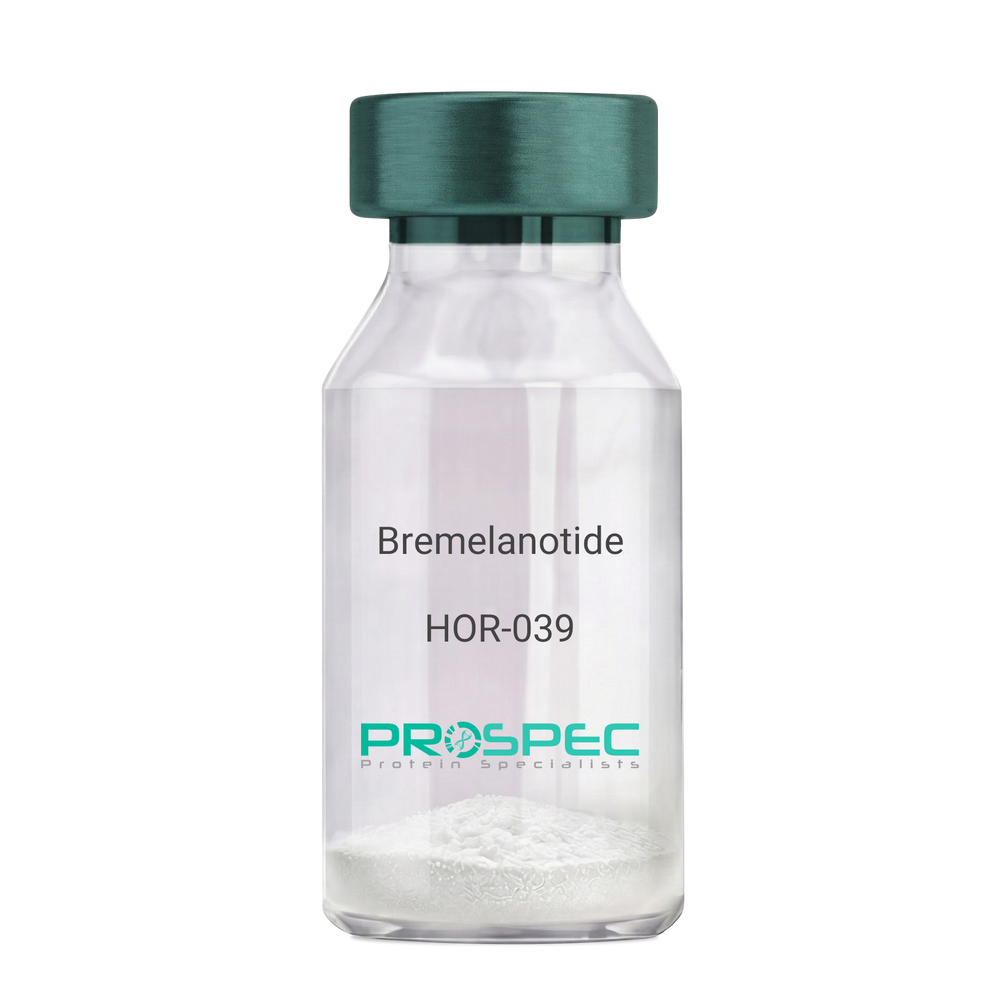
Name :
BremelanotideDescription:
Bremelanotide
PT-141, Rekynda, bremelanotide acetate.
Product # :
HOR-039Price :
Quantity :
Shipping Method :
Shipped at Room temp
More Info
- description
- formulation
- purity
- More Info
Description
Bremelanotide Synthetic is a single, non-glycosylated polypeptide chain containing 6 amino acids, having a molecular mass of 1025.16 Dalton and a Molecular formula of C50H68N40O10.
Formulation
The protein was lyophilized with no additives.
Purity
Greater than 97.0% as determined by analysis by RP-HPLC.
More Info
-
Synonyms
PT-141, Rekynda, bremelanotide acetate.
-
Physical Appearance
Sterile Filtered White lyophilized (freeze-dried) powder.
-
Stability
Lyophilized Bremelanotide although stable at room temperature for 3 weeks, should be stored desiccated below -18°C. Upon reconstitution Bremelanotide should be stored at 4°C between 2-7 days and for future use below -18°C. For long term storage it is recommended to add a carrier protein (0.1% HSA or BSA). Please prevent freeze-thaw cycles.
-
Solubility
It is recommended to reconstitute the lyophilized Bremelanotide in sterile 18MΩ-cm H2O not less than 100 µg/ml, which can then be further diluted to other aqueous solutions.
-
Amino Acid Sequence
Ac-Nle-cyclo(-Asp-His-D-Phe-Arg-Trp-Lys)-OH.
-
Background
Bremelanotide (PT-141), a synthetic heptapeptide, is a novel therapeutic agent primarily utilized for the treatment of sexual dysfunction. This paper provides an exhaustive review of Bremelanotide, detailing its biochemical structure, mechanism of action, therapeutic applications, and future prospects in clinical medicine.
Bremelanotide (PT-141), derived from Melanotan II, is a synthetic peptide developed for its role in treating sexual dysfunction in both men and women (Clayton et al., 2016). This paper presents a comprehensive examination of Bremelanotide, its biological properties, and potential therapeutic uses.
Bremelanotide acts as a non-selective agonist of the melanocortin receptors, primarily MC3R and MC4R, present in the central nervous system. The peptide initiates its action in the hypothalamus, leading to downstream effects on sexual desire and arousal (King et al., 2007).
The US Food and Drug Administration approved Bremelanotide for the treatment of premenopausal women with hypoactive sexual desire disorder (HSDD) in 2019. In clinical trials, it demonstrated efficacy in enhancing sexual desire and reducing distress associated with HSDD (Kingsberg et al., 2019).
While the current focus of Bremelanotide is on treating sexual dysfunction, its future potential may extend to other areas due to its unique mechanism of action. Further research is needed to explore the full therapeutic potential of this intriguing peptide. In conclusion, Bremelanotide represents a significant advance in sexual dysfunction therapeutics, with potential implications extending beyond this realm.
ProSpec's products are furnished for LABORATORY RESEARCH USE ONLY. The product may not be used as drugs, agricultural or pesticidal products, food additives or household chemicals.
- View Data Sheet
Name :
TPO Human, CHODescription:
Thrombopoietin Human Recombinant, CHO
MPL Ligand, THCYT1, MPLLG, TPO, ML, Thrombopoietin Nirs Variant 1, MKCSF, Thrombopoietin, Myeloproliferative Leukemia Virus Oncogene Ligand, Megakaryocyte Growth and Development Factor, Megakaryocyte Colony-Stimulating Factor, C-Mpl Ligand, MGDF, Megakaryocyte Stimulating Factor, Prepro-Thrombopoietin.
Product # :
CYT-1070Price :
Quantity :
Shipping Method :
Shipped with Ice Packs
More Info
- description
- source
- formulation
- purity
- biological activity
- More Info
Description
Thrombopoietin Human Recombinant produced in CHO cells has a molecular weight range of 80-90kDa due to glycosylation. The TPO is purified by proprietary chromatographic techniques.
Source
Chinese Hamster Ovary Cells.
Formulation
TPO protein solution contains phosphate buffered saline (pH7.4) and 2% albumin.
Purity
Greater than 98% as determined by SDS-PAGE.
Biological Activity
The ED50 as determined by the dose-dependent stimulation of MO7e cells corresponding to a specific activity of 3x10⁵ units/mg.
More Info
-
Introduction
Thrombopoietin is a glycoprotein hormone produced mainly by the liver and the kidney which regulates the production of platelets by the bone marrow. TPO stimulates the production as well as differentiation of megakaryocytes, the bone marrow cells which fragment into large numbers of platelets.
-
Synonyms
MPL Ligand, THCYT1, MPLLG, TPO, ML, Thrombopoietin Nirs Variant 1, MKCSF, Thrombopoietin, Myeloproliferative Leukemia Virus Oncogene Ligand, Megakaryocyte Growth and Development Factor, Megakaryocyte Colony-Stimulating Factor, C-Mpl Ligand, MGDF, Megakaryocyte Stimulating Factor, Prepro-Thrombopoietin.
-
Physical Appearance
Sterile Filtered clear solution.
-
Stability
Thrombopoietin although stable at room temperature for 1 week, should be stored between 2-8°C.
ProSpec's products are furnished for LABORATORY RESEARCH USE ONLY. The product may not be used as drugs, agricultural or pesticidal products, food additives or household chemicals.
- View Data Sheet
Name :
Leptin tA RatDescription:
Leptin Antagonist Triple Mutant Rat Recombinant
Product # :
CYT-355Price :
Quantity :
Shipping Method :
Shipped at Room temp
More Info
- description
- source
- formulation
- purity
- biological activity
- More Info
Description
Leptin Antagonist Triple Mutant Rat Recombinant is a singly non-glycosilated polypeptide chain containing 146 amino and additional Ala at N-terminus acids and having a molecular mass of ~ 16 kDa, Leptin was mutated, resulting in L39A/D40A/F41A mutant. Leptin Antagonist Triple Mutant Rat Recombinant was purified by proprietary chromatographic techniques.
Source
Escherichia coli.
Formulation
The protein was lyophilized from a concentrated (0.85mg/ml) solution with 0.003mM NaHCO3.
Purity
Greater than 99.0% as determined by:
(a) Gel filtration analysis.
(b) Analysis by SDS-PAGE.Biological Activity
ProSpec’s Leptin Antagonist Triple Mutant Rat Recombinant is capable of inhibiting leptin-induced proliferation of BAF/3 cells stably transfected with the long form of human leptin receptor. It also inhibits various leptin effects in several in vitro bioassays.More Info
-
Physical Appearance
White lyophilized (freeze-dried) powder.
-
Stability
Lyophilized Leptin-Antagonist Triple Mutant Rat Recombinant although stable at room temperature for several weeks, should be stored desiccated below -18°C. Upon reconstitution at > 0.1 Leptin mutant mg/ml and up to 2 mM and filter sterilization LEP-tA mutant can be stored at 4°C or even room temperature for several weeks making it suitable for long term infusion studies using osmotic pumps. At lower concentration addition of a carrier protein (0.1% HSA or BSA) is suggested. Please prevent freeze-thaw cycles.
-
Solubility
It is recommended to reconstitute the lyophilized Leptin Antagonist Triple Mutant Rat Recombinant in sterile water or sterile 0.4% NaHCO3 adjusted to pH 8-9, not less than 100µg/ml, which can then be further diluted with other aqueous solutions.
-
Amino Acid Sequence
The sequence of the first five N-terminal amino acids was determined and was found to be Ala-Val-Pro-Ile-Gln.
-
Protein content
Protein quantization was carried out by UV spectroscopy at 280 nm using the absorbency value of 0.21 as the extinction coefficient for a 0.1% (1mg/ml) solution at pH 8.0. This value is calculated by the PC GENE computer analysis program of protein sequences (IntelliGenetics).
ProSpec's products are furnished for LABORATORY RESEARCH USE ONLY. The product may not be used as drugs, agricultural or pesticidal products, food additives or household chemicals.
- View Data Sheet
Name :
PAFAH2 HumanDescription:
Platelet-Activating Factor Acetylhydrolase 2 Human Recombinant
HSD-PLA2, Platelet-activating factor acetylhydrolase 2, cytoplasmic, Serine-dependent phospholipase A2, SD-PLA2, hSD-PLA2.
Product # :
ENZ-899Price :
Quantity :
Shipping Method :
Shipped with Ice Packs
More Info
- description
- source
- formulation
- purity
- More Info
Description
PAFAH2 Human Recombinant produced in E.Coli is a single, non-glycosylated polypeptide chain containing 415 amino acids (1-392 a.a) and having a molecular mass of 46.4kDa.PAFAH2 is fused to a 23 amino acid His-tag at N-terminus & purified by proprietary chromatographic techniques.
Source
Escherichia Coli.
Formulation
PAFAH2 protein solution (1mg/ml) in Phosphate buffered saline (pH7.4), 20% glycerol and 1mM DTT.
Purity
Greater than 90.0% as determined by SDS-PAGE.
More Info
-
Introduction
Platelet-activating factor acetylhydrolase 2 cytoplasmic (PAFAH2) has a marked selectivity for phospholipids with short acyl chains at the sn-2 position. PAFAH2 may share a mutual physiologic function with the plasma-type enzyme.
-
Synonyms
HSD-PLA2, Platelet-activating factor acetylhydrolase 2, cytoplasmic, Serine-dependent phospholipase A2, SD-PLA2, hSD-PLA2.
-
Physical Appearance
Sterile Filtered colorless solution.
-
Stability
Store at 4°C if entire vial will be used within 2-4 weeks. Store, frozen at -20°C for longer periods of time. For long term storage it is recommended to add a carrier protein (0.1% HSA or BSA).Avoid multiple freeze-thaw cycles.
-
Amino Acid Sequence
MGSSHHHHHH SSGLVPRGSH MGSMGVNQSV GFPPVTGPHL VGCGDVMEGQ NLQGSFFRLF YPCQKAEETM EQPLWIPRYE YCTGLAEYLQ FNKRCGGLLF NLAVGSCRLP VSWNGPFKTK DSGYPLIIFS HGLGAFRTLY SAFCMELASR GFVVAVPEHR DRSAATTYFC KQAPEENQPT NESLQEEWIP FRRVEEGEKE FHVRNPQVHQ RVSECLRVLK ILQEVTAGQT VFNILPGGLD LMTLKGNIDM SRVAVMGHSF GGATAILALA KETQFRCAVA LDAWMFPLER DFYPKARGPV FFINTEKFQT MESVNLMKKI CAQHEQSRII TVLGSVHRSQ TDFAFVTGNL IGKFFSTETR GSLDPYEGQE VMVRAMLAFL QKHLDLKEDY NQWNNLIEGI GPSLTPGAPH HLSSL.
ProSpec's products are furnished for LABORATORY RESEARCH USE ONLY. The product may not be used as drugs, agricultural or pesticidal products, food additives or household chemicals.
- View Data Sheet
Name :
HLA-G HumanDescription:
Major Histocompatibility Complex Class I G Human Recombinant
Major Histocompatibility Complex, Class I, G, HLA-G Histocompatibility Antigen, Class I, G, MHC Class I Antigen G, B2 Microglobulin, HLA G Antigen, HLA Class I Histocompatibility Antigen, Alpha Chain G, Mutant MHC Class Ib Antigen, Mutant MHC Class I Antigen, MHC Class Ib Antigen, HLA-6.0, MHC-G, HLAG, HLA class I histocompatibility antigen, alpha chain G, HLA G antigen, MHC class I antigen G.
Product # :
PRO-2520Price :
Quantity :
Shipping Method :
Shipped with Ice Packs
More Info
- description
- source
- formulation
- purity
- More Info
Description
HLA-G Human Recombinant produced in E.Coli is a single, non-glycosylated polypeptide chain containing 309 amino acids (25-308 a.a) and having a molecular mass of 35.3kDa.HLA-G is fused to a 25 amino acid His-tag at N-terminus & purified by proprietary chromatographic techniques.
Source
Escherichia Coli.
Formulation
HLA-G protein solution (0.25mg/ml) contains 20% glycerol and PBS (pH 7.4).
Purity
Greater than 90% as determined by SDS-PAGE.
More Info
-
Introduction
HLA-G (Major Histocompatibility Complex Class I G) is a member of the HLA class I heavy chain paralogues. This class I molecule is a heterodimer which comprises a heavy chain as well as a light chain, beta-2 microglobulin, while the heavy chain is fixed in the membrane. HLA-G is expressed on fetal derived placental cells. HLA-G is a non-classical class-I HLA molecule linked with immuno-modulatory & anti-inflammatory properties which interacts with inhibitory receptors such as, ILT2/ILT4/KIR2DL4, that are present on different immune cells. HLA-G inhibits the proliferation of T cells, B cells & natural killer cells, moreover it also induces regulatory T cells.
-
Synonyms
Major Histocompatibility Complex, Class I, G, HLA-G Histocompatibility Antigen, Class I, G, MHC Class I Antigen G, B2 Microglobulin, HLA G Antigen, HLA Class I Histocompatibility Antigen, Alpha Chain G, Mutant MHC Class Ib Antigen, Mutant MHC Class I Antigen, MHC Class Ib Antigen, HLA-6.0, MHC-G, HLAG, HLA class I histocompatibility antigen, alpha chain G, HLA G antigen, MHC class I antigen G.
-
Physical Appearance
Sterile Filtered clear solution.
-
Stability
Store at 4°C if entire vial will be used within 2-4 weeks. Store, frozen at -20°C for longer periods of time. For long term storage it is recommended to add a carrier protein (0.1% HSA or BSA).Avoid multiple freeze-thaw cycles.
-
Amino Acid Sequence
MGSSHHHHHH SSGLVPRGSH MGSHMGSHSM RYFSAAVSRP GRGEPRFIAM GYVDDTQFVR FDSDSACPRM EPRAPWVEQE GPEYWEEETR NTKAHAQTDR MNLQTLRGYY NQSEASSHTL QWMIGCDLGS DGRLLRGYEQ YAYDGKDYLA LNEDLRSWTA ADTAAQISKR KCEAANVAEQ RRAYLEGTCV EWLHRYLENG KEMLQRADPP KTHVTHHPVF DYEATLRCWA LGFYPAEIIL TWQRDGEDQT QDVELVETRP AGDGTFQKWA AVVVPSGEEQ RYTCHVQHEG LPEPLMLRWK QSSLPTIPI.
ProSpec's products are furnished for LABORATORY RESEARCH USE ONLY. The product may not be used as drugs, agricultural or pesticidal products, food additives or household chemicals.
- View Data Sheet
Name :
HLA-C HumanDescription:
Major Histocompatibility Complex Class I C Human Recombinant
Major Histocompatibility Complex Class I- C, D6S204, HLA-JY3, PSORS1, HLC-C, HLA Class I Histocompatibility Antigen C Alpha Chain, Human Leukocyte Antigen-C Alpha Chain, Major Histocompatibility Antigen HLA-C, MHC Class I Antigen Heavy Chain HLA-C.
Product # :
PRO-1562Price :
Quantity :
Shipping Method :
Shipped with Ice Packs
More Info
- description
- source
- formulation
- purity
- More Info
Description
HLA-C Human Recombinant produced in E.coli is a single, non-glycosylated polypeptide chain containing 307 amino acids (25-308) and having a molecular mass of 34.9kDa.HLA-C is fused to a 23 amino acid His-tag at N-terminus & purified by proprietary chromatographic techniques.
Source
Escherichia Coli.
Formulation
The HLA-C solution (0.5mg/ml) contains 20mM Tris-HCl buffer (pH 8.0), 0.15M NaCl, 1mM DTT and 20% glycerol.
Purity
Greater than 90% as determined by SDS-PAGE.
More Info
-
Introduction
Major Histocompatibility Complex Class I C (HLA-C) belongs to the HLA class I heavy chain paralogues. The HLA-C (class I molecule) is a heterodimer comprised of a heavy chain and a light chain (beta-2 microglobulin). The heavy chain is anchored in the membrane. Class I molecules have a key role in the immune system by presenting peptides derived from endoplasmic reticulum lumen. Class I molecules are expressed in virtually all cells.
-
Synonyms
Major Histocompatibility Complex Class I- C, D6S204, HLA-JY3, PSORS1, HLC-C, HLA Class I Histocompatibility Antigen C Alpha Chain, Human Leukocyte Antigen-C Alpha Chain, Major Histocompatibility Antigen HLA-C, MHC Class I Antigen Heavy Chain HLA-C.
-
Physical Appearance
Sterile Filtered clear solution.
-
Stability
Store at 4°C if entire vial will be used within 2-4 weeks. Store, frozen at -20°C for longer periods of time. For long term storage it is recommended to add a carrier protein (0.1% HSA or BSA).Avoid multiple freeze-thaw cycles.
-
Amino Acid Sequence
MGSSHHHHHH SSGLVPRGSH MGSCSHSMRY FDTAVSRPGR GEPRFISVGY VDDTQFVRFD SDAASPRGEP RAPWVEQEGP EYWDRETQKY KRQAQADRVS LRNLRGYYNQ SEDGSHTLQR MSGCDLGPDG RLLRGYDQSA YDGKDYIALN EDLRSWTAAD TAAQITQRKL EAARAAEQLR AYLEGTCVEW LRRYLENGKE TLQRAEPPKT HVTHHPLSDH EATLRCWALG FYPAEITLTW QRDGEDQTQD TELVETRPAG DGTFQKWAAV VVPSGQEQRY TCHMQHEGLQ EPLTLSWEPS SQPTIPI
ProSpec's products are furnished for LABORATORY RESEARCH USE ONLY. The product may not be used as drugs, agricultural or pesticidal products, food additives or household chemicals.
- View Data Sheet
Name :
CXCL14 HumanDescription:
BRAK (CXCL14) Human Recombinant
C-X-C motif chemokine 14, Small-inducible cytokine B14, Chemokine BRAK, Bolekine, NJAC, KS1, Kec, BMAC, MIP-2g, SCYB14, CXCL14, BRAK, MGC10687.
Product # :
CHM-001Price :
Quantity :
Shipping Method :
Shipped at Room temp
More Info
- description
- source
- formulation
- purity
- biological activity
- More Info
Description
CXCL14 Human Recombinant produced in E.Coli is a single, non-glycosylated, Polypeptide chain containing 77 amino acids and having a molecular mass of 9.4kDa.The CXCL14 is purified by proprietary chromatographic techniques.
Source
Escherichia Coli.
Formulation
CXCL14 was lyophilized after extensive dialysis against 20mM Tris-HCl, pH 8.5 and 1M NaCl.
Purity
Greater than 95.0% as determined by:
(a) Analysis by RP-HPLC.
(b) Analysis by SDS-PAGE.Biological Activity
The ED50 of CXCL14 as determined by its ability to induce calcium flux of prostaglandin E2 treated THP1 human acute monocytic leukemia cells was 1.0-10.0 ng/ml.More Info
-
Introduction
CXCL14 is involved in immunoregulatory and inflammatory processes. BRAK protein is structurally related to the CXC (Cys-X-Cys) subfamily of cytokines. CXCL14 displays chemotactic activity for monocytes but not for lymphocytes, dendritic cells, neutrophils or macrophages. CXCL14 is involved in the homeostasis of monocyte-derived macrophages.
-
Synonyms
C-X-C motif chemokine 14, Small-inducible cytokine B14, Chemokine BRAK, Bolekine, NJAC, KS1, Kec, BMAC, MIP-2g, SCYB14, CXCL14, BRAK, MGC10687.
-
Physical Appearance
Sterile Filtered White lyophilized (freeze-dried) powder.
-
Stability
Lyophilized CXCL14 although stable at room temperature for 3 weeks, should be stored desiccated below -18°C. Upon reconstitution CXCL14 should be stored at 4°C between 2-7 days and for future use below -18°C.Please prevent freeze-thaw cycles.
-
Solubility
It is recommended to reconstitute the lyophilized CXCL14 in sterile 18M-cm H2O not less than 100µg/ml, which can then be further diluted to other aqueous solutions.
-
Amino Acid Sequence
The sequence of the first five N-terminal amino acids was determined and was found to be Ser-Lys-Cys-Lys-Cys.
-
Background
What is the molecular weight/Mw of CXCL14 HUMAN Protein?
CXCL14 HUMAN Protein has a total Mw of 9.4kDa.
What is the source or expression system of CXCL14 HUMAN Protein?
Escherichia Coli.
What is the Purity of CXCL14 HUMAN Protein?
CXCL14 HUMAN Protein is >95% pure as determined by SDS-PAGE.
What is the Biological Activity of CXCL14 HUMAN Protein?
The ED50 of CXCL14 as determined by its ability to induce calcium flux of prostaglandin E2 treated THP1 human acute monocytic leukemia cells was 1.0-10.0 ng/ml.
What is the amino acid sequence of CXCL14 HUMAN Protein?
The sequence of the first five N-terminal amino acids was determined and was found to be Ser-Lys-Cys-Lys-Cys.
What applications can CXCL14 HUMAN Protein be used in?
CXCL14 HUMAN Protein can probably be used in western blot, ELISA and Lateral Flow.
What is the endotoxin level for CXCL14 HUMAN Protein?
The endotoxin level is minimal, CXCL14 HUMAN Protein was purified using conventional chromatography techniques.
ProSpec's products are furnished for LABORATORY RESEARCH USE ONLY. The product may not be used as drugs, agricultural or pesticidal products, food additives or household chemicals.
- View Data Sheet
Name :
FGF8 Human, HEKDescription:
Fibroblast Growth Factor-8 Human Recombinant, HEK
FGF8B, FGF-8B, FGF8-B, KAL6, HBGF-8, HBGF8, AIGF, HBGF-8, MGC149376, fibroblast growth factor 8.
Product # :
CYT-087Price :
Quantity :
Shipping Method :
Shipped with Ice Packs
More Info
- description
- source
- formulation
- purity
- biological activity
- More Info
Description
FGF-8 Human Recombinant is a single, glycosylated, polypeptide chain (23-215 a.a) containing a total of 204 amino acids and having a molecular mass of 23.7 kDa. FGF-8 is fused to a 6 a.a his-Tag at C-terminus and is purified by proprietary chromatographic techniques.
Source
HEK.
Formulation
The FGF-8 solution (0.25mg/ml) contains 10% Glycerol and Phosphate-Buffered Saline (pH 7.4).
Purity
Greater than 90% as obsereved by SDS-PAGE.
Biological Activity
The ED50 is ≤5 µg/ml, measured in a cell proliferation assay using Balb/3T3 mouse embryonic fibroblast cells in the presence of 10ug/ml of heparin.
More Info
-
Introduction
FGF8 is part of the fibroblast growth factor family. FGF family members have wide mitogenic and cell survival activities, and participate in a variety of biological processes, including embryonic development, cell growth, morphogenesis, tissue repair, tumor growth and invasion. FGF8 supports androgen and anchorage independent growth of mammary tumor cells. FGF8 over expression increases tumor growth and angiogensis. The adult expression of FGF-8 gene is restricted to testes and ovaries. FGF8 functions as an embryonic epithelial factor. FGF8 takes part in midbrain and limb development, organogenesis, embryo gastrulation and left-right axis determination.
-
Synonyms
FGF8B, FGF-8B, FGF8-B, KAL6, HBGF-8, HBGF8, AIGF, HBGF-8, MGC149376, fibroblast growth factor 8.
-
Physical Appearance
Sterile Filtered colorless solution.
-
Stability
Store at 4°C if entire vial will be used within 2-4 weeks. Store, frozen at -20°C for longer periods of time. For long term storage it is recommended to add a carrier protein (0.1% HSA or BSA).Avoid multiple freeze-thaw cycles.
-
Amino Acid Sequence
DGSHMQVTVQ SSPNFTQHVR EQSLVTDQLS RRLIRTYQLY SRTSGKHVQV LANKRINAMA EDGDPFAKLI VETDTFGSRV RVRGAETGLY ICMNKKGKLI AKSNGKGKDC VFTEIVLENN YTALQNAKYE GWYMAFTRKG RPRKGSKTRQ HQREVHFMKR LPRGHHTTEQ SLRFEFLNYP PFTRSLRGSQ RTWAPEPRHH HHHH.
-
Background
What is the molecular weight/Mw of FGF8 Protein?
FGF8 Protein has a total Mw of 23.7kDa.
What is the source or expression system of FGF8 Protein?
HEK.
What is the Purity of FGF8 Protein?
FGF8 Protein is >90% pure as determined by SDS-PAGE.
What is the Biological Activity of FGF8 Protein?
The ED50 is ≤5 µg/ml, measured in a cell proliferation assay using Balb/3T3 mouse embryonic fibroblast cells in the presence of 10ug/ml of heparin.
What is the amino acid sequence of FGF8 Protein?
DGSHMQVTVQ SSPNFTQHVR EQSLVTDQLS RRLIRTYQLY SRTSGKHVQV LANKRINAMA EDGDPFAKLI VETDTFGSRV RVRGAETGLY ICMNKKGKLI AKSNGKGKDC VFTEIVLENN YTALQNAKYE GWYMAFTRKG RPRKGSKTRQ HQREVHFMKR LPRGHHTTEQ SLRFEFLNYP PFTRSLRGSQ RTWAPEPRHH HHHH.
What applications can FGF8 Protein be used in?
FGF8 Protein can probably be used in western blot, ELISA and Lateral Flow.
What is the endotoxin level for FGF8 Protein?
The endotoxin level is minimal, FGF8 Protein was purified using conventional chromatography techniques.
ProSpec's products are furnished for LABORATORY RESEARCH USE ONLY. The product may not be used as drugs, agricultural or pesticidal products, food additives or household chemicals.
- View Data Sheet
Name :
Follistatin Human, HisDescription:
Follistatin Human Recombinant, His Tag
FST, FS, Activin-binding protein.
Product # :
CYT-029Price :
Quantity :
Shipping Method :
Shipped at Room temp
More Info
- description
- source
- formulation
- More Info
Description
FST His Protein is 36.0 kDa protein containing 325 amino acid residues of the FST His and the 10 aa N-Terminal His-tag.
Source
E. coli.
Formulation
FST His Tag was filtered (0.4µm) and lyophilized from 0.5mg/ml supplied in 20mM TRIS and 20mM NaCl, pH 7.5.
More Info
-
Introduction
Follistatin is a single-chain gonadal protein that specifically inhibits follicle-stimulating hormone release. The single FST gene encodes two isoforms, FST317 and FST344 containing 317 and 344 amino acids respectively, resulting from alternative splicing of the precursor mRNA. In a study in which 37 candidate genes were tested for linkage and association with polycystic ovary syndrome (PCOS) or hyperandrogenemia in 150 families, evidence was found for linkage between PCOS and follistatin. Follistatin binds directly to activin and functions as an activin antagonist. specific inhibitor of the biosynthesis and secretion of pituitary follicle stimulating hormone (fsh).
-
Synonyms
FST, FS, Activin-binding protein.
-
Stability
Store lyophilized FST His at -20°C. Aliquot the product after reconstitution to avoid repeated freezing/thawing cycles. Reconstituted FST His can be stored at 4°C for a limited period of time; it does not show any change after two weeks at 4°C.
-
Solubility
It is recommended to add deionized water to prepare a working stock solution of approximately 0.5mg/ml and let the lyophilized pellet dissolve completely. Product is not sterile! Please filter the product by an appropriate sterile filter before using it on cell culture.
-
Amino Acid Sequence
MKHHHHHHAS GNCWLRQAKN GRCQVLYKTE LSKEECCSTG RLSTSWTEED VNDNTLFKWM IFNGGAPNCI PCKETCENVD CGPGKKCRMN KKNKPRCVCA PDCSNITWKG PVCGLDGKTY RNECALLKAR CKEQPELEVQ YQGRCKKTCR DVFCPGSSTC VVDQTNNAYC VTCNRICPEP ASSEQYLCGN DGVTYSSACH LRKATCLLGR SIGLAYEGKC IKAKSCEDIQ CTGGKKCLWD FKVGRGRCSL CDELCPDSKS DEPVCASDNA TYASECAMKE AACSSGVLLE VKHSGSCNSI SEDTEEEEED EDQDYSFPIS SILEW.
-
Background
What is the molecular weight/Mw of FOLLISTATIN HUMAN, HIS Protein?
FOLLISTATIN HUMAN, HIS Protein has a total Mw of 36kDa.
What is the source or expression system of FOLLISTATIN HUMAN, HIS Protein?
Escherichia Coli.
What is the Biological Activity of FOLLISTATIN HUMAN, HIS Protein?
The biological functionality of FOLLISTATIN HUMAN, HIS Protein will be determined in the future.
What is the amino acid sequence of FOLLISTATIN HUMAN, HIS Protein?
MKHHHHHHAS GNCWLRQAKN GRCQVLYKTE LSKEECCSTG RLSTSWTEED VNDNTLFKWM IFNGGAPNCI PCKETCENVD CGPGKKCRMN KKNKPRCVCA PDCSNITWKG PVCGLDGKTY RNECALLKAR CKEQPELEVQ YQGRCKKTCR DVFCPGSSTC VVDQTNNAYC VTCNRICPEP ASSEQYLCGN DGVTYSSACH LRKATCLLGR SIGLAYEGKC IKAKSCEDIQ CTGGKKCLWD FKVGRGRCSL CDELCPDSKS DEPVCASDNA TYASECAMKE AACSSGVLLE VKHSGSCNSI SEDTEEEEED EDQDYSFPIS SILEW.
What applications can FOLLISTATIN HUMAN, HIS Protein be used in?
FOLLISTATIN HUMAN, HIS Protein can probably be used in western blot, ELISA and Lateral Flow.
What is the endotoxin level for FOLLISTATIN HUMAN, HIS Protein?
The endotoxin level is minimal, FOLLISTATIN HUMAN, HIS Protein was purified using conventional chromatography techniques.
ProSpec's products are furnished for LABORATORY RESEARCH USE ONLY. The product may not be used as drugs, agricultural or pesticidal products, food additives or household chemicals.
- View Data Sheet
Name :
CEACAM8 HumanDescription:
Carcinoembryonic Antigen-Related Cell Adhesion Molecule 8 Human Recombinant
Carcinoembryonic antigen-related cell adhesion molecule 8, CD67 antigen, Carcinoembryonic antigen CGM6, Non-specific cross-reacting antigen NCA-95, CD66b, CGM6, CD67, NCA-95, CEACAM8
Product # :
PRO-2716Price :
Quantity :
Shipping Method :
Shipped with Ice Packs
More Info
- description
- source
- formulation
- purity
- More Info
Description
CEACAM8 Human produced in Sf9 Baculovirus cells is a single, glycosylated polypeptide chain containing 292 amino acids (35-320 a.a) and having a molecular mass of 32.3kDa.CEACAM8 is fused to a 6 amino acid His-tag at C-terminus & purified by proprietary chromatographic techniques.
Source
Sf9, Baculovirus cells.
Formulation
The CEACAM8 solution (1mg/1ml) contains Phosphate-Buffered Saline (pH 7.4) and 10% glycerol.
Purity
Greater than 95.0% as determined by SDS-PAGE.
More Info
-
Introduction
Carcinoembryonic Antigen-Related Cell Adhesion Molecule 8 (CEACAM8) is a cell surface glycoprotein which takes part in cell adhesion in a calciumindependent manner.CEACAM8mediates heterophilic cell adhesion with other carcinoembryonic antigen-related celladhesion molecules (CEACAM6 for example).CEACAM8main role is cell migration,cell adhesion, and pathogen binding.CEACAM-8 isexpressed mainly on the surface of human peripheral blood eosinophils isolated from healthy individuals andused as granulocyte marker.
-
Synonyms
Carcinoembryonic antigen-related cell adhesion molecule 8, CD67 antigen, Carcinoembryonic antigen CGM6, Non-specific cross-reacting antigen NCA-95, CD66b, CGM6, CD67, NCA-95, CEACAM8
-
Physical Appearance
Sterile filtered colorless solution.
-
Stability
Store at 4°C if entire vial will be used within 2-4 weeks.Store, frozen at -20°C for longer periods of time.For long term storage it is recommended to add a carrier protein (0.1% HSA or BSA).Avoid multiple freeze-thaw cycles.
-
Amino Acid Sequence
QLTIEAVPSN AAEGKEVLLL VHNLPQDPRG YNWYKGETVD ANRRIIGYVI SNQQITPGPA YSNRETIYPN ASLLMRNVTR NDTGSYTLQV IKLNLMSEEV TGQFSVHPET PKPSISSNNS NPVEDKDAVA FTCEPETQNT TYLWWVNGQS LPVSPRLQLS NGNRTLTLLS VTRNDVGPYE CEIQNPASAN FSDPVTLNVL YGPDAPTISP SDTYYHAGVN LNLSCHAASN PPSQYSWSVN GTFQQYTQKL FIPNITTKNS GSYACHTTNS ATGRNRTTVR MITVSDHHHH HH
ProSpec's products are furnished for LABORATORY RESEARCH USE ONLY. The product may not be used as drugs, agricultural or pesticidal products, food additives or household chemicals.
- View Data Sheet
Name :
Procalcitonin CanineDescription:
Procalcitonin Canine Recombinant
Calcitonin, Calca, Calc, CCALCI.
Product # :
HOR-015Price :
Quantity :
Shipping Method :
Shipped at Room temp
More Info
- description
- source
- formulation
- purity
- More Info
Description
Procalcitonin Canine Recombinant produced in E.Coli is a single, non-glycosylated, polypeptide chain (Ala26-Arg130) containing 115 amino acids including a 10 aa His tag at N-terminus. The total calculated molecular mass is 12.7kDa.
Source
Escherichia Coli.
Formulation
Procalcitonin was filtered (0.4 µm) and lyophilized in 20mM TRIS and 50mM NaCl, pH 7.2.
Purity
Greater than 90.0% as determined by SDS-PAGE.
More Info
-
Introduction
Procalcitonin is a peptide hormone mainly produced by the C cells of the thyroid and certain endocrine cells of the lung. Under normal expression conditions, procalcitonin is immediately cleaved into three specific fragments, an N terminal residue, calcitonin and katacalcin. Levels of unprocessed procalcitonin rise significantly after bacterial infection, trauma or shock.
-
Synonyms
Calcitonin, Calca, Calc, CCALCI.
-
Physical Appearance
Filtered White lyophilized (freeze-dried) powder.
-
Stability
Store lyophilized protein at -20°C. Aliquot the product after reconstitution to avoid repeated freezing/thawing cycles. Reconstituted protein can be stored at 4°C for a limited period of time; it does not show any change after two weeks at 4°C.
-
Solubility
It is recommended to add deionized water to prepare a working stock solution of approximately 0.5 mg/ml and let the lyophilized pellet dissolve completely. Procalcitonin is not sterile! Please filter the product by an appropriate sterile filter before using it in the cell culture.
-
Amino Acid Sequence
MKHHHHHHASAPFRSALEGL PDPTALSEKE GRLLLAALVK AYVQRKNELE QEQEQETEGS SLDSSRAKRC SNLSTCVLGT YSKDLNNFHT FSGIGFGAET PGKKRDIASG LERGR.
ProSpec's products are furnished for LABORATORY RESEARCH USE ONLY. The product may not be used as drugs, agricultural or pesticidal products, food additives or household chemicals.
- View Data Sheet
Name :
CTGF Human (183-255)Description:
Connective Tissue Growth Factor (183-255 a.a.) Human Recombinant
CCN2, NOV2, HCS24, IGFBP8, MGC102839, CTGF, Connective Tissue Growth Factor.
Product # :
CYT-1174Price :
Quantity :
Shipping Method :
Shipped at Room temp
More Info
- description
- source
- formulation
- purity
- More Info
Description
CTGF Human Recombinant is a single, glycosylated polypeptide chain containing 80 amino acids (183-255a.a) and having a molecular mass of 9.1kDa (calculated). CTGF is fused to a 7 a.a His tag at N-terminal.
Source
HEK293 cells.
Formulation
CTGF filtered (0.4 µm) and lyophilized from 0.5mg/ml in 20 mM Tris buffer and 50 mM NaCl, pH 7.5.
Purity
Greater than 95.0% as determined by SDS-PAGE.
More Info
-
Introduction
Connective Tissue Growth Factor is a part of the CCN family of proteins. The CCN family presently consists of six members in human also known as: Cyr61 (Cystein rich 61), CTGF, Nov (Nephroblastoma Overexpressed gene), WISP-1, 2 and 3 (Wnt-1 Induced Secreted Proteins). CCN proteins are matricellular proteins which are involved in the regulation of various cellular functions including: proliferation, differentiation, survival, adhesion and migration. They are expressed in derivatives of the three embryonic sheets and are implicated in the development of kidney, nervous system, muscle, bone marrow, cartilage and bone. During adulthood, they are implicated in wound healing, bone fracture repair, and pathologies such as: tumorigenesis,fibrosis and vascular ailments. Full length secreted CCN proteins can show an antiproliferative activity, whereas truncated isoforms are likely to stimulate proliferation and behave as oncogenes.
The full length protein consists of 4 modules: Module I shares partial identity with the N-terminal part of the Insulin-like Growth Factor Binding Proteins (IGFBPs).
Module II includes a stretch of 70amino acid residues – which shares sequence identity with the Von Willebrand Factor Type C repeat (VWC).
Module III contains sequences sharing identity with the Thrombospondin type 1 repeat (TSP1) (WSXCSXXCG), which is thought to be implicated in the binding of sulfated glycoconjugates and to be important for cell adhesion.
Module IV, also designated CT, is encoded by exon5. It is the leasts conserved one of the four domains at the level of nucleotide sequence, but it appears to be critical for several of the biological functions attributed to the CCN proteins.
Proteolysis of the secreted full-length CCN proteins that has been reported in the case of CCN2 and CCN3 might result in the production of CCN-derived peptides with high affinity for ligands that full-length CNN proteins bind only poorly. Amino-truncated CCN2 isoforms were biologically active whereas no specific biological activity has been attributed to the truncated CCN3. Although the molecular processes underlying the production of these secreted isoforms is presently unknown, it is important to note that proteolysis occur at the same amino acid residues in both CCN2 and CCN3. An elevated expression of CCN2 has also been detected by Northern blotting in human invasive mammary ductal carcinomas, dermatofibromas, pyogenic granuloma, endothelial cells of angiolipomas and angioleiomyomas, and in pancreatic tumors. A study performed with chondrosarcomas representative of various histological grades established that CCN2 expression was closely correlated with increasing levels of malignancy.
In agreement with CCN2 playing a role in brain tumor angiogenesis, immunocytochemistry studies indicated that both glioblastoma tumor cells and proliferating endothelial cells stained positive for CCN2. In astrocytomas, CCN2 expression was particularly elevated in high grade tumors, with a marked effect of CCN2 on cell proliferation. Downregulation of CCN2 expression in these cells was associated with a growth arrest at the G1/S transition while over-expression of CCN2 induced a two-fold increase of the number of cells in the G1 phase. Gene profiling analysis allowed to identify a set of about 50 genes whose expression might account for the proliferative activity of CCN2 in these cells.
CCN2 was seen in a higher proportion of mononuclear cells of patients with acute lymphoblastic leukemia. -
Synonyms
CCN2, NOV2, HCS24, IGFBP8, MGC102839, CTGF, Connective Tissue Growth Factor.
-
Physical Appearance
Filtered White lyophilized (freeze-dried) powder.
-
Stability
Store lyophilized protein at -20°C. Aliquot the product after reconstitution to avoid repeated freezing/thawing cycles. Reconstituted protein can be stored at 4°C for a limited period of time; it does not show any change after two weeks at 4°C.
-
Solubility
It is recommended to add deionized water to prepare a working stock solution of approximately 0.5mg/ml and let the lyophilized pellet dissolve completely.
-
Amino Acid Sequence
MHHHHHHRLE DTFGPDPTMI RANCLVQTTE WSACSKTCGM GISTRVTNDN ASCRLEKQSR LCMVRPCEAD LEENIKKGKK.
-
Background
What is the molecular weight/Mw of CTGF Protein?
CTGF Protein has a total Mw of 9.1kDa.
What is the source or expression system of CTGF Protein?
HEK293 cells.
What is the Purity of CTGF Protein?
CTGF Protein is >95% pure as determined by SDS-PAGE.
What is the Biological Activity of CTGF Protein?
The biological functionality of CTGF Protein will be determined in the future.
What is the amino acid sequence of CTGF Protein?
MHHHHHHRLE DTFGPDPTMI RANCLVQTTE WSACSKTCGM GISTRVTNDN ASCRLEKQSR LCMVRPCEAD LEENIKKGKK.
What applications can CTGF Protein be used in?
CTGF Protein can probably be used in western blot, ELISA and Lateral Flow.
What is the endotoxin level for CTGF Protein?
The endotoxin level is minimal, CTGF Protein was purified using conventional chromatography techniques.
ProSpec's products are furnished for LABORATORY RESEARCH USE ONLY. The product may not be used as drugs, agricultural or pesticidal products, food additives or household chemicals.
- View Data Sheet
Name :
EG VEGF HumanDescription:
Endocrine Gland Vascular Endothelial Growth Factor Human Recombinant
PK1, PRK1, Prokineticin 1, EG-VEGF.
Product # :
CYT-338Price :
Quantity :
Shipping Method :
Shipped at Room temp
More Info
- description
- source
- formulation
- purity
- biological activity
- More Info
Description
EG-VEGF Human Recombinant produced in E.Coli is a single, non-glycosylated, polypeptide chain containing 86 amino acids and having a molecular mass of 9.7kDa. The EG-VEGF is purified by proprietary chromatographic techniques.
Source
Escherichia Coli.
Formulation
The protein was lyophilized from a concentrated (1mg/ml) solution containing 0.1% Trifluoroacetic Acid (TFA).
Purity
Greater than 95.0% as determined by SDS-PAGE.
Biological Activity
The activity as determined by the dose-dependent proliferation of MIA PaCa-2 cells is typically 1-4 μg/ml.
More Info
-
Introduction
Endocrine gland-derived vascular endothelial growth factor (EG-VEGF) induces proliferation, migration, and fenestration in capillary endothelial cells derived from endocrine glands. Its expression is induced by hypoxia and is restricted to the steroidogenic glands (ovary, testis, adrenal, and placenta). Its expression is often complementary to the expression of VEGF (MIM 192240), suggesting that these molecules function in a coordinated manner. EG-VEGF potently contracts gastrointestinal (gi) smooth muscle. Induces proliferation, migration and fenestration (the formation of membrane discontinuities) in capillary endothelial cells derived from endocrine glands. Has little or no effect on a variety of other endothelial and non-endothelial cell types.
-
Synonyms
PK1, PRK1, Prokineticin 1, EG-VEGF.
-
Physical Appearance
Sterile Filtered White lyophilized (freeze-dried) powder.
-
Stability
Lyophilized EG-VEGF Human Recombinant although stable at room temperature for 3 weeks, should be stored desiccated below -18°C. Upon reconstitution EG-VEGF should be stored at 4°C between 2-7 days and for future use below -18°C.Please prevent freeze-thaw cycles.
-
Solubility
It is recommended to reconstitute the lyophilized Endocrine Gland Vascular Endothelial Growth Factor in sterile 18MΩ-cm H2O not less than 100µg/ml, which can then be further diluted to other aqueous solutions.
-
Amino Acid Sequence
AVITGACERD VQCGAGTCCA ISLWLRGLRM CTPLGREGEE CHPGSHKVPF FRKRKHHTCP CLPNLLCSRF PDGRYRCSMD LKNINF.
-
Background
Title: Endocrine Gland Vascular Endothelial Growth Factor Human Recombinant: Insights into its Role in Endocrine Disorders and Therapeutic Applications
Abstract:
Endocrine Gland Vascular Endothelial Growth Factor (EG-VEGF) is a unique angiogenic factor that plays a crucial role in the development and function of endocrine glands. This research paper provides a comprehensive analysis of human recombinant EG-VEGF, focusing on its production, characterization, and potential applications in endocrine disorders. The paper highlights the significance of EG-VEGF in endocrine gland angiogenesis and explores its role in the pathogenesis of endocrine-related diseases. Furthermore, it discusses ongoing research and clinical trials investigating the therapeutic potential of recombinant EG-VEGF in endocrine disorders and related conditions. The information presented in this paper aims to enhance our understanding of human recombinant EG-VEGF and its utility as a research tool and a potential therapeutic agent.Introduction:
Endocrine Gland Vascular Endothelial Growth Factor (EG-VEGF) is a growth factor specifically expressed in endocrine tissues. Human recombinant EG-VEGF, produced through genetic engineering techniques, offers a valuable tool for studying its angiogenic properties and exploring its potential therapeutic applications in endocrine disorders.Production and Characterization:
Recombinant EG-VEGF is typically generated using mammalian cell expression systems. The protein is then purified and characterized to ensure its structural integrity and functional activity. Rigorous quality control measures are implemented to confirm the specificity and potency of the recombinant EG-VEGF.Role in Endocrine Disorders:
EG-VEGF is involved in the regulation of endocrine gland angiogenesis, which is critical for their development, hormone secretion, and overall function. Dysregulation of EG-VEGF signaling has been implicated in various endocrine disorders, including preeclampsia, gestational trophoblastic diseases, and adrenal disorders. Recombinant EG-VEGF serves as a valuable tool for investigating the mechanisms underlying EG-VEGF-mediated angiogenesis and its potential implications in endocrine-related diseases.Therapeutic Implications:
Manipulation of angiogenesis holds promise as a therapeutic approach in various endocrine disorders. Recombinant EG-VEGF offers potential therapeutic applications in promoting neovascularization and restoring endocrine gland function. Ongoing research and clinical trials are investigating the therapeutic potential of recombinant EG-VEGF in conditions such as hypopituitarism, ovarian disorders, and other endocrine-related pathologies.Conclusion:
Human recombinant EG-VEGF represents a valuable research tool and a potential therapeutic agent. Its production, characterization, and applications in endocrine disorders contribute to our understanding of endocrine gland angiogenesis and the development of targeted therapeutic interventions. Continued research and clinical trials exploring the therapeutic potential of recombinant EG-VEGF offer promising avenues for improving outcomes in endocrine disorders and related conditions.What is the molecular weight/Mw of EG-VEGF Protein?
EG-VEGF Protein has a total Mw of 9.7kDa.
What is the source or expression system of EG-VEGF Protein?
Escherichia Coli.
What is the Purity of EG-VEGF Protein?
EG-VEGF Protein is >95% pure as determined by SDS-PAGE.
What is the Biological Activity of EG-VEGF Protein?
The activity as determined by the dose-dependent proliferation of MIA PaCa-2 cells is typically 1-4 μg/ml.
What is the amino acid sequence of EG-VEGF Protein?
AVITGACERD VQCGAGTCCA ISLWLRGLRM CTPLGREGEE CHPGSHKVPF FRKRKHHTCP CLPNLLCSRF PDGRYRCSMD LKNINF.
What applications can EG-VEGF Protein be used in?
EG-VEGF Protein can probably be used in western blot, ELISA and Lateral Flow.
What is the endotoxin level for EG-VEGF Protein?
The endotoxin level is minimal, EG-VEGF Protein was purified using conventional chromatography techniques.
ProSpec's products are furnished for LABORATORY RESEARCH USE ONLY. The product may not be used as drugs, agricultural or pesticidal products, food additives or household chemicals.
- View Data Sheet
Name :
PCP4L1 HumanDescription:
Purkinje Cell Protein 4 Like 1 Human Recombinant
PCP4L1, Purkinje Cell Protein 4 Like 1, IQM1, PCP4-Like Protein 1, Purkinje Cell Protein 4-Like Protein 1.
Product # :
PRO-1797Price :
Quantity :
Shipping Method :
Shipped with Ice Packs
More Info
- description
- source
- formulation
- purity
- More Info
Description
PCP4L1 Human Recombinant produced in E.Coli is a single, non-glycosylated polypeptide chain containing 91 amino acids (1-68 a.a) and having a molecular mass of 9.9kDa (Molecular size on SDS-PAGE will appear higher).PCP4L1 is fused to a 23 amino acid His-tag at N-terminus & purified by proprietary chromatographic techniques.
Source
Escherichia Coli.
Formulation
PCP4L1 protein solution (0.5mg/ml) containing 20mM Tris-HCl buffer (pH 8.0), 0.15M NaCl and 20% glycerol.
Purity
Greater than 85.0% as determined by SDS-PAGE.
More Info
-
Introduction
Purkinje cell protein 4-like protein 1 (PCP4L1) is a member of the PCP4 family and contains 1 IQ domain. PCP4L1 is a protein-coding gene.
-
Synonyms
PCP4L1, Purkinje Cell Protein 4 Like 1, IQM1, PCP4-Like Protein 1, Purkinje Cell Protein 4-Like Protein 1.
-
Physical Appearance
Sterile Filtered colorless solution.
-
Stability
Store at 4°C if entire vial will be used within 2-4 weeks. Store, frozen at -20°C for longer periods of time. For long term storage it is recommended to add a carrier protein (0.1% HSA or BSA).Avoid multiple freeze-thaw cycles.
-
Amino Acid Sequence
MGSSHHHHHH SSGLVPRGSH MGSMSELNTK TSPATNQAAG QEEKGKAGNV KKAEEEEEID IDLTAPETEK AALAIQGKFR RFQKRKKDPS S.
ProSpec's products are furnished for LABORATORY RESEARCH USE ONLY. The product may not be used as drugs, agricultural or pesticidal products, food additives or household chemicals.
- View Data Sheet
Name :
PDGFD HumanDescription:
Platelet Derived Growth Factor-D Human Recombinant
Platelet Derived Growth Factor D, Spinal Cord-Derived Growth Factor B, Iris-Expressed Growth Factor, SCDGF-B, IEGF, PDGF-D, MSTP036.
Product # :
CYT-155Price :
Quantity :
Shipping Method :
Shipped with Ice Packs
More Info
- description
- source
- formulation
- purity
- More Info
Description
PDGFD Human Recombinant produced in E. coli is a single polypeptide chain containing 146 amino acids (250-370) and having a molecular mass of 16.6 kDa.PDGFD is fused to a 25 amino acid His-tag at N-terminus & purified by proprietary chromatographic techniques.
Source
E.coli.
Formulation
The PDGFD solution (1mg/1ml) contains 20mM Tris-HCl buffer (pH 8.0), 0.4M Urea and 10% glycerol.
Purity
Greater than 90% as determined by SDS-PAGE.
More Info
-
Introduction
Platelet-derived growth factor D (PDGFD) belongs to the platelet-derived growth factor family. PDGFD gene product only forms homodimers and, thus, does not dimerize with the other 3 family members. PDGFD has an imperative role in wound healing. PDGFD induces macrophage recruitment, increased interstitial pressure, and blood vessel maturation during angiogenesis. PDGFD initiates events which lead to a mesangial proliferative glomerulonephritis, including influx of monocytes and macrophages and production of extracellular matrix. The 4 members of the PDGF family are mitogenic factors for cells of mesenchymal origin and are distinguished by a core motif of eight cysteines, 7 of which are found in this factor. PDGFD differs from alpha and beta members of this family by having an odd N-terminal domain, the CUB domain.
-
Synonyms
Platelet Derived Growth Factor D, Spinal Cord-Derived Growth Factor B, Iris-Expressed Growth Factor, SCDGF-B, IEGF, PDGF-D, MSTP036.
-
Physical Appearance
Sterile Filtered colorless solution.
-
Stability
Store at 4°C if entire vial will be used within 2-4 weeks. Store, frozen at -20°C for longer periods of time. For long term storage it is recommended to add a carrier protein (0.1% HSA or BSA).Avoid multiple freeze-thaw cycles.
-
Amino Acid Sequence
MGSSHHHHHH SSGLVPRGSH MGSHMSYHDR KSKVDLDRLN DDAKRYSCTP RNYSVNIREE LKLANVVFFP RCLLVQRCGG NCGCGTVNWR SCTCNSGKTV KKYHEVLQFE PGHIKRRGRA KTMALVDIQL DHHERCDCIC SSRPPR.
ProSpec's products are furnished for LABORATORY RESEARCH USE ONLY. The product may not be used as drugs, agricultural or pesticidal products, food additives or household chemicals.