Search results
411 results found for “Hematological And Neurological Expressed”
Name
Description
Product #
Price
Quantity
Shipping Method
- View Data Sheet
Name :
IL36RN Human, HisDescription:
Interleukin-36 Receptor Antagonist Human Recombinant, His Tag
Interleukin 36 receptor antagonist, FIL1, FIL1(DELTA), FIL1D, IL1F5, IL1HY1, IL1L1, IL1RP3, IL36RA, PSORP, FIL1 delta, Interleukin-1 HY1, IL-1 delta, Interleukin-1 receptor antagonist homolog 1, Interleukin-1-like protein 1, UNQ1896/PRO4342.
Product # :
CYT-844Price :
Quantity :
Shipping Method :
Shipped with Ice Packs
More Info
- description
- source
- formulation
- purity
- More Info
- Citations
Description
IL36RN Human Recombinant produced in E.Coli is a single, non-glycosylated polypeptide chain containing 175 amino acids (1-155 a.a) and having a molecular mass of 19.1kDa.IL36RN is fused to a 20 amino acid His-tag at N-terminus & purified by proprietary chromatographic techniques.
Source
Escherichia Coli.
Formulation
IL36RN protein solution (0.5mg/ml) containing Phosphate buffered saline (pH7.4) and 10% glycerol.
Purity
Greater than 95% as determined by SDS-PAGE.
Citations
More Info
-
Introduction
Human interleukin family 1, member 5 (IL-1F5 / FIL1-delta) belongs to the interleukin 1 cytokine family. IL1F5 is expressed by a variety of cells including monocytes, Bcells, dendritic cells/Langerhans cells, keratinocytes,and gastric fundus Parietal and Chief cells. IL1F5 is an antagonist of IL1F9; however IL1F5 activity related to receptor binding remains unclear. Human and mouse IL1F5 share 90% amino acid sequence identity.
-
Synonyms
Interleukin 36 receptor antagonist, FIL1, FIL1(DELTA), FIL1D, IL1F5, IL1HY1, IL1L1, IL1RP3, IL36RA, PSORP, FIL1 delta, Interleukin-1 HY1, IL-1 delta, Interleukin-1 receptor antagonist homolog 1, Interleukin-1-like protein 1, UNQ1896/PRO4342.
-
Physical Appearance
Sterile filtered colorless solution.
-
Stability
Store at 4°C if entire vial will be used within 2-4 weeks. Store, frozen at -20°C for longer periods of time. For long term storage it is recommended to add a carrier protein (0.1% HSA or BSA).Avoid multiple freeze-thaw cycles.
-
Amino Acid Sequence
MGSSHHHHHH SSGLVPRGSH MVLSGALCFR MKDSALKVLY LHNNQLLAGG LHAGKVIKGE EISVVPNRWL DASLSPVILG VQGGSQCLSC GVGQEPTLTL EPVNIMELYL GAKESKSFTF YRRDMGLTSS FESAAYPGWF LCTVPEADQP VRLTQLPENG GWNAPITDFY FQQCD.
ProSpec's products are furnished for LABORATORY RESEARCH USE ONLY. The product may not be used as drugs, agricultural or pesticidal products, food additives or household chemicals.
- View Data Sheet
Name :
GH Zebrafish MutantDescription:
Growth Hormone Mutant Zebrafish Recombinant
GH1, GH, GHN, GH-N, hGH-N, Pituitary growth hormone, Growth hormone 1, Somatotropin.
Product # :
CYT-709Price :
Quantity :
Shipping Method :
Shipped at Room temp
More Info
- description
- source
- formulation
- purity
- More Info
- Citations
Description
Somatotropin Zebrafish Mutant G113R Recombinant produced in E.Coli is a single, non-glycosylated polypeptide chain containing 185 amino acids with an additional Ala at the N-terminus and having a molecular mass of 21.18 kDa. The Zebrafish Mutant G113R Recombinant is purified by proprietary chromatographic techniques.
Source
Escherichia Coli.
Formulation
The protein was lyophilized from a concentrated (1mg/ml) solution with 0.5% NaHCO3 pH-8.
Purity
Greater than 95.0% as determined by:
(a) Analysis by RP-HPLC.
(b) Analysis by SDS-PAGE.Citations
More Info
-
Introduction
GH is a member of the somatotropin/prolactin family of hormones which play an important role in growth control. The gene, along with four other related genes, is located at the growth hormone locus on chromosome 17 where they are interspersed in the same transcriptional orientation; an arrangement which is thought to have evolved by a series of gene duplications. The five genes share a remarkably high degree of sequence identity. Alternative splicing generates additional isoforms of each of the five growth hormones, leading to further diversity and potential for specialization. This particular family member is expressed in the pituitary but not in placental tissue as is the case for the other four genes in the growth hormone locus. Mutations in or deletions of the gene lead to growth hormone deficiency and short stature.
-
Synonyms
GH1, GH, GHN, GH-N, hGH-N, Pituitary growth hormone, Growth hormone 1, Somatotropin.
-
Physical Appearance
Sterile Filtered White lyophilized (freeze-dried) powder.
-
Stability
Lyophilized Growth-Hormone although stable at room temperature for at least two weeks, should be stored desiccated below -18°C. Upon reconstitution and filter sterilization GH can be stored at 4°C, pH 9 for up to 4 weeks. For long term storage and more diluted solutions it is recommended to add a carrier protein (0.1% HSA or BSA). Please prevent freeze-thaw cycles.
-
Solubility
It is recommended to reconstitute the lyophilized Zebrafish Mutant G113R in 0.4% NaHCO3 or water adjusted to pH-9, not less than 100µg/ml, which can then be further diluted to other aqueous solutions, preferably in a presence of a carrier protein such as BSA or similar.
-
Amino Acid Sequence
The sequence of the first six N-terminal amino acids was determined and was found to be Ala-Gln-Arg-Leu-Phe-Asn.
ProSpec's products are furnished for LABORATORY RESEARCH USE ONLY. The product may not be used as drugs, agricultural or pesticidal products, food additives or household chemicals.
- View Data Sheet
Name :
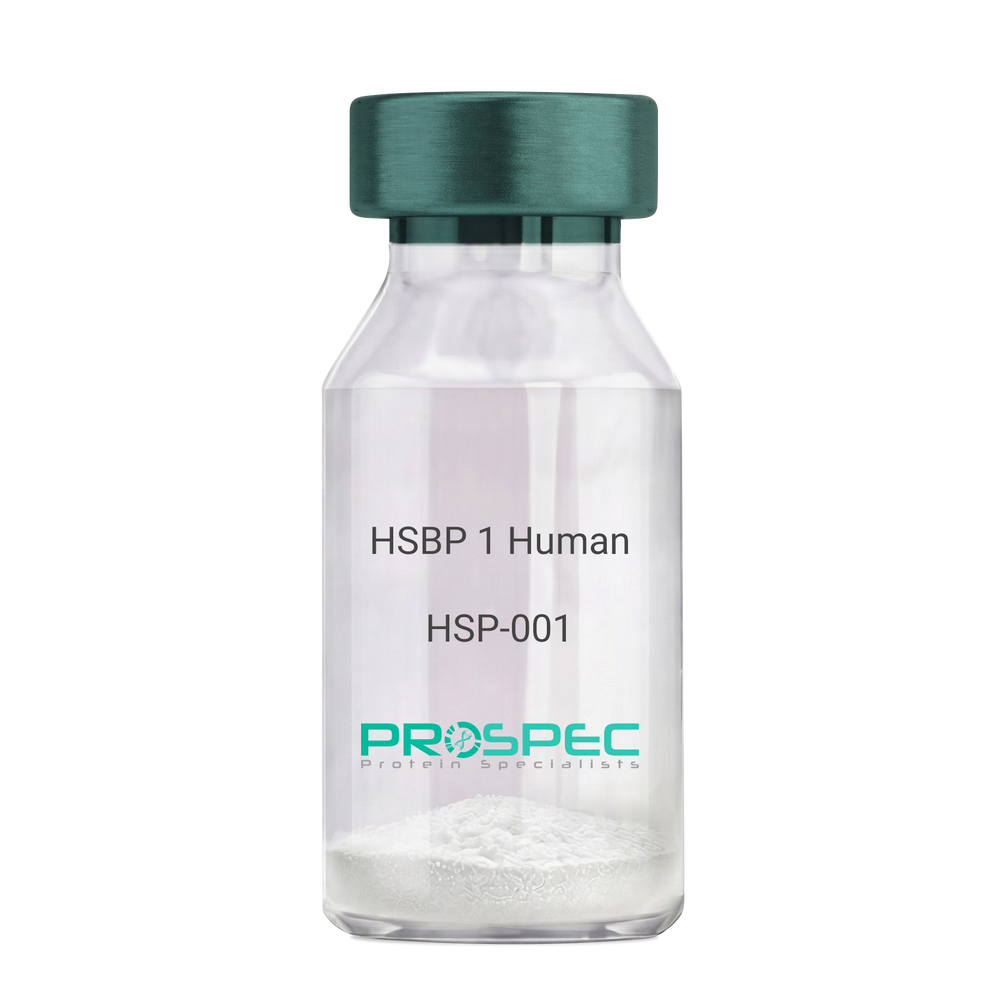
HSBP 1 HumanDescription:
Heat Shock Factor Binding Protein - 1 Human Recombinant
NPC-A-13, HSBP1, Heat shock factor-binding protein 1, Nasopharyngeal carcinoma-associated antigen 13, HSF1BP, DKFZp686D1664, DKFZp686O24200.
Product # :
HSP-001Price :
Quantity :
Shipping Method :
Shipped with Ice Packs
More Info
- description
- source
- formulation
- purity
- More Info
- Citations
Description
Recombinant Human HSBP1 produced in E.Coli is a single,non-glycosylated polypeptide chain containing 76 amino acids and having a molecular mass of 8.5 kDa.
Source
Escherichia Coli.
Formulation
The HSBP1 protein (1mg/ml) solution contains 20mM Tris-HCl buffer pH-7.5, 50mM NaCl, 1mM EDTA and 20% Glycerol.
Purity
Greater than 95.0% as determined by SDS-PAGE.
Citations
More Info
-
Introduction
The heat-shock response is elicited by exposure of cells to thermal and chemical stress and through the activation of HSFs (heat shock factors) results in the elevated expression of heat-shock induced genes. Heat shock factor binding protein-1 (HSBP1), is a 76-amino-acid protein that binds to heat shock factor 1(HSF1), which is a transcription factor involved in the HS response. During HS response, HSF1 undergoes conformational transition from an inert non-DNA-binding monomer to active functional trimers. HSBP1 is nuclear-localized and interacts with the active trimeric state of HSF1 to negatively regulate HSF1 DNA-binding activity. Overexpression of HSBP1 in mammalian cells represses the transactivation activity of HSF1. When overexpressed in C.elegans HSBP1 has severe effects on survival of the animals after thermal and chemical stress consistent with a role of HSBP1 as a negative regulator of heat shock response.
-
Synonyms
NPC-A-13, HSBP1, Heat shock factor-binding protein 1, Nasopharyngeal carcinoma-associated antigen 13, HSF1BP, DKFZp686D1664, DKFZp686O24200.
-
Physical Appearance
Sterile filtered colorless solution.
-
Stability
Store at 4°C if entire vial will be used within 2-4 weeks. Store, frozen at -20°C for longer periods of time. For long term storage it is recommended to add a carrier protein (0.1% HSA or BSA).Avoid multiple freeze-thaw cycles.
-
Amino Acid Sequence
MAETDPKTVQ DLTSVVQTLL QQMQDKFQTM SDQIIGRIDD MSSRIDDLEK NIADLMTQAG VEELESENKI PATQKS.
ProSpec's products are furnished for LABORATORY RESEARCH USE ONLY. The product may not be used as drugs, agricultural or pesticidal products, food additives or household chemicals.
- View Data Sheet
Name :
TRAIL Human (114-281 a.a.)Description:
TRAIL/APO 2 Ligand (114-281 a.a.) Human Recombinant
Tumor necrosis factor ligand superfamily member 10, TNF-related apoptosis-inducing ligand, Protein TRAIL, Apo-2 ligand, Apo-2L, CD253 antigen, TL2, APO2L, TNFSF10.
Product # :
CYT-546Price :
Quantity :
Shipping Method :
Shipped with Ice Packs
More Info
- description
- source
- formulation
- purity
- More Info
- Citations
Description
Soluble TNF-related apoptosis-inducing ligand Human Recombinant produced in E.Coli is a single, non-glycosylated polypeptide chain containing 169 amino acids (114-281) and having a molecular mass of 19.6 kDa. The sTRAIL is purified by proprietary chromatographic techniques.
Source
Escherichia Coli.
Formulation
1mg/ml in 20mM Tris-HCl pH-7.5, 300mM NaCl, 0.1mM DTT & 10% glycerol.
Purity
Greater than 95.0% as determined by SDS-PAGE.
Citations
More Info
-
Introduction
TNF-related apoptosis-inducing ligand (TRAIL) is a ligand molecule which induces apoptosis. It is a type II transmembrane protein with homology to other members of the tumor necrosis factor family.
In humans, the gene that encodes for TRAIL is located at chromosome 3q26.
TRAIL binds to the death receptors, DR4 and DR5. The process of apoptosis is caspase-8-dependent. This protein preferentially induces apoptosis in transformed and tumor cells, but does not appear to kill normal cells although it is expressed at a significant level in most normal tissues. -
Synonyms
Tumor necrosis factor ligand superfamily member 10, TNF-related apoptosis-inducing ligand, Protein TRAIL, Apo-2 ligand, Apo-2L, CD253 antigen, TL2, APO2L, TNFSF10.
-
Physical Appearance
Sterile Filtered colorless liquid.
-
Stability
Store at 4°C if entire vial will be used within 2-4 weeks. Store, frozen at -20°C for longer periods of time. For long term storage it is recommended to add a carrier protein (0.1% HSA or BSA).Avoid multiple freeze-thaw cycles.
-
Amino Acid Sequence
MVRERGPQRV AAHITGTRGR SNTLSSPNSK NEKALGRKIN SWESSRSGHS FLSNLHLRNGELVIHEKGFY YIYSQTYFRF QEEIKENTKN DKQMVQYIYK YTSYPDPILL MKSARNSCWSKDAEYGLYSI YQGGIFELKE NDRIFVSVTN EHLIDMDHEA SFFGAFLVG.
ProSpec's products are furnished for LABORATORY RESEARCH USE ONLY. The product may not be used as drugs, agricultural or pesticidal products, food additives or household chemicals.
- View Data Sheet
Name :
ENTPD3 Human, sf9 BioactiveDescription:
Ectonucleoside Triphosphate Diphosphohydrolase 3 Human Recombinant, sf9 Bioactive
Ectonucleoside Triphosphate Diphosphohydrolase 3, Ecto-ATP Diphosphohydrolase 3, CD39 Antigen-Like 3, Ecto-ATPDase 3, Ecto-Apyrase 3, Ecto-ATPase 3, EC 3.6.1.5, NTPDase 3, CD39L3, HB6, NTPDase-3, EC 3.6.1, Ectonucleoside triphosphate diphosphohydrolase 3, NTPDase 3, CD39 antigen-like 3, Ecto-ATP diphosphohydrolase 3, Ecto-ATPDase 3, Ecto-ATPase 3, Ecto-apyrase 3, HB6.
Product # :
ENZ-1020Price :
Quantity :
Shipping Method :
Shipped with Ice Packs
More Info
- description
- source
- formulation
- purity
- biological activity
- More Info
- Citations
Description
ENTPD3 Human Recombinant produced in Sf9 Baculovirus cells is a single, glycosylated polypeptide chain containing 451 amino acids (44-485a.a.) and having a molecular mass of 50.7kDa (Molecular size on SDS-PAGE will appear at approximately 50-70kDa).ENTPD3 is expressed with a 6 amino acid His tag at C-Terminus and purified by proprietary chromatographic techniques.
Source
Sf9, Baculovirus cells.
Formulation
ENTPD3 protein solution (0.5mg/ml) contains Phosphate Buffered Saline (pH 7.4) and 10% glycerol.
Purity
Greater than 90.0% as determined by SDS-PAGE.
Biological Activity
Specific activity is > 250,000 pmol/min/ug, and is defined as the amount of enzyme that hydrolyze ATP per minute at pH 7.5 at 37C.Citations
More Info
-
Introduction
Ectonucleoside Triphosphate Diphosphohydrolase 3, also known as ENTPD3, which owns a threefold preference for the hydrolysis of ATP over ADP is similar to E-type nucleotidases (NTPases). ENTPD3 is a protein coding gene which contains four apyrase-conserved areas which is characteristic of NTPases.
-
Synonyms
Ectonucleoside Triphosphate Diphosphohydrolase 3, Ecto-ATP Diphosphohydrolase 3, CD39 Antigen-Like 3, Ecto-ATPDase 3, Ecto-Apyrase 3, Ecto-ATPase 3, EC 3.6.1.5, NTPDase 3, CD39L3, HB6, NTPDase-3, EC 3.6.1, Ectonucleoside triphosphate diphosphohydrolase 3, NTPDase 3, CD39 antigen-like 3, Ecto-ATP diphosphohydrolase 3, Ecto-ATPDase 3, Ecto-ATPase 3, Ecto-apyrase 3, HB6.
-
Physical Appearance
Sterile Filtered colorless solution.
-
Stability
Store at 4°C if entire vial will be used within 2-4 weeks.Store, frozen at -20°C for longer periods of time. For long term storage it is recommended to add a carrier protein (0.1% HSA or BSA).Avoid multiple freeze-thaw cycles.
-
Amino Acid Sequence
ADLQIHKQEV LPPGLKYGIV LDAGSSRTTV YVYQWPAEKE NNTGVVSQTF KCSVKGSGIS SYGNNPQDVP RAFEECMQKV KGQVPSHLHG STPIHLGATA GMRLLRLQNE TAANEVLESI QSYFKSQPFD FRGAQIISGQ EEGVYGWITA NYLMGNFLEK NLWHMWVHPH GVETTGALDL GGASTQISFV AGEKMDLNTS DIMQVSLYGY VYTLYTHSFQ CYGRNEAEKK FLAMLLQNSP TKNHLTNPCY PRDYSISFTM GHVFDSLCTV DQRPESYNPN DVITFEGTGD PSLCKEKVAS IFDFKACHDQ ETCSFDGVYQ PKIKGPFVAF AGFYYTASAL NLSGSFSLDT FNSSTWNFCS QNWSQLPLLL PKFDEVYARS YCFSANYIYH LFVNGYKFTE ETWPQIHFEK EVGNSSIAWS LGYMLSLTNQ IPAESPLIRL PIEPPHHHHHH.
ProSpec's products are furnished for LABORATORY RESEARCH USE ONLY. The product may not be used as drugs, agricultural or pesticidal products, food additives or household chemicals.
- View Data Sheet
Name :
VEGF Rat (120a.a.), YeastDescription:
Vascular Endothelial Growth Factor (120a.a.) Rat Recombinant, Yeast
Vascular endothelial growth factor A, VEGF-A, Vascular permeability factor, VPF, VEGF, MGC70609.
Product # :
CYT-1127Price :
Quantity :
Shipping Method :
Shipped at Room temp
More Info
- description
- source
- formulation
- purity
- biological activity
- More Info
- Citations
Description
Vascular Endothelial Growth Factor(120a.a.) Rat Recombinant produced in yeast is a disulfide-linked homodimer consisting of 2x121 amino acid polypeptide chains, having a molecular mass of approximately 18.5kDa each.VEGF is purified by proprietary chromatographic techniques.
Source
Saccharomyces cerevisiae
Formulation
Lyophilized from a 0.2μm filtered concentrated solution in PBS, pH 7.4.
Purity
Greater than 90.0% as determined by:
(a) Analysis by RP-HPLC.
(b) Analysis by SDS-PAGE.Biological Activity
The ED50 was measured in a cell proliferation assay using HUVEC human umbilical vein endothelial cells and was found to be 2‑10 ng/ml.
Citations
More Info
-
Introduction
Vascular endothelial growth factor is an important signaling protein involved in both angiogenesis and vasculogenesis.VEGF activity has been mostly studied on cells of the vascular endothelium, although it does have effects on a number of other cell types (e.g. stimulation monocyte/macrophage migration, neurons, cancer cells, kidney epithelial cells ).VEGF mediates increased vascular permeability, induces angiogenesis, vasculogenesis and endothelial cell growth, promotes cell migration, and inhibits apoptosis. In vitro, VEGF has been shown to stimulate endothelial cell mitogenesis and cell migration. VEGF is also a vasodilator and increases microvascular permeability and was originally referred to as vascular permeability factor.
Elevated levels of VEGF is linked to POEMS syndrome, also known as Crow-Fukase syndrome. Mutations in VEGF have been associated with proliferative and nonproliferative diabetic retinopathy. -
Synonyms
Vascular endothelial growth factor A, VEGF-A, Vascular permeability factor, VPF, VEGF, MGC70609.
-
Physical Appearance
Sterile Filtered White lyophilized (freeze-dried) powder.
-
Stability
Lyophilized VEGF although stable at room temperature for 3 weeks, should be stored desiccated below -18°C. Upon reconstitution Vascular Endothelial Growth Factor should be stored at 4°C between 2-7 days and for future use below -18°C.Please prevent freeze-thaw cycles.
-
Solubility
It is recommended to reconstitute the lyophilized Vascular Endothelial Growth Factor in sterile 18MΩ-cm H2O not less than 100µg/ml, which can then be further diluted to other aqueous solutions.
-
Amino Acid Sequence
MAPTTEGEQK AHEVVKFMDV YQRSYCRPIE TLVDIFQEYP DEIEYIFKPS CVPLMRCAGC CNDEALECVP TSESNVTMQI MRIKPHQSQH IGEMSFLQHS RCECRPKKDR TKPEKCDKPR R.
ProSpec's products are furnished for LABORATORY RESEARCH USE ONLY. The product may not be used as drugs, agricultural or pesticidal products, food additives or household chemicals.
- View Data Sheet
Name :
Encephalitis Japanese 12kdaDescription:
Japanese Encephalitis Virus 12kda Recombinant
Product # :
TBE-288Price :
Quantity :
Shipping Method :
Shipped with Ice Packs
More Info
- description
- source
- formulation
- purity
- More Info
- Citations
Description
Recombinant Japanese Encephalitis Virus produced in E. coli contains 110 amino acids and having a Mw of 12kDa. Encephalitis Japanese is fused to a His tag at its N-terminus and purified by proprietary chromatographic technique.
Source
Escherichia Coli.
Formulation
Encephalitis Japanese solution contains PBS & 25mM K2CO3.
Purity
Protein is >95% pure as determined by 10% PAGE (coomassie staining).
Citations
More Info
-
Physical Appearance
Sterile Filtered clear solution.
-
Stability
Store at 4°C if entire vial will be used within 2-4 weeks. Store, frozen at -20°C for longer periods of time. For long term storage it is recommended to add a carrier protein (0.1% HSA or BSA). Avoid multiple freeze-thaw cycles.
-
Applications
ELISA.
-
Background
Recombinant JEV is designed to elicit a strong immune response, making it a valuable tool for vaccine development. Studies have shown that rJEV can induce robust neutralizing antibodies and cellular immune responses in animal models, providing protection against wild-type JEV infection. Pathogenicity and Virulence Factors: rJEV is used to dissect the roles of various viral proteins in disease pathogenesis. By mutating specific genes, researchers can identify virulence factors and understand how the virus interacts with host cells and evades the immune system.
ProSpec's products are furnished for LABORATORY RESEARCH USE ONLY. The product may not be used as drugs, agricultural or pesticidal products, food additives or household chemicals.
- View Data Sheet
Name :
tPA HumanDescription:
Tissue Plasminogen Activator Human Recombinant
Tissue-type plasminogen activator, EC 3.4.21.68, tPA, t-PA, t-plasminogen activator, TPA, T-PA, DKFZp686I03148.
Product # :
ENZ-263Price :
Quantity :
Shipping Method :
Shipped at Room temp
More Info
- description
- source
- formulation
- purity
- More Info
- Citations
Description
Tissue Plasminogen Activator Human Recombinant produced in CHO cells is a single, glycosylated polypeptide chain containing 527 amino acids and having a molecular mass of 59008.71 Dalton. tPA is a serine protease enzyme that converts plasminogen to plasmin. The tPA is purified by proprietary chromatographic techniques.
Source
Chinese Hamster Ovary Cells (CHO)
Formulation
Each mg of t-PA contains 1.7 gr L-arginine, 0.5 gr phosphoric acid and 4 mg tween 80.
Purity
Greater than 98.0% as determined by:
(a) Analysis by RP-HPLC.
(b) Analysis by SDS-PAGE.Citations
More Info
-
Introduction
Tissue plasminogen activator (abbreviated PLAT or tPA) is a secreted serine proteasewhich converts the proenzymeplasminogento plasmin, a fibrinolyticenzyme. Plasminogen is synthesized as a single chain which is cleaved by PLAT into the two chain disulfide linked plasmin.
This enzyme plays a role in cell migrationand tissue remodeling. Increased enzymatic activity causes hyperfibrinolysis, which manifests as excessive bleeding; decreased activity leads to hypofibrinolysiswhich can result in thrombosisor embolism. -
Synonyms
Tissue-type plasminogen activator, EC 3.4.21.68, tPA, t-PA, t-plasminogen activator, TPA, T-PA, DKFZp686I03148.
-
Physical Appearance
Sterile Filtered White lyophilized (freeze-dried) powder.
-
Stability
Lyophilized t-PA although stable at room temperature for 3 weeks, should be stored desiccated below -18°C. Upon reconstitution tPA should be stored at 4°C between 2-7 days and for future use below -18°C.For long term storage it is recommended to add a carrier protein (0.1% HSA or BSA).Please prevent freeze-thaw cycles.
-
Solubility
It is recommended to reconstitute the lyophilized t-PA in sterile 18MΩ-cm H2O not less than 100 µg/ml, which can then be further diluted to other aqueous solutions.
-
Enzymatic Activity
580,000 IU/mg.
ProSpec's products are furnished for LABORATORY RESEARCH USE ONLY. The product may not be used as drugs, agricultural or pesticidal products, food additives or household chemicals.
- View Data Sheet
Name :
TNFRSF14 MouseDescription:
HVEM Mouse Recombinant
Tumor Necrosis Factor Receptor Superfamily Member 14, HVEM, TR2, Herpes Virus Entry Mediator A, Tumor Necrosis Factor Receptor-Like 2, Herpesvirus Entry Mediator, HVEA, ATAR, CD270, LIGHTR, CD40-Like Protein, Tumor Necrosis Factor Receptor-Like Gene2.
Product # :
CYT-1145Price :
Quantity :
Shipping Method :
Shipped with Ice Packs
More Info
- description
- source
- formulation
- purity
- More Info
- Citations
Description
TNFRSF14 Mouse produced in Sf9 Baculovirus cells is a single, glycosylated polypeptide chain containing 407 amino acids (39-206 aa) and having a molecular mass of 45.3kDa.TNFRSF14 is fused to a 239 amino acid hIgG-His-Tag at C-terminus and purified by proprietary chromatographic techniques.
Source
Sf9, Baculovirus cells.
Formulation
The TNFRSF14 solution (0.25mg/ml) contains 10% glycerol and Phosphate-Buffered Saline (pH 7.4).
Purity
Greater than 90.0% as determined by SDS-PAGE.
Citations
More Info
-
Introduction
Herpesvirus entry mediator or HVEM or tumour necrosis factor receptor superfamily member 14 or TNFRSF14, is part of the TNF receptors family that is a receptor located on the cell surface. The cytoplasmic area of this receptor can bind all sorts of TNF receptor associated factor (TRAF) protein. Those proteins can mediate pathways activating an immune response. The MITF is regulating TNFRSF14 gene expression.
-
Synonyms
Tumor Necrosis Factor Receptor Superfamily Member 14, HVEM, TR2, Herpes Virus Entry Mediator A, Tumor Necrosis Factor Receptor-Like 2, Herpesvirus Entry Mediator, HVEA, ATAR, CD270, LIGHTR, CD40-Like Protein, Tumor Necrosis Factor Receptor-Like Gene2.
-
Physical Appearance
Sterile Filtered colorless solution.
-
Stability
Store at 4°C if entire vial will be used within 2-4 weeks. Store, frozen at -20°C for longer periods of time. For long term storage it is recommended to add a carrier protein (0.1% HSA or BSA).Avoid multiple freeze-thaw cycles.
-
Amino Acid Sequence
QPSCRQEEFL VGDECCPMCN PGYHVKQVCS EHTGTVCAPC PPQTYTAHAN GLSKCLPCGV
CDPDMGLLTW QECSSWKDTV CRCIPGYFCE NQDGSHCSTC LQHTTCPPGQ RVEKRGTHDQ
DTVCADCLTG TFSLGGTQEE CLPWTNCSAF QQEVRRGTNS TDTTCSSQLE PKSCDKTHTC
PPCPAPELLG GPSVFLFPPK PKDTLMISRT PEVTCVVVDV SHEDPEVKFN WYVDGVEVHN
AKTKPREEQY NSTYRVVSVL TVLHQDWLNG KEYKCKVSNK ALPAPIEKTI SKAKGQPREP
QVYTLPPSRD ELTKNQVSLT CLVKGFYPSD IAVEWESNGQ PENNYKTTPP VLDSDGSFFL
YSKLTVDKSR WQQGNVFSCS VMHEALHNHY TQKSLSLSPG KHHHHHH
ProSpec's products are furnished for LABORATORY RESEARCH USE ONLY. The product may not be used as drugs, agricultural or pesticidal products, food additives or household chemicals.
- View Data Sheet
Name :
HCV NS3 Genotype-3aDescription:
Hepatitis C Virus NS3 Genotype-3a Recombinant
Product # :
HCV-272Price :
Quantity :
Shipping Method :
Shipped with Ice Packs
More Info
- description
- source
- formulation
- purity
- More Info
- Citations
Description
Recombinant Hepatitis C Virus NS3 Genotype-3a produced in E. coli, containing 236 amino acids. Recombinant Hepatitis C Virus NS3 Genotype-3a is fused to a 6xHis tag at its C-terminus and purified by proprietary chromatographic technique.
Source
Escherichia Coli.
Formulation
HCV NS3 Genotype-3a solution contains 25mM K2CO3 and PBS.
Purity
Protein is >95% pure as determined by 12% PAGE (coomassie staining).
Citations
More Info
-
Introduction
HCV is a small 50nm, enveloped, single-stranded, positive sense RNAvirus in the family Flaviviridae. HCV has a high rate of replication with approximately one trillion particles produced each day in an infected individual. Due to lack of proofreading by the HCV RNA polymerase, the HCV has an exceptionally high mutation rate, a factor that may help it elude the host's immune response. Hepatitis C virus is classified into six genotypes(1-6) with several subtypes within each genotype. The preponderance and distribution of HCV genotypes varies globally. Genotype is clinically important in determining potential response to interferon-based therapy and the required duration of such therapy. Genotypes 1 and 4 are less responsive to interferon-based treatment than are the other genotypes (2, 3, 5 and 6). HCV NS3 Genotype-3a contains 2 domains which are serine protinase and helicase.
-
Physical Appearance
Sterile Filtered clear solution.
-
Stability
Store at 4°C if entire vial will be used within 2-4 weeks.Store, frozen at -20°C for longer periods of time.For long term storage it is recommended to add a carrier protein (0.1% HSA or BSA).Avoid multiple freeze-thaw cycles.
ProSpec's products are furnished for LABORATORY RESEARCH USE ONLY. The product may not be used as drugs, agricultural or pesticidal products, food additives or household chemicals.
- View Data Sheet
Name :
TNFR MouseDescription:
Tumor Necrosis Factor Receptor Mouse Recombinant
Tumor necrosis factor receptor superfamily member 1A, Tumor necrosis factor receptor 1, TNF-R1, Tumor necrosis factor receptor type I, TNF-RI, TNFR-I, p55, p60, CD120a, Tnfrsf1a, Tnfr-1, Tnfr1, FPF, TNF-R, TNFAR, TNFRI, p55-R, TNFR60, Tnfr-2, TNF-R-I, TNF-R55, TNFRp55, TNF-alphaR1, TNFalpha-R1.
Product # :
CYT-774Price :
Quantity :
Shipping Method :
Shipped at Room temp
More Info
- description
- source
- formulation
- purity
- biological activity
- More Info
- Citations
Description
TNFR Mouse Recombinant produced in E.coli is a single, non-glycosylated polypeptide chain containing 191 amino acids and having a molecular mass of 21.1kDa.The TNFR is purified by proprietary chromatographic techniques.
Source
Escherichia Coli.
Formulation
TNFR protein was lyophilized from a 0.2µm filtered concentrated solution in PBS, pH 7.4.
Purity
Greater than 97.0% as determined by SDS-PAGE.
Biological Activity
The ED50 as determined by its ability to inhibit the TNF-α mediated cytotoxicity in the L-929 cells is less than 1.0 µg/ml, corresponding to a specific activity of > 1000 IU/mg in the presence of 0.1 ng/mL of rMuTNF-a.Citations
More Info
-
Introduction
TNFR1 belongs to the TNF-receptor superfamily. TNFR1 is a receptor for TNFSF2/TNF-alpha and homotrimeric TNFSF1/lymphotoxin-alpha.
There are 2 types of soluble TNF receptors: sTNFR-I and sTNFR-II, which act to neutralize the biological activities of TNF alpha and TNF beta. The levels of these soluble receptors seem to increase as a result of shedding of the extracellular domains of the membrane bound receptors. TNF-a, TNFR1 and TNFR2 have roles in cellular differentiation. TNFR1 and TNFR2 function in cell type-specific renal injury.
TNFR1 is capable of signaling both cell survival and apoptosis. TNFR1-induced apoptosis requires 2 sequential signaling complexes. TNFR1 is capable of activating NF-kappaB, mediate apoptosis, and function as a regulator of inflammation. Oxidative stress promotes TNFR1 and TNFR2 self-interaction, ligand-independent and enhanced ligand-dependent TNF signaling. TNFR1 contributes to the induction of non-cytocidal TNF effects including anti-viral state and activation of the acid sphingomyelinase. Human TNFR1 has a major region which controls cell surface expression. High levels of soluble TNF receptors are found in the amniotic fluid of pregnant women.
Germline mutations of the extracellular domains of TNFR1 are linked to the autosomal dominant periodic fever syndrome. The impaired receptor clearance is believed to be a mechanism of the disease. Familial hibernian fever (FHF) is caused by defects in TNFRSF1A gene. -
Synonyms
Tumor necrosis factor receptor superfamily member 1A, Tumor necrosis factor receptor 1, TNF-R1, Tumor necrosis factor receptor type I, TNF-RI, TNFR-I, p55, p60, CD120a, Tnfrsf1a, Tnfr-1, Tnfr1, FPF, TNF-R, TNFAR, TNFRI, p55-R, TNFR60, Tnfr-2, TNF-R-I, TNF-R55, TNFRp55, TNF-alphaR1, TNFalpha-R1.
-
Physical Appearance
Sterile Filtered White lyophilized (freeze-dried) powder.
-
Stability
Lyophilized TNFR although stable at room temperature for 3 weeks, should be stored desiccated below -18C. Upon reconstitution TNFR should be stored at 4C between 2-7 days and for future use below -18C. For long term storage it is recommended to add a carrier protein (0.1% HSA or BSA). Please prevent freeze-thaw cycles.
-
Solubility
It is recommended to reconstitute the lyophilized TNFR in sterile 18M-cm H2O not less than 100µg/ml, which can then be further diluted to other aqueous solutions.
-
Amino Acid Sequence
IHPSGVTGLV PSLGDREKRD SLCPQGKYVH SKNNSICCTK CHKGTYLVSD CPSPGRDTVC RECEKGTFTA SQNYLRQCLS CKTCRKEMSQ VEISPCQADK DTVCGCKENQ FQRYLSETHF QCVDCSPCFN GTVTIPCKET QNTVCNCHAG FFLRESECVP CSHCKKNEEC MKLCLPPPLA NVTNPQDSGT A.
ProSpec's products are furnished for LABORATORY RESEARCH USE ONLY. The product may not be used as drugs, agricultural or pesticidal products, food additives or household chemicals.
- View Data Sheet
Name :
HAO1 MouseDescription:
Hydroxyacid Oxidase 1 Mouse Recombinant
(S)-2-hydroxy-acid oxidase; EC 1.1.3.15, Glycolate oxidase, GOX, GOX1MGC142227;GOXMGC142225, HAO1, HAO-1, HAOX1, hydroxyacid oxidase (glycolate oxidase) 1, hydroxyacid oxidase 1, Hydroxyacid Oxidase1, Hydroxyacid Oxidase-1.
Product # :
ENZ-1104Price :
Quantity :
Shipping Method :
Shipped with Ice Packs
More Info
- description
- source
- formulation
- purity
- biological activity
- More Info
- Citations
Description
HAO1 Mouse Recombinant produced in E.coli is a single, non-glycosylated polypeptide chain containing 393 amino acids (1-370) and having a molecular mass of 43.4 kDa.HAO1 is fused to a 23 amino acid His-Tag at N-terminus and purified by proprietary chromatographic techniques.
Source
Escherichia Coli.
Formulation
HAO1 protein (1mg/ml) is containing Phosphate Buffered Saline (pH 7.4) and 10% glycerol.
Purity
Greater than 90.0% as determined by SDS-PAGE.
Biological Activity
Specific activity is > 1,000 pmol/min/ug, and defined as the amount of enzyme that oxidize glyoxylate at pH 8.0 at 25C.
Citations
More Info
-
Introduction
Hydroxyacid Oxidase 1 (HAO1) is a part of the superfamily of the alpha hydroxy acid oxidases (HAO) enzymes. HAO1 catalyses the FMN mediated oxidation of glycolate to glyoxylate and glyoxylate to oxalate by reducing oxygen to hydrogen peroxide. HAO1 is expressed mainly in the liver and pancreas and is most active on twocarbon substrates such as glycolate. HAO1 isthe main cause of hyperoxaluria, a disorder in which large deposits of calcium oxalate form kidney stones.
-
Synonyms
(S)-2-hydroxy-acid oxidase; EC 1.1.3.15, Glycolate oxidase, GOX, GOX1MGC142227;
GOXMGC142225, HAO1, HAO-1, HAOX1, hydroxyacid oxidase (glycolate oxidase) 1, hydroxyacid oxidase 1, Hydroxyacid Oxidase1, Hydroxyacid Oxidase-1. -
Physical Appearance
Sterile Filtered clear solution.
-
Stability
Store at 4°C if entire vial will be used within 2-4 weeks. Store, frozen at -20°C for longer periods of time. For long term storage it is recommended to add a carrier protein (0.1% HSA or BSA).Avoid multiple freeze-thaw cycles.
-
Amino Acid Sequence
MGSSHHHHHH SSGLVPRGSH MGSMLPRLVC ISDYEQHVRS VLQKSVYDYY RSGANDQETL ADNIQAFSRW KLYPRMLRNV ADIDLSTSVL GQRVSMPICV GATAMQCMAH VDGELATVRA CQTMGTGMML SSWATSSIEE VAEAGPEALR WMQLYIYKDR EISRQIVKRA EKQGYKAIFV TVDTPYLGNR IDDVRNRFKL PPQLRMKNFE TNDLAFSPKG NFGDNSGLAE YVAQAIDPSL SWDDITWLRR LTSLPIVVKG ILRGDDAKEA VKHGVDGILV SNHGARQLDG VPATIDVLPE IVEAVEGKVE VFLDGGVRKG TDVLKALALG AKAVFVGRPI IWGLAFQGEK GVQDVLEILK EEFRLAMALS GCQNVKVIDK TLVRKNPLAV SKI.
ProSpec's products are furnished for LABORATORY RESEARCH USE ONLY. The product may not be used as drugs, agricultural or pesticidal products, food additives or household chemicals.
- View Data Sheet
Name :
HCV Core NS3Description:
Hepatitis C Virus Nucleocapsid (core) NS3 Recombinant
Product # :
HCV-008Price :
Quantity :
Shipping Method :
Shipped with Ice Packs
More Info
- description
- source
- formulation
- purity
- More Info
- Citations
Description
Recombinant HCV protein produced in E.Coli containing the Core (130 a.a.) and NS3 (236 a.a.) excluding NS4 and NS5 domains having a total Mw of 45kDa and purified by proprietary chromatographic techniques.
Source
Escherichia Coli.
Formulation
Sterile filtered solution containing PBS, 1M urea and 25mM Arginine.
Purity
Greater than 95.0% as determined by SDS-PAGE.
Citations
More Info
-
Introduction
HCV is a small 50nm, enveloped, single-stranded, positive sense RNAvirus in the family Flaviviridae.
HCV has a high rate of replication with approximately one trillion particles produced each day in an infected individual. Due to lack of proofreading by the HCV RNA polymerase, the HCV has an exceptionally high mutation rate, a factor that may help it elude the host's immune response. Hepatitis C virus is classified into six genotypes(1-6) with several subtypes within each genotype. The preponderance and distribution of HCV genotypes varies globally. Genotype is clinically important in determining potential response to interferon-based therapy and the required duration of such therapy. Genotypes 1 and 4 are less responsive to interferon-based treatment than are the other genotypes (2, 3, 5 and 6). -
Physical Appearance
Sterile filtered colorless solution.
-
Stability
Store at 4°C if entire vial will be used within 2-4 weeks. Store, frozen at -20°C for longer periods of time.For long term storage it is recommended to add a carrier protein (0.1% HSA or BSA). Avoid multiple freeze-thaw cycles.
ProSpec's products are furnished for LABORATORY RESEARCH USE ONLY. The product may not be used as drugs, agricultural or pesticidal products, food additives or household chemicals.
- View Data Sheet
Name :
SF20 HumanDescription:
MYDGF Human Recombinant
C19orf10, Interleukin-25, IL-25, IL25, IL27, IL-27, IL27w, IL-27w, Stromal cell-derived growth factor SF20, UPF0556 protein C19orf10, chromosome 19 open reading frame 10.
Product # :
CYT-622Price :
Quantity :
Shipping Method :
Shipped with Ice Packs
More Info
- description
- source
- formulation
- purity
- More Info
- sds-page
- Citations
Description
SF20 Human Recombinant produced in E.Coli is single, a non-glycosylated, Polypeptide chain containing 162 amino acids fragment (33-173) and having a total molecular mass of 18 kDa. C9orf10 is fused to 20 amino acids His tag at N-terminus and is purified by proprietary chromatographic techniques.
Source
Escherichia Coli.
Formulation
C9orf10 is supplied in 20mM Tris HCL pH-8 and 20% glycerol.
Purity
Greater than 95.0% by SDS-PAGE.
sds-page
Citations
More Info
-
Introduction
SF20 plays a role in proliferation of lymphoid cells and is considered an interleukin. SF20 was initially identified as a product of bone marrow-derived stromal cells.
-
Synonyms
C19orf10, Interleukin-25, IL-25, IL25, IL27, IL-27, IL27w, IL-27w, Stromal cell-derived growth factor SF20, UPF0556 protein C19orf10, chromosome 19 open reading frame 10.
-
Physical Appearance
Sterile Filtered clear solution.
-
Stability
Store at 4°C if entire vial will be used within 2-4 weeks. Store, frozen at -20°C for longer periods of time. Please avoid freeze thaw cycles.
ProSpec's products are furnished for LABORATORY RESEARCH USE ONLY. The product may not be used as drugs, agricultural or pesticidal products, food additives or household chemicals.
- View Data Sheet
Name :
CXCL8 Human, PichiaDescription:
Interleukin-8 (1-77 a.a.) Human Recombinant, (CXCL8) Pichia
IL-8, CXCL8, Monocyte-derived neutrophil chemotactic factor, MDNCF, T-cell chemotactic factor, Neutrophil-activating protein 1, NAP-1, Protein 3-10C, Granulocyte chemotactic protein 1, GCP-1, Monocyte-derived neutrophil-activating peptide, MONAP, Emoctakin, K60, NAF, LECT, LUCT, 3-10C, LYNAP, SCYB8, TSG-1, AMCF-I, b-ENAP.
Product # :
CHM-349Price :
Quantity :
Shipping Method :
Shipped at Room temp
More Info
- description
- source
- formulation
- purity
- biological activity
- More Info
- Citations
Description
Interleukin-8 Human Recombinant produced in Yeast is a single, glycosylated polypeptide chain containing 79 amino acids and having a molecular mass of 9 kDa. The IL-8 is purified by proprietary chromatographic techniques.
Source
Pichia Pastoris.
Formulation
Lyophilized from a concentrated (1mg/ml) solution in water containing 20mM sodium phosphate buffer pH-8.
Purity
Greater than 98.0% as determined by SDS-PAGE.
Biological Activity
Chemotactic activity was reached at 25ng/ml on human neutrophils.
Citations
More Info
-
Introduction
Interleukin-8 (IL-8) is a chemokine produced by macrophages and other cell types such as epithelial cells. It is also synthesized by endothelial cells, which store IL-8 in their storage vesicles, the Weibel-Palade bodies.
When first encountering an antigen, the primary cells to encounter it are the macrophages who phagocytose the particle. Upon processing, they release chemokines to signal other immune cells to come in to the site of inflammation. IL-8 is one such chemokine. It serves as a chemical signal that attracts neutrophils at the site of inflammation, and therefore is also known as Neutrophil Chemotactic Factor. -
Synonyms
IL-8, CXCL8, Monocyte-derived neutrophil chemotactic factor, MDNCF, T-cell chemotactic factor, Neutrophil-activating protein 1, NAP-1, Protein 3-10C, Granulocyte chemotactic protein 1, GCP-1, Monocyte-derived neutrophil-activating peptide, MONAP, Emoctakin, K60, NAF, LECT, LUCT, 3-10C, LYNAP, SCYB8, TSG-1, AMCF-I, b-ENAP.
-
Physical Appearance
Sterile Filtered White lyophilized (freeze-dried) powder.
-
Stability
Lyophilized Interleukin-8 although stable at room temperature for 3 weeks, should be stored desiccated below -18°C. Upon reconstitution CXCL8 should be stored at 4°C between 2-7 days and for future use below -18°C.For long term storage it is recommended to add a carrier protein (0.1% HSA or BSA).Please prevent freeze-thaw cycles.
-
Solubility
It is recommended to reconstitute the lyophilized Interleukin 8 in sterile 18MΩ-cm H2O not less than 100µg/ml, which can then be further diluted to other aqueous solutions.
-
Background
What is the molecular weight/Mw of CXCL8 HUMAN, PICHIA Protein?
CXCL8 HUMAN, PICHIA Protein has a total Mw of 9kDa.
What is the source or expression system of CXCL8 HUMAN, PICHIA Protein?
Pichia Pastoris.
What is the Purity of CXCL8 HUMAN, PICHIA Protein?
CXCL8 HUMAN, PICHIA Protein is >98% pure as determined by SDS-PAGE.
What is the Biological Activity of CXCL8 HUMAN, PICHIA Protein?
Chemotactic activity was reached at 25ng/ml on human neutrophils.
What is the amino acid sequence of CXCL8 HUMAN, PICHIA Protein?
CXCL8 HUMAN, PICHIA Protein is composed from 79 amino acids.
What applications can CXCL8 HUMAN, PICHIA Protein be used in?
CXCL8 HUMAN, PICHIA Protein can probably be used in western blot, ELISA and Lateral Flow.
What is the endotoxin level for CXCL8 HUMAN, PICHIA Protein?
The endotoxin level is minimal, CXCL8 HUMAN, PICHIA Protein was purified using conventional chromatography techniques.
Who supplies recombinant CXCL8 HUMAN, PICHIA that is in stock and available to order?
ProSpec has the protein in stock and available for immediate delivery.
Where can I order bulk mg quantities of CXCL8 HUMAN, PICHIA?
ProSpec supplies bulk mg quantities at affordable prices that meets research and academic budgets.
ProSpec's products are furnished for LABORATORY RESEARCH USE ONLY. The product may not be used as drugs, agricultural or pesticidal products, food additives or household chemicals.
- View Data Sheet
Name :
TNFRSF14 Human, Sf9Description:
HVEM-Fc Human Recombinant, Sf9
Tumor necrosis factor receptor superfamily member 14 isoform 1, TNFRSF14, ATAR, CD270, HVEA, HVEM, LIGHTR, TR2, HVEM-Fc, Sf9, Tumor necrosis factor receptor superfamily member 14, Herpes virus entry mediator A, Herpesvirus entry mediator A, HveA.
Product # :
CYT-981Price :
Quantity :
Shipping Method :
Shipped with Ice Packs
More Info
- description
- source
- formulation
- purity
- More Info
- Citations
Description
TNFRSF14 Human Recombinant produced in Sf9 Baculovirus cells is a single, glycosylated polypeptide chain containing 406 amino acids (39-202) and having a molecular mass of 44.6kDa (Molecular size on SDS-PAGE will appear at approximately 40-57kDa).TNFRSF14 is fused to a 239 amino acid IgG His-Tag at C-terminus and purified by proprietary chromatographic techniques.
Source
Sf9, Baculovirus cells.
Formulation
TNFRSF14 protein solution (0.25mg/ml) containing Phosphate Buffered Saline (pH 7.4) and 10% glycerol.
Purity
Greater than 90.0% as determined by analysis by SDS-PAGE.
Citations
More Info
-
Introduction
TNFRSF14, a member of the TNF receptor superfamily, is a type I transmembrane protein. TNFRSF14 is expressed in peripheral blood T cells, B cells, monocytes and in various tissues enriched in lymphoid cells. TNFRSF14 operates as a co-stimulatory factor for the activation of lymphoid cells and as a deterrent to infection by herpesvirus. Additionally, TNFRSF14 encourages the proliferation of T cells, and triggers apoptosis of various tumor cells.
-
Synonyms
Tumor necrosis factor receptor superfamily member 14 isoform 1, TNFRSF14, ATAR, CD270, HVEA, HVEM, LIGHTR, TR2, HVEM-Fc, Sf9, Tumor necrosis factor receptor superfamily member 14, Herpes virus entry mediator A, Herpesvirus entry mediator A, HveA.
-
Physical Appearance
Sterile Filtered clear solution.
-
Stability
Store at 4°C if entire vial will be used within 2-4 weeks. Store, frozen at -20°C for longer periods of time. For long term storage it is recommended to add a carrier protein (0.1% HSA or BSA).Avoid multiple freeze-thaw cycles.
-
Amino Acid Sequence
ADPLPSCKED EYPVGSECCP KCSPGYRVKE ACGELTGTVC EPCPPGTYIA HLNGLSKCLQ CQMCDPAMGL RASRNCSRTE NAVCGCSPGH FCIVQDGDHC AACRAYATSS PGQRVQKGGT ESQDTLCQNC PPGTFSPNGT LEECQHQTKC SWLVTKAGAG TSSSHWVLEP KSCDKTHTCP PCPAPELLGG PSVFLFPPKP KDTLMISRTP EVTCVVVDVS HEDPEVKFNW YVDGVEVHNA KTKPREEQYN STYRVVSVLT VLHQDWLNGK EYKCKVSNKA LPAPIEKTIS KAKGQPREPQ VYTLPPSRDE LTKNQVSLTC LVKGFYPSDI AVEWESNGQP ENNYKTTPPV LDSDGSFFLY SKLTVDKSRW QQGNVFSCSV MHEALHNHYT QKSLSLSPGK HHHHHH.
ProSpec's products are furnished for LABORATORY RESEARCH USE ONLY. The product may not be used as drugs, agricultural or pesticidal products, food additives or household chemicals.
- View Data Sheet
Name :
TGFB3 Human, HEKDescription:
Transforming Growth Factor-Beta 3 Human Recombinant, HEK
Transforming Growth Factor-beta3, TGFB3, ARVD, FLJ16571, TGF-beta3.
Product # :
CYT-113Price :
Quantity :
Shipping Method :
Shipped at Room temp
More Info
- description
- source
- formulation
- purity
- biological activity
- More Info
- Citations
Description
TGF-beta 3 Human Recombinant produced in HEK cells is a homodimer containing 2 x 112 amino acids linked by a disulfide bond having a total molecular weight of 25kDa. The TGF-b 3 is purified by proprietary chromatographic techniques.
Source
HEK.
Formulation
The TGF-b 3 was lyophilized from 1mg/ml in 1xPBS.
Purity
Greater than 95% as obsereved by SDS-PAGE.
Biological Activity
The specific activity was determined by the dose-dependent inhibition of IL-4 induced proliferation of mouse HT-2 cells (BALB/c spleen activated by sheep erythrocytes in the presence of IL-2) and is typically 0.05 ng/ml corresponding to a specific activity of ≥ 20,000,000 units/mg.Citations
More Info
-
Introduction
Transforming growth factor betas (TGF Betas) mediate many cell-cell interactions that occur during embryonic development. Three TGF Betas have been identified in mammals. TGF Beta 1, TGF Beta 2 and TGF Beta 3 are each synthesized as precursor proteins that are very similar in that each is cleaved to yield a 112 amino acid polypeptide that remains associated with the latent portion of the molecule.
-
Synonyms
Transforming Growth Factor-beta3, TGFB3, ARVD, FLJ16571, TGF-beta3.
-
Physical Appearance
Sterile Filtered White lyophilized (freeze-dried) powder.
-
Stability
Lyophilized TGF-b 3 although stable at room temperature for 3 weeks, should be stored desiccated below -18°C. Upon reconstitution TGF-b 3 should be stored at 4°C between 2-7 days and for future use below -18°C.For long term storage it is recommended to add a carrier protein (0.1% HSA or BSA).Please prevent freeze-thaw cycles.
-
Solubility
It is recommended to reconstitute the lyophilized TGF-b 3 in sterile 4mM HCl containing 0.1% endotoxin-free recombinant HSA.
-
Amino Acid Sequence
MALDTNYCFR NLEENCCVRP LYIDFRQDLG WKWVHEPKGY YANFCSGPCP YLRSADTTHS TVLGLYNTLN PEASASPCCV PQDLEPLTIL YYVGRTPKVE QLSNMVVKSC KCS
ProSpec's products are furnished for LABORATORY RESEARCH USE ONLY. The product may not be used as drugs, agricultural or pesticidal products, food additives or household chemicals.
- View Data Sheet
Name :
CDNF RatDescription:
CDNF Rat Recombinant
Cerebral neurotrophic factor, ARMET-like protein 1, Arginine-rich protein mutated in early stage tumors-like 1, Conserved neurotrophic factor, Cdnf, Armetl1.
Product # :
CYT-730Price :
Quantity :
Shipping Method :
Shipped at Room temp
More Info
- description
- source
- formulation
- purity
- biological activity
- More Info
- Citations
Description
CDNF Rat Recombinant produced in E.coli is a single, non-glycosylated polypeptide chain containing 163 amino acids and having a molecular mass of 18.8kDa.The CDNF is purified by proprietary chromatographic techniques.
Source
Escherichia Coli.
Formulation
CDNF protein was lyophilized from a 0.2µm filtered concentrated solution in 1xPBS, pH 7.4.
Purity
Greater than 97.0% as determined by:
(a) Analysis by RP-HPLC.
(b) Analysis by SDS-PAGE.Biological Activity
CDNF Rat is able to enhance neurite outgrowth of E16-E18 rat embryonic cortical neurons when immobilized at 5-25 µg/mL on a nitrocellulose-coated microplate.Citations
More Info
-
Introduction
CDNF is a member of the ARMET family and acts as a trophic factor for neurons. CDNF inhibits the 6-hydroxy (6-OHDA)-induced degeneration of neurons. When CDNF controlled after 6-OHDA-lesioning, it reestablishes the function and inhibits the degeneration of neurons in substantia nigra. CDNF is universally expressed in neuronal and non-neuronal tissues. The highest levels in the brain are found in the optic nerve and corpus callosum.
-
Synonyms
Cerebral neurotrophic factor, ARMET-like protein 1, Arginine-rich protein mutated in early stage tumors-like 1, Conserved neurotrophic factor, Cdnf, Armetl1.
-
Physical Appearance
Sterile Filtered White lyophilized (freeze-dried) powder.
-
Stability
Lyophilized CDNF although stable at room temperature for 3 weeks, should be stored desiccated below -18°C. Upon reconstitution CDNF should be stored at 4°C between 2-7 days and for future use below -18°C. For long term storage it is recommended to add a carrier protein (0.1% HSA or BSA). Please prevent freeze-thaw cycles.
-
Solubility
It is recommended to reconstitute the lyophilized CDNF in sterile 18M-cm H2O not less than 100µg/ml, which can then be further diluted to other aqueous solutions.
-
Amino Acid Sequence
QGLEAGVRSR ADCEVCKEFL NRFYNSLLTR GIDFSVDTIE EELISFCADT KGKENRLCYY LGATKDSATK ILGEVTRPMS VHMPTVKICE KLKKMDSQIC ELKYEKKLDL ESVDLWKMRV AELKQILHSW GEECRACAEK HDYVNLIKEL APKYVETRPQ TEL.
-
Background
What is the molecular weight/Mw of CDNF Protein?
CDNF Protein has a total Mw of 18.8kDa.
What is the source or expression system of CDNF Protein?
Escherichia Coli.
What is the Purity of CDNF Protein?
CDNF Protein is >97% pure as determined by SDS-PAGE.
What is the Biological Activity of CDNF Protein?
CDNF Rat is able to enhance neurite outgrowth of E16-E18 rat embryonic cortical neurons when immobilized at 5-25 µg/mL on a nitrocellulose-coated microplate.
What is the amino acid sequence of CDNF Protein?
QGLEAGVRSR ADCEVCKEFL NRFYNSLLTR GIDFSVDTIE EELISFCADT KGKENRLCYY LGATKDSATK ILGEVTRPMS VHMPTVKICE KLKKMDSQIC ELKYEKKLDL ESVDLWKMRV AELKQILHSW GEECRACAEK HDYVNLIKEL APKYVETRPQ TEL.
What applications can CDNF Protein be used in?
CDNF Protein can probably be used in western blot, ELISA and Lateral Flow.
What is the endotoxin level for CDNF Protein?
The endotoxin level is minimal, CDNF Protein was purified using conventional chromatography techniques.
ProSpec's products are furnished for LABORATORY RESEARCH USE ONLY. The product may not be used as drugs, agricultural or pesticidal products, food additives or household chemicals.
- View Data Sheet
Name :
BACE2 Mouse, HEKDescription:
Beta-Secretase 2 Mouse Recombinant, HEK
BAE2, CDA13, CEAP1, DRAP, ARP1, ASP1, ASP21, 1110059C24Rik, AEPLC, AI850424, ALP56, beta-site APPcleaving enzyme 2, beta-secretase 2, Aspartyl protease 1, Asp 1, Beta-site amyloid precursor protein cleaving enzyme 2, Memapsin-1, Membrane-associated aspartic protease 1, Theta-secretase.
Product # :
ENZ-1188Price :
Quantity :
Shipping Method :
Shipped with Ice Packs
More Info
- description
- source
- formulation
- purity
- biological activity
- More Info
- Citations
Description
BACE2 Mouse Recombinant produced in HEK293 Cells is a single, glycosylated, polypeptide chain (20-462 a.a) containing a total of 449 amino acids, having a molecular mass of 48.6 kDa. BACE2 Mouse is fused to a 6 amino acid His-tag at C-terminus and is purified by proprietary chromatographic techniques.
Source
HEK293 Cells.
Formulation
BACE2 (0.25mg/ml) is filtered in 10% (w/v) glycerol and Phosphate-Buffered Saline pH 7.4.
Purity
Greater than 95.0% as determined by SDS-PAGE.
Biological Activity
Specific activity is > 20 pmol/min/ug in which one unit will convert 1.0pmole of Mca-SEVNLDAEFRK(Dnp)RR-NH2 to Mca- Pro-Leu-OH per minute at pH 3.5 at 25C.
Citations
More Info
-
Synonyms
BAE2, CDA13, CEAP1, DRAP, ARP1, ASP1, ASP21, 1110059C24Rik, AEPLC, AI850424, ALP56, beta-site APPcleaving enzyme 2, beta-secretase 2, Aspartyl protease 1, Asp 1, Beta-site amyloid precursor protein cleaving enzyme 2, Memapsin-1, Membrane-associated aspartic protease 1, Theta-secretase.
-
Physical Appearance
Filtered clear solution.
-
Stability
Store at 4°C if entire vial will be used within 2-4 weeks. Store, frozen at -20°C for longer periods of time. For long term storage it is recommended to add a carrier protein (0.1% HSA or BSA). Avoid multiple freeze-thaw cycles.
-
Amino Acid Sequence
AVPALAPAPF TLPLQVARAT NHRASAVPGL GTPELPRADG LALALEPVRA TANFLAMVDN LQGDSGRGYY LEMLIGTPPQ KVQILVDTGS SNFAVAGAPH SYIDTYFDSE SSSTYHSKGF DVTVKYTQGS WTGFVGEDLV TIPKGFNSSF LVNIATIFES ENFFLPGIKW NGILGLAYAA LAKPSSSLET FFDSLVAQAK IPDIFSMQMC GAGLPVAGSG TNGGSLVLGG IEPSLYKGDI
WYTPIKEEWY YQIEILKLEI GGQNLNLDCR EYNADKAIVD SGTTLLRLPQ KVFDAVVEAV ARTSLIPEFS DGFWTGAQLA CWTNSETPWA YFPKISIYLR DENASRSFRI TILPQLYIQP MMGAGFNYEC YRFGISSSTN ALVIGATVME GFYVVFDRAQ RRVGFAVSPC AEIEGTTVSE ISGPFSTEDI ASNCVPAQAL NEP HHHHHH.
-
Background
BACE2 protein, a member of the beta-secretase family, has gained attention as a key player in the pathogenesis of neurological disorders, particularly Alzheimer's disease. This research aims to explore the function and potential therapeutic implications of BACE2 protein in neurodegenerative conditions. Understanding the role of BACE2 protein can provide valuable insights into its significance as a therapeutic target for the development of novel treatment strategies.
Function of BACE2 Protein:
BACE2 is a transmembrane aspartic protease predominantly expressed in the central nervous system. It exhibits distinct cleavage activity on various protein substrates, including neuregulins, APP-like proteins, and TGF-β. Unlike its close homolog BACE1, BACE2 has been proposed to have non-amyloidogenic processing capabilities and has shown potential neuroprotective effects.
Implications of BACE2 Protein in Alzheimer's Disease:
Alzheimer's disease is characterized by the accumulation of amyloid-beta (Aβ) peptides in the brain, which are generated through the sequential cleavage of amyloid precursor protein (APP). BACE1 is primarily responsible for the cleavage of APP, leading to the production of toxic Aβ peptides. In contrast, BACE2 has been suggested to compete with BACE1, thereby reducing the levels of Aβ generation. This has led to speculation about the neuroprotective role of BACE2 and its potential as a therapeutic target for Alzheimer's disease.
BACE2 Protein and Neuronal Survival:
Emerging evidence suggests that BACE2 may play a role in promoting neuronal survival and function. Studies have shown that BACE2 deficiency leads to impaired synaptic plasticity, reduced dendritic branching, and altered neurotransmitter release. BACE2 has also been implicated in the regulation of axonal growth and guidance during development. These findings highlight the potential importance of BACE2 in maintaining neuronal integrity.
Association of BACE2 Protein with Other Neurological Disorders:
Apart from Alzheimer's disease, BACE2 has been implicated in other neurological conditions as well. Genetic studies have identified BACE2 gene variants associated with an increased risk of Parkinson's disease, suggesting its involvement in the pathogenesis of this disorder. Furthermore, BACE2 has been linked to the regulation of insulin signaling and glucose homeostasis, making it a potential target for diabetes-associated cognitive decline.
Therapeutic Implications of BACE2 Protein:
Given its potential neuroprotective effects and modulatory role in amyloid processing, BACE2 protein has emerged as a promising therapeutic target for neurodegenerative disorders. Strategies aimed at enhancing BACE2 activity or selectively activating BACE2-mediated non-amyloidogenic processing pathways hold promise for reducing amyloid pathology and preserving neuronal function. However, further research is needed to better understand the complex mechanisms underlying BACE2 function and to develop safe and effective therapeutic interventions.
Conclusion:
The investigation of BACE2 protein has provided valuable insights into its role in neurodegenerative diseases, particularly Alzheimer's disease. The potential neuroprotective effects and modulation of amyloid processing pathways by BACE2 make it an intriguing therapeutic target. Future studies should focus on unraveling the precise mechanisms by which BACE2 influences disease pathogenesis and developing strategies to harness its therapeutic potential. The exploration of BACE2 protein opens new avenues for the development of innovative treatment approaches for neurodegenerative disorders.
ProSpec's products are furnished for LABORATORY RESEARCH USE ONLY. The product may not be used as drugs, agricultural or pesticidal products, food additives or household chemicals.
- View Data Sheet
Name :
TPO Human, CHODescription:
Thrombopoietin Human Recombinant, CHO
MPL Ligand, THCYT1, MPLLG, TPO, ML, Thrombopoietin Nirs Variant 1, MKCSF, Thrombopoietin, Myeloproliferative Leukemia Virus Oncogene Ligand, Megakaryocyte Growth and Development Factor, Megakaryocyte Colony-Stimulating Factor, C-Mpl Ligand, MGDF, Megakaryocyte Stimulating Factor, Prepro-Thrombopoietin.
Product # :
CYT-1070Price :
Quantity :
Shipping Method :
Shipped with Ice Packs
More Info
- description
- source
- formulation
- purity
- biological activity
- More Info
- Citations
Description
Thrombopoietin Human Recombinant produced in CHO cells has a molecular weight range of 80-90kDa due to glycosylation. The TPO is purified by proprietary chromatographic techniques.
Source
Chinese Hamster Ovary Cells.
Formulation
TPO protein solution contains phosphate buffered saline (pH7.4) and 2% albumin.
Purity
Greater than 98% as determined by SDS-PAGE.
Biological Activity
The ED50 as determined by the dose-dependent stimulation of MO7e cells corresponding to a specific activity of 3x10⁵ units/mg.
Citations
More Info
-
Introduction
Thrombopoietin is a glycoprotein hormone produced mainly by the liver and the kidney which regulates the production of platelets by the bone marrow. TPO stimulates the production as well as differentiation of megakaryocytes, the bone marrow cells which fragment into large numbers of platelets.
-
Synonyms
MPL Ligand, THCYT1, MPLLG, TPO, ML, Thrombopoietin Nirs Variant 1, MKCSF, Thrombopoietin, Myeloproliferative Leukemia Virus Oncogene Ligand, Megakaryocyte Growth and Development Factor, Megakaryocyte Colony-Stimulating Factor, C-Mpl Ligand, MGDF, Megakaryocyte Stimulating Factor, Prepro-Thrombopoietin.
-
Physical Appearance
Sterile Filtered clear solution.
-
Stability
Thrombopoietin although stable at room temperature for 1 week, should be stored between 2-8°C.
ProSpec's products are furnished for LABORATORY RESEARCH USE ONLY. The product may not be used as drugs, agricultural or pesticidal products, food additives or household chemicals.
- View Data Sheet
Name :
VEGF Rat, YeastDescription:
Vascular Endothelial Growth Factor Rat Recombinant, Yeast
Vascular endothelial growth factor A, VEGF-A, Vascular permeability factor, VPF, VEGF, MGC70609.
Product # :
CYT-1126Price :
Quantity :
Shipping Method :
Shipped at Room temp
More Info
- description
- source
- formulation
- purity
- biological activity
- More Info
- Citations
Description
Vascular Endothelial Growth Factor Rat Recombinant produced in yeast is a disulfide-linked homodimer consisting of 2x165 amino acid polypeptide chains, having a molecular mass of approximately 25.7kDa each.VEGF is purified by proprietary chromatographic techniques.
Source
Saccharomyces cerevisiae
Formulation
Lyophilized from a 0.2μm filtered concentrated solution in PBS, pH 7.4.
Purity
Greater than 90.0% as determined by SDS-PAGE.
Biological Activity
The ED50 was measured in a cell proliferation assay using HUVEC human umbilical vein endothelial cells and was found to be 0.75‑3.75 ng/ml.
Citations
More Info
-
Introduction
Vascular endothelial growth factor is an important signaling protein involved in both angiogenesis and vasculogenesis.VEGF activity has been mostly studied on cells of the vascular endothelium, although it does have effects on a number of other cell types (e.g. stimulation monocyte/macrophage migration, neurons, cancer cells, kidney epithelial cells ).VEGF mediates increased vascular permeability, induces angiogenesis, vasculogenesis and endothelial cell growth, promotes cell migration, and inhibits apoptosis. In vitro, VEGF has been shown to stimulate endothelial cell mitogenesis and cell migration. VEGF is also a vasodilator and increases microvascular permeability and was originally referred to as vascular permeability factor.
Elevated levels of VEGF is linked to POEMS syndrome, also known as Crow-Fukase syndrome. Mutations in VEGF have been associated with proliferative and nonproliferative diabetic retinopathy. -
Synonyms
Vascular endothelial growth factor A, VEGF-A, Vascular permeability factor, VPF, VEGF, MGC70609.
-
Physical Appearance
Sterile Filtered White lyophilized (freeze-dried) powder.
-
Stability
Lyophilized VEGF although stable at room temperature for 3 weeks, should be stored desiccated below -18°C. Upon reconstitution Vascular Endothelial Growth Factor should be stored at 4°C between 2-7 days and for future use below -18°C.Please prevent freeze-thaw cycles.
-
Solubility
It is recommended to reconstitute the lyophilized Vascular Endothelial Growth Factor in sterile 18MΩ-cm H2O not less than 100µg/ml, which can then be further diluted to other aqueous solutions.
-
Amino Acid Sequence
MAPTTEGEQK AHEVVKFMDV YQRSYCRPIE TLVDIFQEYP DEIEYIFKPS CVPLMRCAGC CNDEALECVP TSESNVTMQI MRIKPHQSQH IGEMSFLQHS RCECRPKKDR TKPEKHCEPC SERRKHLFVQ DPQTCKCSCK NTDSRCKARQ LELNERTCRC DKPRR.
ProSpec's products are furnished for LABORATORY RESEARCH USE ONLY. The product may not be used as drugs, agricultural or pesticidal products, food additives or household chemicals.
- View Data Sheet
Name :
GZMB Human, sf9Description:
Granzyme-B, Sf9 Human Recombinant
Granzyme B, T-Cell Serine Protease 1-3E, Cathepsin G-Like 1, Granzyme B (Granzyme 2, Cytotoxic T-Lymphocyte-Associated Serine Esterase 1, Cytotoxic T-Lymphocyte Proteinase 2, Cytotoxic Serine Protease B , Human Lymphocyte Protein, Fragmentin 2, EC 3.4.21.79, CTSGL1, CTLA1 , CSPB , CGL1, SECT , C11, HLP , Cytotoxic T-Lymphocyte-Associated Serine Esterase 1, Lymphocyte Protease, Fragmentin-2 , Granzyme 2 , Granzyme-2 , EC 3.4.21, CTLA-1 , CGL-1, CSP-B, CCPI , GRB.
Product # :
ENZ-1078Price :
Quantity :
Shipping Method :
Shipped with Ice Packs
More Info
- description
- source
- formulation
- purity
- biological activity
- More Info
- Citations
Description
GZMB produced in Sf9 Baculovirus cells is a single, glycosylated polypeptide chain containing 235 amino acids (19-247a.a.) and having a molecular mass of 26.5kDa. (Molecular size on SDS-PAGE will appear at approximately 28-40kDa). GZMB is expressed with an 6 amino acid His tag at C-Terminus and purified by proprietary chromatographic techniques.
Source
Sf9, Baculovirus cells.
Formulation
GZMB protein solution (0.5mg/ml) contains Phosphate Buffered Saline (pH 7.4) ,20% glycerol and 1mM DTT.
Purity
Greater than 95.0% as determined by SDS-PAGE.
Biological Activity
Specific activity is > 7,000 pmol/min/ug, and is defined as the amount of enzyme that cleave 1pmole of Boc-Ala-Ala-Asp-SBzl at 37C.
Citations
More Info
-
Introduction
Granzyme-B (GZMB) is essential for target cell lysis in cell-mediated immune responses. GZMB is related to an activation cascade of caspases responsible for apoptosis execution. GZMB cuts caspase-3, -7, -9 and 10 to activate enzymes mediating apoptosis.
-
Synonyms
Granzyme B, T-Cell Serine Protease 1-3E, Cathepsin G-Like 1, Granzyme B (Granzyme 2, Cytotoxic T-Lymphocyte-Associated Serine Esterase 1, Cytotoxic T-Lymphocyte Proteinase 2, Cytotoxic Serine Protease B , Human Lymphocyte Protein, Fragmentin 2, EC 3.4.21.79, CTSGL1, CTLA1 , CSPB , CGL1, SECT , C11, HLP , Cytotoxic T-Lymphocyte-Associated Serine Esterase 1, Lymphocyte Protease, Fragmentin-2 , Granzyme 2 , Granzyme-2 , EC 3.4.21, CTLA-1 , CGL-1, CSP-B, CCPI , GRB.
-
Physical Appearance
Sterile Filtered colorless solution.
-
Stability
Store at 4°C if entire vial will be used within 2-4 weeks. Store, frozen at -20°C for longer periods of time. For long term storage it is recommended to add a carrier protein (0.1% HSA or BSA). Avoid multiple freeze-thaw cycles.
-
Amino Acid Sequence
GEIIGGHEAK PHSRPYMAYL MIWDQKSLKR CGGFLIRDDF VLTAAHCWGS SINVTLGAHN IKEQEPTQQF IPVKRPIPHP AYNPKNFSND IMLLQLERKA KRTRAVQPLR LPSNKAQVKP GQTCSVAGWG QTAPLGKHSH TLQEVKMTVQ EDRKCESDLR HYYDSTIELC VGDPEIKKTS FKGDSGGPLV CNKVAQGIVS YGRNNGMPPR ACTKVSSFVH WIKKTMKRYH HHHHH
ProSpec's products are furnished for LABORATORY RESEARCH USE ONLY. The product may not be used as drugs, agricultural or pesticidal products, food additives or household chemicals.
- View Data Sheet
Name :
CASP3 Human, Sf9Description:
Caspase 3 Apoptosis-Related Cysteine Peptidase Human Recombinant, Sf9
CASP3, CPP32, CPP32B, SCA-1, CASP-3, Apopain, Cysteine protease CPP32, CPP-32, Protein Yama, SREBP cleavage activity 1.
Product # :
ENZ-1106Price :
Quantity :
Shipping Method :
Shipped with Ice Packs
More Info
- description
- source
- formulation
- purity
- biological activity
- More Info
- Citations
Description
CASP3 Human produced in Sf9 Baculovirus cells is a single, glycosylated polypeptide chain containing 256 amino acids (29-277 a.a.) and having a molecular mass of 29.4kDa (Migrates at 13.5-18kDa on SDS-PAGE under reducing conditions). CASP3 is expressed with a 6 amino acid His tag at C-Terminus and purified by proprietary chromatographic techniques.
Source
Sf9, Baculovirus cells.
Formulation
CASP3 protein solution (0.5mg/ml) containing 20mM HEPES buffer (pH 7.5), 0.1M NaCl, 1mM EDTA, 20% Glycerol and 1mM DTT.
Purity
Greater than 90.0% as determined by SDS-PAGE.
Biological Activity
Specific activity is greater than 5,000 pmol/min/ug. One unit will liberate 1 pmoles of Ac-DEVD-AFC to Ac-DEVD and AFC per minute at pH7.5 at 25C.
Citations
More Info
-
Introduction
Caspase 3 Apoptosis-Related Cysteine Peptidase (CASP3) belongs to the cysteine-aspartic acid protease (caspase) family. Sequential activation of caspases plays a key role in the execution-phase of cell apoptosis. Caspases exist as inactive proenzymes which undergo proteolytic processing at conserved aspartic residues to generate 2 subunits, large and small, that dimerize to create the active enzyme. CASP3 protein cleaves and activates caspases 6, 7 and 9, and the protein itself is processed by caspases 8, 9 and 10. CASP3 is the leading caspase involved in the cleavage of amyloid-beta 4A precursor protein, which is linked with neuronal death in Alzheimer's disease. In addition, CASP3 is involved in the cleavage of huntingtin. CASP3 also cleaves and activates sterol regulatory element binding proteins (SREBPs) between the basic helix-loop-helix leucine zipper domain and the membrane attachment domain. CASP3 initiates cell adhesion in sympathetic neurons through RET cleavage.
-
Synonyms
CASP3, CPP32, CPP32B, SCA-1, CASP-3, Apopain, Cysteine protease CPP32, CPP-32, Protein Yama, SREBP cleavage activity 1.
-
Physical Appearance
Sterile Filtered colorless solution.
-
Stability
Store at 4°C if entire vial will be used within 2-4 weeks. Store, frozen at -20°C for longer periods of time. For long term storage it is recommended to add a carrier protein (0.1% HSA or BSA).Avoid multiple freeze-thaw cycles.
-
Amino Acid Sequence
MSGISLDNSY KMDYPEMGLC IIINNKNFHK STGMTSRSGT DVDAANLRET FRNLKYEVRN
KNDLTREEIV ELMRDVSKED HSKRSSFVCV LLSHGEEGII FGTNGPVDLK KITNFFRGDR
CRSLTGKPKL FIIQACRGTE LDCGIETDSG VDDDMACHKI PVEADFLYAY STAPGYYSWR
NSKDGSWFIQ SLCAMLKQYA DKLEFMHILT RVNRKVATEF ESFSFDATFH AKKQIPCIVS MLTKELYFYH HHHHHH
ProSpec's products are furnished for LABORATORY RESEARCH USE ONLY. The product may not be used as drugs, agricultural or pesticidal products, food additives or household chemicals.
- View Data Sheet
Name :
Flt3 Ligand Human, Sf9Description:
Flt3 Ligand Human Recombinant, Sf9
Fms-related tyrosine kinase 3 ligand, FLK2, STK1, CD135, Stem Cell Tyrosine Kinase 1, FLT3LG, Flt3.
Product # :
CYT-409Price :
Quantity :
Shipping Method :
Shipped at Room temp
More Info
- description
- source
- formulation
- purity
- biological activity
- More Info
- Citations
Description
Flt3-Ligand Human Recombinant produced in Sf9 insect cells is a glycosylated, polypeptide chain containing 155 amino acids and having migrating on SDS-PAGE at 19kDa. Flt3-Ligand is purified by proprietary chromatographic techniques.
Source
Baculovirus Sf9 cells.
Formulation
The protein was lyophilized with no additives.
Purity
Greater than 95.0% as determined by:
(a) Analysis by RP-HPLC.
(b) Analysis by SDS-PAGE.Biological Activity
The ED50, calculated by the dose-dependent stimulation of the proliferation of human MUTZ-2 cells is < 3.0 ng/ml.Citations
More Info
-
Introduction
FLT3 ligand is a receptor for the fl cytokine has a tyrosine-protein kinase activity & a growth factor that regulates proliferation of early hematopoietic cells. Flt3-Ligand synergizes with other CSFs and interleukins to induce growth and differentiation.
-
Synonyms
Fms-related tyrosine kinase 3 ligand, FLK2, STK1, CD135, Stem Cell Tyrosine Kinase 1, FLT3LG, Flt3.
-
Physical Appearance
Sterile Filtered White lyophilized (freeze-dried) powder.
-
Stability
Lyophilized Flt3-Ligand although stable at room temperature for 3 weeks, should be stored desiccated below -18°C. Upon reconstitution Flt3-L should be stored at 4°C between 2-7 days and for future use below -18°C.For long term storage it is recommended to add a carrier protein (0.1% HSA or BSA).Please prevent freeze-thaw cycles.
-
Solubility
It is recommended to reconstitute the lyophilized Flt3-Ligand in sterile 18MΩ-cm H2O not less than 100µg/ml, which can then be further diluted to other aqueous solutions.
-
Amino Acid Sequence
The sequence of the first five N-terminal amino acids was determined and was found to be Thr-Gln-Asp-Cys-Ser.
-
Background
What is the molecular weight/Mw of FLT3 LIGAND HUMAN, SF9 Protein?
FLT3 LIGAND HUMAN, SF9 Protein has a total Mw of 19kDa.
What is the source or expression system of FLT3 LIGAND HUMAN, SF9 Protein?
Baculovirus Sf9 cells.
What is the Purity of FLT3 LIGAND HUMAN, SF9 Protein?
FLT3 LIGAND HUMAN, SF9 Protein is >95% pure as determined by SDS-PAGE.
What is the Biological Activity of FLT3 LIGAND HUMAN, SF9 Protein?
The ED50, calculated by the dose-dependent stimulation of the proliferation of human MUTZ-2 cells is < 3.0 ng/ml.
What is the amino acid sequence of FLT3 LIGAND HUMAN, SF9 Protein?
The sequence of the first five N-terminal amino acids was determined and was found to be Thr-Gln-Asp-Cys-Ser.
What applications can FLT3 LIGAND HUMAN, SF9 Protein be used in?
FLT3 LIGAND HUMAN, SF9 Protein can probably be used in western blot, ELISA and Lateral Flow.
What is the endotoxin level for FLT3 LIGAND HUMAN, SF9 Protein?
The endotoxin level is minimal, FLT3 LIGAND HUMAN, SF9 Protein was purified using conventional chromatography techniques.
-
Protein content
Protein quantitation was carried out by two independent methods:1. UV spectroscopy at 280 nm using the absorbency value of 1.42 as the extinction coefficient for a 0.1% (1mg/ml) solution. This value is calculated by the PC GENE computer analysis program of protein sequences (IntelliGenetics). 2. Analysis by RP-HPLC, using a standard of Flt3-Ligand as a Reference Standard.
ProSpec's products are furnished for LABORATORY RESEARCH USE ONLY. The product may not be used as drugs, agricultural or pesticidal products, food additives or household chemicals.