Search results
711 results found for “leukocyte cell derived chemotaxin”
Name
Description
Product #
Price
Quantity
Shipping Method
- View Data Sheet
Name :
CLCF1 Human, HisDescription:
Neurotrophin-1 Human Recombinant, His Tag
Cardiotrophin-like cytokine factor 1, B-cell-stimulating factor 3, BSF-3, Novel neurotrophin-1, NNT-1, CLCF1, BSF3, CLC, NNT1, NR6, CISS2.
Product # :
CYT-071Price :
Quantity :
Shipping Method :
Shipped with Ice Packs
More Info
- description
- source
- formulation
- purity
- More Info
- sds-page
Description
CLCF1 Human Recombinant produced in E.Coli is a single, non-glycosylated polypeptide chain containing 219 amino acids (28-225 a.a) and having a molecular mass of 24.6kDa.CLCF1 is fused to a 21 amino acid His-tag at N-terminus & purified by proprietary chromatographic techniques.
Source
Escherichia Coli.
Formulation
CLCF1 protein solution (1mg/ml) containing 20mM sodium citrate (pH 3.5), 0.4M Urea and 10% glycerol.
Purity
Greater than 90% as determined by SDS-PAGE.
sds-page
More Info
-
Introduction
Cardiotrophin-like cytokine factor 1 (CLCF1) is a member of the interleukin 6 family of cytokines, which are involved in cell signaling via phosphorylation of gp130. CLCF1 has a sequence of 225 amino acids with a 27 aa signal peptide, having a molecular mass of 22kDa in the mature form, and the maximum homology to cardiotrophin-1 and ciliary neurotrophic factor. CLCF1 is actively secreted from cells by forming a complex with soluble type I CRLF1 or soluble CNTFR. Defects in the CLCF1 gene cause cold-induced sweating syndrome 2 (CISS2). The CISS2 syndrome is typified by profuse sweating after exposure to cold as well as congenital physical abnormalities of the head and spine.
-
Synonyms
Cardiotrophin-like cytokine factor 1, B-cell-stimulating factor 3, BSF-3, Novel neurotrophin-1, NNT-1, CLCF1, BSF3, CLC, NNT1, NR6, CISS2.
-
Physical Appearance
Sterile Filtered clear solution.
-
Stability
Store at 4°C if entire vial will be used within 2-4 weeks. Store, frozen at -20°C for longer periods of time. For long term storage it is recommended to add a carrier protein (0.1% HSA or BSA).Avoid multiple freeze-thaw cycles.
-
Amino Acid Sequence
MGSSHHHHHH SSGLVPRGSH MLNRTGDPGP GPSIQKTYDL TRYLEHQLRS LAGTYLNYLG PPFNEPDFNP PRLGAETLPR ATVDLEVWRS LNDKLRLTQN YEAYSHLLCY LRGLNRQAAT AELRRSLAHF CTSLQGLLGS IAGVMAALGY PLPQPLPGTE PTWTPGPAHS DFLQKMDDFW LLKELQTWLW RSAKDFNRLK KKMQPPAAAV TLHLGAHGF.
-
Background
Cardiotrophin-Like Cytokine Factor 1 Human Recombinant: A Significant Player in Neuronal Development and Immune Regulation
Cardiotrophin-like cytokine factor 1 (CLCF1) has emerged as a crucial player in neuronal development and immune regulation. As a heterodimeric neurotropic cytokine, CLCF1 in complex with cytokine-like factor-1 (CLF-1) has demonstrated vital roles in neuronal development. Studies show that mice lacking this heterodimer exhibit reduced motor neurons and die shortly after birth due to suckling defects. In humans, mutations in the genes encoding for CLCF1 and CLF-1 manifest as Sohar-Crisponi or cold-induced sweating syndrome, with individuals at high risk of early death1.
CLCF1 also exhibits a significant role in the regulation of hematopoiesis, particularly skewing towards myeloid cell differentiation. It has been demonstrated that in mice, CLCF1 promotes B-cell expansion, enhances humoral responses, and triggers autoimmunity. Further, CLCF1 administration resulted in an increase in circulating myeloid cells, along with augmented hematopoietic progenitor cells in the bone marrow. These findings underscore CLCF1's crucial role in modulating the immune system, particularly in the context of bonemarrow transplants and recovery following sub-lethal irradiation2.
Interestingly, CLCF1 is a member of the IL-6 family of cytokines, known for their significant roles in immune regulation and stem cell biology. Like other family members, CLCF1 is secreted as a composite cytokine with CRLF1 and signals through the heterodimerization of the signaling chains LIFRβ and gp130. This suggests overlapping functions with leukemia inhibitor factor (LIF), another IL-6 family member. Expression of CLCF1 is documented in lymph nodes, spleen, and circulating lymphocytes, further establishing its role in immune modulation. However, the comprehensive implications of CLCF1 in immune regulation and hematopoiesis remain an active area of investigation3.
In summary, Cardiotrophin-like cytokine factor 1 human recombinant represents a promising area of research with potential therapeutic implications in neurodevelopmental disorders and immune regulation.
What is the molecular weight/Mw of CLCF Protein?
CLCF Protein has a total Mw of 24.6kDa.
What is the source or expression system of CLCF Protein?
Escherichia Coli.
What is the Purity of CLCF Protein?
CLCF Protein is >90% pure as determined by SDS-PAGE.
What is the Biological Activity of CLCF Protein?
The biological functionality of CLCF Protein will be determined in the future.
What is the amino acid sequence of CLCF Protein?
MGSSHHHHHH SSGLVPRGSH MLNRTGDPGP GPSIQKTYDL TRYLEHQLRS LAGTYLNYLG PPFNEPDFNP PRLGAETLPR ATVDLEVWRS LNDKLRLTQN YEAYSHLLCY LRGLNRQAAT AELRRSLAHF CTSLQGLLGS IAGVMAALGY PLPQPLPGTE PTWTPGPAHS DFLQKMDDFW LLKELQTWLW RSAKDFNRLK KKMQPPAAAV TLHLGAHGF.
What applications can CLCF Protein be used in?
CLCF Protein can probably be used in western blot, ELISA and Lateral Flow.
What is the endotoxin level for CLCF Protein?
The endotoxin level is minimal, CLCF Protein was purified using conventional chromatography techniqu
ProSpec's products are furnished for LABORATORY RESEARCH USE ONLY. The product may not be used as drugs, agricultural or pesticidal products, food additives or household chemicals.
- View Data Sheet
Name :
DPP4 Human, HEKDescription:
Dipeptidyl-Peptidase 4 Human Recombinant, HEK
CD26, ADABP, ADCP2, DPPIV, TP103, DPP4, Dipeptidyl peptidase 4, Dipeptidyl peptidase IV, DPP IV, T-cell activation antigen CD26, Adenosine deaminase complexing protein 2, CD26 antigen.
Product # :
ENZ-1187Price :
Quantity :
Shipping Method :
Shipped with Ice Packs
More Info
- description
- source
- formulation
- purity
- biological activity
- More Info
Description
DPP4 Human Recombinant is a single, glycosylated polypeptide chain containing 977 amino acids (29-766a.a) and having a molecular mass of 112.1kDa (calculated). DPP4 is fused to a 239 amino acid hIgG-Tag at C-terminus and is purified by proprietary chromatographic techniques.
Source
HEK293 Cells.
Formulation
DPP4 protein solution (0.25mg/ml) contains 10% Glycerol and Phosphate-Buffered Saline (pH 7.4).
Purity
Greater than 95.0% as determined by Analysis by SDS-PAGE.
Biological Activity
Specific activity is > 15,000 pmol/min/ug in which one unit defined as the amount of enzyme that hydrolyze 1pmole of H-Gly-Pro-AMC.HBr to H-Gly-Pro and AMC per minute at pH 8.0 at 37℃.
The ED50 range ≤250 ng/ml is measured by its binding ability in a functional ELISA with MERS-CoV Spike S1 Subunit (CAT# sars-052)..
The ED50 range ≤200 ng/ml is measured by its binding ability in a functional ELISA with MERS-CoV Spike RBD (CAT# sars-054).
The ED50 range ≤120 ng/ml is measured by its binding ability in a functional ELISA with MERS-CoV Spike (CAT# sars-051).
More Info
-
Synonyms
CD26, ADABP, ADCP2, DPPIV, TP103, DPP4, Dipeptidyl peptidase 4, Dipeptidyl peptidase IV, DPP IV, T-cell activation antigen CD26, Adenosine deaminase complexing protein 2, CD26 antigen.
-
Physical Appearance
Sterile Filtered colorless solution.
-
Stability
Store at 4°C if entire vial will be used within 2-4 weeks. Store, frozen at -20°C for longer periods of time. For long term storage it is recommended to add a carrier protein (0.1% HSA or BSA).Avoid multiple freeze-thaw cycles.
-
Amino Acid Sequence
DGSMNKGTDD ATADSRKTYT LTDYLKNTYR LKLYSLRWIS DHEYLYKQEN NILVFNAEYG NSSVFLENST FDEFGHSIND YSISPDGQFI LLEYNYVKQW RHSYTASYDI YDLNKRQLIT EERIPNNTQW VTWSPVGHKL AYVWNNDIYV KIEPNLPSYR ITWTGKEDII YNGITDWVYE EEVFSAYSAL WWSPNGTFLA YAQFNDTEVP LIEYSFYSDE SLQYPKTVRV PYPKAGAVNP TVKFFVVNTD SLSSVTNATS IQITAPASML IGDHYLCDVT WATQERISLQ WLRRIQNYSV MDICDYDESS GRWNCLVARQ HIEMSTTGWV GRFRPSEPHF TLDGNSFYKI ISNEEGYRHI CYFQIDKKDC TFITKGTWEV IGIEALTSDY LYYISNEYKG MPGGRNLYKI QLSDYTKVTC LSCELNPERC QYYSVSFSKE AKYYQLRCSG PGLPLYTLHS SVNDKGLRVL EDNSALDKML QNVQMPSKKL DFIILNETKF WYQMILPPHF DKSKKYPLLL DVYAGPCSQK ADTVFRLNWA TYLASTENII VASFDGRGSG YQGDKIMHAI NRRLGTFEVE DQIEAARQFS KMGFVDNKRI AIWGWSYGGY VTSMVLGSGS GVFKCGIAVA PVSRWEYYDS VYTERYMGLP TPEDNLDHYR NSTVMSRAEN FKQVEYLLIH GTADDNVHFQ QSAQISKALV DVGVDFQAMW YTDEDHGIAS STAHQHIYTH MSHFIKQCFS LPKLLEPKSC DKTHTCPPCP APELLGGPSV FLFPPKPKDT LMISRTPEVT CVVVDVSHED PEVKFNWYVD GVEVHNAKTK PREEQYNSTY RVVSVLTVLH QDWLNGKEYK CKVSNKALPA PIEKTISKAK GQPREPQVYT LPPSRDELTK NQVSLTCLVK GFYPSDIAVE WESNGQPENN YKTTPPVLDS DGSFFLYSKL TVDKSRWQQG NVFSCSVMHE ALHNHYTQKS LSLSPGK.
-
Background
DPP4 protein, also known as Dipeptidyl peptidase-4 or CD26, is a cell surface protease with diverse functions in cell signaling and metabolism. This research aims to investigate the role of DPP4 protein in various physiological processes and its implications in disease pathogenesis. Understanding the biological significance of DPP4 can provide insights into its potential as a therapeutic target for several disorders.
Function of DPP4 Protein:
DPP4 protein is involved in the cleavage and regulation of several peptide hormones and chemokines, influencing their bioactivity and half-life. It is widely expressed in various tissues, including immune cells, endothelial cells, and epithelial cells. DPP4 can modulate immune responses, glucose metabolism, and neuropeptide signaling through enzymatic and non-enzymatic activities.
Role of DPP4 Protein in Immune Regulation:
DPP4 protein plays a role in immune cell activation and regulation. It is expressed on the surface of T cells, where it functions as a co-stimulatory molecule. DPP4 engagement on T cells promotes T cell activation, cytokine production, and adhesion to endothelial cells. Additionally, DPP4 can cleave and inactivate certain chemokines, thereby influencing chemotaxis and immune cell recruitment.
Implications of DPP4 Protein in Metabolic Disorders:
DPP4 protein is involved in glucose metabolism and insulin regulation. It cleaves incretin hormones, such as glucagon-like peptide-1 (GLP-1) and gastric inhibitory polypeptide (GIP), which play crucial roles in glucose homeostasis. Inhibition of DPP4 activity can enhance the action of these incretin hormones, leading to improved glycemic control. Therefore, DPP4 inhibitors have been developed as antidiabetic drugs.
Association of DPP4 Protein with Cardiovascular Diseases:
DPP4 protein has been implicated in the pathogenesis of cardiovascular diseases. Elevated DPP4 levels have been observed in patients with heart failure, atherosclerosis, and hypertension. DPP4 can contribute to endothelial dysfunction, inflammation, and vascular remodeling, which are key factors in the development and progression of cardiovascular disorders. Inhibition of DPP4 activity has shown potential as a therapeutic strategy in preclinical studies.
Given its involvement in various biological processes and disease pathogenesis, DPP4 protein has emerged as a potential therapeutic target. DPP4 inhibitors, which prevent the enzymatic activity of DPP4, have been developed for the treatment of type 2 diabetes. These inhibitors enhance the action of incretin hormones, leading to improved glycemic control. Additionally, ongoing research aims to explore the therapeutic potential of DPP4 inhibitors in other conditions, such as immune-mediated disorders and cardiovascular diseases.
Conclusion:
The investigation of DPP4 protein provides insights into its diverse functions in cell signaling, immune regulation, and metabolism. Understanding the role of DPP4 in disease pathogenesis opens avenues for the development of targeted therapies for conditions such as diabetes, cardiovascular diseases, and immune-mediated disorders. Further research on DPP4 protein and its associated pathways may uncover new therapeutic opportunities and improve patient outcomes.
ProSpec's products are furnished for LABORATORY RESEARCH USE ONLY. The product may not be used as drugs, agricultural or pesticidal products, food additives or household chemicals.
- View Data Sheet
Name :
Rantes Rhesus MacaqueDescription:
Rantes Rhesus Macaque Recombinant (CCL5)
C-C motif chemokine 5, Small-inducible cytokine A5, T-cell-specific protein RANTES, CCL5.
Product # :
CHM-033Price :
Quantity :
Shipping Method :
Shipped at Room temp
More Info
- description
- source
- formulation
- purity
- biological activity
- More Info
Description
Rantes Rhesus Macaque Recombinant produced in E.coli is a single, non-glycosylated, polypeptide chain containing 68 amino acids and having a molecular mass of 7.8kDa.The CCL5 is purified by proprietary chromatographic techniques.
Source
Escherichia Coli.
Formulation
Rantes protein was lyophilized from a 0.2µm filtered concentrated solution in 20mM PB pH 6.0 and 500mM NaCl.
Purity
Greater than 98.0% as determined by:
(a) Analysis by RP-HPLC.
(b) Analysis by SDS-PAGE.Biological Activity
The biological activity determined by a chemotaxis bioassay using human peripheral blood monocytes is in a concentration range of 1.0-10 ng/ml.More Info
-
Introduction
Regulated upon Activation, Normal T-cell Expressed, and Secreted or RANTES is an 8 kDa protein classified as a chemotactic cytokine or chemokine. It has recently been renamed CCL5. RANTES is chemotactic for T cells, eosinophils and basophils and plays an active role in recruiting leukocytes into inflammatory sites. With the help of particular cytokines (i.e. IL-2 and IFN-?) that are released by T cells, RANTES also induces the proliferation and activation of certain natural killer (NK) cells to form CHAK (CC-Chemokine-activated killer) cells. It is also a HIV-suppressive factor released from CD8+ T cells. This chemokine has been localized to chromosome 17 in humans.
-
Synonyms
C-C motif chemokine 5, Small-inducible cytokine A5, T-cell-specific protein RANTES, CCL5.
-
Physical Appearance
Sterile Filtered White lyophilized (freeze-dried) powder.
-
Stability
Lyophilized Rantes although stable at room temperature for 3 weeks, should be stored desiccated below -18°C. Upon reconstitution CCL5 should be stored at 4°C between 2-7 days and for future use below -18°C.For long term storage it is recommended to add a carrier protein (0.1% HSA or BSA).Please prevent freeze-thaw cycles.
-
Solubility
It is recommended to reconstitute the lyophilized Rantes in sterile 18MΩ-cm H2O not less than 100µg/ml, which can then be further diluted to other aqueous solutions.
-
Amino Acid Sequence
SPHASDTTPC CFAYIARPLP RAHIKEYFYT SGKCSNPAVV FVTRKNRQVC ANPEKKWVRE YINSLEMS.
ProSpec's products are furnished for LABORATORY RESEARCH USE ONLY. The product may not be used as drugs, agricultural or pesticidal products, food additives or household chemicals.
- View Data Sheet
Name :
MCTS1 HumanDescription:
Malignant T-Cell-Amplified Sequence 1 Human Recombinant
MCT-1, MCT1, Malignant T-cell-amplified sequence 1, Multiple copies T-cell malignancies.
Product # :
PRO-1387Price :
Quantity :
Shipping Method :
Shipped with Ice Packs
More Info
- description
- source
- formulation
- purity
- More Info
Description
MCTF1 Human Recombinant produced in E.Coli is a single, non-glycosylated polypeptide chain containing 204 amino acids (1-181 a.a.) and having a molecular mass of 22.9kDa. MCTF1 is fused to a 23 amino acid His-tag at N-terminus & purified by proprietary chromatographic techniques.
Source
E.coli.
Formulation
MCTF1 protein solution (0.5mg/ml) contains 20mM Tris-HCl buffer (pH 8.0), 0.15M NaCl, 20% glycerol and 1mM DTT.
Purity
Greater than 95% as determined by SDS-PAGE.
More Info
-
Introduction
Malignant T cell amplified sequence 1 (MCTS1) is an Anti-oncogene which takes part in cell cycle regulation by means of decreasing cell doubling time and encouraging-dependent growth and also by shorting the duration of G1 transit time and G1/S transition. MCTS1 also plays a role as translation enhancer. MCTS1 recruits the density-regulated protein/DENR and binds to the cap complex of the 5'-terminus of mRNAs, thereupon altering the mRNA translation profile; Up-regulates protein levels of BCL2L2, TFDP1, MRE11A, CCND1 and E2F1, while mRNA levels remains constant.
-
Synonyms
MCT-1, MCT1, Malignant T-cell-amplified sequence 1, Multiple copies T-cell malignancies.
-
Physical Appearance
Sterile Filtered colorless solution.
-
Stability
Store at 4°C if entire vial will be used within 2-4 weeks. Store, frozen at -20°C for longer periods of time. For long term storage it is recommended to add a carrier protein (0.1% HSA or BSA).Avoid multiple freeze-thaw cycles.
-
Amino Acid Sequence
MGSSHHHHHH SSGLVPRGSH MGSMFKKFDE KENVSNCIQL KTSVIKGIKN QLIEQFPGIE PWLNQIMPKK DPVKIVRCHE HIEILTVNGE LLFFRQREGP FYPTLRLLHK YPFILPHQQV DKGAIKFVLS GANIMCPGLT SPGAKLYPAA VDTIVAIMAE GKQHALCVGV MKMSAEDIEK VNKGIGIENI HYLNDGLWHM KTYK.
ProSpec's products are furnished for LABORATORY RESEARCH USE ONLY. The product may not be used as drugs, agricultural or pesticidal products, food additives or household chemicals.
- View Data Sheet
Name :
RAC1 HumanDescription:
RAC1 Human Recombinant
P21-RAC1, RAC-1, RAC1, RAS-like protein TC25, MIG5, Cell-migration-inducing gene 5 protein, rho family small GTP binding protein Rac1, TC-25, MGC111543.
Product # :
PRO-572Price :
Quantity :
Shipping Method :
Shipped with Ice Packs
More Info
- description
- source
- formulation
- purity
- More Info
Description
RAC1 Human Recombinant produced in E.Coli is a single, non-glycosylated polypeptide chain containing 192 amino acids and having a molecular mass of 21.4 kDa.
Source
Escherichia Coli.
Formulation
The protein solution contains 20mM Tris-HCl pH7.5, 2mM EDTA, 10% Glycerol and 1mM DTT.
Purity
Greater than 95.0% as determined by SDS-PAGE.
More Info
-
Introduction
RAC1 is a GTPase which belongs to the RAS superfamily of small GTP-binding proteins. Members of this superfamily appear to regulate a diverse array of cellular events, including the control of cell growth, cytoskeletal reorganization, and the activation of protein kinases. RAC-1 regulates the actin cytoskeleton but also other cellular processes. RAC1 have been shown to be involved in the regulation of cell-cell adhesion.
-
Synonyms
P21-RAC1, RAC-1, RAC1, RAS-like protein TC25, MIG5, Cell-migration-inducing gene 5 protein, rho family small GTP binding protein Rac1, TC-25, MGC111543.
-
Physical Appearance
Sterile Filtered colorless solution.
-
Stability
Store at 4°C if entire vial will be used within 2-4 weeks. Store, frozen at -20°C for longer periods of time. For long term storage it is recommended to add a carrier protein (0.1% HSA or BSA).Avoid multiple freeze-thaw cycles.
-
Amino Acid Sequence
MQAIKCVVVG DGAVGKTCLL ISYTTNAFPG EYIPTVFDNY SANVMVDGKP VNLGLWDTAG QEDYDRLRPL SYPQTDVFLI CFSLVSPASF ENVRAKWYPE VRHHCPNTPI ILVGTKLDLR DDKDTIEKLK EKKLTPITYP QGLAMAKEIG AVKYLECSAL TQRGLKTVFD EAIRAVLCPP PVKKRKRKCL LL
ProSpec's products are furnished for LABORATORY RESEARCH USE ONLY. The product may not be used as drugs, agricultural or pesticidal products, food additives or household chemicals.
- View Data Sheet
Name :
HTATIP2 HumanDescription:
HIV-1 Tat Interactive Protein 2 Human Recombinant
TIP30, CC3, SDR44U1, HTATIP2, EC=1.1.1.-, HIV-1 TAT-interactive protein 2, FLJ26963.
Product # :
ENZ-546Price :
Quantity :
Shipping Method :
Shipped with Ice Packs
More Info
- description
- source
- formulation
- purity
- More Info
Description
HTATIP2 Recombinant Human produced in E.Coli is a single, non-glycosylated polypeptide chain containing 262 amino acids (1-242 a.a.) and having a molecular mass of 29.3 kDa. The HTATIP2 is fused to a 20 amino acid His-Tag at N-terminus and purified by proprietary chromatographic techniques.
Source
Escherichia Coli.
Formulation
HTATIP2 protein solution (1mg/ml) containing 20mM Tris-HCl pH-8, 1mM DTT & 10% glycerol.
Purity
Greater than 95.0% as determined by SDS-PAGE.
More Info
-
Introduction
HTATIP2 is part of the short-chain dehydrogenases/reductases (SDR) family which acts as a tumor suppressor in metabolic suppression, inhibition of angiogenesis and induces the expression of apoptosis related genes Bad and Siva. HTATIP2 cooperates with the activation domain of HIV-1 TAT and enhances its transcription by phosphorylating RNA polymerase II (Pol II). Defects in HTATIP2 are related with hepatocellular carcinomas and apoptotic resistant tumor cells, implicating a probable use for HTATIP2 in antitumor therapy.
-
Synonyms
TIP30, CC3, SDR44U1, HTATIP2, EC=1.1.1.-, HIV-1 TAT-interactive protein 2, FLJ26963.
-
Physical Appearance
Sterile filtered colorless solution.
-
Stability
Store at 4°C if entire vial will be used within 2-4 weeks. Store, frozen at -20°C for longer periods of time. For long term storage it is recommended to add a carrier protein (0.1% HSA or BSA).Avoid multiple freeze-thaw cycles.
-
Amino Acid Sequence
MGSSHHHHHH SSGLVPRGSH MAETEALSKL REDFRMQNKS VFILGASGET GRVLLKEILE QGLFSKVTLI GRRKLTFDEE AYKNVNQEVV DFEKLDDYAS AFQGHDVGFC CLGTTRGKAG AEGFVRVDRD YVLKSAELAK AGGCKHFNLL SSKGADKSSN FLYLQVKGEV EAKVEELKFD RYSVFRPGVL LCDRQESRPG EWLVRKFFGS LPDSWARGHS VPVVTVVRAM LNNVVRPRDK QMELLENKAI HDLGKAHGSL KP.
ProSpec's products are furnished for LABORATORY RESEARCH USE ONLY. The product may not be used as drugs, agricultural or pesticidal products, food additives or household chemicals.
- View Data Sheet
Name :
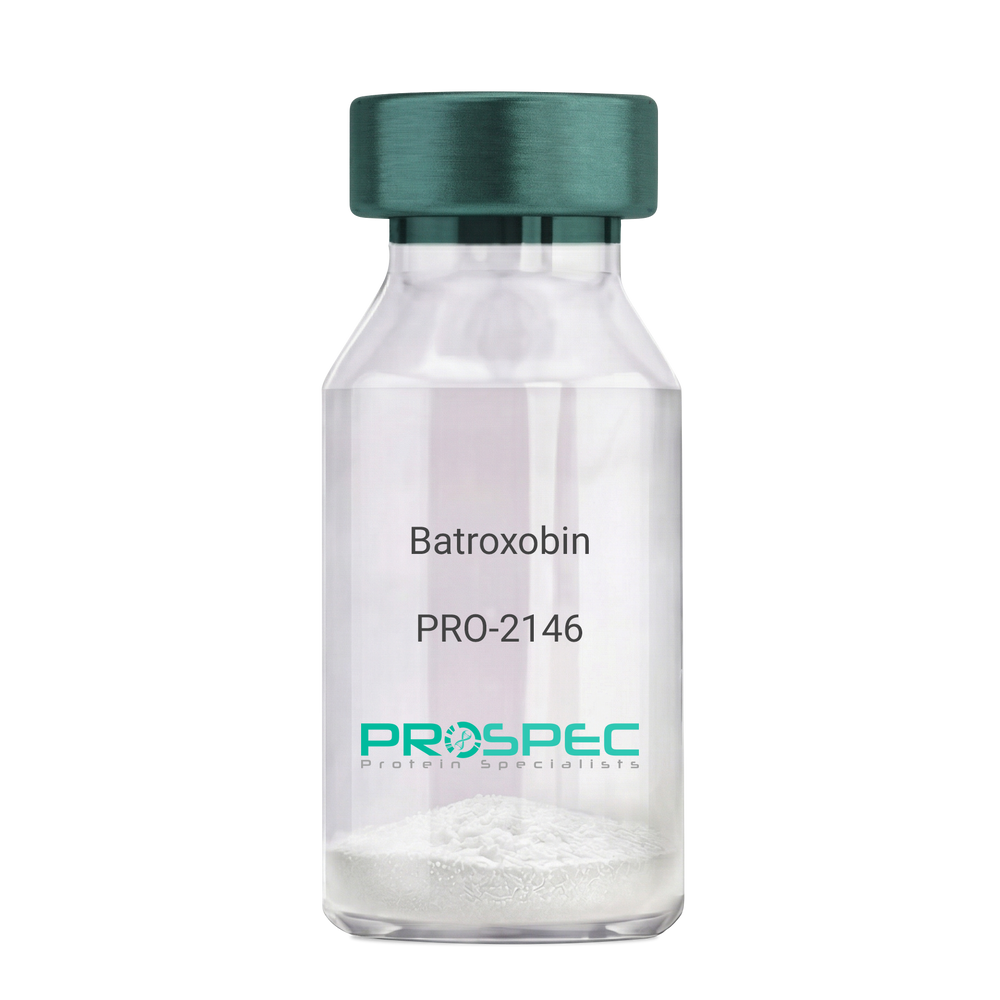
BatroxobinDescription:
Batroxobin
Thrombin-like enzyme batroxobin, EC 3.4.21.74, BX, Bothrops atrox serine proteinase, Venombin-A, Batroxobin.
Product # :
PRO-2146Price :
Quantity :
Shipping Method :
Shipped at Room temp
More Info
- description
- formulation
- More Info
Description
Batroxobin, isolated from Bothrops atrox snake venom, has an Mw of approximately 43kDa.
Formulation
The Batroxobin protein was lyophilized from a concentrated (1mg/ml) solution with no additives.
More Info
-
Introduction
Batroxobin is a serin protease that reduces fibronogen levels and is originally extracted from snake venom of Bothrops Atrox. Batroxobin is used in defibrinogenation and thrombolysis and also has an effect on c-fos gene and growth factor.
Batroxobin can efficiently restrain proliferation of VSMCs, by blocking the release and uptake of Ca2+, thus influencing [Ca2+]i.
Batroxobin converts fibrinogen to fibrin through the restricted release of fibrinopeptide-A from fibrinogen to promote blood to clot. Unlike thrombin, it is not affected by heparin and hirudin. -
Synonyms
Thrombin-like enzyme batroxobin, EC 3.4.21.74, BX, Bothrops atrox serine proteinase, Venombin-A, Batroxobin.
-
Physical Appearance
Sterile Filtered white lyophilized powder.
-
Stability
Store the lyophilized Batroxobin between 2-8°C. Do not freeze!
-
Solubility
It is recommended to reconstitute the lyophilized Batroxobin in sterile 18MΩ-cm H2O not less than 100µg/ml or more than 10mg/ml solutions.
-
Unit Definition
100BU [Batroxobin Units]=1mg.
ProSpec's products are furnished for LABORATORY RESEARCH USE ONLY. The product may not be used as drugs, agricultural or pesticidal products, food additives or household chemicals.
- View Data Sheet
Name :
STX6 HumanDescription:
Syntaxin-6 Human Recombinant
Syntaxin 6.
Product # :
PRO-1711Price :
Quantity :
Shipping Method :
Shipped with Ice Packs
More Info
- description
- source
- formulation
- purity
- More Info
Description
STX6 Human Recombinant produced in E.coli is a single, non-glycosylated polypeptide chain containing 257 amino acids (1-234) and having a molecular mass of 29.2kDa.STX6 is fused to a 23 amino acid His-tag at N-terminus & purified by proprietary chromatographic techniques.
Source
Escherichia Coli.
Formulation
The STX6 solution (0.5mg/ml) contains 20mM Tris-HCl buffer (pH8.0), 0.2M NaCl, 2mM DTT and 50% glycerol.
Purity
Greater than 90.0% as determined by SDS-PAGE.
More Info
-
Introduction
STX6 is a member of the syntaxin family and has 1 t-SNARE coiled-coil homology domain. STX6 takes part in intracellular vesicle transferring. STX6 binds EEA1 and Interacts with VPS45A, MARCH2, MARCH3 and GOPC. It is found in a complex comprising STX6, STX12, VAMP4 and VTI1A.
-
Synonyms
Syntaxin 6.
-
Physical Appearance
Sterile Filtered clear solution.
-
Stability
Store at 4°C if entire vial will be used within 2-4 weeks. Store, frozen at -20°C for longer periods of time. For long term storage it is recommended to add a carrier protein (0.1% HSA or BSA).Avoid multiple freeze-thaw cycles.
-
Amino Acid Sequence
MGSSHHHHHH SSGLVPRGSH MGSMSMEDPF FVVKGEVQKA VNTAQGLFQR WTELLQDPST ATREEIDWTT NELRNNLRSI EWDLEDLDET ISIVEANPRK FNLDATELSI RKAFITSTRQ VVRDMKDQMS TSSVQALAER KNRQALLGDS GSQNWSTGTT DKYGRLDREL QRANSHFIEE QQAQQQLIVE QQDEQLELVS GSIGVLKNMS QRIGGELEEQ AVMLEDFSHE LESTQSRLDN VMKKLAKVSH MTSDRRQ
ProSpec's products are furnished for LABORATORY RESEARCH USE ONLY. The product may not be used as drugs, agricultural or pesticidal products, food additives or household chemicals.
- View Data Sheet
Name :
GLRX5 HumanDescription:
Glutaredoxin 5 Human Recombinant
Glutaredoxin-related protein 5 mitochondrial, Monothiol glutaredoxin-5, GLRX5, C14orf87, glutaredoxin 5, GRX5, FLB4739, PR01238, PRO1238, MGC14129.
Product # :
ENZ-480Price :
Quantity :
Shipping Method :
Shipped with Ice Packs
More Info
- description
- source
- formulation
- purity
- More Info
Description
GLRX5 Human Recombinant produced in E.Coli is a single, non-glycosylated, polypeptide chain containing 177 amino acids (1-157 a.a.) and having a molecular mass of 18.8 kDa. GRX5 is fused to a 20 amino acid His Tag at N-terminus and purified by proprietary chromatographic techniques.
Source
Escherichia Coli.
Formulation
GLRX5 solution containing 20mM Tris-HCl buffer (pH8.0), 20% glycerol and 0.1M NaCl.
Purity
Greater than 85% as determined by SDS-PAGE.
More Info
-
Introduction
GLRX5 is small redox enzyme of approximately 100 amino acids which uses glutathione as a cofactor. GLRX5 is a mitochondrial protein, which is evolutionarily conserved. GLRX5 is oxidized by substrates, and reduced non-enzymatically by glutathione. GLRX5 is involved in the biogenesis of iron-sulfur clusters that are required for normal iron homeostasis. GLRX5 is necessary for normal regulation of hemoglobin synthesis by the iron-sulfur protein ACO1. Defects in the GLRX5 gene are a cause of anemia sideroblastic pyridoxine-refractory autosomal recessive (PRARSA).
-
Synonyms
Glutaredoxin-related protein 5 mitochondrial, Monothiol glutaredoxin-5, GLRX5, C14orf87, glutaredoxin 5, GRX5, FLB4739, PR01238, PRO1238, MGC14129.
-
Physical Appearance
Sterile filtered colorless solution.
-
Stability
Store at 4°C if entire vial will be used within 2-4 weeks. Store, frozen at -20°C for longer periods of time. For long term storage it is recommended to add a carrier protein (0.1% HSA or BSA).Avoid multiple freeze-thaw cycles.
-
Amino Acid Sequence
MGSSHHHHHH SSGLVPRGSH MSGSLGRAAA ALLRWGRGAG GGGLWGPGVR AAGSGAGGGG SAEQLDALVK KDKVVVFLKG TPEQPQCGFS NAVVQILRLH GVRDYAAYNV LDDPELRQGI KDYSNWPTIP QVYLNGEFVG GCDILLQMHQ NGDLVEELKK LGIHSALLDE KKDQDSK.
ProSpec's products are furnished for LABORATORY RESEARCH USE ONLY. The product may not be used as drugs, agricultural or pesticidal products, food additives or household chemicals.
- View Data Sheet
Name :
Clusterin Human, HisDescription:
Apolipoprotein-J Human Recombinant, His Tag
CLI, AAG4, APOJ, KUB1, SGP2, SGP-2, SP-40, TRPM2, TRPM-2, MGC24903, Clusterin, ging-associated gene 4 protein, Apolipoprotein J,Complement cytolysis inhibitor, Complement-associated protein SP-40,40, Ku70-binding protein 1, NA1/NA2, Testosterone-repressed prostate message 2, CLU.
Product # :
CYT-814Price :
Quantity :
Shipping Method :
Shipped with Ice Packs
More Info
- description
- source
- formulation
- purity
- More Info
- sds-page
Description
Clusterin Human Recombinant produced in E.Coli is a single, non-glycosylated polypeptide chain containing 463 amino acids (23-449 a.a.) and having a molecular mass of 54.1kDa. Clusterin is fused to a 36 amino acid His-tag at N-terminus & purified by proprietary chromatographic techniques.
Source
Escherichia Coli.
Formulation
Clusterin protein solution (0.5mg/ml) contains 20mM Tris-HCl buffer (pH 8.0), 0.15M NaCl, 10% glycerol and 1mM DTT.
Purity
Greater than 85% as determined by SDS-PAGE.
sds-page
More Info
-
Introduction
Clusterin also named Apolipoprotein J (APO-J) is a 75-80 kD disulfide-linked heterodimeric protein containing about 30% of N-linked carbohydrate rich in sialic acid but truncated forms targeted to the nucleus have also been identified.
The precursor polypeptide chain is cleaved proteolytically to remove the 22-mer secretory signal peptide and subsequently between residues 227/228 to generate the a and b chains. These are assembled in anti-parallel to give a heterodimeric molecule in which the cysteine-rich centers are linked by five disulfide bridges and are flanked by two predicted coiled-coil a-helices and three predicted amphipathic a-helices.
Across a broad range of species clusterin shows a high degree of sequence homology ranging from 70% to 80%. It is nearly ubiquitously expressed in most mammalian tissues and can be found in plasma, milk, urine, cerebrospinal fluid and semen.
It is able to bind and form complexes with numerous partners such as immunoglobulins, lipids, heparin, bacteria, complement components, paraoxonase, beta amyloid, leptin and others. Clusterin has been ascribed a plethora of functions such as phagocyte recruitment, aggregation induction, complement attack prevention, apoptosis inhibition, membrane remodeling, lipid transport, hormone transport and/or scavenging, matrix metalloproteinase inhibition.
A genuine function of clusterin has not been defined. One tempting hypothesis says that clusterin is an extracellular chaperone protecting cells from stress induced insults caused by degraded and misfolded protein precipitates.
Clusterin is up- or down regulated on the mRNA or protein level in many pathological and clinically relevant situations including cancer, organ regeneration, infection, Alzheimer disease, retinitis pigmentosa, myocardial infarction, renal tubular damage, autoimmunity and others. -
Synonyms
CLI, AAG4, APOJ, KUB1, SGP2, SGP-2, SP-40, TRPM2, TRPM-2, MGC24903, Clusterin, ging-associated gene 4 protein, Apolipoprotein J,Complement cytolysis inhibitor, Complement-associated protein SP-40,40, Ku70-binding protein 1, NA1/NA2, Testosterone-repressed prostate message 2, CLU.
-
Physical Appearance
Sterile filtered colorless solution.
-
Stability
Store at 4°C if entire vial will be used within 2-4 weeks. Store, frozen at -20°C for longer periods of time. For long term storage it is recommended to add a carrier protein (0.1% HSA or BSA).Avoid multiple freeze-thaw cycles.
-
Amino Acid Sequence
MRGSHHHHHH GMASMTGGQQ MGRDLYDDDD KDRWGSDQTV SDNELQEMSN QGSKYVNKEI QNAVNGVKQI KTLIEKTNEE RKTLLSNLEE AKKKKEDALN ETRESETKLK ELPGVCNETM MALWEECKPC LKQTCMKFYA RVCRSGSGLV GRQLEEFLNQ SSPFYFWMNG DRIDSLLEND RQQTHMLDVM QDHFSRASSI IDELFQDRFF TREPQDTYHY LPFSLPHRRP HFFFPKSRIV RSLMPFSPYE PLNFHAMFQP FLEMIHEAQQ AMDIHFHSPA FQHPPTEFIR EGDDDRTVCR EIRHNSTGCL RMKDQCDKCR EILSVDCSTN NPSQAKLRRE LDESLQVAER LTRKYNELLK SYQWKMLNTS SLLEQLNEQF NWVSRLANLT QGEDQYYLRV TTVASHTSDS DVPSGVTEVV VKLFDSDPIT VTVPVEVSRK NPKFMETVAE KALQEYRKKH REE.
-
Background
What is the molecular weight/Mw of CLUSTERIN Protein?
CLUSTERIN Protein has a total Mw of 54.1kDa.
What is the source or expression system of CLUSTERIN Protein?
Escherichia Coli.
What is the Purity of CLUSTERIN Protein?
CLUSTERIN Protein is >85% pure as determined by SDS-PAGE.
What is the Biological Activity of CLUSTERIN Protein?
The biological functionality of CLUSTERIN Protein will be determined in the future.
What is the amino acid sequence of CLUSTERIN Protein?
MRGSHHHHHH GMASMTGGQQ MGRDLYDDDD KDRWGSDQTV SDNELQEMSN QGSKYVNKEI QNAVNGVKQI KTLIEKTNEE RKTLLSNLEE AKKKKEDALN ETRESETKLK ELPGVCNETM MALWEECKPC LKQTCMKFYA RVCRSGSGLV GRQLEEFLNQ SSPFYFWMNG DRIDSLLEND RQQTHMLDVM QDHFSRASSI IDELFQDRFF TREPQDTYHY LPFSLPHRRP HFFFPKSRIV RSLMPFSPYE PLNFHAMFQP FLEMIHEAQQ AMDIHFHSPA FQHPPTEFIR EGDDDRTVCR EIRHNSTGCL RMKDQCDKCR EILSVDCSTN NPSQAKLRRE LDESLQVAER LTRKYNELLK SYQWKMLNTS SLLEQLNEQF NWVSRLANLT QGEDQYYLRV TTVASHTSDS DVPSGVTEVV VKLFDSDPIT VTVPVEVSRK NPKFMETVAE KALQEYRKKH REE.
What applications can CLUSTERIN Protein be used in?
CLUSTERIN Protein can probably be used in western blot, ELISA and Lateral Flow.
What is the endotoxin level for CLUSTERIN Protein?
The endotoxin level is minimal, CLUSTERIN Protein was purified using conventional chromatography techniques.
ProSpec's products are furnished for LABORATORY RESEARCH USE ONLY. The product may not be used as drugs, agricultural or pesticidal products, food additives or household chemicals.
- View Data Sheet
Name :
CCL15 68 a.a HumanDescription:
Macrophage Inflammatory Protein-5 (68 a.a) Human Recombinant (CCL15)
Small inducible cytokine A15 precursor, CCL15, Macrophage inflammatory protein 5, MIP-5, MIP5, Chemokine CC-2, HCC-2, NCC-3, MIP- 1 delta, Leukotactin-1, LKN-1, Mrp-2b, C-C motif chemokine 15.
Product # :
CHM-011Price :
Quantity :
Shipping Method :
Shipped at Room temp
More Info
- description
- source
- formulation
- purity
- biological activity
- More Info
Description
Macrophage Inflammatory Protein-5 Human Recombinant produced in E.Coli is a single, non-glycosylated, polypeptide chain containing 68 amino acids and having a molecular mass of 7.4kDa. The MIP5 is purified by proprietary chromatographic techniques.
Source
Escherichia Coli.
Formulation
MIP5 was lyophilized from a 0.2µm filtered concentrated solution containing PBS, pH-7.4.
Purity
Greater than 97.0% as determined by:
(a) Analysis by RP-HPLC.
(b) Analysis by SDS-PAGE.Biological Activity
Measured by its ability to chemoattract THP-1 human acute monocytic leukemia cells. The ED50 for this effect is typically 2-4ng/ml.More Info
-
Introduction
CCL15, a new human CC chemokine, was isolated from a human fetal spleen cDNA library. CCL15 cDNA encodes a predicted 113 amino acid (aa) protein containing a putative signal peptide of 21 amino acids that is cleaved to generate a 92 aa residue mature protein. Within the CC family members, human CCL15 shares 45%, 44%, 35%, and 30% aa homology with mouse C10, human MPIF-1, human HCC-1, and mouse MIP-1?, respectively. The gene for MIP-5 is found on chromosome 17 where the genes for most of the human CC chemokines are located. Human CCL15 is expressed in T and B lymphocytes, NK cells, monocytes and monocyte-derived dendritic cells. Human MIP-5 is chemotactic for T cells and monocytes and has been shown to induce calcium flux in human CCR-1-transfected cells.
-
Synonyms
Small inducible cytokine A15 precursor, CCL15, Macrophage inflammatory protein 5, MIP-5, MIP5, Chemokine CC-2, HCC-2, NCC-3, MIP- 1 delta, Leukotactin-1, LKN-1, Mrp-2b, C-C motif chemokine 15.
-
Physical Appearance
Sterile Filtered White lyophilized (freeze-dried) powder.
-
Stability
Lyophilized MIP-5 although stable at room temperature for 3 weeks, should be stored desiccated below -18°C. Upon reconstitution CCL15 should be stored at 4°C between 2-7 days and for future use below -18°C.For long term storage it is recommended to add a carrier protein (0.1% HSA or BSA).Please prevent freeze-thaw cycles.
-
Solubility
It is recommended to reconstitute the lyophilized MIP5 in sterile 18MΩ-cm H2O not less than 100µg/ml, which can then be further diluted to other aqueous solutions.
-
Amino Acid Sequence
SFHFAADCCT SYISQSIPCS LMKSYFETSS ECSKPGVIFL TKKGRQVCAK PSGPGVQDCM KKLKPYSI.
-
Background
What is the molecular weight/Mw of CCL15 68 A.A HUMAN Protein?
CCL15 68 A.A HUMAN Protein has a total Mw of 7.4kDa.
What is the source or expression system of CCL15 68 A.A HUMAN Protein?
Escherichia Coli.
What is the Purity of CCL15 68 A.A HUMAN Protein?
CCL15 68 A.A HUMAN Protein is > 97% pure as determined by SDS-PAGE.
What is the Biological Activity of CCL15 68 A.A HUMAN Protein?
Measured by its ability to chemoattract THP-1 human acute monocytic leukemia cells. The ED50 for this effect is typically 2-4ng/ml.
What is the amino acid sequence of CCL15 68 A.A HUMAN Protein?
SFHFAADCCT SYISQSIPCS LMKSYFETSS ECSKPGVIFL TKKGRQVCAK PSGPGVQDCM KKLKPYSI.
What applications can CCL15 68 A.A HUMAN Protein be used in?
CCL15 68 A.A HUMAN Protein can probably be used in western blot, ELISA and Lateral Flow.
What is the endotoxin level for CCL15 68 A.A HUMAN Protein?
The endotoxin level is minimal, CCL15 68 A.A HUMAN Protein was purified using conventional chromatography techniques.
ProSpec's products are furnished for LABORATORY RESEARCH USE ONLY. The product may not be used as drugs, agricultural or pesticidal products, food additives or household chemicals.
- View Data Sheet
Name :
TACI Human, HisDescription:
Tumor Necrosis Factor Receptor 13B Human Recombinant, His Tag
CD267, CVID, CVID2, TACI, TNFRSF14B, Tumor necrosis factor receptor superfamily, member 13B, Tumor necrosis factor receptor superfamily, member 13B, isoform CRA_a, TNFRSF13B.
Product # :
CYT-032Price :
Quantity :
Shipping Method :
Shipped with Ice Packs
More Info
- description
- source
- formulation
- purity
- More Info
Description
TACI Human Recombinant fused with a 23 amino acid His tag at N-terminus produced in E.Coli is a single, non-glycosylated, polypeptide chain containing 188 amino acids (1- 165a.a.) and having a molecular mass of 20.9kDa. The TACI is purified by proprietary chromatographic techniques.
Source
E.coli.
Formulation
The TACI solution (1mg/1ml) contains 20mM Tris-HCl buffer (pH8.0), 10% glycerol and 0.4M Urea.
Purity
Greater than 90% as determined by SDS-PAGE.
More Info
-
Introduction
TNFRSF13B (TACI) is a transmembrane receptor protein found predominantly on the surface of B cells (a significant part of the immune system). TACI was at first discovered owing to its ability to interact with calcium-modulator and cyclophilin ligand (CAML). Later on, it was found that TACI plays a key role in humoral immunity by interacting with two members of the TNF family. Also, TACI controls T cell-independent B cell antibody responses, isotype switching, and B cell homeostasis.
-
Synonyms
CD267, CVID, CVID2, TACI, TNFRSF14B, Tumor necrosis factor receptor superfamily, member 13B, Tumor necrosis factor receptor superfamily, member 13B, isoform CRA_a, TNFRSF13B.
-
Physical Appearance
Sterile Filtered colorless solution.
-
Stability
Store at 4°C if entire vial will be used within 2-4 weeks. Store, frozen at -20°C for longer periods of time. For long term storage it is recommended to add a carrier protein (0.1% HSA or BSA).Avoid multiple freeze-thaw cycles.
-
Amino Acid Sequence
MGSSHHHHHH SSGLVPRGSH MGSMSGLGRS RRGGRSRVDQ EERFPQGLWT GVAMRSCPEE QYWDPLLGTC MSCKTICNHQ SQRTCAAFCR SLSCRKEQGK FYDHLLRDCI SCASICGQHP KQCAYFCENK LRSPVNLPPE LRRQRSGEVE NNSDNSGRYQ GLEHRGSEAS PALPGLKLSA DQVALVYS.
ProSpec's products are furnished for LABORATORY RESEARCH USE ONLY. The product may not be used as drugs, agricultural or pesticidal products, food additives or household chemicals.
- View Data Sheet
Name :
PRDX1 AntibodyDescription:
Peroxiredoxin-1, Mouse Anti Human
Peroxiredoxin-1, EC 1.11.1.15, Thioredoxin peroxidase 2, Thioredoxin-dependent peroxide reductase 2, Proliferation-associated gene protein, Natural killer cell-enhancing factor A, NKEF-A, PRDX1, TDPX2, PRDX-1, PAG, PAGA, PRX1, PAGB, PRXI, MSP23, NKEFA.
Product # :
ANT-394Price :
Quantity :
Shipping Method :
Shipped with Ice Packs
More Info
- formulation
- More Info
Formulation
1mg/ml containing PBS, pH-7.4, & 0.1% Sodium Azide.
More Info
-
Introduction
PRDX1 is part of the peroxiredoxin family of antioxidant enzymes, which reduce hydrogen peroxide and alkyl hydroperoxides. PRDX1 is an important protector of red blood cells against reactive oxygen species and in tumor prevention. PRDX1 is antioxidant protective in cells, and contributes to the antiviral activity of CD8(+) T-cells. PRDX1 has a proliferative effect and is involved in cancer development or progression. Peroxiredoxin-1 is plays a role in redox regulation of the cell. Peroxiredoxin decreases peroxides with reducing equivalents provided through the thioredoxin system but not from glutaredoxin. Peroxiredoxin is involved in eliminating peroxides generated during metabolism. Peroxiredoxin participates in the signaling cascades of growth factors and TNF-alpha by regulating the intracellular concentrations of h(2)o(2).
-
Synonyms
Peroxiredoxin-1, EC 1.11.1.15, Thioredoxin peroxidase 2, Thioredoxin-dependent peroxide reductase 2, Proliferation-associated gene protein, Natural killer cell-enhancing factor A, NKEF-A, PRDX1, TDPX2, PRDX-1, PAG, PAGA, PRX1, PAGB, PRXI, MSP23, NKEFA.
-
Immunogen
Anti-human PRDX1 mAb is derived from hybridization of mouse F0 myeloma cells with spleen cells from BALB/c mice immunized with recombinant human PRDX1 amino acids 1-199 purified from E. coli.
-
Ig Subclass
Mouse IgG1 heavy chain and κ light chain.
-
Clone
PAT1D8AT.
-
Applications
PRDX1 antibody has been tested by ELISA and Western blot analysis to assure specificity and reactivity. Since application varies, however, each investigation should be titrated by the reagent to obtain optimal results. Recommended dilution range for Western blot analysis is 1:1000 ~ 2000. Recommended starting dilution is 1:1000.
-
Type
Mouse Anti Human Monoclonal.
-
Storage Procedures
For periods up to 1 month store at 4°C, for longer periods of time, store at -20°C. Prevent freeze thaw cycles.
-
Purification Method
PRDX1 antibody was purified from mouse ascitic fluids by protein-G affinity chromatography.
ProSpec's products are furnished for LABORATORY RESEARCH USE ONLY. The product may not be used as drugs, agricultural or pesticidal products, food additives or household chemicals.
- View Data Sheet
Name :
FLRT3 HumanDescription:
Fibronectin Leucine Rich Transmembrane Protein 3 Human Recombinant
Fibronectin Leucine Rich Transmembrane Protein 3, Fibronectin-Like Domain, Containing Leucine-Rich Transmembrane Protein 3, HH21, Leucine-Rich Repeat, Transmembrane Protein FLRT3, KIAA1469.
Product # :
PRO-2181Price :
Quantity :
Shipping Method :
Shipped with Ice Packs
More Info
- description
- source
- formulation
- purity
- More Info
Description
FLRT3 produced in Sf9 insect cells is a single, glycosylated polypeptide chain containing 508 amino acids (29-528a.a.) and having a molecular mass of 57.6kDa. (Molecular size on SDS-PAGE will appear at approximately 70-100kDa).FLRT3 is expressed with an 8 amino acid His tag at C-Terminus and purified by proprietary chromatographic techniques.
Source
Sf9, Insect cells.
Formulation
FLRT3 protein solution (1mg/ml) contains Phosphate Buffered Saline (pH 7.4) and 10% glycerol.
Purity
Greater than 90.0% as determined by SDS-PAGE.
More Info
-
Introduction
Fibronectin Leucine Rich Transmembrane Protein 3, also known as FLRT3 is a member of the fibronectin leucine rich transmembrane protein (FLRT) family. FLRT3 contains one fibronectin type-III domain as well as 10 LRR (leucine-rich) repeats and is expressed in the kidney, brain, pancreas, skeletal muscle, lung, liver, placenta, and heart. In addition, the members of the FLRT family play a role in cell adhesion as well as receptor signaling. FLRT3 has been implicated in neurite outgrowth after nerve damage, as a positive regulator of FGF signalling and in homotypic cell adhesion. Furthermore, FLRT3 has an essential function in regulating cellular adhesion among the epithelial apical ridge and the underlying mesenchyme and also in the establishment of the dorso-ventral position of the ridge.
-
Synonyms
Fibronectin Leucine Rich Transmembrane Protein 3, Fibronectin-Like Domain, Containing Leucine-Rich Transmembrane Protein 3, HH21, Leucine-Rich Repeat, Transmembrane Protein FLRT3, KIAA1469.
-
Physical Appearance
Sterile filtered colorless solution.
-
Stability
Store at 4°C if entire vial will be used within 2-4 weeks.Store, frozen at -20°C for longer periods of time. For long term storage it is recommended to add a carrier protein (0.1% HSA or BSA).Avoid multiple freeze-thaw cycles.
-
Amino Acid Sequence
KSCPSVCRCD AGFIYCNDRF LTSIPTGIPE DATTLYLQNN QINNAGIPSD LKNLLKVERI YLYHNSLDEF PTNLPKYVKE LHLQENNIRT ITYDSLSKIP YLEELHLDDN SVSAVSIEEG AFRDSNYLRL LFLSRNHLST IPWGLPRTIE ELRLDDNRIS TISSPSLQGL TSLKRLVLDG NLLNNHGLGD KVFFNLVNLT ELSLVRNSLT AAPVNLPGTN LRKLYLQDNH INRVPPNAFS YLRQLYRLDM SNNNLSNLPQ GIFDDLDNIT QLILRNNPWY CGCKMKWVRD WLQSLPVKVN VRGLMCQAPE KVRGMAIKDL NAELFDCKDS GIVSTIQITT AIPNTVYPAQ GQWPAPVTKQ PDIKNPKLTK DHQTTGSPSR KTITITVKSV TSDTIHISWK LALPMTALRL SWLKLGHSPA FGSITETIVT GERSEYLVTA LEPDSPYKVC MVPMETSNLY LFDETPVCIE TETAPLRMYN PTTTLNREQE KEPYKNPNLP LEHHHHHH.
ProSpec's products are furnished for LABORATORY RESEARCH USE ONLY. The product may not be used as drugs, agricultural or pesticidal products, food additives or household chemicals.
- View Data Sheet
Name :
IL 1 beta Mouse, HisDescription:
Interleukin-1 beta Mouse Recombinant, His Tag
Catabolin, Lymphocyte-activating factor (LAF), Endogenous Pyrogen (EP), Leukocyte Endogenous Mediator (LEM), Mononuclear Cell Factor (MCF), IL1F2, IL-1 beta, Interleukin-1 beta.
Product # :
CYT-578Price :
Quantity :
Shipping Method :
Shipped with Ice Packs
More Info
- description
- source
- formulation
- purity
- More Info
Description
Interleukin-1 beta Mouse Recombinant produced in E.Coli is a non-glycosylated, Polypeptide chain containing 189 amino acids and having a molecular mass of 21 kDa. The IL-1b is fused to His-Tag and purified by proprietary chromatographic techniques.
Source
Escherichia Coli.
Formulation
The IL-1B protein contains 20mM Tris pH-8 and 10% glycerol.
Purity
Greater than 90.0% as determined by SDS-PAGE.
More Info
-
Introduction
Interleukin-1b is produced by activated macrophages, IL-1B stimulates thymocyte proliferation by inducing il-2 release, b-cell maturation and proliferation, and fibroblast growth factor activity. IL1B proteins are involved in the inflammatory response, being identified as endogenous pyrogens, and are reported to stimulate the release of prostaglandin and collagenase from synovial cells. IL-1b is an inflammatory cytokine which modulates angiogenesis by interacting directly with vascular endothelial cells & increasing the production of proangiogenic factors through paracrine control. IL-1 beta stimulates endothelial cell migration and proliferation, adhesion-molecule expression, inflammatory mediator production, and leukocyte recruitment. IL1B is essential for tumor growth, metastasis, and angiogenesis in quite a few animal models.
-
Synonyms
Catabolin, Lymphocyte-activating factor (LAF), Endogenous Pyrogen (EP), Leukocyte Endogenous Mediator (LEM), Mononuclear Cell Factor (MCF), IL1F2, IL-1 beta, Interleukin-1 beta.
-
Physical Appearance
Sterile Filtered colorless solution.
-
Stability
Store at 4°C if entire vial will be used within 2-4 weeks. Store, frozen at -20°C for longer periods of time. For long term storage it is recommended to add a carrier protein (0.1% HSA or BSA).Avoid multiple freeze-thaw cycles.
-
Amino Acid Sequence
MRGSHHHHHH GMASMTGGQQ MGRDLYDDDD KDRWGSMVPI RQLHYRLRDE QQKSLVLSDP YELKALHLNG QNINQQVIFS MSFVQGEPSN DKIPVALGLK GKNLYLSCVM KDGTPTLQLE SVDPKQYPKK KMEKRFVFNK IEVKSKVEFE SAEFPNWYIS TSQAEHKPVF LGNNSGQDII DFTMESVSS.
ProSpec's products are furnished for LABORATORY RESEARCH USE ONLY. The product may not be used as drugs, agricultural or pesticidal products, food additives or household chemicals.
- View Data Sheet
Name :
IFN Beta 1a HumanDescription:
IFN-Beta 1a Human Recombinant
Leukocyte IFN, B cell IFN, Type I IFN, IFNB1, IFB, IFF, IFNB, IFN-b 1a ,MGC96956.
Product # :
CYT-236Price :
Quantity :
Shipping Method :
Shipped at Room temp
More Info
- description
- source
- formulation
- purity
- biological activity
- More Info
Description
IFN-beta 1a Human Recombinant produced in CHO (Chinese Hamster Ovarian) cells is a single, glycosylated polypeptide chain containing 166 amino acids and having a molecular mass of 22500 Dalton.IFN-beta1a is purified by proprietary chromatographic techniques.
Source
CHO (Chinese Hamster Ovarian) cells.
Formulation
Lyophilized from a solution containing 91 mg Human Albumin, and 620 mg mannitol and 50mM Acetate acid pH 3.8.
Purity
Greater than 99.0% as determined by:
(a) Analysis by RP-HPLC.
(b) Analysis by SDS-PAGE.Biological Activity
The specific activity as determined in a viral resistance assay (human "Wish" cell line and VSV virus or the monkey VERO cell line with EMCV virus) was found to be 270 x 106 IU/mg.More Info
-
Introduction
IFN-beta has antiviral, antibacterial and anticancer activities.
-
Synonyms
Leukocyte IFN, B cell IFN, Type I IFN, IFNB1, IFB, IFF, IFNB, IFN-b 1a ,MGC96956.
-
Stability
Lyophilized IFN-beta 1a although stable at room temperature for 3 weeks, should be stored desiccated below -18°C. Upon reconstitution IFN-Beta1a should be stored at 4°C between 2-7 days and for future use below -18°C.Please prevent freeze-thaw cycles.
-
Solubility
It is recommended to reconstitute the lyophilized IFN beta 1a in sterile 18MΩ-cm H2O not less than 100µg/ml, which can then be further diluted to other aqueous solutions.
-
Background
What is the molecular weight/Mw of IFN BETA 1A HUMAN Protein?
IFN BETA 1A HUMAN Protein has a total Mw of 22.5kDa.
What is the source or expression system of IFN BETA 1A HUMAN Protein?
CHO (Chinese Hamster Ovarian) cells.
What is the Purity of IFN BETA 1A HUMAN Protein?
IFN BETA 1A HUMAN Protein is >99% pure as determined by SDS-PAGE.
What is the Biological Activity of IFN BETA 1A HUMAN Protein?
The specific activity as determined in a viral resistance assay (human "Wish" cell line and VSV virus or the monkey VERO cell line with EMCV virus) was found to be 270 x 106 IU/mg.
What is the amino acid sequence of IFN BETA 1A HUMAN Protein?
IFN BETA 1A HUMAN Protein is composed from 166 amino acids.
What applications can IFN BETA 1A HUMAN Protein be used in?
IFN BETA 1A HUMAN Protein can probably be used in western blot, ELISA and Lateral Flow.
What is the endotoxin level for IFN BETA 1A HUMAN Protein?
The endotoxin level is minimal, IFN BETA 1A HUMAN Protein was purified using conventional chromatography techniques.
ProSpec's products are furnished for LABORATORY RESEARCH USE ONLY. The product may not be used as drugs, agricultural or pesticidal products, food additives or household chemicals.
- View Data Sheet
Name :
STX12 HumanDescription:
Syntaxin-12 Human Recombinant
Syntaxin 12, STX13, STX14.
Product # :
PRO-1099Price :
Quantity :
Shipping Method :
Shipped with Ice Packs
More Info
- description
- source
- formulation
- purity
- More Info
Description
STX12 Human Recombinant produced in E. coli is a single polypeptide chain containing 272 amino acids (1-248) and having a molecular mass of 31.0kDa.STX12 is fused to a 24 amino acid His-tag at N-terminus & purified by proprietary chromatographic techniques.
Source
E.coli.
Formulation
The STX12 solution (0.5mg/1ml) contains 20mM Tris-HCl buffer (pH 8.0), 200mM NaCl, 1mM DTT and 20% glycerol.
Purity
Greater than 85% as determined by SDS-PAGE.
More Info
-
Introduction
STX12 is a member of the syntaxin family which are cellular receptors for transport of vesicles that take part in exocytosis in neutrophils. STX12 regulates protein transport from late endosomes and the trans-Golgi network and back. Additionally, STX12 cooperates with ABC1 (ATP-binding cassette transporter A1), which enables cellular release of cholesterol and choline-phospholipids to apoA-I (apolipoprotein A-I).
-
Synonyms
Syntaxin 12, STX13, STX14.
-
Physical Appearance
Sterile Filtered colorless solution.
-
Stability
Store at 4°C if entire vial will be used within 2-4 weeks. Store, frozen at -20°C for longer periods of time. For long term storage it is recommended to add a carrier protein (0.1% HSA or BSA).Avoid multiple freeze-thaw cycles.
-
Amino Acid Sequence
MGSSHHHHHH SSGLVPRGSH MGSHMSYGPL DMYRNPGPSG PQLRDFSSII QTCSGNIQRI SQATAQIKNL MSQLGTKQDS SKLQENLQQL QHSTNQLAKE TNELLKELGS LPLPLSTSEQ RQQRLQKERL MNDFSAALNN FQAVQRRVSE KEKESIARAR AGSRLSAEER QREEQLVSFD SHEEWNQMQS QEDEVAITEQ DLELIKERET AIRQLEADIL DVNQIFKDLA MMIHDQGDLI DSIEANVESS EVHVERATEQ LQRAAYYQKK SR
ProSpec's products are furnished for LABORATORY RESEARCH USE ONLY. The product may not be used as drugs, agricultural or pesticidal products, food additives or household chemicals.
- View Data Sheet
Name :
S100A8 MouseDescription:
S100 Calcium Binding Protein A8 Mouse Recombinant
Calgranulin A, MRP8, CAGA, CGLA, CFAG, Protein S100-A8, S100 calcium-binding protein A8, Migration inhibitory factor-related protein 8, MRP-8, p8, Cystic fibrosis antigen, Leukocyte L1 complex light chain, Calprotectin L1L subunit, Urinary stone protein band A, S100A8, MIF, NIF, L1Ag, CP-10, MA387, 60B8AG.
Product # :
PRO-233Price :
Quantity :
Shipping Method :
Shipped with Ice Packs
More Info
- description
- source
- formulation
- purity
- More Info
Description
S100A8 Mouse Recombinant produced in E.Coli is a single, non-glycosylated polypeptide chain containing 109 amino acids (1-89a.a) and having a molecular mass of 12.4kDa.S100A8 is fused to a 20 amino acid His-tag at N-terminus & purified by proprietary chromatographic techniques.
Source
Escherichia Coli.
Formulation
S100A8 protein solution (1mg/1ml) containing 20mM Tris-HCl buffer (pH8.0), 30% glycerol, 0.1M NaCl and 1mM DTT.
Purity
Greater than 95.0% as determined by SDS-PAGE.
More Info
-
Introduction
S100A8 is a part of the S100 family of proteins containing 2 EF-hand calcium-binding motifs. S100 proteins are localized in the cytoplasm and/or nucleus of a broad range of cells, and participate in the regulation of cellular processes such as cell cycle progression and differentiation. S100A8 plays a role in the inhibition of casein kinase and as a cytokine. S100A8 altered expression is related with cystic fibrosis disease. S100A8 is a calcium-binding protein that has antimicrobial activity against bacteria and fungi.S100A8 is crucial for resistance towards invasion by pathogenic bacteria. S100A8 up-regulates transcription of genes that are under the control of NF-kappa-B. S100A8 plays a role in the development of endotoxic shock in response to bacterial lipopolysaccharide. S100A8 endorses tubulin polymerization and promotes phagocyte migration and infiltration of granulocytes at sites of wounding. S100A8 takes part as a pro-inflammatory mediator in acute and chronic inflammation and up-regulates the release of IL8 and cell-surface expression of ICAM1.
-
Synonyms
Calgranulin A, MRP8, CAGA, CGLA, CFAG, Protein S100-A8, S100 calcium-binding protein A8, Migration inhibitory factor-related protein 8, MRP-8, p8, Cystic fibrosis antigen, Leukocyte L1 complex light chain, Calprotectin L1L subunit, Urinary stone protein band A, S100A8, MIF, NIF, L1Ag, CP-10, MA387, 60B8AG.
-
Physical Appearance
Sterile Filtered clear solution.
-
Stability
Store at 4°C if entire vial will be used within 2-4 weeks. Store, frozen at -20°C for longer periods of time. For long term storage it is recommended to add a carrier protein (0.1% HSA or BSA).Avoid multiple freeze-thaw cycles.
-
Amino Acid Sequence
MGSSHHHHHH SSGLVPRGSH MPSELEKALS NLIDVYHNYS NIQGNHHALY KNDFKKMVTT ECPQFVQNIN IENLFRELDI NSDNAINFEE FLAMVIKVGV ASHKDSHKE
ProSpec's products are furnished for LABORATORY RESEARCH USE ONLY. The product may not be used as drugs, agricultural or pesticidal products, food additives or household chemicals.
- View Data Sheet
Name :
TXN1 E.ColiDescription:
Thioredoxin E.Coli Recombinant
Thioredoxin-1, Trx-1, trxA, fipA, tsnC, b3781, JW5856.
Product # :
PRO-334Price :
Quantity :
Shipping Method :
Shipped at Room temp
More Info
- description
- source
- formulation
- purity
- biological activity
- More Info
Description
Recombinant Thioredoxin was purified from E. coli harboring its gene.
Source
Escherichia Coli.
Formulation
Each mg of protein contains 20mM phosphate buffer pH 7.4.
Purity
Greater than 90.0% as determined by:
(a) Analysis by RP-HPLC.
(b) Analysis by SDS-PAGE.Biological Activity
TRX activity is assayed by measuring the change in absorbance at 650 nm at 25°C using 0.13µM bovine insulin containing 0.33mM DTT (pH 6.5).
The specific activity was found to be 3IU/mg.More Info
-
Introduction
Thioredoxins are small disulphide-containing redox proteins (within the conserved Cys-Gly-Pro-Cys active site) that have been found in all the kingdoms of living organisms. Thioredoxin contains a single disulfide active site and serves as a general protein disulphide oxidoreductase. Thioredoxins are involved in the first unique step in DNA synthesis. It interacts with a broad range of proteins by a redox mechanism based on reversible oxidation of two cysteine thiol groups to a disulphide, accompanied by the transfer of two electrons and two protons. The net result is the covalent interconversion of a disulphide and a dithiol. Trx also provides control over a number of transcription factors affecting cell proliferation and death through a mechanism referred to as redox regulation. It has been suggested that thioredoxin may catalyze the formation of correct disulfides during protein folding because of its ability to act as an efficient oxidoreductant. This could be especially useful in refolding proteins expressed in E. coli. To this end, thioredoxin has been shown to act as a protein disulfide isomerase.Its Molecular Weight is 11.9kDa. and the pI is 4.67.
-
Synonyms
Thioredoxin-1, Trx-1, trxA, fipA, tsnC, b3781, JW5856.
-
Physical Appearance
Sterile Lyophilized Powder.
-
Stability
TRX although stable at 4°C for 3 weeks, should be stored desiccated below -18°C. Please prevent freeze thaw cycles.
-
Solubility
It is recommended to reconstitute the lyophilized TRX in sterile 18MΩ-cm H2O.
-
Amino Acid Sequence
HMSDKIIHL TDDSFDTDVLKADGAIL VDFW AEWCGPCKMIAPILDEI GKLTVAKLNIDQNPGTAPKYGIRGIPTLLLFKNGEVAATKVGAL DANLA.
ProSpec's products are furnished for LABORATORY RESEARCH USE ONLY. The product may not be used as drugs, agricultural or pesticidal products, food additives or household chemicals.
- View Data Sheet
Name :
TARC MacaqueDescription:
Thymus and Activation Regulated Chemokine (CCL17) Rhesus Macaque Recombinant
C-C motif chemokine 17, Small-inducible cytokine A17, Thymus and activation-regulated chemokine, CC chemokine TARC, ABCD-2, CCL17, CCL-17, SCYA17, TARC, A-152E5.3, MGC138271, MGC138273.
Product # :
CHM-036Price :
Quantity :
Shipping Method :
Shipped at Room temp
More Info
- description
- source
- formulation
- purity
- More Info
Description
Thymus and Activation Regulated Chemokine (CCL17) Rhesus Macaque Recombinant produced in E.Coli is a non-glycosylated polypeptide chain containing 71 amino acid and having a molecular mass of approximately 8.1kDa.TRAC is purified by proprietary chromatographic techniques.
Source
Escherichia Coli.
Formulation
Lyophilized from a 0.2μm filtered concentrated solution in 20mM PB, 0.02 % Tween-20 and 300mM NaCl, pH 7.4.
Purity
Greater than 97.0% as determined by:
(a) Analysis by RP-HPLC.
(b) Analysis by SDS-PAGE.More Info
-
Introduction
TARC cDNA encodes a 94 amino acid precursor protein with a 23 amino acid residue signal peptide that is cleaved off to generate the 71 amino acid residue mature secreted protein. Along with CC chemokine family members, CCL-17 has approximately 24-29% amino acid sequence identity with RANTES, MIP-1a, MIP-1b, MCP-1, MCP-2, MCP-3 and I-309. TARC is expressed in thymus, and at a lower level in the lung, colon, and small intestine. TARC is in addition transiently expressed in stimulated peripheral blood mononuclear cells. Recombinant TARC has been shown to be chemotactic for T cell lines but not monocytes or neutrophils. CCL-17 is a specific functional ligand for CCR4, a receptor that is selectively expressed on T cells. CCL17 is one of a few Cys-Cys (CC) cytokine genes clustered on the q arm of chromosome 16. CCL17 shows chemotactic activity for T lymphocytes, but not monocytes or granulocytes. CCL17 binds to chemokine receptors CCR4 and CCR8. This chemokine plays important roles in T cell development in thymus as well as in trafficking and activation of mature T cells.
-
Synonyms
C-C motif chemokine 17, Small-inducible cytokine A17, Thymus and activation-regulated chemokine, CC chemokine TARC, ABCD-2, CCL17, CCL-17, SCYA17, TARC, A-152E5.3, MGC138271, MGC138273.
-
Physical Appearance
Sterile Filtered White lyophilized (freeze-dried) powder.
-
Stability
Lyophilized TRAC although stable at room temperature for 3 weeks, should be stored desiccated below -18°C. Upon reconstitution Thymus and Activation Regulated Chemokine Rhesus Macaque should be stored at 4°C between 2-7 days and for future use below -18°C.Please prevent freeze-thaw cycles.
-
Solubility
It is recommended to reconstitute the lyophilized Thymus and Activation Regulated Chemokine Rhesus Macaque in sterile 18MΩ-cm H2O not less than 100µg/ml, which can then be further diluted to other aqueous solutions.
-
Amino Acid Sequence
ARGTNVGREC CLKYFKGAIP LRKLKTWYQT SEDCSRDAIV FVTVQNKAIC SDPNDKKVKK ALKYLQSLER S.
ProSpec's products are furnished for LABORATORY RESEARCH USE ONLY. The product may not be used as drugs, agricultural or pesticidal products, food additives or household chemicals.
- View Data Sheet
Name :
BNIP1 HumanDescription:
BCL2/Adenovirus E1B 19kDa Interacting Protein 1 Human Recombinant
BCL2/Adenovirus E1B 19kDa Interacting Protein 1, NIP1, BCL2/Adenovirus E1B 19 KDa Protein-Interacting Protein 1, Transformation-Related Gene 8 Protein, TRG-8, BCL2/Adenovirus E1B 19kD-Interacting Protein 1, Vesicle Transport Protein SEC20, SEC20L, SEC20, Vesicle transport protein SEC20.
Product # :
PRO-2150Price :
Quantity :
Shipping Method :
Shipped with Ice Packs
More Info
- description
- source
- formulation
- purity
- More Info
Description
BNIP1 Human Recombinant produced in E.Coli is a single, non-glycosylated polypeptide chain containing 222 amino acids (1-199 a.a) and having a molecular mass of 25.2kDa. BNIP1 is fused to a 23 amino acid His-tag at N-terminus & purified by proprietary chromatographic techniques.
Source
Escherichia Coli.
Formulation
BNIP1 protein solution (1.0 mg/ml) containing 20mM Tris-HCl (pH8.0) and 10% glycerol.
Purity
Greater than 95% as determined by SDS-PAGE.
More Info
-
Introduction
BNIP1 belongs to the of the BCL2/adenovirus E1B 19 kd-interacting protein (BNIP) family. BNIP1 interacts with the E1B 19 kDa protein, which defends cells from virally-induced cell death. In addition, BNIP1 interacts with E1B 19 kDa-like sequences of BCL2 which is an additional apoptotic protector. Adding up, BNIP1 is implicated in vesicle transport into the endoplasmic reticulum. Alternative splicing results of BNIP1 in four protein products with identical N- and C-termini have been found.
-
Synonyms
BCL2/Adenovirus E1B 19kDa Interacting Protein 1, NIP1, BCL2/Adenovirus E1B 19 KDa Protein-Interacting Protein 1, Transformation-Related Gene 8 Protein, TRG-8, BCL2/Adenovirus E1B 19kD-Interacting Protein 1, Vesicle Transport Protein SEC20, SEC20L, SEC20, Vesicle transport protein SEC20.
-
Physical Appearance
Sterile filtered colorless solution.
-
Stability
Store at 4°C if entire vial will be used within 2-4 weeks. Store, frozen at -20°C for longer periods of time. For long term storage it is recommended to add a carrier protein (0.1% HSA or BSA).Avoid multiple freeze-thaw cycles.
-
Amino Acid Sequence
MGSSHHHHHH SSGLVPRGSH MGSMAAPQDV HVRICNQEIV KFDLEVKALI QDIRDCSGPL SALTELNTKV KEKFQQLRHR IQDLEQLAKE QDKESEKQLL LQEVENHKKQ MLSNQASWRK ANLTCKIAID NLEKAELLQG GDLLRQRKTT KESLAQTSST ITESLMGISR MMAQQVQQSE EAMQSLVTSS RTILDANEEF KSMSGTIQLG RKLITKYNRR EL.
ProSpec's products are furnished for LABORATORY RESEARCH USE ONLY. The product may not be used as drugs, agricultural or pesticidal products, food additives or household chemicals.
- View Data Sheet
Name :
LTA AntibodyDescription:
Lymphotoxin-alpha, Mouse Anti Human
Lymphotoxin-alpha, LT-alpha, TNF-beta, Tumor necrosis factor ligand superfamily member 1, LTA, TNFB, TNFSF1, LT.
Product # :
ANT-014Price :
Quantity :
Shipping Method :
Shipped with Ice Packs
More Info
- formulation
- More Info
Formulation
1mg/ml containing PBS, pH-7.4, & 0.1% Sodium Azide.
More Info
-
Introduction
Lymphotoxin-alpha (LT-alpha or LTA) belongs to the TNF ligand superfamily, which bind the same TNF receptor and mediate similar pleiotropic effect. LTA is a proinflammatory cytokine with important biological activity and immunomodulatory function and is known to influence a variety of cellular response. Furthermore, LTA mediates a large variety of inflammatory, immunostimulatory, and antiviral responses, is involved in the formation of secondary lymphoid organs during development and has a role in apoptosis. LTA is highly inducible, secreted, and forms heterotrimers with lymphotoxin-beta which anchors lymphotoxin-alpha to the cell surface. LTA, which is located within the MHC III region of chromosome 6, shows close relation to the HLA class I (HLA-B) and class II (HLA-DR) genes. Polymorphism in the LTA gene appears to contribute to infectious disease susceptibility and infection. Genetic variations in the LTA gene are linked to susceptibility to leprosy type 4 and psoriatic arthritis.
-
Synonyms
Lymphotoxin-alpha, LT-alpha, TNF-beta, Tumor necrosis factor ligand superfamily member 1, LTA, TNFB, TNFSF1, LT.
-
Physical Appearance
Sterile Filtered clear solution.
-
Immunogen
Anti-human LTA mAb, is derived from hybridization of mouse F0 myeloma cells with spleen cells from BALB/c mice immunized with recombinant human LTA amino acids 35-205 purified from E. coli.
-
Ig Subclass
Mouse IgG2b heavy chain and ? light chain.
-
Clone
PAT15A3AT.
-
Applications
LTA antibody has been tested by ELISA, Western blot and Immunofluorescence analysis to assure specificity and reactivity. Since application varies, however, each investigation should be titrated by the reagent to obtain optimal results. Recommended dilution range for Western blot analysis and Immunofluorescence is 1:250 ~ 500.
Recommended starting dilution is 1:250. -
Type
Mouse Anti Human Monoclonal.
-
Storage Procedures
For periods up to 1 month store at 4°C, for longer periods of time, store at -20°C. Prevent freeze thaw cycles.
-
Purification Method
LTA antibody was purified from mouse ascitic fluids by protein-G affinity chromatography.
ProSpec's products are furnished for LABORATORY RESEARCH USE ONLY. The product may not be used as drugs, agricultural or pesticidal products, food additives or household chemicals.
- View Data Sheet
Name :
IL 3 Human, HisDescription:
Interleukin-3 Human Recombinant, His Tag
MCGF (Mast cell growth factor), Multi-CSF, HCGF, P-cell stimulation factor, IL-3, MGC79398, MGC79399.
Product # :
CYT-482Price :
Quantity :
Shipping Method :
Shipped with Ice Packs
More Info
- description
- source
- formulation
- purity
- biological activity
- More Info
Description
Interleukin-3 Human Recombinant produced in E.Coli is single, a non-glycosylated, Polypeptide chain containing 154 amino acids fragment (20-152) and having a total molecular mass of 17.3kDa and fused with a 20 aa N-terminal His tag. The IL3 His is purified by proprietary chromatographic techniques.
Source
Escherichia Coli.
Formulation
Interleukin-3 His (1mg/ml) is supplied in 20mM Tris-HCl buffer (pH 8.0), 0.2mM PMSF and 10% glycerol.
Purity
Greater than 90.0% as determined by analysis by SDS-PAGE.
Biological Activity
The ED50 for this effect is <0.53ng/ml. Measured in a cell proliferation assay using TF1 human erythroleukemic cells.More Info
-
Introduction
Interleukin-3 is a pleiotropic cytokine produced primarily by activated T cells. IL-3 is thought to function via specific cell surface receptors to stimulate the proliferation, differentiation and survival of haematopoietic cell lines. IL-3 has also been shown to affect the functional activity of a variety of other cell types including mast cells, eosinophils, megakaryocytes and basophils.
-
Synonyms
MCGF (Mast cell growth factor), Multi-CSF, HCGF, P-cell stimulation factor, IL-3, MGC79398, MGC79399.
-
Physical Appearance
Sterile Filtered clear solution.
-
Stability
Store at 4°C if entire vial will be used within 2-4 weeks. Store, frozen at -20°C for longer periods of time. For long term storage it is recommended to add a carrier protein (0.1% HSA or BSA).Avoid multiple freeze-thaw cycles.
-
Amino Acid Sequence
MGSSHHHHHH SSGLVPRGSH MAPMTQTTSL KTSWVNCSNM IDEIITHLKQ PPLPLLDFNN LNGEDQDILM ENNLRRPNLE AFNRAVKSLQ NASAIESILK NLLPCLPLAT AAPTRHPIHI KDGDWNEFRR KLTFYLKTLE NAQAQQTTLS LAIF.
ProSpec's products are furnished for LABORATORY RESEARCH USE ONLY. The product may not be used as drugs, agricultural or pesticidal products, food additives or household chemicals.
- View Data Sheet
Name :
HAVCR1 MouseDescription:
Hepatitis A Virus Cellular Receptor 1 Mouse Recombinant
Hepatitis A virus cellular receptor 1 homolog, HAVcr-1, Kidney injury molecule 1, KIM-1, T cell immunoglobulin and mucin domain-containing protein 1, TIMD-1, T cell membrane protein 1, T-cell immunoglobulin mucin receptor 1, TIM-1.
Product # :
HAV-232Price :
Quantity :
Shipping Method :
Shipped with Ice Packs
More Info
- description
- source
- formulation
- purity
- More Info
Description
HAVCR1 produced in Sf9 Baculovirus cells is a single, glycosylated polypeptide chain containing 222 amino acids (22-237 a.a.) and having a molecular mass of 24.4kDa (Migrates at 40-57kDa on SDS-PAGE under reducing conditions). HAVCR1 is expressed with a 6 amino acid His tag at C-Terminus and purified by proprietary chromatographic techniques.
Source
Sf9, Baculovirus cells.
Formulation
HAVCR1 protein solution (0.25mg/ml) contains Phosphate Buffered Saline (pH 7.4) and 10% glycerol.
Purity
Greater than 90.0% as determined by SDS-PAGE.
More Info
-
Introduction
Hepatitis A virus cellular receptor 1 (HAVCR1) is a membrane receptor for both human hepatitis A virus (HHAV) and TIMD4. HAVCR1 is a type I trans-membrane structural glycoprotein located in the renal proximal tubule epithelial cells. HAVCR1 protein may be involved in the control of asthma and allergic diseases. The reference genome represents an allele which retains a MTTVP amino acid segment that presents defense against atopy in HHAV seropositive individuals.
-
Synonyms
Hepatitis A virus cellular receptor 1 homolog, HAVcr-1, Kidney injury molecule 1, KIM-1, T cell immunoglobulin and mucin domain-containing protein 1, TIMD-1, T cell membrane protein 1, T-cell immunoglobulin mucin receptor 1, TIM-1.
-
Physical Appearance
Sterile Filtered colorless solution.
-
Stability
Store at 4°C if entire vial will be used within 2-4 weeks. Store, frozen at -20°C for longer periods of time. For long term storage it is recommended to add a carrier protein (0.1% HSA or BSA). Avoid multiple freeze-thaw cycles.
-
Amino Acid Sequence
YVEVKGVVGH PVTLPCTYST YRGITTTCWG RGQCPSSACQ NTLIWTNGHR VTYQKSSRYN LKGHISEGDV SLTIENSVES DSGLYCCRVE IPGWFNDQKV TFSLQVKPEI PTRPPTRPTT TRPTATGRPT TISTRSTHVP TSIRVSTSTP PTSTHTWTHK PEPTTFCPHE TTAEVTGIPS HTPTDWNGTV TSSGDTWSNH TEAIPPGKPQ KNPTKGHHHH HH.
ProSpec's products are furnished for LABORATORY RESEARCH USE ONLY. The product may not be used as drugs, agricultural or pesticidal products, food additives or household chemicals.