Skip to content

High-quality research proteins.

  • 1-800-805-6531

  • Mon - Sat 8.00-18.00, Sun - Closed

  • info@prospecbio.com

  • PO Box 6591 East Brunswick NJ 08816

  • Products
    • Cytokines
    • Growth factors
    • Chemokines
    • Cd antigens
    • Neurotrophins
    • Hormones
    • Enzymes
    • Viral antigens
    • Recombinant proteins
    • Natural proteins
    • Monoclonal antibodies
    • Polyclonal antibodies
    • Thermal Packaging
  • About
    • Company
    • Founder
    • Contribution
  • Customers
    • Eastern Asia
    • Eastern Europe
    • North America
    • South America
    • South East Asia
    • Southern Asia
    • Western Europe
  • Ordering
    • Ordering Method
    • Ordering - Credit Card
    • Ordering - PO
    • Shipping Fees
    • FAQs
  • Services
    • DNA Cloning
    • Protein Expression
    • Monoclonal Antibody
    • Fermentation
    • Technology License
  • Contact us
Log in

Country/region

  • USD $ | Albania
  • USD $ | Andorra
  • USD $ | Argentina
  • USD $ | Armenia
  • USD $ | Australia
  • USD $ | Austria
  • USD $ | Azerbaijan
  • USD $ | Belarus
  • USD $ | Belgium
  • USD $ | Bolivia
  • USD $ | Brazil
  • USD $ | Bulgaria
  • USD $ | Cambodia
  • USD $ | Canada
  • USD $ | Chile
  • USD $ | China
  • USD $ | Colombia
  • USD $ | Costa Rica
  • USD $ | Croatia
  • USD $ | Cyprus
  • USD $ | Czechia
  • USD $ | Denmark
  • USD $ | Estonia
  • USD $ | Finland
  • USD $ | France
  • USD $ | Georgia
  • USD $ | Germany
  • USD $ | Greece
  • USD $ | Hong Kong SAR
  • USD $ | Hungary
  • USD $ | Iceland
  • USD $ | India
  • USD $ | Ireland
  • USD $ | Israel
  • USD $ | Italy
  • USD $ | Japan
  • USD $ | Kazakhstan
  • USD $ | Latvia
  • USD $ | Liechtenstein
  • USD $ | Lithuania
  • USD $ | Madagascar
  • USD $ | Malta
  • USD $ | Mexico
  • USD $ | Moldova
  • USD $ | Monaco
  • USD $ | Netherlands
  • USD $ | New Zealand
  • USD $ | North Macedonia
  • USD $ | Norway
  • USD $ | Panama
  • USD $ | Paraguay
  • USD $ | Peru
  • USD $ | Philippines
  • USD $ | Poland
  • USD $ | Portugal
  • USD $ | Romania
  • USD $ | Singapore
  • USD $ | Slovakia
  • USD $ | Slovenia
  • USD $ | South Africa
  • USD $ | South Korea
  • USD $ | Spain
  • USD $ | Sri Lanka
  • USD $ | Sweden
  • USD $ | Switzerland
  • USD $ | Taiwan
  • USD $ | Thailand
  • USD $ | Türkiye
  • USD $ | Ukraine
  • USD $ | United Kingdom
  • USD $ | United States
  • USD $ | Uruguay
  • USD $ | Vatican City
  • USD $ | Venezuela
  • USD $ | Vietnam
  • Facebook
  • Instagram
logoProSpec - Recombinant Protein Manufacturer for academic and R&D industry
Become a distributor
Account Log in
Wishlist
Cart Cart(0)
  • Products
    +
    • Cytokines
    • Growth factors
    • Chemokines
    • Cd antigens
    • Neurotrophins
    • Hormones
    • Enzymes
    • Viral antigens
    • Recombinant proteins
    • Natural proteins
    • Monoclonal antibodies
    • Polyclonal antibodies
    • Thermal Packaging
  • About
    +
    • Company
    • Founder
    • Contribution
  • Customers
    +
    • Eastern Asia
    • Eastern Europe
    • North America
    • South America
    • South East Asia
    • Southern Asia
    • Western Europe
  • Ordering
    +
    • Ordering Method
    • Ordering - Credit Card
    • Ordering - PO
    • Shipping Fees
    • FAQs
  • Services
    +
    • DNA Cloning
    • Protein Expression
    • Monoclonal Antibody
    • Fermentation
    • Technology License
  • Contact us

Item added to your cart

View cart
View All
  • Cytokines
  • Growth factors
  • Chemokines
  • Cd antigens
  • Neurotrophins
  • Hormones
  • Enzymes
  • Viral antigens
  • Recombinant proteins
  • Natural proteins
  • Monoclonal antibodies
  • Polyclonal antibodies
  • Thermal Packaging
  • Tumor Necrosis Factor

    Tumor Necrosis Factor

    View All
  • 4-1BB

    4-1BB

    View All
  • Adiponectin

    Adiponectin

    View All
  • AIF1

    AIF1

    View All
  • Other Cytokines

    Other Cytokines

    View All
  • AITRL

    AITRL

    View All
  • Angiopoietin

    Angiopoietin

    View All
  • Apolipoprotein

    Apolipoprotein

    View All
  • B-Cell Activating Factor

    B-Cell Activating Factor

    View All
  • Beta Defensin

    Beta Defensin

    View All
  • Bone Morphogenetic Protein

    Bone Morphogenetic Protein

    View All
  • B type Natriuretic Peptide

    B type Natriuretic Peptide

    View All
  • BST

    BST

    View All
  • Betacellulin

    Betacellulin

    View All
  • Cardiotrophin

    Cardiotrophin

    View All
  • Activin

    Activin

    View All
  • Fibroblast Growth Factor

    Fibroblast Growth Factor

    View All
  • Other Growth Factors

    Other Growth Factors

    View All
  • CSF

    CSF

    View All
  • CTGF

    CTGF

    View All
  • IGFBP

    IGFBP

    View All
  • VEGF Protein

    VEGF Protein

    View All
  • EGF

    EGF

    View All
  • Epigen

    Epigen

    View All
  • Erythropoietin

    Erythropoietin

    View All
  • Insulin-Like Growth Factor

    Insulin-Like Growth Factor

    View All
  • Growth Hormone

    Growth Hormone

    View All
  • HDGF

    HDGF

    View All
  • Hepatocyte Growth Factor

    Hepatocyte Growth Factor

    View All
  • Insulin

    Insulin

    View All
  • BCA-1/ BLC (CXCL13)

    BCA-1/ BLC (CXCL13)

    View All
  • BRAK (CXCL14)

    BRAK (CXCL14)

    View All
  • C-10 (CCL6)

    C-10 (CCL6)

    View All
  • Other Chemokines

    Other Chemokines

    View All
  • MEC (CCL28)

    MEC (CCL28)

    View All
  • LD78-beta (CCL3L1)

    LD78-beta (CCL3L1)

    View All
  • CTACK (CCL27)

    CTACK (CCL27)

    View All
  • CXCL16

    CXCL16

    View All
  • CXCL17

    CXCL17

    View All
  • Platelet Factor-4 (CXCL4)

    Platelet Factor-4 (CXCL4)

    View All
  • ENA-78 (CXCL5)

    ENA-78 (CXCL5)

    View All
  • Eotaxin (CCL11,24,26)

    Eotaxin (CCL11,24,26)

    View All
  • Exodus-2 (CCL21)

    Exodus-2 (CCL21)

    View All
  • Fractalkine (CX3CL1)

    Fractalkine (CX3CL1)

    View All
  • CXCL6

    CXCL6

    View All
  • Other CD Antigens

    Other CD Antigens

    View All
  • CD14

    CD14

    View All
  • CD164

    CD164

    View All
  • CD1

    CD1

    View All
  • CD2

    CD2

    View All
  • CD200

    CD200

    View All
  • CD207

    CD207

    View All
  • CD226

    CD226

    View All
  • CD23

    CD23

    View All
  • CD244

    CD244

    View All
  • CD247

    CD247

    View All
  • CD27

    CD27

    View All
  • CD274

    CD274

    View All
  • CD300

    CD300

    View All
  • CD33

    CD33

    View All
  • Other Neurotrophins

    Other Neurotrophins

    View All
  • Beta-NGF

    Beta-NGF

    View All
  • BDNF

    BDNF

    View All
  • CDNF

    CDNF

    View All
  • CNTF

    CNTF

    View All
  • GDNF

    GDNF

    View All
  • Glia Maturation Factor

    Glia Maturation Factor

    View All
  • MANF

    MANF

    View All
  • Midkine

    Midkine

    View All
  • Neuroglobin

    Neuroglobin

    View All
  • Neurotrophic factors

    Neurotrophic factors

    View All
  • Neuregulin

    Neuregulin

    View All
  • Neuropilin

    Neuropilin

    View All
  • Pigment Epithelium-Derived Factor

    Pigment Epithelium-Derived Factor

    View All
  • Pleiotrophin

    Pleiotrophin

    View All
  • Peptide Hormones

    Peptide Hormones

    View All
  • Other Hormones

    Other Hormones

    View All
  • HCG

    HCG

    View All
  • Endothelin

    Endothelin

    View All
  • Exendin

    Exendin

    View All
  • FSH

    FSH

    View All
  • Glucagon

    Glucagon

    View All
  • GHRP

    GHRP

    View All
  • GLP

    GLP

    View All
  • Thyrostimulin

    Thyrostimulin

    View All
  • Inhibin A

    Inhibin A

    View All
  • LHRH

    LHRH

    View All
  • Melanotan

    Melanotan

    View All
  • Procalcitonin

    Procalcitonin

    View All
  • PTH

    PTH

    View All
  • Peroxiredoxin

    Peroxiredoxin

    View All
  • Peptidase

    Peptidase

    View All
  • Synthetase

    Synthetase

    View All
  • Transferase

    Transferase

    View All
  • Hydrolase

    Hydrolase

    View All
  • Dehydrogenase

    Dehydrogenase

    View All
  • ACE2

    ACE2

    View All
  • Esterase

    Esterase

    View All
  • Protein Kinases

    Protein Kinases

    View All
  • Other Enzymes

    Other Enzymes

    View All
  • Phosphatase

    Phosphatase

    View All
  • Deaminase

    Deaminase

    View All
  • Oxygenase

    Oxygenase

    View All
  • Adenylate Kinase

    Adenylate Kinase

    View All
  • Lyase

    Lyase

    View All
  • Chagas

    Chagas

    View All
  • SARS

    SARS

    View All
  • Influenza

    Influenza

    View All
  • ASFV

    ASFV

    View All
  • Astrovirus

    Astrovirus

    View All
  • Borrelia

    Borrelia

    View All
  • Helicobacter Pylori

    Helicobacter Pylori

    View All
  • Chikungunya

    Chikungunya

    View All
  • Chlamydia

    Chlamydia

    View All
  • Cytomegalo

    Cytomegalo

    View All
  • Dengue

    Dengue

    View All
  • EBV

    EBV

    View All
  • Ebola

    Ebola

    View All
  • Feline Leukemia Virus

    Feline Leukemia Virus

    View All
  • Hepatitis A

    Hepatitis A

    View All
  • Other

    Other

    View All
  • Actin

    Actin

    View All
  • ADAM

    ADAM

    View All
  • Complement Component

    Complement Component

    View All
  • Ag85

    Ag85

    View All
  • Eukaryotic Translation Initiation Factor

    Eukaryotic Translation Initiation Factor

    View All
  • Anterior Gradient Protein

    Anterior Gradient Protein

    View All
  • Heat Shock Protein

    Heat Shock Protein

    View All
  • Alpha-2-HS-Glycoprotein

    Alpha-2-HS-Glycoprotein

    View All
  • Hemoglobin

    Hemoglobin

    View All
  • Allergy

    Allergy

    View All
  • Anaplasma

    Anaplasma

    View All
  • Angiogenin

    Angiogenin

    View All
  • Ankyrin Repeat Domain

    Ankyrin Repeat Domain

    View All
  • Annexin

    Annexin

    View All
  • Other Natural Proteins

    Other Natural Proteins

    View All
  • Aprotinin

    Aprotinin

    View All
  • Transferrin

    Transferrin

    View All
  • Avidin

    Avidin

    View All
  • Anti Coagulation Factors

    Anti Coagulation Factors

    View All
  • Natural Albumin

    Natural Albumin

    View All
  • Natural Coagulation Factors

    Natural Coagulation Factors

    View All
  • Fibronectin

    Fibronectin

    View All
  • Thrombin

    Thrombin

    View All
  • Anti Human Enzyme

    Anti Human Enzyme

    View All
  • Other Monoclonal Antibodies

    Other Monoclonal Antibodies

    View All
  • Anti Human Cytokine

    Anti Human Cytokine

    View All
  • Anti Human Heat Shock Protein

    Anti Human Heat Shock Protein

    View All
  • Anti Mouse Lymphocyte

    Anti Mouse Lymphocyte

    View All
  • Anti Human Chemokine

    Anti Human Chemokine

    View All
  • Anti Human Lymphocyte

    Anti Human Lymphocyte

    View All
  • Anti Viral Monoclonal

    Anti Viral Monoclonal

    View All
  • Anti Mouse Cytokine

    Anti Mouse Cytokine

    View All
  • Anti-GST Monoclonal

    Anti-GST Monoclonal

    View All
  • Other Polyclonal Antibodies

    Other Polyclonal Antibodies

    View All
  • Anti Viral

    Anti Viral

    View All
  • Anti-GST Monoclonal

    Anti-GST Monoclonal

    View All
Back

Search results

1000 results found for “esterase”

Name

Description

Product #

Price

Quantity

Shipping Method

  • View Data Sheet

    Name :

    CA1 Human, Active

    Description:

    Carbonic Anhydrase-1 Human Recombinant, BioActive

    CA1, CA-I, CAB.

    Product # :

    ENZ-1137

    Price :

    Quantity :

    Shipping Method :

    Ice Icon

    Shipped with Ice Packs

    Add To Cart

    More Info

    • description
    • source
    • formulation
    • purity
    • biological activity
    • More Info

    Description

    CA1 Human Recombinant produced in E.Coli is a single, non-glycosylated polypeptide chain containing 281 amino acids (1-261) and having a molecular mass of 31.0 kDa. CA1 Humanis fused to a 20 amino acid His-Tag at N-terminus and purified by proprietary chromatographic techniques.

    Source

    Escherichia Coli.

    Formulation

    CA1 Human protein (1mg/ml) is formulated in 20mM Tris-HCl buffer (pH 8.0) containing 1mM DTT, 10% glycerol.

    Purity

    Greater than 95.0% as determined by SDS-PAGE.

    Biological Activity

    Specific activity is > 300pmol/min/ug, and is defined as the amount of enzyme that hydrolyze 1.0pmole of 4-nitrophenyl acetate to 4-nitrophenol per minute at pH 8.0 at 37C.

    More Info

    • Introduction

      CA, also known as carbonic anhydrase is an enzyme. Its main function revolves around the CO2 + H2O HCO3- + H+ (conversion of carbon dioxide to bicarbonate & protons). CA has a zinc ion in its active site. The main function of CA is to keep acid-base balance in the blood stream and various tissues. This enzyme also assists Carbonic Anhydrase I to move CO2 to and from tissues.

    • Synonyms

      CA1, CA-I, CAB.

    • Physical Appearance

      Sterile Filtered clear solution.

    • Stability

      Store at 4°C if entire vial will be used within 2-4 weeks. Store, frozen at -20°C for longer periods of time. For long term storage it is recommended to add a carrier protein (0.1% HSA or BSA).Avoid multiple freeze-thaw cycles.

    • Amino Acid Sequence

      MGSSHHHHHH SSGLVPRGSH MASPDWGYDD KNGPEQWSKL YPIANGNNQS PVDIKTSETK HDTSLKPISV SYNPATAKEI INVGHSFHVN FEDNDNRSVL KGGPFSDSYR LFQFHFHWGS TNEHGSEHTV DGVKYSAELH VAHWNSAKYS SLAEAASKAD GLAVIGVLMK VGEANPKLQK VLDALQAIKT KGKRAPFTNF DPSTLLPSSL DFWTYPGSLT HPPLYESVTW IICKESISVS SEQLAQFRSL LSNVEGDNAV PMQHNNRPTQ PLKGRTVRAS F.

    ProSpec's products are furnished for LABORATORY RESEARCH USE ONLY. The product may not be used as drugs, agricultural or pesticidal products, food additives or household chemicals.

    Ca1 Enzyme
  • View Data Sheet

    Name :

    UNG E.Coli

    Description:

    Uracil DNA Glycosylase E.Coli Recombinant

    UDG, b2580, JW2564, EC 3.2.2.27, DGU, UNG15, HIGM5, Uracil-DNA Glycosylase 1, EC 3.2.2, HIGM4, UNG2.

    Product # :

    ENZ-752

    Price :

    Quantity :

    Shipping Method :

    Ice Icon

    Shipped with Ice Packs

    Add To Cart

    More Info

    • description
    • source
    • formulation
    • purity
    • More Info

    Description

    UNG E.Coli Recombinant produced in E.Coli is a single, non-glycosylated polypeptide chain containing 252 amino acids (1-229 a.a) and having a molecular mass of 28.1kDa.UNG is fused to a 23 amino acid His-tag at N-terminus & purified by proprietary chromatographic techniques.

    Source

    Escherichia Coli.

    Formulation

    UNG protein solution (0.5mg/ml) containing 20mM Tris-HCl buffer (pH8.0) and 10% glycerol.

    Purity

    Greater than 90.0% as determined by SDS-PAGE.

    More Info

    • Introduction

      UNG is a member of the Uracil-DNA glycosylase family. One of his functions is to prevent mutagenesis by eliminating uracil from DNAmolecules by cleaving the N-glycosylic bond and initiating the base-excision repair (BER) pathway. Uracil basesare formed as a result of cytosine deamination or misincorporation of dUMP residues. After a mutation is formed, the mutagenicthreat of uracil propagates through any subsequent DNA replication steps. Among the diseases associated with UNG are: congenital rubella, and immunodeficiency with hyper igm type 4.

    • Synonyms

      UDG, b2580, JW2564, EC 3.2.2.27, DGU, UNG15, HIGM5, Uracil-DNA Glycosylase 1, EC 3.2.2, HIGM4, UNG2.

    • Physical Appearance

      Sterile Filtered clear solution.

    • Stability

      Store at 4°C if entire vial will be used within 2-4 weeks. Store, frozen at -20°C for longer periods of time. For long term storage it is recommended to add a carrier protein (0.1% HSA or BSA).Avoid multiple freeze-thaw cycles.

    • Amino Acid Sequence

      MGSSHHHHHH SSGLVPRGSH MGSMANELTW HDVLAEEKQQ PYFLNTLQTV ASERQSGVTI YPPQKDVFNA FRFTELGDVK VVILGQDPYH GPGQAHGLAF SVRPGIAIPP SLLNMYKELE NTIPGFTRPN HGYLESWARQ GVLLLNTVLT VRAGQAHSHA SLGWETFTDK VISLINQHRE GVVFLLWGSH AQKKGAIIDK QRHHVLKAPH PSPLSAHRGF FGCNHFVLAN QWLEQRGETP IDWMPVLPAE SE

    ProSpec's products are furnished for LABORATORY RESEARCH USE ONLY. The product may not be used as drugs, agricultural or pesticidal products, food additives or household chemicals.

    Ung Ecoli
  • View Data Sheet

    Name :

    DsbA

    Description:

    Disulfide Oxidoreductase Recombinant

    DsbA, Thiol:disulfide interchange protein dsbA.

    Product # :

    ENZ-276

    Price :

    Quantity :

    Shipping Method :

    Room Temp Icon

    Shipped at Room temp

    Add To Cart

    More Info

    • description
    • source
    • formulation
    • purity
    • More Info

    Description

    Disulfide Oxidoreductase produced in E.Coli is a periplasmic protein isolated from E. coli, containing 208 amino acids having a molecular mass of 23,149 Dalton. The DsbA is purified by proprietary chromatographic techniques.

    Source

    Escherichia Coli.

    Formulation

    The protein was lyophilized after from a sterile solution containing 50mM sodium phosphate buffer and 100mM sodium chloride.

    Purity

    Greater than 95.0% as determined by(a) Analysis by RP-HPLC.
    (b) Analysis by SDS-PAGE.

    More Info

    • Introduction

      DsbA appears to be necessary for correct formulation of disulfide bonds in exported proteins in vivo. DsbA is useful as a standard in immunoblotting. This protein catalyses the reduction and exchange of disulfide bonds and the oxidation of free sulfhydryl groups in vitro. It is the strongest oxidant of the thioredoxin superfamily. This thio/disulfide oxidoreductase is required for efficient disulfide bond formation in the periplasm of E. coli.

    • Synonyms

      DsbA, Thiol:disulfide interchange protein dsbA.

    • Physical Appearance

      Sterile Filtered White lyophilized (freeze-dried) powder.

    • Stability

      Lyophilized DsbA although stable at room temperature for 3 weeks, should be stored desiccated below -18°C. Upon reconstitution DsbA should be stored at 4°C between 2-7 days and for future use below -18°C.For long term storage it is recommended to add a carrier protein (0.1% HSA or BSA).Please prevent freeze-thaw cycles.

    • Solubility

      It is recommended to reconstitute the lyophilized DsbA in sterile 18MΩ-cm H2O not less than 100 µg/ml, which can then be further diluted to other aqueous solutions.

    • Amino Acid Sequence

      MKKIWLALAGLVLAFSASAAQYEDGKQYTTLEKPVAGAPQVLEFFSFFCPHCYQFEEVLHISDNVKKKLPEGVKMTKYHVNFMGGDLGKDLTQAWAVAMALGVEDKVTVPLFEGVQKTQTIRSASDIRDVFINAGIKGEEYDAAWNSFVVKSLVAQQEKAAADVQLRGVPAMFVNGKYQLNPQGMDTSNMDVFVQQYADTVKYLSEKK

    ProSpec's products are furnished for LABORATORY RESEARCH USE ONLY. The product may not be used as drugs, agricultural or pesticidal products, food additives or household chemicals.

    Disulfide Oxidoreductase
  • View Data Sheet

    Name :

    ALDOC Human, Active

    Description:

    Aldolase C Fructose-Bisphosphate Human Recombinant, Active

    Aldolase, Fructose-Bisphosphate C, Aldolase C, Fructose-Bisphosphate, Brain-Type Aldolase, EC 4.1.2.13, ALDC, Fructose-1,6-Biphosphate Triosephosphate Lyase, Fructose-Bisphosphate Aldolase C, Fructoaldolase C, Aldolase 3, ALDOC .

    Product # :

    ENZ-1065

    Price :

    Quantity :

    Shipping Method :

    Ice Icon

    Shipped with Ice Packs

    Add To Cart

    More Info

    • description
    • source
    • formulation
    • purity
    • biological activity
    • More Info

    Description

    ALDOC Human Recombinant produced in E.Coli is a single, non-glycosylated, polypeptide chain containing 364 amino acids (1-364 a.a.) and having a molecular mass of 39.4kDa.The ALDOC is purified by proprietary chromatographic techniques.

    Source

    Escherichia Coli.

    Formulation

    The ALDOC solution (1mg/ml) contains 20% glycerol, 20mM Tris-HCl buffer (pH 8.0) , 2mM DTT & 0.1M NaCl.

    Purity

    Greater than 90.0% as determined by SDS-PAGE.

    Biological Activity

    Specific activity is > 6 units/mg, one unit will convert 1.0 umol of fructose 1,6-diphosphate to dihydroxyacetone phosphate and glyceraldehydes 3- phosphate per minute at pH 7.5 at 37C.

    More Info

    • Introduction

      Aldolase C Fructose-Bisphosphate (ALDOC) belongs to the class I fructose-bisphosphate aldolase family. ALDOC is a glycolytic enzyme which catalyzes the reversible aldol cleavage of fructose-1,6-biphosphate and fructose 1-phosphate to dihydroxyacetone phosphate and either glyceraldehyde-3-phosphate or glyceraldehydes respectively. ALDOC is expressed exclusively in the hippocampus and Purkinje cells of the brain.

    • Synonyms

      Aldolase, Fructose-Bisphosphate C, Aldolase C, Fructose-Bisphosphate, Brain-Type Aldolase, EC 4.1.2.13, ALDC, Fructose-1,6-Biphosphate Triosephosphate Lyase, Fructose-Bisphosphate Aldolase C, Fructoaldolase C, Aldolase 3, ALDOC .

    • Physical Appearance

      Sterile Filtered clear solution.

    • Stability

      Store at 4°C if entire vial will be used within 2-4 weeks. Store, frozen at -20°C for longer periods of time. For long term storage it is recommended to add a carrier protein (0.1% HSA or BSA).Avoid multiple freeze-thaw cycles.

    • Amino Acid Sequence

      MPHSYPALSA EQKKELSDIA LRIVAPGKGI LAADESVGSM AKRLSQIGVE NTEENRRLYR QVLFSADDRV KKCIGGVIFF HETLYQKDDN GVPFVRTIQD KGIVVGIKVD KGVVPLAGTD GETTTQGLDG LSERCAQYKK DGADFAKWRC VLKISERTPS ALAILENANV LARYASICQQ NGIVPIVEPE ILPDGDHDLK RCQYVTEKVL AAVYKALSDH HVYLEGTLLK PNMVTPGHAC PIKYTPEEIA MATVTALRRT VPPAVPGVTF LSGGQSEEEA SFNLNAINRC PLPRPWALTF SYGRALQASA LNAWRGQRDN AGAATEEFIK RAEVNGLAAQ GKYEGSGEDG GAAAQSLYIA NHAY

    ProSpec's products are furnished for LABORATORY RESEARCH USE ONLY. The product may not be used as drugs, agricultural or pesticidal products, food additives or household chemicals.

    Aldoc Protein
  • View Data Sheet

    Name :

    GST S. Japonicum

    Description:

    Glutathione S-Transferase Schistosoma Japonicum Recombinant

    Glutathione S-Transferase class-mu 26 kDa isozyme, Sj26 antigen, SjGST, Glutathione S-Transferase class-mu 26 kDa isozyme Glutathione S Transferase.

    Product # :

    ENZ-1147

    Price :

    Quantity :

    Shipping Method :

    Ice Icon

    Shipped with Ice Packs

    Add To Cart

    More Info

    • description
    • source
    • formulation
    • purity
    • biological activity
    • More Info

    Description

    GST S. Japonicum Recombinant produced in E.Coli is a single, non-glycosylated polypeptide chain containing 218 amino acids (1-218) and having a molecular mass of 25.4 kDa.

    Source

    Escherichia Coli.

    Formulation

    GST S. Japonicum protein solution (1mg/ml) contains Phosphate-Buffered Saline (pH 7.4) and 10% glycerol.

    Purity

    Greater than 90.0% as determined by SDS-PAGE.

    Biological Activity

    Specific activity is > 30unit/mg, and is defined as the amount of enzyme that conjugate 1.0 umole of 1-chloro2,4-dinitrobenzene (CDNB) with reduced glutathione per minute at pH 6.5 at 25C.

    More Info

    • Introduction

      Glutathione S-transferase, also known as GST, is an antioxidant enzyme. It is the primary defense mechanism from reactive oxygen in the cell. The enzyme GST reduces hydroperoxides of lipids via a Se-independent glutathione peroxidase actions. GST detoxifies peroxidation of lipids bi-products, for example 4-hydroxynonenal.

    • Synonyms

      Glutathione S-Transferase class-mu 26 kDa isozyme, Sj26 antigen, SjGST, Glutathione S-Transferase class-mu 26 kDa isozyme Glutathione S Transferase.

    • Physical Appearance

      Sterile Filtered colorless solution.

    • Stability

      Store at 4°C if entire vial will be used within 2-4 weeks. Store, frozen at -20°C for longer periods of time. For long term storage it is recommended to add a carrier protein (0.1% HSA or BSA).Avoid multiple freeze-thaw cycles.

    • Amino Acid Sequence

      MSPILGYWKI KGLVQPTRLL LEYLEEKYEE HLYERDEGDK WRNKKFELGL EFPNLPYYID GDVKLTQSMA IIRYIADKHN MLGGCPKERA EISMLEGAVL DIRYGVSRIA YSKDFETLKV DFLSKLPEML KMFEDRLCHK TYLNGDHVTH PDFMLYDALD VVLYMDPMCL DAFPKLVCFK KRIEAIPQID KYLKSSKYIA WPLQGWQATF GGGDHPPK

    ProSpec's products are furnished for LABORATORY RESEARCH USE ONLY. The product may not be used as drugs, agricultural or pesticidal products, food additives or household chemicals.

    Gst Japonicum
  • View Data Sheet

    Name :

    ALPL Mouse

    Description:

    Alkaline Phosphatase Liver/Bone/Kidney Mouse Recombinant

    Alpl, Akp-2, Akp2, ALP, APTNAP, TNAP, TNSALP, HOPS, AP-TNAP, Alkaline phosphatase 2.

    Product # :

    ENZ-1008

    Price :

    Quantity :

    Shipping Method :

    Ice Icon

    Shipped with Ice Packs

    Add To Cart

    More Info

    • description
    • source
    • formulation
    • purity
    • biological activity
    • More Info

    Description

    ALPL produced in Sf9 Baculovirus cells is a single, glycosylated polypeptide chain containing 493 amino acids (19-503 a.a.) and having a molecular mass of 54.5kDa (Molecular size on SDS-PAGE will appear at approximately 50-70kDa). ALPL is expressed with an 8 amino acid His tag at C-Terminus and purified by proprietary chromatographic techniques.

    Source

    Sf9, Baculovirus cells.

    Formulation

    ALPL protein solution (0.5mg/ml) contains Phosphate Buffered Saline (pH 7.4) and 10% glycerol.

    Purity

    Greater than 95.0% as determined by SDS-PAGE.

    Biological Activity

    Specific activity is > 46,000 pmol/min/ug and is defined as the amount of enzyme that hydrolyze 1pmole of 4-Methylumbelliferyl phosphate to phosphate and 4-Methylumbelliferone per minute at pH 8.8 at 25C.

    More Info

    • Introduction

      Alkaline Phosphatase Liver/Bone/Kidney (Alpl) is a part of the alkaline phosphatases family which comprises 4 related alkaline phosphatases. Alpl is a membrane-bound glycosylated enzyme which is not expressed in any particular tissue. Alpl takes part in skeletal mineralization.

    • Synonyms

      Alpl, Akp-2, Akp2, ALP, APTNAP, TNAP, TNSALP, HOPS, AP-TNAP, Alkaline phosphatase 2.

    • Physical Appearance

      Sterile Filtered colorless solution.

    • Stability

      Store at 4°C if entire vial will be used within 2-4 weeks. Store, frozen at -20°C for longer periods of time. For long term storage it is recommended to add a carrier protein (0.1% HSA or BSA). Avoid multiple freeze-thaw cycles.

    • Amino Acid Sequence

      VPEKERDPSY WRQQAQETLK NALKLQKLNT NVAKNVIMFL GDGMGVSTVT AARILKGQLH HNTGEETRLE MDKFPFVALS KTYNTNAQVP DSAGTATAYL CGVKANEGTV GVSAATERTR CNTTQGNEVT SILRWAKDAG KSVGIVTTTR VNHATPSAAY AHSADRDWYS DNEMPPEALS QGCKDIAYQL MHNIKDIDVI MGGGRKYMYP KNRTDVEYEL DEKARGTRLD GLDLISIWKS FKPRHKHSHY VWNRTELLAL DPSRVDYLLG LFEPGDMQYE LNRNNLTDPS LSEMVEVALR ILTKNLKGFF LLVEGGRIDH GHHEGKAKQA LHEAVEMDQA IGKAGAMTSQ KDTLTVVTAD HSHVFTFGGY TPRGNSIFGL APMVSDTDKK PFTAILYGNG PGYKVVDGER ENVSMVDYAH NNYQAQSAVP LRHETHGGED VAVFAKGPMA HLLHGVHEQN YIPHVMAYAS CIGANLDHCA WAGSGLEHHH HHH.

    ProSpec's products are furnished for LABORATORY RESEARCH USE ONLY. The product may not be used as drugs, agricultural or pesticidal products, food additives or household chemicals.

    Alpl Mouse
  • View Data Sheet

    Name :

    ASPA Human

    Description:

    Aspartoacylase Human Recombinant

    Aspartoacylase, Aminoacylase-2, ACY-2, ASPA, ACY2, ASP

    Product # :

    ENZ-1135

    Price :

    Quantity :

    Shipping Method :

    Ice Icon

    Shipped with Ice Packs

    Add To Cart

    More Info

    • description
    • source
    • formulation
    • purity
    • More Info

    Description

    ASPA Human Recombinant produced in E.Coli is a single, non-glycosylated polypeptide chain containing 313 amino acids (1-313) and having a molecular mass of 35.7 kDa.ASPA is purified by proprietary chromatographic techniques.

    Source

    E.coli.

    Formulation

    The ASPA solution (1mg/ml) contains 10% Glycerol and Phosphate-Buffered Saline (pH 7.4).

    Purity

    Greater than 90.0% as determined by SDS-PAGE.

    More Info

    • Introduction

      Aspartoacylas or ASPA, is a protein, found in several tissues such as skeletal muscle, cerebral white matter, kidney, liver & lungs. ASPA is a homodimer that catalyses the deacetylation of Nacetylaspartic acid. In order to create L-aspartate & acetate.

    • Synonyms

      Aspartoacylase, Aminoacylase-2, ACY-2, ASPA, ACY2, ASP

    • Physical Appearance

      Sterile Filtered colorless solution.

    • Stability

      Store at 4°C if entire vial will be used within 2-4 weeks. Store, frozen at -20°C for longer periods of time. For long term storage it is recommended to add a carrier protein (0.1% HSA or BSA).Avoid multiple freeze-thaw cycles.

    • Amino Acid Sequence

      MTSCHIAEEH IQKVAIFGGT HGNELTGVFL VKHWLENGAE IQRTGLEVKP FITNPRAVKK CTRYIDCDLN RIFDLENLGK KMSEDLPYEV RRAQEINHLF GPKDSEDSYD IIFDLHNTTS NMGCTLILED SRNNFLIQMF HYIKTSLAPL PCYVYLIEHP SLKYATTRSI AKYPVGIEVG PQPQGVLRAD ILDQMRKMIK HALDFIHHFN EGKEFPPCAI EVYKIIEKVD YPRDENGEIA AIIHPNLQDQ DWKPLHPGDP MFLTLDGKTI PLGGDCTVYP VFVNEAAYYE KKEAFAKTTK LTLNAKSIRC CLH

    ProSpec's products are furnished for LABORATORY RESEARCH USE ONLY. The product may not be used as drugs, agricultural or pesticidal products, food additives or household chemicals.

    Aspartoacylase Human
  • View Data Sheet

    Name :

    PPA Yeast

    Description:

    Inorganic Pyrophosphatase Yeast Recombinant

    Inorganic pyrophosphatase, PPA.

    Product # :

    ENZ-1181

    Price :

    Quantity :

    Shipping Method :

    Ice Icon

    Shipped with Ice Packs

    Add To Cart

    More Info

    • description
    • source
    • formulation
    • purity
    • More Info

    Description

    PPA Yeast Recombinant produced in E.Coli is a single, non-glycosylated polypeptide chain containing 286 amino acids and having a molecular mass of 35kDa. Inorganic Pyrophosphatase is purified by proprietary chromatographic techniques.

    Source

    Escherichia Coli.

    Formulation

    Inorganic pyrophosphatase protein solution (100U/ml) containing 20mM Tris-HCl (25℃, pH 8.0), 100mM KCl, 0.1mM EDTA, 1mM DTT and 50% glycerol.

    Purity

    Greater than 98.0% as determined by SDS-PAGE.

    More Info

    • Introduction

      Inorganic pyrophosphatase (ppa) is a member of the Ppase family. PPA is an enzyme which catalyzes the conversion of one molecule of pyrophosphate to two phosphate ions. Since this is a highly exergonic reaction, it can therefore be coupled to unfavorable biochemical transformations in order to drive these transformations to completion. The role of the PPA enzyme is a critical one in the lipid metabolism (including lipid synthesis and degradation), calcium absorption and bone formation, DNA synthesis, as well as other biochemical transformations.

    • Synonyms

      Inorganic pyrophosphatase, PPA.

    • Physical Appearance

      Sterile filtered colorless solution.

    • Stability

      Store at 4°C if entire vial will be used within 2-4 weeks. Store, frozen at -20°C for longer periods of time. Do not store at -70C. For long term storage it is recommended to add a carrier protein (0.1% HSA or BSA). Avoid multiple freeze-thaw cycles.

    • Unit Definition

      Under standard conditions, 1U is defined as the amount of enzyme required to catalyze the hydrolysis of pyrophosphate (PPi)/min. to produce 1μmol of orthophosphate (Pi). Optimal reaction temp. is 25℃ , activity at 16 ~ 37℃. Cofactor: Mg+2

    ProSpec's products are furnished for LABORATORY RESEARCH USE ONLY. The product may not be used as drugs, agricultural or pesticidal products, food additives or household chemicals.

    Ppa Yeast
  • View Data Sheet

    Name :

    LGMN Human

    Description:

    Legumain Human Recombinant

    Legumain, PRSC1, Protease, Cysteine, 1 (Legumain), Asparaginyl Endopeptidase, Protease, Cysteine 1, EC 3.4.22.34, Cysteine Protease 1, LGMN1, AEP.

    Product # :

    ENZ-923

    Price :

    Quantity :

    Shipping Method :

    Ice Icon

    Shipped with Ice Packs

    Add To Cart

    More Info

    • description
    • source
    • formulation
    • purity
    • More Info
    • sds-page

    Description

    LGMN produced in Sf9 Baculovirus cells is a single, glycosylated polypeptide chain (18-433 a.a.) and fused to a 6 aa His Tag at C-terminus containing a total of 422 amino acids and having a molecular mass of 48.4kDa (Molecular size on SDS-PAGE will appear at approximately 40-57kDa).LGMN is purified by proprietary chromatographic techniques.

    Source

    Sf9, Baculovirus cells.

    Formulation

    LGMN protein solution (1mg/ml) contains Phosphate buffered saline (pH7.4) and 10% glycerol.

    Purity

    Greater than 95.0% as determined by SDS-PAGE.

    sds-page

    lgmn human sds-page - Product image 1

    More Info

    • Introduction

      Legumain, also known as LGMN, is a cysteine endopeptidase which demonstrates strict specificity for hydrolysis of asparaginyl bonds. Furthermore, LGMN can also cleave aspartyl bonds slowly, in particular under acidic conditions. LGMN plays an essential role in the endosomal/lysosomal degradation system as the Legumain deficiency causes the accumulation of pro cathepsins B, H & L, another group of lysosomal cysteine proteases. Furthermore, over expression of LGMN in tumors is important for invasion/metastasis.

    • Synonyms

      Legumain, PRSC1, Protease, Cysteine, 1 (Legumain), Asparaginyl Endopeptidase, Protease, Cysteine 1, EC 3.4.22.34, Cysteine Protease 1, LGMN1, AEP.

    • Physical Appearance

      Sterile filtered colorless solution.

    • Stability

      Store at 4°C if entire vial will be used within 2-4 weeks. Store, frozen at -20°C for longer periods of time. For long term storage it is recommended to add a carrier protein (0.1% HSA or BSA).Avoid multiple freeze-thaw cycles.

    • Amino Acid Sequence

      VPIDDPEDGG KHWVVIVAGS NGWYNYRHQA DACHAYQIIH RNGIPDEQIV VMMYDDIAYS EDNPTPGIVI NRPNGTDVYQ GVPKDYTGED VTPQNFLAVL RGDAEAVKGI GSGKVLKSGP QDHVFIYFTD HGSTGILVFP NEDLHVKDLN ETIHYMYKHK MYRKMVFYIE ACESGSMMNH LPDNINVYAT TAANPRESSY ACYYDEKRST YLGDWYSVNW MEDSDVEDLT KETLHKQYHL VKSHTNTSHV MQYGNKTIST MKVMQFQGMK RKASSPVPLP PVTHLDLTPS PDVPLTIMKR KLMNTNDLEE SRQLTEEIQR HLDARHLIEK SVRKIVSLLA ASEAEVEQLL SERAPLTGHS CYPEALLHFR THCFNWHSPT YEYALRHLYV LVNLCEKPYP LHRIKLSMDH VCLGHYHHHH HH.

    ProSpec's products are furnished for LABORATORY RESEARCH USE ONLY. The product may not be used as drugs, agricultural or pesticidal products, food additives or household chemicals.

    Lgmn Human
  • View Data Sheet

    Name :

    AMPD2 Human

    Description:

    AMPD2 Human Recombinant

    (Isoform L), EC 3.5.4.6, SPG63, AMP Deaminase Isoform L, AMP Deaminase 2, AMPD Isoform L, AMPD, PCH9, AMP deaminase 2.

    Product # :

    ENZ-835

    Price :

    Quantity :

    Shipping Method :

    Ice Icon

    Shipped with Ice Packs

    Add To Cart

    More Info

    • description
    • source
    • formulation
    • purity
    • More Info

    Description

    AMPD2 Human Recombinant produced in E.Coli is a single, non-glycosylated polypeptide chain containing 667 amino acids (236-879 a.a) and having a molecular mass of 77.0kDa. AMPD2 is fused to a 23 amino acid His-tag at N-terminus & purified by proprietary chromatographic techniques.

    Source

    Escherichia Coli.

    Formulation

    AMPD2 protein solution (0.25mg/ml) containing Phosphate buffered saline (pH7.4) and 10% glycerol.

    Purity

    Greater than 85% as determined by Analysis by SDS-PAGE.

    More Info

    • Introduction

      AMPD2 is significant in purine metabolism by converting AMP to IMP. AMPD2 which functions as a homotetramer, is one of the three AMP deaminases shown in mammals. More than a few transcript variants encoding differentisoforms have been discovered for AMPD2.

    • Synonyms

      (Isoform L), EC 3.5.4.6, SPG63, AMP Deaminase Isoform L, AMP Deaminase 2, AMPD Isoform L, AMPD, PCH9, AMP deaminase 2.

    • Physical Appearance

      Sterile filtered colorless solution.

    • Stability

      Store at 4°C if entire vial will be used within 2-4 weeks. Store, frozen at -20°C for longer periods of time. For long term storage it is recommended to add a carrier protein (0.1% HSA or BSA). Avoid multiple freeze-thaw cycles.

    • Amino Acid Sequence

      MGSSHHHHHH SSGLVPRGSH MGSDLLDAAK SVVRALFIRE KYMALSLQSF CPTTRRYLQQ LAEKPLETRT YEQGPDTPVS ADAPVHPPAL EQHPYEHCEP STMPGDLGLG LRMVRGVVHV YTRREPDEHC SEVELPYPDL QEFVADVNVL MALIINGPIK SFCYRRLQYL SSKFQMHVLL NEMKELAAQK KVPHRDFYNI RKVDTHIHAS SCMNQKHLLR FIKRAMKRHL EEIVHVEQGR EQTLREVFES MNLTAYDLSV DTLDVHADRN TFHRFDKFNA KYNPIGESVL REIFIKTDNR VSGKYFAHII KEVMSDLEES KYQNAELRLS IYGRSRDEWD KLARWAVMHR VHSPNVRWLV QVPRLFDVYR TKGQLANFQE MLENIFLPLF EATVHPASHP ELHLFLEHVD GFDSVDDESK PENHVFNLES PLPEAWVEED NPPYAYYLYY TFANMAMLNH LRRQRGFHTF VLRPHCGEAG PIHHLVSAFM LAENISHGLL LRKAPVLQYL YYLAQIGIAM SPLSNNSLFL SYHRNPLPEY LSRGLMVSLS TDDPLQFHFT KEPLMEEYSI ATQVWKLSSC DMCELARNSV LMSGFSHKVK SHWLGPNYTK EGPEGNDIRR TNVPDIRVGY RYETLCQELA LITQAVQSEM LETIPEEAGI TMSPGPQ.

    ProSpec's products are furnished for LABORATORY RESEARCH USE ONLY. The product may not be used as drugs, agricultural or pesticidal products, food additives or household chemicals.

    Ampd2 Human
  • View Data Sheet

    Name :

    CNDP1 Human, Active

    Description:

    CNDP Dipeptidase 1 Human Recombinant, Active

    Carnosine Dipeptidase 1 (Metallopeptidase M20 Family), Glutamate Carboxypeptidase-Like Protein 2, CNDP Dipeptidase 1, Serum Carnosinase, Carnosinase 1, CPGL2, CN1, Carnosine Dipeptidase 1, EC 3.4.13.20, HsT2308.

    Product # :

    ENZ-1022

    Price :

    Quantity :

    Shipping Method :

    Ice Icon

    Shipped with Ice Packs

    Add To Cart

    More Info

    • description
    • source
    • formulation
    • purity
    • biological activity
    • More Info

    Description

    CNDP1 Human Recombinant produced in Sf9 Baculovirus cells is a single, glycosylated polypeptide chain containing 489 amino acids (27-507 a.a.) and having a molecular mass of 54.9kDa (Migrates at 50-70kDa on SDS-PAGE under reducing conditions).CNDP1 is expressed with a 8 amino acid His tag at C-Terminus and purified by proprietary chromatographic techniques.

    Source

    Sf9, Insect cells.

    Formulation

    CNDP1 protein solution (0.25mg/ml) contains Phosphate Buffered Saline (pH 7.4) and 10% glycerol.

    Purity

    Greater than 95.0% as determined by SDS-PAGE.

    Biological Activity

    Specific activity is >3,000 pmol/min/ug, and as measured by the hydrolysis of carnosine per minute at pH6.8 at 25°C.

    More Info

    • Introduction

      CNDP Dipeptidase 1, also known as CNDP1 is a member of the peptidase M20A family. CNDP1 Mannheim which is the shortest allelic form has been more common in the absence of nephropathy in addition to being associated with lower serum carnosinase levels. Furthermore, Carnosine inhibited the increased production of fibronectin as well as collagen type VI in podocytes and the increased production of TGF-beta in mesangial cells. Diabetic patients with the CNDP1 Mannheim variant are less at risk for nephropathy. In addition, on renal cells carnosine protects against the adverse effects of high glucose levels.

    • Synonyms

      Carnosine Dipeptidase 1 (Metallopeptidase M20 Family), Glutamate Carboxypeptidase-Like Protein 2, CNDP Dipeptidase 1, Serum Carnosinase, Carnosinase 1, CPGL2, CN1, Carnosine Dipeptidase 1, EC 3.4.13.20, HsT2308.

    • Physical Appearance

      Sterile filtered colorless solution.

    • Stability

      Store at 4°C if entire vial will be used within 2-4 weeks.Store, frozen at -20°C for longer periods of time. For long term storage it is recommended to add a carrier protein (0.1% HSA or BSA).Avoid multiple freeze-thaw cycles.

    • Amino Acid Sequence

      SPSPPPALLE KVFQYIDLHQ DEFVQTLKEW VAIESDSVQP VPRFRQELFR MMAVAADTLQ RLGARVASVD MGPQQLPDGQ SLPIPPVILA ELGSDPTKGT VCFYGHLDVQ PADRGDGWLT DPYVLTEVDG KLYGRGATDN KGPVLAWINA VSAFRALEQD LPVNIKFIIE GMEEAGSVAL EELVEKEKDR FFSGVDYIVI SDNLWISQRK PAITYGTRGN SYFMVEVKCR DQDFHSGTFG GILHEPMADL VALLGSLVDS SGHILVPGIY DEVVPLTEEE INTYKAIHLD LEEYRNSSRV EKFLFDTKEE ILMHLWRYPS LSIHGIEGAF DEPGTKTVIP GRVIGKFSIR LVPHMNVSAV EKQVTRHLED VFSKRNSSNK MVVSMTLGLH PWIANIDDTQ YLAAKRAIRT VFGTEPDMIR DGSTIPIAKM FQEIVHKSVV LIPLGAVDDG EHSQNEKINR WNYIEGTKLF AAFFLEMAQL HLEHHHHHH.

    ProSpec's products are furnished for LABORATORY RESEARCH USE ONLY. The product may not be used as drugs, agricultural or pesticidal products, food additives or household chemicals.

    Cndp1 Human Active
  • View Data Sheet

    Name :

    NDUFA2 Human

    Description:

    NADH Dehydrogenase 1 Alpha Subcomplex 2 Human Recombinant

    NADH dehydrogenase [ubiquinone] 1 alpha subcomplex subunit 2, Complex I-B8, CI-B8, NADH-ubiquinone oxidoreductase B8 subunit, NDUFA2, CD14, CIB8.

    Product # :

    ENZ-660

    Price :

    Quantity :

    Shipping Method :

    Ice Icon

    Shipped with Ice Packs

    Add To Cart

    More Info

    • description
    • source
    • formulation
    • purity
    • More Info

    Description

    NDUFA2 Human Recombinant produced in E.coli is a single, non-glycosylated polypeptide chain containing 122 amino acids (1-99) and having a molecular mass of 13.3kDa.NDUFA2 is fused to a 23 amino acid His-tag at N-terminus & purified by proprietary chromatographic techniques.

    Source

    Escherichia Coli.

    Formulation

    The NDUFA2 solution (1mg/ml) contains 20mM Tris-HCl buffer (pH 8.0), 0.15M NaCl, 10% glycerol and 1mM DTT.

    Purity

    Greater than 95.0% as determined by SDS-PAGE.

    More Info

    • Introduction

      NADH dehydrogenase [ubiquinone] 1 alpha subcomplex subunit 5 (NDUFA5) is a member of the complex I NDUFA5 subunit family. The human NDUFA5 gene codes for the B13 subunit of complex I of the respiratory chain that transfers electrons from NADH to ubiquinone. The NDUFA5 protein localizes to the inner mitochondrial membrane as part of the seven component-containing, water soluble 'iron-sulfur protein' (IP) fraction of complex I, even though its exact role is undetermined.

    • Synonyms

      NADH dehydrogenase [ubiquinone] 1 alpha subcomplex subunit 2, Complex I-B8, CI-B8, NADH-ubiquinone oxidoreductase B8 subunit, NDUFA2, CD14, CIB8.

    • Physical Appearance

      Sterile Filtered colorless solution.

    • Stability

      Store at 4°C if entire vial will be used within 2-4 weeks.Store, frozen at -20°C for longer periods of time. For long term storage it is recommended to add a carrier protein (0.1% HSA or BSA).Avoid multiple freeze-thaw cycles.

    • Amino Acid Sequence

      MGSSHHHHHH SSGLVPRGSH MGSMAAAAAS RGVGAKLGLR EIRIHLCQRS PGSQGVRDFI EKRYVELKKA NPDLPILIRE CSDVQPKLWA RYAFGQETNV PLNNFSADQV TRALENVLSG KA.

    ProSpec's products are furnished for LABORATORY RESEARCH USE ONLY. The product may not be used as drugs, agricultural or pesticidal products, food additives or household chemicals.

    Ndufa2 Human
  • View Data Sheet

    Name :

    ALDH2 Mouse, Active

    Description:

    Aldehyde Dehydrogenase 2 Mouse Recombinant, Active

    Aldehyde dehydrogenase, mitochondrial, AHD-M1, ALDH class 2, ALDH-E2, ALDHI.

    Product # :

    ENZ-1093

    Price :

    Quantity :

    Shipping Method :

    Ice Icon

    Shipped with Ice Packs

    Add To Cart

    More Info

    • description
    • source
    • formulation
    • purity
    • biological activity
    • More Info

    Description

    ALDH2 Mouse Recombinant produced in E.Coli is a single, non-glycosylated polypeptide chain containing 523 amino acids (20-519) and having a molecular mass of 56.8kDa. ALDH2 Mouse is fused to a 23 amino acid His-Tag at N-terminus and purified by proprietary chromatographic techniques.

    Source

    Escherichia Coli.

    Formulation

    ALDH2 Mouse protein (0.5mg/ml) is formulated in Phosphate buffered saline (pH7.4), 20% glycerol and 1mM DTT.

    Purity

    Greater than 95% as determined by SDS-PAGE.

    Biological Activity

    Specific activity is > 180 pmol/min/ug, and was obtained by measuring the increase of NADH in absorbance at 340 nm resulting from the reduction of NAD at pH 8.0 at 25C.

    More Info

    • Introduction

      ALDH2 is part of the aldehyde dehydrogenase family of proteins which catalyze the chemical transformation from acetaldehyde to acetic acid. ALDH2 is the second enzyme of the major oxidative pathway of alcohol metabolism. ALDH2 has 2 major liver isoforms: cytosolic and mitochondrial, which differ by their electrophoretic mobilities, kinetic properties, and subcellular localizations. Nearly all Caucasians have 2 major isozymes, whereas roughly 50% of Orientals have only the cytosolic isozyme, omitting the mitochondrial isozyme. The extremely higher rate of acute alcohol intoxication with Orientals compared to Caucasians is due to the fact of the absence of mitochondrial isozyme. ALDH2 has a low Km for acetaldehydes, and is localized in mitochondrial matrix.

    • Synonyms

      Aldehyde dehydrogenase, mitochondrial, AHD-M1, ALDH class 2, ALDH-E2, ALDHI.

    • Physical Appearance

      Sterile Filtered clear solution.

    • Stability

      Store at 4°C if entire vial will be used within 2-4 weeks. Store, frozen at -20°C for longer periods of time. For long term storage it is recommended to add a carrier protein (0.1% HSA or BSA).Avoid multiple freeze-thaw cycles.

    • Amino Acid Sequence

      MGSSHHHHHH SSGLVPRGSH MGSSAAATSA VPAPNHQPEV FCNQIFINNE WHDAVSRKTF PTVNPSTGEV ICQVAEGNKE DVDKAVKAARAAFQLGSPWR RMDASDRGRL LYRLADLIER DRTYLAALET LDNGKPYVIS YLVDLDMVLK CLRYYAGWAD KYHGKTIPID GDFFSYTRHEPVGVCGQIIP WNFPLLMQAW KLGPALATGN VVVMKVAEQT PLTALYVANL IKEAGFPPGV VNIVPGFGPT AGAAIASHEG VDKVAFTGSTEVGHLIQVAA GSSNLKRVTL ELGGKSPNII MSDADMDWAV EQAHFALFFN QGQCCCAGSR TFVQENVYDE FVERSVARAK SRVVGNPFDSRTEQGPQVDE TQFKKILGYI KSGQQEGAKL LCGGGAAADR GYFIQPTVFG DVKDGMTIAK EEIFGPVMQI LKFKTIEEVV GRANDSKYGLAAAVFTKDLD KANYLSQALQ AGTVWINCYD VFGAQSPFGG YKMSGSGREL GEYGLQAYTE VKTVTVKVPQ KNS.

    ProSpec's products are furnished for LABORATORY RESEARCH USE ONLY. The product may not be used as drugs, agricultural or pesticidal products, food additives or household chemicals.

    Aldh2 Murine
  • View Data Sheet

    Name :

    NAA10 Human

    Description:

    N Alpha-Acetyltransferase 10, NatA Catalytic Subunit Human Recombinant

    N-alpha-acetyltransferase 10, N-terminal acetyltransferase complex ARD1 subunit homolog A, NatA catalytic subunit, NAA10, ARD1, ARD1A, TE2, NATD, DXS707.

    Product # :

    ENZ-158

    Price :

    Quantity :

    Shipping Method :

    Ice Icon

    Shipped with Ice Packs

    Add To Cart

    More Info

    • description
    • source
    • formulation
    • purity
    • More Info

    Description

    NAA10 Human Recombinant produced in E.Coli is a single, non-glycosylated polypeptide chain containing 255 amino acids (1-235 a.a.) and having a molecular mass of 28.6kDa (the molecular weight on SDS-PAGE will appear higher).NAA10 is fused to a 20 amino acid His-tag at N-terminus & purified by proprietary chromatographic techniques.

    Source

    Escherichia Coli.

    Formulation

    NAA10 protein solution (1mg/ml) containing 20mM Tris-HCl buffer (pH 8.0), 5mM DTT, 10% glycerol and 200mM NaCl.

    Purity

    Greater than 90.0% as determined by SDS-PAGE.

    More Info

    • Introduction

      NAA10 is a member of the acetyltransferase family. NAA10 interacts with NAA15, HIF-1 and with the ribosome. In its binding to HIF-1, NAA10 functions as a protein acetyltransferase by regulating its stability. In various cell lines, NAA10 is downregulated in response to hypoxia. NAA10 is expressed during the course of the development of the brain.

    • Synonyms

      N-alpha-acetyltransferase 10, N-terminal acetyltransferase complex ARD1 subunit homolog A, NatA catalytic subunit, NAA10, ARD1, ARD1A, TE2, NATD, DXS707.

    • Physical Appearance

      Sterile Filtered colorless solution.

    • Stability

      Store at 4°C if entire vial will be used within 2-4 weeks. Store, frozen at -20°C for longer periods of time. For long term storage it is recommended to add a carrier protein (0.1% HSA or BSA).Avoid multiple freeze-thaw cycles.

    • Amino Acid Sequence

      MGSSHHHHHH SSGLVPRGSH MNIRNARPED LMNMQHCNLL CLPENYQMKY YFYHGLSWPQ LSYIAEDENG KIVGYVLAKM EEDPDDVPHG HITSLAVKRS HRRLGLAQKL MDQASRAMIE NFNAKYVSLH VRKSNRAALH LYSNTLNFQI SEVEPKYYAD GEDAYAMKRD LTQMADELRR HLELKEKGRH VVLGAIENKV ESKGNSPPSS GEACREEKGL AAEDSGGDSK DLSEVSETTE STDVKDSSEA SDSAS.

    ProSpec's products are furnished for LABORATORY RESEARCH USE ONLY. The product may not be used as drugs, agricultural or pesticidal products, food additives or household chemicals.

    Naa10 Human
  • View Data Sheet

    Name :

    TDG Human

    Description:

    Thymine-DNA Glycosylase Human Recombinant

    Thymine-DNA Glycosylase, G/T Mismatch-Specific Thymine DNA Glycosylase, EC 3.2.2.29.

    Product # :

    ENZ-649

    Price :

    Quantity :

    Shipping Method :

    Ice Icon

    Shipped with Ice Packs

    Add To Cart

    More Info

    • description
    • source
    • formulation
    • purity
    • More Info

    Description

    TDG Human Recombinant produced in E. coli is a single polypeptide chain containing 433 amino acids (1-410) and having a molecular mass of 48.4 kDa.TDG is fused to a 23 amino acid His-tag at N-terminus & purified by proprietary chromatographic techniques.

    Source

    E.coli.

    Formulation

    The TDG solution (0.5mg/1ml) contains 20mM Tris-HCl buffer (pH 8.0), 0.1M NaCl, 0.4M Urea and 10% glycerol.

    Purity

    Greater than 85% as determined by SDS-PAGE.

    More Info

    • Introduction

      Thymine-DNA glycosylase (TDG) is a member of the TDG/mug DNA glycosylase family.
      TDG is a nuclear protein that fixes G/T mismatches to G/C pairs by hydrolyzing the carbon-nitrogen bond between the sugar-phosphate backbone of the DNA and the mispaired thymin. In addition, TDG removes uracil and 5-bromouracil from mispairings with guanine. The TDG enzyme has an essential role in cellular defense against genetic mutation triggered by the spontaneous deamination of 5-methylcytosine and cytosine.

    • Synonyms

      Thymine-DNA Glycosylase, G/T Mismatch-Specific Thymine DNA Glycosylase, EC 3.2.2.29.

    • Physical Appearance

      Sterile Filtered colorless solution.

    • Stability

      Store at 4°C if entire vial will be used within 2-4 weeks. Store, frozen at -20°C for longer periods of time. For long term storage it is recommended to add a carrier protein (0.1% HSA or BSA).Avoid multiple freeze-thaw cycles.

    • Amino Acid Sequence

      MGSSHHHHHH SSGLVPRGSH MGSMEAENAG SYSLQQAQAF YTFPFQQLMA EAPNMAVVNE QQMPEEVPAP APAQEPVQEA PKGRKRKPRT TEPKQPVEPK KPVESKKSGK SAKSKEKQEK ITDTFKVKRK VDRFNGVSEA ELLTKTLPDI LTFNLDIVII GINPGLMAAY KGHHYPGPGN HFWKCLFMSG LSEVQLNHMD DHTLPGKYGI GFTNMVERTT PGSKDLSSKE FREGGRILVQ KLQKYQPRIA VFNGKCIYEI FSKEVFGVKV KNLEFGLQPH KIPDTETLCY GMPSSSARCA QFPRAQDKVH YYIKLKDLRD QLKGIERNMD VQEVQYTFDL QLAQEDAKKM AVKEEKYDPG YEAAYGGAYG ENPCSSEPCG FSSNGLIESV ELRGESAFSG IPNGQWMTQS FTDQIPSFSN HCGTQEQEEE SHA.

    ProSpec's products are furnished for LABORATORY RESEARCH USE ONLY. The product may not be used as drugs, agricultural or pesticidal products, food additives or household chemicals.

    Tdg Human
  • View Data Sheet

    Name :

    CA14 Human

    Description:

    Carbonic Anhydrase XIV Human Recombinant

    Carbonic anhydrase 14, Carbonate dehydratase XIV, Carbonic anhydrase XIV, CA-XIV, CA14, CAXiV.

    Product # :

    ENZ-761

    Price :

    Quantity :

    Shipping Method :

    Ice Icon

    Shipped with Ice Packs

    Add To Cart

    More Info

    • description
    • source
    • formulation
    • purity
    • More Info

    Description

    CA14 Human Recombinant produced in E.Coli is a single, non-glycosylated polypeptide chain containing 298 amino acids (16-290 a.a.) and having a molecular mass of 33.2kDa. CA14 is fused to a 23 amino acid His-tag at N-terminus & purified by proprietary chromatographic techniques.

    Source

    Escherichia Coli.

    Formulation

    CA14 protein solution (0.5mg/ml) contains 20mM Tris-HCl buffer (pH 8.0), 0.15M NaCl, 10% glycerol and 1mM DTT.

    Purity

    Greater than 85.0% as determined by SDS-PAGE.

    More Info

    • Introduction

      CA14 is a part of the Carbonic anhydrases family. Carbonic anhydrases (CAs) are a large family of zinc metalloenzymes which catalyze the reversible hydration of carbon dioxide. They present wide variety in tissue distribution and in their subcellular localization. CA14 is a type I membrane protein which shares highest sequence similarity with the other transmembrane CA isoform, CA XII. Nevertheless, they have different patterns of tissue-specific expression and therefore take different physiologic parts.

    • Synonyms

      Carbonic anhydrase 14, Carbonate dehydratase XIV, Carbonic anhydrase XIV, CA-XIV, CA14, CAXiV.

    • Physical Appearance

      Sterile Filtered colorless solution.

    • Stability

      NPL Human Recombinant although stable at 4°C for 1 week, should be stored below -18°C. Please prevent freeze thaw cycles.

    • Amino Acid Sequence

      MGSSHHHHHH SSGLVPRGSH MGSADGGQHW TYEGPHGQDH WPASYPECGN NAQSPIDIQT DSVTFDPDLP ALQPHGYDQP GTEPLDLHNN GHTVQLSLPS TLYLGGLPRK YVAAQLHLHW GQKGSPGGSE HQINSEATFA ELHIVHYDSD SYDSLSEAAE RPQGLAVLGI LIEVGETKNI AYEHILSHLH EVRHKDQKTS VPPFNLRELL PKQLGQYFRY NGSLTTPPCY QSVLWTVFYR RSQISMEQLE KLQGTLFSTE EEPSKLLVQN YRALQPLNQR MVFASFIQAG SSYTTGEM.

    ProSpec's products are furnished for LABORATORY RESEARCH USE ONLY. The product may not be used as drugs, agricultural or pesticidal products, food additives or household chemicals.

    Ca14 Human
  • View Data Sheet

    Name :

    FUCA2 Human

    Description:

    Fucosidase Alpha-L- 2 Plasma Human Recombinant

    Fucosidase, alpha-L- 2, plasma, dJ20N2.5, RP1-20N2.5, Plasma alpha-L-fucosidase, Alpha-L-fucoside fucohydrolase 2, Alpha-L-fucosidase 2, PSEC0151, UNQ227/PRO260.

    Product # :

    ENZ-840

    Price :

    Quantity :

    Shipping Method :

    Ice Icon

    Shipped with Ice Packs

    Add To Cart

    More Info

    • description
    • source
    • formulation
    • purity
    • More Info

    Description

    FUCA2 Human Recombinant produced in E.Coli is a single, non-glycosylated polypeptide chain containing 462 amino acids (29-467 a.a) and having a molecular mass of 53.3kDa.FUCA2 is fused to a 23 amino acid His-tag at N-terminus & purified by proprietary chromatographic techniques.

    Source

    Escherichia Coli.

    Formulation

    FUCA2 protein solution (1mg/ml) containing 20mM phosphate (pH8.0) and 10% glycerol.

    Purity

    Greater than 85.0% as determined by SDS-PAGE.

    More Info

    • Introduction

      Fucosidase Alpha-L- 2 Plasma (FUCA2) is a plasma alpha-L-fucosidase, which represents 10-20% of the total cellular fucosidase activity. FUCA2 protein belongs to the glycosyl hydrolase 29 family, and catalyzes the hydrolysis of the alpha-1,6-linked fucose fused to the reducing-end N-acetylglucosamine of the carbohydrate moieties of glycoproteins. FUCA2 is crucial for Helicobacter pylori adhesion to human gastric cancer cells.

    • Synonyms

      Fucosidase, alpha-L- 2, plasma, dJ20N2.5, RP1-20N2.5, Plasma alpha-L-fucosidase, Alpha-L-fucoside fucohydrolase 2, Alpha-L-fucosidase 2, PSEC0151, UNQ227/PRO260.

    • Physical Appearance

      Sterile Filtered colorless solution.

    • Stability

      Store at 4°C if entire vial will be used within 2-4 weeks. Store, frozen at -20°C for longer periods of time. For long term storage it is recommended to add a carrier protein (0.1% HSA or BSA).Avoid multiple freeze-thaw cycles.

    • Amino Acid Sequence

      MGSSHHHHHH SSGLVPRGSH MGSHSATRFD PTWESLDARQ LPAWFDQAKF GIFIHWGVFS VPSFGSEWFW WYWQKEKIPK YVEFMKDNYP PSFKYEDFGP LFTAKFFNAN QWADIFQASG AKYIVLTSKH HEGFTLWGSE YSWNWNAIDE GPKRDIVKEL EVAIRNRTDL RFGLYYSLFE WFHPLFLEDE SSSFHKRQFP VSKTLPELYE LVNNYQPEVL WSDGDGGAPD QYWNSTGFLA WLYNESPVRG TVVTNDRWGA GSICKHGGFY TCSDRYNPGH LLPHKWENCM TIDKLSWGYR REAGISDYLT IEELVKQLVE TVSCGGNLLM NIGPTLDGTI SVVFEERLRQ MGSWLKVNGE AIYETHTWRS QNDTVTPDVW YTSKPKEKLV YAIFLKWPTS GQLFLGHPKA ILGATEVKLL GHGQPLNWIS LEQNGIMVEL PQLTIHQMPC KWGWALALTN VI.

    ProSpec's products are furnished for LABORATORY RESEARCH USE ONLY. The product may not be used as drugs, agricultural or pesticidal products, food additives or household chemicals.

    Fuca2 Human
  • View Data Sheet

    Name :

    SlyD E.Coli

    Description:

    FKBP-Type Peptidyl-Prolyl Cis-Trans Isomerase E.Coli Recombinant

    FKBP-Type Peptidyl-Prolyl Cis-Trans Isomerase, SlyD.

    Product # :

    ENZ-338

    Price :

    Quantity :

    Shipping Method :

    Ice Icon

    Shipped with Ice Packs

    Add To Cart

    More Info

    • description
    • source
    • formulation
    • purity
    • biological activity
    • More Info

    Description

    SlyD Recombinant produced in E.Coli is a single, non-glycosylated polypeptide chain containing 196 amino acids and having a molecular mass of 21 kDa.

    Source

    Escherichia Coli.

    Formulation

    SlyD protein solution contains 20mM Tris pH-7.5.

    Purity

    Greater than 95.0% as determined by:
    (a) Analysis by RP-HPLC.
    (b) Analysis by SDS-PAGE.

    Biological Activity

    Specific activity is > 220 nmoles/min/mg, and is defined as the amount of enzyme that cleaves 1umole of suc-AAFP-pNA per minute at 25C in Tris-Hcl pH8.0 using chymotrypsin.

    More Info

    • Introduction

      SlyD accessiton#: NP_755987 is a putative folding helper protein from the Escherichia coli cytosol, which has N-terminal prolyl isomerase domain of the FKBP type and a most likely unstructured C-terminal tail. SlyD is an important factor in the biosynthesis of the metal cluster in the [NiFe]-hydrogenase enzymes, and exhibits several activities including that of a peptidyl-prolyl isomerase.

    • Synonyms

      FKBP-Type Peptidyl-Prolyl Cis-Trans Isomerase, SlyD.

    • Physical Appearance

      Sterile Filtered colorless solution.

    • Stability

      Store at 4°C if entire vial will be used within 2-4 weeks. Store, frozen at -20°C for longer periods of time. For long term storage it is recommended to add a carrier protein (0.1% HSA or BSA).Please prevent freeze-thaw cycles.

    • Amino Acid Sequence

      MKVAKDLVVS LAYQVRTEDG VLVDESPVSA PLDYLHGHGS LISGLETALE GHEVGDKFDV AVGANDAYGQ YDENLVQRVP KDVFMGVDEL QVGMRFLAET DQGPVPVEIT AVEDDHVVVD GNHMLAGQNL KFNVEVVAIR EATEEELAHG HVHGAHDHHH DHDHDGCCGG HGHDHGHEHG GEGCCGGKGN GGCGCH.

    ProSpec's products are furnished for LABORATORY RESEARCH USE ONLY. The product may not be used as drugs, agricultural or pesticidal products, food additives or household chemicals.

    Slyd
  • View Data Sheet

    Name :

    GYG1 Human

    Description:

    Glycogenin-1 Human Recombinant

    Glycogenin-1, GYG1, GYG.

    Product # :

    ENZ-431

    Price :

    Quantity :

    Shipping Method :

    Ice Icon

    Shipped with Ice Packs

    Add To Cart

    More Info

    • description
    • source
    • formulation
    • purity
    • More Info

    Description

    GYG1 Human Recombinant fused with a 32 amino acid His-T7 tag at N-terminus produced in E.Coli is a single, non-glycosylated, polypeptide chain containing 365 amino acids (1-333 a.a.) and having a molecular mass of 41.2kDa.The GYG1 is purified by proprietary chromatographic techniques.

    Source

    Escherichia Coli.

    Formulation

    The GYG1 solution contains 20mM Tris-HCl buffer (pH 8.0), 1mM DTT and 10% glycerol.

    Purity

    Greater than 90.0% as determined by SDS-PAGE.

    More Info

    • Introduction

      Glycogenin-1 (GYG1) is an enzyme involved in glycogen biosynthesis. GYG1 is the chief enzyme involved in glycogen polymerisation. Glycogenin-1 is vital for the function of self-glucosylates, using an inter-subunit mechanism, to form an oligosaccharide primer which acts as substrate for glycogen synthase. In addition, GYG1 has a role in regulating glycogen metabolism and the achievement of maximal glycogen levels in skeletal muscle. GYG1 mRNA and protein content and activity increase in the muscle during recovery from prolonged and exhaustive exercise. GYG1 is inactivated with glycogen catabolism which concurs with an increase in glycogenin gene expression as exercise and glycogenolysis advance. Glycogenin will remain covalently attached to the reducing end of the glycogen molecule.

    • Synonyms

      Glycogenin-1, GYG1, GYG.

    • Physical Appearance

      Sterile Filtered colorless solution.

    • Stability

      Store at 4°C if entire vial will be used within 2-4 weeks. Store, frozen at -20°C for longer periods of time. For long term storage it is recommended to add a carrier protein (0.1% HSA or BSA).Avoid multiple freeze-thaw cycles.

    • Amino Acid Sequence

      MHHHHHHMAS MTGGQQMGRD LYDDDDKDRW GSMTDQAFVT LTTNDAYAKG ALVLGSSLKQ HRTTRRLVVL ATPQVSDSMR KVLETVFDEV IMVDVLDSGD SAHLTLMKRP ELGVTLTKLH CWSLTQYSKC VFMDADTLVL ANIDDLFDRE ELSAAPDPGW PDCFNSGVFV YQPSVETYNQ LLHLASEQGS FDGGDQGILN TFFSSWATTD IRKHLPFIYN LSSISIYSYL PAFKVFGASA KVVHFLGRVK PWNYTYDPKT KSVKSEAHDP NMTHPEFLIL WWNIFTTNVL PLLQQFGLVK DTCSYVNVED VSGAISHLSL GEIPAMAQPF VSSEERKERW EQGQADYMGA DSFDNIKRKL DTYLQ.

    ProSpec's products are furnished for LABORATORY RESEARCH USE ONLY. The product may not be used as drugs, agricultural or pesticidal products, food additives or household chemicals.

    Gyg1 Human
  • View Data Sheet

    Name :

    NAT1 Human

    Description:

    N-Acetyltransferase 1 Human Recombinant

    N-acetyltransferase 1 (arylamine N-acetyltransferase), AAC1, Arylamide acetylase 1, Monomorphic arylamine N-acetyltransferase, MNAT, NAT-1.

    Product # :

    ENZ-144

    Price :

    Quantity :

    Shipping Method :

    Ice Icon

    Shipped with Ice Packs

    Add To Cart

    More Info

    • description
    • source
    • formulation
    • purity
    • More Info

    Description

    NAT1 Human Recombinant produced in E.coli is a single, non-glycosylated polypeptide chain containing 310 amino acids (1-290) and having a molecular mass of 36.1 kDa.The NAT1 is fused to a 20 amino acid His-Tag at N-terminus and purified by proprietary chromatographic techniques.

    Source

    Escherichia Coli.

    Formulation

    NAT1 protein 0.5mg/ml is supplied in 20mM Tris-HCl, pH-8, 0.1M NaCl, 2mM DTT and 10% Glycerol.

    Purity

    Greater than 85.0% as determined by SDS-PAGE.

    More Info

    • Introduction

      NAT1 is a member of the arylamine N-acetyltransferase family. NAT1 catalyzes N- or O-acetylation of heterocyclic and arylamine substrates in the detoxification of a large number of drugs. Several alleles triggering high levels of N-acetyltransferase activity were linked to colon and urinary bladder cancers, since NAT1 also bioactivate numerous known carcinogens. NAT1 aids metabolize drugs and other xenobiotics, and takes part in the detoxification of a plethora of hydrazine and arylamine drugs.

    • Synonyms

      N-acetyltransferase 1 (arylamine N-acetyltransferase), AAC1, Arylamide acetylase 1, Monomorphic arylamine N-acetyltransferase, MNAT, NAT-1.

    • Physical Appearance

      NAT1 is supplied as a sterile filtered clear solution.

    • Stability

      Store at 4°C if entire vial will be used within 2-4 weeks. Store, frozen at -20°C for longer periods of time. For long term storage it is recommended to add a carrier protein (0.1% HSA or BSA).Avoid multiple freeze-thaw cycles.

    • Amino Acid Sequence

      MGSSHHHHHH SSGLVPRGSH MDIEAYLERI GYKKSRNKLD LETLTDILQH QIRAVPFENL NIHCGDAMDL GLEAIFDQVV RRNRGGWCLQ VNHLLYWALT TIGFETTMLG GYVYSTPAKK YSTGMIHLLL QVTIDGRNYI VDAGFGRSYQ MWQPLELISG KDQPQVPCIF RLTEENGFWY LDQIRREQYI PNEEFLHSDL LEDSKYRKIY SFTLKPRTIE DFESMNTYLQ TSPASVFTSK SFCSLQTPDG VHCLVGFTLT HRRFNYKDNT DLIEFKTLSE EEIEKVLKNI FNISLQRKLV PKHGDRFFTI

    ProSpec's products are furnished for LABORATORY RESEARCH USE ONLY. The product may not be used as drugs, agricultural or pesticidal products, food additives or household chemicals.

    Nat1 Human
  • View Data Sheet

    Name :

    MMP9 Mouse

    Description:

    Matrix Metalloproteinase-9 Mouse Recombinant

    AW743869, Matrix metalloproteinase-9, 92 kDa type IV collagenase, Gelatinase B, GELB, Mmp9, MANDP2, B/MMP, B/MMP9, Clg4, Clg4b, Gel B, MMP-9, pro-MMP-9, 92 kDa gelatinase.

    Product # :

    ENZ-1191

    Price :

    Quantity :

    Shipping Method :

    Ice Icon

    Shipped with Ice Packs

    Add To Cart

    More Info

    • description
    • source
    • formulation
    • purity
    • biological activity
    • More Info

    Description

    MMP9 Mouse Recombinant produced in HEK cells is a single, glycosylated, polypeptide chain (20-730 a.a) containing a total of 717 amino acids, having a molecular mass of 79.3kDa. MMP9 is fused to a 6 amino acid His-tag at C-terminus,and is purified by proprietary chromatographic techniques.

    Source

    HEK293 Cells.

    Formulation

    MMP9 protein solution (1mg/ml) containing 10% glycerol, 20mM Tris-HCl (pH 7.5), 1mM CaCl2 and 0.1M NaCl.

    Purity

    Greater than 90.0% as determined by SDS-PAGE.

    Biological Activity

    Specific activity is greater than 1,500 pmol/min/ug and is defined by the amount of enzyme that cleaves 1pmole of  Mca-PLGLDpa-AR-NH2 per minute at pH 7.5 at 37˚C.

    More Info

    • Synonyms

      AW743869, Matrix metalloproteinase-9, 92 kDa type IV collagenase, Gelatinase B, GELB, Mmp9, MANDP2, B/MMP, B/MMP9, Clg4, Clg4b, Gel B, MMP-9, pro-MMP-9, 92 kDa gelatinase.

    • Physical Appearance

      Sterile Filtered clear solution.

    • Stability

      Store at 4°C if entire vial will be used within 2-4 weeks. Store, frozen at -20°C for longer periods of time. For long term storage it is recommended to add a carrier protein (0.1% HSA or BSA).Avoid multiple freeze-thaw cycles.

    • Amino Acid Sequence

      APYQRQPTFV VFPKDLKTSN LTDTQLAEAY LYRYGYTRAA QMMGEKQSLR PALLMLQKQL SLPQTGELDS QTLKAIRTPR CGVPDVGRFQ TFKGLKWDHH NITYWIQNYS EDLPRDMIDD AFARAFAVWG EVAPLTFTRV YGPEADIVIQ FGVAEHGDGY PFDGKDGLLA HAFPPGAGVQ GDAHFDDDEL WSLGKGVVIP TYYGNSNGAP CHFPFTFEGR SYSACTTDGR NDGTPWCSTT ADYDKDGKFG FCPSERLYTE HGNGEGKPCV FPFIFEGRSY SACTTKGRSD GYRWCATTAN YDQDKLYGFC PTRVDATVVG GNSAGELCVF PFVFLGKQYS SCTSDGRRDG RLWCATTSNF DTDKKWGFCP DQGYSLFLVA AHEFGHALGL DHSSVPEALM YPLYSYLEGF PLNKDDIDGI QYLYGRGSKP DPRPPATTTT EPQPTAPPTM CPTIPPTAYP TVGPTVGPTG APSPGPTSSP SPGPTGAPSP GPTAPPTAGS SEASTESLSP ADNPCNVDVF DAIAEIQGAL HFFKDGWYWK FLNHRGSPLQ GPFLTARTWP ALPATLDSAF EDPQTKRVFF FSGRQMWVYT GKTVLGPRSL DKLGLGPEVT HVSGLLPRRL GKALLFSKGR VWRFDLKSQK VDPQSVIRVD KEFSGVPWNS HDIFQYQDKA YFCHGKFFWR VSFQNEVNKV DHEVNQVDDV GYVTYDLLQC PHHHHHH.

    • Background

      The MMP9 mouse recombinant, a variant of the matrix metalloproteinase 9 enzyme, has emerged as a crucial focus of biomedical research due to its diverse biological functions and potential implications in various physiological and pathological processes. Matrix metalloproteinase 9 (MMP9) is a key enzyme involved in extracellular matrix remodeling, cell migration, and tissue homeostasis. The MMP9 mouse recombinant, generated through recombinant DNA technology, offers a valuable tool for investigating the molecular characteristics and biological roles of this enzyme.

      Understanding the molecular characteristics of MMP9 is vital to unravel its functional significance. MMP9 belongs to the matrix metalloproteinase family, characterized by their ability to degrade various components of the extracellular matrix. MMP9 exhibits unique structural features, including a catalytic domain, a hemopexin-like domain, and a prodomain that regulates its activation. These characteristics contribute to the complexity of MMP9 and its involvement in multiple physiological and pathological processes.

      MMP9 plays diverse roles in different biological contexts. It is involved in tissue remodeling processes, such as embryogenesis, wound healing, and tissue repair. Additionally, MMP9 participates in inflammatory responses, immune cell recruitment, and angiogenesis. The precise mechanisms underlying these functions are still being elucidated, highlighting the need for further investigation.

      The MMP9 mouse recombinant offers exciting prospects for research and therapeutic applications. By utilizing this recombinant protein, scientists can investigate the role of MMP9 in disease progression, explore its interactions with other molecules, and potentially develop targeted therapies. MMP9 has been implicated in various diseases, including cancer metastasis, cardiovascular disorders, and neurodegenerative conditions, making it a promising candidate for therapeutic interventions.

      This research aims to provide a comprehensive analysis of the MMP9 mouse recombinant, focusing on its molecular characteristics, biological roles, and potential therapeutic implications. By shedding light on the intricate nature of MMP9, we aim to contribute to a deeper understanding of its functional significance and pave the way for future research and therapeutic advancements.

    ProSpec's products are furnished for LABORATORY RESEARCH USE ONLY. The product may not be used as drugs, agricultural or pesticidal products, food additives or household chemicals.

    Mmmp9 Mouse
  • View Data Sheet

    Name :

    BHMT2 Human

    Description:

    Betaine-Homocysteine Methyltransferase 2 Human Recombinant

    BHMT2, Betaine--Homocysteine S-Methyltransferase 2, SMM-Hcy Methyltransferase, Betaine-Homocysteine Methyltransferase 2, S-Methylmethionine--Homocysteine S-Methyltransferase BHMT2, EC 2.1.1.10, EC 2.1.1.5.

    Product # :

    ENZ-798

    Price :

    Quantity :

    Shipping Method :

    Ice Icon

    Shipped with Ice Packs

    Add To Cart

    More Info

    • description
    • source
    • formulation
    • purity
    • More Info

    Description

    BHMT2 Human Recombinant produced in E.Coli is a single, non-glycosylated polypeptide chain containing 386 amino acids (1-363 a.a.) and having a molecular mass of 42.7kDa. BHMT2 is fused to a 23 amino acid His-tag at N-terminus.

    Source

    Escherichia Coli.

    Formulation

    BHMT2 protein solution (0.5mg/ml) contains 20mM Tris-HCl buffer (pH 8.0), 0.4M Urea and 10% glycerol.

    Purity

    Greater than 90.0% as determined by SDS-PAGE.

    More Info

    • Introduction

      Betaine-Homocysteine Methyltransferase 2 (BHMT2) is involved in the regulation of homocysteine metabolism. Homocysteine is a sulfur-containing amino acid which has a key role in methylation reactions. Transfer of the methyl group from betaine to homocysteine generates methionine, which donates the methyl group to methylate DNA, proteins, lipids, and other intracellular metabolites. BHMT2 is one of two methyl transferases which can catalyze the transfer of the methyl group from betaine to homocysteine. BHMT2 converts homocysteine to methionine using S-methylmethionine (SMM) as a methyl donor. Homocysteine metabolism anomalies are implicated in disorders varying from vascular disease to neural tube birth defects such as spina bifida.

    • Synonyms

      BHMT2, Betaine--Homocysteine S-Methyltransferase 2, SMM-Hcy Methyltransferase, Betaine-Homocysteine Methyltransferase 2, S-Methylmethionine--Homocysteine S-Methyltransferase BHMT2, EC 2.1.1.10, EC 2.1.1.5.

    • Physical Appearance

      Sterile Filtered colorless solution.

    • Stability

      Store at 4°C if entire vial will be used within 2-4 weeks. Store, frozen at -20°C for longer periods of time. For long term storage it is recommended to add a carrier protein (0.1% HSA or BSA).Avoid multiple freeze-thaw cycles.

    • Amino Acid Sequence

      MGSSHHHHHH SSGLVPRGSH MGSMAPAGRP GAKKGILERL ESGEVVIGDG SFLITLEKRG YVKAGLWTPE AVIEHPDAVR QLHMEFLRAG SNVMQTFTFS ASEDNMESKW EDVNAAACDL AREVAGKGDA LVAGGICQTS IYKYQKDEAR IKKLFRQQLE VFAWKNVDFL IAEYFEHVEE AVWAVEVLKE SDRPVAVTMC IGPEGDMHDI TPGECAVRLV KAGASIVGVN CRFGPDTSLK TMELMKEGLE WAGLKAHLMV QPLGFHAPDC GKEGFVDLPE YPFGLESRVA TRWDIQKYAR EAYNLGVRYI GGCCGFEPYH IRAIAEELAP ERGFLPPASE KHGSWGSGLD MHTKPWIRAR ARREYWENLL PASGRPFCPS LSKPDF.

    ProSpec's products are furnished for LABORATORY RESEARCH USE ONLY. The product may not be used as drugs, agricultural or pesticidal products, food additives or household chemicals.

    Bhmt2 Human
  • View Data Sheet

    Name :

    CA11 Human

    Description:

    Carbonic Anhydrase XI Human Recombinant

    Carbonic Anhydrase XI, Carbonic Anhydrase-Related Protein 2, Carbonic Anhydrase-Related Protein 11, CARP-2, CA-RP II, CARP XI, CARPX1, CA-XI.

    Product # :

    ENZ-726

    Price :

    Quantity :

    Shipping Method :

    Ice Icon

    Shipped with Ice Packs

    Add To Cart

    More Info

    • description
    • source
    • formulation
    • purity
    • More Info

    Description

    CA11 Human Recombinant produced in E.coli is a single, non-glycosylated polypeptide chain containing 326 amino acids (24-328) and having a molecular mass of 36.3kDa.CA11 is fused to a 21 amino acid His-tag at N-terminus & purified by proprietary chromatographic techniques.

    Source

    Escherichia Coli.

    Formulation

    The CA11 solution (1mg/ml) contains 20mM Tris-HCl buffer (pH 8.0), 0.4M Urea and 10% glycerol.

    Purity

    Greater than 85% as determined by SDS-PAGE.

    More Info

    • Introduction

      Carbonic anhydrases (CAs) are a large family of zinc metalloenzymes which catalyze the reversible hydration of carbon dioxide. These metalloenzymes participate in various biological processes, including respiration, calcification, acid-base balance, bone resorption, and the formation of aqueous humor, cerebrospinal fluid, saliva, and gastric acid. The metalloenzymes exhibit extensive diversity in tissue distribution and in their subcellular localization. Carbonic Anhydrase XI (CA11) is probably a secreted protein, nevertheless, drastic changes at active site residues completely conserved in CA isozymes with catalytic activity, make it unlikely that CA11 has carbonic anhydrase activity. CA11 shares properties in common with 2 other acatalytic CA isoforms, CA VIII and CA X. CA11 is amply expressed in the brain, and may have a general role in the central nervous system.

    • Synonyms

      Carbonic Anhydrase XI, Carbonic Anhydrase-Related Protein 2, Carbonic Anhydrase-Related Protein 11, CARP-2, CA-RP II, CARP XI, CARPX1, CA-XI.

    • Physical Appearance

      Sterile Filtered clear solution.

    • Stability

      Store at 4°C if entire vial will be used within 2-4 weeks. Store, frozen at -20°C for longer periods of time. For long term storage it is recommended to add a carrier protein (0.1% HSA or BSA).Avoid multiple freeze-thaw cycles.

    • Amino Acid Sequence

      MGSSHHHHHH SSGLVPRGSH MHIGPAPDPE DWWSYKDNLQ GNFVPGPPFW GLVNAAWSLC AVGKRQSPVD VELKRVLYDP FLPPLRLSTG GEKLRGTLYN TGRHVSFLPA PRPVVNVSGG PLLYSHRLSE LRLLFGARDG AGSEHQINHQ GFSAEVQLIH FNQELYGNFS AASRGPNGLA ILSLFVNVAS TSNPFLSRLL NRDTITRISY KNDAYFLQDL SLELLFPESF GFITYQGSLS TPPCSETVTW ILIDRALNIT SLQMHSLRLL SQNPPSQIFQ SLSGNSRPLQ PLAHRALRGN RDPRHPERRC RGPNYRLHVD GVPHGR

    ProSpec's products are furnished for LABORATORY RESEARCH USE ONLY. The product may not be used as drugs, agricultural or pesticidal products, food additives or household chemicals.

    Ca11 Human
  • View Data Sheet

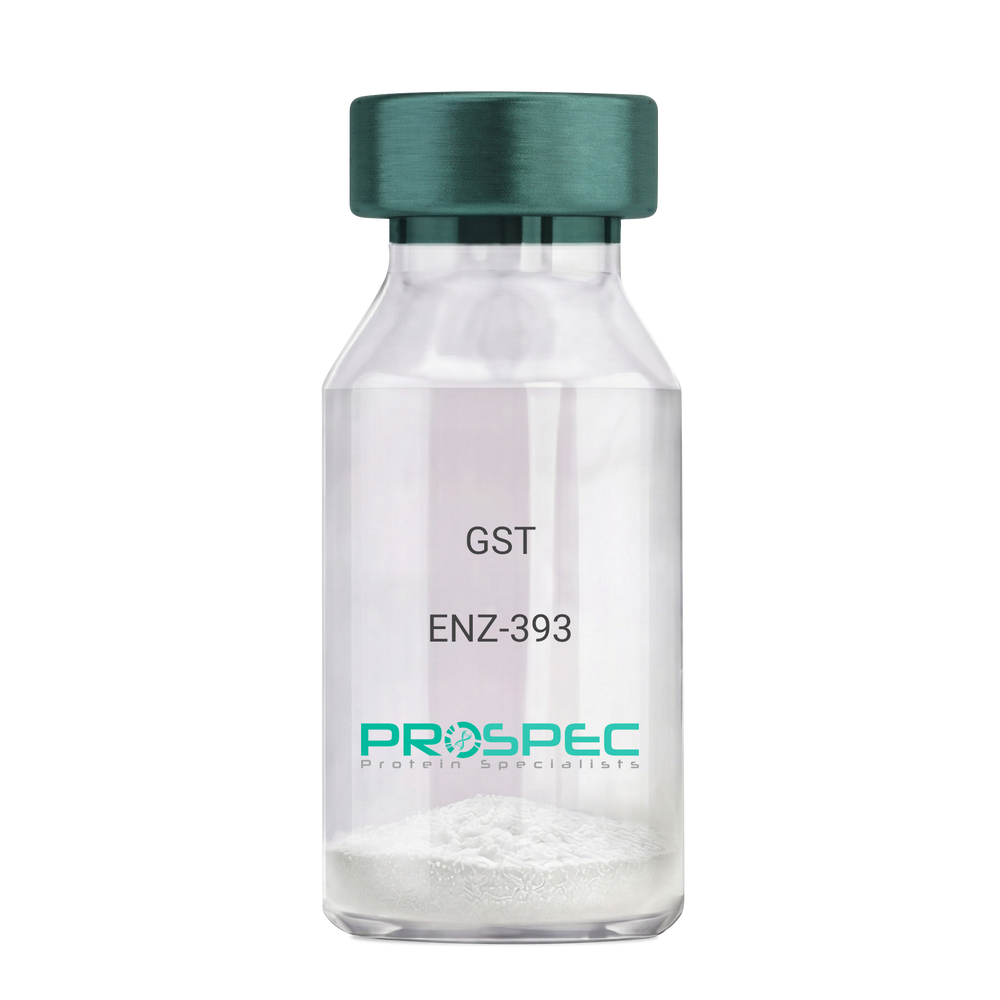
    Name :

    GST

    Description:

    Glutathione S-Transferase Recombinant

    Glutathione S-Transferase, GST, Glutathione S-transferase class-mu 26 kDa isozyme, GST 26, Sj26 antigen, SjGST.

    Product # :

    ENZ-393

    Price :

    Quantity :

    Shipping Method :

    Ice Icon

    Shipped with Ice Packs

    Add To Cart

    More Info

    • description
    • source
    • formulation
    • purity
    • biological activity
    • More Info

    Description

    Recombinant Glutathione S-Transferase full length protein (1-218a.a.) expressed in E.coli, having a molecular mass of 26kDa. GST was isolated from an E. coli strain that carries the coding sequence for Schistosoma japonicum GST under the control of a T7 promoter. The GST is purified by proprietary chromatographic techniques.

    Source

    Escherichia Coli.

    Formulation

    GST supplied in Phosphate Buffered Saline pH 7.4.

    Purity

    Greater than 95% as determined by SDS-PAGE.

    Biological Activity

    Specific activity is >20 units/mg. A unit is defined as the amount of enzyme that conjugate 1.0 u mole of 1-chloro-2,4-dinitrobenzene (CDNB) with reduced glutathione per minute at pH 6.5 at 25°C.

    More Info

    • Introduction

      Antioxidant enzyme Glutathione S- Transferase (GST) is thought to do the primary cellular defense mechanism against reactive oxygen species. GST reduces lipid hydroperoxides through its Se-independent glutathione peroxidase activity. The enzyme also detoxifies lipid peroxidation end products such as 4-hydroxynonenal (4-HNE).
      The soluble GST is a 26 kDa protein which occurs as a dimer in all aerobic organisms. Each monomer has two domains, one that binds GSH and is an /-structure similar to thioredoxin and the other, all helical, that binds the hydrophobic substrate. The GST -fusion protein expression system is a widely used recombinant protein expression system that allows a peptide or a regulatory protein domain to be expressed as a fusion to the C-terminus of Schistosoma japonicum GST. Fusion proteins also possess GST -enzymatic activity and can undergo dimerization similar to in vivo. The fusion protein can be purified via GST -affinity column chromatography. In most cases, the desired peptides or domains are removed from GST by applying a specific protease that recognizes and cleaves the linker between the protein domain and GST. The technique has been widely used to generate different kinds of proteins for crystallization, molecular immunology studies, the production of vaccines and studies involving protein-protein and protein-DNA interactions.

    • Synonyms

      Glutathione S-Transferase, GST, Glutathione S-transferase class-mu 26 kDa isozyme, GST 26, Sj26 antigen, SjGST.

    • Physical Appearance

      Sterile Filtered clear solution.

    • Stability

      Store at 4°C if entire vial will be used within 2-4 weeks. Store, frozen at -20°C for longer periods of time. For long term storage it is recommended to add a carrier protein (0.1% HSA or BSA).Avoid multiple freeze-thaw cycles.

    • Amino Acid Sequence

      MSPILGYWKI KGLVQPTRLL LEYLEEKYEE HLYERDEGDK WRNKKFELGL EFPNLPYYID GDVKLTQSMA IIRYIADKHN MLGGCPKERA EISMLEGAVL DIRYGVSRIA YSKDFETLKV DFLSKLPEML KMFEDRLCHK TYLNGDHVTH PDFMLYDALD VVLYMDPMCL DAFPKLVCFK KRIEAIPQID KYLKSSKYIA WPLQGWQATF GGGDHPPKSD LVPR.

    ProSpec's products are furnished for LABORATORY RESEARCH USE ONLY. The product may not be used as drugs, agricultural or pesticidal products, food additives or household chemicals.

    Glutathione S Transferase
  • 1
  • …
  • 12
  • 13
  • 14
  • 15
  • 16
  • …
  • 42
Your browser does not support the video tag.

Products

  • Cytokines
  • Growth Factors
  • Chemokines
  • CD Antigens
  • Neurotrophins
  • Hormones
  • Enzymes
  • Viral Antigens
  • Recombinant Proteins
  • Natural Proteins
  • Monoclonal Antibodies
  • Polyclonal Antibodies
  • Thermal Packaging

About

  • Company
  • Founder
  • Contribution
  • Contact Us
  • My Account

Ordering

  • Ordering Method
  • Ordering - Credit Card
  • Ordering PO
  • Shipping Fees
  • FAQ's

Legal

  • Terms & Conditions
  • Privacy
  • Site Map
  • info@prospecbio.com
  • Facebook
  • Instagram
  • Linkedin Profile

© 2026 ProSpec-Tany TechnoGene Ltd. All Rights Reserved.

  • Choosing a selection results in a full page refresh.
  • Opens in a new window.