Skip to content

High-quality research proteins.

  • 1-800-805-6531

  • Mon - Sat 8.00-18.00, Sun - Closed

  • info@prospecbio.com

  • PO Box 6591 East Brunswick NJ 08816

  • Products
    • Cytokines
    • Growth factors
    • Chemokines
    • Cd antigens
    • Neurotrophins
    • Hormones
    • Enzymes
    • Viral antigens
    • Recombinant proteins
    • Natural proteins
    • Monoclonal antibodies
    • Polyclonal antibodies
    • Thermal Packaging
  • About
    • Company
    • Founder
    • Contribution
  • Customers
    • Eastern Asia
    • Eastern Europe
    • North America
    • South America
    • South East Asia
    • Southern Asia
    • Western Europe
  • Ordering
    • Ordering Method
    • Ordering - Credit Card
    • Ordering - PO
    • Shipping Fees
    • FAQs
  • Services
    • DNA Cloning
    • Protein Expression
    • Monoclonal Antibody
    • Fermentation
    • Technology License
  • Contact us
Log in

Country/region

  • USD $ | Albania
  • USD $ | Andorra
  • USD $ | Argentina
  • USD $ | Armenia
  • USD $ | Australia
  • USD $ | Austria
  • USD $ | Azerbaijan
  • USD $ | Belarus
  • USD $ | Belgium
  • USD $ | Bolivia
  • USD $ | Brazil
  • USD $ | Bulgaria
  • USD $ | Cambodia
  • USD $ | Canada
  • USD $ | Chile
  • USD $ | China
  • USD $ | Colombia
  • USD $ | Costa Rica
  • USD $ | Croatia
  • USD $ | Cyprus
  • USD $ | Czechia
  • USD $ | Denmark
  • USD $ | Estonia
  • USD $ | Finland
  • USD $ | France
  • USD $ | Georgia
  • USD $ | Germany
  • USD $ | Greece
  • USD $ | Hong Kong SAR
  • USD $ | Hungary
  • USD $ | Iceland
  • USD $ | India
  • USD $ | Ireland
  • USD $ | Israel
  • USD $ | Italy
  • USD $ | Japan
  • USD $ | Kazakhstan
  • USD $ | Latvia
  • USD $ | Liechtenstein
  • USD $ | Lithuania
  • USD $ | Madagascar
  • USD $ | Malta
  • USD $ | Mexico
  • USD $ | Moldova
  • USD $ | Monaco
  • USD $ | Netherlands
  • USD $ | New Zealand
  • USD $ | North Macedonia
  • USD $ | Norway
  • USD $ | Panama
  • USD $ | Paraguay
  • USD $ | Peru
  • USD $ | Philippines
  • USD $ | Poland
  • USD $ | Portugal
  • USD $ | Romania
  • USD $ | Singapore
  • USD $ | Slovakia
  • USD $ | Slovenia
  • USD $ | South Africa
  • USD $ | South Korea
  • USD $ | Spain
  • USD $ | Sri Lanka
  • USD $ | Sweden
  • USD $ | Switzerland
  • USD $ | Taiwan
  • USD $ | Thailand
  • USD $ | Türkiye
  • USD $ | Ukraine
  • USD $ | United Kingdom
  • USD $ | United States
  • USD $ | Uruguay
  • USD $ | Vatican City
  • USD $ | Venezuela
  • USD $ | Vietnam
  • Facebook
  • Instagram
logoProSpec - Recombinant Protein Manufacturer for academic and R&D industry
Become a distributor
Account Log in
Wishlist
Cart Cart(0)
  • Products
    +
    • Cytokines
    • Growth factors
    • Chemokines
    • Cd antigens
    • Neurotrophins
    • Hormones
    • Enzymes
    • Viral antigens
    • Recombinant proteins
    • Natural proteins
    • Monoclonal antibodies
    • Polyclonal antibodies
    • Thermal Packaging
  • About
    +
    • Company
    • Founder
    • Contribution
  • Customers
    +
    • Eastern Asia
    • Eastern Europe
    • North America
    • South America
    • South East Asia
    • Southern Asia
    • Western Europe
  • Ordering
    +
    • Ordering Method
    • Ordering - Credit Card
    • Ordering - PO
    • Shipping Fees
    • FAQs
  • Services
    +
    • DNA Cloning
    • Protein Expression
    • Monoclonal Antibody
    • Fermentation
    • Technology License
  • Contact us

Item added to your cart

View cart
View All
  • Cytokines
  • Growth factors
  • Chemokines
  • Cd antigens
  • Neurotrophins
  • Hormones
  • Enzymes
  • Viral antigens
  • Recombinant proteins
  • Natural proteins
  • Monoclonal antibodies
  • Polyclonal antibodies
  • Thermal Packaging
  • Tumor Necrosis Factor

    Tumor Necrosis Factor

    View All
  • 4-1BB

    4-1BB

    View All
  • Adiponectin

    Adiponectin

    View All
  • AIF1

    AIF1

    View All
  • Other Cytokines

    Other Cytokines

    View All
  • AITRL

    AITRL

    View All
  • Angiopoietin

    Angiopoietin

    View All
  • Apolipoprotein

    Apolipoprotein

    View All
  • B-Cell Activating Factor

    B-Cell Activating Factor

    View All
  • Beta Defensin

    Beta Defensin

    View All
  • Bone Morphogenetic Protein

    Bone Morphogenetic Protein

    View All
  • B type Natriuretic Peptide

    B type Natriuretic Peptide

    View All
  • BST

    BST

    View All
  • Betacellulin

    Betacellulin

    View All
  • Cardiotrophin

    Cardiotrophin

    View All
  • Activin

    Activin

    View All
  • Fibroblast Growth Factor

    Fibroblast Growth Factor

    View All
  • Other Growth Factors

    Other Growth Factors

    View All
  • CSF

    CSF

    View All
  • CTGF

    CTGF

    View All
  • IGFBP

    IGFBP

    View All
  • VEGF Protein

    VEGF Protein

    View All
  • EGF

    EGF

    View All
  • Epigen

    Epigen

    View All
  • Erythropoietin

    Erythropoietin

    View All
  • Insulin-Like Growth Factor

    Insulin-Like Growth Factor

    View All
  • Growth Hormone

    Growth Hormone

    View All
  • HDGF

    HDGF

    View All
  • Hepatocyte Growth Factor

    Hepatocyte Growth Factor

    View All
  • Insulin

    Insulin

    View All
  • BCA-1/ BLC (CXCL13)

    BCA-1/ BLC (CXCL13)

    View All
  • BRAK (CXCL14)

    BRAK (CXCL14)

    View All
  • C-10 (CCL6)

    C-10 (CCL6)

    View All
  • Other Chemokines

    Other Chemokines

    View All
  • MEC (CCL28)

    MEC (CCL28)

    View All
  • LD78-beta (CCL3L1)

    LD78-beta (CCL3L1)

    View All
  • CTACK (CCL27)

    CTACK (CCL27)

    View All
  • CXCL16

    CXCL16

    View All
  • CXCL17

    CXCL17

    View All
  • Platelet Factor-4 (CXCL4)

    Platelet Factor-4 (CXCL4)

    View All
  • ENA-78 (CXCL5)

    ENA-78 (CXCL5)

    View All
  • Eotaxin (CCL11,24,26)

    Eotaxin (CCL11,24,26)

    View All
  • Exodus-2 (CCL21)

    Exodus-2 (CCL21)

    View All
  • Fractalkine (CX3CL1)

    Fractalkine (CX3CL1)

    View All
  • CXCL6

    CXCL6

    View All
  • Other CD Antigens

    Other CD Antigens

    View All
  • CD14

    CD14

    View All
  • CD164

    CD164

    View All
  • CD1

    CD1

    View All
  • CD2

    CD2

    View All
  • CD200

    CD200

    View All
  • CD207

    CD207

    View All
  • CD226

    CD226

    View All
  • CD23

    CD23

    View All
  • CD244

    CD244

    View All
  • CD247

    CD247

    View All
  • CD27

    CD27

    View All
  • CD274

    CD274

    View All
  • CD300

    CD300

    View All
  • CD33

    CD33

    View All
  • Other Neurotrophins

    Other Neurotrophins

    View All
  • Beta-NGF

    Beta-NGF

    View All
  • BDNF

    BDNF

    View All
  • CDNF

    CDNF

    View All
  • CNTF

    CNTF

    View All
  • GDNF

    GDNF

    View All
  • Glia Maturation Factor

    Glia Maturation Factor

    View All
  • MANF

    MANF

    View All
  • Midkine

    Midkine

    View All
  • Neuroglobin

    Neuroglobin

    View All
  • Neurotrophic factors

    Neurotrophic factors

    View All
  • Neuregulin

    Neuregulin

    View All
  • Neuropilin

    Neuropilin

    View All
  • Pigment Epithelium-Derived Factor

    Pigment Epithelium-Derived Factor

    View All
  • Pleiotrophin

    Pleiotrophin

    View All
  • Peptide Hormones

    Peptide Hormones

    View All
  • Other Hormones

    Other Hormones

    View All
  • HCG

    HCG

    View All
  • Endothelin

    Endothelin

    View All
  • Exendin

    Exendin

    View All
  • FSH

    FSH

    View All
  • Glucagon

    Glucagon

    View All
  • GHRP

    GHRP

    View All
  • GLP

    GLP

    View All
  • Thyrostimulin

    Thyrostimulin

    View All
  • Inhibin A

    Inhibin A

    View All
  • LHRH

    LHRH

    View All
  • Melanotan

    Melanotan

    View All
  • Procalcitonin

    Procalcitonin

    View All
  • PTH

    PTH

    View All
  • Peroxiredoxin

    Peroxiredoxin

    View All
  • Peptidase

    Peptidase

    View All
  • Synthetase

    Synthetase

    View All
  • Transferase

    Transferase

    View All
  • Hydrolase

    Hydrolase

    View All
  • Dehydrogenase

    Dehydrogenase

    View All
  • ACE2

    ACE2

    View All
  • Esterase

    Esterase

    View All
  • Protein Kinases

    Protein Kinases

    View All
  • Other Enzymes

    Other Enzymes

    View All
  • Phosphatase

    Phosphatase

    View All
  • Deaminase

    Deaminase

    View All
  • Oxygenase

    Oxygenase

    View All
  • Adenylate Kinase

    Adenylate Kinase

    View All
  • Lyase

    Lyase

    View All
  • Chagas

    Chagas

    View All
  • SARS

    SARS

    View All
  • Influenza

    Influenza

    View All
  • ASFV

    ASFV

    View All
  • Astrovirus

    Astrovirus

    View All
  • Borrelia

    Borrelia

    View All
  • Helicobacter Pylori

    Helicobacter Pylori

    View All
  • Chikungunya

    Chikungunya

    View All
  • Chlamydia

    Chlamydia

    View All
  • Cytomegalo

    Cytomegalo

    View All
  • Dengue

    Dengue

    View All
  • EBV

    EBV

    View All
  • Ebola

    Ebola

    View All
  • Feline Leukemia Virus

    Feline Leukemia Virus

    View All
  • Hepatitis A

    Hepatitis A

    View All
  • Other

    Other

    View All
  • Actin

    Actin

    View All
  • ADAM

    ADAM

    View All
  • Complement Component

    Complement Component

    View All
  • Ag85

    Ag85

    View All
  • Eukaryotic Translation Initiation Factor

    Eukaryotic Translation Initiation Factor

    View All
  • Anterior Gradient Protein

    Anterior Gradient Protein

    View All
  • Heat Shock Protein

    Heat Shock Protein

    View All
  • Alpha-2-HS-Glycoprotein

    Alpha-2-HS-Glycoprotein

    View All
  • Hemoglobin

    Hemoglobin

    View All
  • Allergy

    Allergy

    View All
  • Anaplasma

    Anaplasma

    View All
  • Angiogenin

    Angiogenin

    View All
  • Ankyrin Repeat Domain

    Ankyrin Repeat Domain

    View All
  • Annexin

    Annexin

    View All
  • Other Natural Proteins

    Other Natural Proteins

    View All
  • Aprotinin

    Aprotinin

    View All
  • Transferrin

    Transferrin

    View All
  • Avidin

    Avidin

    View All
  • Anti Coagulation Factors

    Anti Coagulation Factors

    View All
  • Natural Albumin

    Natural Albumin

    View All
  • Natural Coagulation Factors

    Natural Coagulation Factors

    View All
  • Fibronectin

    Fibronectin

    View All
  • Thrombin

    Thrombin

    View All
  • Anti Human Enzyme

    Anti Human Enzyme

    View All
  • Other Monoclonal Antibodies

    Other Monoclonal Antibodies

    View All
  • Anti Human Cytokine

    Anti Human Cytokine

    View All
  • Anti Human Heat Shock Protein

    Anti Human Heat Shock Protein

    View All
  • Anti Mouse Lymphocyte

    Anti Mouse Lymphocyte

    View All
  • Anti Human Chemokine

    Anti Human Chemokine

    View All
  • Anti Human Lymphocyte

    Anti Human Lymphocyte

    View All
  • Anti Viral Monoclonal

    Anti Viral Monoclonal

    View All
  • Anti Mouse Cytokine

    Anti Mouse Cytokine

    View All
  • Anti-GST Monoclonal

    Anti-GST Monoclonal

    View All
  • Other Polyclonal Antibodies

    Other Polyclonal Antibodies

    View All
  • Anti Viral

    Anti Viral

    View All
  • Anti-GST Monoclonal

    Anti-GST Monoclonal

    View All
Back

Search results

1000 results found for “Thymosin”

Name

Description

Product #

Price

Quantity

Shipping Method

  • View Data Sheet

    Name :

    TROVE2 Human, His Biotin

    Description:

    TROVE Domain Family Member 2 Human Recombinant, His Tag Biotinylated

    60 kDa SS-A/Ro ribonucleoprotein, 60 kDa ribonucleoprotein Ro, RoRNP, 60 kDa Ro protein, Ro 60 kDa autoantigen, TROVE domain family member 2, Sjoegren syndrome type A antigen, SS-A, Sjoegren syndrome antigen A2, TROVE2, RO60, SSA2, RO-60.

    Product # :

    PRO-2560

    Price :

    Quantity :

    Shipping Method :

    Ice Icon

    Shipped with Ice Packs

    Add To Cart

    More Info

    • description
    • source
    • formulation
    • purity
    • More Info
    • Citations

    Description

    TROVE2 Human Recombinant Biotin produced in E.Coli is a single, non-glycosylated, polypeptide chain having a molecular mass of 56kDa. The TROVE2 is expressed with a 6xHis tag at N-terminus and purified by proprietary chromatographic techniques.

    Source

    Escherichia Coli.

    Formulation

    The protein solution contains 20mM HEPES (pH 8.0), 20% Glycerol and 150mM NaCl.

    Purity

    Greater than 89% as determined by Capillary Electrophoresis.

    Citations

    More Info

    • Introduction

      Ro 60 kDa autoantigen is an RNA-binding protein that binds to several small cytoplasmic RNA molecules known as Y RNAs. SSA2 may stabilize these RNAs from degradation. Sera taken from patients with Systemic Lupus Erythematosus (SLE) often contains antibodies that react with the normal cellular SSA2 protein as if this antigen was foreign.

    • Synonyms

      60 kDa SS-A/Ro ribonucleoprotein, 60 kDa ribonucleoprotein Ro, RoRNP, 60 kDa Ro protein, Ro 60 kDa autoantigen, TROVE domain family member 2, Sjoegren syndrome type A antigen, SS-A, Sjoegren syndrome antigen A2, TROVE2, RO60, SSA2, RO-60.

    • Physical Appearance

      Sterile Filtered clear solution.

    • Stability

      Store at 4°C if entire vial will be used within 2-4 weeks. Store, frozen at -20°C for longer periods of time. Avoid multiple freeze-thaw cycles.

    ProSpec's products are furnished for LABORATORY RESEARCH USE ONLY. The product may not be used as drugs, agricultural or pesticidal products, food additives or household chemicals.

    Ro60 Human
  • View Data Sheet

    Name :

    HTLV-1 mosaic

    Description:

    HTLV-1 Mosaic Recombinant

    Product # :

    HIV-144

    Price :

    Quantity :

    Shipping Method :

    Ice Icon

    Shipped with Ice Packs

    Add To Cart

    More Info

    • description
    • formulation
    • purity
    • More Info
    • Citations

    Description

    The E.Coli derived recombinant mosiac protein contains the gp21 and gp46 immunodominant regions, 374-400 amino acids and 190-201 amino acids. The protein is fused with GST at N-terminus.

    Formulation

    20mM Phosphate buffer PH 7.5.

    Purity

    Protein is >95% pure as determined by SDS-PAGE.

    Citations

    More Info

    • Introduction

      Human T-lymphotropic virus (HTLV) is a human, single-stranded RNA retrovirus that causes T-cell leukemia and T-cell lymphoma. The virus activates a subset of T-helper cellscalled Th1cells. The result is a proliferation of Th1 cells and overproduction of Th1 related cytokines (mainly IFN-gamma and TNF-alpha). Feedback mechanisms of these cytokines cause a suppression of the Th2 lymphocytes and a reduction of Th2 cytokine production (mainly IL-4, IL-5, IL-10 and IL-13). The end result is a reduction in the ability of the infected host to mount an adequate immune response to invading organisms that require a predominantly Th2 dependant response (these include parasitic infections and production of mucosal and humoral antibodies).

    • Stability

      HTLV-1 Mosaic although stable at 4°C for 1 week, should be stored below -18°C. Please prevent freeze thaw cycles.

    • Applications

      HTLV-1 Mosaic can be used as an antigen in ELISA and Western Blots. Excellent reagent for correct detection of HTLV infections, with minimal specificity problems.

    • Specificity

      Immunoreactive with sera of HTLV-I infected individuals

    • Purification Method

      HTLV-1 Mosaic was purified by proprietary chromatographic technique.

    ProSpec's products are furnished for LABORATORY RESEARCH USE ONLY. The product may not be used as drugs, agricultural or pesticidal products, food additives or household chemicals.

    Htlv 1 Mosaic
  • View Data Sheet

    Name :

    CD105 Human, His

    Description:

    Endoglin Human Recombinant, His-Tag

    CD105, ENG, END, ORW, HHT1, ORW1, FLJ41744, Endoglin.

    Product # :

    CYT-823

    Price :

    Quantity :

    Shipping Method :

    Ice Icon

    Shipped with Ice Packs

    Add To Cart

    More Info

    • description
    • source
    • formulation
    • purity
    • More Info
    • sds-page
    • Citations

    Description

    Endoglin Human Recombinant produced in E.coli is a single, non-glycosylated polypeptide chain containing 594 amino acids (26-586) and having a molecular mass of 64.9 kDa. Endoglin is fused to a 36 amino acid His-tag at N-terminus.

    Source

    Escherichia Coli.

    Formulation

    The Endoglin solution (0.25mg/ml) contains 20mM Tris-HCl buffer (pH 8.0), 1mM DTT, 150mM NaCl and 10% glycerol.

    Purity

    Greater than 85% as determined by SDS-PAGE.

    sds-page

    CD105-sds-page - Product image 1

    Citations

    More Info

    • Introduction

      Endoglin is a type I membrane glycoprotein located on cell surfaces and is part of the TGF beta receptor complex.The Endoglin protein consists of a homodimer of 180 kDA with disulfide links. Endoglin has been found on endothelial cells, activated macrophages, fibroblasts, and smooth muscle cells. Furthermore, Endoglin has been found to be part of the TGF-beta1 receptor complex. Endoglin thus may be involved in the binding of TGF-beta1, TGF-beta3, activin-A, BMP-2, and BMP-7. Beside TGF-beta signaling endoglin may have other functions. It has been postulated that endoglin is involved in the cytoskeletal organization affecting cell morphology and migration. Endoglin has a role in the development of the cardiovascular system and in vascular remodeling. Endoglin expression is regulated during heart development . Experimental mice without the endoglin gene die due to cardiovascular abnormalities.

    • Synonyms

      CD105, ENG, END, ORW, HHT1, ORW1, FLJ41744, Endoglin.

    • Physical Appearance

      Sterile Filtered clear solution.

    • Stability

      Store at 4°C if entire vial will be used within 2-4 weeks. Store, frozen at -20°C for longer periods of time. For long term storage it is recommended to add a carrier protein (0.1% HSA or BSA).Avoid multiple freeze-thaw cycles.

    • Amino Acid Sequence

      MRGSHHHHHH GMASMTGGQQ MGRDLYDDDD KDRWGSETVH CDLQPVGPER DEVTYTTSQV SKGCVAQAPN AILEVHVLFL EFPTGPSQLE LTLQASKQNG TWPREVLLVL SVNSSVFLHL QALGIPLHLA YNSSLVTFQE PPGVNTTELP SFPKTQILEW AAERGPITSA AELNDPQSIL LRLGQAQGSL SFCMLEASQD MGRTLEWRPR TPALVRGCHL EGVAGHKEAH ILRVLPGHSA GPRTVTVKVE LSCAPGDLDA VLILQGPPYV SWLIDANHNM QIWTTGEYSF KIFPEKNIRG FKLPDTPQGL LGEARMLNAS IVASFVELPL ASIVSLHASS CGGRLQTSPA PIQTTPPKDT CSPELLMSLI QTKCADDAMT LVLKKELVAH LKCTITGLTF WDPSCEAEDR GDKFVLRSAY SSCGMQVSAS MISNEAVVNI LSSSSPQRKK VHCLNMDSLS FQLGLYLSPH FLQASNTIEP GQQSFVQVRV SPSVSEFLLQ LDSCHLDLGP EGGTVELIQG RAAKGNCVSL LSPSPEGDPR FSFLLHFYTV PIPKTGTLSC TVALRPKTGS QDQEVHRTVF MRLNIISPDL SGCTSKG

    • Background

      What is the molecular weight/Mw of CD105 Protein?
      CD105 Protein has a total Mw of 64.9kDa.

      What is the source or expression system of CD105 Protein?
      Escherichia Coli.

      What is the Purity of CD105 Protein?
      CD105 Protein is >85% pure as determined by SDS-PAGE.

      What is the Biological Activity of CD105 Protein?
      The biological functionality of CD105 Protein will be determined in the future.

      What is the amino acid sequence of CD105 Protein?
      MRGSHHHHHH GMASMTGGQQ MGRDLYDDDD KDRWGSETVH CDLQPVGPER DEVTYTTSQV SKGCVAQAPN AILEVHVLFL EFPTGPSQLE LTLQASKQNG TWPREVLLVL SVNSSVFLHL QALGIPLHLA YNSSLVTFQE PPGVNTTELP SFPKTQILEW AAERGPITSA AELNDPQSIL LRLGQAQGSL SFCMLEASQD MGRTLEWRPR TPALVRGCHL EGVAGHKEAH ILRVLPGHSA GPRTVTVKVE LSCAPGDLDA VLILQGPPYV SWLIDANHNM QIWTTGEYSF KIFPEKNIRG FKLPDTPQGL LGEARMLNAS IVASFVELPL ASIVSLHASS CGGRLQTSPA PIQTTPPKDT CSPELLMSLI QTKCADDAMT LVLKKELVAH LKCTITGLTF WDPSCEAEDR GDKFVLRSAY SSCGMQVSAS MISNEAVVNI LSSSSPQRKK VHCLNMDSLS FQLGLYLSPH FLQASNTIEP GQQSFVQVRV SPSVSEFLLQ LDSCHLDLGP EGGTVELIQG RAAKGNCVSL LSPSPEGDPR FSFLLHFYTV PIPKTGTLSC TVALRPKTGS QDQEVHRTVF MRLNIISPDL SGCTSKG

      What applications can CD105 Protein be used in?
      CD105 Protein can probably be used in western blot, ELISA and Lateral Flow.

      What is the endotoxin level for CD105 Protein?
      The endotoxin level is minimal, CD105 Protein was purified using conventional chromatography techniques.

    ProSpec's products are furnished for LABORATORY RESEARCH USE ONLY. The product may not be used as drugs, agricultural or pesticidal products, food additives or household chemicals.

    Endoglin Human His
  • View Data Sheet

    Name :

    TNFRSF10D Human

    Description:

    TRAIL Receptor-4 Human Recombinant

    Tumor necrosis factor receptor superfamily member 10D, CD264, DCR2, TRAIL-R4, TRAILR4, TRUNDD, Decoy receptor 2, TNF-related apoptosis-inducing ligand receptor 4, TRAIL receptor 4, TRAIL receptor with a truncated death domain.          

    Product # :

    CYT-1045

    Price :

    Quantity :

    Shipping Method :

    Ice Icon

    Shipped with Ice Packs

    Add To Cart

    More Info

    • description
    • source
    • formulation
    • purity
    • biological activity
    • More Info
    • Citations

    Description

    TNFRSF10D produced in Sf9 Baculovirus cells is a single, glycosylated polypeptide chain containing 395 amino acids (56-211a.a.) and having a molecular mass of 73.8kDa. (Molecular size on SDS-PAGE will appear at approximately 40-57kDa).TNFRSF10D is expressed with a 239 amino acid hIgG-His tag at C-Terminus and purified by proprietary chromatographic techniques.

    Source

    Sf9, Baculovirus cells.

    Formulation

    TNFRSF10D protein solution (0.5mg/ml) contains phosphate buffered saline (pH7.4) and 10% glycerol.

    Purity

    Greater than 90.0% as determined by SDS-PAGE.

    Biological Activity

    Measured in a neutralizing assay using Jurkat human T lymphocyte. The ED50 for this effect is less or equal to 10 ng/ml in the presence of 2ng/ml TRAIL.


    Citations

    More Info

    • Introduction

      TRAIL Receptor-4 Human Recombinant or TNFRSF10D, is part of the TNF-receptor superfamily. TNFRSF10D has atruncated cytoplasmic death domai , an extracellular TRAIL-binding domain and a transmembrane domain. The protein can prevent from TRAIL-mediated apoptosis on cells with TRAIL R1 and/or TRAIL R2.

    • Synonyms

      Tumor necrosis factor receptor superfamily member 10D, CD264, DCR2, TRAIL-R4, TRAILR4, TRUNDD, Decoy receptor 2, TNF-related apoptosis-inducing ligand receptor 4, TRAIL receptor 4, TRAIL receptor with a truncated death domain.

    • Physical Appearance

      Sterile Filtered colorless solution.

    • Stability

      Store at 4°C if entire vial will be used within 2-4 weeks. Store, frozen at -20°C for longer periods of time. For long term storage it is recommended to add a carrier protein (0.1% HSA or BSA). Avoid multiple freeze-thaw cycles.

    • Amino Acid Sequence

      ATIPRQDEVP QQTVAPQQQR RSLKEEECPA GSHRSEYTGA CNPCTEGVDY TIASNNLPSC LLCTVCKSGQ TNKSSCTTTR DTVCQCEKGS FQDKNSPEMC RTCRTGCPRG MVKVSNCTPR SDIKCKNESA ASSTGKTPAA EETVTTILGM LASPYHVEPK SCDKTHTCPP CPAPELLGGP
      SVFLFPPKPK DTLMISRTPE VTCVVVDVSH EDPEVKFNWY VDGVEVHNAK TKPREEQYNS TYRVVSVLTV LHQDWLNGKE YKCKVSNKAL PAPIEKTISK AKGQPREPQV YTLPPSRDEL TKNQVSLTCL VKGFYPSDIA VEWESNGQPE NNYKTTPPVL DSDGSFFLYS KLTVDKSRWQ
      QGNVFSCSVM HEALHNHYTQ KSLSLSPGKH HHHHH.

    ProSpec's products are furnished for LABORATORY RESEARCH USE ONLY. The product may not be used as drugs, agricultural or pesticidal products, food additives or household chemicals.

    Tnfrsf10D
  • View Data Sheet

    Name :

    PTEN Human, His

    Description:

    Phosphatase and Tensin homolog Human Recombinant, His Tag

    Phosphatidylinositol-3,4,5-trisphosphate 3-phosphatase and dual-specificity protein phosphatase PTEN, EC 3.1.3.67, EC 3.1.3.16, EC 3.1.3.48, Phosphatase and tensin homolog, Mutated in multiple advanced cancers 1, PTEN, MMAC1, TEP1, BZS, MHAM, PTEN1, 10q23del, MGC11227.

    Product # :

    PRO-712

    Price :

    Quantity :

    Shipping Method :

    Ice Icon

    Shipped with Ice Packs

    Add To Cart

    More Info

    • description
    • source
    • formulation
    • purity
    • More Info
    • Citations

    Description

    PTEN Human Recombinant fused with a 20 amino acid His tag at N-terminus produced in E.Coli is a single, non-glycosylated, polypeptide chain containing 423 amino acids (1- 403 a.a.) and having a molecular mass of 49.3kDa.The PTEN is purified by proprietary chromatographic techniques.

    Source

    Escherichia Coli.

    Formulation

    The PTEN solution contains 20mM Tris-HCl buffer (pH 8.0), 1mM EDTA, 2mM DTT, 100mM NaCl, and 20% glycerol.

    Purity

    Greater than 85.0% as determined by SDS-PAGE.

    Citations

    More Info

    • Introduction

      PTEN, a tumor suppressor, has been implicated in a large number of human tumors and is conserved from humans to worms. PTEN has a tensin like domain and a catalytic domain similar to that of the dual specificity protein tyrosine phosphatases. Characterization of PTEN protein showed that it is a phosphatase that acts on proteins and on 3-phosphorylated phosphoinositides, and can therefore modulate signal transduction pathways that involve lipid second messengers. In contrast to most of the protein tyrosine phosphatases, PTEN preferentially dephosphorylates phosphoinositide substrates. PTEN negatively regulates intracellular levels of phosphatidylinositol-3,4,5-trisphosphate in cells and acts as a tumor suppressor by negative regulation of AKT/PKB signaling pathway. Recent results indicate that at least part of its role is to regulate the activity of the serine/threonine kinase AKT/PKB, and thus influence cell survival signaling.

    • Synonyms

      Phosphatidylinositol-3,4,5-trisphosphate 3-phosphatase and dual-specificity protein phosphatase PTEN, EC 3.1.3.67, EC 3.1.3.16, EC 3.1.3.48, Phosphatase and tensin homolog, Mutated in multiple advanced cancers 1, PTEN, MMAC1, TEP1, BZS, MHAM, PTEN1, 10q23del, MGC11227.

    • Physical Appearance

      Sterile Filtered colorless solution.

    • Stability

      Store at 4°C if entire vial will be used within 2-4 weeks. Store, frozen at -20°C for longer periods of time. For long term storage it is recommended to add a carrier protein (0.1% HSA or BSA).Please prevent freeze-thaw cycles.

    • Amino Acid Sequence

      MGSSHHHHHH SSGLVPRGSH MTAIIKEIVS RNKRRYQEDG FDLDLTYIYP NIIAMGFPAE RLEGVYRNNI DDVVRFLDSK HKNHYKIYNL CAERHYDTAK FNCRVAQYPF EDHNPPQLEL IKPFCEDLDQ WLSEDDNHVA AIHCKAGKGR TGVMICAYLL HRGKFLKAQE ALDFYGEVRT RDKKGVTIPS QRRYVYYYSY LLKNHLDYRP VALLFHKMMF ETIPMFSGGT CNPQFVVCQL KVKIYSSNSG PTRREDKFMY FEFPQPLPVC GDIKVEFFHK QNKMLKKDKM FHFWVNTFFI PGPEETSEKV ENGSLCDQEI DSICSIERAD NDKEYLVLTL TKNDLDKANK DKANRYFSPN FKVKLYFTKT VEEPSNPEAS SSTSVTPDVS DNEPDHYRYS DTTDSDPENE PFDEDQHTQI TKV.

    • Patent Protected Countries

      The Sale of recombinant Human PTEN by ProSpec is prohibited in the following countries: United States, Japan, Australia, Canada, Austria, Belgium, Denmark, Finland, France, Germany, Ireland, Italy, Liechtenstein, Luxembourg, Netherlands, Portugal, Spain, Sweden, Switzerland and UK.

    ProSpec's products are furnished for LABORATORY RESEARCH USE ONLY. The product may not be used as drugs, agricultural or pesticidal products, food additives or household chemicals.

    Pten Human His
  • View Data Sheet

    Name :

    YARS2 Human

    Description:

    Tyrosyl-tRNA Synthetase 2 Human Recombinant

    Tyrosine--tRNA ligase mitochondrial, Tyrosyl-tRNA synthetase, TyrRS, YARS2, CGI-04, TYRRS, MLASA2, MT-TYRRS.

    Product # :

    ENZ-614

    Price :

    Quantity :

    Shipping Method :

    Ice Icon

    Shipped with Ice Packs

    Add To Cart

    More Info

    • description
    • source
    • formulation
    • purity
    • More Info
    • Citations

    Description

    YARS2 Human Recombinant produced in E.Coli is a single, non-glycosylated polypeptide chain containing 482 amino acids (17-477 a.a.) and having a molecular mass of 53.7kDa.YARS2 is fused to a 21 amino acid His-tag at N-terminus & purified by proprietary chromatographic techniques.

    Source

    Escherichia Coli.

    Formulation

    YARS2 protein solution (0.25mg/ml) containing 20mM Tris-HCl buffer (pH8.0), 20% glycerol, 0.1M NaCl, 1mM DTT.

    Purity

    Greater than 85.0% as determined by SDS-PAGE.

    Citations

    More Info

    • Introduction

      Tyrosyl-tRNA synthetase (YARS2) is a mitochondrial protein which catalyzes the attachment of tyrosine to tRNA(Tyr) in a two-step reaction: tyrosine is first activated by ATP to form Tyr-AMP and afterward transferred to the acceptor end of tRNA(Tyr). YARS2 gene mutations are linked with myopathy with lactic acidosis and sideroblastic anemia type 2 (MLASA2).

    • Synonyms

      Tyrosine--tRNA ligase mitochondrial, Tyrosyl-tRNA synthetase, TyrRS, YARS2, CGI-04, TYRRS, MLASA2, MT-TYRRS.

    • Physical Appearance

      Sterile Filtered colorless solution.

    • Stability

      Store at 4°C if entire vial will be used within 2-4 weeks. Store, frozen at -20°C for longer periods of time. For long term storage it is recommended to add a carrier protein (0.1% HSA or BSA).Avoid multiple freeze-thaw cycles.

    • Amino Acid Sequence

      MGSSHHHHHH SSGLVPRGSH MTLNLSVLLP LGLRKAHSGA QGLLAAQKAR GLFKDFFPET GTKIELPELF DRGTASFPQT IYCGFDPTAD SLHVGHLLAL LGLFHLQRAG HNVIALVGGA TARLGDPSGR TKEREALETE RVRANARALR LGLEALAANH QQLFTDGRSW GSFTVLDNSA WYQKQHLVDF LAAVGGHFRM GTLLSRQSVQ LRLKSPEGMS LAEFFYQVLQ AYDFYYLFQR YGCRVQLGGS DQLGNIMSGY EFINKLTGED VFGITVPLIT STTGAKLGKS AGNAVWLNRD KTSPFELYQF FVRQPDDSVE RYLKLFTFLP LPEIDHIMQL HVKEPERRGP QKRLAAEVTK LVHGREGLDS AKRCTQALYH SSIDALEVMS DQELKELFKE APFSEFFLDP GTSVLDTCRK ANAIPDGPRG YRMITEGGVS INHQQVTNPE SVLIVGQHIL KNGLSLLKIG KRNFYIIKWL QL.

    ProSpec's products are furnished for LABORATORY RESEARCH USE ONLY. The product may not be used as drugs, agricultural or pesticidal products, food additives or household chemicals.

    Yars2 Human
  • View Data Sheet

    Name :

    Vimentin Human

    Description:

    Vimentin Human Recombinant

    Vimentin, Vim, FLJ36605.

    Product # :

    PRO-309

    Price :

    Quantity :

    Shipping Method :

    Room Temp Icon

    Shipped at Room temp

    Add To Cart

    More Info

    • description
    • source
    • formulation
    • purity
    • More Info
    • Citations

    Description

    Vimentin Human Recombinant produced in E.coli cells is a single non-glycosylated protein containing 465 amino acids chain and having a molecular mass of 53.5kDa. The Vimentin is purified by proprietary chromatographic techniques.

    Source

    Escherichia Coli.

    Formulation

    The Vimentin was lyophilized from a 0.2µm filtered concentrated solution in 30% Acetonitrile and 0.1% TFA.

    Purity

    Greater than 95.0% as determined by:
    (a) Analysis by RP-HPLC.
    (b) Analysis by SDS-PAGE.

    Citations

    More Info

    • Introduction

      Vimentin expression in human malignant glioma cells depends on cellular density, algorithms of drug delivery and chemo/radio treatment. Vimentin and detyrosinated microtubules provide structural support for the extensive microtentacles observed in detached tumor cells and a mechanism to promote successful metastatic spread. Primary colorectal carcinomas display aberrant expression of vimentin, and have activated Notch and TGFbeta signaling pathways. Vimentin is a strong arterial substrate for transglutaminases. Transglutaminase-mediated vimentin dimerization results in a novel unifying pathway by which vasodilatory and remodeling responses may be regulated. Ablation of vimentin expression inhibits migration and invasion of colon and breast cancer cell lines. Vimentin is the main intermediate filament protein in mesenchymal cells and is therefore of value in the differential diagnosis of undifferentiated neoplasms.

    • Synonyms

      Vimentin, Vim, FLJ36605.

    • Physical Appearance

      Sterile Filtered White lyophilized (freeze-dried) powder.

    • Stability

      Lyophilized Vimentin although stable at room temperature for 3 weeks, should be stored desiccated below -18°C. Upon reconstitution Vimentin should be stored at 4°C between 2-7 days and for future use below -18°C.For long term storage it is recommended to add a carrier protein (0.1% HSA or BSA).Please prevent freeze-thaw cycles.

    • Solubility

      It is recommended to reconstitute the lyophilized Vimentin in sterile 4mM HCl not less than 100µg/ml, which can then be further diluted to other aqueous solutions.

    • Amino Acid Sequence

      STRSVSSSSY RRMFGGPGTA SRPSSSRSYV TTSTRTYSLG SALRPSTSRS LYASSPGGVY ATRSSAVRLR SSVPGVRLLQ DSVDFSLADA INTEFKNTRT NEKVELQELN DRFANYIDKV RFLEQQNKIL LAELEQLKGQ GKSRLGDLYE EEMRELRRQV DQLTNDKARV EVERDNLAED IMRLREKLQE EMLQREEAEN TLQSFRQDVD NASLARLDLE RKVESLQEEI AFLKKLHEEE IQELQAQIQE QHVQIDVDVS KPDLTAALRD VRQQYESVAA KNLQEAEEWY KSKFADLSEA ANRNNDALRQ AKQESTEYRR QVQSLTCEVD ALKGTNESLE RQMREMEENF AVEAANYQDT IGRLQDEIQN MKEEMARHLR EYQDLLNVKM ALDIEIATYR KLLEGEESRI SLPLPNFSSL NLRETNLDSL PLVDTHSKRT LLIKTVETRD GQVINETSQH HDDLE.

    ProSpec's products are furnished for LABORATORY RESEARCH USE ONLY. The product may not be used as drugs, agricultural or pesticidal products, food additives or household chemicals.

    Vimentin Human
  • View Data Sheet

    Name :

    Vimentin Bovine

    Description:

    Bovine Vimentin

    Vimentin, Vim, FLJ36605.

    Product # :

    PRO-525

    Price :

    Quantity :

    Shipping Method :

    Room Temp Icon

    Shipped at Room temp

    Add To Cart

    More Info

    • description
    • source
    • formulation
    • purity
    • More Info
    • Citations

    Description

    Bovine Vimentin protein produced in Bovine Lens, having a molecular weight of 57 kDa.

    Source

    Bovine Lens.

    Formulation

    The protein (1mg/ml) was lyophilized from a 1mg/ml solution containing 10mM sodium phosphate pH 7.5, 6M urea, 2mM DTT, 1mM EDTA and 10mM methylammonium chloride.

    Purity

    Greater than 98.0% as determined by SDS-PAGE.

    Citations

    More Info

    • Introduction

      Vimentin expression in human malignant glioma cells depends on cellular density, algorithms of drug delivery and chemo/radio treatment. Vimentin and detyrosinated microtubules provide structural support for the extensive microtentacles observed in detached tumor cells and a mechanism to promote successful metastatic spread. Primary colorectal carcinomas display aberrant expression of vimentin, and have activated Notch and TGFbeta signaling pathways. Vimentin is a strong arterial substrate for transglutaminases. Transglutaminase-mediated vimentin dimerization results in a novel unifying pathway by which vasodilatory and remodeling responses may be regulated. Ablation of vimentin expression inhibits migration and invasion of colon and breast cancer cell lines. Vimentin is the main intermediate filament protein in mesenchymal cells and is therefore of value in the differential diagnosis of undifferentiated neoplasms.

    • Synonyms

      Vimentin, Vim, FLJ36605.

    • Physical Appearance

      Sterile Filtered White lyophilized (freeze-dried) powder.

    • Stability

      Lyophilized Bovine Vimentin although stable at room temperature for 3 weeks, should be stored desiccated below -18°C. Upon reconstitution BovineVimentin should be stored at 4°C between 2-7 days and for future use below -18°C.For long term storage it is recommended to add a carrier protein (0.1% HSA or BSA).Please prevent freeze-thaw cycles.

    • Solubility

      It is recommended to reconstitute the Bovine Vimentin in sterile 18MΩ-cm H2O not less than 100µg/ml, which can then be further diluted to other aqueous solutions.

    • Reconstitution to filaments

      After vimentin is dissolved in 6M urea buffer (see above), protofilaments and filament complexes are obtained by dialyzing the resulting polypeptide solution stepwise to a concentration of 4M urea and then to low salt condition (50mM NaCl, 2mM dithiothreitol, 10mM Sodium Phosphate, pH 7.4). For immunization purposes, the solution can be further dialyzed against PBS (phosphate buffered saline, e.g. Dulbecco''s PBS).- Hatzfeld M. and Franke W.W. (1985). J. Cell Biol. 101, 1826-1841.- Hatzfeld M. et al. (1987). J. Mol. Biol. 197, 237-255.

    ProSpec's products are furnished for LABORATORY RESEARCH USE ONLY. The product may not be used as drugs, agricultural or pesticidal products, food additives or household chemicals.

    Vimentin Bovine
  • View Data Sheet

    Name :

    IL1F10 Human His

    Description:

    Interleukin 1 Family, Member 10 Human Recombinant, His Tag

    Interleukin-1 family member 10, IL-1F10, FIL1 theta, Interleukin-1 HY2, IL-1HY2, Interleukin-1 theta, IL-1 theta, IL1F10, FIL1T, IL1HY2, FKSG75, MGC119831, MGC119832, MGC119833, FIL1-theta.

    Product # :

    CYT-783

    Price :

    Quantity :

    Shipping Method :

    Ice Icon

    Shipped with Ice Packs

    Add To Cart

    More Info

    • description
    • source
    • formulation
    • purity
    • More Info
    • Citations

    Description

    IL1F10 Human Recombinant produced in E.coli is a single, non-glycosylated polypeptide chain containing 172 amino acids (1-152) and having a molecular mass of 19.1kDa.IL1F10 is fused to a 20 amino acid His-tag at N-terminus & purified by proprietary chromatographic techniques.

    Source

    Escherichia Coli.

    Formulation

    The IL1F10 solution contains 20mM Tris-HCl buffer (pH 8.0), 0.15M NaCl, 1mM DTT and 20% glycerol.

    Purity

    Greater than 85% as determined by SDS-PAGE.

    Citations

    More Info

    • Introduction

      Human interleukin family 1, member 10 (IL1F10) belongs to the interleukin 1 cytokine family. IL1F10 is expressed in the fetal skin, spleen and tonsil, generally in the basal epithelia of skin and in proliferating B-cells of the tonsil. IL1F10 binds soluble IL1 receptor type 1 and may be implicated in the regulation of adapted and innate immune responses.

    • Synonyms

      Interleukin-1 family member 10, IL-1F10, FIL1 theta, Interleukin-1 HY2, IL-1HY2, Interleukin-1 theta, IL-1 theta, IL1F10, FIL1T, IL1HY2, FKSG75, MGC119831, MGC119832, MGC119833, FIL1-theta.

    • Physical Appearance

      Sterile filtered colorless solution.

    • Stability

      Store at 4°C if entire vial will be used within 2-4 weeks. Store, frozen at -20°C for longer periods of time. For long term storage it is recommended to add a carrier protein (0.1% HSA or BSA).Avoid multiple freeze-thaw cycles.

    • Amino Acid Sequence

      MGSSHHHHHH SSGLVPRGSH MCSLPMARYY IIKYADQKAL YTRDGQLLVG DPVADNCCAE KICTLPNRGL DRTKVPIFLG IQGGSRCLAC VETEEGPSLQ LEDVNIEELY KGGEEATRFT FFQSSSGSAF RLEAAAWPGW FLCGPAEPQQ PVQLTKESEP SARTKFYFEQ SW

    ProSpec's products are furnished for LABORATORY RESEARCH USE ONLY. The product may not be used as drugs, agricultural or pesticidal products, food additives or household chemicals.

    Il1F10 Human His
  • View Data Sheet

    Name :

    IL6 Mouse, His

    Description:

    Interleukin-6 Mouse Recombinant, His Tag

    Interleukin-6, IL-6.

    Product # :

    CYT-845

    Price :

    Quantity :

    Shipping Method :

    Ice Icon

    Shipped with Ice Packs

    Add To Cart

    More Info

    • description
    • source
    • formulation
    • purity
    • More Info
    • SDS-PAGE
    • Citations

    Description

    Interleukin-6 Mouse Recombinant produced in E.Coli migrates at 25kDa. Recombinant IL-6 Mouse is fused to a 6xHis tag at C-terminus and purified by proprietary chromatographic technique.

    Source

    Escherichia Coli.

    Formulation

    IL6 Mouse protein solution contains 25mM K2CO3 and PBS.

    Purity

    Protein is >95% pure as determined by 10% PAGE (coomassie staining).

    SDS-PAGE

    IL6 Mouse, His - Product image 1

    Citations

    More Info

    • Introduction

      Interleukin-6 is a potent pro-inflammatory cytokine primarily produced by activated T cells and an assortment of other cells including endothelial cells and macrophages. IL-6 affects B and T lymphocytes and has been shown to have a role in host defense, acute phase reactions, immune responses and hematopoiesis.

    • Synonyms

      Interleukin-6, IL-6.

    • Physical Appearance

      Sterile Filtered colorless solution.

    • Stability

      Store at 4°C if entire vial will be used within 2-4 weeks. Store, frozen at -20°C for longer periods of time. For long term storage it is recommended to add a carrier protein (0.1% HSA or BSA).Avoid multiple freeze-thaw cycles.

    • Background

      Research Paper on Interleukin-6 Mouse Recombinant, His Tag

      Abstract:

      Interleukin-6 (IL-6) Mouse Recombinant, tagged with His, is a cornerstone in unraveling the intricate web of immune modulation. This research paper delves into its molecular intricacies and its profound implications in immunological research. Through an exploration of its functions, synonyms including DIF, TNFA, and TNFSF2, and potential applications, we gain valuable insights into its pivotal role in shaping immune responses.

      Introduction:

      IL-6 Mouse Recombinant, bearing a His tag, has emerged as a pivotal tool in immunological studies. This paper aims to provide a comprehensive understanding of its molecular attributes and its impact on immune mechanisms.

      Molecular Features and His Tag Precision:

      Unveiling the molecular structure of IL-6 Mouse Recombinant, His Tag, we recognize its significance in facilitating purification and characterization. The His tag enhances our ability to study its functions with precision.

      Navigating Immune Responses:

      IL-6 plays a vital role in immune cell activation and inflammation. IL-6 Mouse Recombinant, His Tag, enables researchers to delve deeper into the cytokine's functions, shedding light on its impact on immune dynamics.

      Synonyms and Network Connections:

      Understanding the synonyms linked to IL-6, such as DIF, TNFA, and TNFSF2, enriches our comprehension of cytokine-mediated signaling networks. IL-6 Mouse Recombinant, His Tag, contributes to our understanding of these interconnected pathways.

      Potential Applications in Research and Therapy:

      Beyond laboratory research, IL-6 Mouse Recombinant, His Tag, holds therapeutic promise for immune-related disorders. Its utility in investigating disease mechanisms and evaluating therapeutic interventions marks it as a versatile tool.

      Clinical Implications and Future Avenues:

      The clinical relevance of IL-6 Mouse Recombinant, His Tag, is highlighted by its role in diseases characterized by dysregulated IL-6 signaling. Exploring its potential as a therapeutic intervention opens avenues for novel treatment strategies.

      Conclusion:

      In the intricate realm of immunology, IL-6 Mouse Recombinant, His Tag, stands as a valuable asset in understanding immune responses. Its molecular precision, pivotal functions, and potential therapeutic implications position it as an indispensable tool for advancing our knowledge of immune regulation.

      What is the molecular weight/Mw of IL6 MOUSE, HIS Protein?
      IL6 MOUSE, HIS Protein has a total Mw of 25kDa.

      What is the source or expression system of IL6 MOUSE, HIS Protein?
      Escherichia Coli.

      What is the Purity of IL6 MOUSE, HIS Protein?
      IL6 MOUSE, HIS Protein is >95% pure as determined by SDS-PAGE.

      What is the Biological Activity of IL6 MOUSE, HIS Protein?
      The biological functionality of IL6 MOUSE, HIS Protein will be determined in the future.

      What applications can IL6 MOUSE, HIS Protein be used in?
      IL6 MOUSE, HIS Protein can probably be used in western blot, ELISA and Lateral Flow.

      What is the endotoxin level for IL6 MOUSE, HIS Protein?
      The endotoxin level is minimal, IL6 MOUSE, HIS Protein was purified using conventional chromatography techniques.

      Who supplies recombinant IL6 MOUSE, HIS that is in stock and available to order?
      ProSpec has the protein in stock and available for immediate delivery.

      Where can I order bulk mg quantities of IL6 MOUSE, HIS?
      ProSpec supplies bulk mg quantities at affordable prices that meets research and academic budgets.

    ProSpec's products are furnished for LABORATORY RESEARCH USE ONLY. The product may not be used as drugs, agricultural or pesticidal products, food additives or household chemicals.

    Il 6 His Mouse
  • View Data Sheet

    Name :

    T.pallidum TmpA partial

    Description:

    Treponema pallidum TmpA (partial) Recombinant

    Product # :

    TRP-245

    Price :

    Quantity :

    Shipping Method :

    Ice Icon

    Shipped with Ice Packs

    Add To Cart

    More Info

    • description
    • source
    • formulation
    • purity
    • More Info
    • Citations

    Description

    The E.Coli derived 68kDa recombinant protein contains the Trp. Pallidum TmpA immunodominant regions, 23-41 amino acids and 288-325 amino acids.

    Source

    Escherichia Coli.

    Formulation

    10mM Tris-HCl pH8.0, 20mM DDT, 1mM EDTA and 8M urea.

    Purity

    Protein is >95% pure as determined by 10% PAGE (coomassie staining).

    Citations

    More Info

    • Introduction

      Treponema pallidum is a gram-negative spirochaete bacterium and is considered to be metabolically crippled. There are at least four known subspecies: T. pallidum pallidum, T. pallidum pertenue, T. pallidum carateum and T. pallidum endemicum. The helical structure of T. pallidum pallidum allows it to move in a corkscrew motion through viscous mediums such as mucus. Treponema pallidum sub sp. pallidum has one of the smallest bacterial genomes at 1.14 million base pairs (Mb) and has limited metabolic capabilities, reflecting its adaptation through genome reduction to the rich environment of mammalian tissue.

    • Stability

      T.pallidum TmpA partial although stable at 4°C for 1 week, should be stored below -18°C. Please prevent freeze thaw cycles.

    • Applications

      This protein binds to murine anti-TmpA protein monoclonal antibodies and Treponema pallidum converted human serum polyclonal antibodies in ELISA and Western Elisa. Dot Blots and Lateral Flow immunochromatographic diagnostics test.

    • Specificity

      Immunoreactive with sera of Trp. Pallidum infected individuals.

    • Purification Method

      Purified by proprietary chromatographic technique.

    ProSpec's products are furnished for LABORATORY RESEARCH USE ONLY. The product may not be used as drugs, agricultural or pesticidal products, food additives or household chemicals.

    Tpallidum Tmpa Partial
  • View Data Sheet

    Name :

    S.Typhi HylE

    Description:

    Salmonella Typhi Haemolysin E Recombinant

    Product # :

    STY-004

    Price :

    Quantity :

    Shipping Method :

    Room Temp Icon

    Shipped at Room temp

    Add To Cart

    More Info

    • description
    • source
    • formulation
    • purity
    • More Info
    • Citations

    Description

    Recombinant S.Typhi HylE produced in E.coli is a non-glycosylated polypeptide chain having a molecular mass of 34 kDa and fused to a His tag at N-terminus.

    Source

    Escherichia Coli.

    Formulation

    Lyophilized from 1mg/ml in 20mM sodium carbonate pH-9.6.

    Purity

    Greater than 95.0% as determined by SDS-PAGE.

    Citations

    More Info

    • Introduction

      Salmonella Typhi is a pathogen causing typhoid fever, affecting over 17 million people with approximately 600,000 deaths annually worldwide. If untreated, typhoid fever cases result in mortality rates ranging from 12-30%.

    • Physical Appearance

      Sterile Filtered White lyophilized (freeze-dried) powder.

    • Stability

      S.Typhi HylE although stable at room temperature for 4 weeks, should be stored below -18°C. Please prevent freeze thaw cycles.

    • Solubility

      It is recommended to reconstitute the lyophilized S.Typhi HylE in sterile 18M-cm H2O not less than 100µg/ml, which can then be further diluted to other aqueous solutions.

    ProSpec's products are furnished for LABORATORY RESEARCH USE ONLY. The product may not be used as drugs, agricultural or pesticidal products, food additives or household chemicals.

    Styphi Hyle
  • View Data Sheet

    Name :

    Treponema TP0453

    Description:

    Outer Membrane Protein Treponema pallidum Recombinant

    Outer membrane protein TP0453, 30kLP, TP_0453, TPANIC_0453

    Product # :

    TRP-255

    Price :

    Quantity :

    Shipping Method :

    Ice Icon

    Shipped with Ice Packs

    Add To Cart

    More Info

    • description
    • source
    • formulation
    • purity
    • More Info
    • Citations

    Description

    Recombinant Treponema pallidum Outer Membrane Protein TP0453 has a Mw of 26kDa, and was purified from E. coli.The Recombinant Treponema pallidum Outer Membrane Protein TP0453 is fused to 6 amino acid His tag at its C terminal and purified by proprietary chromatographic technique.

    Source

    Escherichia Coli.

    Formulation

    Treponema TP0453 solution contains 25mM K2CO3 with PBS.

    Purity

    Protein is >95% pure as determined by SDS-PAGE (coomassie staining).

    Citations

    More Info

    • Introduction

      Tp0453 is a carrier of lipids and glycolipids during outer membrane. Tp045 is hypothesized to be a new type of bacterial outer membrane protein, which reduces T.pallidum outer membrane permeability to nutrients while remaining inaccessible to antibodies. Tp0453 exhibited 100% specificity and sensitivity in reaction with syphilis patients’ sera, giving negative result with Lyme disease, relapsing-fever or leptospirosis patients’ sera.

    • Synonyms

      Outer membrane protein TP0453, 30kLP, TP_0453, TPANIC_0453

    • Physical Appearance

      Sterile Filtered clear solution.

    • Stability

      Store at 4°C if entire vial will be used within 2-4 weeks.Store, frozen at -20°C for longer periods of time.For long term storage it is recommended to add a carrier protein (0.1% HSA or BSA).Avoid multiple freeze-thaw cycles.

    • Applications

      Rapid test, Immunoassay.

    ProSpec's products are furnished for LABORATORY RESEARCH USE ONLY. The product may not be used as drugs, agricultural or pesticidal products, food additives or household chemicals.

    Tp0453 Treponema
  • View Data Sheet

    Name :

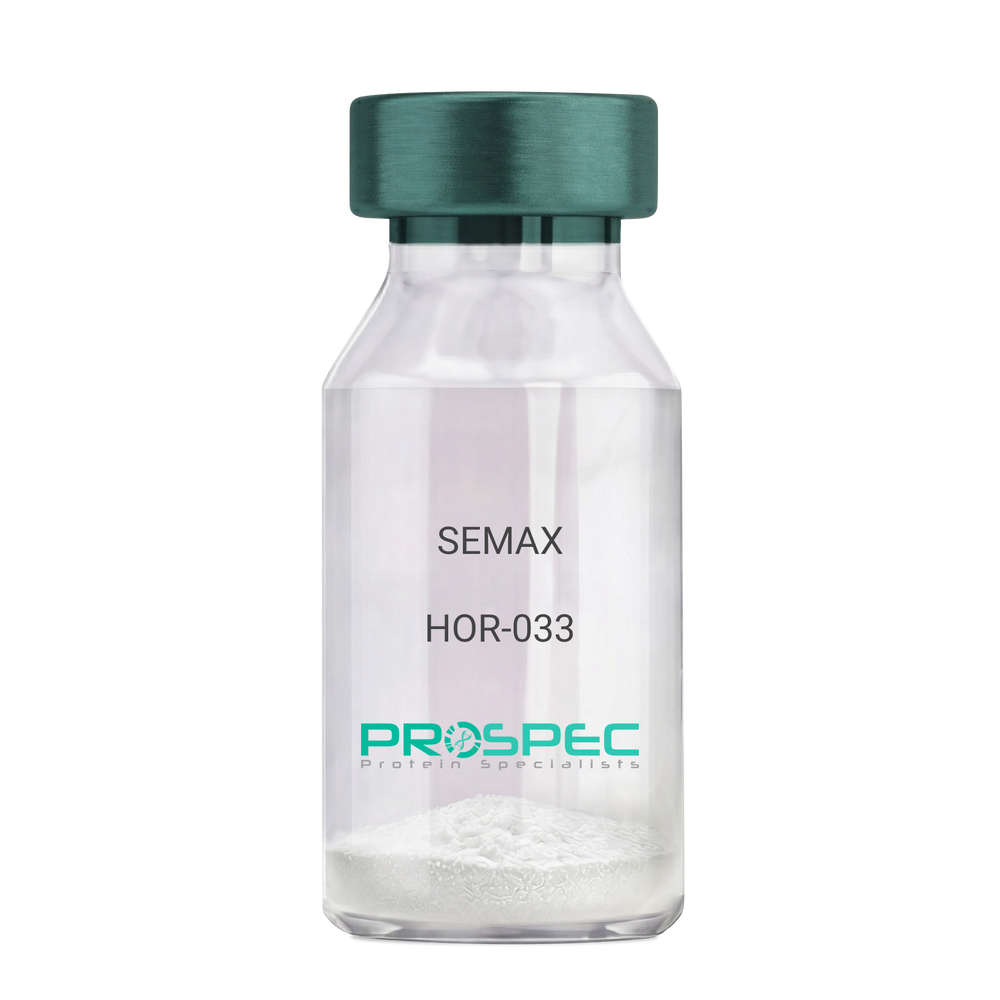
    SEMAX

    Description:

    SEMAX

    Product # :

    HOR-033

    Price :

    Quantity :

    Shipping Method :

    Room Temp Icon

    Shipped at Room temp

    Add To Cart

    More Info

    • description
    • formulation
    • purity
    • More Info
    • Citations

    Description

    SEMAX Synthetic is a single, non-glycosylated polypeptide chain containing 7 amino acids, having a molecular mass of 813.92 Dalton and a Molecular formula of C37H51N19O1S.

    Formulation

    The protein was lyophilized with no additives.

    Purity

    Greater than 97.0% as determined by analysis by RP-HPLC.

    Citations

    More Info

    • Physical Appearance

      Sterile Filtered White lyophilized (freeze-dried) powder.

    • Stability

      Lyophilized SEMAX although stable at room temperature for 3 weeks, should be stored desiccated below -18°C. Upon reconstitution SEMAX should be stored at 4°C between 2-7 days and for future use below -18°C. For long term storage it is recommended to add a carrier protein (0.1% HSA or BSA). Please prevent freeze-thaw cycles.

    • Solubility

      It is recommended to reconstitute the lyophilized SEMAX in sterile 18MΩ-cm H2O not less than 100 µg/ml, which can then be further diluted to other aqueous solutions.

    • Amino Acid Sequence

      H-Met-Glu-His-Phe-Pro-Gly-Pro-OH.

    • Background

      Semax, also known as ACTH(4-10) Pro-Gly-Pro, is a synthetic peptide that has been the subject of extensive research due to its potential neuroprotective and nootropic effects. This heptapeptide, derived from the adrenocorticotropic hormone (ACTH), has been shown to possess a wide range of biological activities, including enhancing memory, learning, and neurogenesis.

      Semax is unique in its ability to cross the blood-brain barrier and exert its effects directly on the central nervous system. It has been shown to stimulate the release of brain-derived neurotrophic factor (BDNF), a protein that plays a crucial role in the survival of neurons and the growth of new neurons and synapses. Studies by Dolotov et al. (2006) have demonstrated that Semax can enhance memory and learning in rats, suggesting potential applications in cognitive enhancement and the treatment of cognitive disorders.

      In addition to its nootropic effects, Semax has been shown to possess neuroprotective properties. Research by Stavchansky et al. (2008) found that Semax could protect neurons from oxidative stress and apoptosis, suggesting potential applications in the treatment of neurodegenerative diseases such as Alzheimer's and Parkinson's disease.

      Given its nootropic and neuroprotective effects, Semax has been proposed as a potential therapeutic agent for a variety of conditions, including cognitive disorders, stroke, and optic nerve disease. For instance, a study by Myasoedov et al. (2010) found that Semax could improve outcomes in patients with ischemic stroke, indicating its potential as a therapeutic agent in stroke recovery.

      While research on Semax is promising, it is important to note that most studies have been conducted in animals or in vitro. More research is needed to fully understand the potential effects and applications of Semax in humans. However, the existing body of research suggests that Semax could be a promising tool in the treatment of cognitive disorders and neurodegenerative diseases.

    ProSpec's products are furnished for LABORATORY RESEARCH USE ONLY. The product may not be used as drugs, agricultural or pesticidal products, food additives or household chemicals.

    Semax
  • View Data Sheet

    Name :

    T.pallidum p17

    Description:

    Treponema pallidum p17 Recombinant

    Product # :

    TRP-241

    Price :

    Quantity :

    Shipping Method :

    Ice Icon

    Shipped with Ice Packs

    Add To Cart

    More Info

    • description
    • source
    • formulation
    • purity
    • More Info
    • Citations

    Description

    The E.Coli derived recombinant protein contains the T. Pallidum p17 immunodominant regions. The protein contains beta- galactosidase (114 kDa) fused at the N- terminus.

    Source

    Escherichia Coli.

    Formulation

    8M urea, 20mM Tris-HCl pH-8 and10mM B-ME.

    Purity

    Treponema Pallidum protein protein is >90% pure as determined by 10% PAGE (coomassie staining).

    Citations

    More Info

    • Introduction

      Treponema pallidum is a gram-negative spirochaete bacterium and is considered to be metabolically crippled. There are at least four known subspecies: T. pallidum pallidum, T. pallidum pertenue, T. pallidum carateum and T. pallidum endemicum. The helical structure of T. pallidum pallidum allows it to move in a corkscrew motion through viscous mediums such as mucus. Treponema pallidum sub sp. pallidum has one of the smallest bacterial genomes at 1.14 million base pairs (Mb) and has limited metabolic capabilities, reflecting its adaptation through genome reduction to the rich environment of mammalian tissue.

    • Stability

      Treponema Pallidum protein although stable at 4°C for 1 week, should be stored below -18°C. Please prevent freeze thaw cycles.

    • Applications

      Treponema Pallidum protein is suitable for ELISA and Western blots, excellent antigen for detection of Trp. Pallidum with minimal specificity problems.

    • Specificity

      Immunoreactive with sera of Trp. Pallidum infected individuals.

    • Purification Method

      Treponema Pallidum protein was purified by proprietary chromatographic technique.

    ProSpec's products are furnished for LABORATORY RESEARCH USE ONLY. The product may not be used as drugs, agricultural or pesticidal products, food additives or household chemicals.

    Tpallidum P17
  • View Data Sheet

    Name :

    TMEFF2 Antibody

    Description:

    Tomoregulin-2, Mouse Anti Human

    TMEFF2, Tomoregulin-2, Transmembrane protein with EGF-like and two follistatin-like domains, Hyperplastic polyposis protein 1, HPP1, TENB2, TPEF, TR, CT120.2.

    Product # :

    ANT-428

    Price :

    Quantity :

    Shipping Method :

    Ice Icon

    Shipped with Ice Packs

    Add To Cart

    More Info

    • formulation
    • More Info
    • Citations

    Formulation

    1mg/ml containing PBS, pH-7.4, & 0.1% Sodium Azide.

    Citations

    More Info

    • Introduction

      TMEFF2 is a gene encoding a plasma membrane protein with two follistatin-like domains and one epidermal growth factor–like domain. TMEFF2 has limited normal tissue distribution and is highly overexpressed in prostate cancer. The shedded form of TMEFF2 up-regulates cancer cell proliferation, most likely by promoting ERK1/2 phosphorylation. TMEFF2 is down-regulated in tumor cell lines in response to a high level of methylation in the 5'' region.

    • Synonyms

      TMEFF2, Tomoregulin-2, Transmembrane protein with EGF-like and two follistatin-like domains, Hyperplastic polyposis protein 1, HPP1, TENB2, TPEF, TR, CT120.2.

    • Physical Appearance

      Sterile filtered colorless solution.

    • Immunogen

      Anti-human TMEFF2 mAb, is derived from hybridization of mouse F0 myeloma cells with spleen cells from BALB/c mice immunized with recombinant human TMEFF2 amino acids 41-150 purified from E. coli.

    • Ig Subclass

      Mouse IgG2b heavy chain and κ light chain.

    • Clone

      PJ4B6AT.

    • Applications

      TMEFF2 antibody has been tested by ELISA, Western blot and immunohistochemistry analysis to assure specificity and reactivity. Since application varies, however, each investigation should be titrated by the reagent to obtain optimal results. Recommended dilution range for Western blot is 1:1,000~1:2,000 and immunohistochemistry analysis is 1:50~100. Recommended starting dilution for Western blot is 1:1,000 and Immunohistochemistry is 1:50.

    • Type

      Mouse Anti Human Monoclonal.

    • Storage Procedures

      For periods up to 1 month store at 4°C, for longer periods of time, store at -20°C. Prevent freeze thaw cycles.

    • Purification Method

      TMEFF2 antibody was purified from mouse ascitic fluids by protein-G affinity chromatography.

    ProSpec's products are furnished for LABORATORY RESEARCH USE ONLY. The product may not be used as drugs, agricultural or pesticidal products, food additives or household chemicals.

    Tmeff2 Antibody
  • View Data Sheet

    Name :

    IL17A Mouse, Sf9

    Description:

    Interleukin-17A, Sf9 Mouse Recombinant

    IL17A, Ctla-8, Ctla8, IL-17, IL-17A, Il17, Interleukin-17A, Cytotoxic T-lymphocyte-associated antigen 8, CTLA-8.

    Product # :

    CYT-1154

    Price :

    Quantity :

    Shipping Method :

    Ice Icon

    Shipped with Ice Packs

    Add To Cart

    More Info

    • description
    • source
    • formulation
    • purity
    • More Info
    • Citations

    Description

    IL17A Mouse produced in Sf9 Baculovirus cells is a single, glycosylated polypeptide chain containing 141 amino acids (26-158 a.a) and having a molecular mass of 16kDa.IL17A is fused to an 8 amino acid His tag at C-terminus and purified by proprietary chromatographic techniques.

    Source

    Sf9, Baculovirus cells.

    Formulation

    The IL17A solution (0.5mg/ml) contains 10% Glycerol and Phosphate-Buffered Saline (pH 7.4).

    Purity

    Greater than 95% as determined by SDS-PAGE.

    Citations

    More Info

    • Introduction

      Interleukin-17A or IL17A is a cytokine, that has a crucial part in chronic & anti-microbial inflammation. Mouse, rat and human share approximately 60% resemblance is the amino acid sequence. IL17A enhances mucosal & epidermal inflammation when an infection from bacteria occurs, it causes production of chemokines, influx of neutrophils & antibacterial proteins production.

    • Synonyms

      IL17A, Ctla-8, Ctla8, IL-17, IL-17A, Il17, Interleukin-17A, Cytotoxic T-lymphocyte-associated antigen 8, CTLA-8.

    • Physical Appearance

      Sterile Filtered colorless solution.

    • Stability

      Store at 4°C if entire vial will be used within 2-4 weeks. Store, frozen at -20°C for longer periods of time. For long term storage it is recommended to add a carrier protein (0.1% HSA or BSA).Avoid multiple freeze-thaw cycles.

    • Amino Acid Sequence

      AAIIPQSSAC PNTEAKDFLQ NVKVNLKVFN SLGAKVSSRR PSDYLNRSTS PWTLHRNEDP DRYPSVIWEA QCRHQRCVNA EGKLDHHMNS VLIQQEILVL KREPESCPFT FRVEKMLVGV GCTCVASIVR QAALEHHHHH H

    ProSpec's products are furnished for LABORATORY RESEARCH USE ONLY. The product may not be used as drugs, agricultural or pesticidal products, food additives or household chemicals.

    Il17 Mouse
  • View Data Sheet

    Name :

    TGM2 Human, Sf9

    Description:

    Tissue Transglutaminase Human Recombinant, Sf9

    Protein-glutamine gamma-glutamyltransferase 2, EC 2.3.2.13, Tissue transglutaminase, TGase C, TGC, TG(C), Transglutaminase-2, TGase-H, TG2, TGM2.

    Product # :

    ENZ-303

    Price :

    Quantity :

    Shipping Method :

    Ice Icon

    Shipped with Ice Packs

    Add To Cart

    More Info

    • description
    • source
    • formulation
    • purity
    • More Info
    • Citations

    Description

    Tissue Transglutaminase Human Recombinant produced in SF9 is a glycosylated, polypeptide chain having a molecular mass of 83 kDa. tTG is expressed with a -6xHis tag and purified by proprietary chromatographic techniques. By point mutation of the active center the catalytic transglutaminase activity has been eliminated, resulting in increased stability during storage and coating.

    Source

    Sf9 insect cells.

    Formulation

    TGM2 is supplied in 16mM HEPES buffer pH-8.0, 320mM NaCl and 20% glycerol.

    Purity

    Greater than 95% as determined by SDS-PAGE.

    Citations

    More Info

    • Introduction

      Celiac disease is an enteropathy that is characterized by intestinal lesions of variable severity. Tissue-type transglutaminase (tTG) is believed to be the predominant autoantigen for celiac disease and the corresponding autoantibodies show higher sensitivity and specificity than anti-gliadin antibodies. Highly pure recombinant human tTG is now available to replace the traditionally used tTG fraction from guinea pig.
      Tissue-type transglutaminase antigens have been specifically modified for improved handling: exchange of an active site amino acid eliminates the protein cross-linking activity of the enzyme, while maintaining the native three-dimensional structure and the enzyme's secondary GTPase activity. This engineering assures reproducible properties of the antigen preparations through the absence of variable and ill-defined covalent aggregates of tTG antigen and host cell proteins.

    • Synonyms

      Protein-glutamine gamma-glutamyltransferase 2, EC 2.3.2.13, Tissue transglutaminase, TGase C, TGC, TG(C), Transglutaminase-2, TGase-H, TG2, TGM2.

    • Stability

      Store at 4°C if entire vial will be used within 2-4weeks. Store, frozen at -20°C for longer periods of time. Avoid multiple freeze-thaw cycles.

    ProSpec's products are furnished for LABORATORY RESEARCH USE ONLY. The product may not be used as drugs, agricultural or pesticidal products, food additives or household chemicals.

    Tgm2 Human Sf9
  • View Data Sheet

    Name :

    L Selectin Human

    Description:

    L-selectin Human Recombinant

    L-selectin, Lymph node homing receptor, Leukocyte adhesion molecule 1, LAM-1, Leukocyte surface antigen Leu-8, TQ1, gp90-MEL, Leukocyte-endothelial cell adhesion molecule 1, LECAM1, CD62 antigen-like family member L, CD62L antigen, LAM1, LNHR, LSEL, CD62L, LYAM1, Leu-8, PLNHR, hLHRc, Lyam-1, L-Sel.

    Product # :

    PRO-381

    Price :

    Quantity :

    Shipping Method :

    Ice Icon

    Shipped with Ice Packs

    Add To Cart

    More Info

    • description
    • source
    • formulation
    • purity
    • More Info
    • Citations

    Description

    L-Selectin Human Recombinant is expressed in E. coli containing 294 amino acids 39-332 fused to an amino terminal hexahistidine tag, having a total molecular weight of 37.55kDa.

    Source

    Escherichia Coli.

    Formulation

    L-Sel is supplied in 1x PBS and 50% Glycerol.

    Purity

    Greater than 95% as determined by SDS-PAGE.
    Single band on Western Blot.

    Citations

    More Info

    • Introduction

      L-Selectin belongs to a family of divalent cation-dependent carbohydrate-binding glycoproteins or adhesion molecules. The L-Selectin molecule is composed of various domains: one homologous to lectins, one to epidermal growth factor, and two to the consensus repeat units found in C3/C4 binding proteins.
      L-selectin is expressed constitutively on lymphocytes, monocytes and granulocytes and interacts specifically with carbohydrate groups on activated endothelial cells. L-Selectin may be shed by proteolytic cleavage and circulating levels in biological fluids may be used as an indicator of various pathological conditions. L-Selectin is cleaved by ADAM17.
      L-selectin works as a "homing receptor" for leukocytes to enter secondary lymphoid tissues via the high endothelial venules. Ligands present on endothelial cells will attach to leukocytes expressing L-selectin, which causes the leukocytes to become localized at that juncture. The receptor is also located on the cell surfaces of "naive" T cells, which have not yet encountered their particular antigen. This surface expression is lost following the cells activation.

    • Synonyms

      L-selectin, Lymph node homing receptor, Leukocyte adhesion molecule 1, LAM-1, Leukocyte surface antigen Leu-8, TQ1, gp90-MEL, Leukocyte-endothelial cell adhesion molecule 1, LECAM1, CD62 antigen-like family member L, CD62L antigen, LAM1, LNHR, LSEL, CD62L, LYAM1, Leu-8, PLNHR, hLHRc, Lyam-1, L-Sel.

    • Physical Appearance

      Sterile filtered colorless solution.

    • Stability

      Store at 4°C if entire vial will be used within 1-2 weeks. Store, frozen at -20°C for longer periods of time. Avoid multiple freeze-thaw cycles.

    • Applications

      L-Selectin can be used directly as a positive control in Western blotting, ELISA, immunoprecipitation and other immunological experiments.
      The biological activity of this product has not yet been tested.

    ProSpec's products are furnished for LABORATORY RESEARCH USE ONLY. The product may not be used as drugs, agricultural or pesticidal products, food additives or household chemicals.

    L Selectin Human
  • View Data Sheet

    Name :

    Visfatin Human, His

    Description:

    Visfatin Recombinant Human, His Tag

    PBEF, Pre-B cell colony-enhancing factor, Nicotinamide phosphoribosyltransferase NAmPRTase, Nampt, MGC117256, DKFZP666B131, 1110035O14Rik.

    Product # :

    CYT-563

    Price :

    Quantity :

    Shipping Method :

    Ice Icon

    Shipped with Ice Packs

    Add To Cart

    More Info

    • description
    • source
    • formulation
    • purity
    • More Info
    • Citations

    Description

    Visfatin Human Recombinant produced in E.Coli is a single, non-glycosylated, polypeptide chain containing 511 amino acids and having a molecular mass of 57 kDa. The recombinant human Visfatin is fused to His tag at N-Terminus.

    Source

    Escherichia Coli.

    Formulation

    Visfatin His tag protein contains 20mM Tris pH-8, 0.1mM DTT & 10% glycerol.

    Purity

    Greater than 95.0% as determined by(a) Analysis by RP-HPLC.
    (b) Analysis by SDS-PAGE.

    Citations

    More Info

    • Introduction

      Excess adiposity is the most important risk in the development of insulin resistance and type 2 diabetes mellitus (T2DM). Adipose tissue produces several proteins (adipocytokines) such as leptin, adiponectin, resistin, tumor necrosis factor-?, and IL-6, that modulate insulin sensitivity and appear to play an important role in the pathogenesis of insulin resistance, diabetes, dyslipidemia, inflammation, and atherosclerosis. However, the mechanisms by which fat tissue induces insulin resistance and the role of adipocytokines in the pathogenesis of T2DM have not been well established.
      Visfatin, also known as pre-B cell colony-enhancing factor (PBEF), is a cytokine that is highly expressed in visceral fat and was originally isolated as a secreted factor that synergizes with IL-7 and stem cell factors to promote the growth of B cell precursors. Visfatin homologs have been identified in carp, invertebrate mollusks, and bacteria, as well as in vertebrates, including humans and the mouse. It has been postulated to play a role in innate immunity.
      Visfatin exerts insulin-mimetic effects that are dose-dependent and quantitatively similar to those of insulin in stimulating muscle and adipocyte glucose transport, and in inhibiting hepatocyte glucose production. Intravenous injection of recombinant visfatin in mice decreased plasma glucose in a dose-dependent fashion. In keeping with its insulin-mimetic effects, visfatin was as effective as insulin in reducing hyperglycemia in insulin-deficient diabetic mice. Visfatin was also found to be bound to and activate insulin receptor, causing receptor phosphorylation and the activation of downstream signaling molecules. However, visfatin and insulin did not compete for binding to the insulin receptor, indicating that the two proteins were recognized by different regions of the receptor. Thus, visfatin might play a role in glucose homeostasis and dysregulation in biosynthesis or signal transduction, and might contribute to the pathogenesis of diabetes.

    • Synonyms

      PBEF, Pre-B cell colony-enhancing factor, Nicotinamide phosphoribosyltransferase NAmPRTase, Nampt, MGC117256, DKFZP666B131, 1110035O14Rik.

    • Physical Appearance

      Sterile Filtered solution at a concentration of 1mg/ml.

    • Stability

      Store at 4°C if entire vial will be used within 2-4 weeks. Store, frozen at -20°C for longer periods of time. Please avoid freeze thaw cycles.

    • Amino Acid Sequence

      MGSSHHHHHH SSGLVPRGSH MNPAAEAEFN ILLATDSYKV THYKQYPPNT SKVYSYFECR EKKTENSKLR KVKYEETVFY GLQYILNKYL KGKVVTKEKI QEAKDVYKEH FQDDVFNEKG WNYILEKYDG HLPIEIKAVP EGFVIPRGNV LFTVENTDPE CYWLTNWIET ILVQSWYPIT VATNSREQKK ILAKYLLETS GNLDGLEYKL HDFGYRGVSS QETAGIGASA HLVNFKGTDT VAGLALIKKY YGTKDPVPGY SVPAAEHSTI TAWGKDHEKD AFEHIVTQFS SVPVSVVSDS YDIYNACEKI WGEDLRHLIV SRSTQAPLII RPDSGNPLDT VLKVLEILGK KFPVTENSKG YKLLPPYLRV IQGDGVDINT LQEIVEGMKQ KMWSIENIAF GSGGGLLQKL TRDLLNCSFK CSYVVTNGLG INVFKDPVAD PNKRSKKGRL SLHRTPAGNF VTLEEGKGDL EEYGQDLLHT VFKNGKVTKS YSFDEIRKNA QLNIELEAAH H.

    ProSpec's products are furnished for LABORATORY RESEARCH USE ONLY. The product may not be used as drugs, agricultural or pesticidal products, food additives or household chemicals.

    Visfatin Human His
  • View Data Sheet

    Name :

    TNF B Human, Sf9

    Description:

    Tumor Necrosis Factor-beta Human Recombinant, Sf9

    Lymphotoxin-alpha, LT-alpha, TNF-beta, Tumor necrosis factor ligand superfamily member 1, LTA, LT, TNFB, TNFSF1.

    Product # :

    CYT-989

    Price :

    Quantity :

    Shipping Method :

    Ice Icon

    Shipped with Ice Packs

    Add To Cart

    More Info

    • description
    • source
    • formulation
    • purity
    • biological activity
    • More Info
    • Citations

    Description

    Tumor Necrosis Factor-beta Human Recombinant produced in Sf9 Baculovirus cells is a single, glycosylated polypeptide chain containing 180 amino acids (35-205a.a.) and having a molecular mass of 19.7kDa (Molecular size on SDS-PAGE will appear at approximately 18-28kDa).TNFB is fused with a 6 amino acids His tag at C-Terminus and purified by proprietary chromatographic techniques.

    Source

    Sf9, Baculovirus cells.

    Formulation

    TNFB protein solution (0.5mg/ml) contains Phosphate Buffered Saline (pH7.4) and 10% glycerol.

    Purity

    Greater than 90.0% as determined by SDS-PAGE.

    Biological Activity

    Measured in a cytotoxicity assay using L-929 mouse fibrosarcoma cells in the presence of the metabolic inhibitor actinomycin D. The ED50 for this effect is ≤ 1ng/ml.

    Citations

    More Info

    • Introduction

      Lymphotoxin alpha, a member of the tumor necrosis factor family, is a cytokine produced by lymphocytes. LTA is highly inducible, secreted, and exists as homotrimeric molecule. LTA forms heterotrimers with lymphotoxin-beta which anchors lymphotoxin-alpha to the cell surface. LTA mediates a large variety of inflammatory, immunostimulatory, and antiviral responses. LTA is also involved in the formation of secondary lymphoid organs during development and plays a role in apoptosis.

    • Synonyms

      Lymphotoxin-alpha, LT-alpha, TNF-beta, Tumor necrosis factor ligand superfamily member 1, LTA, LT, TNFB, TNFSF1.

    • Physical Appearance

      Sterile filtered colorless solution.

    • Stability

      Store at 4°C if entire vial will be used within 2-4 weeks. Store, frozen at -20°C for longer periods of time. For long term storage it is recommended to add a carrier protein (0.1% HSA or BSA).Avoid multiple freeze-thaw cycles.

    • Amino Acid Sequence

      ADPLPGVGLT PSAAQTARQH PKMHLAHSTL KPAAHLIGDP SKQNSLLWRA NTDRAFLQDG FSLSNNSLLV PTSGIYFVYS QVVFSGKAYS PKATSSPLYL AHEVQLFSSQ YPFHVPLLSS QKMVYPGLQE PWLHSMYHGA AFQLTQGDQL STHTDGIPHL VLSPSTVFFG AFALHHHHHH.

    ProSpec's products are furnished for LABORATORY RESEARCH USE ONLY. The product may not be used as drugs, agricultural or pesticidal products, food additives or household chemicals.

    Tnfb Human Sf9
  • View Data Sheet

    Name :

    FURIN Human

    Description:

    Furin Human Recombinant

    Furin (Paired Basic Amino Acid Cleaving Enzyme), PCSK3, PACE, FUR, Paired Basic Amino Acid Residue-Cleaving Enzyme, EC 3.4.21.75, Paired Basic Amino Acid Cleaving Enzyme (Furin, Membrane Associated Receptor Protein), Proprotein Convertase Subtilisin/Kexin Type 3, Furin, Membrane Associated Receptor Protein, Dibasic Processing Enzyme, Dibasic-Processing Enzyme, FES Upstream Region, EC 3.4.21, Furin, SPC1, Dibasic-processing enzyme, Paired basic amino acid residue-cleaving enzyme.

    Product # :

    PRO-2199

    Price :

    Quantity :

    Shipping Method :

    Ice Icon

    Shipped with Ice Packs

    Add To Cart

    More Info

    • description
    • source
    • formulation
    • purity
    • More Info
    • Citations

    Description

    FURIN Human Recombinant produced in E.Coli is a single, non-glycosylated polypeptide chain containing 645 amino acids (108-715 a.a) and having a molecular mass of 69.8kDa. FURIN is fused to a 37 amino acid His-tag at N-terminus & purified by proprietary chromatographic techniques.

    Source

    Escherichia Coli.

    Formulation

    FURIN protein solution (1mg/ml) containing 20mM Tris-HCl (pH8.0) and 10% glycerol.

    Purity

    Greater than 85.0% as determined by SDS-PAGE.

    Citations

    More Info

    • Introduction

      Furin is a member of the peptidase S8 family. Furin signifies the ubiquitous endoprotease activity within constitutive secretory pathwaysas well as capable of cleavage at the RX (K/R) R consensus motif.Furin is considered to be one of the proteases responsible for the activation of HIV envelope glycoproteins gp160 as well as gp140 and might take part in tumor progression. Among the diseases associated with FURIN are dementia, familial british and plague.

    • Synonyms

      Furin (Paired Basic Amino Acid Cleaving Enzyme), PCSK3, PACE, FUR, Paired Basic Amino Acid Residue-Cleaving Enzyme, EC 3.4.21.75, Paired Basic Amino Acid Cleaving Enzyme (Furin, Membrane Associated Receptor Protein), Proprotein Convertase Subtilisin/Kexin Type 3, Furin, Membrane Associated Receptor Protein, Dibasic Processing Enzyme, Dibasic-Processing Enzyme, FES Upstream Region, EC 3.4.21, Furin, SPC1, Dibasic-processing enzyme, Paired basic amino acid residue-cleaving enzyme.

    • Physical Appearance

      Sterile Filtered clear solution.

    • Stability

      Store at 4°C if entire vial will be used within 2-4 weeks. Store, frozen at -20°C for longer periods of time. For long term storage it is recommended to add a carrier protein (0.1% HSA or BSA).Avoid multiple freeze-thaw cycles.

    • Amino Acid Sequence

      MRGSHHHHHH GMASMTGGQQ MGRDLYDDDD KDRWGSMDVY QEPTDPKFPQ QWYLSGVTQR DLNVKAAWAQ GYTGHGIVVS ILDDGIEKNH PDLAGNYDPG ASFDVNDQDP DPQPRYTQMN DNRHGTRCAG EVAAVANNGV CGVGVAYNAR IGGVRMLDGE VTDAVEARSL GLNPNHIHIY SASWGPEDDG KTVDGPARLA EEAFFRGVSQ GRGGLGSIFV WASGNGGREH DSCNCDGYTN SIYTLSISSA TQFGNVPWYS EACSSTLATT YSSGNQNEKQ IVTTDLRQKC TESHTGTSAS APLAAGIIAL TLEANKNLTW RDMQHLVVQT SKPAHLNAND WATNGVGRKV SHSYGYGLLD AGAMVALAQN WTTVAPQRKC IIDILTEPKD IGKRLEVRKT VTACLGEPNH ITRLEHAQAR LTLSYNRRGD LAIHLVSPMG TRSTLLAARP HDYSADGFND WAFMTTHSWD EDPSGEWVLE IENTSEANNY GTLTKFTLVL YGTAPEGLPV PPESSGCKTL TSSQACVVCE EGFSLHQKSC VQHCPPGFAP QVLDTHYSTE NDVETIRASV CAPCHASCAT CQGPALTDCL SCPSHASLDP VEQTCSRQSQ SSRESPPQQQ PPRLPPEVEA GQRLRAGLLP SHLPE.

    ProSpec's products are furnished for LABORATORY RESEARCH USE ONLY. The product may not be used as drugs, agricultural or pesticidal products, food additives or household chemicals.

    Furin Human
  • View Data Sheet

    Name :

    TNFR2 Mouse

    Description:

    Tumor Necrosis Factor Receptor Type 2 Mouse Recombinant

    Tumor necrosis factor receptor superfamily member 1B, Tumor necrosis factor receptor 2, TNF-R2, Tumor necrosis factor receptor type II, TNF-RII, TNFR-II, p75, p80 TNF-alpha receptor, CD120b, Tnfrsf1b, Tnfr-2, Tnfr2, TNFBR, TNFR80, TNFRII, TNF-R75, TNF-R-II, TNF-alphaR2, TNFalpha-R2.

    Product # :

    CYT-770

    Price :

    Quantity :

    Shipping Method :

    Room Temp Icon

    Shipped at Room temp

    Add To Cart

    More Info

    • description
    • source
    • formulation
    • purity
    • biological activity
    • More Info
    • Citations

    Description

    TNFR2 Mouse Recombinant produced in E.coli is a single, non-glycosylated polypeptide chain containing 236 amino acids and having a molecular mass of 25.3kDa.The TNFR2 is purified by proprietary chromatographic techniques.

    Source

    Escherichia Coli.

    Formulation

    TNFR2 protein was lyophilized from a 0.2µm filtered concentrated solution in PBS, pH 7.4.

    Purity

    Greater than 97.0% as determined by SDS-PAGE.

    Biological Activity

    The ED50 as determined by its ability to inhibit the TNF-a mediated cytotoxicity in the L-929 cells is less than 2µg/ml, corresponding to a specific activity of > 500IU/mg in the presence of 0.1ng/mL of rHuTNF-a.

    Citations

    More Info

    • Introduction

      TNFR2 belongs to the TNF-receptor superfamily. TNFR2 is receptor with high affinity for TNFSF2/TNF-alpha and approximately 5-fold lower affinity for homotrimeric TNFSF1/lymphotoxin-alpha. TNFR2 mediates the majority of the metabolic effects of TNF-alpha. In addition, knockout studies in mice propose a role for TNFR2 in protecting neurons from apoptosis by stimulating antioxidative pathways. TNFR2 expression might have a significant role in the angiogenesis, tumor cell proliferation and metastasis of Invasive micropapillary carcinoma of the breast.
      There are 2 types of soluble TNF receptors: sTNFR-I and sTNFR-II, which act to neutralize the biological activities of TNF alpha and TNF beta. The levels of these soluble receptors seem to increase as a result of shedding of the extracellular domains of the membrane bound receptors. High levels of soluble TNF receptors are found in the amniotic fluid of pregnant women. TNFR2 and TNFR1 form a heterocomplex which mediates the recruitment of 2 anti-apoptotic proteins, c-IAP1 and c-IAP2, which possess E3 ubiquitin ligase activity. IAPs’ function in TNF-receptor signaling is unknown; nevertheless, c-IAP1 is believed to potentiate TNF-induced apoptosis by the ubiquitination and degradation of TNF-receptor-associated factor 2, which mediates anti-apoptotic signals. Oxidative stress promotes TNFR1 and TNFR2 self-interaction, ligand-independent and enhanced ligand-dependent TNF signaling. TNF-a, TNFR1 and TNFR2 have roles in cellular differentiation. TNFR1 and TNFR2 function in cell type-specific renal injury.

    • Synonyms

      Tumor necrosis factor receptor superfamily member 1B, Tumor necrosis factor receptor 2, TNF-R2, Tumor necrosis factor receptor type II, TNF-RII, TNFR-II, p75, p80 TNF-alpha receptor, CD120b, Tnfrsf1b, Tnfr-2, Tnfr2, TNFBR, TNFR80, TNFRII, TNF-R75, TNF-R-II, TNF-alphaR2, TNFalpha-R2.

    • Physical Appearance

      Sterile Filtered White lyophilized (freeze-dried) powder.

    • Stability

      Lyophilized TNFR2 although stable at room temperature for 3 weeks, should be stored desiccated below -18C. Upon reconstitution TNFR2 should be stored at 4C between 2-7 days and for future use below -18C. For long term storage it is recommended to add a carrier protein (0.1% HSA or BSA). Please prevent freeze-thaw cycles.

    • Solubility

      It is recommended to reconstitute the lyophilized TNFR2 in sterile 18M-cm H2O not less than 100µg/ml, which can then be further diluted to other aqueous solutions.

    • Amino Acid Sequence

      VPAQVVLTPY KPEPGYECQI SQEYYDRKAQ MCCAKCPPGQ YVKHFCNKTS DTVCADCEAS MYTQVWNQFR TCLSCSSSCT TDQVEIRACT KQQNRVCACE AGRYCALKTH SGSCRQCMRL SKCGPGFGVA SSRAPNGNVL CKACAPGTFS DTTSSTDVCR PHRICSILAI PGNASTDAVC APESPTLSAI PRTLYVSQPE PTRSQPLDQE PGPSQTPSIL TSLGSTPIIE QSTKGG.

    ProSpec's products are furnished for LABORATORY RESEARCH USE ONLY. The product may not be used as drugs, agricultural or pesticidal products, food additives or household chemicals.

    Tnfr2 Mouse
  • View Data Sheet

    Name :

    OSM Mouse

    Description:

    Oncostatin-M Mouse Recombinant

    Oncostatin-M, OSM, OncoM.

    Product # :

    CYT-168

    Price :

    Quantity :

    Shipping Method :

    Room Temp Icon

    Shipped at Room temp

    Add To Cart

    More Info

    • description
    • source
    • formulation
    • purity
    • biological activity
    • More Info
    • Citations

    Description

    OSM Mouse Recombinant produced in E.coli is a single, non-glycosylated polypeptide chain containing 181 amino acids and having a molecular mass of 20.4kDa.The OSM is purified by proprietary chromatographic techniques.

    Source

    Escherichia Coli.

    Formulation

    OSM protein was lyophilized from a 0.2µm filtered concentrated solution in 1xPBS, pH 7.4.

    Purity

    Greater than 95.0% as determined by:
    (a) Analysis by RP-HPLC.
    (b) Analysis by SDS-PAGE.

    Biological Activity

    The ED50 as determined by the dose-dependent stimulation of the proliferation of NIH-3T3 mouse embryonic fibroblast cells is < 1 ng/ml, corresponding to a specific activity of > 1.0×10⁶ units/mg.

    Citations

    More Info

    • Introduction

      Oncostatin M is a member of a cytokine family that includes leukemia-inhibitory factor, granulocyte colony-stimulating factor, and interleukin 6. This gene encodes a growth regulator which inhibits the proliferation of a number of tumor cell lines. It regulates cytokine production, including IL-6, G-CSF and GM-CSF from endothelial cells.

    • Synonyms

      Oncostatin-M, OSM, OncoM.

    • Physical Appearance

      Sterile Filtered White lyophilized (freeze-dried) powder.

    • Stability

      Lyophilized Oncostatin M although stable at room temperature for 3 weeks, should be stored desiccated below -18°C. Upon reconstitution Oncostatin should be stored at 4°C between 2-7 days and for future use below -18°C.For long term storage it is recommended to add a carrier protein (0.1% HSA or BSA).Please prevent freeze-thaw cycles.

    • Solubility

      It is recommended to reconstitute the lyophilized Oncostatin M in sterile 18MΩ-cm H2O not less than 100µg/ml, which can then be further diluted to other aqueous solutions.

    • Amino Acid Sequence

      NRGCSNSSSQ LLSQLQNQAN LTGNTESLLE PYIRLQNLNT PDLRAACTQH SVAFPSEDTL RQLSKPHFLS TVYTTLDRVL YQLDALRQKF LKTPAFPKLD SARHNILGIR NNVFCMARLL NHSLEIPEPT QTDSGASRST TTPDVFNTKI GSCGFLWGYH RFMGSVGRVF REWDDGSTRS R.

    ProSpec's products are furnished for LABORATORY RESEARCH USE ONLY. The product may not be used as drugs, agricultural or pesticidal products, food additives or household chemicals.

    Osm Mouse
  • 1
  • …
  • 12
  • 13
  • 14
  • 15
  • 16
  • …
  • 42
Your browser does not support the video tag.

Products

  • Cytokines
  • Growth Factors
  • Chemokines
  • CD Antigens
  • Neurotrophins
  • Hormones
  • Enzymes
  • Viral Antigens
  • Recombinant Proteins
  • Natural Proteins
  • Monoclonal Antibodies
  • Polyclonal Antibodies
  • Thermal Packaging

About

  • Company
  • Founder
  • Contribution
  • Contact Us
  • My Account

Ordering

  • Ordering Method
  • Ordering - Credit Card
  • Ordering PO
  • Shipping Fees
  • FAQ's

Legal

  • Terms & Conditions
  • Privacy
  • Site Map
  • info@prospecbio.com
  • Facebook
  • Instagram
  • Linkedin Profile

© 2026 ProSpec-Tany TechnoGene Ltd. All Rights Reserved.

  • Choosing a selection results in a full page refresh.
  • Opens in a new window.