Skip to content

High-quality research proteins.

  • 1-800-805-6531

  • Mon - Sat 8.00-18.00, Sun - Closed

  • info@prospecbio.com

  • PO Box 6591 East Brunswick NJ 08816

  • Products
    • Cytokines
    • Growth factors
    • Chemokines
    • Cd antigens
    • Neurotrophins
    • Hormones
    • Enzymes
    • Viral antigens
    • Recombinant proteins
    • Natural proteins
    • Monoclonal antibodies
    • Polyclonal antibodies
    • Thermal Packaging
  • About
    • Company
    • Founder
    • Contribution
  • Customers
    • Eastern Asia
    • Eastern Europe
    • North America
    • South America
    • South East Asia
    • Southern Asia
    • Western Europe
  • Ordering
    • Ordering Method
    • Ordering - Credit Card
    • Ordering - PO
    • Shipping Fees
    • FAQs
  • Services
    • DNA Cloning
    • Protein Expression
    • Monoclonal Antibody
    • Fermentation
    • Technology License
  • Contact us
Log in

Country/region

  • USD $ | Albania
  • USD $ | Andorra
  • USD $ | Argentina
  • USD $ | Armenia
  • USD $ | Australia
  • USD $ | Austria
  • USD $ | Azerbaijan
  • USD $ | Belarus
  • USD $ | Belgium
  • USD $ | Bolivia
  • USD $ | Brazil
  • USD $ | Bulgaria
  • USD $ | Cambodia
  • USD $ | Canada
  • USD $ | Chile
  • USD $ | China
  • USD $ | Colombia
  • USD $ | Costa Rica
  • USD $ | Croatia
  • USD $ | Cyprus
  • USD $ | Czechia
  • USD $ | Denmark
  • USD $ | Estonia
  • USD $ | Finland
  • USD $ | France
  • USD $ | Georgia
  • USD $ | Germany
  • USD $ | Greece
  • USD $ | Hong Kong SAR
  • USD $ | Hungary
  • USD $ | Iceland
  • USD $ | India
  • USD $ | Ireland
  • USD $ | Israel
  • USD $ | Italy
  • USD $ | Japan
  • USD $ | Kazakhstan
  • USD $ | Latvia
  • USD $ | Liechtenstein
  • USD $ | Lithuania
  • USD $ | Madagascar
  • USD $ | Malta
  • USD $ | Mexico
  • USD $ | Moldova
  • USD $ | Monaco
  • USD $ | Netherlands
  • USD $ | New Zealand
  • USD $ | North Macedonia
  • USD $ | Norway
  • USD $ | Panama
  • USD $ | Paraguay
  • USD $ | Peru
  • USD $ | Philippines
  • USD $ | Poland
  • USD $ | Portugal
  • USD $ | Romania
  • USD $ | Singapore
  • USD $ | Slovakia
  • USD $ | Slovenia
  • USD $ | South Africa
  • USD $ | South Korea
  • USD $ | Spain
  • USD $ | Sri Lanka
  • USD $ | Sweden
  • USD $ | Switzerland
  • USD $ | Taiwan
  • USD $ | Thailand
  • USD $ | Türkiye
  • USD $ | Ukraine
  • USD $ | United Kingdom
  • USD $ | United States
  • USD $ | Uruguay
  • USD $ | Vatican City
  • USD $ | Venezuela
  • USD $ | Vietnam
  • Facebook
  • Instagram
logoProSpec - Recombinant Protein Manufacturer for academic and R&D industry
Become a distributor
Account Log in
Wishlist
Cart Cart(0)
  • Products
    +
    • Cytokines
    • Growth factors
    • Chemokines
    • Cd antigens
    • Neurotrophins
    • Hormones
    • Enzymes
    • Viral antigens
    • Recombinant proteins
    • Natural proteins
    • Monoclonal antibodies
    • Polyclonal antibodies
    • Thermal Packaging
  • About
    +
    • Company
    • Founder
    • Contribution
  • Customers
    +
    • Eastern Asia
    • Eastern Europe
    • North America
    • South America
    • South East Asia
    • Southern Asia
    • Western Europe
  • Ordering
    +
    • Ordering Method
    • Ordering - Credit Card
    • Ordering - PO
    • Shipping Fees
    • FAQs
  • Services
    +
    • DNA Cloning
    • Protein Expression
    • Monoclonal Antibody
    • Fermentation
    • Technology License
  • Contact us

Item added to your cart

View cart
View All
  • Cytokines
  • Growth factors
  • Chemokines
  • Cd antigens
  • Neurotrophins
  • Hormones
  • Enzymes
  • Viral antigens
  • Recombinant proteins
  • Natural proteins
  • Monoclonal antibodies
  • Polyclonal antibodies
  • Thermal Packaging
  • Tumor Necrosis Factor

    Tumor Necrosis Factor

    View All
  • 4-1BB

    4-1BB

    View All
  • Adiponectin

    Adiponectin

    View All
  • AIF1

    AIF1

    View All
  • Other Cytokines

    Other Cytokines

    View All
  • AITRL

    AITRL

    View All
  • Angiopoietin

    Angiopoietin

    View All
  • Apolipoprotein

    Apolipoprotein

    View All
  • B-Cell Activating Factor

    B-Cell Activating Factor

    View All
  • Beta Defensin

    Beta Defensin

    View All
  • Bone Morphogenetic Protein

    Bone Morphogenetic Protein

    View All
  • B type Natriuretic Peptide

    B type Natriuretic Peptide

    View All
  • BST

    BST

    View All
  • Betacellulin

    Betacellulin

    View All
  • Cardiotrophin

    Cardiotrophin

    View All
  • Activin

    Activin

    View All
  • Fibroblast Growth Factor

    Fibroblast Growth Factor

    View All
  • Other Growth Factors

    Other Growth Factors

    View All
  • CSF

    CSF

    View All
  • CTGF

    CTGF

    View All
  • IGFBP

    IGFBP

    View All
  • VEGF Protein

    VEGF Protein

    View All
  • EGF

    EGF

    View All
  • Epigen

    Epigen

    View All
  • Erythropoietin

    Erythropoietin

    View All
  • Insulin-Like Growth Factor

    Insulin-Like Growth Factor

    View All
  • Growth Hormone

    Growth Hormone

    View All
  • HDGF

    HDGF

    View All
  • Hepatocyte Growth Factor

    Hepatocyte Growth Factor

    View All
  • Insulin

    Insulin

    View All
  • BCA-1/ BLC (CXCL13)

    BCA-1/ BLC (CXCL13)

    View All
  • BRAK (CXCL14)

    BRAK (CXCL14)

    View All
  • C-10 (CCL6)

    C-10 (CCL6)

    View All
  • Other Chemokines

    Other Chemokines

    View All
  • MEC (CCL28)

    MEC (CCL28)

    View All
  • LD78-beta (CCL3L1)

    LD78-beta (CCL3L1)

    View All
  • CTACK (CCL27)

    CTACK (CCL27)

    View All
  • CXCL16

    CXCL16

    View All
  • CXCL17

    CXCL17

    View All
  • Platelet Factor-4 (CXCL4)

    Platelet Factor-4 (CXCL4)

    View All
  • ENA-78 (CXCL5)

    ENA-78 (CXCL5)

    View All
  • Eotaxin (CCL11,24,26)

    Eotaxin (CCL11,24,26)

    View All
  • Exodus-2 (CCL21)

    Exodus-2 (CCL21)

    View All
  • Fractalkine (CX3CL1)

    Fractalkine (CX3CL1)

    View All
  • CXCL6

    CXCL6

    View All
  • Other CD Antigens

    Other CD Antigens

    View All
  • CD14

    CD14

    View All
  • CD164

    CD164

    View All
  • CD1

    CD1

    View All
  • CD2

    CD2

    View All
  • CD200

    CD200

    View All
  • CD207

    CD207

    View All
  • CD226

    CD226

    View All
  • CD23

    CD23

    View All
  • CD244

    CD244

    View All
  • CD247

    CD247

    View All
  • CD27

    CD27

    View All
  • CD274

    CD274

    View All
  • CD300

    CD300

    View All
  • CD33

    CD33

    View All
  • Other Neurotrophins

    Other Neurotrophins

    View All
  • Beta-NGF

    Beta-NGF

    View All
  • BDNF

    BDNF

    View All
  • CDNF

    CDNF

    View All
  • CNTF

    CNTF

    View All
  • GDNF

    GDNF

    View All
  • Glia Maturation Factor

    Glia Maturation Factor

    View All
  • MANF

    MANF

    View All
  • Midkine

    Midkine

    View All
  • Neuroglobin

    Neuroglobin

    View All
  • Neurotrophic factors

    Neurotrophic factors

    View All
  • Neuregulin

    Neuregulin

    View All
  • Neuropilin

    Neuropilin

    View All
  • Pigment Epithelium-Derived Factor

    Pigment Epithelium-Derived Factor

    View All
  • Pleiotrophin

    Pleiotrophin

    View All
  • Peptide Hormones

    Peptide Hormones

    View All
  • Other Hormones

    Other Hormones

    View All
  • HCG

    HCG

    View All
  • Endothelin

    Endothelin

    View All
  • Exendin

    Exendin

    View All
  • FSH

    FSH

    View All
  • Glucagon

    Glucagon

    View All
  • GHRP

    GHRP

    View All
  • GLP

    GLP

    View All
  • Thyrostimulin

    Thyrostimulin

    View All
  • Inhibin A

    Inhibin A

    View All
  • LHRH

    LHRH

    View All
  • Melanotan

    Melanotan

    View All
  • Procalcitonin

    Procalcitonin

    View All
  • PTH

    PTH

    View All
  • Peroxiredoxin

    Peroxiredoxin

    View All
  • Peptidase

    Peptidase

    View All
  • Synthetase

    Synthetase

    View All
  • Transferase

    Transferase

    View All
  • Hydrolase

    Hydrolase

    View All
  • Dehydrogenase

    Dehydrogenase

    View All
  • ACE2

    ACE2

    View All
  • Esterase

    Esterase

    View All
  • Protein Kinases

    Protein Kinases

    View All
  • Other Enzymes

    Other Enzymes

    View All
  • Phosphatase

    Phosphatase

    View All
  • Deaminase

    Deaminase

    View All
  • Oxygenase

    Oxygenase

    View All
  • Adenylate Kinase

    Adenylate Kinase

    View All
  • Lyase

    Lyase

    View All
  • Chagas

    Chagas

    View All
  • SARS

    SARS

    View All
  • Influenza

    Influenza

    View All
  • ASFV

    ASFV

    View All
  • Astrovirus

    Astrovirus

    View All
  • Borrelia

    Borrelia

    View All
  • Helicobacter Pylori

    Helicobacter Pylori

    View All
  • Chikungunya

    Chikungunya

    View All
  • Chlamydia

    Chlamydia

    View All
  • Cytomegalo

    Cytomegalo

    View All
  • Dengue

    Dengue

    View All
  • EBV

    EBV

    View All
  • Ebola

    Ebola

    View All
  • Feline Leukemia Virus

    Feline Leukemia Virus

    View All
  • Hepatitis A

    Hepatitis A

    View All
  • Other

    Other

    View All
  • Actin

    Actin

    View All
  • ADAM

    ADAM

    View All
  • Complement Component

    Complement Component

    View All
  • Ag85

    Ag85

    View All
  • Eukaryotic Translation Initiation Factor

    Eukaryotic Translation Initiation Factor

    View All
  • Anterior Gradient Protein

    Anterior Gradient Protein

    View All
  • Heat Shock Protein

    Heat Shock Protein

    View All
  • Alpha-2-HS-Glycoprotein

    Alpha-2-HS-Glycoprotein

    View All
  • Hemoglobin

    Hemoglobin

    View All
  • Allergy

    Allergy

    View All
  • Anaplasma

    Anaplasma

    View All
  • Angiogenin

    Angiogenin

    View All
  • Ankyrin Repeat Domain

    Ankyrin Repeat Domain

    View All
  • Annexin

    Annexin

    View All
  • Other Natural Proteins

    Other Natural Proteins

    View All
  • Aprotinin

    Aprotinin

    View All
  • Transferrin

    Transferrin

    View All
  • Avidin

    Avidin

    View All
  • Anti Coagulation Factors

    Anti Coagulation Factors

    View All
  • Natural Albumin

    Natural Albumin

    View All
  • Natural Coagulation Factors

    Natural Coagulation Factors

    View All
  • Fibronectin

    Fibronectin

    View All
  • Thrombin

    Thrombin

    View All
  • Anti Human Enzyme

    Anti Human Enzyme

    View All
  • Other Monoclonal Antibodies

    Other Monoclonal Antibodies

    View All
  • Anti Human Cytokine

    Anti Human Cytokine

    View All
  • Anti Human Heat Shock Protein

    Anti Human Heat Shock Protein

    View All
  • Anti Mouse Lymphocyte

    Anti Mouse Lymphocyte

    View All
  • Anti Human Chemokine

    Anti Human Chemokine

    View All
  • Anti Human Lymphocyte

    Anti Human Lymphocyte

    View All
  • Anti Viral Monoclonal

    Anti Viral Monoclonal

    View All
  • Anti Mouse Cytokine

    Anti Mouse Cytokine

    View All
  • Anti-GST Monoclonal

    Anti-GST Monoclonal

    View All
  • Other Polyclonal Antibodies

    Other Polyclonal Antibodies

    View All
  • Anti Viral

    Anti Viral

    View All
  • Anti-GST Monoclonal

    Anti-GST Monoclonal

    View All
Back

Search results

1000 results found for “TTC”

Name

Description

Product #

Price

Quantity

Shipping Method

  • View Data Sheet

    Name :

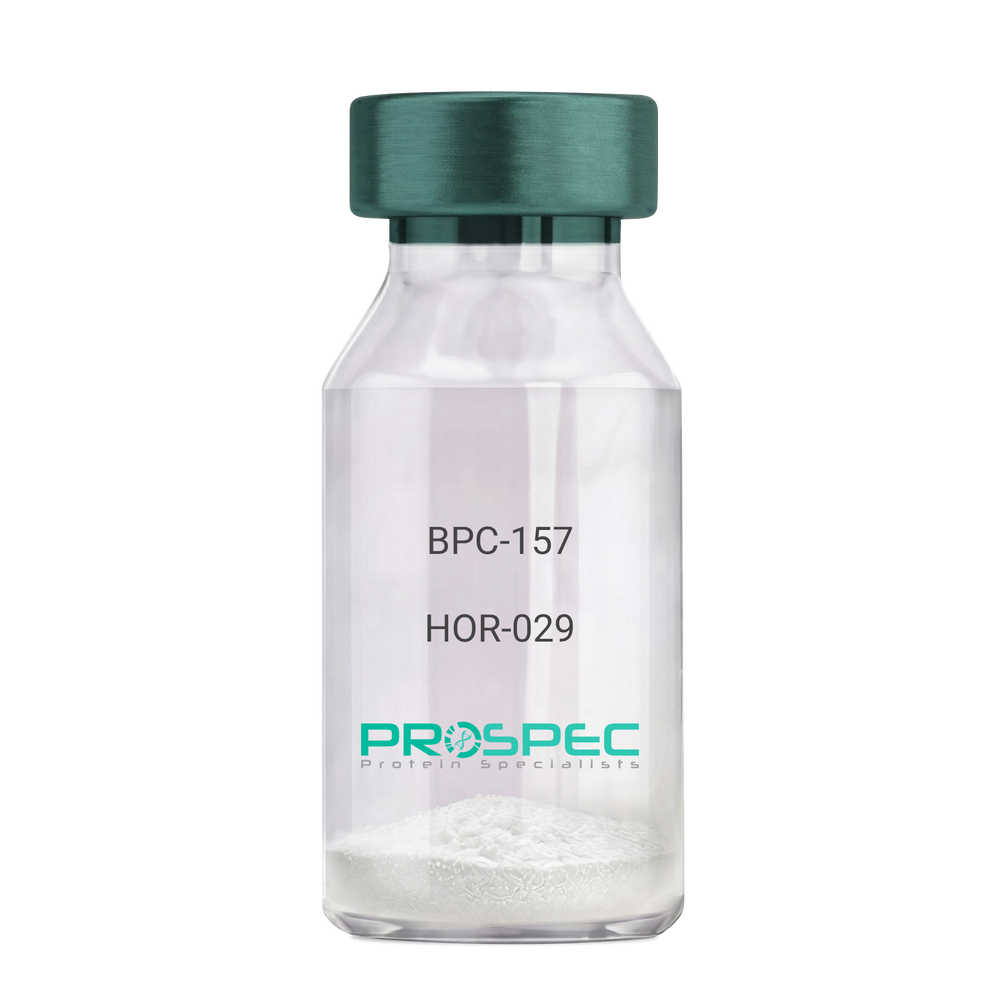
    BPC-157

    Description:

    BPC-157 Pentadecapeptide

    Product # :

    HOR-029

    Price :

    Quantity :

    Shipping Method :

    Room Temp Icon

    Shipped at Room temp

    Add To Cart

    More Info

    • description
    • formulation
    • purity
    • More Info

    Description

    BPC-157 Synthetic is a single, non-glycosylated polypeptide chain containing 15 amino acids, having a molecular mass of 1419.55 Dalton and a Molecular formula of C62H98N16O22.

    Formulation

    The protein was lyophilized with no additives.

    Purity

    Greater than 97.0% as determined by analysis by RP-HPLC.

    More Info

    • Physical Appearance

      Sterile Filtered White lyophilized (freeze-dried) powder.

    • Stability

      Lyophilized BPC-157 although stable at room temperature for 3 weeks, should be stored desiccated below -18°C. Upon reconstitution bpc-157 should be stored at 4°C between 2-7 days and for future use below -18°C. For long term storage it is recommended to add a carrier protein (0.1% HSA or BSA). Please prevent freeze-thaw cycles.

    • Solubility

      It is recommended to reconstitute the lyophilized BPC-157 in sterile 18MΩ-cm H2O not less than 100 µg/ml, which can then be further diluted to other aqueous solutions.

    • Amino Acid Sequence

      H-Gly-Glu-Pro-Pro-Pro-Gly-Lys-Pro-Ala-Asp-Asp-Ala-Gly-Leu-Val-OH

    • Background

      BPC-157, short for Body Protection Compound-157, is a synthetic peptide that has garnered significant attention in the field of regenerative medicine and sports science. This peptide, derived from a portion of the human gastric juice protein known as BPC, exhibits remarkable healing and tissue regeneration properties. BPC-157 has shown promise in various preclinical and clinical studies, demonstrating its potential for the treatment of a wide range of injuries and disorders.

      The research on BPC-157 encompasses investigations into its mechanisms of action, efficacy, safety, and potential therapeutic applications. Studies have elucidated the peptide's ability to enhance angiogenesis, promote collagen synthesis, modulate inflammatory responses, and protect against oxidative stress. These properties make BPC-157 an intriguing candidate for accelerating tissue healing, reducing inflammation, and improving overall recovery outcomes.

      Preclinical studies have revealed the beneficial effects of BPC-157 in several injury models. For instance, BPC-157 has demonstrated its potential in accelerating tendon and ligament healing, mitigating muscle damage, and promoting bone regeneration. These findings suggest that BPC-157 could be a valuable therapeutic tool in orthopedic medicine and sports-related injuries.

      Furthermore, BPC-157 has exhibited promising effects on gastrointestinal health. Studies have highlighted its ability to protect and heal the gut lining, reduce ulcer formation, and alleviate symptoms associated with inflammatory bowel disease. These observations open up avenues for BPC-157 as a potential treatment for gastrointestinal disorders.

      In addition to its regenerative properties, BPC-157 has shown potential in neurological and psychiatric conditions. Research has indicated its neuroprotective effects, with implications for the treatment of traumatic brain injury, stroke, and neurodegenerative disorders. Preliminary studies also suggest BPC-157's potential as an antidepressant and anxiolytic agent.

      Despite the promising findings, further research is needed to fully understand the mechanisms underlying BPC-157's actions and to assess its long-term safety and efficacy. Clinical trials are underway to explore its potential therapeutic applications in humans, including its use in tendon and ligament repair, inflammatory bowel disease, and neurodegenerative disorders.

      This comprehensive review aims to summarize the current state of research on BPC-157, providing an overview of its mechanisms of action and therapeutic potential. By examining relevant studies and findings, we aim to shed light on the diverse applications of BPC-157 and its implications for regenerative medicine, sports science, and various disease

    ProSpec's products are furnished for LABORATORY RESEARCH USE ONLY. The product may not be used as drugs, agricultural or pesticidal products, food additives or household chemicals.

    Bpc 157
  • View Data Sheet

    Name :

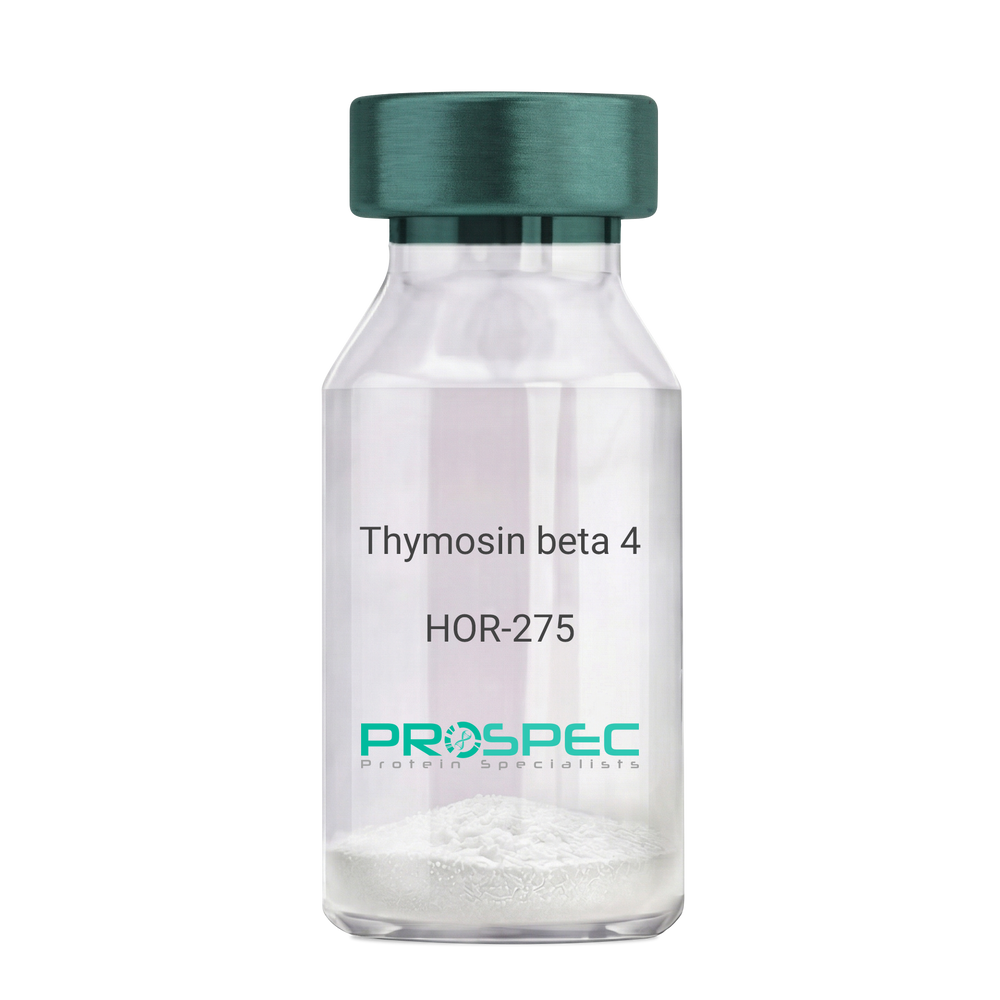
    Thymosin beta 4

    Description:

    Thymosin β4

    Thymosin beta-4. TB500, TB-500

    Product # :

    HOR-275

    Price :

    Quantity :

    Shipping Method :

    Room Temp Icon

    Shipped at Room temp

    Add To Cart

    More Info

    • description
    • formulation
    • purity
    • More Info

    Description

    Thymosin b4 is a 43 amino acid peptide which is regarded as the main intracellular G-actin sequestering peptide. It has a molecular weight of 4963.55 Da, and its molecular formula is: C212H350N56O78S1. Extracellular Thymosin b4 may contribute to physiological processes such as angiogenesis, wound healing, and regulation of inflammation.

    Formulation

    The protein (1mg/ml) was lyophilized with no additives.

    Purity

    Greater than 98.0% as determined by RP-HPLC.

    More Info

    • Introduction

      Thymosin is a hormone secreted from the thymus. Its primary function is to stimulate the production of T cells, which are an important part of the immune system. Thymosin also assists in the development of B cells to plasma cells to produce antibodies. The predominant form of thymosin, thymosin b4, is a member of a highly conserved family of actin monomer-sequestering proteins. b-thymosins are the primary regulators of unpolymerized actin, and are essential for maintaining the small cytoplasmic pool of free G-actin monomers required for rapid filament elongation and allowing for the flux of monomers between the thymosin-bound pool and F-actin.

    • Synonyms

      Thymosin beta-4. TB500, TB-500

    • Physical Appearance

      Sterile Filtered White lyophilized (freeze-dried) powder.

    • Stability

      Lyophilized Thymosin b4 although stable at room temperature for 3 weeks, should be stored desiccated below -18°C. Upon reconstitution T beta 4 should be stored at 4°C between 2-7 days and for future use below -18°C.For long term storage it is recommended to add a carrier protein (0.1% HSA or BSA).Please prevent freeze-thaw cycles.

    • Solubility

      It is recommended to reconstitute the lyophilized Thymosin beta-4 in sterile 18MΩ-cm H2O not less than 100 µg/ml, which can then be further diluted to other aqueous solutions.

    • Amino Acid Sequence

      Thymosin b4 has an a.a. sequence of Ac-Ser-Asp-Lys-Pro-Asp-Met-Ala-Glu-Ile-Glu-Lys-Phe-Asp-Lys-Ser-Lys-Leu-Lys-Lys-Thr-Glu-Thr-Gln-Glu-Lys-Asn-Pro-Leu-Pro-Ser-Lys-Glu-Thr-Ile-Glu-Gln-Glu-Lys-Gln-Ala-Gly-Glu-Ser-OH.

    ProSpec's products are furnished for LABORATORY RESEARCH USE ONLY. The product may not be used as drugs, agricultural or pesticidal products, food additives or household chemicals.

    Thymosin Beta 4
  • View Data Sheet

    Name :

    TIFA Human

    Description:

    TRAF-Interacting Protein with Forkhead-Associated Domain Human Recombinant

    TRAF-interacting protein with FHA domain-containing protein A, Putative MAPK-activating protein PM14, Putative NF-kappa-B-activating protein 20, TRAF2-binding protein, TIFA, T2BP, T6BP, TIFAA.

    Product # :

    PRO-1041

    Price :

    Quantity :

    Shipping Method :

    Ice Icon

    Shipped with Ice Packs

    Add To Cart

    More Info

    • description
    • source
    • formulation
    • purity
    • More Info

    Description

    TIFA Human Recombinant produced in E.Coli is a single, non-glycosylated polypeptide chain containing 208 amino acids (1-184 a.a.) and having a molecular mass of 24kDa.TIFA is fused to a 24 amino acid His-tag at N-terminus & purified by proprietary chromatographic techniques.

    Source

    Escherichia Coli.

    Formulation

    TIFA protein solution (0.5mg/ml) containing 20mM Tris-HCl buffer (pH8.0), 20% glycerol and 1mM DTT.

    Purity

    Greater than 90.0% as determined by SDS-PAGE.

    More Info

    • Introduction

      TRAF-interacting protein with FHA domain-containing protein A (TIFA) is an adapter protein that mediates the IRAK1 and TRAF6 interaction following IL-1 stimulation, triggering the downstream activation of NF-kappa-B and AP-1 pathways. The TIFA protein stimulates the oligomerization and polyubiquitination of TRAF6, leading to the activation of TAK1 and IKK through a proteasome-independent mechanism.

    • Synonyms

      TRAF-interacting protein with FHA domain-containing protein A, Putative MAPK-activating protein PM14, Putative NF-kappa-B-activating protein 20, TRAF2-binding protein, TIFA, T2BP, T6BP, TIFAA.

    • Physical Appearance

      Sterile Filtered clear solution.

    • Stability

      Store at 4°C if entire vial will be used within 2-4 weeks. Store, frozen at -20°C for longer periods of time. For long term storage it is recommended to add a carrier protein (0.1% HSA or BSA).Avoid multiple freeze-thaw cycles.

    • Amino Acid Sequence

      MGSSHHHHHH SSGLVPRGSH MGSHMTSFED ADTEETVTCL QMTVYHPGQL QCGIFQSISF NREKLPSSEV VKFGRNSNIC HYTFQDKQVS RVQFSLQLFK KFNSSVLSFE IKNMSKKTNL IVDSRELGYL NKMDLPYRCM VRFGEYQFLM EKEDGESLEF FETQFILSPR SLLQENNWPP HRPIPEYGTY SLCSSQSSSP TEMDENES.

    ProSpec's products are furnished for LABORATORY RESEARCH USE ONLY. The product may not be used as drugs, agricultural or pesticidal products, food additives or household chemicals.

    Tifa Human
  • View Data Sheet

    Name :

    HCG Paired Antibody

    Description:

    Anti Human HCG Paired Antibody Mouse

    Product # :

    ANT-786

    Price :

    Quantity :

    Shipping Method :

    Ice Icon

    Shipped with Ice Packs

    Add To Cart

    More Info

    • description
    • formulation
    • More Info

    Description

    Paired HCG monoclonal antibodies are composed of anti-HCG α and β subunits, the anti-HCG α is used for the coating and antibody to β subunit is used for colloid gold conjugation. Please note that when ordering for example: 100µg paired antibody, you receive 50µg from each antibody (100µg in total).

    Formulation

    *HCG α (coating) antibody in PBS, PH 7.4.

    * HCG β (conjugation) antibody in PBS, PH 7.4.

    More Info

    • Physical Appearance

      2 vials of sterile Filtered clear colorless solution.

    • Stability

      For periods up to 1month HCG Paired Antibody should be stored at 4°C, for longer periods of time, store at -20°C. Prevent freeze thaw cycles.

    • Applications

      Lateral flow immunoassay.

    • Background

      Human chorionic gonadotropin (hCG) is a peptide hormone produced in pregnancy by the embryosoon after conception and later by the syncytiotrophoblast (part of the placenta). hCG protein’s main role is to prevent the disintegration of the corpus luteum of the ovary and there by maintain progesterone production that is critical for a pregnancy in humans. hCG also affects the immune tolerance of the pregnancy. Early pregnancy testing usually is based on the detection or measurement of hCG.

    • Type

      Mouse antibody Monoclonal.

    • Purification Method

      Purified by protein A chromatography.

    ProSpec's products are furnished for LABORATORY RESEARCH USE ONLY. The product may not be used as drugs, agricultural or pesticidal products, food additives or household chemicals.

    Hcg Antibody
  • View Data Sheet

    Name :

    C1QTNF7 Human

    Description:

    Complement C1q Tumor Necrosis Factor-Related Protein 7 Human Recombinant

    CTRP7, C1QTNF7, ZACRP7, Complement C1q tumor necrosis factor-related protein 7.

    Product # :

    PRO-514

    Price :

    Quantity :

    Shipping Method :

    Room Temp Icon

    Shipped at Room temp

    Add To Cart

    More Info

    • description
    • source
    • formulation
    • purity
    • More Info

    Description

    C1QTNF7 Human Recombinant produced in E.Coli is a signle, non-glycosylated, Polypeptide chain containing 283 amino acids and having a molecular mass of 30.22 kDa. The protein contains an extra 10 amino acid His tag at N-terminus. The C1QTNF7 amino acid sequence is identical to UniProtKB/Swiss-Prot entry Q9BXJ2 amino acids 17–289.The C1QTNF7 is purified by proprietary chromatographic techniques.

    Source

    Escherichia Coli.

    Formulation

    Human C1QTNF7 was filtered (0.4µm) and lyophilized from a 0.5mg/ml solution containing 30mM Acetate Buffer, pH-4 and 5% (w/v) trehalose.

    Purity

    Greater than 95% as determined by SDS PAGE.

    More Info

    • Introduction

      C1QTNF7 is a collagen type-IV specific for basement membranes.

    • Synonyms

      CTRP7, C1QTNF7, ZACRP7, Complement C1q tumor necrosis factor-related protein 7.

    • Physical Appearance

      Filtered White lyophilized (freeze-dried) powder.

    • Stability

      Store lyophilized protein at -20°C. Aliquot the product after reconstitution to avoid repeated freezing/thawing cycles. Reconstituted protein can be stored at 4°C for a limited period of time; it does not show any change after two weeks at 4°C.

    • Solubility

      Add 0.1M Acetate buffer pH4 to prepare a working stock solution of approximately 0.5mg/mL and let the lyophilized pellet dissolve completely. For conversion into higher pH value, we recommend intensive dilution by relevant buffer to a concentration of 10μg/ml. In higher concentrations the solubility of this antigen is limited. Product is not sterile! Please filter the product by an appropriate sterile filter before using it in the cell culture.

    • Amino Acid Sequence

      MKHHHHHHAS QPRGNQLKGE NYSPRYICSI PGLPGPPGPP GANGSPGPHG RIGLPGRDGR DGRKGEKGEK GTAGLRGKTG PLGLAGEKGD QGETGKKGPI GPEGEKGEVG PIGPPGPKGD RGEQGDPGLP GVCRCGSIVL KSAFSVGITT SYPEERLPII FNKVLFNEGE HYNPATGKFI CAFPGIYYFS YDITLANKHL AIGLVHNGQY RIKTFDANTG NHDVASGSTV IYLQPEDEVW LEIFFTDQNG LFSDPGWADS LFSGFLLYVD TDYLDSISEDDEL.

    ProSpec's products are furnished for LABORATORY RESEARCH USE ONLY. The product may not be used as drugs, agricultural or pesticidal products, food additives or household chemicals.

    C1Qtnf7 Human
  • View Data Sheet

    Name :

    TIAF1 Human

    Description:

    TGFB1-Induced Anti-Apoptotic Factor 1 Human Recombinant

    TGFB1-Induced Anti-Apoptotic Factor 1, 12 KDa TGF-Beta-1-Induced Antiapoptotic Factor, Molecule Associated With Jak-3 N-Terminal, KIAA0216, MYO18A, MYSPDZ, MAJN, SPR210.

    Product # :

    PRO-1211

    Price :

    Quantity :

    Shipping Method :

    Ice Icon

    Shipped with Ice Packs

    Add To Cart

    More Info

    • description
    • source
    • formulation
    • purity
    • More Info

    Description

    TIAF1 Human Recombinant produced in E. coli is a single polypeptide chain containing 152 amino acids (1-115) and having a molecular mass of 16.6 kDa.TIAF1 is fused to a 37 amino acid His-tag at N-terminus & purified by proprietary chromatographic techniques.

    Source

    E.coli.

    Formulation

    The TIAF1 solution (0.5mg/1ml) contains 20mM Tris-HCl buffer (pH 8.0), 0.4M Urea and 10% glycerol.

    Purity

    Greater than 85% as determined by SDS-PAGE.

    More Info

    • Introduction

      TGFB1-induced anti-apoptotic factor 1 (TIAF1) hinders the cytotoxic effects of TNF-alpha and overexpressed TNF receptor adapters TRADD, FADD, and RIPK1. The TIAF1 protein is involved in TGF-beta1 inhibition of IkappaB-alpha expression and suppression of TNF-mediated IkappaB-alpha degradation. TIAF1 is not detected in normal kidney and liver. TIAF1 is up-regulated in chronic and acute allograft rejection: expressed in the inflammatory infiltrate and in tubular epithelial cells.

    • Synonyms

      TGFB1-Induced Anti-Apoptotic Factor 1, 12 KDa TGF-Beta-1-Induced Antiapoptotic Factor, Molecule Associated With Jak-3 N-Terminal, KIAA0216, MYO18A, MYSPDZ, MAJN, SPR210.

    • Physical Appearance

      Sterile Filtered colorless solution.

    • Stability

      Store at 4°C if entire vial will be used within 2-4 weeks. Store, frozen at -20°C for longer periods of time. For long term storage it is recommended to add a carrier protein (0.1% HSA or BSA).Avoid multiple freeze-thaw cycles.

    • Amino Acid Sequence

      MRGSHHHHHH GMASMTGGQQ MGRDLYDDDD KDRWGSHMSS PSSPFREQSF LCAAGDAGEE SRVQVLKNEV RRGSPVLLGW VEQAYADKCV CGPSAPPAPT PPSLSQRVMC NDLFKVNPFQ LQQFRADPST ASLLLCPGGL DHKLNLRGKA WG

    ProSpec's products are furnished for LABORATORY RESEARCH USE ONLY. The product may not be used as drugs, agricultural or pesticidal products, food additives or household chemicals.

    Tiaf1 Human
  • View Data Sheet

    Name :

    TIMP2 Human HEK

    Description:

    Tissue Inhibitor of Metalloprotease 2 Human Recombinant, HEK

    TIMP metallopeptidase inhibitor 2, CSC-21K, tissue inhibitor of metalloproteinase 2, TIMP-2, metalloproteinase inhibitor 2.

    Product # :

    ENZ-120

    Price :

    Quantity :

    Shipping Method :

    Room Temp Icon

    Shipped at Room temp

    Add To Cart

    More Info

    • description
    • source
    • formulation
    • purity
    • biological activity
    • More Info

    Description

    TIMP2 Human Recombinant produced in HEK-293 cells is a secreted protein with the sequence of Human TIMP-2 (amino acids Cys27-Pro220) and is fused to a polyhistidine tag at the C-terminus.

    Source

    HEK293 Cells.

    Formulation

    The TIMP2 protein was lyophilized after extensive dialysis against PBS.

    Purity

    Greater than 95.0% as determined by SDS-PAGE.

    Biological Activity

    The IC50 of 3 nM is measured by its ability to inhibit recombinant human MMP-2 cleavage of the colorimetric peptide substrate, Mca-PLGL-DpaAR-NH2.

    More Info

    • Introduction

      TIMP2 belongs to the TIMP gene family. The proteins encoded by this gene family are natural inhibitors of the matrix metalloproteinases, a group of peptidases that take part in degradation of the extracellular matrix. Besides having an inhibitory role against metalloproteinases, the encoded protein has a exclusive part among TIMPfamily members in its capability to directly suppress the proliferation of endothelial cells. Consequently, the encoded protein is crucial to the conservation of tissue homeostasis by suppressing the production of quiescent tissues as an answer to angiogenic factors, and by inhibiting protease activity in tissues undergoing renovation of the extracellular matrix.

    • Synonyms

      TIMP metallopeptidase inhibitor 2, CSC-21K, tissue inhibitor of metalloproteinase 2, TIMP-2, metalloproteinase inhibitor 2.

    • Physical Appearance

      Sterile Filtered White lyophilized (freeze-dried) powder.

    • Stability

      Lyophilized TIMP2 although stable at room temperature for 3 weeks, should be stored desiccated below -18°C. Upon reconstitution TIMP2 should be stored at 4°C between 2-7 days and for future use below -18°C.For long term storage it is recommended to add a carrier protein (0.1% HSA or BSA).Please prevent freeze-thaw cycles.

    • Solubility

      It is recommended to reconstitute the lyophilized TIMP2 in sterile assay buffer (50mM Tris, 10mM CaCl2, 150mM NaCl, 0.05% Brij-35, PH 7.5) not less than 100µg/ml.

    ProSpec's products are furnished for LABORATORY RESEARCH USE ONLY. The product may not be used as drugs, agricultural or pesticidal products, food additives or household chemicals.

    Timp2 Human Hek
  • View Data Sheet

    Name :

    TOLLIP Human

    Description:

    Toll Interacting Protein 1 Human Recombinant

    Toll-interacting protein, TOLLIP, IL-1RAcPIP.

    Product # :

    PRO-228

    Price :

    Quantity :

    Shipping Method :

    Ice Icon

    Shipped with Ice Packs

    Add To Cart

    More Info

    • description
    • source
    • formulation
    • purity
    • More Info

    Description

    TOLLIP produced in E.Coli is a single, non-glycosylated polypeptide chain containing 294 amino acids (1-274 a.a) and having a molecular mass of 32.4kDa.TOLLIP is fused to a 20 amino acid His-tag at N-terminus & purified by proprietary chromatographic techniques.

    Source

    Escherichia Coli.

    Formulation

    TOLLIP protein solution (0.25mg/ml) containing 20mM Tris-HCl buffer (pH8.0), 40% glycerol, 0.2M NaCl and 2mM DTT.

    Purity

    Greater than 85.0% as determined by SDS-PAGE.

    More Info

    • Introduction

      Toll interacting protein (TOLLIP) is an inhibitory adaptor protein within Toll-like receptors. The TLR pathway is a part of the innate immune system which recognizes structurally conserved molecular patterns of microbial pathogens, initiating an inflammatory immune response. Negative regulation of TLR signaling by TOLLIP might restrict the production of proinflammatory mediators during inflammation and infection. Furthermore, TOLLIP forms a complex with Tom1 to regulate endosomal transferring of ubiquitinated proteins.

    • Synonyms

      Toll-interacting protein, TOLLIP, IL-1RAcPIP.

    • Physical Appearance

      Sterile Filtered colorless solution.

    • Stability

      TOLLIP Human Recombinant although stable at 4°C for 1 week, should be stored below -18°C. Please prevent freeze thaw cycles.

    • Amino Acid Sequence

      MGSSHHHHHH SSGLVPRGSH MATTVSTQRG PVYIGELPQD FLRITPTQQQ RQVQLDAQAA QQLQYGGAVG TVGRLNITVV QAKLAKNYGM TRMDPYCRLR LGYAVYETPT AHNGAKNPRW NKVIHCTVPP GVDSFYLEIF DERAFSMDDR IAWTHITIPE SLRQGKVEDK WYSLSGRQGD DKEGMINLVM SYALLPAAMV MPPQPVVLMP TVYQQGVGYV PITGMPAVCS PGMVPVALPP AAVNAQPRCS EEDLKAIQDM FPNMDQEVIR SVLEAQRGNK DAAINSLLQM GEEP.

    ProSpec's products are furnished for LABORATORY RESEARCH USE ONLY. The product may not be used as drugs, agricultural or pesticidal products, food additives or household chemicals.

    Tollip Human
  • View Data Sheet

    Name :

    TPM3 Human

    Description:

    Tropomyosin-3 Human Recombinant

    Tropomyosin alpha-3 chain, Gamma-tropomyosin, Tropomyosin-3, Tropomyosin-5, hTM5, TPM3, TM3, TM5, TRK, CFTD, NEM1, TM-5, TM30, TM30nm, TPMsk3, hscp30, OK/SW-cl.5.

    Product # :

    PRO-1020

    Price :

    Quantity :

    Shipping Method :

    Ice Icon

    Shipped with Ice Packs

    Add To Cart

    More Info

    • description
    • source
    • formulation
    • purity
    • More Info

    Description

    TPM3 Human Recombinant produced in E.Coli is a single, non-glycosylated polypeptide chain containing 272 amino acids (1-248 a.a.) and having a molecular mass of 31.6kDa. TPM3 is fused to a 24 amino acid His-tag at N-terminus & purified by proprietary chromatographic techniques.

    Source

    Escherichia Coli.

    Formulation

    TPM3 protein solution (0.5mg/ml) containing 20mM Tris-HCl buffer (pH 8.0), 1mM DTT, 10% glycerol, 0.1M NaCl.

    Purity

    Greater than 90% as determined by SDS-PAGE.

    More Info

    • Introduction

      Tropomyosin alpha-3 chain (TPM3) belongs to the tropomyosin family of actin-binding proteins involved in the contractile system of striated and smooth muscles and the cytoskeleton of non-muscle cells. Tropomyosins are dimers of coiled-coil proteins which polymerize end-to-end along the major groove in most actin filaments. Tropomyosins give stability to the filaments and regulate access of other actin-binding proteins. In muscle cells, tropomyosins regulate muscle contraction by controlling the binding of myosin heads to the actin filament. Mutations in the TPM3 gene cause autosomal dominant nemaline myopathy, and oncogenes formed by chromosomal translocations involving this locus are linked with cancer.

    • Synonyms

      Tropomyosin alpha-3 chain, Gamma-tropomyosin, Tropomyosin-3, Tropomyosin-5, hTM5, TPM3, TM3, TM5, TRK, CFTD, NEM1, TM-5, TM30, TM30nm, TPMsk3, hscp30, OK/SW-cl.5.

    • Physical Appearance

      Sterile Filtered clear solution.

    • Stability

      Store at 4°C if entire vial will be used within 2-4 weeks. Store, frozen at -20°C for longer periods of time. For long term storage it is recommended to add a carrier protein (0.1% HSA or BSA).Avoid multiple freeze-thaw cycles.

    • Amino Acid Sequence

      MGSSHHHHHH SSGLVPRGSH MGSHMAGITT IEAVKRKIQV LQQQADDAEE RAERLQREVE GERRAREQAE AEVASLNRRI QLVEEELDRA QERLATALQK LEEAEKAADE SERGMKVIEN RALKDEEKME LQEIQLKEAK HIAEEADRKY EEVARKLVII EGDLERTEER AELAESRCRE MDEQIRLMDQ NLKCLSAAEE KYSQKEDKYE EEIKILTDKL KEAETRAEFA ERSVAKLEKT IDDLEDKLKC TKEEHLCTQR MLDQTLLDLN EM.

    ProSpec's products are furnished for LABORATORY RESEARCH USE ONLY. The product may not be used as drugs, agricultural or pesticidal products, food additives or household chemicals.

    Tpm3 Human
  • View Data Sheet

    Name :

    TPST2 Human, sf9

    Description:

    Tyrosylprotein Sulfotransferase 2, sf9 Human Recombinant

    Tyrosylprotein Sulfotransferase 2, EC 2.8.2.20, TPST-2, Transport And Golgi Organization 13 Homolog B (Drosophila), Transport And Golgi Organization 13 Homolog B, Protein-Tyrosine Sulfotransferase 2, Tyrosylprotein Phosphotransferase 2, Tyrosylprotein Sulfotransferase-2, TANGO13B.

    Product # :

    ENZ-949

    Price :

    Quantity :

    Shipping Method :

    Ice Icon

    Shipped with Ice Packs

    Add To Cart

    More Info

    • description
    • source
    • formulation
    • purity
    • More Info

    Description

    TPST2 produced in Sf9 Baculovirus cells is a single, glycosylated polypeptide chain containing 361 amino acids (26-377 a.a.) and having a molecular mass of 40.4kDa (Migrates at 40-57kDa on SDS-PAGE under reducing conditions). TPST2 is expressed with a 6 amino acid His tag at C-Terminus and purified by proprietary chromatographic techniques.

    Source

    Sf9, Baculovirus cells.

    Formulation

    TPST2 protein solution (0.25mg/ml) contains Phosphate Buffered Saline (pH 7.4) and 10% glycerol.

    Purity

    Greater than 95.0% as determined by SDS-PAGE.

    More Info

    • Introduction

      Tyrosylprotein Sulfotransferase 2 (TPST2) is a member of the protein sulfotransferase family. TPST2 is a widely expressed protein, which catalyzes the O-sulfation of tyrosine residues within acidic regions of proteins. The TPST2 protein is a type II integral membrane protein located in the Golgi body.

    • Synonyms

      Tyrosylprotein Sulfotransferase 2, EC 2.8.2.20, TPST-2, Transport And Golgi Organization 13 Homolog B (Drosophila), Transport And Golgi Organization 13 Homolog B, Protein-Tyrosine Sulfotransferase 2, Tyrosylprotein Phosphotransferase 2, Tyrosylprotein Sulfotransferase-2, TANGO13B.

    • Physical Appearance

      Sterile Filtered colorless solution.

    • Stability

      Store at 4°C if entire vial will be used within 2-4 weeks. Store, frozen at -20°C for longer periods of time. For long term storage it is recommended to add a carrier protein (0.1% HSA or BSA). Avoid multiple freeze-thaw cycles.

    • Amino Acid Sequence

      ADPQQVLECR AVLAGLRSPR GAMRPEQEEL VMVGTNHVEY RYGKAMPLIF VGGVPRSGTT LMRAMLDAHP EVRCGEETRI IPRVLAMRQA WSKSGREKLR LDEAGVTDEV LDAAMQAFIL EVIAKHGEPA RVLCNKDPFT LKSSVYLSRL FPNSKFLLMV RDGRASVHSM ITRKVTIAGF DLSSYRDCLT KWNKAIEVMY AQCMEVGKEK CLPVYYEQLV LHPRRSLKLI LDFLGIAWSD AVLHHEDLIG KPGGVSLSKI ERSTDQVIKP VNLEALSKWT GHIPGDVVRD MAQIAPMLAQ LGYDPYANPP NYGNPDPFVI NNTQRVLKGD YKTPANLKGY FQVNQNSTSS HLGSSHHHHH H.

    ProSpec's products are furnished for LABORATORY RESEARCH USE ONLY. The product may not be used as drugs, agricultural or pesticidal products, food additives or household chemicals.

    Tpst2 Human Sf9
  • View Data Sheet

    Name :

    TXN1, His

    Description:

    Thioredoxin Recombinant, His Tag

    Thioredoxin-1, Trx-1, trxA, fipA, tsnC, b3781, JW5856.

    Product # :

    PRO-784

    Price :

    Quantity :

    Shipping Method :

    Ice Icon

    Shipped with Ice Packs

    Add To Cart

    More Info

    • description
    • source
    • formulation
    • purity
    • biological activity
    • More Info

    Description

    Recombinant Thioredoxin produced in E.Coli is a single, non-glycosylated polypeptide chain containing 117 amino acids (2-109 a.a.) and having a molecular mass of 12.8kDa. TRX contains 9 amino acid His Tag N-terminus and is purified by proprietary chromatographic techniques.

    Source

    Escherichia Coli.

    Formulation

    The TRX His Tag protein solution (0.5mg/ml) contains 20mM Tris-HCl buffer (pH 8.0), 10% glycerol and 1mM DTT.

    Purity

    Greater than 95.0% as determined by SDS-PAGE.

    Biological Activity

    Specific activity is >70 A650/cm/min/mg, detected by measuring the increase of insulin precipitation in absorbance at 650 nm resulting from the reduction of insulin.

    More Info

    • Introduction

      Thioredoxins are small disulphide-containing redox proteins (within the conserved Cys-Gly-Pro-Cys active site) that have been found in all the kingdoms of living organisms. Thioredoxin contains a single disulfide active site and serves as a general protein disulphide oxidoreductase. Thioredoxins are involved in the first unique step in DNA synthesis. It interacts with a broad range of proteins by a redox mechanism based on reversible oxidation of two cysteine thiol groups to a disulphide, accompanied by the transfer of two electrons and two protons. The net result is the covalent interconversion of a disulphide and a dithiol. Trx also provides control over a number of transcription factors affecting cell proliferation and death through a mechanism referred to as redox regulation. It has been suggested that thioredoxin may catalyze the formation of correct disulfides during protein folding because of its ability to act as an efficient oxidoreductant. This could be especially useful in

    • Synonyms

      Thioredoxin-1, Trx-1, trxA, fipA, tsnC, b3781, JW5856.

    • Physical Appearance

      Sterile Filtered colorless solution.

    • Stability

      Store at 4°C if entire vial will be used within 2-4 weeks. Store, frozen at -20°C for longer periods of time. For long term storage it is recommended to add a carrier protein (0.1% HSA or BSA).Avoid multiple freeze-thaw cycles.

    • Amino Acid Sequence

      MHHHHHHMGS DKIIHLTDDS FDTDVLKADG AILVDFWAEW CGPCKMIAPI LDEIADEYQG KLTVAKLNID QNPGTAPKYG IRGIPTLLLF KNGEVAATKV GALSKGQLKE FLDANLAGS.

    ProSpec's products are furnished for LABORATORY RESEARCH USE ONLY. The product may not be used as drugs, agricultural or pesticidal products, food additives or household chemicals.

    Thioredoxin 1 His
  • View Data Sheet

    Name :

    ECHDC1 Human

    Description:

    Enoyl CoA Hydratase Domain Containing 1 Human Recombinant

    Ethylmalonyl-CoA decarboxylase, Enoyl-CoA hydratase domain-containing protein 1, Methylmalonyl-CoA decarboxylase, MMCD, ECHDC1, dJ351K20.2.

    Product # :

    ENZ-573

    Price :

    Quantity :

    Shipping Method :

    Ice Icon

    Shipped with Ice Packs

    Add To Cart

    More Info

    • description
    • source
    • formulation
    • purity
    • More Info

    Description

    SNAP25 Recombinant Human produced in E.Coli is a single, non-glycosylated polypeptide chain containing 226 amino acids (1-206 a.a.) and having a molecular mass of 25.4 kDa. SNAP25 is fused to a 20 amino acid His Tag at N-terminus and purified by conventional chromatography techniques.

    Source

    E.coli.

    Formulation

    The ECHDC1 solution (1mg/ml) contains 20mM Tris-HCl buffer (pH8.0), 10% glycerol, 1mM DTT and 0.1M NaCl.

    Purity

    Greater than 95% as determined by SDS-PAGE.

    More Info

    • Introduction

      Enoyl CoA hydratase domain containing 1 (ECHDC1) is a member of the enoyl-CoA hydratase/isomerase family. ECHDC1 is an enzyme which hydrates the double bond between the second and third carbons on acyl-CoA. The ECHDC1 enzyme is crucial to metabolizing fatty acids to supply both acetyl CoA and energy.

    • Synonyms

      Ethylmalonyl-CoA decarboxylase, Enoyl-CoA hydratase domain-containing protein 1, Methylmalonyl-CoA decarboxylase, MMCD, ECHDC1, dJ351K20.2.

    • Physical Appearance

      Sterile Filtered colorless solution.

    • Stability

      Store at 4°C if entire vial will be used within 2-4 weeks. Store, frozen at -20°C for longer periods of time. For long term storage it is recommended to add a carrier protein (0.1% HSA or BSA).Avoid multiple freeze-thaw cycles.

    • Amino Acid Sequence

      MGSSHHHHHH SSGLVPRGSH MALKQEMAKS LLKTASLSGR TKLLHQTGLS LYSTSHGFYE EEVKKTLQQF PGGSIDLQKE DNGIGILTLN NPSRMNAFSG VMMLQLLEKV IELENWTEGK GLIVRGAKNT FSSGSDLNAV KSLGTPEDGM AVCMFMQNTL TRFMRLPLIS VALVQGWALG
      GGAEFTTACD FRLMTPESKI RFVHKEMGII PSWGGTTRLV EIIGSRQALK VLSGALKLDS KNALNIGMVE EVLQSSDETK SLEEAQEWLK QFIQGPPEVI RALKKSVCSG RELYLEEALQ NERDLLGTVW GGPANLEAIA KKGKFNK.

    ProSpec's products are furnished for LABORATORY RESEARCH USE ONLY. The product may not be used as drugs, agricultural or pesticidal products, food additives or household chemicals.

    Echdc1 Human
  • View Data Sheet

    Name :

    TCEB1 Human

    Description:

    Transcription Elongation Factor B Polypeptide 1 Human Recombinant

    Transcription elongation factor B polypeptide 1, Elongin 15 kDa subunit, Elongin-C, EloC, RNA polymerase II transcription factor SIII subunit C, SIII p15, TCEB1, SIII.

    Product # :

    PRO-1017

    Price :

    Quantity :

    Shipping Method :

    Ice Icon

    Shipped with Ice Packs

    Add To Cart

    More Info

    • description
    • source
    • formulation
    • purity
    • More Info

    Description

    TCEB1 Human Recombinant produced in E.Coli is a single, non-glycosylated polypeptide chain containing 132 amino acids (1-112 a.a.) and having a molecular mass of 14.6kDa. TCEB1 is fused to a 20 amino acid His-tag at N-terminus & purified by proprietary chromatographic techniques.

    Source

    Escherichia Coli.

    Formulation

    TCEB1 protein solution (1mg/ml) containing 20mM Tris-HCl buffer (pH 8.0), 10% glycerol, 1mM DTT and 0.15M NaCl.

    Purity

    Greater than 90.0% as determined by SDS-PAGE.

    More Info

    • Introduction

      TCEB1 (elongin C) is a subunit of elongin, which is a common transcription elongation factor that increases the RNA polymerase II transcription elongation past template encoded arresting sites. The SIII complex is comprised of elongins A/A2, B and C. The SIII complex activates elongation by RNA polymerase II by curbing transient pausing of the polymerase at numerous sites within transcription units. Elongin A acts as the transcriptionally active component of the SIII complex, while elongins B and C are regulatory subunits. Elongin A2 is specifically expressed in the testis, and able to forming a stable complex with elongins B and C. The VHL (von Hippel-Lindau) tumor suppressor protein binds to elongins B and C, and thus inhibits transcription elongation.

    • Synonyms

      Transcription elongation factor B polypeptide 1, Elongin 15 kDa subunit, Elongin-C, EloC, RNA polymerase II transcription factor SIII subunit C, SIII p15, TCEB1, SIII.

    • Physical Appearance

      Sterile Filtered colorless solution.

    • Stability

      Store at 4°C if entire vial will be used within 2-4 weeks. Store, frozen at -20°C for longer periods of time. For long term storage it is recommended to add a carrier protein (0.1% HSA or BSA).Avoid multiple freeze-thaw cycles.

    • Amino Acid Sequence

      MGSSHHHHHH SSGLVPRGSH MDGEEKTYGG CEGPDAMYVK LISSDGHEFI VKREHALTSG TIKAMLSGPG QFAENETNEV NFREIPSHVL SKVCMYFTYK VRYTNSSTEI PEFPIAPEIA LELLMAANFL DC.

    ProSpec's products are furnished for LABORATORY RESEARCH USE ONLY. The product may not be used as drugs, agricultural or pesticidal products, food additives or household chemicals.

    Tceb1 Human
  • View Data Sheet

    Name :

    PINX1 Human

    Description:

    PIN2-Interacting Protein 1 Human Recombinant

    PINX1, LPTL, LPTS, MGC8850, FLJ20565, Pin2-interacting protein X1, TRF1-interacting protein 1, Liver-related putative tumor suppressor, Protein 67-11-3.

    Product # :

    PRO-693

    Price :

    Quantity :

    Shipping Method :

    Ice Icon

    Shipped with Ice Packs

    Add To Cart

    More Info

    • description
    • source
    • formulation
    • purity
    • More Info

    Description

    Recombinant Human PINX1 produced in E.Coli is a single, non-glycosylated polypeptide chain containing 348 amino acids (1-328 a.a) and having a molecular mass of 39.1 kDa. PINX1 is fused to 20 amino acid His Tag at N-terminus and purified by proprietary chromatographic techniques.

    Source

    Escherichia Coli.

    Formulation

    The PINX1 protein contains 20mM Tris-HCl buffer pH-8, 1mM DTT and 10% glycerol.

    Purity

    Greater than 95.0% as determined by analysis by SDS-PAGE.

    More Info

    • Introduction

      PINX1 is a common expressed protein that localizes to nucleoli and telomere speckles. PINX1 contains a Telomerase Inhibiting Domain that is caable of binding MCRS1, TERT and TERF1. PINX1 has been shown to be a potent telomerase inhibitor and putative tumor suppressor. PINX1 is recruited to chromosome periphery by Nucleolin, their complex is necessary for faithful chromosome congression. PINX1 regulates the nucleolar accumulation and telomeric association of TRF1. PINX1 is involved in gastric cancer development. PINX1 expression is a sign of gastric cancer development. Constitutive expression of PINX1 attributes to telomere maintenance by telomerase and tumorigenicity in cancer cells.

    • Synonyms

      PINX1, LPTL, LPTS, MGC8850, FLJ20565, Pin2-interacting protein X1, TRF1-interacting protein 1, Liver-related putative tumor suppressor, Protein 67-11-3.

    • Physical Appearance

      Sterile filtered colorless solution.

    • Stability

      Store at 4°C if entire vial will be used within 2-4 weeks. Store, frozen at -20°C for longer periods of time. For long term storage it is recommended to add a carrier protein (0.1% HSA or BSA). Avoid multiple freeze-thaw cycles.

    • Amino Acid Sequence

      MGSSHHHHHH SSGLVPRGSH MSMLAERRRK QKWAVDPQNT AWSNDDSKFG QRMLEKMGWS KGKGLGAQEH GATDHIKVQV KNNHLGLGAT INNEDNWIAH QDDFNQLLAE LNTCHGQETT DSSDKKEKKS FSLEEKSKIS KNRVHYMKFT KGKDLSSRSK TDLDCIFGKR QSKKTPEGDA SPSTPEENET TTTSAFTIQE YFAKRMAALK NKPQVPVPGS DISETQVERK RGKKINKEAT GKDVESYLQP KAKRHTEGKP ERAEAQERVA KKKSAPAEEQ LRGPCWDQSS KASAQDAGDH VQPPEGRDFT LKPKKRRGKK KLQKPVEIAE DATLEETLVK KKKKKDSK.

    ProSpec's products are furnished for LABORATORY RESEARCH USE ONLY. The product may not be used as drugs, agricultural or pesticidal products, food additives or household chemicals.

    Pinx1 Human
  • View Data Sheet

    Name :

    TRIAP1 Human

    Description:

    TP53 Regulated Inhibitor Of Apoptosis 1 Human Recombinant

    TP53 Regulated Inhibitor of Apoptosis 1, P53-Inducible Cell-Survival Factor, Mitochondrial Distribution And Morphology 35 Homolog, Protein 15E1.1, MDM35, WF-1, p53CSV, HSPC132.

    Product # :

    PRO-1771

    Price :

    Quantity :

    Shipping Method :

    Ice Icon

    Shipped with Ice Packs

    Add To Cart

    More Info

    • description
    • source
    • formulation
    • purity
    • More Info

    Description

    TRIAP1 Human Recombinant produced in E.Coli is a single, non-glycosylated polypeptide chain containing 99 amino acids (1-76 a.a) and having a molecular mass of 11.2kDa.TRIAP1 is fused to a 23 amino acid His-tag at N-terminus & purified by proprietary chromatographic techniques.

    Source

    Escherichia Coli.

    Formulation

    TRIAP1 protein solution (1mg/ml) containing 20mM Tris-HCl buffer (pH8.0), 0.1M NaCl, 1mM DTT and 20% glycerol.

    Purity

    Greater than 90.0% as determined by SDS-PAGE.

    More Info

    • Introduction

      TRIAP1 has a p53-binding site in its second exon. TRIAP1 expression is reduced by small interfering RNA enhanced apoptosis, while overexpression of TRIAP1 protects cells from apoptosis triggered by DNA damage. TRIAP1 is highly induced when cells have low levels of genotoxic stresses, but not when DNA damage is severe. TRIAP1 is able to control apoptotic pathways by interacting with Hsp70 which inhibits activity of apoptosis protease activating factor-1.

    • Synonyms

      TP53 Regulated Inhibitor of Apoptosis 1, P53-Inducible Cell-Survival Factor, Mitochondrial Distribution And Morphology 35 Homolog, Protein 15E1.1, MDM35, WF-1, p53CSV, HSPC132.

    • Physical Appearance

      Sterile Filtered clear solution.

    • Stability

      Store at 4°C if entire vial will be used within 2-4 weeks. Store, frozen at -20°C for longer periods of time.For long term storage it is recommended to add a carrier protein (0.1% HSA or BSA).Please avoid freeze thaw cycles.

    • Amino Acid Sequence

      MGSSHHHHHH SSGLVPRGSH MGSMNSVGEA CTDMKREYDQ CFNRWFAEKF LKGDSSGDPC TDLFKRYQQC VQKAIKEKEI PIEGLEFMGH GKEKPENSS

    ProSpec's products are furnished for LABORATORY RESEARCH USE ONLY. The product may not be used as drugs, agricultural or pesticidal products, food additives or household chemicals.

    Triap1 Human
  • View Data Sheet

    Name :

    Leptin tA Mouse

    Description:

    Leptin Antagonist Triple Mutant Mouse Recombinant

    Product # :

    CYT-354

    Price :

    Quantity :

    Shipping Method :

    Room Temp Icon

    Shipped at Room temp

    Add To Cart

    More Info

    • description
    • source
    • formulation
    • purity
    • biological activity
    • More Info

    Description

    Leptin Antagonist Triple Mutant Mouse Recombinant is a single non-glycosilated polypeptide chain containing 146 amino and additional Ala at N-terminus acids and having a molecular mass of ~ 16 kDa, LEP was mutated, resulting in L39A/D40A/F41A mutant. Leptin Antagonist Triple Mutant Mouse Recombinant was purified by proprietary chromatographic techniques.

    Source

    Escherichia coli.

    Formulation

    The protein was lyophilized from a concentrated (0.65mg/ml) solution with 0.003mM NaHCO3.

    Purity

    Greater than 99.0% as determined by:
    (a) Gel filtration analysis.
    (b) Analysis by SDS-PAGE.

    Biological Activity

    ProSpec’s Leptin Antagonist Triple Mutant Mouse Recombinant is capable of inhibiting Leptin-induced proliferation of BAF/3 cells stably transfected with the long form of human Leptin receptor. It also inhibits various Leptin effects in several in vitro bioassays.

    More Info

    • Physical Appearance

      White lyophilized (freeze-dried) powder.

    • Stability

      Lyophilized Leptin Antagonist Triple Mutant Mouse Recombinant although stable at room temperature for several weeks, should be stored desiccated below -18°C. Upon reconstitution at > 0.1 Leptin mutant mg/ml and up to 2 mM and filter sterilization LEP mutant can be stored at 4°C or even room temperature for several weeks making it suitable for long term infusion studies using osmotic pumps. At lower concentration addition of a carrier protein (0.1% HSA or BSA) is suggested.Please prevent freeze-thaw cycles.

    • Solubility

      It is recommended to reconstitute the lyophilized Leptin Antagonist Triple Mutant Mouse Recombinant in sterile water or sterile 0.4% NaHCO3 adjusted to pH 8-9, not less than 100µg/ml, which can then be further diluted with other aqueous solutions.

    • Amino Acid Sequence

      The sequence of the first five N-terminal amino acids was determined and was found to be Ala-Val-Pro-Ile-Gln.

    • Protein content

      Protein quantization was carried out by UV spectroscopy at 280 nm using the absorbency value of 0.201 as the extinction coefficient for a 0.1% (1mg/ml) solution at pH 8.0. This value is calculated by the PC GENE computer analysis program of protein sequences (IntelliGenetics).

    ProSpec's products are furnished for LABORATORY RESEARCH USE ONLY. The product may not be used as drugs, agricultural or pesticidal products, food additives or household chemicals.

    Leptin Ta Mouse
  • View Data Sheet

    Name :

    MAP1LC3B2 Human

    Description:

    Microtubule-Associated Protein 1 Light Chain 3 Beta 2 Human Recombinant

    Microtubule-associated proteins 1A/1B light chain 3 beta 2, Microtubule-associated proteins 1A/1B light chain 3B-like, MAP1LC3B2, ATG8G.

    Product # :

    PRO-215

    Price :

    Quantity :

    Shipping Method :

    Ice Icon

    Shipped with Ice Packs

    Add To Cart

    More Info

    • description
    • source
    • formulation
    • purity
    • More Info

    Description

    MAP1LC3B2 produced in E.Coli is a single, non-glycosylated polypeptide chain containing 140 amino acids (1-120 a.a.) and having a molecular mass of 16.2kDa.MAP1LC3B2 is fused to a 20 amino acid His-tag at N-terminus & purified by proprietary chromatographic techniques.

    Source

    Escherichia Coli.

    Formulation

    MAP1LC3B2 protein solution (1mg/ml) containing 20mM Tris-HCl buffer (pH 8.0), 1mM DTT, 10% glycerol and 0.1M NaCl.

    Purity

    Greater than 95.0% as determined by SDS-PAGE.

    More Info

    • Introduction

      Microtubule-associated proteins 1A/1B light chain 3 beta 2 (MAP1LC3B2) is a member of the MAP1LC3 family. MAP1LC3B2 is a subunit of neuronal microtubule-associated MAP1A and MAP1B proteins, which are involved in microtubule assembly and essential for neurogenesis. The MAP1LC3B2 protein is possibly involved in formation of autophagosomal vacuoles (autophagosomes). MAP1LC3B2 is expressed primarily in the heart, testis, brain and skeletal muscle.

    • Synonyms

      Microtubule-associated proteins 1A/1B light chain 3 beta 2, Microtubule-associated proteins 1A/1B light chain 3B-like, MAP1LC3B2, ATG8G.

    • Physical Appearance

      Sterile filtered colorless solution.

    • Stability

      Store at 4°C if entire vial will be used within 2-4 weeks. Store, frozen at -20°C for longer periods of time. For long term storage it is recommended to add a carrier protein (0.1% HSA or BSA).Avoid multiple freeze-thaw cycles.

    • Amino Acid Sequence

      MGSSHHHHHH SSGLVPRGSH MPSEKTFKQR RTFEQRVEDV RLIREQHPTK IPVIIERYKG EKQLPVLDKT KFLVPDHVNM SELIKIIRRR LQLNANQAFF LLVNGHSMVS VSTPISEVYE SEKDEDGFLY MVCASQETFG.

    ProSpec's products are furnished for LABORATORY RESEARCH USE ONLY. The product may not be used as drugs, agricultural or pesticidal products, food additives or household chemicals.

    Map1Lc3B2 Human
  • View Data Sheet

    Name :

    XRCC2 Human

    Description:

    X-Ray Repair Cross Complementing Protein 2 Human Recombinant

    X-Ray Repair Complementing Defective Repair In Chinese Hamster Cells 2, X-Ray Repair Cross-Complementing Protein 2, RAD51-like, DNA Repair Protein XRCC2.

    Product # :

    PRO-1833

    Price :

    Quantity :

    Shipping Method :

    Ice Icon

    Shipped with Ice Packs

    Add To Cart

    More Info

    • description
    • source
    • formulation
    • purity
    • More Info

    Description

    XRCC2 Human Recombinant produced in E.coli is a single, non-glycosylated polypeptide chain containing 303 amino acids (1-280) and having a molecular mass of 34.3 kDa. XRCC2 is fused to a 23 amino acid His-tag at N-terminus.

    Source

    Escherichia Coli.

    Formulation

    The XRCC2 solution (1mg/ml) contains 20mM Tris-HCl buffer (pH 8.0), 0.4M Urea and 10% glycerol.

    Purity

    Greater than 80% as determined by SDS-PAGE.

    More Info

    • Introduction

      XRCC2 belongs to the RecA/Rad51-related protein family which takes part in homologous recombination to repair DNA damage and preserve chromosome stability. XRCC2 gene participates in the mending of DNA double-strand disruptions by homologous recombination. Additionally, XRCC2 functionally complements Chinese hamster irs1, a repair-deficient mutant which displays hypersensitivity to diverse DNA-damaging agents.

    • Synonyms

      X-Ray Repair Complementing Defective Repair In Chinese Hamster Cells 2, X-Ray Repair Cross-Complementing Protein 2, RAD51-like, DNA Repair Protein XRCC2.

    • Physical Appearance

      Sterile Filtered clear solution.

    • Stability

      Store at 4°C if entire vial will be used within 2-4 weeks. Store, frozen at -20°C for longer periods of time. For long term storage it is recommended to add a carrier protein (0.1% HSA or BSA).Avoid multiple freeze-thaw cycles.

    • Amino Acid Sequence

      MGSSHHHHHH SSGLVPRGSH MGSMCSAFHR AESGTELLAR LEGRSSLKEI EPNLFADEDS PVHGDILEFH GPEGTGKTEM LYHLTARCIL PKSEGGLEVE VLFIDTDYHF DMLRLVTILE HRLSQSSEEI IKYCLGRFFL VYCSSSTHLL LTLYSLESMF CSHPSLCLLI LDSLSAFYWI DRVNGGESVN LQESTLRKCS QCLEKLVNDY RLVLFATTQT IMQKASSSSE EPSHASRRLC DVDIDYRPYL CKAWQQLVKH RMFFSKQDDS QSSNQFSLVS RCLKSNSLKK HFFIIGESGV EFC

    ProSpec's products are furnished for LABORATORY RESEARCH USE ONLY. The product may not be used as drugs, agricultural or pesticidal products, food additives or household chemicals.

    Xrcc2 Human
  • View Data Sheet

    Name :

    CTF1 Rat

    Description:

    Cardiotrophin-1 Rat Recombinant

    Cardiotrophin-1, CT-1, Ctf1.

    Product # :

    CYT-199

    Price :

    Quantity :

    Shipping Method :

    Room Temp Icon

    Shipped at Room temp

    Add To Cart

    More Info

    • description
    • source
    • formulation
    • purity
    • biological activity
    • More Info

    Description

    Cardiotrophin-1 Rat Recombinant produced in E.Coli is a single, non-glycosylated, polypeptide chain containing 203 amino acids and having a molecular mass of 21.4kDa.The CTF1 Rat is purified by proprietary chromatographic techniques.

    Source

    Escherichia Coli.

    Formulation

    Lyophilized from a 0.2µm filtered concentrated solution in PBS, pH 7.4.

    Purity

    Greater than 95.0% as determined by SDS-PAGE and HPLC analyses.

    Biological Activity

    The ED50 as determined by the dose-dependent proliferation of TF-1 cells was found to be < 0.5ng/ml, corresponding to a specific activity of > 2.0×10⁶ units/mg.

    More Info

    • Introduction

      Cardiotrophin 1 (CT-1) is a 201 amino acid member of the interleukin-6 superfamily. It was identified by its ability to induce hypertrophic response in cardiac myocytes. CT-1 mRNA levels were found both in cardiac myocytes and in cardiac nonmyocytes. CT 1 was also detected in abundance in normal adult human lung and was expressed in both fetal and adult airway smooth muscle cells. CT 1 activates gp130 dependent signaling and stimulates the Janus kinase/signal transducers and activators of transcription (JAK/STAT) pathway to transduce hypertrophic and cytoprotective signals in cardiac myocytes.
      CT 1 has also a neurotrophic function. CTF1 deficiency causes increased motoneuron cell death in spinal cord and brainstem nuclei of mice during a period between embryonic day 14 and the first postnatal week. Moreover, CT-1 is a hepatocyte survival factor that efficiently reduces hepatocellular damage in animal models of acute liver injury. Cardiotrophin 1 expression is augmented after hypoxic stimulation and it can protect cardiac cells when added either prior to simulated ischaemia or at the time of reoxygenation following simulated ischaemia. Cardiotrophin 1 can induce expression of the protective heat shock proteins (hsps) in cardiac cells.
      Cardiotrophin-1 increased ventricular expression of ANP, brain natriuretic peptide (BNP) and angiotensinogen mRNA.
      Cardiophin 1 levels were significantly elevated in patients with heart failure, patients with dilatative cardiomyopathy, moderate/severe mitral regurgitation, stable and unstable angina and after acute myocardial infarction.

    • Synonyms

      Cardiotrophin-1, CT-1, Ctf1.

    • Physical Appearance

      Sterile Filtered White lyophilized (freeze-dried) powder.

    • Stability

      Lyophilized Cardiotrophin-1 Rat although stable at room temperature for 3 weeks, should be stored desiccated below -18°C. Upon reconstitution CTF1 Rat should be stored at 4°C between 2-7 days and for future use below -18°C.Please prevent freeze-thaw cycles.

    • Solubility

      It is recommended to reconstitute the lyophilized CTF1 in sterile 4mM HCl not less than 100µg/ml, which can then be further diluted to other aqueous solutions.

    • Amino Acid Sequence

      MSQREGSLED HQTDSSFSFL PHLEAKIRQT HNLARLLTKY ADQLLEEYVQ QQGEPFGLPG FSPPRLPLAG LSGPAPSHAG LPVSERLRQD AAALSALPAL LDAVRRRQAE LNPRAPRLLR SLEDAARQVR ALGAAVETVL AALGAAARGP VPEPVATSAL FTSNSAAGVF SAKVLGLHVC GLYGEWVSRT EGDLGQLVPG GVA.

    • Background

      What is the molecular weight/Mw of CTF1 Protein?
      CTF1 Protein has a total Mw of 21.4kDa.

      What is the source or expression system of CTF1 Protein?
      Escherichia Coli.

      What is the Purity of CTF1 Protein?
      CTF1 Protein is >95% pure as determined by SDS-PAGE.

      What is the Biological Activity of CTF1 Protein?
      The ED50 as determined by the dose-dependent proliferation of TF-1 cells was found to be < 0.5ng/ml, corresponding to a specific activity of > 2.0×10⁶ units/mg.

      What is the amino acid sequence of CTF1 Protein?
      MSQREGSLED HQTDSSFSFL PHLEAKIRQT HNLARLLTKY ADQLLEEYVQ QQGEPFGLPG FSPPRLPLAG LSGPAPSHAG LPVSERLRQD AAALSALPAL LDAVRRRQAE LNPRAPRLLR SLEDAARQVR ALGAAVETVL AALGAAARGP VPEPVATSAL FTSNSAAGVF SAKVLGLHVC GLYGEWVSRT EGDLGQLVPG GVA.

      What applications can CTF1 Protein be used in?
      CTF1 Protein can probably be used in western blot, ELISA and Lateral Flow.

      What is the endotoxin level for CTF1 Protein?
      The endotoxin level is minimal, CTF1 Protein was purified using conventional chromatography techniques.

    ProSpec's products are furnished for LABORATORY RESEARCH USE ONLY. The product may not be used as drugs, agricultural or pesticidal products, food additives or household chemicals.

    Ct 1 Rat
  • View Data Sheet

    Name :

    QPCT Human

    Description:

    Glutaminyl-Peptide Cyclotransferase Human Recombinant

    Glutaminyl-Peptide Cyclotransferase, Glutaminyl Cyclase, QC, Glutaminyl-TRNA Cyclotransferase, Glutamyl Cyclase, EC 2.3.2.5, SQC, EC, GCT, Glutaminyl-peptide cyclotransferase.

    Product # :

    ENZ-912

    Price :

    Quantity :

    Shipping Method :

    Ice Icon

    Shipped with Ice Packs

    Add To Cart

    More Info

    • description
    • source
    • formulation
    • purity
    • More Info

    Description

    QPCT produced in Sf9 Baculovirus cells is a single, glycosylated polypeptide chain containing 339 amino acids (29-361a.a.) and having a molecular mass of 38.7kDa (Molecular size on SDS-PAGE will appear at approximately 28-40kDa). QPCT is expressed with a 6 amino acid His tag at C-Terminus and purified by proprietary chromatographic techniques.

    Source

    Sf9, Baculovirus cells.

    Formulation

    QPCT protein solution (0.5mg/ml) contains Phosphate Buffered Saline (pH 7.4) and 10% glycerol.

    Purity

    Greater than 90.0% as determined by SDS-PAGE.

    More Info

    • Introduction

      Glutaminyl-Peptide Cyclotransferase, also known as QPCT is a member of the glutaminyl-peptide cyclotransferase family. QPCT is responsible for the biosynthesis of pyroglutamyl peptides. Furthermore, QPCT is partial against acidic and tryptophan residues adjacent to the N-terminal glutaminyl residue and a lack of importance of chain length following the second residue. QPCT catalyzes N-terminal pyroglutamate formation, also in vitro, it catalyzes pyroglutamate formation of N-terminally truncated form of APP amyloid-beta peptides [Glu-3]-beta-amyloid.

    • Synonyms

      Glutaminyl-Peptide Cyclotransferase, Glutaminyl Cyclase, QC, Glutaminyl-TRNA Cyclotransferase, Glutamyl Cyclase, EC 2.3.2.5, SQC, EC, GCT, Glutaminyl-peptide cyclotransferase.

    • Physical Appearance

      Sterile Filtered colorless solution.

    • Stability

      Store at 4°C if entire vial will be used within 2-4 weeks. Store, frozen at -20°C for longer periods of time. For long term storage it is recommended to add a carrier protein (0.1% HSA or BSA).Avoid multiple freeze-thaw cycles.

    • Amino Acid Sequence

      VSPSASAWPE EKNYHQPAIL NSSALRQIAE GTSISEMWQN DLQPLLIERY PGSPGSYAAR QHIMQRIQRL QADWVLEIDT FLSQTPYGYR SFSNIISTLN PTAKRHLVLA CHYDSKYFSH WNNRVFVGAT DSAVPCAMML ELARALDKKL LSLKTVSDSK PDLSLQLIFF DGEEAFLHWS PQDSLYGSRH LAAKMASTPH PPGARGTSQL HGMDLLVLLD LIGAPNPTFP NFFPNSARWF ERLQAIEHEL HELGLLKDHS LEGRYFQNYS YGGVIQDDHI PFLRRGVPVL HLIPSPFPEV WHTMDDNEEN LDESTIDNLN KILQVFVLEY LHLHHHHHH.

    ProSpec's products are furnished for LABORATORY RESEARCH USE ONLY. The product may not be used as drugs, agricultural or pesticidal products, food additives or household chemicals.

    Qpct Human
  • View Data Sheet

    Name :

    PDPN P56F7AT Antibody

    Description:

    Podoplanin clone P56F7AT, Mouse Anti Human

    Podoplanin, Glycoprotein 36, PA2.26 antigen, T1A, GP36, GP40, Gp38, OTS8, T1A2, HT1A-1, PA2.26, T1-alpha, PDPN.

    Product # :

    ANT-641

    Price :

    Quantity :

    Shipping Method :

    Ice Icon

    Shipped with Ice Packs

    Add To Cart

    More Info

    • formulation
    • More Info

    Formulation

    1mg/ml containing PBS, pH-7.4, 10% Glycerol and 0.02% Sodium Azide.

    More Info

    • Introduction

      Podoplanin is a small mucin-like type-1 transmembrane protein, typically expressed in various specialized cell types throughout the body. Podoplanin is a type-I integral membrane glycoprotein with diverse distribution in human tissues. PDPN physiological function is related to its mucin-type character. The homologous protein in other species has been described as a differentiation antigen and influenza-virus receptor.
      PDPN is expressed in lymphatic progenitor cells and afterwards during mouse development in lymphatic endothelial cells. Podoplanin is a specific marker for lymph vessel endothelial cells. Over-expression of podoplanin significantly elevates endothelial cell adhesion, migration, and tube formation. Inhibition of Podoplanin expression decreases cell adhesion in human dermal lymphatic endothelial cells. Podoplanin is used as a specific marker for lymphatic endothelium in histopathology.
      Podoplanin expression is increased in nearly all human colon, rectum, and small intestine tumors. AGGRUS may serve as a diagnostic marker that distinguishes seminomas, the majority of which over express the protein, from embryonal carcinoma in testicular germ cell tumors.

    • Synonyms

      Podoplanin, Glycoprotein 36, PA2.26 antigen, T1A, GP36, GP40, Gp38, OTS8, T1A2, HT1A-1, PA2.26, T1-alpha, PDPN.

    • Physical Appearance

      Sterile filtered colorless solution.

    • Immunogen

      Anti-human PDPN mAb, is derived from hybridization of mouse F0 myeloma cells with spleen cells from BALB/c mice immunized with recombinant human PDPN amino acids 99-207 purified from E. coli.

    • Ig Subclass

      Mouse IgG1 heavy chain and k light chain.

    • Clone

      P56F7AT.

    • Applications

      PDPN antibody has been tested by ELISA, Western blot analysis, Flow cytometry and ICC/IF to assure specificity and reactivity. Since application varies, however, each investigation should be titrated by the reagent to obtain optimal results.

    • Type

      Mouse Anti Human Monoclonal.

    • Storage Procedures

      For periods up to 1 month store at 4°C, for longer periods of time, store at -20°C. Prevent freeze thaw cycles.

    • Purification Method

      PDPN antibody was purified from mouse ascitic fluids by protein-A affinity chromatography.

    ProSpec's products are furnished for LABORATORY RESEARCH USE ONLY. The product may not be used as drugs, agricultural or pesticidal products, food additives or household chemicals.

    Pdpn P56F7At Antibody
  • View Data Sheet

    Name :

    INHBC Human

    Description:

    Inhibin-Beta C Chain Human Recombinant

    Inhibin Beta C, Actv Beta-C Chain, IHBC, Inhibin Beta C Chain.

    Product # :

    HOR-010

    Price :

    Quantity :

    Shipping Method :

    Ice Icon

    Shipped with Ice Packs

    Add To Cart

    More Info

    • description
    • source
    • formulation
    • purity
    • More Info

    Description

    INHBC Human Recombinant produced in E.coli is a single, non-glycosylated polypeptide chain containing 139 amino acids (237-352) and having a molecular mass of 14.9kDa.INHBC is fused to a 23 amino acid His-tag at N-terminus & purified by proprietary chromatographic techniques.

    Source

    E.coli.

    Formulation

    The INHBC solution (0.5mg/ml) contains 20mM Tris-HCl buffer (pH 8.0), 0.15M NaCl, 1mM DTT and 10% glycerol.

    Purity

    Greater than 85% as determined by SDS-PAGE.

    More Info

    • Introduction

      INHBC, the beta C chain of inhibin, belongs to the TGF-beta superfamily. INHBC formulates heterodimers with beta A and beta B subunits. Other members of the TGF-beta superfamily are Actv's and Inhibins, hormones with contradictory roles which take part in pituitary, hypothalamic, and gonadal hormone secretion, as well as differentiation and growth of numerous cell types.

    • Synonyms

      Inhibin Beta C, Actv Beta-C Chain, IHBC, Inhibin Beta C Chain.

    • Physical Appearance

      Sterile Filtered colorless solution.

    • Stability

      Store at 4°C if entire vial will be used within 2-4 weeks. Store, frozen at -20°C for longer periods of time. For long term storage it is recommended to add a carrier protein (0.1% HSA or BSA).Avoid multiple freeze-thaw cycles.

    • Amino Acid Sequence

      MGSSHHHHHH SSGLVPRGSH MGSGIDCQGG SRMCCRQEFF VDFREIGWHD WIIQPEGYAM NFCIGQCPLH IAGMPGIAAS FHTAVLNLLK ANTAAGTTGG GSCCVPTARR PLSLLYYDRD SNIVKTDIPD MVVEACGCS

    ProSpec's products are furnished for LABORATORY RESEARCH USE ONLY. The product may not be used as drugs, agricultural or pesticidal products, food additives or household chemicals.

    Inhbc Human
  • View Data Sheet

    Name :

    CCN1 (275-381)

    Description:

    Cysteine-Rich Angiogenic Inducer 61 (275-381 a.a.) Human Recombinant

    CYR61, Protein CYR61, Cysteine-rich angiogenic inducer 61, IGF-binding protein 10, IGFBP-10, IBP-10, Protein GIG1, CCN family member 1, CCN1, GIG1, IGFBP10.

    Product # :

    CYT-1235

    Price :

    Quantity :

    Shipping Method :

    Room Temp Icon

    Shipped at Room temp

    Add To Cart

    More Info

    • description
    • source
    • formulation
    • purity
    • More Info

    Description

    The CYR61Human is created as a recombinant protein with a 4kda N-terminal fusion of His Tag. The CYR61His-Tagged Fusion Protein, produced in E. coli, is a 17kDa protein containing 107 amino acid residues of the CYR61Human, 275-381 amino acids.

    Source

    Escherichia Coli.

    Formulation

    Each mg was lyophilized with 1xPBS, 0.4% SDS and 4mM DTT.

    Purity

    Greater than 90% as determined by SDS-PAGE.

    More Info

    • Synonyms

      CYR61, Protein CYR61, Cysteine-rich angiogenic inducer 61, IGF-binding protein 10, IGFBP-10, IBP-10, Protein GIG1, CCN family member 1, CCN1, GIG1, IGFBP10.

    • Physical Appearance

      Filtered White lyophilized (freeze-dried) powder.

    • Stability

      Store lyophilized CYR61at -20°C. Aliquot the product after reconstitution to avoid repeated freezing/thawing cycles. Reconstituted protein can be stored at 4°C for a limited period of time; it does not show any change after two weeks at 4°C.

    • Solubility

      It is recommended to add deionized water to prepare a working stock solution of approximately 0.5mg/ml and let the lyophilized pellet dissolve completely. Product is not sterile! Please filter the product by an appropriate sterile filter before using it on cell culture.

    • Background

      Cysteine-Rich Angiogenic Inducer 61 also known as CYR61 is a growth factor-inducible, immediate-early gene which has many activities in various cancers. CYR61 is a part of to the CCN family a group of secreted extracellular matrix-associated proteins which regulate diverse biological processes including cell adhesion, proliferation, migration, survival and angiogenesis. CYR61 plays a significant role in development, tissue repair, wound healing, and various pathological conditions such as cancer and fibrosis. CYR61 is encoded by a growth factor-inducible immediate-early gene. CYR61 promotes the adhesion of endothelial cells by interaction with integrin and enhances growth factor-induced DNA synthesis in the same cell type.

      What is the molecular weight/Mw of CCN1 Protein?
      CCN1 Protein has a total Mw of 17kDa.

      What is the source or expression system of CCN1 Protein?
      Escherichia Coli.

      What is the Purity of CCN1 Protein?
      CCN1 Protein is >90% pure as determined by SDS-PAGE.

      What is the Biological Activity of CCN1 Protein?
      The biological functionality of CCN1 Protein will be determined in the future.

      What is the amino acid sequence of CCN1 Protein?
      CCN1 Protein is composed from 107 amino acids.

      What applications can CCN1 Protein be used in?
      CCN1 Protein can probably be used in western blot, ELISA and Lateral Flow.

      What is the endotoxin level for CCN1 Protein?
      The endotoxin level is minimal, CCN1 Protein was purified using conventional chromatography techniques.

    ProSpec's products are furnished for LABORATORY RESEARCH USE ONLY. The product may not be used as drugs, agricultural or pesticidal products, food additives or household chemicals.

    Cyr61 Protein
  • View Data Sheet

    Name :

    TIMP2 Human, Sf9

    Description:

    Tissue Inhibitor of Metalloprotease 2 Human Recombinant, Sf9

    TIMP Metallopeptidase Inhibitor 2, Tissue Inhibitor Of Metalloproteinases 2, CSC-21K, Tissue Inhibitor Of Metalloproteinase 2, TIMP-2, DDC8, Metalloproteinase inhibitor 2.

    Product # :

    ENZ-936

    Price :

    Quantity :

    Shipping Method :

    Ice Icon

    Shipped with Ice Packs

    Add To Cart

    More Info

    • description
    • source
    • formulation
    • purity
    • More Info

    Description

    TIMP2 produced in Sf9 Baculovirus cells is a single, glycosylated polypeptide chain containing 200 amino acids (27-220a.a.) and having a molecular mass of 22.5kDa. (Molecular size on SDS-PAGE will appear at approximately 18-28kDa). TIMP2 is expressed with a 6 amino acid His tag at C-Terminus and purified by proprietary chromatographic techniques.

    Source

    Sf9, Baculovirus cells.

    Formulation

    TIMP2 protein solution (0.25mg/ml) contains Phosphate Buffered Saline (pH 7.4) and 10% glycerol.

    Purity

    Greater than 95.0% as determined by SDS-PAGE.

    More Info

    • Introduction

      TIMP2 belongs to the TIMP gene family. The proteins encoded by this gene family are natural inhibitors of the matrix metalloproteinases, a group of peptidases that take part in degradation of the extracellular matrix. Besides having an inhibitory role against metalloproteinases, the encoded protein has a exclusive part among TIMP family members in its capability to directly suppress the proliferation of endothelial cells. Consequently, the encoded protein is crucial to the conservation of tissue homeostasis by suppressing the production of quiescent tissues as an answer to angiogenic factors, and by inhibiting protease activity in tissues undergoing renovation of the extracellular matrix.

    • Synonyms

      TIMP Metallopeptidase Inhibitor 2, Tissue Inhibitor Of Metalloproteinases 2, CSC-21K, Tissue Inhibitor Of Metalloproteinase 2, TIMP-2, DDC8, Metalloproteinase inhibitor 2.

    • Physical Appearance

      Sterile Filtered clear solution.

    • Stability

      Store at 4°C if entire vial will be used within 2-4 weeks. Store, frozen at -20°C for longer periods of time.For long term storage it is recommended to add a carrier protein (0.1% HSA or BSA). Avoid multiple freeze-thaw cycles.

    • Amino Acid Sequence

      CSCSPVHPQQ AFCNADVVIR AKAVSEKEVD SGNDIYGNPI KRIQYEIKQI KMFKGPEKDI EFIYTAPSSA VCGVSLDVGG KKEYLIAGKA EGDGKMHITL CDFIVPWDTL STTQKKSLNH RYQMGCECKI TRCPMIPCYI SSPDECLWMD WVTEKNINGH QAKFFACIKR SDGSCAWYRG AAPPKQEFLD IEDPHHHHHH.

    ProSpec's products are furnished for LABORATORY RESEARCH USE ONLY. The product may not be used as drugs, agricultural or pesticidal products, food additives or household chemicals.

    Timp2 Human Sf9
  • 1
  • …
  • 11
  • 12
  • 13
  • 14
  • 15
  • …
  • 42
Your browser does not support the video tag.

Products

  • Cytokines
  • Growth Factors
  • Chemokines
  • CD Antigens
  • Neurotrophins
  • Hormones
  • Enzymes
  • Viral Antigens
  • Recombinant Proteins
  • Natural Proteins
  • Monoclonal Antibodies
  • Polyclonal Antibodies
  • Thermal Packaging

About

  • Company
  • Founder
  • Contribution
  • Contact Us
  • My Account

Ordering

  • Ordering Method
  • Ordering - Credit Card
  • Ordering PO
  • Shipping Fees
  • FAQ's

Legal

  • Terms & Conditions
  • Privacy
  • Site Map
  • info@prospecbio.com
  • Facebook
  • Instagram
  • Linkedin Profile

© 2026 ProSpec-Tany TechnoGene Ltd. All Rights Reserved.

  • Choosing a selection results in a full page refresh.
  • Opens in a new window.