Search results
1000 results found for “Erythropoietin”
Name
Description
Product #
Price
Quantity
Shipping Method
- View Data Sheet
Name :
REG4 HumanDescription:
Regenerating Islet-Derived 4 Human Recombinant
Regenerating islet-derived protein 4, Reg IV, REG-like protein, Gastrointestinal secretory protein, REG4, GISP, RELP.
Product # :
PRO-424Price :
Quantity :
Shipping Method :
Shipped at Room temp
More Info
- description
- source
- formulation
- purity
- More Info
Description
The Recombinant Human REG-4 is manufactured with N-terminal fusion of His Tag. The Recombinant Human REG-IV His-Tagged Fusion Protein is 17.4 kDa protein containing 136 amino acid residues of the Human REG 4 and 12 additional amino acid residues – His Tag (underlined).
Source
Escherichia Coli.
Formulation
Filtered (0.4µm) and lyophilized from 0.5 mg/ml in 20mM Tris, pH 8.0.
Purity
Greater than 95% as determined by SDS-PAGE.
More Info
-
Introduction
REG protein was shown to be stimulated during the regeneration of pancreatic islets. Since then, many Reg-related proteins have been identified in humans and other animals. In human, the four REG family genes, i.e., REG 1 alpha, REG 1 beta, REG-related sequence (RS) and HIP/PAP, have so far been isolated. These Reg-related proteins are classified into four subfamilies according to their amino-acid sequences, but they share a similar structure and physiological function. Reg protein is a growth factor for pancreatic beta cells and also suggests that the administration of Reg protein could be used as another therapeutic approach for diabetes mellitus. Human REG cDNA which encodes a 166-amino acid protein with a 22-amino acid signal peptide. The amino acid sequence of human REG protein has 68% homology to that of rat Reg protein.
Reg I was found to be expressed mainly in pancreatic beta and acinoductular cells as well as gastric fundic enterochromaffin-like (ECL) cells. Reg I production in ECL cells is stimulated by gastrin, as well as by the proinflammatory cytokine, cytokine-induced neutrophil chemoattractant (CINC)-2Beta. In patients with chronic hypergastrinemia, Reg production is stimulated, with the increased proliferation of gastric mucosal cells. Patients with Helicobacter pylori infection also showed increased Reg production in the gastric mucosa, partly via increased plasma gastrin concentration and partly via increased proinflammatory cytokine production. The serum concentration of the reg-protein was significantly higher in patients with various pancreatic diseases than in normal controls, and was also significantly higher in patients with acute pancreatitis or chronic relapsing pancreatitis than in patients with chronic pancreatitis. Furthermore, the serum PSP/reg-protein concentration was also significantly increased in liver cirrhosis, choledocholithiasis, and various cancers of the digestive system. -
Synonyms
Regenerating islet-derived protein 4, Reg IV, REG-like protein, Gastrointestinal secretory protein, REG4, GISP, RELP.
-
Physical Appearance
Filtered White lyophilized (freeze-dried) powder.
-
Stability
Store lyophilized protein at -20°C. Aliquot the product after reconstitution to avoid repeated freezing/thawing cycles. Reconstituted protein can be stored at 4°C for a limited period of time; it does not show any change after two weeks at 4°C.
-
Solubility
Add deionized water to a working concentration approximately 0.5 mg/ml and let the lyophilized pellet dissolve completely. Product is not sterile! Please filter the product by appropriate sterile filter before using it in the cell culture.
-
Amino Acid Sequence
MKHHHHHHAS HMDIIMRPSC APGWFYHKSN CYGYFRKLRN WSDAELECQS YGNGAHLASI LSLKEASTIA EYISGYQRSQ PIWIGLHDPQ KRQQWQWIDG AMYLYRSWSG KSMGGNKHCA EMSSNNNFLT WSSNECNKRQ HFLCKYRP.
ProSpec's products are furnished for LABORATORY RESEARCH USE ONLY. The product may not be used as drugs, agricultural or pesticidal products, food additives or household chemicals.
- View Data Sheet
Name :
CD105 (27-581) MouseDescription:
Endoglin (27-581) Mouse Recombinant
Endoglin, Cell surface MJ7/18 antigen, CD105, Eng, Edg.
Product # :
CYT-972Price :
Quantity :
Shipping Method :
Shipped with Ice Packs
More Info
- description
- source
- formulation
- purity
- More Info
Description
Endoglin Mouse Recombinant produced in Sf9 Baculovirus cells is a single, glycosylated polypeptide chain containing 563 amino acids (27-581 a.a.) and having a molecular mass of 60.9kDa (Migrates at 50-70kDa on SDS-PAGE under reducing conditions).Endoglin is expressed with an 8 amino acid His tag at C-Terminus and purified by proprietary chromatographic techniques.
Source
Sf9, Baculovirus cells.
Formulation
Endoglin protein solution (0.5mg/ml) containing Phosphate Buffered Saline (pH 7.4) and 10% glycerol.
Purity
Greater than 95.0% as determined by SDS-PAGE.
More Info
-
Introduction
Endoglin is a type I membrane glycoprotein located on cell surfaces and is part of the TGF beta receptor complex.
The Endoglin protein consists of a homodimer of 180 kDA with disulfide links. Endoglin has been found on endothelial cells, activated macrophages, fibroblasts, and smooth muscle cells. Furthermore, Endoglin has been found to be part of the TGF-beta1 receptor complex. Endoglin thus may be involved in the binding of TGF-beta1, TGF-beta3, activin-A, BMP-2, and BMP-7. Beside TGF-beta signaling endoglin may have other functions. It has been postulated that endoglin is involved in the cytoskeletal organization affecting cell morphology and migration. Endoglin has a role in the development of the cardiovascular system and in vascular remodeling. Endoglin expression is regulated during heart development . Experimental mice without the endoglin gene die due to cardiovascular abnormalities. -
Synonyms
Endoglin, Cell surface MJ7/18 antigen, CD105, Eng, Edg.
-
Physical Appearance
Sterile Filtered colorless solution.
-
Stability
Store at 4°C if entire vial will be used within 2-4 weeks. Store, frozen at -20°C for longer periods of time. For long term storage it is recommended to add a carrier protein (0.1% HSA or BSA). Avoid multiple freeze-thaw cycles.
-
Amino Acid Sequence
ERVGCDLQPV DPTRGEVTFT TSQVSEGCVA QAANAVREVH VLFLDFPGML SHLELTLQAS KQNGTETQEV FLVLVSNKNV FVKFQAPEIP LHLAYDSSLV IFQGQPRVNI TVLPSLTSRK QILDWAATKG AITSIAALDD PQSIVLQLGQ DPKAPFLCLP EAHKDMGATL EWQPRAQTPV QSCRLEGVSG HKEAYILRIL PGSEAGPRTV TVMMELSCTS GDAILILHGP PYVSWFIDIN HSMQILTTGE YSVKIFPGSK VKGVELPDTP QGLIAEARKL NASIVTSFVE LPLVSNVSLR ASSCGGVFQT TPAPVVTTPP KDTCSPVLLM SLIQPKCGNQ VMTLALNKKH VQTLQCTITG LTFWDSSCQA EDTDDHLVLS SAYSSCGMKV TAHVVSNEVI ISFPSGSPPL RKKVQCIDMD SLSFQLGLYL SPHFLQASNT IELGQQAFVQ VSVSPLTSEV TVQLDSCHLD LGPEGDMVEL IQSRTAKGSC VTLLSPSPEG DPRFSFLLRV YMVPTPTAGT LSCNLALRPS TLSQEVYKTV SMRLNIVSPD LSGKGLEHHH HHH
-
Background
What is the molecular weight/Mw of CD105 Protein?
CD105 Protein has a total Mw of 60.9kDa.
What is the source or expression system of CD105 Protein?
Sf9, Baculovirus cells.
What is the Purity of CD105 Protein?
CD105 Protein is >95% pure as determined by SDS-PAGE.
What is the Biological Activity of CD105 Protein?
The biological functionality of CD105 Protein will be determined in the future.
What is the amino acid sequence of CD105 Protein?
ERVGCDLQPV DPTRGEVTFT TSQVSEGCVA QAANAVREVH VLFLDFPGML SHLELTLQAS KQNGTETQEV FLVLVSNKNV FVKFQAPEIP LHLAYDSSLV IFQGQPRVNI TVLPSLTSRK QILDWAATKG AITSIAALDD PQSIVLQLGQ DPKAPFLCLP EAHKDMGATL EWQPRAQTPV QSCRLEGVSG HKEAYILRIL PGSEAGPRTV TVMMELSCTS GDAILILHGP PYVSWFIDIN HSMQILTTGE YSVKIFPGSK VKGVELPDTP QGLIAEARKL NASIVTSFVE LPLVSNVSLR ASSCGGVFQT TPAPVVTTPP KDTCSPVLLM SLIQPKCGNQ VMTLALNKKH VQTLQCTITG LTFWDSSCQA EDTDDHLVLS SAYSSCGMKV TAHVVSNEVI ISFPSGSPPL RKKVQCIDMD SLSFQLGLYL SPHFLQASNT IELGQQAFVQ VSVSPLTSEV TVQLDSCHLD LGPEGDMVEL IQSRTAKGSC VTLLSPSPEG DPRFSFLLRV YMVPTPTAGT LSCNLALRPS TLSQEVYKTV SMRLNIVSPD LSGKGLEHHH HHH
What applications can CD105 Protein be used in?
CD105 Protein can probably be used in western blot, ELISA and Lateral Flow.
What is the endotoxin level for CD105 Protein?
The endotoxin level is minimal, CD105 Protein was purified using conventional chromatography techniques.
ProSpec's products are furnished for LABORATORY RESEARCH USE ONLY. The product may not be used as drugs, agricultural or pesticidal products, food additives or household chemicals.
- View Data Sheet
Name :
SCGB1A1 MouseDescription:
Uteroglobin Mouse Recombinant
Uteroglobin, Clara cell 17 kDa protein, Clara cell phospholipid-binding protein, CCPBP, Clara cells 10 kDa secretory protein, CC10, PCB-binding protein, Secretoglobin family 1A member 1, Scgb1a1, Ugb, Utg, UG, CC16, CCSP, PCB-BP.
Product # :
CYT-746Price :
Quantity :
Shipping Method :
Shipped at Room temp
More Info
- description
- source
- formulation
- purity
- biological activity
- More Info
Description
Uteroglobin Mouse Recombinant produced in E.coli is a non-glycosylated disulfide-linked homodimeric protein containing 2x75 amino acids chains and having a molecular mass of 16.7kDa.The SCGB1A1 is purified by proprietary chromatographic techniques.
Source
Escherichia Coli.
Formulation
The Uteroglobin protein was lyophilized from a 0.2µm filtered concentrated solution in PBS, pH 7.4.
Purity
Greater than 98.0% as determined by:
(a) Analysis by RP-HPLC.
(b) Analysis by SDS-PAGE.Biological Activity
The ED50 as determined by the ability of the immobilized protein to support the adhesion of the A549 human lung carcinoma cells is less than 5.0µg/ml, corresponding to a specific activity of > 200 IU/mg.More Info
-
Introduction
Uteroglobin (SCGB1A1) which belongs to the Secretoglobin (SCGBs) superfamily, is a multifunctional protein that exerts anti-inflammatory and anti-tumorigenic effects by binding small hydrophobic molecules such as phospholipids and prostaglandins. Uteroglobin is involved in numerous functions including anti-inflammation, inhibition of phospholipase A2 and the sequestering of hydrophobic ligands. SCGB1A1 is expressed by Clara cells, the non-ciliated, non-mucous secretory cells predominant in lung bronchioles, and by other epithelia which communicate with the external environment. On top of sequestering pro-inflammatory mediators and carcinogens, Uteroglobin is implicated in the inhibition of cell migration and invasion, platelet aggregation, and T cell differentiation. SCGB1A1 gene defects are associated with a susceptibility to asthma.
-
Synonyms
Uteroglobin, Clara cell 17 kDa protein, Clara cell phospholipid-binding protein, CCPBP, Clara cells 10 kDa secretory protein, CC10, PCB-binding protein, Secretoglobin family 1A member 1, Scgb1a1, Ugb, Utg, UG, CC16, CCSP, PCB-BP.
-
Physical Appearance
Sterile Filtered White lyophilized (freeze-dried) powder.
-
Stability
Lyophilized Uteroglobin although stable at room temperature for 3 weeks, should be stored desiccated below -18°C. Upon reconstitution SCGB1A1 should be stored at 4°C between 2-7 days and for future use below -18°C. For long term storage it is recommended to add a carrier protein (0.1% HSA or BSA). Please prevent freeze-thaw cycles.
-
Solubility
It is recommended to reconstitute the lyophilized SCGB1A1 in sterile 18M-cm H2O not less than 100µg/ml, which can then be further diluted to other aqueous solutions.
-
Amino Acid Sequence
DICPGFLQVL EALLMESESG YVASLKPFNP GSDLQNAGTQ LKRLVDTLPQ ETRINIMKLT EKILTSPLCK QDLRF.
ProSpec's products are furnished for LABORATORY RESEARCH USE ONLY. The product may not be used as drugs, agricultural or pesticidal products, food additives or household chemicals.
- View Data Sheet
Name :
IER3 HumanDescription:
Immediate Early Response 3 Human Recombinant
800x600 immediate early response 3, DIF-2, DIF2, GLY96, IEX-1, IEX-1L, IEX1, PRG1, Protein DIF-2, Immediate early protein GLY96, PACAP-responsive gene 1 protein, Differentiation-dependent gene 2 protein, IER3.
Product # :
PRO-1490Price :
Quantity :
Shipping Method :
Shipped with Ice Packs
More Info
- description
- source
- formulation
- purity
- More Info
Description
IER3 Human Recombinant produced in E.Coli is a single, non-glycosylated polypeptide chain containing 105 amino acids (1-82 a.a.) and having a molecular mass of 11.4kDa.IER3 is fused to a 23 amino acid His-tag at N-terminus & purified by proprietary chromatographic techniques.
Source
Escherichia Coli.
Formulation
IER3 protein solution (0.25mg/ml) contains 20mM Tris-HCl buffer, (pH 8.0), 0.2M NaCl, 50% glycerol and 2mM DTT.
Purity
Greater than 85.0% as determined by SDS-PAGE.
More Info
-
Introduction
Immediate Early Response 3 (IER3) functions in the protection of cells from Fas- or tumor necrosis factor type alpha-induced apoptosis. IER3 has a role in the ERK signaling pathway by inhibiting the dephosphorylation of ERK by phosphatase PP2A-PPP2R5C holoenzyme. In addition, IER3 serves as an ERK downstream effector mediating survival. As a member of the NUPR1/RELB/IER3 survival pathway, IER3 provides pancreatic ductal adenocarcinoma with significant resistance to cell stress, such as starvation.
-
Synonyms
immediate early response 3, DIF-2, DIF2, GLY96, IEX-1, IEX-1L, IEX1, PRG1, Protein DIF-2, Immediate early protein GLY96, PACAP-responsive gene 1 protein, Differentiation-dependent gene 2 protein, IER3.
-
Physical Appearance
Sterile Filtered clear solution.
-
Stability
Store at 4°C if entire vial will be used within 2-4 weeks. Store, frozen at -20°C for longer periods of time. For long term storage it is recommended to add a carrier protein (0.1% HSA or BSA).Avoid multiple freeze-thaw cycles.
-
Amino Acid Sequence
MGSSHHHHHH SSGLVPRGSH MGSMCHSRSC HPTMTILQAP TPAPSTIPGP RRGSGPEIFT FDPLPEPAAA PAGRPSASRG HRKRSRRVLY PRVVRRQLPV EEPNP.
ProSpec's products are furnished for LABORATORY RESEARCH USE ONLY. The product may not be used as drugs, agricultural or pesticidal products, food additives or household chemicals.
- View Data Sheet
Name :
TFPI2 HumanDescription:
Tissue Factor Pathway Inhibitor 2 Human Recombinant
Tissue Factor Pathway Inhibitor 2, Placental Protein 5, TFPI-2, PP5, Retinal Pigment Epithelium Cell Factor 1, REF1, TFPI2.
Product # :
PRO-860Price :
Quantity :
Shipping Method :
Shipped with Ice Packs
More Info
- description
- source
- formulation
- purity
- More Info
Description
TFPI2 Human Recombinant produced in Sf9 Baculovirus cells is a single, glycosylated polypeptide chain containing 199 amino acids (23-213 a.a.) and having a molecular mass of 22.9kDa (Migrates at 18-40kDa on SDS-PAGE under reducing conditions).TFPI2 is expressed with an 8 amino acid His tag at C-Terminus and purified by proprietary chromatographic techniques.
Source
Sf9, Baculovirus cells.
Formulation
TFPI2 protein solution (0.5mg/ml) contains Phosphate Buffered Saline (pH 7.4) and 10% glycerol.
Purity
Greater than 95.0% as determined by SDS-PAGE.
More Info
-
Introduction
TFPI2 takes part in the regulation of plasmin-mediated matrix remodeling. Inhibits trypsin, plasmin, factor VIIa/tissue factor and weakly factor Xa. TFPI2 doesn’t have any influence on thrombin.
-
Synonyms
Tissue Factor Pathway Inhibitor 2, Placental Protein 5, TFPI-2, PP5, Retinal Pigment Epithelium Cell Factor 1, REF1, TFPI2.
-
Physical Appearance
Sterile filtered colorless solution.
-
Stability
Store at 4°C if entire vial will be used within 2-4 weeks. Store, frozen at -20°C for longer periods of time. For long term storage it is recommended to add a carrier protein (0.1% HSA or BSA).Avoid multiple freeze-thaw cycles.
-
Amino Acid Sequence
DAAQEPTGNN AEICLLPLDY GPCRALLLRY YYDRYTQSCR QFLYGGCEGN ANNFYTWEAC DDACWRIEKV PKVCRLQVSV DDQCEGSTEK YFFNLSSMTC EKFFSGGCHR NRIENRFPDE ATCMGFCAPK KIPSFCYSPK DEGLCSANVT RYYFNPRYRT CDAFTYTGCG GNDNNFVSRE DCKRACAKAL KLEHHHHHH.
ProSpec's products are furnished for LABORATORY RESEARCH USE ONLY. The product may not be used as drugs, agricultural or pesticidal products, food additives or household chemicals.
- View Data Sheet
Name :
PDIA4 Human, ActiveDescription:
Protein Disulfide Isomerase A4 Human Recombinant, Active
Endoplasmic reticulum resident protein 72, ERP70, ERP72.
Product # :
ENZ-993Price :
Quantity :
Shipping Method :
Shipped with Ice Packs
More Info
- description
- source
- formulation
- purity
- biological activity
- More Info
Description
PDIA4 Human Recombinant produced in E.Coli is a single, non-glycosylated polypeptide chain containing 646 amino acids (21-645 a.a.) and having a molecular weight of 72.9kDa. The PDIA4 is fused to 21 a.a. His-Tag at N-terminus and purified by proprietary chromatographic techniques.
Source
Escherichia Coli.
Formulation
The PDIA4 1mg/ml protein solution contains 20mM Tris-HCl, pH-8, 1mM DTT, 0.1M NaCl and 10% glycerol.
Purity
Greater than 90.0% as determined by SDS-PAGE.
Biological Activity
Specific activity > 10 A650/cm/min/mg. Enzymatic activity was confirmed by measuring the aggregation of insulin in the presence of DTT.More Info
-
Introduction
PDIA4 is an endoplasmic reticulum luminal protein that is a stress protein as well as a member of the protein disulfide isomerase family of proteins. PDIA4 participates in the catalysis of protein-S-S-bond rearrangement. PDIA4 and PDIA3 function as proteases, protein disulfide isomerases, phospholipases or an arrangement of these.
-
Synonyms
Endoplasmic reticulum resident protein 72, ERP70, ERP72.
-
Physical Appearance
Sterile filtered colorless solution.
-
Stability
Store at 4°C if entire vial will be used within 2-4 weeks. Store, frozen at -20°C for longer periods of time. For long term storage it is recommended to add a carrier protein (0.1% HSA or BSA). Avoid multiple freeze-thaw cycles.
-
Amino Acid Sequence
MGSSHHHHHH SSGLVPRGSH MVAGAEGPDE DSSNRENAIE DEEEEEEEDD DEEEDDLEVK EENGVLVLND ANFDNFVADK DTVLLEFYAP WCGHCKQFAP EYEKIANILK DKDPPIPVAK IDATSASVLA SRFDVSGYPT IKILKKGQAV DYEGSRTQEE IVAKVREVSQ PDWTPPPEVT LVLTKENFDE VVNDADIILV EFYAPWCGHC KKLAPEYEKA AKELSKRSPP IPLAKVDATA ETDLAKRFDV SGYPTLKIFR KGRPYDYNGP REKYGIVDYM IEQSGPPSKE ILTLKQVQEF LKDGDDVIII GVFKGESDPA YQQYQDAANN LREDYKFHHT FSTEIAKFLK VSQGQLVVMQ PEKFQSKYEP RSHMMDVQGS TQDSAIKDFV LKYALPLVGH RKVSNDAKRY TRRPLVVVYY SVDFSFDYRA ATQFWRSKVL EVAKDFPEYT FAIADEEDYA GEVKDLGLSE SGEDVNAAIL DESGKKFAME PEEFDSDTLR EFVTAFKKGK LKPVIKSQPV PKNNKGPVKV VVGKTFDSIV MDPKKDVLIE FYAPWCGHCK QLEPVYNSLA KKYKGQKGLV IAKMDATAND VPSDRYKVEG FPTIYFAPSG DKKNPVKFEG GDRDLEHLSK FIEEHATKLS RTKEEL.
ProSpec's products are furnished for LABORATORY RESEARCH USE ONLY. The product may not be used as drugs, agricultural or pesticidal products, food additives or household chemicals.
- View Data Sheet
Name :
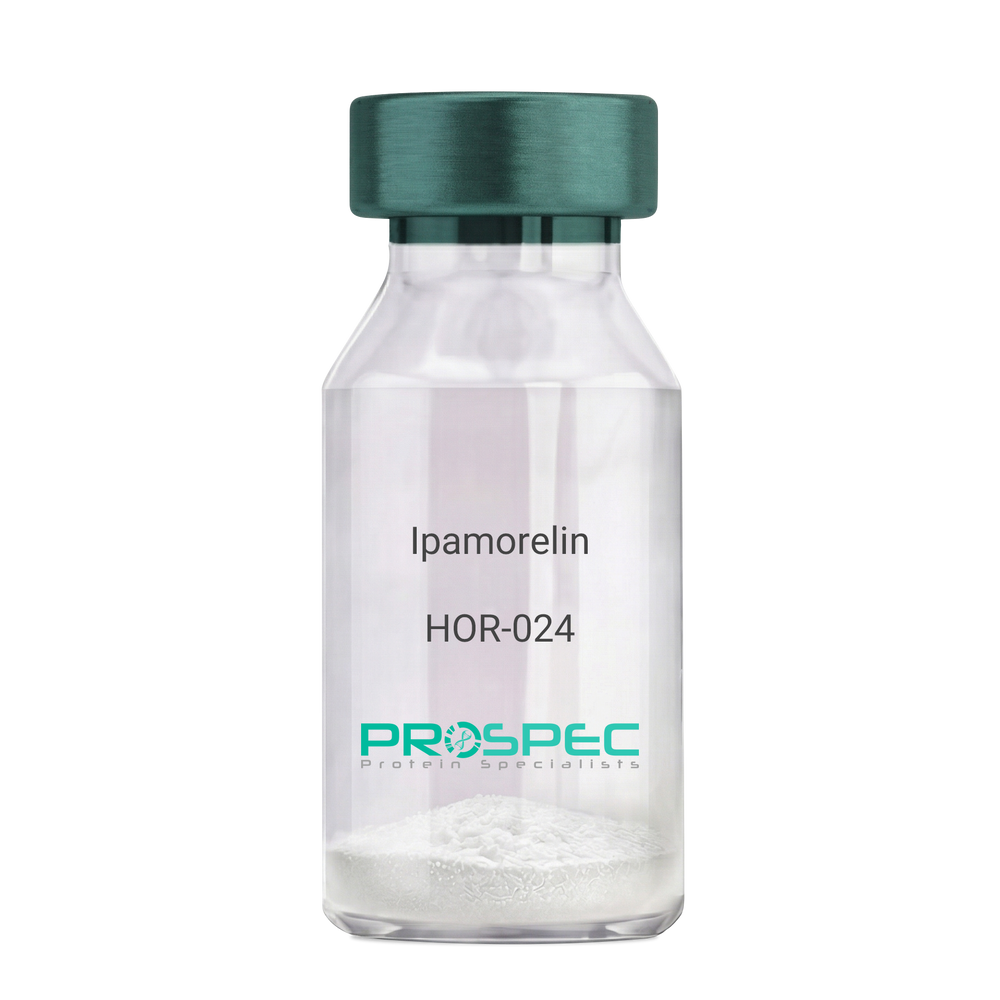
IpamorelinDescription:
Ipamorelin
Ipamorelin
Product # :
HOR-024Price :
Quantity :
Shipping Method :
Shipped at Room temp
More Info
- description
- formulation
- purity
- More Info
Description
Ipamorelin Synthetic is a single, non-glycosylated polypeptide chain containing 4 amino acids, having a molecular mass of 711.85 Dalton and a Molecular formula of C38H49N9O5.
Formulation
The protein was lyophilized with no additives.
Purity
Greater than 97.0% as determined by analysis by RP-HPLC.
More Info
-
Introduction
Ipamorelin is a peptide selective agonist of the ghrelin/growth hormone secretagogue receptor and a growth hormone secretagogue. Ipamorelin is a pentapeptide that was derived from GHRP1. Ipamorelin significantly increases plasma growth hormone levels in both animals and humans. Like pralmorelin and GHRP-6, ipamorelin does not affect prolactin, FSH, LH or TSH levels. However, unlike GHRP2 and GHRP6, but as growth hormone-releasing hormone (GHRH), ipamorelin does not stimulate the secretion of adrenocorticotropic hormone (ACTH) or cortisol, and is highly selective for inducing the secretion only of GH.
-
Synonyms
Ipamorelin
-
Physical Appearance
Sterile Filtered White lyophilized (freeze-dried) powder.
-
Stability
Lyophilized Ipamorelin although stable at room temperature for 3 weeks, should be stored desiccated below -18°C. Upon reconstitution Ipamorelin should be stored at 4°C between 2-7 days and for future use below -18°C. For long term storage it is recommended to add a carrier protein (0.1% HSA or BSA). Please prevent freeze-thaw cycles.
-
Solubility
It is recommended to reconstitute the lyophilized Ipamorelin in sterile 18MΩ-cm H2O not less than 100 µg/ml, which can then be further diluted to other aqueous solutions.
-
Amino Acid Sequence
Aib-His-D-2-Nal-D-Phe-Lys-NH2.
ProSpec's products are furnished for LABORATORY RESEARCH USE ONLY. The product may not be used as drugs, agricultural or pesticidal products, food additives or household chemicals.
- View Data Sheet
Name :
ANGPTL3 HumanDescription:
Angiopoietin Like Protein 3 Human Recombinant
Angiopoietin 5, ANGPT5, ANGPTL3, Angiopoietin Like Protein 3.
Product # :
CYT-248Price :
Quantity :
Shipping Method :
Shipped at Room temp
More Info
- description
- source
- formulation
- purity
- More Info
Description
The ANGPTL3 Human Recombinant is produced with N-terminal fusion of His-Tag. The Angiopoietin-like protein 3 His Tagged Fusion Protein is 26kDa containing 207 amino acid residues of the ANGPTL3 Human (26-233 a.a.) and 16 additional amino acid residues – His-Tag (underlined).
Source
Escherichia Coli.
Formulation
ANGPTL3 Human filtered and lyophilized from 0.5 mg/ml in 0.05M Acetate buffer pH-4.
Purity
Angiopoietin 5 purity is greater than 95% as determined by SDS-PAGE.
More Info
-
Introduction
ANGPTL3 and ANGPTL4 are angiopoietin-like proteins secreted and expressed mainly by the liver, their role being the regulation of triglyceride metabolism by inhibiting the lipolysis of triglyceride-rich lipoproteins. During different nutritional states (feeding/fasting) the levels of the circulating triglycerides are regulated by Angptl3 and Angptl4 through differential inhibition of Lipoprotein lipase (LPL) as shown by the experimental data. The molecular structure of ANGPTL3 is similar to that of the angiopoietins (vascular endothelial growth factors). Deletion mutants of human Angiopoietin 5 were used in order to demonstrate that the N-terminal domain (fragment 17-207) and not the C-terminal fibrinogen-like domain (fragment 207-460) increased the plasma triglyceride levels in mice.
-
Synonyms
Angiopoietin 5, ANGPT5, ANGPTL3, Angiopoietin Like Protein 3.
-
Stability
Store lyophilized ANGPTL3 Human at -20°C. Aliquot the product after reconstitution to avoid repeated freezing/thawing cycles. Reconstituted Angiopoietin 5 can be stored at 4°C for a limited period of time; it does not show any change after two weeks at 4°C.
-
Solubility
Add 0.1M Acetate buffer pH-4 and let the lyophilized pellet of ANGPTL3 Human dissolve completely. For conversion into higher pH value, we recommend intensive dilution by relevant buffer to a concentration of 10μg/ml. In higher concentrations the solubility of Angiopoietin 5 is limited.
-
Amino Acid Sequence
MRGSHHHHHH GMASHMSRID QDNSSFDSLS PEPKSRFAML DDVKILANGL LQLGHGLKDF VHKTKGQIND IFQKLNIFDQ SFYDLSLQTS EIKEEEKELR RTTYKLQVKN EEVKNMSLEL NSKLESLLEE KILLQQKVKY LEEQLTNLIQ NQPETPEHPE VTSLKTFVEK QDNSIKDLLQ TVEDQYKQLN QQHSQIKEIE NQLRRTSIQE PTEISLSSKP RAP.
-
Background
Angiopoietin-Like Protein 3 Human Recombinant: An Emerging Target in Metabolic and Cardiovascular Disorders
Abstract:
Angiopoietin-like protein 3 (ANGPTL3) is a key regulator of lipid metabolism and has garnered considerable attention for its involvement in metabolic and cardiovascular disorders. ANGPTL3 plays a crucial role in lipid homeostasis, including the regulation of triglycerides, cholesterol, and lipoprotein metabolism. The availability of human recombinant ANGPTL3 protein has provided a valuable tool for investigating its biological functions and therapeutic potential. This review aims to provide a comprehensive overview of the role of ANGPTL3 in metabolic disorders, cardiovascular diseases, and lipid metabolism, highlighting the potential of ANGPTL3 human recombinant protein as a therapeutic target.Introduction:
Metabolic disorders, such as dyslipidemia and obesity, significantly contribute to the development of cardiovascular diseases. ANGPTL3, a member of the angiopoietin-like protein family, has emerged as a key player in lipid metabolism and cardiovascular health. ANGPTL3 regulates lipoprotein metabolism, affecting triglyceride-rich lipoproteins, low-density lipoproteins (LDL), and high-density lipoproteins (HDL).Molecular Mechanisms of ANGPTL3 Action:
ANGPTL3 exerts its effects through inhibition of lipoprotein lipase (LPL) and endothelial lipase (EL), key enzymes involved in lipoprotein metabolism. By inhibiting LPL and EL activities, ANGPTL3 increases plasma triglyceride and LDL cholesterol levels. ANGPTL3 also influences hepatic cholesterol metabolism and HDL metabolism through modulation of the receptor-mediated uptake of lipoproteins.Role of ANGPTL3 in Metabolic Regulation:
ANGPTL3 plays a critical role in metabolic regulation, particularly in lipid metabolism and dyslipidemia. Loss-of-function mutations in the ANGPTL3 gene result in decreased plasma triglycerides, LDL cholesterol, and total cholesterol levels, highlighting the potential therapeutic relevance of ANGPTL3 inhibition. Conversely, elevated ANGPTL3 levels are associated with increased cardiovascular risk and atherogenic lipid profiles.ANGPTL3 in Cardiovascular Health and Disease:
ANGPTL3 has emerged as a key modulator of cardiovascular diseases, including atherosclerosis and coronary artery disease. ANGPTL3 influences vascular endothelial function, inflammation, and plaque formation through its effects on lipoprotein metabolism and lipid accumulation. Inhibition of ANGPTL3 has shown promising results in preclinical studies, reducing atherosclerosis and improving cardiovascular outcomes.Therapeutic Potential of ANGPTL3 Human Recombinant Protein:
The development of ANGPTL3 human recombinant protein provides a novel avenue for therapeutic interventions targeting metabolic and cardiovascular disorders. Inhibition of ANGPTL3 using monoclonal antibodies or other approaches has demonstrated efficacy in lowering plasma lipid levels, particularly triglycerides and LDL cholesterol. Clinical trials investigating the safety and efficacy of ANGPTL3 inhibition are underway.Conclusion:
ANGPTL3 is a key regulator of lipid metabolism and a promising therapeutic target for metabolic and cardiovascular disorders. The availability of ANGPTL3 human recombinant protein has facilitated in-depth investigations into its biological functions and therapeutic potential. Targeting ANGPTL3 holds promise for improving lipid profiles, reducing cardiovascular risk, and managing metabolic disorders.What is the molecular weight/Mw of ANGPTL3 Protein?
ANGPTL3 Protein has a total Mw of 26kDa.
What is the source or expression system of ANGPTL3 Protein?
Escherichia Coli.
What is the Purity of ANGPTL3 Protein?
ANGPTL3 Protein is >95% pure as determined by SDS-PAGE.
What is the Biological Activity of ANGPTL3 Protein?
The biological functionality of ANGPTL3 Protein will be determined in the future.
What is the amino acid sequence of ANGPTL3 Protein?
MRGSHHHHHH GMASHMSRID QDNSSFDSLS PEPKSRFAML DDVKILANGL LQLGHGLKDF VHKTKGQIND IFQKLNIFDQ SFYDLSLQTS EIKEEEKELR RTTYKLQVKN EEVKNMSLEL NSKLESLLEE KILLQQKVKY LEEQLTNLIQ NQPETPEHPE VTSLKTFVEK QDNSIKDLLQ TVEDQYKQLN QQHSQIKEIE NQLRRTSIQE PTEISLSSKP RAP.
What applications can ANGPTL3 Protein be used in?
ANGPTL3 Protein can probably be used in western blot, ELISA and Lateral Flow.
What is the endotoxin level for ANGPTL3 Protein?
The endotoxin level is minimal, ANGPTL3 Protein was purified using conventional chromatography techniques.
ProSpec's products are furnished for LABORATORY RESEARCH USE ONLY. The product may not be used as drugs, agricultural or pesticidal products, food additives or household chemicals.
- View Data Sheet
Name :
Leptin ProteinDescription:
Leptin Human Recombinant
OB Protein, Obesity Protein, OBS, Obesity factor.
Product # :
CYT-228Price :
Quantity :
Shipping Method :
Shipped at Room temp
More Info
- description
- source
- formulation
- purity
- biological activity
- More Info
Description
Leptin Human Recombinant produced in E.Coli is a single, non-glycosylated, polypeptide chain containing 146 amino acids and having a molecular mass of 16 kDa.The Leptin is purified by proprietary chromatographic techniques.
Source
Escherichia Coli.
Formulation
The protein was lyophilized from a concentrated (1mg/ml) solution with 0.0045mM NaHCO3.
Purity
Greater than 95.0% as determined by:
(a) Analysis by Gel filtration.
(b) Analysis by SDS-PAGE.Biological Activity
Biological Activity is evidenced by inducing proliferation of BAF/3 cells stably transfected with the long form of human leptin receptor.More Info
-
Introduction
A 16-kDa peptide hormone secreted from white adipocytes and implicated in the regulation of food intake and energy balance. Leptin provides the key afferent signal from fat cells in the feedback system that controls body fat stores.
-
Synonyms
OB Protein, Obesity Protein, OBS, Obesity factor.
-
Physical Appearance
Sterile Filtered White lyophilized (freeze-dried) powder.
-
Stability
Lyophilized Leptin although stable at room temperature for 3 weeks, should be stored desiccated below -18°C. Upon reconstitution Leptin should be stored at 4°C between 2-7 days and for future use below -18°C. For long term storage it is recommended to add a carrier protein (0.1% HSA or BSA). Please prevent freeze-thaw cycles.
-
Solubility
It is recommended to reconstitute the lyophilized Leptin in sterile water or 0.4% NaHCO3 pH-8-9, not less than 100µg/ml, which can then be further diluted to other aqueous solutions.
-
Amino Acid Sequence
The sequence of the first five N-terminal amino acids was determined and was found to be Ala-Val-Pro-Ile-Gln.
-
Protein content
Protein quantitation was carried out by UV spectroscopy at 280 nm using the absorbency value of 0.87 as the extinction coefficient for a 0.1% (1mg/ml) solution. This value is calculated by the PC GENE computer analysis program of protein sequences (IntelliGenetics).
ProSpec's products are furnished for LABORATORY RESEARCH USE ONLY. The product may not be used as drugs, agricultural or pesticidal products, food additives or household chemicals.
- View Data Sheet
Name :
Y.Enterocolitica (O:9) YopEDescription:
Yersinia Enterocolitica (O:9) YopE Recombinant
Outer membrane virulence protein YopE, yopE, yop25.
Product # :
PRO-2576Price :
Quantity :
Shipping Method :
Shipped with Ice Packs
More Info
- description
- source
- formulation
- purity
- More Info
Description
Recombinant Yersinia Enterocolitica (O:9) YopE in E.coli is a non-glycosylated, polypeptide chain having a calculated molecular mass of 24kDa. Y.Enterocolitica (O:9) YopE is expressed with a -10x His tag at N-terminus and purified by proprietary chromatographic techniques.
Source
Escherichia Coli.
Formulation
Y.Enterocolitica (O:9) YopE is supplied in 20mM HEPES buffer pH-7.6, 250mM NaCl and 20% glycerol.
Purity
Greater than 80.0% as determined by SDS-PAGE.
More Info
-
Introduction
A main factor of pathogenic Yersinia enterocolitica strains is a plasmid-encoded type 3 secretion system, through which Yersinia outer proteins (Yops) are injected into the host cell. Yop E is a GTPase activation protein which controls pore formation by activating small Rho GTPase, causing inhibition of actin polymerization.
-
Synonyms
Outer membrane virulence protein YopE, yopE, yop25.
-
Physical Appearance
Sterile Filtered clear solution.
-
Stability
Store at 4°C if entire vial will be used within 2-4 weeks. Store, frozen at -20°C for longer periods of time. Avoid multiple freeze-thaw cycles.
-
Immunological Activity
Binds IgG- and IgM-type human antibodies.
ProSpec's products are furnished for LABORATORY RESEARCH USE ONLY. The product may not be used as drugs, agricultural or pesticidal products, food additives or household chemicals.
- View Data Sheet
Name :
IL5 Mouse, HEKDescription:
Interleukin-5 Mouse Recombinant, HEK
interleukin 5, Il, Il-5, B-cell growth factor II, EDF, BCGF-II, Cytotoxic T-lymphocyte inducer, Eosinophil differentiation factor, TRFB cell differentiation factor I, T-cell replacing factor, TRF, B-cell differentiation factor I, IL5
Product # :
CYT-1194Price :
Quantity :
Shipping Method :
Shipped with Ice Packs
More Info
- description
- source
- formulation
- purity
- biological activity
- More Info
Description
IL5 Mouse Recombinant produced in HEK293 Cells is a single, glycosylated polypeptide chain containing 122 amino acids (21-133 a.a) and having a molecular mass of 14.2 kDa.IL5 is expressed with a 6 amino acid His tag at C-Terminus and purified by proprietary chromatographic techniques.
Source
HEK293 Cells.
Formulation
The IL5 solution (0.25mg/1ml) contains phosphate buffered saline (pH7.4) and 10% glycerol.
Purity
Greater than 90.0% as determined by SDS-PAGE.
Biological Activity
Measured in a cell proliferation assay using TF-1 human erythroleukemic cells. The ED50 range ≤ 3 ng/ml.
More Info
-
Introduction
The protein encoded by this gene is a cytokine that acts as a growth and differentiation factor for both B cells and eosinophils. IL5is a main regulator of eosinopoiesis, eosinophil maturation and activation. The elevated production of IL5is reported to be related to asthma or hypereosinophilic syndromes. The receptor of IL5is a heterodimer, whose beta subunit is shared with the receptors for interleukine 3 (IL3) and colony stimulating factor 2 (CSF2/GM-CSF). IL5, together with those for interleukin 4 (IL4), interleukin 13 (IL13), and CSF2, form a cytokine gene cluster on chromosome 5. IL5, IL4, and IL13 are found to be regulated coordinately by long-range regulatory elements spread over 120 kilobases on chromosome 5q31.
-
Synonyms
interleukin 5, Il, Il-5, B-cell growth factor II, EDF, BCGF-II, Cytotoxic T-lymphocyte inducer, Eosinophil differentiation factor, TRFB cell differentiation factor I, T-cell replacing factor, TRF, B-cell differentiation factor I, IL5
-
Physical Appearance
Sterile filtered colorless solution.
-
Stability
Store at 4°C if entire vial will be used within 2-4 weeks.Store, frozen at -20°C for longer periods of time.For long term storage it is recommended to add a carrier protein (0.1% HSA or BSA).Avoid multiple freeze-thaw cycles.
-
Amino Acid Sequence
DGSMEIPMST VVKETLTQLS AHRALLTSNE TMRLPVPTHK NHQLCIGEIF QGLDILKNQT VRGGTVEMLF QNLSLIKKYI DRQKEKCGEE RRRTRQFLDY LQEFLGVMST EWAMEGHHHH HH
ProSpec's products are furnished for LABORATORY RESEARCH USE ONLY. The product may not be used as drugs, agricultural or pesticidal products, food additives or household chemicals.
- View Data Sheet
Name :
IRF5 HumanDescription:
IFN Regulatory Factor-5 Human Recombinant
IFN Regulatory Factor 5, IRF-5, SLEB10, IBD14.
Product # :
CYT-816Price :
Quantity :
Shipping Method :
Shipped with Ice Packs
More Info
- description
- source
- formulation
- purity
- More Info
- SDS-PAGE
Description
IRF5 Human Recombinant produced in E.Coli is a single, non-glycosylated polypeptide chain containing 101 amino acids (176-240a.a) and having a molecular mass of 10.7kDa.IRF5 is fused to a 36 amino acid His-tag at N-terminus & purified by proprietary chromatographic techniques.
Source
Escherichia Coli.
Formulation
IRF5 protein solution (0.25mg/ml) containing 20mM Tris-HCl buffer (pH 8.0), 0.15M NaCl, 30% glycerol and 1mM DTT.
Purity
Greater than 85% as determined by SDS-PAGE.
SDS-PAGE
More Info
-
Introduction
IFN Regulatory Factor-5, also known as IRF5 belongs to the IFN regulatory factor (IRF) family, a group of transcription factors with various functions, including virus-mediated activation of IFN, and modulation of cell growth, differentiation, apoptosis, and immune system activity. Members of the IRF family are characterized by a conserved N-terminal DNA-binding domain containing tryptophan (W) repeats. Multiple transcript variants encoding different isoforms have been found for this gene. In addition, IRF5 is implicated in the induction of IFNs IFNA and INFB and inflammatory cytokines upon virus infection. IRF5 is activated by TLR7 or TLR8 signaling.
-
Synonyms
IFN Regulatory Factor 5, IRF-5, SLEB10, IBD14.
-
Physical Appearance
Sterile Filtered clear solution.
-
Stability
Store at 4°C if entire vial will be used within 2-4 weeks. Store, frozen at -20°C for longer periods of time.For long term storage it is recommended to add a carrier protein (0.1% HSA or BSA).Please avoid freeze thaw cycles.
-
Amino Acid Sequence
MRGSHHHHHH GMASMTGGQQ MGRDLYDDDD KDRWGSPPTL QPPTLQPPVV LGPPAPDPSP LAPPPGNPAG FRELLSEVLE PGPLPASLPP AGEQLLPDLL I
-
Background
What is the molecular weight/Mw of IRF5 HUMAN Protein?
IRF5 HUMAN Protein has a total Mw of 10.7kDa.
What is the source or expression system of IRF5 HUMAN Protein?
Escherichia Coli.
What is the Purity of IRF5 HUMAN Protein?
IRF5 HUMAN Protein is >85% pure as determined by SDS-PAGE.
What is the Biological Activity of IRF5 HUMAN Protein?
The biological functionality of IRF5 HUMAN Protein will be determined in the future.
What is the amino acid sequence of IRF5 HUMAN Protein?
MRGSHHHHHH GMASMTGGQQ MGRDLYDDDD KDRWGSPPTL QPPTLQPPVV LGPPAPDPSP LAPPPGNPAG FRELLSEVLE PGPLPASLPP AGEQLLPDLL I
What applications can IRF5 HUMAN Protein be used in?
IRF5 HUMAN Protein can probably be used in western blot, ELISA and Lateral Flow.
What is the endotoxin level for IRF5 HUMAN Protein?
The endotoxin level is minimal, IRF5 HUMAN Protein was purified using conventional chromatography techniques.
ProSpec's products are furnished for LABORATORY RESEARCH USE ONLY. The product may not be used as drugs, agricultural or pesticidal products, food additives or household chemicals.
- View Data Sheet
Name :
HB-EGF MouseDescription:
HB-EGF Mouse Recombinant
DTR, HEGFL, diphtheria toxin receptor, DTSF.
Product # :
CYT-068Price :
Quantity :
Shipping Method :
Shipped at Room temp
More Info
- description
- source
- formulation
- purity
- biological activity
- More Info
- sds-page
Description
HB-EGF Mouse Recombinant produced in E.Coli is a single, non-glycosylated, polypeptide chain containing 86 amino acids (63-148 a.a.) and having a molecular mass of 9.8 kDa.The HB-EGF is purified by proprietary chromatographic techniques
Source
Escherichia Coli.
Formulation
The protein was filtered (0.2µm) and lyophilized from a concentrated solution containing 10mM PB and 500mM NaCl, pH7.4.
Purity
Greater than 97.0% as determined by:
(a) Analysis by RP-HPLC.
(b) Analysis by SDS-PAGE.Biological Activity
The ED50 was determined by a cell proliferation assay using balb/c 3T3 cells is < 1.0 ng/ml, corresponding to a specific activity of > 1.0×10⁶ units/mg.sds-page
More Info
-
Introduction
HB-EGF is an EGF related growth factor which signals via the EGF receptor, and stimulates the proliferation of SMC (smooth muscle cells), fibroblasts, epithelial cells and keratinocytes. HB-EGF is expressed in various cell types and tissues, including vascular endothelial cells and SMC, macrophages, skeletal muscle, keratinocytes and particular tumor cells. HB-EGF’s ability to explicitly bind sulfate proteoglycans is dissimilar from other EGF-like molecules, and might be related to the enhanced mitogenic activity, relative to EGF, that HB-EGF exerts on smooth muscle cells.
-
Synonyms
DTR, HEGFL, diphtheria toxin receptor, DTSF.
-
Physical Appearance
Sterile Filtered White lyophilized (freeze-dried) powder.
-
Stability
Lyophilized Mouse HB-EGF Recombinant although stable at room temperature for 3 weeks, should be stored desiccated below -18°C. Upon reconstitution HB-EGF should be stored at 4°C between 2-7 days and for future use below -18°C.For long term storage it is recommended to add a carrier protein (0.1% HSA or BSA).Please prevent freeze-thaw cycles.
-
Solubility
It is recommended to reconstitute the lyophilized Mouse HB-EGF in sterile 18M-cm H2O not less than 100 µg/ml, which can then be further diluted to other aqueous solutions.
-
Amino Acid Sequence
DLEGTDLNLF KVAFSSKPQG LATPSKERNG KKKKKGKGLG KKRDPCLRKY KDYCIHGECR YLQEFRTPSC KCLPGYHGHR CHGLTL.
-
Background
What is the molecular weight/Mw of HB-EGF Protein?
HB-EGF Protein has a total Mw of 9.8kDa.
What is the source or expression system of HB-EGF Protein?
Escherichia Coli.
What is the Purity of HB-EGF Protein?
HB-EGF Protein is >97% pure as determined by SDS-PAGE.
What is the Biological Activity of HB-EGF Protein?
The ED50 was determined by a cell proliferation assay using balb/c 3T3 cells is < 1.0 ng/ml, corresponding to a specific activity of > 1.0×10⁶ units/mg.
What is the amino acid sequence of HB-EGF Protein?
DLEGTDLNLF KVAFSSKPQG LATPSKERNG KKKKKGKGLG KKRDPCLRKY KDYCIHGECR YLQEFRTPSC KCLPGYHGHR CHGLTL.
What applications can HB-EGF Protein be used in?
HB-EGF Protein can probably be used in western blot, ELISA and Lateral Flow.
What is the endotoxin level for HB-EGF Protein?
The endotoxin level is minimal, HB-EGF Protein was purified using conventional chromatography techniques.
ProSpec's products are furnished for LABORATORY RESEARCH USE ONLY. The product may not be used as drugs, agricultural or pesticidal products, food additives or household chemicals.
- View Data Sheet
Name :
Leptin Human, PEGDescription:
Leptin Human Recombinant, PEG
OB Protein, Obesity Protein, OBS, Obesity factor.
Product # :
CYT-1108Price :
Quantity :
Shipping Method :
Shipped at Room temp
More Info
- description
- source
- formulation
- purity
- biological activity
- More Info
Description
Pegylated Leptin Human Recombinant produced in E.Coli is a single non-glycosilated polypeptide chain containing 146 amino acids, an additional Ala at N-terminus and one molecule of PEG 20 kDa at its N-terminus acids and having a molecular weight of 35.6kDa. However due to enlarged hydrodymanic volume it runs on the SDS-PAGE as 48 kDa protein and in gel-filtration on Superdex 200 as over 100 kDa protein. Pegylated Leptin Human Recombinant was purified by proprietary chromatographic techniques.
Source
Escherichia Coli.
Formulation
Lyophilized from a concentrated (1mg/ml) solution with 0.0045mM NaHCO3.
Purity
Greater than 98.0% as determined by:
(a) Gel filtration analysis.
(b) Analysis by SDS-PAGE.Biological Activity
Biological Activity is < than 0.1% as determined by inducing proliferation of BAF/3 cells stably transfected with the long form of human leptin receptor. It’s in vitro activity is 5-7 fold lower than the non-pegylated recombinant human leptin but in vivo it has profound weight reducing effect, resulting mainly from reduced food intake.
More Info
-
Introduction
Leptin takes an important part in the regulation of energy balance and body weight control.After entering the circulation, Leptin binds LEPRwhich results in the activation of several major signalling pathways. In the hypothalamus Leptin acts as an appetite-regulating factor that induces a decrease in food intake and an increase in energy consumption and also regulates bone mass and secretion of hypothalamo-pituitary-adrenal hormones. In the periphery, increases basal metabolism, regulates pancreatic beta-cell function and insulin secretion and affects innate and adaptive immunity.
-
Synonyms
OB Protein, Obesity Protein, OBS, Obesity factor.
-
Physical Appearance
Sterile Filtered White lyophilized (freeze-dried) powder.
-
Stability
Lyophilized Pegylated leptin although stable at room temperature for 3 weeks, should be stored desiccated below -18°C. Upon reconstitution leptin N82K should be stored at 4°C between 2-7 days and for future use below -18°C. For long term storage it is recommended to add a carrier protein (0.1% HSA or BSA). Please prevent freeze-thaw cycles.
-
Solubility
It is recommended to reconstitute the lyophilized Pegylated leptin in sterile water or 0.4% NaHCO3 adjusted to pH 8-9, not less than 100µg/ml, which can then be further diluted to other aqueous solutions.
-
Protein content
Protein quantitation was carried out by UV spectroscopy at 280 nm using the absorbency value of 0.87 as the extinction coefficient for a 0.1% (1mg/ml) solution at pH 8.0. This value is calculated by the PC GENE computer analysis program of protein sequences (IntelliGenetics).
ProSpec's products are furnished for LABORATORY RESEARCH USE ONLY. The product may not be used as drugs, agricultural or pesticidal products, food additives or household chemicals.
- View Data Sheet
Name :
VEGF HumanDescription:
Vascular Endothelial Growth Factor Human Recombinant
Vascular endothelial growth factor A, VEGF-A, Vascular permeability factor, VPF, VEGF, MGC70609.
Product # :
CYT-241Price :
Quantity :
Shipping Method :
Shipped at Room temp
More Info
- description
- source
- formulation
- purity
- biological activity
- More Info
Description
Vascular Endothelial Growth Factor Human Recombinant produced in E.Coli is a double, non-glycosylated, polypeptide chain containing 165 amino acids and having a molecular mass of 38.2kDa.The VEGF is purified by proprietary chromatographic techniques.
Source
Escherichia Coli.
Formulation
The VEGF protein was lyophilized from a concentrated (1mg/ml) solution with no additives.
Purity
Greater than 95.0% as determined by:
(a) Analysis by RP-HPLC.
(b) Analysis by SDS-PAGE.Biological Activity
Determined by the dose-dependent stimulation of the proliferation of human umbilical vein endothelial cells (HUVEC) using a concentration range of 3.7-5.6 ng/ml, corresponding to a Specific Activity of 178,570-270,270IU/mg.More Info
-
Introduction
Vascular endothelial growth factor (VEGF) is an important signaling protein involved in vessel formation As its name implies, VEGF activity has been mostly studied on cells of the vascular endothelium, although it does have effects on a number of other cell types (e.g. stimulation monocyte/macrophage migration, neurons, cancer cells, kidney epithelial cells ). VEGF mediates increased vascular permeability, induces vasculogenesis and endothelial cell production, promotes cell migration, and inhibits apoptosis. In vitro, VEGF has been shown to stimulate endothelial cell mitogenesis and cell migration. VEGF is also a vasodilator and increases microvascular permeability and was originally referred to as vascular permeability factor. VEGF is located in normal cartilage though only osteoarthritic cartilage expresses the VEGF receptors, NP1, VEGFR1 and VEGFR2. The VEGF level in the culture media from OA chondrocytes was more than 3 folds higher than in media from normal chondrocytes
-
Synonyms
Vascular endothelial growth factor A, VEGF-A, Vascular permeability factor, VPF, VEGF, MGC70609.
-
Physical Appearance
Sterile Filtered White lyophilized (freeze-dried) powder.
-
Stability
Lyophilized VEGF although stable at room temperature for 3 weeks, should be stored desiccated below -18°C. Upon reconstitution VEGF should be stored at 4°C between 2-7 days and for future use below -18°C.For long term storage it is recommended to add a carrier protein (0.1% HSA or BSA).Please prevent freeze-thaw cycles.
-
Solubility
It is recommended to reconstitute the lyophilized VEGF in sterile 18M-cm H2O not less than 100µg/ml, which can then be further diluted to other aqueous solutions.
-
Amino Acid Sequence
APMAEGGGQN HHEVVKFMDV YQRSYCHPIE TLVDIFQEYP DEIEYIFKPS CVPLMRCGGC CNDEGLECVP TEESNITMQI MRIKPHQGQH IGEMSFLQHN KCECRPKKDR ARQENPCGPC SERRKHLFVQ DPQTCKCSCK NTDSRCKARQ LELNERTCRC DKPRR
-
Protein content
VEGF protein quantitation was carried out by two independent methods:1. UV spectroscopy at 280 nm using the absorbency value of 0.2875 as the extinction coefficient for a 0.1% (1mg/ml) solution. This value is calculated by the PC GENE computer analysis program of protein sequences (IntelliGenetics). 2. Analysis by RP-HPLC, using a calibrated solution of VEGF as a Reference Standard.
ProSpec's products are furnished for LABORATORY RESEARCH USE ONLY. The product may not be used as drugs, agricultural or pesticidal products, food additives or household chemicals.
- View Data Sheet
Name :
G CSF Human, PEGDescription:
Granulocyte-Colony Stimulating Factor Pegylated Human Recombinant
CSF-3, MGI-1G, GM-CSF beta, Pluripoietin, Filgrastim, Lenograstim, G-CSF, MGC45931, GCSF.
Product # :
CYT-018Price :
Quantity :
Shipping Method :
Shipped with Ice Packs
More Info
- description
- source
- formulation
- purity
- biological activity
- More Info
Description
Granulocyte Colony Stimulating Factor Human Recombinant produced in E.coli is a single, non-glycosylated, polypeptide chain containing 175 amino acids and having a molecular mass of 18.8kDa. The Pegylated G-CSF is produced by attaching a 20kDa methoxypolyethylene glycol propionaldehyde (mPEG-ALD) to the N-terminal amino acid of G-CSF giving a total molecular mass of 38.8kDa. G-CSF is purified by proprietary chromatographic techniques.
Source
Escherichia Coli.
Formulation
G-CSF is supplied in solution (0.69mg/ml) containing 10mM Acetate Buffer (pH 4.0), and 0.004% Polysorbate 80.
Purity
Greater than 95.0% as determined by SEC-HPLC.
Biological Activity
The ED50, calculated by the dose-dependent proliferation of murine NFS-60 indicator cells is less than 0.1 ng/ml, corresponding to a Specific Activity of 10,000,000IU/mg.
More Info
-
Introduction
GCSF is a cytokine that controls the production, differentiation, and function of granulocytes. The active protein is found extracellularly. Three transcript variants encoding three different isoforms have been found for this gene. Granulocyte/macrophage colony-stimulating factors are cytokines that act in hematopoiesis by controlling the production, differentiation, and function of 2 related white cell populations of the blood, the granulocytes and the monocytes-macrophages. This csf induces granulocytes.
-
Synonyms
CSF-3, MGI-1G, GM-CSF beta, Pluripoietin, Filgrastim, Lenograstim, G-CSF, MGC45931, GCSF.
-
Physical Appearance
Colorless, clear and transparent solution.
-
Stability
G-CSF PEG should be stored refrigerated at 2° to 8°C. Vials should be kept in theirpackaging to protect from light until the time of use. Shaking and freezing should be avoided.
-
Background
What is the molecular weight/Mw of G CSF HUMAN, PEG Protein?
G CSF HUMAN, PEG Protein has a total Mw of 18.8kDa.
What is the source or expression system of G CSF HUMAN, PEG Protein?
Escherichia Coli.
What is the Purity of G CSF HUMAN, PEG Protein?
G CSF HUMAN, PEG Protein is >95% pure as determined by SDS-PAGE.
What is the Biological Activity of G CSF HUMAN, PEG Protein?
The ED50, calculated by the dose-dependent proliferation of murine NFS-60 indicator cells is less than 0.1 ng/ml, corresponding to a Specific Activity of 10,000,000IU/mg.
What is the amino acid sequence of G CSF HUMAN, PEG Protein?
G CSF HUMAN, PEG Protein is composed from 175 amino acids.
What applications can G CSF HUMAN, PEG Protein be used in?
G CSF HUMAN, PEG Protein can probably be used in western blot, ELISA and Lateral Flow.
What is the endotoxin level for G CSF HUMAN, PEG Protein?
The endotoxin level is minimal, G CSF HUMAN, PEG Protein was purified using conventional chromatography techniques.
ProSpec's products are furnished for LABORATORY RESEARCH USE ONLY. The product may not be used as drugs, agricultural or pesticidal products, food additives or household chemicals.
- View Data Sheet
Name :
IF HumanDescription:
Intrinsic Factor Human Recombinant
Gastric intrinsic factor, Intrinsic factor, INF, IF, GIF, IFMH, TCN3, Cobalamin/Vitamin B-12 binding transport protein.
Product # :
PRO-375Price :
Quantity :
Shipping Method :
Shipped with Ice Packs
More Info
- description
- source
- formulation
- purity
- More Info
Description
Intrinsic Factor Human Recombinant produced in baculovirus is a glycosylated, polypeptide chain having a molecular mass of 55,000 Dalton. The Intrinsic Factor is fused to a hexa-histidine at the C-terminus and purified by proprietary chromatographic techniques for removal of bound Vitamin B-12.
Source
Sf9 Insect Cells.
Formulation
The protein solution contains 20mM HEPES pH-8.0, 100mM NaCl and 20% Glycerol.
Purity
Greater than 95.0% as determined by:
(a) Analysis by RP-HPLC.
(b) Analysis by SDS-PAGE.More Info
-
Introduction
Intrinsic Factor is a member of the cobalamin transport protein family. It encodes a glycoprotein secreted by parietal cells of the gastric mucosa and is required for adequate absorption of vitamin B12 in the terminal ileum. Vitamin B12 is essential for erythrocyte maturation and mutations in the Intrinsic Factor may lead to congenital pernicious anemia. Upon entry into the stomach, vitamin B12 binds to one of two B12 binding proteins present in the gastric fluid. In the less acidic environment of the small intestine, these proteins dissociate from the vitamin, allowing it to bind to intrinsic factor and enter the portal circulation through a receptor in the ileal mucosa specific for the B12-intrinsic factor complex.
-
Synonyms
Gastric intrinsic factor, Intrinsic factor, INF, IF, GIF, IFMH, TCN3, Cobalamin/Vitamin B-12 binding transport protein.
-
Physical Appearance
Sterile Filtered pink solution.
-
Stability
Store at 4°C if entire vial will be used within 2-4 weeks. Store, frozen at -20°C for longer periods of time. For long term storage it is recommended to add a carrier protein (0.1% HSA or BSA).Avoid multiple freeze-thaw cycles.
ProSpec's products are furnished for LABORATORY RESEARCH USE ONLY. The product may not be used as drugs, agricultural or pesticidal products, food additives or household chemicals.
- View Data Sheet
Name :
CX3CL1 Human, HisDescription:
Fractalkine Human Recombinant (CX3CL1), His Tag
Fractalkine, CX3CL1, Neurotactin, CX3C membrane-anchored chemokine, Small inducible cytokine D1, NTN, NTT, CXC3, CXC3C, SCYD1, ABCD-3, C3Xkine.
Product # :
CHM-360Price :
Quantity :
Shipping Method :
Shipped with Ice Packs
More Info
- description
- source
- formulation
- purity
- More Info
- SDS-PAGE
Description
Fractalkine Human Recombinant fused with a 20 amino acid His tag at N-terminus produced in E.Coli is a single, non-glycosylated, polypeptide chain containing 97 amino acids (25-100 a.a.) and having a molecular mass of 10.9kDa. The Fractalkine is purified by proprietary chromatographic techniques.
Source
Escherichia Coli.
Formulation
The Fractalkine solution (0.5 mg/ml) contains Phosphate Buffered Saline pH7.4 and 10% glycerol.
Purity
Greater than 90.0% as determined by SDS-PAGE.
SDS-PAGE
More Info
-
Introduction
Fractalkine soluble form is chemotactic for t-cells and monocytes, but not for neutrophils. Fractalkine membrane-bound form promotes adhesion of those leukocytes to endothelial cells. Fractalkine regulates leukocyte adhesion and migration processes at the endothelium and binds to CX3CR1. Natural Human Fractalkine is produced as a long protein (373-amino acid) with an extended mucin-like stalk and a chemokine domain on top. The mucin-like stalk permits it to bind to the cell surface. Fractalkine gene is located on human chromosome 16 along with some CC chemokines known as CCL17 and CCL22.
-
Synonyms
Fractalkine, CX3CL1, Neurotactin, CX3C membrane-anchored chemokine, Small inducible cytokine D1, NTN, NTT, CXC3, CXC3C, SCYD1, ABCD-3, C3Xkine.
-
Physical Appearance
Sterile Filtered clear solution.
-
Stability
Store at 4°C if entire vial will be used within 2-4 weeks.Store, frozen at -20°C for longer periods of time.For long term storage it is recommended to add a carrier protein (0.1% HSA or BSA).Avoid multiple freeze-thaw cycles.
-
Amino Acid Sequence
MGSSHHHHHH SSGLVPRGSH MQHHGVTKCN ITCSKMTSKI PVALLIHYQQ NQASCGKRAI ILETRQHRLF CADPKEQWVK DAMQHLDRQA AALTRNG.
-
Background
What is the molecular weight/Mw of CX3CL1 HUMAN, HIS Protein?
CX3CL1 HUMAN, HIS Protein has a total Mw of 10.9kDa.
What is the source or expression system of CX3CL1 HUMAN, HIS Protein?
Escherichia Coli.
What is the Purity of CX3CL1 HUMAN, HIS Protein?
CX3CL1 HUMAN, HIS Protein is >90% pure as determined by SDS-PAGE.
What is the Biological Activity of CX3CL1 HUMAN, HIS Protein?
The biological functionality of CX3CL1 HUMAN, HIS Protein will be determined in the future.
What is the amino acid sequence of CX3CL1 HUMAN, HIS Protein?
MGSSHHHHHH SSGLVPRGSH MQHHGVTKCN ITCSKMTSKI PVALLIHYQQ NQASCGKRAI ILETRQHRLF CADPKEQWVK DAMQHLDRQA AALTRNG.
What applications can CX3CL1 HUMAN, HIS Protein be used in?
CX3CL1 HUMAN, HIS Protein can probably be used in western blot, ELISA and Lateral Flow.
What is the endotoxin level for CX3CL1 HUMAN, HIS Protein?
The endotoxin level is minimal, CX3CL1 HUMAN, HIS Protein was purified using conventional chromatography techniques.
ProSpec's products are furnished for LABORATORY RESEARCH USE ONLY. The product may not be used as drugs, agricultural or pesticidal products, food additives or household chemicals.
- View Data Sheet
Name :
LTF HumanDescription:
Lactoferrin Human (Breast Milk)
Lactotransferrin, Lactoferrin, Growth-inhibiting protein 12, Talalactoferrin, LTF, GIG12, LF, HLF2, Neutrophil Lactoferrin.
Product # :
PRO-1590Price :
Quantity :
Shipping Method :
Shipped at Room temp
More Info
- description
- source
- formulation
- purity
- More Info
Description
The Human Lactoferrin produced from Human breast milk has a molecular mass of 76.165kDa (calculated without glycosylation) containing 691 amino acid residues.
Source
Human breast milk.
Formulation
LTF protein filtered (0.4µm) and lyophilized in 0.5 mg/ml in 0.05M phosphate buffer and 0.075M NaCl, pH 7.4.
Purity
Greater than 95.0% as determined by SDS-PAGE.
More Info
-
Introduction
Lactoferrin is a glycoprotein that belongs to the transferrin family of iron binding proteins. It is found in human breast milk as well as most epithelial surface secretions including tears, nasogastric, saliva, and bronchial. Lactoferrin binds 2 molecules of iron with very high affinity. Lactoferrin inhibits bacterial growth by withholding iron, its N-terminal region is an antimicrobial peptide. Lactotransferrin acts synergistically with lysozyme to potentiate the activity of both proteins. The multifunctional protein lactoferrin has many physiological possible roles. It is often referred to as an innate defense protein and frequently serves as the first line of defense in protection against pathogens. It has been shown to have the ability to bind iron, it is a natural anti-bacterial, anti-fungal and anti-viral, it is an antioxidant and it also has immunomodulatory properties. It has many beneficial properties, which make it a good candidate for a number of product applications. Considerable research is currently going on to explain the various suggested biological functions of lactoferrin.
-
Synonyms
Lactotransferrin, Lactoferrin, Growth-inhibiting protein 12, Talalactoferrin, LTF, GIG12, LF, HLF2, Neutrophil Lactoferrin.
-
Physical Appearance
Filtered White lyophilized (freeze-dried) powder.
-
Stability
Store lyophilized protein at -20°C. Aliquot the product after reconstitution to avoid repeated freezing/thawing cycles. Reconstituted protein can be stored at 4°C for a limited period of time; it does not show any change after two weeks at 4°C.
-
Solubility
It is recommended to add deionized water to prepare a working stock solution of approximately 0.5 mg/ml and let the lyophilized pellet dissolve completely. Product is not sterile! Please filter the product by an appropriate sterile filter before using it in the cell culture.
-
Amino Acid Sequence
GRRRSVQWCA VSQPEATKCF QWQRNMRKVR GPPVSCIKRD SPIQCIQAIA ENRADAVTLD GGFIYEAGLA PYKLRPVAAE VYGTERQPRT HYYAVAVVKK GGSFQLNELQ GLKSCHTGLR RTAGWNVPIG TLRPFLNWTG PPEPIEAAVA RFFSASCVPG ADKGQFPNLC RLCAGTGENK CAFSSQEPYF SYSGAFKCLR DGAGDVAFIR ESTVFEDLSD EAERDEYELL CPDNTRKPVD KFKDCHLARV PSHAVVARSV NGKEDAIWNL LRQAQEKFGK DKSPKFQLFG SPSGQKDLLF KDSAIGFSRV PPRIDSGLYL GSGYFTAIQN LRKSEEEVAA RRARVVWCAV GEQELRKCNQ WSGLSEGSVT CSSASTTEDC IALVLKGEAD AMSLDGGYVY TAGKCGLVPV LAENYKSQQS SDPDPNCVDR PVEGYLAVAV VRRSDTSLTW NSVKGKKSCH TAVDRTAGWN IPMGLLFNQT GSCKFDEYFS QSCAPGSDPR SNLCALCIGD EQGENKCVPN SNERYYGYTG AFRCLAENAG DVAFVKDVTV LQNTDGNNNE AWAKDLKLAD FALLCLDGKR KPVTEARSCH LAMAPNHAVV SRMDKVERLK QVLLHQQAKF GRNGSDCPDK FCLFQSETKN LLFNDNTECL ARLHGKTTYE KYLGPQYVAG ITNLKKCSTS PLLEACEFLR K.
ProSpec's products are furnished for LABORATORY RESEARCH USE ONLY. The product may not be used as drugs, agricultural or pesticidal products, food additives or household chemicals.
- View Data Sheet
Name :
AGRP HumanDescription:
Agouti–Related Protein Human Recombinant
ART, AGRT, ASIP2, MGC118963, AGRP.
Product # :
HOR-283Price :
Quantity :
Shipping Method :
Shipped at Room temp
More Info
- description
- source
- formulation
- purity
- More Info
Description
The Human Agouti-related protein is created as a recombinant protein with N-terminal fusion of His Tag.The Human Agouti-related protein His-Tagged Fusion Protein, produced in E. coli, is 14.4 kDa (calculated) protein containing 112 amino acid residues of the human AGRP and 16 additional amino acid residues - His Tag, thrombin cleavage site (highlighted).The AGRP is purified by proprietary chromatographic techniques.
Source
Escherichia Coli.
Formulation
AGRP protein was lyophilized from 0.5mg/ml in 5mM TRIS, 25mM NaCl, pH 7.5.
Purity
Purity of Agouti–related protein recombinant human is >95% as determined by SDS-PAGE.
More Info
-
Introduction
Agouti-related protein is an endogenous antagonist of hypothalamic alpha-melanocortin receptors MC3R and MC4R with potent orexigenic activity. Although a complete deletion of the AGRP gene does not produce any significant metabolic phenotypes, reduction in AGRP expression by RNA interference is associated with increased metabolic rate along with reduced weight gain. In hypothalamus, it is produced by neurons in the medial portion of arcuate nucleus, which produce also the potent orexigenic peptide Neuropeptide Y (NP-Y). Another site of central AGRP production is the hypothalamic nucleus. AGRP encompasses 132 amino acid residues and its alpha-melanocortin inhibiting activity results in a 34 amino acid cystine knot domain within the C-terminal (87-132) portion of the protein. Both AGRP and NP-Y expression was shown to be suppressed by leptin. Central administration of AGRP induces hyperphagia and increased gain in body weight in rodents, but may also exert metabolic effects even when hyperphagia is prevented. In the absence of hyperphagia, intracerebralventricular administration of AGRP caused significant increases in plasma leptin and insulin concentrations (twofold and 1.5-fold, respectively) and fat pad mass.
In the periphery, AGRP mRNA was found in adrenal glands, lung, testis, ovary, skeletal muscle and adipose tissue in humans or rodents. In the adrenals, it was shown that AGRP antagonizes glucosteroid production mediated by MC4R. AGRP could then modulate locally the functions of some peripheral tissues such as adrenals.
In human and rat serum, detectable levels of AGRP-like activity were reported in the lower picogram range. The serum AGRP levels were elevated in obese humans compared to lean controls and increased with fasting in rats. -
Synonyms
ART, AGRT, ASIP2, MGC118963, AGRP.
-
Physical Appearance
Sterile Filtered White lyophilized (freeze-dried) powder.
-
Stability
Store lyophilized AGRP protein at -20°C. Aliquot the product after reconstitution to avoid repeated freezing/thawing cycles. Reconstituted protein can be stored at 4°C for a limited period of time; it does not show any change after two weeks at 4°C.
-
Solubility
Add deionized water to prepare a working stock solution of approximately 0.5mg/ml and let the lyophilized pellet dissolve completely.
-
Amino Acid Sequence
MKHHHHHHHM LVPRGSAQMG LAPMEGIRRP DQALLPELPG LGLRAPLKKT TAEQAEEDLL QEAQALAEVL DLQDREPRSS RRCVRLHESC LGQQVPCCDP CATCYCRFFN AFCYCRKLGT AMNPCSRT.
ProSpec's products are furnished for LABORATORY RESEARCH USE ONLY. The product may not be used as drugs, agricultural or pesticidal products, food additives or household chemicals.
- View Data Sheet
Name :
EEF1G HumanDescription:
Eukaryotic Translation Elongation Factor 1 Gamma Human Recombinant
EF1G, GIG35, Elongation factor 1-gamma, Eukaryotic Translation Elongation Factor 1 Gamma, EEF1G, EF-1-gamma, eEF-1B gamma, PRO1608.
Product # :
PRO-2048Price :
Quantity :
Shipping Method :
Shipped with Ice Packs
More Info
- description
- source
- formulation
- purity
- More Info
Description
EEF1G Human Recombinant produced in E.coli is a single, non-glycosylated polypeptide chain containing 460 amino acids (1-437) and having a molecular mass of 52.5 kDa.EEF1G is fused to a 23 amino acid His-Tag at N-terminus and purified by proprietary chromatographic techniques.
Source
E.coli.
Formulation
The EEF1G solution (1mg/ml) contains 20mM Tris-HCl buffer (pH 8.0), 0.15M NaCl, 10% glycerol and 1mM DTT.
Purity
Greater than 90% as determined by SDS-PAGE.
More Info
-
Introduction
Eukaryotic Translation Elongation Factor 1 Gamma (EEF1G) takes part in anchoring the complex to additional cellular components. EEF1G is a multi-protein complex which is in charge of the delivery of aminoacyl-tRNAs to the ribosome. Over expression of EEF1G is linked with pancreatic cancer, due to the role of EEF1G protein in the oncogenic transformation process.
-
Synonyms
EF1G, GIG35, Elongation factor 1-gamma, Eukaryotic Translation Elongation Factor 1 Gamma, EEF1G, EF-1-gamma, eEF-1B gamma, PRO1608.
-
Physical Appearance
Sterile Filtered colorless solution.
-
Stability
Store at 4°C if entire vial will be used within 2-4 weeks. Store, frozen at -20°C for longer periods of time. For long term storage it is recommended to add a carrier protein (0.1% HSA or BSA).Avoid multiple freeze-thaw cycles.
-
Amino Acid Sequence
MGSSHHHHHH SSGLVPRGSH MGSMAAGTLY TYPENWRAFK ALIAAQYSGA QVRVLSAPPH FHFGQTNRTP EFLRKFPAGK VPAFEGDDGF CVFESNAIAY YVSNEELRGS TPEAAAQVVQ WVSFADSDIV PPASTWVFPT LGIMHHNKQA TENAKEEVRR ILGLLDAYLK TRTFLVGERV TLADITVVCT LLWLYKQVLE PSFRQAFPNT NRWFLTCINQ PQFRAVLGEV KLCEKMAQFD AKKFAETQPK KDTPRKEKGS REEKQKPQAE RKEEKKAAAP APEEEMDECE QALAAEPKAK DPFAHLPKST FVLDEFKRKY SNEDTLSVAL PYFWEHFDKD GWSLWYSEYR FPEELTQTFM SCNLITGMFQ RLDKLRKNAF ASVILFGTNN SSSISGVWVF RGQELAFPLS PDWQVDYESY TWRKLDPGSE ETQTLVREYF SWEGAFQHVG KAFNQGKIFK.
ProSpec's products are furnished for LABORATORY RESEARCH USE ONLY. The product may not be used as drugs, agricultural or pesticidal products, food additives or household chemicals.
- View Data Sheet
Name :
NRTN HumanDescription:
Neurturin Human Recombinant
Neurturin.
Product # :
CYT-818Price :
Quantity :
Shipping Method :
Shipped at Room temp
More Info
- description
- source
- formulation
- purity
- biological activity
- More Info
Description
NRTN Human Recombinant produced in E.Coli is a homodimeric non-glycosylated polypeptide chains consisting of two 102 amino acids and having a molecular mass of 23.4kDa.
Source
Escherichia Coli.
Formulation
NRTN protein was lyophilized from a 0.2 µm filtered concentrated solution in 30 mM Citrate Sodium, pH 4.2, 400 mM NaCl, with 0.02 % Tween-20.
Purity
Greater than 96.0% as determined by: (a) Analysis by RP-HPLC.(b) Analysis by SDS-PAGE.
Biological Activity
Fully biologically active when compared to standard. The biologically active as determined by its binding ability in a functional ELISA.More Info
-
Introduction
NRTN belongs to the GDNF family of ligands, a distant member of the TGF-beta superfamily. NRTN, a ligand used to bind to GFRA2 receptors, signals through RET and a GPI-linked coreceptor, and promotes endurance of neuronal populations, controls the size of non-neuronal cell population such as haemopoietic cells and regulate the development and maintenance of the CNS. Mutation in NRTN results in Hirschsprung Disease.
-
Synonyms
Neurturin.
-
Physical Appearance
Sterile Filtered White lyophilized (freeze-dried) powder.
-
Stability
Lyophilized NRTN although stable at room temperature for 3 weeks, should be stored desiccated below -18°C. Upon reconstitution NRTN should be stored at 4°C between 2-7 days and for future use below -18°C. For long term storage it is recommended to add a carrier protein (0.1% HSA or BSA). Please prevent freeze-thaw cycles.
-
Solubility
It is recommended to reconstitute the lyophilized NRTN in sterile 18MΩ-cm H2O not less than 0.5mg/ml, which can then be further diluted to other aqueous solutions.
-
Amino Acid Sequence
ARLGARPCGL RELEVRVSEL GLGYASDETV LFRYCAGACE AAARVYDLGL RRLRQRRRLR RERVRAQPCC RPTAYEDEVS FLDAHSRYHT VHELSARECA CV
ProSpec's products are furnished for LABORATORY RESEARCH USE ONLY. The product may not be used as drugs, agricultural or pesticidal products, food additives or household chemicals.
- View Data Sheet
Name :
UROS HumanDescription:
Uroporphyrinogen III Synthase Human Recombinant
Uroporphyrinogen-III synthase, UROIIIS, UROS, Hydroxymethylbilane hydrolyase [cyclizing], Uroporphyrinogen-III cosynthase.
Product # :
ENZ-140Price :
Quantity :
Shipping Method :
Shipped with Ice Packs
More Info
- description
- source
- formulation
- purity
- More Info
Description
UROS produced in E.Coli is a single, non-glycosylated polypeptide chain containing 285 amino acids (1-265 a.a.) and having a molecular mass of 30.7kDa.UROS is fused to a 20 amino acid His-tag at N-terminus & purified by proprietary chromatographic techniques.
Source
Escherichia Coli.
Formulation
UROS protein solution (1mg/ml) containing 20mM Tris-HCl buffer (pH8.0), 10% glycerol and 0.1M NaCl.
Purity
Greater than 95.0% as determined by SDS-PAGE.
More Info
-
Introduction
Uroporphyrinogen III synthase (UROS) is an enzyme involved in the 4th step of porphyrin metabolism and in the conversion of hydroxymethyl bilane into uroporphyrinogen III. Defects in the UROS protein can cause molecular lesions which lead to the autosomal recessive Gunther disease, otherwise known as congenital erythropoietic porphyria (CEP).
-
Synonyms
Uroporphyrinogen-III synthase, UROIIIS, UROS, Hydroxymethylbilane hydrolyase [cyclizing], Uroporphyrinogen-III cosynthase.
-
Physical Appearance
Sterile filtered colorless solution.
-
Stability
UROS Human Recombinant although stable at 4°C for 1 week, should be stored below -18°C. Please prevent freeze thaw cycles.
-
Amino Acid Sequence
MGSSHHHHHH SSGLVPRGSH MKVLLLKDAK EDDCGQDPYI RELGLYGLEA TLIPVLSFEF LSLPSFSEKL SHPEDYGGLI FTSPRAVEAA ELCLEQNNKT EVWERSLKEK WNAKSVYVVG NATASLVSKI GLDTEGETCG NAEKLAEYIC SRESSALPLL FPCGNLKREI LPKALKDKGI AMESITVYQT VAHPGIQGNL NSYYSQQGVP ASITFFSPSG LTYSLKHIQE LSGDNIDQIK FAAIGPTTAR ALAAQGLPVS CTAESPTPQA LATGIRKALQ PHGCC.
ProSpec's products are furnished for LABORATORY RESEARCH USE ONLY. The product may not be used as drugs, agricultural or pesticidal products, food additives or household chemicals.
- View Data Sheet
Name :
YWHAH HumanDescription:
Tyr-3/Trp-5 Monooxygenase Activation Protein ETA Human Recombinant
14-3-3 ETA, YWHAH, YWHA1, Protein AS1, Tyr-3/Trp-5 Monooxygenase Activation Protein ETA.
Product # :
PKA-087Price :
Quantity :
Shipping Method :
Shipped with Ice Packs
More Info
- description
- source
- formulation
- purity
- More Info
Description
YWHAH Human Recombinant produced in E.Coli is a single, non-glycosylated, polypeptide chain containing 246 amino acids and having a molecular mass of 28.2kDa. The YWHAH is purified by proprietary chromatographic techniques.
Source
Escherichia Coli.
Formulation
The YWHAH protein solution (1mg/ml) containing Phosphate Buffered Saline (pH7.4) 10% glycerol.
Purity
Greater than 90.0% as determined by SDS-PAGE.
More Info
-
Introduction
YWHAH belongs to the 14-3-3 family of proteins which mediate signal transduction by binding to phosphoserine-containing proteins. 14-3-3 ETA is found in plants and mammals, and there is 99% identity to the mouse, rat and bovine orthologs. YWHAH gene contains a 7 base pair repeat sequence in its 5' UTR, and changes in the number of this repeat has been associated with early-onset schizophrenia.
14-3-3 eta is specific to the site of joint inflammation.
14-3-3 proteins are colocalized with Lewy bodies in Parkinson disease, though there is no specific staining for the 14-3-3 eta subunit.
There are 3 different isoforms types of 14-3-3: Beta, Gamma and ETA that are DAL-1/Protein 4.1B-binding proteins. -
Synonyms
14-3-3 ETA, YWHAH, YWHA1, Protein AS1, Tyr-3/Trp-5 Monooxygenase Activation Protein ETA.
-
Physical Appearance
Sterile filtered colorless solution.
-
Stability
Store at 4°C if entire vial will be used within 2-4 weeks. Store, frozen at -20°C for longer periods of time. For long term storage it is recommended to add a carrier protein (0.1% HSA or BSA).Avoid multiple freeze-thaw cycles.
-
Amino Acid Sequence
MGDREQLLQR ARLAEQAERY DDMASAMKAV TELNEPLSNE DRNLLSVAYK NVVGARRSSW RVISSIEQKT MADGNEKKLE KVKAYREKIE KELETVCNDV LSLLDKFLIK NCNDFQYESK VFYLKMKGDY YRYLAEVASG EKKNSVVEAS EAAYKEAFEI SKEQMQPTHP IRLGLALNFS VFYYEIQNAP EQACLLAKQA FDDAIAELDT LNEDSYKDST LIMQLLRDNL TLWTSDQQDE EAGEGN.
ProSpec's products are furnished for LABORATORY RESEARCH USE ONLY. The product may not be used as drugs, agricultural or pesticidal products, food additives or household chemicals.