Search results
1000 results found for “glycophorin”
Name
Description
Product #
Price
Quantity
Shipping Method
- View Data Sheet
Name :
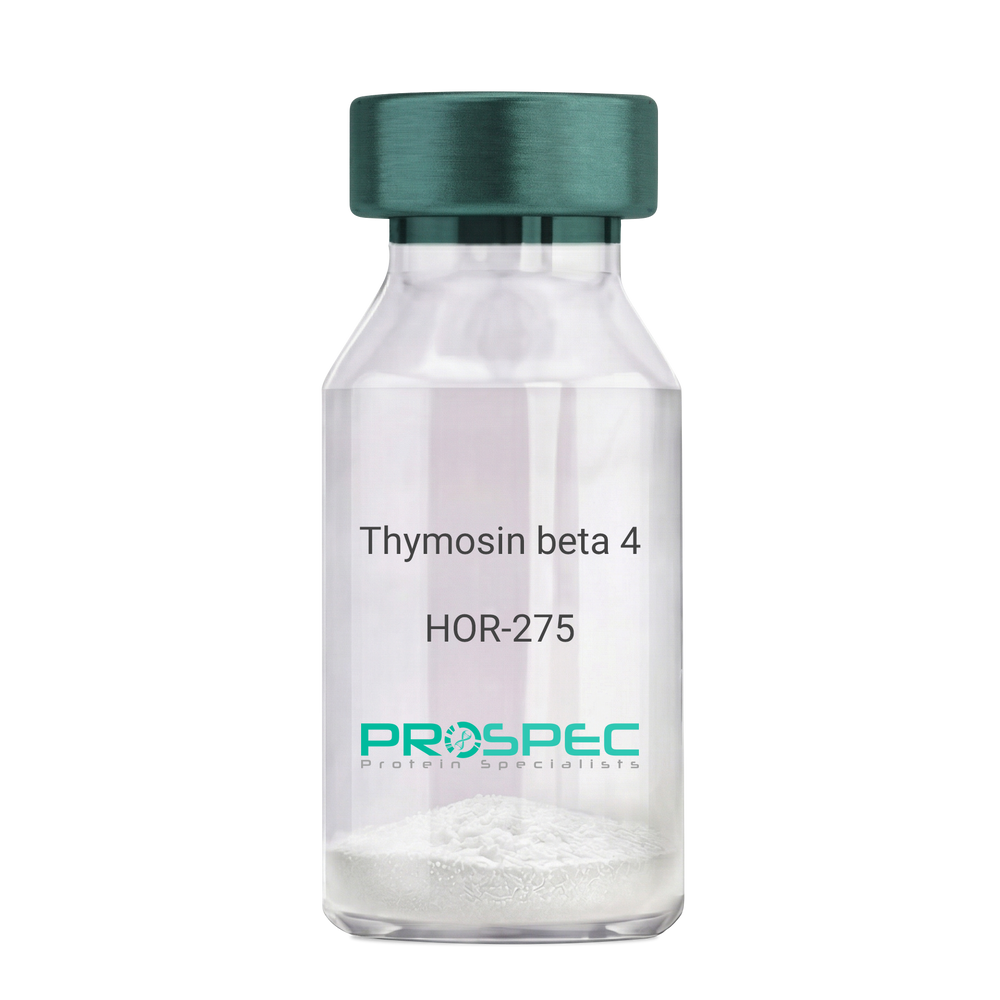
Thymosin beta 4Description:
Thymosin β4
Thymosin beta-4. TB500, TB-500
Product # :
HOR-275Price :
Quantity :
Shipping Method :
Shipped at Room temp
More Info
- description
- formulation
- purity
- More Info
Description
Thymosin b4 is a 43 amino acid peptide which is regarded as the main intracellular G-actin sequestering peptide. It has a molecular weight of 4963.55 Da, and its molecular formula is: C212H350N56O78S1. Extracellular Thymosin b4 may contribute to physiological processes such as angiogenesis, wound healing, and regulation of inflammation.
Formulation
The protein (1mg/ml) was lyophilized with no additives.
Purity
Greater than 98.0% as determined by RP-HPLC.
More Info
-
Introduction
Thymosin is a hormone secreted from the thymus. Its primary function is to stimulate the production of T cells, which are an important part of the immune system. Thymosin also assists in the development of B cells to plasma cells to produce antibodies. The predominant form of thymosin, thymosin b4, is a member of a highly conserved family of actin monomer-sequestering proteins. b-thymosins are the primary regulators of unpolymerized actin, and are essential for maintaining the small cytoplasmic pool of free G-actin monomers required for rapid filament elongation and allowing for the flux of monomers between the thymosin-bound pool and F-actin.
-
Synonyms
Thymosin beta-4. TB500, TB-500
-
Physical Appearance
Sterile Filtered White lyophilized (freeze-dried) powder.
-
Stability
Lyophilized Thymosin b4 although stable at room temperature for 3 weeks, should be stored desiccated below -18°C. Upon reconstitution T beta 4 should be stored at 4°C between 2-7 days and for future use below -18°C.For long term storage it is recommended to add a carrier protein (0.1% HSA or BSA).Please prevent freeze-thaw cycles.
-
Solubility
It is recommended to reconstitute the lyophilized Thymosin beta-4 in sterile 18MΩ-cm H2O not less than 100 µg/ml, which can then be further diluted to other aqueous solutions.
-
Amino Acid Sequence
Thymosin b4 has an a.a. sequence of Ac-Ser-Asp-Lys-Pro-Asp-Met-Ala-Glu-Ile-Glu-Lys-Phe-Asp-Lys-Ser-Lys-Leu-Lys-Lys-Thr-Glu-Thr-Gln-Glu-Lys-Asn-Pro-Leu-Pro-Ser-Lys-Glu-Thr-Ile-Glu-Gln-Glu-Lys-Gln-Ala-Gly-Glu-Ser-OH.
ProSpec's products are furnished for LABORATORY RESEARCH USE ONLY. The product may not be used as drugs, agricultural or pesticidal products, food additives or household chemicals.
- View Data Sheet
Name :
TBEV CoreDescription:
Tick-Borne Encephalitis Virus Core Protein Recombinant
Product # :
TBE-285Price :
Quantity :
Shipping Method :
Shipped with Ice Packs
More Info
- description
- source
- formulation
- purity
- More Info
Description
The E.coli derived recombinant protein contains the Tick-borne Encephalitis Virus core protein epitopes.
Source
Escherichia Coli.
Formulation
20mM MES pH 6.5, 8M urea, 200mM NaCl & 0.05% Tween-20.
Purity
Encephalitis protein is >95% pure as determined by 10% PAGE (coomassie staining).
More Info
-
Introduction
TBE is caused by tick-borne encephalitis virus (TBEV), a member of the family Flaviviridae.
A closely related virus in Far Eastern Eurasia, Russian spring-summer encephalitis virus (RSSEV).
The family Flaviviridae includes other tick-borne viruses are closely related to TBEV and RSSEV, such as Omsk hemorrhagic fever virus & Kyasanur Forest virus.
Louping ill virus is also a member of this family. -
Stability
Encephalitis protein although stable at 4°C for 1 week, should be stored below -18°C. Please prevent freeze thaw cycles.
-
Applications
Encephalitis antigen is suitable for ELISA and Western blots, excellent antigen for detection of Tick-borne encephalitis virus with minimal specificity problems.
-
Specificity
Immunoreactive with sera of encephalitis virus infected individuals.
-
Purification Method
Encephalitis protein was purified by proprietary chromatographic technique.
ProSpec's products are furnished for LABORATORY RESEARCH USE ONLY. The product may not be used as drugs, agricultural or pesticidal products, food additives or household chemicals.
- View Data Sheet
Name :
Lymphotactin MouseDescription:
Lymphotactin (XCL1) Mouse Recombinant
XCL1, Cytokine SCM-1, ATAC, Lymphotaxin, SCM-1-alpha, Small inducible cytokine C1, XC chemokine ligand 1, LTN, LPTN, SCM1, SCM-1, SCYC1, SCM-1a.
Product # :
CHM-037Price :
Quantity :
Shipping Method :
Shipped at Room temp
More Info
- description
- source
- formulation
- purity
- biological activity
- More Info
Description
Lymphotactin (XCL1) Mouse Recombinant produced in E.Coli is a non-glycosylated polypeptide chain containing 93 amino acids and having a molecular mass of approximately 10.1kDa.Lymphotactin is purified by proprietary chromatographic techniques.
Source
Escherichia Coli.
Formulation
Lyophilized from a 0.2μm filtered concentrated solution in PBS, pH 7.4.
Purity
reater than 97.0% as determined by:
(a) Analysis by RP-HPLC.
(b) Analysis by SDS-PAGE.Biological Activity
The ED50 as determined by a chemotaxis bioassay using human XCR1 transfected murine BaF3 cells is < 100 ng/ml, corresponding to a specific activity of > 1.0 × 10⁴ IU/mg.
More Info
-
Introduction
XCL1 is a small cytokine belongs to the XC chemokine family that is also known as lymphotactin. XCL1 is found in high levels in spleen, thymus, intestine and peripheral blood leukocytes, and at lower levels in lung, prostate gland and ovary. Cellular sources for XCL1 include activated thymic and peripheral blood CD8+ T cells. This chemokine attracts T cells. In humans, XCL1 is closely related to XCL2, whose gene is found at the same locus on chromosome 1. XCL1 induces it chemotactic function by binding to a chemokine receptor called XCR1.
-
Synonyms
XCL1, Cytokine SCM-1, ATAC, Lymphotaxin, SCM-1-alpha, Small inducible cytokine C1, XC chemokine ligand 1, LTN, LPTN, SCM1, SCM-1, SCYC1, SCM-1a.
-
Physical Appearance
Sterile Filtered White lyophilized (freeze-dried) powder.
-
Stability
Lyophilized XCL1 although stable at room temperature for 3 weeks, should be stored desiccated below -18°C. Upon reconstitution Lymphotactin should be stored at 4°C between 2-7 days and for future use below -18°C.Please prevent freeze-thaw cycles.
-
Solubility
It is recommended to reconstitute the lyophilized Lymphotactin in sterile 18MΩ-cm H2O not less than 100µg/ml, which can then be further diluted to other aqueous solutions.
-
Amino Acid Sequence
VGTEVLEESS CVNLQTQRLP VQKIKTYIIW EGAMRAVIFV TKRGLKICAD PEAKWVKAAI KTVDGRASTR KNMAETVPTG AQRSTSTAIT LTG.
ProSpec's products are furnished for LABORATORY RESEARCH USE ONLY. The product may not be used as drugs, agricultural or pesticidal products, food additives or household chemicals.
- View Data Sheet
Name :
GoserelinDescription:
Goserelin
Product # :
HOR-256Price :
Quantity :
Shipping Method :
Shipped at Room temp
More Info
- description
- formulation
- purity
- More Info
Description
Goserelin contains 10 amino acids Glu1-His2-Trp3-Ser4-Tyr5-D-Ser(tBu)6-Leu7-Arg8-Pro9-AzGly10-NH2 and having a molecular weight of 1269.43 Dalton.
Formulation
The Goserelin peptide was lyophilized with no additives.
Purity
Greater than 98.0% as determined by:
(a) Analysis by RP-HPLC.
(b) Analysis by SDS-PAGE.More Info
-
Introduction
Goserelin is a hormone similar to the one normally released from the hypothalamus gland in the brain (GnRH super-agonist). It is used to treat for prostate and breast cancer.
Goserelin decreases the amount of estrogen and testosterone by this treating endometriosis and cancer of the breast, and can help thin the uterus lining before surgery. Goserelin prevents the growth of tissue associated with endometriosis.
Reducing the amount of testosterone is one way of treating prostate cancer. -
Physical Appearance
Sterile Filtered White lyophilized (freeze-dried) powder.
-
Stability
Lyophilized Goserelin although stable at room temperature for 3 weeks, should be stored desiccated below -18°C. Upon reconstitution Goserelin should be stored at 4°C between 2-7 days and for future use below -18°C. For long term storage it is recommended to add a carrier protein (0.1% HSA or BSA).Please prevent freeze-thaw cycles.
-
Solubility
It is recommended to reconstitute the lyophilized Goserelin in sterile 18MΩ-cm H2O not less than 100 µg/ml, which can then be further diluted to other aqueous solutions.
ProSpec's products are furnished for LABORATORY RESEARCH USE ONLY. The product may not be used as drugs, agricultural or pesticidal products, food additives or household chemicals.
- View Data Sheet
Name :
YWHAG Human, HisDescription:
Tyr-3/Trp-5 Monooxygenase Activation Protein Gamma Human Recombinant, His Tag
14-3-3 protein gamma, Protein kinase C inhibitor protein 1, KCIP-1, YWHAG, Tyrosine 3-monooxygenase/tryptophan 5-monooxygenase activation protein, gamma polypeptide.
Product # :
PKA-262Price :
Quantity :
Shipping Method :
Shipped with Ice Packs
More Info
- description
- source
- formulation
- purity
- More Info
Description
YWHAG Human Recombinant produced in E.Coli is a single, non-glycosylated, polypeptide chain containing 246 amino acids (2-247) and having a molecular mass of 36 kDa. YWHAG is fused to His Tag and purified by proprietary chromatographic techniques.
Source
Escherichia Coli.
Formulation
YWHAG solution containing 1x PBS and 50% glycerol.
Purity
Greater than 95.0% as determined by SDS-PAGE.
More Info
-
Introduction
The 14-3-3 family of proteins plays a key regulatory role in signal transduction, checkpoint control, apoptotic and nutrient-sensing pathways. 14-3-3 proteins are highly conserved and ubiquitously expressed. There are at least seven isoforms that have been identified in mammals. The 14-3-3gamma, a subtype of the 14-3-3 family of proteins, was thought to be brain and neuron-specific. It has been shown to interact with RAF1 and protein kinase C, proteins involved in various signal transduction pathways.
-
Synonyms
14-3-3 protein gamma, Protein kinase C inhibitor protein 1, KCIP-1, YWHAG, Tyrosine 3-monooxygenase/tryptophan 5-monooxygenase activation protein, gamma polypeptide.
-
Physical Appearance
Sterile filtered colorless solution.
-
Stability
Store at 4°C if entire vial will be used within 2-4 weeks. Store, frozen at -20°C for longer periods of time. Avoid multiple freeze-thaw cycles.
ProSpec's products are furnished for LABORATORY RESEARCH USE ONLY. The product may not be used as drugs, agricultural or pesticidal products, food additives or household chemicals.
- View Data Sheet
Name :
DCN HumanDescription:
Decorin Human Recombinant
Decorin, Bone proteoglycan II, PG-S2, PG40, DCN, SLRR1B, CSCD, PGII, PGS2, DSPG2.
Product # :
PRO-1583Price :
Quantity :
Shipping Method :
Shipped with Ice Packs
More Info
- description
- source
- formulation
- purity
- More Info
Description
DCN Human Recombinant produced in E.Coli is a single, non-glycosylated polypeptide chain containing 350 amino acids (31-359 a.a) and having a molecular mass of 38.6kDa.DCN is fused to a 21 amino acid His-tag at N-terminus & purified by proprietary chromatographic techniques.
Source
Escherichia Coli.
Formulation
DCN protein solution (0.25mg/ml) containing 20mM Tris pH 8.0 and 10% glycerol.
Purity
Greater than 80% as determined by SDS-PAGE.
More Info
-
Introduction
Decorin (DCN) is a small cellular or pericellular matrix proteoglycan which is closely related in structure to biglycan protein. Decorin is a secreted protein which binds to collagen and fibronectin in extracellular matrix. Decorin appears in different glycoforms, substituted with chondroitin sulfate or dermatan sulfate consistent with the original tissue. DCN contains one attached glycosaminoglycan chain. Decorin influences the rate of fibril formation. Decorin is capable of suppressing the growth of various tumor cell lines. DCN gene defects cause corneal dystrophy. The DCN gene is a candidate gene for Marfan syndrome.
-
Synonyms
Decorin, Bone proteoglycan II, PG-S2, PG40, DCN, SLRR1B, CSCD, PGII, PGS2, DSPG2.
-
Physical Appearance
Sterile filtered colorless solution.
-
Stability
Store at 4°C if entire vial will be used within 2-4 weeks. Store, frozen at -20°C for longer periods of time. For long term storage it is recommended to add a carrier protein (0.1% HSA or BSA).Avoid multiple freeze-thaw cycles.
-
Amino Acid Sequence
MGSSHHHHHH SSGLVPRGSH MDEASGIGPE VPDDRDFEPS LGPVCPFRCQ CHLRVVQCSDLGLDKVPKDL PPDTTLLDLQ NNKITEIKDG DFKNLKNLHA LILVNNKISK VSPGAFTPLVKLERLYLSKN QLKELPEKMP KTLQELRAHE NEITKVRKVT FNGLNQMIVI ELGTNPLKSS GIENGAFQGM KKLSYIRIAD TNITSIPQGL PPSLTELHLD GNKISRVDAA SLKGLNNLAKLGLSFNSISA VDNGSLANTP HLRELHLDNN KLTRVPGGLA EHKYIQVVYL HNNNISVVGSSDFCPPGHNT KKASYSGVSL FSNPVQYWEI QPSTFRCVYV RSAIQLGNYK.
ProSpec's products are furnished for LABORATORY RESEARCH USE ONLY. The product may not be used as drugs, agricultural or pesticidal products, food additives or household chemicals.
- View Data Sheet
Name :
DCN Human, Sf9Description:
Decorin Human Recombinant, Sf9
Decorin, Decorin Proteoglycan, Bone Proteoglycan II, SLRR1B, PG-S2, CSCD, PG40, Dermatan Sulphate Proteoglycans II, Small Leucine-Rich Protein 1B, Proteoglycan Core Protein, DSPG2, PGII, PGS2, Decorin, Bone proteoglycan II, PG-S2, , PG40.
Product # :
PRO-2232Price :
Quantity :
Shipping Method :
Shipped with Ice Packs
More Info
- description
- source
- formulation
- purity
- More Info
Description
DCN produced in Sf9 Baculovirus cells is a single, glycosylated polypeptide chain containing 335 amino acids (31-359a.a.) and having a molecular mass of 37.1kDa. (Molecular size on SDS-PAGE will appear at approximately 40-57kDa). DCN is expressed with a 6 amino acid His tag at C-Terminus and purified by proprietary chromatographic techniques.
Source
Sf9, Baculovirus cells.
Formulation
DCN protein solution (1mg/ml) contains Phosphate Buffered Saline (pH 7.4) and 10% glycerol.
Purity
Greater than 95% as determined by SDS-PAGE.
More Info
-
Introduction
Decorin (DCN) is a small cellular or pericellular matrix proteoglycan which is closely related in structure to biglycan protein. Decorin is a secreted protein which binds to collagen and fibronectin in extracellular matrix. Decorin appears in different glycoforms, substituted with chondroitin sulfate or dermatan sulfate consistent with the original tissue. DCN contains one attached glycosaminoglycan chain. Decorin influences the rate of fibril formation. Decorin is capable of suppressing the growth of various tumor cell lines. DCN gene defects cause corneal dystrophy. The DCN gene is a candidate gene for Marfan syndrome.
-
Synonyms
Decorin, Decorin Proteoglycan, Bone Proteoglycan II, SLRR1B, PG-S2, CSCD, PG40, Dermatan Sulphate Proteoglycans II, Small Leucine-Rich Protein 1B, Proteoglycan Core Protein, DSPG2, PGII, PGS2, Decorin, Bone proteoglycan II, PG-S2, , PG40.
-
Physical Appearance
Sterile filtered colorless solution.
-
Stability
Store at 4°C if entire vial will be used within 2-4 weeks. Store, frozen at -20°C for longer periods of time. For long term storage it is recommended to add a carrier protein (0.1% HSA or BSA).Avoid multiple freeze-thaw cycles.
-
Amino Acid Sequence
DEASGIGPEV PDDRDFEPSL GPVCPFRCQC HLRVVQCSDL GLDKVPKDLP PDTTLLDLQN NKITEIKDGD FKNLKNLHAL ILVNNKISKV SPGAFTPLVK LERLYLSKNQ LKELPEKMPK TLQELRAHEN EITKVRKVTF NGLNQMIVIE LGTNPLKSSG IENGAFQGMK KLSYIRIADT NITSIPQGLP PSLTELHLDG NKISRVDAAS LKGLNNLAKL GLSFNSISAV DNGSLANTPH LRELHLDNNK LTRVPGGLAE HKYIQVVYLH NNNISVVGSS DFCPPGHNTK KASYSGVSLF SNPVQYWEIQ PSTFRCVYVR SAIQLGNYKH HHHHH.
ProSpec's products are furnished for LABORATORY RESEARCH USE ONLY. The product may not be used as drugs, agricultural or pesticidal products, food additives or household chemicals.
- View Data Sheet
Name :
GRPEL1 HumanDescription:
GrpE-Like 1 Human Recombinant
HMGE, GrpE-like protein cochaperone, GREPEL1, FLJ25609.
Product # :
PRO-263Price :
Quantity :
Shipping Method :
Shipped with Ice Packs
More Info
- description
- source
- formulation
- purity
- More Info
Description
GRPEL1 produced in E.Coli is a single, non-glycosylated polypeptide chain containing 211 amino acids (28-217a.a.) and having a molecular mass of 23.6kDa.GRPEL1 is fused to a 21 amino acid His-tag at N-terminus & purified by proprietary chromatographic techniques.
Source
Escherichia Coli.
Formulation
The GRPEL1 protein solution (1mg/1ml) is formulated in 20mM Tris-HCl buffer (pH8.0), 0.2M NaCl, 1mM DTT and 10% glycerol.
Purity
Greater than 90% as determined by SDS-PAGE.
More Info
-
Introduction
GRPEL1 is a vital component of the PAM complex, a complex necessary for the translocation of transit peptide-containing proteins from the inner membrane into the mitochondrial matrix in an ATP-dependent manner. GRPEL1 protein controls the nucleotide-dependent binding of mitochondrial HSP70 to substrate proteins.
-
Synonyms
HMGE, GrpE-like protein cochaperone, GREPEL1, FLJ25609.
-
Physical Appearance
Sterile Filtered clear solution.
-
Stability
Store at 4°C if entire vial will be used within 2-4 weeks. Store, frozen at -20°C for longer periods of time.For long term storage it is recommended to add a carrier protein (0.1% HSA or BSA).Please avoid freeze thaw cycles.
-
Amino Acid Sequence
MGSSHHHHHH SSGLVPRGSH MCTATKQKNS GQNLEEDMGQ SEQKADPPAT EKTLLEEKVK LEEQLKETVE KYKRALADTE NLRQRSQKLV EEAKLYGIQA FCKDLLEVAD VLEKATQCVP KEEIKDDNPH LKNLYEGLVM TEVQIQKVFT KHGLLKLNPV GAKFDPYEHE ALFHTPVEGK EPGTVALVSK VGYKLHGRTL RPALVGVVKE A
ProSpec's products are furnished for LABORATORY RESEARCH USE ONLY. The product may not be used as drugs, agricultural or pesticidal products, food additives or household chemicals.
- View Data Sheet
Name :
HAVCR1 Human, HEKDescription:
Hepatitis A Virus Cellular Receptor 1 Human Recombinant, HEK
Hepatitis A Virus Cellular Receptor 1, T-Cell Immunoglobulin Mucin Family Member 1, T-Cell Immunoglobulin Mucin Receptor 1, T-Cell Membrane Protein 1, Kidney Injury Molecule 1, HAVCR-1, TIMD-1, HAVCR, KIM-1, TIM-1, TIMD1, TIM1, KIM1, TIM, T-Cell Immunoglobulin And Mucin Domain-Containing Protein 1, T Cell Immunoglobin Domain And Mucin Domain Protein 1, HAVCR1.
Product # :
HAV-223Price :
Quantity :
Shipping Method :
Shipped at Room temp
More Info
- description
- source
- formulation
- purity
- More Info
Description
HAVCR1 Human Recombinant produced in HEK cells is a single, glycosylated, polypeptide chain (Ser21-Thr288) containing a total of 283 amino acids, having a calculated molecular mass of 30.5kDa. HAVCR1 is fused to a 2 aa N-terminal linker, a 2 aa C-terminal linker and a 6 aa His tag at C-Terminus.
Source
HEK 293.
Formulation
HAVCR1 was filtered (0.4µm) and lyophilized from 0.5mg/ml solution in phosphate buffered saline and 5% (w/v) Trehalose.
Purity
Greater than 90.0% as determined by SDS-PAGE.
More Info
-
Introduction
Hepatitis A virus cellular receptor 1 (HAVCR1) is a membrane receptor for both human hepatitis A virus (HHAV) and TIMD4. HAVCR1 is a type I trans-membrane structural glycoprotein located in the renal proximal tubule epithelial cells. HAVCR1 protein may be involved in the control of asthma and allergic diseases. The reference genome represents an allele which retains a MTTVP amino acid segment that presents defense against atopy in HHAV seropositive individuals.
-
Synonyms
Hepatitis A Virus Cellular Receptor 1, T-Cell Immunoglobulin Mucin Family Member 1, T-Cell Immunoglobulin Mucin Receptor 1, T-Cell Membrane Protein 1, Kidney Injury Molecule 1, HAVCR-1, TIMD-1, HAVCR, KIM-1, TIM-1, TIMD1, TIM1, KIM1, TIM, T-Cell Immunoglobulin And Mucin Domain-Containing Protein 1, T Cell Immunoglobin Domain And Mucin Domain Protein 1, HAVCR1.
-
Physical Appearance
Filtered White lyophilized (freeze-dried) powder.
-
Stability
Store lyophilized protein at -20°C. Aliquot the product after reconstitution to avoid repeated freezing/thawing cycles. Reconstituted protein can be stored at 4°C for a limited period of time; it does not show any change after two weeks at 4°C.
-
Solubility
It is recommended to add deionized water to prepare a working stock solution of approximately 0.5 mg/ml and let the lyophilized pellet dissolve completely. HAVCR1 is not sterile! Please filter the product by an appropriate sterile filter before using it in the cell culture.
-
Amino Acid Sequence
ASSVKVGGEA GPSVTLPCHY SGAVTSMCWN RGSCSLFTCQ NGIVWTNGTH VTYRKDTRYK LLGDLSRRDV SLTIENTAVS DSGVYCCRVE HRGWFNDMKI TVSLEIVPPK VTTTPIVTTV PTVTTVRTST TVPTTTTVPM TTVPTTTVPT TMSIPTTTTV LTTMTVSTTT SVPTTTSIPT TTSVPVTTTV STFVPPMPLP RQNHEPVATS PSSPQPAETH PTTLQGAIRR EPTSSPLYSY TTDGNDTVTE SSDGLWNNNQ TQLFLEHSLL TANTTKLHHH HHH.
ProSpec's products are furnished for LABORATORY RESEARCH USE ONLY. The product may not be used as drugs, agricultural or pesticidal products, food additives or household chemicals.
- View Data Sheet
Name :
Resistin Human, HEKDescription:
Resistin Human Recombinant, HEK
RETN,ADSF,FIZZ3,RETN1,RSTN,XCP1,resistin precursor, Adipose tissue-specific secretory factor, ADSFMGC126609, C/EBP-epsilon-regulated myeloid-specific secreted cysteine-rich protein, Cysteine-rich secreted protein A12-alpha-like 2, Cysteine-rich secreted protein FIZZ3, FIZZ3; FIZZ3MGC126603, found in inflammatory zone 3, HXCP1.
Product # :
CYT-1183Price :
Quantity :
Shipping Method :
Shipped with Ice Packs
More Info
- description
- source
- formulation
- purity
- More Info
Description
Resistin Human Recombinant produced in HEK293 cells is a single, glycosylated polypeptide chain (19-108 a.a) containing 96 amino acids and having a molecular mass of 10.3 kDa.Resistin is fused to a 6 amino acid His-tag at C-terminus & purified by proprietary chromatographic techniques.
Source
HEK293 cells.
Formulation
Resistin protein (1mg/ml) contains 20% glycerol and 20mM Sodium citrate (pH3.0).
Purity
Greater than 95.0% as determined by SDS-PAGE.
More Info
-
Introduction
Resistin, also known as adipose tissue-specific secretory factor (ADSF) is a cysteine-rich peptide derived from adipose tissue. Resistin takes part in the inflammatory response, glucose metabolism, and angiogenesis.Resistin blocks insulinstimulated uptake of glucose by adipocytes and promote glucose release by hepatocytes. As such,Resistin considered to participate in diet‑induced insulin-sensitivity. Resistin causes high levels of lowdensity lipoprotein (LDL), increasing the risk of heart disease.
-
Synonyms
RETN,ADSF,FIZZ3,RETN1,RSTN,XCP1,resistin precursor, Adipose tissue-specific secretory factor, ADSFMGC126609, C/EBP-epsilon-regulated myeloid-specific secreted cysteine-rich protein, Cysteine-rich secreted protein A12-alpha-like 2, Cysteine-rich secreted protein FIZZ3, FIZZ3; FIZZ3MGC126603, found in inflammatory zone 3, HXCP1.
-
Physical Appearance
Sterile Filtered colorless solution.
-
Stability
Store at 4°C if entire vial will be used within 2-4 weeks. Store, frozen at -20°C for longer periods of time. For long term storage it is recommended to add a carrier protein (0.1% HSA or BSA).Avoid multiple freeze-thaw cycles.
-
Amino Acid Sequence
KTLCSMEEAI NERIQEVAGS LIFRAISSIG LECQSVTSRG DLATCPRGFA VTGCTCGSAC GSWDVRAETT CHCQCAGMDW TGARCCRVQP HHHHHH
ProSpec's products are furnished for LABORATORY RESEARCH USE ONLY. The product may not be used as drugs, agricultural or pesticidal products, food additives or household chemicals.
- View Data Sheet
Name :
GHRL ProteinDescription:
Ghrelin Human
Appetite-regulating hormone precursor, Growth hormone secretagogue, Growth hormone-releasing peptide, GHRP, Motilin-related peptide, M46 protein, Ghrelin, Obestatin, MTLRP.
Product # :
HOR-297Price :
Quantity :
Shipping Method :
Shipped at Room temp
More Info
- description
- formulation
- purity
- More Info
Description
Ghrelin Human contains 28 amino acids and a total molecular mass of 3370.9 Dalton and a molecular formula of C149H249N47O42.The GHRL is purified by proprietary chromatographic techniques.
Formulation
GHRL was lyophilized without additives.
Purity
Greater than 97% as determined by:
(a) Analysis by RP-HPLC.
(b) Analysis by SDS-PAGE.More Info
-
Introduction
Obestatin is a hormone that is produced in the cells lining the stomach and small intestine of several mammals including humans; it drastically reduces appetite in mice and is expected to do the same in humans. Obestatin is a peptide hormone - a relatively small protein. It is encoded by the same gene that also encodes ghrelin, a peptide hormone that increases appetite. The protein produced by that gene breaks into two smaller peptides, ghrelin and obestatin. Ghrelin is an endogenous ligand for the growth hormone secretagogue receptor and is involved in regulating growth hormone release. Ghrelin is derived from a preprohormone called preproghrelin, which also generates a second peptide called obestatin. Ghrelin is an endogenous ligand for the orphan G protein-coupled receptor GPR39 and is involved in satiety and decreased food intake.
-
Synonyms
Appetite-regulating hormone precursor, Growth hormone secretagogue, Growth hormone-releasing peptide, GHRP, Motilin-related peptide, M46 protein, Ghrelin, Obestatin, MTLRP.
-
Physical Appearance
Sterile Filtered Yellowish lyophilized (freeze-dried) powder that may appear as a gel form.
-
Stability
Store the lyophilized Ghrelin at -20°C. Aliquot the product after reconstitution to avoid repeated freezing/thawing cycles. Reconstituted GHRL can be stored at 4°C for a limited period of time; it does not show any change after two weeks at 4°C.
-
Solubility
Add deionized water to a working concentration approximately 0.5mg/1ml and let the lyophilized pellet dissolve completely.
-
Amino Acid Sequence
Gly-Ser-Ser(n-octanoyl)-Phe-Leu-Ser-Pro-Glu-His-Gln-Arg-Val-Gln-Gln-Arg-Lys-Glu-Ser-Lys-Lys-Pro-Pro-Ala-Lys-Leu-Gln-Pro-Arg-OH.
ProSpec's products are furnished for LABORATORY RESEARCH USE ONLY. The product may not be used as drugs, agricultural or pesticidal products, food additives or household chemicals.
- View Data Sheet
Name :
G CSF Human, HEKDescription:
Granulocyte-Colony Stimulating Factor Human Recombinant, HEK
CSF-3, MGI-1G, GM-CSF beta, Pluripoietin, Filgrastim, Lenograstim, G-CSF, MGC45931, GCSF.
Product # :
CYT-088Price :
Quantity :
Shipping Method :
Shipped at Room temp
More Info
- description
- source
- formulation
- purity
- biological activity
- More Info
Description
G-CSF Human Recombinant produced in HEK cells is a glycosylated monomer, having a molecular weight range of 21-25kDa due to glycosylation.The G-CSF is purified by proprietary chromatographic techniques.
Source
HEK.
Formulation
The G-CSF was lyophilized from 1mg/ml in 1xPBS.
Purity
Greater than 95% as obsereved by SDS-PAGE.
Biological Activity
The specific activity was determined by the dose-dependent stimulation of the proliferation of murine M-NFS-60 cells (Mouse Myeloid Leukemia indicator cell line), the ED50 is <0.01ng/ml.
More Info
-
Introduction
GCSF is a cytokine that controls the production, differentiation, and function of granulocytes. The active protein is found extracellularly. Three transcript variants encoding three different isoforms have been found for the GCSF gene. Granulocyte/macrophage colony-stimulating factors are cytokines that act in hematopoiesis by controlling the production, differentiation, and function of 2 related white cell populations of the blood, the granulocytes and the monocytes-macrophages. This csf induces granulocytes.
-
Synonyms
CSF-3, MGI-1G, GM-CSF beta, Pluripoietin, Filgrastim, Lenograstim, G-CSF, MGC45931, GCSF.
-
Physical Appearance
Sterile Filtered White lyophilized (freeze-dried) powder.
-
Stability
Lyophilized G-CSF although stable at room temperature for 3 weeks, should be stored desiccated below -18°C. Upon reconstitution G-CSF should be stored at 4°C between 2-7 days and for future use below -18°C.For long term storage it is recommended to add a carrier protein (0.1% HSA or BSA).Please prevent freeze-thaw cycles.
-
Solubility
It is recommended to reconstitute the lyophilized G-CSF in sterile 1xPBS containing 0.1% endotoxin-free recombinant HSA.
-
Background
What is the molecular weight/Mw of G CSF HUMAN, HEK Protein?
G CSF HUMAN, HEK Protein has a total Mw of 23kDa.
What is the source or expression system of G CSF HUMAN, HEK Protein?
HEK.
What is the Purity of G CSF HUMAN, HEK Protein?
G CSF HUMAN, HEK Protein is >95% pure as determined by SDS-PAGE.
What is the Biological Activity of G CSF HUMAN, HEK Protein?
The specific activity was determined by the dose-dependent stimulation of the proliferation of murine M-NFS-60 cells (Mouse Myeloid Leukemia indicator cell line), the ED50 is <0.01ng/ml.
What applications can G CSF HUMAN, HEK Protein be used in?
G CSF HUMAN, HEK Protein can probably be used in western blot, ELISA and Lateral Flow.
What is the endotoxin level for G CSF HUMAN, HEK Protein?
The endotoxin level is minimal, G CSF HUMAN, HEK Protein was purified using conventional chromatography techniques.
ProSpec's products are furnished for LABORATORY RESEARCH USE ONLY. The product may not be used as drugs, agricultural or pesticidal products, food additives or household chemicals.
- View Data Sheet
Name :
LYVE1 Mouse Sf9Description:
Lymphatic Vessel Endothelial Hyaluronic Acid Receptor 1 Mouse Recombinant, Sf9
Lymphatic vessel endothelial hyaluronic acid receptor 1 precursor, LYVE-1, Cell surface retention sequence-binding protein 1, CRSBP-1, Hyaluronic acid receptor, Extracellular link domain-containing protein.
Product # :
PKA-251Price :
Quantity :
Shipping Method :
Shipped at Room temp
More Info
- description
- source
- formulation
- purity
- More Info
Description
Soluble LYVE1 Mouse Recombinant fused to a C-terminal His-tag (6xHis) produced in baculovirus is a monomeric, glycosylated, polypeptide containing 228 amino acids (Met-1 to Gly 228) and having a molecular mass of 25 kDa but as a result of glycosilation the Mw is 40 kDa. The LYVE-1 is purified by proprietary chromatographic techniques.
Source
Insect Cells.
Formulation
LYVE1 was lyophilized from a concentrated (1mg/ml) sterile solution containing no additives.
Purity
Greater than 95.0% as determined by:
(a)Analysis by RP-HPLC.
(b)Analysis by SDS-PAGE.More Info
-
Introduction
LYVE-1 has been identified as a major receptor for HA (extracellular matrix glycosaminoglycan hyaluronan) on the lymph vessel wall. The deduced amino acid sequence of LYVE-1 predicts a 322-residue type I integral membrane polypeptide 41% similar to the CD44 HA receptor with a 212-residue extracellular domain containing a single Link module the prototypic HA binding domain of the Link protein superfamily. Like CD44, the LYVE-1 molecule binds both soluble and immobilized HA. However, unlike CD44, the LYVE-1 molecule colocalizes with HA on the luminal face of the lymph vessel wall and is completely absent from blood vessels. Hence, LYVE-1 is the first lymph-specific HA receptor to be characterized and is a uniquely powerful marker for lymph vessels themselves.
-
Synonyms
Lymphatic vessel endothelial hyaluronic acid receptor 1 precursor, LYVE-1, Cell surface retention sequence-binding protein 1, CRSBP-1, Hyaluronic acid receptor, Extracellular link domain-containing protein.
-
Physical Appearance
Sterile Filtered White lyophilized (freeze-dried) powder.
-
Stability
Lyophilized sLYVE-1 although stable at room temperature for 3 weeks, should be stored desiccated below -18°C. Upon reconstitution sLYVE-1 should be stored at 4°C between 2-7 days and for future use below -18°C.For long term storage it is recommended to add a carrier protein (0.1% HSA or BSA).Please prevent freeze-thaw cycles.
-
Solubility
It is recommended to reconstitute the lyophilized LYVE1 in sterile water not less than 100µg/ml, which can then be further diluted to other aqueous solutions.
ProSpec's products are furnished for LABORATORY RESEARCH USE ONLY. The product may not be used as drugs, agricultural or pesticidal products, food additives or household chemicals.
- View Data Sheet
Name :
SDCBP HumanDescription:
Syndecan Binding Protein Human Recombinant
SYCL, syntenin-1, Syndecan-binding protein 1, Scaffold protein Pbp1, MDA-9, Melanoma differentiation-associated protein 9, TACIP18, Pro-TGF-alpha cytoplasmic domain-interacting protein 18.
Product # :
PRO-036Price :
Quantity :
Shipping Method :
Shipped with Ice Packs
More Info
- description
- source
- formulation
- purity
- More Info
Description
SDCBP produced in E.Coli is a single, non-glycosylated polypeptide chain containing 318 amino acids (1-298a.a.) and having a molecular mass of 34.6kDa.SDCBP is fused to a 20 amino acid His-tag at N-terminus & purified by proprietary chromatographic techniques.
Source
Escherichia Coli.
Formulation
The SDCBP protein solution (0.5mg/1ml) is formulated in 20 mM Tris-HCl Buffer (pH 8.0), 100 mM NaCl, and 40% Glycerol.
Purity
Greater than 90% as determined by SDS-PAGE.
More Info
-
Introduction
SDCBP is a multifunctional intracellular adapter protein. SDCBP protein has tandemly repeated PDZ domains which react with the FYA (phe-tyr-ala) carboxyterminal amino acid sequence of the syndecans. SDCBP is has a role in organization of protein complexes in the plasma membranes, regulation of B-cell development, activation of transcription factors, intracellular trafficking and cell-surface targeting, synaptic transmission, and axonal outgrowth.
-
Synonyms
SYCL, syntenin-1, Syndecan-binding protein 1, Scaffold protein Pbp1, MDA-9, Melanoma differentiation-associated protein 9, TACIP18, Pro-TGF-alpha cytoplasmic domain-interacting protein 18.
-
Physical Appearance
Sterile Filtered clear solution.
-
Stability
Store at 4°C if entire vial will be used within 2-4 weeks. Store, frozen at -20°C for longer periods of time.Please avoid freeze thaw cycles.
-
Amino Acid Sequence
MGSSHHHHHH SSGLVPRGSH MSLYPSLEDL KVDKVIQAQT AFSANPANPA ILSEASAPIP HDGNLYPRLY PELSQYMGLS LNEEEIRANV AVVSGAPLQG QLVARPSSIN YMVAPVTGND VGIRRAEIKQ GIREVILCKD QDGKIGLRLK SIDNGIFVQL VQANSPASLV GLRFGDQVLQ INGENCAGWS SDKAHKVLKQ AFGEKITMTI RDRPFERTIT MHKDSTGHVG FIFKNGKITS IVKDSSAARN GLLTEHNICE INGQNVIGLK
ProSpec's products are furnished for LABORATORY RESEARCH USE ONLY. The product may not be used as drugs, agricultural or pesticidal products, food additives or household chemicals.
- View Data Sheet
Name :
ANGPT1 HumanDescription:
Angiopoietin-1 Human Recombinant
Angiopoietin 1, KIAA0003, ANG-1, AGP1, AGPT.
Product # :
CYT-074Price :
Quantity :
Shipping Method :
Shipped with Ice Packs
More Info
- description
- source
- formulation
- purity
- More Info
- sds-page
Description
ANGPT1 Human Recombinant produced in E.coli is a single, non-glycosylated polypeptide chain containing 480 amino acids (20-498) and having a molecular mass of 55.6 kDa.The ANGPT1 is purified by proprietary chromatographic techniques.
Source
E.coli.
Formulation
The ANGPT1 solution (1mg/ml) contains 20mM Tris-HCl buffer (pH 8.0), 1M Urea and 5% glycerol.
Purity
Greater than 85% as determined by SDS-PAGE.
sds-page
More Info
-
Introduction
ANGPT1 is an angiogenic factor which intervenes in blood vessel maturation and takes part in endothelial development. ANGPT1 is a secreted ligand for Tie-2, a cell surface receptor tyrosine kinase expressed in endothelial and hemopoietic cells. The glycosylated ANGPT1 protein has a coiled-coil region in the amino terminus and a fibrinogen-like domain at the carboxy terminus.
-
Synonyms
Angiopoietin 1, KIAA0003, ANG-1, AGP1, AGPT.
-
Physical Appearance
Sterile Filtered colorless solution.
-
Stability
Store at 4°C if entire vial will be used within 2-4 weeks. Store, frozen at -20°C for longer periods of time. For long term storage it is recommended to add a carrier protein (0.1% HSA or BSA).Avoid multiple freeze-thaw cycles.
-
Amino Acid Sequence
MSNQRRSPEN SGRRYNRIQH GQCAYTFILP EHDGNCREST TDQYNTNALQ RDAPHVEPDF SSQKLQHLEH VMENYTQWLQ KLENYIVENM KSEMAQIQQN AVQNHTATML EIGTSLLSQT AEQTRKLTDV ETQVLNQTSR LEIQLLENSL STYKLEKQLL QQTNEILKIH EKNSLLEHKI LEMEGKHKEE LDTLKEEKEN LQGLVTRQTY IIQELEKQLN RATTNNSVLQ KQQLELMDTV HNLVNLCTKE GVLLKGGKRE EEKPFRDCAD VYQAGFNKSG IYTIYINNMP EPKKVFCNMD VNGGGWTVIQ HREDGSLDFQ RGWKEYKMGF GNPSGEYWLG NEFIFAITSQ RQYMLRIELM DWEGNRAYSQ YDRFHIGNEK QNYRLYLKGH TGTAGKQSSL ILHGADFSTK DADNDNCMCK CALMLTGGWW FDACGPSNLN GMFYTAGQNH GKLNGIKWHY FKGPSYSLRS TTMMIRPLDF
-
Background
This factor was found in the conditioned medium of the human neuroepithelioma cell line SHEP1 and the mouse myoblast cell line C2C12ras. The cDNA encoding a protein of 498 amino acids was isolated by using a secretion-trap expression cloning procedure exploiting the presence of a signal sequence present in growth factors that are secreted by producer cells (Davis et al, 1996). Murine and human factors show 97 % identity at the amino acid level. For a related factor see: CDT6. The human gene has been mapped to chromosome 8q22.3-q23 (Cheung et al, 1998).
The expression of angiopoietin-1 mRNA is downregulated by PDGF, EGF, IL1-beta, and TGF-beta (Enholm et al, 1997).
Angiopoietin-1 is a ligand for the receptor-like tyrosine kinase designated TIE-2 (Davis et al, 1996). Binding of Angiopoietin-1 to its receptor induces tyrosine phosphorylation of the cytoplasmic receptor domain. A naturally occuring antagonist of Angiopoietin-1 binding to TIE-2 is Angiopoietin-2. Angiopoietin-1 also binds to the TIE-1 receptor and this interaction appears to be critical for the development of the right-hand side venous system. It is dispensable for the left-hand side venous system, suggesting that right-hand and left-hand side vascular networks are established early before asymmetrical features of the network become morphologically discernible Loughna and Sato, 2001).
Angiopoietin-1 does not directly promote the growth of cultured endothelial cells. Angiopoietin-1 is chemotactic for endothelial cells (Witzenbichler et al, 1998). Excess soluble TIE-2 receptors abolish the chemotactic response of endothelial cells toward angiopoietin-1. Angiopoietin-1 has been shown to counteract cell death by apoptosis in cultured endothelial cells (Holash et al, 1999). Angiopoietin-1 also acts as an apoptosis survival factor for endothelial cells and this effect is augmented by the presence of VEGF (Kwak et al, 1999).
Angiopoietin-2 dose-dependently blocks directed migration toward Angiopoietin-1. Carlson et al (2001) have shown that Ang-1 binds rather selectively to vitronectin and that Ang-1 can directly support adhesion of human umbilical vein endothelial cells and fibroblasts in a process mediated by integrins.
The physiologic roles of Angiopoietin-1 and its receptor are limited to angiogenic processes that occur subsequent to the earlier vasculogenic and angiogenic actions of the VEGF family and their receptors. However, it is unlike most of the known angiogenesis factors such as VEGF and other classical endothelial cell growth factors in that addition of the factor to cultures of endothelial cells does not directly promote cell growth even though the TIE-2 receptor becomes activated. Angiopoietin-1 also appears to be incapable of inducing the formation of tubules by endothelial cells.
Angiopoietins can potentiate the effects of other angiogenic cytokines. An investigation of the impact of angiopoietins on neovascularization in vivo in the cornea micropocket assay of neovascularization demonstrates that neither Angiopoietin-1 nor Angiopoietin-2 alone promote neovascularization. Holash et al (1999) have shown that a subset of tumors initially grows by coopting existing host vessels. Regression of these vessels via a process that involves disruption of interactions between endothelial cells and smooth muscle cells as well as cell death by apoptosis of endothelial cells first causes loss of tumour cells before angiogenesis begins at the tumor margin and the tumor is rescued under the influence of VEGF, Angiopoietin-1, and probably other angiogenic stimuli.
The embryonic expression pattern of Angiopoietin-1 suggests that it plays a particularly important role in the developing heart. Angiopoietin-1 is expressed highly in the myocardial wall surrounding the endocardium expressing TIE-2. Expression of Angiopoietin-1 becomes much more widespread later in development.
ANGPT1 Protein has a total Mw of 55.6kDa.
What is the source or expression system of ANGPT1 Protein?
Escherichia Coli.
What is the Purity of ANGPT1 Protein?
ANGPT1 Protein is >85% pure as determined by SDS-PAGE.
What is the Biological Activity of ANGPT1 Protein?
The biological functionality of ANGPT1 Protein will be determined in the future.
What is the amino acid sequence of ANGPT1 Protein?
MSNQRRSPEN SGRRYNRIQH GQCAYTFILP EHDGNCREST TDQYNTNALQ RDAPHVEPDF SSQKLQHLEH VMENYTQWLQ KLENYIVENM KSEMAQIQQN AVQNHTATML EIGTSLLSQT AEQTRKLTDV ETQVLNQTSR LEIQLLENSL STYKLEKQLL QQTNEILKIH EKNSLLEHKI LEMEGKHKEE LDTLKEEKEN LQGLVTRQTY IIQELEKQLN RATTNNSVLQ KQQLELMDTV HNLVNLCTKE GVLLKGGKRE EEKPFRDCAD VYQAGFNKSG IYTIYINNMP EPKKVFCNMD VNGGGWTVIQ HREDGSLDFQ RGWKEYKMGF GNPSGEYWLG NEFIFAITSQ RQYMLRIELM DWEGNRAYSQ YDRFHIGNEK QNYRLYLKGH TGTAGKQSSL ILHGADFSTK DADNDNCMCK CALMLTGGWW FDACGPSNLN GMFYTAGQNH GKLNGIKWHY FKGPSYSLRS TTMMIRPLDF
What applications can ANGPT1 Protein be used in?
ANGPT1 Protein can probably be used in western blot, ELISA and Lateral Flow.
What is the endotoxin level for ANGPT1 Protein?
The endotoxin level is minimal, ANGPT1 Protein was purified using conventional chromatography techniques.
ProSpec's products are furnished for LABORATORY RESEARCH USE ONLY. The product may not be used as drugs, agricultural or pesticidal products, food additives or household chemicals.
- View Data Sheet
Name :
DENR HumanDescription:
Density-Regulated Protein Human Recombinant
Density-regulated protein, DRP, Protein DRP1, Smooth muscle cell-associated protein 3, SMAP-3.
Product # :
PRO-926Price :
Quantity :
Shipping Method :
Shipped with Ice Packs
More Info
- description
- source
- formulation
- purity
- More Info
Description
DENR Human Recombinant produced in E.coli is a single, non-glycosylated polypeptide chain containing 218 amino acids (1-198) and having a molecular mass of 24.3 kDa.The DENR is fused to a 20 amino acid His-Tag at N-terminus and purified by proprietary chromatographic techniques.
Source
E.coli.
Formulation
The DENR solution (0.5mg/ml) contains 20mM Tris-HCl buffer (pH 8.0), 0.15M NaCl, 2mM DTT and 20% glycerol.
Purity
Greater than 85% as determined by SDS-PAGE.
More Info
-
Introduction
DENR takes part in the translation of target mRNAs by scanning and recognizing the initiation codon. DENR protein is involved in the intonation of the translational profile of a subset of cancer-related mRNAs when engaged to the translational initiation complex by the oncogene MCTS1.
-
Synonyms
Density-regulated protein, DRP, Protein DRP1, Smooth muscle cell-associated protein 3,
SMAP-3. -
Physical Appearance
Sterile Filtered colorless solution.
-
Stability
Store at 4°C if entire vial will be used within 2-4 weeks. Store, frozen at -20°C for longer periods of time. For long term storage it is recommended to add a carrier protein (0.1% HSA or BSA).Avoid multiple freeze-thaw cycles.
-
Amino Acid Sequence
MGSSHHHHHH SSGLVPRGSH MAADISESSG ADCKGDPRNS AKLDADYPLR VLYCGVCSLP TEYCEYMPDV AKCRQWLEKN FPNEFAKLTV ENSPKQEAGI SEGQGTAGEE EEKKKQKRGG RGQIKQKKKT VPQKVTIAKI PRAKKKYVTR VCGLATFEID LKEAQRFFAQ KFSCGASVTG EDEIIIQGDF TDDIIDVIQE KWPEVDDDSI EDLGEVKK
ProSpec's products are furnished for LABORATORY RESEARCH USE ONLY. The product may not be used as drugs, agricultural or pesticidal products, food additives or household chemicals.
- View Data Sheet
Name :
ARPC5 HumanDescription:
Actin Related Protein 2/3 Complex, Subunit 5 Human Recombinant
Actin-related protein 2/3 complex subunit 5, Arp2/3 complex 16 kDa subunit, p16-ARC, ARPC5, ARC16, MGC88523, dJ127C7.3.
Product # :
PRO-145Price :
Quantity :
Shipping Method :
Shipped with Ice Packs
More Info
- description
- source
- formulation
- purity
- More Info
Description
ARPC5 Human Recombinant fused with a 20 amino acid His tag at N-terminus produced in E.Coli is a single, non-glycosylated, polypeptide chain containing 171 amino acids (1-151 a.a.) and having a molecular mass of 18.4kDa. The ARPC5 is purified by proprietary chromatographic techniques.
Source
Escherichia Coli.
Formulation
The ARPC5 solution (0.5mg/ml) contains 20mM Tris-HCl buffer (pH 8.0), 1mM DTT, 50% glycerol and 0.1M NaCl.
Purity
Greater than 90.0% as determined by SDS-PAGE.
More Info
-
Introduction
ARPC5 is a 151 amino acid subunit of the Arp2/3 complex. ARPC5 is believed to have a role in maintaining the integrity of Arp2/3. ARPC5 is a substrate for MAPKAPK-2 which, via phosphorylation of ARPC5, may participate in Arp2/3 regulatory functions and remodeling of the Actin cytoskeleton.
-
Synonyms
Actin-related protein 2/3 complex subunit 5, Arp2/3 complex 16 kDa subunit, p16-ARC, ARPC5, ARC16, MGC88523, dJ127C7.3.
-
Physical Appearance
Sterile Filtered colorless solution.
-
Stability
Store at 4°C if entire vial will be used within 2-4 weeks. Store, frozen at -20°C for longer periods of time. For long term storage it is recommended to add a carrier protein (0.1% HSA or BSA).Avoid multiple freeze-thaw cycles.
-
Amino Acid Sequence
MGSSHHHHHH SSGLVPRGSH MSKNTVSSAR FRKVDVDEYD ENKFVDEEDG GDGQAGPDEG EVDSCLRQGN MTAALQAALK NPPINTKSQA VKDRAGSIVL KVLISFKAND IEKAVQSLDK NGVDLLMKYI YKGFESPSDN SSAMLLQWHE KALAAGGVGS IVRVLTARKT V.
ProSpec's products are furnished for LABORATORY RESEARCH USE ONLY. The product may not be used as drugs, agricultural or pesticidal products, food additives or household chemicals.
- View Data Sheet
Name :
ElcatoninDescription:
Elcatonin
Product # :
HOR-302Price :
Quantity :
Shipping Method :
Shipped at Room temp
More Info
- description
- formulation
- purity
- biological activity
- More Info
Description
Elcatonin Synthetic is a single, non-glycosylated polypeptide chain containing 31 amino acids, having a molecular mass of 3363.2 Dalton and a Molecular formula of C148H244N42O47.
Formulation
The protein was lyophilized with no additives.
Purity
Greater than 93.3% as determined by:
(a) Analysis by RP-HPLC.
(b) Analysis by SDS-PAGE.Biological Activity
Biological Activity (based on net peptide) was found to be 6695.2 IU/mg.More Info
-
Introduction
Elcatonin is a Calcitonin derivative which is transformed from eel´s calcitonin by changing the S-S bond into the stable C-N bond. It inhibits the absorption and autolysis of bones, thus leads to blood calcium descending. In addition, it inhibits the bone salts dissolving and transferring and promotes the excretion of calcium and phosphorus in urine. Meanwhile, it inhibits renal tubules reabsorbing calcium, phosphorus and sodium and keeps blood calcium at normal level. It is mainly used for remitting or eliminating the pain caused by Osteoporosis.
-
Physical Appearance
Sterile Filtered White lyophilized (freeze-dried) powder.
-
Stability
Lyophilized Elcatonin although stable at room temperature for 3 weeks, should be stored desiccated below -18°C. Upon reconstitution Elcatonin should be stored at 4°C between 2-7 days and for future use below -18°C. For long term storage it is recommended to add a carrier protein (0.1% HSA or BSA).Please prevent freeze-thaw cycles.
-
Solubility
It is recommended to reconstitute the lyophilized Elcatonin in sterile 18MΩ-cm H2O not less than 100 µg/ml, which can then be further diluted to other aqueous solutions.
-
Amino Acid Sequence
Ser-Asn-Leu-Ser-Thr-Asu-Val-Leu-Gly-Lys-Leu-Ser-Gln-Glu-Leu-His-Lys-Leu-Gln-Thr-Tyr-Pro-Arg-Thr-Asn-Val-Gly-Ala-Gly-Thr-Pro-NH2.
ProSpec's products are furnished for LABORATORY RESEARCH USE ONLY. The product may not be used as drugs, agricultural or pesticidal products, food additives or household chemicals.
- View Data Sheet
Name :
PDCD6IP HumanDescription:
Programmed Cell Death 6 Interacting Protein Human Recombinant
AIP1, Alix, PDCD6-Interacting Protein, DRIP4, ALG-2 interacting protein 1, Programmed cell death 6-interacting protein, Hp95, PDCD6IP, KIAA1375, MGC17003.
Product # :
PRO-792Price :
Quantity :
Shipping Method :
Shipped with Ice Packs
More Info
- description
- source
- formulation
- purity
- More Info
Description
PDCD6IP Human Recombinant produced in E.Coli is a single, non-glycosylated polypeptide chain containing 412 amino acids (1-392 a.a.) and having a molecular mass of 45.8 kDa. The PDCD6IP is fused to a 20 amino acid His-tag at N-terminus and purified by conventional chromatography.
Source
Escherichia Coli.
Formulation
The protein solution (1mg/ml) contains 20mM Tris-HCl pH-8, 1mM DTT and 10% glycerol.
Purity
Greater than 95.0% as determined by SDS-PAGE.
More Info
-
Introduction
PDCD6IP is a Class E VPS protein which participates in concentration and sorting of cargo proteins of the multivesicular body or incorporation into intralumenal vesicles that are generated by invagination and scission from the limiting membrane of the endosome. PDCD6IP binds to the phospholipid lysobisphosphatidic acid which is abundant in MVBs internal membranes. The MVB pathway appears to require the sequential function of ESCRT-O, -I,-II and -III complexes. PDCD6IP is an adapter for a subset of ESCRT-III proteins, such as CHMP4, to function at distinct membranes. PDCD6IP is mandatory for completion of cytokinesis. PDCD6IP takes part in HIV-1 virus budding. PDCD6IP replaces TSG101 in its function of supporting HIV-1 release. PDCD6IP takes part in the regulation of both apoptosis and cell proliferation. PDCD6IP is a cytoplasmic protein that cooperates with apoptosis-associated proteins (ALG-2 and PDCD6) and with the endocytosis-regulator CIN85. Overexpression of PDCD6IP and endophilin
-
Synonyms
AIP1, Alix, PDCD6-Interacting Protein, DRIP4, ALG-2 interacting protein 1, Programmed cell death 6-interacting protein, Hp95, PDCD6IP, KIAA1375, MGC17003.
-
Physical Appearance
Sterile Filtered colorless solution.
-
Stability
Store at 4°C if entire vial will be used within 2-4 weeks. Store, frozen at -20°C for longer periods of time. For long term storage it is recommended to add a carrier protein (0.1% HSA or BSA).Avoid multiple freeze-thaw cycles.
-
Amino Acid Sequence
MGSSHHHHHH SSGLVPRGSH MATFISVQLK KTSEVDLAKP LVKFIQQTYP SGGEEQAQYC RAAEELSKLR RAAVGRPLDK HEGALETLLR YYDQICSIEP KFPFSENQIC LTFTWKDAFD KGSLFGGSVK LALASLGYEK SCVLFNCAAL ASQIAAEQNL DNDEGLKIAA KHYQFASGAF LHIKETVLSA LSREPTVDIS PDTVGTLSLI MLAQAQEVFF LKATRDKMKD AIIAKLANQA ADYFGDAFKQ CQYKDTLPKE VFPVLAAKHC IMQANAEYHQ SILAKQQKKF GEEIARLQHA AELIKTVASR YDEYVNVKDF SDKINRALAA AKKDNDFIYH DRVPDLKDLD PIGKATLVKS TPVNVPISQK FTDLFEKMVP VSVQQSLAAY NQRKADLVNR SIAQMREATT LA.
ProSpec's products are furnished for LABORATORY RESEARCH USE ONLY. The product may not be used as drugs, agricultural or pesticidal products, food additives or household chemicals.
- View Data Sheet
Name :
CCL28 MouseDescription:
Mucosae-Associated Epithelial Chemokine Mouse Recombinant (CCL28)
MEC, CCK1, SCYA28, MGC71902, CCL28, C-C motif chemokine 28, Small-inducible cytokine A28, Mucosae-associated epithelial chemokine, Protein CCK1.
Product # :
CHM-369Price :
Quantity :
Shipping Method :
Shipped at Room temp
More Info
- description
- source
- formulation
- purity
- biological activity
- More Info
Description
CCL28 Mouse Recombinant produced in E.Coli is a single, non-glycosylated, polypeptide chain containing 111 amino acids and having a molecular mass of 12.6 kDa. The CCL28 is purified by proprietary chromatographic techniques.
Source
Escherichia Coli.
Formulation
Lyophilized from a concentrated (1mg/ml) solution in water containing 20mM Phosphate buffer pH-7.4 and 150mM NaCl.
Purity
Greater than 97.0% as determined by:
(a) Analysis by RP-HPLC.
(b) Analysis by SDS-PAGE.Biological Activity
Determined by its ability to chemoattract mouse lymphocytes using a concentration range of 1-10ng/ml corresponding to a Specific Activity of 100,000-1,000,000IU/mg.More Info
-
Introduction
CCL28 is part of the subfamily of small cytokine CC genes. CCL28 shows chemotactic activity for resting CD4 or CD8 T cells and eosinophils. CCL28 binds to chemokine receptors CCR3 and CCR10. CCL28 is involved in the physiology of extracutaneous epithelial tissues, including diverse mucosal organs. CCL28 mediates mucosal immunity in HIV exposure and infection. CCL28 is involved in the pathogenesis of inflammatory skin diseases.
Human CCL28 cDNA encodes a 127 amino acid residue precursor protein with a putative 22 amino acid residue signal peptide that is cleaved to produce the 105 amino acid residue mature protein. Human and mouse CCL28 are highly conserved, sharing 83% amino acid identity in their mature regions. CCL28 shares the most homology with CCL27/CTACK. Human and mouse CCL28 RNA expression was found to be highest in normal and pathologic colon with the protein being expressed by epithelial cells. Human CCL28 RNA was also present in normal and asthmatic lung tissues. -
Synonyms
MEC, CCK1, SCYA28, MGC71902, CCL28, C-C motif chemokine 28, Small-inducible cytokine A28, Mucosae-associated epithelial chemokine, Protein CCK1.
-
Physical Appearance
Sterile Filtered White lyophilized (freeze-dried) powder.
-
Stability
Lyophilized CCL28 although stable at room temperature for 3 weeks, should be stored desiccated below -18°C. Upon reconstitution CCL28 should be stored at 4°C between 2-7 days and for future use below -18°C.For long term storage it is recommended to add a carrier protein (0.1% HSA or BSA).Please prevent freeze-thaw cycles.
-
Solubility
It is recommended to reconstitute the lyophilized CCL28 in sterile 18MΩ-cm H2O not less than 100µg/ml, which can then be further diluted to other aqueous solutions.
-
Amino Acid Sequence
SEAILPMASS CCTEVSHHVS GRLLERVSSC SIQRADGDCD LAAVILHVKR RRICISPHNR TLKQWMRASE VKKNGRENVC SGKKQPSRKD RKGHTTRKHR TRGTHRHEAS R.
-
Background
What is the molecular weight/Mw of CCL28 MOUSE Protein?
CCL28 MOUSE Protein has a total Mw of 12.6kDa.
What is the source or expression system of CCL28 MOUSE Protein?
Escherichia Coli.
What is the Purity of CCL28 MOUSE Protein?
CCL28 MOUSE Protein is > 97% pure as determined by SDS-PAGE.
What is the Biological Activity of CCL28 MOUSE Protein?
Determined by its ability to chemoattract mouse lymphocytes using a concentration range of 1-10ng/ml corresponding to a Specific Activity of 100,000-1,000,000IU/mg.
What is the amino acid sequence of CCL28 MOUSE Protein?
SEAILPMASS CCTEVSHHVS GRLLERVSSC SIQRADGDCD LAAVILHVKR RRICISPHNR TLKQWMRASE VKKNGRENVC SGKKQPSRKD RKGHTTRKHR TRGTHRHEAS R.
What applications can CCL28 MOUSE Protein be used in?
CCL28 MOUSE Protein can probably be used in western blot, ELISA and Lateral Flow.
What is the endotoxin level for CCL28 MOUSE Protein?
The endotoxin level is minimal, CCL28 MOUSE Protein was purified using conventional chromatography techniques.
ProSpec's products are furnished for LABORATORY RESEARCH USE ONLY. The product may not be used as drugs, agricultural or pesticidal products, food additives or household chemicals.
- View Data Sheet
Name :
CX3CL1 RatDescription:
Fractalkine Rat Recombinant (CX3CL1)
Fractalkine, CX3CL1, Neurotactin, CX3C membrane-anchored chemokine, Small inducible cytokine D1, NTN, NTT, CXC3, CXC3C, SCYD1, ABCD-3, C3Xkine.
Product # :
CHM-005Price :
Quantity :
Shipping Method :
Shipped at Room temp
More Info
- description
- source
- formulation
- purity
- biological activity
- More Info
Description
Fractalkine Rat Recombinant produced in E.Coli is a single, non-glycosylated, polypeptide chain containing 76 amino acids and having a molecular mass of 8.7kDa.The Fractalkine is purified by proprietary chromatographic techniques.
Source
Escherichia Coli.
Formulation
Lyophilized from a 0.2µm filtered concentrated solution in PBS, pH 7.4.
Purity
Greater than 97.0% as determined by SDS-PAGE.
Biological Activity
Determined by its ability to chemoattract human monocytes using a concentration range of 5.0-10.0 ng/ml, corresponding to a specific activity of 100,000-200,000units/mg.More Info
-
Introduction
Fractalkine soluble form is chemotactic for t-cells and monocytes, but not for neutrophils. Fractalkine membrane-bound form promotes adhesion of those leukocytes to endothelial cells. Fractalkine regulates leukocyte adhesion and migration processes at the endothelium and binds to CX3CR1. Natural Human Fractalkine is produced as a long protein (373-amino acid) with an extended mucin-like stalk and a chemokine domain on top. The mucin-like stalk permits it to bind to the cell surface. Fractalkine gene is located on human chromosome 16 along with some CC chemokines known as CCL17 and CCL22.
-
Synonyms
Fractalkine, CX3CL1, Neurotactin, CX3C membrane-anchored chemokine, Small inducible cytokine D1, NTN, NTT, CXC3, CXC3C, SCYD1, ABCD-3, C3Xkine.
-
Physical Appearance
Sterile Filtered White lyophilized (freeze-dried) powder.
-
Stability
Lyophilized FractalkineRat although stable at room temperature for 3 weeks, should be stored desiccated below -18°C. Upon reconstitution Fractalkine should be stored at 4°C between 2-7 days and for future use below -18°C.Please prevent freeze-thaw cycles.
-
Solubility
It is recommended to reconstitute the lyophilized Fractalkine in sterile 18MΩ-cm H2O not less than 100µg/ml, which can then be further diluted to other aqueous solutions.
-
Amino Acid Sequence
QHLGMTKCNI TCHKMTSPIP VTLLIHYQLN QESCGKRAII LETRQHRHFC ADPKEKWVQD AMKHLDHQTA ALTRNG
-
Background
What is the molecular weight/Mw of CX3CL1 RAT Protein?
CX3CL1 RAT Protein has a total Mw of 8.7kDa.
What is the source or expression system of CX3CL1 RAT Protein?
Escherichia Coli.
What is the Purity of CX3CL1 RAT Protein?
CX3CL1 RAT Protein is >97% pure as determined by SDS-PAGE.
What is the Biological Activity of CX3CL1 RAT Protein?
Determined by its ability to chemoattract human monocytes using a concentration range of 5.0-10.0 ng/ml, corresponding to a specific activity of 100,000-200,000units/mg.
What is the amino acid sequence of CX3CL1 RAT Protein?
QHLGMTKCNI TCHKMTSPIP VTLLIHYQLN QESCGKRAII LETRQHRHFC ADPKEKWVQD AMKHLDHQTA ALTRNG
What applications can CX3CL1 RAT Protein be used in?
CX3CL1 RAT Protein can probably be used in western blot, ELISA and Lateral Flow.
What is the endotoxin level for CX3CL1 RAT Protein?
The endotoxin level is minimal, CX3CL1 RAT Protein was purified using conventional chromatography techniques.
ProSpec's products are furnished for LABORATORY RESEARCH USE ONLY. The product may not be used as drugs, agricultural or pesticidal products, food additives or household chemicals.
- View Data Sheet
Name :
Globular Adiponectin HumanDescription:
Globular Adiponectin Human Recombinant
Acrp30, AdipoQ, GBP-28, APM-1, ACDC.
Product # :
CYT-615Price :
Quantity :
Shipping Method :
Shipped at Room temp
More Info
- description
- source
- formulation
- purity
- biological activity
- More Info
Description
gAcrp30 Human Recombinant produced in E.Coli is a non-glycosylated, Polypeptide chain containing 145 amino acids and having a molecular mass of 16.7kDa. The gAcrp30 is purified by proprietary chromatographic techniques.
Source
Escherichia Coli.
Formulation
Sterile filtered and lyophilized from 10mM sodium phosphate & 0.5mM DTT, pH 7.5.
Purity
Greater than 95% as determined by SDS-PAGE.
Biological Activity
gAcrp30 activity is determined by its ability to inhibit the proliferation of mouse M1 cells. The expected ED50 for this effect is 669ng/ml, corresponding to a specific activity of 1.5x10³units/mg.
More Info
-
Introduction
gAcrp30 globular protein, exists as a result of proteolytic processing of adiponectin. Adiponectin is manufactured and secreted solely by adipocytes, and is a highly obtained plasma protein, accounting for up to 0.05% of total serum protein. Similar to Adiponectin, gAcrp30 is able of lowering hyperglycemia and reversing INS resistance. In addition, gAcrp30 is an significant protein that is involved in promoting fat loss by signaling muscle to absorb and burn Free-Fatty Acids. AdipoR1 & AdipoR2 are the 2 signaling receptors for adiponectin and gAcrp30 that were recently been identified.
-
Synonyms
Acrp30, AdipoQ, GBP-28, APM-1, ACDC.
-
Stability
For long term, store lyophilized protein at -20°C. Aliquot the product after reconstitution to avoid repeated freezing/thawing cycles. Reconstituted protein can be stored at 4°C for a limited period of time two weeks.
-
Solubility
We recommended reconstituting gAcrp30 at a concentration of 0.1mg per ml with 10mM sodium phosphate & 0.5mM DTT, pH 7.5. which can then be further diluted to other aqueous solutions.
-
Amino Acid Sequence
MKGEPGEGAY VYRSAFSVGL ETYVTIPNMP IRFTKIFYNQ QNHYDGSTGK FHCNIPGLYY FAYHITVYMK DVKVSLFKKD KAMLFTYDQY QENNVDQASG SVLLHLEVGD QVWLQVYGEG ERNGLYADND NDSTFTGFLL YHDTN.
-
Background
What is the molecular weight/Mw of ADIPONECTIN Protein?
ADIPONECTIN Protein has a total Mw of 16.7kDa.
What is the source or expression system of ADIPONECTIN Protein?
Escherichia Coli.
What is the Purity of ADIPONECTIN Protein?
ADIPONECTIN Protein is >95% pure as determined by SDS-PAGE.
What is the Biological Activity of ADIPONECTIN Protein?
gAcrp30 activity is determined by its ability to inhibit the proliferation of mouse M1 cells. The expected ED50 for this effect is 669ng/ml, corresponding to a specific activity of 1.5x10³units/mg.
What is the amino acid sequence of ADIPONECTIN Protein?
MKGEPGEGAY VYRSAFSVGL ETYVTIPNMP IRFTKIFYNQ QNHYDGSTGK FHCNIPGLYY FAYHITVYMK DVKVSLFKKD KAMLFTYDQY QENNVDQASG SVLLHLEVGD QVWLQVYGEG ERNGLYADND NDSTFTGFLL YHDTN.
What applications can ADIPONECTIN Protein be used in?
ADIPONECTIN Protein can probably be used in western blot, ELISA and Lateral Flow.
What is the endotoxin level for ADIPONECTIN Protein?
The endotoxin level is minimal, ADIPONECTIN Protein was purified using conventional chromatography techniques.
ProSpec's products are furnished for LABORATORY RESEARCH USE ONLY. The product may not be used as drugs, agricultural or pesticidal products, food additives or household chemicals.
- View Data Sheet
Name :
GCSAM HumanDescription:
Germinal Center-Associated, Signaling and Motility Human Recombinant
GCAT2, HGAL, Germinal center-associated signaling and motility protein, Germinal center B-cell-expressed transcript 2 protein, Germinal center-associated lymphoma protein, GAL, GCET2 .
Product # :
PRO-1282Price :
Quantity :
Shipping Method :
Shipped with Ice Packs
More Info
- description
- source
- formulation
- purity
- More Info
Description
GCSAM Human Recombinant produced in E. coli is a single polypeptide chain containing 201 amino acids (1-178) and having a molecular mass of 23 kDa. GCSAM is fused to 23 amino acid His-tag at N-terminus & purified by proprietary chromatographic techniques.
Source
E.coli.
Formulation
The GCSAM solution (0.5mg/1ml) contains 20mM Tris-HCl buffer (pH 8.0), 0.2M NaCl, 50% glycerol and 1mM DTT.
Purity
Greater than 85% as determined by SDS-PAGE.
More Info
-
Introduction
GCSAM is a protein which functions in signal transduction pathways and whose expression raises in germinal cell lymphomas. GCSAM contains a putative PDZ-interacting domain, an immunoreceptor tyrosine-based activation motif (ITAM), and two putative SH2 binding sites. In B cells, GCSAM expression is particularly induced by interleukin-4.
-
Synonyms
GCAT2, HGAL, Germinal center-associated signaling and motility protein, Germinal center B-cell-expressed transcript 2 protein, Germinal center-associated lymphoma protein, GAL, GCET2 .
-
Physical Appearance
Sterile Filtered colorless solution.
-
Stability
Store at 4°C if entire vial will be used within 2-4 weeks. Store, frozen at -20°C for longer periods of time. For long term storage it is recommended to add a carrier protein (0.1% HSA or BSA).Avoid multiple freeze-thaw cycles.
-
Amino Acid Sequence
MGSSHHHHHH SSGLVPRGSH MGSMGNSLLR ENRRQQNTQE MPWNVRMQSP KQRTSRCWDH HIAEGCFCLP WKKILIFEKR QDSQNENERM SSTPIQDNVD QTYSEELCYT LINHRVLCTR PSGNSAEEYY ENVPCKAERP RESLGGTETE YSLLHMPSTD PRHARSPEDE YELLMPHRIS SHFLQQPRPL MAPSETQFSH L.
ProSpec's products are furnished for LABORATORY RESEARCH USE ONLY. The product may not be used as drugs, agricultural or pesticidal products, food additives or household chemicals.
- View Data Sheet
Name :
GDF5 Human, HisDescription:
Growth differentiation factor 5 Human Recombinant, His Tag
Cartilage-derived morphogenetic protein-1, CDMP-1, LAP4, SYNS2, GDF-5, Radotermin, CDMP1, GDF5, Growth differentiation factor 5, BMP-14.
Product # :
CYT-653Price :
Quantity :
Shipping Method :
Shipped with Ice Packs
More Info
- description
- source
- formulation
- purity
- More Info
Description
GDF5 Human Recombinant produced in E.Coli is a single, non-glycosylated, polypeptide chain containing 141 amino acids (382-501 a.a.) and having a total molecular mass of 15.8 kDa. GDF5 is fused to a 20 amino acid His Tag at N-terminus and purified by proprietary chromatographic techniques.
Source
Escherichia Coli.
Formulation
The GDF5 solution contains 10mM sodium citrate pH-3.5 and 10% glycerol.
Purity
Greater than 95.0% as determined by SDS-PAGE.
More Info
-
Introduction
GDF-5 is a member of the bone morphogenetic protein (BMP) family and the TGF-beta superfamily. This group of proteins is characterized by a polybasic proteolytic processing site which is cleaved to produce a mature protein containing seven conserved cysteine residues. The members of this family are regulators of cell growth and differentiation in both embryonic and adult tissues. Mutations in this gene are associated with acromesomelic dysplasia, Hunter-Thompson type; brachydactyly, type C; and chondrodysplasia, Grebe type. These associations confirm that the gene product plays a role in skeletal development.
-
Synonyms
Cartilage-derived morphogenetic protein-1, CDMP-1, LAP4, SYNS2, GDF-5, Radotermin, CDMP1, GDF5, Growth differentiation factor 5, BMP-14.
-
Physical Appearance
Sterile Filtered colorless solution.
-
Stability
Store at 4°C if entire vial will be used within 2-4 weeks. Store, frozen at -20°C for longer periods of time. For long term storage it is recommended to add a carrier protein (0.1% HSA or BSA).Avoid multiple freeze-thaw cycles.
-
Amino Acid Sequence
MGSSHHHHHH SSGLVPRGSH MAPLATRQGK RPSKNLKARC SRKALHVNFK DMGWDDWIIA PLEYEAFHCE GLCEFPLRSH LEPTNHAVIQ TLMNSMDPES TPPTCCVPTR LSPISILFID SANNVVYKQY EDMVVESCGC R.
-
Background
What is the molecular weight/Mw of GDF5 HUMAN, HIS Protein?
GDF5 HUMAN, HIS Protein has a total Mw of 15.8kDa.
What is the source or expression system of GDF5 HUMAN, HIS Protein?
Escherichia Coli.
What is the Purity of GDF5 HUMAN, HIS Protein?
GDF5 HUMAN, HIS Protein is >95% pure as determined by SDS-PAGE.
What is the Biological Activity of GDF5 HUMAN, HIS Protein?
The biological functionality of GDF5 HUMAN, HIS Protein will be determined in the future.
What is the amino acid sequence of GDF5 HUMAN, HIS Protein?
MGSSHHHHHH SSGLVPRGSH MAPLATRQGK RPSKNLKARC SRKALHVNFK DMGWDDWIIA PLEYEAFHCE GLCEFPLRSH LEPTNHAVIQ TLMNSMDPES TPPTCCVPTR LSPISILFID SANNVVYKQY EDMVVESCGC R.
What applications can GDF5 HUMAN, HIS Protein be used in?
GDF5 HUMAN, HIS Protein can probably be used in western blot, ELISA and Lateral Flow.
What is the endotoxin level for GDF5 HUMAN, HIS Protein?
The endotoxin level is minimal, GDF5 HUMAN, HIS Protein was purified using conventional chromatography techniques.
ProSpec's products are furnished for LABORATORY RESEARCH USE ONLY. The product may not be used as drugs, agricultural or pesticidal products, food additives or household chemicals.