Skip to content

High-quality research proteins.

  • 1-800-805-6531

  • Mon - Sat 8.00-18.00, Sun - Closed

  • info@prospecbio.com

  • PO Box 6591 East Brunswick NJ 08816

  • Products
    • Cytokines
    • Growth factors
    • Chemokines
    • Cd antigens
    • Neurotrophins
    • Hormones
    • Enzymes
    • Viral antigens
    • Recombinant proteins
    • Natural proteins
    • Monoclonal antibodies
    • Polyclonal antibodies
    • Thermal Packaging
  • About
    • Company
    • Founder
    • Contribution
  • Customers
    • Eastern Asia
    • Eastern Europe
    • North America
    • South America
    • South East Asia
    • Southern Asia
    • Western Europe
  • Ordering
    • Ordering Method
    • Ordering - Credit Card
    • Ordering - PO
    • Shipping Fees
    • FAQs
  • Services
    • DNA Cloning
    • Protein Expression
    • Monoclonal Antibody
    • Fermentation
    • Technology License
  • Contact us
Log in

Country/region

  • USD $ | Albania
  • USD $ | Andorra
  • USD $ | Argentina
  • USD $ | Armenia
  • USD $ | Australia
  • USD $ | Austria
  • USD $ | Azerbaijan
  • USD $ | Belarus
  • USD $ | Belgium
  • USD $ | Bolivia
  • USD $ | Brazil
  • USD $ | Bulgaria
  • USD $ | Cambodia
  • USD $ | Canada
  • USD $ | Chile
  • USD $ | China
  • USD $ | Colombia
  • USD $ | Costa Rica
  • USD $ | Croatia
  • USD $ | Cyprus
  • USD $ | Czechia
  • USD $ | Denmark
  • USD $ | Estonia
  • USD $ | Finland
  • USD $ | France
  • USD $ | Georgia
  • USD $ | Germany
  • USD $ | Greece
  • USD $ | Hong Kong SAR
  • USD $ | Hungary
  • USD $ | Iceland
  • USD $ | India
  • USD $ | Ireland
  • USD $ | Israel
  • USD $ | Italy
  • USD $ | Japan
  • USD $ | Kazakhstan
  • USD $ | Latvia
  • USD $ | Liechtenstein
  • USD $ | Lithuania
  • USD $ | Madagascar
  • USD $ | Malta
  • USD $ | Mexico
  • USD $ | Moldova
  • USD $ | Monaco
  • USD $ | Netherlands
  • USD $ | New Zealand
  • USD $ | North Macedonia
  • USD $ | Norway
  • USD $ | Panama
  • USD $ | Paraguay
  • USD $ | Peru
  • USD $ | Philippines
  • USD $ | Poland
  • USD $ | Portugal
  • USD $ | Romania
  • USD $ | Singapore
  • USD $ | Slovakia
  • USD $ | Slovenia
  • USD $ | South Africa
  • USD $ | South Korea
  • USD $ | Spain
  • USD $ | Sri Lanka
  • USD $ | Sweden
  • USD $ | Switzerland
  • USD $ | Taiwan
  • USD $ | Thailand
  • USD $ | Türkiye
  • USD $ | Ukraine
  • USD $ | United Kingdom
  • USD $ | United States
  • USD $ | Uruguay
  • USD $ | Vatican City
  • USD $ | Venezuela
  • USD $ | Vietnam
  • Facebook
  • Instagram
logoProSpec - Recombinant Protein Manufacturer for academic and R&D industry
Become a distributor
Account Log in
Wishlist
Cart Cart(0)
  • Products
    +
    • Cytokines
    • Growth factors
    • Chemokines
    • Cd antigens
    • Neurotrophins
    • Hormones
    • Enzymes
    • Viral antigens
    • Recombinant proteins
    • Natural proteins
    • Monoclonal antibodies
    • Polyclonal antibodies
    • Thermal Packaging
  • About
    +
    • Company
    • Founder
    • Contribution
  • Customers
    +
    • Eastern Asia
    • Eastern Europe
    • North America
    • South America
    • South East Asia
    • Southern Asia
    • Western Europe
  • Ordering
    +
    • Ordering Method
    • Ordering - Credit Card
    • Ordering - PO
    • Shipping Fees
    • FAQs
  • Services
    +
    • DNA Cloning
    • Protein Expression
    • Monoclonal Antibody
    • Fermentation
    • Technology License
  • Contact us

Item added to your cart

View cart
View All
  • Cytokines
  • Growth factors
  • Chemokines
  • Cd antigens
  • Neurotrophins
  • Hormones
  • Enzymes
  • Viral antigens
  • Recombinant proteins
  • Natural proteins
  • Monoclonal antibodies
  • Polyclonal antibodies
  • Thermal Packaging
  • Tumor Necrosis Factor

    Tumor Necrosis Factor

    View All
  • 4-1BB

    4-1BB

    View All
  • Adiponectin

    Adiponectin

    View All
  • AIF1

    AIF1

    View All
  • Other Cytokines

    Other Cytokines

    View All
  • AITRL

    AITRL

    View All
  • Angiopoietin

    Angiopoietin

    View All
  • Apolipoprotein

    Apolipoprotein

    View All
  • B-Cell Activating Factor

    B-Cell Activating Factor

    View All
  • Beta Defensin

    Beta Defensin

    View All
  • Bone Morphogenetic Protein

    Bone Morphogenetic Protein

    View All
  • B type Natriuretic Peptide

    B type Natriuretic Peptide

    View All
  • BST

    BST

    View All
  • Betacellulin

    Betacellulin

    View All
  • Cardiotrophin

    Cardiotrophin

    View All
  • Activin

    Activin

    View All
  • Fibroblast Growth Factor

    Fibroblast Growth Factor

    View All
  • Other Growth Factors

    Other Growth Factors

    View All
  • CSF

    CSF

    View All
  • CTGF

    CTGF

    View All
  • IGFBP

    IGFBP

    View All
  • VEGF Protein

    VEGF Protein

    View All
  • EGF

    EGF

    View All
  • Epigen

    Epigen

    View All
  • Erythropoietin

    Erythropoietin

    View All
  • Insulin-Like Growth Factor

    Insulin-Like Growth Factor

    View All
  • Growth Hormone

    Growth Hormone

    View All
  • HDGF

    HDGF

    View All
  • Hepatocyte Growth Factor

    Hepatocyte Growth Factor

    View All
  • Insulin

    Insulin

    View All
  • BCA-1/ BLC (CXCL13)

    BCA-1/ BLC (CXCL13)

    View All
  • BRAK (CXCL14)

    BRAK (CXCL14)

    View All
  • C-10 (CCL6)

    C-10 (CCL6)

    View All
  • Other Chemokines

    Other Chemokines

    View All
  • MEC (CCL28)

    MEC (CCL28)

    View All
  • LD78-beta (CCL3L1)

    LD78-beta (CCL3L1)

    View All
  • CTACK (CCL27)

    CTACK (CCL27)

    View All
  • CXCL16

    CXCL16

    View All
  • CXCL17

    CXCL17

    View All
  • Platelet Factor-4 (CXCL4)

    Platelet Factor-4 (CXCL4)

    View All
  • ENA-78 (CXCL5)

    ENA-78 (CXCL5)

    View All
  • Eotaxin (CCL11,24,26)

    Eotaxin (CCL11,24,26)

    View All
  • Exodus-2 (CCL21)

    Exodus-2 (CCL21)

    View All
  • Fractalkine (CX3CL1)

    Fractalkine (CX3CL1)

    View All
  • CXCL6

    CXCL6

    View All
  • Other CD Antigens

    Other CD Antigens

    View All
  • CD14

    CD14

    View All
  • CD164

    CD164

    View All
  • CD1

    CD1

    View All
  • CD2

    CD2

    View All
  • CD200

    CD200

    View All
  • CD207

    CD207

    View All
  • CD226

    CD226

    View All
  • CD23

    CD23

    View All
  • CD244

    CD244

    View All
  • CD247

    CD247

    View All
  • CD27

    CD27

    View All
  • CD274

    CD274

    View All
  • CD300

    CD300

    View All
  • CD33

    CD33

    View All
  • Other Neurotrophins

    Other Neurotrophins

    View All
  • Beta-NGF

    Beta-NGF

    View All
  • BDNF

    BDNF

    View All
  • CDNF

    CDNF

    View All
  • CNTF

    CNTF

    View All
  • GDNF

    GDNF

    View All
  • Glia Maturation Factor

    Glia Maturation Factor

    View All
  • MANF

    MANF

    View All
  • Midkine

    Midkine

    View All
  • Neuroglobin

    Neuroglobin

    View All
  • Neurotrophic factors

    Neurotrophic factors

    View All
  • Neuregulin

    Neuregulin

    View All
  • Neuropilin

    Neuropilin

    View All
  • Pigment Epithelium-Derived Factor

    Pigment Epithelium-Derived Factor

    View All
  • Pleiotrophin

    Pleiotrophin

    View All
  • Peptide Hormones

    Peptide Hormones

    View All
  • Other Hormones

    Other Hormones

    View All
  • HCG

    HCG

    View All
  • Endothelin

    Endothelin

    View All
  • Exendin

    Exendin

    View All
  • FSH

    FSH

    View All
  • Glucagon

    Glucagon

    View All
  • GHRP

    GHRP

    View All
  • GLP

    GLP

    View All
  • Thyrostimulin

    Thyrostimulin

    View All
  • Inhibin A

    Inhibin A

    View All
  • LHRH

    LHRH

    View All
  • Melanotan

    Melanotan

    View All
  • Procalcitonin

    Procalcitonin

    View All
  • PTH

    PTH

    View All
  • Peroxiredoxin

    Peroxiredoxin

    View All
  • Peptidase

    Peptidase

    View All
  • Synthetase

    Synthetase

    View All
  • Transferase

    Transferase

    View All
  • Hydrolase

    Hydrolase

    View All
  • Dehydrogenase

    Dehydrogenase

    View All
  • ACE2

    ACE2

    View All
  • Esterase

    Esterase

    View All
  • Protein Kinases

    Protein Kinases

    View All
  • Other Enzymes

    Other Enzymes

    View All
  • Phosphatase

    Phosphatase

    View All
  • Deaminase

    Deaminase

    View All
  • Oxygenase

    Oxygenase

    View All
  • Adenylate Kinase

    Adenylate Kinase

    View All
  • Lyase

    Lyase

    View All
  • Chagas

    Chagas

    View All
  • SARS

    SARS

    View All
  • Influenza

    Influenza

    View All
  • ASFV

    ASFV

    View All
  • Astrovirus

    Astrovirus

    View All
  • Borrelia

    Borrelia

    View All
  • Helicobacter Pylori

    Helicobacter Pylori

    View All
  • Chikungunya

    Chikungunya

    View All
  • Chlamydia

    Chlamydia

    View All
  • Cytomegalo

    Cytomegalo

    View All
  • Dengue

    Dengue

    View All
  • EBV

    EBV

    View All
  • Ebola

    Ebola

    View All
  • Feline Leukemia Virus

    Feline Leukemia Virus

    View All
  • Hepatitis A

    Hepatitis A

    View All
  • Other

    Other

    View All
  • Actin

    Actin

    View All
  • ADAM

    ADAM

    View All
  • Complement Component

    Complement Component

    View All
  • Ag85

    Ag85

    View All
  • Eukaryotic Translation Initiation Factor

    Eukaryotic Translation Initiation Factor

    View All
  • Anterior Gradient Protein

    Anterior Gradient Protein

    View All
  • Heat Shock Protein

    Heat Shock Protein

    View All
  • Alpha-2-HS-Glycoprotein

    Alpha-2-HS-Glycoprotein

    View All
  • Hemoglobin

    Hemoglobin

    View All
  • Allergy

    Allergy

    View All
  • Anaplasma

    Anaplasma

    View All
  • Angiogenin

    Angiogenin

    View All
  • Ankyrin Repeat Domain

    Ankyrin Repeat Domain

    View All
  • Annexin

    Annexin

    View All
  • Other Natural Proteins

    Other Natural Proteins

    View All
  • Aprotinin

    Aprotinin

    View All
  • Transferrin

    Transferrin

    View All
  • Avidin

    Avidin

    View All
  • Anti Coagulation Factors

    Anti Coagulation Factors

    View All
  • Natural Albumin

    Natural Albumin

    View All
  • Natural Coagulation Factors

    Natural Coagulation Factors

    View All
  • Fibronectin

    Fibronectin

    View All
  • Thrombin

    Thrombin

    View All
  • Anti Human Enzyme

    Anti Human Enzyme

    View All
  • Other Monoclonal Antibodies

    Other Monoclonal Antibodies

    View All
  • Anti Human Cytokine

    Anti Human Cytokine

    View All
  • Anti Human Heat Shock Protein

    Anti Human Heat Shock Protein

    View All
  • Anti Mouse Lymphocyte

    Anti Mouse Lymphocyte

    View All
  • Anti Human Chemokine

    Anti Human Chemokine

    View All
  • Anti Human Lymphocyte

    Anti Human Lymphocyte

    View All
  • Anti Viral Monoclonal

    Anti Viral Monoclonal

    View All
  • Anti Mouse Cytokine

    Anti Mouse Cytokine

    View All
  • Anti-GST Monoclonal

    Anti-GST Monoclonal

    View All
  • Other Polyclonal Antibodies

    Other Polyclonal Antibodies

    View All
  • Anti Viral

    Anti Viral

    View All
  • Anti-GST Monoclonal

    Anti-GST Monoclonal

    View All
Back

Search results

1000 results found for “cyclin-dependent kinase”

Name

Description

Product #

Price

Quantity

Shipping Method

  • View Data Sheet

    Name :

    CNDP1 Human

    Description:

    CNDP Dipeptidase 1 Human Recombinant

    Carnosine Dipeptidase 1 (Metallopeptidase M20 Family), Glutamate Carboxypeptidase-Like Protein 2, CNDP Dipeptidase 1, Serum Carnosinase, Carnosinase 1, CPGL2, CN1, Carnosine Dipeptidase 1, EC 3.4.13.20, HsT2308.

    Product # :

    ENZ-927

    Price :

    Quantity :

    Shipping Method :

    Ice Icon

    Shipped with Ice Packs

    Add To Cart

    More Info

    • description
    • source
    • formulation
    • purity
    • More Info

    Description

    CNDP1 produced in Sf9 Insect cells is a single, glycosylated polypeptide chain containing 489 amino acids (27-507a.a.) and having a molecular mass of 54.9kDa. (Molecular size on SDS-PAGE will appear at approximately 50-70kDa).CNDP1 is expressed with an 8 amino acid His tag at C-Terminus and purified by proprietary chromatographic techniques.

    Source

    Sf9, Insect cells.

    Formulation

    CNDP1 protein solution (0.25mg/ml) contains Phosphate Buffered Saline (pH 7.4) and 10% glycerol.

    Purity

    Greater than 95.0% as determined by SDS-PAGE.

    More Info

    • Introduction

      CNDP Dipeptidase 1, also known as CNDP1 is a member of the peptidase M20A family. CNDP1 Mannheim which is the shortest allelic form has been more common in the absence of nephropathy in addition to being associated with lower serum carnosinase levels. Furthermore, Carnosine inhibited the increased production of fibronectin as well as collagen type VI in podocytes and the increased production of TGF-beta in mesangial cells. Diabetic patients with the CNDP1 Mannheim variant are less at risk for nephropathy. In addition, on renal cells carnosine protects against the adverse effects of high glucose levels.

    • Synonyms

      Carnosine Dipeptidase 1 (Metallopeptidase M20 Family), Glutamate Carboxypeptidase-Like Protein 2, CNDP Dipeptidase 1, Serum Carnosinase, Carnosinase 1, CPGL2, CN1, Carnosine Dipeptidase 1, EC 3.4.13.20, HsT2308.

    • Physical Appearance

      Sterile filtered colorless solution.

    • Stability

      Store at 4°C if entire vial will be used within 2-4 weeks.Store, frozen at -20°C for longer periods of time. For long term storage it is recommended to add a carrier protein (0.1% HSA or BSA).Avoid multiple freeze-thaw cycles.

    • Amino Acid Sequence

      SPSPPPALLE KVFQYIDLHQ DEFVQTLKEW VAIESDSVQP VPRFRQELFR MMAVAADTLQ RLGARVASVD MGPQQLPDGQ SLPIPPVILA ELGSDPTKGT VCFYGHLDVQ PADRGDGWLT DPYVLTEVDG KLYGRGATDN KGPVLAWINA VSAFRALEQD LPVNIKFIIE GMEEAGSVAL EELVEKEKDR FFSGVDYIVI SDNLWISQRK PAITYGTRGN SYFMVEVKCR DQDFHSGTFG GILHEPMADL VALLGSLVDS SGHILVPGIY DEVVPLTEEE INTYKAIHLD LEEYRNSSRV
      EKFLFDTKEE ILMHLWRYPS LSIHGIEGAF DEPGTKTVIP GRVIGKFSIR LVPHMNVSAV EKQVTRHLED VFSKRNSSNK MVVSMTLGLH PWIANIDDTQ YLAAKRAIRT VFGTEPDMIR DGSTIPIAKM FQEIVHKSVV LIPLGAVDDG EHSQNEKINR WNYIEGTKLF AAFFLEMAQL HLEHHHHHH.

    ProSpec's products are furnished for LABORATORY RESEARCH USE ONLY. The product may not be used as drugs, agricultural or pesticidal products, food additives or household chemicals.

    Cndp1 Human
  • View Data Sheet

    Name :

    GSK3B Human

    Description:

    Glycogen synthase kinase-3 beta Human Recombinant

    GSK3B, Glycogen synthase kinase-3 beta, GSK-3 beta.

    Product # :

    PKA-320

    Price :

    Quantity :

    Shipping Method :

    Ice Icon

    Shipped with Ice Packs

    Add To Cart

    More Info

    • description
    • source
    • formulation
    • purity
    • More Info

    Description

    GSK3B Human Recombinant produced in E.coli is a single, non-glycosylated polypeptide chain containing 420 amino acids (1-420) and having a molecular mass of 46.0 kDa.

    Source

    Escherichia Coli.

    Formulation

    The GSK3B solution (0.5mg/ml) contains 20mM Tris-HCl buffer (pH 8.0), 0.4M Urea and 10% glycerol.

    Purity

    Greater than 85% as determined by SDS-PAGE.

    More Info

    • Introduction

      GSK3B is a serine-threonine kinase that belongs to the glycogen synthase kinase subfamily. GSK3B is involved in energy metabolism, neuronal cell development, and body pattern formation. Polymorphisms in the GSK3B gene have been implicated in modifying risk of Parkinson disease, and studies in mice show that overexpression of the GSK3B gene may be significant to the pathogenesis of Alzheimer disease.

    • Synonyms

      GSK3B, Glycogen synthase kinase-3 beta, GSK-3 beta.

    • Physical Appearance

      Sterile Filtered clear solution.

    • Stability

      Store at 4°C if entire vial will be used within 2-4 weeks. Store, frozen at -20°C for longer periods of time. For long term storage it is recommended to add a carrier protein (0.1% HSA or BSA).Avoid multiple freeze-thaw cycles.

    • Amino Acid Sequence

      MSGRPRTTSF AESCKPVQQP SAFGSMKVSR DKDGSKVTTV VATPGQGPDR PQEVSYTDTK VIGNGSFGVV YQAKLCDSGE LVAIKKVLQD KRFKNRELQI MRKLDHCNIV RLRYFFYSSG EKKDEVYLNL VLDYVPETVY RVARHYSRAK QTLPVIYVKL YMYQLFRSLA YIHSFGICHR DIKPQNLLLD PDTAVLKLCD FGSAKQLVRG EPNVSYICSR YYRAPELIFG ATDYTSSIDV WSAGCVLAEL LLGQPIFPGD SGVDQLVEII KVLGTPTREQ IREMNPNYTE FKFPQIKAHP WTKVFRPRTP PEAIALCSRL LEYTPTARLT PLEACAHSFF DELRDPNVKL PNGRDTPALF NFTTQELSSN PPLATILIPP HARIQAAAST PTNATAASDA NTGDRGQTNN AASASASNST

    ProSpec's products are furnished for LABORATORY RESEARCH USE ONLY. The product may not be used as drugs, agricultural or pesticidal products, food additives or household chemicals.

    Gsk3B Human
  • View Data Sheet

    Name :

    NAGK Antibody

    Description:

    N-Acetylglucosamine Kinase, Mouse Anti Human

    N-acetyl-D-glucosamine kinase, N-acetylglucosamine kinase, GlcNAc kinase, NAGK.

    Product # :

    ANT-092

    Price :

    Quantity :

    Shipping Method :

    Ice Icon

    Shipped with Ice Packs

    Add To Cart

    More Info

    • formulation
    • More Info

    Formulation

    1mg/ml containing PBS, pH-7.4, 0.2% Sodium Azide and 10% glycerol.

    More Info

    • Introduction

      N-Acetylglucosamine Kinase (NAGK) is a part of the eukaryotic-type N-acetylglucosamine kinase family. NAGK transforms endogenous N-acetylglucosamine (GlcNAc), a main component of complex carbohydrates, from lysosomal degradation or nutritional sources into GlcNAc 6-phosphate. NAGK is a significant salvage enzyme of amino sugar metabolism in mammals which has ManNAc kinase activity.

    • Synonyms

      N-acetyl-D-glucosamine kinase, N-acetylglucosamine kinase, GlcNAc kinase, NAGK.

    • Immunogen

      Anti-human NAGK mAb, is derived from hybridization of mouse F0 myeloma cells with spleen cells from BALB/c mice immunized with a recombinant human NAGK amino acids 1-344 purified from E. coli.

    • Ig Subclass

      Mouse IgG1 heavy chain and ? light chain.

    • Clone

      P4D12AT.

    • Applications

      NAGK antibody has been tested by ELISA, Western blot analysis to assure specificity and reactivity. Since application varies, however, each investigation should be titrated by the reagent to obtain optimal results. Recommended dilution range for Western blot analysis is 1:500 ~ 1:5000.

    • Type

      Mouse Anti Human Monoclonal.

    • Storage Procedures

      For periods up to 1 month store at 4°C, for longer periods of time, store at -20°C. Prevent freeze thaw cycles.

    ProSpec's products are furnished for LABORATORY RESEARCH USE ONLY. The product may not be used as drugs, agricultural or pesticidal products, food additives or household chemicals.

    Nagk Antibody
  • View Data Sheet

    Name :

    PI3Kb Human

    Description:

    Phosphoinositide 3-kinase beta p110β/p85α Human Recombinant

    Phosphoinositide 3-kinase beta p110b/p85a, PI3Kb, PI3Kb.

    Product # :

    PKA-333

    Price :

    Quantity :

    Shipping Method :

    Ice Icon

    Shipped with Ice Packs

    Add To Cart

    More Info

    • description
    • source
    • formulation
    • purity
    • biological activity
    • More Info

    Description

    Phosphoinositide 3-kinase beta Human Recombinant is a glycosilated protein having a molecular weight as follows: p85a chain 83.5 kDa, p110b chain 124.3 kDa.

    Source

    Sf9 insect cells.

    Formulation

    0.9 mg/ml solution in PBS and 2mM MgCl2.

    Purity

    Greater than 90.0% as determined by SDS Page.

    Biological Activity

    The specific activity was found to be 3,000 units/mg (1 unit is defined as 1 picomole phosphate transferred to PIP2 per minute).

    More Info

    • Introduction

      The PI3Kb isoform can be activated by insulin via the insulin receptor to initiate a cascade of events that control cell growth and metabolism. The activation of
      PI3Kb is mediated by the p85 regulatory subunit binding to tyrosine phosphorylated insulin receptor substrate (IRS) proteins (e.g. IRS-1 and IRS-2).
      It was also shown that PI3Kb is involved in apoptosis in human colon carcinoma cells. Injection of neutralizing antibodies specific to p110b in WiDr,
      HCT116 and CO 115 adenocarcinoma cells inhibited de novo DNA synthesis.
      PI3Kb is the major PI3K isoform required for apoptotic cell and Fc-g receptor mediated phagocytosis shown for primary mouse macrophages and the Jurkat human leukemia T cell line.
      It was shown by several research groups that the catalytic subunit of PI3Kb can be activated by Gbg subunits of G-protein coupled receptors.

    • Synonyms

      Phosphoinositide 3-kinase beta p110b/p85a, PI3Kb, PI3Kb.

    • Physical Appearance

      Sterile filtered liquid formualtion.

    • Stability

      Store at 4°C if entire vial will be used within 2-4 weeks. Store, frozen at -20°C for longer periods of time. For long term storage it is recommended to add a carrier protein (0.1% HSA or BSA).Avoid multiple freeze-thaw cycles.

    ProSpec's products are furnished for LABORATORY RESEARCH USE ONLY. The product may not be used as drugs, agricultural or pesticidal products, food additives or household chemicals.

    Pi3Kb Human
  • View Data Sheet

    Name :

    AK2 Human

    Description:

    Adenylate Kinase 2 Human Recombinant

    ADK2, AK-2, Adenylate kinase isoenzyme 2 mitochondrial, ATP-AMP transphosphorylase 2, adenylate kinase 2.

    Product # :

    PKA-260

    Price :

    Quantity :

    Shipping Method :

    Ice Icon

    Shipped with Ice Packs

    Add To Cart

    More Info

    • description
    • source
    • formulation
    • purity
    • biological activity
    • More Info

    Description

    AK2 Human Recombinant produced in E.Coli is a single, non-glycosylated, polypeptide chain containing 259 amino acids and having a molecular mass of 28.6 kDa. AK2 is fused to 20 a.a. His-Tag at N-terminus and purified by proprietary chromatographic techniques.

    Source

    Escherichia Coli.

    Formulation

    AK2 solution containing 20mM Tris pH-7.5, 5mM DTT and 20% glycerol.

    Purity

    Greater than 95.0% as determined by SDS-PAGE.

    Biological Activity

    Specific activity: > 1.5 units/ml. One unit will convert 2.0 umoles of ADP to ATP + AMP per minute at pH 7.5 at 25C.

    More Info

    • Introduction

      Adenylate kinases play a role in regulating the adenine nucleotide composition within a cell by catalyzing the reversible transfer of phosphate groups among adenine nucleotides. There are 3 types of adenylate kinase isozymes, AK1, AK2, and AK3 in vertebrates. Expression of these isozymes are tissue-specific and developmentally regulated. AK2 is localized in the mitochondrial intermembrane space and is involved in apoptosis. AK2 is mutated in individuals with reticular dysgenesis.

    • Synonyms

      ADK2, AK-2, Adenylate kinase isoenzyme 2 mitochondrial, ATP-AMP transphosphorylase 2, adenylate kinase 2.

    • Physical Appearance

      Sterile filtered colorless solution.

    • Stability

      AK2 Human Recombinant although stable at 4°C for 1 week, should be stored below -18°C. Please prevent freeze thaw cycles.

    • Amino Acid Sequence

      MGSSHHHHHH SSGLVPRGSH MAPSVPAAEP EYPKGIRAVL LGPPGAGKGTQAPRLAENFC VCHLATGDML RAMVASGSEL GKKLKATMDA GKLVSDEMVV ELIEKNLETP LCKNGFLLDG FPRTVRQAEM LDDLMEKRKE KLDSVIEFSIPDSLLIRRIT GRLIHPKSGR SYHEEFNPPK EPMKDDITGE PLIRRSDDNE KALKIRLQAY HTQTTPLIEY YRKRGIHSAI DASQTPDVVF ASILAAFSKA TCKDLVMFI.

    ProSpec's products are furnished for LABORATORY RESEARCH USE ONLY. The product may not be used as drugs, agricultural or pesticidal products, food additives or household chemicals.

    Ak2 Human
  • View Data Sheet

    Name :

    HK1 Human

    Description:

    Hexokinase-1 Human Recombinant

    Hexokinase-1, EC 2.7.1.1, Hexokinase type I, HK I, Brain form hexokinase, HK1-ta, HK1-tb, HXK1, HK1.

    Product # :

    PKA-226

    Price :

    Quantity :

    Shipping Method :

    Ice Icon

    Shipped with Ice Packs

    Add To Cart

    More Info

    • description
    • source
    • formulation
    • purity
    • biological activity
    • More Info

    Description

    HK1 Human Recombinant produced in E.Coli is a single, non-glycosylated, polypeptide chain fused to a 20 amino acids His tag at the N-terminal encoding the sequence of 937 amino acids and having a molecular mass of 104.6 kDa. HXK1 is purified by proprietary chromatographic techniques.

    Source

    Escherichia Coli.

    Formulation

    The protein (1mg/ml) contains 20mM Tris-HCl (pH 8.0) and 10% glycerol.

    Purity

    Greater than 90.0% as determined by SDS-PAGE.

    Biological Activity

    Specific activity is >2 units/ml obtained by measuring the increase of NADPH in absorbance at 340 nm resulting from the reduction of NADP. In the coupled mode, one unit will produce 1.0 umole of NADPH per minute as glucose is phosphorylated by ATP at pH 7.4 at 25C.

    More Info

    • Introduction

      Hexokinases phosphorylate glucose to produce glucose-6-phosphate, thus committing glucose to the glycolytic pathway. Hexokinase1 encodes a ubiquitous form of hexokinase which localizes to the outer membrane of mitochondria. Mutations in this gene have been associated with hemolytic anemia due to hexokinase deficiency. Alternative splicing of HXK1 results in five transcript variants which encode different isoforms, some of which are tissue-specific. Each isoform has a distinct N-terminus; the remainder of the protein is identical among all the isoforms. A sixth transcript variant has been described, but due to the presence of several stop codons, it is not thought to encode a protein.

    • Synonyms

      Hexokinase-1, EC 2.7.1.1, Hexokinase type I, HK I, Brain form hexokinase, HK1-ta, HK1-tb, HXK1, HK1.

    • Physical Appearance

      Sterile filtered colorless solution.

    • Stability

      Store at 4°C if entire vial will be used within 2-4 weeks.Store, frozen at -20°C for longer periods of time. For long term storage it is recommended to add a carrier protein (0.1% HSA or BSA). Please avoid freeze-thaw cycles.

    • Amino Acid Sequence

      MGSSHHHHHH SSGLVPRGSH MIAAQLLAYY FTELKDDQVK KIDKYLYAMR LSDETLIDIM TRFRKEMKNG LSRDFNPTAT VKMLPTFVRS IPDGSEKGDF IALDLGGSSF RILRVQVNHE KNQNVHMESE VYDTPENIVH GSGSQLFDHV AECLGDFMEK RKIKDKKLPV GFTFSFPCQQ SKIDEAILIT WTKRFKASGV EGADVVKLLN KAIKKRGDYD ANIVAVVNDT VGTMMTCGYD DQHCEVGLII GTGTNACYME ELRHIDLVEG DEGRMCINTE WGAFGDDGSL EDIRTEFDRE IDRGSLNPGK QLFEKMVSGM YLGELVRLIL VKMAKEGLLF EGRITPELLT RGKFNTSDVS AIEKNKEGLH NAKEILTRLG VEPSDDDCVS VQHVCTIVSF RSANLVAATL GAILNRLRDN KGTPRLRTTV GVDGSLYKTH PQYSRRFHKT LRRLVPDSDV RFLLSESGSG KGAAMVTAVA YRLAEQHRQI EETLAHFHLT KDMLLEVKKR MRAEMELGLR KQTHNNAVVK MLPSFVRRTP DGTENGDFLA LDLGGTNFRV LLVKIRSGKK RTVEMHNKIY AIPIEIMQGT GEELFDHIVS CISDFLDYMG IKGPRMPLGF TFSFPCQQTS LDAGILITWT KGFKATDCVG HDVVTLLRDA IKRREEFDLD VVAVVNDTVG TMMTCAYEEP TCEVGLIVGT GSNACYMEEM KNVEMVEGDQ GQMCINMEWG AFGDNGCLDD IRTHYDRLVD EYSLNAGKQR YEKMISGMYL GEIVRNILID FTKKGFLFRG QISETLKTRG IFETKFLSQI ESDRLALLQV RAILQQLGLN STCDDSILVK TVCGVVSRRA AQLCGAGMAA VVDKIRENRG LDRLNVTVGV DGTLYKLHPH FSRIMHQTVK ELSPKCNVSF LLSEDGSGKG AALITAVGVR LRTEASS.

    ProSpec's products are furnished for LABORATORY RESEARCH USE ONLY. The product may not be used as drugs, agricultural or pesticidal products, food additives or household chemicals.

    Hk1 Human
  • View Data Sheet

    Name :

    KRT18 Bovine

    Description:

    Cytokeratin-18 Bovine

    Keratin type I cytoskeletal 18, Cytokeratin-18, CK-18, Keratin-18, K18, KRT18,CYK18,Cell proliferation-inducing gene 46 protein.

    Product # :

    PRO-2785

    Price :

    Quantity :

    Shipping Method :

    Room Temp Icon

    Shipped at Room temp

    Add To Cart

    More Info

    • description
    • source
    • formulation
    • purity
    • More Info

    Description

    KRT18 Bovine having a calculated molecular mass of 45 kDa, pI-5.4.

    Source

    Bovine liver.

    Formulation

    KRT18 was lyophilized from a 1mg/ml solution containing 30mM Tris/HCI pH 8, 9M urea, 2mM EDTA, 2mM DTT and 10mM methylammonium chloride.

    Purity

    Greater than 95.0% as determined by SDS-PAGE.

    More Info

    • Synonyms

      Keratin type I cytoskeletal 18, Cytokeratin-18, CK-18, Keratin-18, K18, KRT18,CYK18,Cell proliferation-inducing gene 46 protein.

    • Physical Appearance

      Sterile Filtered White lyophilized (freeze-dried) powder.

    • Stability

      Store the lyophilized KRT18 between 2-8°C, do not freeze. Upon reconstitution KRT18 should be stored at -20°C.Please prevent freeze-thaw cycles.

    • Solubility

      It is recommended to reconstitute the lyophilized KRT18 in sterile 18MΩ-cm H2O not less than 100µg/ml, which can then be further diluted to other aqueous solutions.

    • Background

      Keratin-18 (K18) is an intermediate filament protein that plays a vital role in maintaining the structural integrity of epithelial cells. Extensive research has been conducted on K18 in human and murine models, shedding light on its functions and implications for various epithelial tissues.

      However, the study of K18 in bovine tissues is an emerging area with potential for advancing our understanding of epithelial cell biology and its applications in veterinary medicine and biotechnology. Bovine tissues, such as the liver and gastrointestinal tract, are of particular interest due to their relevance in cattle production and food safety.

      This research aims to provide a comprehensive exploration of K18 in bovine tissues, elucidating its functions, structural significance, and potential applications.
      The primary objective of this research is to elucidate the role of K18 in bovine tissues, particularly in maintaining the structural integrity of epithelial cells.

      In vitro and ex vivo experiments, utilizing bovine epithelial cell cultures and tissue specimens, will be conducted to investigate how K18 contributes to cellular morphology, cytoskeletal organization, and tissue resilience. Understanding these mechanisms is fundamental for deciphering the complexities of epithelial cell biology in bovine species.
      The second objective is to assess the relevance of bovine K18 in veterinary medicine and cattle production. Studies involving bovine models will be conducted to evaluate the impact of K18 mutations or variations on tissue health, disease susceptibility, and meat quality. These investigations may provide valuable insights into potential applications in cattle breeding and food safety.


      The third objective is to explore the potential biotechnological applications of bovine K18. Research will investigate the use of K18-expressing bovine cells as models for studying epithelial-related diseases and for developing tissue engineering approaches for veterinary medicine and biotechnology.
      By delving into the functions and roles of K18 in bovine tissues, this research aims to expand our knowledge of epithelial cell biology, its implications for veterinary medicine, and its potential applications in biotechnology and cattle production.

    ProSpec's products are furnished for LABORATORY RESEARCH USE ONLY. The product may not be used as drugs, agricultural or pesticidal products, food additives or household chemicals.

    Keratin 18 Bovine
  • View Data Sheet

    Name :

    KLK15 Human, sf9

    Description:

    Kallikrein-15 Human Recombinant, sf9

    Kallikrein Related Peptidase 15, ACO Protease, Kallikrein-Like Serine Protease, Kallikrein 15, Kallikrein-15, Prostinogen, EC 3.4.21.4, EC 3.4.21.-,  EC 3.4.21, HSRNASPH, ACO.

    Product # :

    ENZ-1047

    Price :

    Quantity :

    Shipping Method :

    Ice Icon

    Shipped with Ice Packs

    Add To Cart

    More Info

    • description
    • source
    • formulation
    • purity
    • More Info

    Description

    KLK15 Human Recombinant produced in Sf9 Baculovirus cells is a single, glycosylated polypeptide chain containing 249 amino acids (17-256a.a.) and having a molecular mass of 27.4kDa (Molecular size on SDS-PAGE will appear at approximately 28-40kDa).KLK15 is expressed with a 6 amino acids His tag at C-Terminus and purified by proprietary chromatographic techniques.

    Source

    Sf9, Baculovirus cells.

    Formulation

    KLK15 protein solution (0.25mg/ml) contains Phosphate Buffered Saline (pH 7.4) and 10% glycerol.

    Purity

    Greater than 80.0% as determined by SDS-PAGE.

    More Info

    • Introduction

      Kallikrein-15 (KLK15) is one of the 15 kallikrein subfamily members located in a cluster on chromosome 19. KLK15 contains numerous polyadenylation sites and alternative splicing results in multiple transcript variants encoding different isoforms. KLK15 is over expressed in prostate cancer and therefore uses as a diagnostic or prognostic marker for prostate cancer.

    • Synonyms

      Kallikrein Related Peptidase 15, ACO Protease, Kallikrein-Like Serine Protease, Kallikrein 15, Kallikrein-15, Prostinogen, EC 3.4.21.4, EC 3.4.21.-, EC 3.4.21, HSRNASPH, ACO.

    • Physical Appearance

      Sterile Filtered colorless solution.

    • Stability

      Store at 4°C if entire vial will be used within 2-4 weeks. Store, frozen at -20°C for longer periods of time. For long term storage it is recommended to add a carrier protein (0.1% HSA or BSA). Avoid multiple freeze-thaw cycles.

    • Amino Acid Sequence

      ADPQDGDKLL EGDECAPHSQ PWQVALYERG RFNCGASLIS PHWVLSAAHC QSRFMRVRLG EHNLRKRDGP EQLRTTSRVI PHPRYEARSH RNDIMLLRLV QPARLNPQVR PAVLPTRCPH PGEACVVSGW GLVSHNEPGT AGSPRSQVSL PDTLHCANIS IISDTSCDKS YPGRLTNTMV CAGAEGRGAE SCEGDSGGPL VCGGILQGIV SWGDVPCDNT TKPGVYTKVC HYLEWIRETM KRNHHHHHH.

    ProSpec's products are furnished for LABORATORY RESEARCH USE ONLY. The product may not be used as drugs, agricultural or pesticidal products, food additives or household chemicals.

    Klk15 Human Sf9
  • View Data Sheet

    Name :

    PCK1 Human

    Description:

    Phosphoenolpyruvate Carboxykinase 1 Human Recombinant

    Phosphoenolpyruvate carboxykinase 1 (soluble), PEPCK-C, PEPCK1, PEP carboxykinase, phosphoenolpyruvate carboxykinase cytosolic [GTP], EC 4.1.1.32.

    Product # :

    PKA-018

    Price :

    Quantity :

    Shipping Method :

    Ice Icon

    Shipped with Ice Packs

    Add To Cart

    More Info

    • description
    • source
    • formulation
    • purity
    • More Info

    Description

    PCK1 Human Recombinant produced in E.coli is a single, non-glycosylated polypeptide chain containing 646 amino acids (1-622) and having a molecular mass of 71.7kDa.PCK1 is fused to a 24 amino acid His-tag at N-terminus & purified by proprietary chromatographic techniques.

    Source

    E.coli.

    Formulation

    The PCK1 solution (0.5mg/ml) contains 20mM Tris-HCl buffer (pH 8.0), 100mM NaCl, 1mM DTT and 10% glycerol.

    Purity

    Greater than 90% as determined by SDS-PAGE.

    More Info

    • Introduction

      PCK1 is a central regulating point for the regulation of gluconeogenesis. PCK1 has a vital part in this process by stimulating hepatic glucose production. The expression of PCK1 is controlled by cAMP, glucocorticoids, diet etc. Modulation of the signals controlling PCK1 levels offers a possible therapeutic tactic to the treatment of Diabetes and subsequently obesity.

    • Synonyms

      Phosphoenolpyruvate carboxykinase 1 (soluble), PEPCK-C, PEPCK1, PEP carboxykinase, phosphoenolpyruvate carboxykinase cytosolic [GTP], EC 4.1.1.32.

    • Physical Appearance

      Sterile Filtered colorless solution.

    • Stability

      Store at 4°C if entire vial will be used within 2-4 weeks. Store, frozen at -20°C for longer periods of time. For long term storage it is recommended to add a carrier protein (0.1% HSA or BSA).Avoid multiple freeze-thaw cycles.

    • Amino Acid Sequence

      MGSSHHHHHH SSGLVPRGSH MGSHMPPQLQ NGLNLSAKVV QGSLDSLPQA VREFLENNAE LCQPDHIHIC DGSEEENGRL LGQMEEEGIL RRLKKYDNCW LALTDPRDVA RIESKTVIVT QEQRDTVPIP KTGLSQLGRW MSEEDFEKAF NARFPGCMKG RTMYVIPFSM GPLGSPLSKI GIELTDSPYV VASMRIMTRM GTPVLEALGD GEFVKCLHSV GCPLPLQKPL VNNWPCNPEL TLIAHLPDRR EIISFGSGYG GNSLLGKKCF ALRMASRLAK EEGWLAEHML VLGITNPEGE KKYLAAAFPS ACGKTNLAMM NPSLPGWKVE CVGDDIAWMK FDAQGHLRAI NPENGFFGVA PGTSVKTNPN AIKTIQKNTI FTNVAETSDG GVYWEGIDEP LASGVTITSW KNKEWSSEDG EPCAHPNSRF CTPASQCPII DAAWESPEGV PIEGIIFGGR RPAGVPLVYE ALSWQHGVFV GAAMRSEATA AAEHKGKIIM HDPFAMRPFF GYNFGKYLAH WLSMAQHPAA KLPKIFHVNW FRKDKEGKFL WPGFGENSRV LEWMFNRIDG KASTKLTPIG YIPKEDALNL KGLGHINMME LFSISKEFWE KEVEDIEKYL EDQVNADLPC EIEREILALK QRISQM.

    ProSpec's products are furnished for LABORATORY RESEARCH USE ONLY. The product may not be used as drugs, agricultural or pesticidal products, food additives or household chemicals.

    Pck1 Human
  • View Data Sheet

    Name :

    KLK7 Human, sf9

    Description:

    Kallikrein-7 Human Recombinant, sf9

    Kallikrein Related Peptidase 7, Kallikrein 7 (Chymotryptic, Stratum Corneum), Stratum Corneum Chymotryptic Enzyme, Serine Protease 6, PRSS6, SCCE, HK7, Kallikrein-Related Peptidase 7, Signal Protein, EC 3.4.21.117, EC 3.4.21, HSCCE.

    Product # :

    ENZ-962

    Price :

    Quantity :

    Shipping Method :

    Ice Icon

    Shipped with Ice Packs

    Add To Cart

    More Info

    • description
    • source
    • formulation
    • purity
    • More Info

    Description

    KLK7 produced in Sf9 Baculovirus cells is a single, glycosylated polypeptide chain containing 190 amino acids (1-181 a.a.) and having a molecular mass of 20.9kDa (Migrates at 28-40kDa on SDS-PAGE under reducing conditions). KLK7 is expressed with a 6 amino acid His tag at C-Terminus and purified by proprietary chromatographic techniques.

    Source

    Sf9, Baculovirus cells.

    Formulation

    KLK7 protein solution (0.5mg/ml) contains Phosphate Buffered Saline (pH 7.4) and 10% glycerol.

    Purity

    Greater than 95.0% as determined by SDS-PAGE.

    More Info

    • Introduction

      KLK7 catalyzes the degradation of intercellular cohesive structures in the cornified layer of the skin in the continuous shedding of cells from the skin surface. Specific for amino acid residues with aromatic side chains in the P1 position. KLK7 cleaves insulin B chain at ''6-Leu- -Cys-7'', ''16-Tyr- -Leu-17'', ''25-Phe- -Tyr-26'' and ''26-Tyr--Thr-27''. KLK7 is involved in the activation of precursors to inflammatory cytokines.

    • Synonyms

      Kallikrein Related Peptidase 7, Kallikrein 7 (Chymotryptic, Stratum Corneum), Stratum Corneum Chymotryptic Enzyme, Serine Protease 6, PRSS6, SCCE, HK7, Kallikrein-Related Peptidase 7, Signal Protein, EC 3.4.21.117, EC 3.4.21, HSCCE.

    • Physical Appearance

      Sterile Filtered colorless solution.

    • Stability

      Store at 4°C if entire vial will be used within 2-4 weeks. Store, frozen at -20°C for longer periods of time. For long term storage it is recommended to add a carrier protein (0.1% HSA or BSA). Avoid multiple freeze-thaw cycles.

    • Amino Acid Sequence

      ADPMNEYTVH LGSDTLGDRR AQRIKASKSF RHPGYSTQTH VNDLMLVKLN SQARLSSMVK KVRLPSRCEP PGTTCTVSGW GTTTSPDVTF PSDLMCVDVK LISPQDCTKV YKDLLENSML CAGIPDSKKN ACNGDSGGPL VCRGTLQGLV SWGTFPCGQP NDPGVYTQVC KFTKWINDTM KKHRHHHHHH.

    ProSpec's products are furnished for LABORATORY RESEARCH USE ONLY. The product may not be used as drugs, agricultural or pesticidal products, food additives or household chemicals.

    Klk7 Human Sf9
  • View Data Sheet

    Name :

    DUSP10 Human

    Description:

    Dual Specificity Phosphatase 10 Human Recombinant

    Dual specificity protein phosphatase 10, dual specificity phosphatase MKP-5, MKP-5, MAP kinase phosphatase 5, Mitogen-activated protein kinase phosphatase 5, serine/threonine specific protein phosphatase, EC 3.1.3.16, EC 3.1.3.48.

    Product # :

    ENZ-238

    Price :

    Quantity :

    Shipping Method :

    Ice Icon

    Shipped with Ice Packs

    Add To Cart

    More Info

    • description
    • source
    • formulation
    • purity
    • More Info

    Description

    DUSP10 Human Recombinant produced in E.coli is a single, non-glycosylated polypeptide chain containing 359 amino acids (149-482) and having a molecular mass of 40.4kDa.DUSP10 is fused to a 25 amino acid His-tag at N-terminus & purified by proprietary chromatographic techniques.

    Source

    E.coli.

    Formulation

    The DUSP10 solution (0.25mg/ml) contains 20mM Tris-HCl buffer (pH 8.0), 200mM NaCl, 2mM DTT and 50% glycerol.

    Purity

    Greater than 90% as determined by SDS-PAGE.

    More Info

    • Introduction

      DUSP10 is a member of the protein-tyrosine phosphatase family. DUSPs inactivate their target kinases by dephosphorylating both the phosphoserine/threonine and phosphotyrosine residuesb and negatively regulate members of the MAPK superfamily which is linked with cellular proliferation and differentiation. DUSP10 interacts with MAPK14 and MAPK8. DUSP10 blocks in mammalian cells the enzymatic activation of MAP kinases with the selectivity p38 approximately JNK/SAPK >> ERK.

    • Synonyms

      Dual specificity protein phosphatase 10, dual specificity phosphatase MKP-5, MKP-5, MAP kinase phosphatase 5, Mitogen-activated protein kinase phosphatase 5, serine/threonine specific protein phosphatase, EC 3.1.3.16, EC 3.1.3.48.

    • Physical Appearance

      Sterile Filtered colorless solution.

    • Stability

      Store at 4°C if entire vial will be used within 2-4 weeks. Store, frozen at -20°C for longer periods of time. For long term storage it is recommended to add a carrier protein (0.1% HSA or BSA).Avoid multiple freeze-thaw cycles.

    • Amino Acid Sequence

      MGSSHHHHHH SSGLVPRGSH MGSHMIIYPN DLAKKMTKCS KSHLPSQGPV IIDCRPFMEY NKSHIQGAVH INCADKISRR RLQQGKITVL DLISCREGKD SFKRIFSKEI IVYDENTNEP SRVMPSQPLH IVLESLKREG KEPLVLKGGL SSFKQNHENL CDNSLQLQEC REVGGGASAA SSLLPQPIPT TPDIENAELT PILPFLFLGN EQDAQDLDTM QRLNIGYVIN VTTHLPLYHY EKGLFNYKRL PATDSNKQNL RQYFEEAFEF IEEAHQCGKG LLIHCQAGVS RSATIVIAYL MKHTRMTMTD AYKFVKGKRP IISPNLNFMG QLLEFEEDLN NGVTPRILTP KLMGVETVV.

    ProSpec's products are furnished for LABORATORY RESEARCH USE ONLY. The product may not be used as drugs, agricultural or pesticidal products, food additives or household chemicals.

    Dusp10 Human
  • View Data Sheet

    Name :

    CNDP1 Human, Active

    Description:

    CNDP Dipeptidase 1 Human Recombinant, Active

    Carnosine Dipeptidase 1 (Metallopeptidase M20 Family), Glutamate Carboxypeptidase-Like Protein 2, CNDP Dipeptidase 1, Serum Carnosinase, Carnosinase 1, CPGL2, CN1, Carnosine Dipeptidase 1, EC 3.4.13.20, HsT2308.

    Product # :

    ENZ-1022

    Price :

    Quantity :

    Shipping Method :

    Ice Icon

    Shipped with Ice Packs

    Add To Cart

    More Info

    • description
    • source
    • formulation
    • purity
    • biological activity
    • More Info

    Description

    CNDP1 Human Recombinant produced in Sf9 Baculovirus cells is a single, glycosylated polypeptide chain containing 489 amino acids (27-507 a.a.) and having a molecular mass of 54.9kDa (Migrates at 50-70kDa on SDS-PAGE under reducing conditions).CNDP1 is expressed with a 8 amino acid His tag at C-Terminus and purified by proprietary chromatographic techniques.

    Source

    Sf9, Insect cells.

    Formulation

    CNDP1 protein solution (0.25mg/ml) contains Phosphate Buffered Saline (pH 7.4) and 10% glycerol.

    Purity

    Greater than 95.0% as determined by SDS-PAGE.

    Biological Activity

    Specific activity is >3,000 pmol/min/ug, and as measured by the hydrolysis of carnosine per minute at pH6.8 at 25°C.

    More Info

    • Introduction

      CNDP Dipeptidase 1, also known as CNDP1 is a member of the peptidase M20A family. CNDP1 Mannheim which is the shortest allelic form has been more common in the absence of nephropathy in addition to being associated with lower serum carnosinase levels. Furthermore, Carnosine inhibited the increased production of fibronectin as well as collagen type VI in podocytes and the increased production of TGF-beta in mesangial cells. Diabetic patients with the CNDP1 Mannheim variant are less at risk for nephropathy. In addition, on renal cells carnosine protects against the adverse effects of high glucose levels.

    • Synonyms

      Carnosine Dipeptidase 1 (Metallopeptidase M20 Family), Glutamate Carboxypeptidase-Like Protein 2, CNDP Dipeptidase 1, Serum Carnosinase, Carnosinase 1, CPGL2, CN1, Carnosine Dipeptidase 1, EC 3.4.13.20, HsT2308.

    • Physical Appearance

      Sterile filtered colorless solution.

    • Stability

      Store at 4°C if entire vial will be used within 2-4 weeks.Store, frozen at -20°C for longer periods of time. For long term storage it is recommended to add a carrier protein (0.1% HSA or BSA).Avoid multiple freeze-thaw cycles.

    • Amino Acid Sequence

      SPSPPPALLE KVFQYIDLHQ DEFVQTLKEW VAIESDSVQP VPRFRQELFR MMAVAADTLQ RLGARVASVD MGPQQLPDGQ SLPIPPVILA ELGSDPTKGT VCFYGHLDVQ PADRGDGWLT DPYVLTEVDG KLYGRGATDN KGPVLAWINA VSAFRALEQD LPVNIKFIIE GMEEAGSVAL EELVEKEKDR FFSGVDYIVI SDNLWISQRK PAITYGTRGN SYFMVEVKCR DQDFHSGTFG GILHEPMADL VALLGSLVDS SGHILVPGIY DEVVPLTEEE INTYKAIHLD LEEYRNSSRV EKFLFDTKEE ILMHLWRYPS LSIHGIEGAF DEPGTKTVIP GRVIGKFSIR LVPHMNVSAV EKQVTRHLED VFSKRNSSNK MVVSMTLGLH PWIANIDDTQ YLAAKRAIRT VFGTEPDMIR DGSTIPIAKM FQEIVHKSVV LIPLGAVDDG EHSQNEKINR WNYIEGTKLF AAFFLEMAQL HLEHHHHHH.

    ProSpec's products are furnished for LABORATORY RESEARCH USE ONLY. The product may not be used as drugs, agricultural or pesticidal products, food additives or household chemicals.

    Cndp1 Human Active
  • View Data Sheet

    Name :

    PGK1 Antibody

    Description:

    Phosphoglycerate Kinase 1, Mouse Anti Human

    Phosphoglycerate kinase 1, Primer recognition protein 2, Cell migration-inducing gene 10 protein, PRP 2, PGKA, MIG10, MGC8947, MGC117307, MGC142128, PGK1, Pgk-1.

    Product # :

    ANT-604

    Price :

    Quantity :

    Shipping Method :

    Ice Icon

    Shipped with Ice Packs

    Add To Cart

    More Info

    • formulation
    • More Info

    Formulation

    1mg/ml containing PBS, pH-7.4, 10% Glycerol and 0.02% Sodium Azide.

    More Info

    • Introduction

      PGK1 is an X-linked enzyme that has a major role in the glycolytic pathway. PGK1 is a glycolytic enzyme which catalyzes the conversion of 1,3-diphosphoglycerate to 3-phosphoglycerate, generating an ATP molecule. PGK1 may also act as a cofactor for polymerase alpha. Defects in the PGK1 gene are usually associated with chronic hemolytic anemia, though it can be accompanied by either mental retardation or muscular disease (rhabdomyolysis). Overexpression of PGK1 and its signalling targets are possibly an expression-pathway in diffuse primary gastric carcinomas promoting peritoneal dissemination. It was shown that PGK1 is differentially expressed in the dorsolateral prefrontal cortex from patients with schizophrenia.

    • Synonyms

      Phosphoglycerate kinase 1, Primer recognition protein 2, Cell migration-inducing gene 10 protein, PRP 2, PGKA, MIG10, MGC8947, MGC117307, MGC142128, PGK1, Pgk-1.

    • Physical Appearance

      Sterile filtered colorless solution.

    • Immunogen

      Anti-human PGK1 mAb, is derived from hybridization of mouse F0 myeloma cells with spleen cells from BALB/c mice immunized with a recombinant human PGK1 protein 1-417 amino acids purified from E. coli.

    • Ig Subclass

      Mouse IgG1 heavy chain and k light chain.

    • Clone

      PAT2F4AT.

    • Applications

      PGK1 antibody has been tested by ELISA, Western blot analysis, ICC/IF and Flow cytometry to assure specificity and reactivity. Since application varies, however, each investigation should be titrated by the reagent to obtain optimal results.

    • Type

      Mouse Anti Human Monoclonal.

    • Storage Procedures

      For periods up to 1 month store at 4°C, for longer periods of time, store at -20°C. Prevent freeze thaw cycles.

    • Purification Method

      PGK1 antibody was purified from mouse ascitic fluids by protein-A affinity chromatography.

    ProSpec's products are furnished for LABORATORY RESEARCH USE ONLY. The product may not be used as drugs, agricultural or pesticidal products, food additives or household chemicals.

    Pgk1 Antibody
  • View Data Sheet

    Name :

    KLK5 Human

    Description:

    Kallikrein-5 Human Recombinant

    Kallikrein-5, Kallikrein-like protein 2, KLK-L2, Stratum corneum tryptic enzyme, KLK5, SCTE, UNQ570/PRO1132, KLKL2.

    Product # :

    ENZ-630

    Price :

    Quantity :

    Shipping Method :

    Ice Icon

    Shipped with Ice Packs

    Add To Cart

    More Info

    • description
    • source
    • formulation
    • purity
    • More Info

    Description

    KLK5 Human Recombinant produced in E.coli is a single, non-glycosylated polypeptide chain containing 252 amino acids (67-293) and having a molecular mass of 27.8kDa.KLK5 is fused to a 25 amino acid His-tag at N-terminus & purified by proprietary chromatographic techniques.

    Source

    Escherichia Coli.

    Formulation

    The KLK5 solution (0.25mg/ml) contains 20mM Tris-HCl buffer (pH 8.0), 2M Urea and 20% glycerol.

    Purity

    Greater than 90.0% as determined by SDS-PAGE.

    More Info

    • Introduction

      Kallikrein-5 (KLK5) is a member of the serine protease family of proteolytic enzymes. KLK5 is expressed in various tissues including the salivary gland, stomach, uterus, lung, thymus, prostate, colon, brain, thyroid, and trachea. KLK5 expression is up-regulated by estrogens and progestins. KLK5 is secreted and may be involved in desquamation in the epidermis. Kallikreins which are a subgroup of serine proteases, have distinct physiological functions. Many kallikreins are associated with carcinogenesis and some have potential as novel cancer and other disease biomarkers. The KLK5 gene is one of the 15 kallikrein subfamily members located in a cluster on chromosome 19.

    • Synonyms

      Kallikrein-5, Kallikrein-like protein 2, KLK-L2, Stratum corneum tryptic enzyme, KLK5, SCTE, UNQ570/PRO1132, KLKL2.

    • Physical Appearance

      Sterile Filtered clear solution.

    • Stability

      Store at 4°C if entire vial will be used within 2-4 weeks. Store, frozen at -20°C for longer periods of time. For long term storage it is recommended to add a carrier protein (0.1% HSA or BSA).Avoid multiple freeze-thaw cycles.

    • Amino Acid Sequence

      MGSSHHHHHH SSGLVPRGSH MGSHMIINGS DCDMHTQPWQ AALLLRPNQL YCGAVLVHPQ WLLTAAHCRK KVFRVRLGHY SLSPVYESGQ QMFQGVKSIP HPGYSHPGHS NDLMLIKLNR RIRPTKDVRP INVSSHCPSA GTKCLVSGWG TTKSPQVHFP KVLQCLNISV LSQKRCEDAY PRQIDDTMFC AGDKAGRDSC QGDSGGPVVC NGSLQGLVSW GDYPCARPNR PGVYTNLCKF TKWIQETIQA NS.

    ProSpec's products are furnished for LABORATORY RESEARCH USE ONLY. The product may not be used as drugs, agricultural or pesticidal products, food additives or household chemicals.

    Klk5 Human
  • View Data Sheet

    Name :

    CSK Antibody

    Description:

    C-Src Tyrosine Kinase, Mouse Anti Human

    Tyrosine-protein kinase CSK, C-Src kinase, Protein-tyrosine kinase CYL, CSK, C-Src Tyrosine Kinase.

    Product # :

    ANT-693

    Price :

    Quantity :

    Shipping Method :

    Ice Icon

    Shipped with Ice Packs

    Add To Cart

    More Info

    • formulation
    • More Info

    Formulation

    1mg/ml containing PBS, pH-7.4, 10% Glycerol and 0.02% Sodium Azide.

    More Info

    • Introduction

      C-Src Tyrosine Kinase, also known as CSK, regulates cell growth, migration, differentiation, and immune response. CSK Phosphorylates tyrosine residues located in the C-terminal tails of Src-family kinases. CSK is a protein coding gene which suppresses signaling by several surface receptors. Among CSK's related pathways are PI-3K cascade and Signaling by FGFR.

    • Synonyms

      Tyrosine-protein kinase CSK, C-Src kinase, Protein-tyrosine kinase CYL, CSK, C-Src Tyrosine Kinase.

    • Physical Appearance

      Sterile filtered colorless solution.

    • Immunogen

      Anti-human CSK mAb, is derived from hybridization of mouse F0 myeloma cells with spleen cells from BALB/c mice immunized with recombinant human CSK amino acids 1-450 purified from E. coli.

    • Ig Subclass

      Mouse IgG2b heavy chain and κ light chain.

    • Clone

      PAT7C6AT.

    • Applications

      CSK antibody has been tested by ELISA, Western blot analysis and ICC/IF to assure specificity and reactivity. Since application varies, however, each investigation should be titrated by the reagent to obtain optimal results.

    • Type

      Mouse Anti Human Monoclonal.

    • Storage Procedures

      For periods up to 1 month store at 4°C, for longer periods of time, store at -20°C. Prevent freeze thaw cycles.

    • Purification Method

      CSK antibody was purified from mouse ascitic fluids by protein-A affinity chromatography.

    ProSpec's products are furnished for LABORATORY RESEARCH USE ONLY. The product may not be used as drugs, agricultural or pesticidal products, food additives or household chemicals.

    Csk Antibody
  • View Data Sheet

    Name :

    TIE1 Fc Human

    Description:

    TIE1 Fc Human Recombinant

    Tyrosine kinase with immunoglobulin-like and EGF-like domains 1, JTK14, TIE, TIE1.

    Product # :

    PKA-246

    Price :

    Quantity :

    Shipping Method :

    Room Temp Icon

    Shipped at Room temp

    Add To Cart

    More Info

    • description
    • source
    • formulation
    • purity
    • More Info

    Description

    Soluble TIE-1 Human Recombinant fused with the Fc part of human IgG1 produced in baculovirus is a homodimeric, glycosylated, polypeptide containing 749 amino acids and having a total molecular mass of 250 kDa. Human TIE-1/Fc monomer has a calculated molecular mass of approximately 105 kDa. As a result of glycosylation, the recombinant protein migrates as an approximately 125 kDa protein in SDS-PAGE under reducing conditions.The TIE1 Fc Chimera is purified by proprietary chromatographic techniques.

    Source

    Insect Cells.

    Formulation

    TIE-1 Fc Chimera was lyophilized from a concentrated (1mg/ml) sterile solution containing 20mM Tris, 0.5M NaCl, 10% Sucrose.

    Purity

    Greater than 90.0% as determined by:
    (A) Analysis by RP-HPLC.
    (B) Analysis by SDS-PAGE.

    More Info

    • Introduction

      TIE-1 (tyrosine kinase with Ig and EGF homology domains 1) and TIE-2/Tek comprise a receptor tyrosine kinase (RTK) subfamily with unique structural characteristics: two immunoglobulin-like domains flanking three epidermal growth factor (EGF)-like domains and followed by three fibronectin type III-like repeats in the extracellular region and a split tyrosine kinase domain in the cytoplasmic region. These receptors are expressed primarily on endothelial and hematopoietic progenitor cells and play critical roles in angiogenesis, vasculogenesis and hematopoiesis. Human TIE-1 cDNA encodes a 1124 amino acid (aa) residue precursor protein with an 18 residue putative signal peptide, a 727 residue extracellular domain and a 354 residue cytoplasmic domain. Whereas two ligands have been described for TIE-2 [angiopoietin-1 (Ang1) and angiopoietin-2 (Ang2)], so far no ligand was found for TIE-1.

    • Synonyms

      Tyrosine kinase with immunoglobulin-like and EGF-like domains 1, JTK14, TIE, TIE1.

    • Physical Appearance

      Sterile Filtered White lyophilized (freeze-dried) powder.

    • Stability

      Lyophilized sTIE-1 although stable at room temperature for 3 weeks, should be stored desiccated below -18°C. Upon reconstitution TIE-1 should be stored at 4°C between 2-7 days and for future use below -18°C.For long term storage it is recommended to add a carrier protein (0.1% HSA or BSA).Please prevent freeze-thaw cycles.

    • Solubility

      It is recommended to reconstitute the lyophilized TIE-1 Fc Chimera in sterile water not less than 100µg/ml, which can then be further diluted to other aqueous solutions.

    ProSpec's products are furnished for LABORATORY RESEARCH USE ONLY. The product may not be used as drugs, agricultural or pesticidal products, food additives or household chemicals.

    Tie 1 Human Fc
  • View Data Sheet

    Name :

    CIB2 Human

    Description:

    Calcium and Integrin Binding 2 Human Recombinant

    Calcium and integrin-binding family member 2, Kinase-interacting protein 2, KIP 2, CIB2, KIP2.

    Product # :

    PKA-268

    Price :

    Quantity :

    Shipping Method :

    Ice Icon

    Shipped with Ice Packs

    Add To Cart

    More Info

    • description
    • source
    • formulation
    • purity
    • More Info

    Description

    CIB2 Human Recombinant fused with a 20 amino acid His tag at N-terminus produced in E.Coli is a single, non-glycosylated, polypeptide chain containing 207 amino acids (1-187a.a.) and having a molecular mass of 23.8kDa (Molecular weight on SDS-PAGE will appear higher). The CIB2 is purified by proprietary chromatographic techniques.

    Source

    Escherichia Coli.

    Formulation

    The CIB2 solution (0.5 mg/ml) contains 20mM Tris-HCl buffer (pH8.0), 10% glycerol, 2mM DTT, 100mM NaCl and 1mM PMSF.

    Purity

    Greater than 90.0% as determined by SDS-PAGE.

    More Info

    • Introduction

      CIB2 is a member of the calcium and integrin-binding family.CIB2 is possibly a Ca2+-binding regulatory protein which interacts with DNA-dependent protein kinase catalytic subunit (DNA-PKcs). In the skeletal muscle, CIB2 co-localizes with the integrin alpha7B subunit at the sarcolemma and at the neuromuscular and myotendinous junctions. CIB2 is closely related to CIB1.

    • Synonyms

      Calcium and integrin-binding family member 2, Kinase-interacting protein 2, KIP 2, CIB2, KIP2.

    • Physical Appearance

      Sterile Filtered colorless solution.

    • Stability

      Store at 4°C if entire vial will be used within 2-4 weeks. Store, frozen at -20°C for longer periods of time. For long term storage it is recommended to add a carrier protein (0.1% HSA or BSA).Avoid multiple freeze-thaw cycles.

    • Amino Acid Sequence

      MGSSHHHHHH SSGLVPRGSH MGNKQTIFTE EQLDNYQDCT FFNKKDILKL HSRFYELAPN LVPMDYRKSP IVHVPMSLII QMPELRENPF KERIVAAFSE DGEGNLTFND FVDMFSVLCE SAPRELKANY AFKIYDFNTD NFICKEDLEL TLARLTKSEL DEEEVVLVCD KVIEEADLDG DGKLGFADFE DMIAKAPDFL STFHIRI.

    ProSpec's products are furnished for LABORATORY RESEARCH USE ONLY. The product may not be used as drugs, agricultural or pesticidal products, food additives or household chemicals.

    Cib2 Human
  • View Data Sheet

    Name :

    AK1 Antibody

    Description:

    Adenylate Kinase 1, Mouse Anti Human

    Adenylate kinase isoenzyme 1, AK 1, ATP-AMP transphosphorylase 1, Myokinase, AK1, Adenylate Kinase 1.

    Product # :

    ANT-676

    Price :

    Quantity :

    Shipping Method :

    Ice Icon

    Shipped with Ice Packs

    Add To Cart

    More Info

    • formulation
    • More Info

    Formulation

    1mg/ml containing PBS, pH-7.4, 10% Glycerol and 0.02% Sodium Azide.

    More Info

    • Introduction

      AK1 is a small ubiquitous enzyme which is essential for maintenance and cell growth. It is involved in the regulation of adenine nucleotide composition within a cell by catalyzing the reversible transfer of the terminal phosphate group between ATP and AMP. The AK1 protein is found in the cytosol of skeletal muscle, brain and erythrocytes. Defects in the AK1 gene are the cause of a form of hemolytic anemia.

    • Synonyms

      Adenylate kinase isoenzyme 1, AK 1, ATP-AMP transphosphorylase 1, Myokinase, AK1, Adenylate Kinase 1.

    • Physical Appearance

      Sterile filtered colorless solution.

    • Immunogen

      Anti-human AK1 mAb, is derived from hybridization of mouse F0 myeloma cells with spleen cells from BALB/c mice immunized with recombinant human AK1 amino acids 1-194 purified from E. coli.

    • Ig Subclass

      Mouse IgG1 heavy chain and K light chain.

    • Clone

      PAT7E9AT.

    • Applications

      AK1 antibody has been tested by ELISA, Western blot analysis, Flow cytometry and ICC/IF to assure specificity and reactivity. Since application varies, however, each investigation should be titrated by the reagent to obtain optimal results.

    • Type

      Mouse Anti Human Monoclonal.

    • Storage Procedures

      For periods up to 1 month store at 4°C, for longer periods of time, store at -20°C. Prevent freeze thaw cycles.

    • Purification Method

      AK1 antibody was purified from mouse ascitic fluids by protein-A affinity chromatography.

    ProSpec's products are furnished for LABORATORY RESEARCH USE ONLY. The product may not be used as drugs, agricultural or pesticidal products, food additives or household chemicals.

    Ak1 Antibody
  • View Data Sheet

    Name :

    RBKS Human

    Description:

    Ribokinase Human Recombinant

    Ribokinase, RBKS, RBSK, DKFZp686G13268.

    Product # :

    PKA-358

    Price :

    Quantity :

    Shipping Method :

    Ice Icon

    Shipped with Ice Packs

    Add To Cart

    More Info

    • description
    • source
    • formulation
    • purity
    • More Info

    Description

    RBKS Human Recombinant fused with a 20 amino acid His tag at N-terminus produced in E.Coli is a single, non-glycosylated, polypeptide chain containing 342 amino acids (1-322 a.a.) and having a molecular mass of 36.3kDa. The RBKS is purified by proprietary chromatographic techniques.

    Source

    Escherichia Coli.

    Formulation

    The RBKS solution (1mg/ml) contains 20mM Tris-HCl buffer (pH 8.0) and 10% glycerol.

    Purity

    Greater than 95.0% as determined by SDS-PAGE.

    More Info

    • Introduction

      Ribokinase (RBKS) is a member of the pfkB family of carbohydrate kinases. Ribokinase phosphorylates ribose to form ribose-5-phosphate in the presence of ATP and magnesium as a first step in ribose metabolism.

    • Synonyms

      Ribokinase, RBKS, RBSK, DKFZp686G13268.

    • Physical Appearance

      Sterile Filtered colorless solution.

    • Stability

      Store at 4°C if entire vial will be used within 2-4 weeks. Store, frozen at -20°C for longer periods of time. For long term storage it is recommended to add a carrier protein (0.1% HSA or BSA).Please prevent freeze-thaw cycles.

    • Amino Acid Sequence

      MGSSHHHHHH SSGLVPRGSH MAASGEPQRQ WQEEVAAVVV VGSCMTDLVS LTSRLPKTGE TIHGHKFFIG FGGKGANQCV QAARLGAMTS MVCKVGKDSF GNDYIENLKQ NDISTEFTYQ TKDAATGTAS IIVNNEGQNI IVIVAGANLL LNTEDLRAAA NVISRAKVMV CQLEITPATS LEALTMARRS GVKTLFNPAP AIADLDPQFY TLSDVFCCNE SEAEILTGLT VGSAADAGEA ALVLLKRGCQ VVIITLGAEG CVVLSQTEPE PKHIPTEKVK AVDTTGAGDS FVGALAFYLA YYPNLSLEDM LNRSNFIAAV SVQAAGTQSS YPYKKDLPLT LF.

    ProSpec's products are furnished for LABORATORY RESEARCH USE ONLY. The product may not be used as drugs, agricultural or pesticidal products, food additives or household chemicals.

    Rbks Human
  • View Data Sheet

    Name :

    GKN1 Human

    Description:

    Gastrokine 1 Human Recombinant

    BRICHOS domain containing 1, 18 kDa antrum mucosa protein, gastrokine 1, Protein CA11, AMP-18, BRICD1, foveolin, FOV.

    Product # :

    PRO-1206

    Price :

    Quantity :

    Shipping Method :

    Ice Icon

    Shipped with Ice Packs

    Add To Cart

    More Info

    • description
    • source
    • formulation
    • purity
    • More Info

    Description

    GKN1 Human Recombinant produced in E. coli is a single polypeptide chain containing 223 amino acids (1-199) and having a molecular mass of 24.5 kDa.GKN1 is fused to a 24 amino acid His-tag at N-terminus & purified by proprietary chromatographic techniques.

    Source

    E.coli.

    Formulation

    The GKN1 solution (0.25mg/1ml) contains 20mM Tris-HCl buffer (pH 8.0), 0.1M NaCl, 1mM DTT and 10% glycerol.

    Purity

    Greater than 85% as determined by SDS-PAGE.

    More Info

    • Introduction

      Gastrokine-1 (GKN1) is a member of the gastrokine family. GKN1 has mitogenic activity and is involved in preserving the integrity of the gastric mucosal epithelium. GKN1 is down-regulated in human gastric cancer tissue in comparison to normal gastric mucosa. GKN1 is expressed in the stomach; however no expression is detected in cancer tissue or gastric cancer cell lines.

    • Synonyms

      BRICHOS domain containing 1, 18 kDa antrum mucosa protein, gastrokine 1, Protein CA11, AMP-18, BRICD1, foveolin, FOV.

    • Physical Appearance

      Sterile Filtered colorless solution.

    • Stability

      Store at 4°C if entire vial will be used within 2-4 weeks. Store, frozen at -20°C for longer periods of time. For long term storage it is recommended to add a carrier protein (0.1% HSA or BSA).Avoid multiple freeze-thaw cycles.

    • Amino Acid Sequence

      MGSSHHHHHH SSGLVPRGSH MGSH MLAYSS VHCFREDKMK FTIVFAGLLG VFLAPALANY NINVNDDNNN AGSGQQSVSV NNEHNVANVD NNNGWDSWNS IWDYGNGFAA TRLFQKKTCI VHKMNKEVMP SIQSLDALVK EKKLQGKGPG GPPPKGLMYS VNPNKVDDLS KFGKNIANMC RGIPTYMAEE MQEASLFFYS GTCYTTSVLW IVDISFCGDT VEN.

    ProSpec's products are furnished for LABORATORY RESEARCH USE ONLY. The product may not be used as drugs, agricultural or pesticidal products, food additives or household chemicals.

    Gkn1 Human
  • View Data Sheet

    Name :

    PROK Tritirachium album

    Description:

    Tritirachium album Proteinase-K Recombinant

    Proteinase K (EC:3.4.21.64), Endopeptidase K, Tritirachium alkaline proteinase, PROK.

    Product # :

    ENZ-1015

    Price :

    Quantity :

    Shipping Method :

    Room Temp Icon

    Shipped at Room temp

    Add To Cart

    More Info

    • description
    • source
    • formulation
    • purity
    • biological activity
    • More Info

    Description

    Recombinant Tritirachium album Proteinase-K expressed in yeast containing 285 amino acids having a Mw of 29.3 kDa is purified by standard chromatography techniques.

    Source

    Yeast

    Formulation

    The Proteinase-K was lyophilized without any additives.

    Purity

    Greater than 95% as determined by SDS-PAGE.

    Biological Activity

    36 Units/mg.
    One unit is defined as the amount of enzyme that will hydrolyze urea-denatured hemoglobin to produce color equivalent to 1.0 mol tyrosine per min at 37°C, pH 7.5 (color by Folin-Ciocalteu reagent).

    More Info

    • Introduction

      The Proteinase K enzyme is a member of the Peptidase family S8. Proteinase K is a broad-spectrum serine protease. Proteinase K is capable of digesting hair (keratin), henceforth, the name "Proteinase K". Proteinase K is activated by calcium, the enzyme digests proteins especially after hydrophobic amino acids (aliphatic, aromatic and other hydrophobic amino acids). Proteinase K is frequently utilized in molecular biology to digest protein and remove contamination from preparations of nucleic acid. Addition of Proteinase K to nucleic acid preparations rapidly inactivates nucleases which may otherwise degrade the DNA or RNA during purification. Proteinase K is greatly fitting to this application as the enzyme is active in the presence of chemicals which denature proteins, such as SDS and urea, chelating agents such as EDTA, sulfhydryl reagents, as well as trypsin or chymotrypsin inhibitors. Proteinase K is utilized for the destruction of proteins in cell lysates (tissue, cell culture cells) and for the release of nucleic acids, given that it quite effectively inactivates DNases and RNases.

    • Synonyms

      Proteinase K (EC:3.4.21.64), Endopeptidase K, Tritirachium alkaline proteinase, PROK.

    • Physical Appearance

      Sterile Filtered lyophilized powder.

    • Stability

      Recombinant Proteinase-K although stable at room temperature, should be stored between 2-8°C. Do not freeze!

    • Solubility

      It is recommended to reconstitute the lyophilized Proteinase-K in 20mM Tris-HCl (pH 7.4~8.0), 1mM CaCl2, 50% glycerol not less than 100µg/ml, which can then be further diluted to other aqueous solutions.

    • Note

      Bulk Proteinase-K recombinant is available 1,000 grams price is $100 per gram

    ProSpec's products are furnished for LABORATORY RESEARCH USE ONLY. The product may not be used as drugs, agricultural or pesticidal products, food additives or household chemicals.

    Prok Tritirachium Album
  • View Data Sheet

    Name :

    TRIB3 Human

    Description:

    Tribbles Pseudokinase 3 Human Recombinant

    Cell Growth Regulator With EF-Hand Domain 1, Cell Growth Regulatory Gene 11 Protein, Hydrophobestin, CGR11, Cell Growth Regulator With EF Hand Domain Protein 1, Cell Growth Regulator With EF Hand Domain 1, Tribbles homolog 3.

    Product # :

    PKA-070

    Price :

    Quantity :

    Shipping Method :

    Ice Icon

    Shipped with Ice Packs

    Add To Cart

    More Info

    • description
    • source
    • formulation
    • purity
    • More Info

    Description

    TRIB3 Human Recombinant produced in E.Coli is a single, non-glycosylated polypeptide chain containing 381 amino acids (1-358 a.a) and having a molecular mass of 42.0kDa. TRIB3 is fused to a 23 amino acid His-tag at N-terminus & purified by proprietary chromatographic techniques.

    Source

    Escherichia Coli.

    Formulation

    TRIB3 protein solution (0.25mg/ml) containing 20mM Tris-HCl buffer (pH8.0) and 10% glycerol.

    Purity

    Greater than 85.0% as determined by SDS-PAGE.

    More Info

    • Introduction

      Tribbles Pseudokinase 3, also known as TRIB3, is a putative protein kinase which is induced by the transcription factor NF-kappaB. In addition, TRIB3 is a negative regulator of NF-kappaB, and can as well sensitize cells to TNF- and TRAIL-induced apoptosis. Furthermore, TRIB3 is able to negatively regulate the cell survival serine-threonine kinase AKT1. One of the diseases which are associated with TRIB3 is anoxia.

    • Synonyms

      Cell Growth Regulator With EF-Hand Domain 1, Cell Growth Regulatory Gene 11 Protein, Hydrophobestin, CGR11, Cell Growth Regulator With EF Hand Domain Protein 1, Cell Growth Regulator With EF Hand Domain 1, Tribbles homolog 3.

    • Physical Appearance

      Sterile Filtered colorless solution.

    • Stability

      Store at 4°C if entire vial will be used within 2-4 weeks. Store, frozen at -20°C for longer periods of time. For long term storage it is recommended to add a carrier protein (0.1% HSA or BSA).Avoid multiple freeze-thaw cycles.

    • Amino Acid Sequence

      MGSSHHHHHH SSGLVPRGSH MGSMRATPLA APAGSLSRKK RLELDDNLDT ERPVQKRARS GPQPRLPPCL LPLSPPTAPD RATAVATASR LGPYVLLEPE EGGRAYQALH CPTGTEYTCK VYPVQEALAV LEPYARLPPH KHVARPTEVL AGTQLLYAFF TRTHGDMHSL VRSRHRIPEP EAAVLFRQMA TALAHCHQHG LVLRDLKLCR FVFADRERKK LVLENLEDSC VLTGPDDSLW DKHACPAYVG PEILSSRASY SGKAADVWSL GVALFTMLAG HYPFQDSEPV LLFGKIRRGA YALPAGLSAP ARCLVRCLLR REPAERLTAT GILLHPWLRQ DPMPLAPTRS HLWEAAQVVP DGLGLDEARE EEGDREVVLY G.

    ProSpec's products are furnished for LABORATORY RESEARCH USE ONLY. The product may not be used as drugs, agricultural or pesticidal products, food additives or household chemicals.

    Trib3 Human
  • View Data Sheet

    Name :

    KLK1 Human, HEK

    Description:

    Kallikrein-1 Human Recombinant, HEK

    KLK1, KLK-1, HK1, HK-1, KLKR, KLK6, Tissue Kallikrein, hKLK1, EC 3.4.21.35, Kidney/pancreas/salivary gland kallikrein, Kallikrein-1.

    Product # :

    ENZ-293

    Price :

    Quantity :

    Shipping Method :

    Ice Icon

    Shipped with Ice Packs

    Add To Cart

    More Info

    • description
    • source
    • formulation
    • purity
    • More Info

    Description

    KLK1 Human Recombinant produced in HEK293 cells is a single, glycosylated, polypeptide chain containing 244 amino acids ( Pro19-Ser262 ).KLK-1 is expressed with an 6 amino acid His tag at C-Terminus and purified by proprietary chromatographic techniques.

    Source

    HEK293 cells

    Formulation

    Provided as a solution in 20mM TrisHCl, 150mM NaCl, 2mM CaCl2, pH- 8.

    Purity

    Greater than 95.0% as determined by SDS-PAGE.

    More Info

    • Introduction

      Kallikreins are serine protease enzymes having various physiological functions.
      Kallikreins are implicated in carcinogenesis and have potenital as novel cancer disease biomarkers. KLK1 is one of the fifteen kallikrein subfamily members located in a cluster on chromosome 19. KLK1 is functionally conserved in its ability to release the vasoactive peptide, Lys-bradykinin, from low molecular weight kininogen.
      Human Kallikrein-1, also called as Kallidinogenase, Kininogenase or Kininogenin, is an active protein enzyme present in saliva, pancreatic juices, and urine that catalyzes the proteolysis of bradykininogen to bradykinin.
      Kallikrein-1, which derived from human or porcine, have been used as drugs for a long time, they are mainly used in the treatment f light to medium hypertension and occlusion of cerebral and surrounding blood vessels.
      KLK1 demonstrates both trypsin- and chymotrypsin-like selectivities with Tyr/Arg preferred at site P1, Ser/Arg strongly preferred at P1', and Phe/Leu at P2.
      rs5517 in the KLK1 gene is considerably connected with hypertension in a Chinese Han population. KLK1 is expressed de novo in endothelial cells and mediates relaxation of human umbilical veins. The K allele of KLK1 promoter and TT genotype of TGF-beta1 are a genetic KLK1 -130 GN and -128 G-C, and the defenselessness factor contributing to progressive renal descent in Taiwanese primary vesicoureteric reflux children.
      Induction of KLK1 in carotid arteriosclerosis doesn’t lead to kallikrein-kinins pathway activation. Transgenic rats expressing KLK1 have impaired renal response to acute volume expansion Endothelial cells synthesize and release active form of KLK1on the surface which is important function in maintenance of circulation homeostasis.
      KLK1 participates in epidermal desquamation through cleavage of desmoglein 1 and regulation by lympho-epithelial Kazal-type-related inhibitor (LEKTI).

    • Synonyms

      KLK1, KLK-1, HK1, HK-1, KLKR, KLK6, Tissue Kallikrein, hKLK1, EC 3.4.21.35, Kidney/pancreas/salivary gland kallikrein, Kallikrein-1.

    • Physical Appearance

      Sterile Filtered clear solution.

    • Stability

      Store KLK1 at 4°C if entire vial will be used within 2-4 weeks.Store, frozen at -20°C for longer periods of time.For long term storage it is recommended to add a carrier protein (0.1% HSA or BSA). Please avoid freeze thaw cycles.

    ProSpec's products are furnished for LABORATORY RESEARCH USE ONLY. The product may not be used as drugs, agricultural or pesticidal products, food additives or household chemicals.

    Klk 1 Human
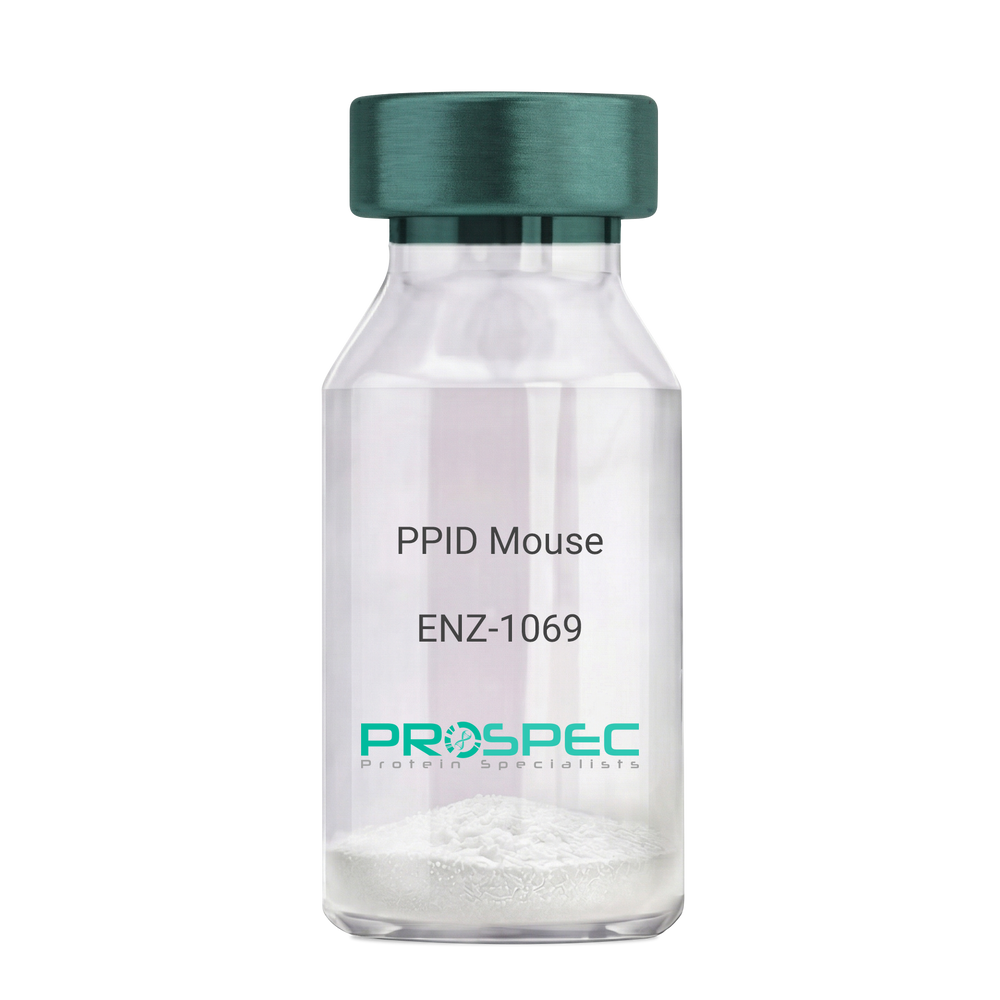
  • View Data Sheet

    Name :

    PPID Mouse

    Description:

    Peptidylprolyl Isomerase D Mouse Recombinant

    Peptidyl-prolyl cis-trans isomerase D, PPIase D, 40 kDa peptidyl-prolyl cis-trans isomerase, Cyclophilin-40, CYP-40, Cyclophilin-related protein, CYP40, CYPD, PPID, Peptidylprolyl Isomerase D.

    Product # :

    ENZ-1069

    Price :

    Quantity :

    Shipping Method :

    Ice Icon

    Shipped with Ice Packs

    Add To Cart

    More Info

    • description
    • source
    • formulation
    • purity
    • biological activity
    • More Info

    Description

    PPID Mouse Recombinant produced in E.Coli is a single, non-glycosylated polypeptide chain containing 395 amino acids (1-370a.a.) and having a molecular mass of 43.4kDa. PPID is fused to a 25 amino acid His-tag at N-terminus & purified by proprietary chromatographic techniques.

    Source

    Escherichia Coli.

    Formulation

    PPID protein solution (1mg/ml) containing 20mM Tris-Hcl buffer (pH8.0), 10% glycerol and 1mM DTT.

    Purity

    Greater than 90.0% as determined by SDS-PAGE.

    Biological Activity

    Specific activity is > 700nmol/min/mg, and is defined as the amount of enzyme that cleaves 1umole of suc-AAFP-PNA per minute at 37°C in Tris–HCl pH 8.0 using chymotrypsin.

    More Info

    • Introduction

      Cyclophilin-D is a member of the peptidyl-prolyl cis-trans isomerase (PPIase) family. PPIases catalyze the cis-trans isomerization of proline imidic peptide bonds in oligopeptides and speeds up the protein folding. Cyclophilin-D possess PPIase activity and binds to the immunosuppressant cyclosporin-A. Cyclophilin-D is very well known that its overexpression suppresses the apoptosis in cancer cell. Cyclophilin-D suppresses apoptotic cell death by the use of mitochondrial hexokinase-2 dependent mechanism in cancer cells.

    • Synonyms

      Peptidyl-prolyl cis-trans isomerase D, PPIase D, 40 kDa peptidyl-prolyl cis-trans isomerase, Cyclophilin-40, CYP-40, Cyclophilin-related protein, CYP40, CYPD, PPID, Peptidylprolyl Isomerase D.

    • Physical Appearance

      Sterile Filtered colorless solution.

    • Stability

      Store at 4°C if entire vial will be used within 2-4 weeks. Store, frozen at -20°C for longer periods of time. For long term storage it is recommended to add a carrier protein (0.1% HSA or BSA). Please prevent freeze-thaw cycles.

    • Amino Acid Sequence

      MGSSHHHHHH SSGLVPRGSH MGSEFMSHAS PAAKPSNSKN PRVFFDVDIG GERVGRIVLE LFADIVPKTA ENFRALCTGE KGTGSTTGKP LHFKGCPFHR IIKKFMIQGG DFSNQNGTGG ESIYGEKFED ENFHYKHDRE GLLSMANAGP NTNGSQFFIT TVPTPHLDGK HVVFGQVIKG LGVARTLENV EVNGEKPAKL CVIAECGELK EGDDWGIFPK DGSGDSHPDF PEDADIDLKD VDKILLISED LKNIGNTFFK SQNWEMAIKK YAKVLRYVDS SKAVIEKADR SRLQPIALSC VLNIGACKLK MSNWQGAIDS CLEALEMDPS NTKALYRKAQ GWQGLKEYDQ ALADLKKAQE IAPGDKAIQA ELLKVKQMIK AQKDKEKAVY AKMFA.

    ProSpec's products are furnished for LABORATORY RESEARCH USE ONLY. The product may not be used as drugs, agricultural or pesticidal products, food additives or household chemicals.

    Ppid Mouse
  • 1
  • …
  • 9
  • 10
  • 11
  • 12
  • 13
  • …
  • 42
Your browser does not support the video tag.

Products

  • Cytokines
  • Growth Factors
  • Chemokines
  • CD Antigens
  • Neurotrophins
  • Hormones
  • Enzymes
  • Viral Antigens
  • Recombinant Proteins
  • Natural Proteins
  • Monoclonal Antibodies
  • Polyclonal Antibodies
  • Thermal Packaging

About

  • Company
  • Founder
  • Contribution
  • Contact Us
  • My Account

Ordering

  • Ordering Method
  • Ordering - Credit Card
  • Ordering PO
  • Shipping Fees
  • FAQ's

Legal

  • Terms & Conditions
  • Privacy
  • Site Map
  • info@prospecbio.com
  • Facebook
  • Instagram
  • Linkedin Profile

© 2026 ProSpec-Tany TechnoGene Ltd. All Rights Reserved.

  • Choosing a selection results in a full page refresh.
  • Opens in a new window.